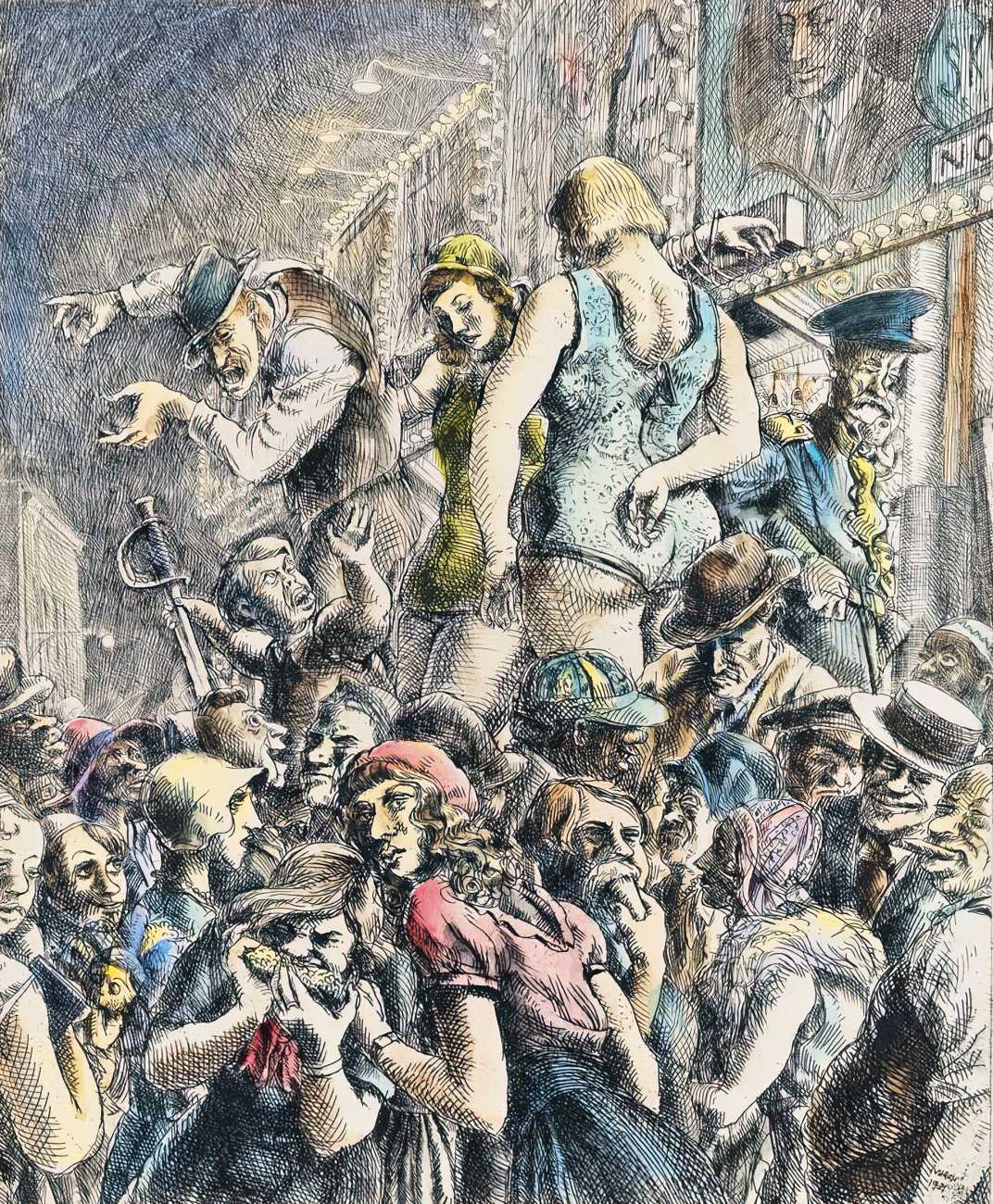
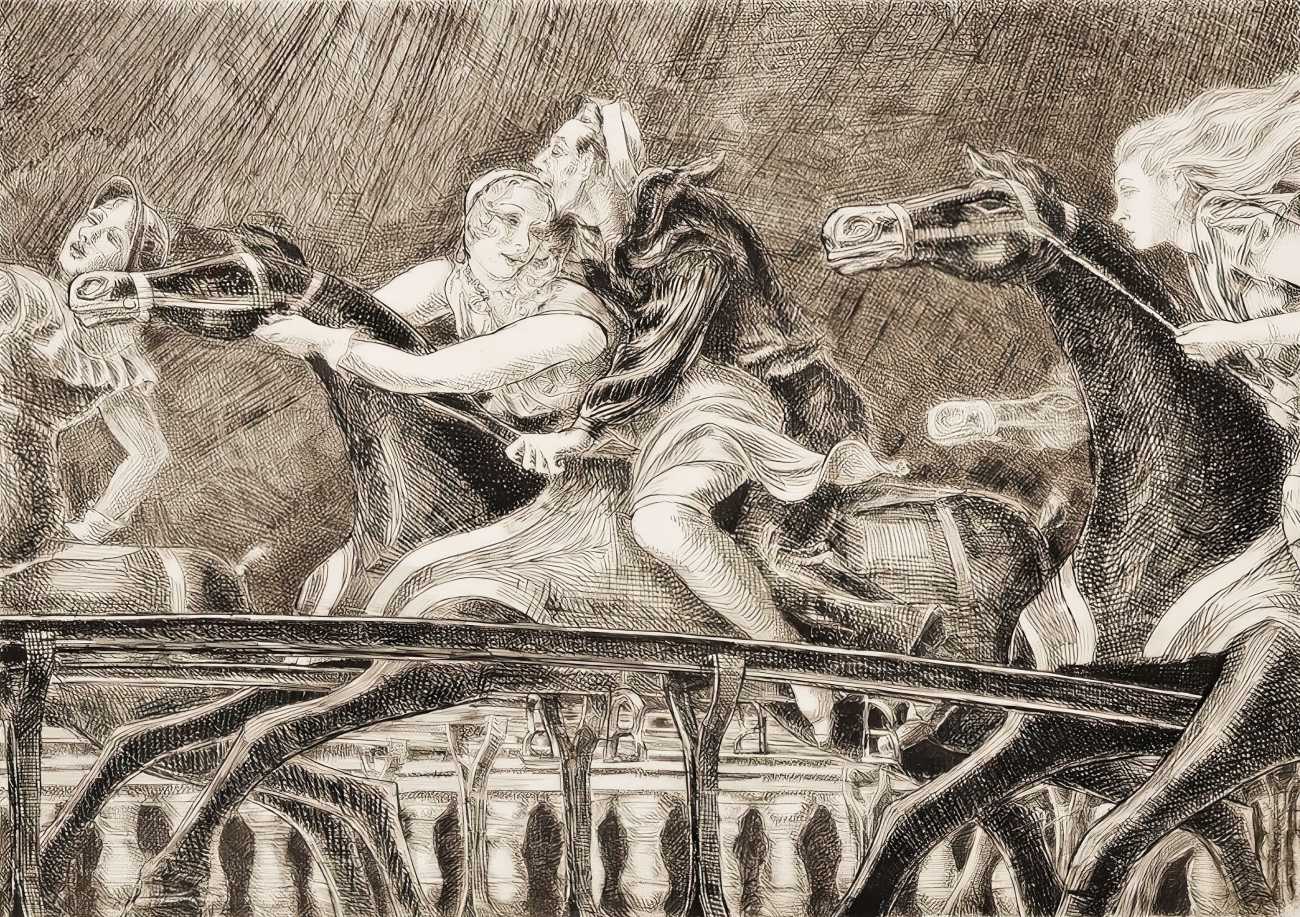
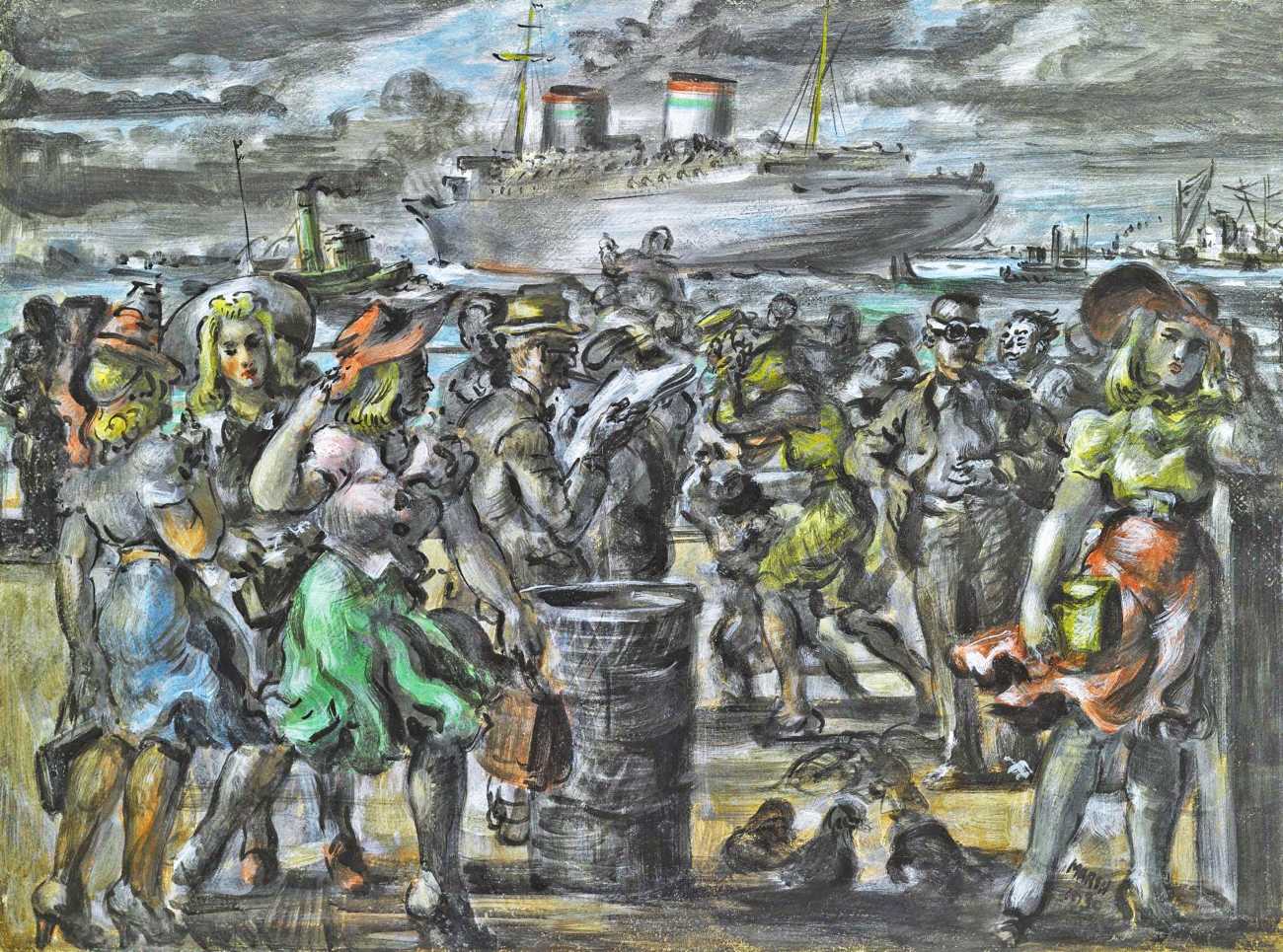
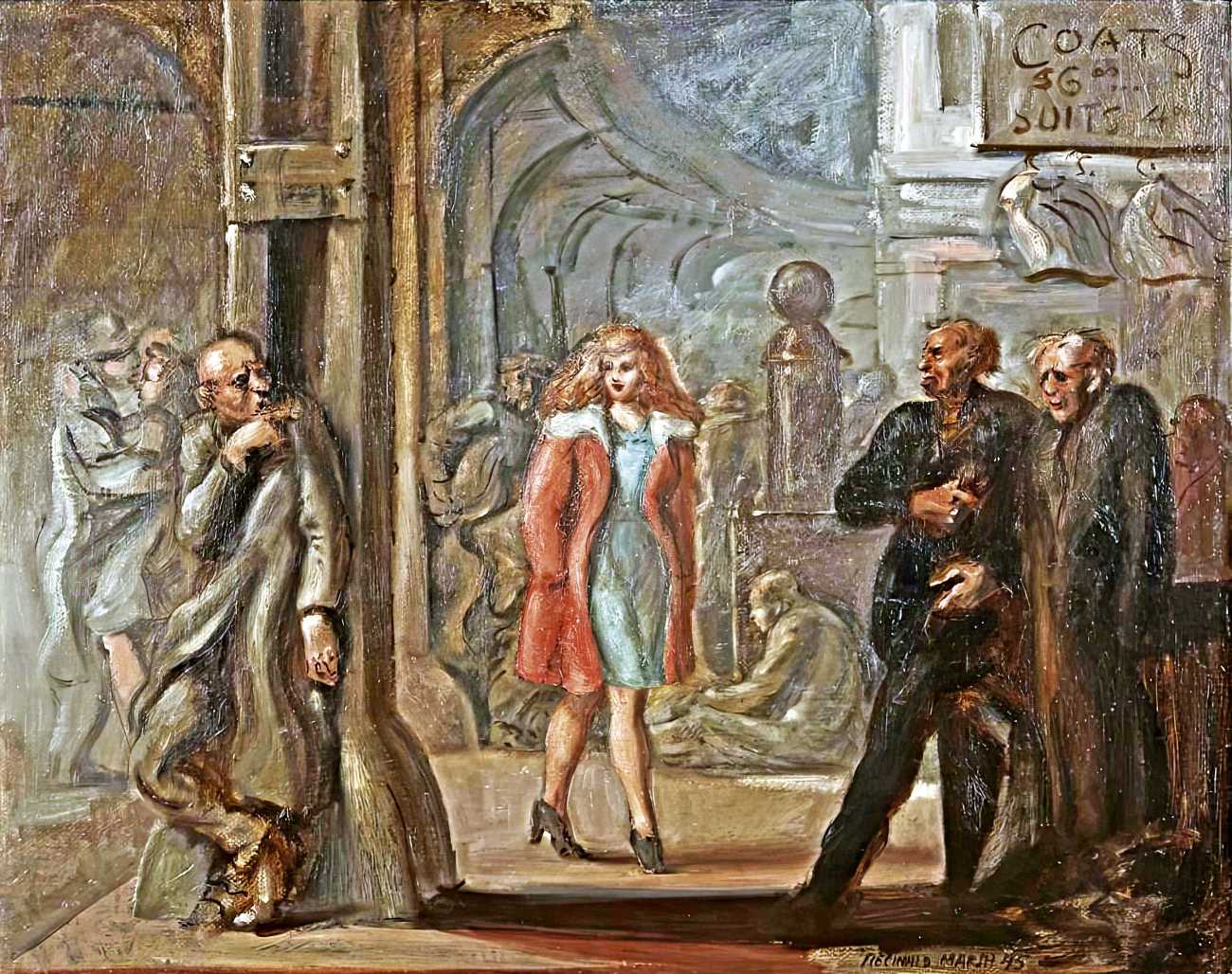
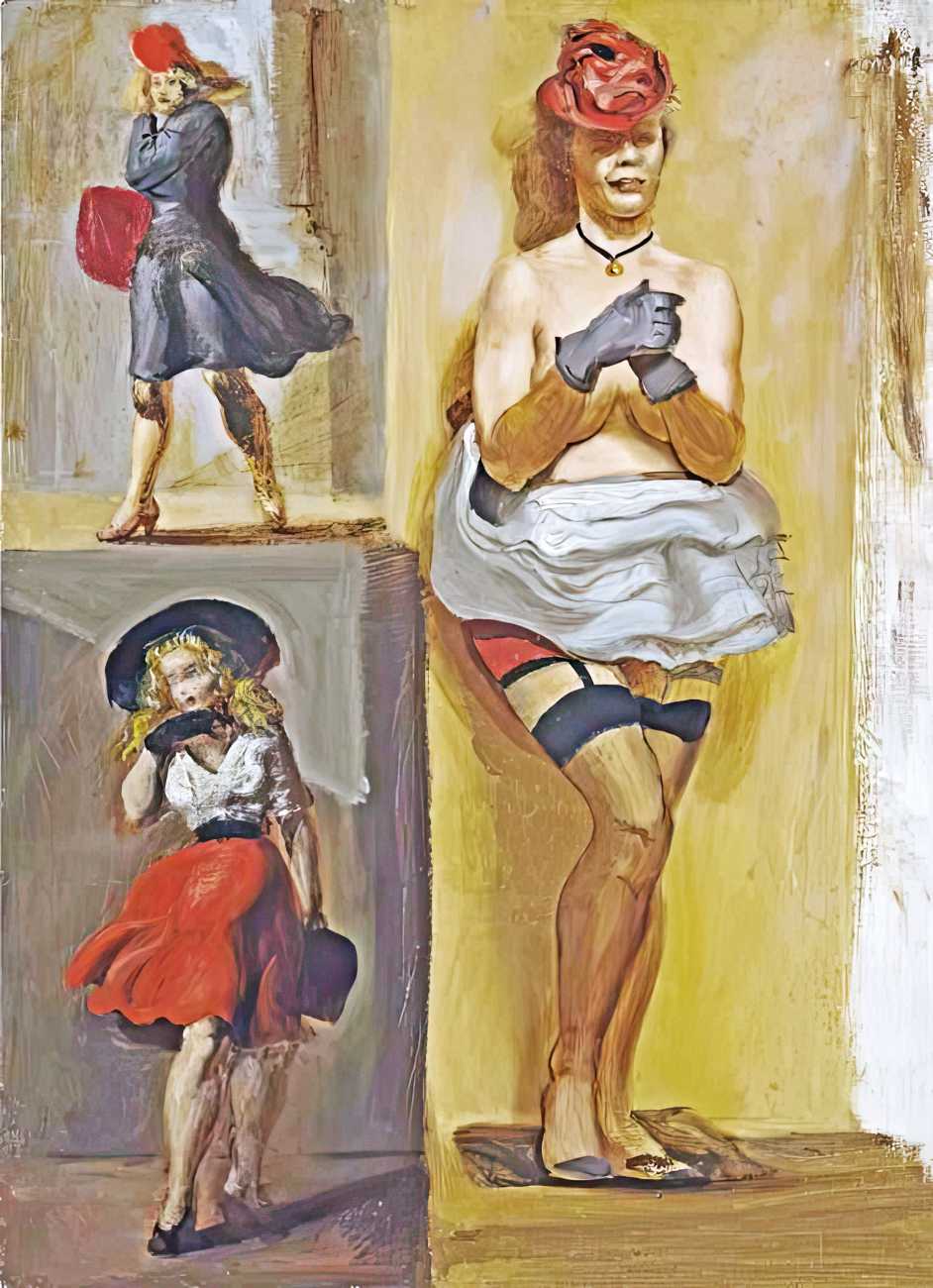
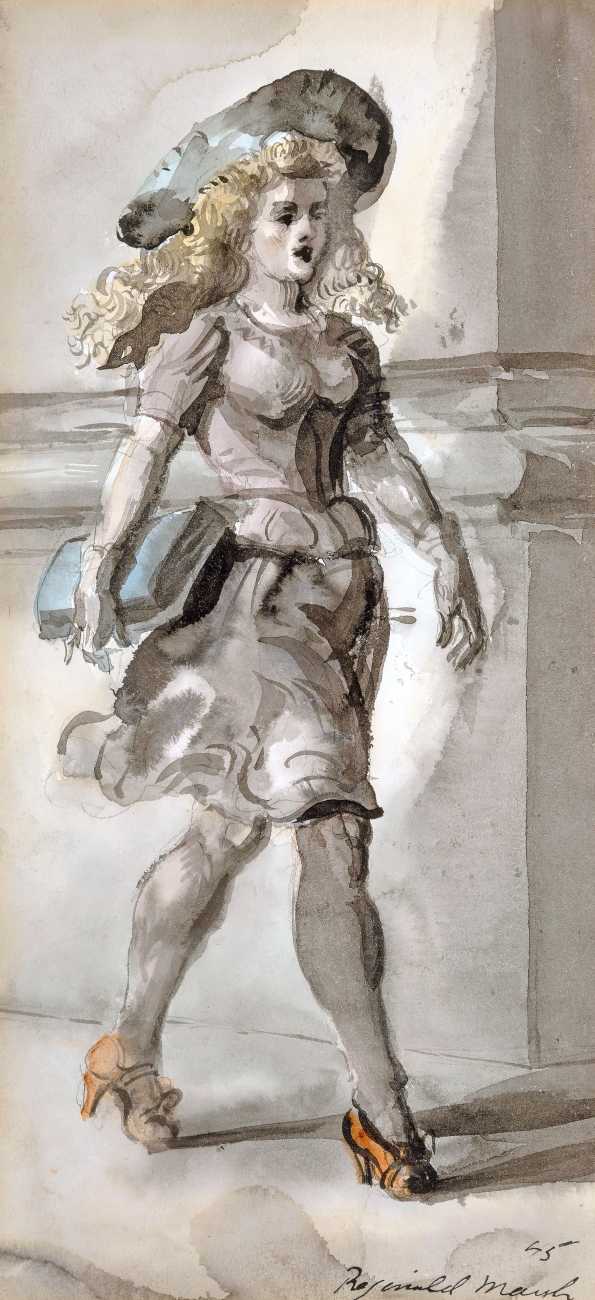
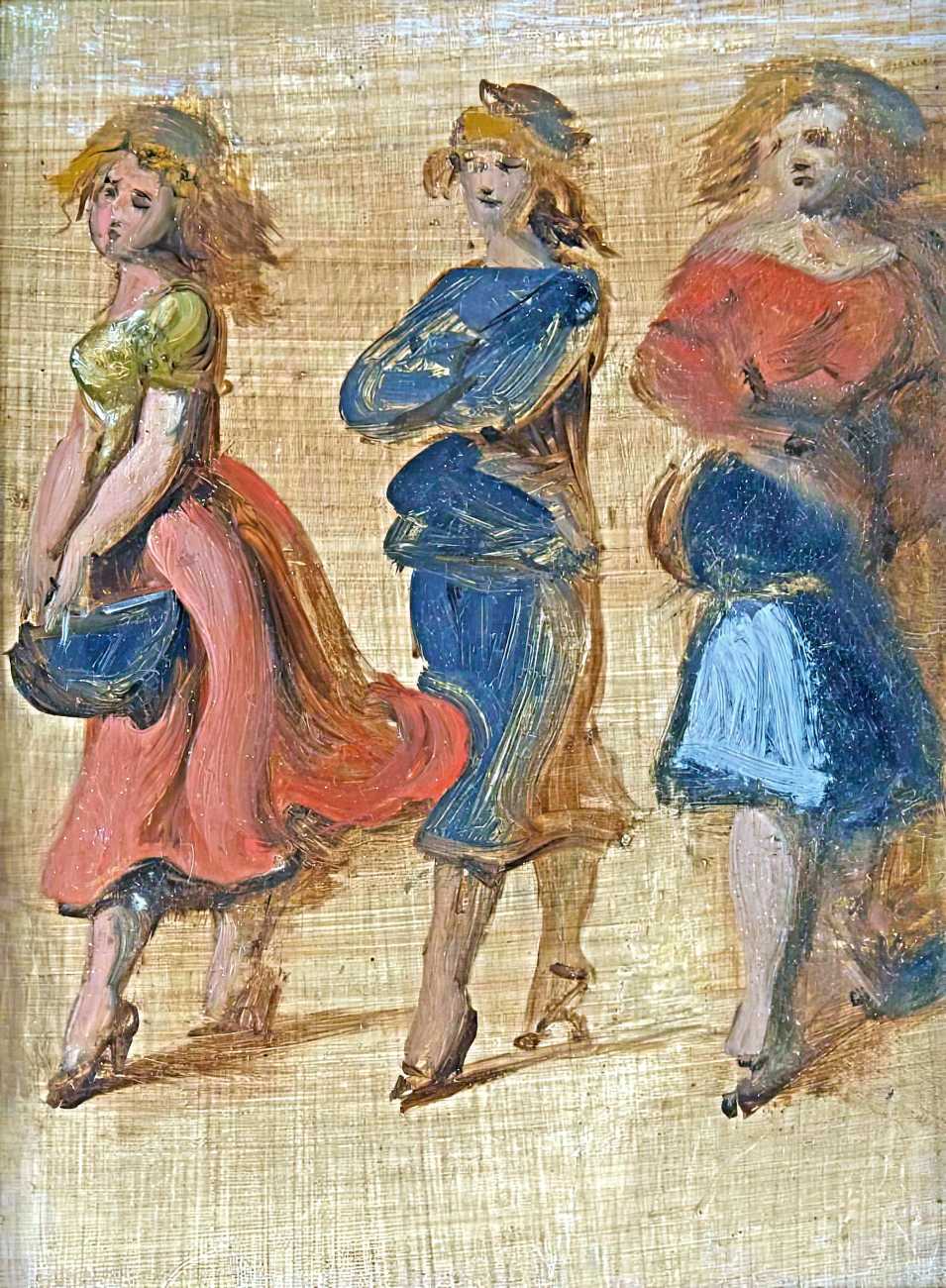
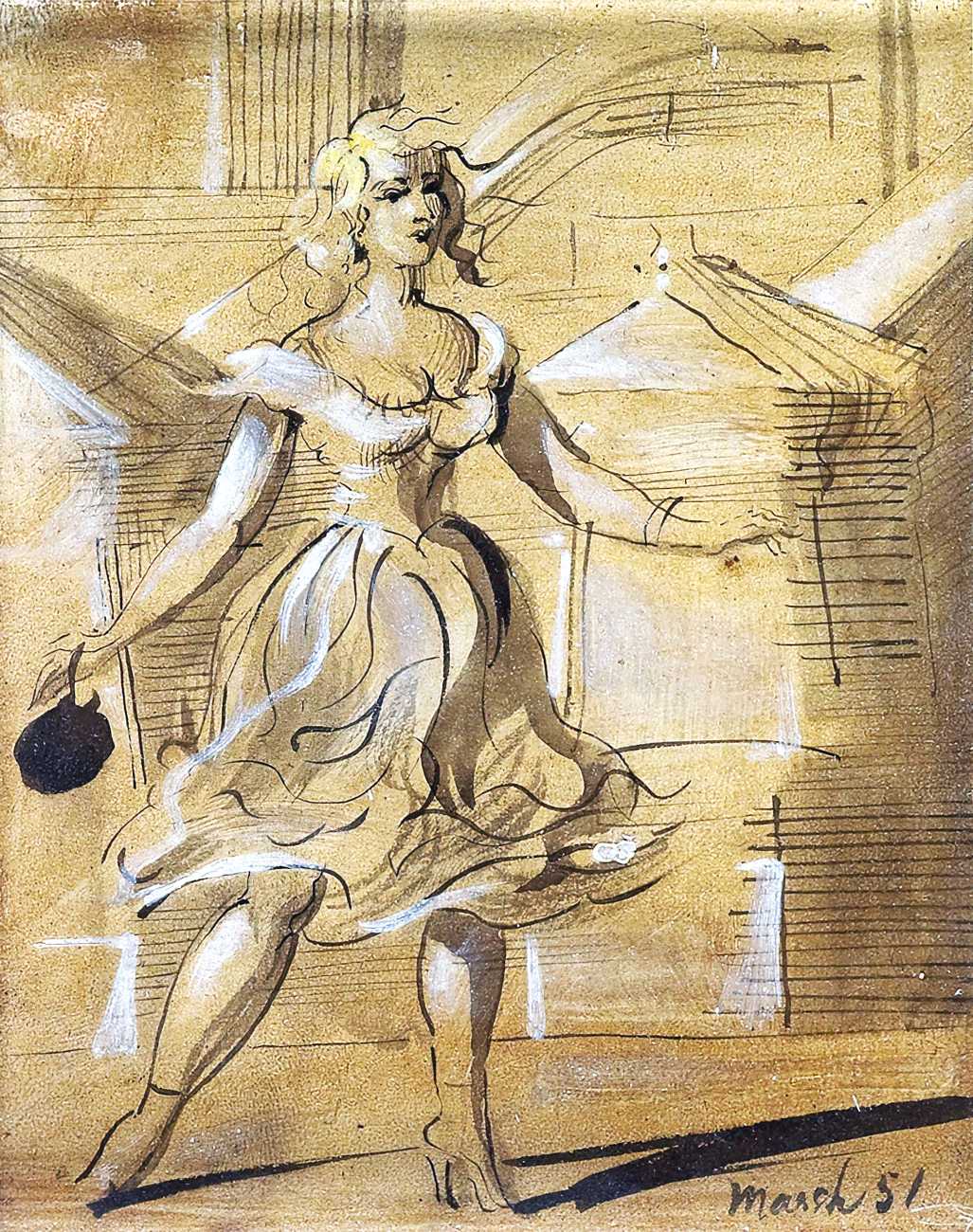
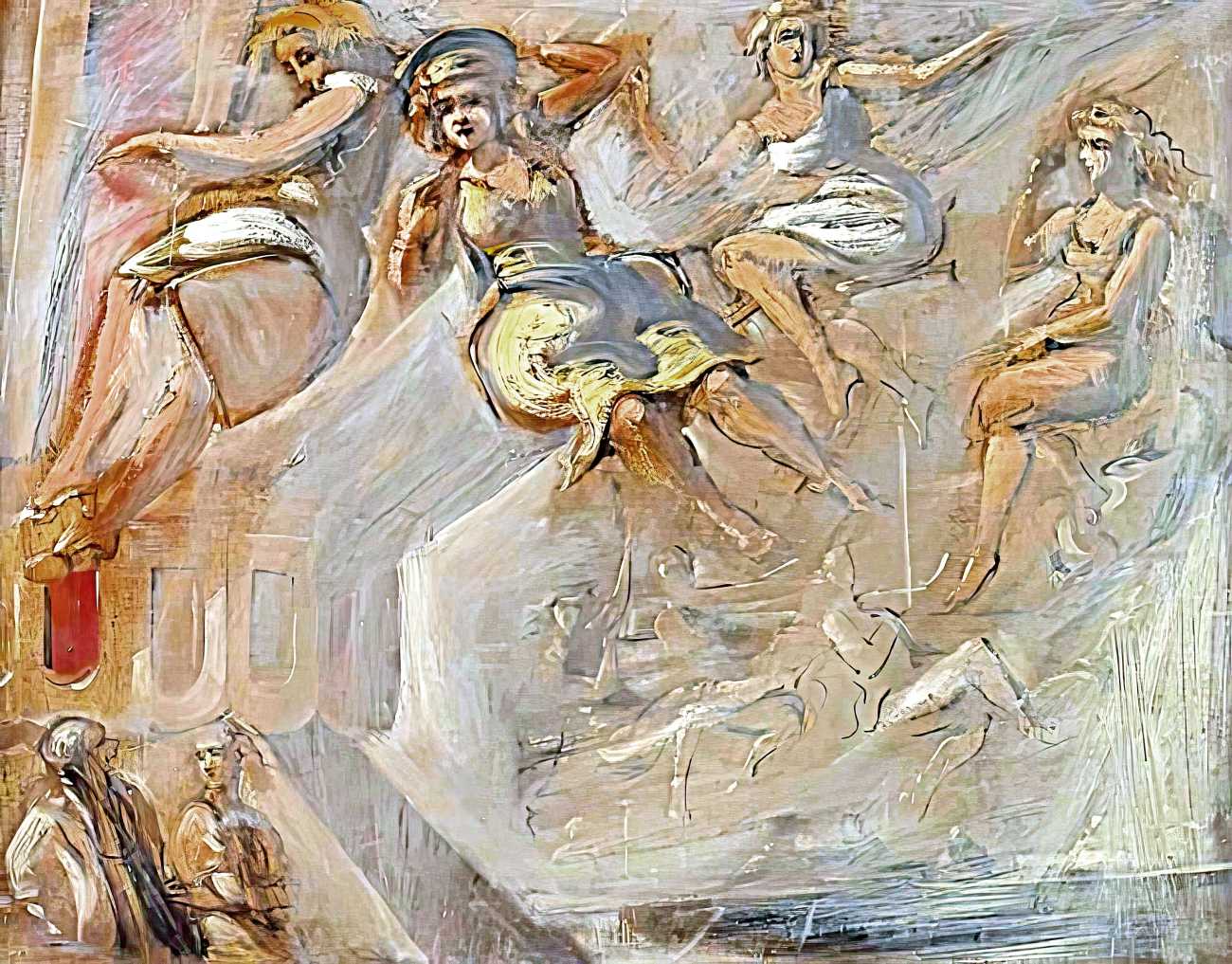
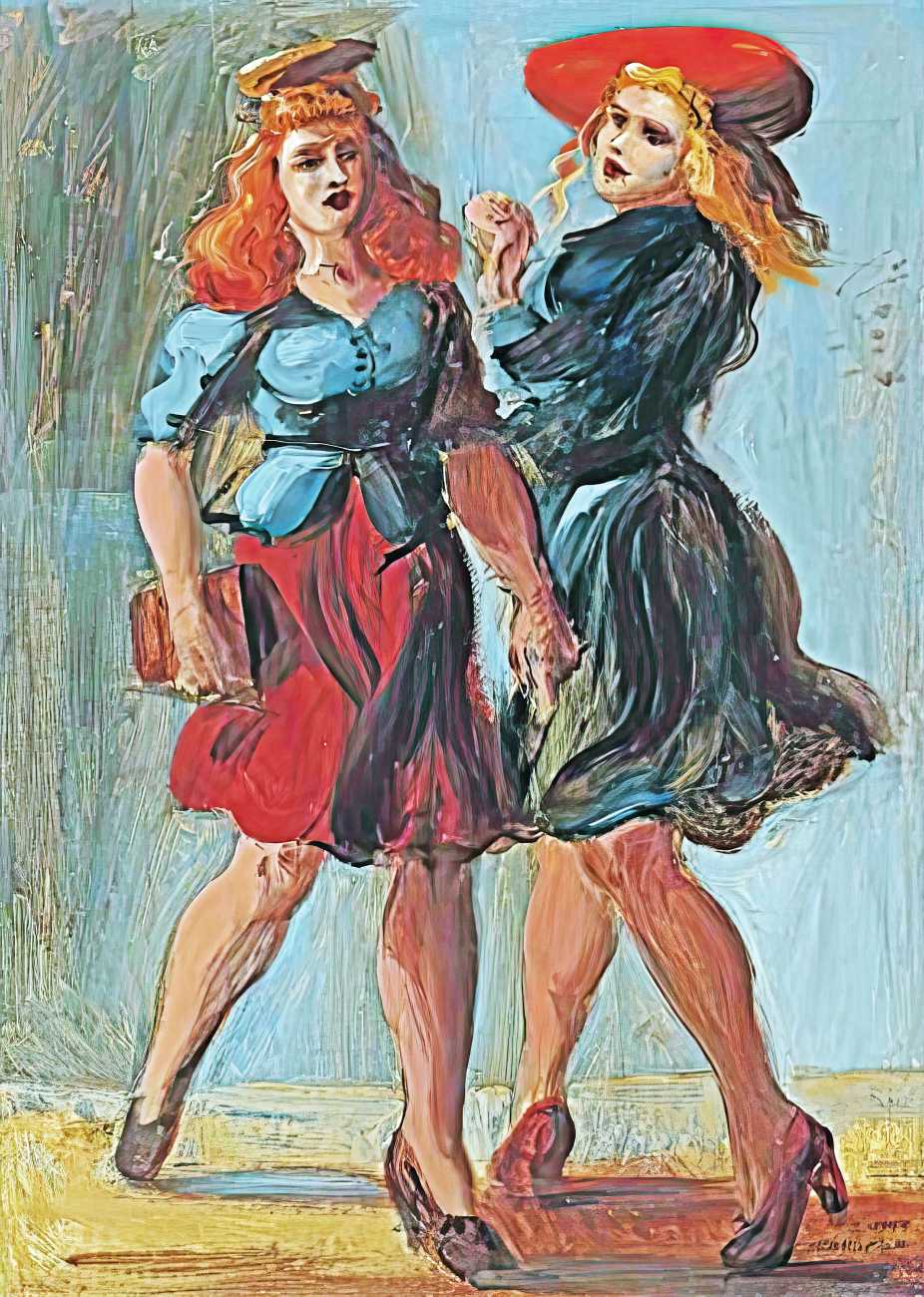
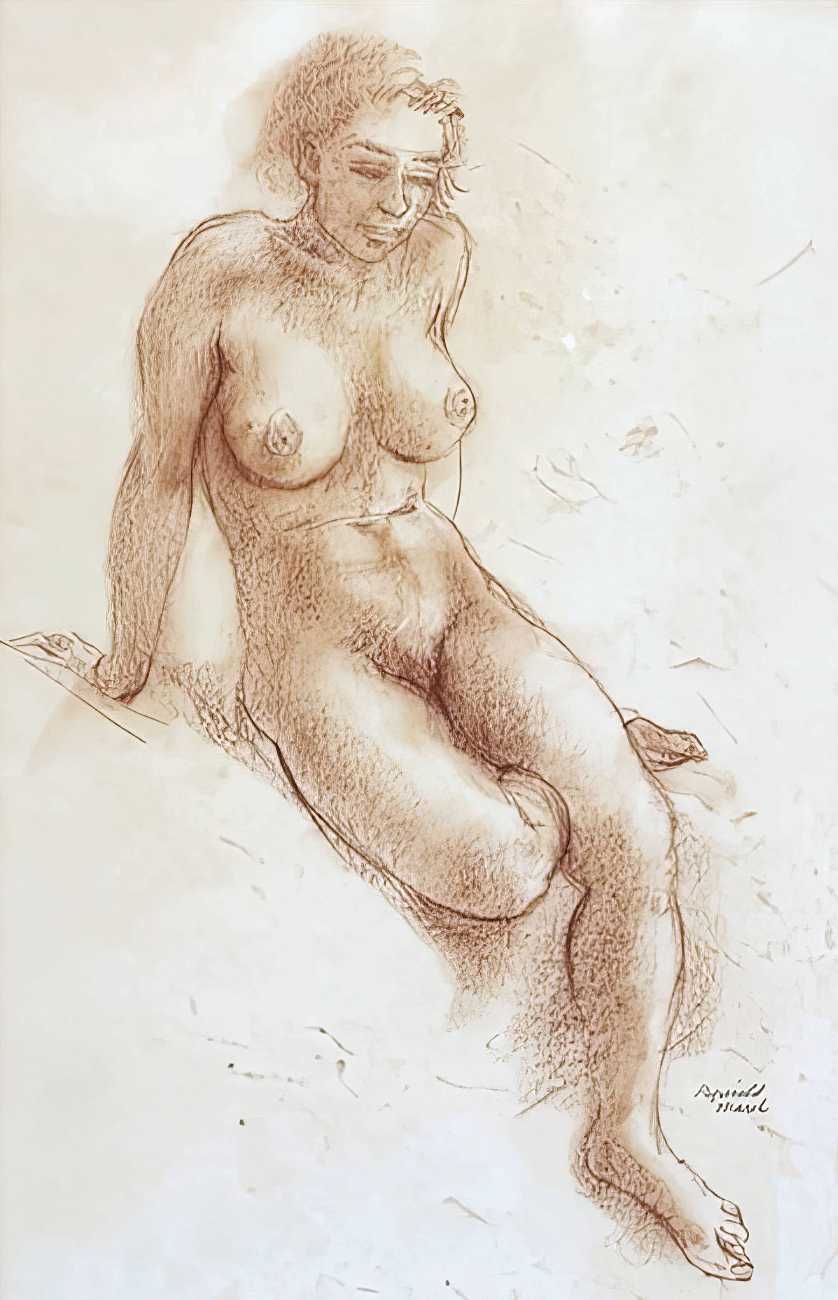
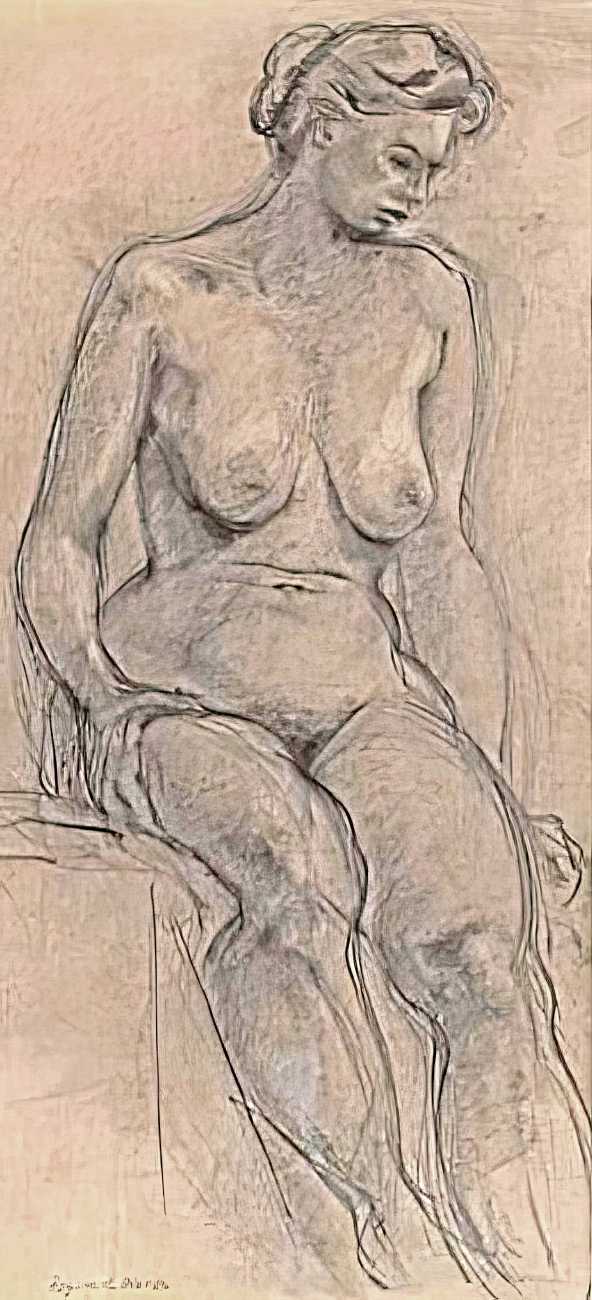
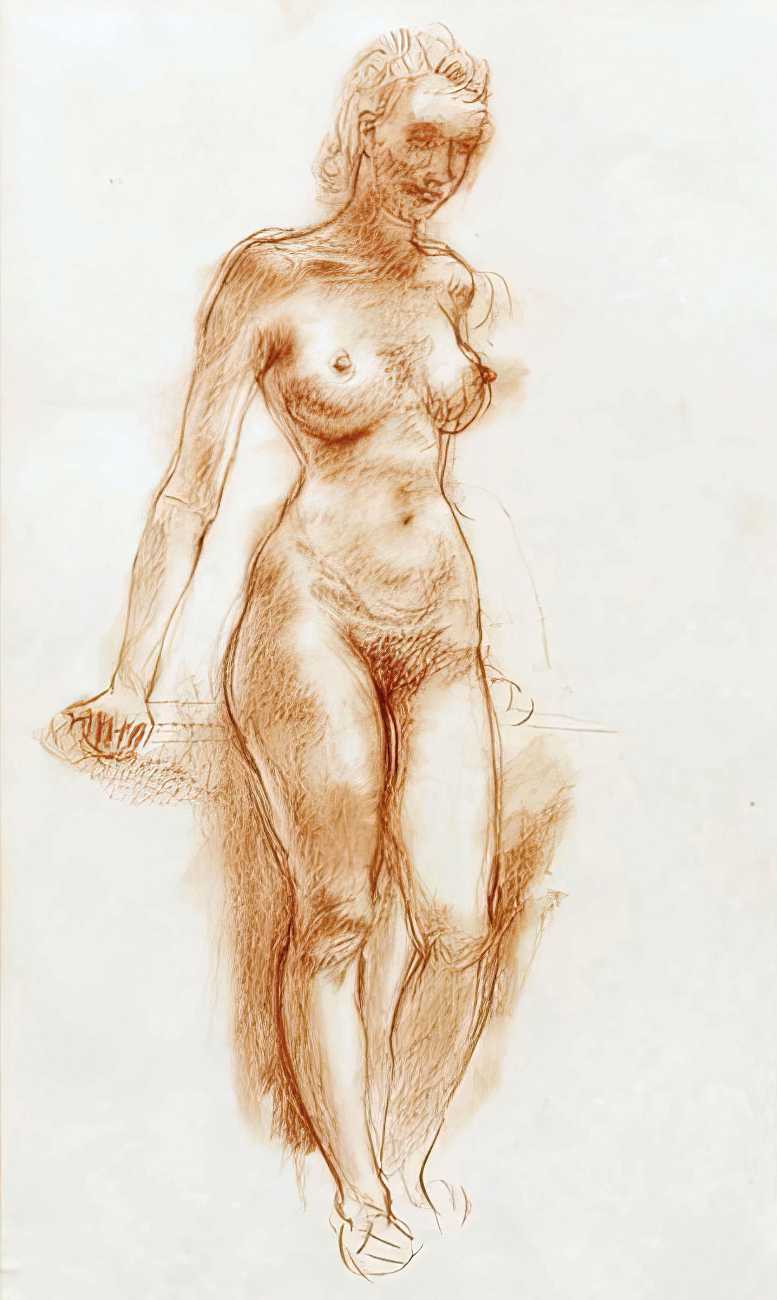
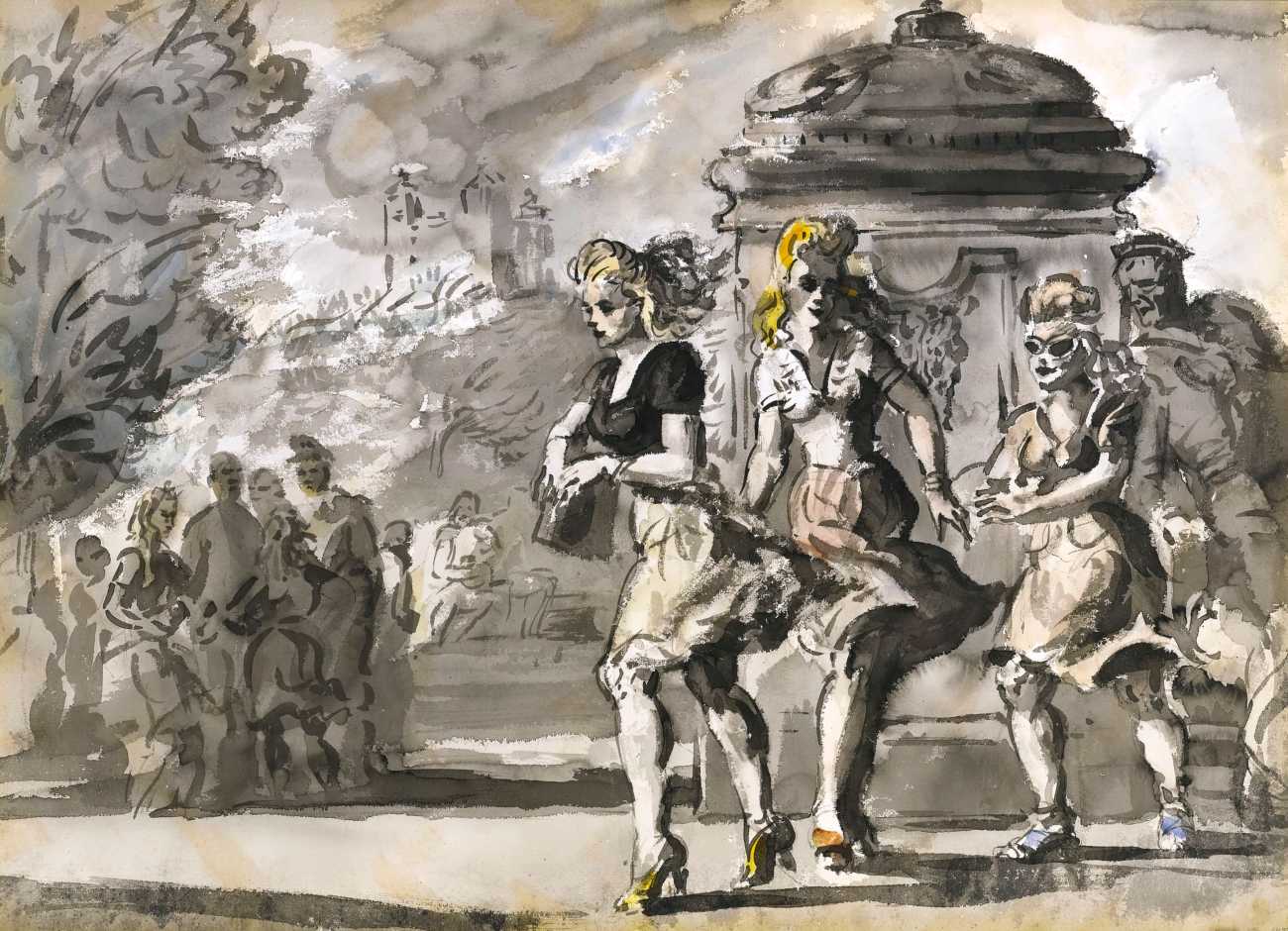
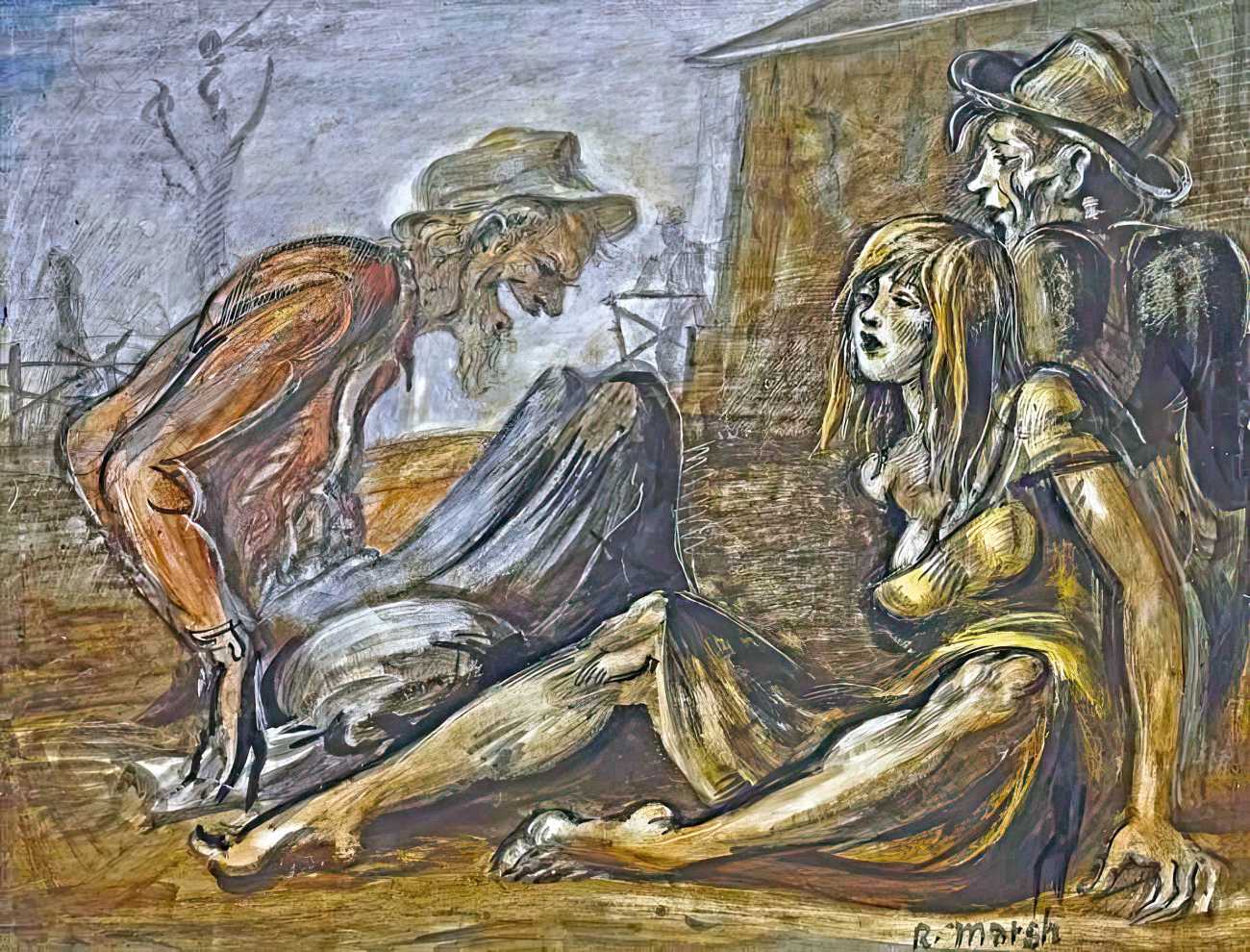
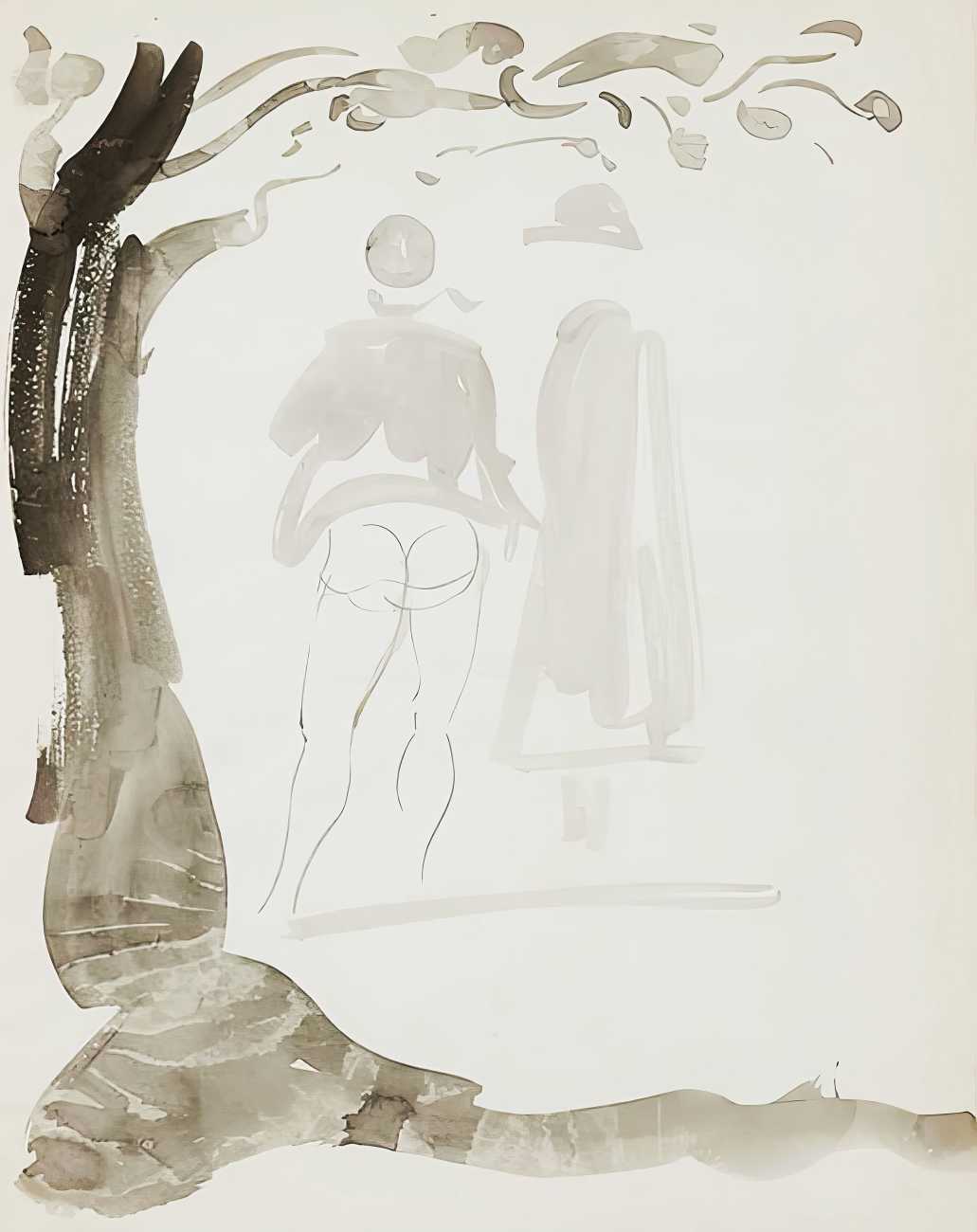
As well as crowded Coney Island beach scenes and popular entertainments such as vaudeville and burlesque, Reginald Marsh captured the crowds of the bustling inner city life of New York. He spent a lot of his time on the sidewalks, the subways, the nightclubs, bars and restaurants, and loved to single people out on the trains, in the parks, or in ballrooms to capture a single human figure in isolation from the rest of the city. Women and jobless men on the Bowery are subjects that reappear throughout his work.
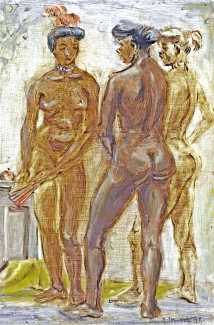
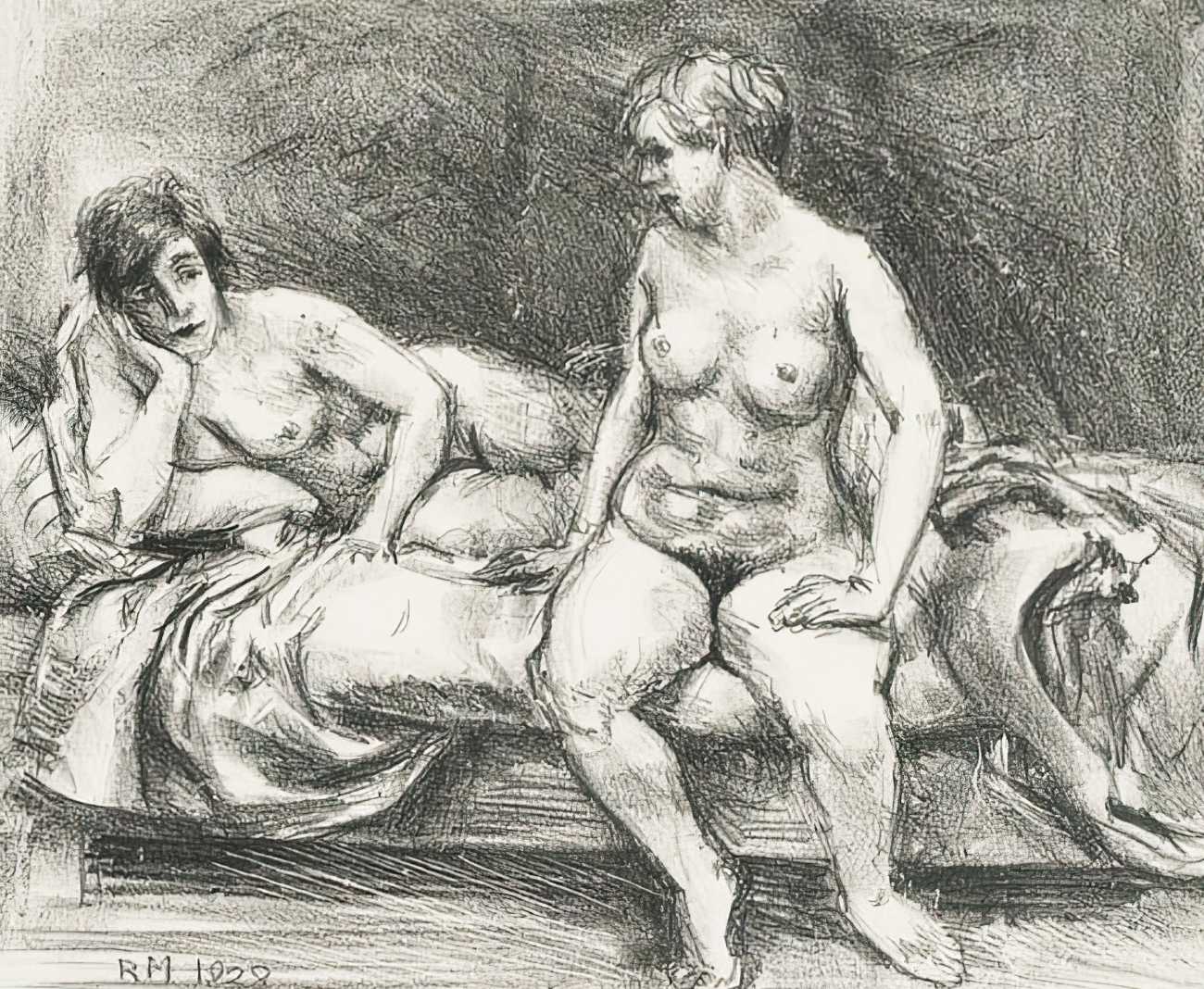
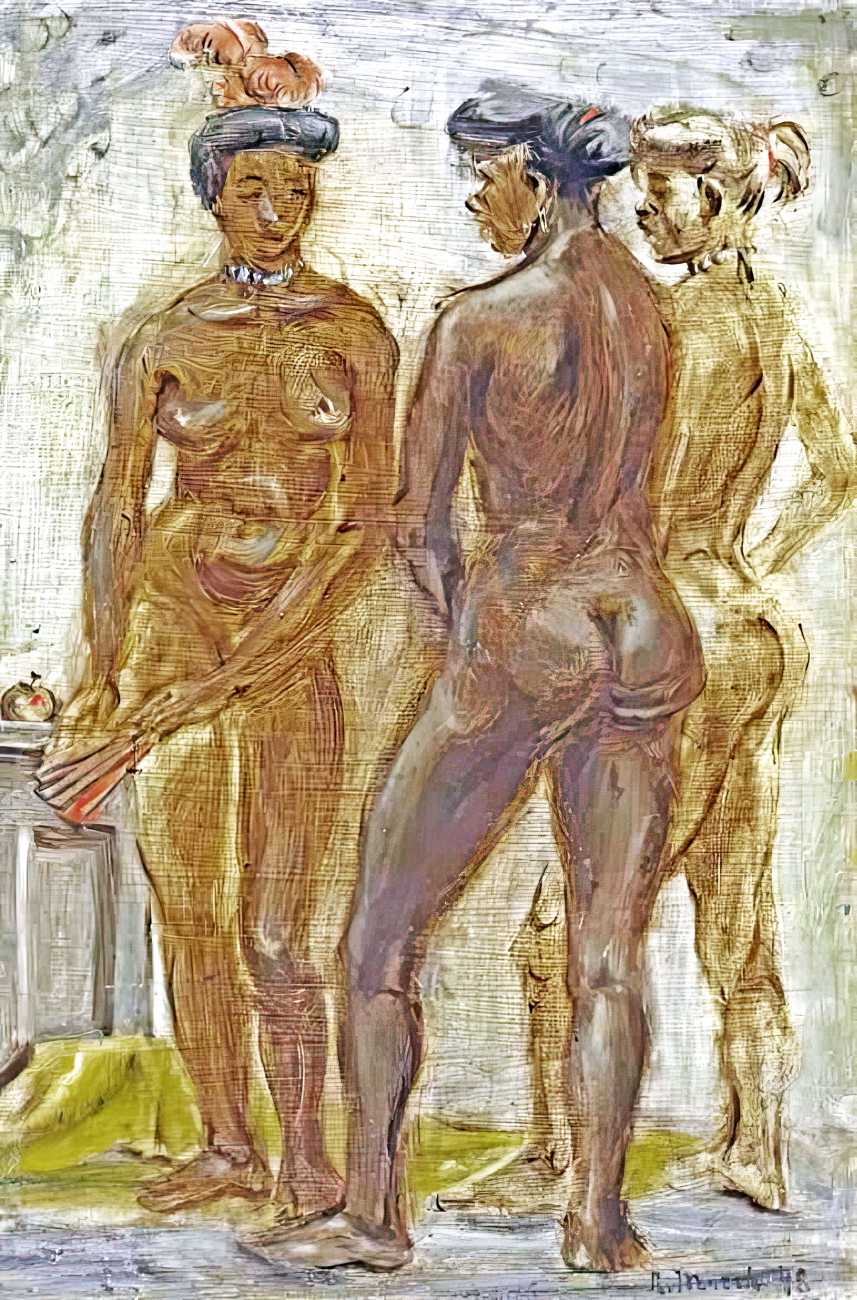
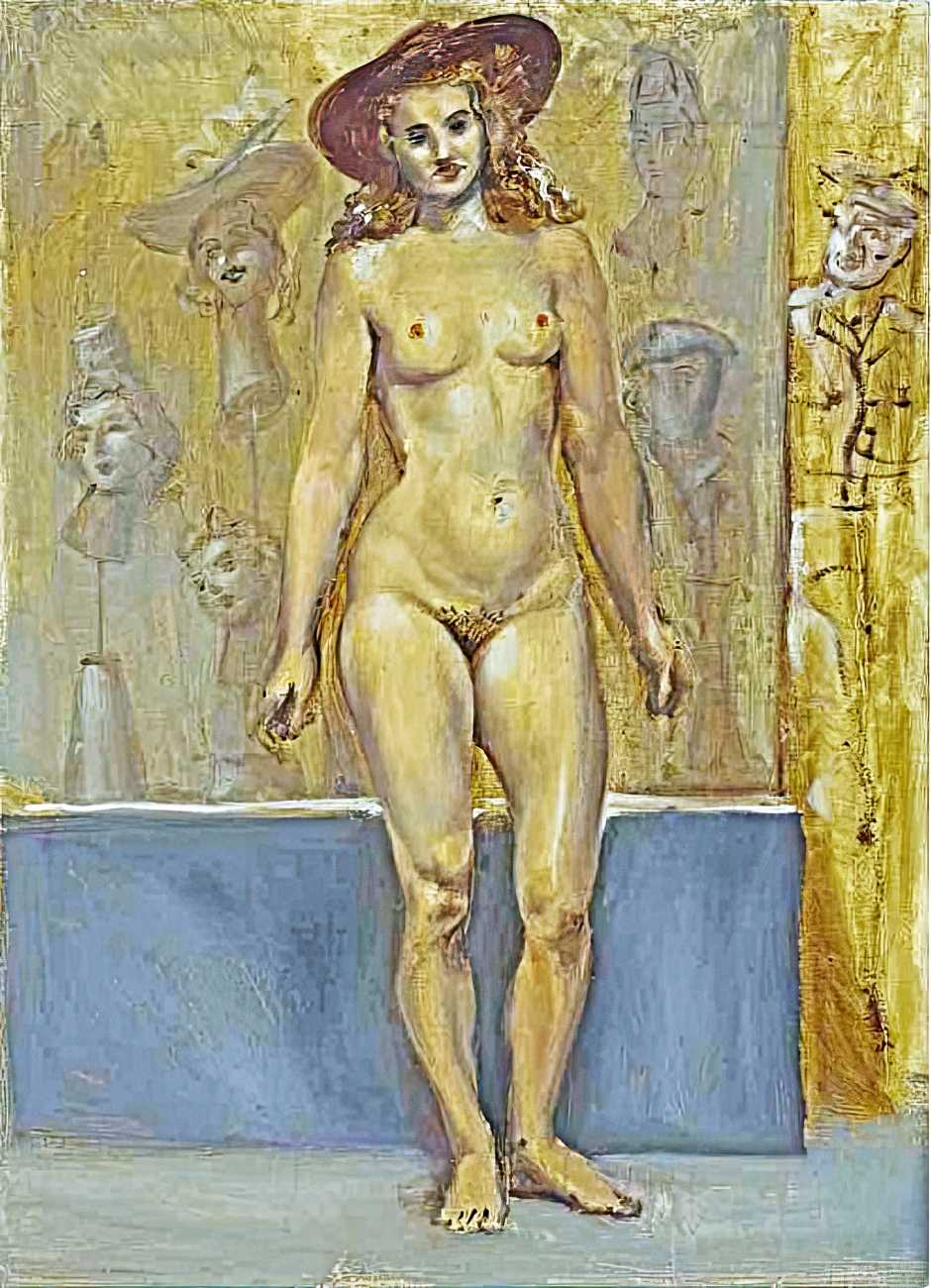
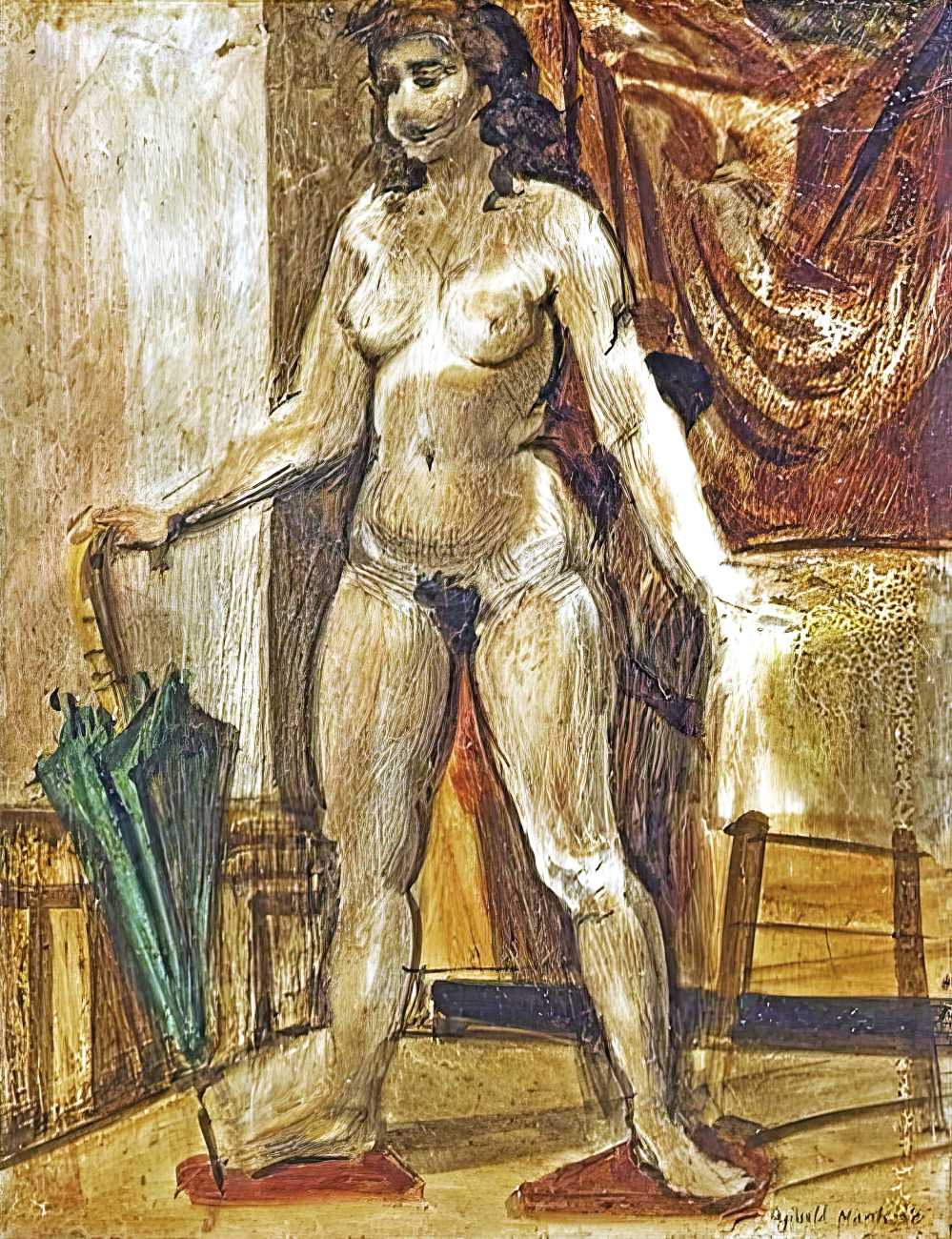
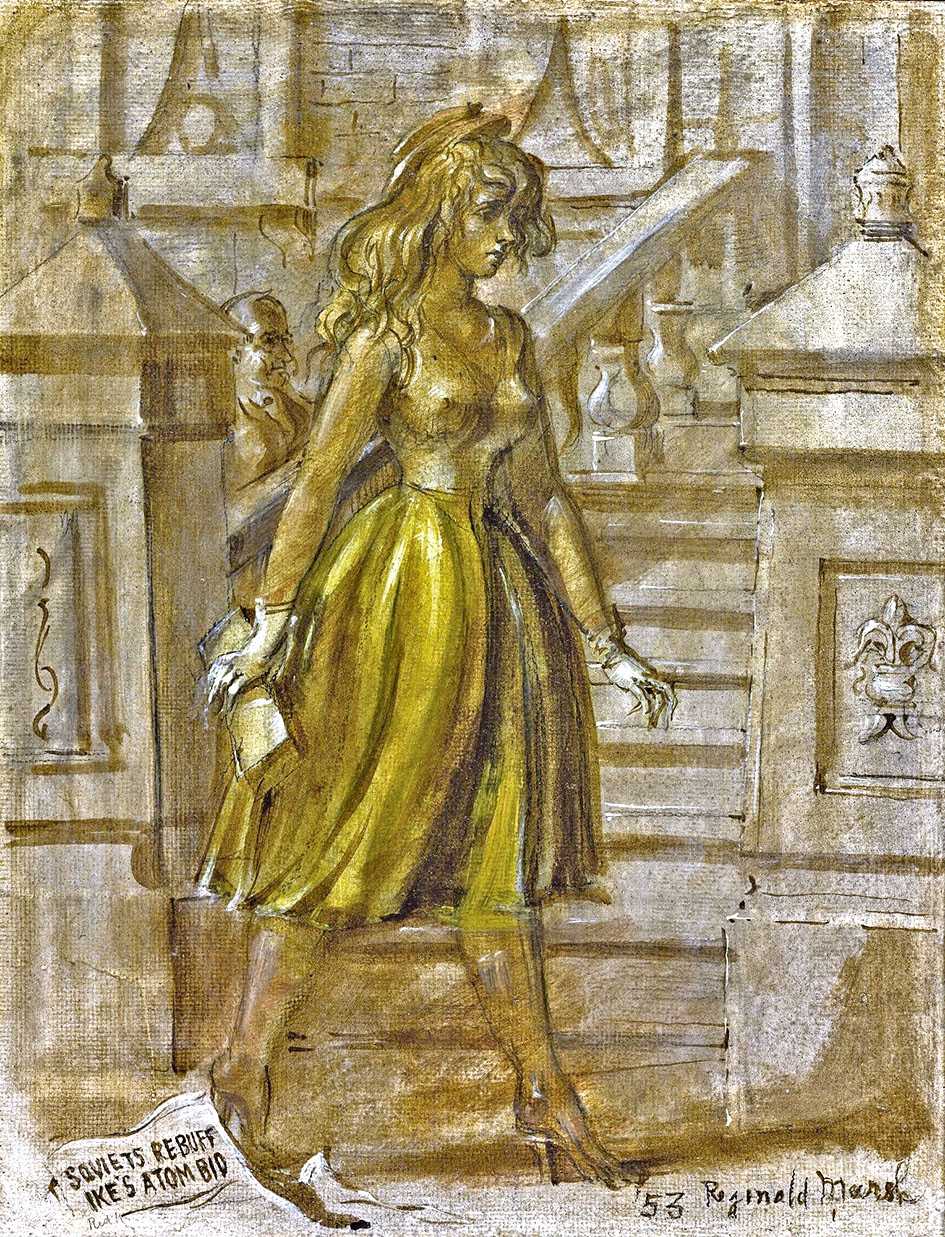
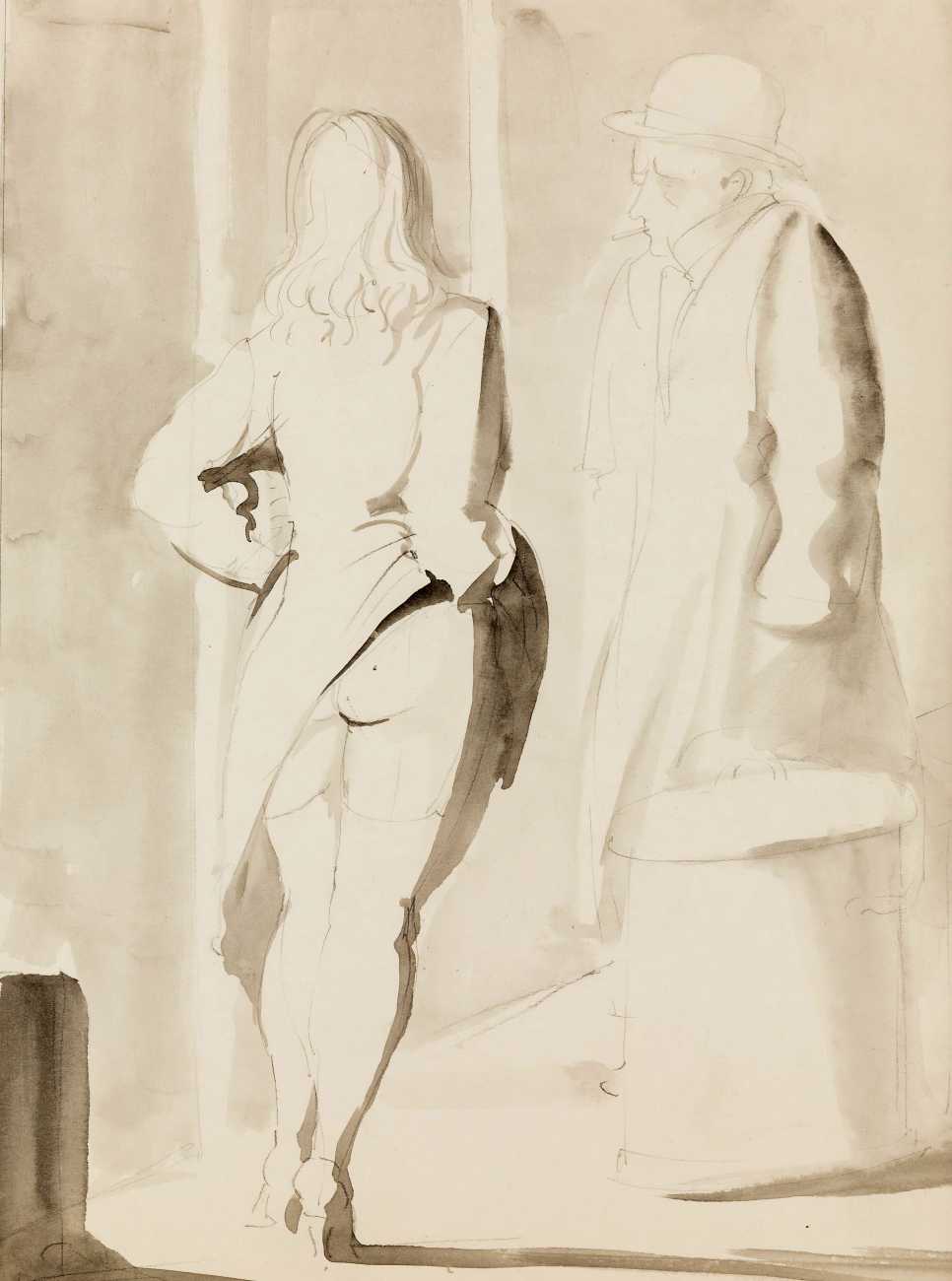
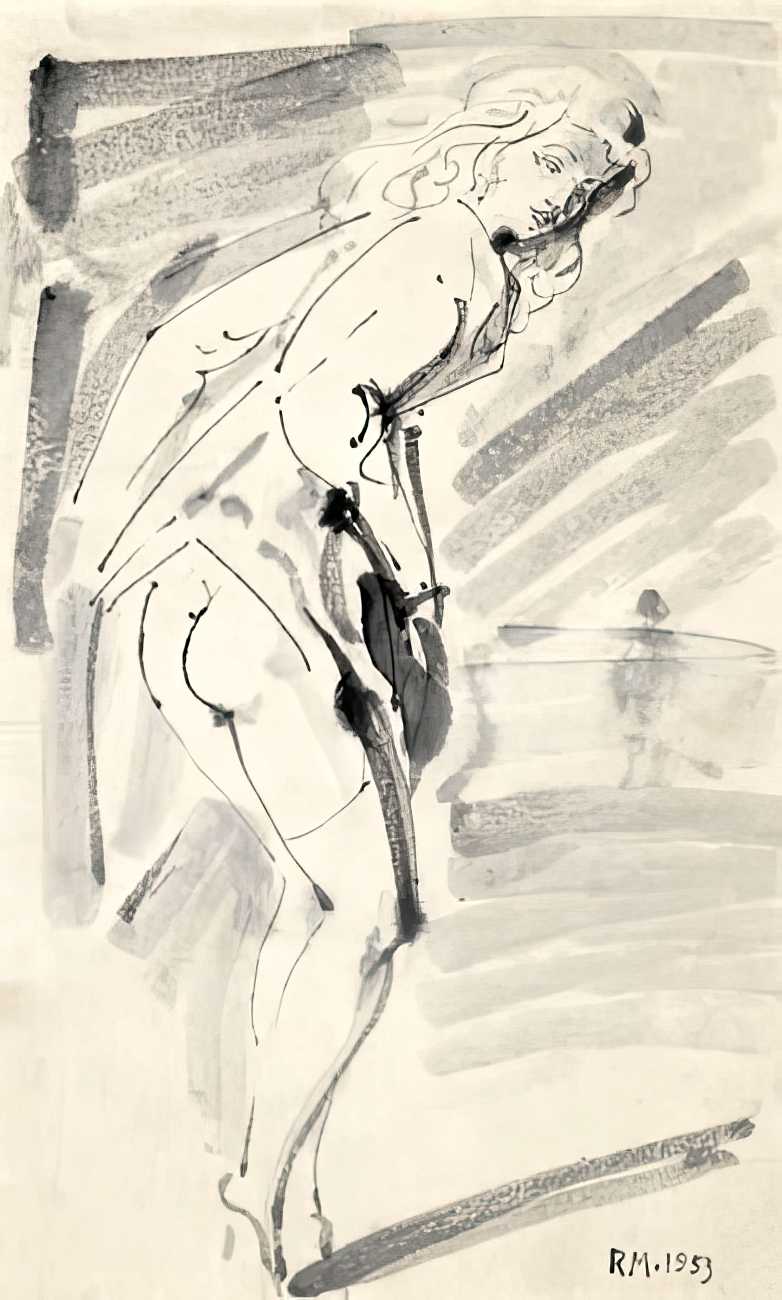
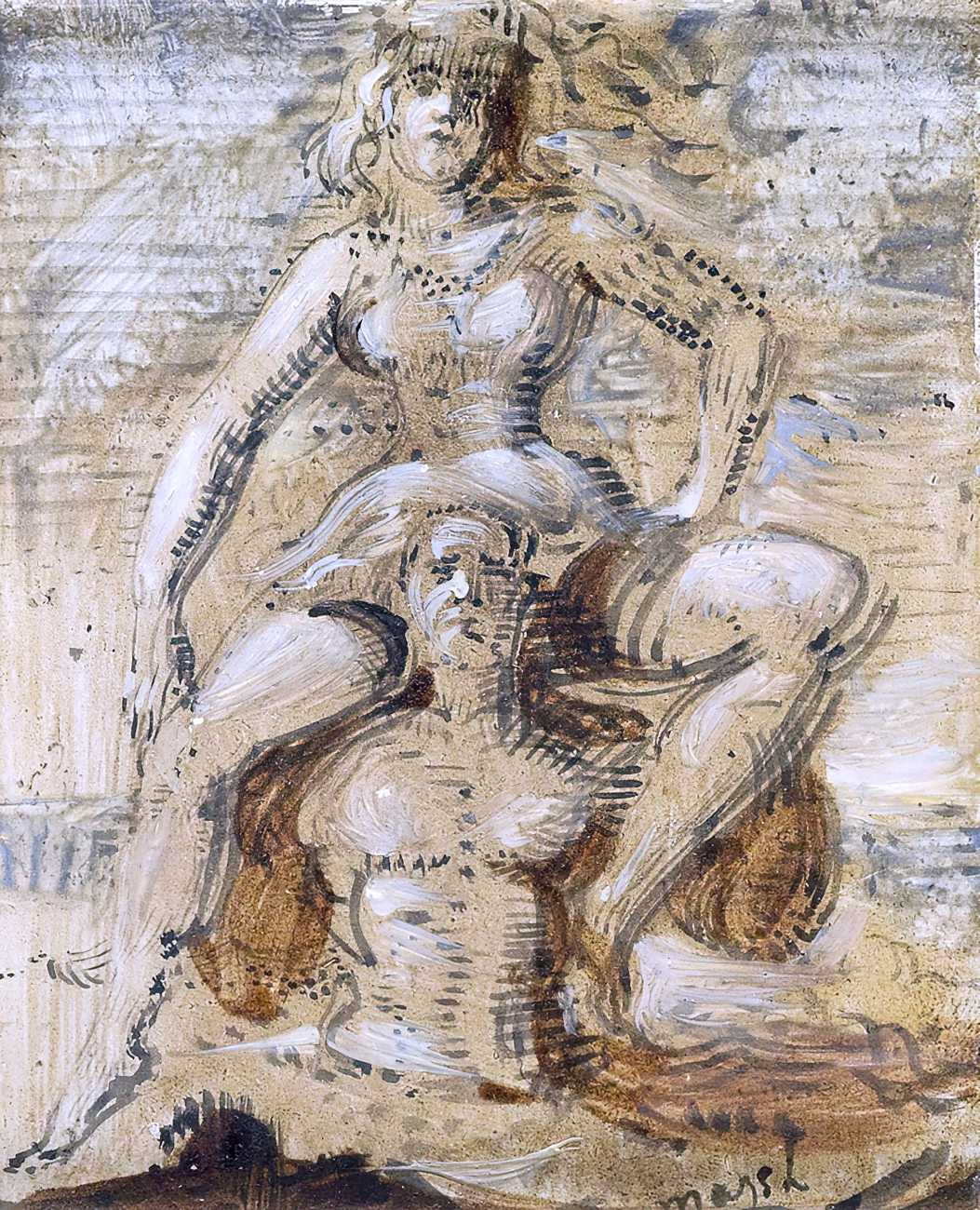
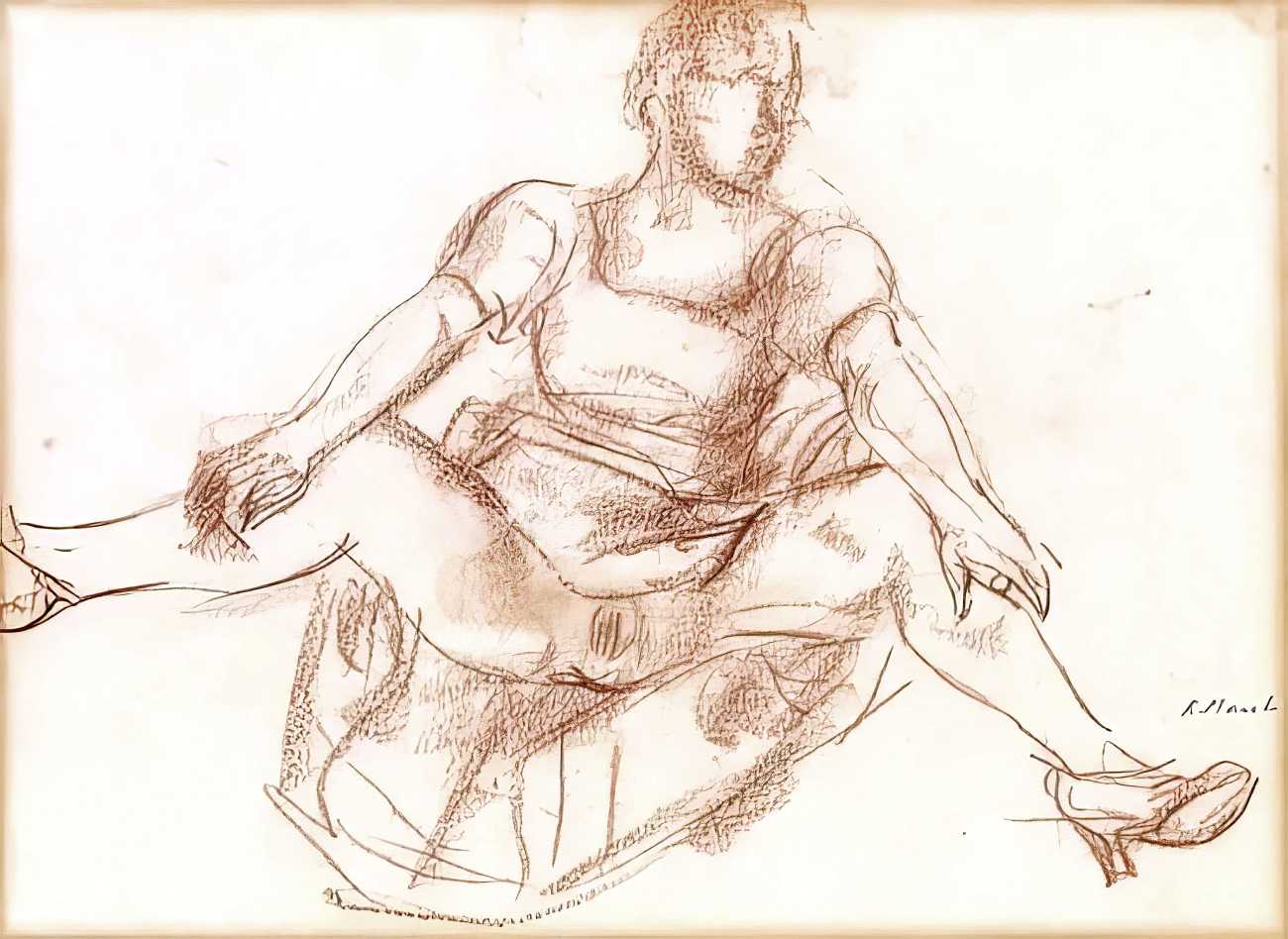
Marsh was particularly interested in women as sexual and powerful figures. During the 1930s more than two million women lost their jobs, and women were often exploited both economically and sexually. Marsh’s work shows this exploitation by portraying men and women in the same paintings. The women may be half clothed or fully naked, and are purposeful and strong; the men are voyeurs, often less imposing than the women. According to art historian Marilyn Cohen, ‘Marsh’s world is filled with display: movies, burlesque, the beach, and all forms of public exhibition. Men and women are both spectators and performers within a heavily sexualised world. And Marsh was clearly fascinated by both aspects of that world, often presenting its two sides in the same image.’