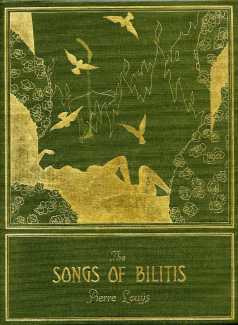
 Pierre Louÿs’ The Songs of Bilitis, originally published in French in 1894 as Les chansons de Bilitis, is a collection of erotic lesbian poetry, and one of the most successful literary frauds of all time. Most of Louÿs’ early readers honestly believed that they were reading genuine translations of rediscovered ancient poetry found on the walls of a tomb in Cyprus, written by a woman called Bilitis who was a courtesan and contemporary of Sappho. In the 143 poems Bilitis shares her most intimate thoughts, from childhood innocence in Pamphylia to the loneliness and chagrin of her later years. To lend authenticity to the forgery, Louÿs listed some poems as ‘untranslated’; he even craftily fabricated an entire section of his book called ‘The Life of Bilitis’, crediting a fictional German archaeologist as the discoverer of Bilitis’ tomb. Though Louÿs displayed great knowledge of ancient Greek culture, ranging from children’s games to the application of scents, the literary fraud was eventually exposed. This did little to taint its literary value, and Louÿs’ open and sympathetic celebration of lesbian sexuality earned him both popularity and historic significance.
Although for the most part The Songs of Bilitis is original work, many of the poems were reworked epigrams from the Palatine Anthology, and Louÿs even borrowed some verses from Sappho herself. The poems are a blend of mellow sensuality and polished style in the manner of the Parnassian school, but underneath run subtle French undertones that Louÿs could never escape.
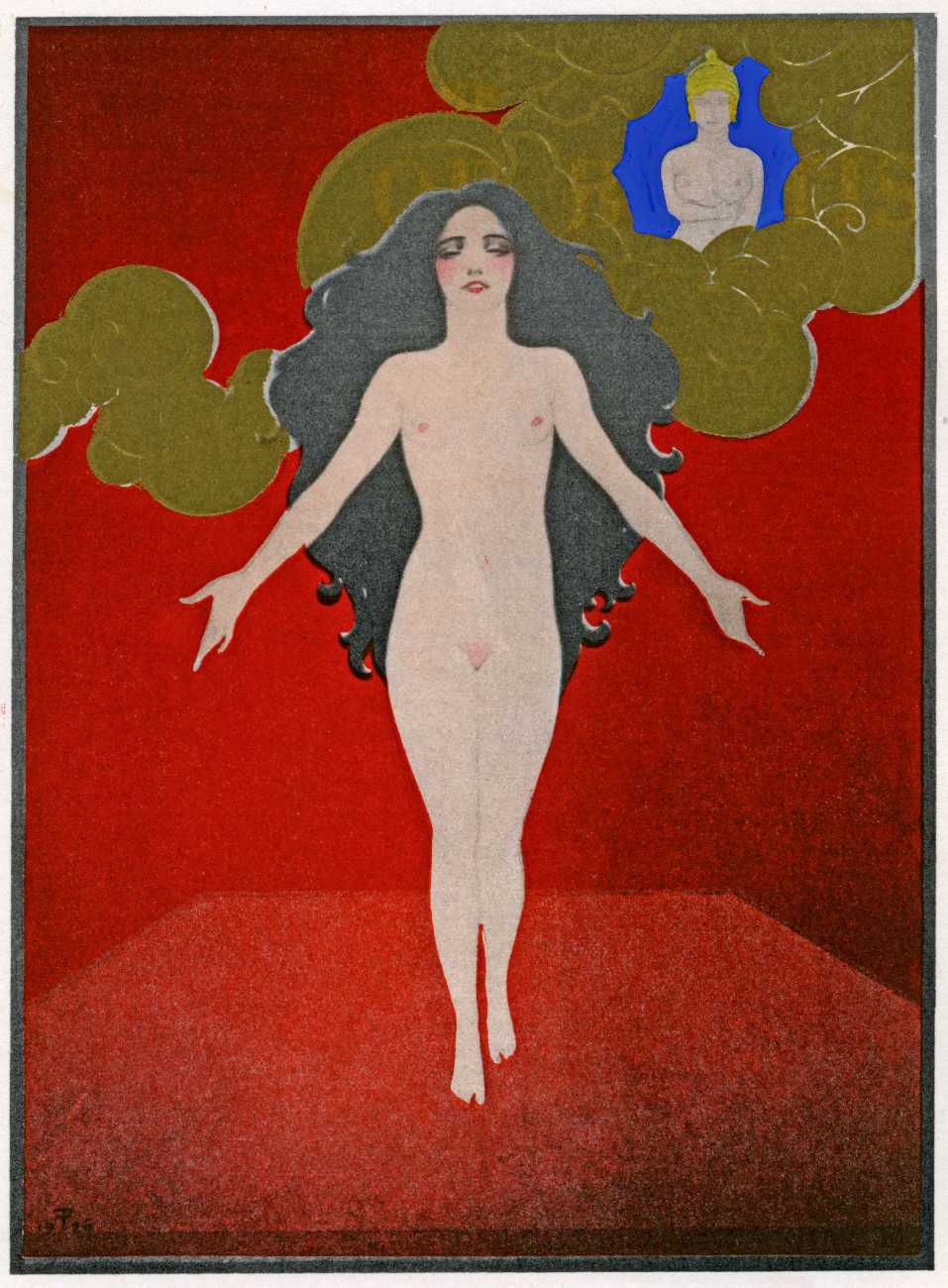
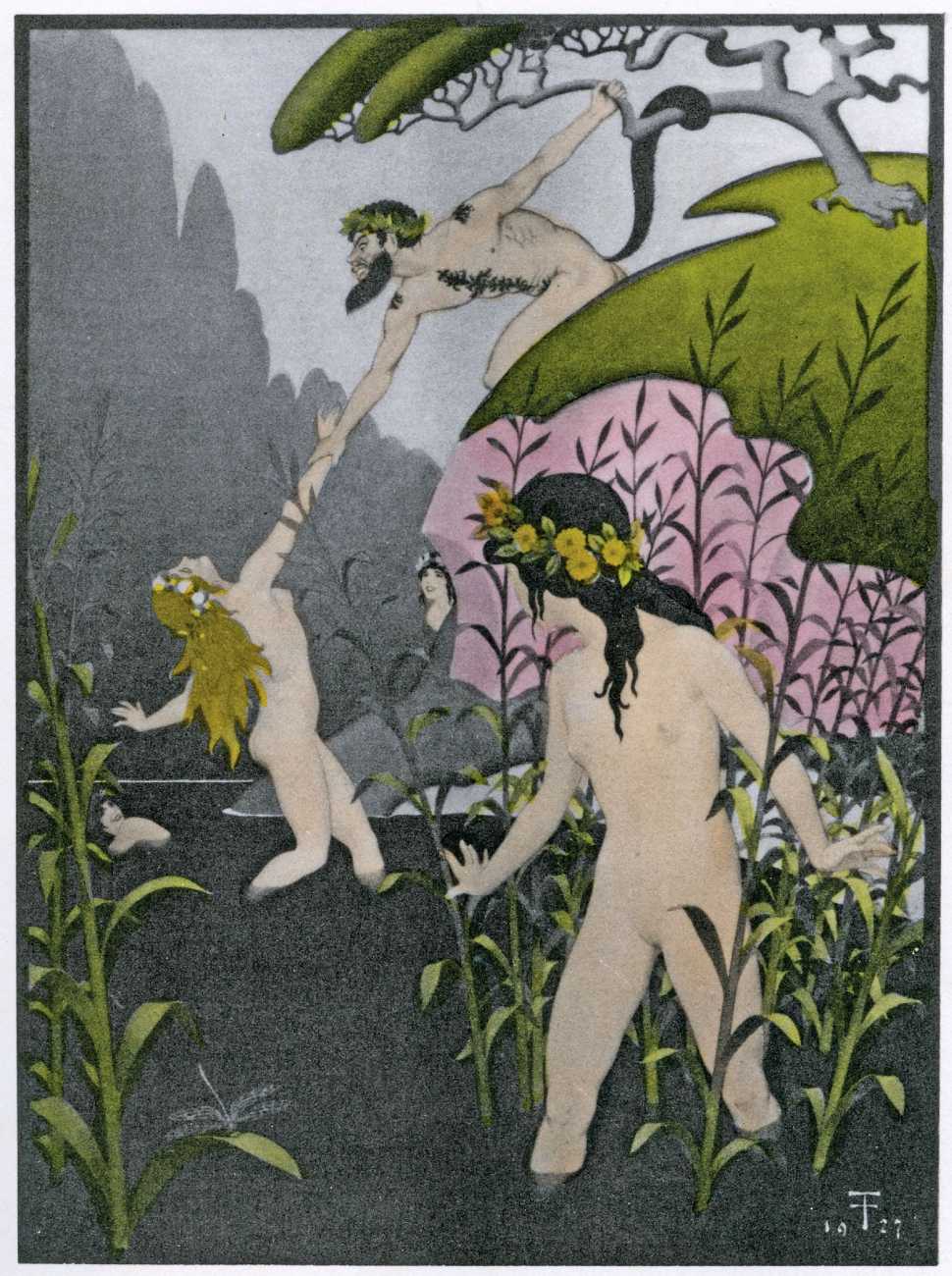
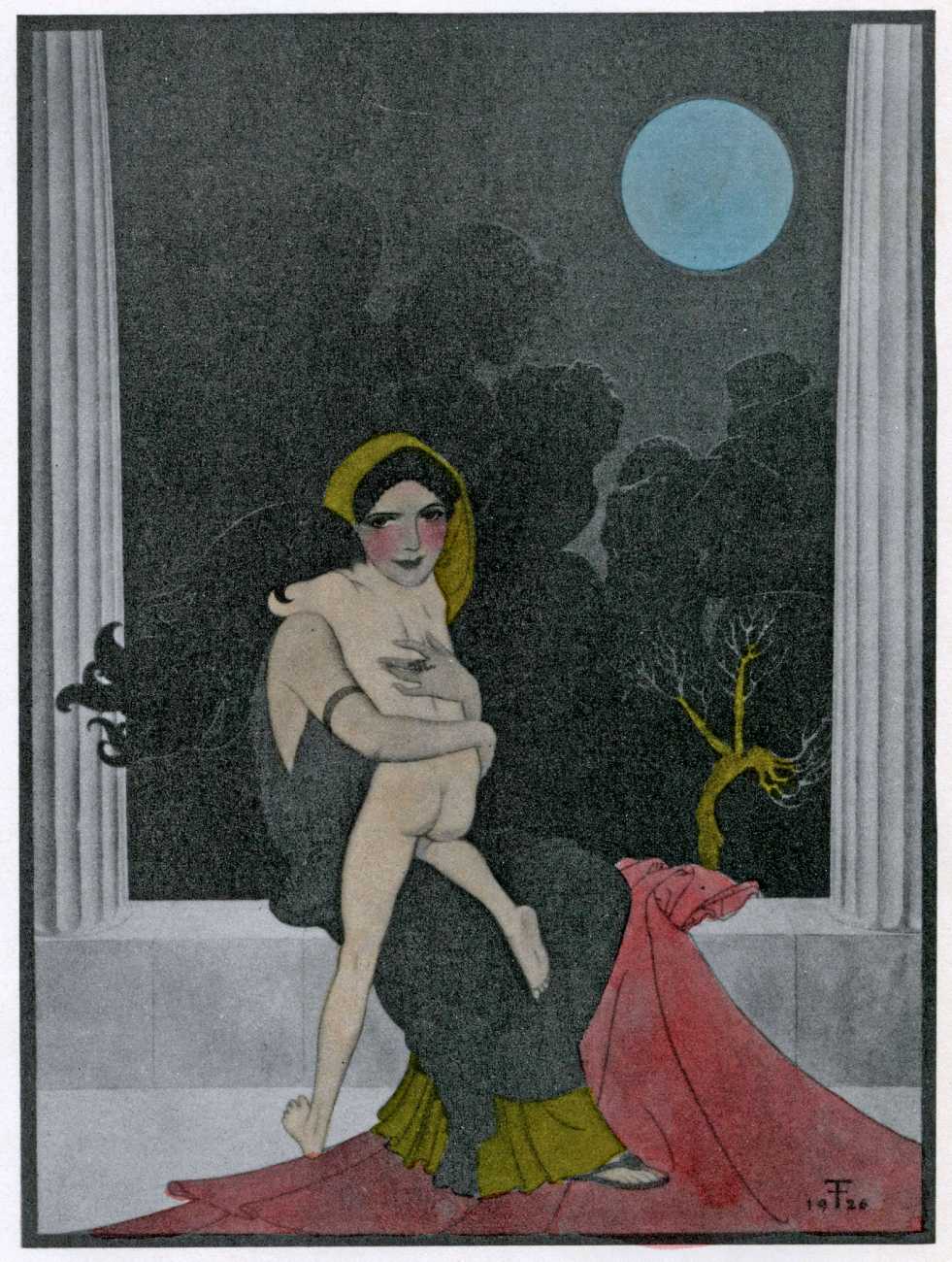
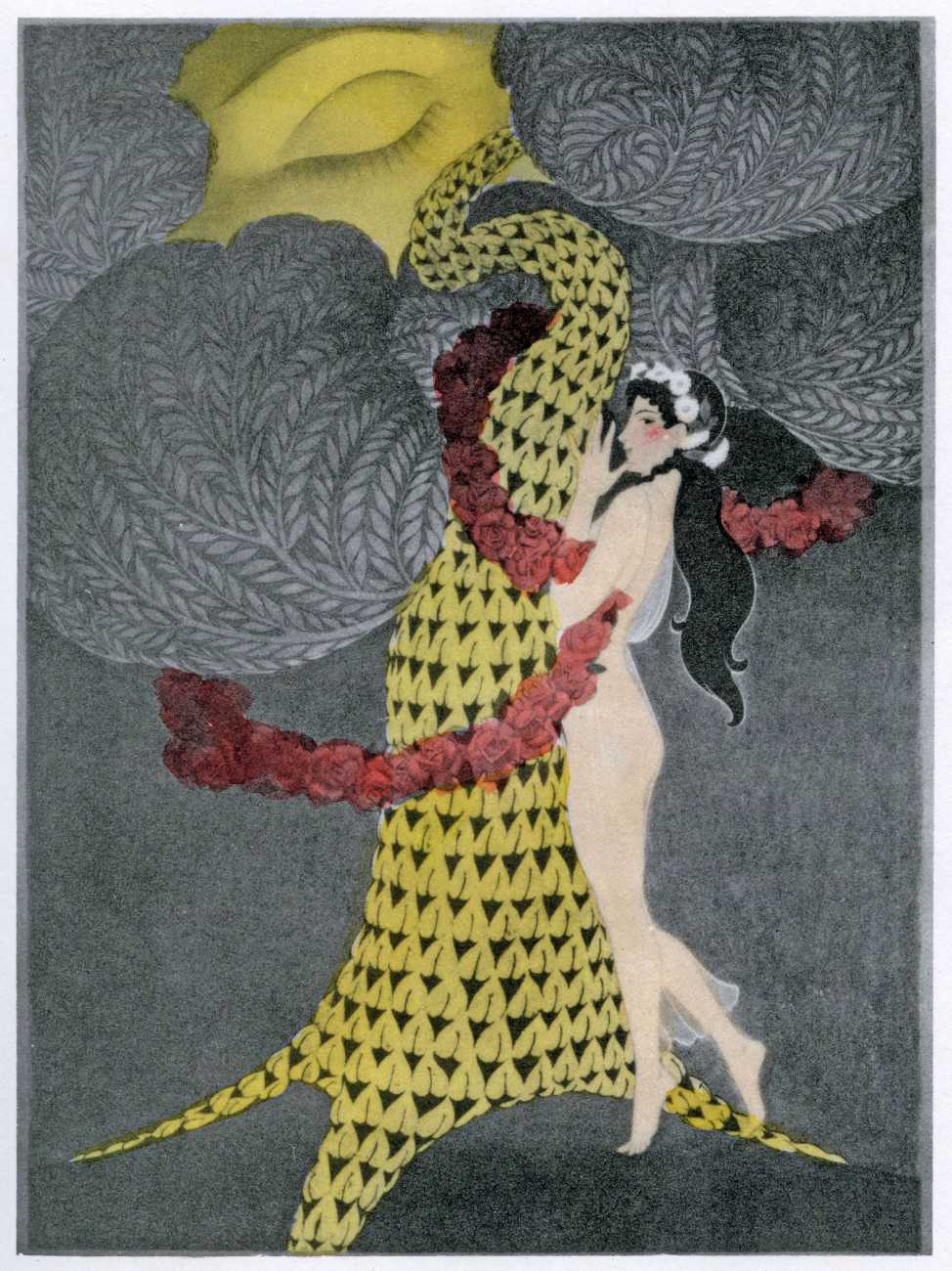
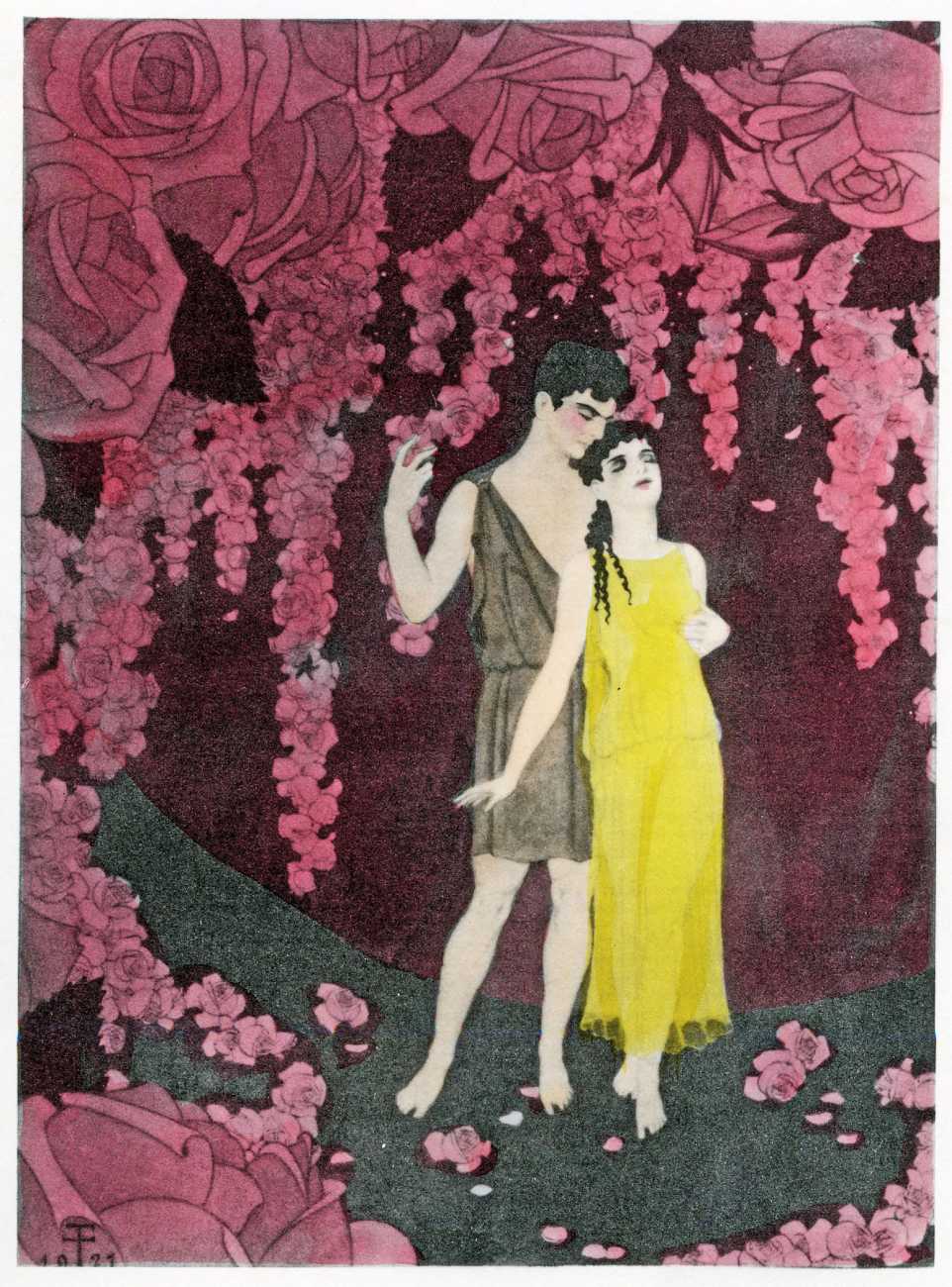
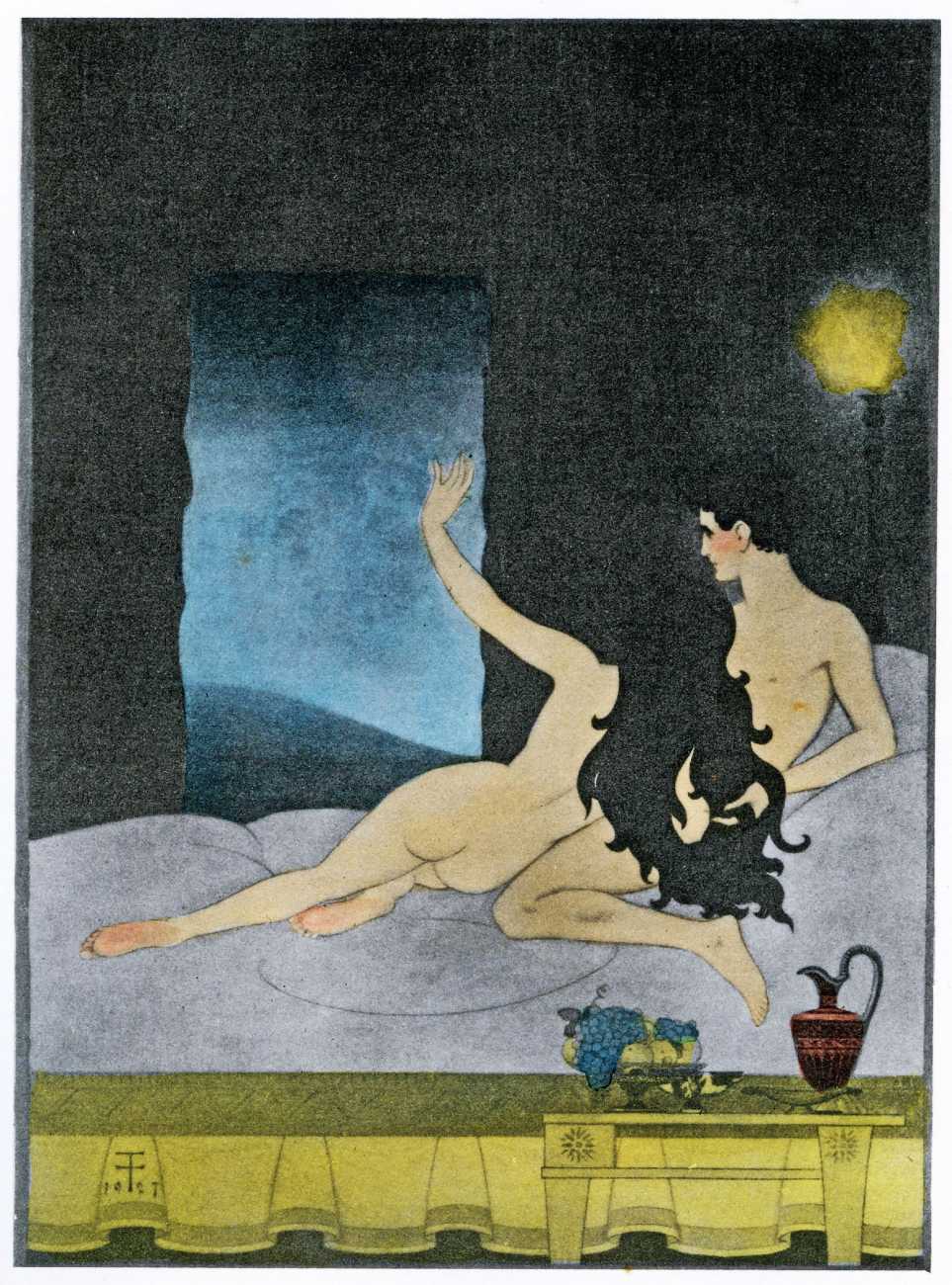
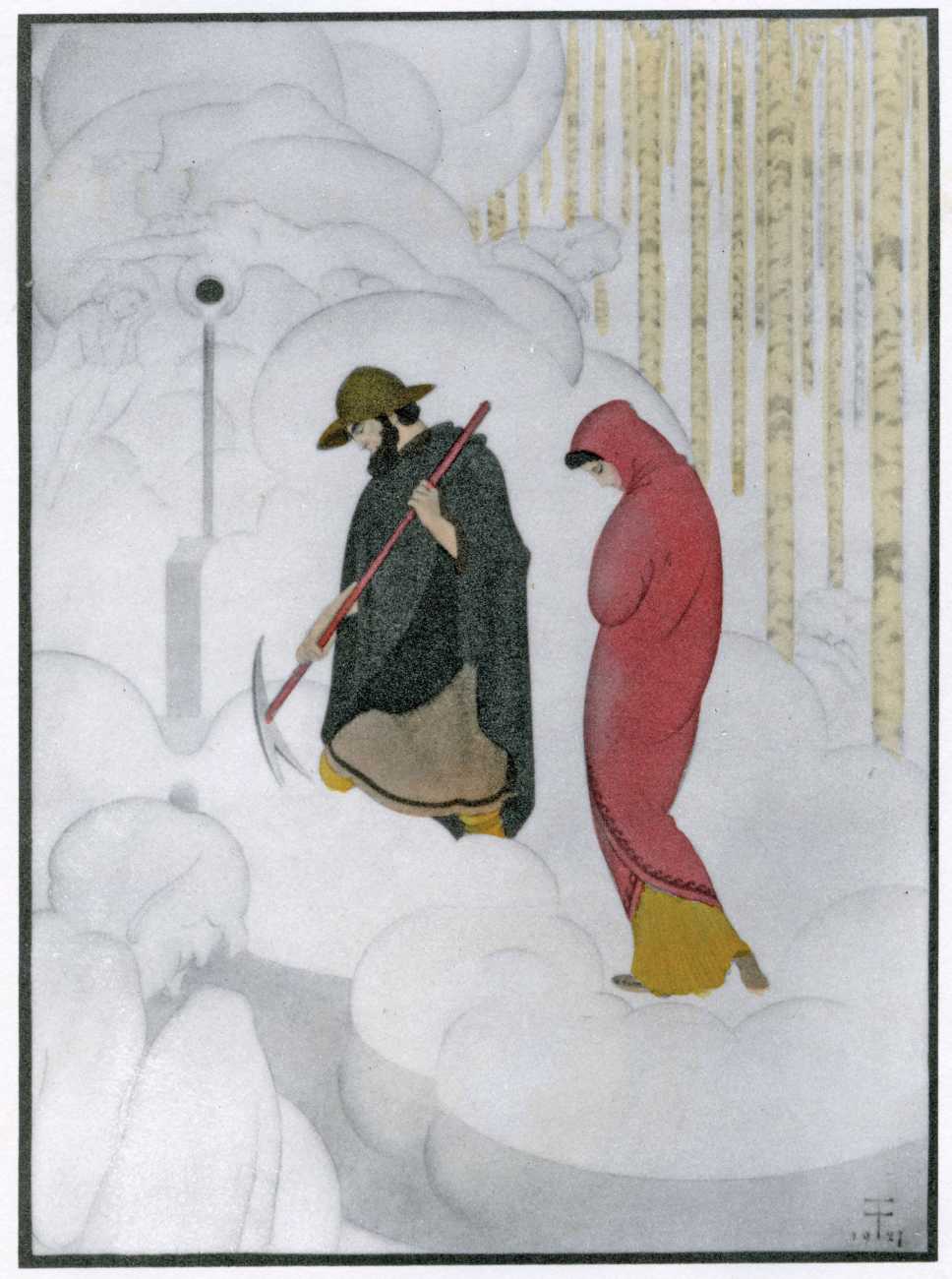
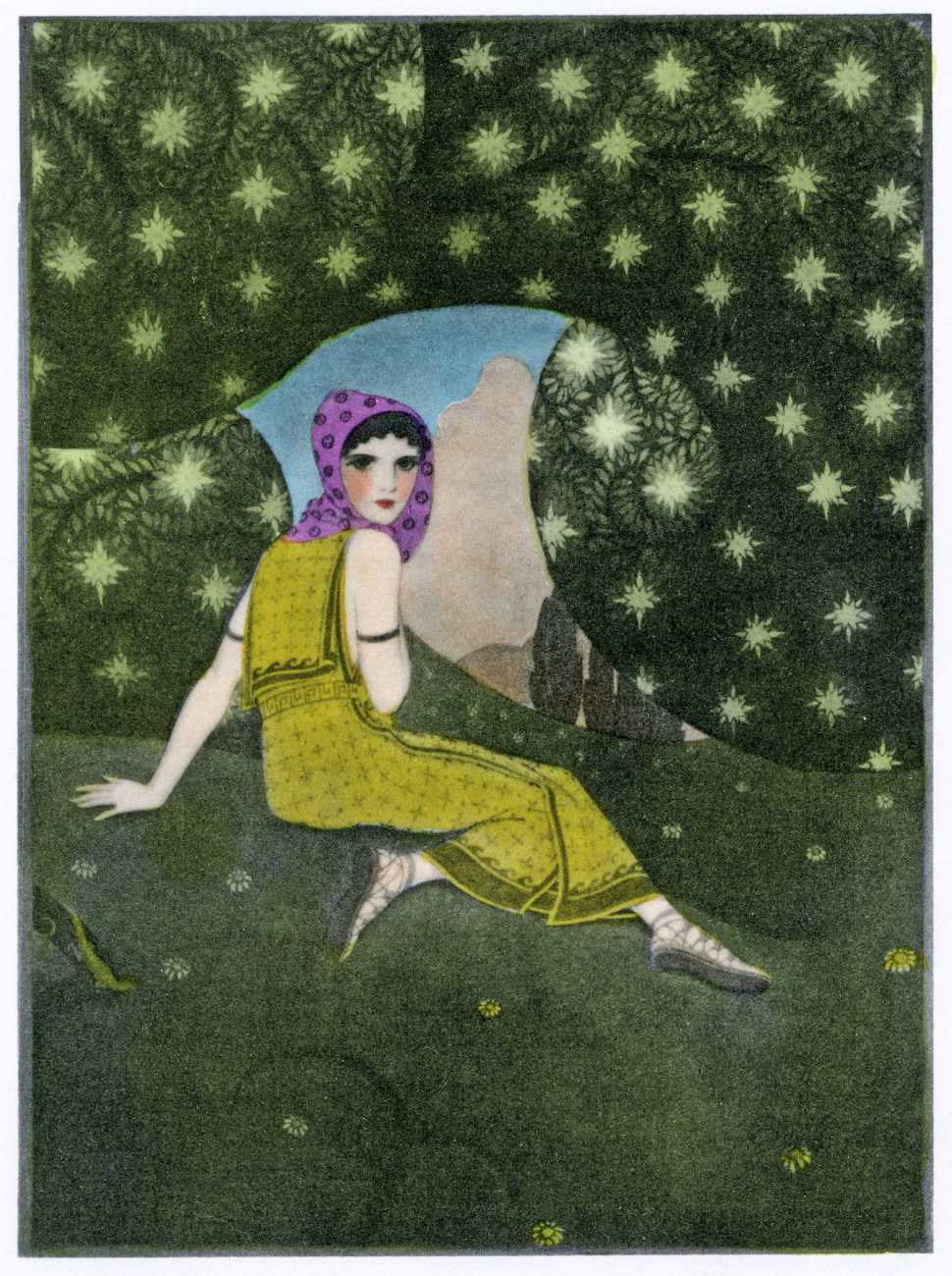
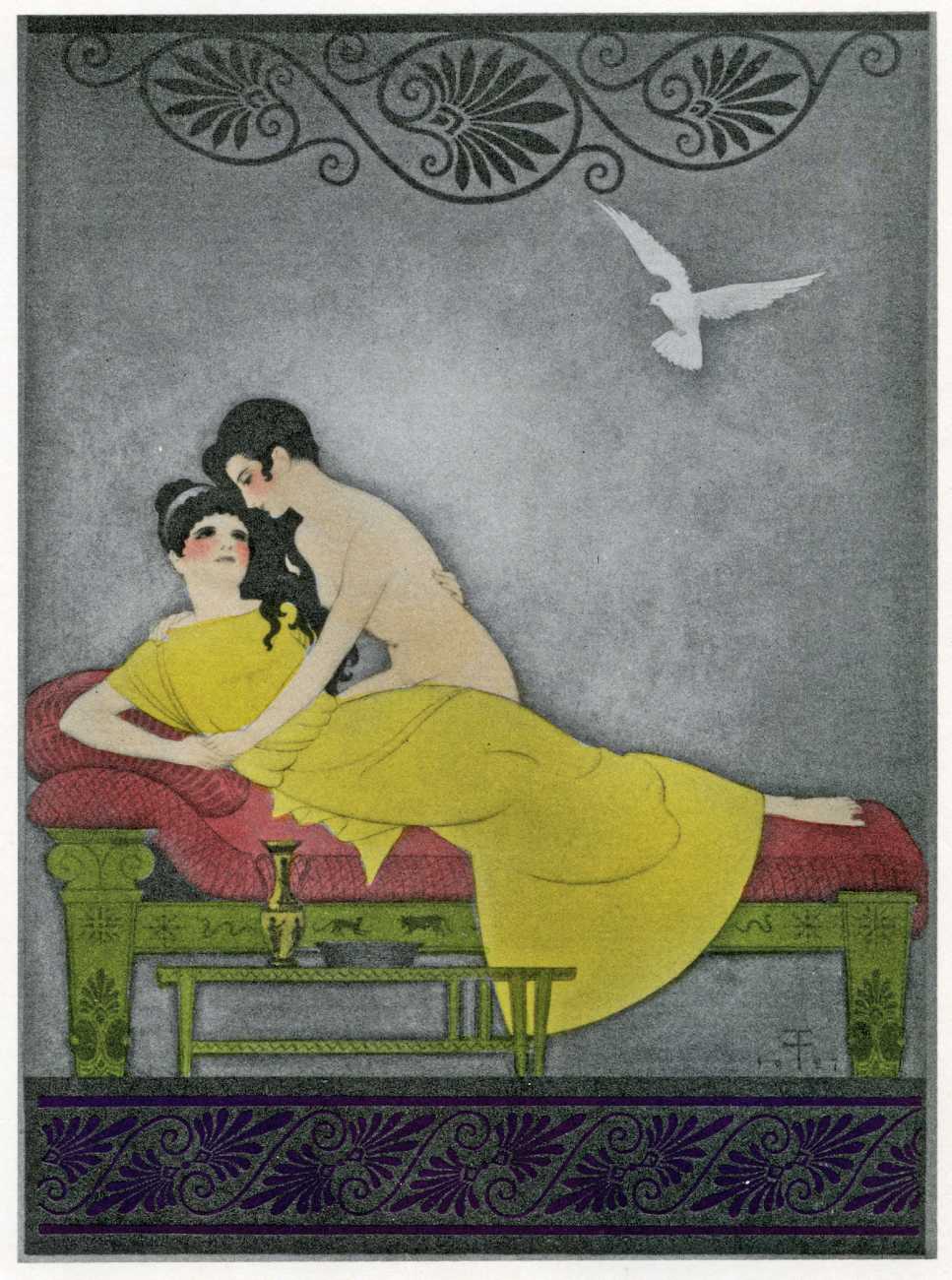
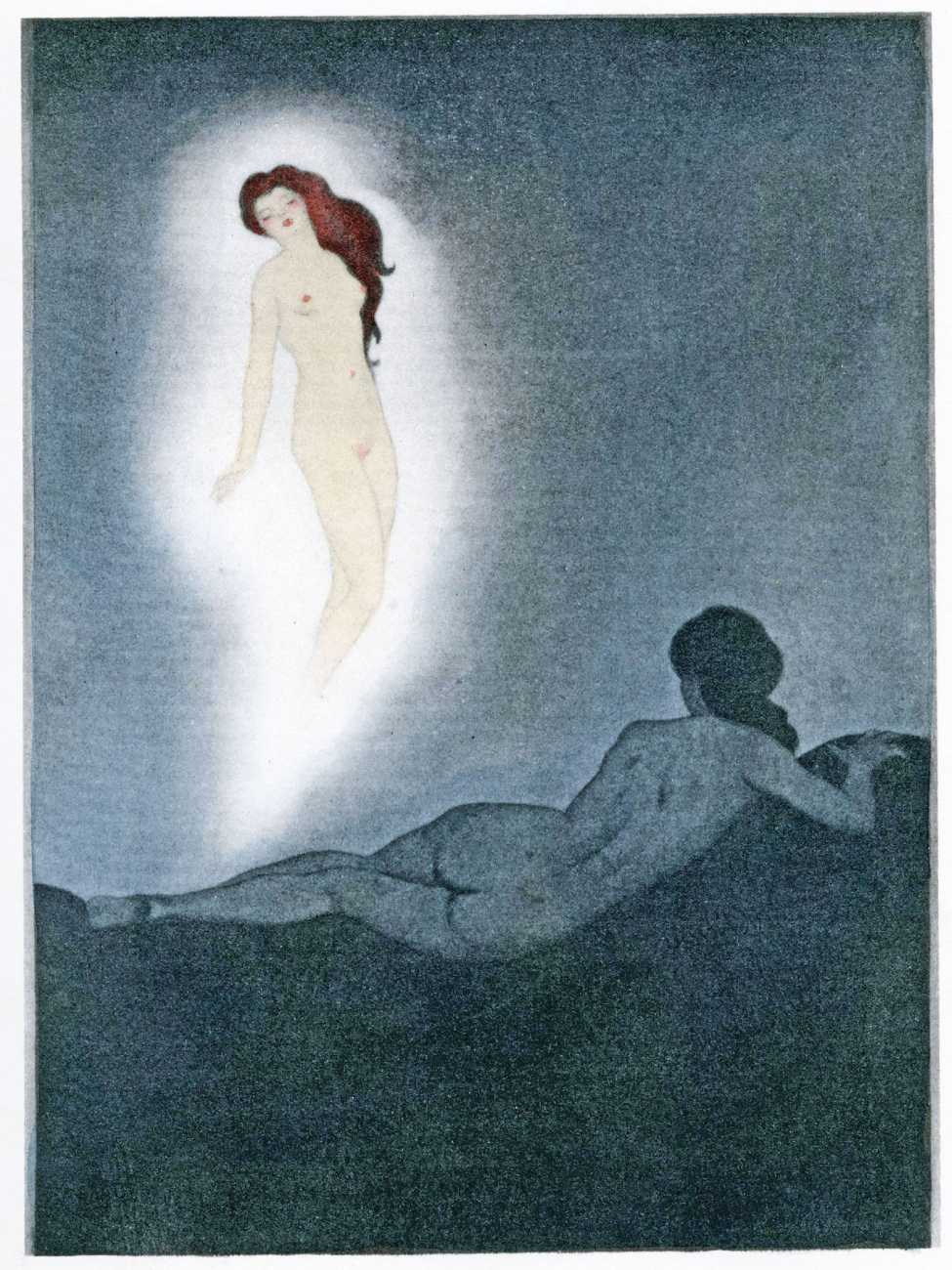
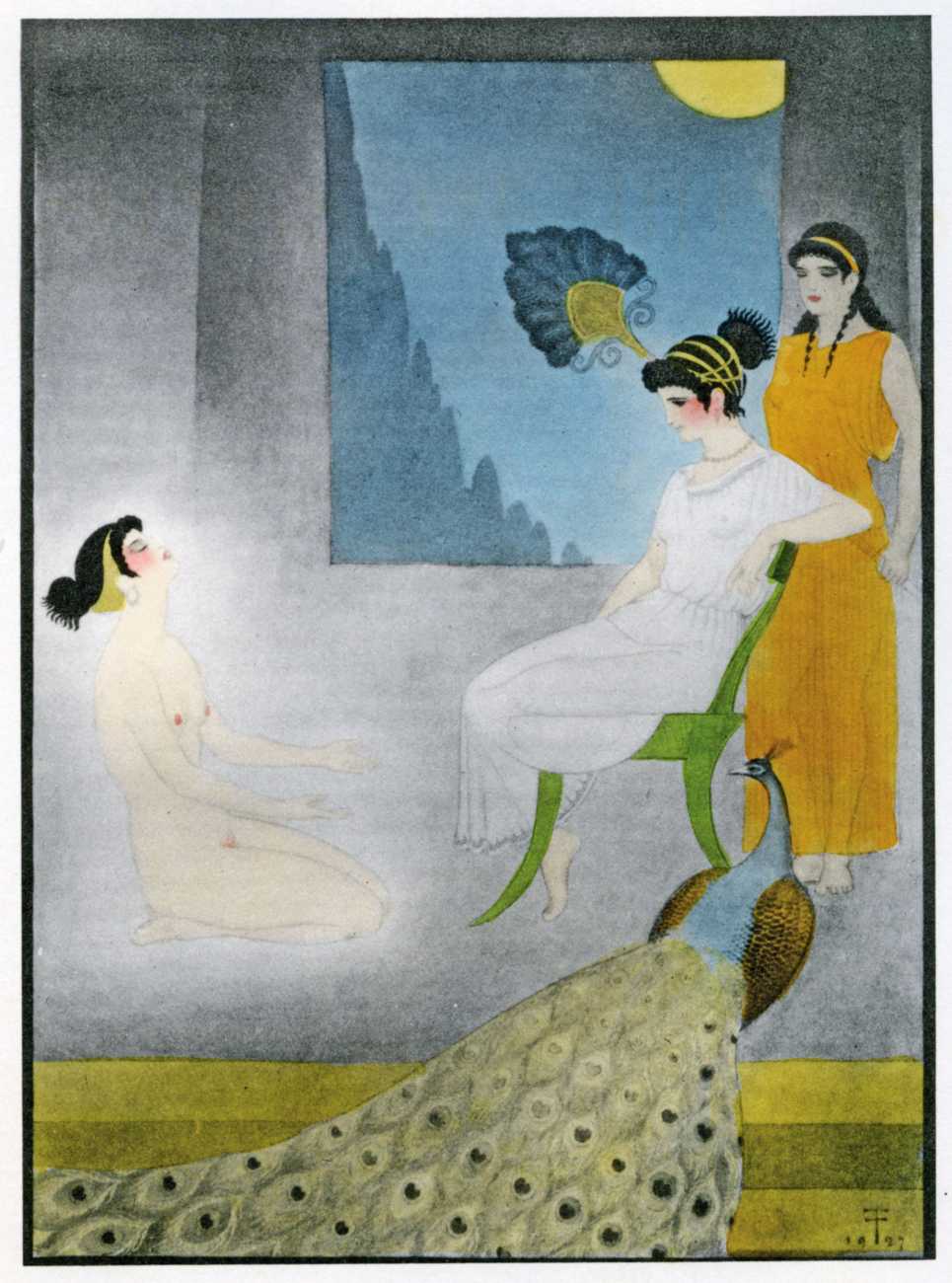
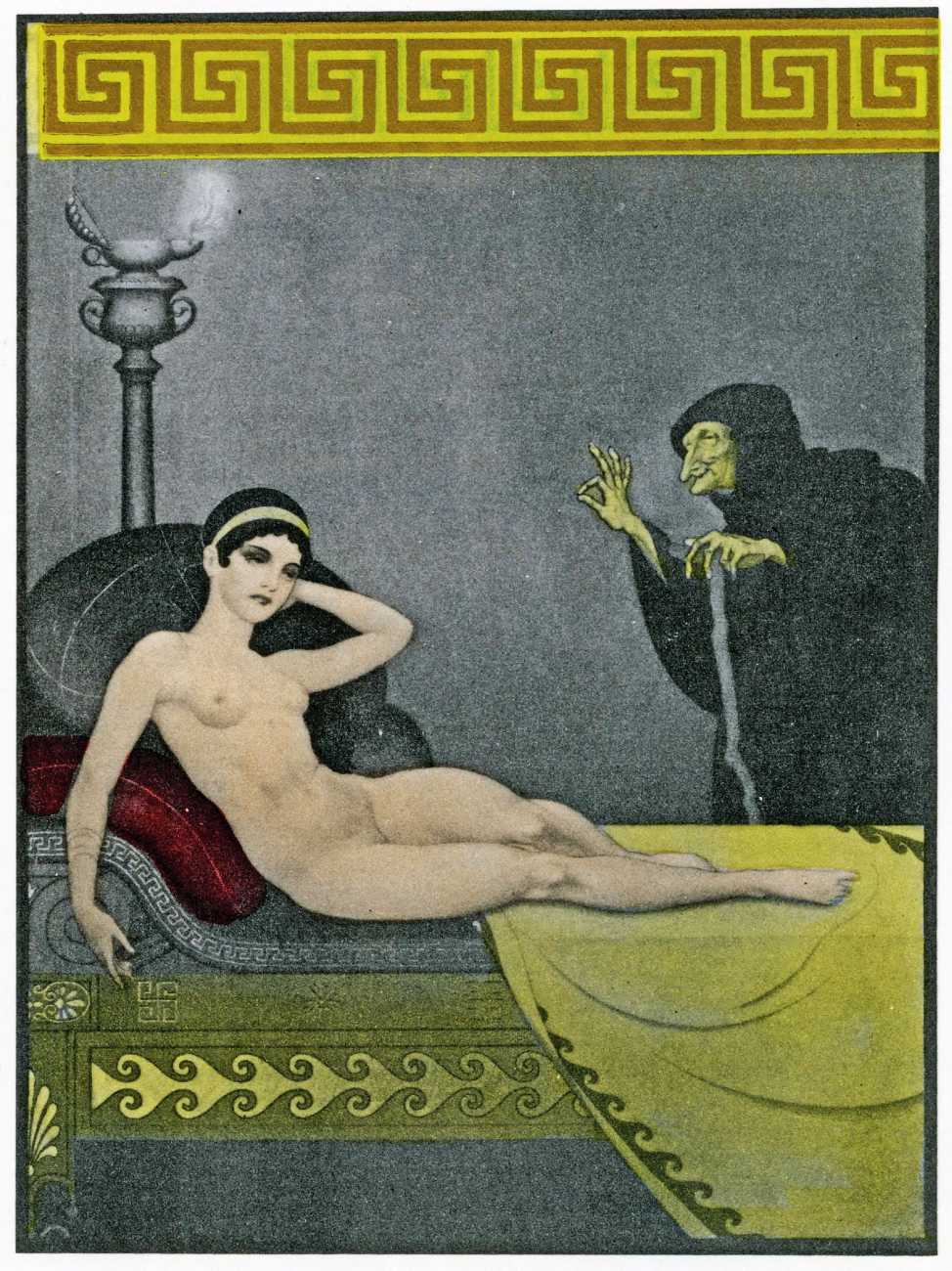
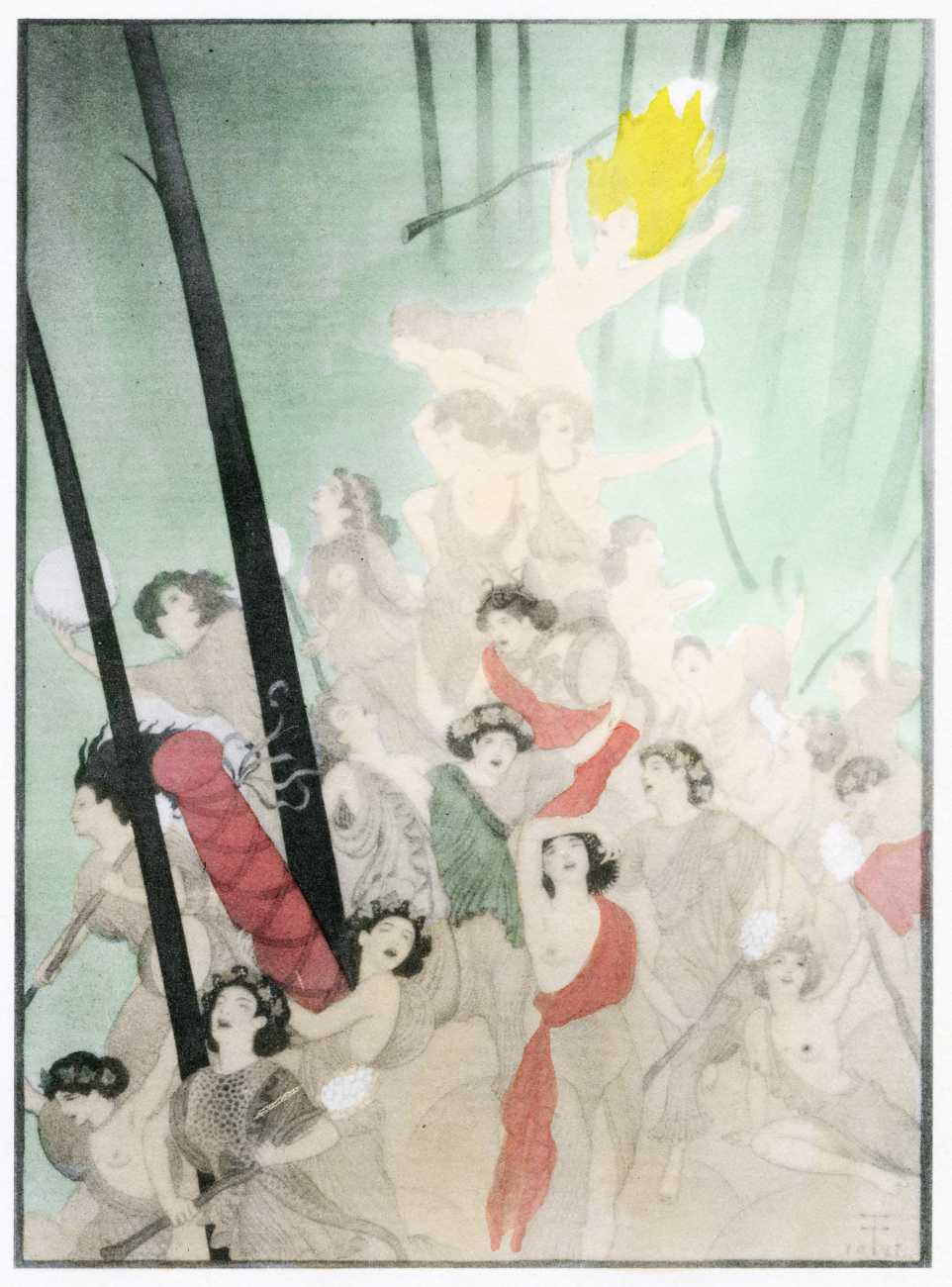
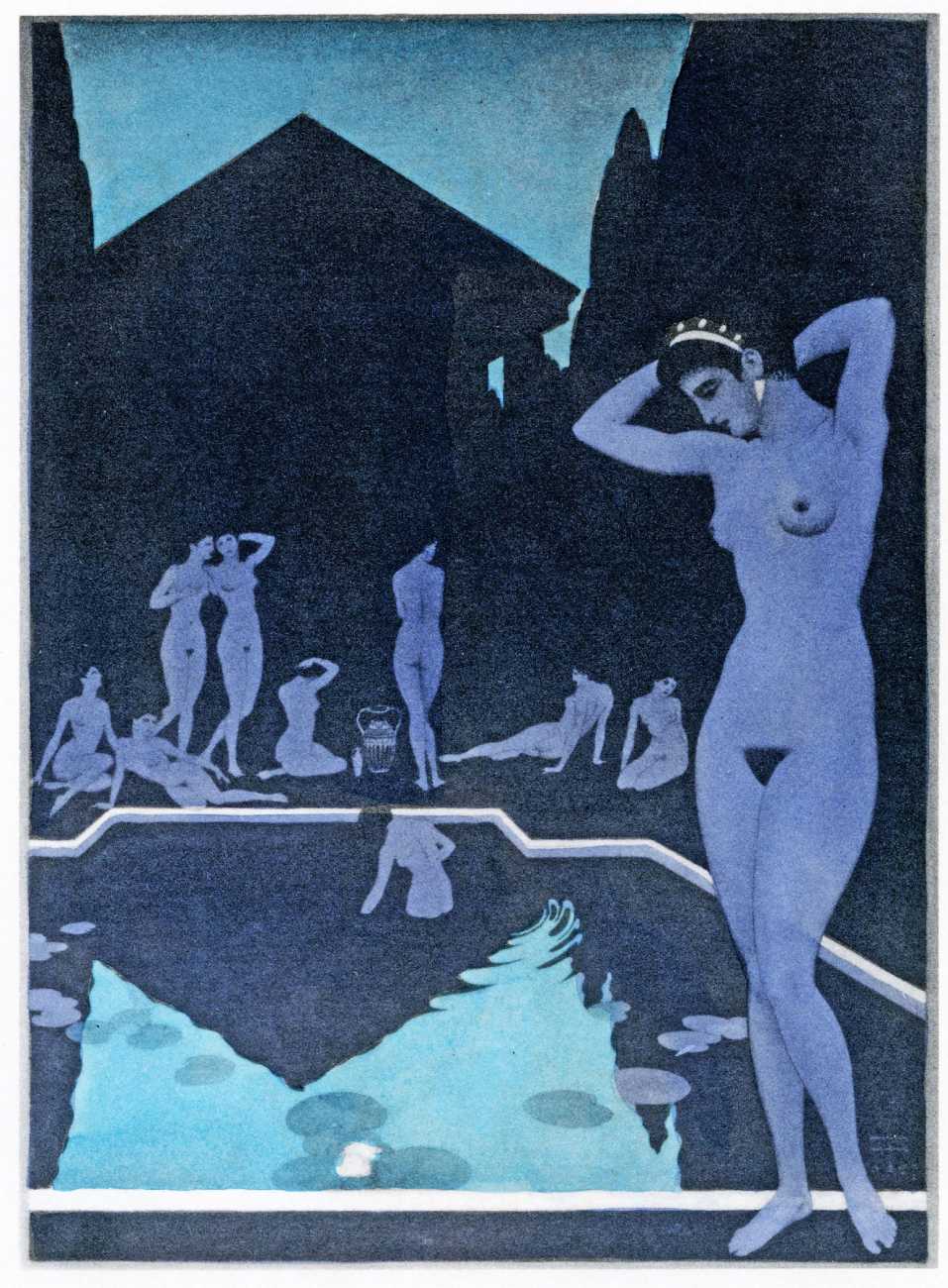
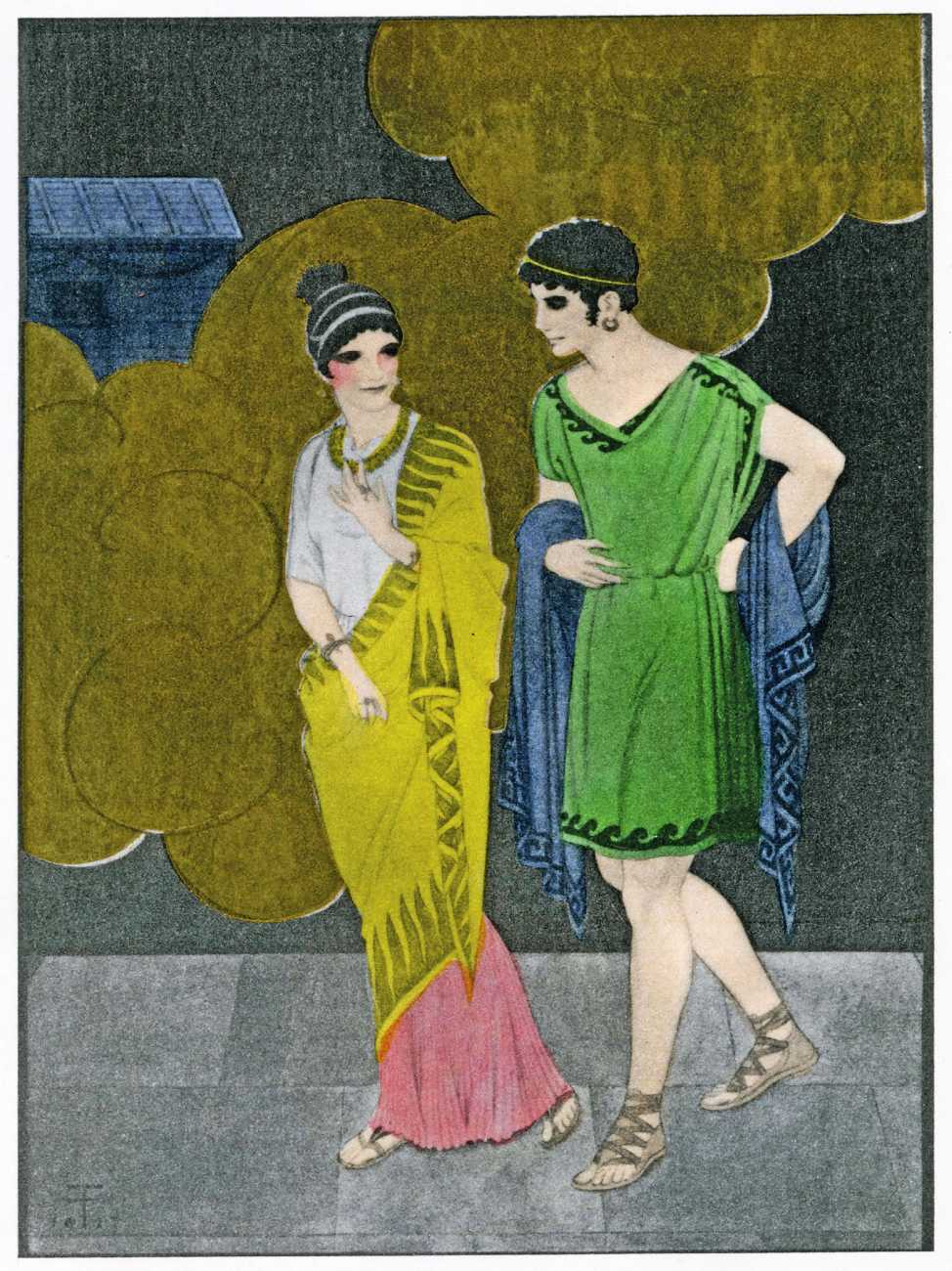
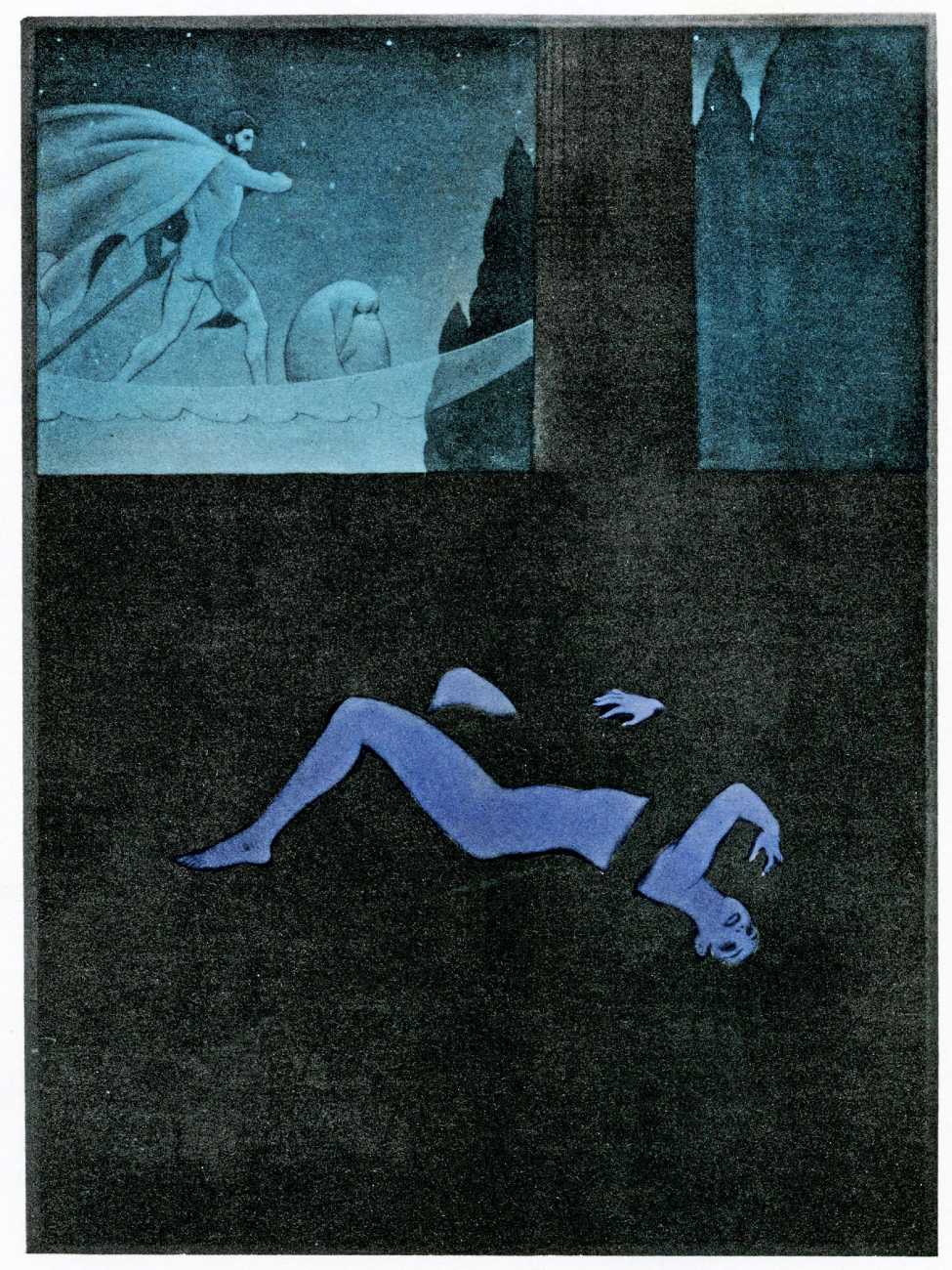
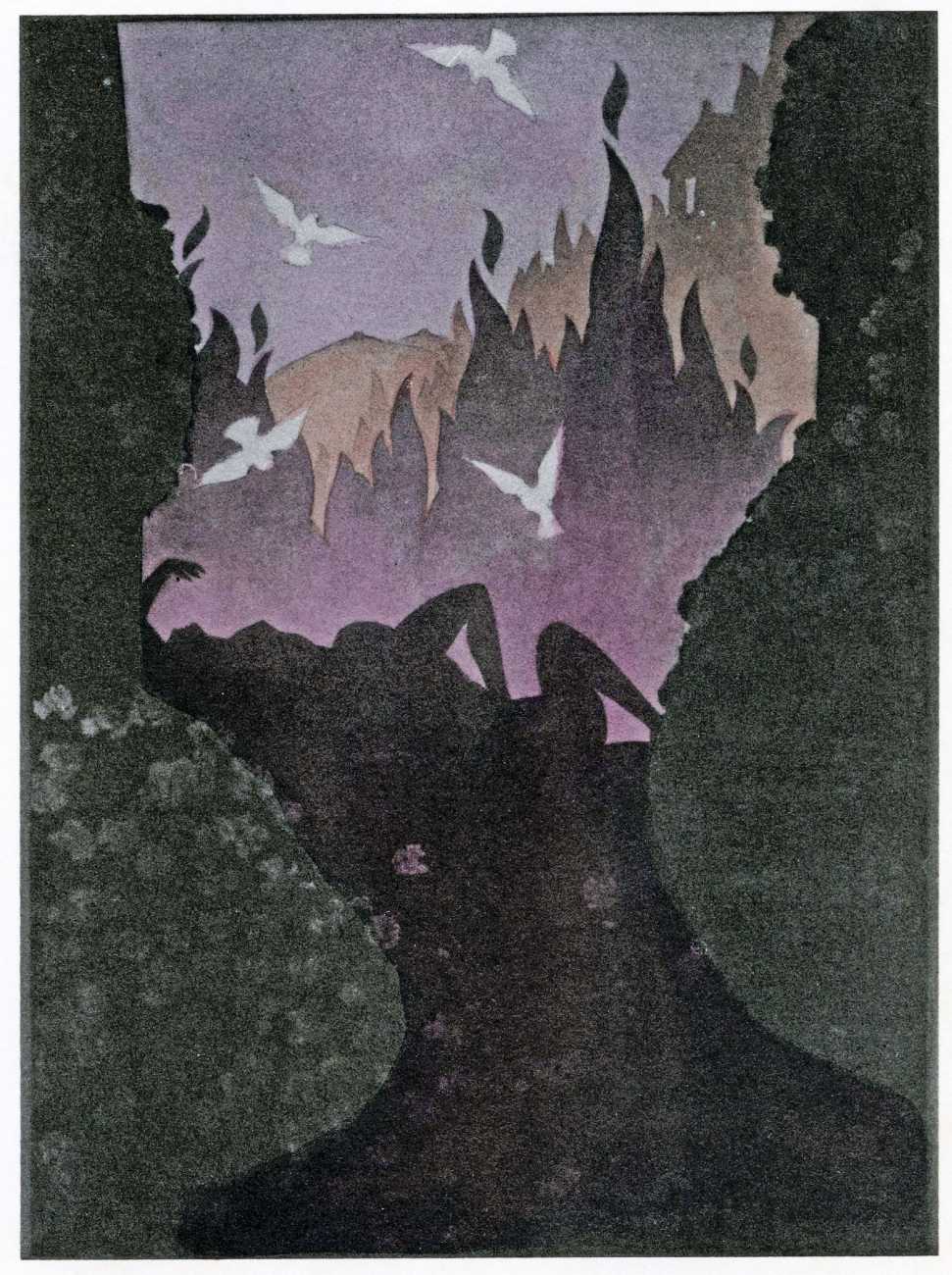
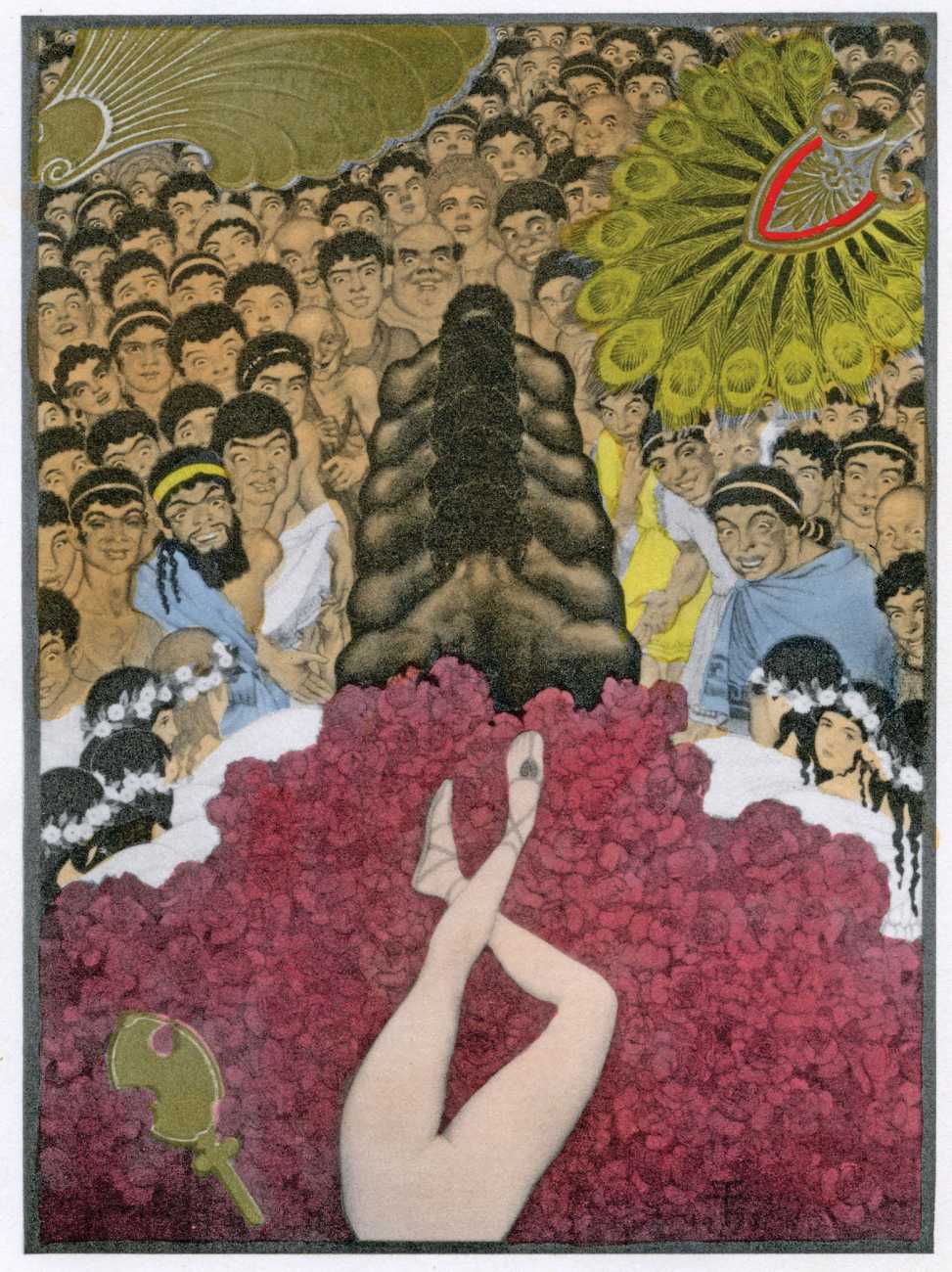
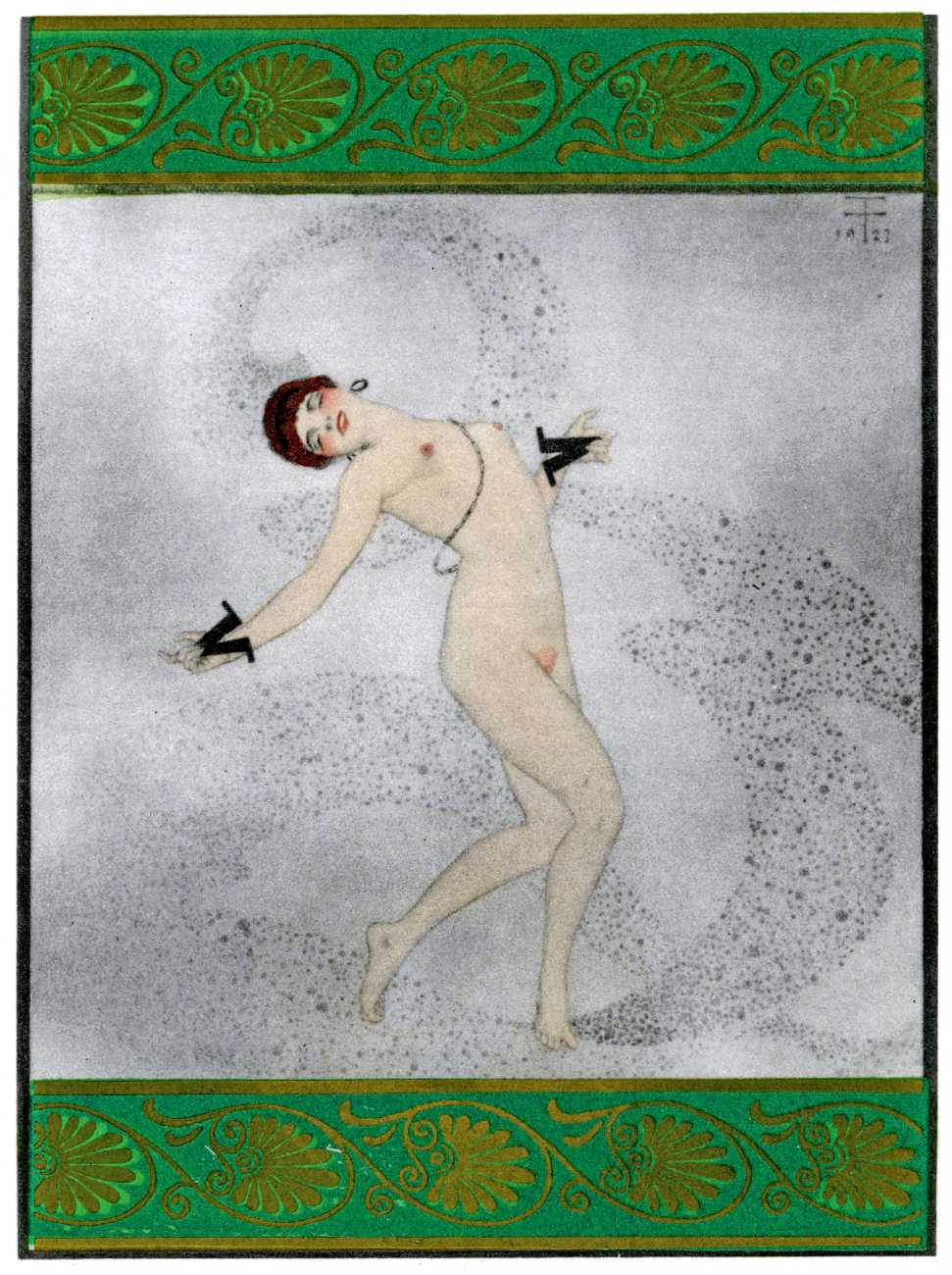
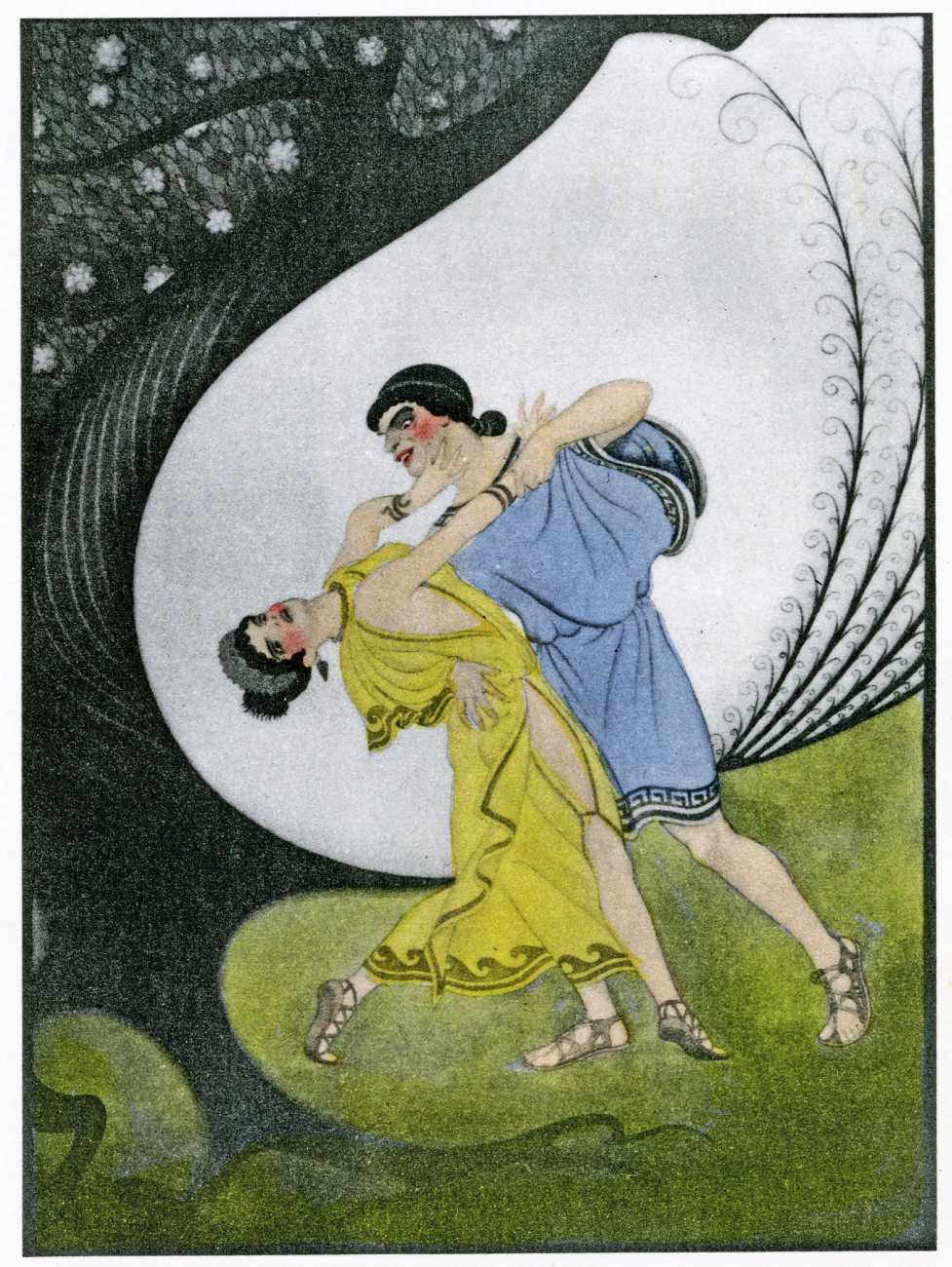
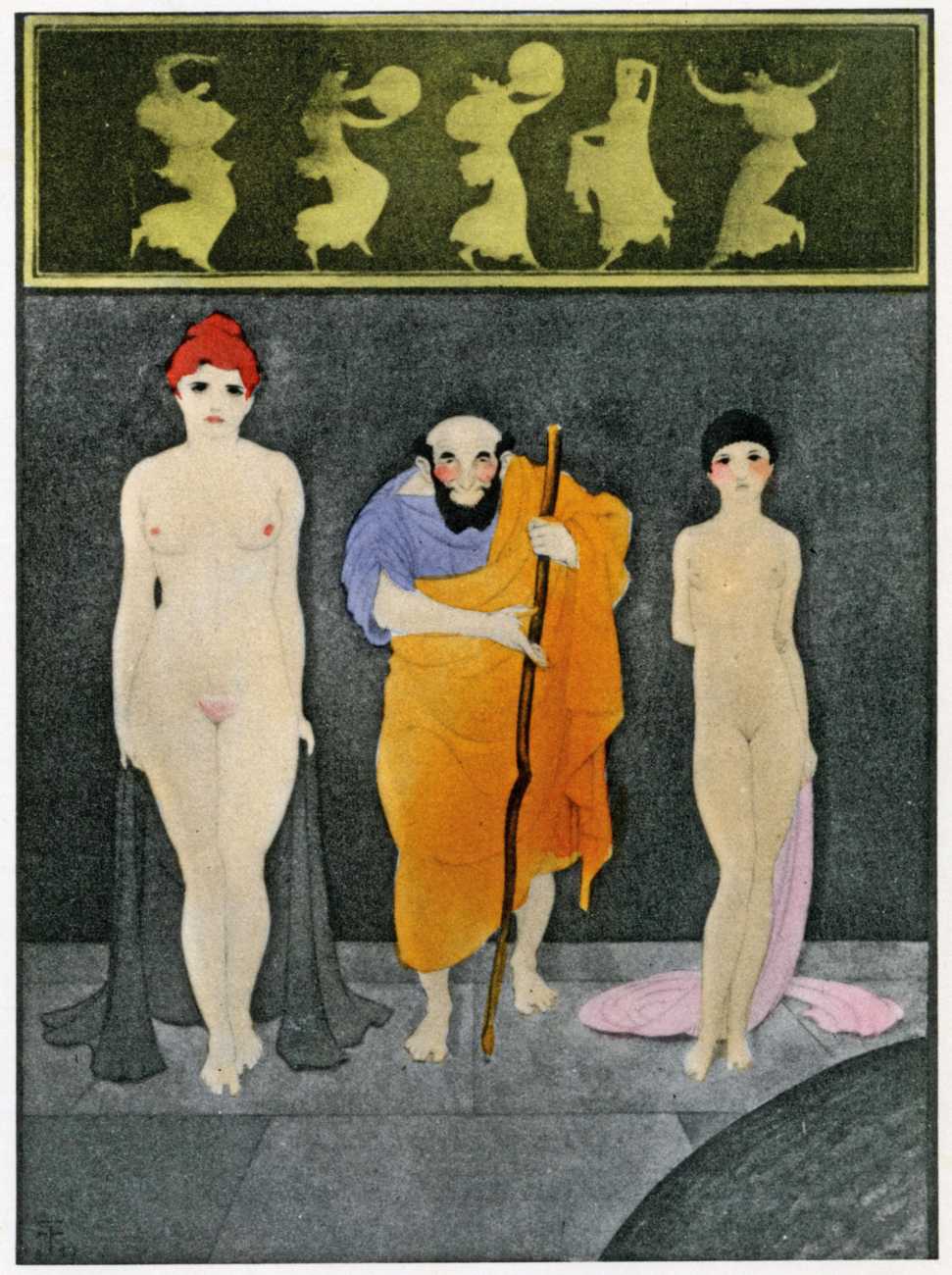
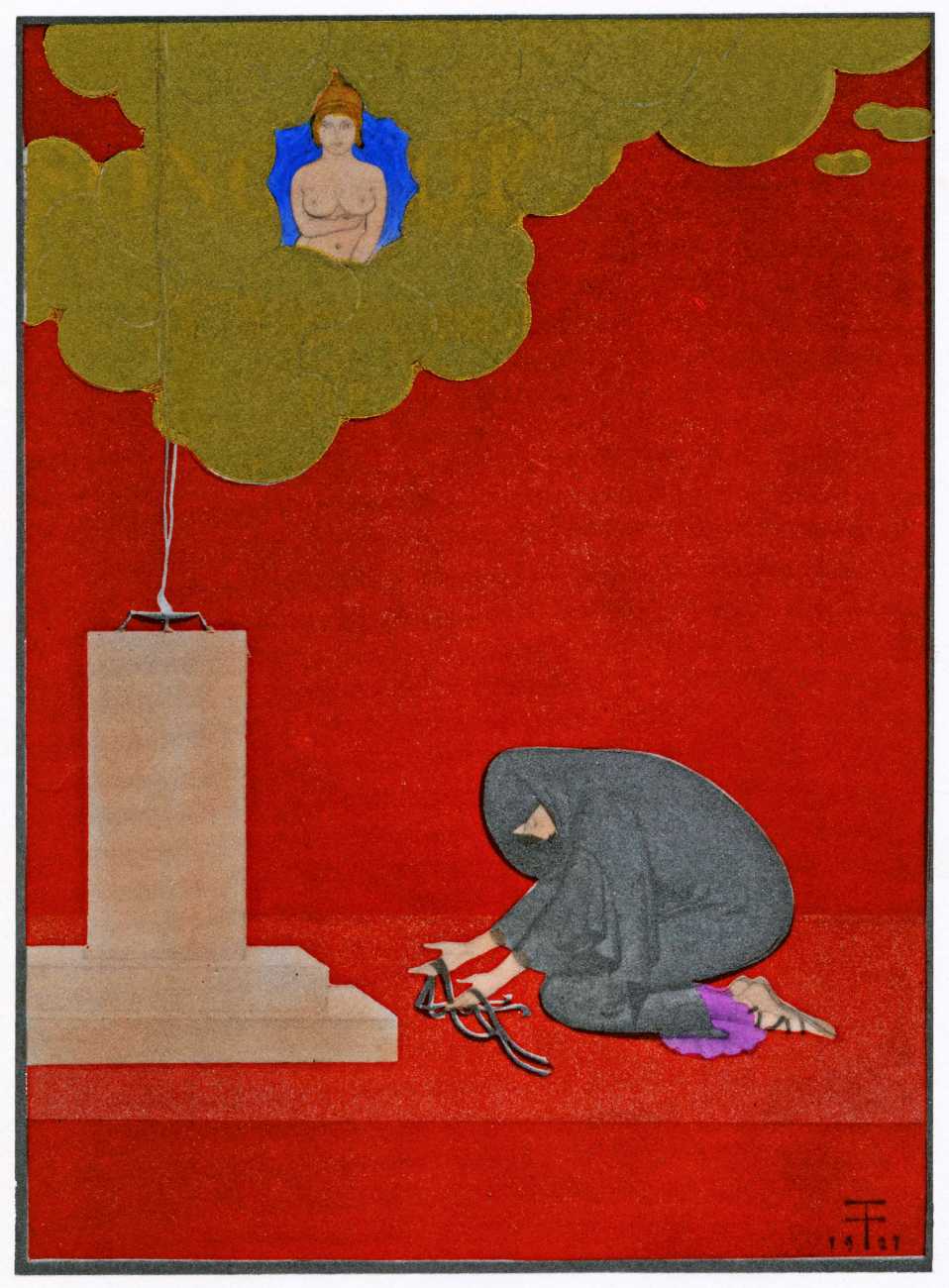
This luxury edition of The Songs of Bilitis was commissioned by The Pierre Louÿs Society, a small US private press and subscription society that issued limited-edition English printings of Pierre Louÿs’ works in the mid- to late-1920s. It clearly recognised the appropriateness of commissioning an artist schooled in the European tradition and now living in New York, and though the quality of the printing does not do full justice to the subtle colouring of Franz Felix’s paintings, especially in the darker tones, the originality and modernity of the plates is still striking. The Songs of Bilitis was produced in a limited edition of 933 copies. The translator was Mitchell Starrett Buck (1887–1959), who also translated several other Pierre Louÿs works for American publishers.