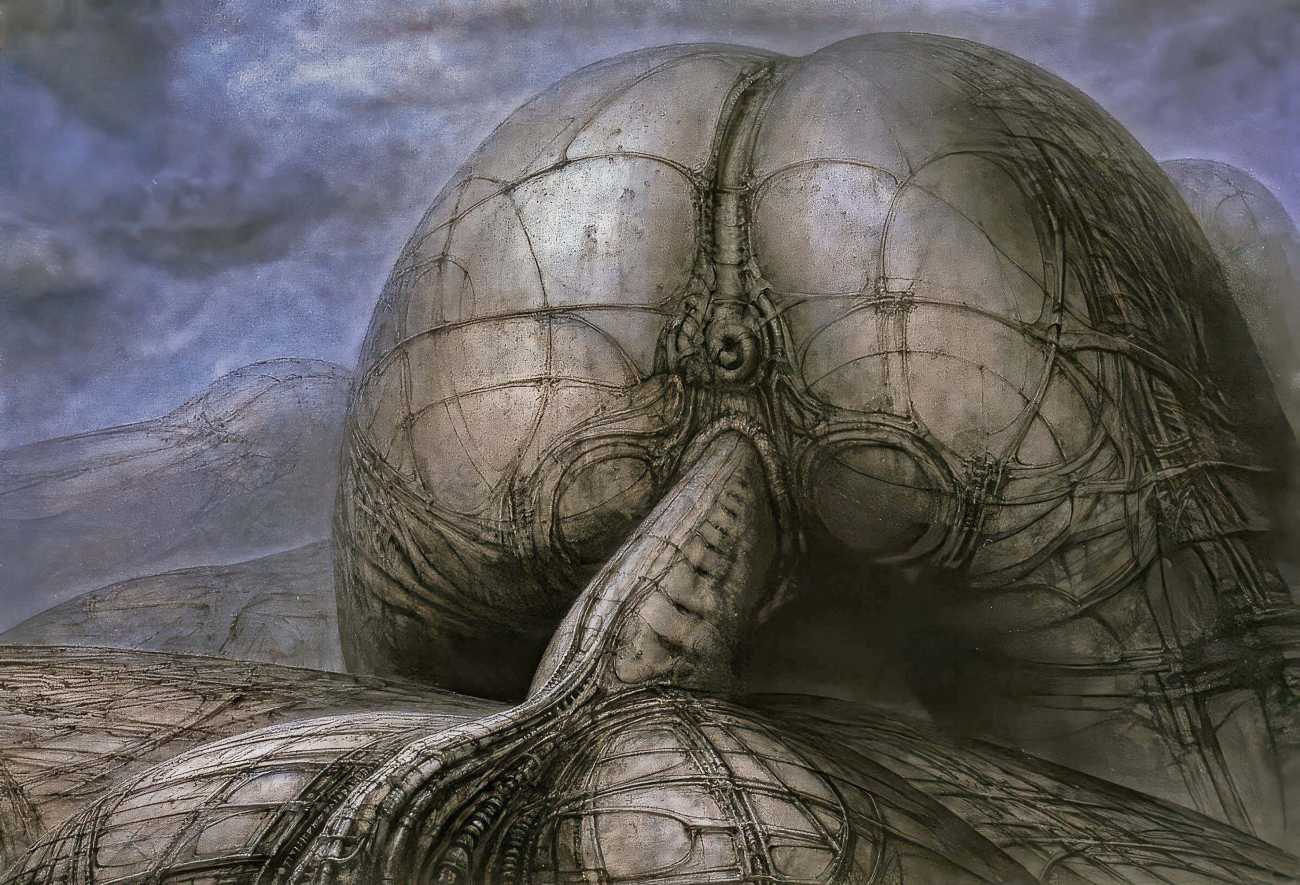
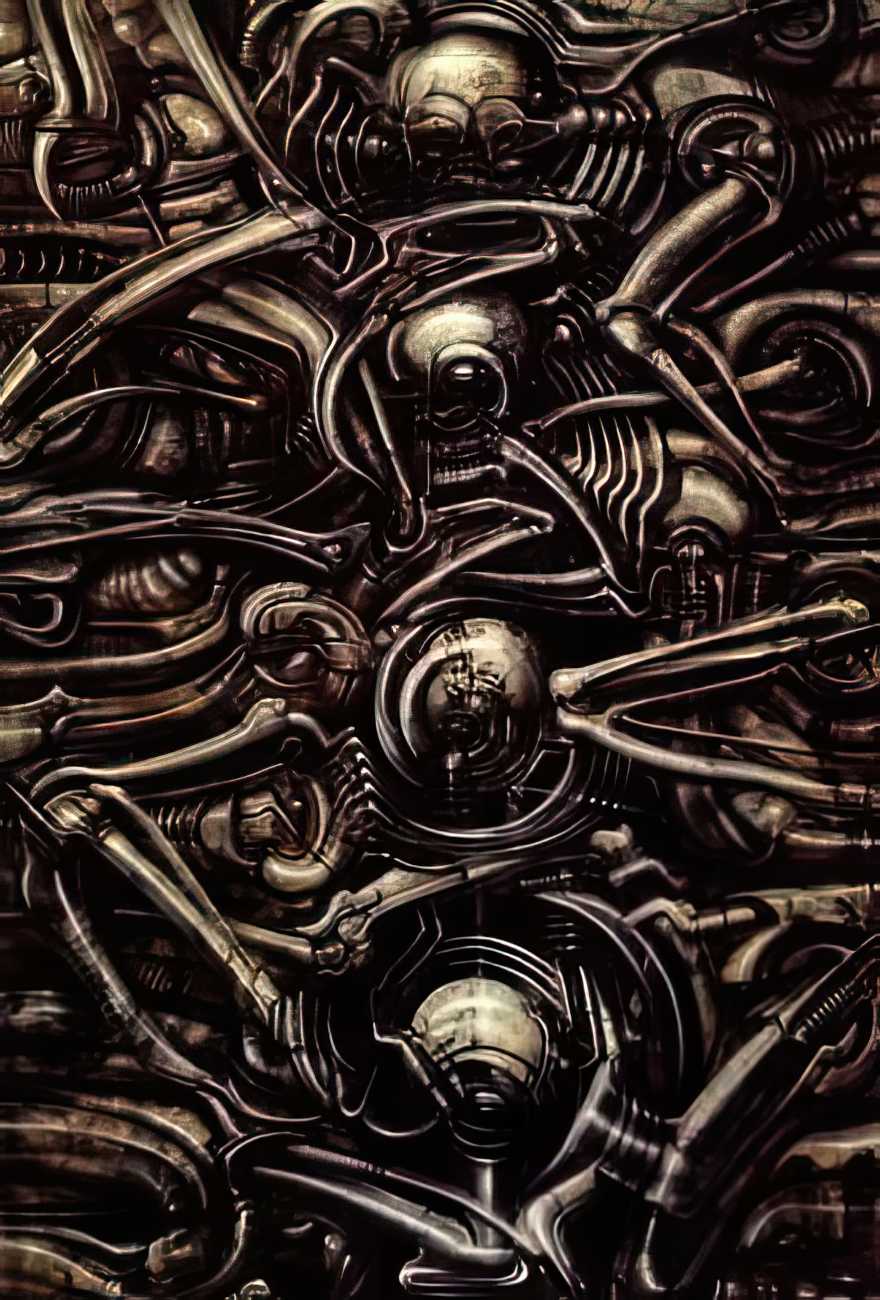
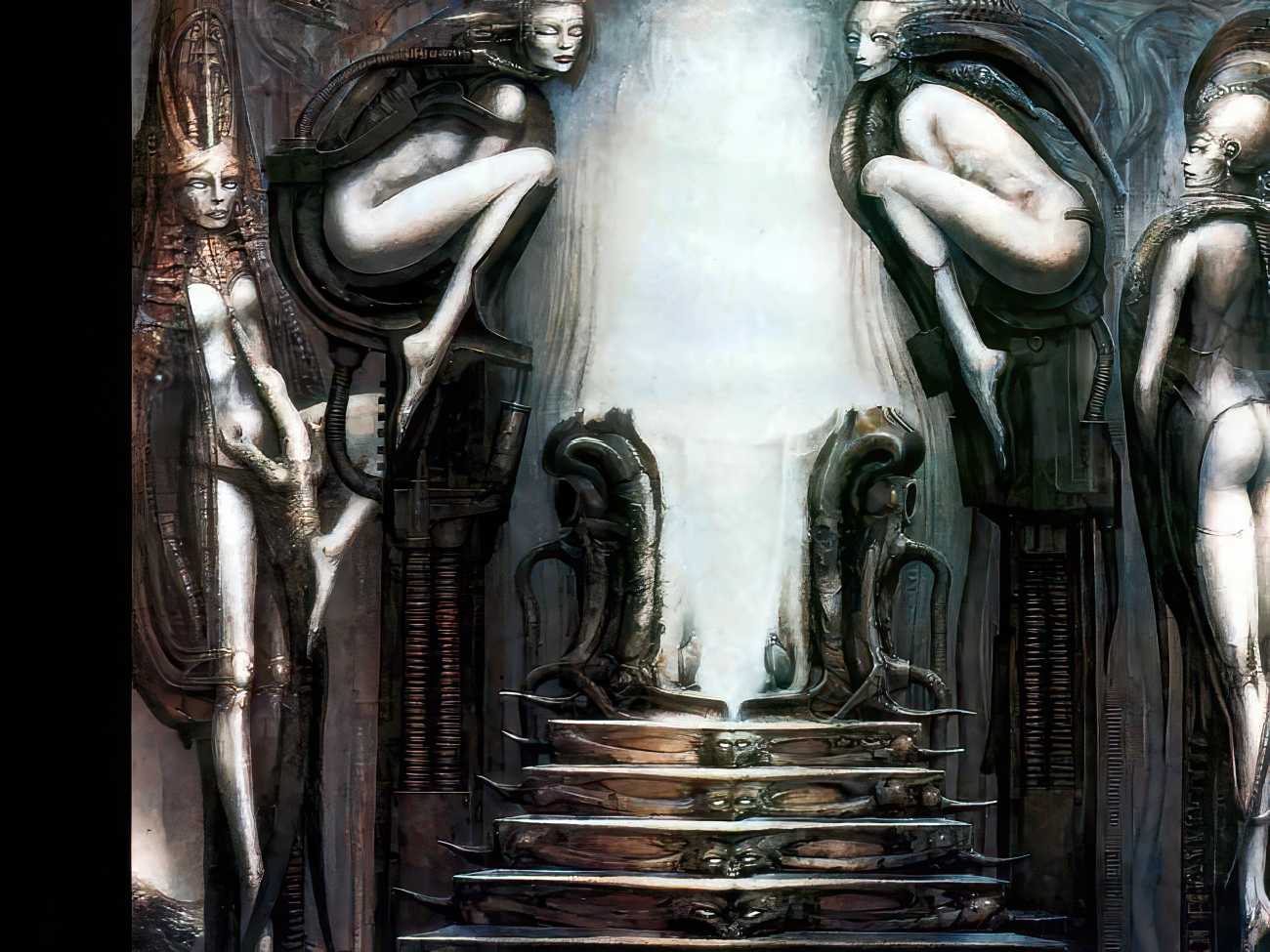
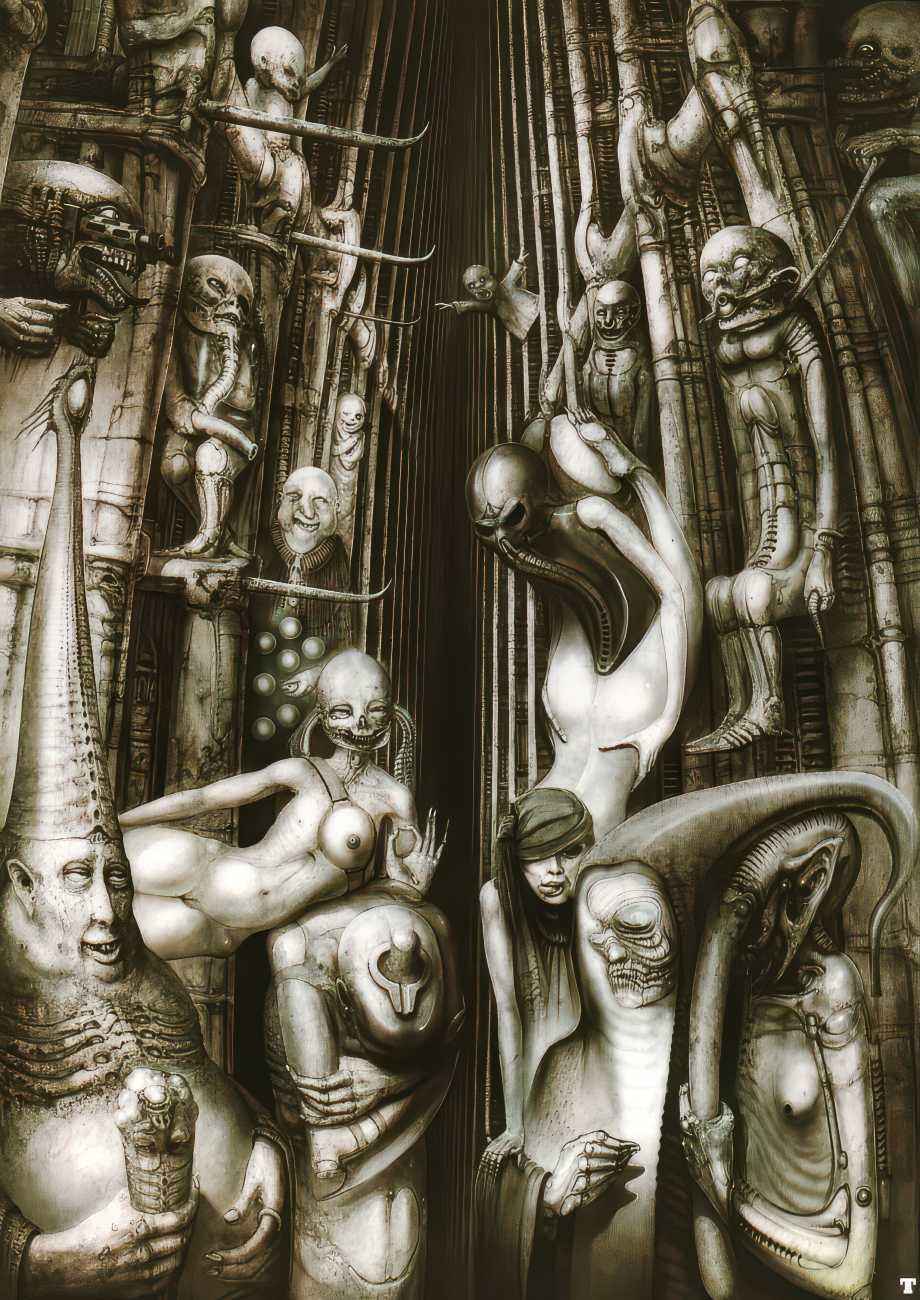
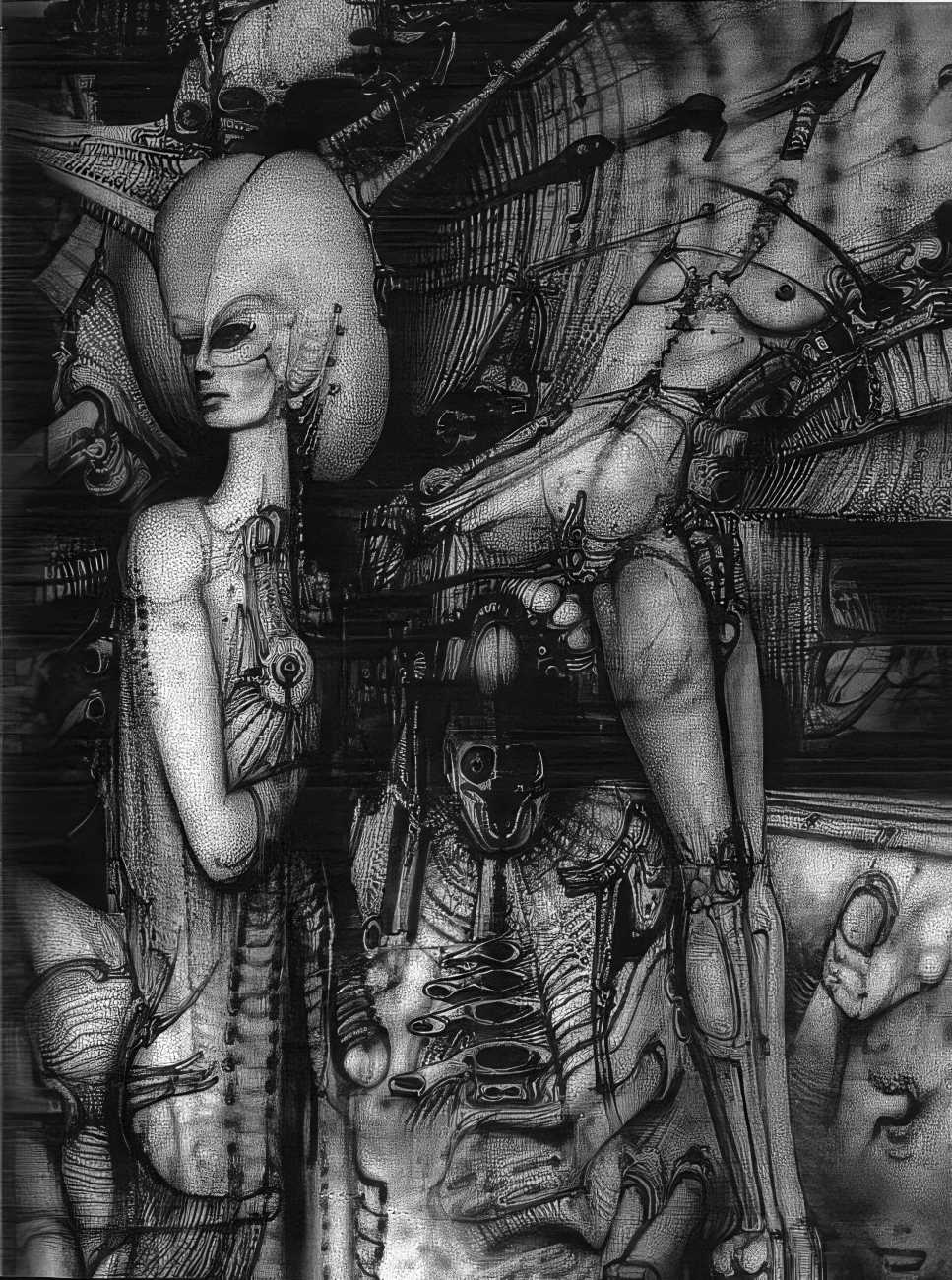
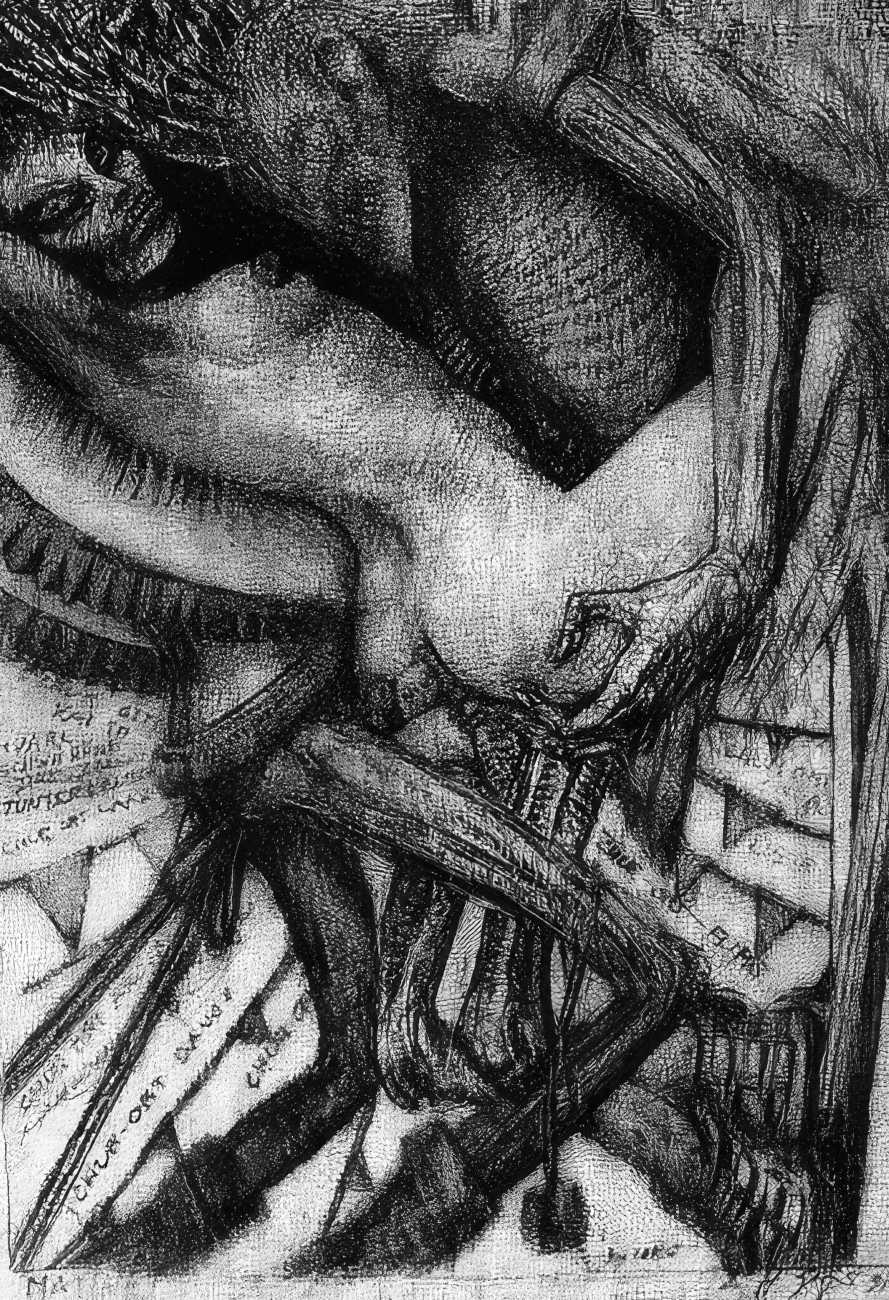
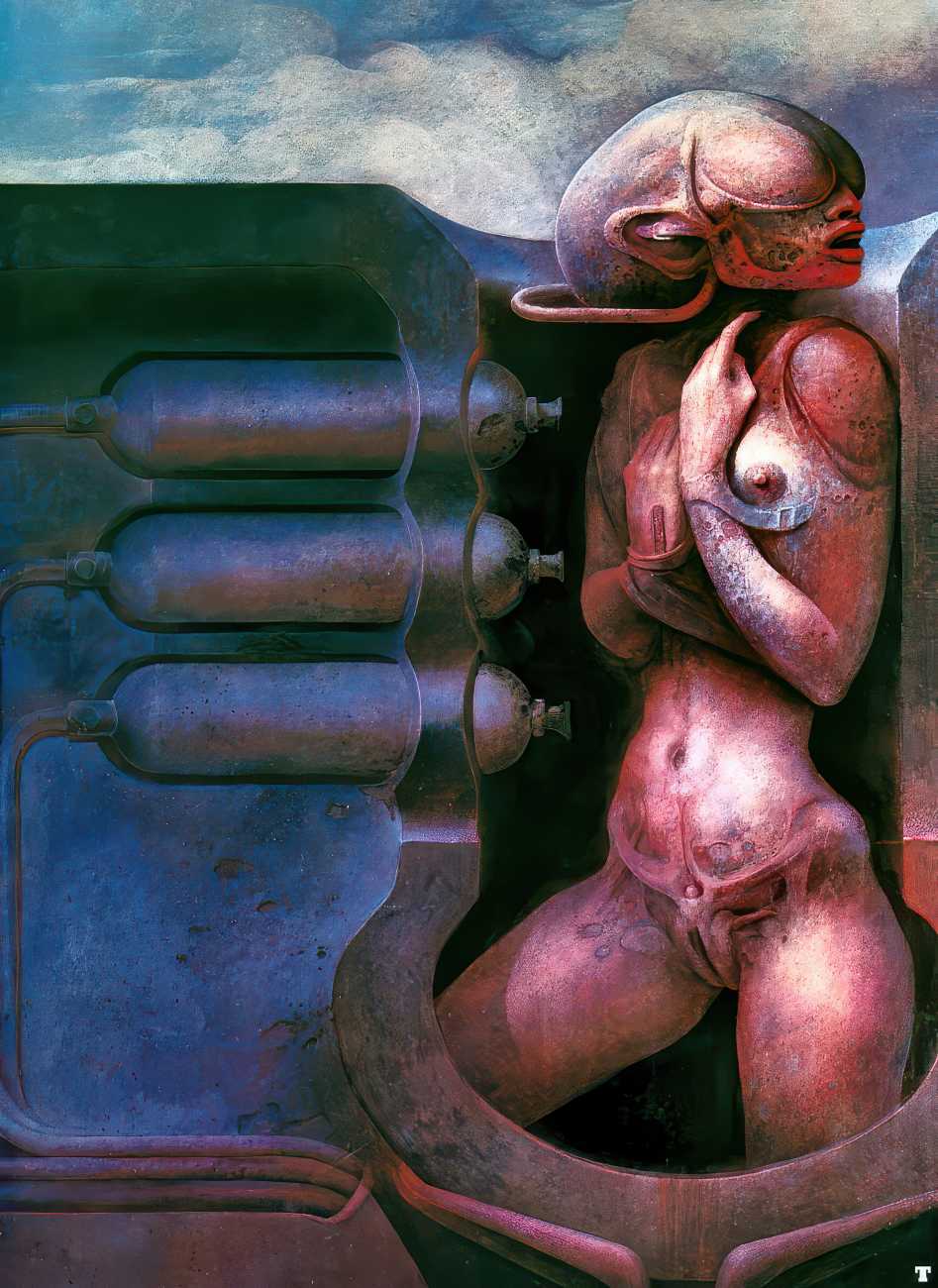
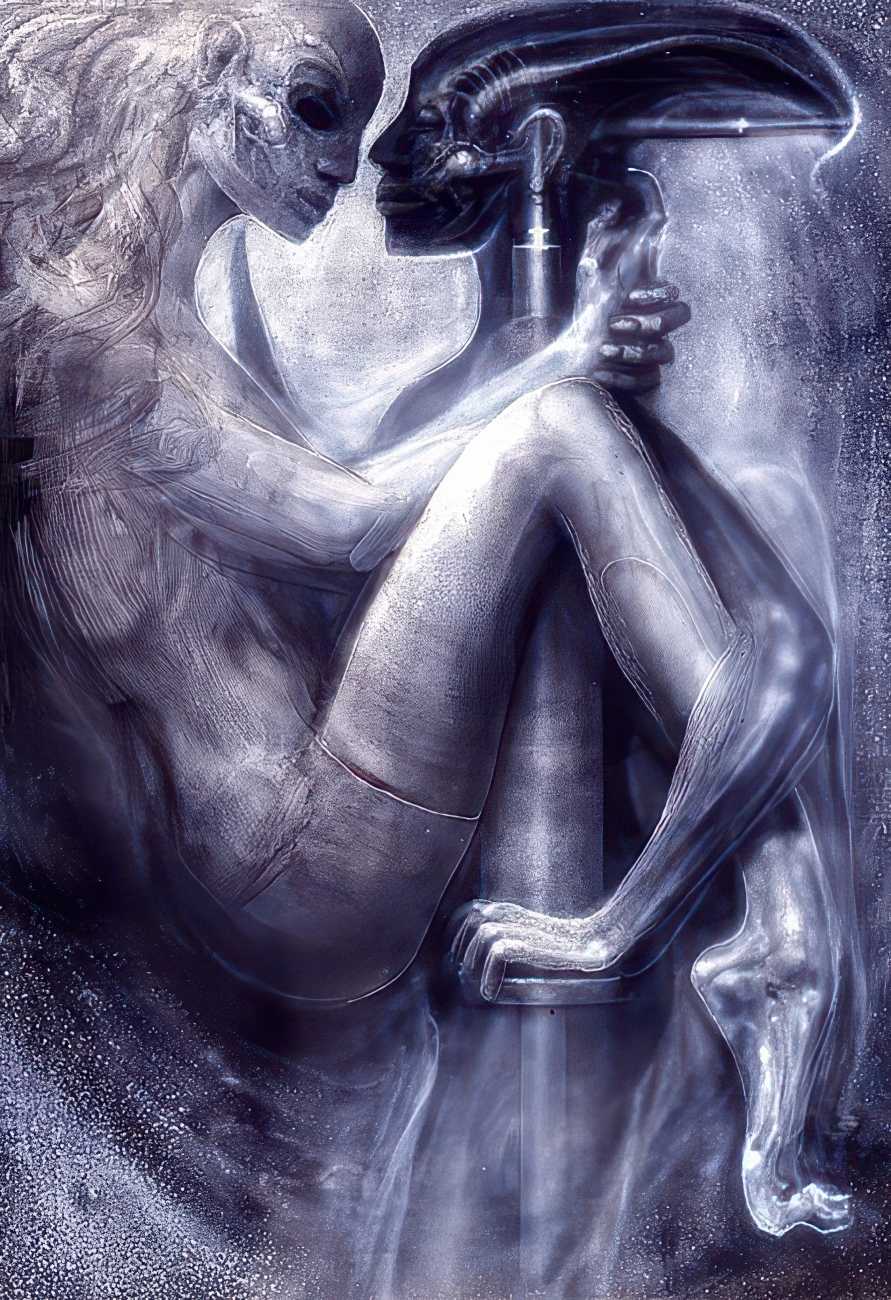
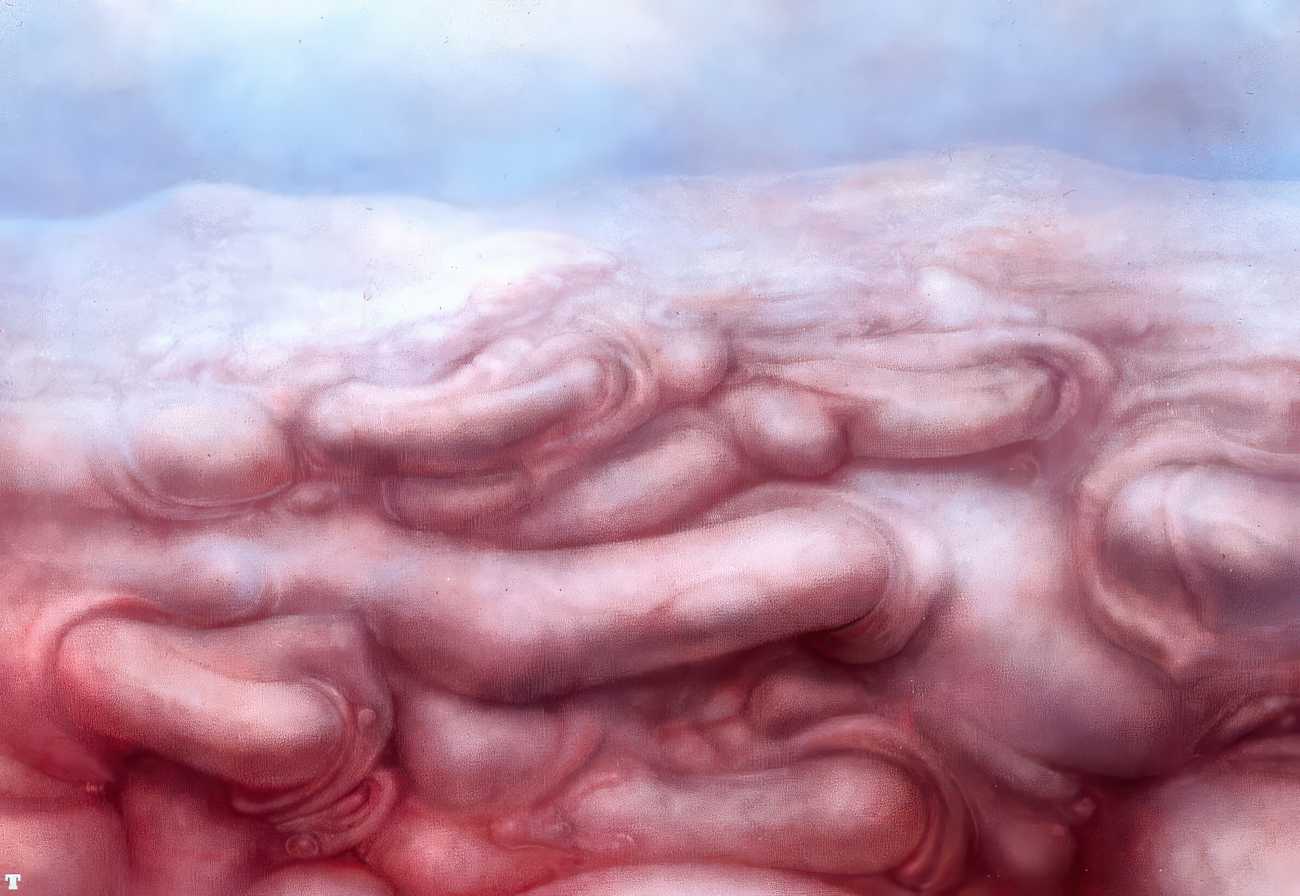
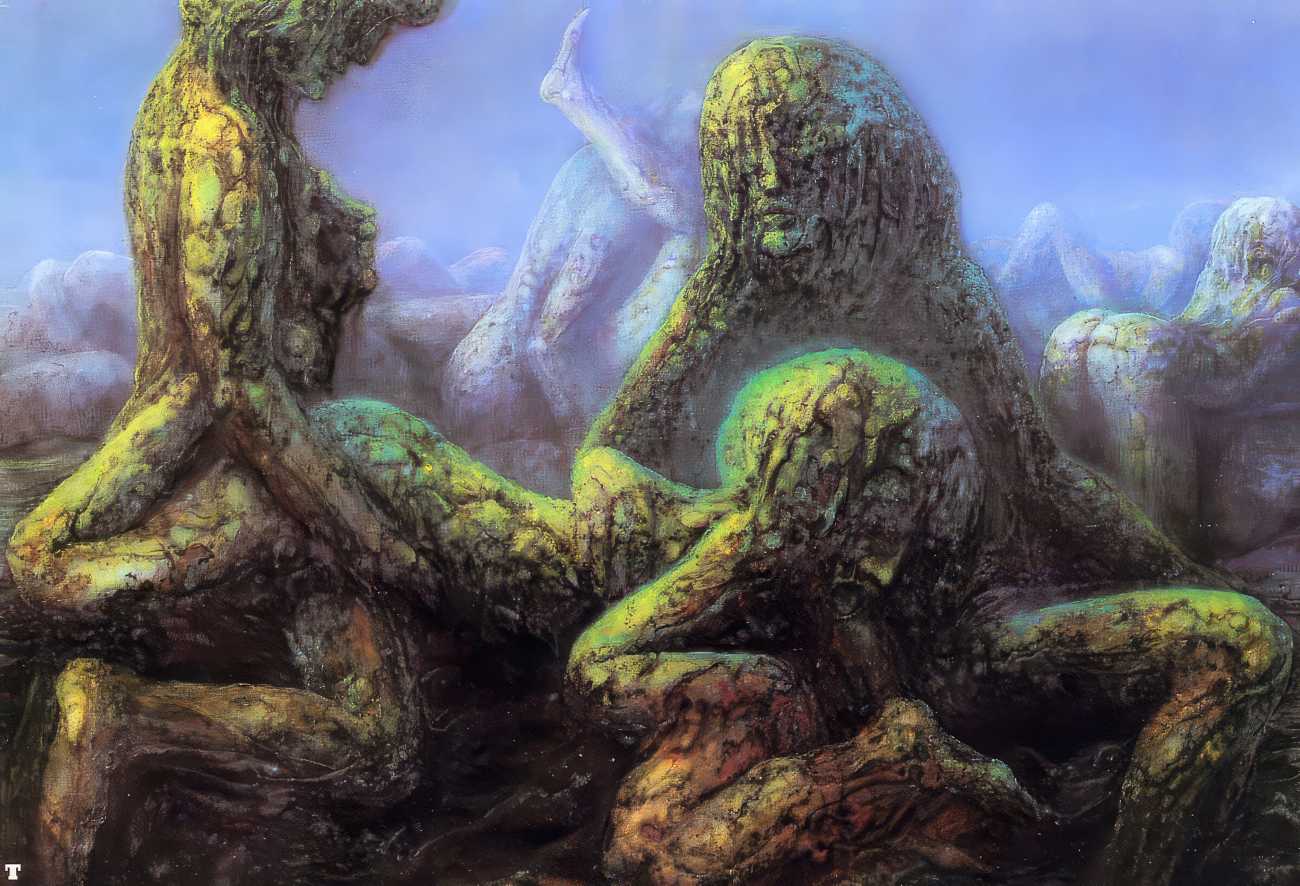
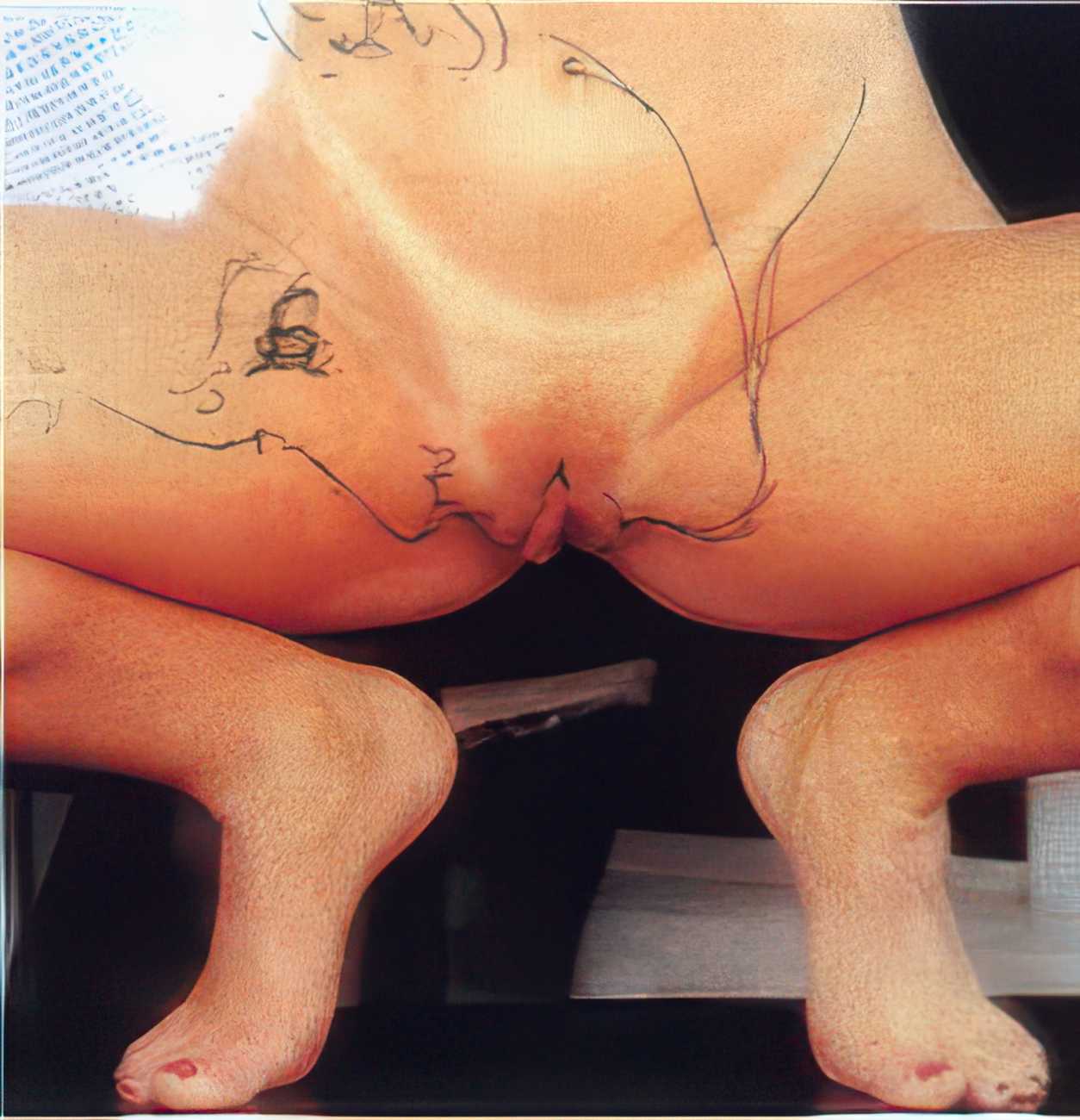
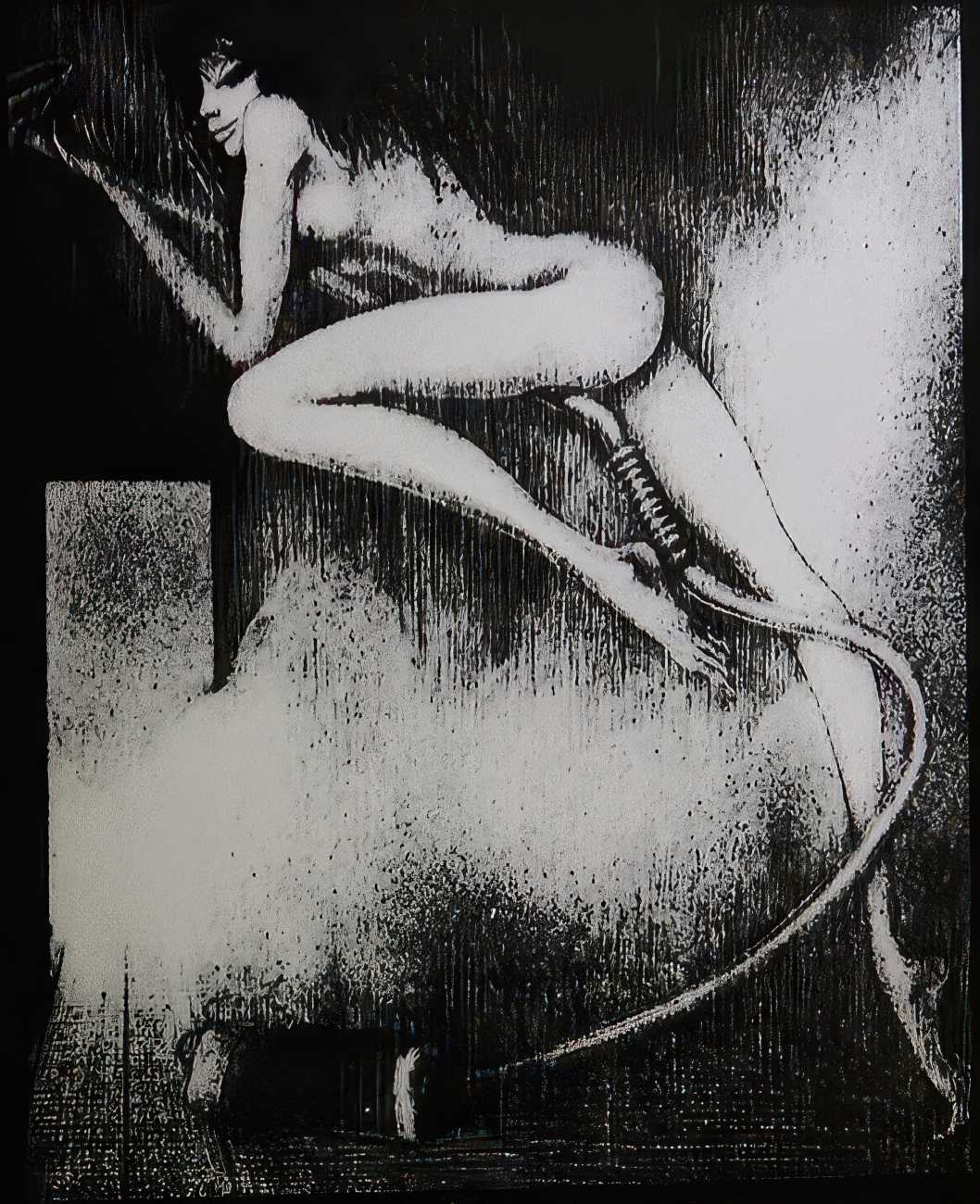
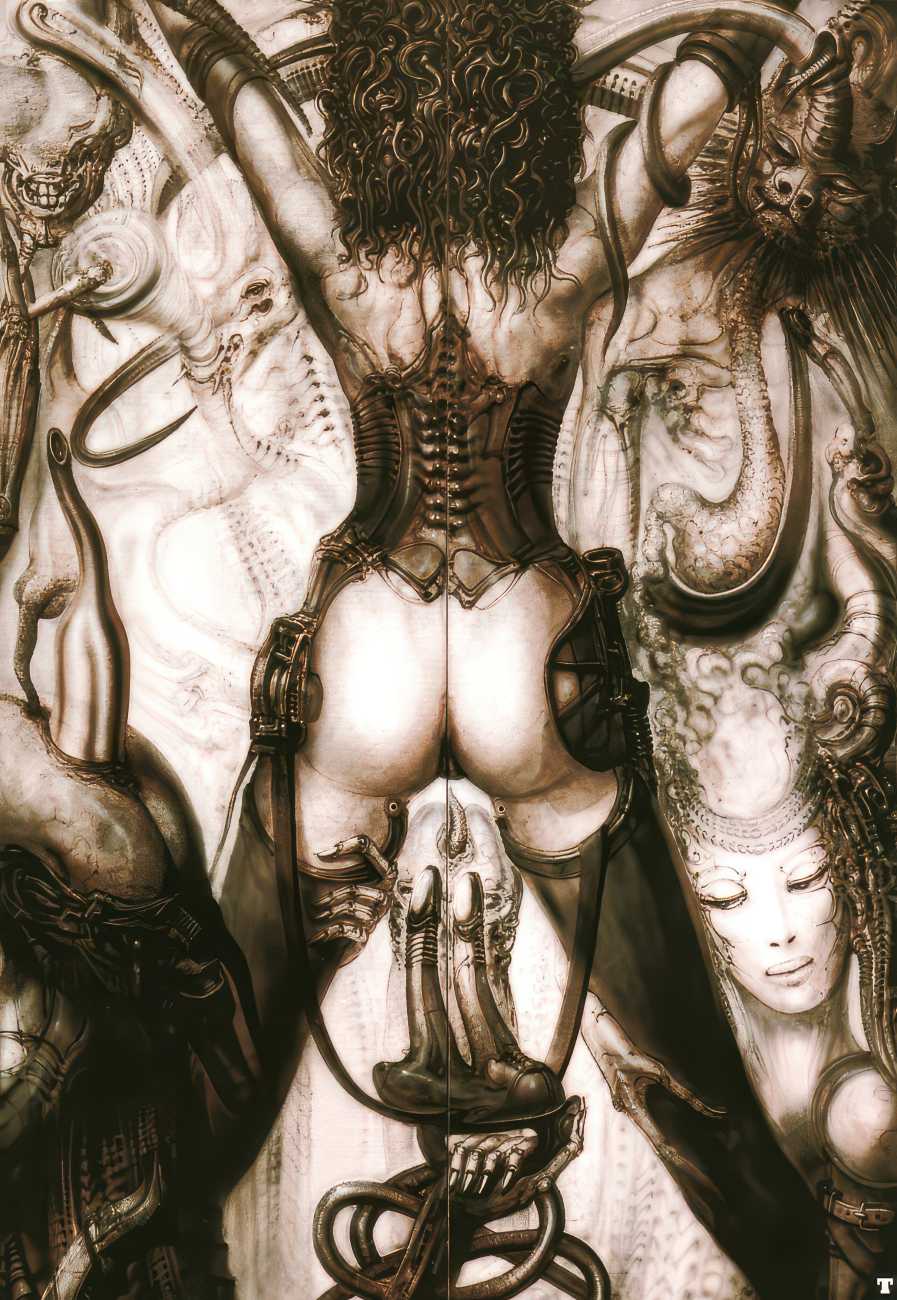
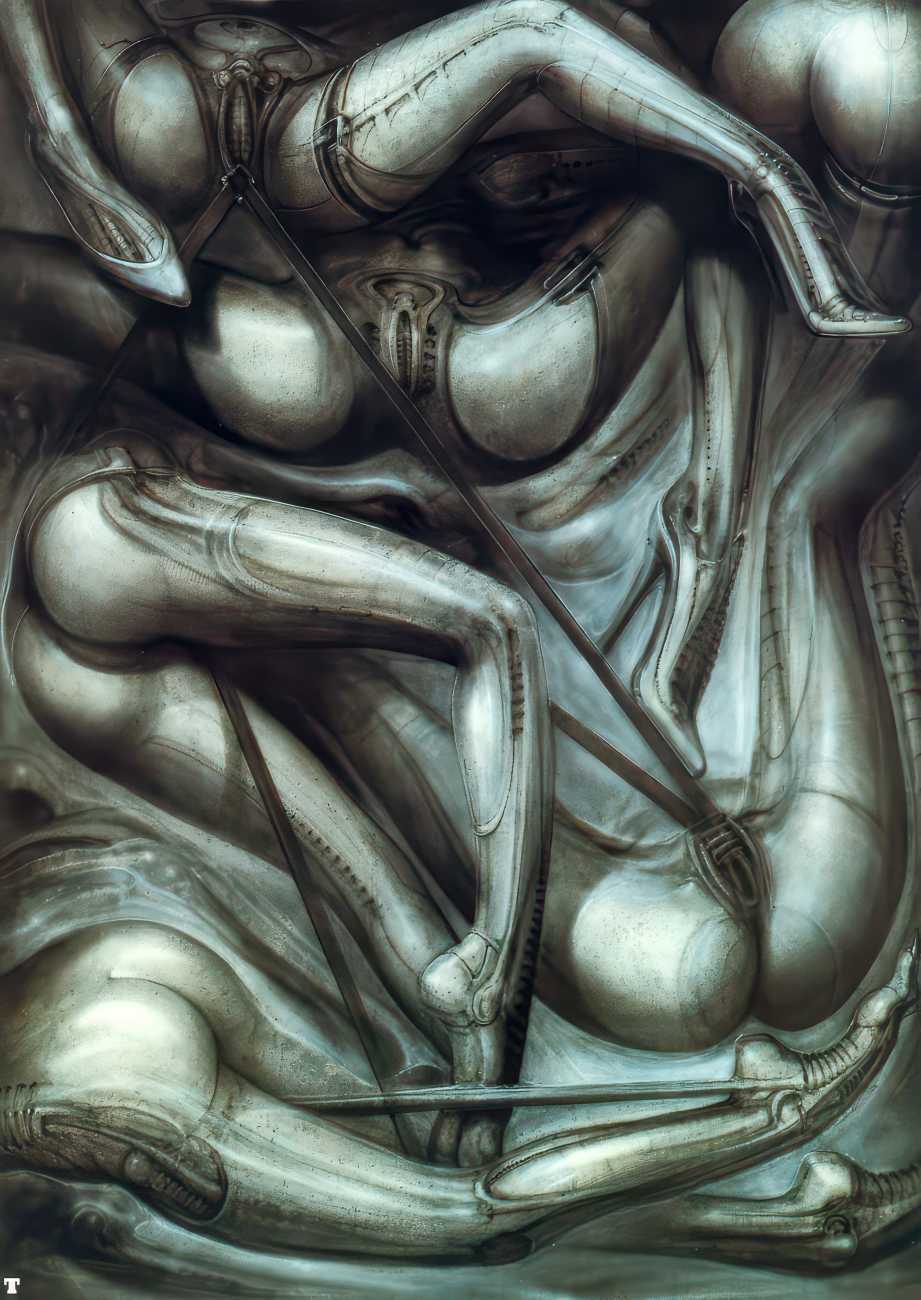
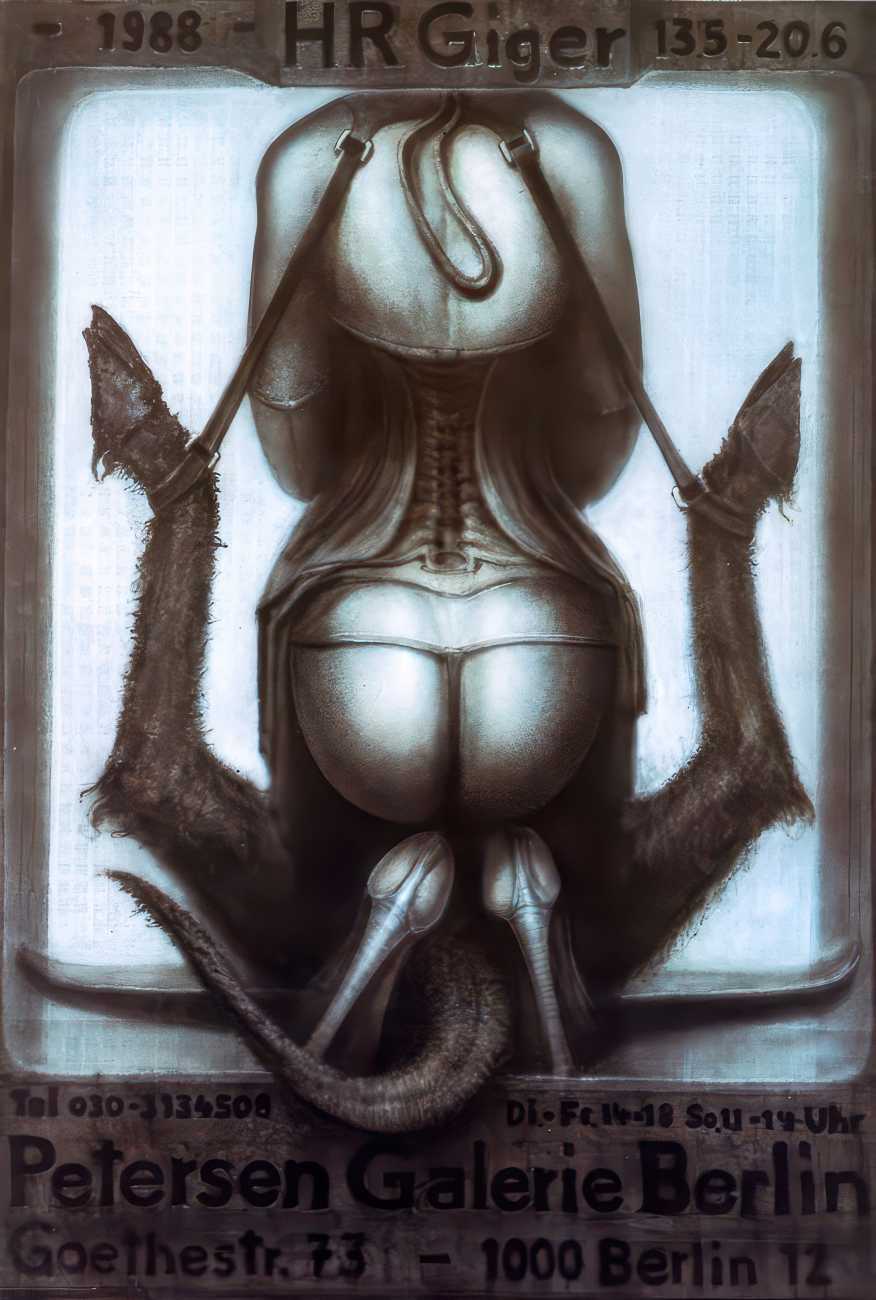
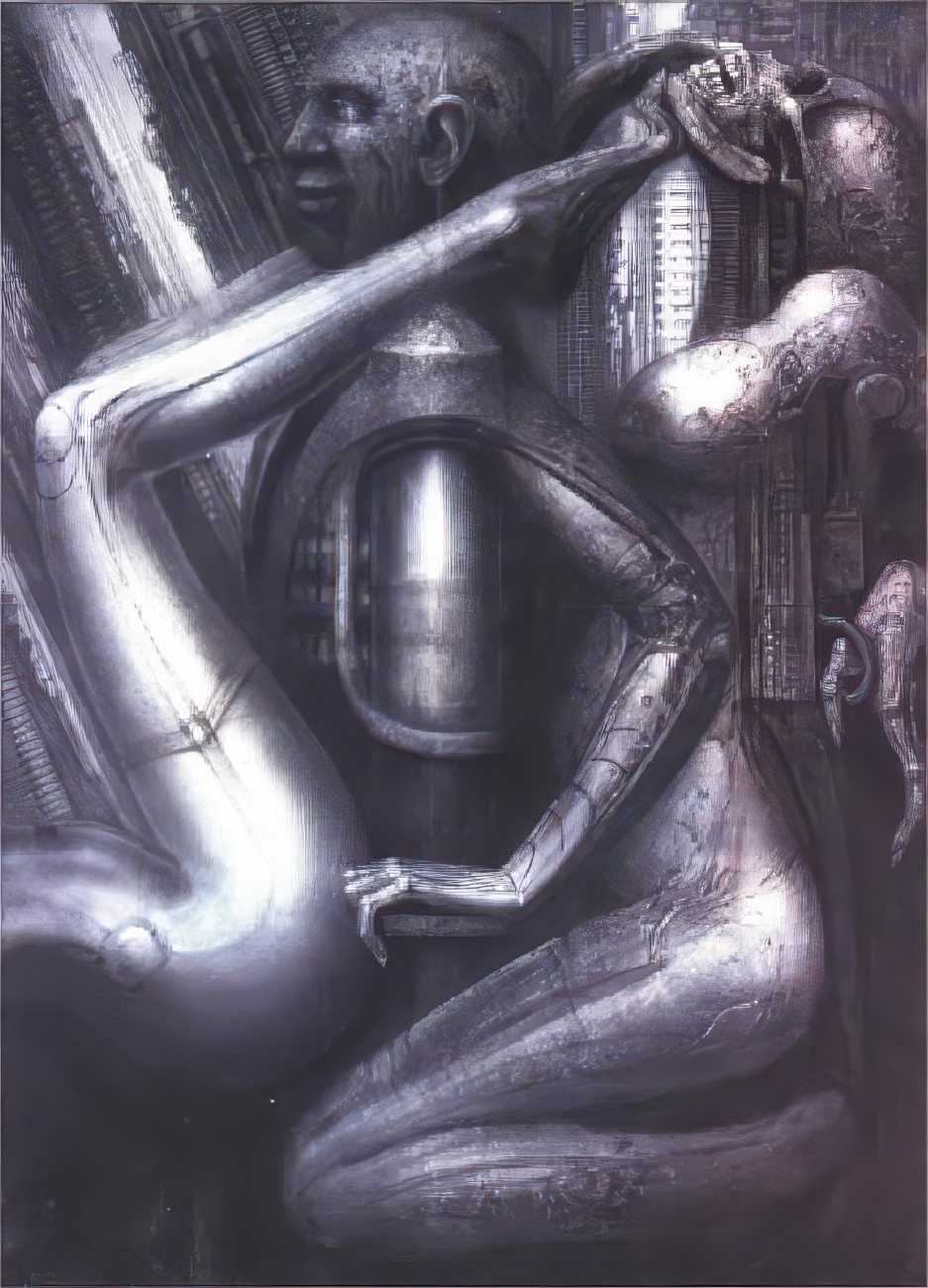
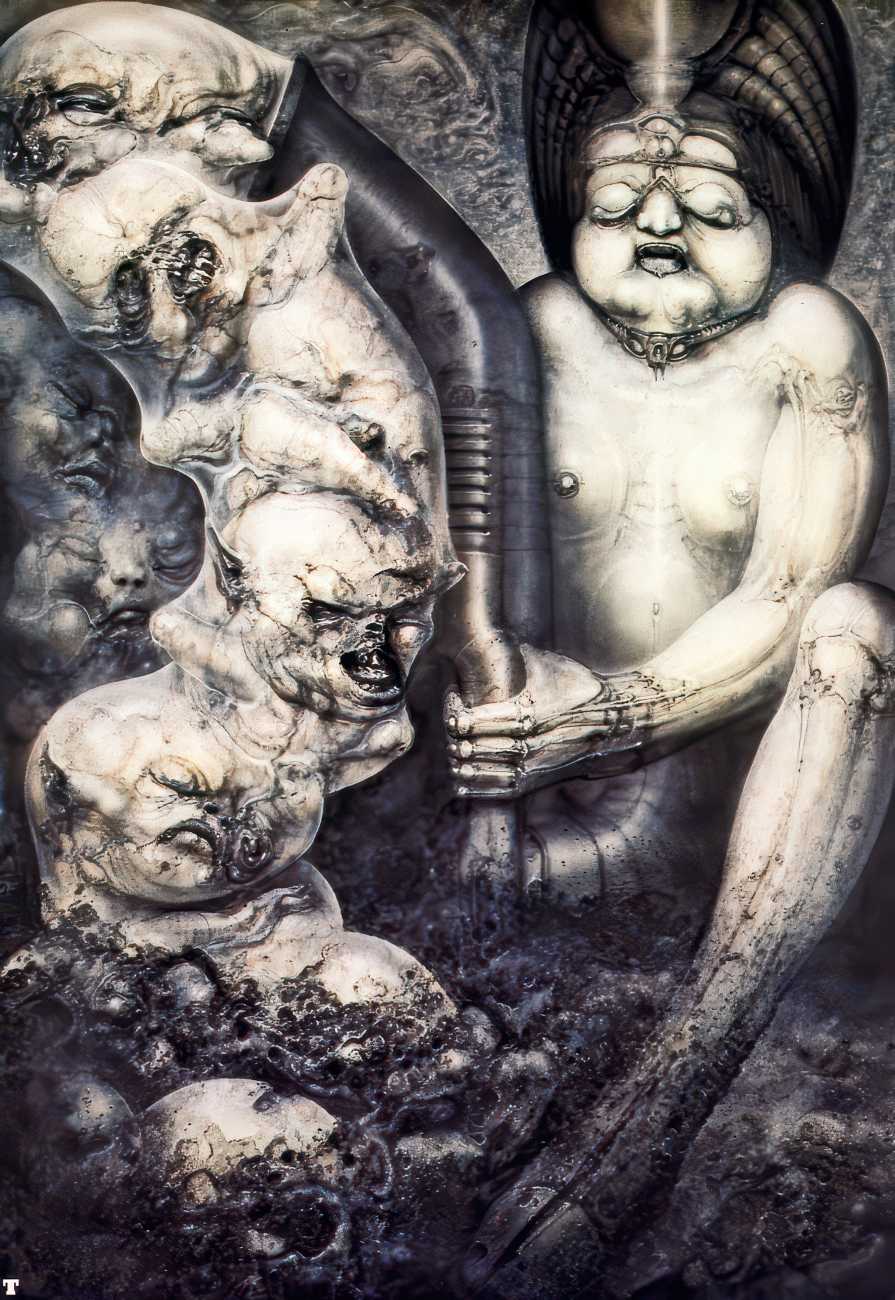
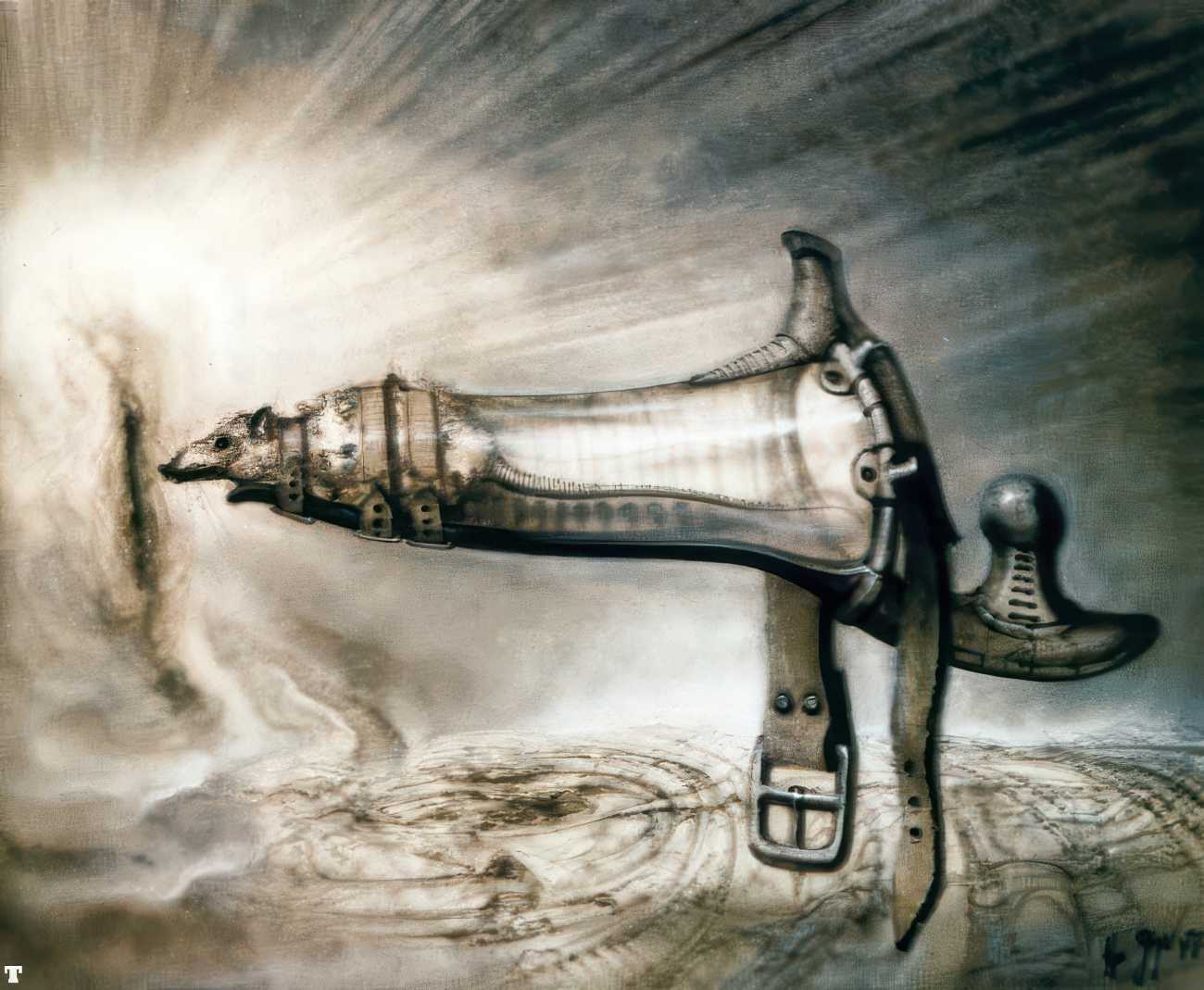
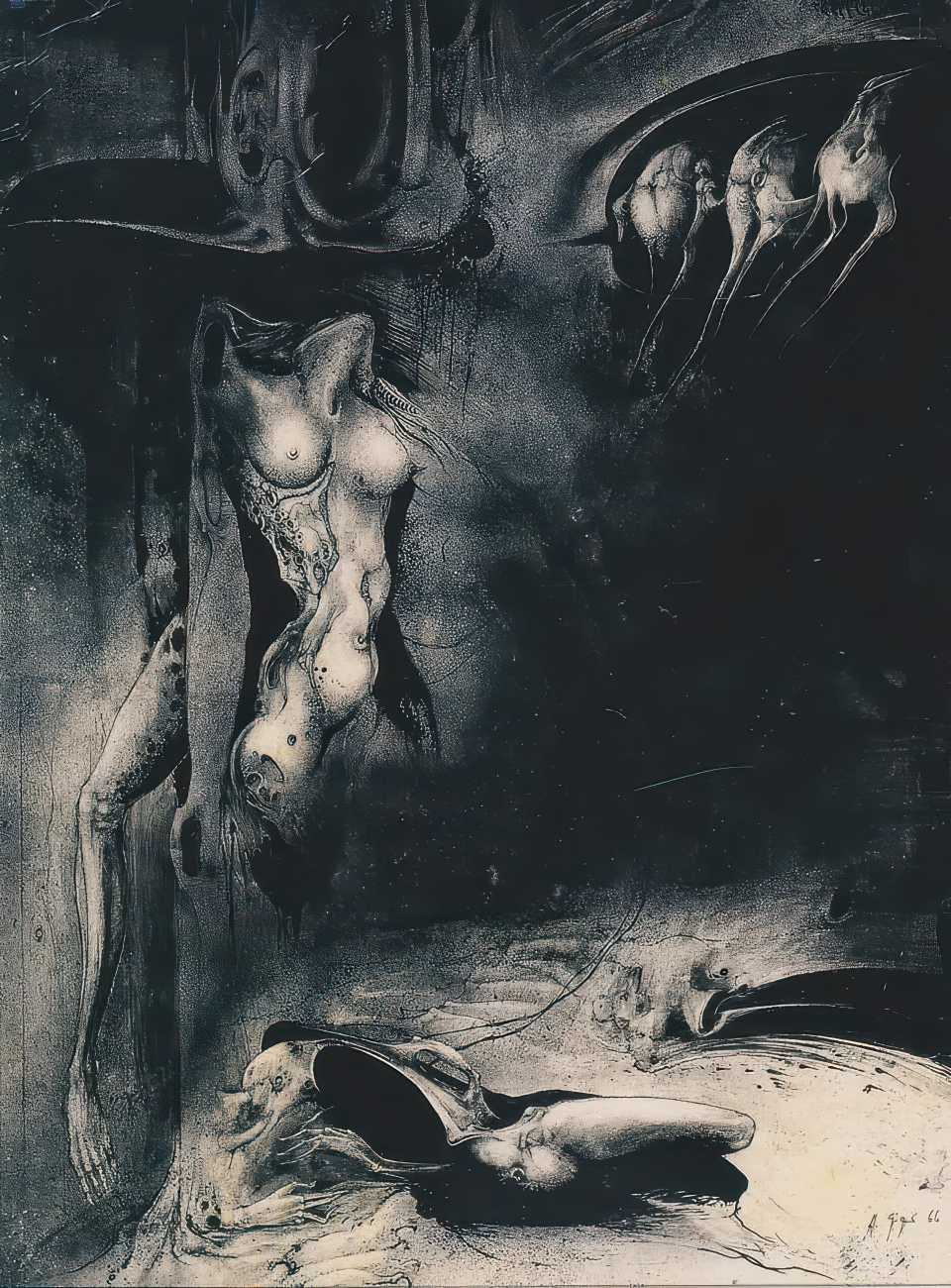
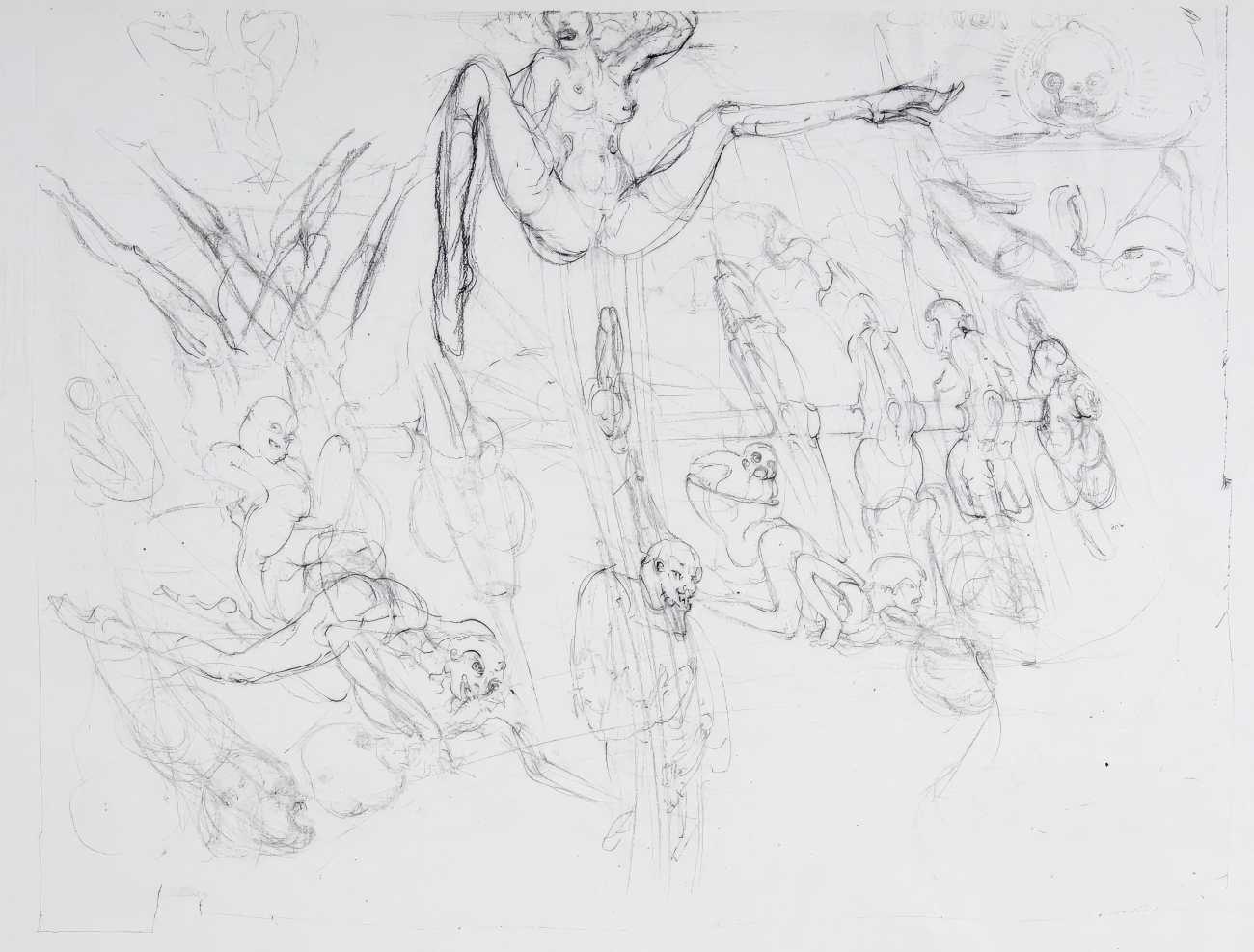
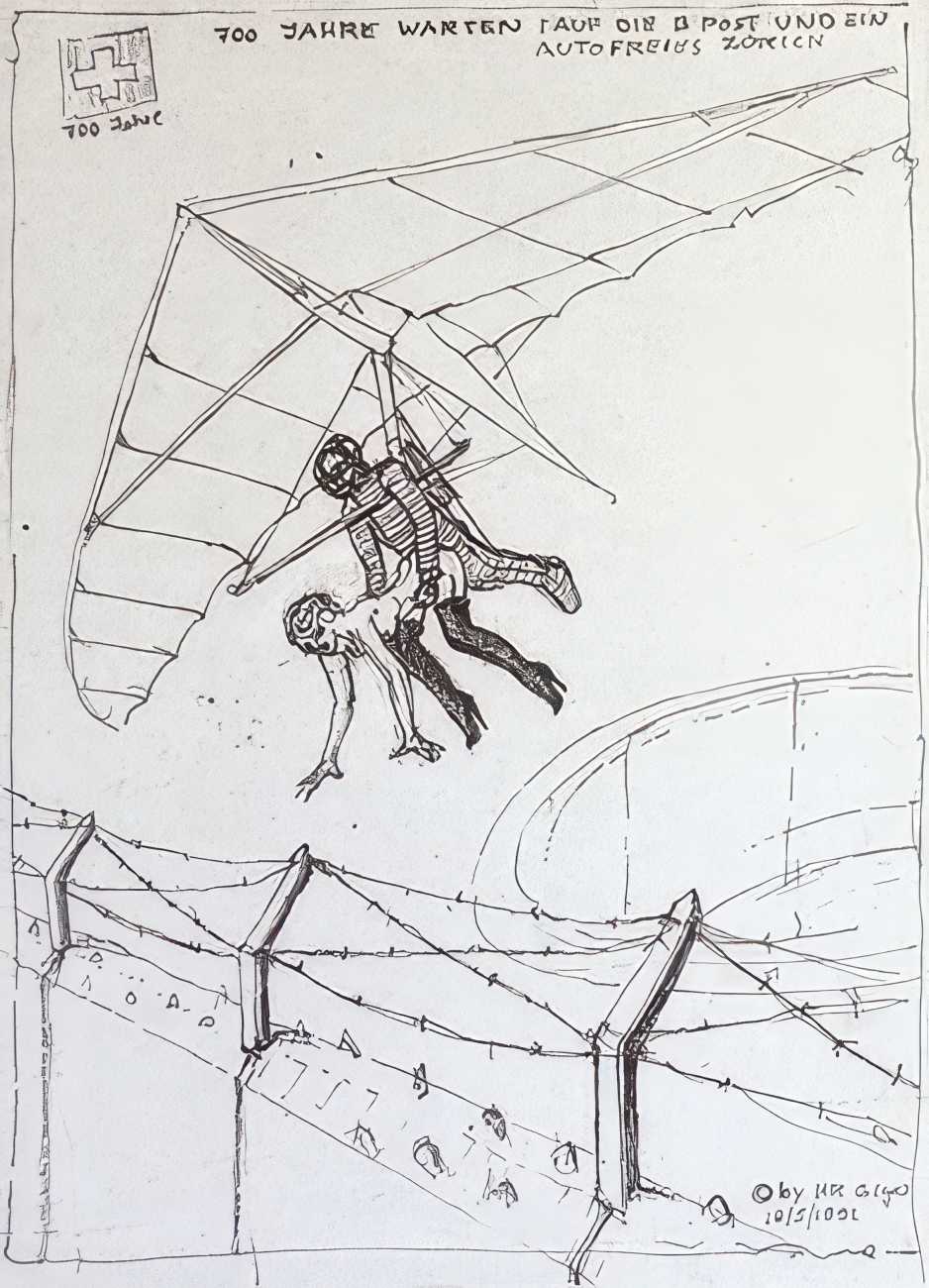
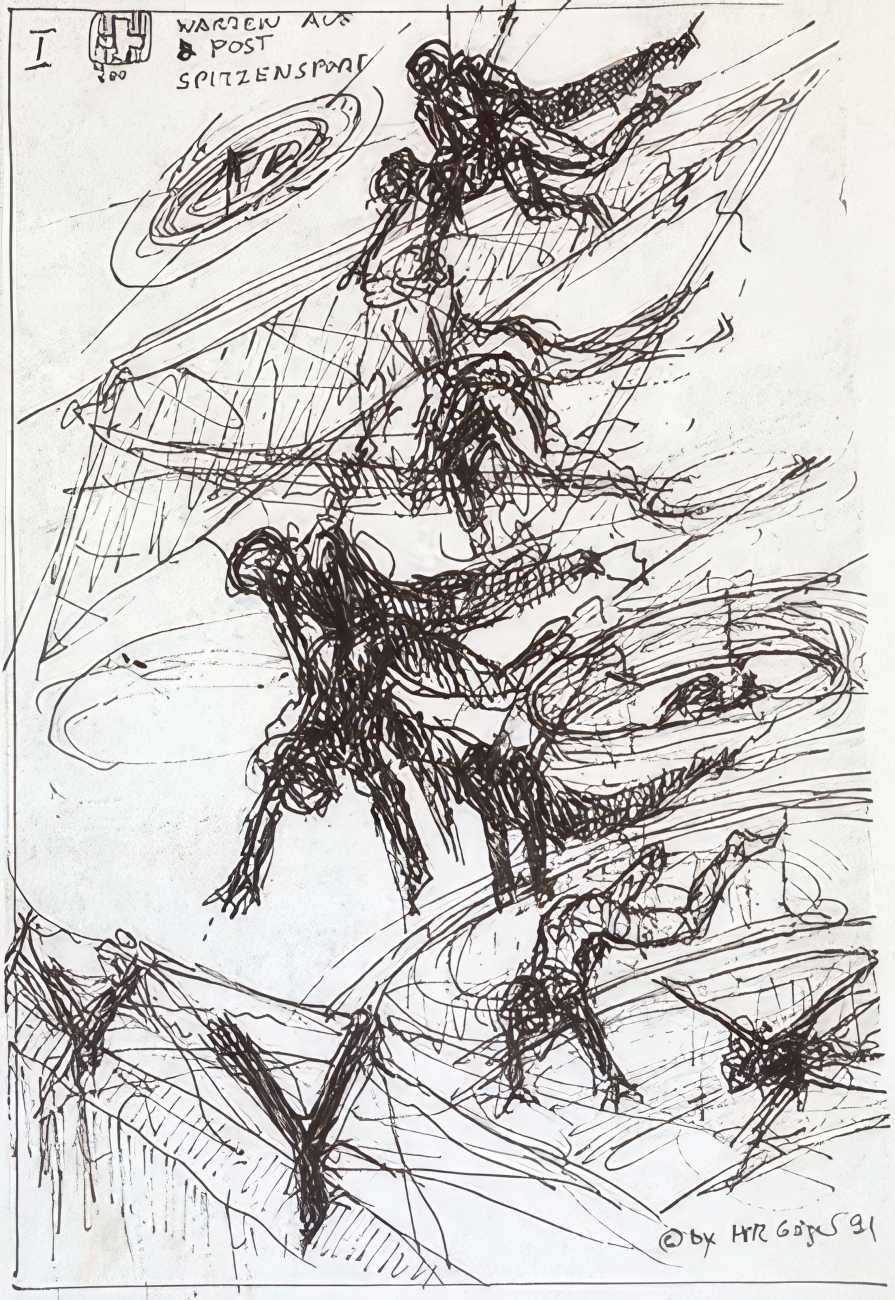
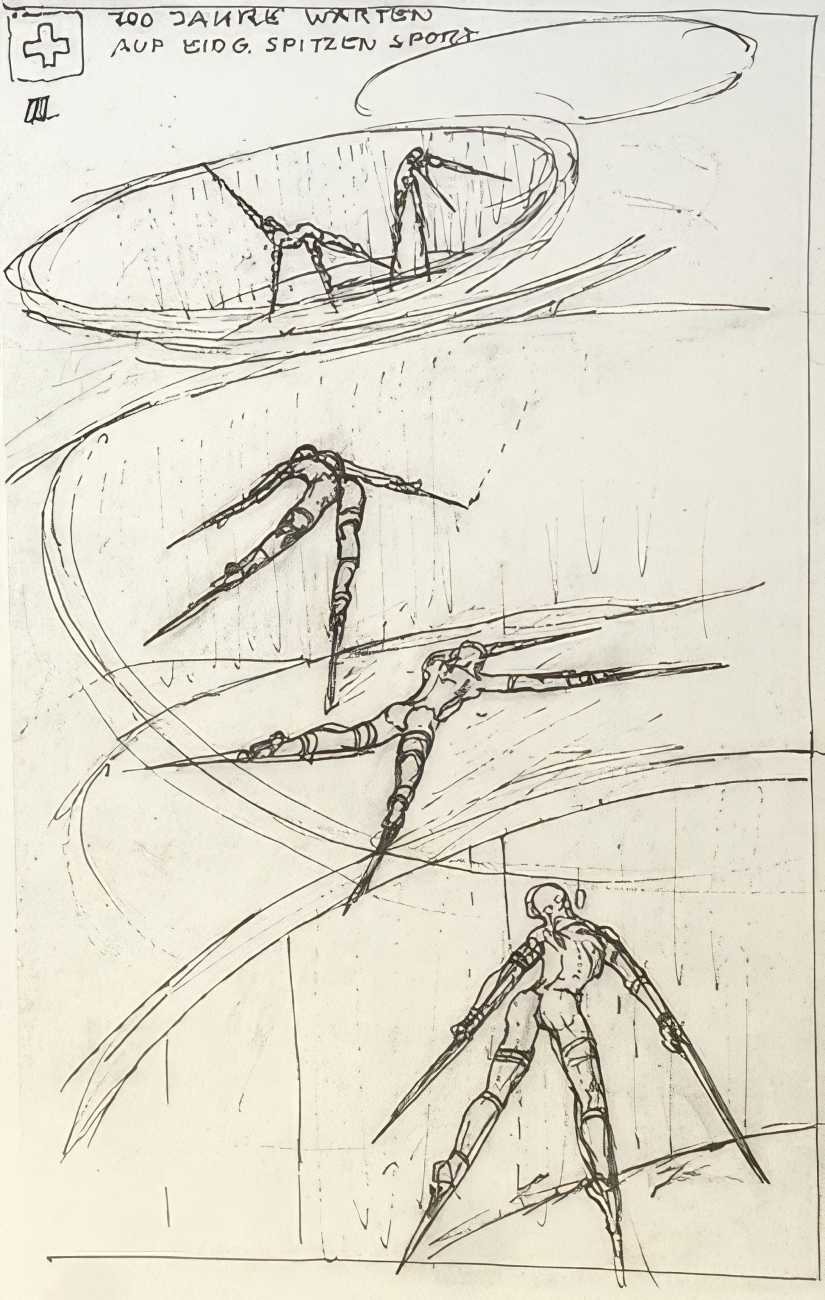
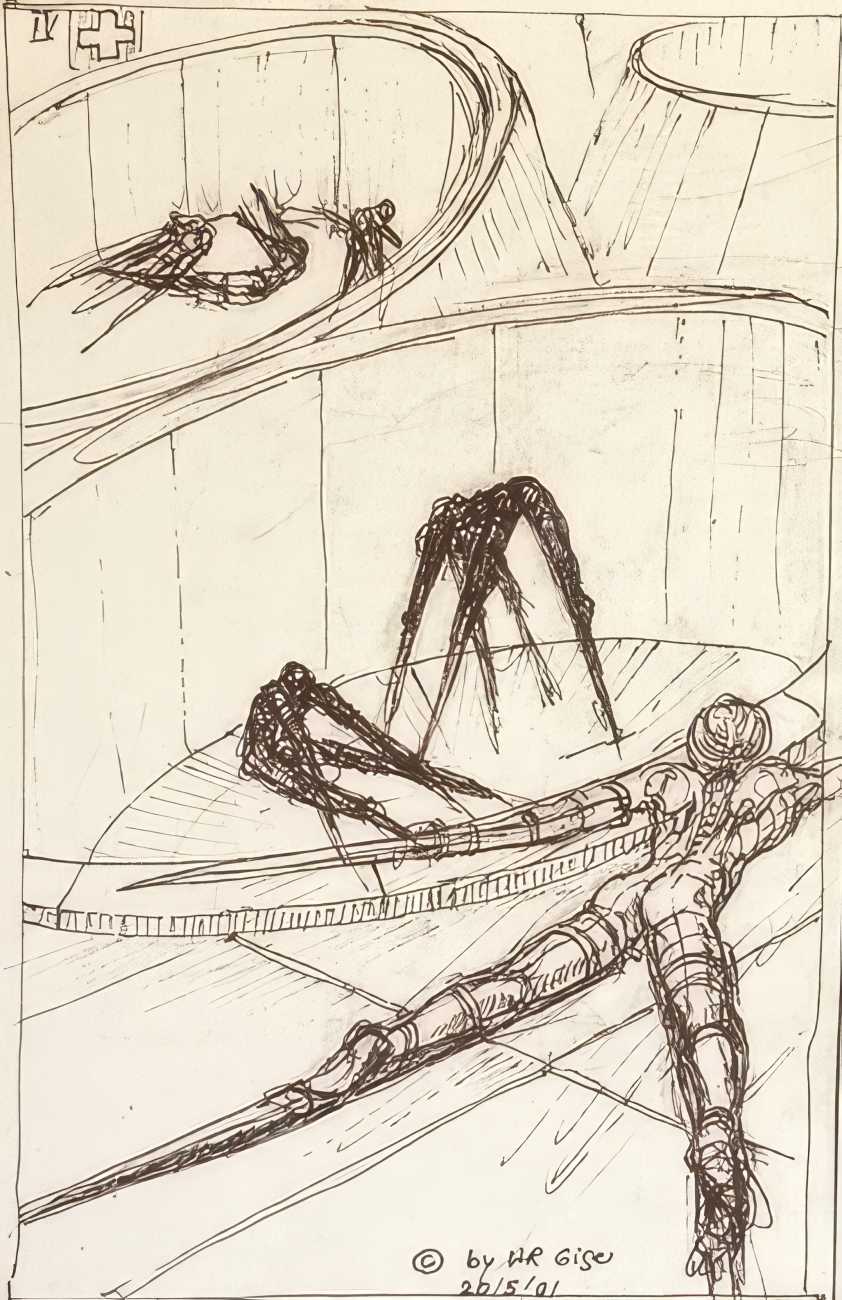
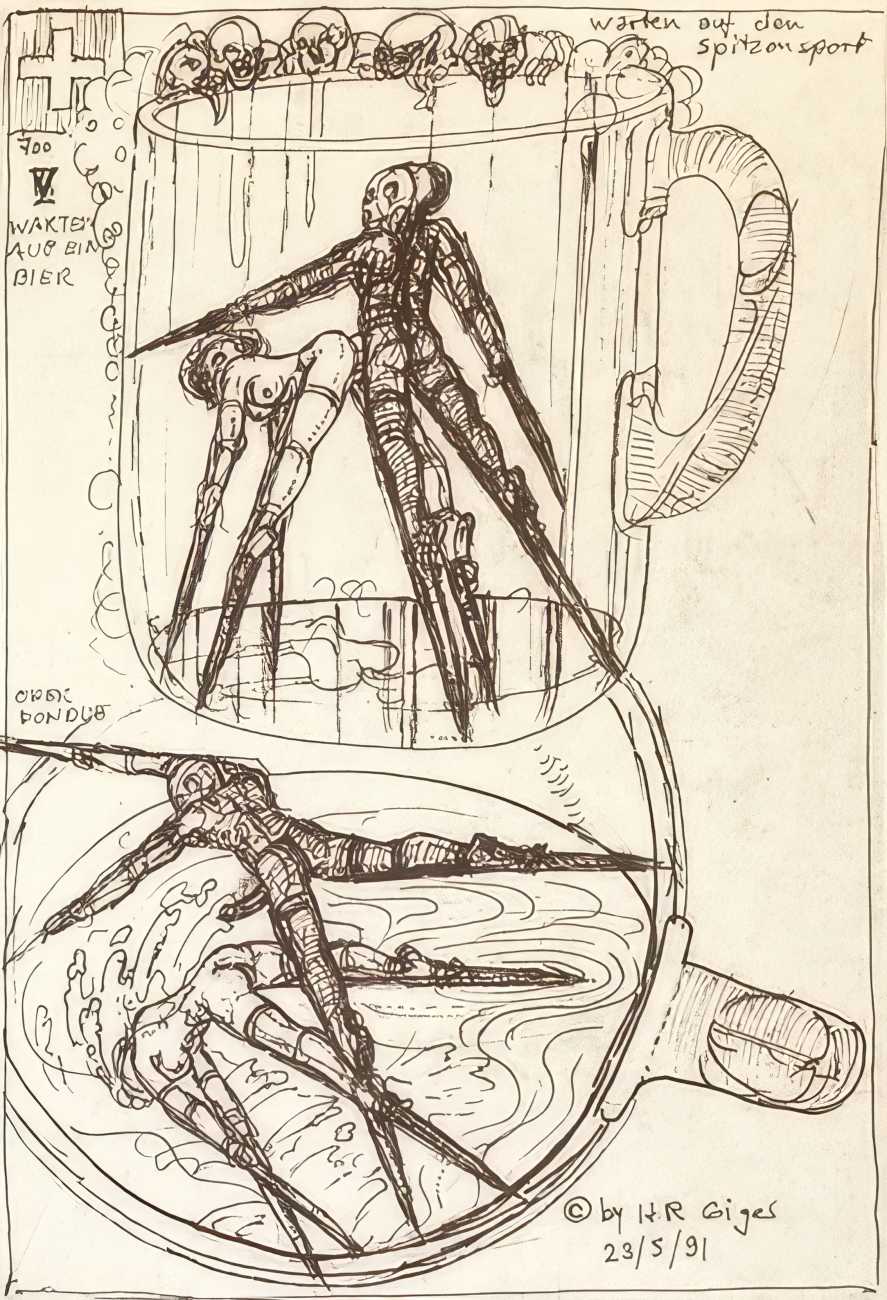
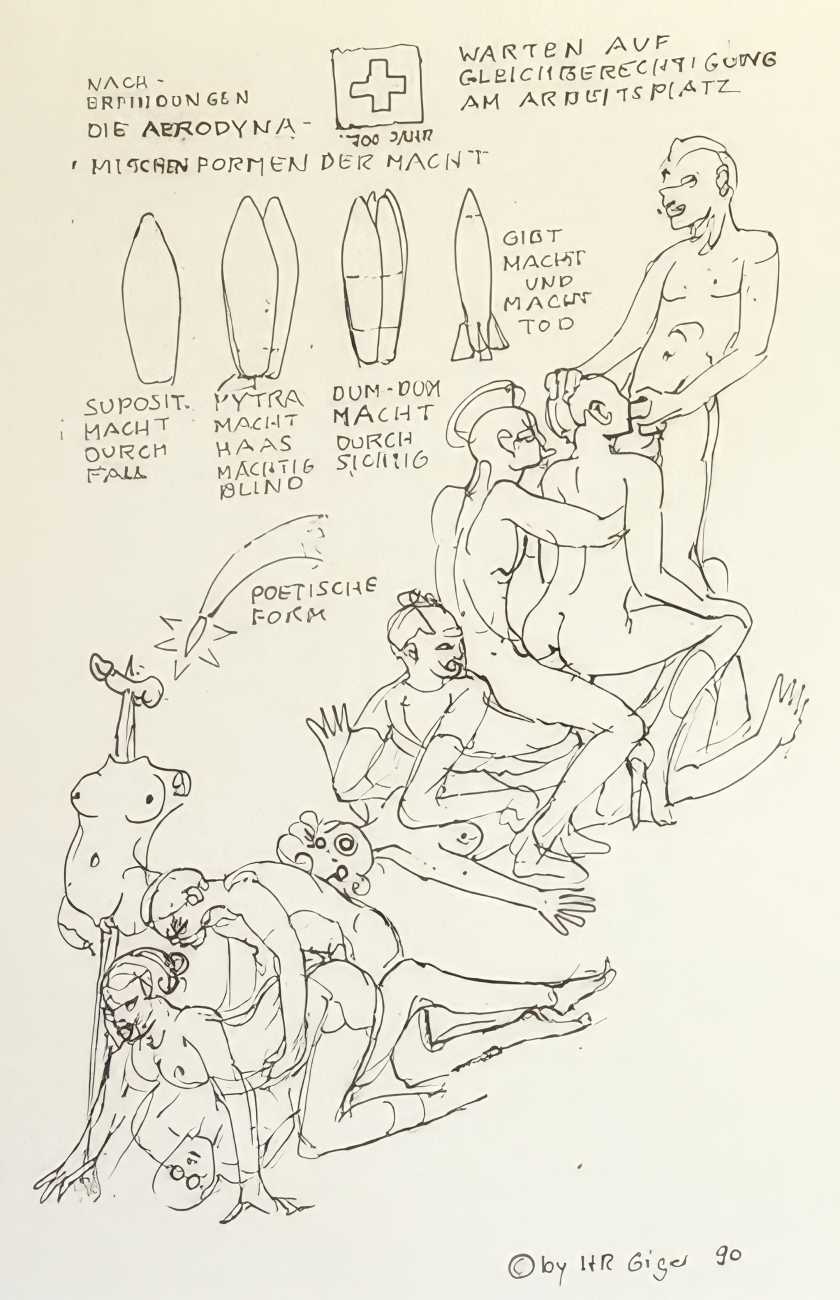
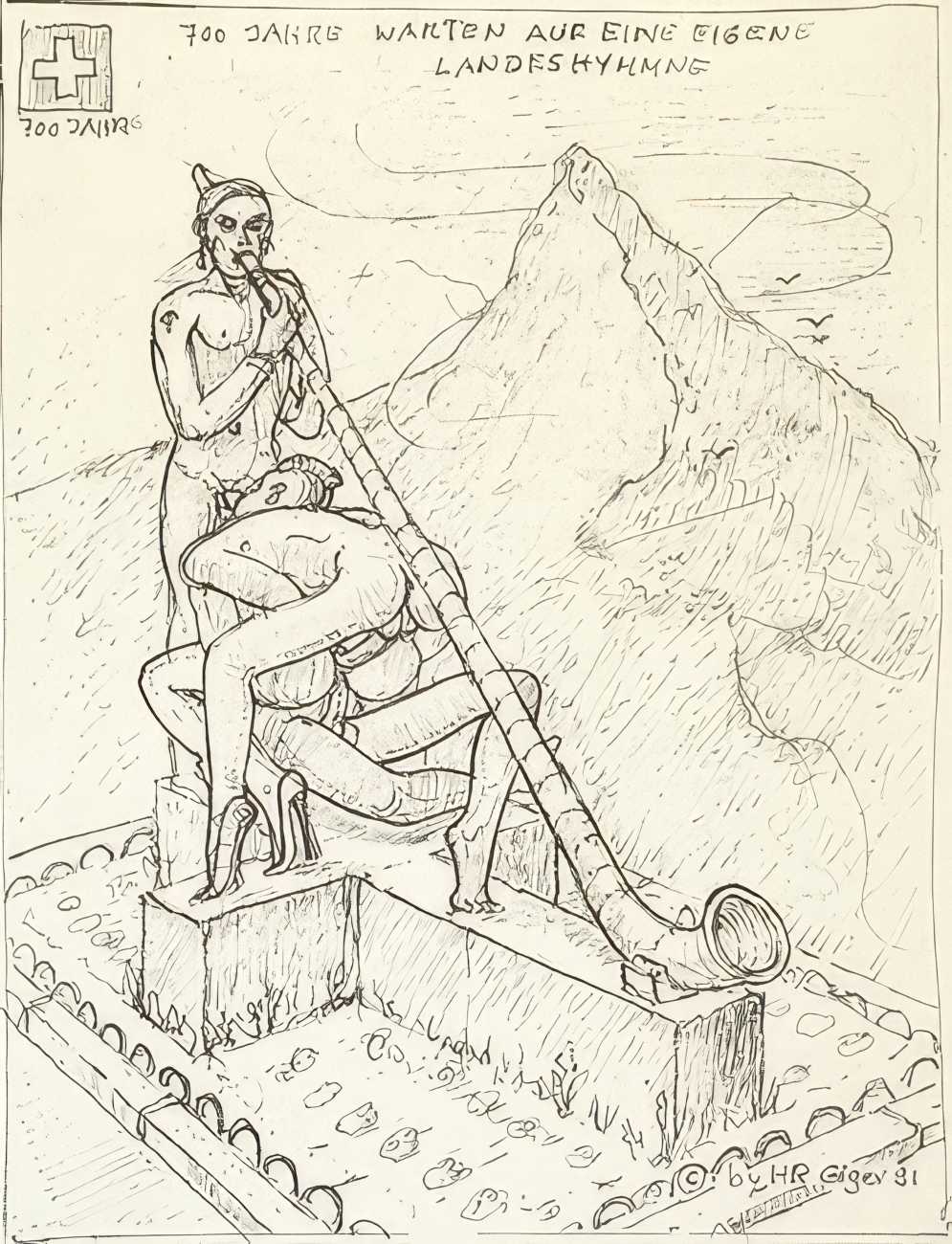
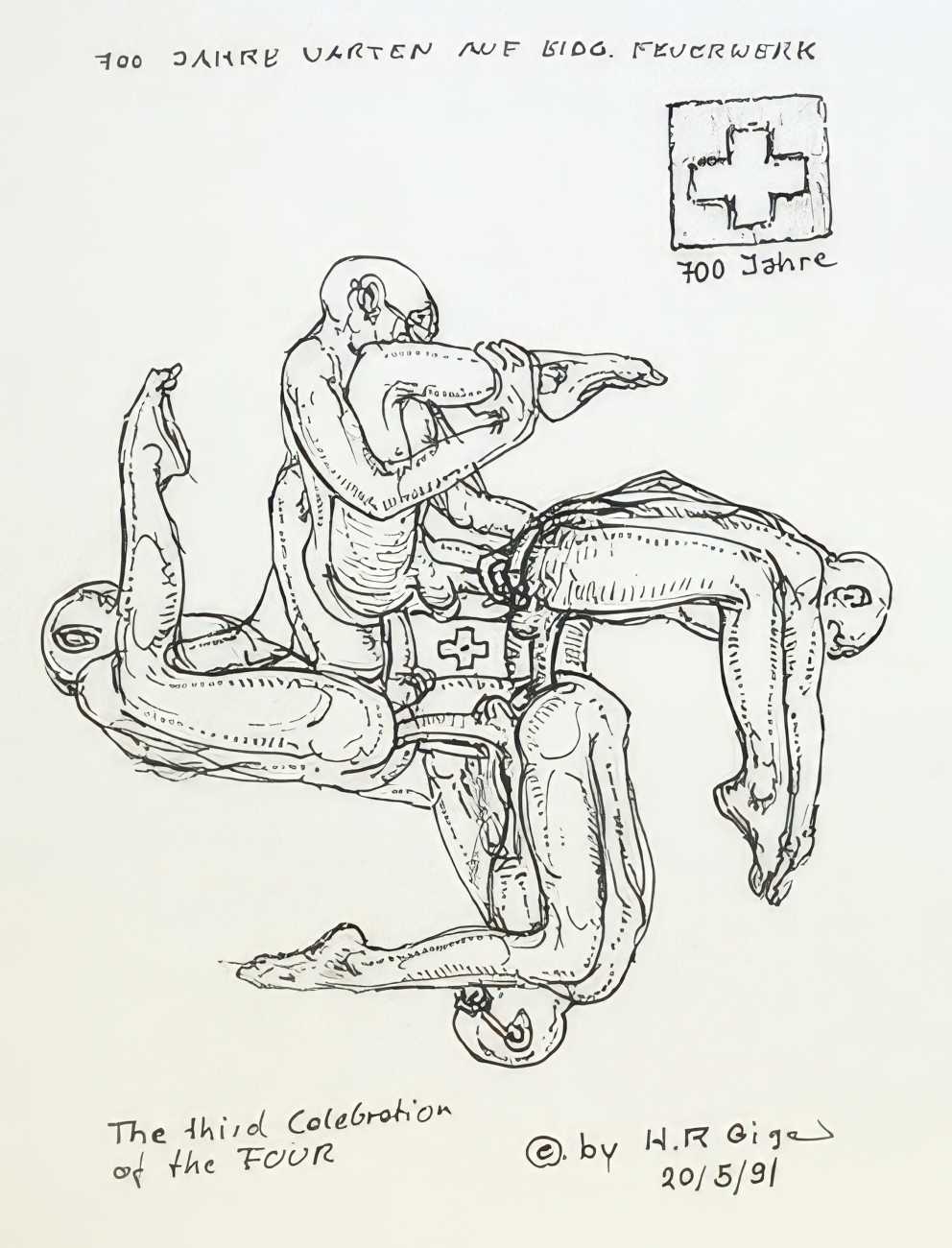
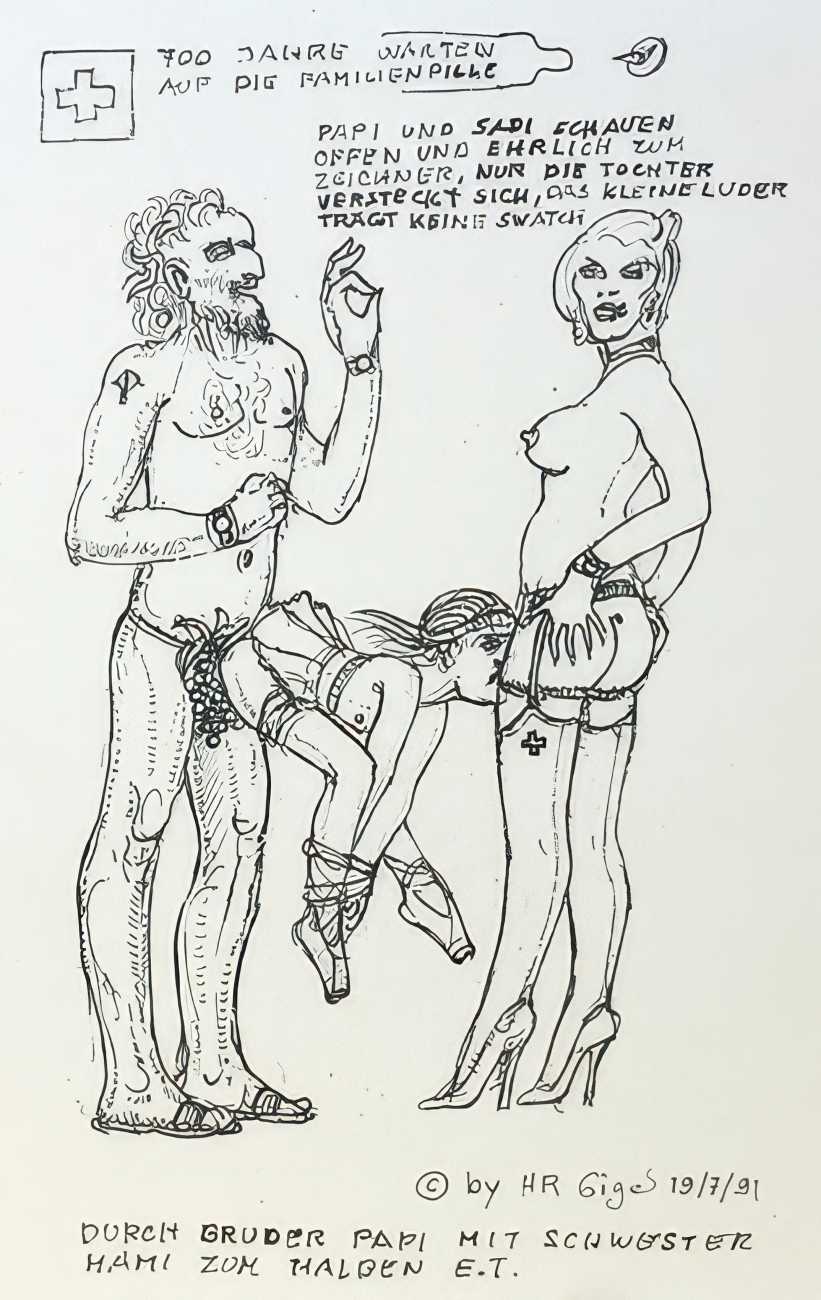
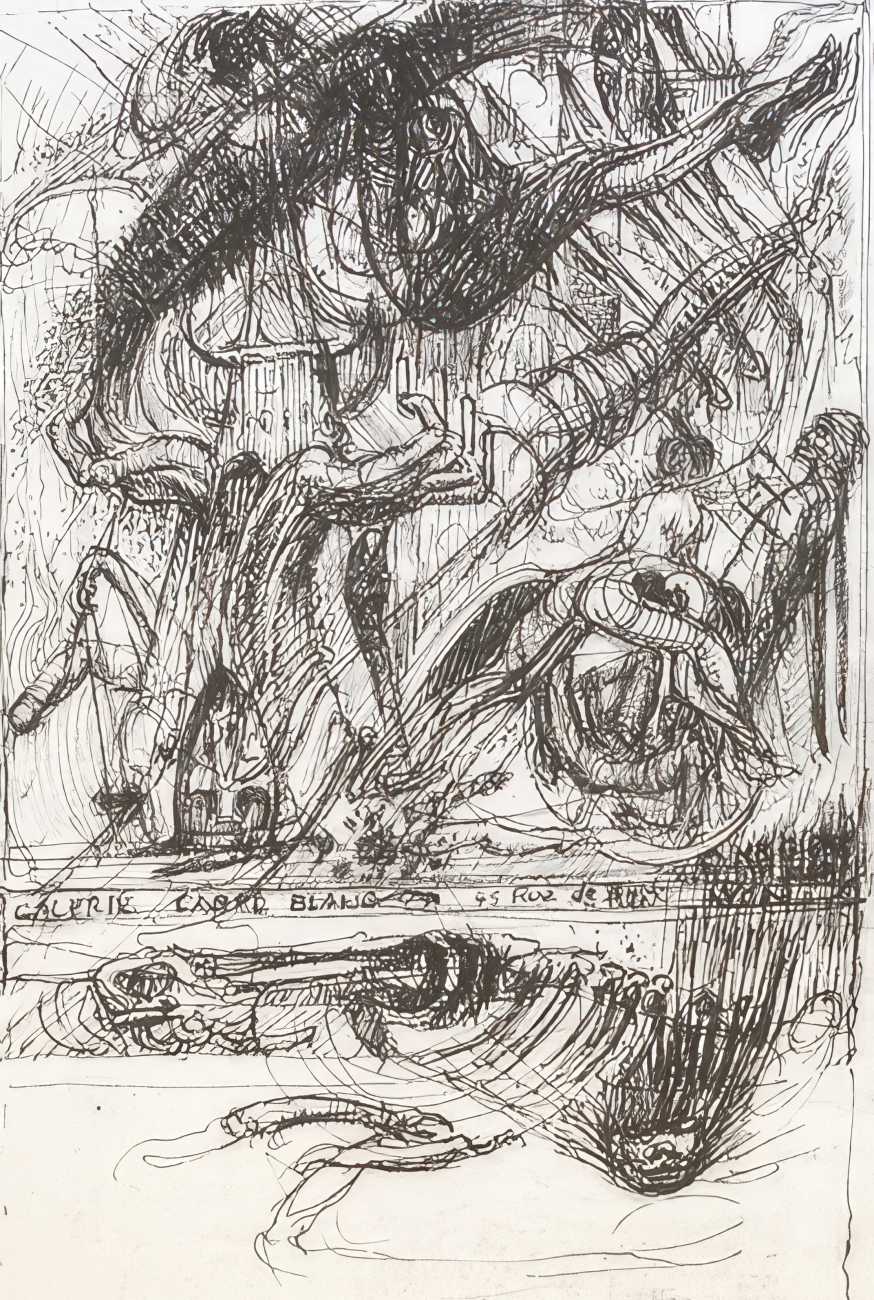
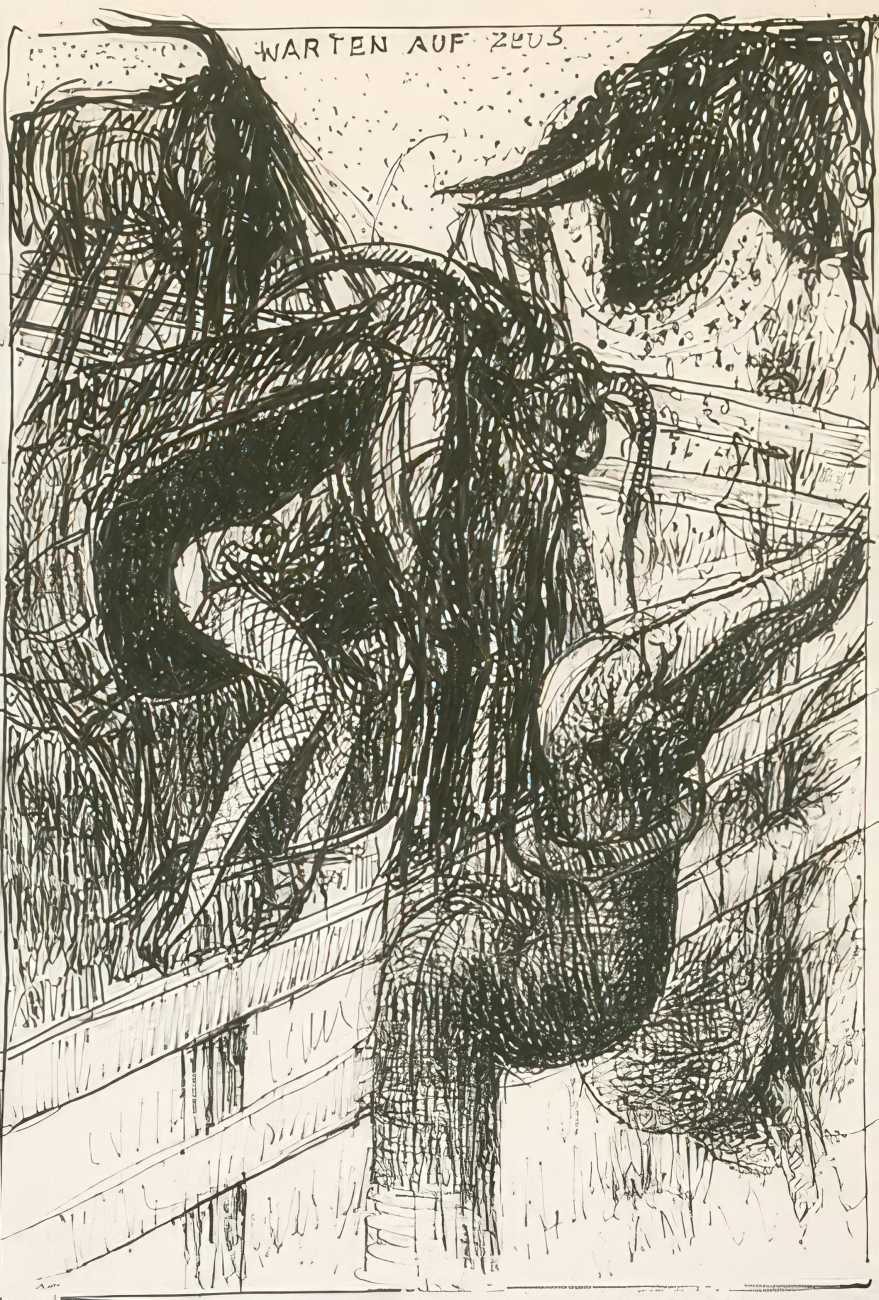
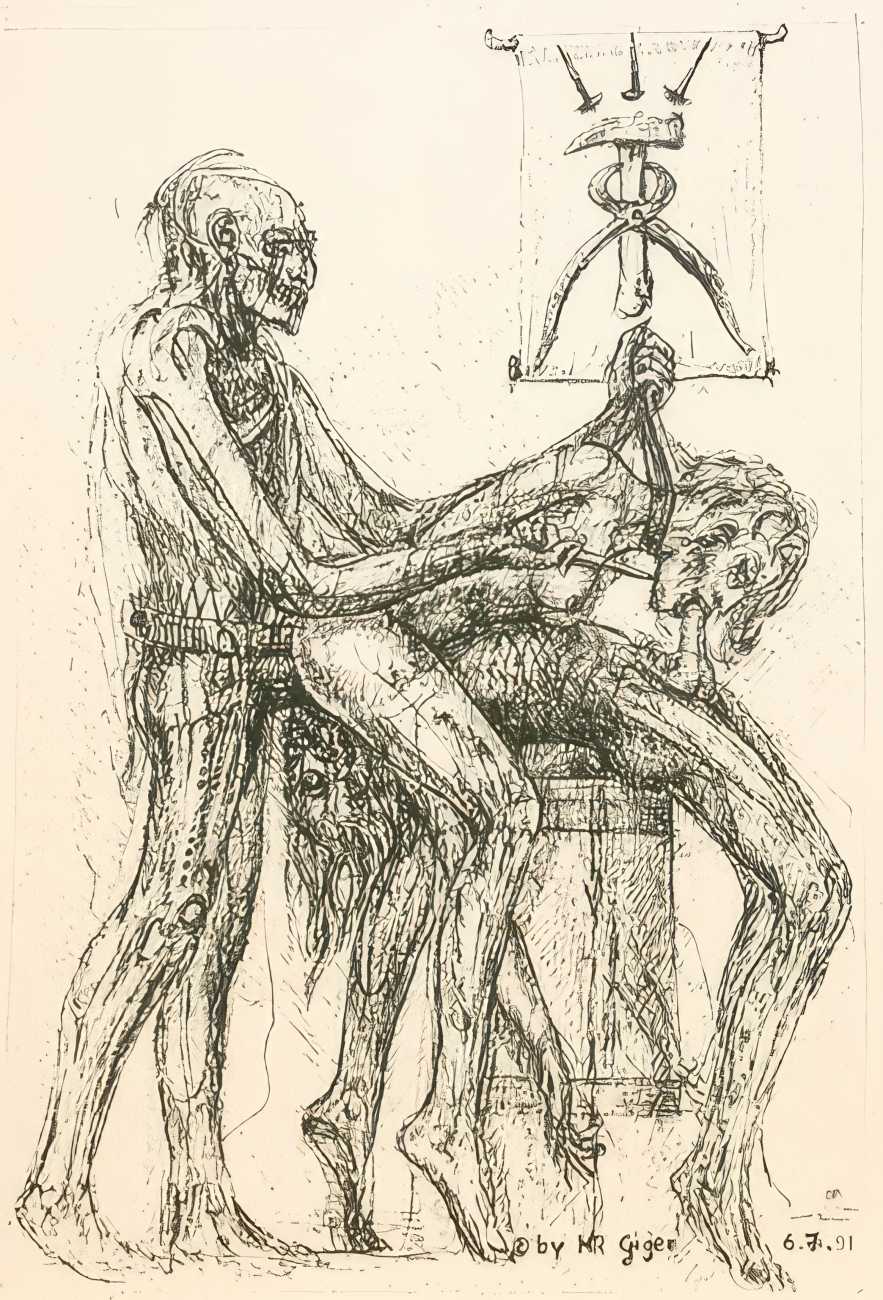
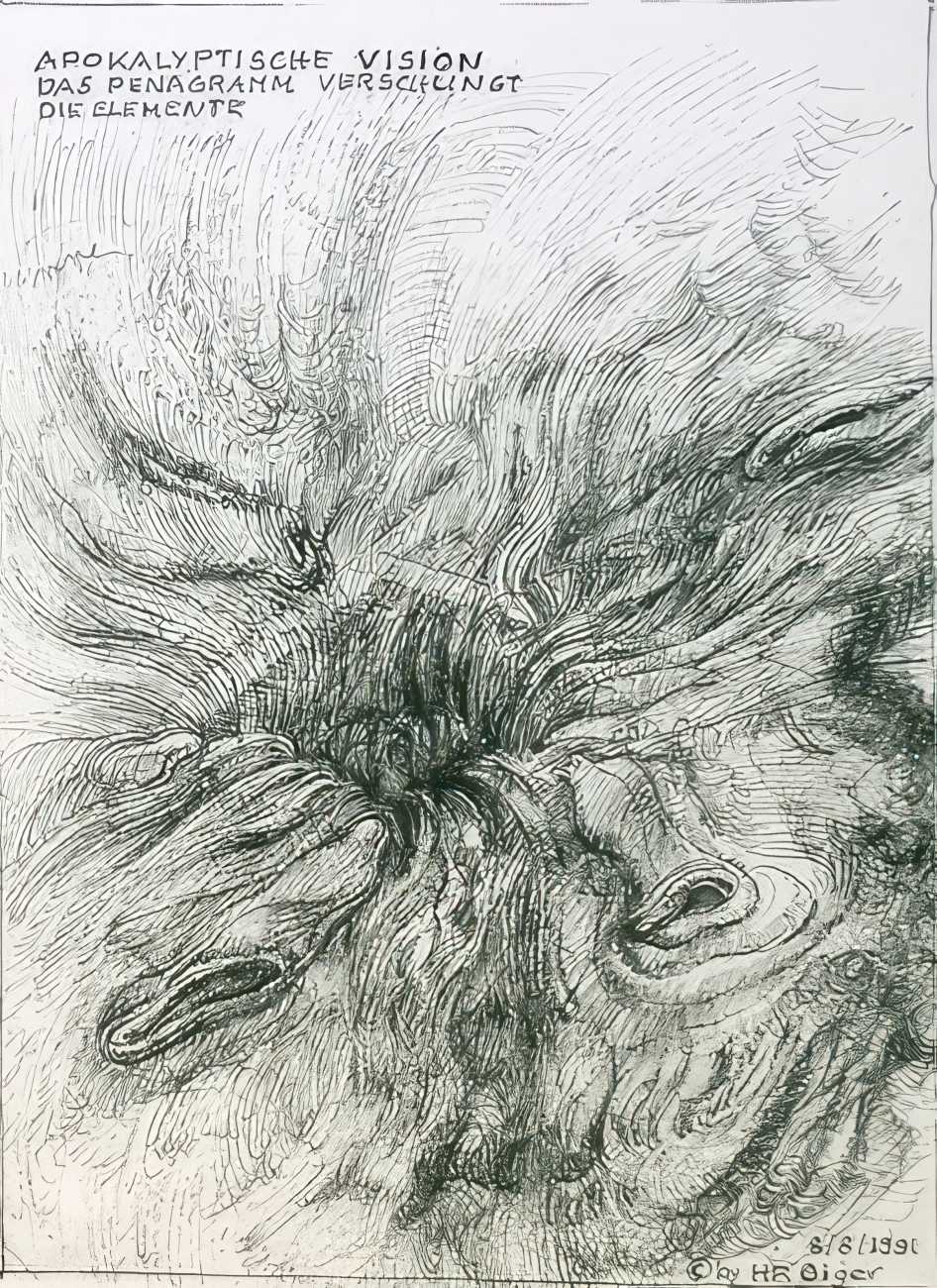
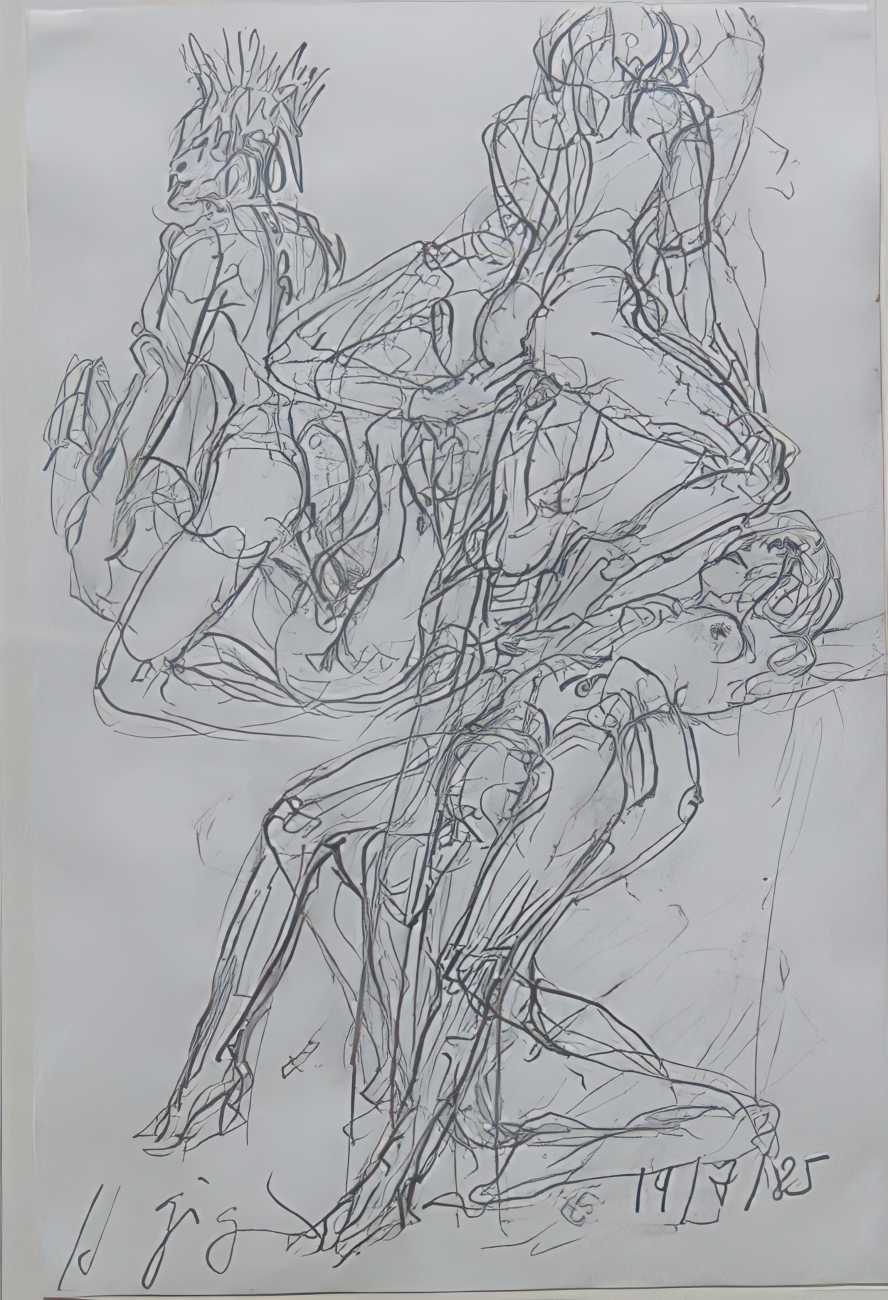
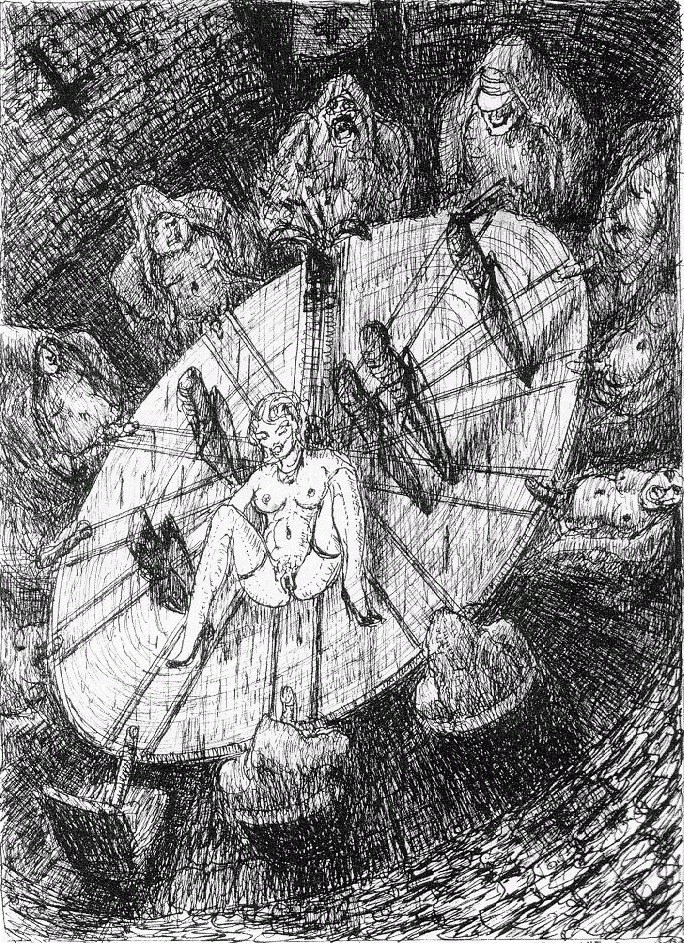
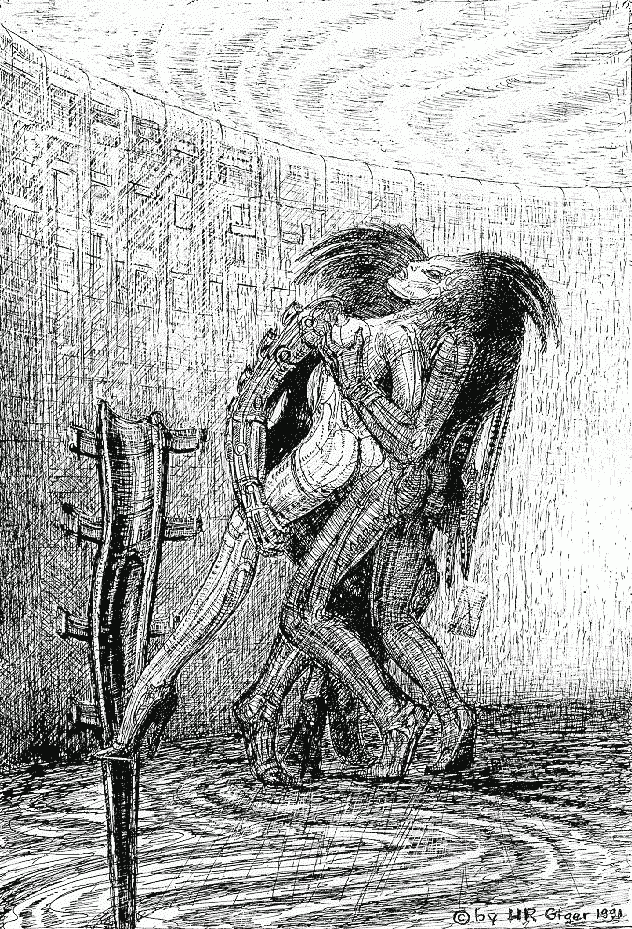
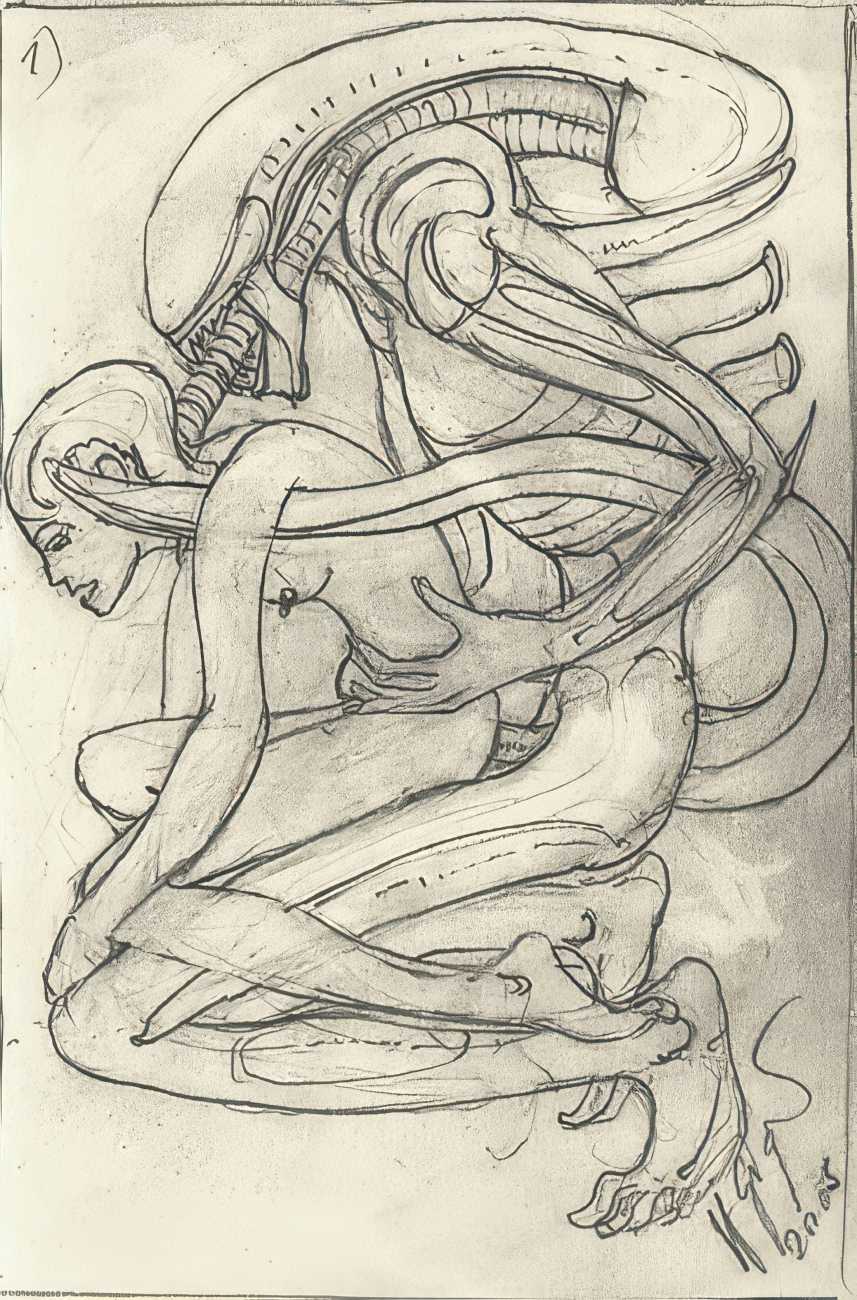
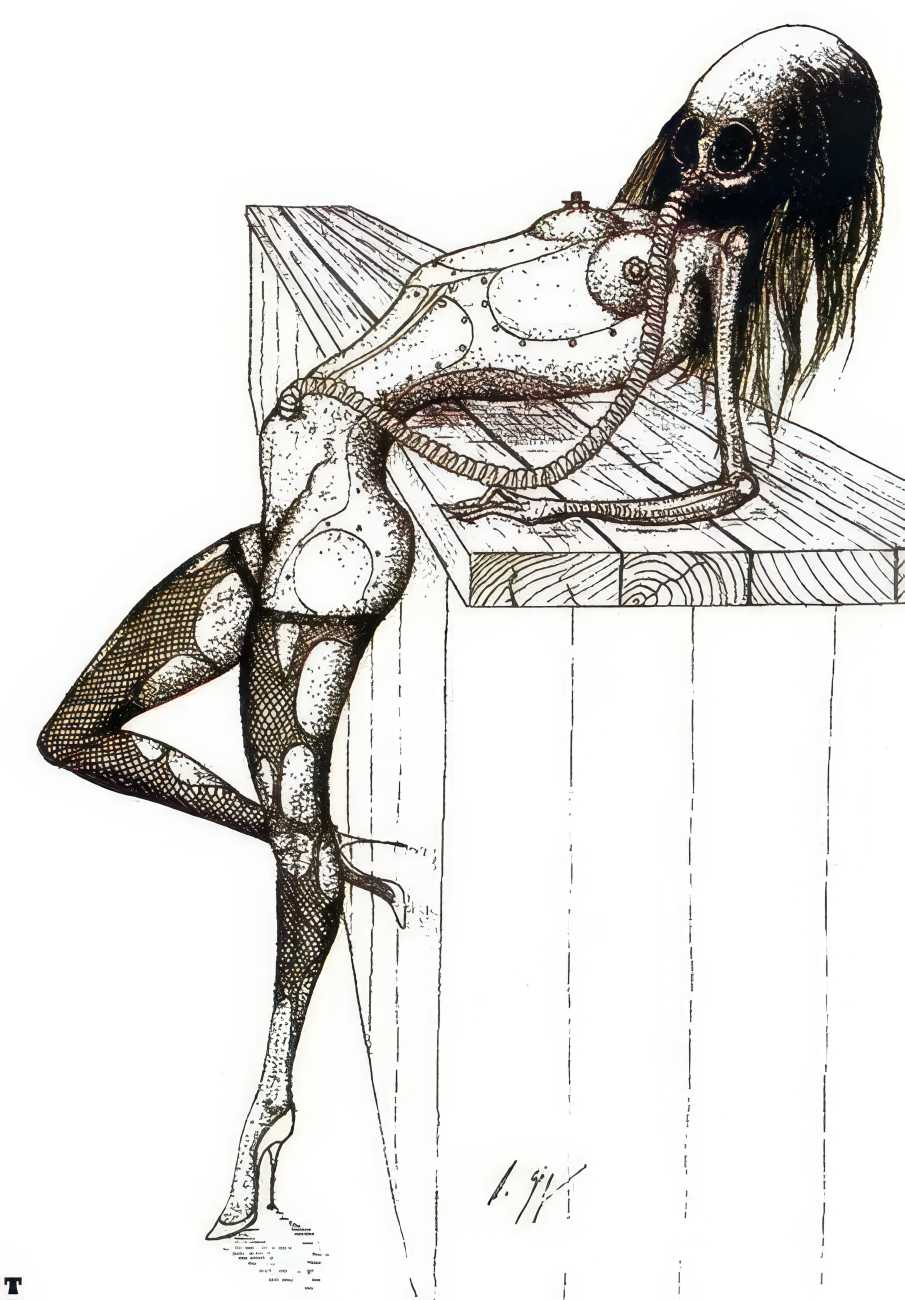
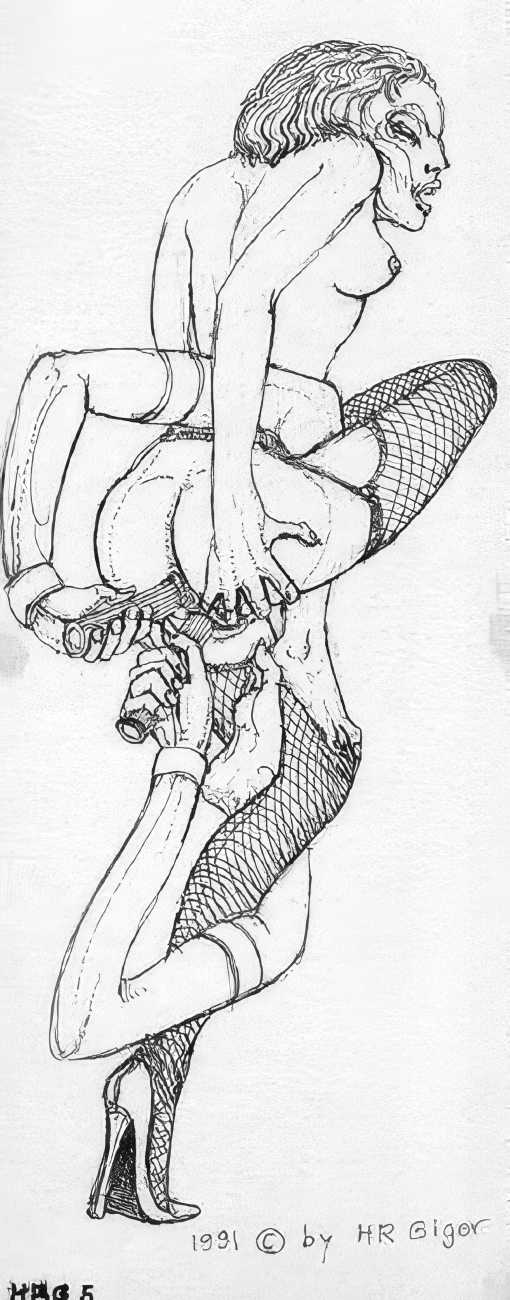
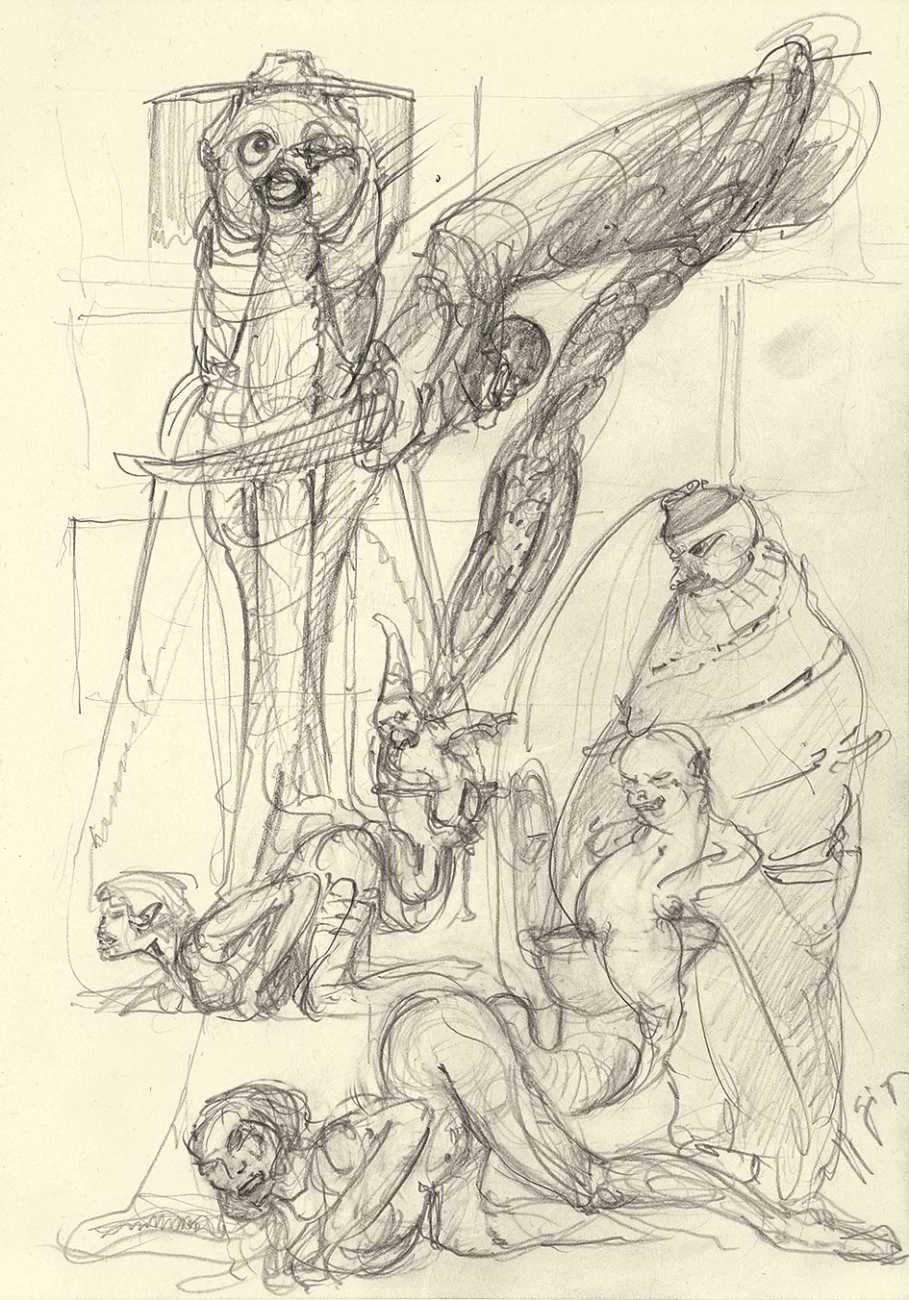
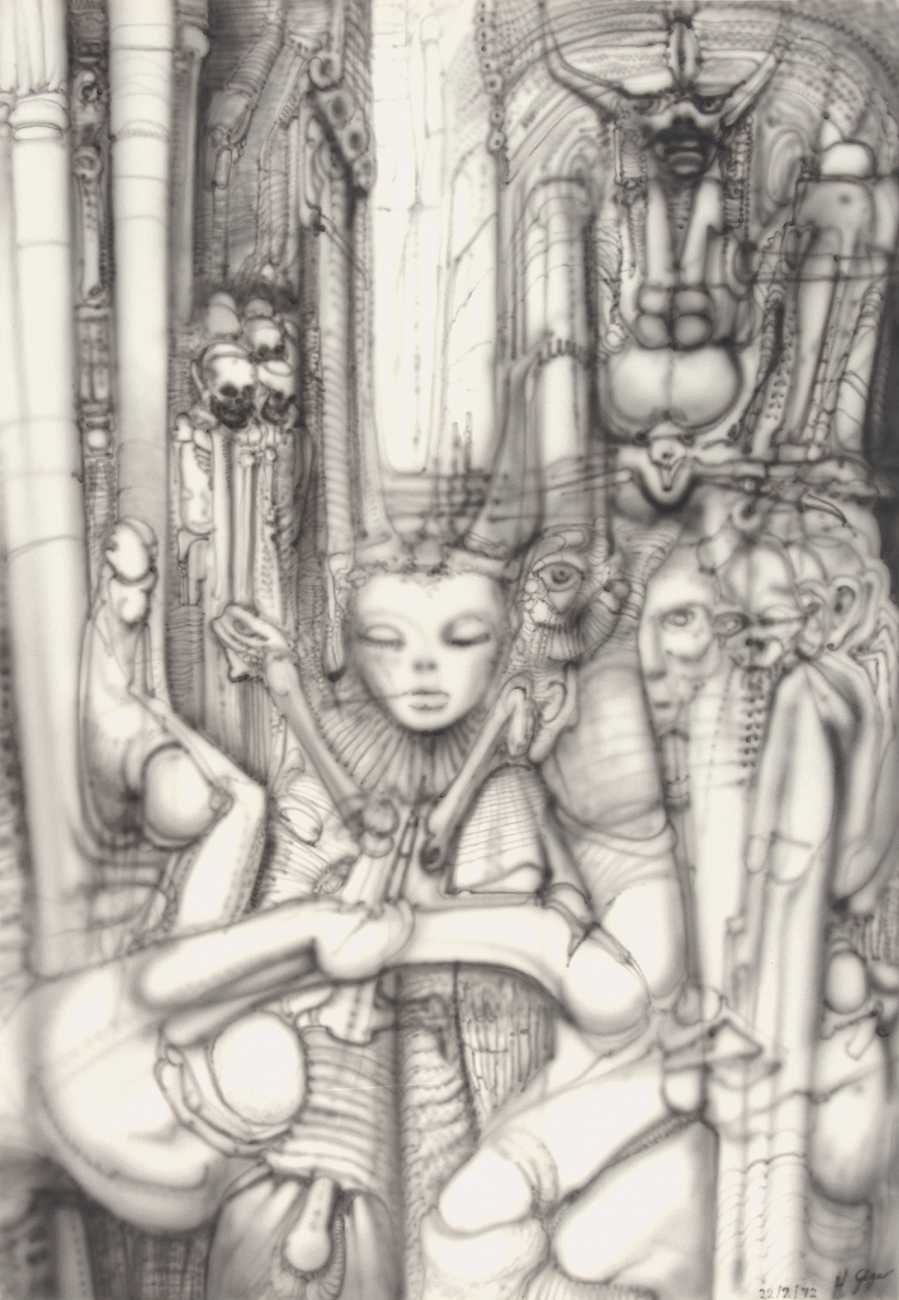
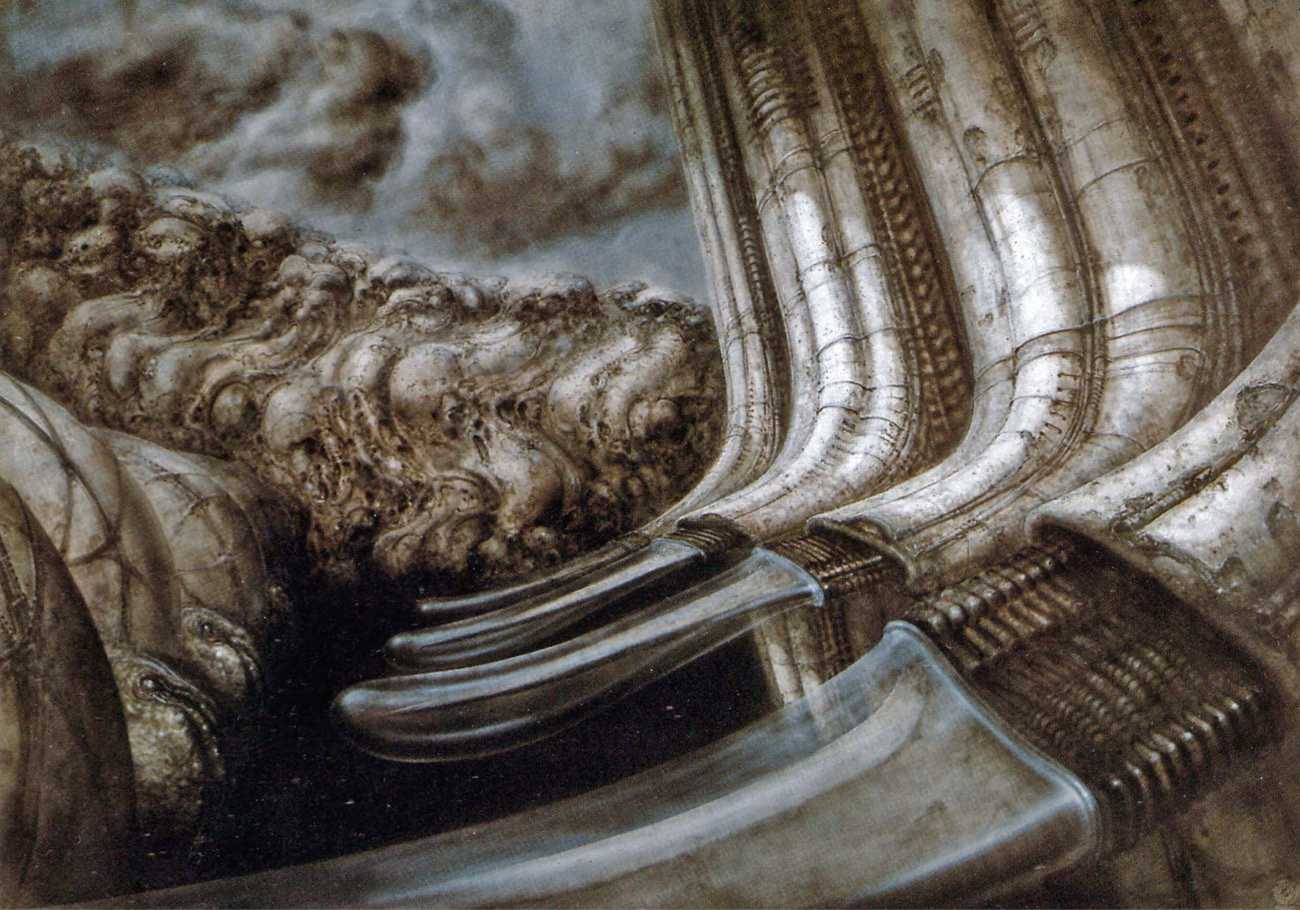
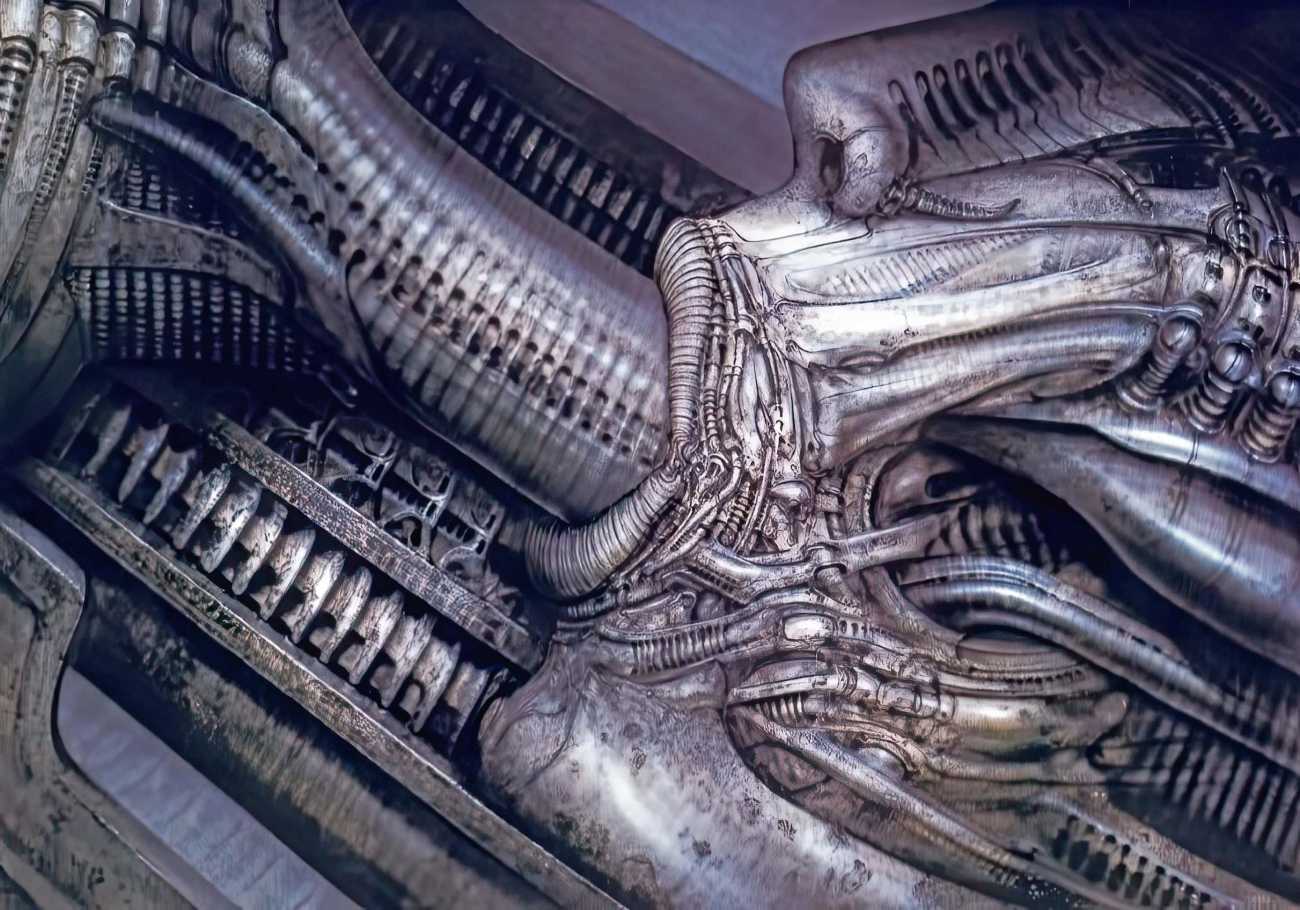
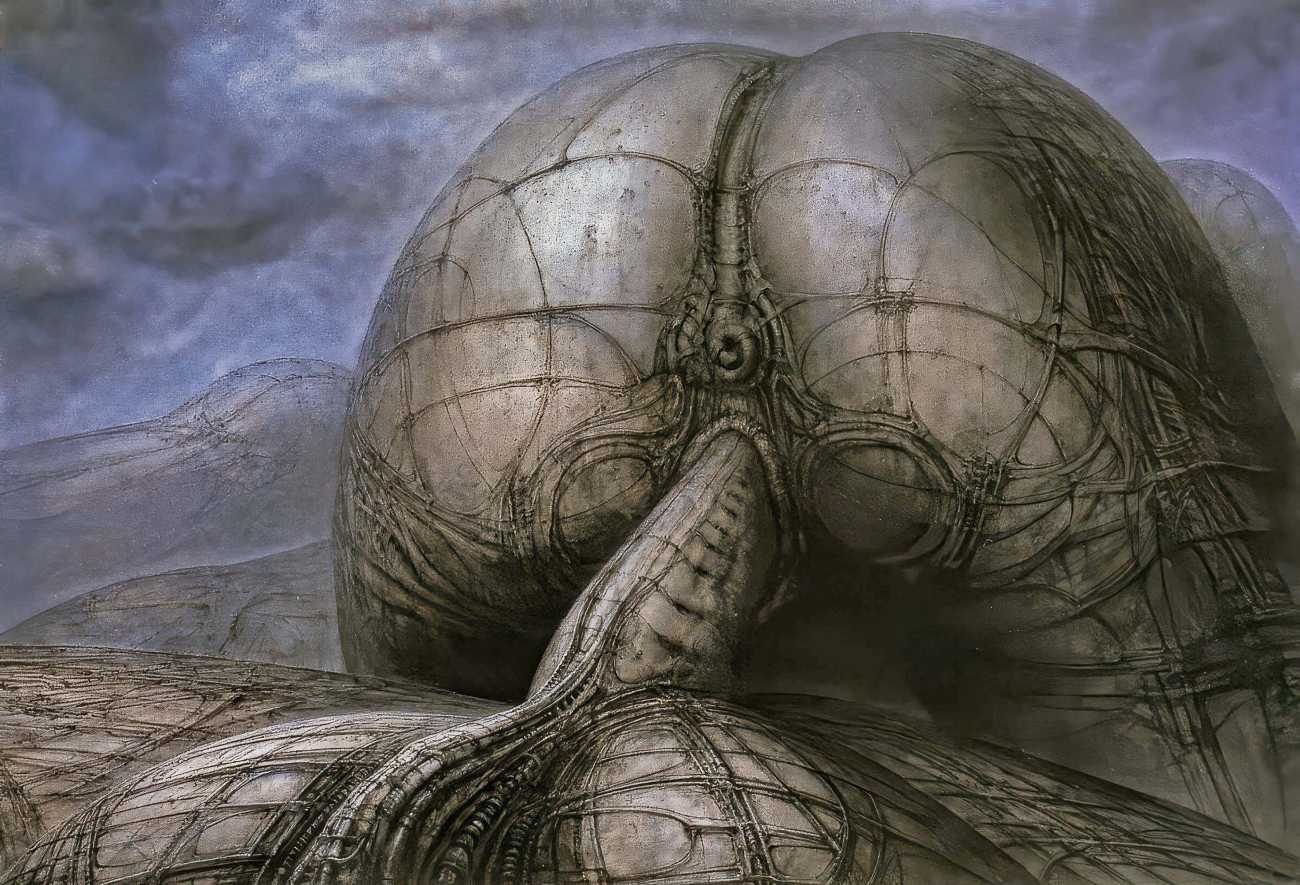
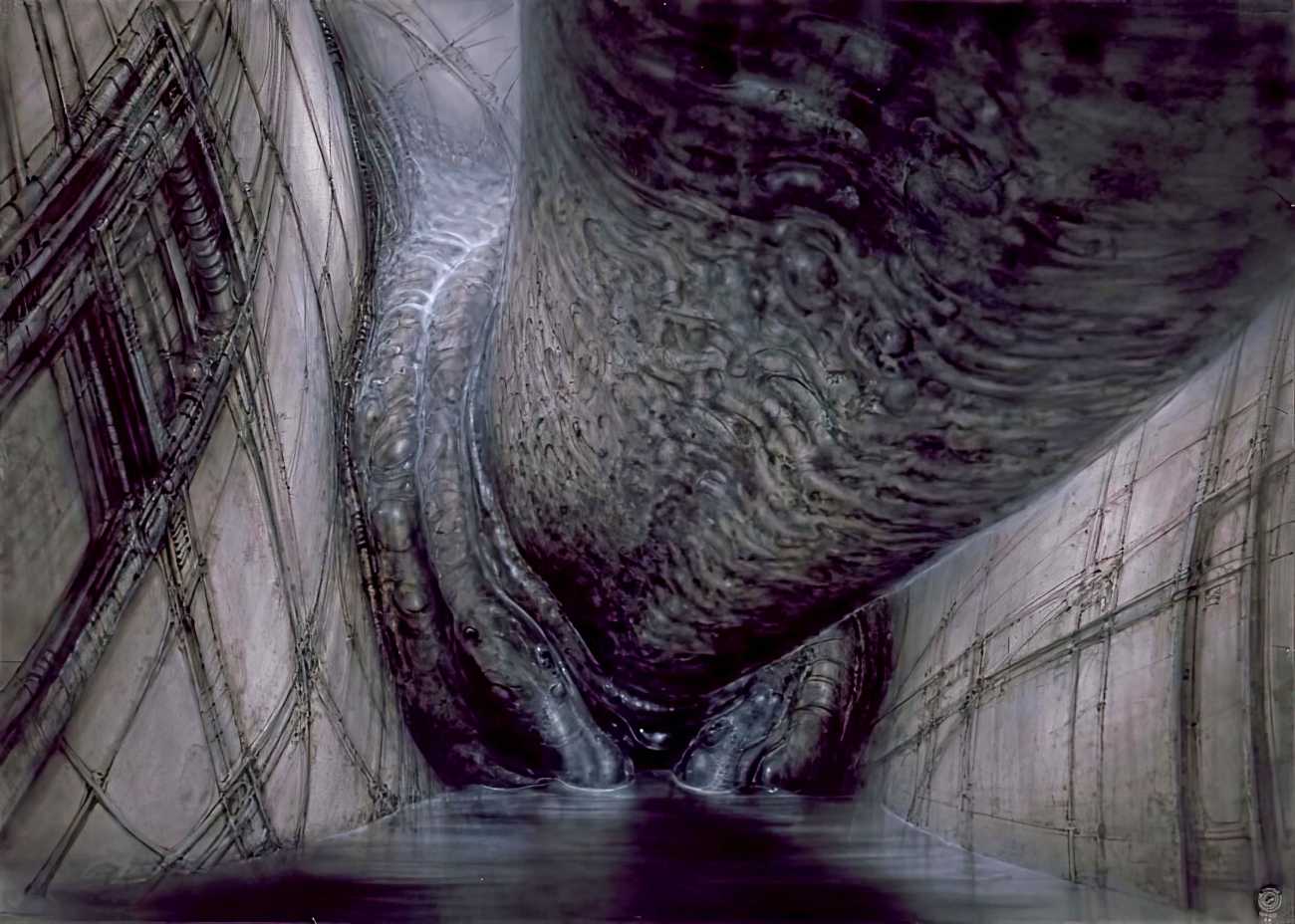
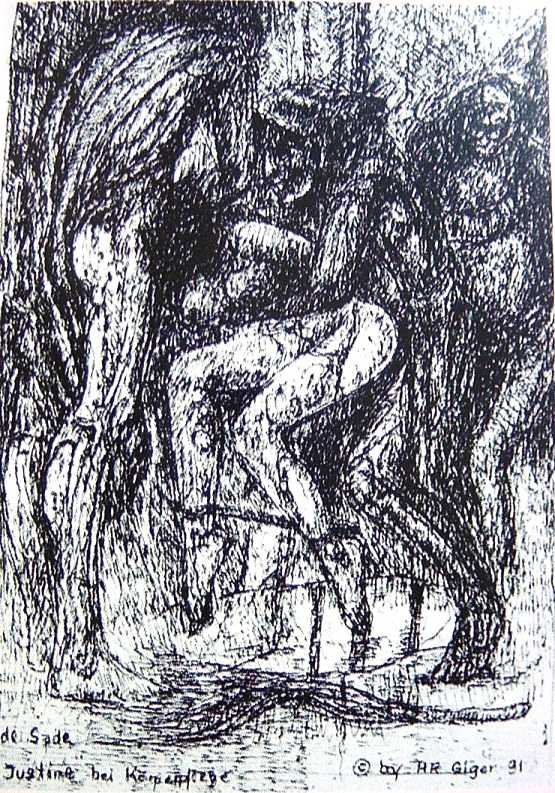
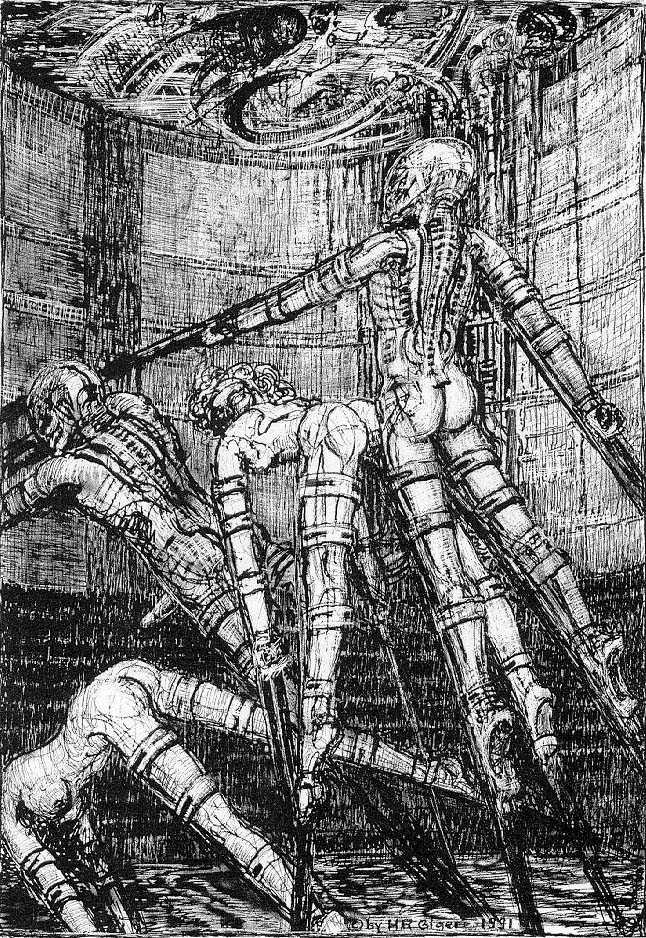
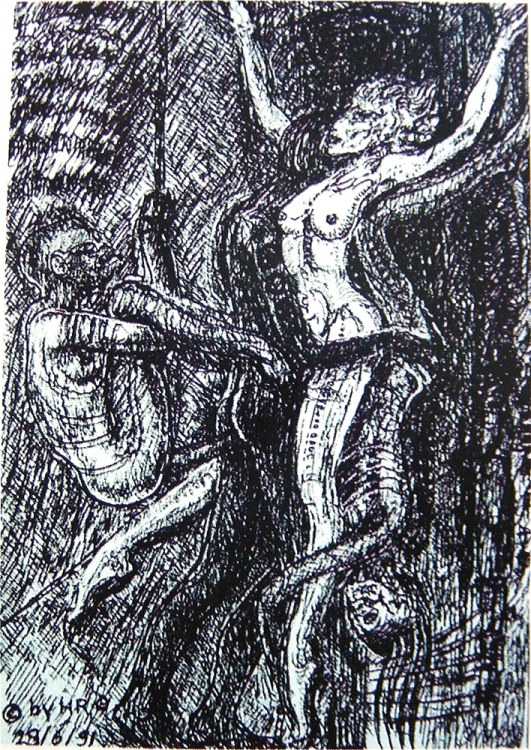
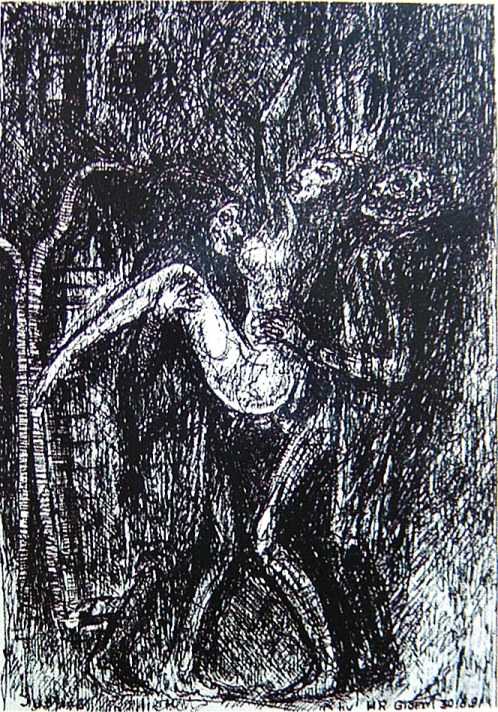
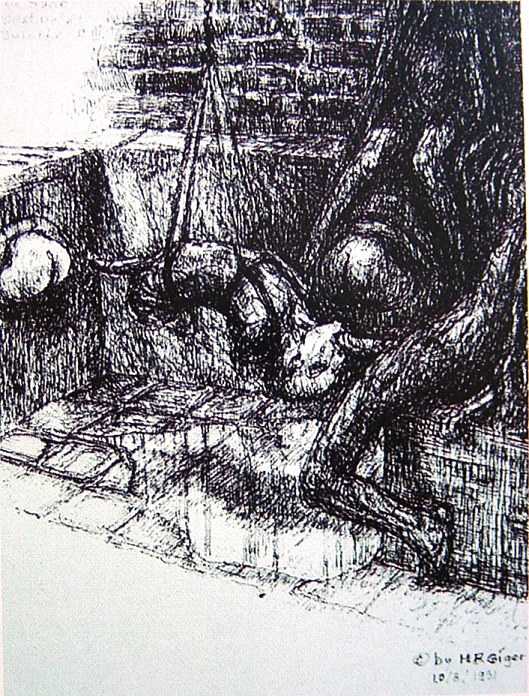
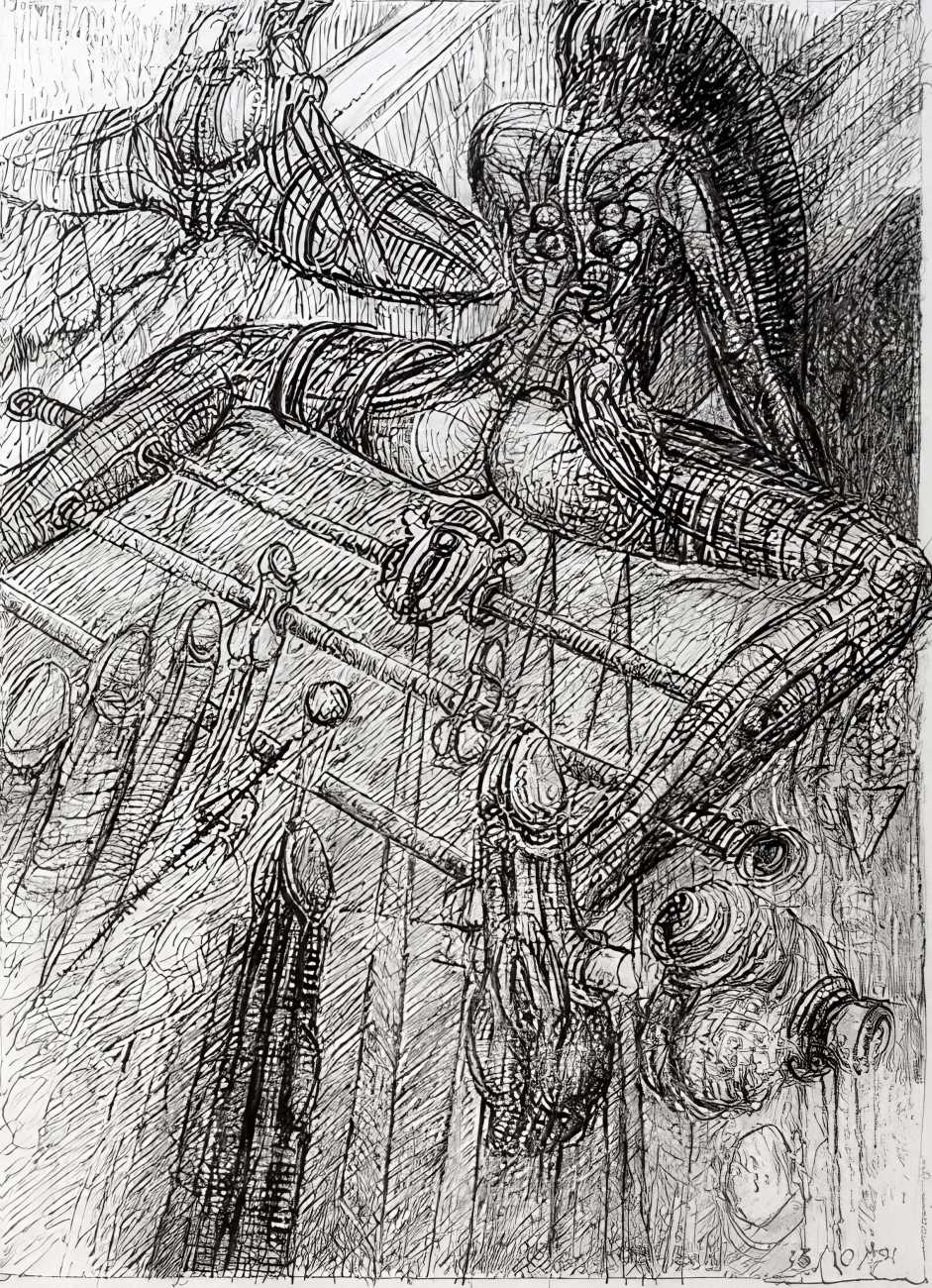
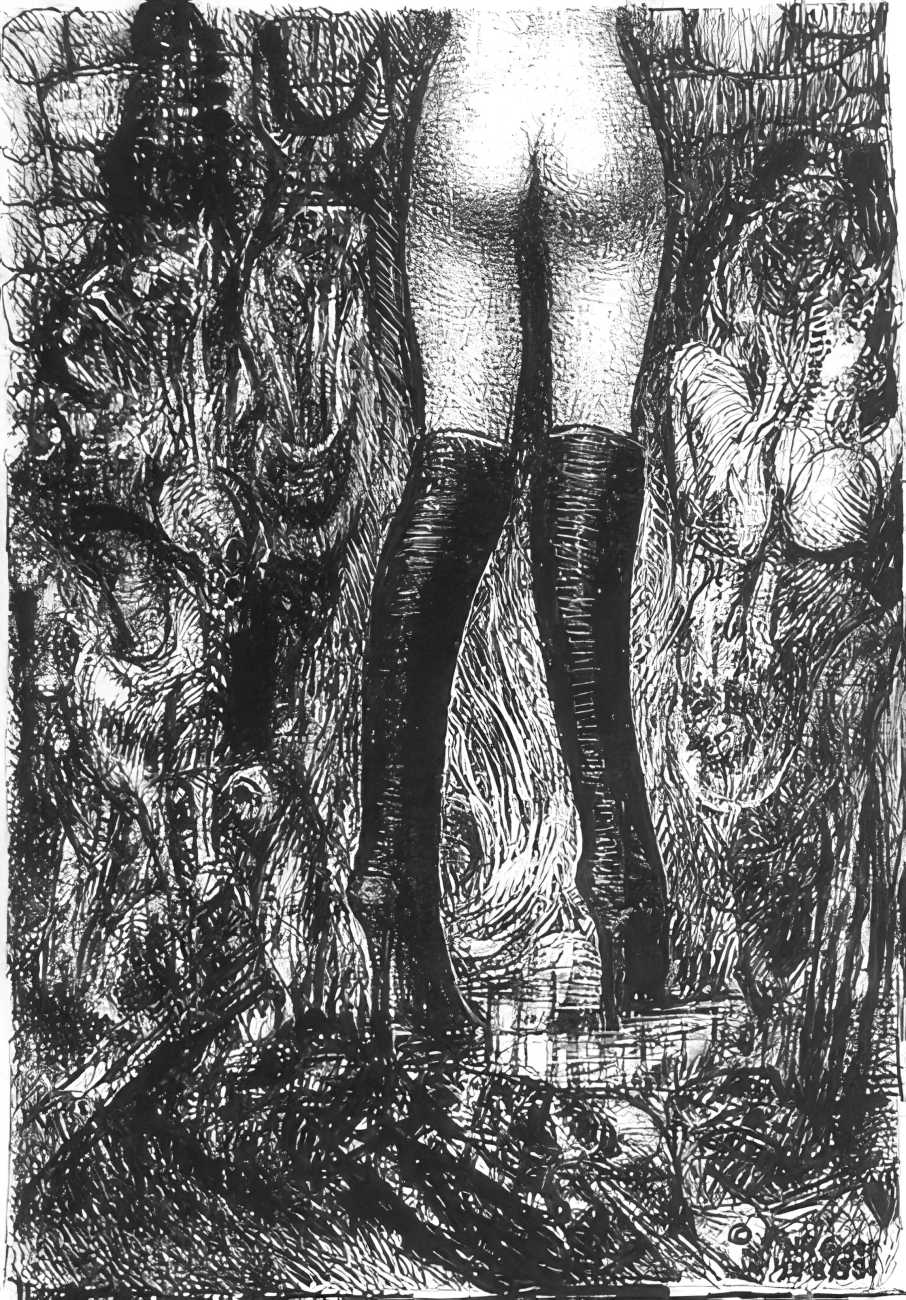
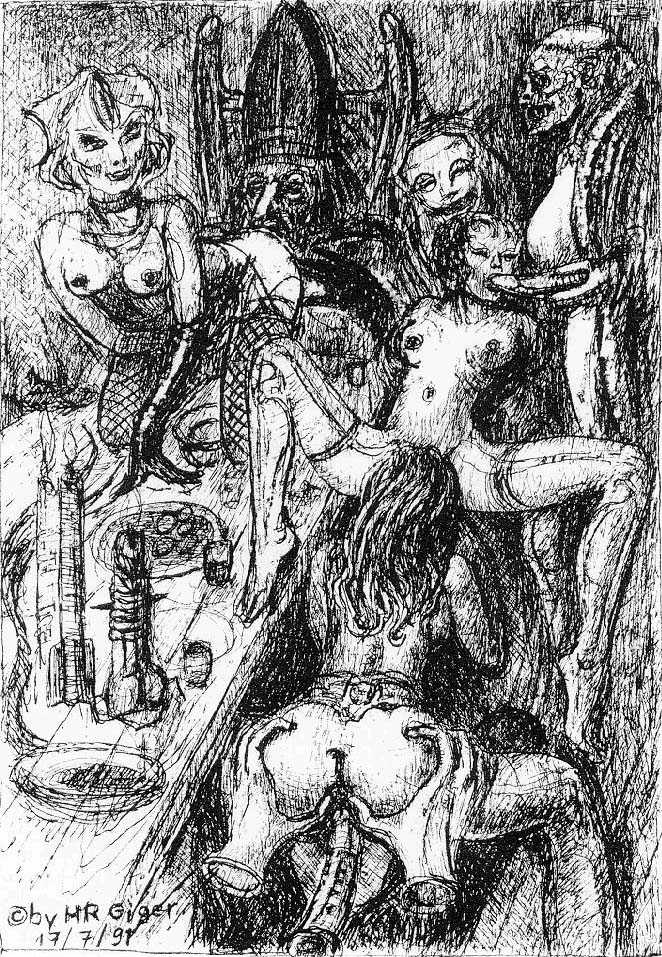
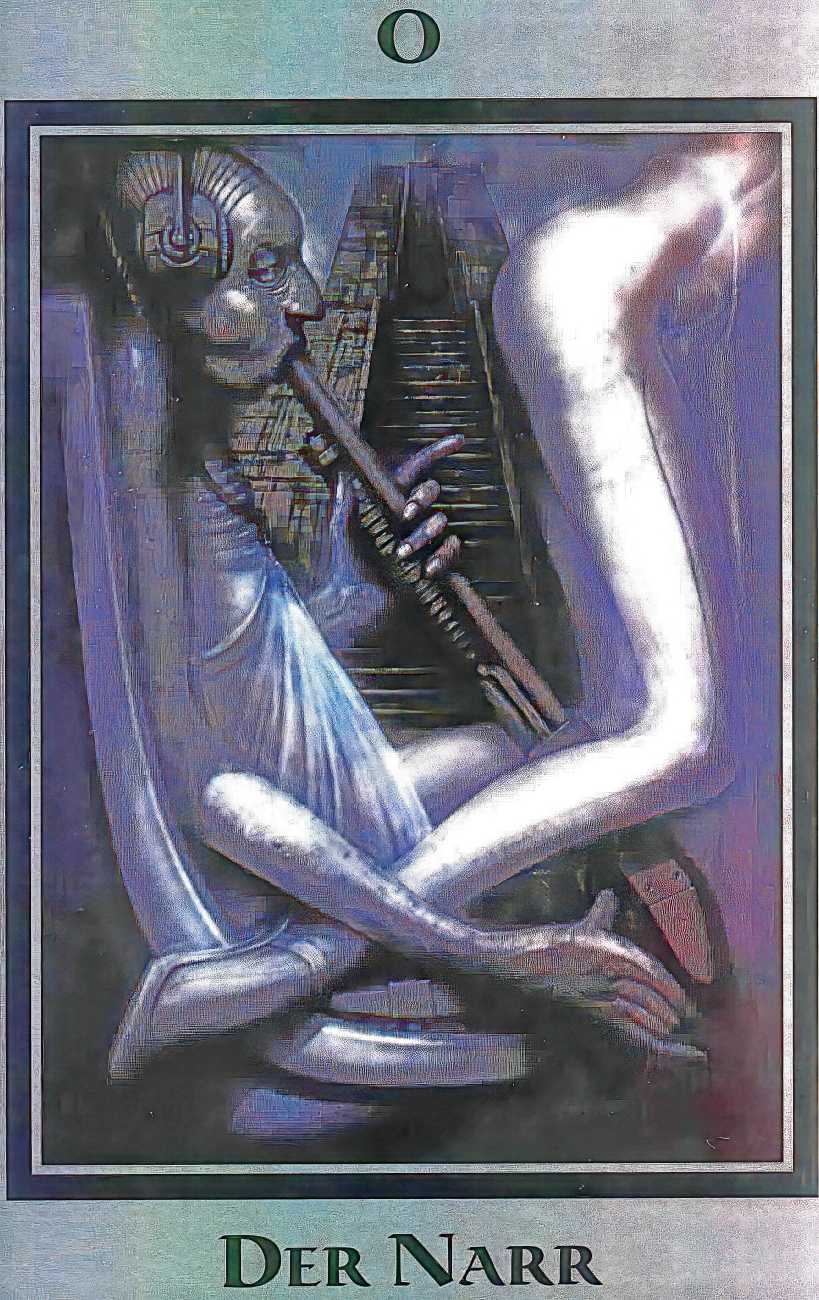
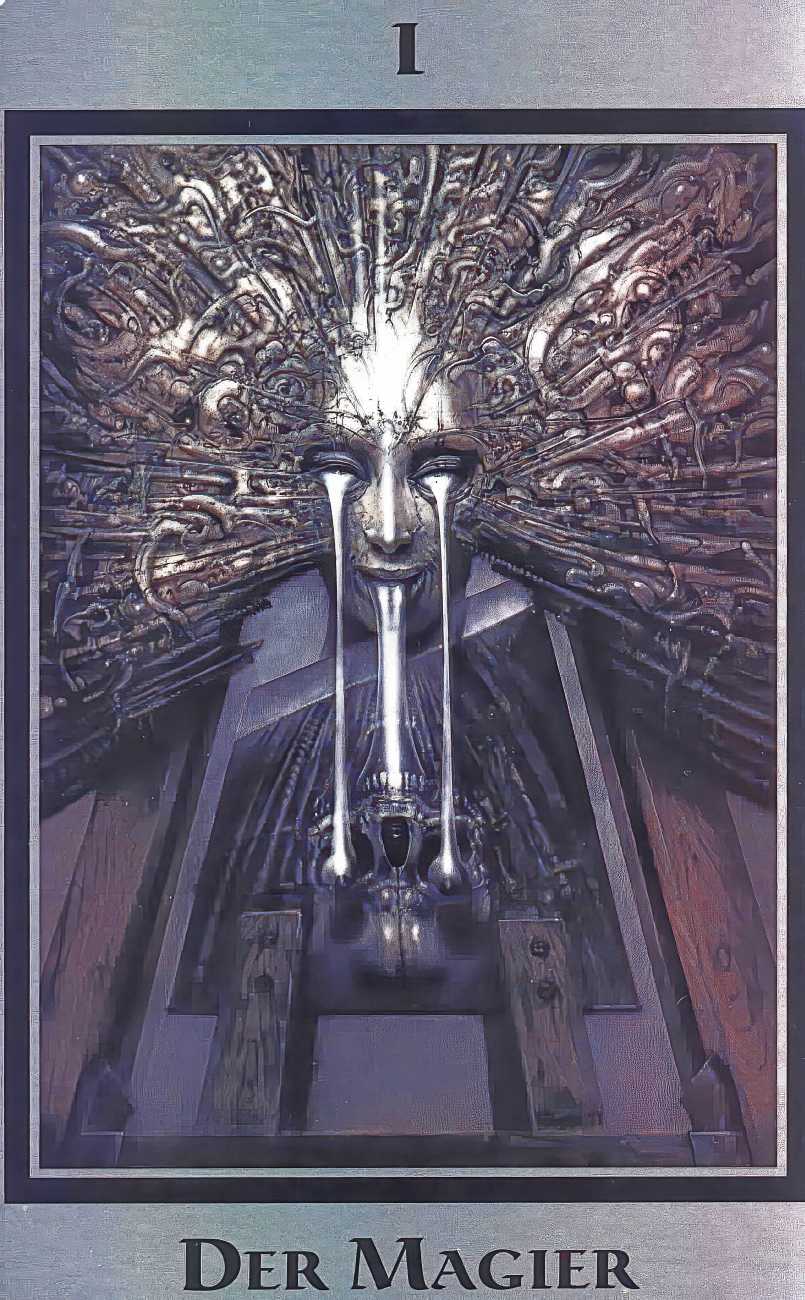
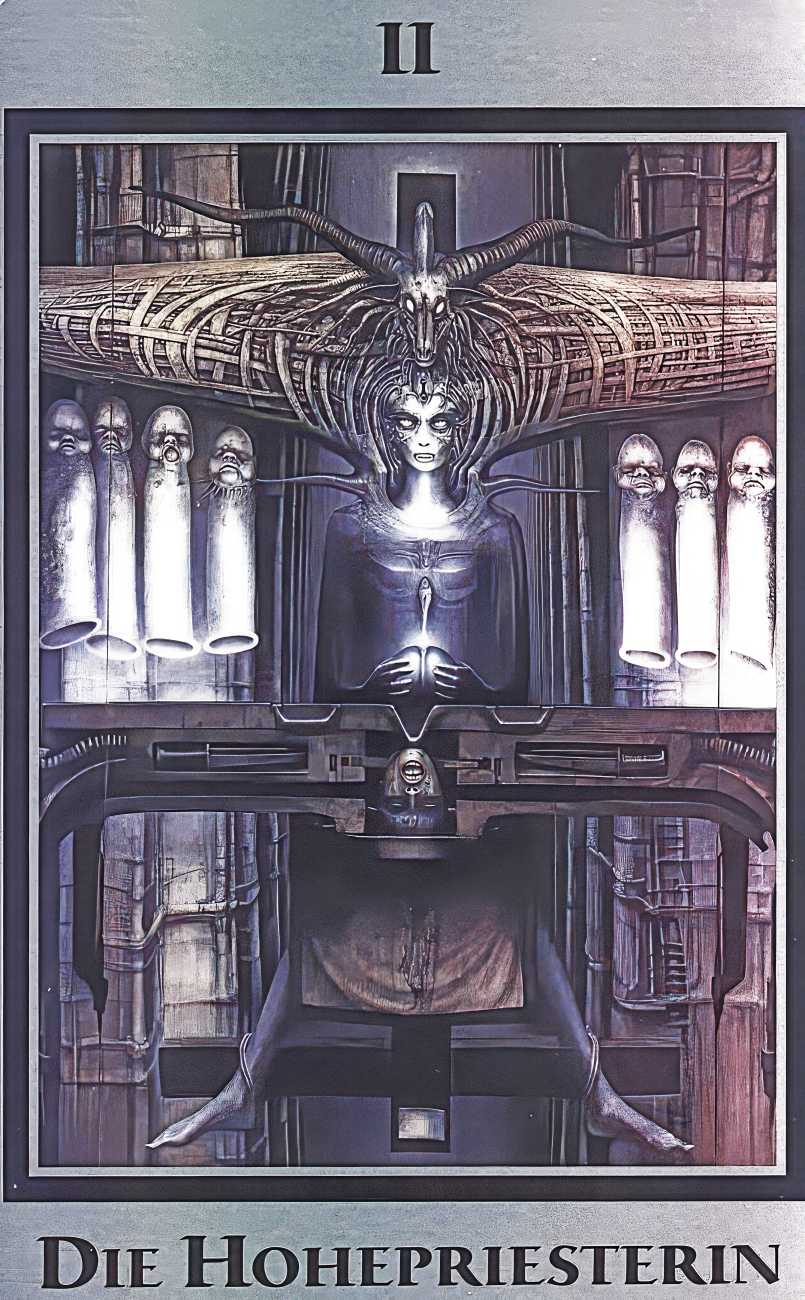
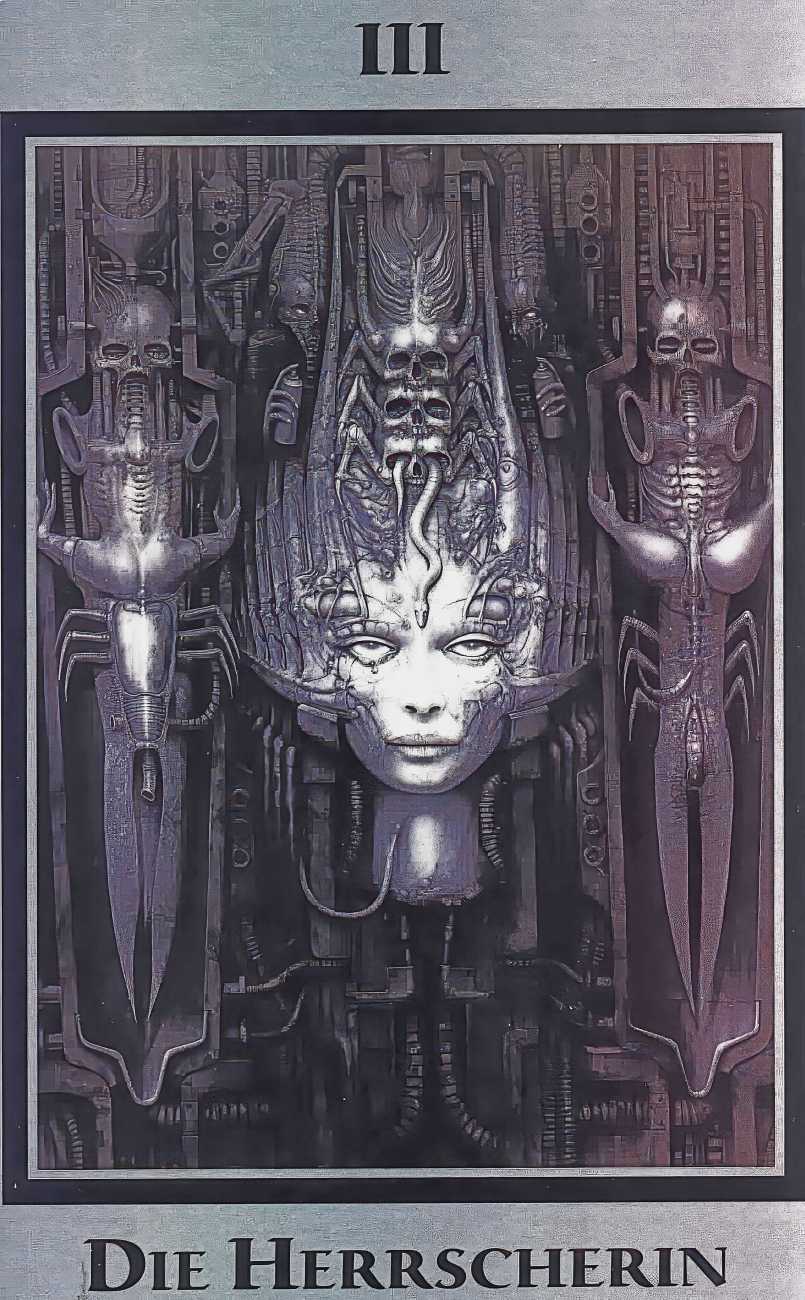
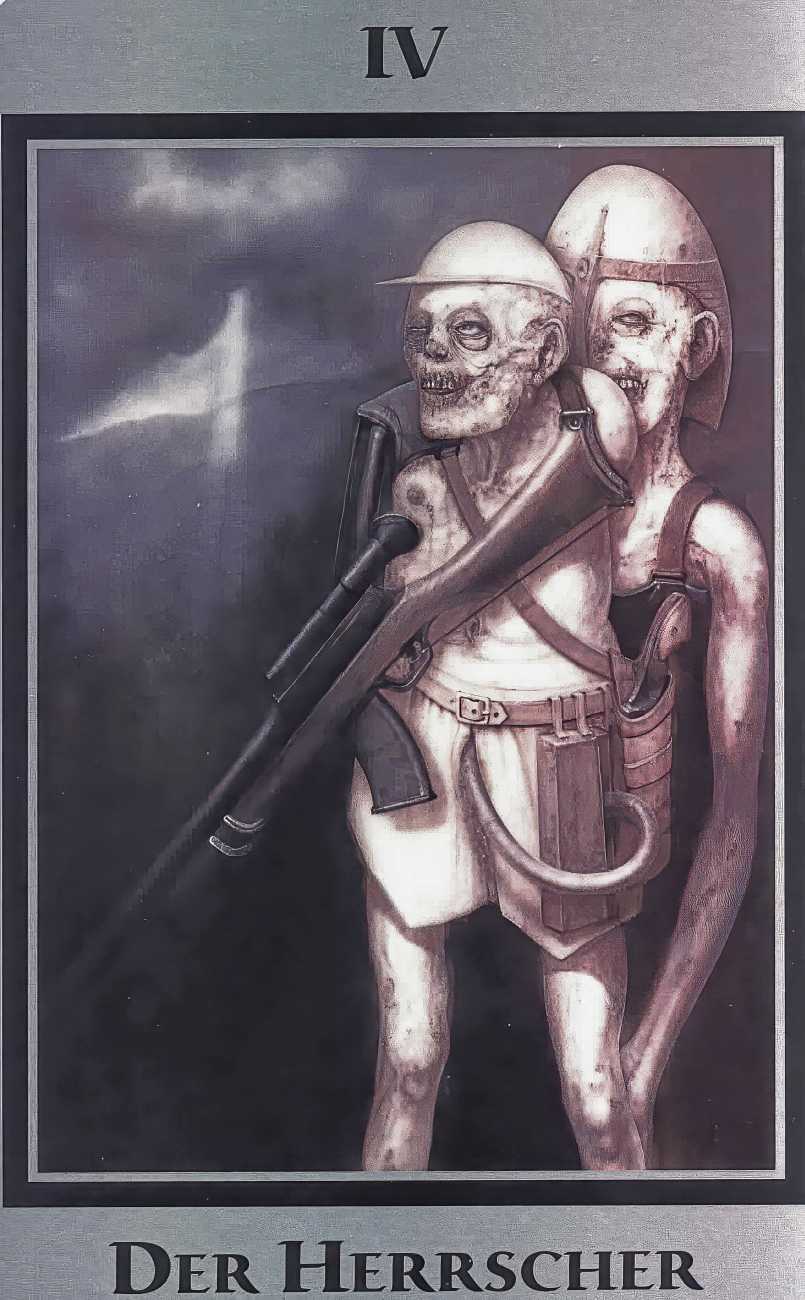
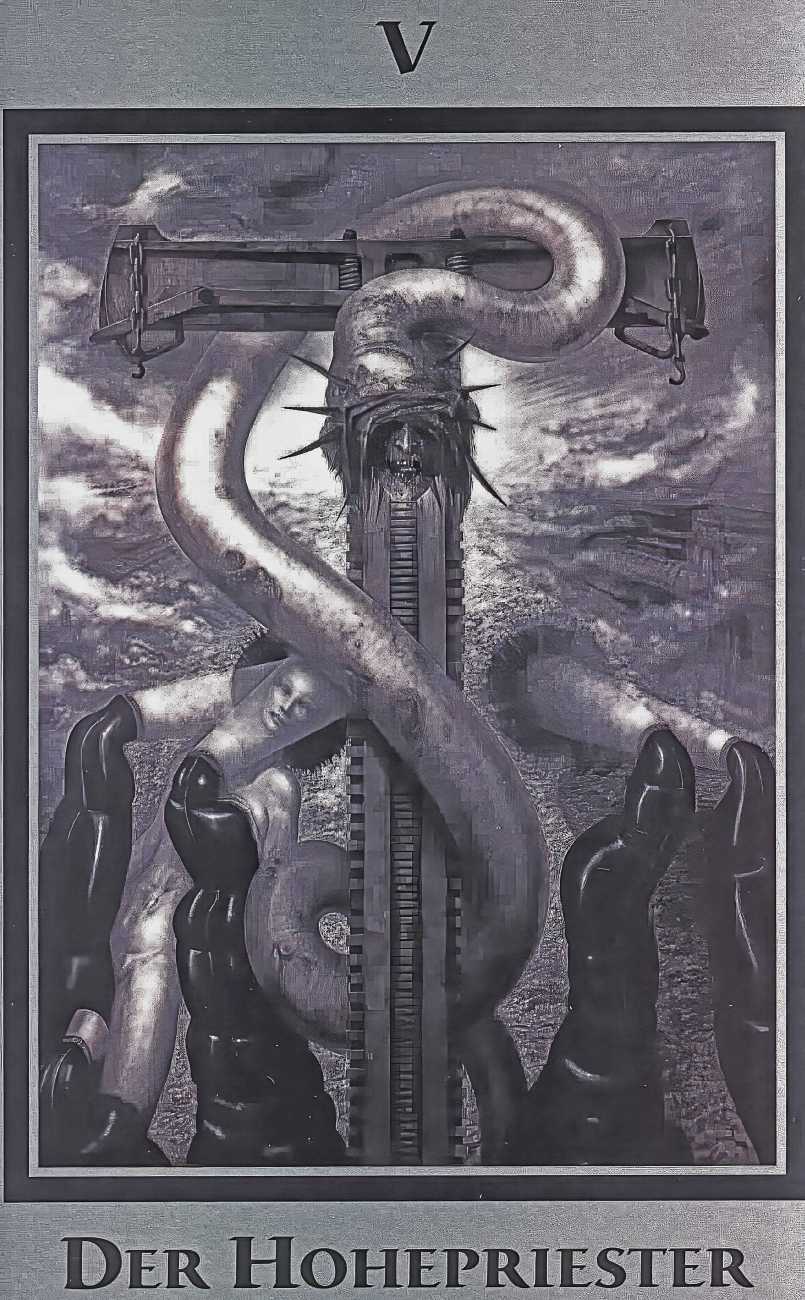
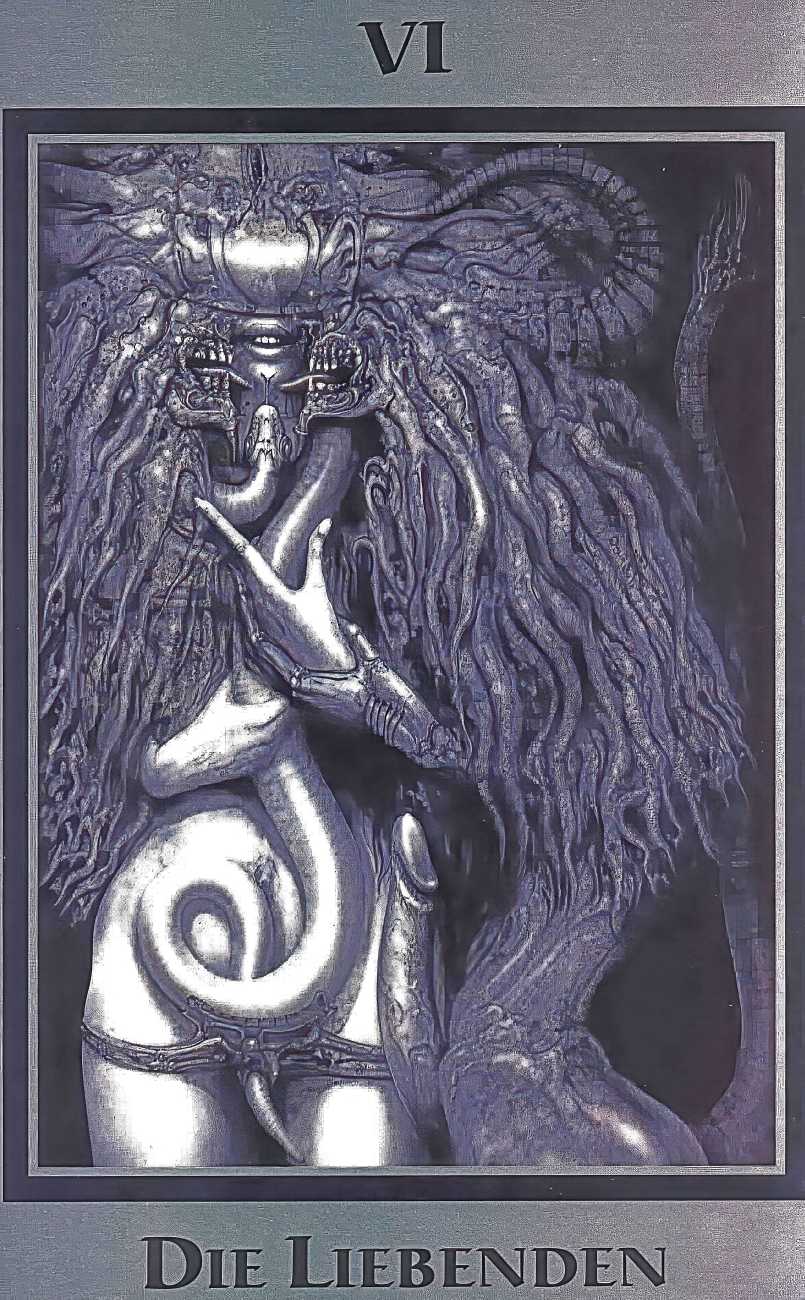
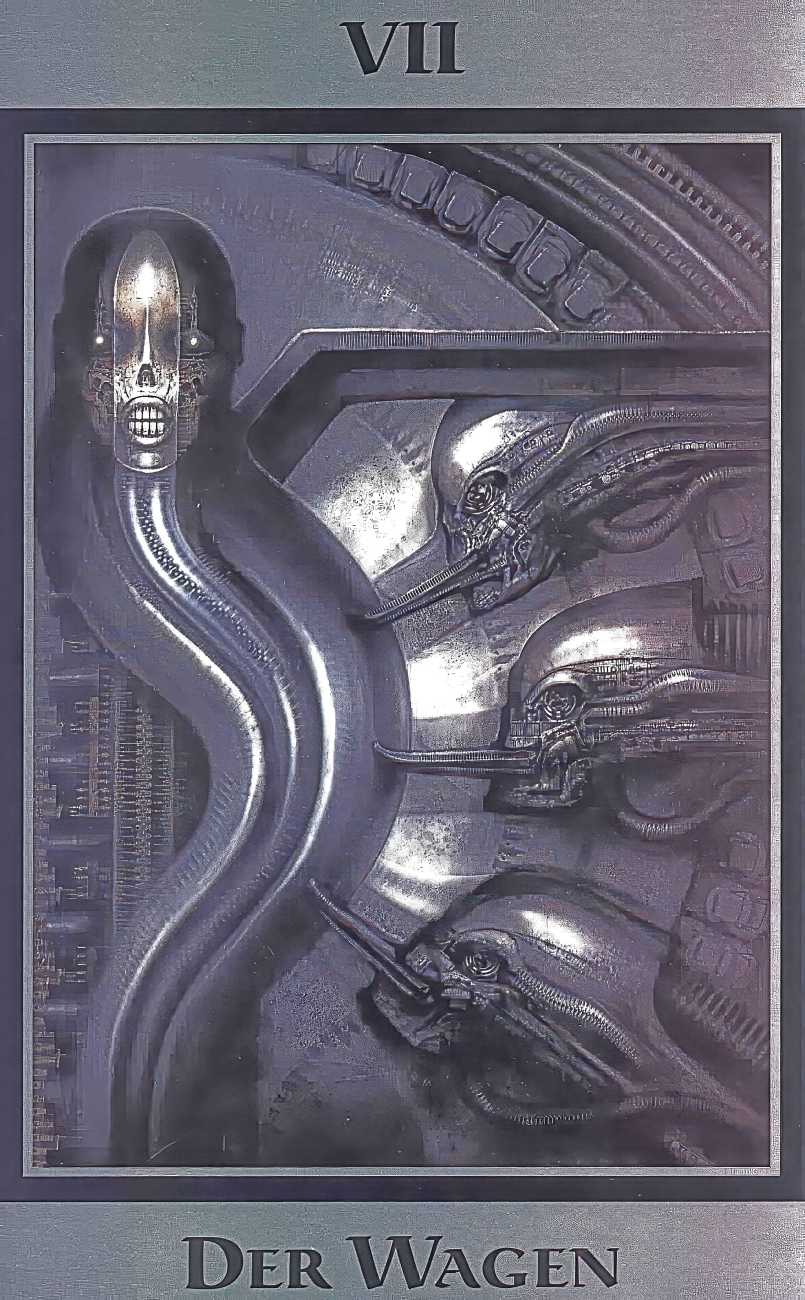
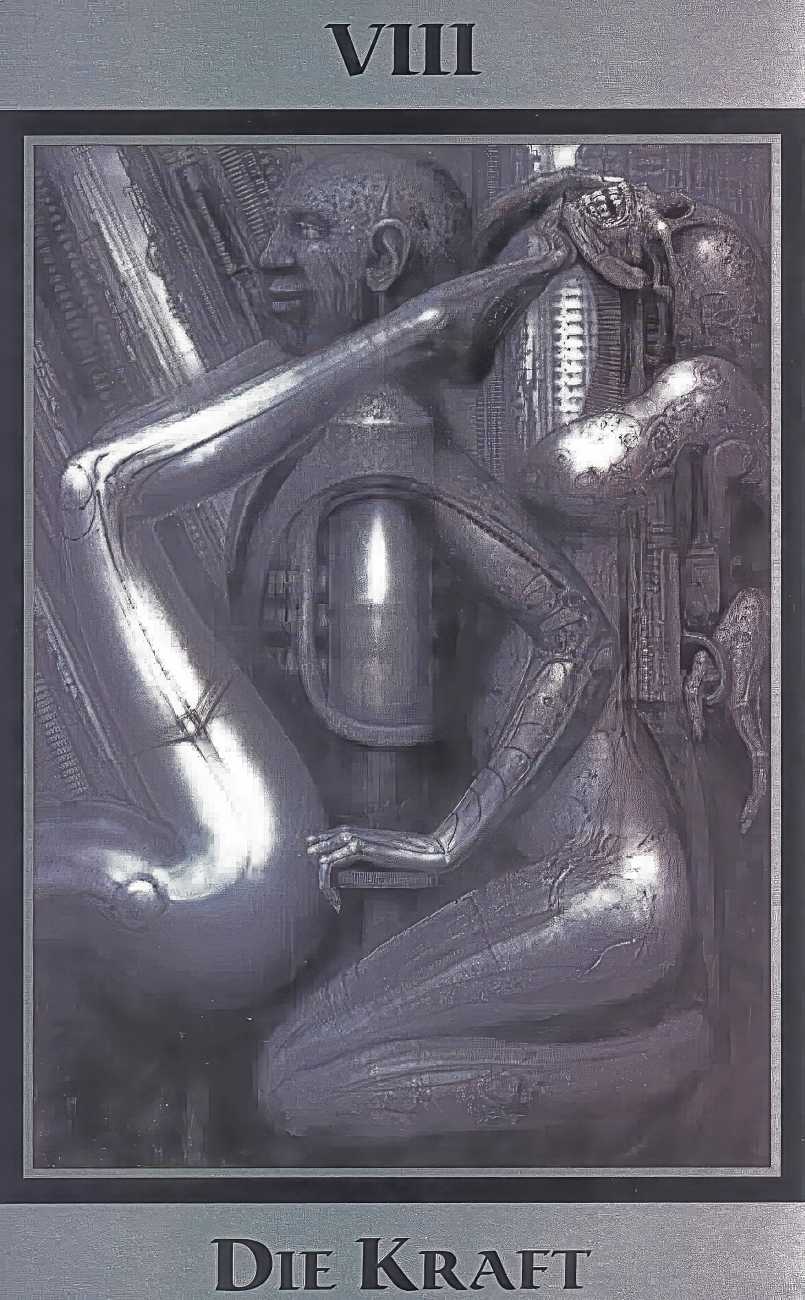
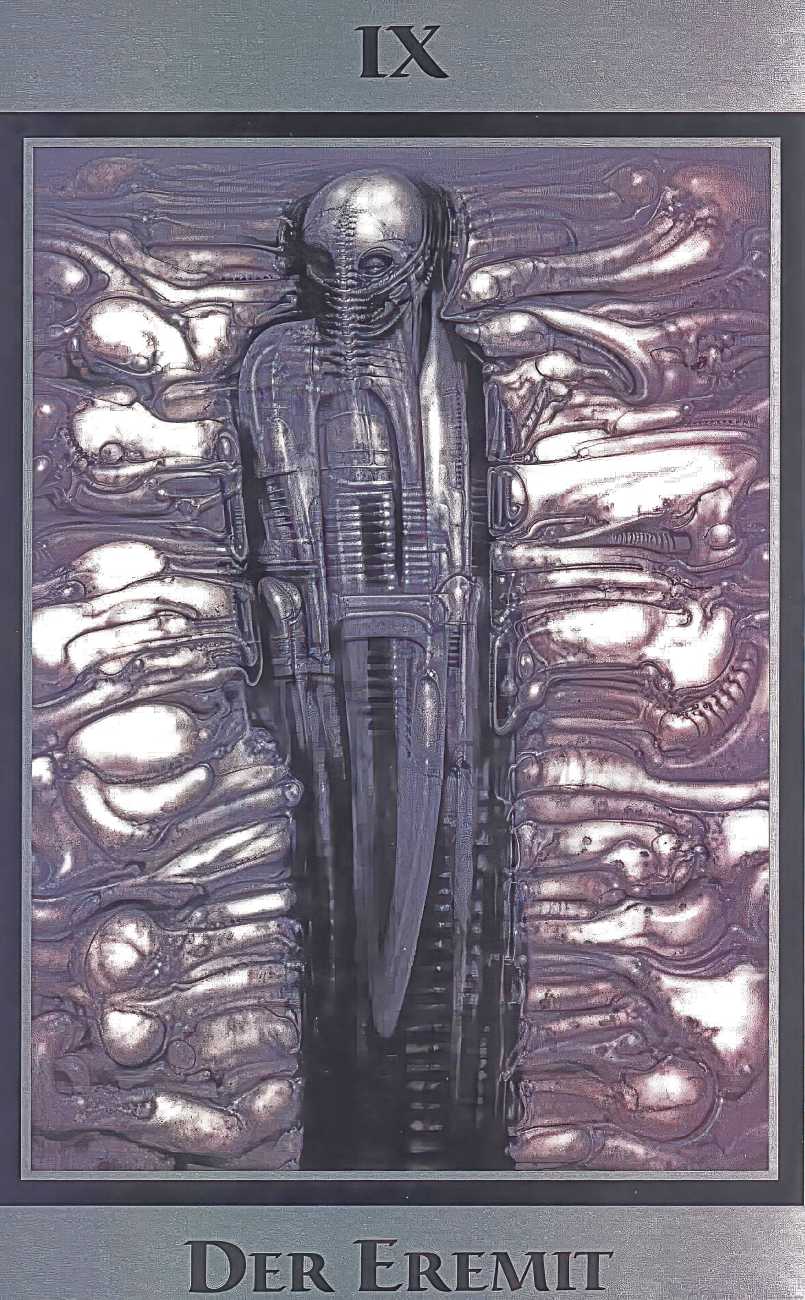
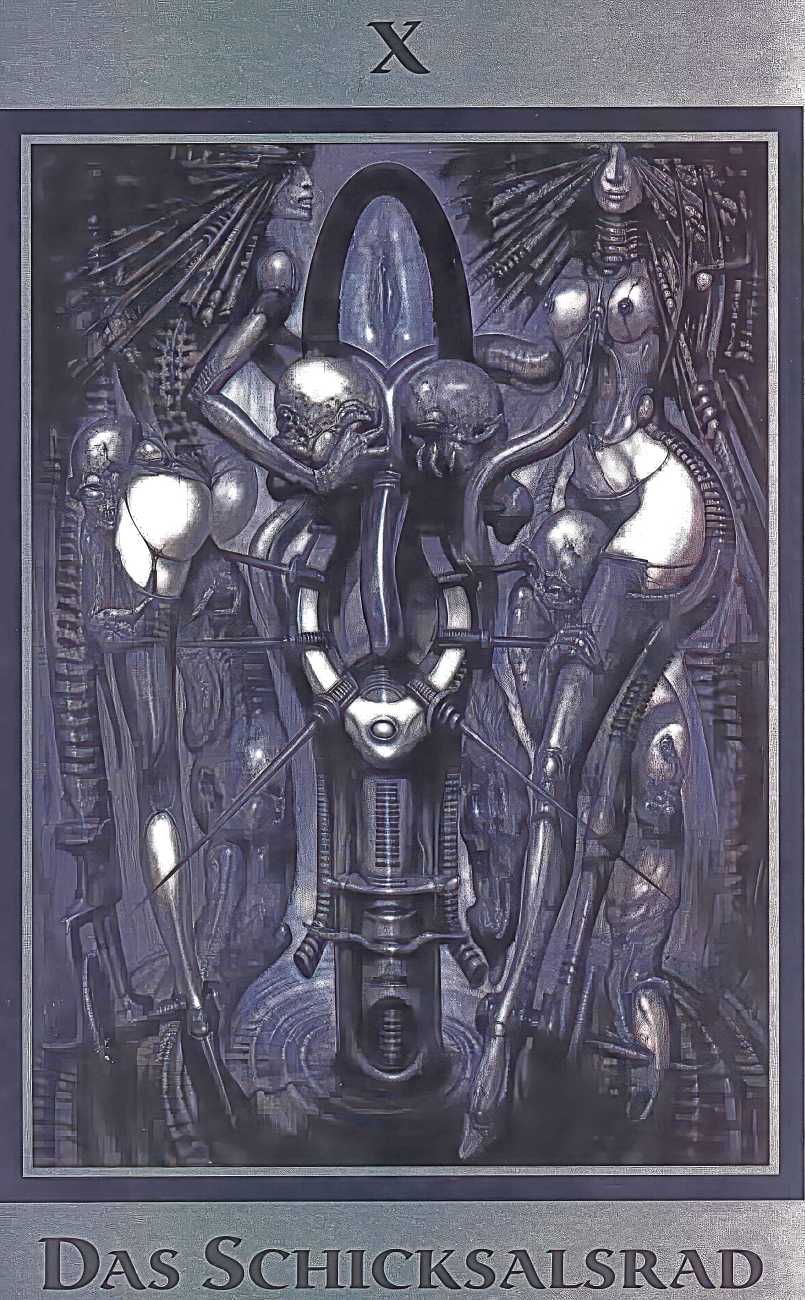
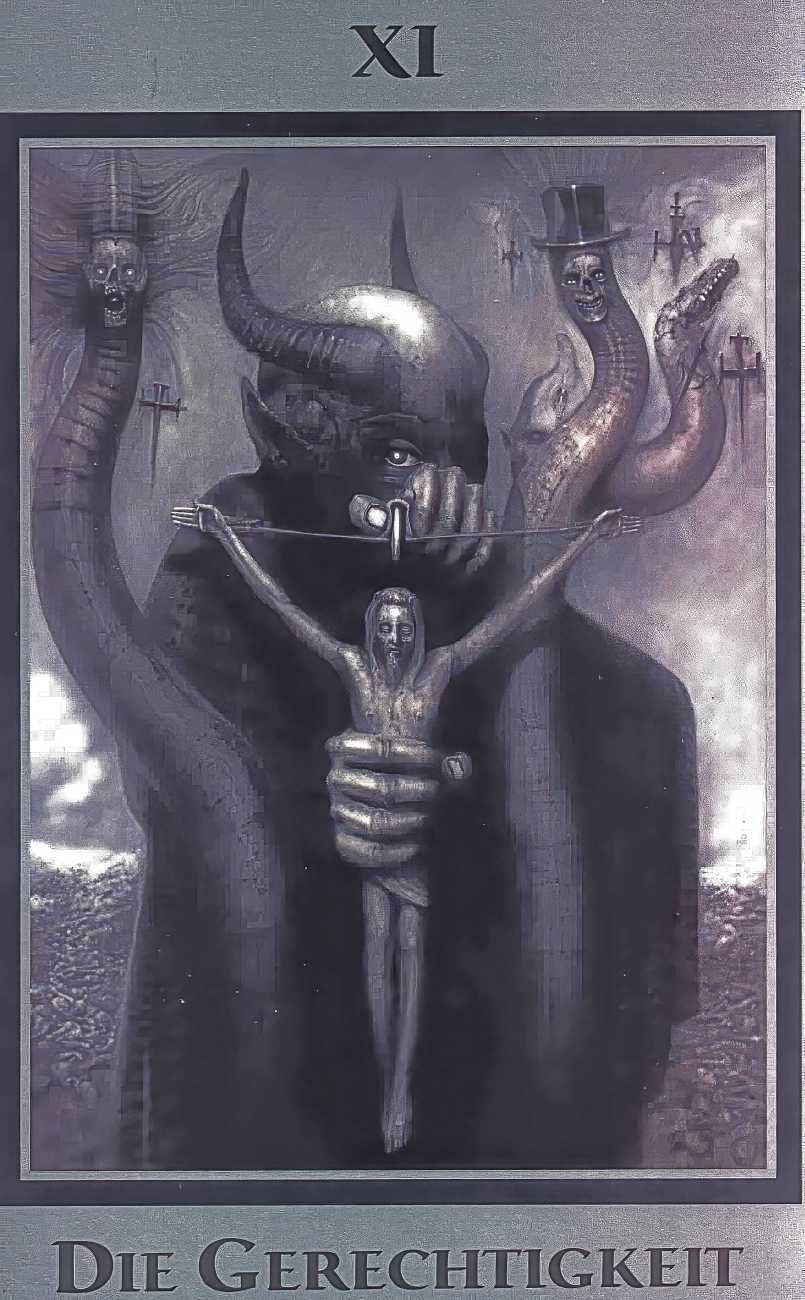
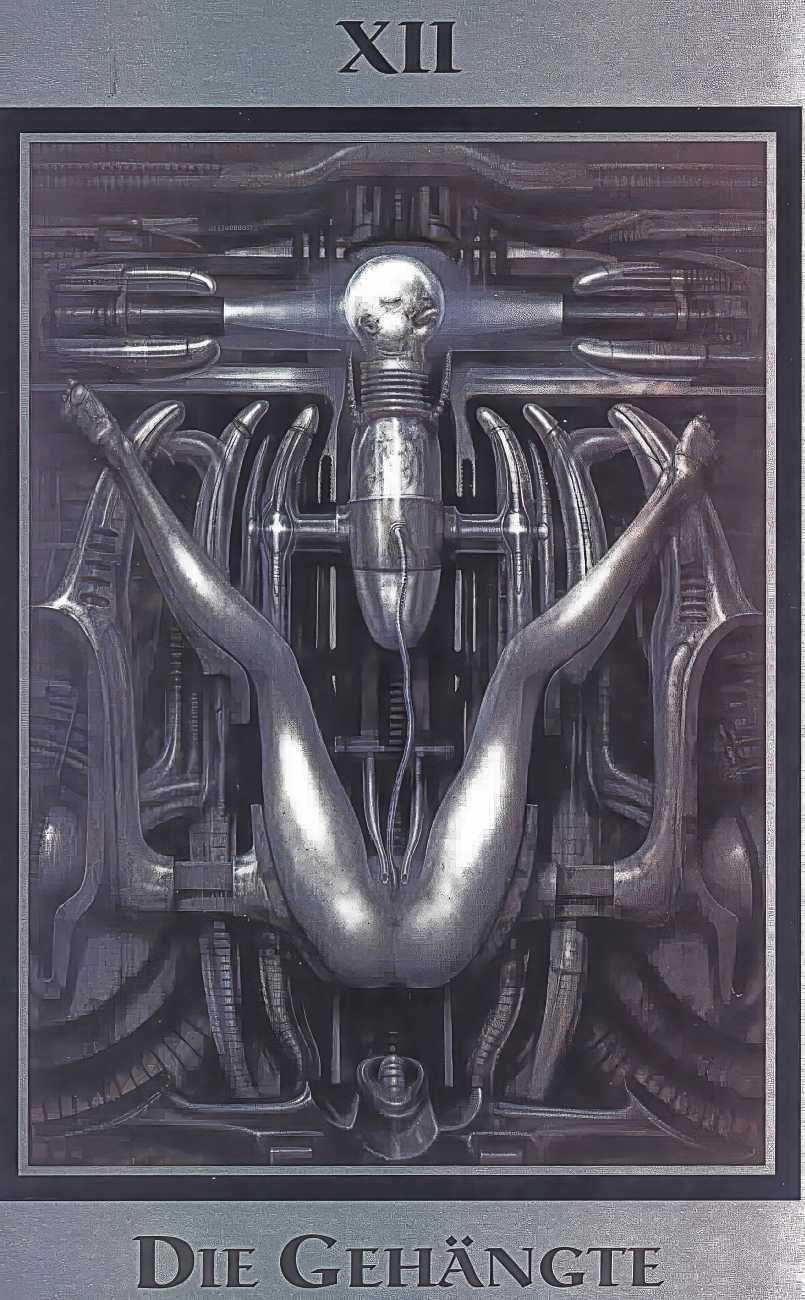
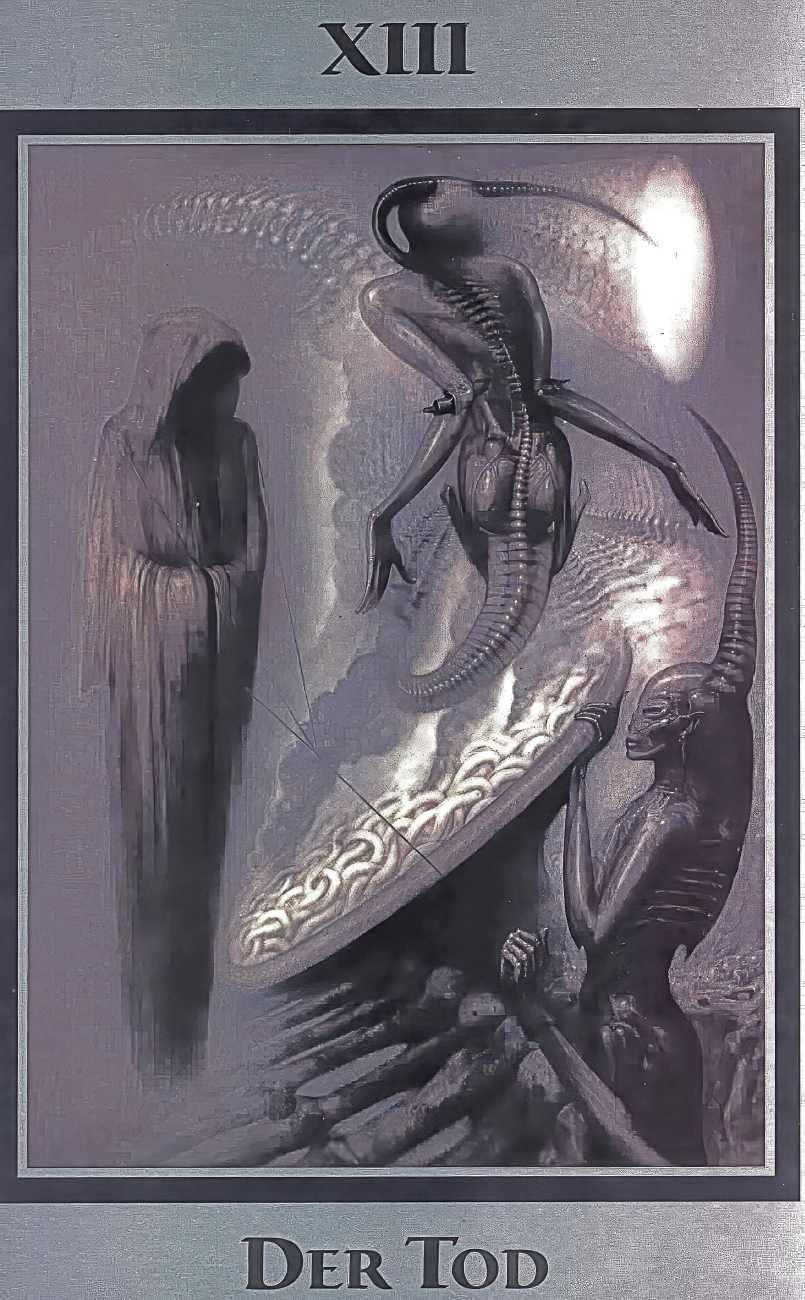
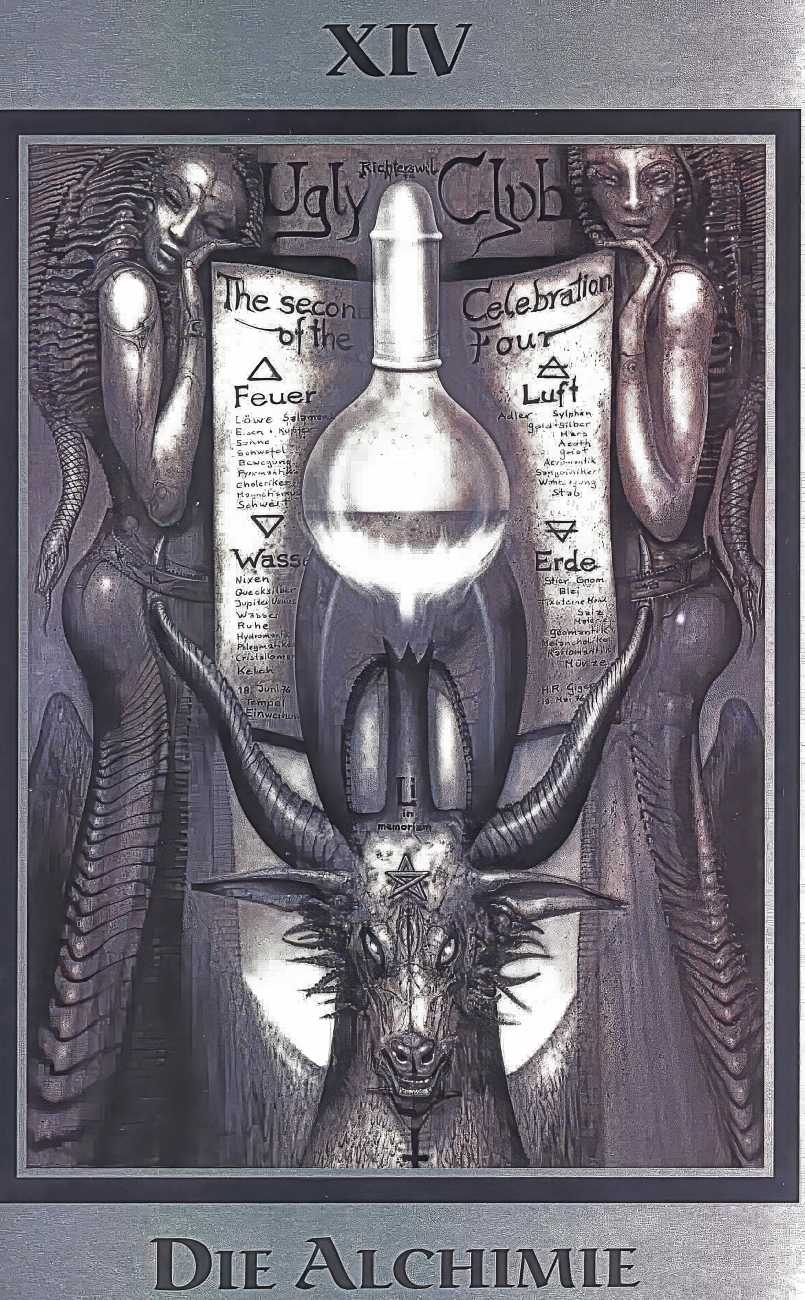
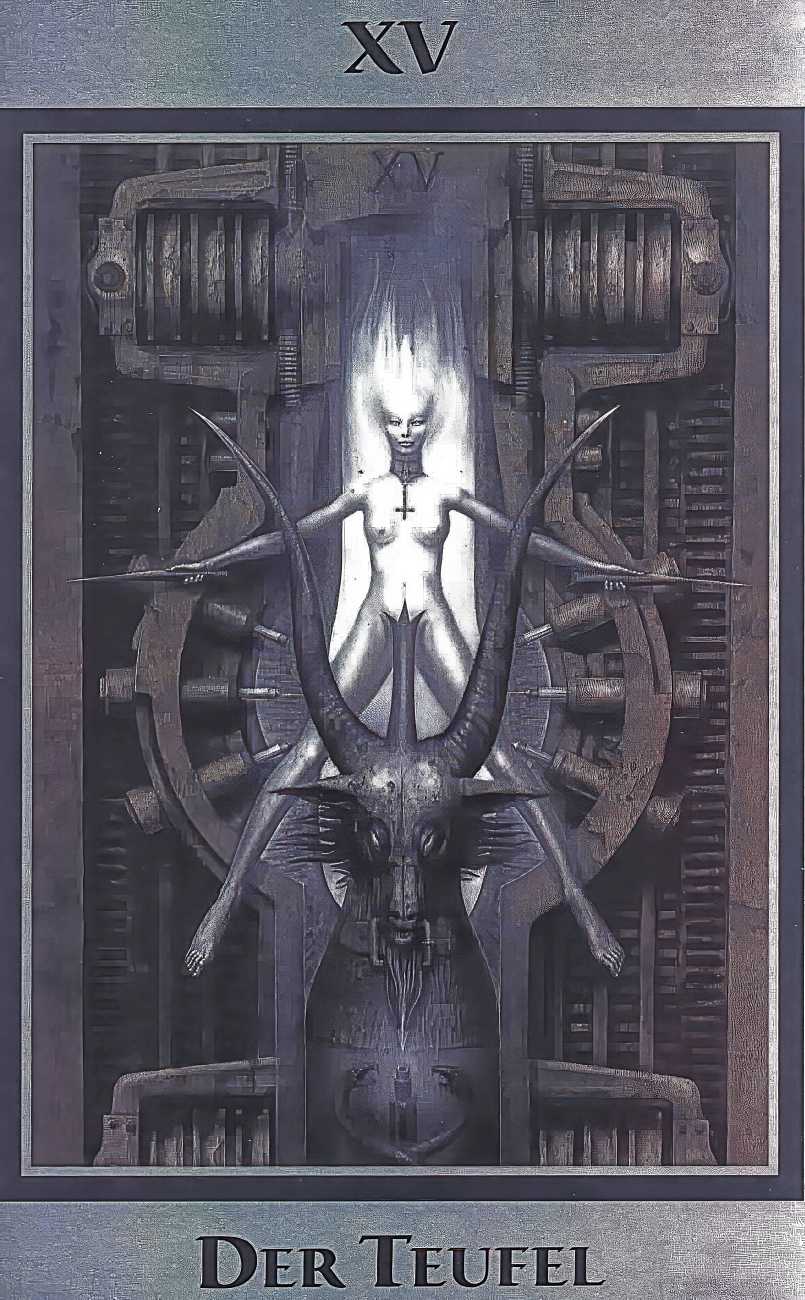
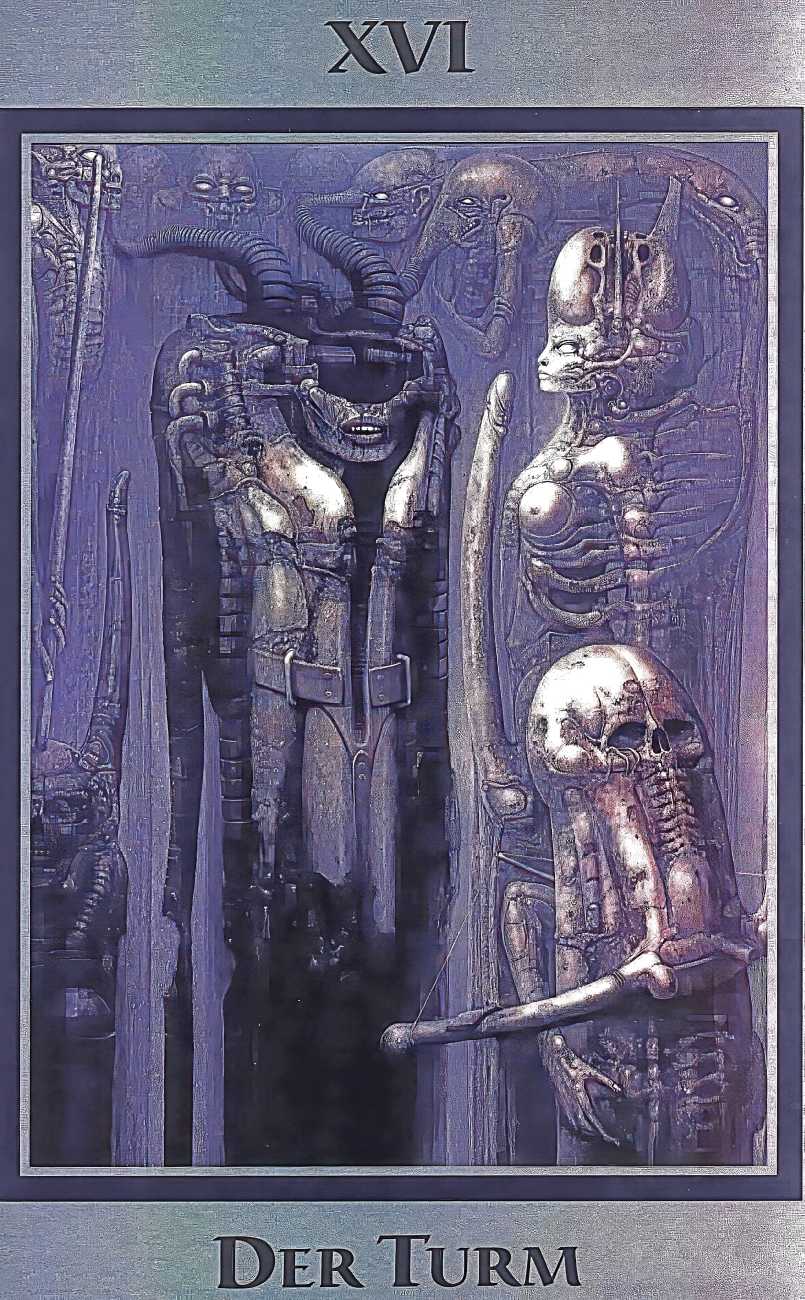
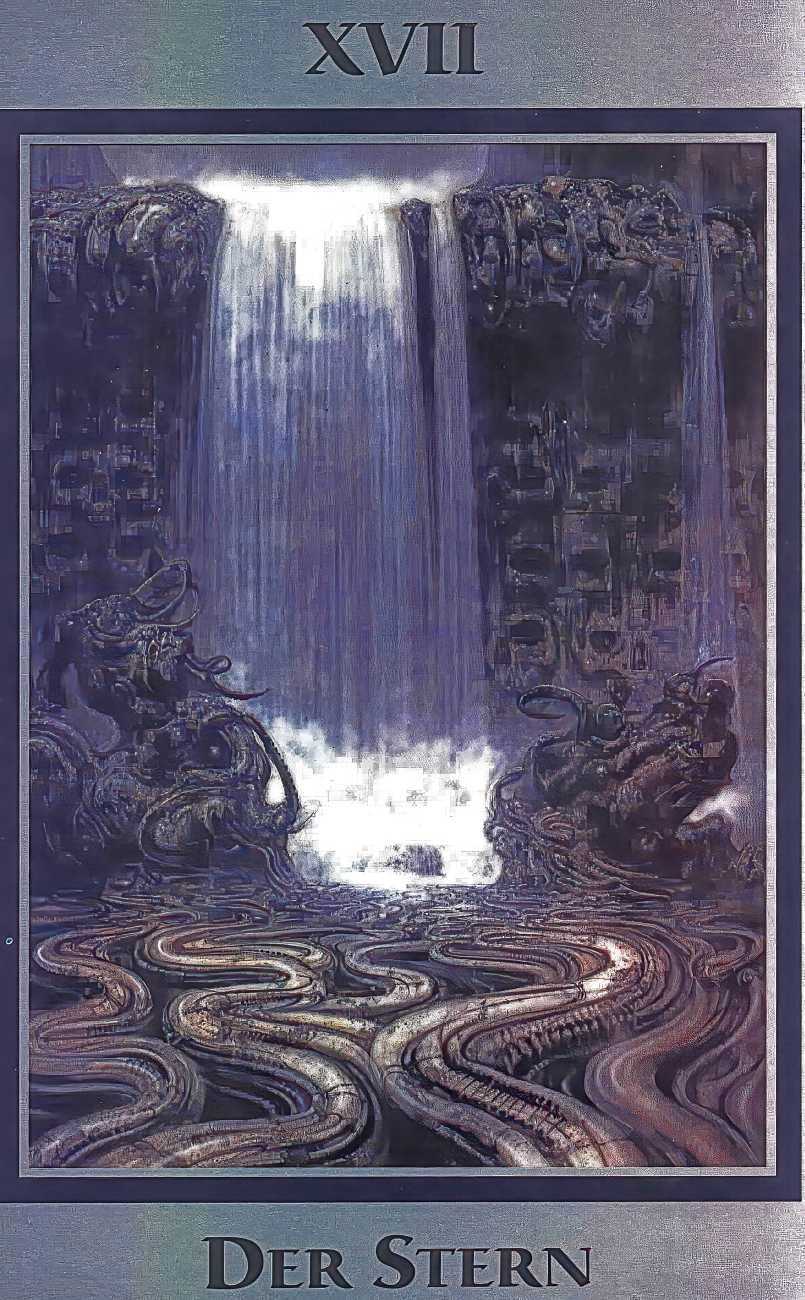
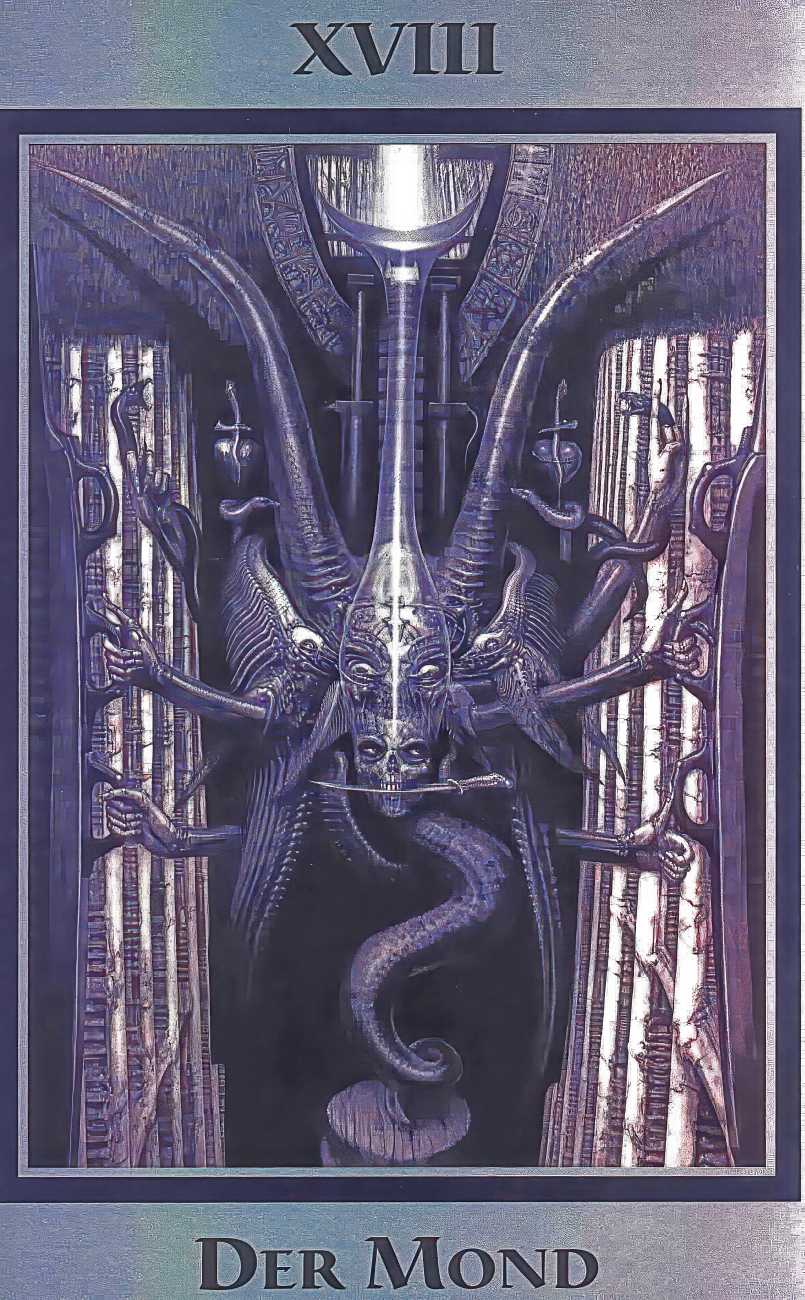
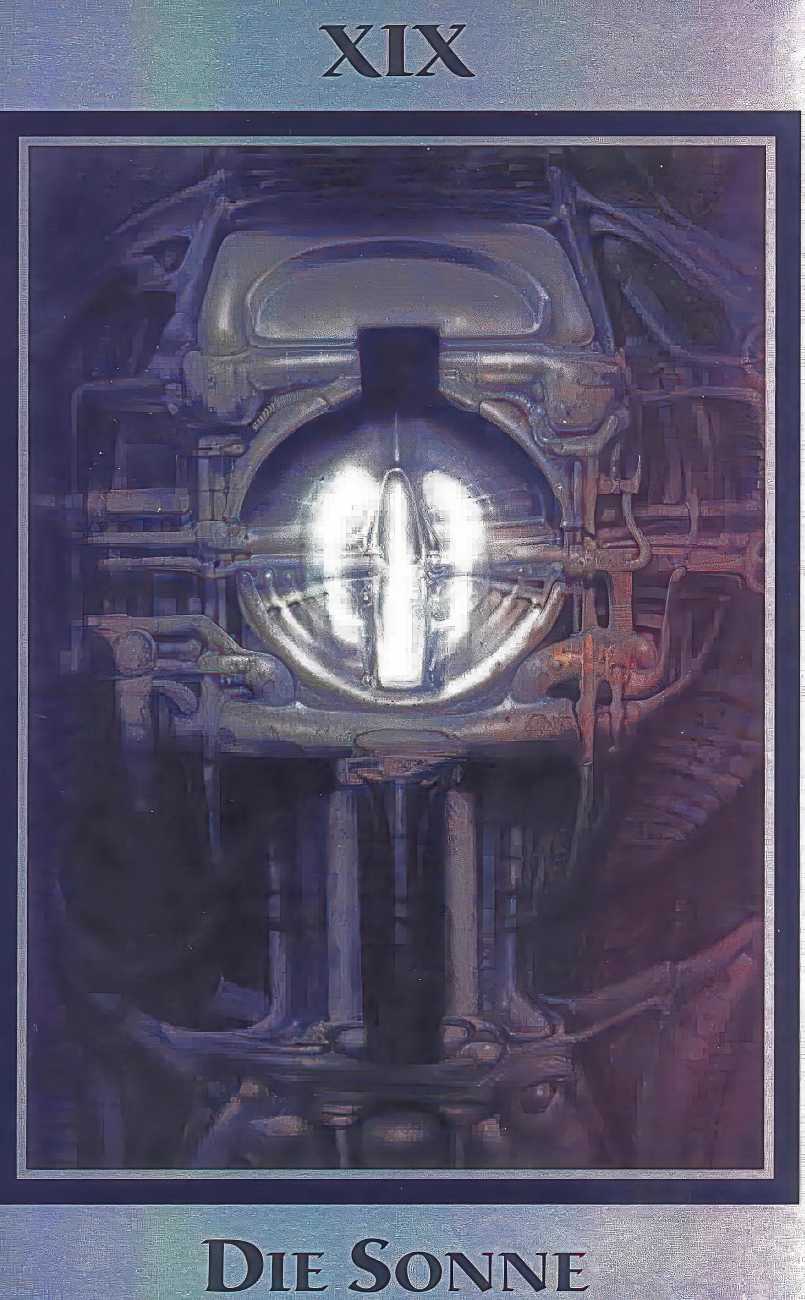
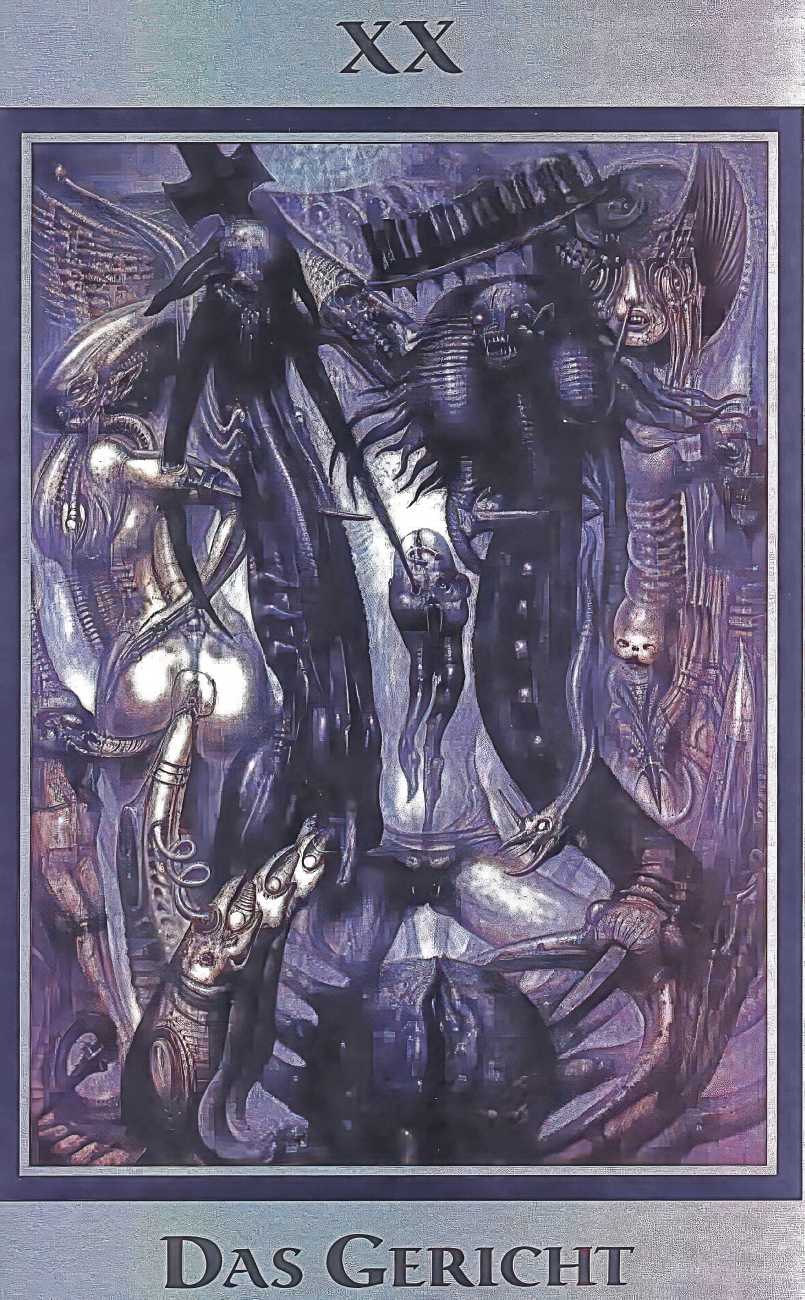
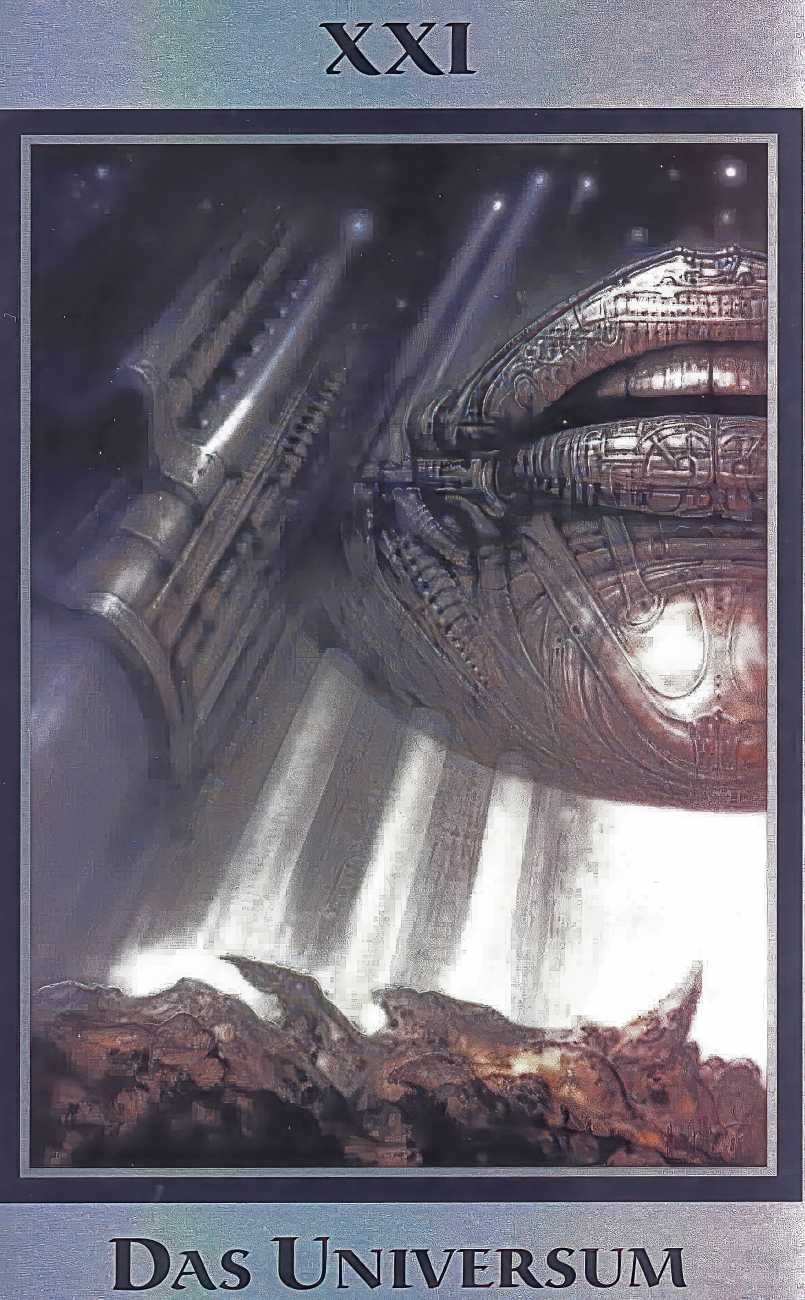
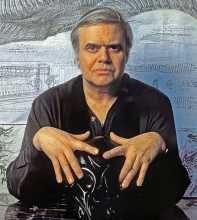
 Hans Ruedi Giger grew up in Chur, Switzerland, where his father, Hans Richard Giger, worked as a pharmacist. From childhood he was fascinated by skulls, skeletons and mummies, and made models of skeletons from cardboard and plaster. His mother’s encouragement of his artistic interests contrasted with his father's more practical outlook. After an apprenticeship with an architect and a building contractor in Chur, he moved to Zurich in 1962 to study interior architecture and industrial design at the School of Applied Arts. He began producing ink drawings and paintings while still a student, holding his first solo exhibition in 1966, the year he graduated.
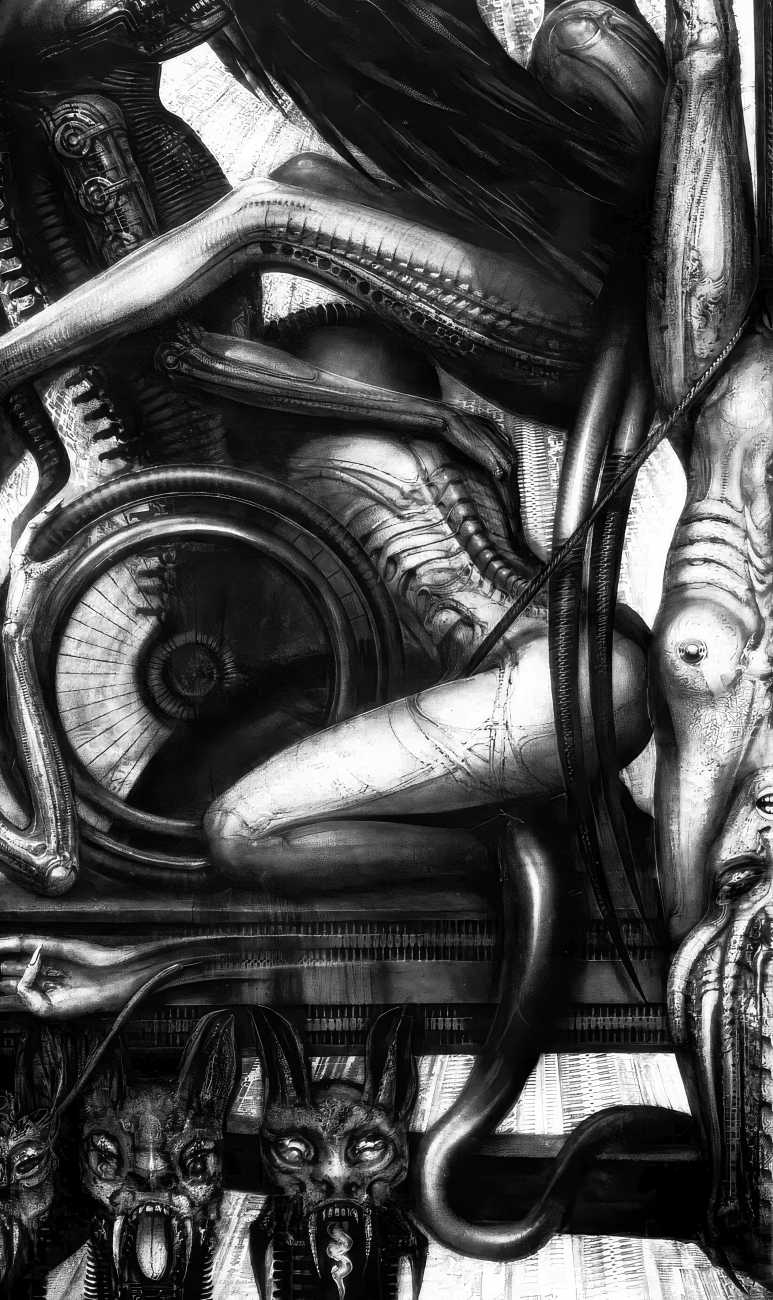
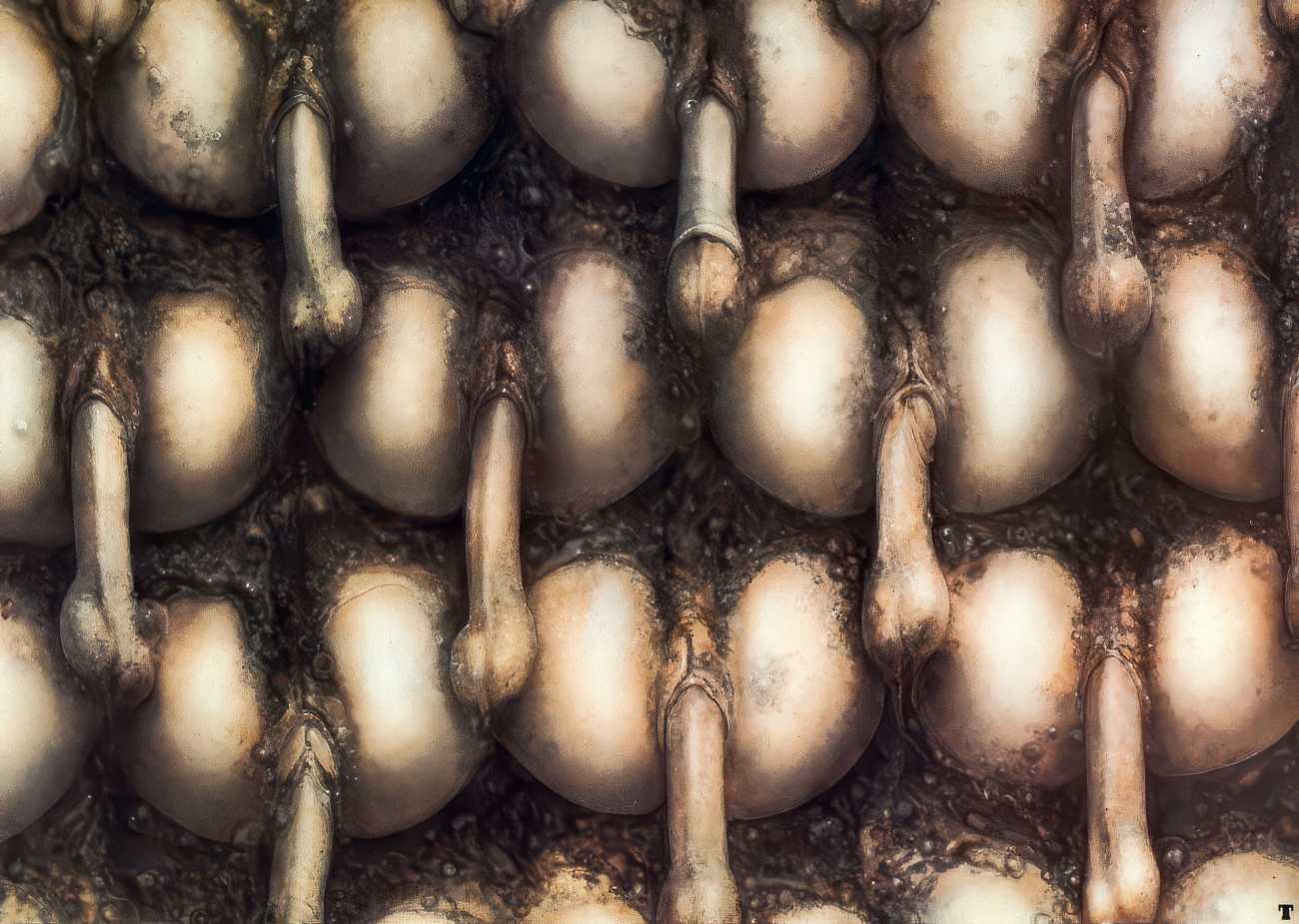
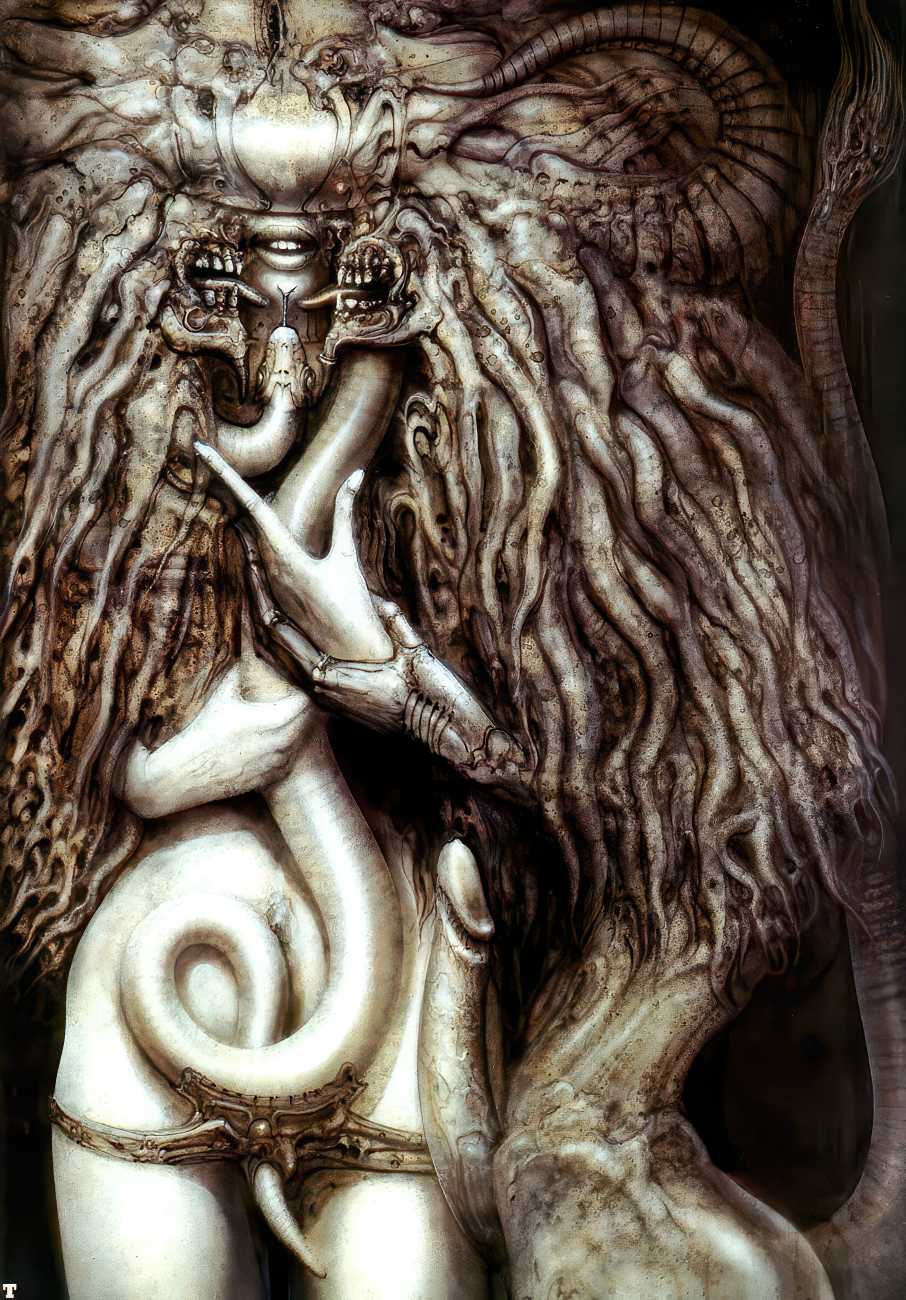
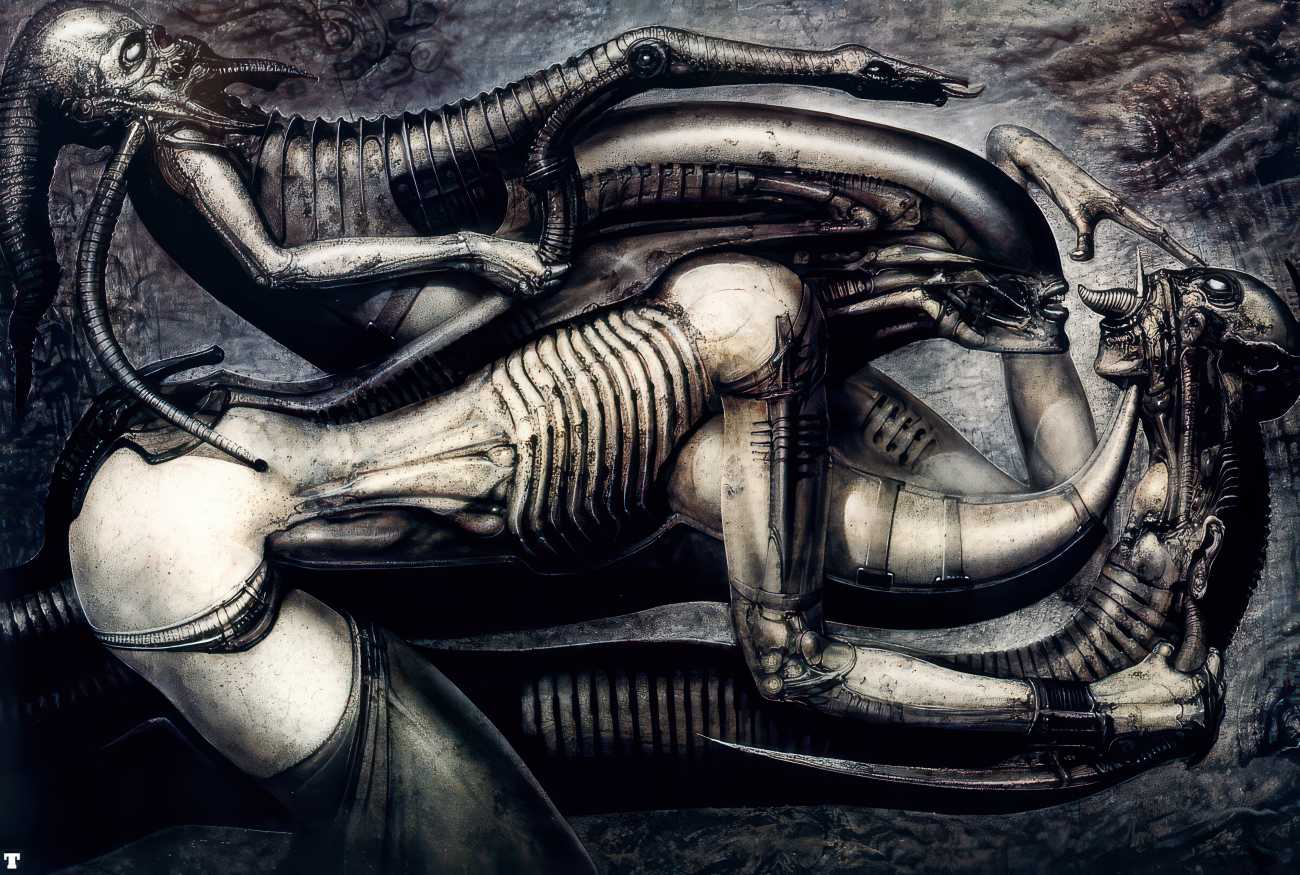
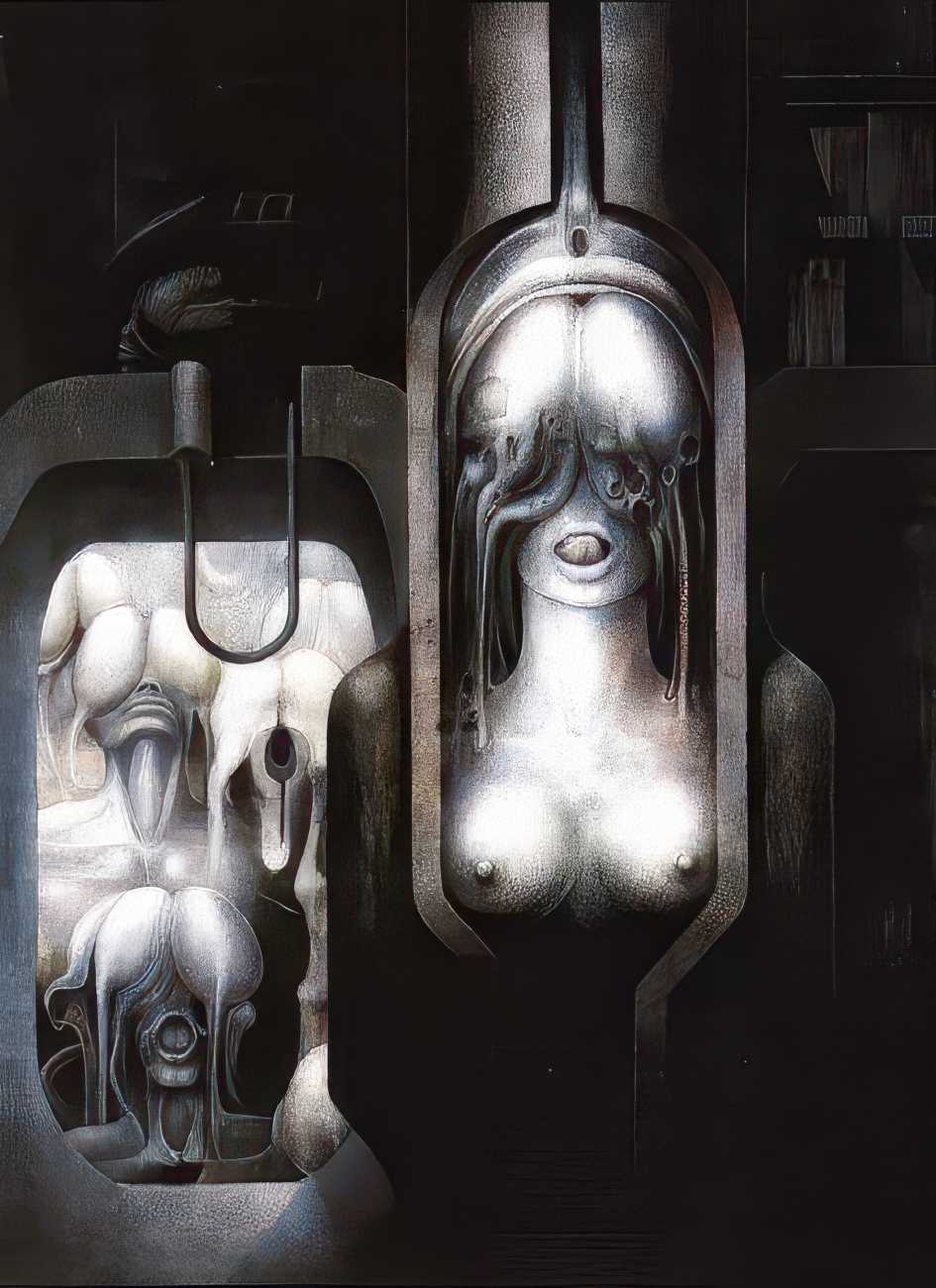
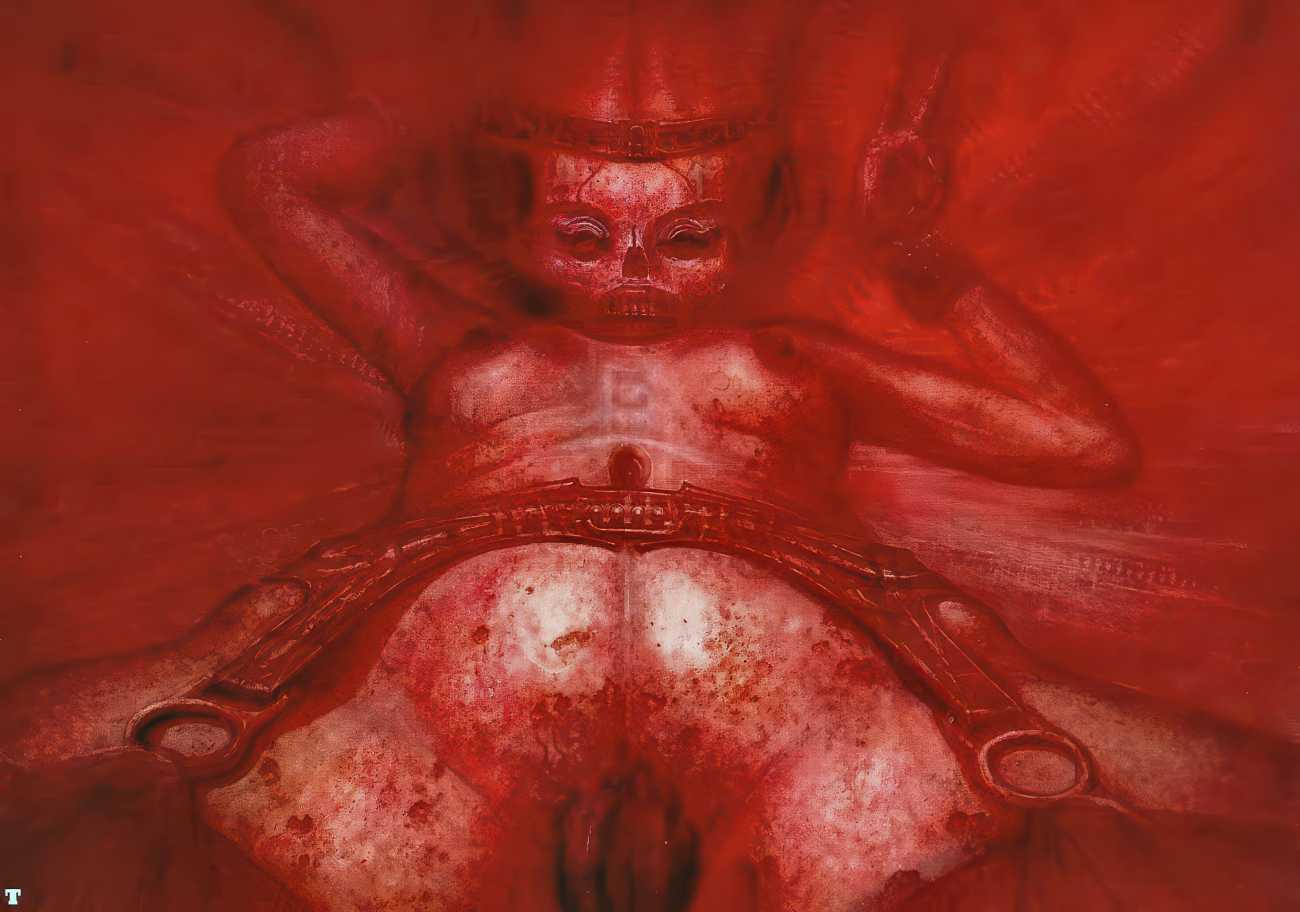
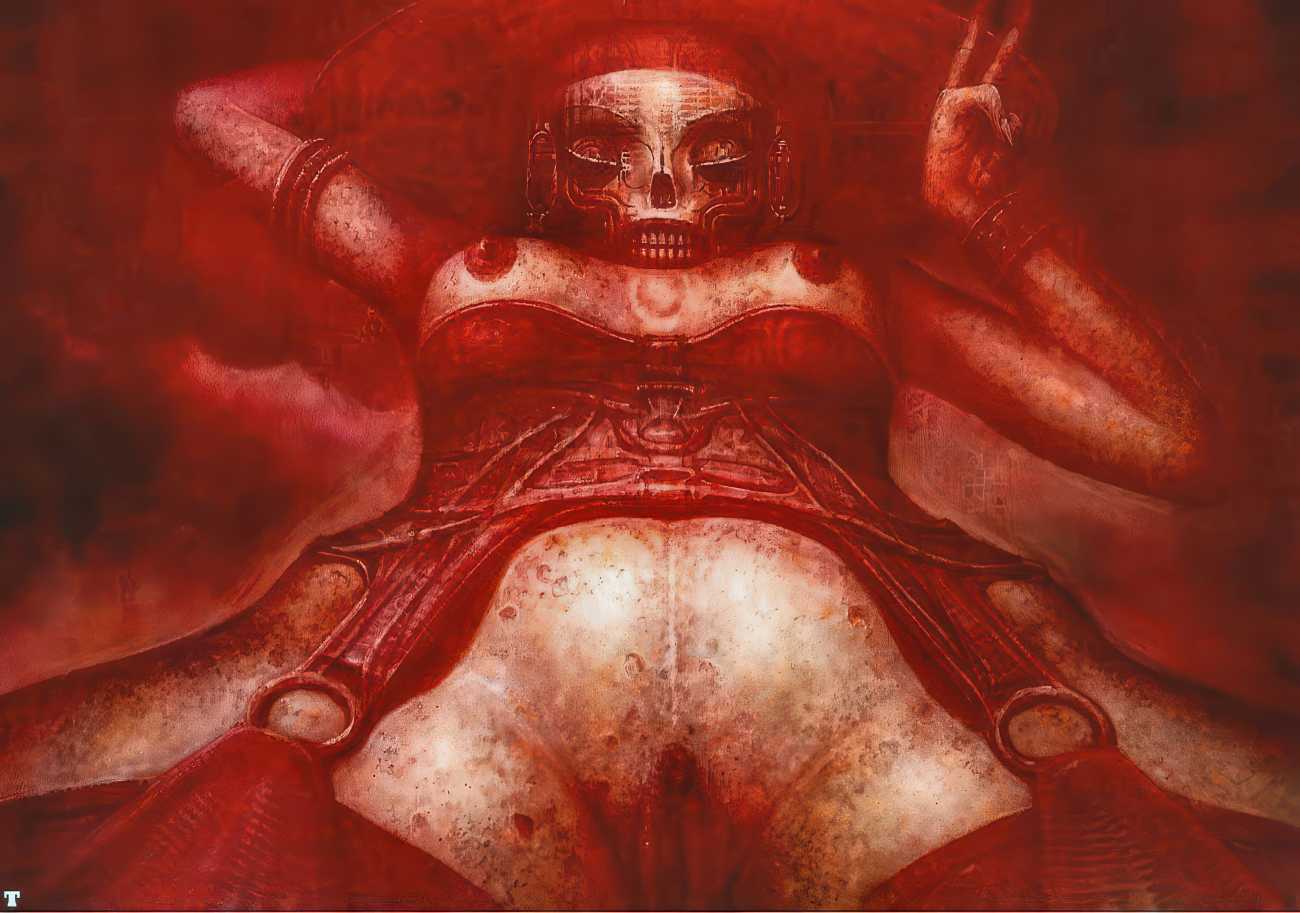
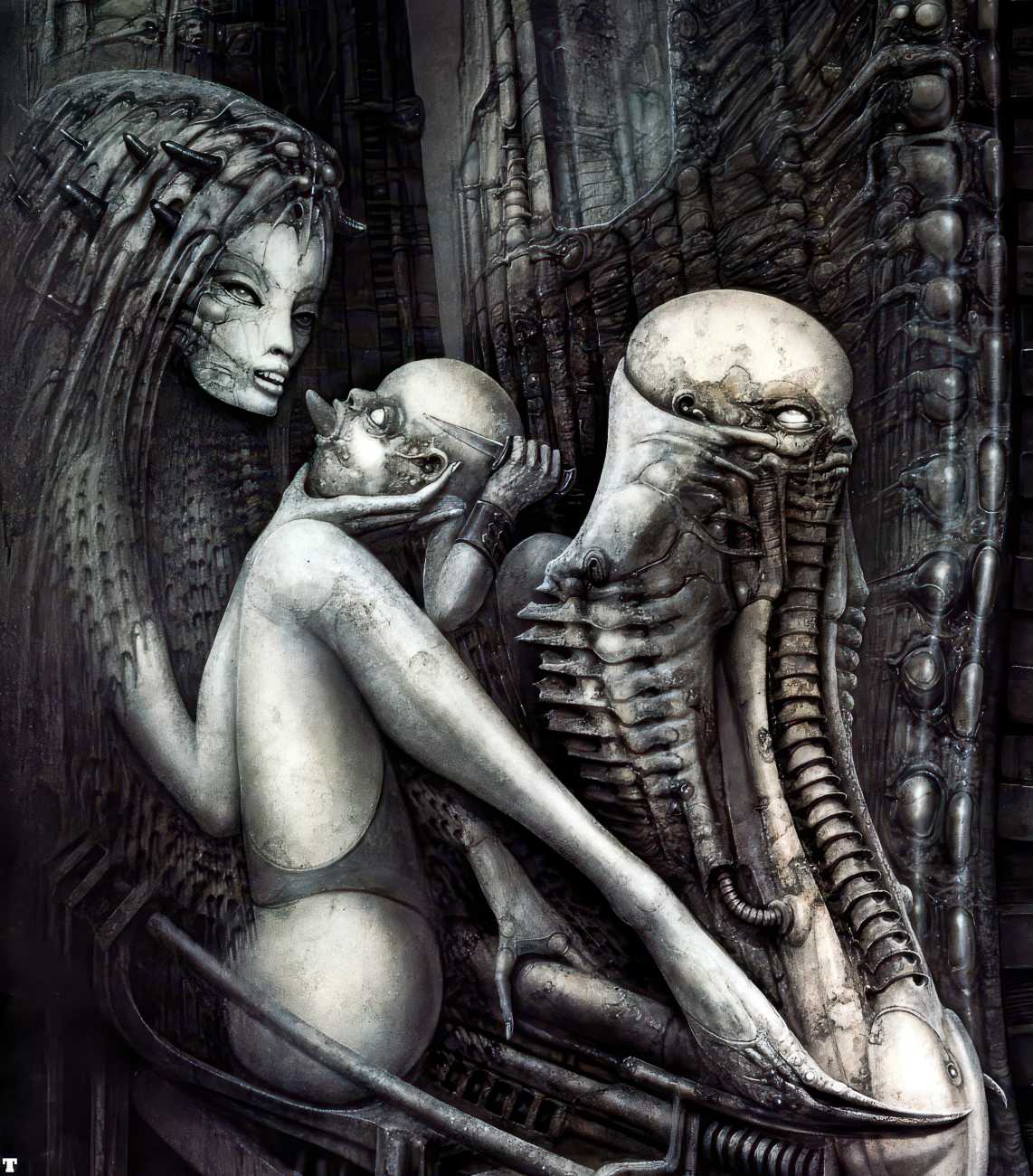
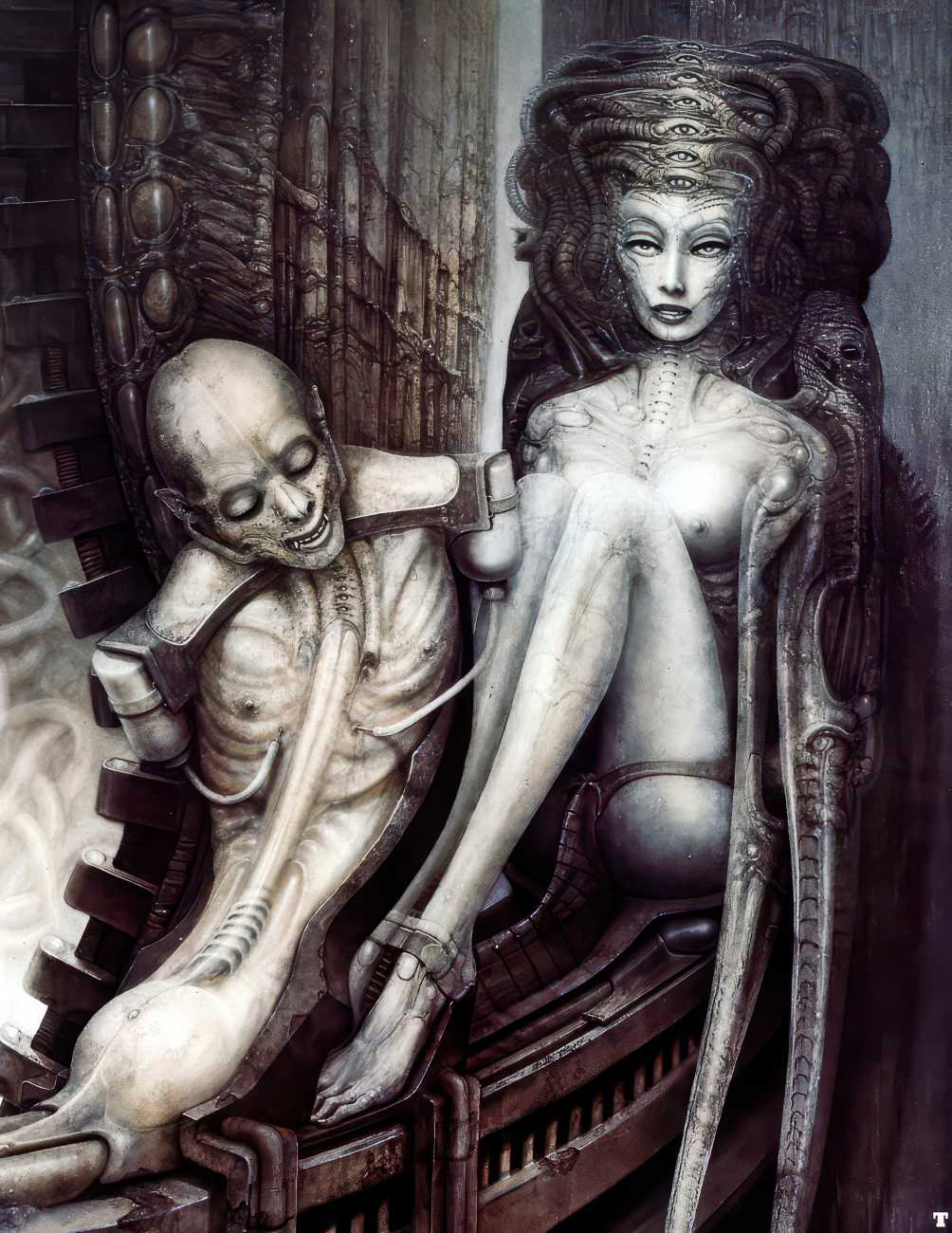
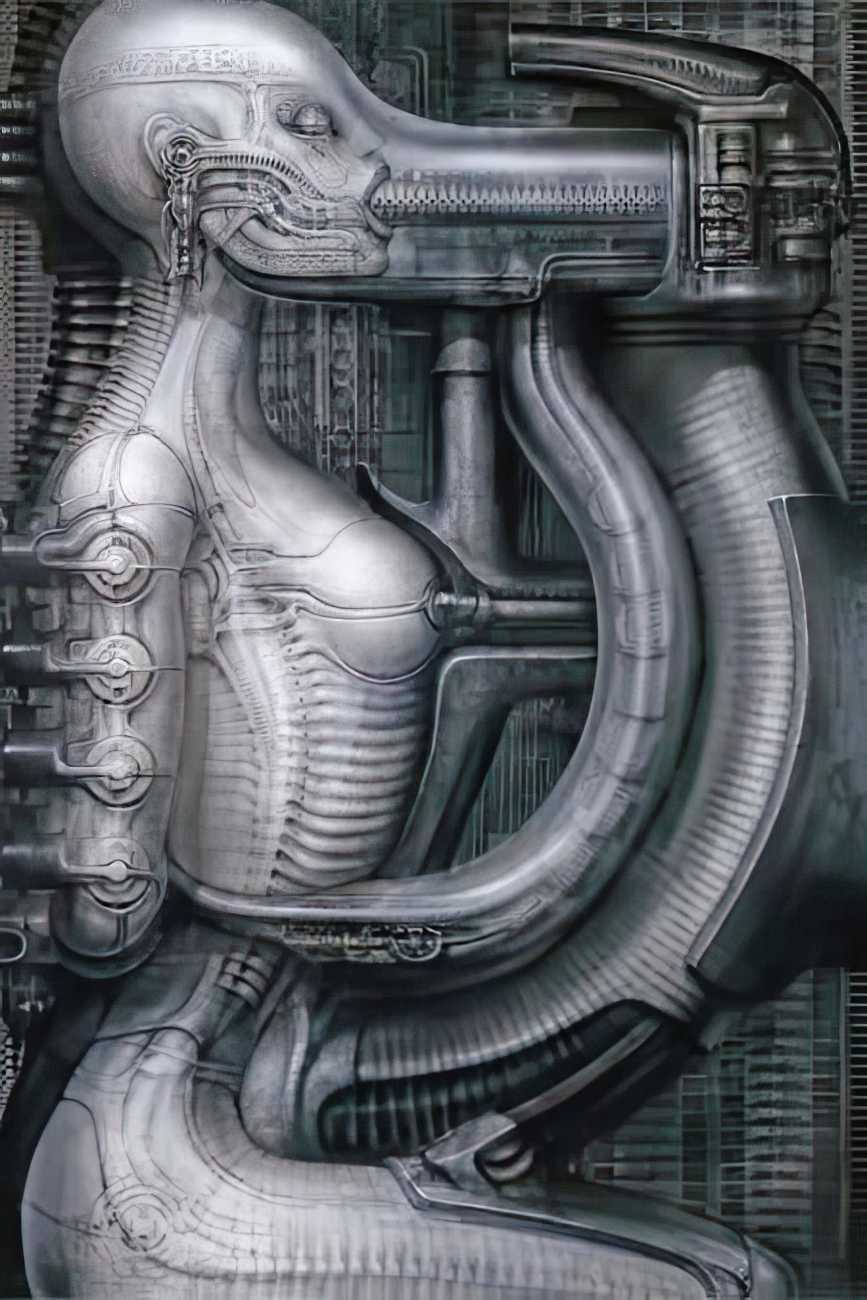
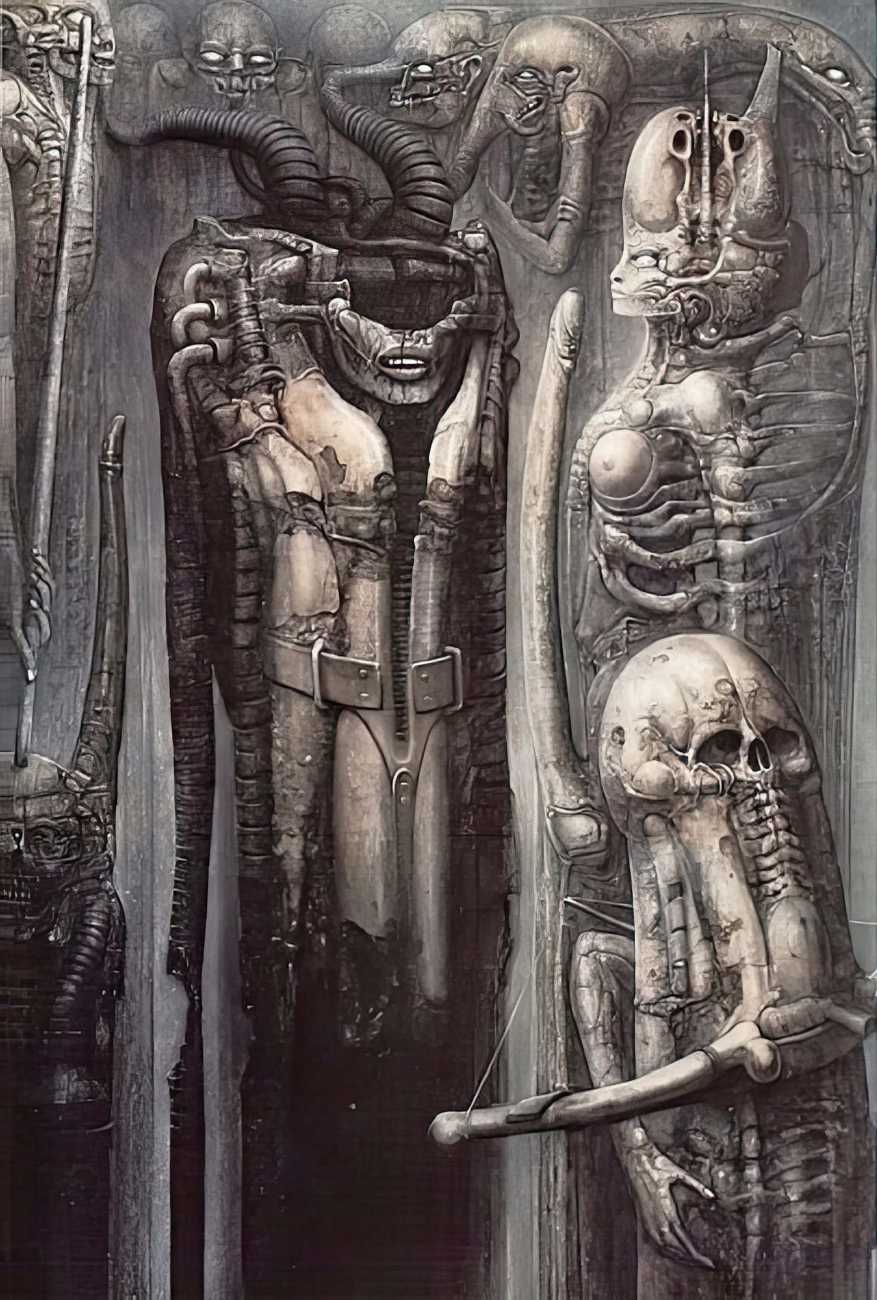
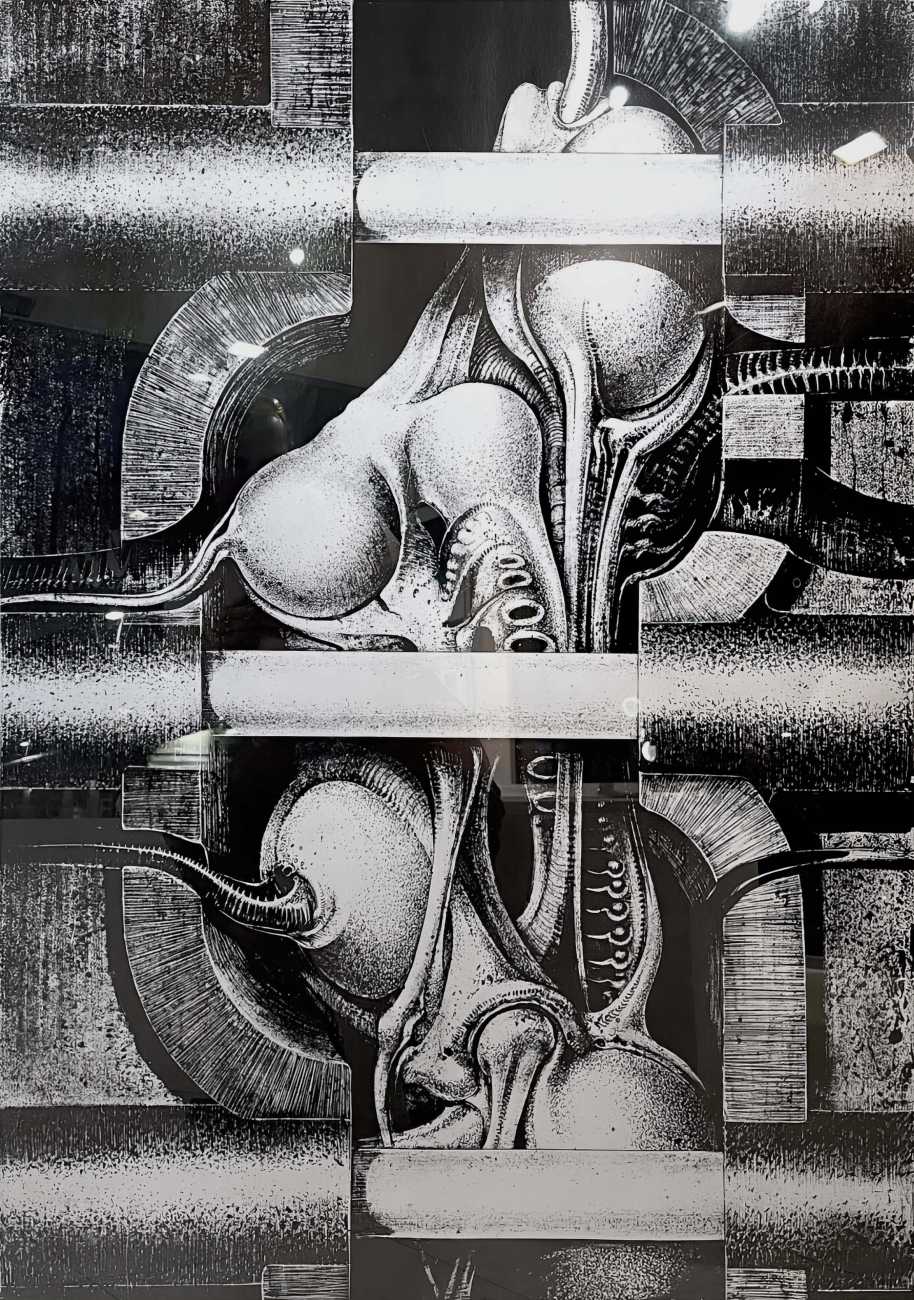
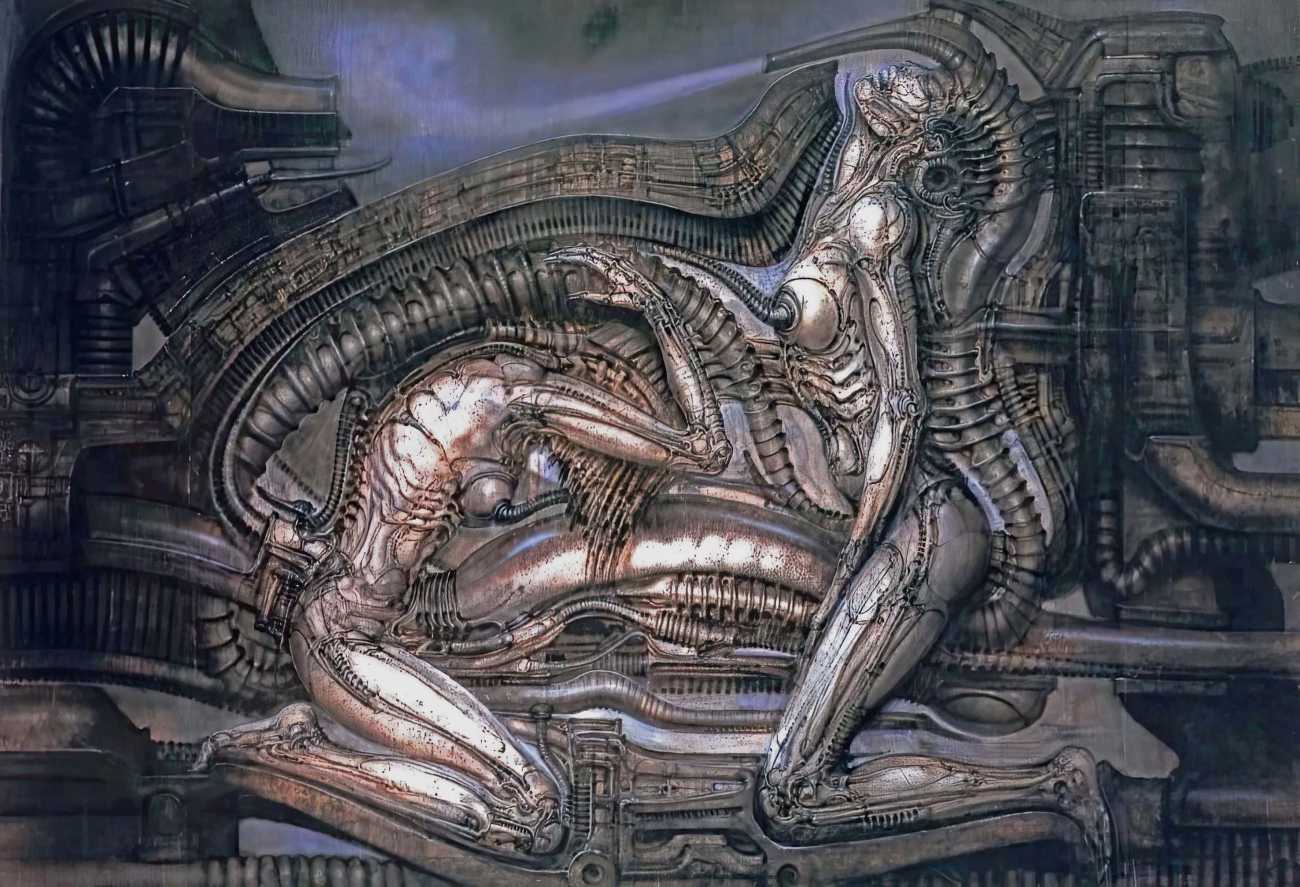
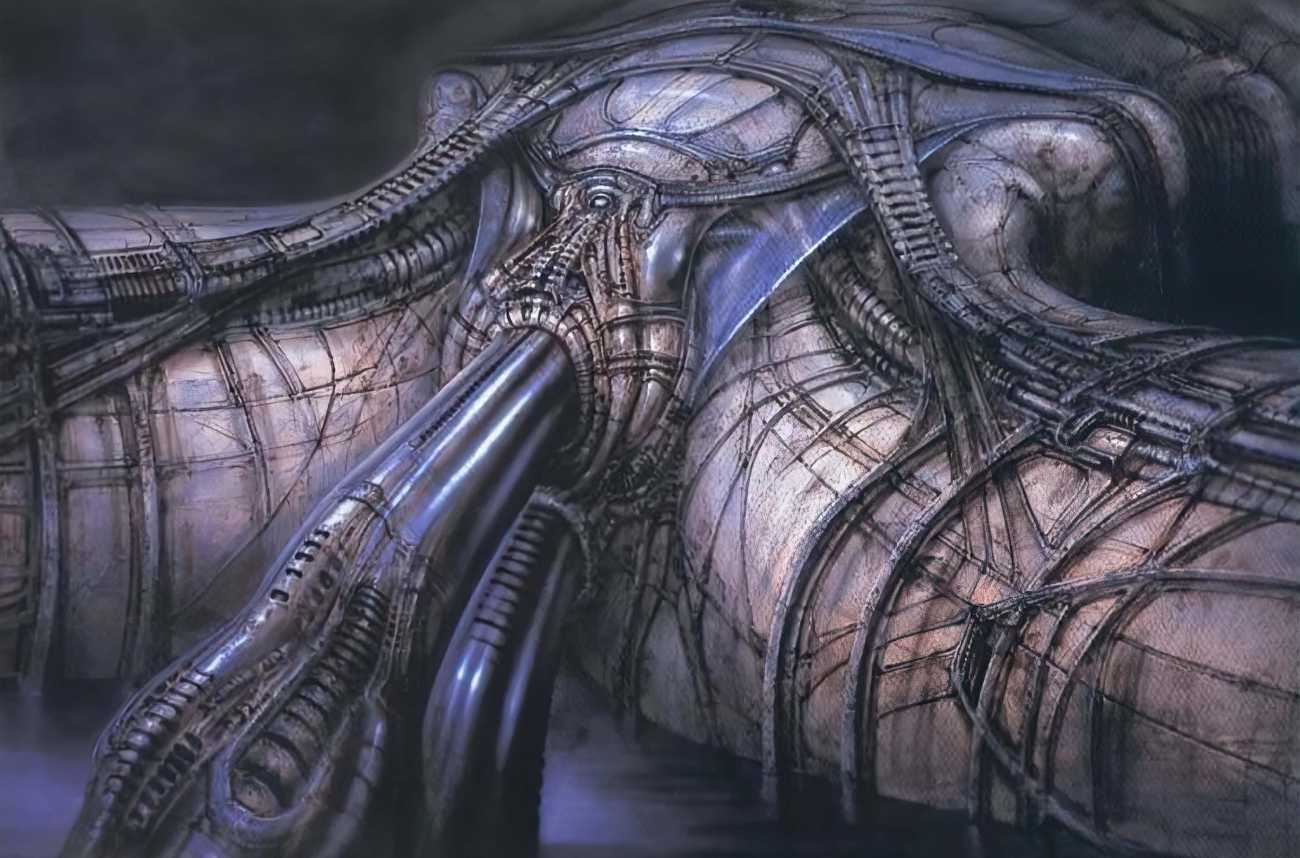
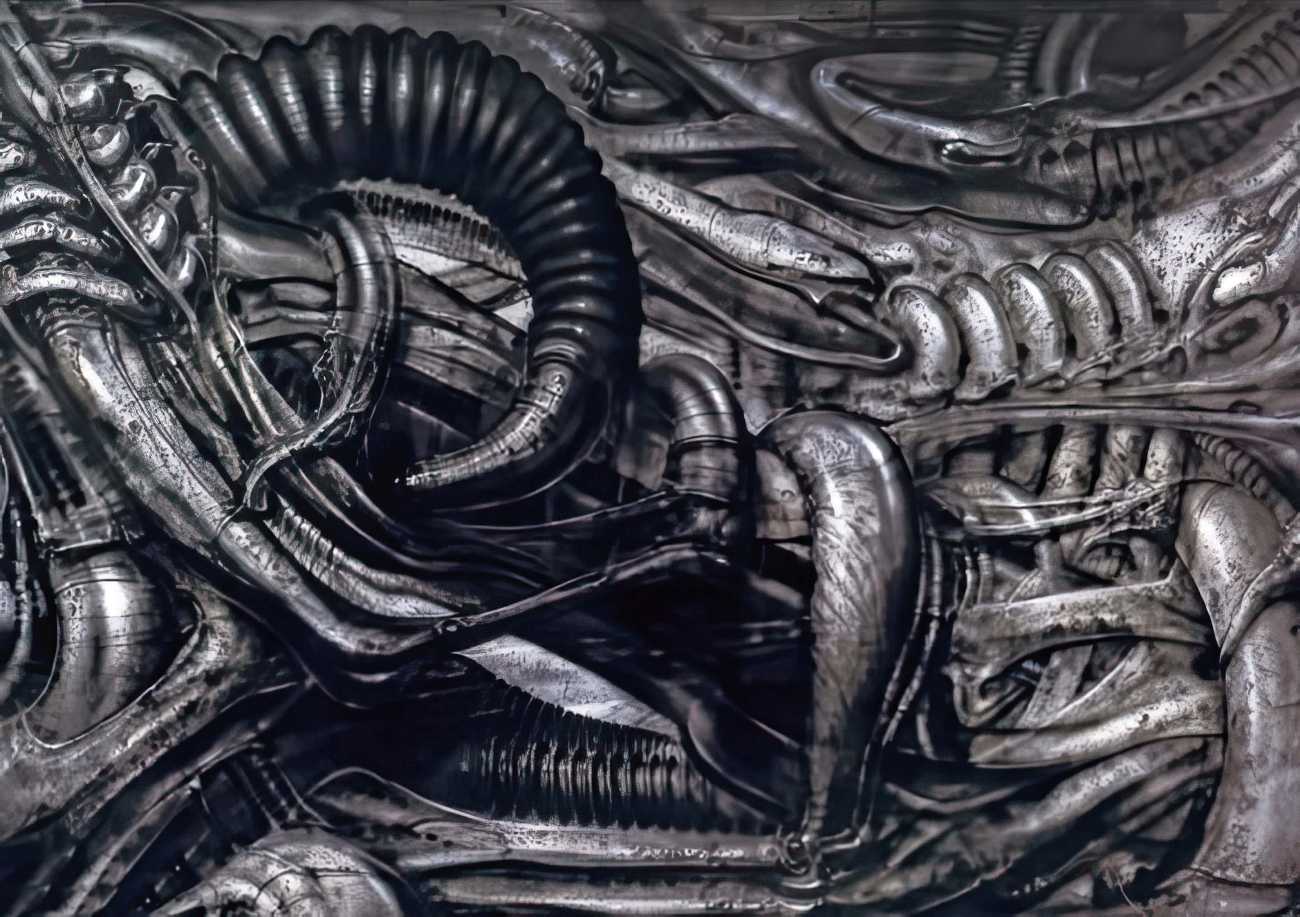
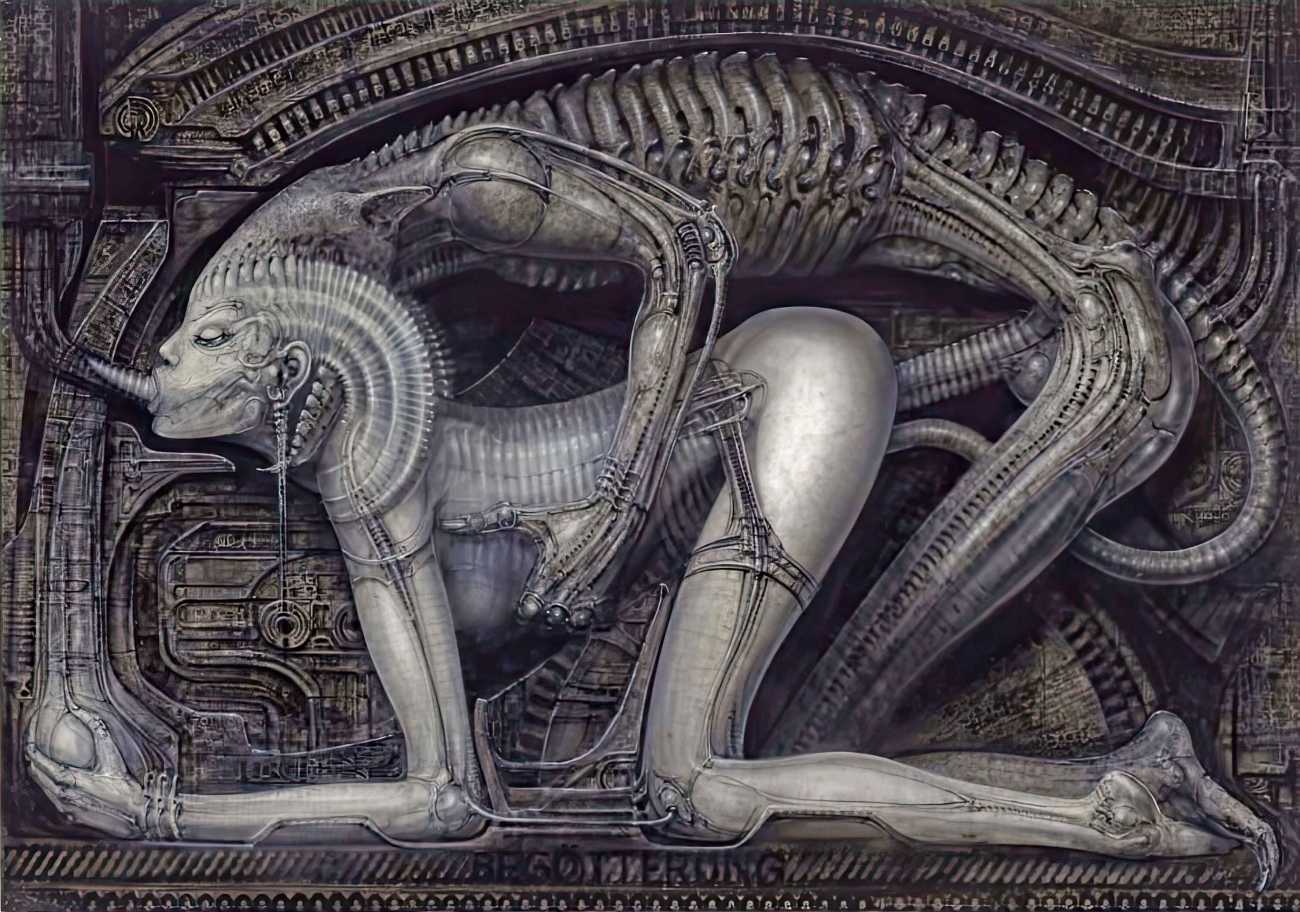
Giger initially worked as an industrial designer while developing his own art. In 1966 he met Swiss actress Li Tobler, with whom he began a relationship that would have a profound effect on his life and work. They shared a flat in Zurich, where he produced increasingly ambitious drawings, paintings and sculptures. Tobler became an important model for his work, appearing in numerous images. Giger left industrial design in 1968 to concentrate on art, and his first internationally distributed poster edition followed in 1969. His discovery of the airbrush enabled him to develop the painstakingly detailed, smooth surfaces that became characteristic of his paintings. Combining human anatomy with mechanical structures, he developed the imagery he called biomechanical. Tobler died by suicide in 1975, a loss that marked a painful turning point in Giger’s personal life.
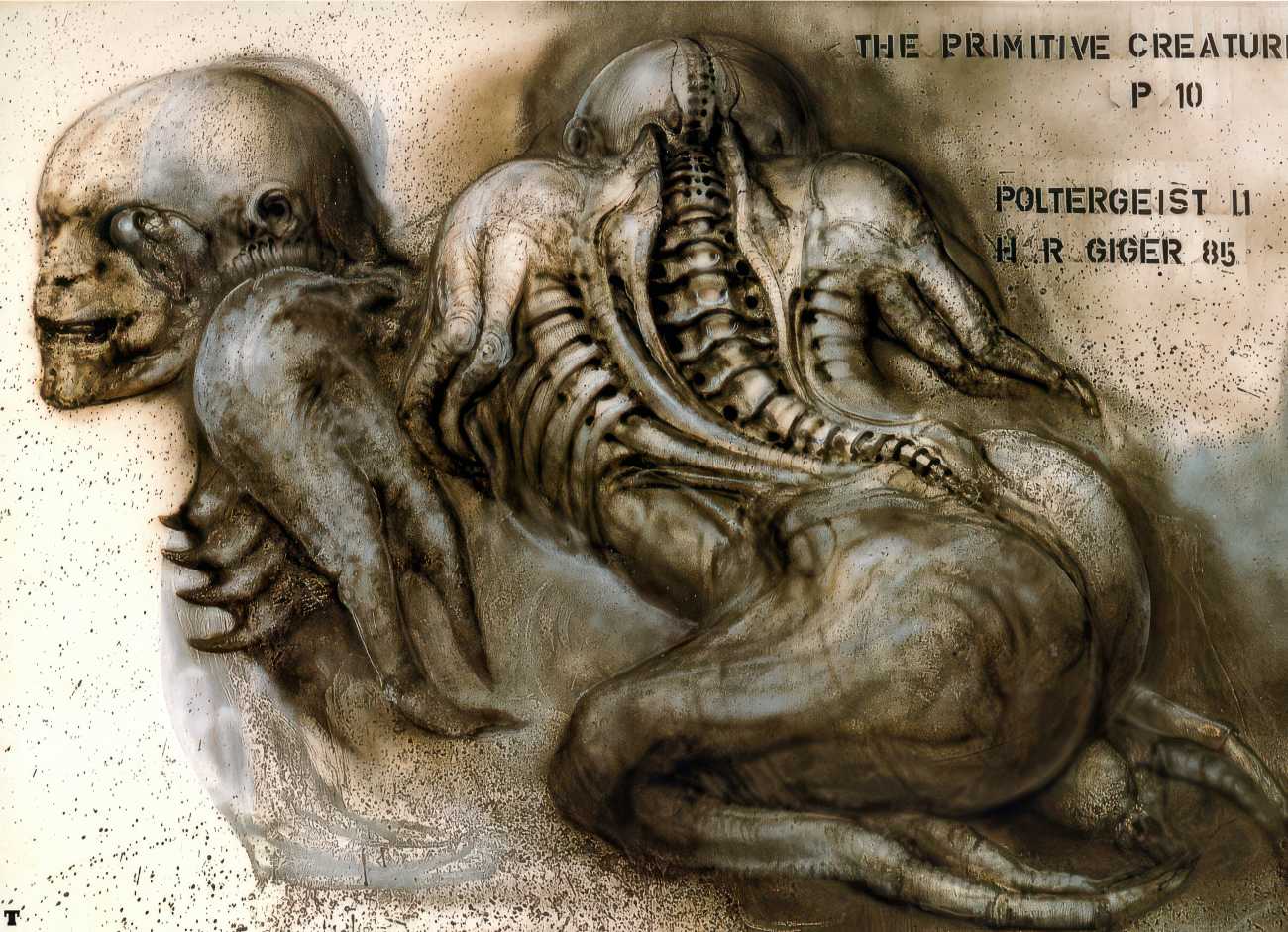
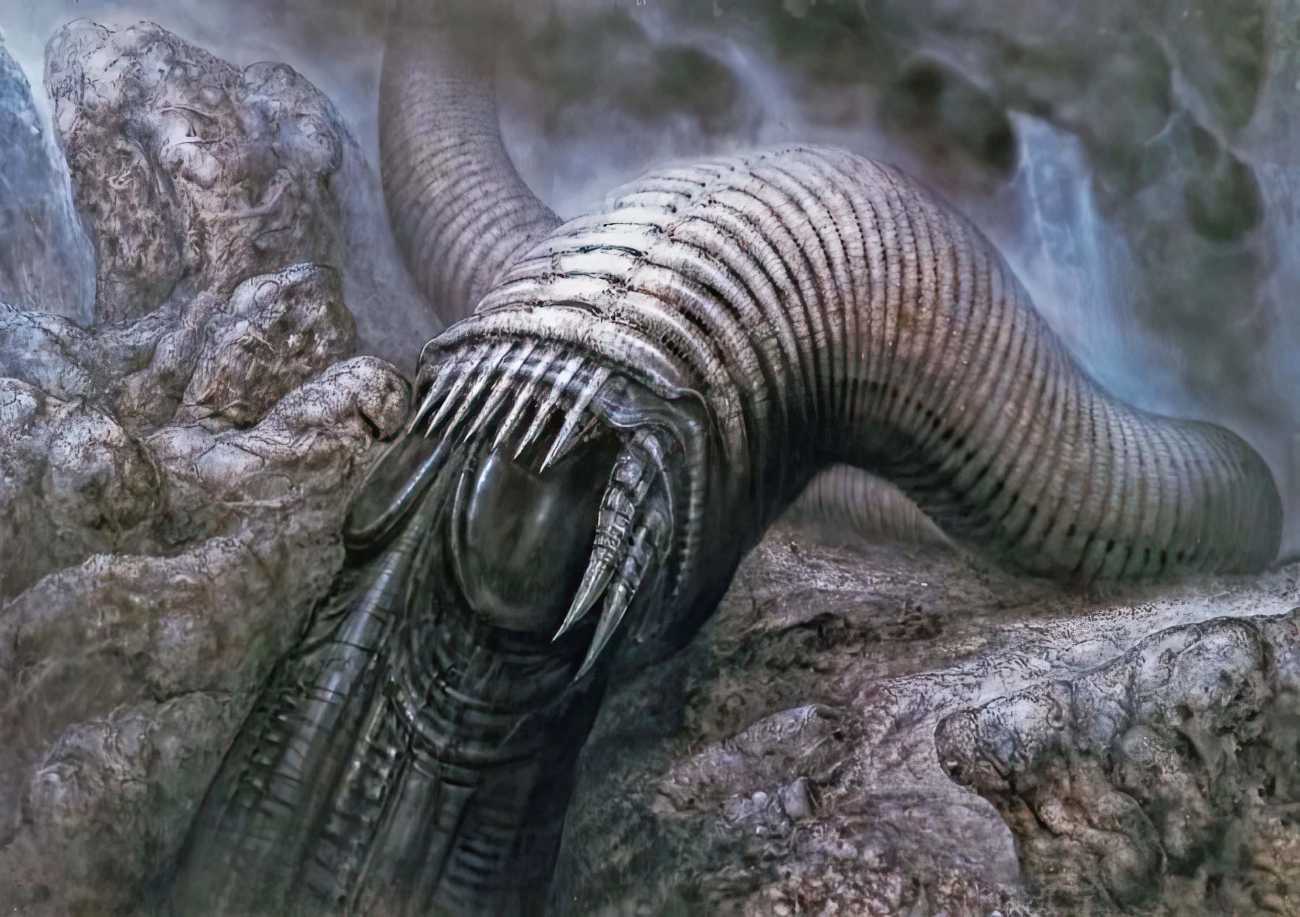
Giger’s international reputation grew during the 1970s, notably through his cover design for Emerson, Lake & Palmer’s album Brain Salad Surgery (1973) and the publication of Necronomicon in 1977. The latter brought him to the attention of director Ridley Scott, who commissioned him to design the creature and extraterrestrial environments for Alien (1979). His work on the film earned him an Academy Award for visual effects in 1980. Other film projects included Poltergeist II, Alien³ and Species, while his designs for Alejandro Jodorowsky’s unrealised Dune adaptation remained an important part of his creative output.
Giger married the Swiss artist Mia Bonzanigo in 1979, but their marriage ended after a short time. In 2006 he married Carmen Maria Scheifele, who directs the museum dedicated to his work. Alongside painting and film design, Giger developed sculptures, furniture and architectural interiors that extended his imagery into physical spaces. His Giger Bars in Chur and Gruyères brought this approach to life, while the H.R. Giger Museum, which opened in Gruyères in 1998, housed his work alongside his collection of art by other artists.
Similar artists
Hans Bellmer – German-French surrealist of fragmented, constructed erotic bodies.
Jean Giraud – (Moebius) French comics master who also worked on Jodorowsky's Dune.
Pierre Klossowski – French writer-artist of obsessive drawings and Sade scholarship.
Sibylle Ruppert – German artist of Sade-inspired, tormented bodies, collected by Giger.
Hans Schärer – Swiss post-war painter of figurative and erotic subjects.
Paolo Eleuteri Serpieri – Italian fantasy-erotic adult-comics artist of the Druuna series.
Vania Zouravliov – Russian-British illustrator of dark erotic-fantastical content.
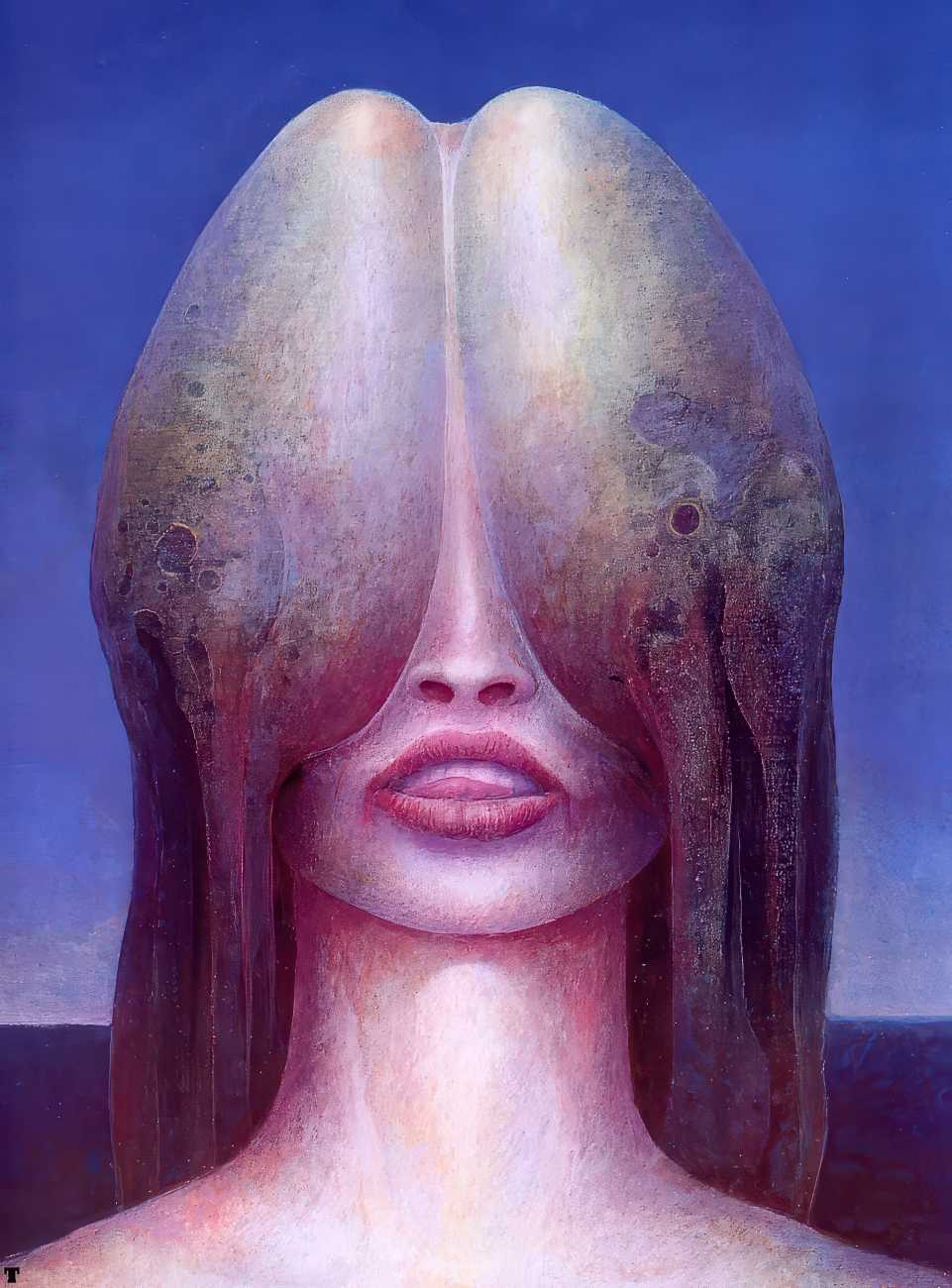
Example illustration