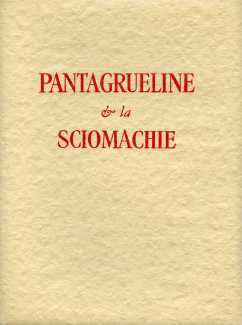
 Sciomachie (literally ‘mock battle’) is a text by François Rabelais (1483–1553), published in 1549, making it one of Rabelais’ last published works. It is one of several titles under the heading ‘pantagrueline’, which comes from Pantagruel, the giant hero of Rabelais’ novels. It connotes something in the spirit of Pantagruel – large, excessive, joyous, grotesque, earthy, and comically exaggerated.
The full title of the present work is Pantagrueline: prognostication, suivie de la sciomachie (Pantagrueline: Prognostication, followed by Sciomachy). It describes the festivities organised in Rome on 14th March 1549 by Cardinal Jean du Bellay, the French ambassador , to celebrate the birth of Louis de Valois, the second son of King Henry II of France. Planned entertainments included a banquet, a naumachia or staged naval battle, a mock siege, and spectacular fireworks. Sadly, flooding of the river Tiber forced some of the events to be altered or cancelled.
Rabelais presents the text in the form of a letter addressed to the Cardinal of Guise, a rival of Du Bellay, which makes it both a report on the festivities and a subtle piece of political communication. As well as the description itself, there is an introduction to the reader as a warm-up (prognostication) to the main text, and an epitaph to Rabelais by his protégé the poet Pierre de Ronsard (1524–85).
Sciomachy was inspired by an Italian account, possibly by Antonio Buonaccorsi, but Rabelais reshaped it with his own literary flourish, humour, and vivid descriptive detail. The language is notable for introducing or popularising Italian loanwords into French, especially terms connected with costume, fireworks, and naval spectacle.
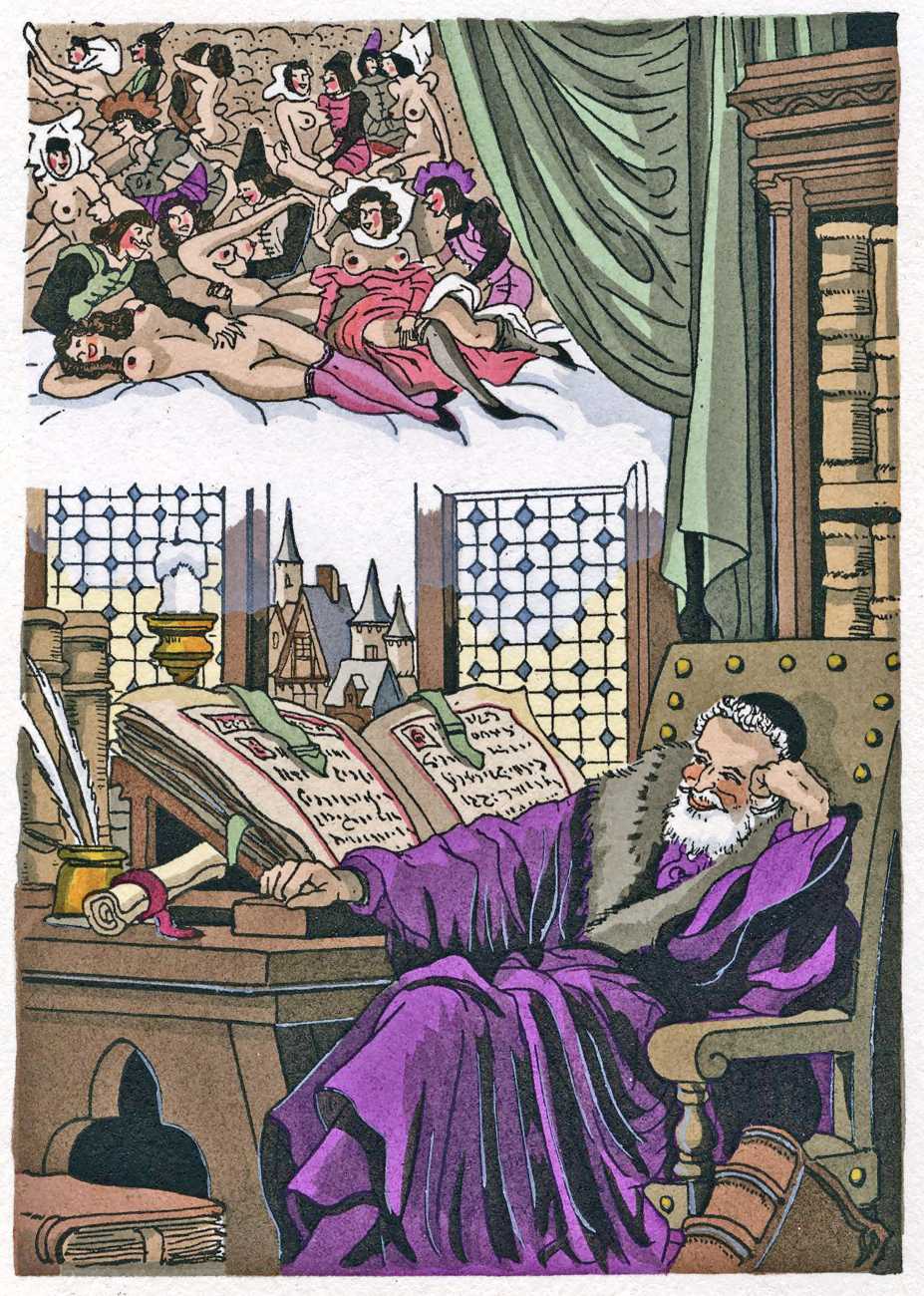
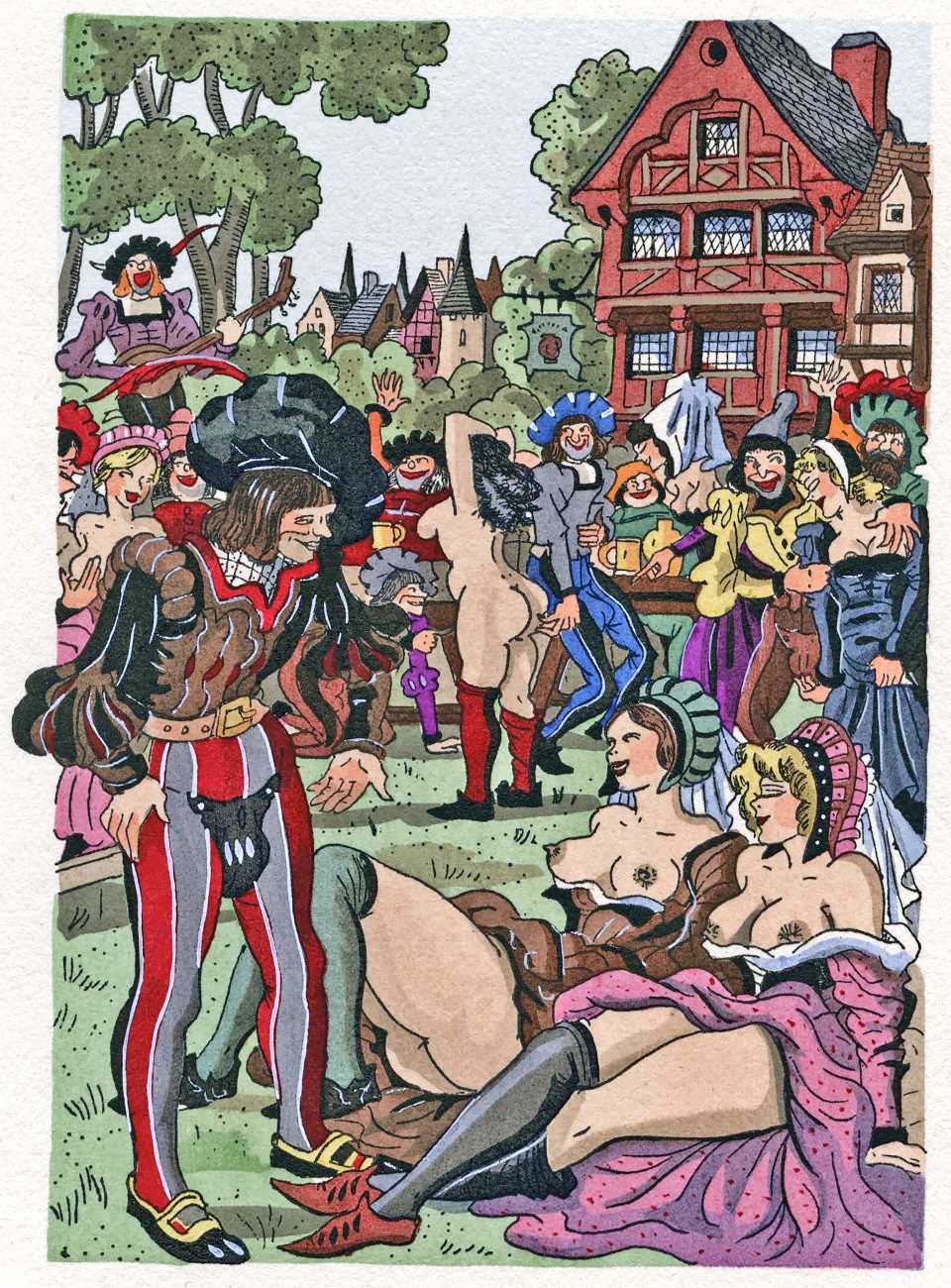
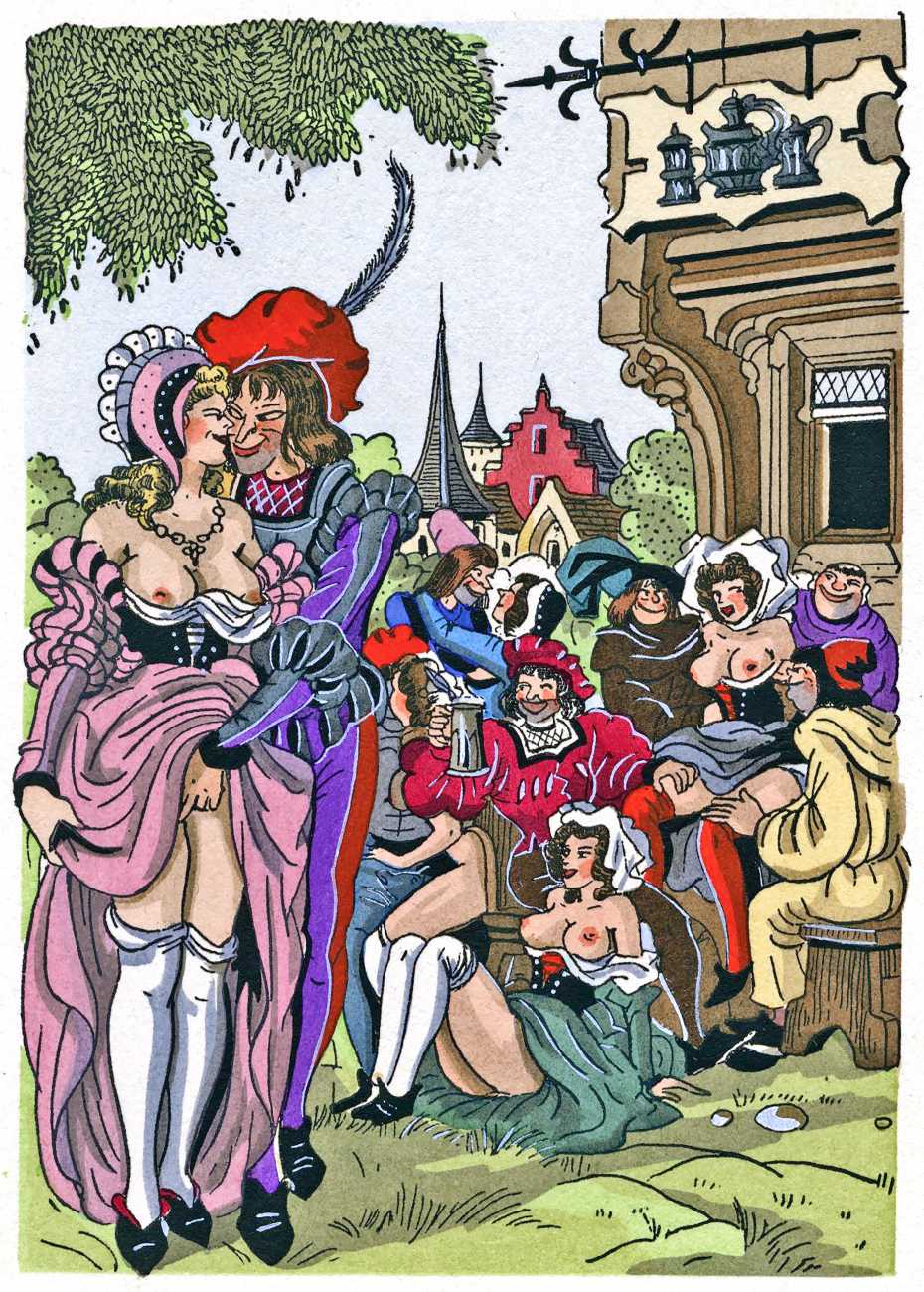
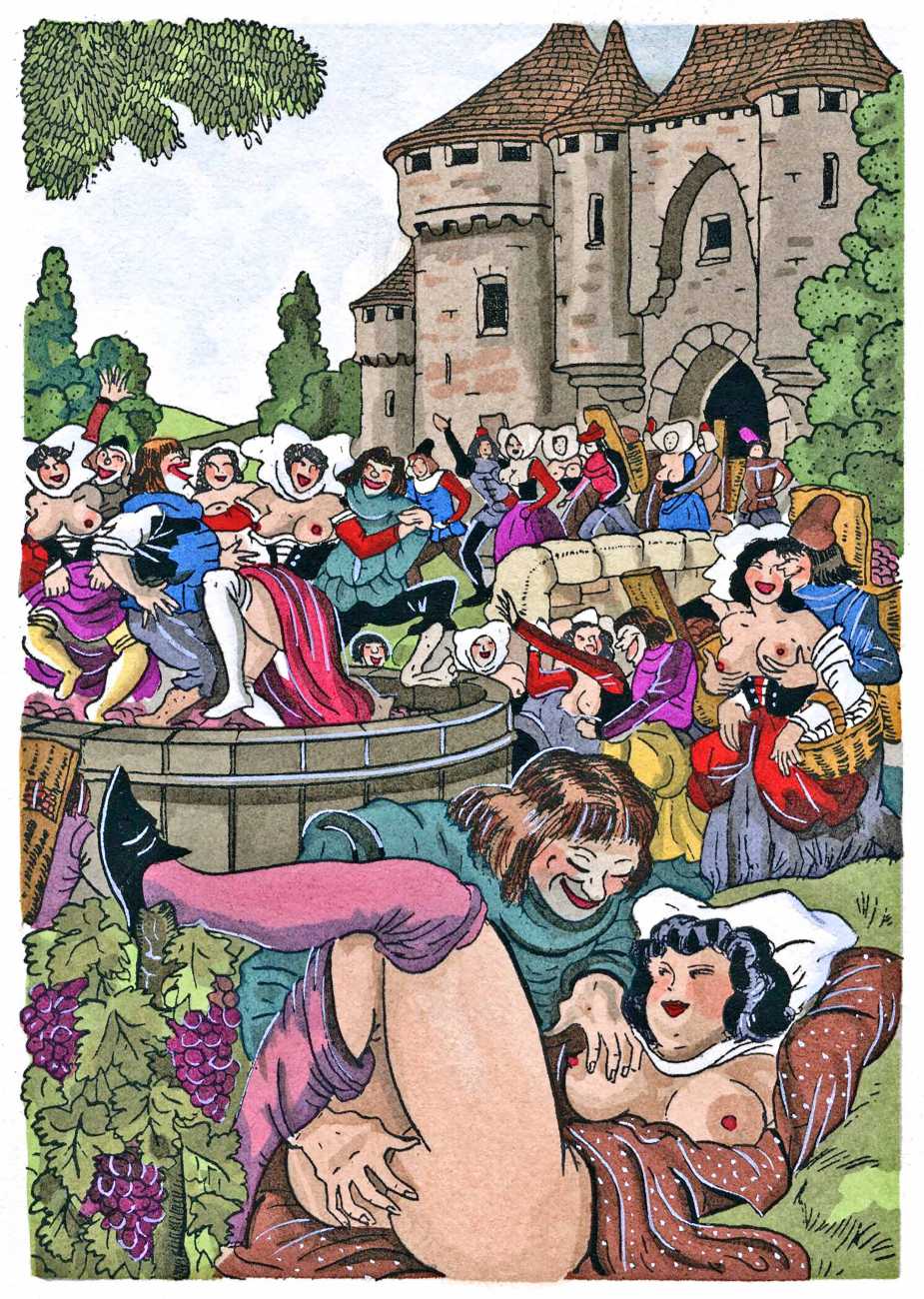
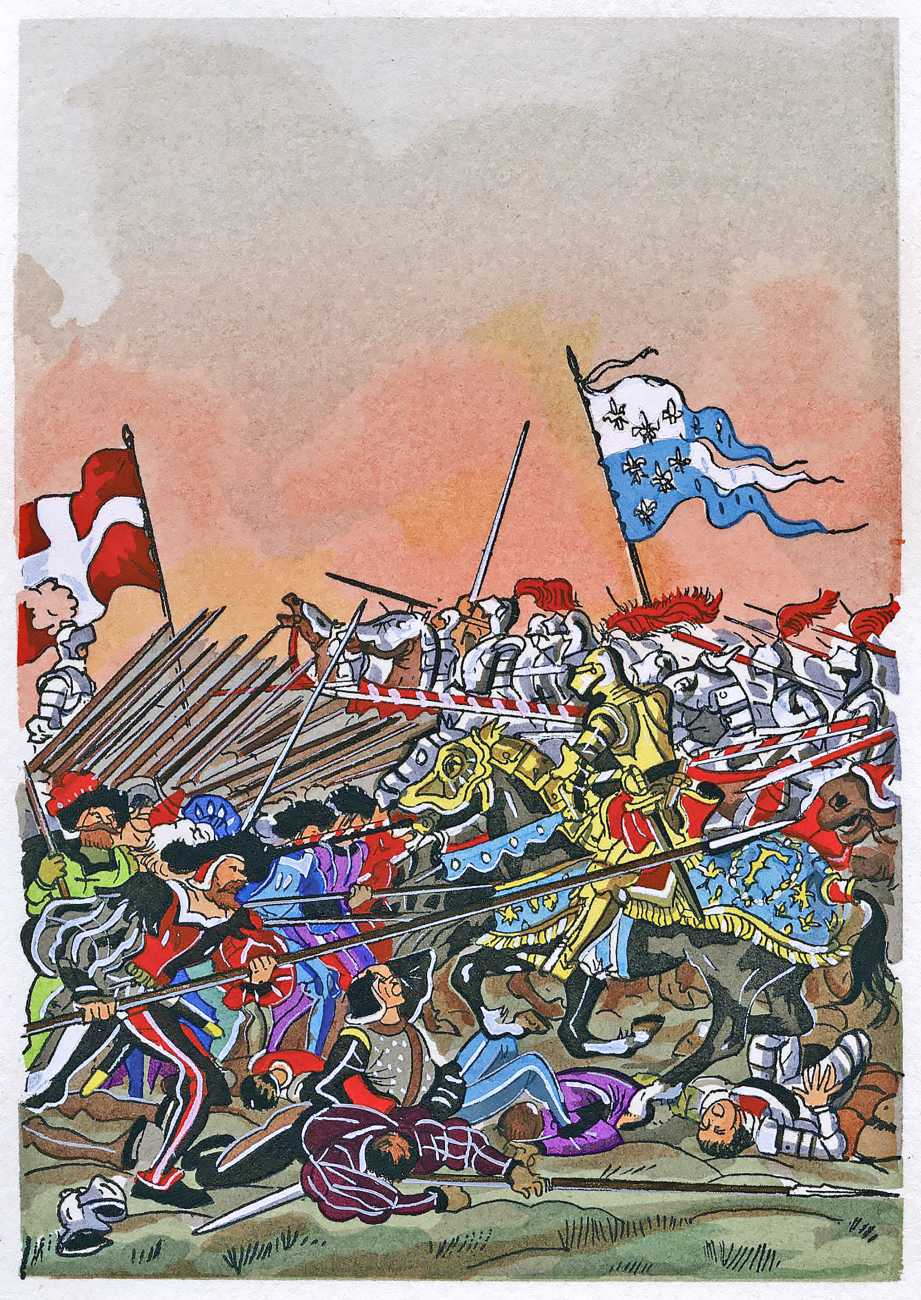
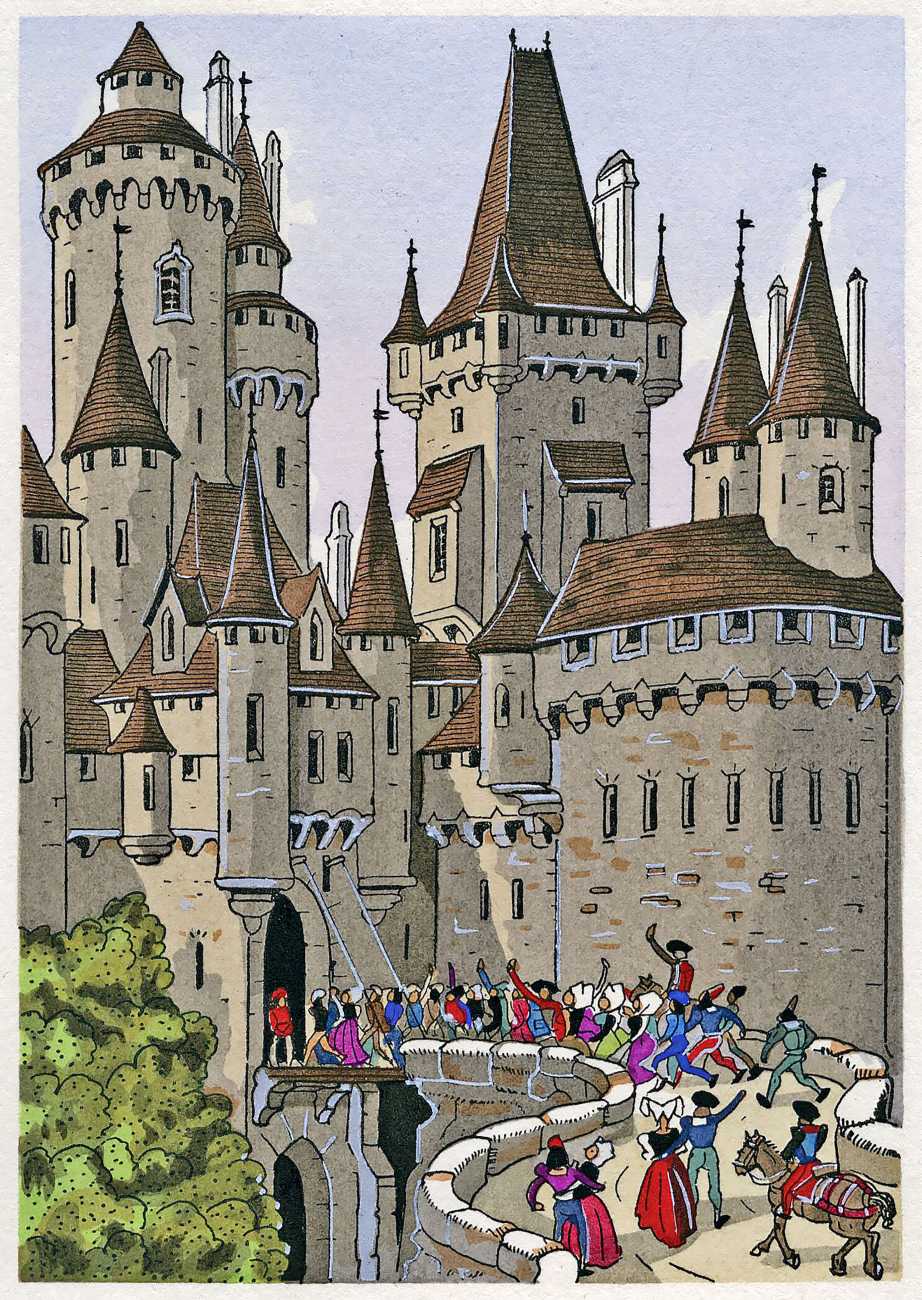
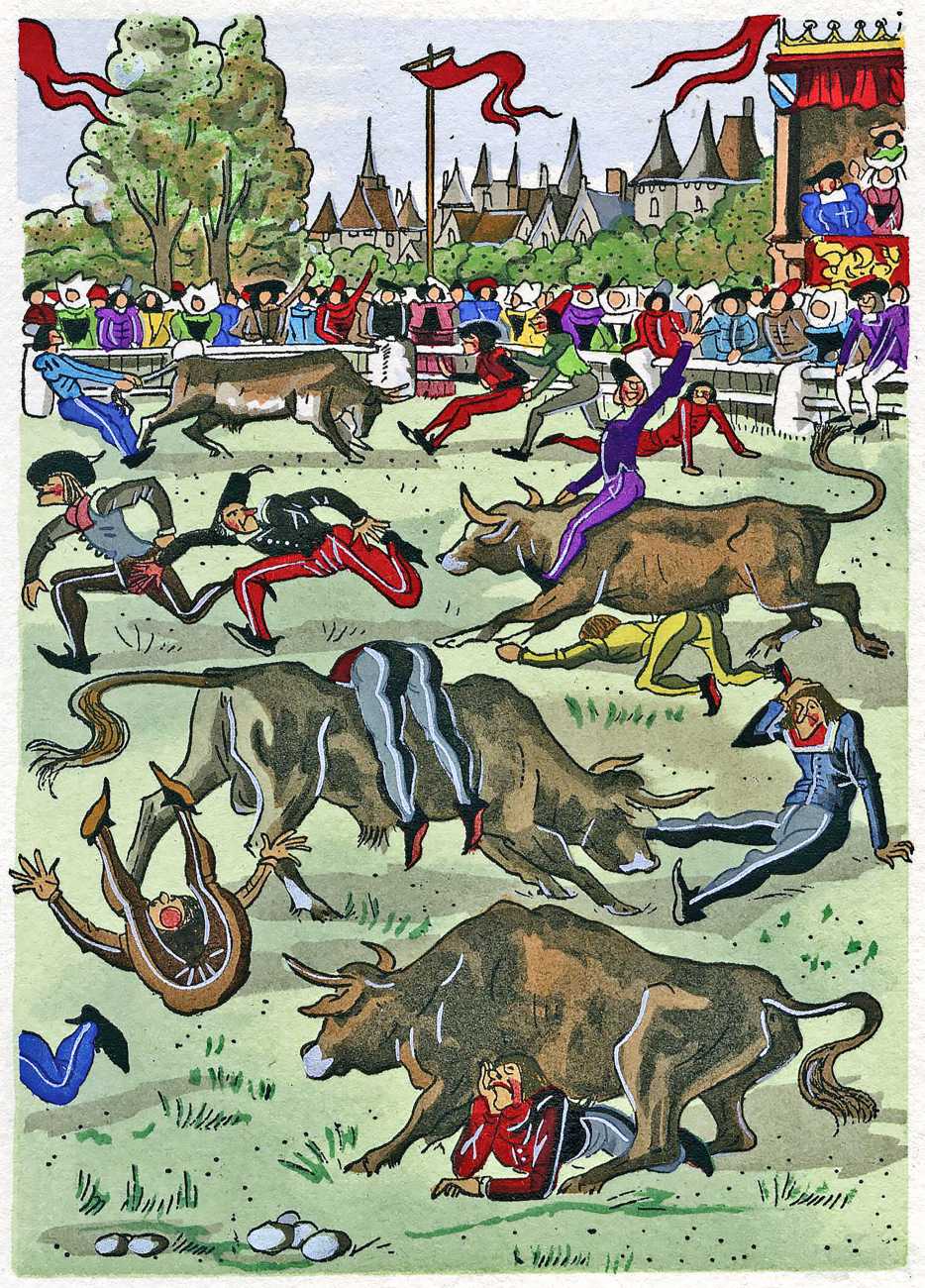
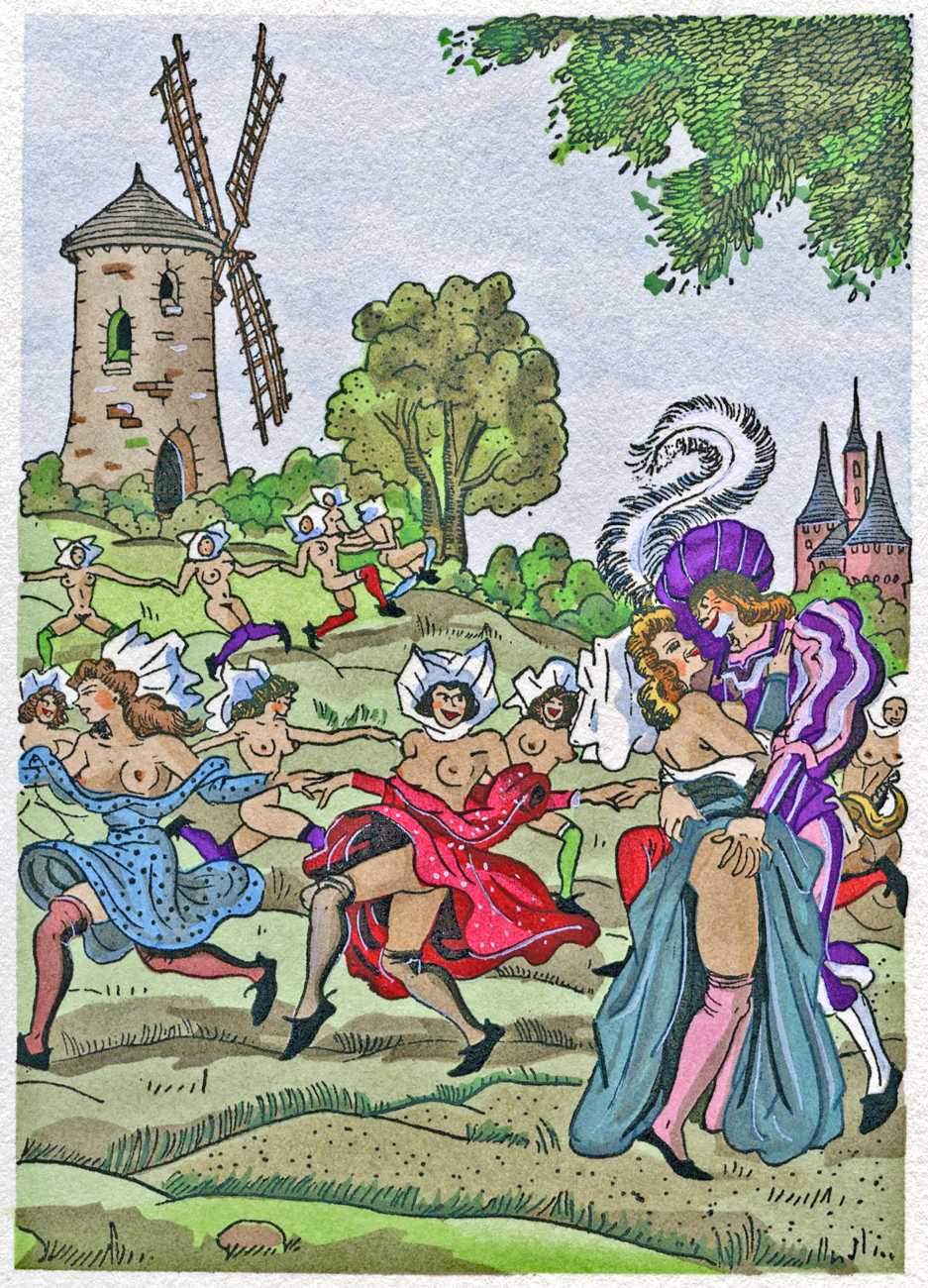
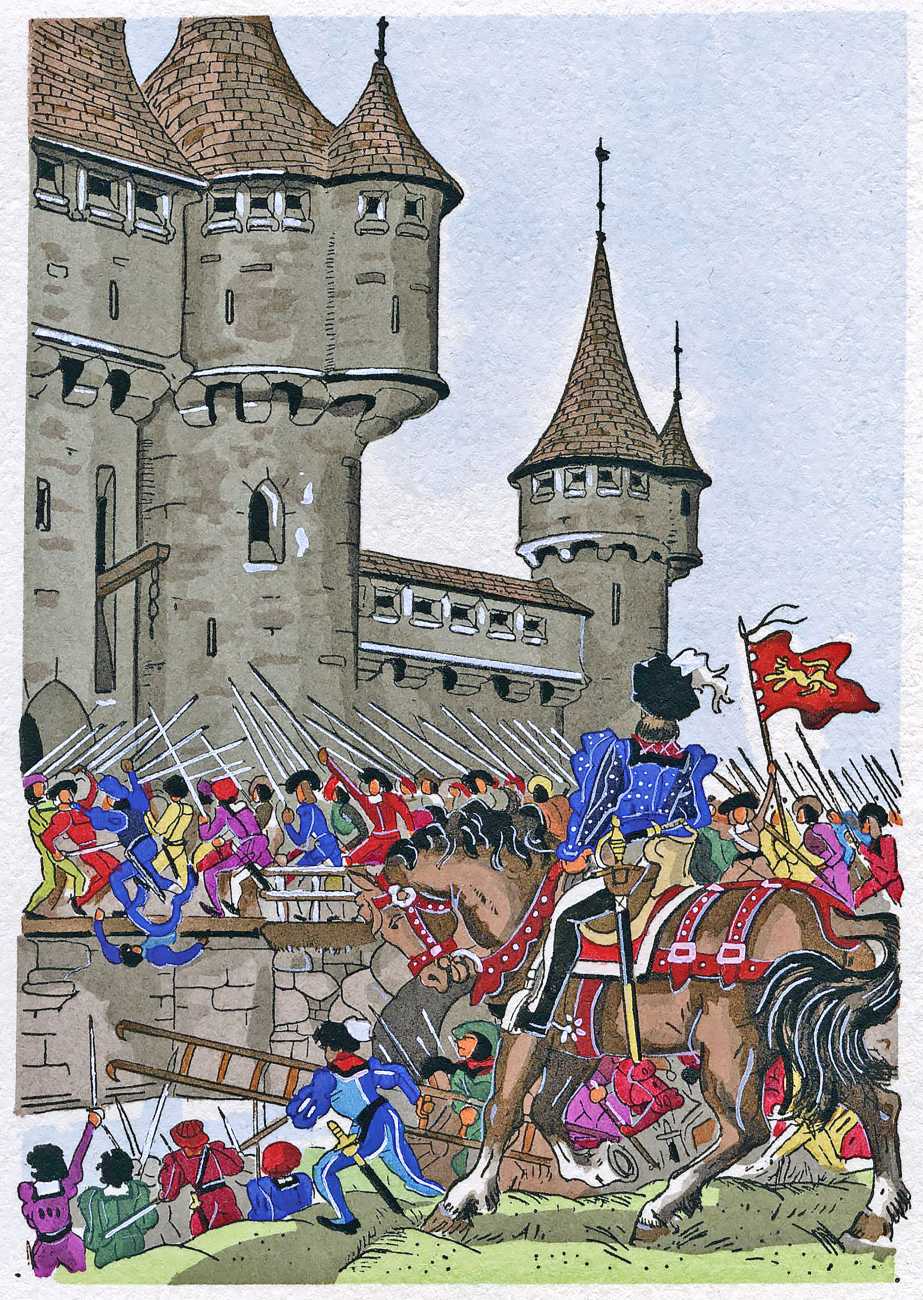
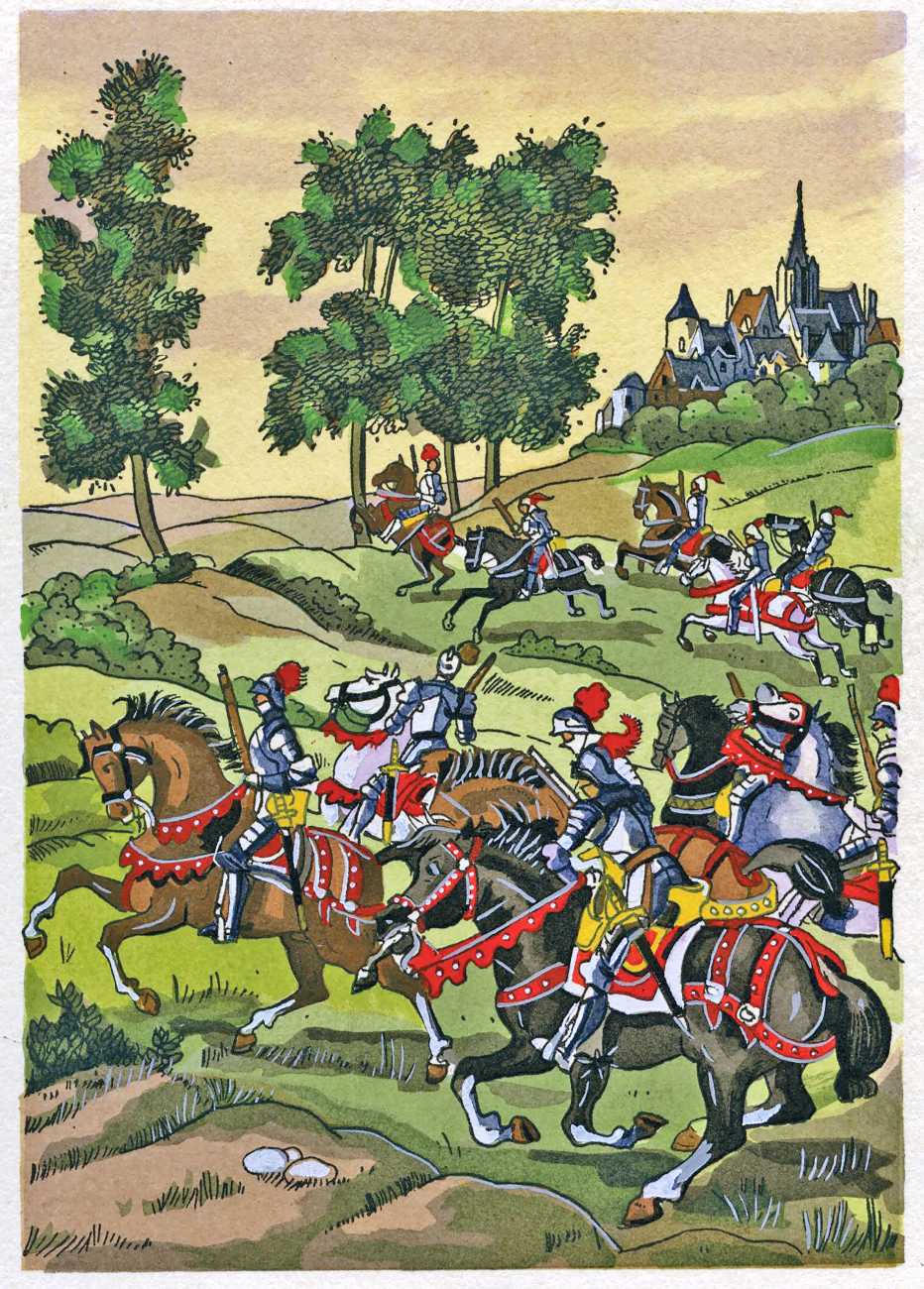
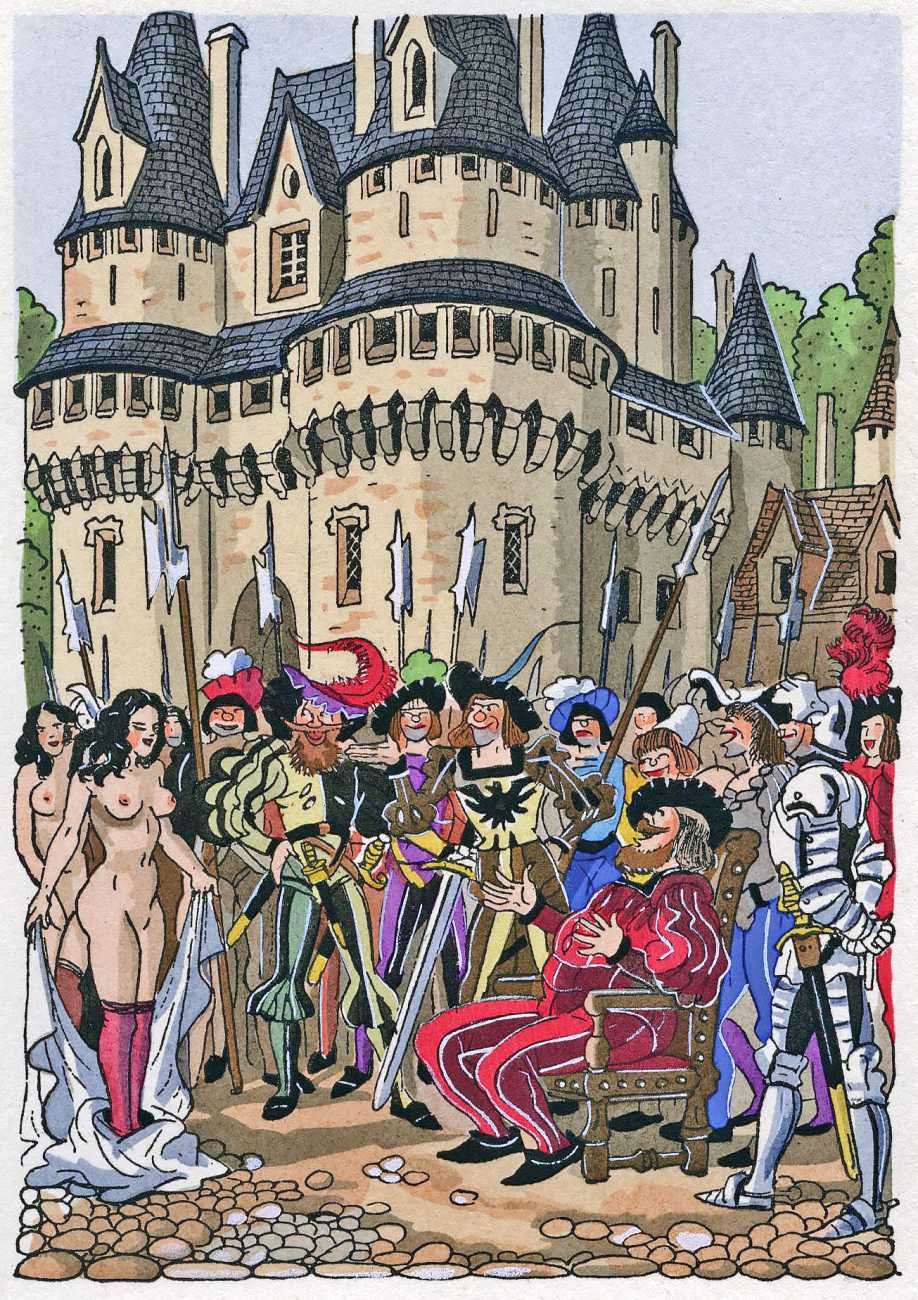
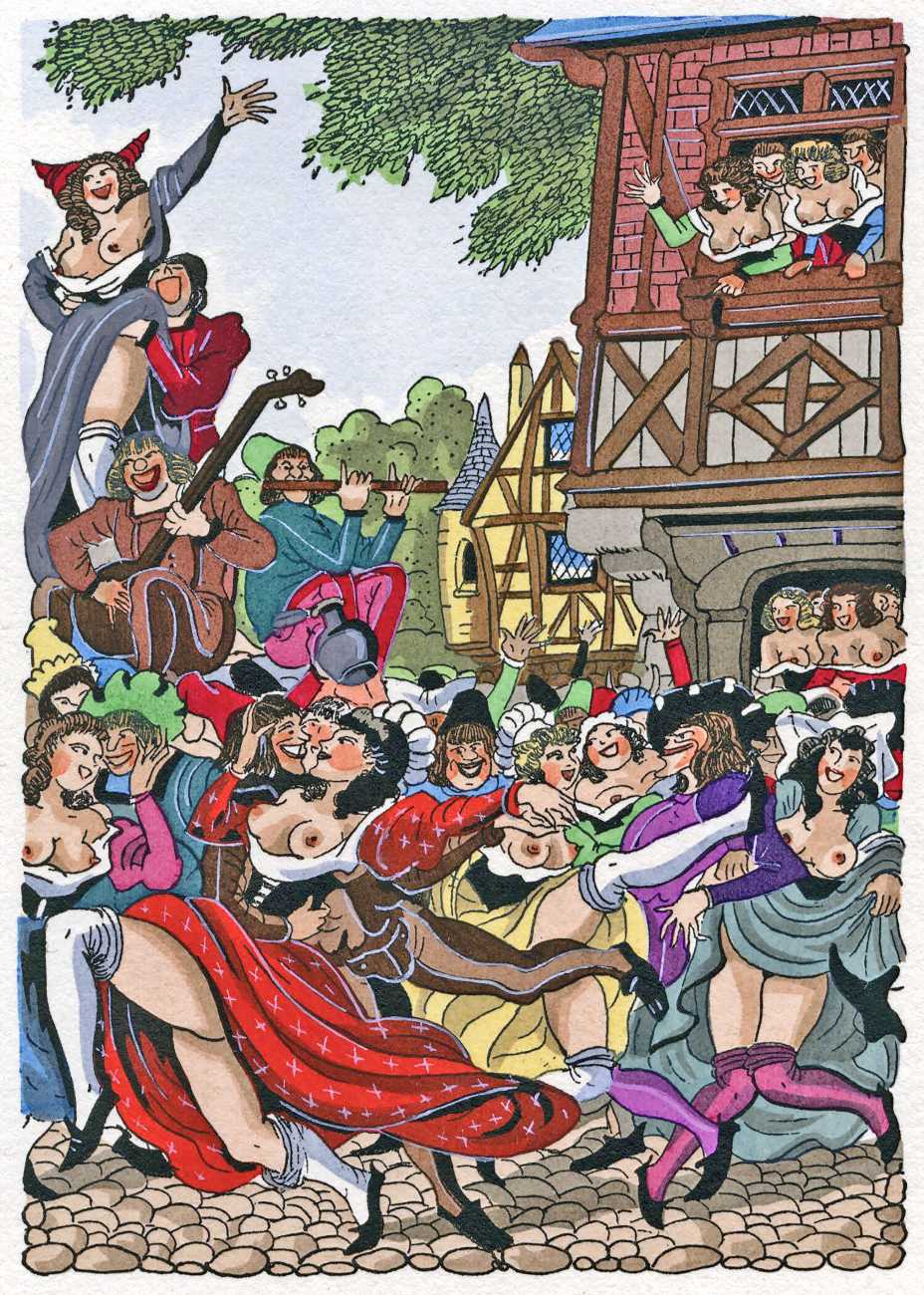
Jean Gradassi was commissioned to produce a new set of illustrations for Sciomachie, and is the perfect illustrator for Rabelais’ witty account of the over-the-top celebrations, with plenty of naked flesh to add to the entertainment.
The Gradassi-illustrated Sciomachie was published by Éditions d’Art Eryx, in a limited, numbered and boxed edition of 489 copies.