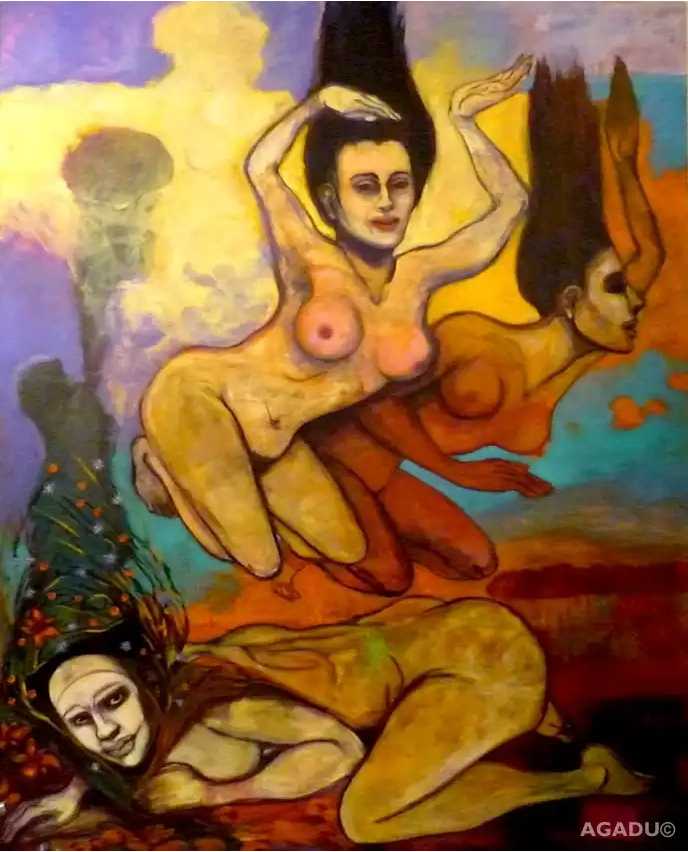
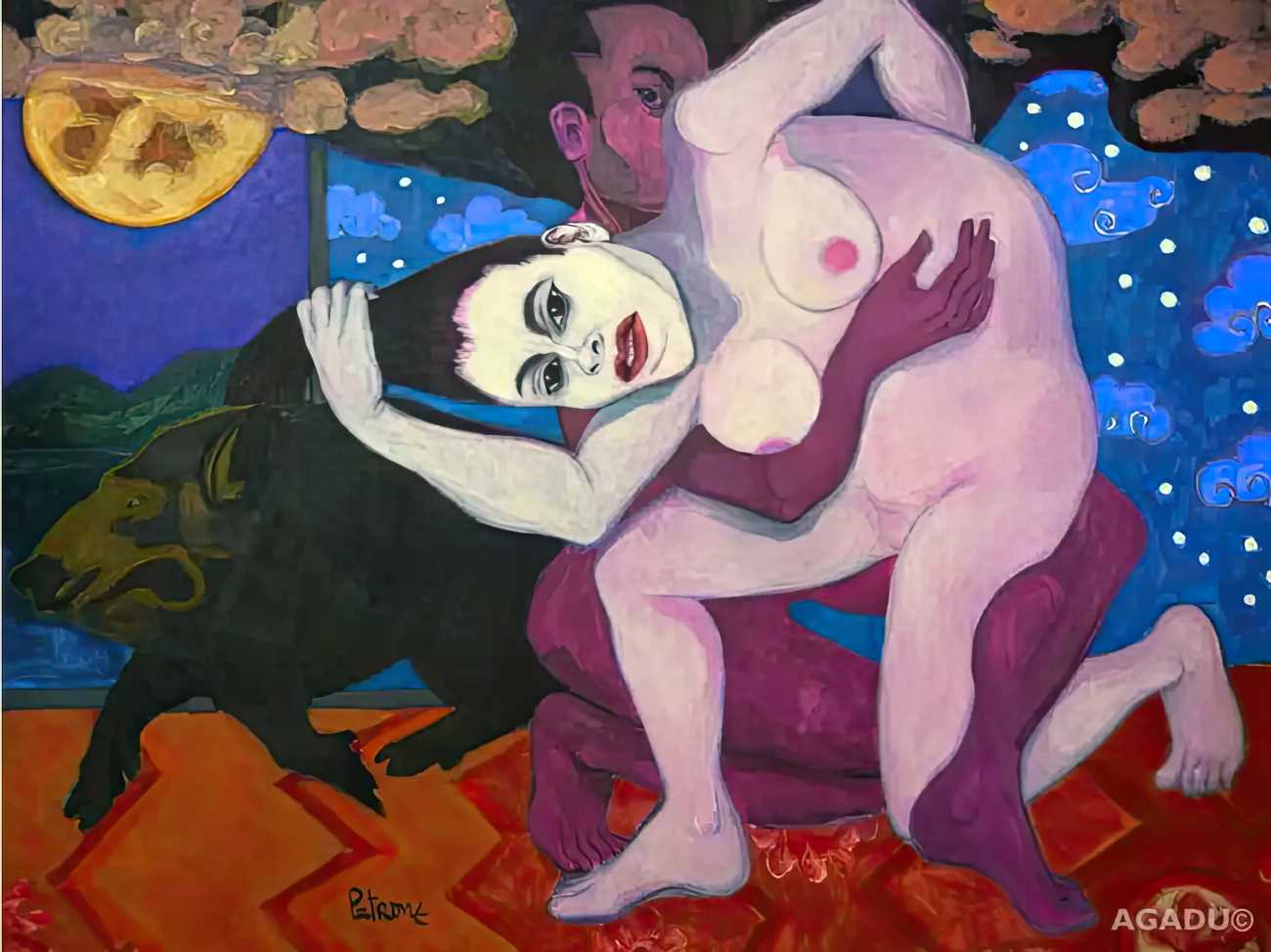
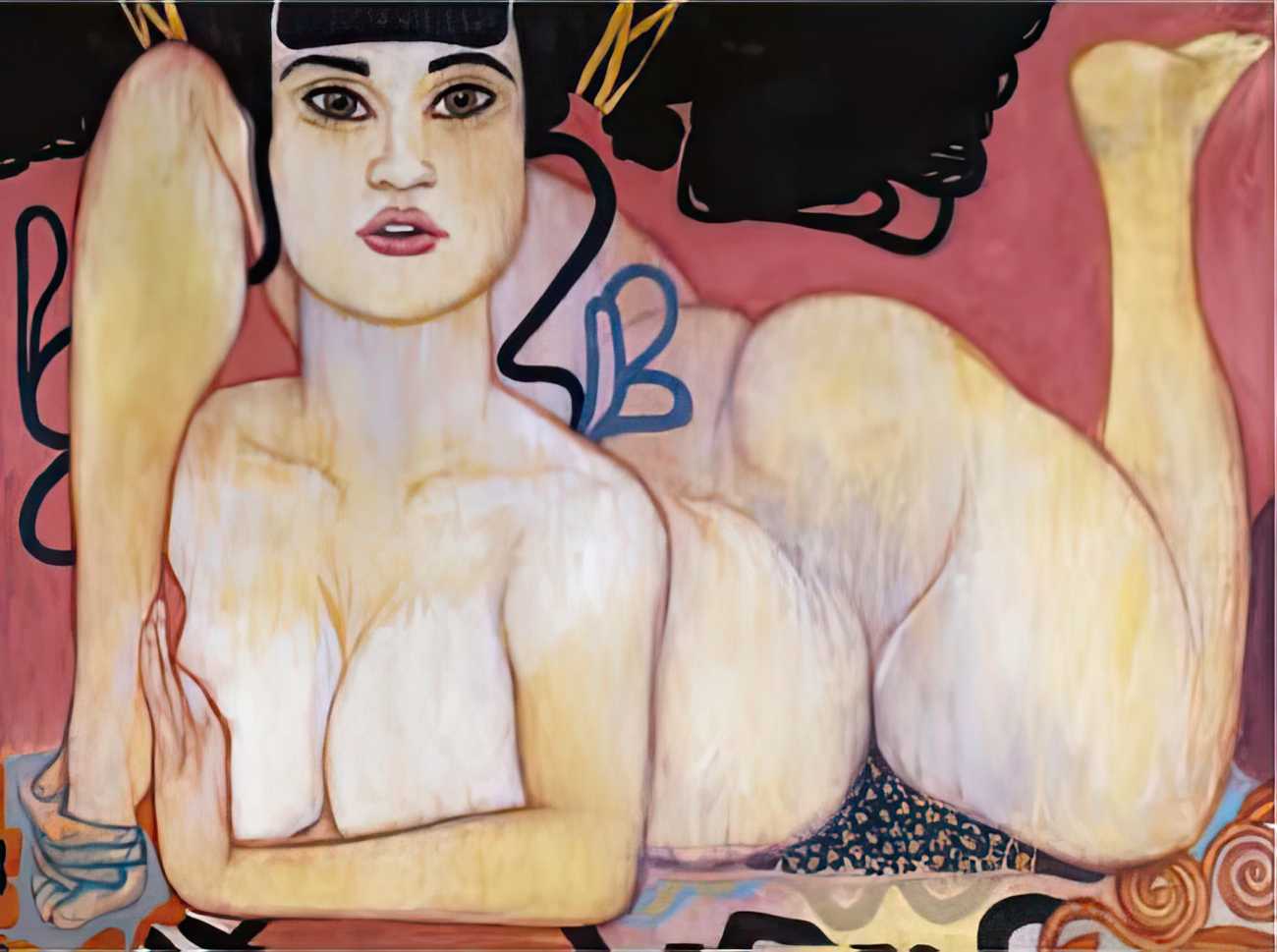
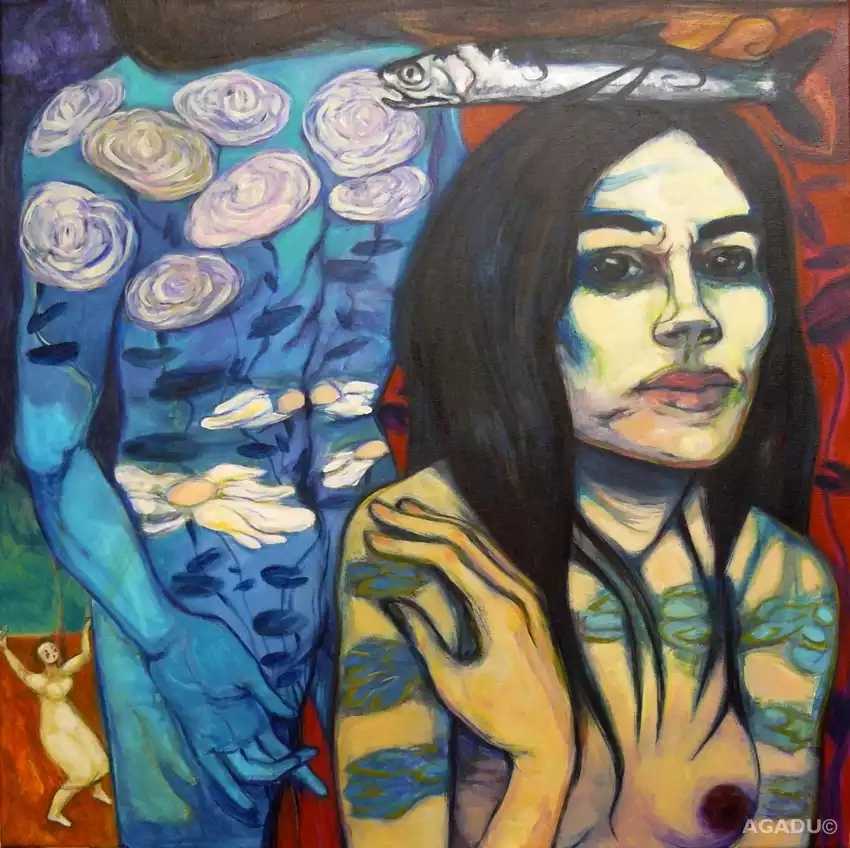
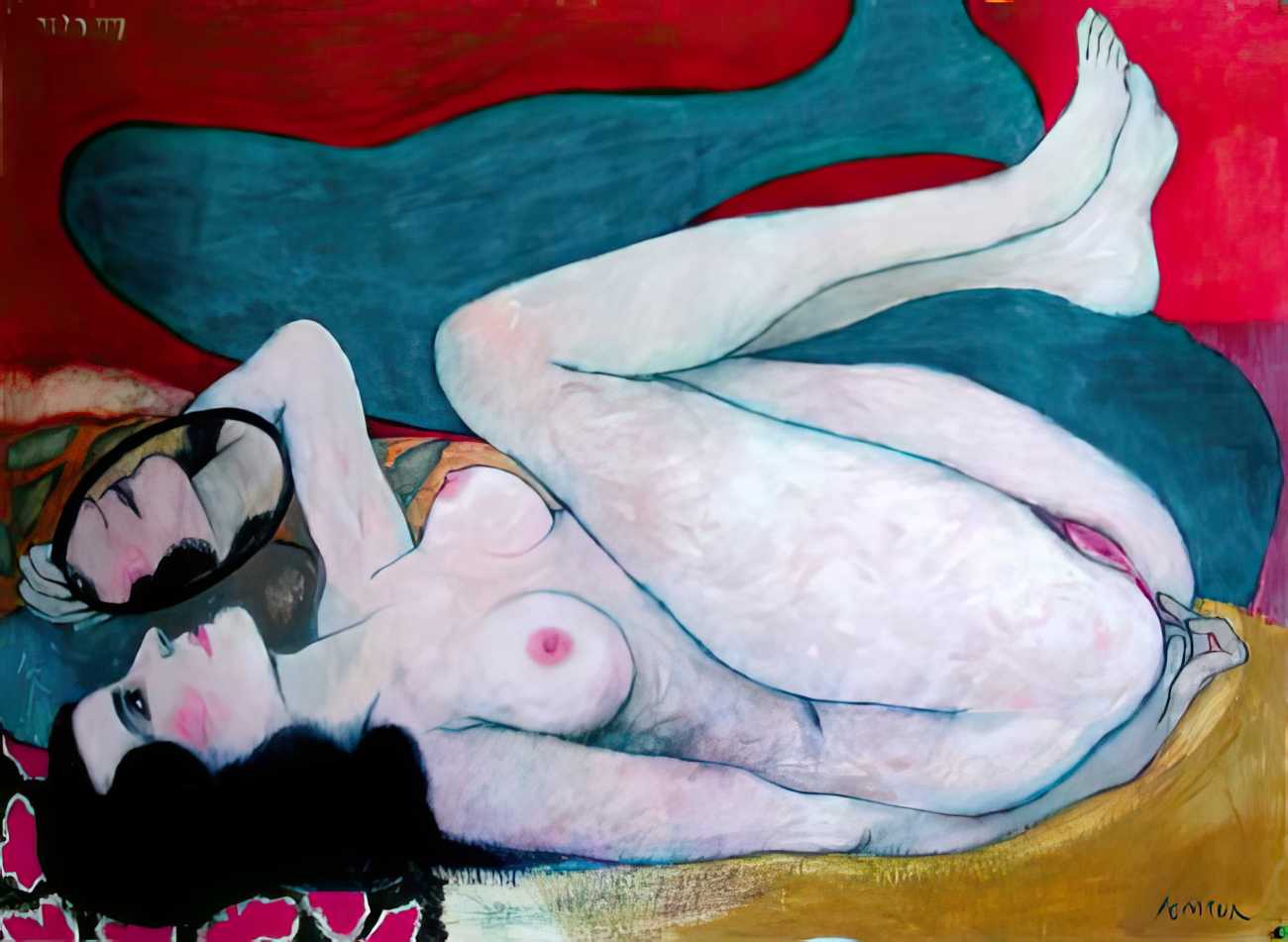
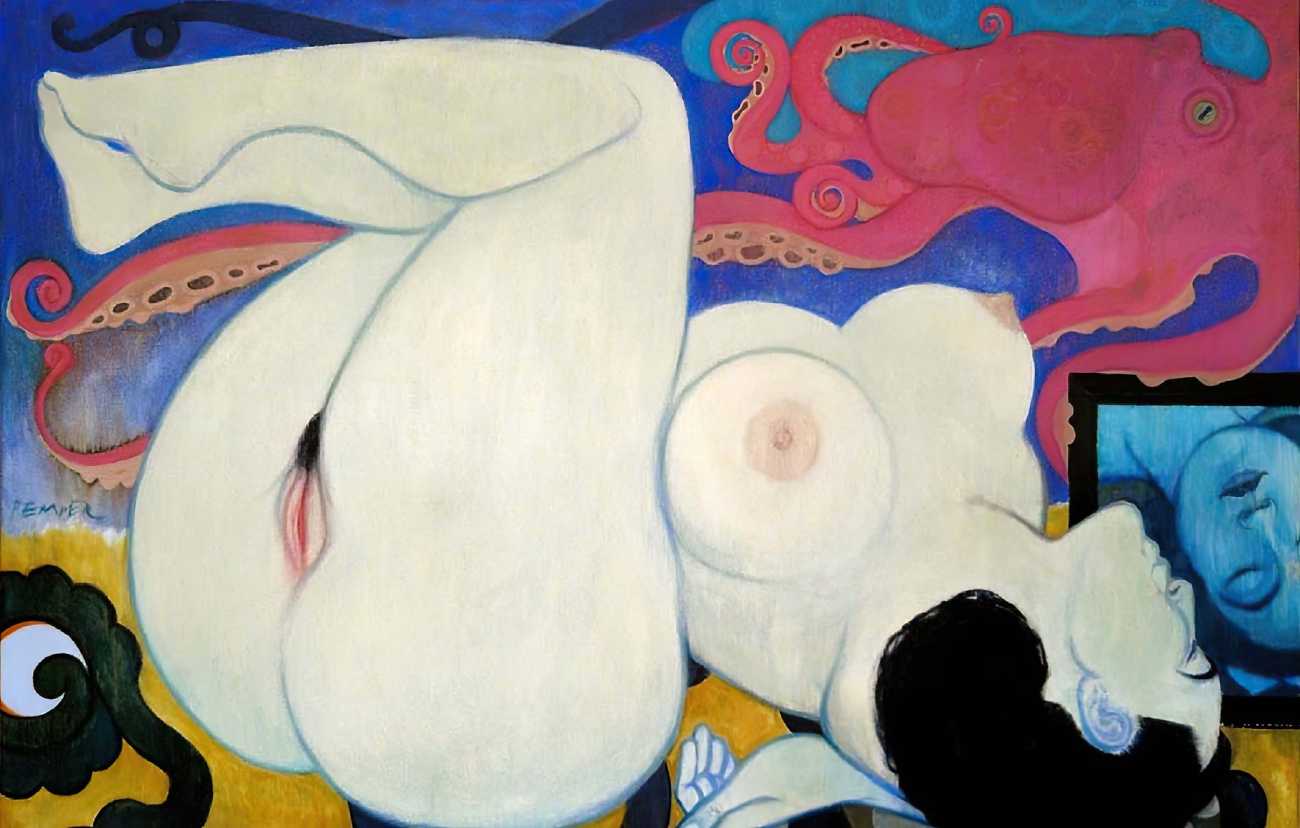
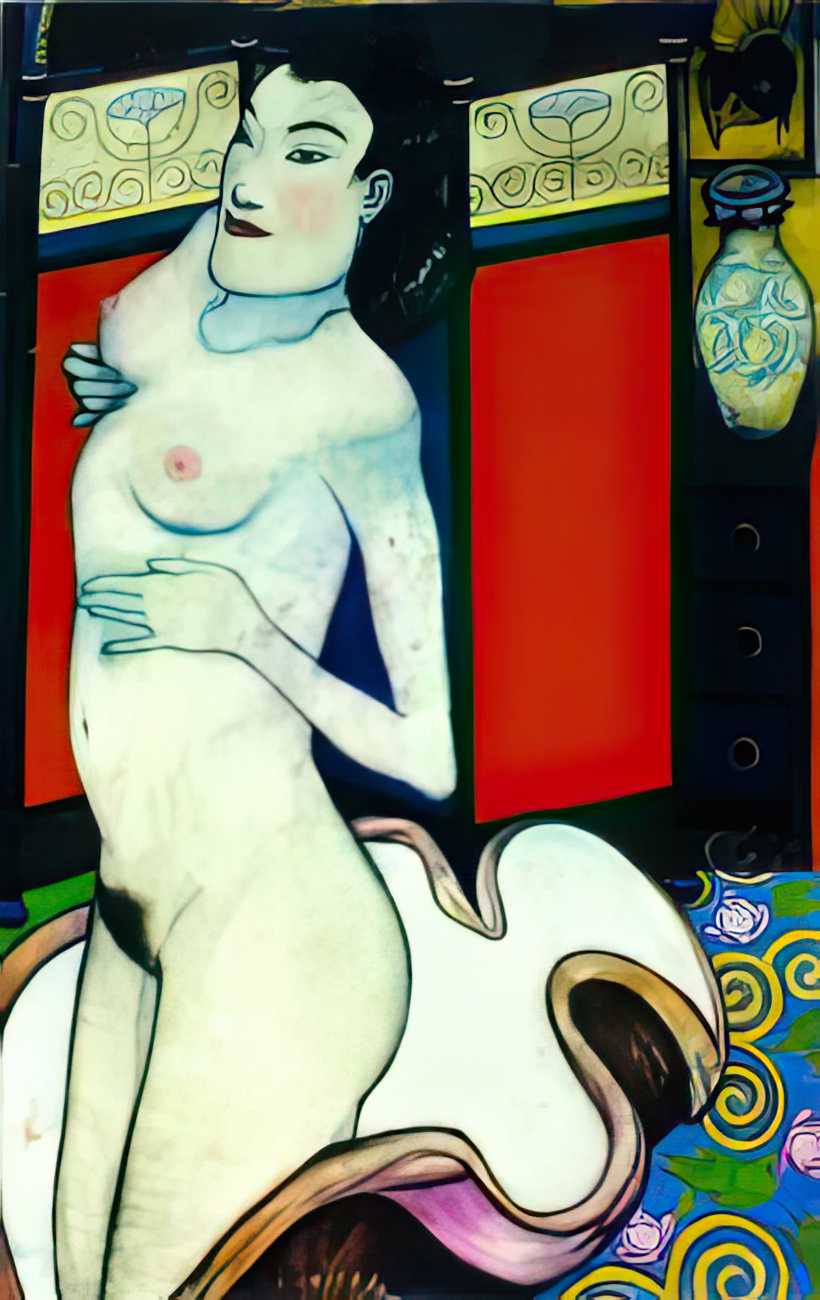
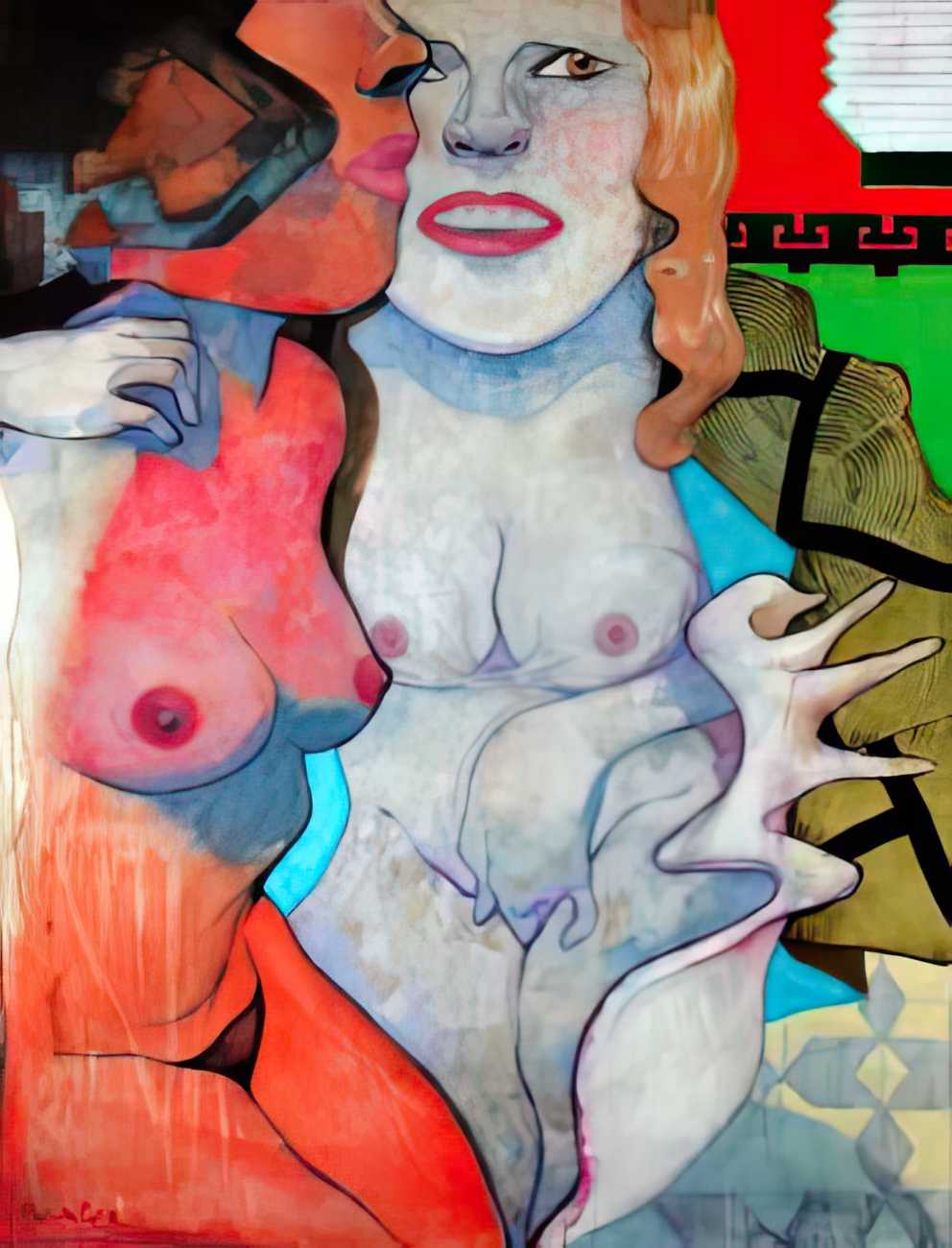
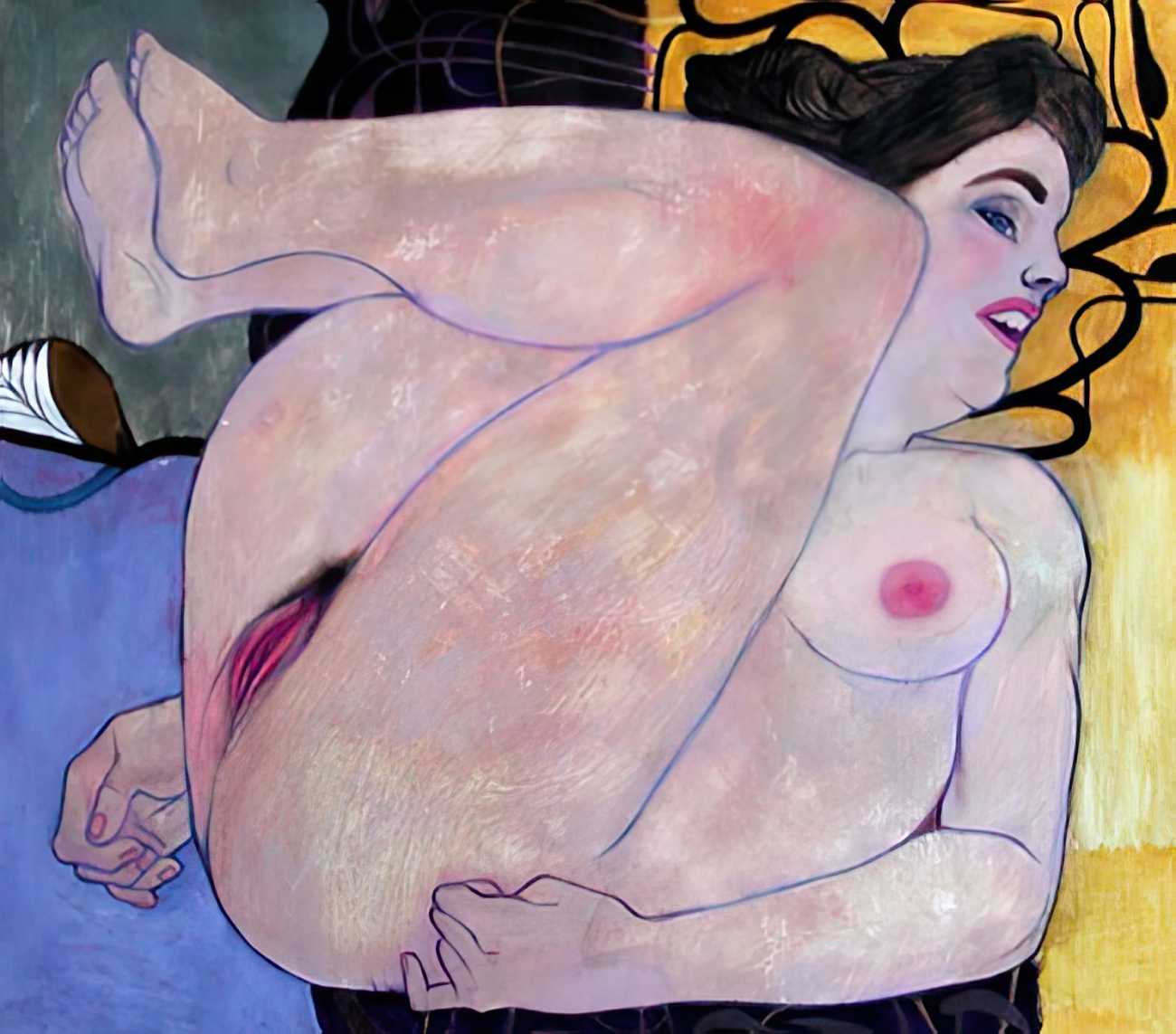
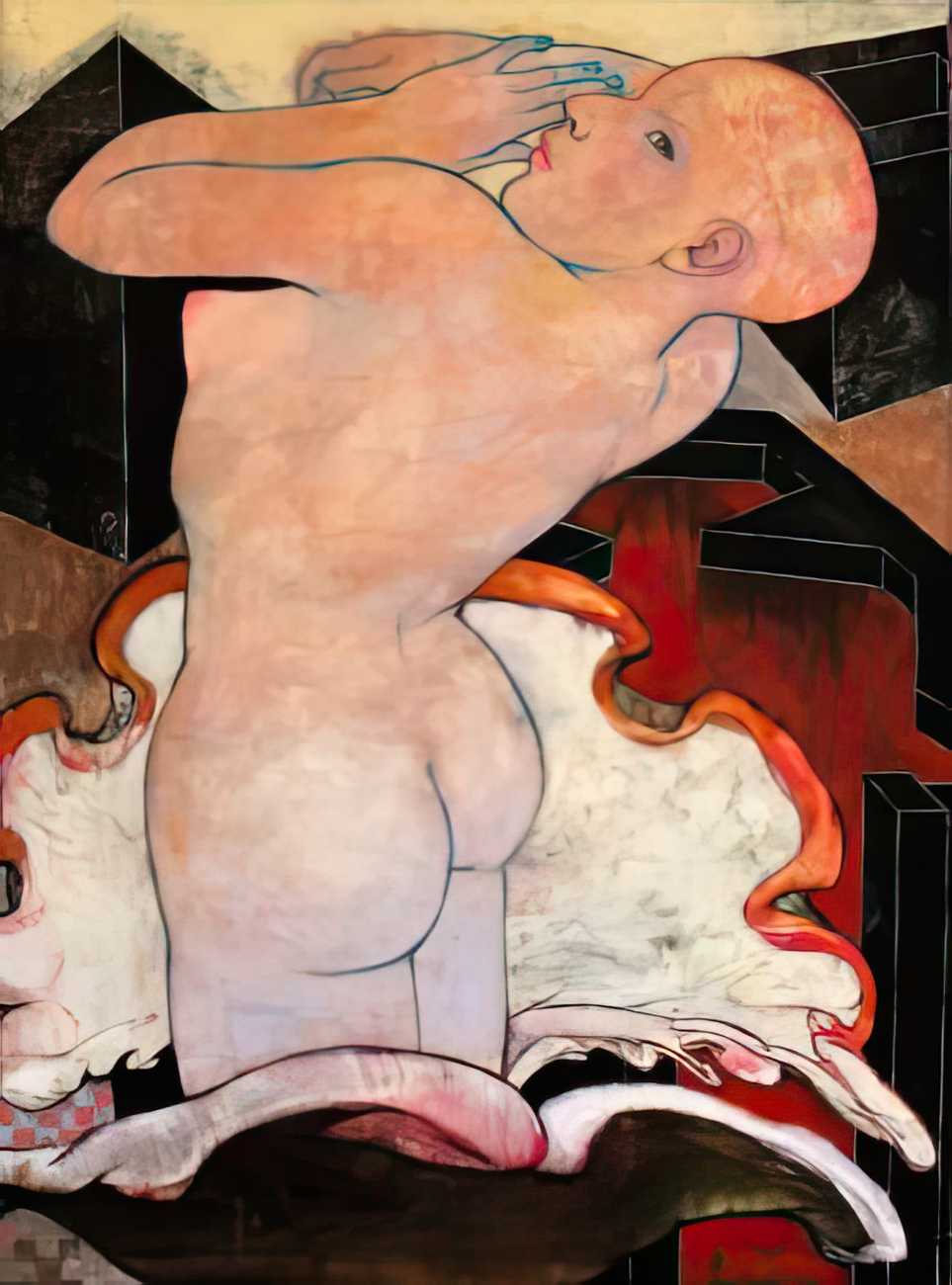
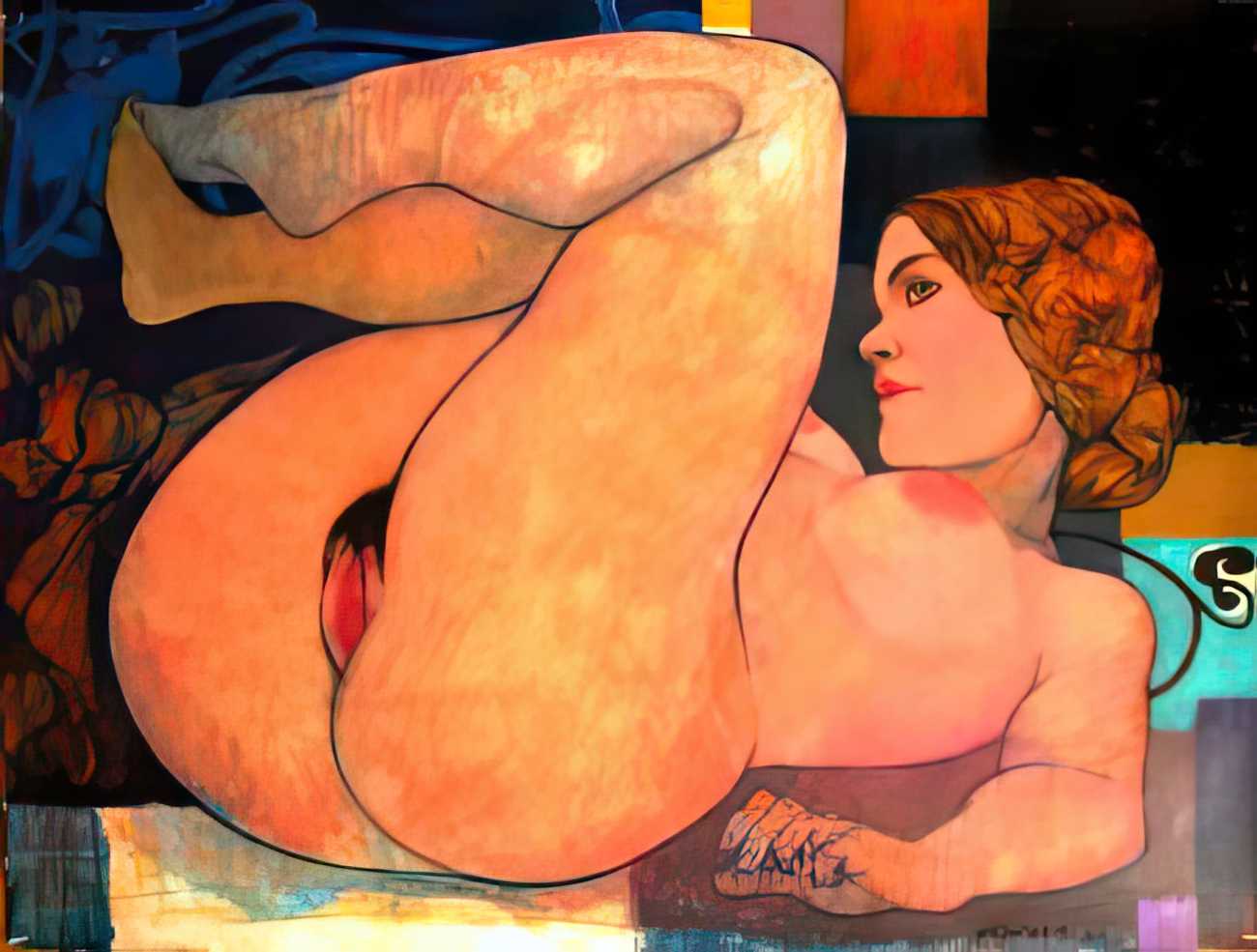
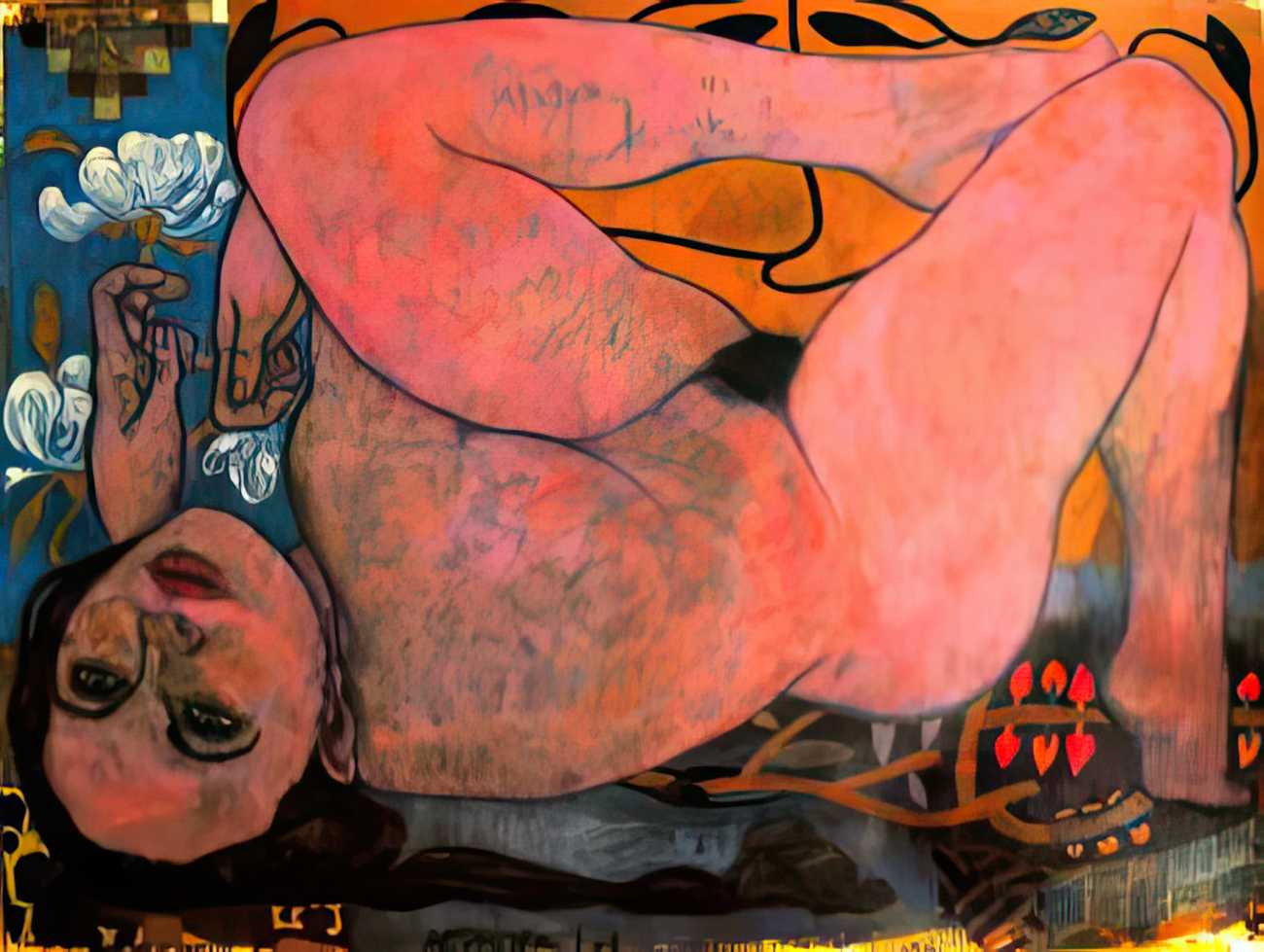
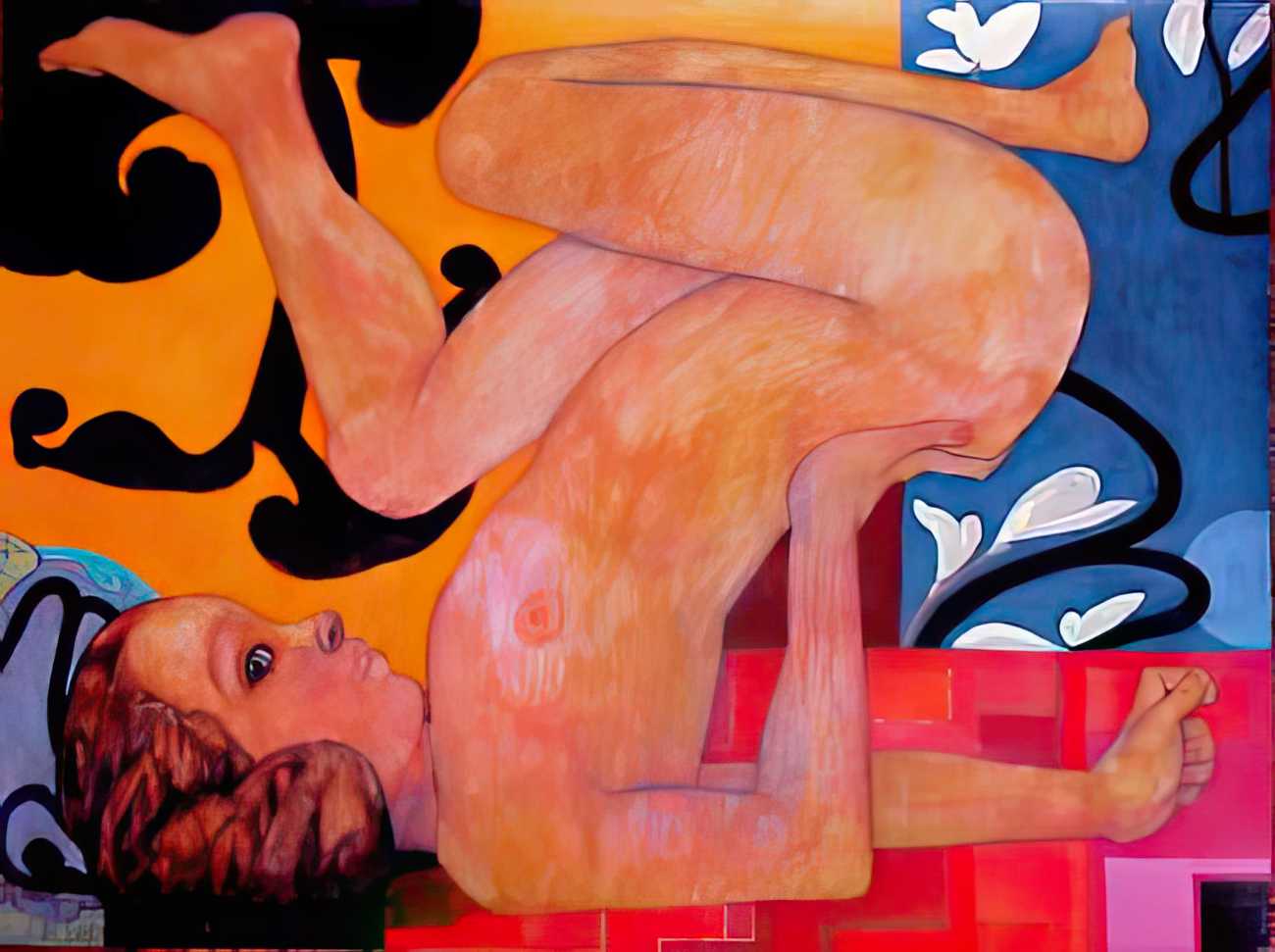
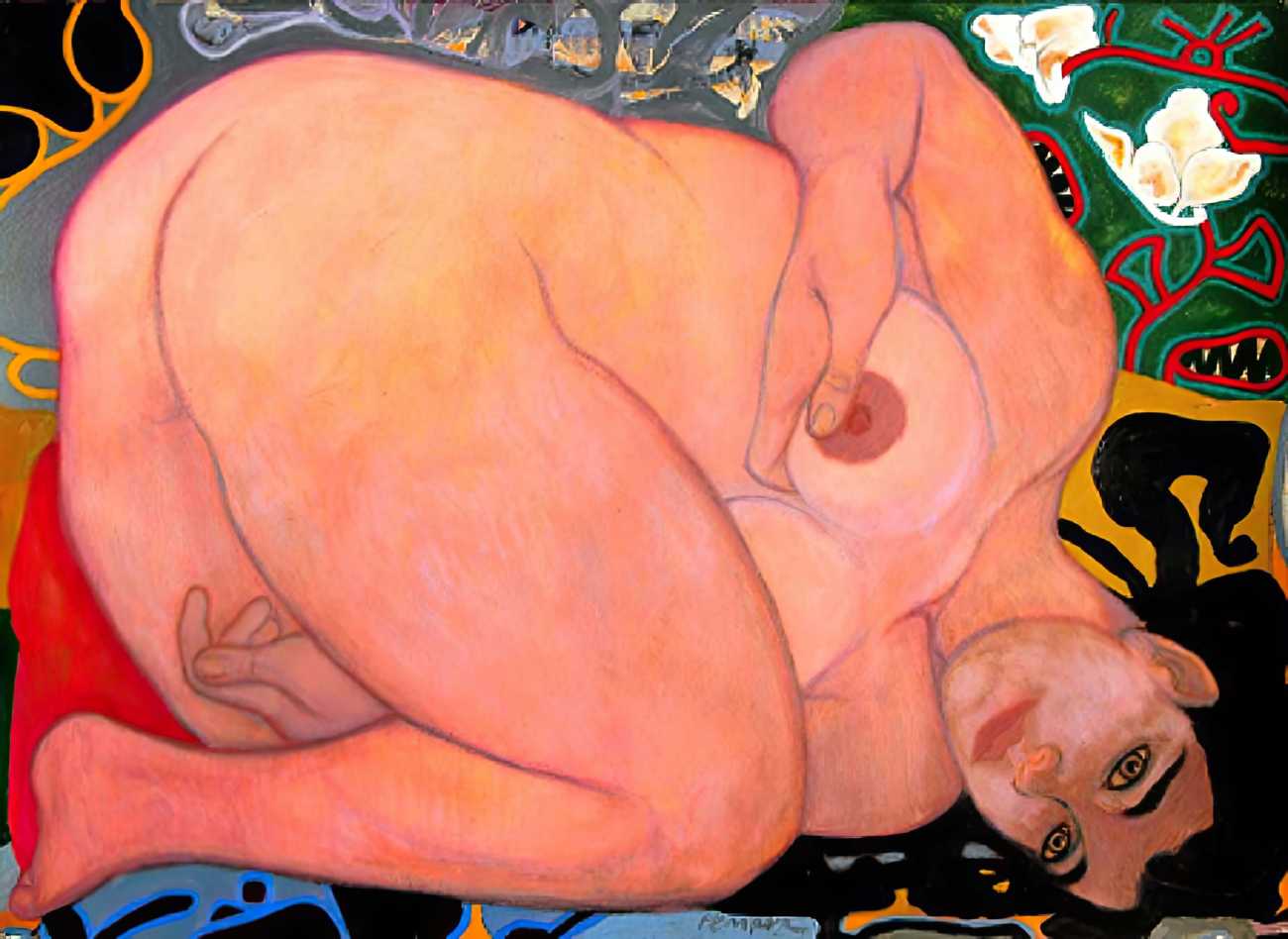
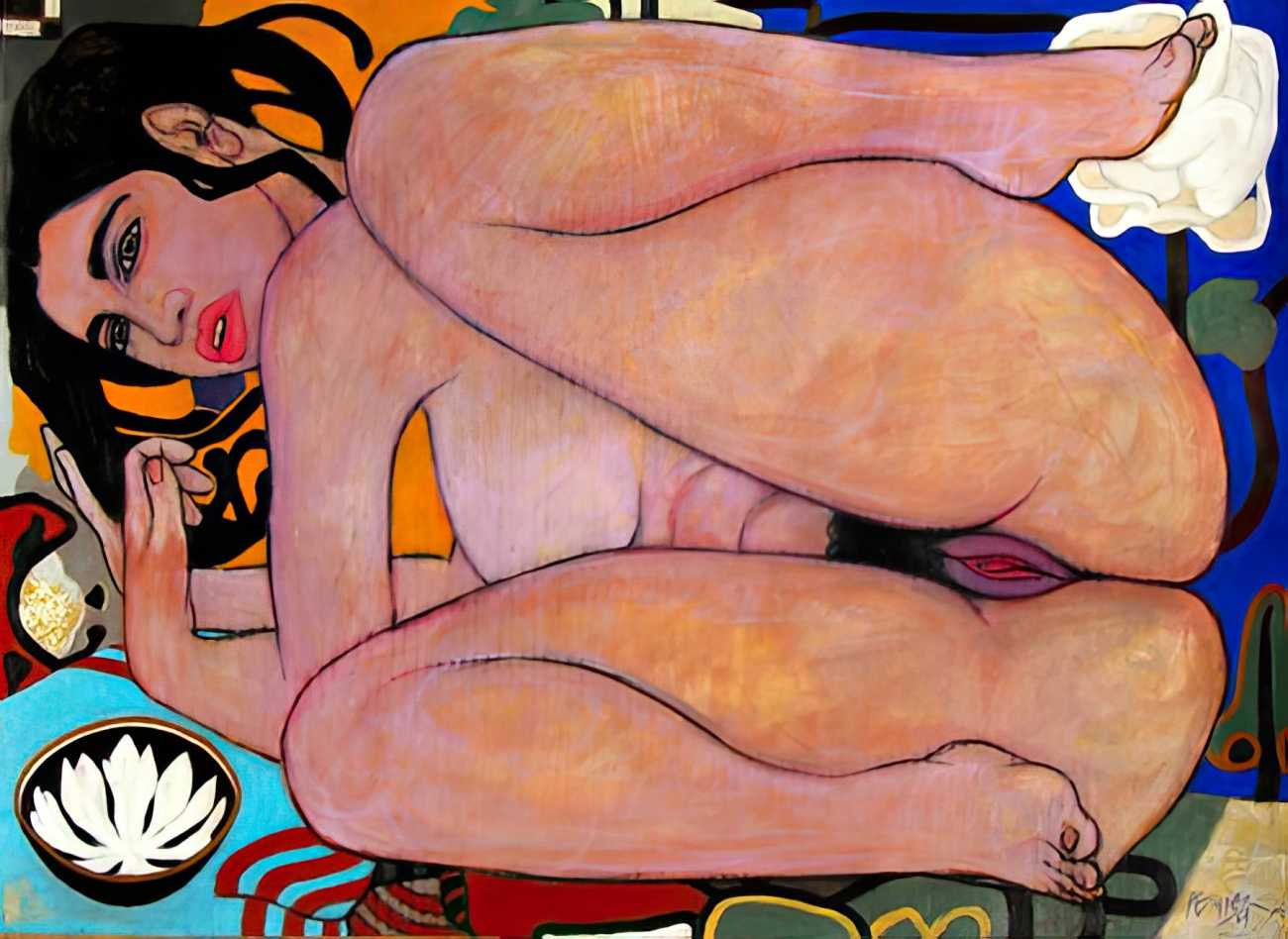
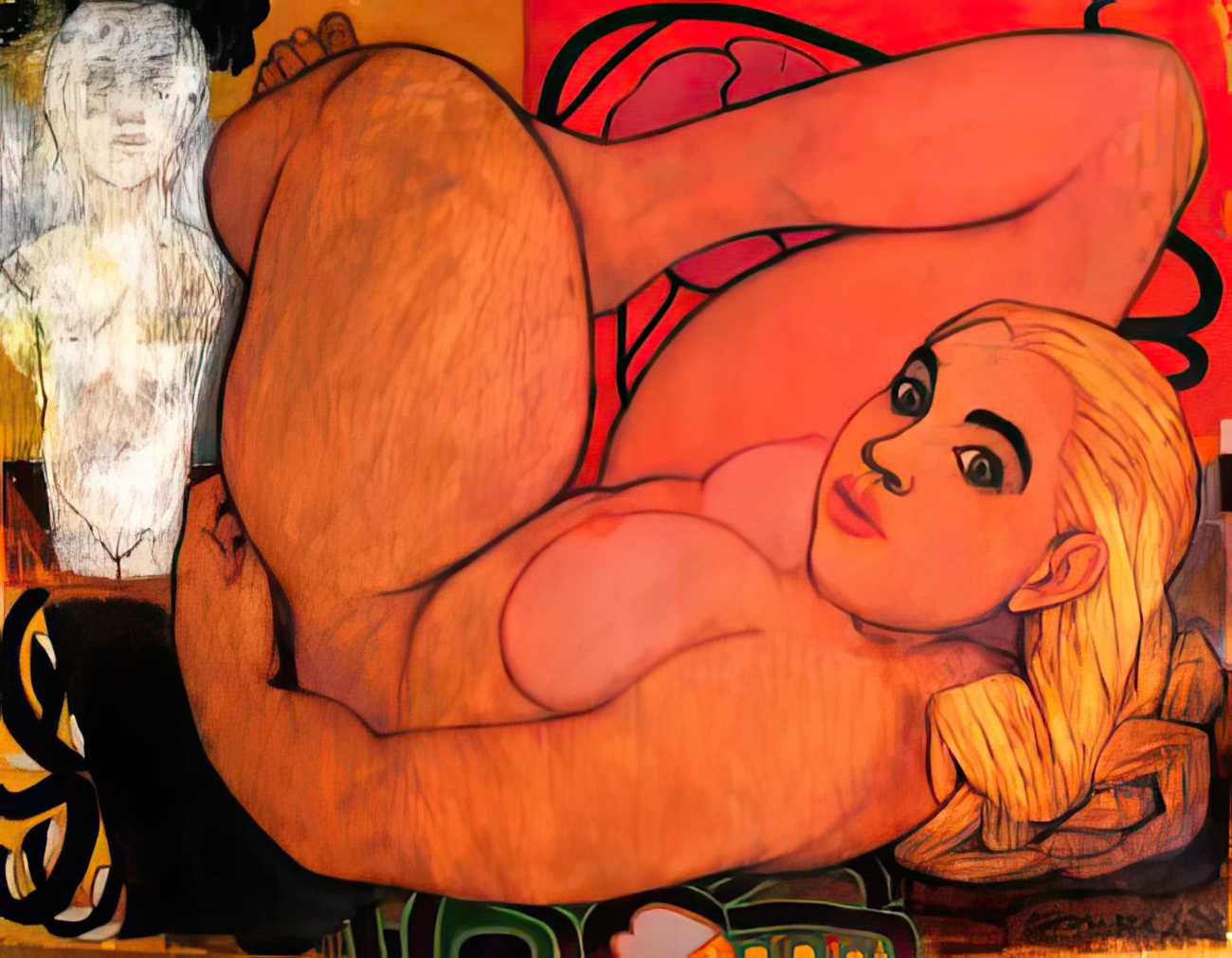
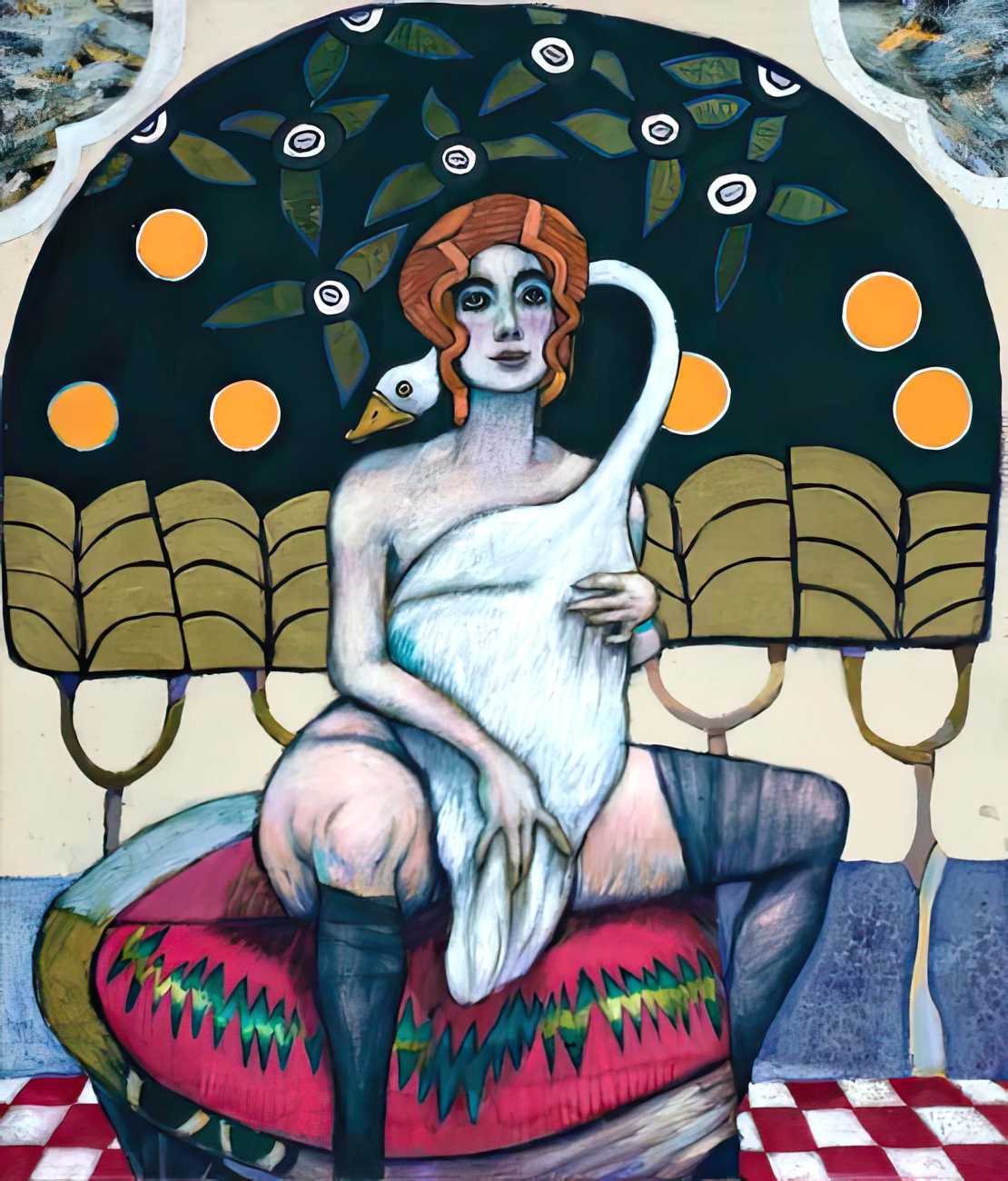
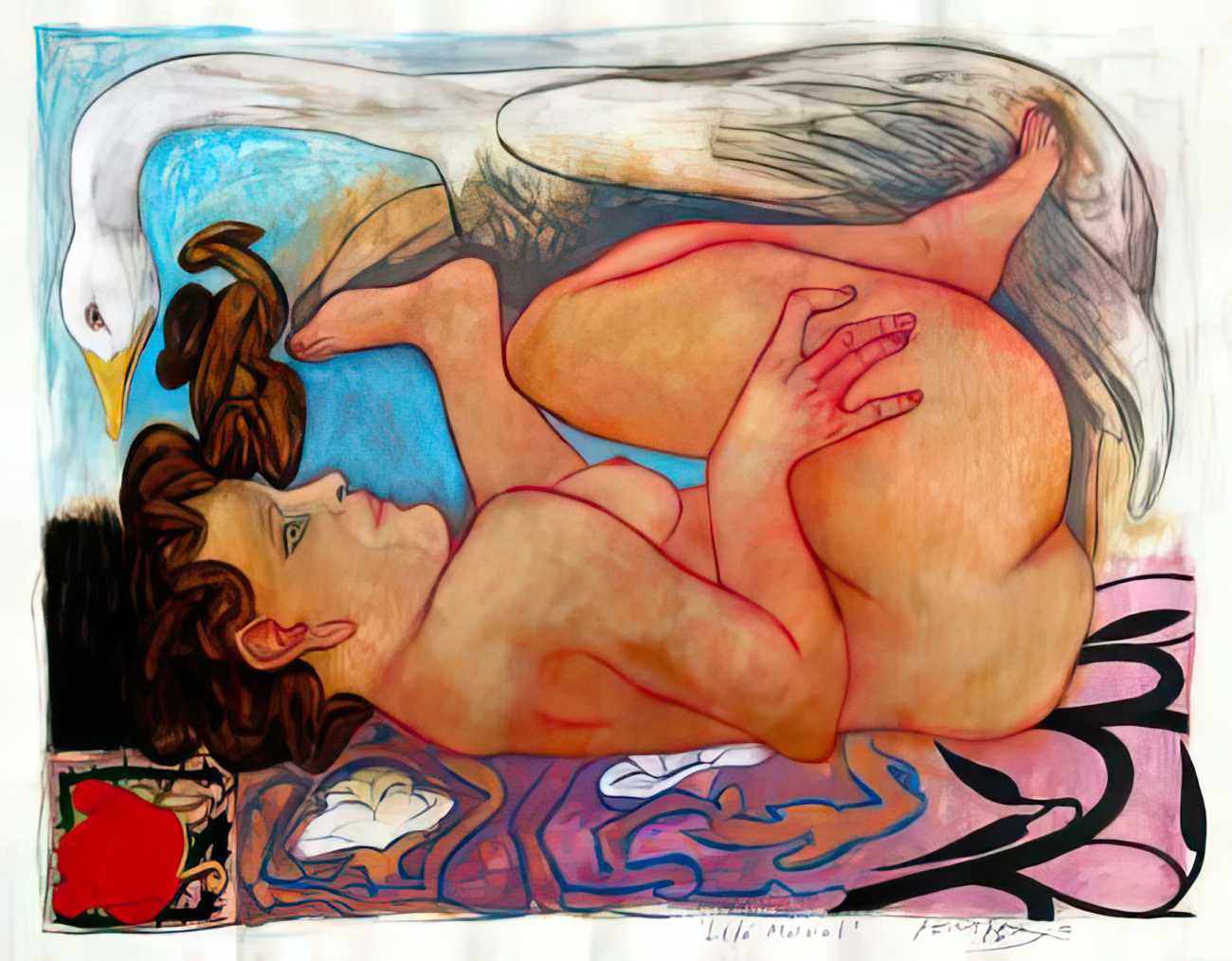
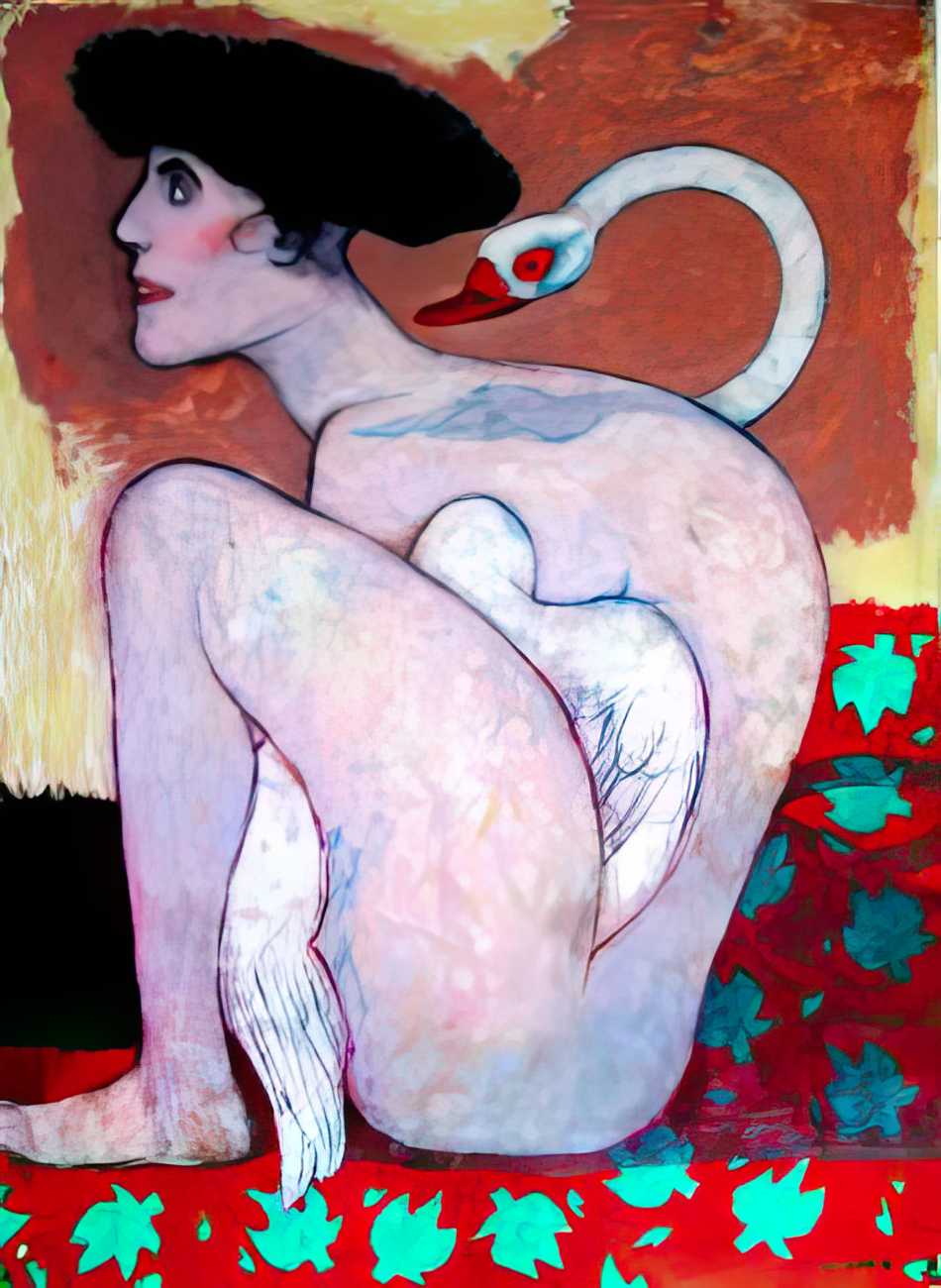
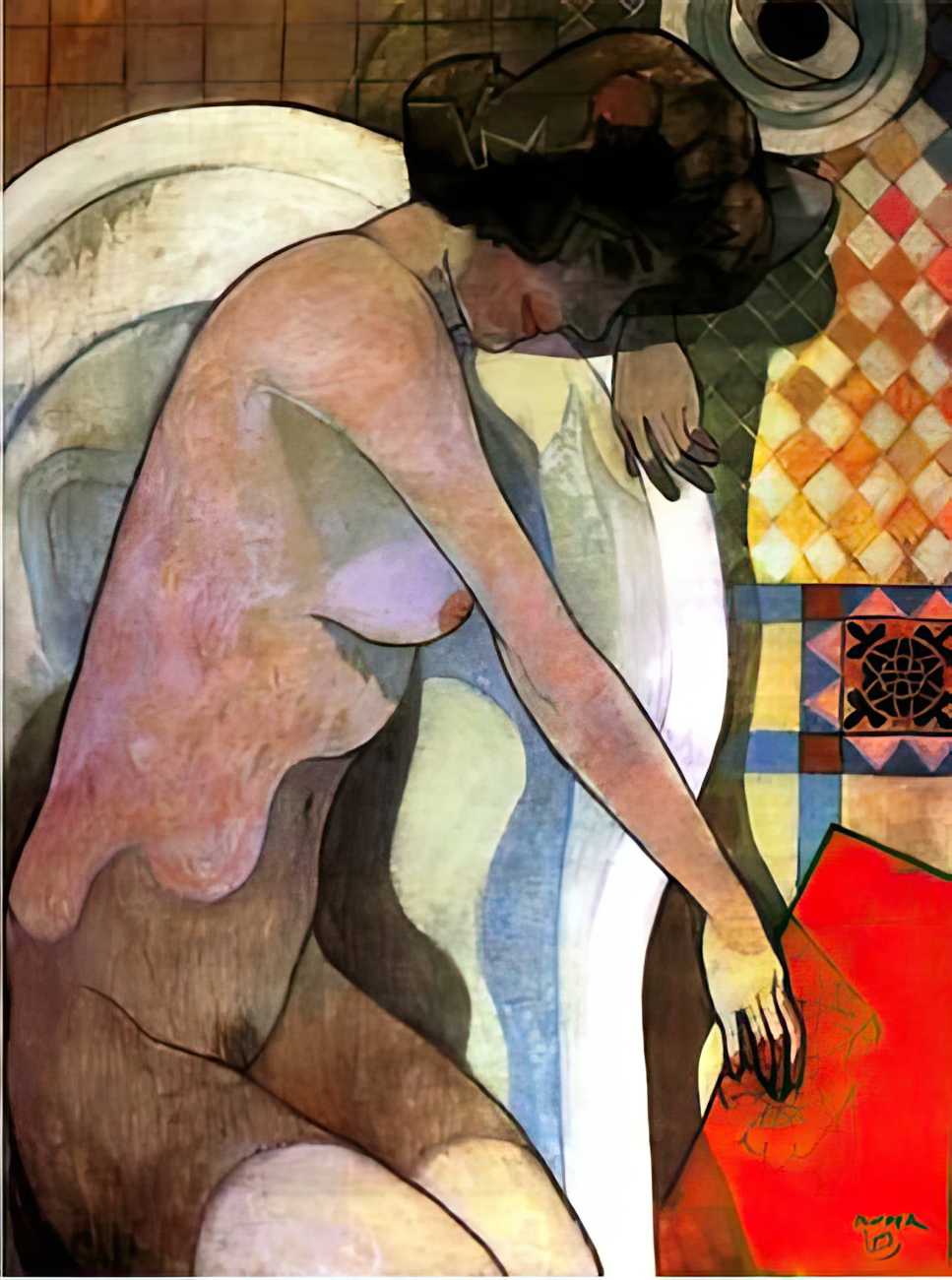
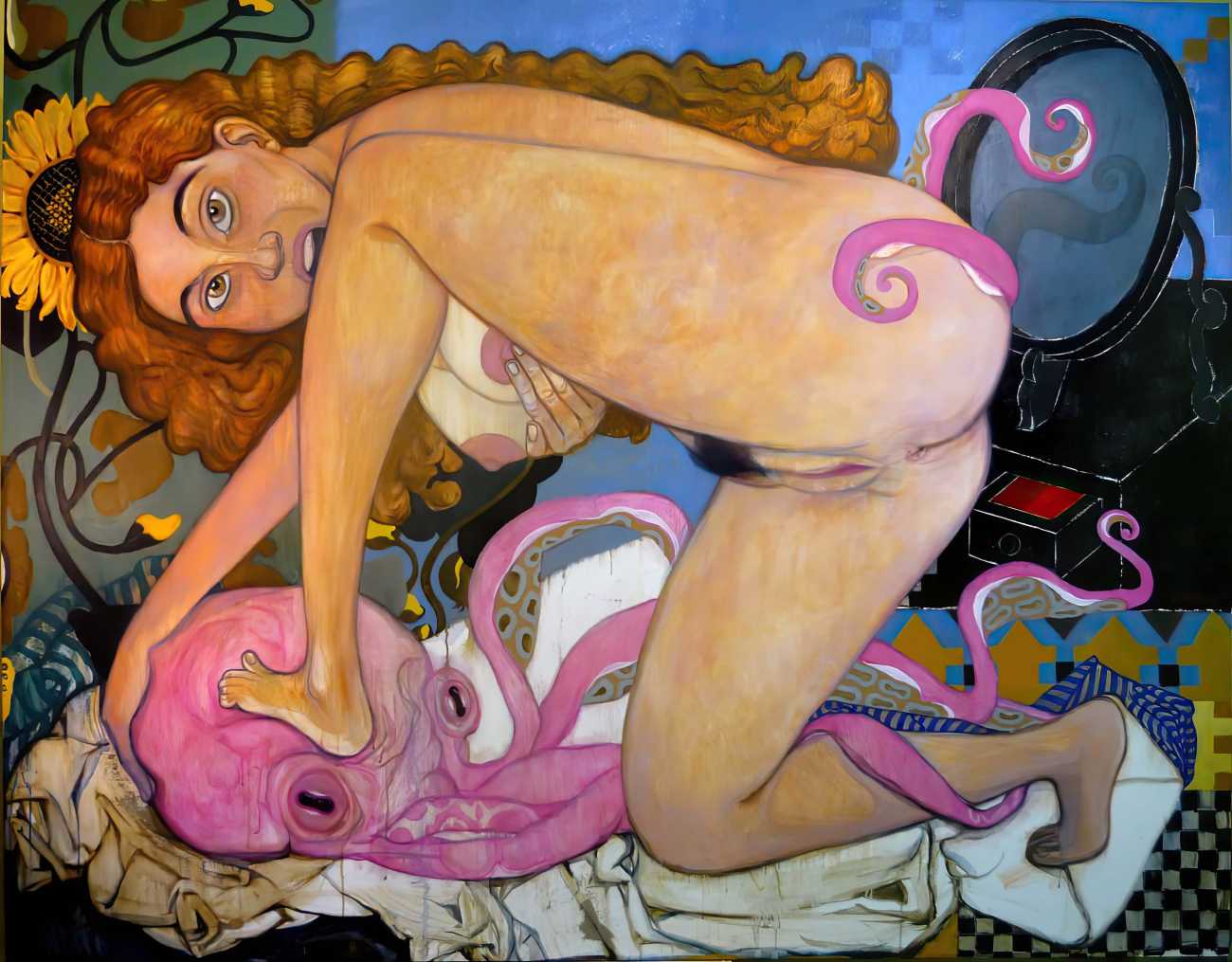
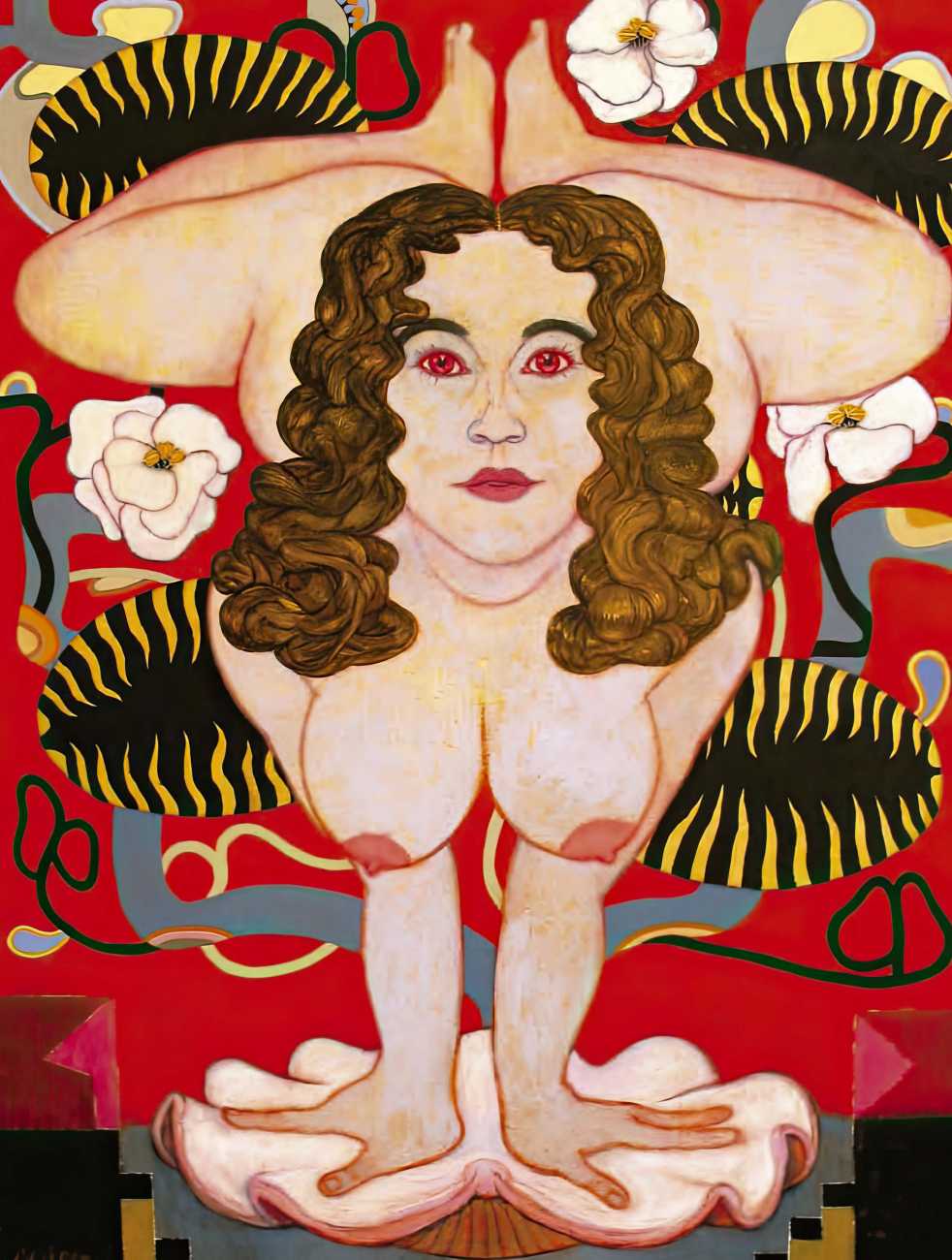
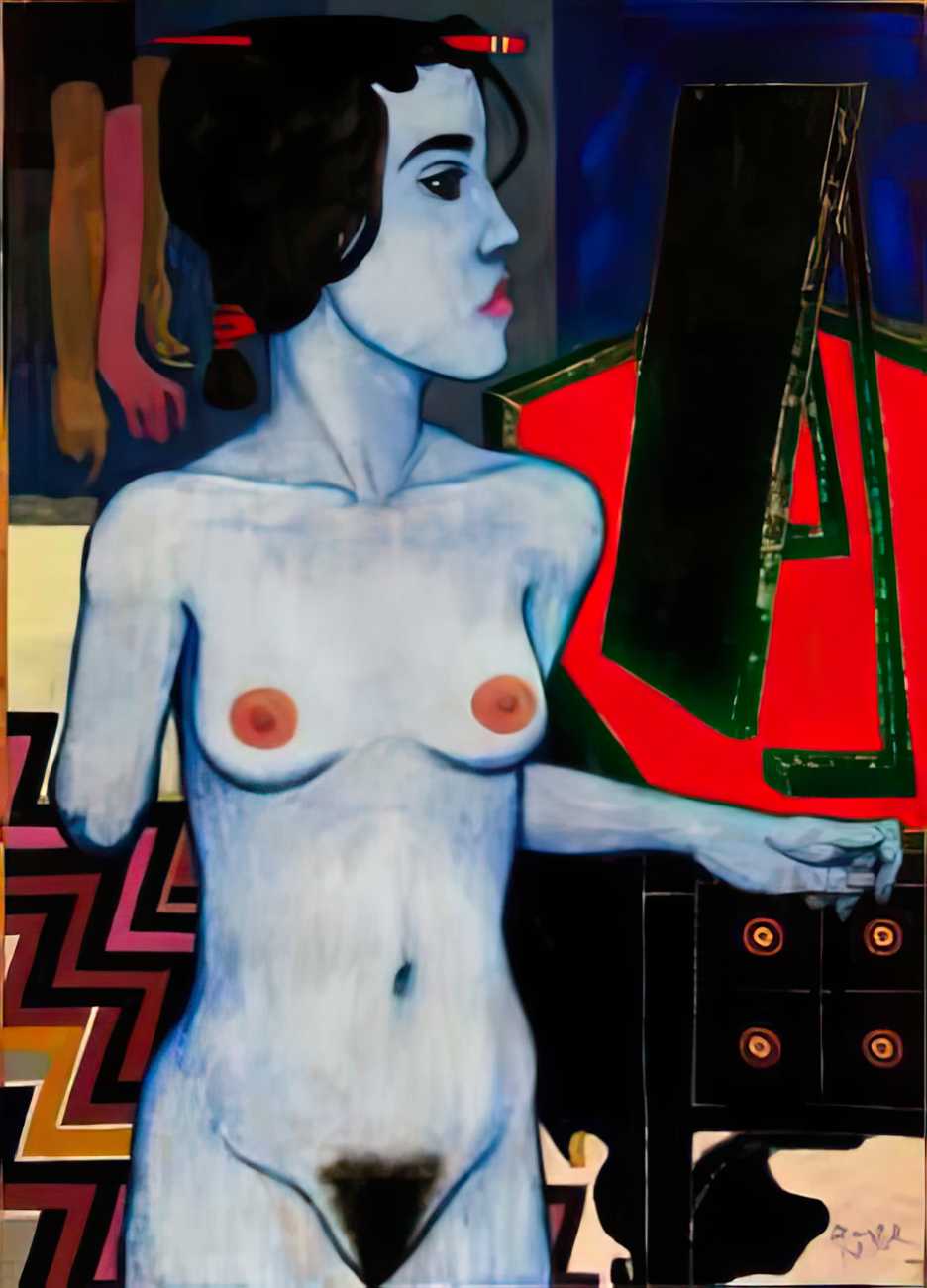
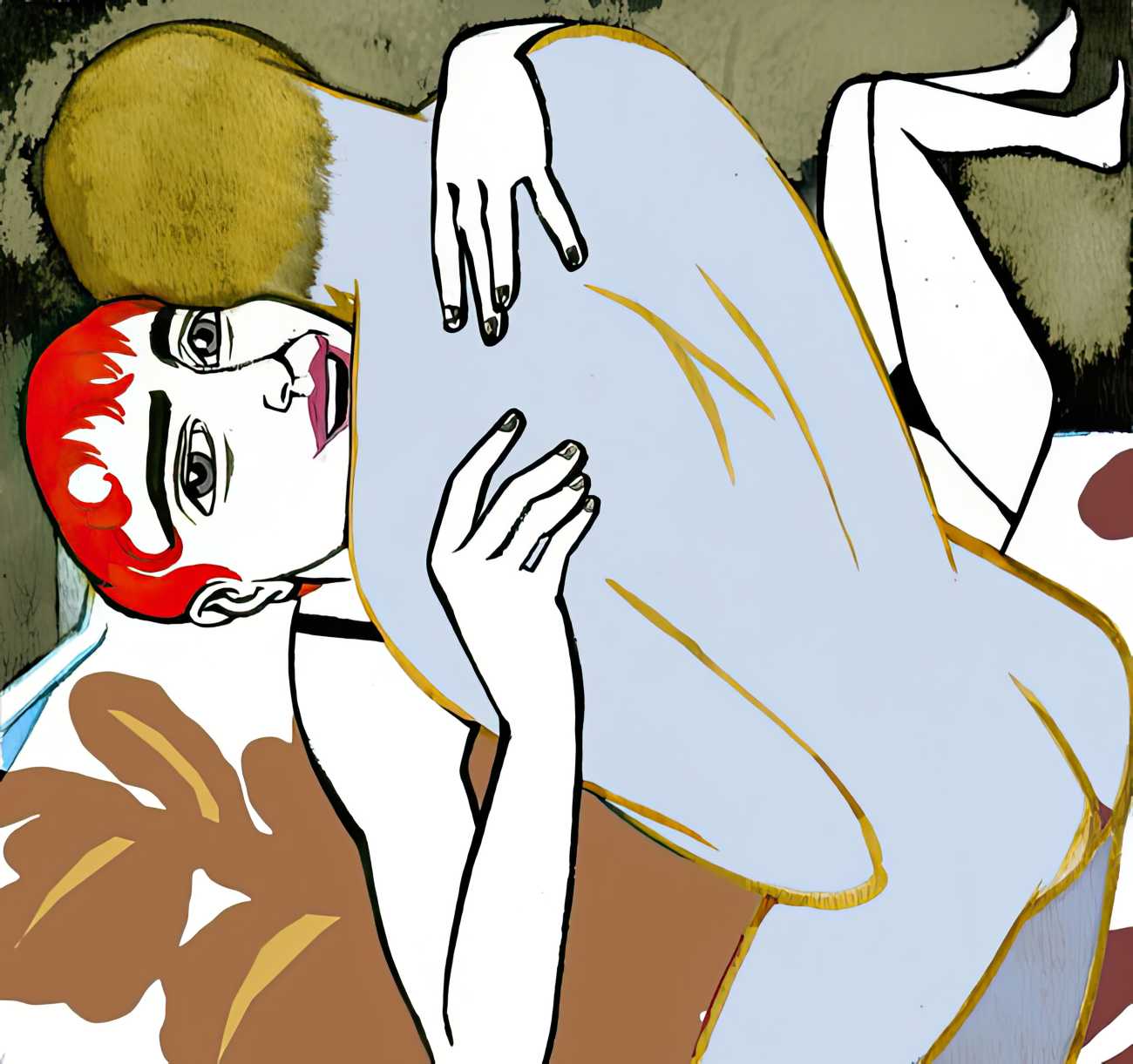
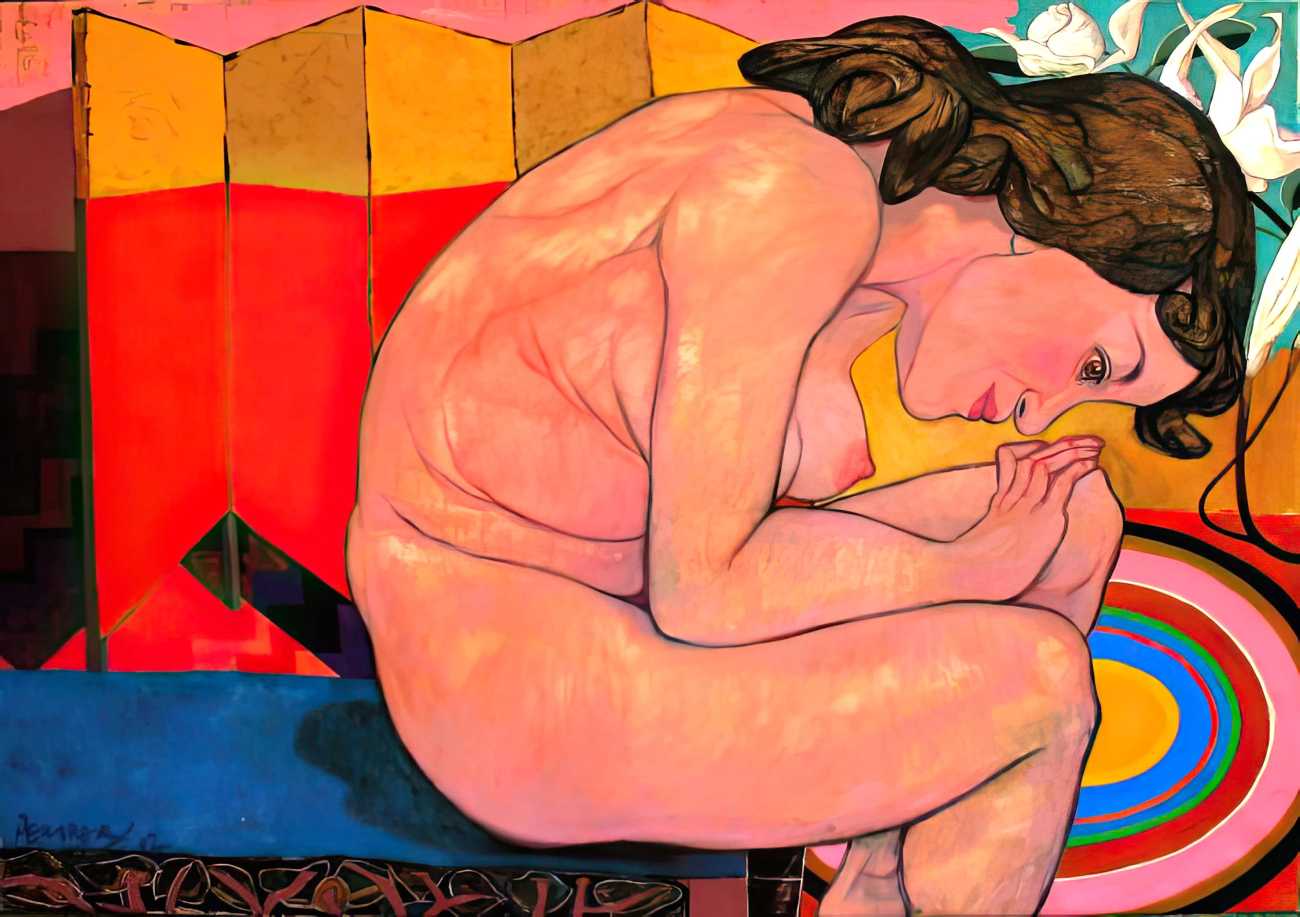
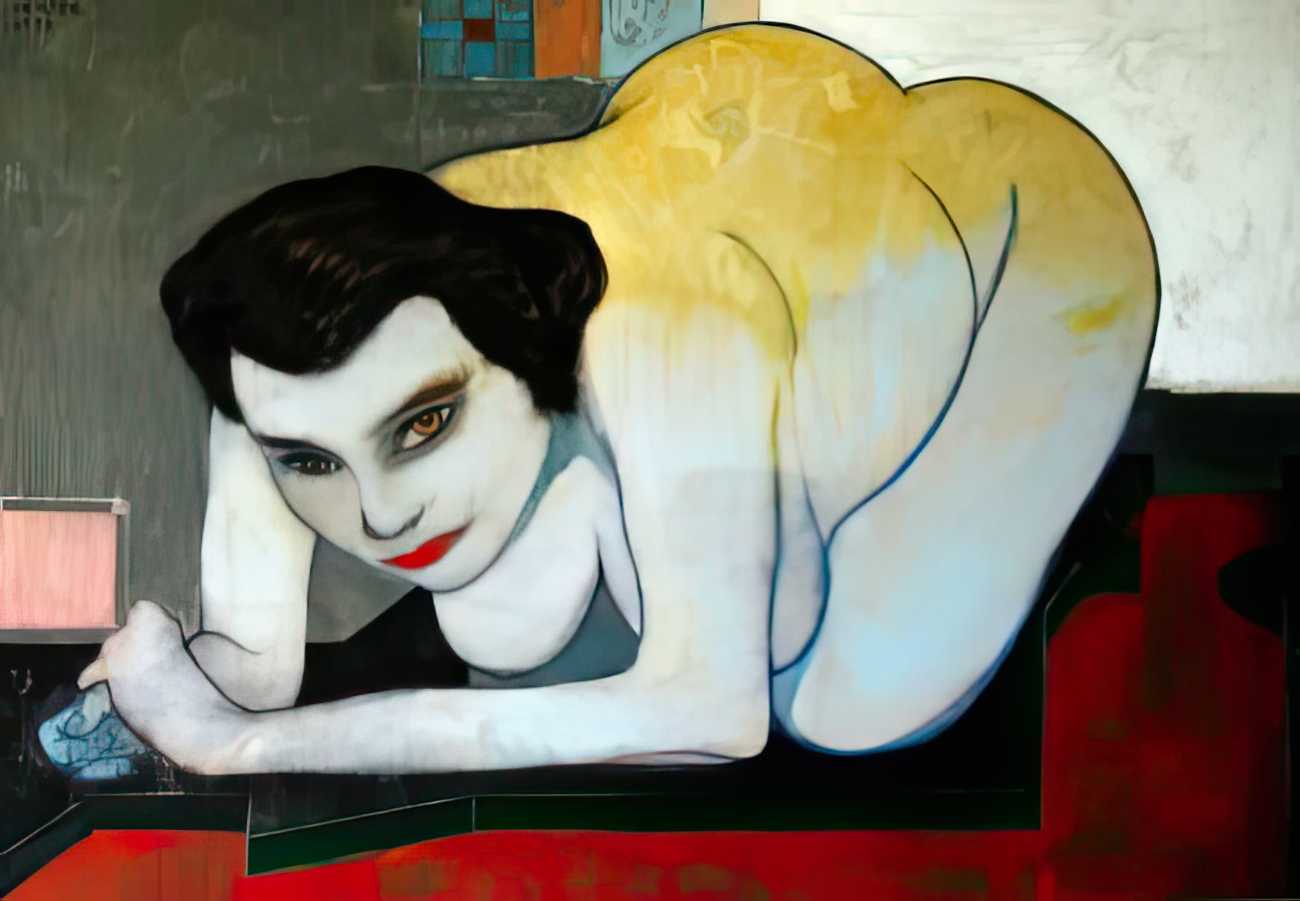
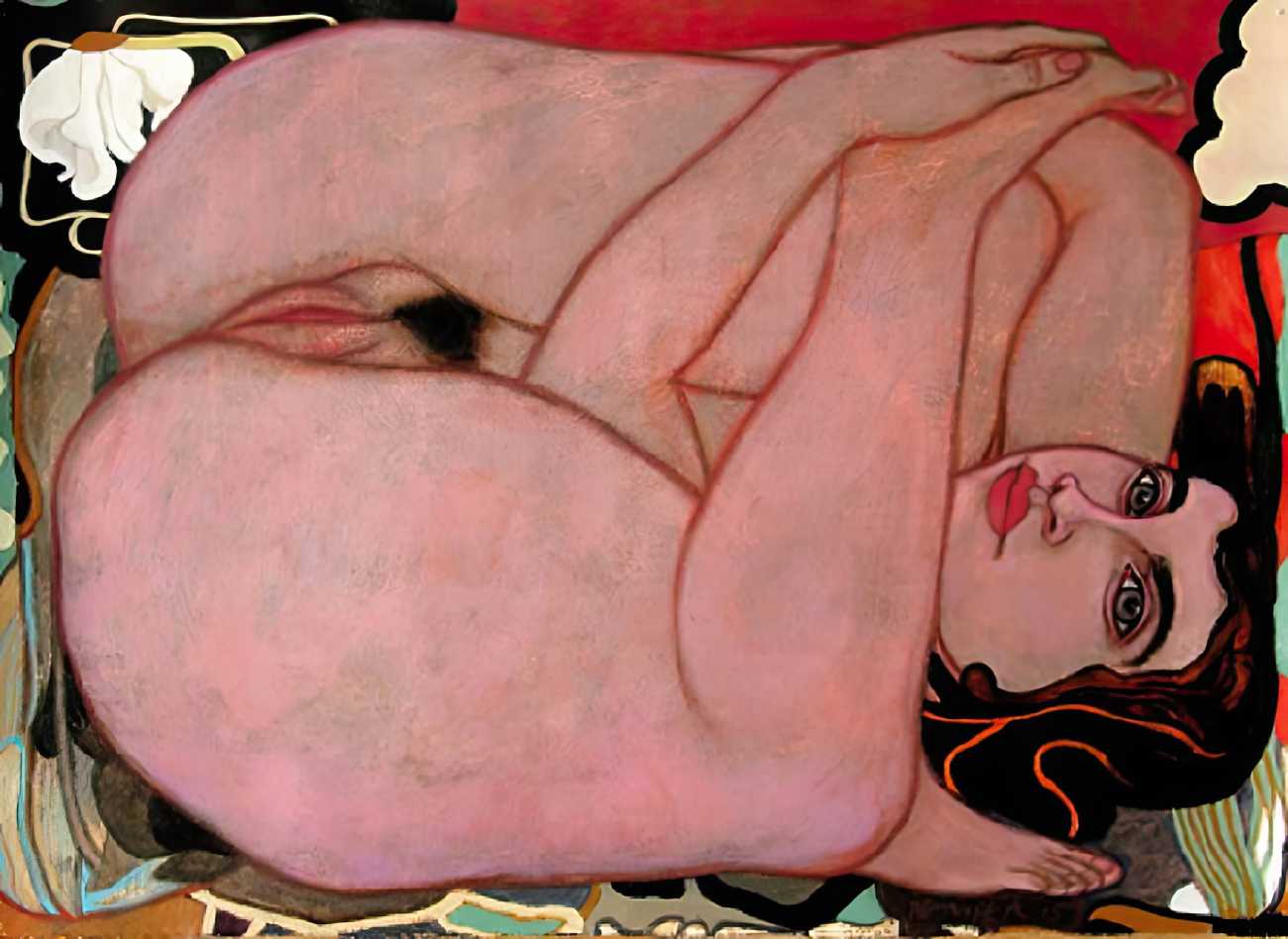
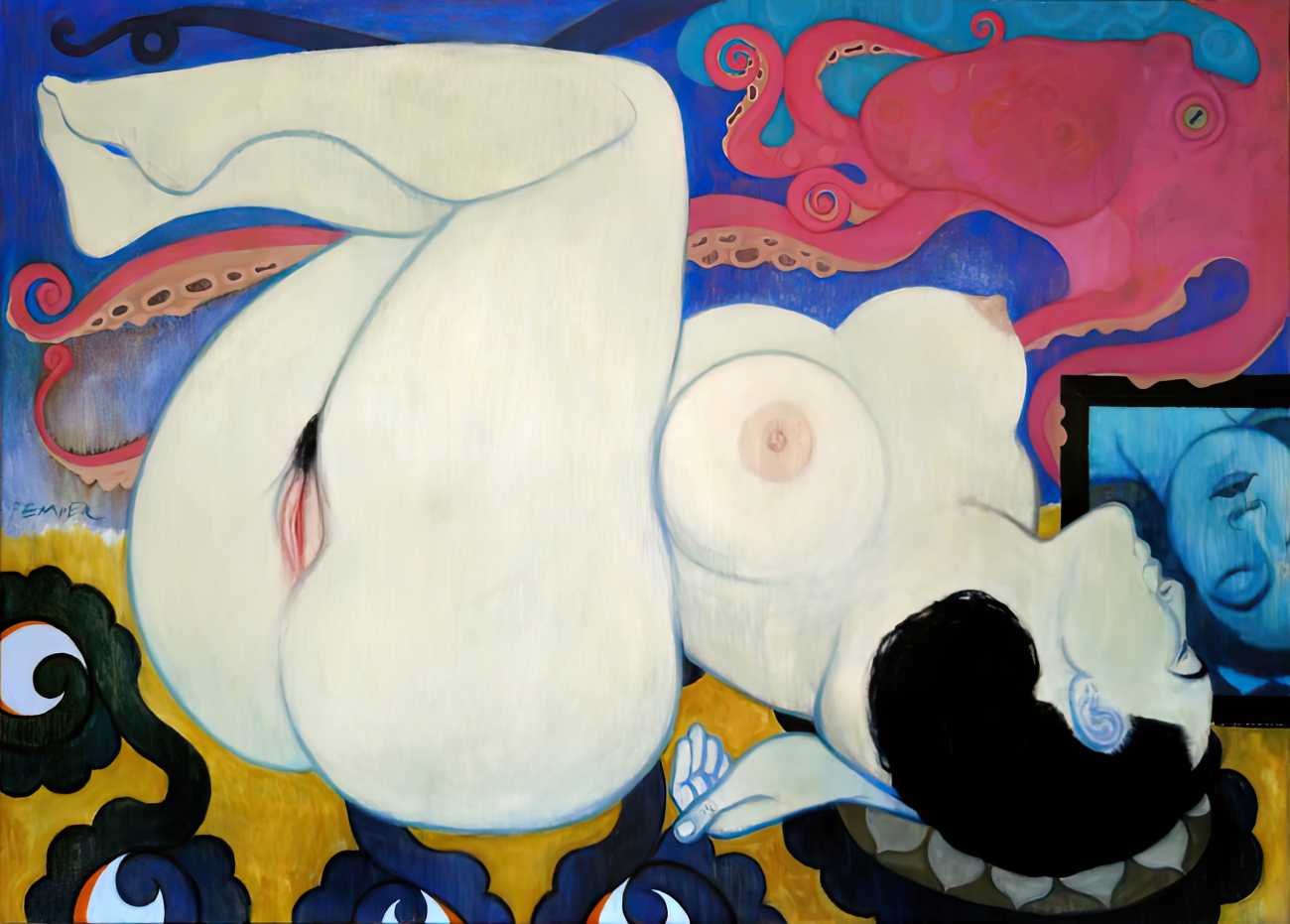
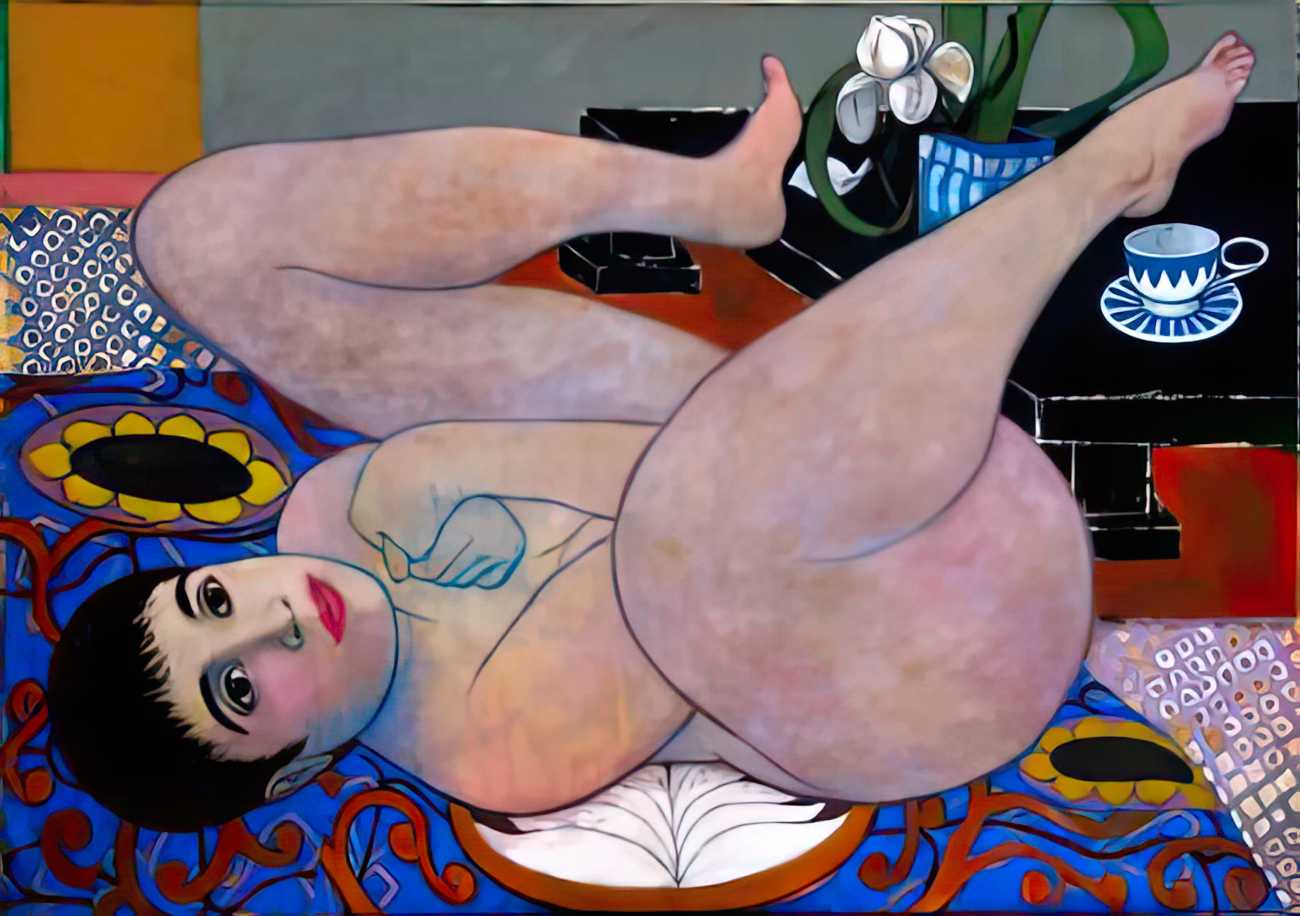
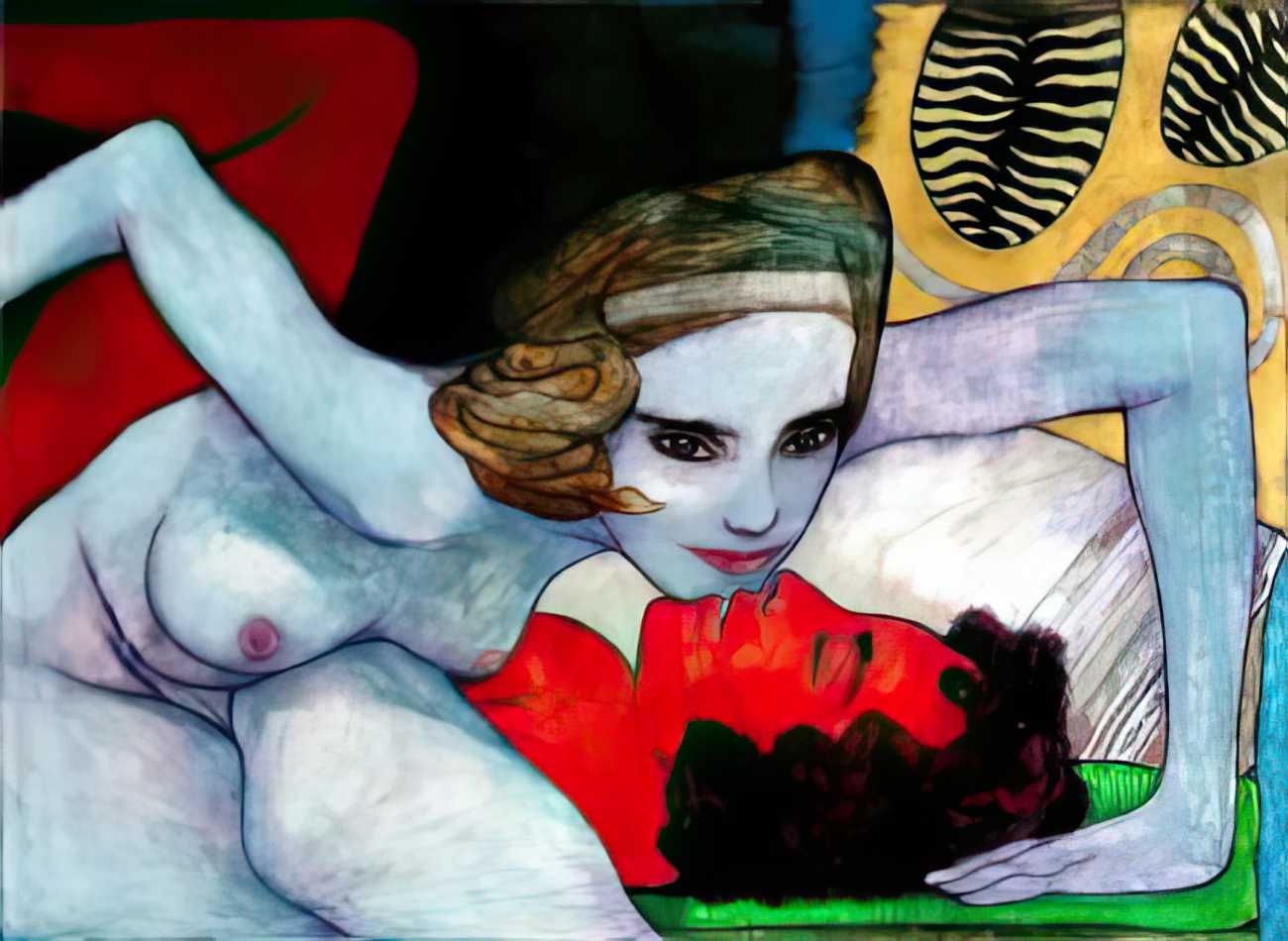
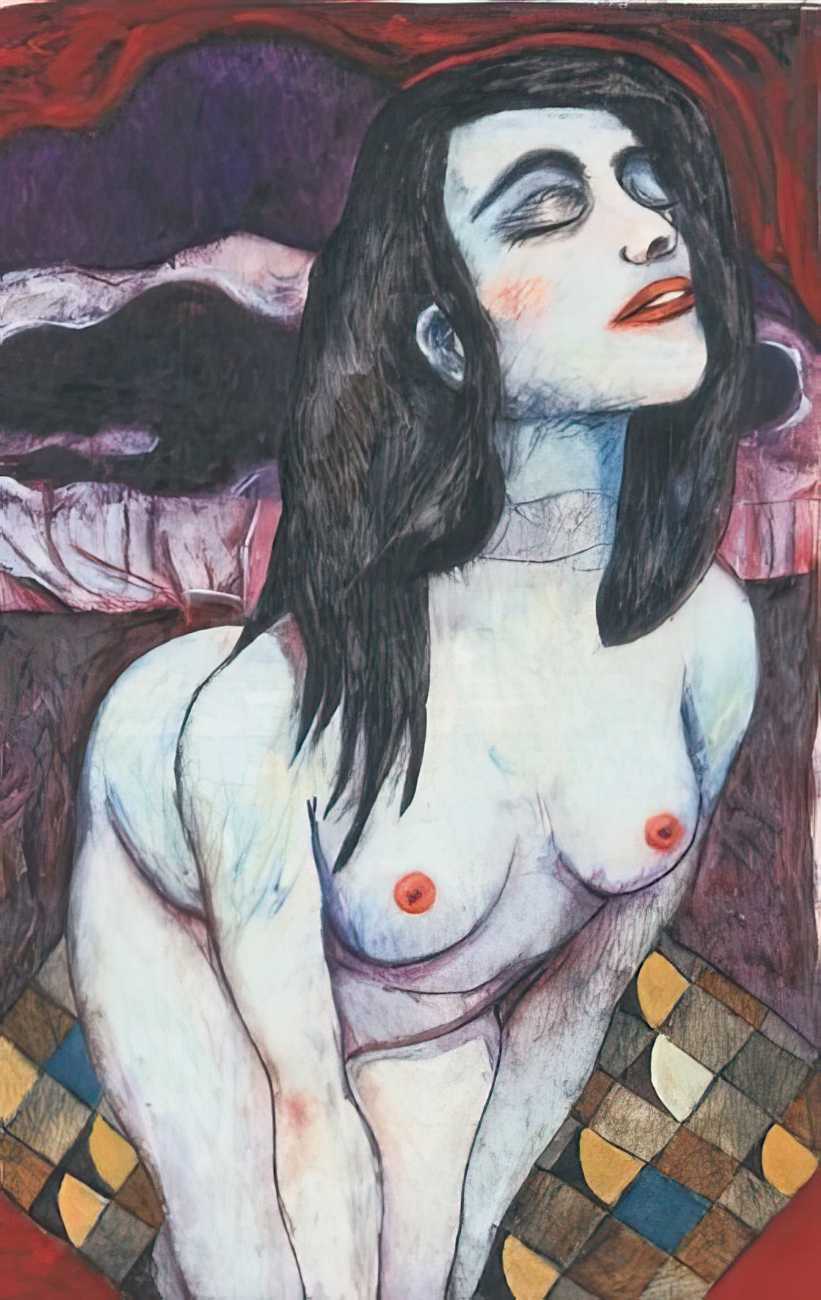
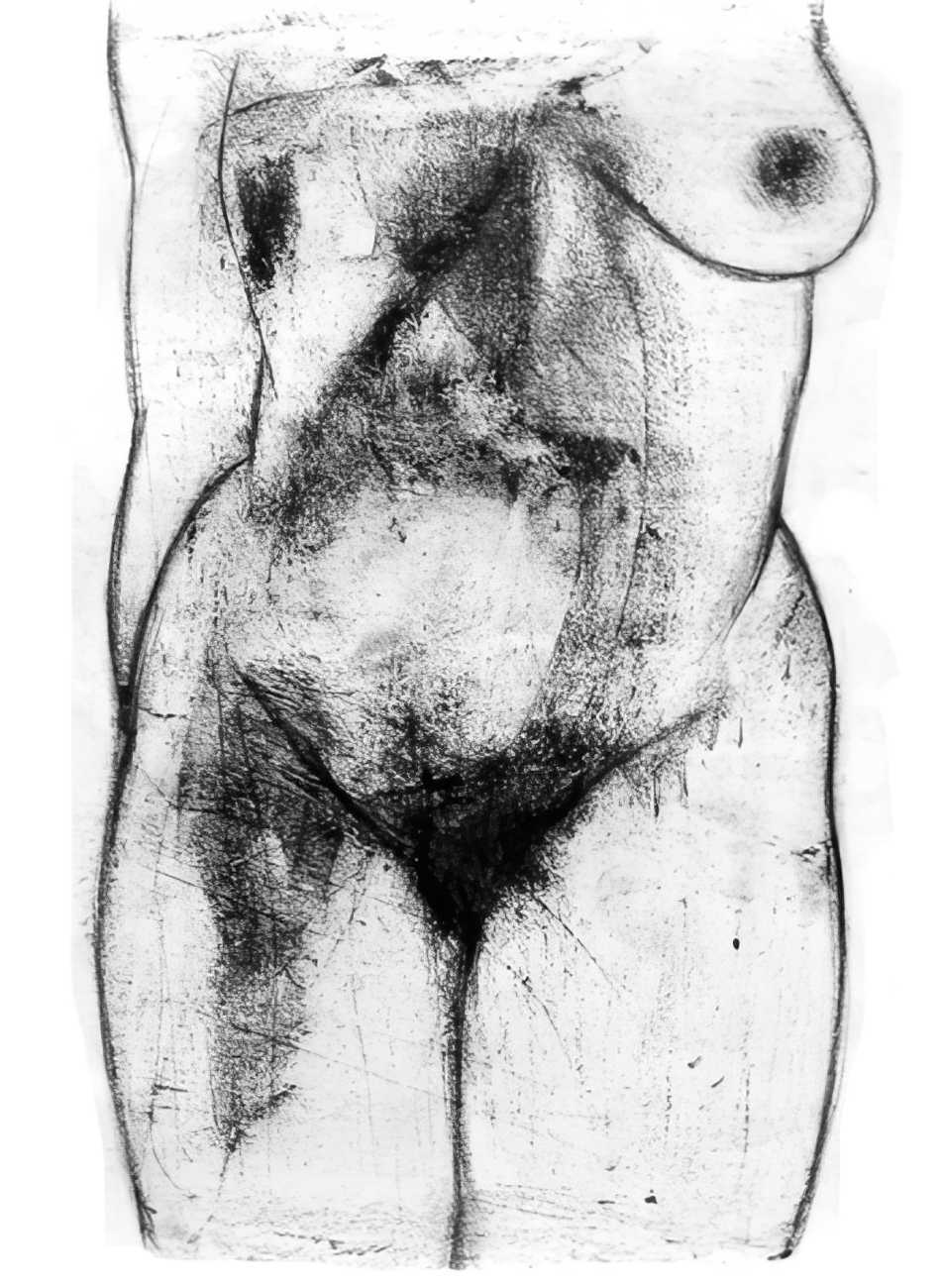
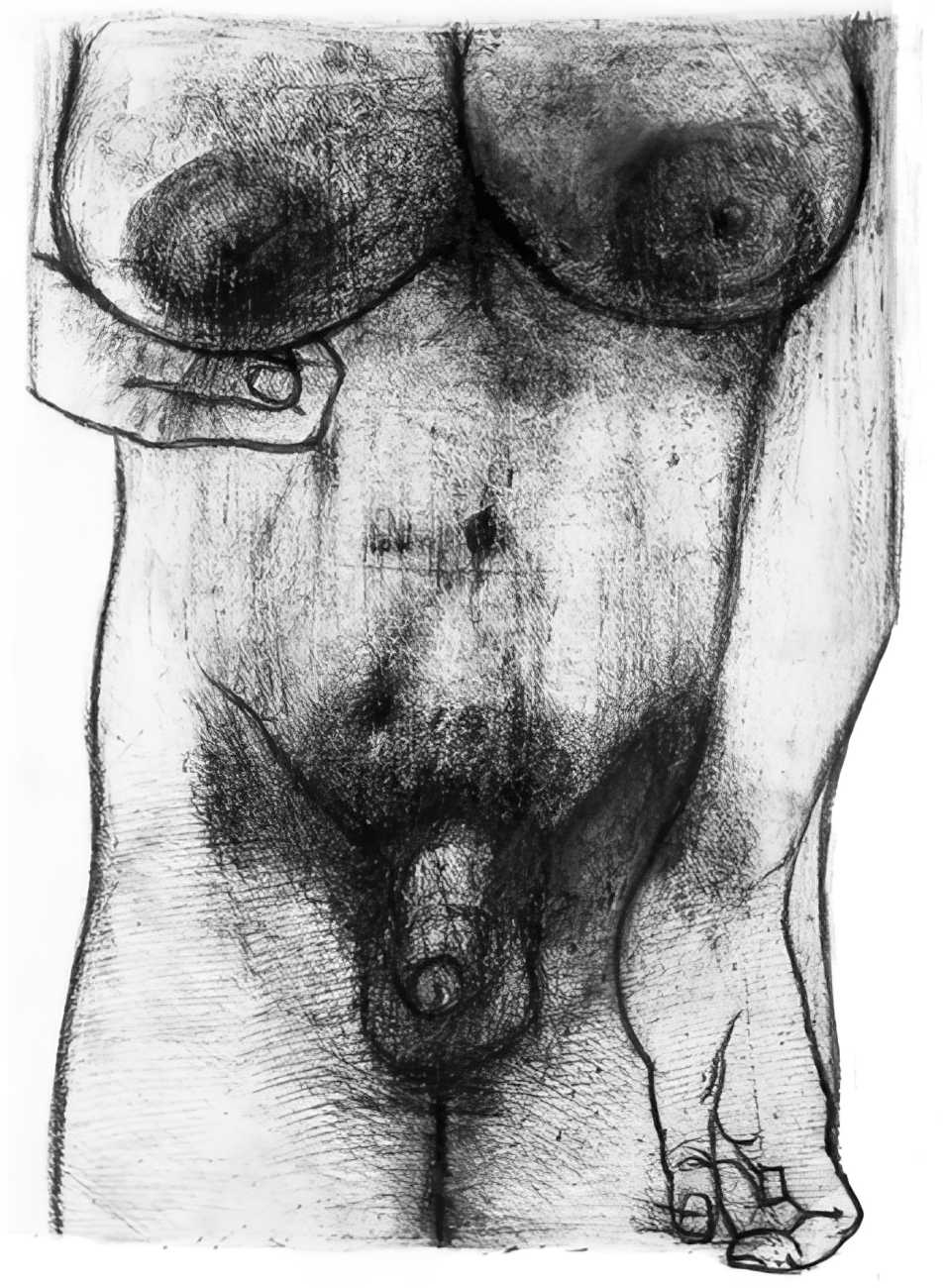
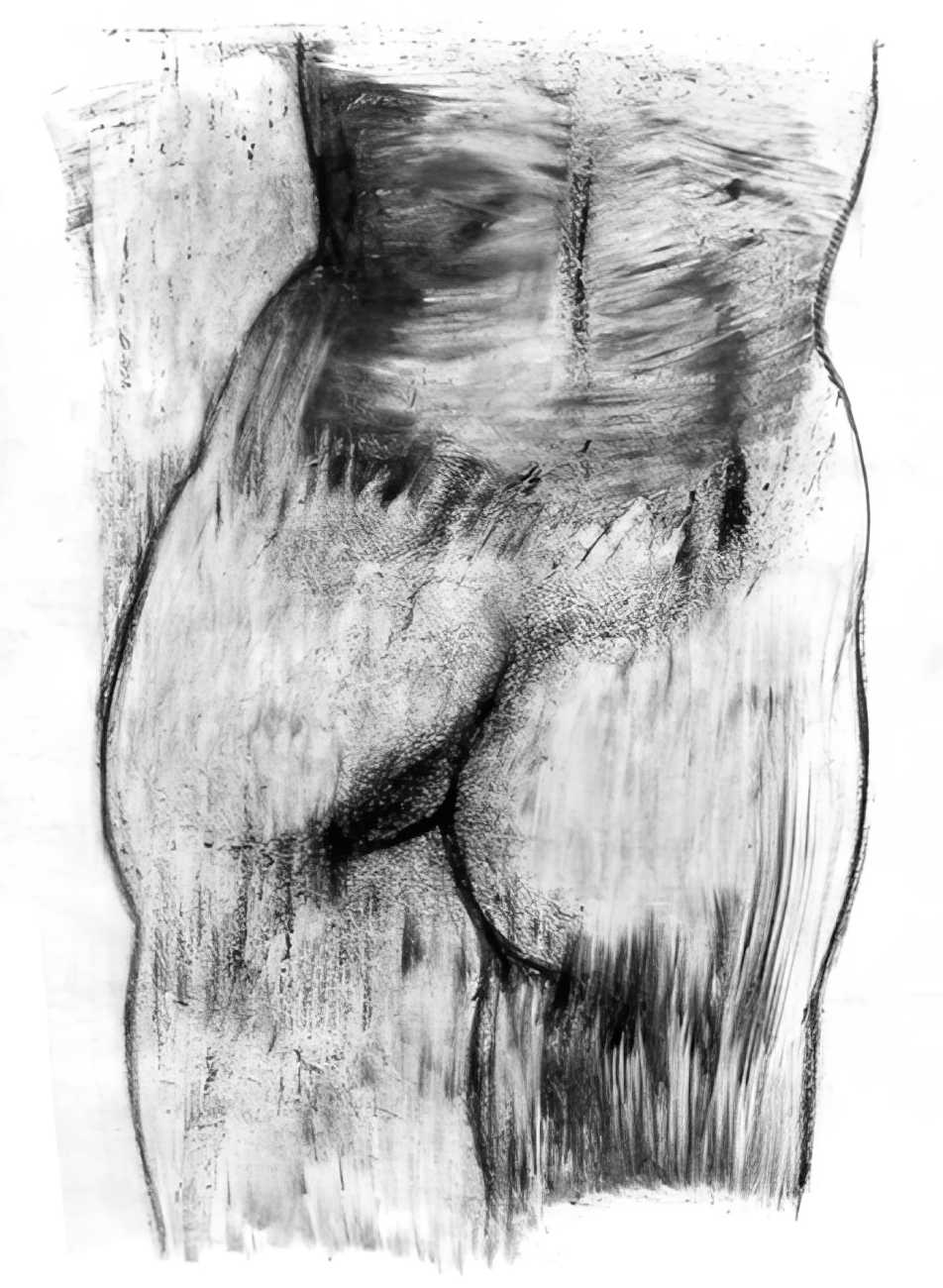
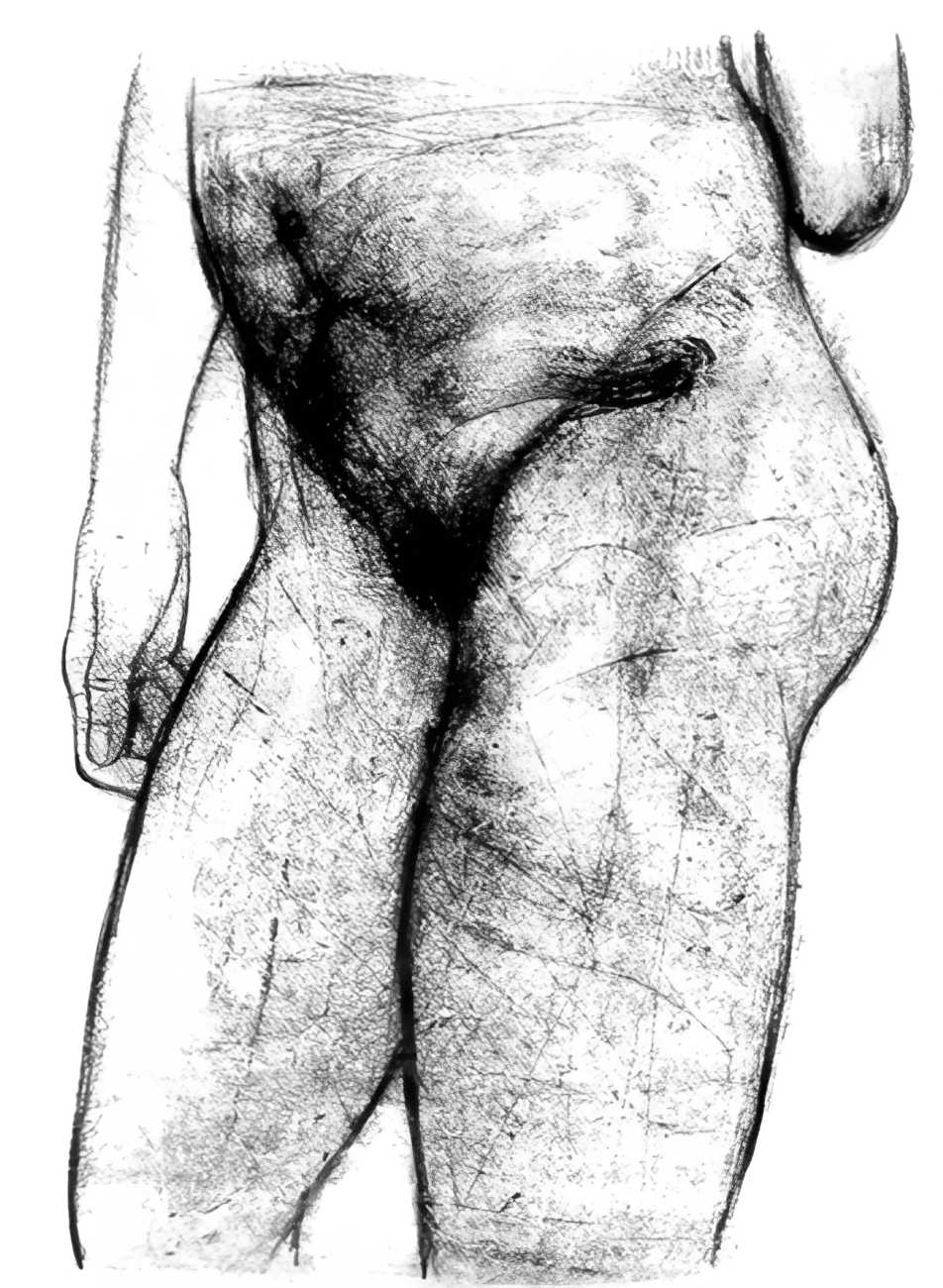
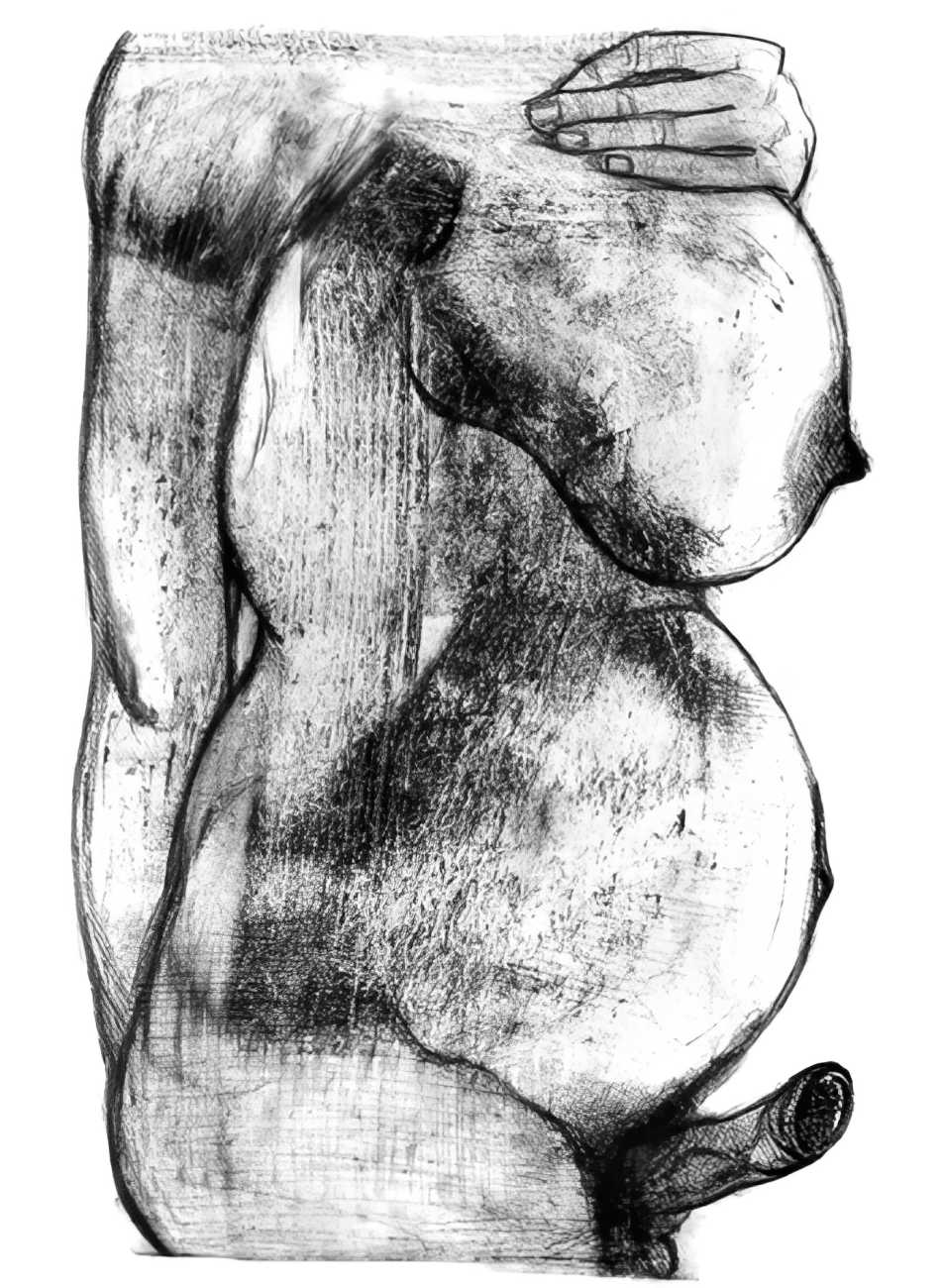
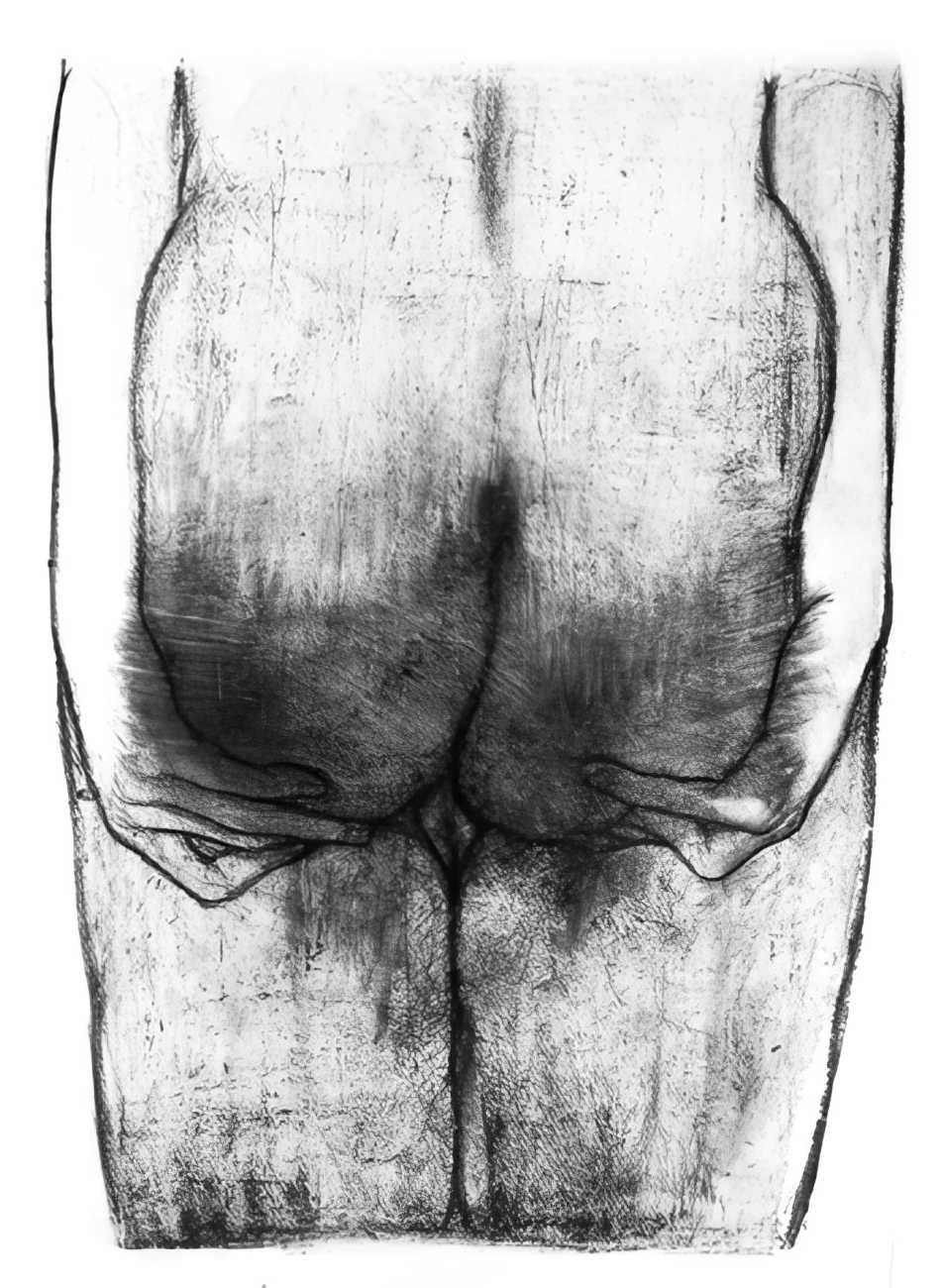
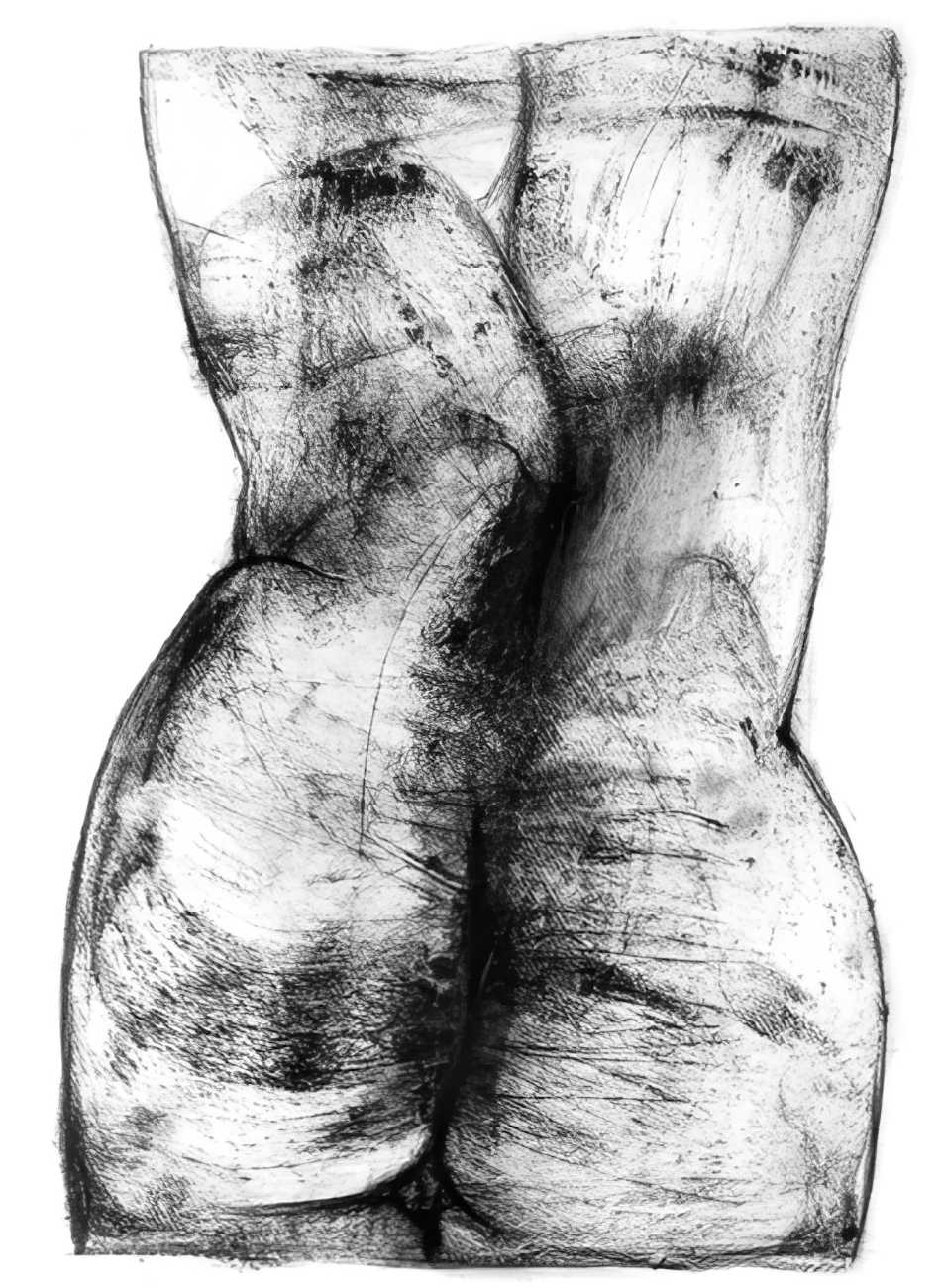
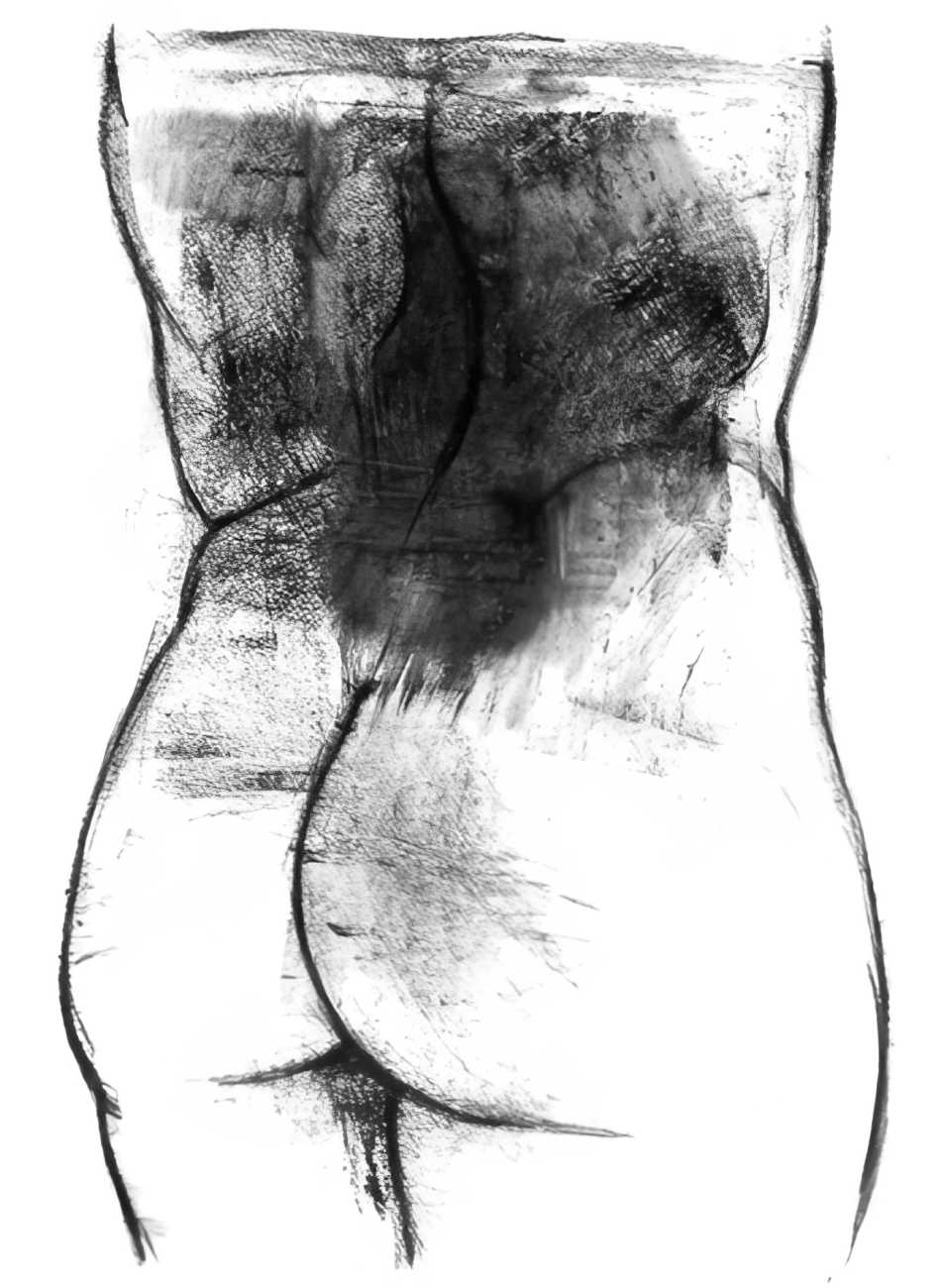
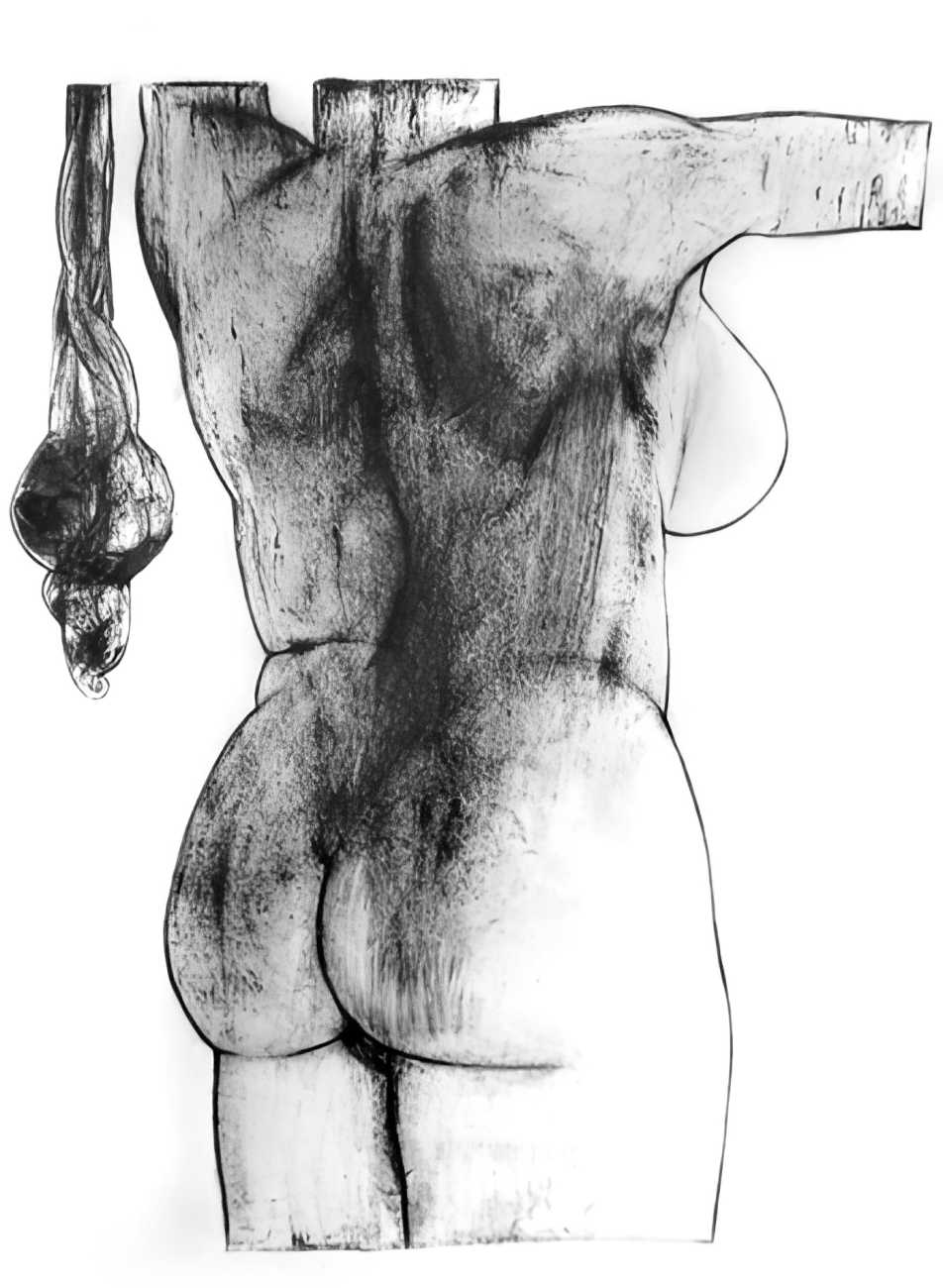
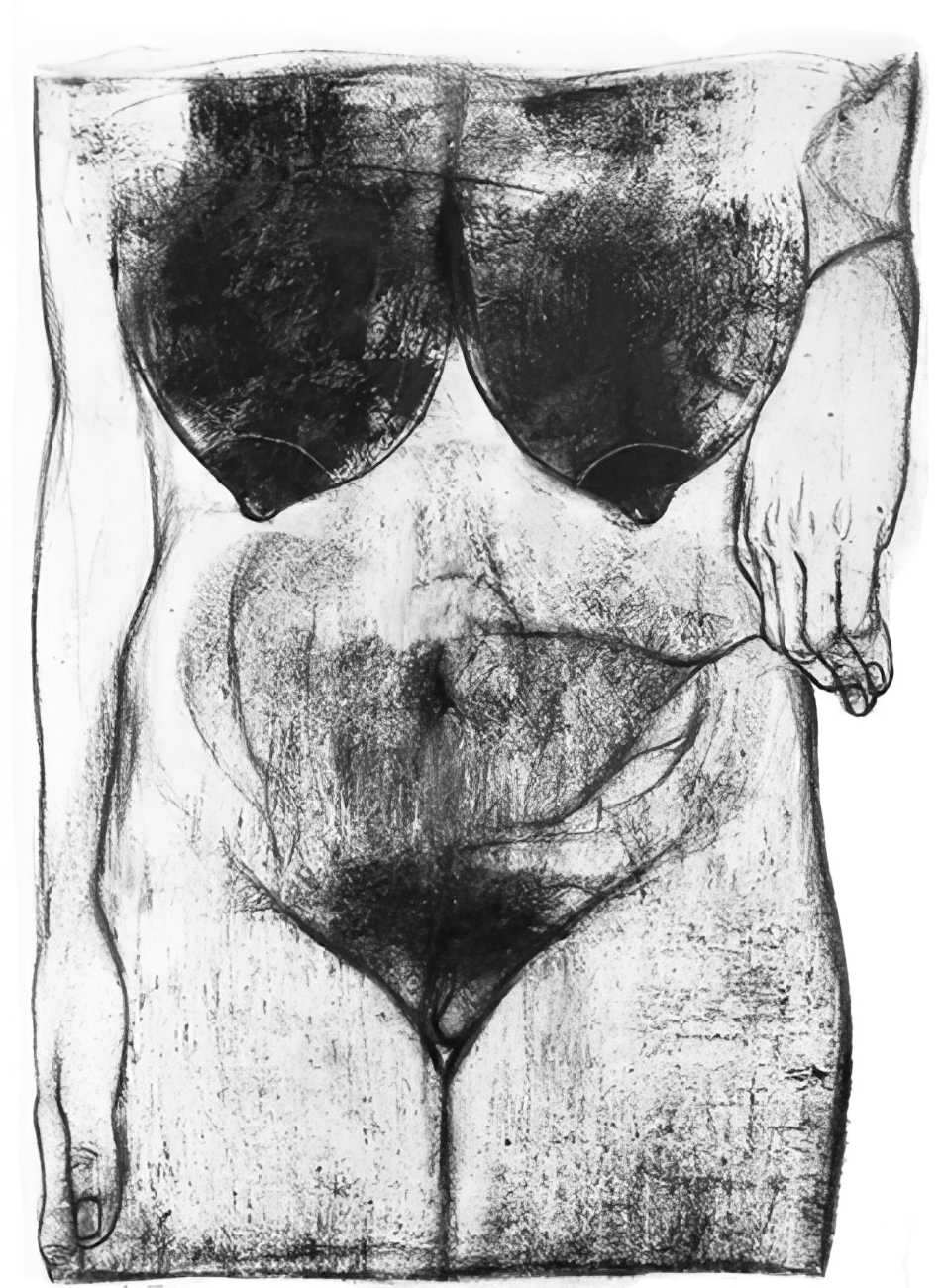
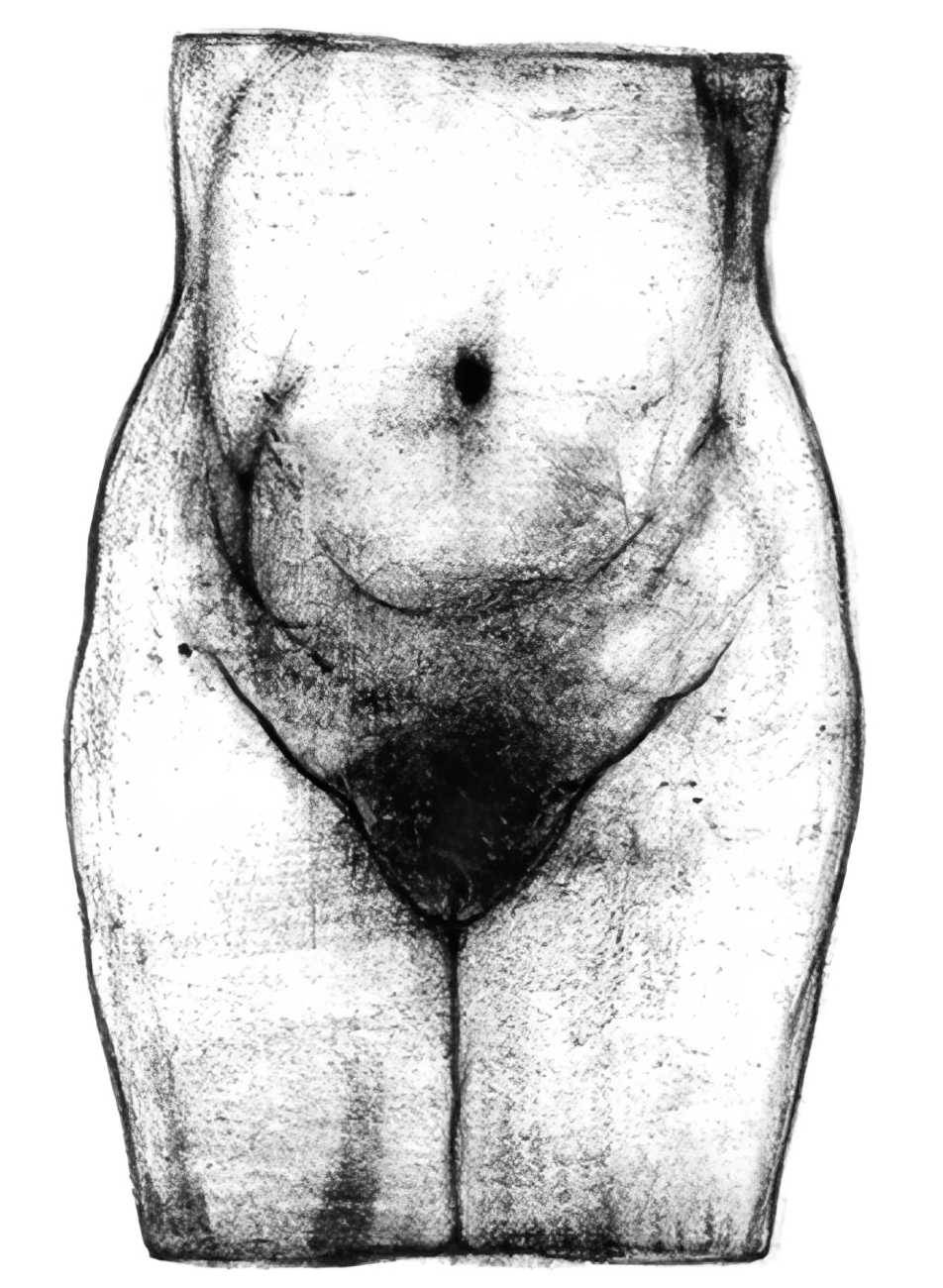
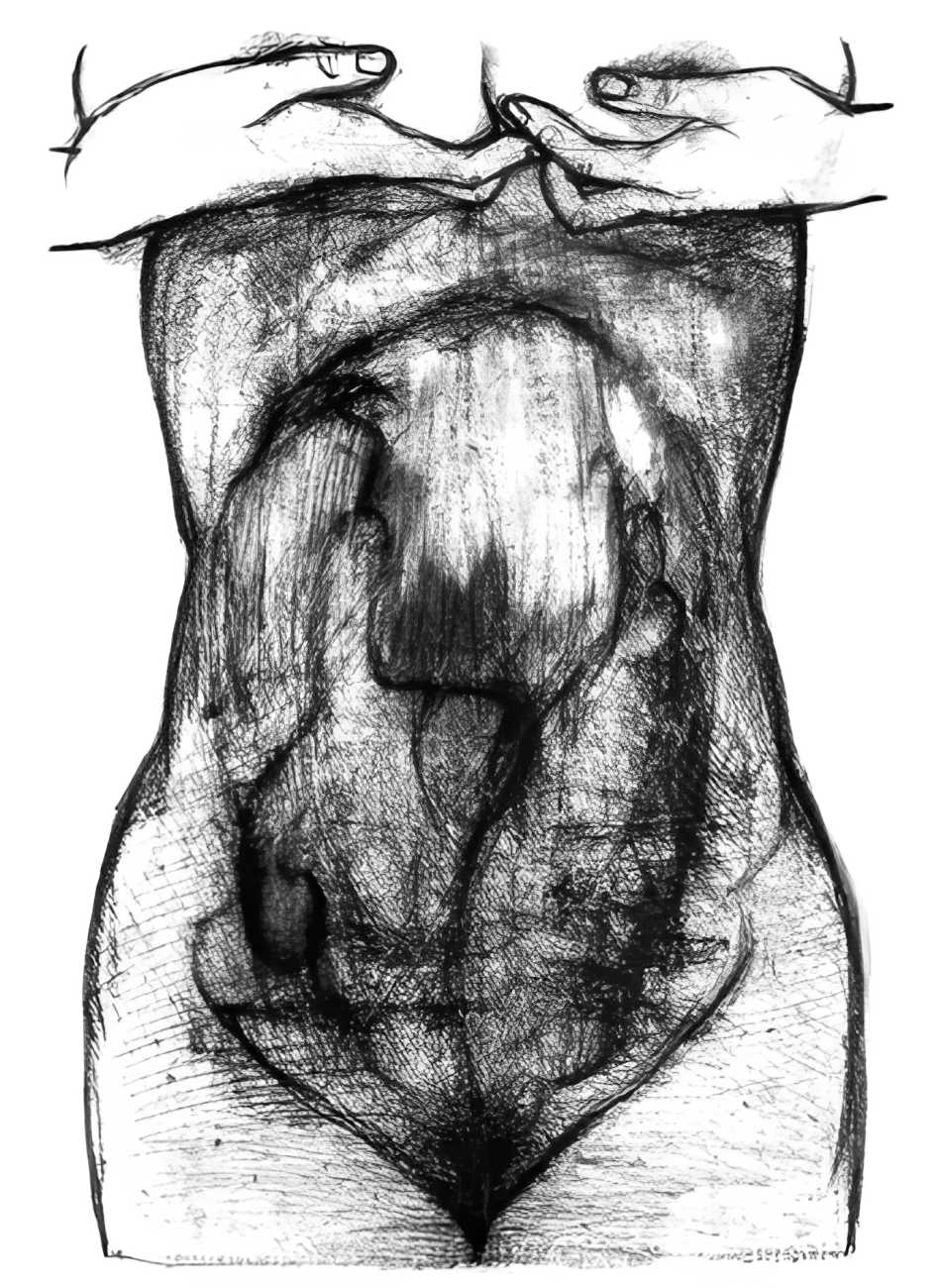
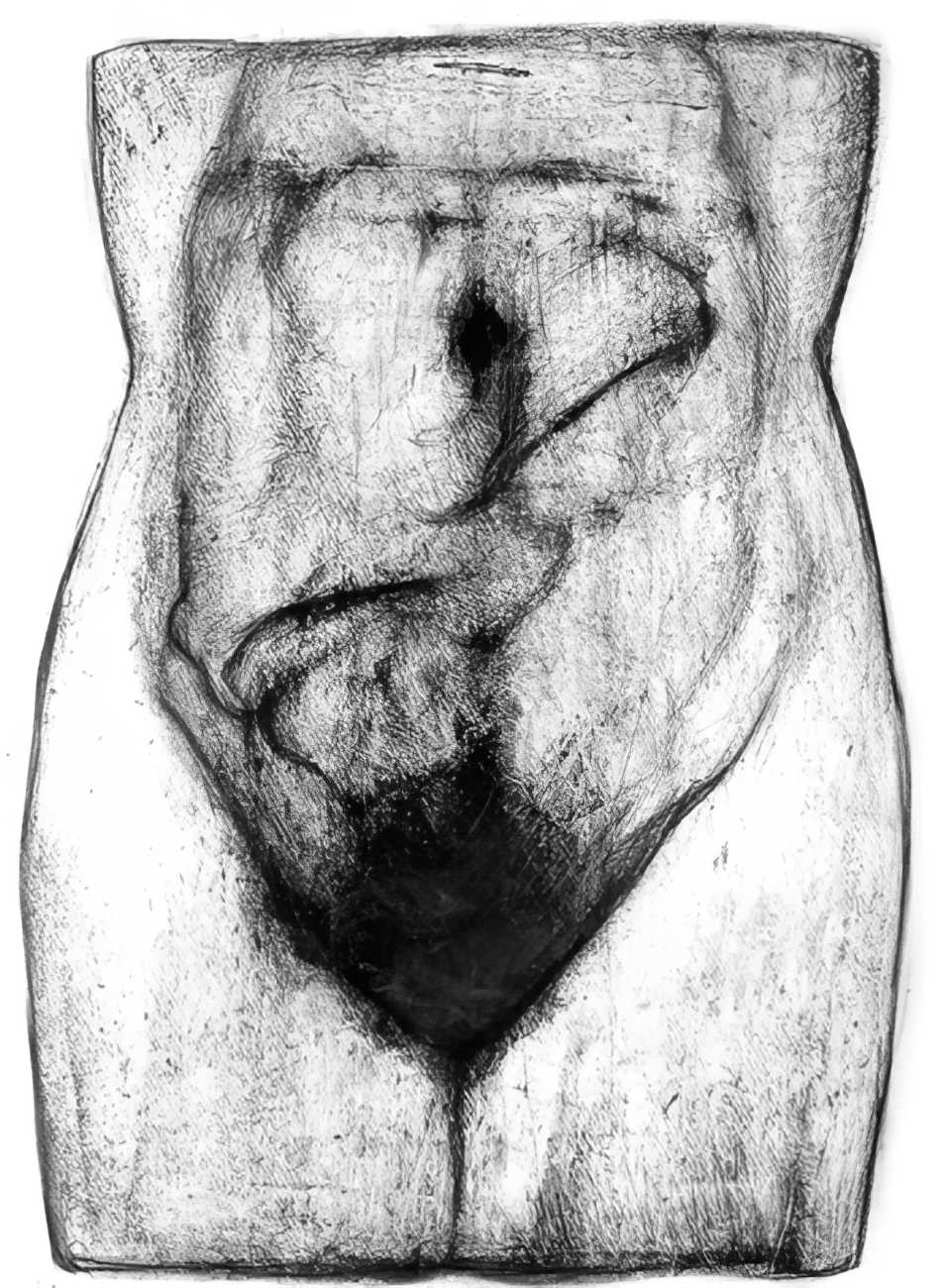
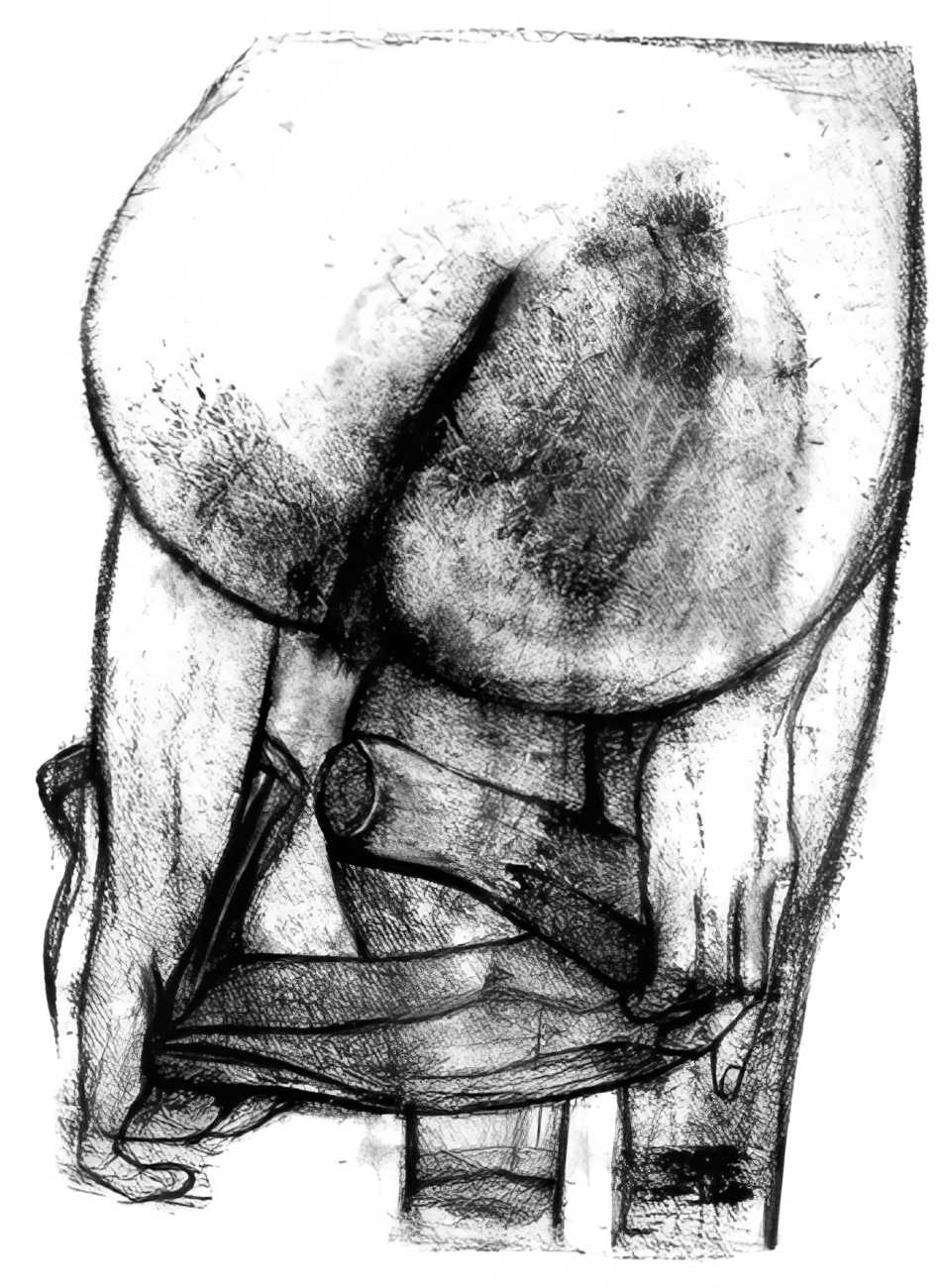
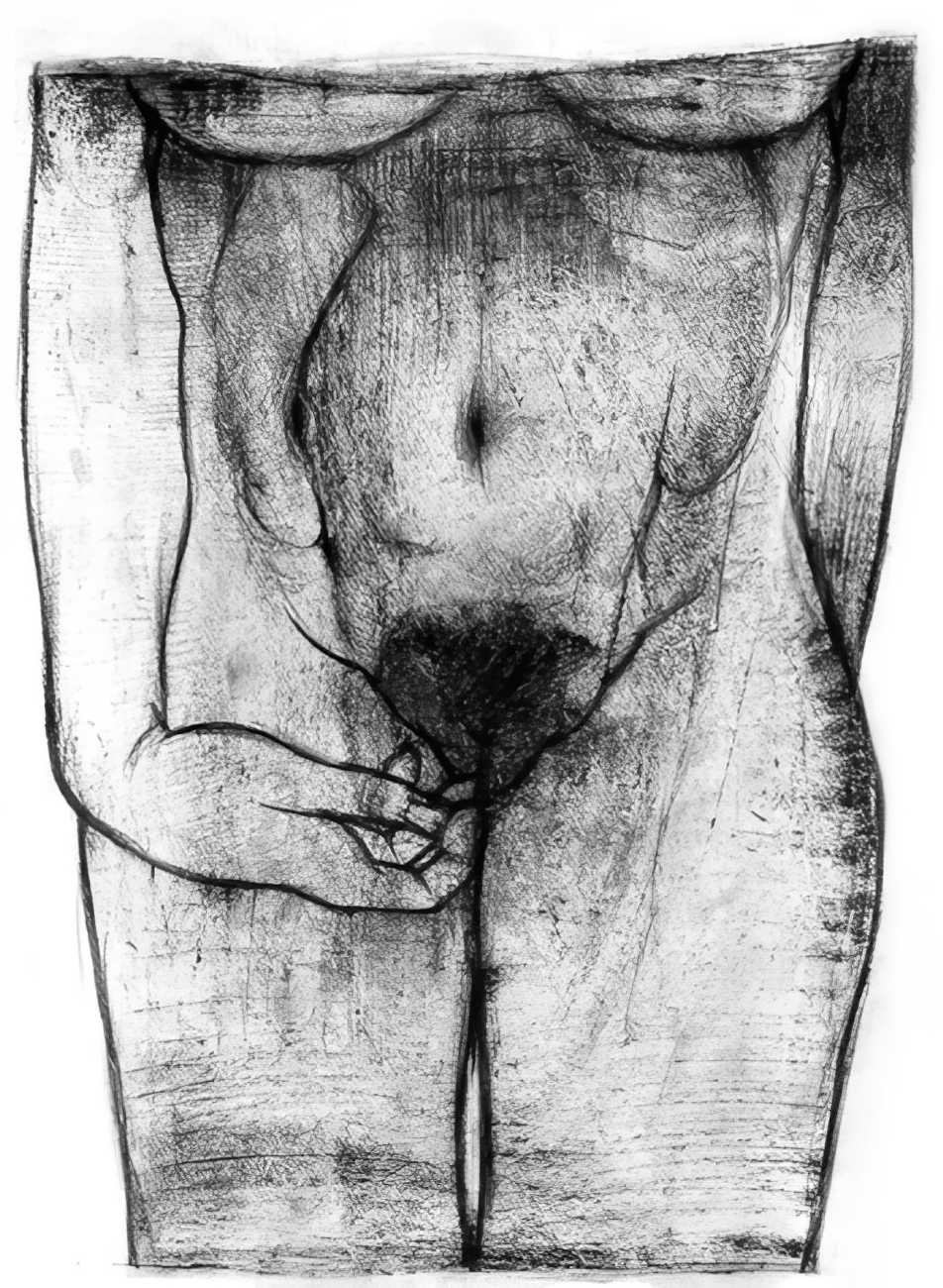
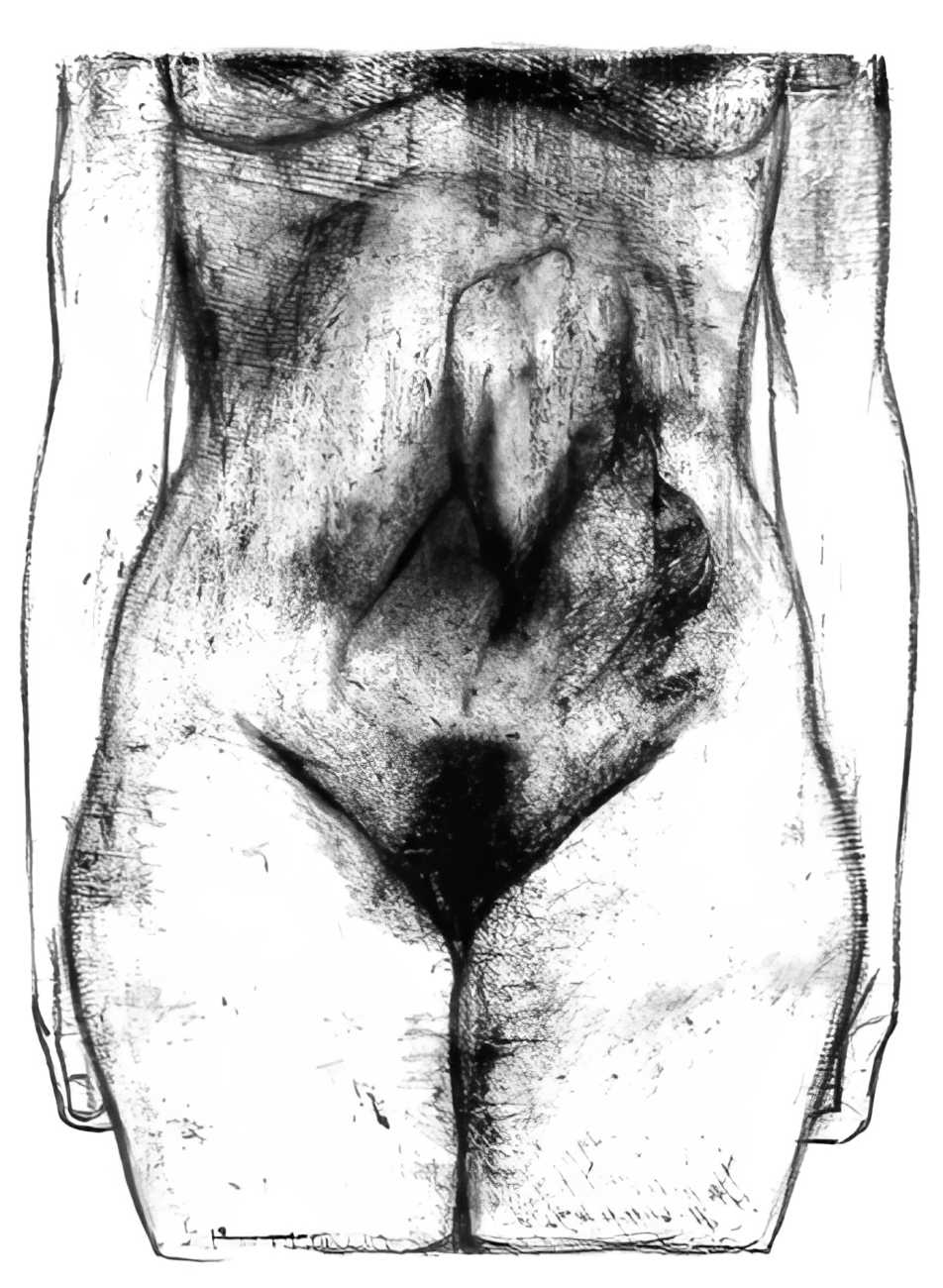
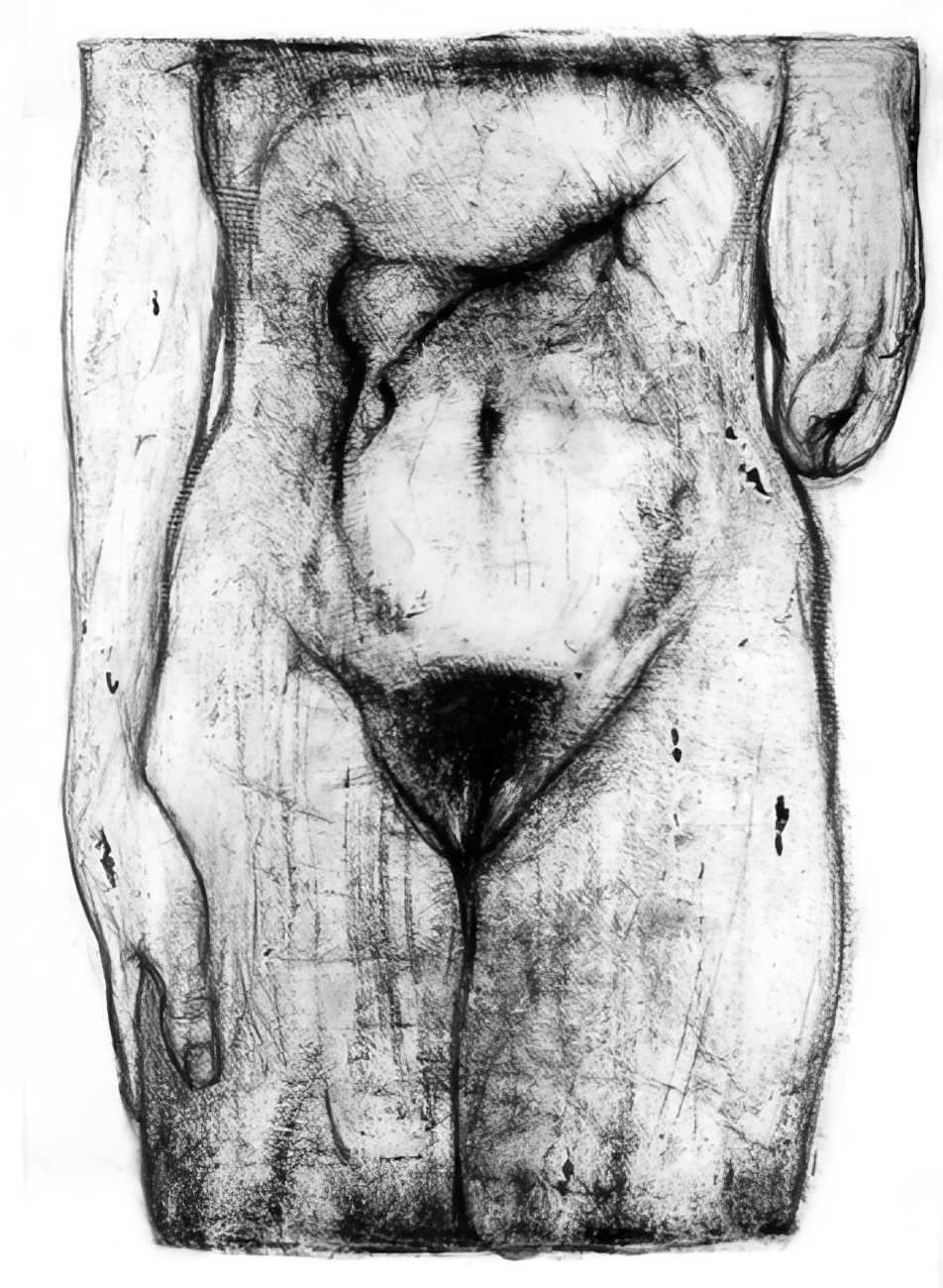
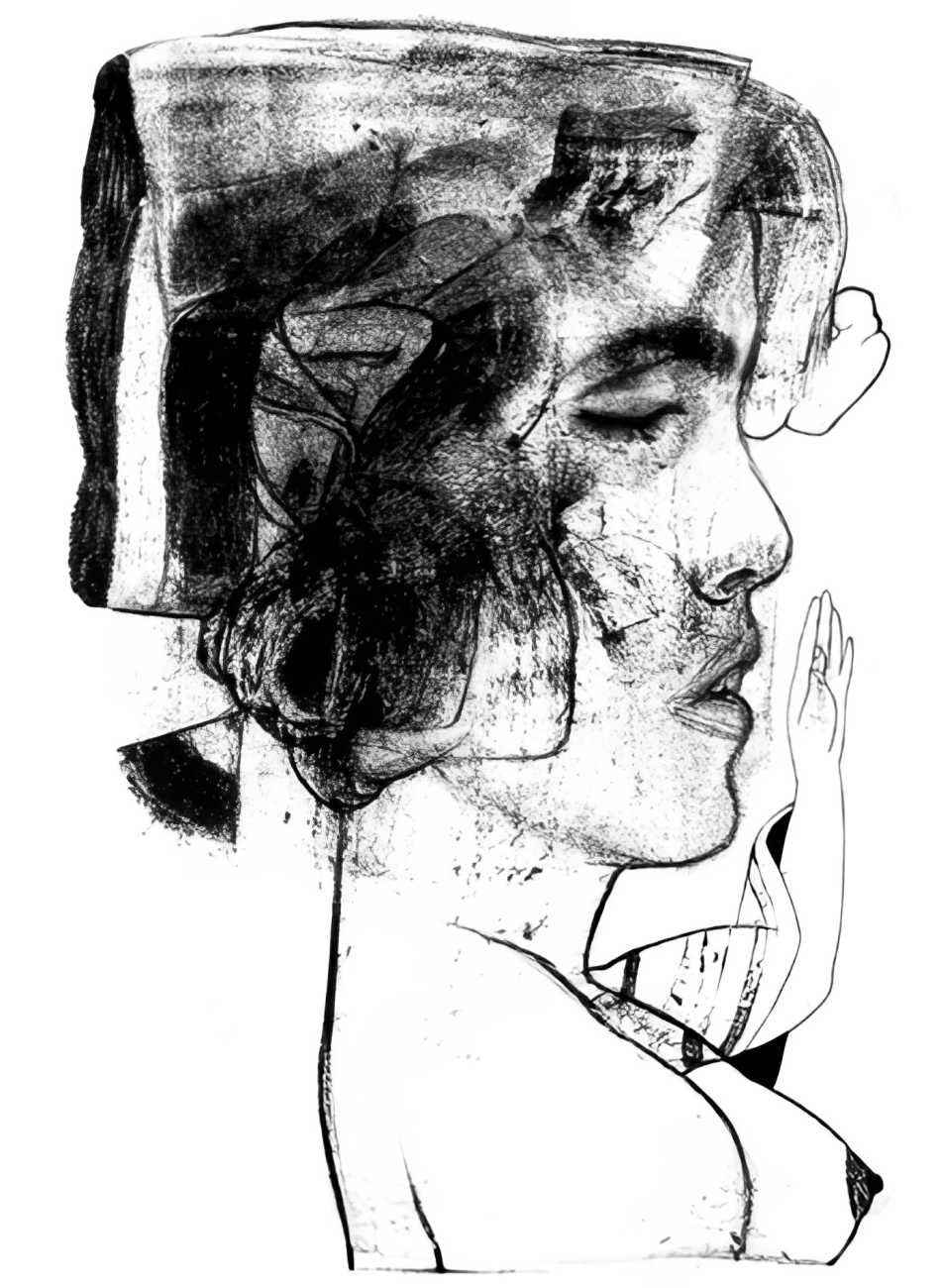
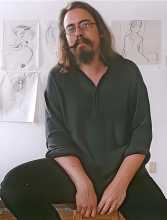
 Álvaro Pemper is a Uruguayan artist and illustrator, originally of Lithuanian descent, who grew up in Montevideo. Largely self-taught, he developed his skills through experimentation rather than formal academic training. He studied painting for a period with the Uruguayan artist Hugo Longa, and until 1995 worked extensively with collage. By mid-1990s he had returned to working almost exclusively with drawing and painting.
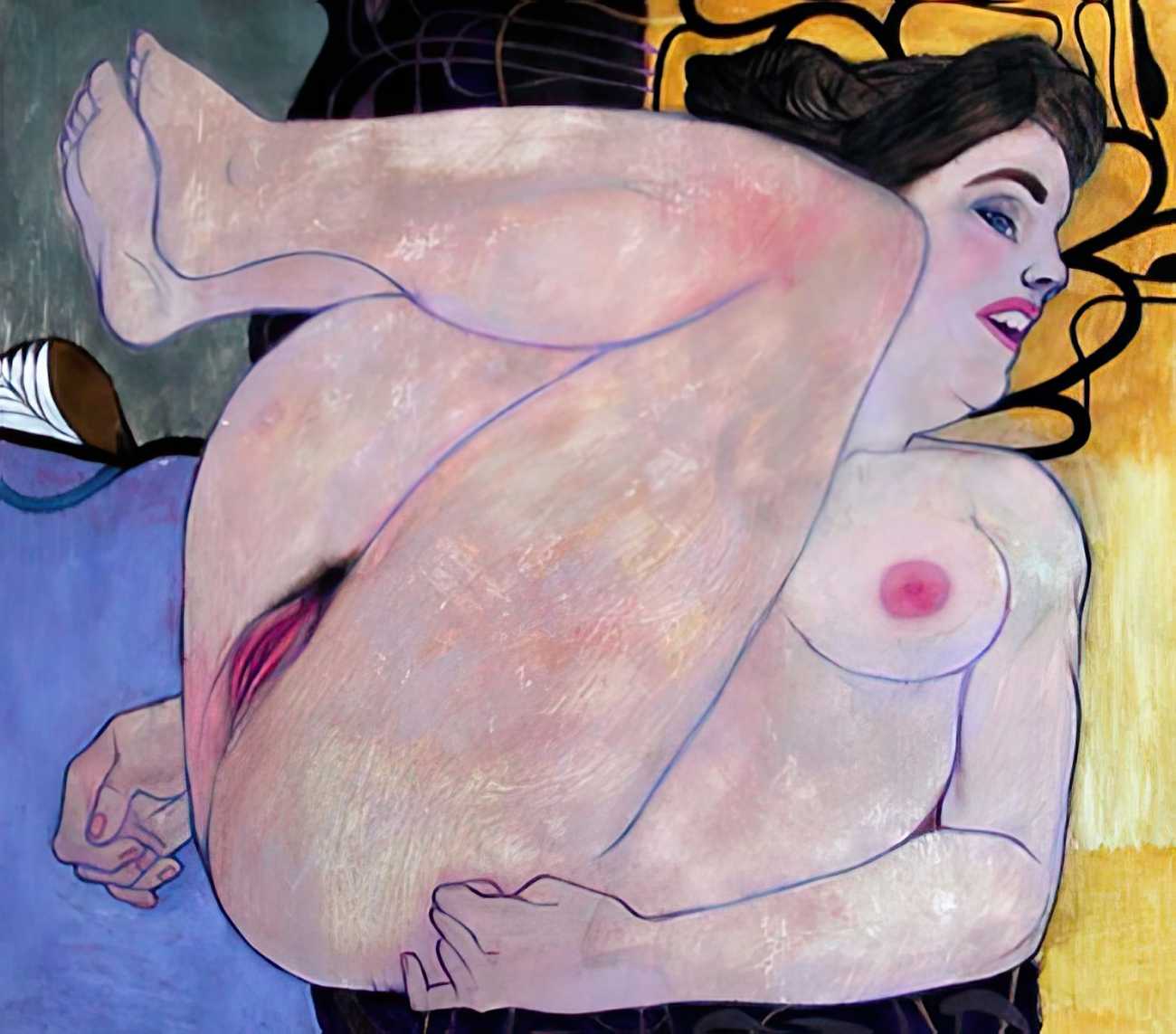
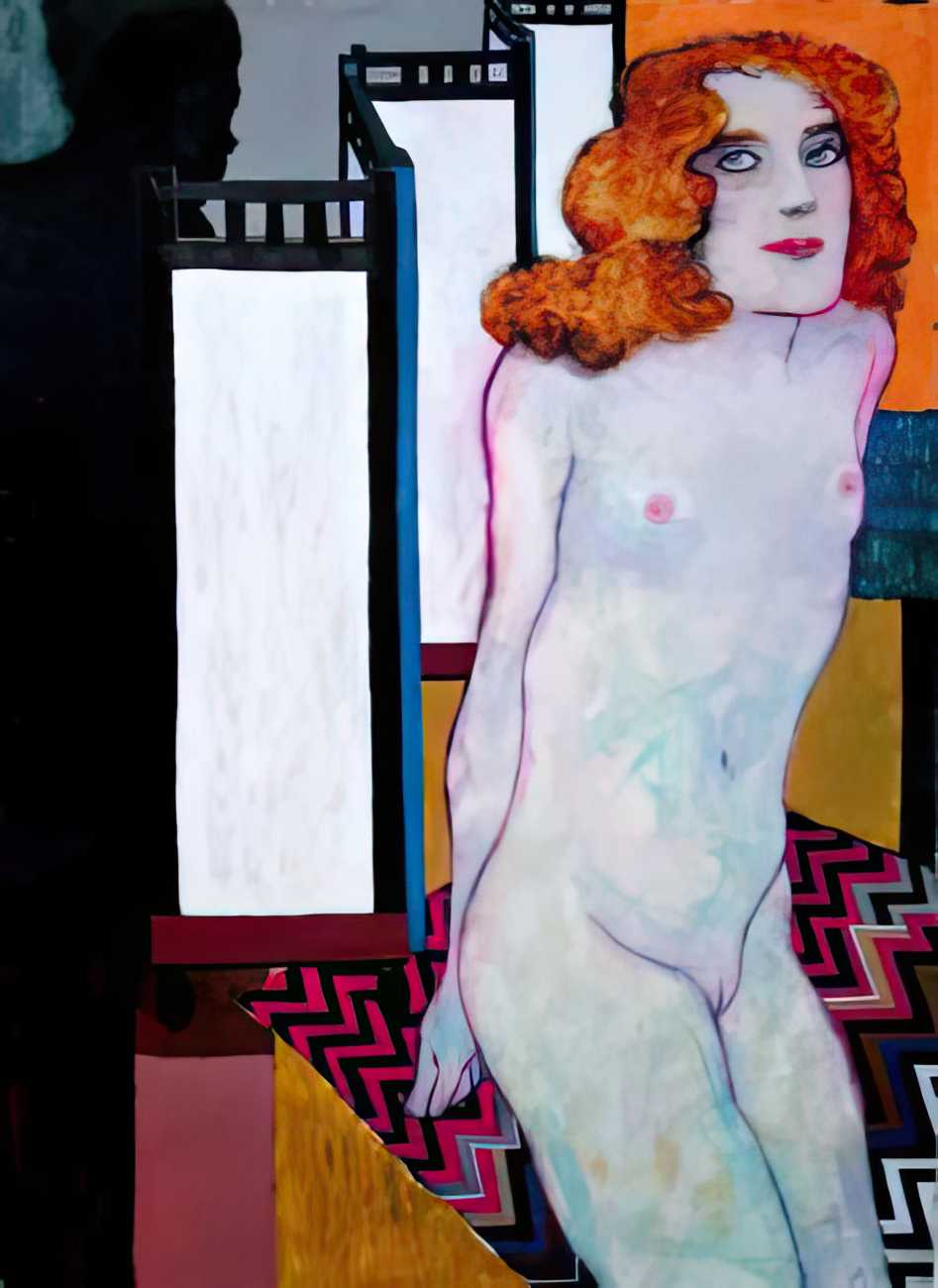
In his April 1989 exhibition at the Cabildo in Montevideo he displayed large paintings on paper, where he presented his first exploration of feminine themes – large, hieratic figures that were defined as burlesque allegories (Allegory of Confinement, Allegory of the Warrior Motherland) or as feminine archetypes of cruelty and death (Salome). The latent eroticism in these images became much more explicit in 1991, in an exhibition held at the San Fernando Museum in Maldonado with Eduardo Cardozo and Fernando López Lage.
Pemper began working in press illustration at an early age. In 1989–90 he contributed to the Sunday edition of the Montevideo newspaper El País, and the following year worked for the magazine Vera Donna. He subsequently worked as a freelance illustrator and on publishing projects in Uruguay, Mexico and Spain, illustrating more than fifty books. Among these were four volumes of El Cid: El Personaje y la Leyenda en la Historia Hispánica (El Cid: The Character and the Legend in Hispanic History, published by Correo del Maestro/La Vasija in Mexico. From 2005 he also regularly contributed illustrations to the Madrid newspaper El Mundo.
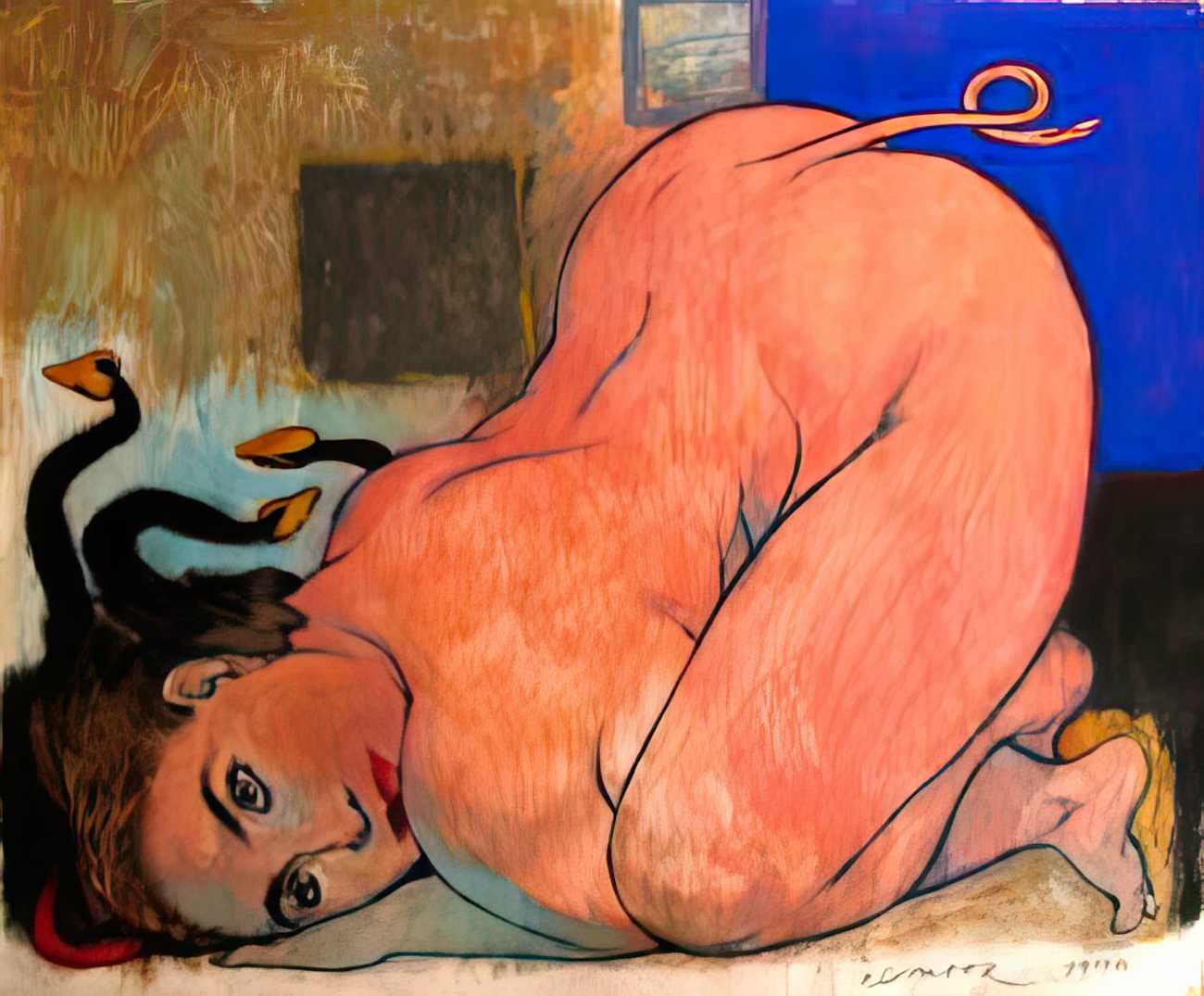
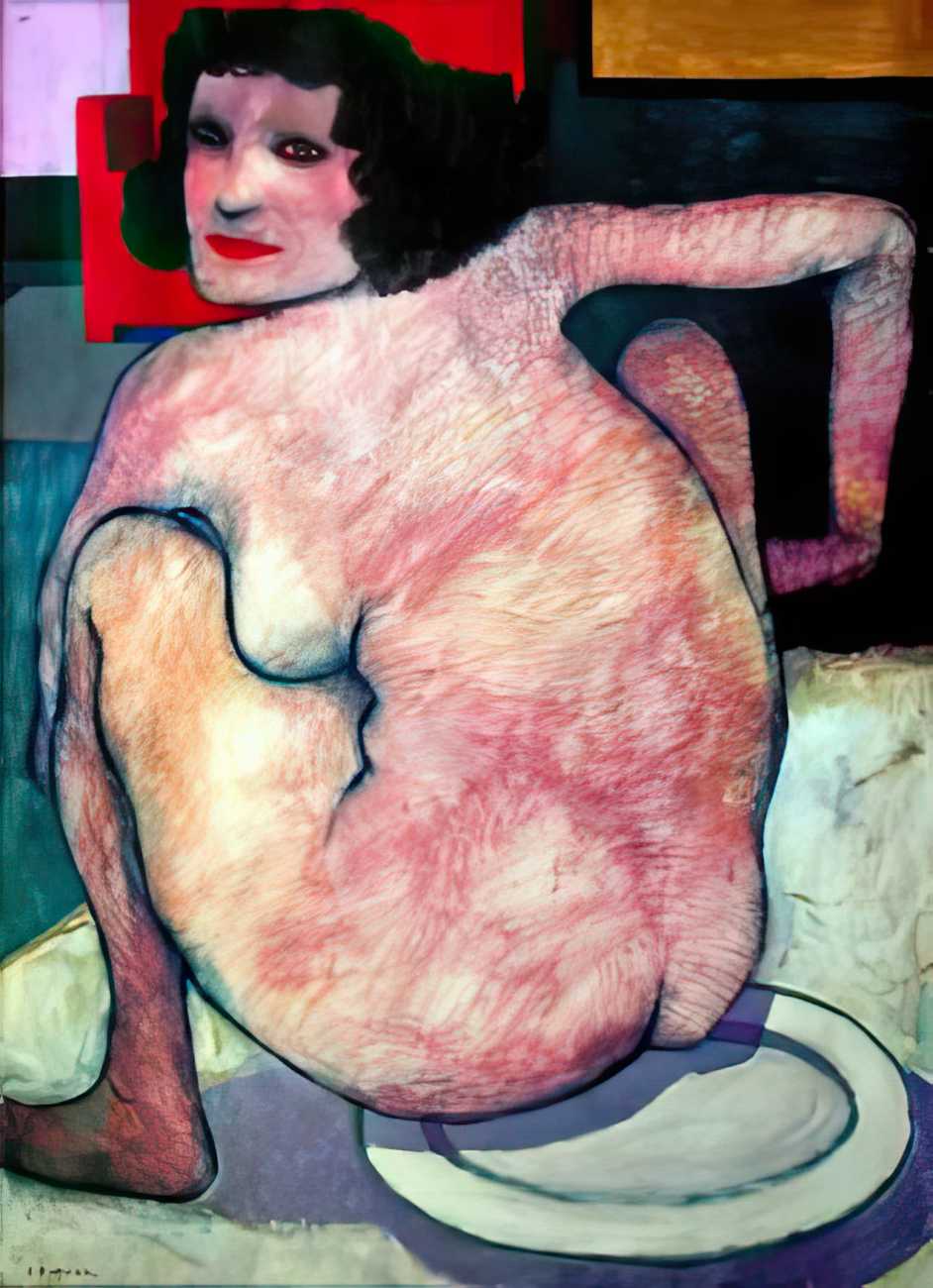
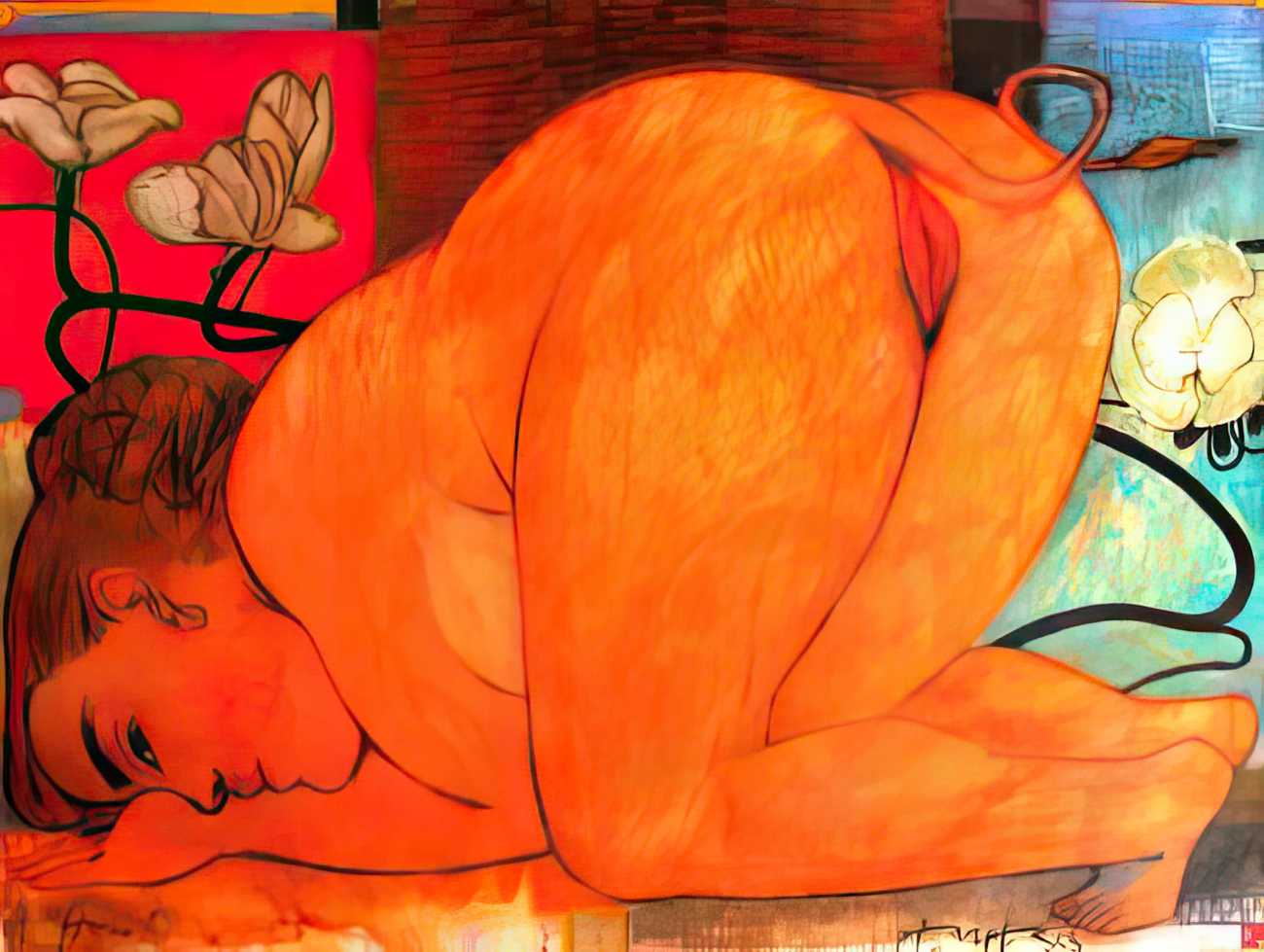
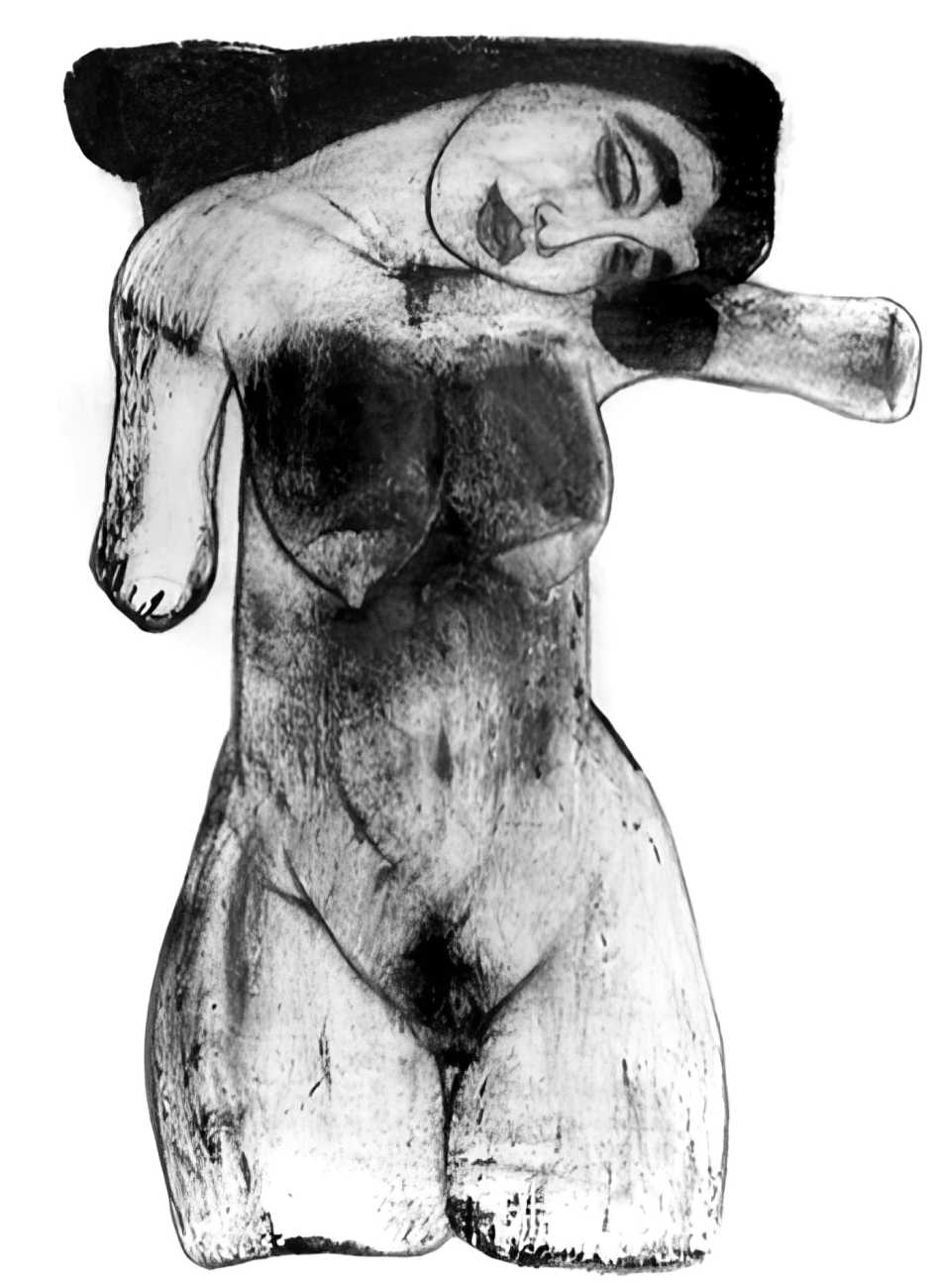
In 1995 Pemper embarked on two projects related to drawing. The first was a solo exhibition, Anástasis, at the Uruguay-USA Alliance, which focused on the figure of Anastasia, the murdered daughter of the executed Tsar of Russia. The second exhibition, Eutrapelia, was held at the Blanes Museum, where he and Virginia Patrone displayed a collection of sketches and preliminary studies. In February 2000 he exhibited a selection of works ranging from large paintings on paper created for the Vento Sul Biennial to recent works that inaugurated new series and directions, including the Las Contorsionistas (Contortionists) series, at the La Oriental Gallery in Manantiales, Punta del Este.
In 2003 Pemper left Uruguay for Spain, initially seeking work and new opportunities as an illustrator. He spent fifteen years there before returning to Montevideo, where he established a studio in the city’s Old Town. Alongside illustration, Pemper has maintained a career as a painter and draughtsman, exhibiting in Uruguay and Spain. His work is held in private collections in Europe and America, as well as in several Uruguayan public collections.
He confesses to ‘nurturing his own mystery and not repeating himself’. To achieve this, he often delves into his unconscious, sketching small drawings until he feels something new emerge. ‘Then comes a perception, the sensation of running out of breath. Suddenly something complex and ineffable arises, something that cannot be explained in words. It generally occurs in long-term works when I sit down to draw for many hours and my hand begins to loosen, and I begin to channel the unconscious. There comes a moment when I begin to navigate interesting waters, on the edge of what I've never done, or beyond the rational. These sessions can last six or seven hours.’
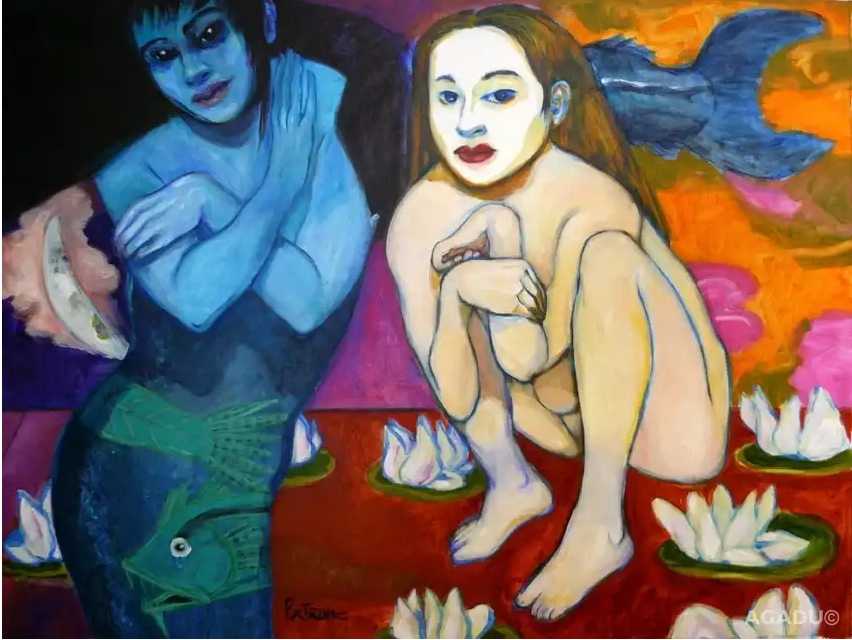
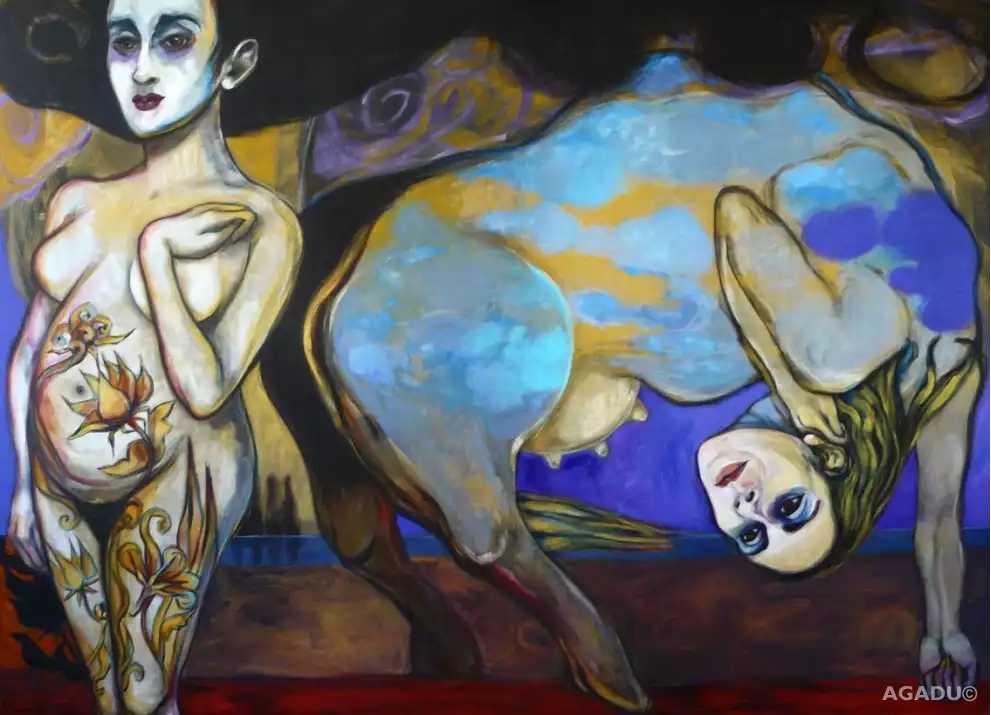
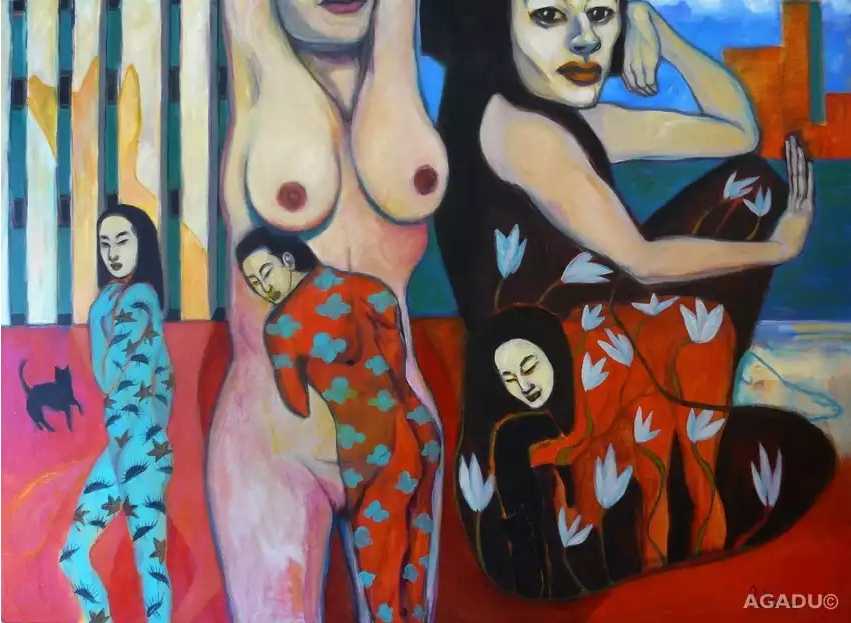
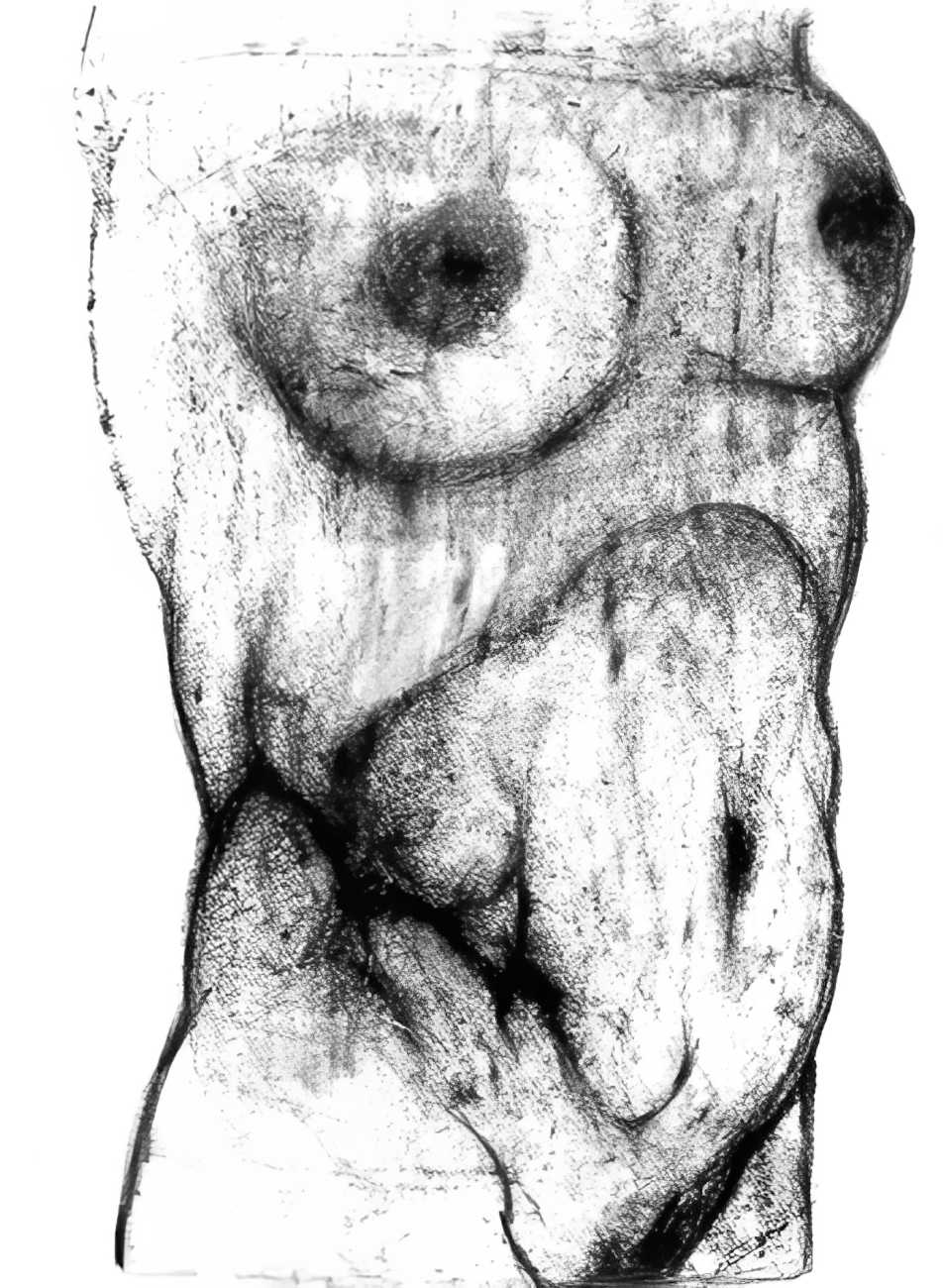
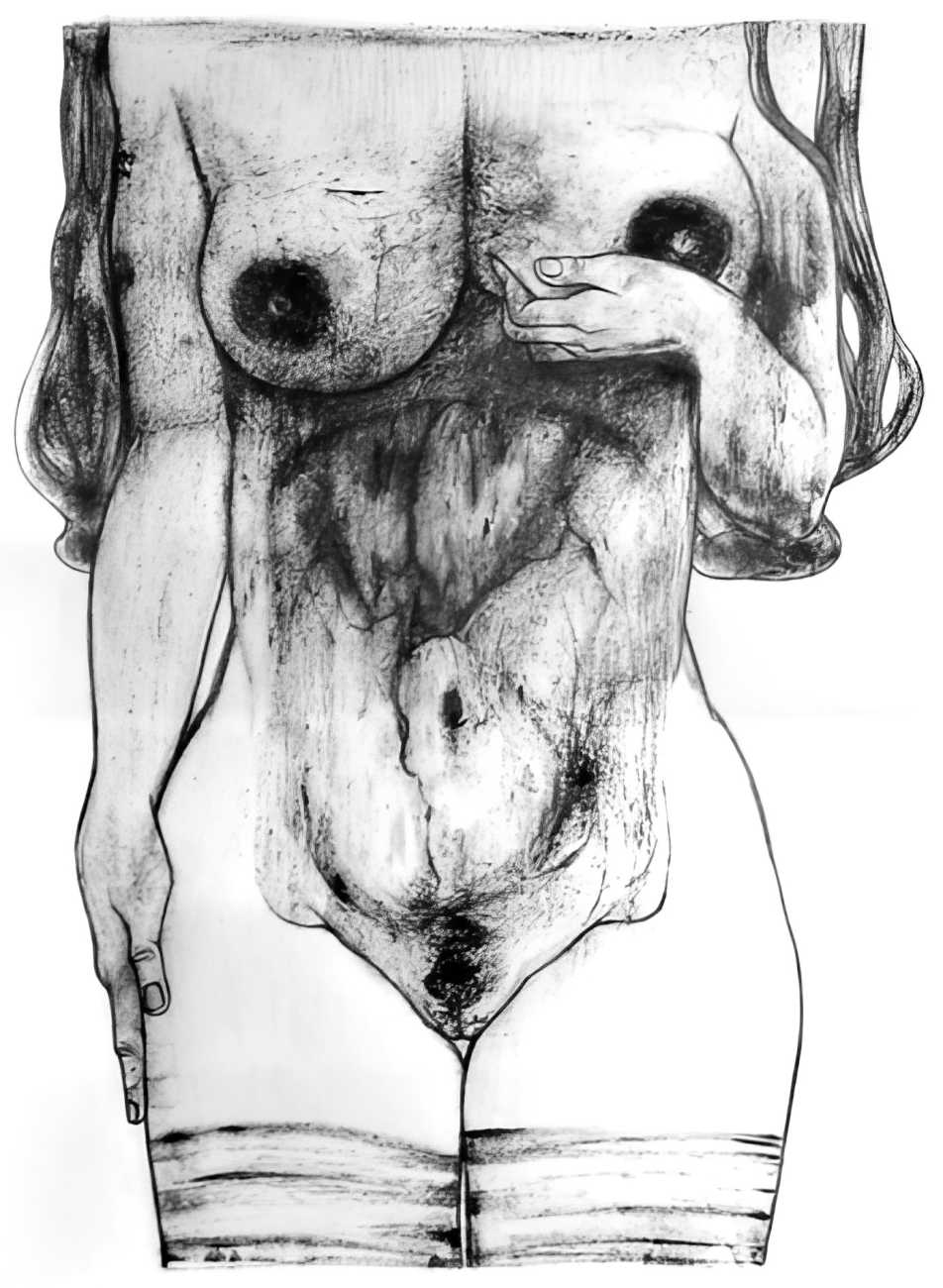
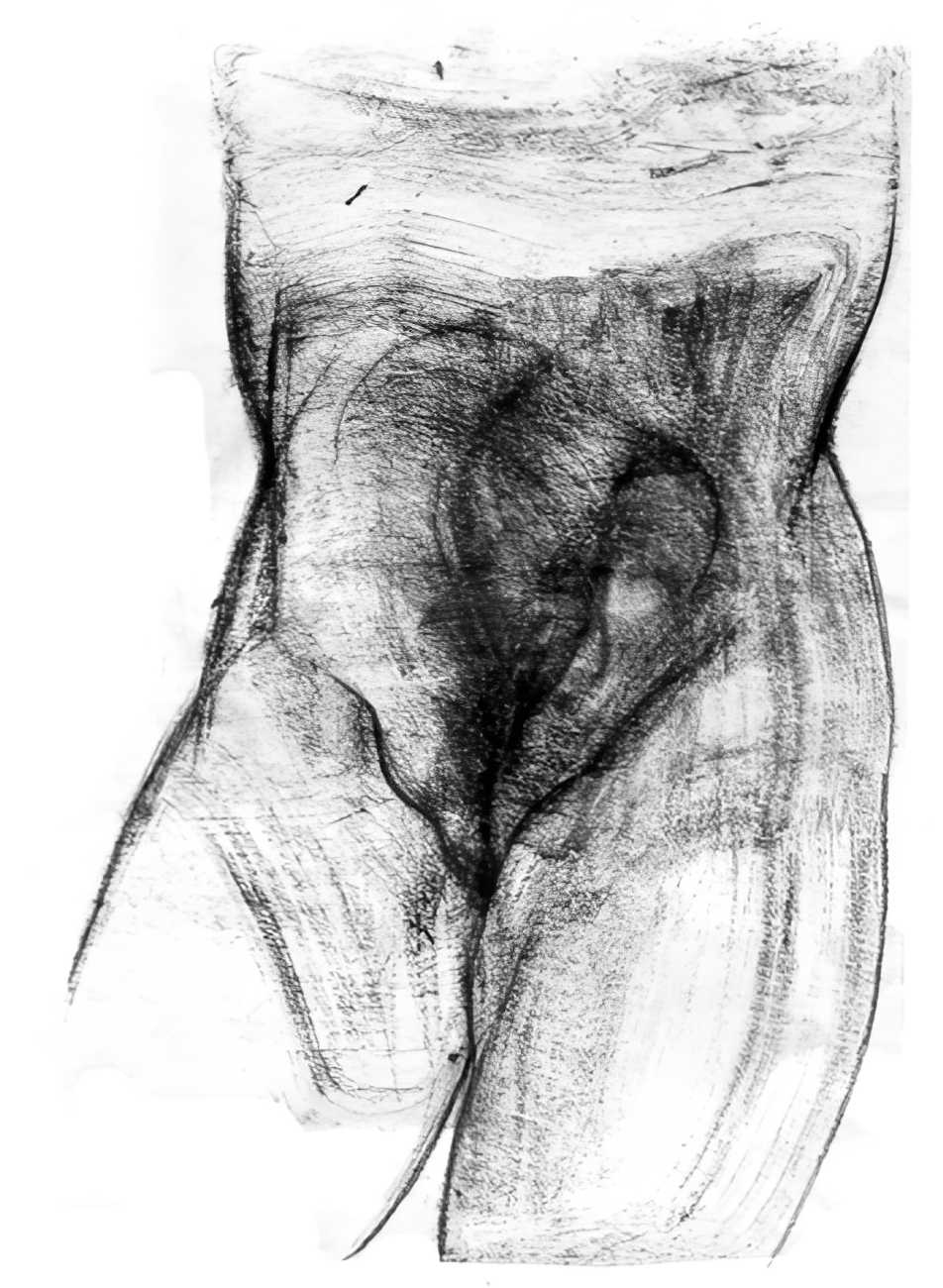
And his erotic art? Eroticism and the naked female figure have been central subjects throughout his career. His work draws on traditions including art nouveau, pre-Raphaelitism and symbolism, while classical mythology provides a recurring source of imagery and ideas. His imagination is fuelled by ‘mystery’, as he likes to call it, and by an eroticism displayed with boldness and lucidity. ‘I don’t know how the erotic began in my work,’ he writes. ‘Eroticism is something delicate. It’s vulnerable and walks a fine line from which one can quickly fall. I think it’s good to have a naturally mysterious and delicate zone in your own life, something it’s okay not to delve too deep into unless that prevents you from advancing as an artist.’
Similar artists
Henrique Alvim Corrêa – South American symbolist painter working in the fin-de-siècle erotic tradition.
Leonor Fini – French surrealist of dreamlike, mythological women.
Sanam Khatibi – contemporary painter of richly imagined, archetypal eroticism.
Gustav Klimt – Austrian art nouveau painter of gilded, legendary women in adecorative tradition.
Norman Lindsay – Australian draughtsman whose classical satyrs and nymphs share erotic exuberance.
Manuel Orazi – Italian-French symbolist illustrator of decadent fantasy.
Boris Vansier – Russian-Swiss painter absorbed in folkloric, richly figured eroticism.
Example illustration