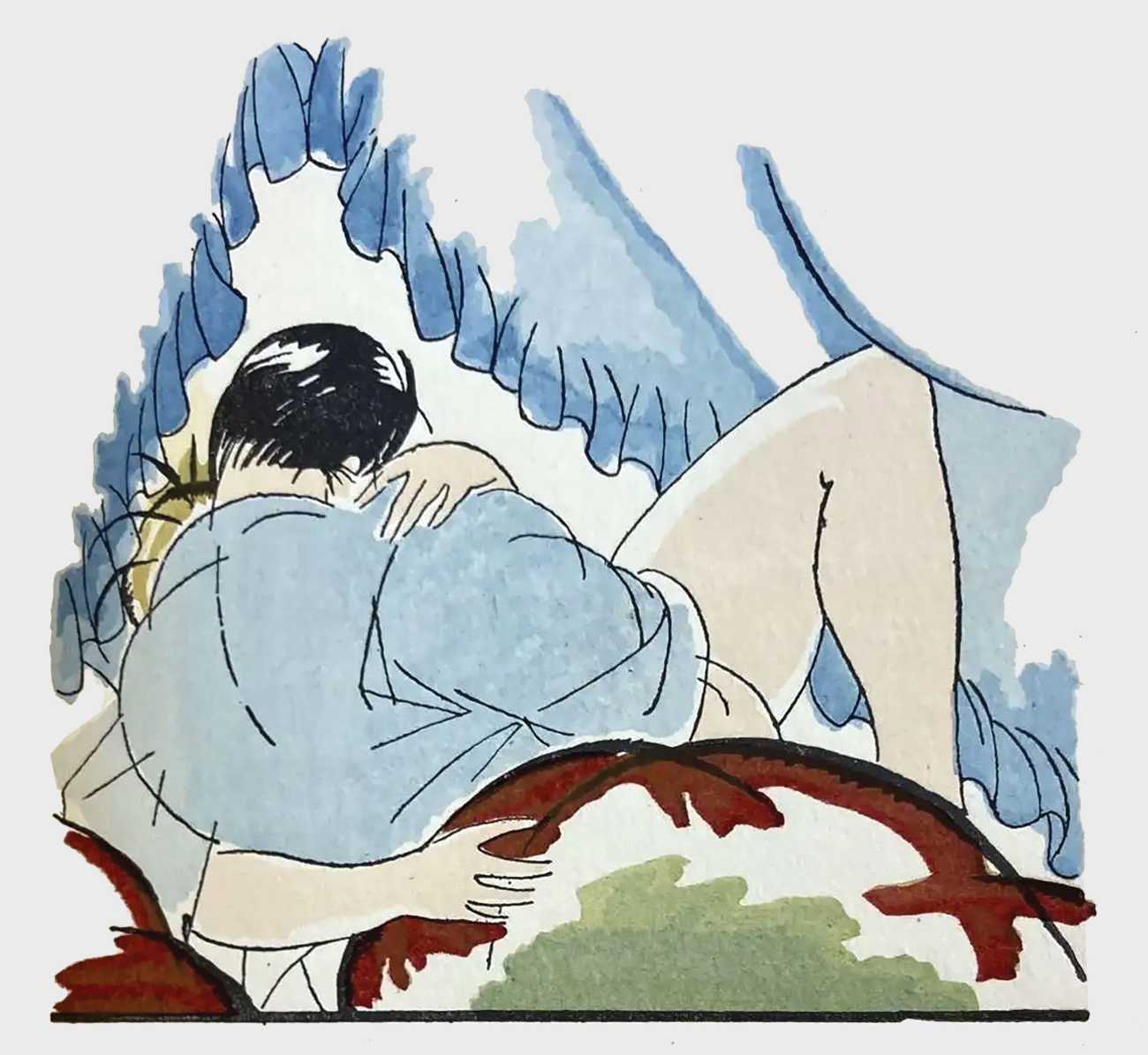
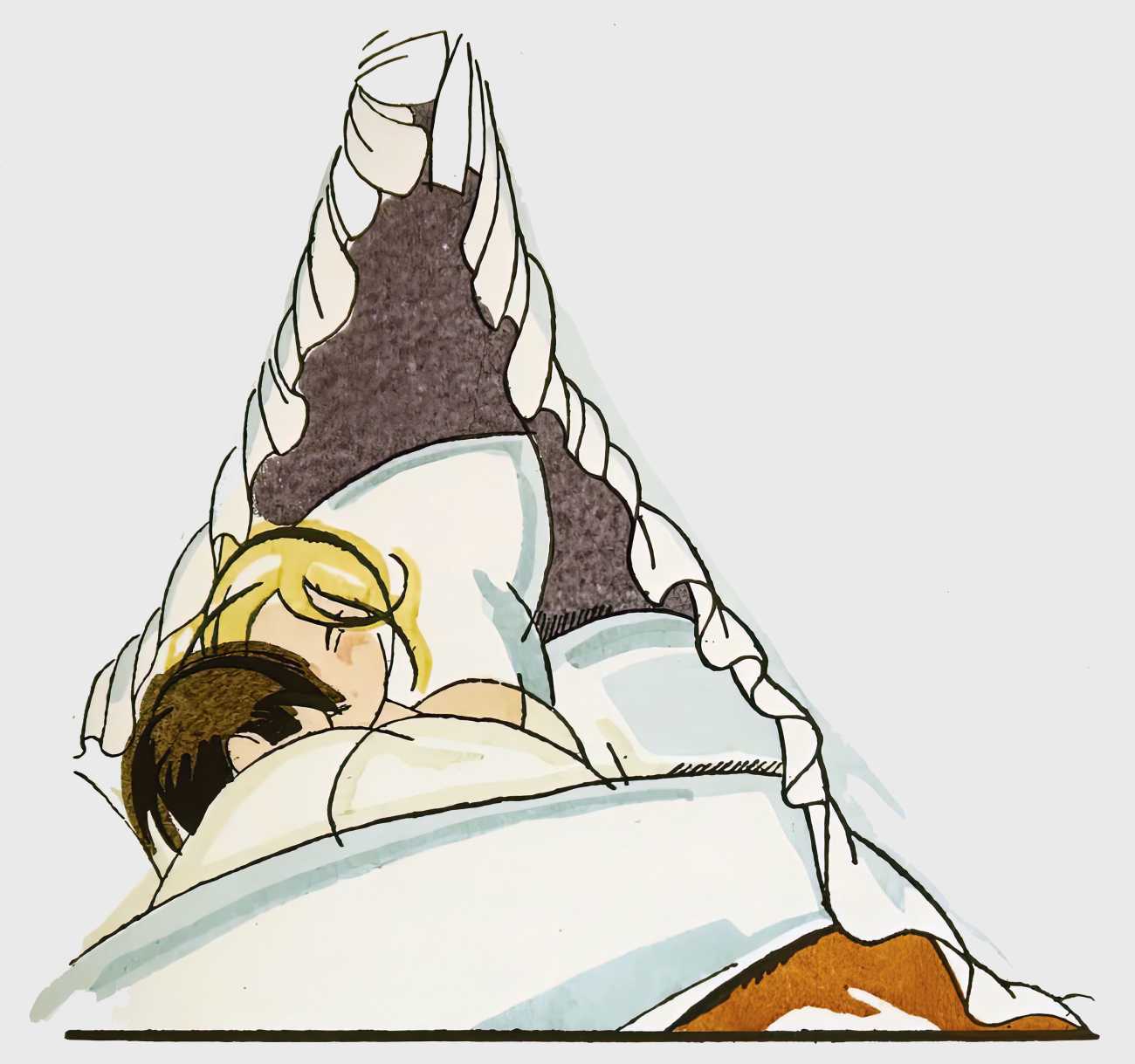
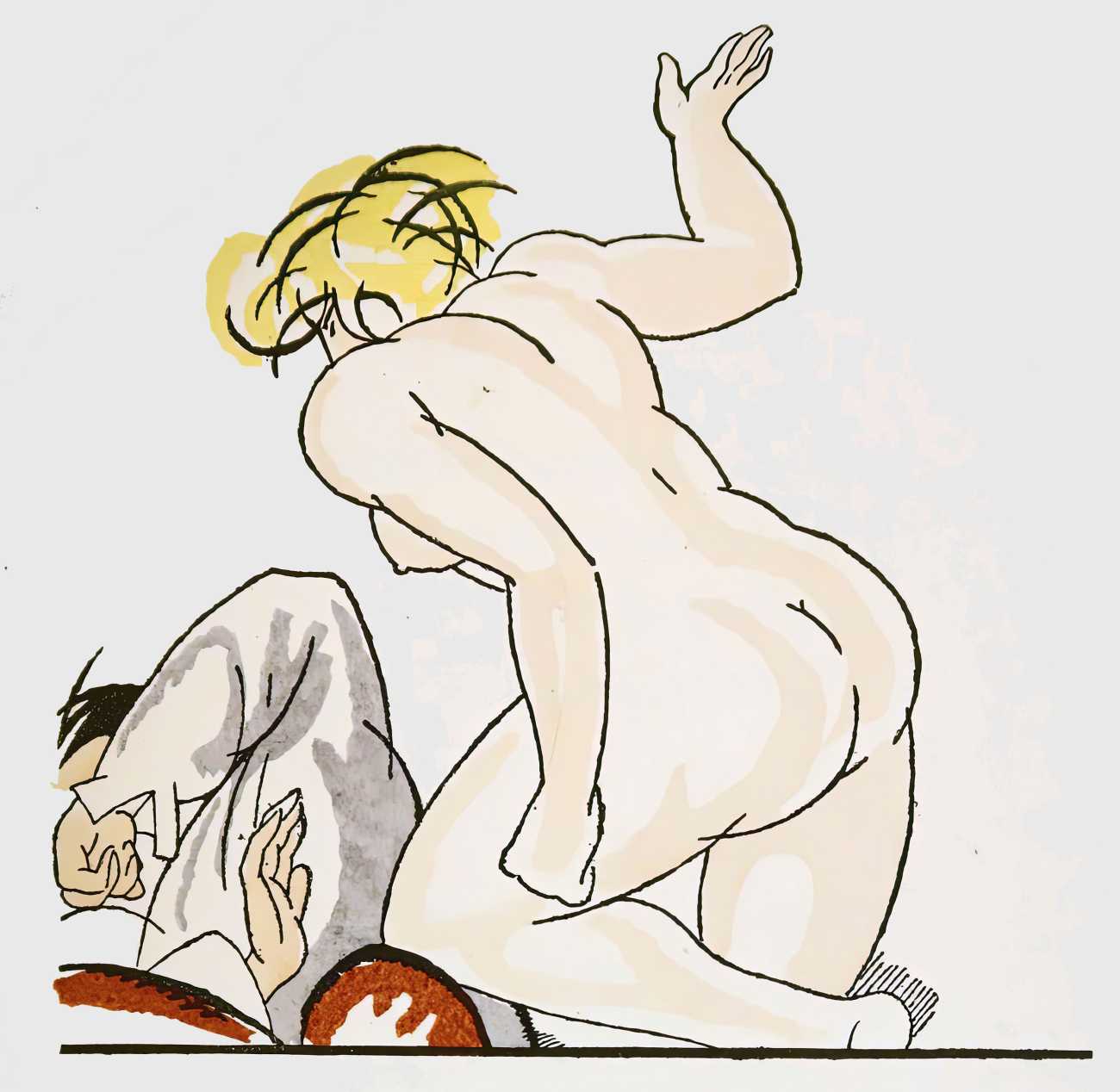
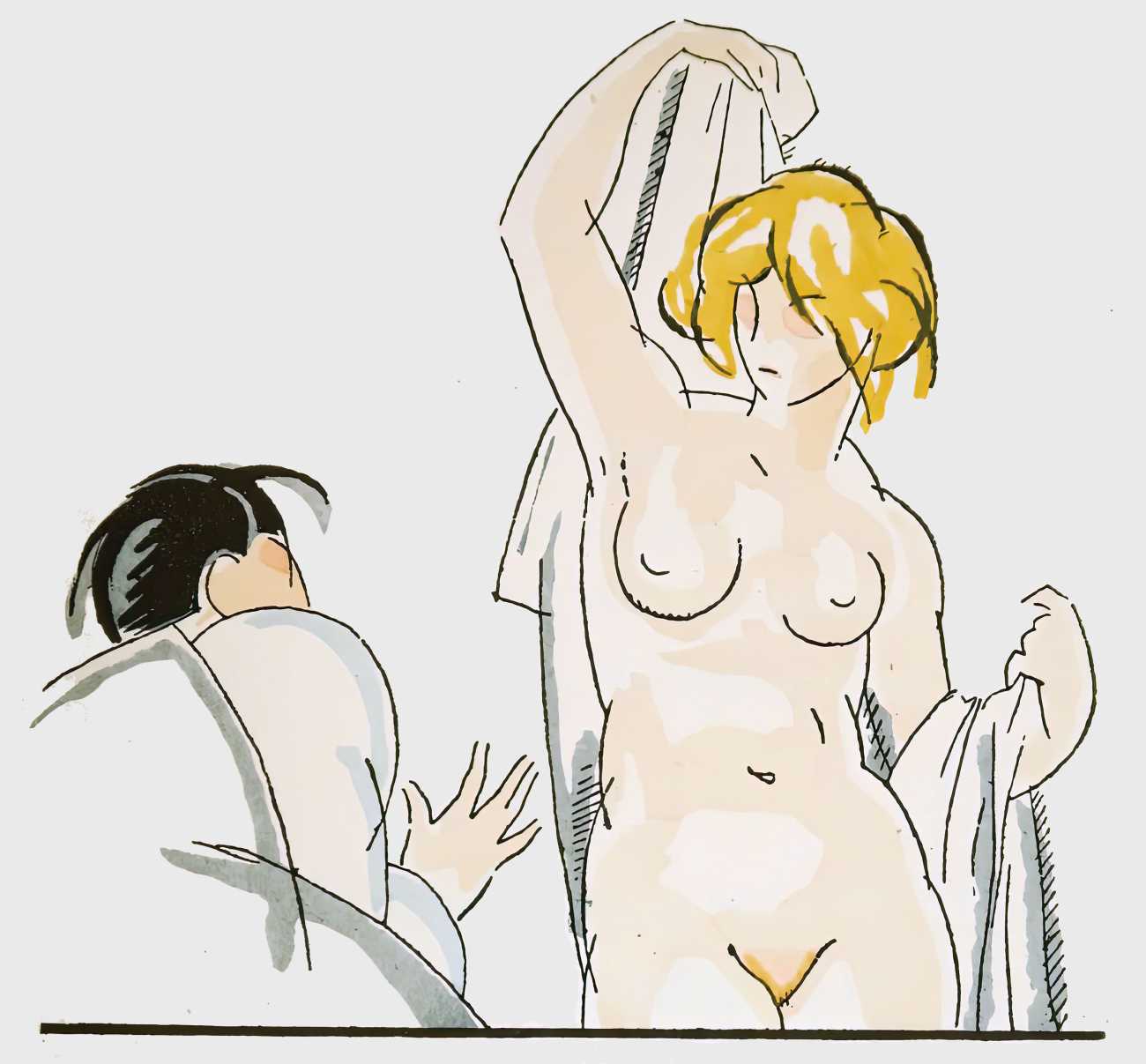
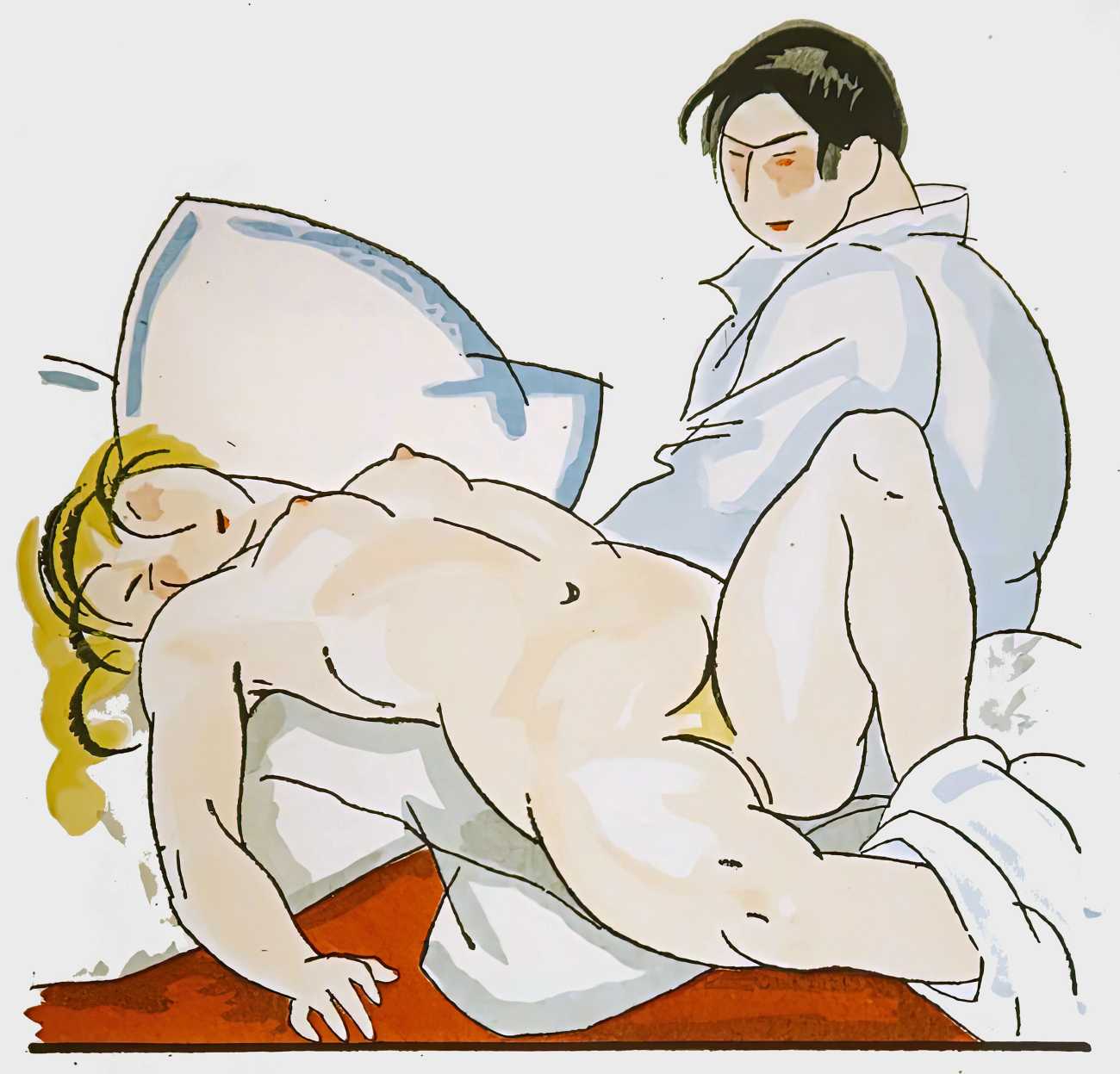
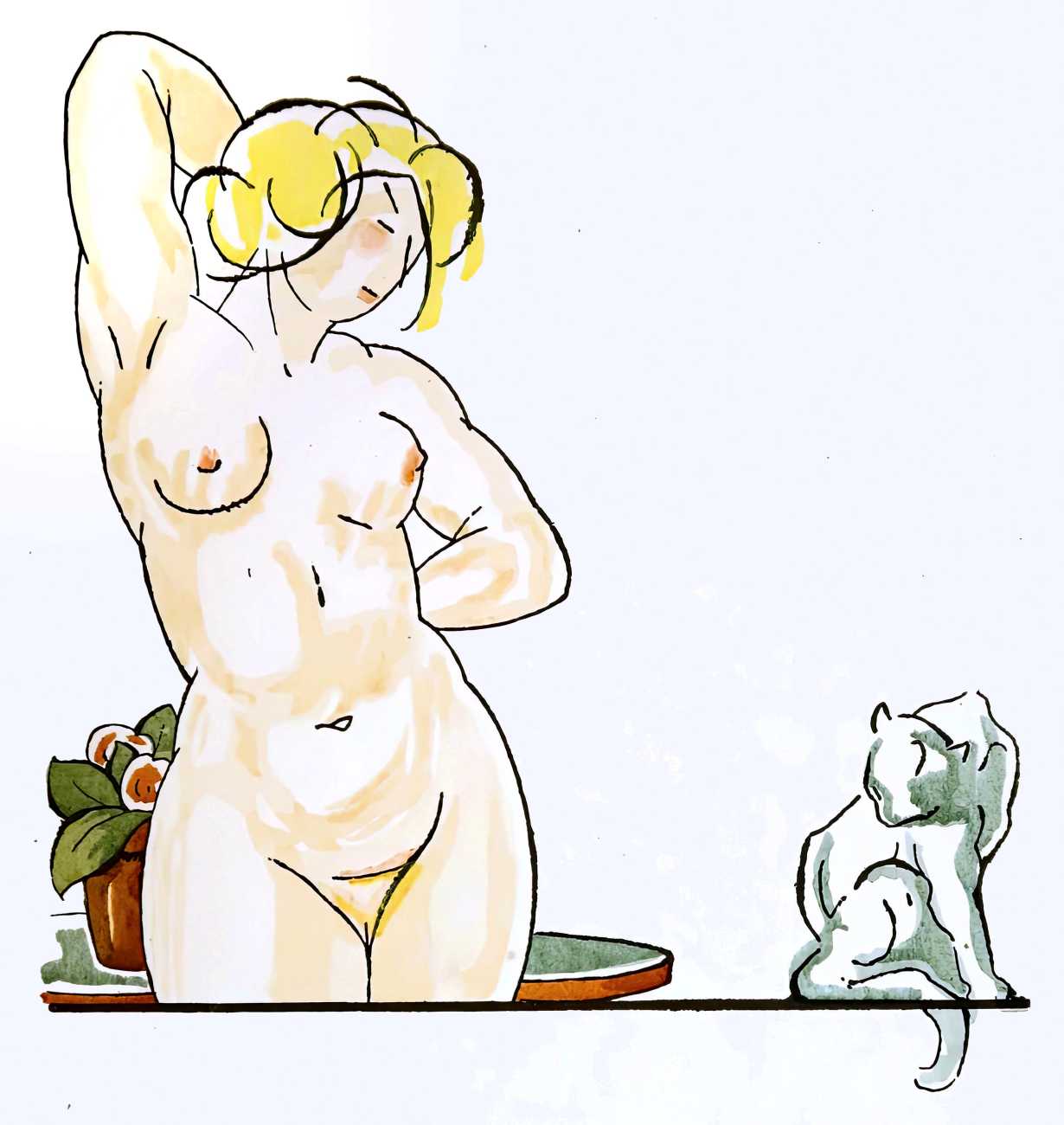
Though little-known today, Jean-Paul Quint was a significant book illustrator during the 1920s, training and working in Paris in the rich milieu of French graphic arts during a period when book illustration was transitioning from traditional engraving and etching towards more expressive and narrative forms. ‘Quint’ was his nom d’artiste, his birth name being Paul Ernest Jean Boiraud.
Initially a student of Léon Lenfant at the École des Arts Décoratifs in Paris, he furthered his studies by travelling throughout Europe and Egypt. He then contributed to Parisian newspapers, including Le Rire, Fantasia, and Mode Illustrée, and from 1919 to the Dernières Nouvelles in Strasbourg, where he settled and exhibited. A retrospective exhibition was dedicated to him at the Cabinet des Estampes in Strasbourg in July 1954. He was married to fellow artist Jacqueline Tauchon.
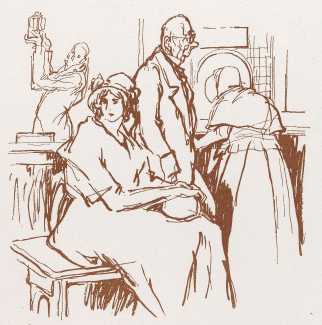
Quint produced drawings and illustrations mostly for literary editions of classic works, especially those of canonical French authors including Stendhal, Baudelaire and Balzac. His detailed drawings for Honoré de Balzac’s Le Père Goriot demonstrate his ability to depict character and mood with economy of line and sensitivity to narrative context. In 1928 he contributed illustrations to a French edition of Sir Arthur Conan Doyle’s Une étude en rouge (A Study in Scarlet), published by Librairie Charles Delagrave, giving visual interpretation to French readers of one of detective fiction’s foundational works.
Similar artists
André Collot – French illustrator of refined erotic editions.
Jean-Gabriel Daragnès – French engraver, printer and illustrator of fine editions.
Jean Dulac – French interwar bibliophile illustrator for the fine-press market.
André Lambert – French illustrator of refined interwar erotic editions.
Sylvain Sauvage – French art deco illustrator of refined livre d'artiste editions.
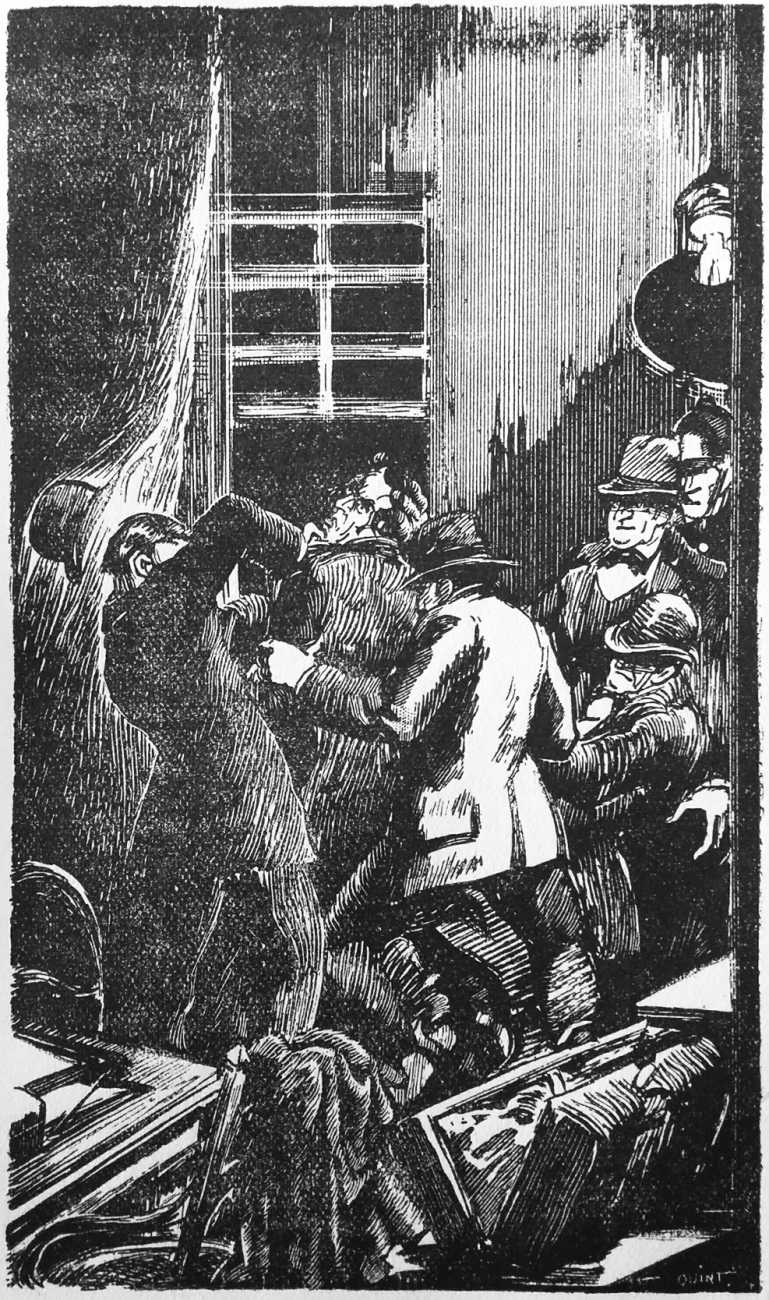
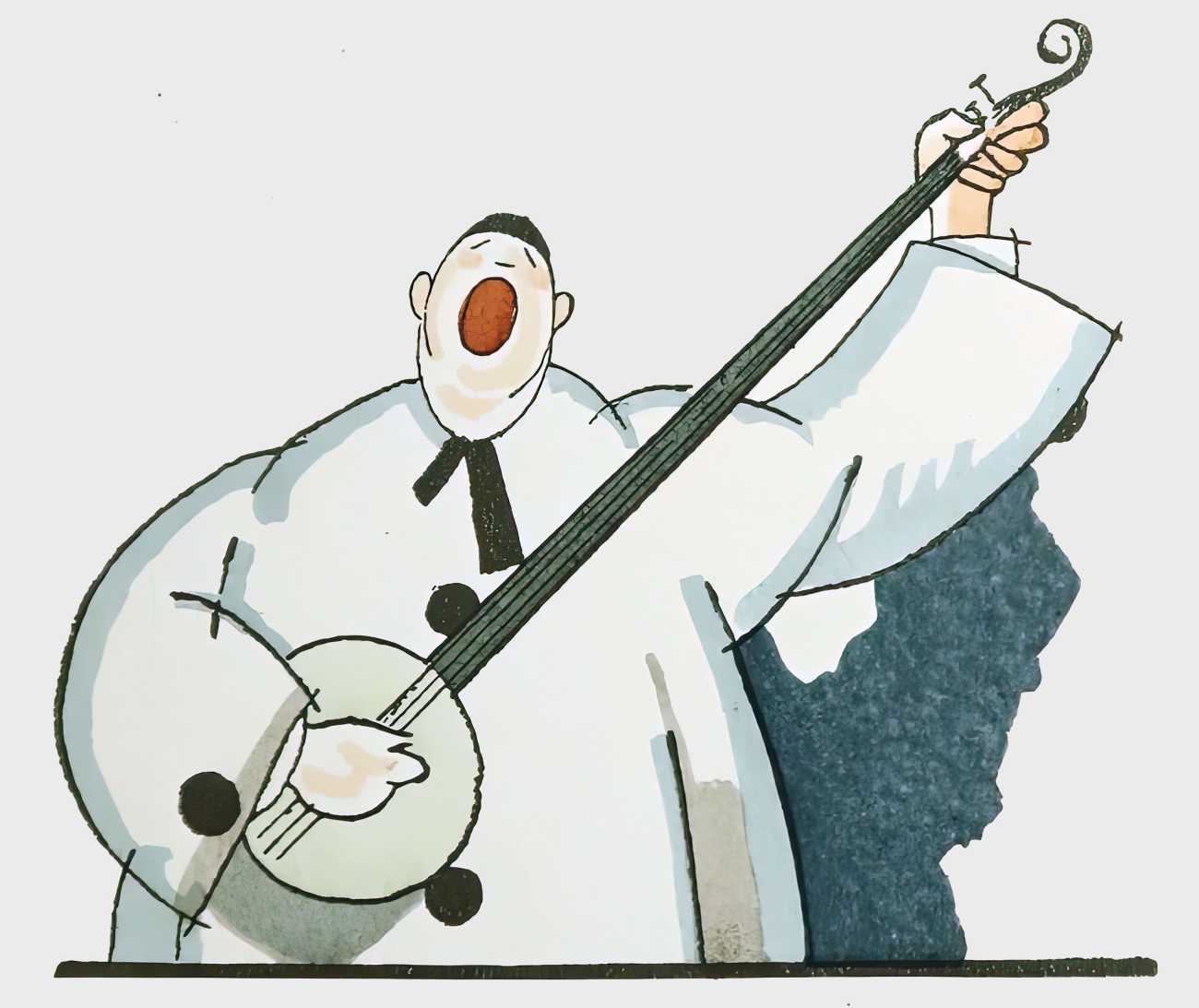
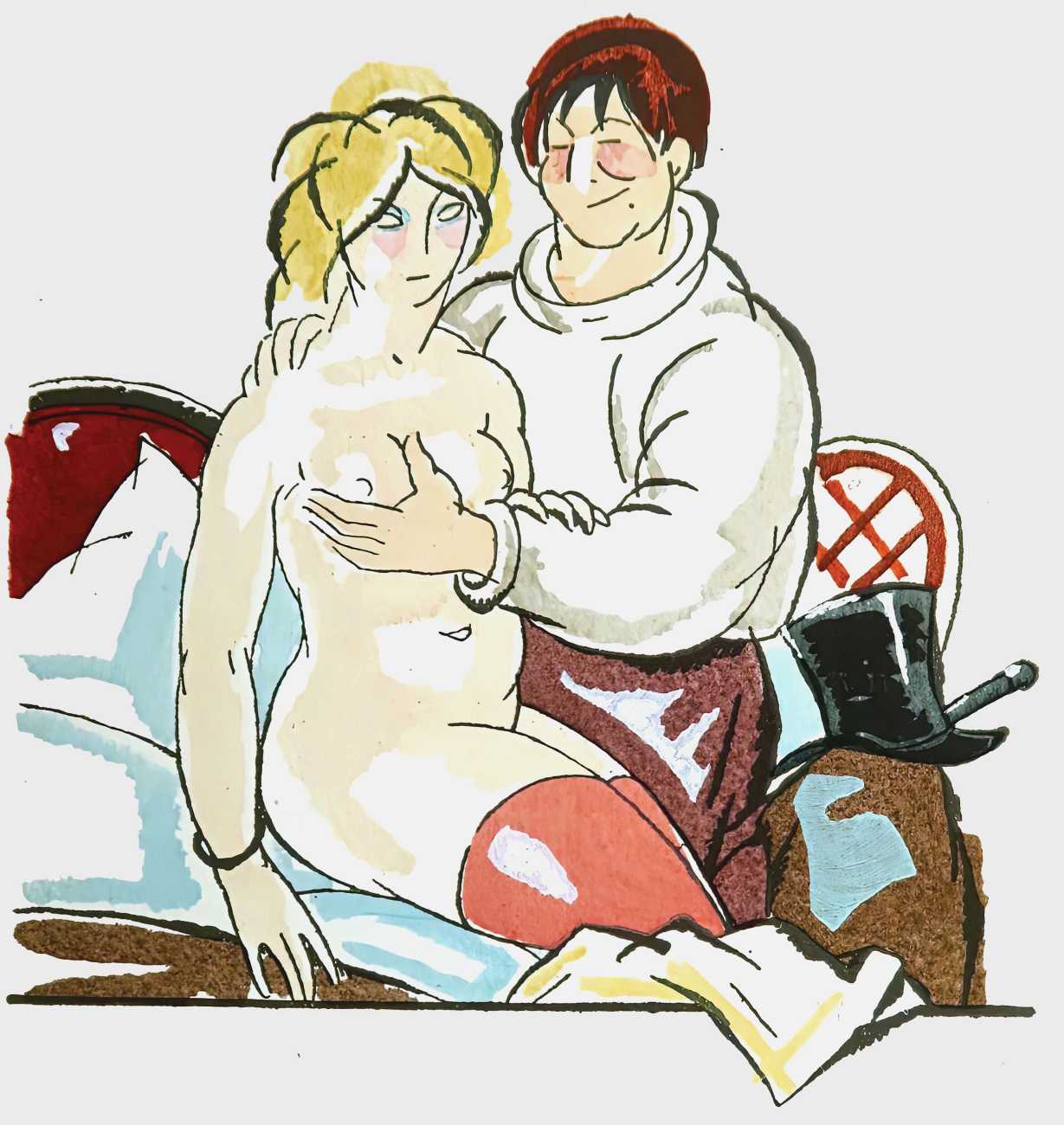
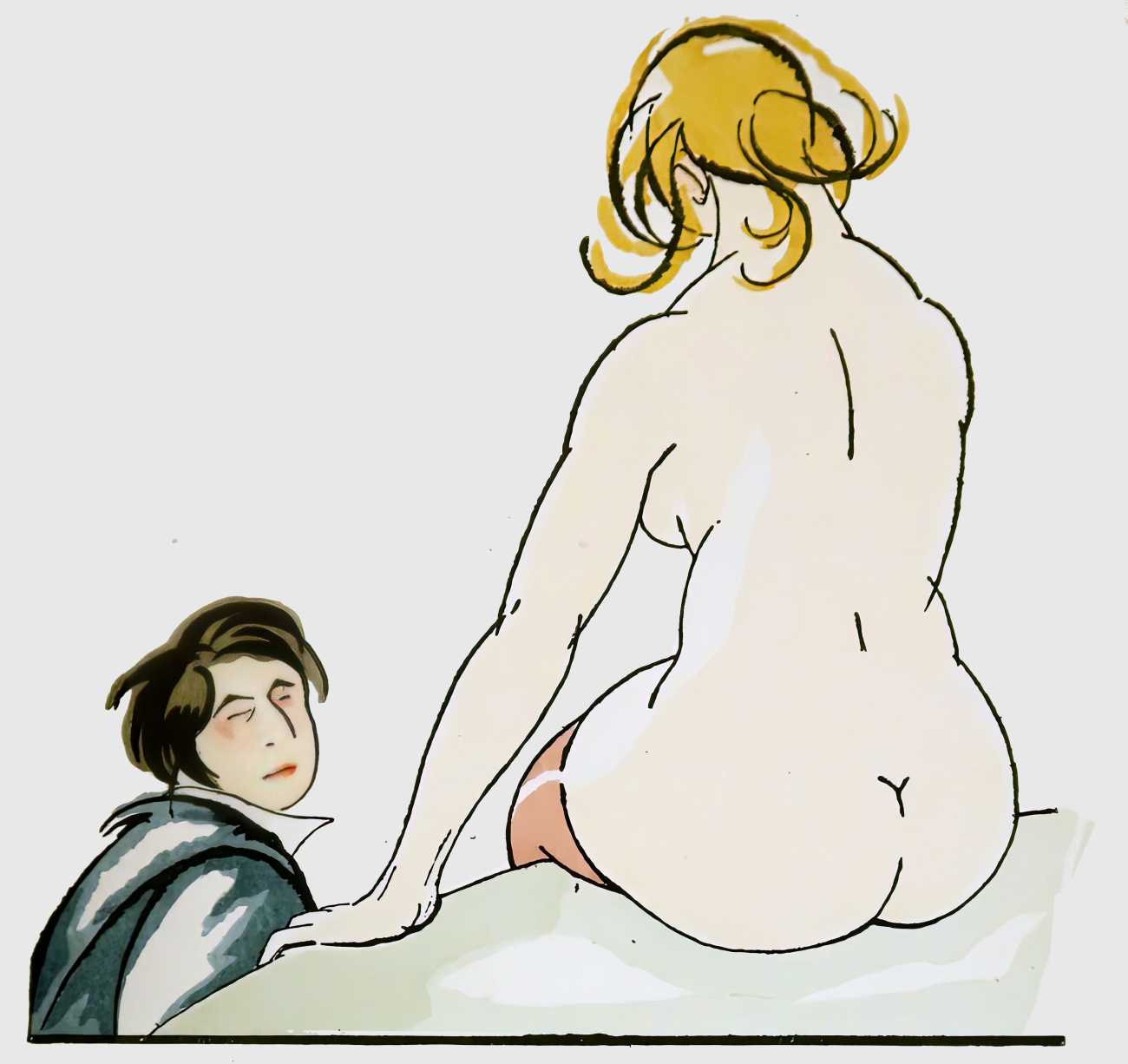
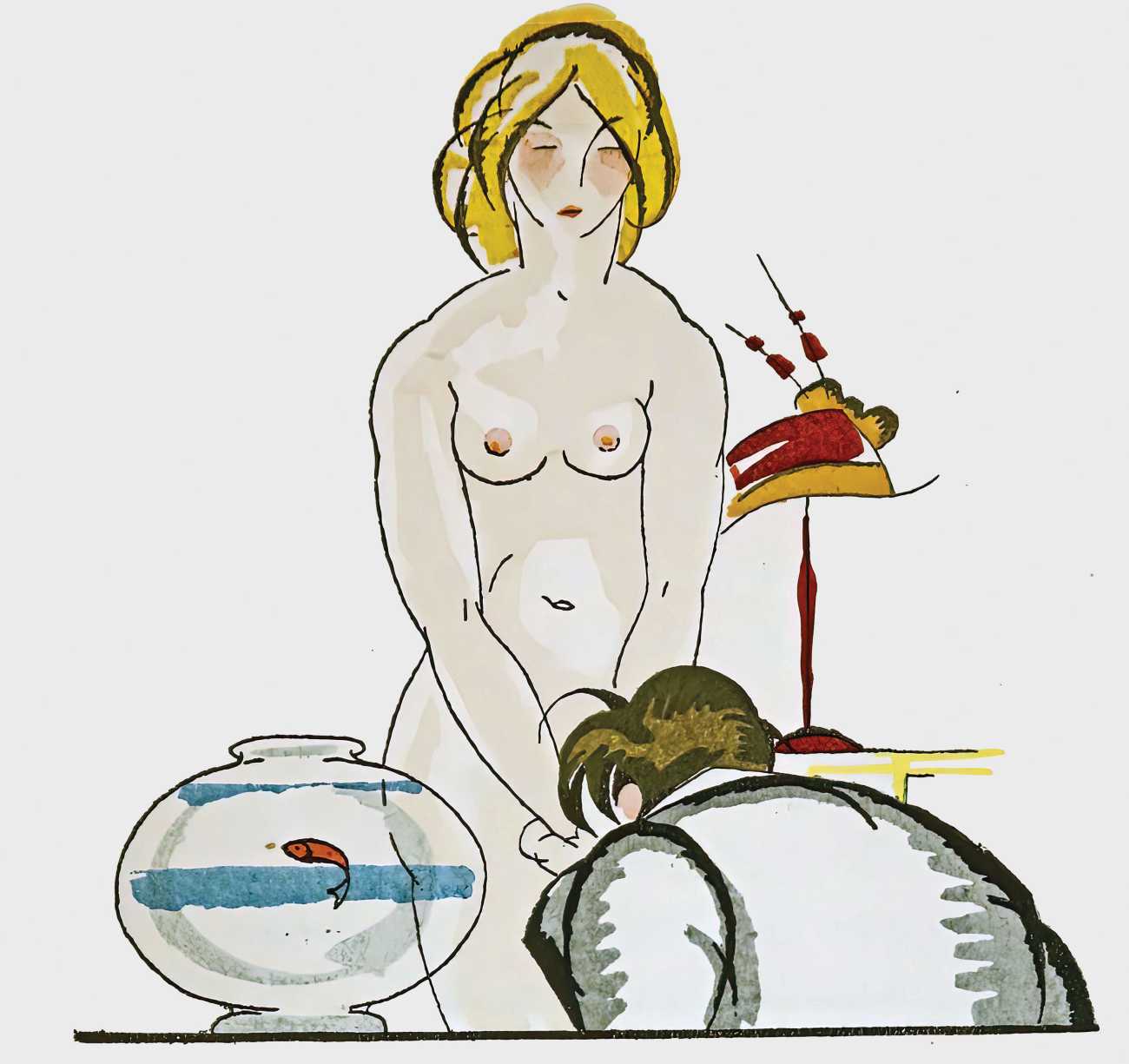
Example illustration
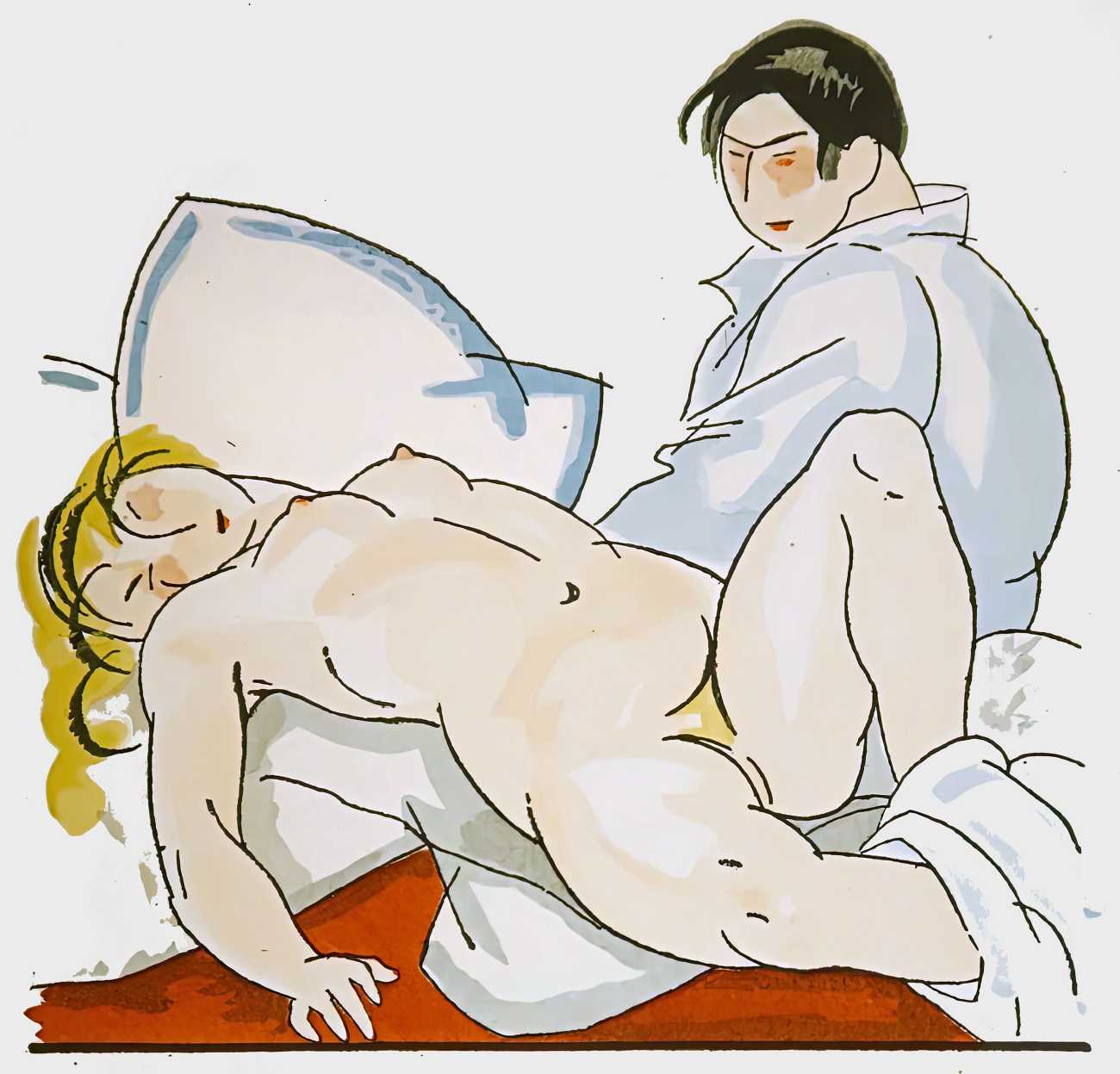
Chansons pour elle (1923)