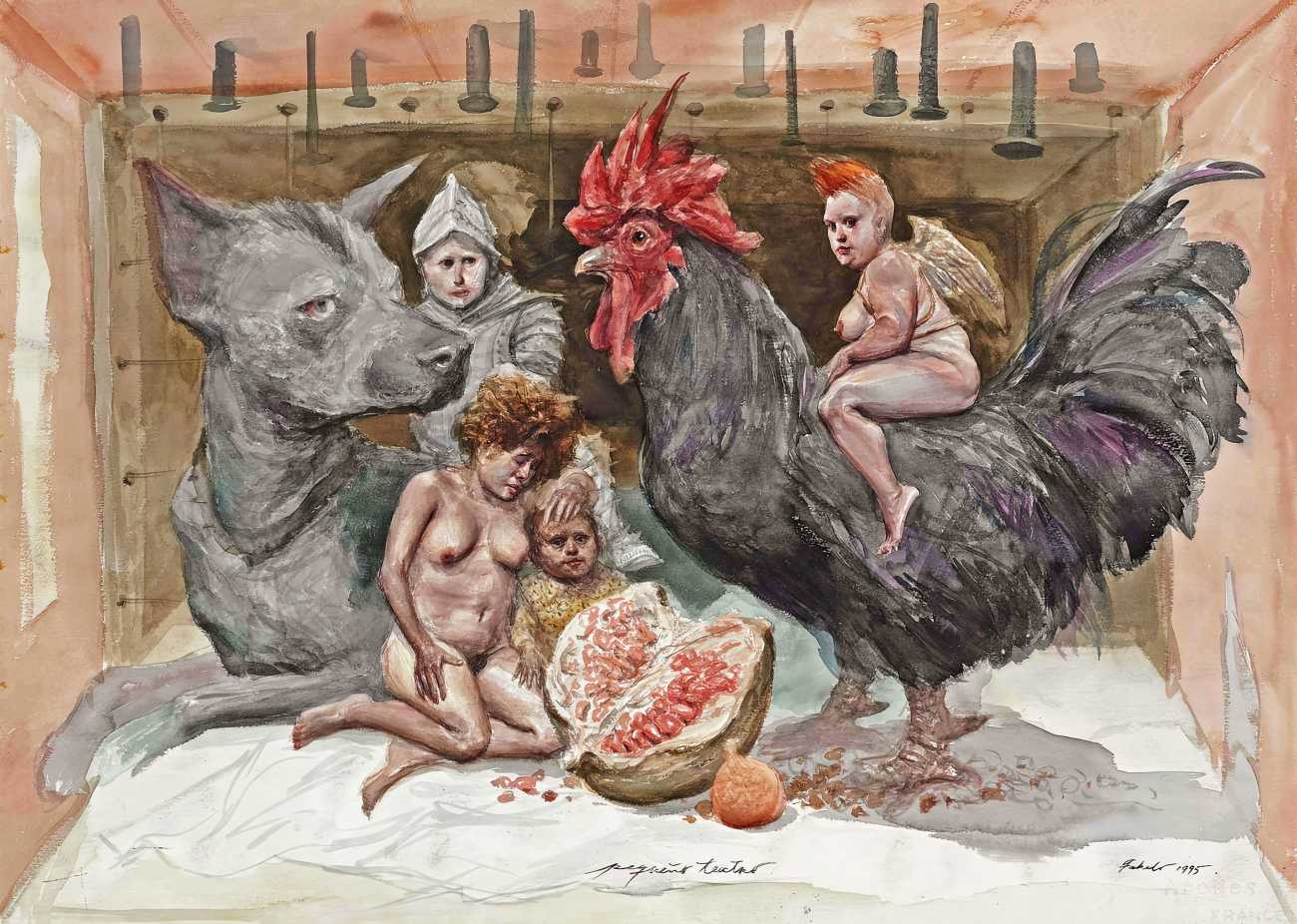
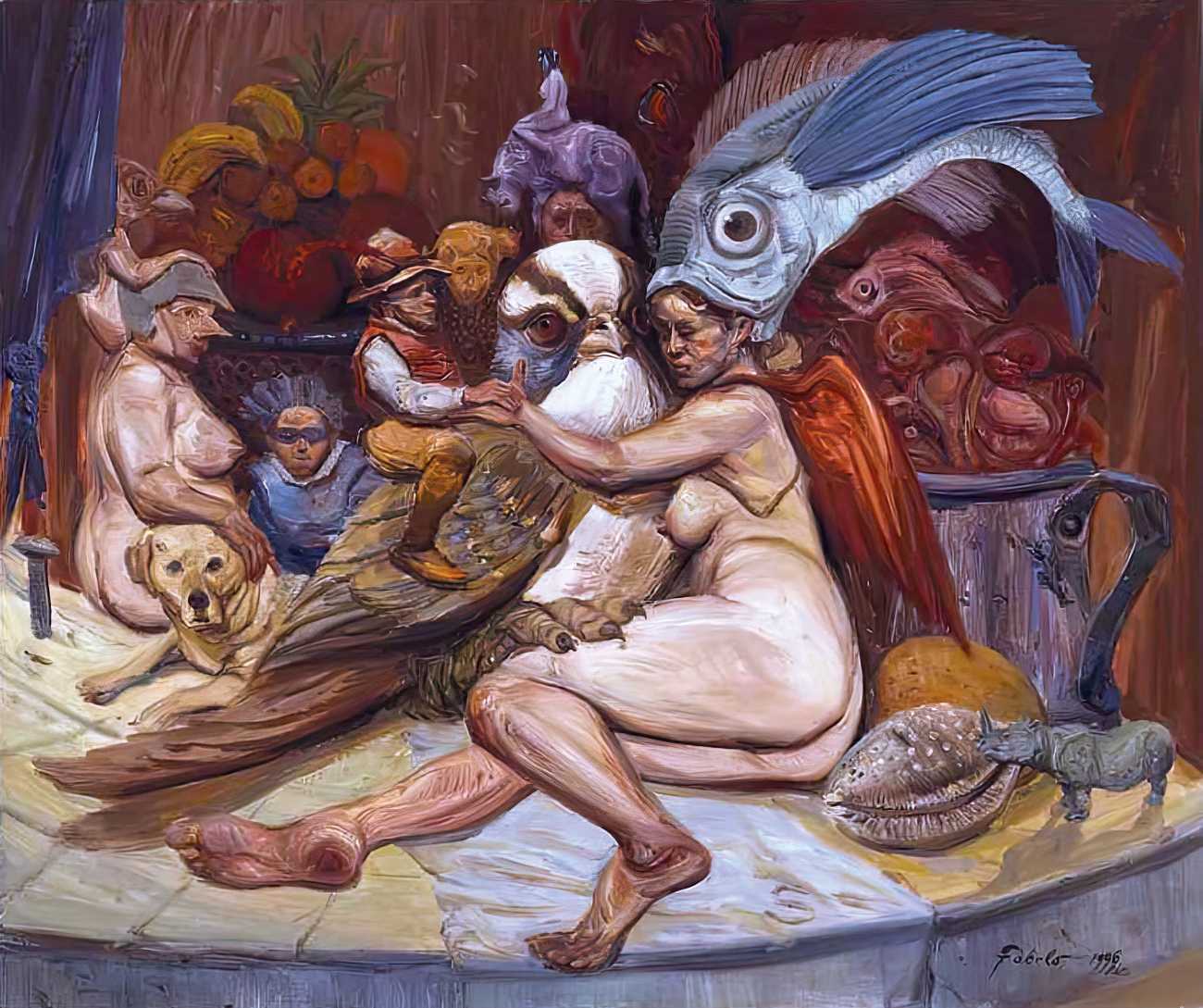
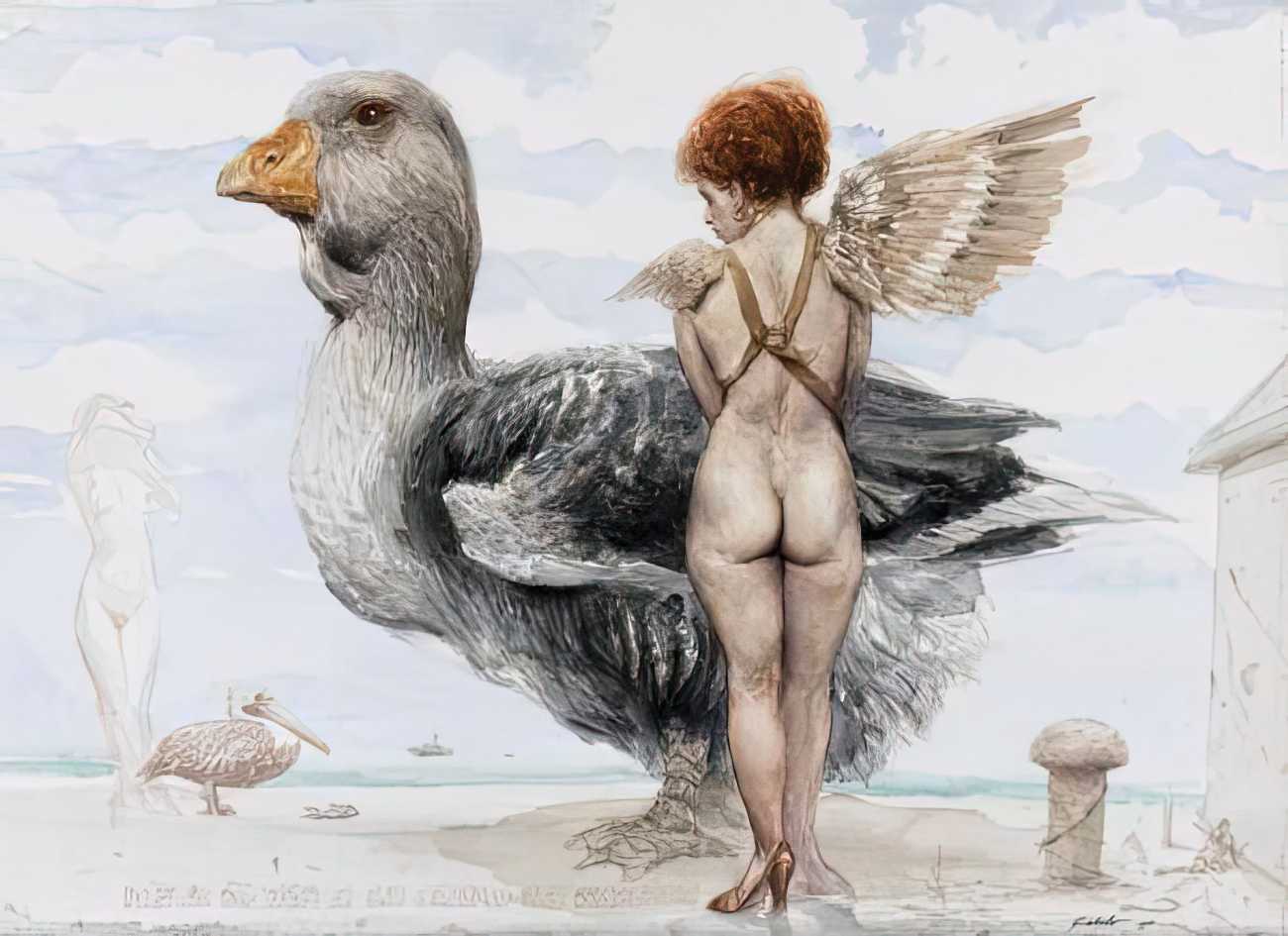
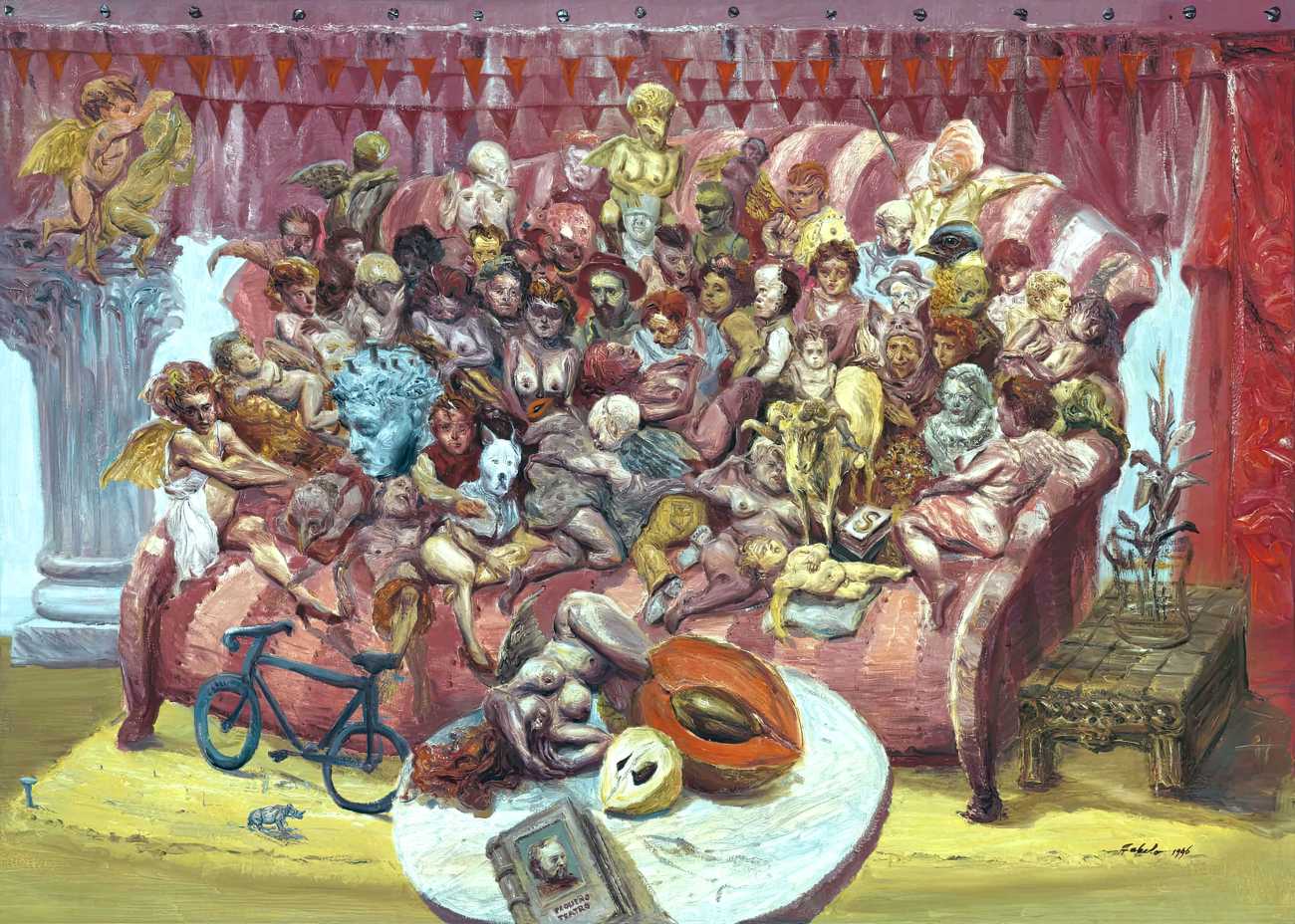
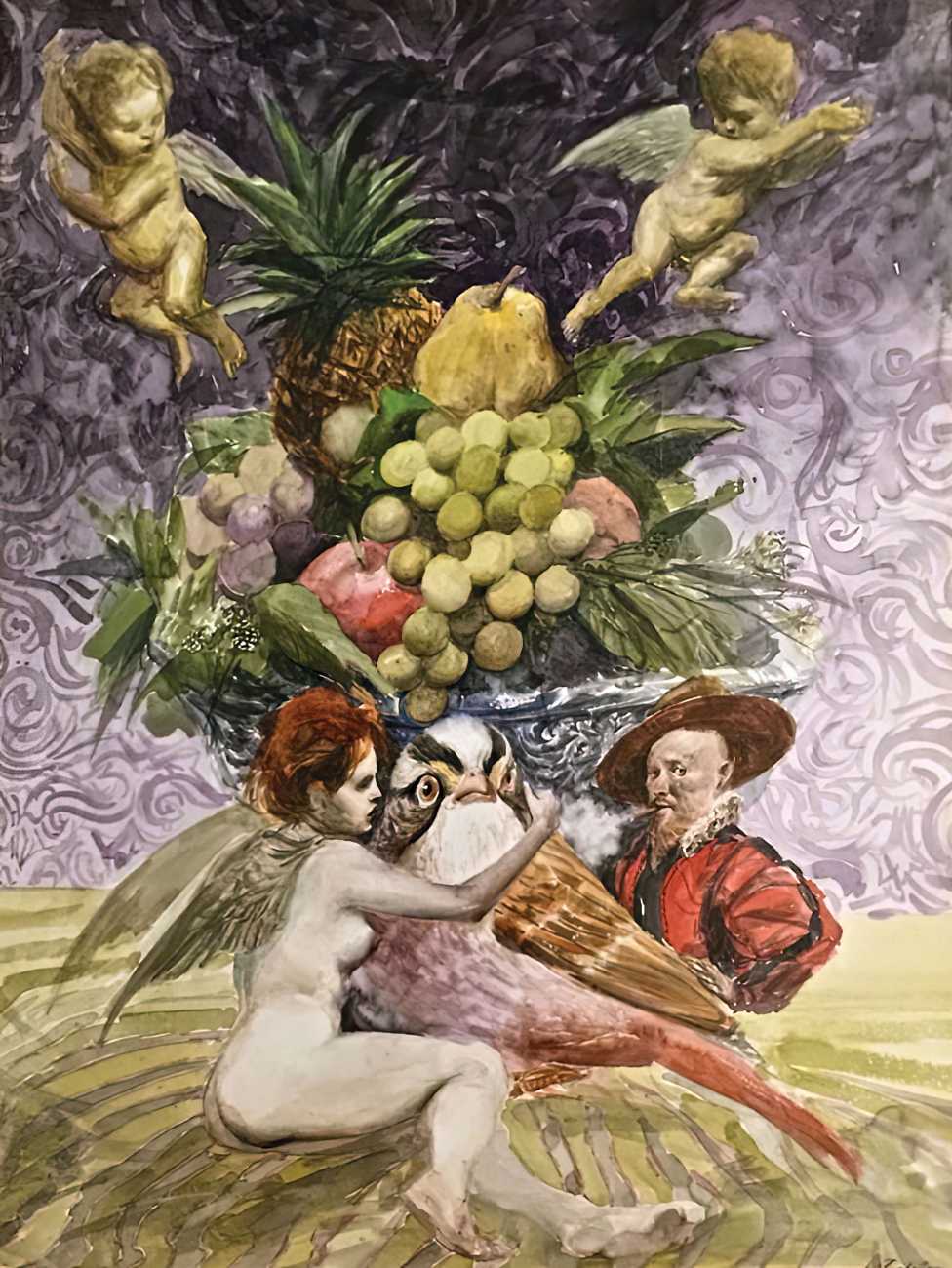
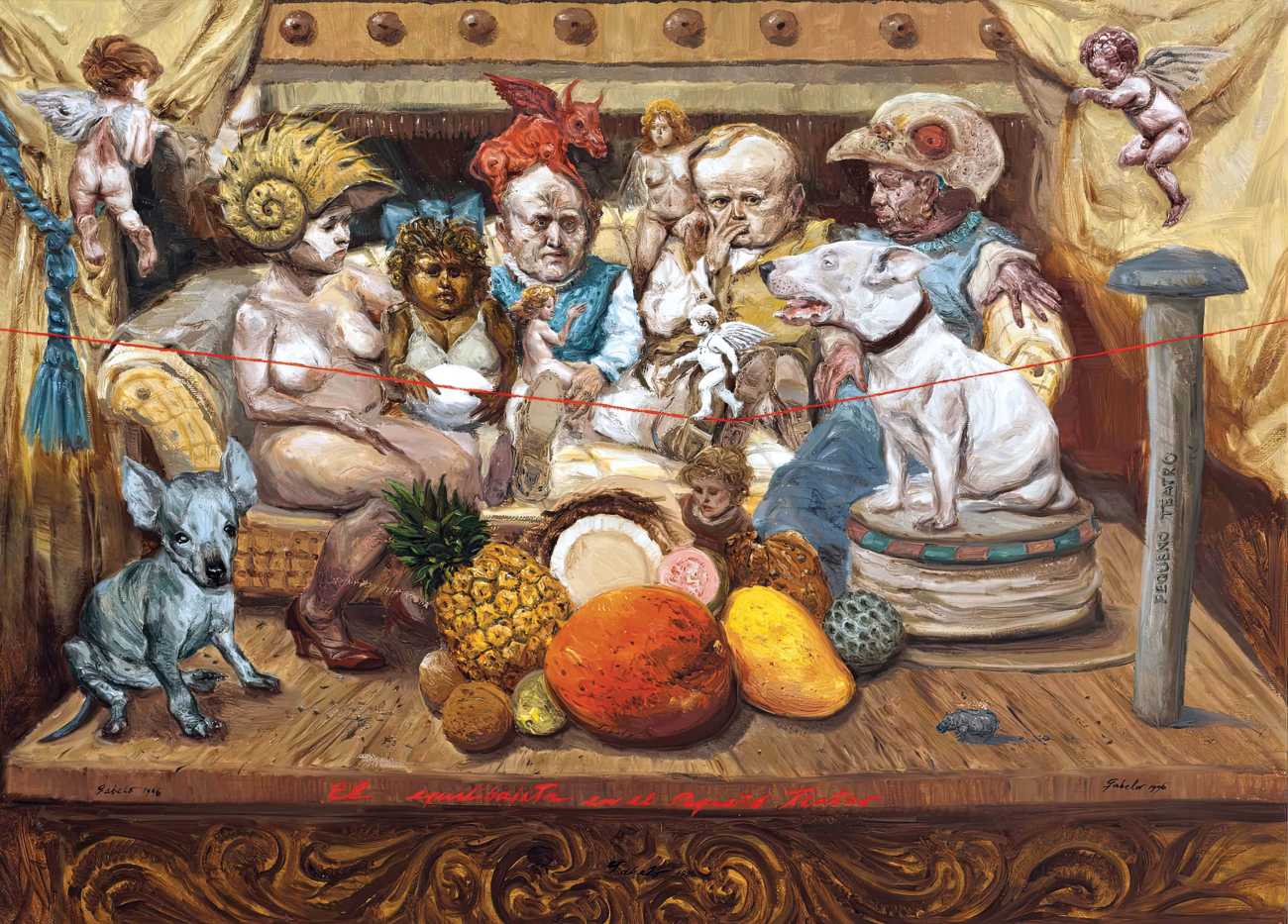
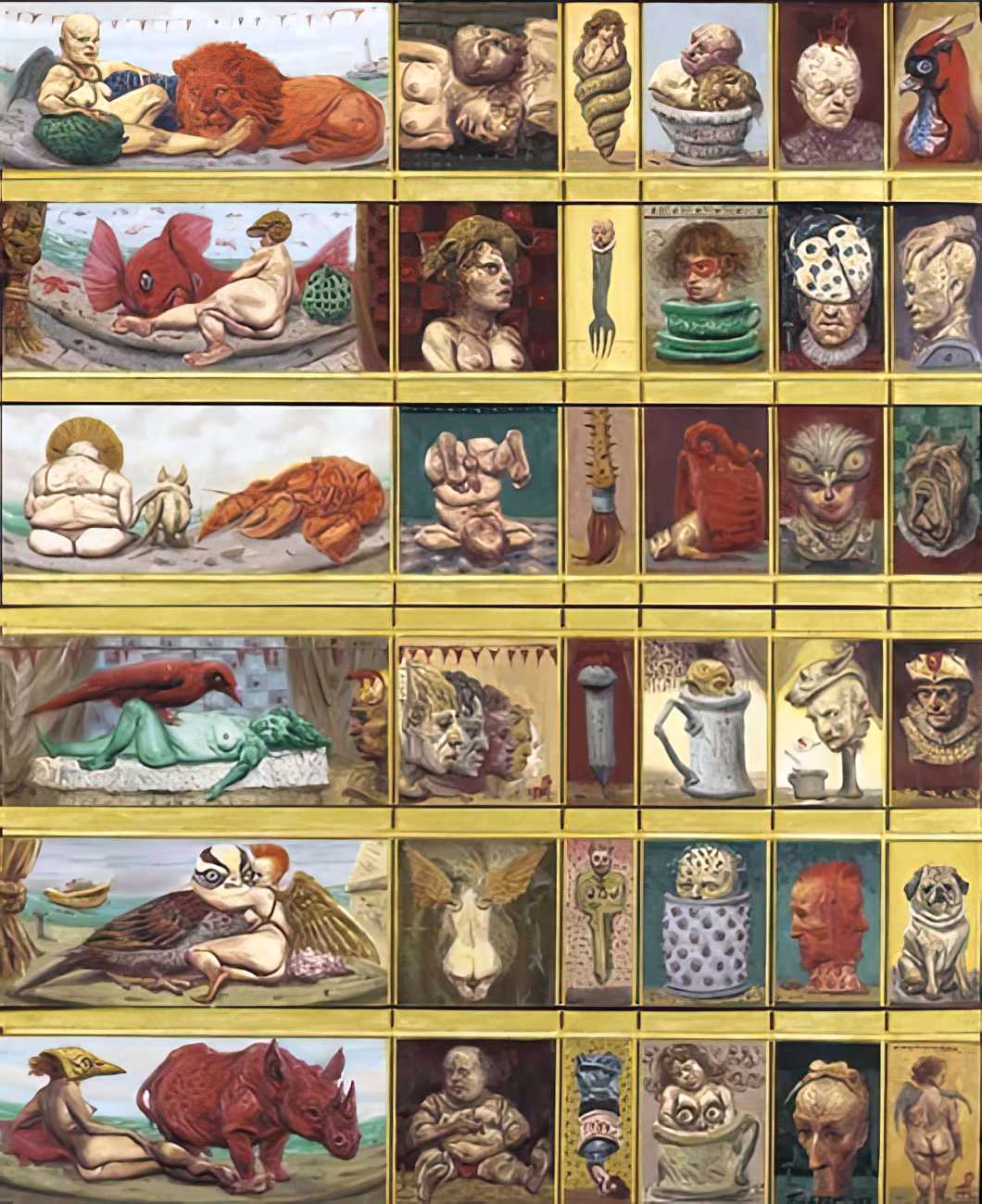
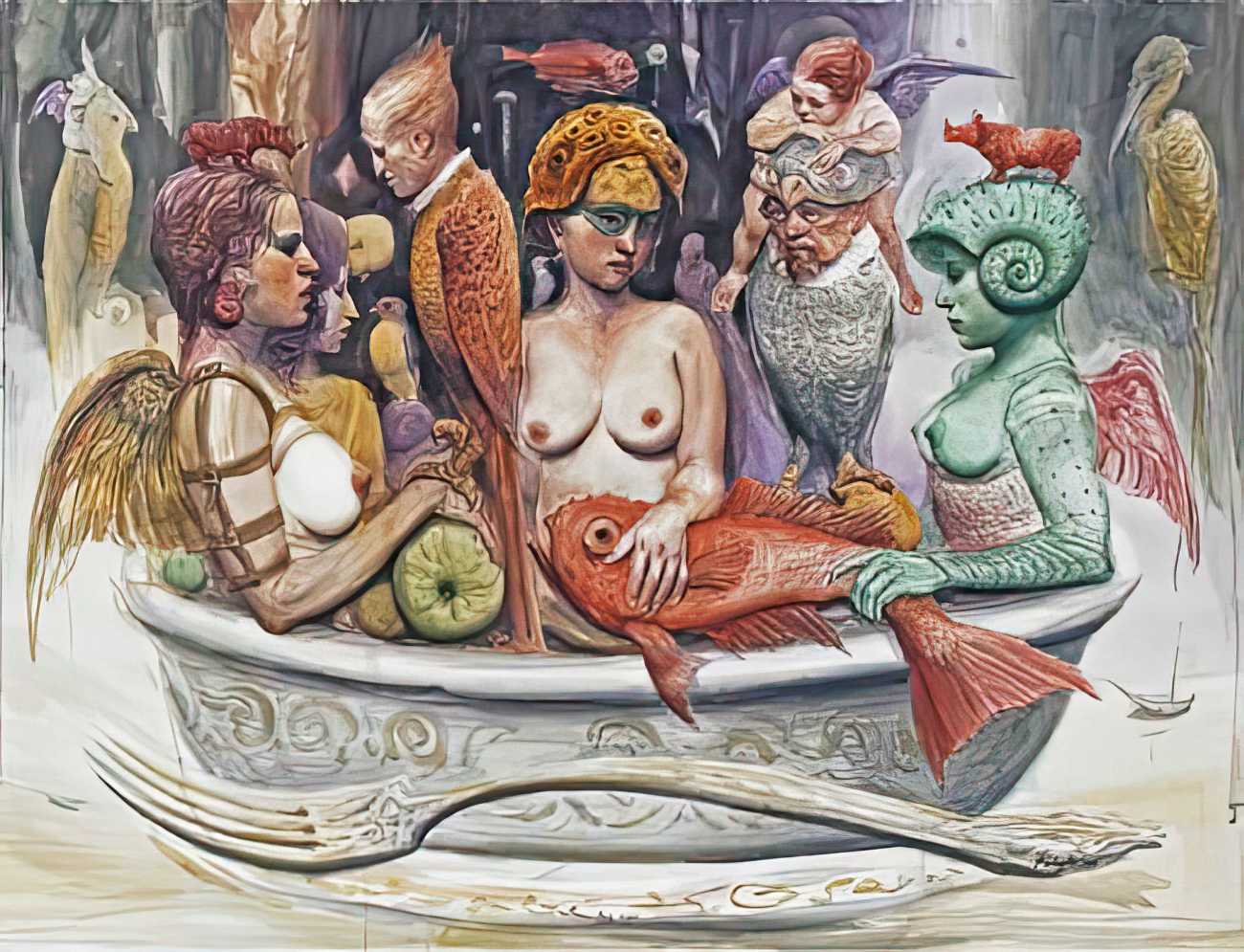
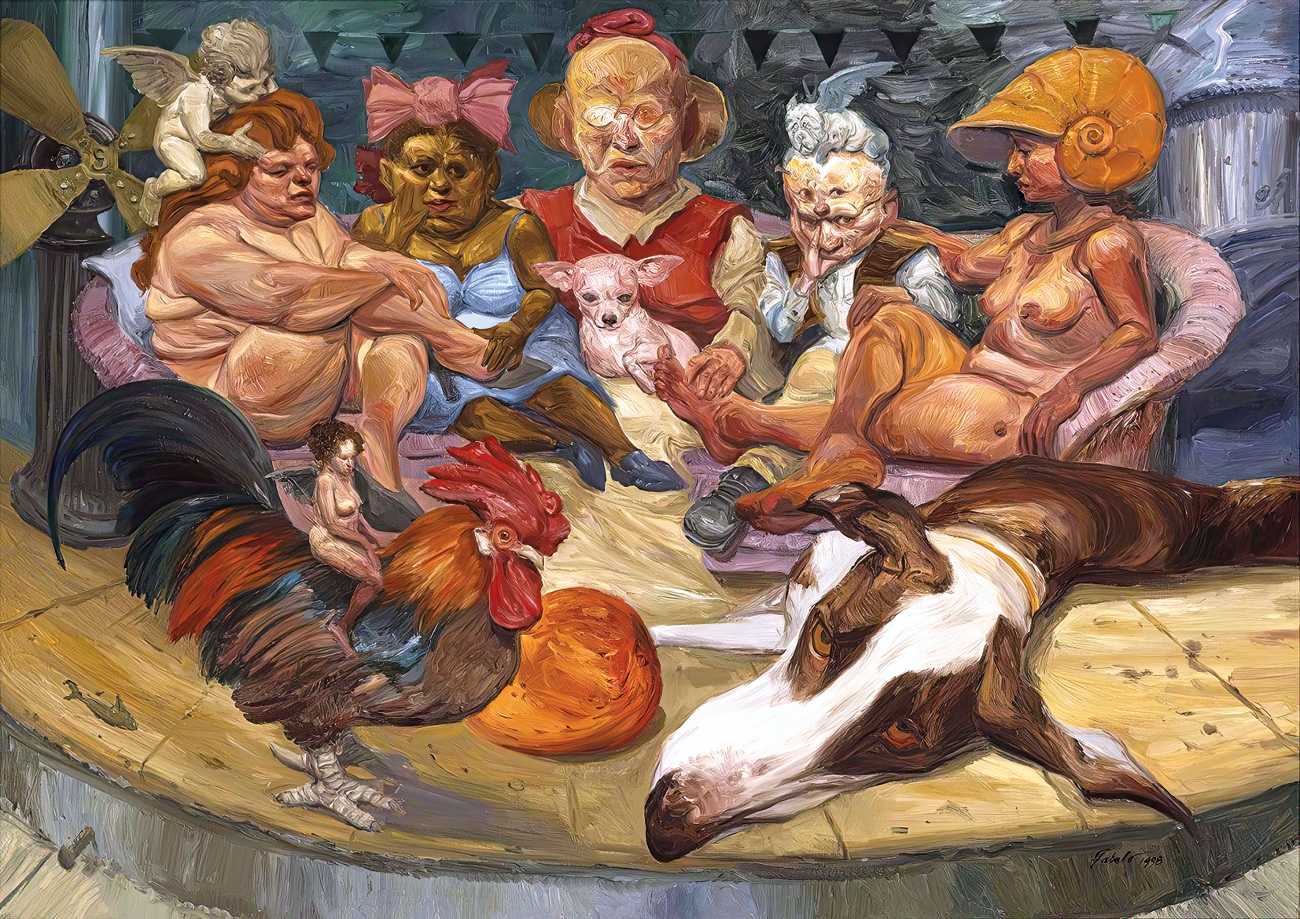
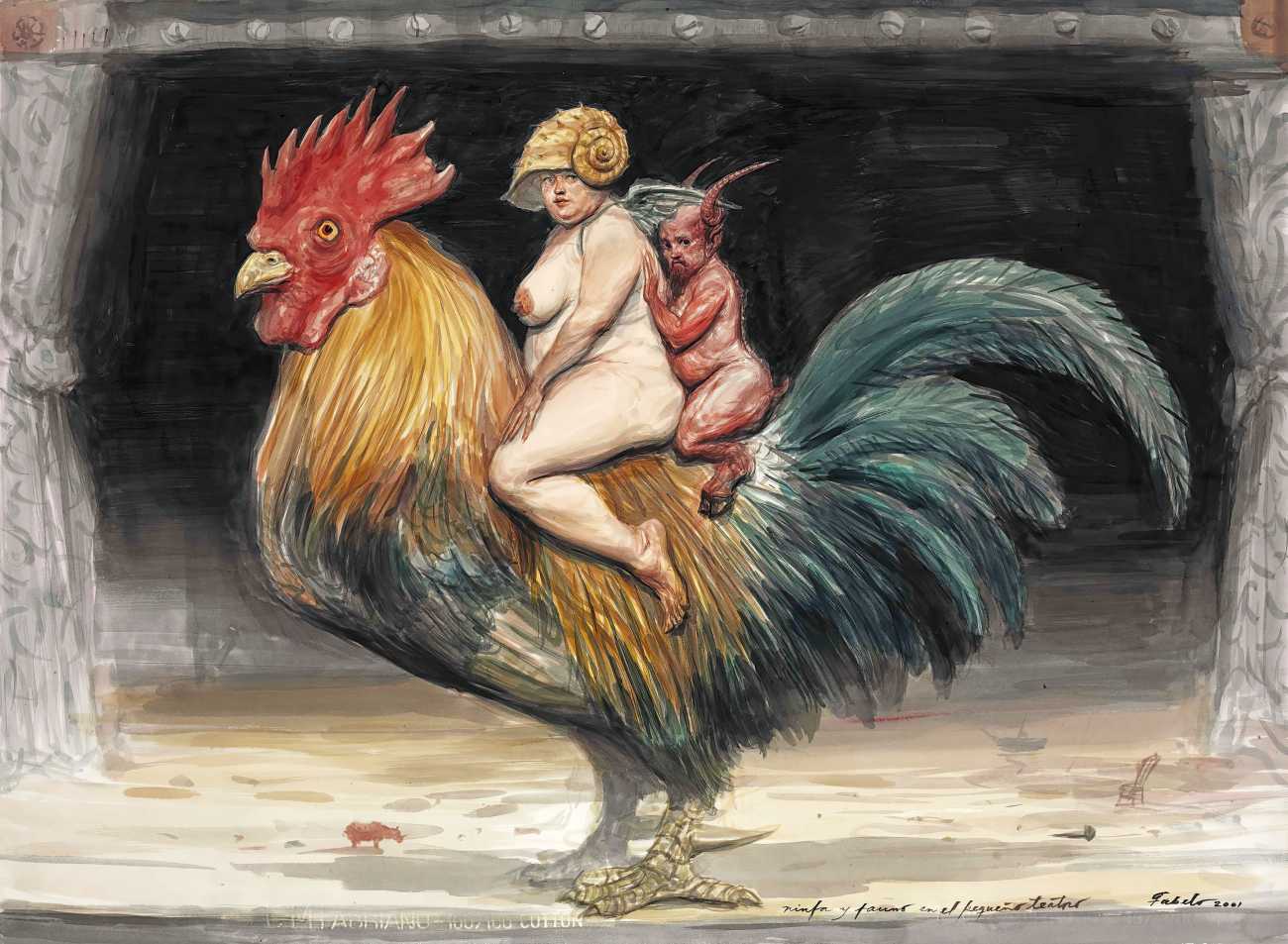
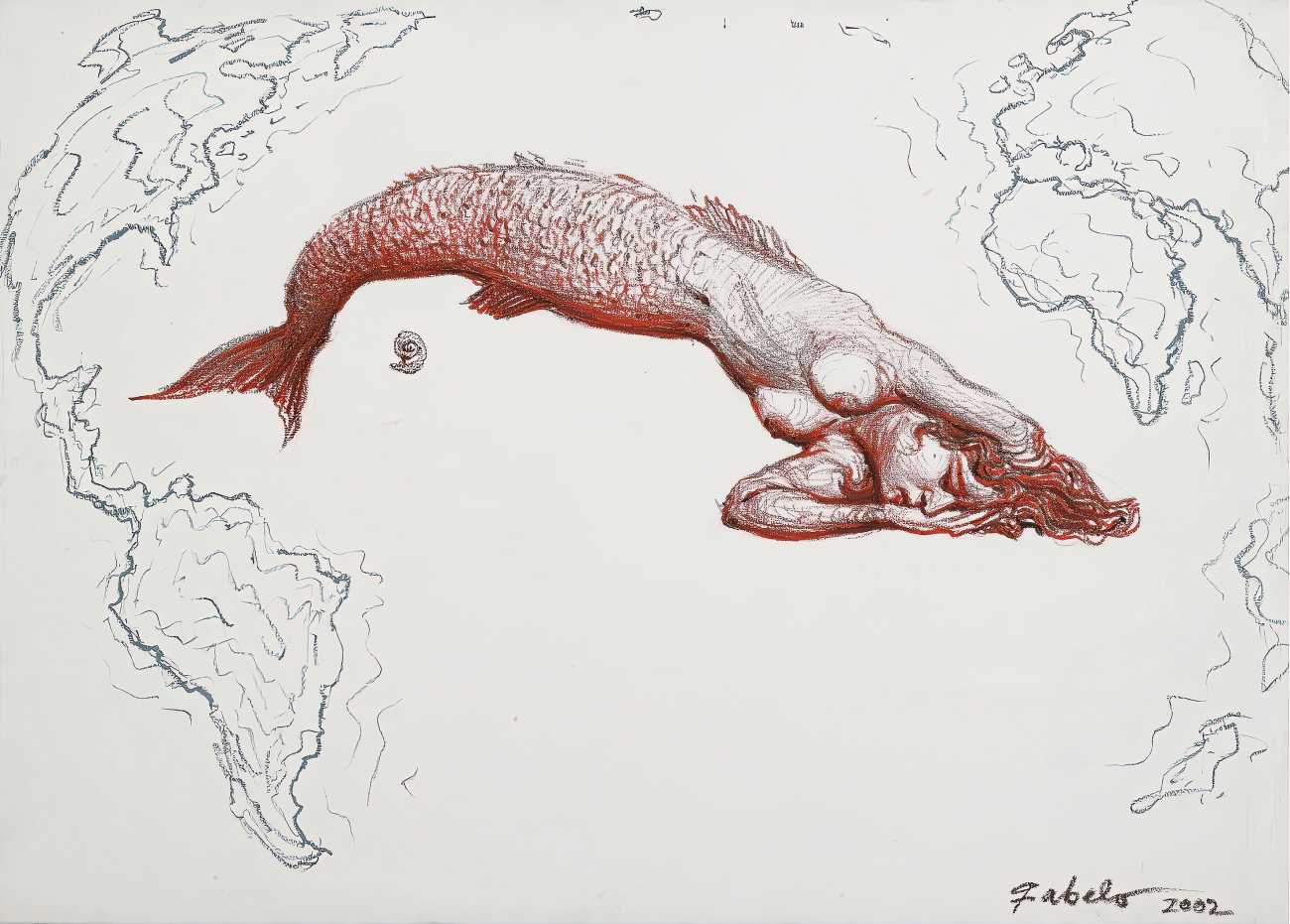
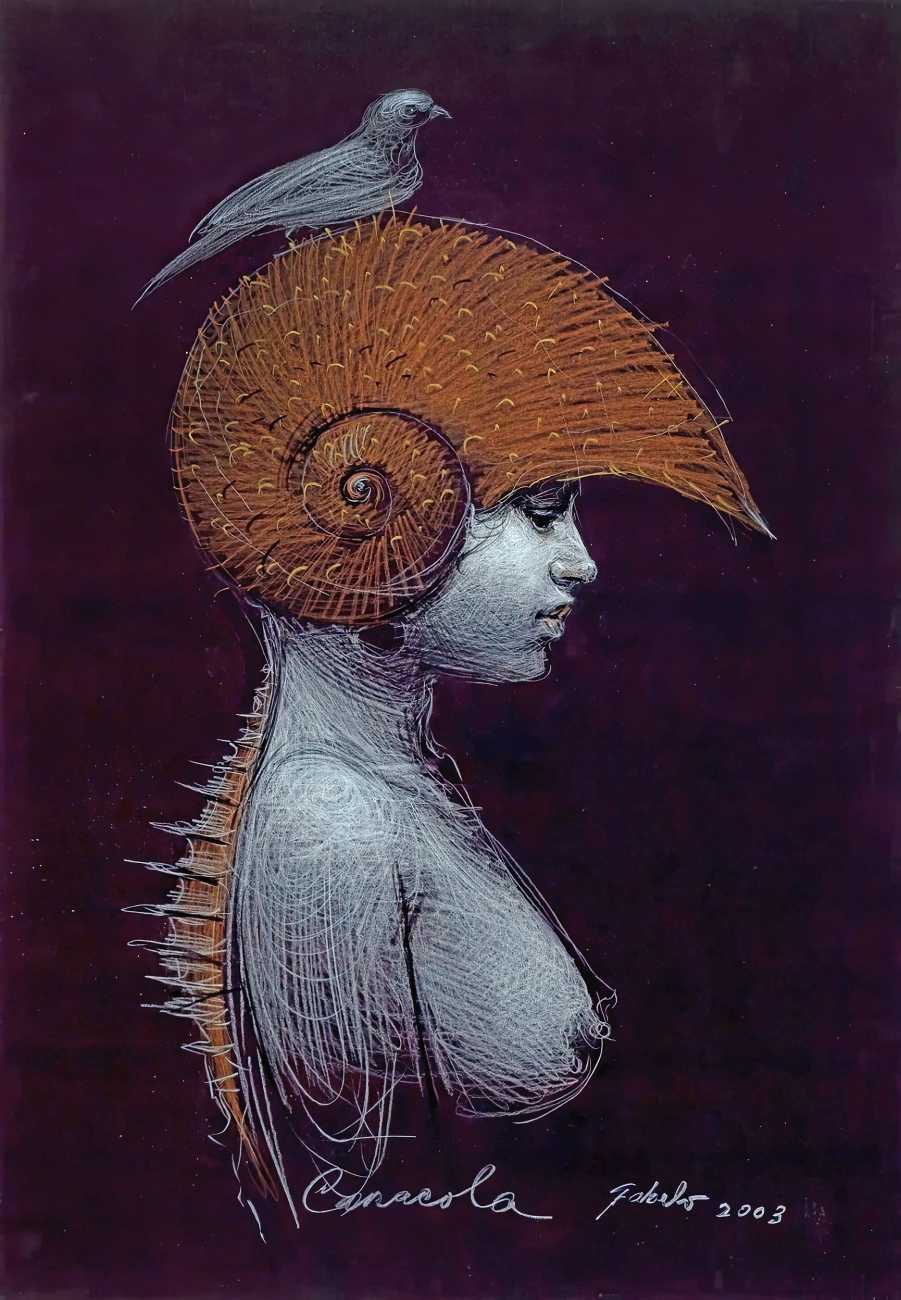
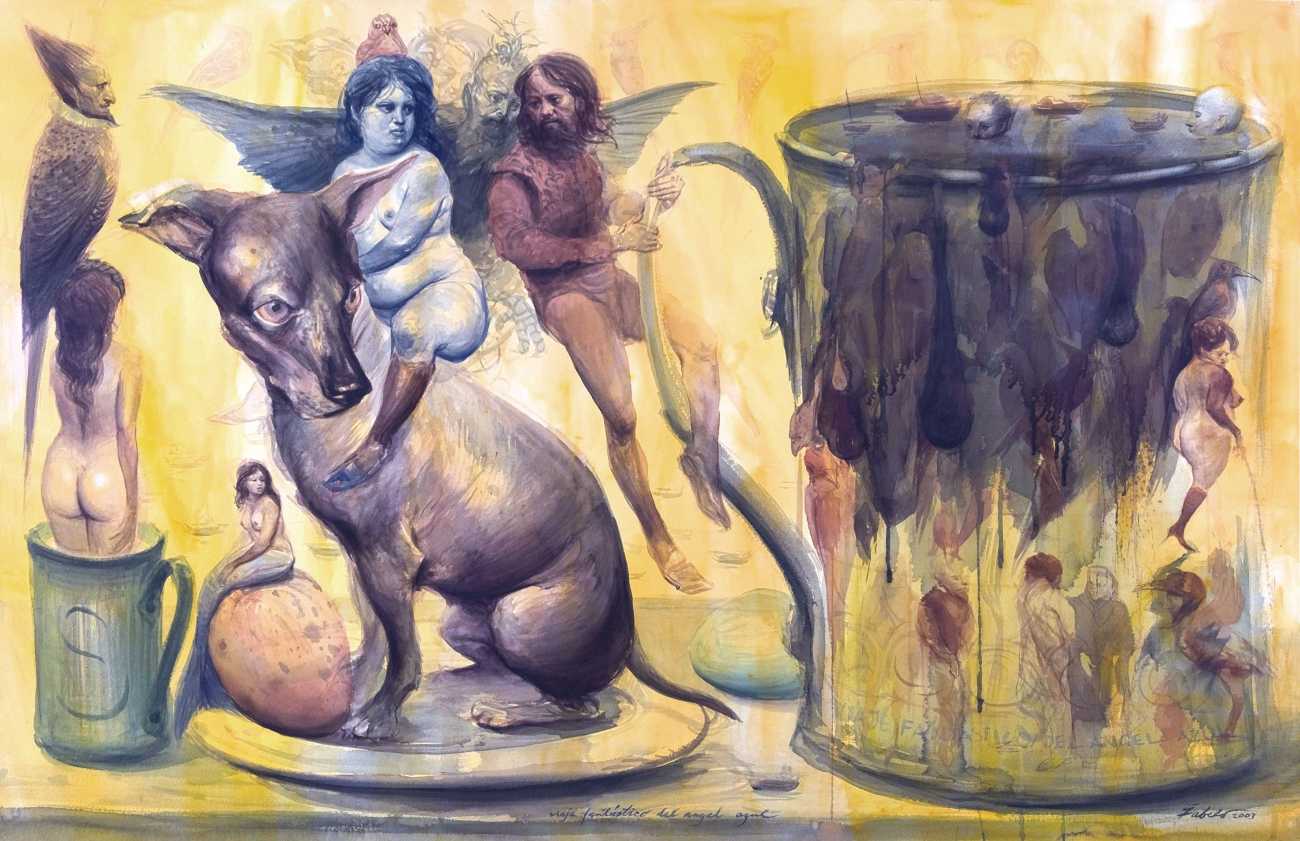
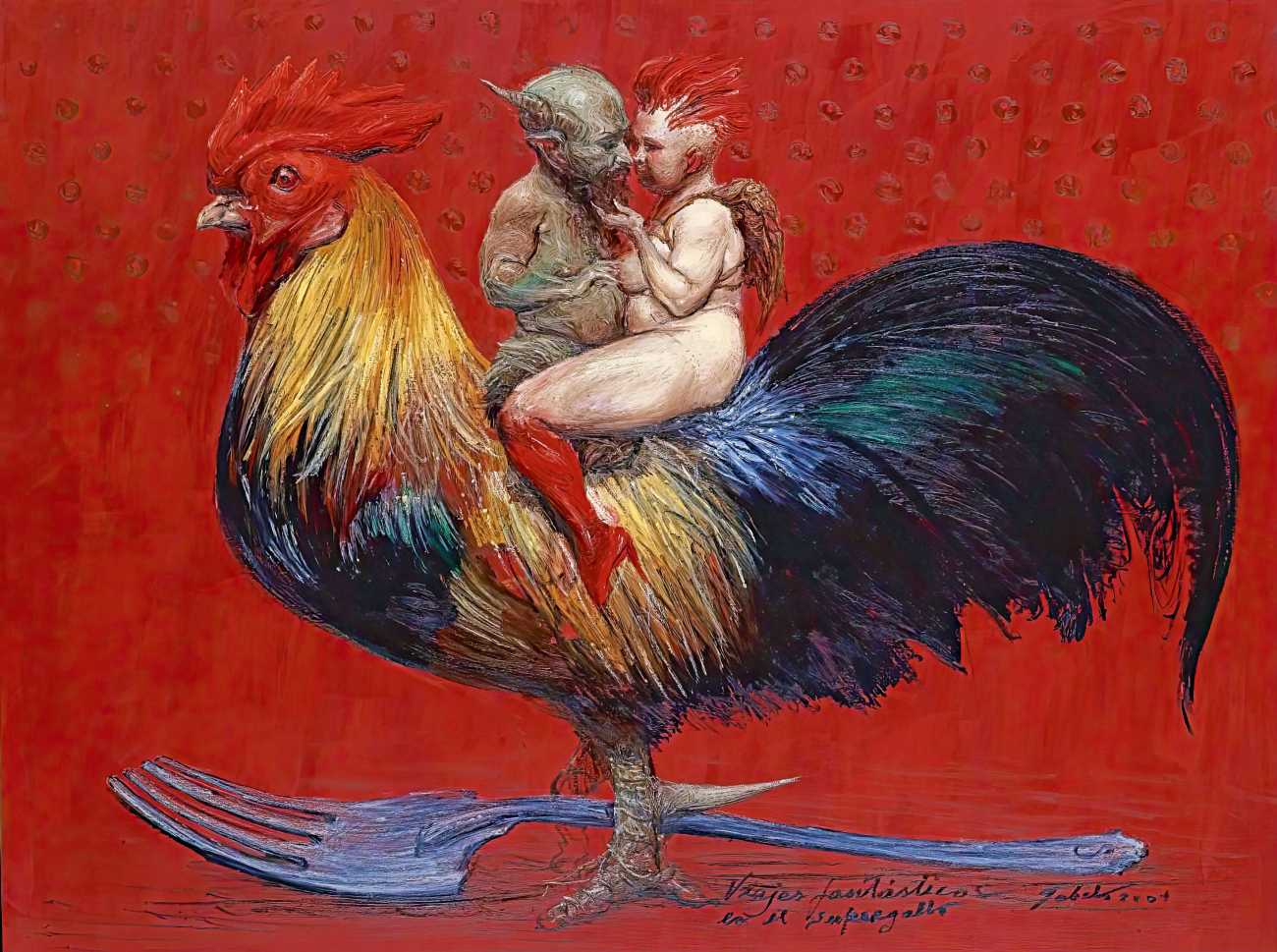
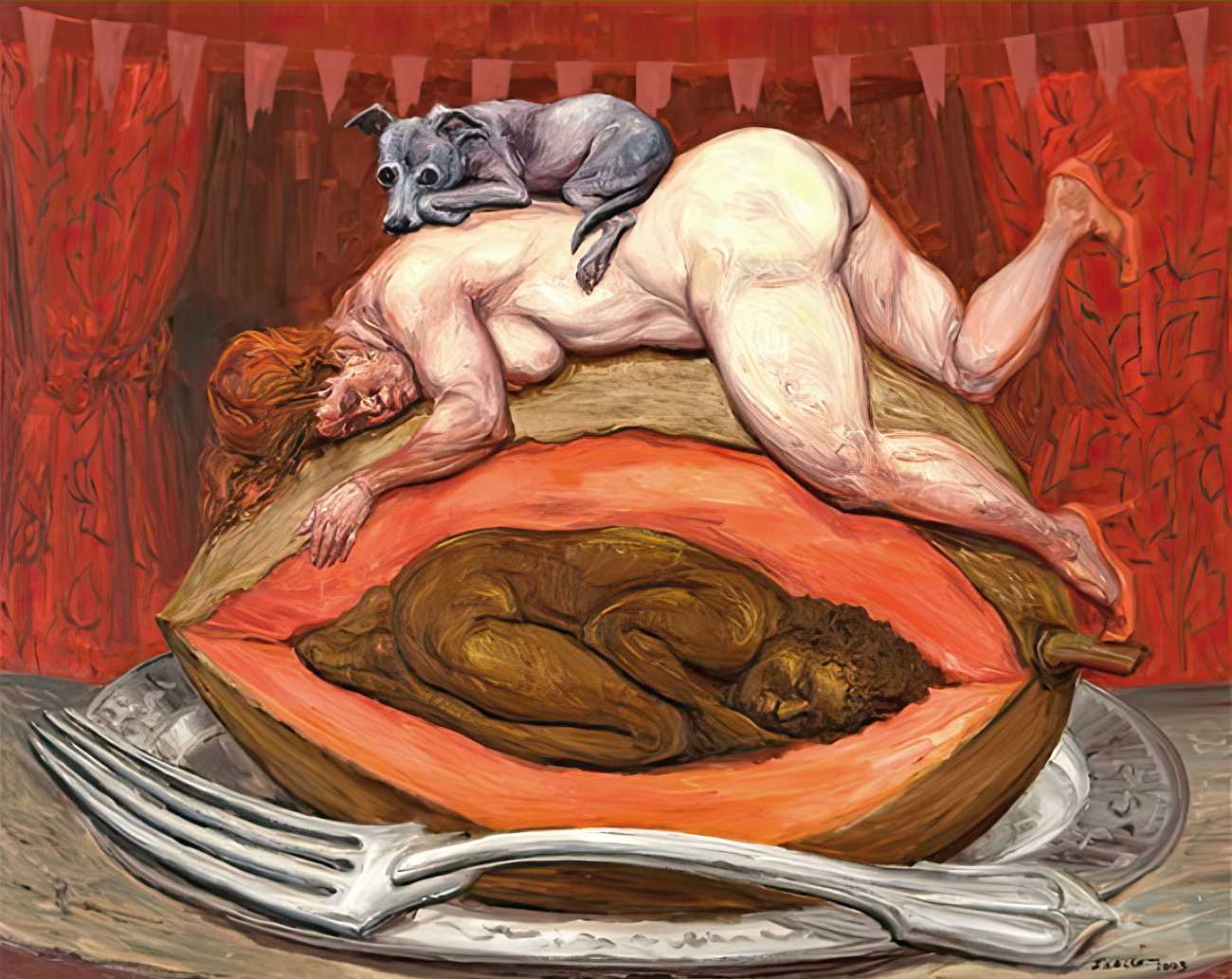
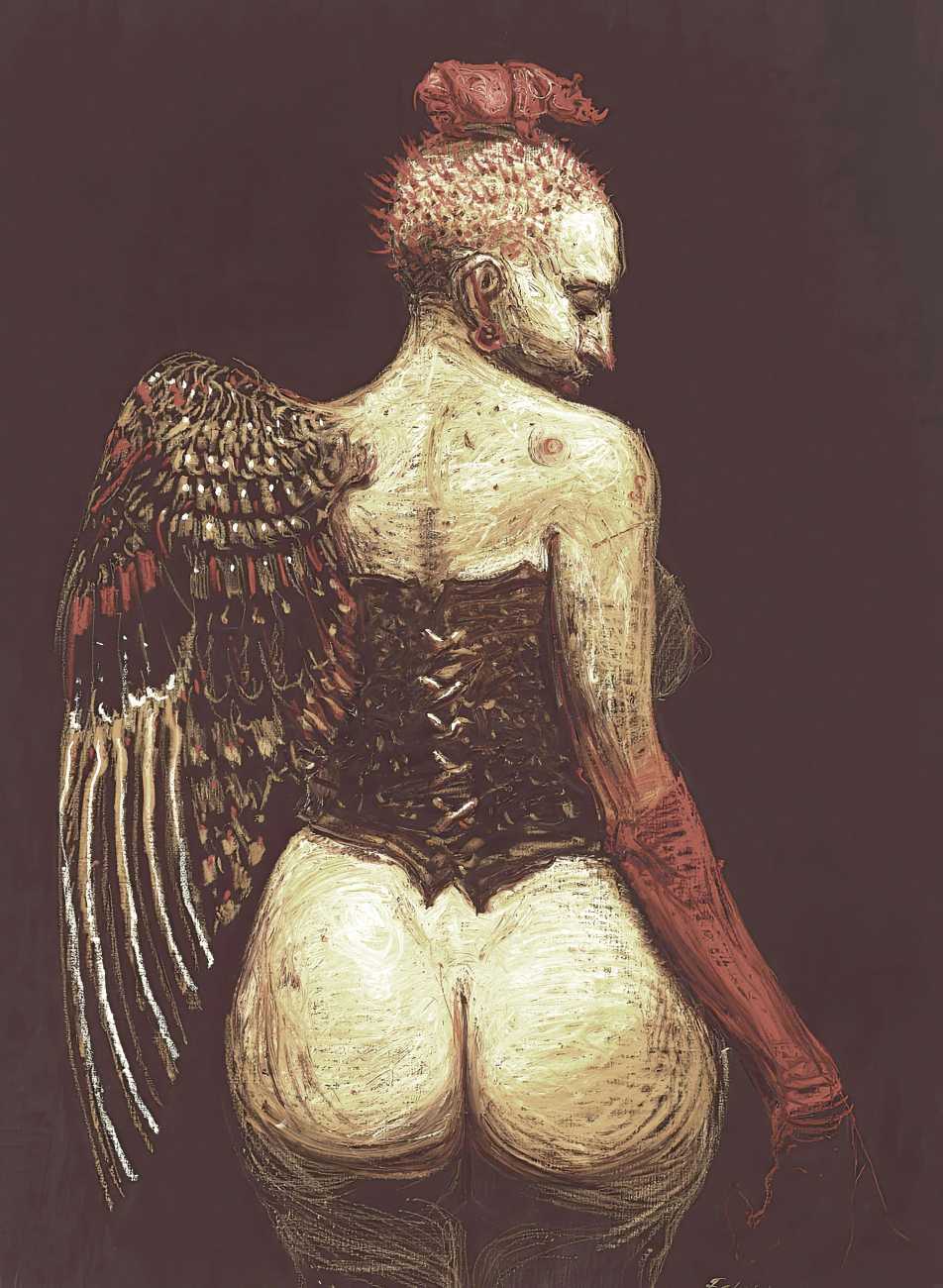
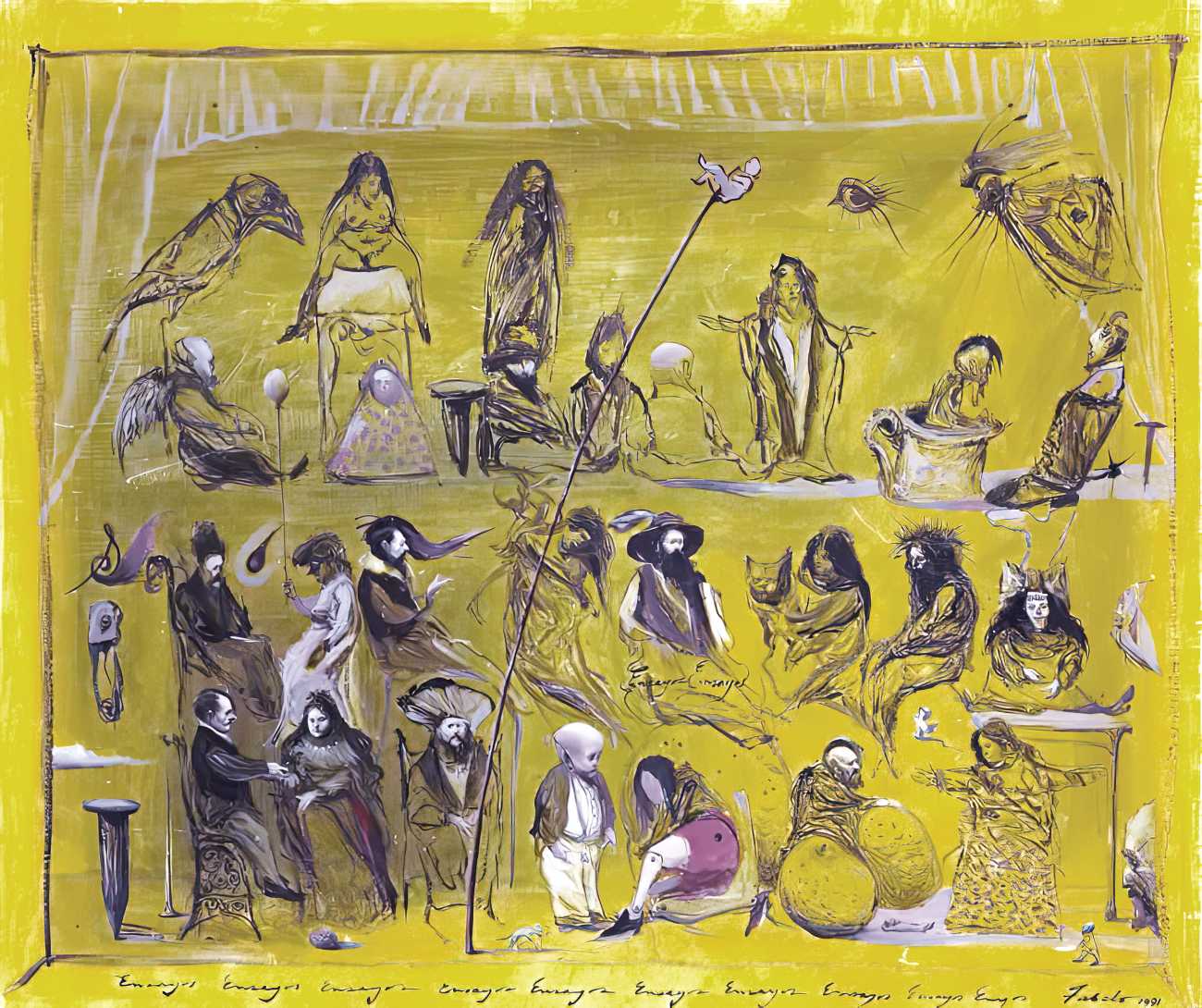
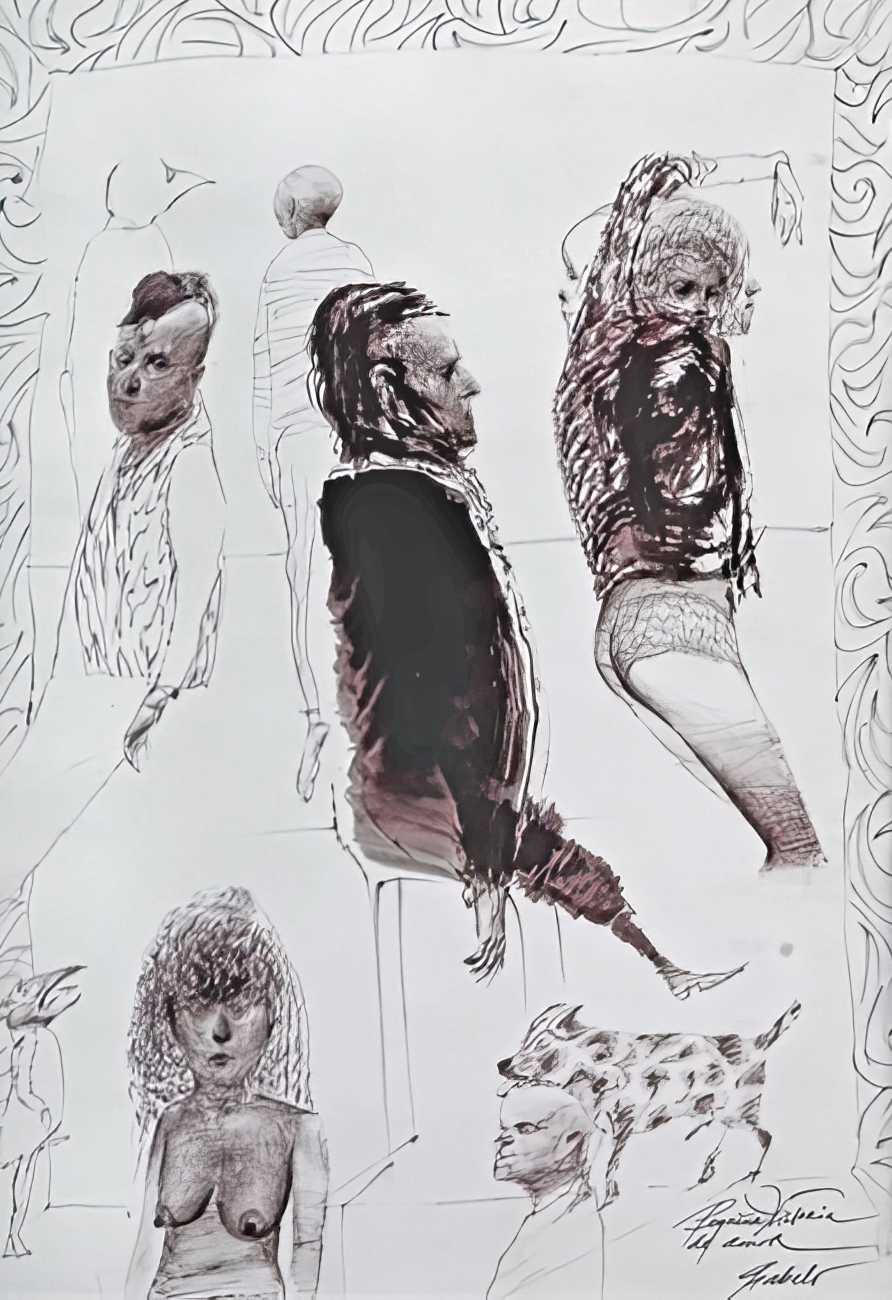
 The Cuban artist Roberto Fabelo grew up in Guáimaro, a small town in Camagüey province in central Cuba. His passion for drawing began in childhood and quickly became what he calls ‘graphomania’. He drew constantly, using pencil, charcoal, ink or whatever other materials came to hand, filling scraps of paper with the products of an imagination that already seemed to resist the boundaries between the real and the fantastic.
Fabelo moved to Havana for his artistic education, studying at the National School of Art between 1967 and 1972 before continuing at the Higher Institute of Art, where he completed his studies in 1981. He subsequently taught there for several years. His career encompasses painting, drawing, printmaking, sculpture and illustration, although drawing has remained at the heart of his practice. He emerged to prominence in Cuba during the 1970s and 1980s, receiving important prizes for both painting and drawing, and became an increasingly prominent figure in the country’s artistic life.
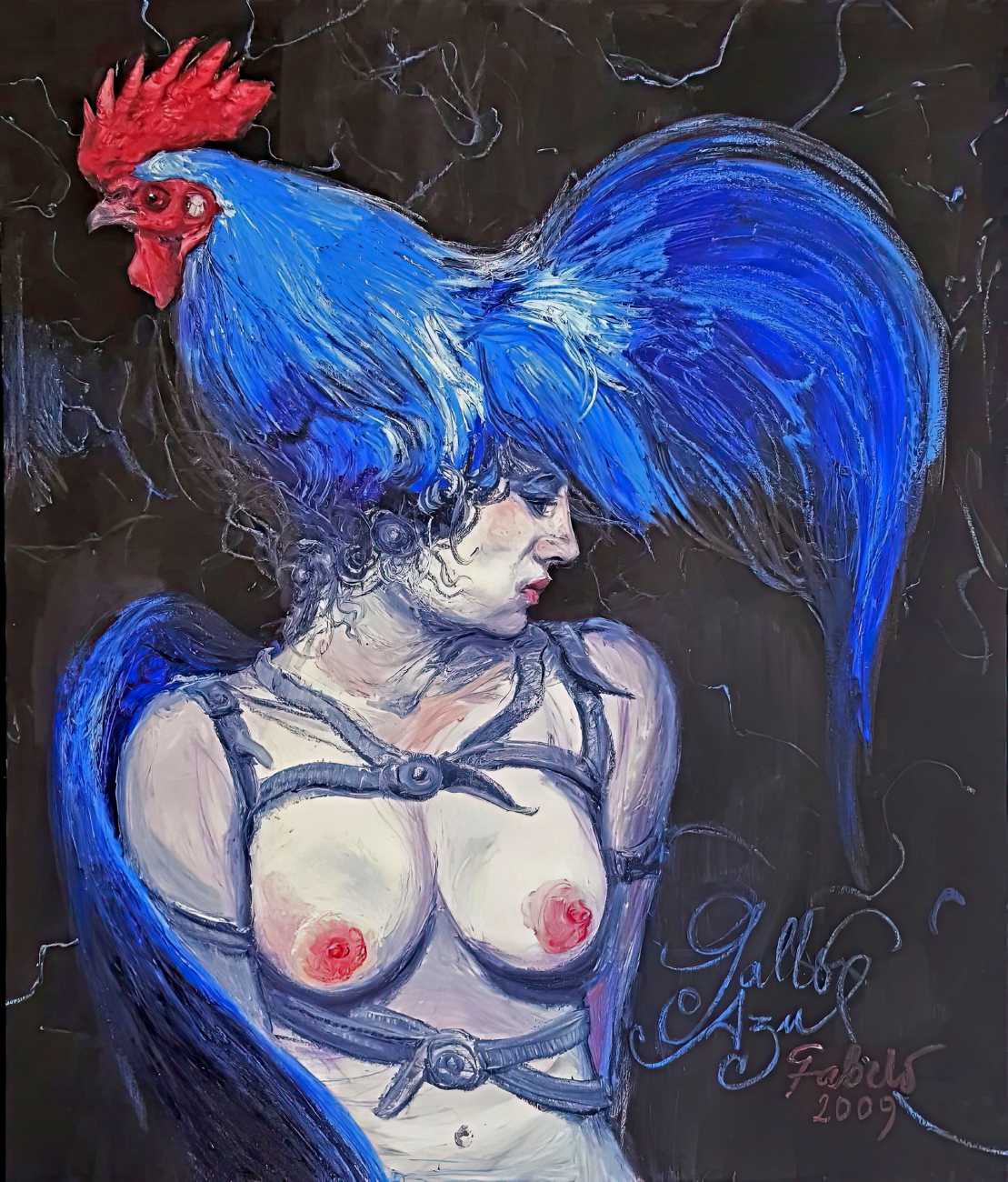
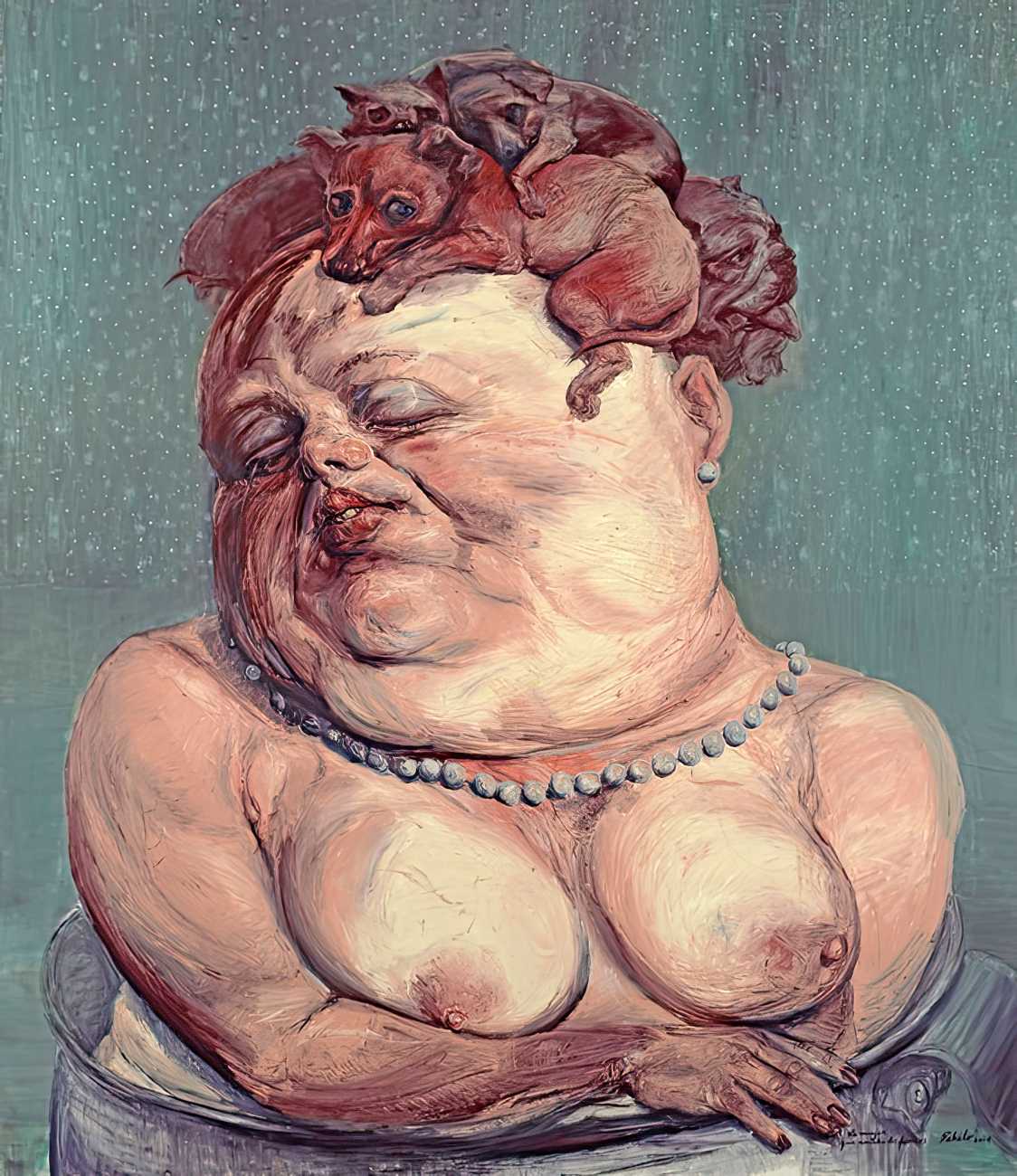
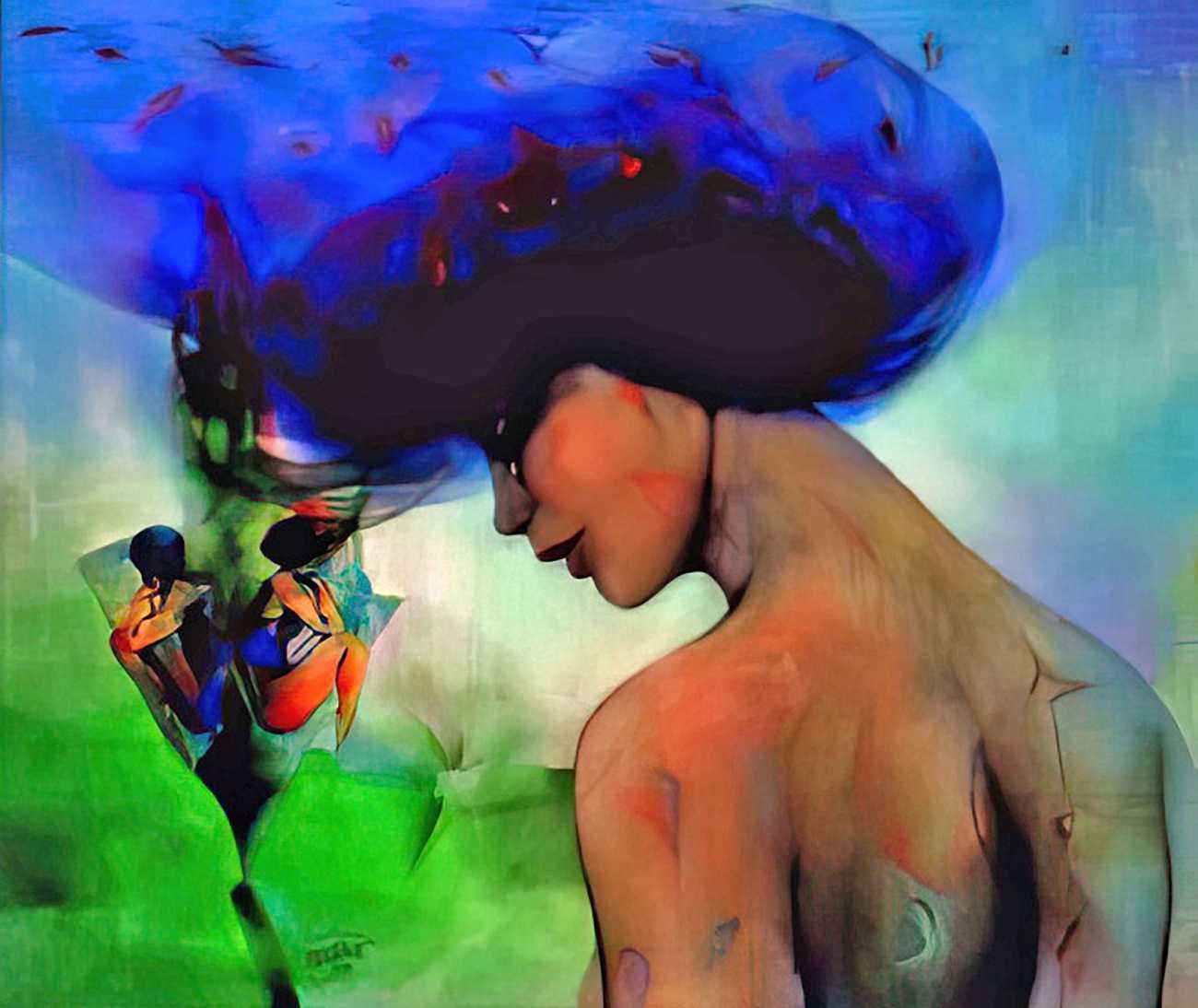
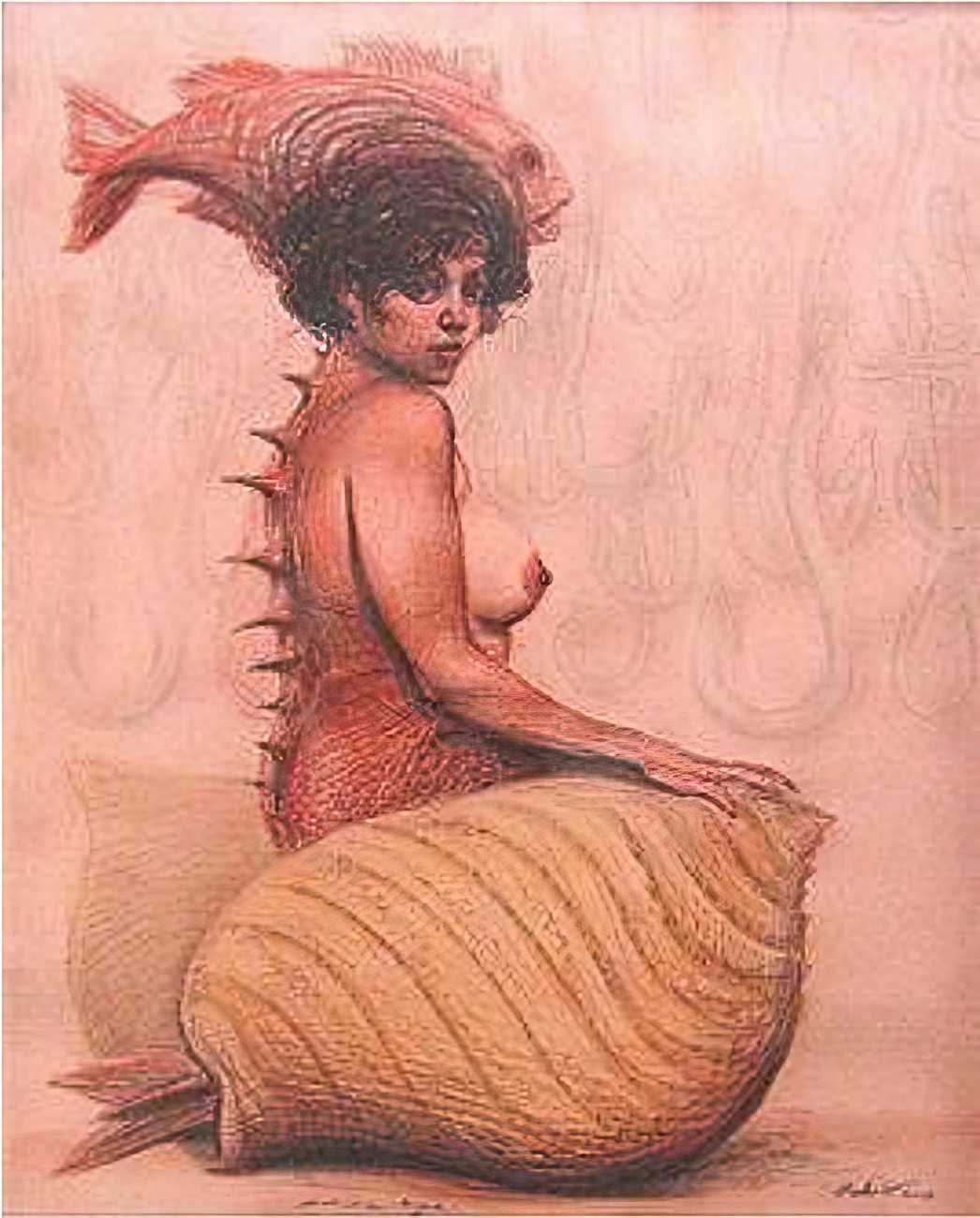
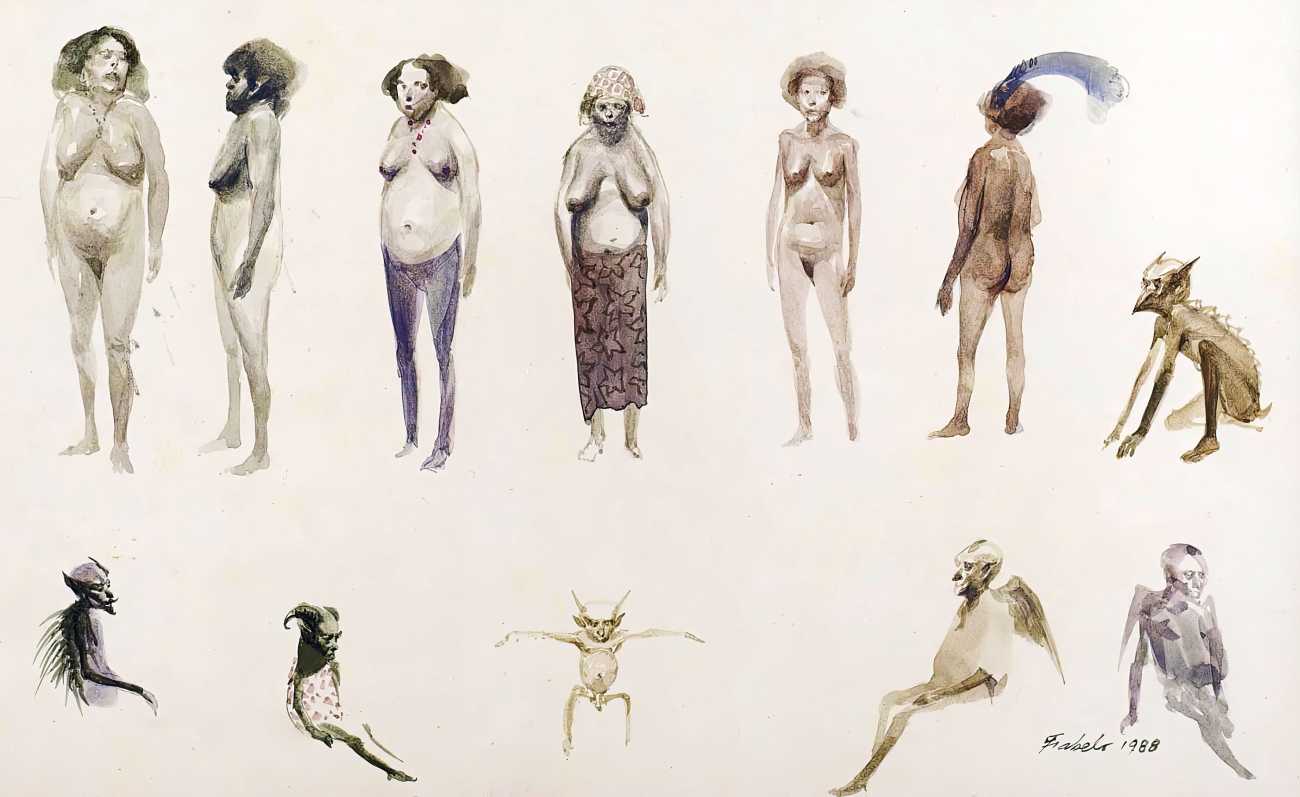
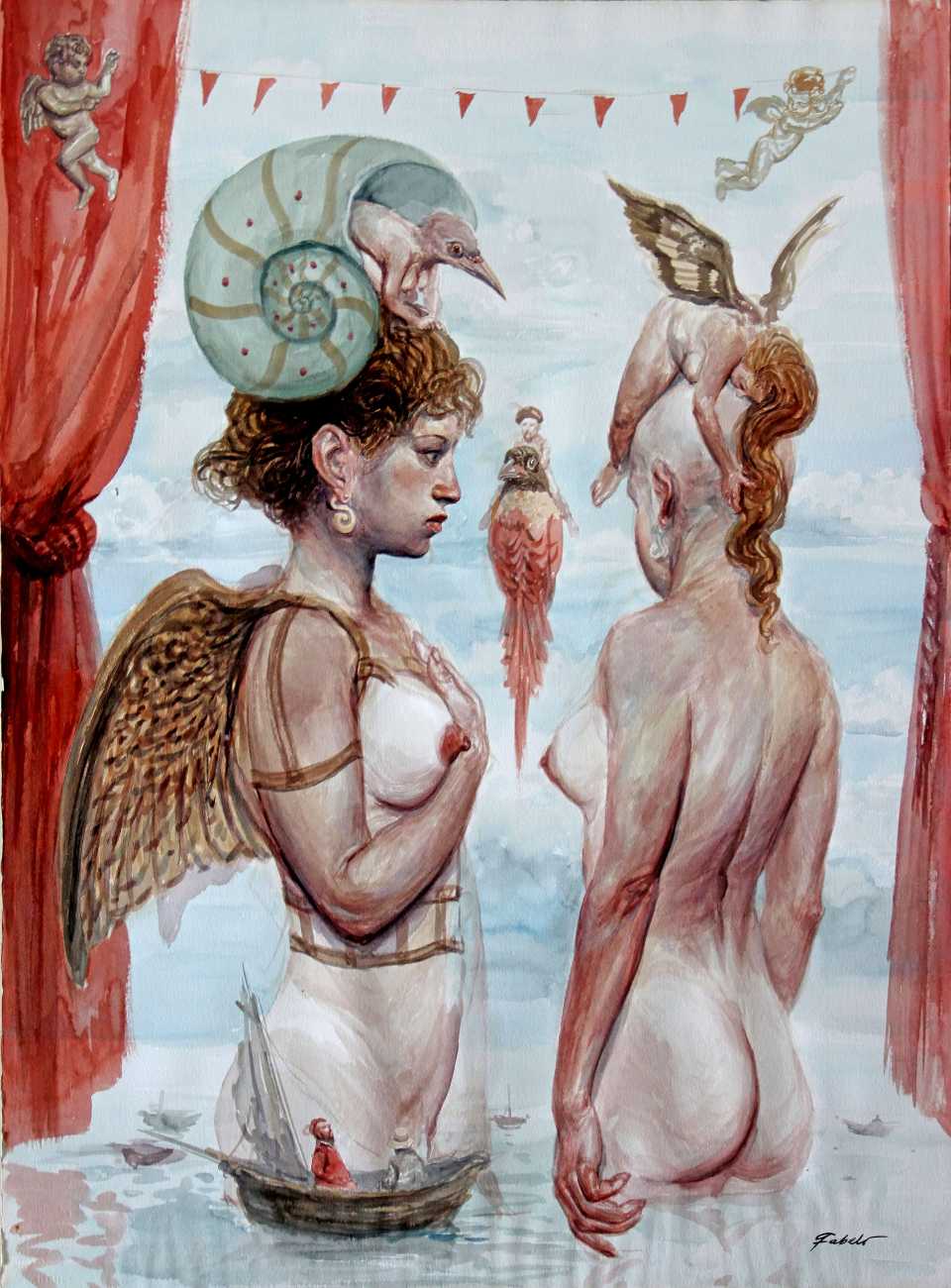
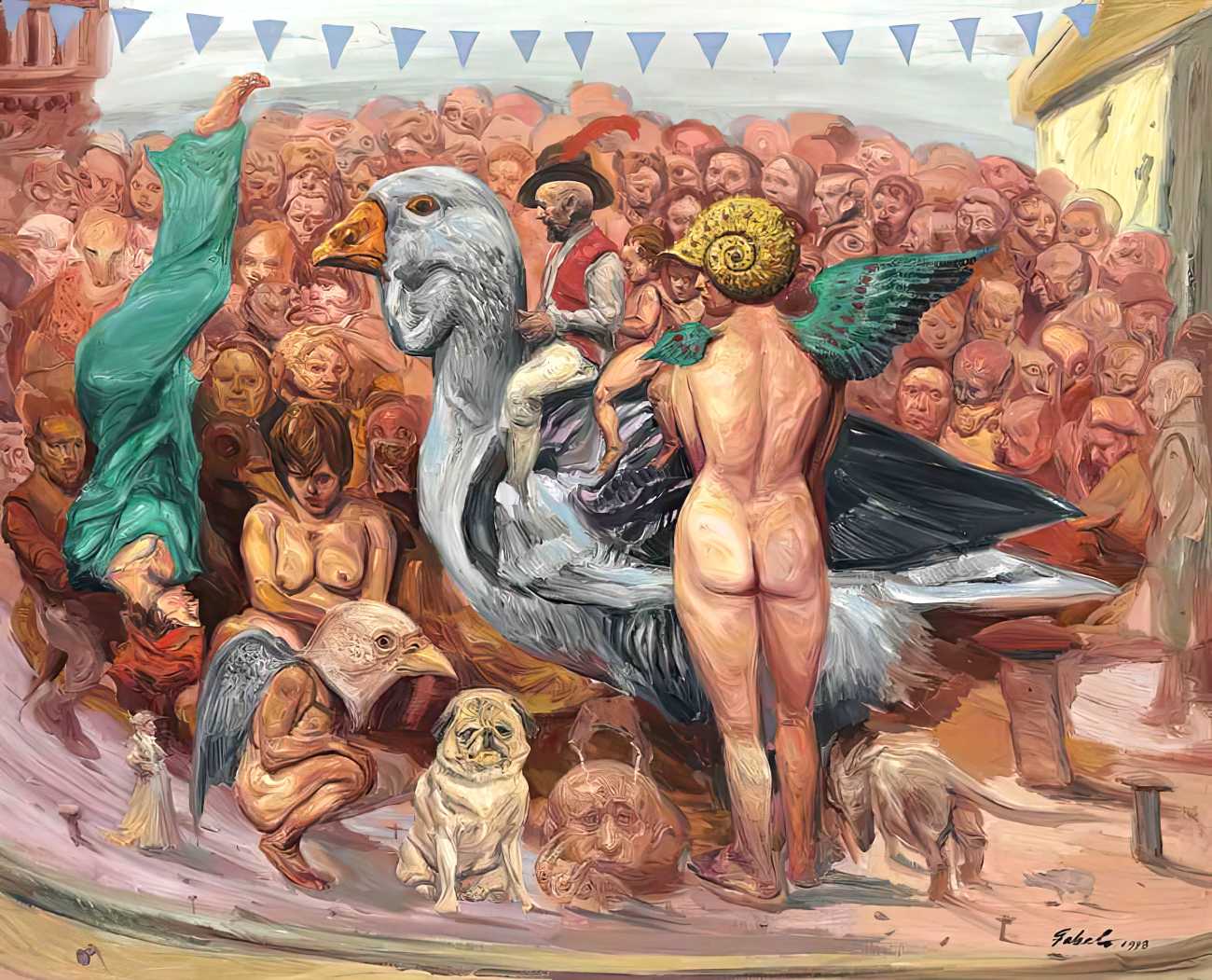
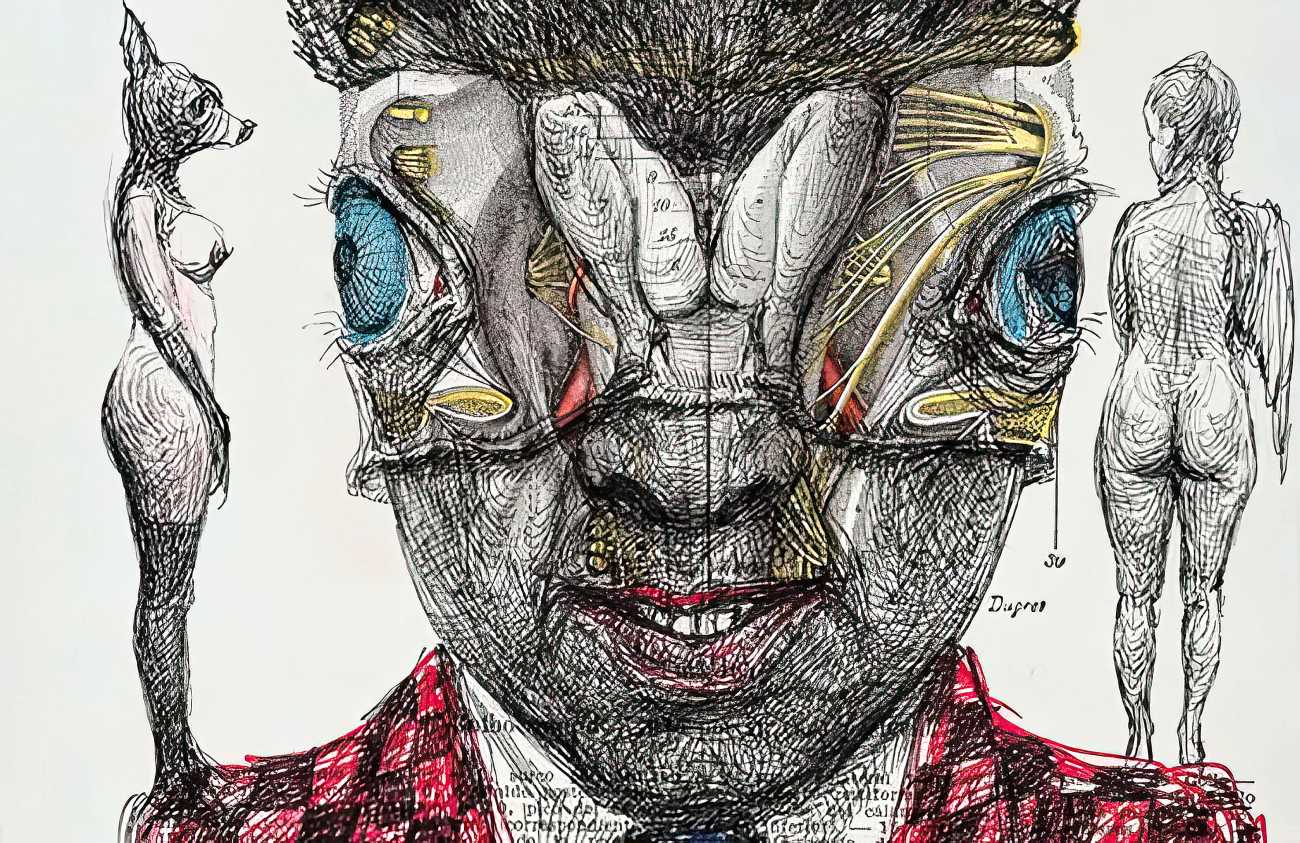
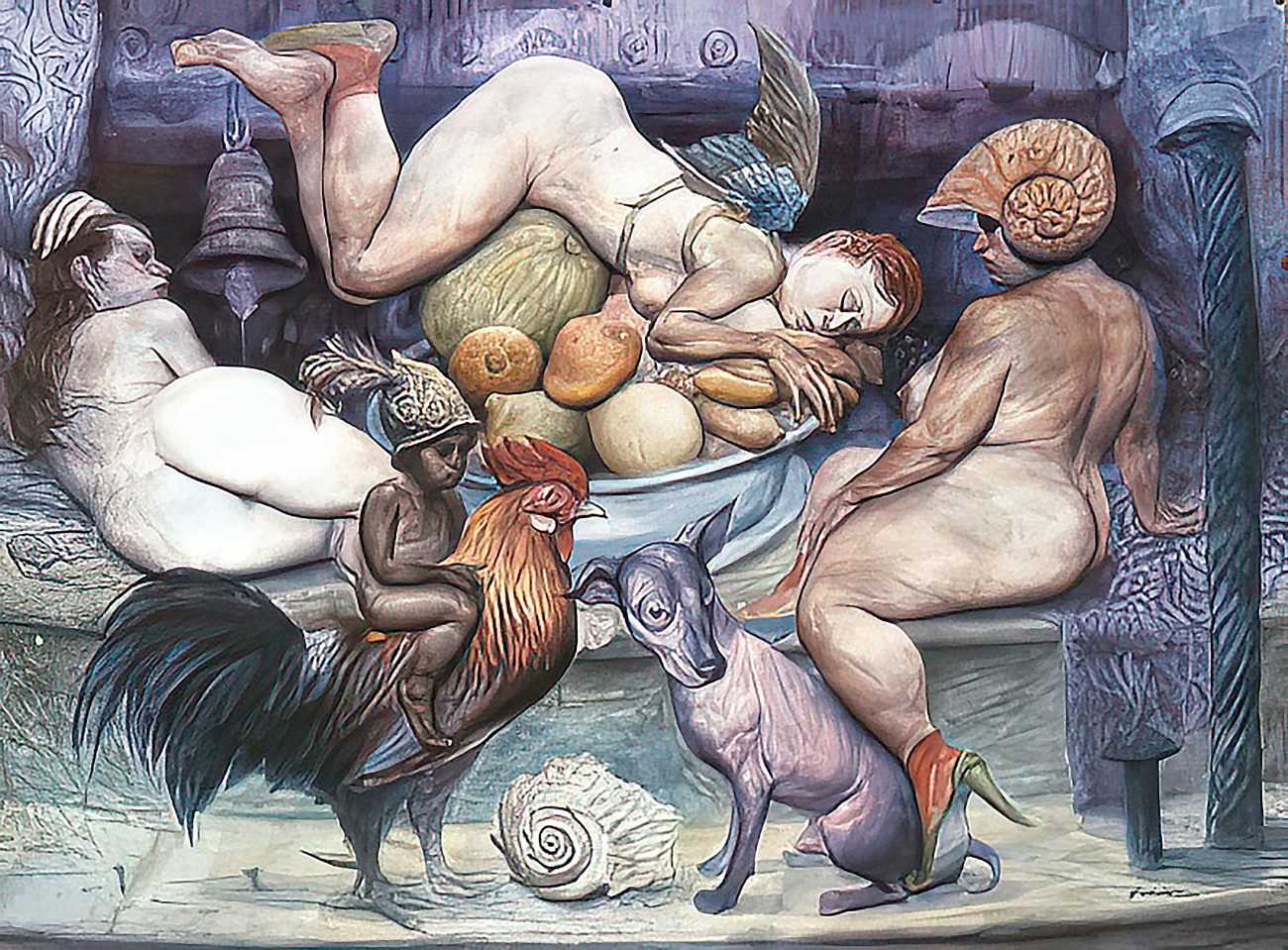
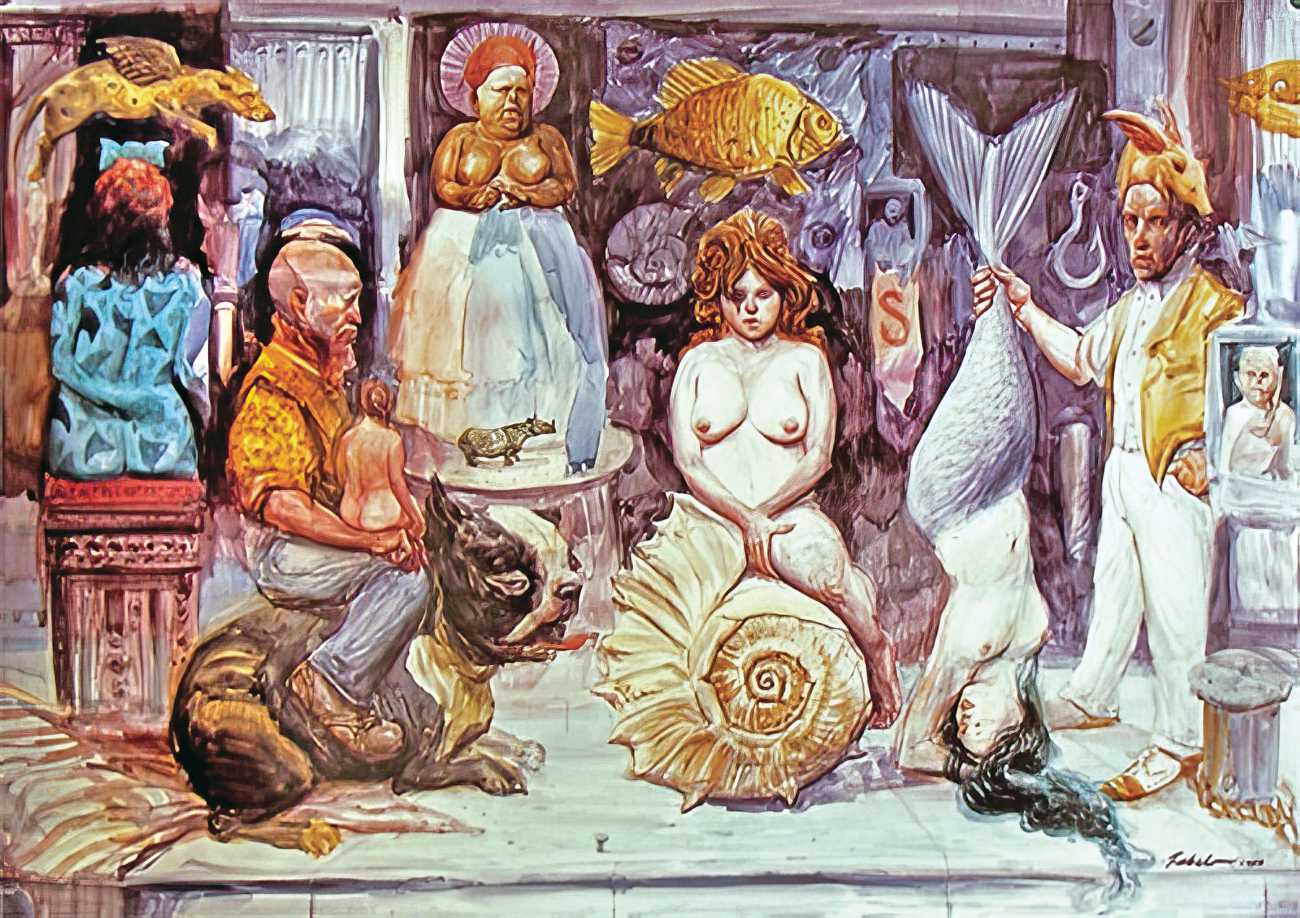
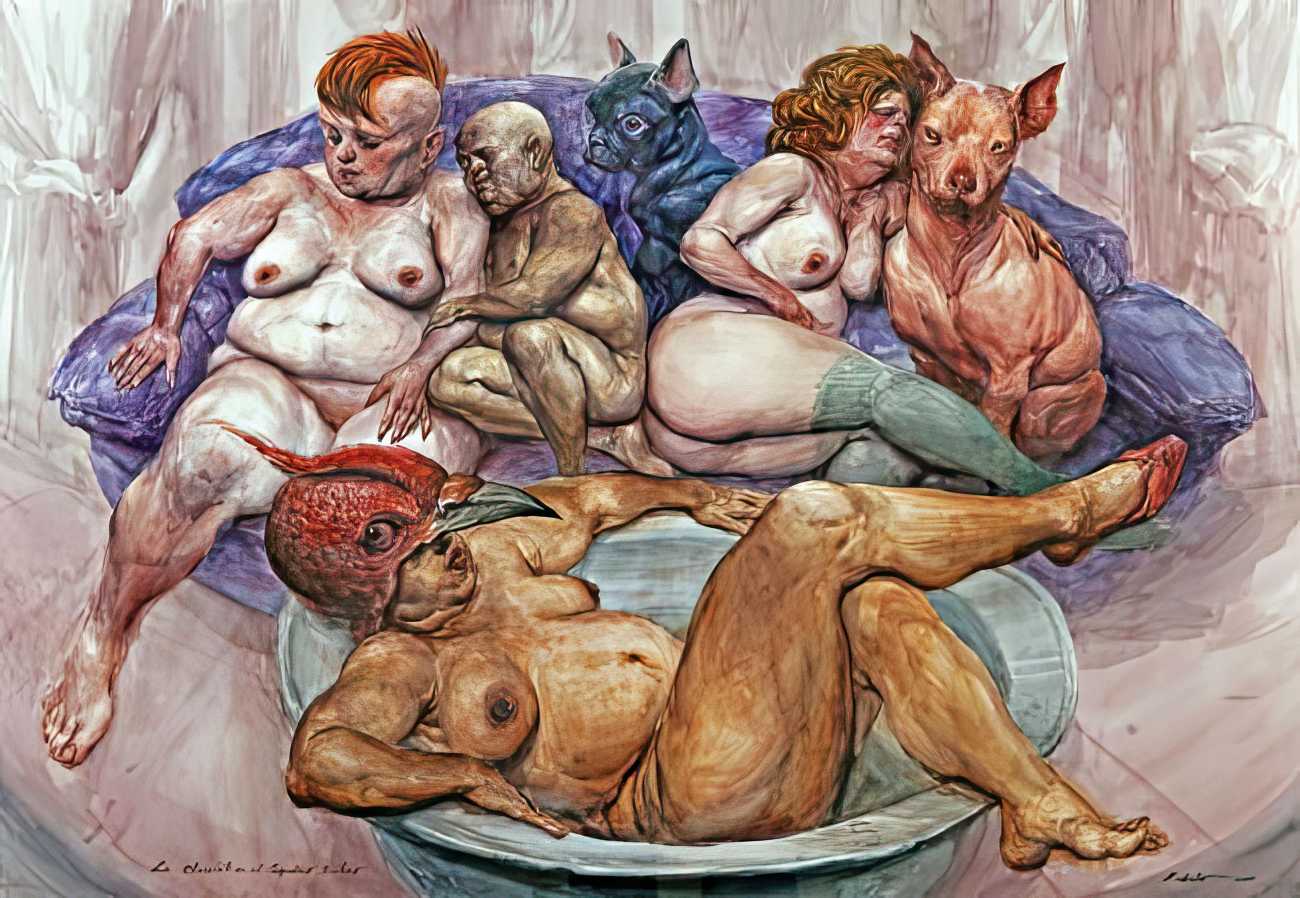
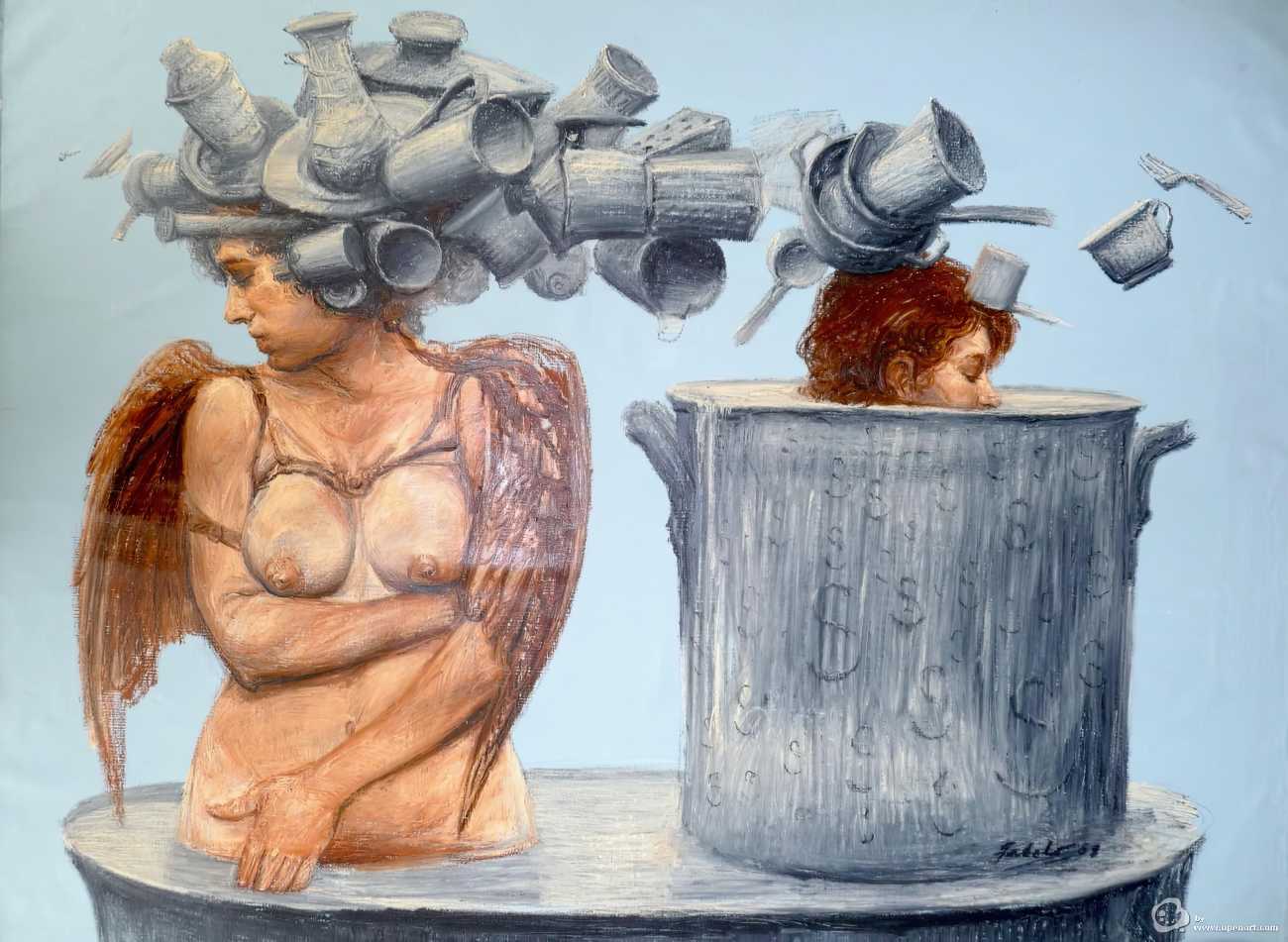
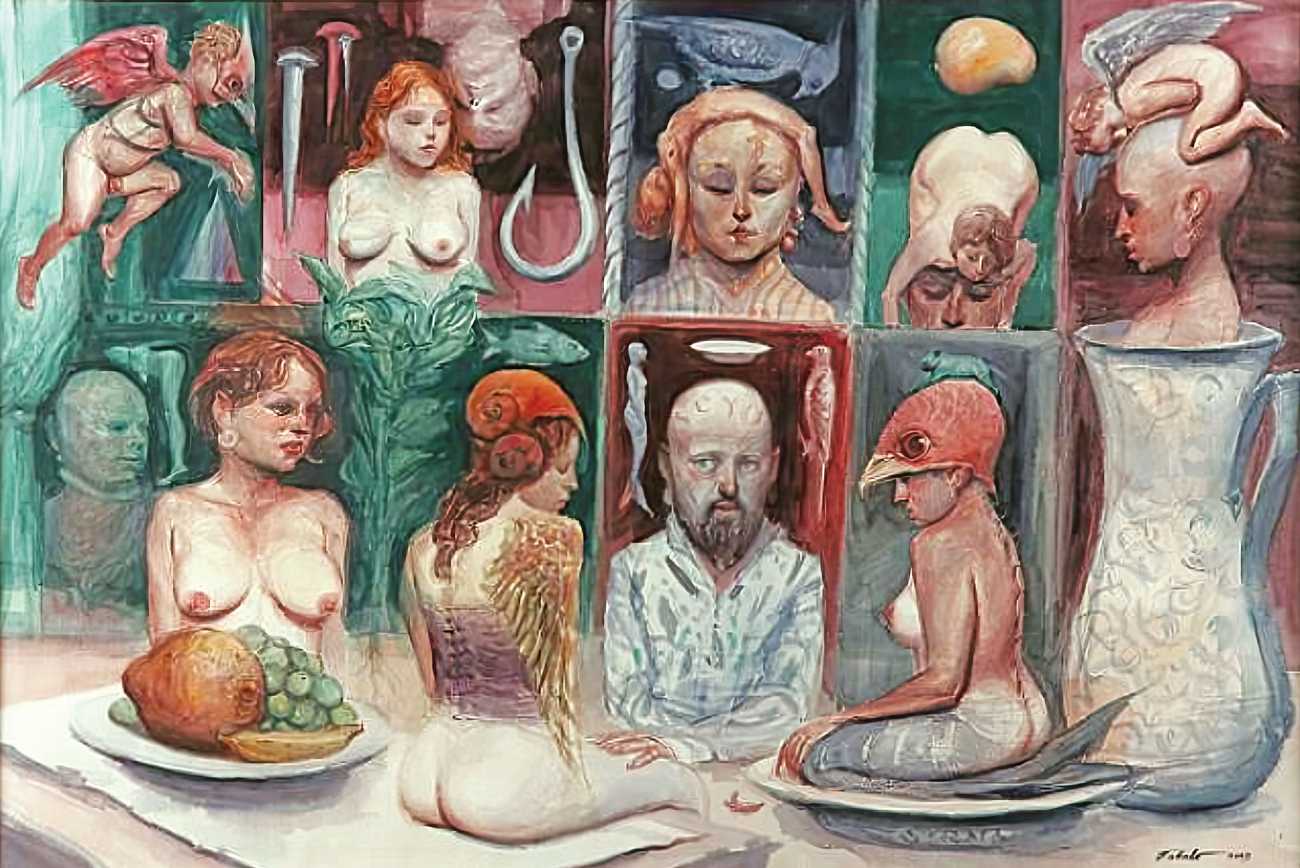
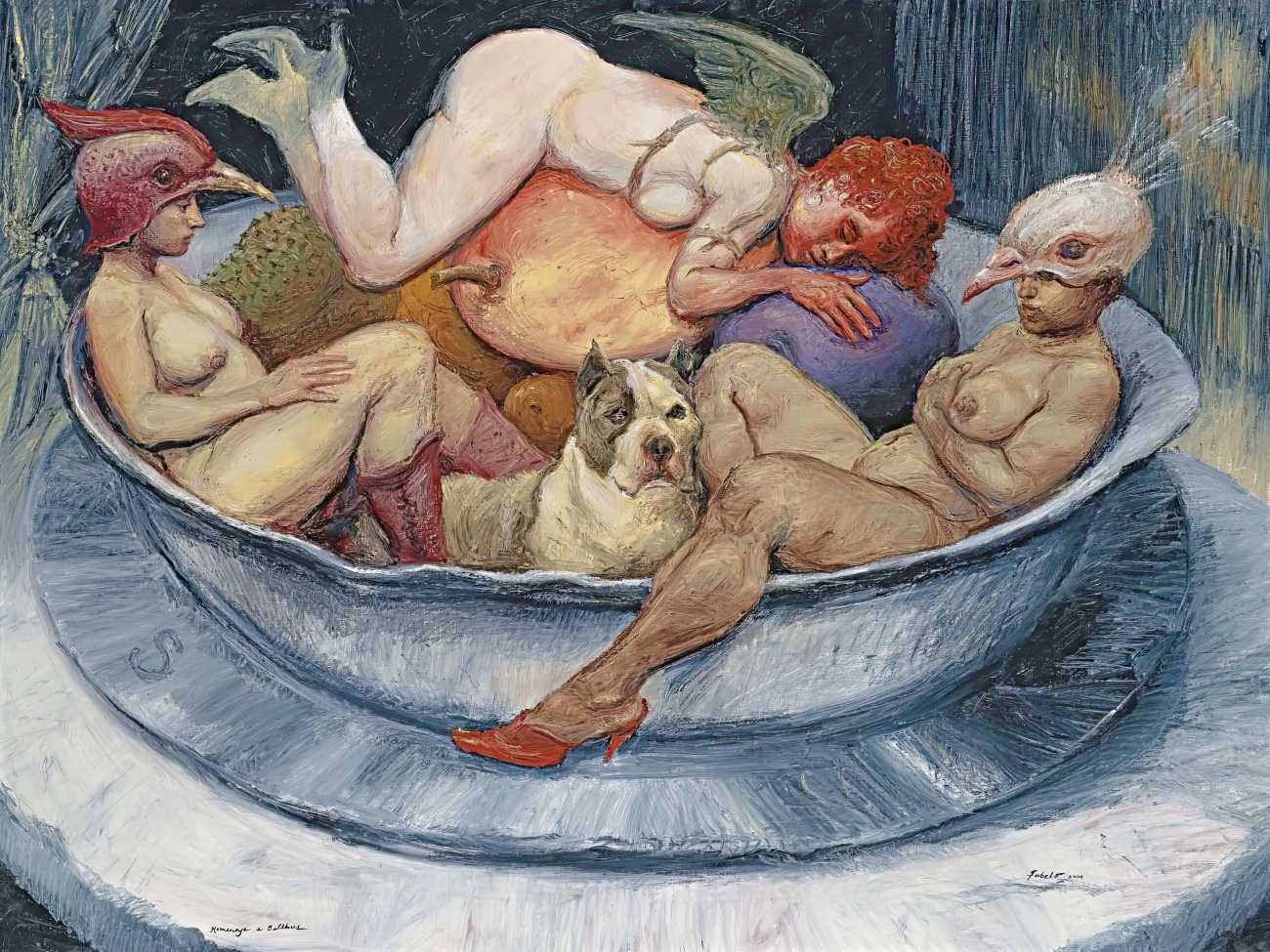
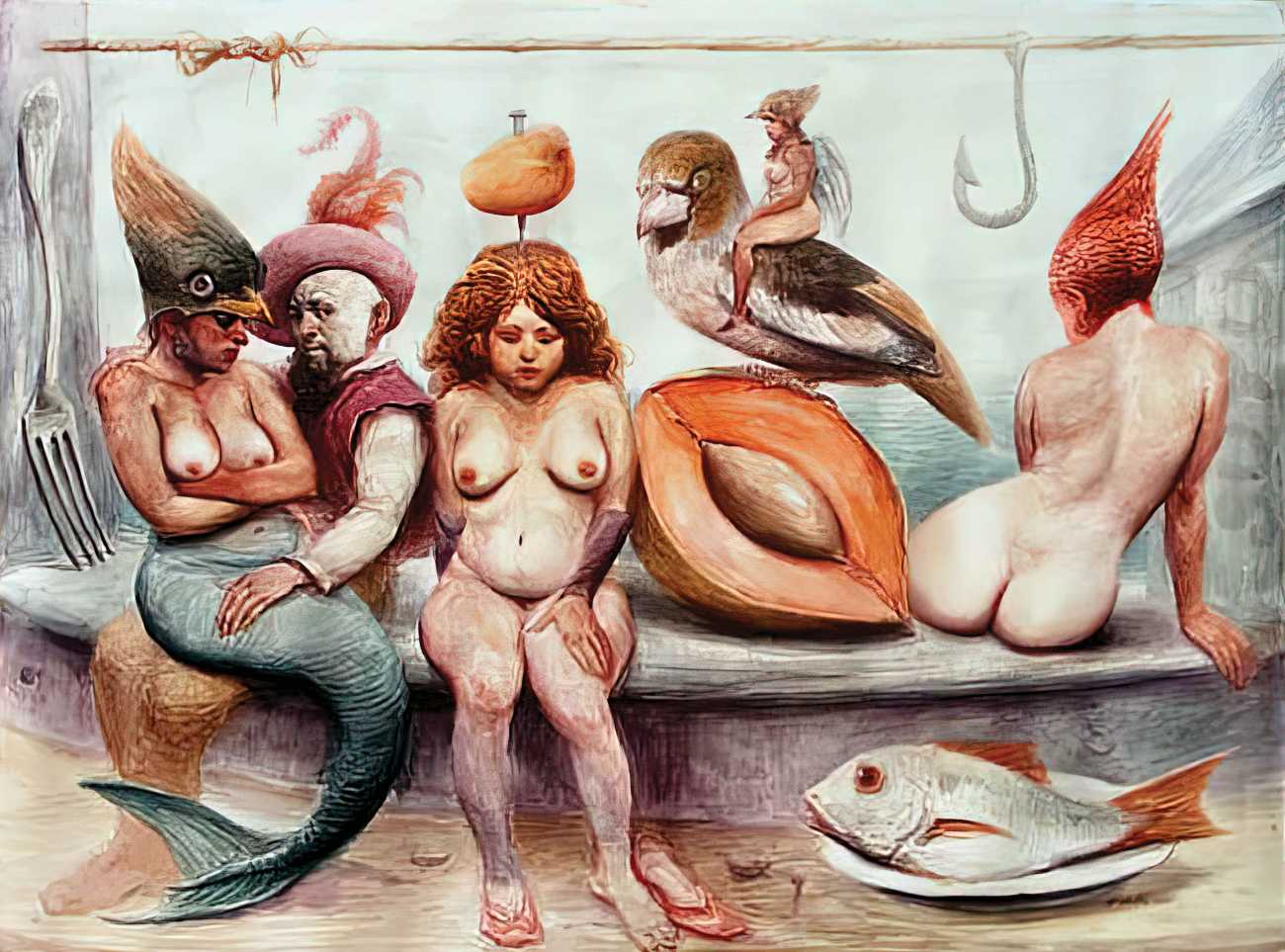
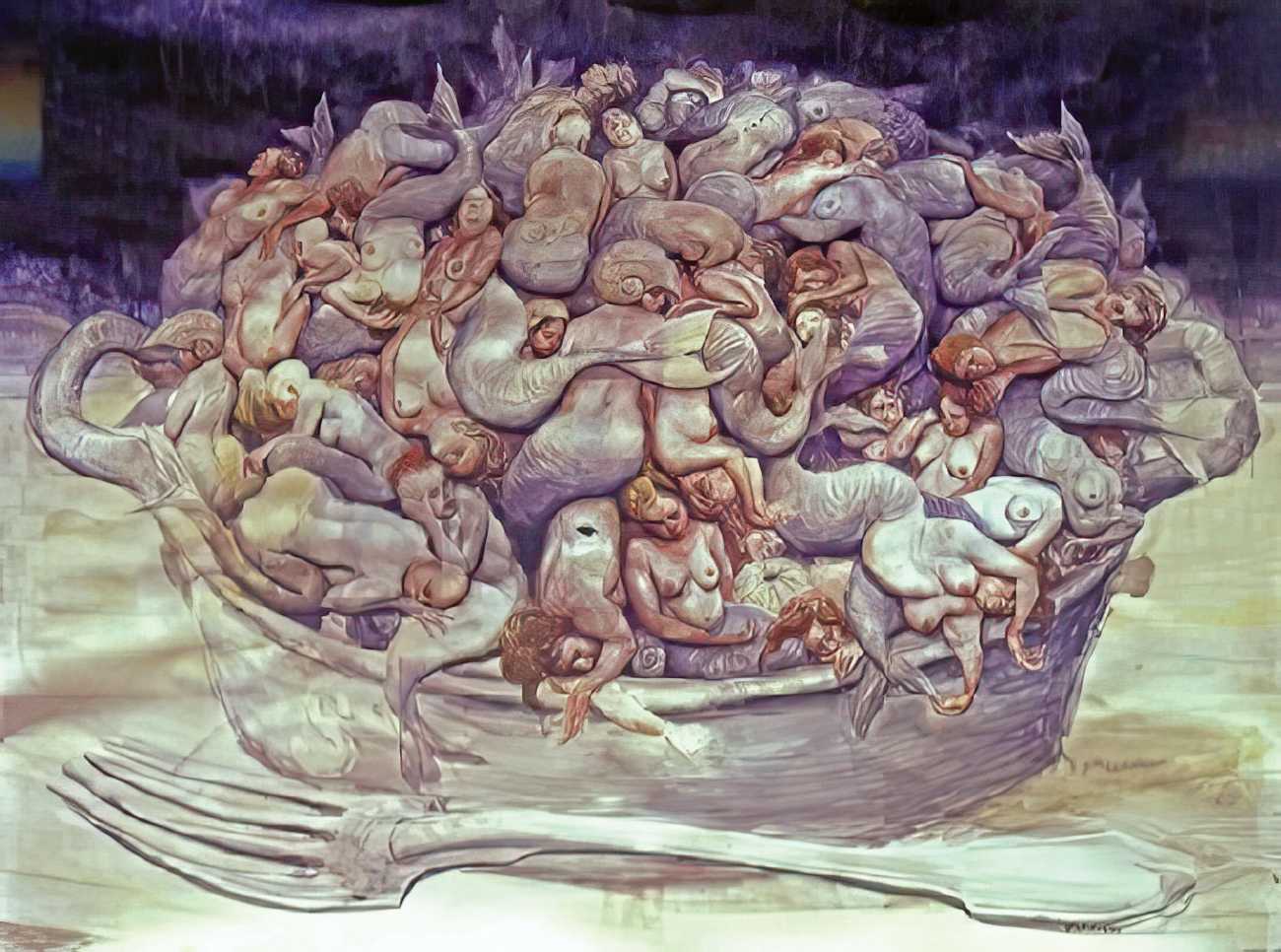
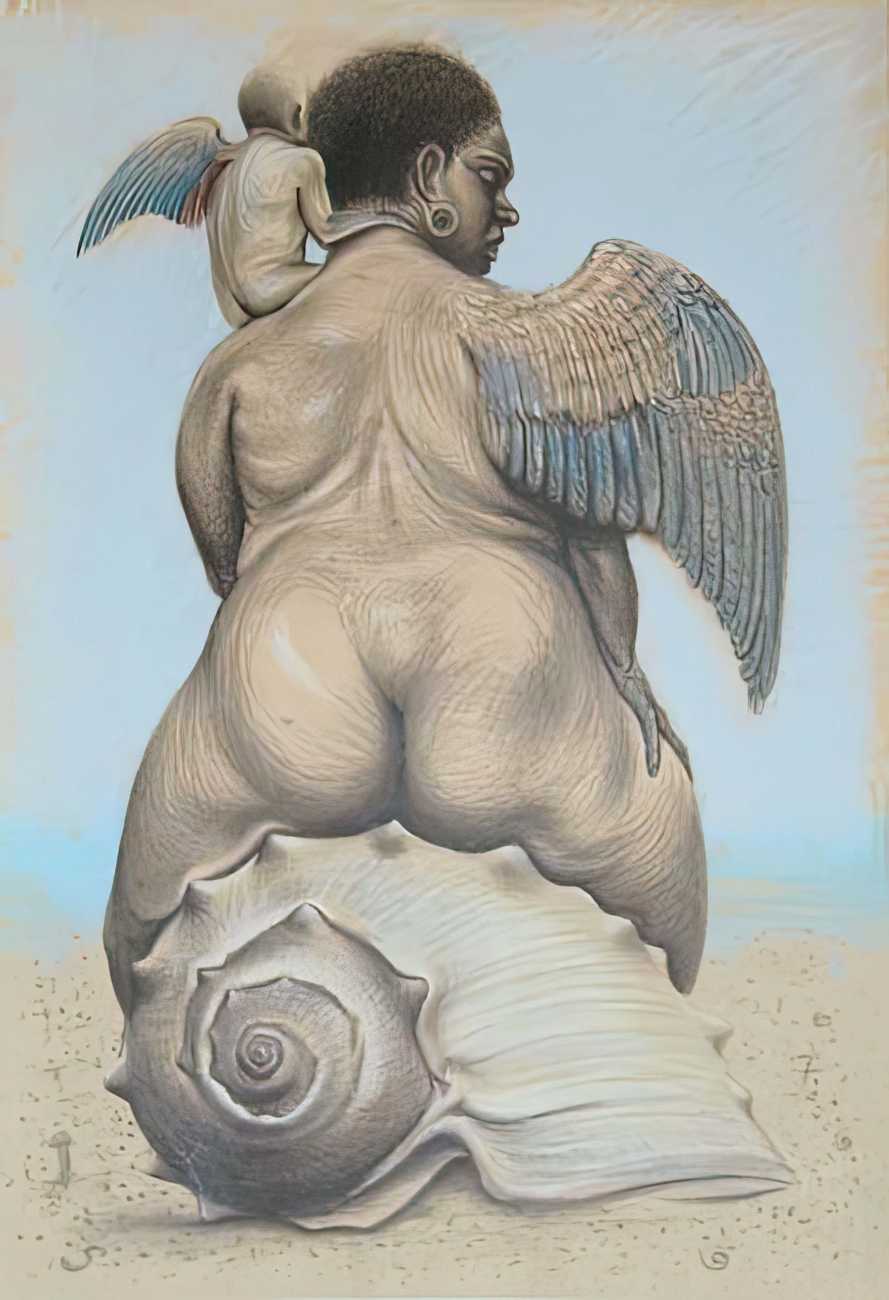
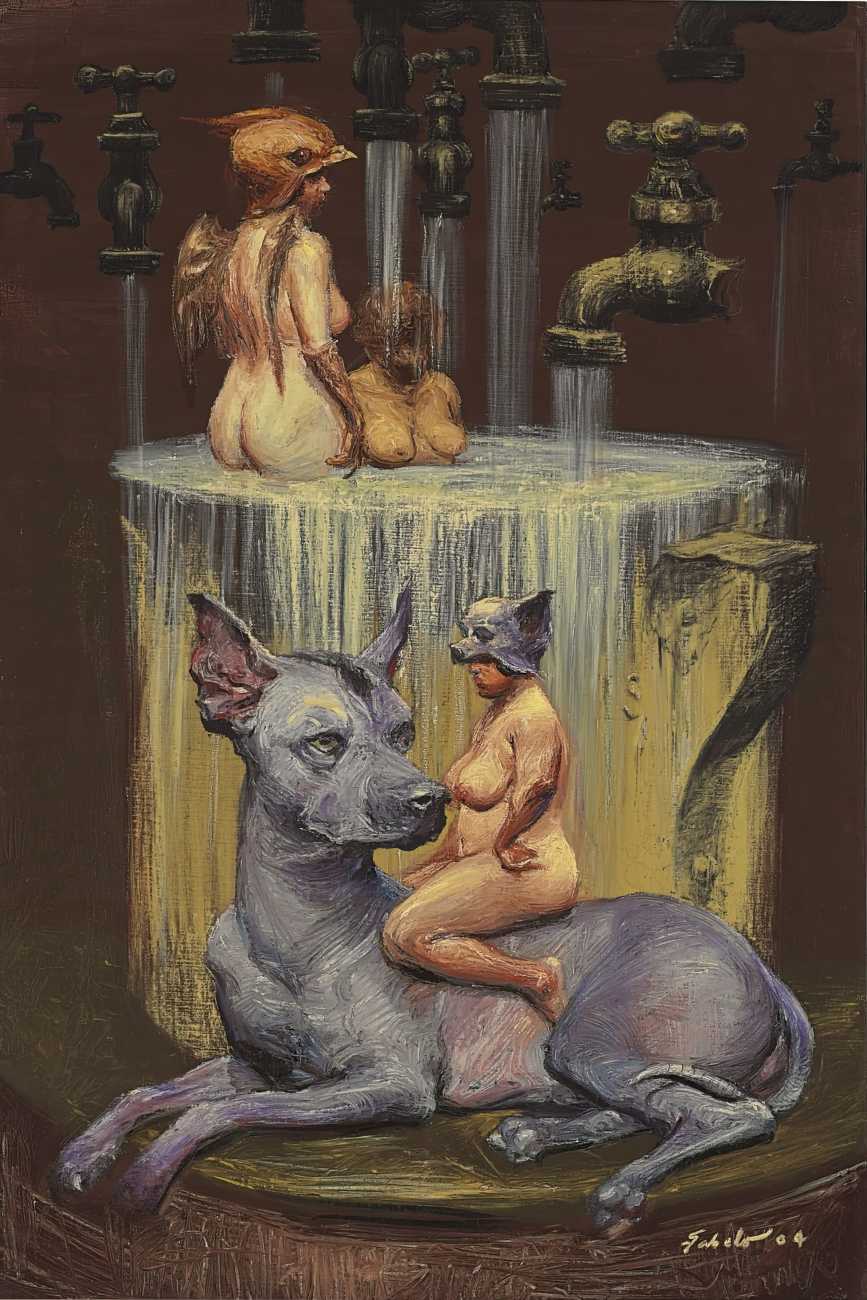
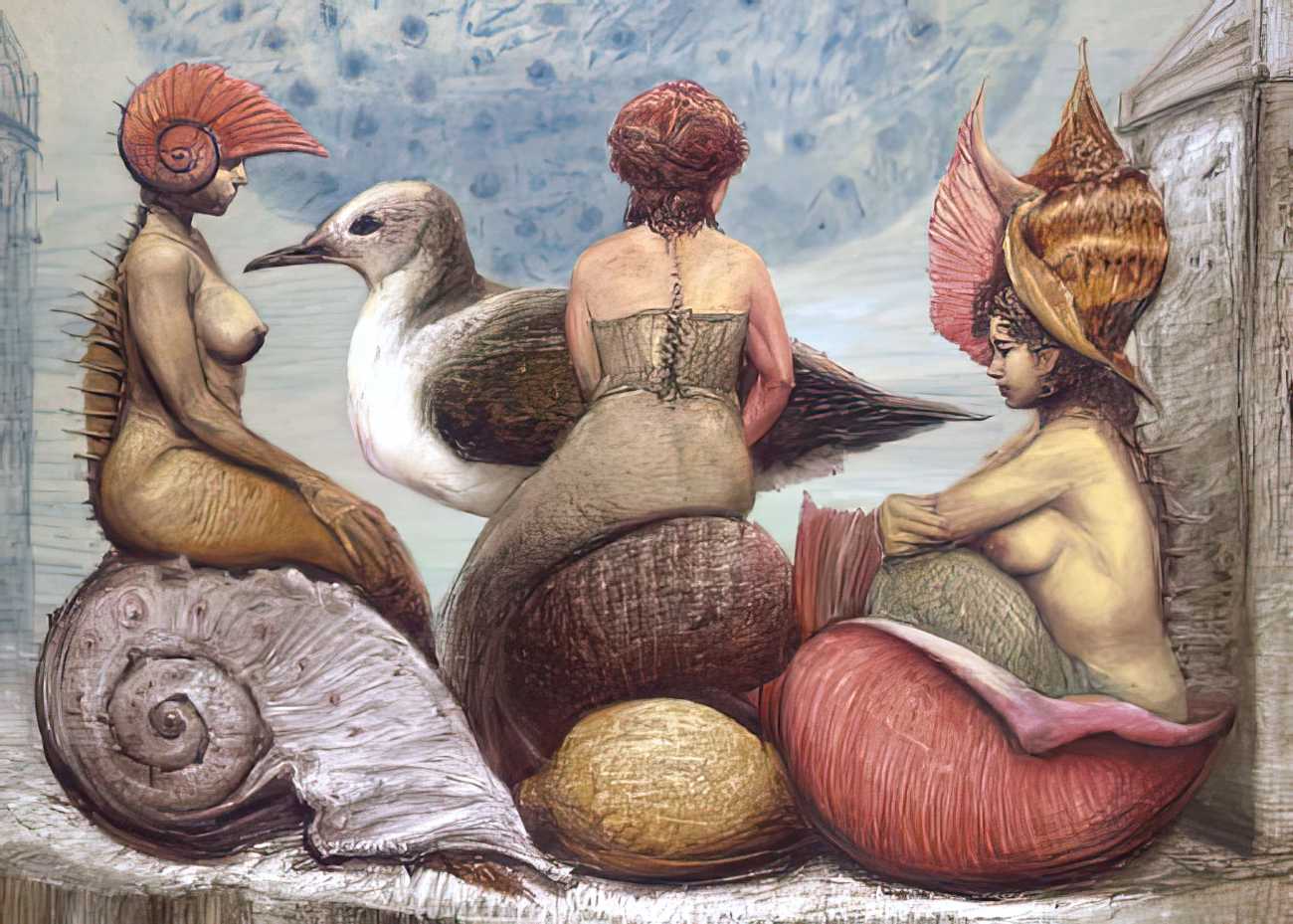
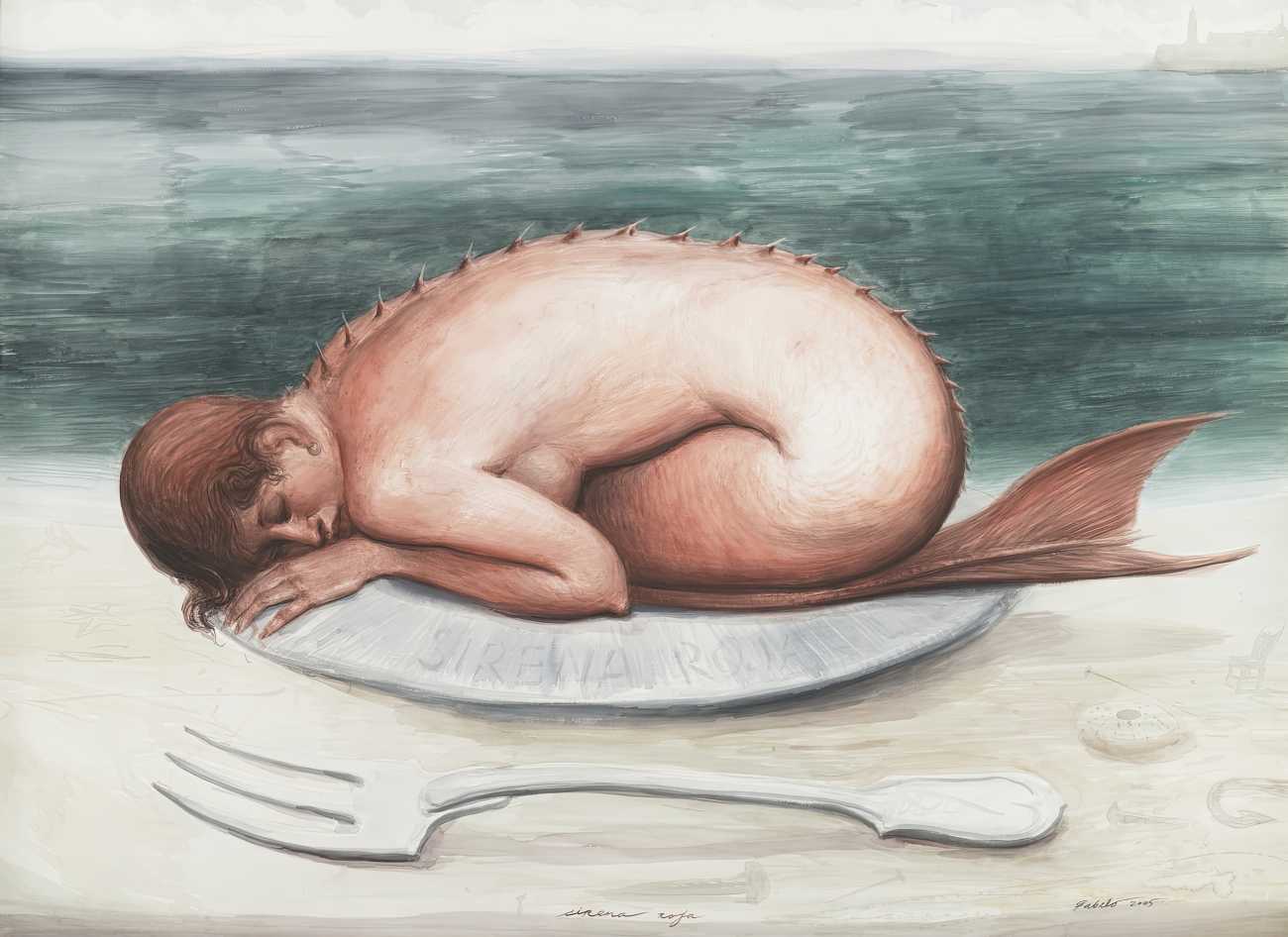
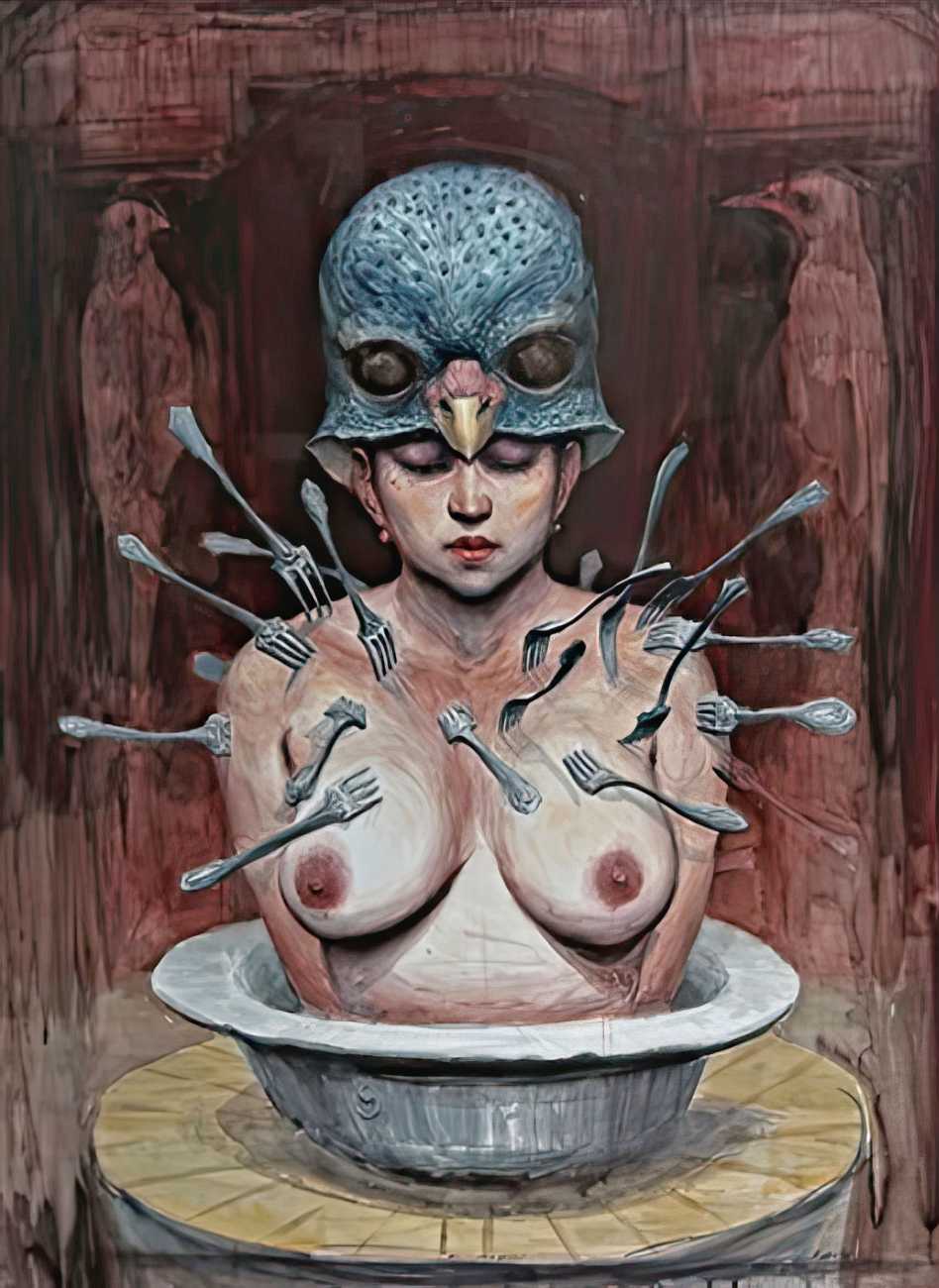
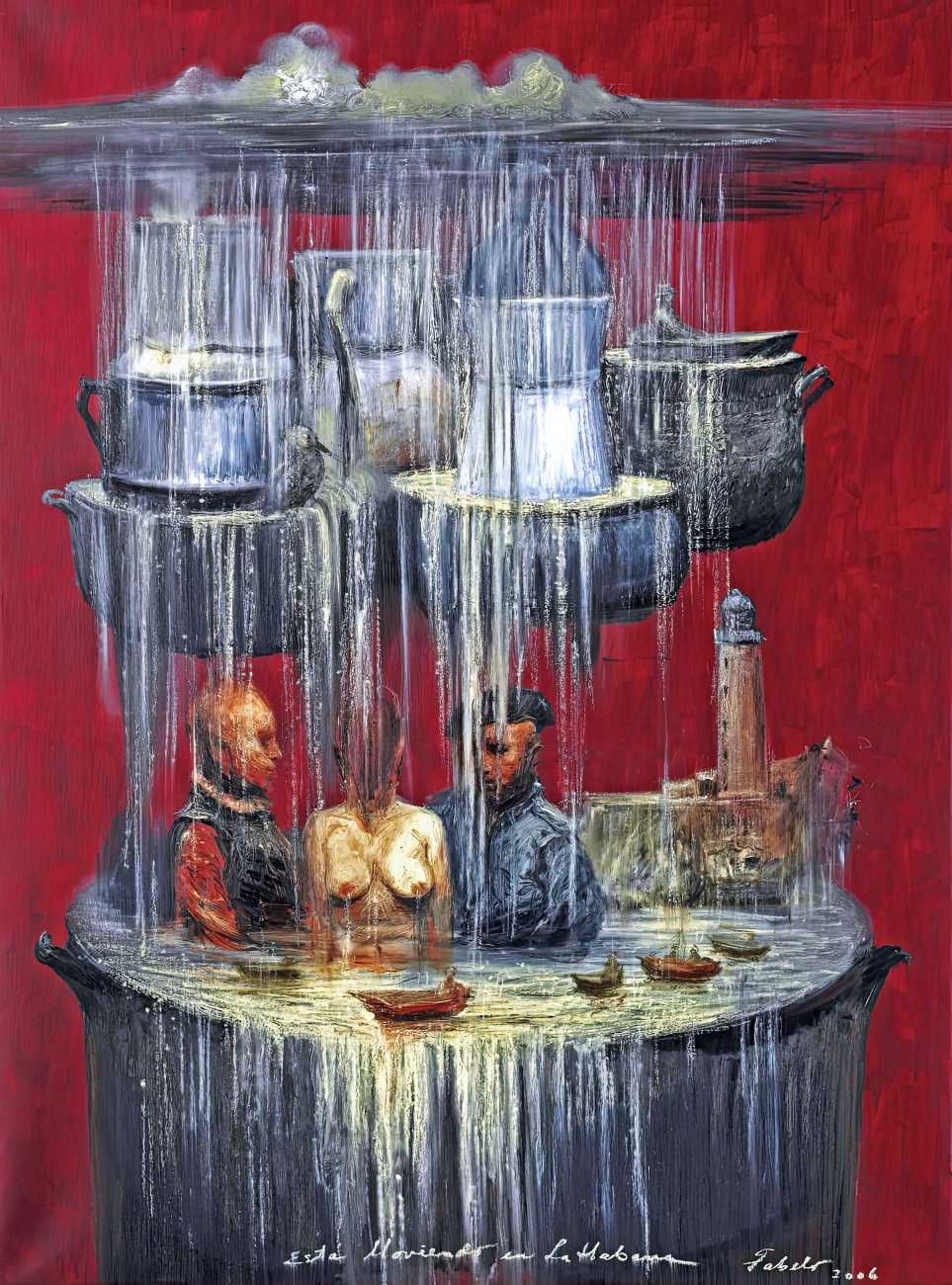
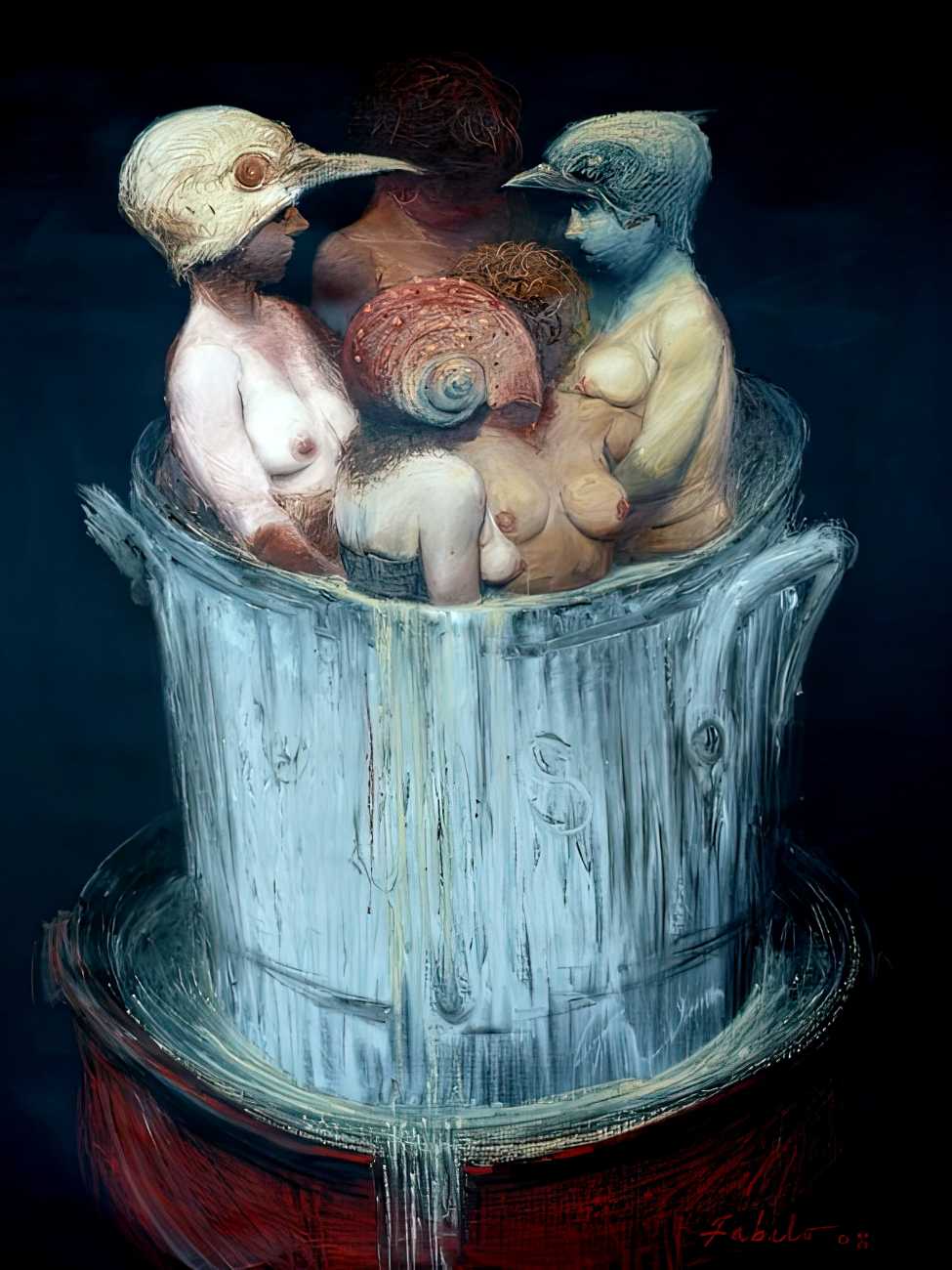
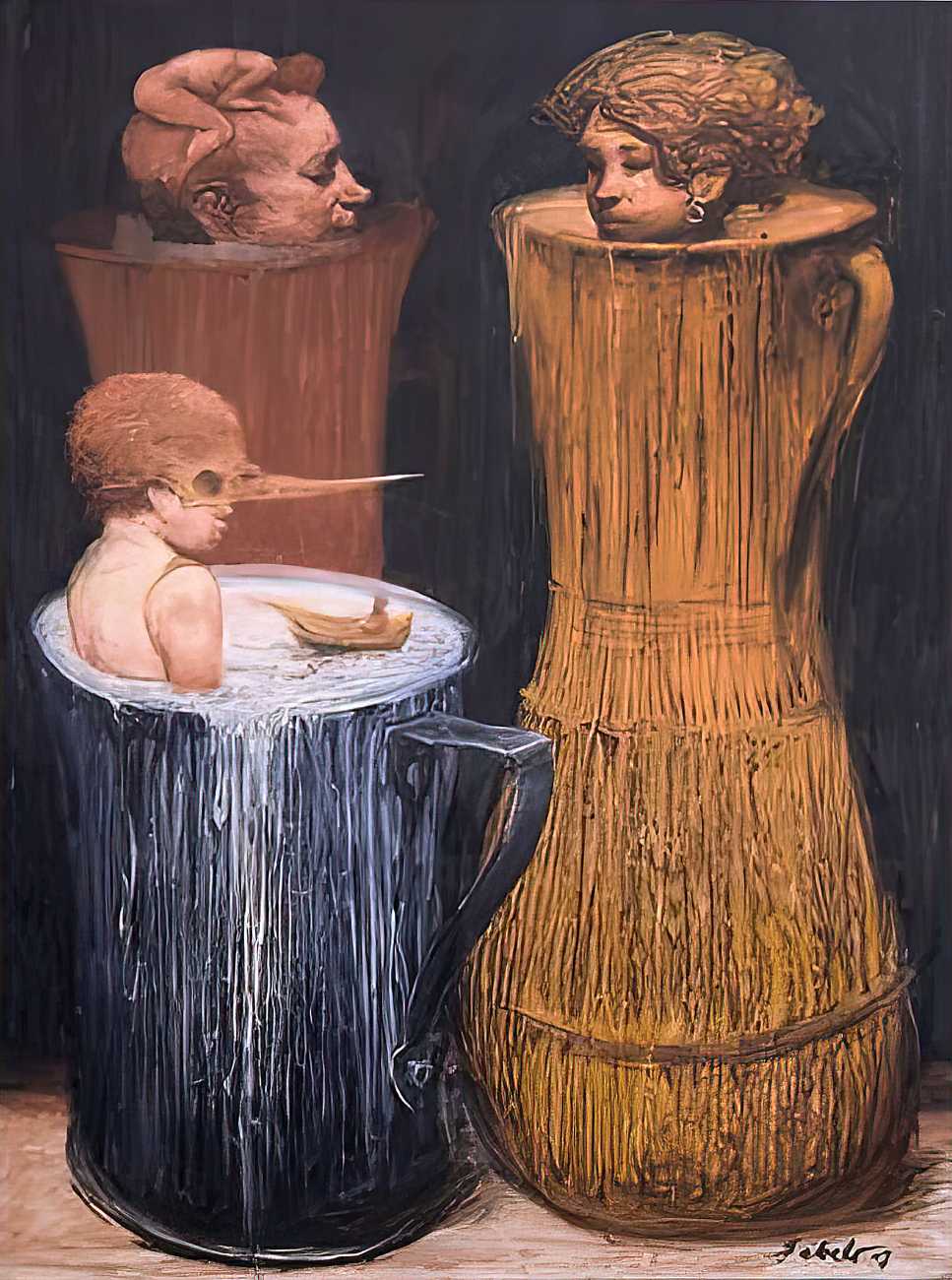
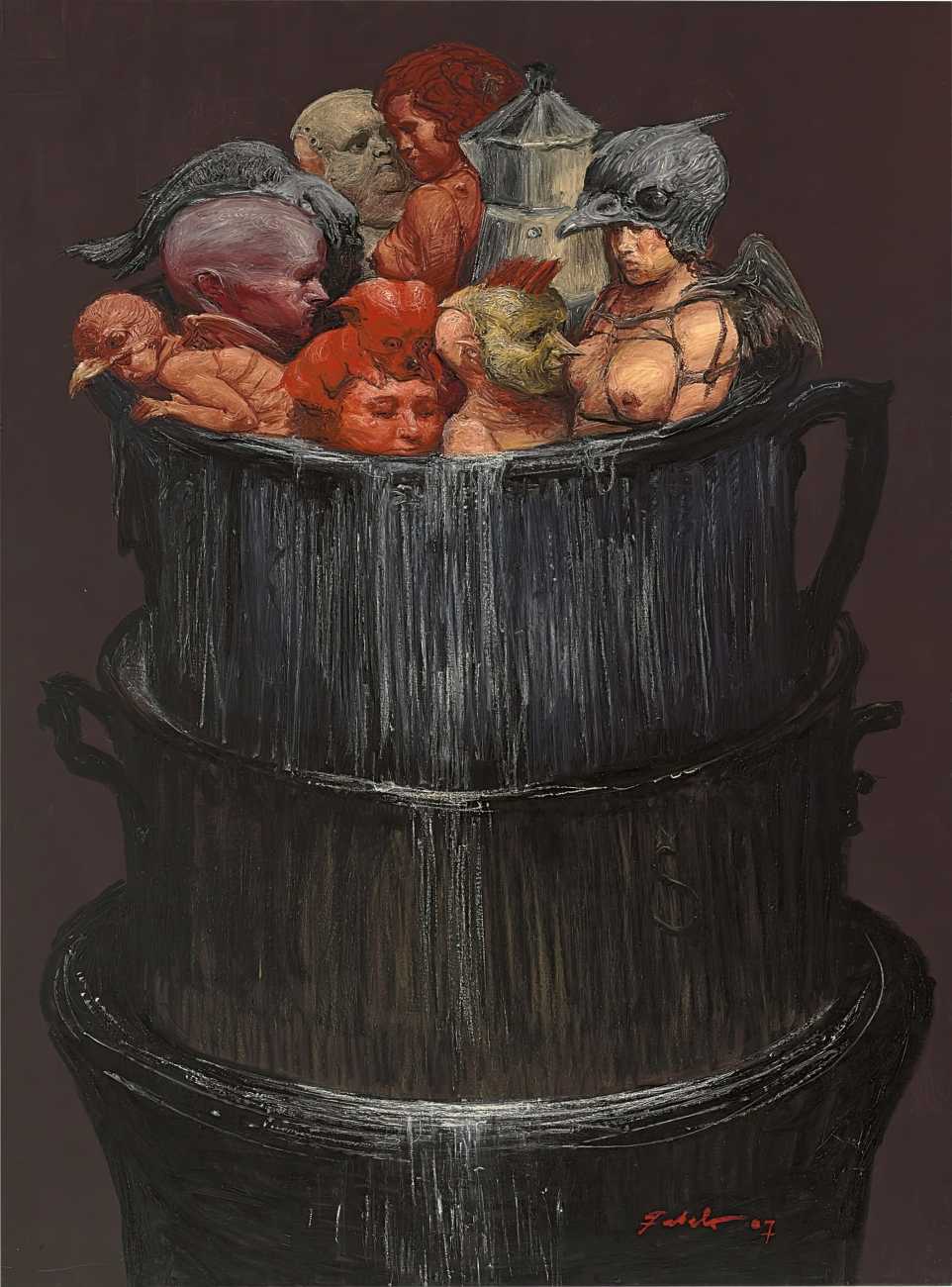
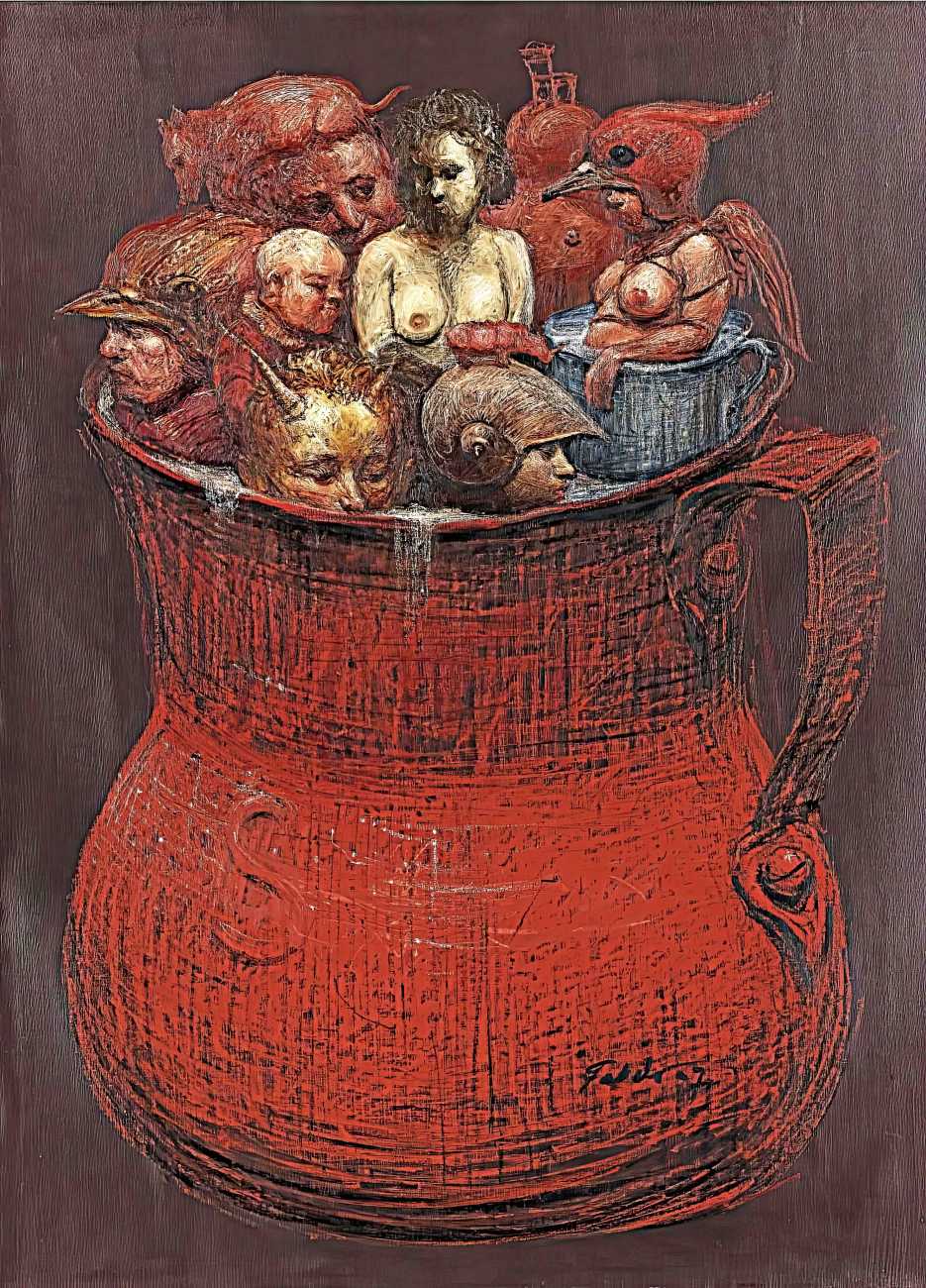
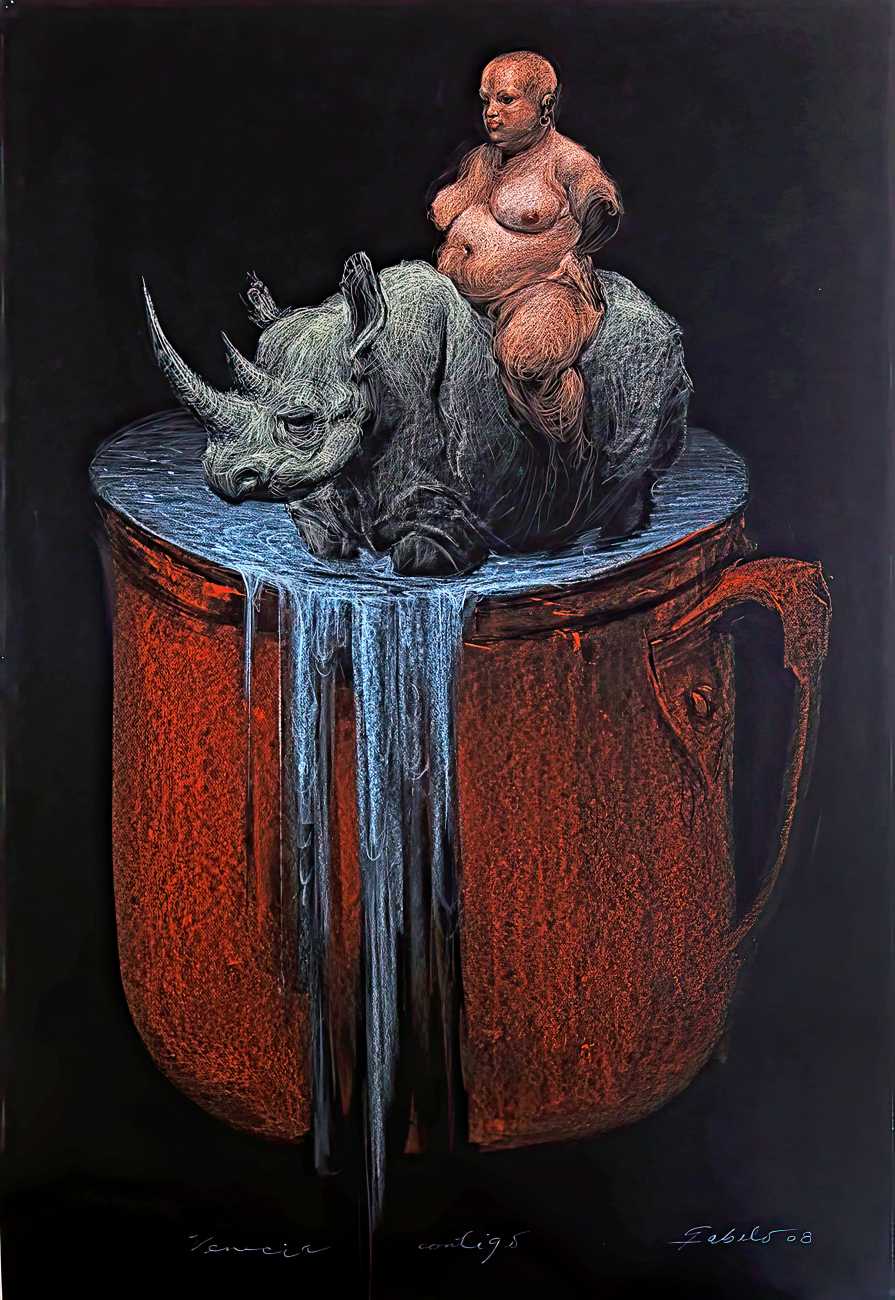
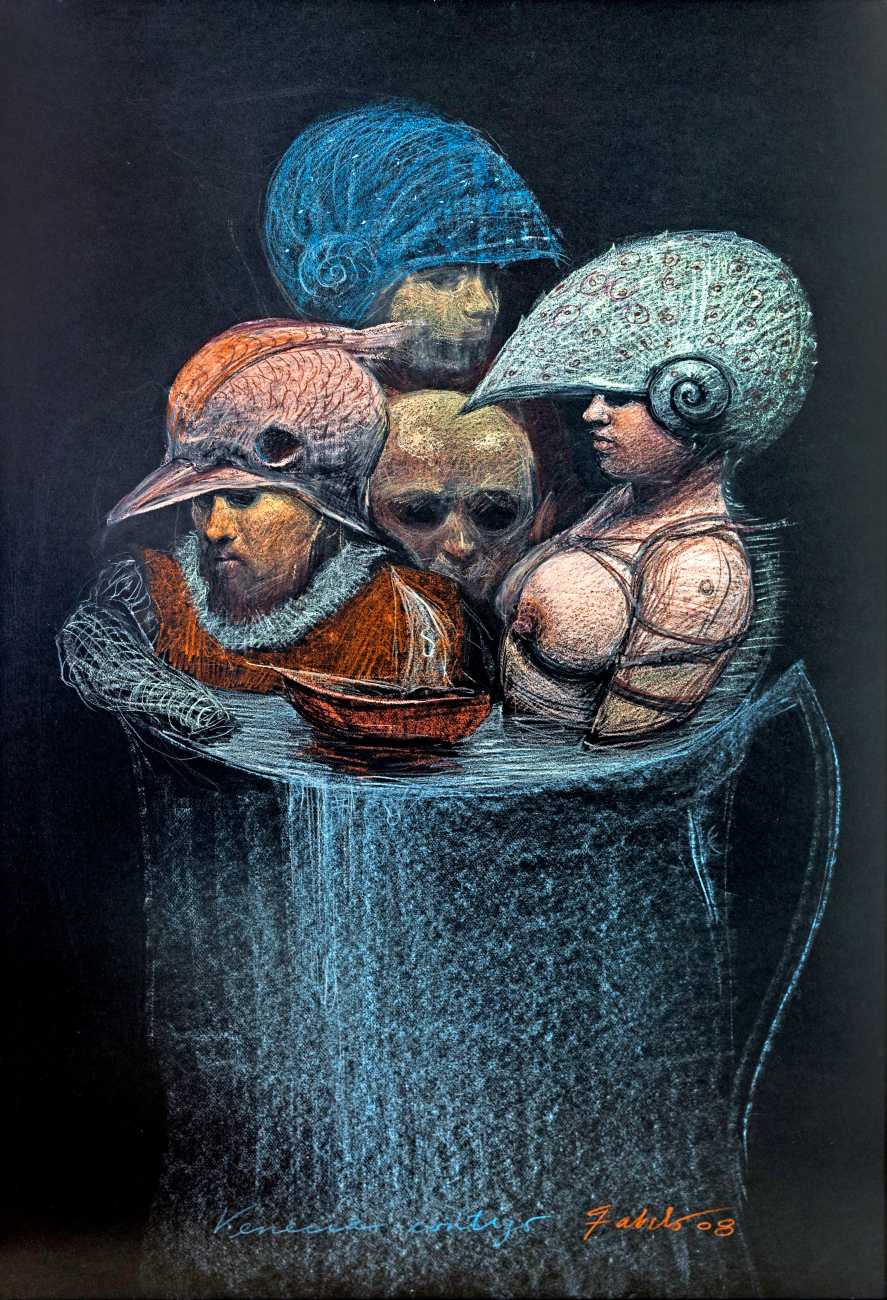
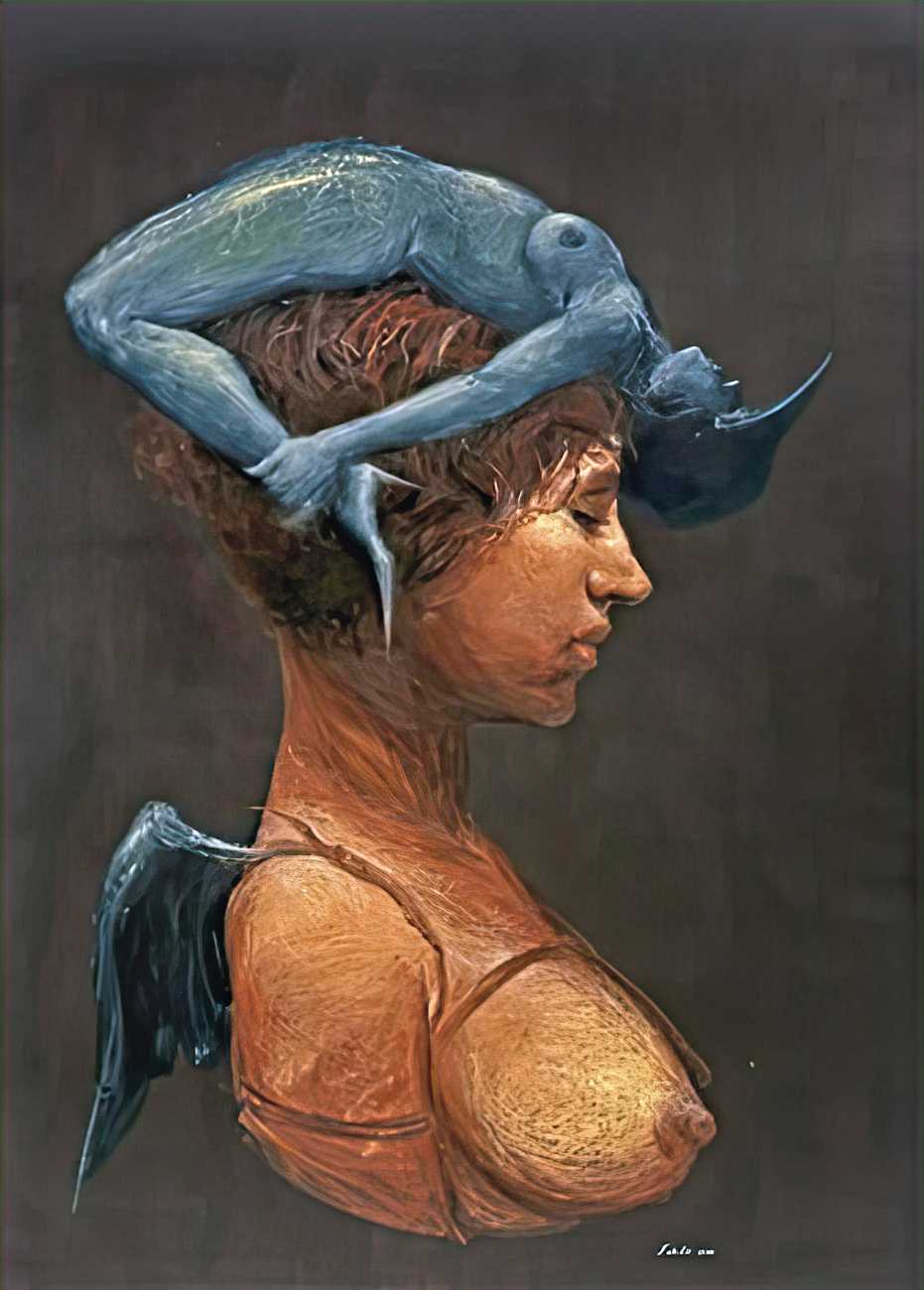
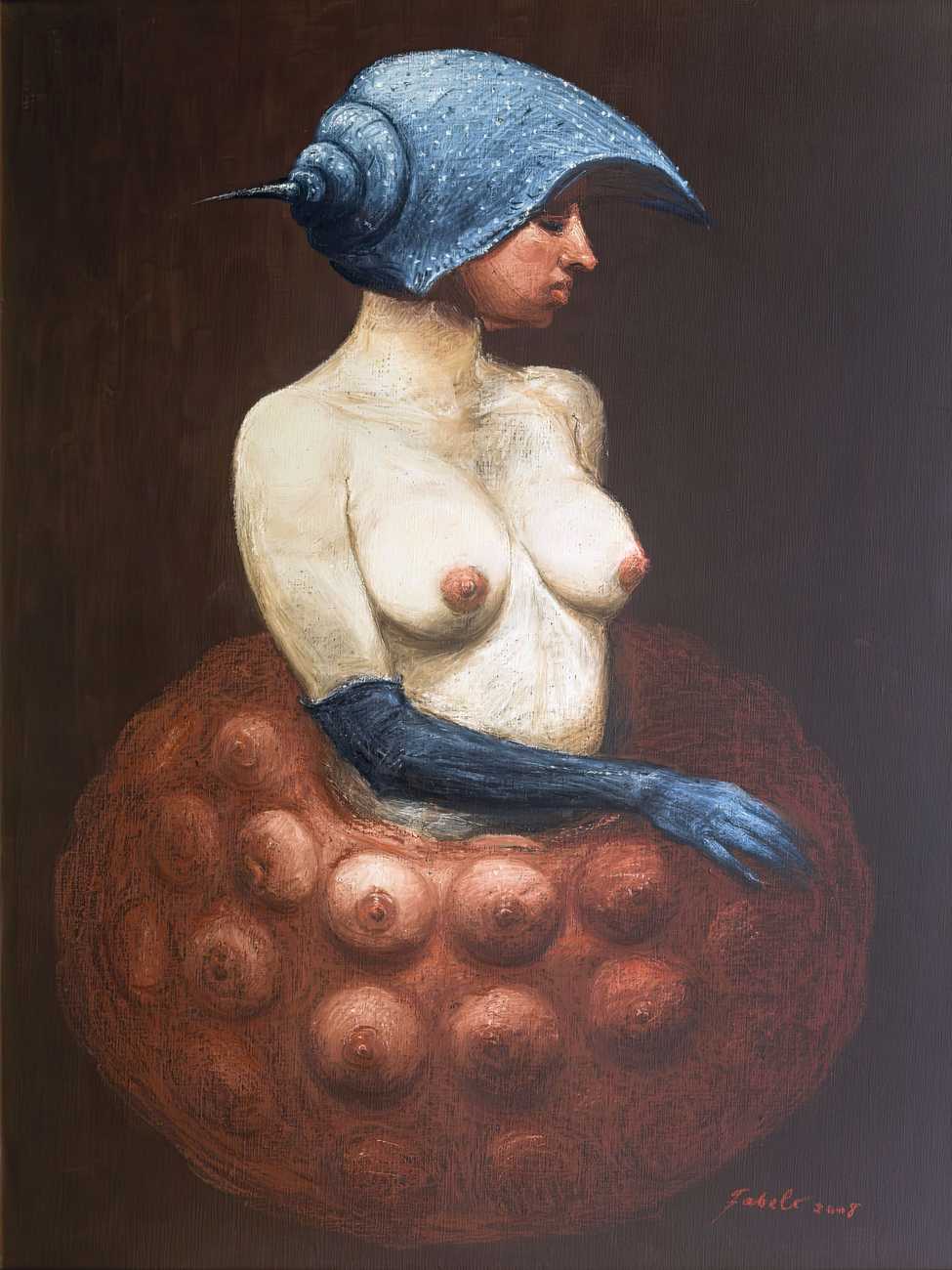
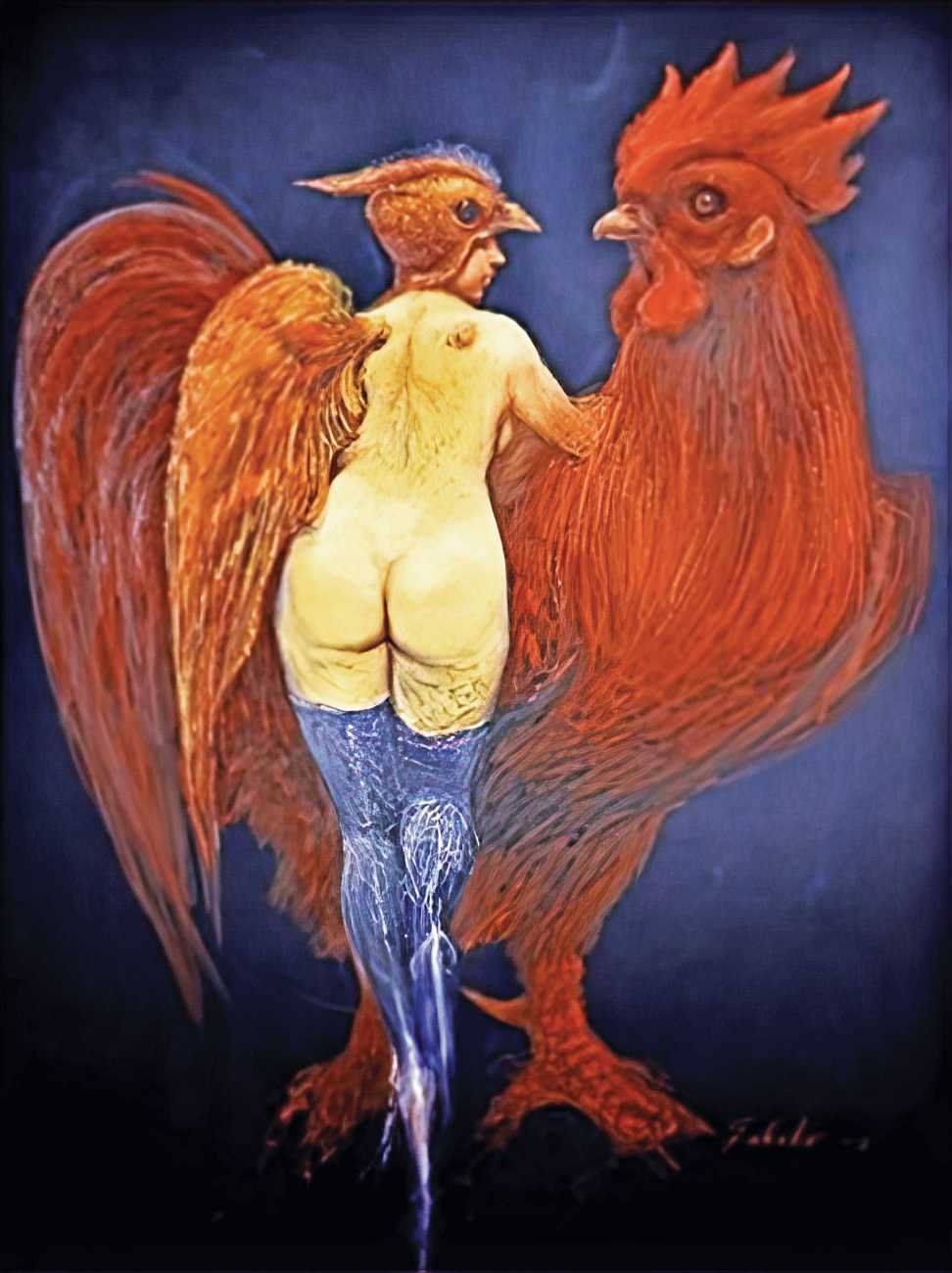
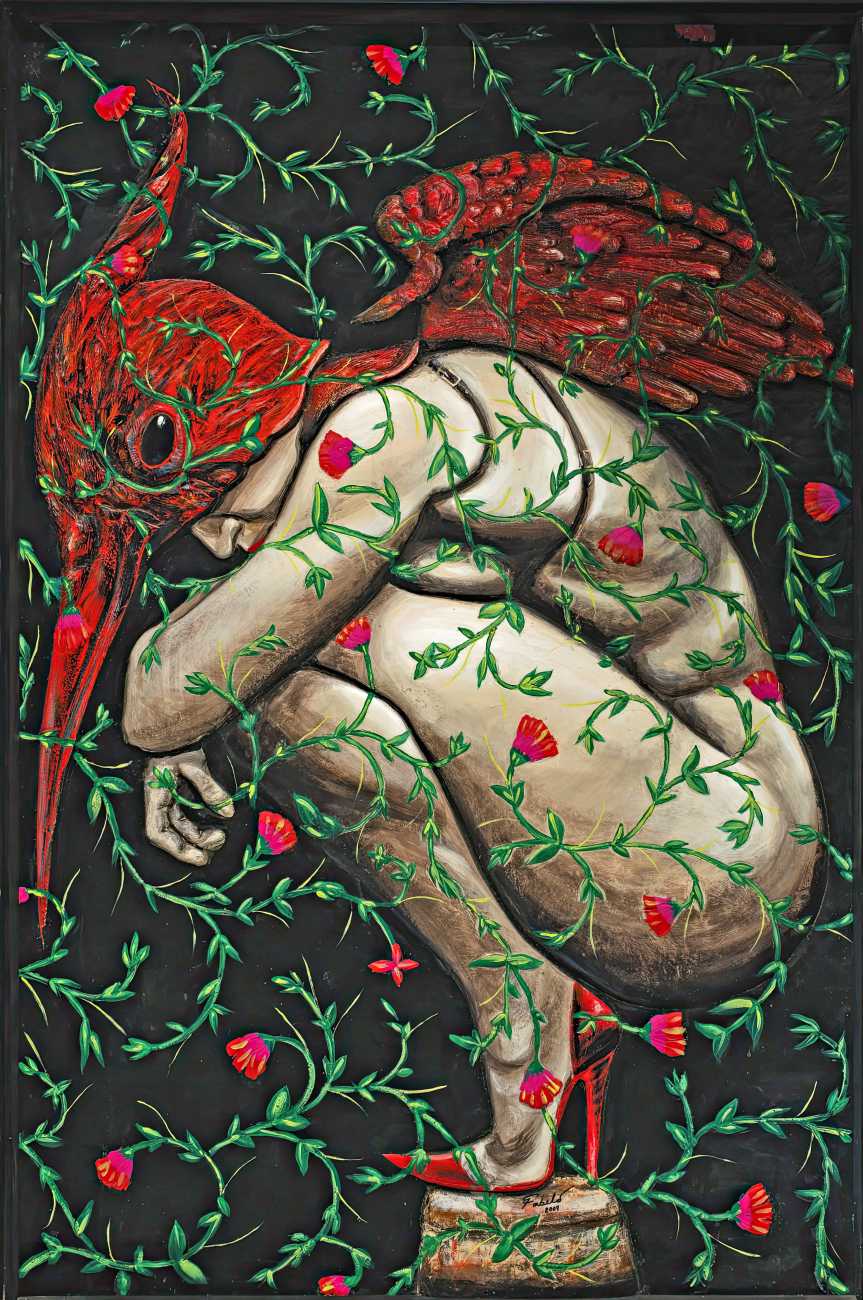
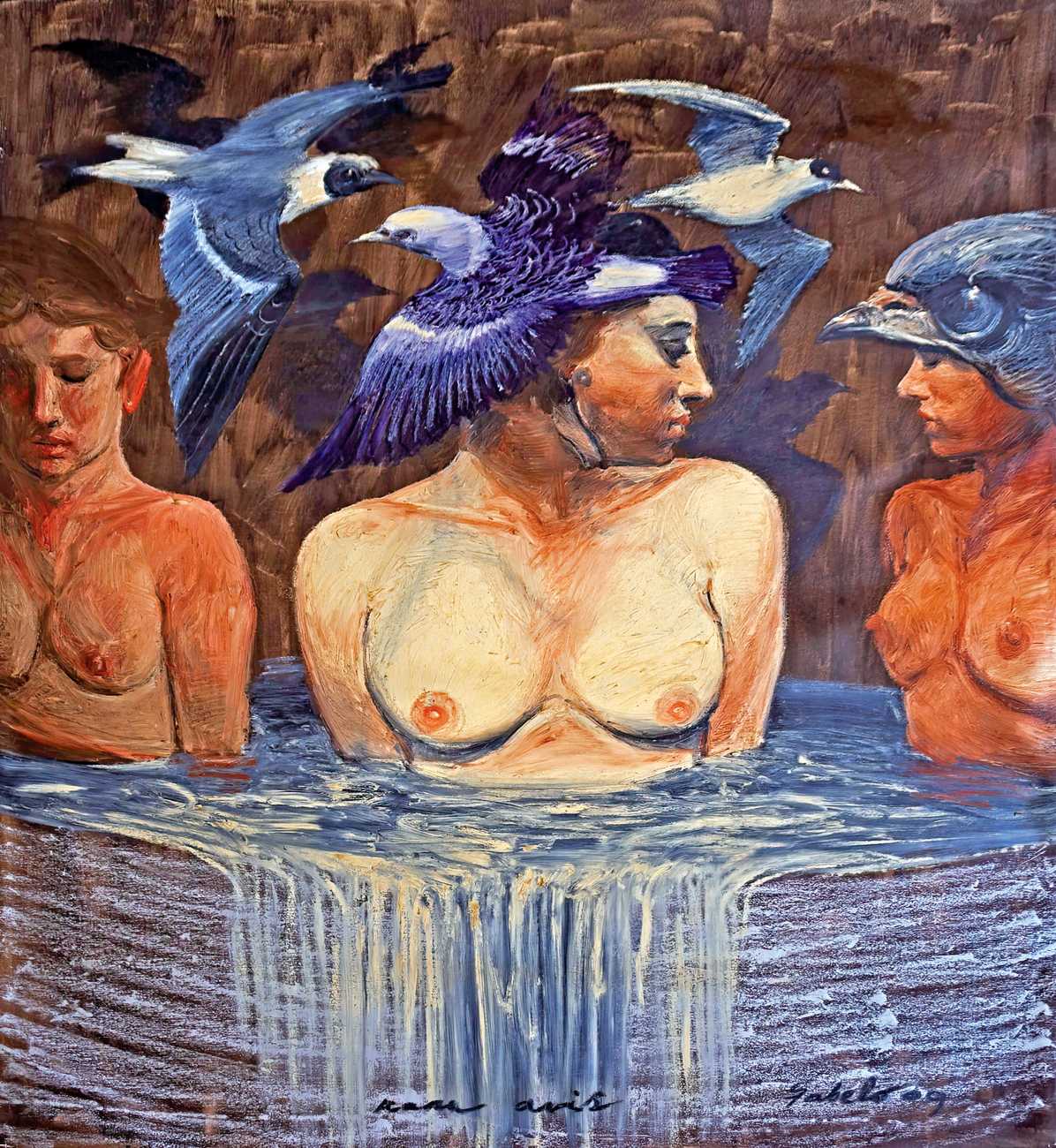
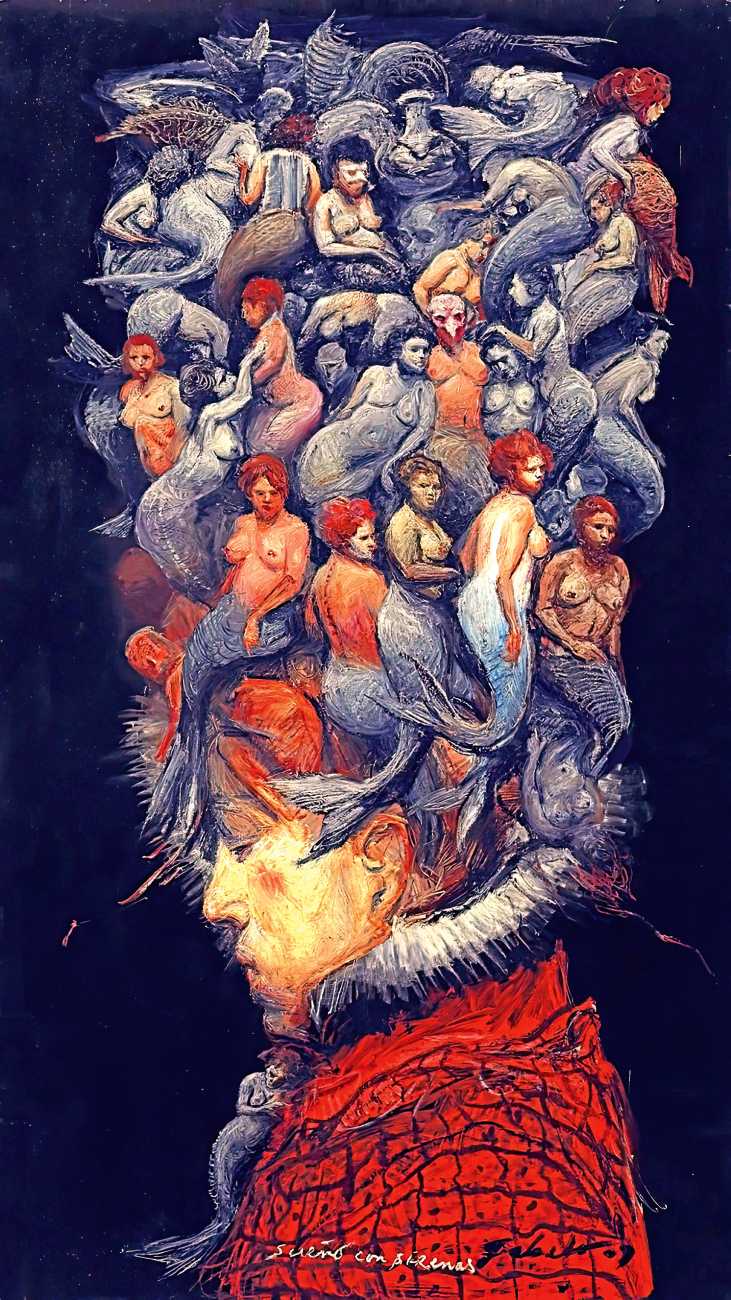
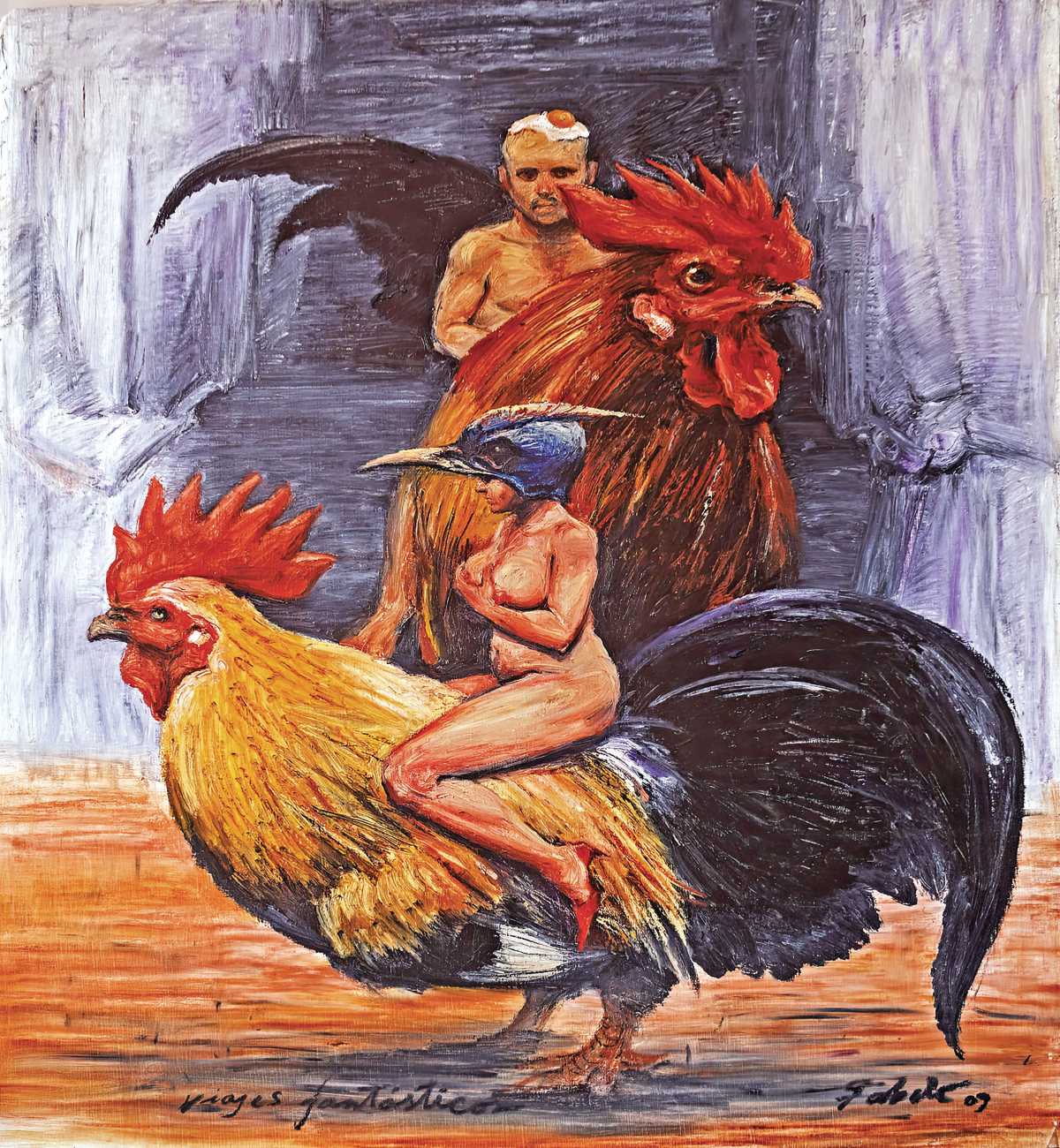
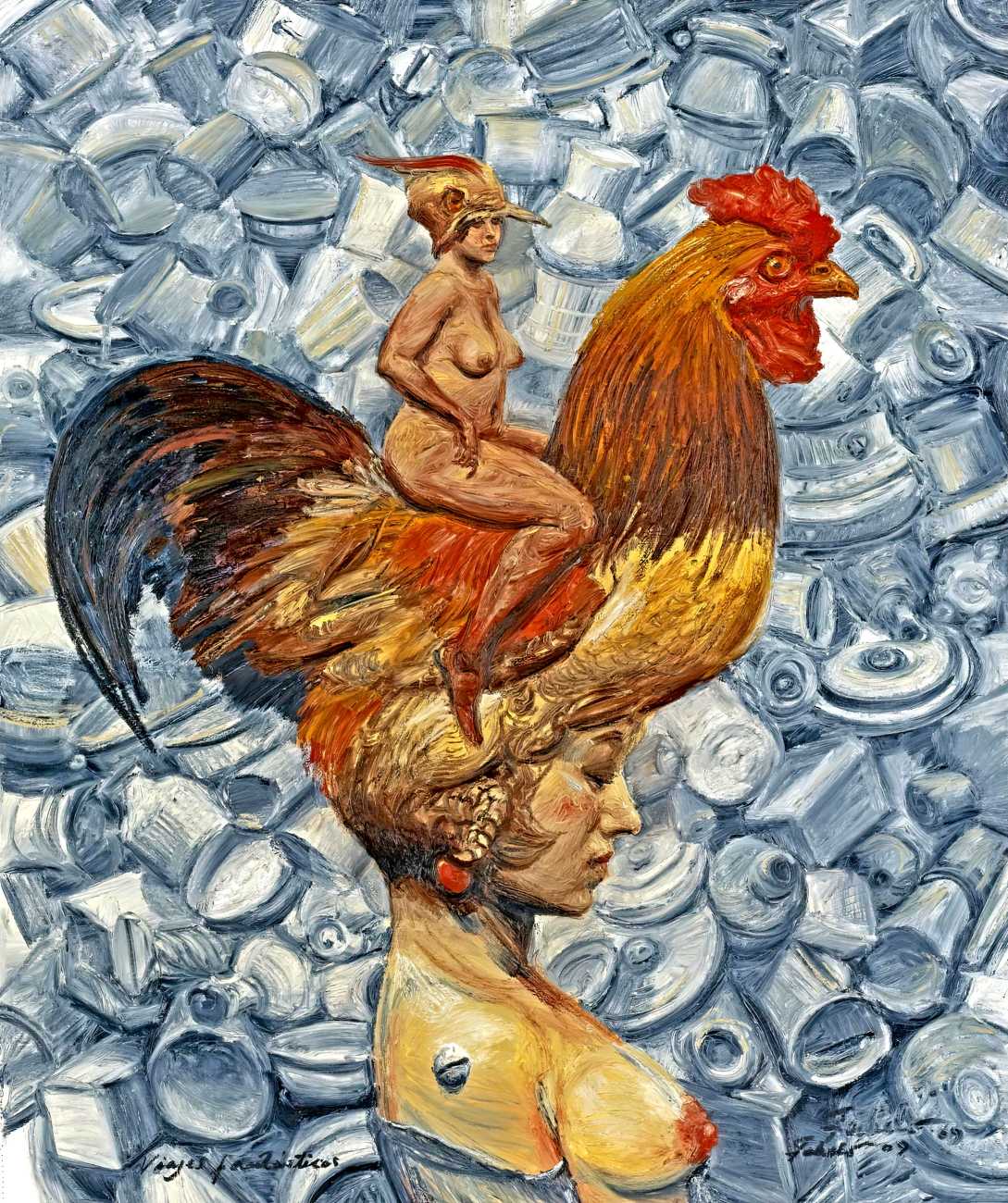
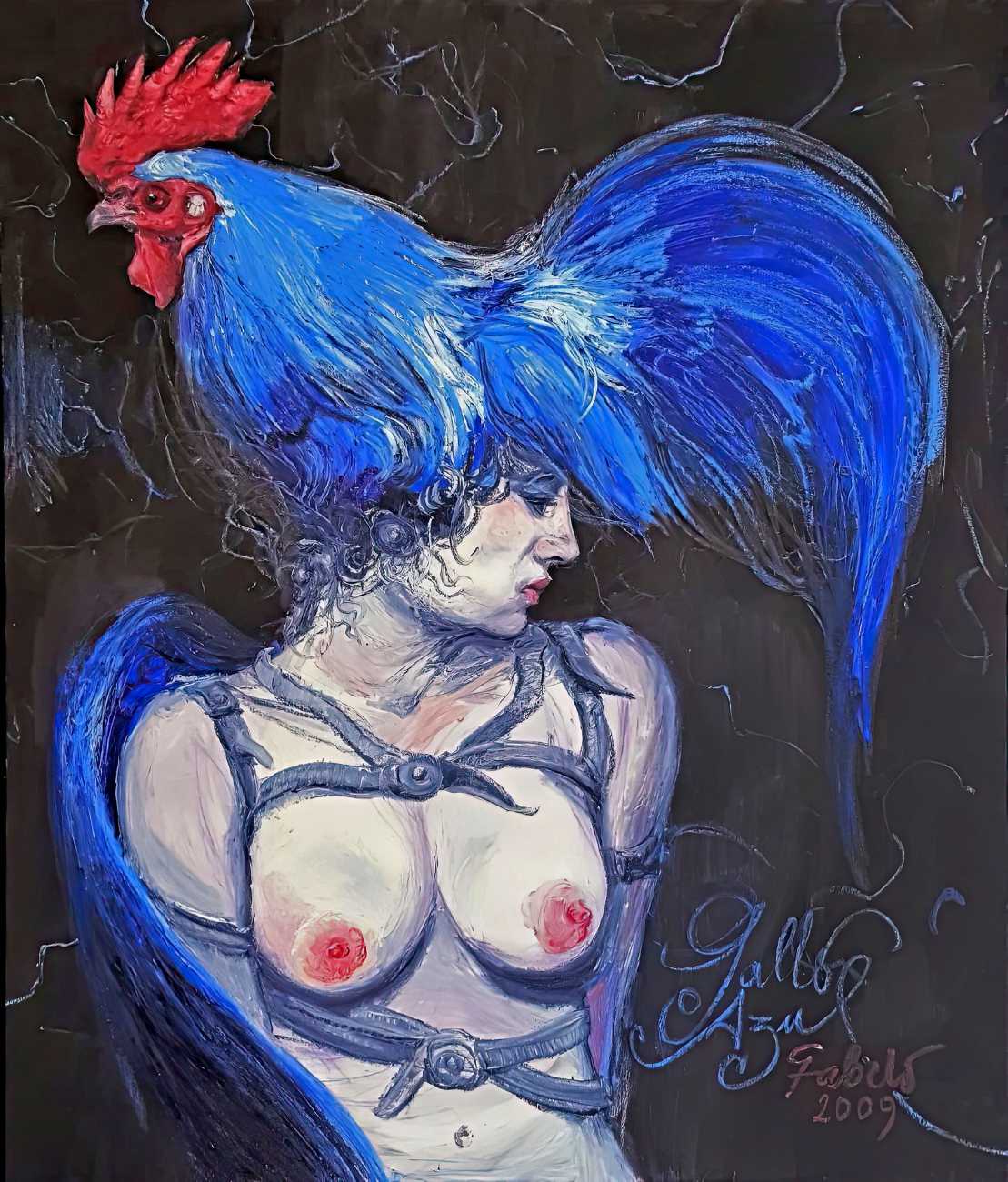
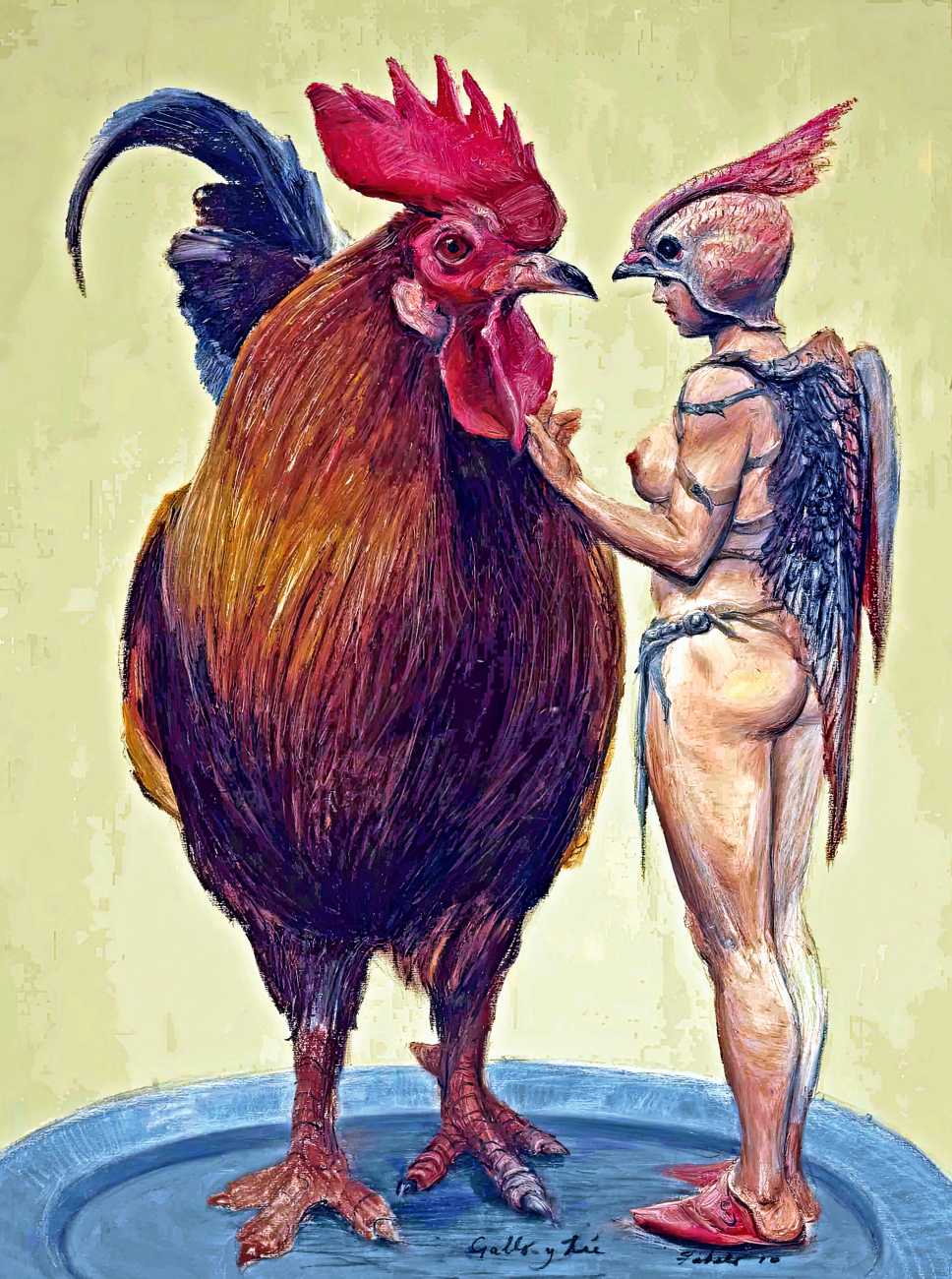
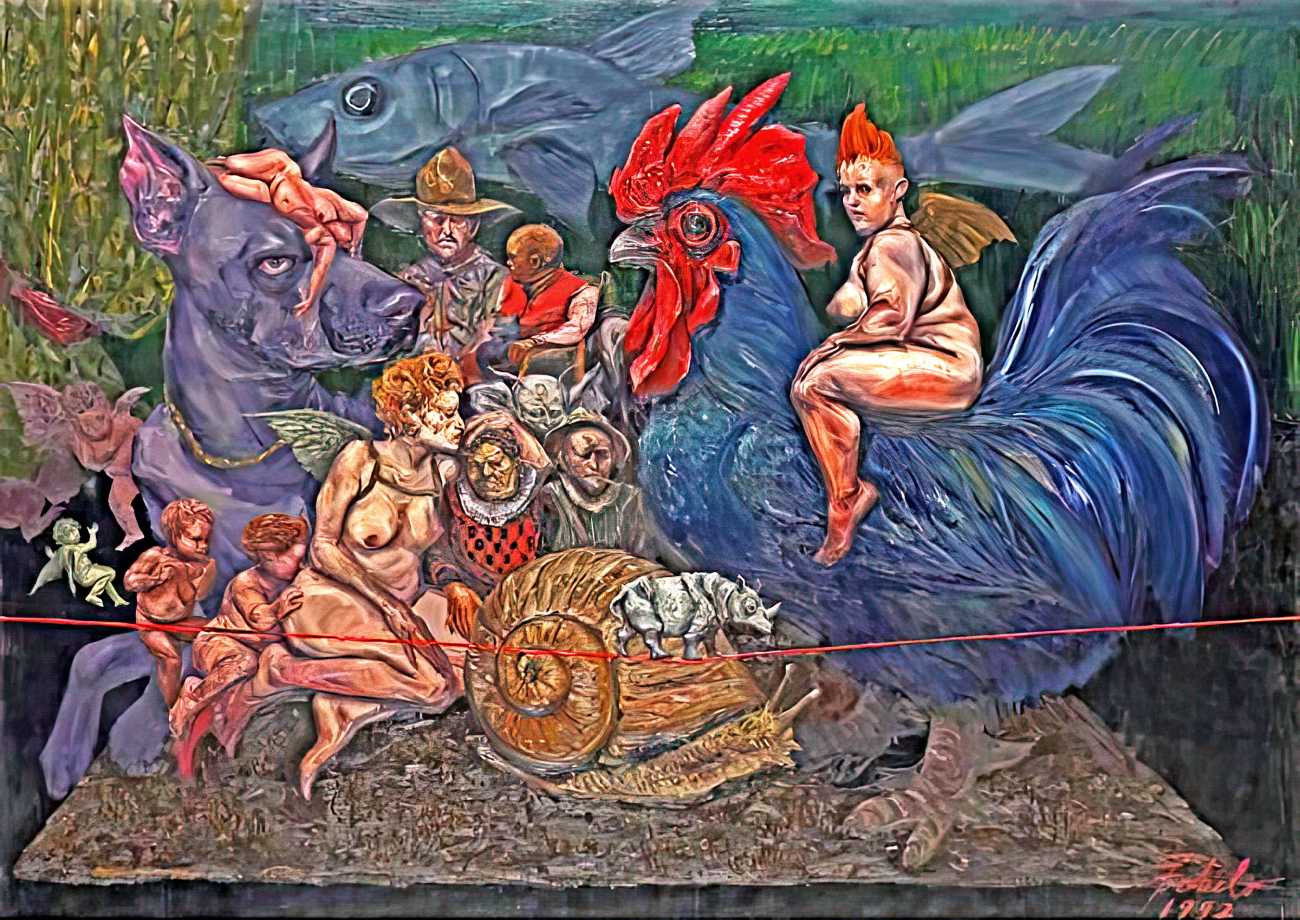
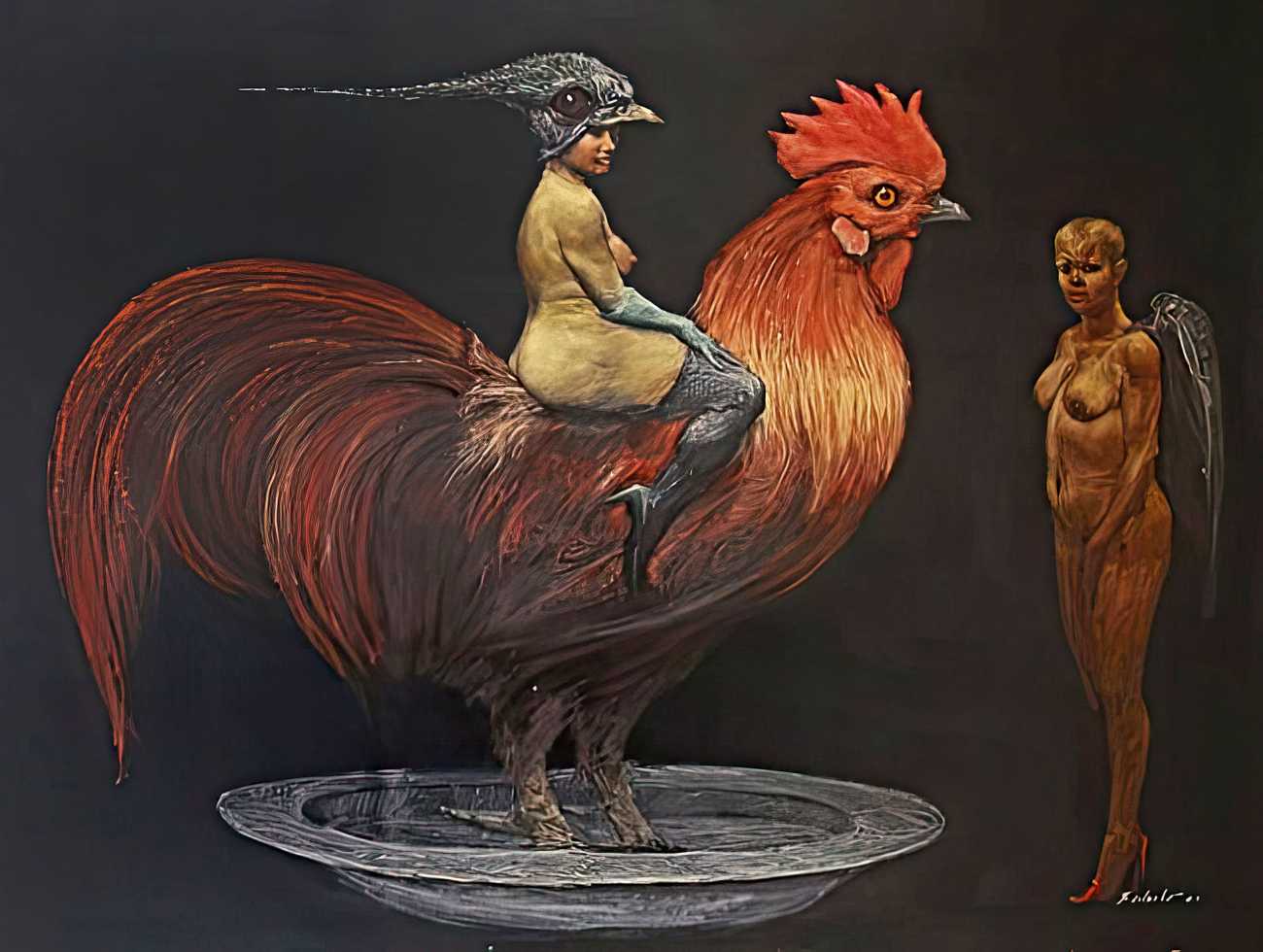
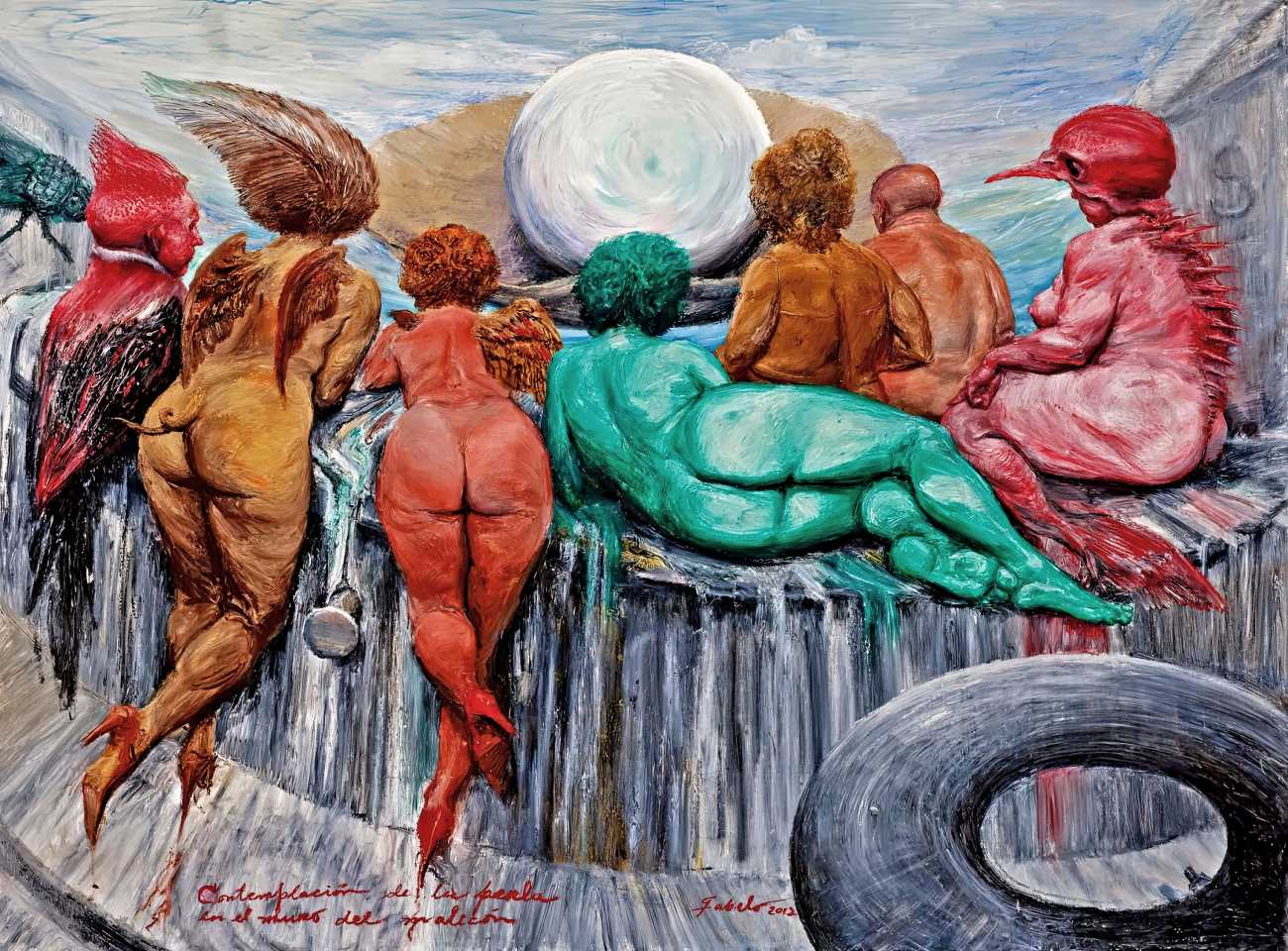
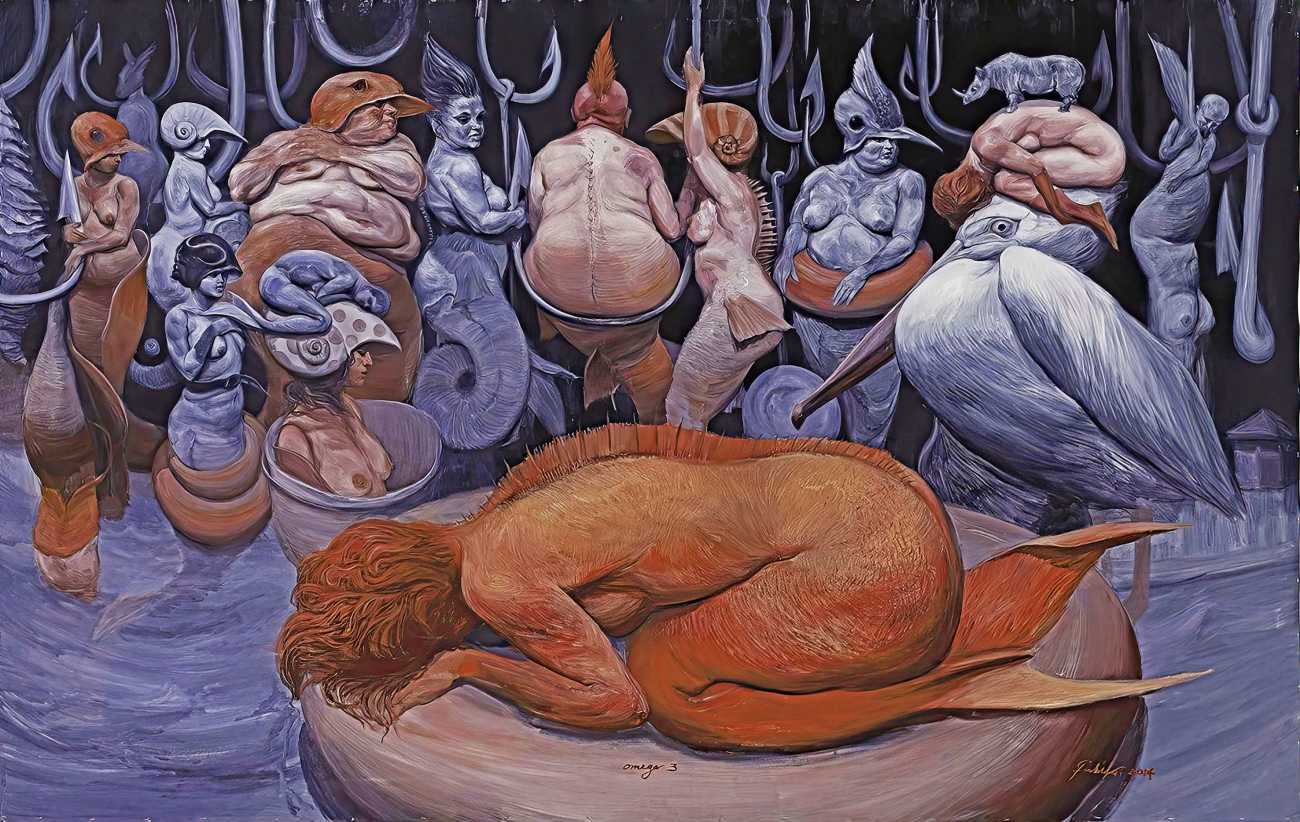
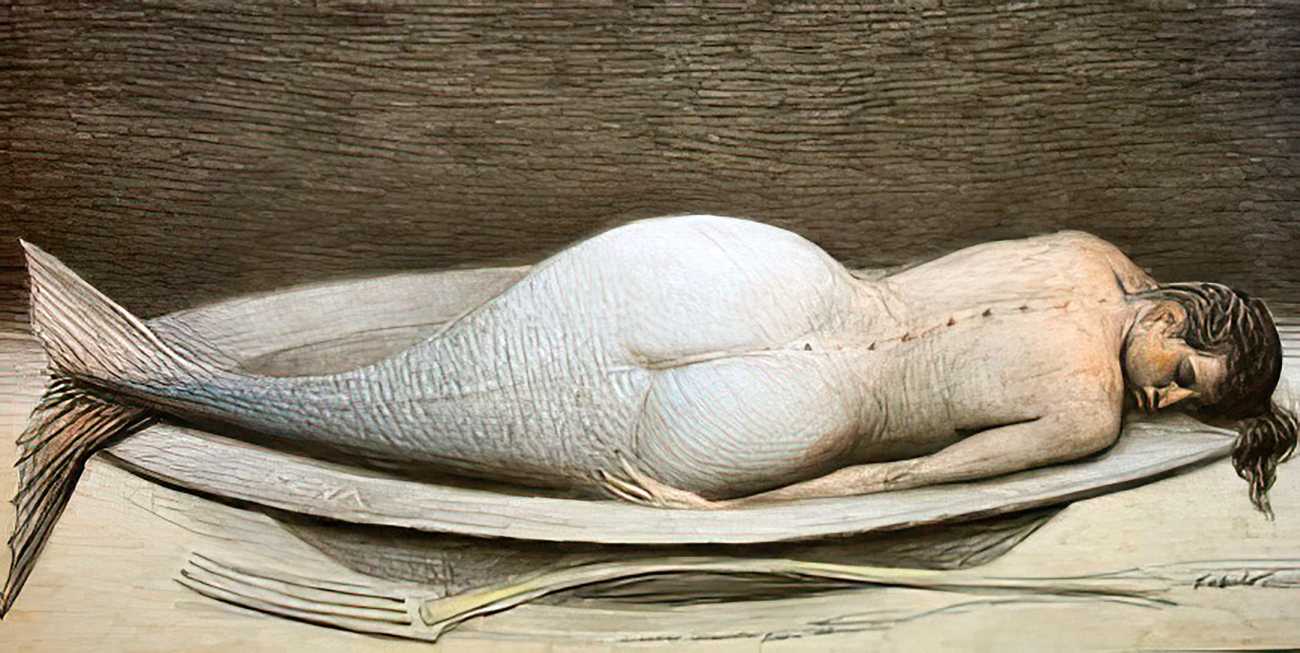
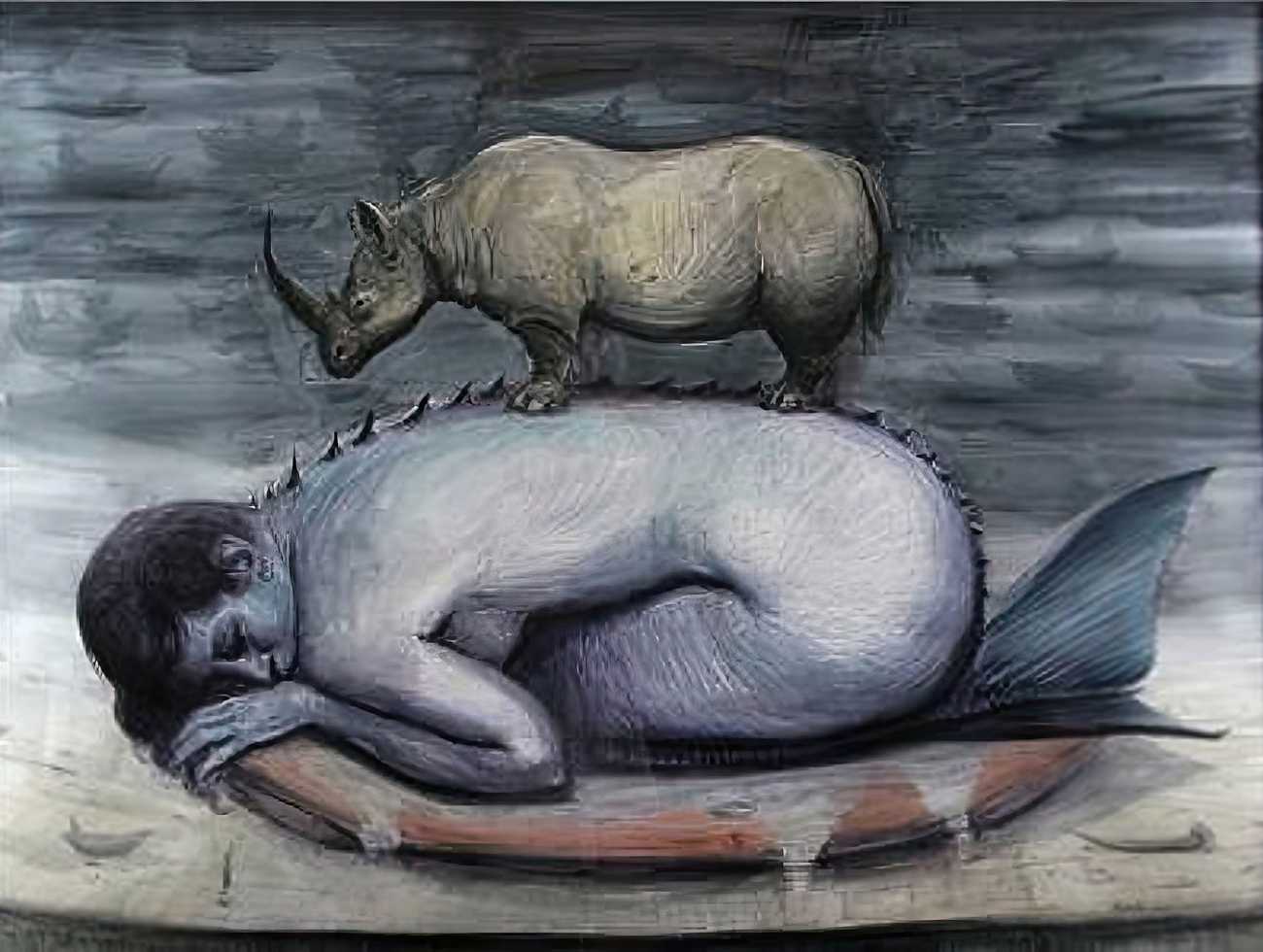
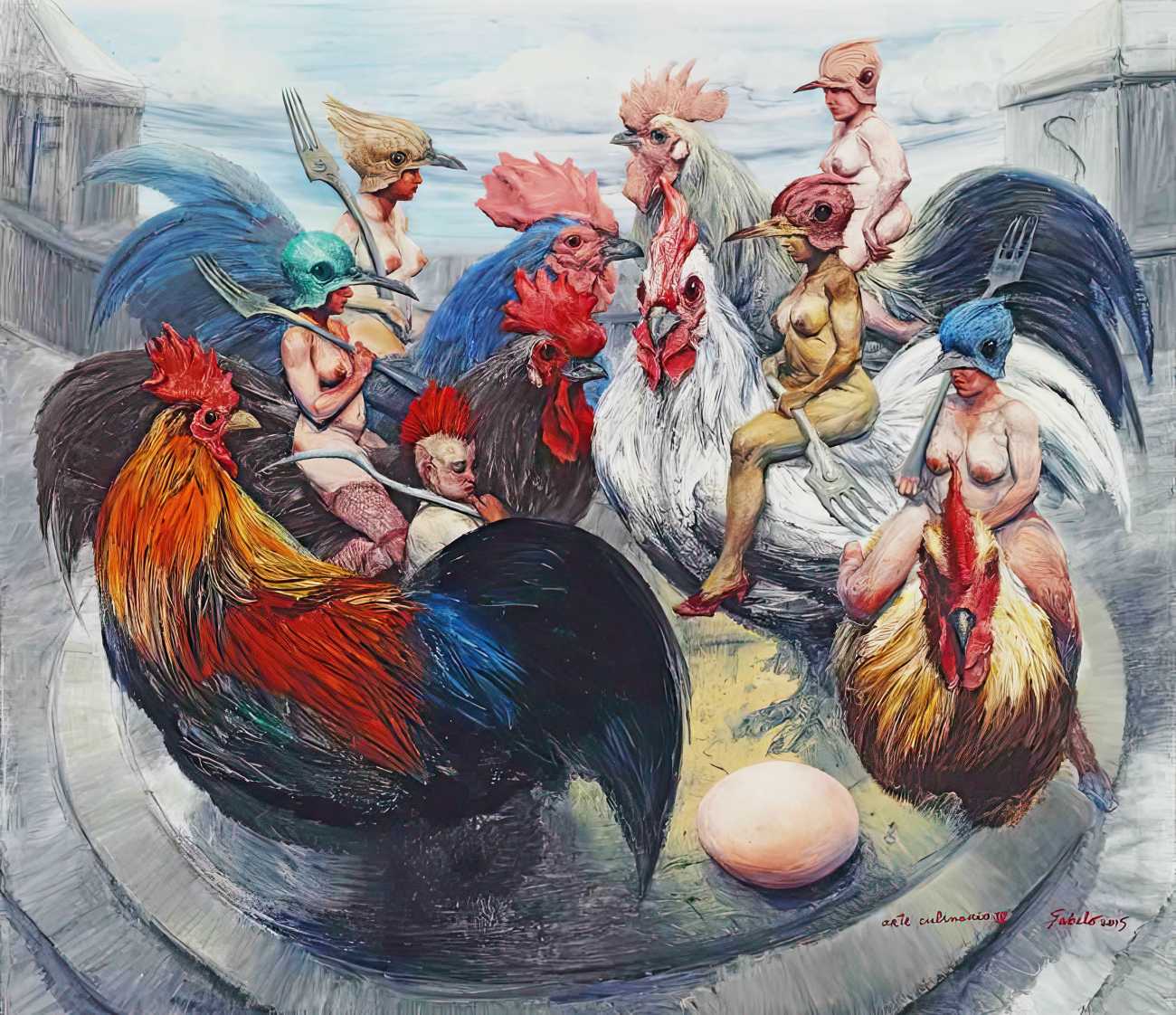
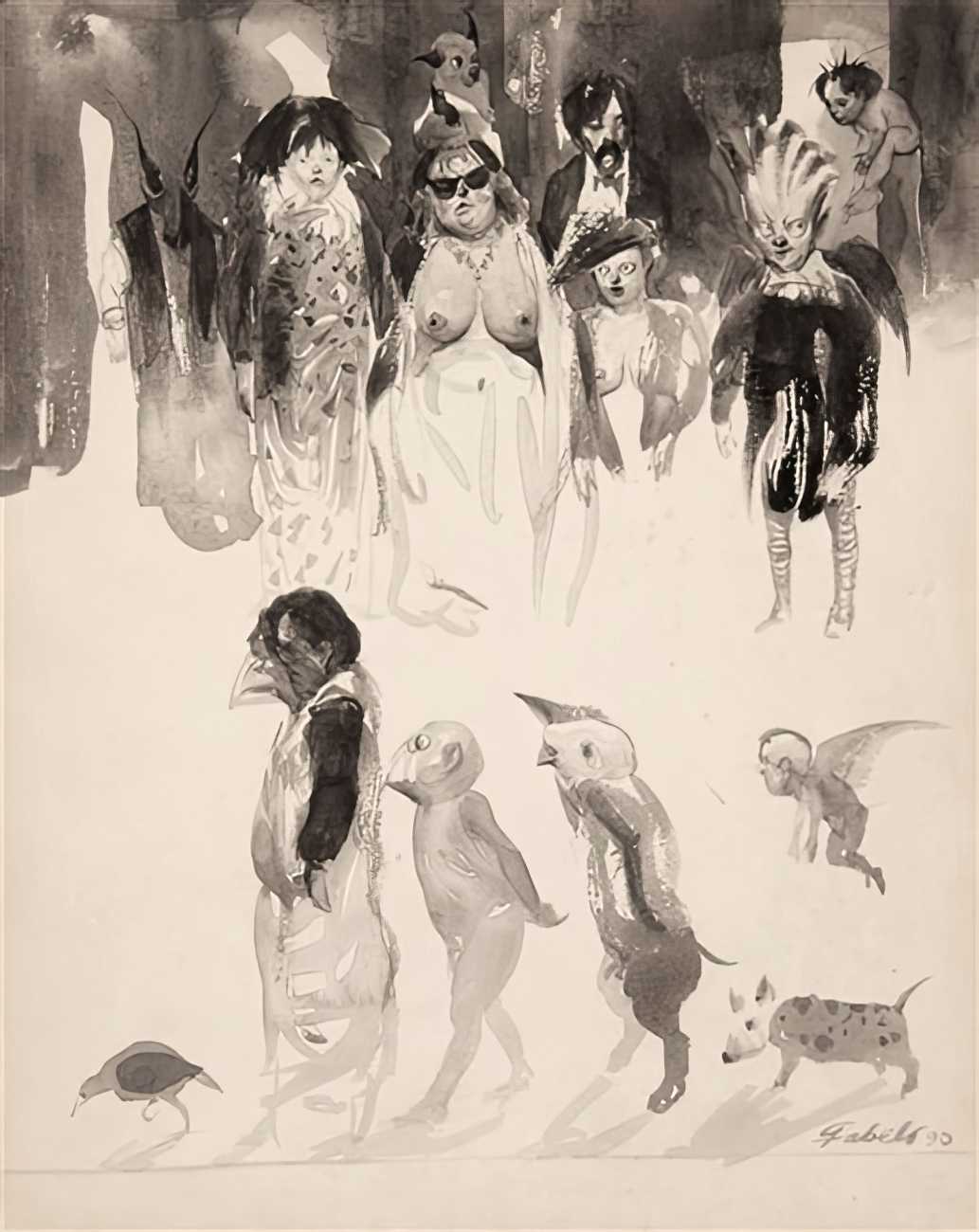
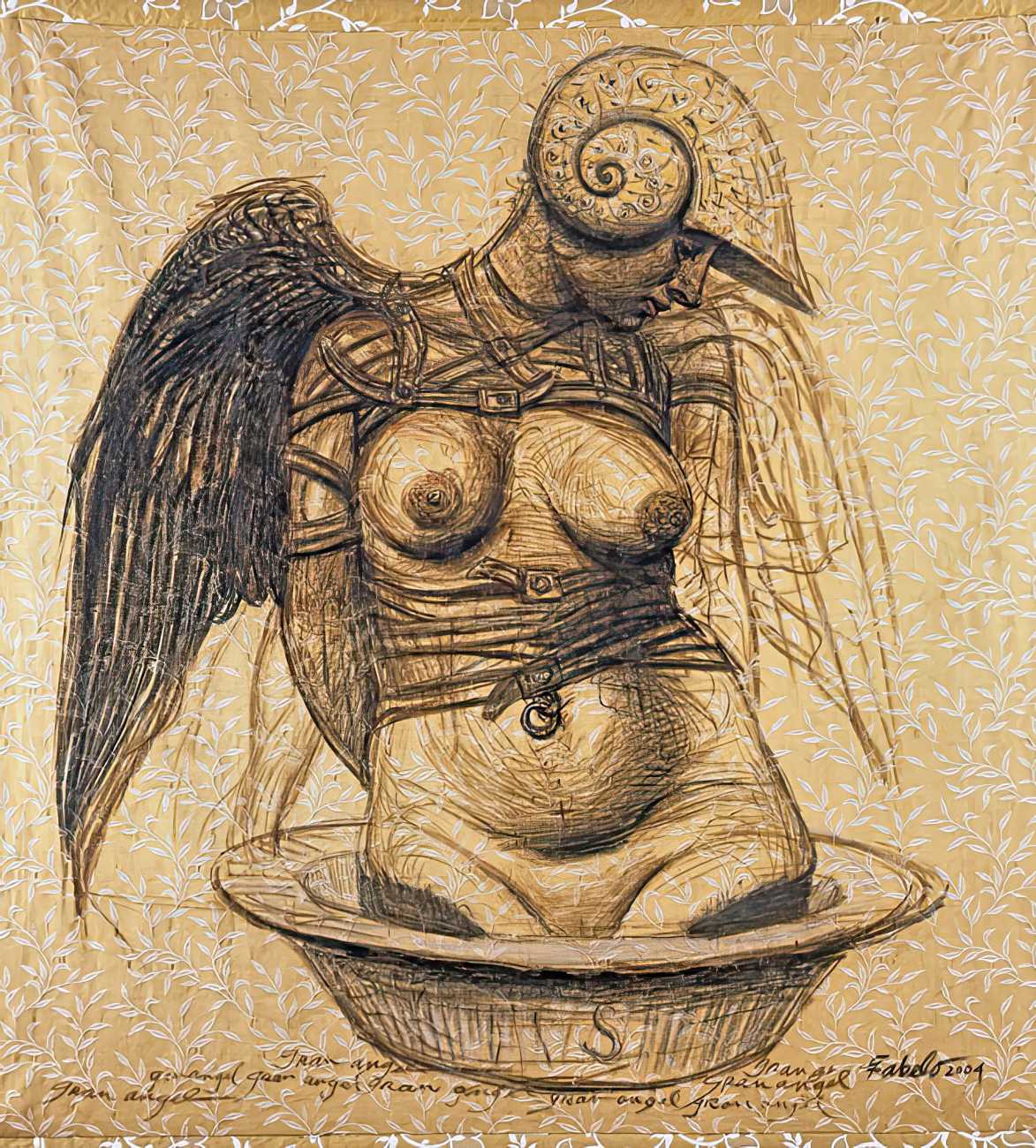
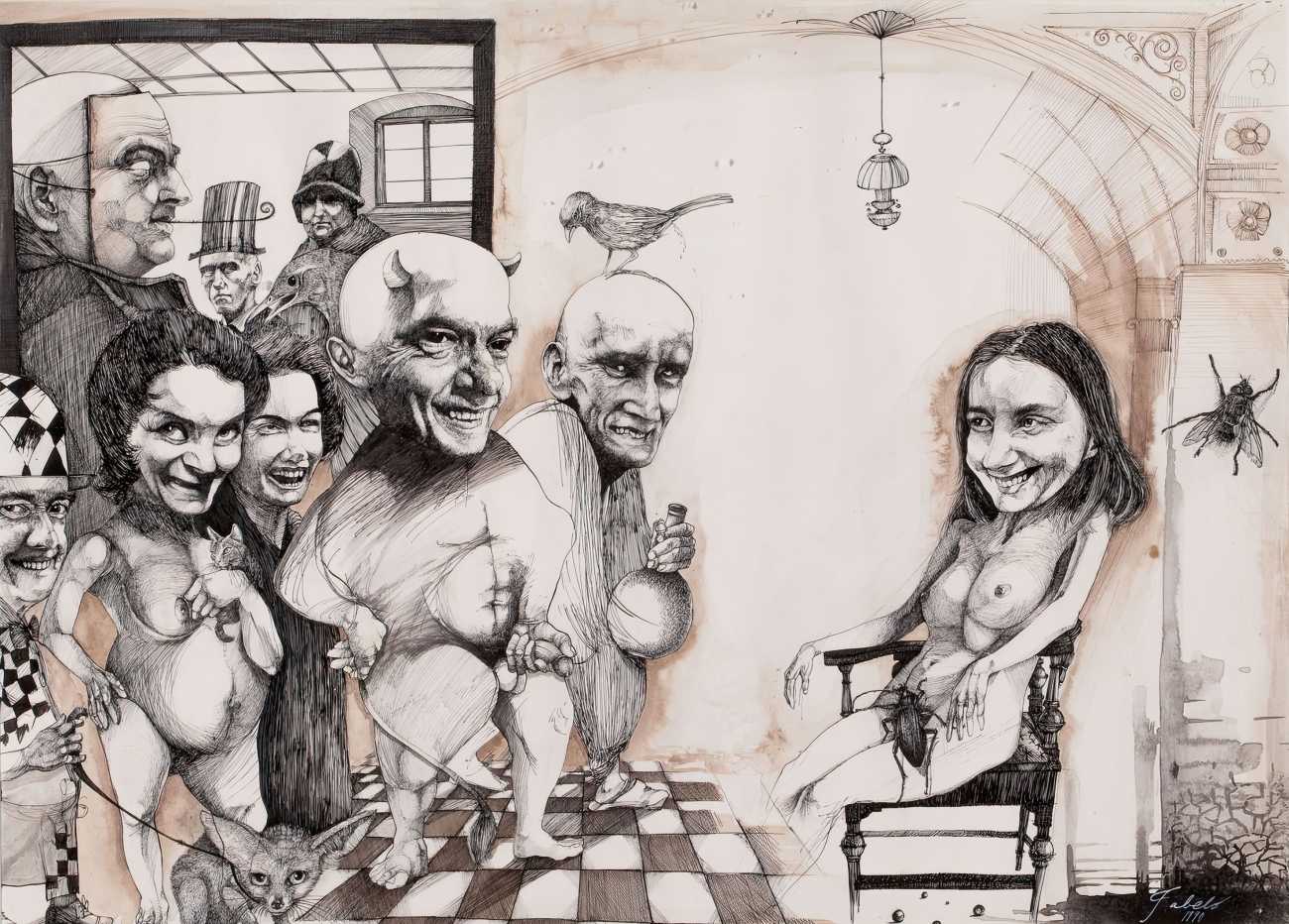
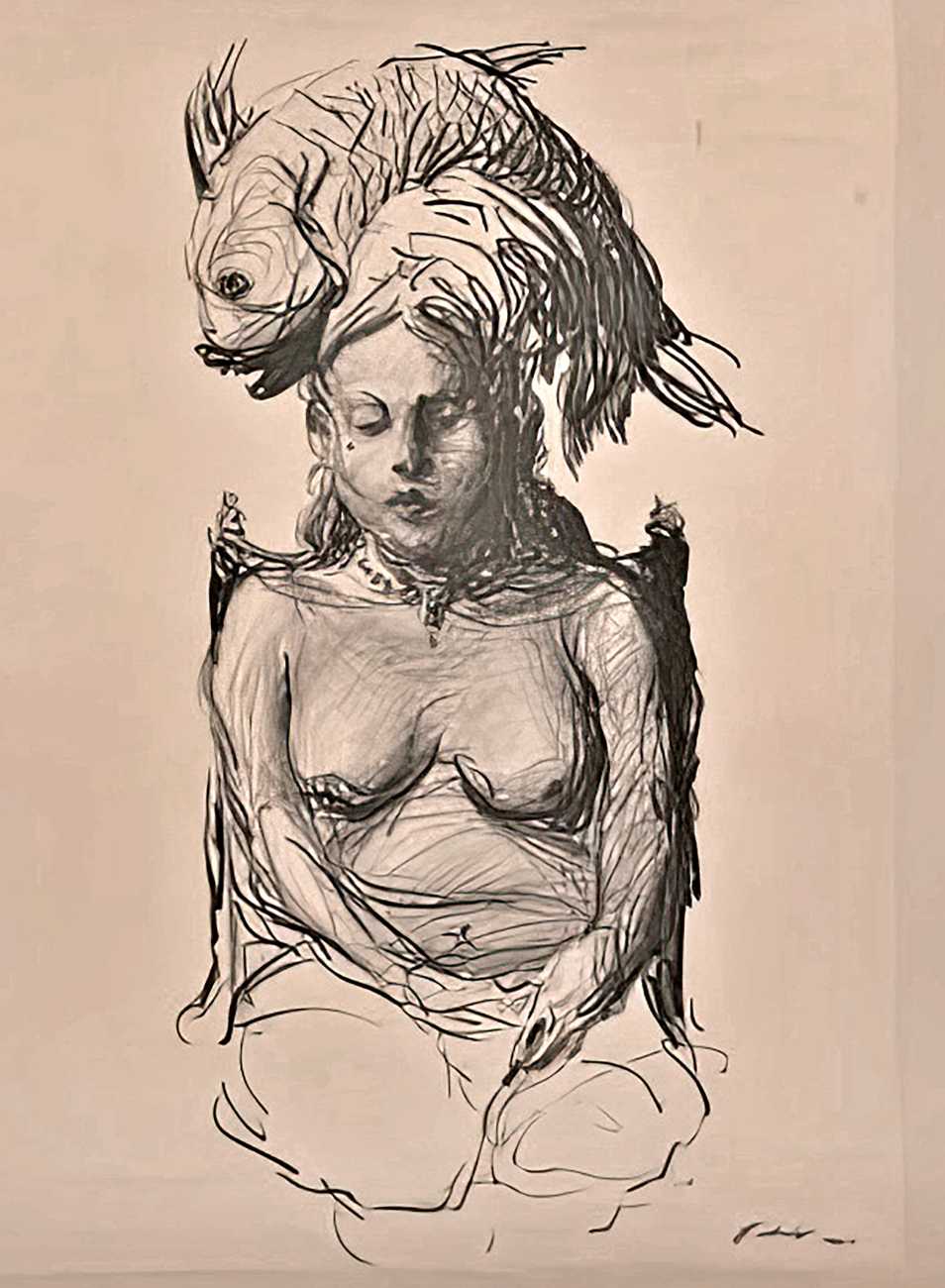
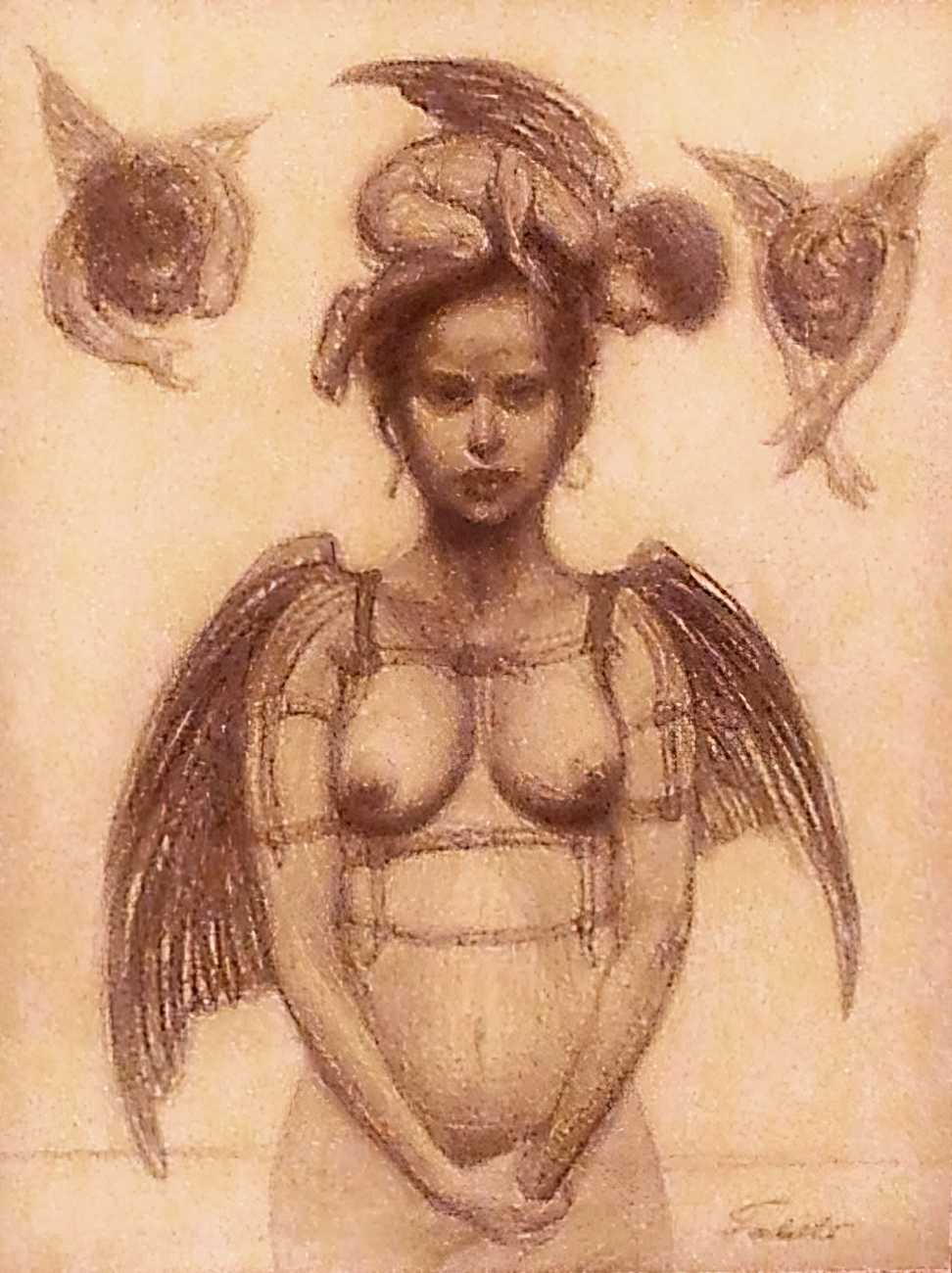
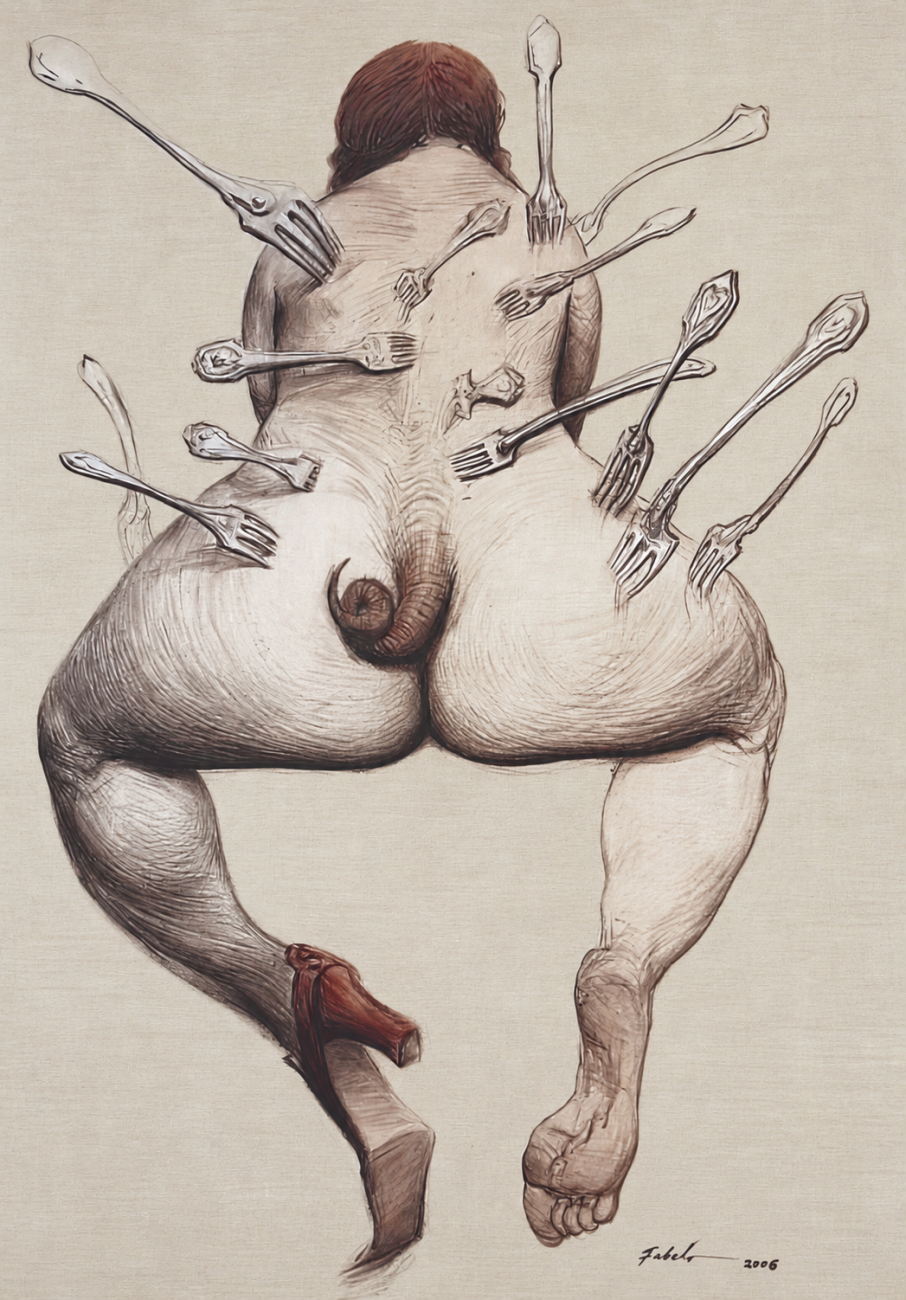
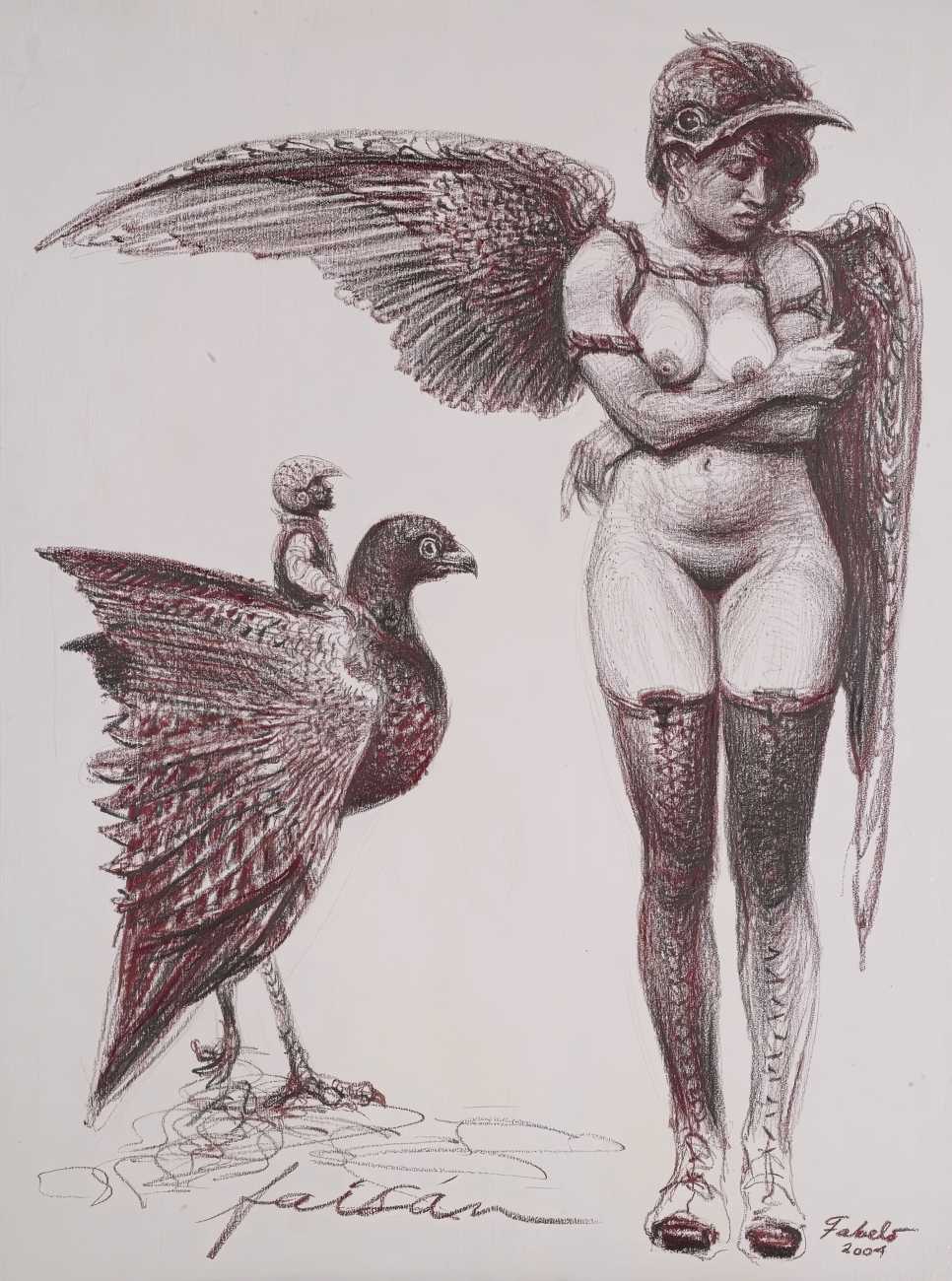
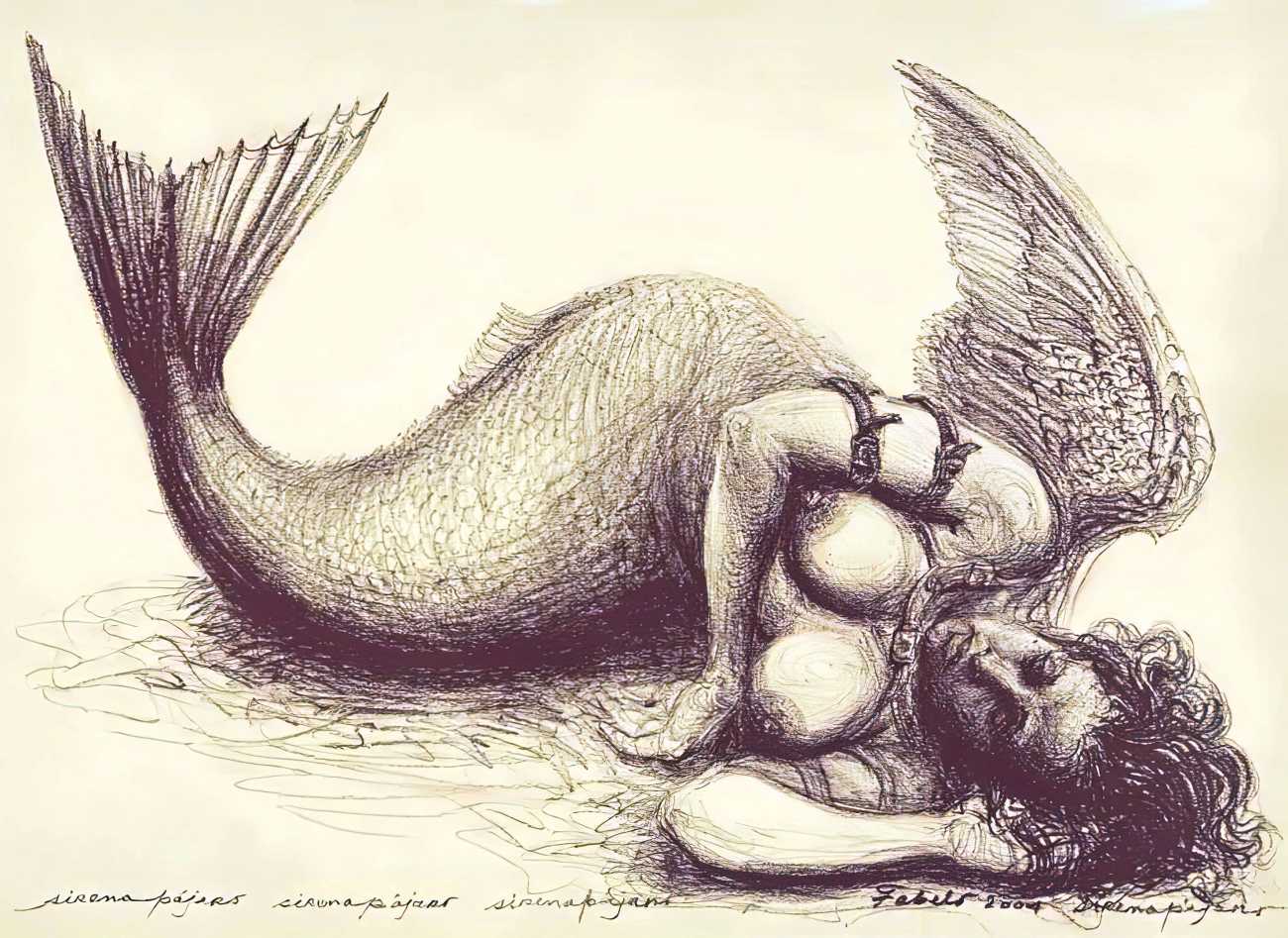
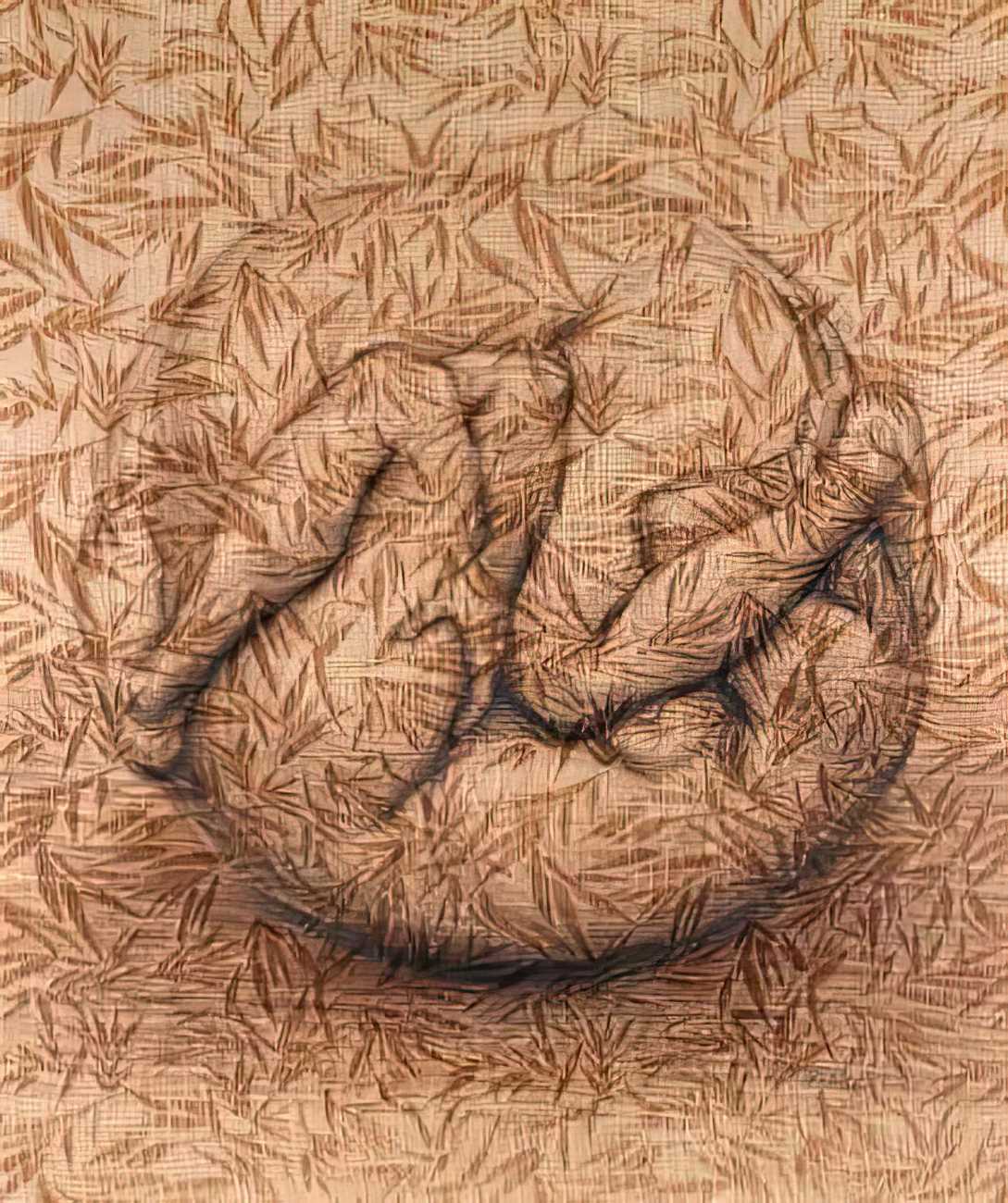
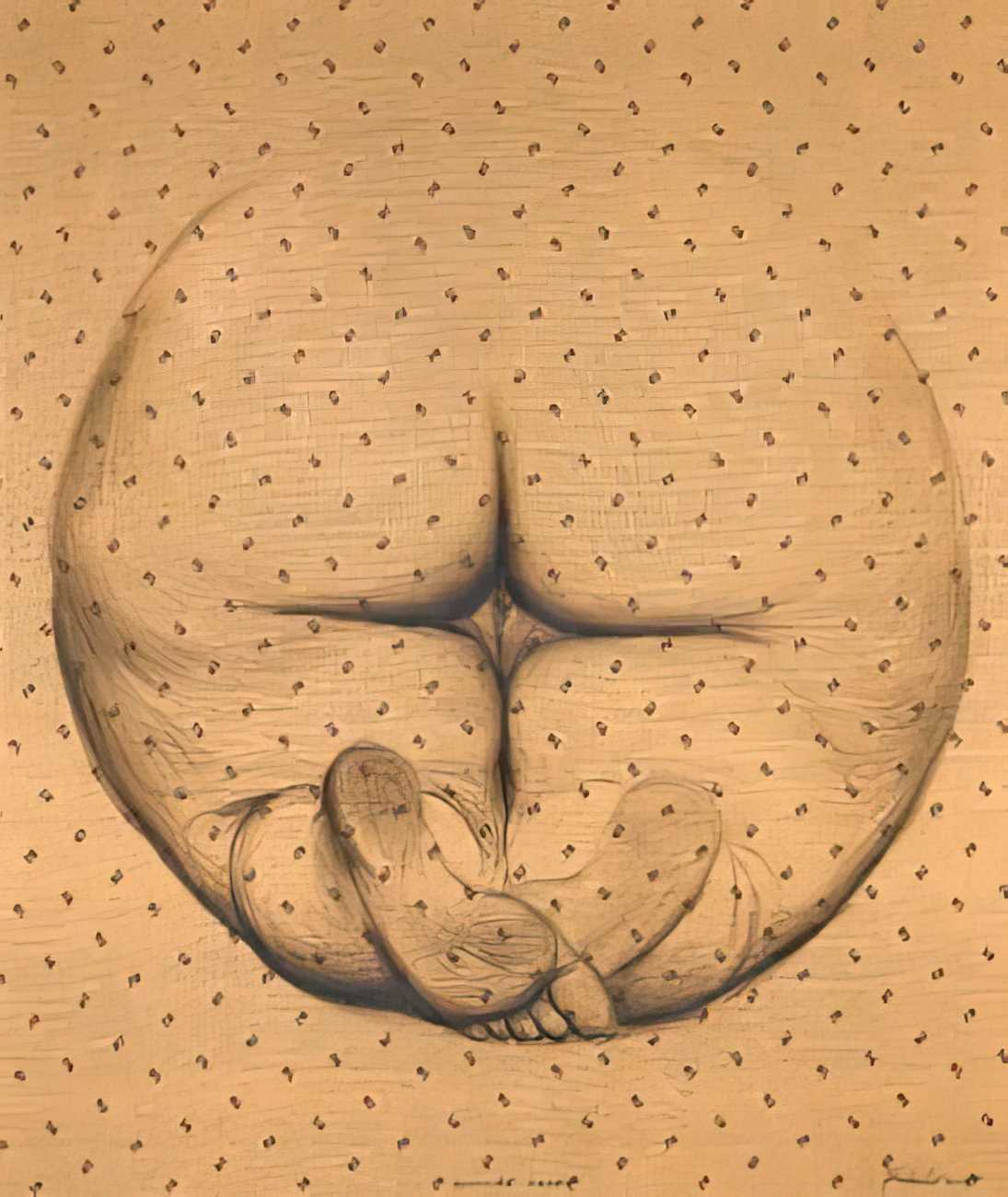
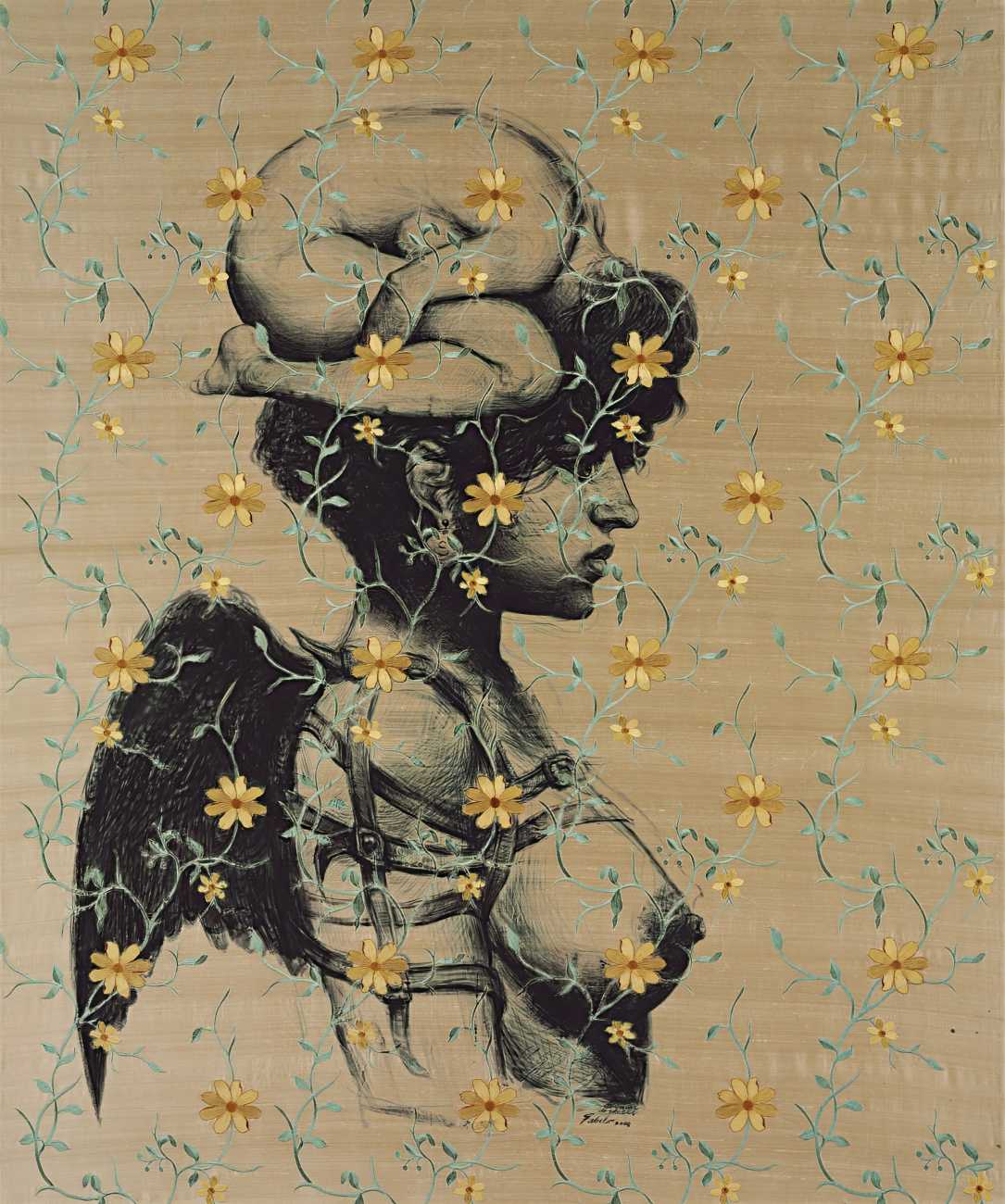
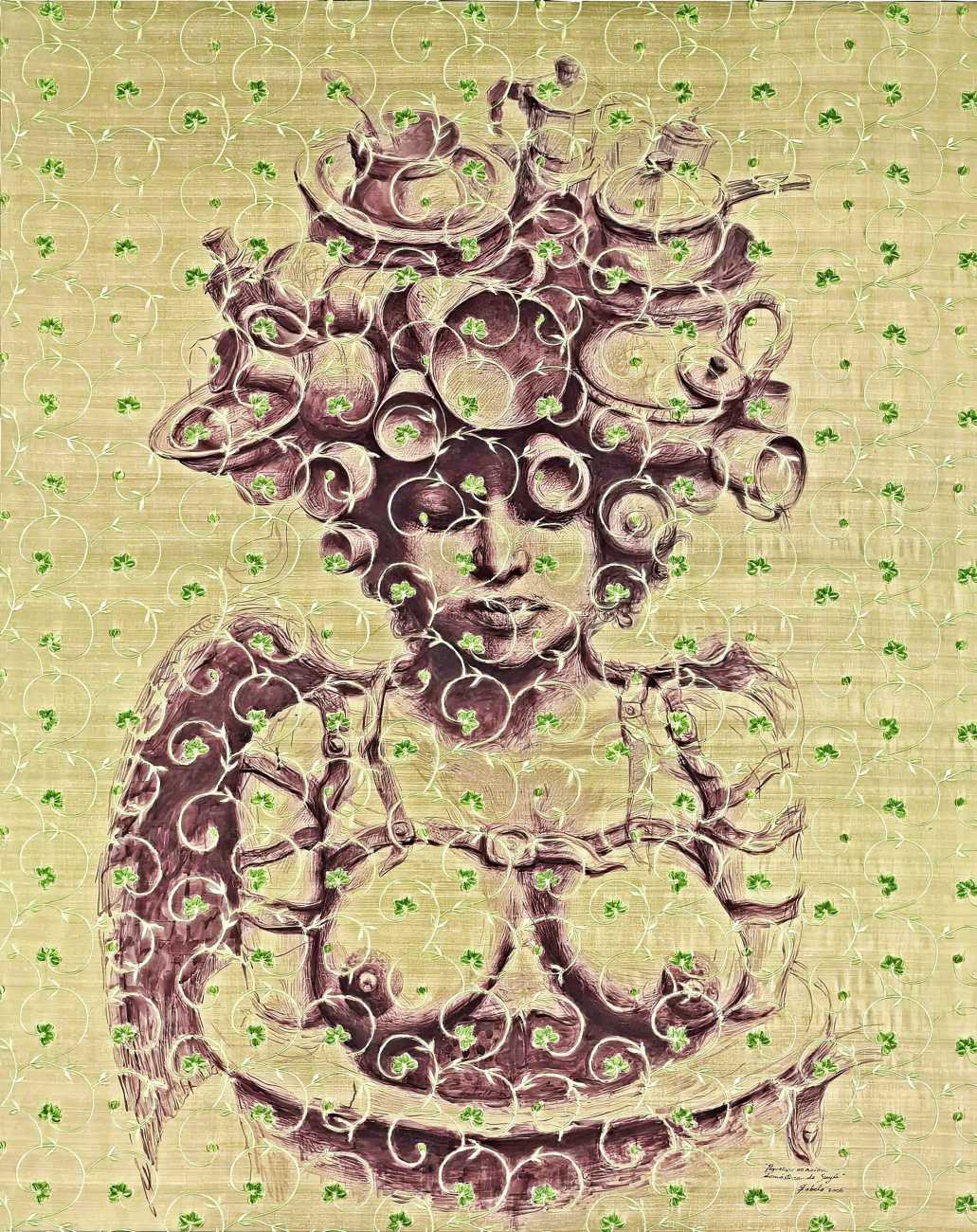
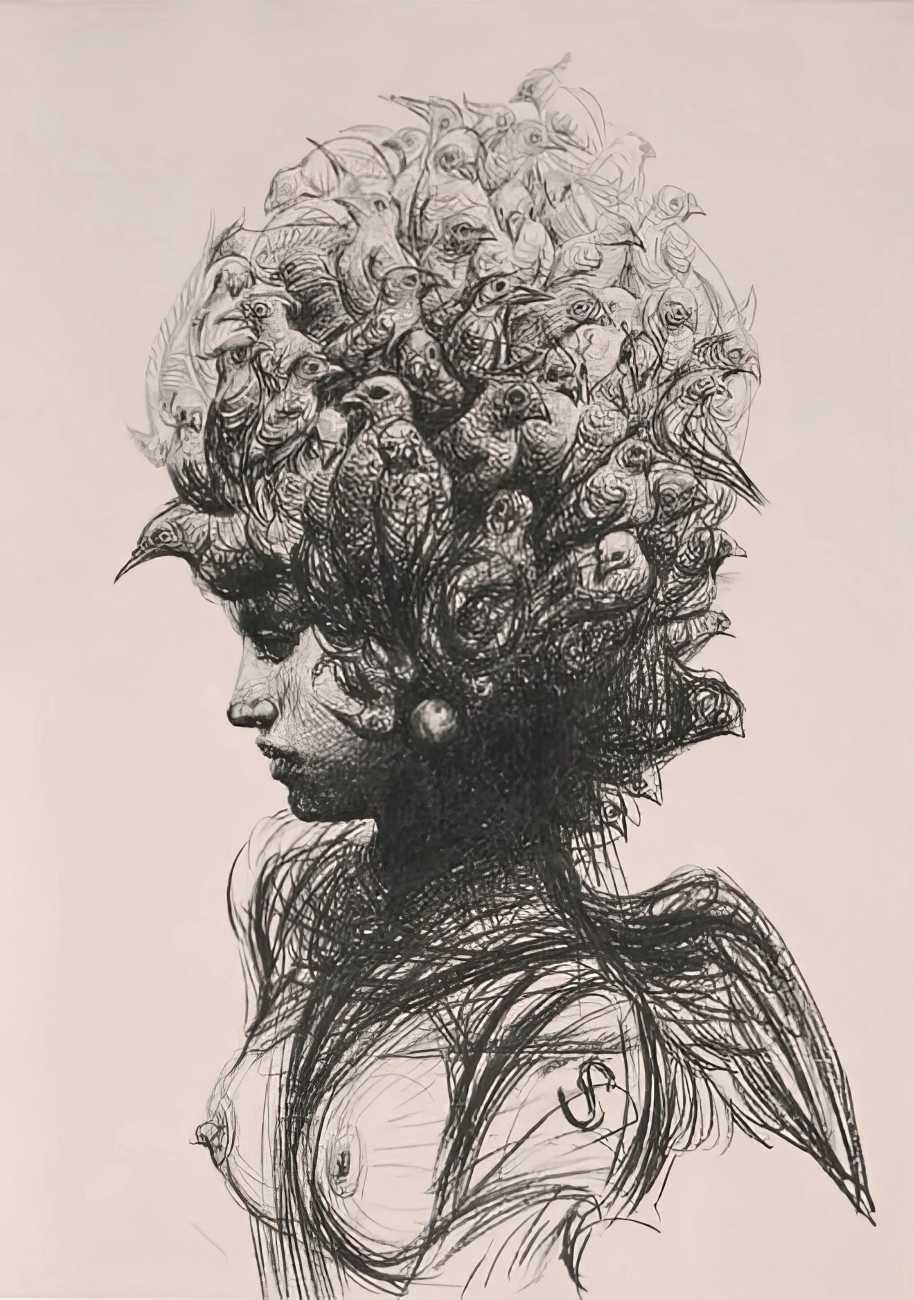
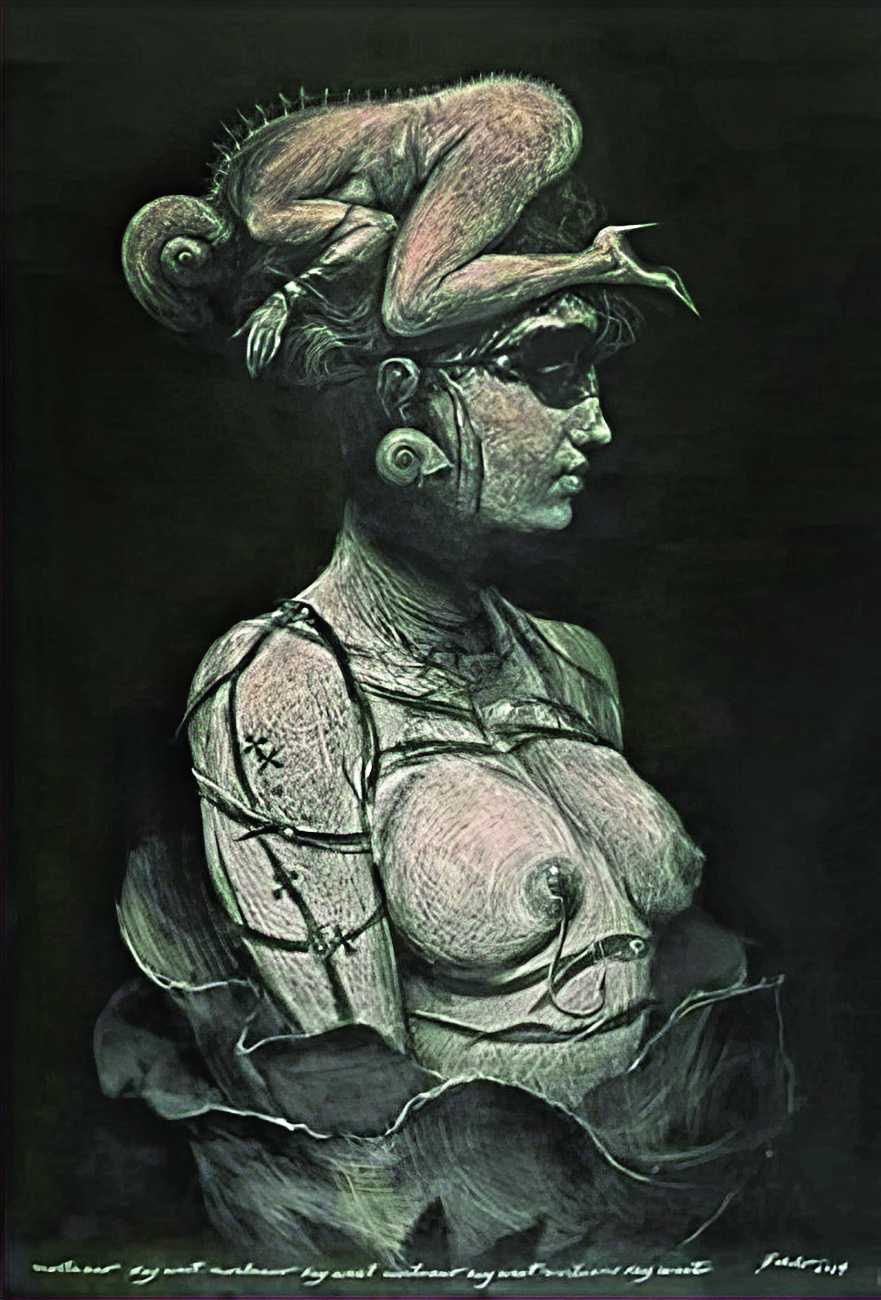
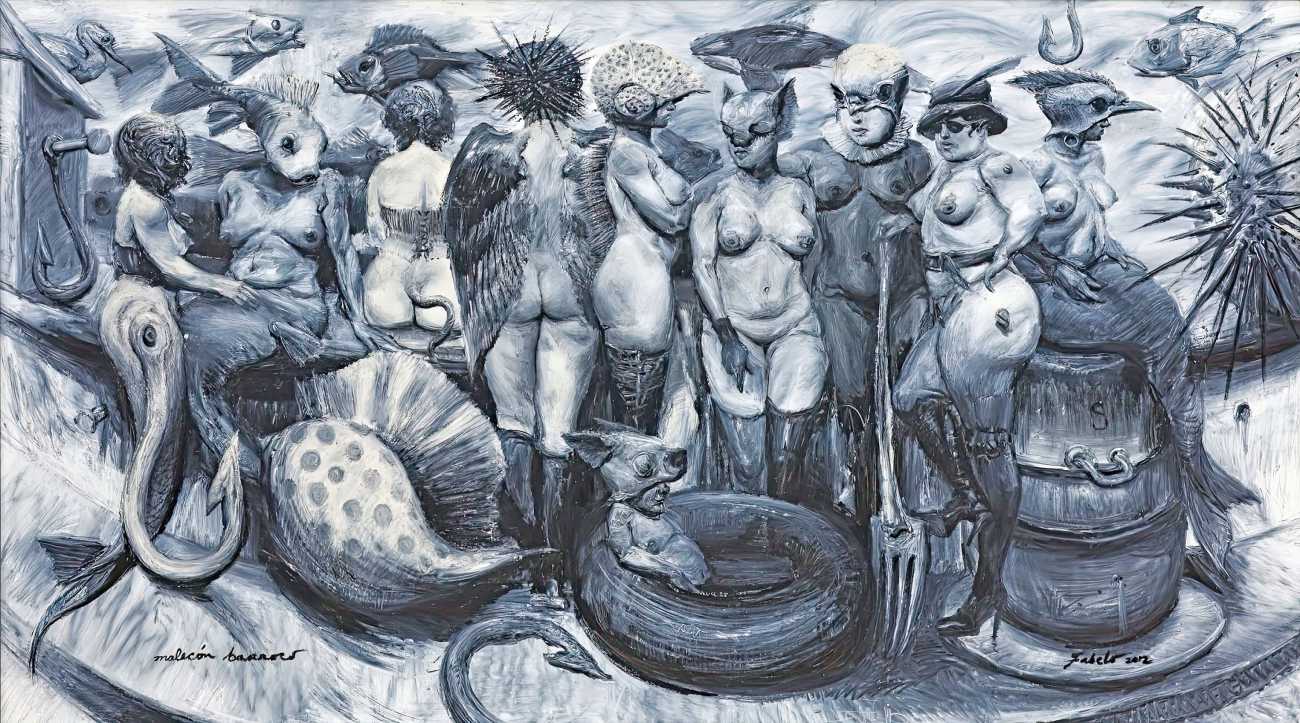
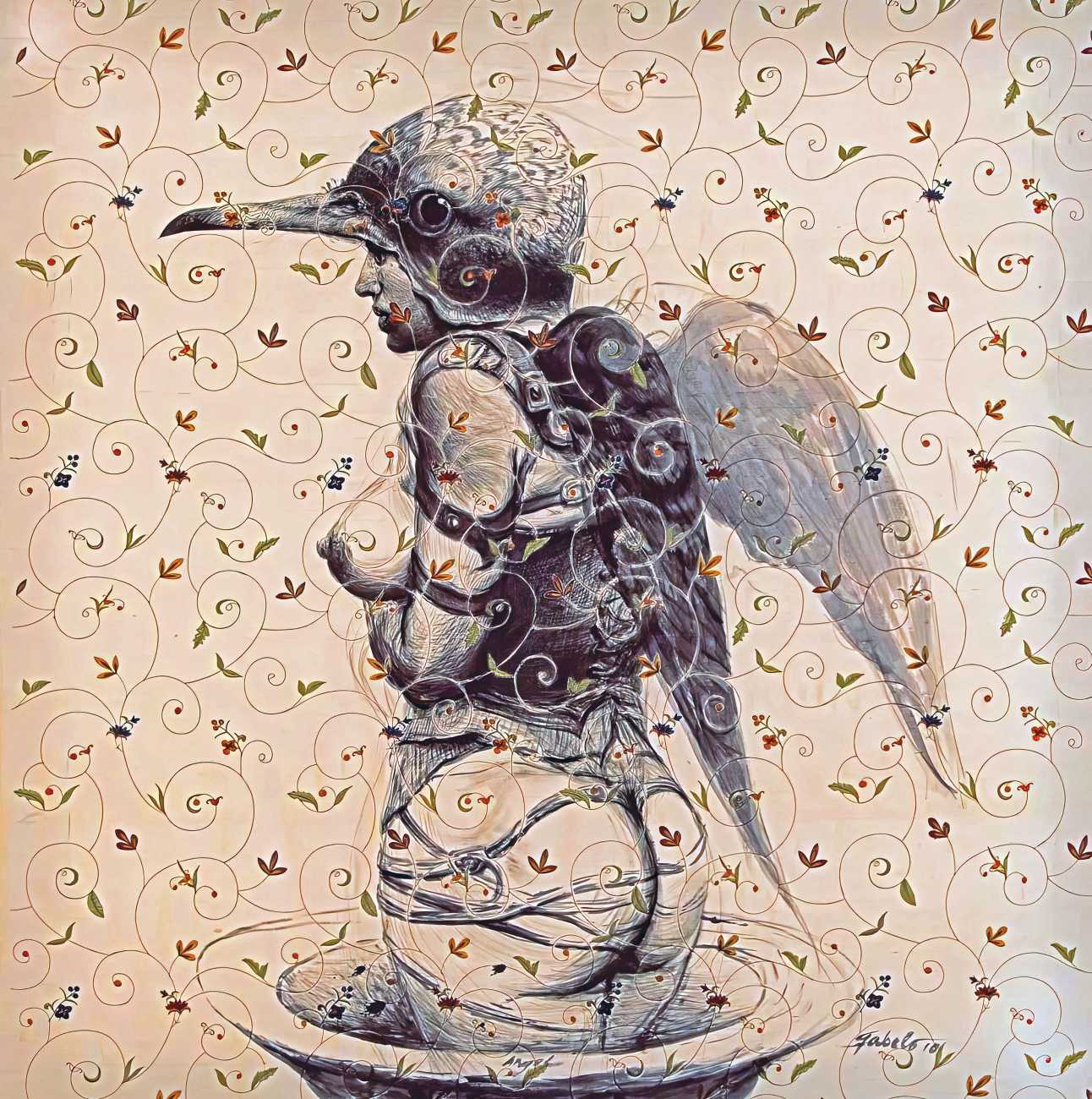
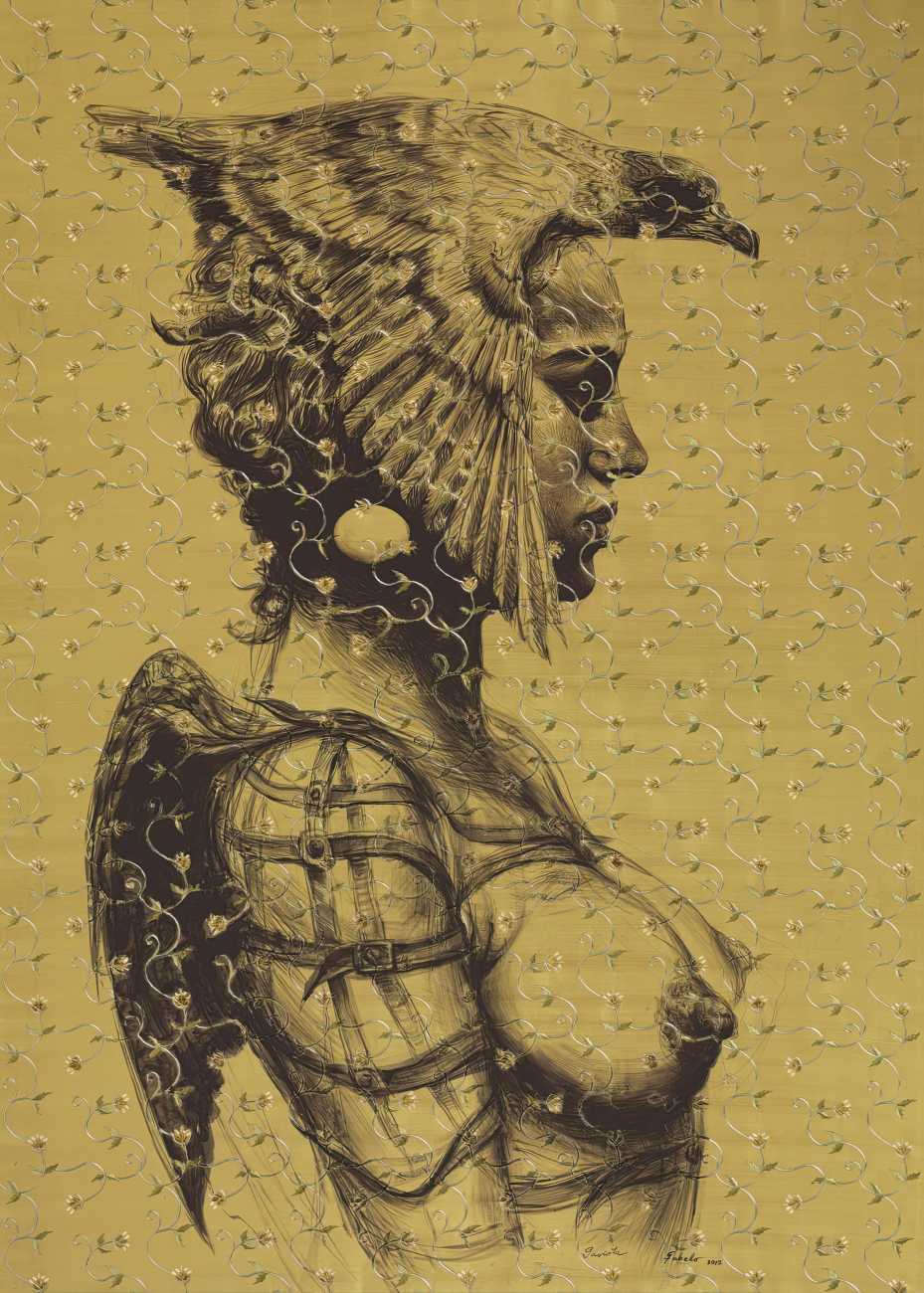
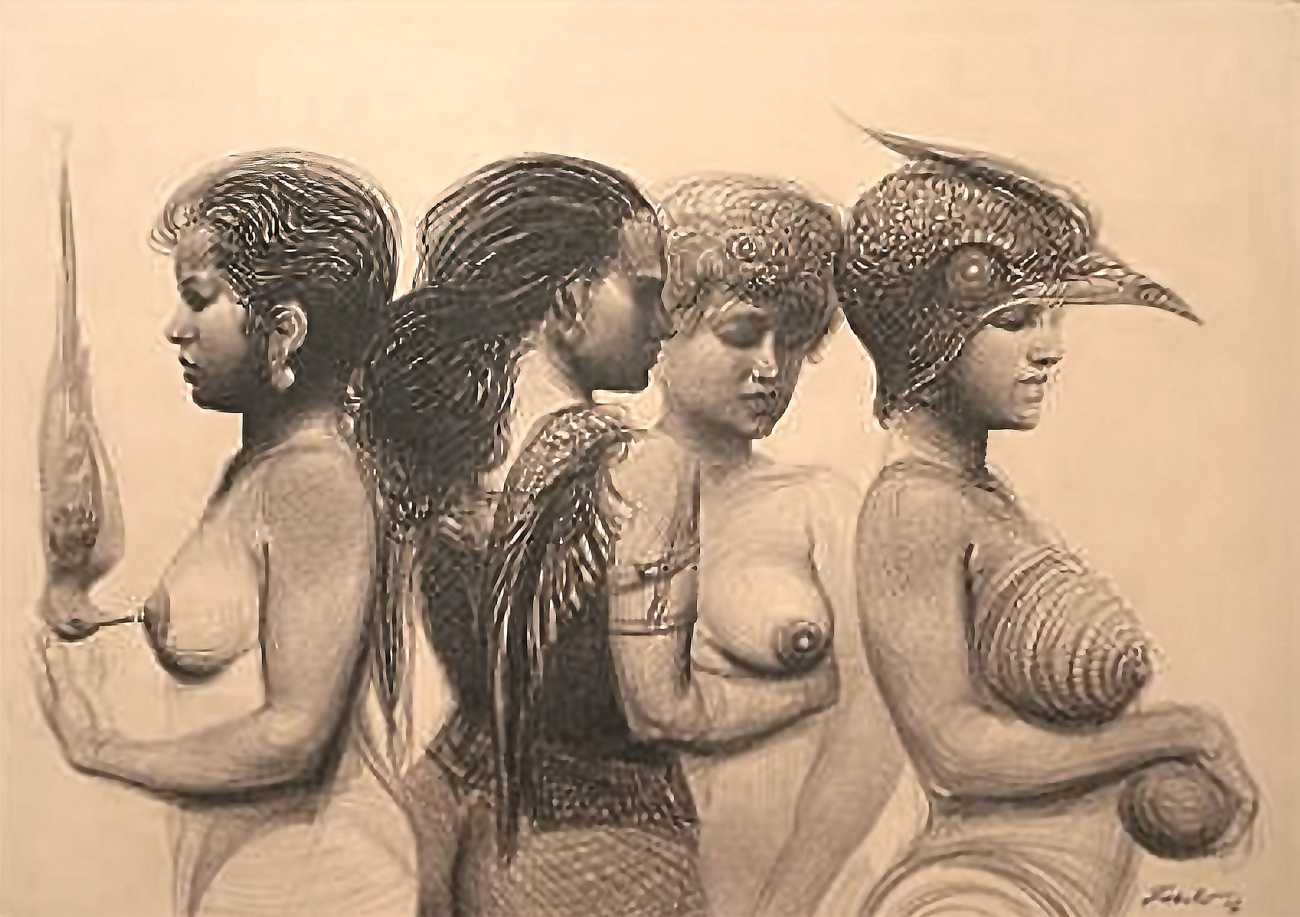
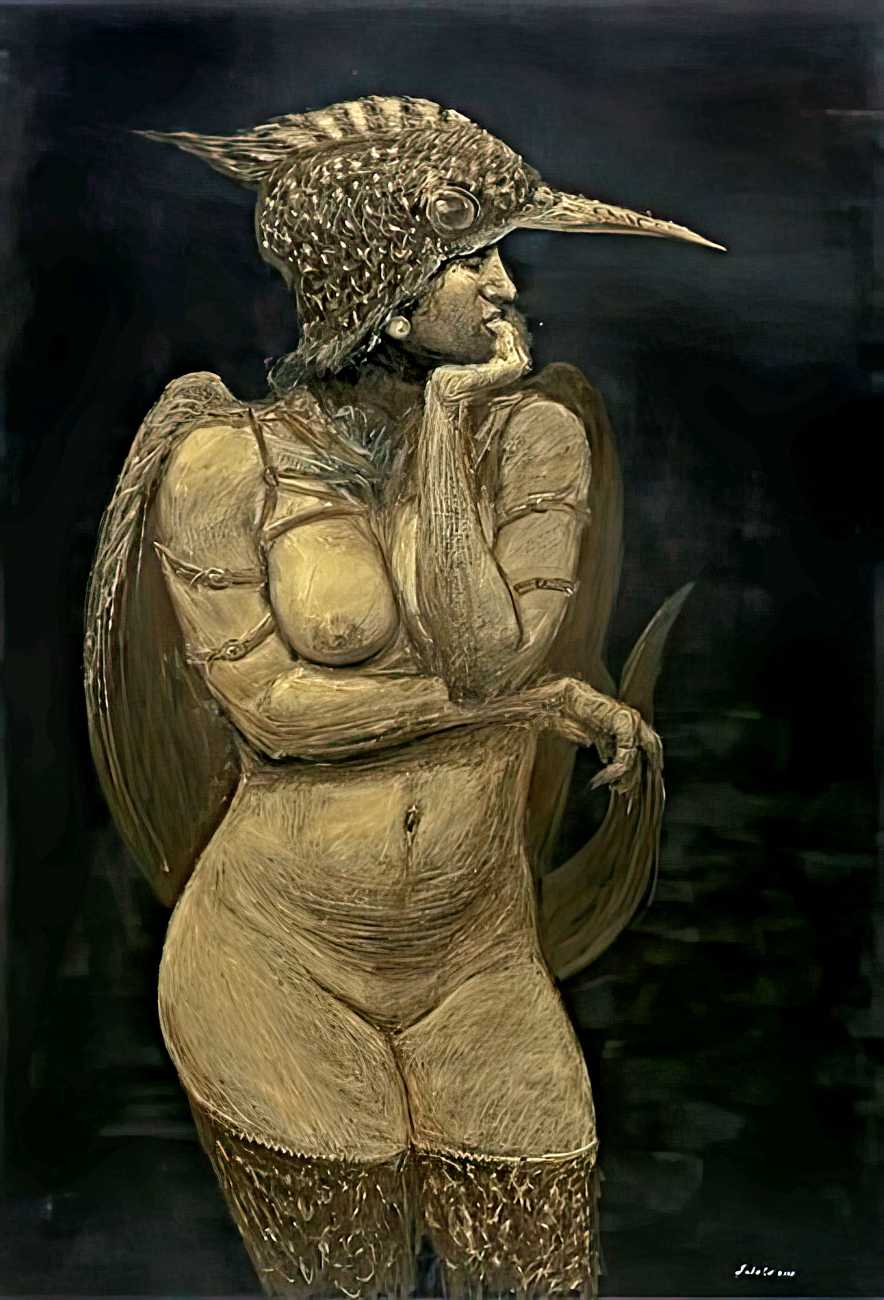
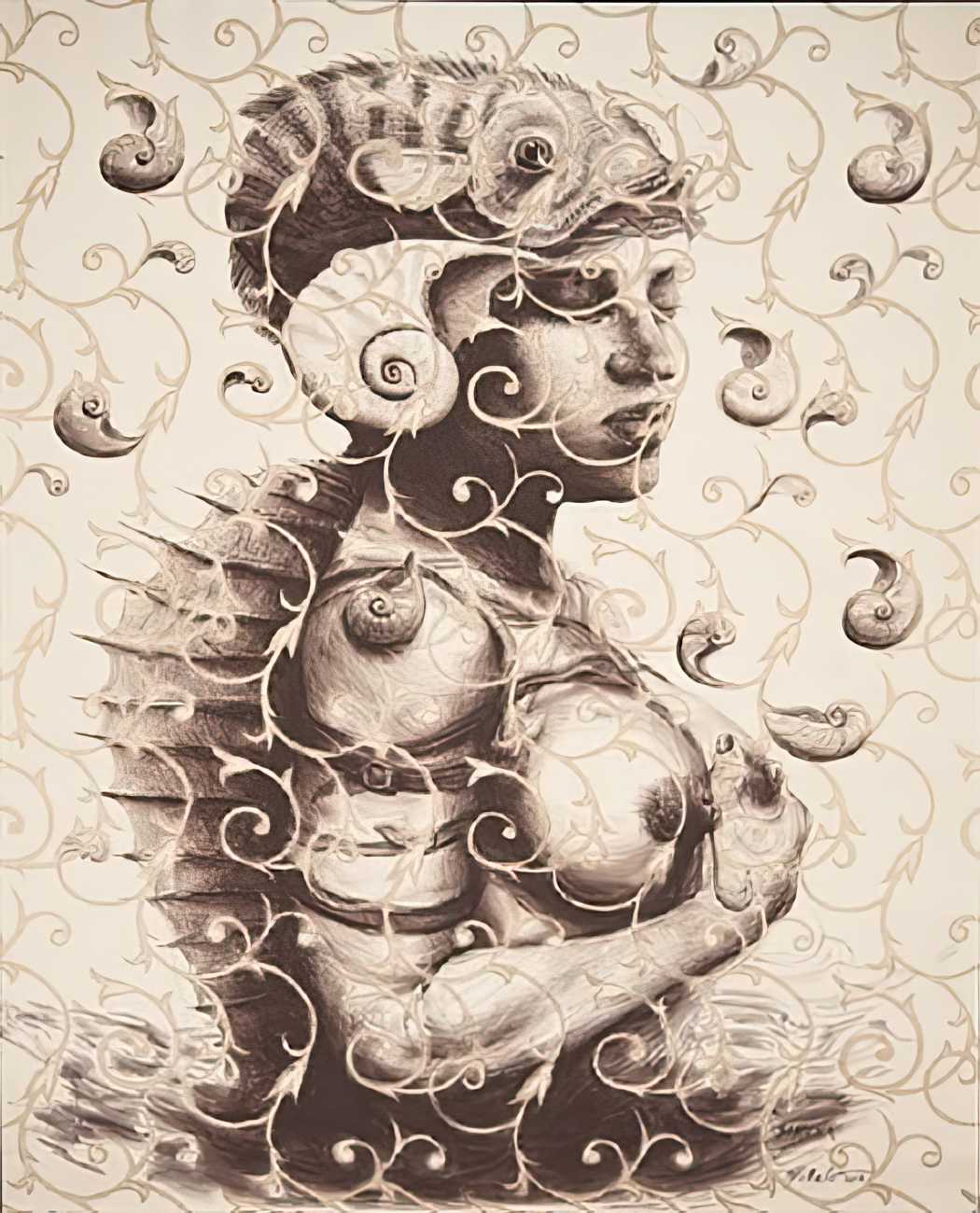
Fabelo’s imagery inhabits a borderland between dream and nightmare. Human beings merge with birds, insects and other animals, bodies become distorted, transformed or burdened with improbable appendages, and apparently comic situations can acquire an unsettling psychological charge. His work draws on expressionism and surrealism, but also on the traditions of European painting, particularly Bosch, Goya, and the Dutch and Flemish masters. As the Cuban writer Leonardo Padura has observed, Fabelo’s art constitutes ‘a painful dialogue with his time, revealing a world in which the accepted codes of beauty no longer seem to have a place’.
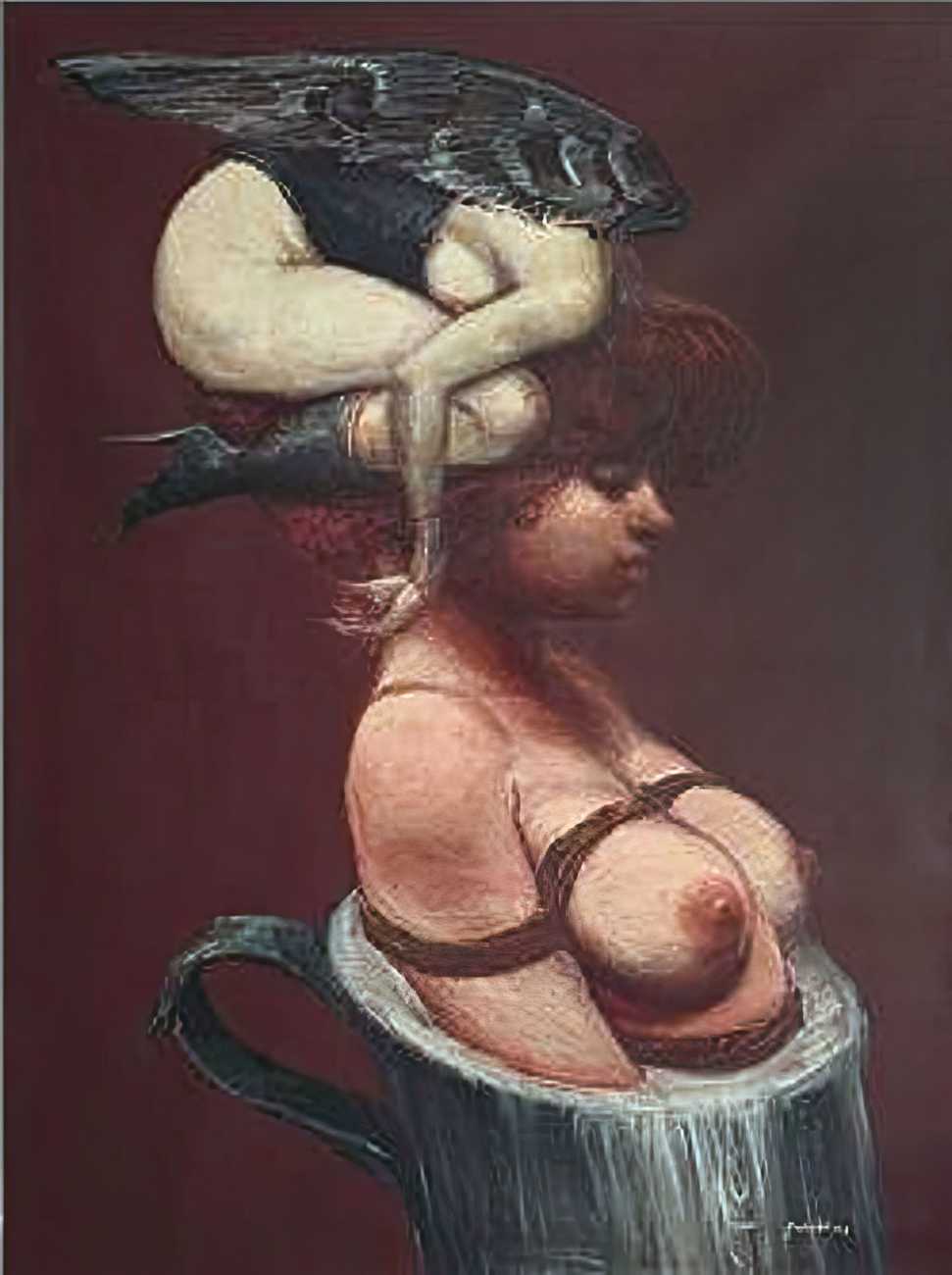
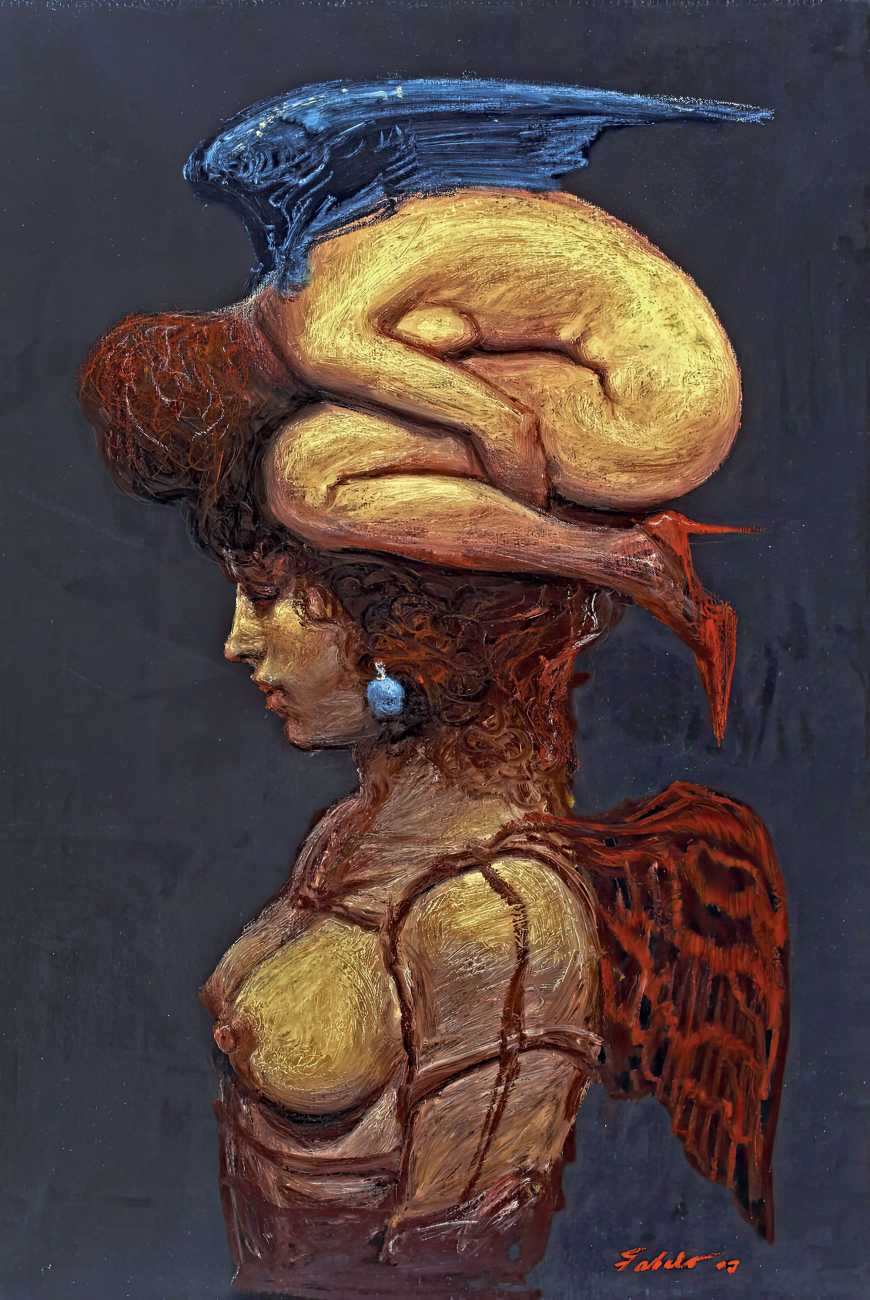
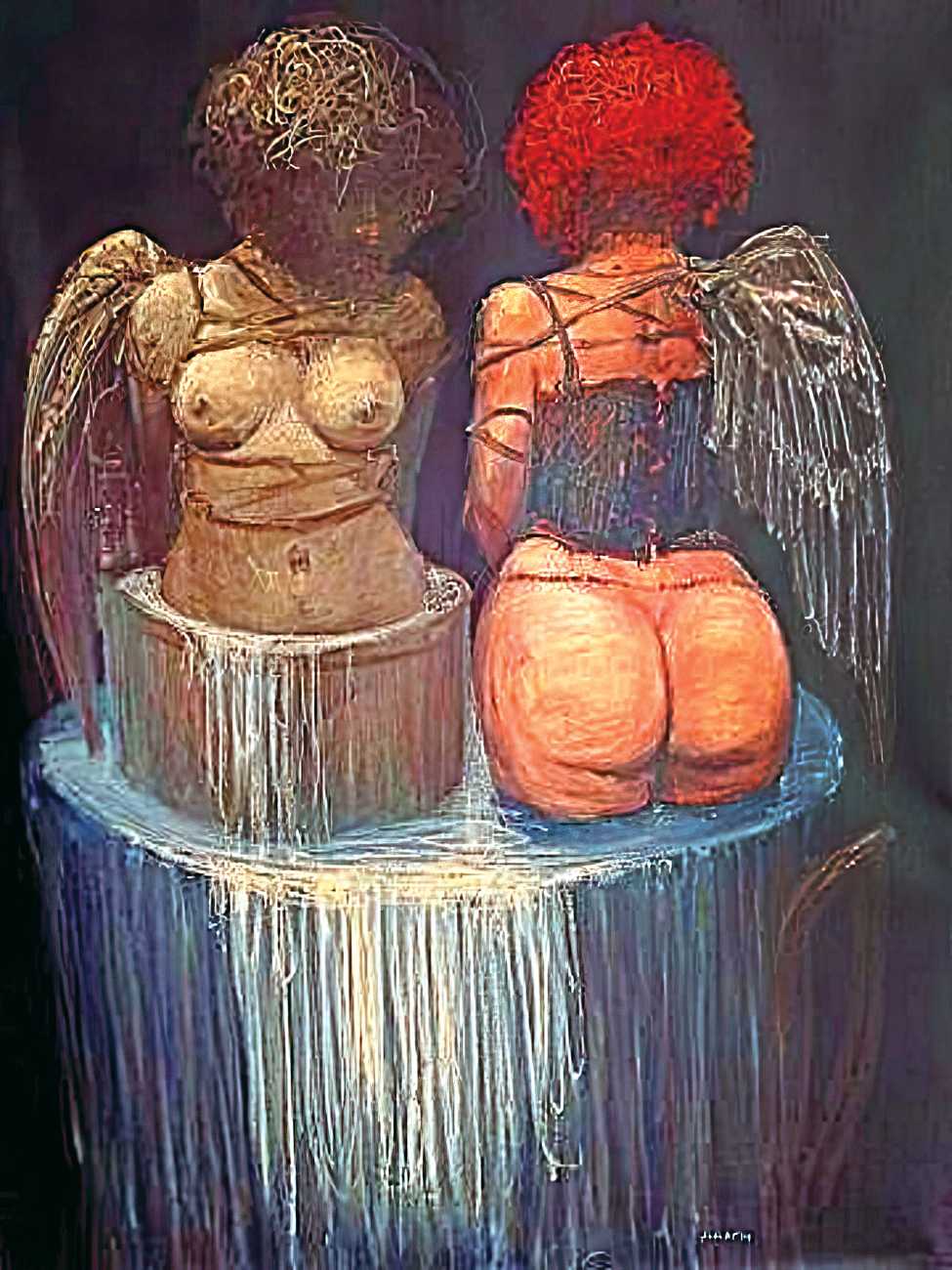
The human figure, and particularly the female body, has occupied an important place in Fabelo’s imagination. His erotic imagery is one in which desire, humour, vulnerability, absurdity and transformation coexist. Women appear naked or semi-naked, sometimes acquiring the heads, wings or other characteristics of birds, while the body itself becomes a vehicle for exploring identity, fantasy and the instability of human nature. Fabelo’s participation in Havana’s Salón de Arte Erótico in 2001 and in the 2003 exhibition En el borde (On the Border), devoted to erotic art, confirmed the significance of this aspect of his work.
International recognition followed through numerous exhibitions and awards, including the UNESCO Prize for the Promotion of Fine Arts in 1996, and Cuba’s National Visual Arts Award in 2004. His work is held in major collections including the Museo Nacional de Bellas Artes in Havana and the Pérez Art Museum Miami, while his self-portrait entered the permanent collection of the Uffizi Gallery in Florence in 2002.
Fabelo has also illustrated works by Gabriel García Márquez, including a 2007 edition of Gabriel García Márquez’s Cien Años de Soledad (One Hundred Years of Solitude). Whether working on a monumental painting, an intricate drawing or a tiny fragment of paper, his impulse remains to let the imagination loose upon the human figure and see what strange creatures emerge.
We are very grateful to our Russian friend Yuri for suggesting the inclusion of this artist, and for supplying most of the images.
Similar artists
Octávio Araújo – Brazilian surrealist painter of fantastical erotic subjects.
Balthus – French figure painter, subject of a 1998 Fabelo homage.
José Luis Cuevas – Mexican draughtsman of distorted, grotesque figures.
Carlos Enríquez – Cuban modernist painter of erotic-fantastical Caribbean subjects.
Ernesto Ferriol – Cuban-Japanese draughtsman of erotic subjects.
Leonor Fini – French surrealist painter of women, animals and mythological hybrids.
Erik Thor Sandberg – American painter of grotesque allegory in old master technique.
Example illustration