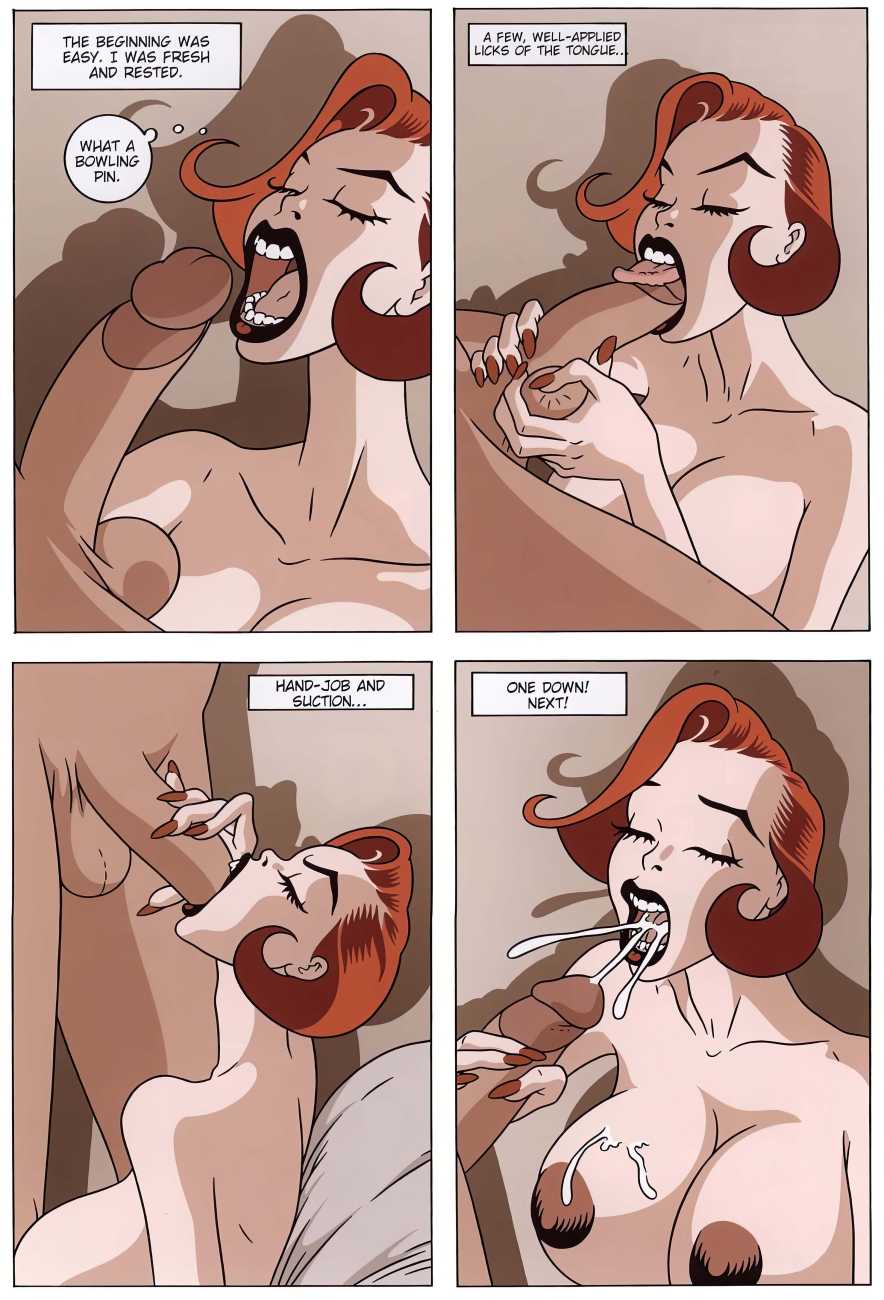
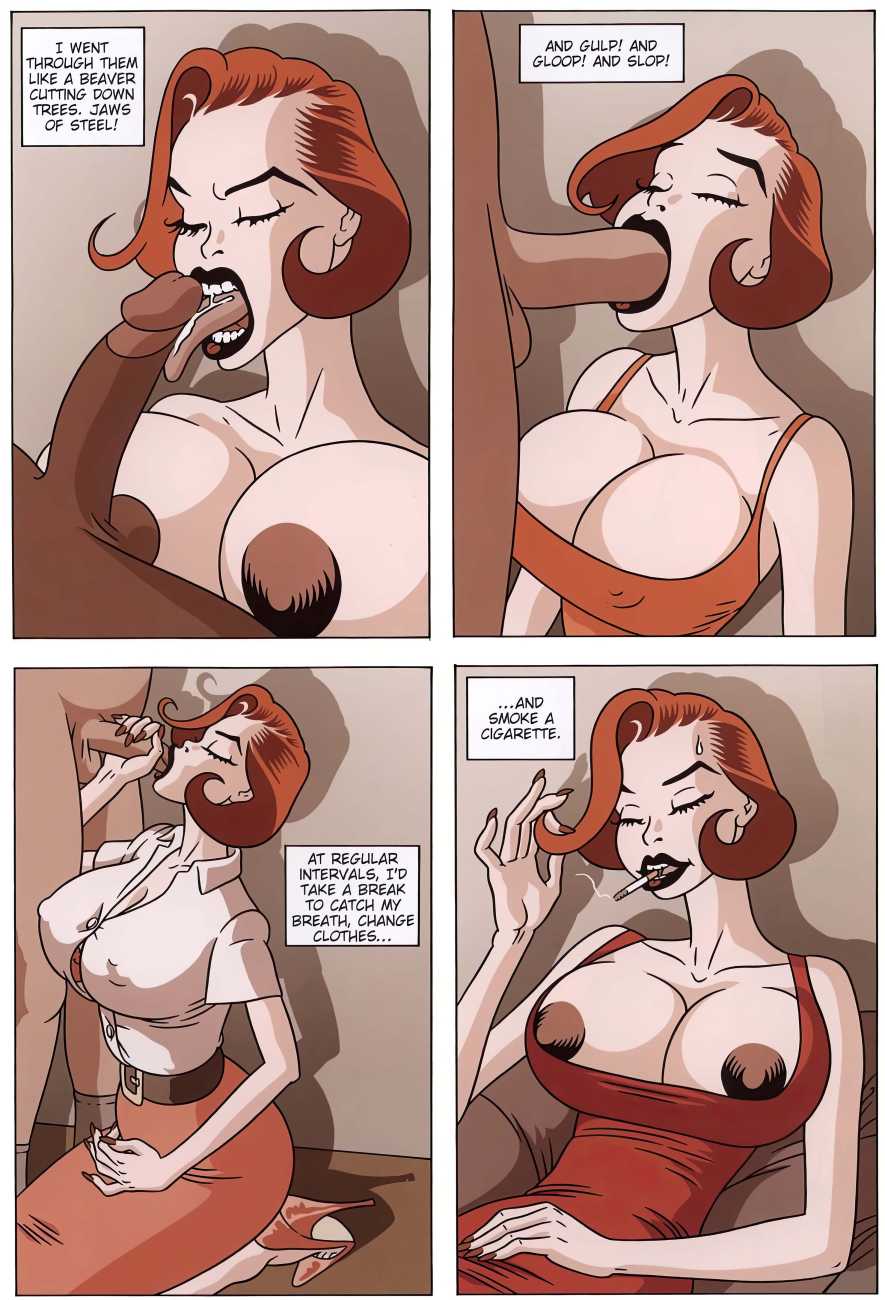
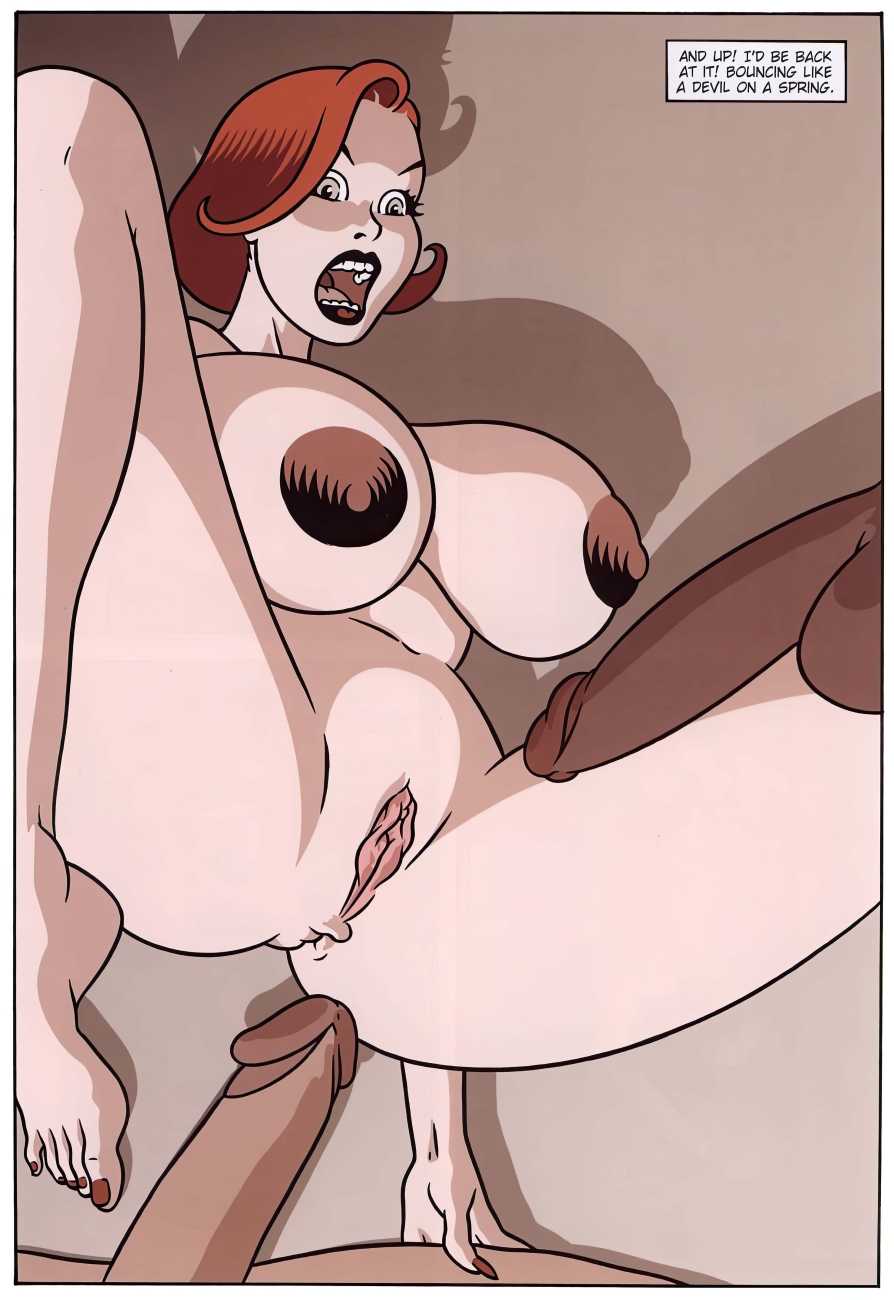
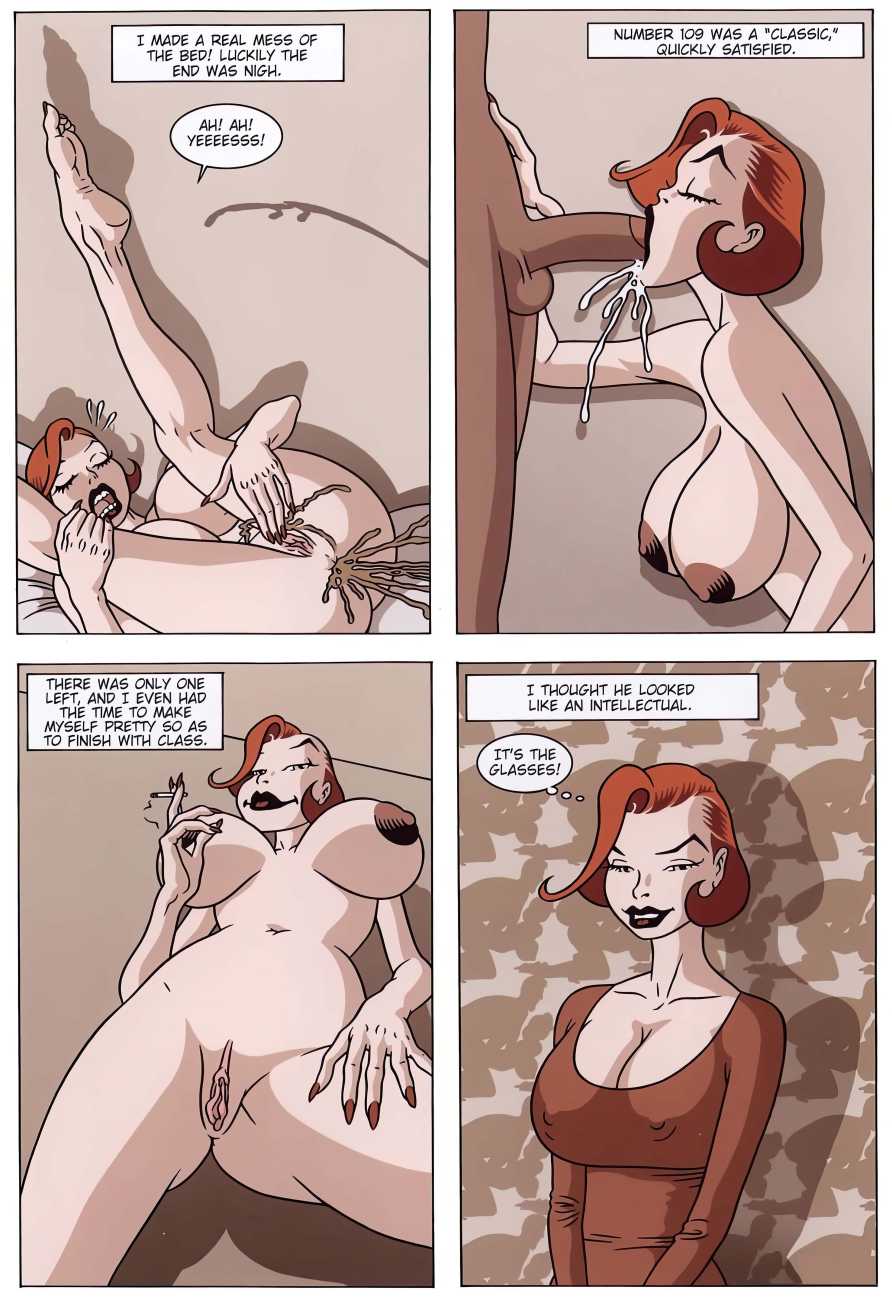
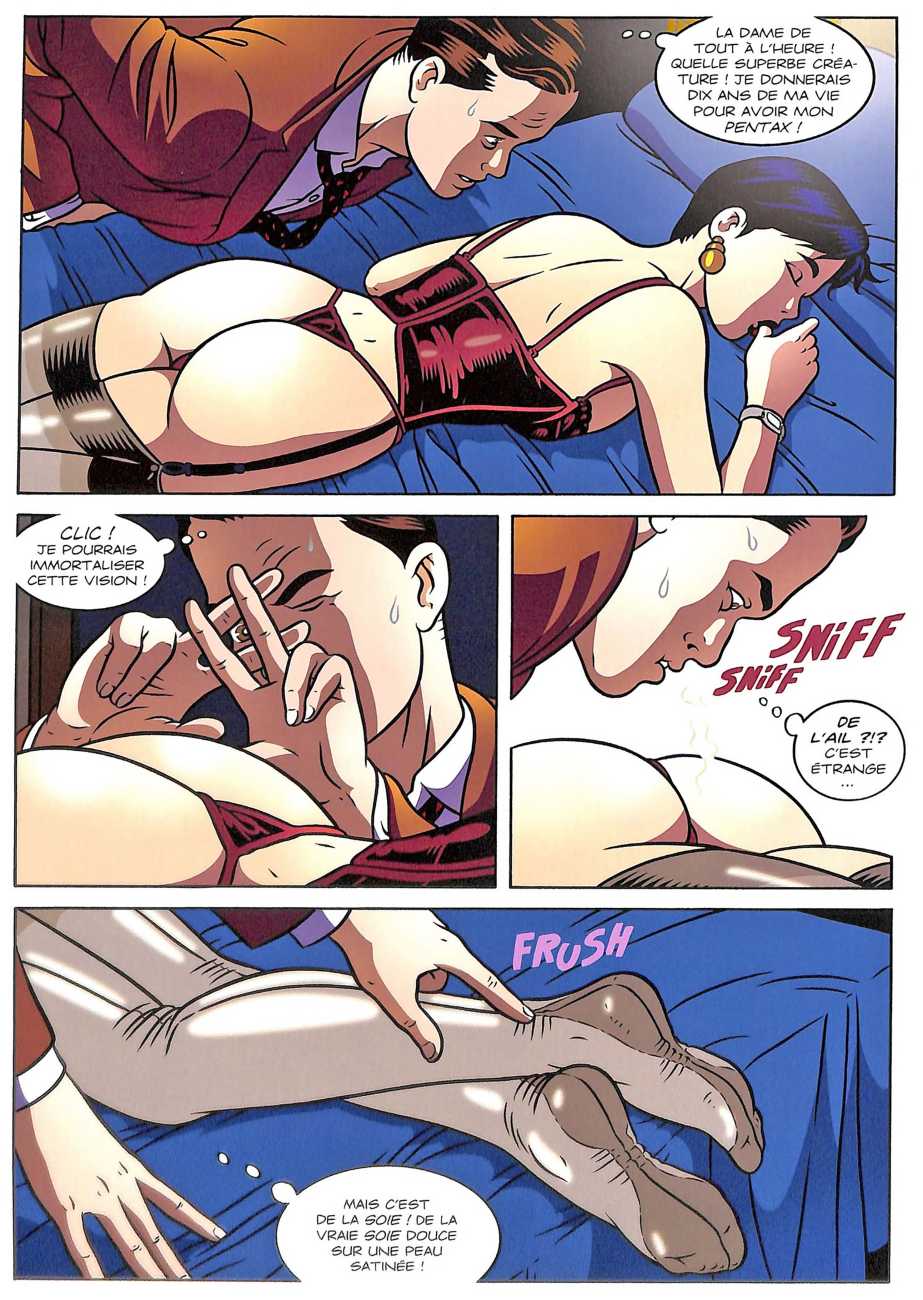
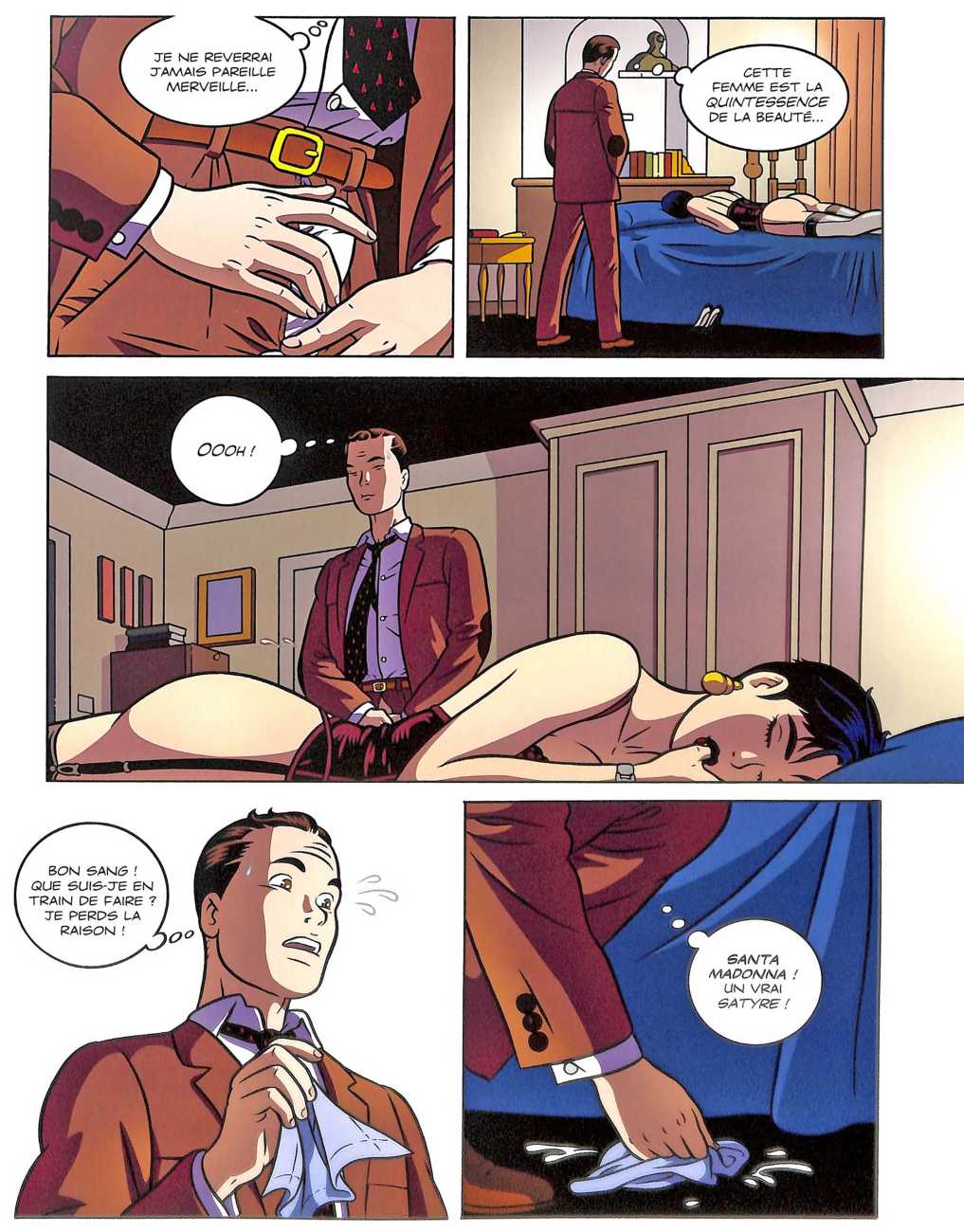
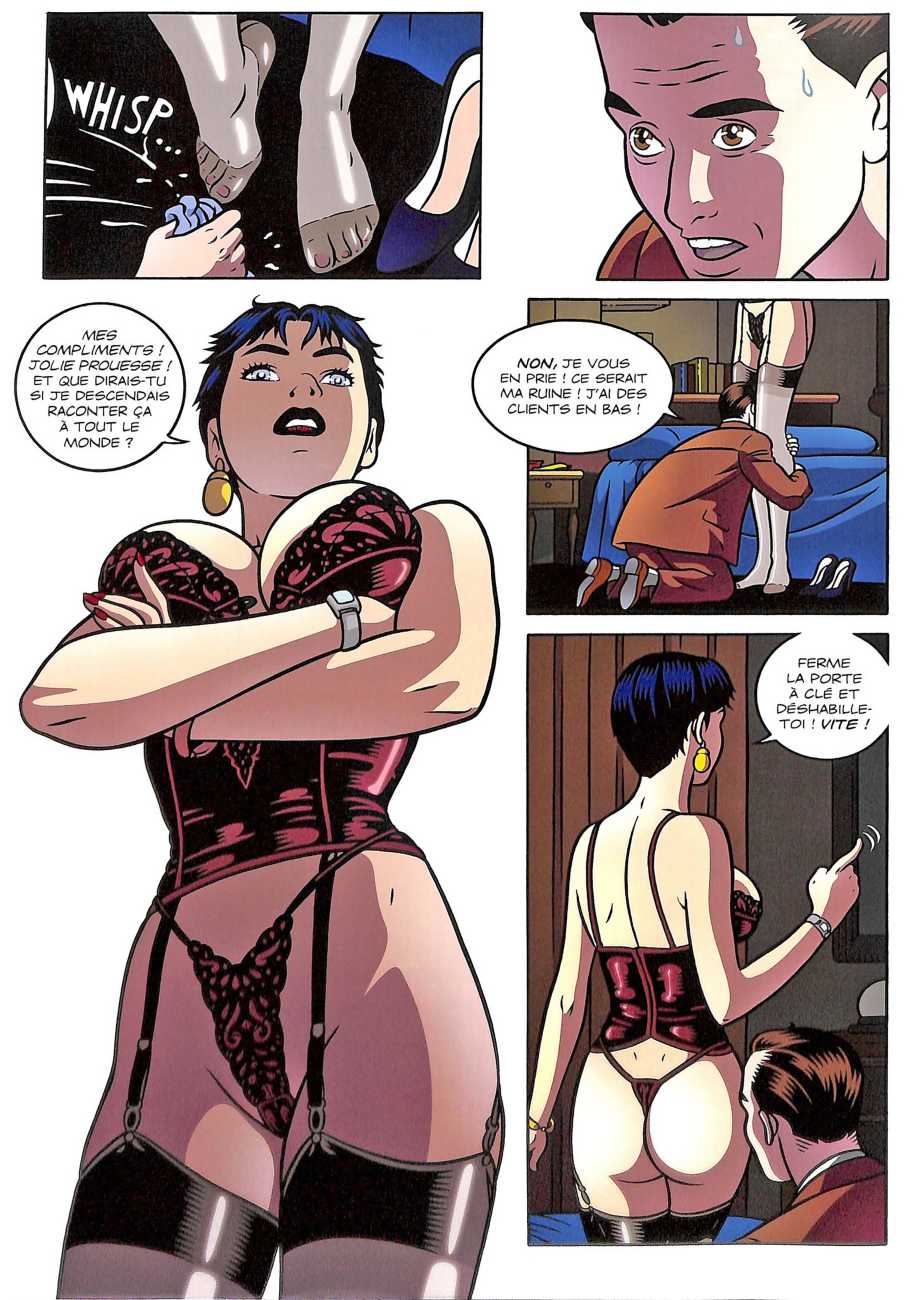
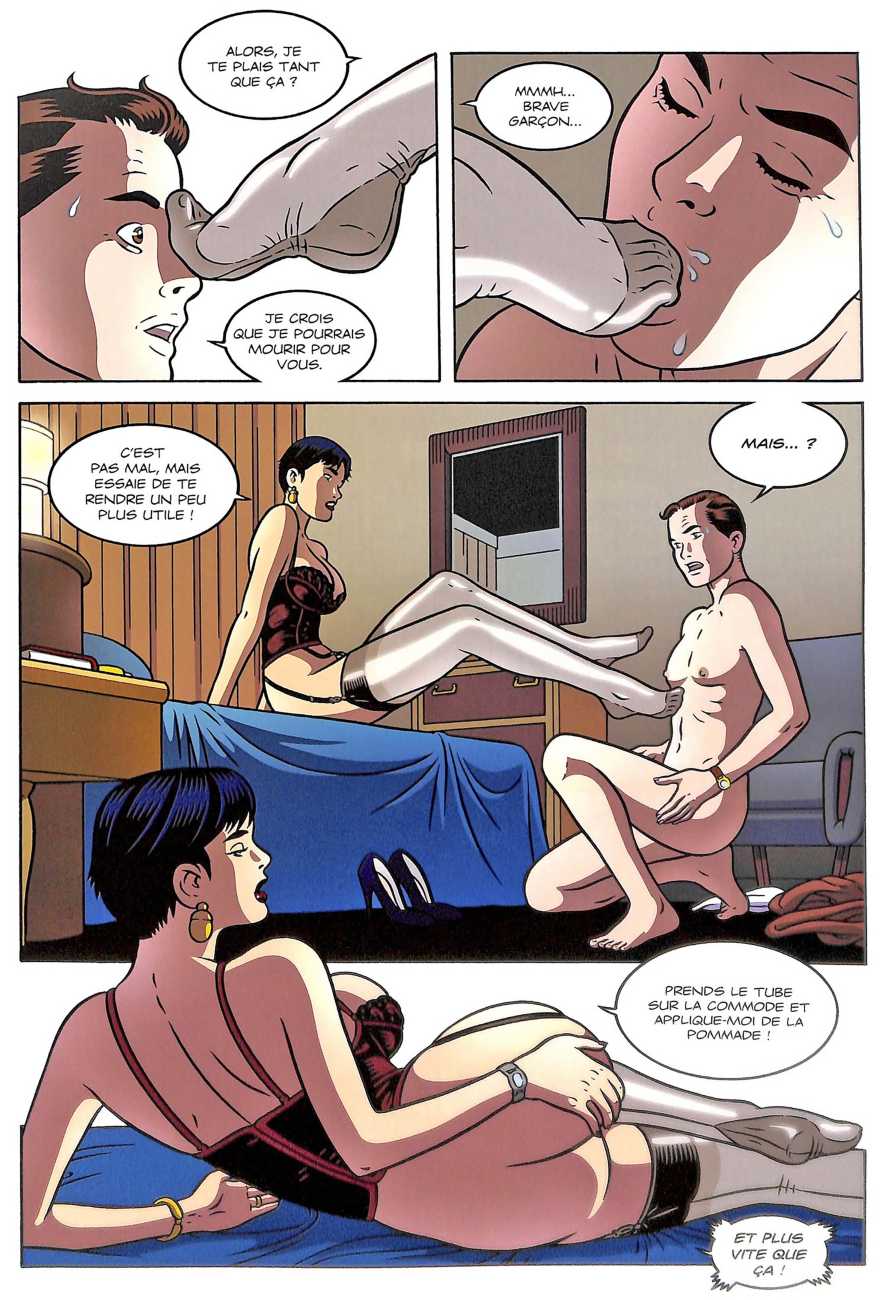
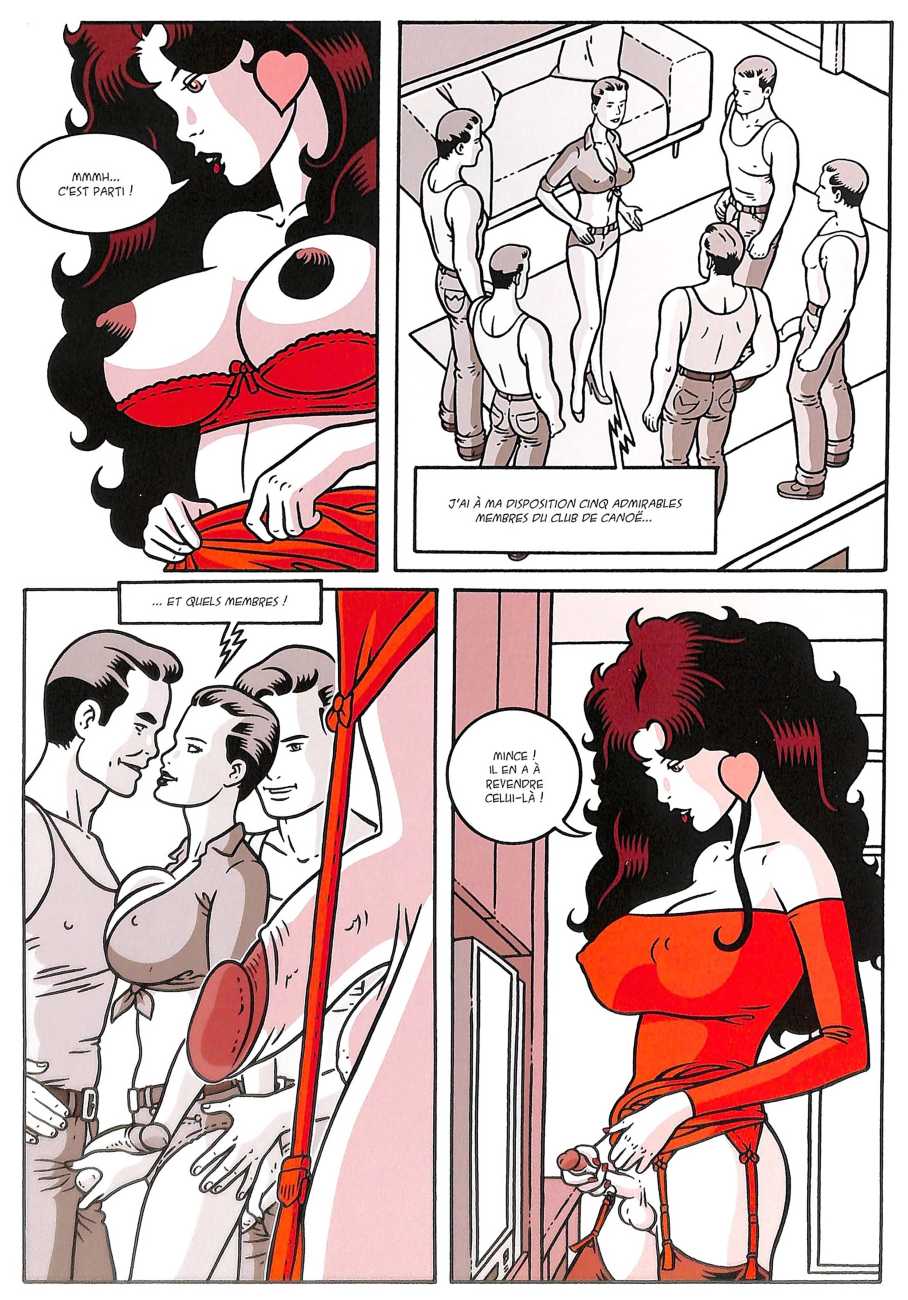
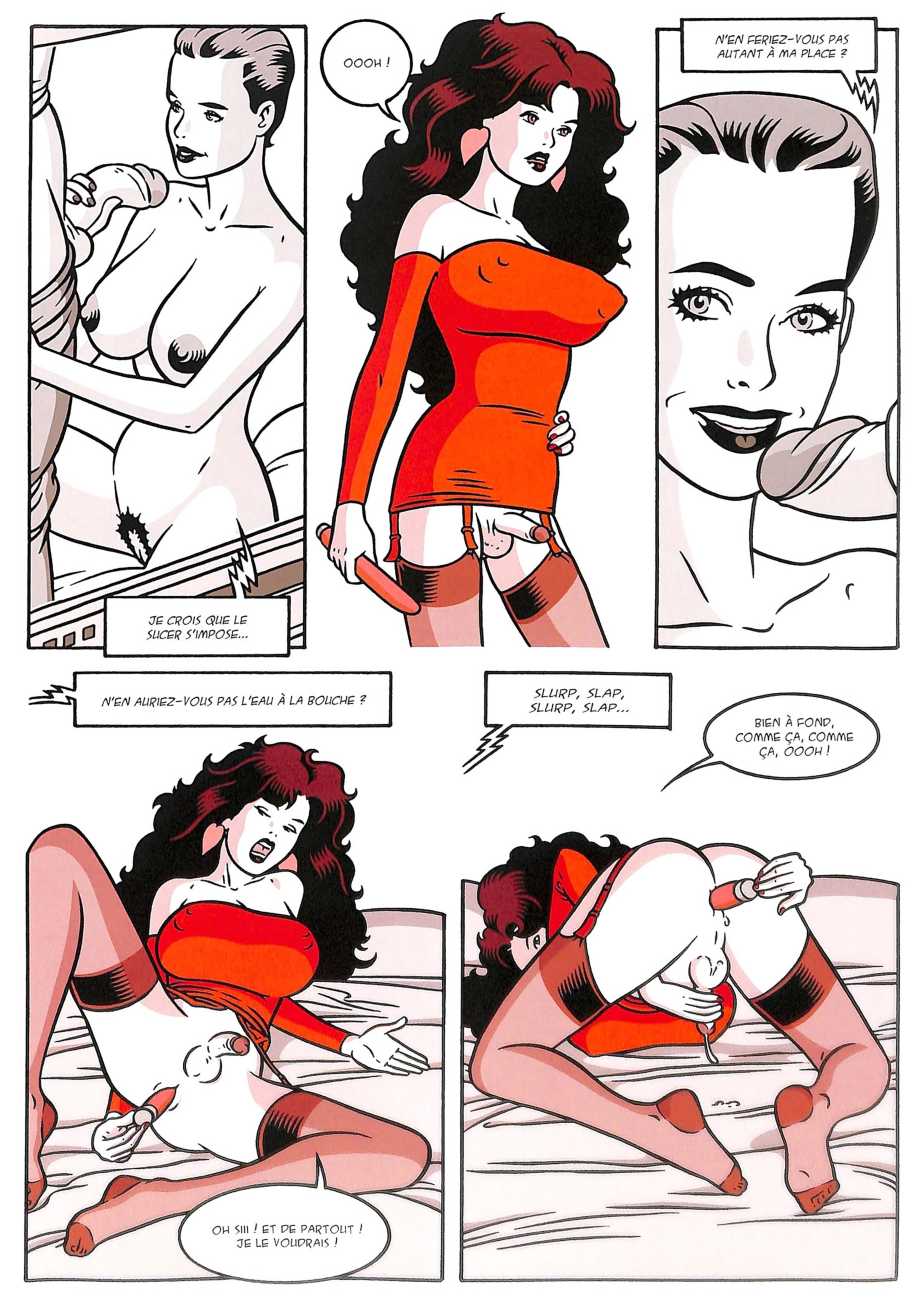
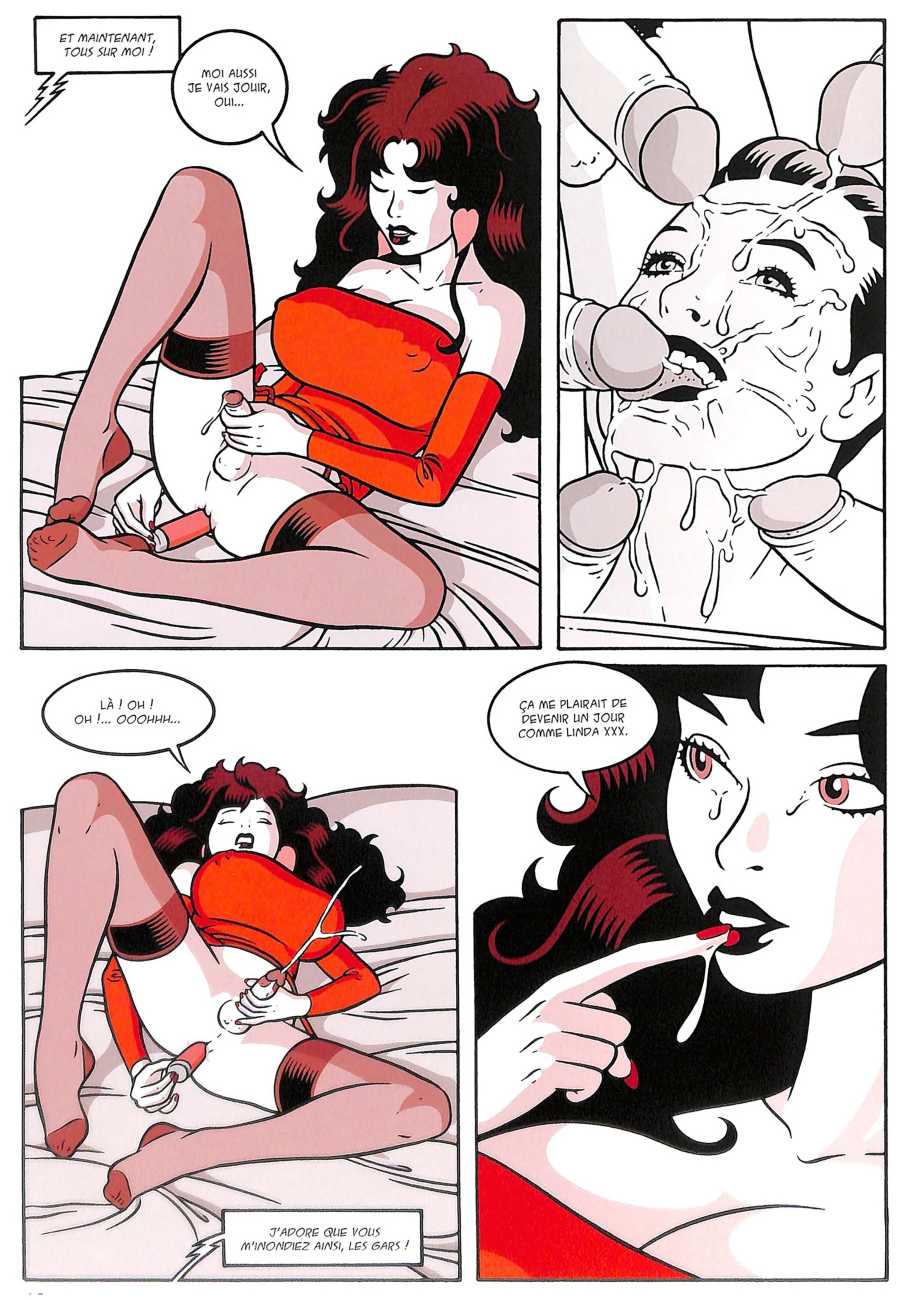
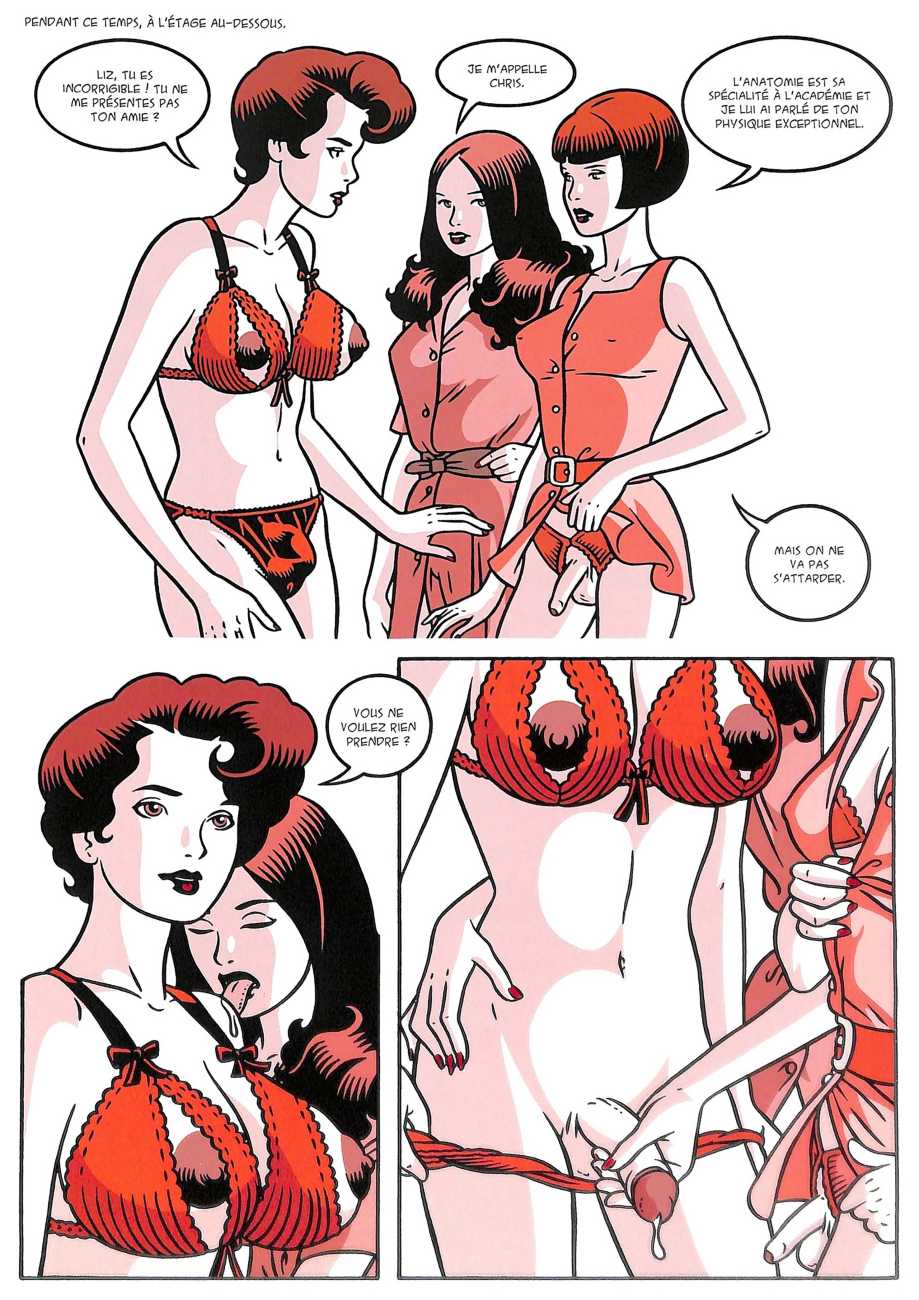
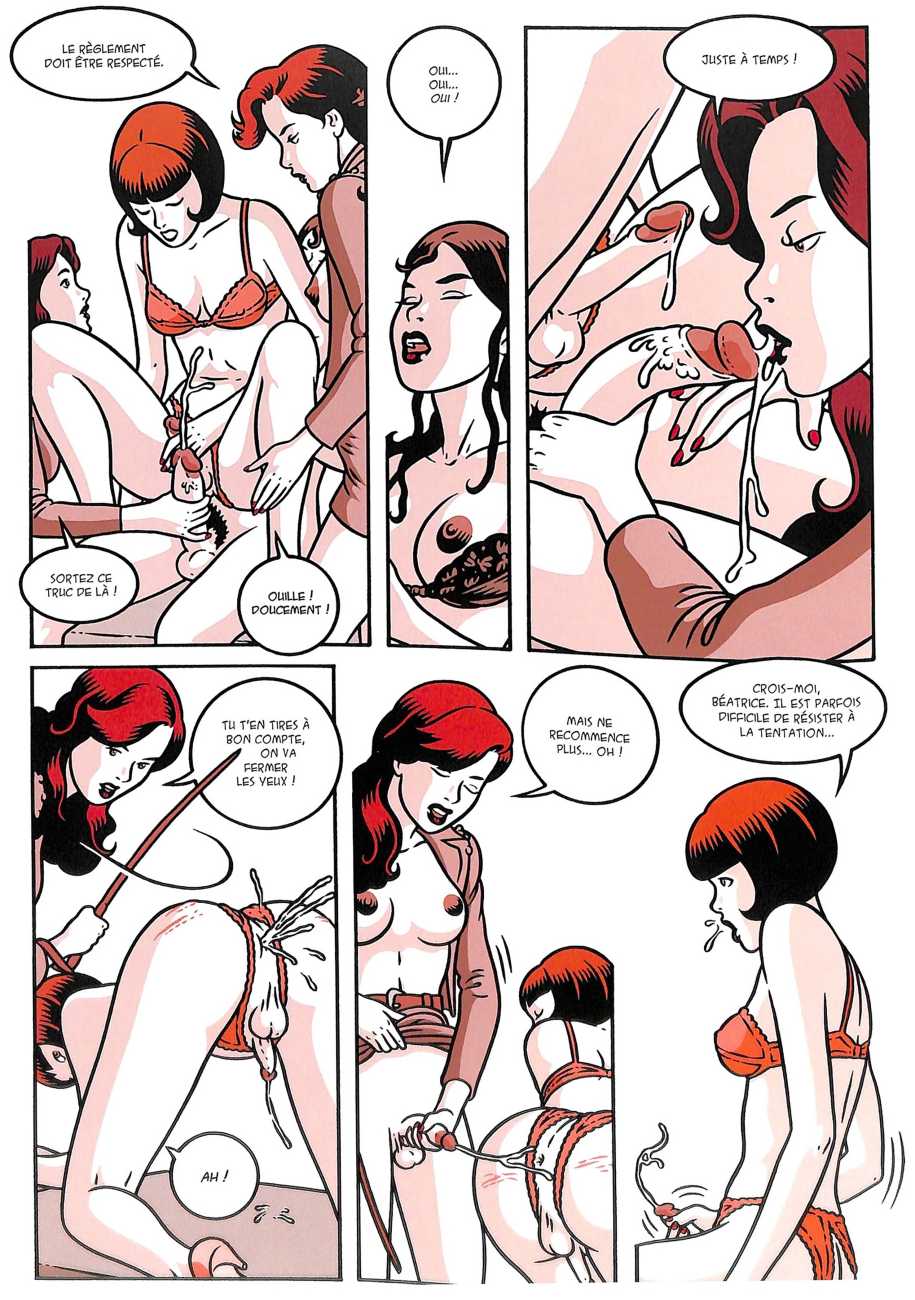
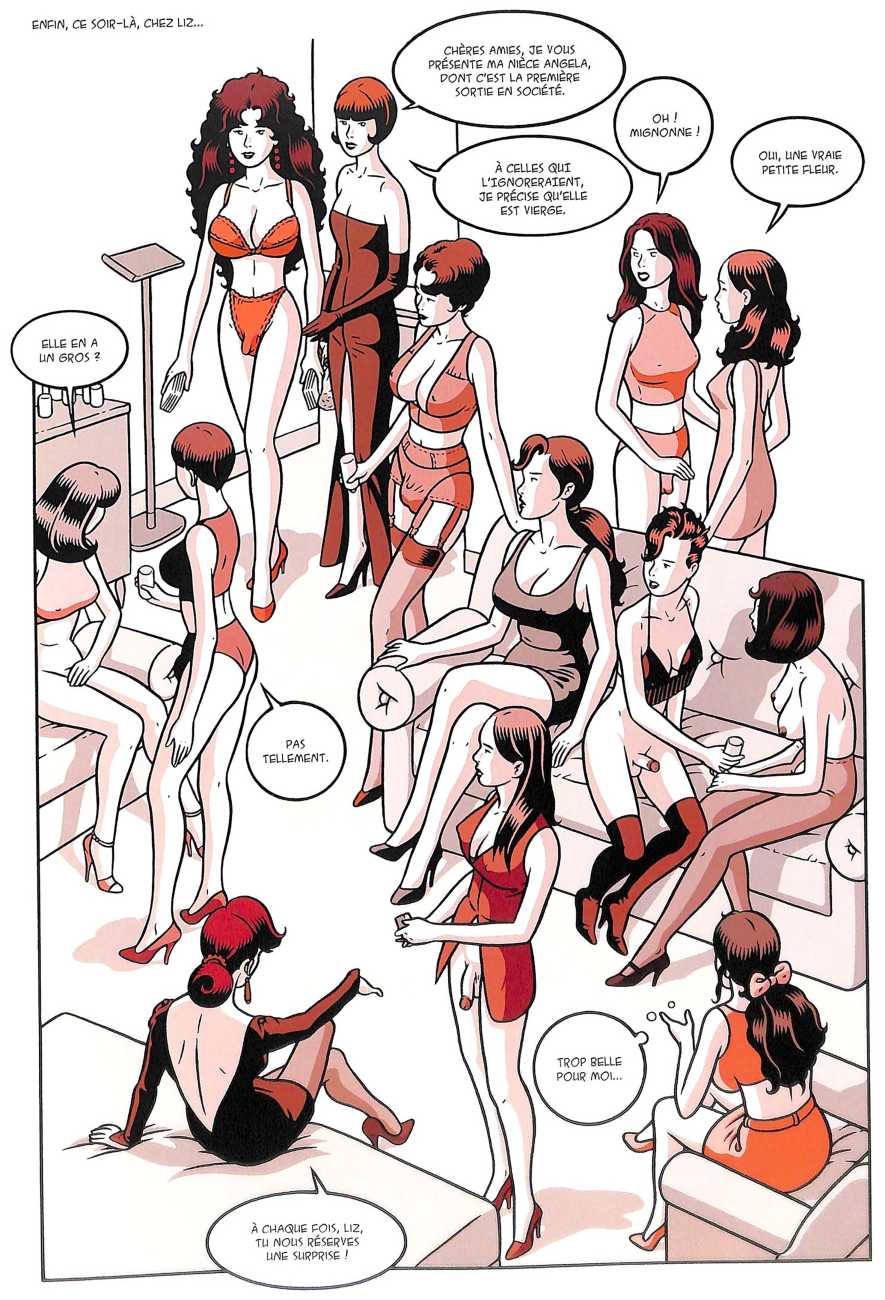
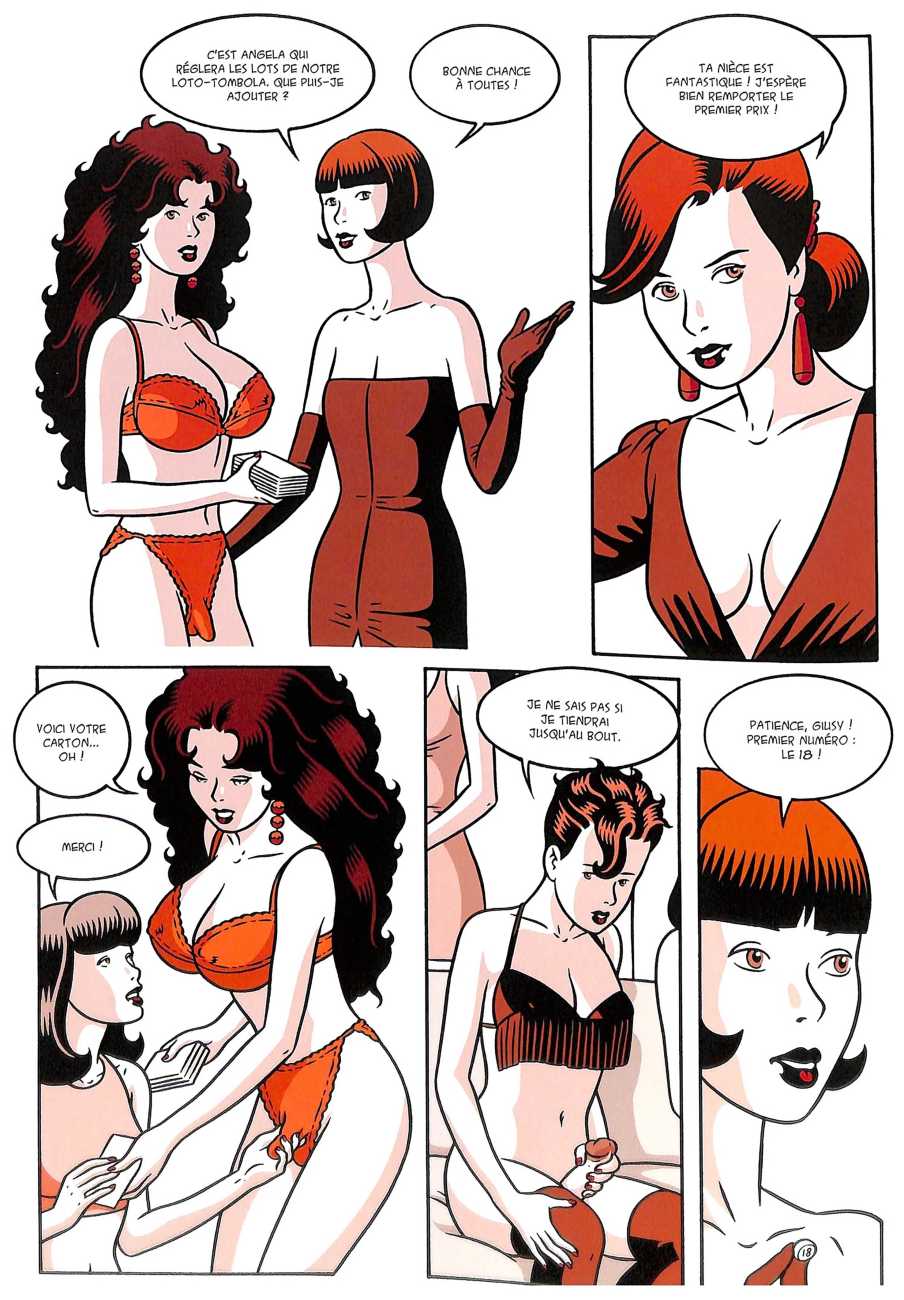
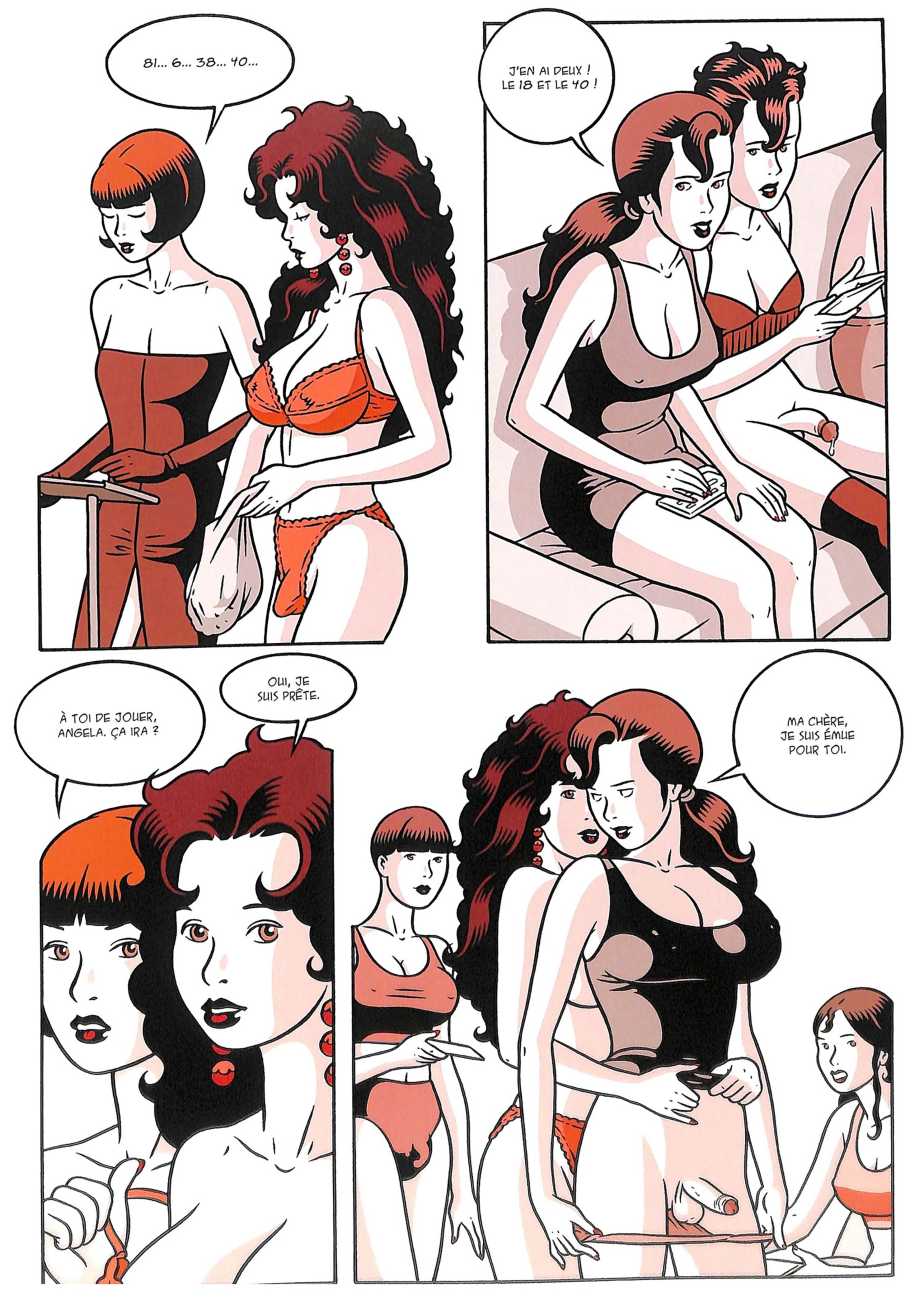
 The Italian cartoonist Roberto Baldazzini grew up in Vignola, near Modena in north central Italy. He gained a commerce diploma, and describes himself as a self-taught artist, though he also studied at Bologna’s DAMS and Academy of Fine Arts.
His route into comics was resolutely hands-on. In the late 1970s he worked with Daniele Brolli, Igort and others on the self-produced Il Pinguino Guadalupa: a small, collectively produced package of comics for which Baldazzini learned to prepare printing plates. Around the fanzine’s later 1980 incarnation came Ronnie Fumoso, the detective drawn by Baldazzini to accompany Brolli’s texts. In 1982 their collaboration moved into professional publishing when Alan Hassad, a Brolli detective, appeared in Luigi Bernardi's ambitious Orient Express. Ronnie Fumoso, a further detective drawn by Baldazzini to Brolli's texts, followed two years later, in 1984.
Baldazzini’s women protagonists first appeared in 1984. Lorena Canossa’s Stella Noris, a movie star moving through post-war intrigue, gave him a vehicle for his fascination with 1950s cinema, design and fashion. The series continued in Comic Art after Orient Express ended, growing gradually more erotic. Baldazzini has recalled that throughout the 1980s he was particularly fascinated by the imagery of the 1950s, especially the Hollywood films he had watched as a child, and that Stella grew directly out of this fascination. The series became an important bridge between his early noir-romance comics and his later work.
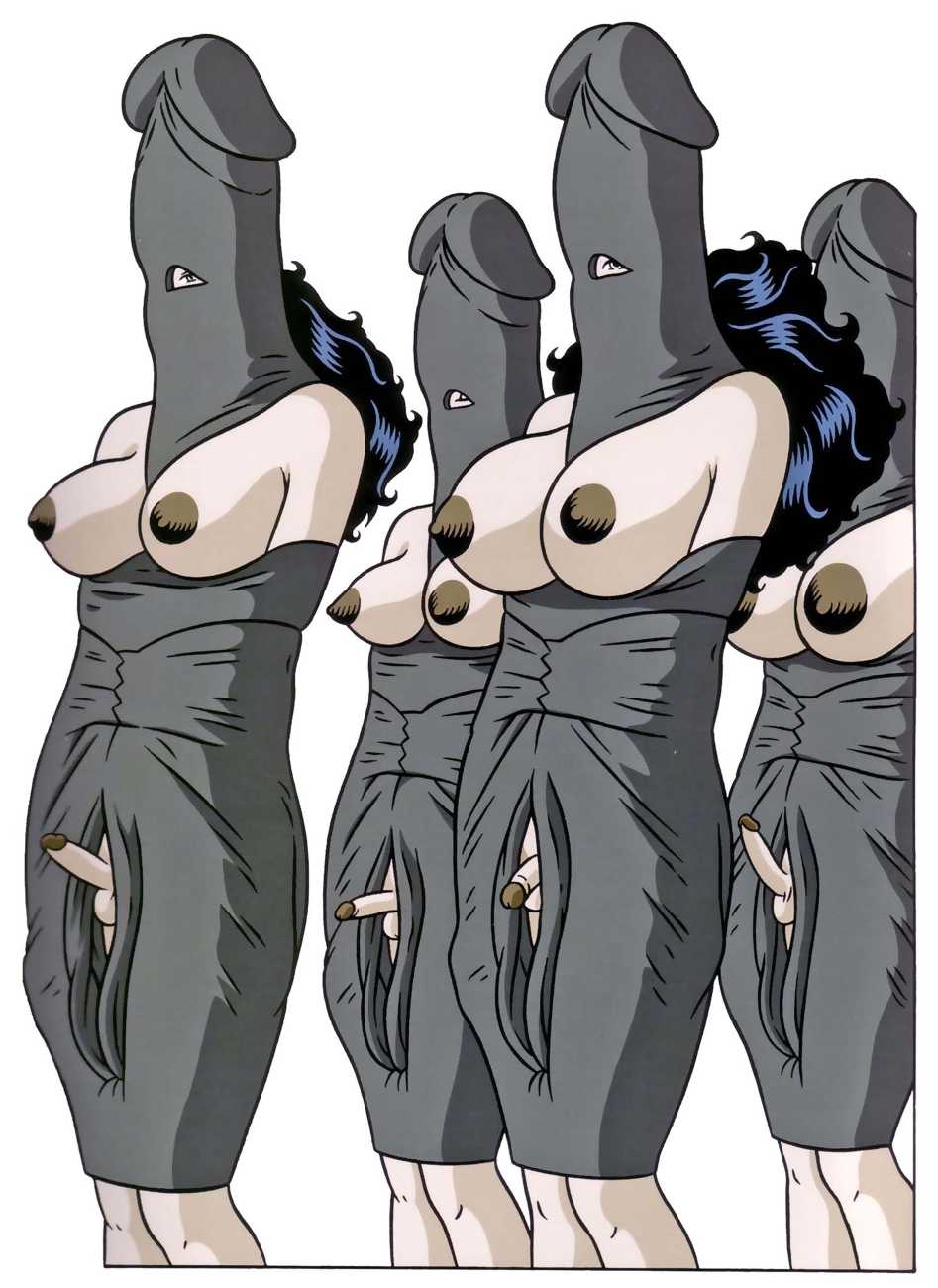
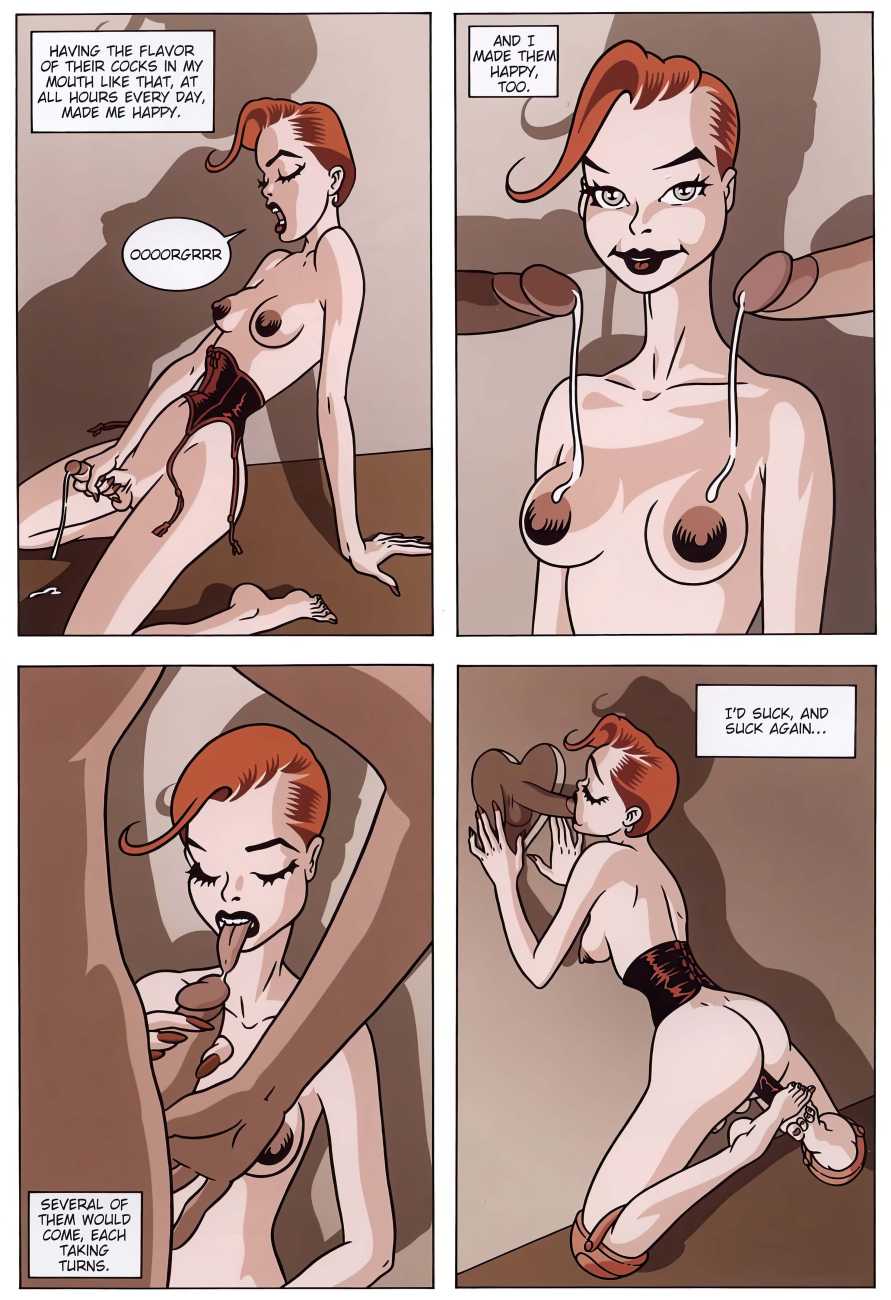
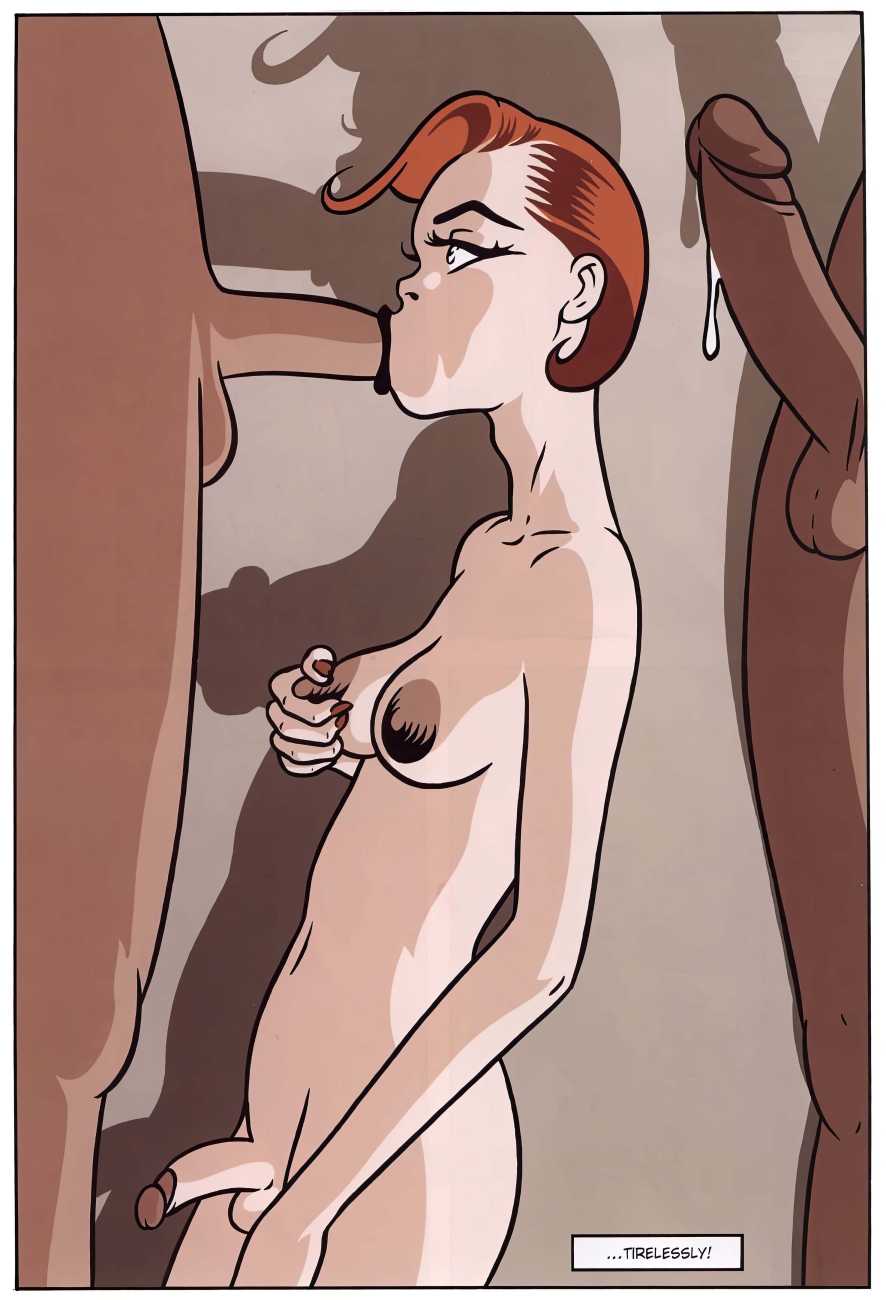
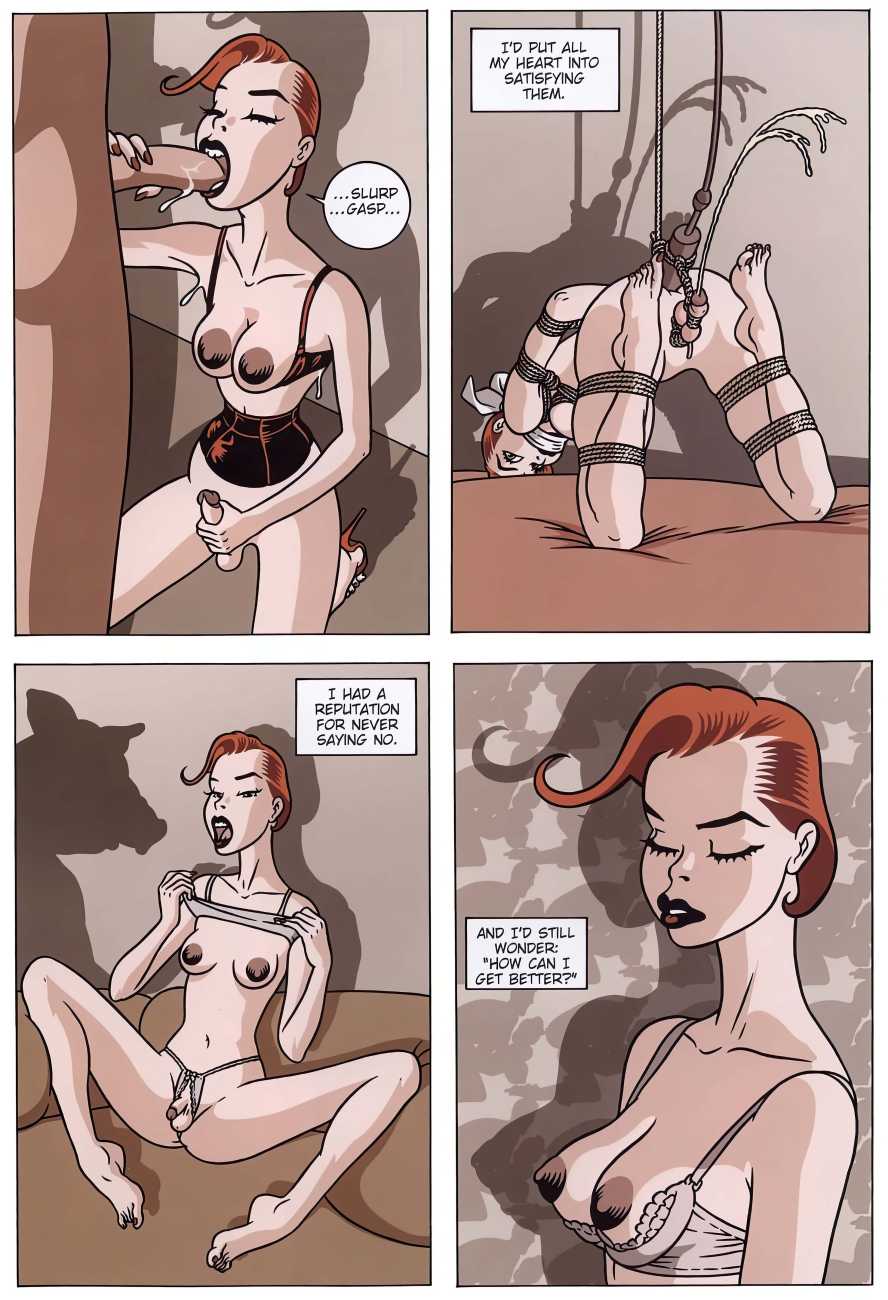
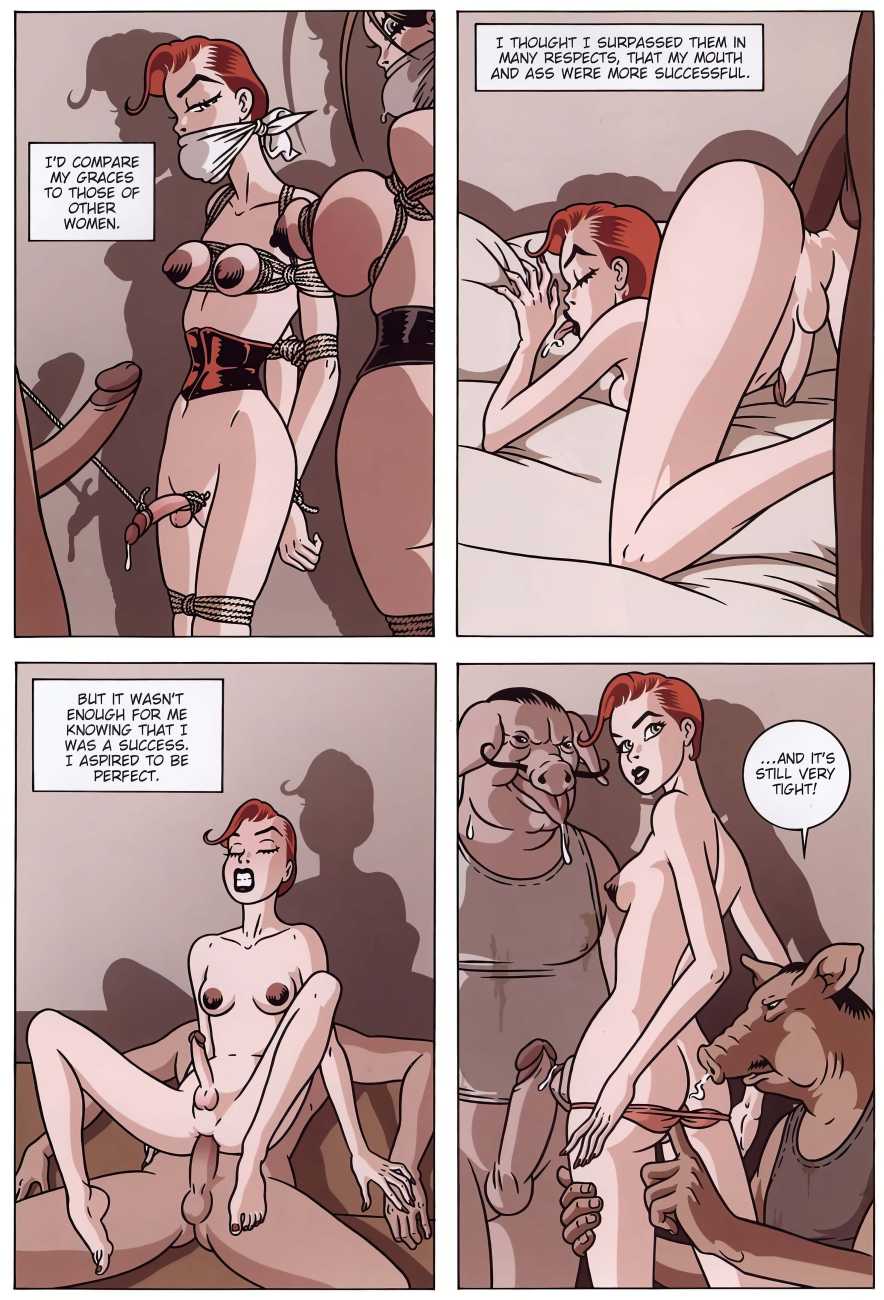
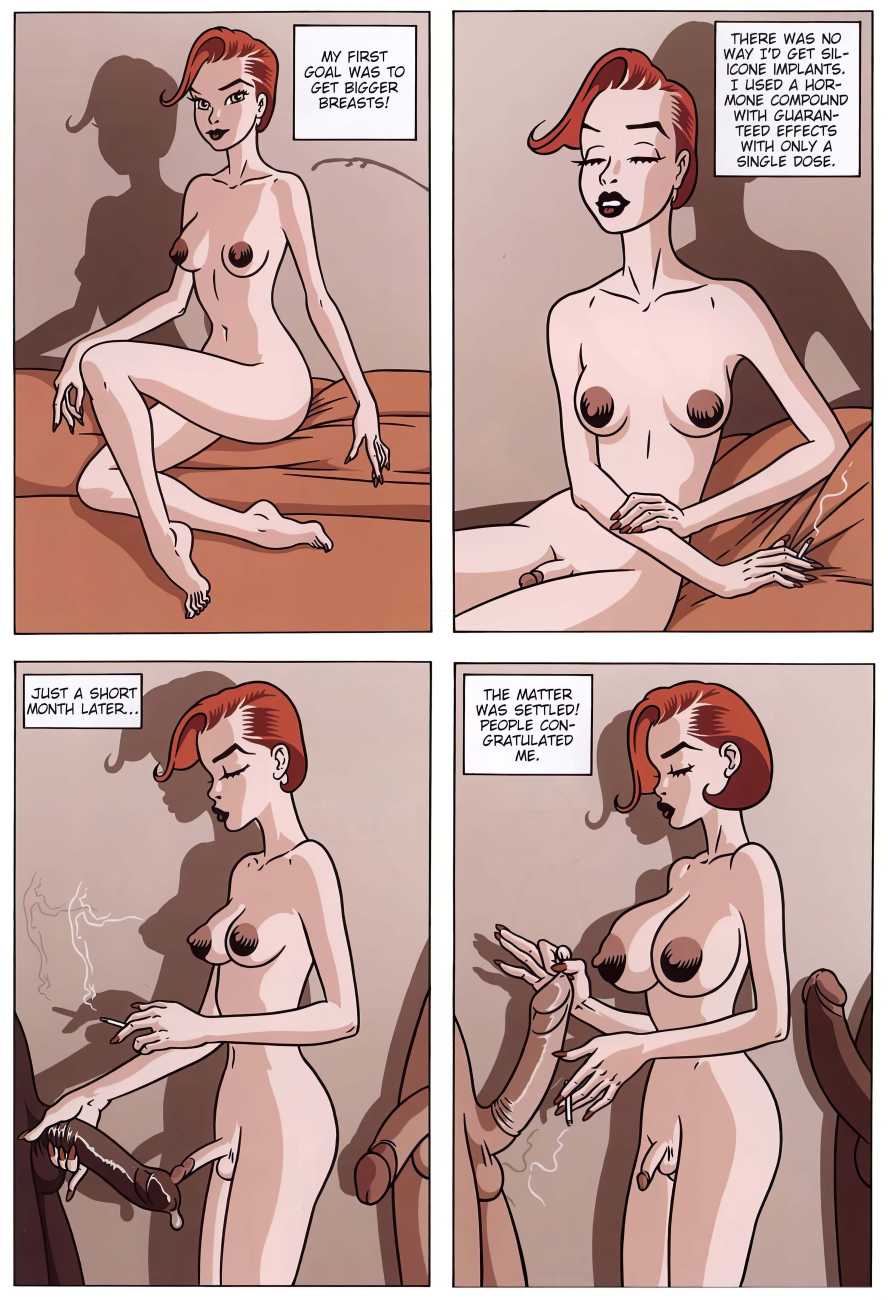
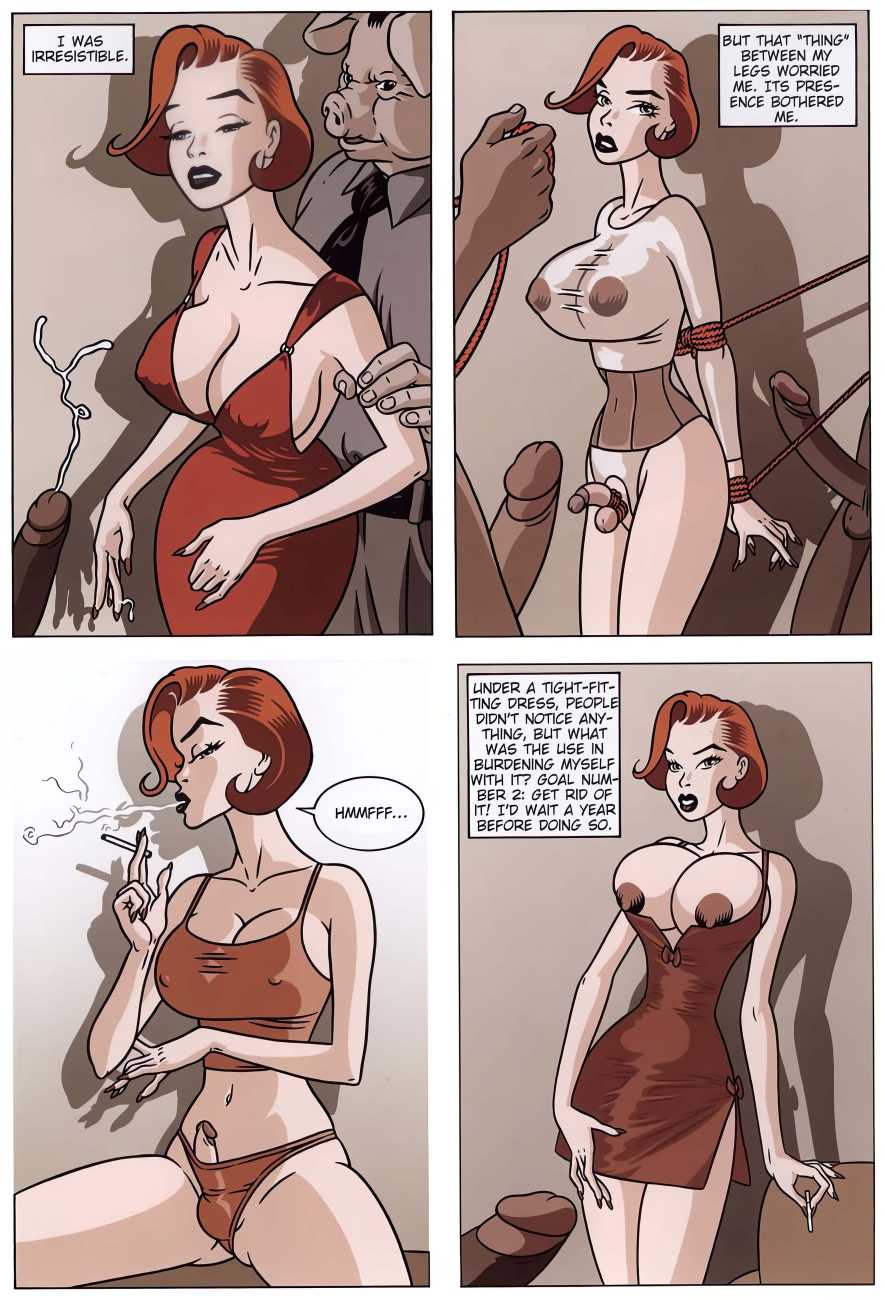
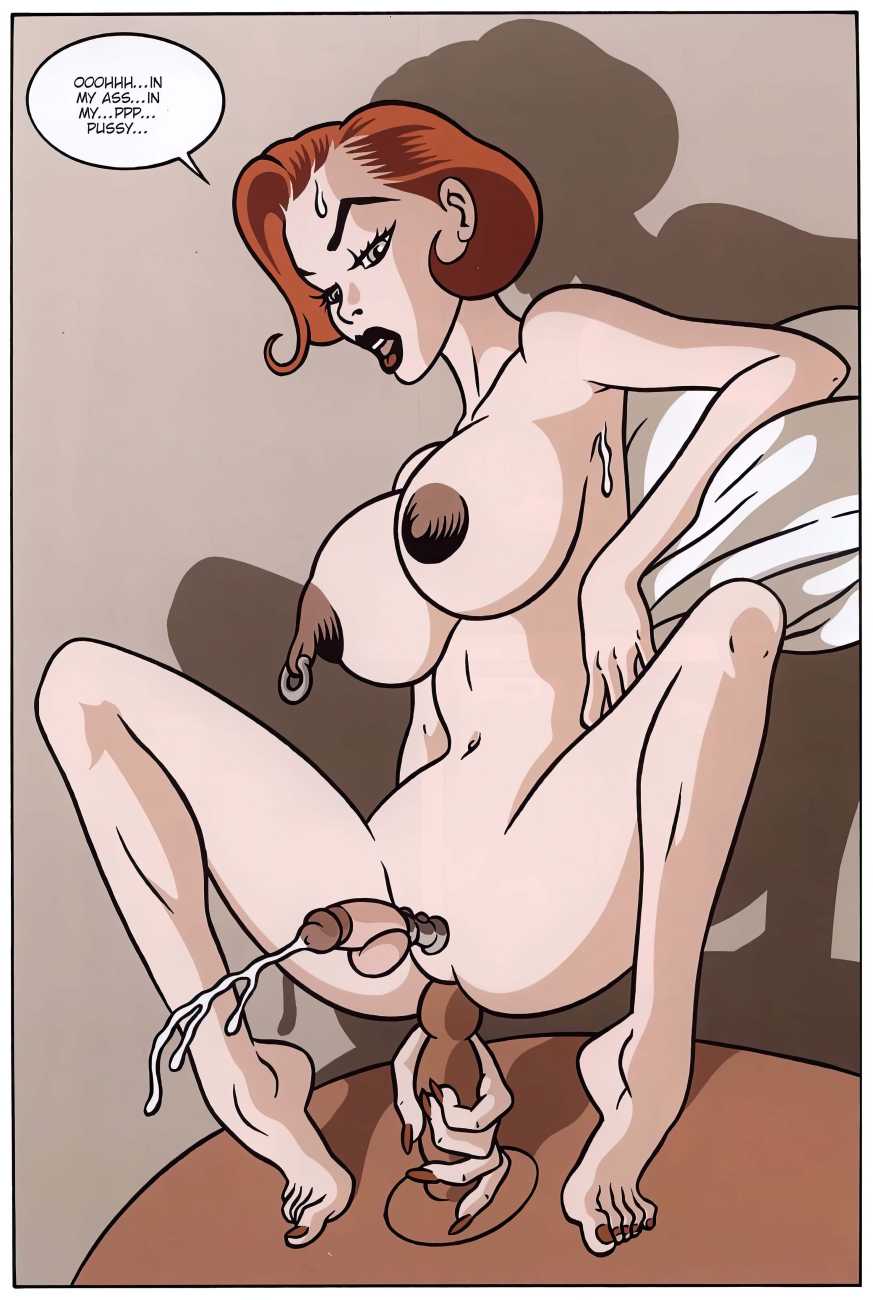
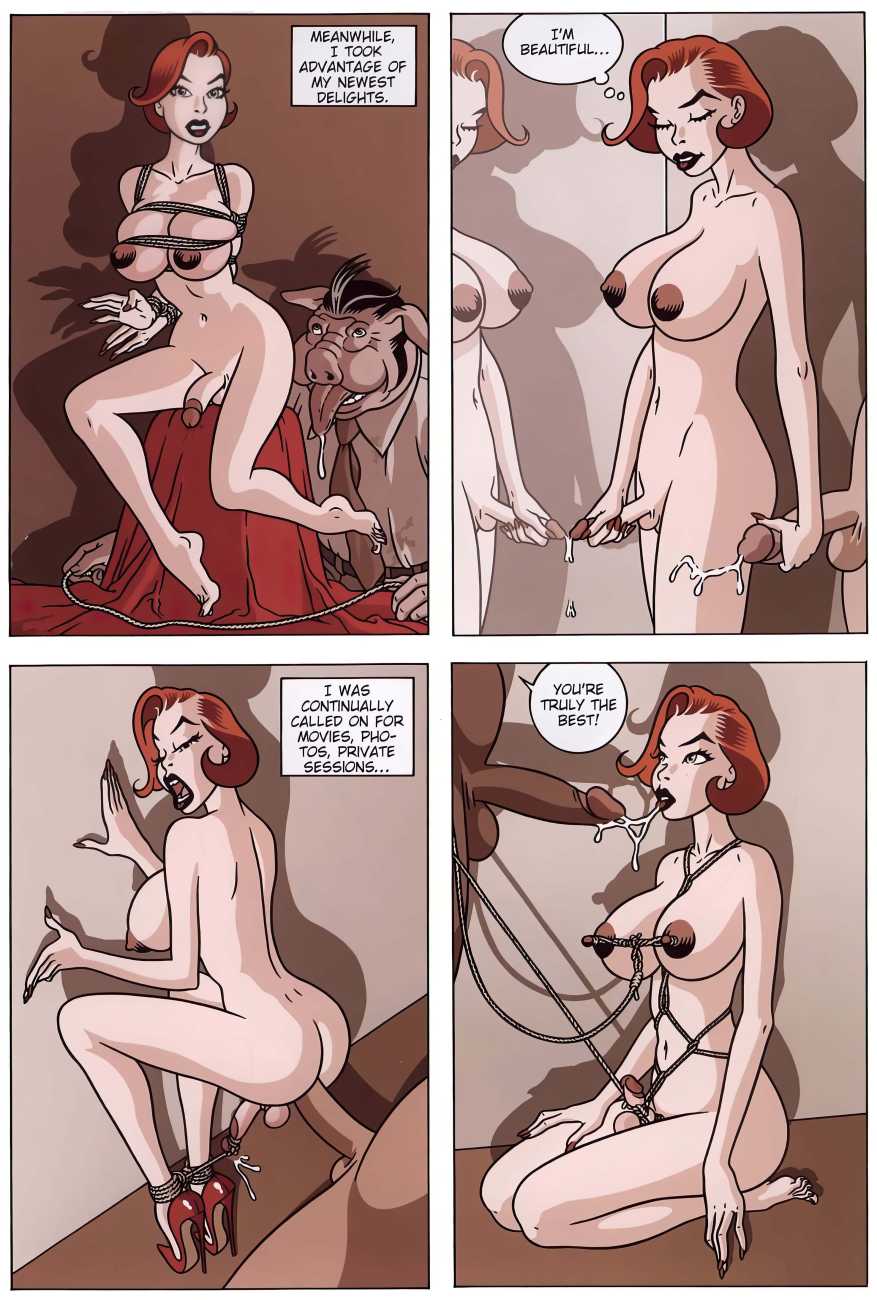
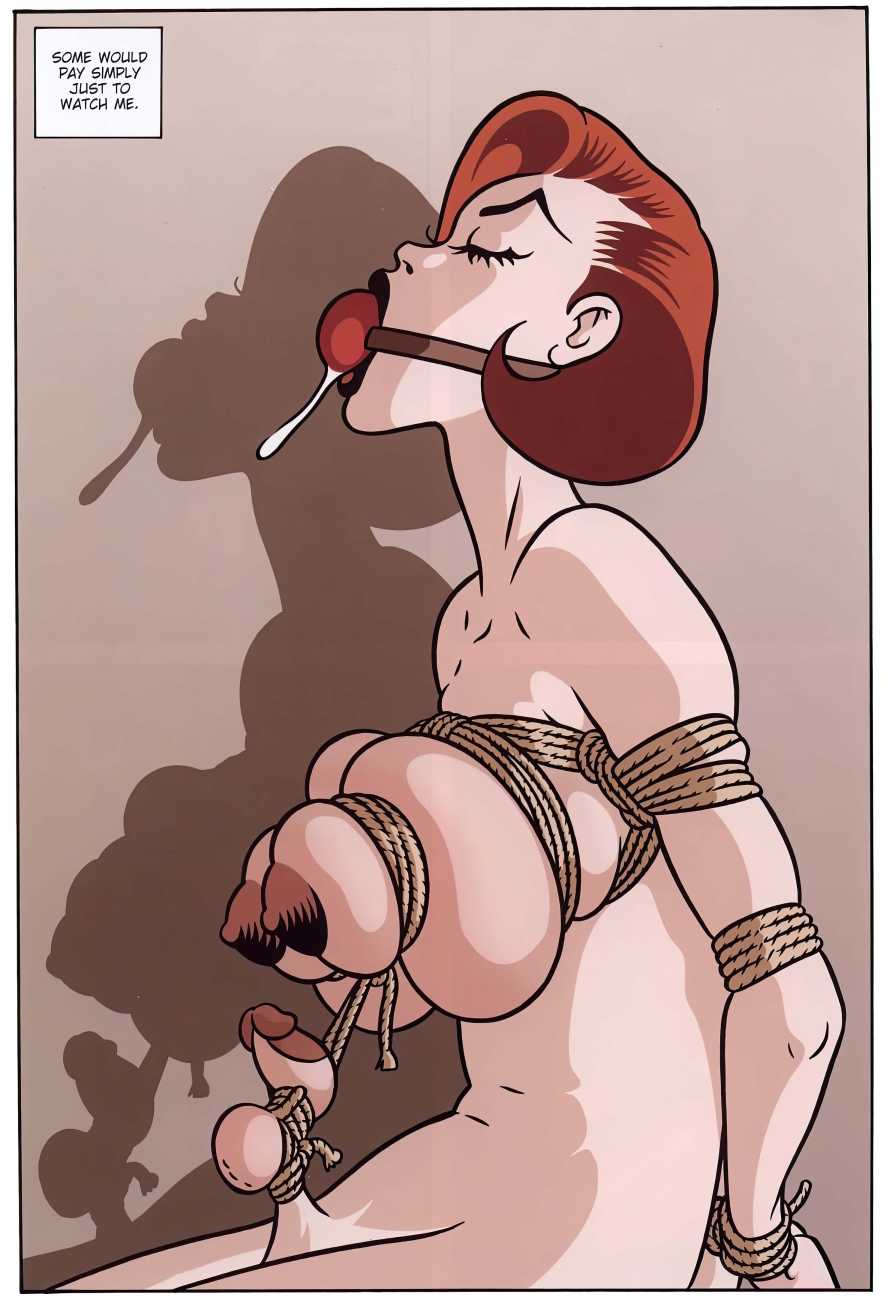
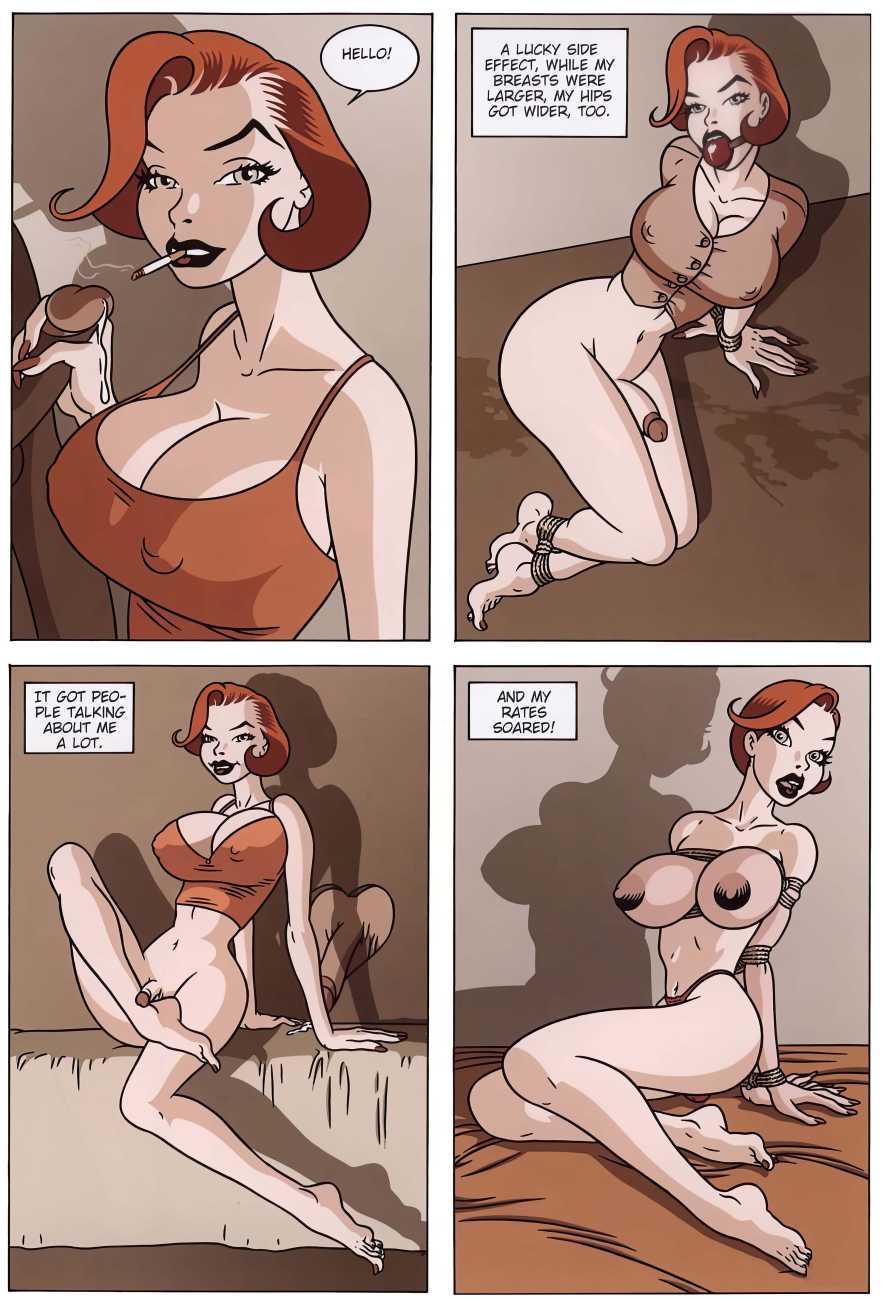
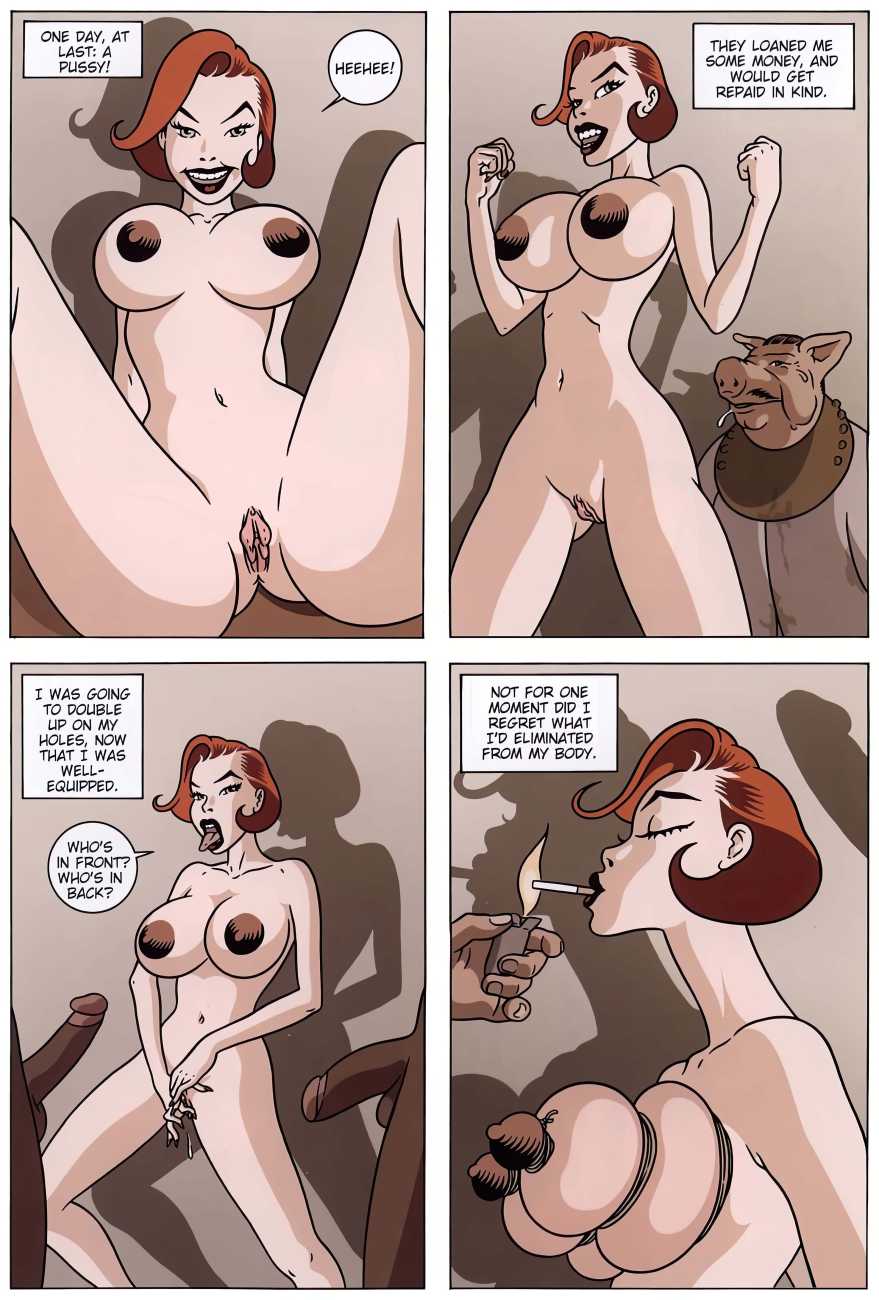
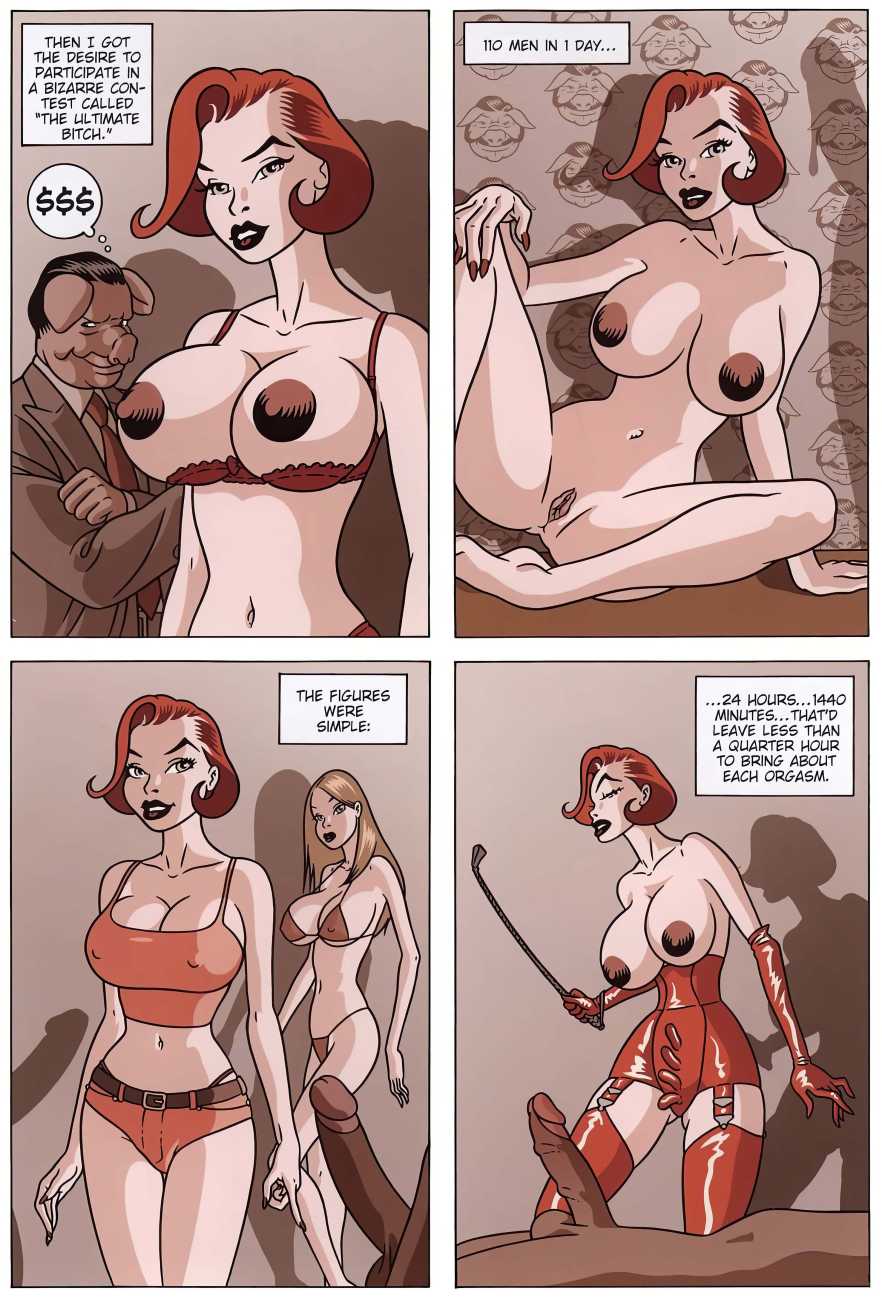
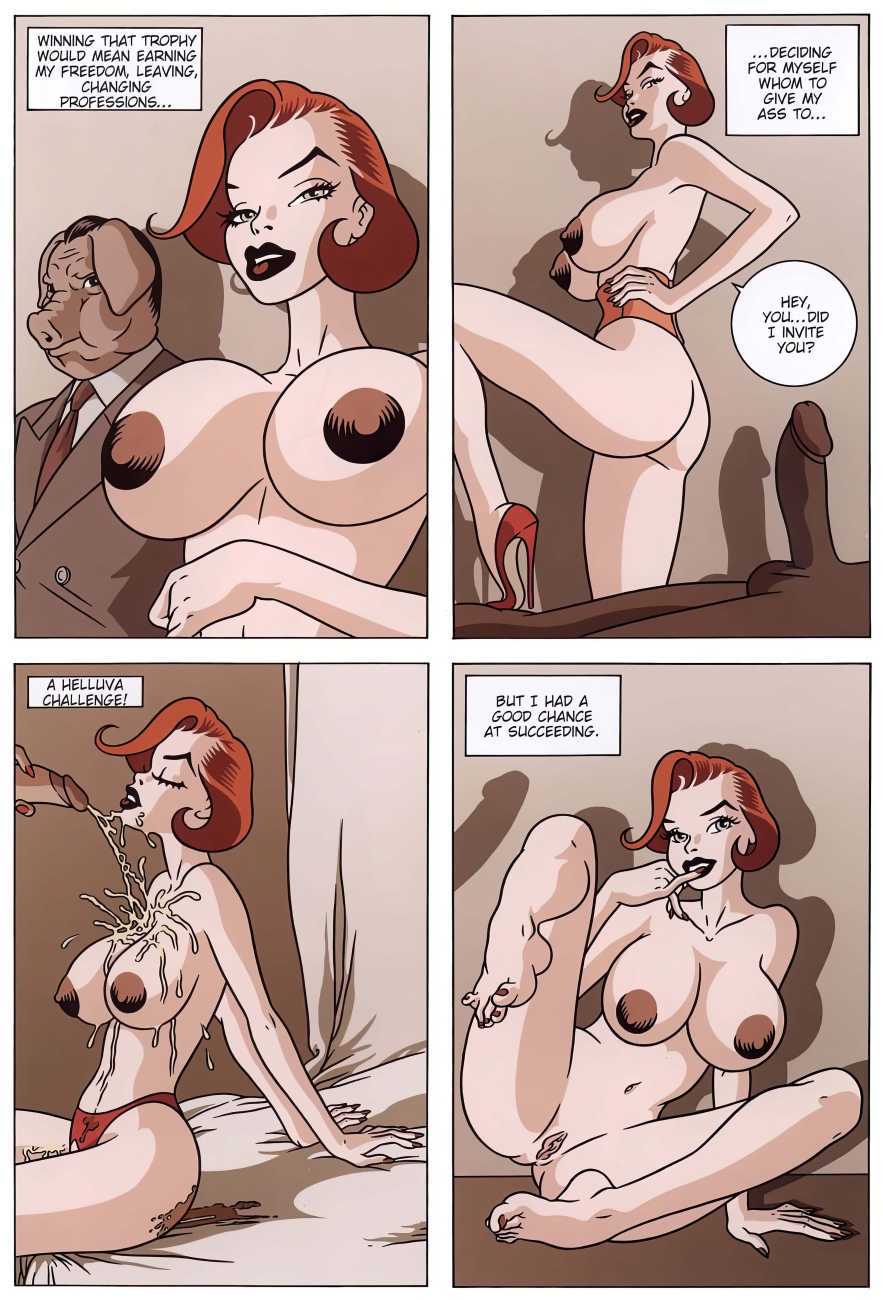
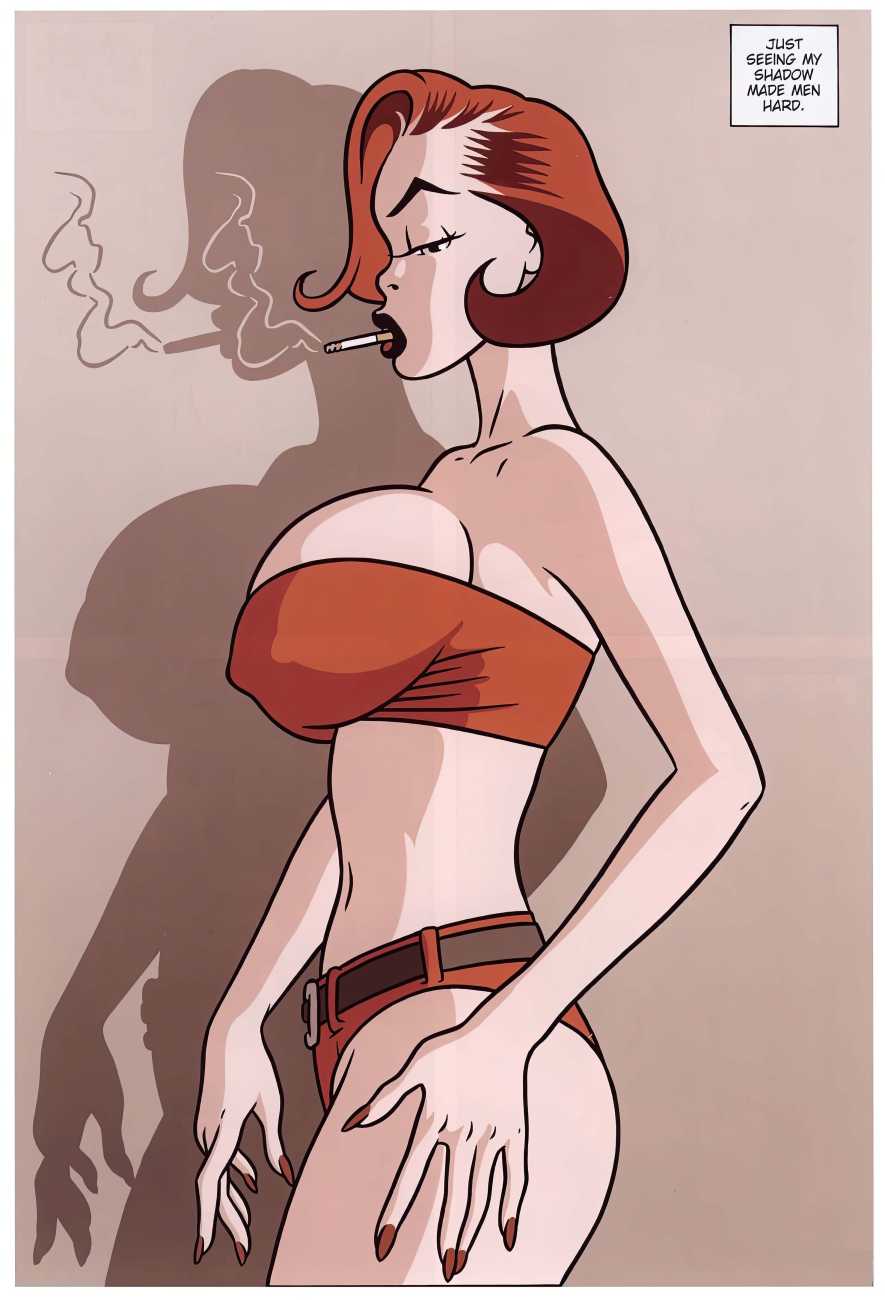
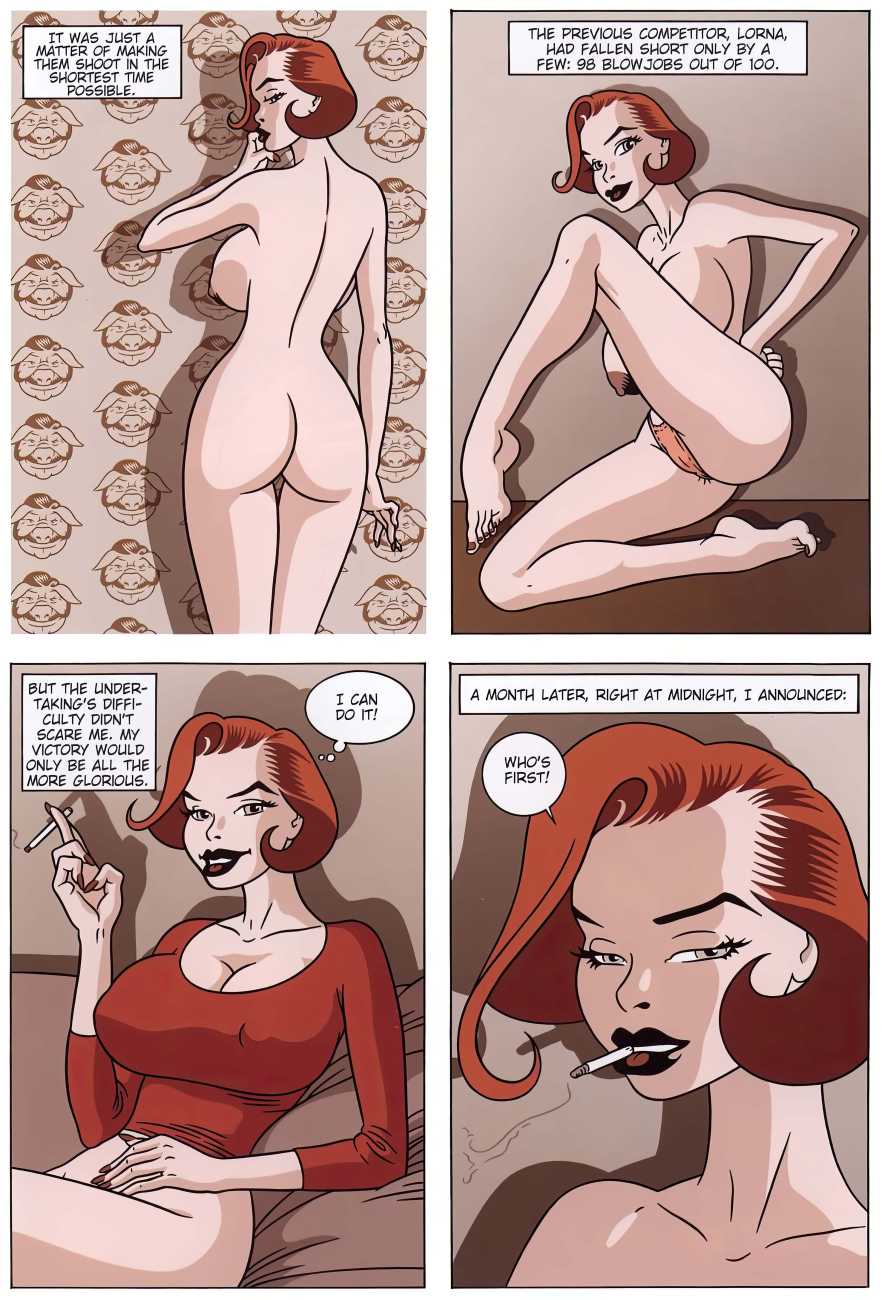
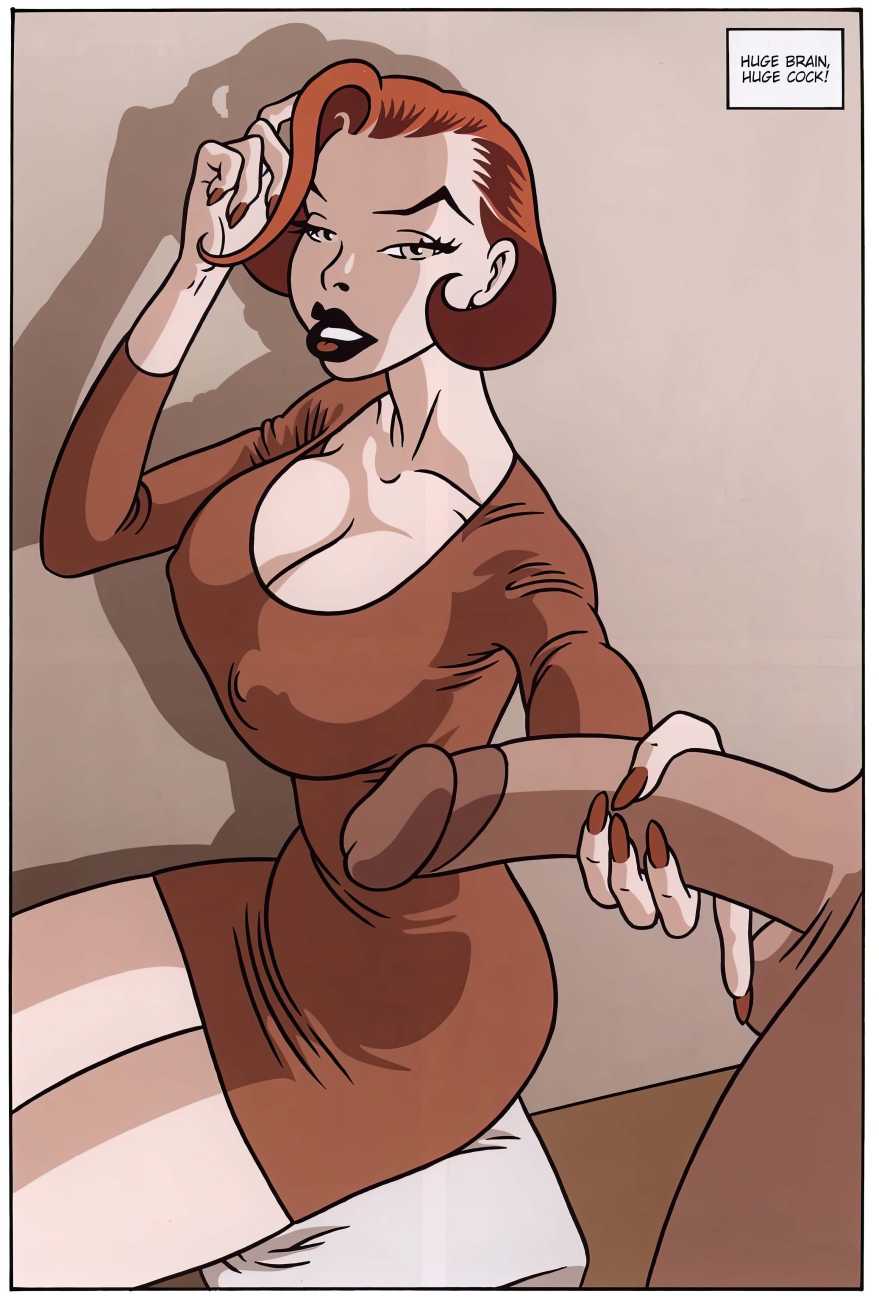
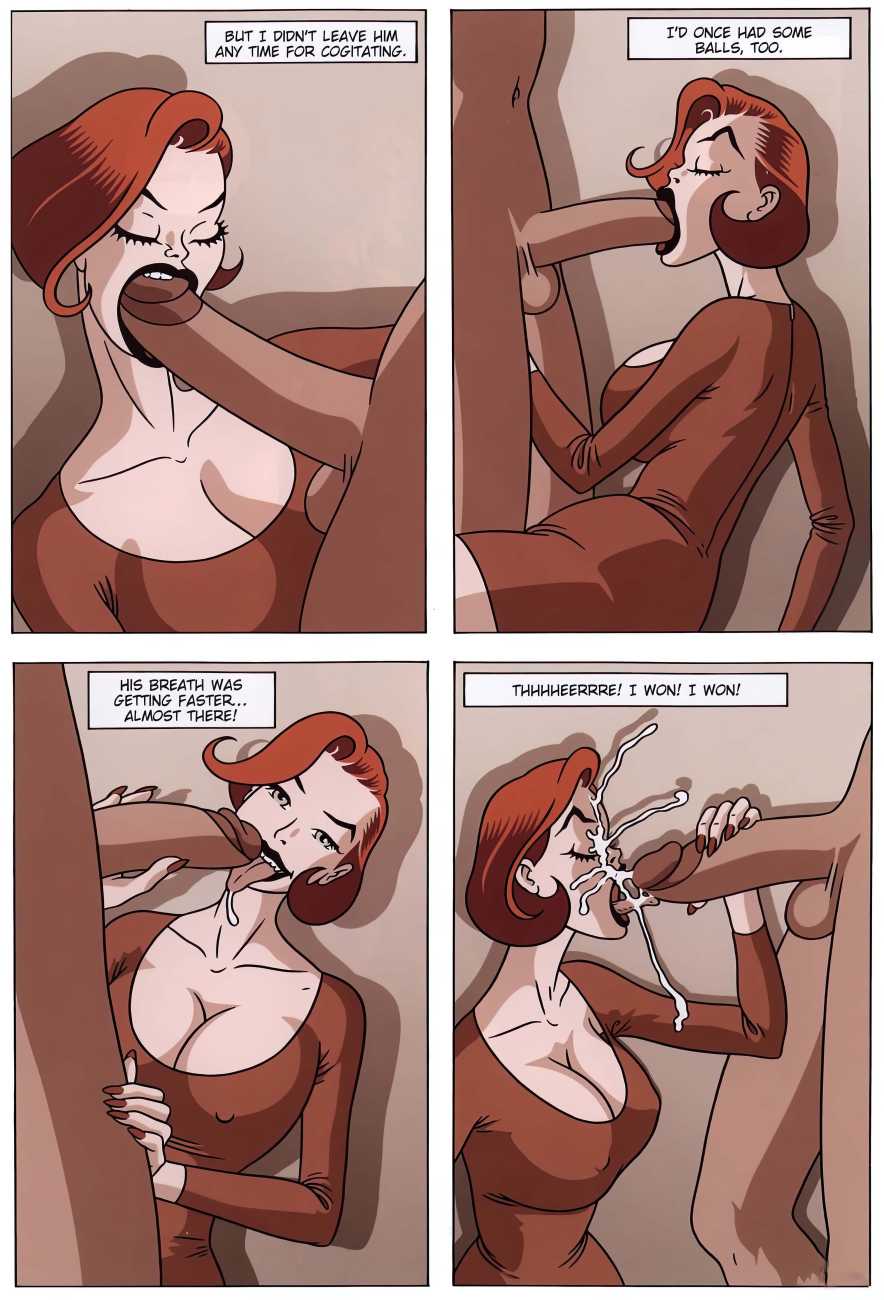
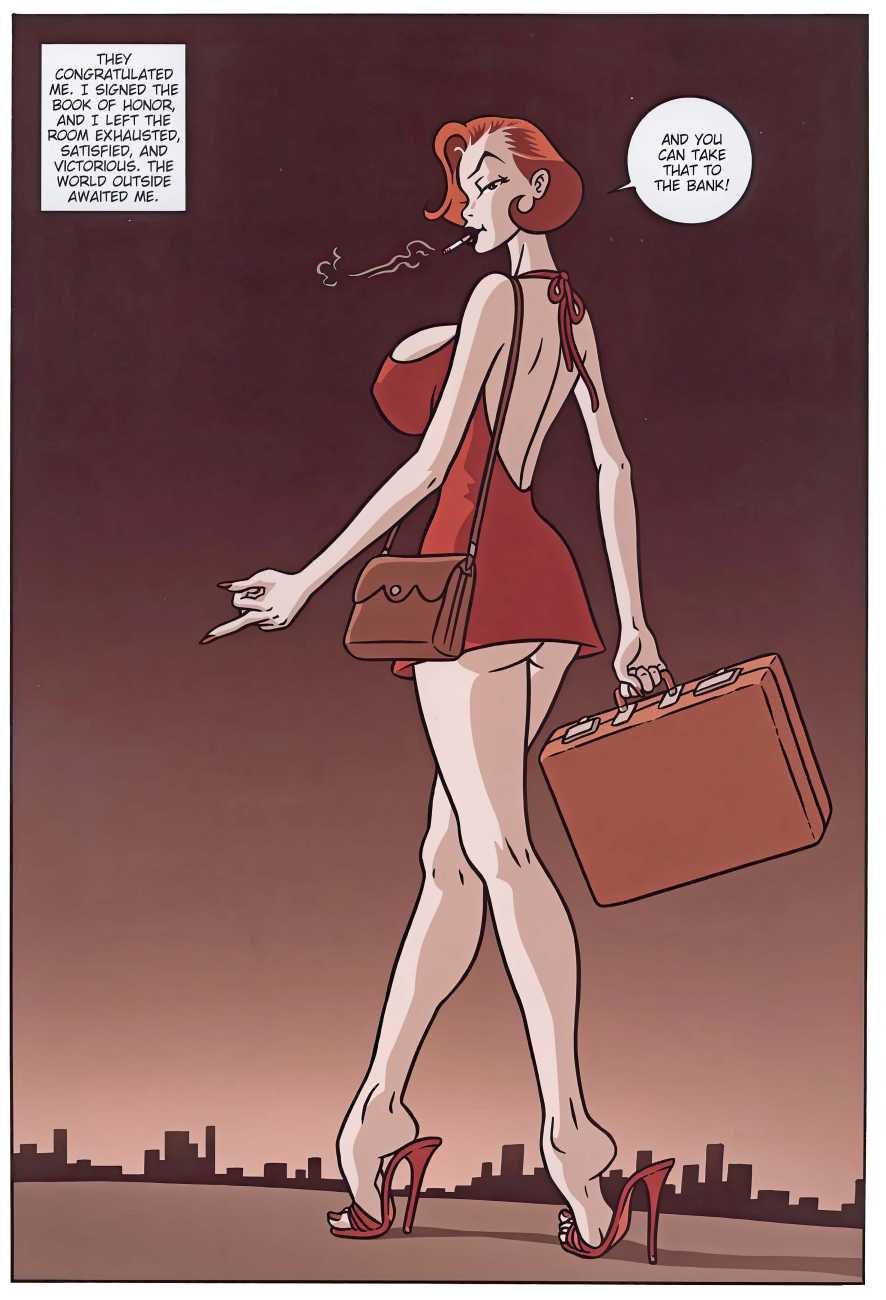
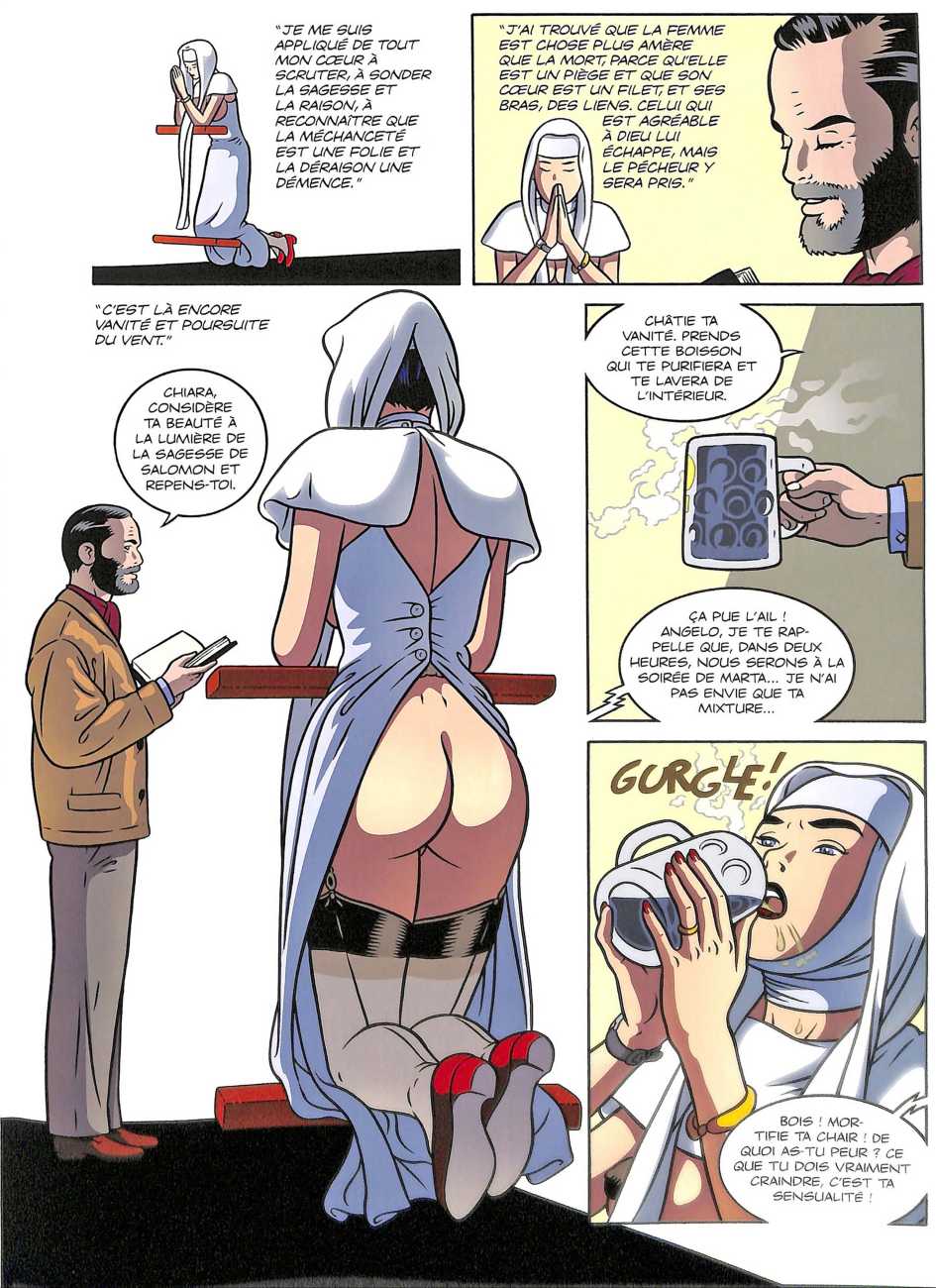
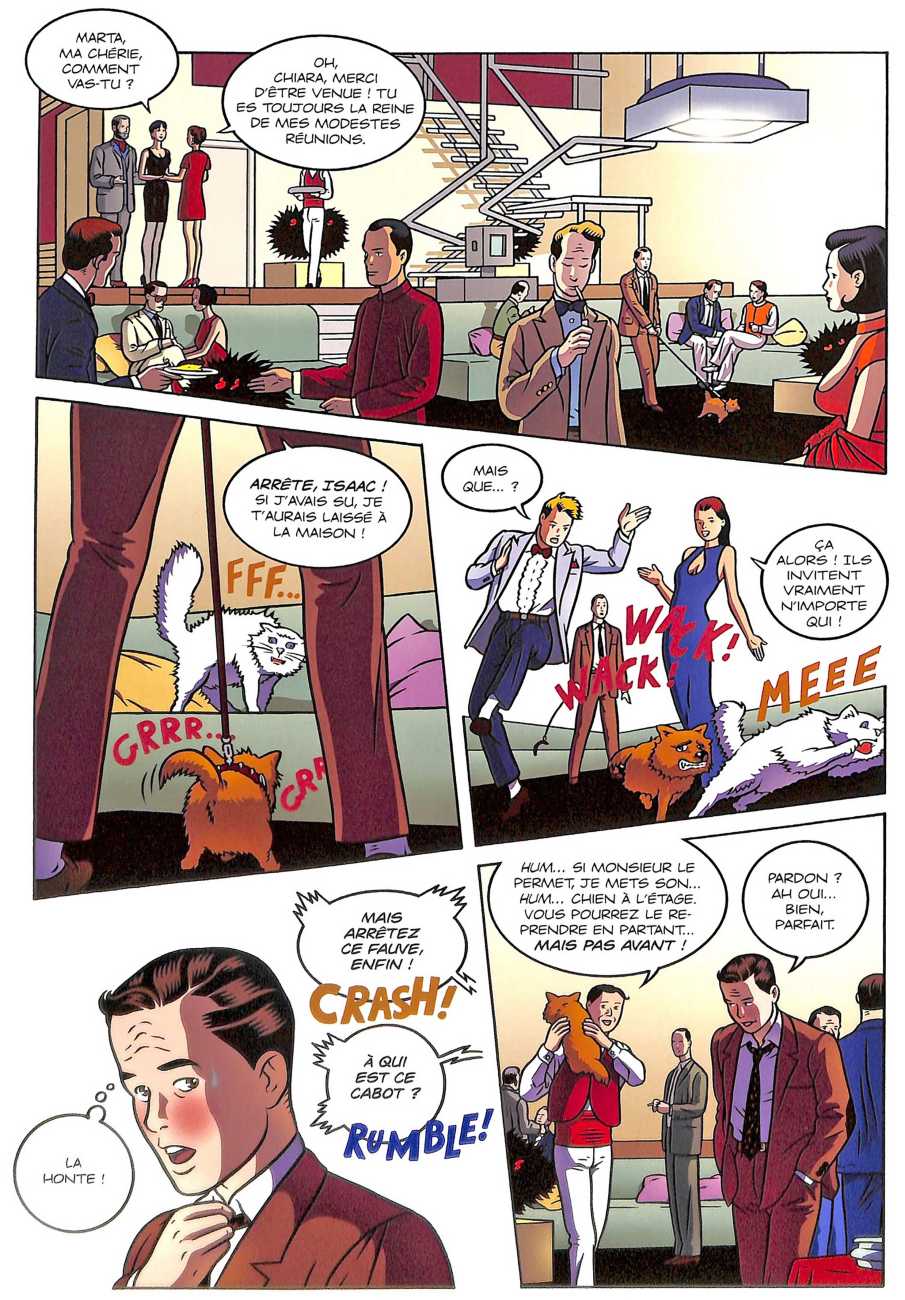
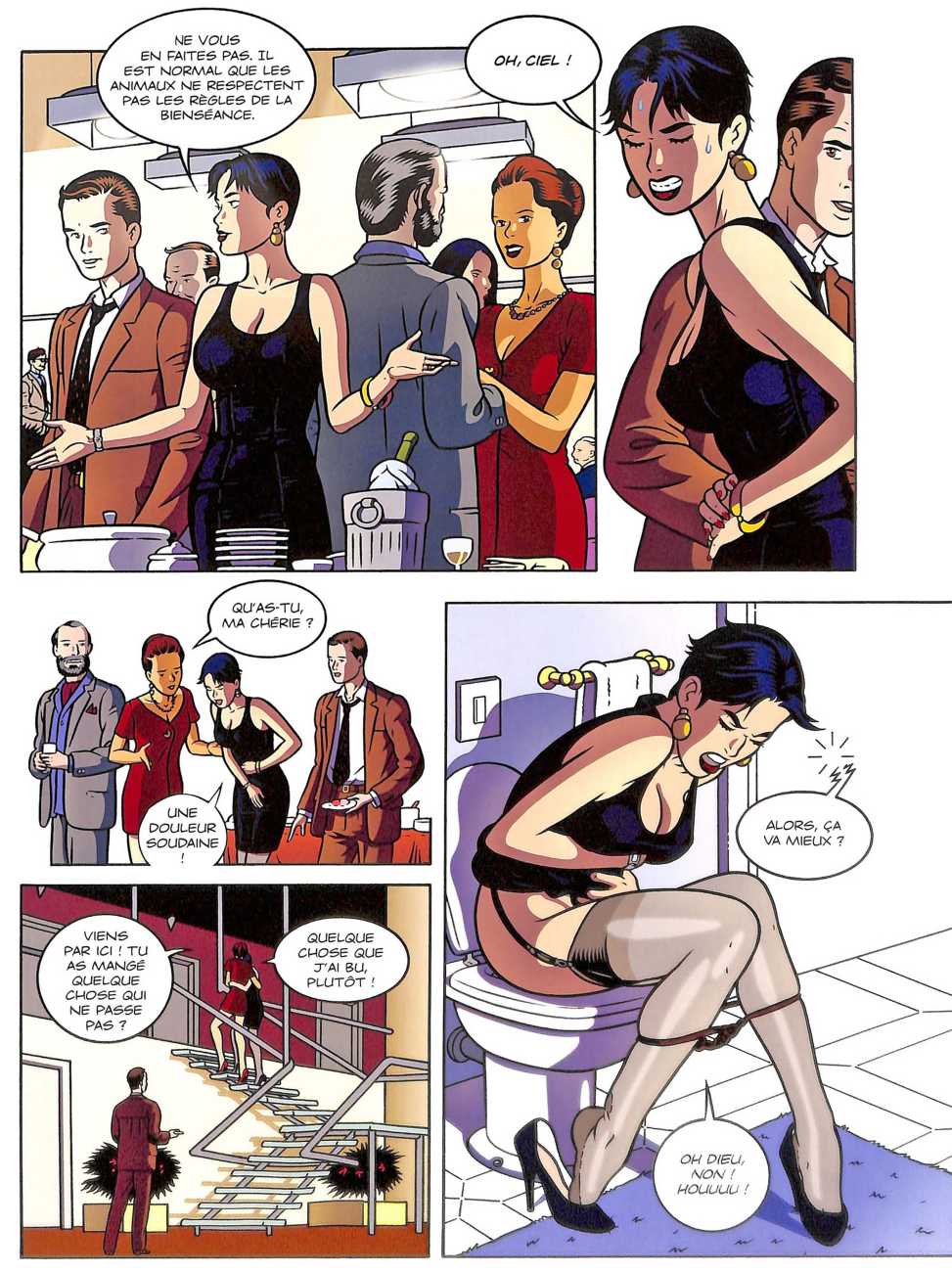
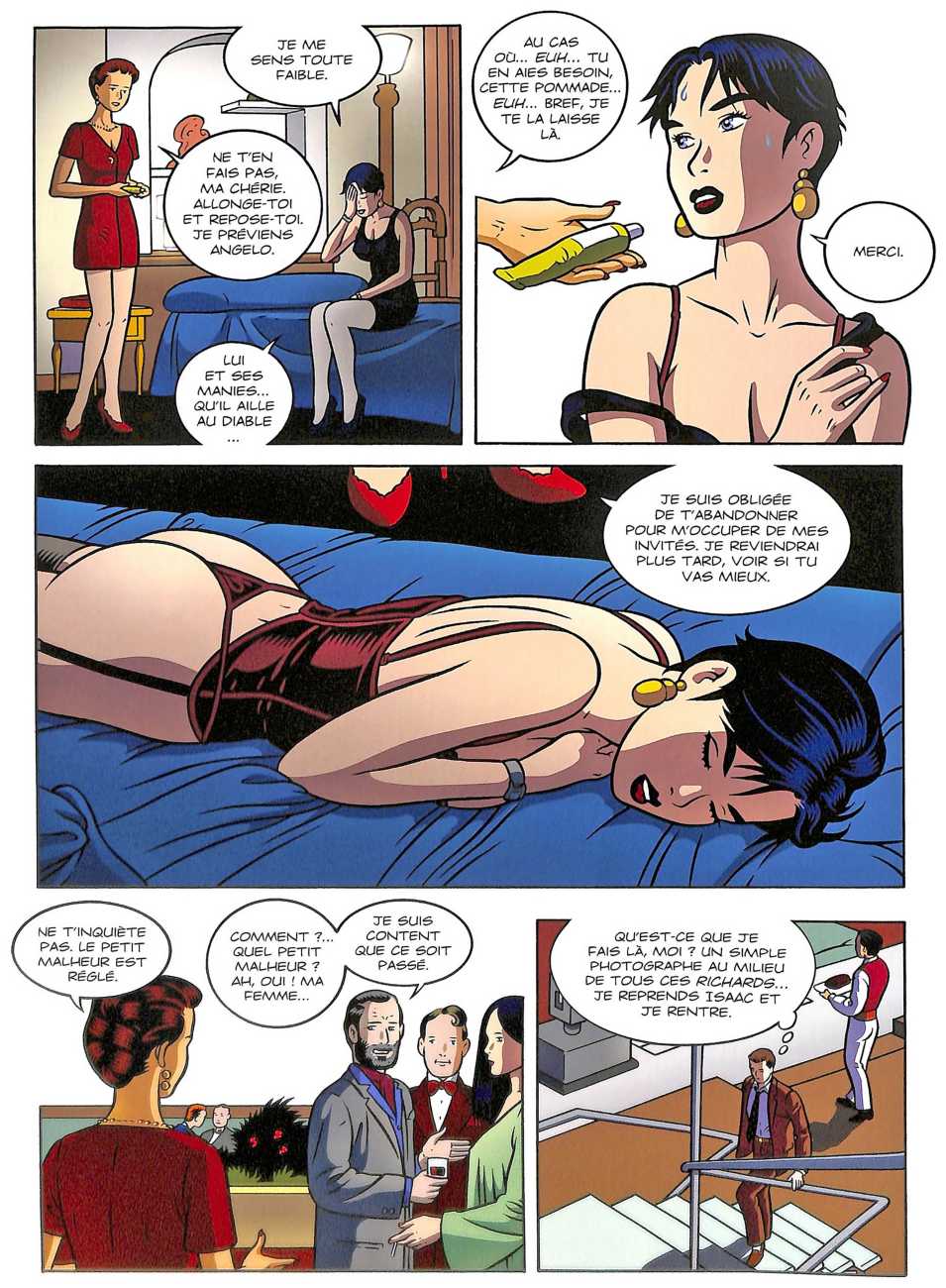
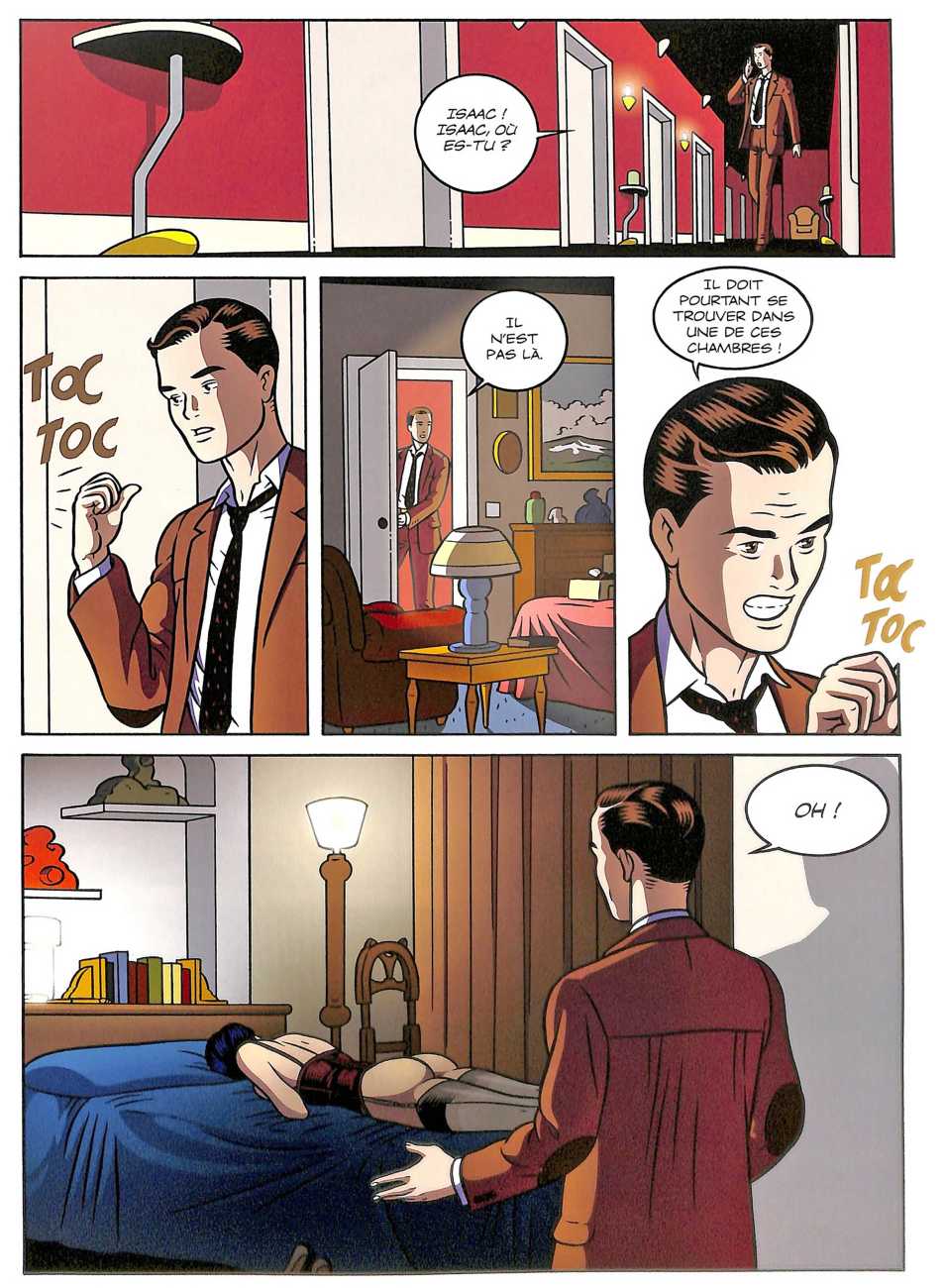
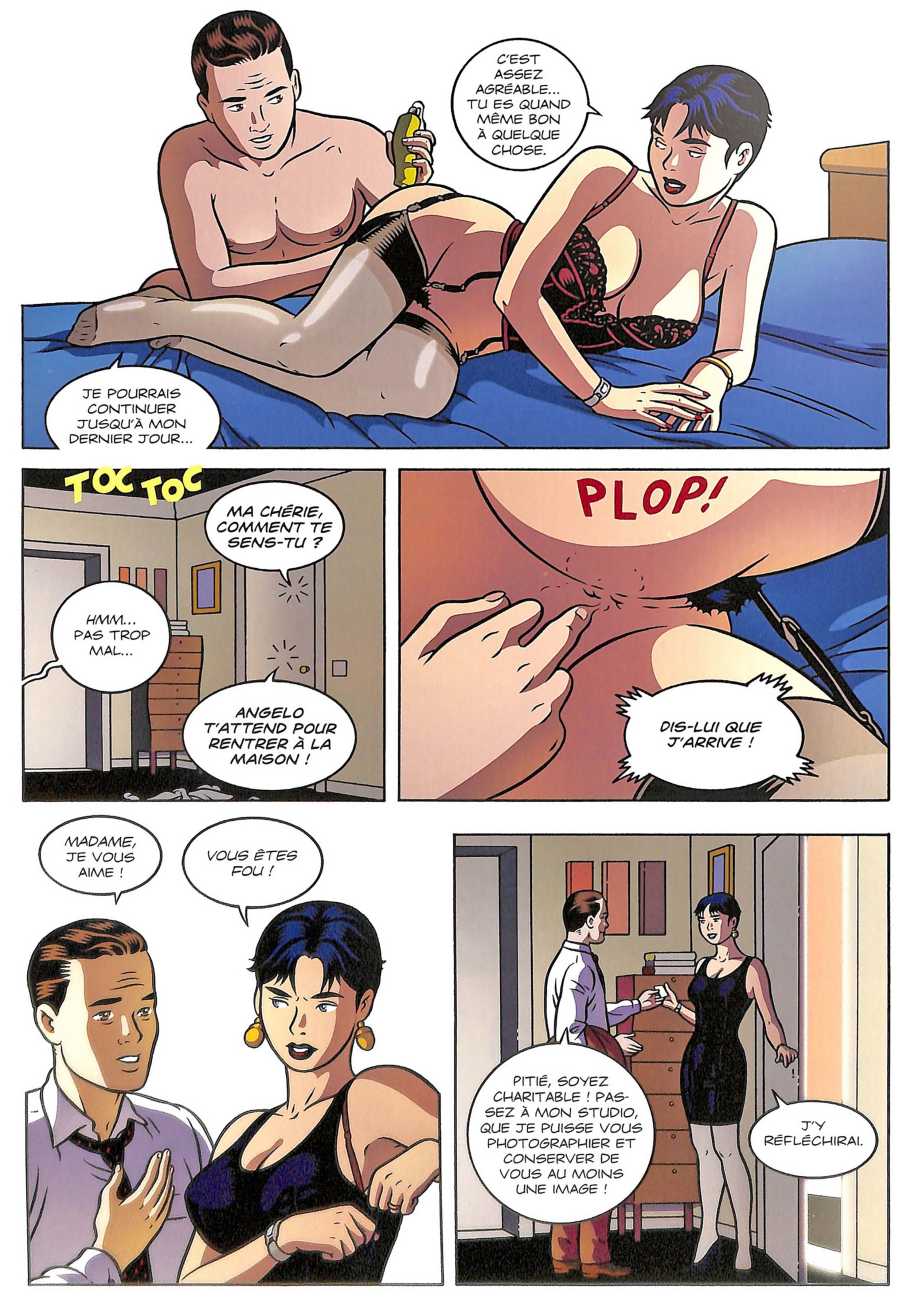
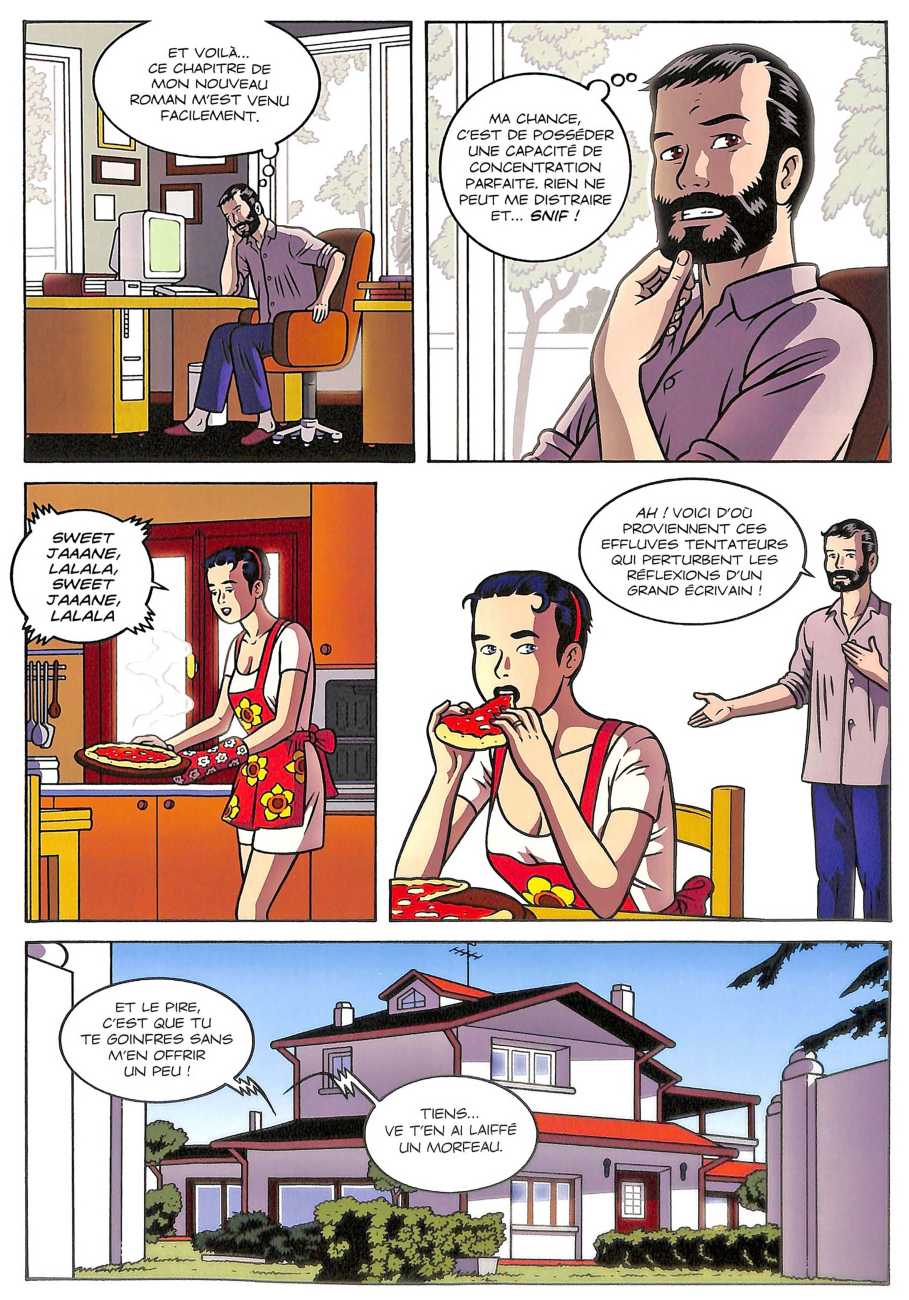
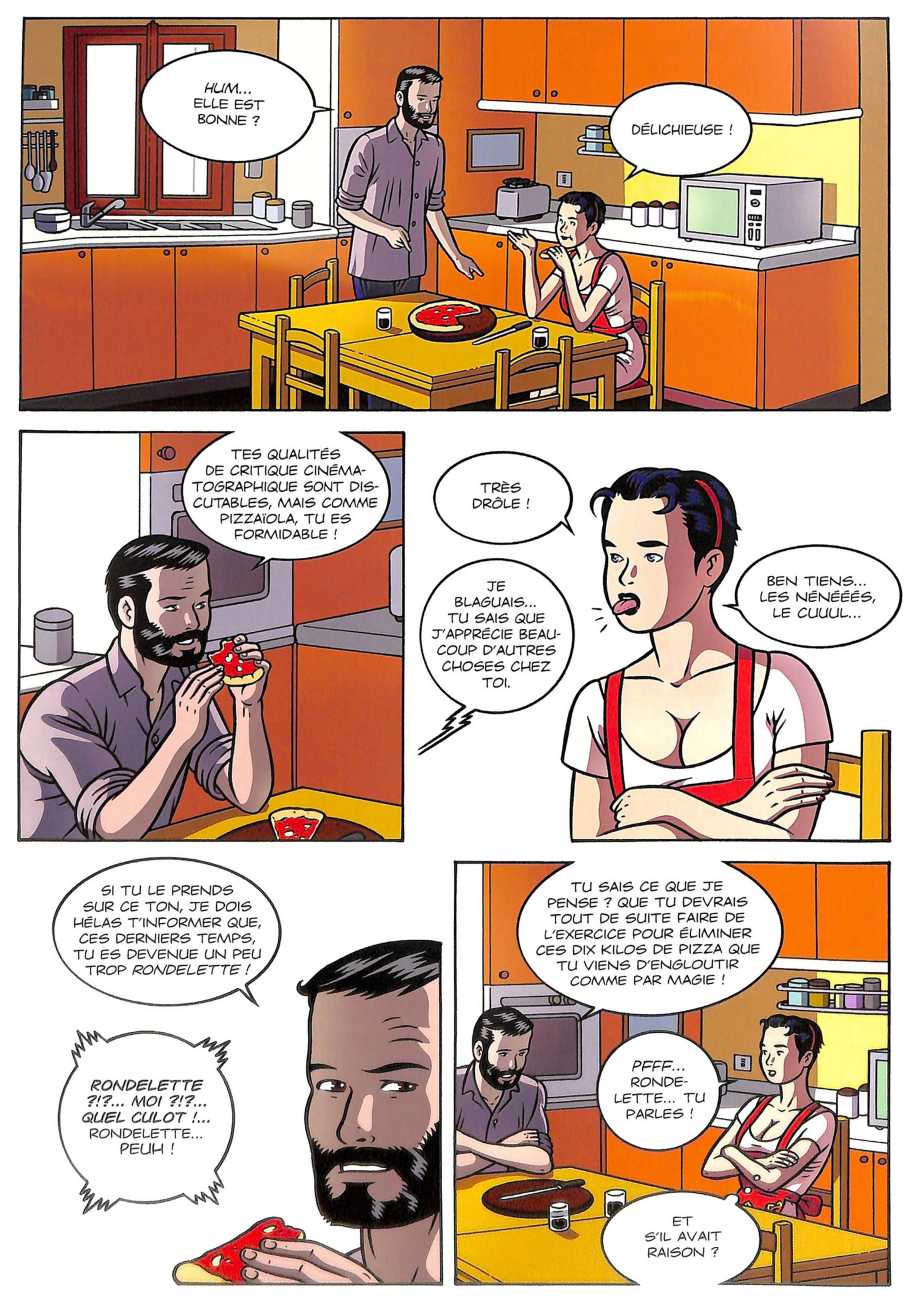
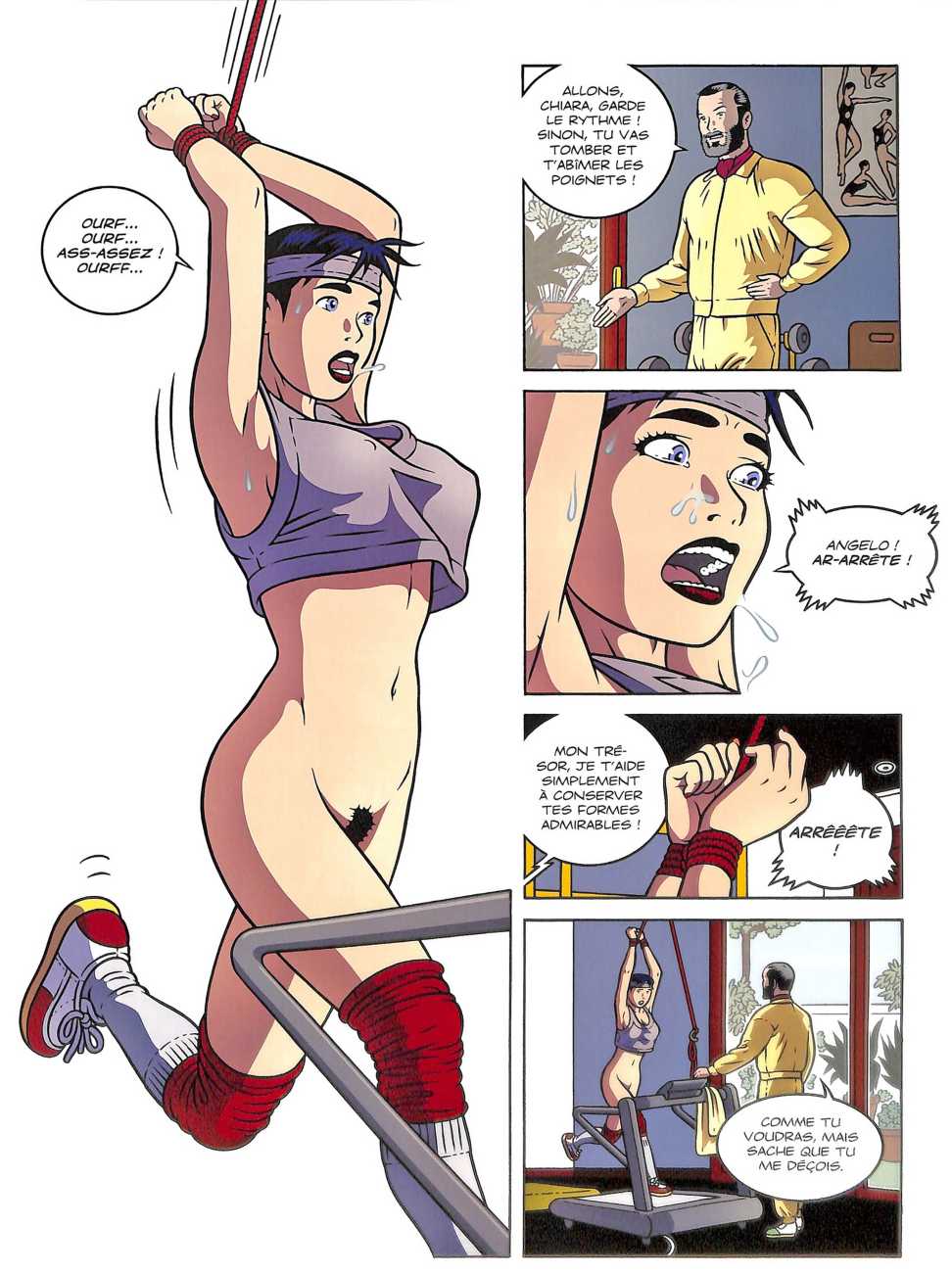
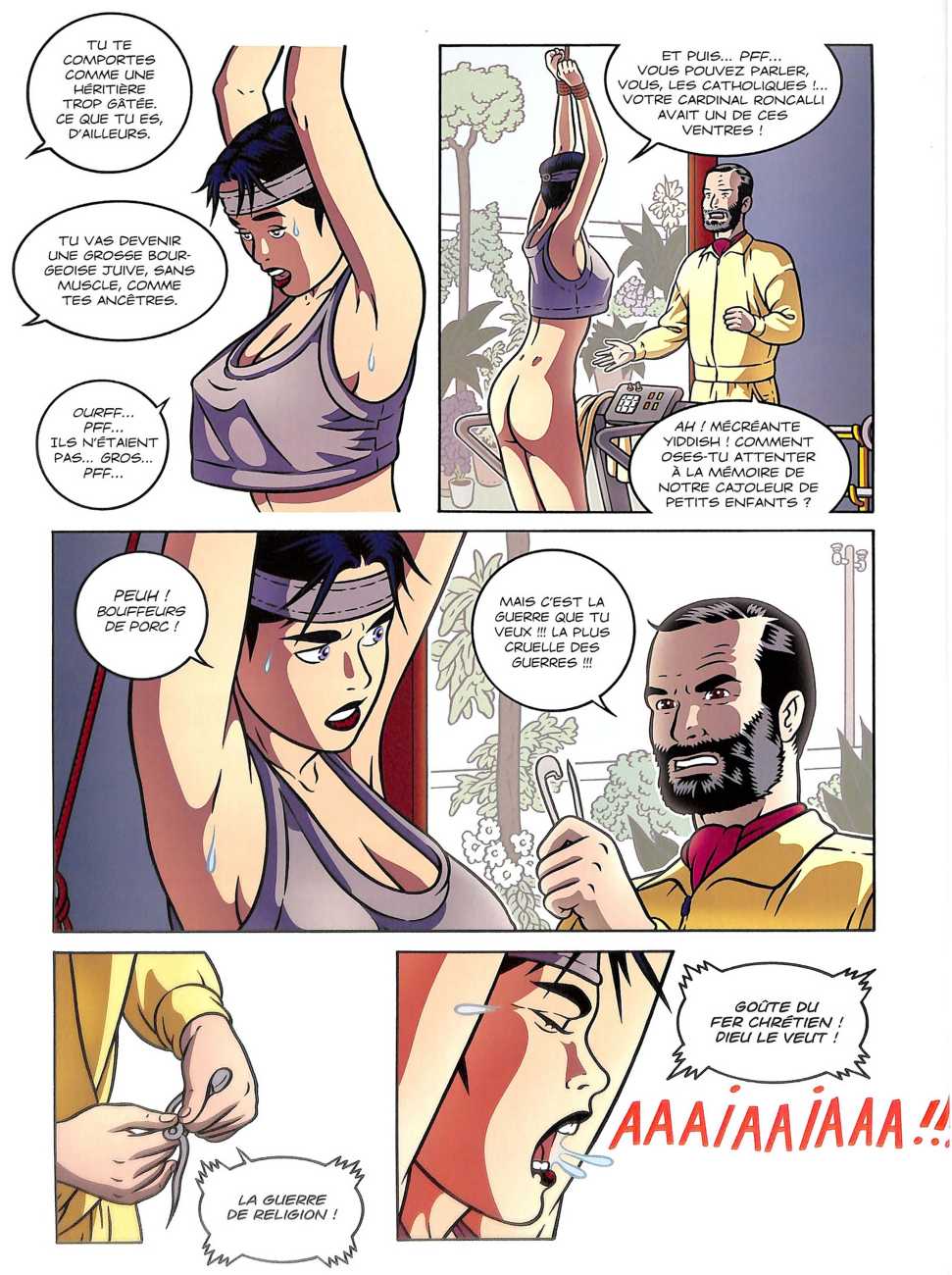
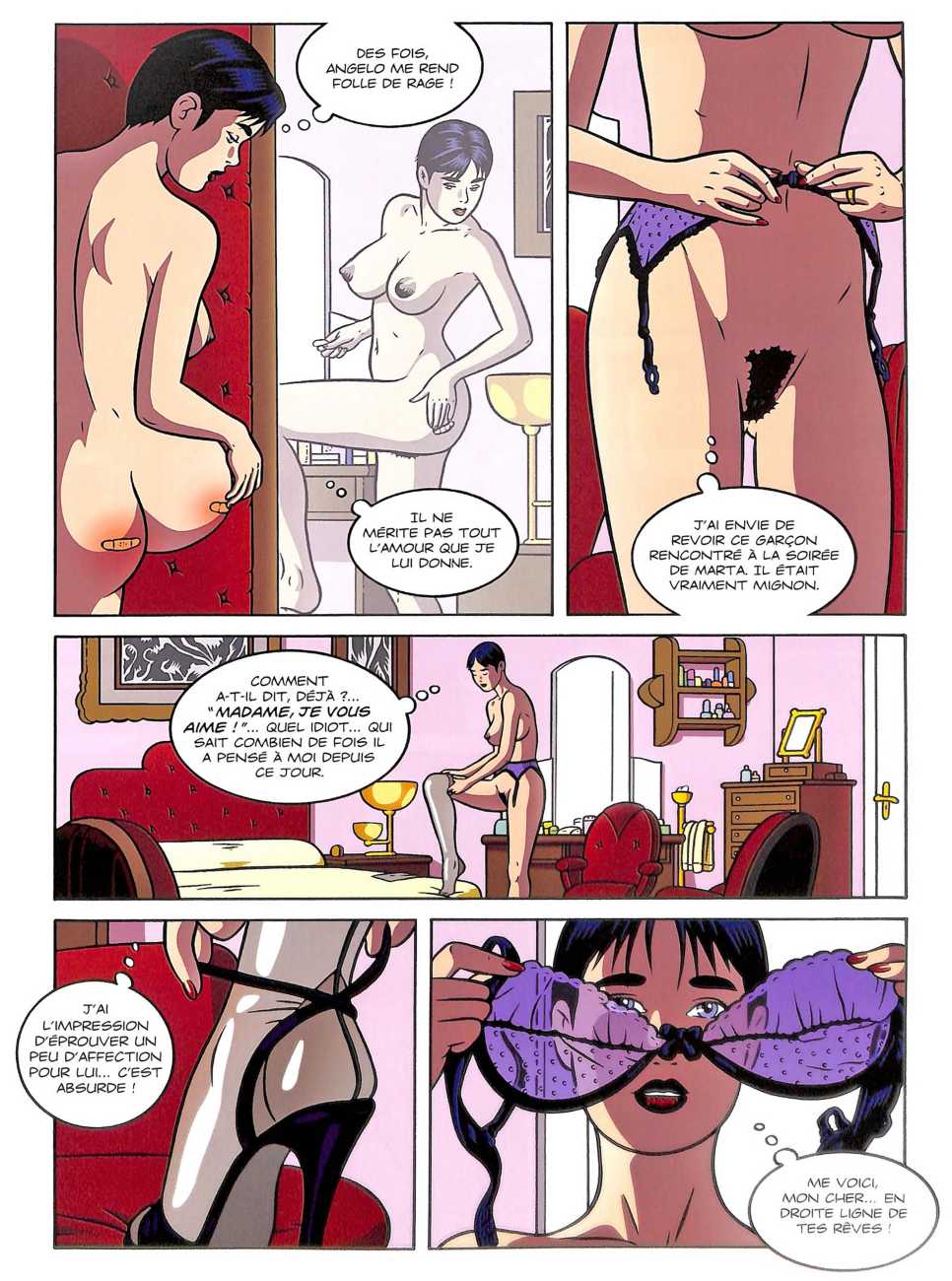
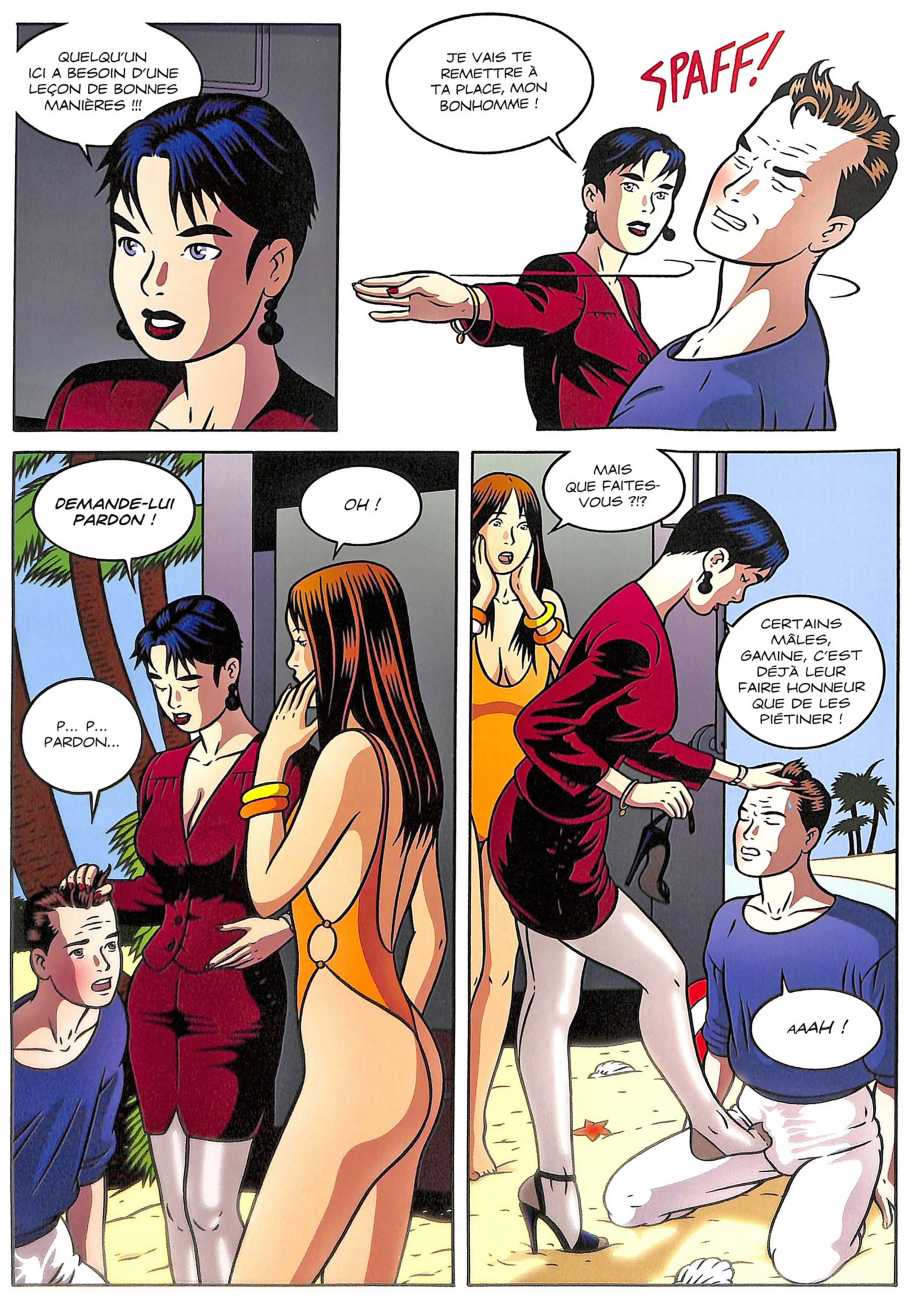
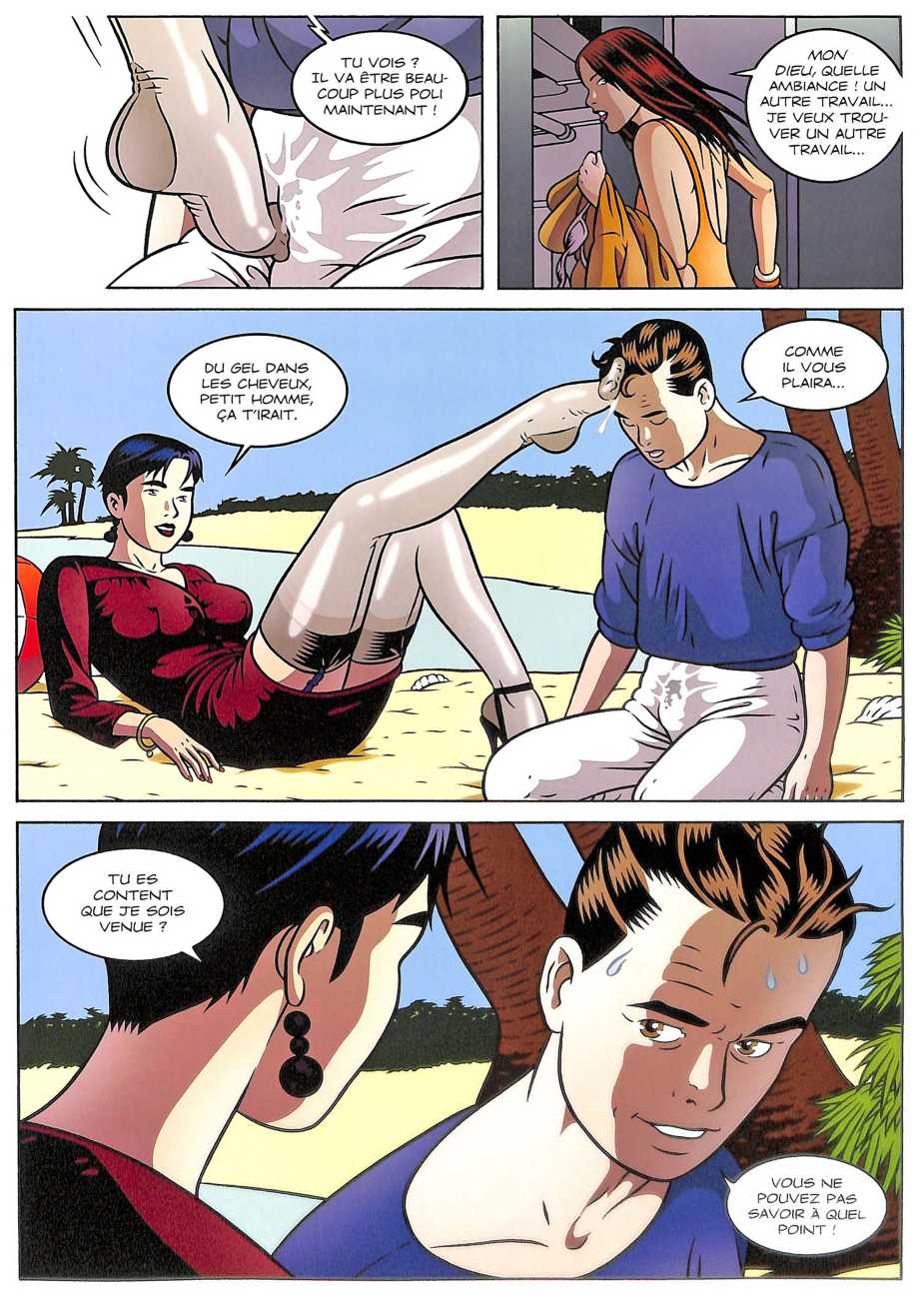
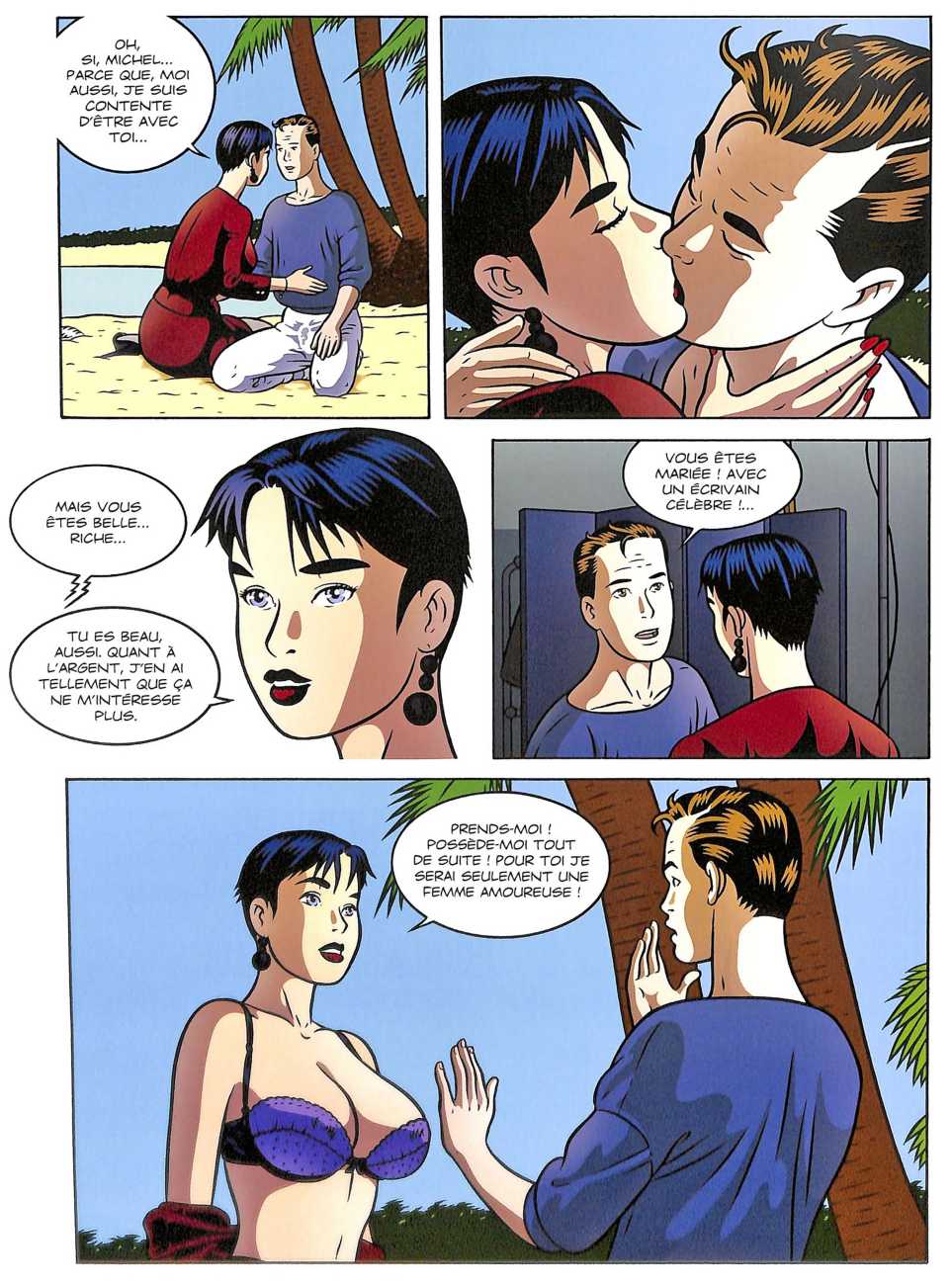
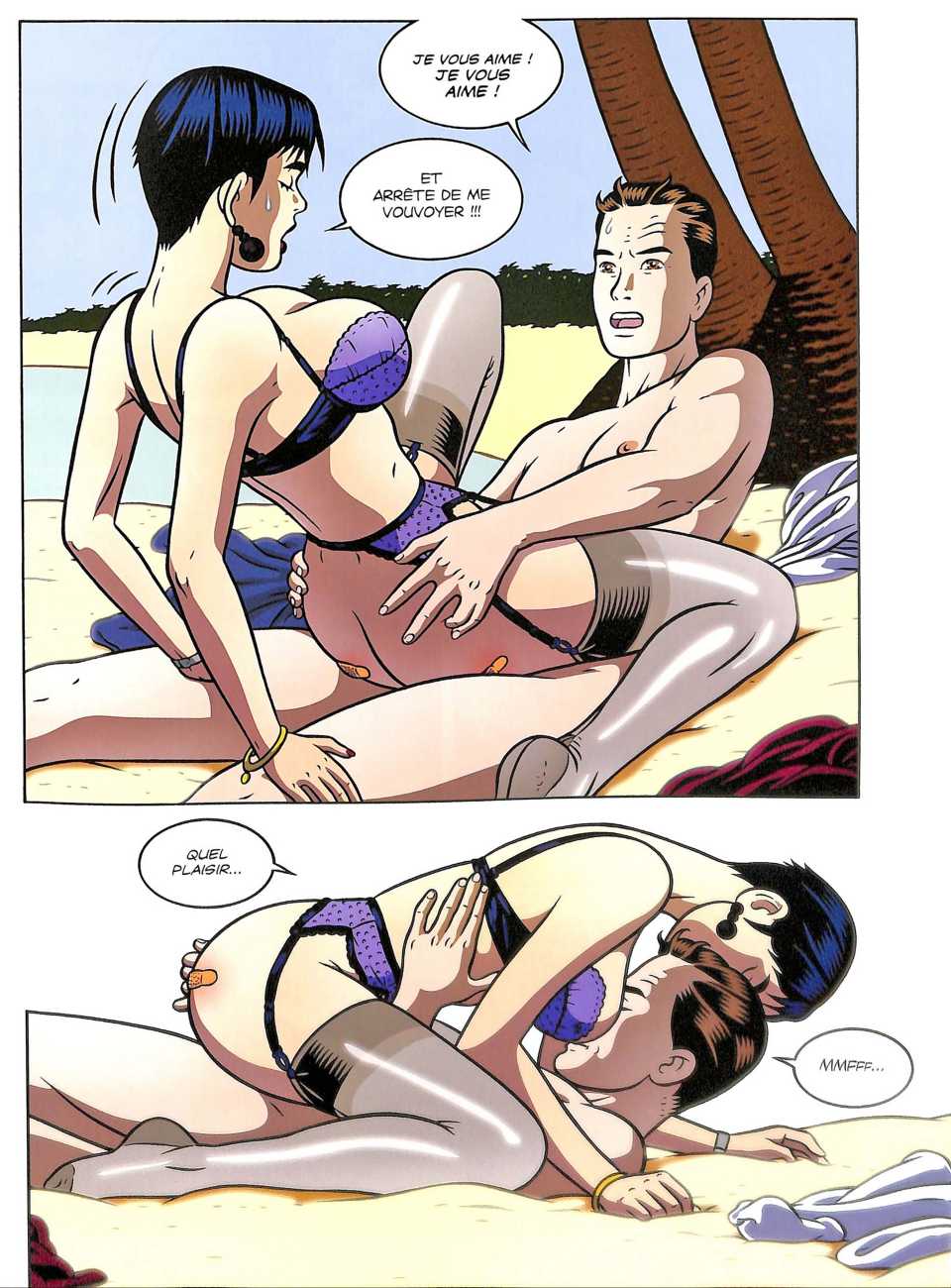
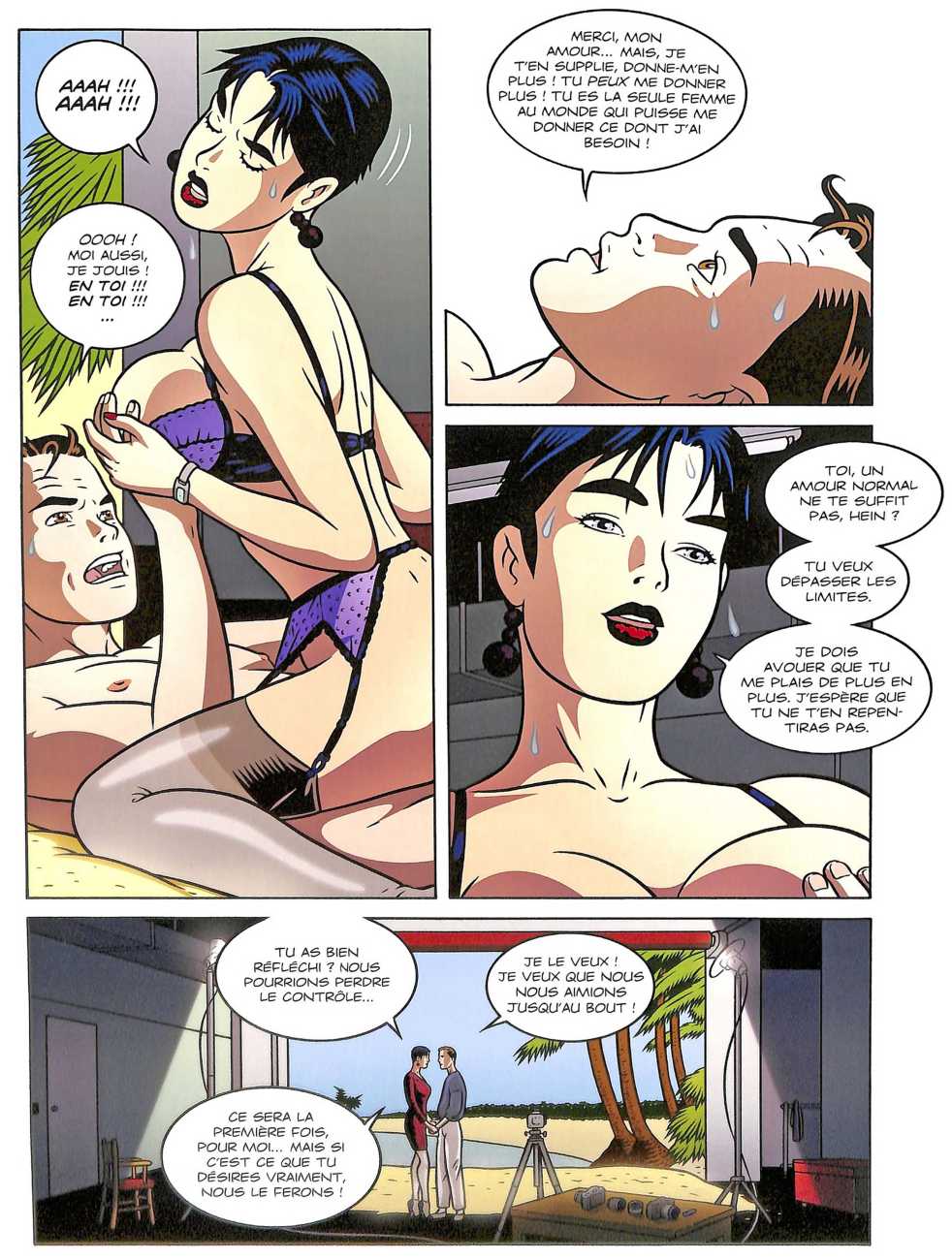
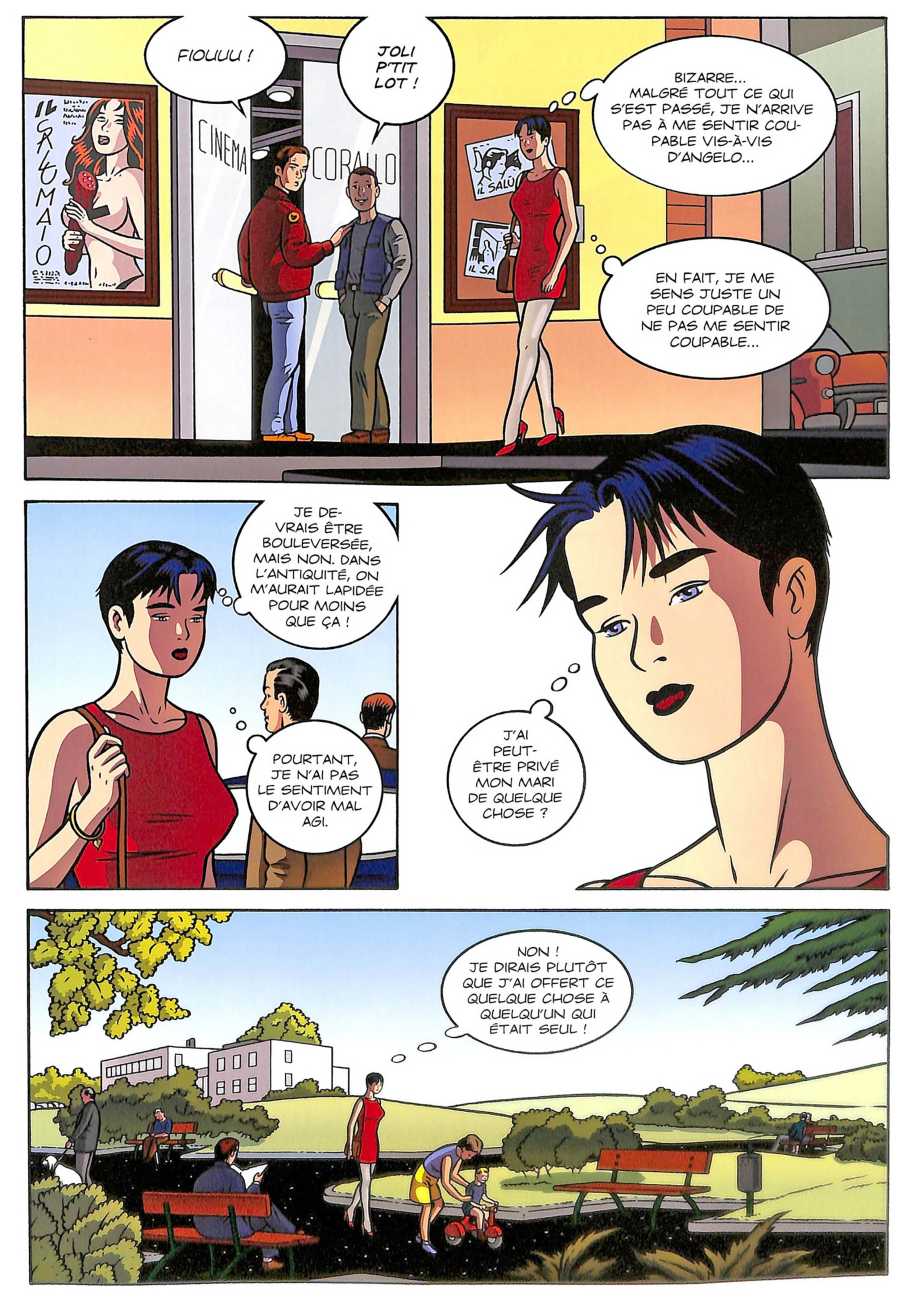
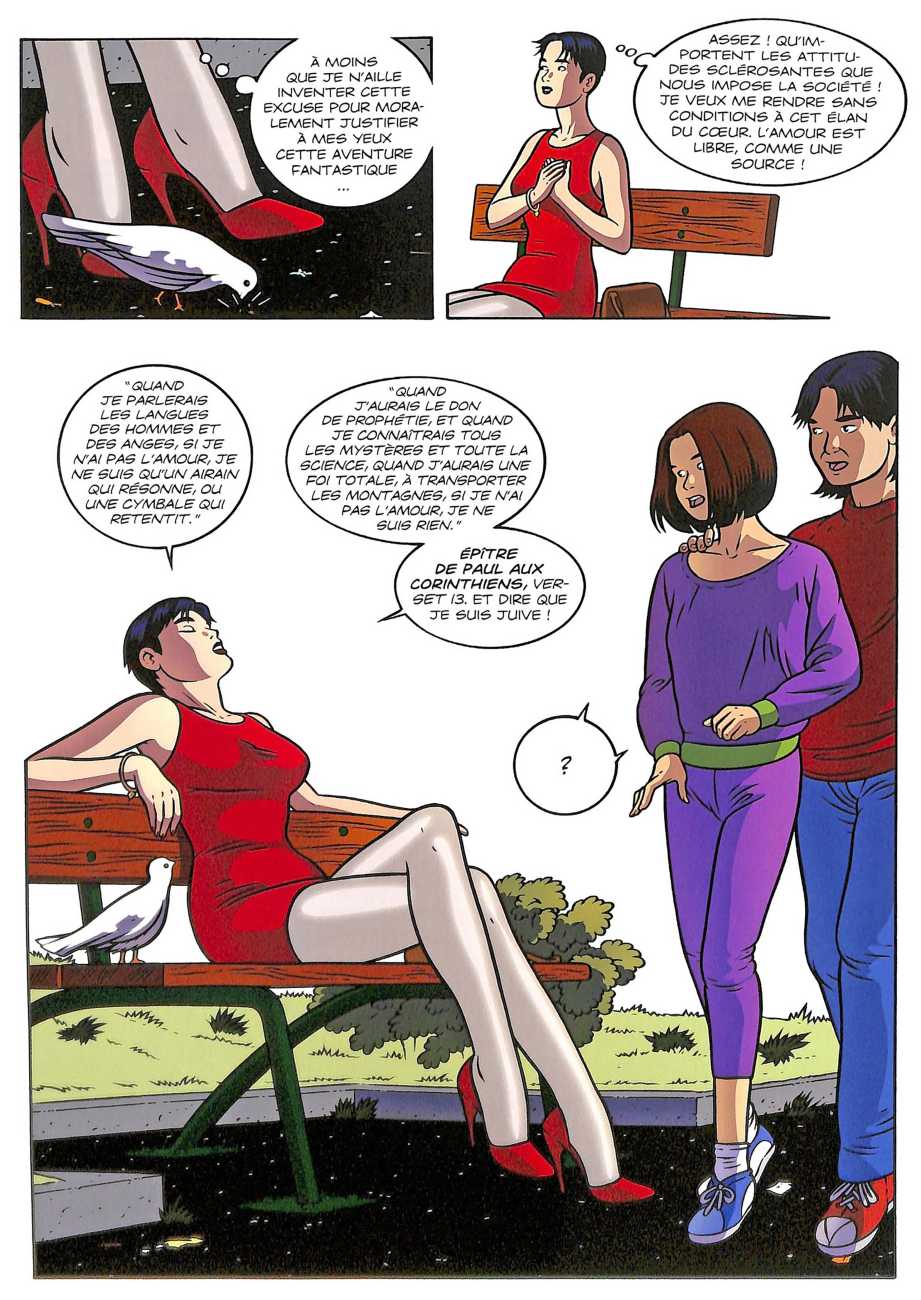
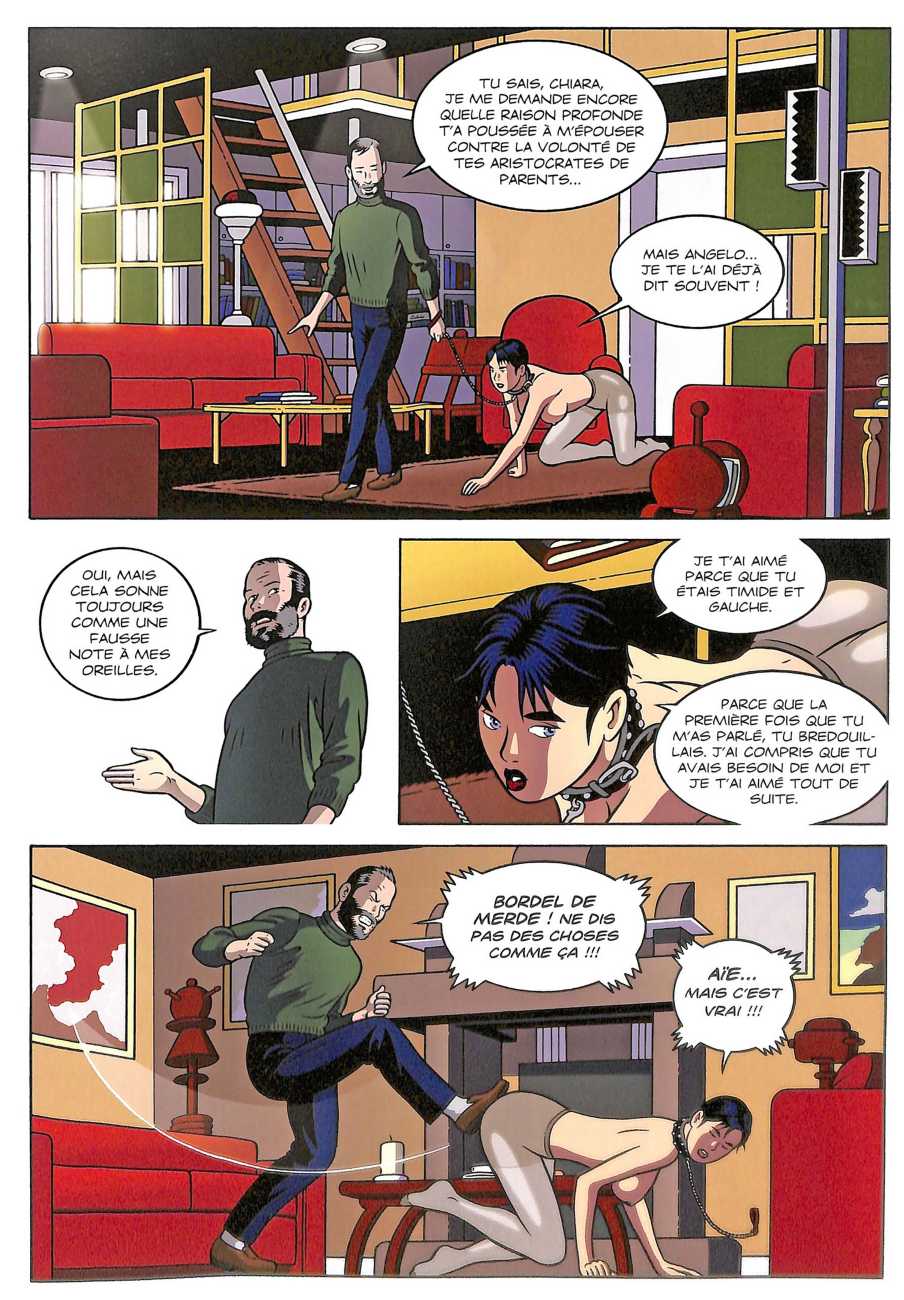
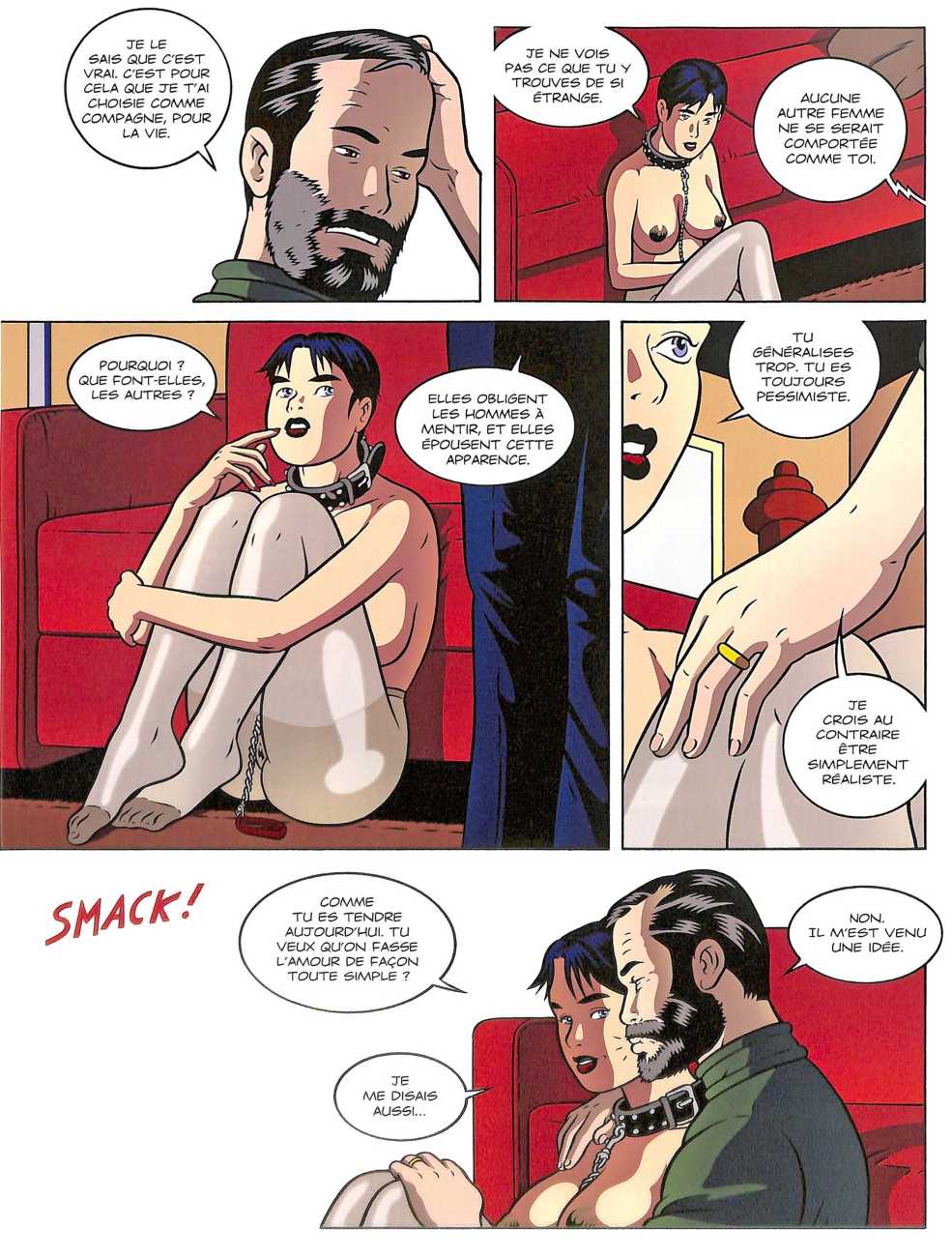
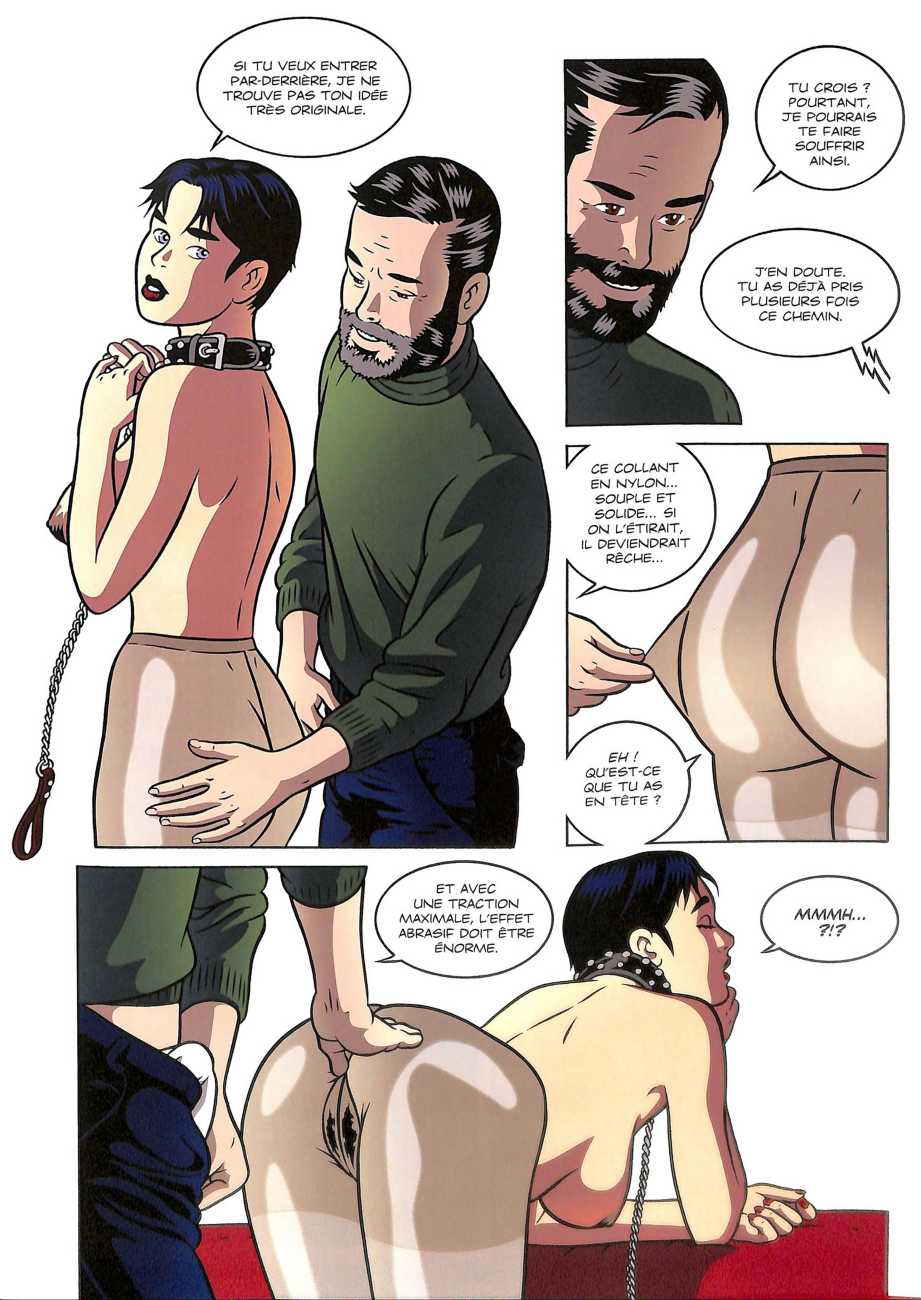
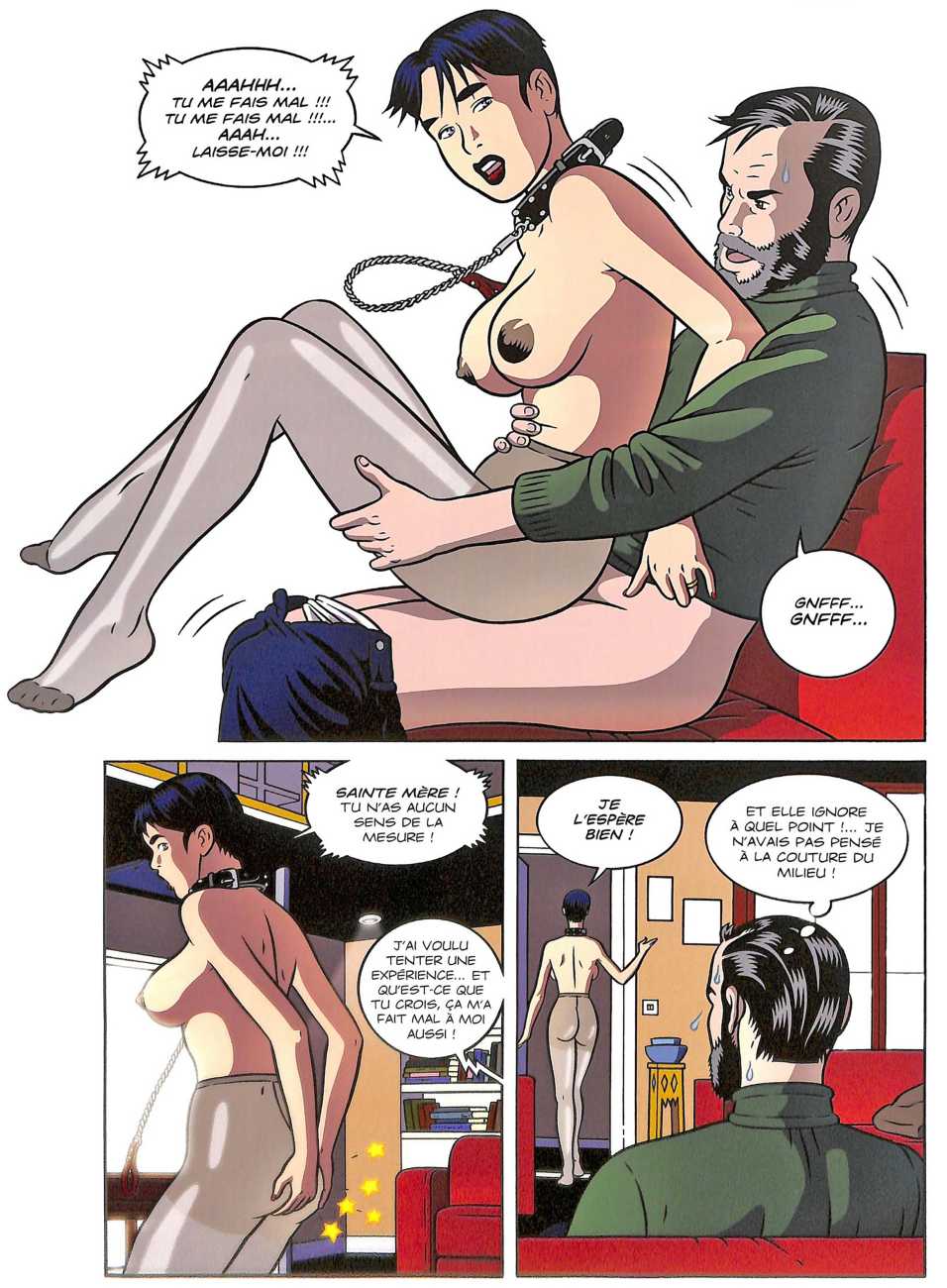
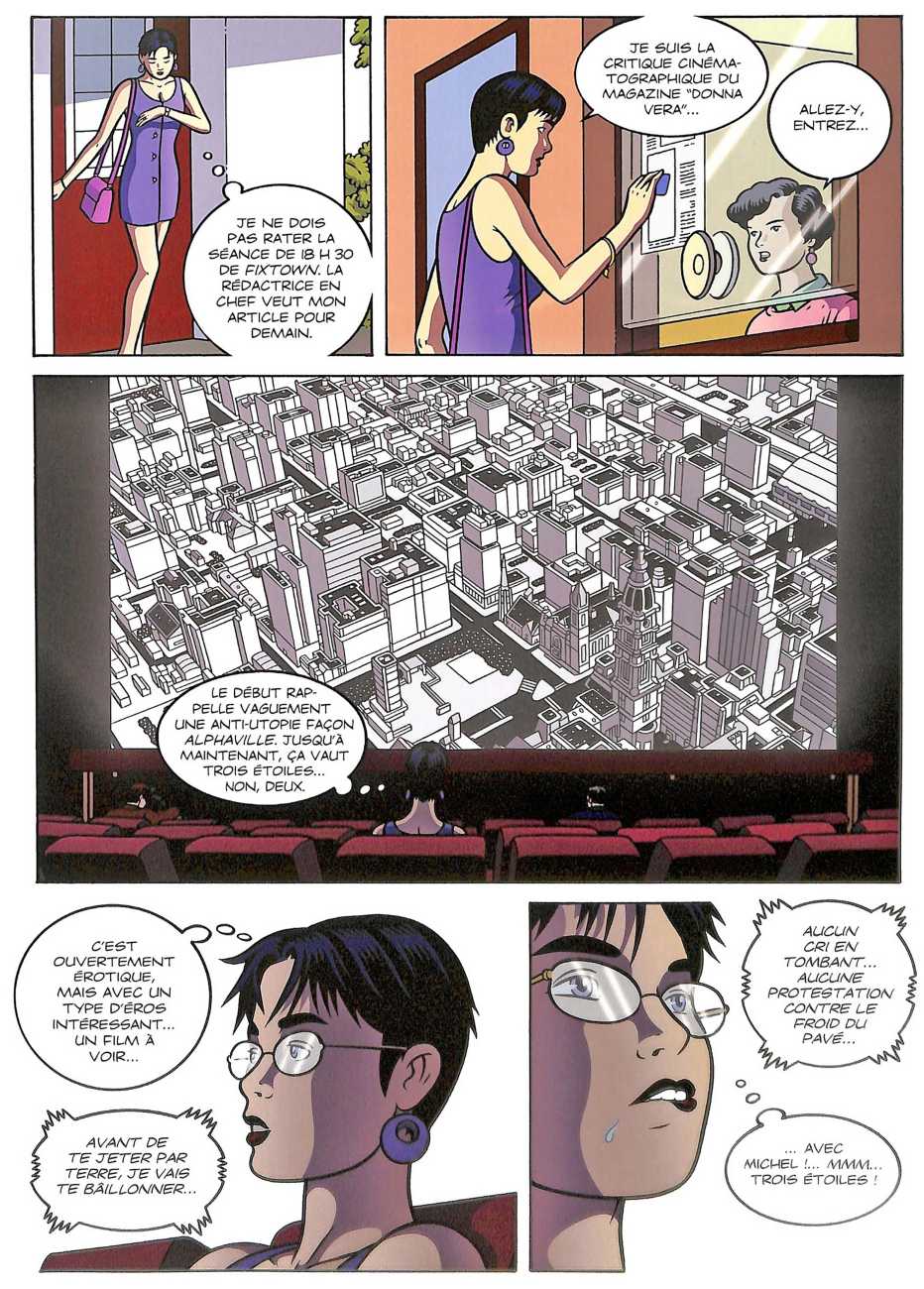
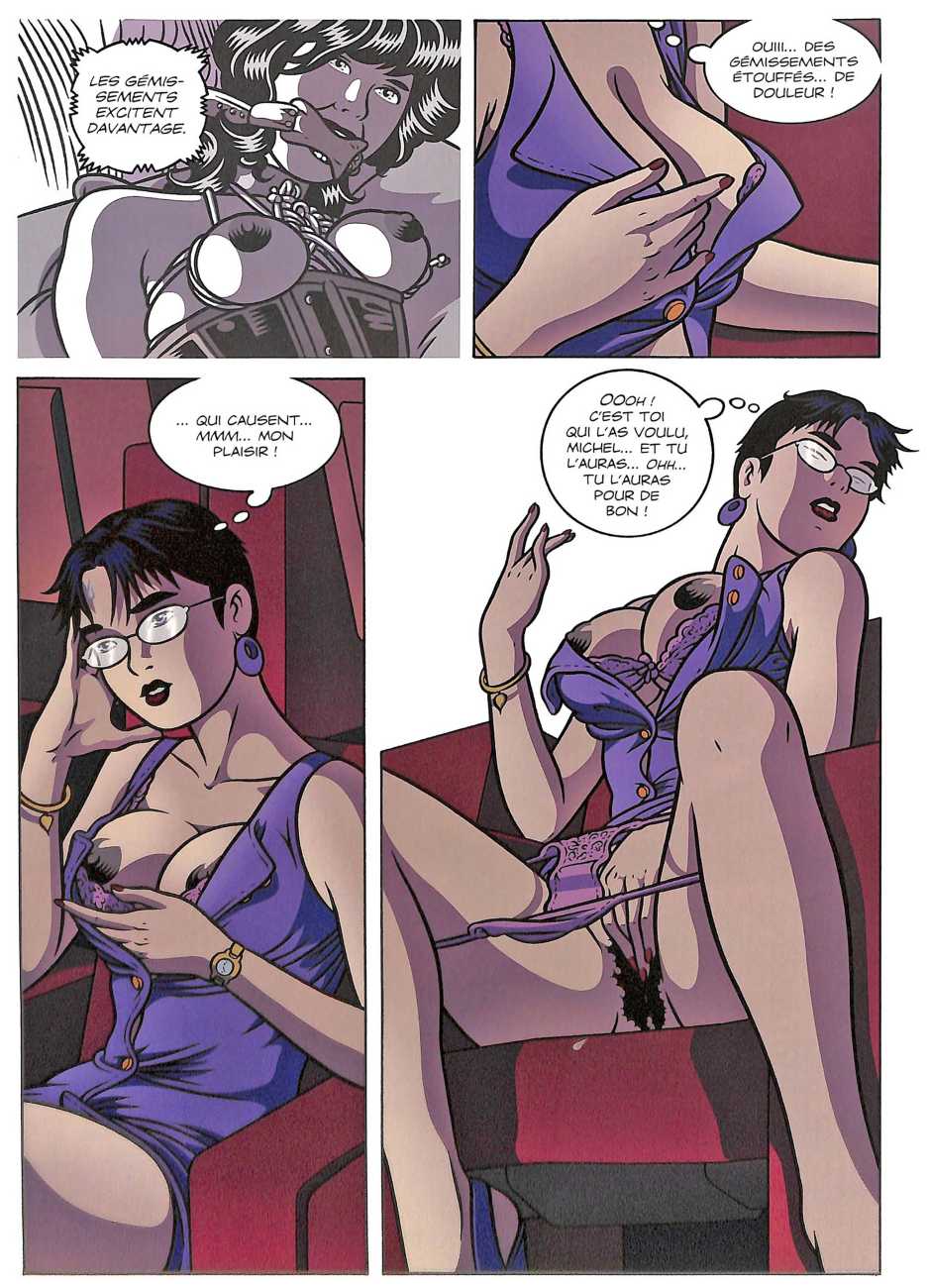
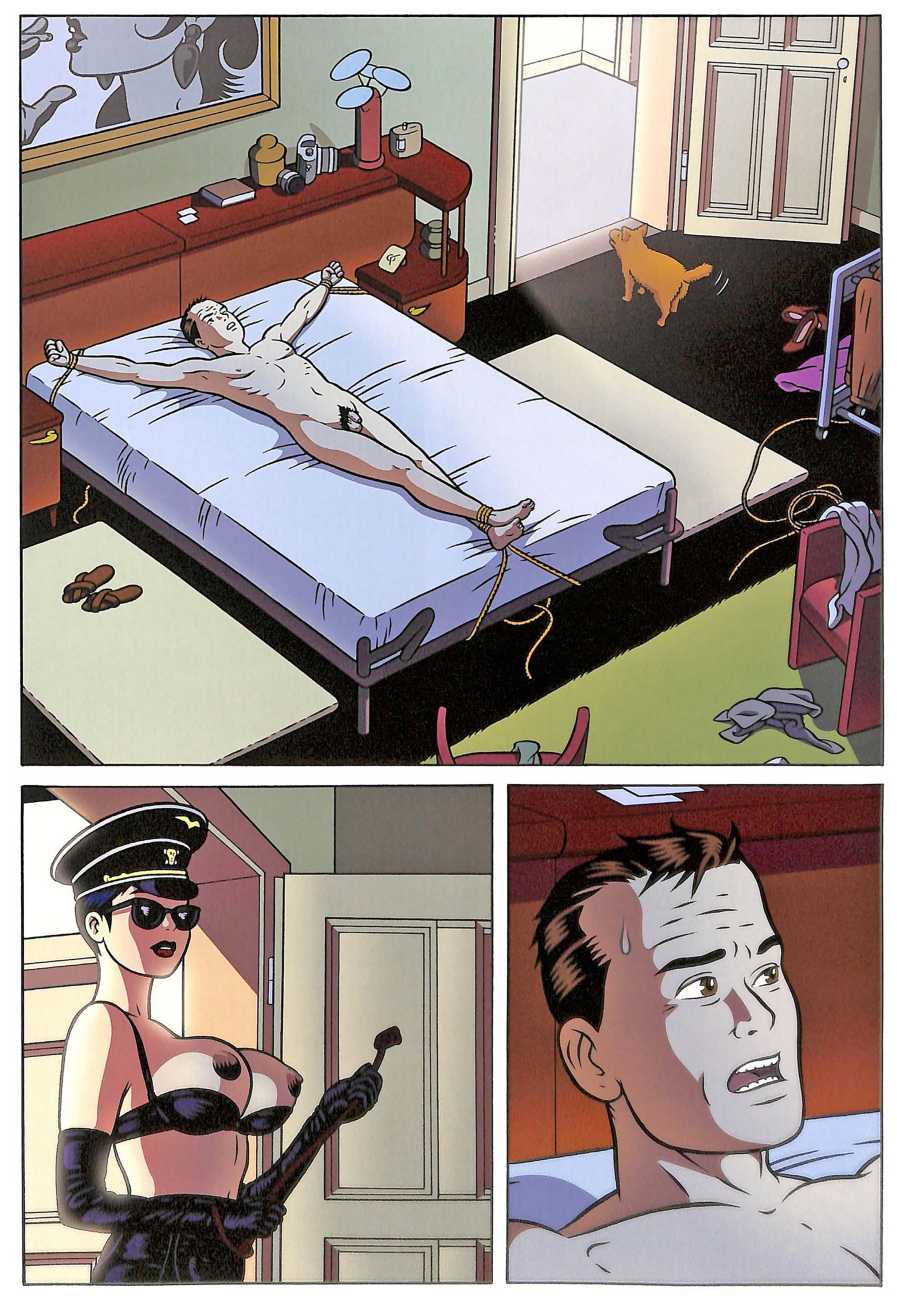
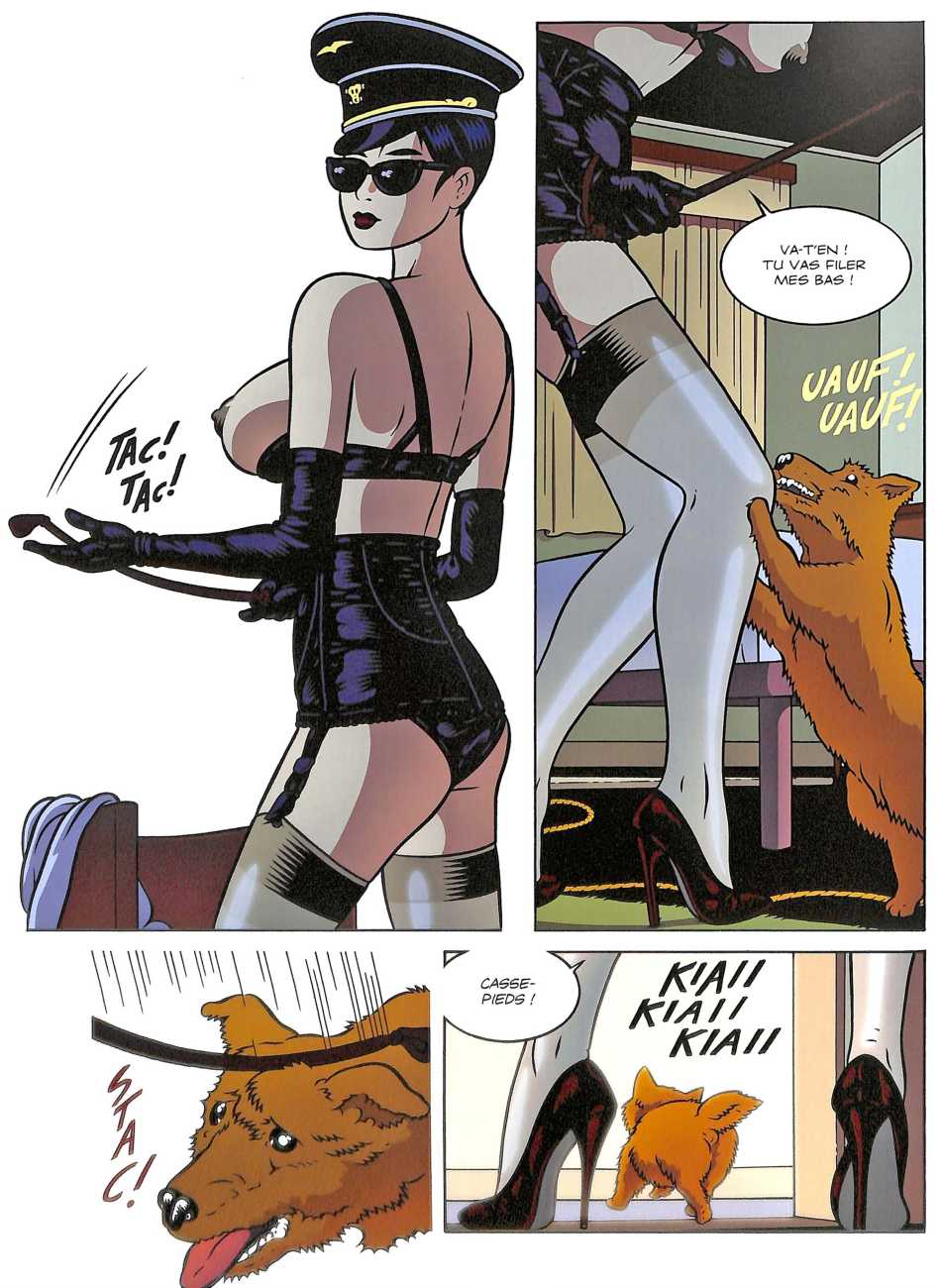
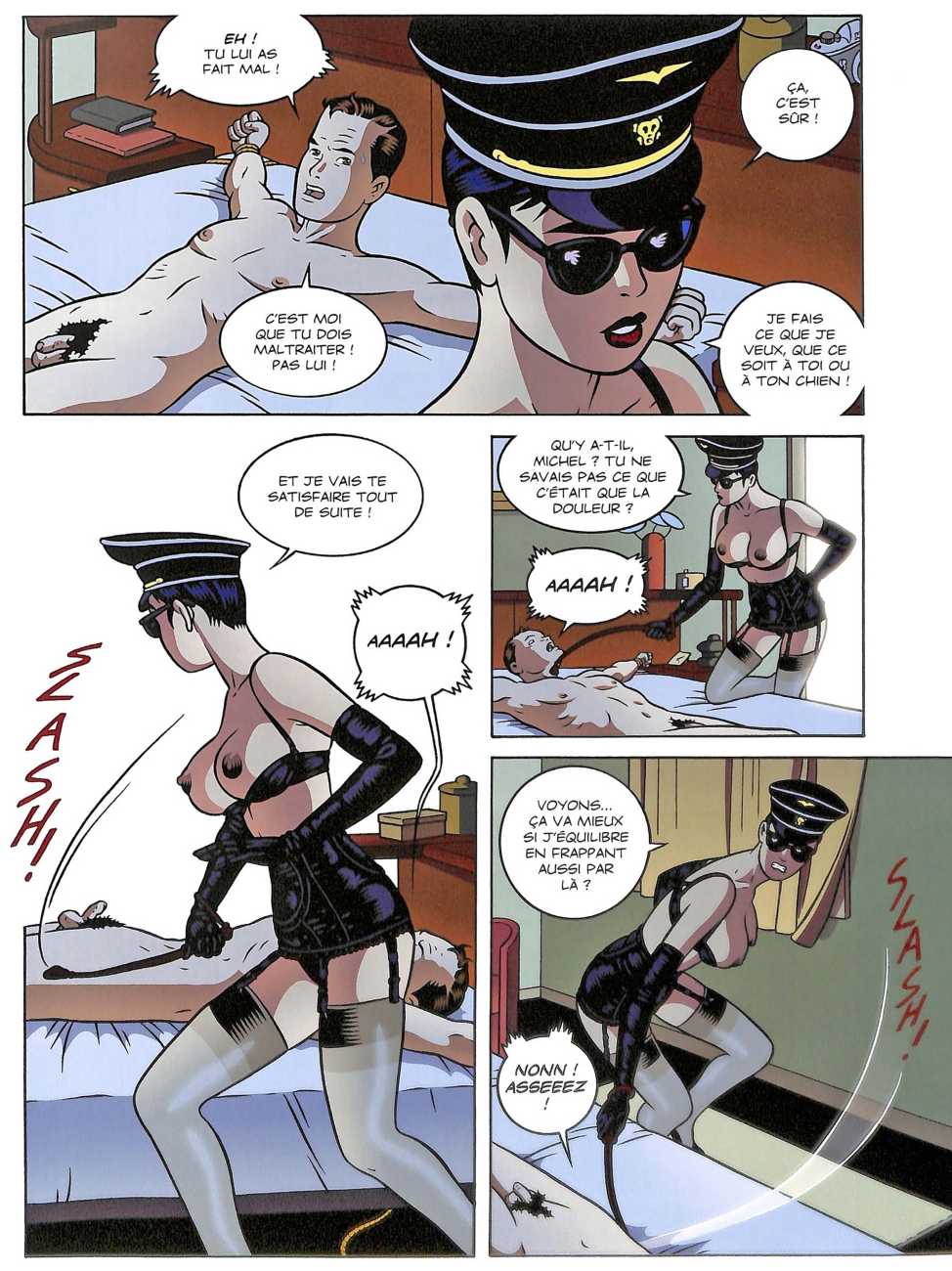
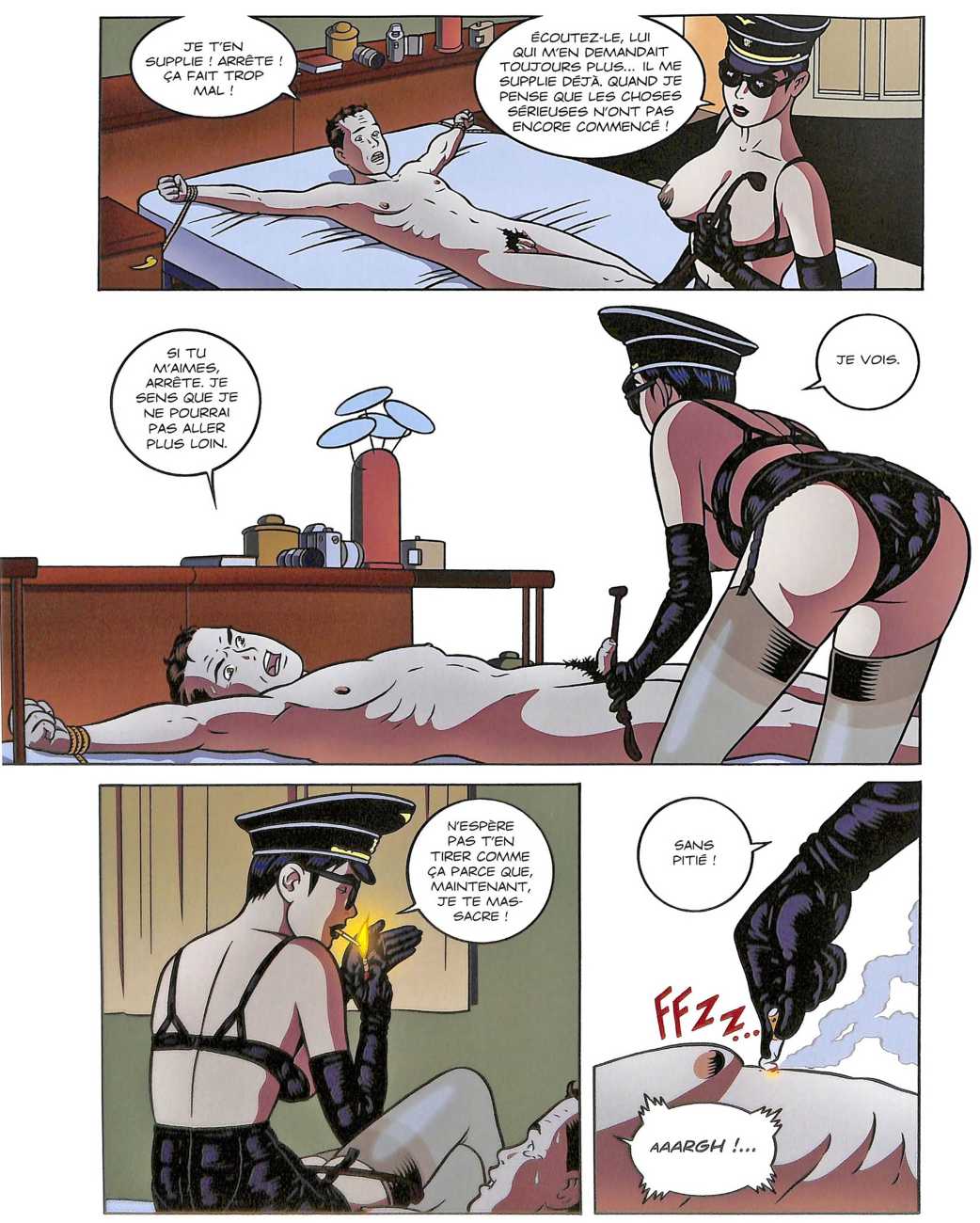
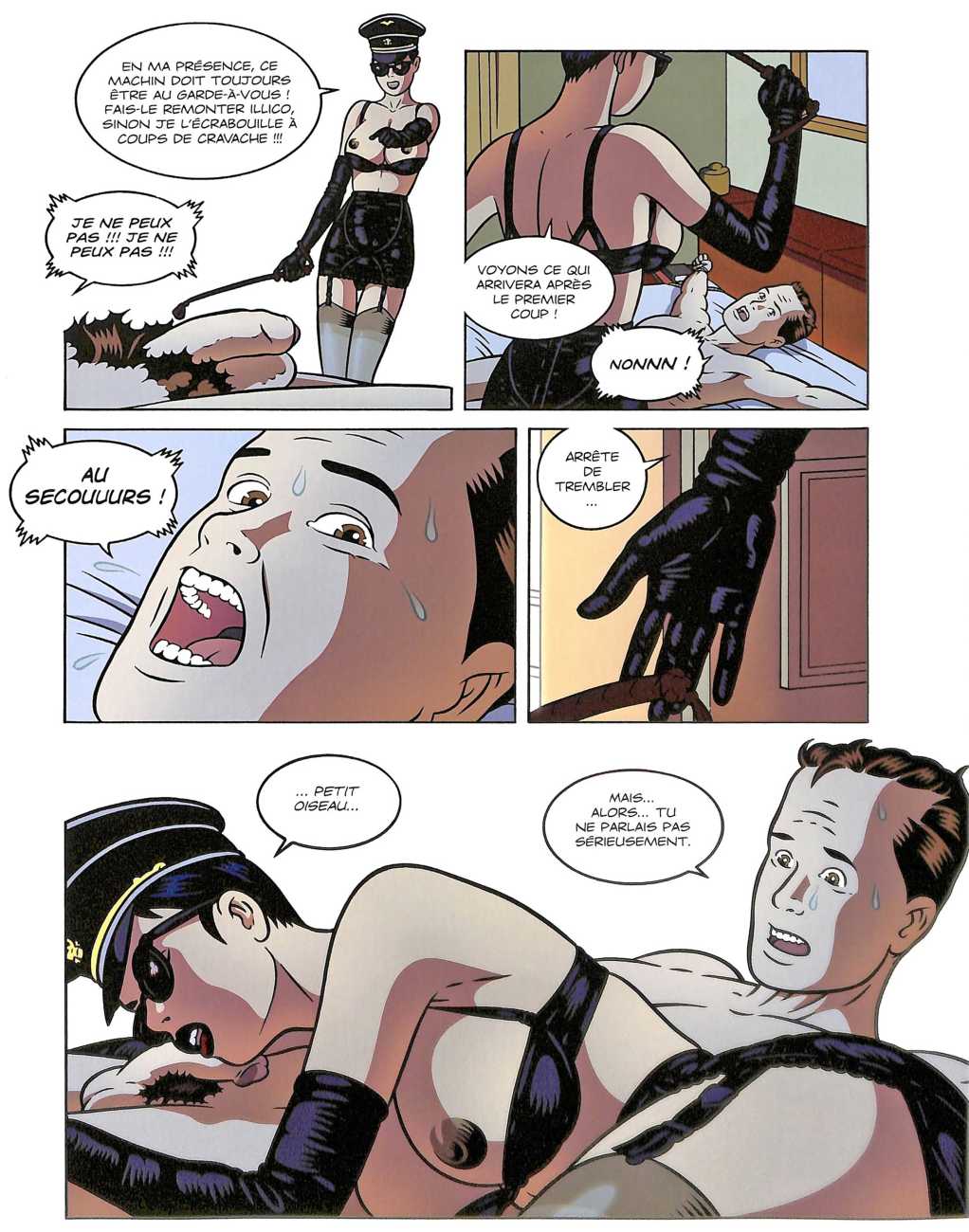
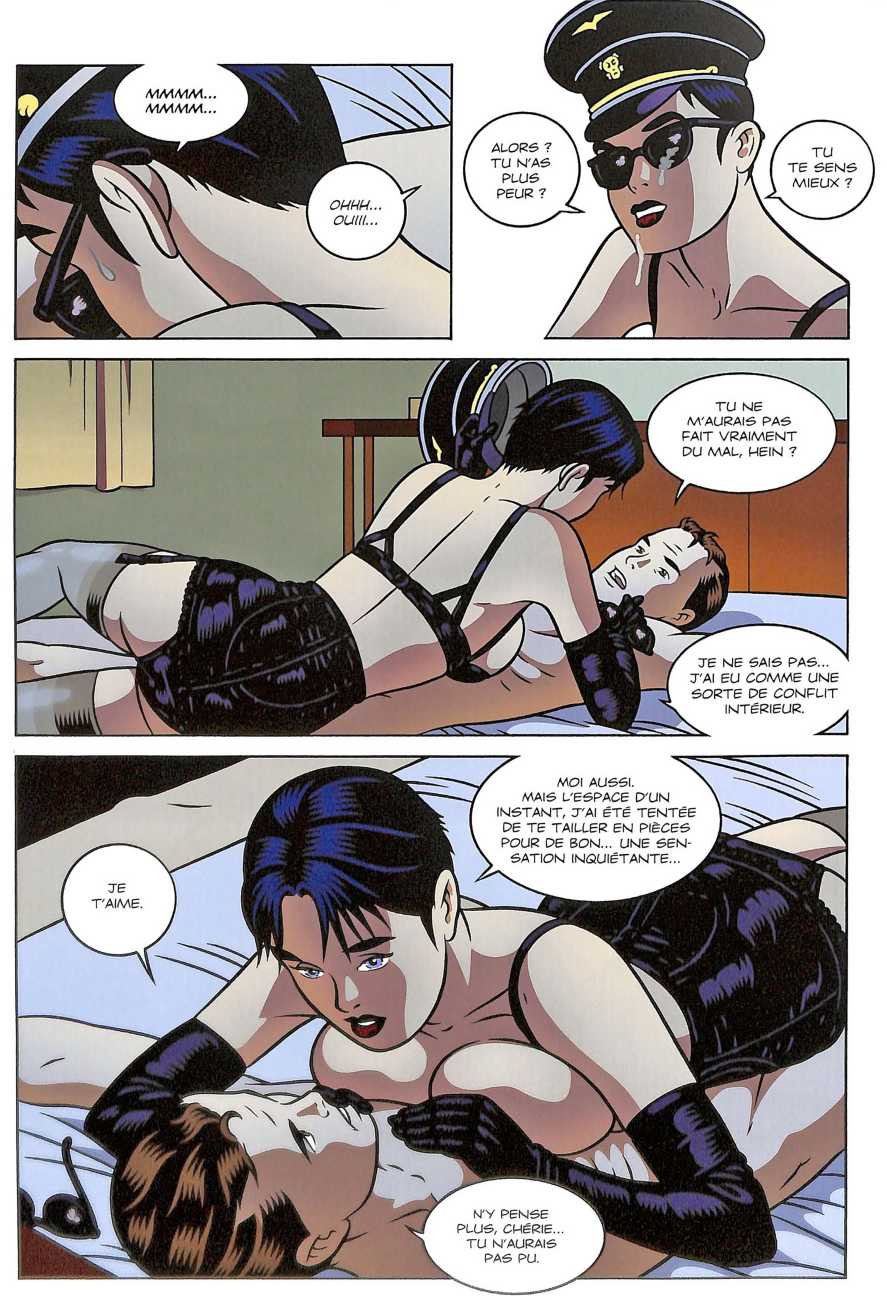
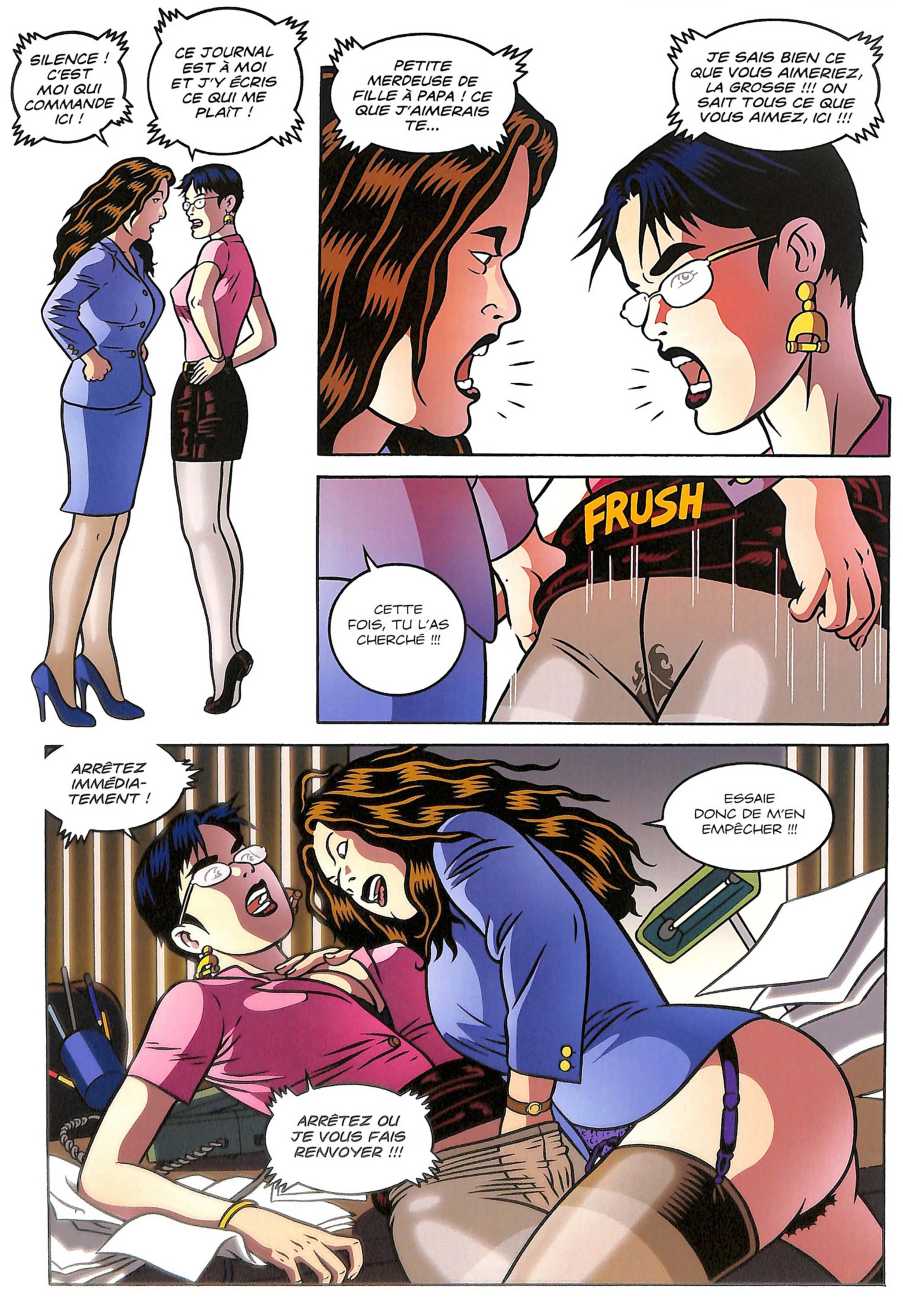
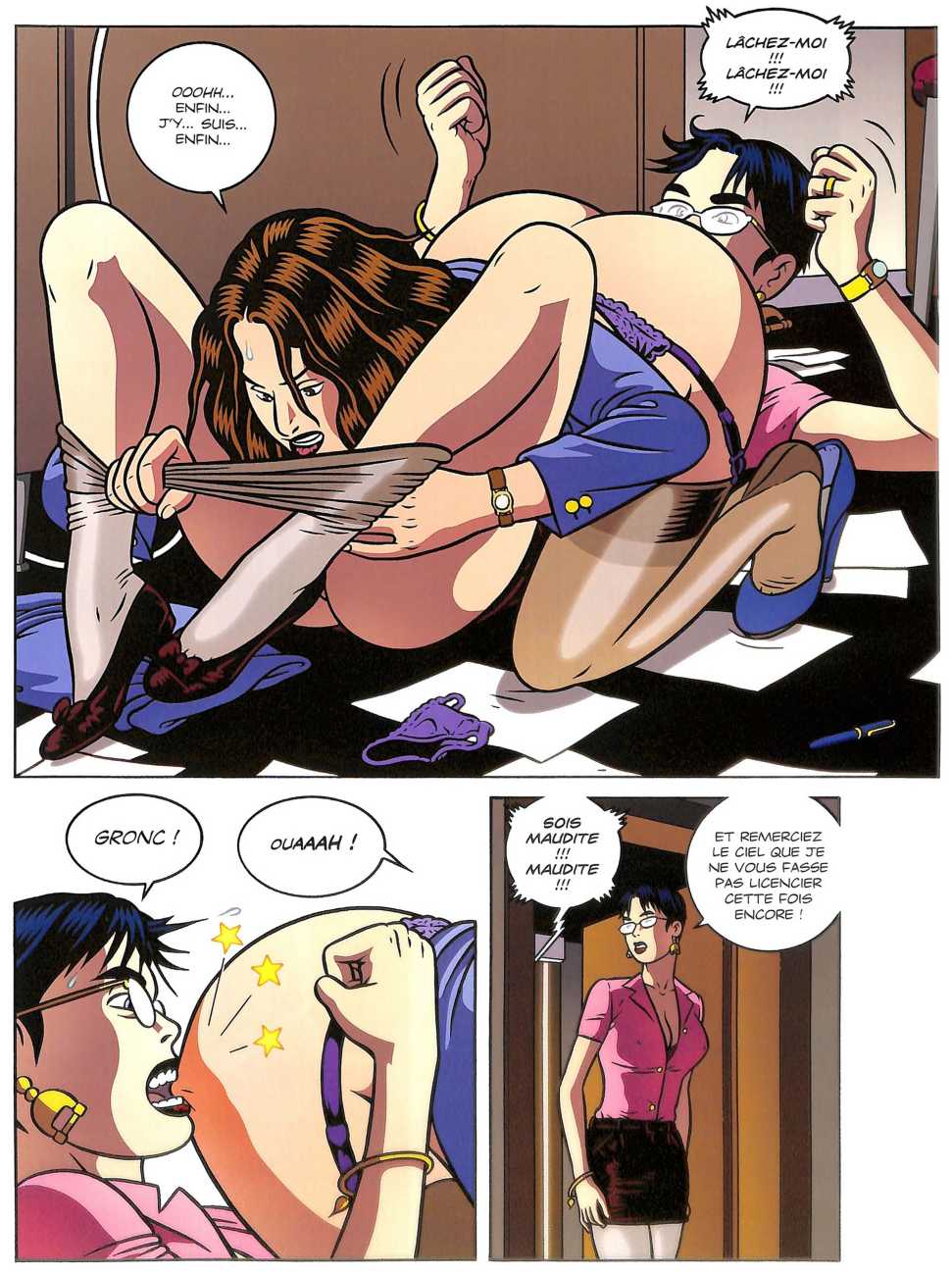
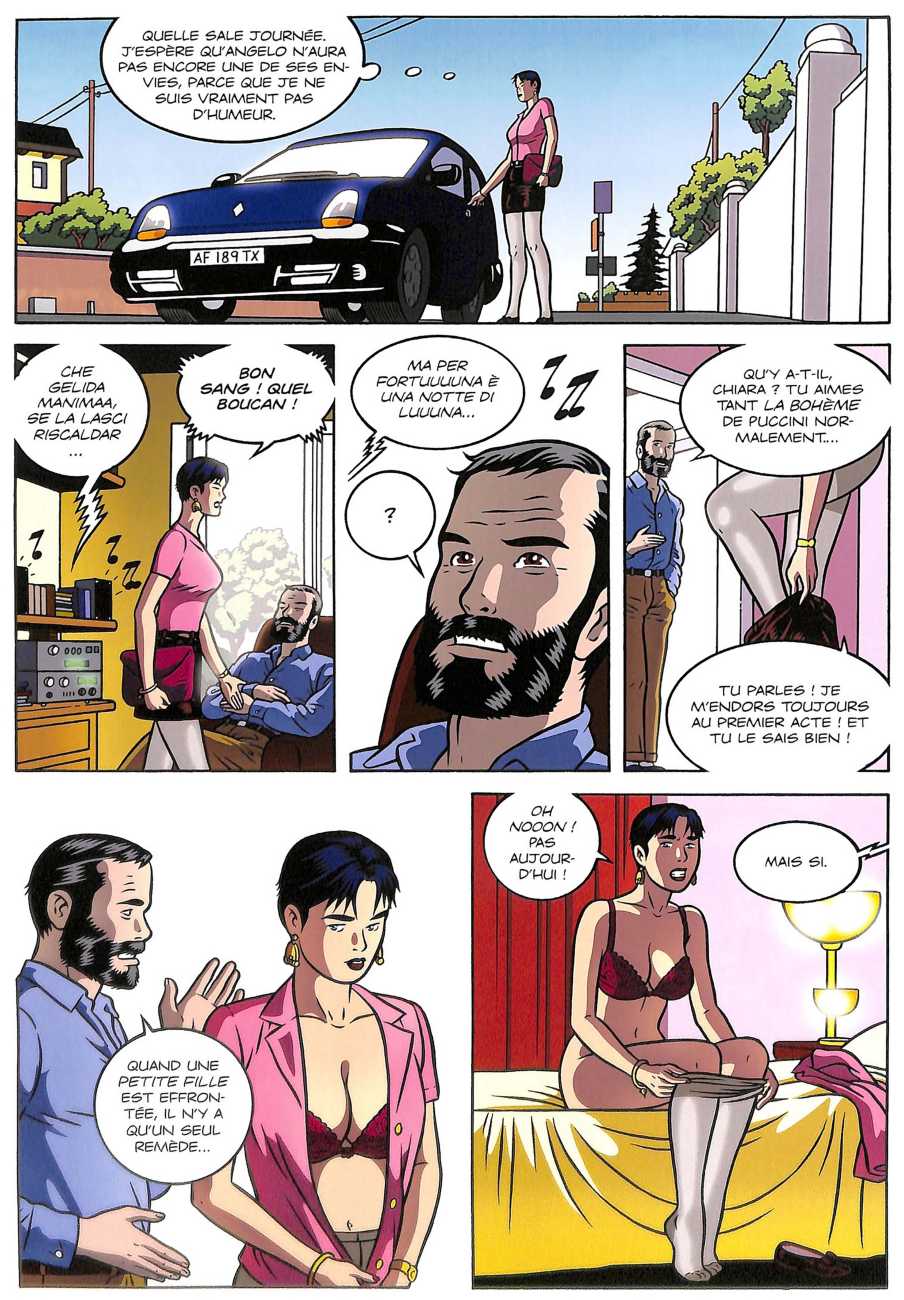
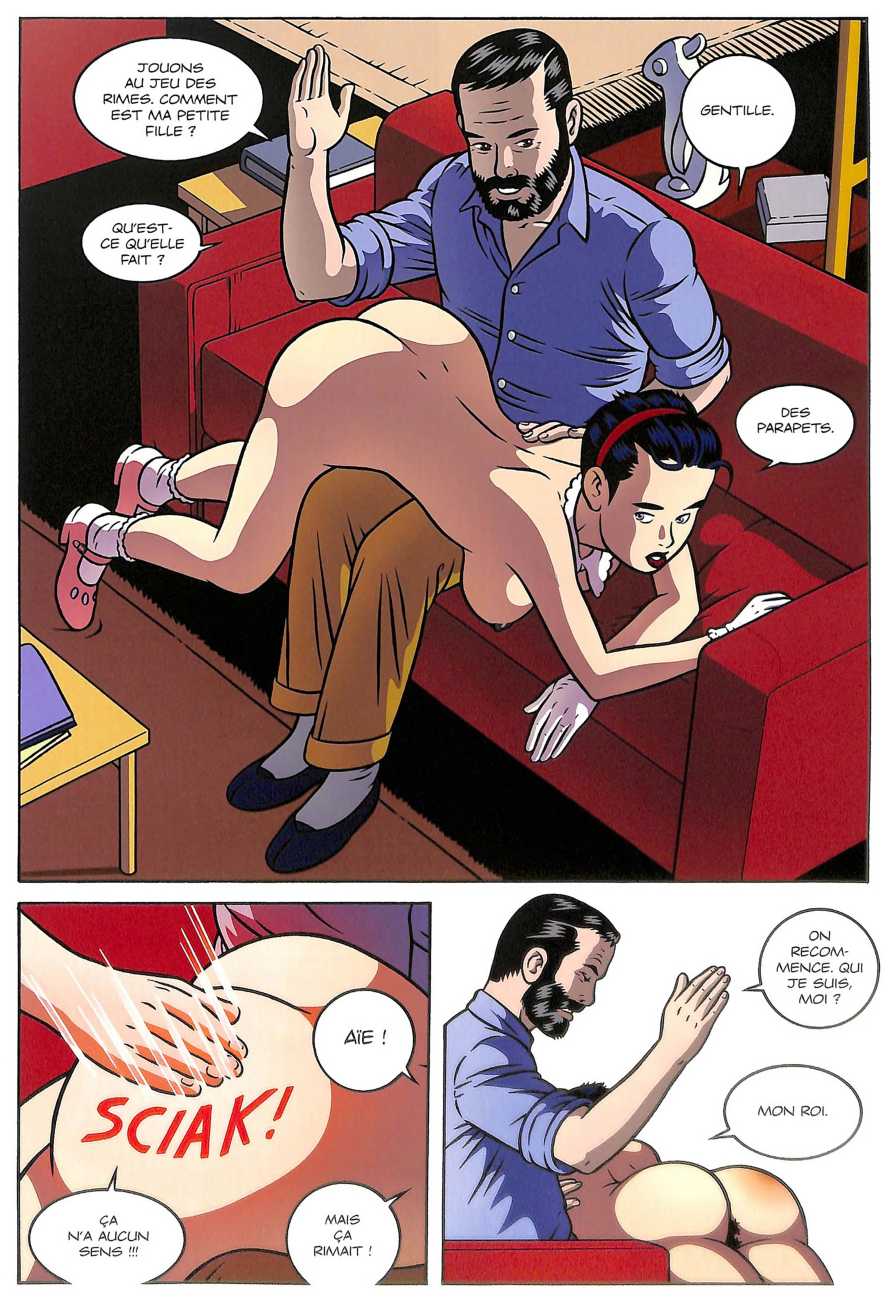
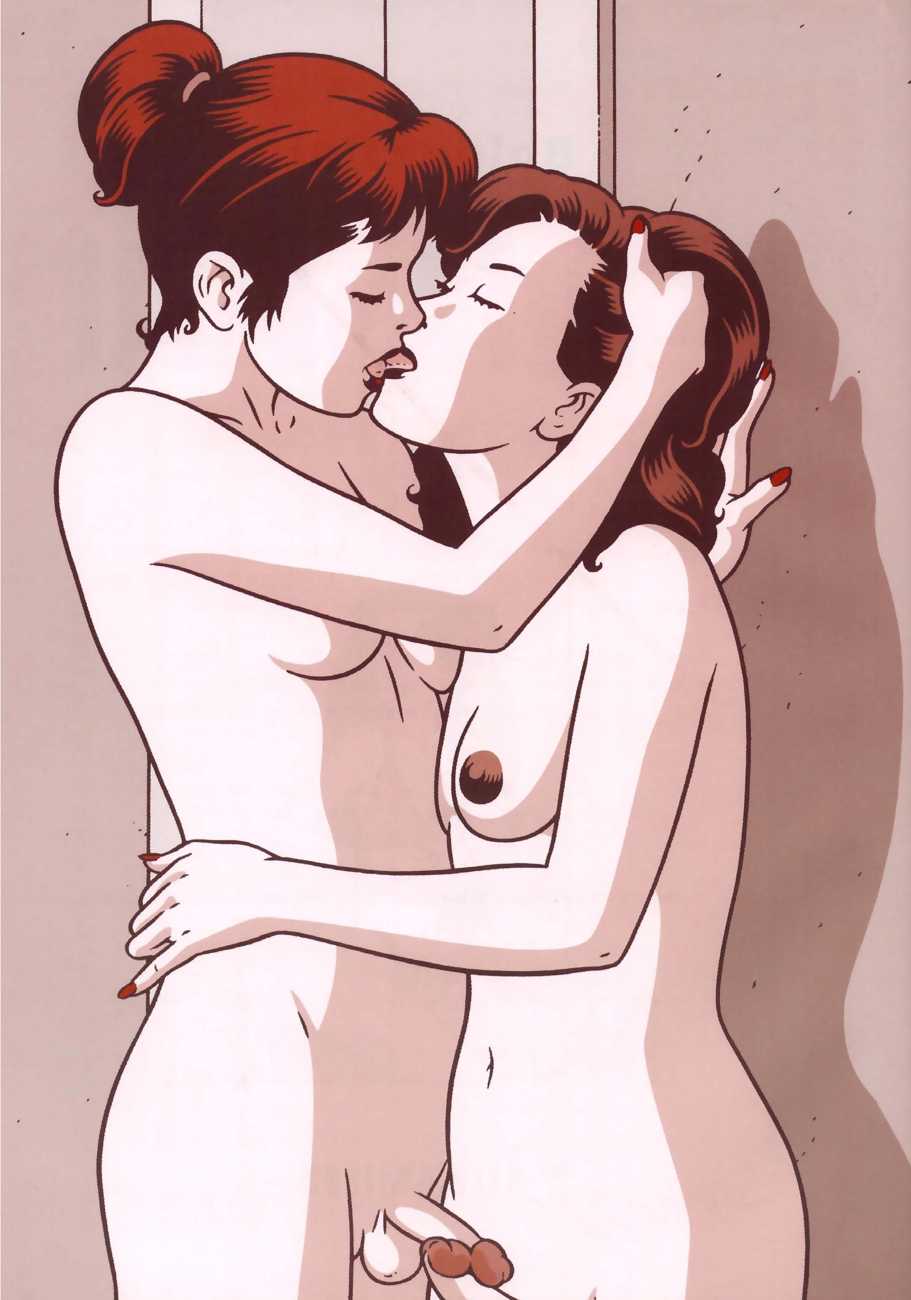
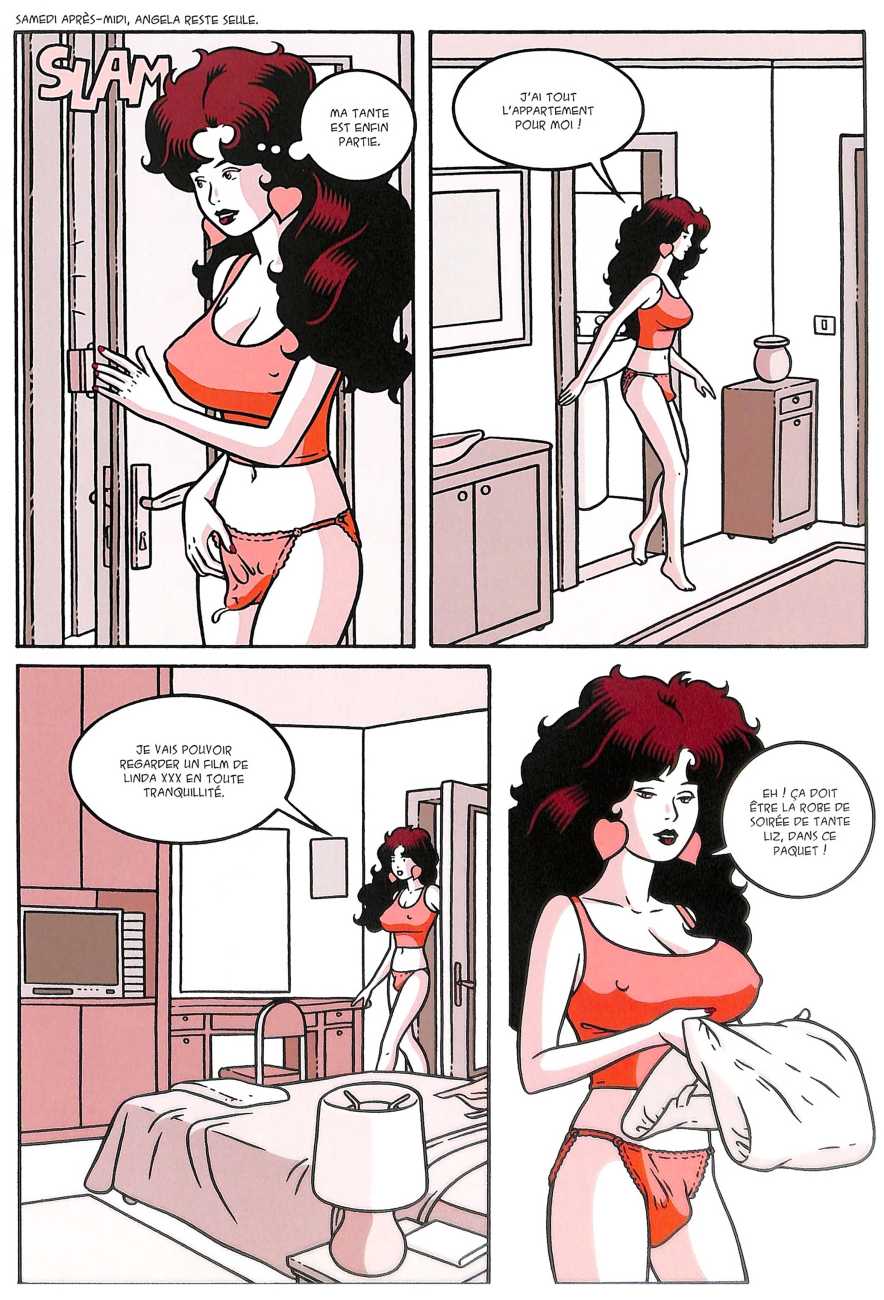
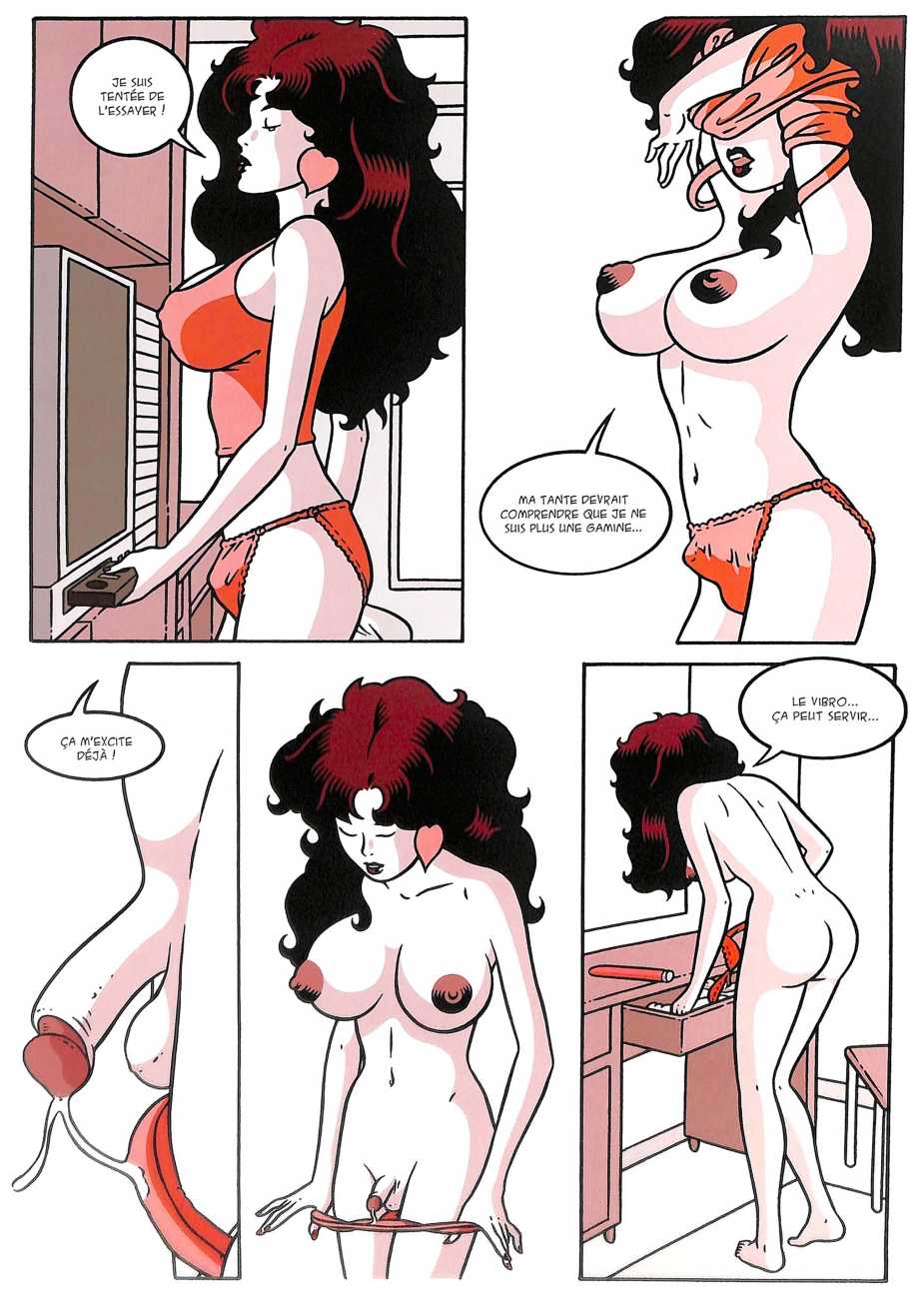
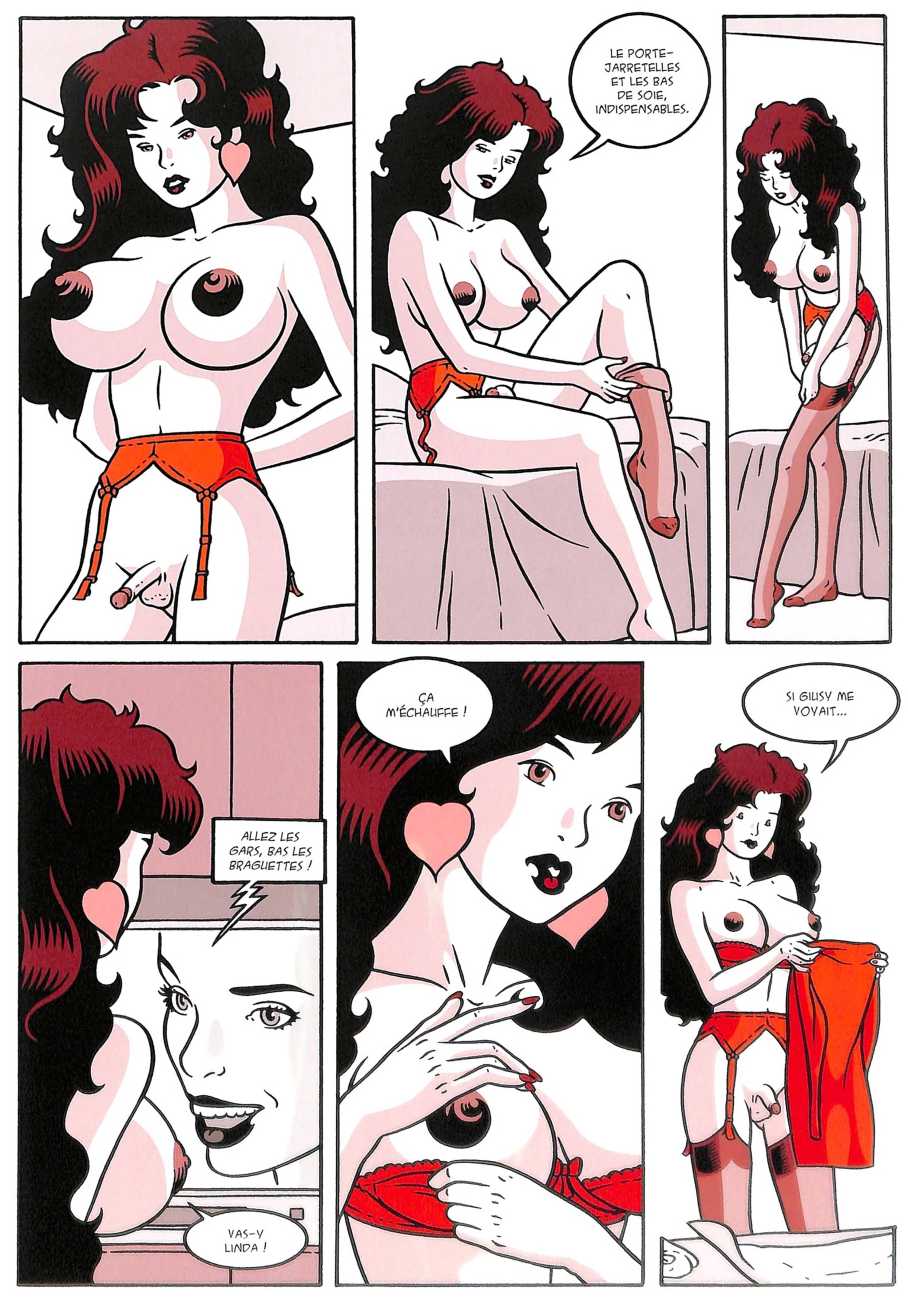
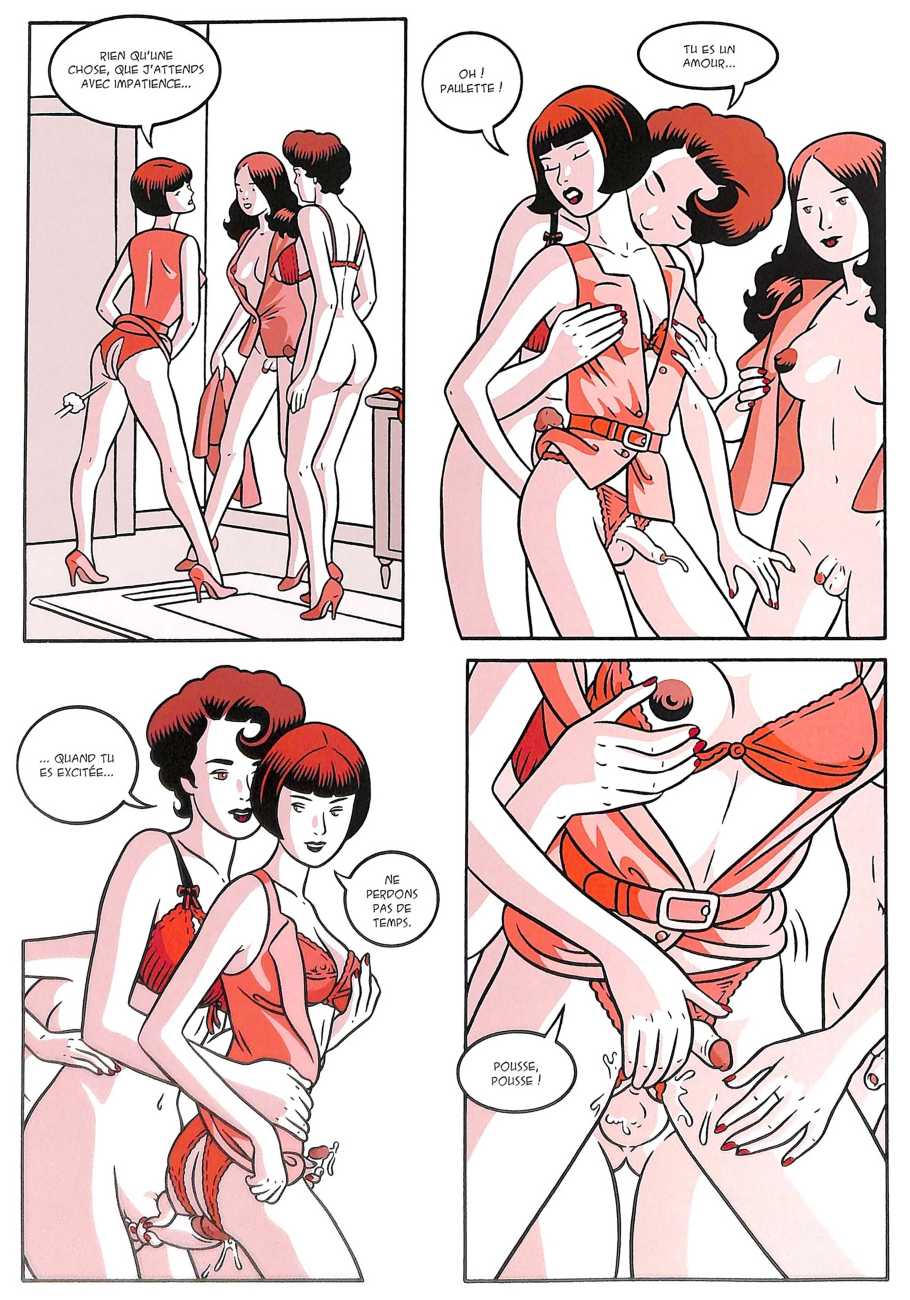
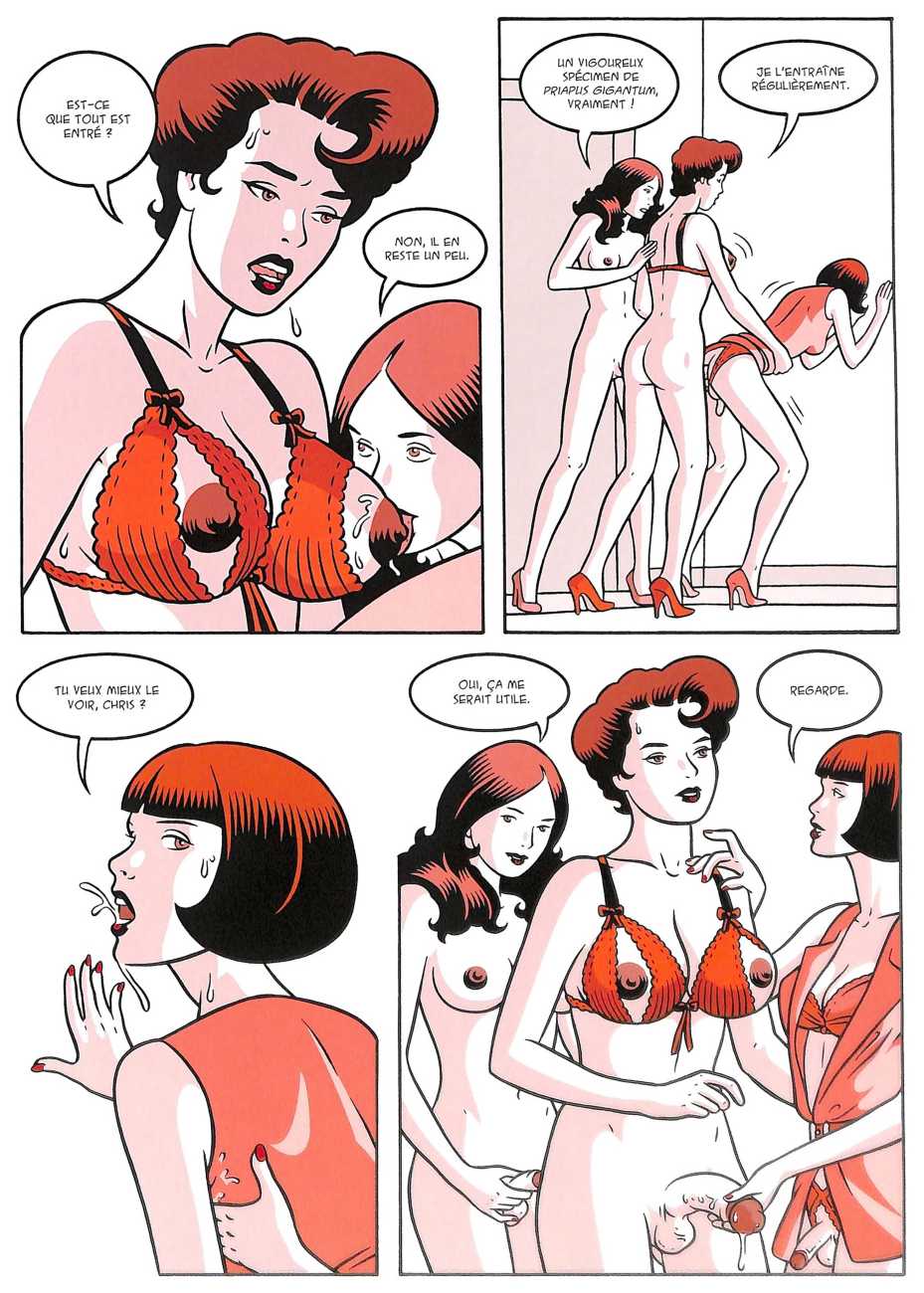
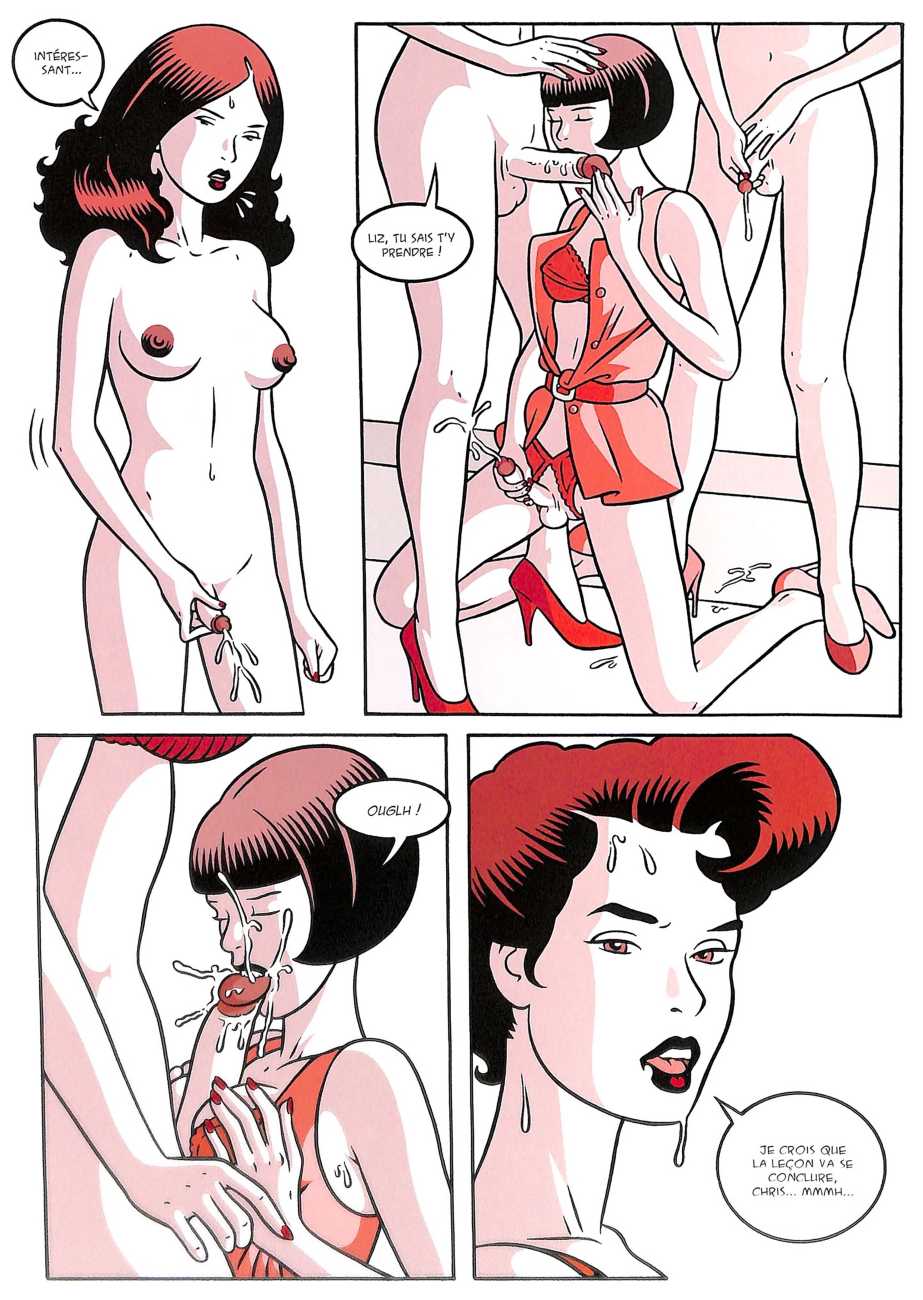
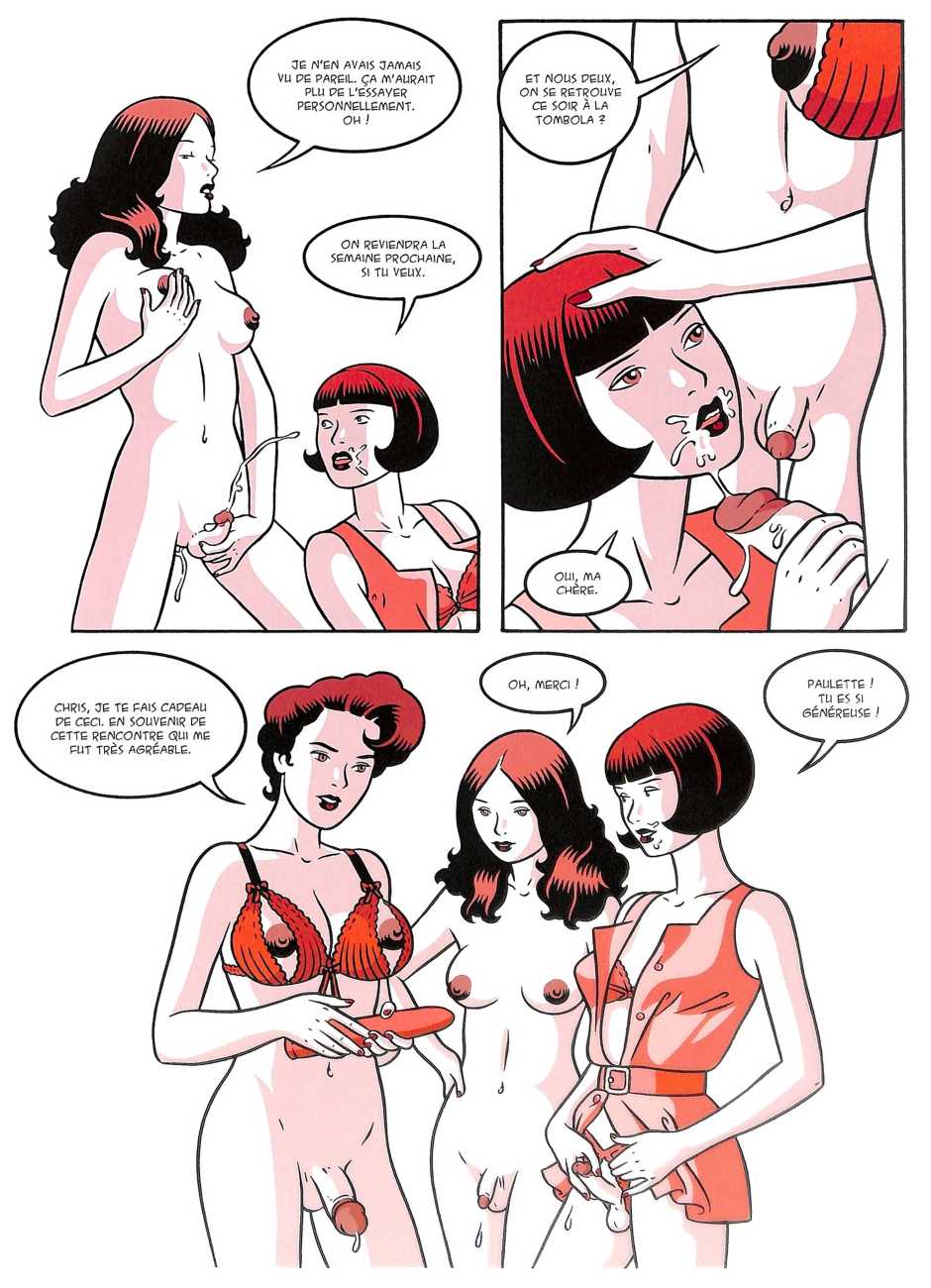
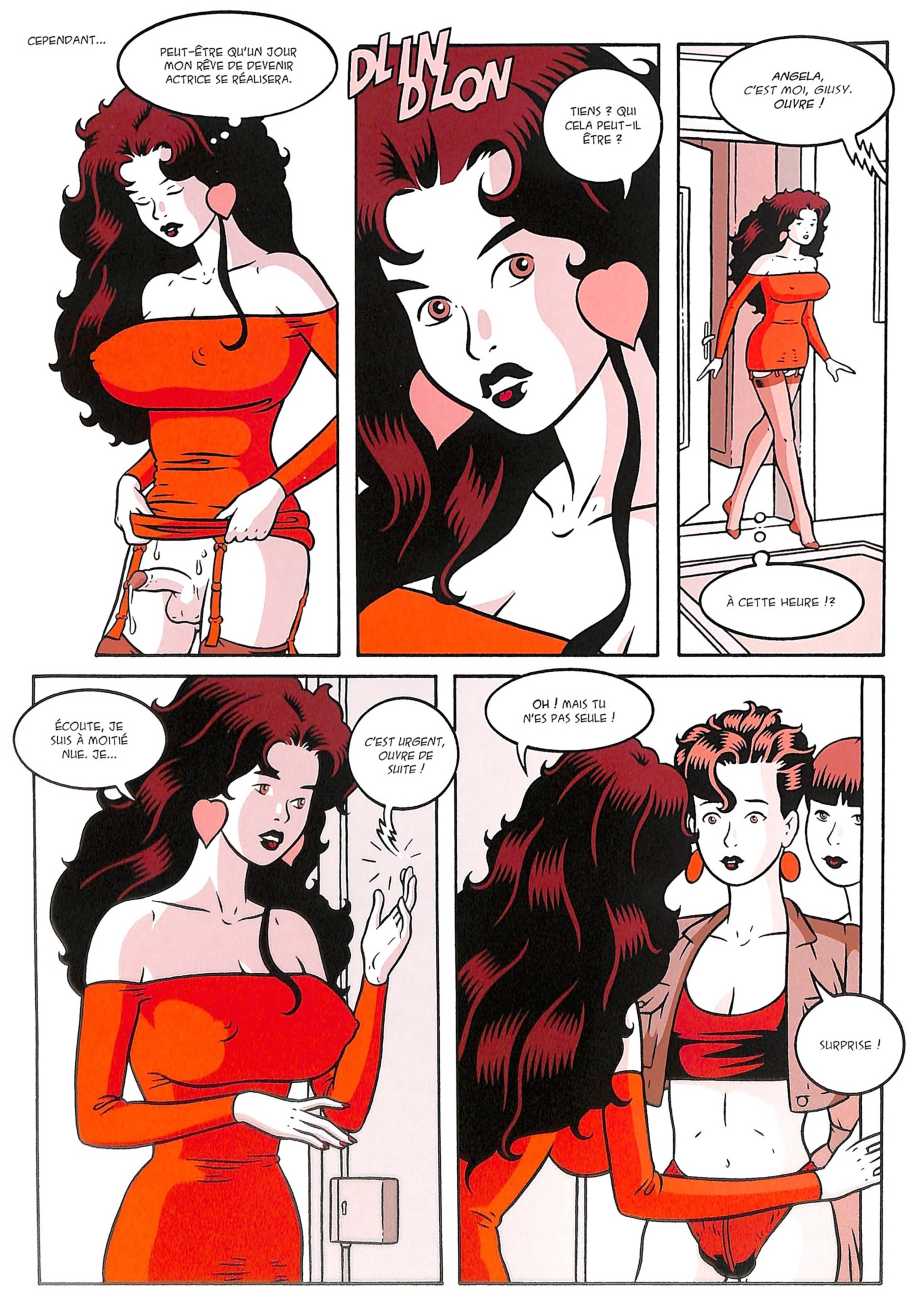
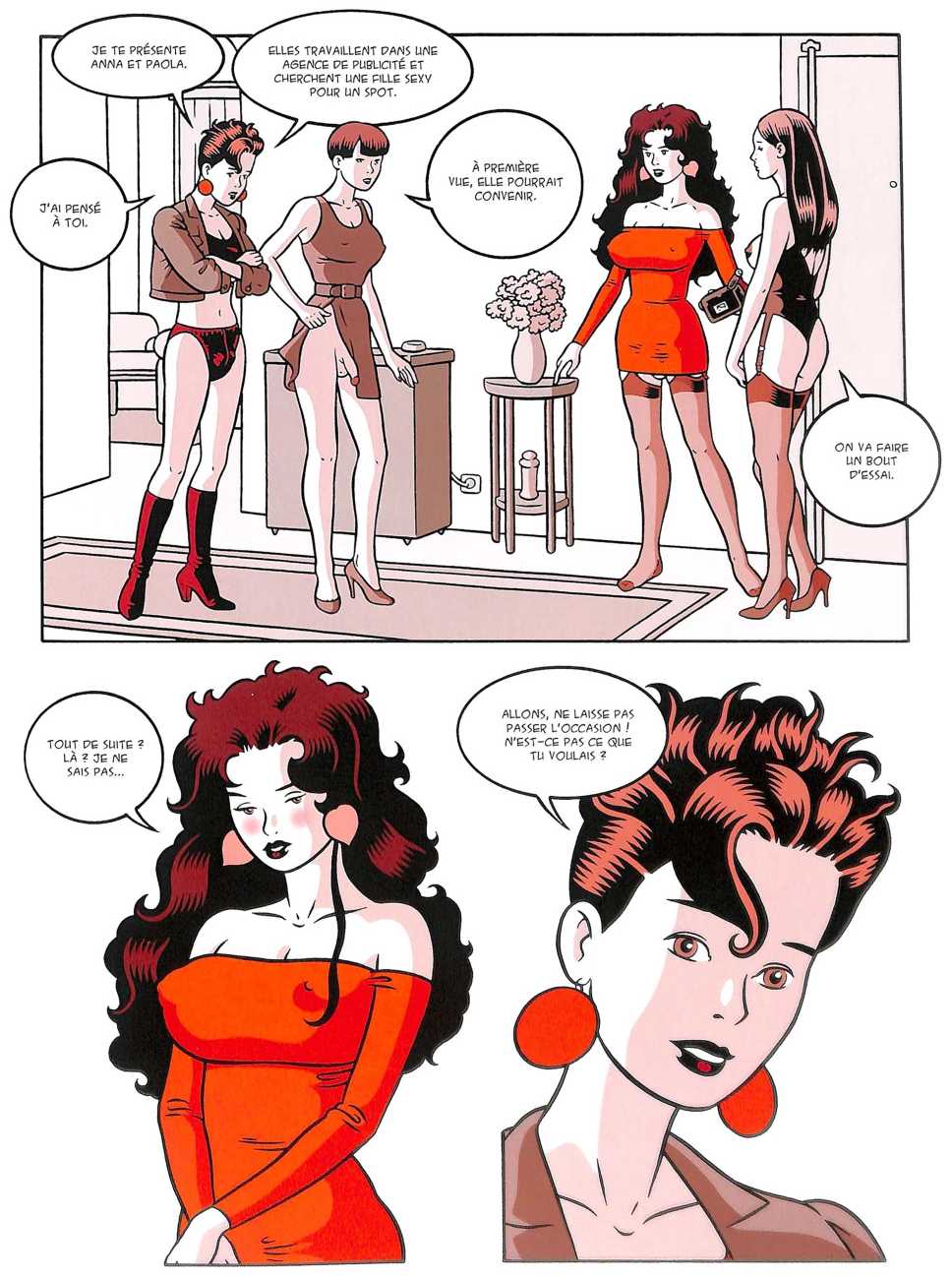
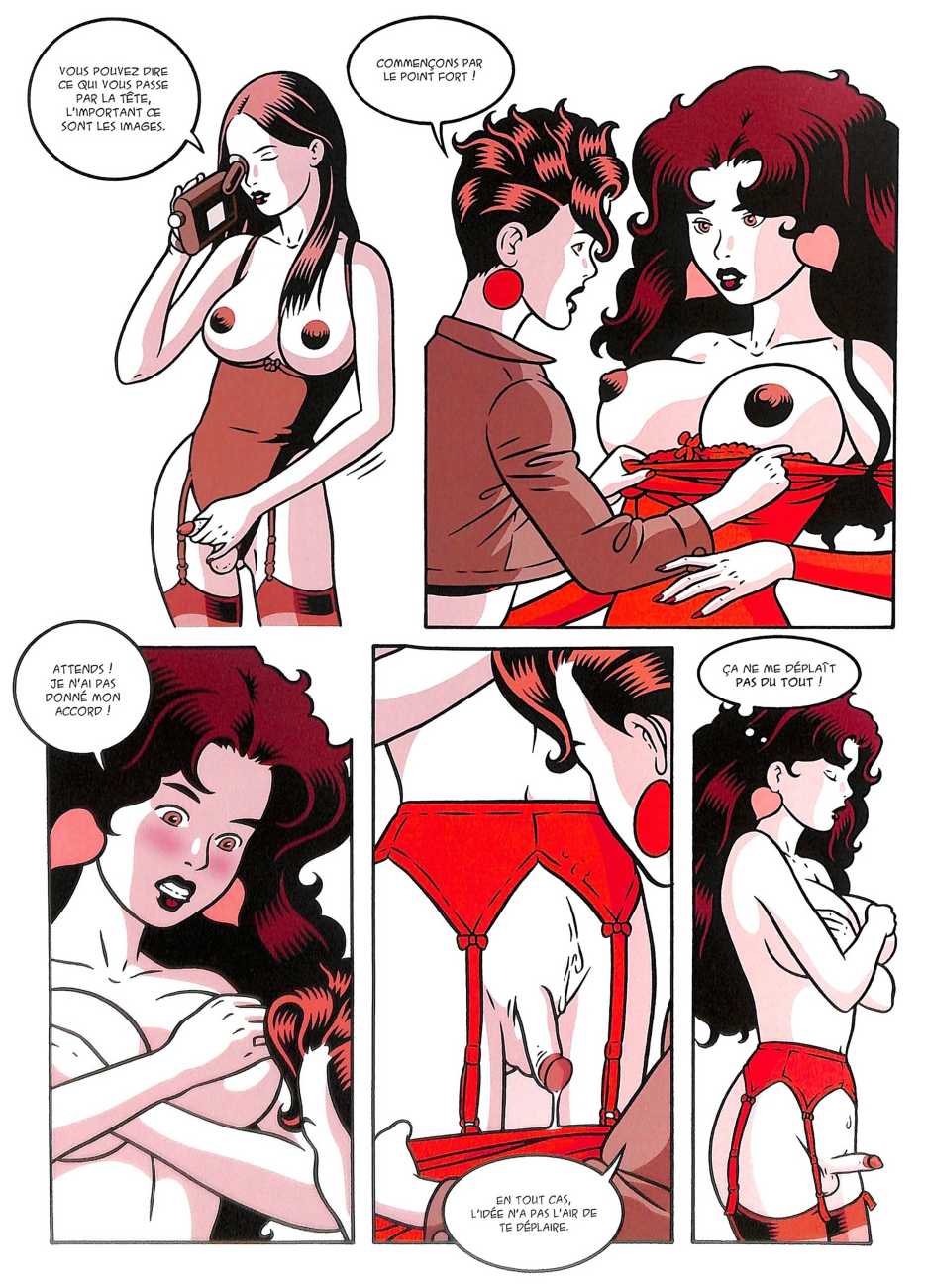
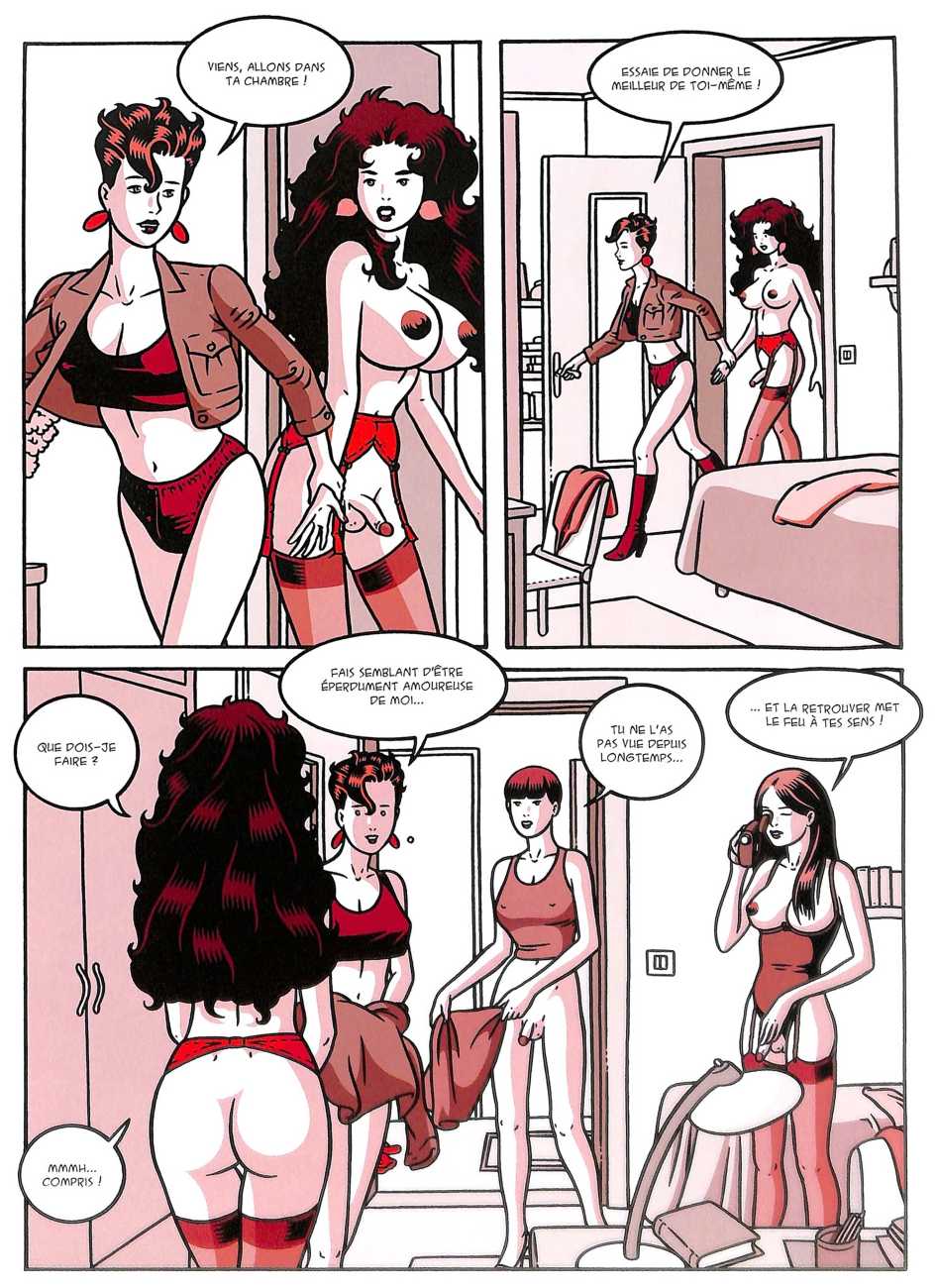
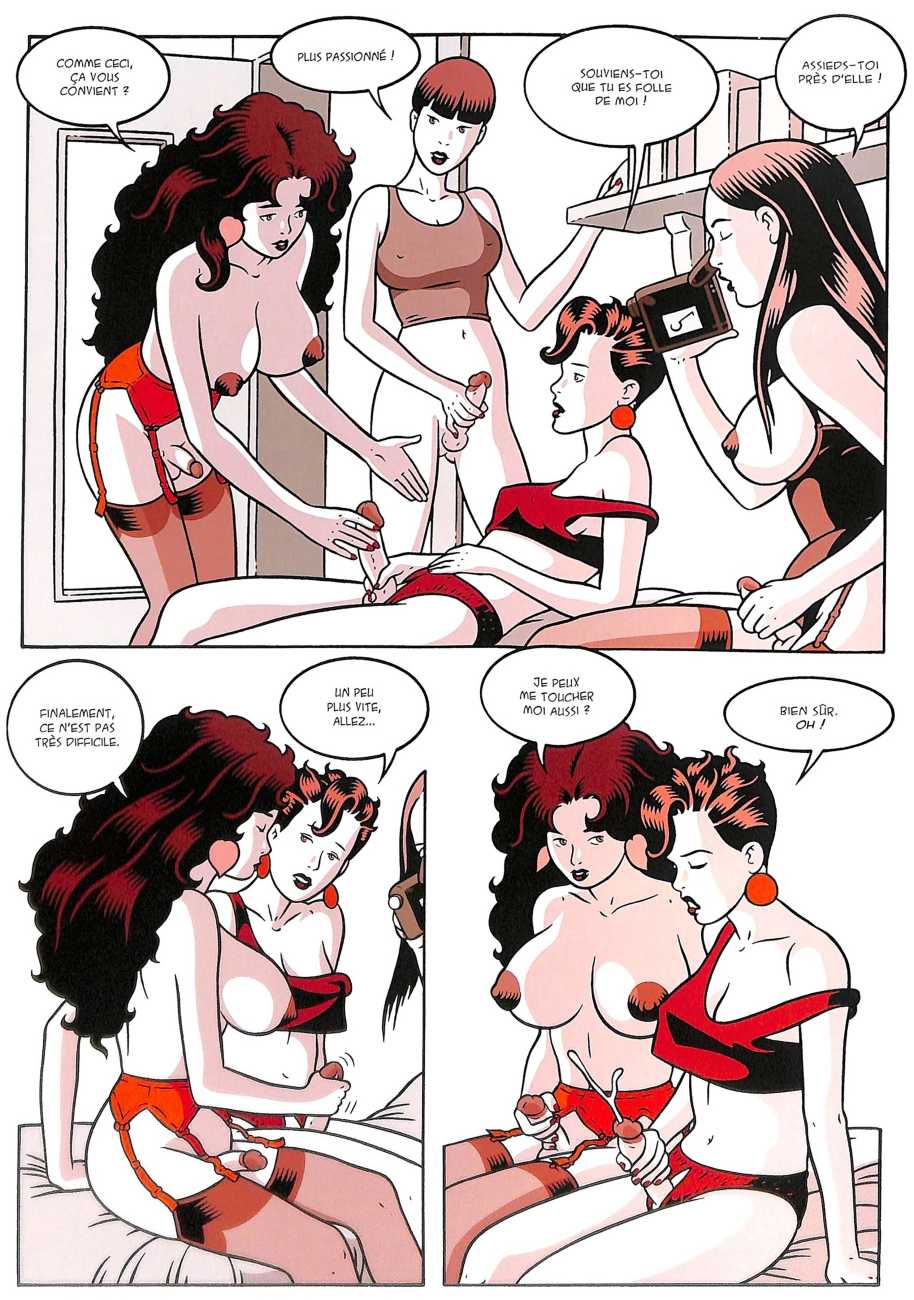
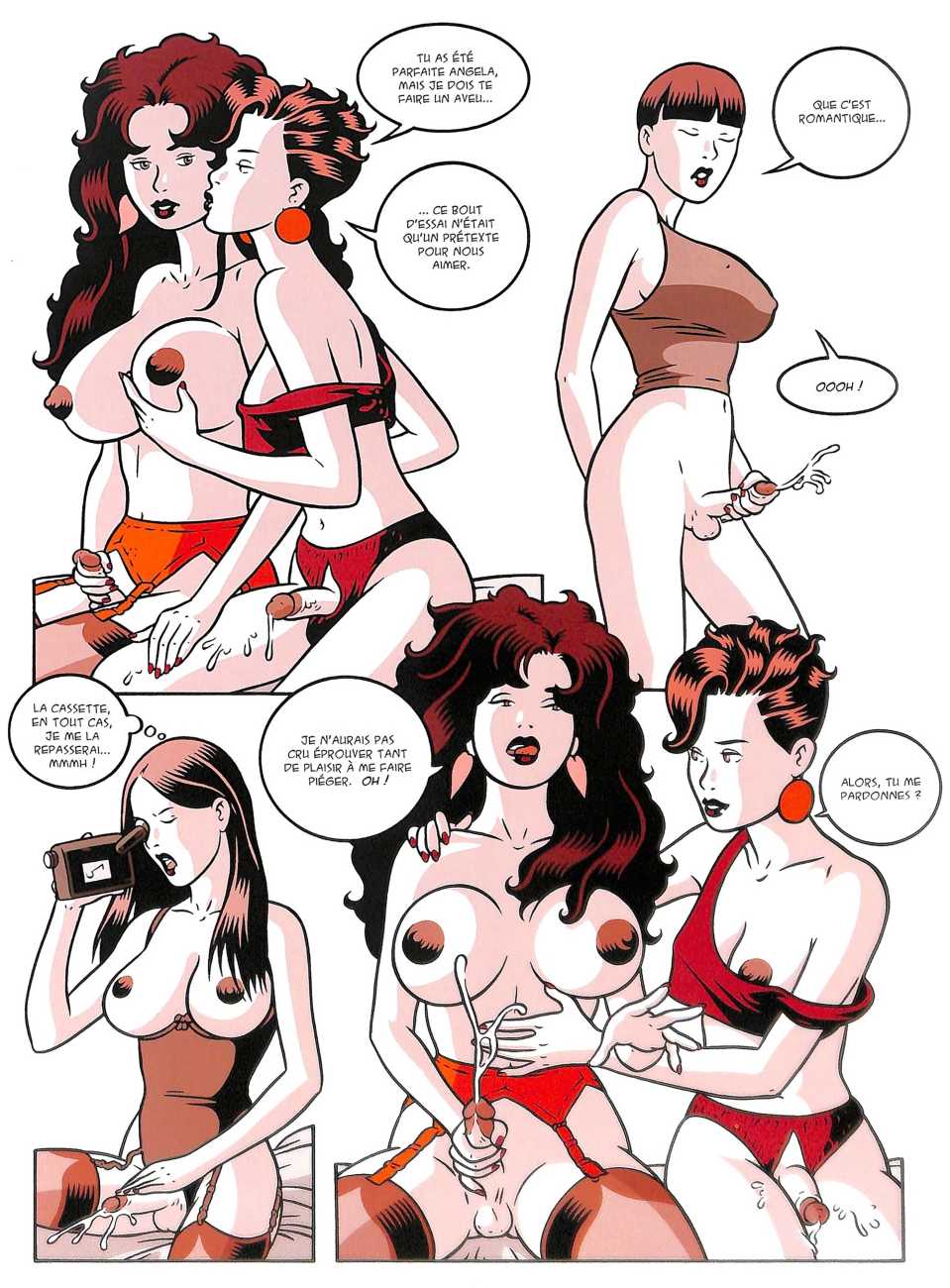
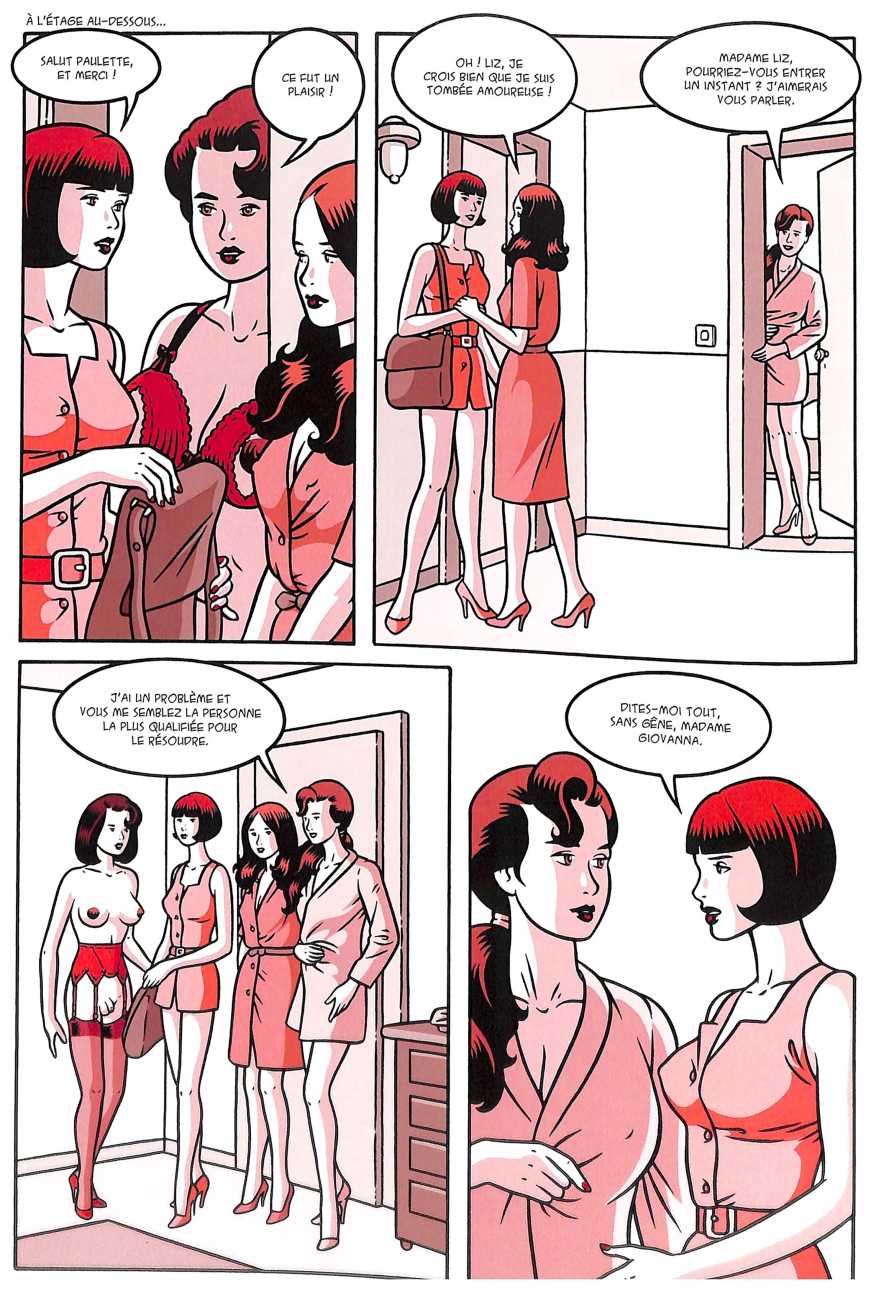
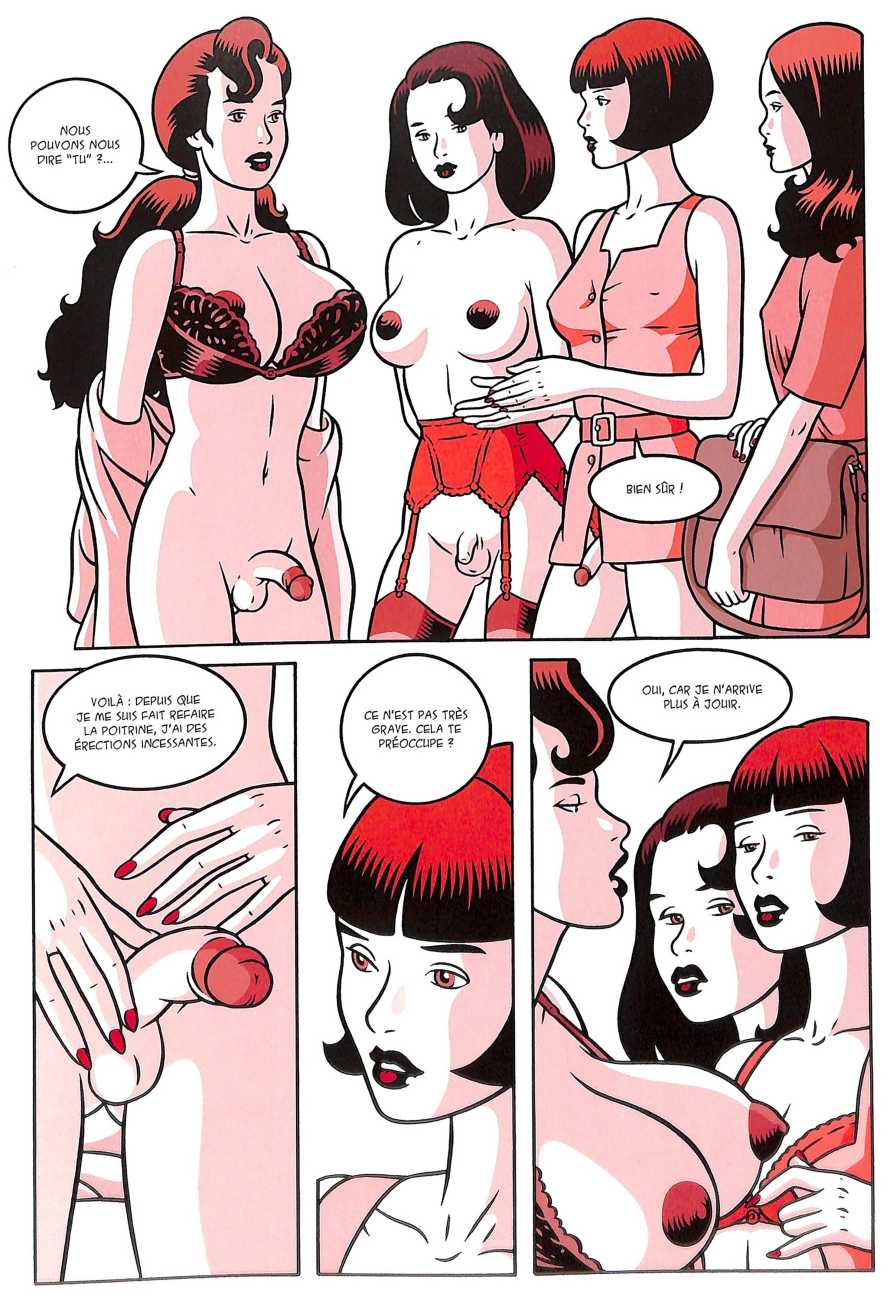
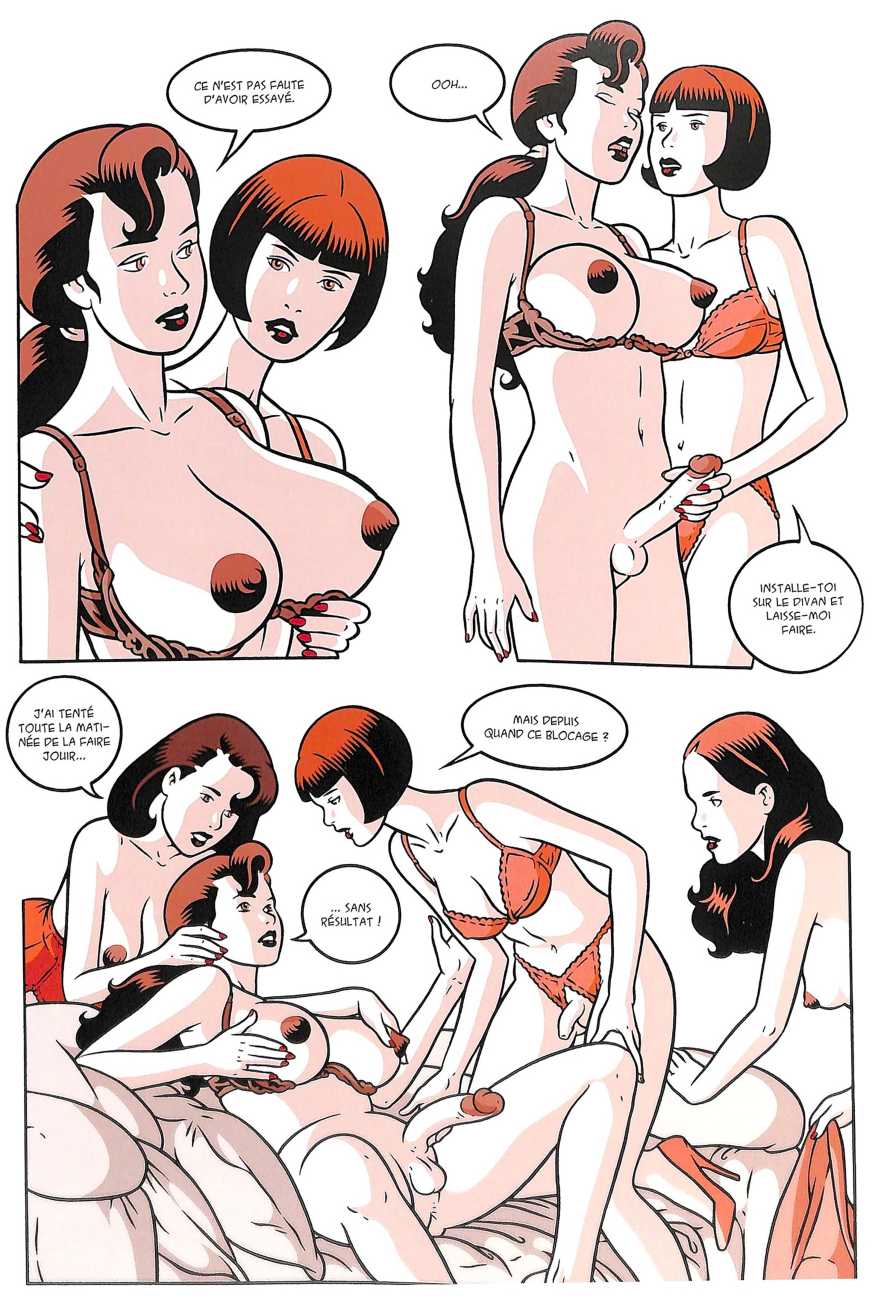
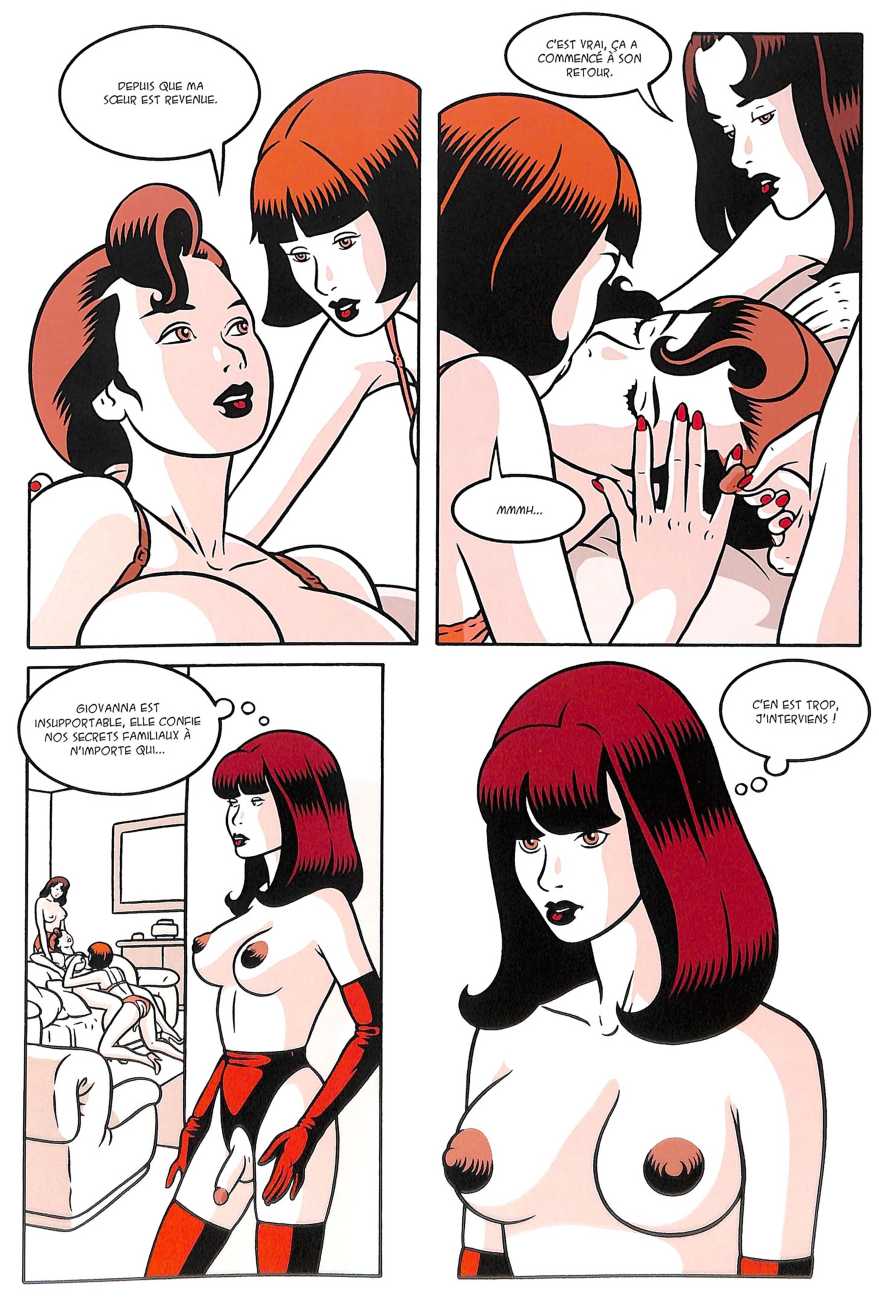
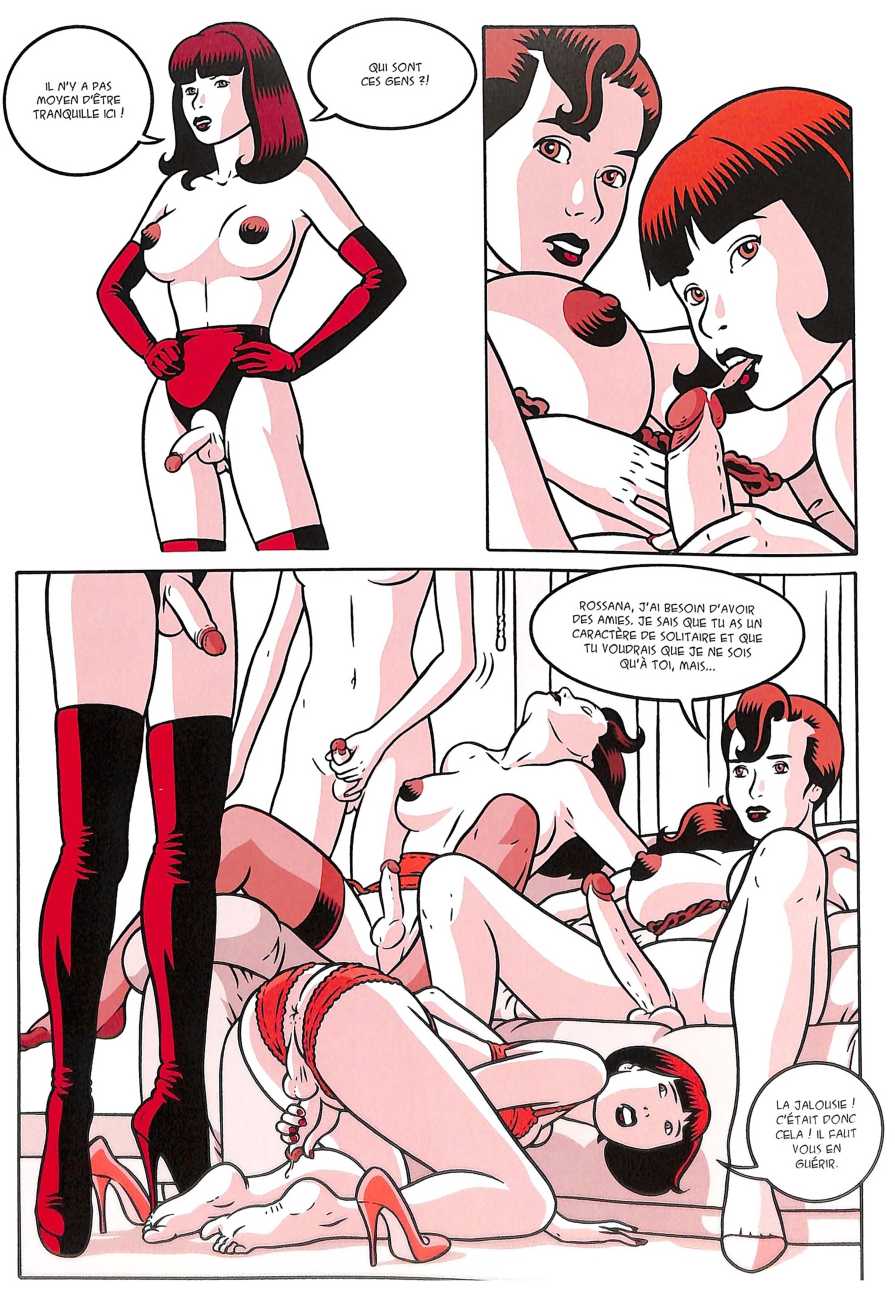
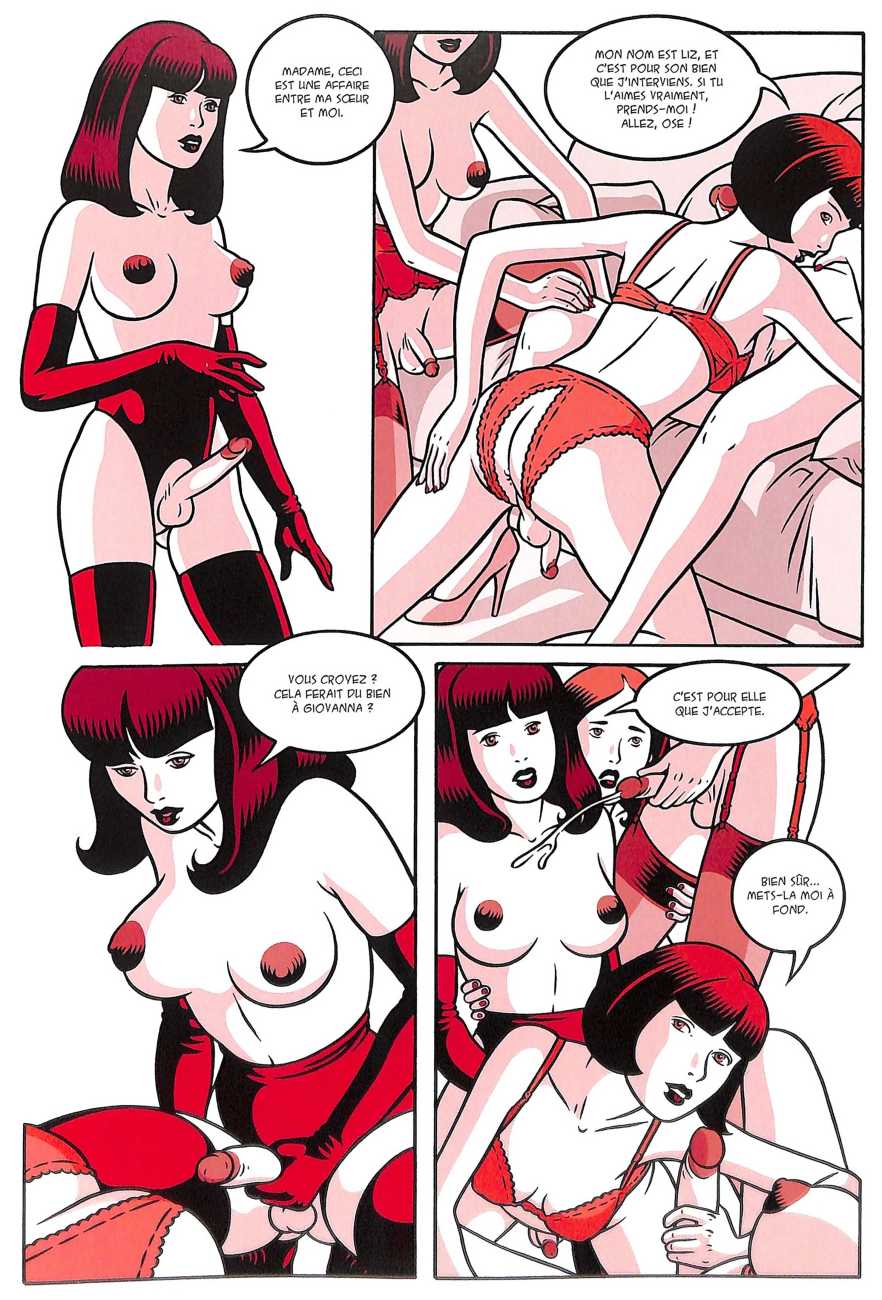
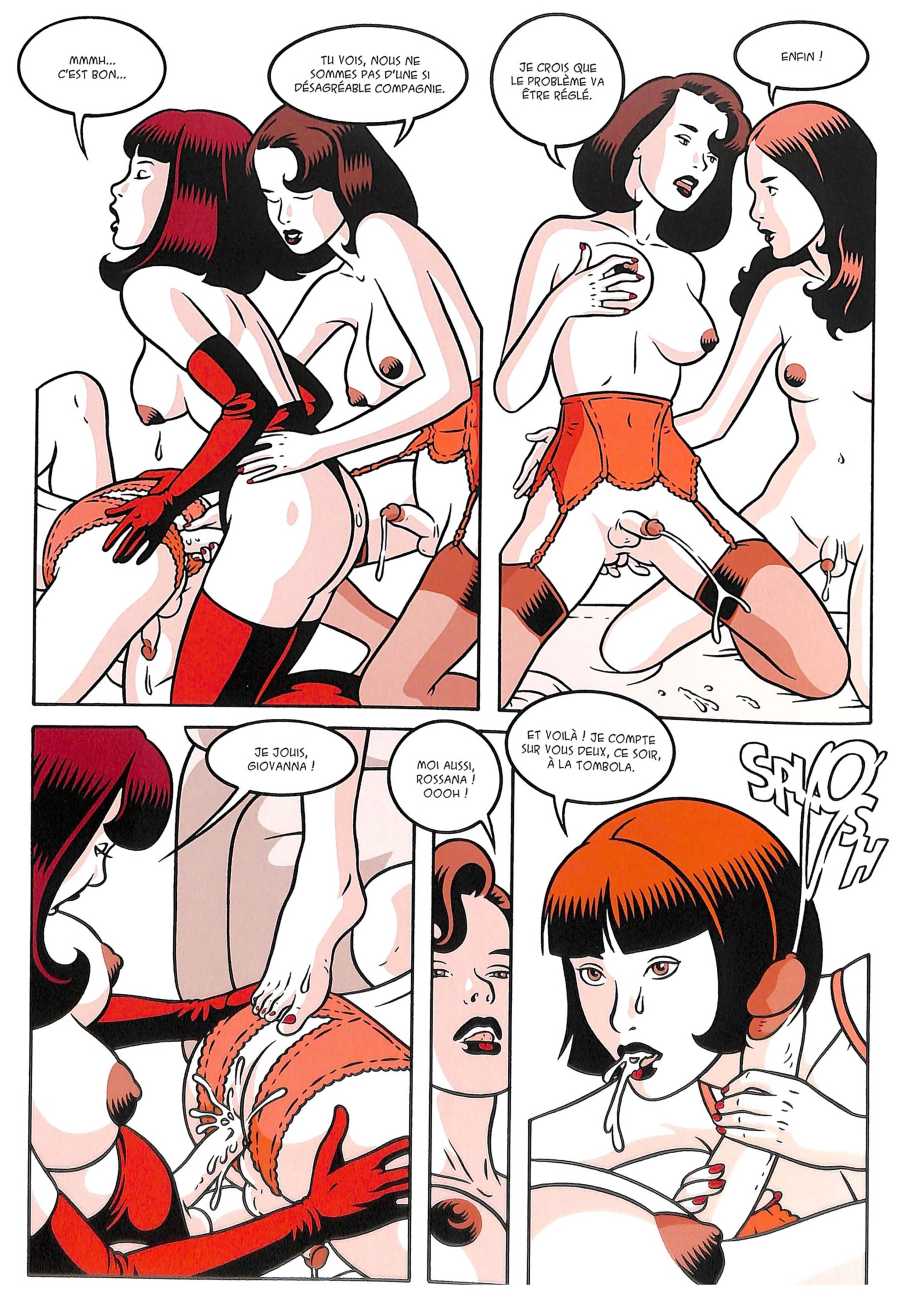
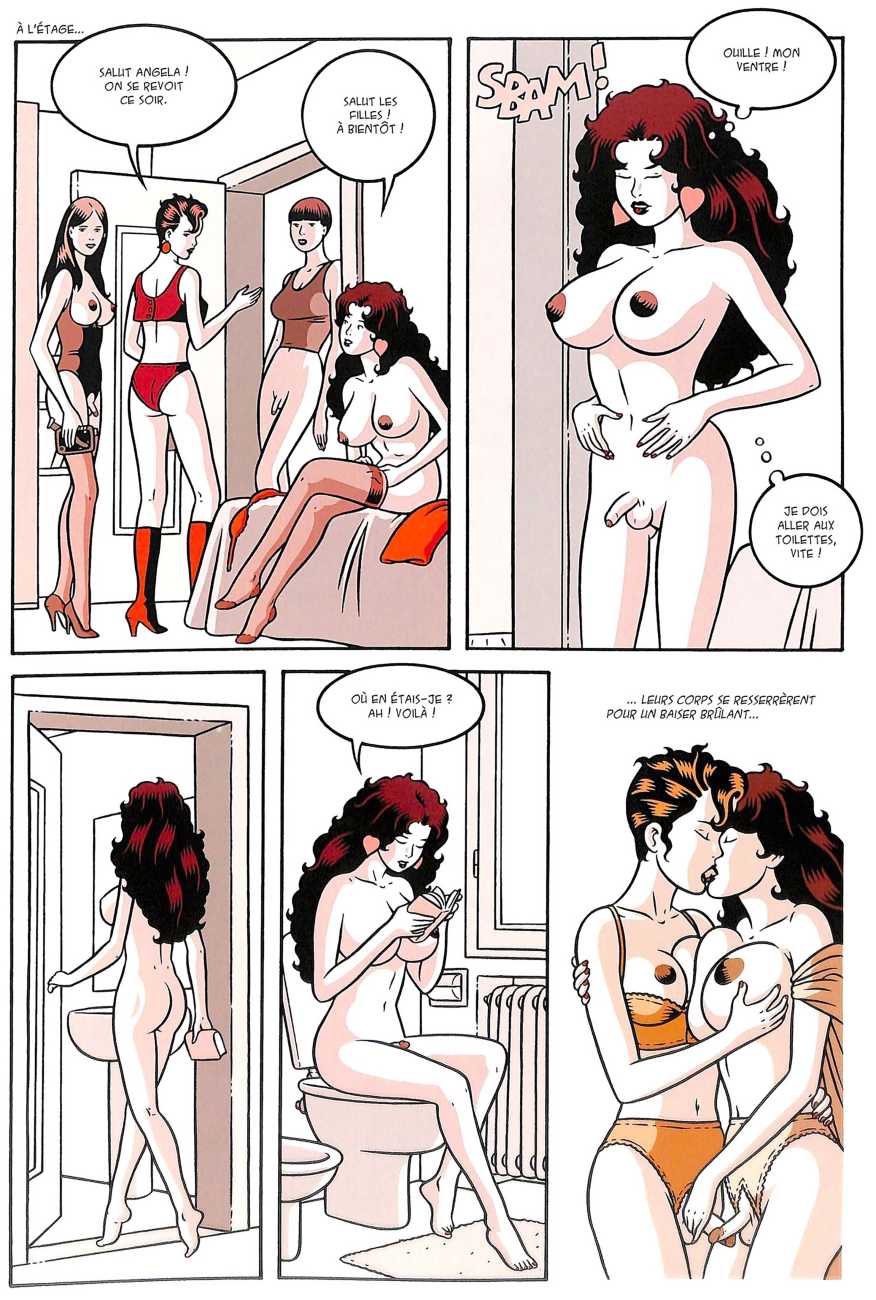
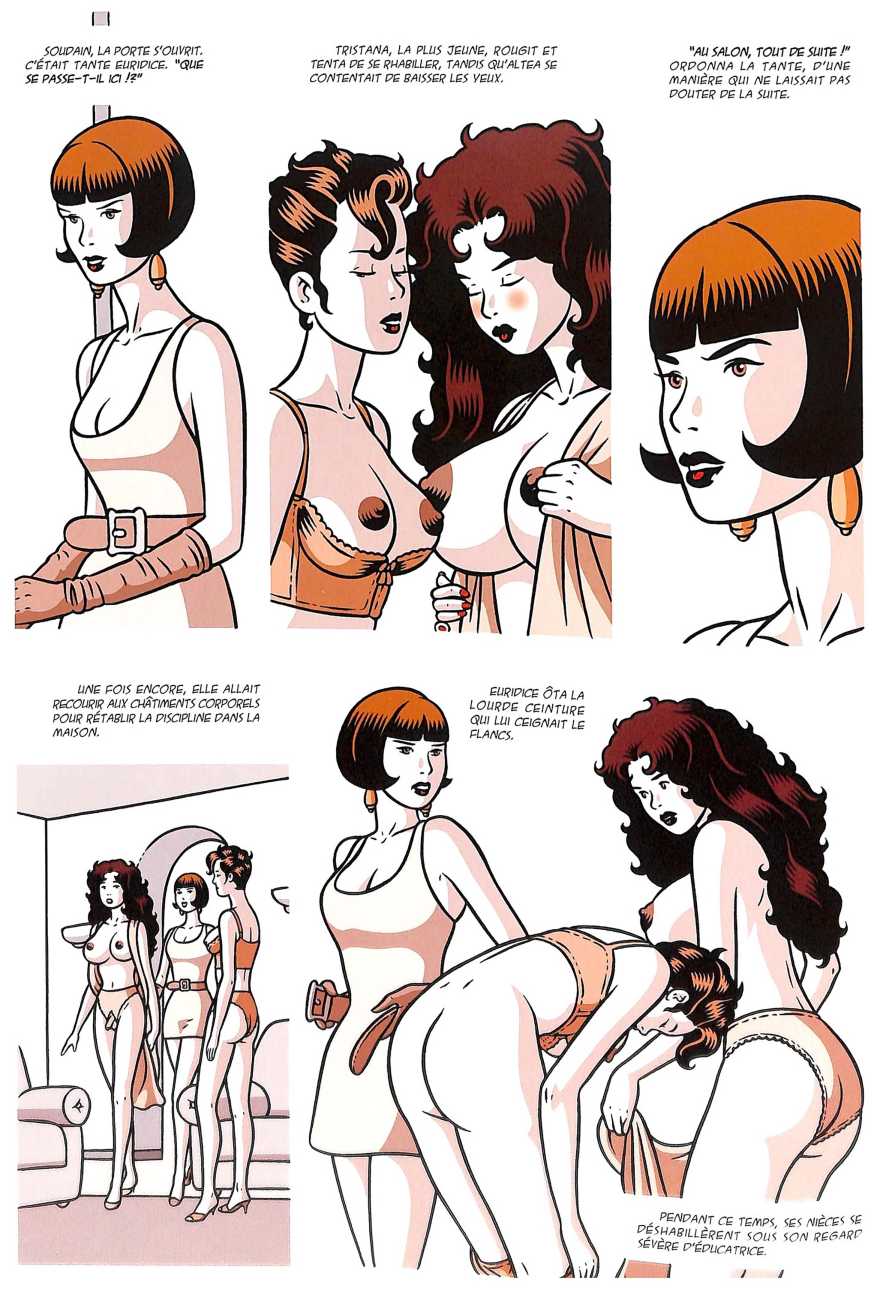
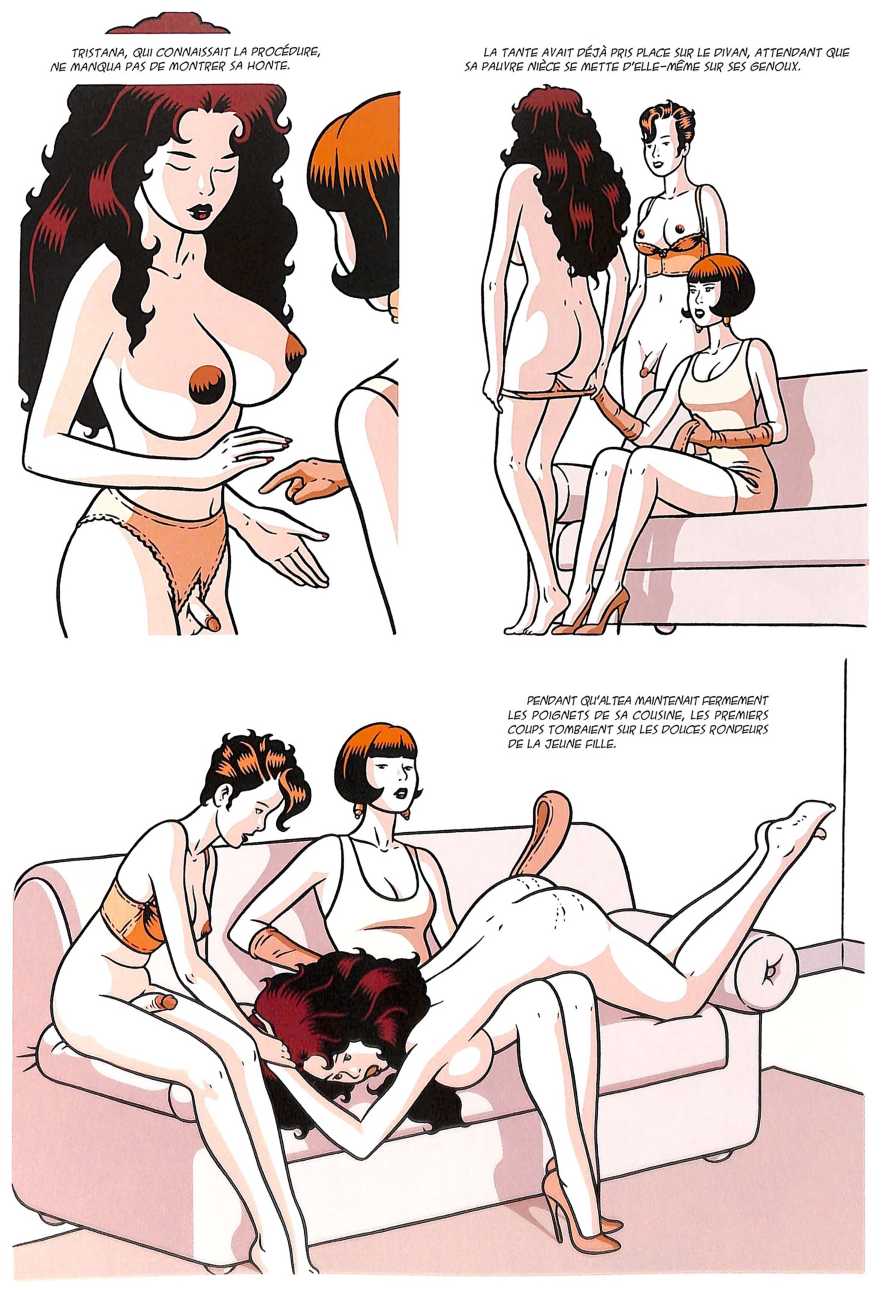
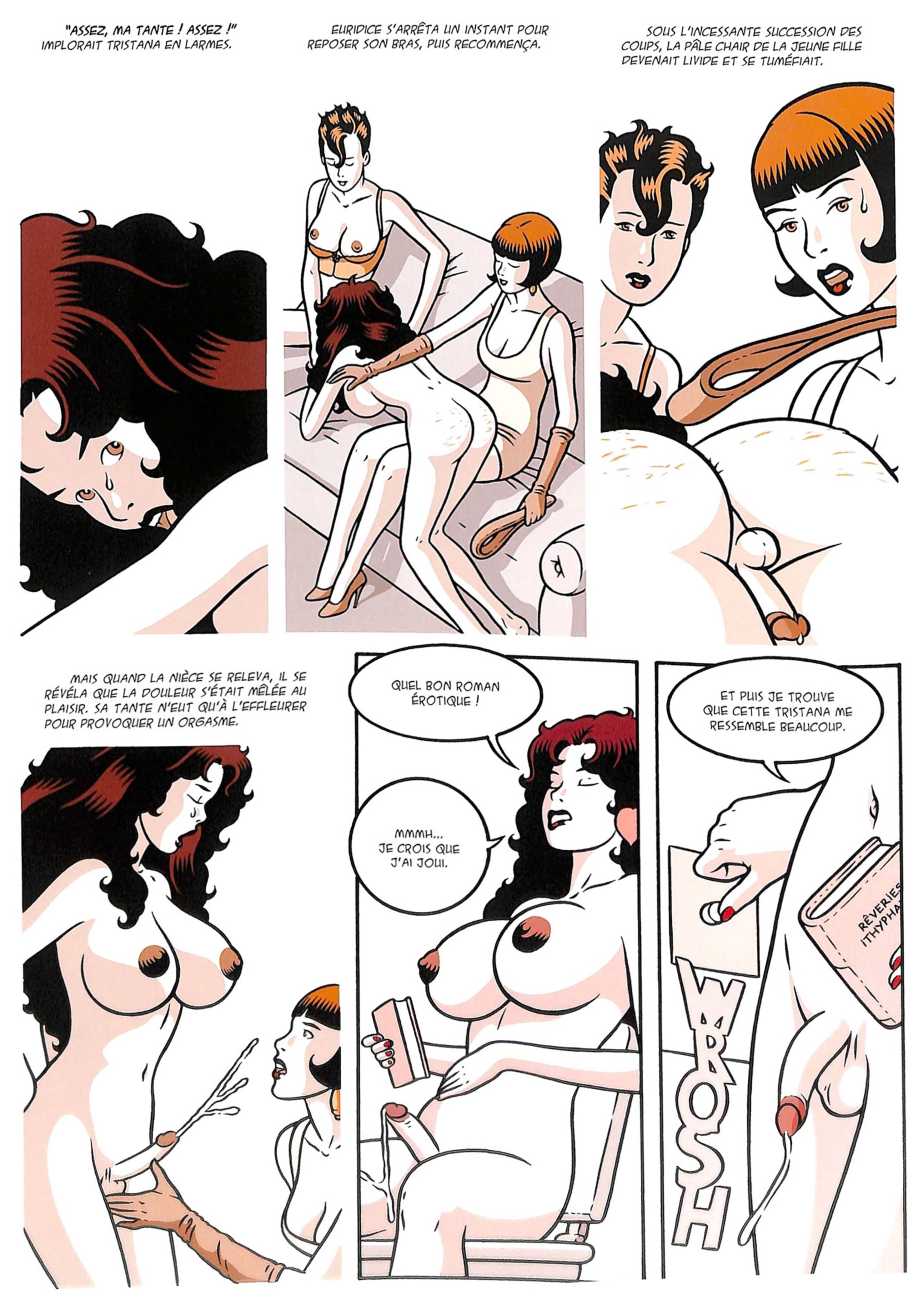
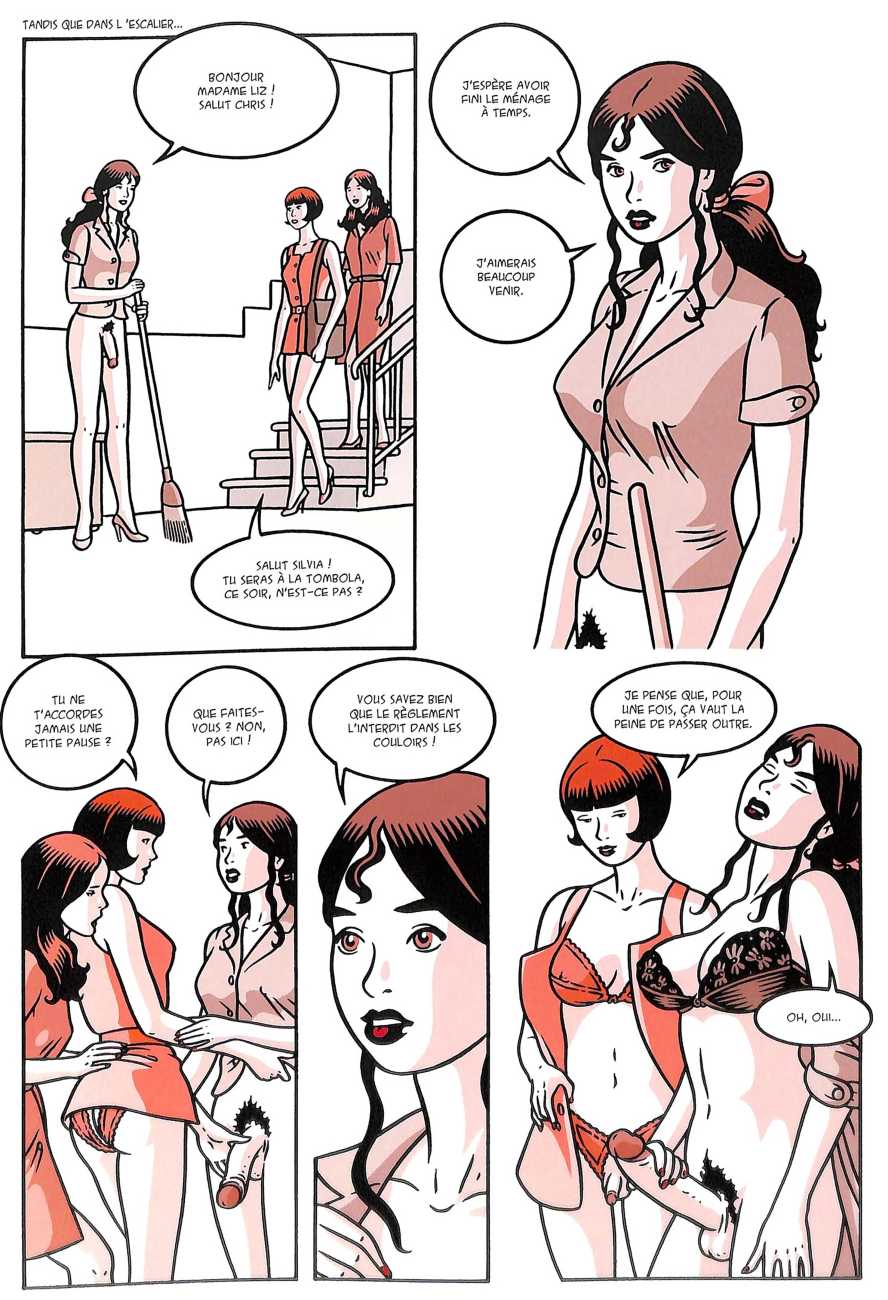
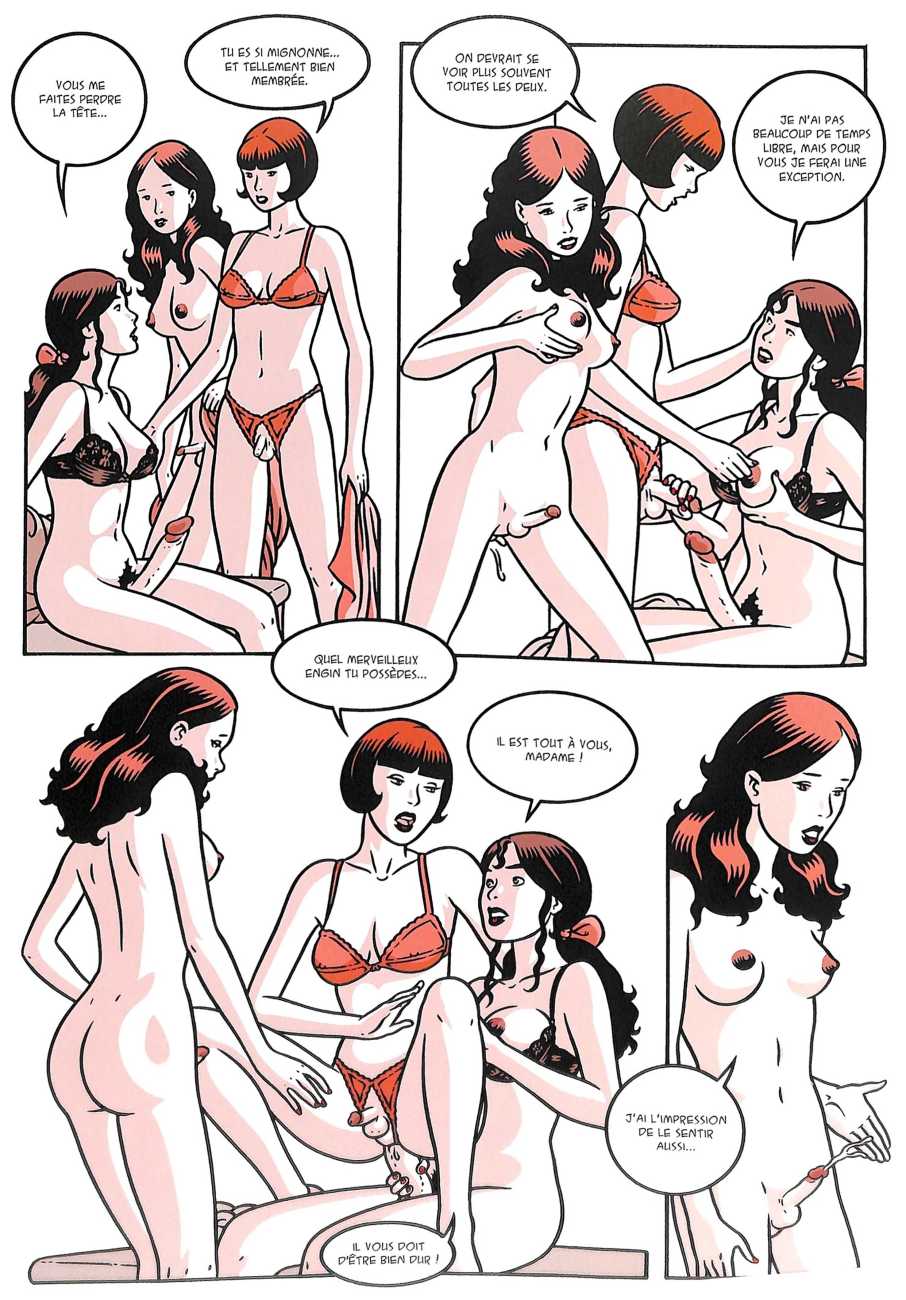
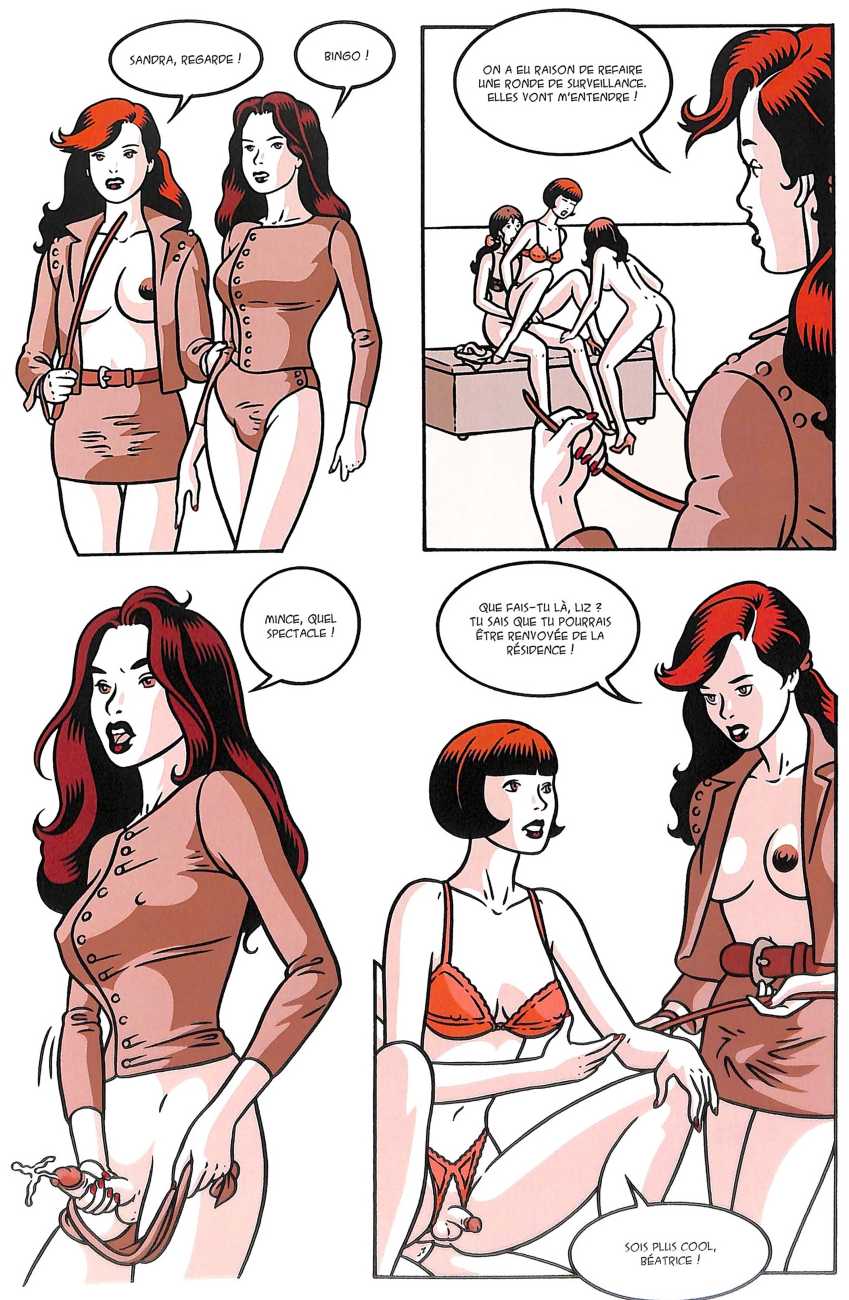
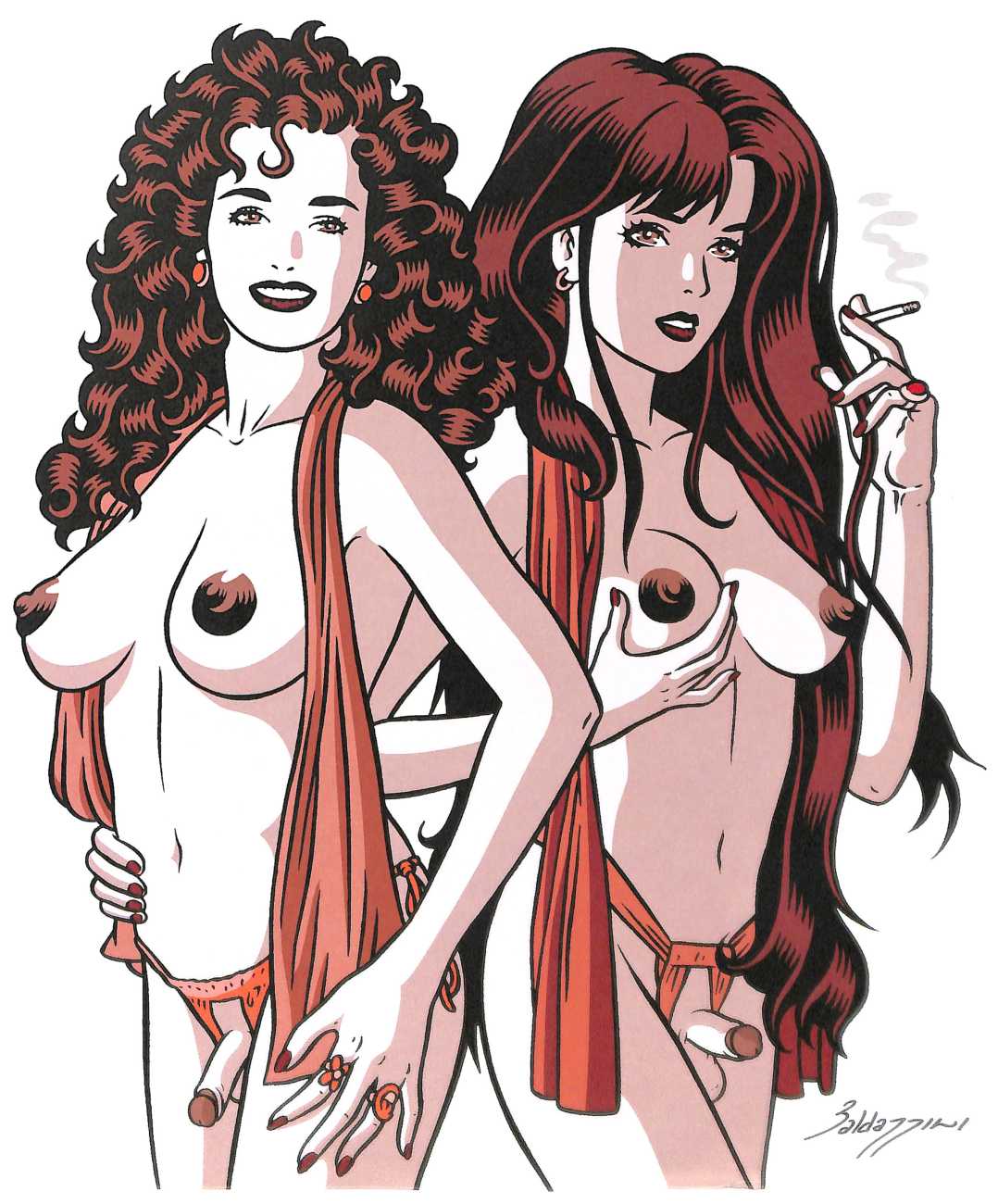
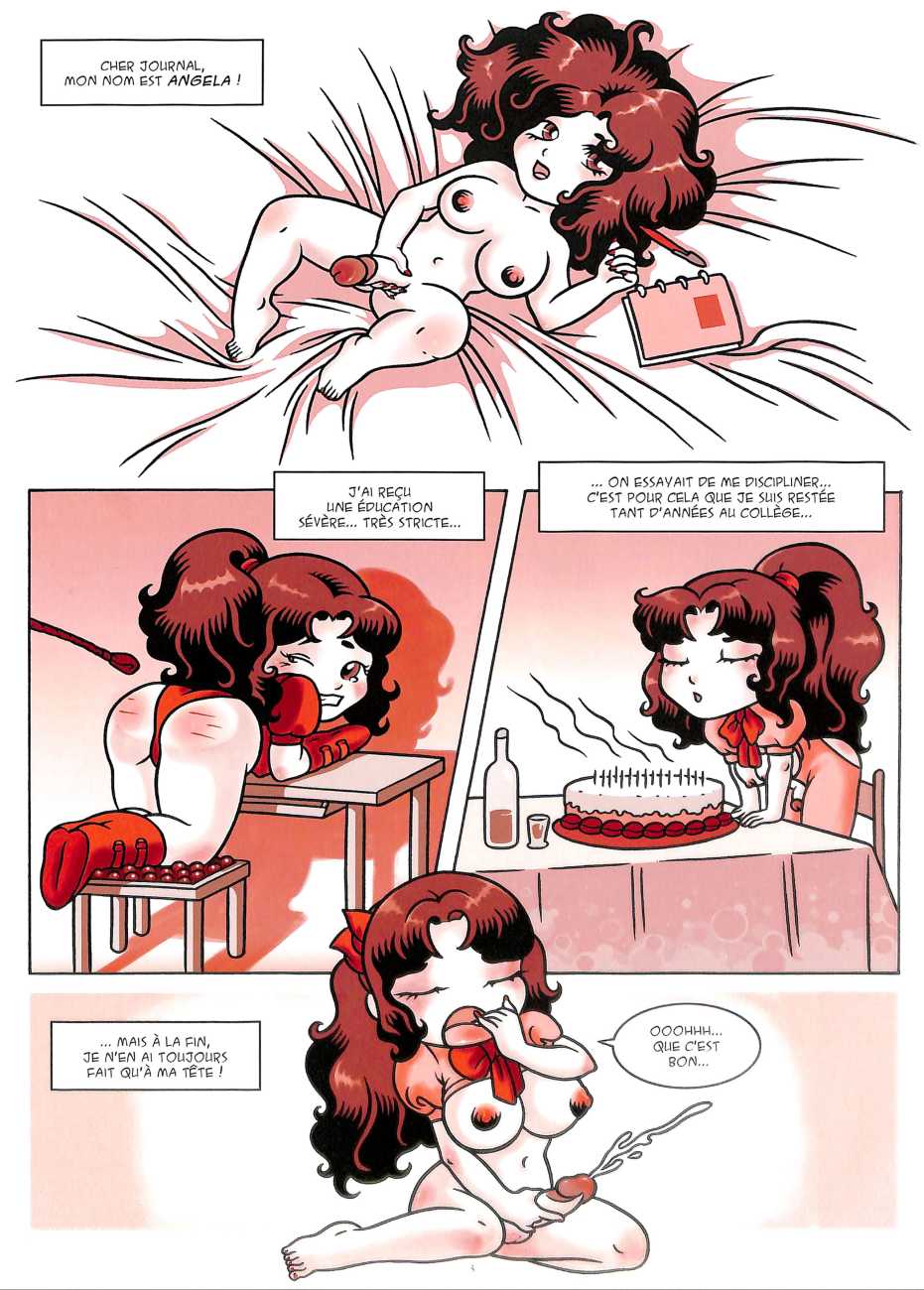
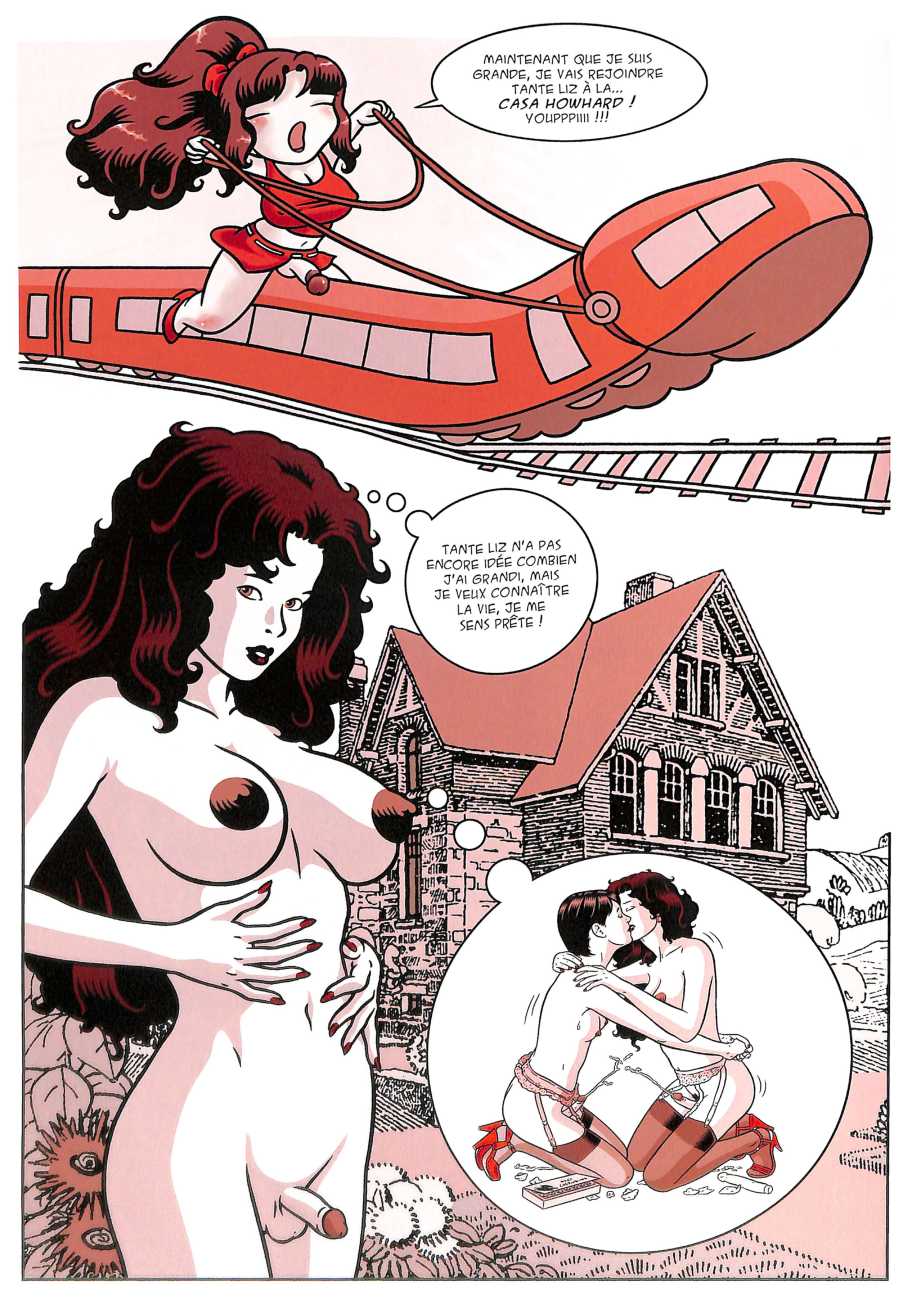
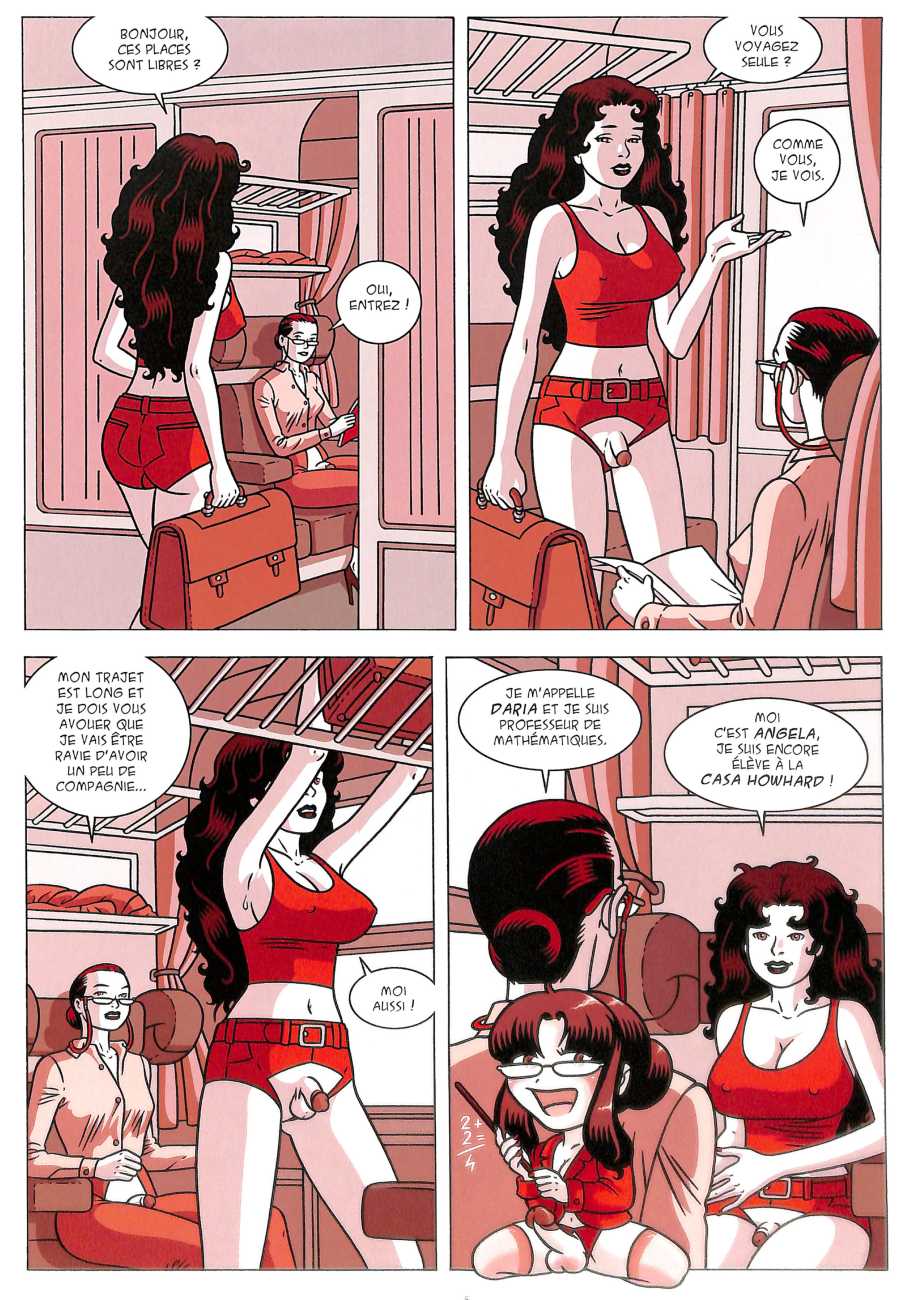
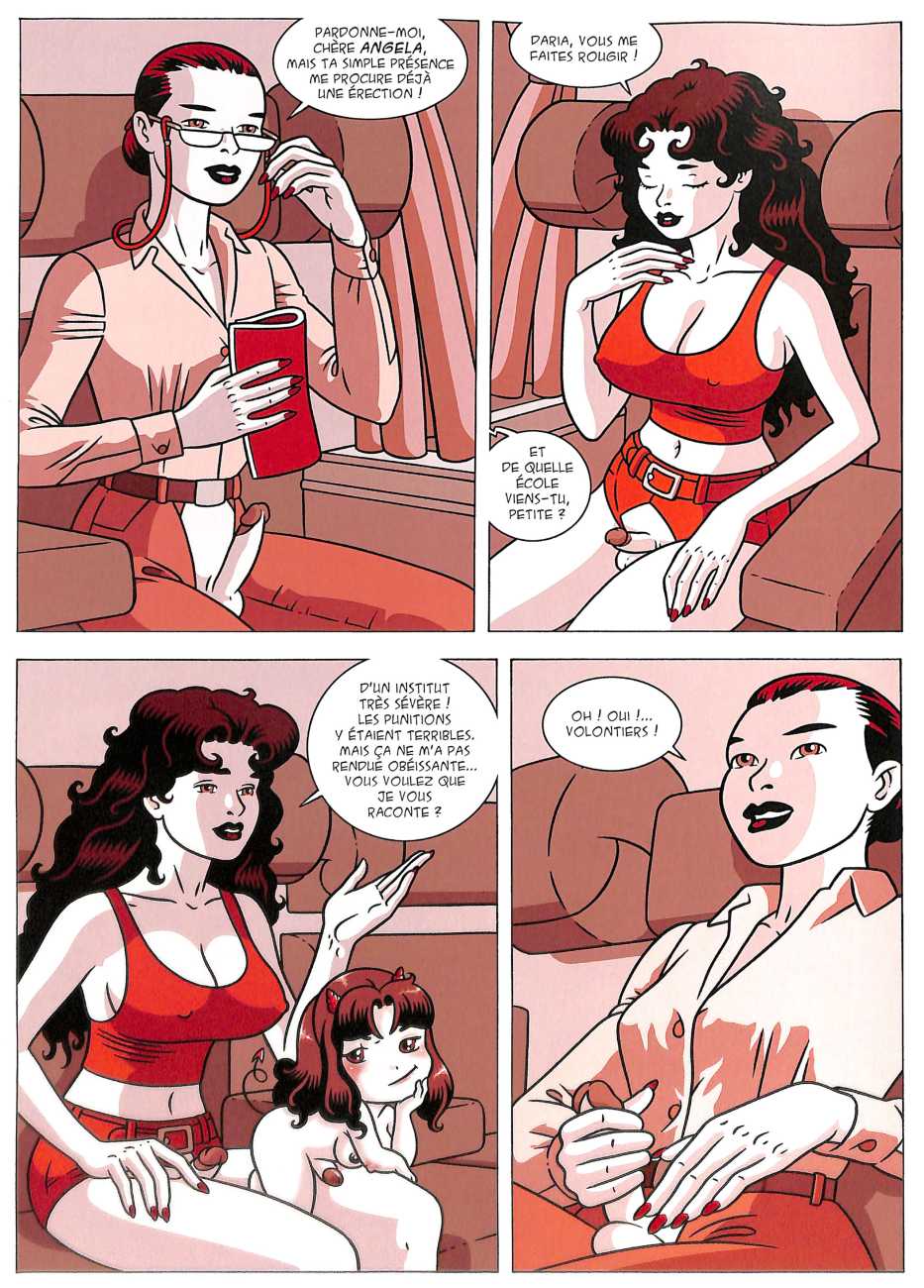
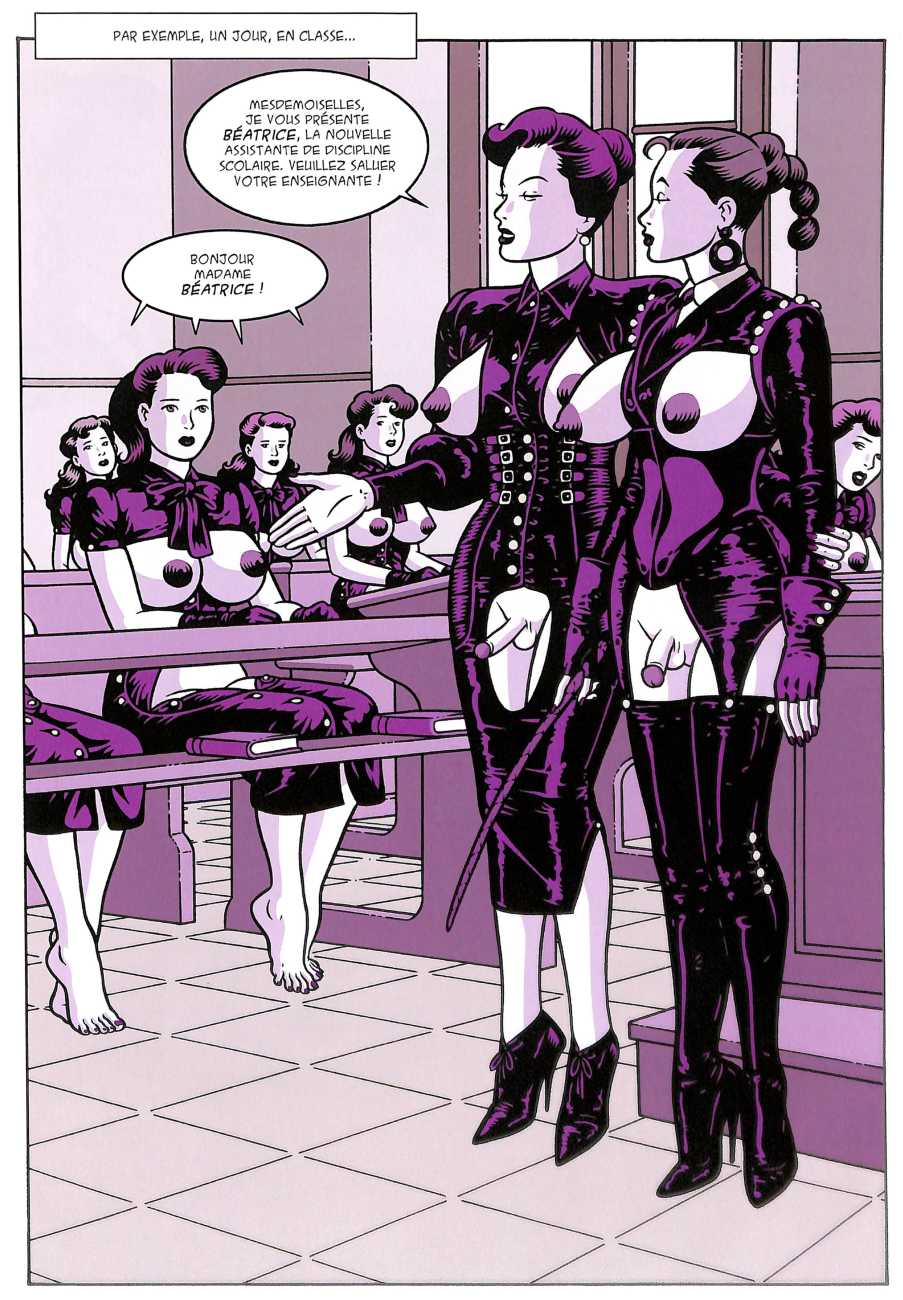
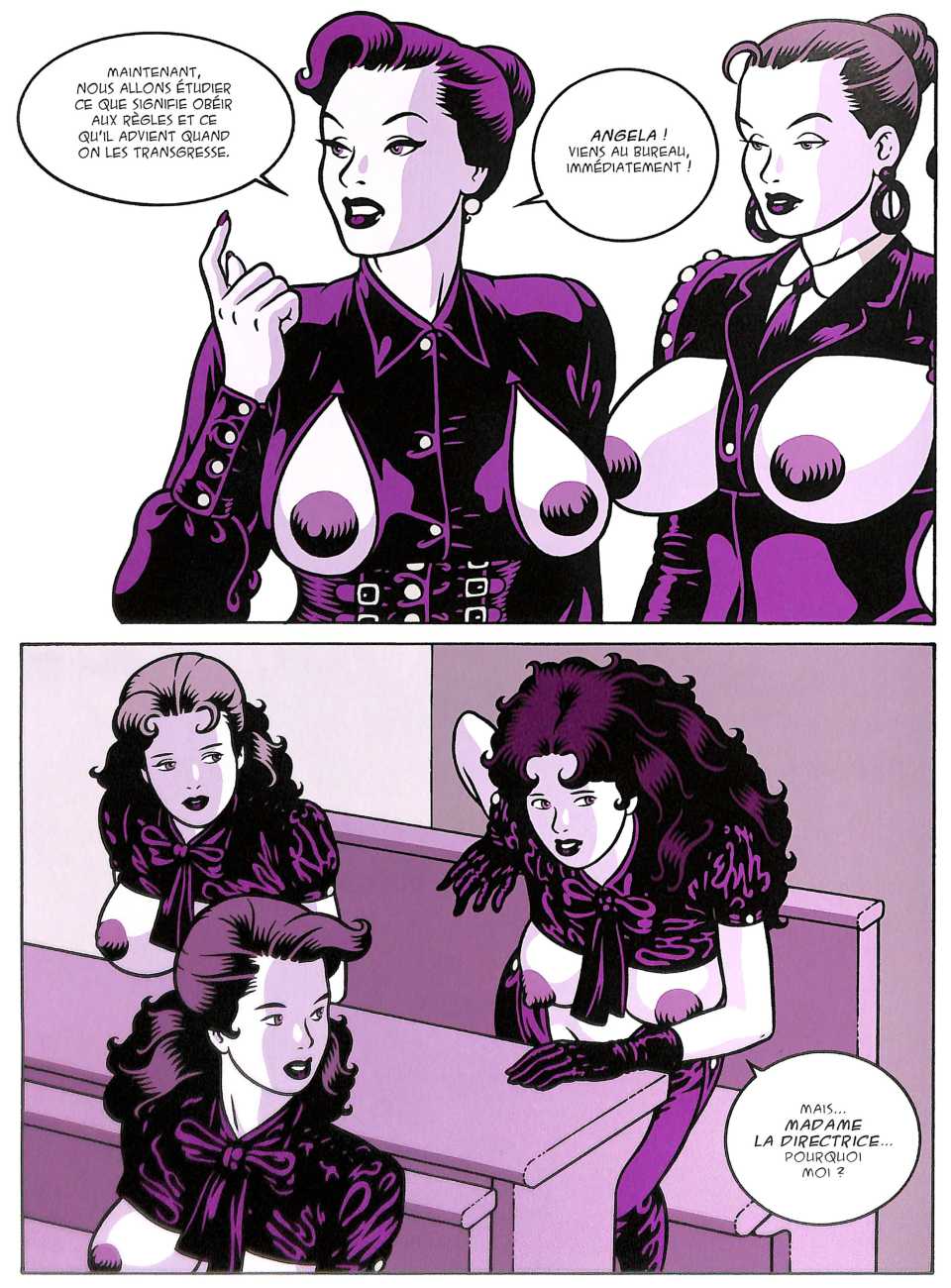
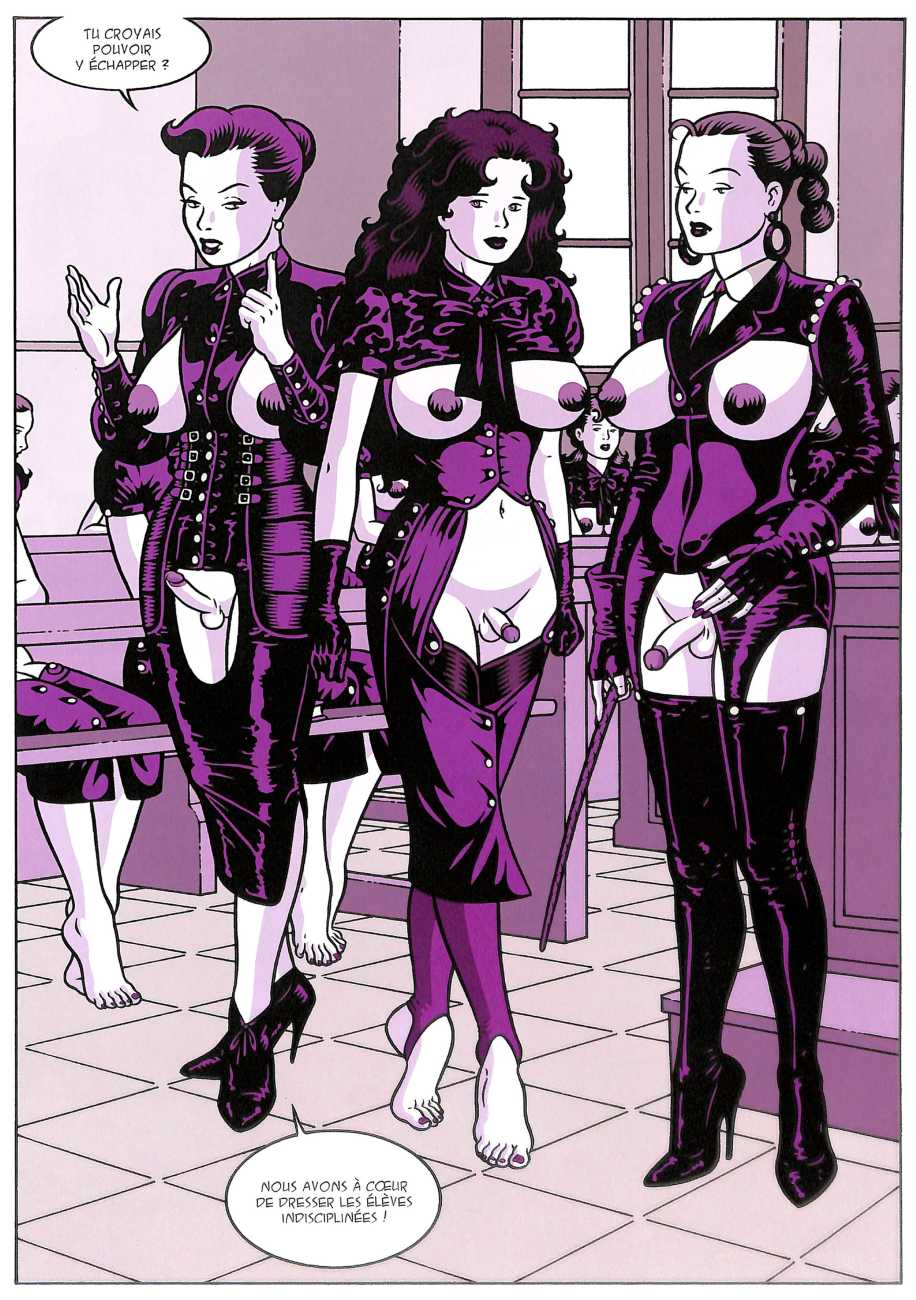
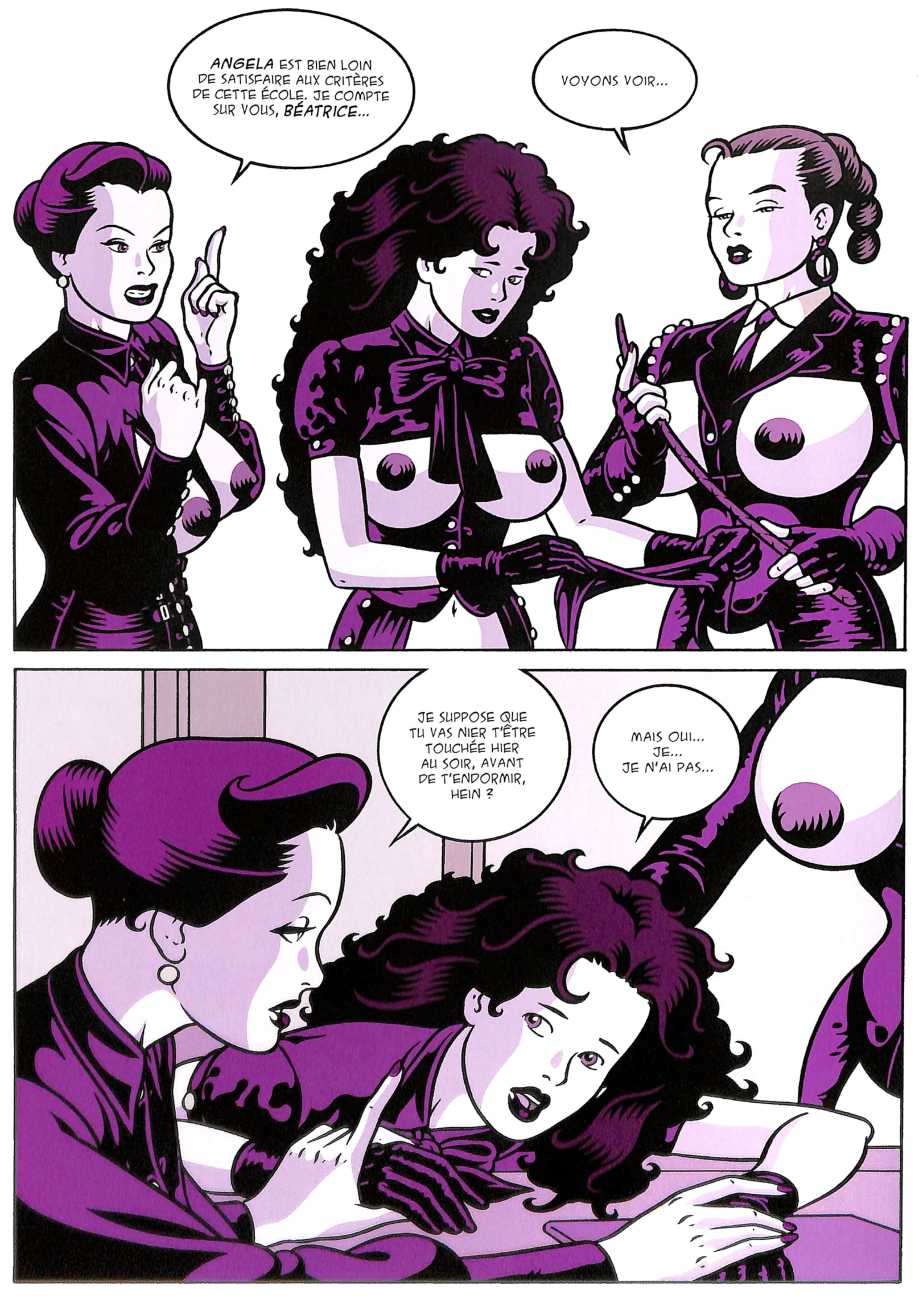
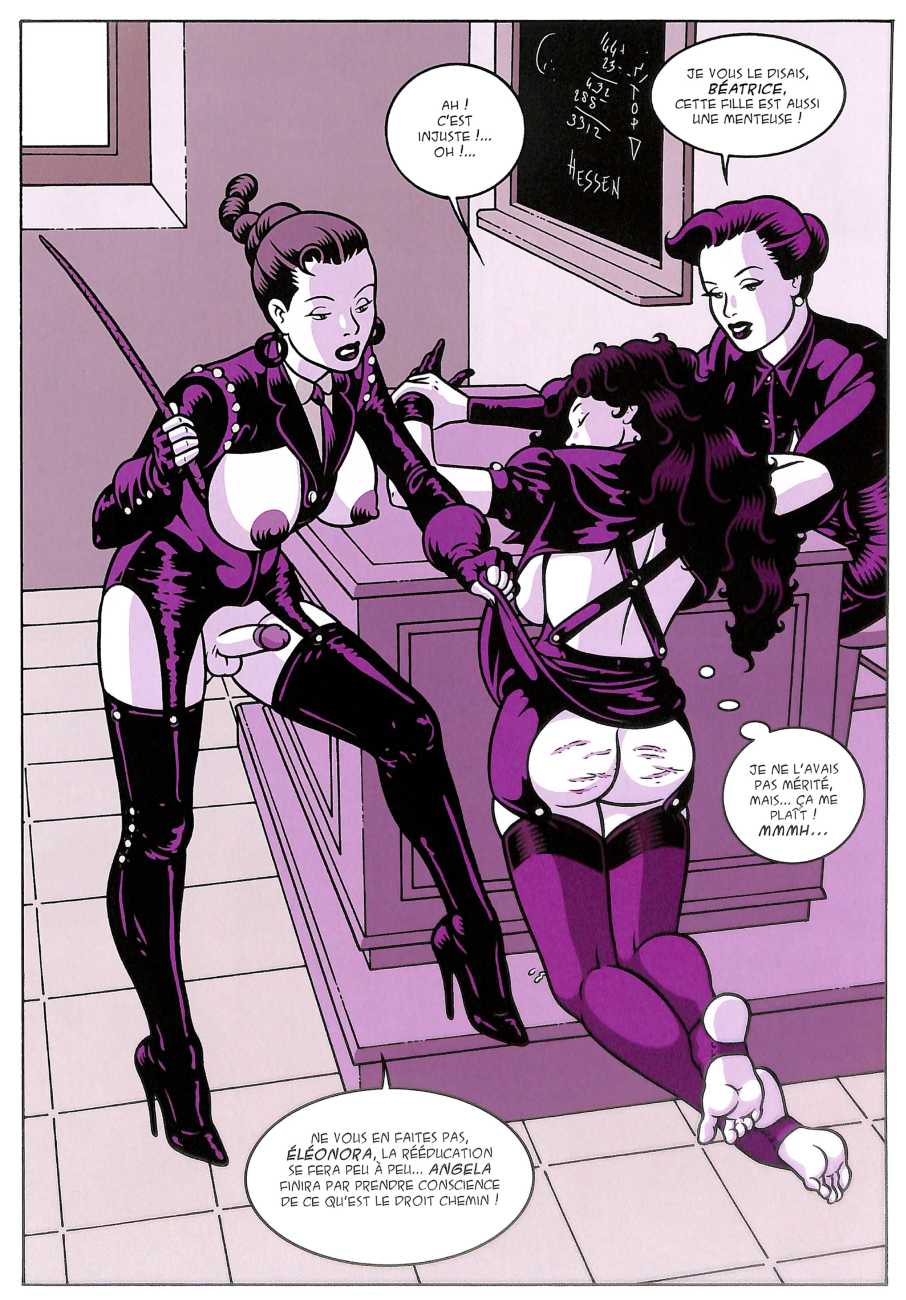
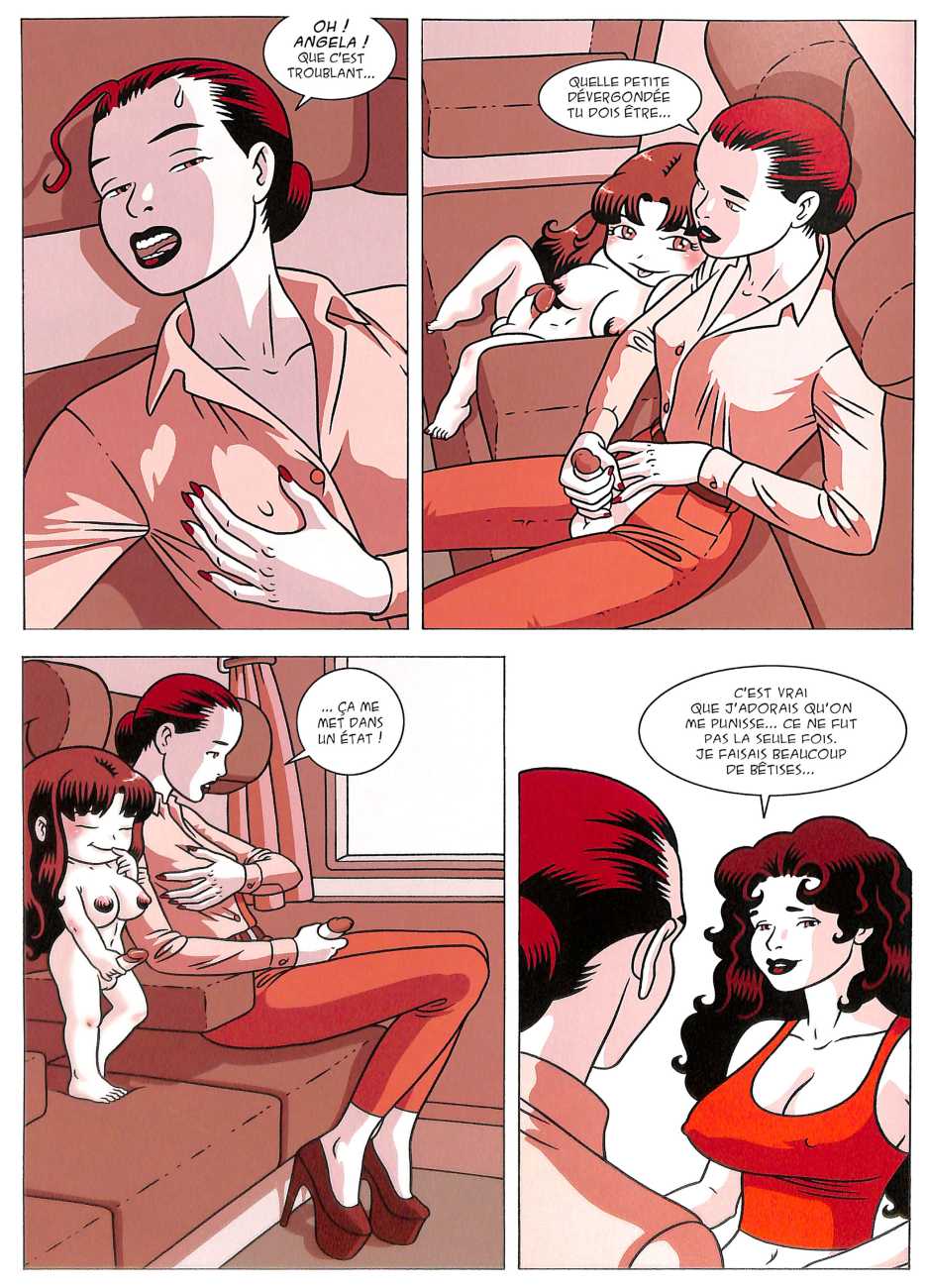
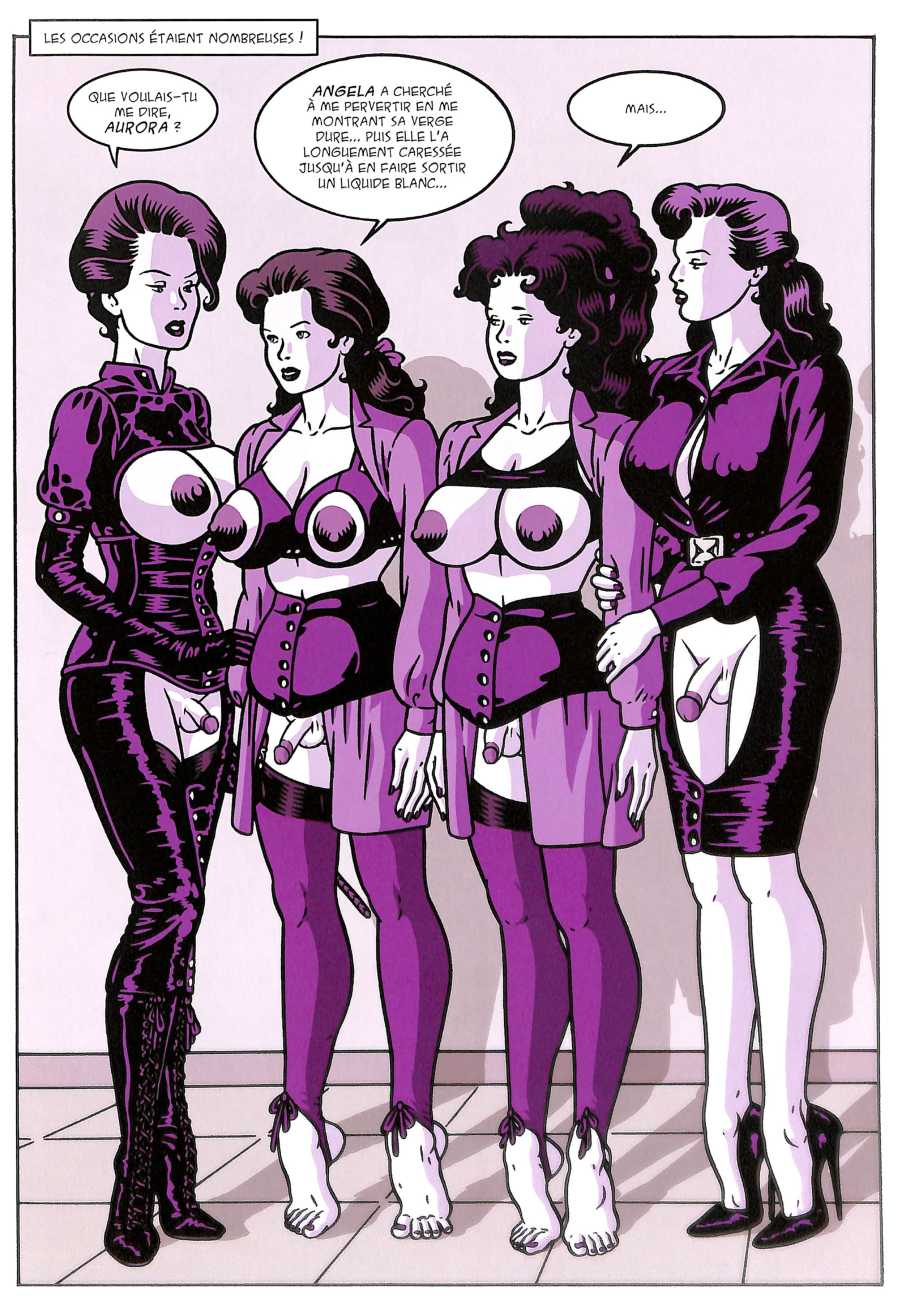
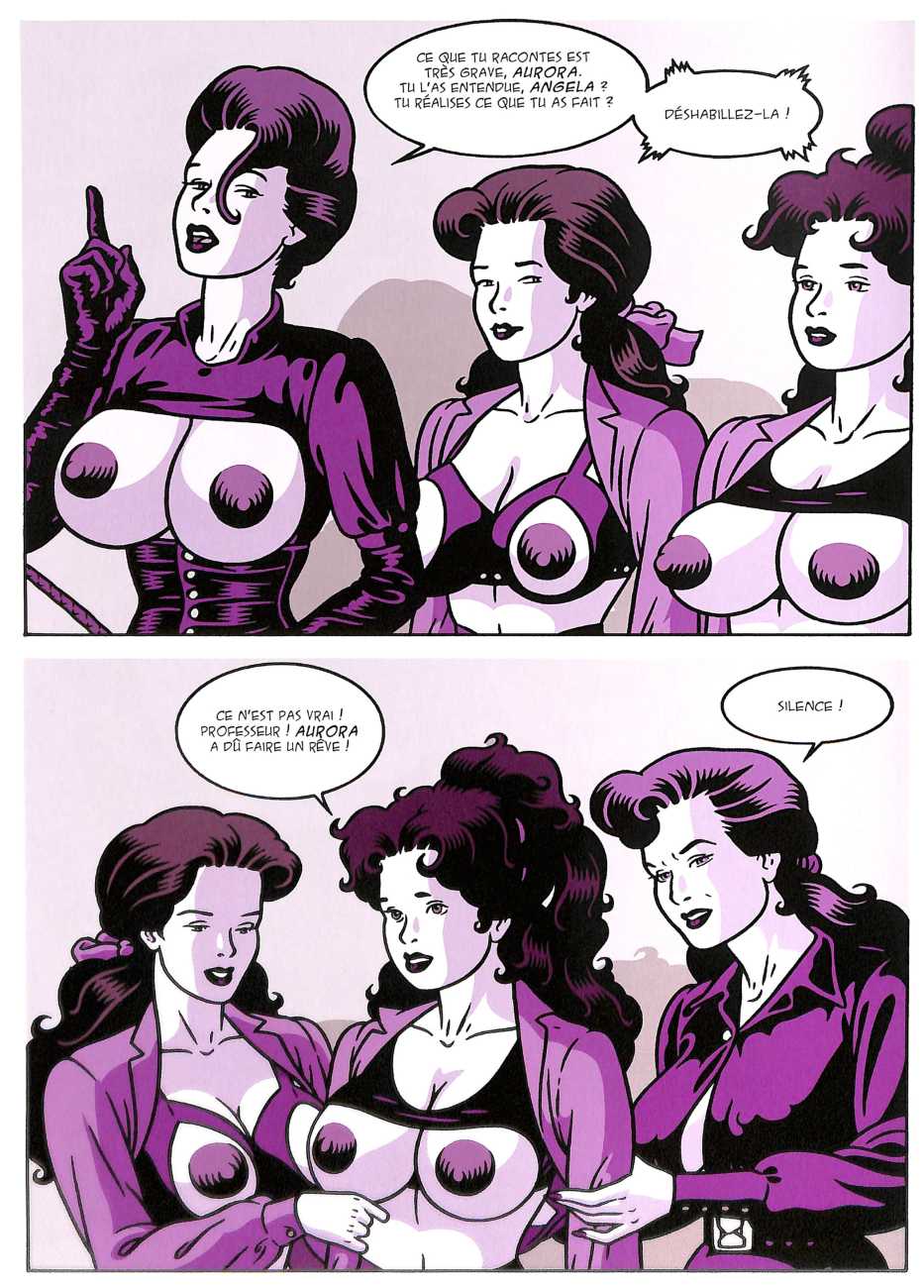
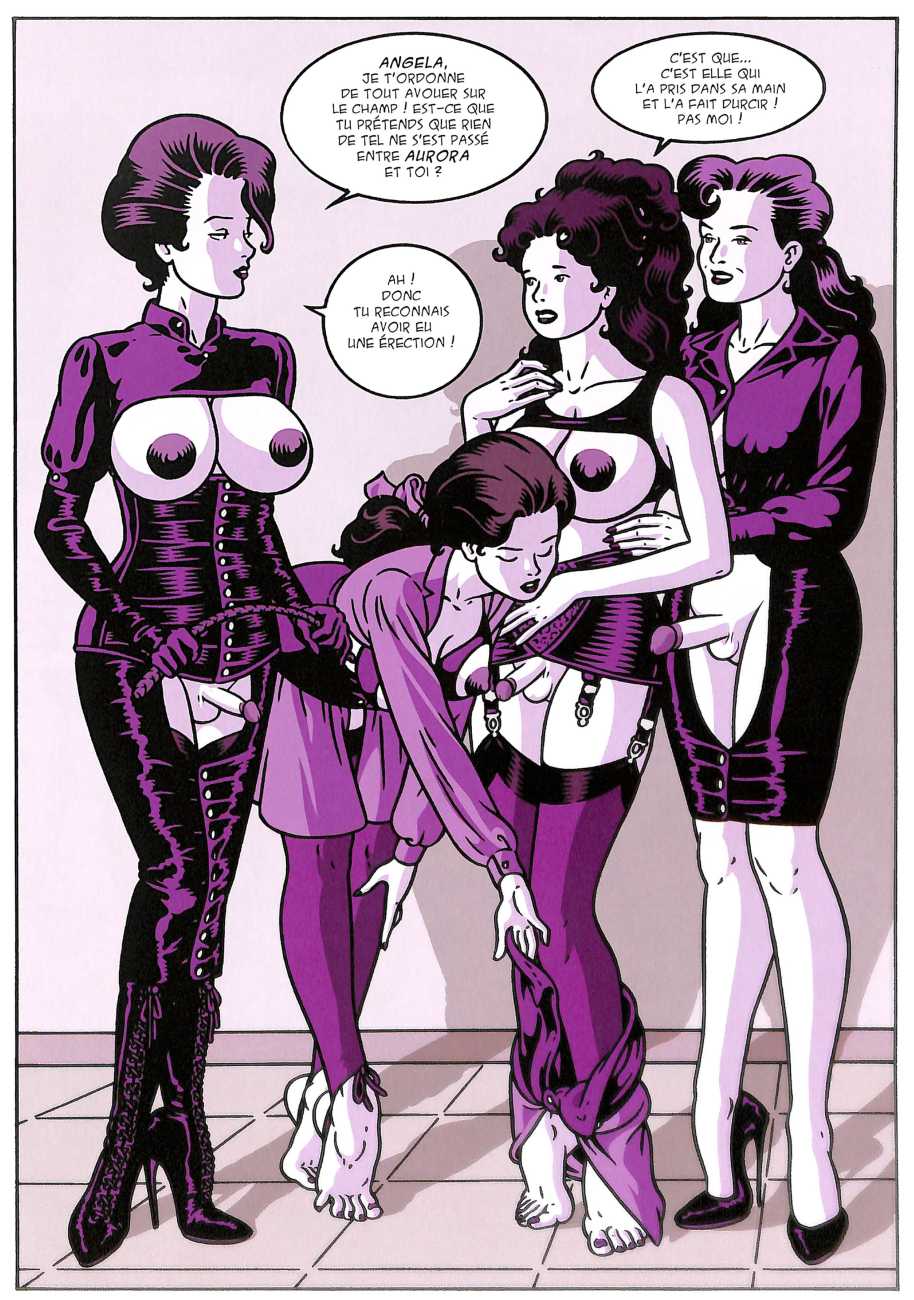
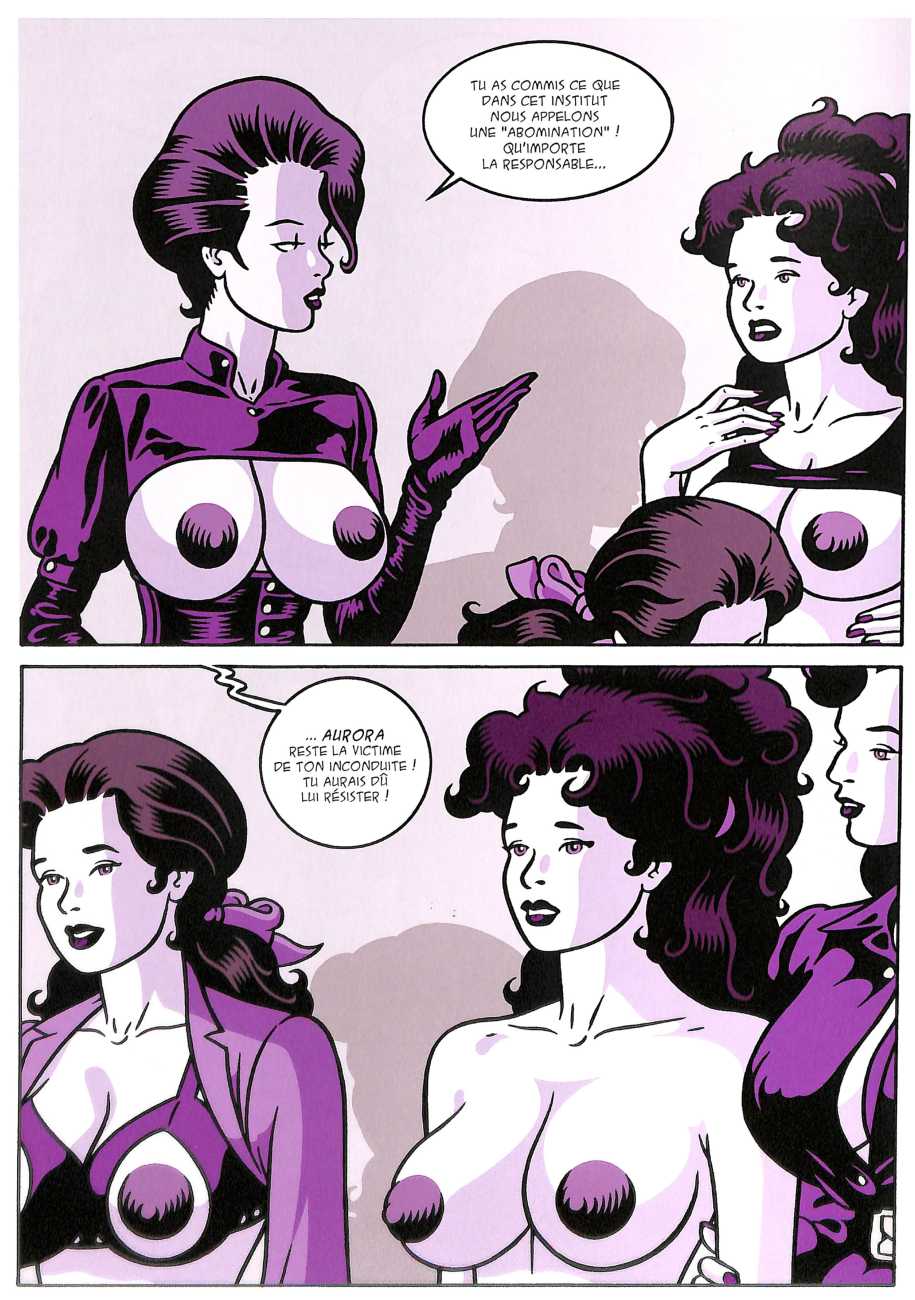
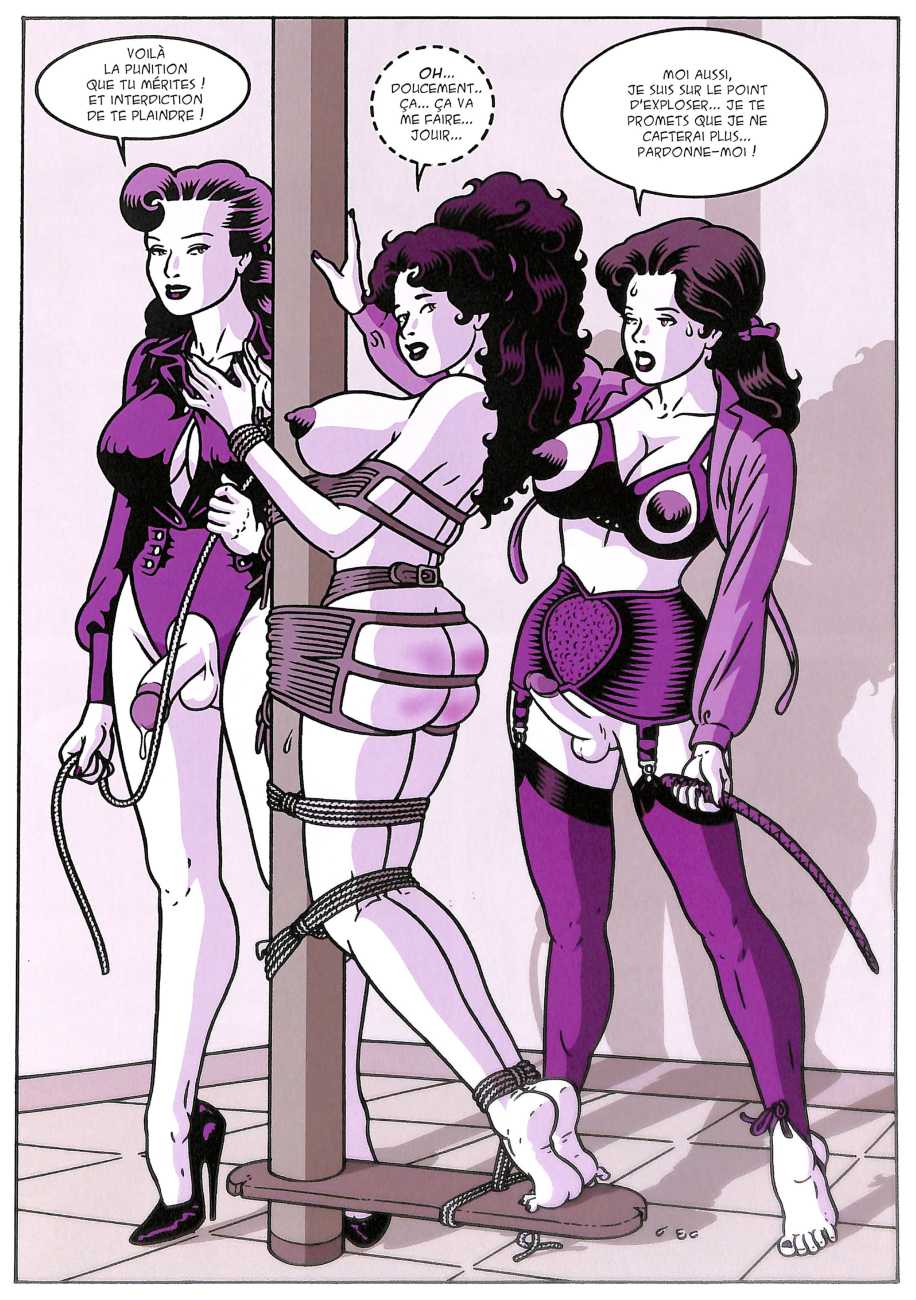
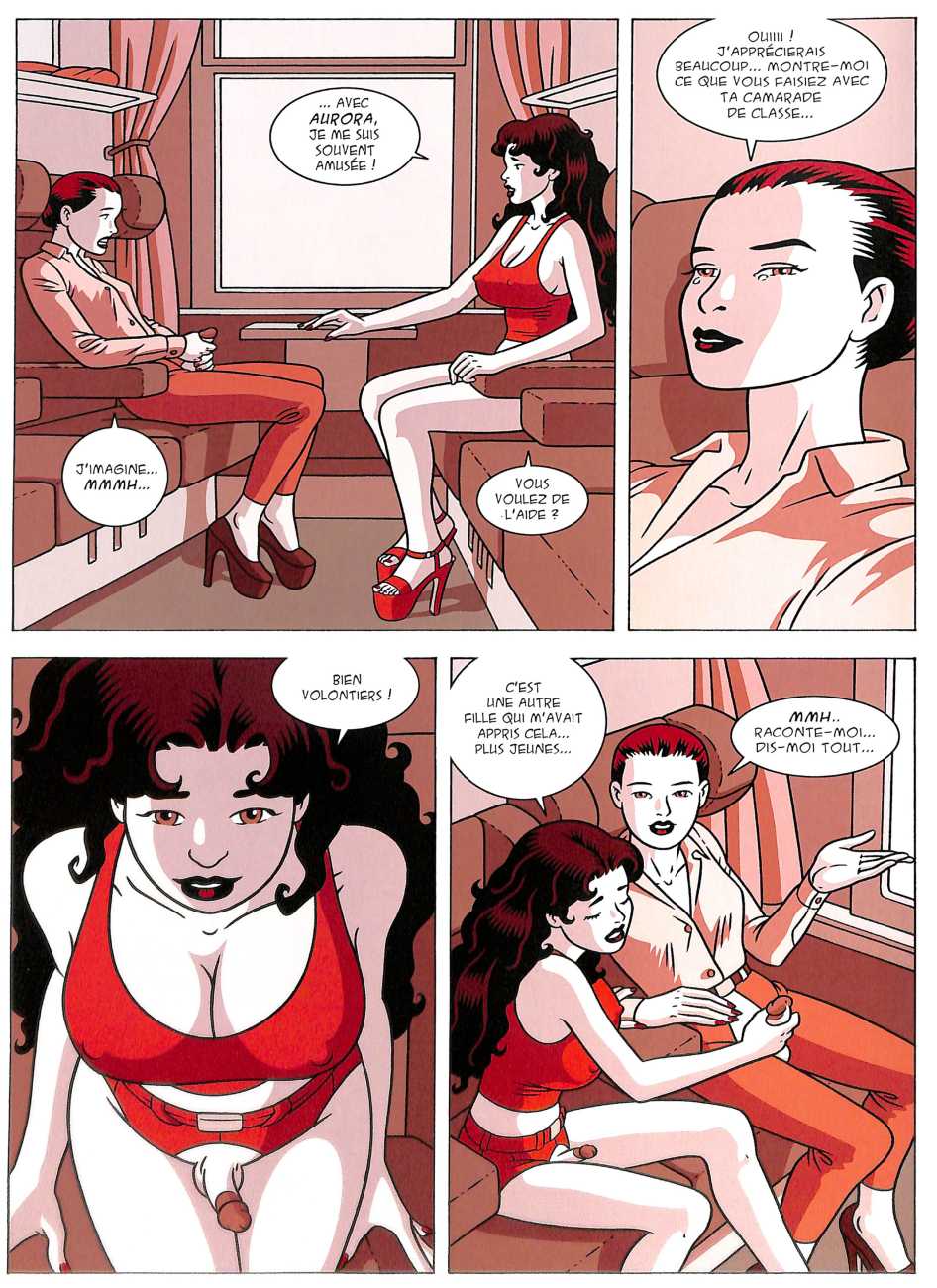
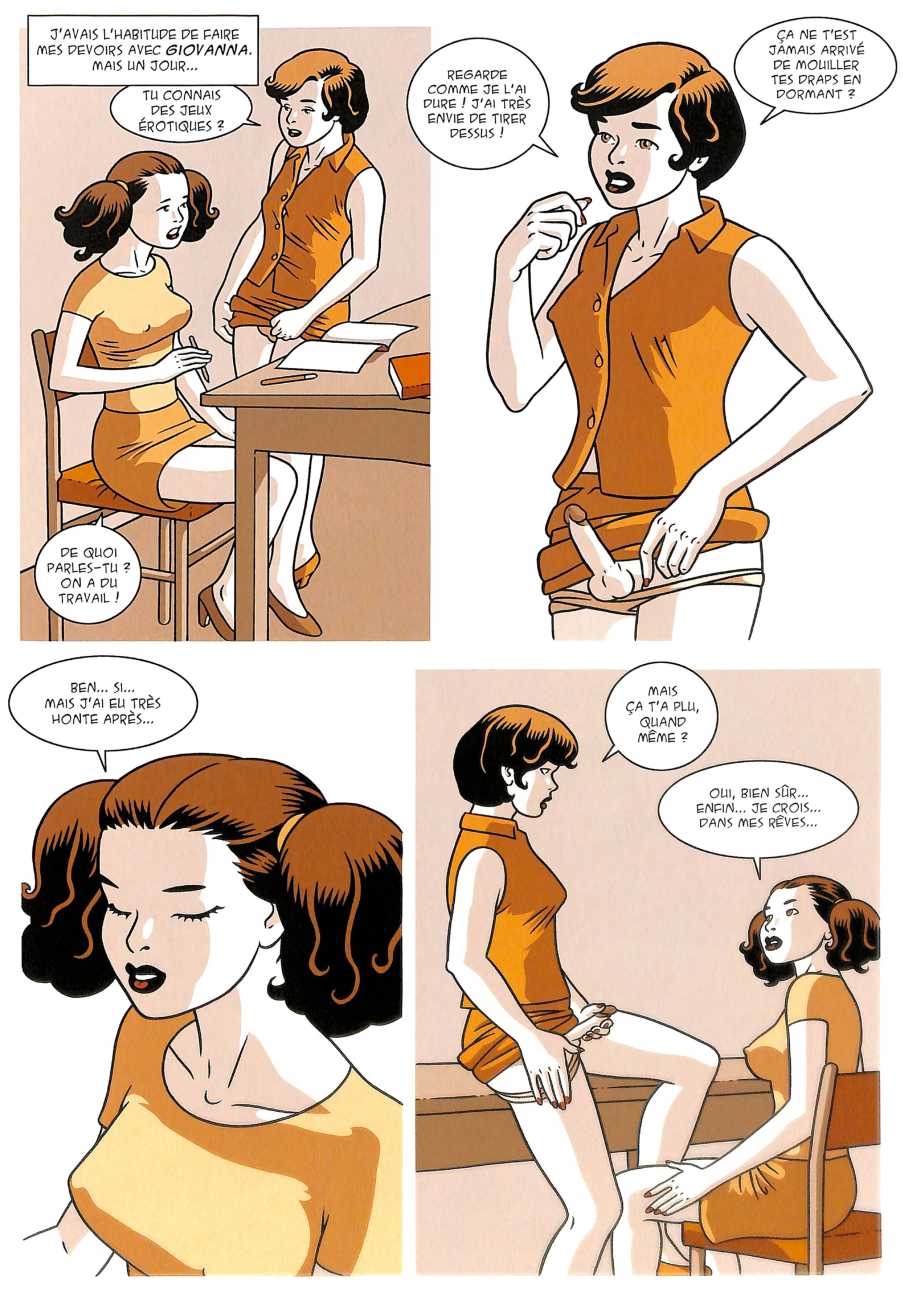
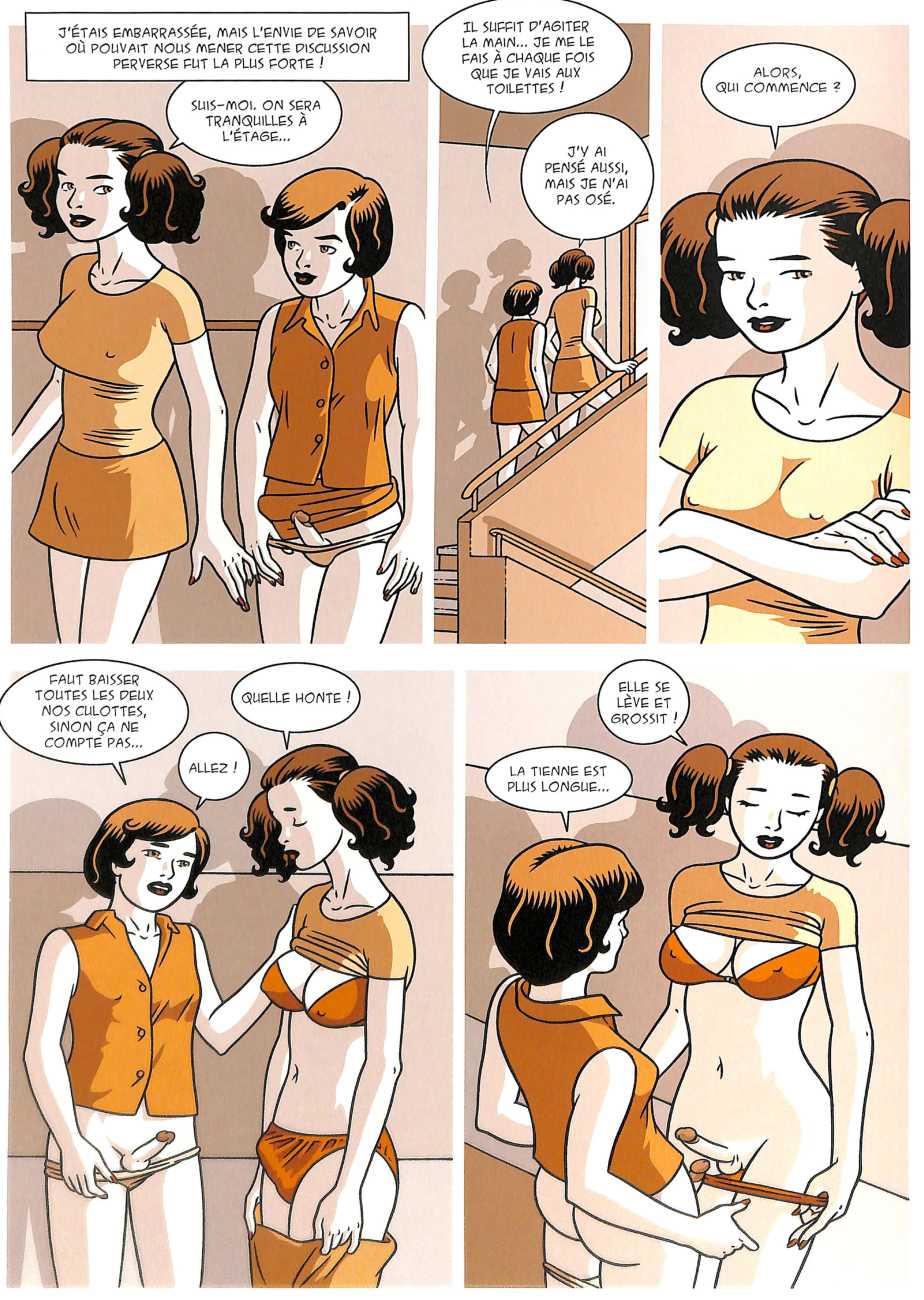
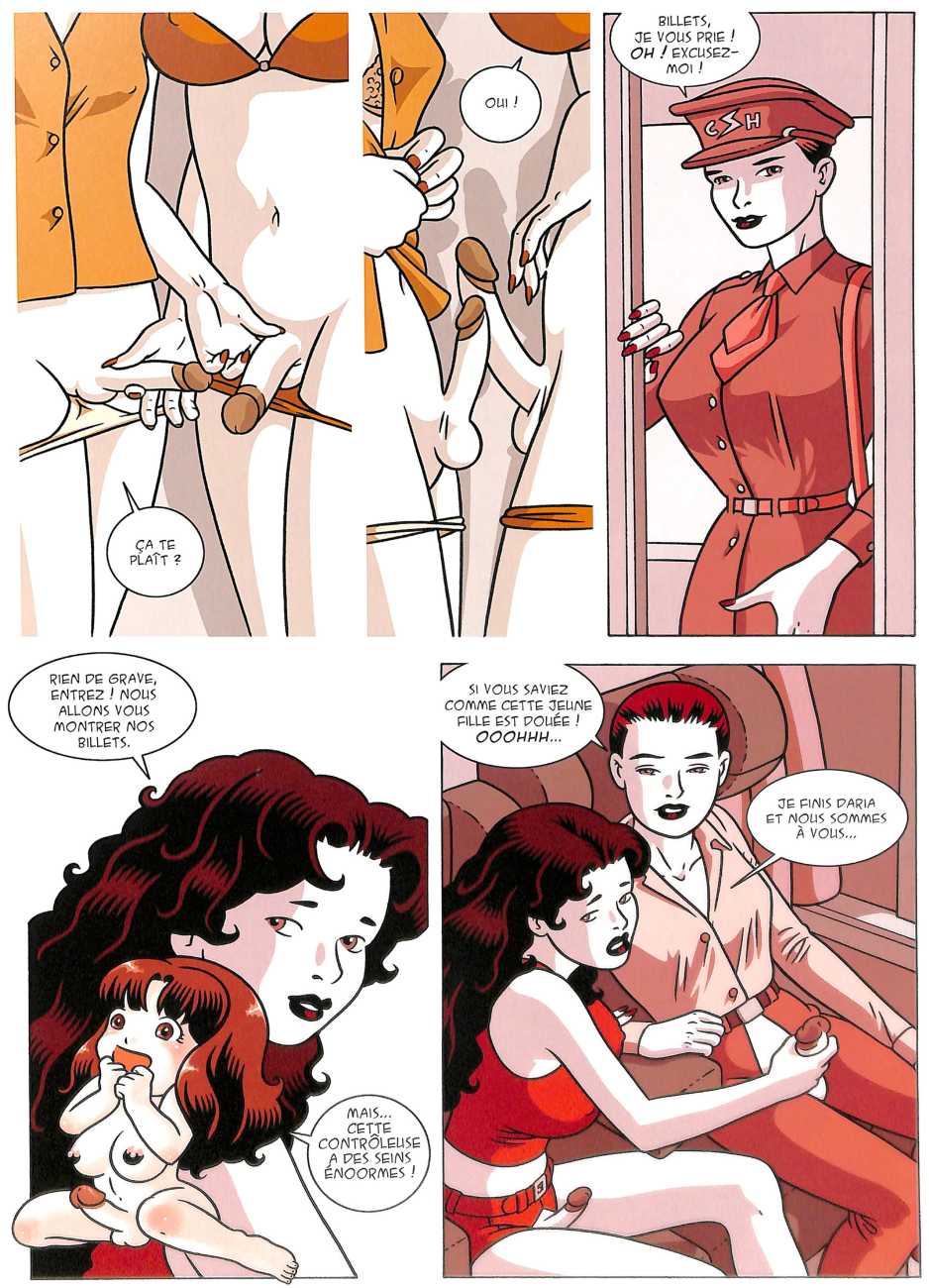
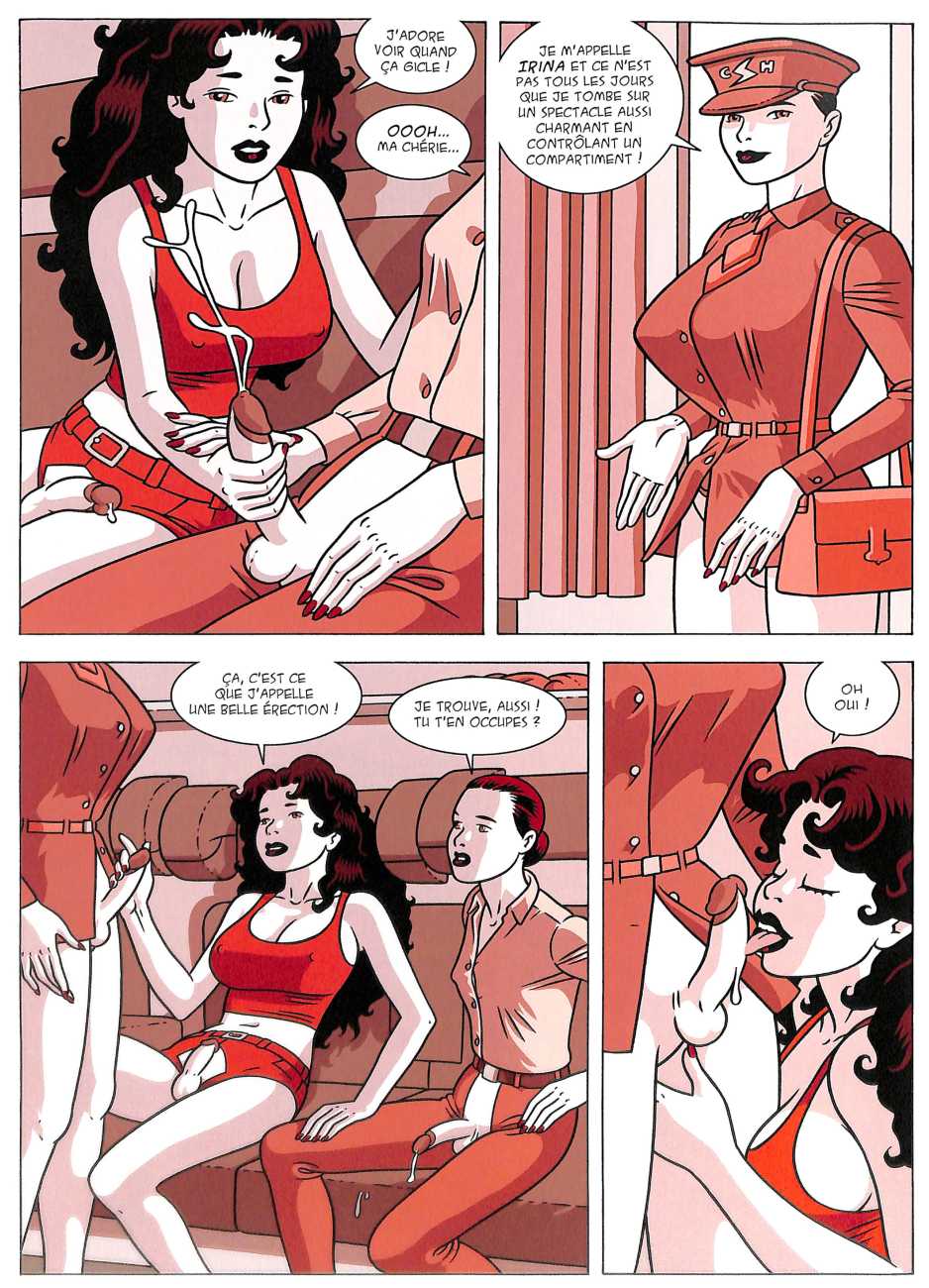
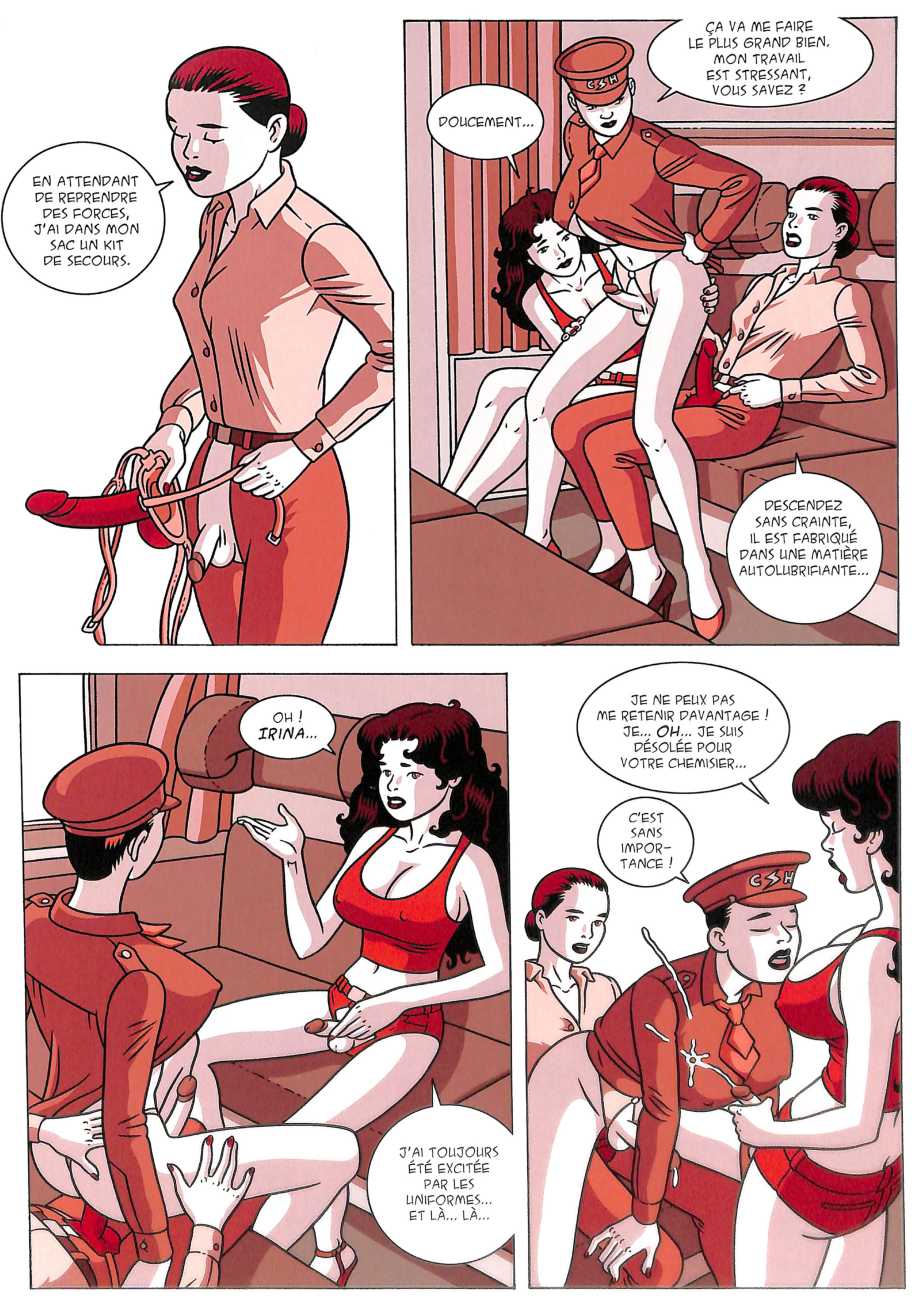
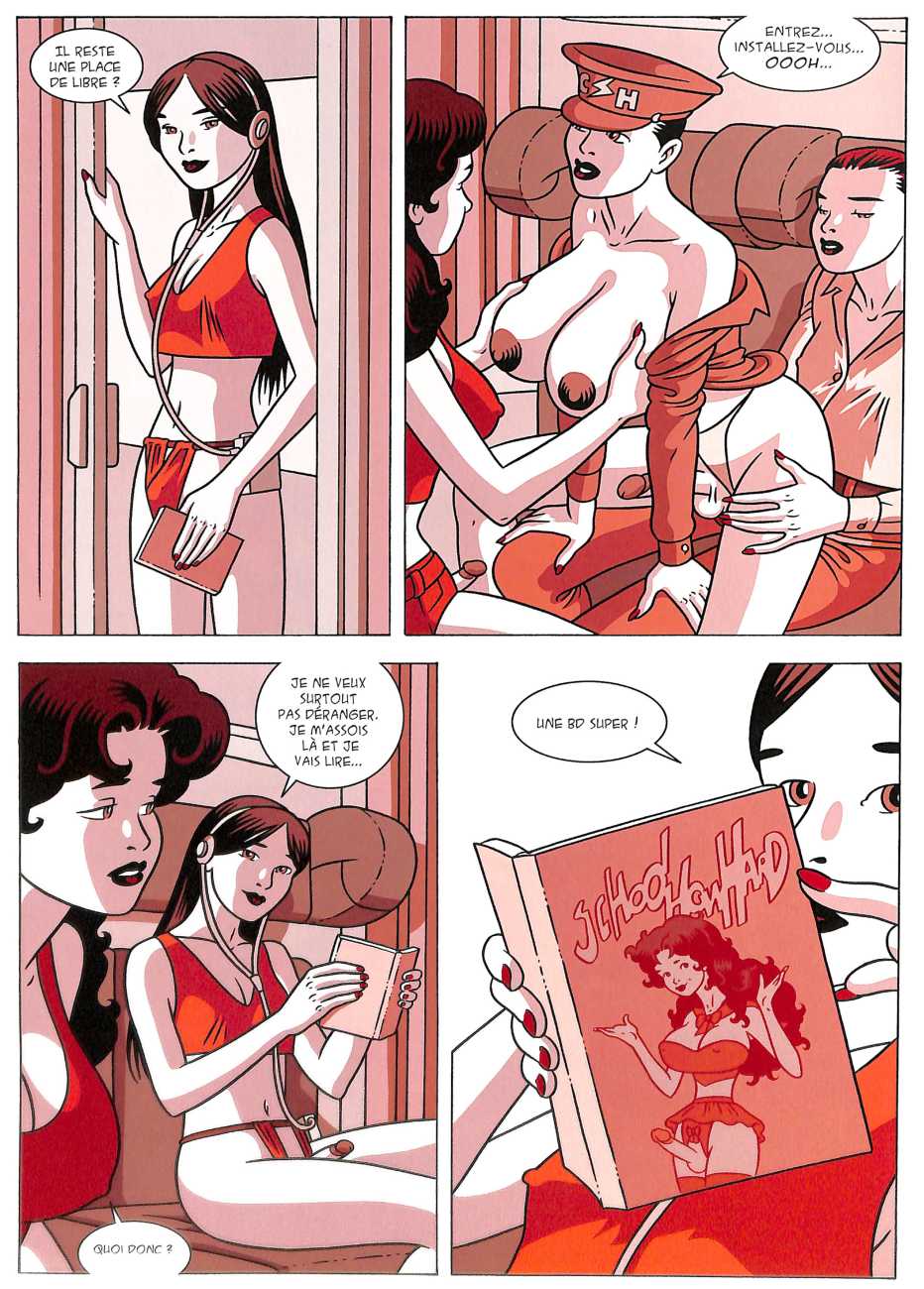
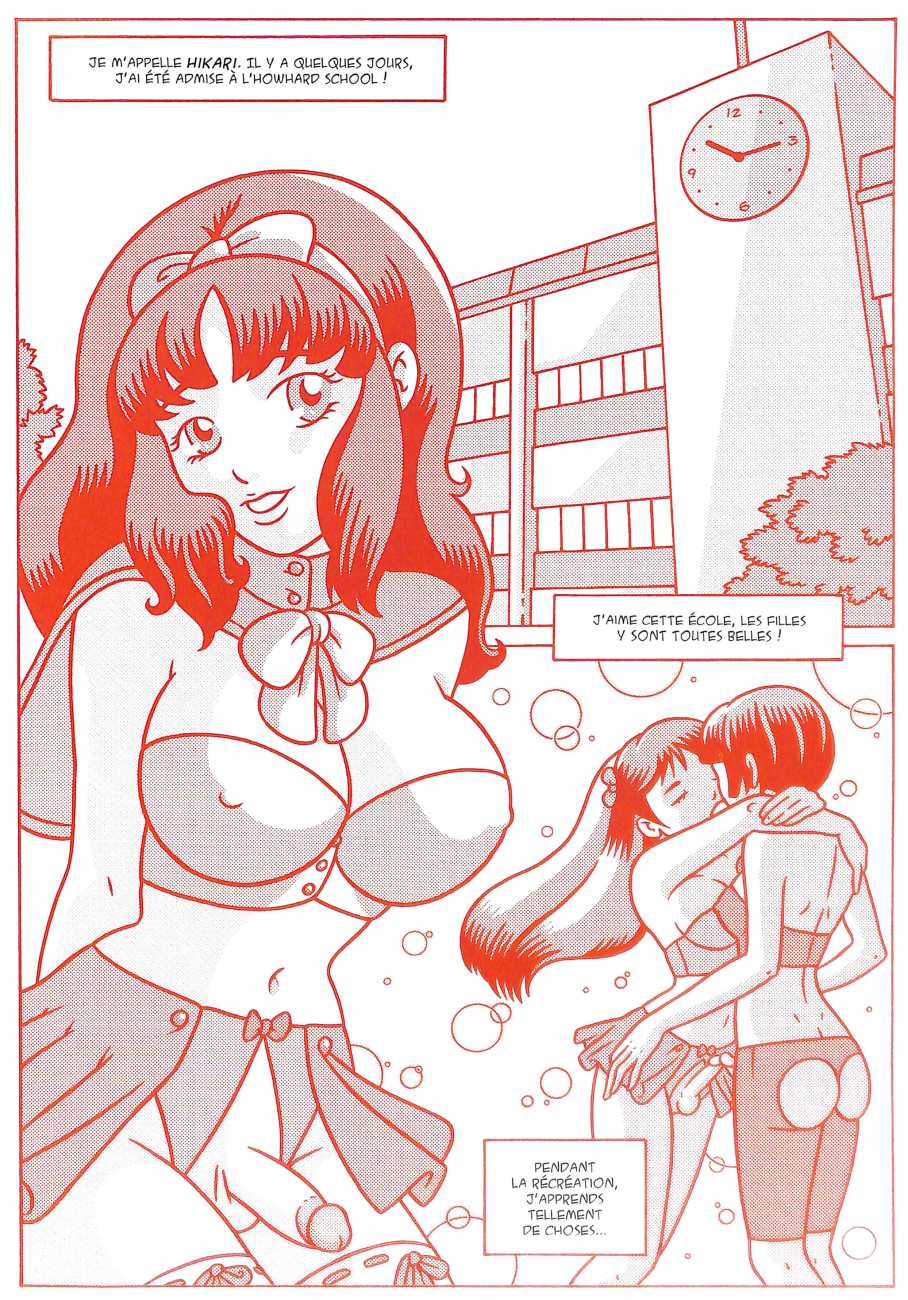
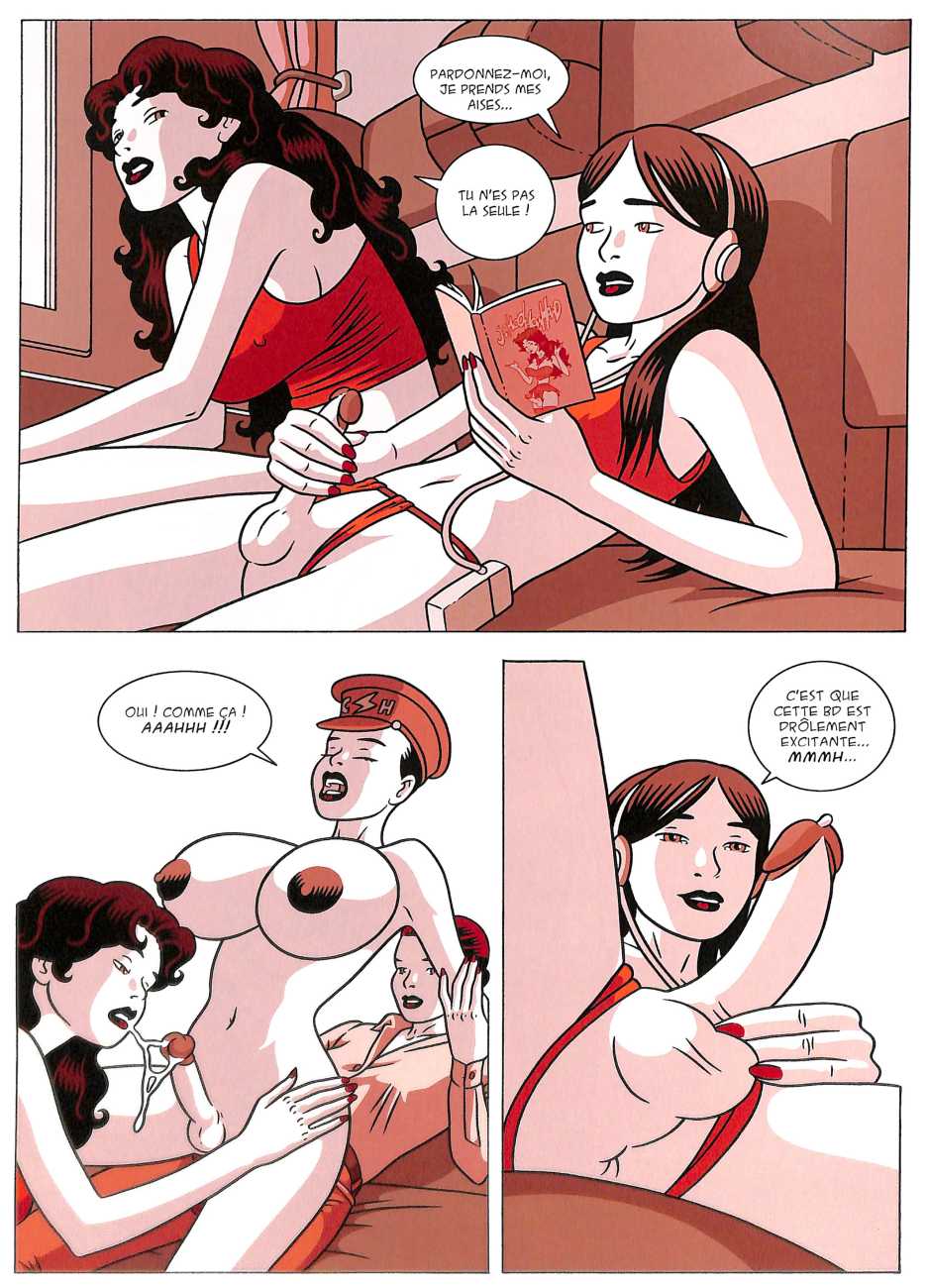
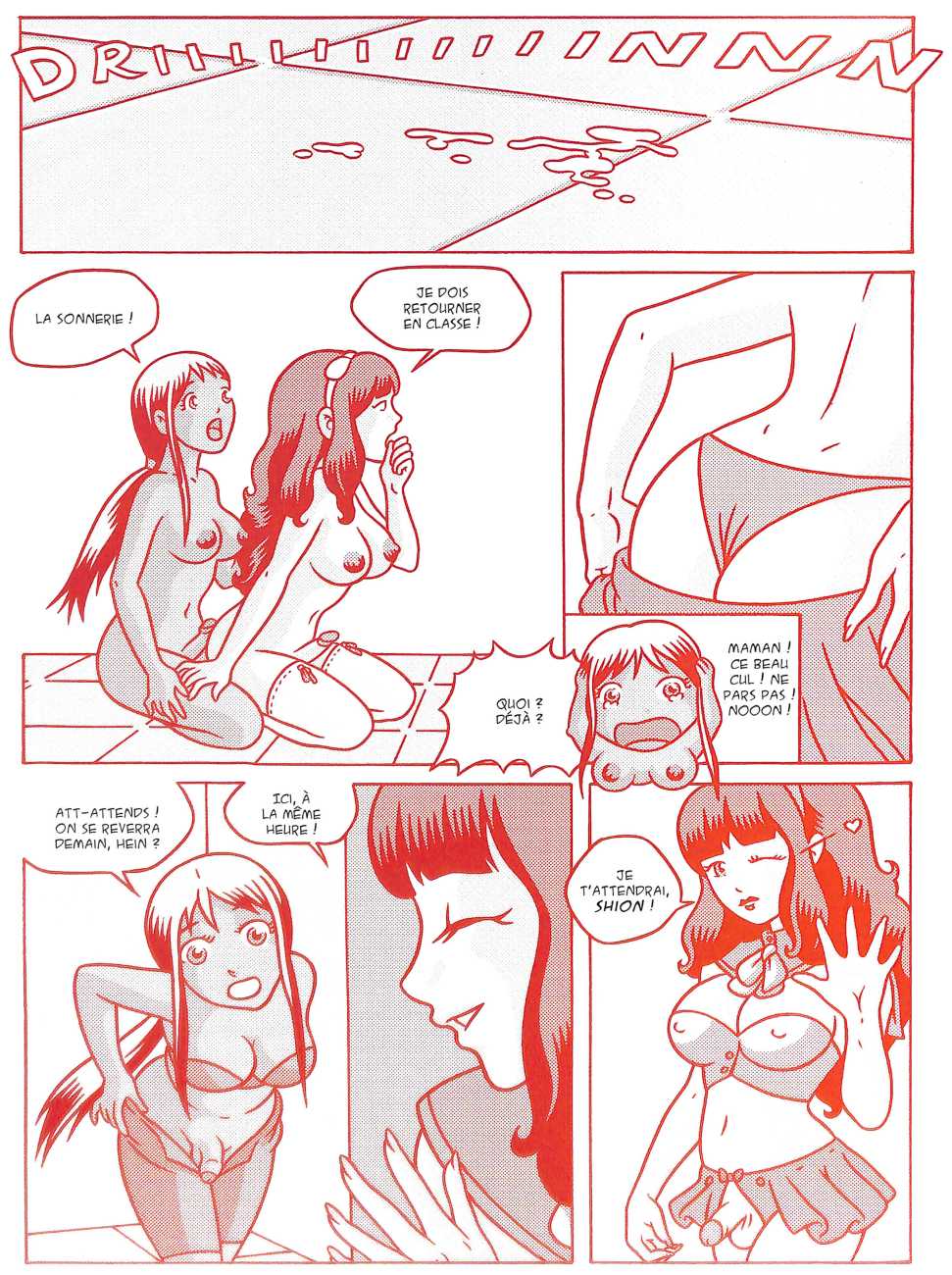
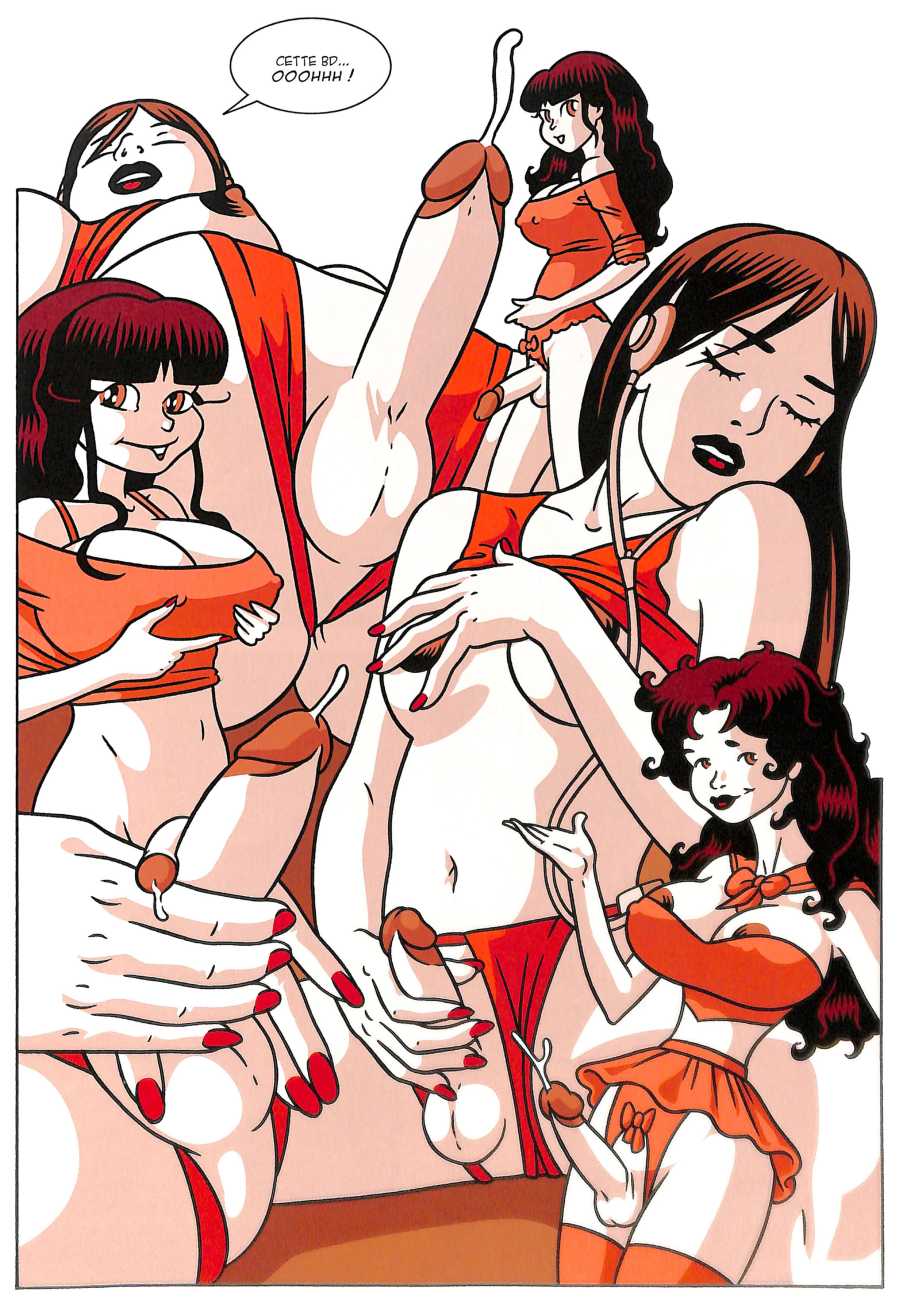
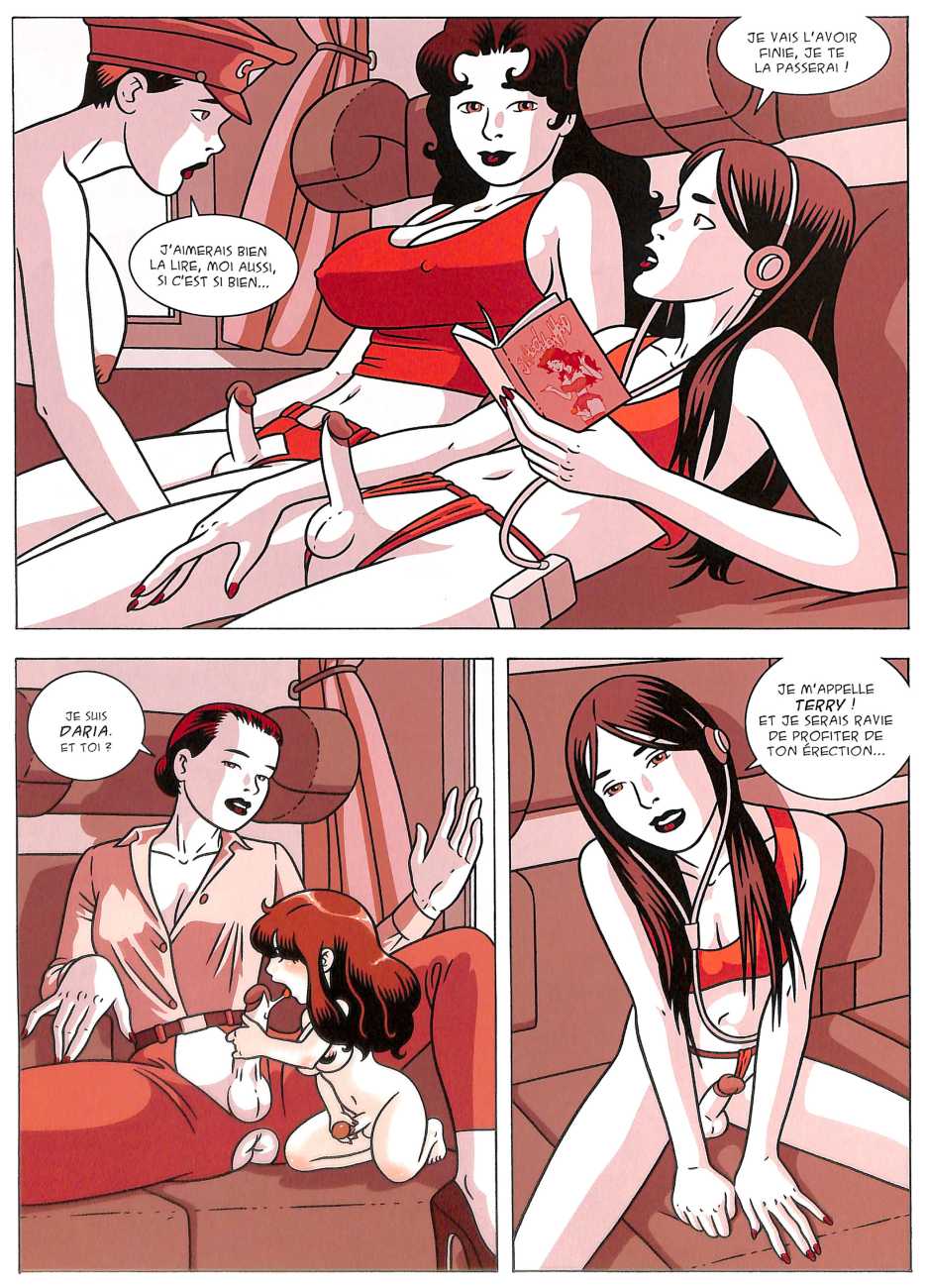
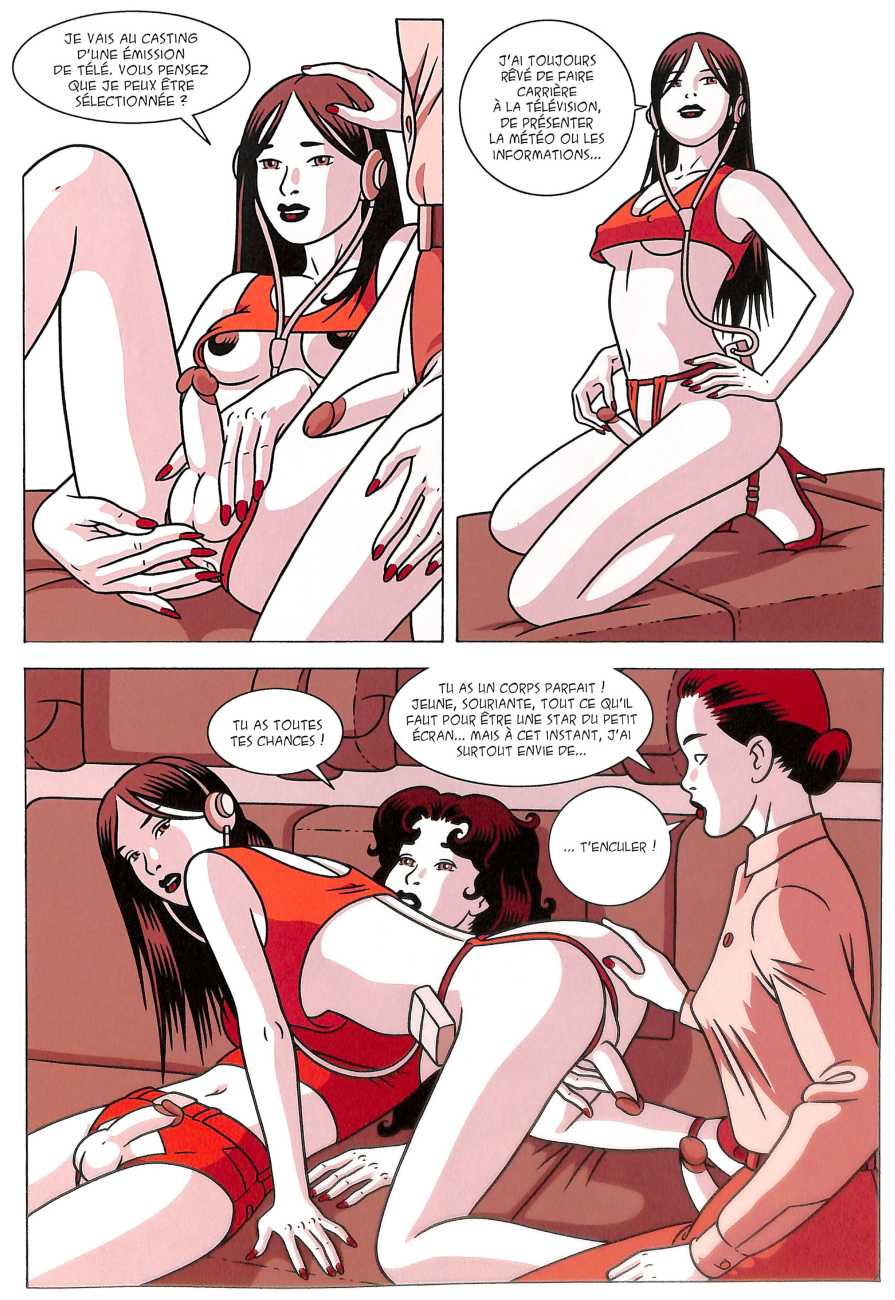
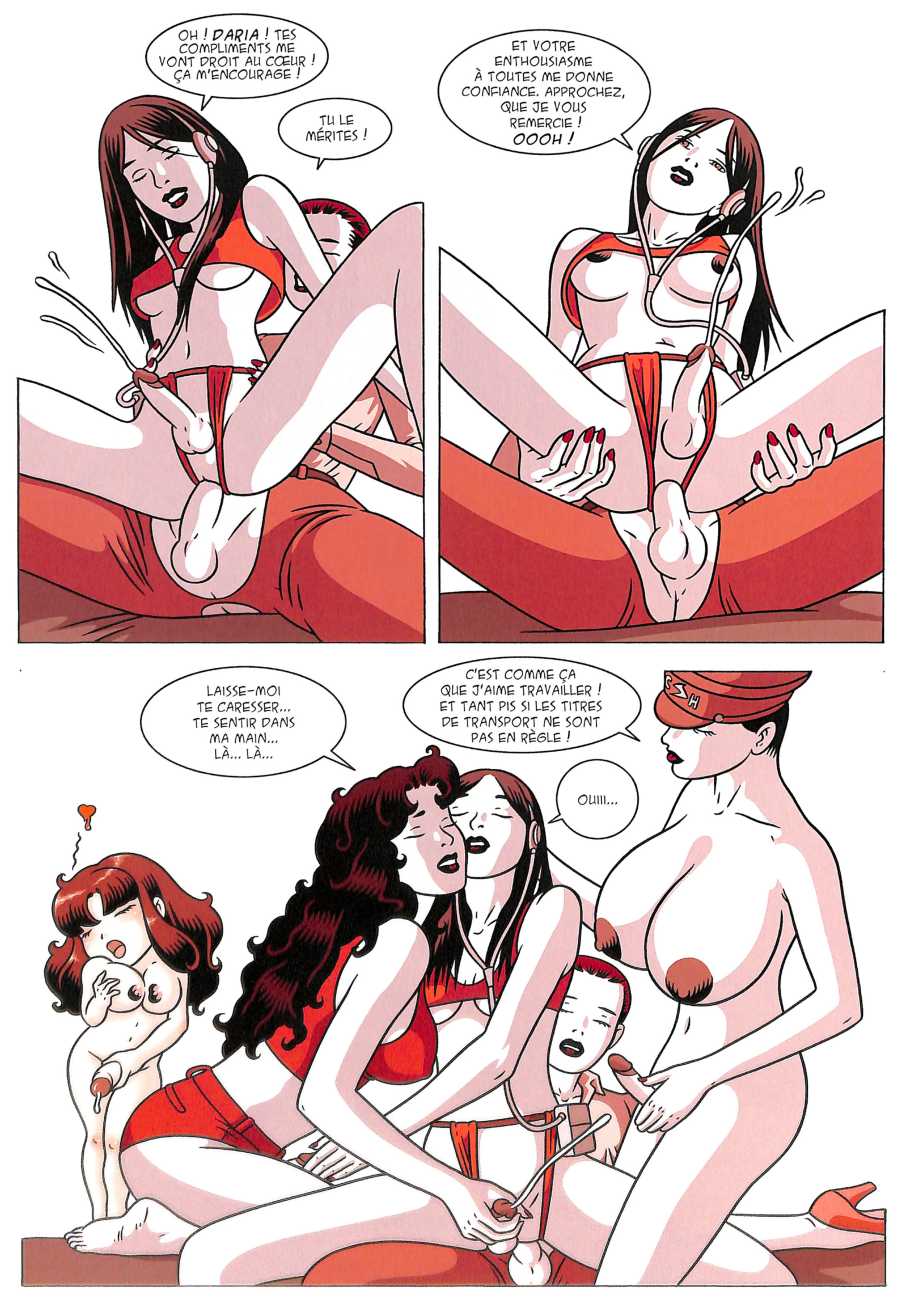
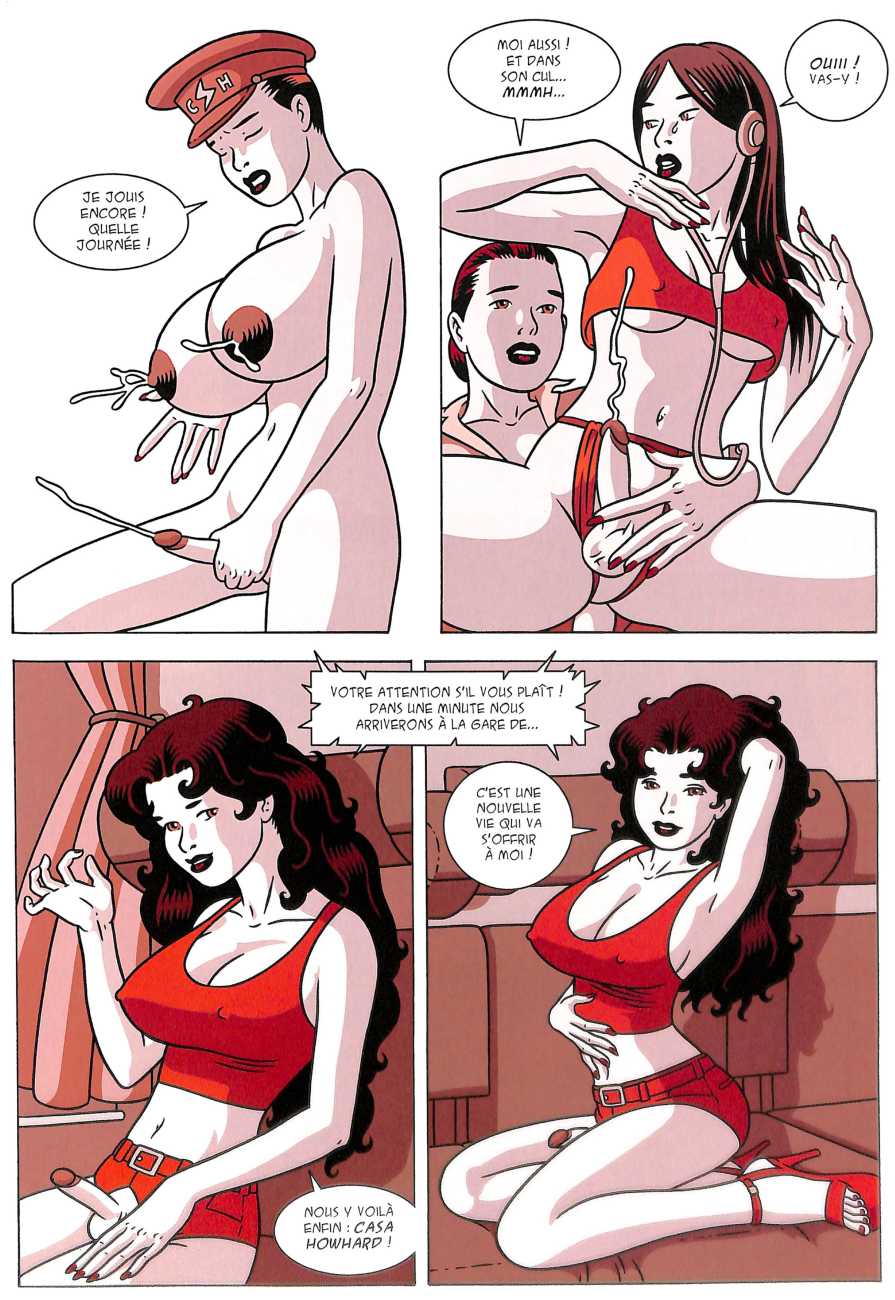
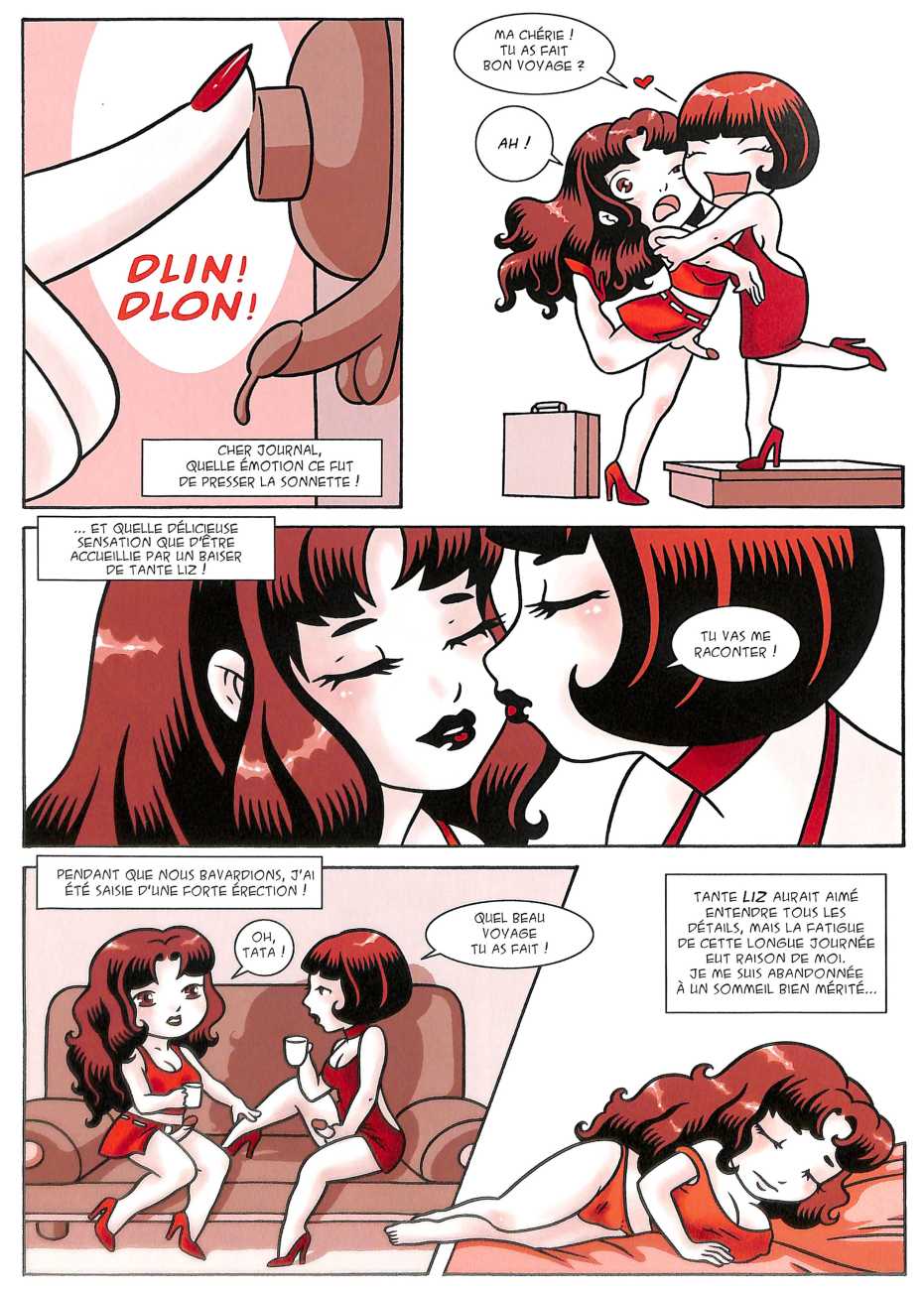
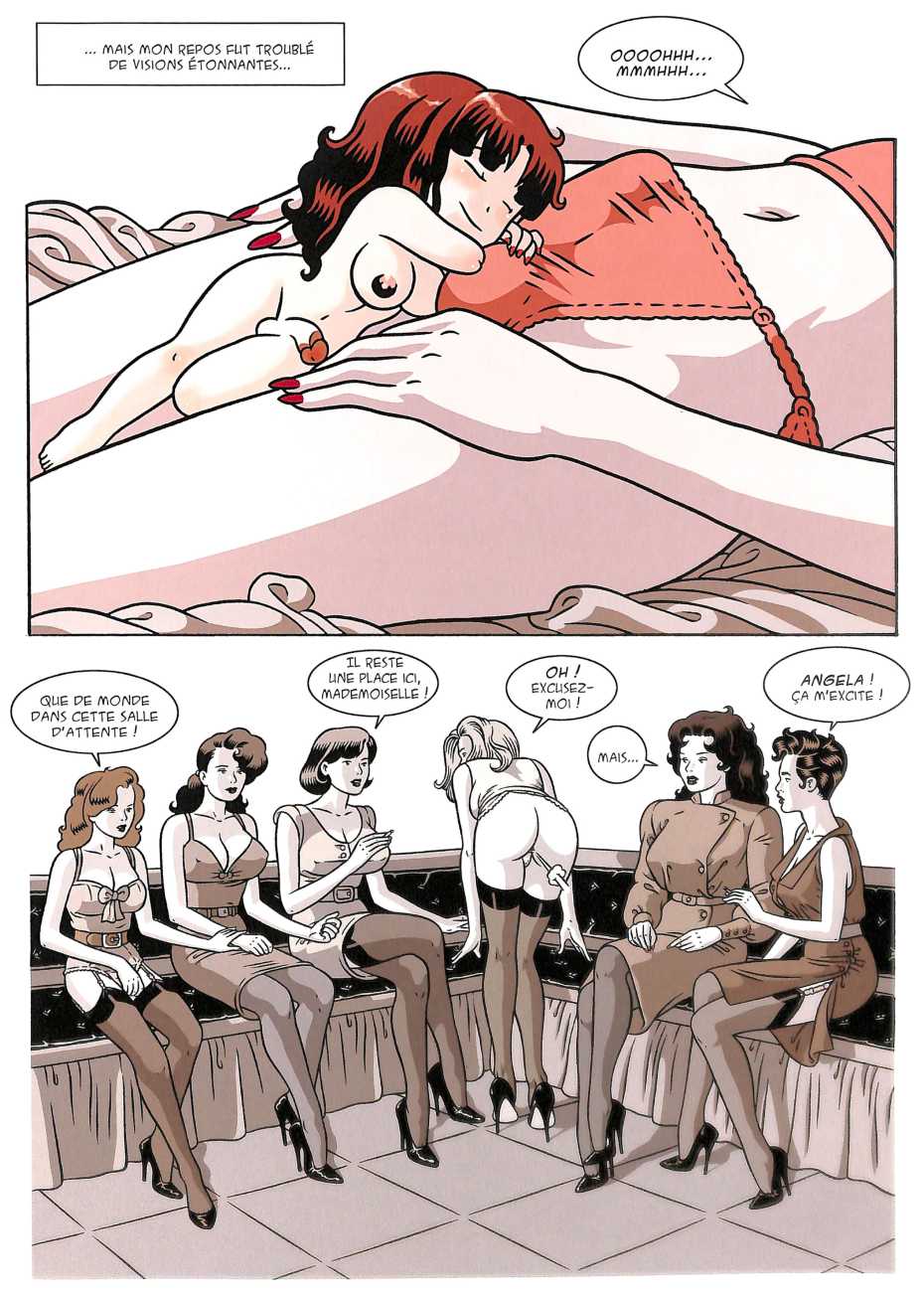
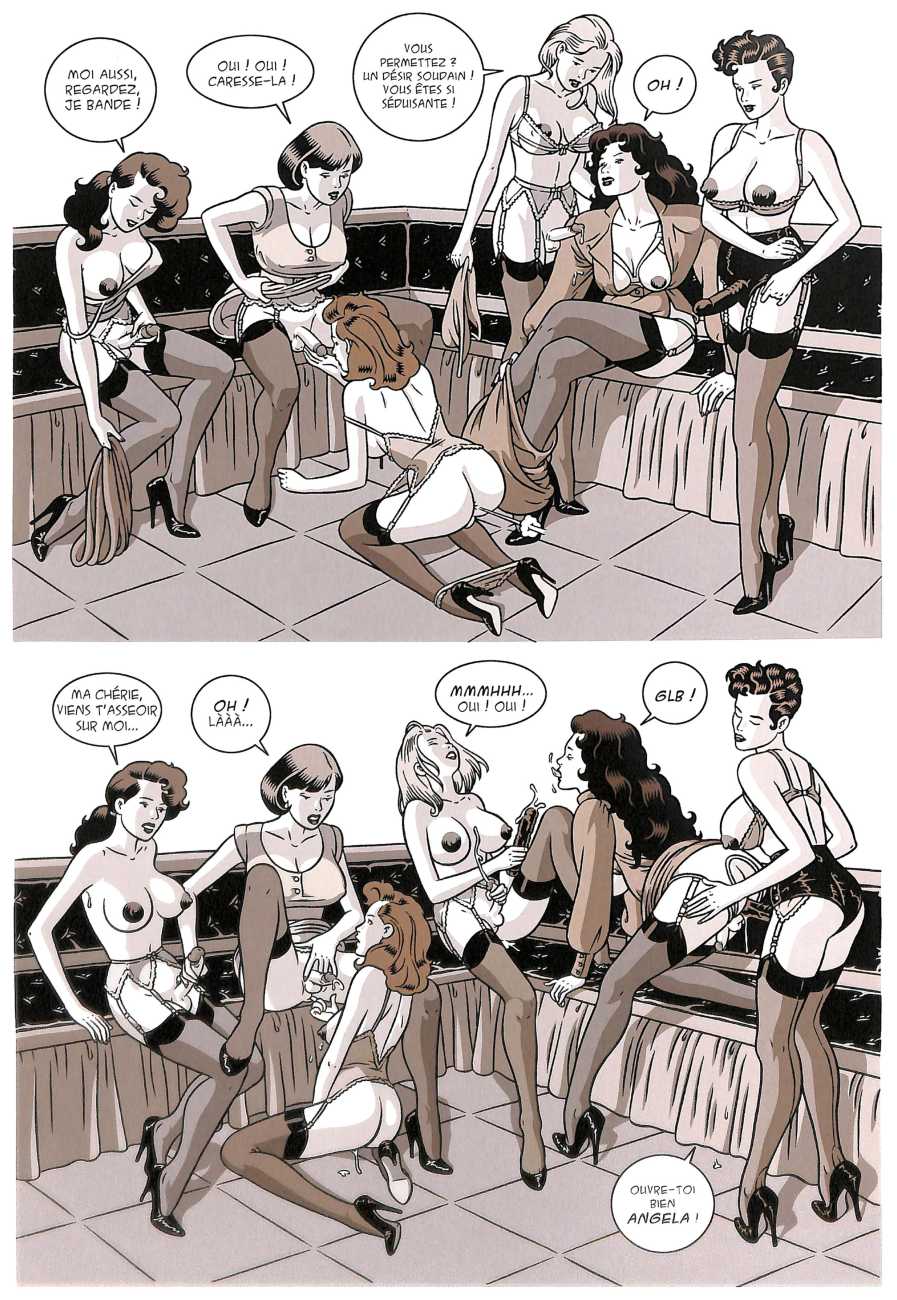
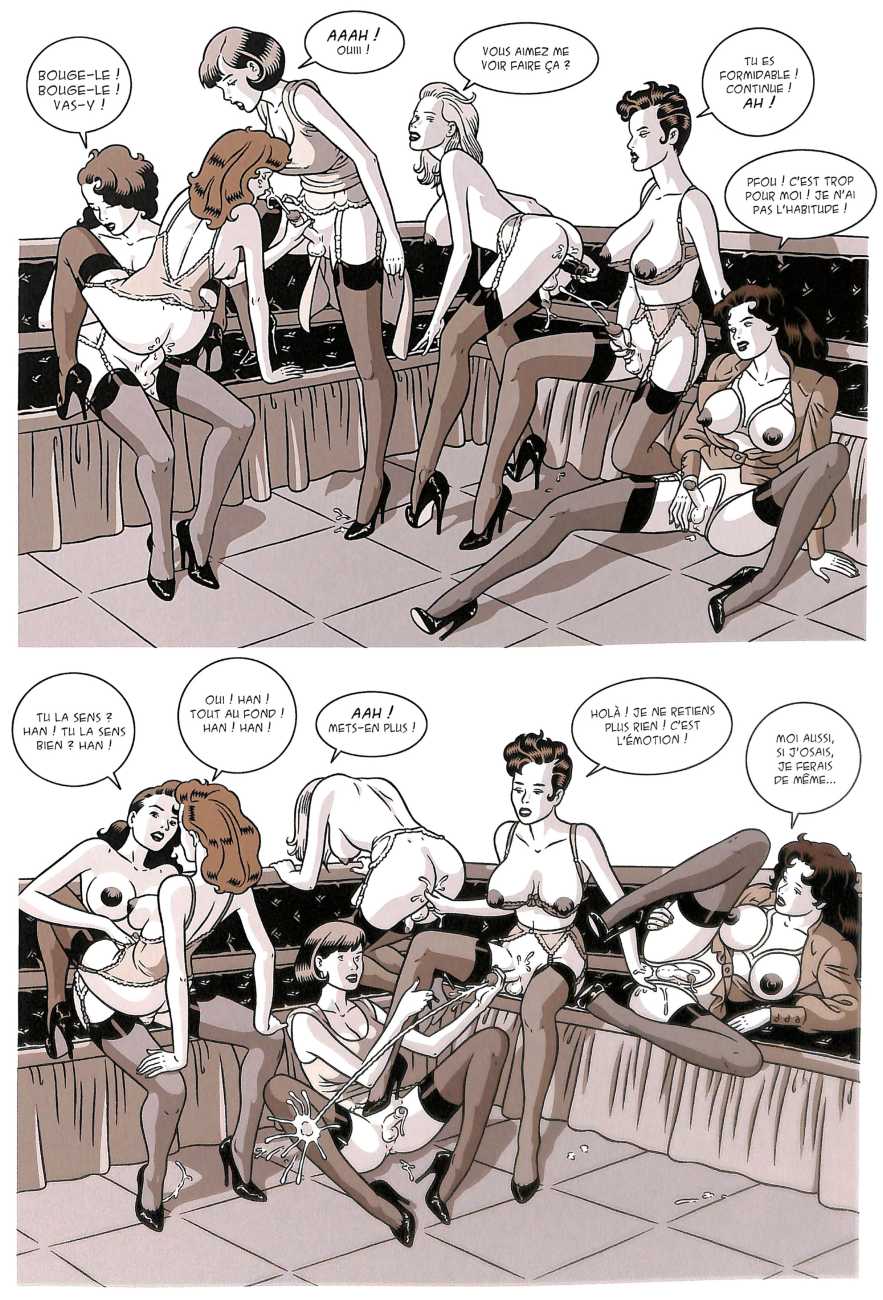
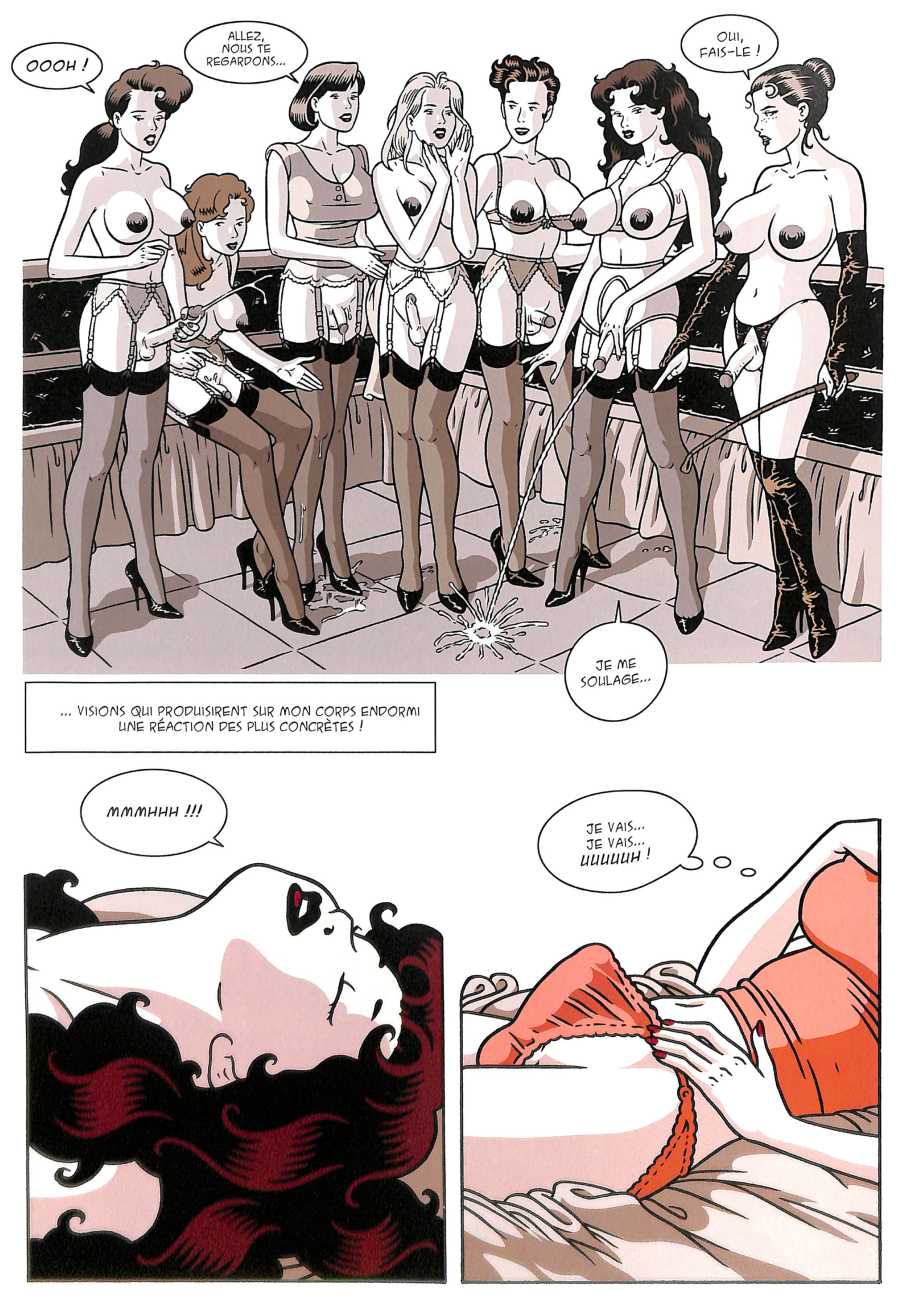
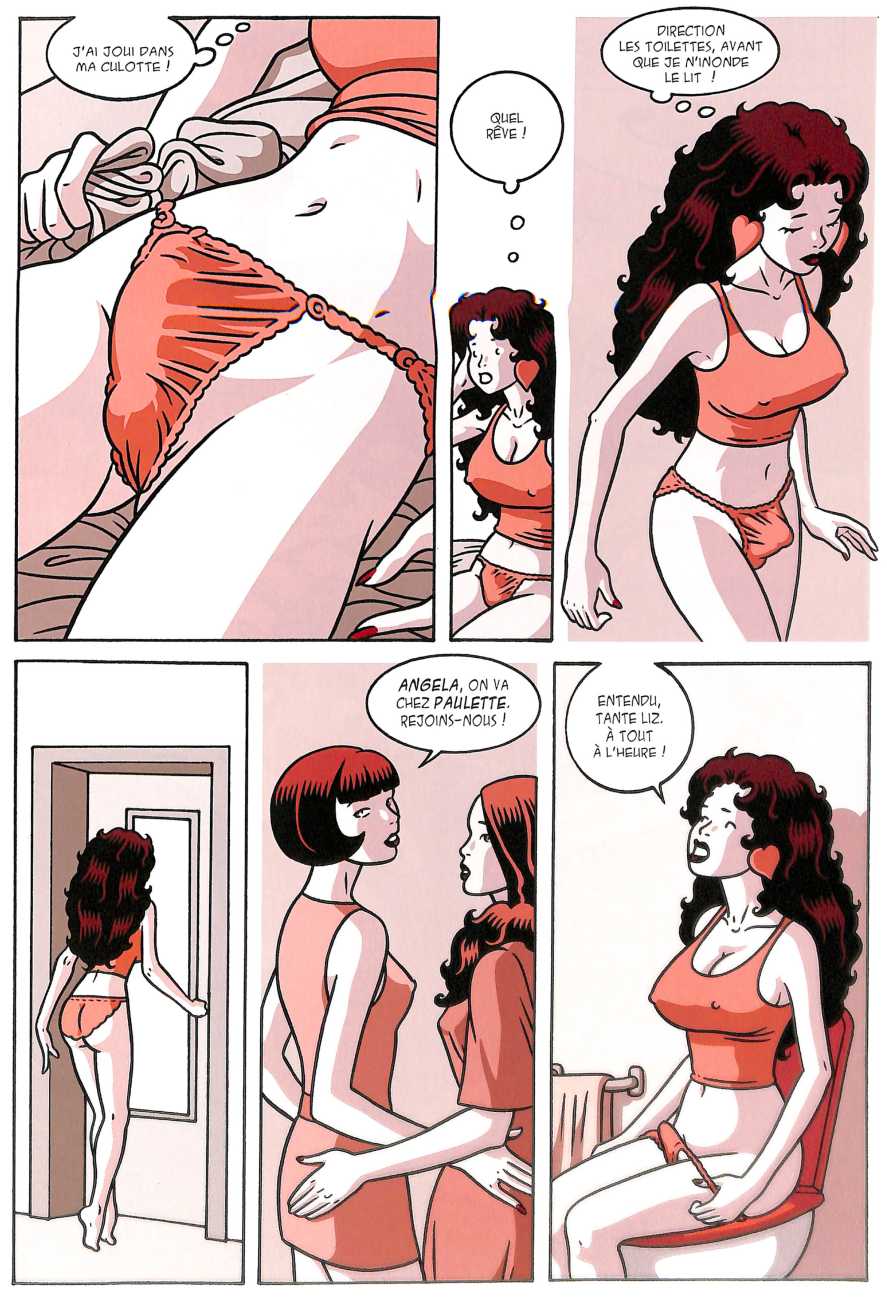
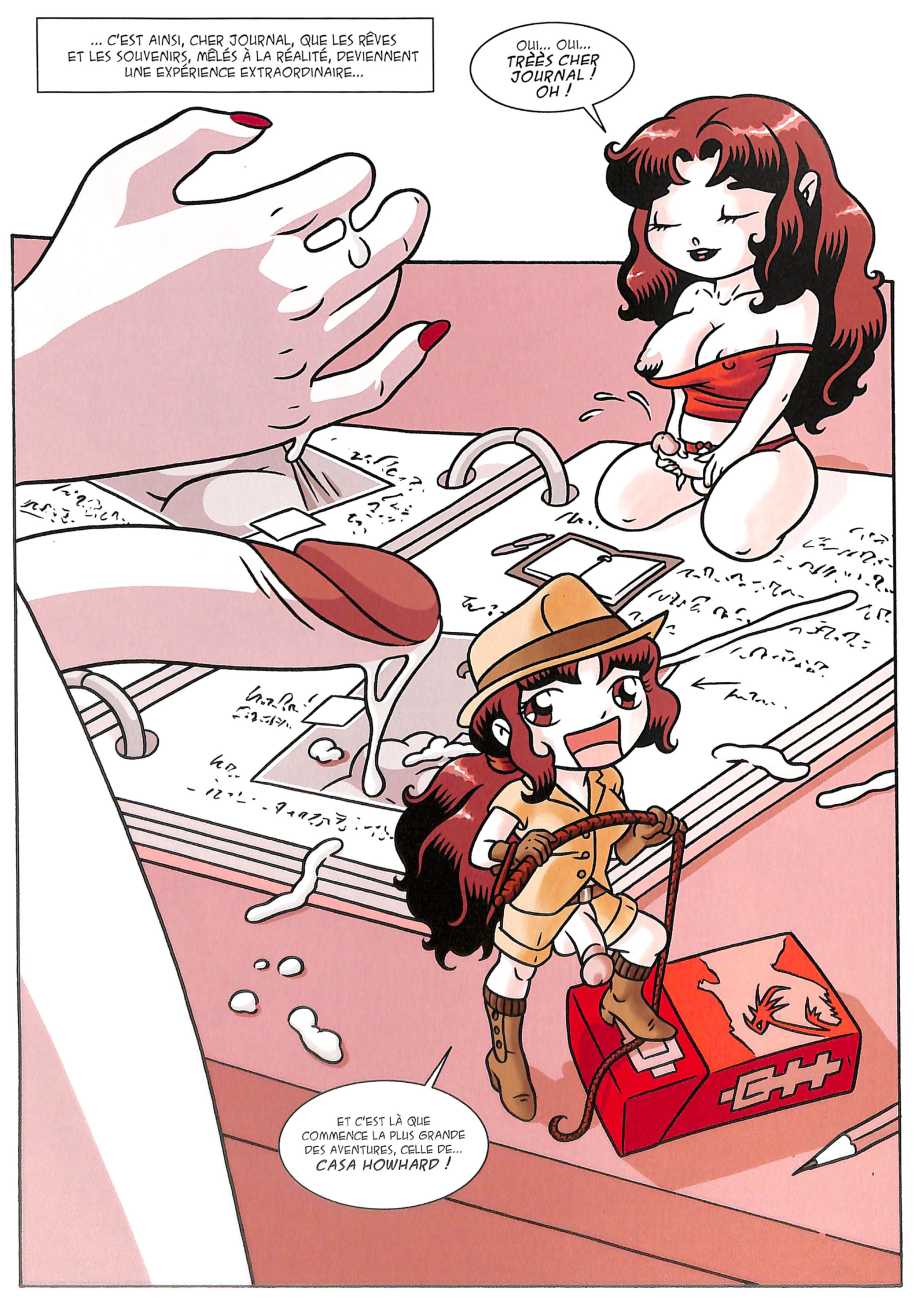
By the early 1990s, fetish, bondage and erotic fantasy had become increasingly visible in titles such as My Sweet Betty and Fixtown. His 1995 association with Blue proved decisive, leading to erotic series including Ginger & Rogers, Casa HowHard and Chiara Rosenberg, and to a growing body of erotic work that would also include Aura and Beba. He rejects the idea that these works were simply market-led, explaining that ‘For me, telling eros in comics has been an inner journey of knowledge.’ In 2017 he teamed up with Korero Press to produce Mondo Erotica, a substantial monograph surveying his erotic work.
One of his few major non-erotic works is the 2013 graphic novel L’inverno di Diego (Diego’s Winter), a coming-of-age story set against the partisan resistance in his native Emilia during the winter of 1943.
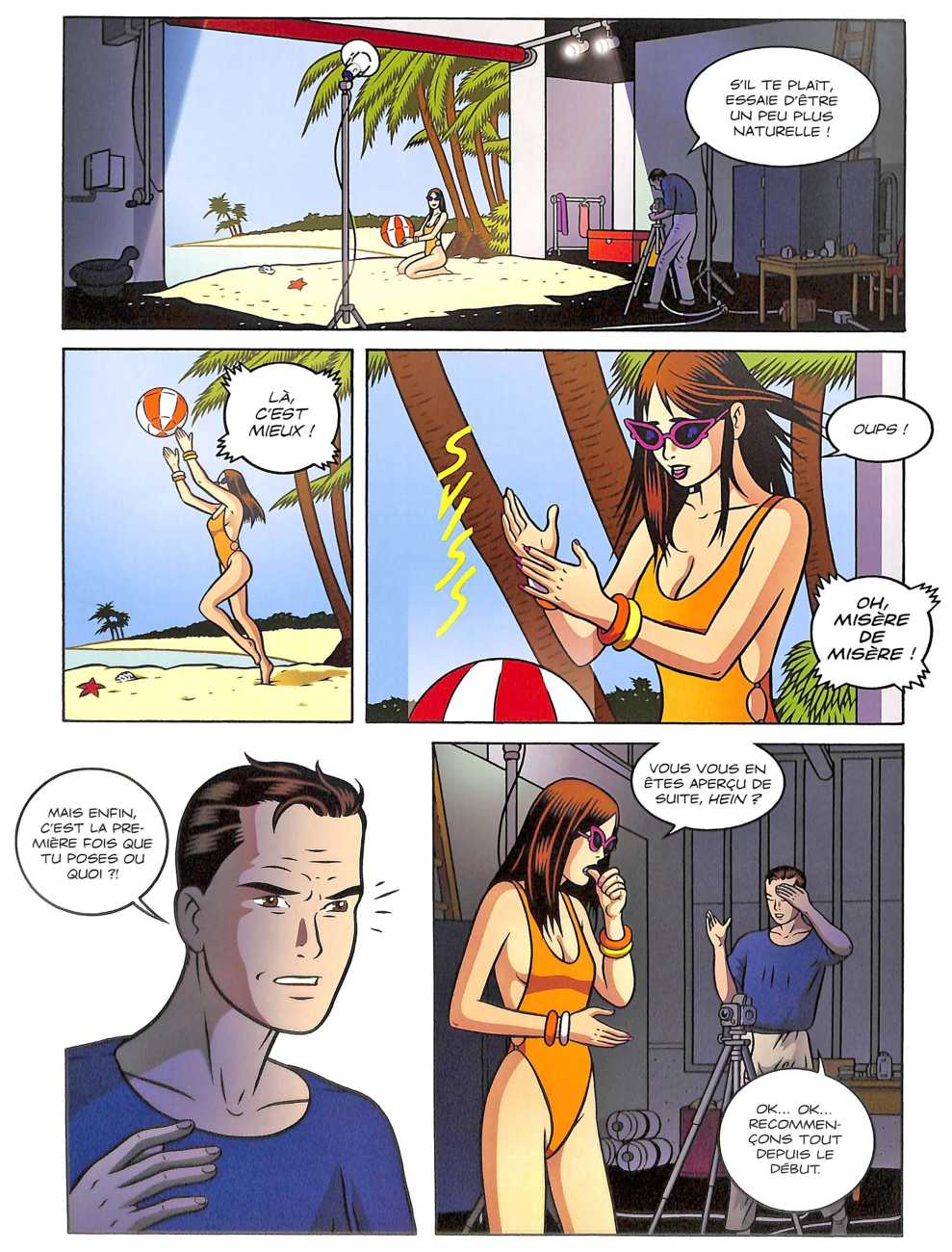
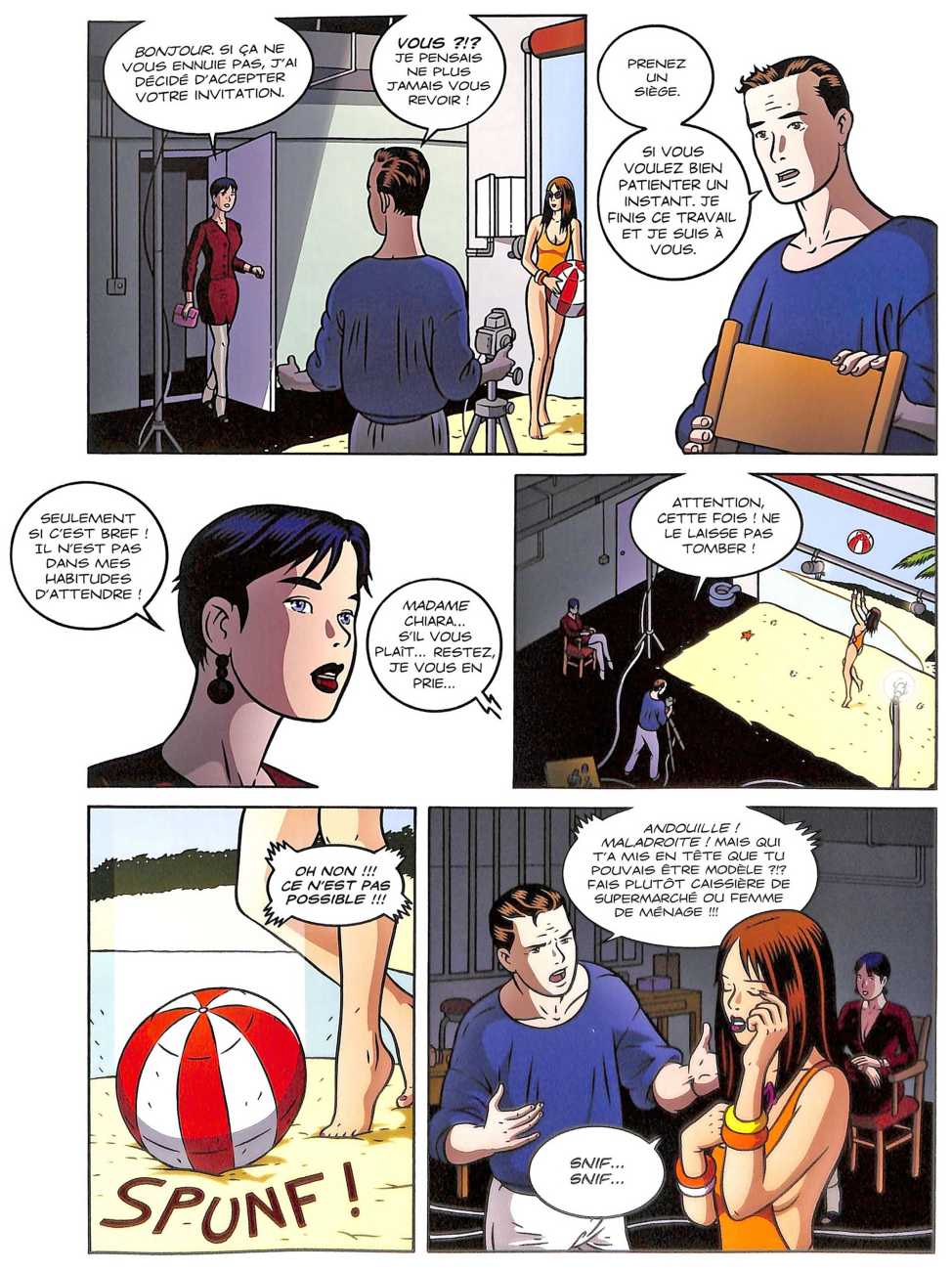
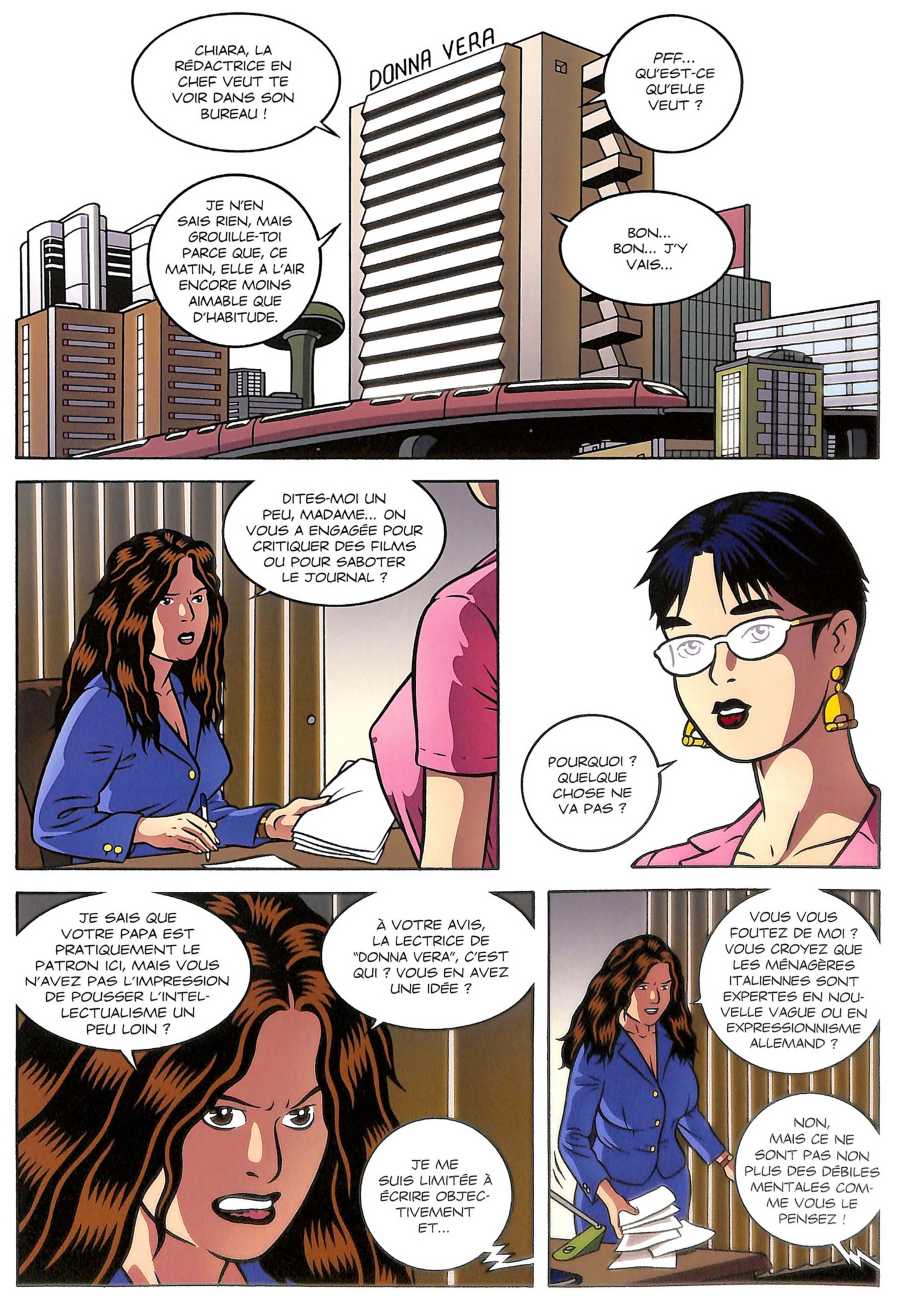
Beyond comics, he has integrated his artistic life with design and advertising work. His distinctive, clean line work has been used for major mainstream corporate clients, including a major advertising campaign for the Italian telecommunications giant TIM in 1997, as well as for fashion magazines including Vanity and Marie Claire.
Similar artists
Giovanna Casotto – Fellow Blue illustrator from the same 1990s wave of Italian erotic comics.
Guido Crepax – Italian pioneer whose Histoire d'O and Justine share the same dominance-submission themes.
Vittorio Giardino – His Little Ego also crossed into English via the same Eurotica imprint.
Jean Giraud – Wrote the introduction to Casa HowHard, admiring its shameless, dreamlike serenity.
Milo Manara – Defined a clean, glamorous Italian erotic-comics line similar to Baldazzini’s.
Giuseppe Manunta – Another Blue-era Italian illustrator, though softer than Baldazzini.
Stefano Mazzotti – Shares the same Dynamite-published, Italian erotic comics generation.
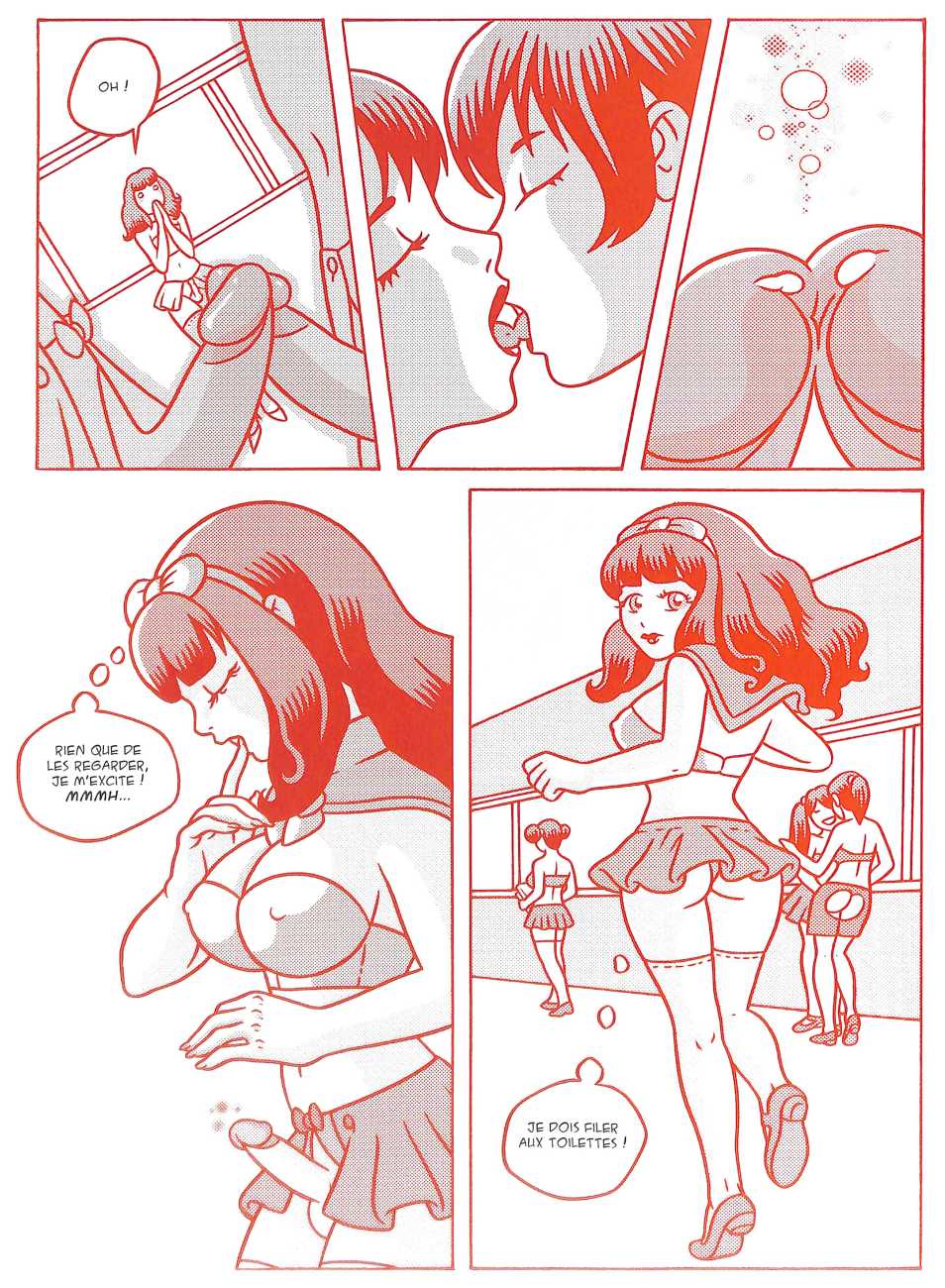
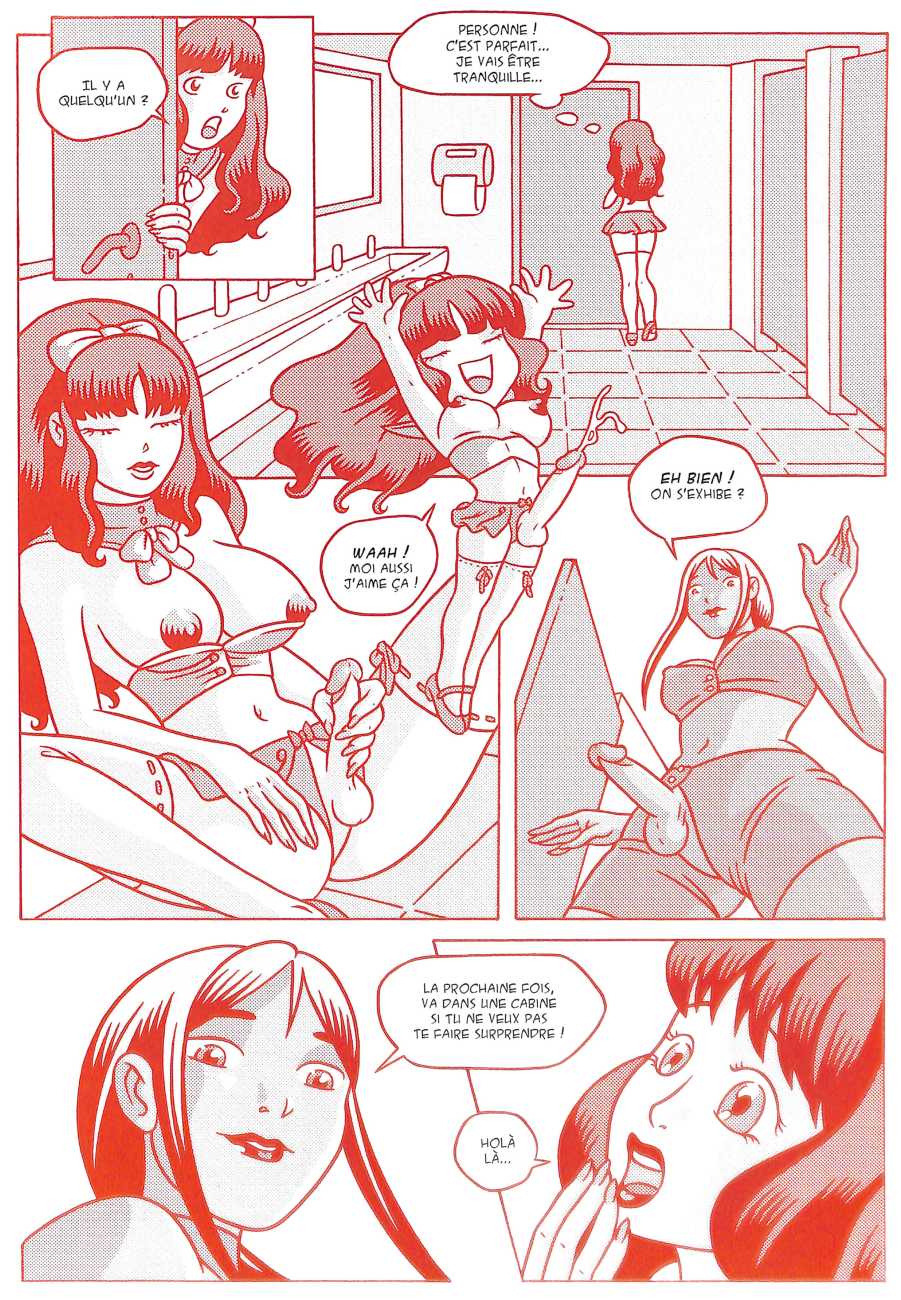
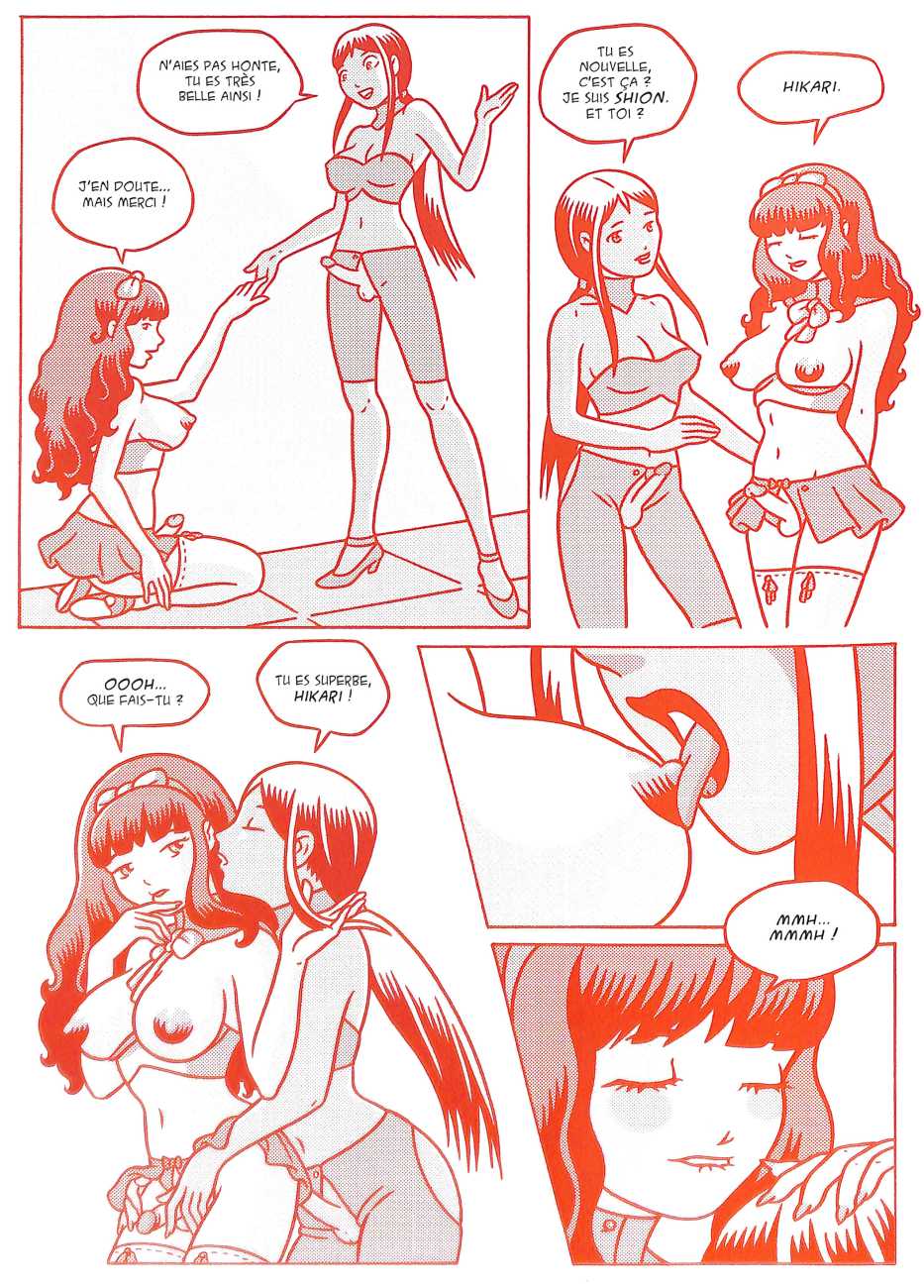
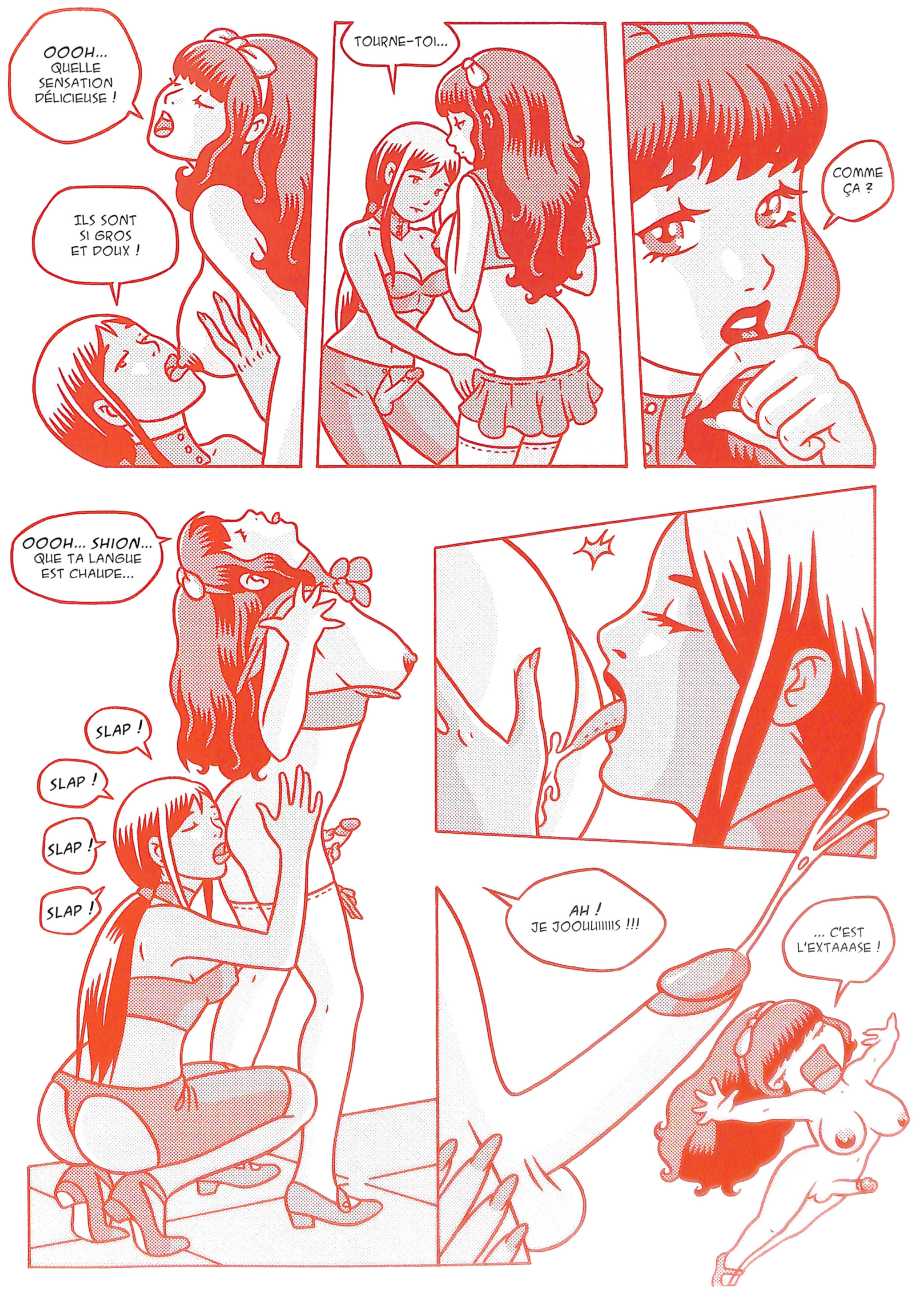
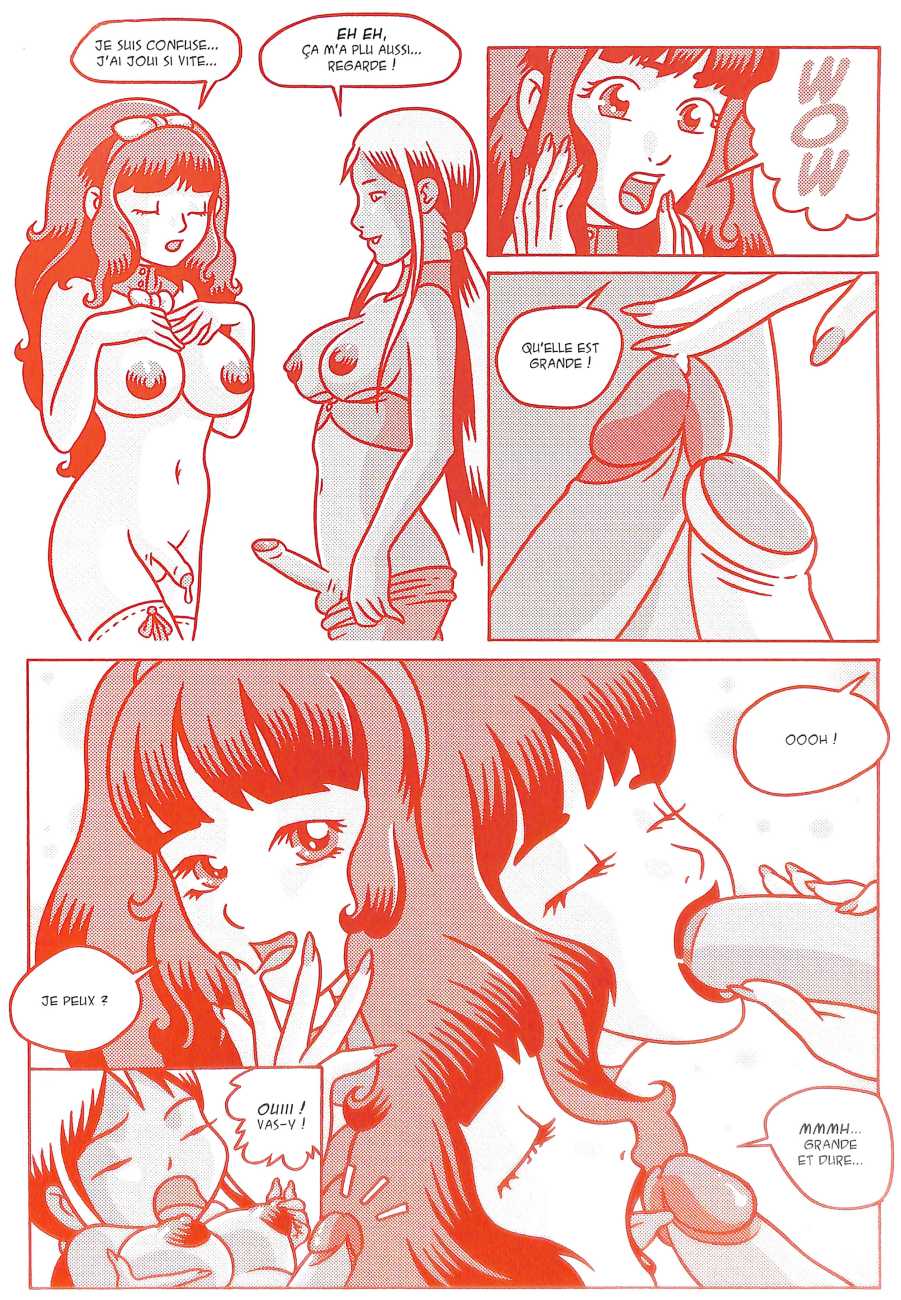
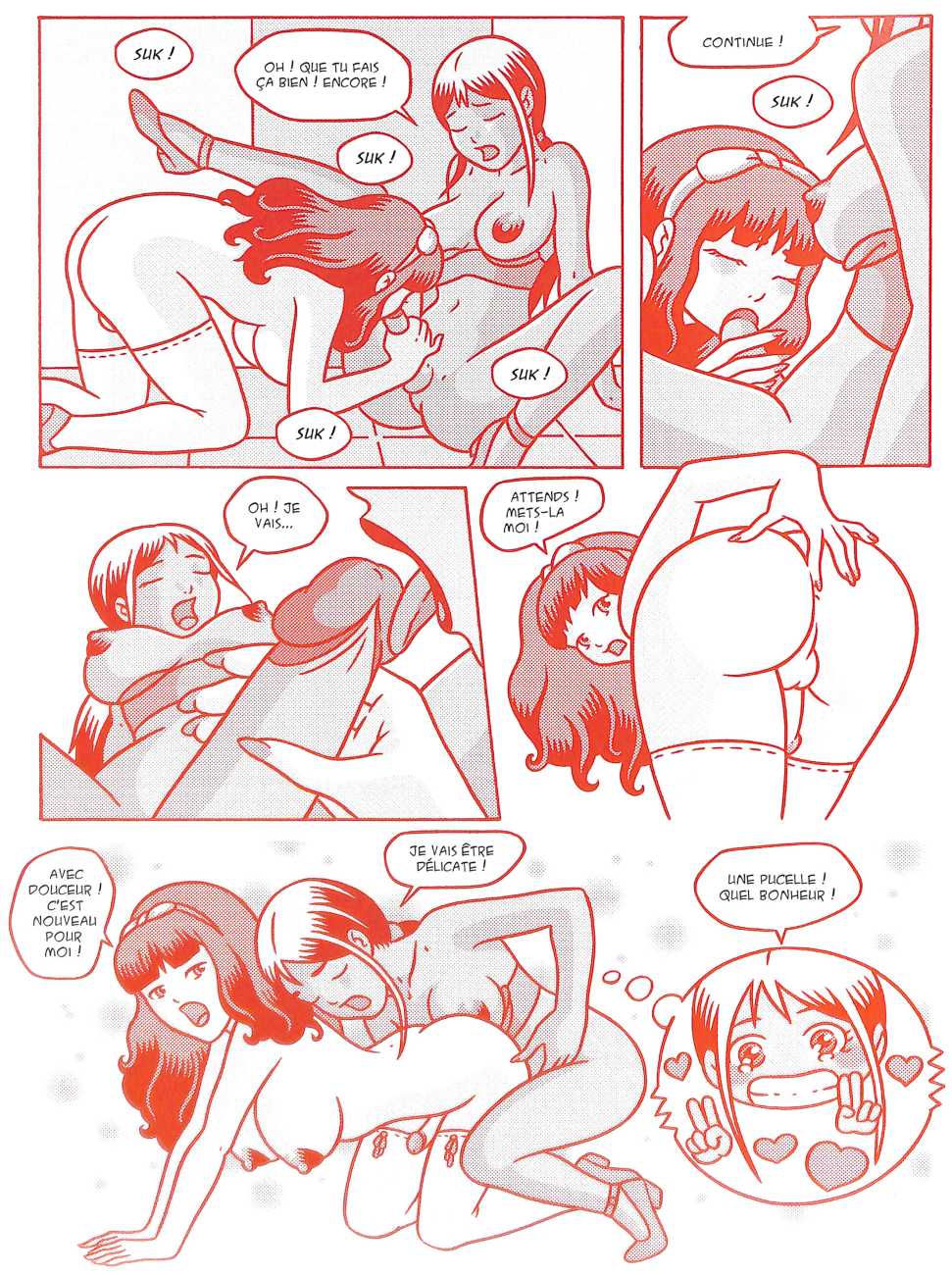
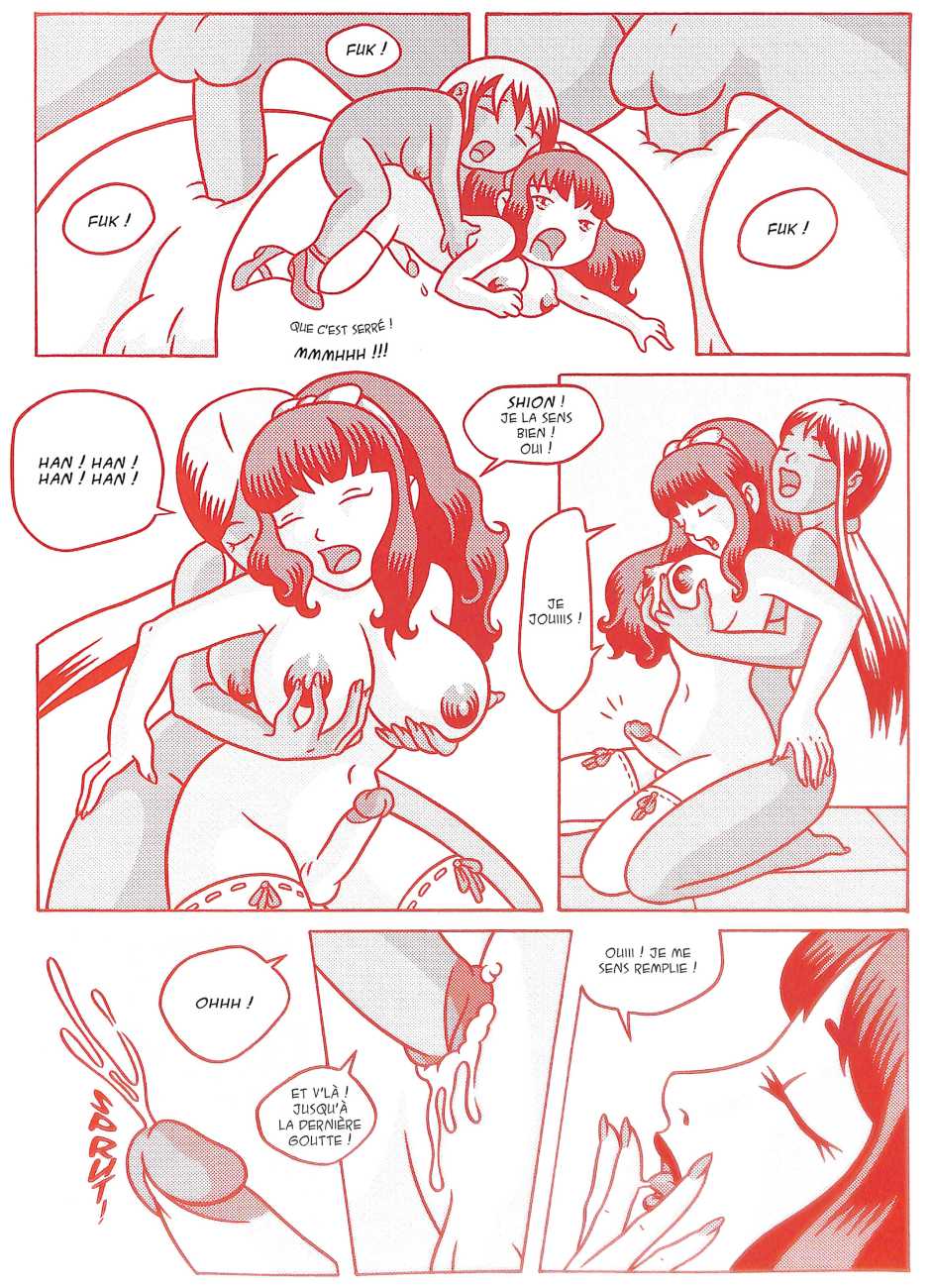
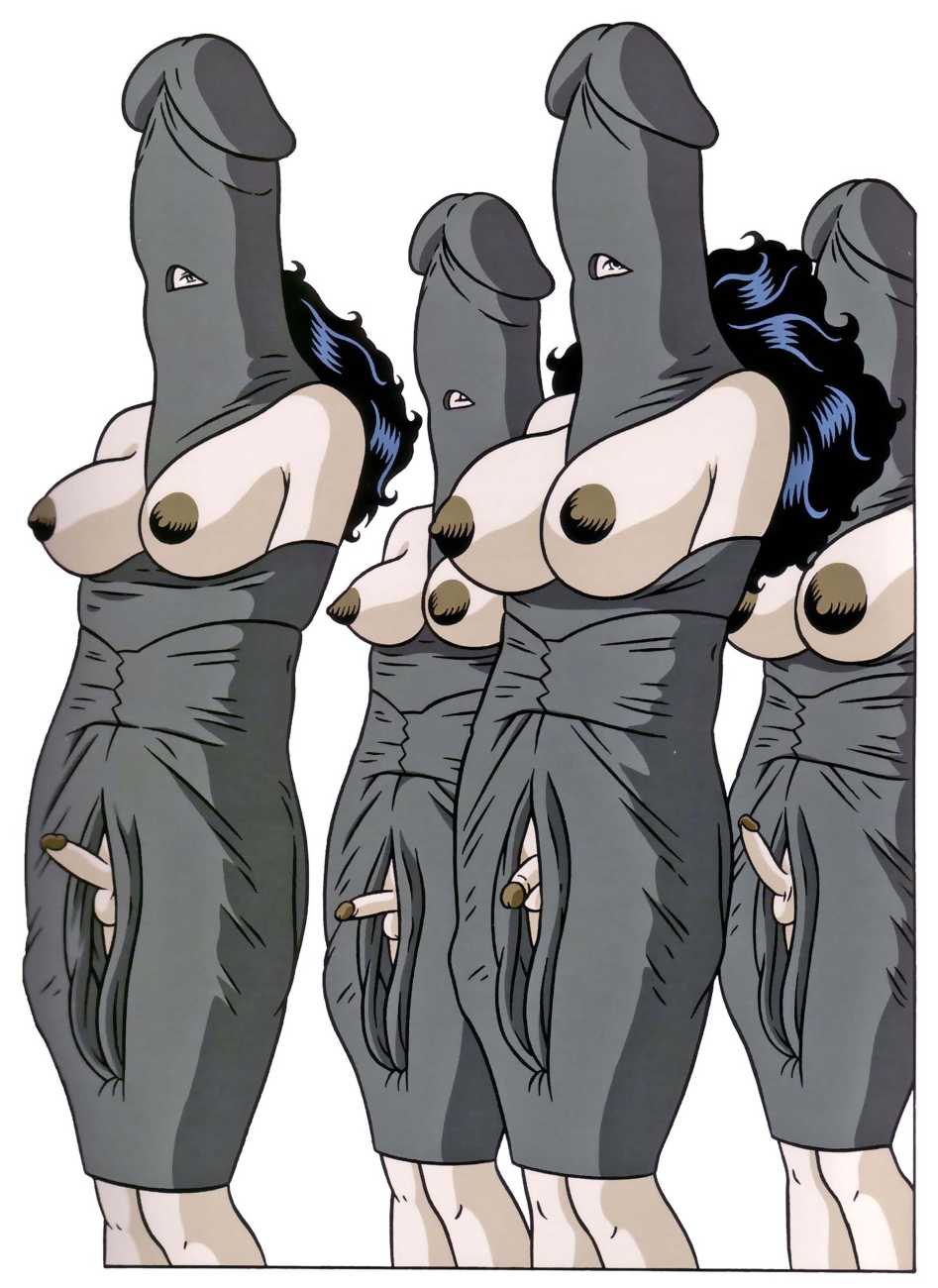
Example illustration