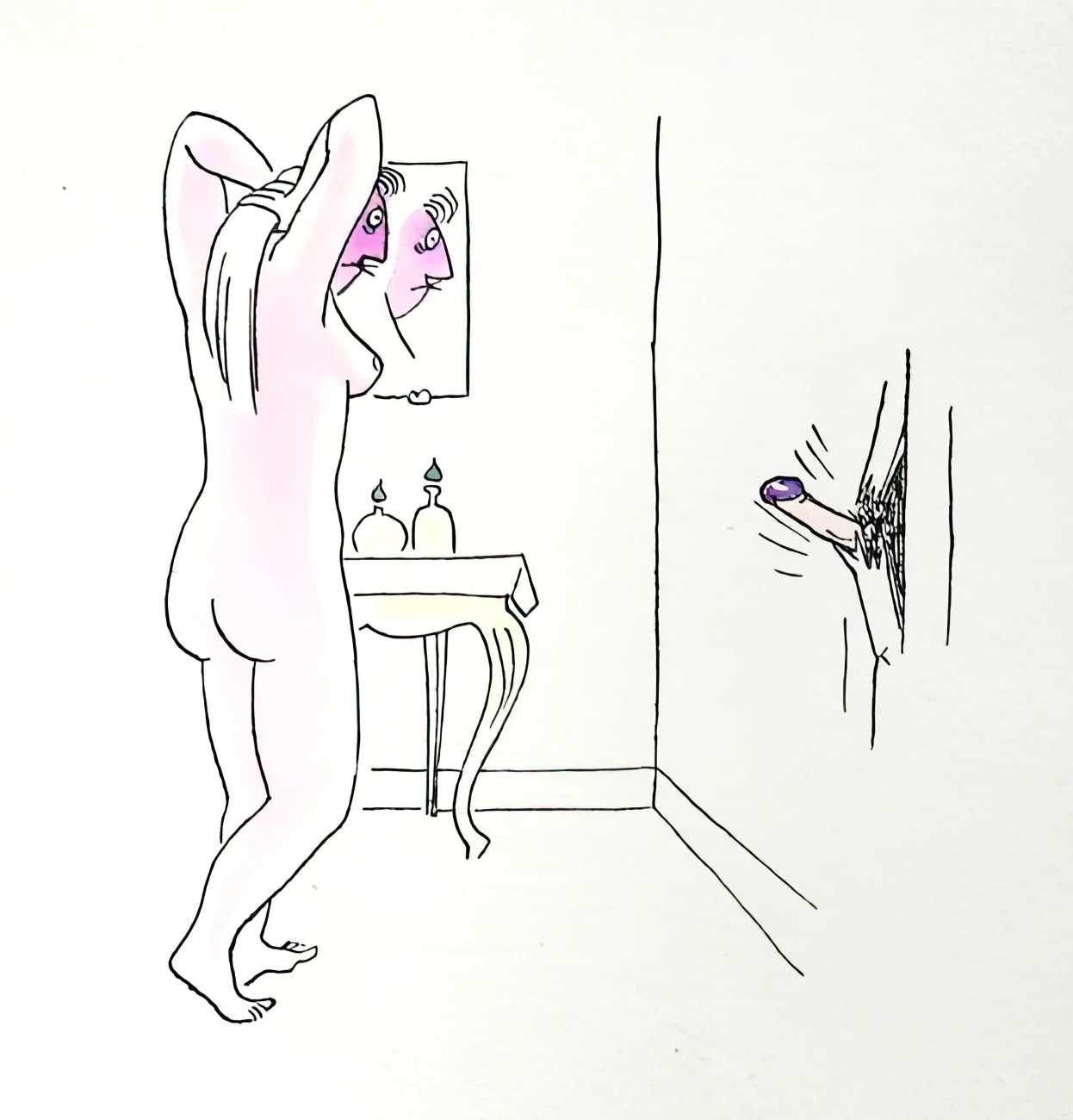
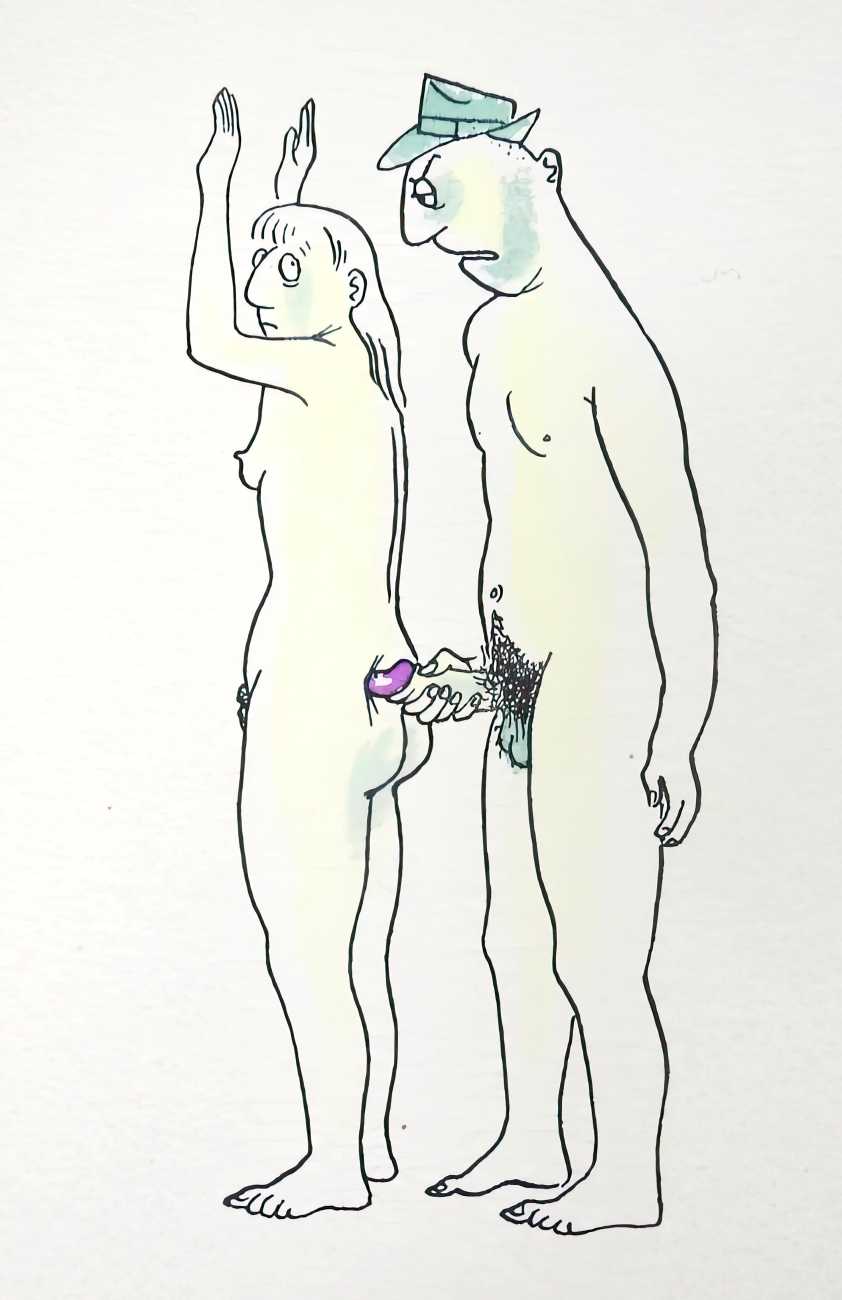
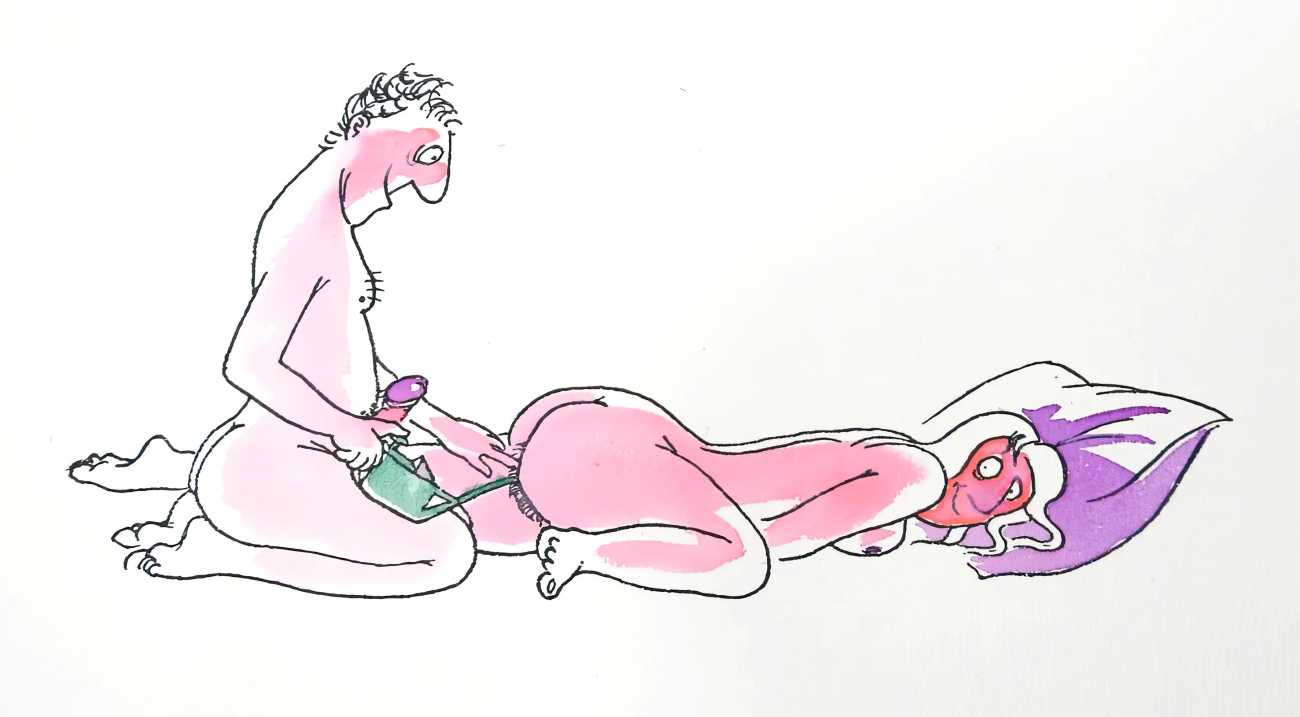
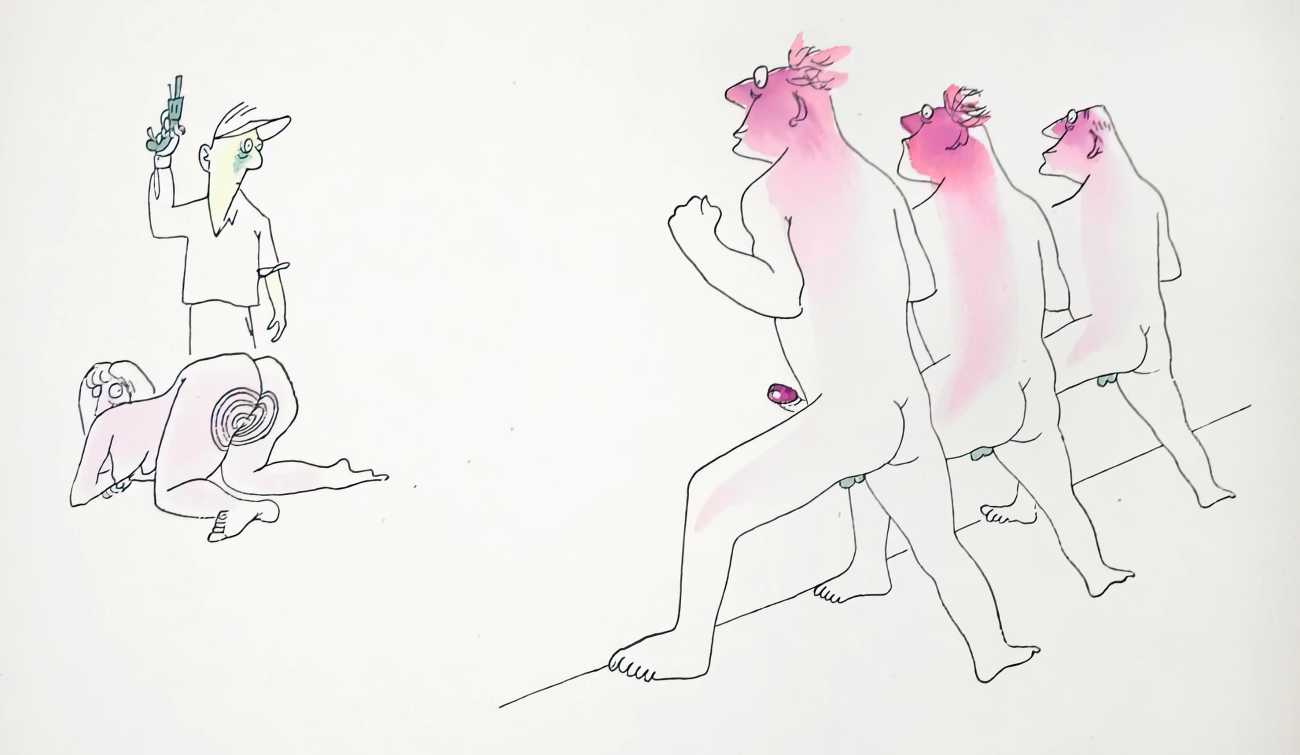
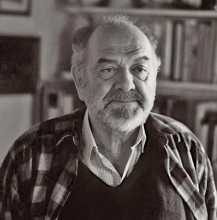
 The French cartoonist Moïse Depond, better known by his pseudonym Mose, grew up in Saint-Jean-de-Boiseau, near Nantes in north-west France, and studied at the École Supérieure des Beaux-Arts in Tours before working briefly as a schoolteacher and studying medicine.
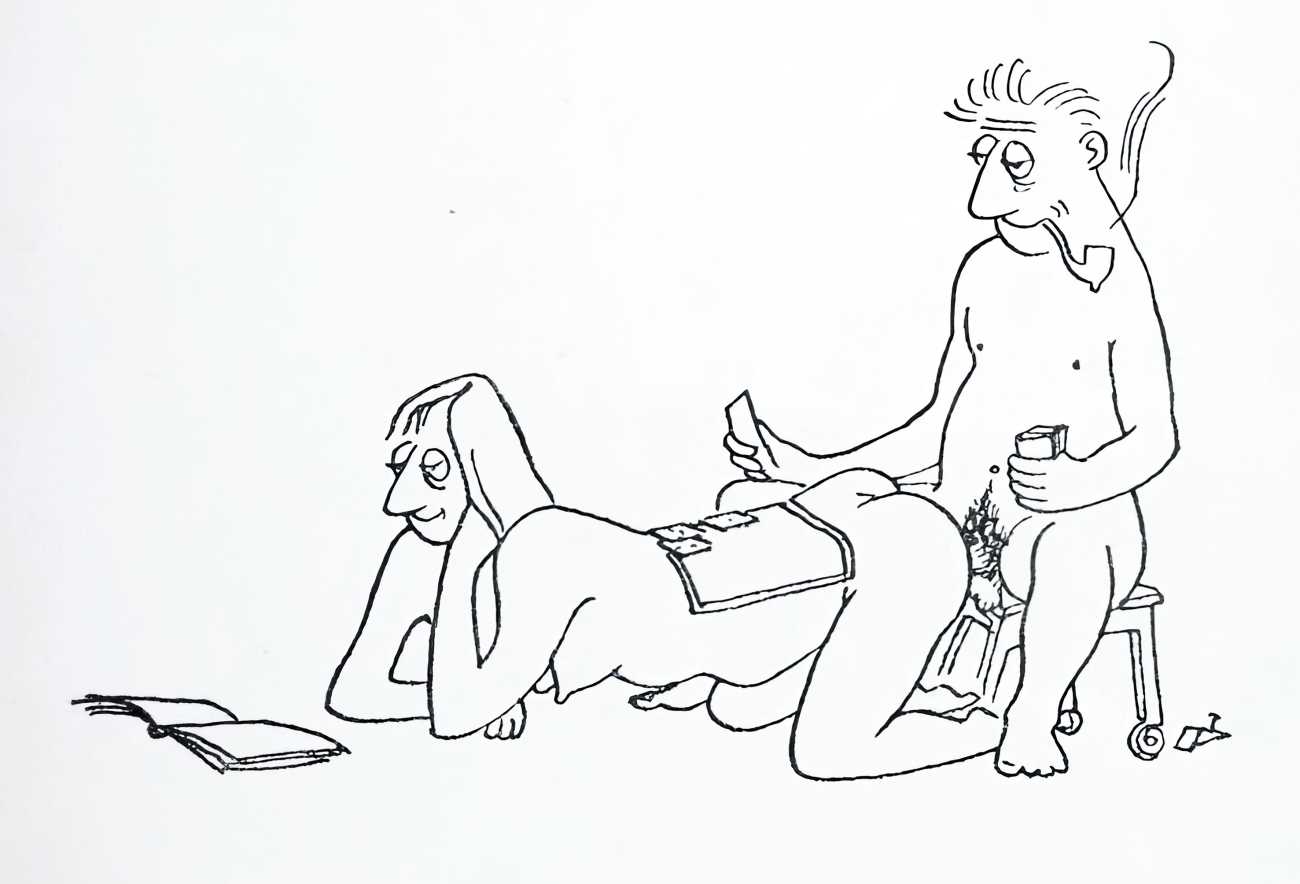
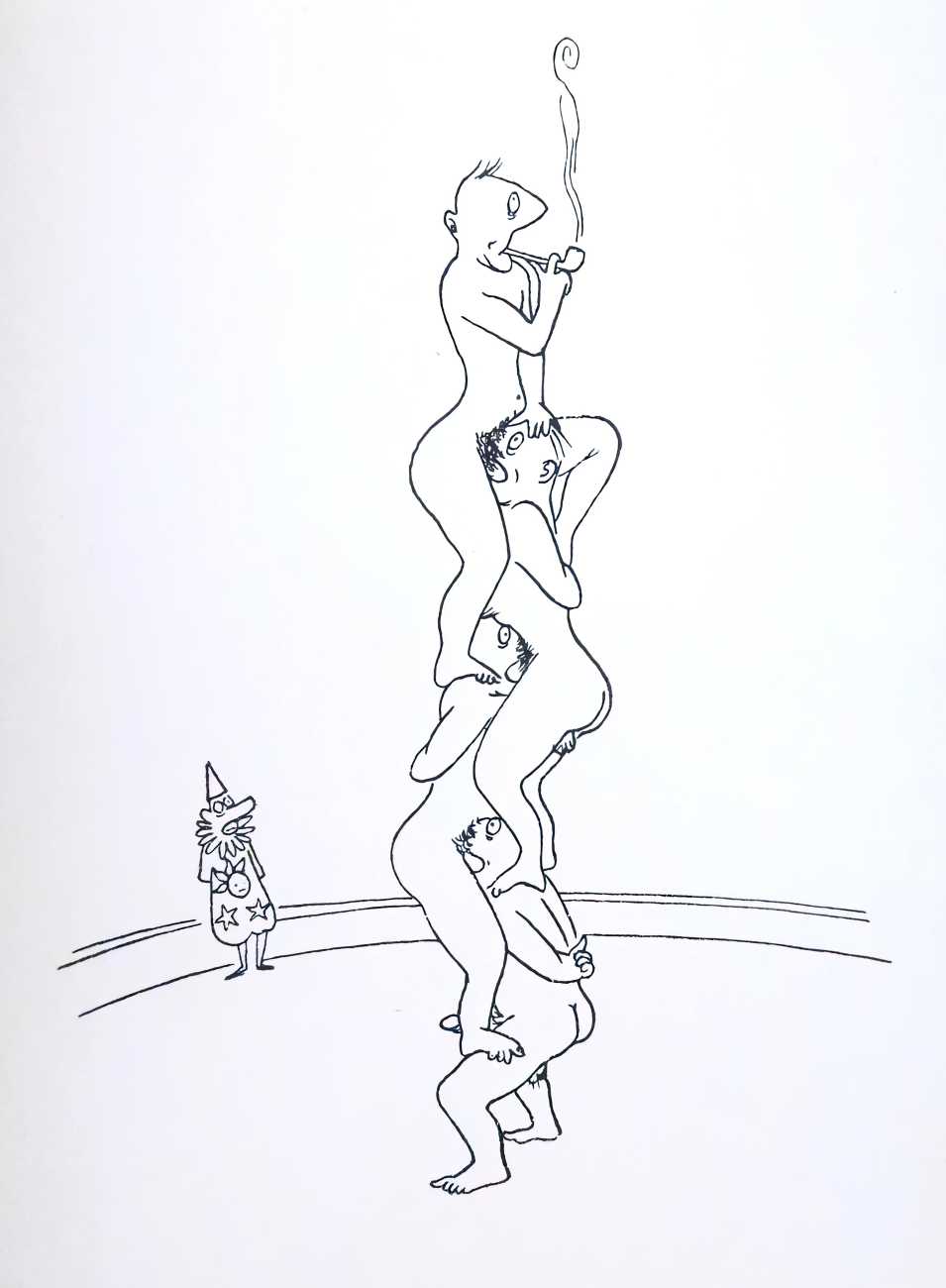
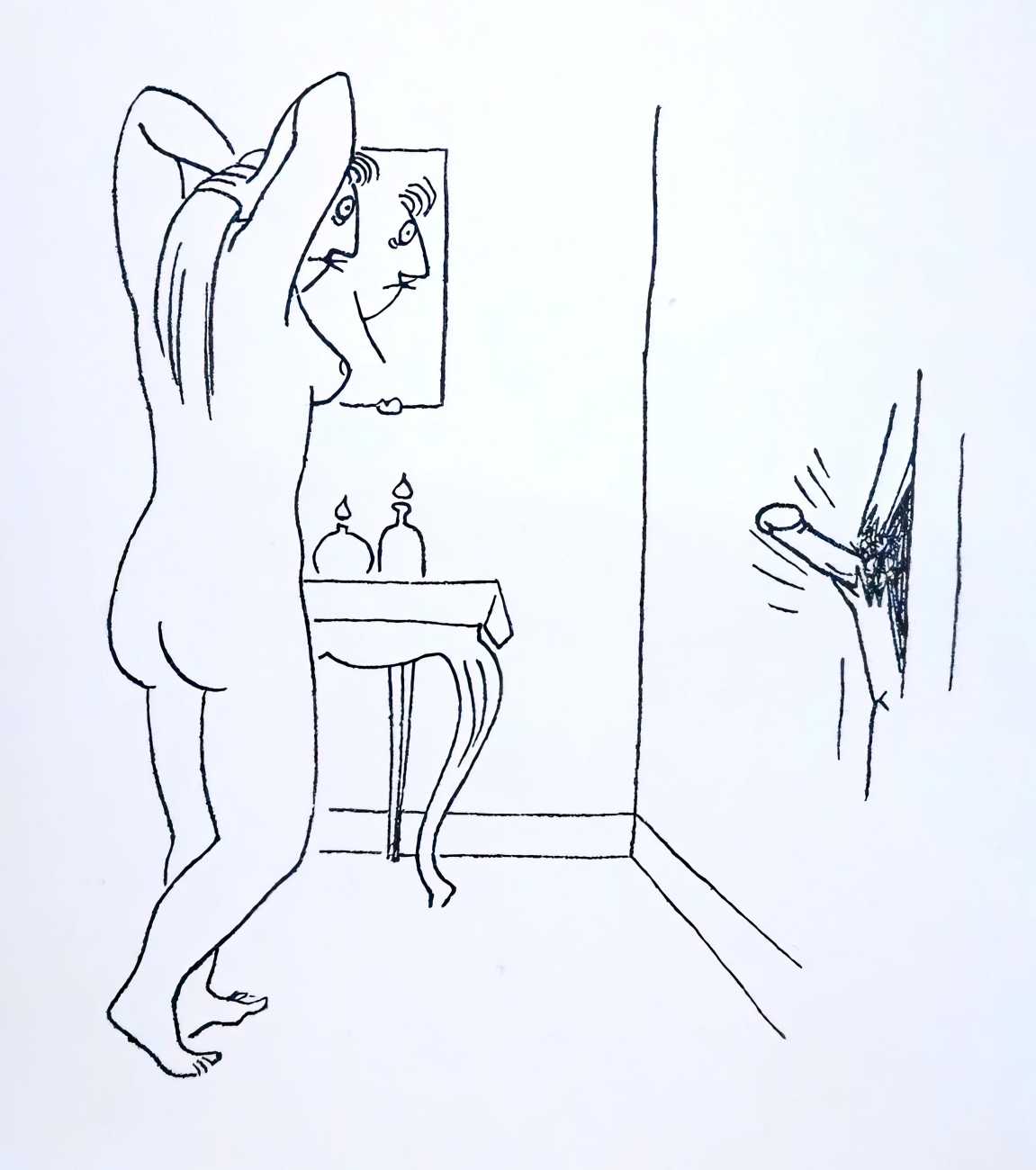
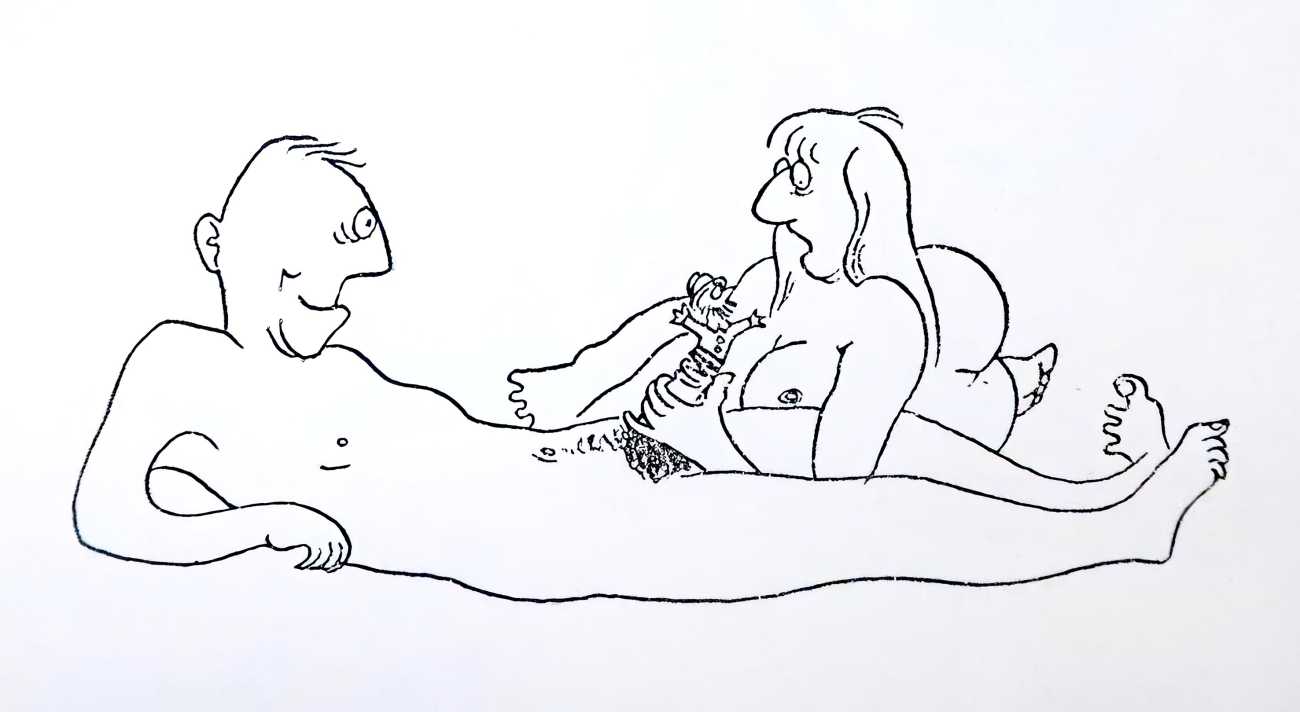
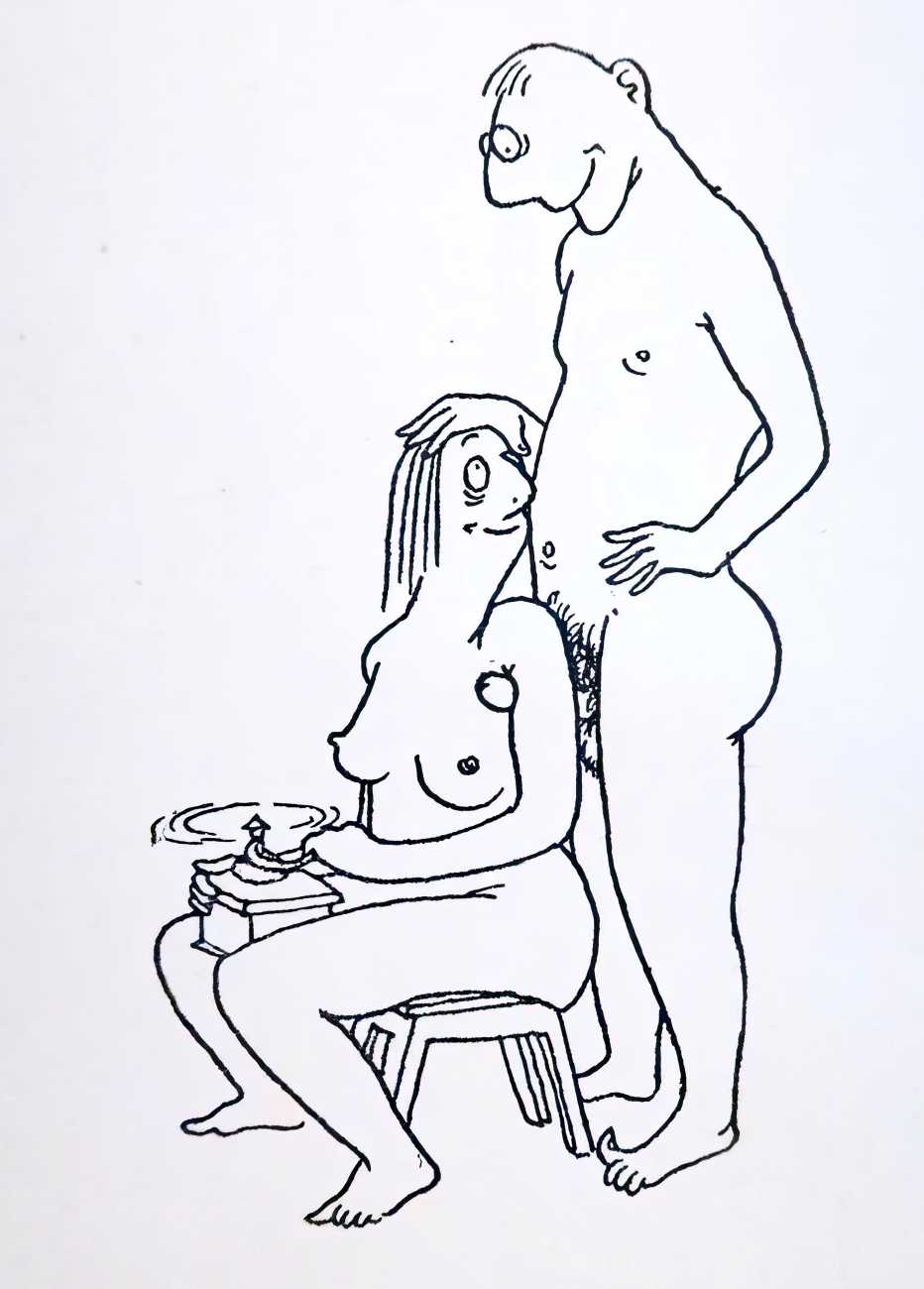
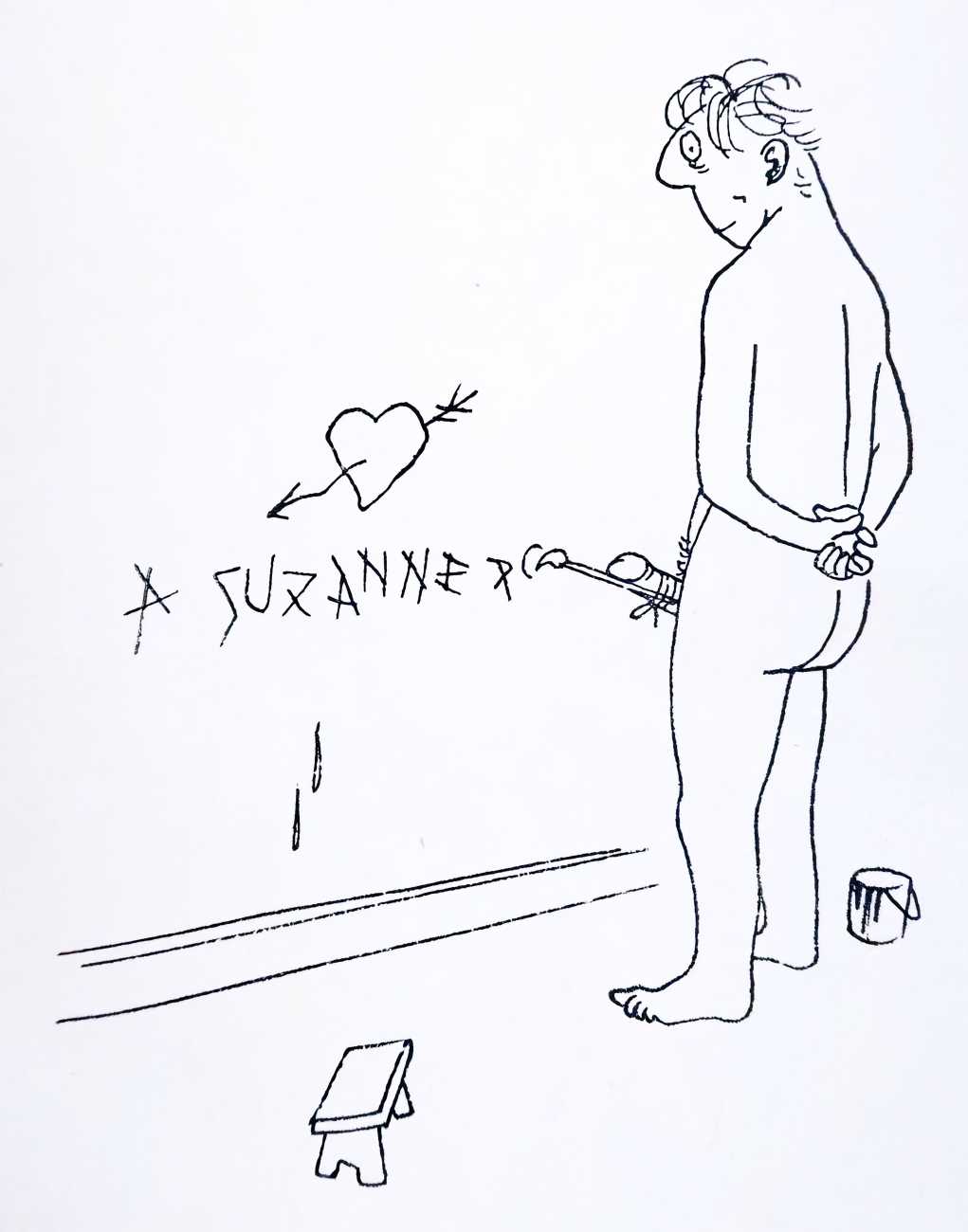
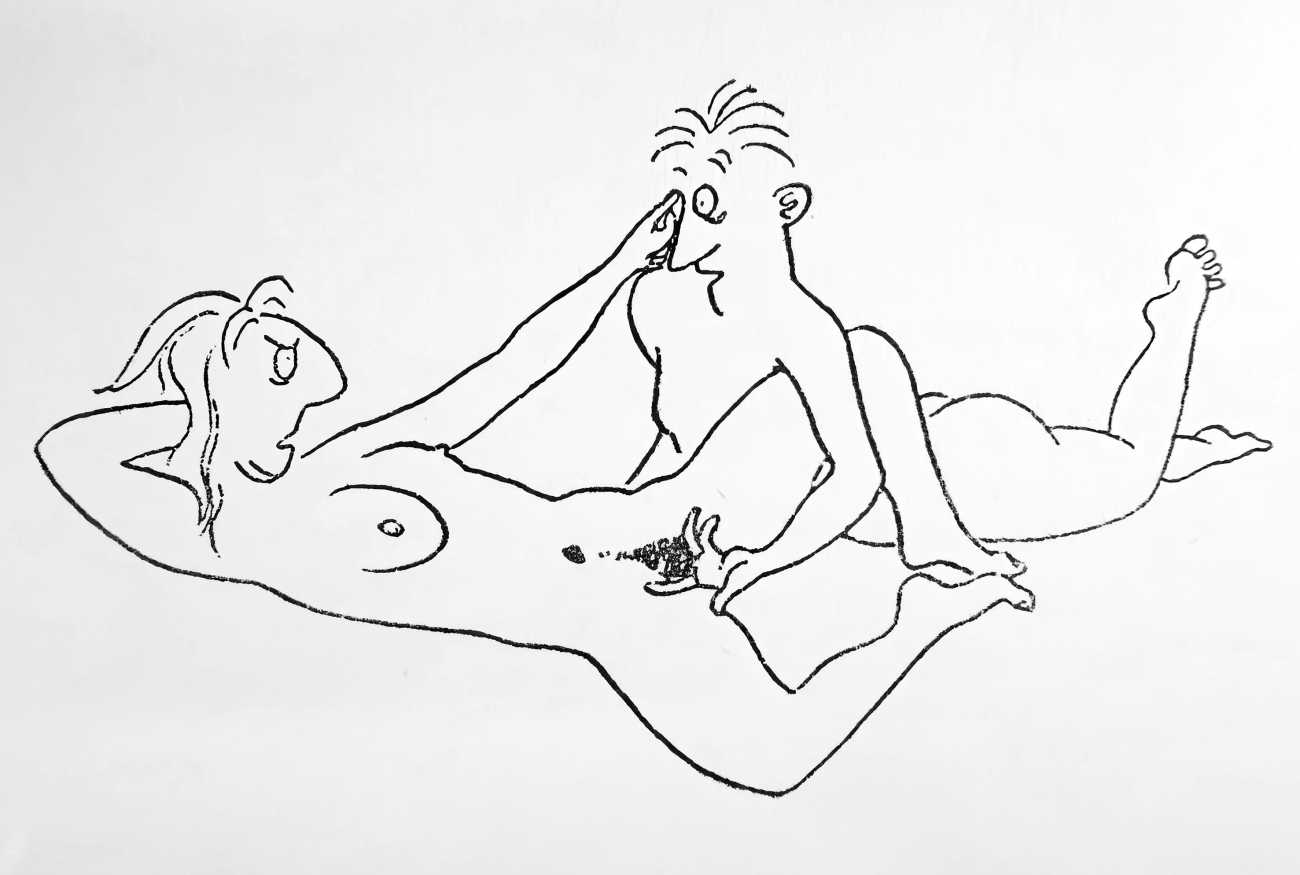
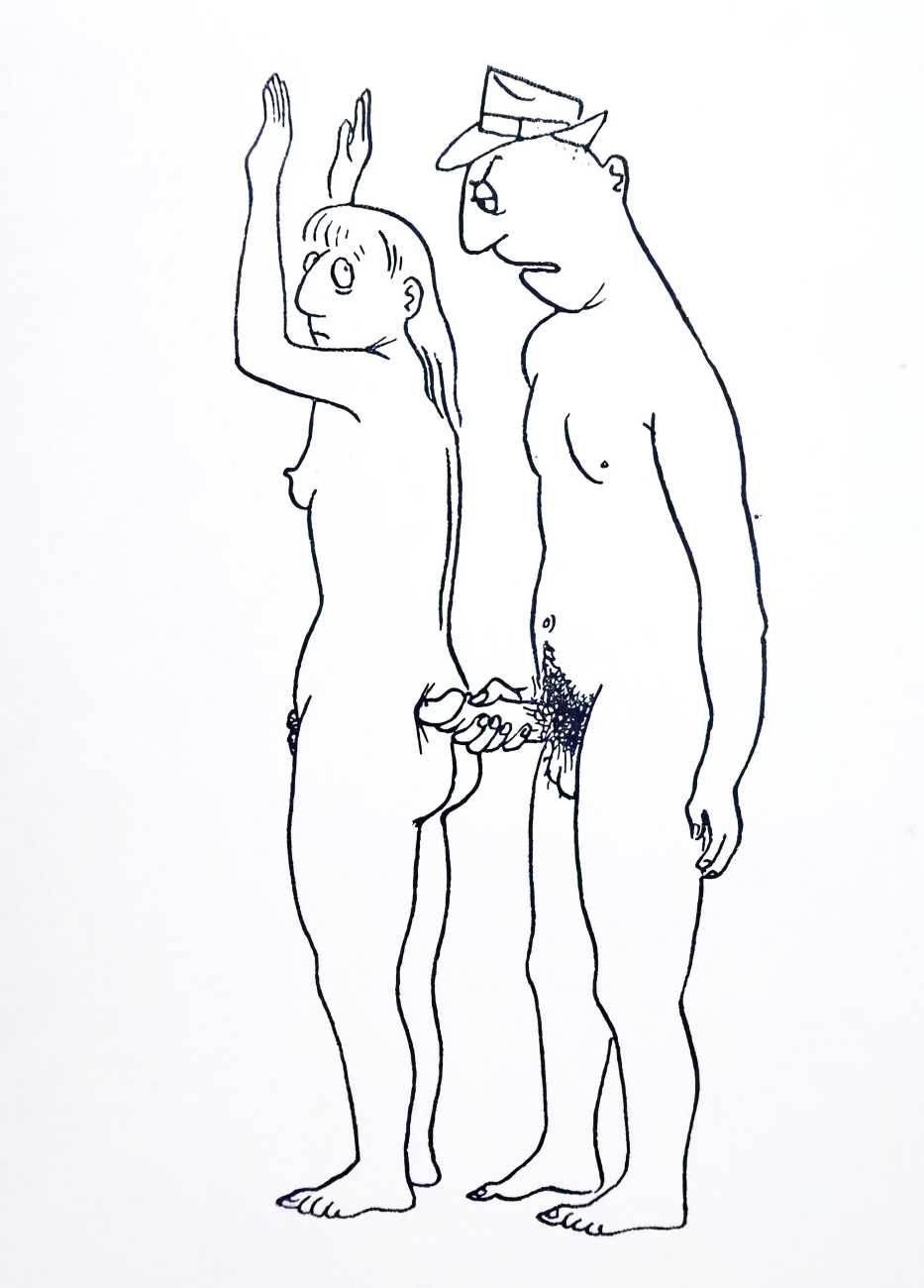
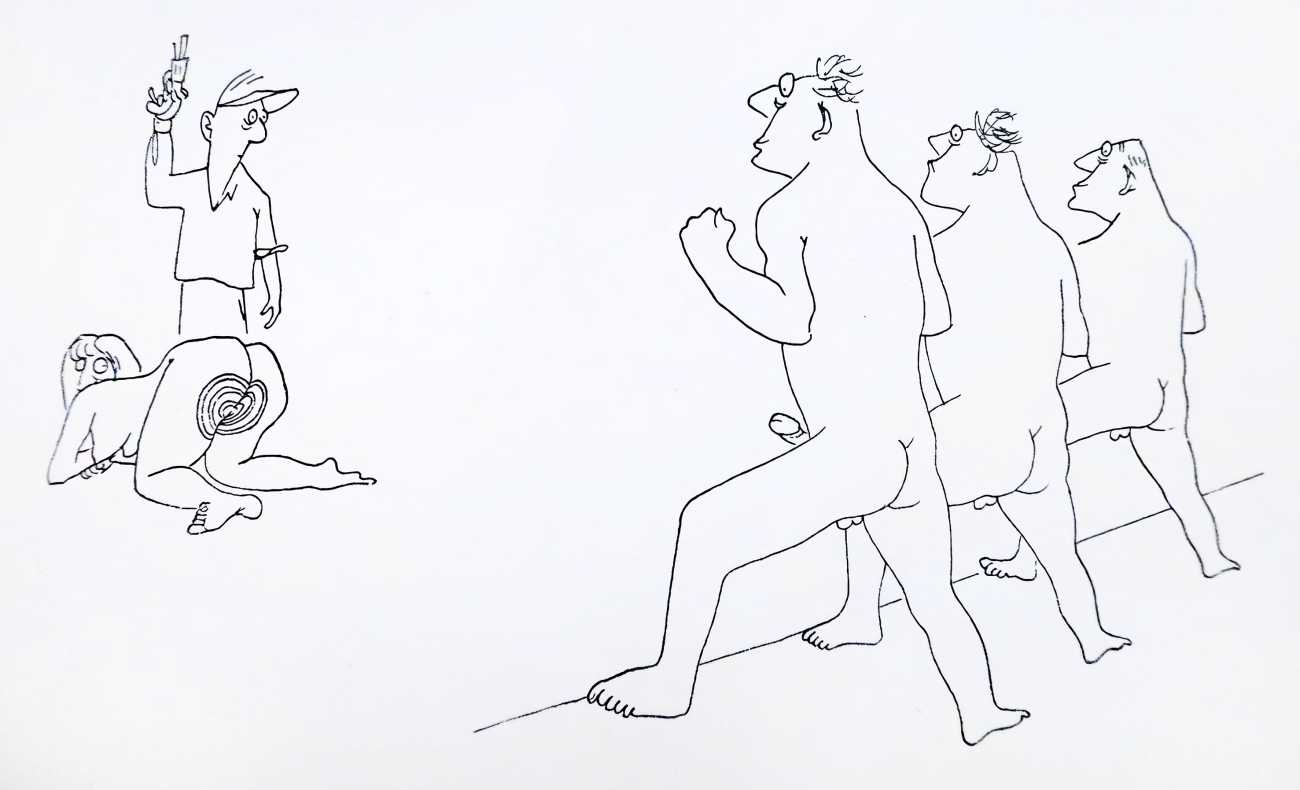
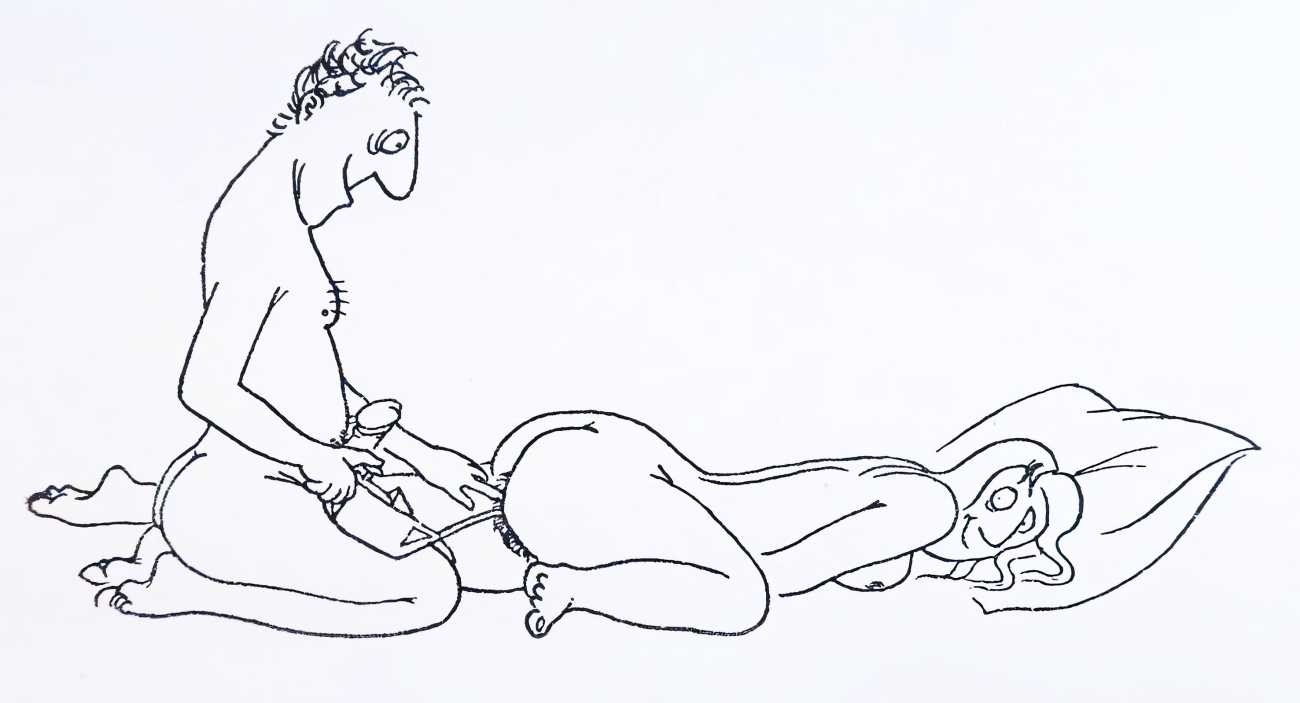
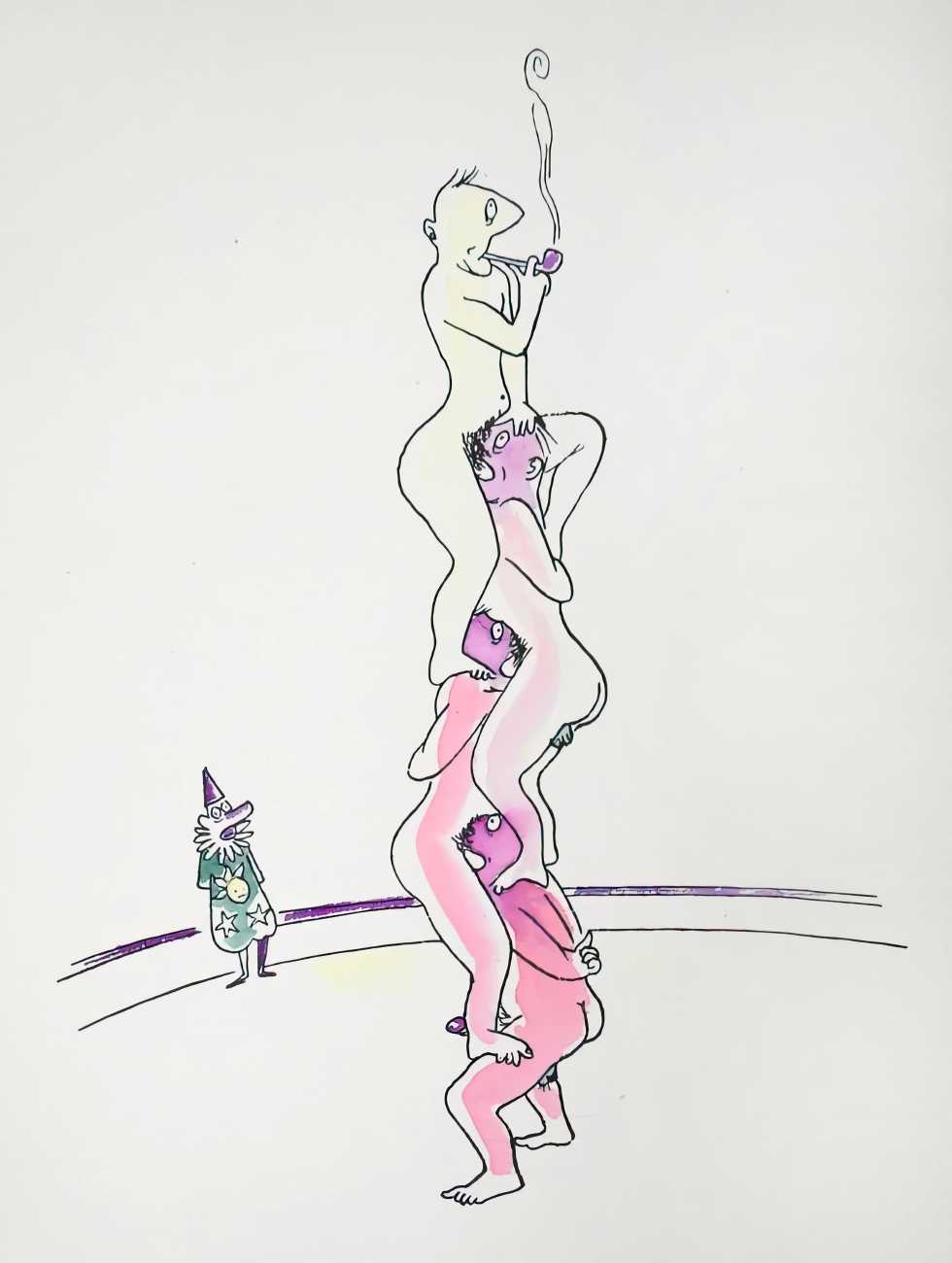
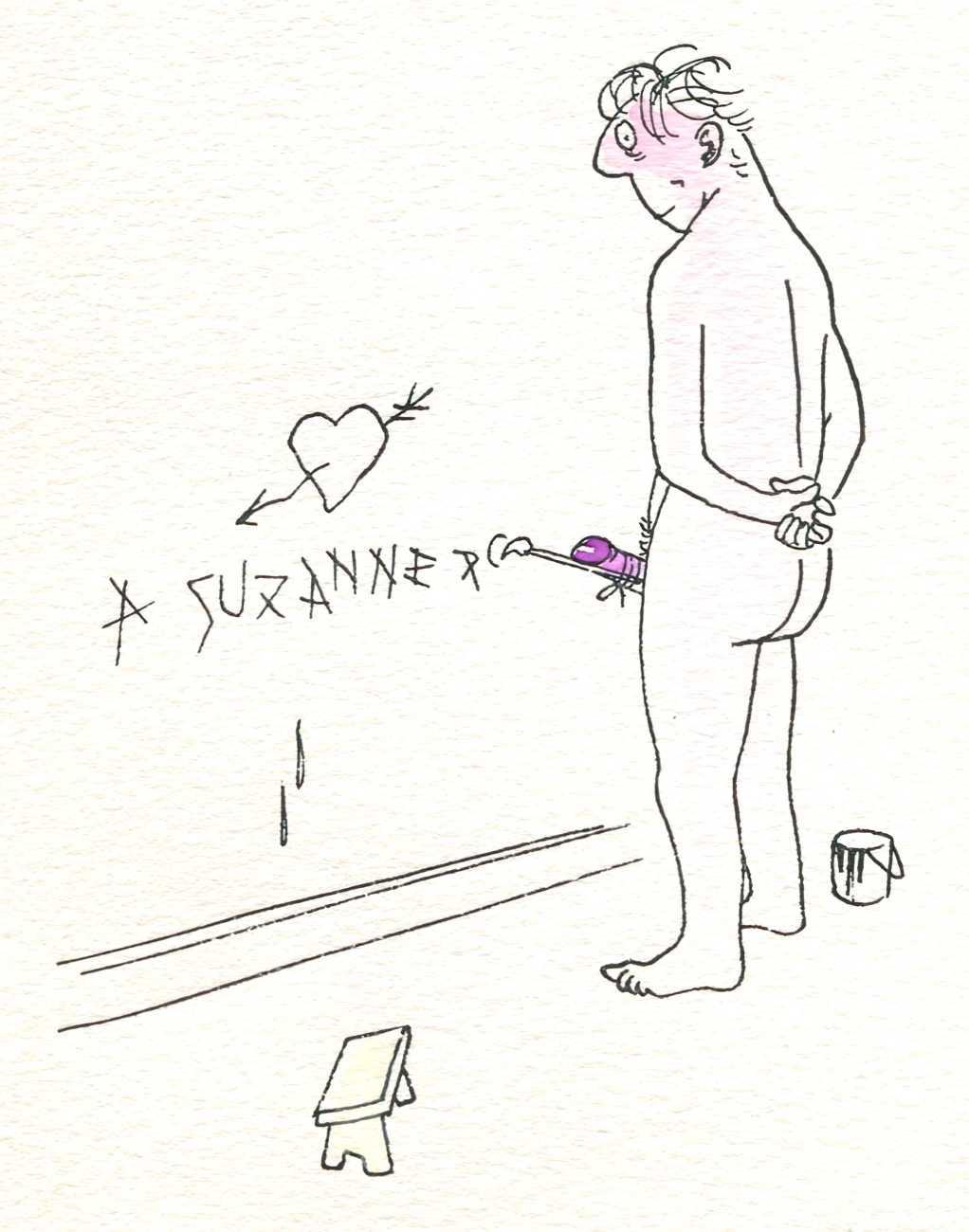
Moïse Depond began his career in press illustration in 1946, establishing himself in Paris through contributions to publications including Paris Match, France Dimanche, Samedi Soir and Radar. Working without explanatory captions, he developed a highly individual visual language that combined burlesque, absurdity and surrealism. His drawings frequently derive their humour from incongruous situations, unexpected transformations and the exposure of human vanity, often with an unsettling undertone that has been described as joie inquiète, or anxious joy. His ability to communicate through images alone gave his work an international appeal.
A close friend of the cartoonist Yvan Francis Le Louarn (1914–68), who worked under the name Chaval, Mose shared his contemporary’s taste for dark comedy, although his own drawing style remained distinctive. Over a career spanning several decades, Depond produced thousands of drawings for the press and illustrated books, including an edition of Mark Twain’s Contes choisis, published by Mercure de France in 1962. In 1972 he received the Grand Prix de l’Humour noir in recognition of his achievement.
Depond developed a particular connection with Japan, where he travelled to teach humour illustration at the University of Kyoto from the early 1990s onward. His work continued to attract attention beyond the world of the French press, demonstrating the enduring appeal of his visual wit.
In 2002, shortly before his death, Mose published Le rétroviseur (The Rear-view Mirror), a graphic autobiography looking back over his life and career. Told largely through the visual language he had developed over six decades, the book offered a personal retrospective on his experiences and artistic development, a testament to his belief in the expressive power of images. His legacy is commemorated by the Espace Mose cultural centre at La Roche-Posay, not far from where he grew up.
Similar artists
André Barbe – French cartoonist of largely wordless social and sexual commentary.
Marion Fayolle – French contemporary cartoonist of intimate erotic narratives.
Mitsu Okubo – Japanese illustrator of erotic subjects.
Claude Serre – French cartoonist of densely detailed black-humour drawings.
Siné – French satirical press cartoonist of black humour.
Roger Testu – French cartoonist of witty erotic gags.
Tomi Ungerer – Alsatian-French illustrator of satirical and erotic graphic work.
Example illustration
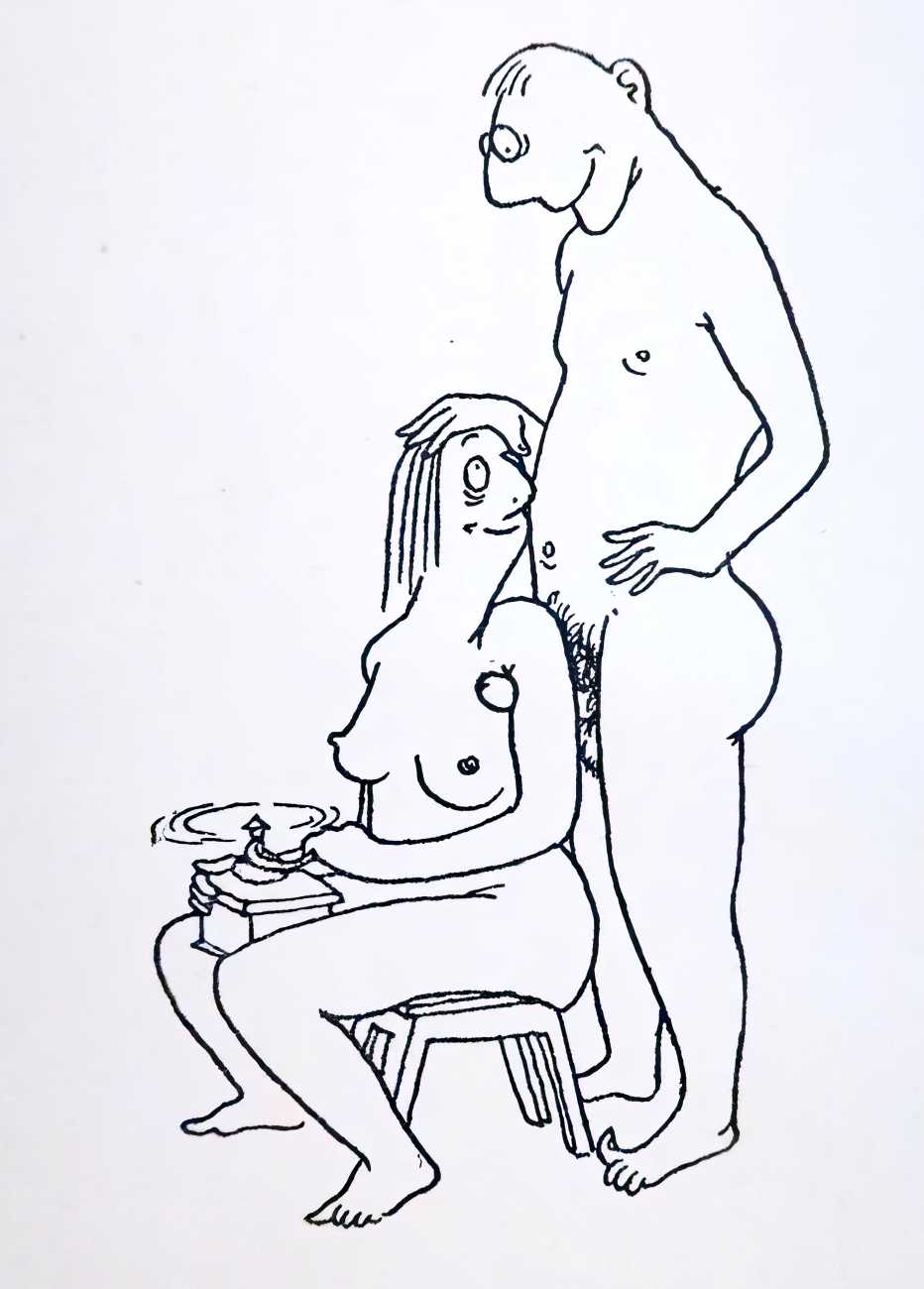
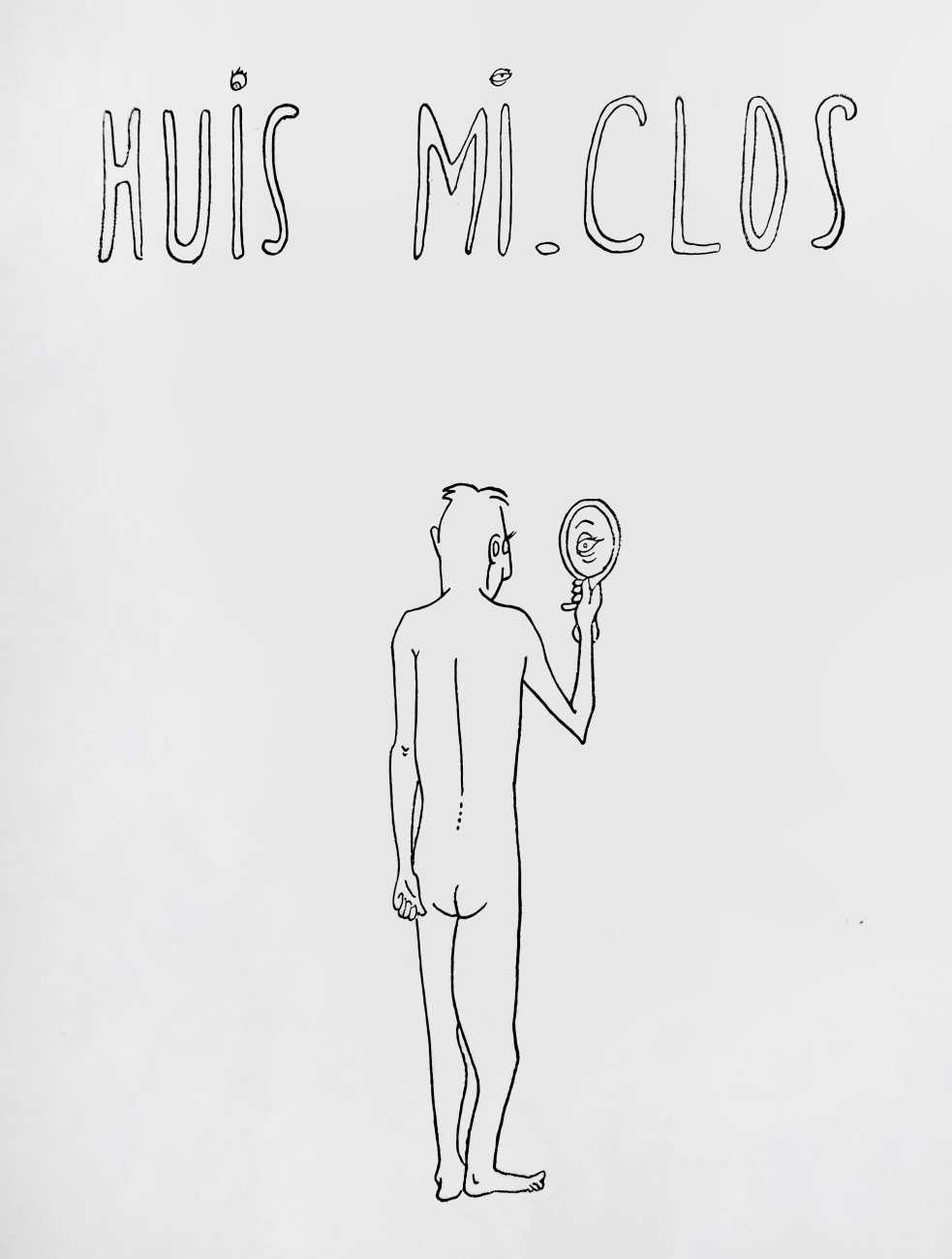
Huis mi-clos (1948)