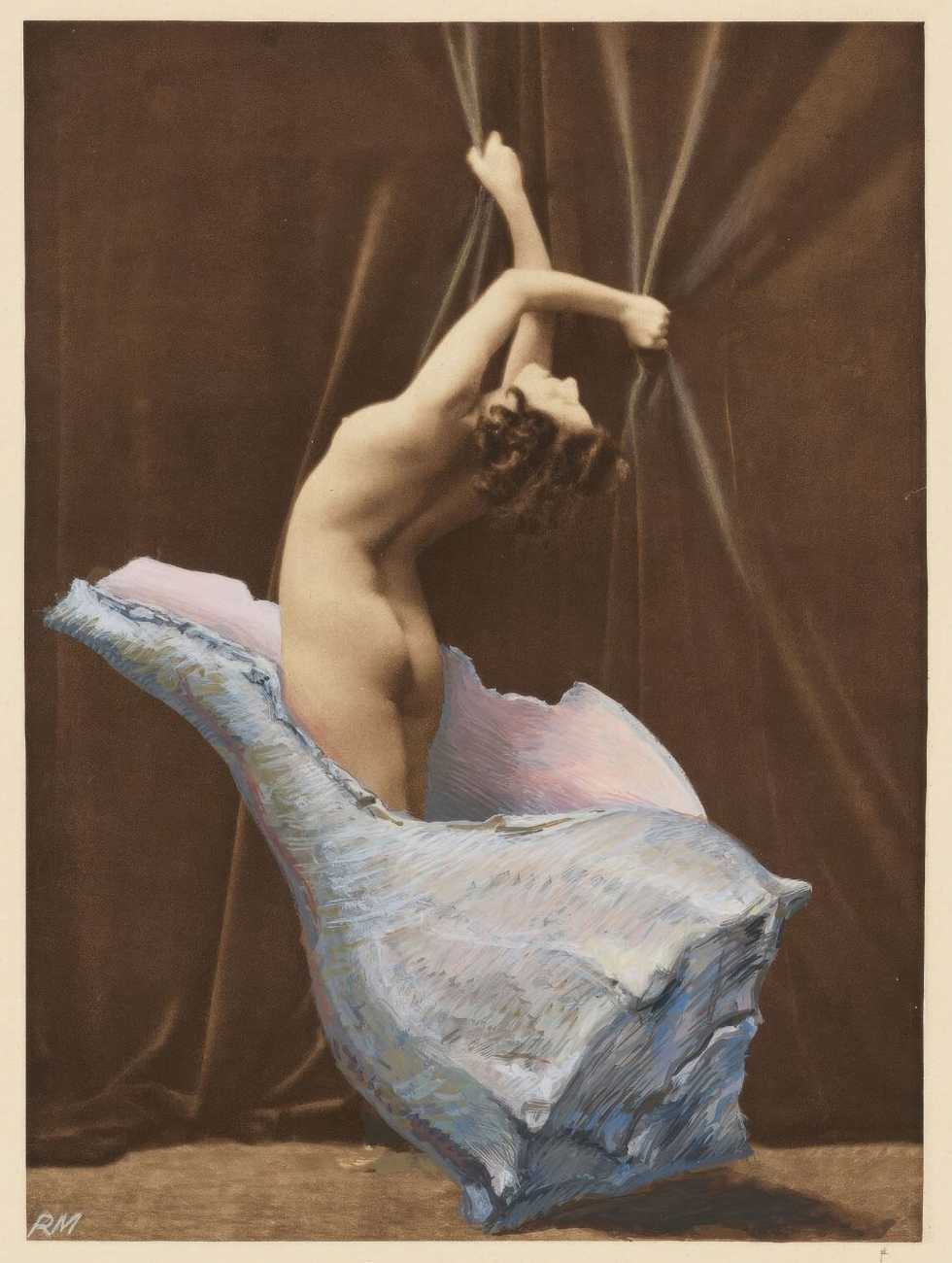
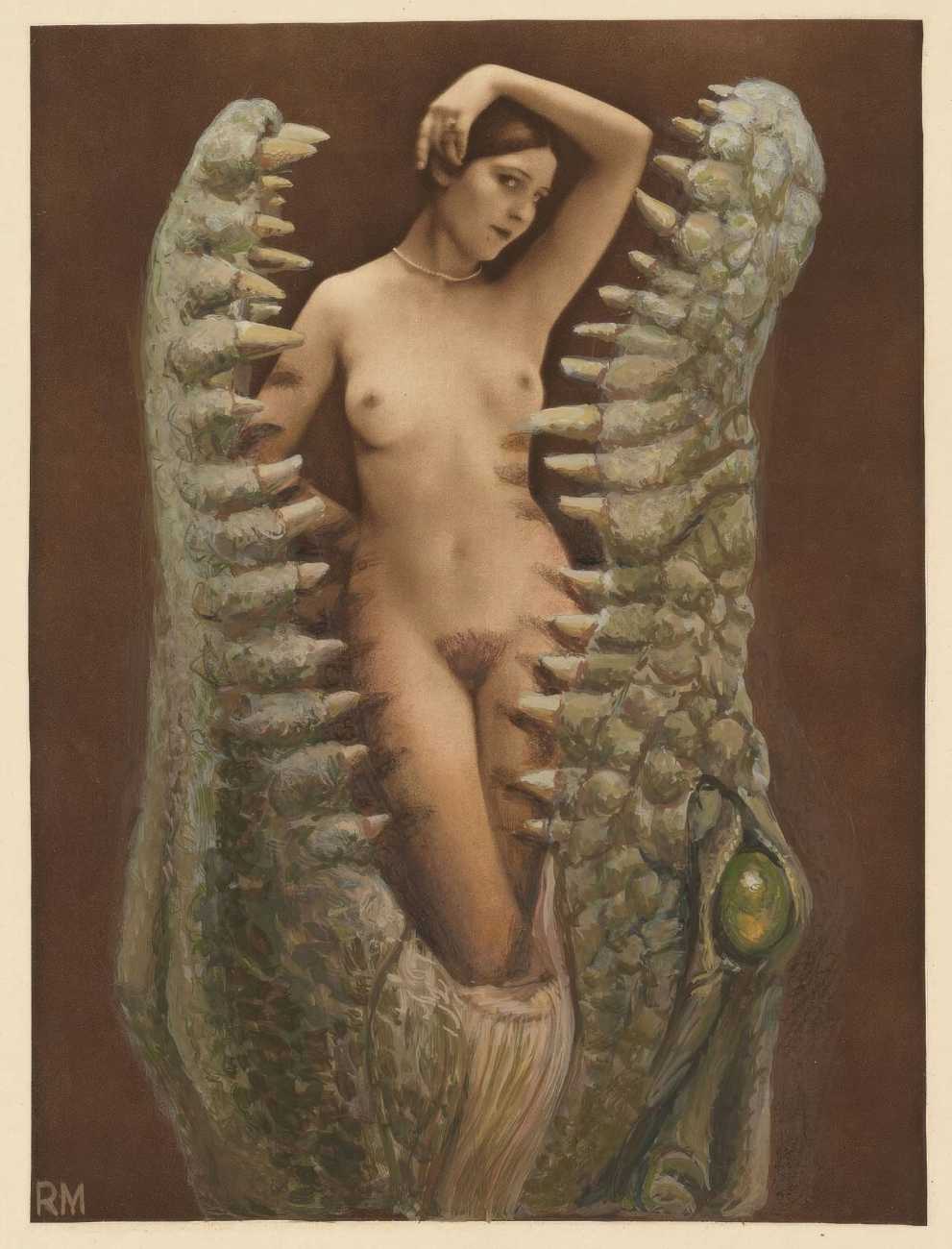
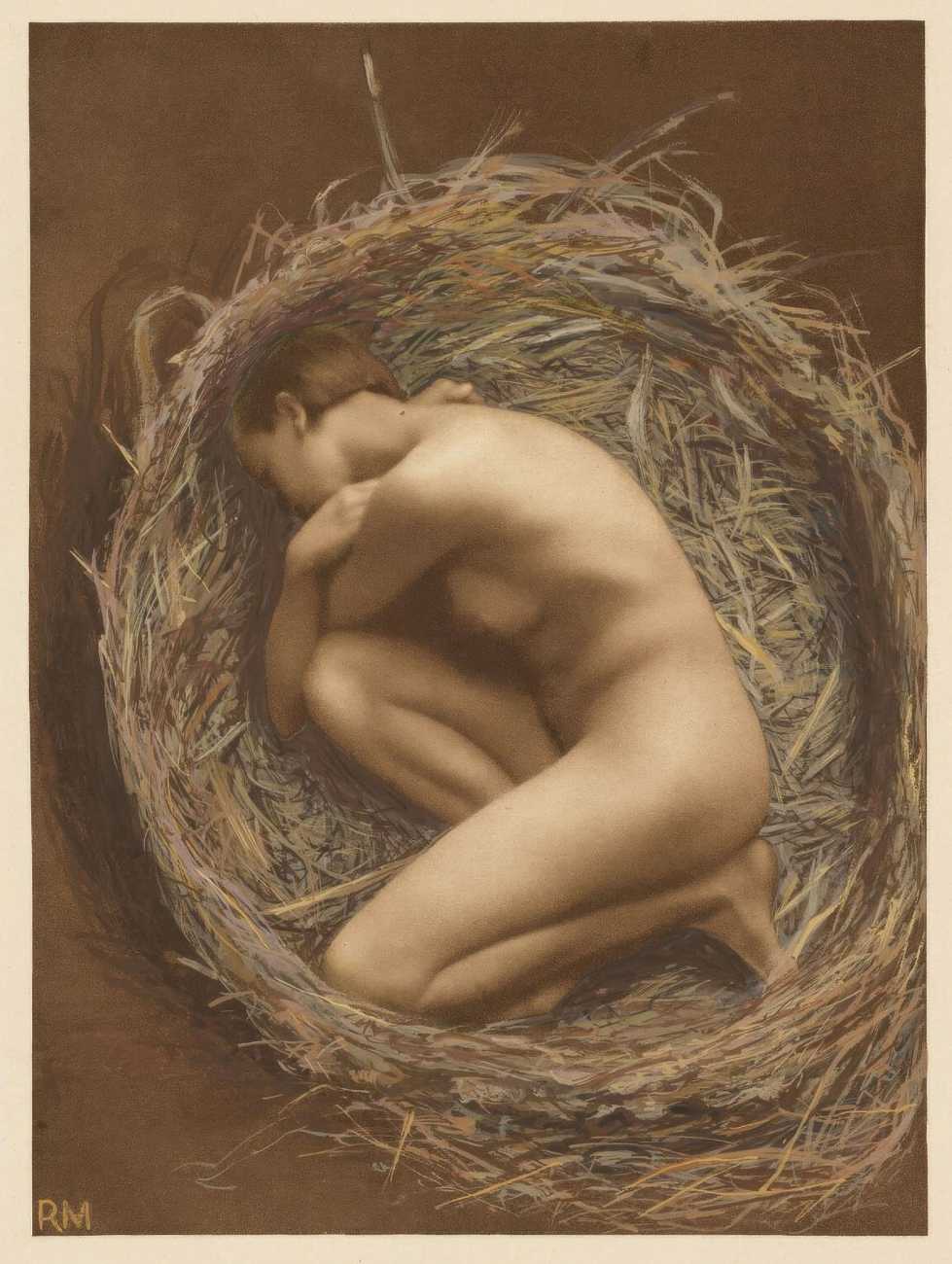
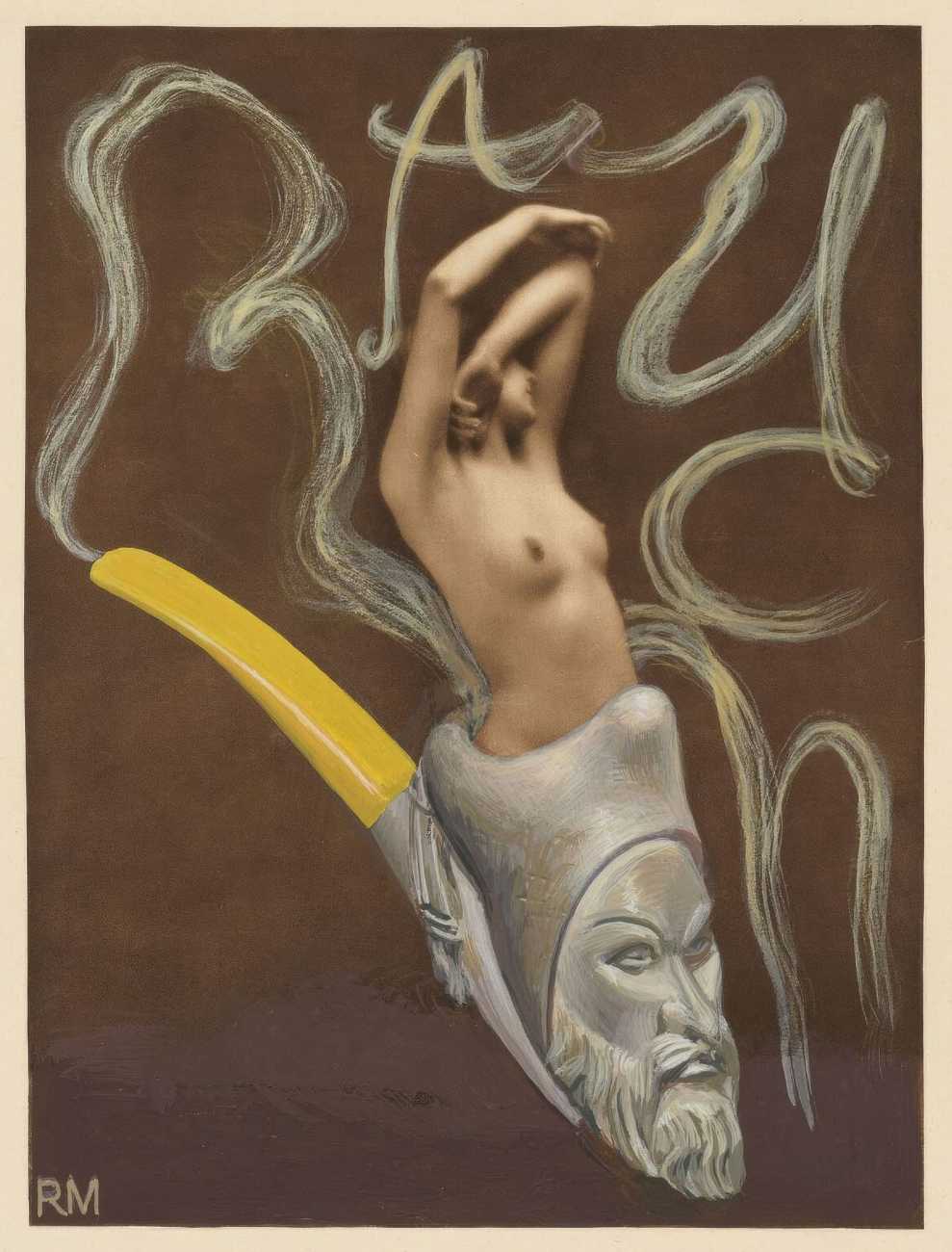
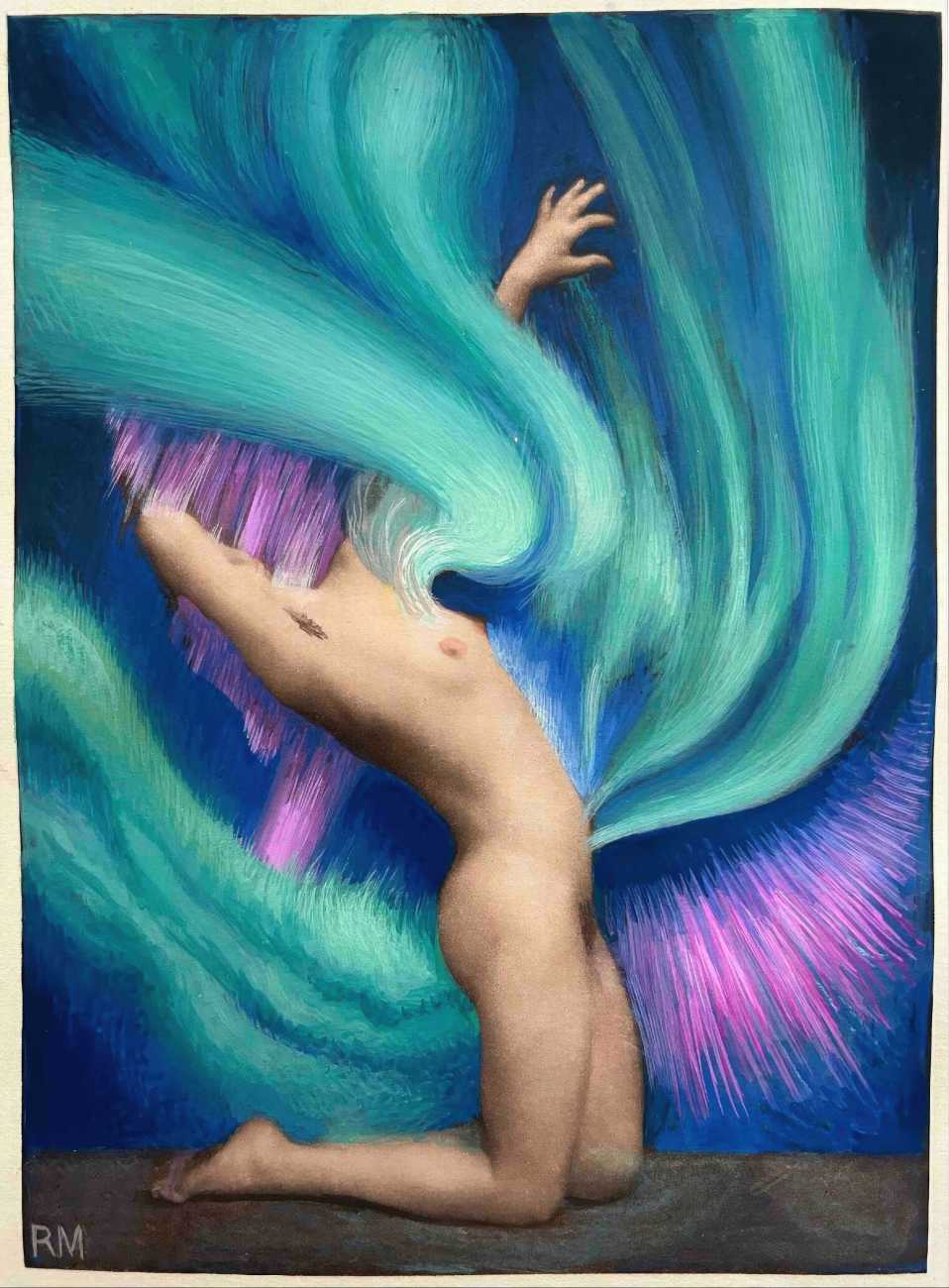
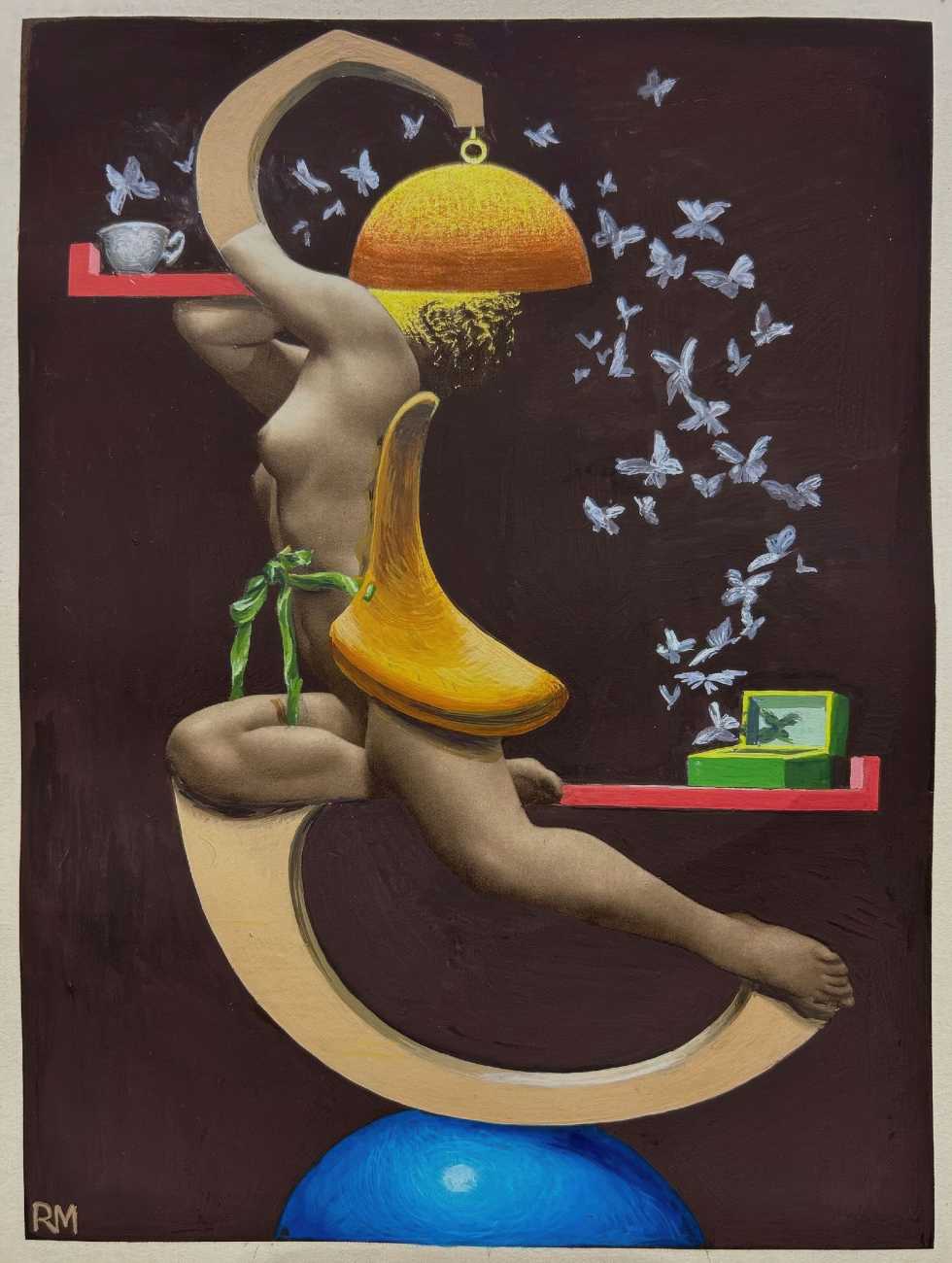
In 2003 Ruth Marten discovered her passion for working with old prints and photographs as the basis for her own work. Through revisions in the form of drawings and collages, she creates a connection between historical representations and contemporary perspectives. Thematically, her works revolve around identity, nature and the animal world in relation to the human counterpart, fashion, dreams, sexuality, and society’s changing view of the role and appearance of women.
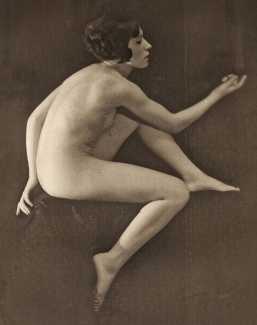
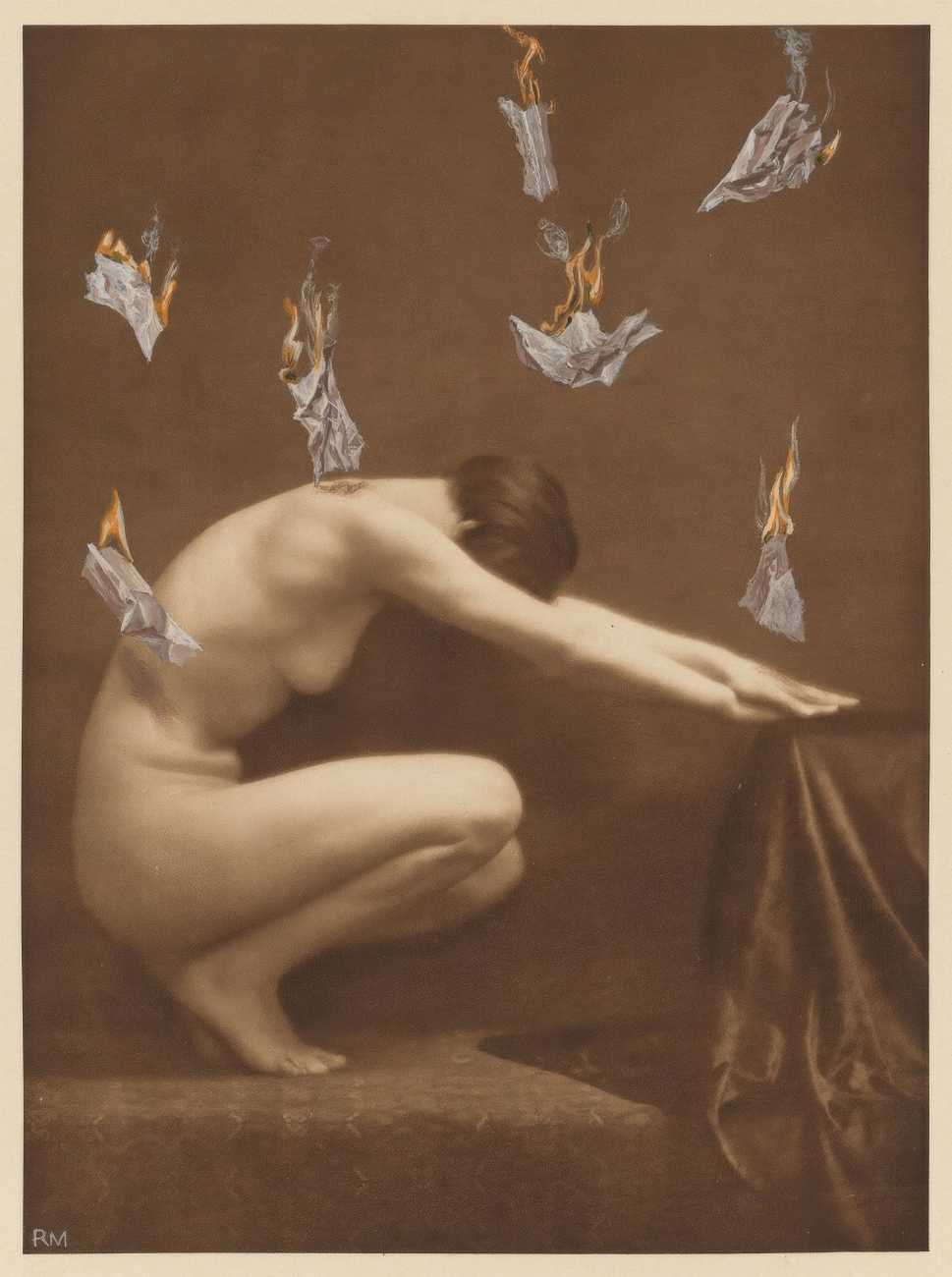
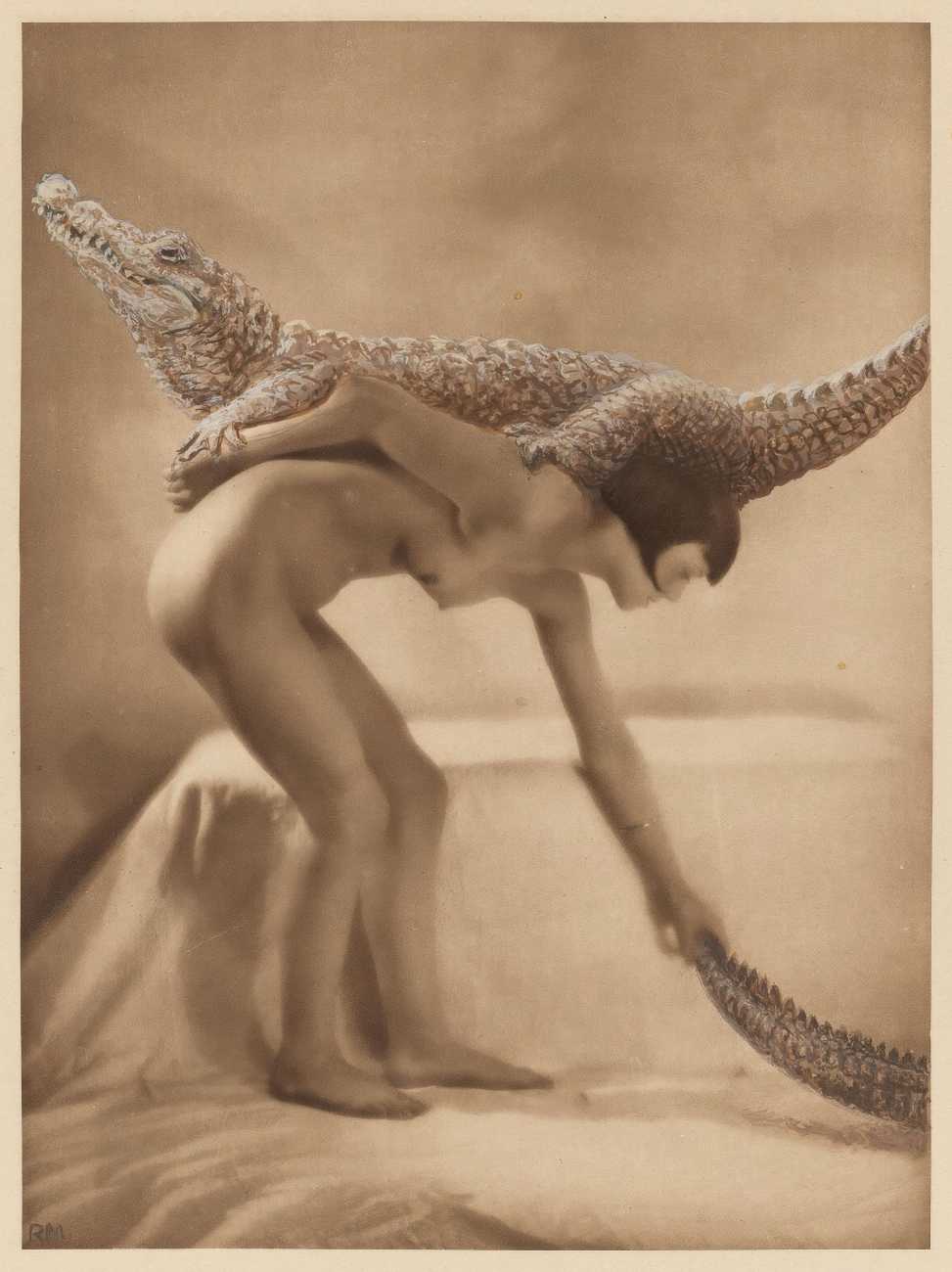
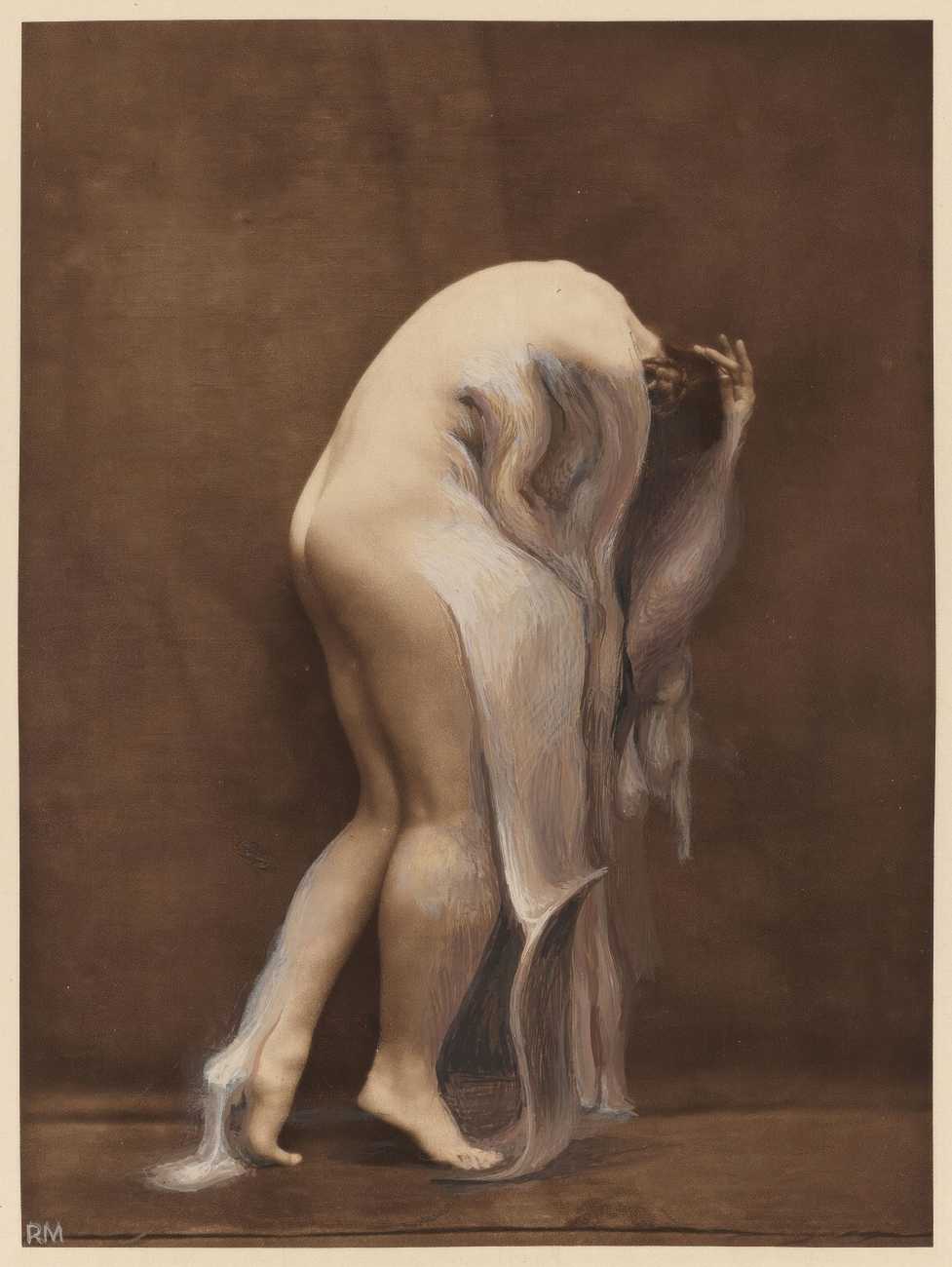
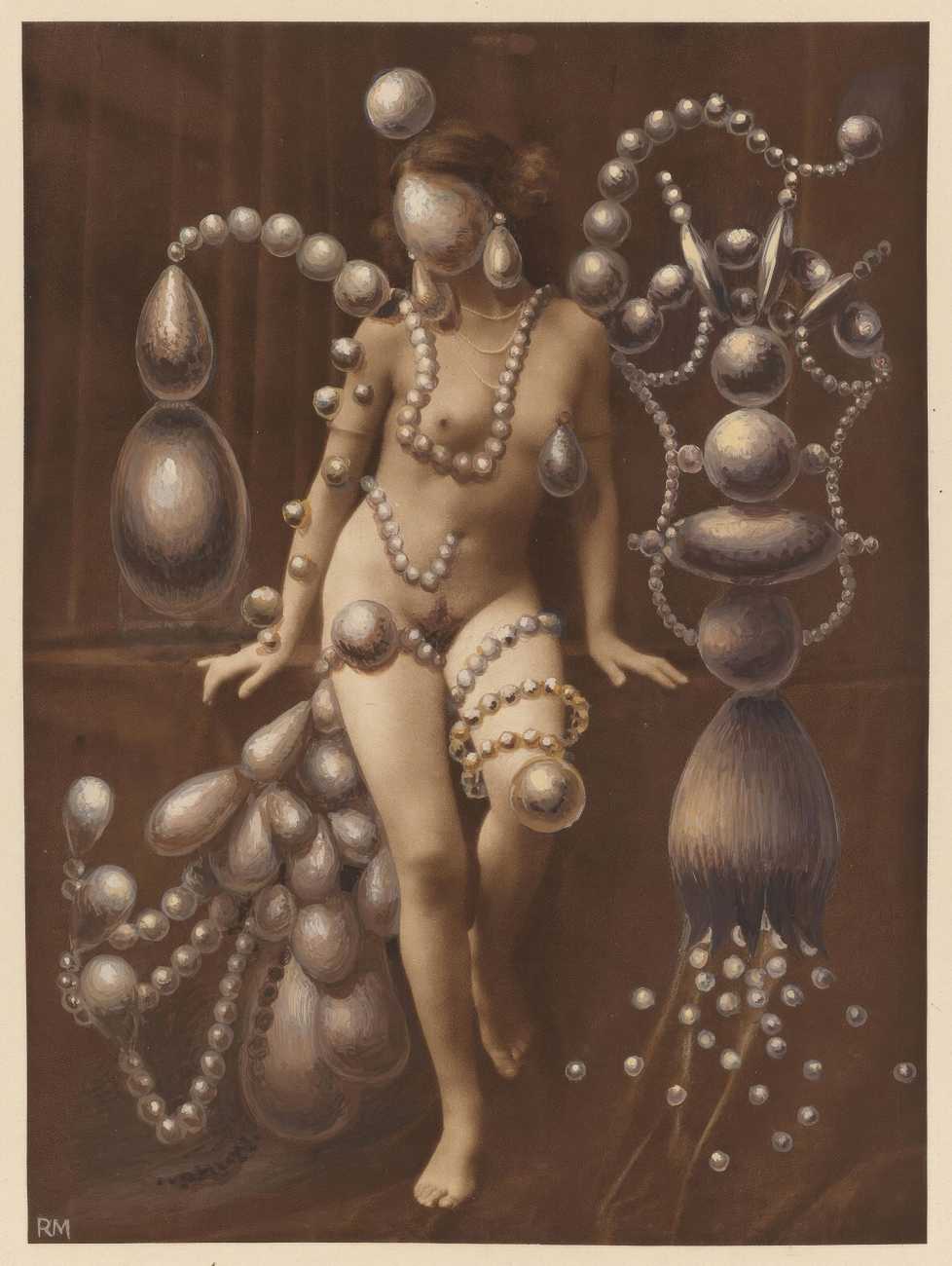
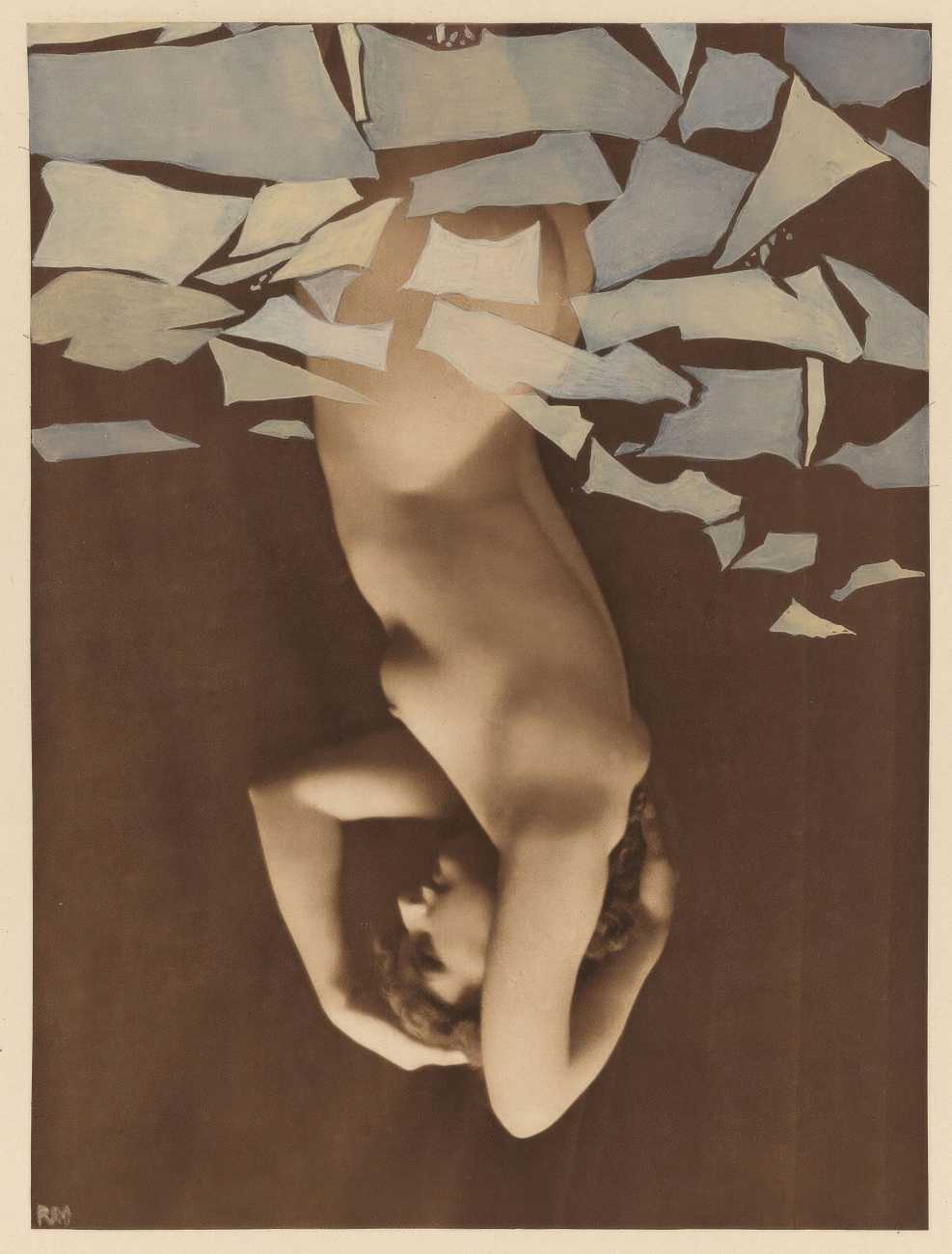
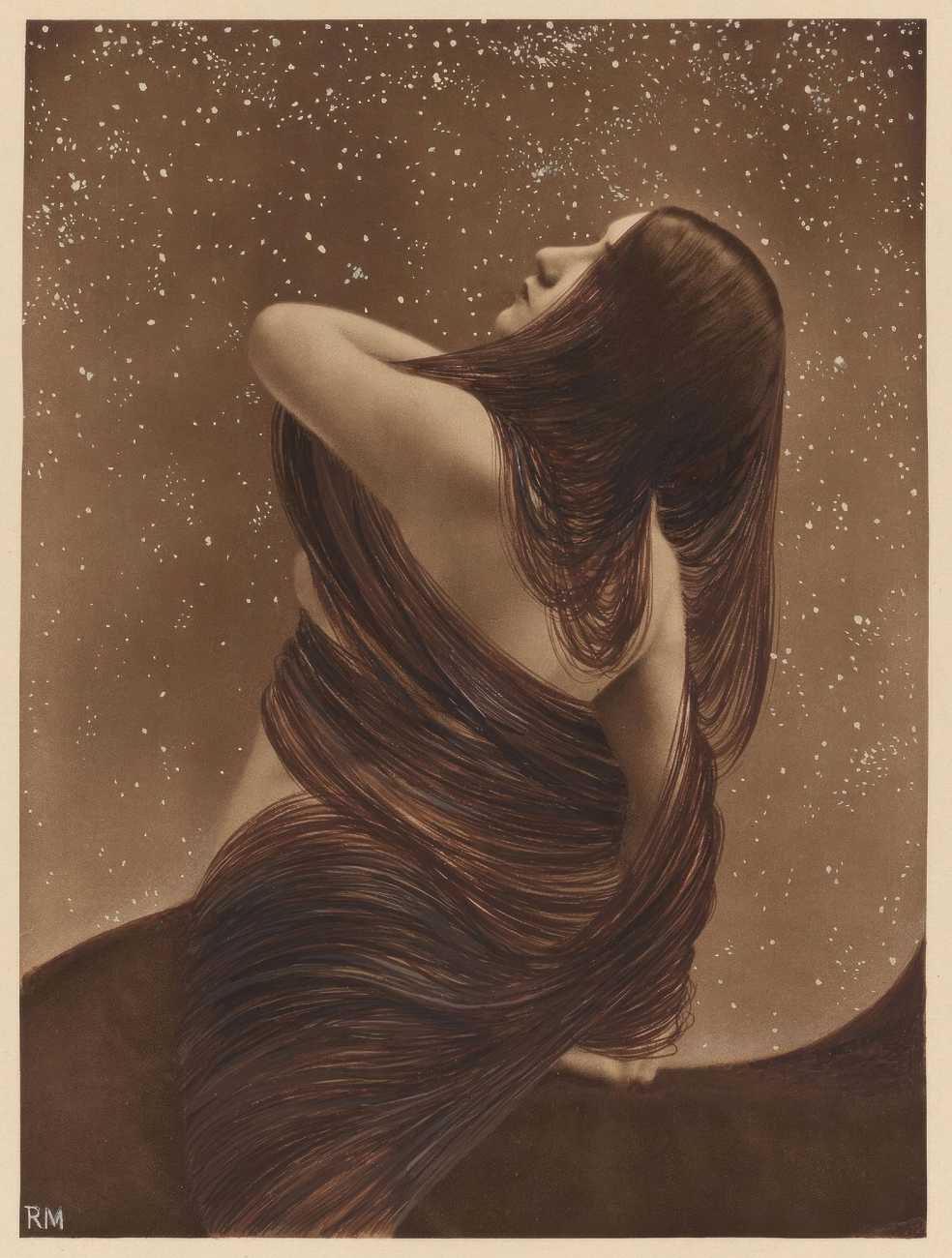
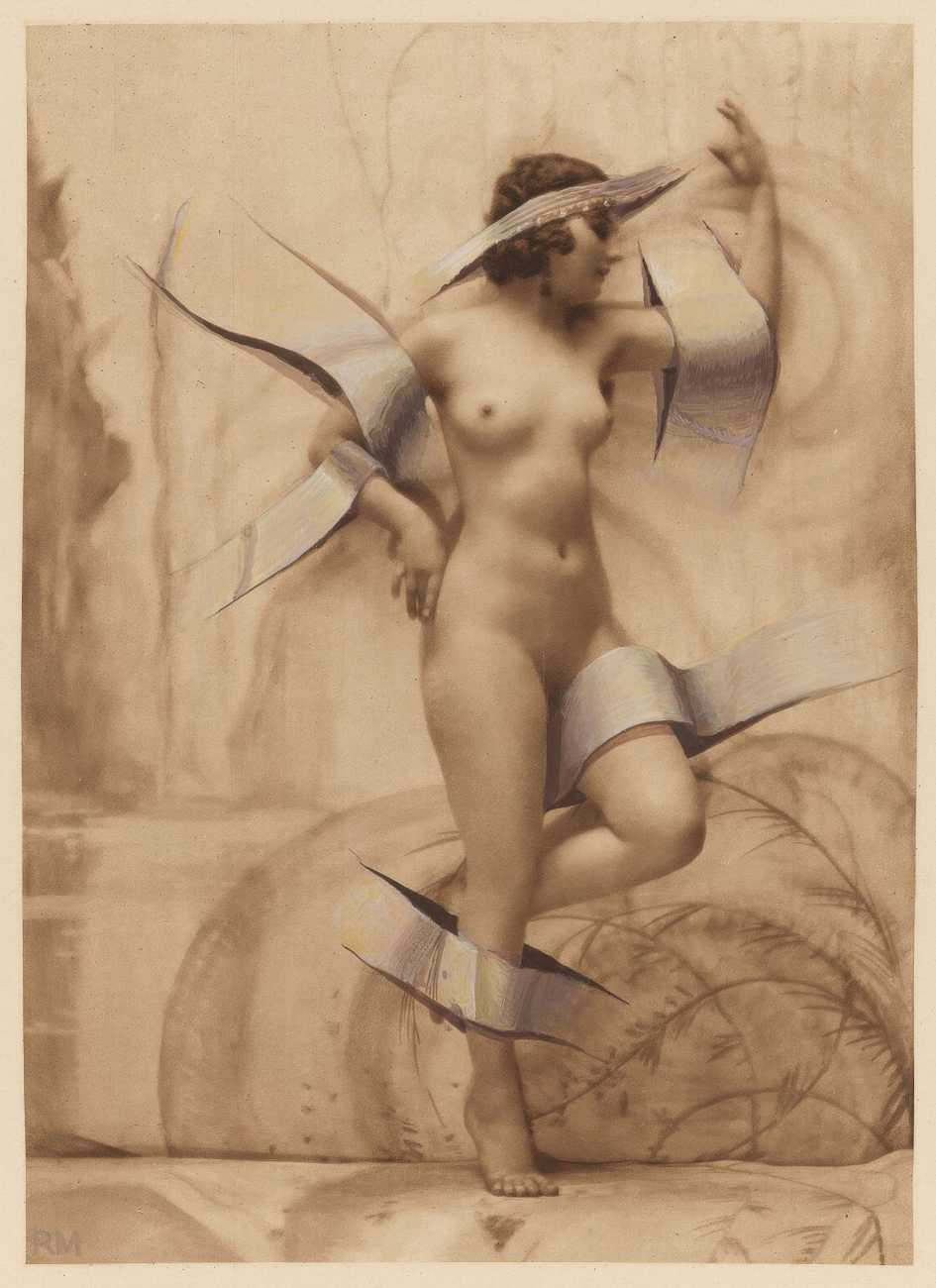
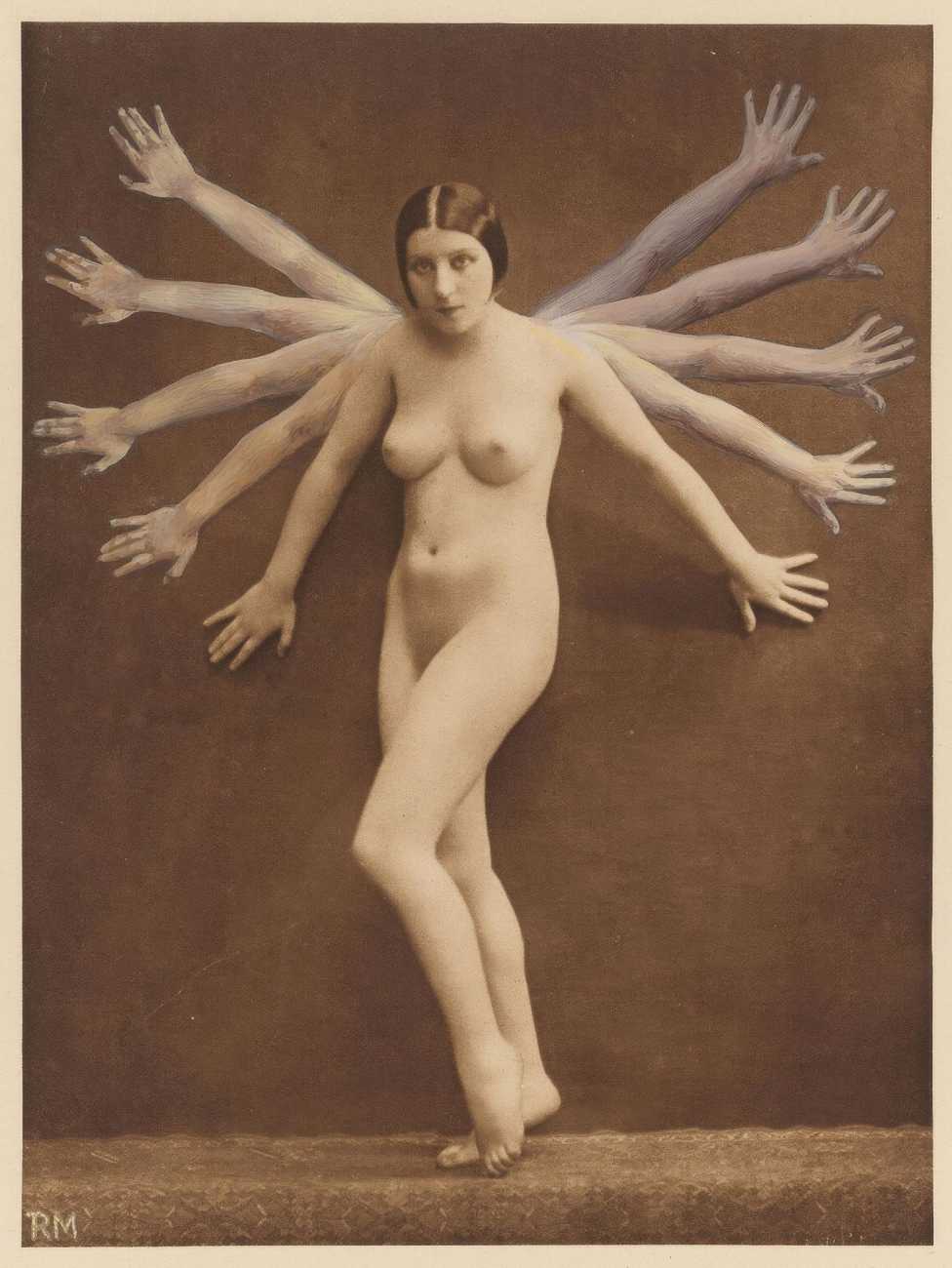
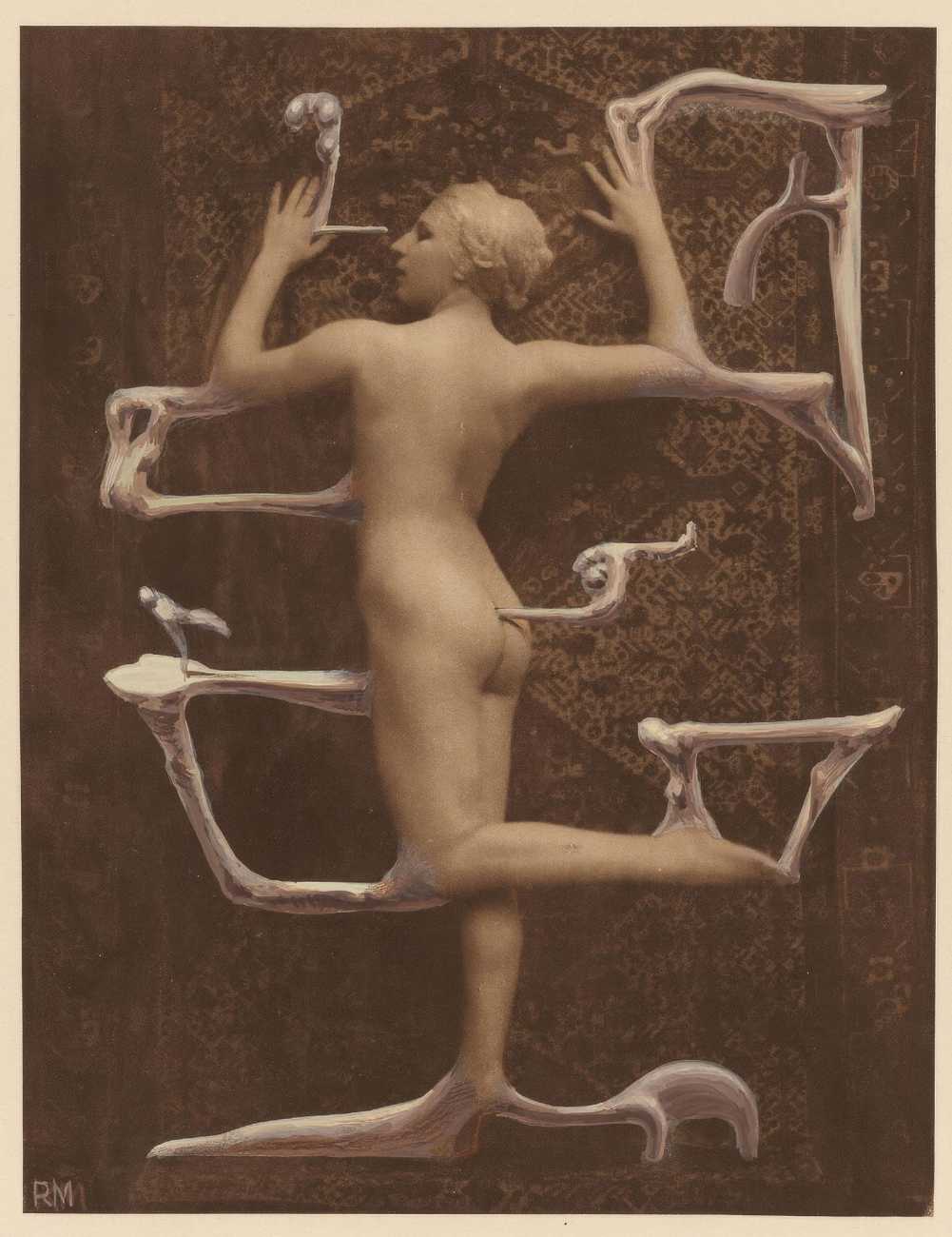
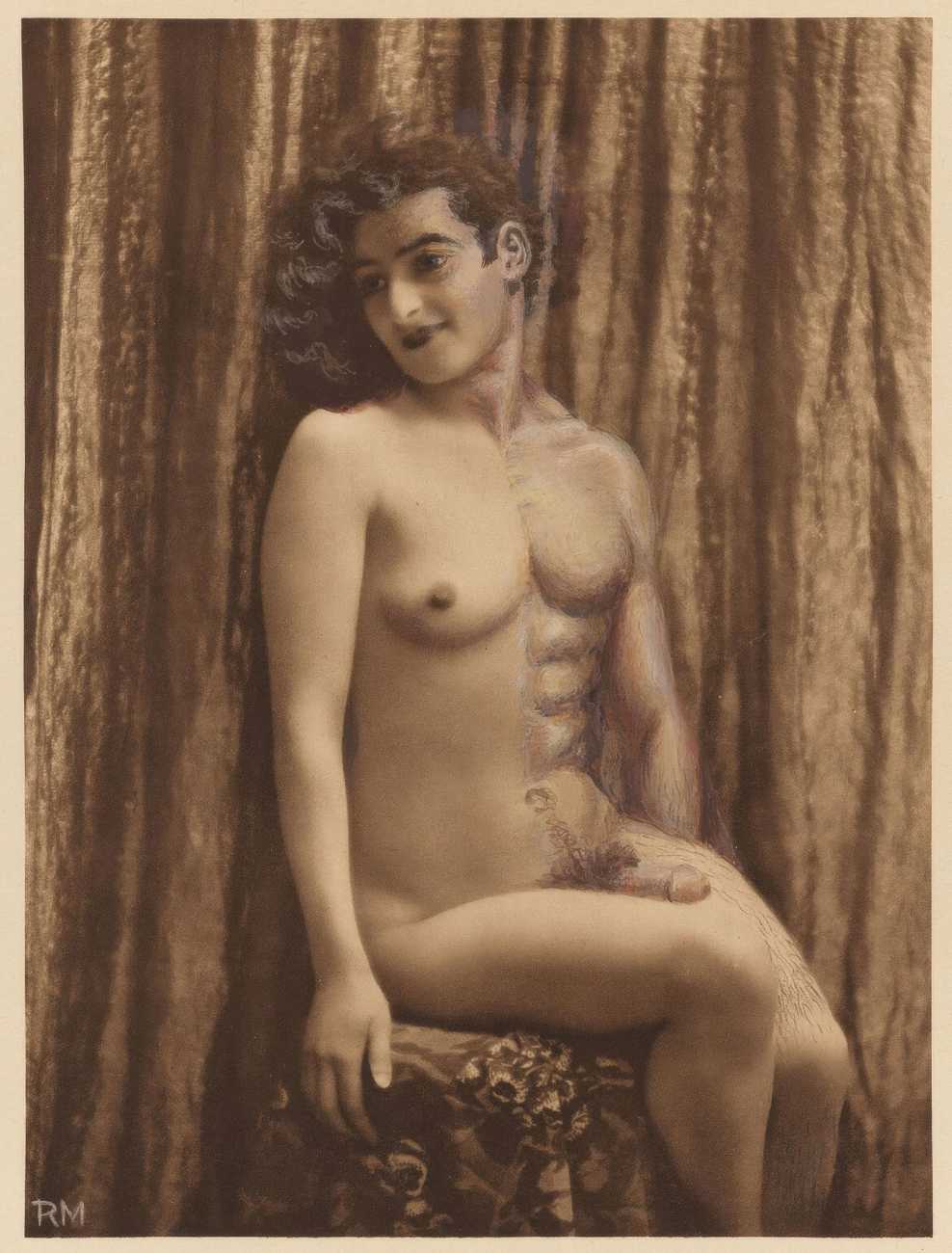
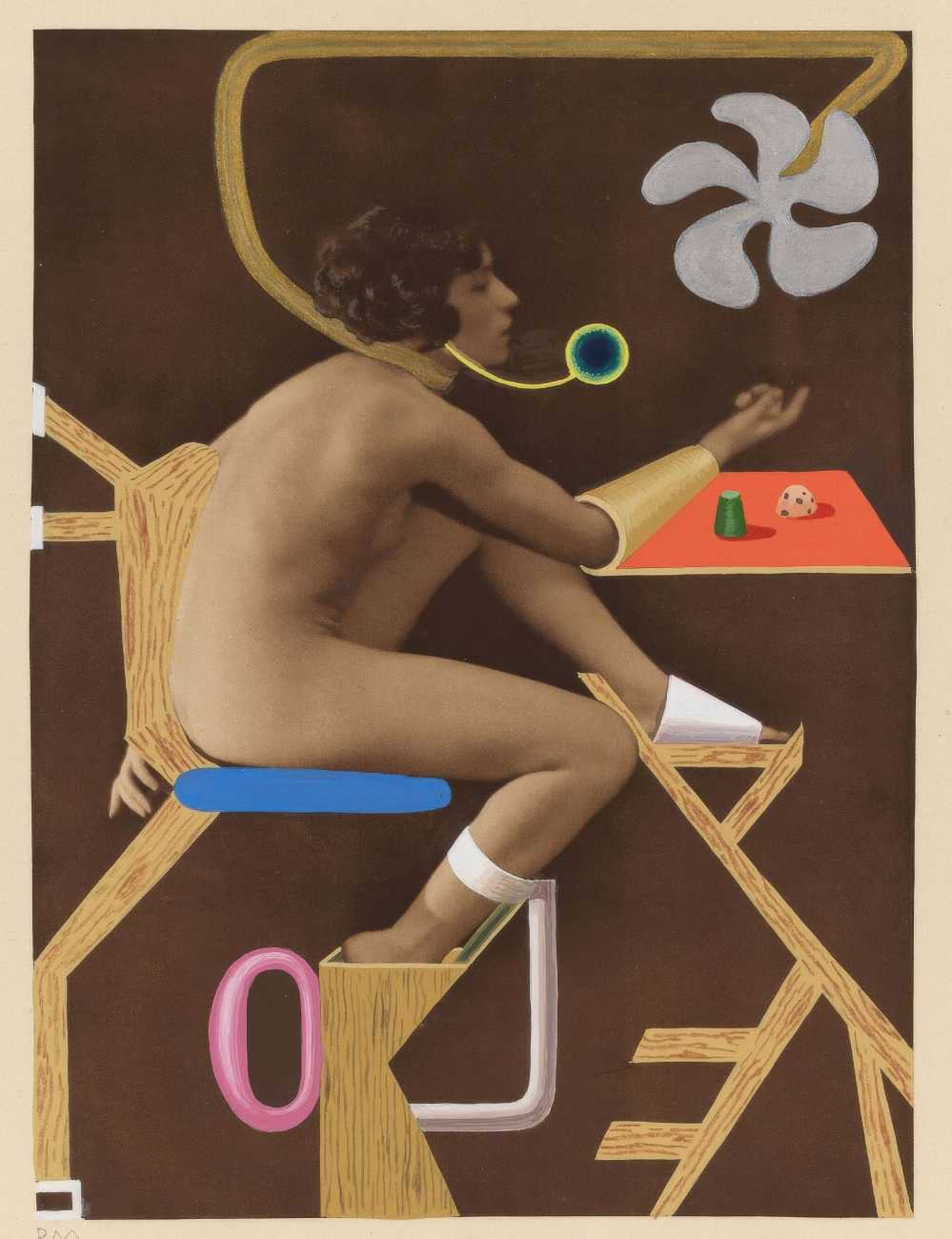
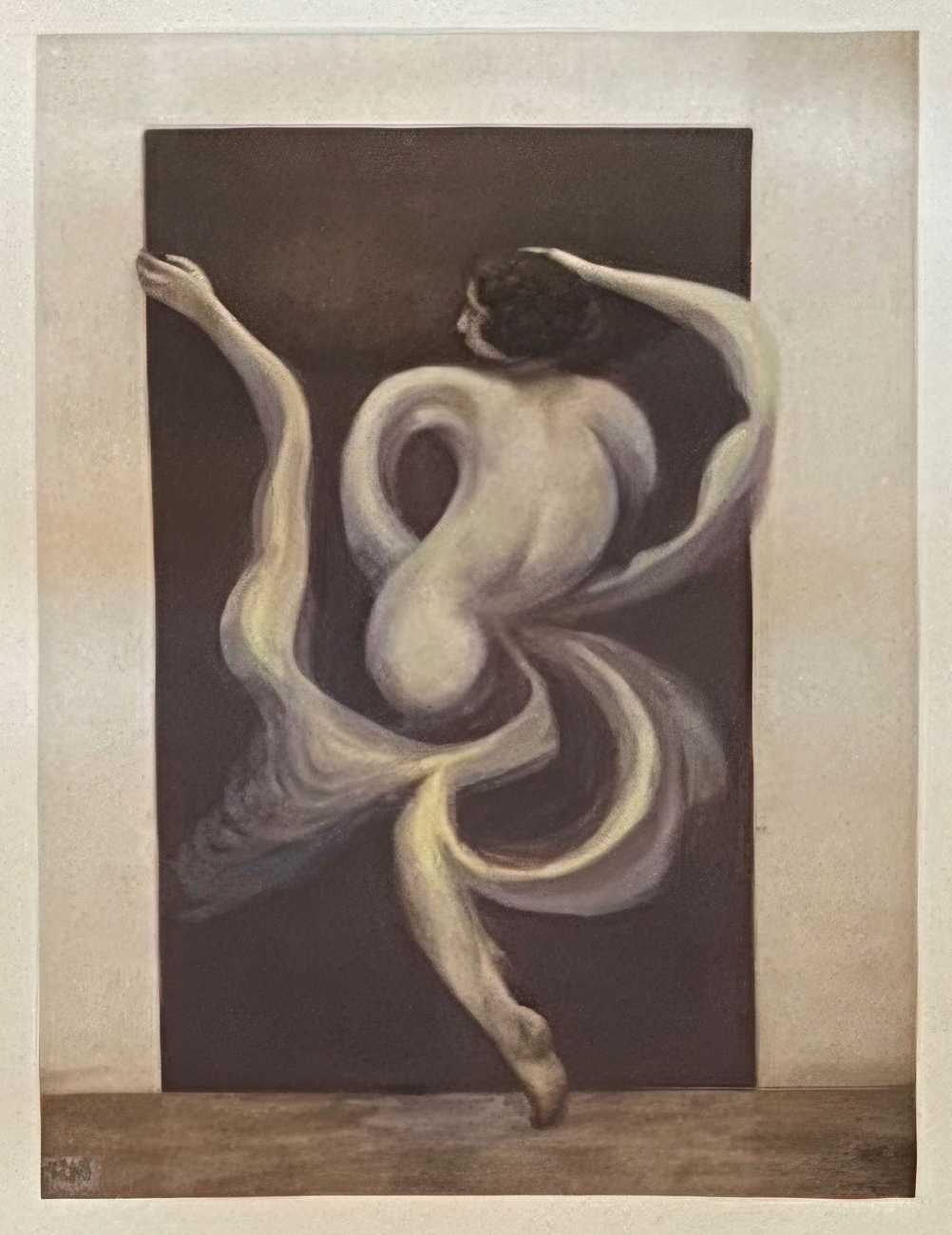
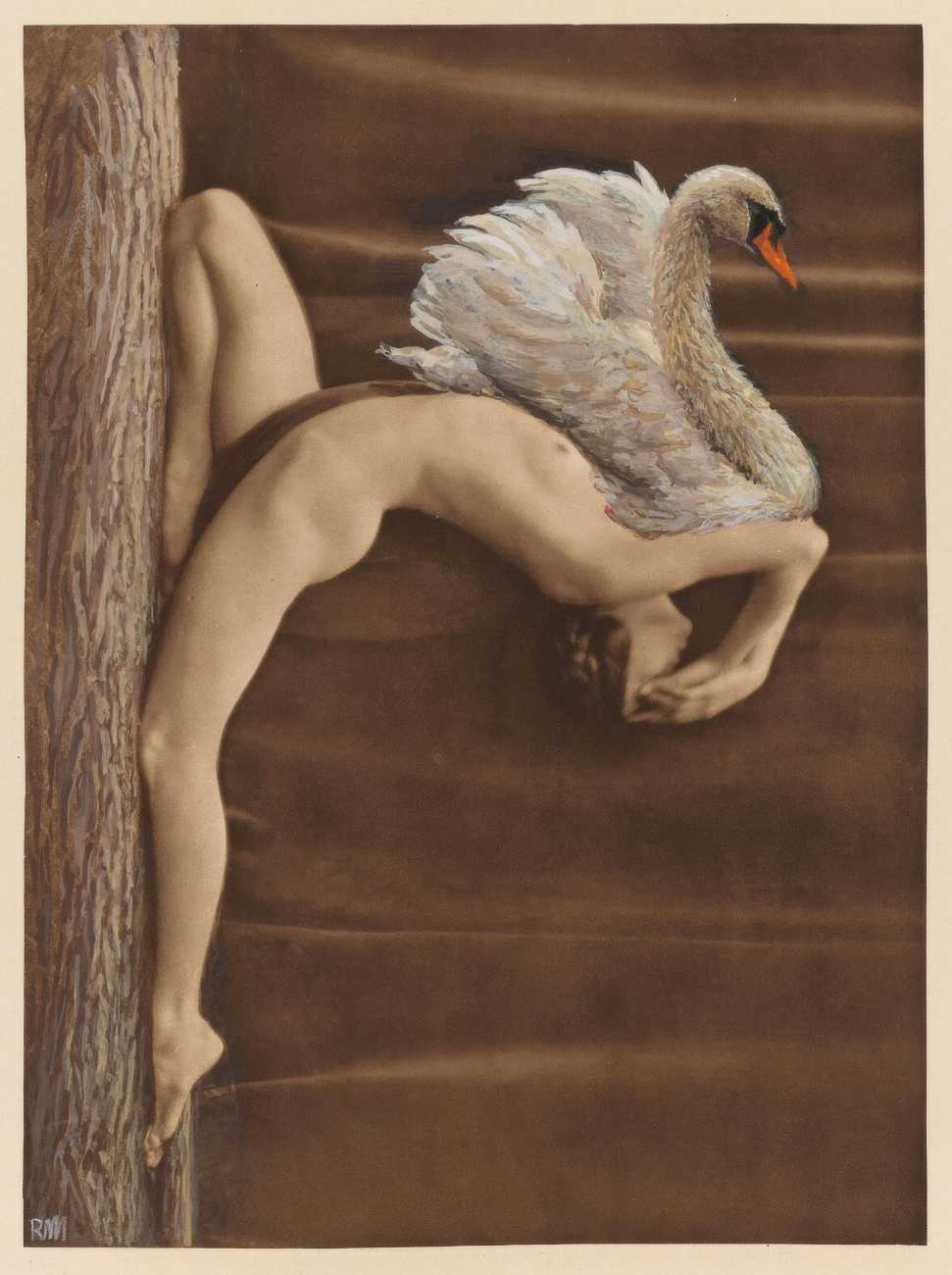
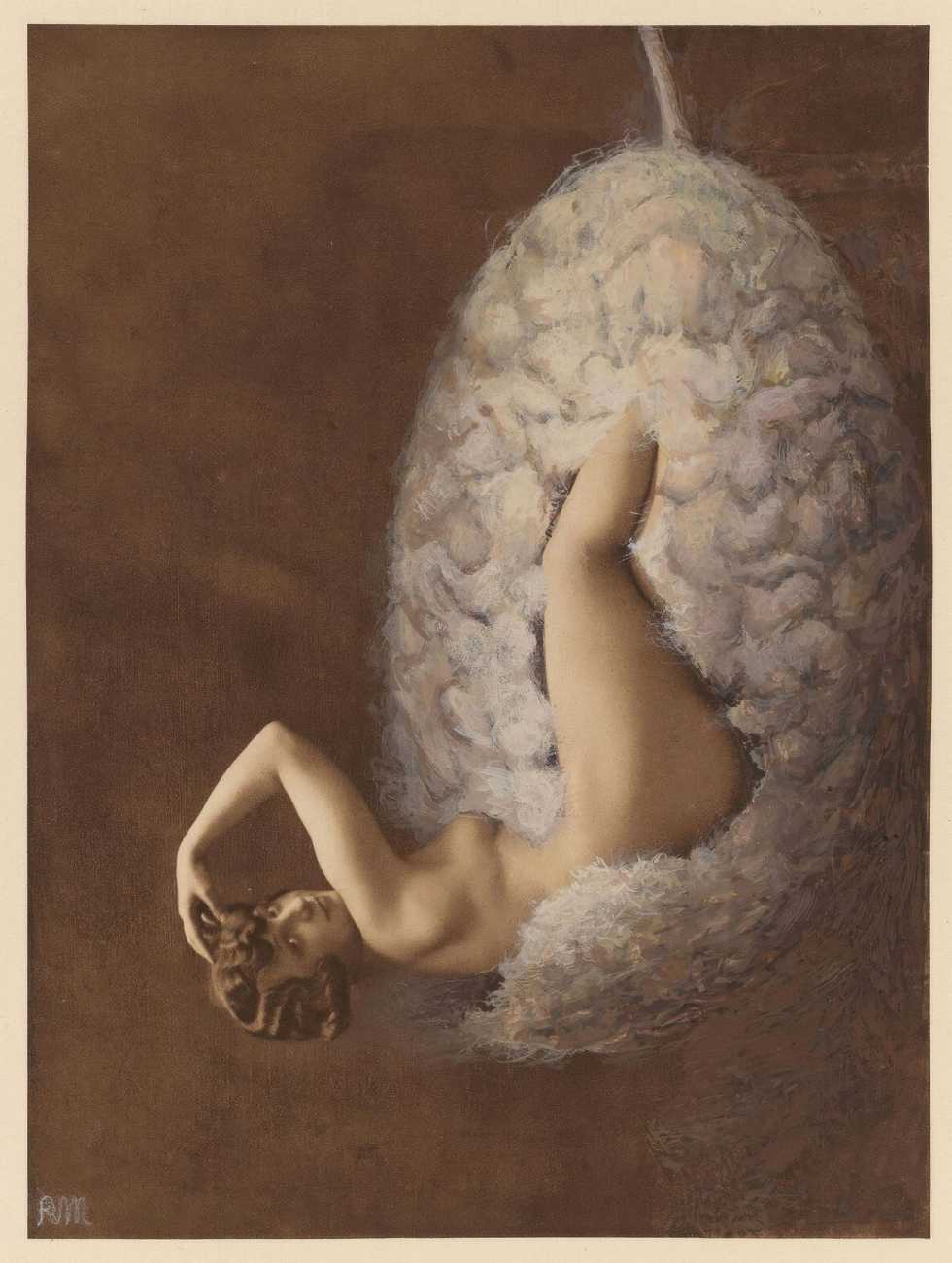
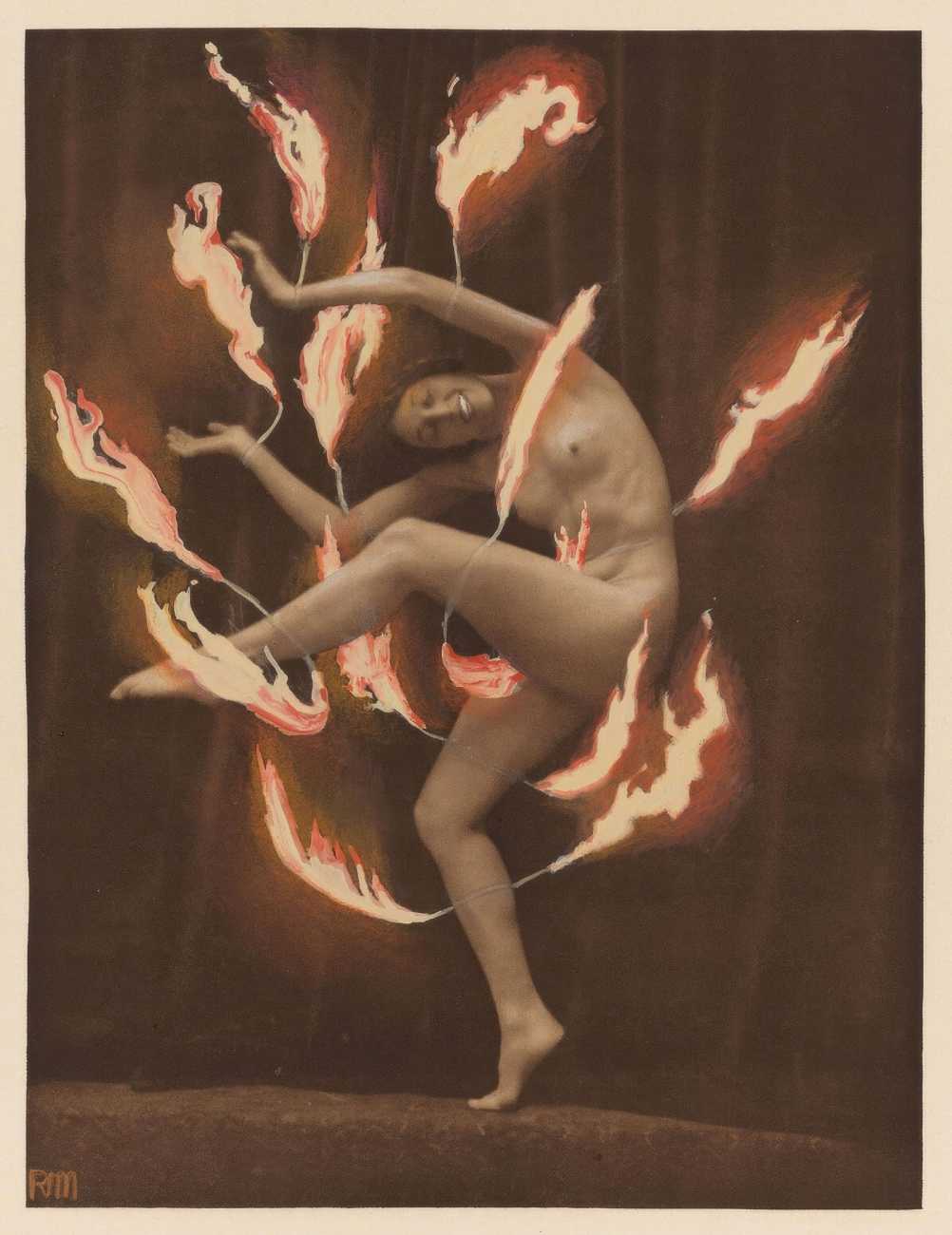
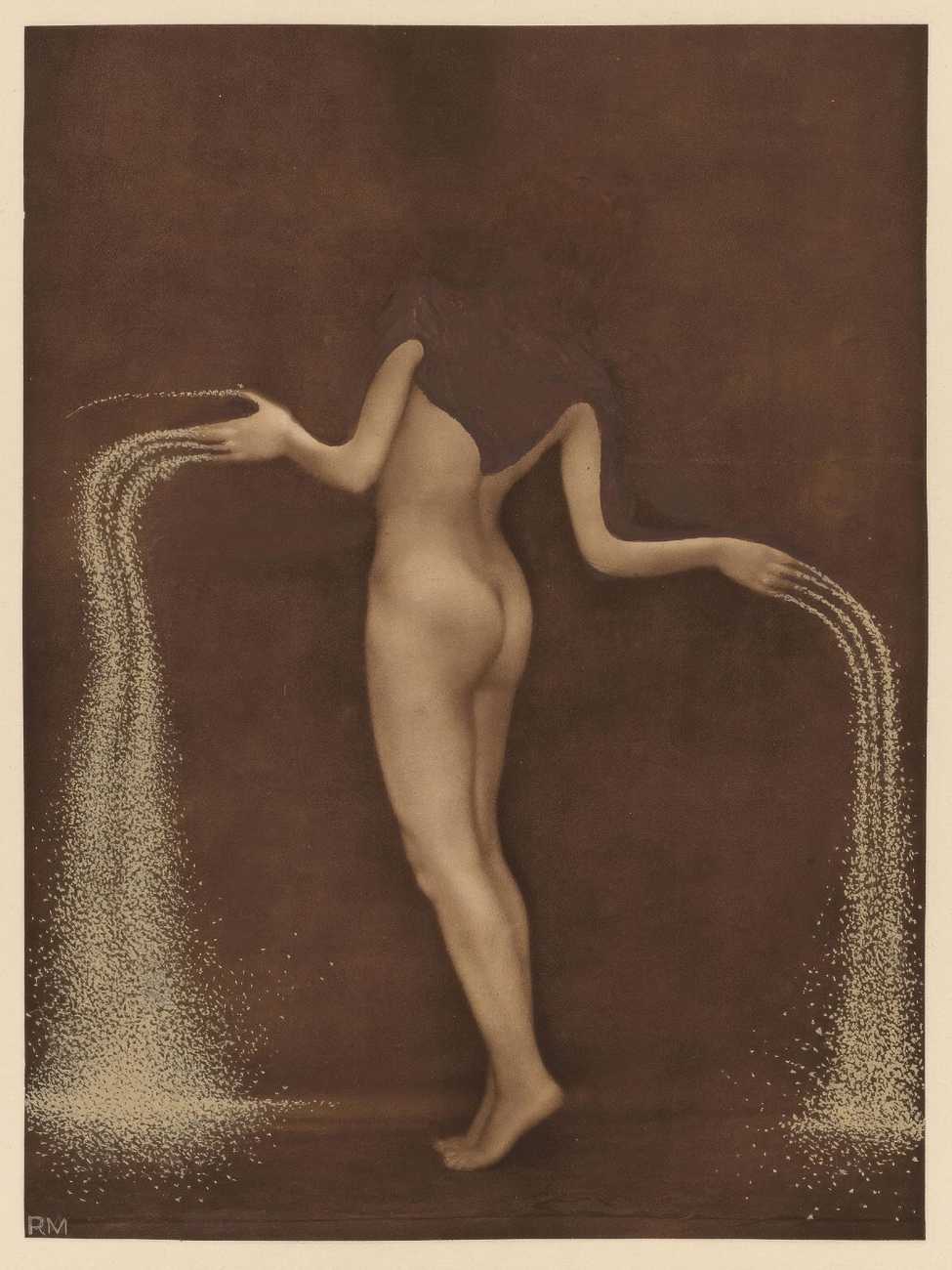
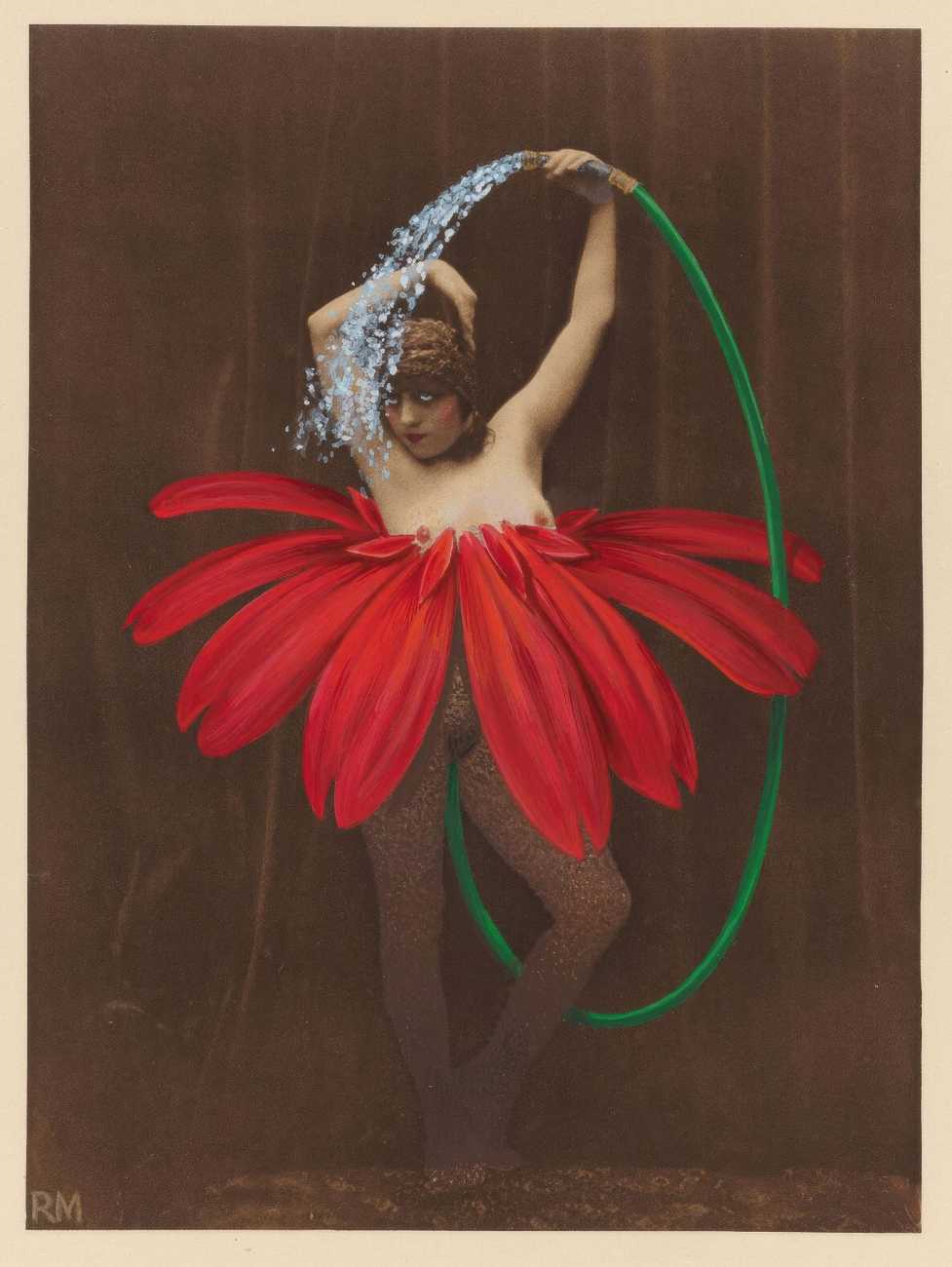
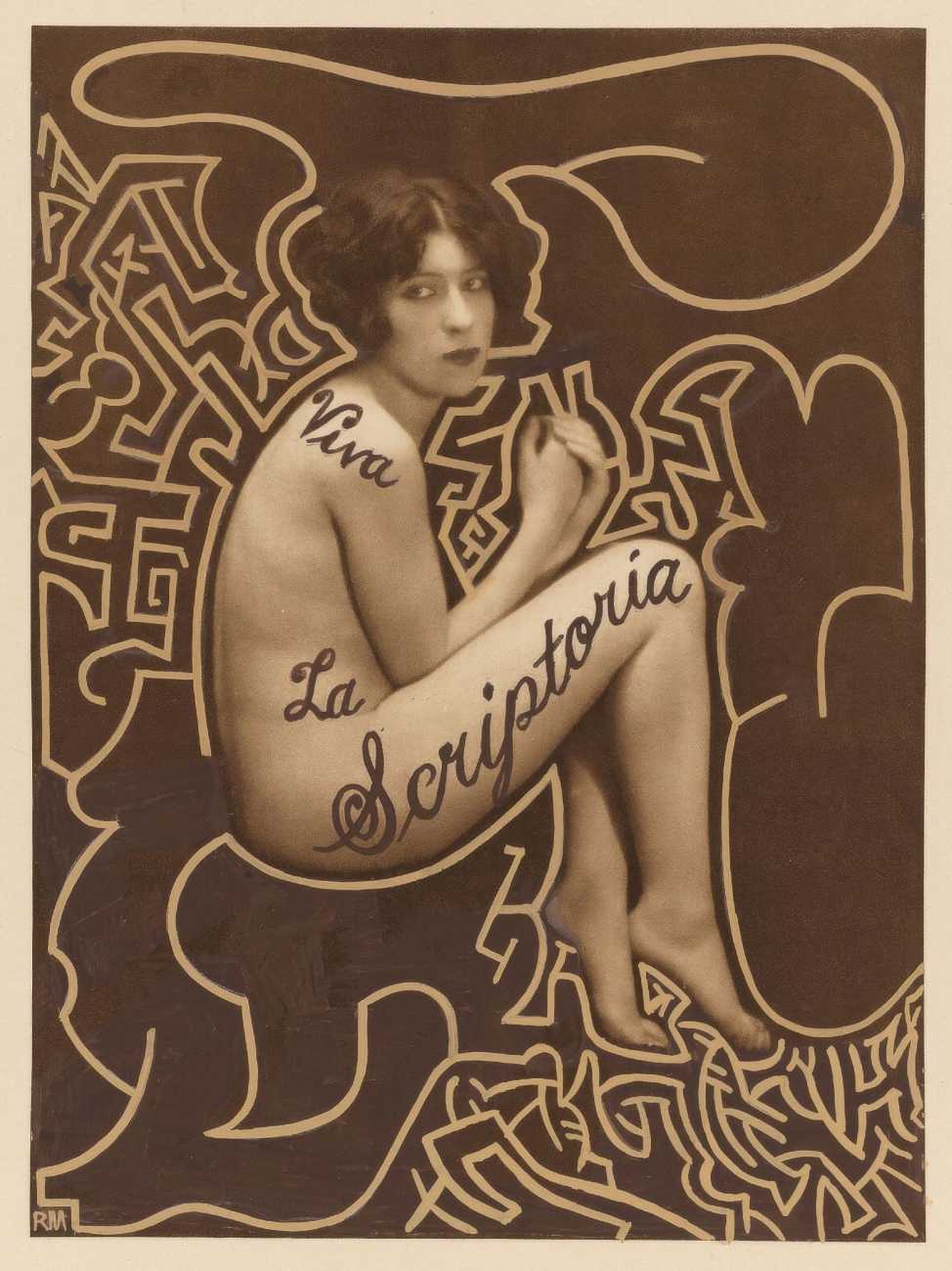
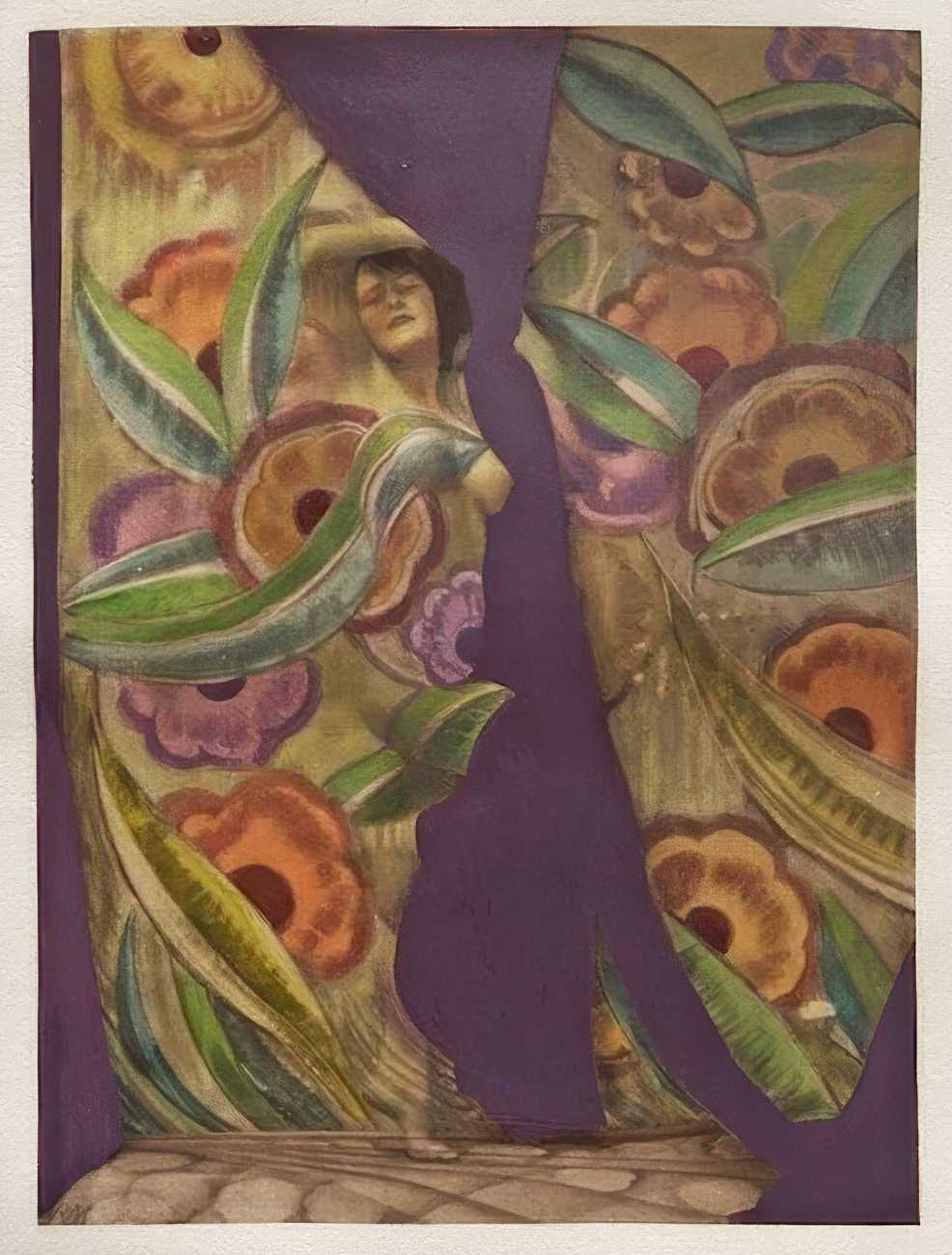
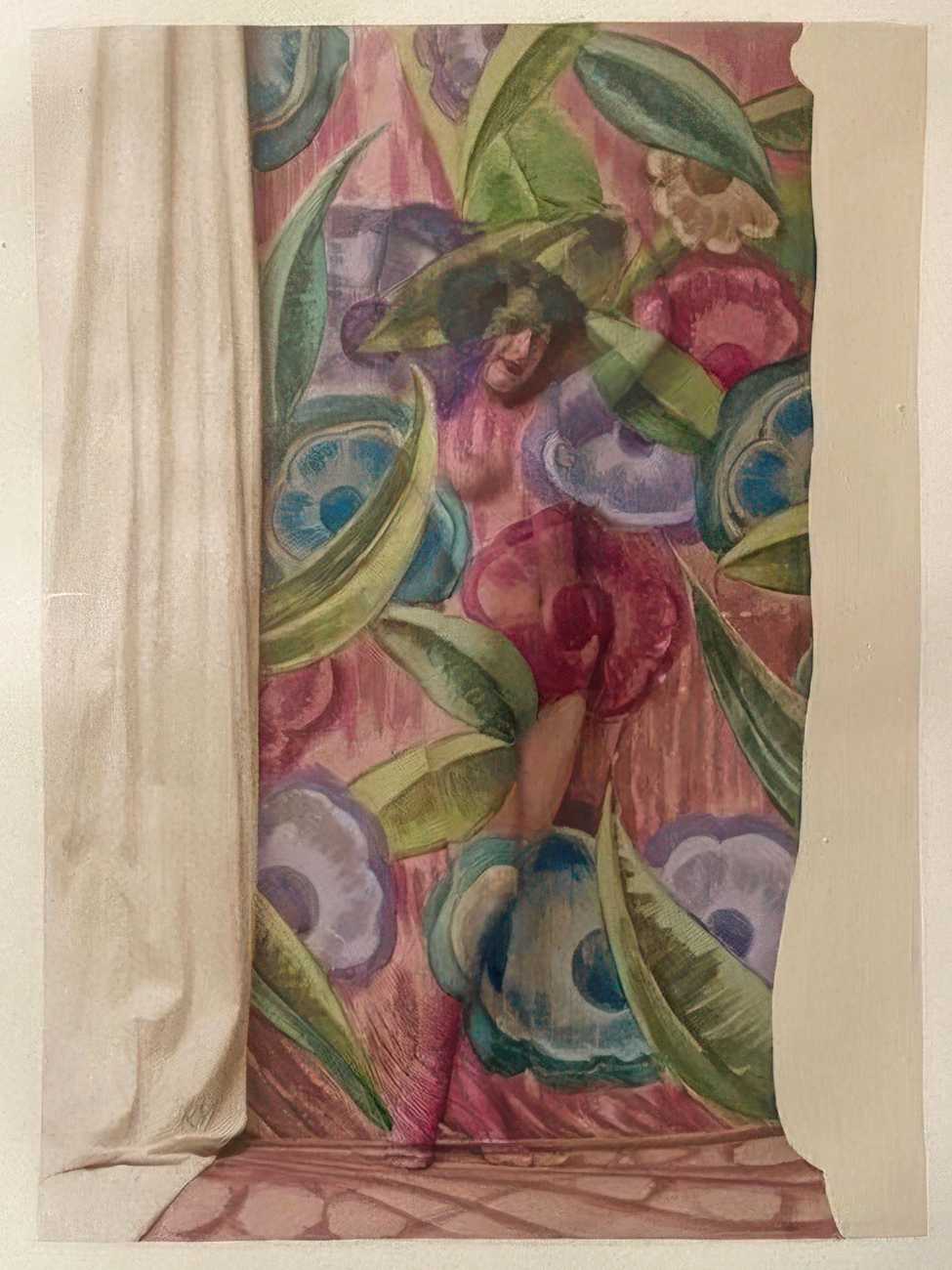
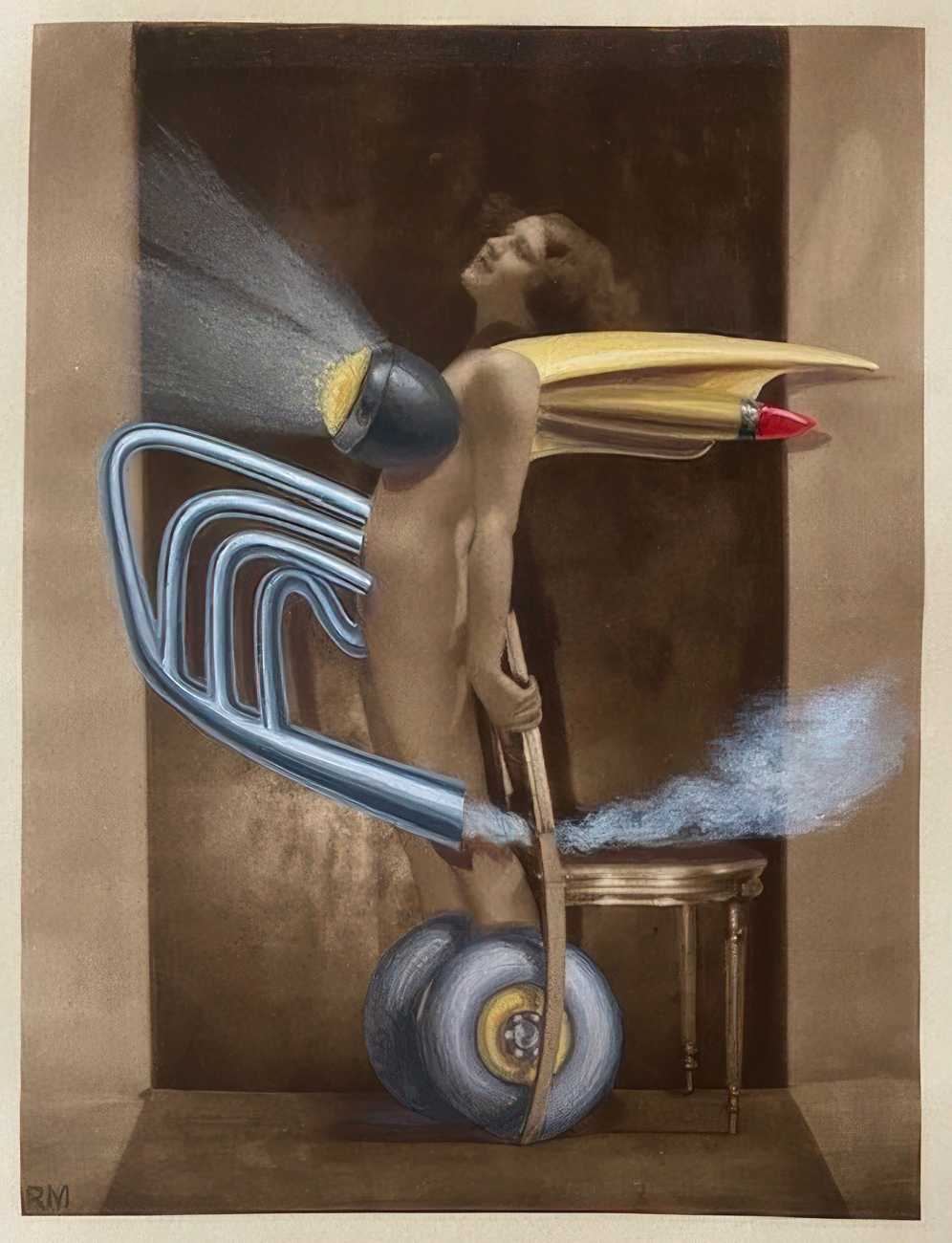
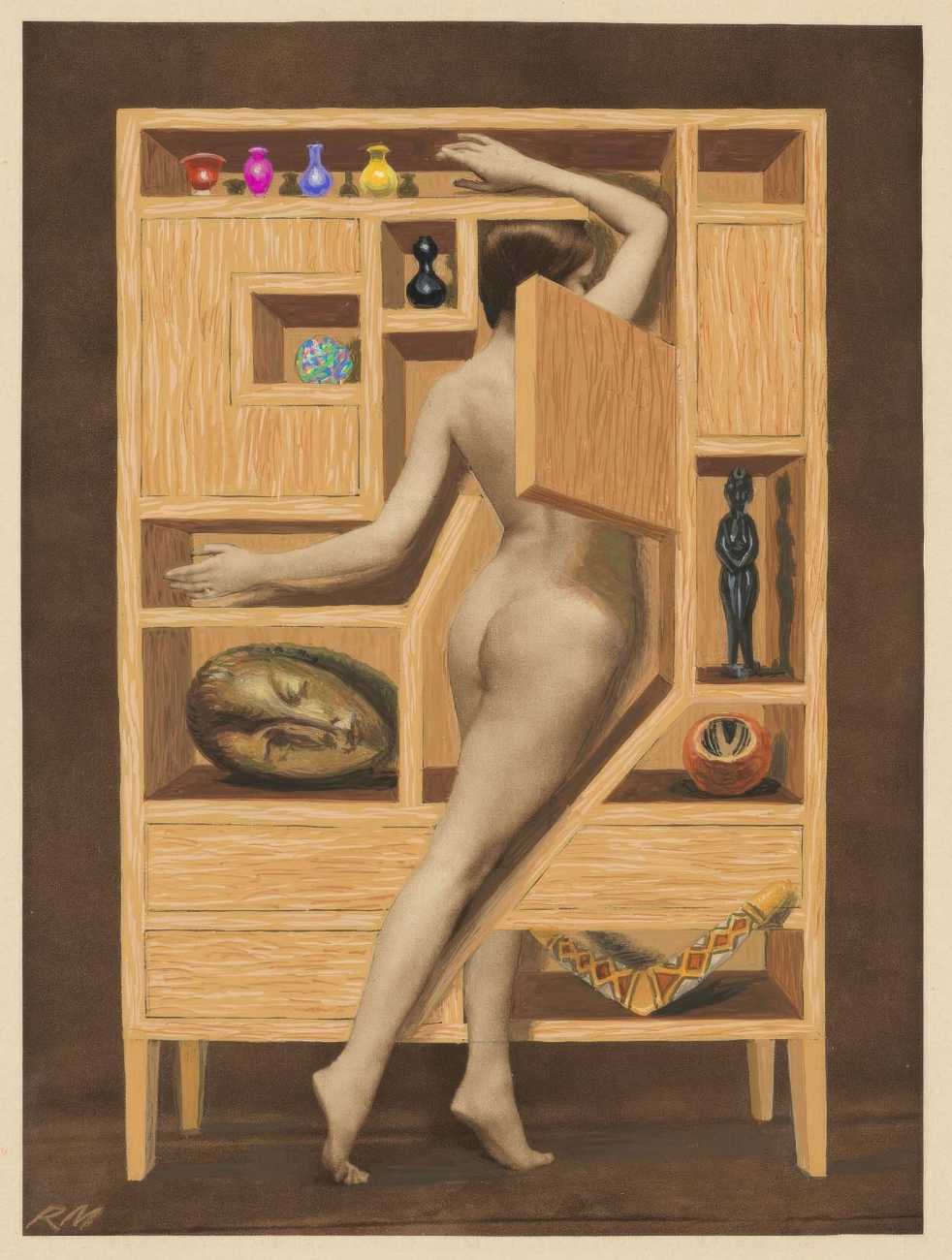
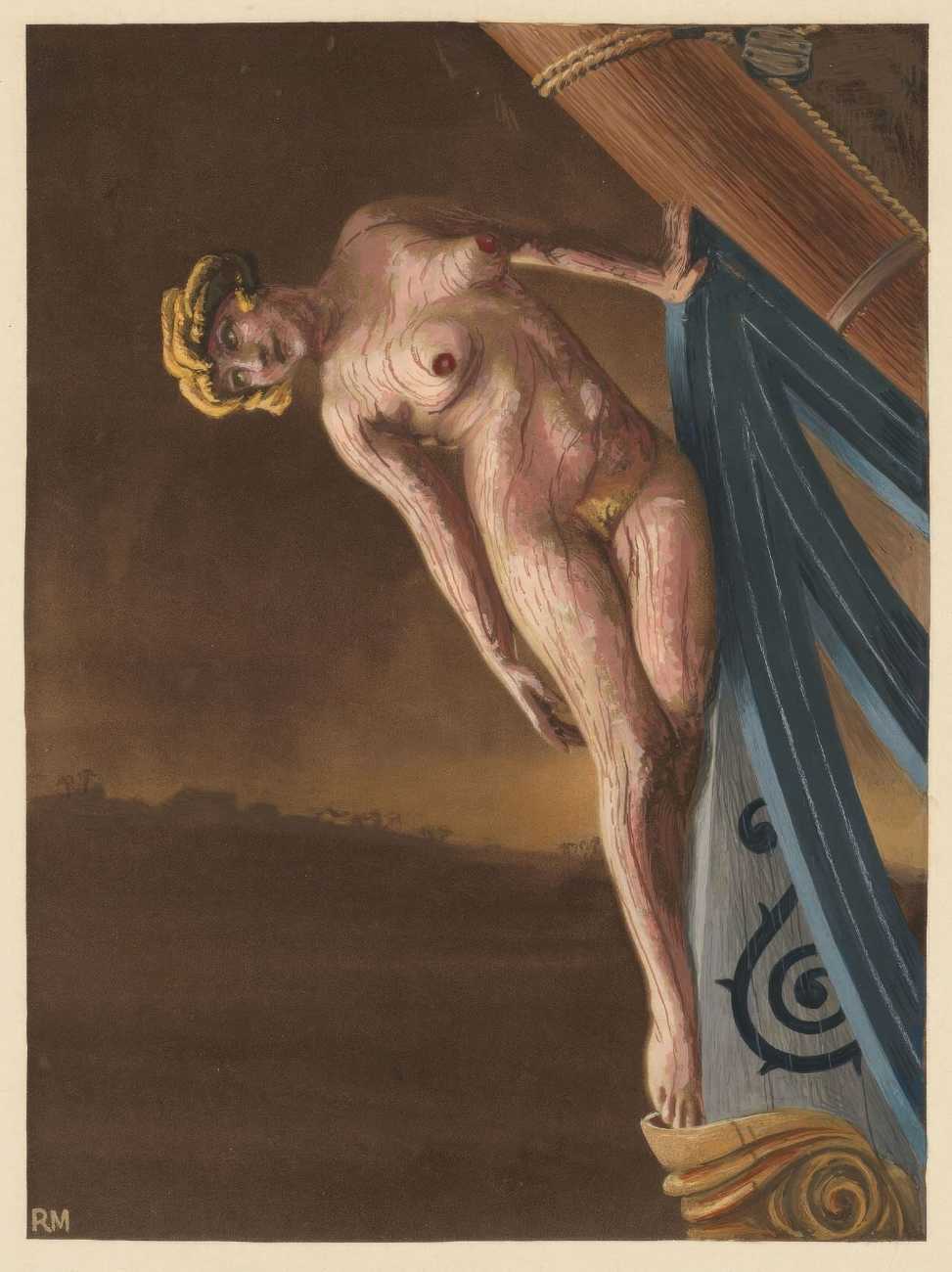
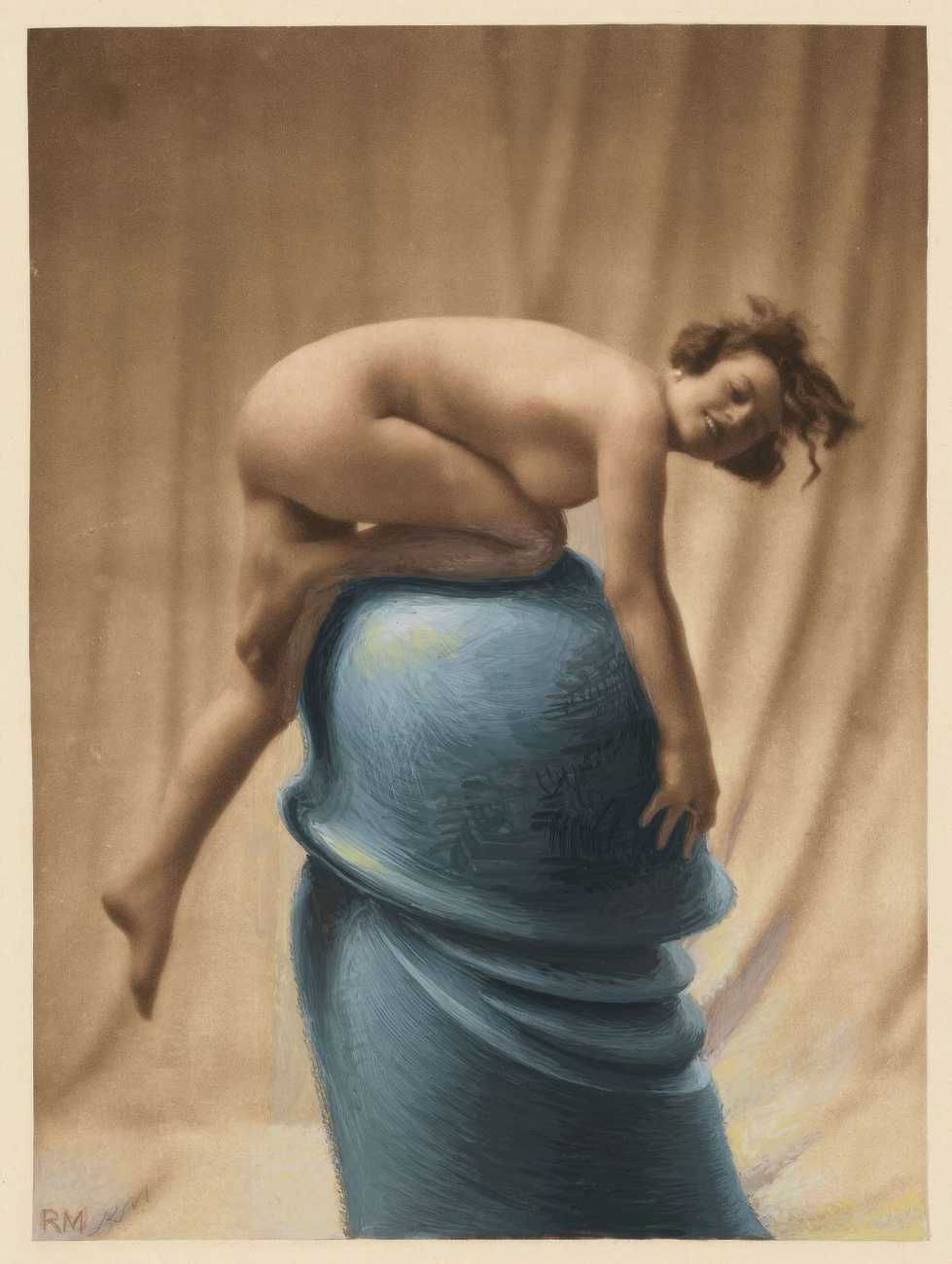
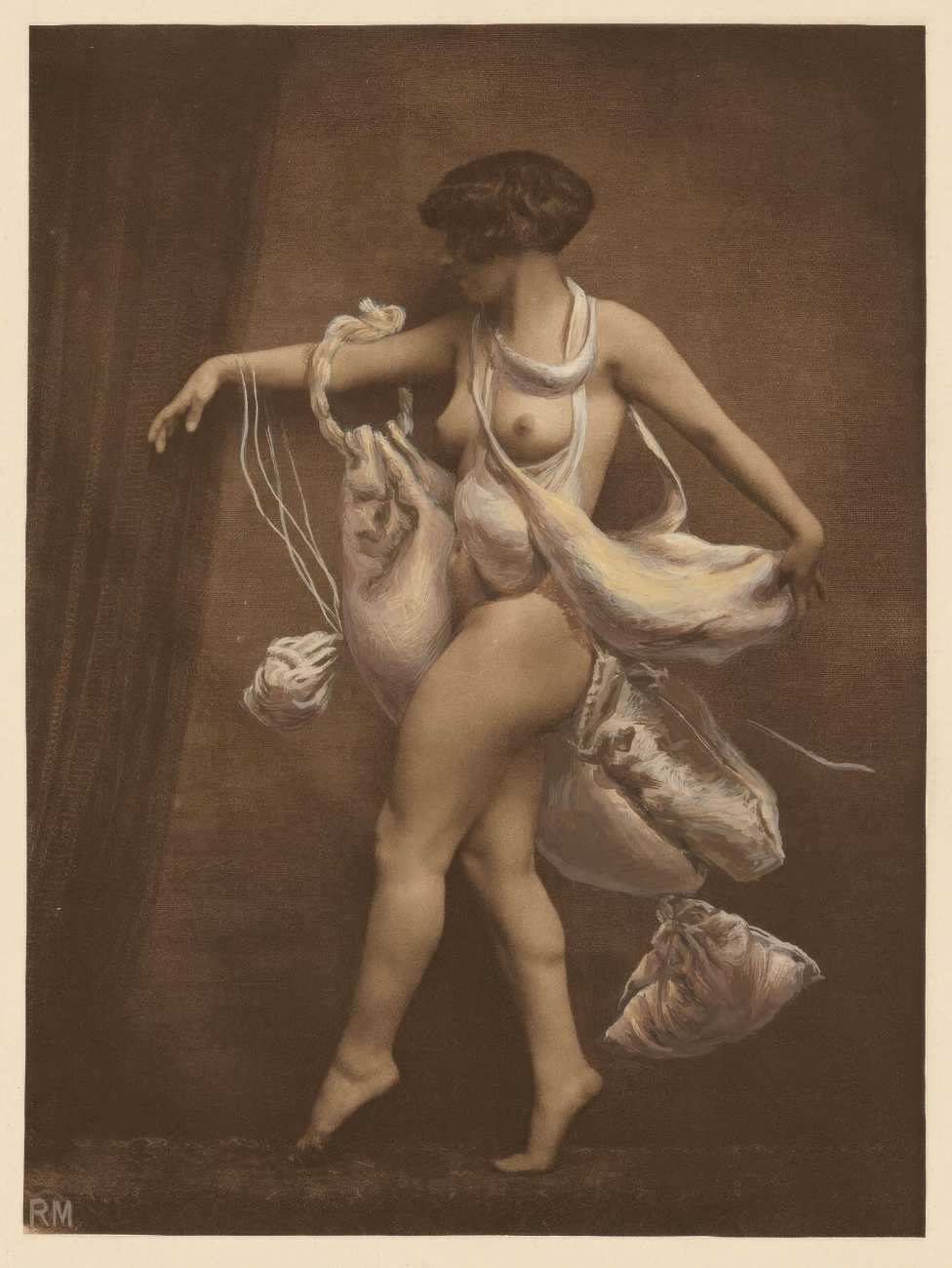
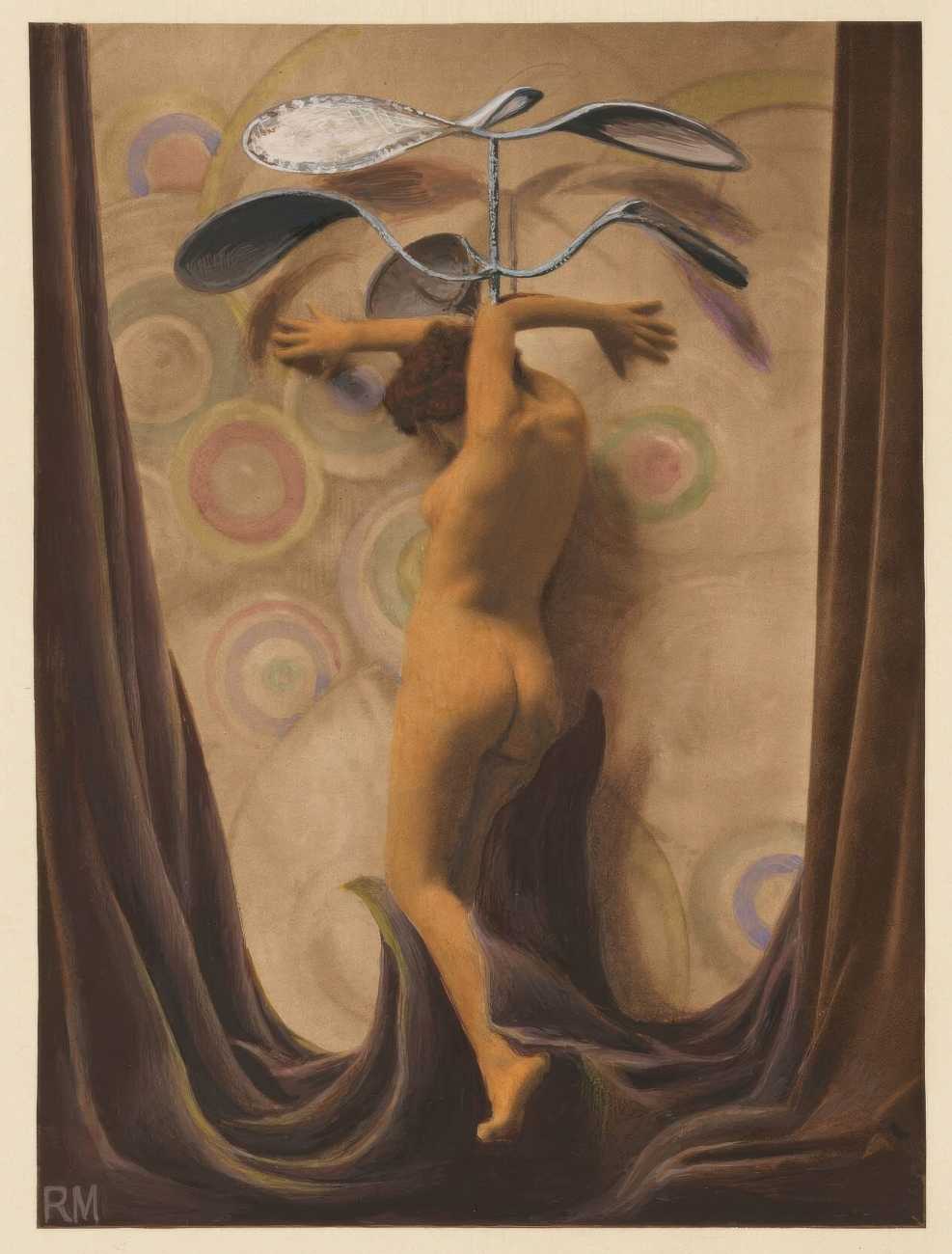
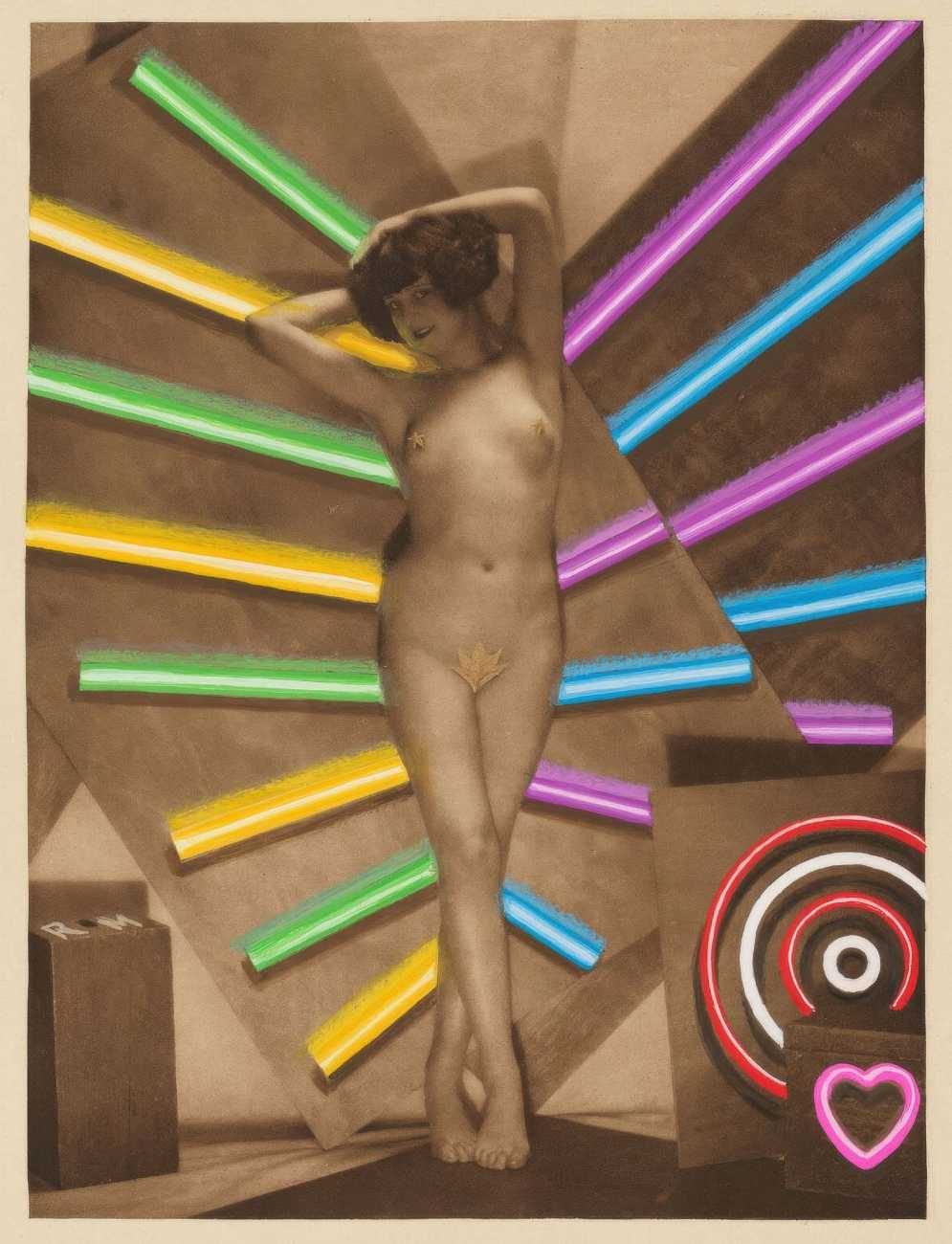
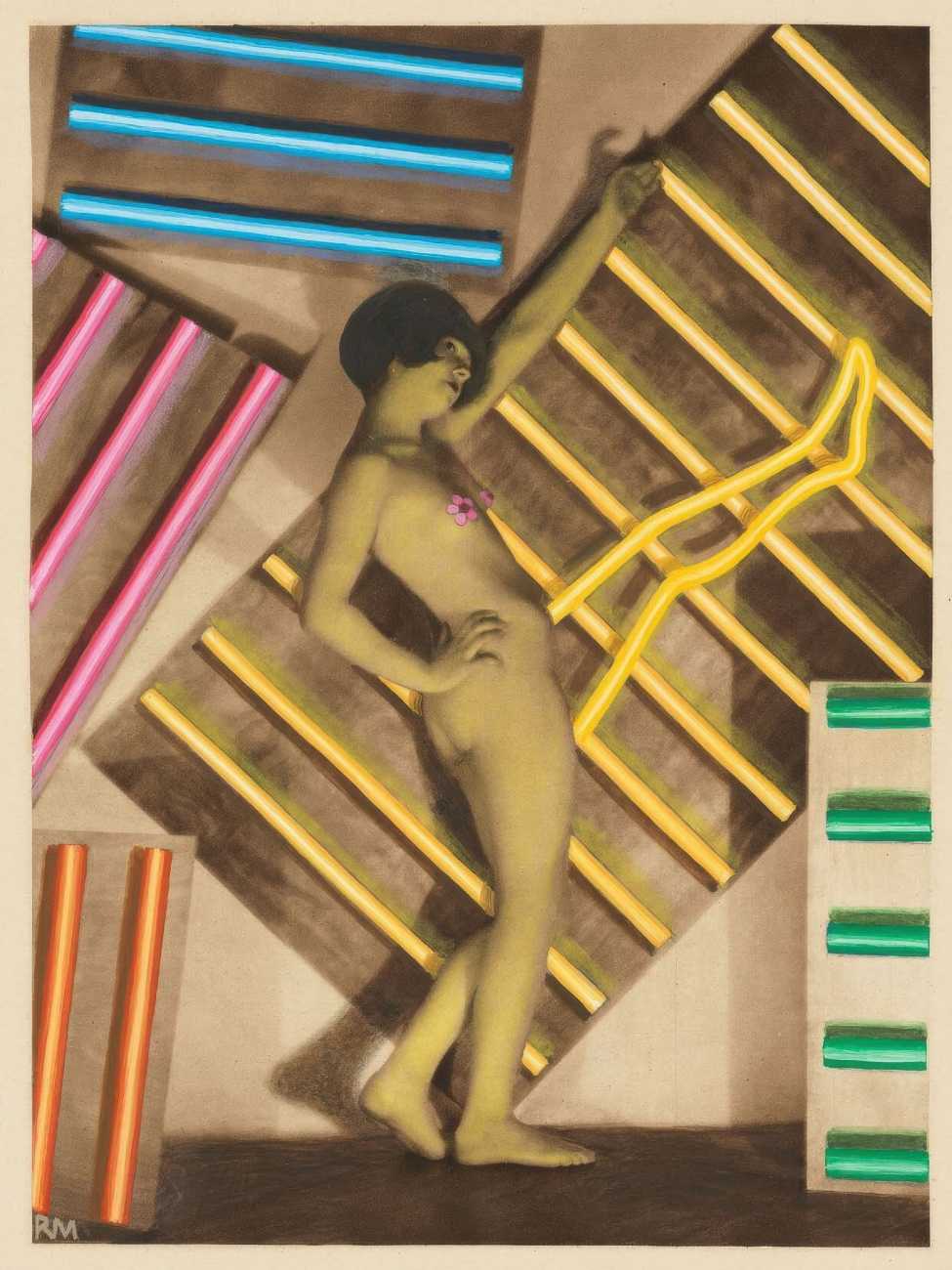
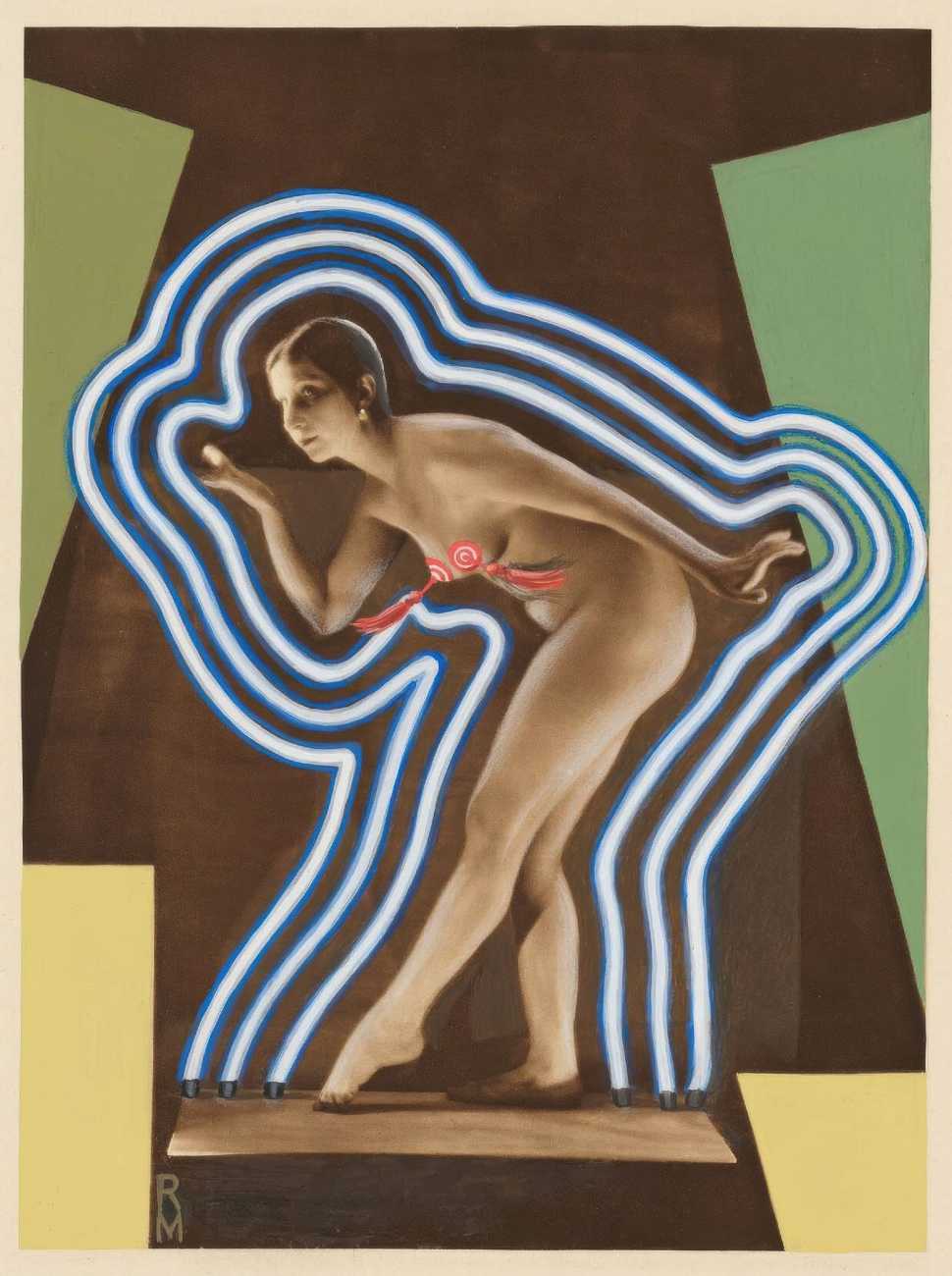
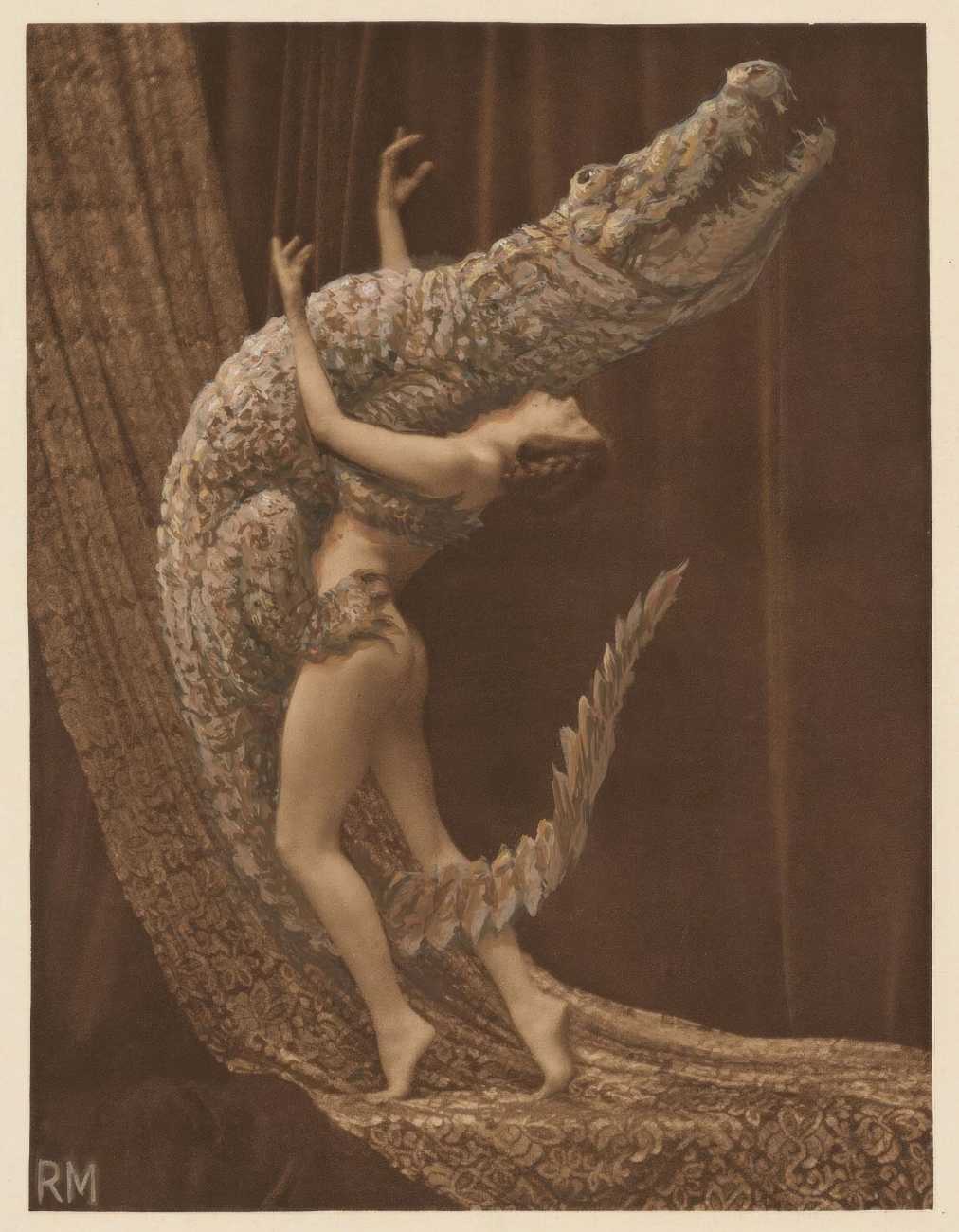
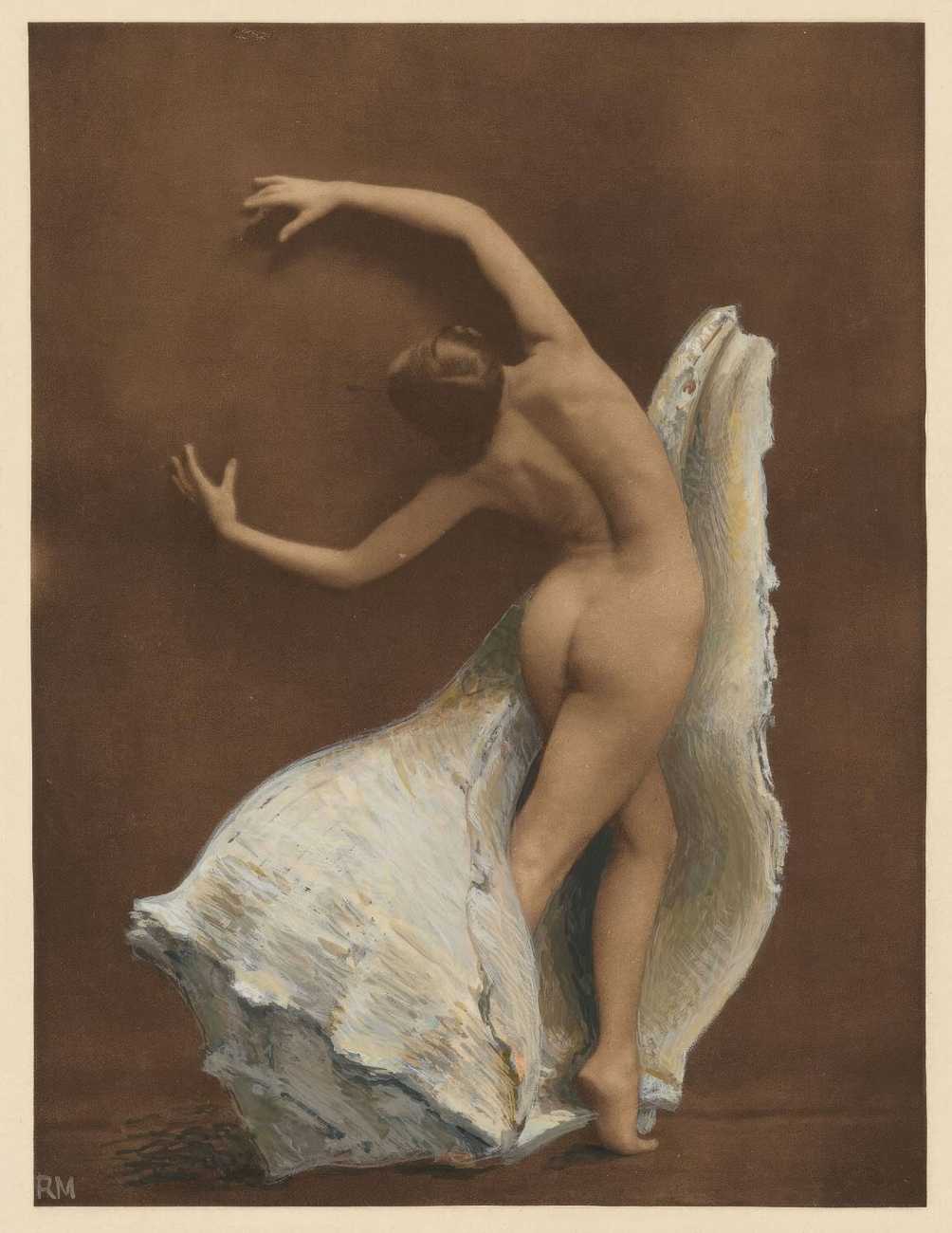
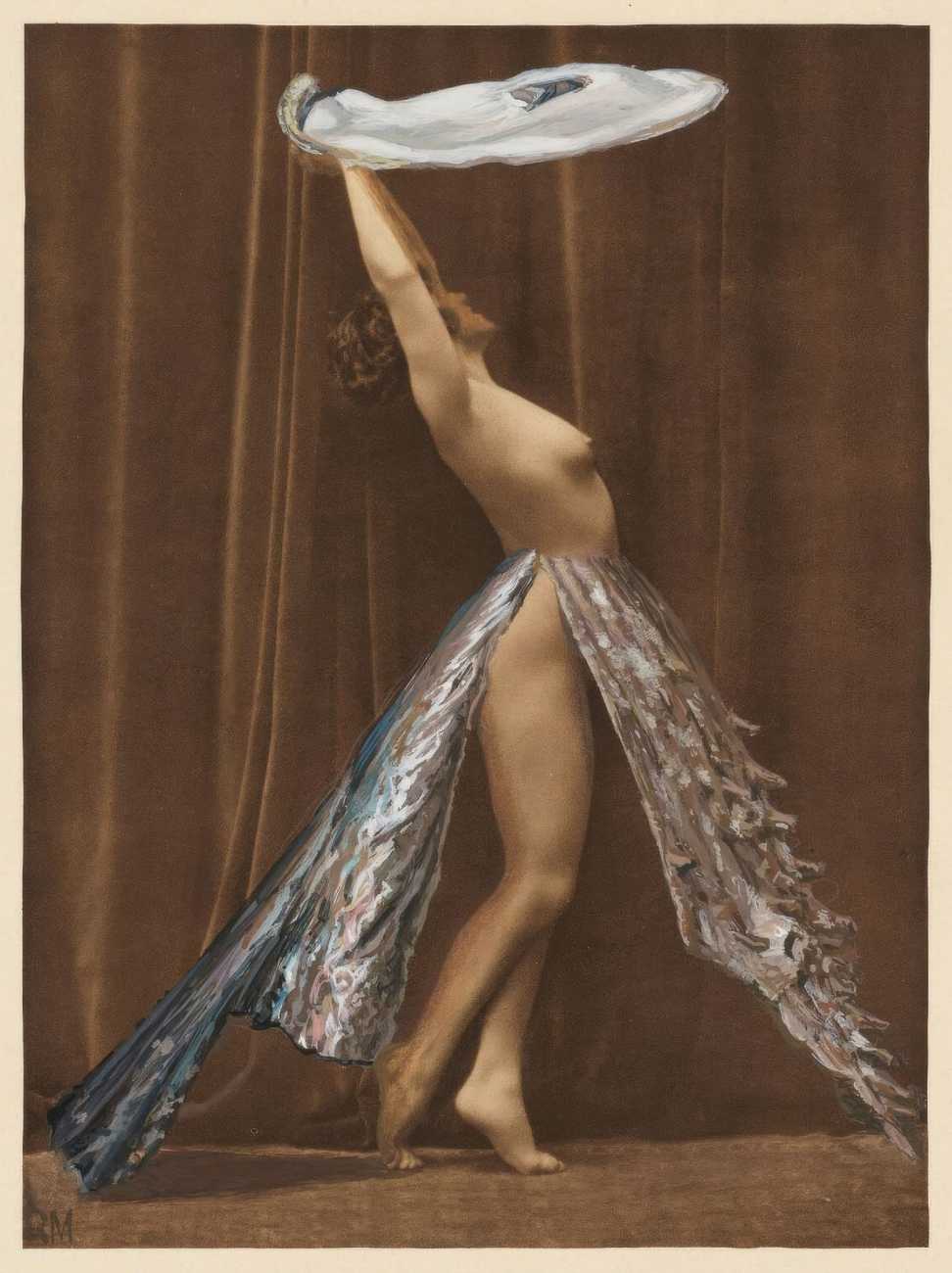
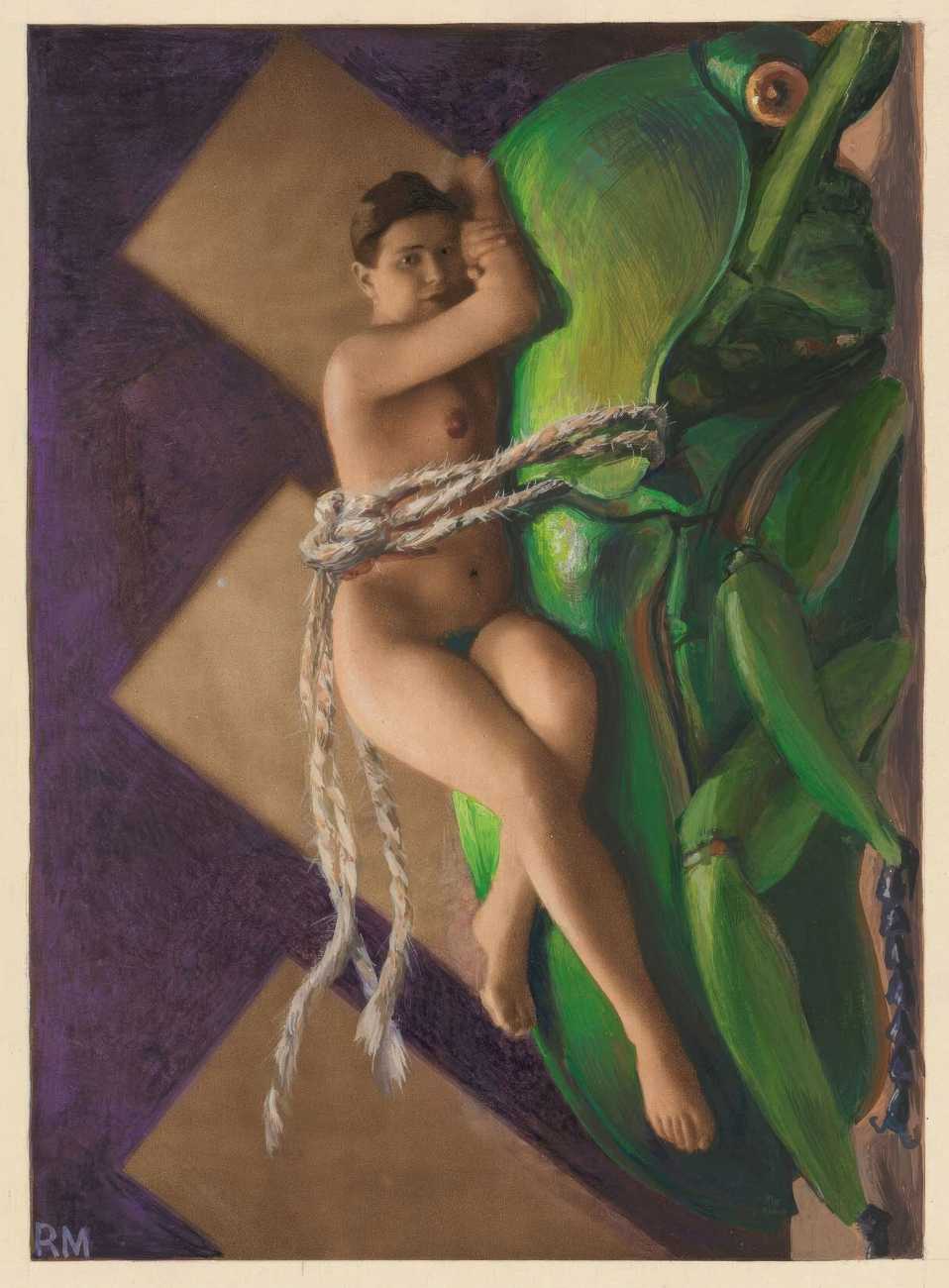
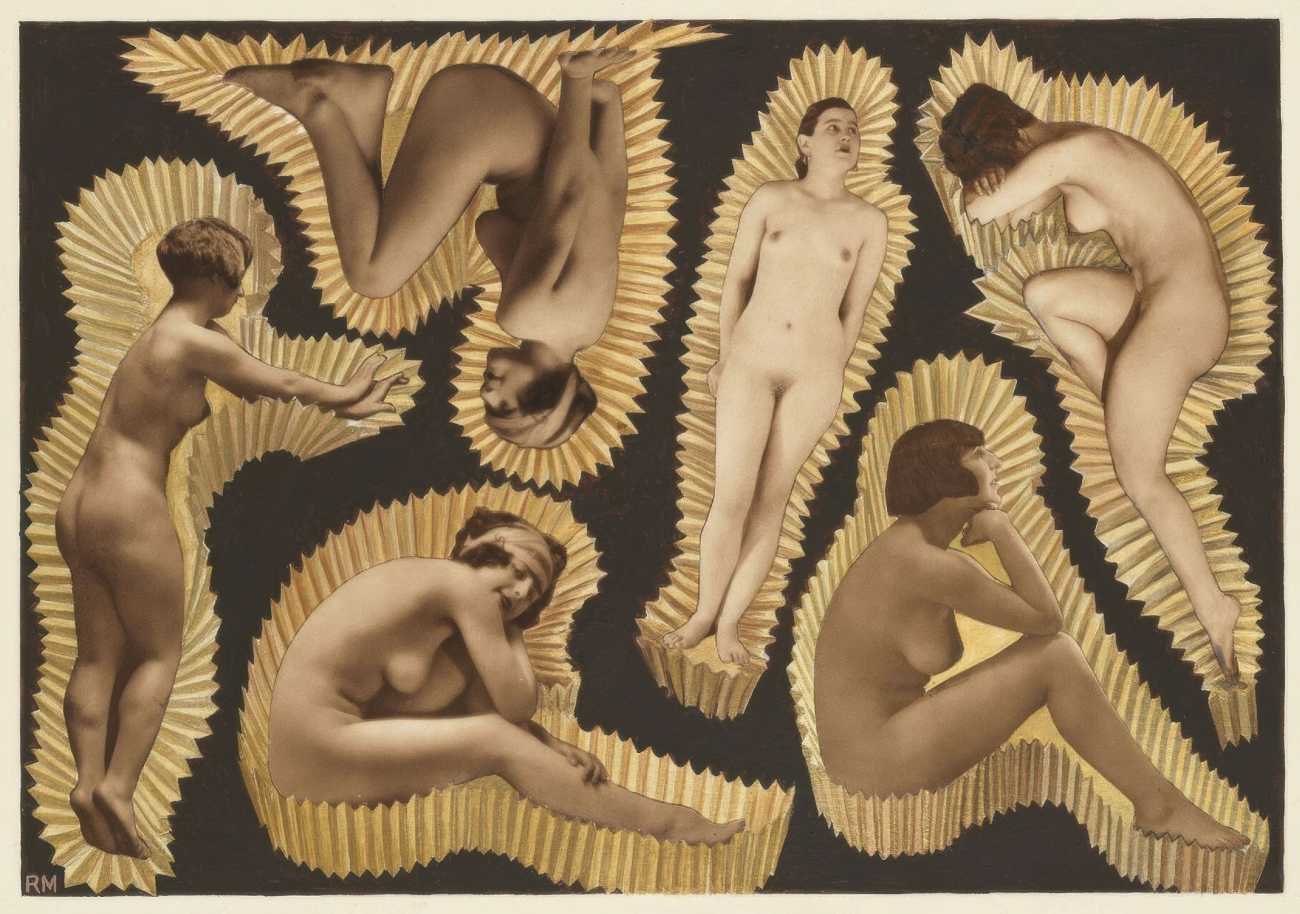
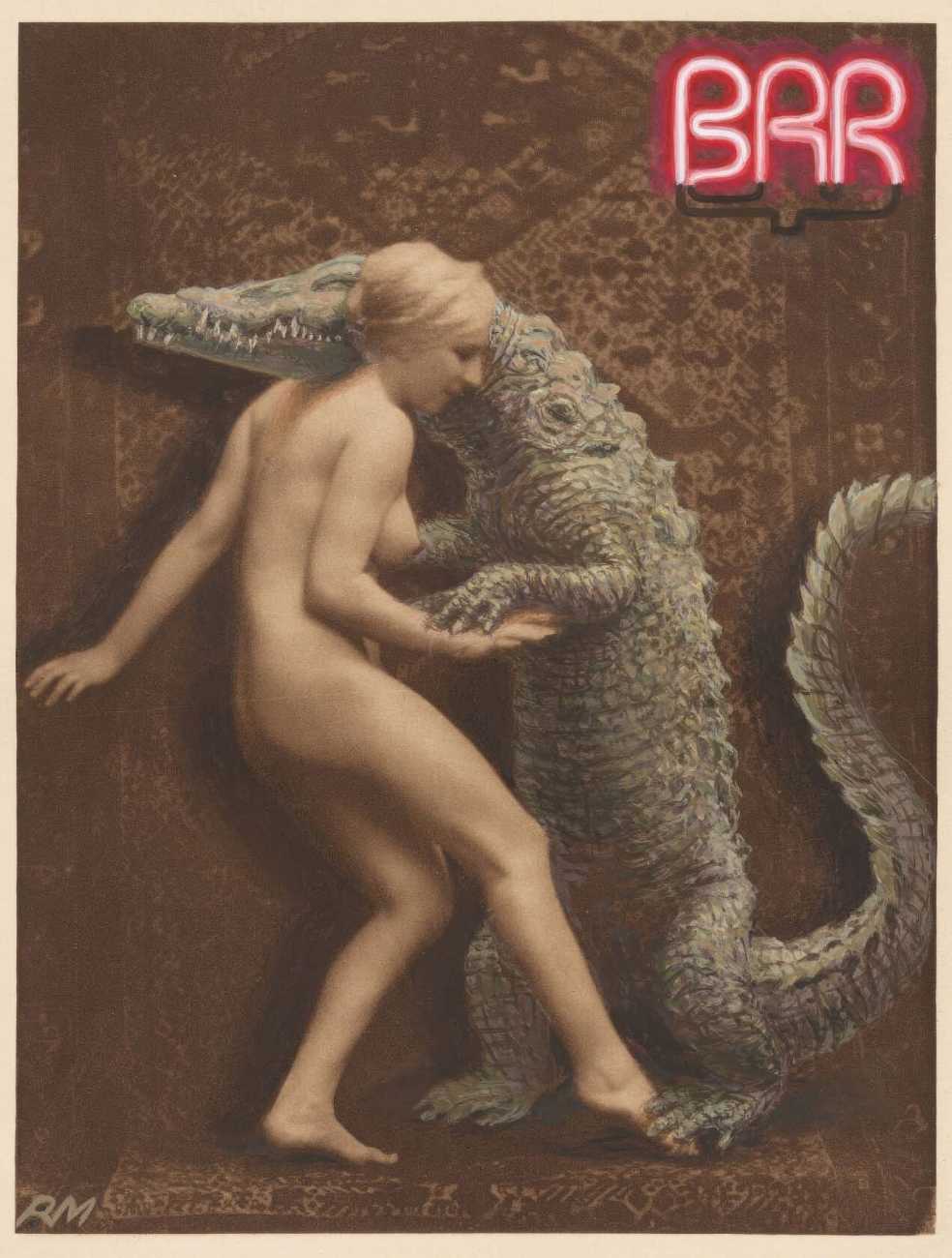
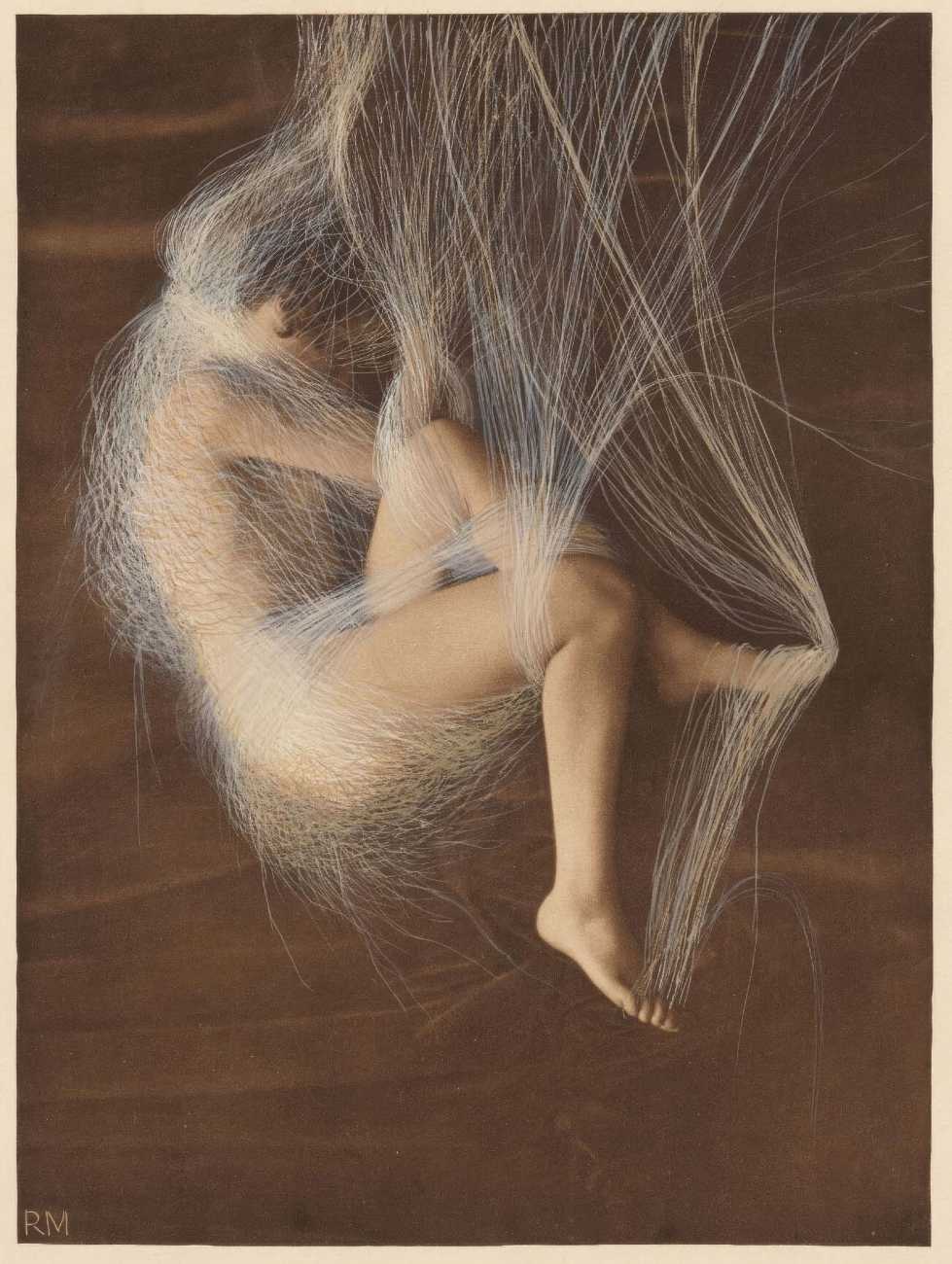
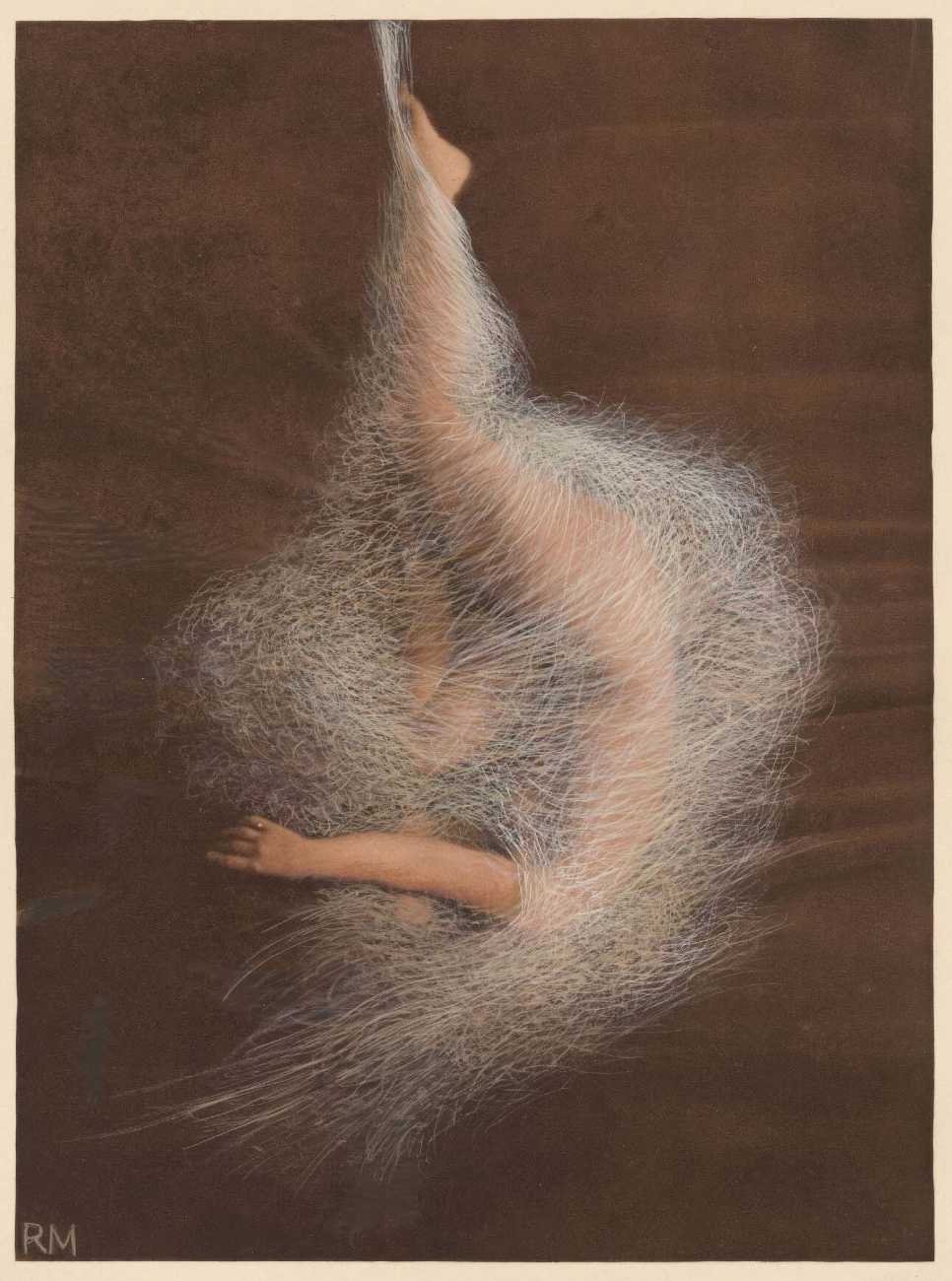
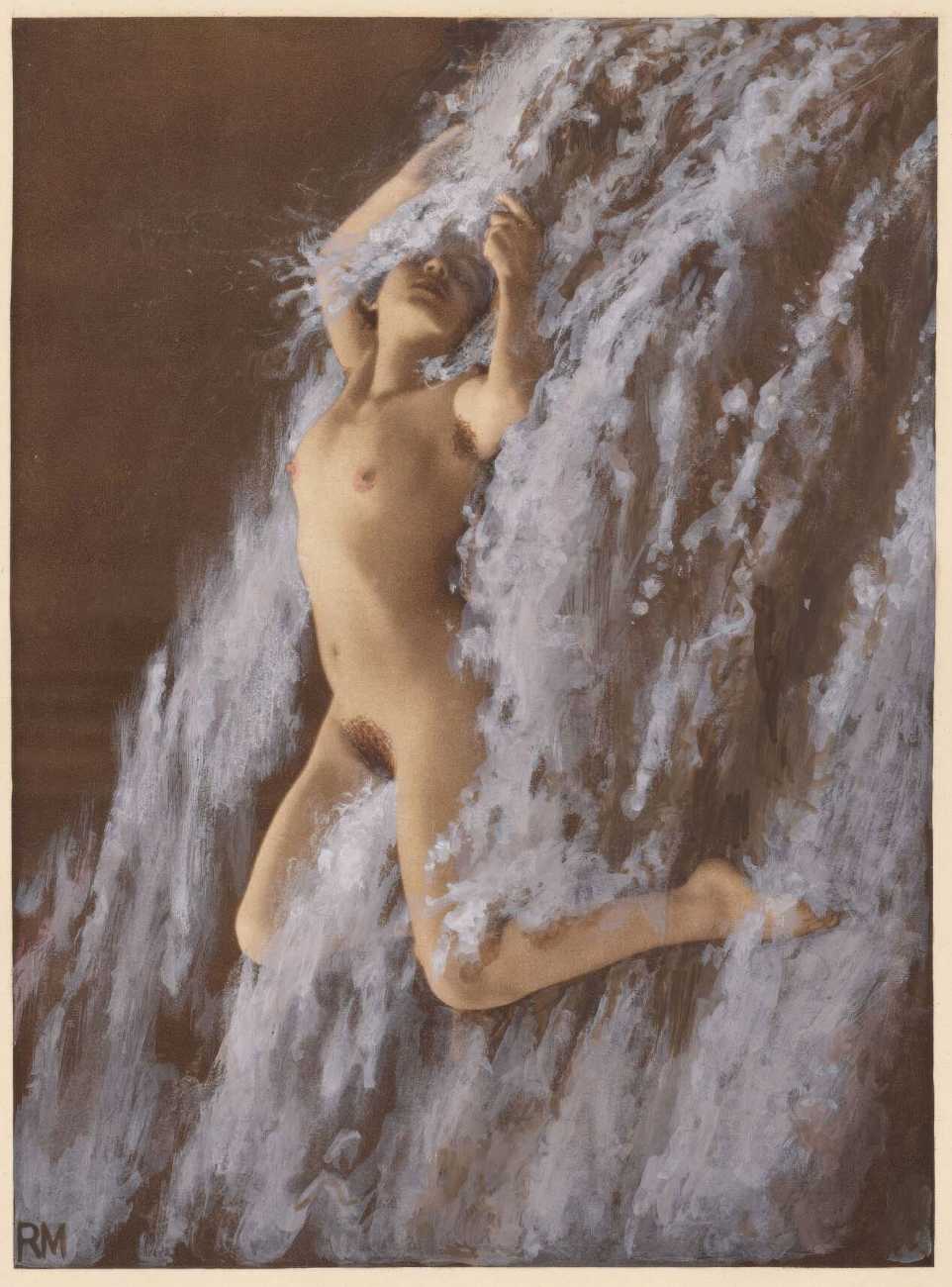
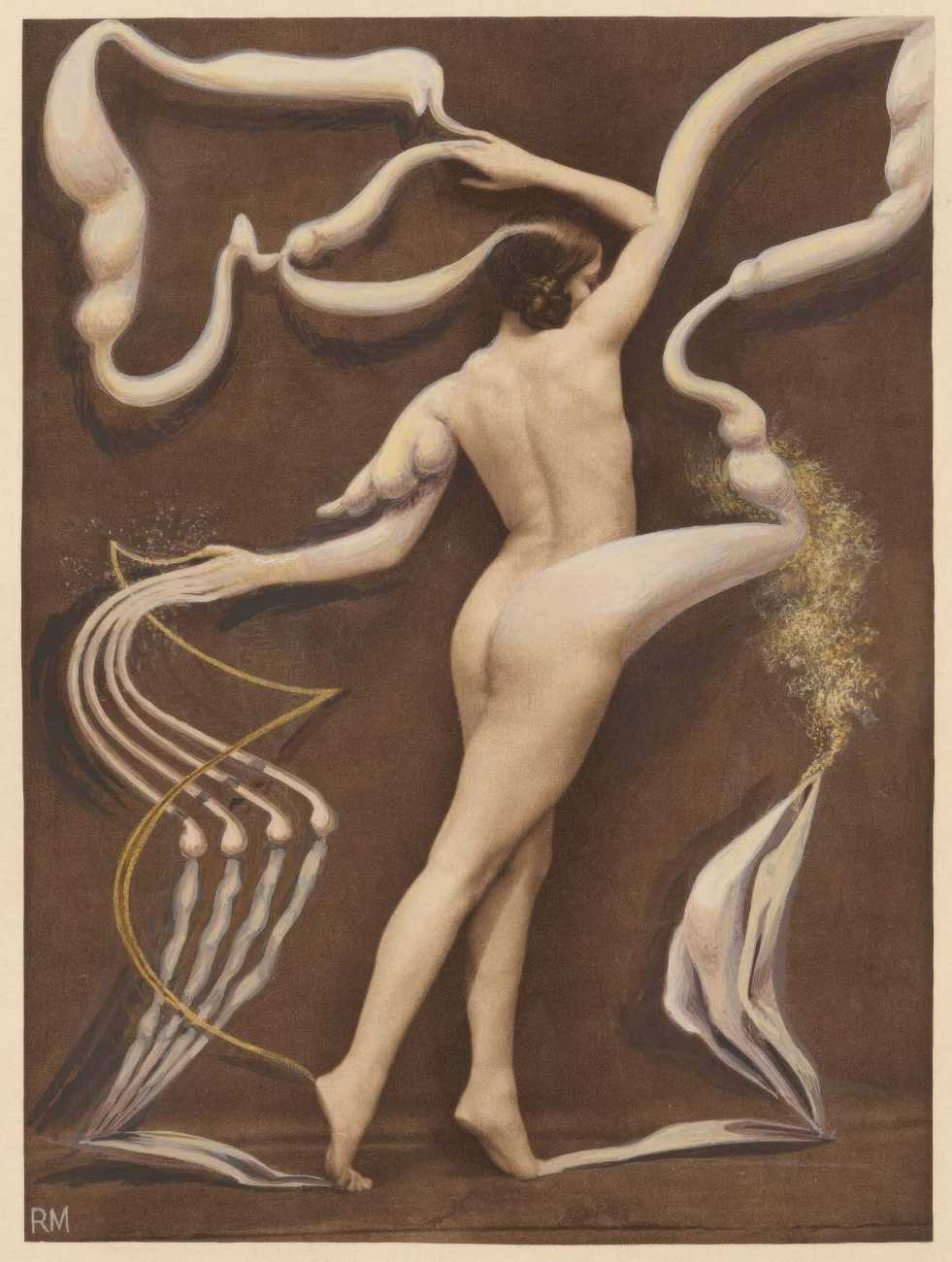
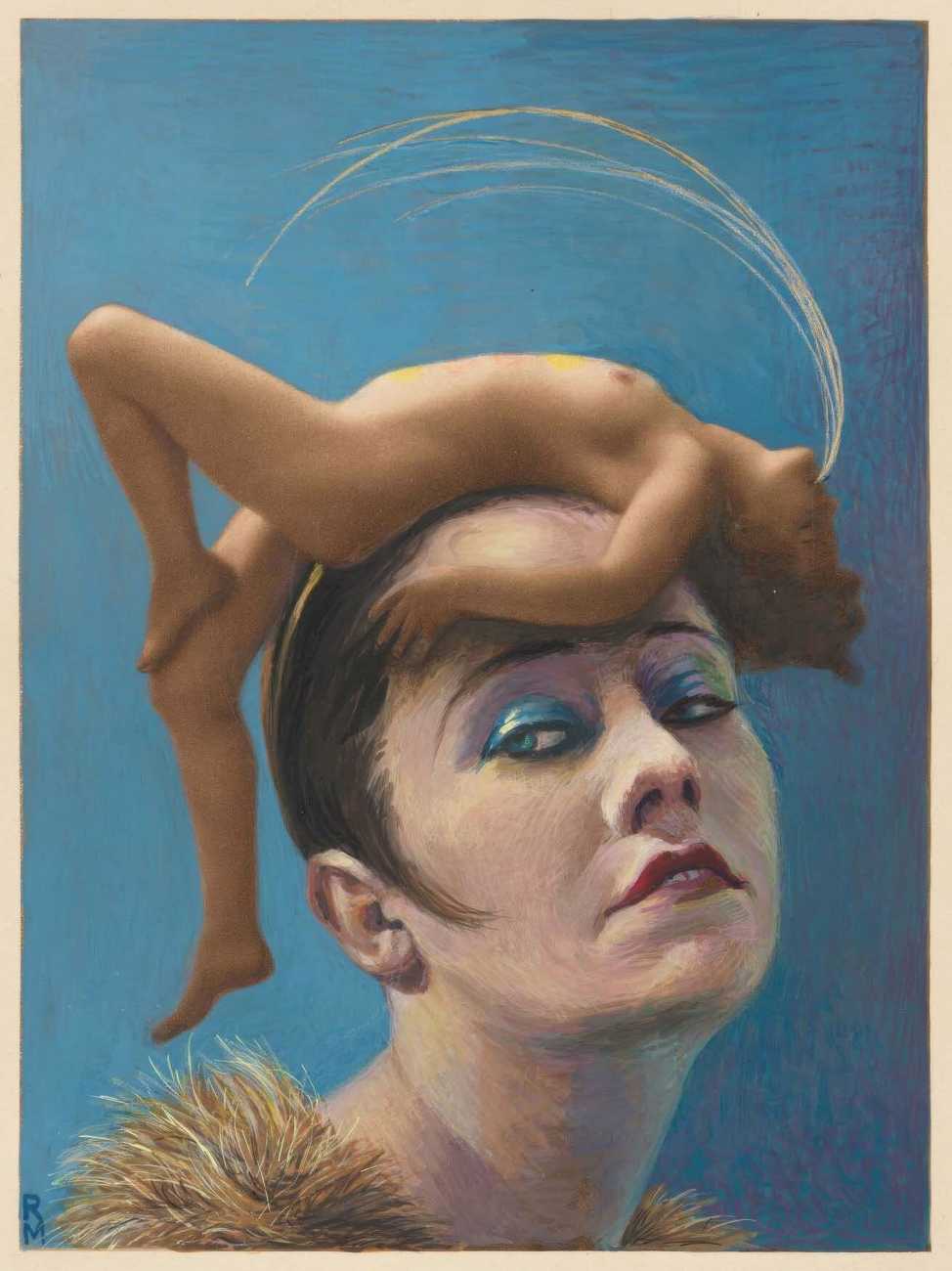
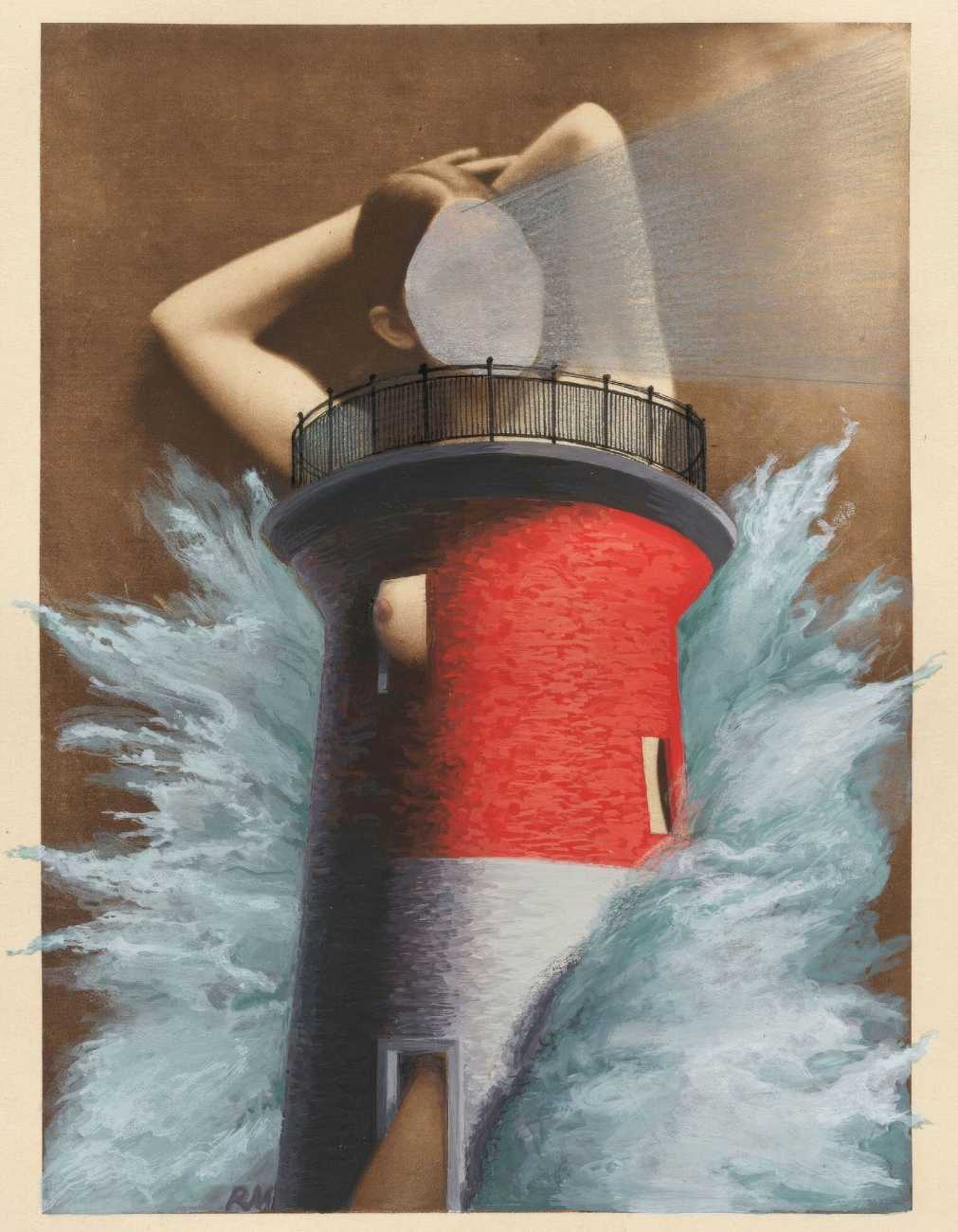
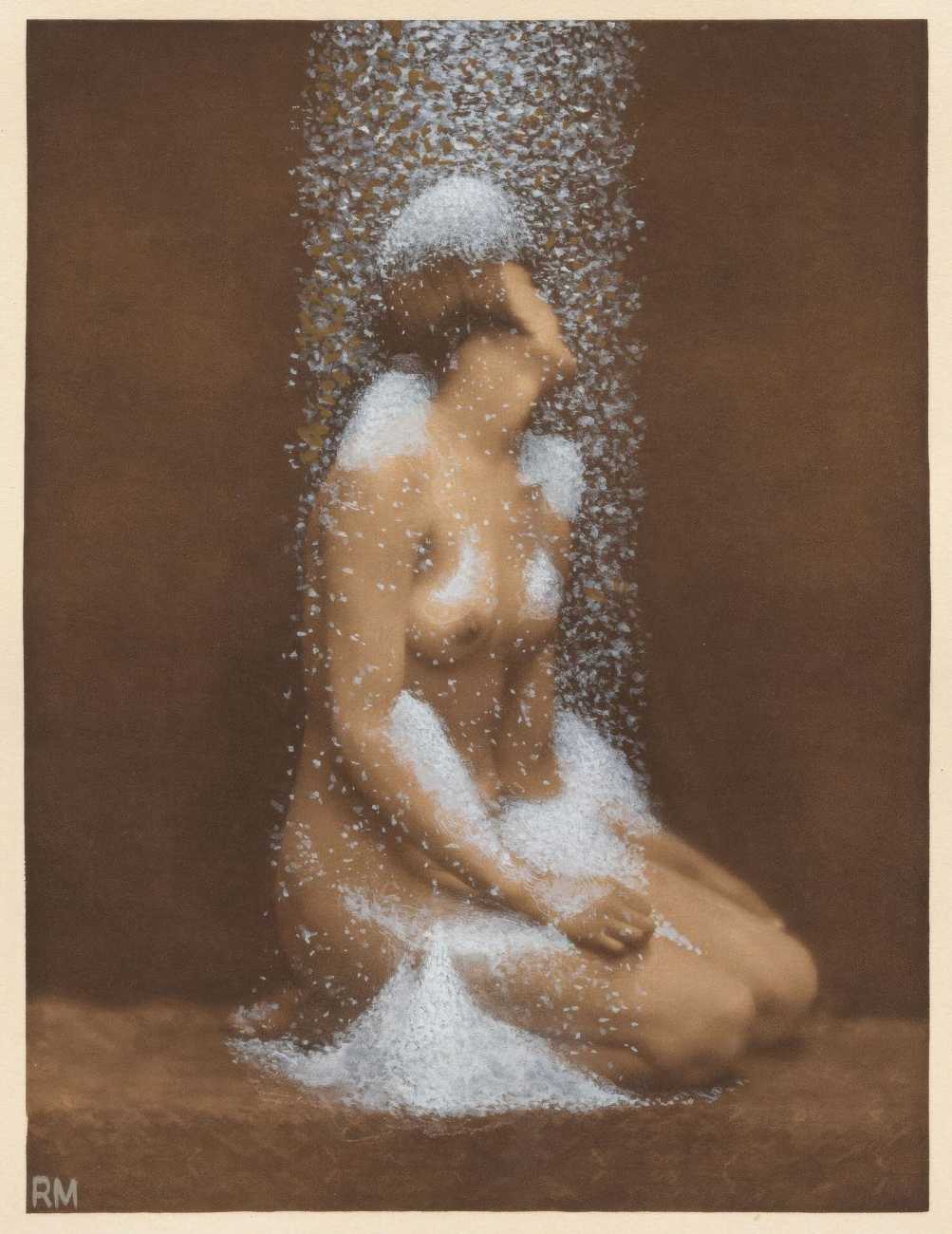
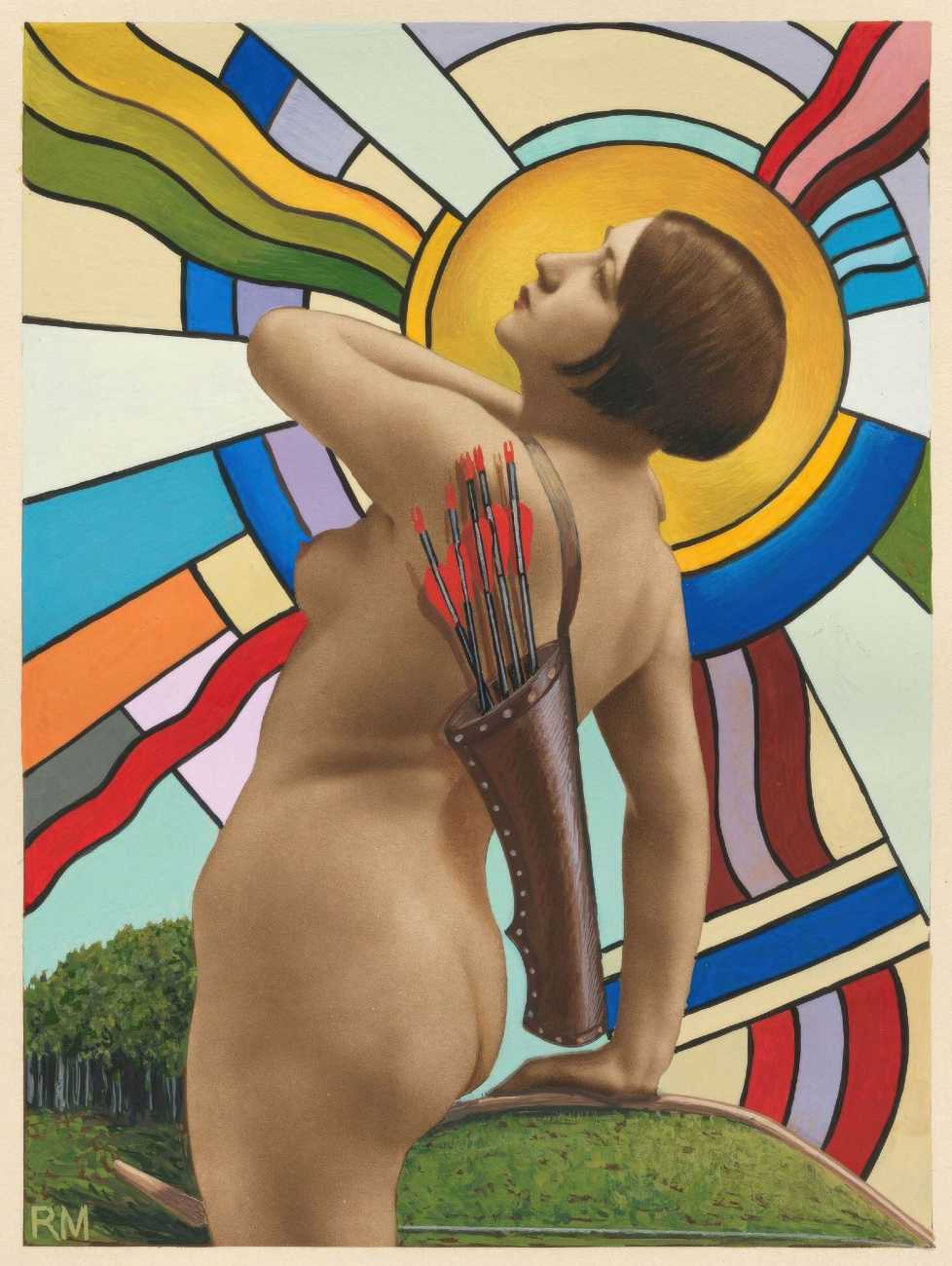
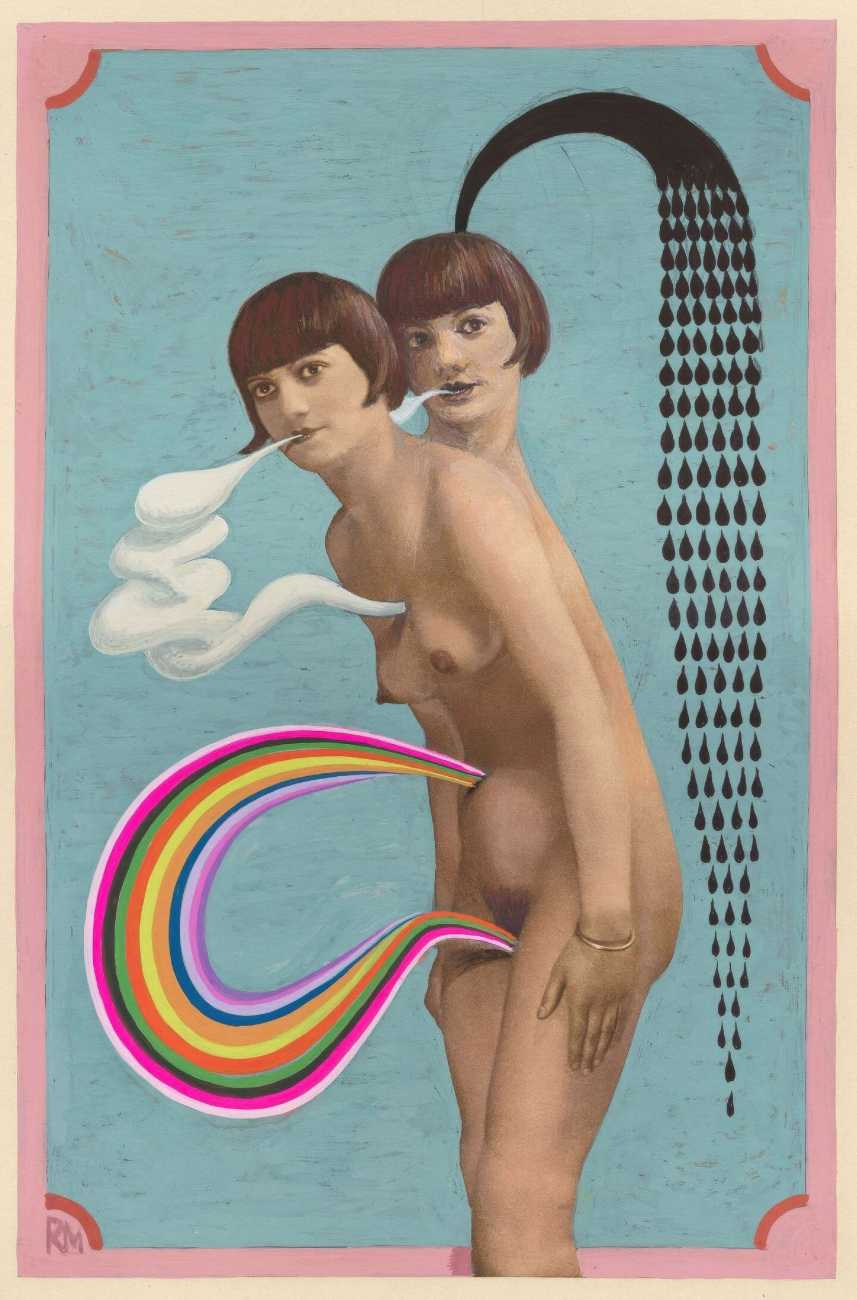
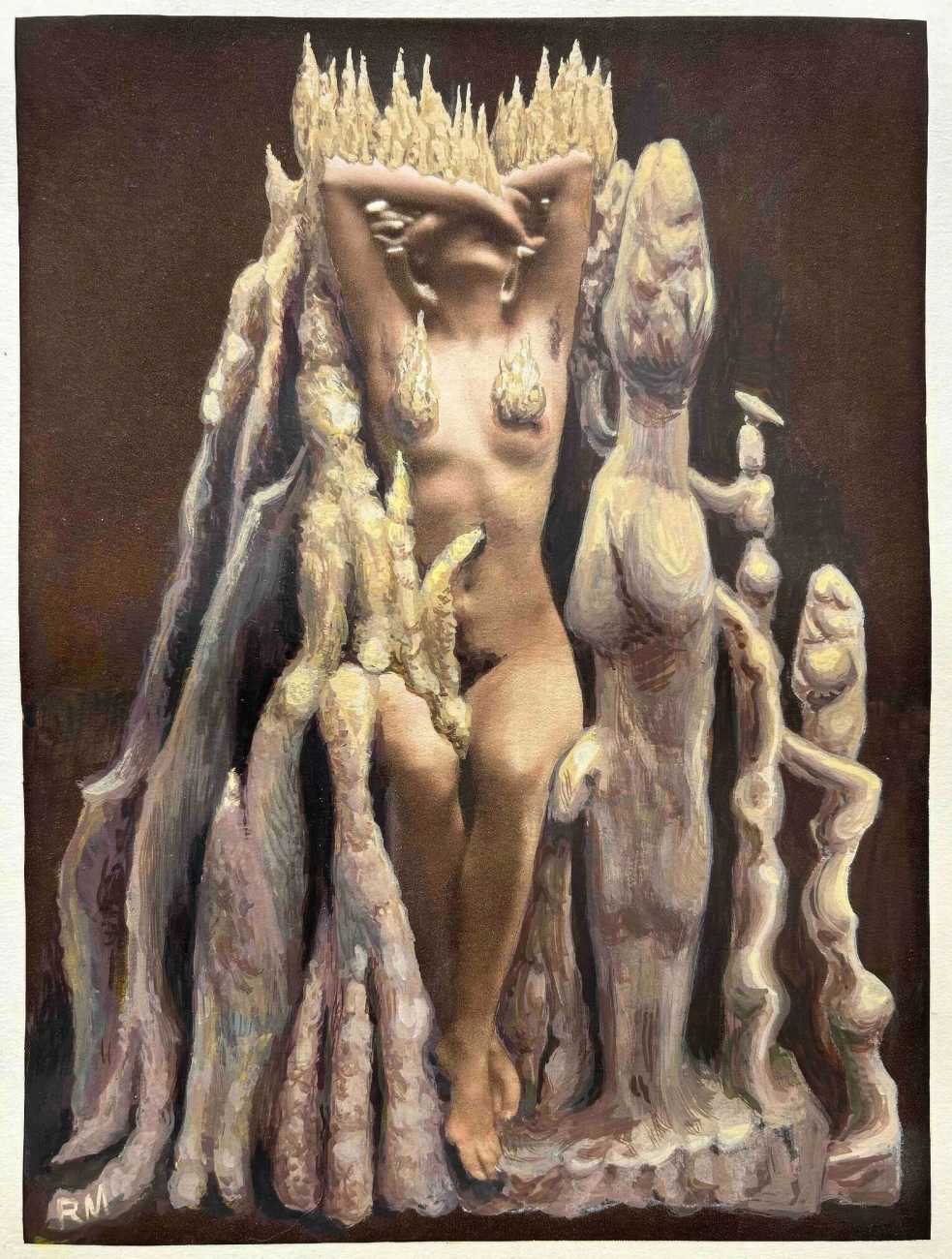
In 2022 she started working on a series titled All About Eve, using photogravure prints as a base and adding gouache and watercolour embellishments. The series reveals a complex structure that blurs the distinctions between high and low art, crosses boundaries of reality and genre, and is full of humour. Art historical references intermingle with her own inventions, creating a thought-provoking symbiosis with the original images. A hundred years after a famous series of photographs of dancers from the Paris variety theatre Les Folies Bergère was created by the British-Polish photographer Stanisław Julian Ignacy Ostroróg (1863–1929) in the 1920s, and inspired by his artistry and imagination, Ruth Marten has created a new series of images combining period nostalgia with modern sensibilities.
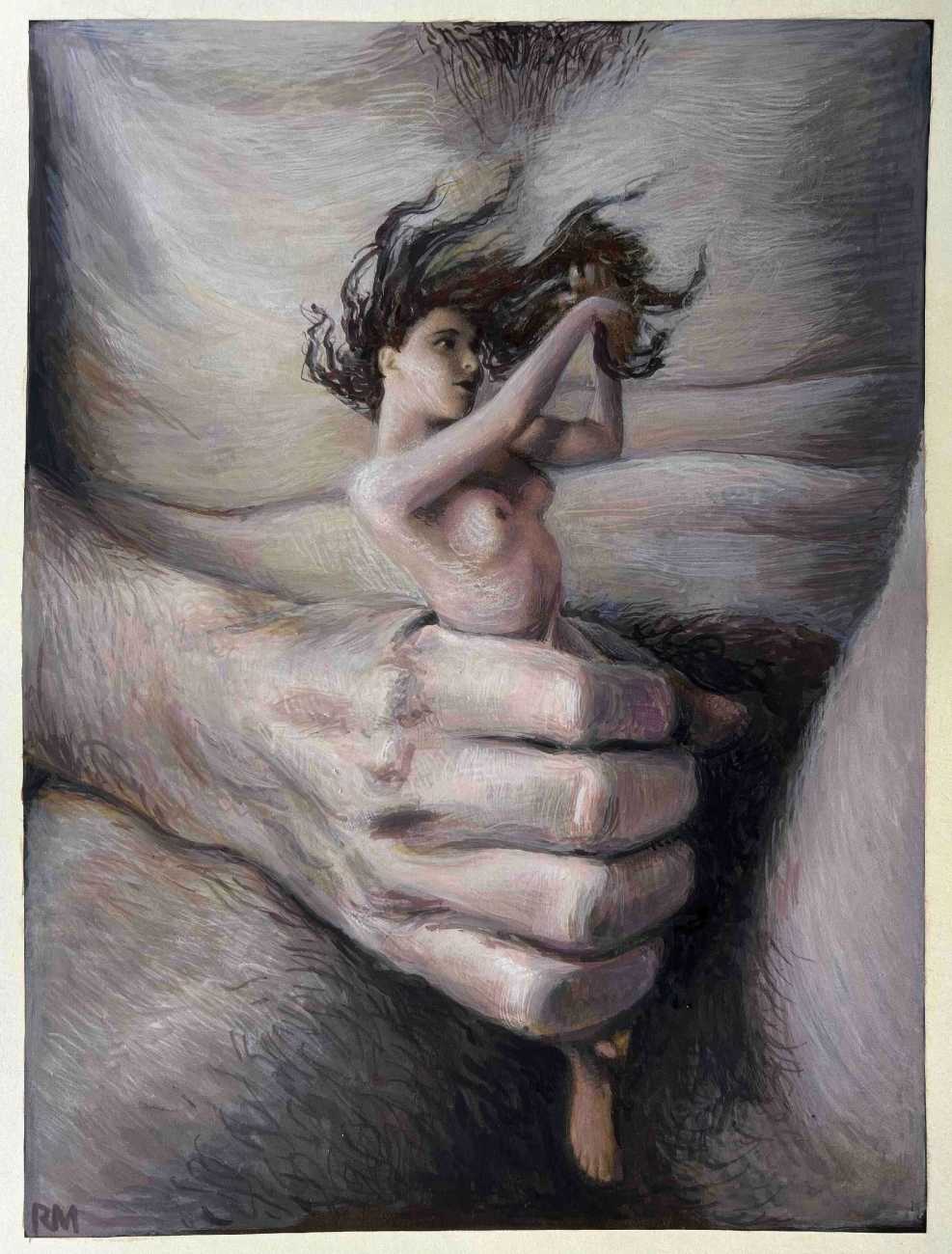
The allusion to the biblical Eve in All About Eve creates a connection between the women depicted and archetypal ideas of femininity, with the aim of removing her dancers from the male gaze and transforming each of them into their own existence and significance. Allusions to men are there in some of her compositions, but the women are always in charge.
In 2024 the exhibition space at Villa Zanders, Bergisch-Gladbach, near Köln in Germany, put on a show of All About Eve, and the online magazine KunstArztPraxis published a review; the original is in German here, and below is an English translation.
Of course, the dancers of the Folies Bergère also had dreams in their solitary nakedness, and these dreams are hidden precisely in those unique gestures, attitudes and poses that Stanisław Ostroróg captured in Paris in the 1920s. It is thanks to Ruth Marten that this connection between dream and gesture in All About Eve is revealed, almost archaeologically, through her gouache-on-photogravure technique.
Apparently the dancers of the Folies Bergère would have preferred to brood in foreign nests on blue eggs, rejoicing in skirts made of spaghetti in a rain of meatballs. They would gladly have made a lot of smoke and mirrors about nothing in Beckettian meerschaum pipes – or would have happily merged with built-in cabinets under the gaze of sleeping Brancusi heads.
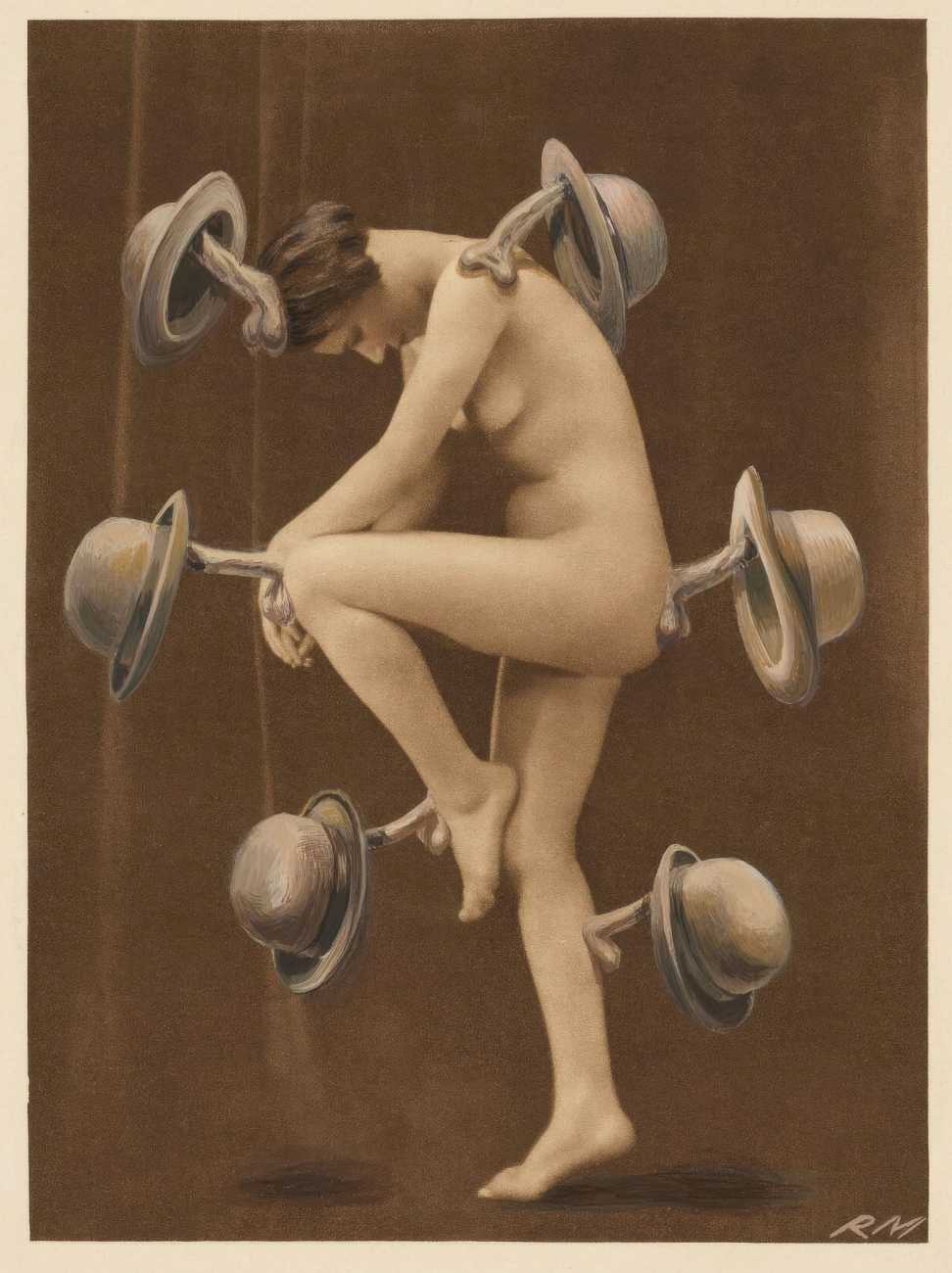
They wished for more arms than India’s cosmic dancer Shiva, penises as hat stands or church-steeple-high climbing walls. And an acrobatic, almost weightless romp with a swan. Some of them wanted to dissolve completely into snow, or sugar, or salt, to burst into flames or to swirl around in a rotating coffee cup in the maelstrom of life. Storm-battered lighthouses, self-watering flowers, or chrome-plated motorcycles: that’s what they wanted to be.
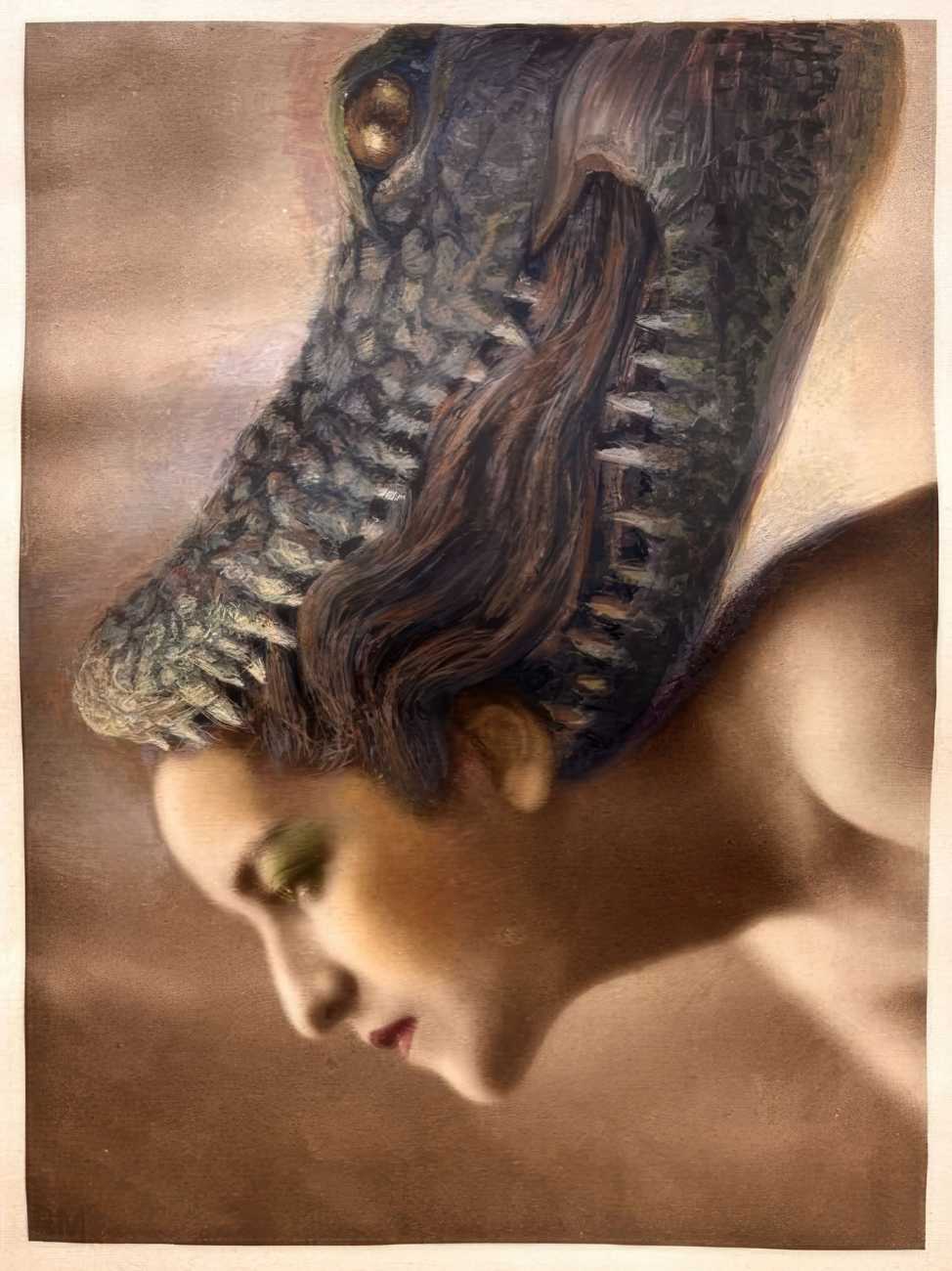
Of course, a neon-framed portion of these poor lonely dancers, like the rest of Paris in the roaring twenties, also dreamed of vice. A surprisingly large number of them apparently longed for a dangerous liaison with a crocodile. In All About Eve Ruth Marten has laid bare the desire to wallow in the sultry company of a crocodile in a dimly lit harbour bar in the red-light district on the Seine, dancing through the humid night.
We can experience all these fantasies with crystal clarity thanks to the magnificent Ruth Marten. In All About Eve even the most grotesque, absurd gesture, posture or stance, which in Stanisław Ostroróg’s work often seems to lead nowhere, makes undeniable sense through this artistic interpretation of dancers’ dreams.