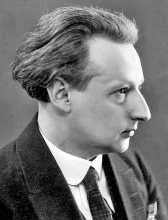
 Emil Zegadłowicz (1888–1941) was a Polish poet, novelist and dramatist whose work moved between regionalism, mysticism, eroticism and increasingly radical social and political concerns. Born in Biała, he grew up in Wadowice and became closely associated with the southern Polish landscape and folklore. In the 1920s he was a founder of the literary group Czartak, which promoted a deliberately non-urban, folk-inspired vision of Polish culture. His later writing became increasingly personal and sexually frank, notably in the autobiographical novel Zmory (Nightmares, 1935), which established his reputation as one of the great literary provocateurs of interwar Poland.
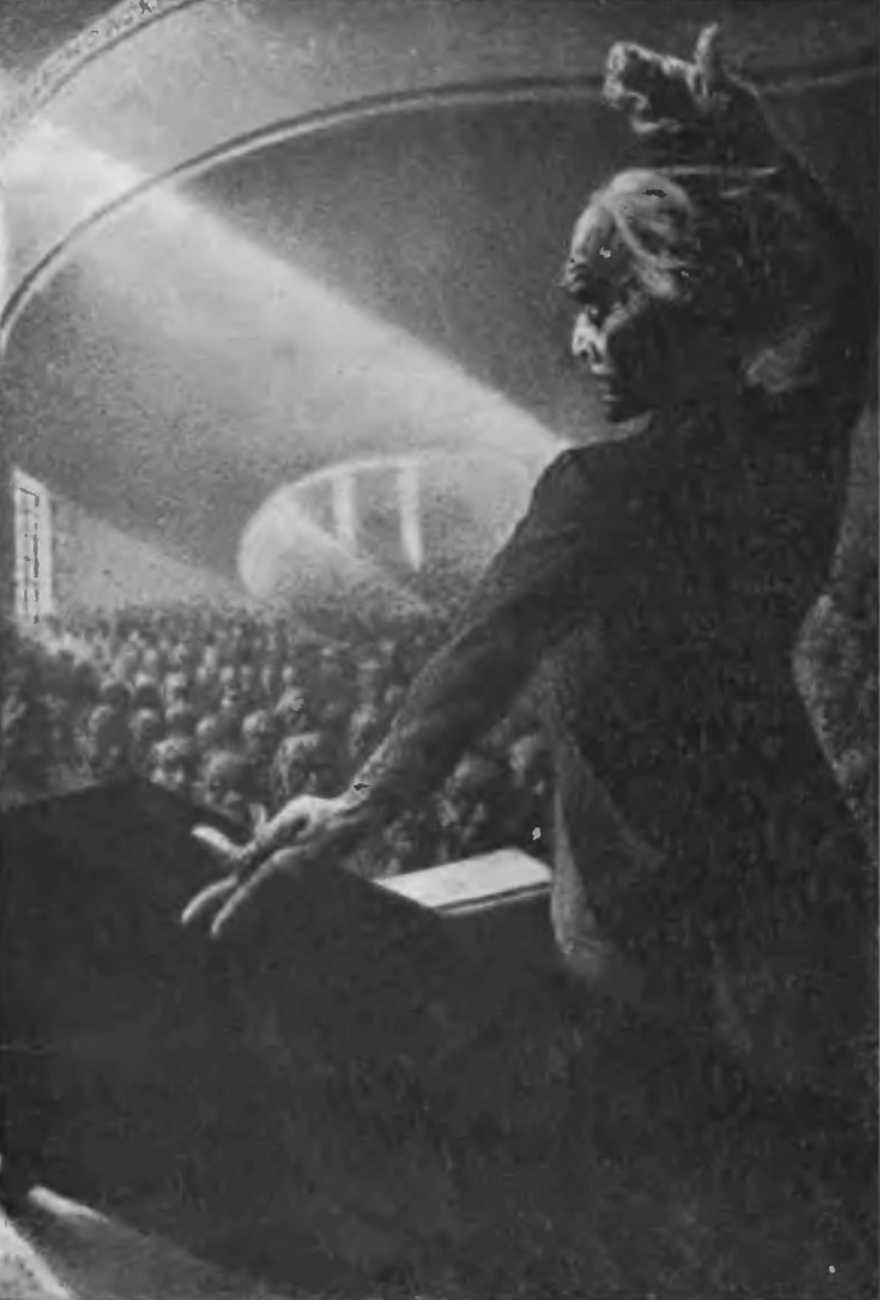
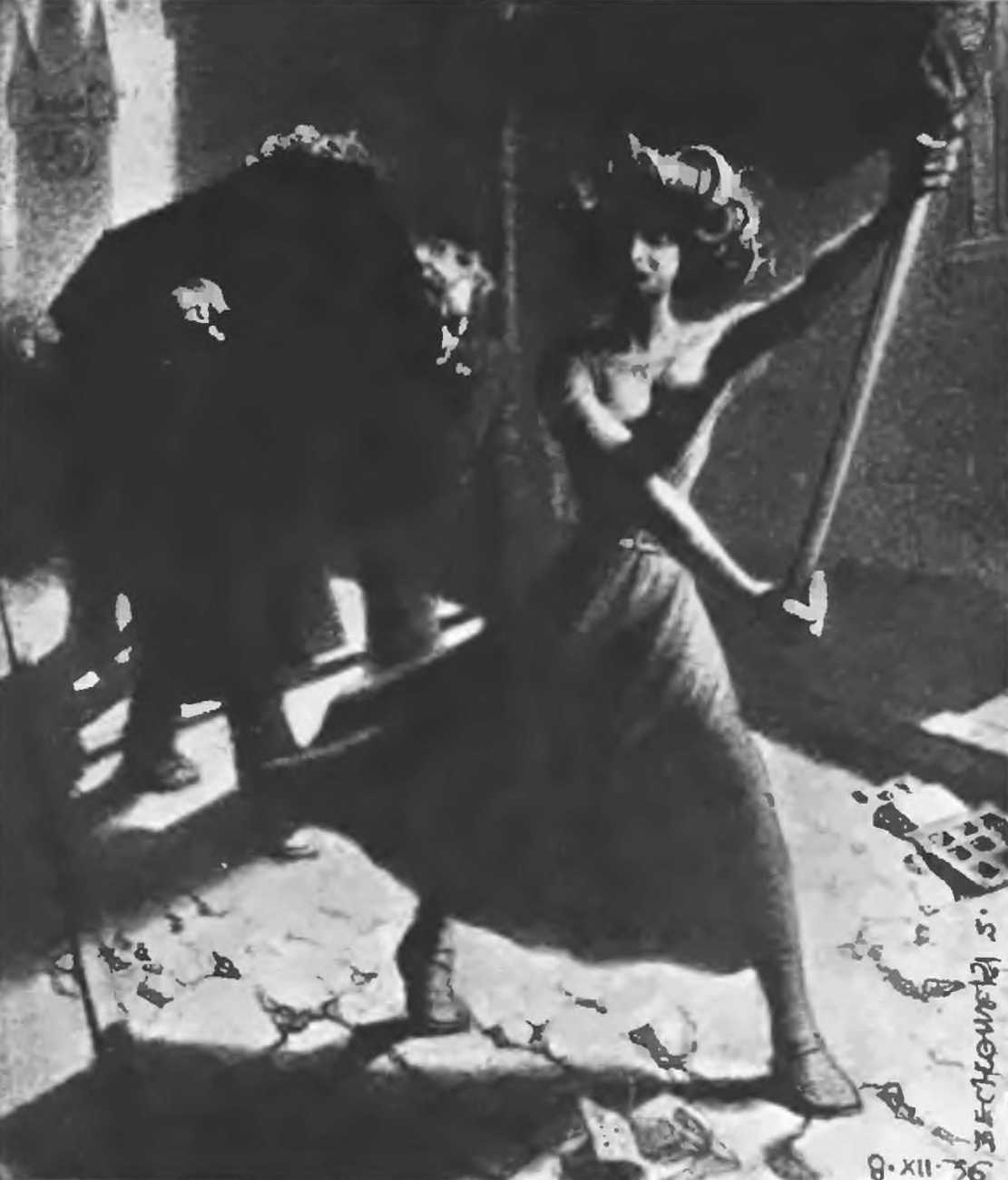
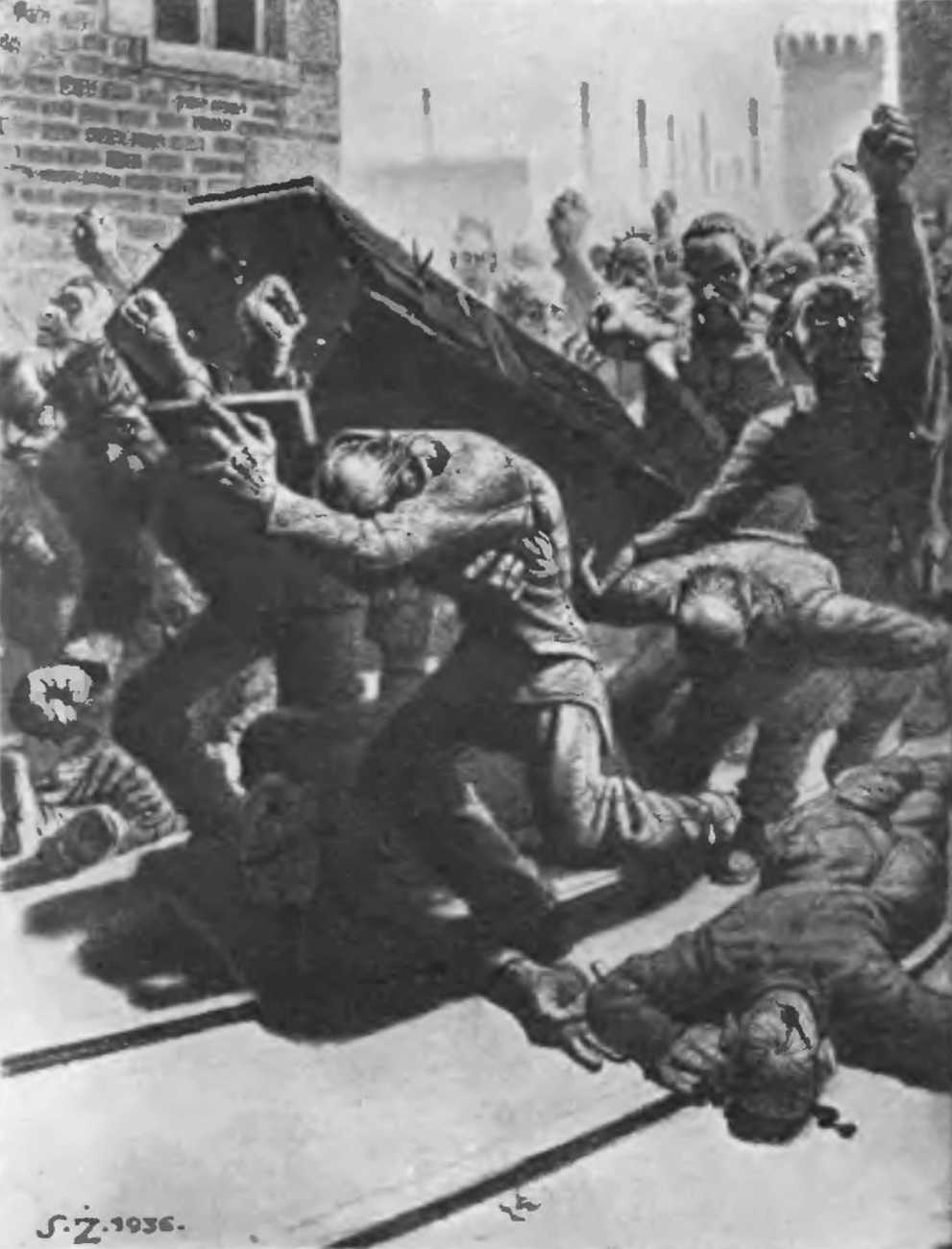
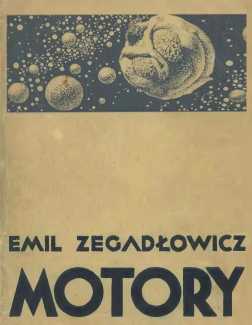 Motory (The Motors) emerged from a particularly turbulent period in Zegadłowicz’s life and in Polish politics. The novel was begun in 1936, following the violent suppression of a workers’ demonstration in Lwów (Lviv) during the funeral of a worker, Władysław Kozak. The event is an important political strand within the novel, which combines eroticism, autobiography, social criticism and revolutionary politics. Its principal character, Cyprian Fałn, lies in hospital while the narrative moves backwards through memories of his childhood, relationships and sexual experiences, eventually bringing the different temporal strands together. The novel’s structure and language are deliberately experimental, employing stream-of-consciousness passages, shifting narrative perspectives, poetic imagery, and long, highly associative sentences.
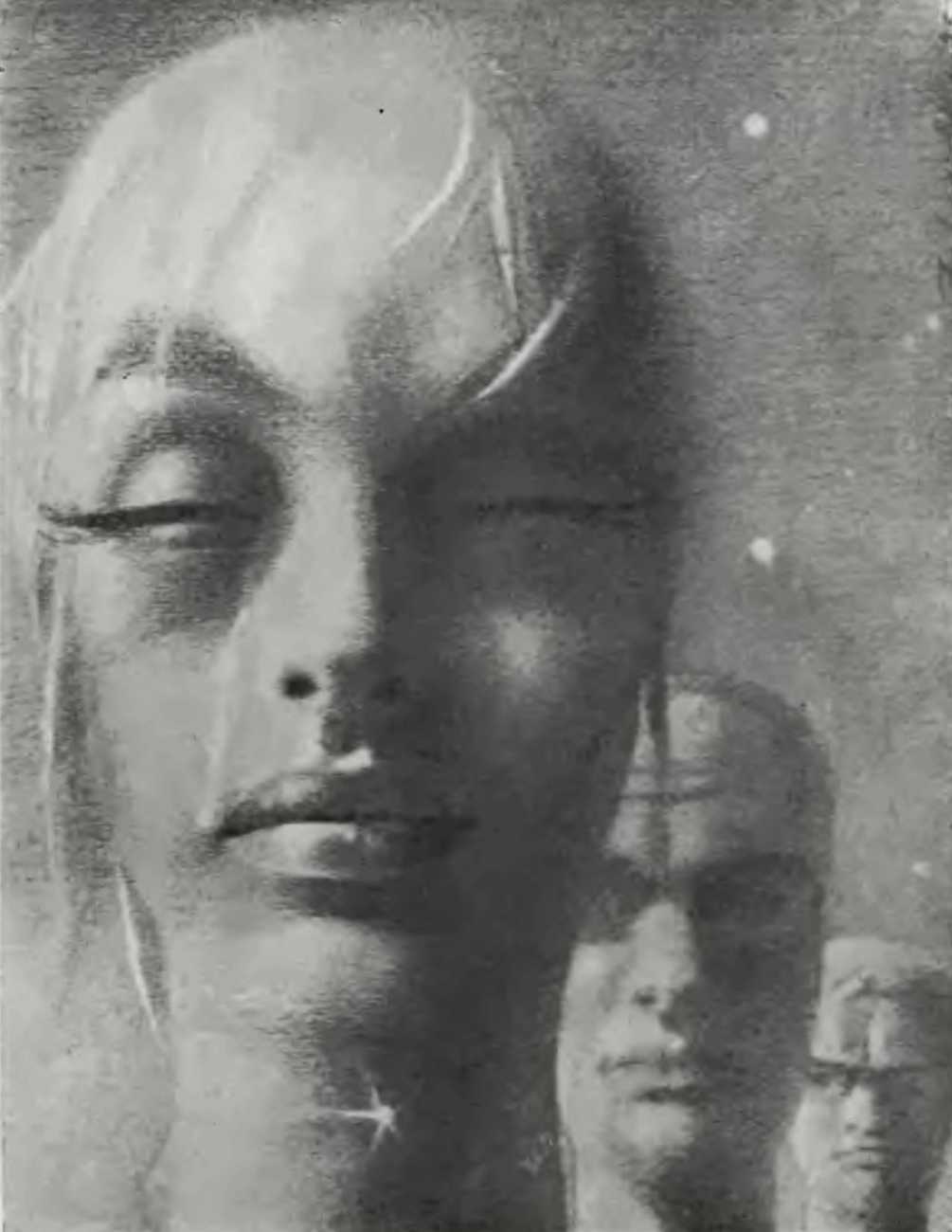
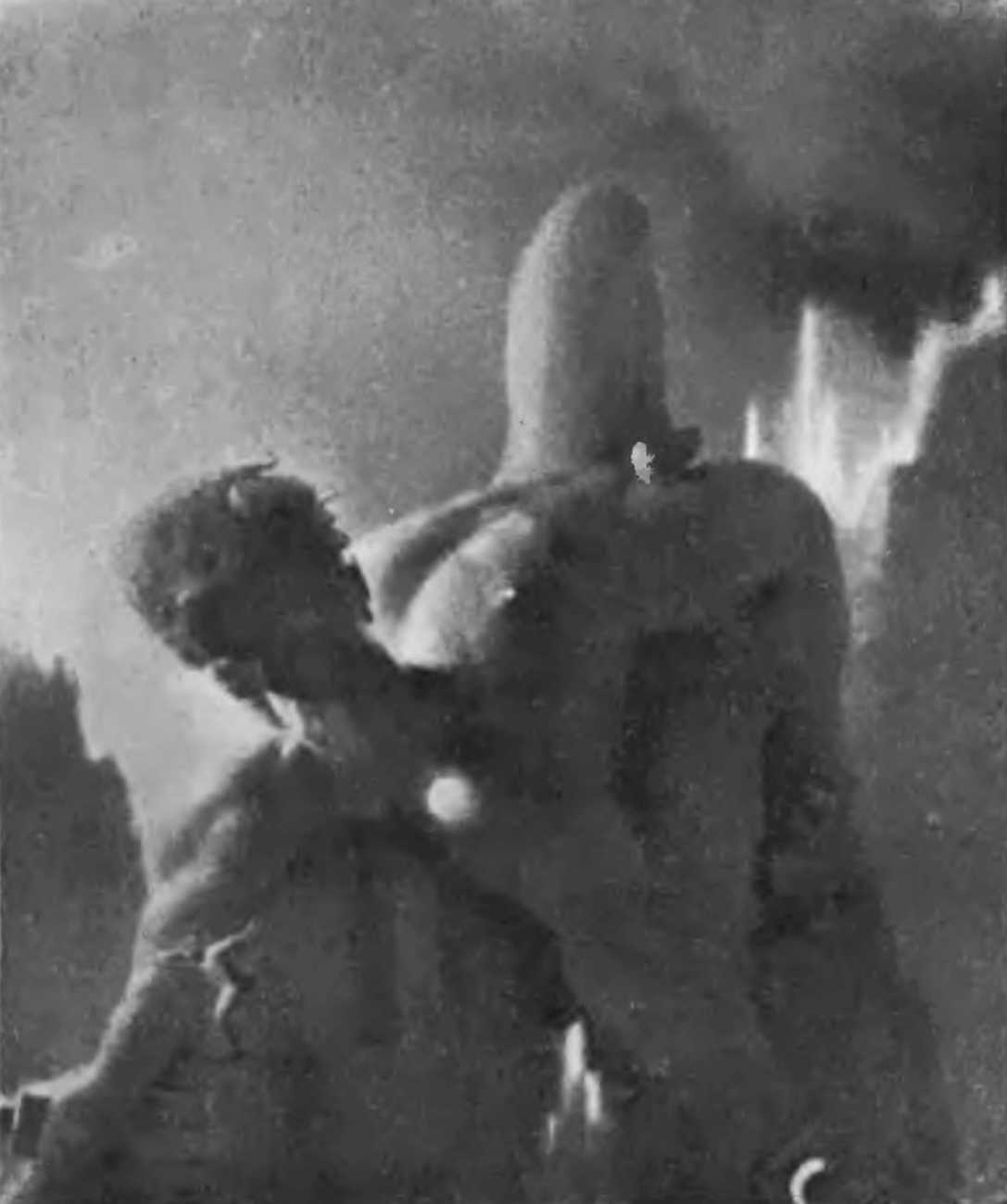
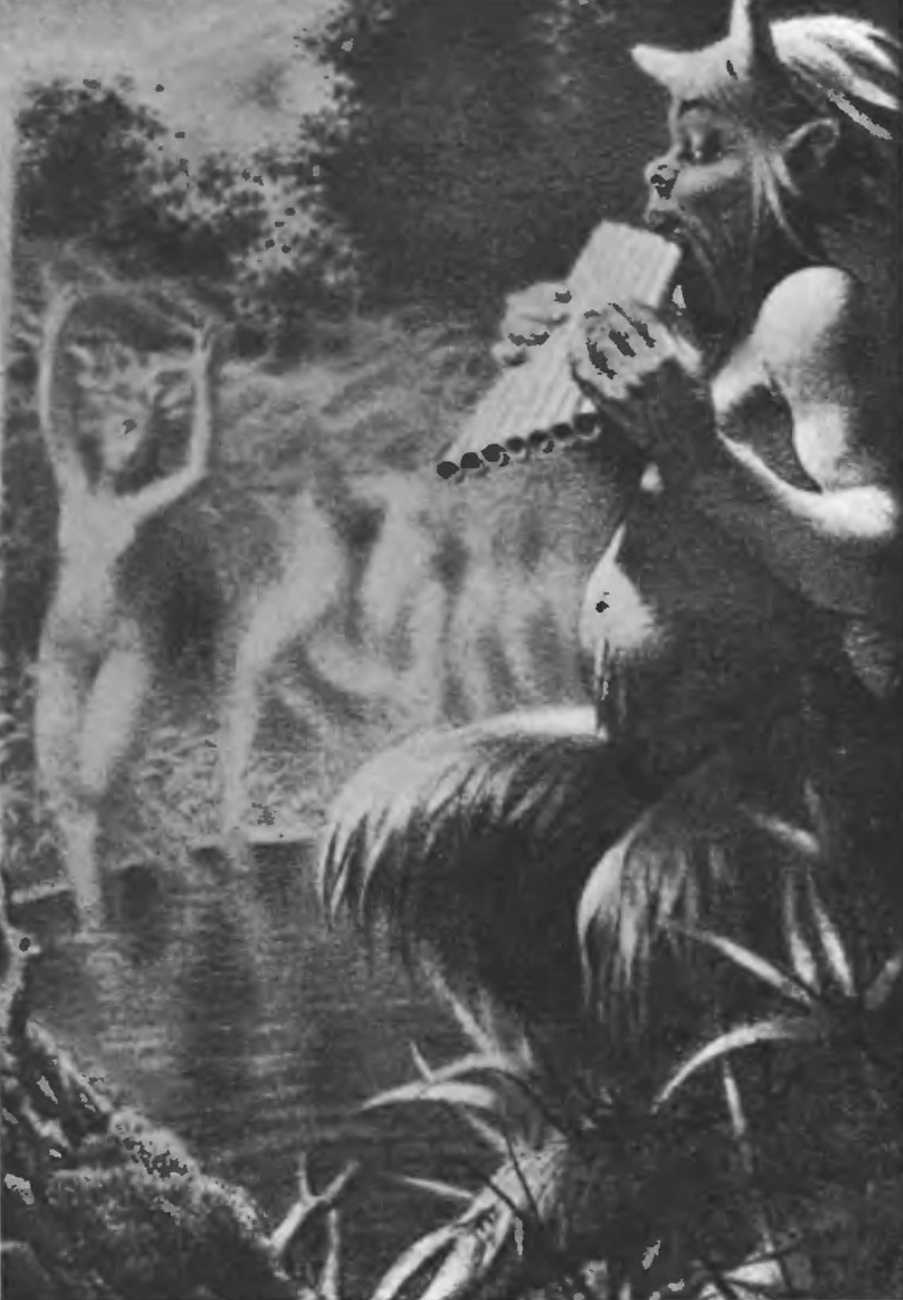
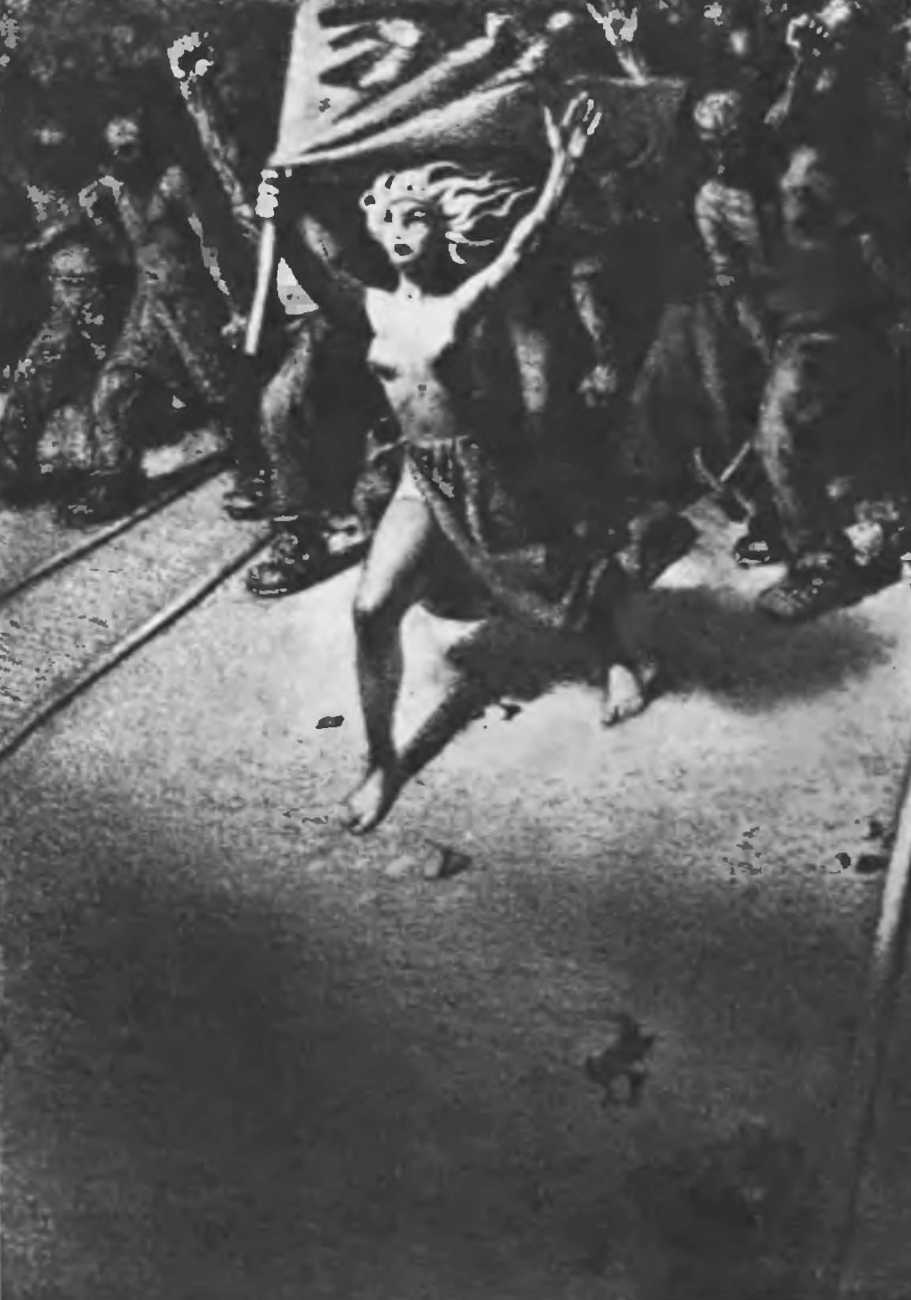
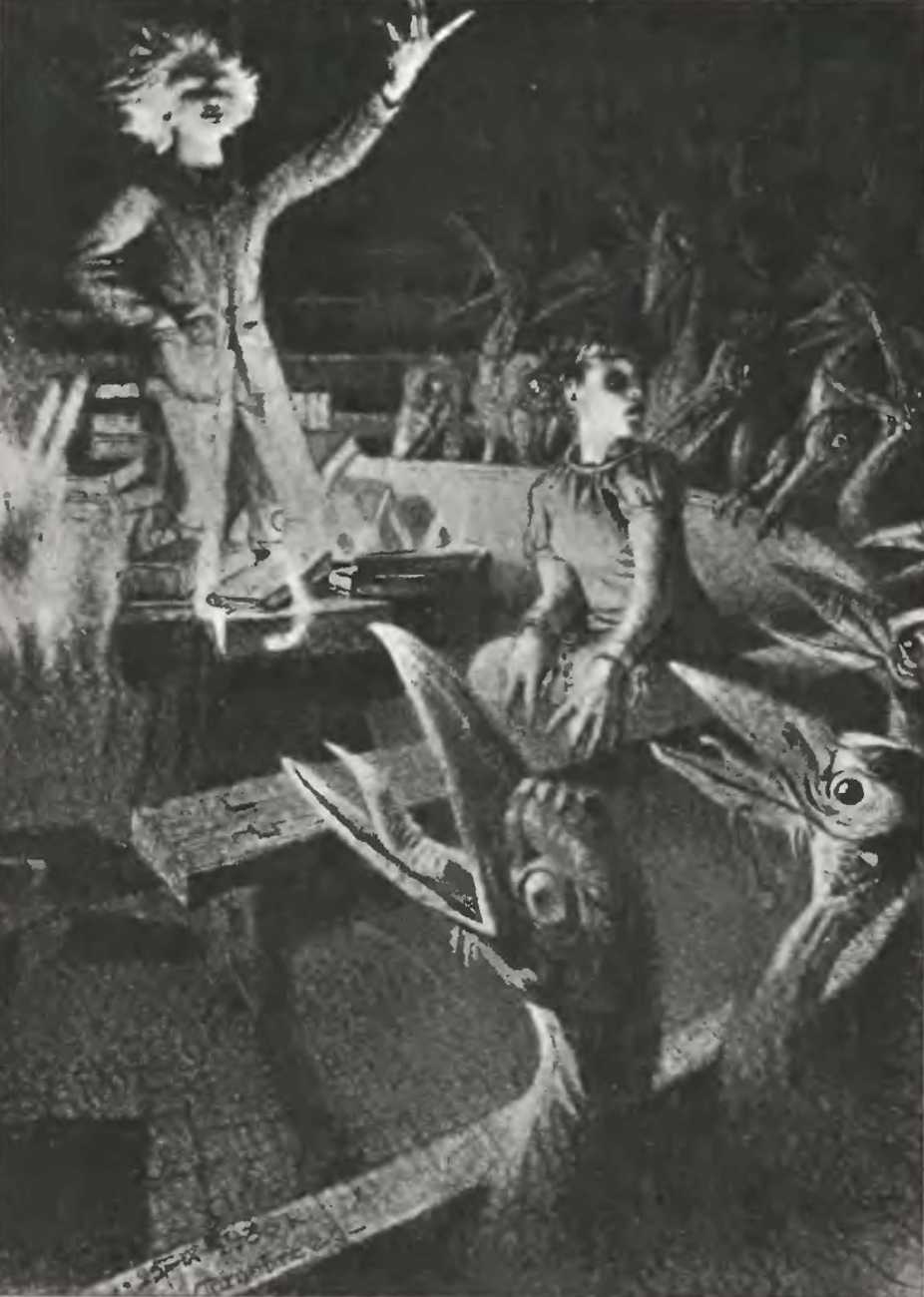
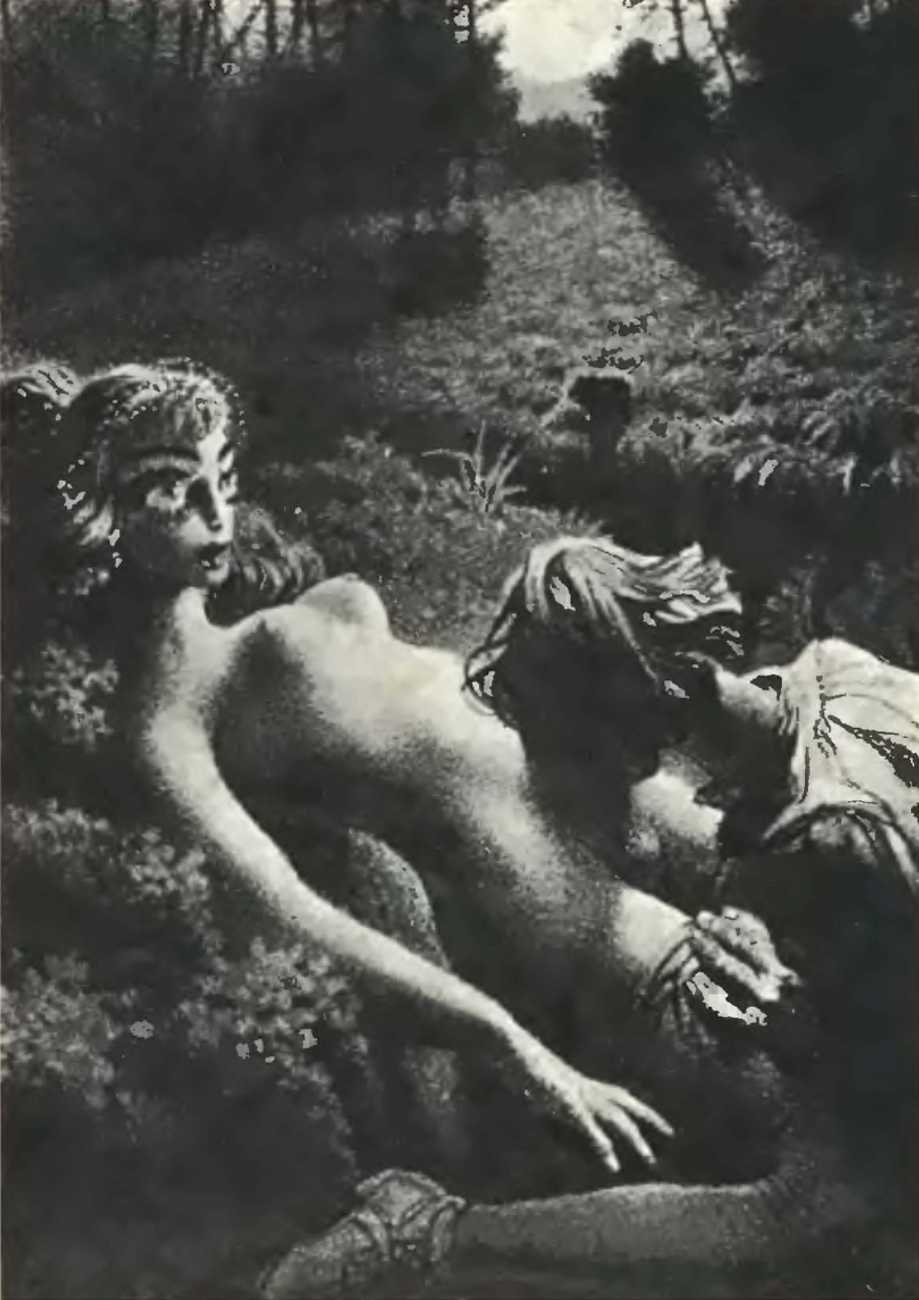
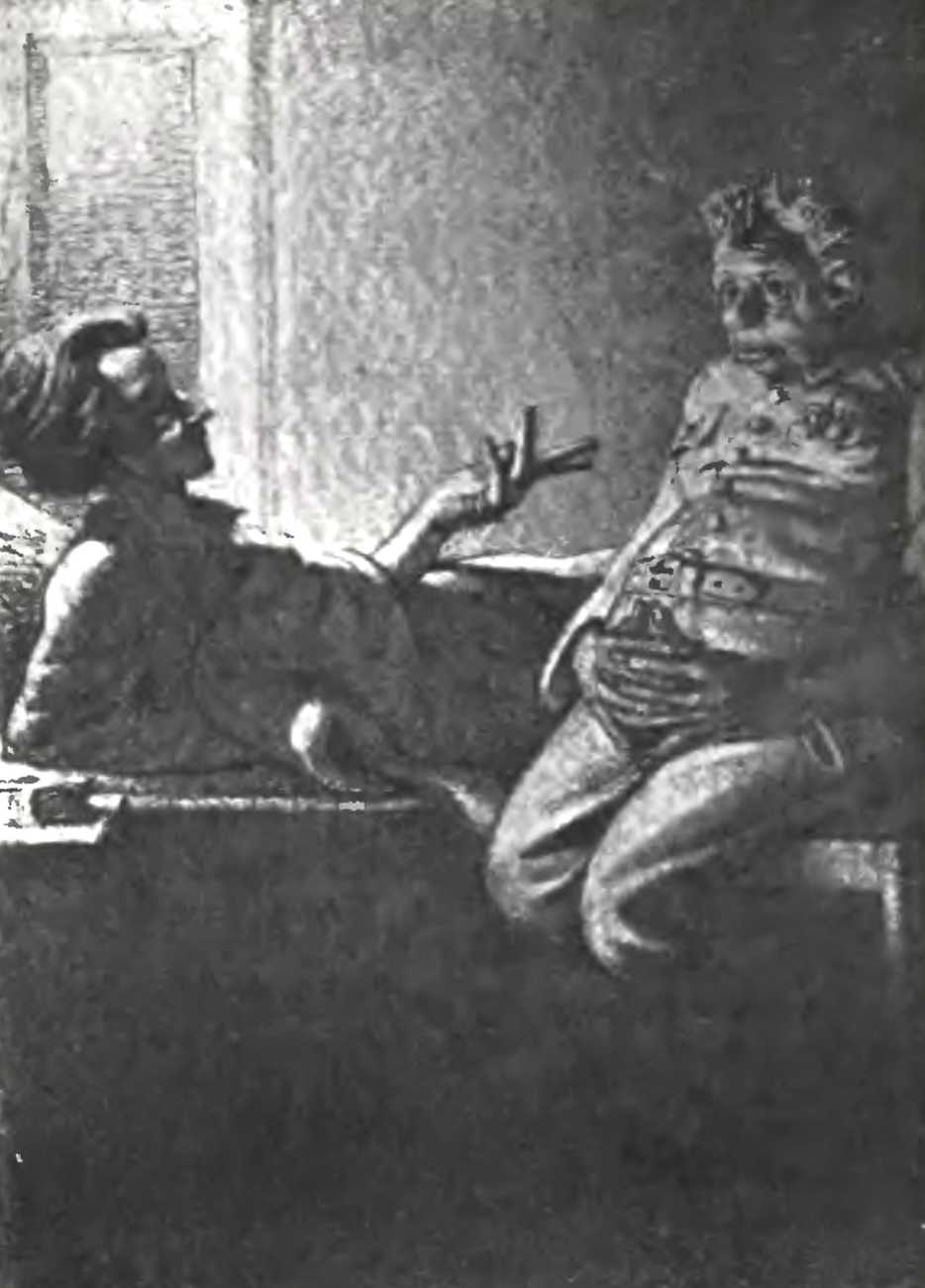
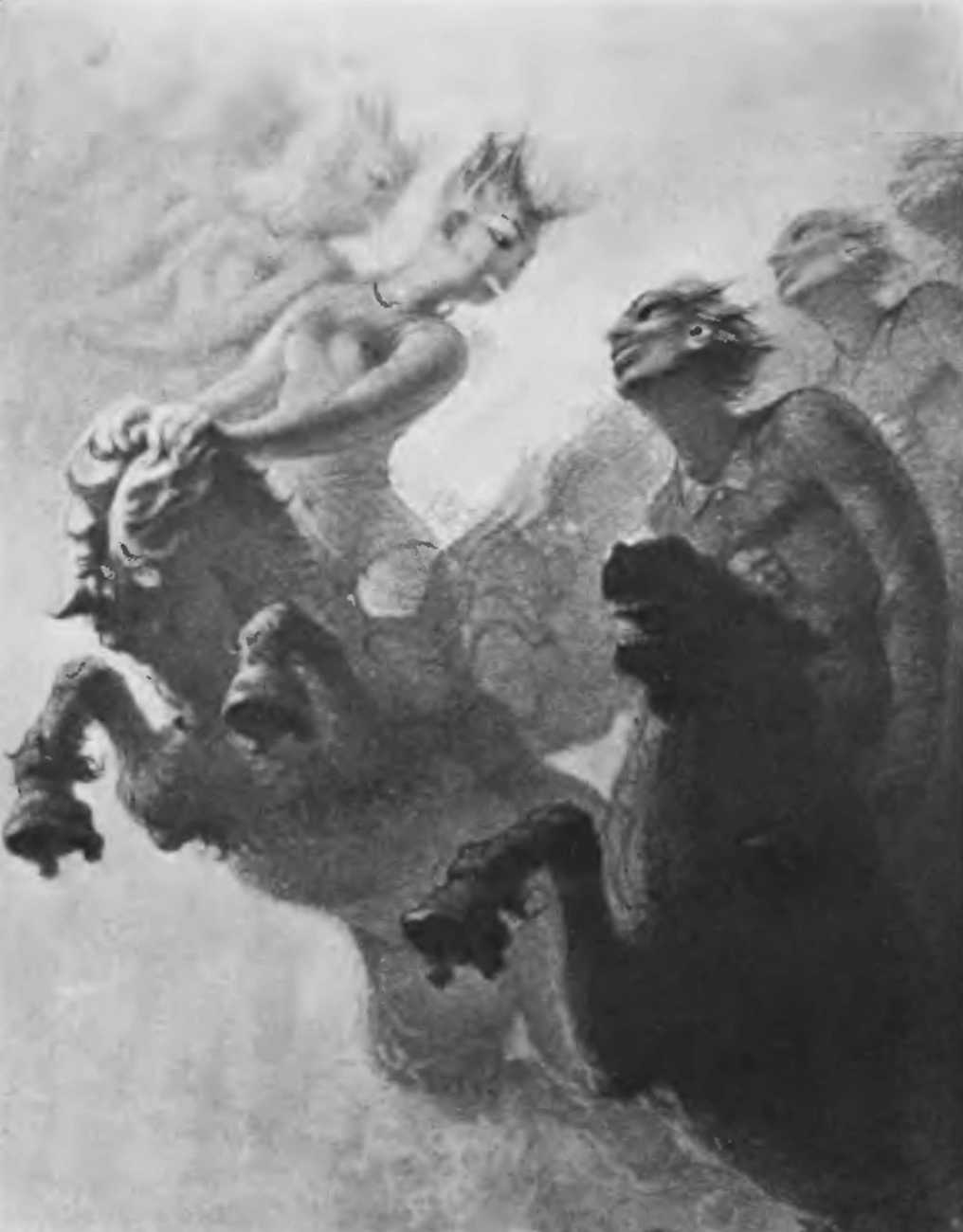
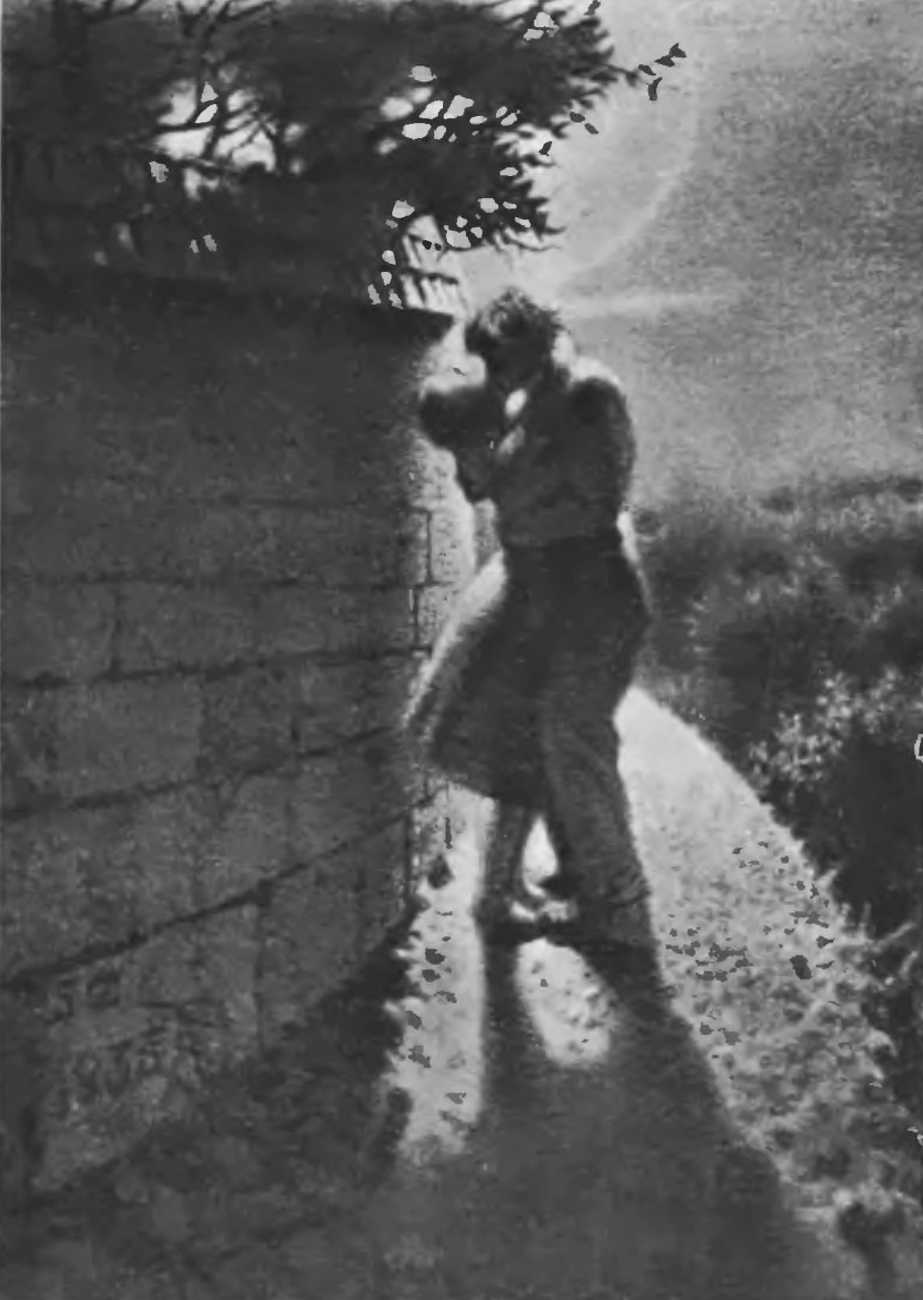
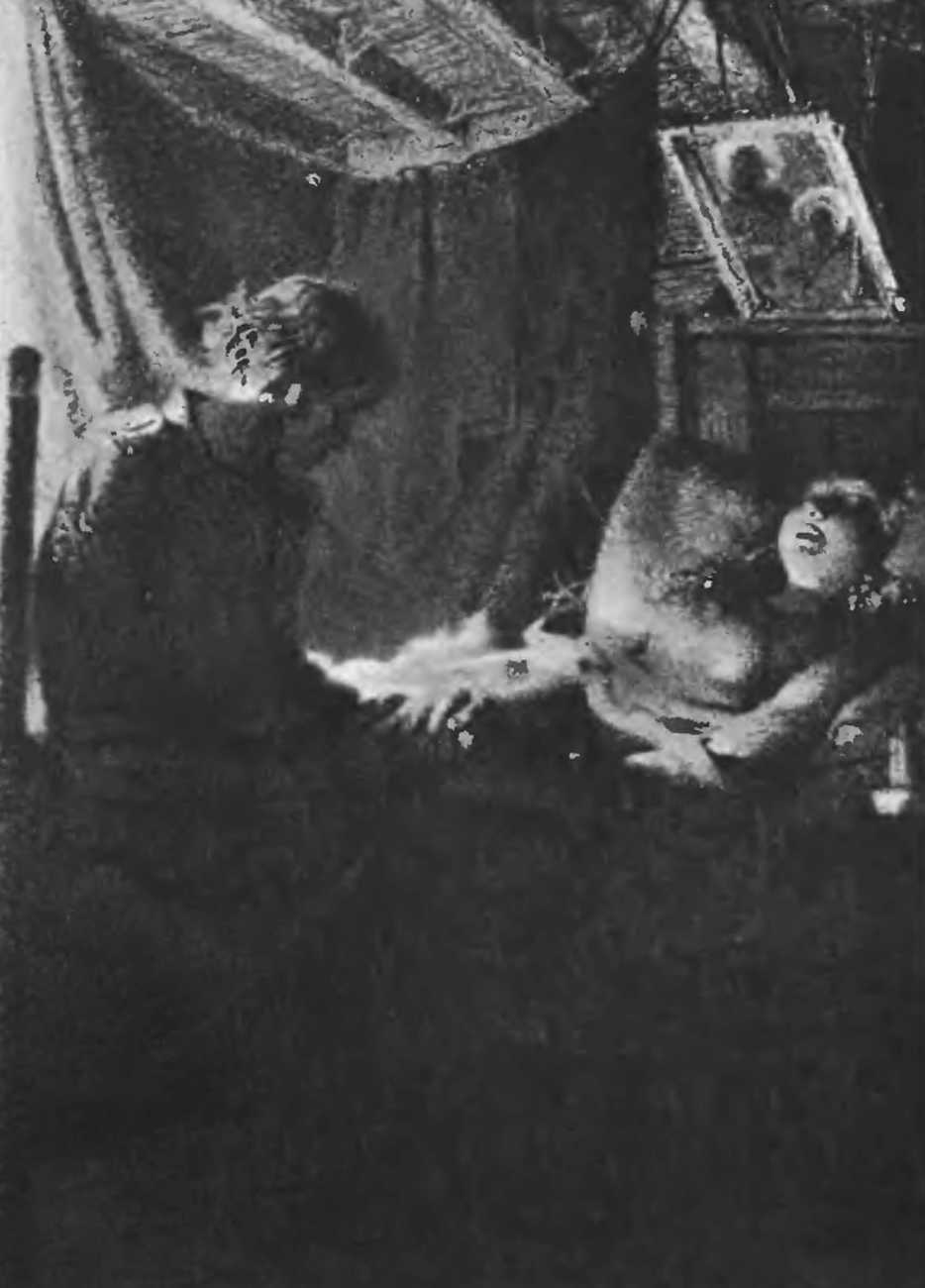
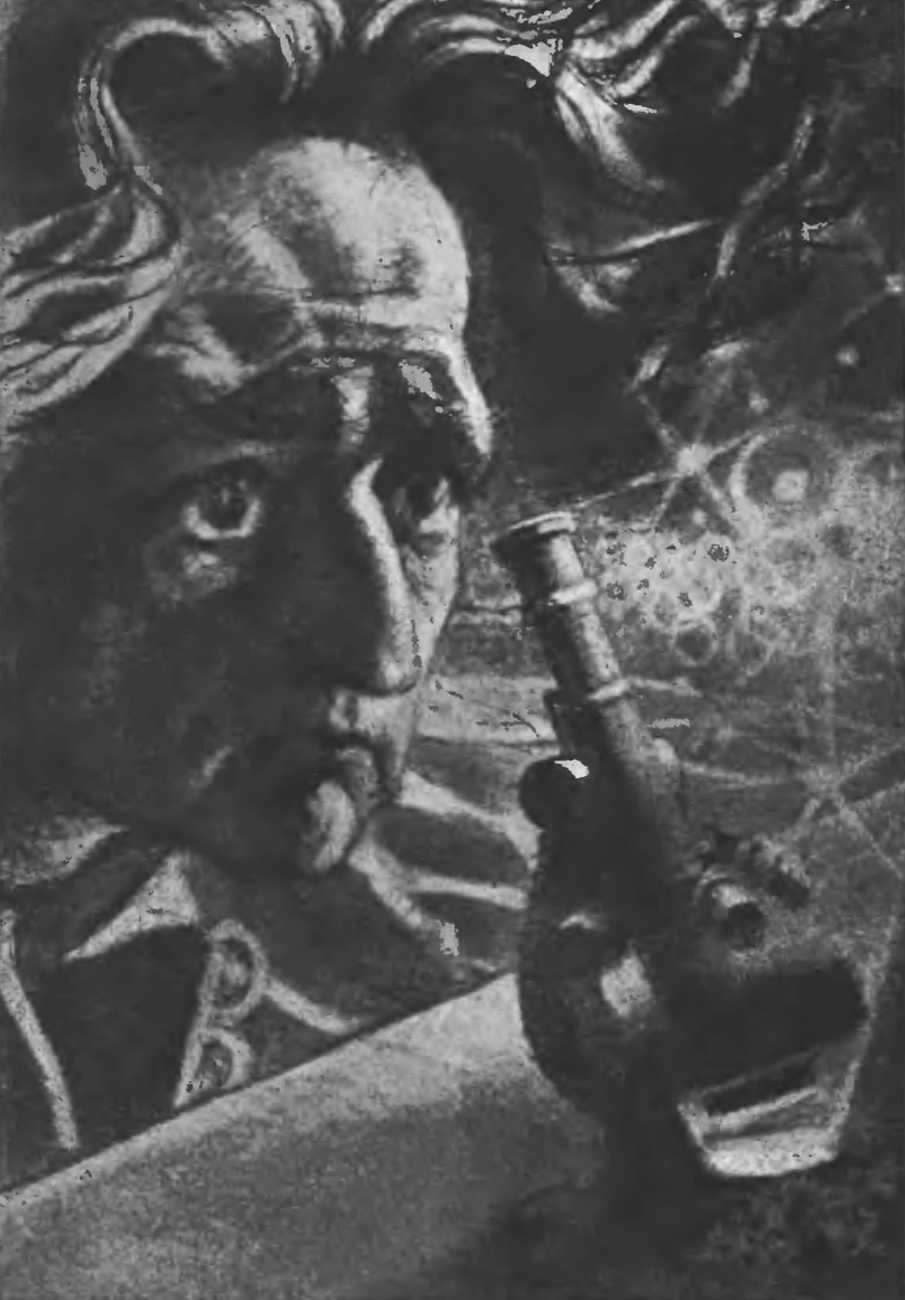
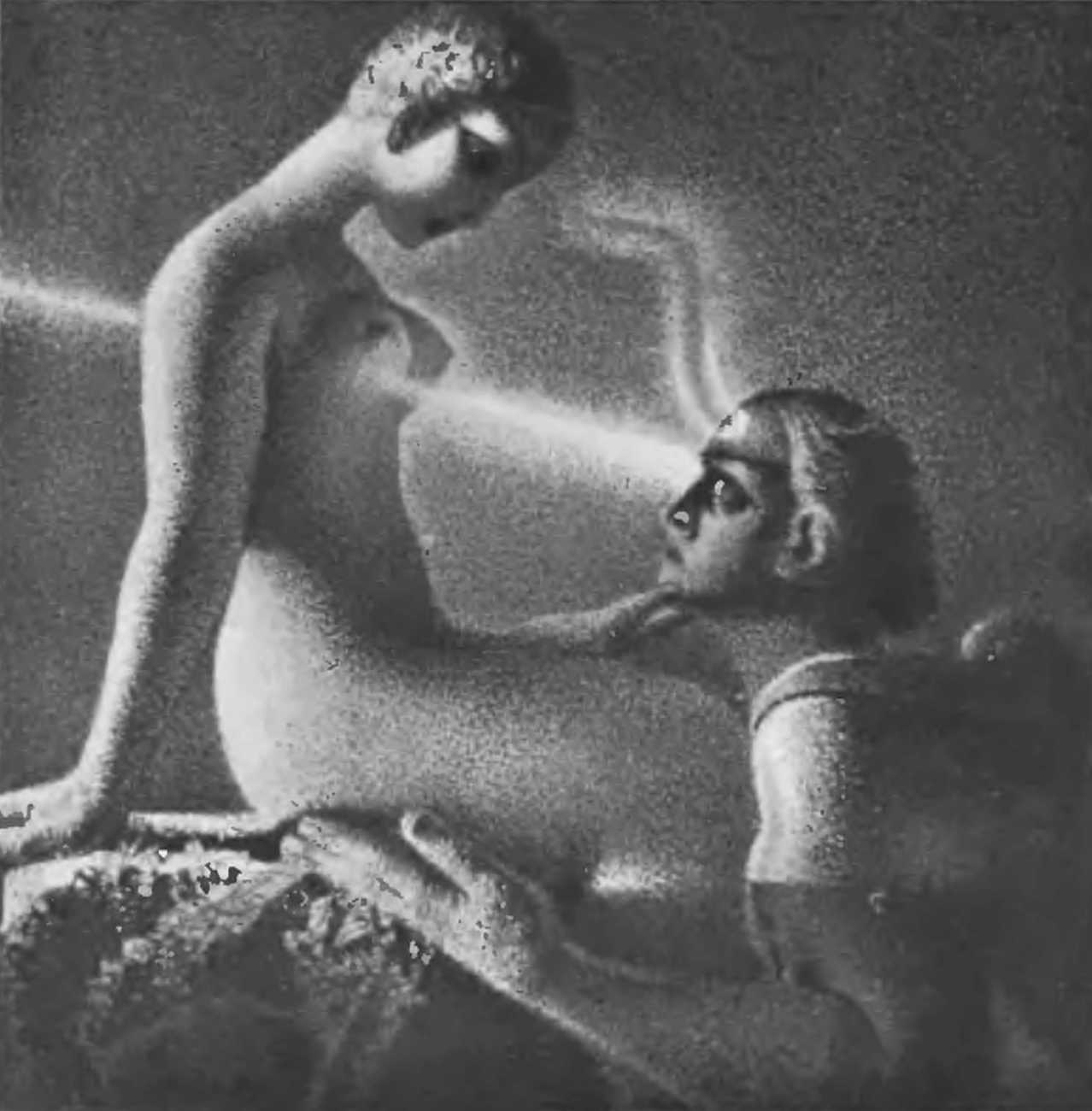
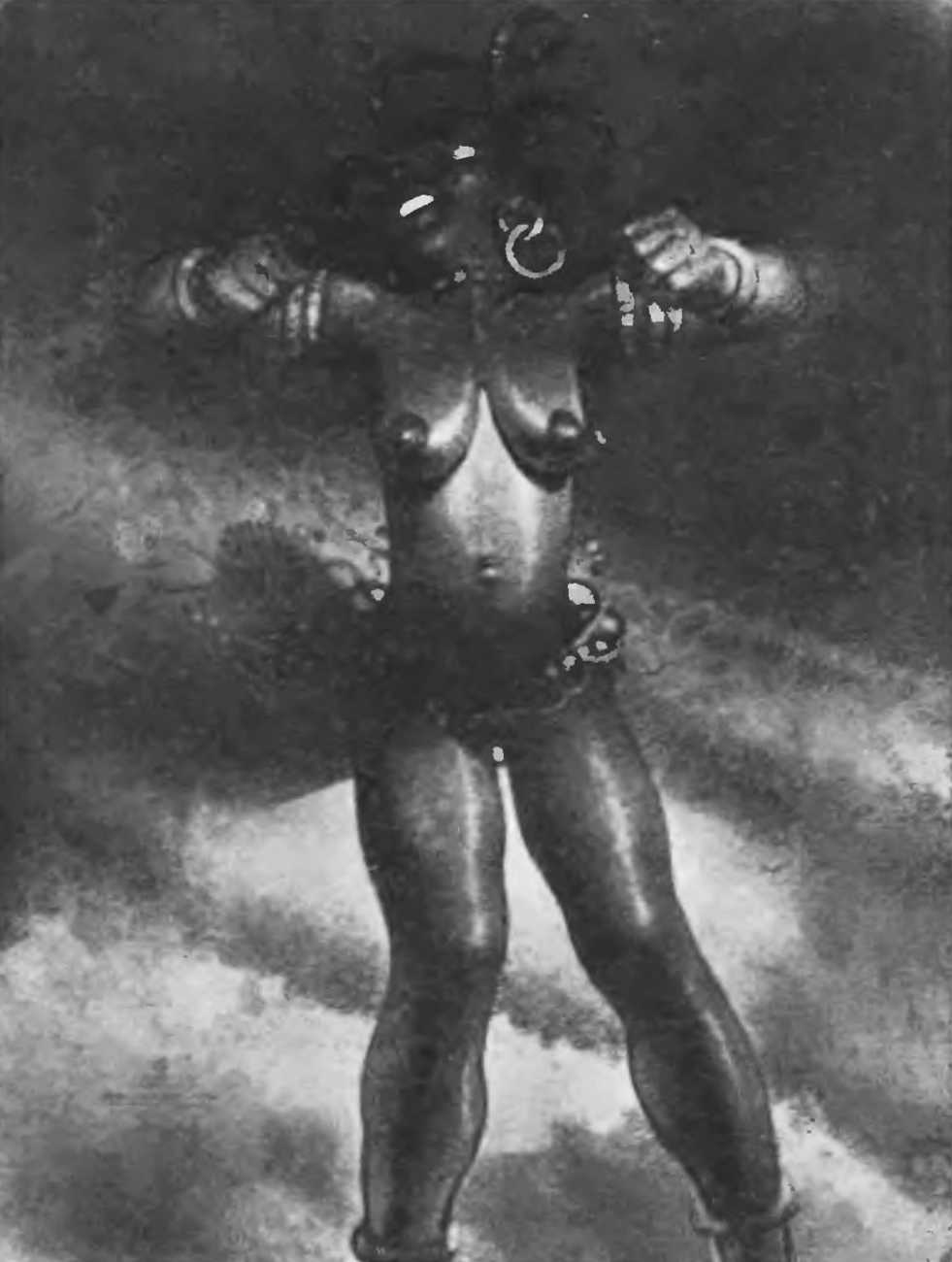
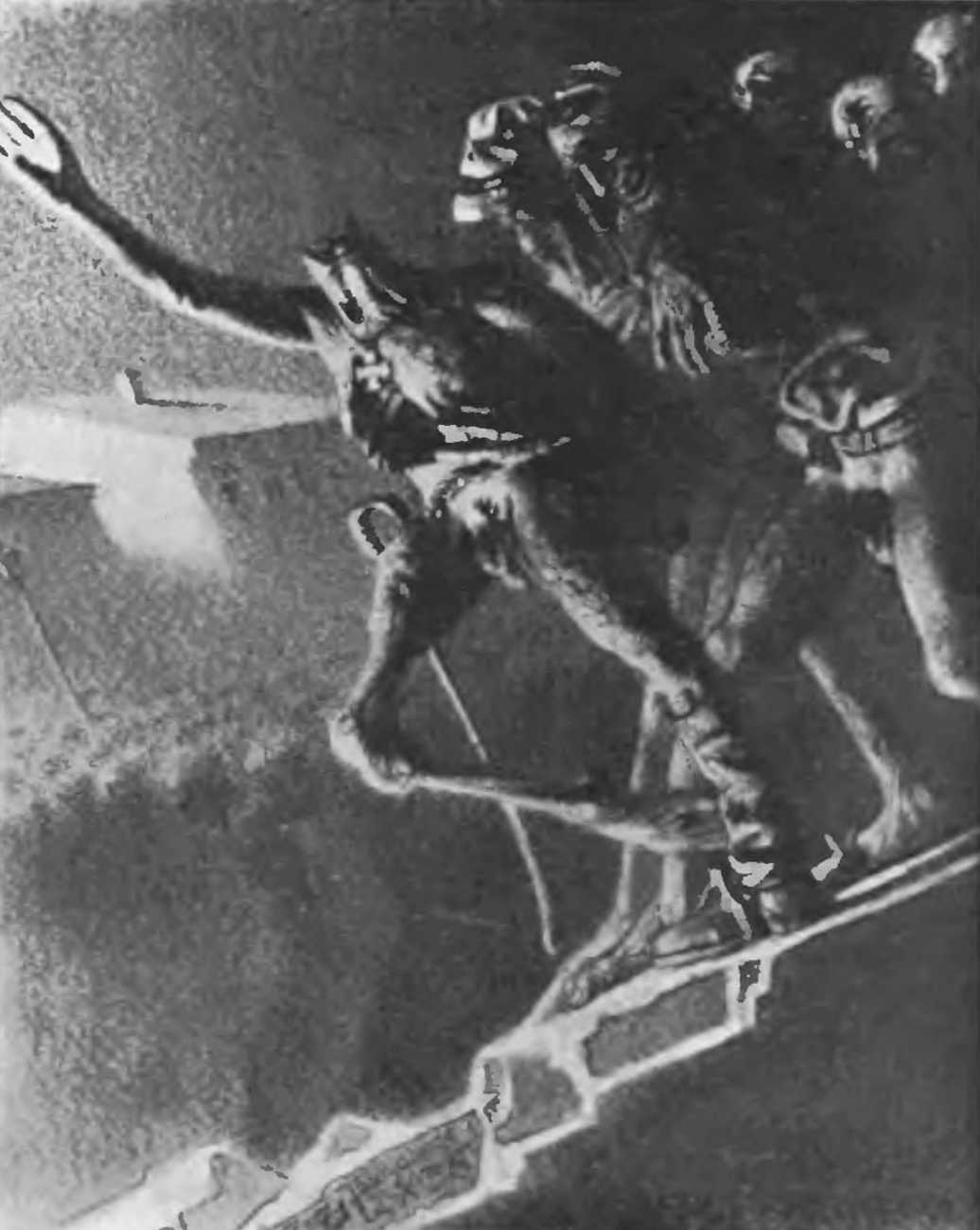
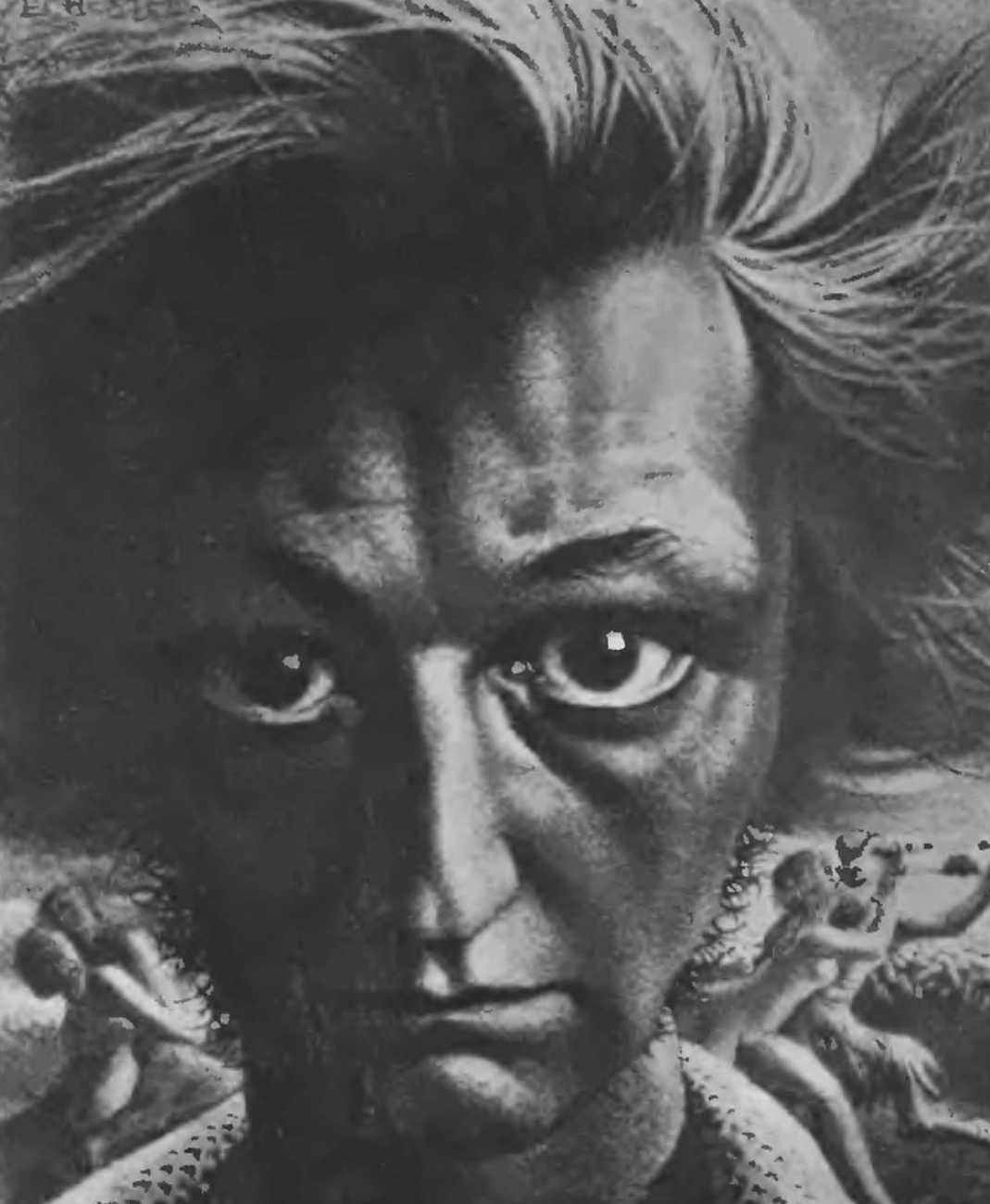
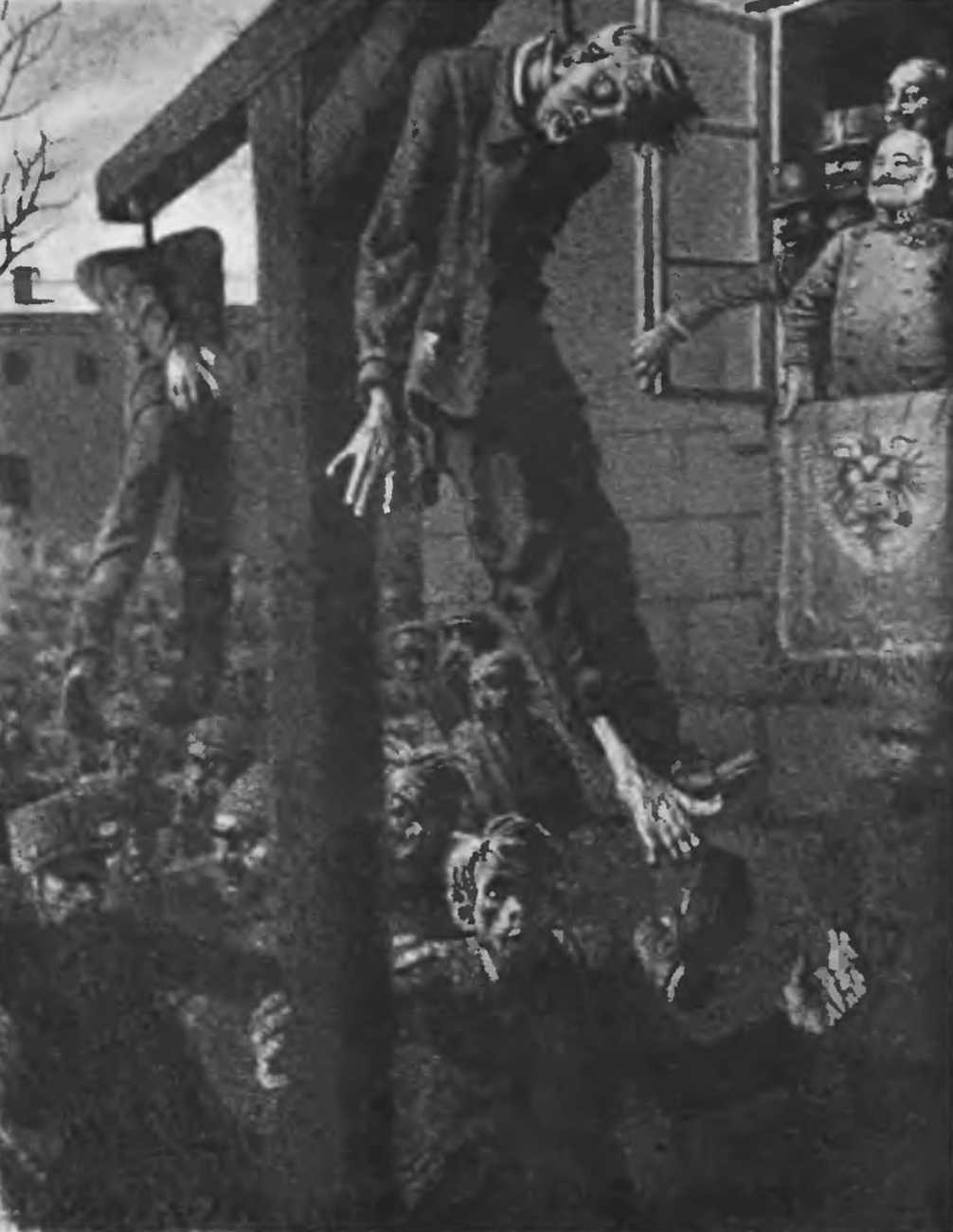
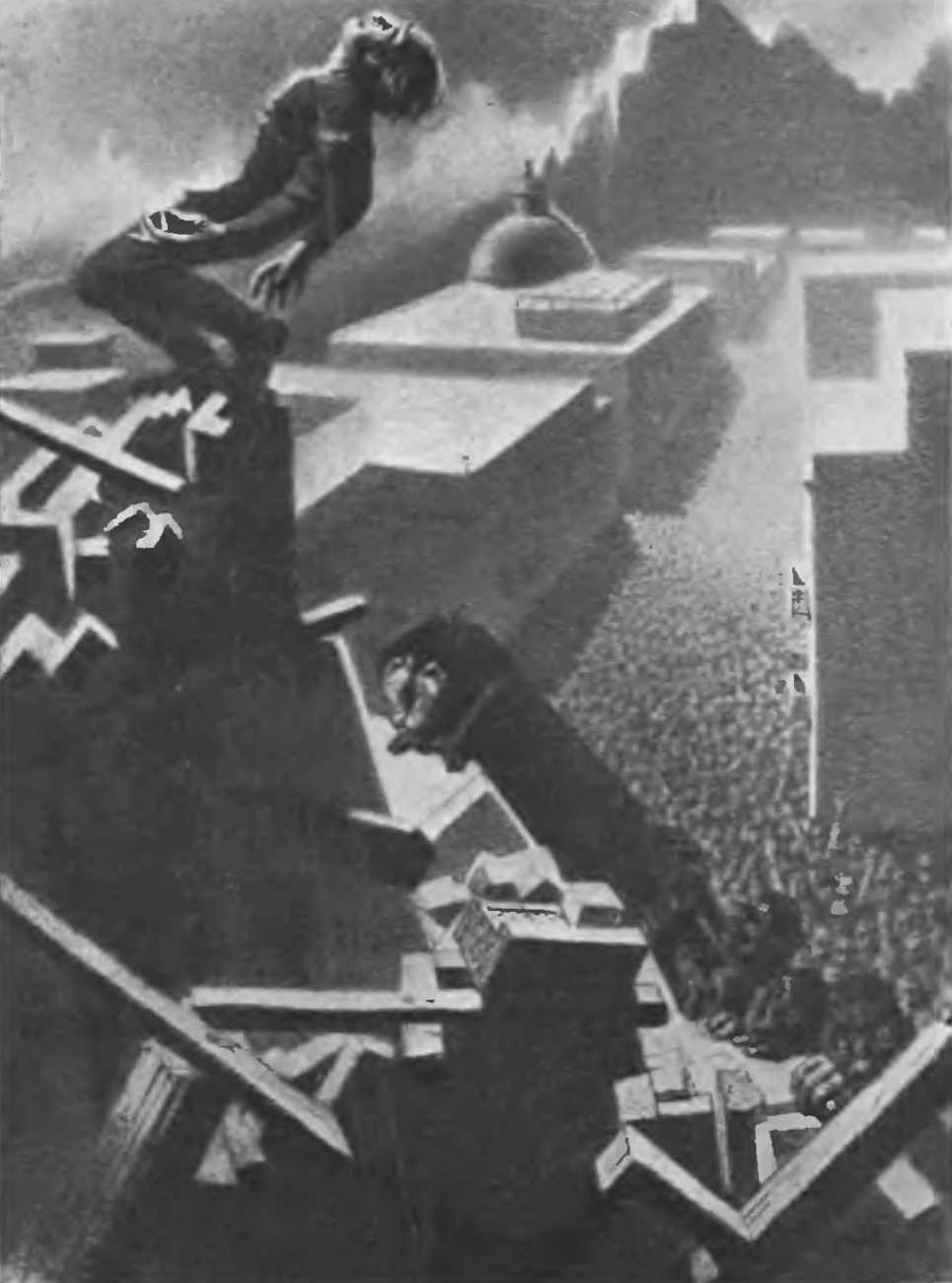
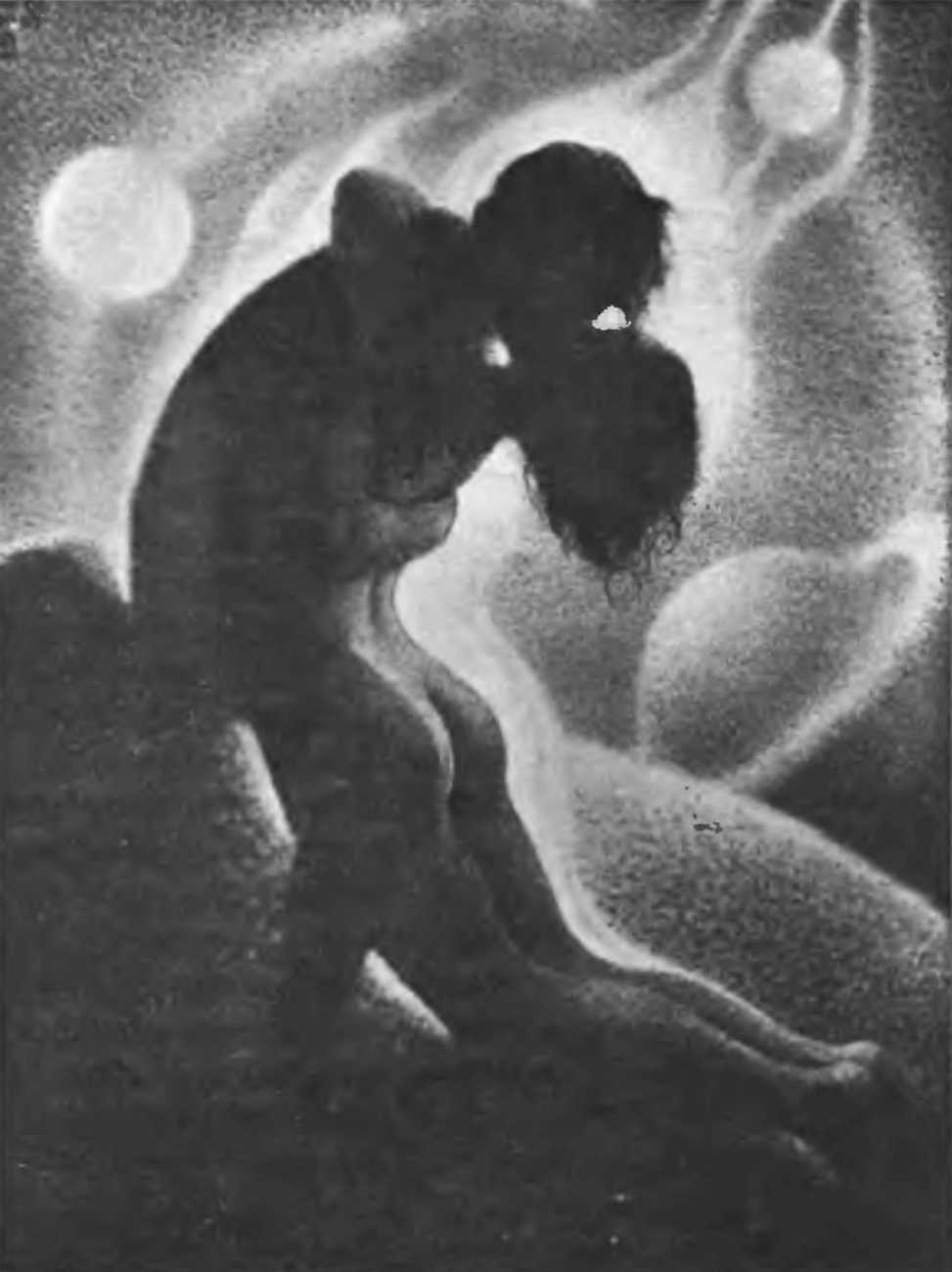
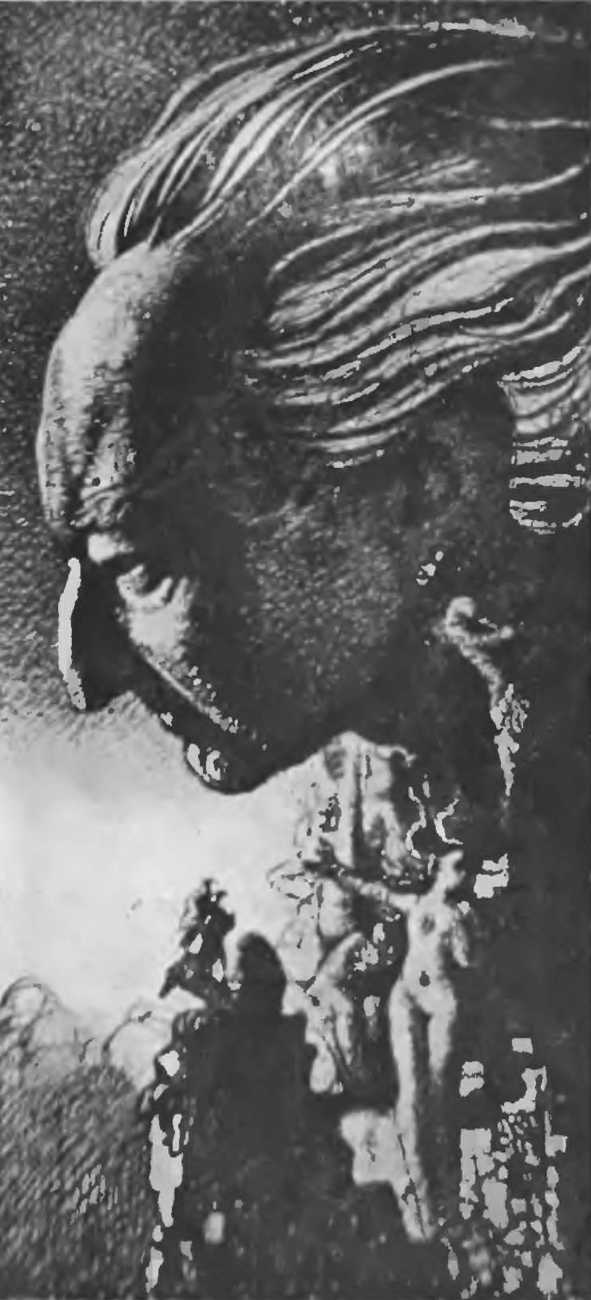
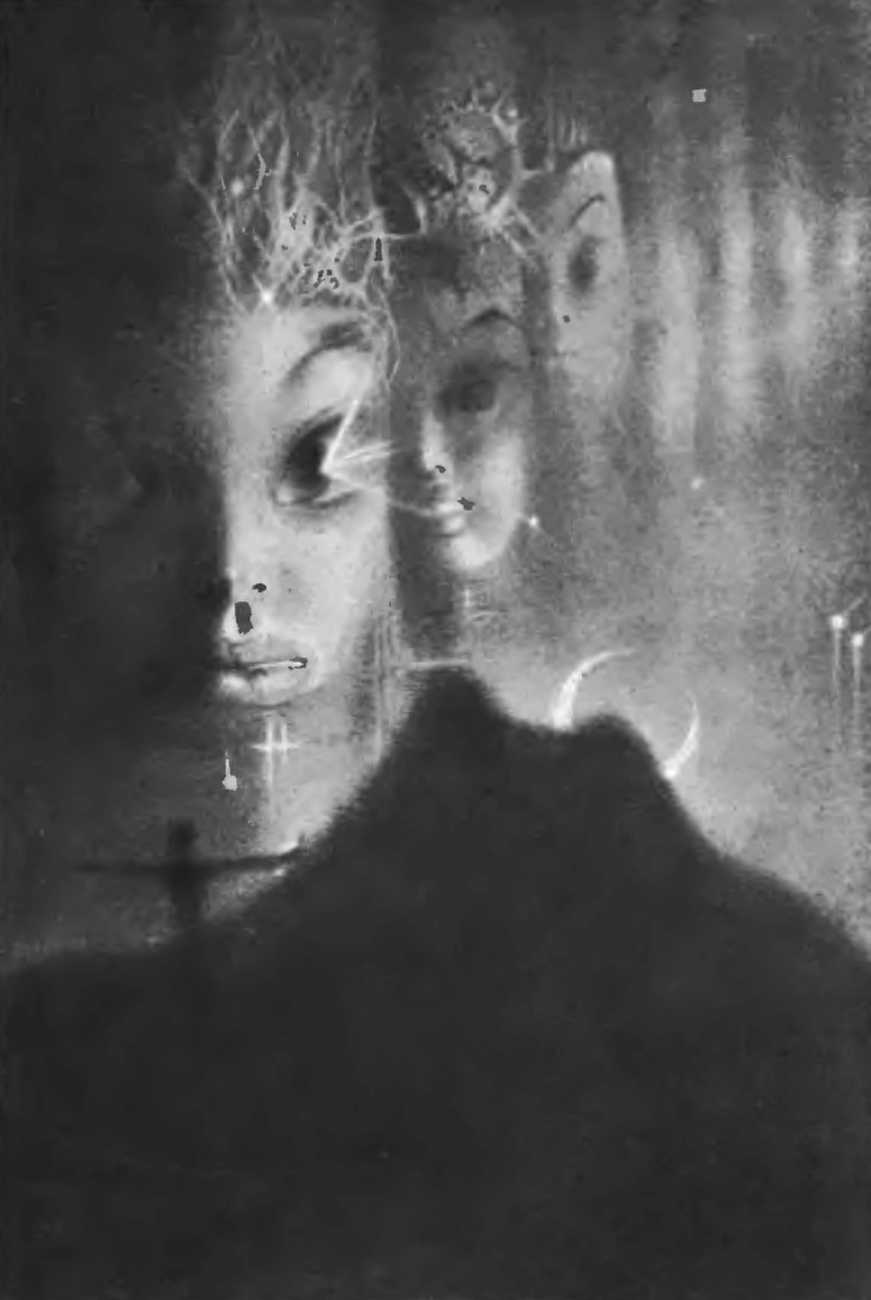
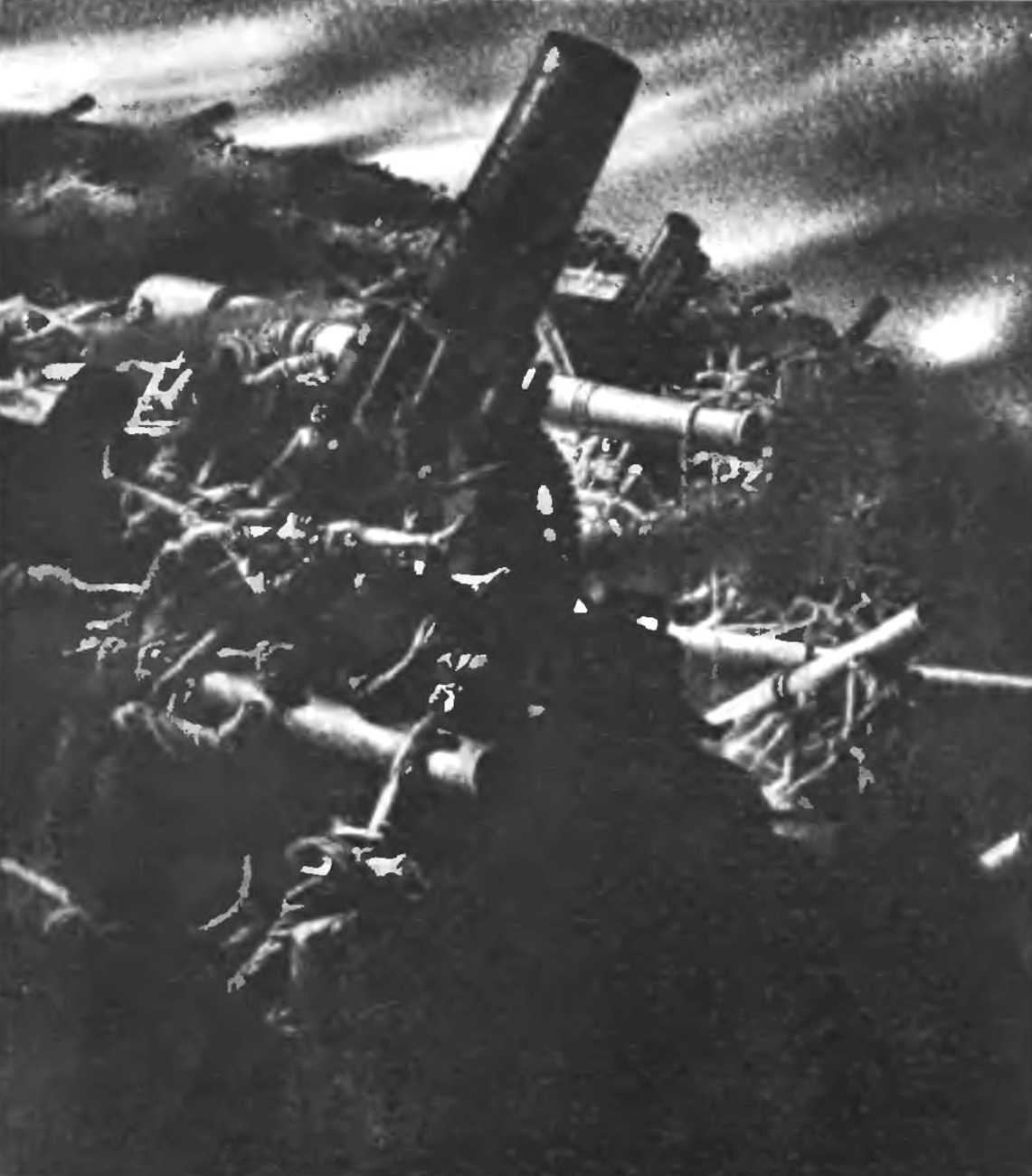
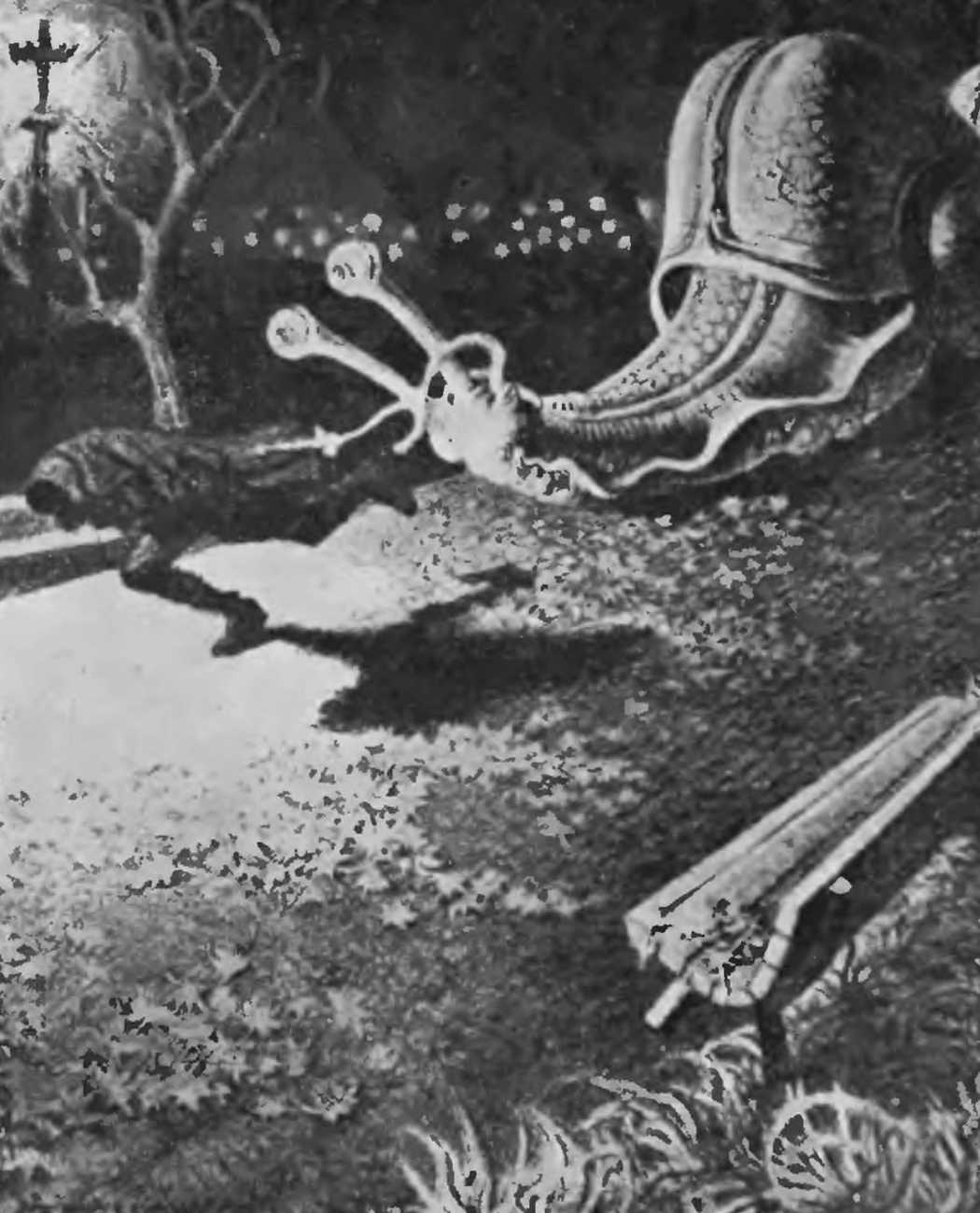
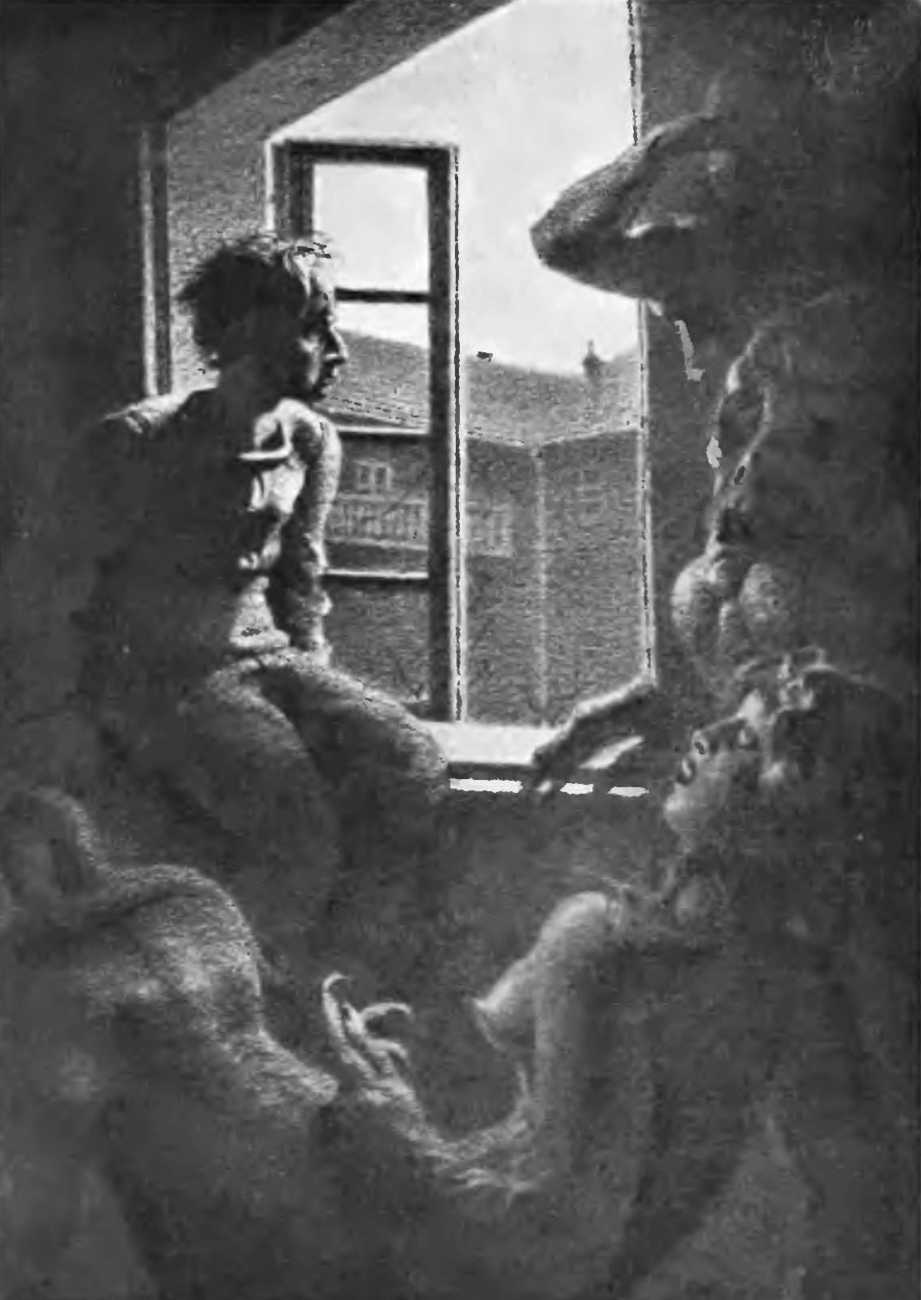
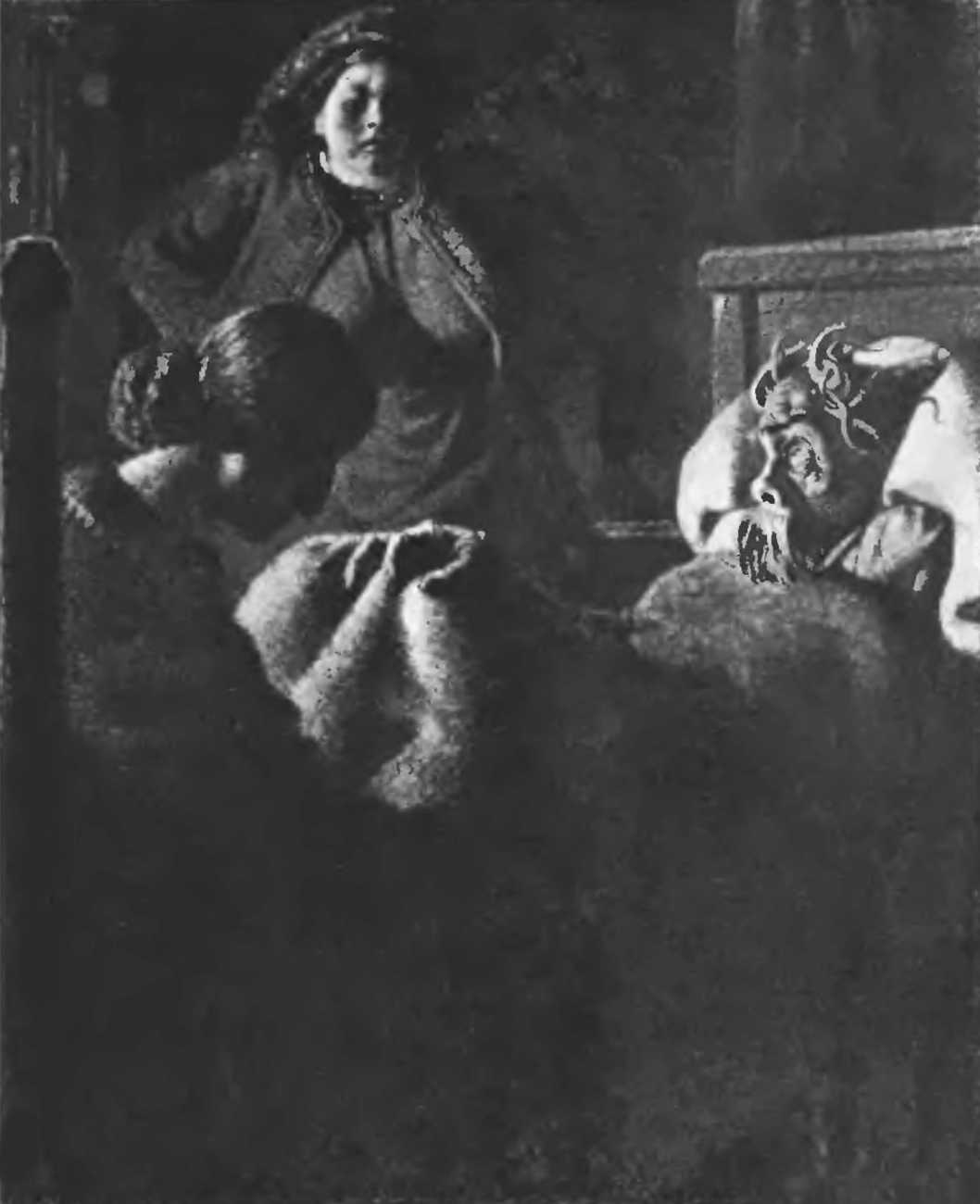
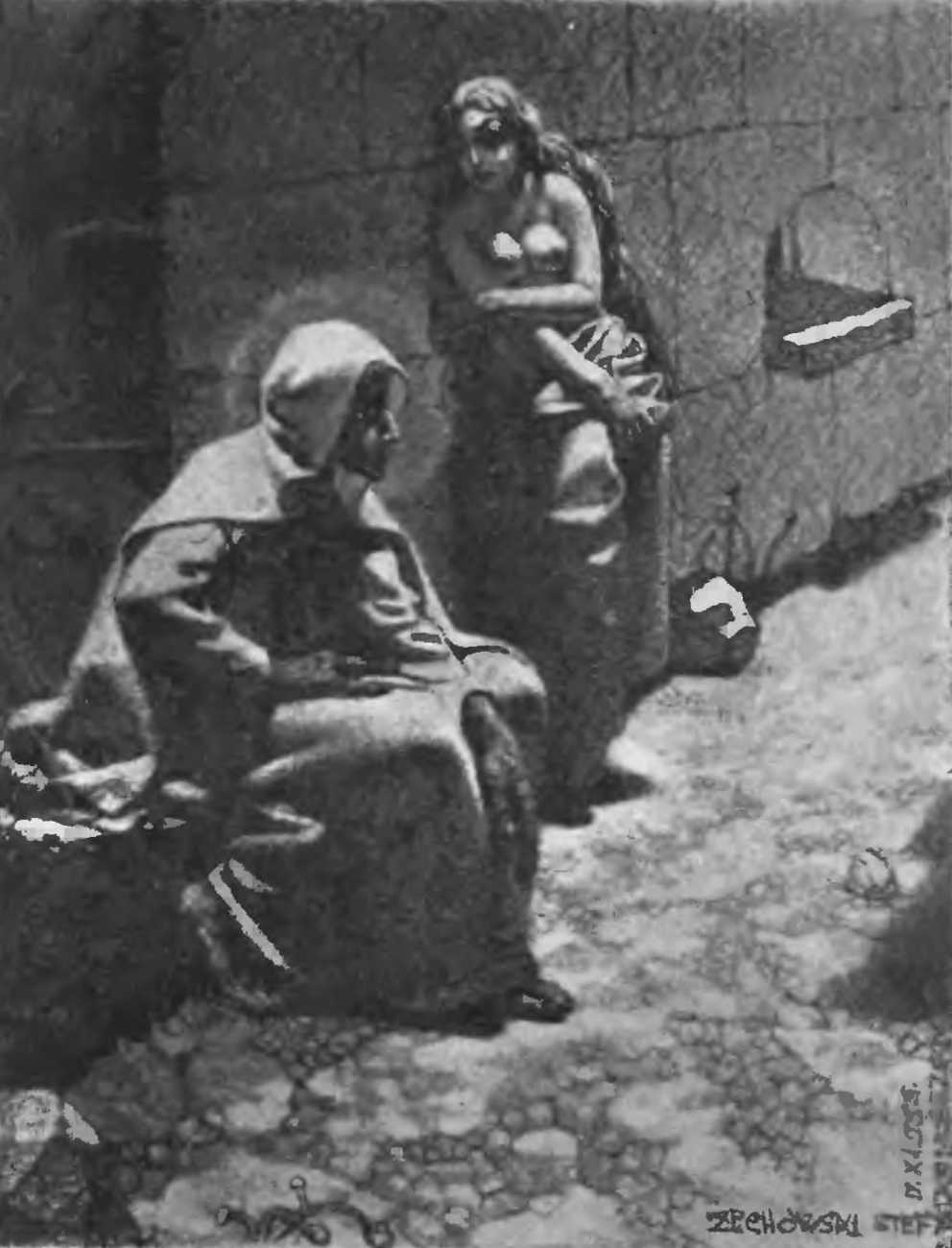
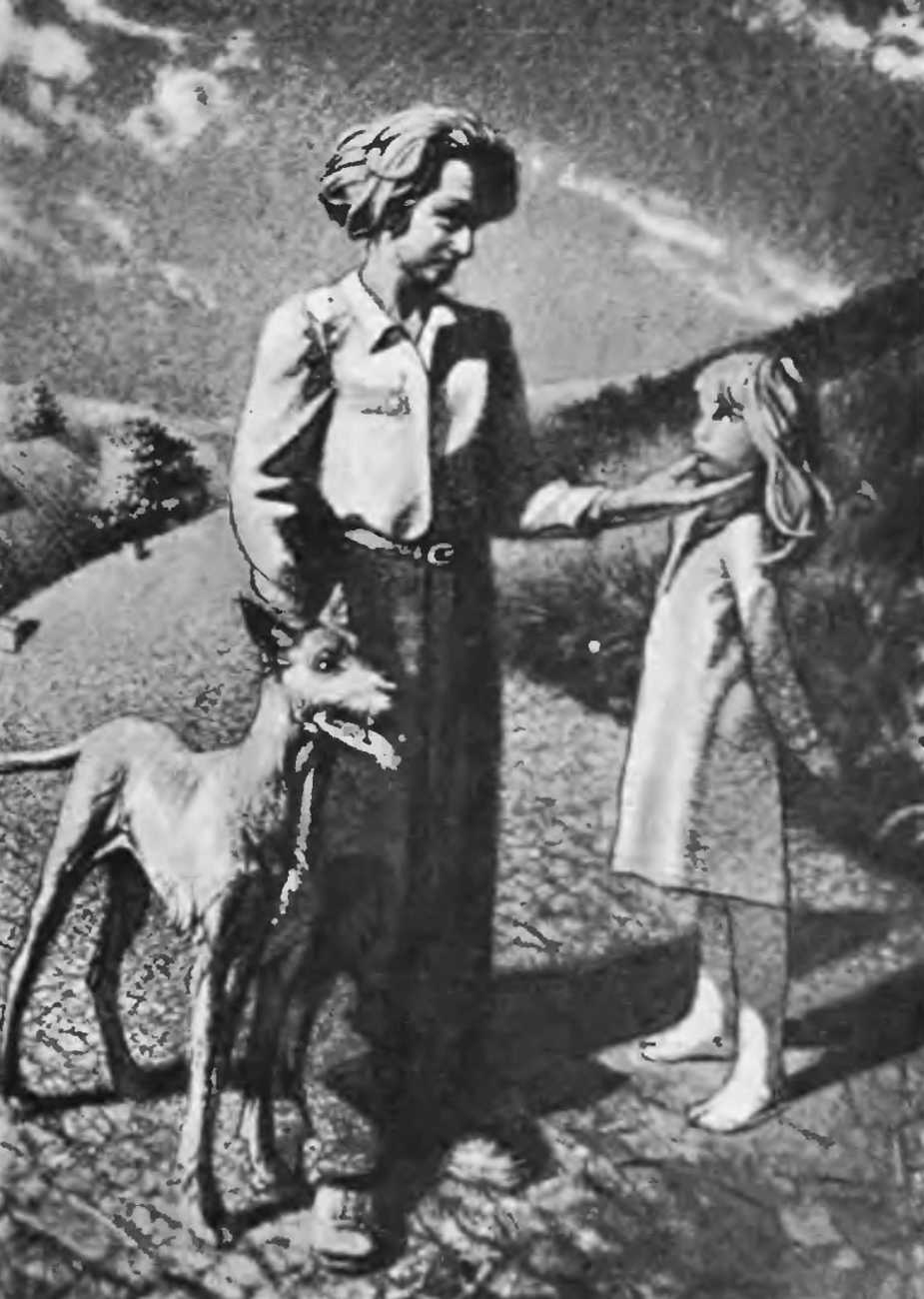
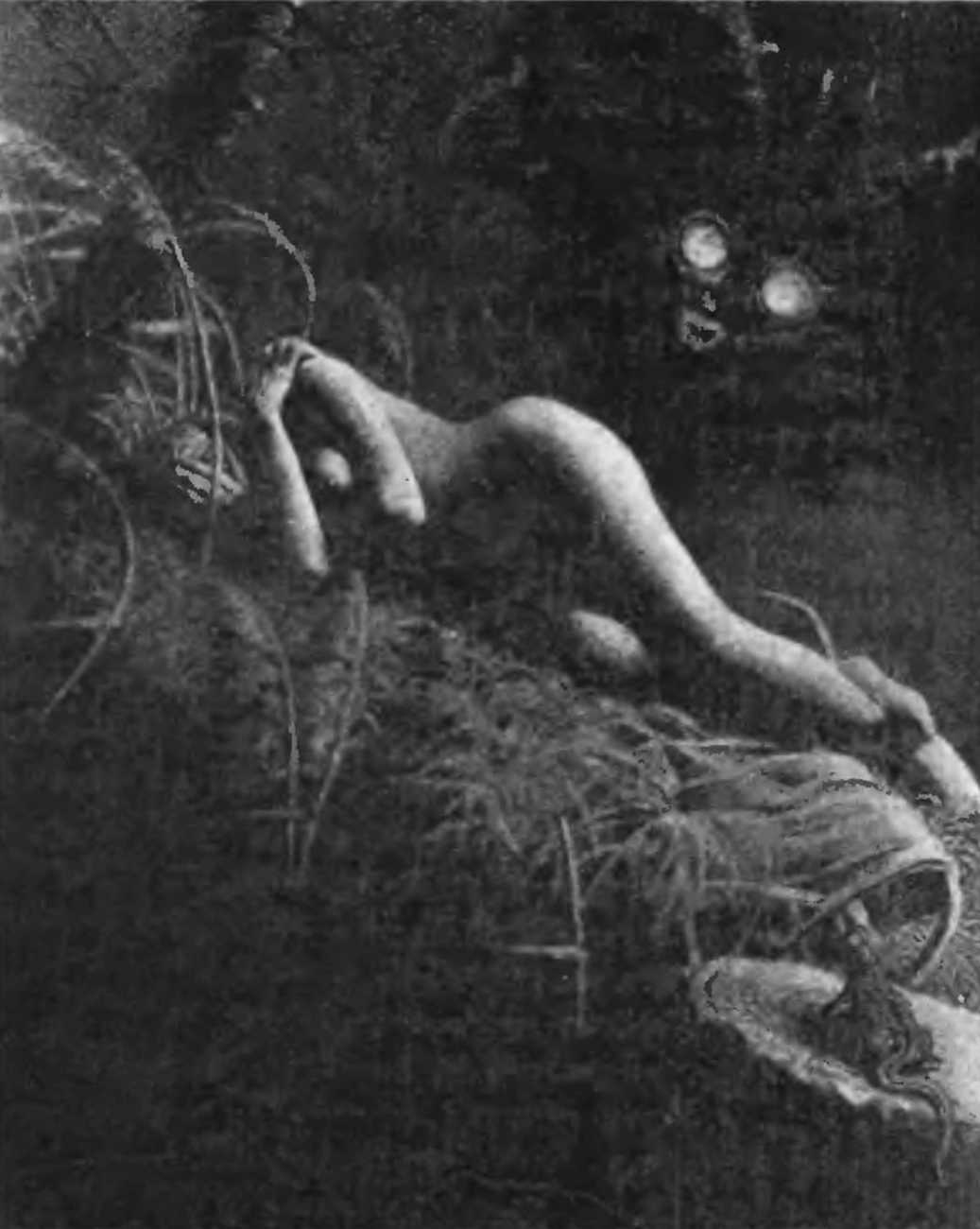
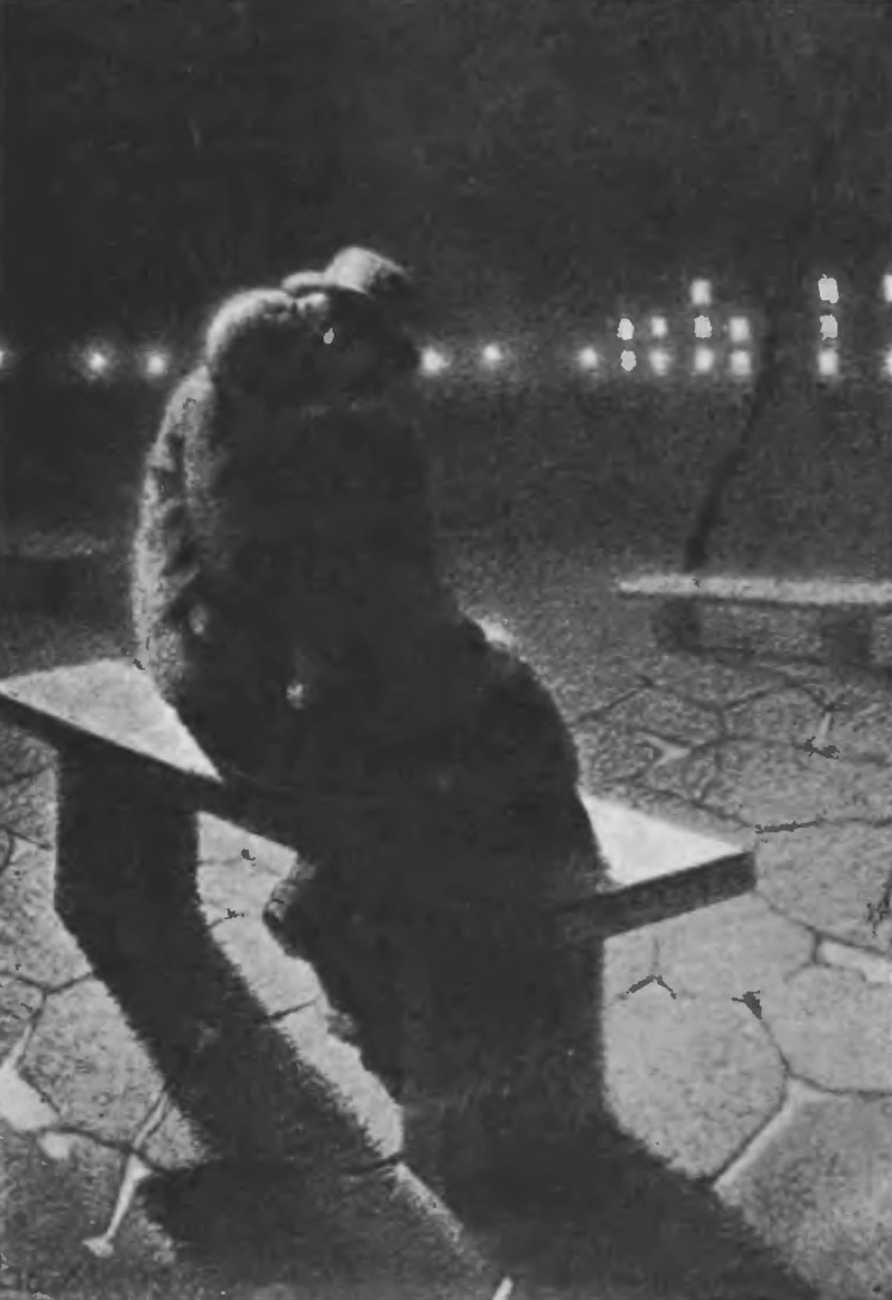
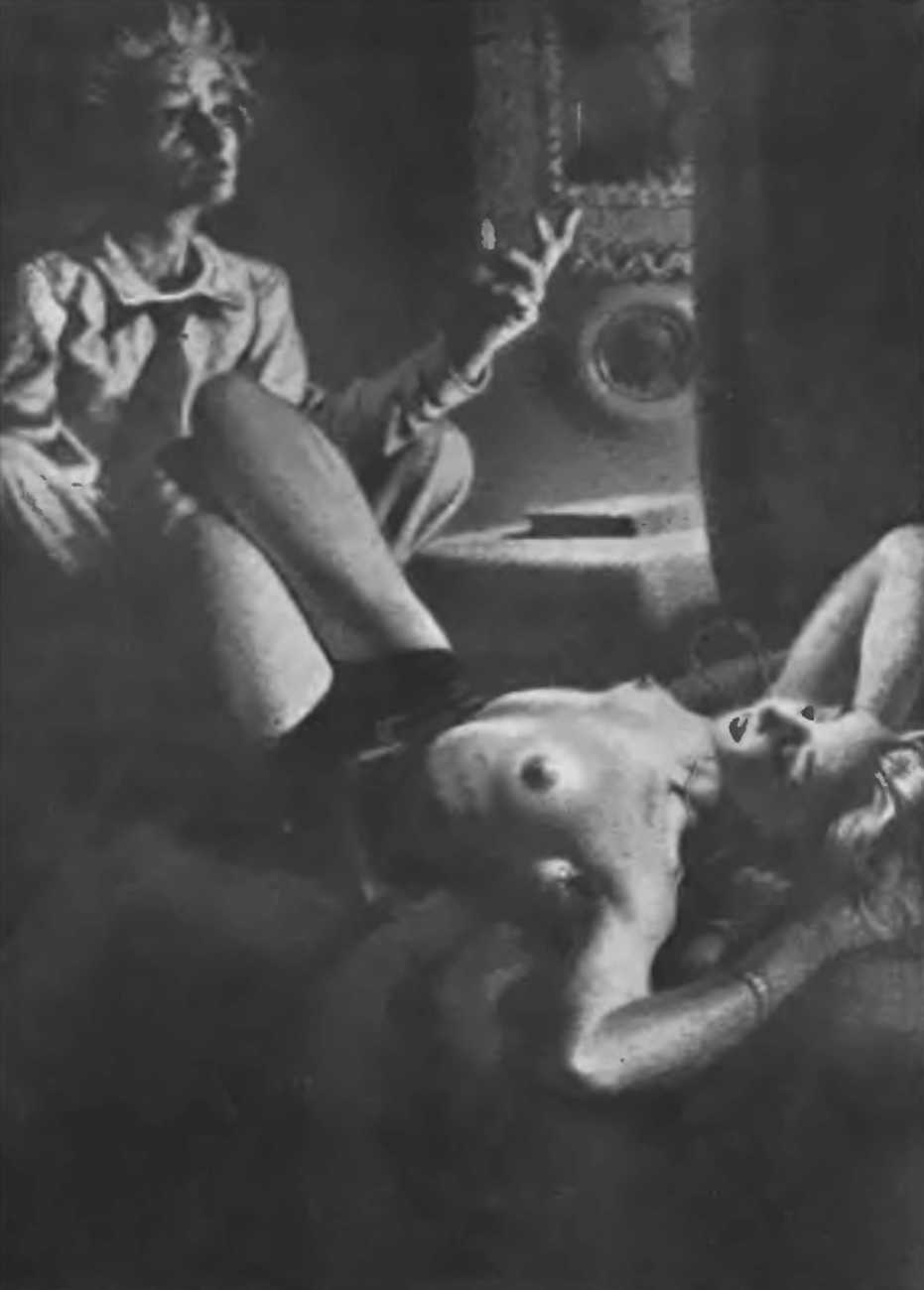
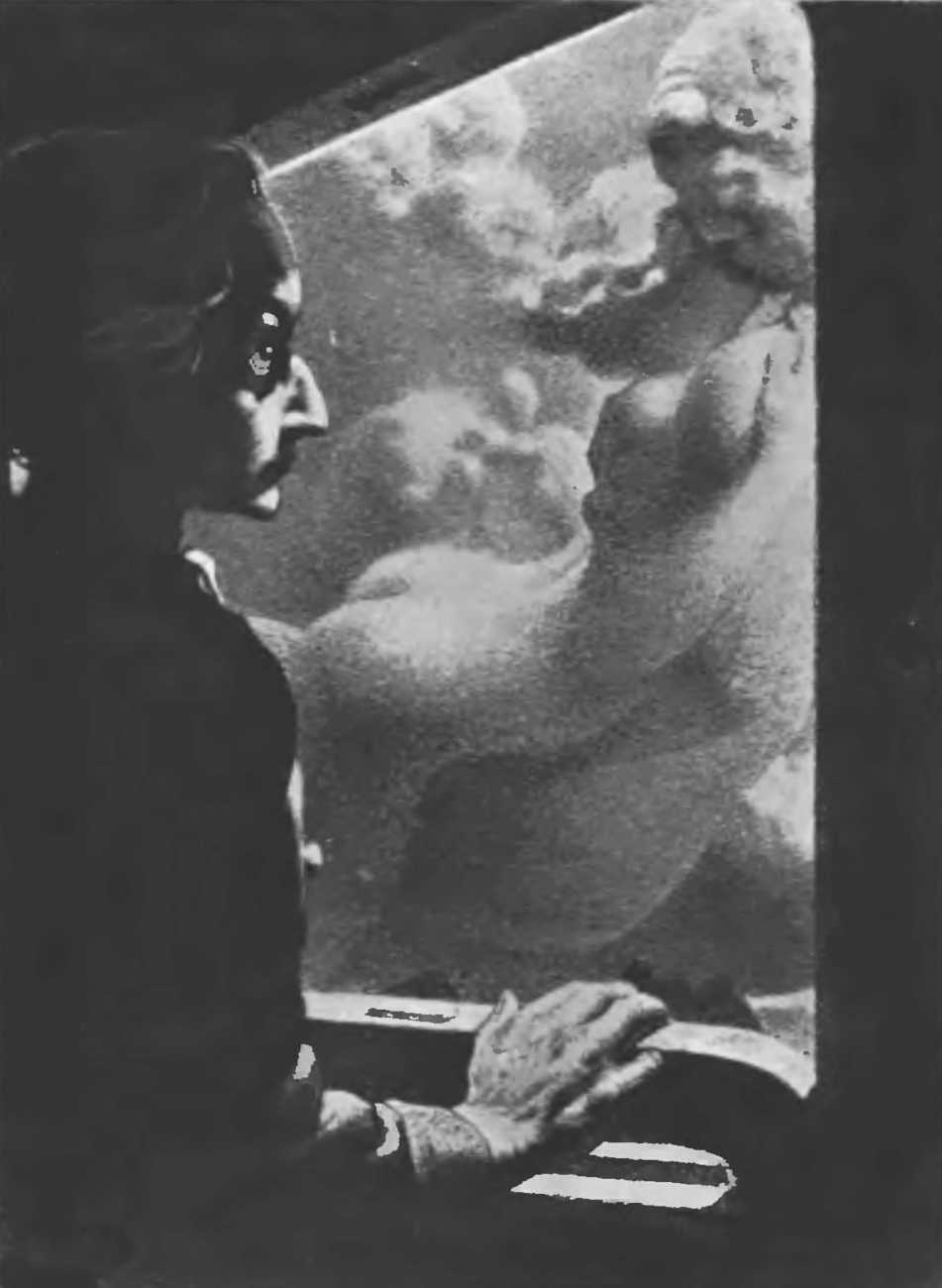
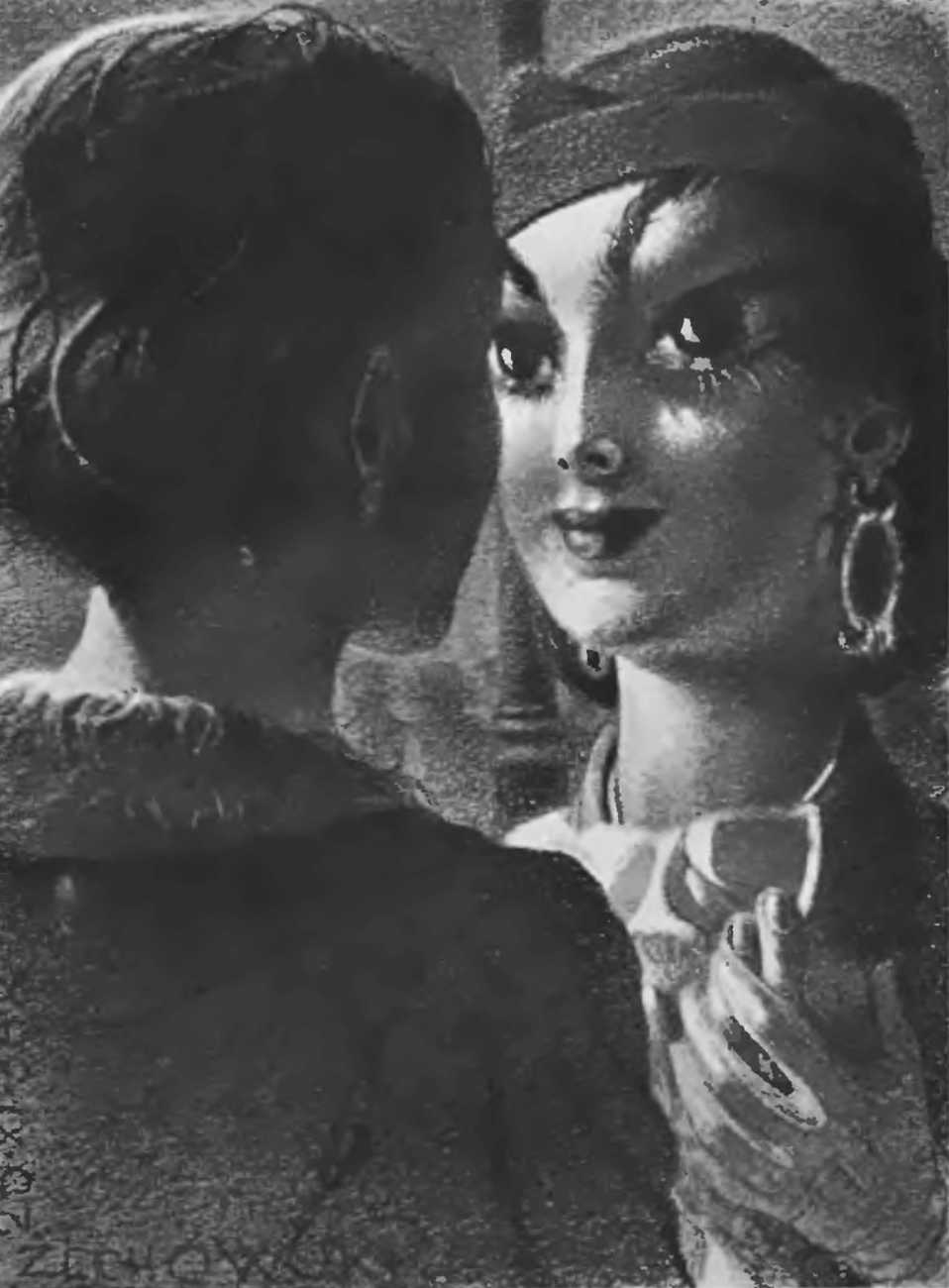
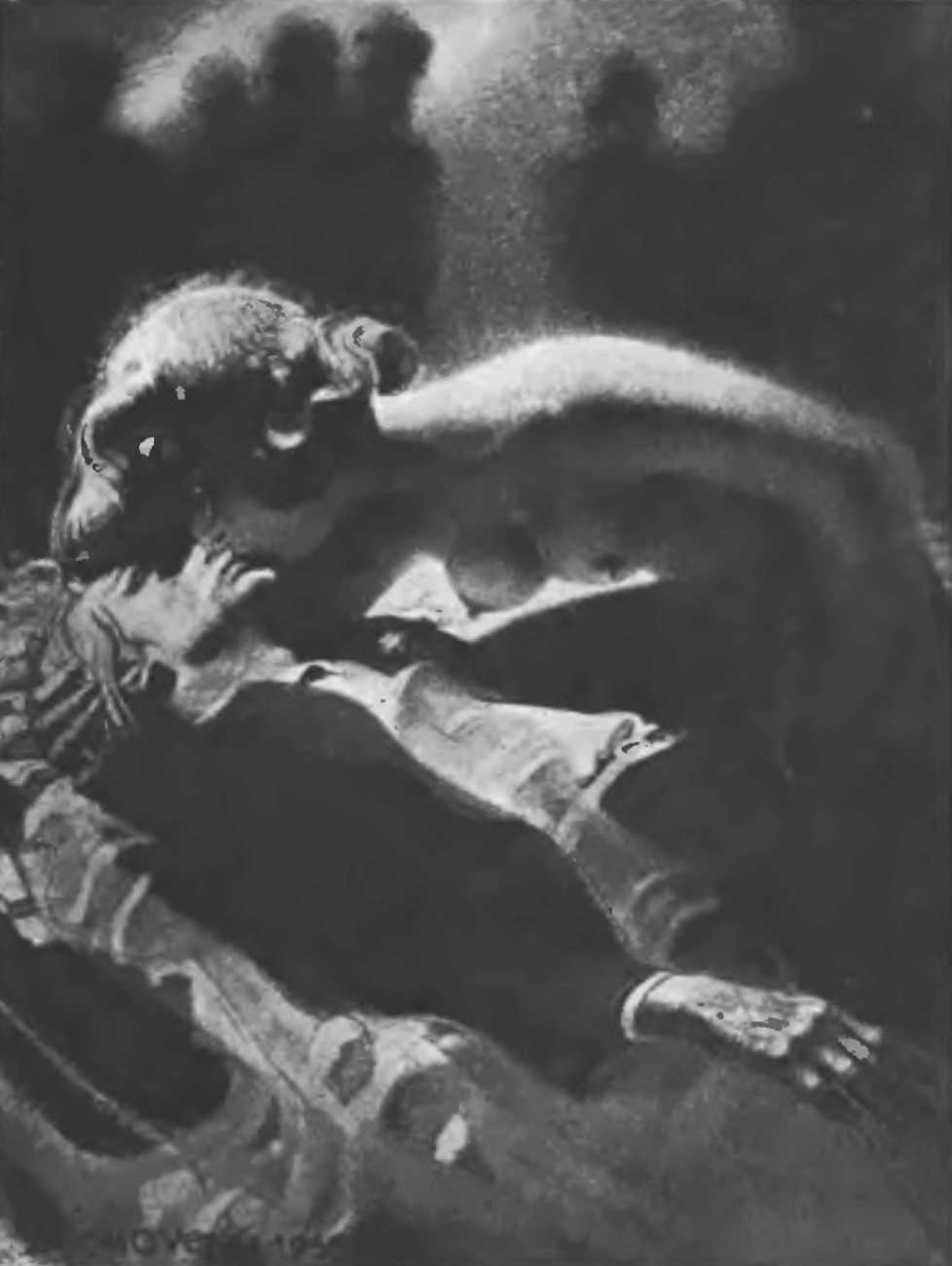
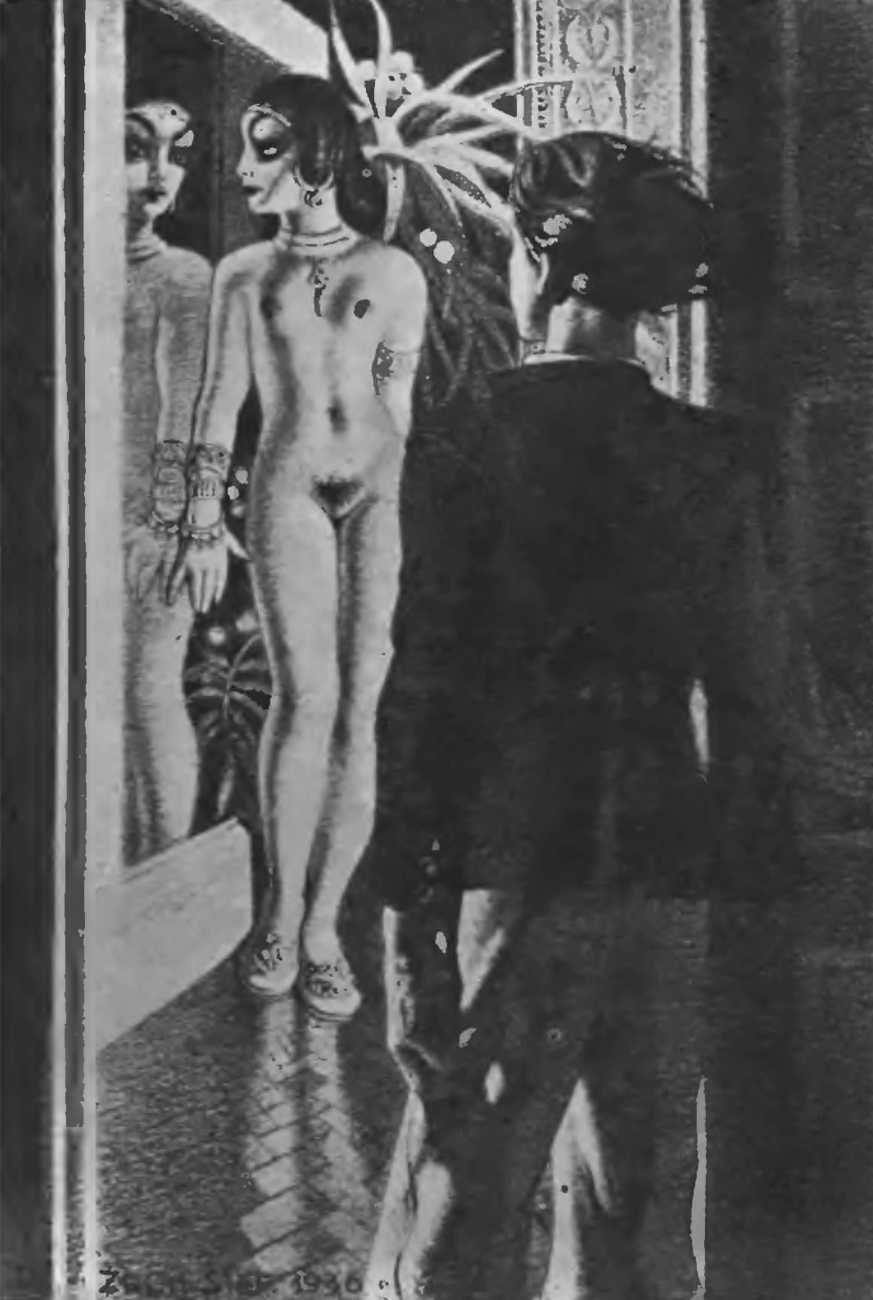
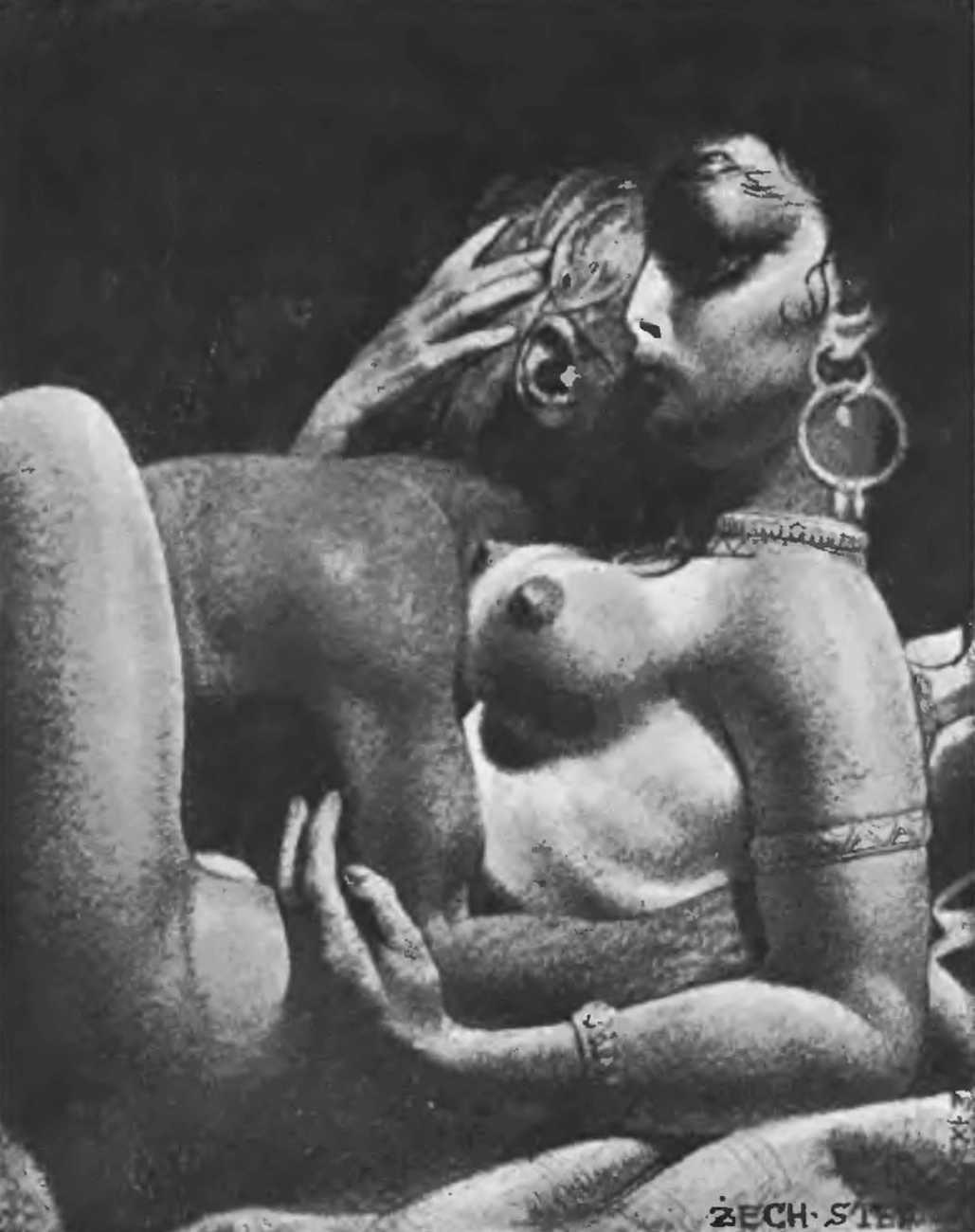
Zegadłowicz conceived Motory in close collaboration with the young Żechowski, who was only twenty-four when work on the illustrations began. Between 1936 and 1937 Żechowski produced the celebrated cycle of 37 illustrations, as well as initials, title-page decorations, the publisher's emblem and other graphic elements. Zegadłowicz regarded him as a genuine co-creator – the book gives the two men an unusually prominent joint presence in its title-page design.
The resulting book was extraordinarily controversial. Several established publishers rejected it, and Motory eventually appeared through the newly established Sirinks press, financed by the painter Marian Ruzamski. Printing was completed in September 1937, and the first copies appeared in November. The book was subsequently confiscated by the authorities; searches were conducted and legal proceedings followed, with both Zegadłowicz’s text and Żechowski’s illustrations implicated in accusations of pornography, indecency and anti-state content. Only a small number of copies escaped destruction, making the original two-volume edition exceptionally rare.
There has never been an English translation.