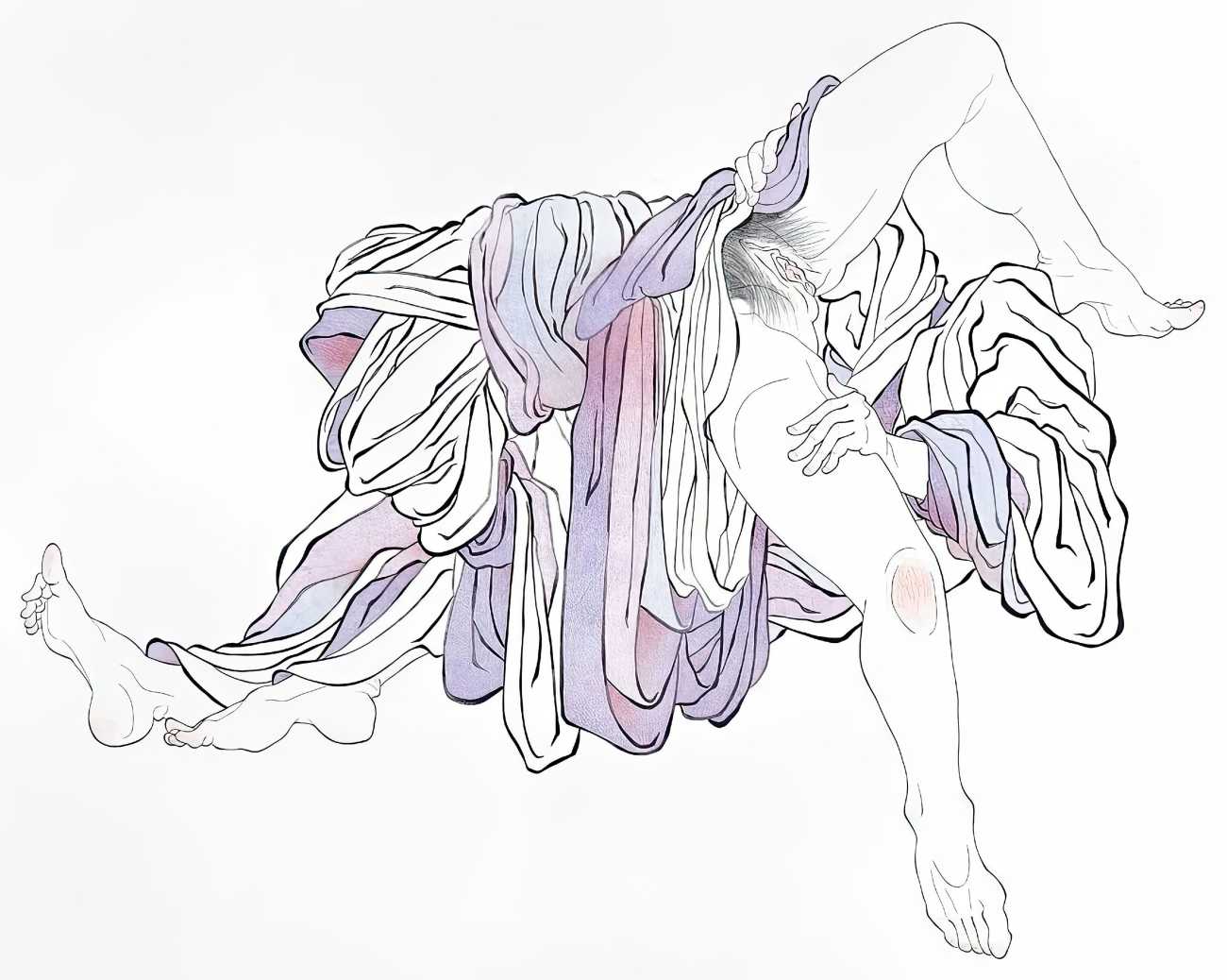
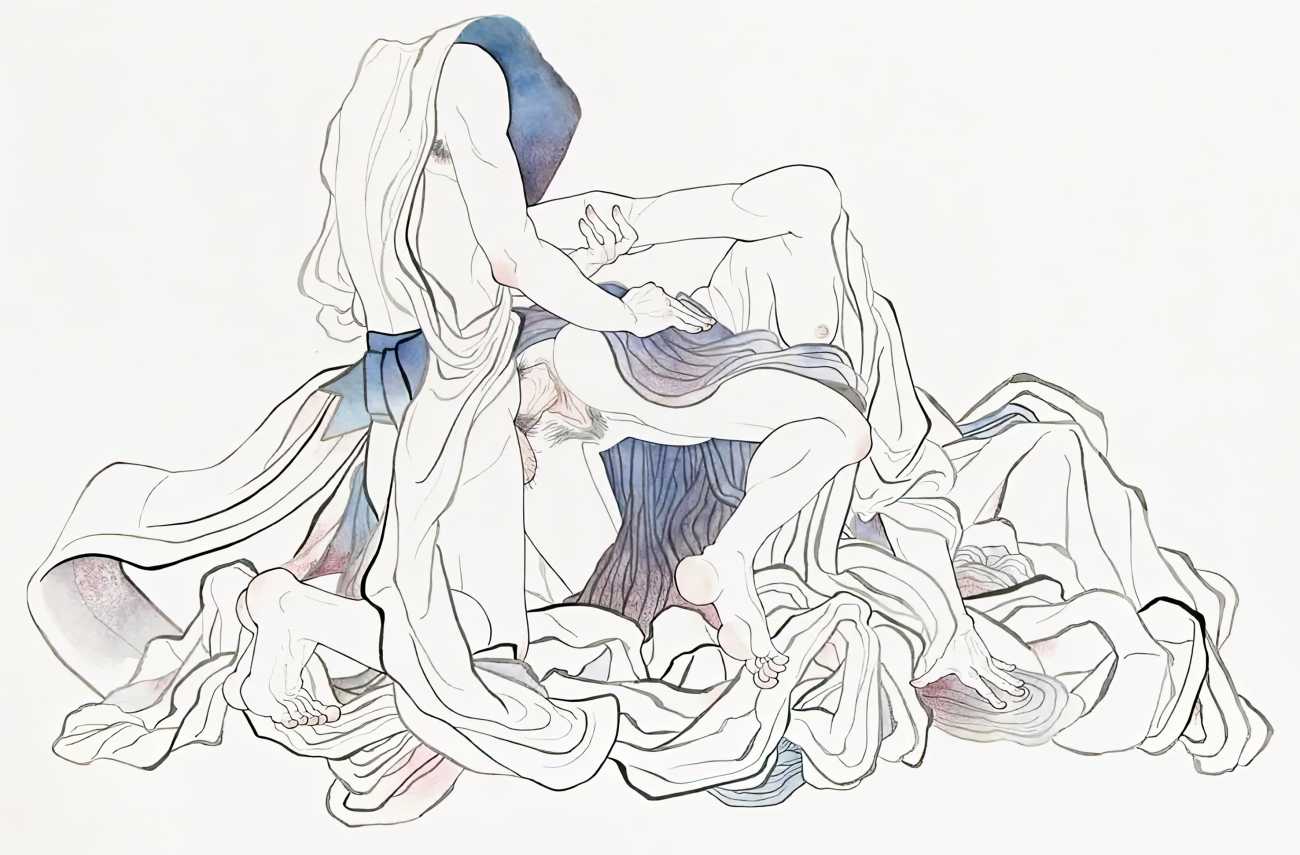
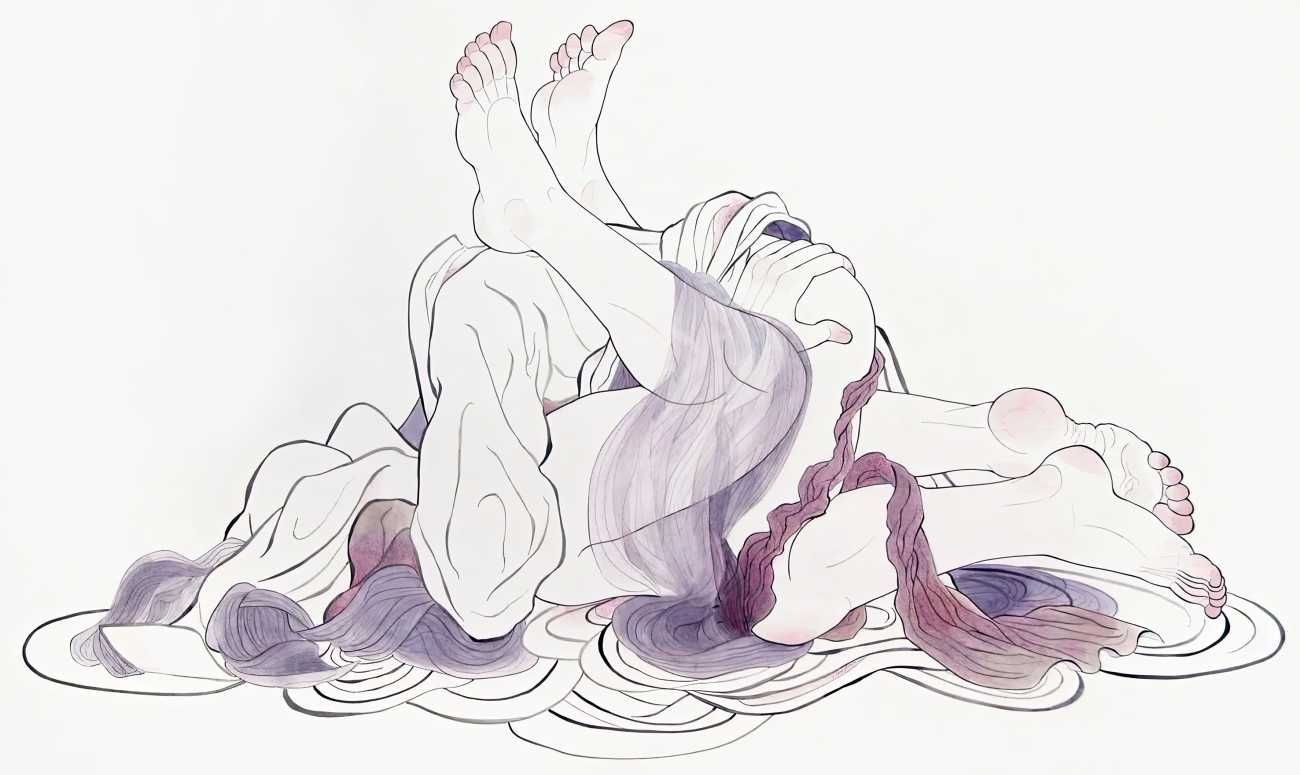
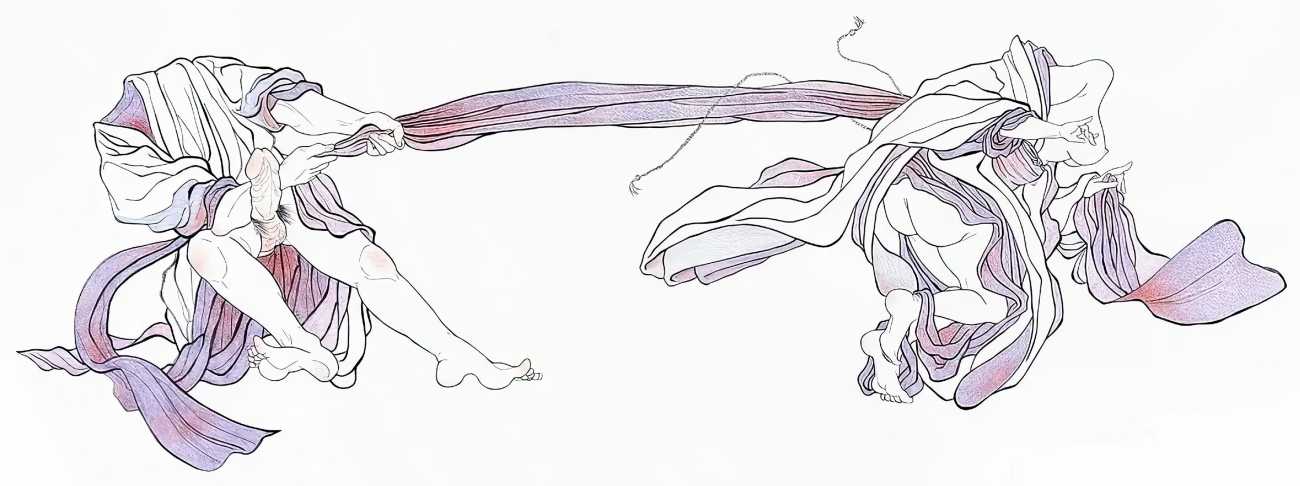
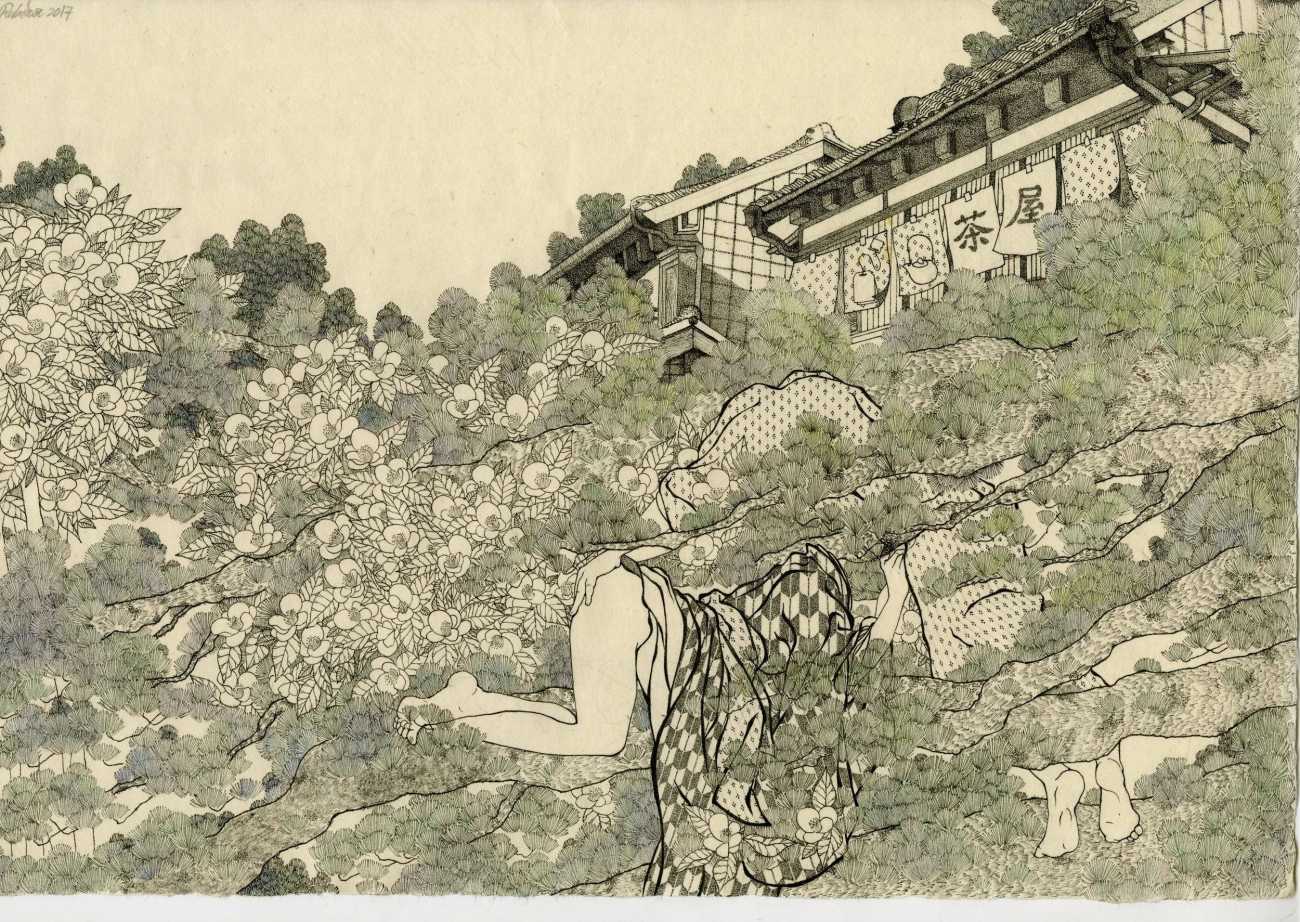
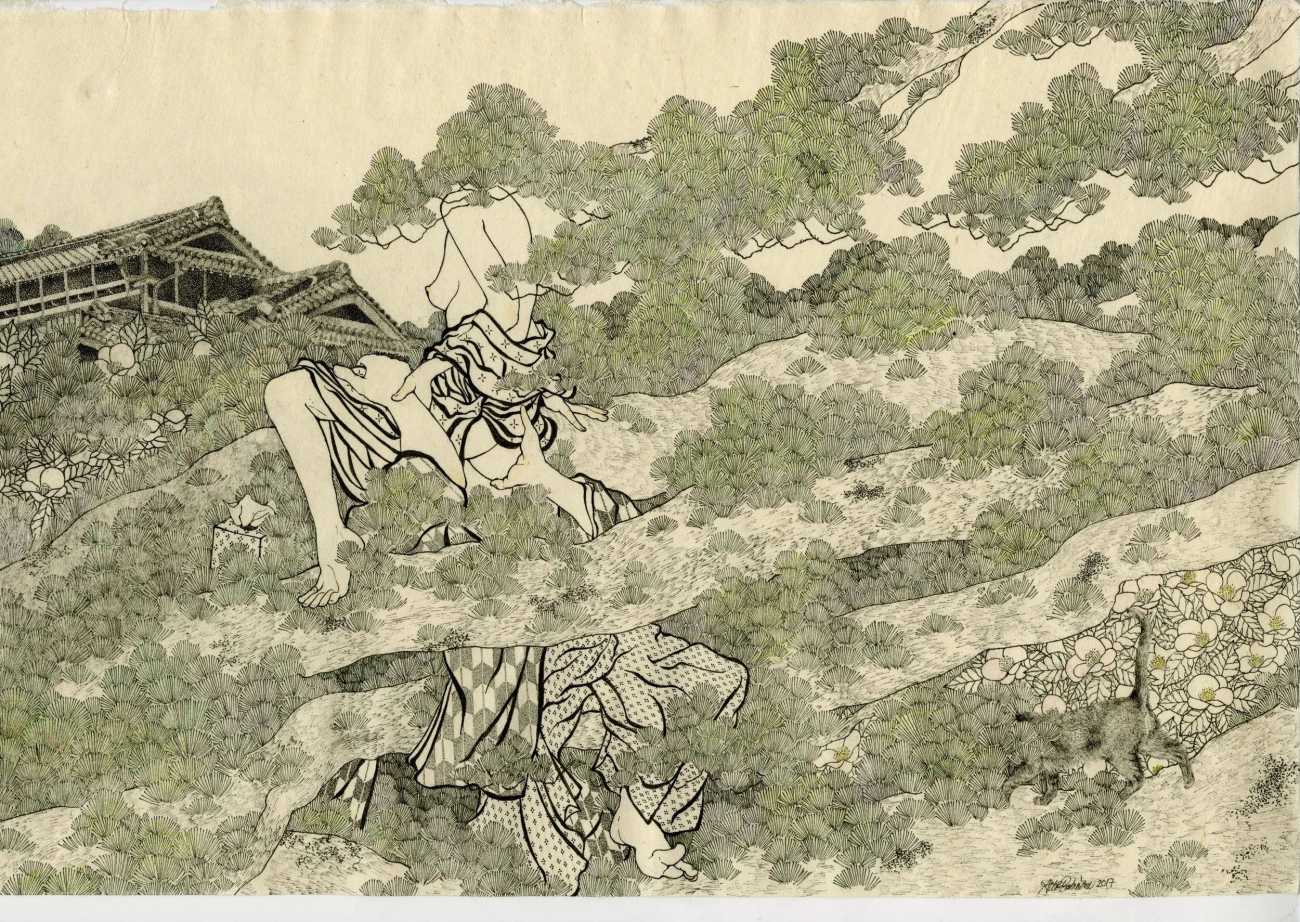
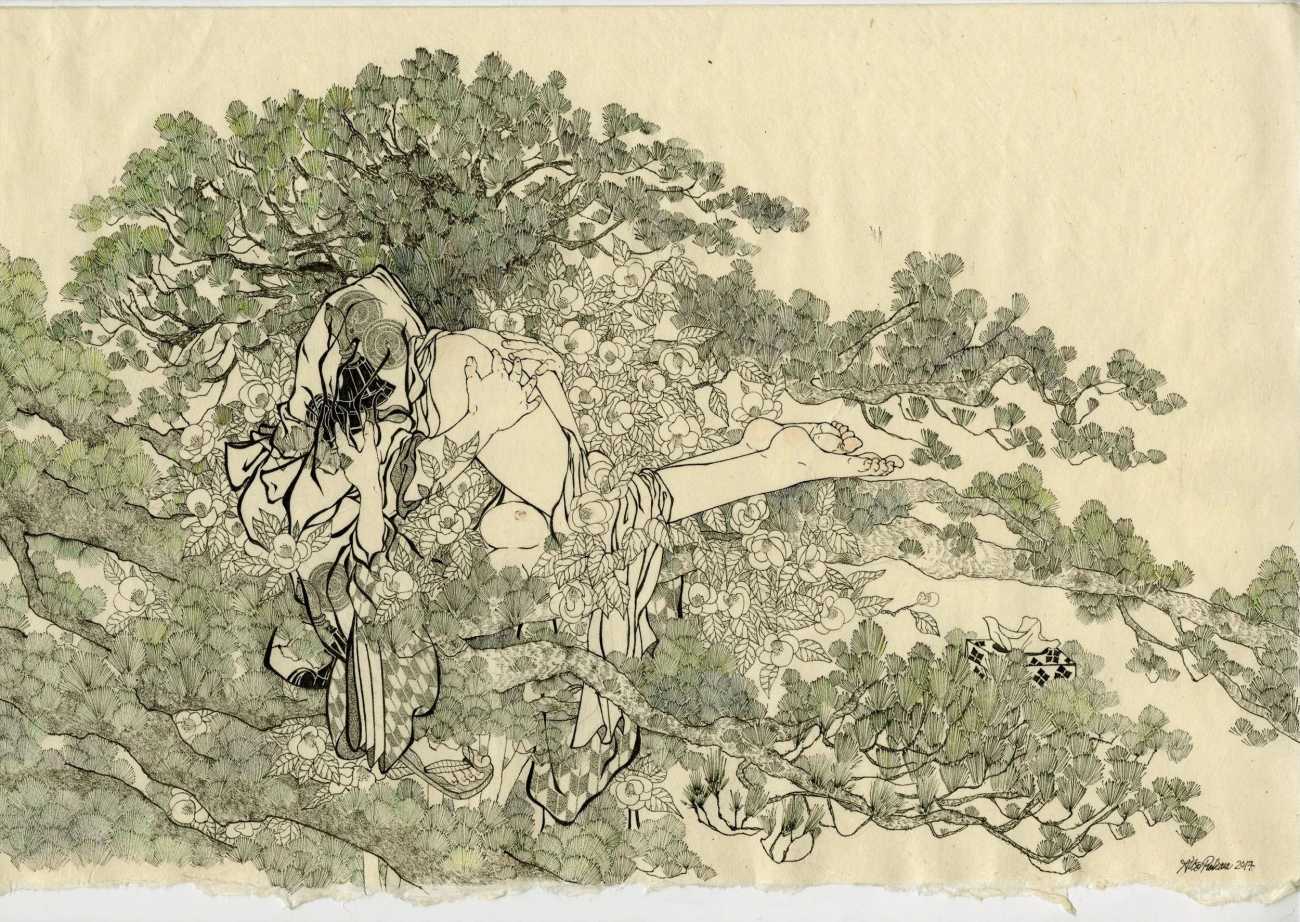
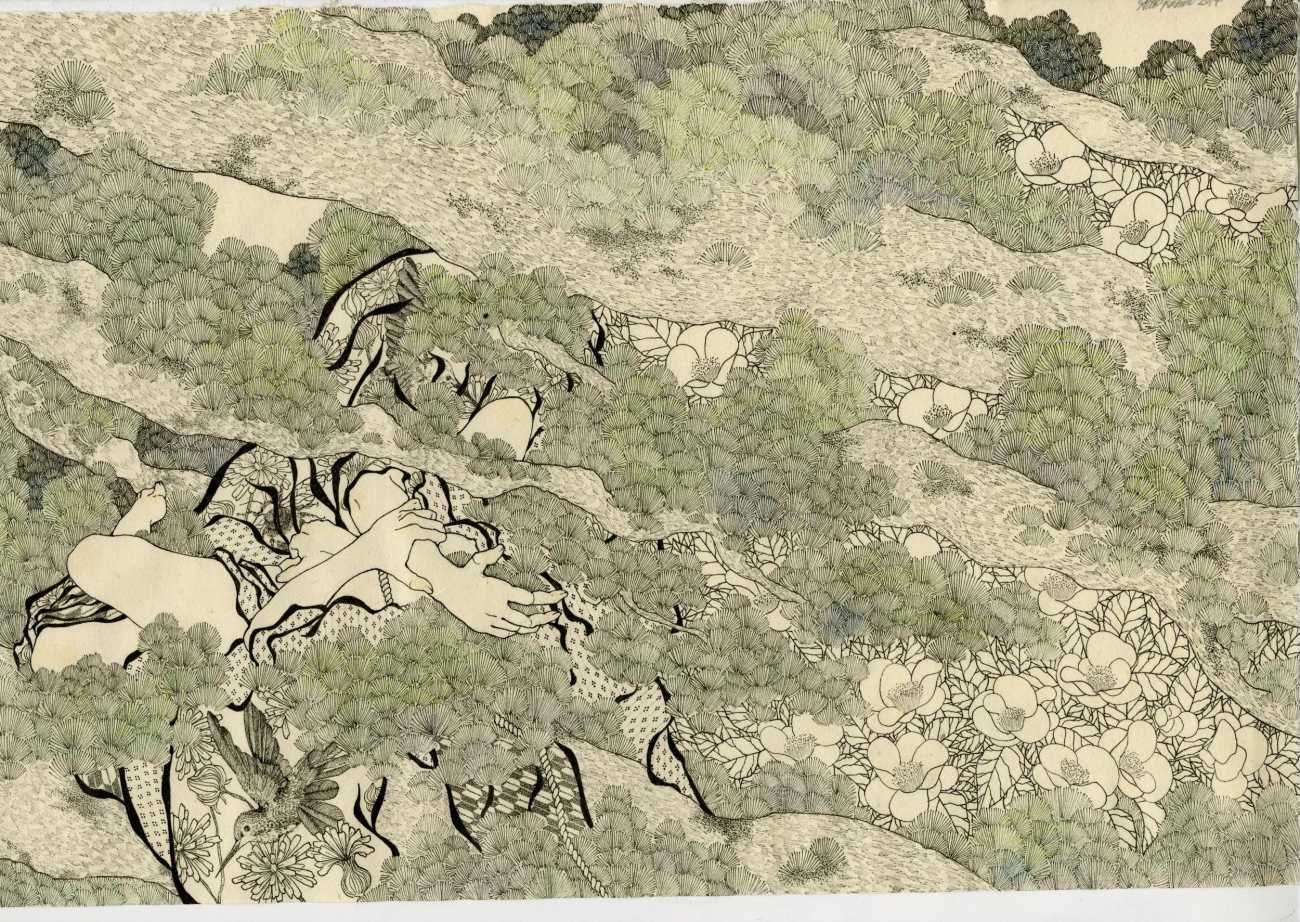
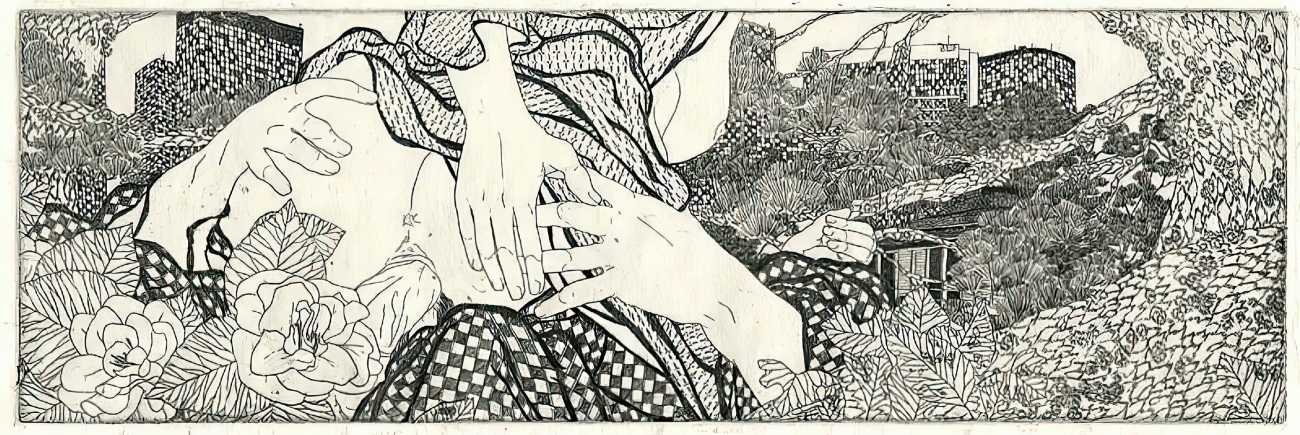
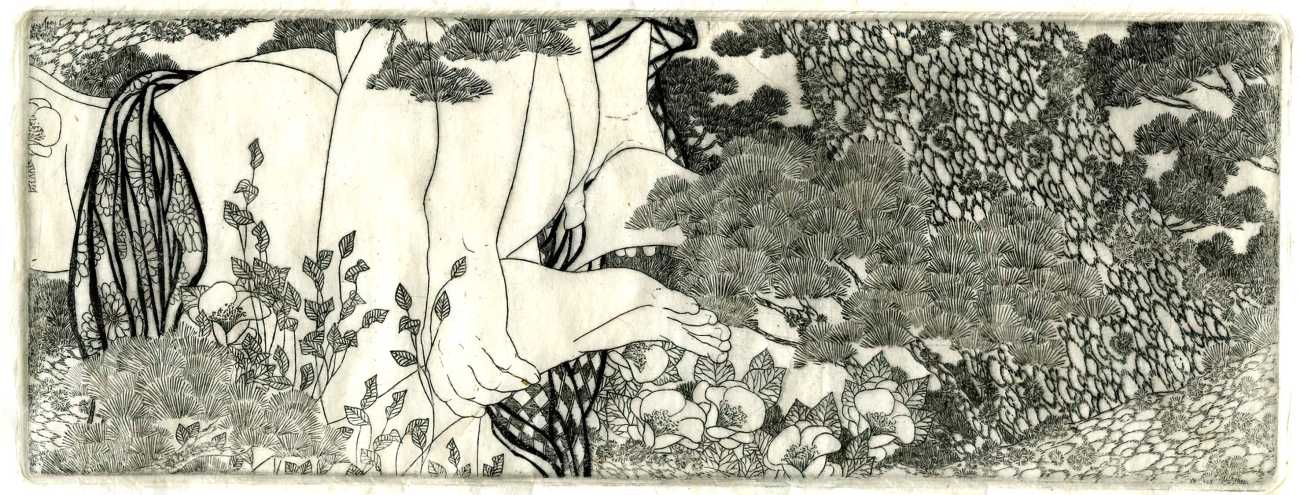
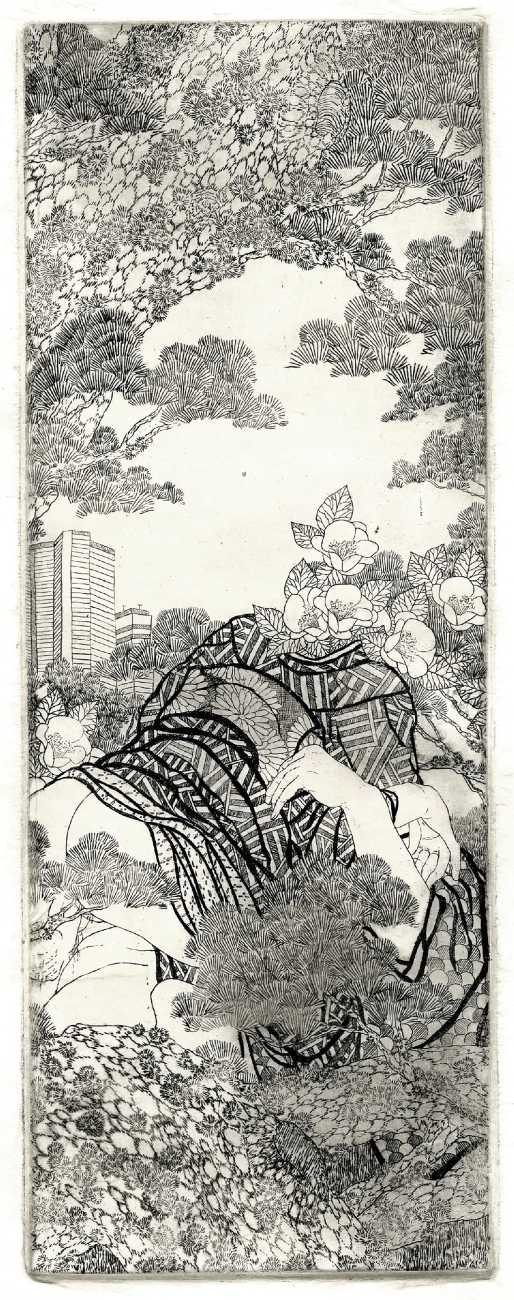
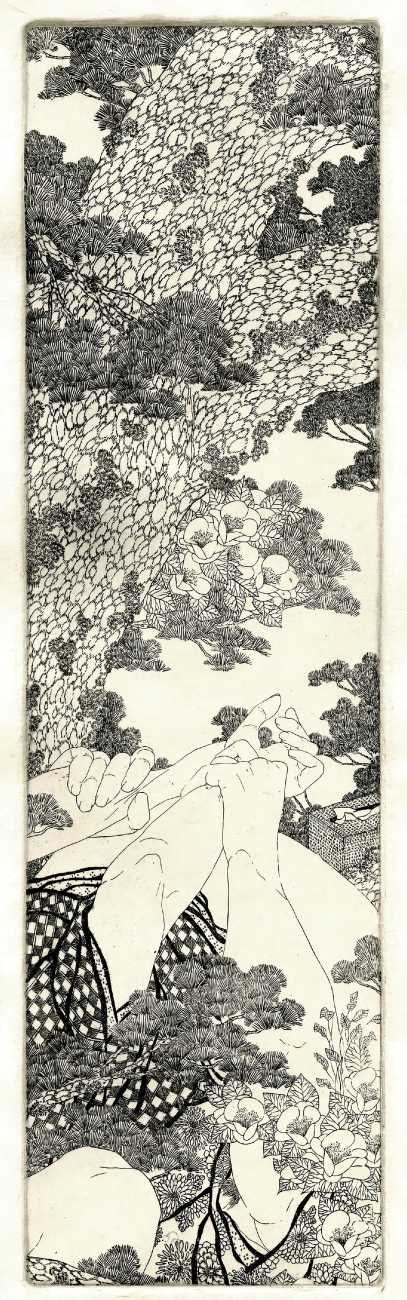
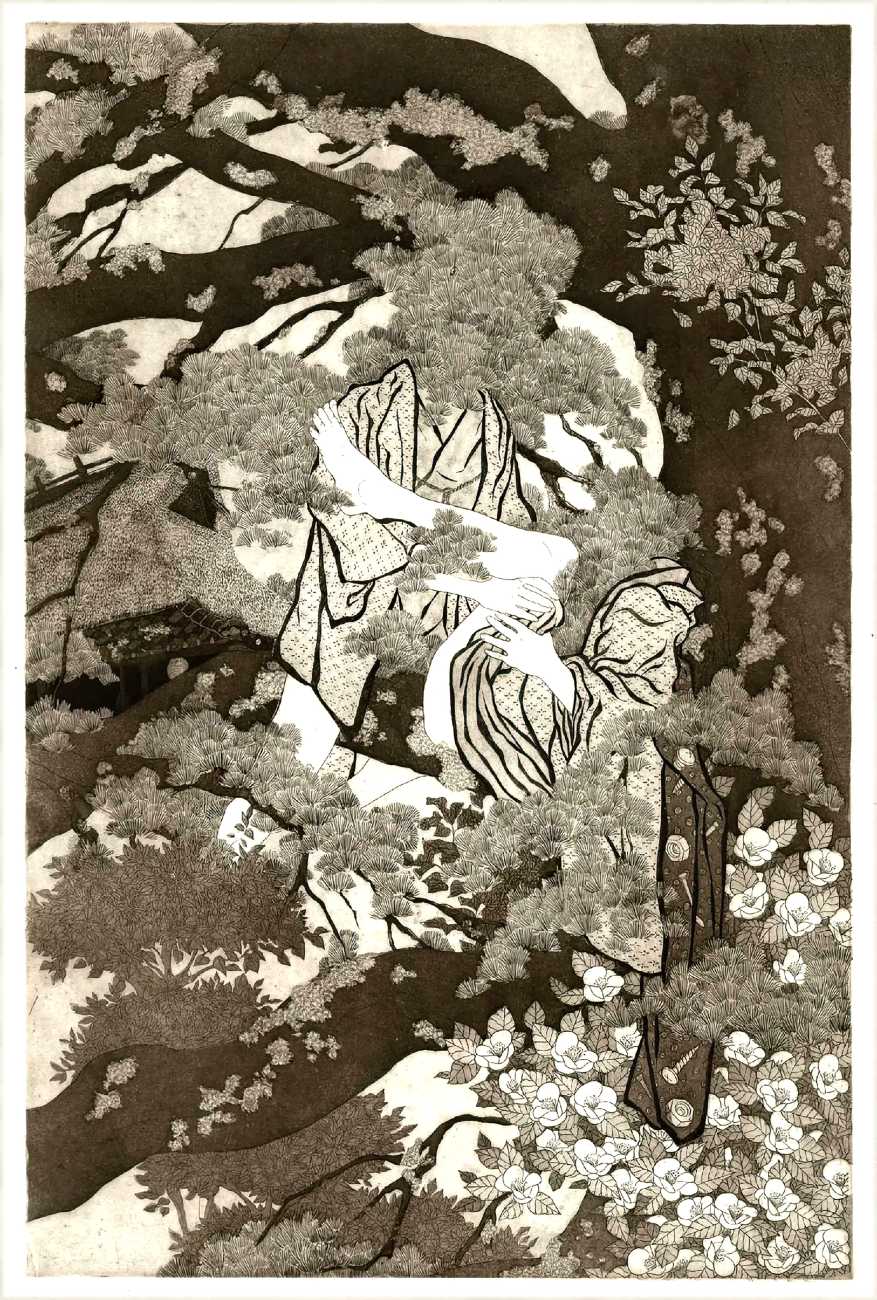
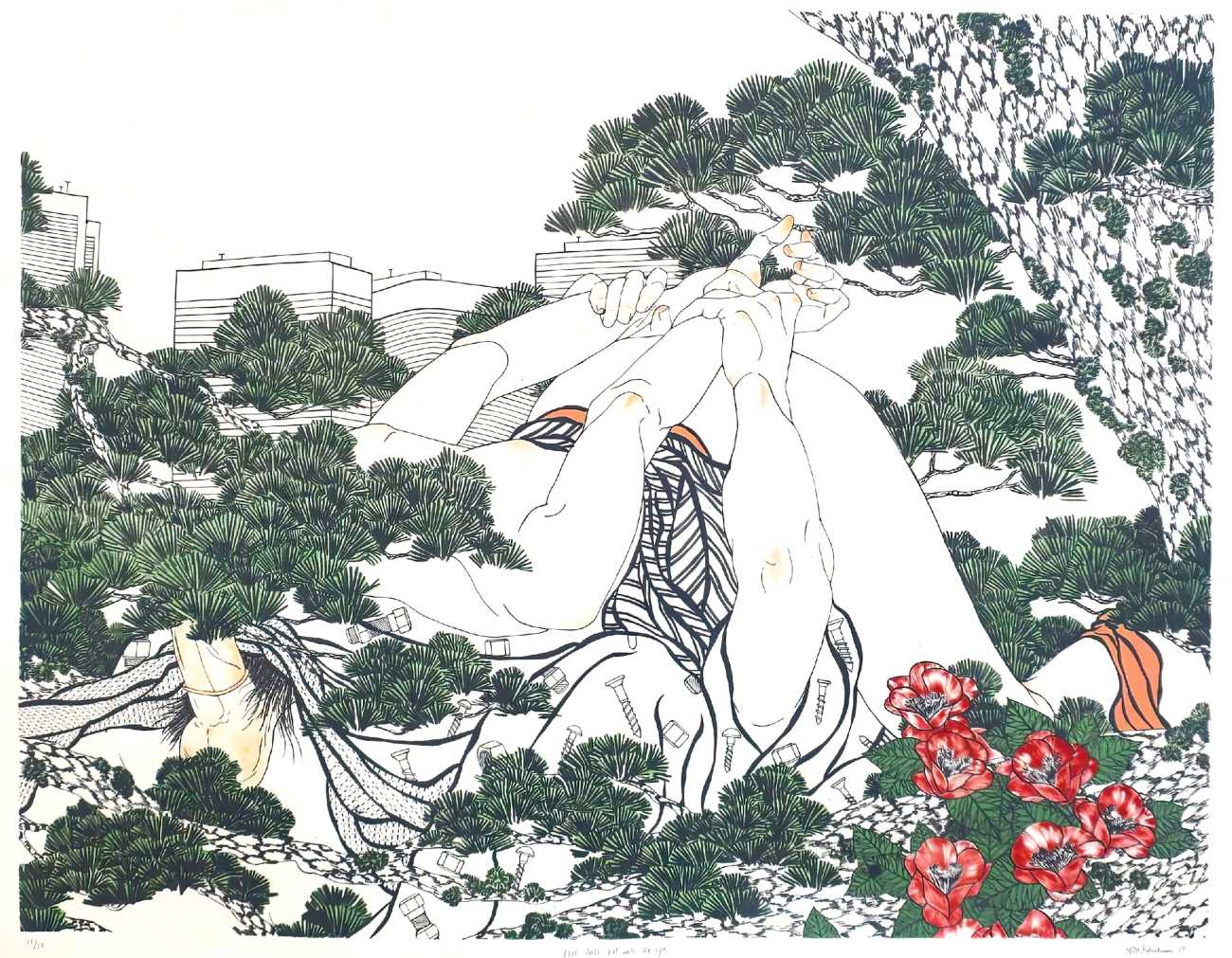
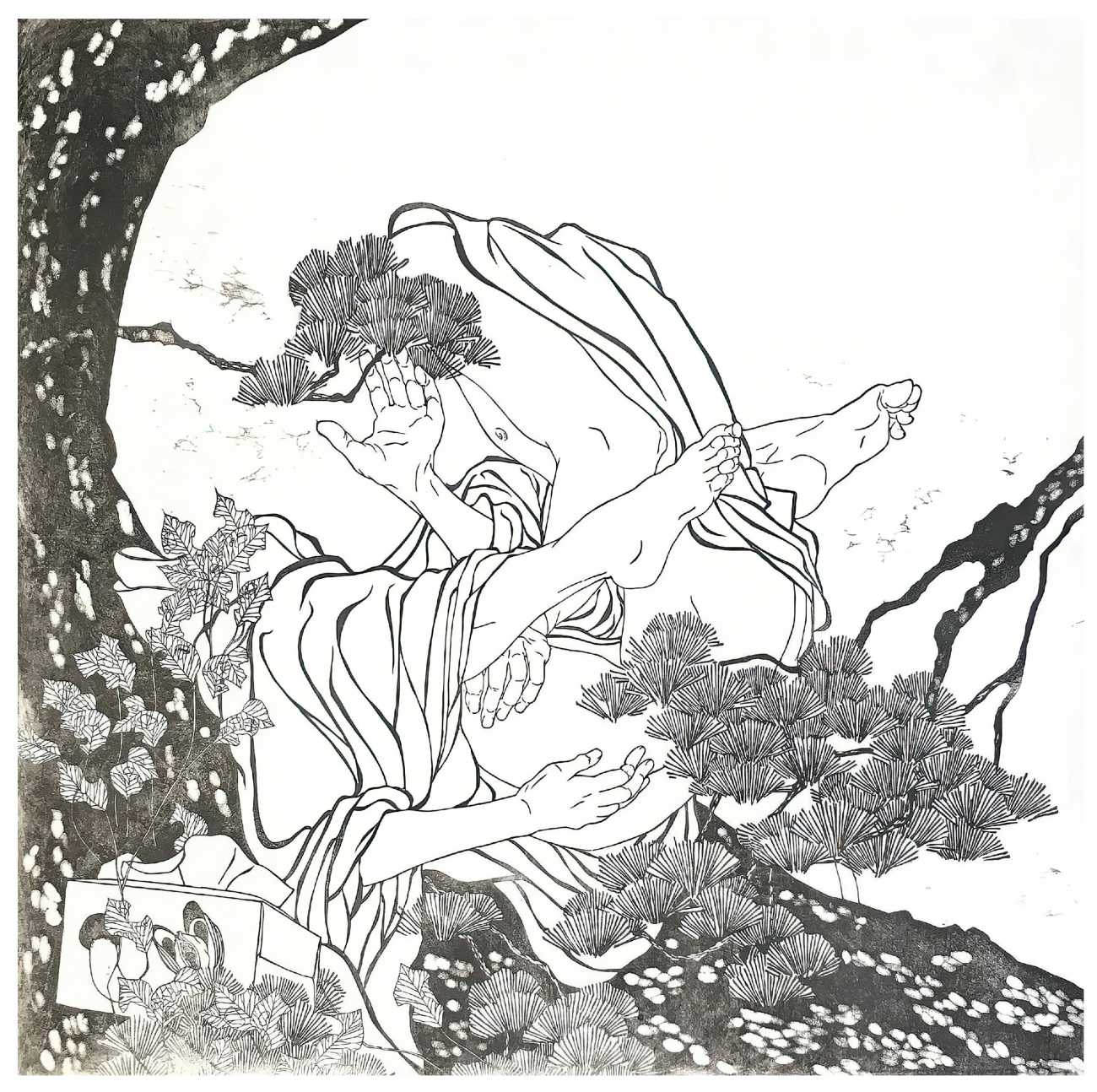
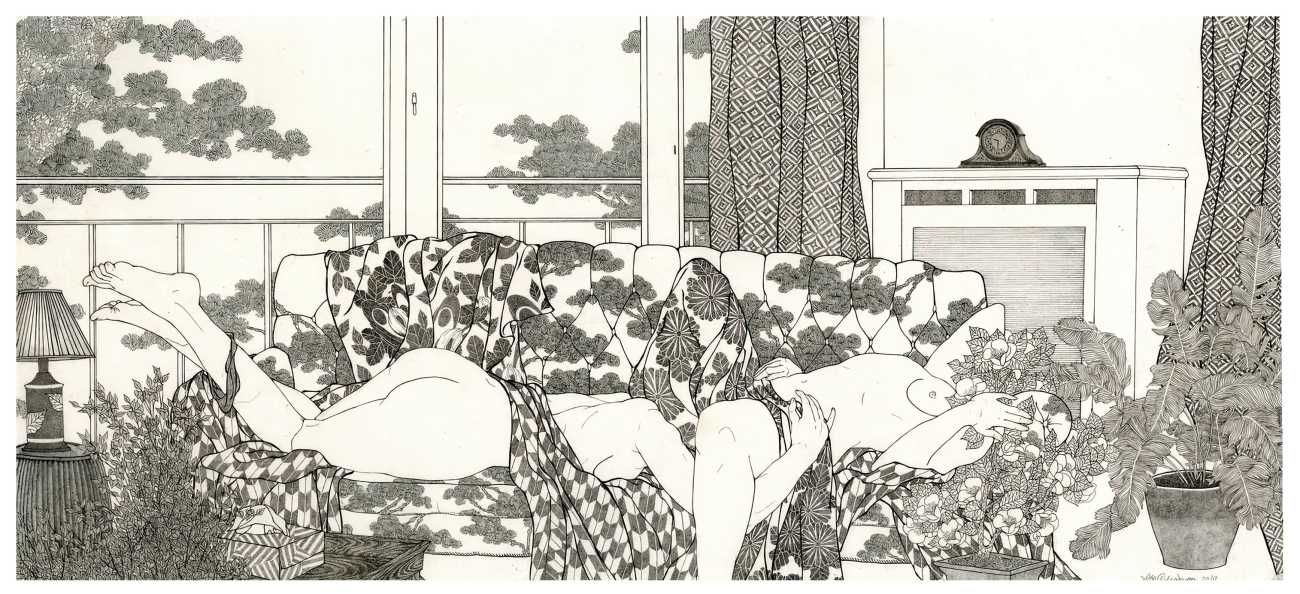
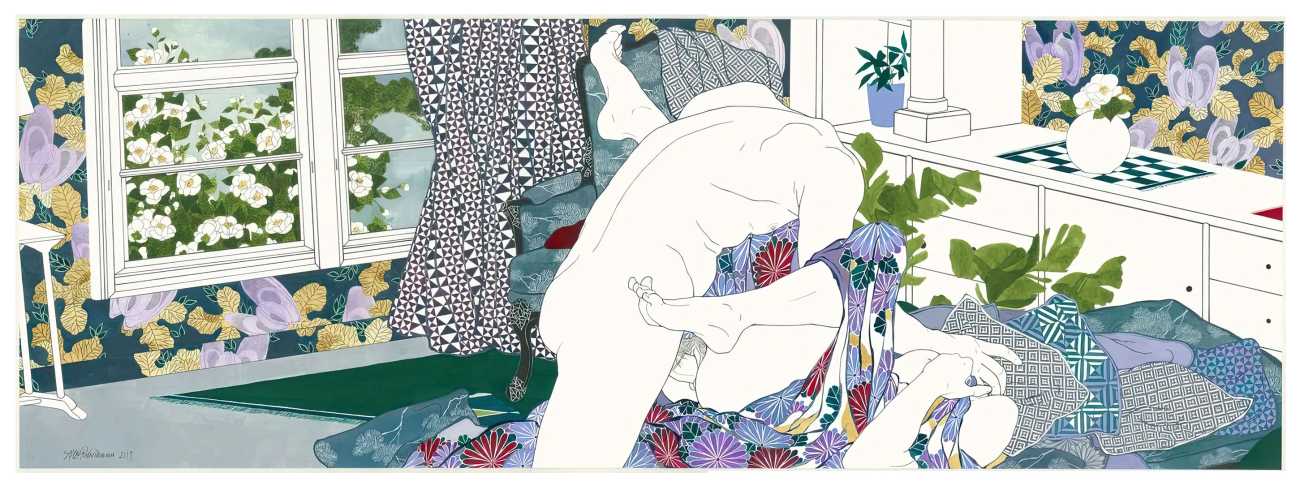
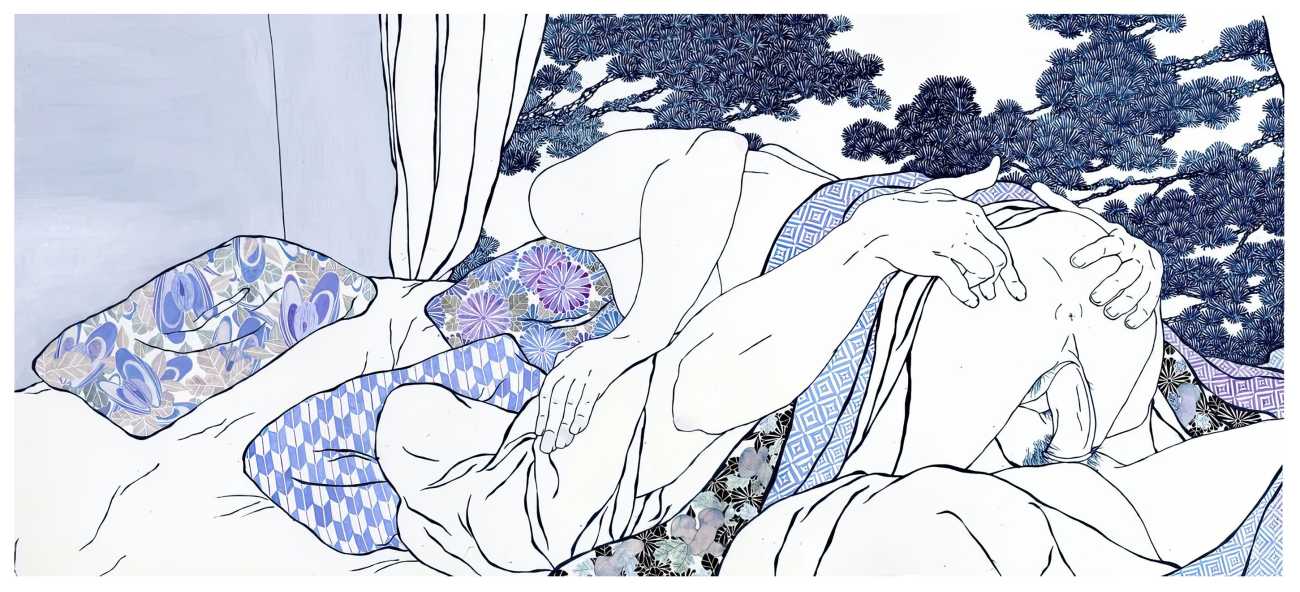
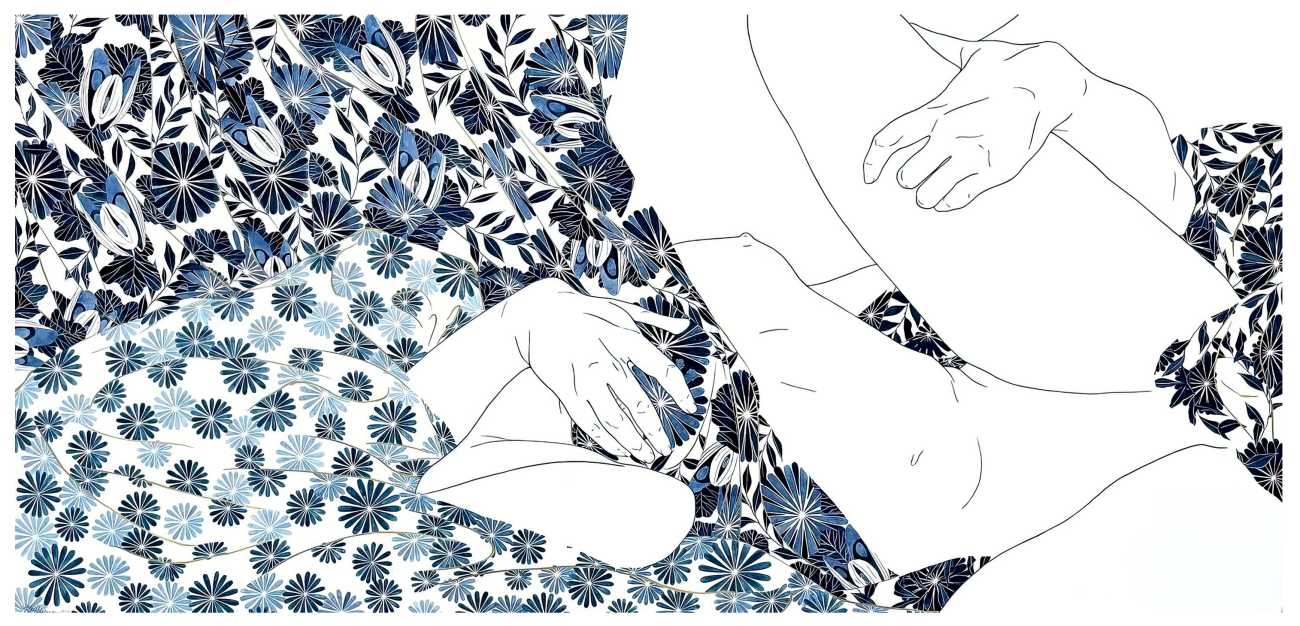
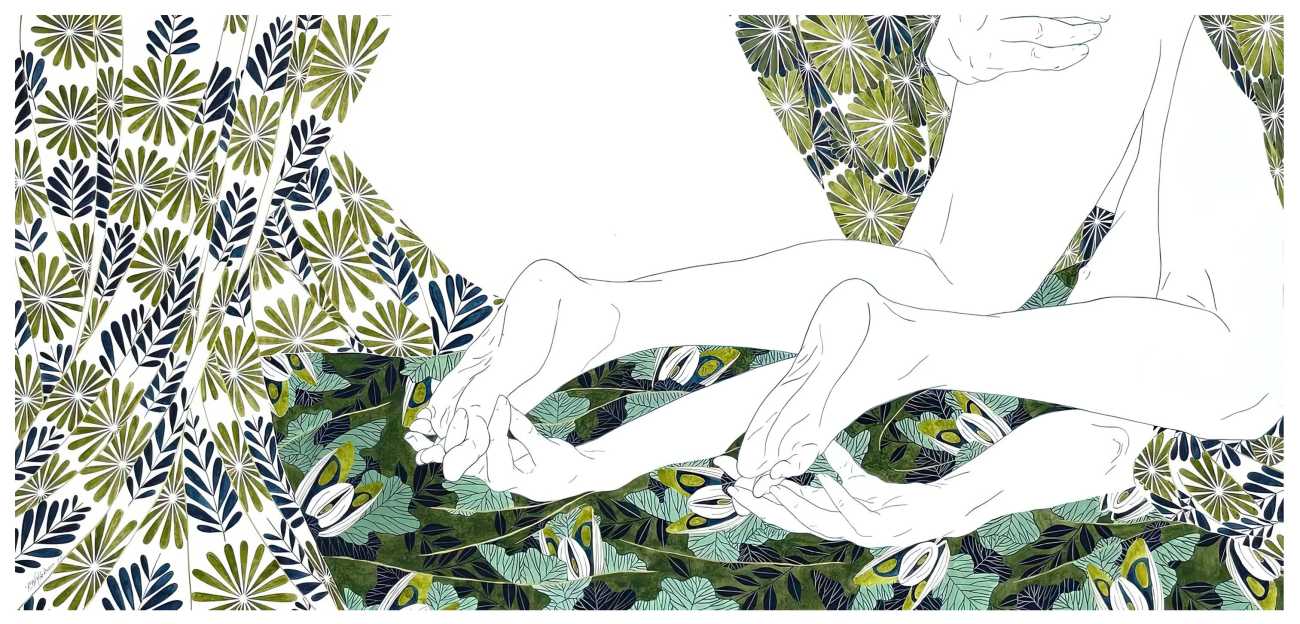
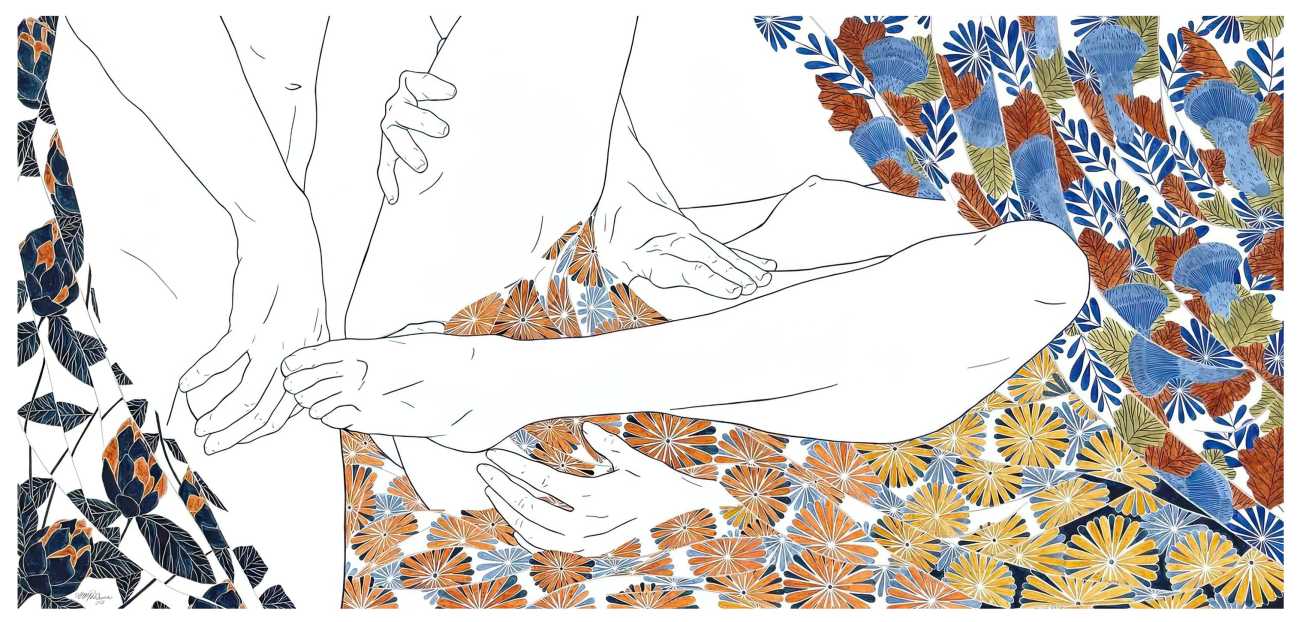
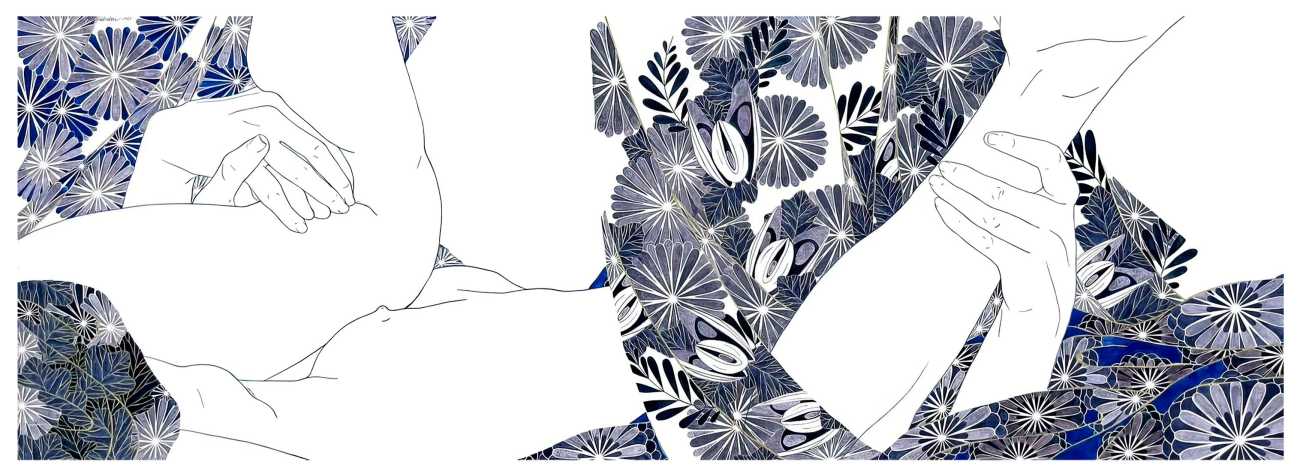
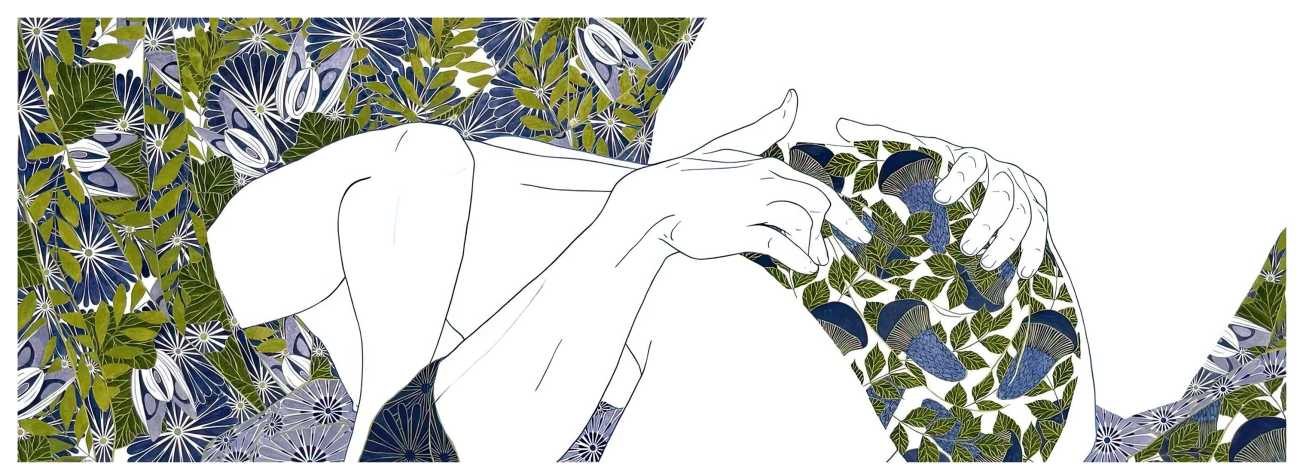
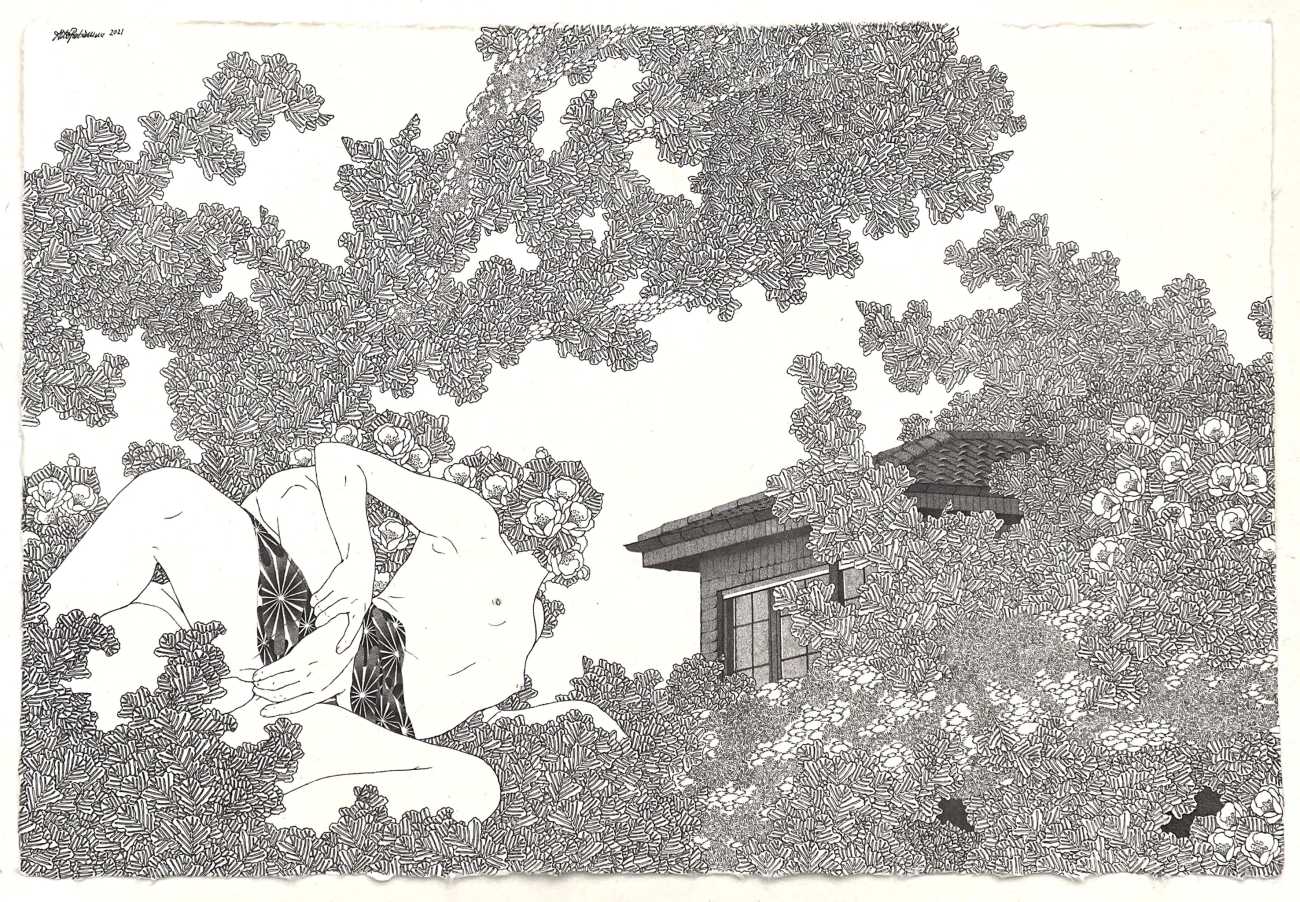
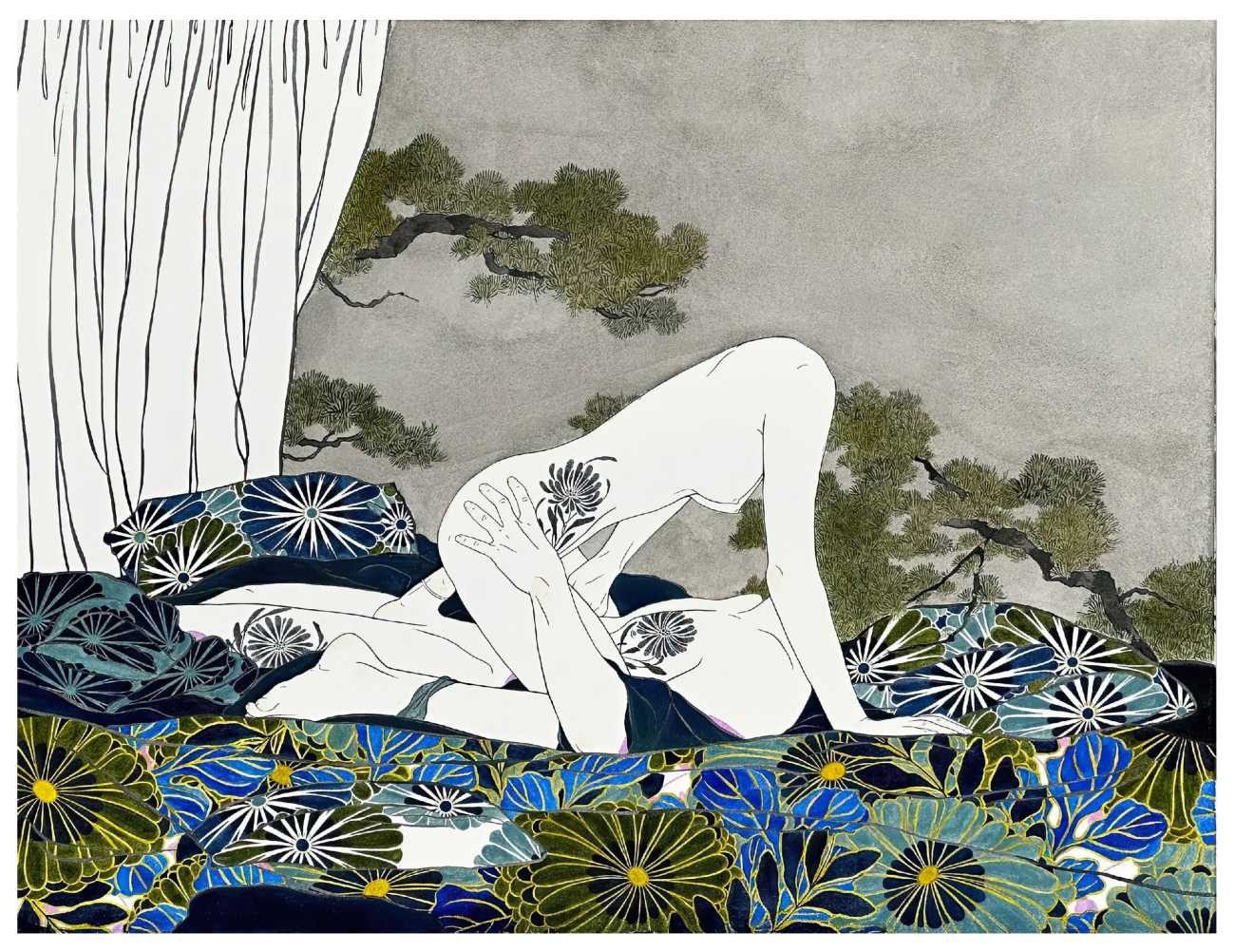
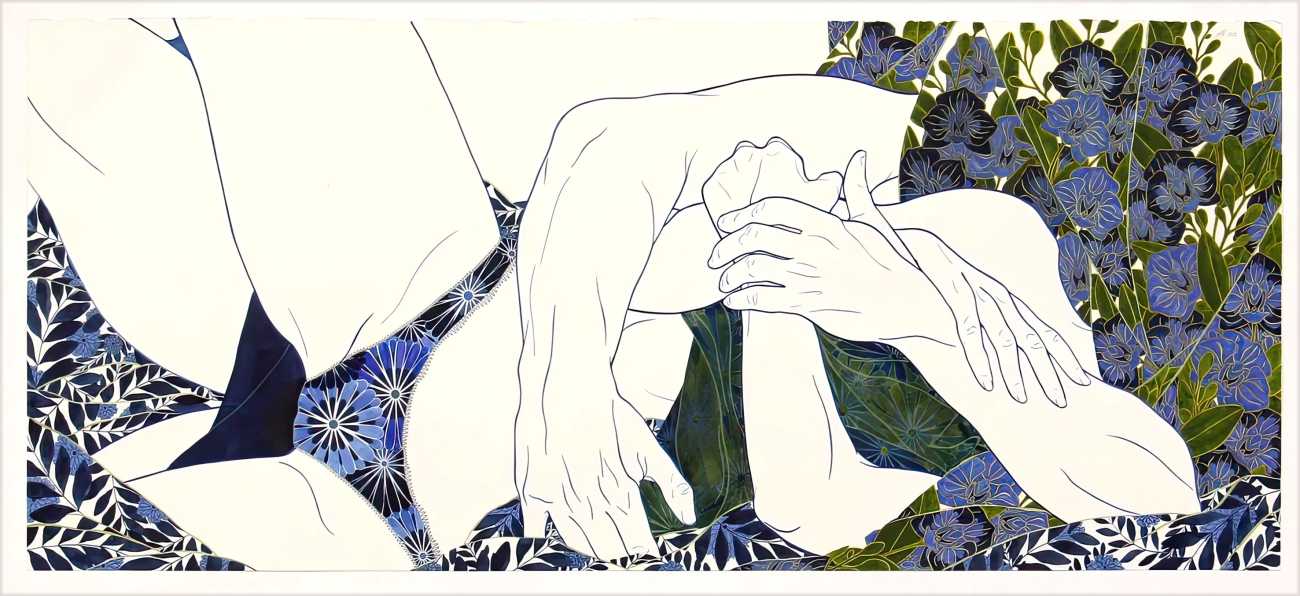
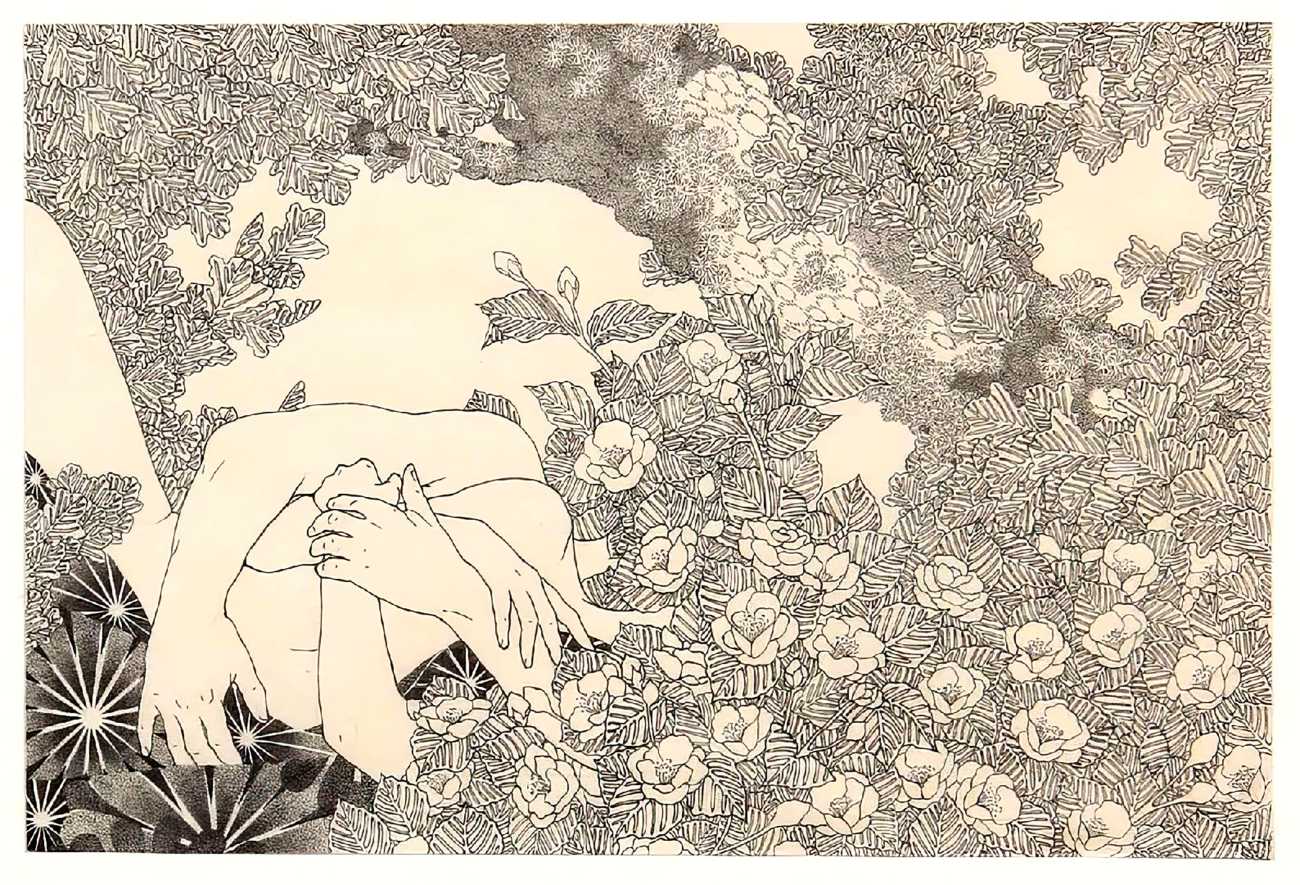
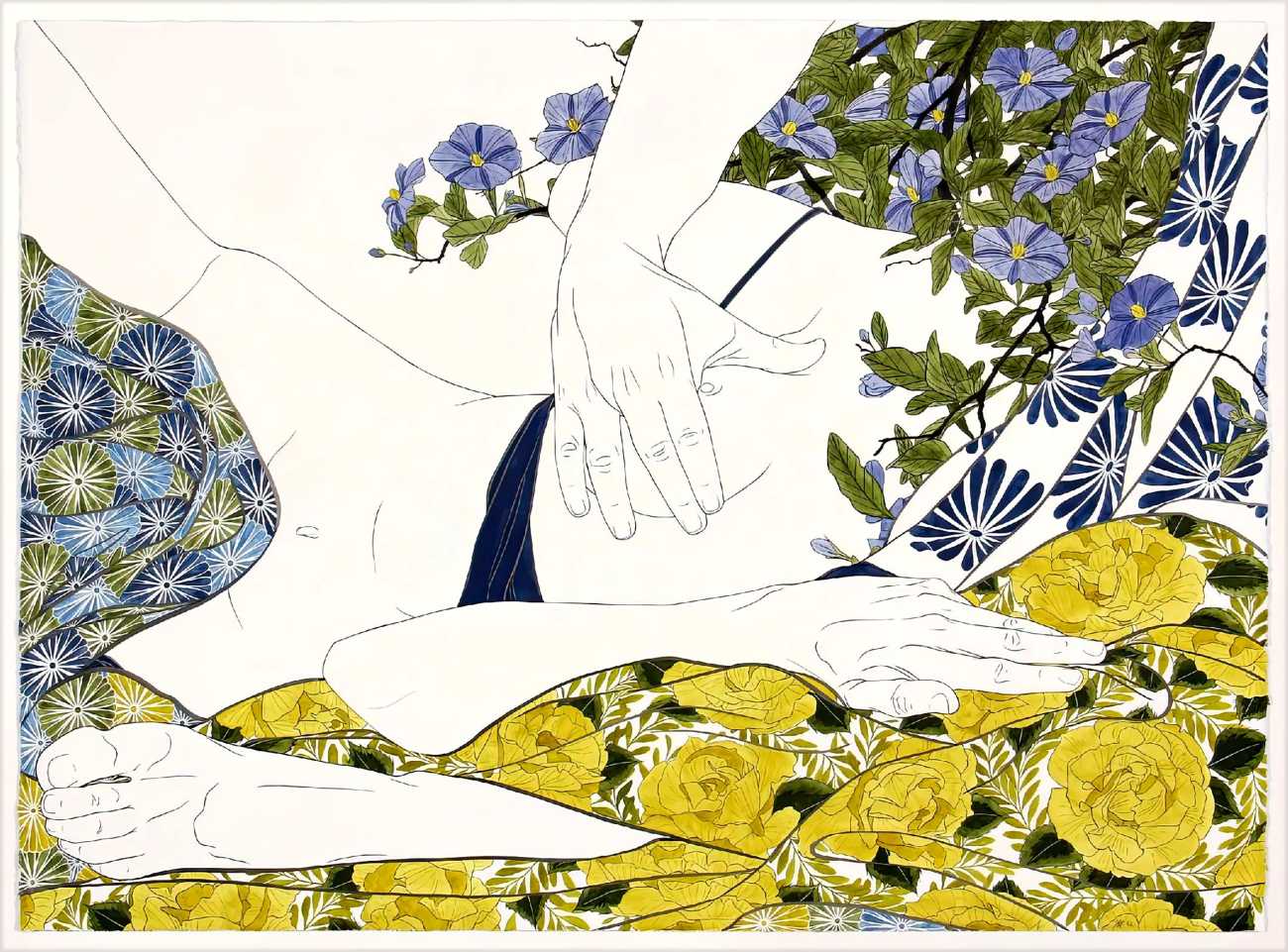
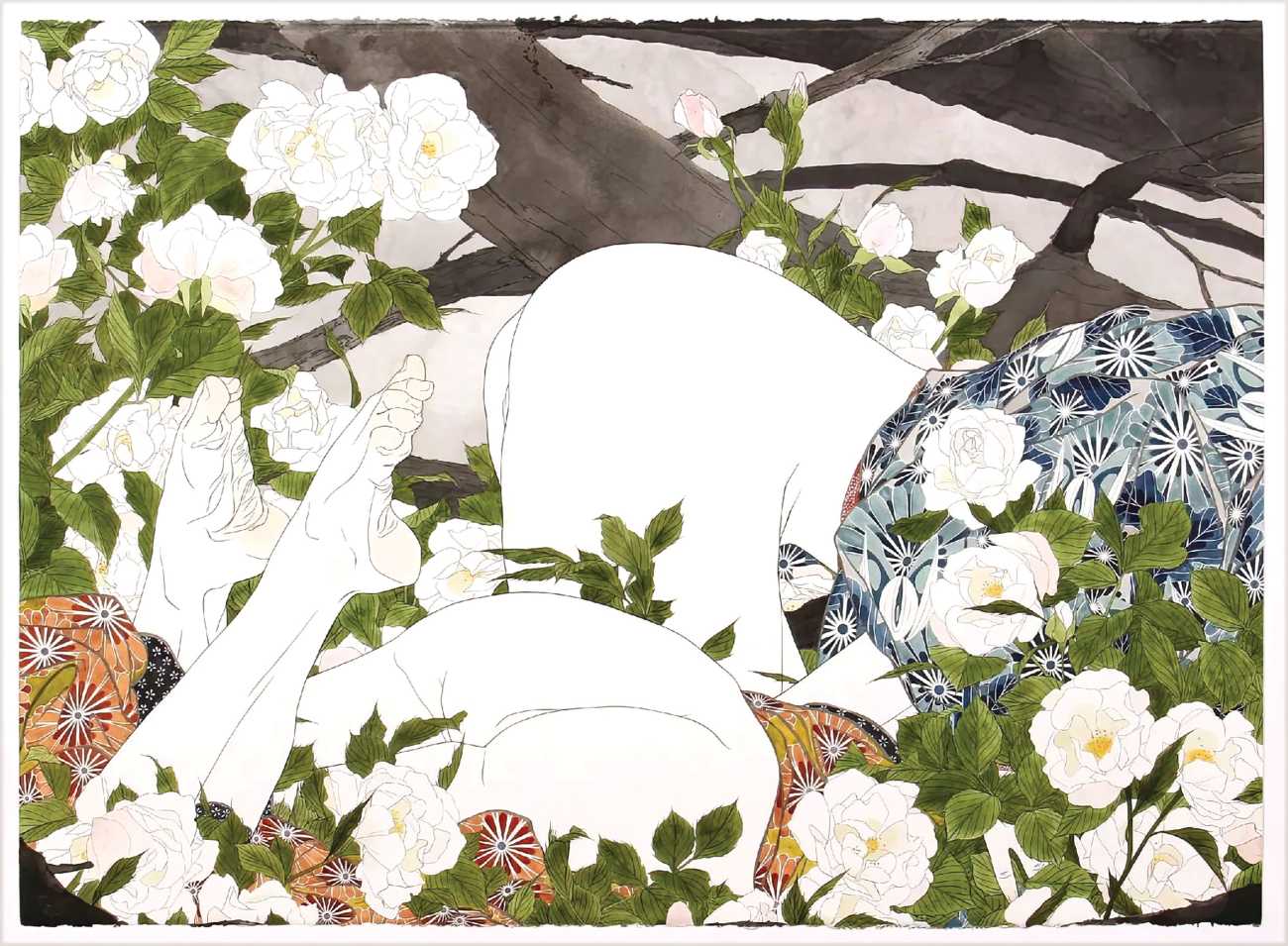
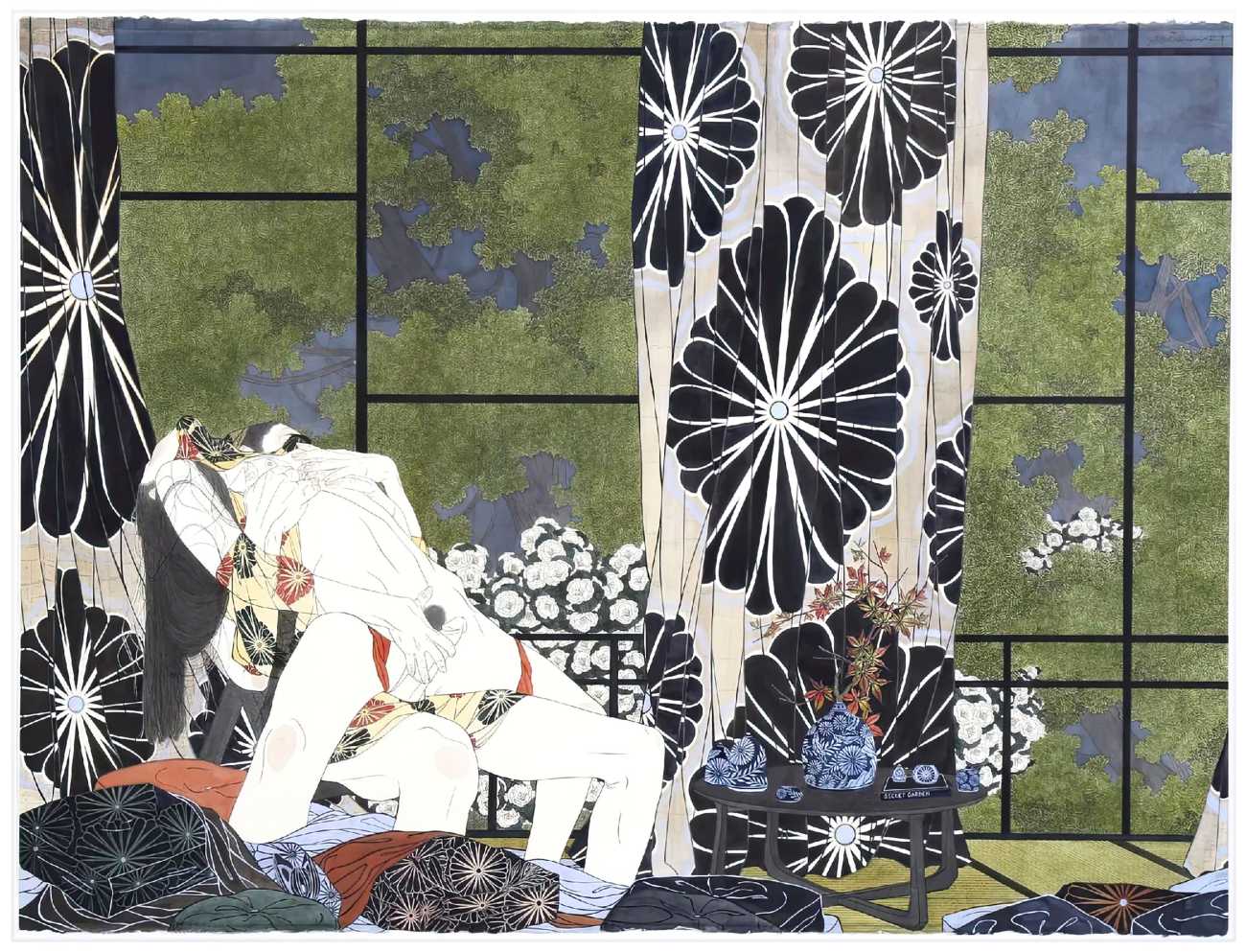
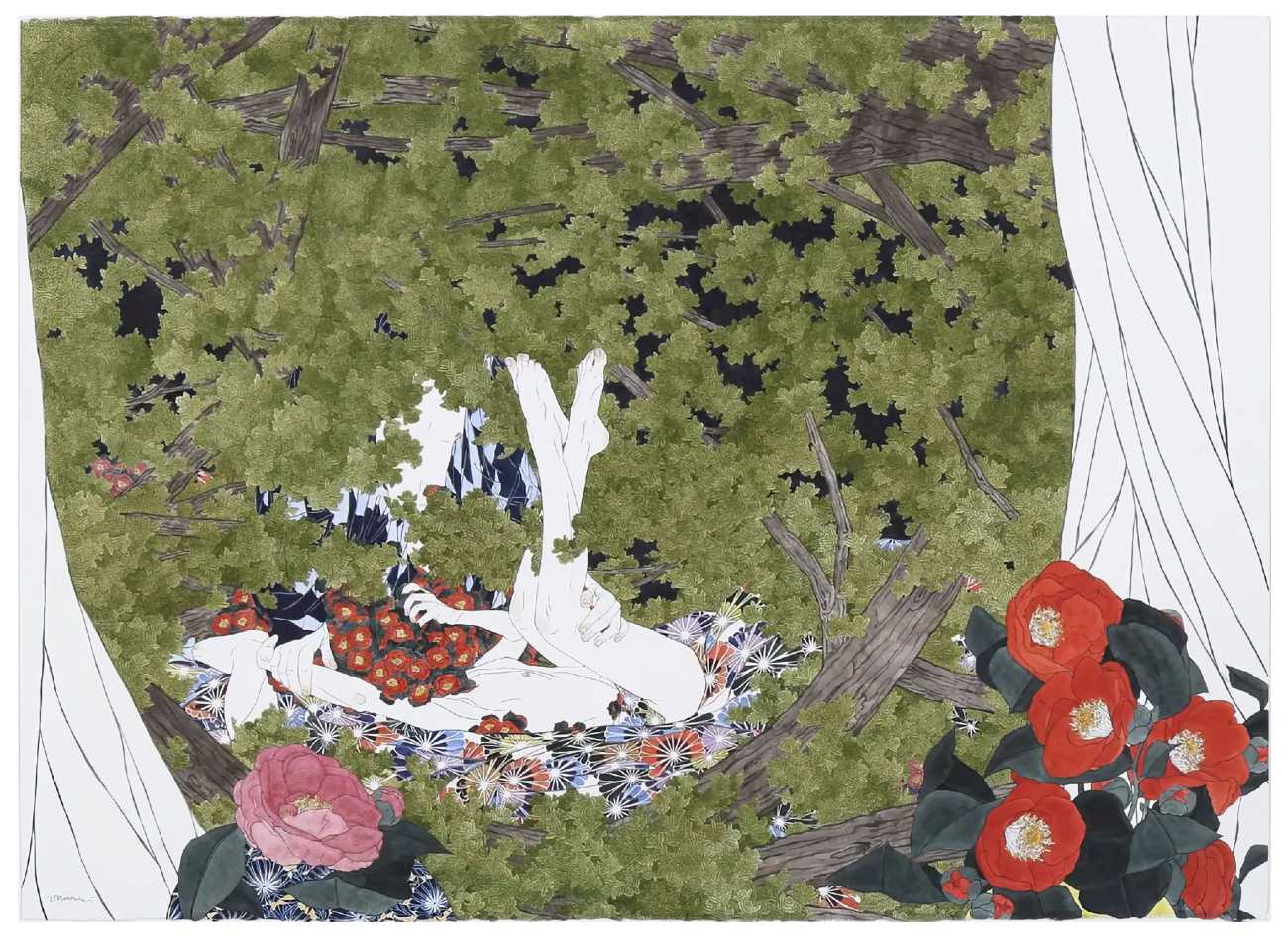
 Aiko Robinson, who is of New Zealand and Japanese heritage, grew up in Christchurch on New Zealand’s South Island. She studied at Elam School of Fine Arts, University of Auckland, graduating with an honours degree in 2014. Later she completed a two-year Master’s scholarship in printmaking at Tokyo Geidai (University of the Arts), a prestigious programme that deepened her engagement with traditional techniques. She currently lives and works in Perth, Australia.
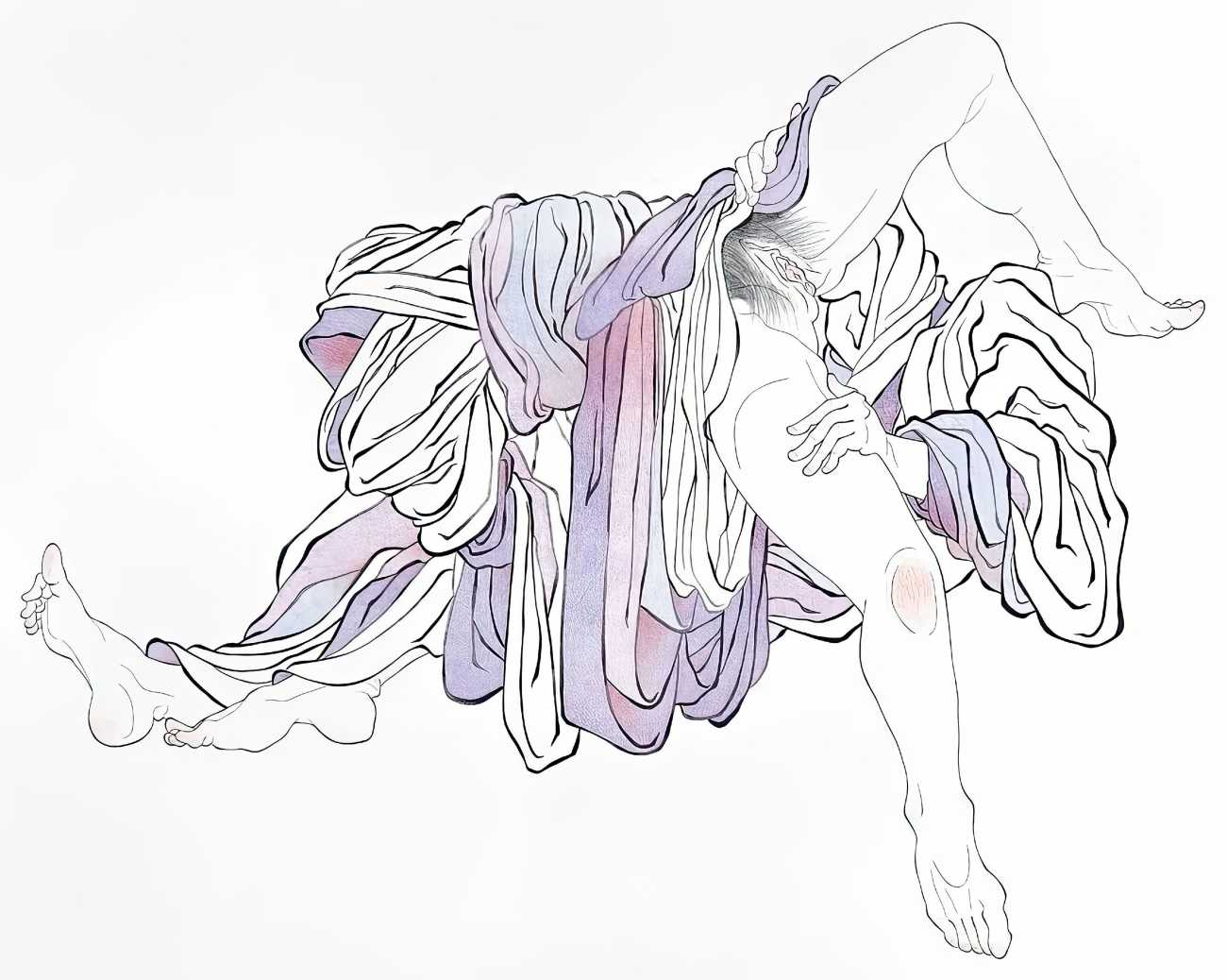
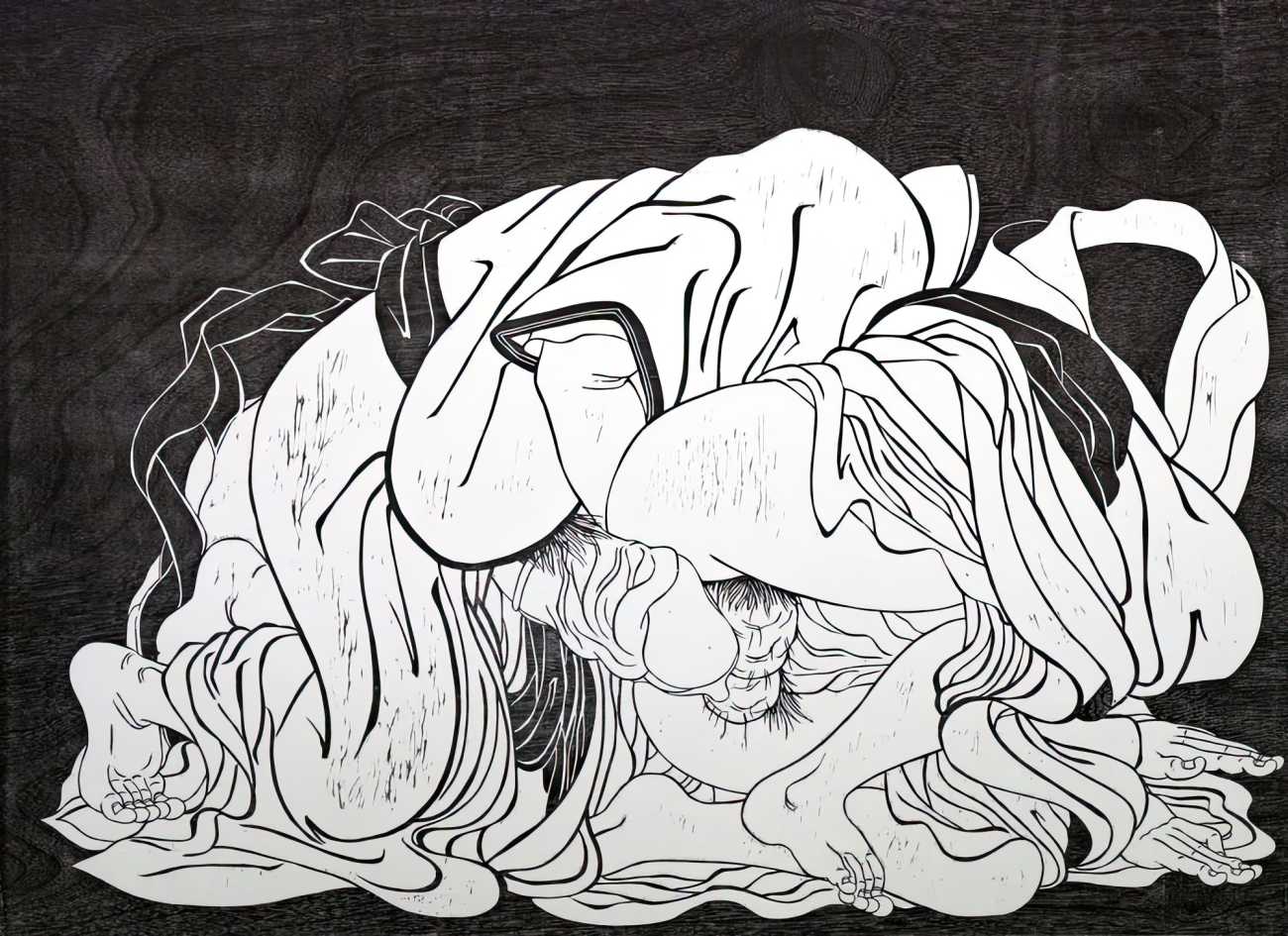
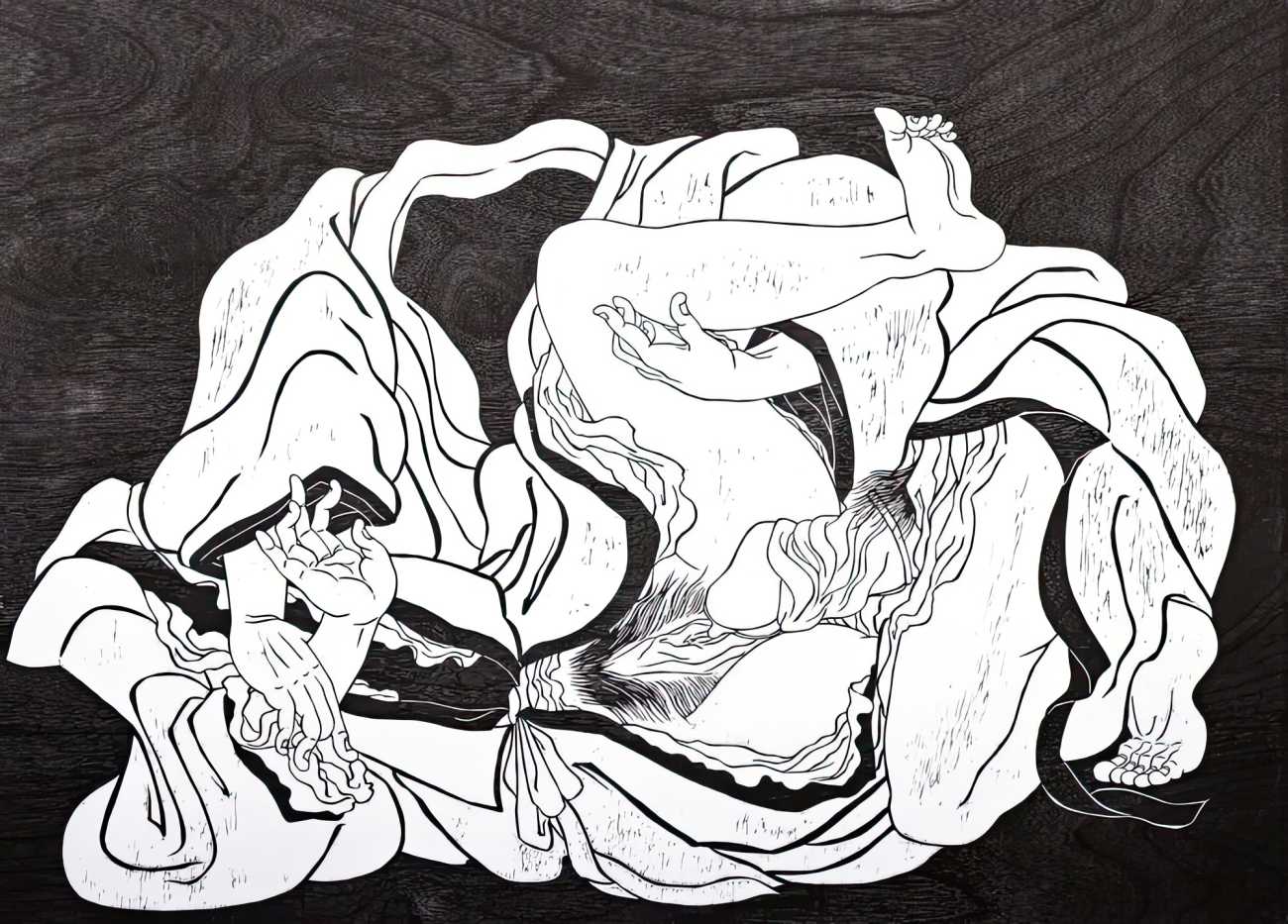
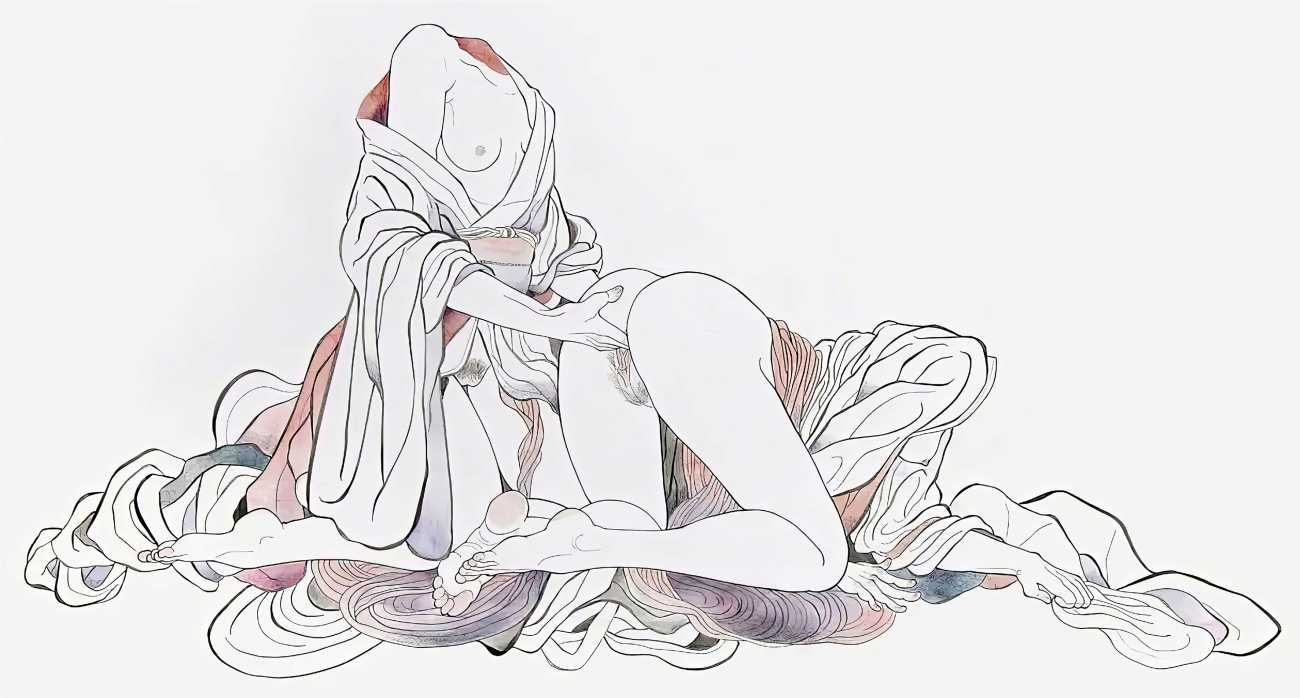
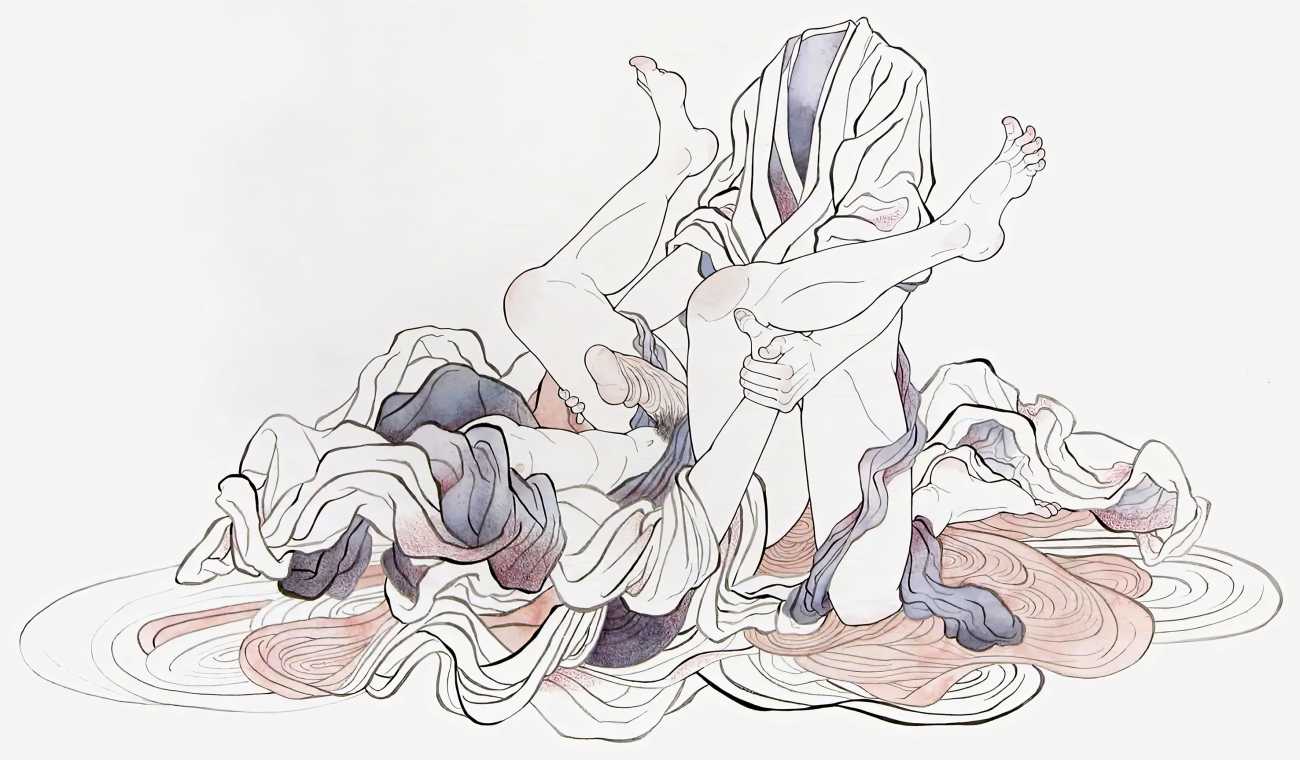
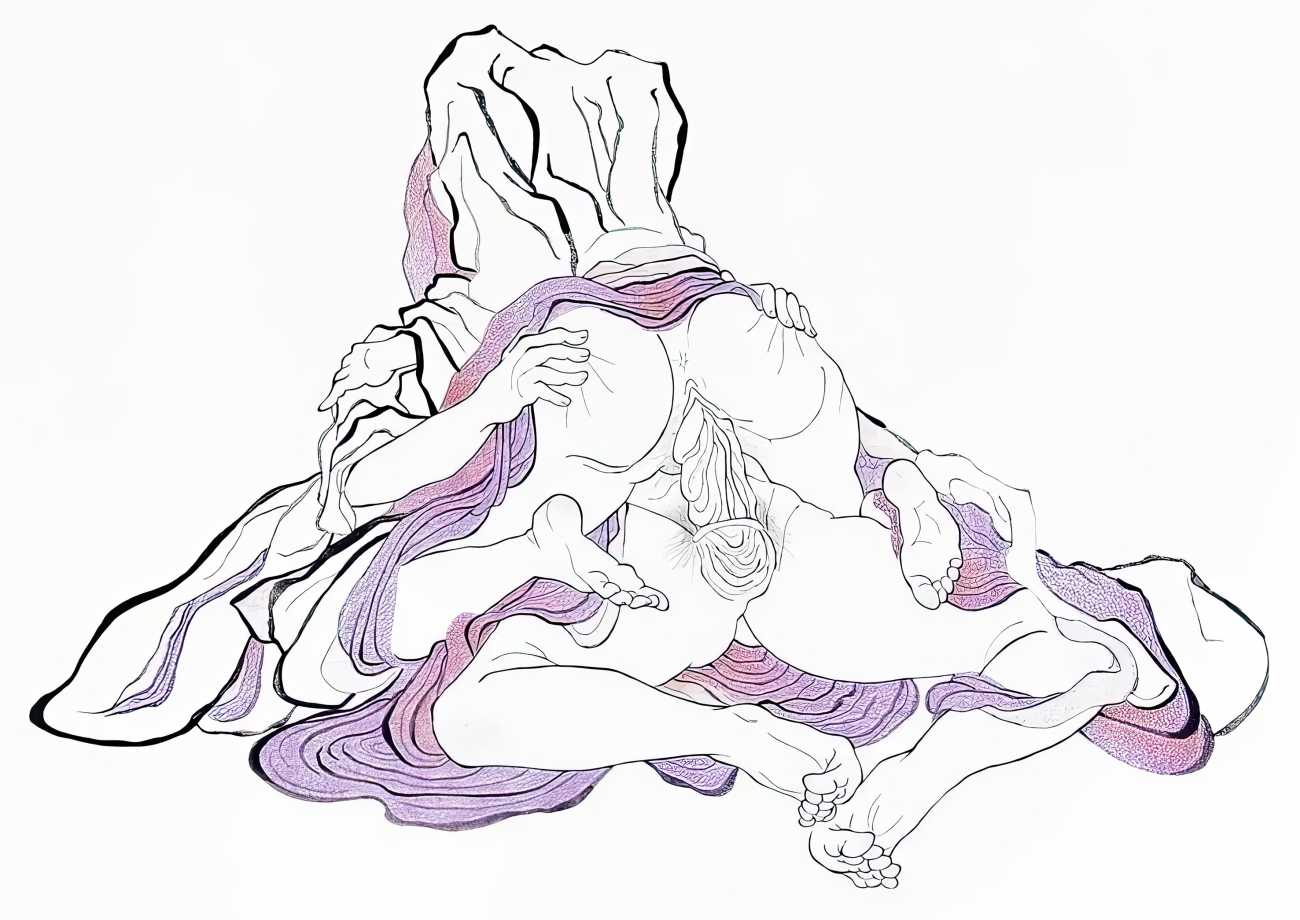
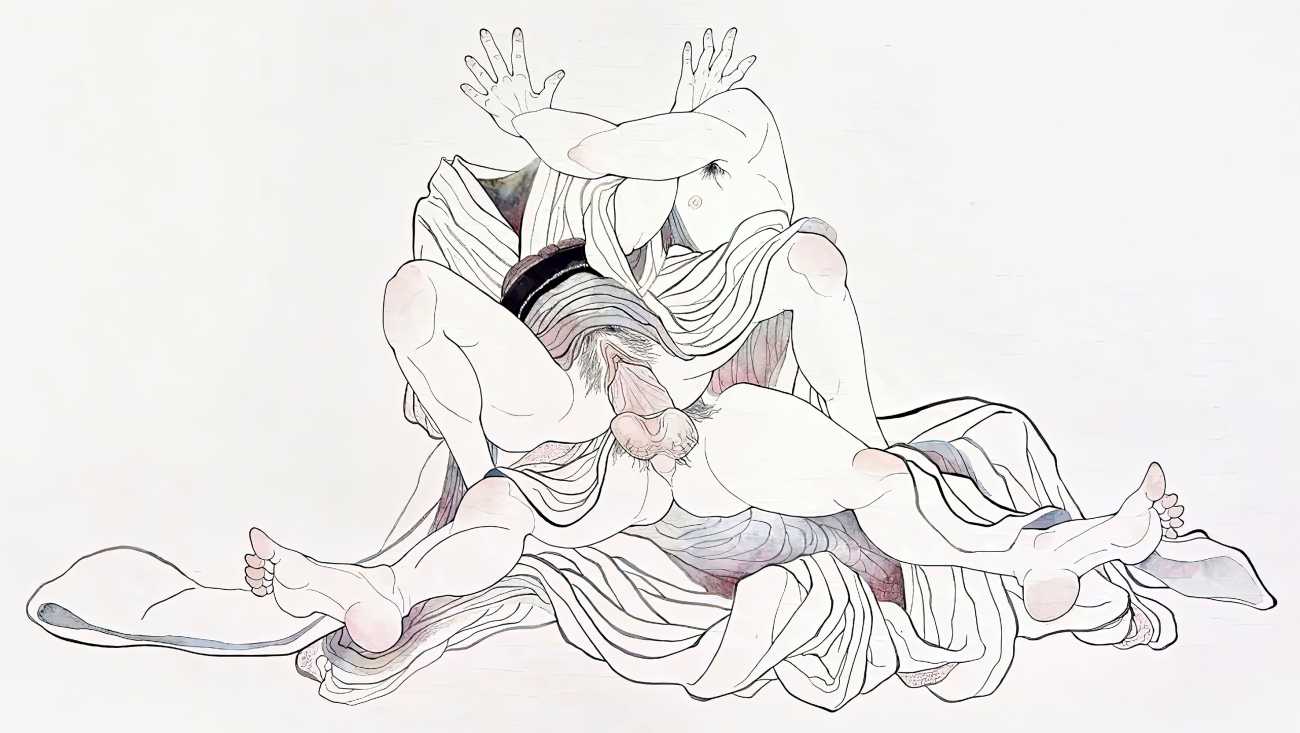
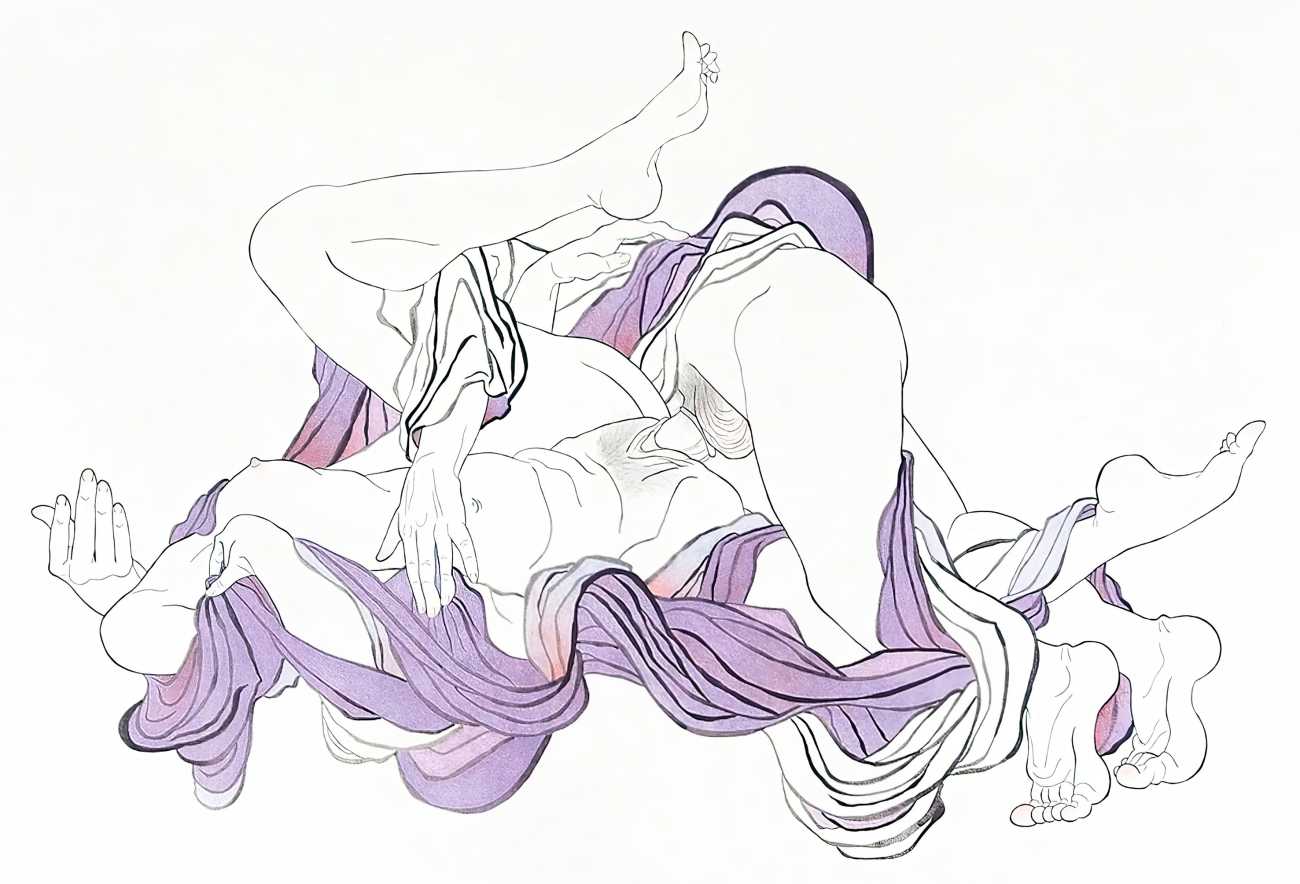
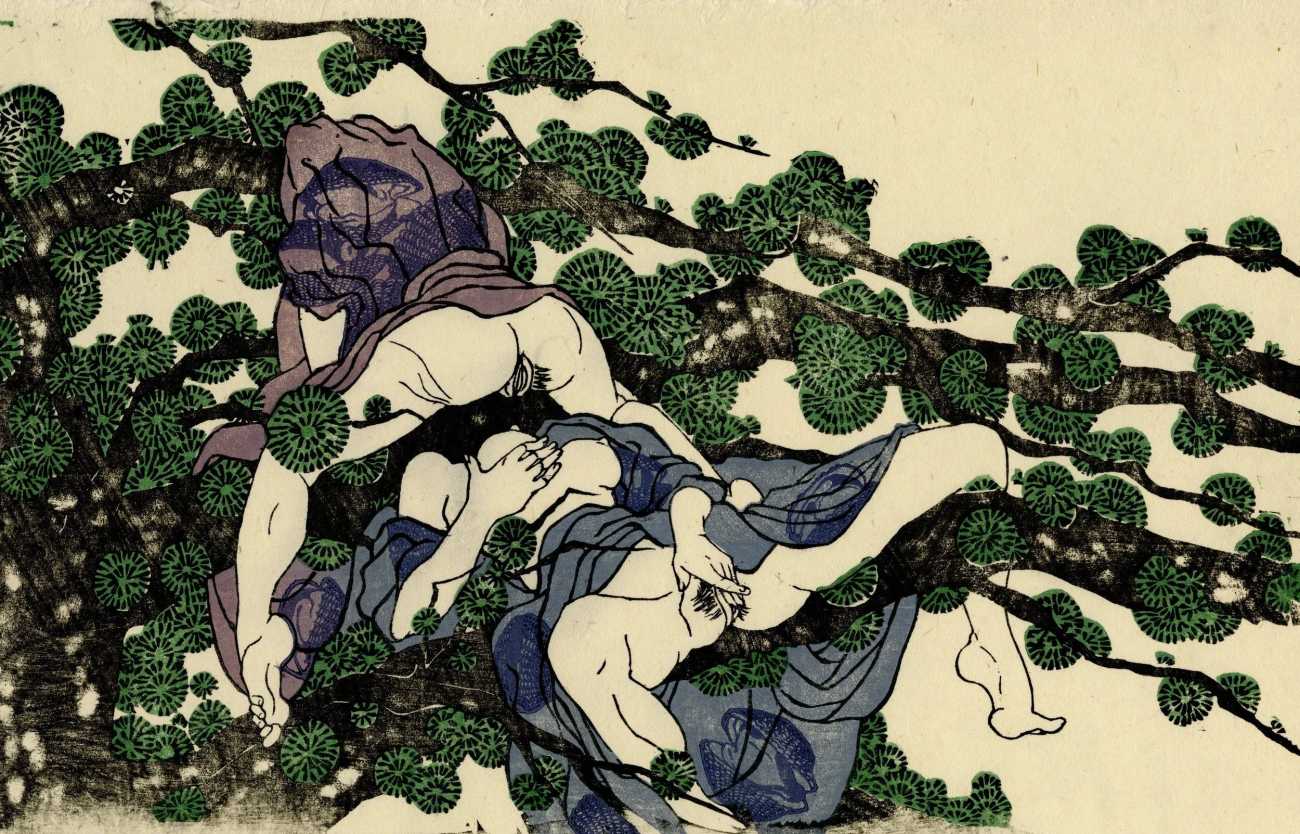
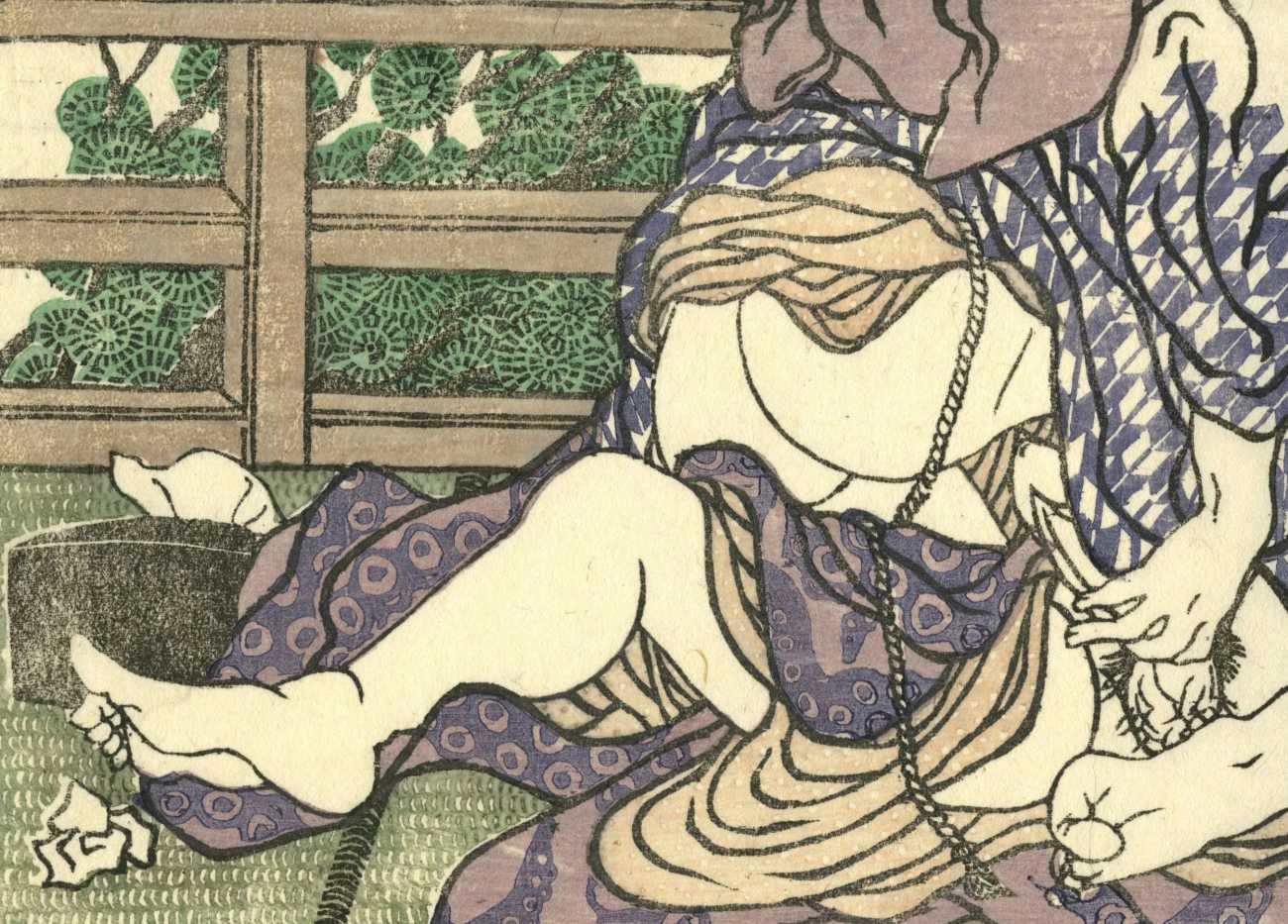
Robinson’s practice is rooted in traditional Japanese art forms, especially shunga, a genre of erotic woodblock prints that flourished in Japan’s Edo period. She first discovered shunga as an undergraduate, explaining that her initial interest came from a desire to respond to criticism that her earlier work was too safe by deliberately embracing erotic subject matter, an interest that grew into a serious artistic inquiry.
Shunga’s celebration of mutual pleasure, love and humour opened up a way for her to explore intimacy, sexual politics, consent and the body, without resorting to exploitative imagery. She contrasts these historical ideals with contemporary attitudes to pornography and erotic art.
Aiko Robinson elaborates in a statement on her website:
I became interested in shunga prints during my undergraduate study in New Zealand in early 2013. Having been told that my work was too safe and cute, I responded by giving them pornography. What started as a practice more concerned with show and shock factor quickly turned into my passion. Historical shunga reflects the acceptance or celebration of sex in Shinto culture, and values love, mutual pleasure and equality between sexual partners. Shunga, which literally translates to ‘spring pictures’, is also positively associated with the season of fertility and new life. I am interested in how these idealised visions of the shunga artist compares with prevailing ideas about pornography in contemporary society.
I think that the desire to have sex is not only normal but something wonderful and to celebrate. The curiosity to look at sexual material is human and healthy. When sexual desires and fantasies are repressed it can be damaging to our intimate relating and can lead people to feel frustrated and critical of others. I want to provide a platform for people to talk about sex in an open and positive environment. In recent years I have focused more heavily on the concept of warai-e, another name for shunga which literally translates to ‘laughing pictures’. Warai-e often features bizarre sexual positions, strange circumstances, and unlikely sexual partners such as octopuses and demons.
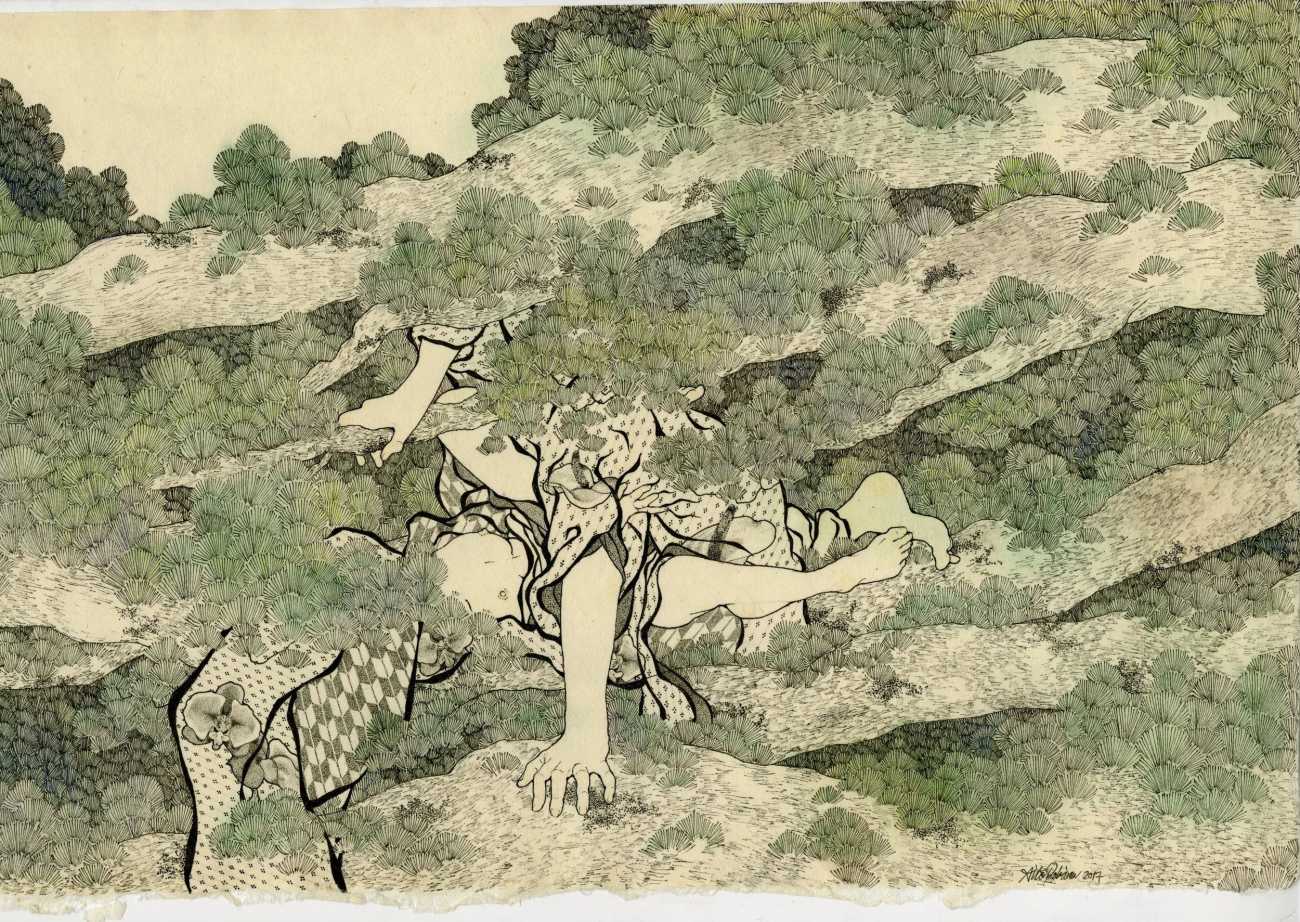
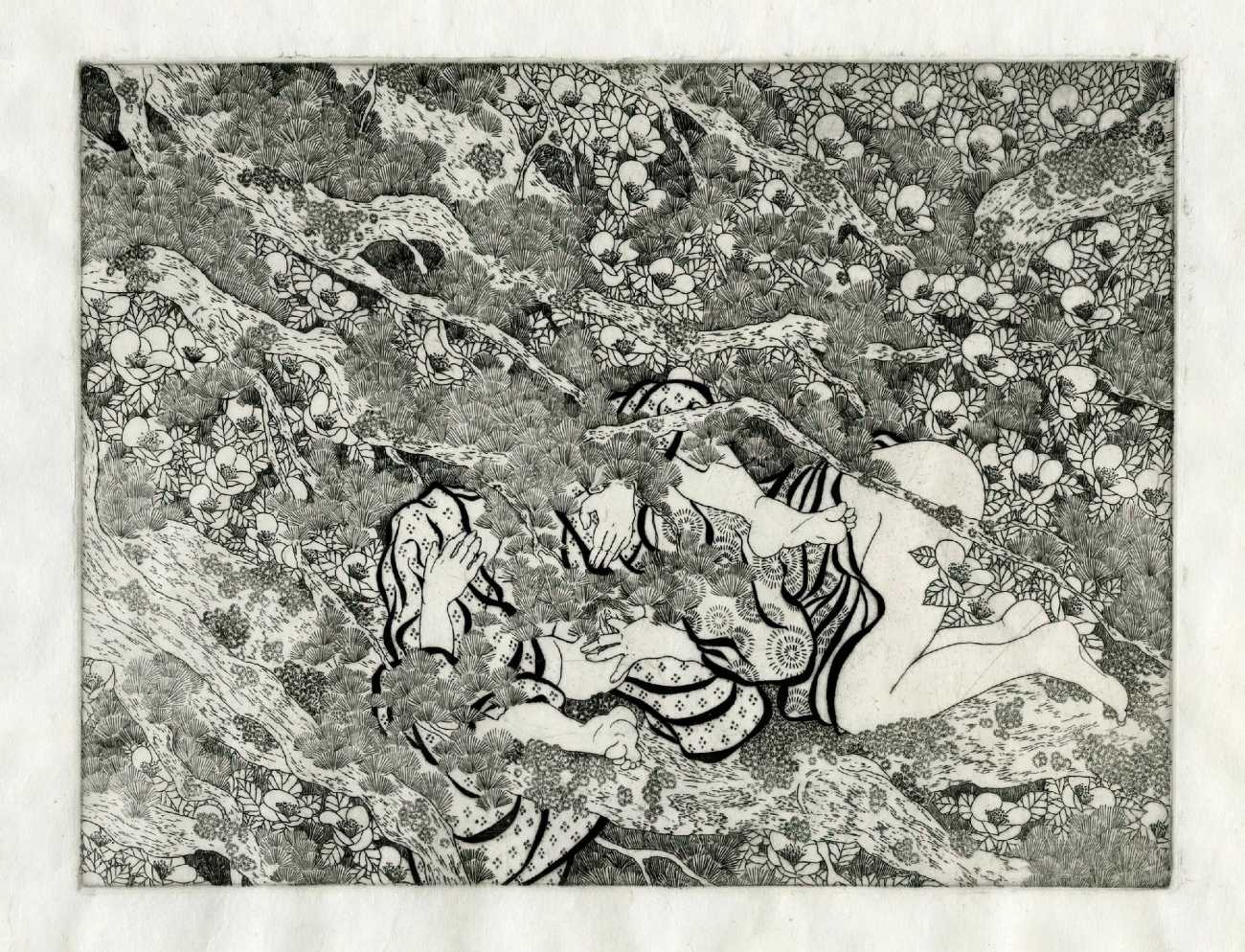
In my works I often use western humour to express my multicultural heritage. I chose Love is Blind, the famous idiom first used by Chaucer in The Canterbury Tales and popularised by Shakespeare in The Merchant of Venice, for one important exhibition, in order to convey passion and romance but also as a reference to the physical state of my figures which I depict with no face, and therefore no ability to see.
Of course ‘Want to come up and see my etchings?’ is one of the oldest and most clichéd pick-up lines in western history. Interestingly a popular term for sex in Japan is ‘ecchi’, which makes for a great pun. If you look closely at my works you will find other visual sexual euphemisms such as a wristwatch stopped at 6 and 9, and a ‘pussy’ cat on a branch.
Eiko Robinson’s website is here, and her Instagram account, where she shows some of her most recent work, is here.
Similar artists
Jeff Faerber – American illustrator remixing traditional Japanese shunga with contemporary imagery.
Ernesto Ferriol – Cuban-Japanese painter blending both traditions in erotic subjects.
Shoji Oki – Japanese illustrator working in the shunga tradition.
Mitsu Okubo – Japanese illustrator of 1930s modern erotic subjects.
Matti Sandberg – Swedish artist working in the same accomplished modern shunga tradition.
Example illustration