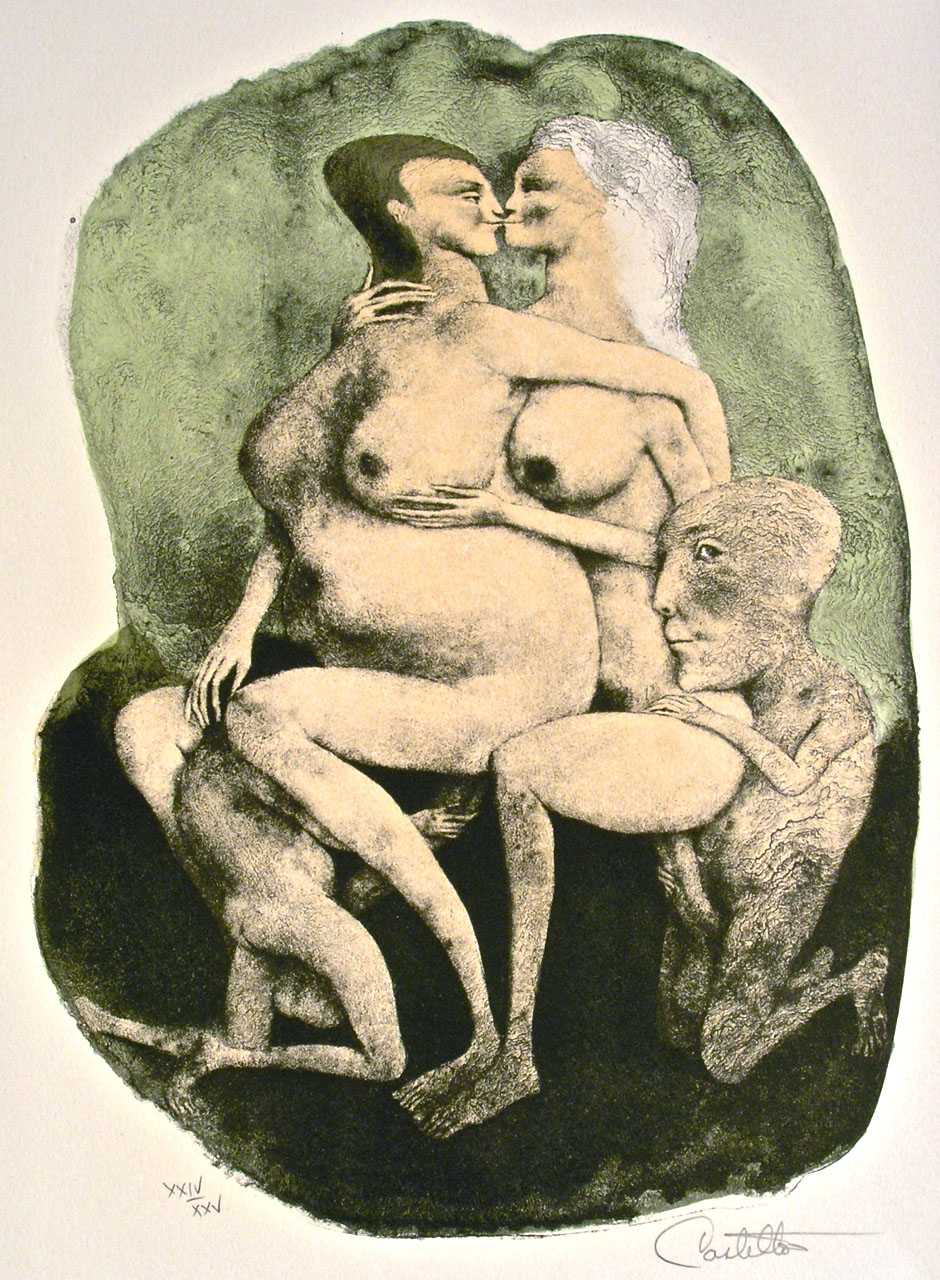
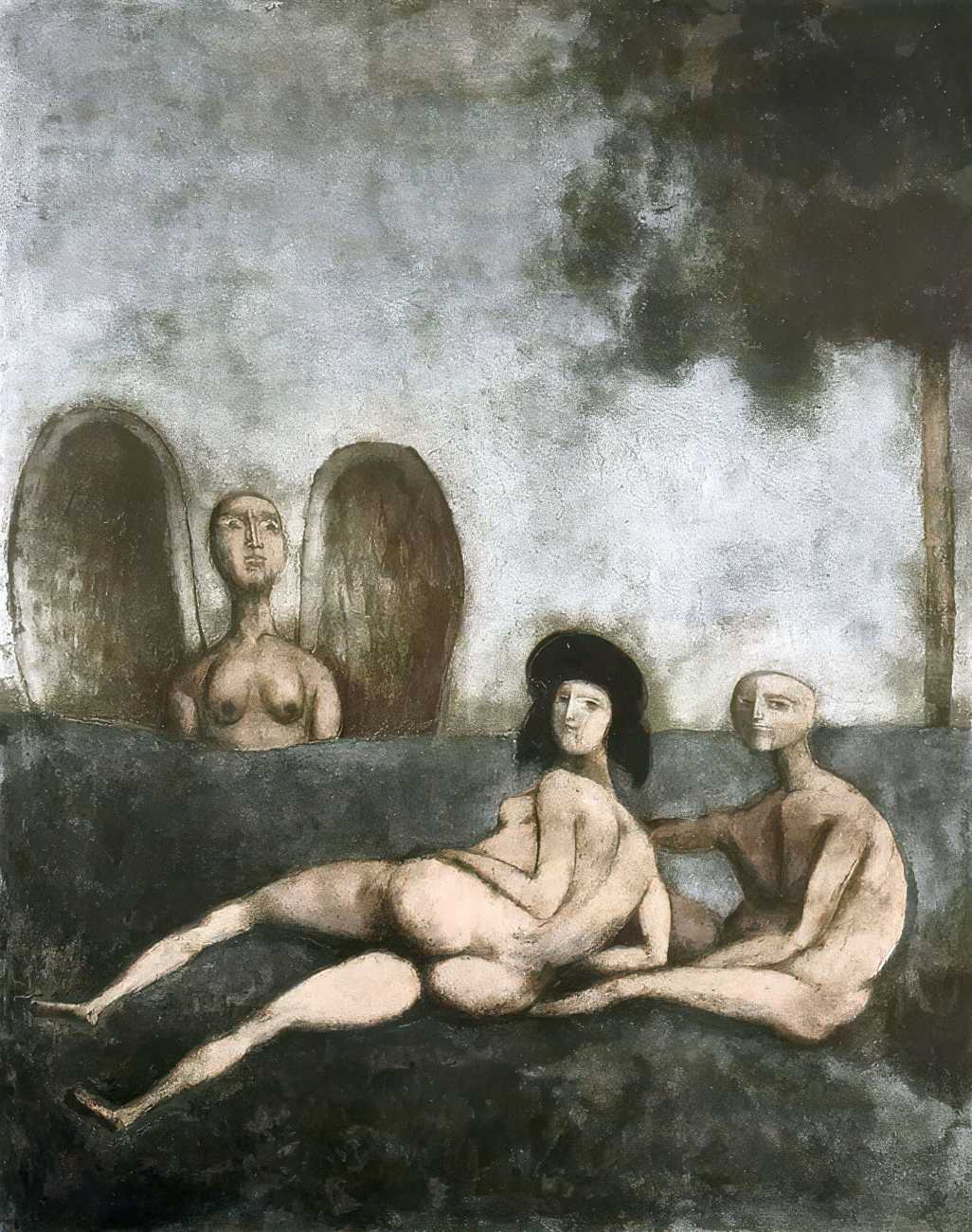
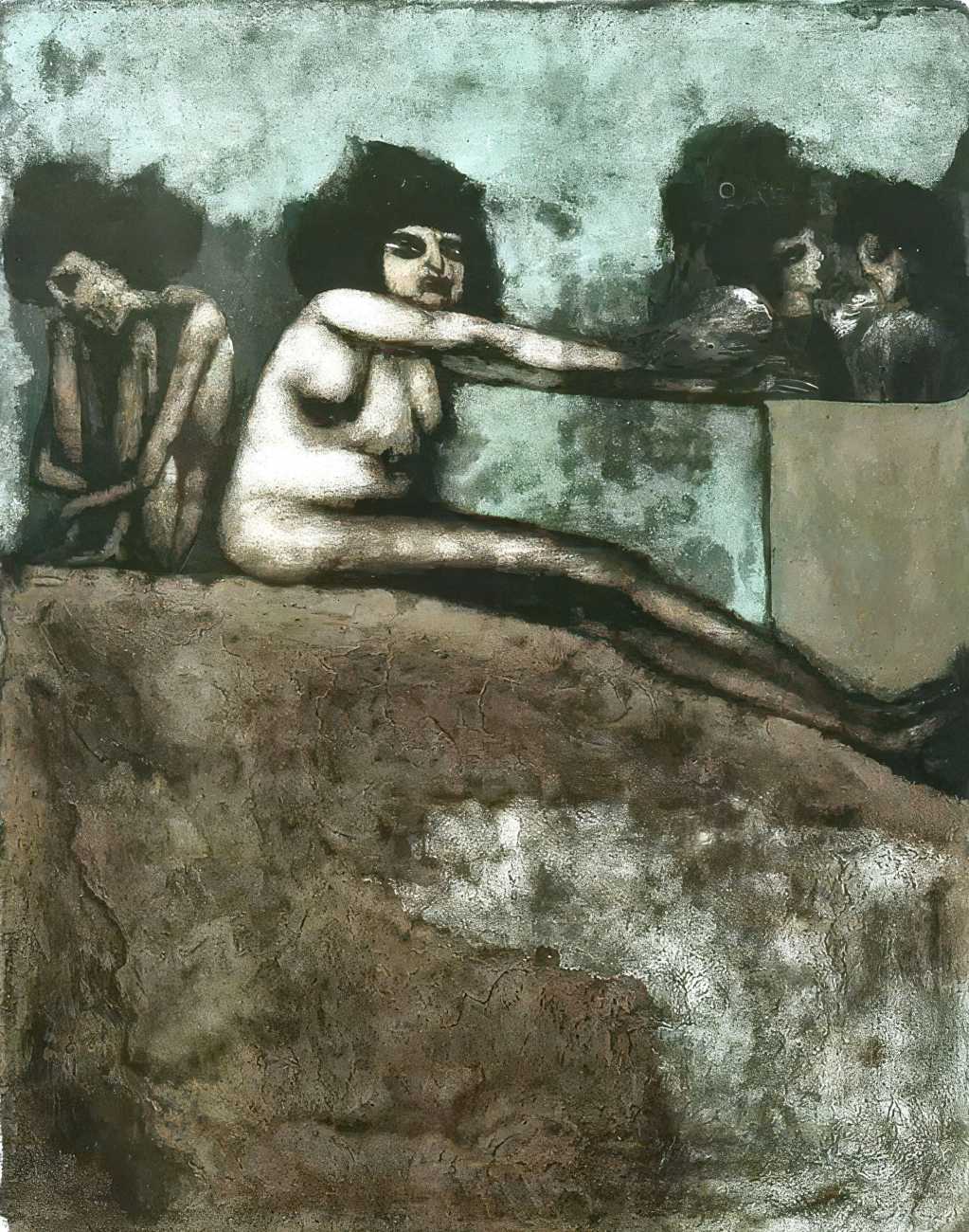
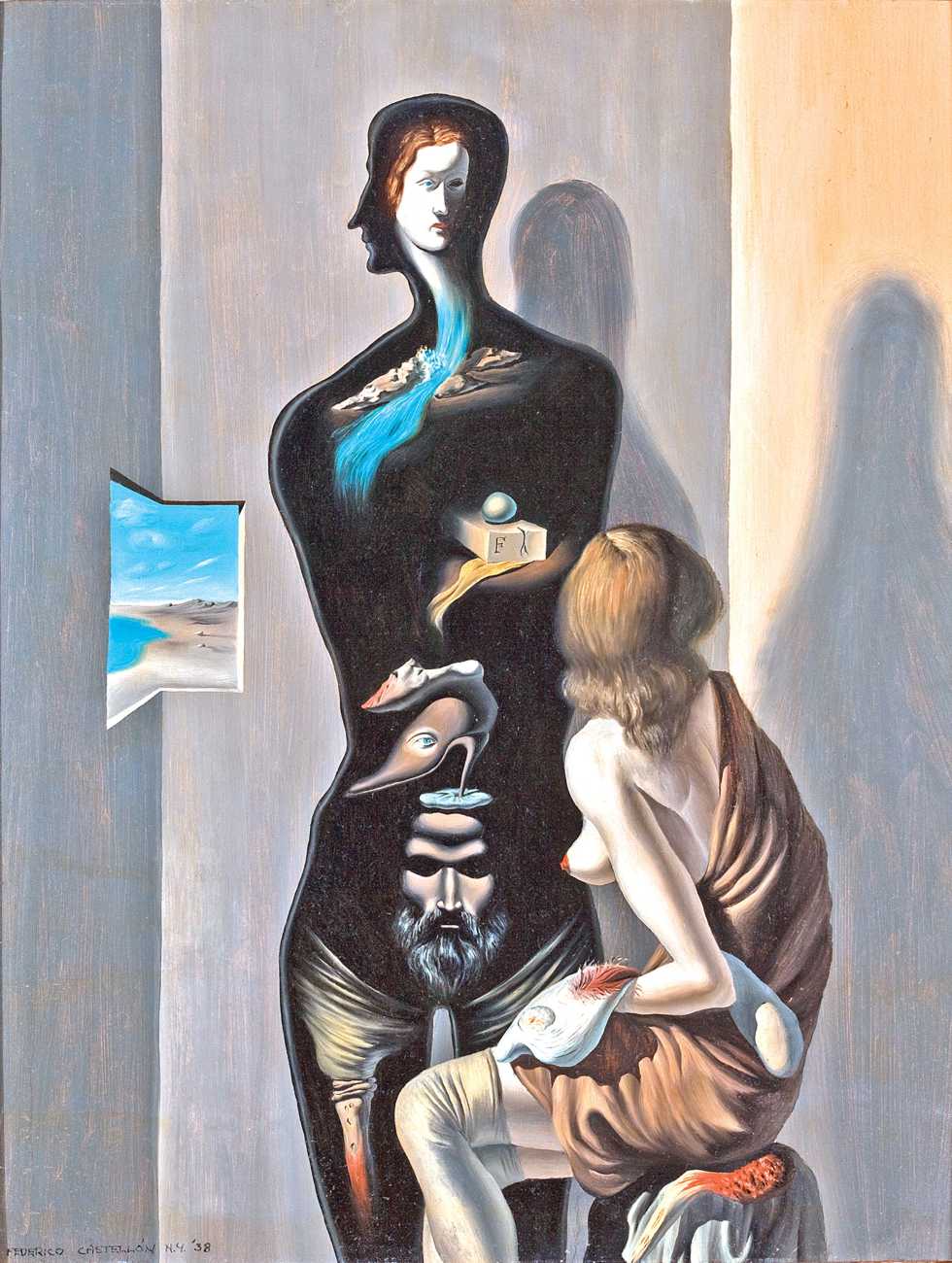
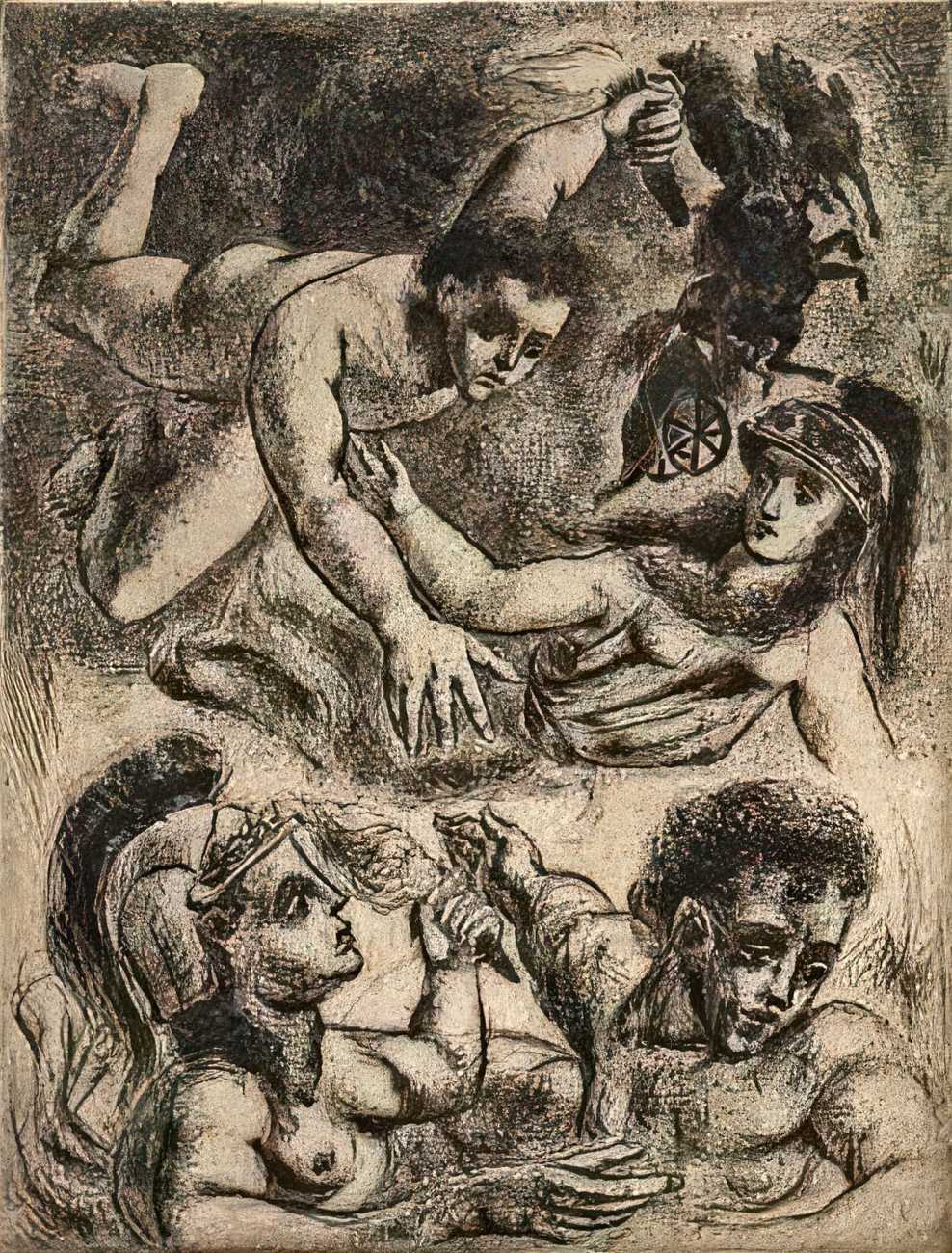
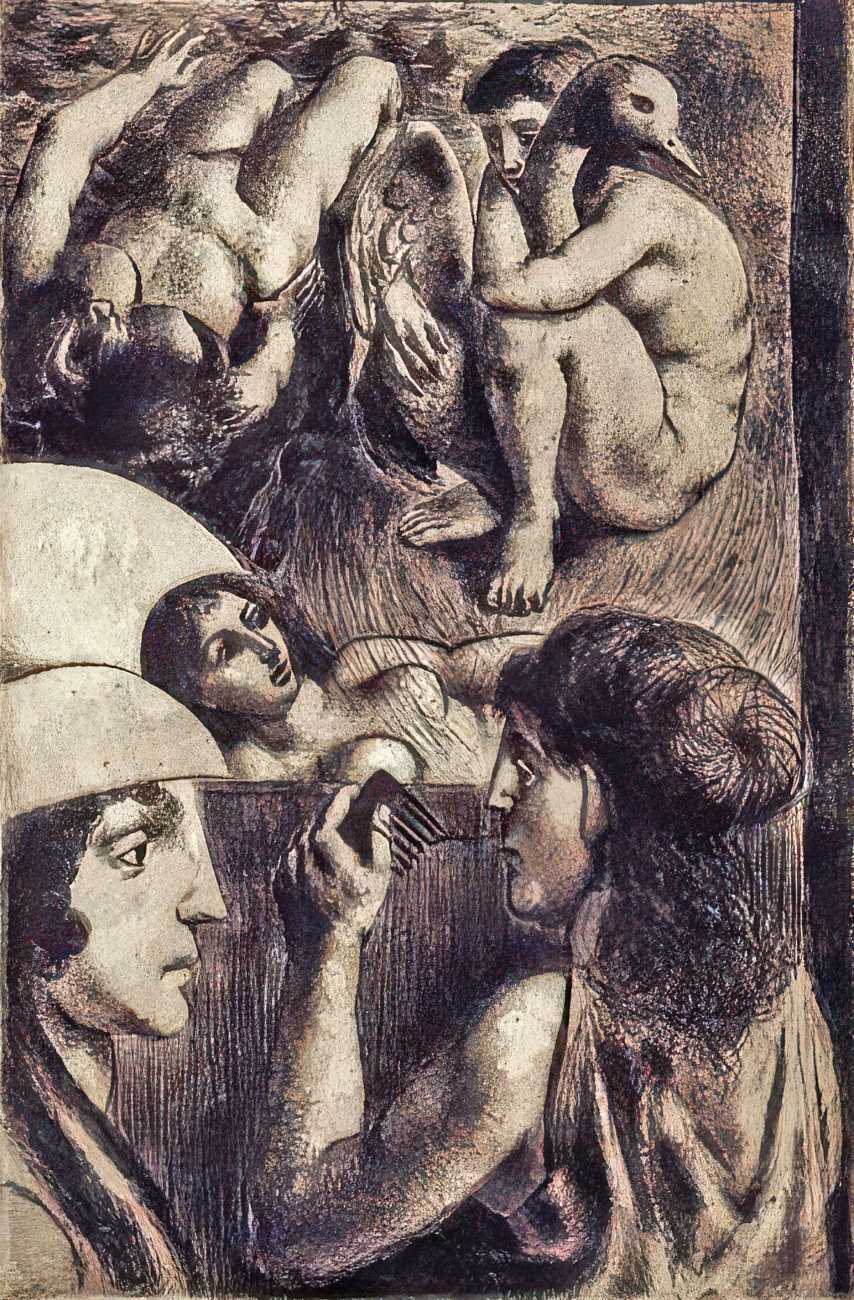
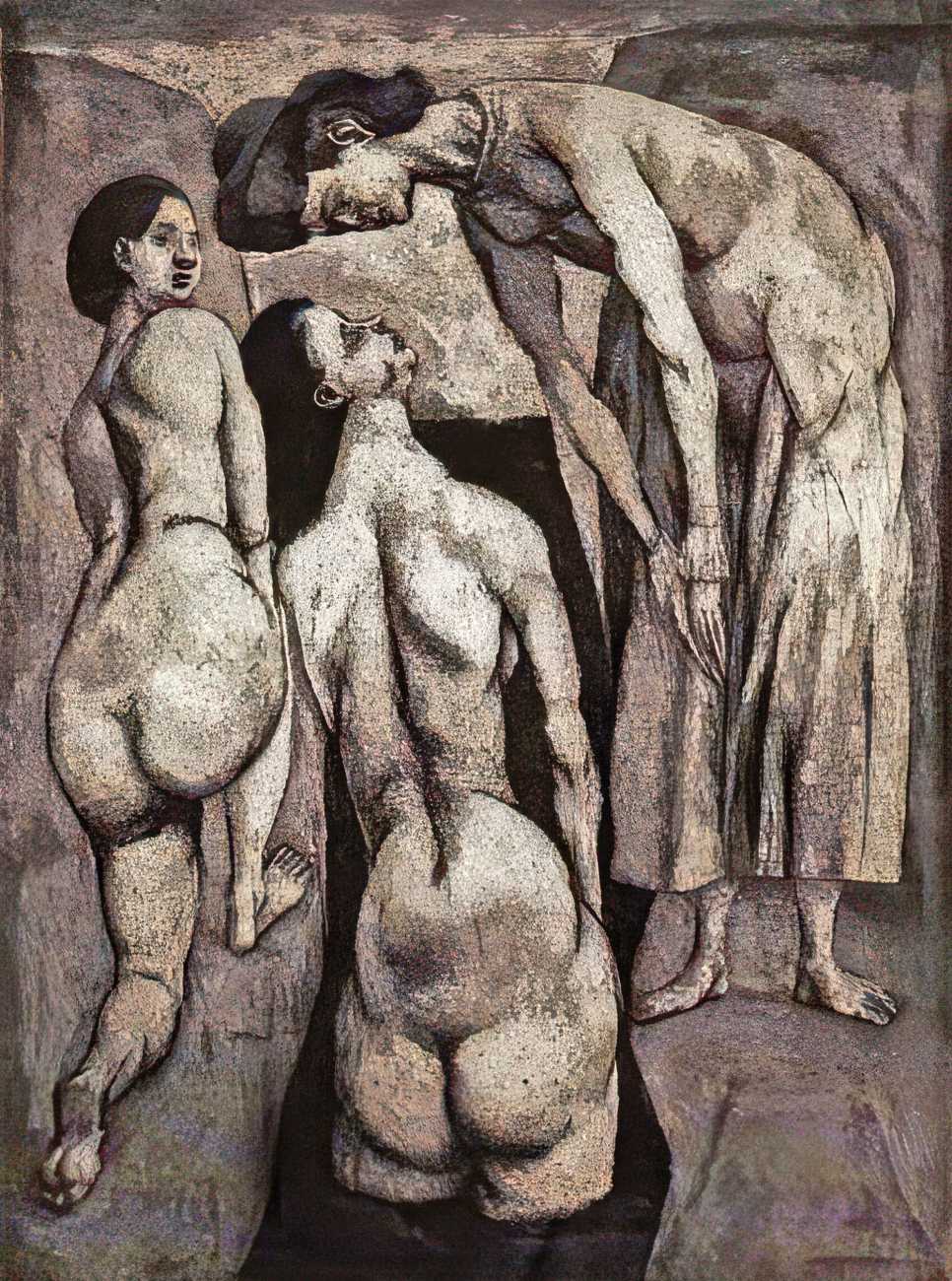
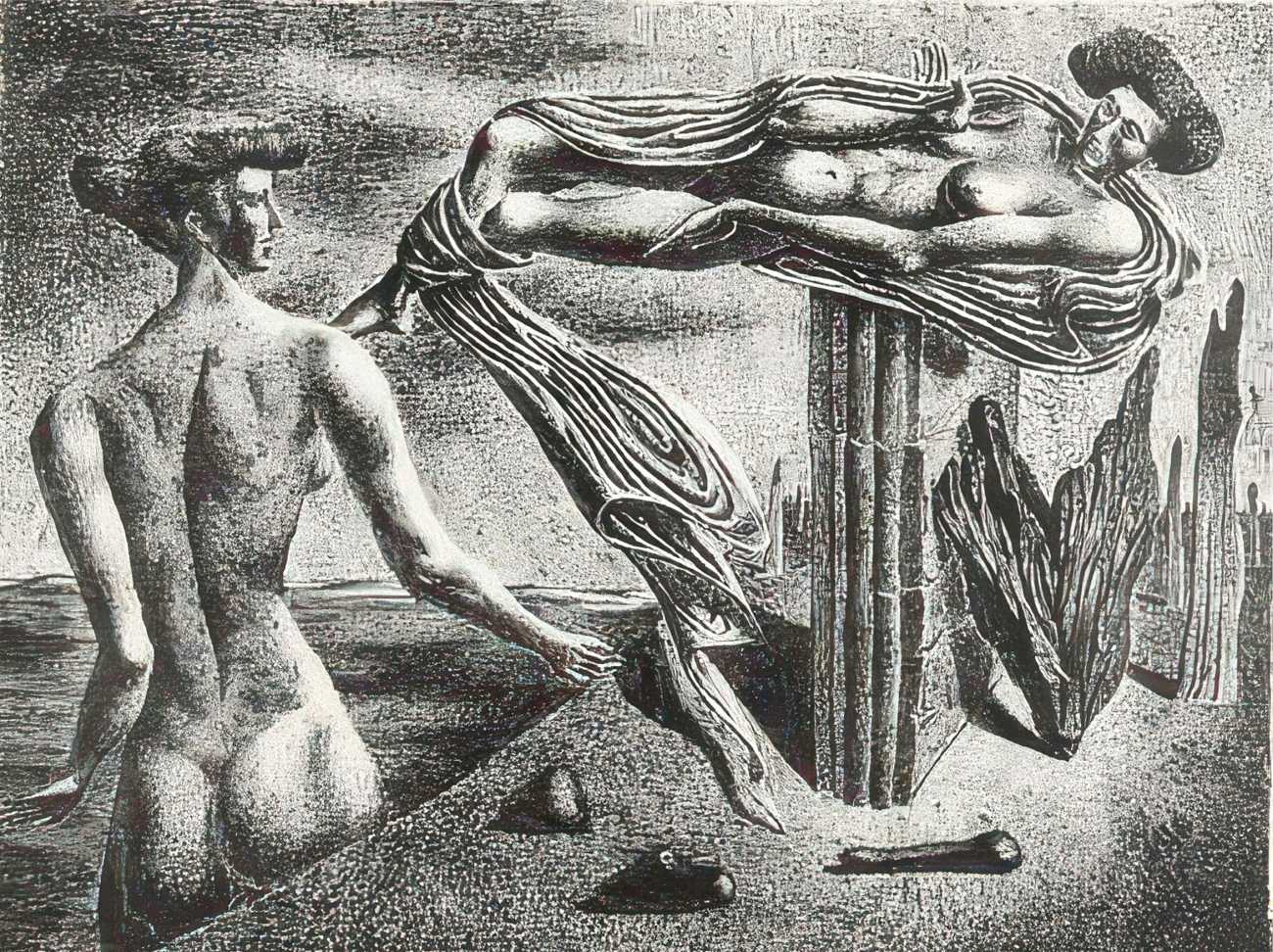
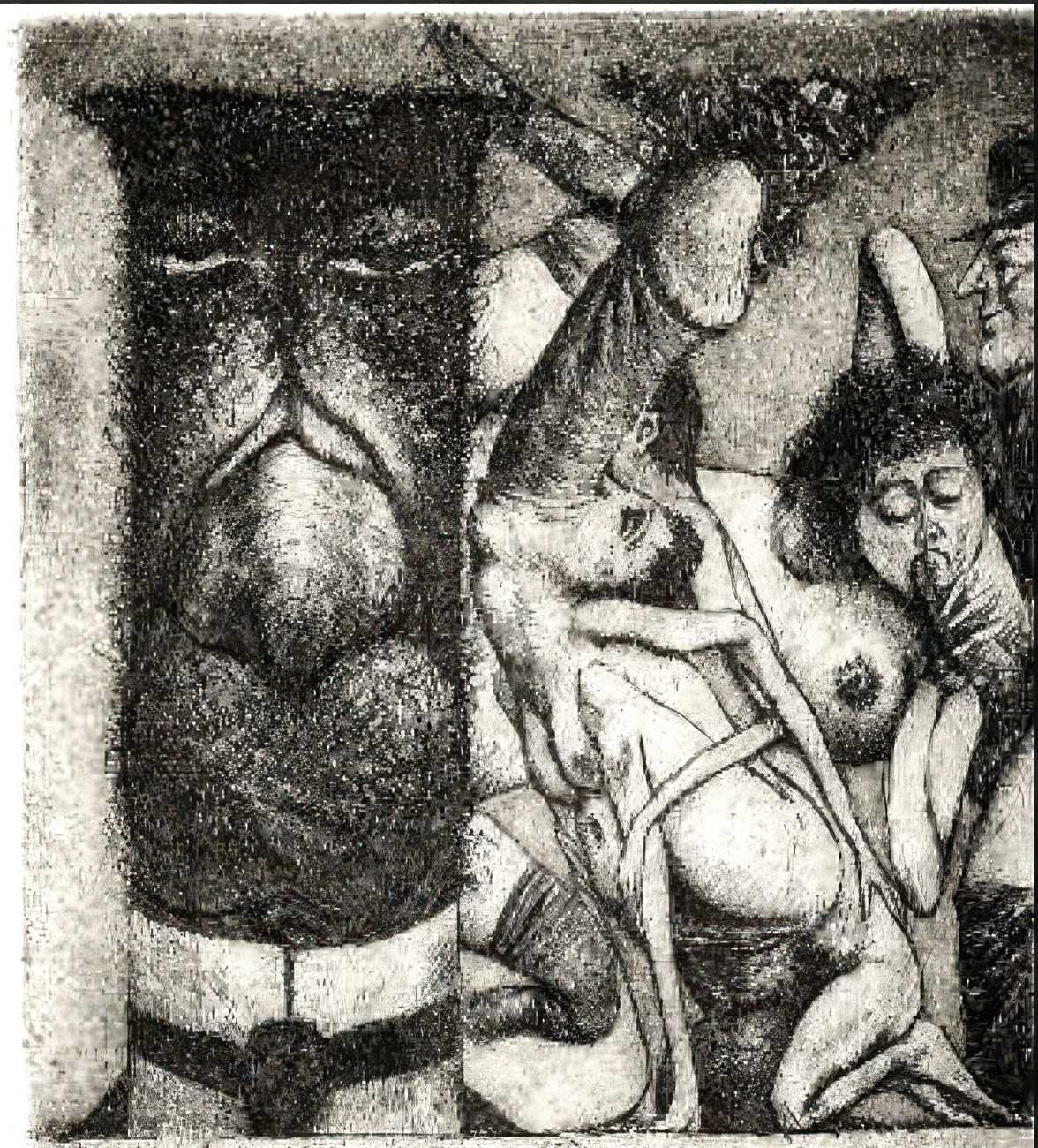
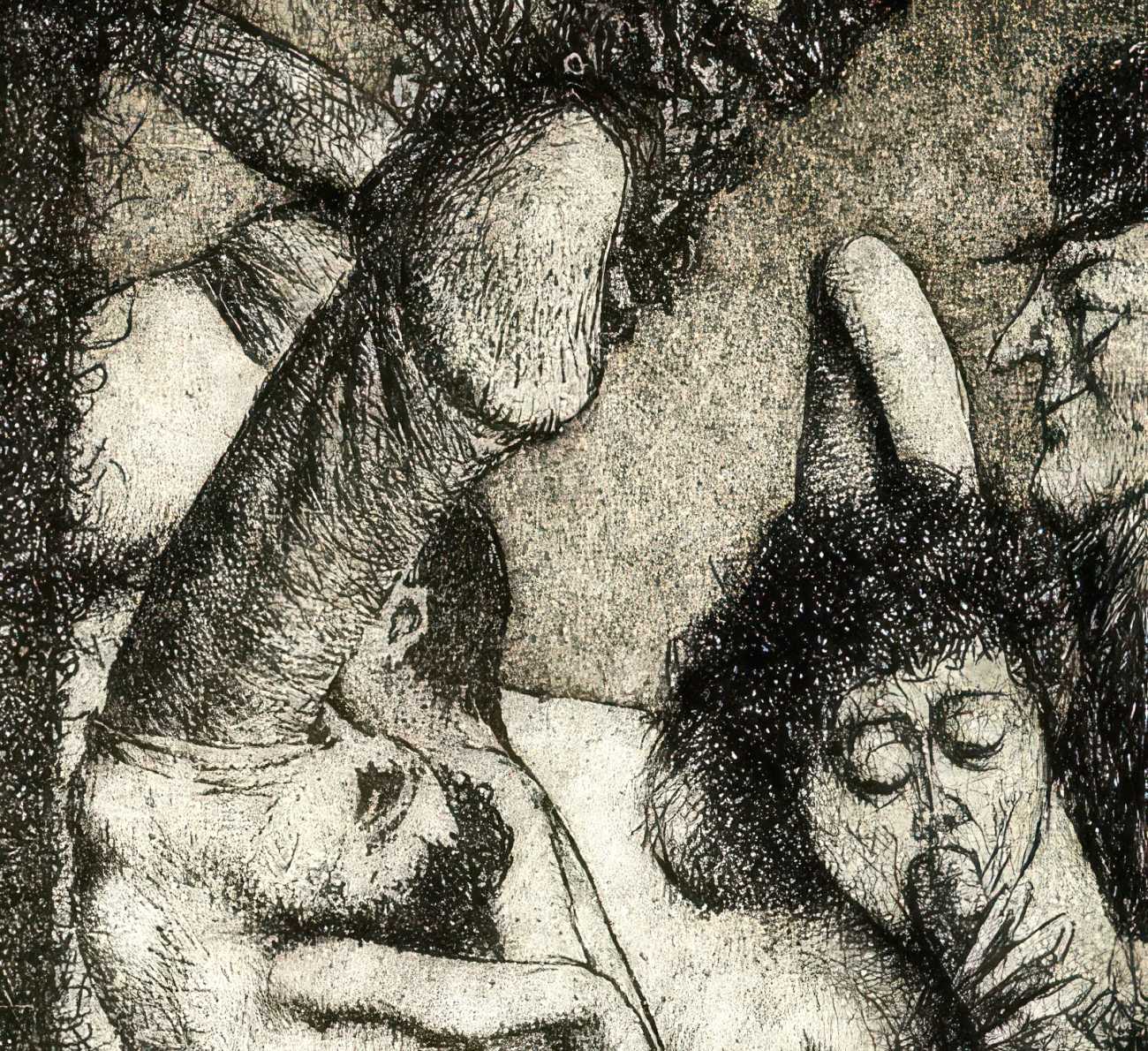
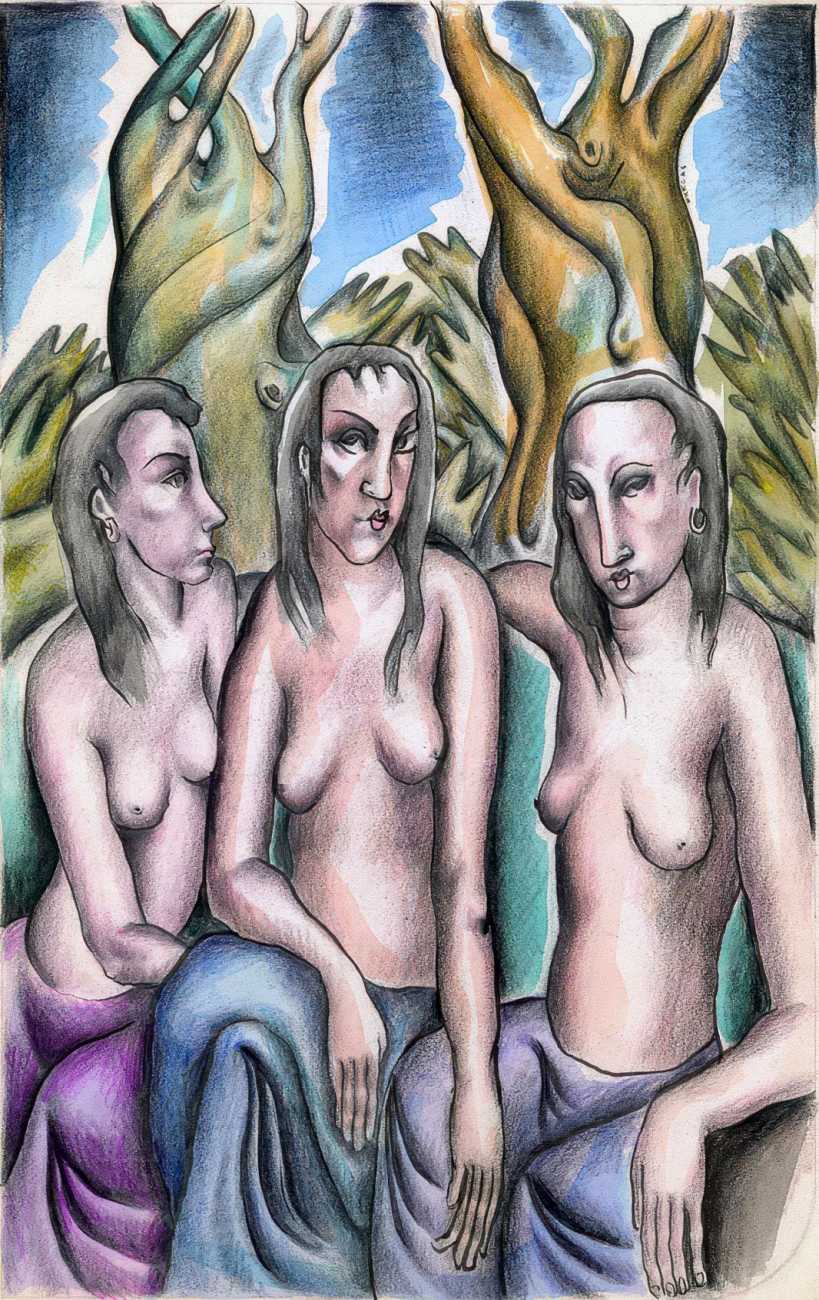
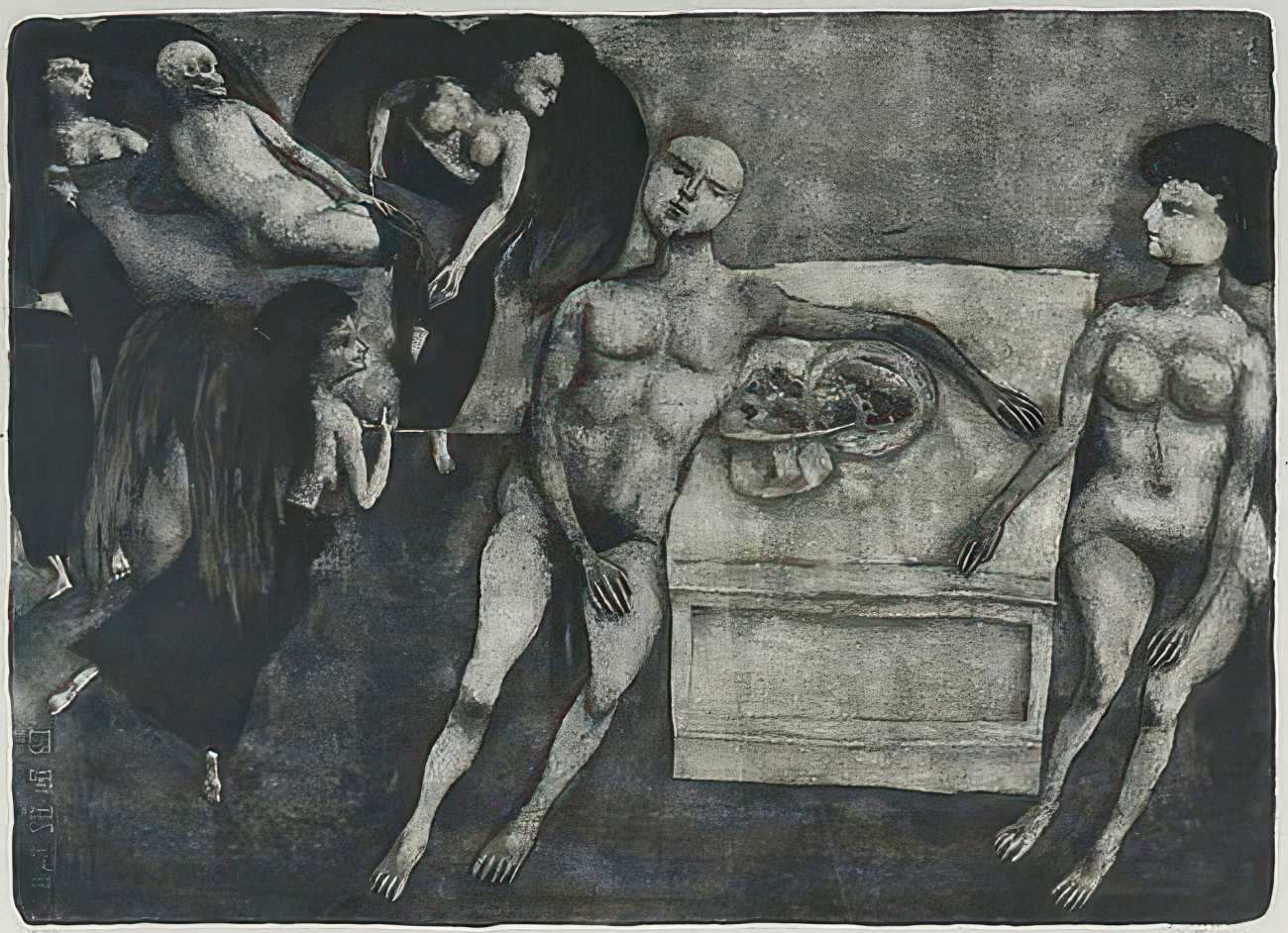
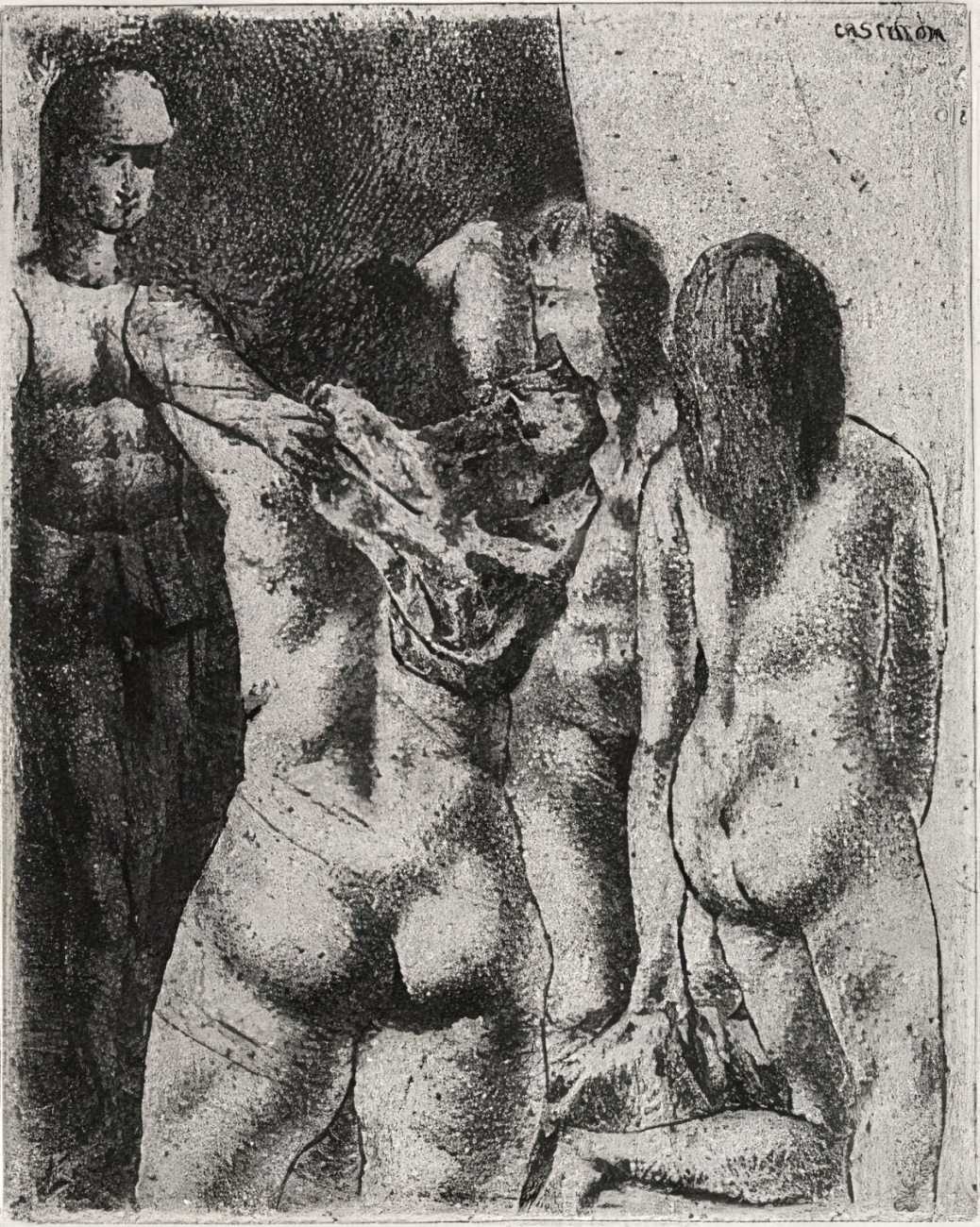
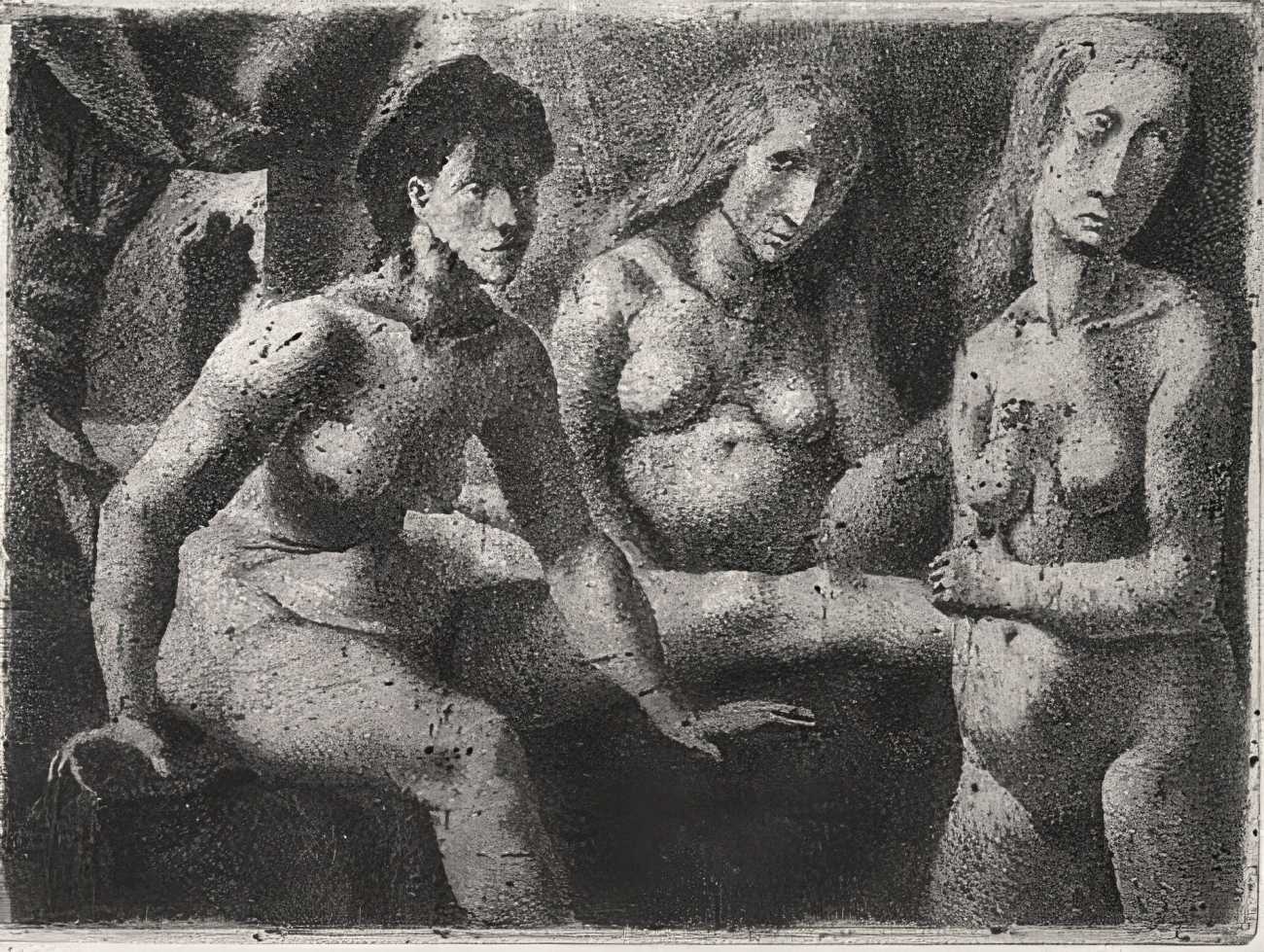
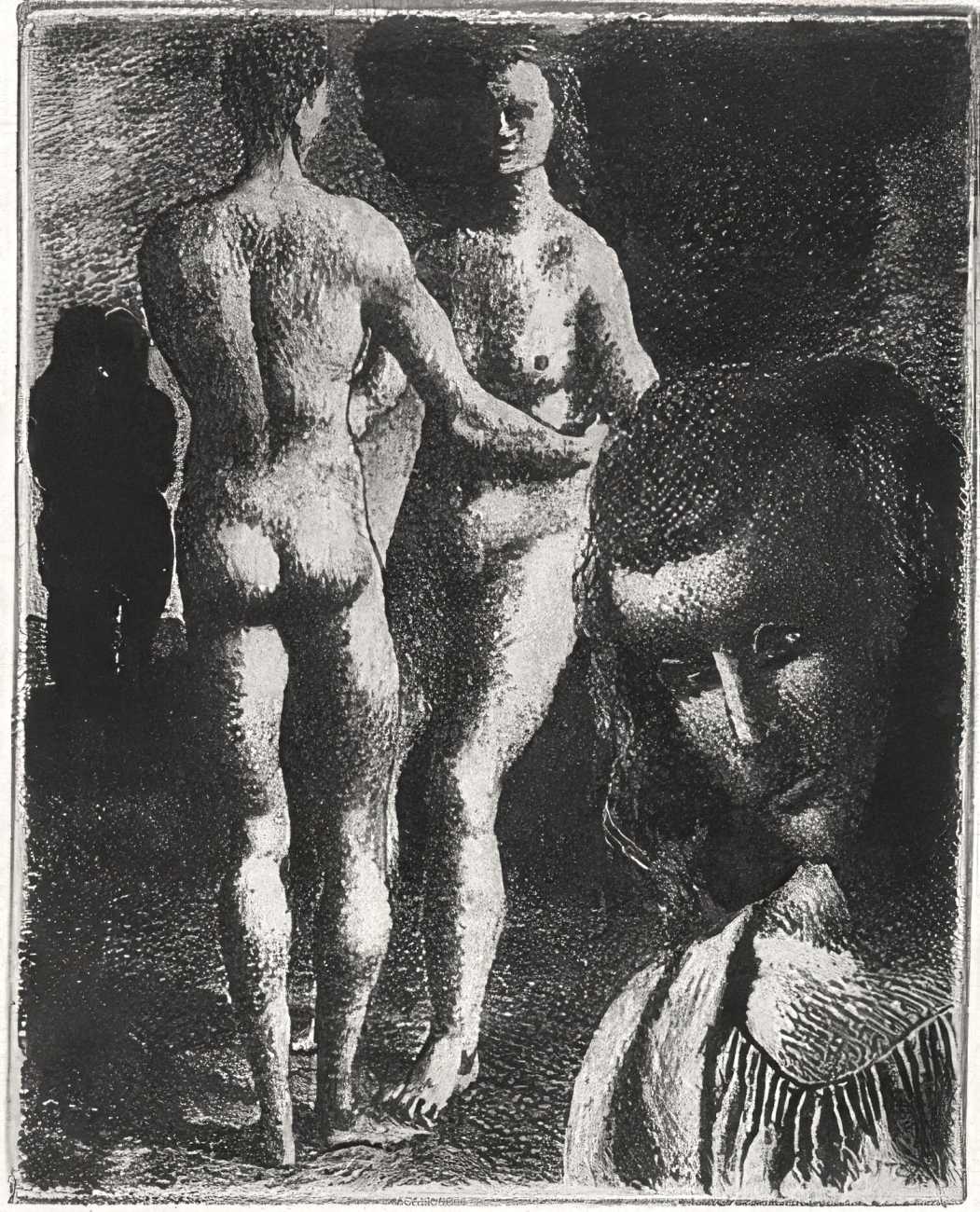
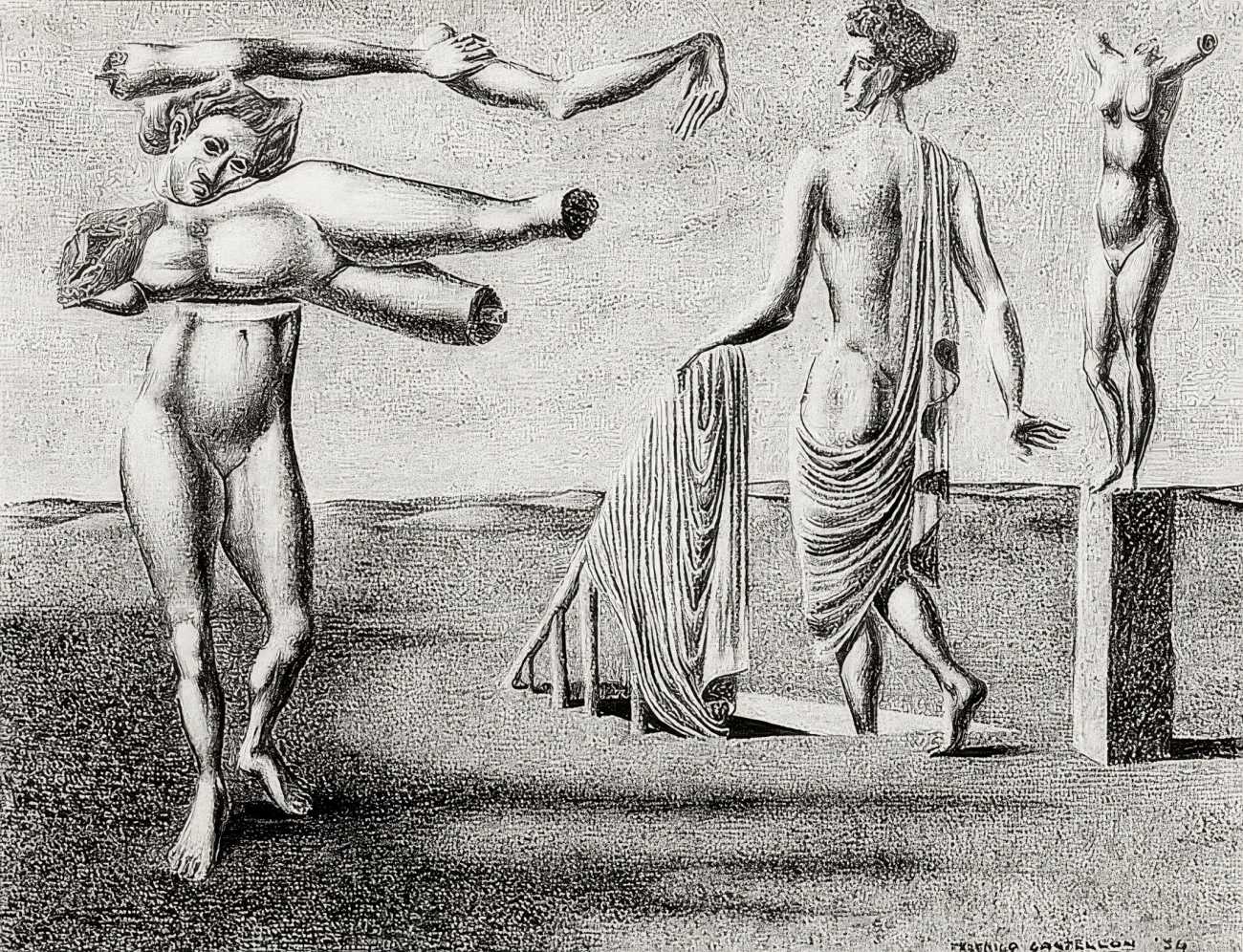
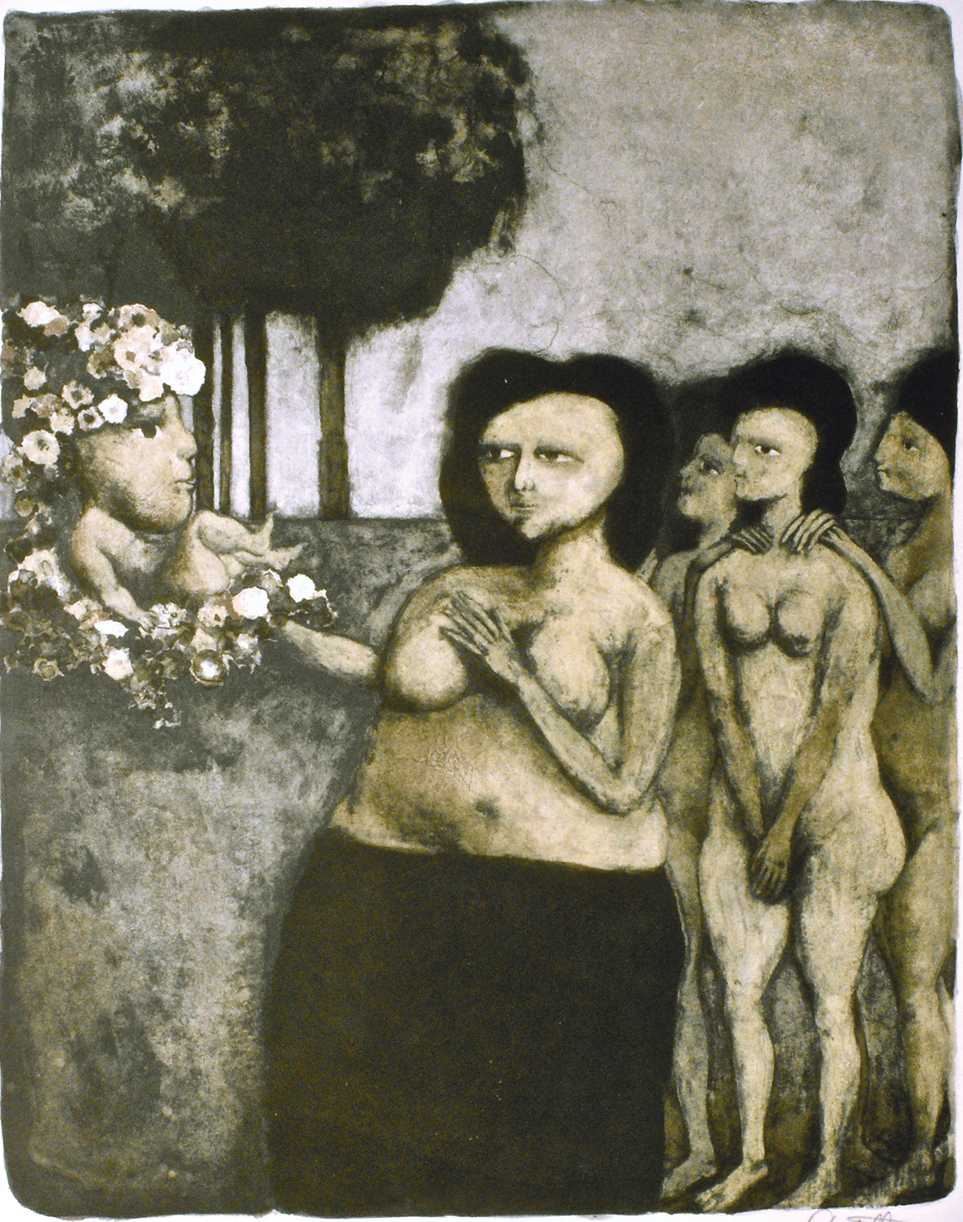
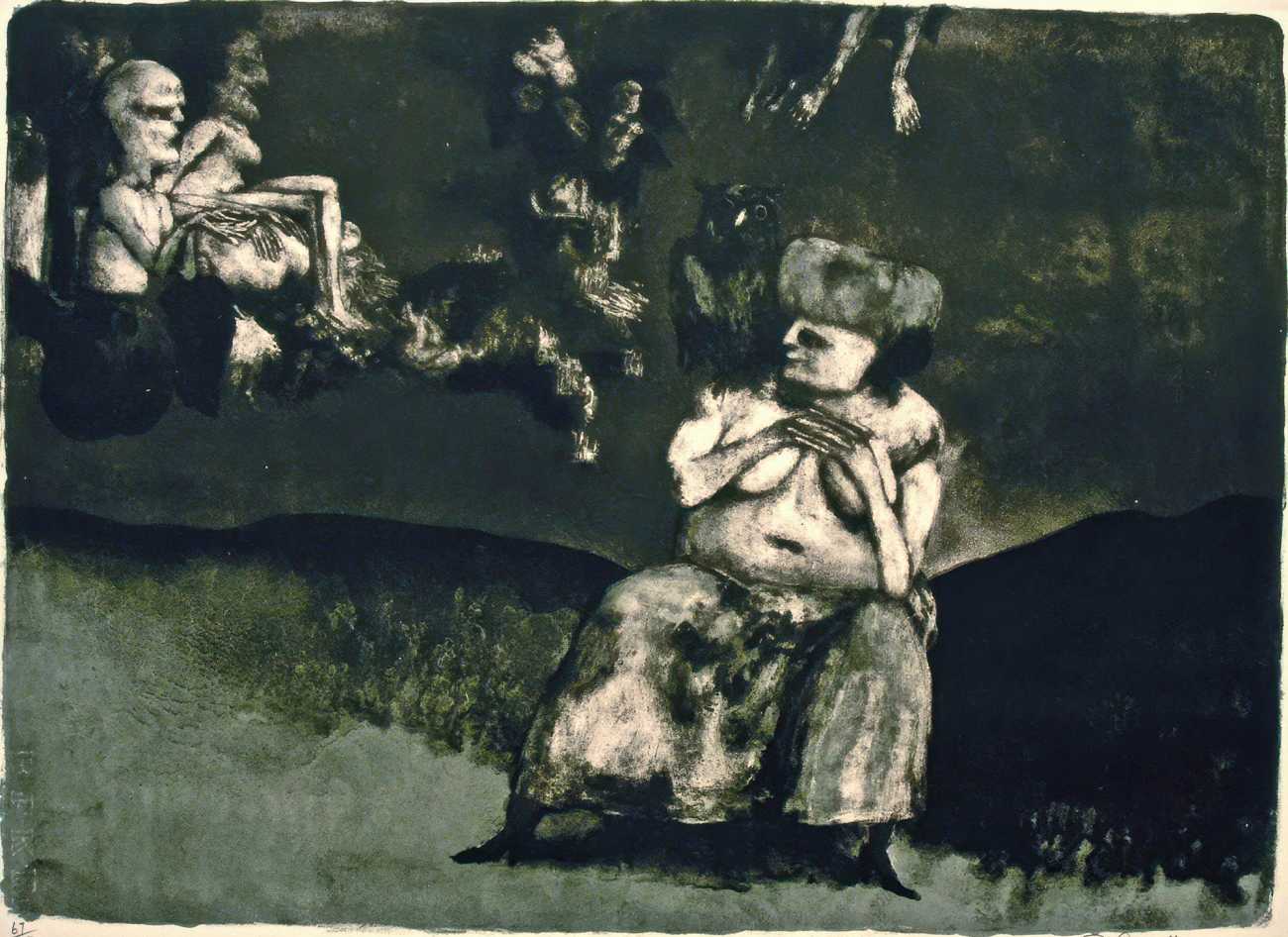
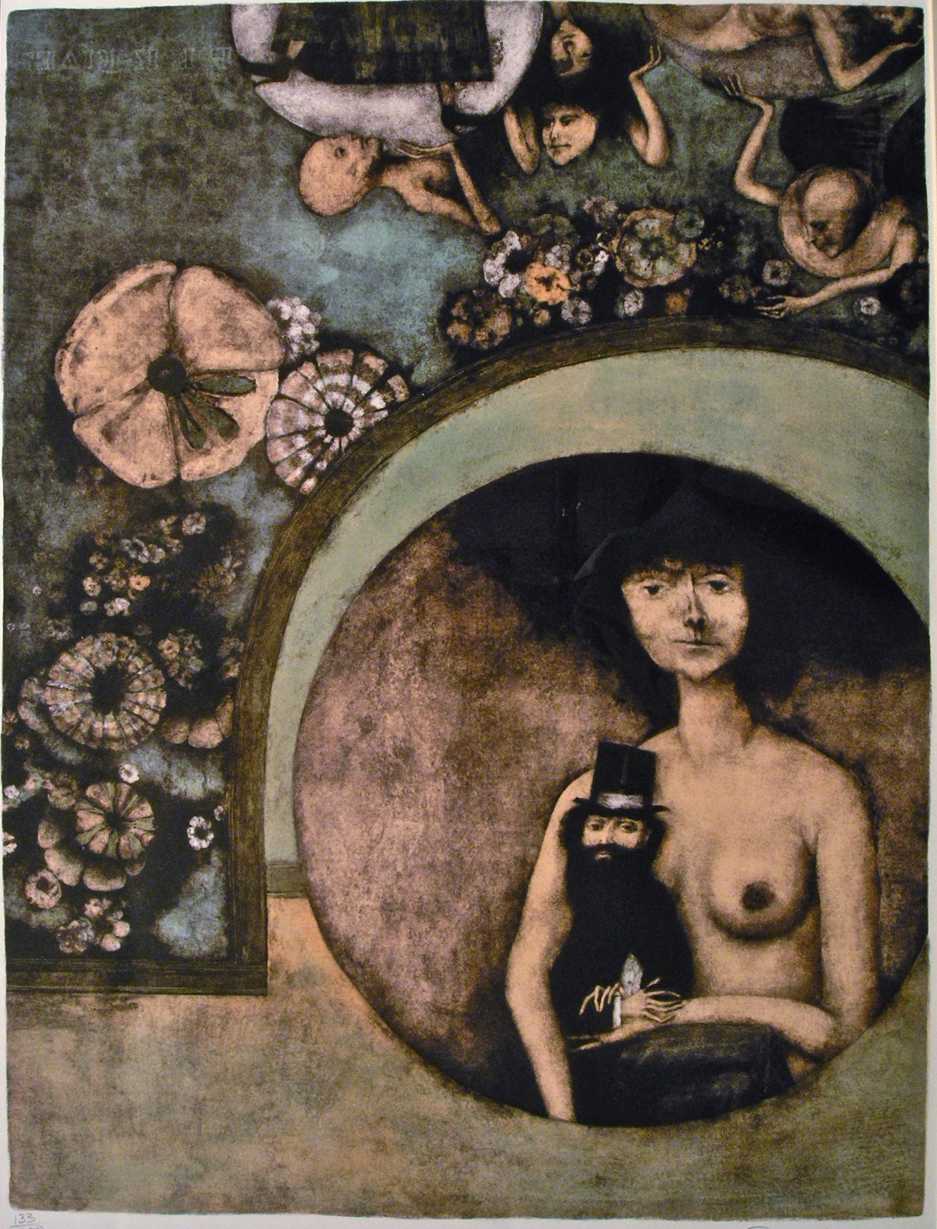
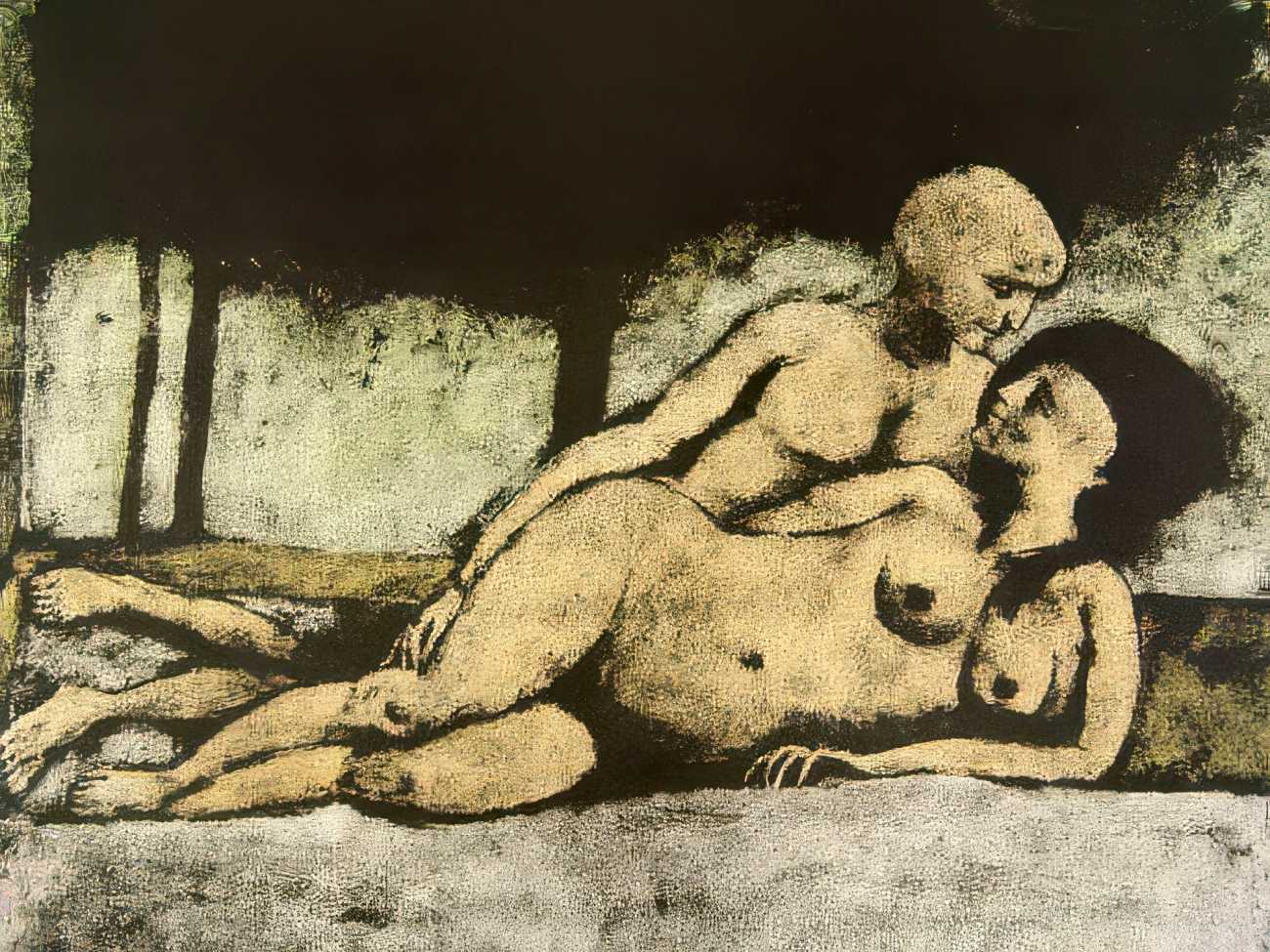
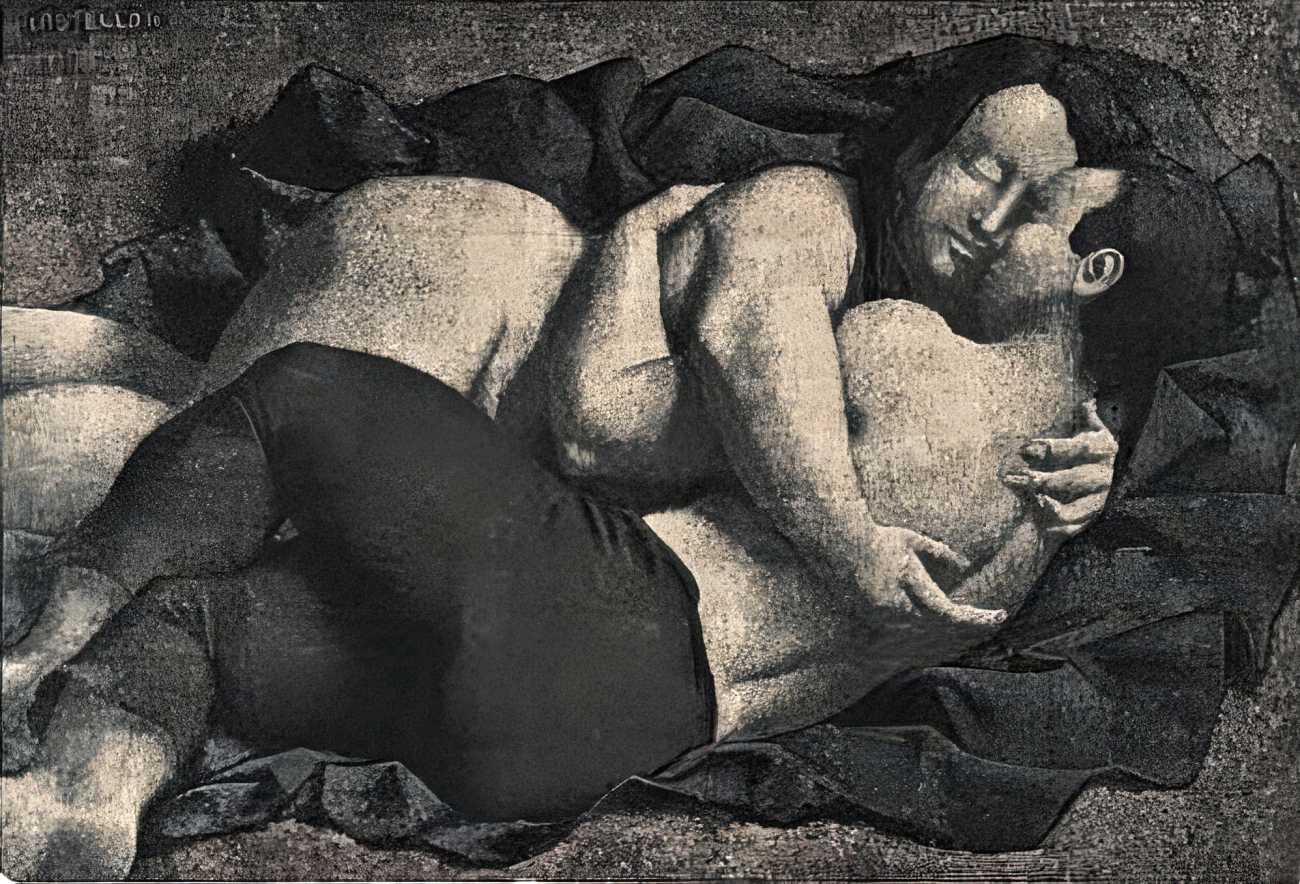
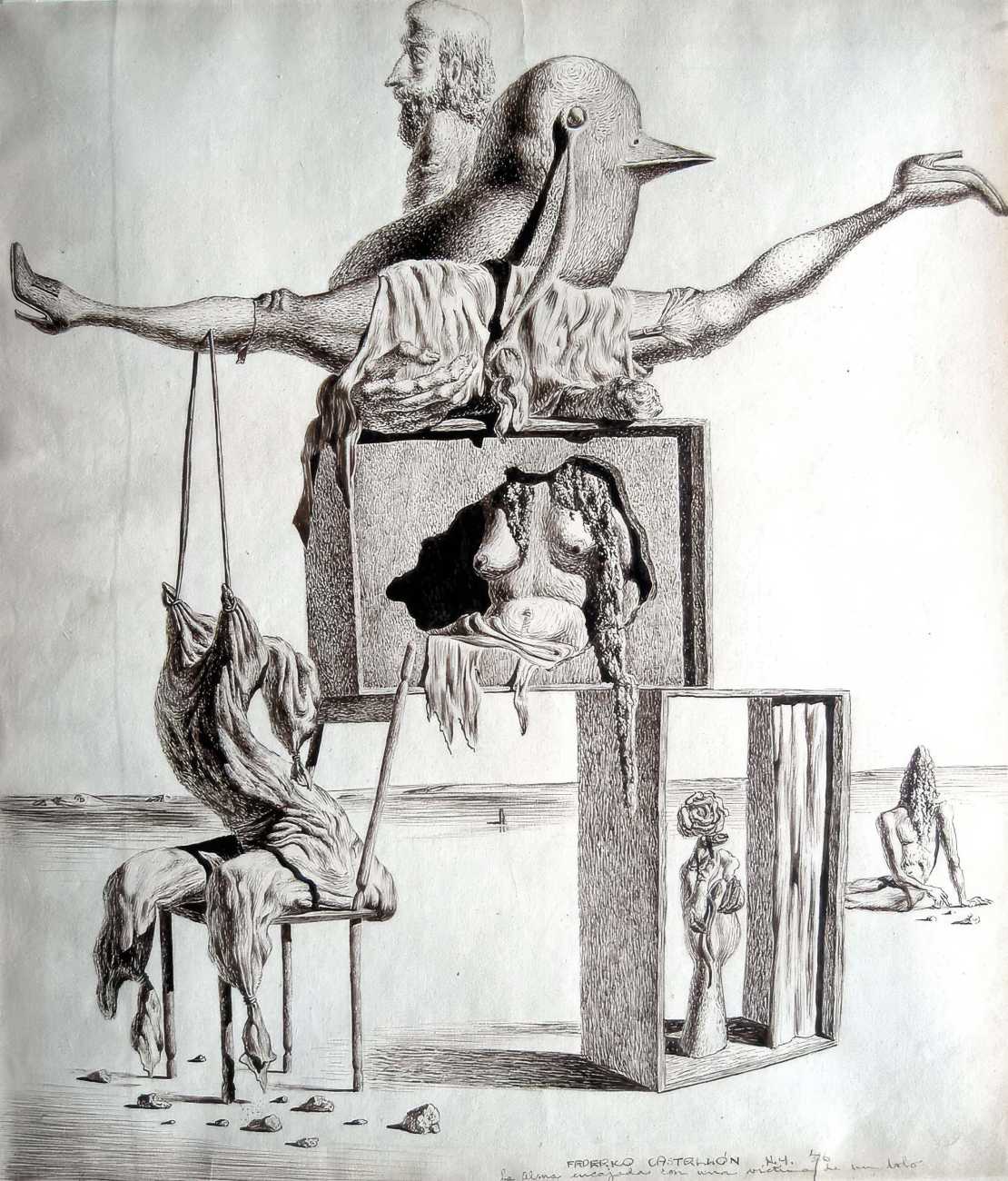
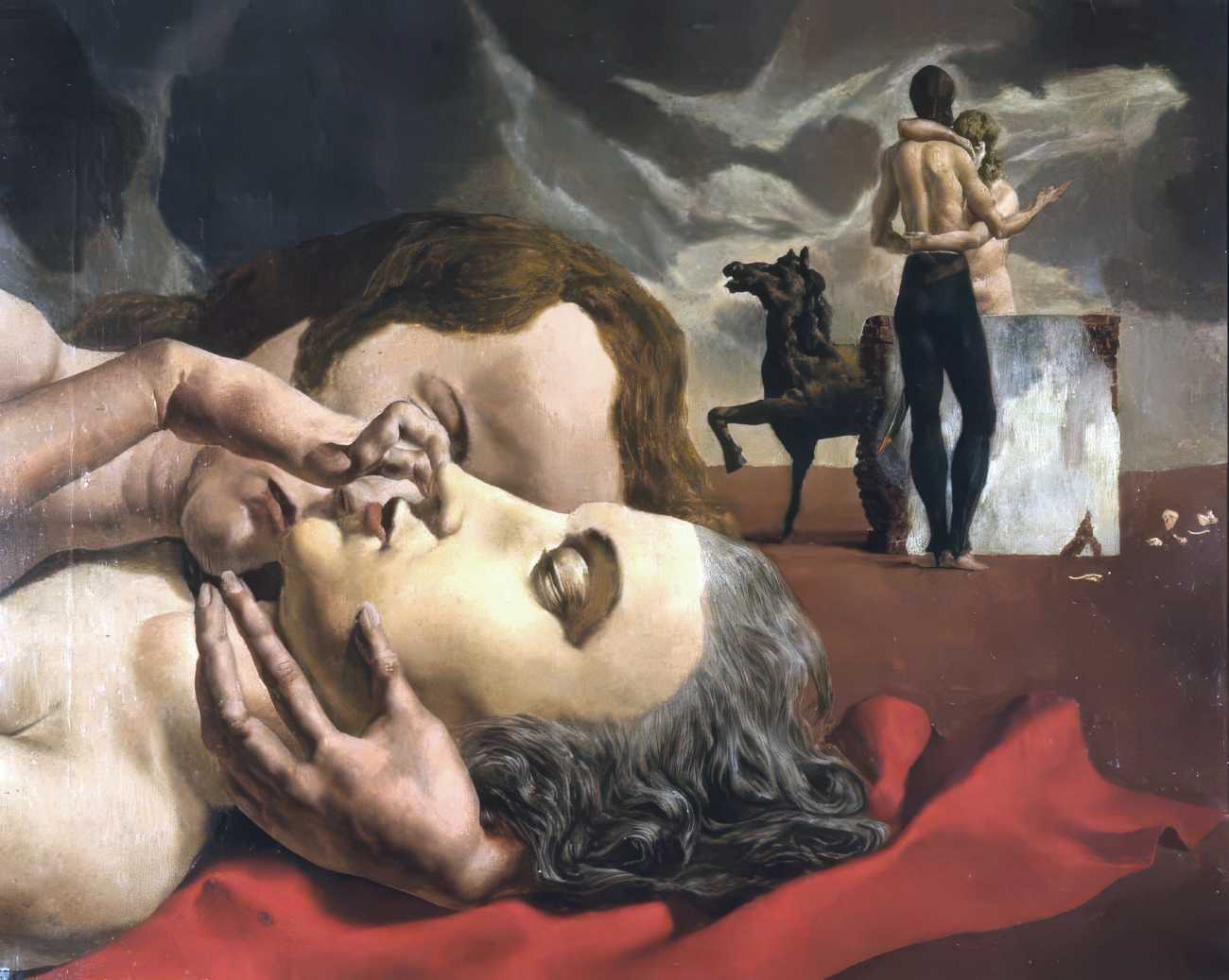
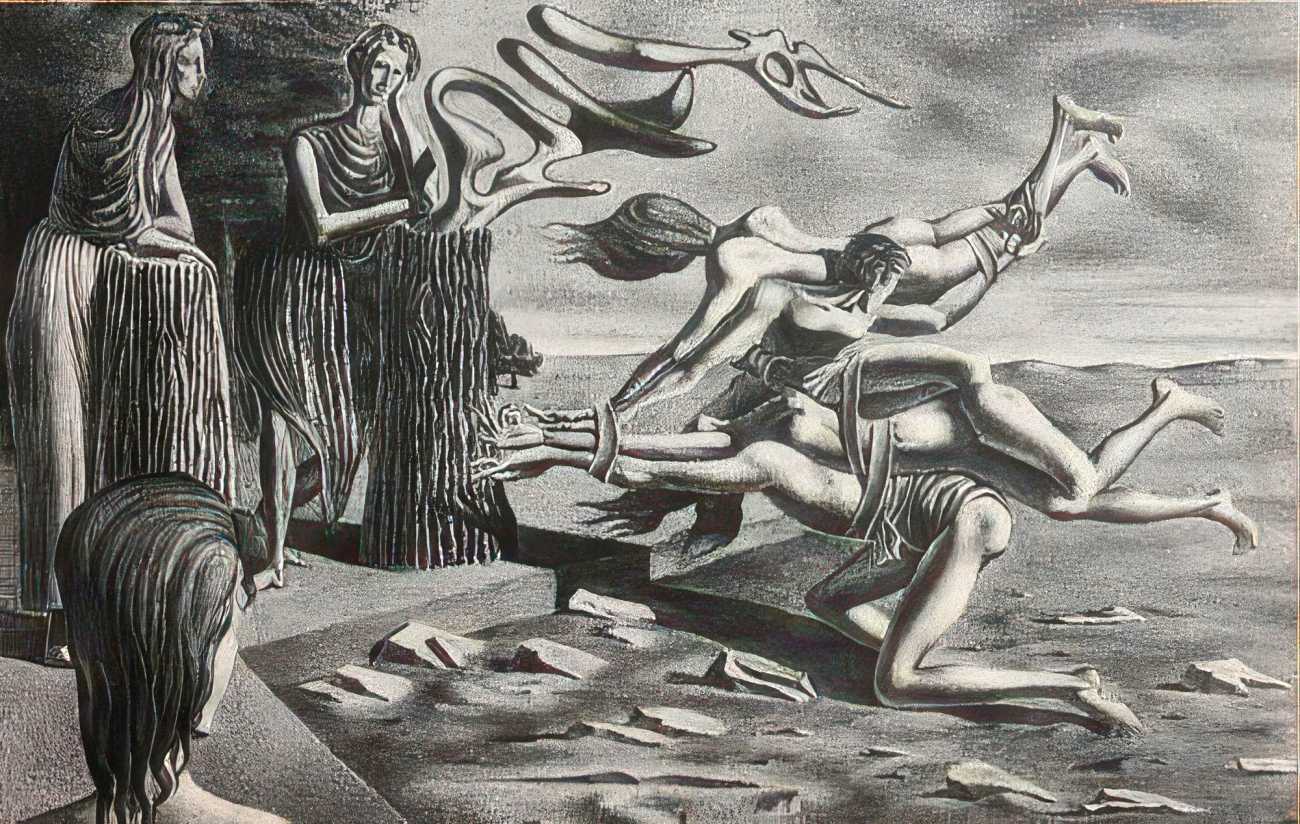
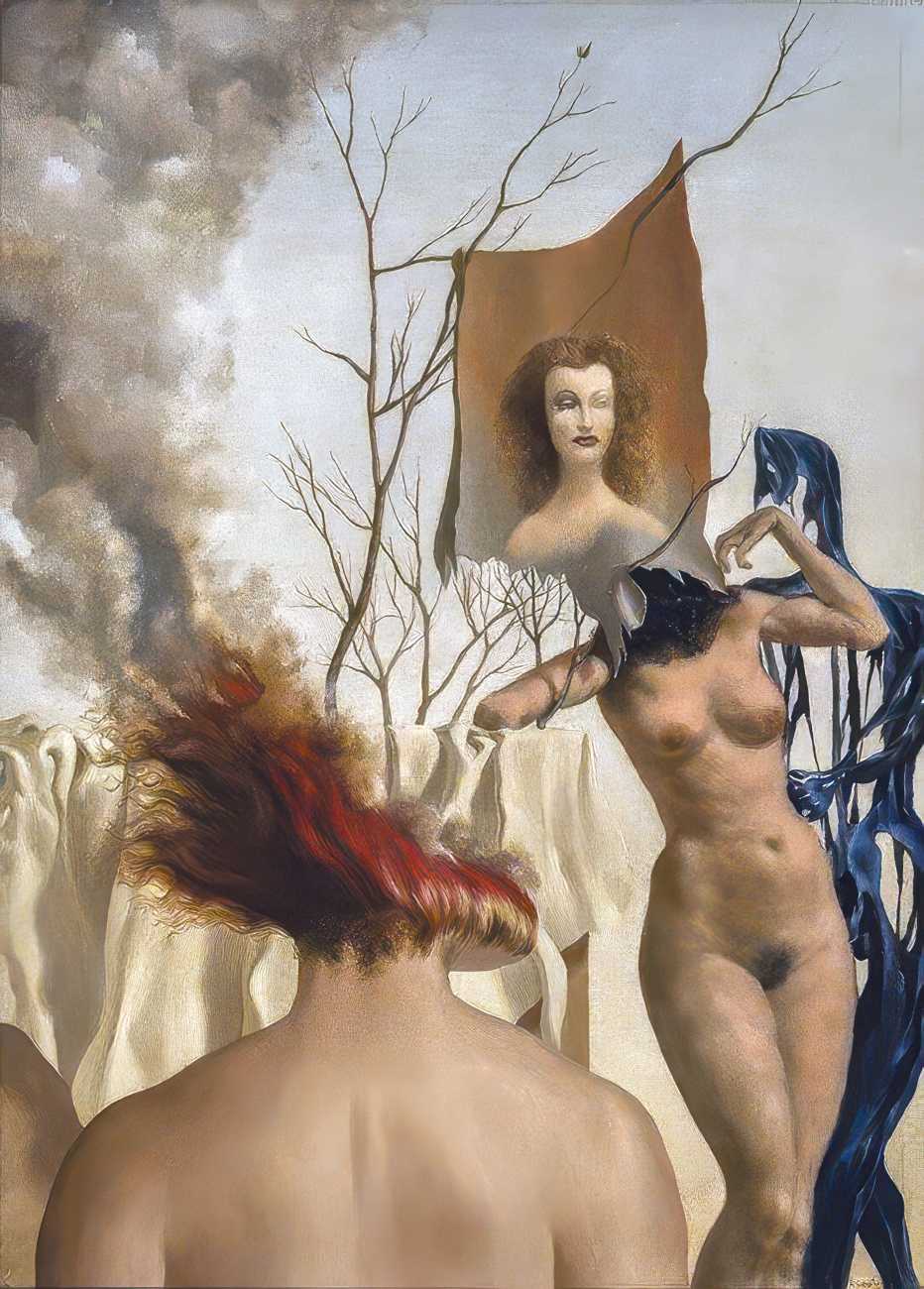
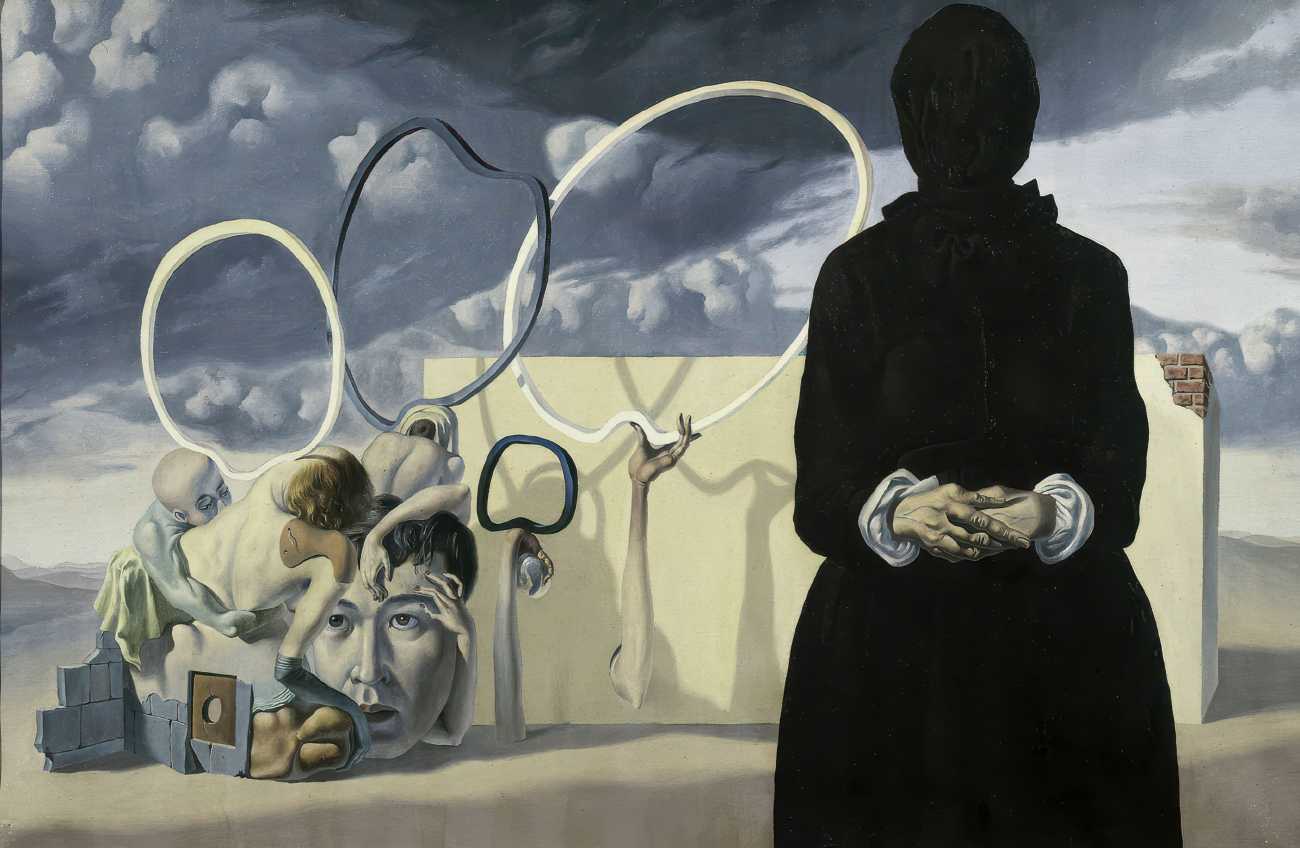
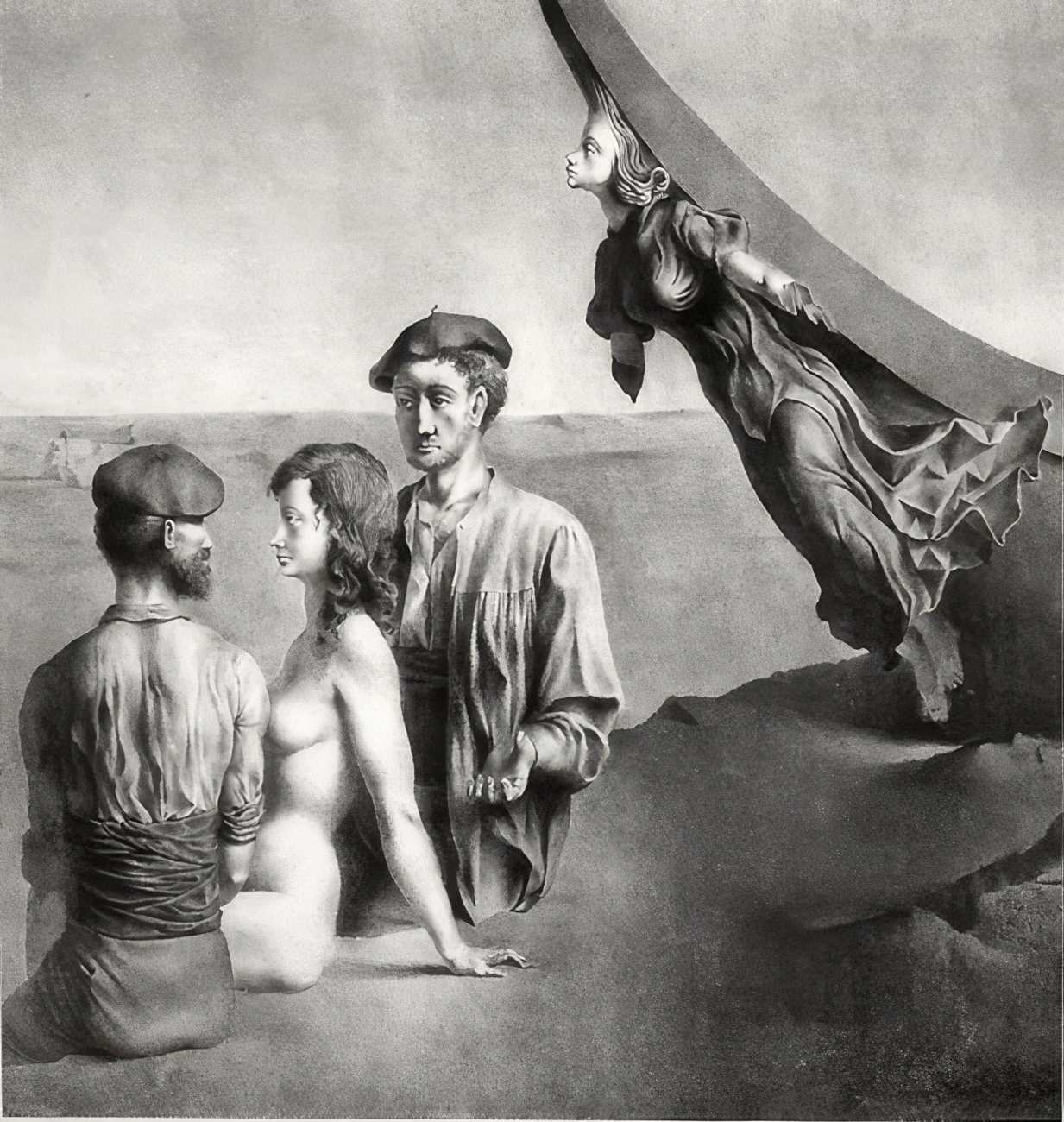
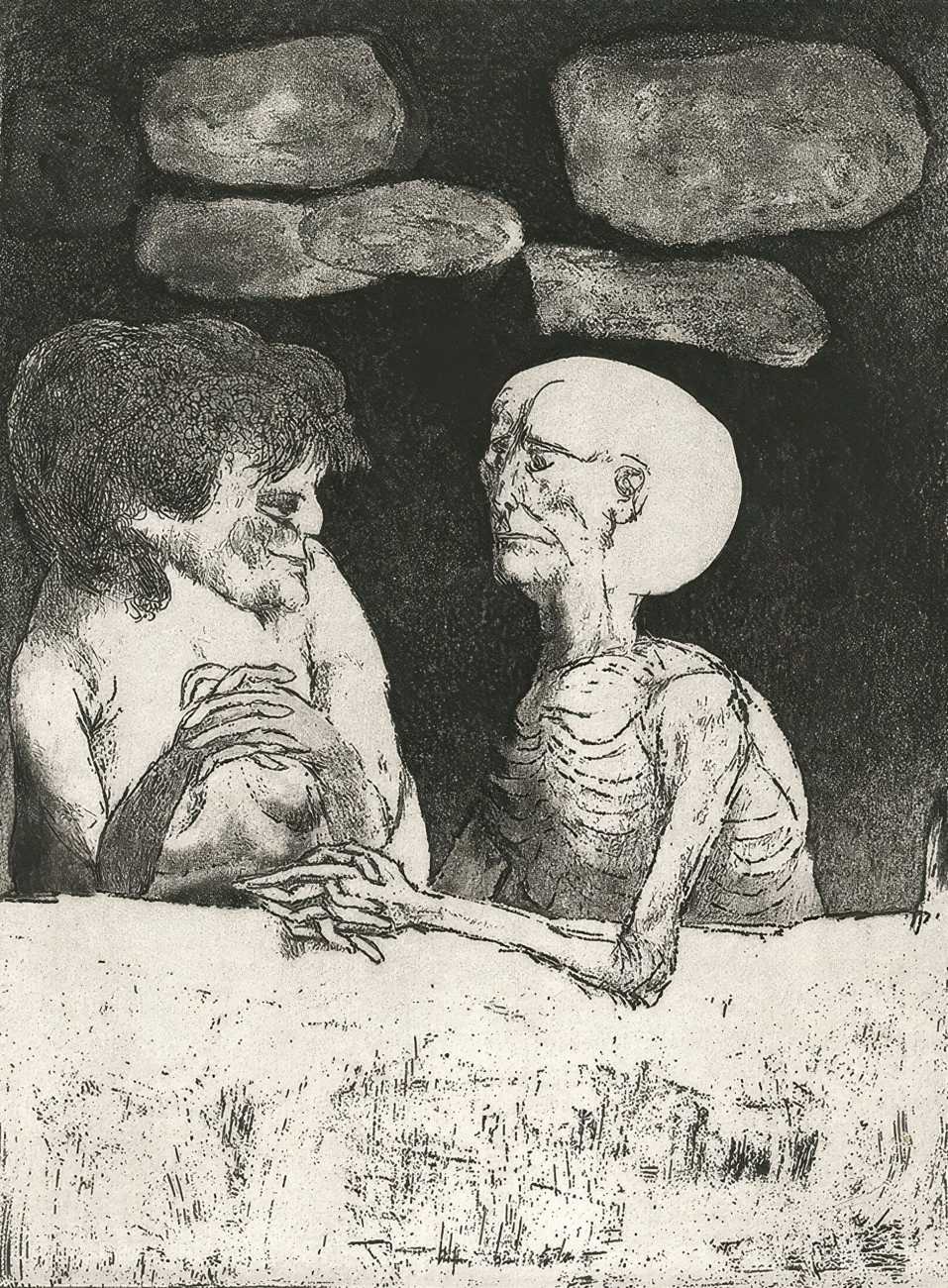
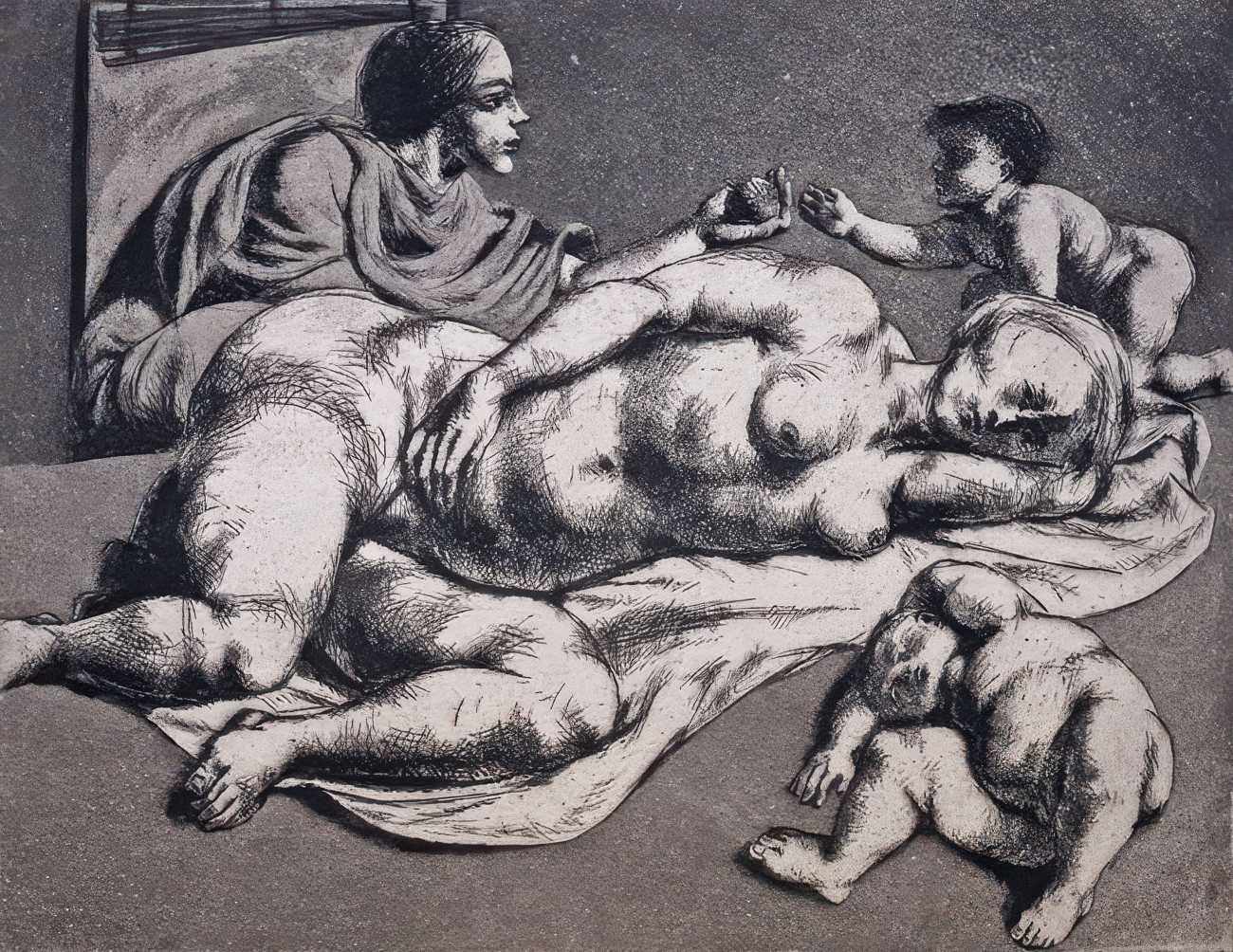
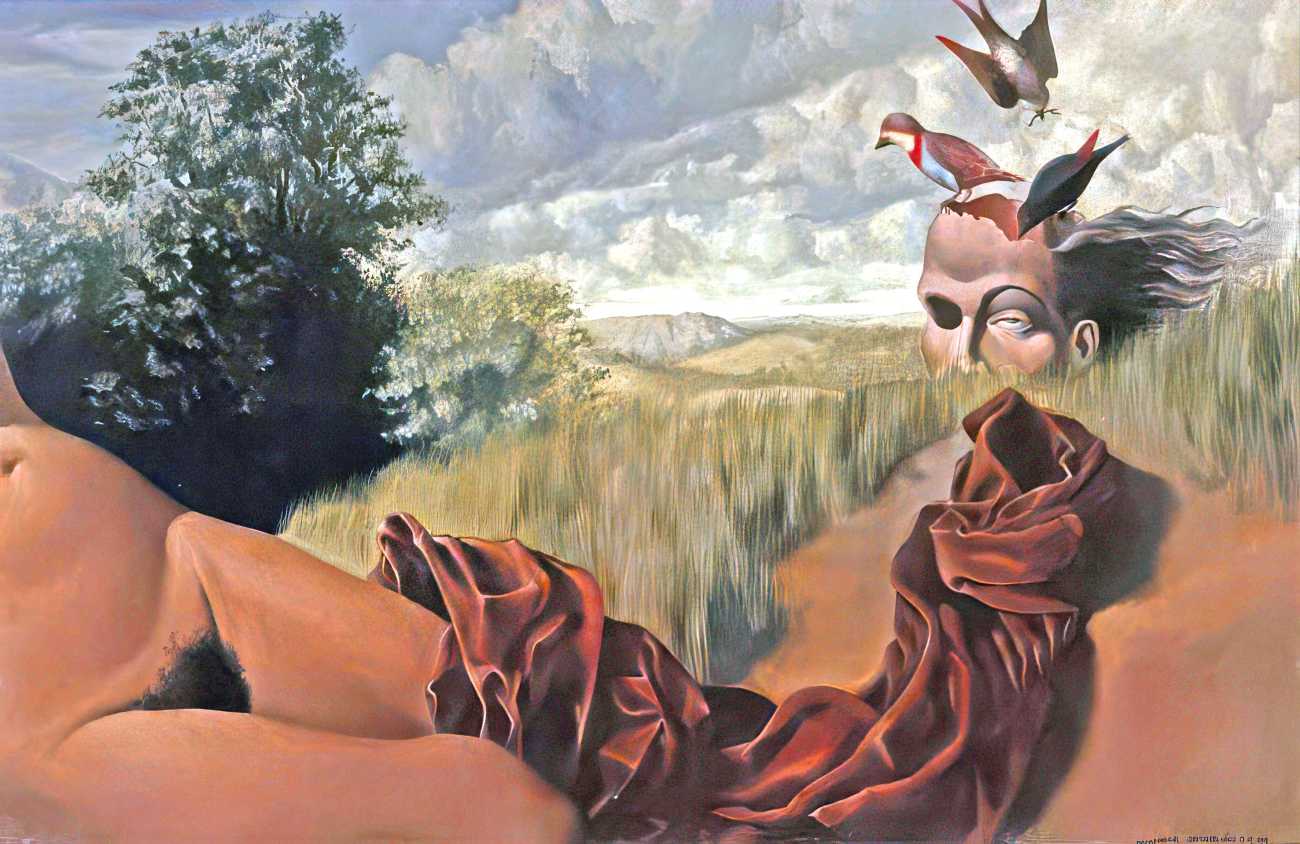
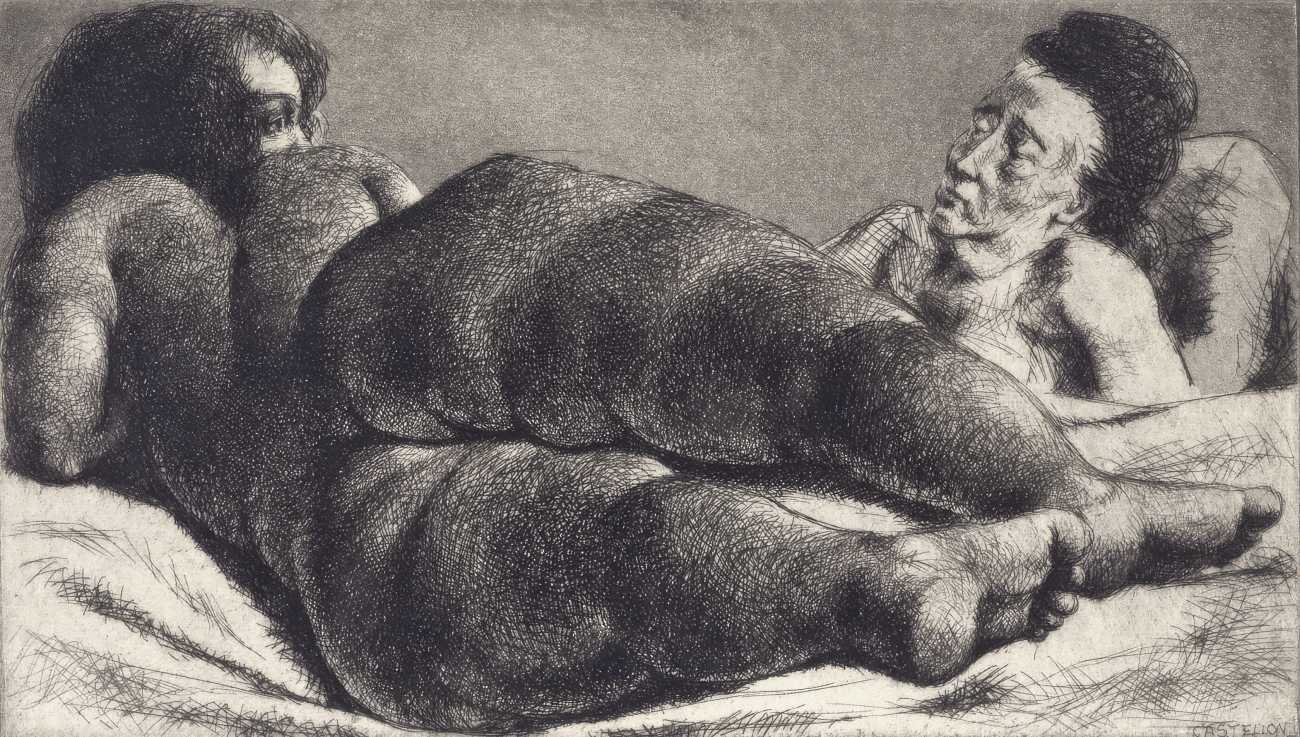
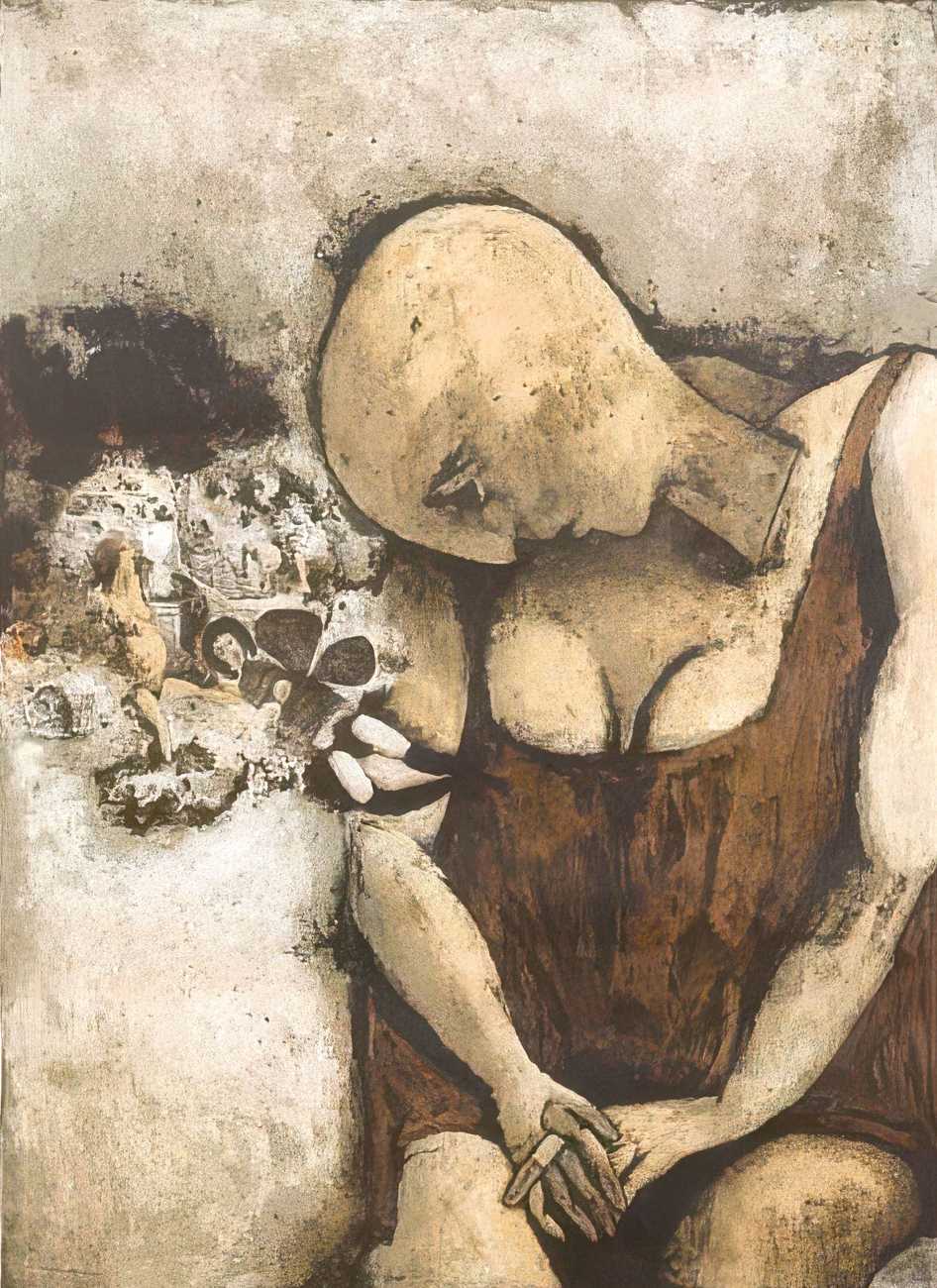
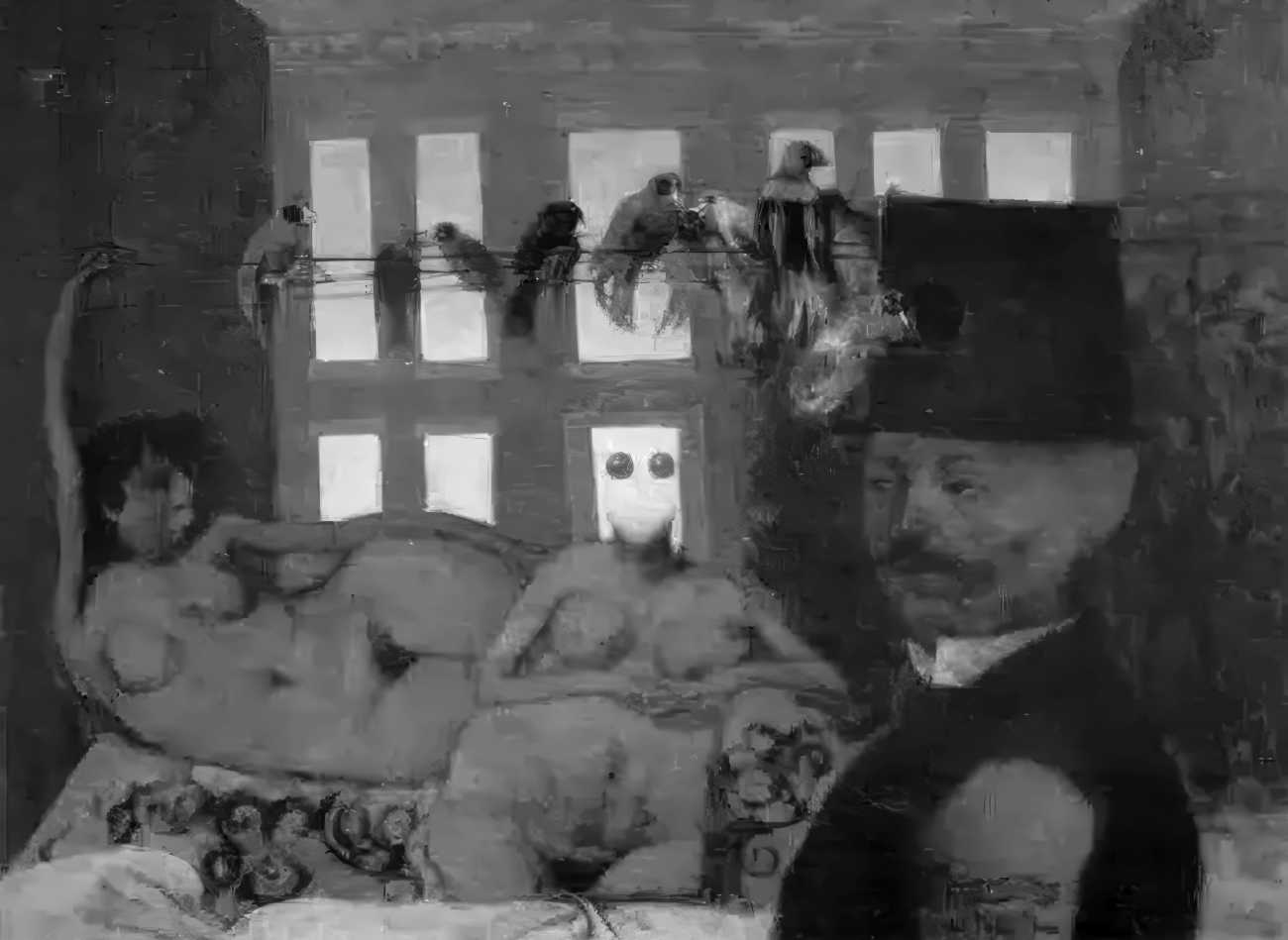
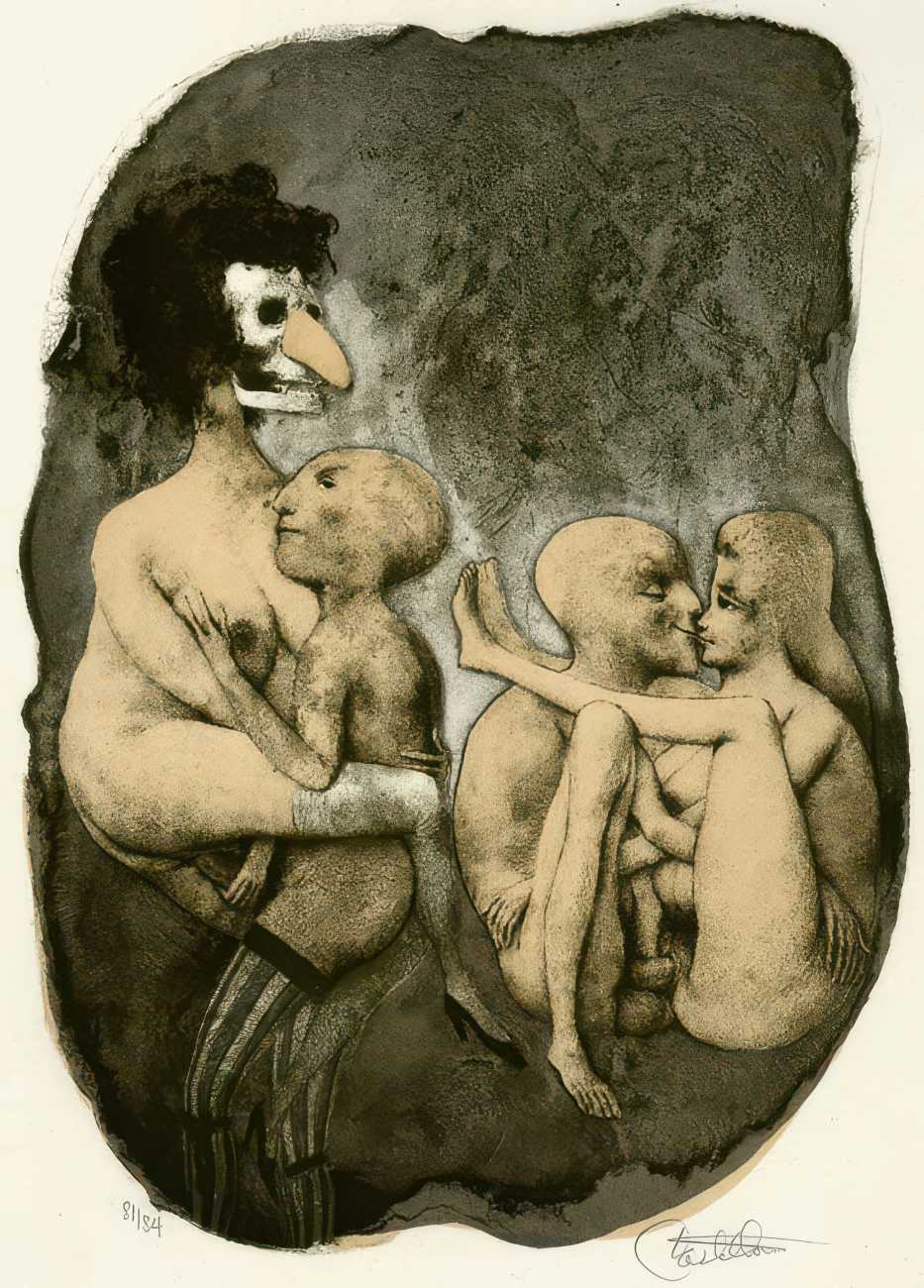
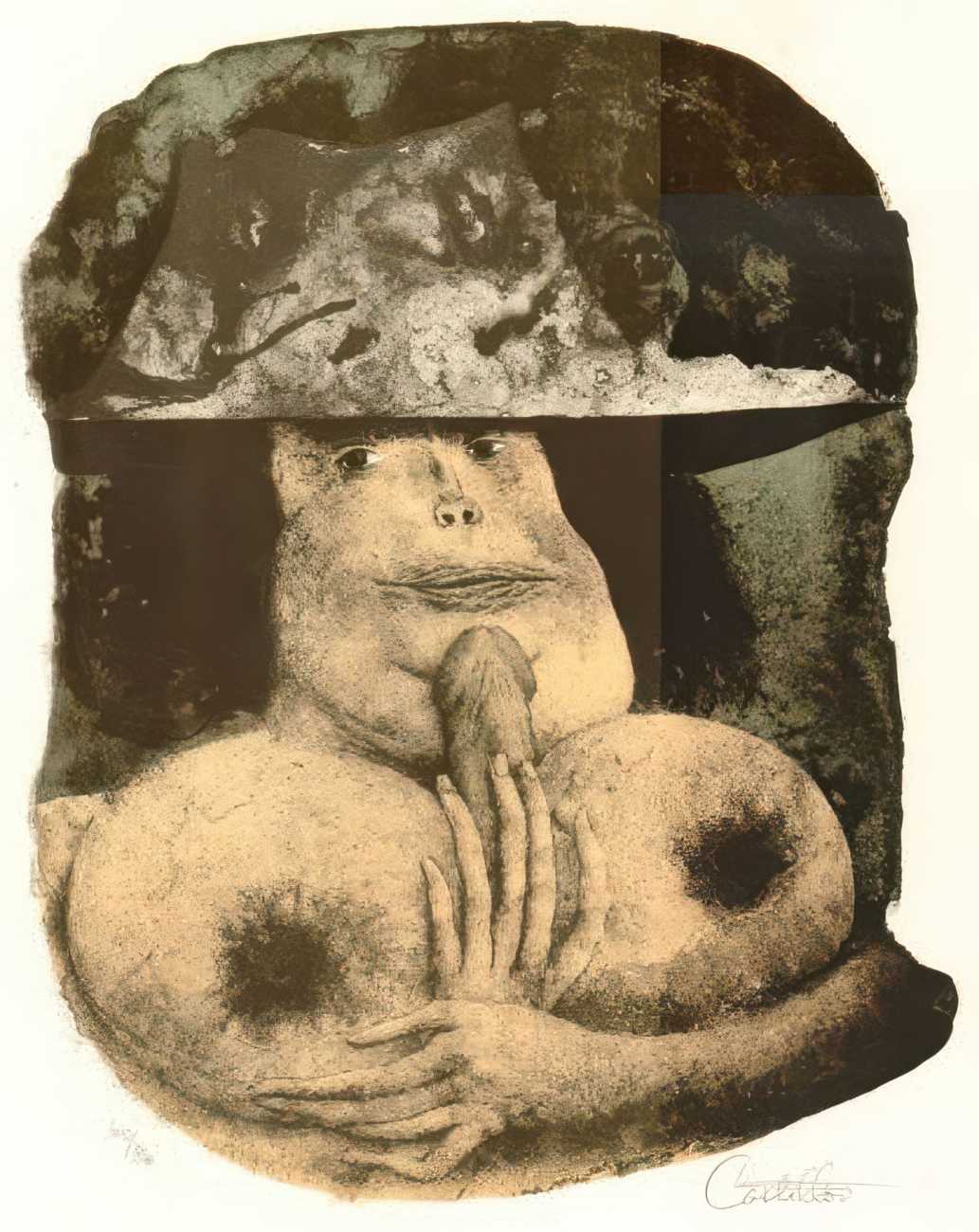
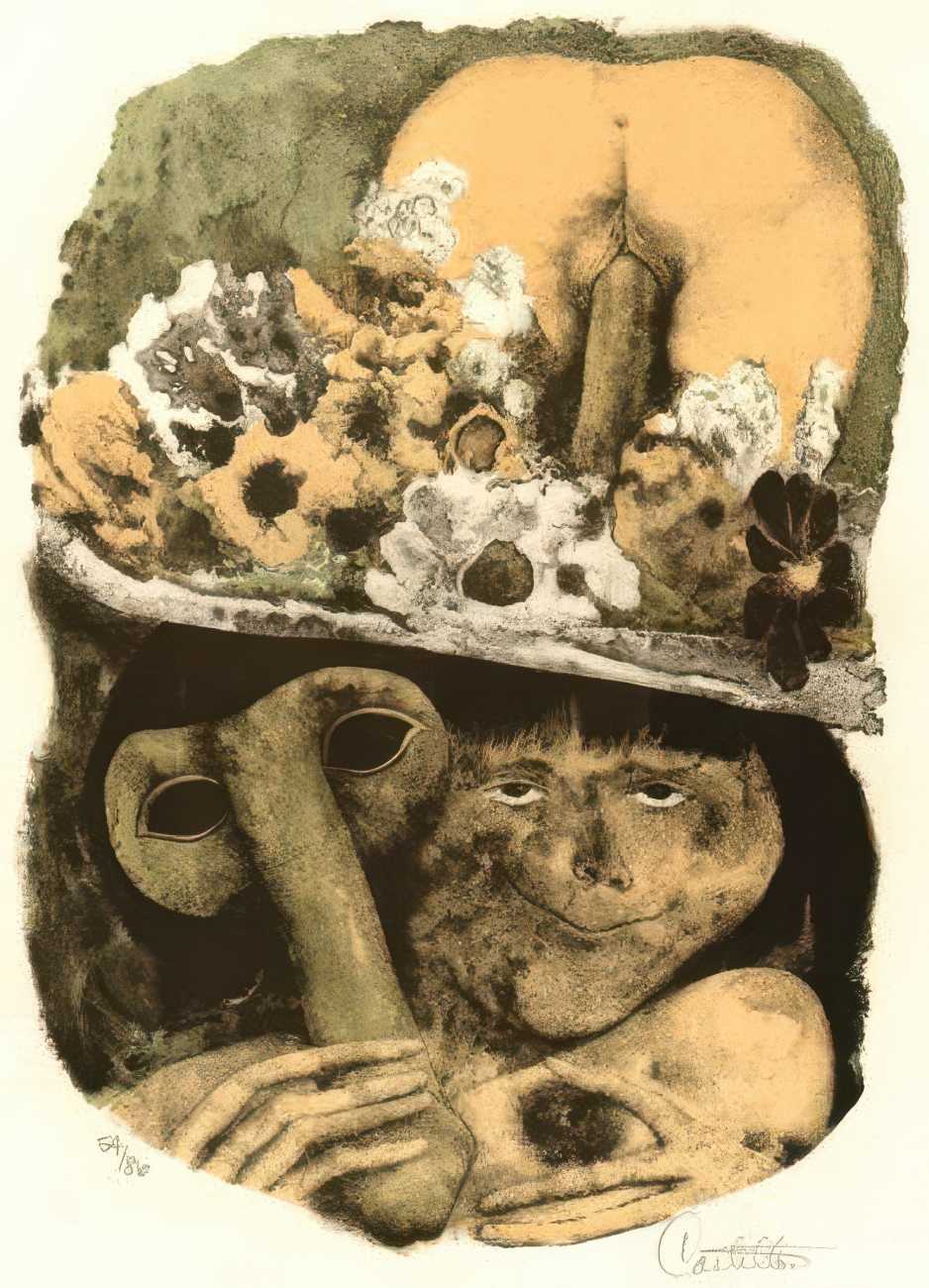
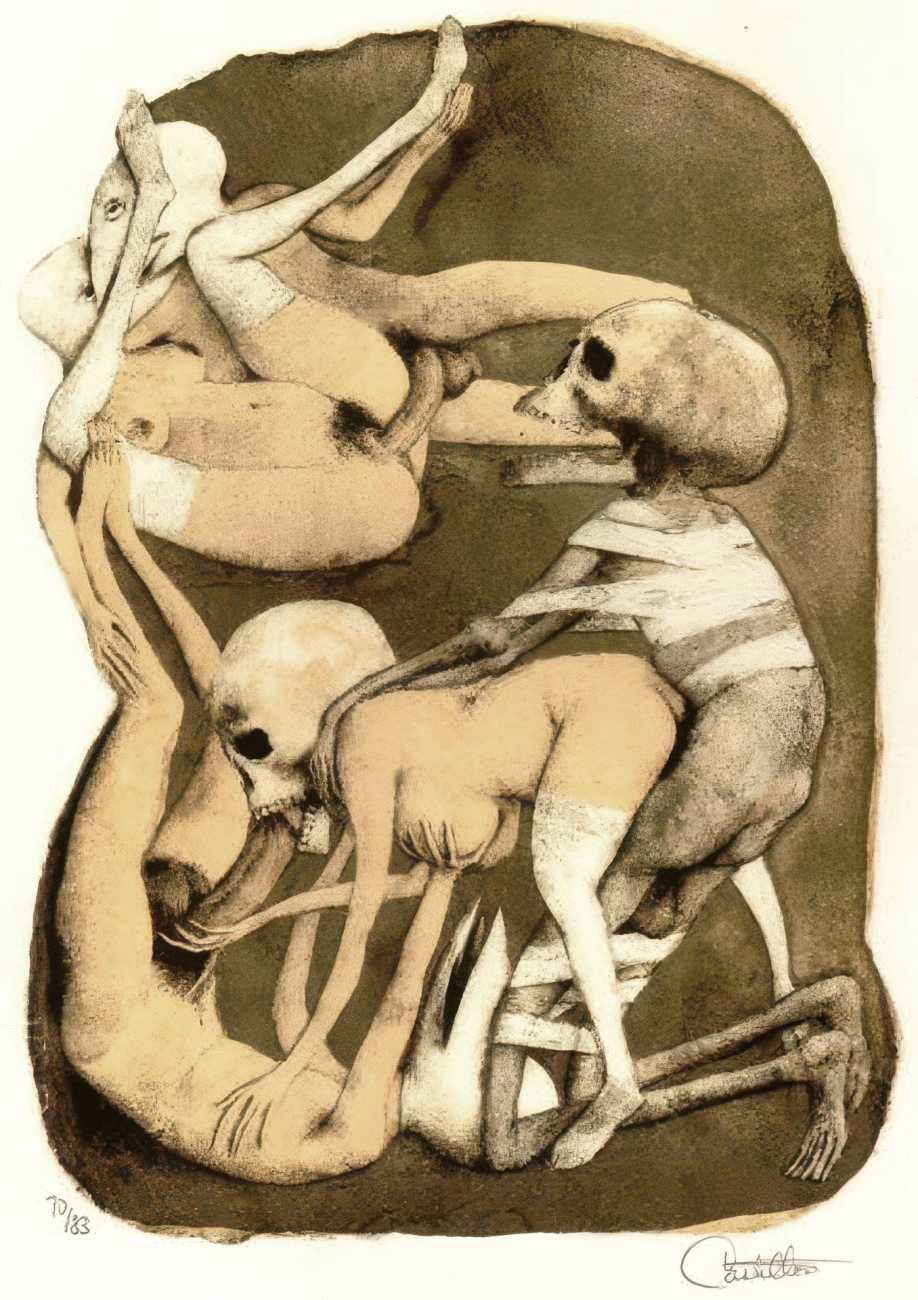
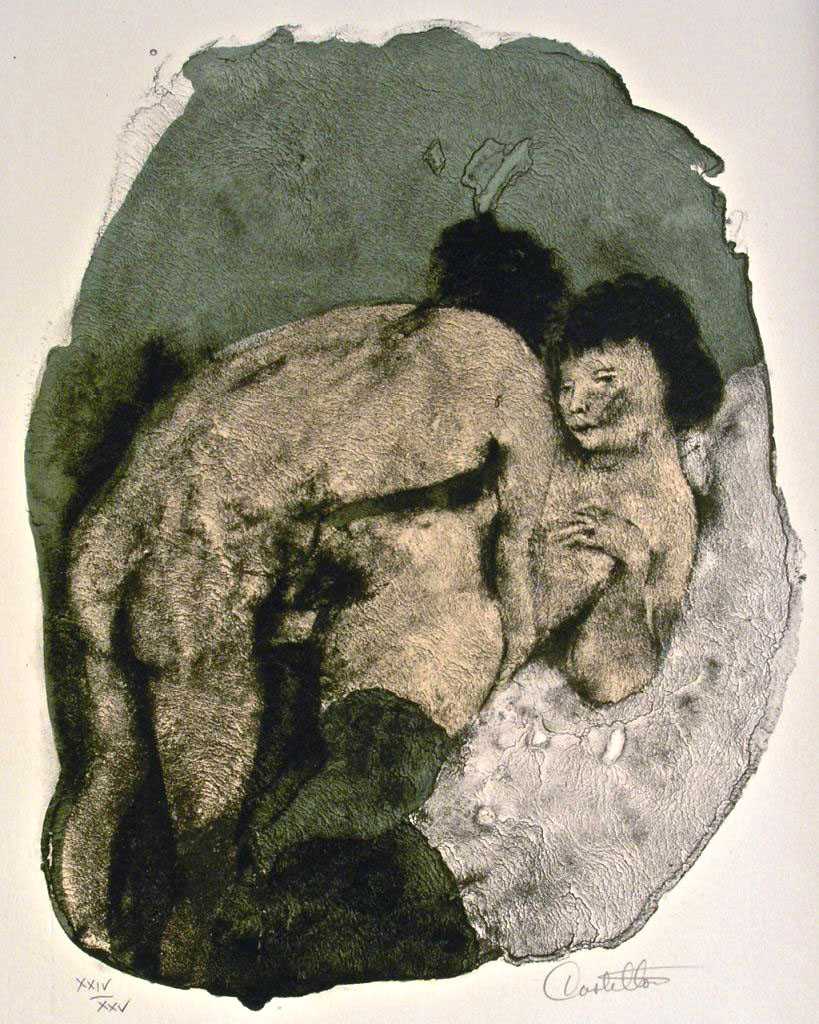
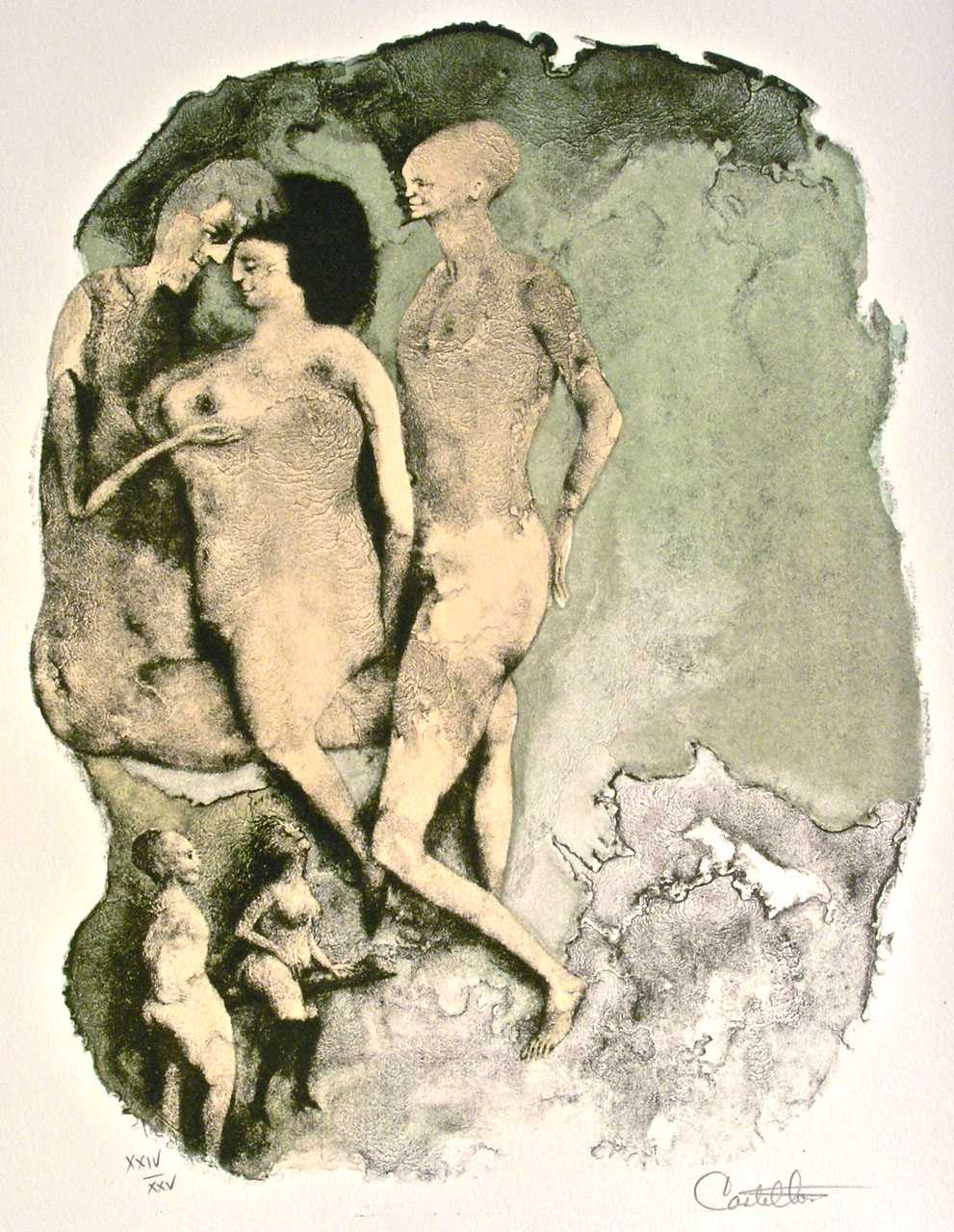
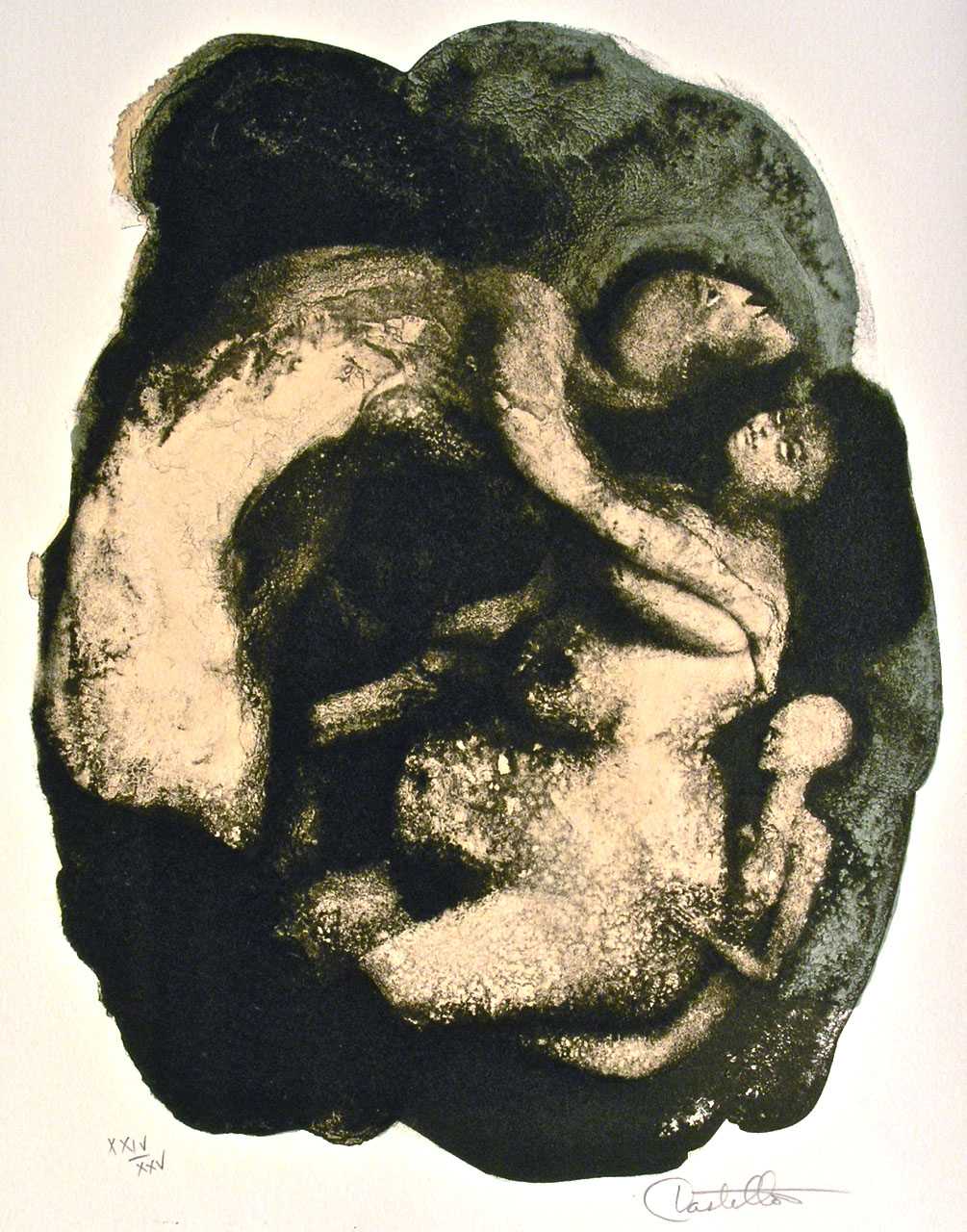
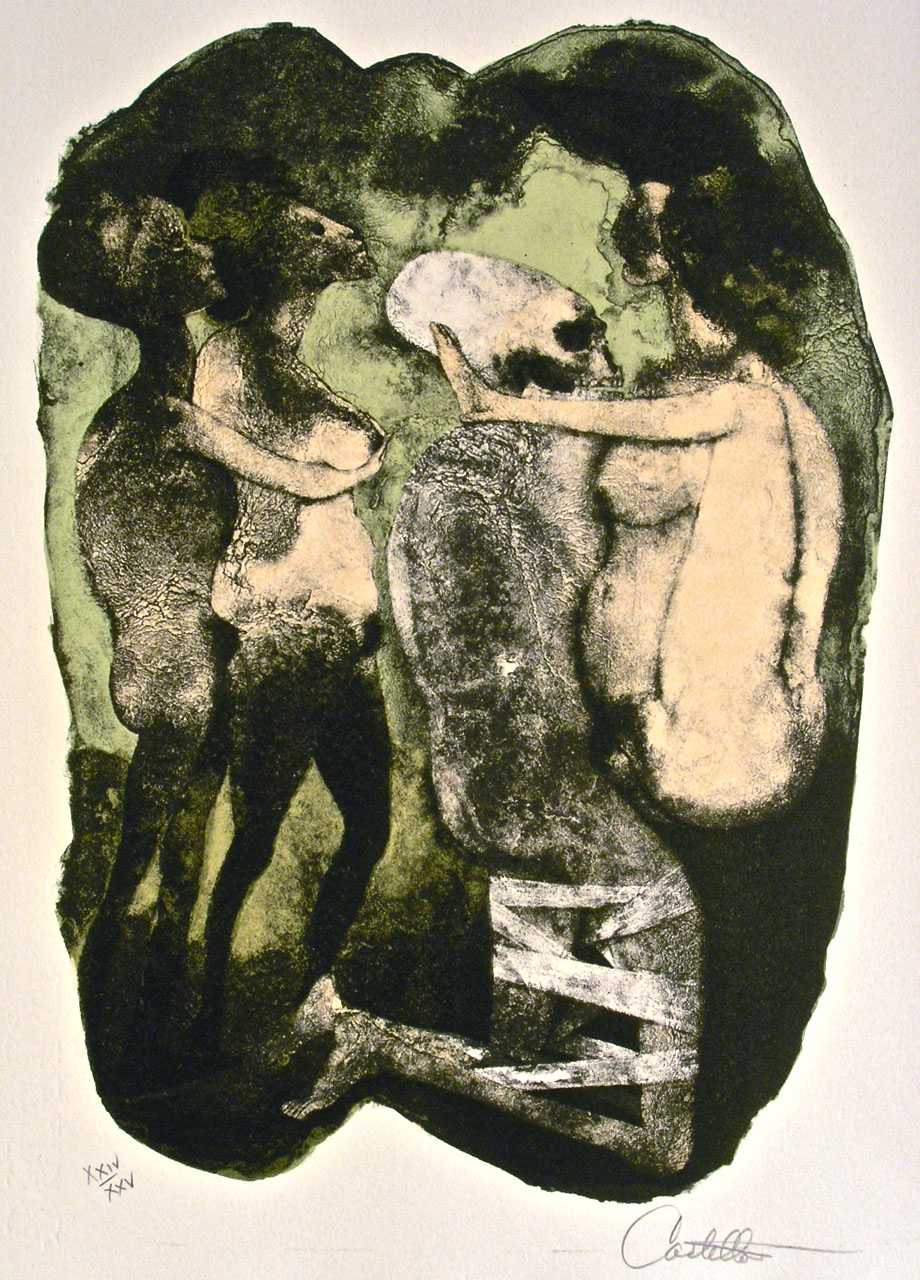
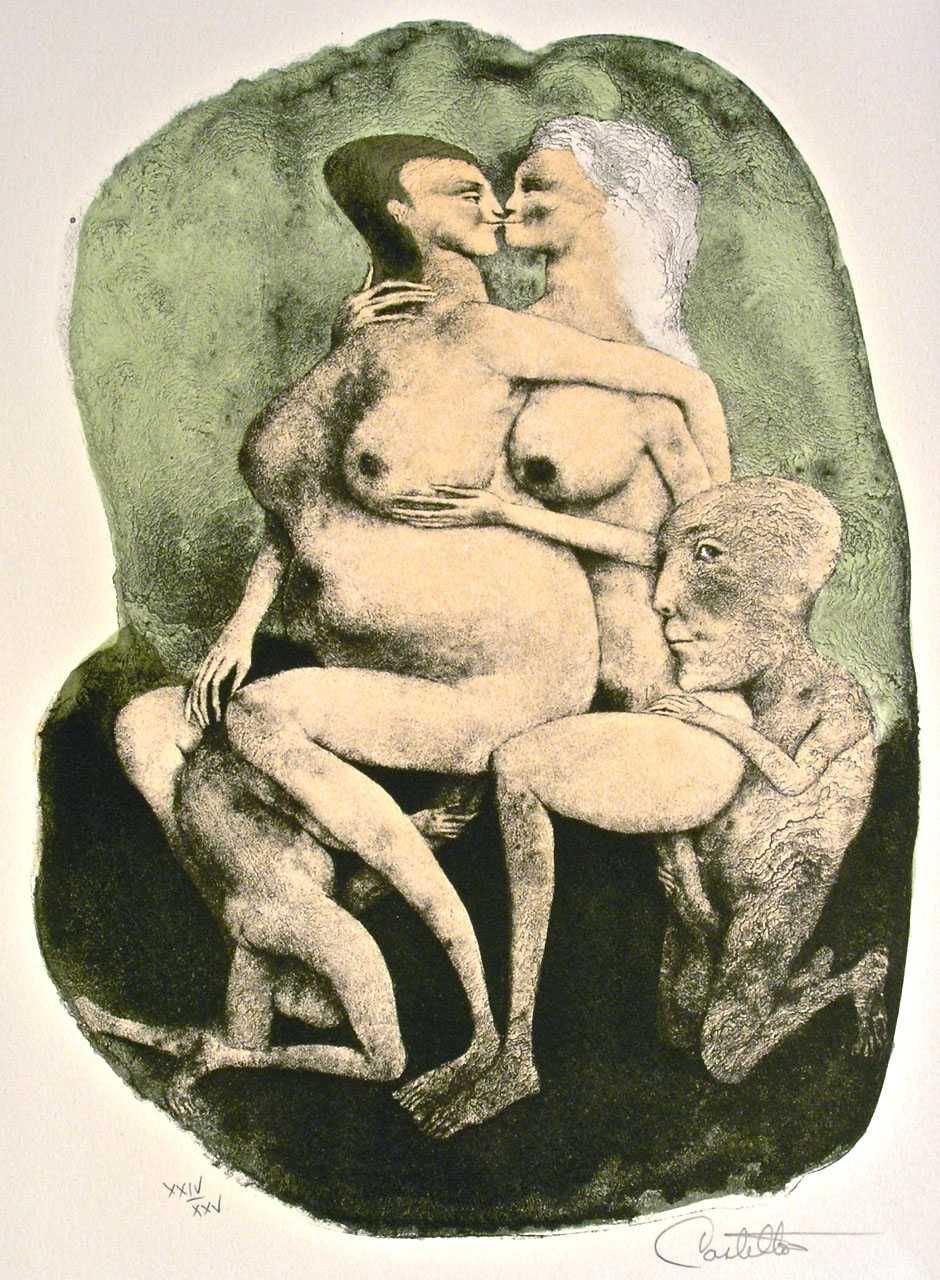
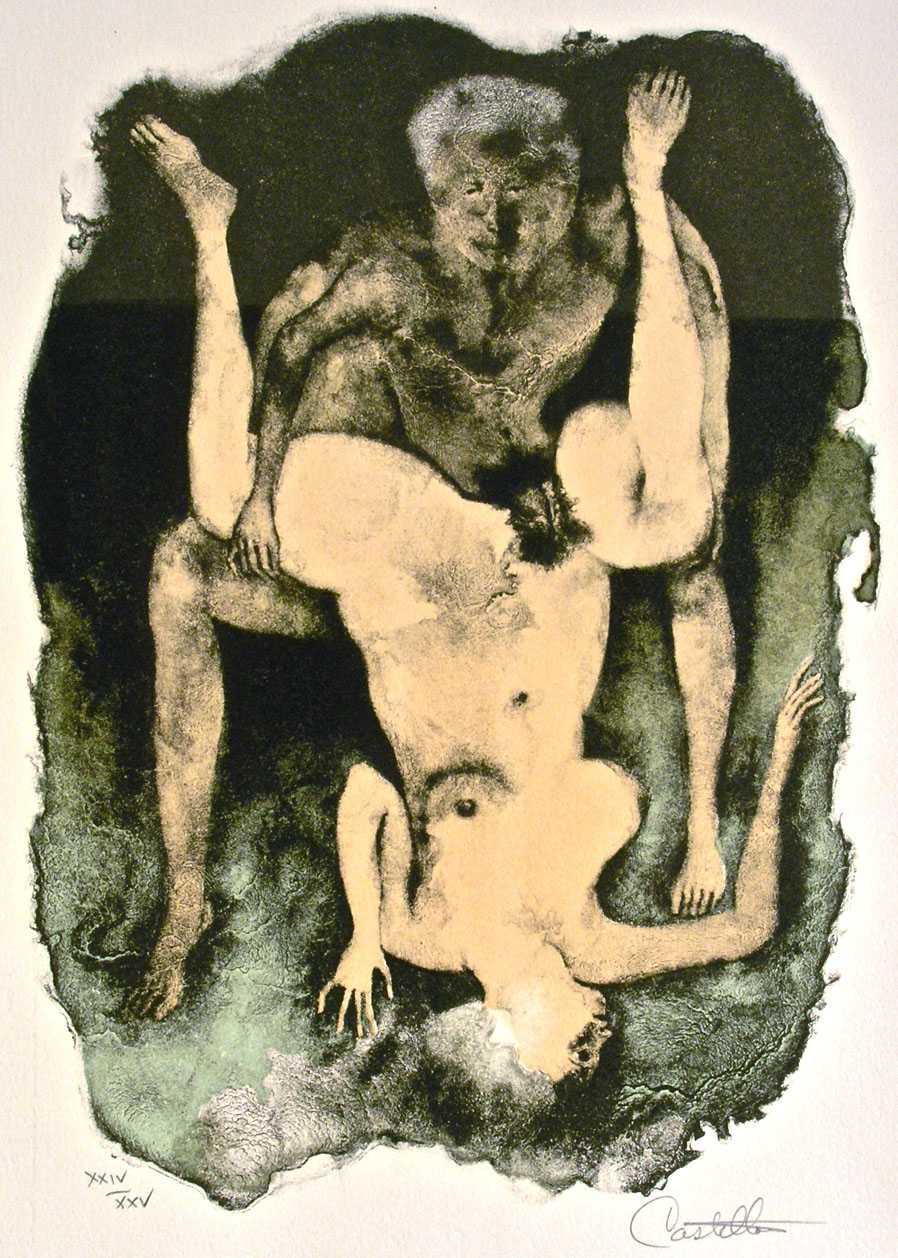
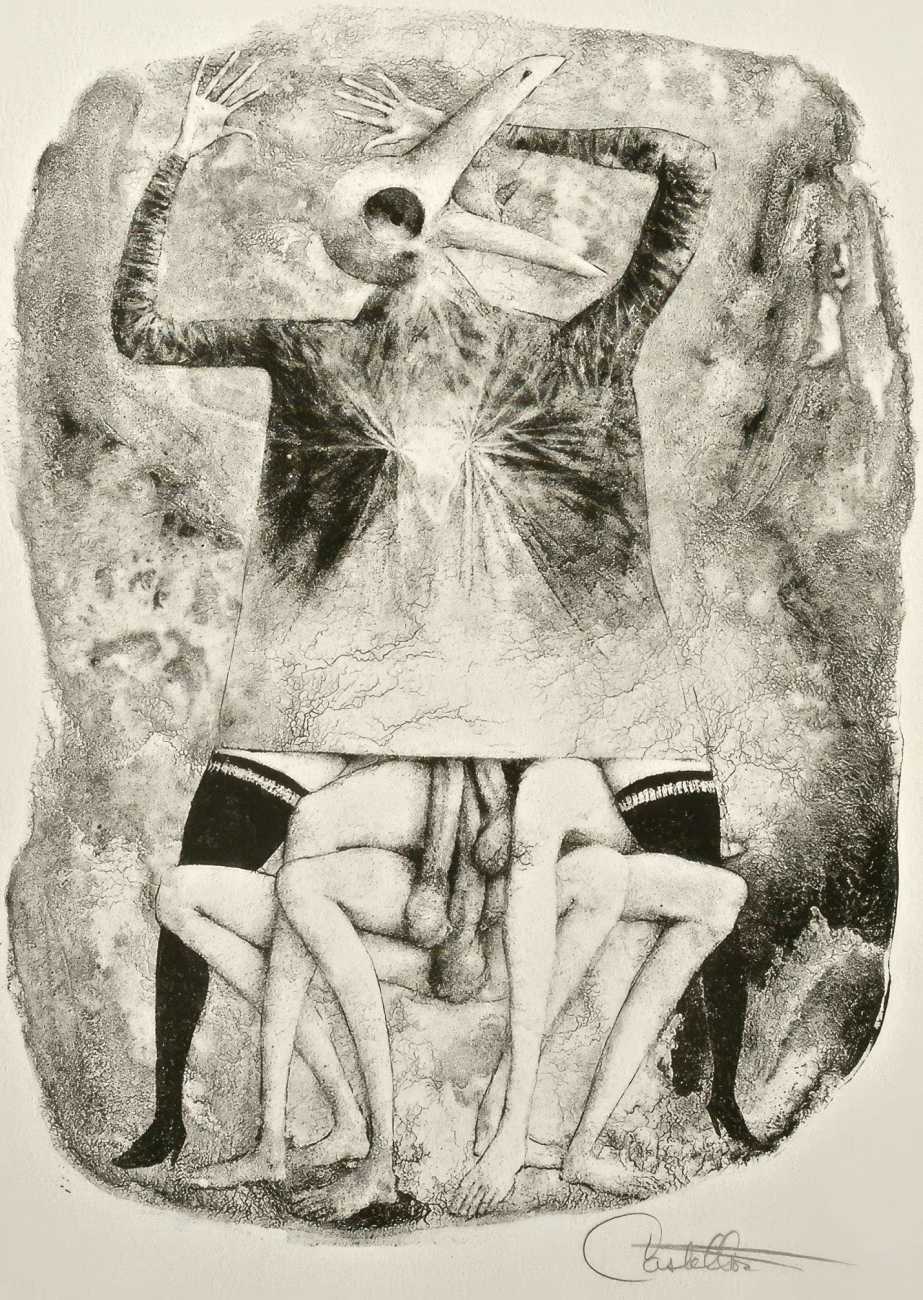
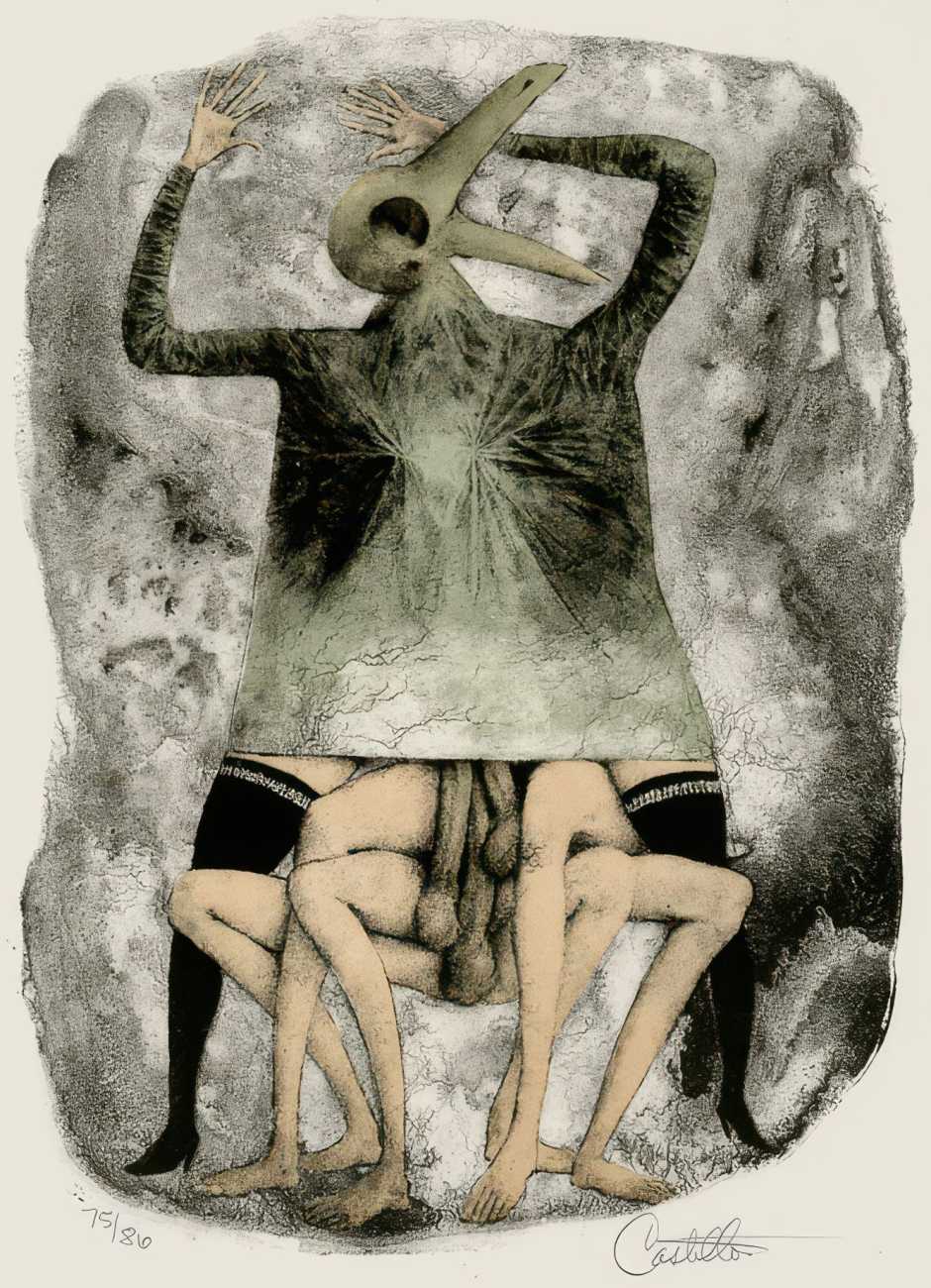
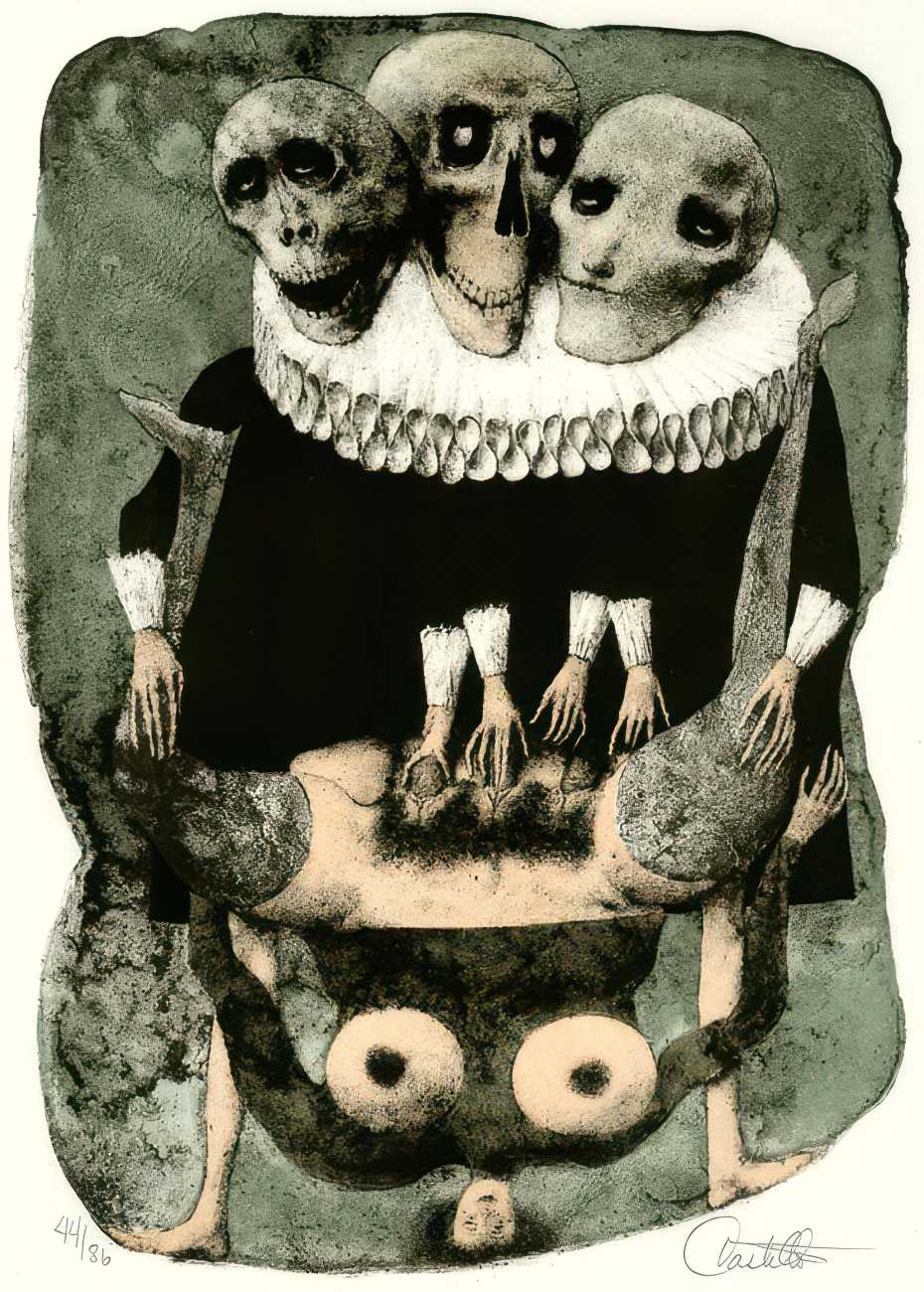
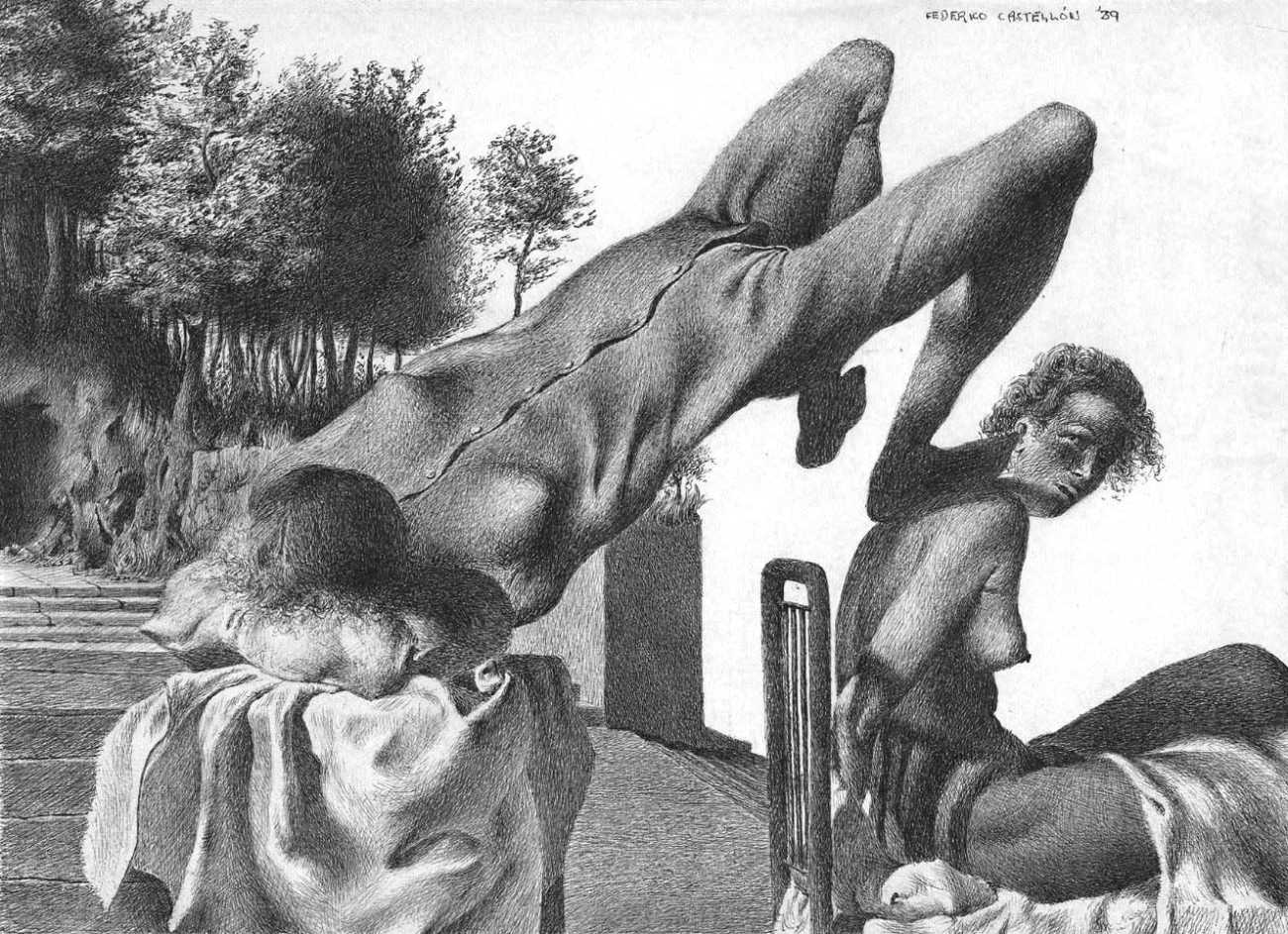
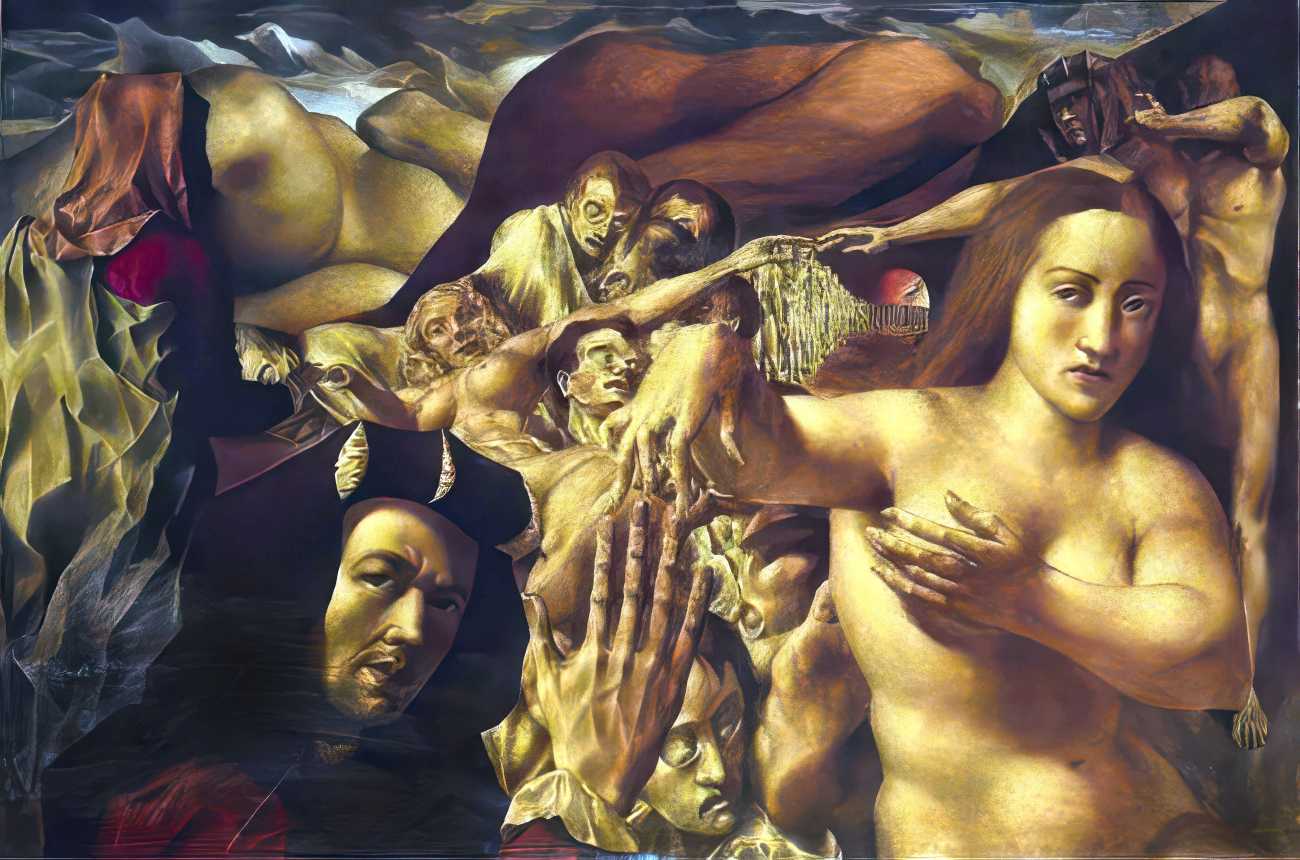
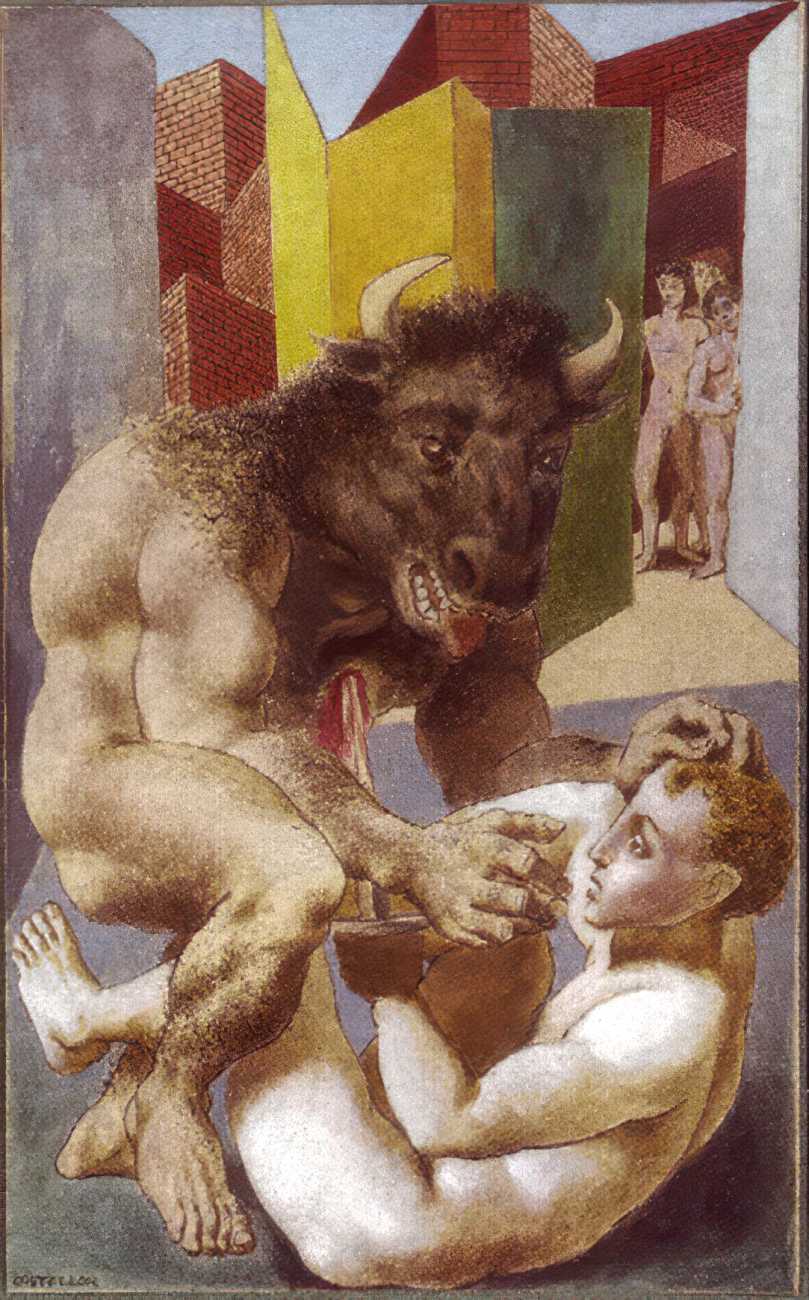
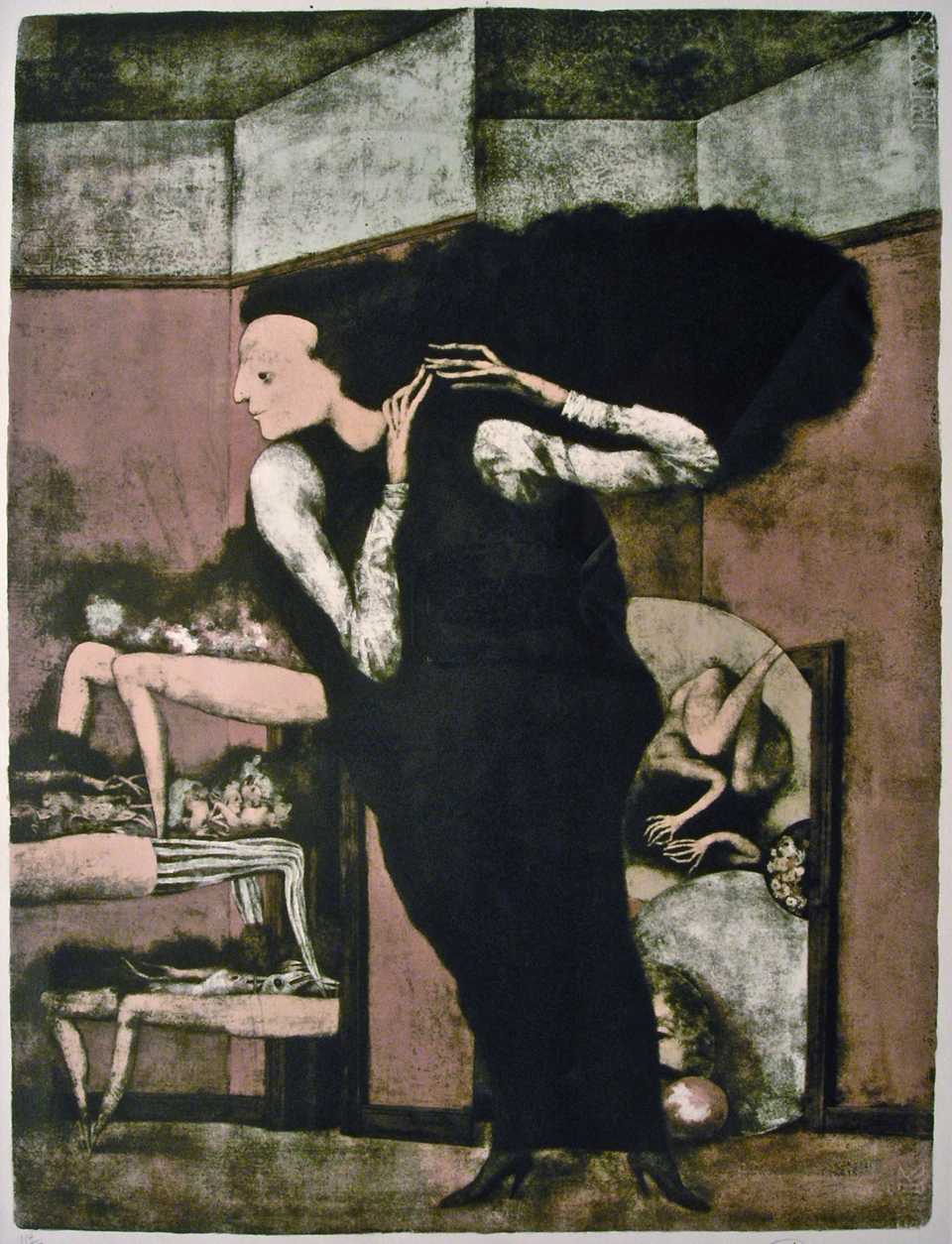
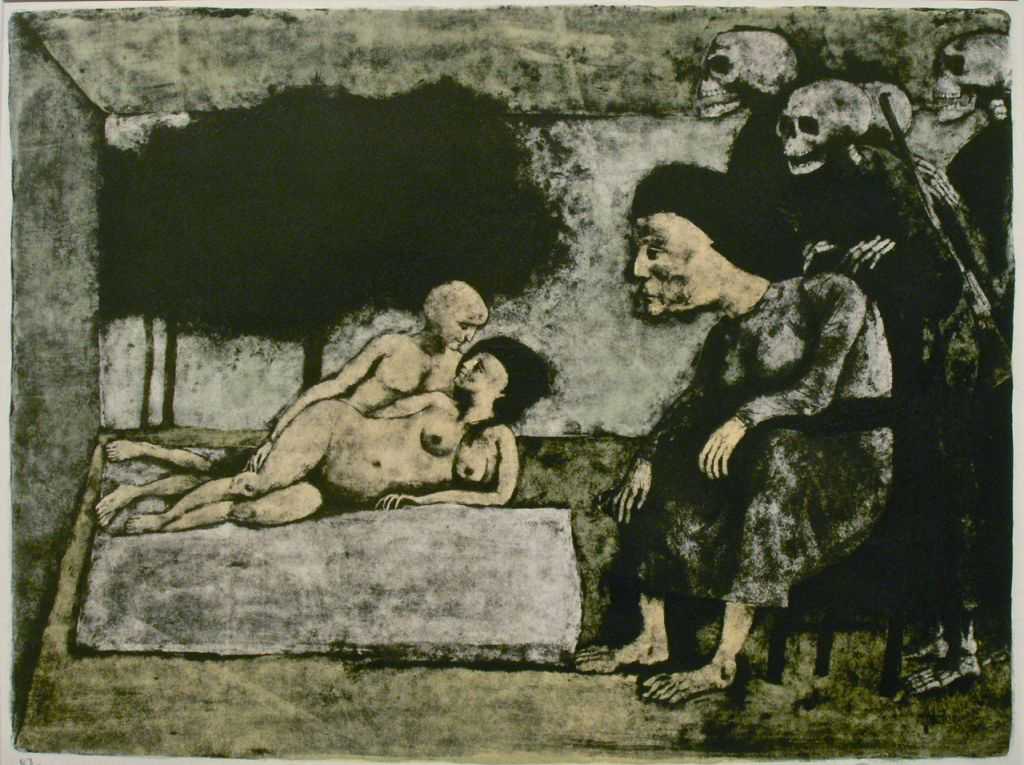
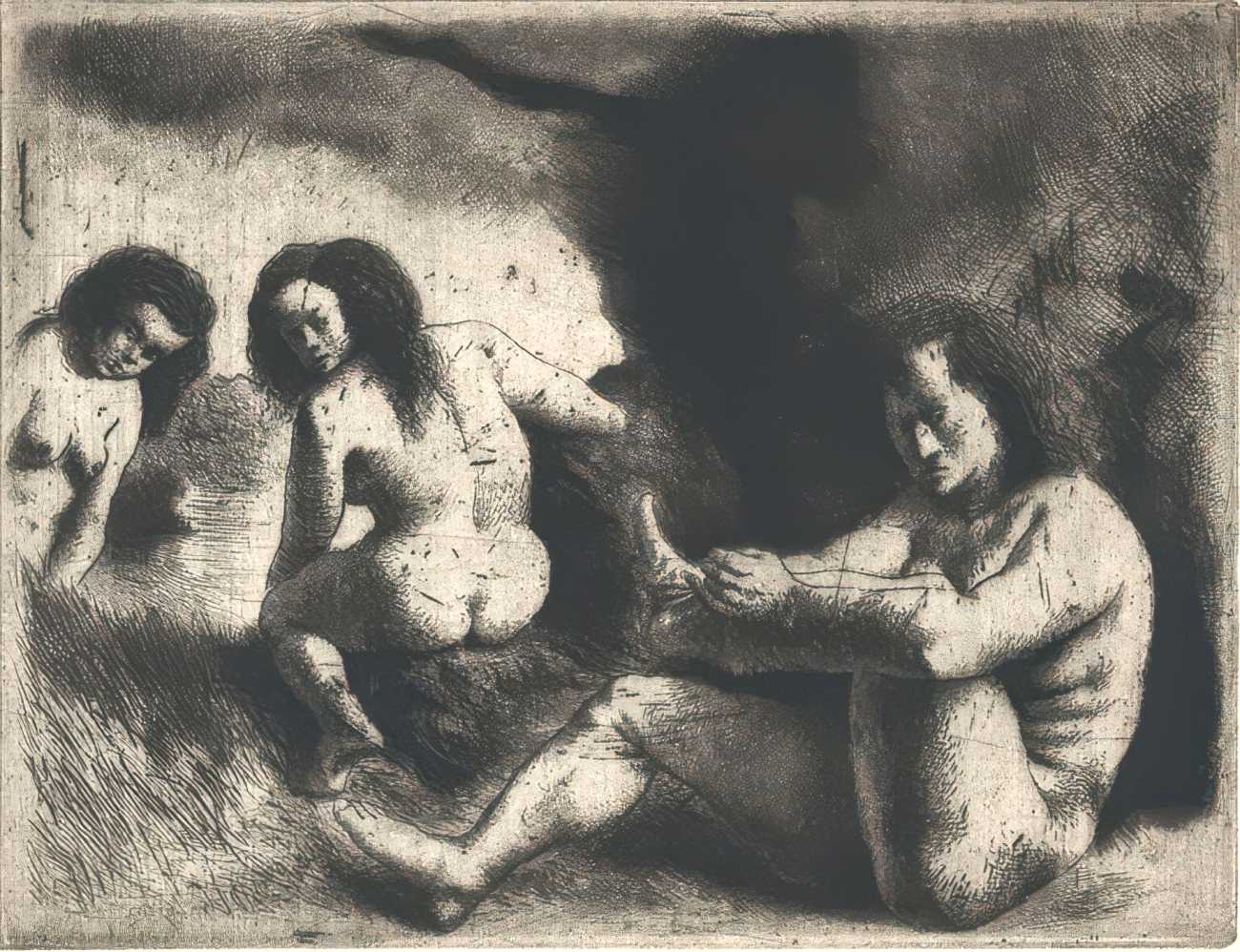
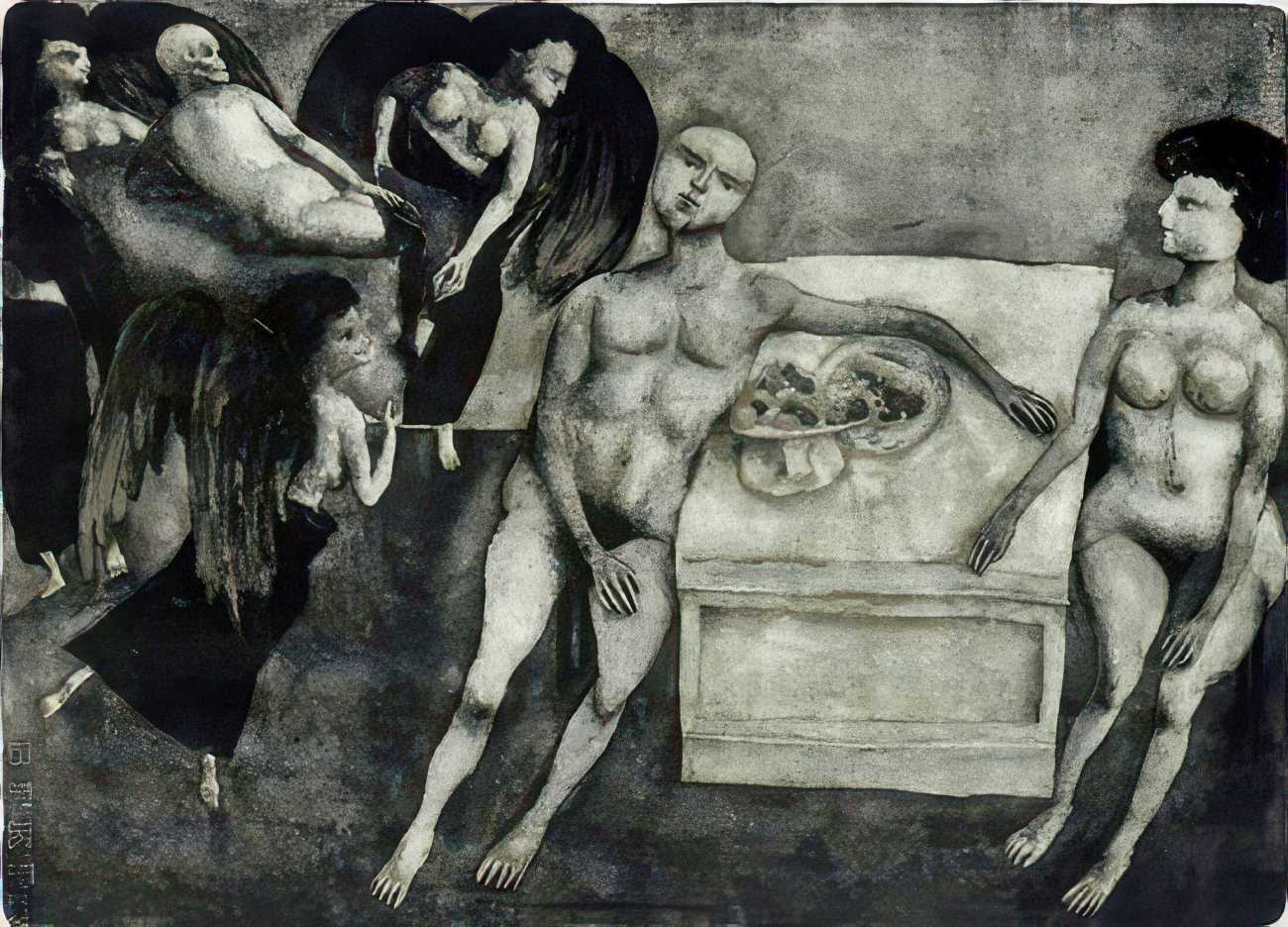
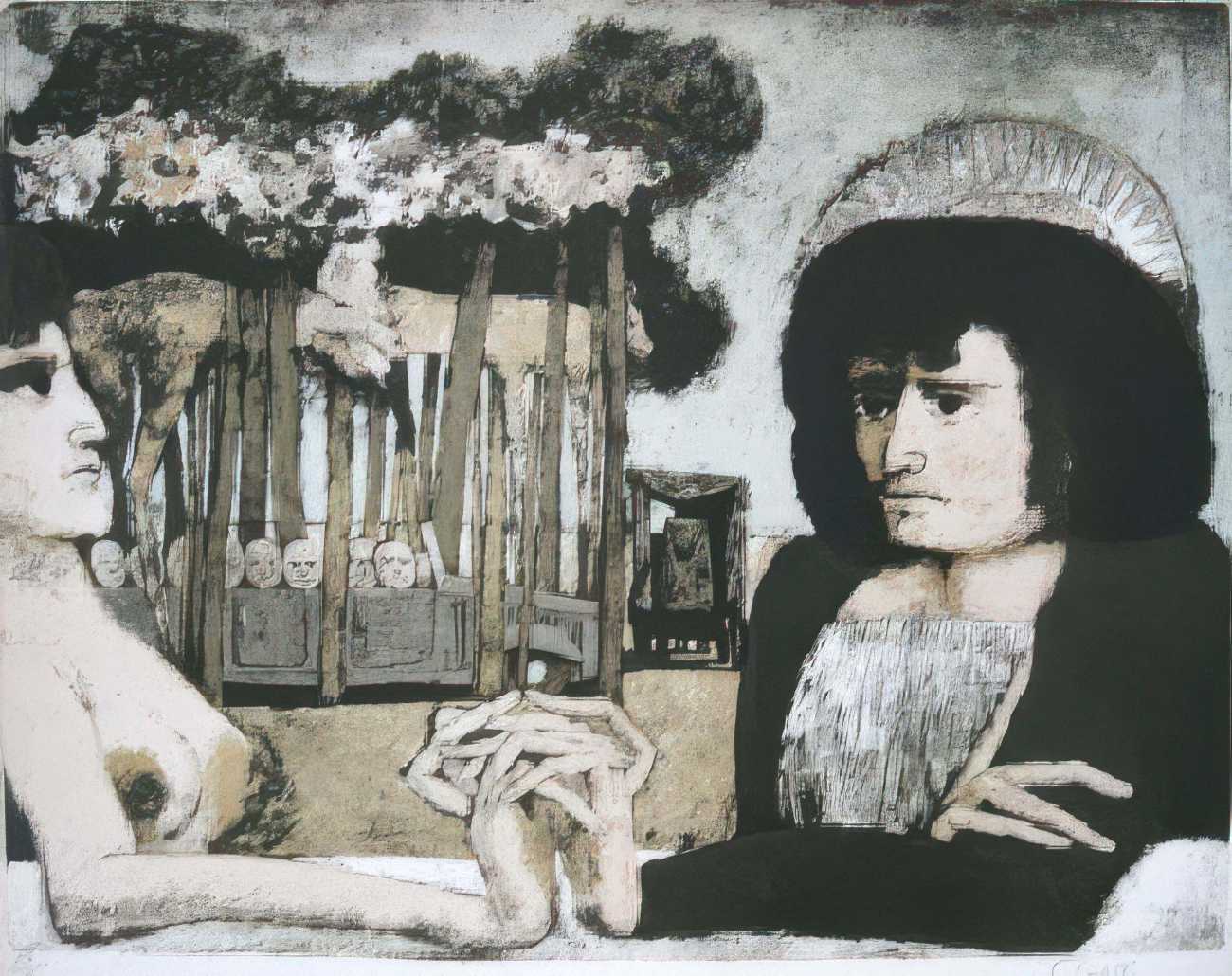
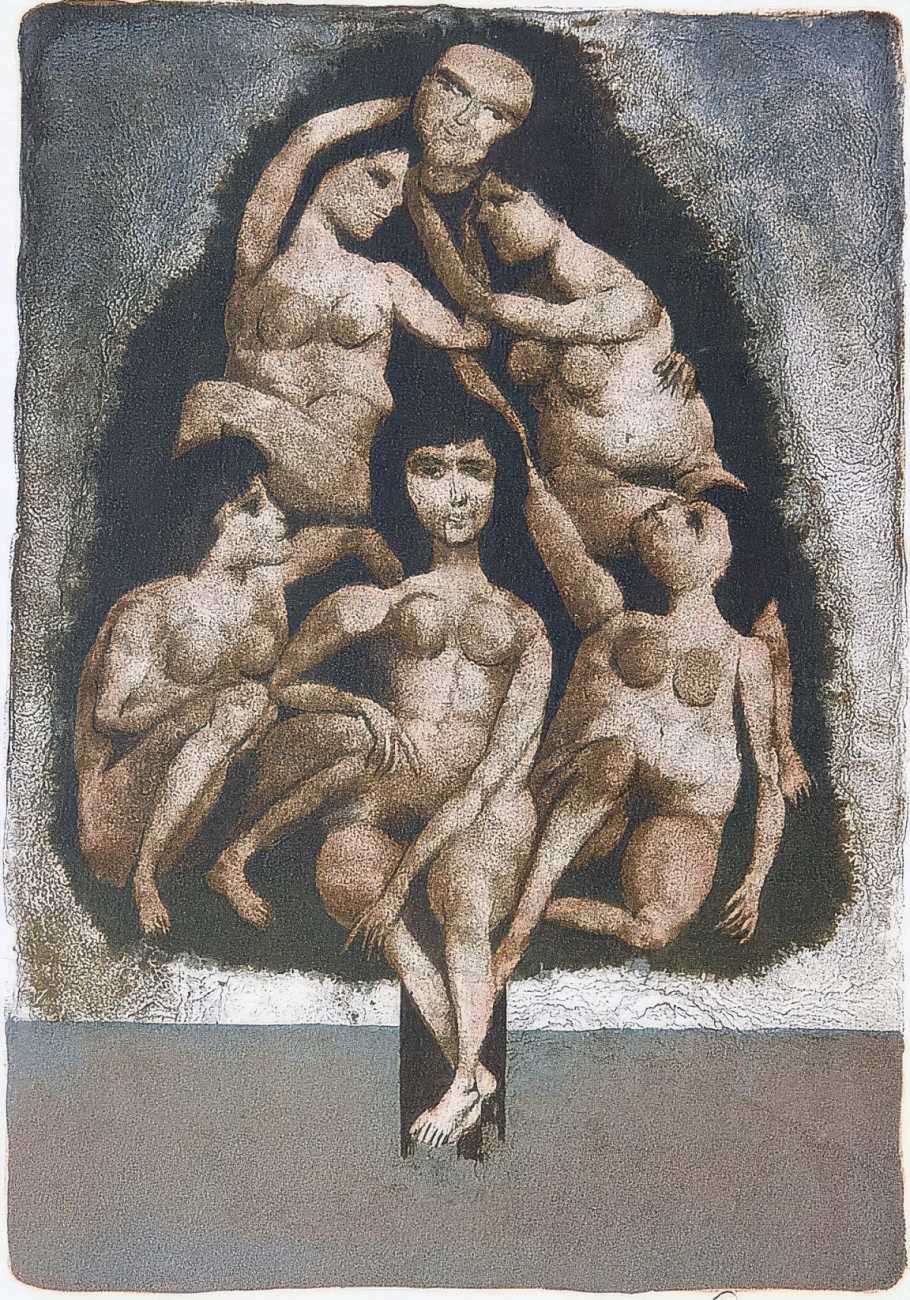
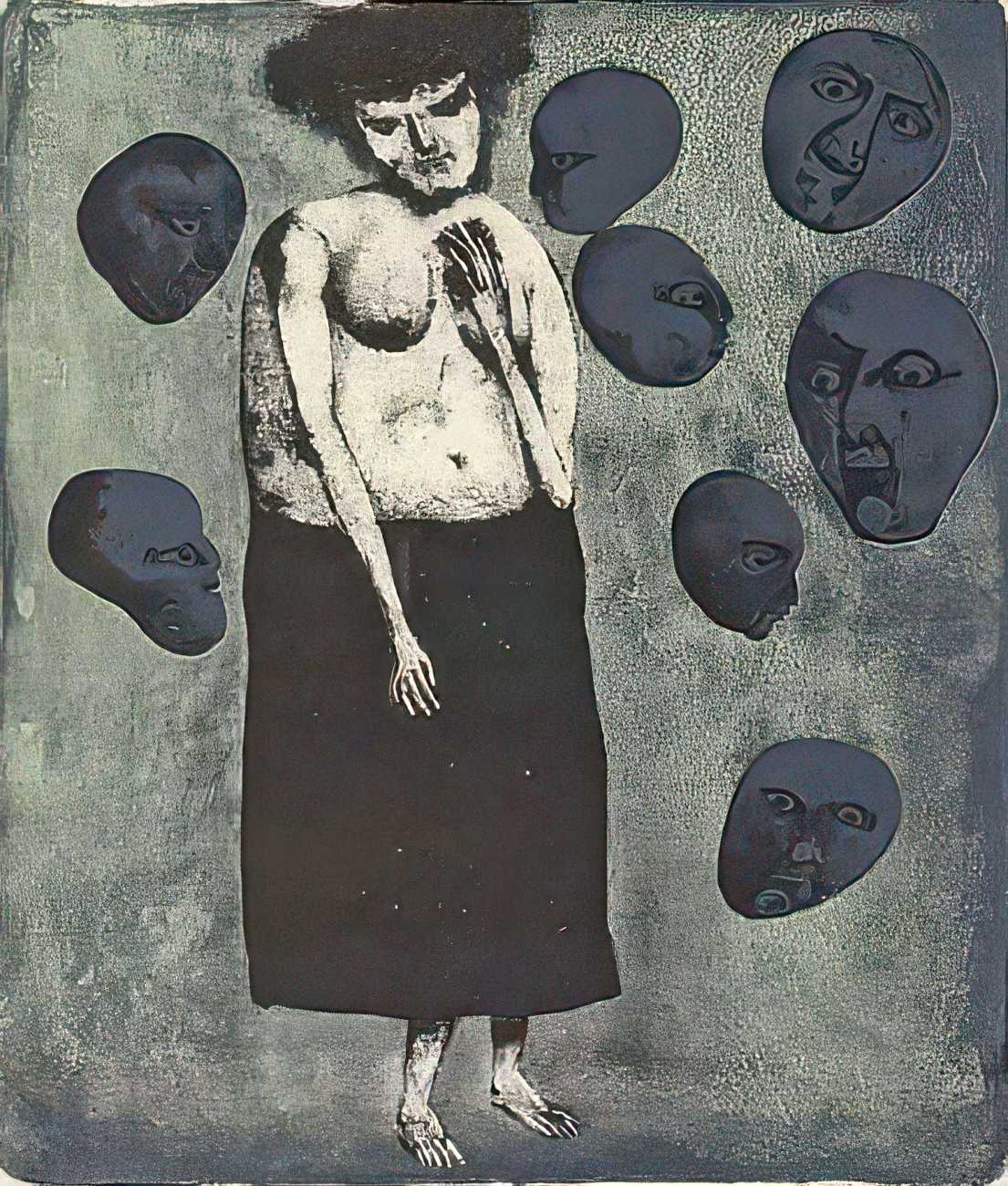
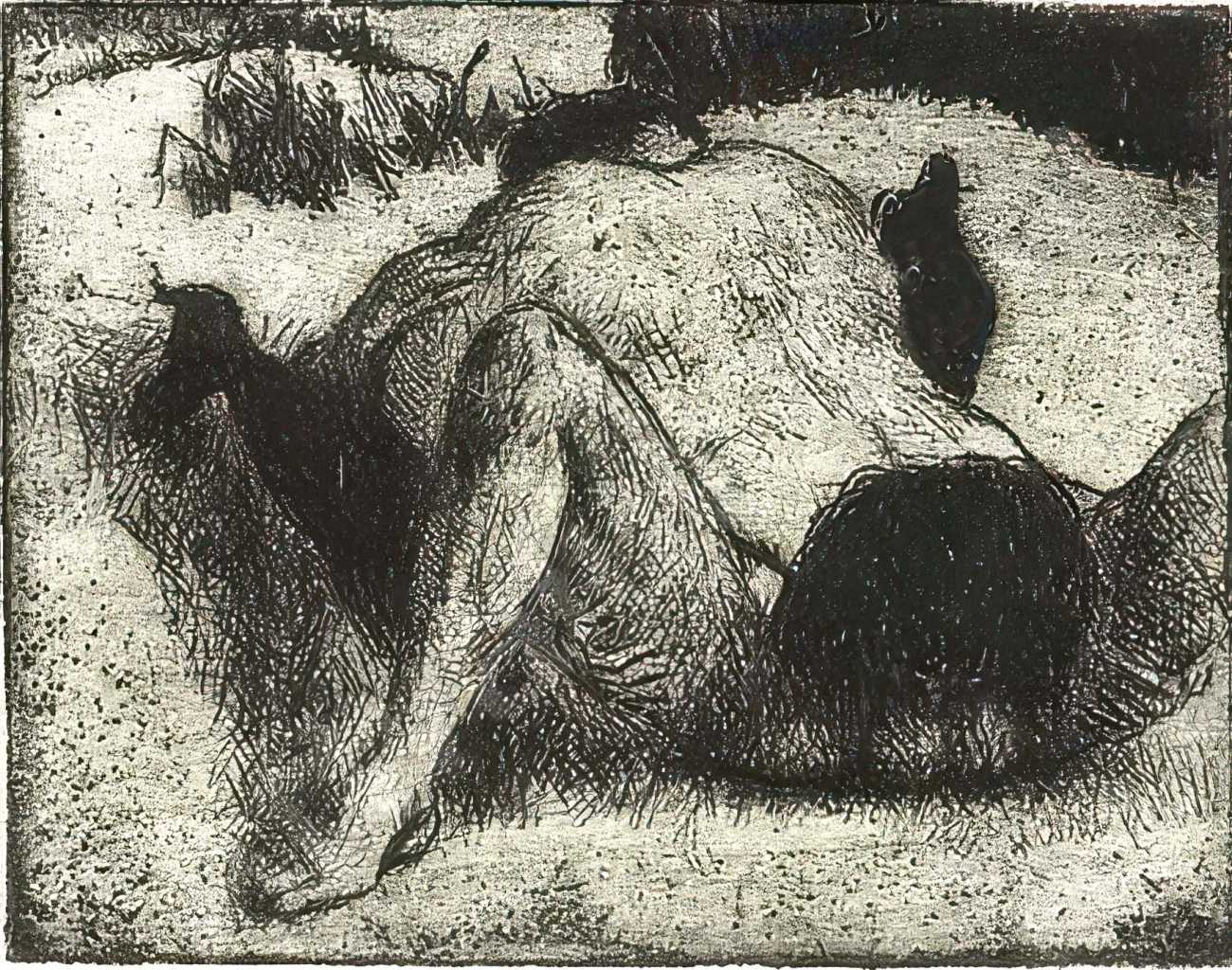
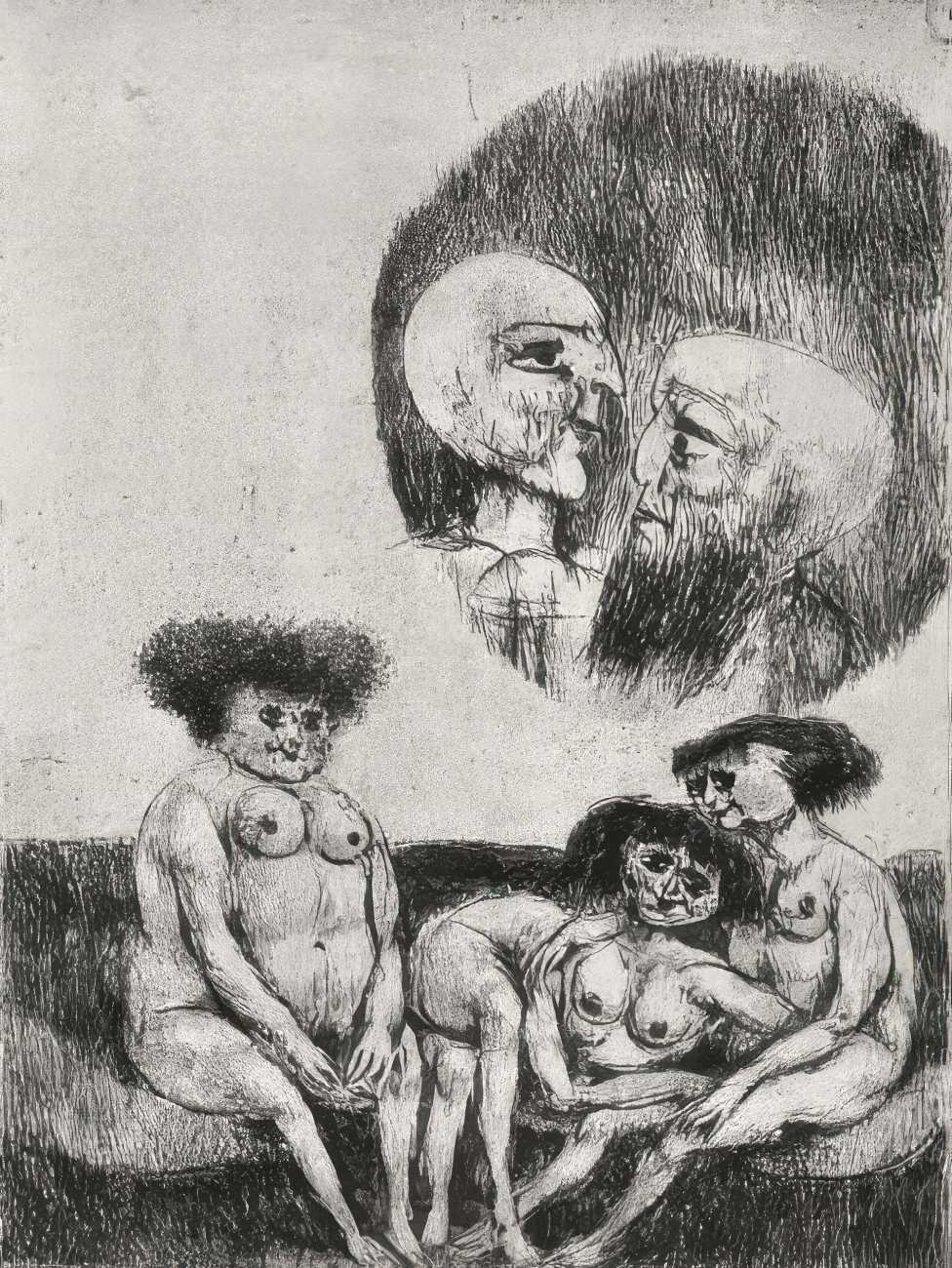
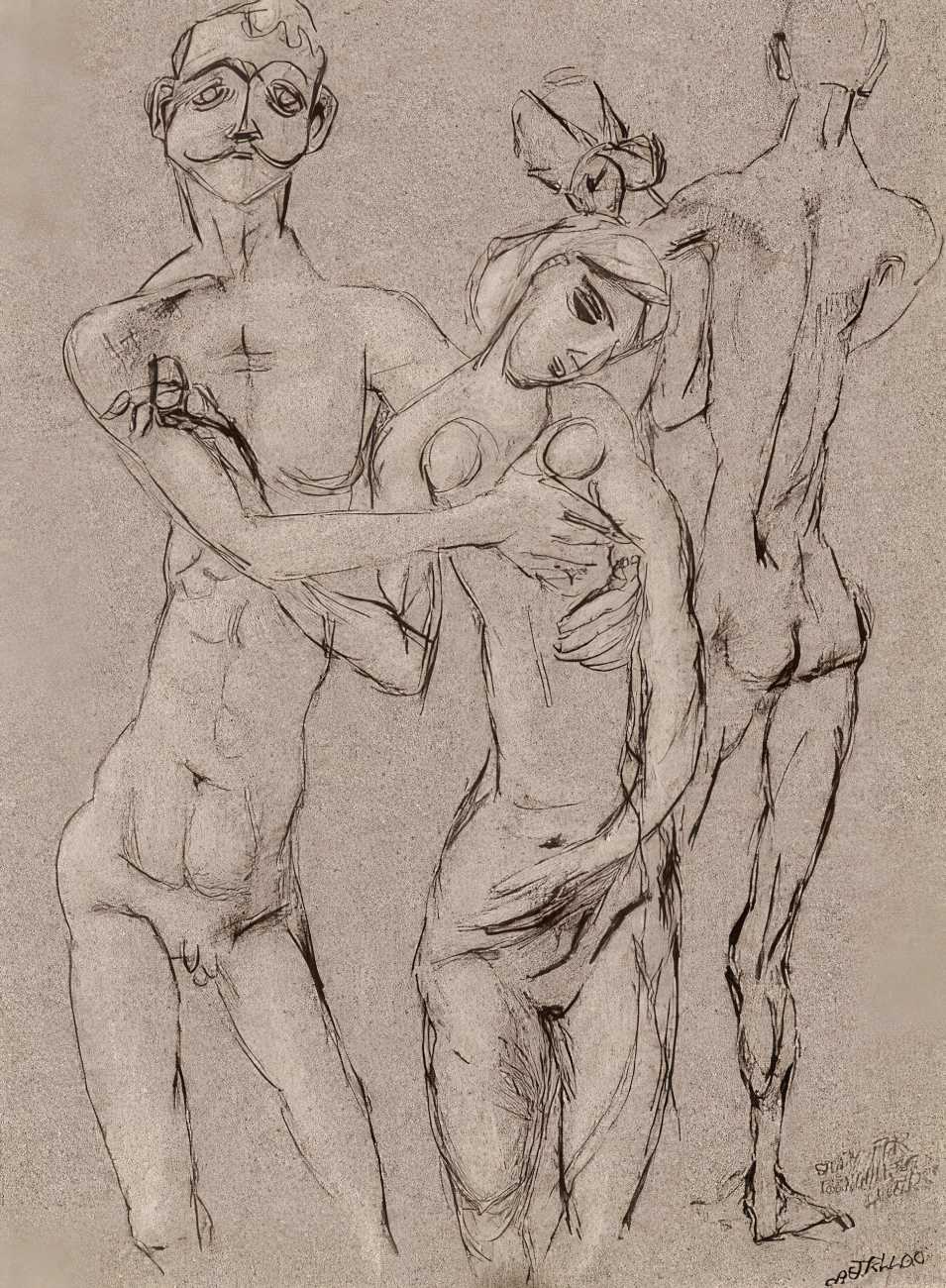
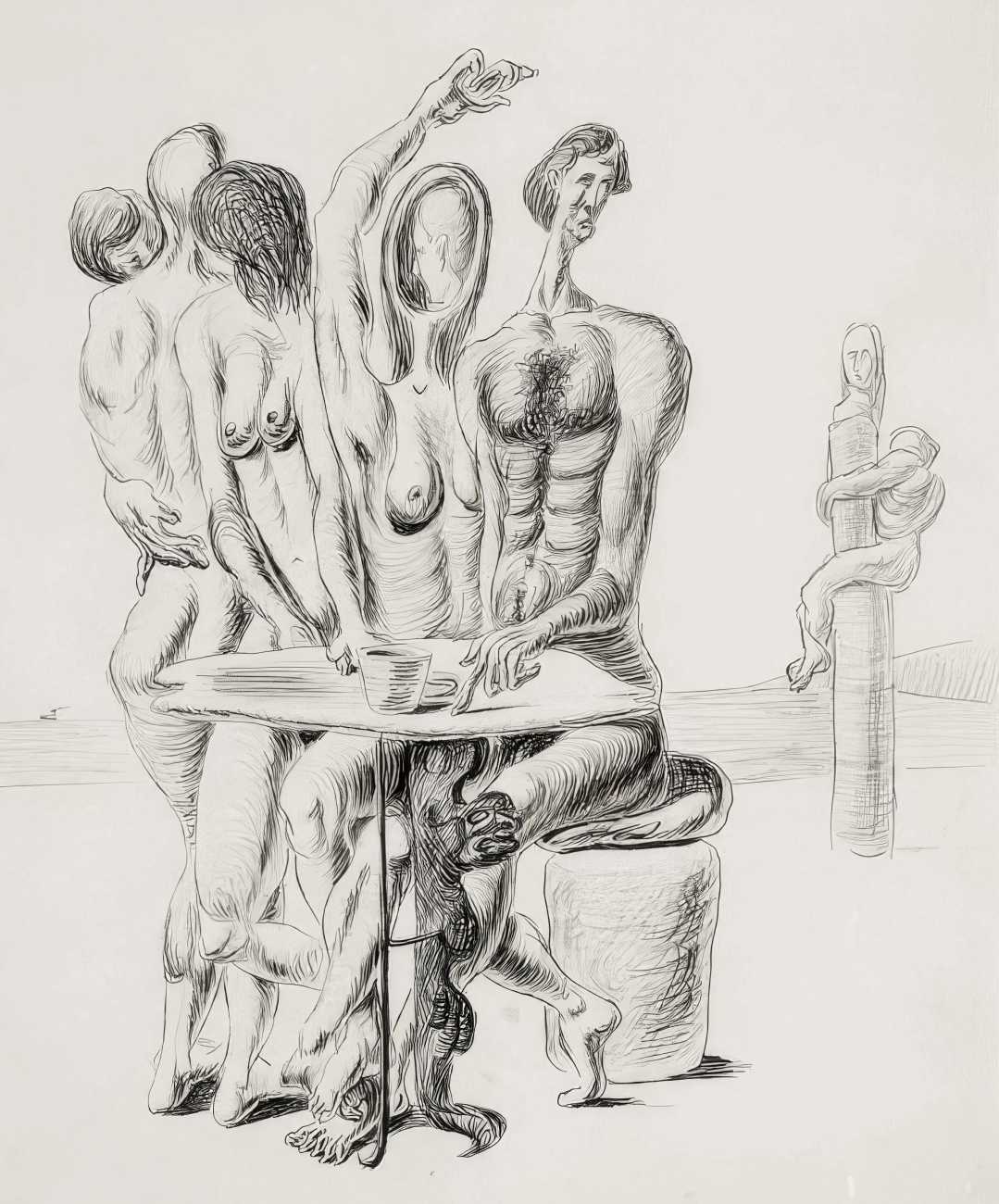
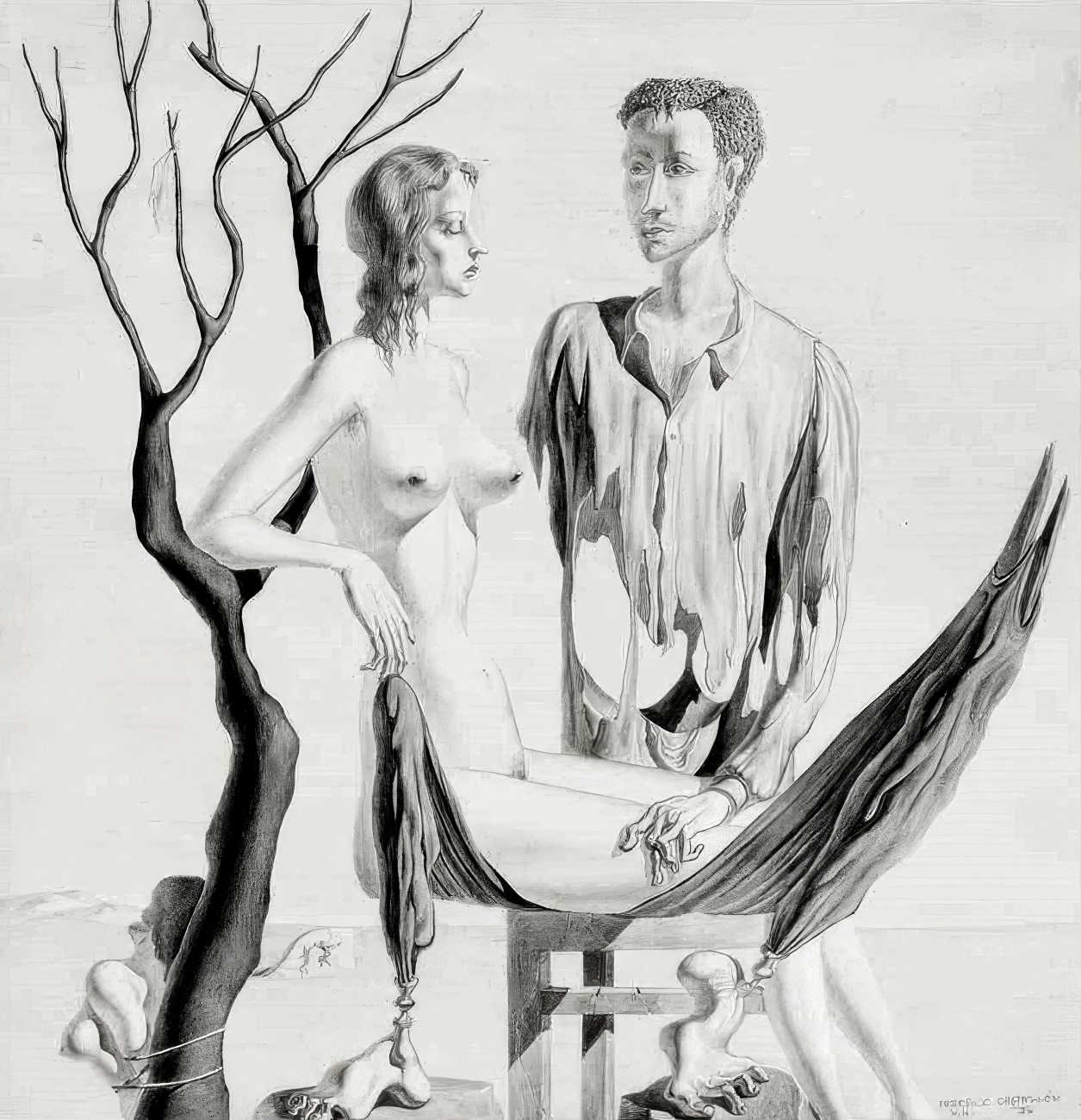
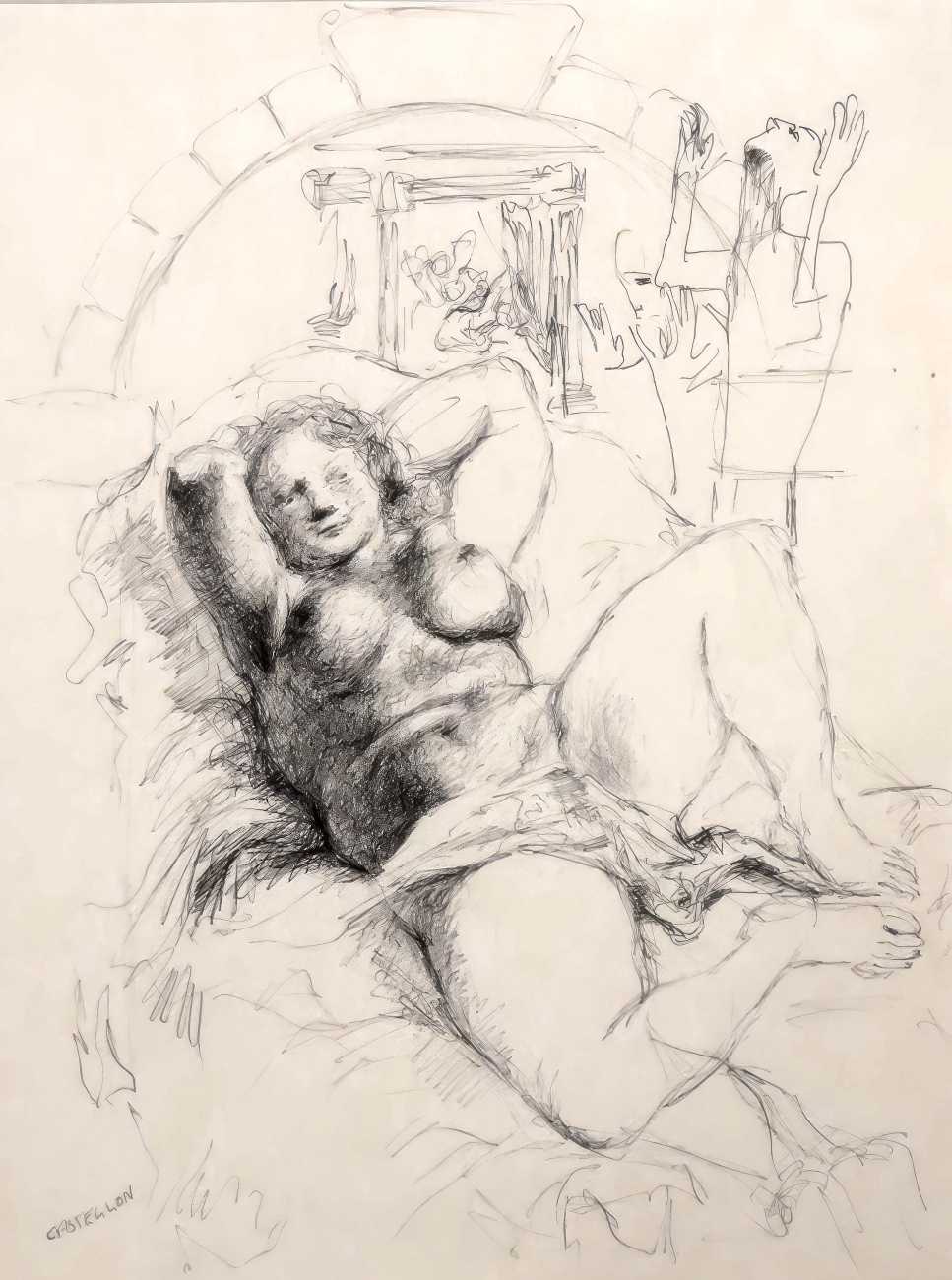
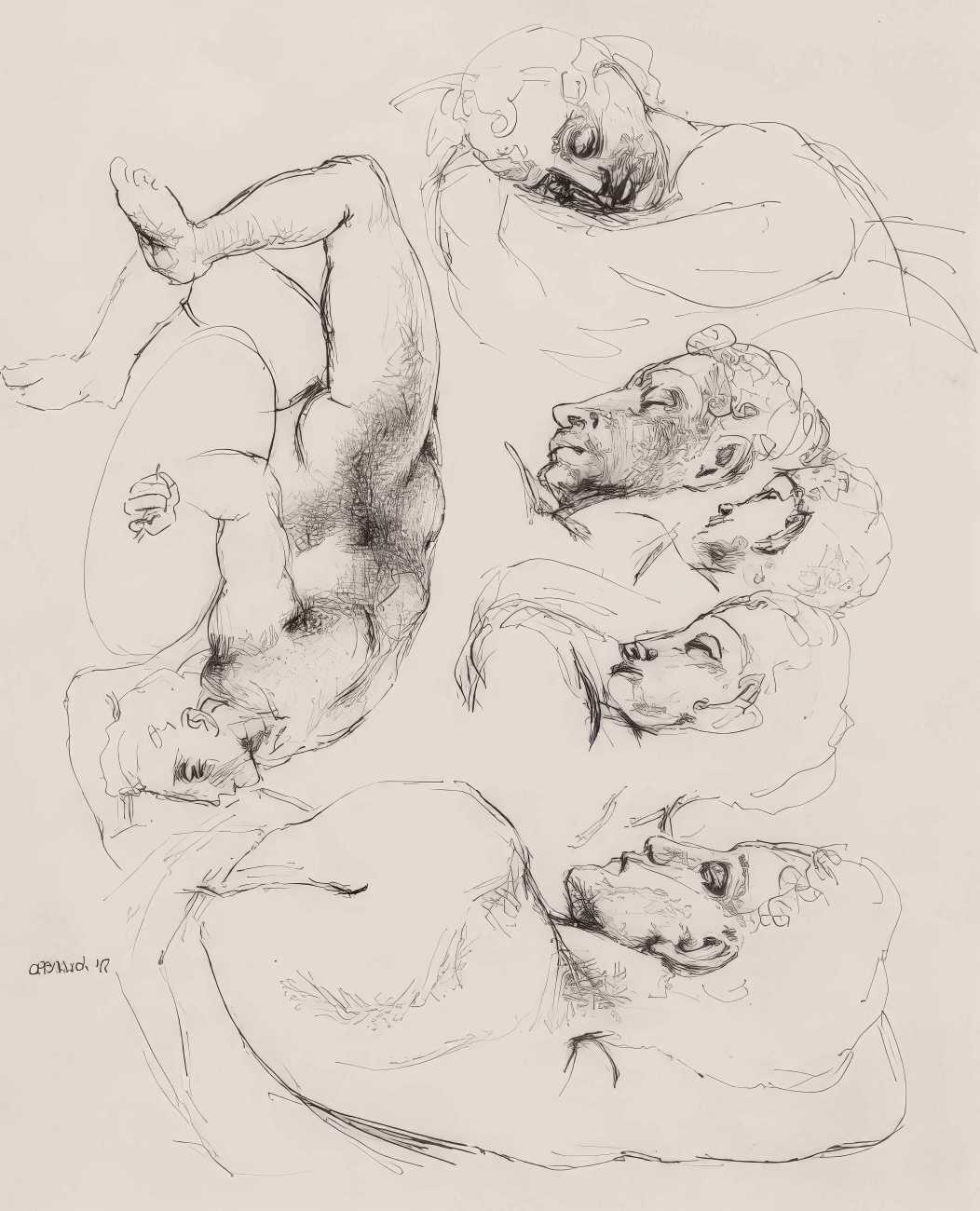
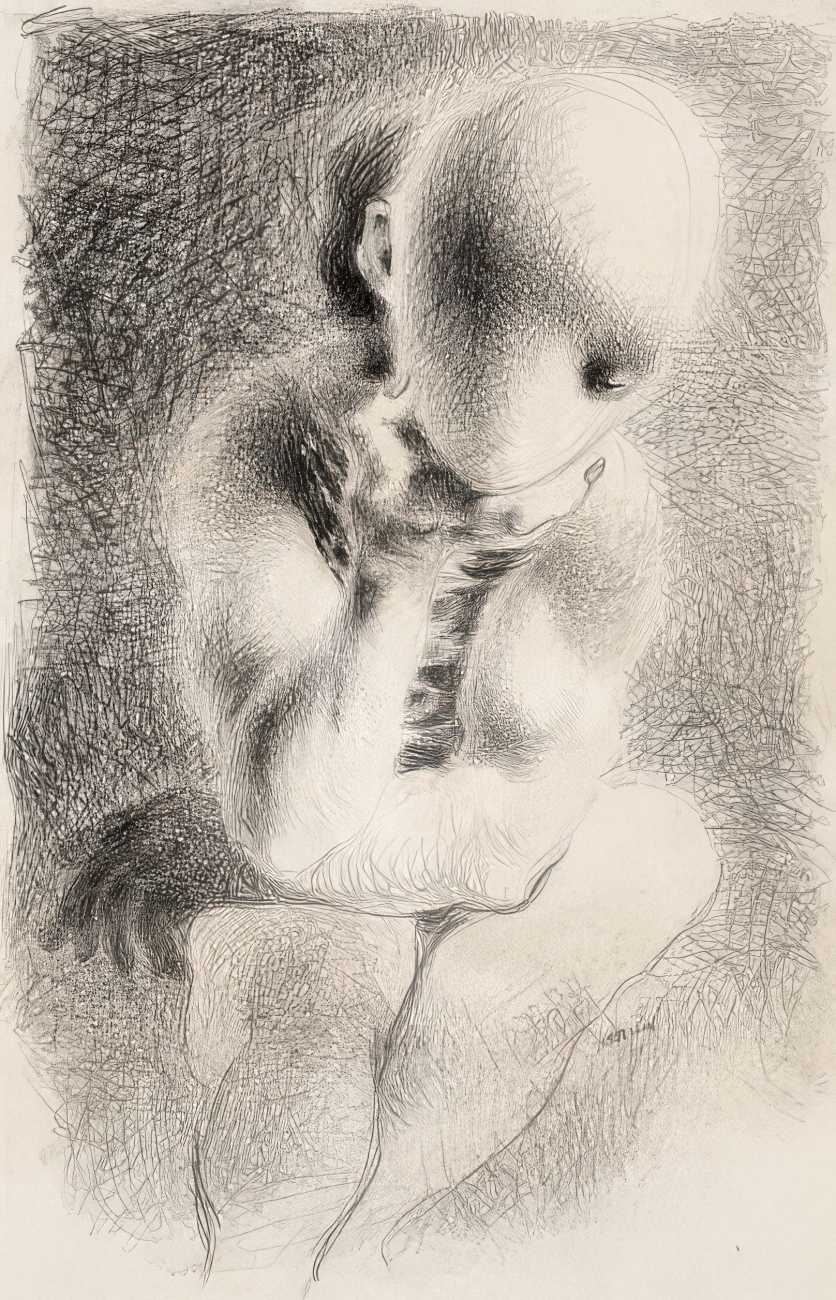
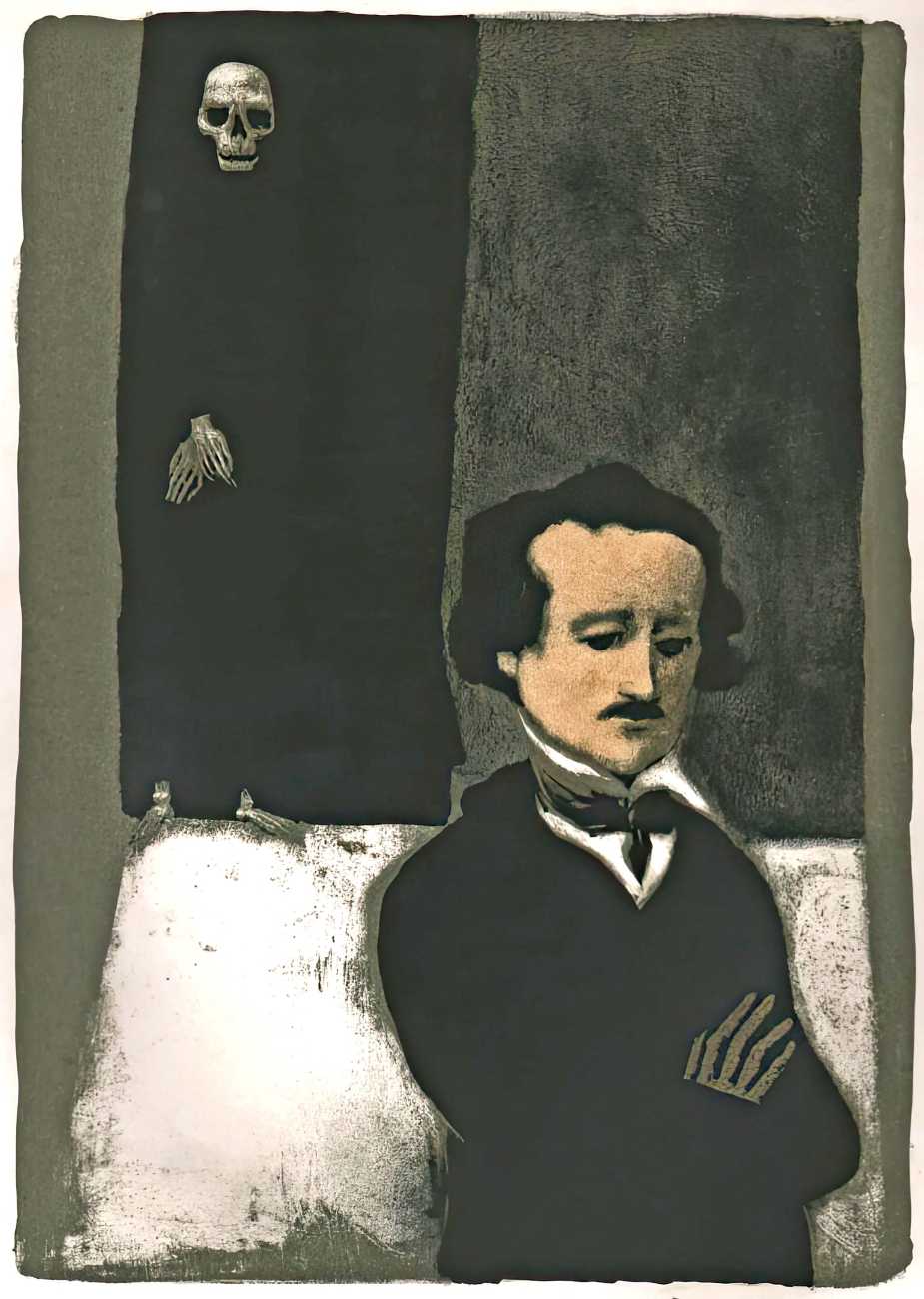
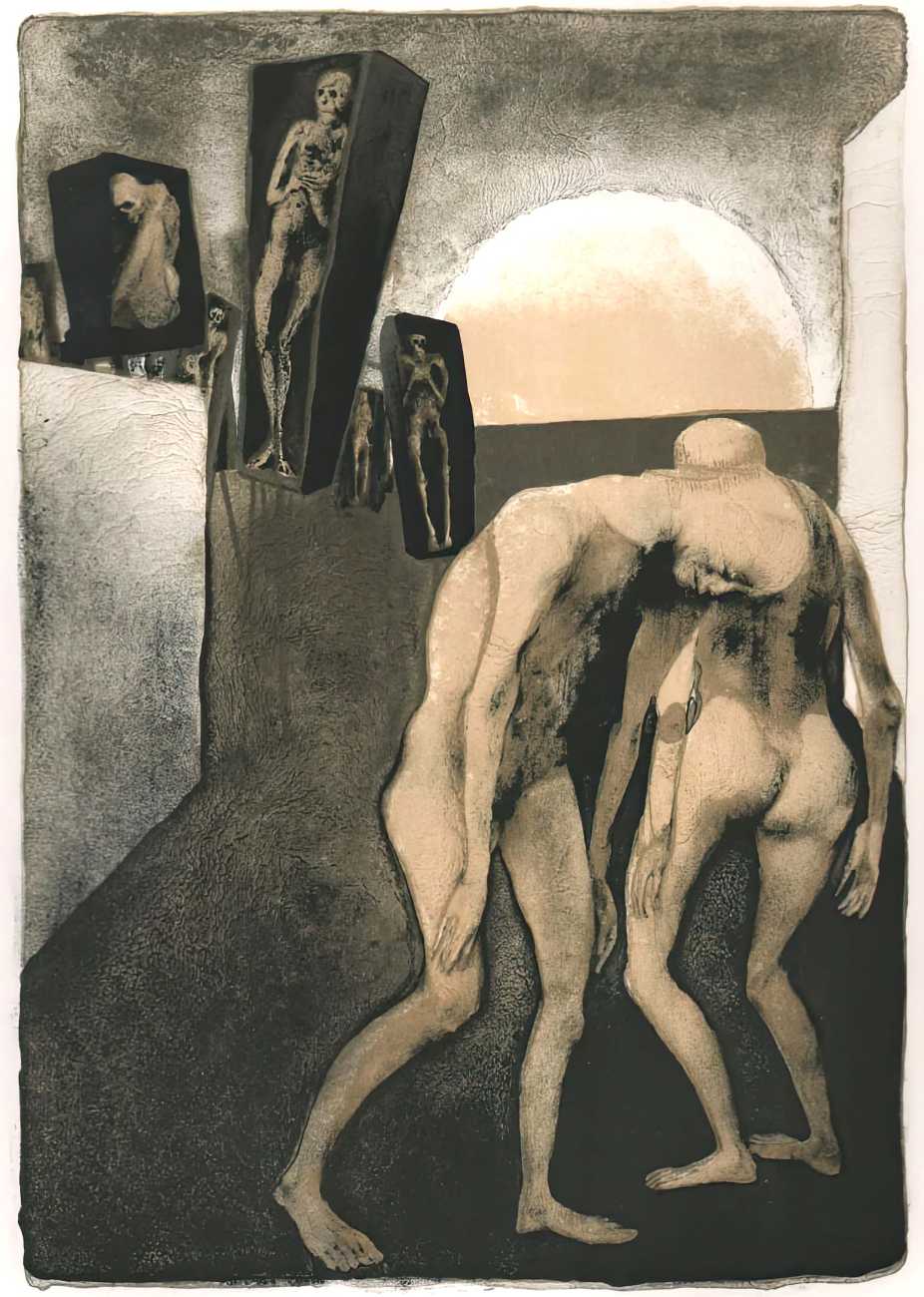
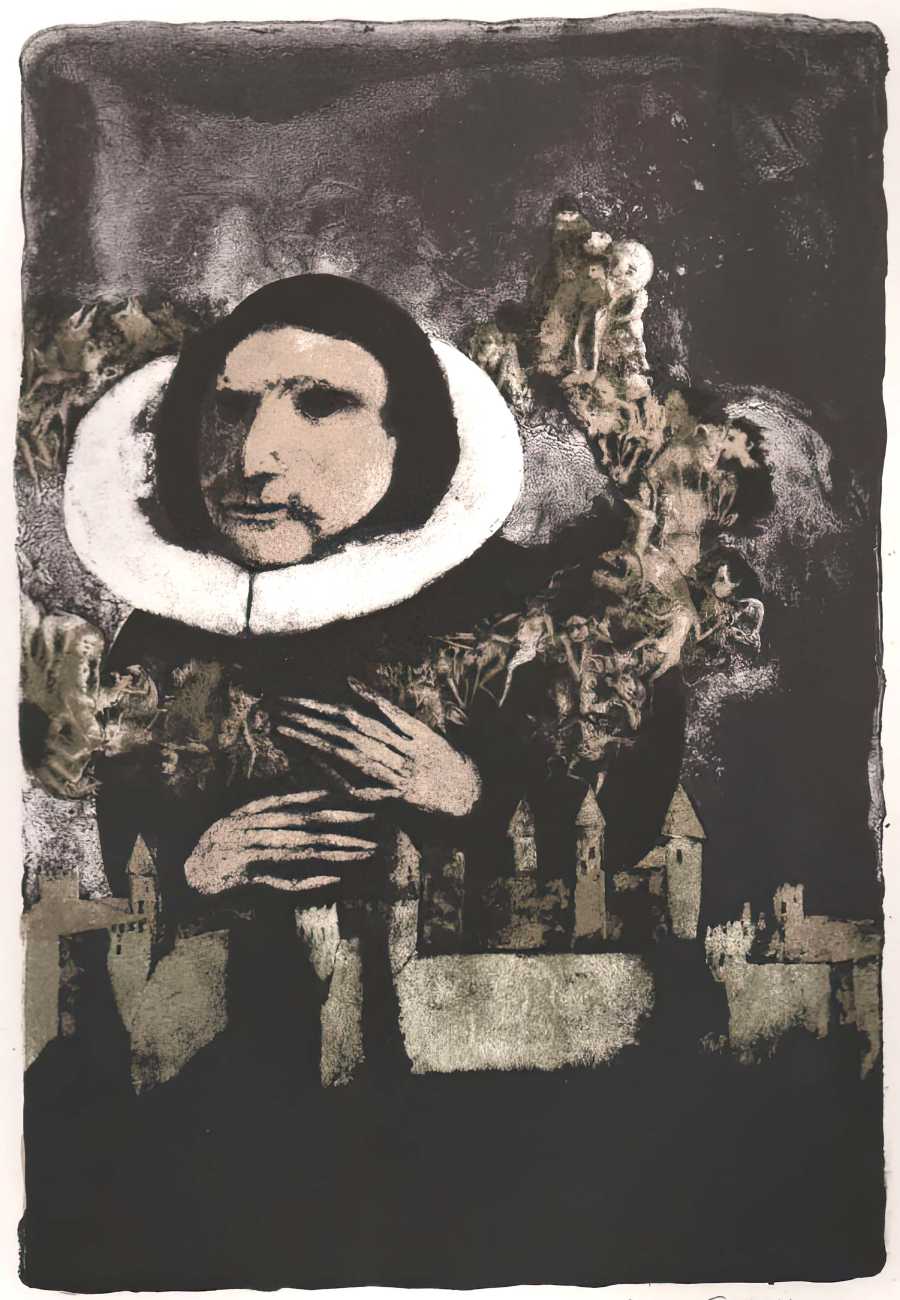
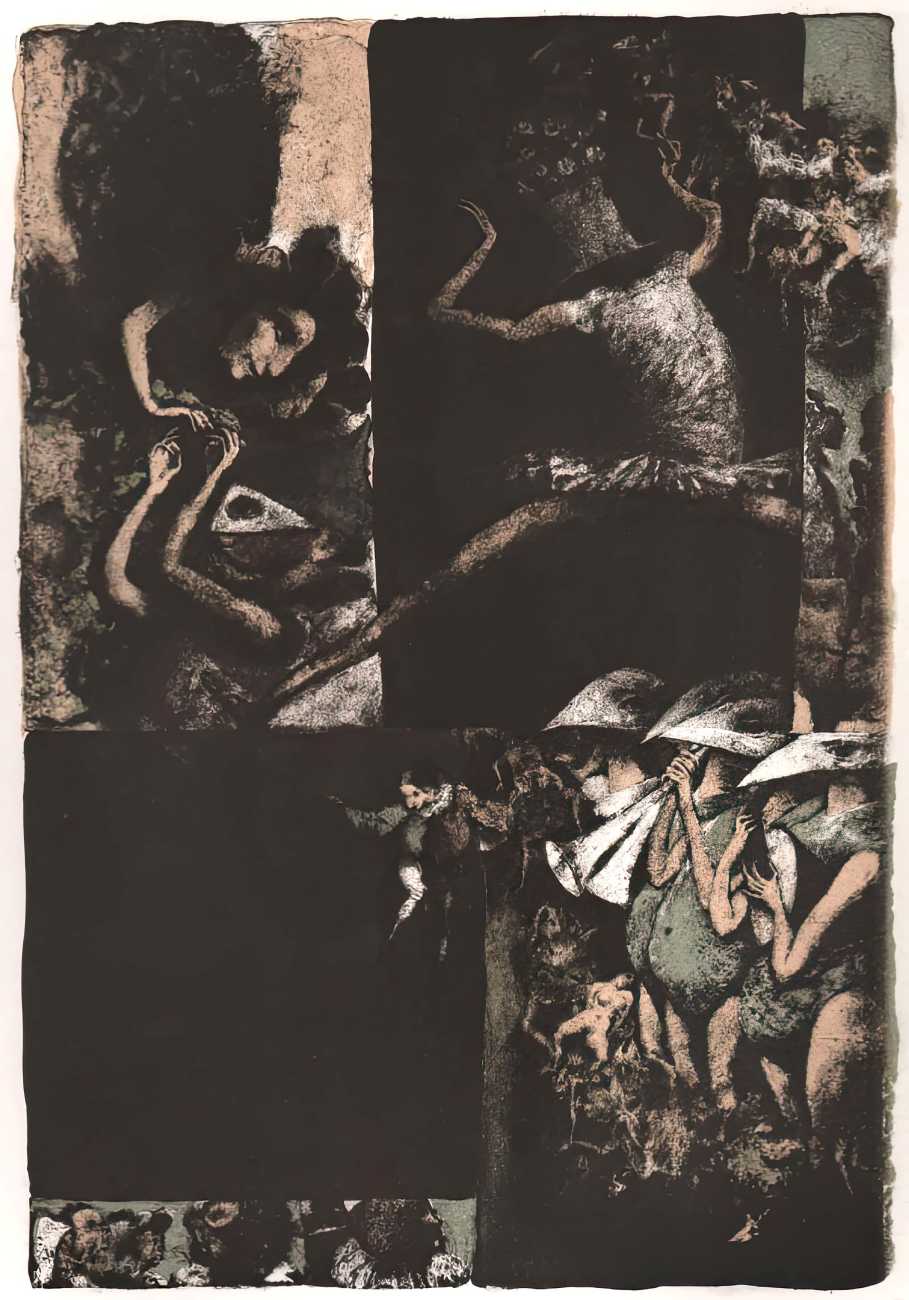
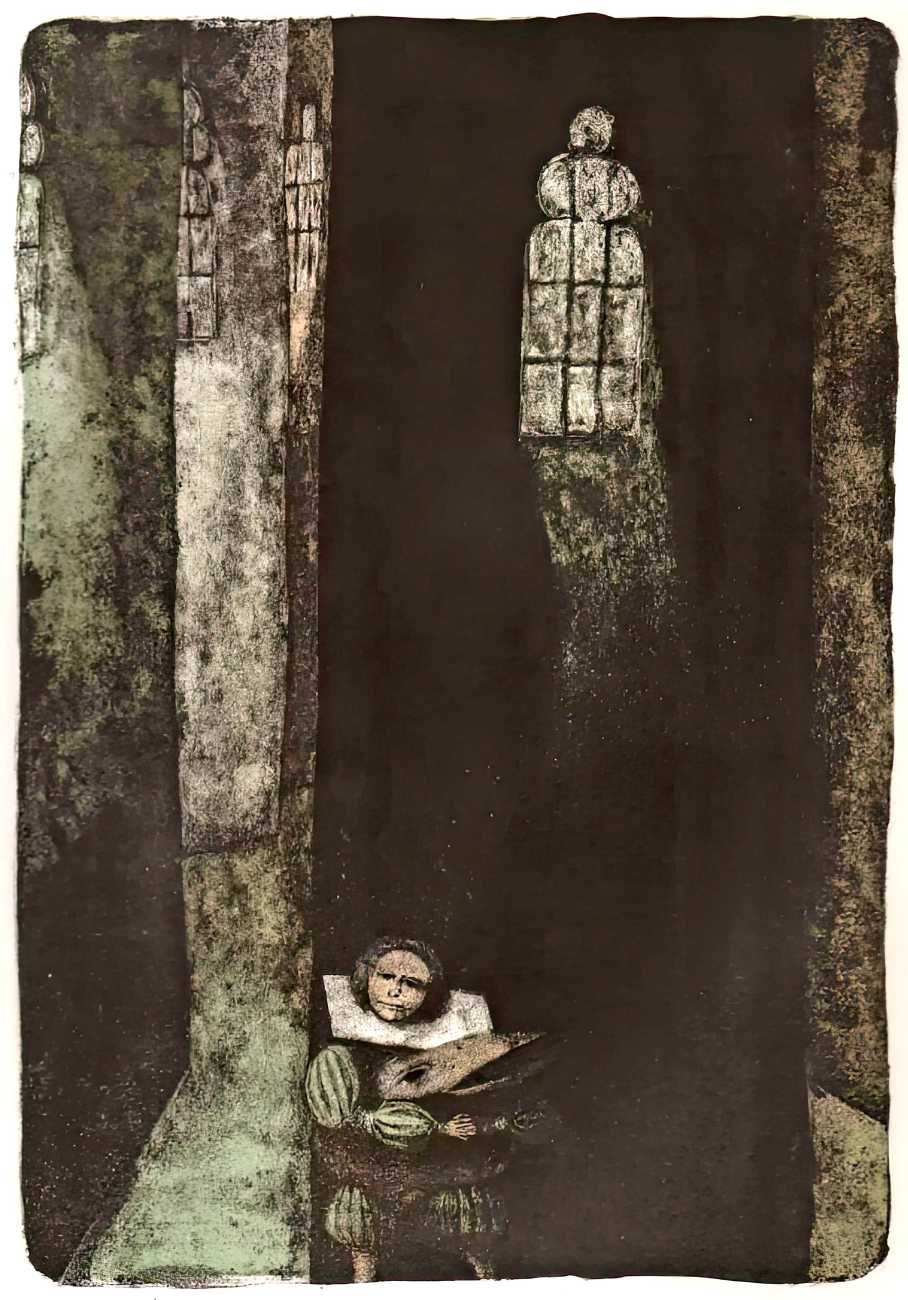
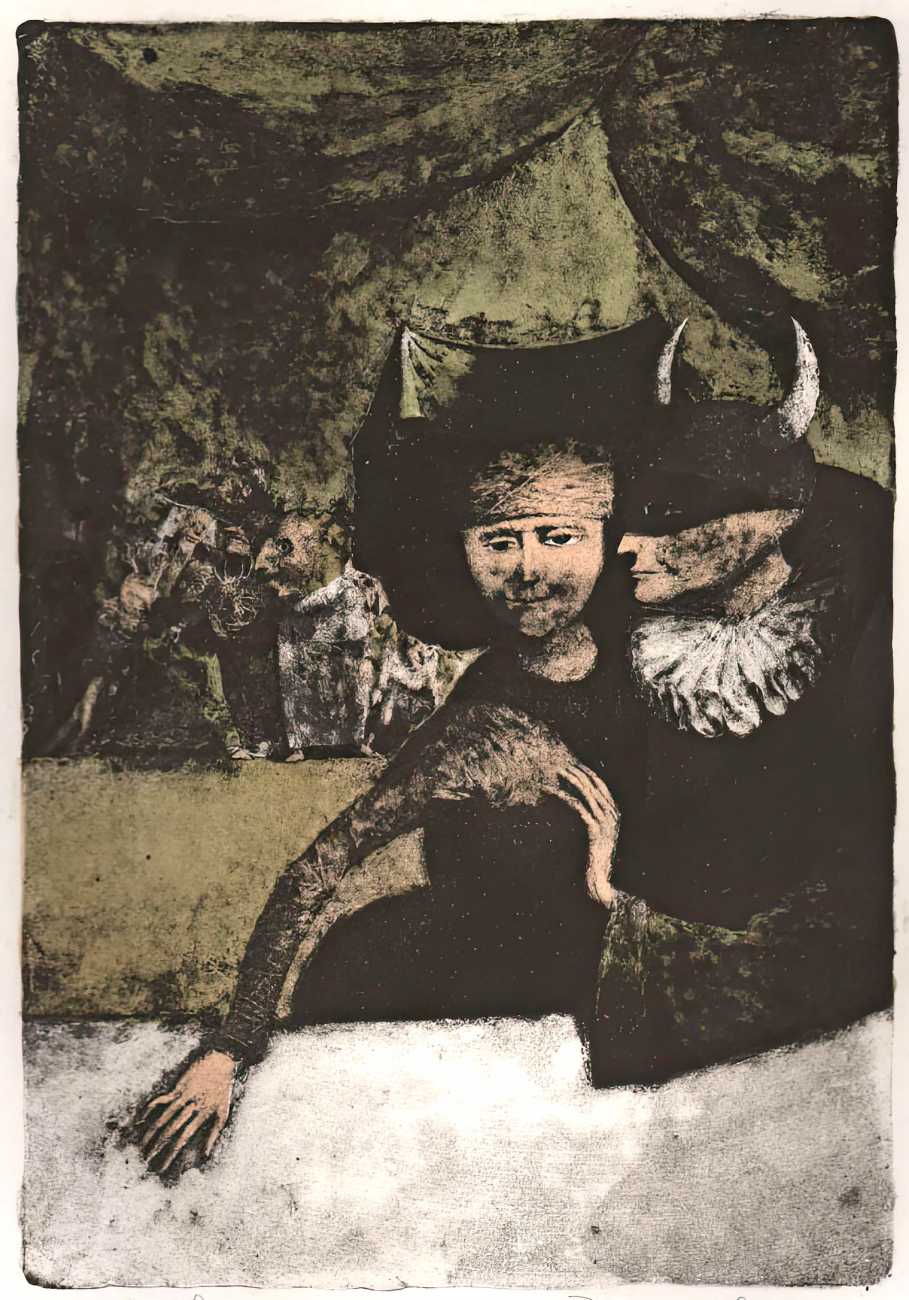
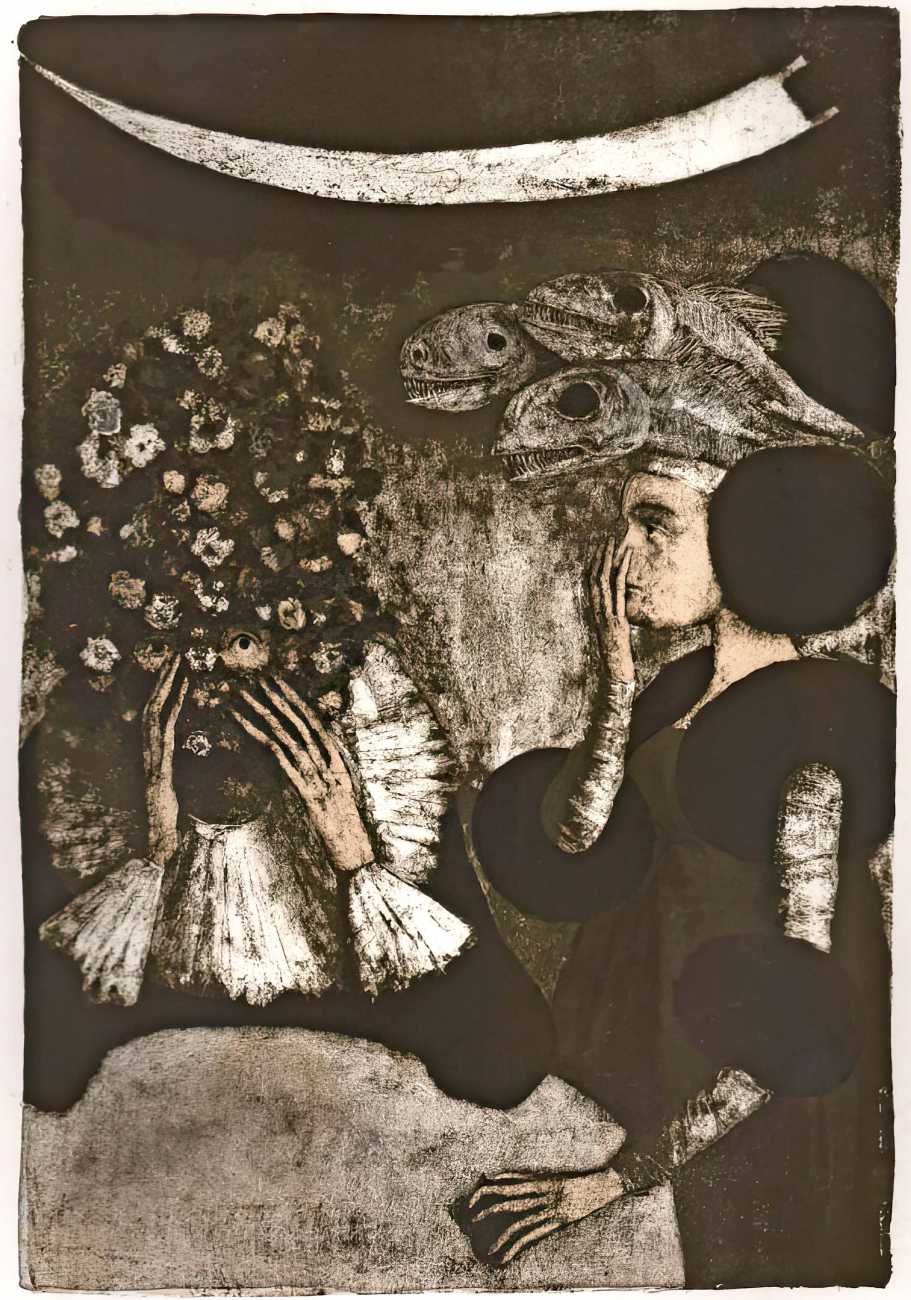
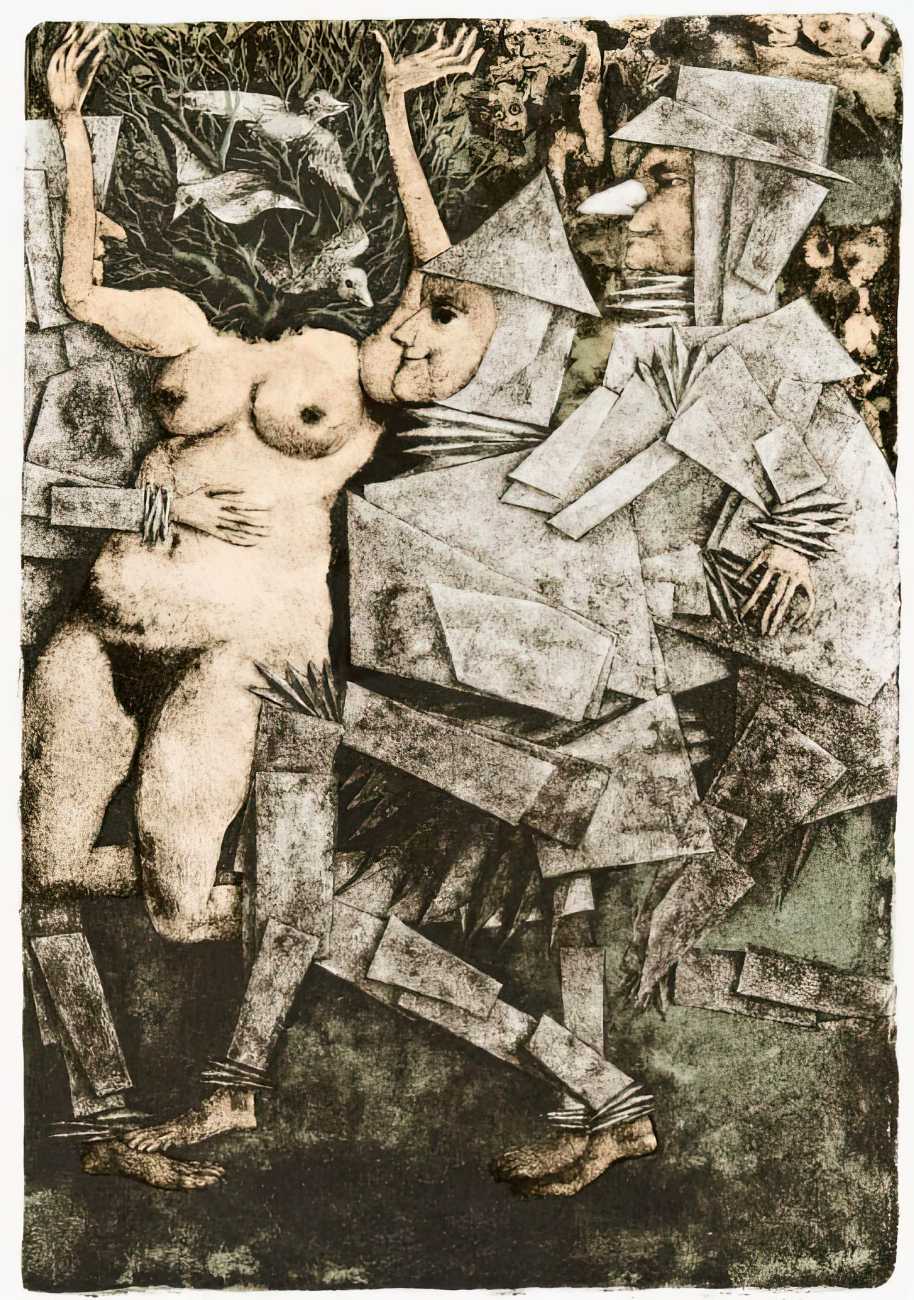
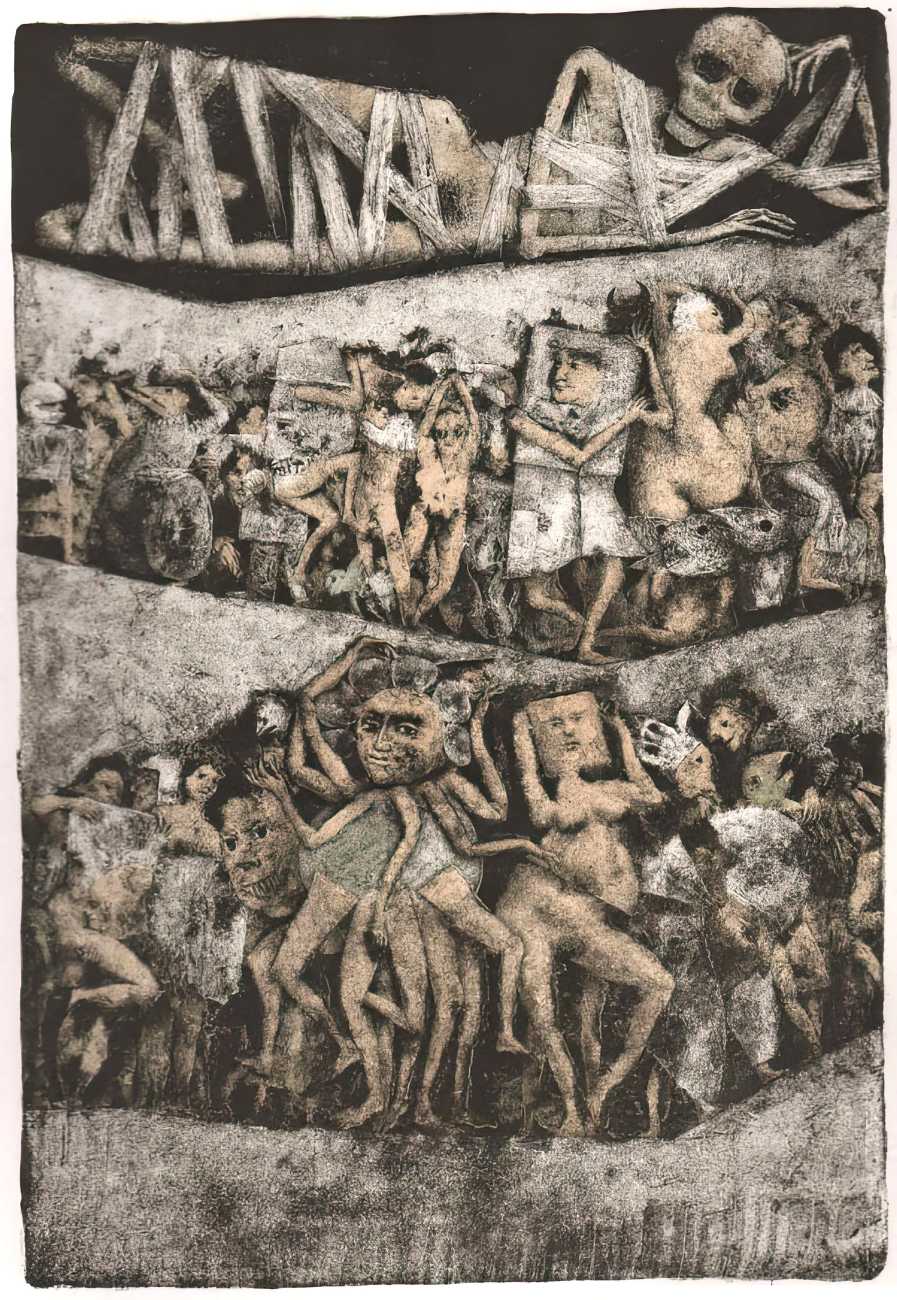
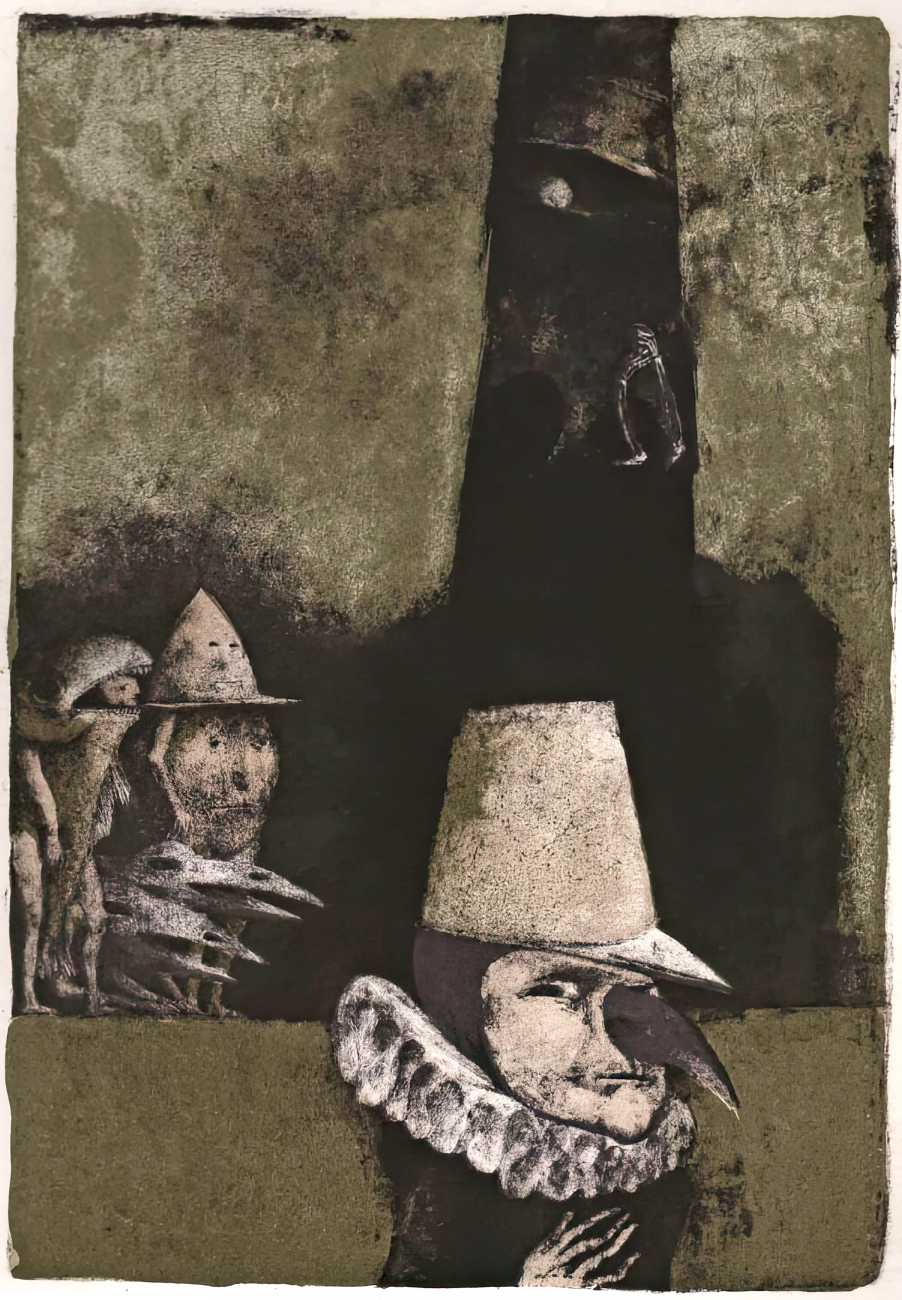
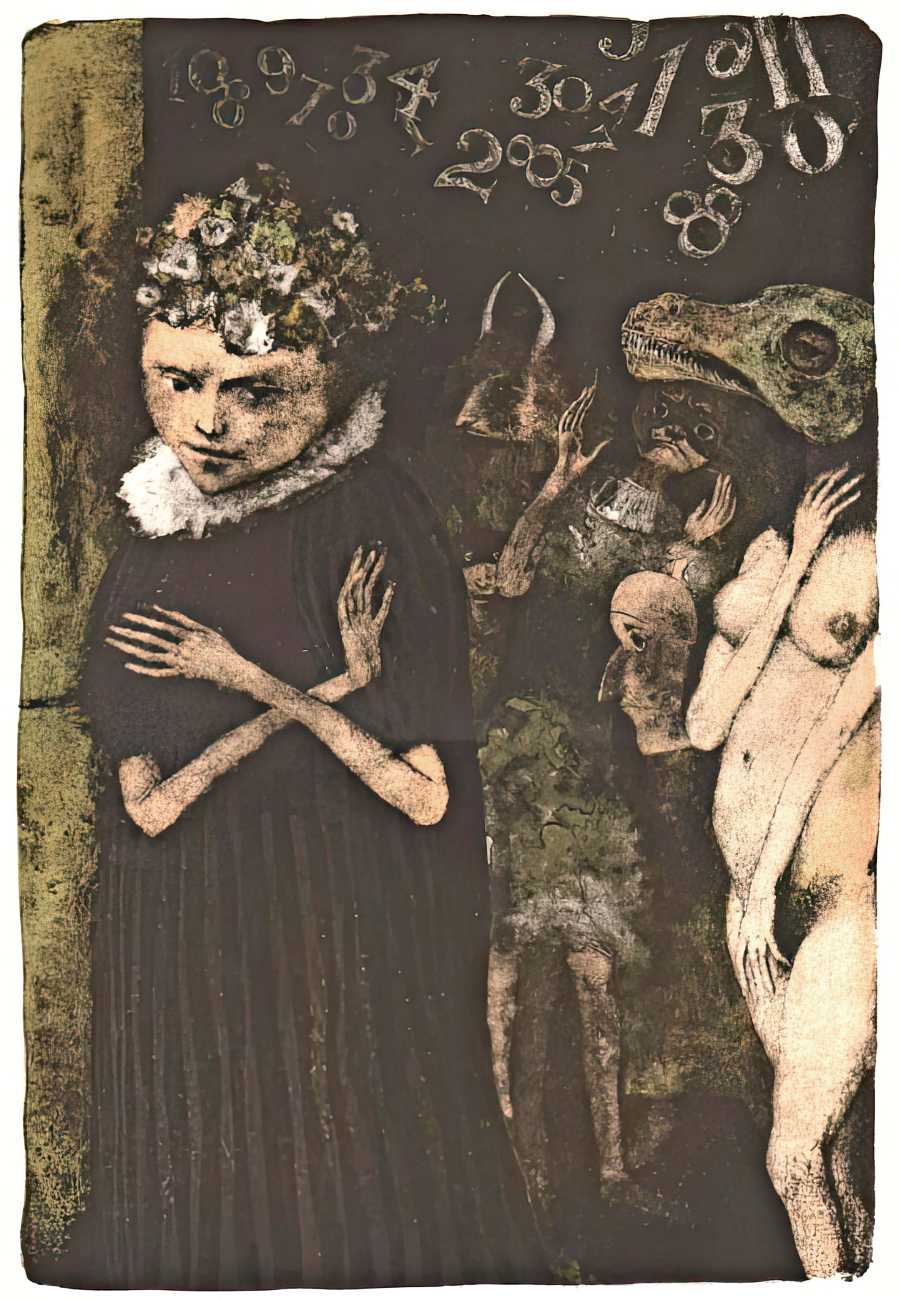
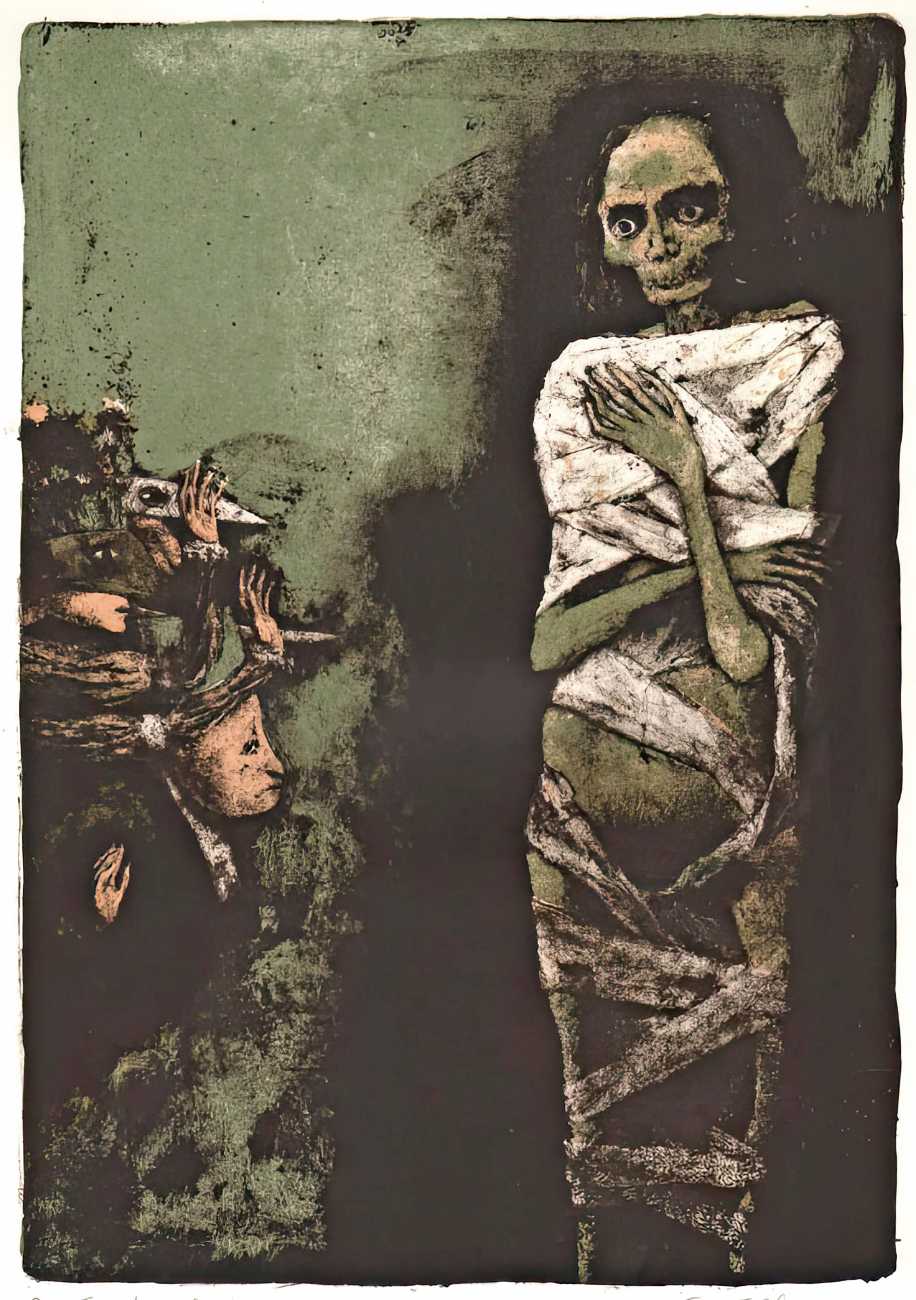
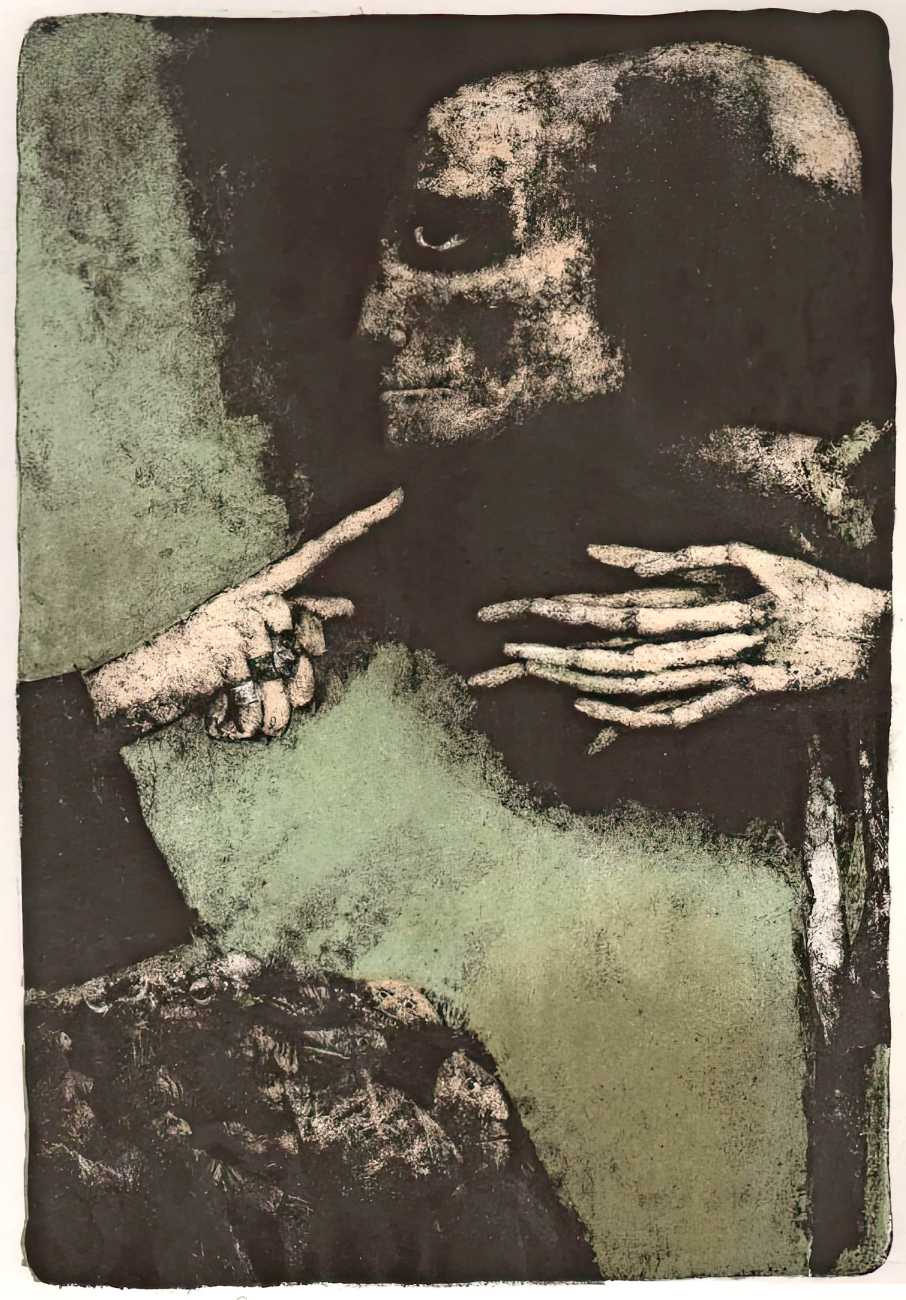
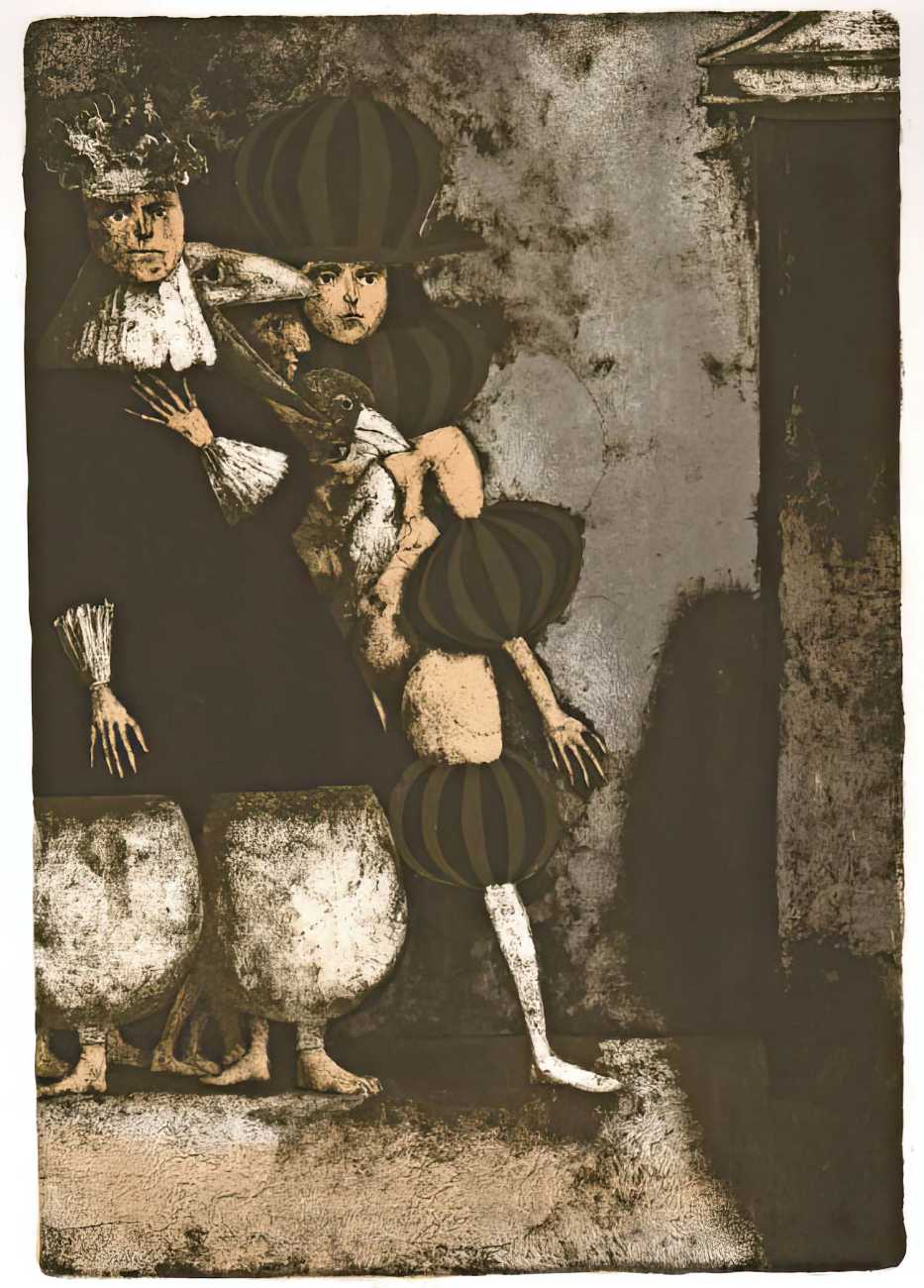
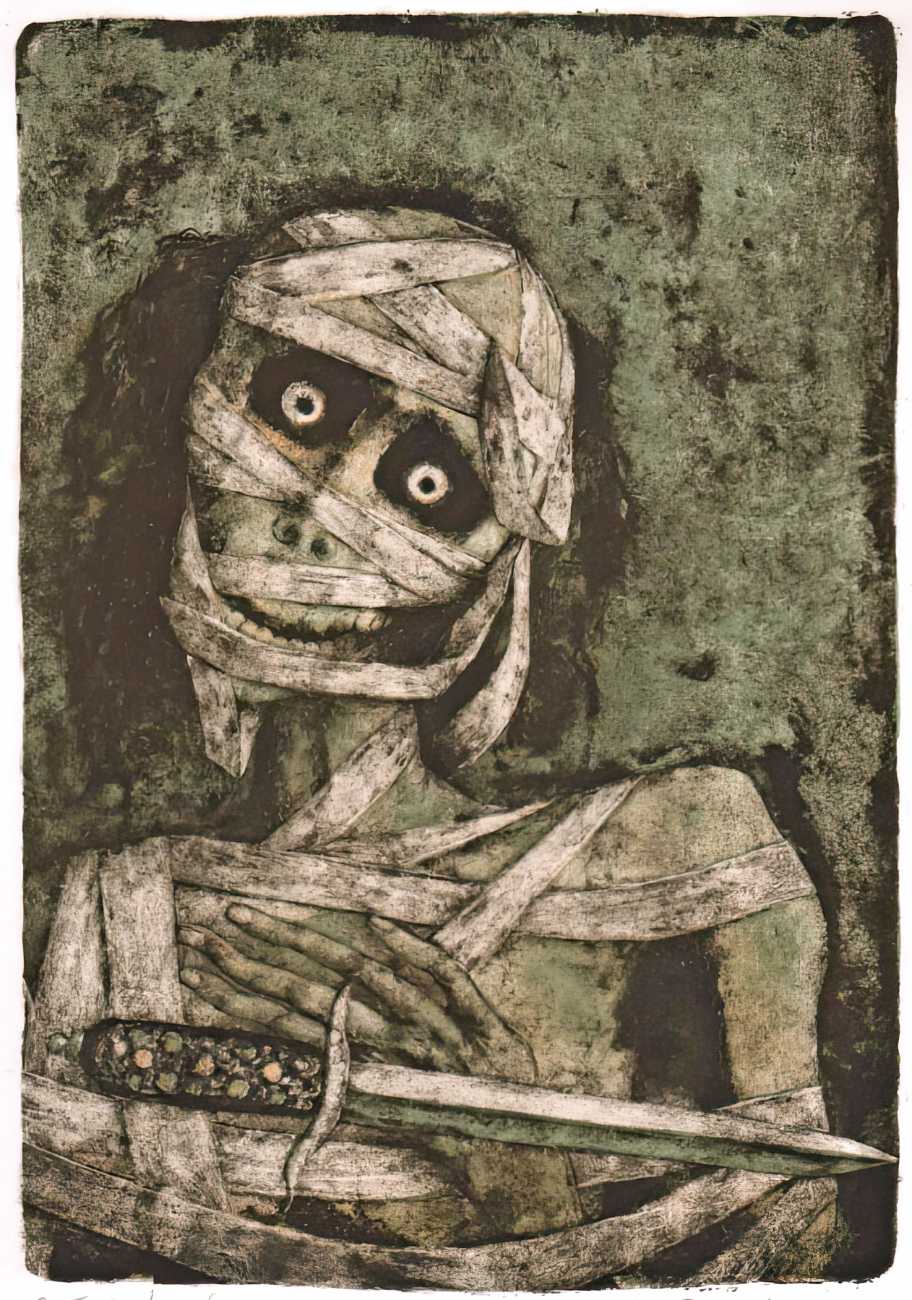
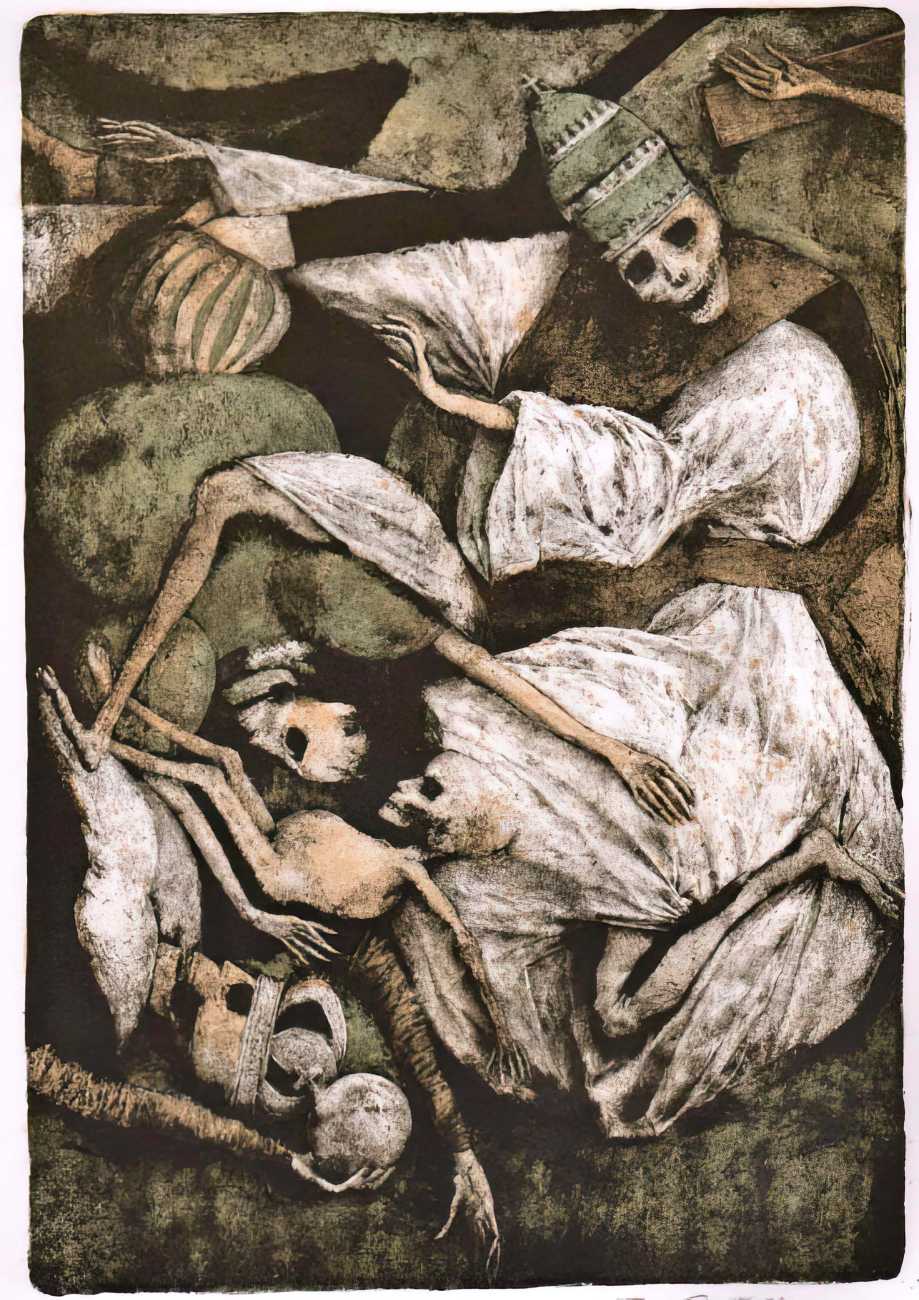
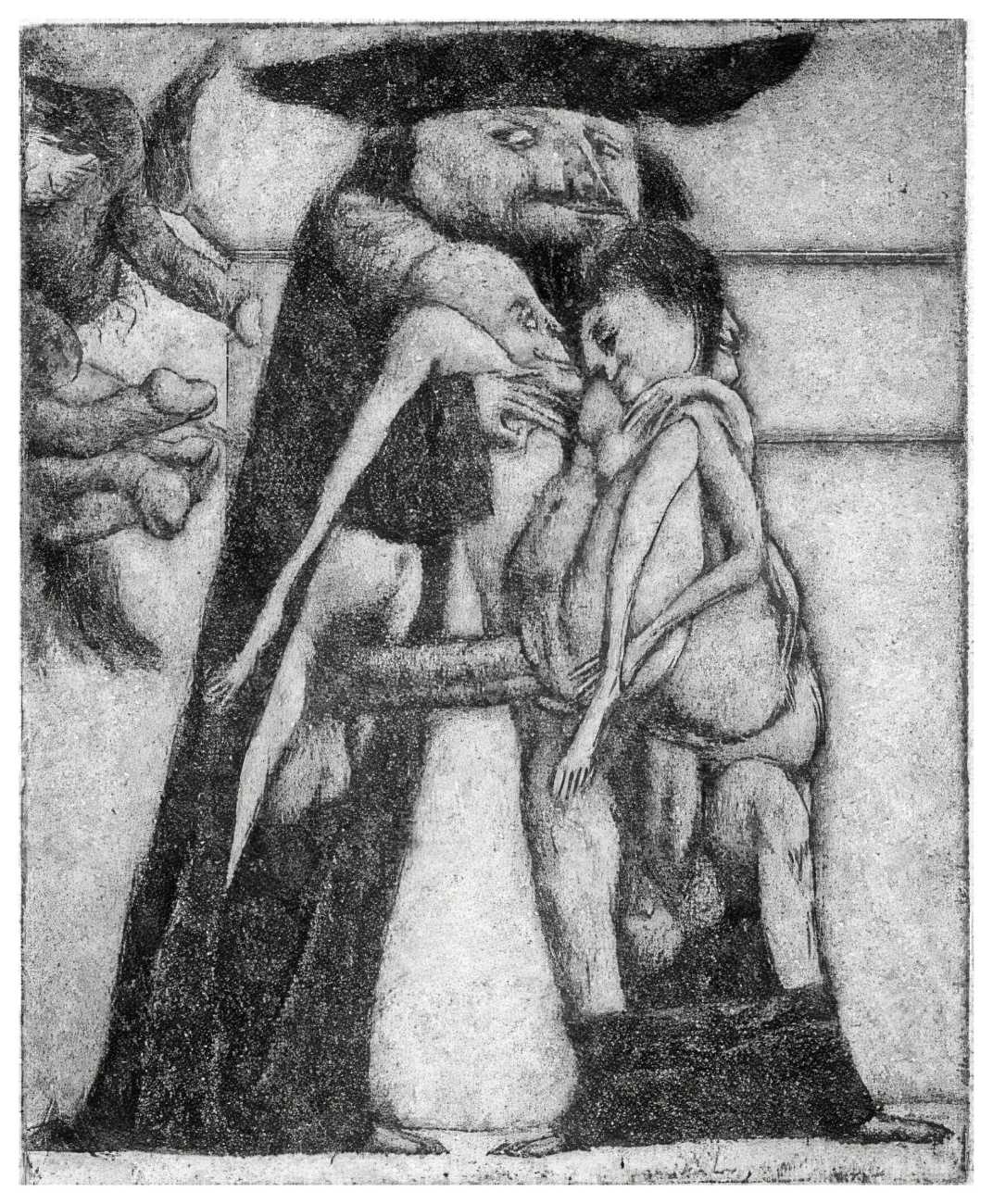
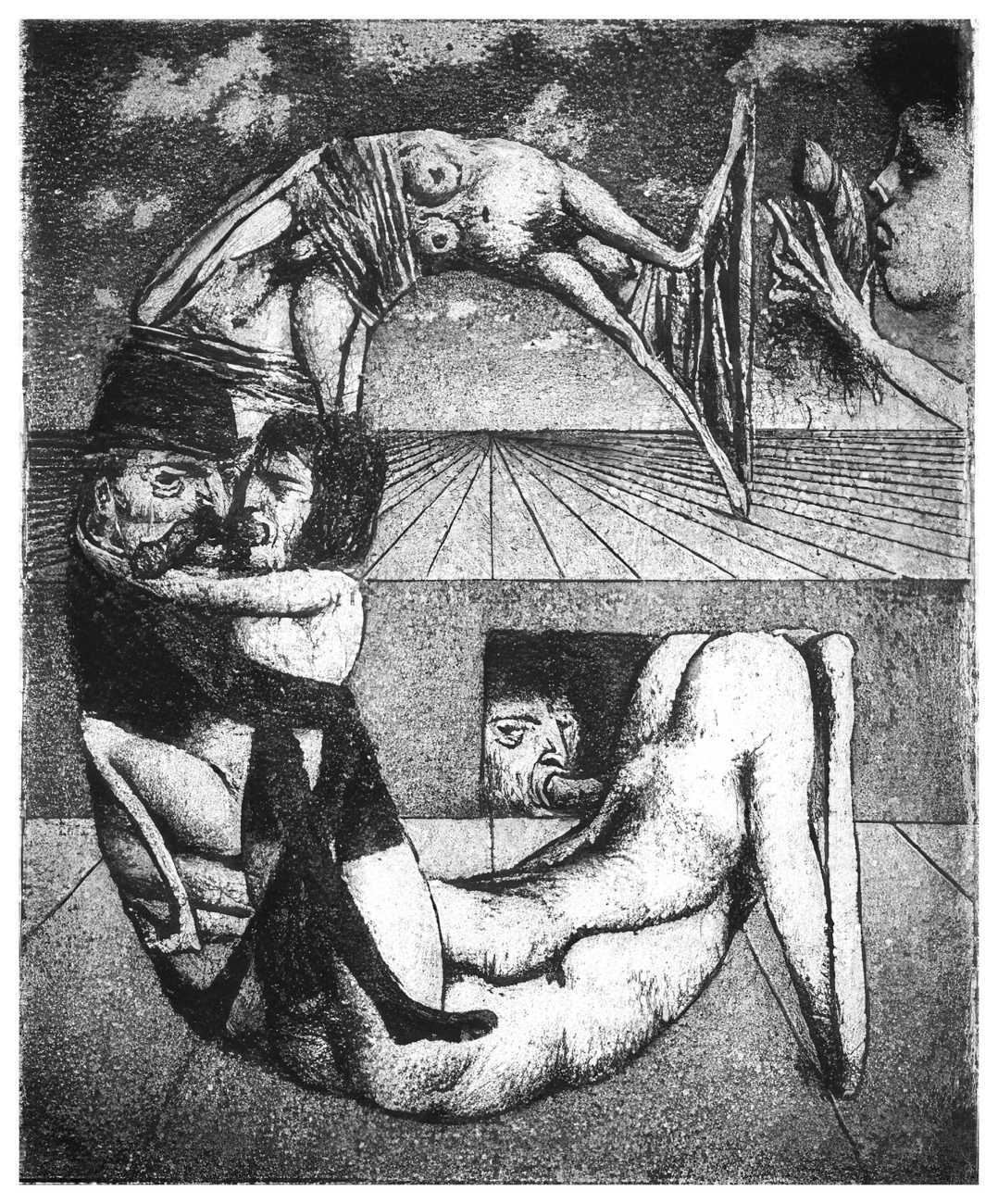
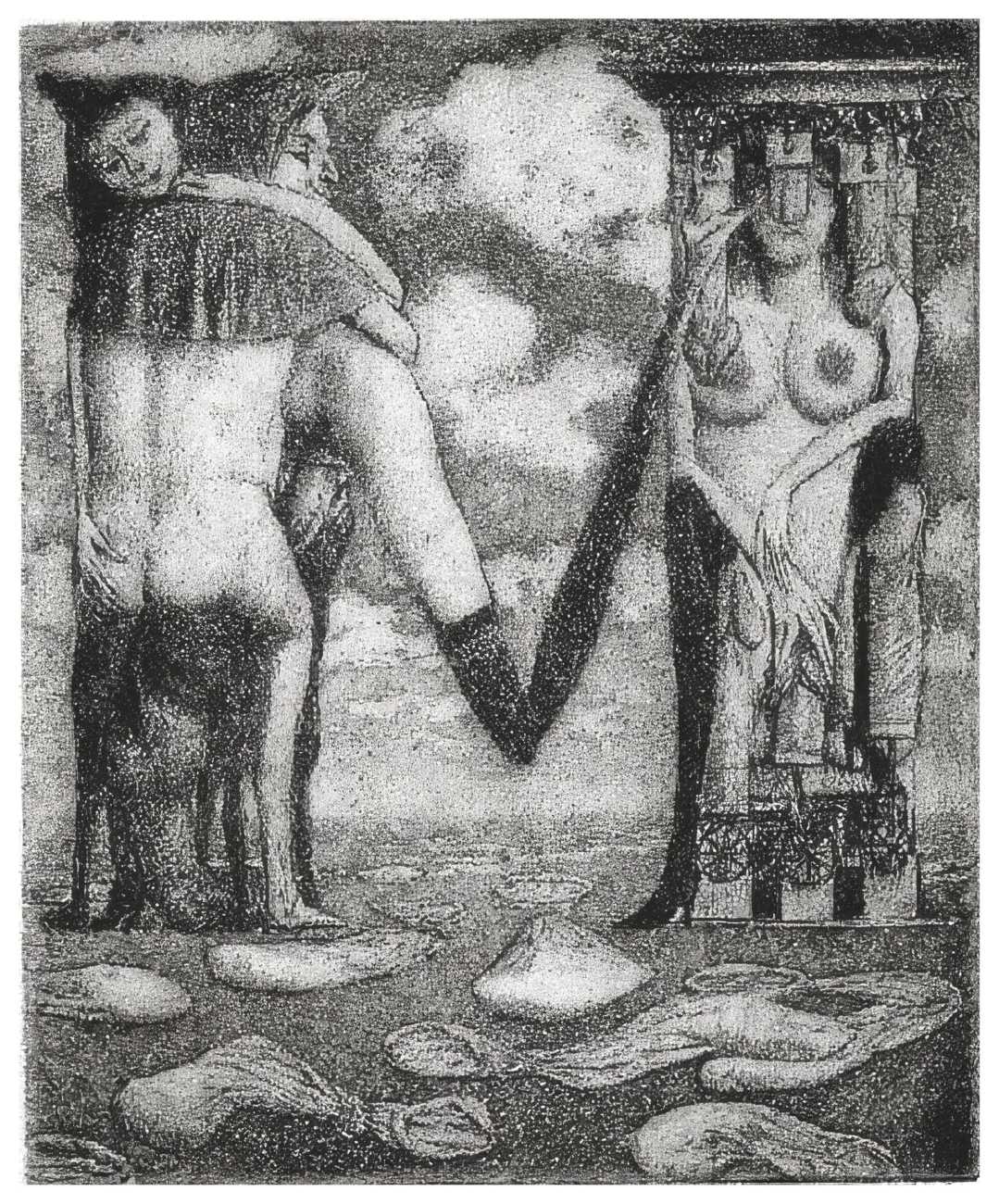
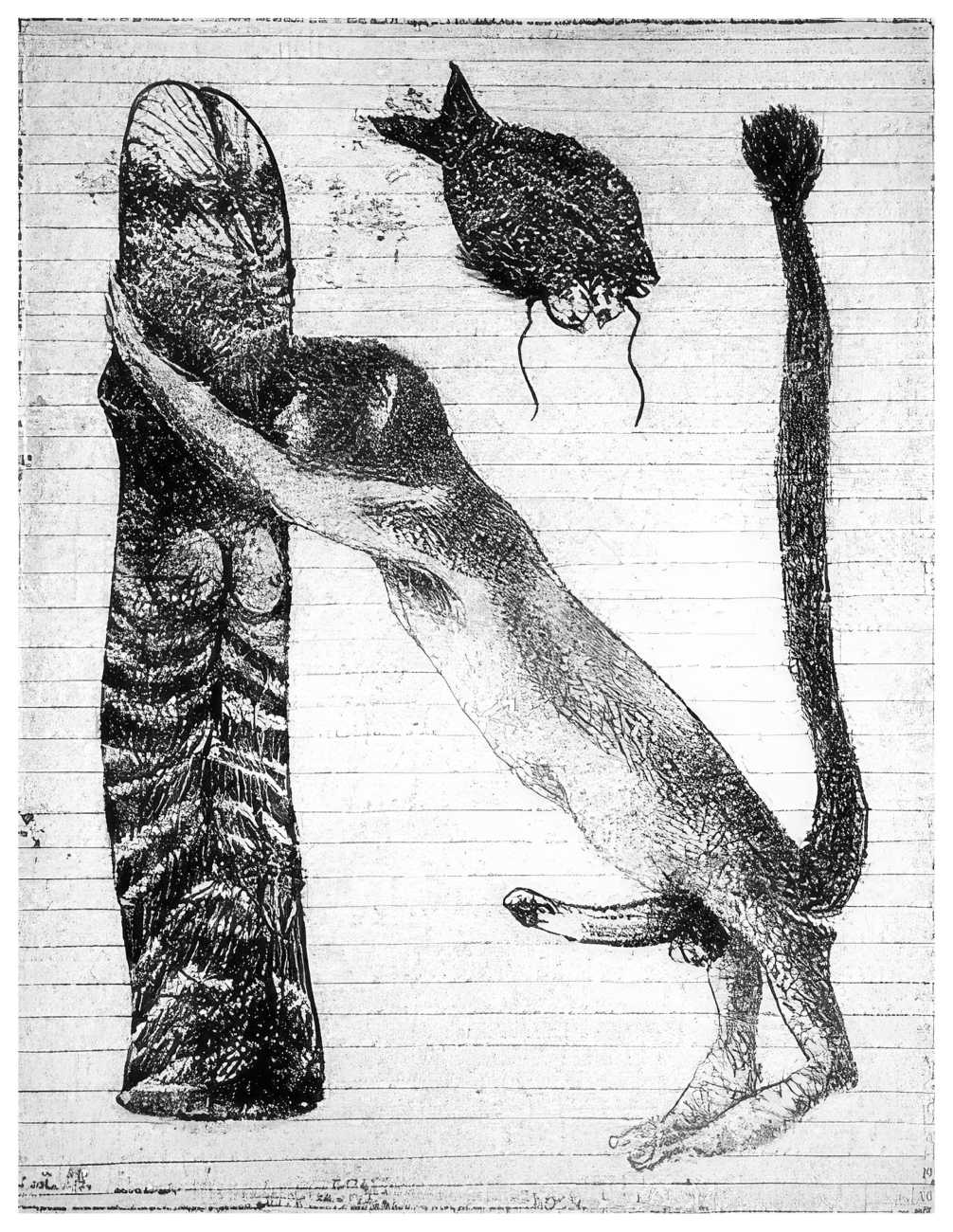
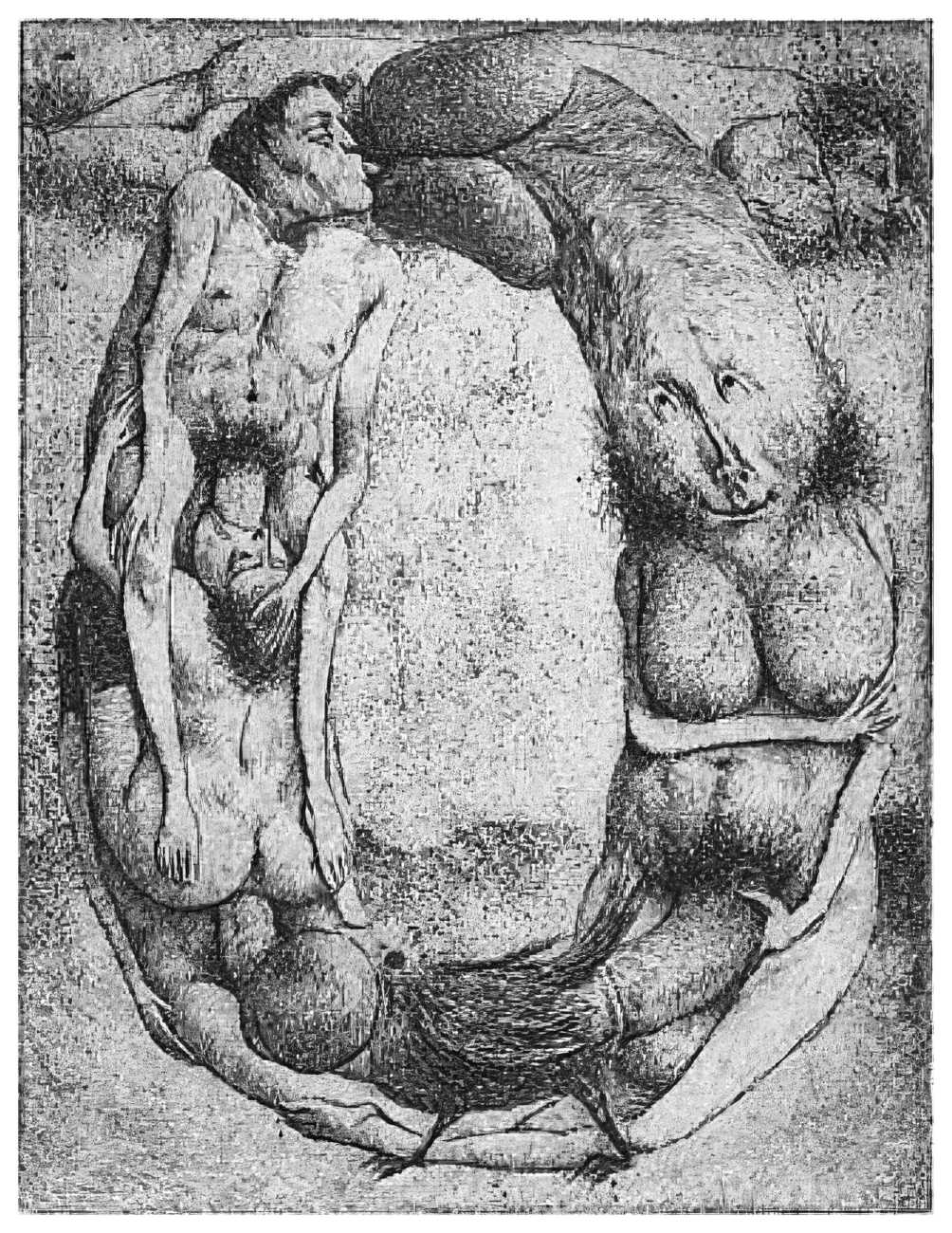
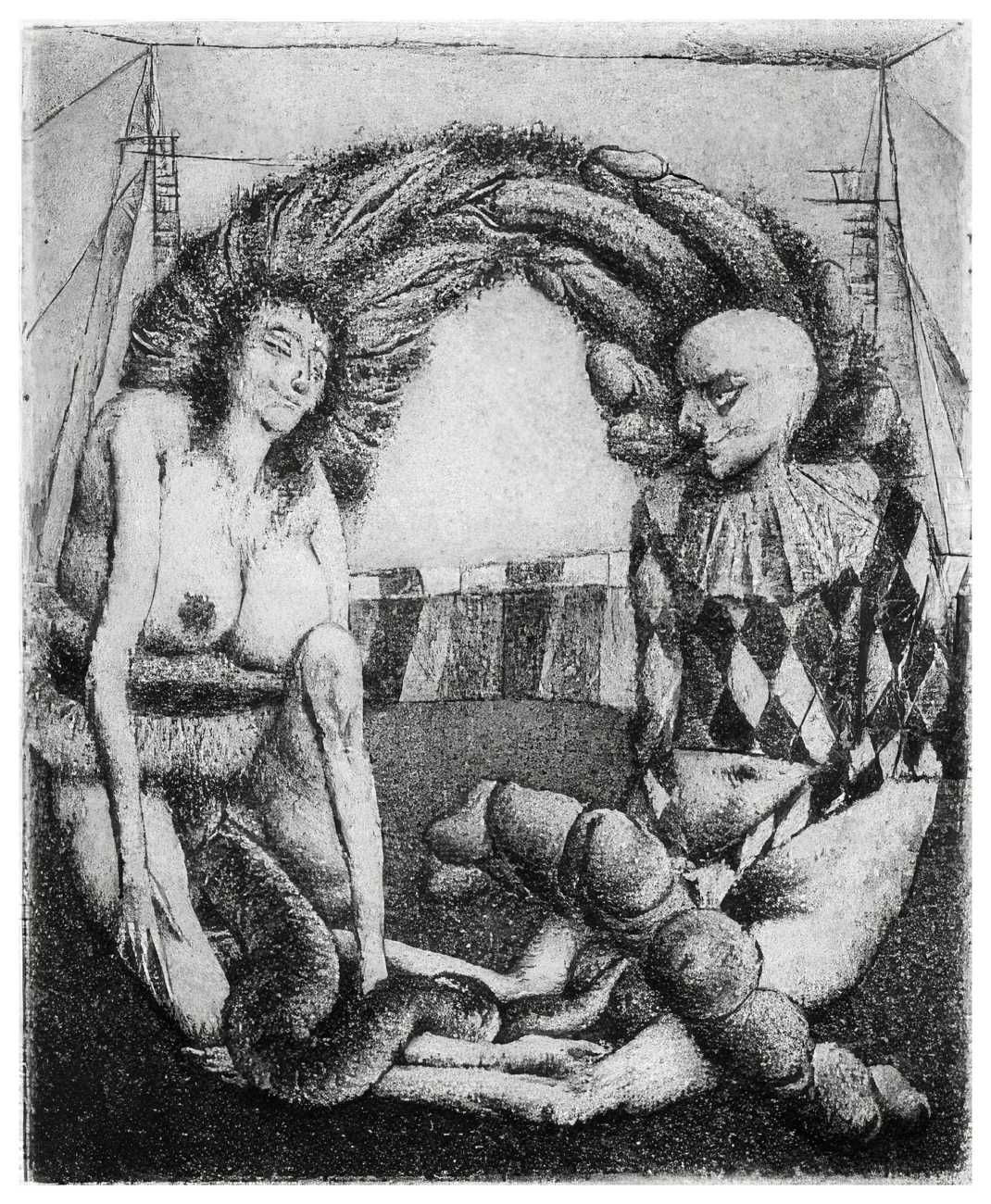
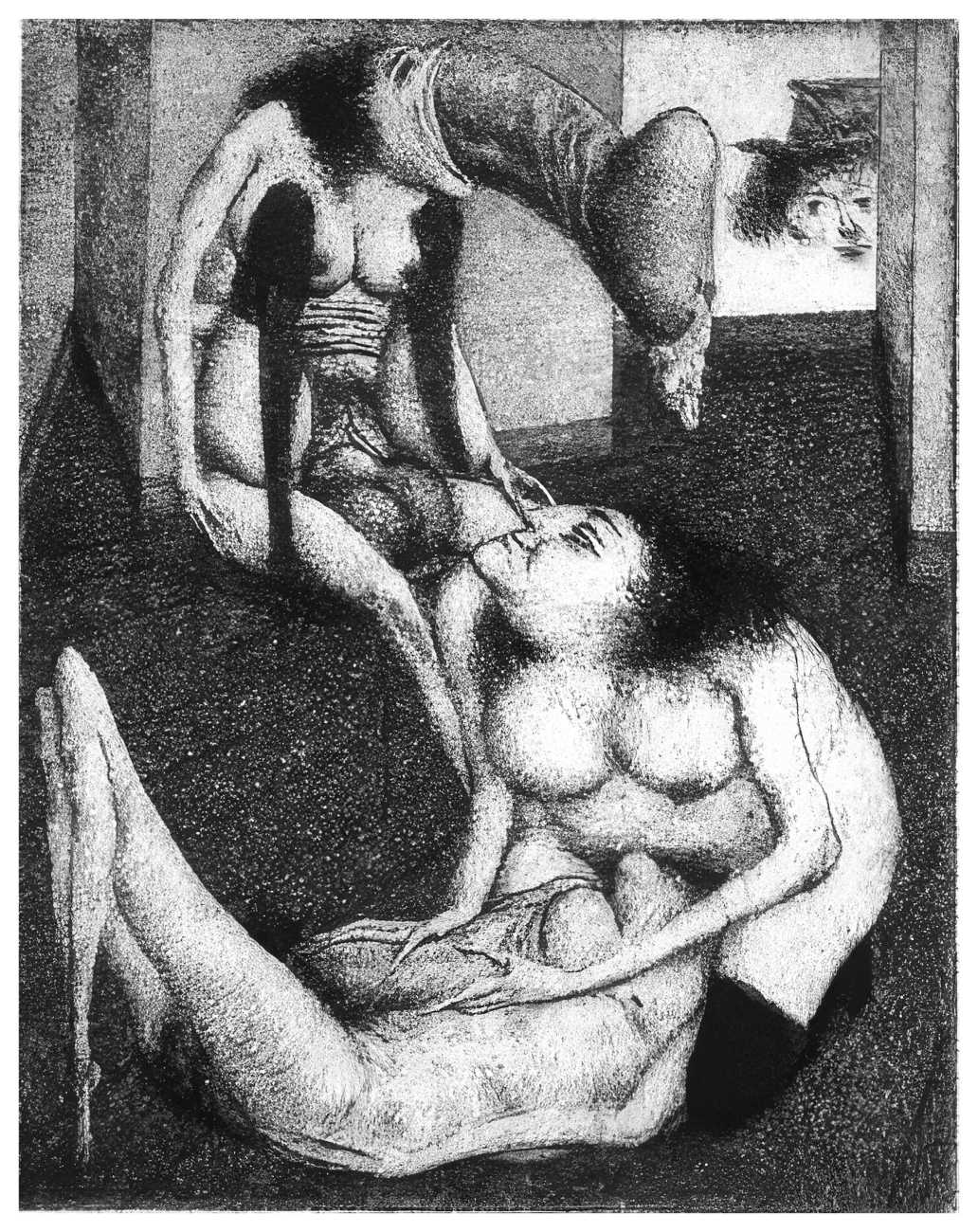
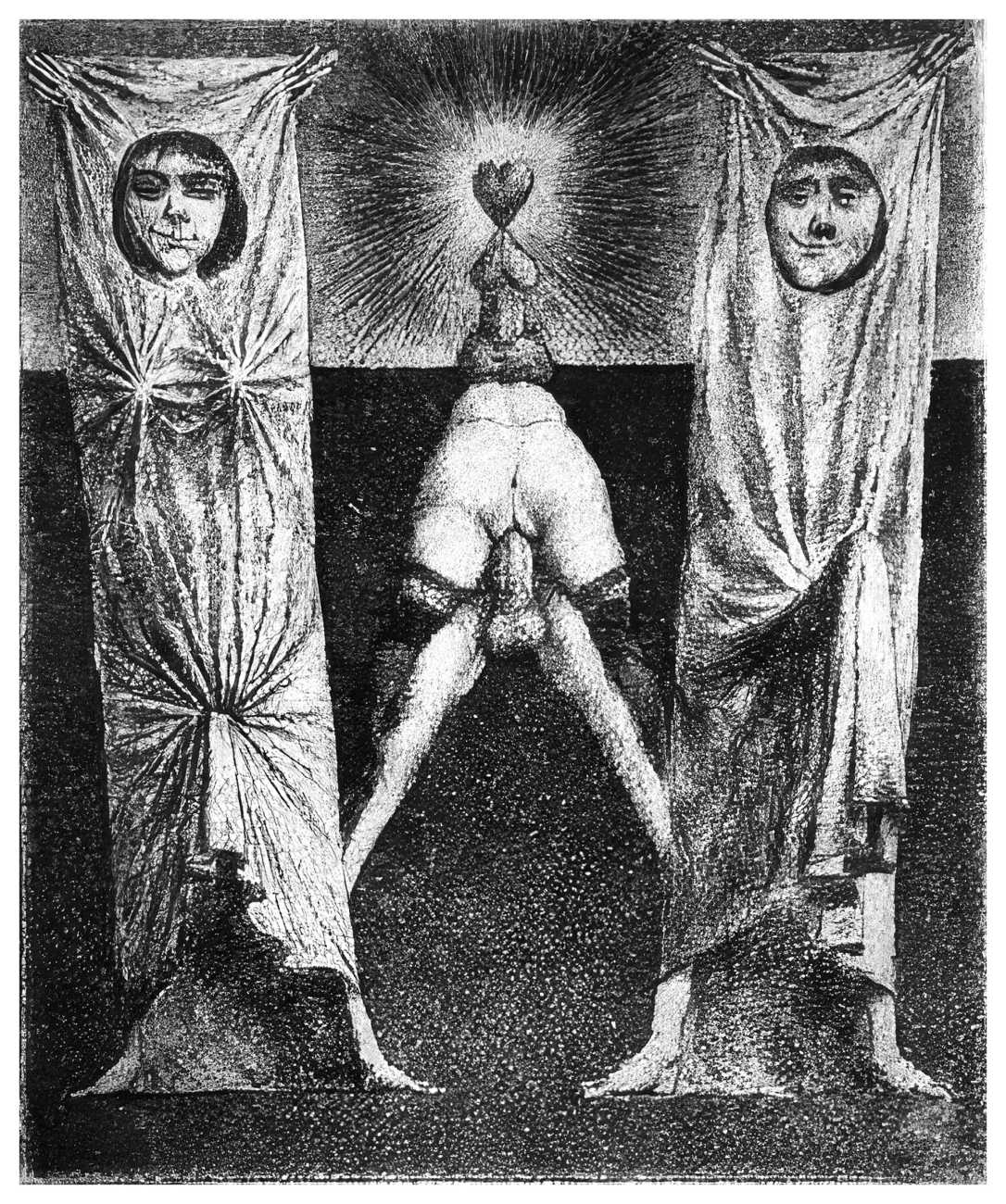
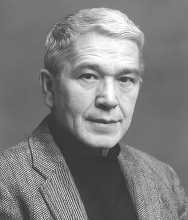
 Federico Castellón was a Spanish-American painter, sculptor, printmaker and illustrator whose work combined a mastery of traditional techniques with a distinctive surrealist imagination. Born in Almería in Spain, he emigrated to the United States with his family in 1921, settling in Brooklyn, New York. His father had owned a small leather factory in Spain, but the family struggled financially after their arrival in America.
Largely self-taught, Castellón began drawing as a child and developed his artistic education through visits to New York’s museums and galleries. He was influenced by both the old masters and modern European artists, including Giorgio de Chirico, Pablo Picasso, Salvador Dalí and Georges Rouault. His Spanish accent and immigrant background made him feel like an outsider, and he recalled spending much of his childhood alone. While most of his family hoped he would pursue a more conventional occupation, his mother encouraged his artistic ambitions. His talent was recognised at Erasmus Hall High School, where he received the Art Medal and was commissioned to paint a mural on the arts and sciences.
A meeting with the Mexican muralist Diego Rivera proved decisive. Rivera took an interest in the young artist’s work and introduced him to Carl Zigrosser, director of the Weyhe Gallery in Manhattan, where Castellón held his first solo exhibition at the age of eighteen. In 1934, with Rivera’s assistance, he received a four-year Spanish government fellowship to study in Europe. He spent considerable time in Paris, studying painting, sculpture and printmaking, and exhibited alongside leading modern artists. His early prints and drawings, made before his European travels, are regarded as pioneering examples of surrealism in American art.
Returning to New York in 1937, Castellón developed his skills in lithography under the printmaker George Miller. His work attracted increasing recognition, and in 1941 he received the first of two Guggenheim Fellowships. That year he married Hilda Greenfield, his second wife, who was an artist herself. During the second world war they both worked for the Office of Strategic Services, the American wartime intelligence organisation. Hilda was posted to Ceylon, while Castellón served with the OSS in the Burma theatre and travelled to China with the US Army, an experience that would leave a lasting impression on his art. He became an American citizen in 1943.
After the war, Castellón continued to paint, print and illustrate, producing work for magazines including Life, and illustrating books such as Bulfinch’s Mythology and The Story of Marco Polo. His second Guggenheim Fellowship in 1950 enabled further travel and study in Italy, while his teaching appointments included Columbia University, the Pratt Institute and Queens College. He was elected to the National Academy of Design and received several awards for his graphic work.
We are very grateful to our Russian friend Yuri for suggesting the inclusion of this artist, and for supplying many of the images.
Similar artists
Michael Ayrton – British painter and illustrator of mythological subjects.
Zevi Blum – American etcher and illustrator of erotic literary classics.
André Masson – French surrealist of figurative and erotic subjects.
Roberto Matta – Chilean surrealist painter of fantastic and erotic abstraction.
Pablo Picasso – Spanish painter and printmaker, cited by Castellón as an influence.
Pavel Tchelitchev – Russian-born neo-romantic painter of figurative and erotic subjects.
Example illustration