The French artist and illustrator Maurice Charles Sébastien Leroy lived and worked in Paris all his life, but like so many lesser-known artists we know almost nothing about the man himself. Apart from his birth and death dates, the only official record is of two marriages, in 1920 and 1929, and from some of his surviving drawings and his illustrations for the resistance magazine La Baïonnette we can surmise that he was active on the home front during the first world war.
Leroy was a prolific illustrator, his earliest work dating from around 1905 with contributions to magazines including Je Sais Tout and Le Rire Rouge. His humorous character drawings were made into sets of postcards and used in advertising posters.
In his late forties he turned to book illustration, and between 1936 and 1946 produced artwork for more than twenty titles, including classics like Charles Baudelaire’s Les fleurs du mal and Jean de La Fontaine’s Contes et nouvelles.
Leroy was a versatile artist, his illustrative style ranging from pencil drawings, delicate watercolours and stylised colour plates to etchings and woodcuts. His work was appreciated both in popular magazines and fine book illustration circles, bridging narrative representation and accessible humour.
Similar artists
Paul-Émile Bécat – French illustrator of refined erotic fine editions.
Jean Berque – French interwar bibliophile illustrator in a similar style.
André Collot – French illustrator of refined erotic editions.
Léon Courbouleix – French illustrator of erotic and bibliophile editions.
André Dignimont – French interwar illustrator of Parisian low-life and erotic subjects.
Jean Dulac – French interwar bibliophile illustrator for the fine-press market.
Jean Gradassi – French illustrator of richly decorated fine editions in miniaturist style.
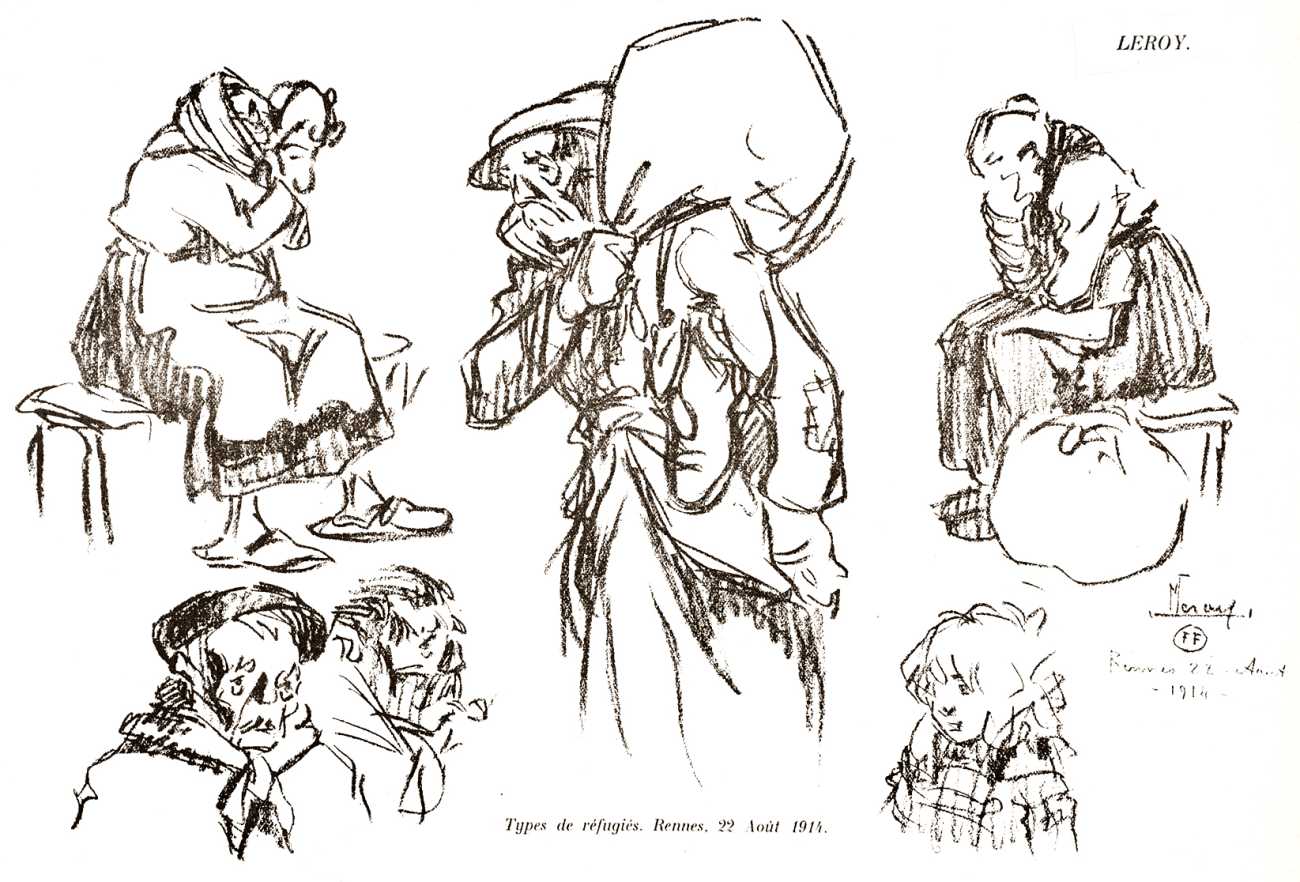
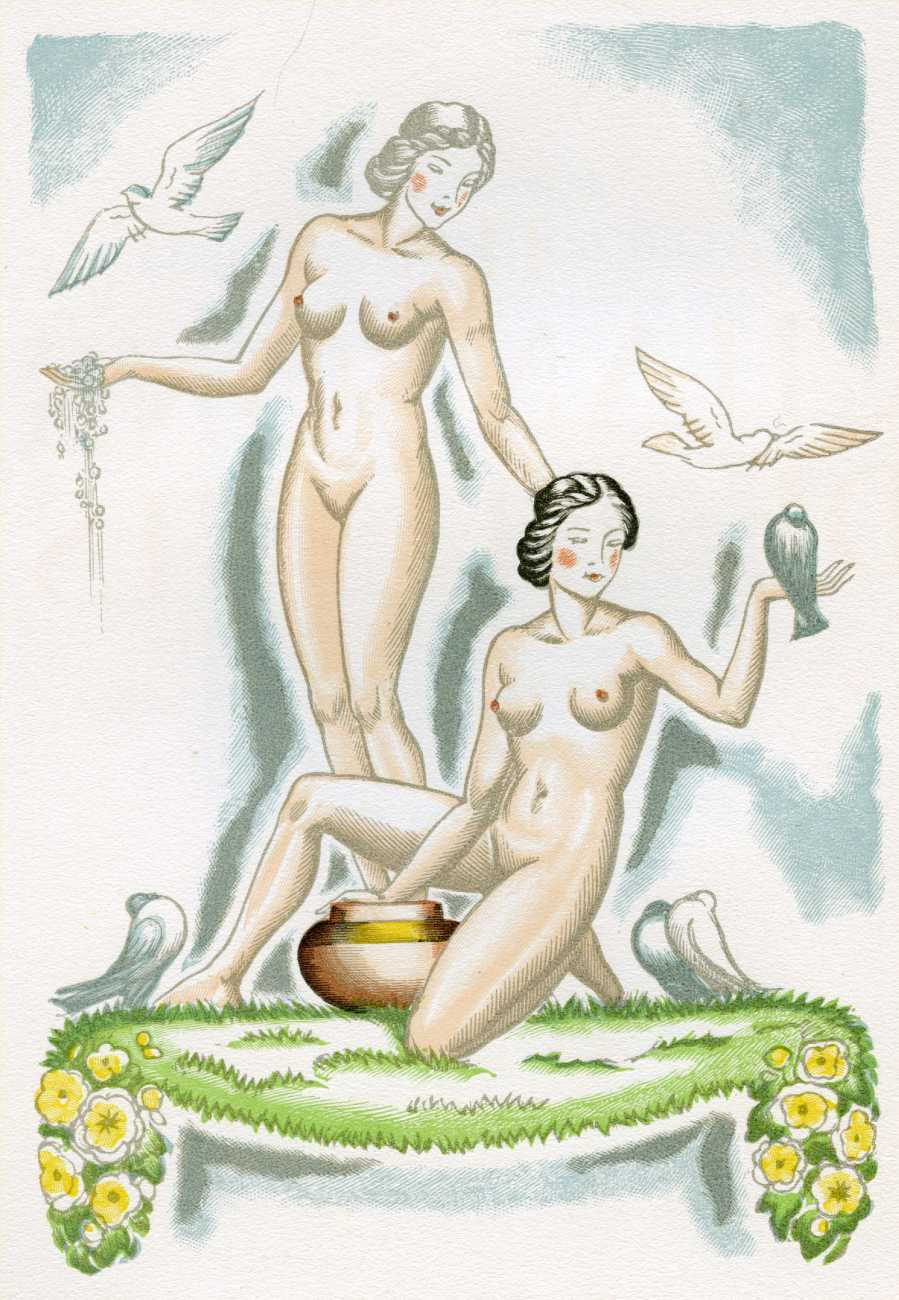
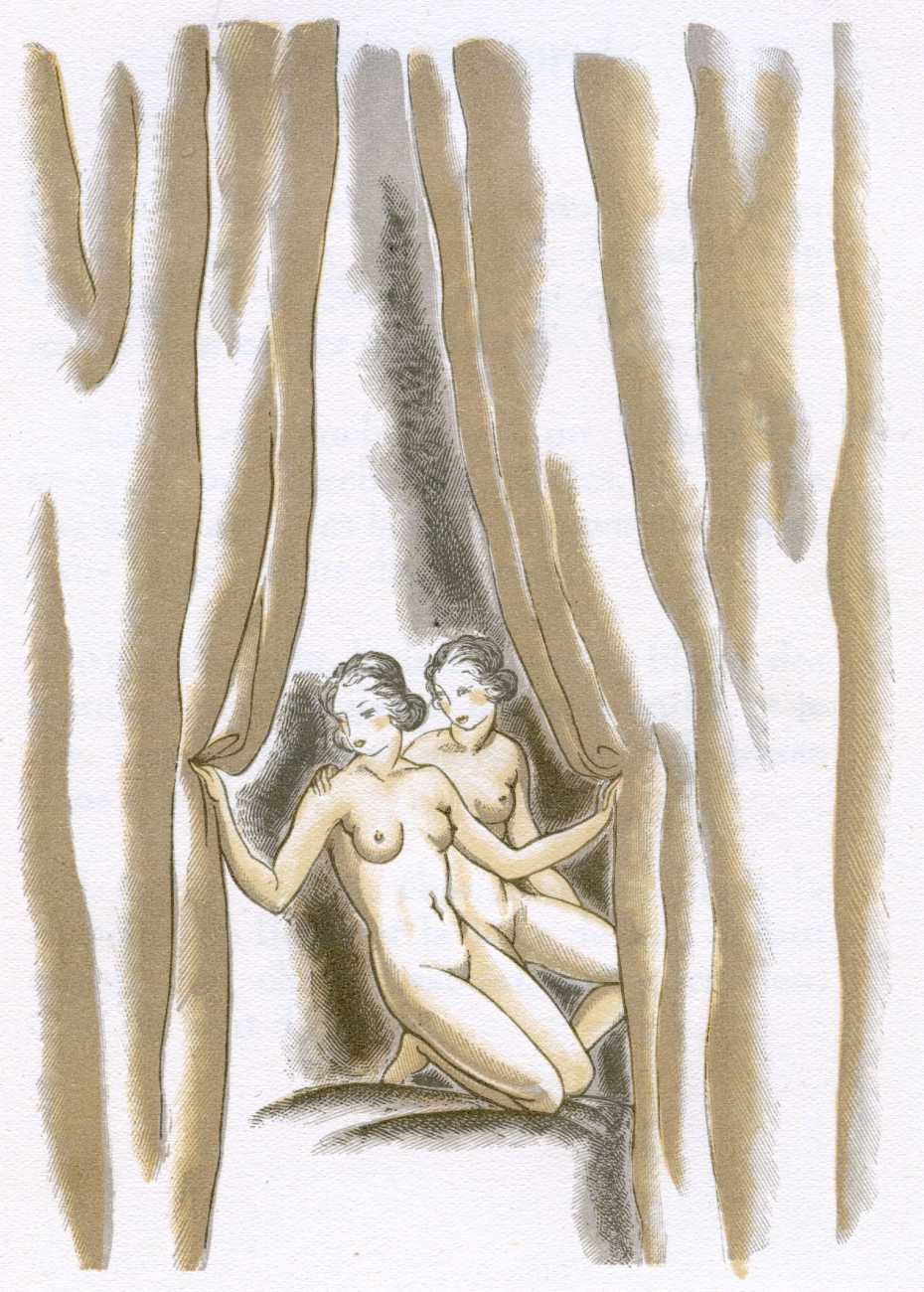
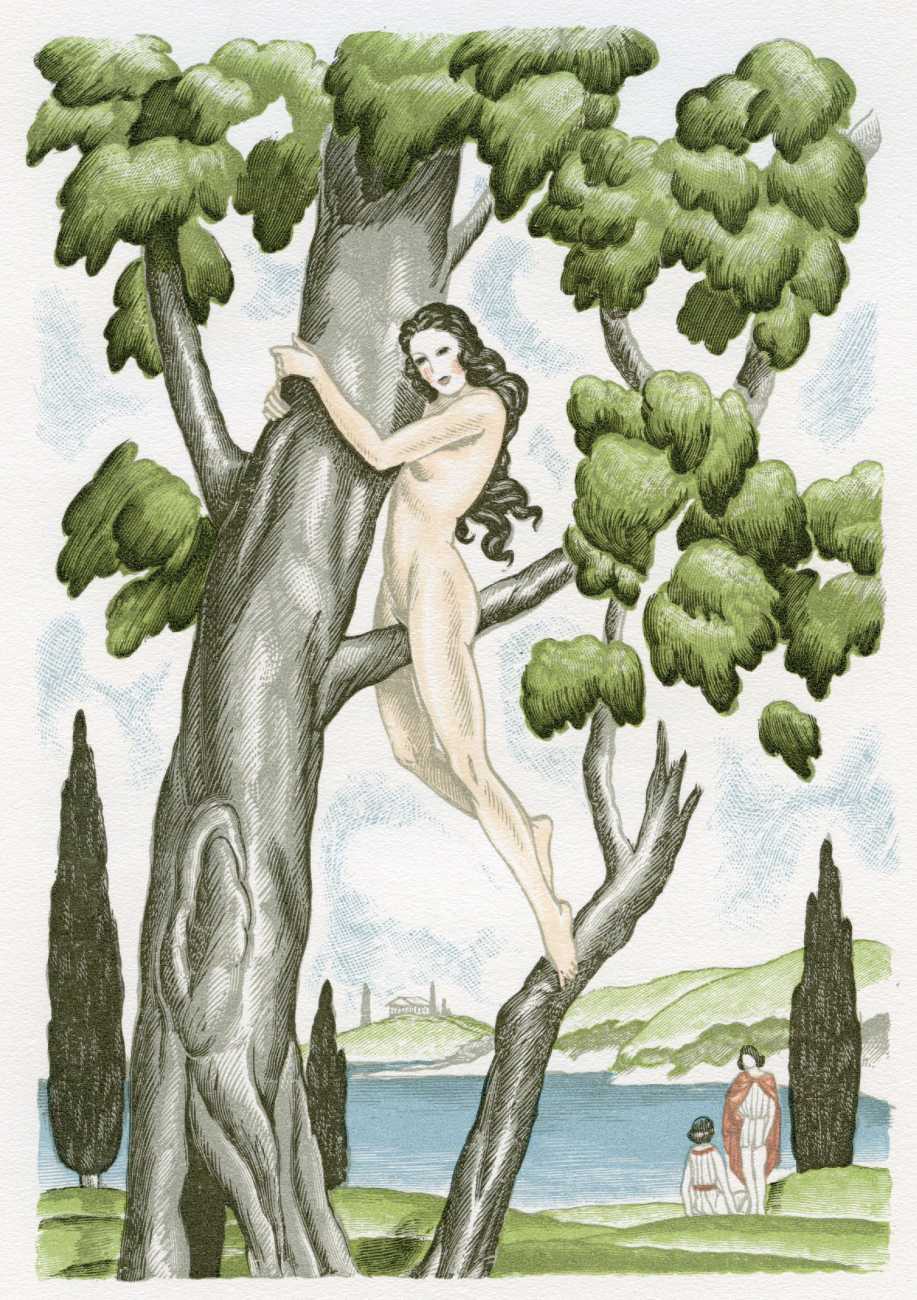
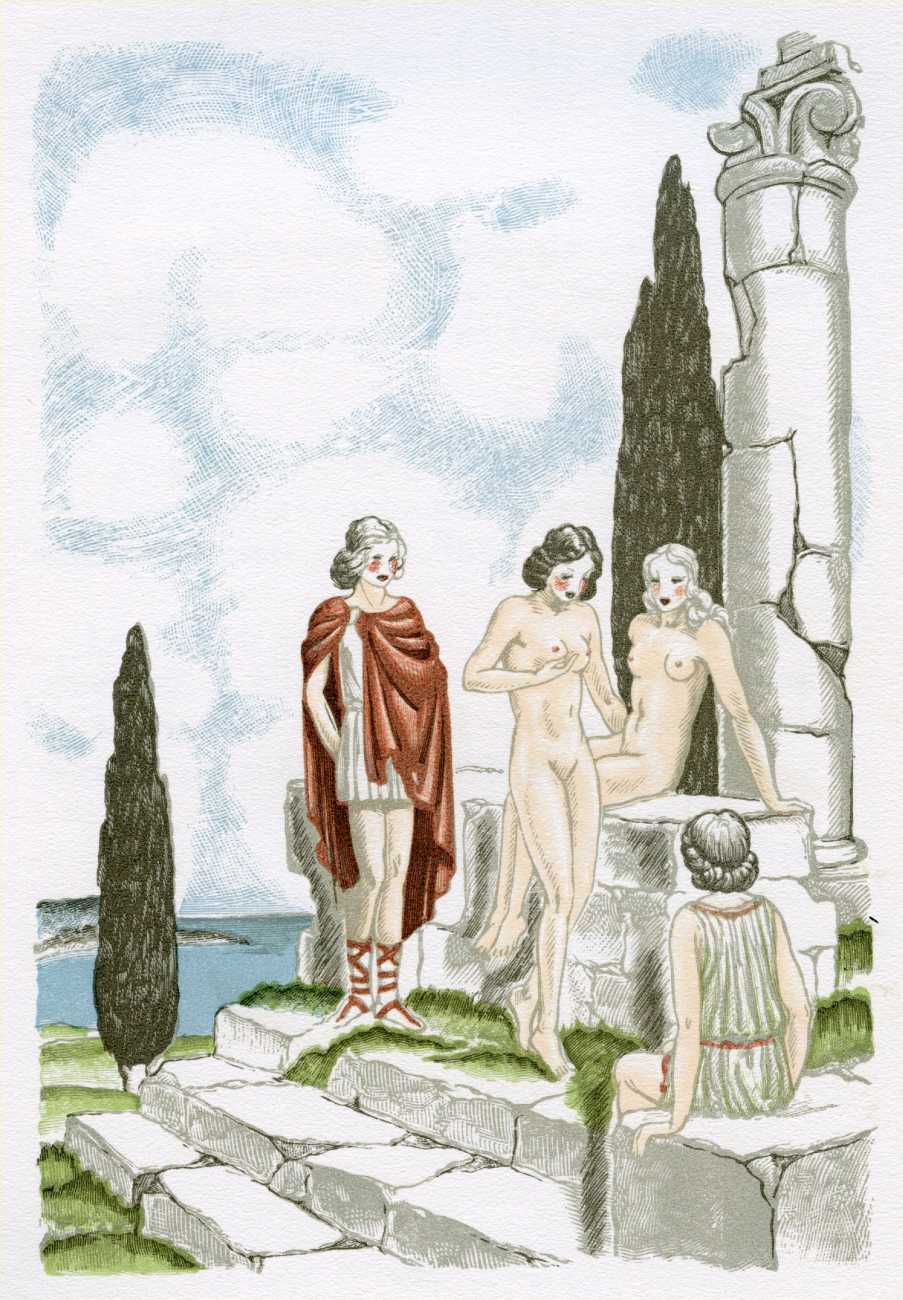
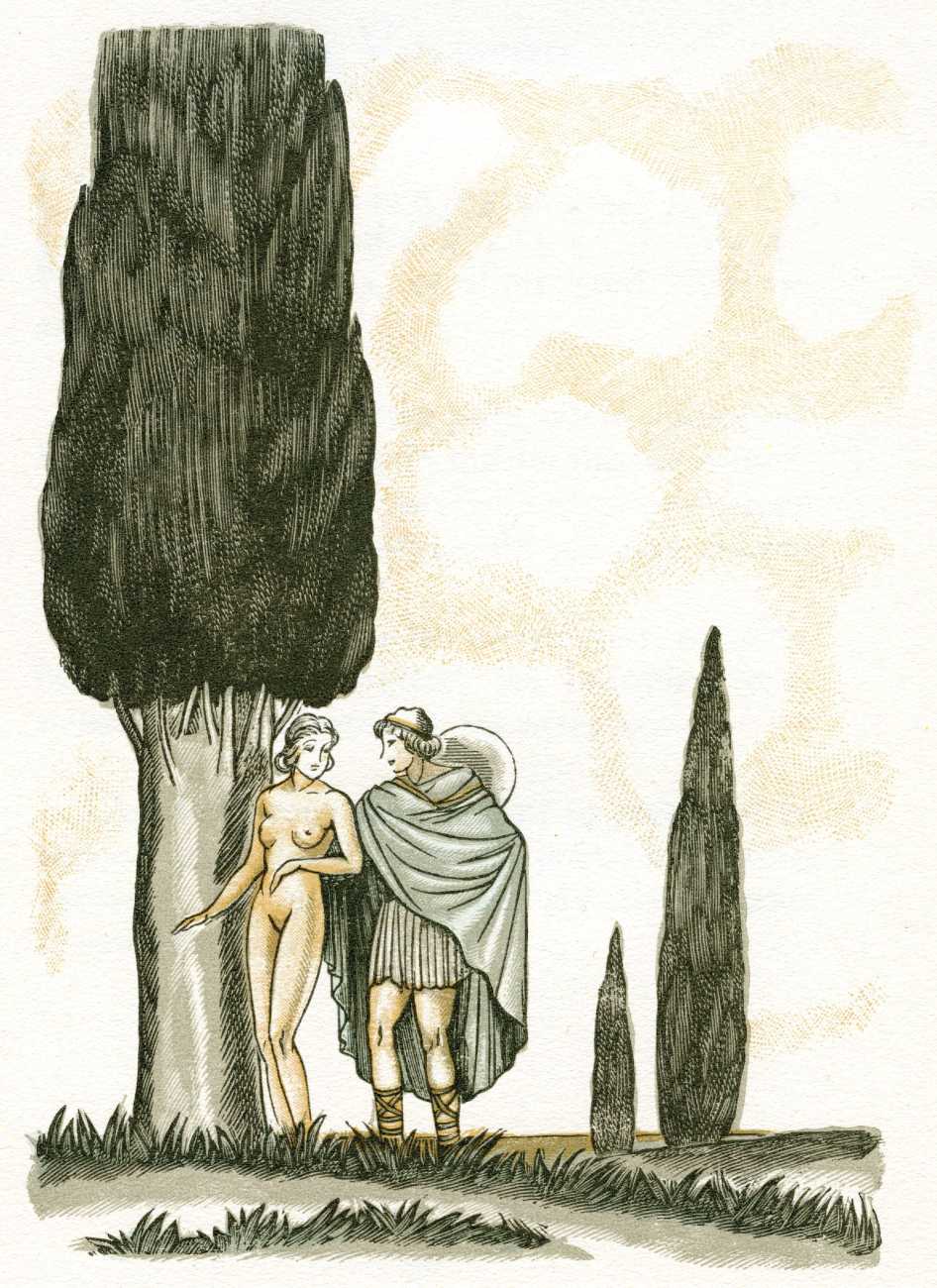
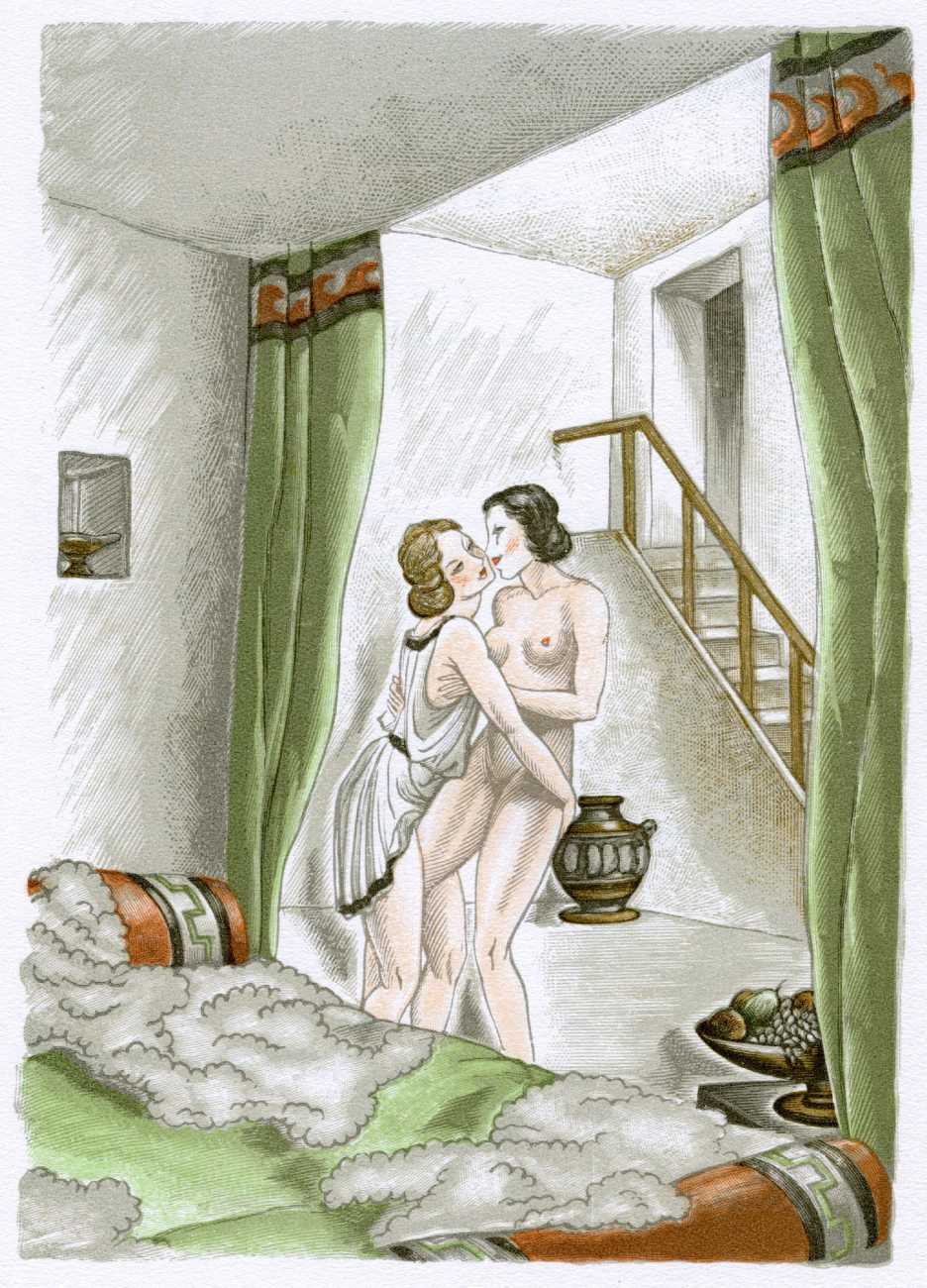
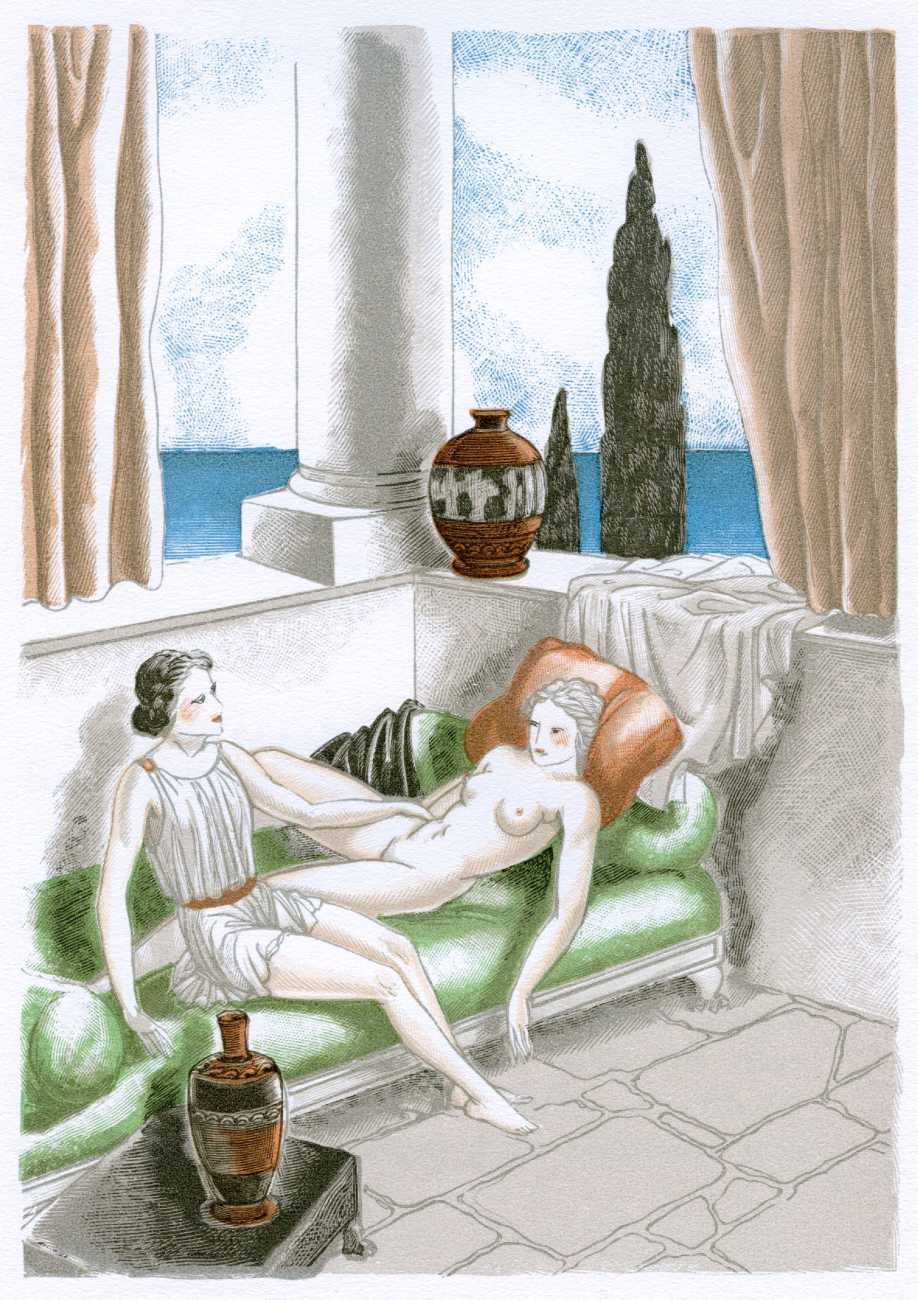
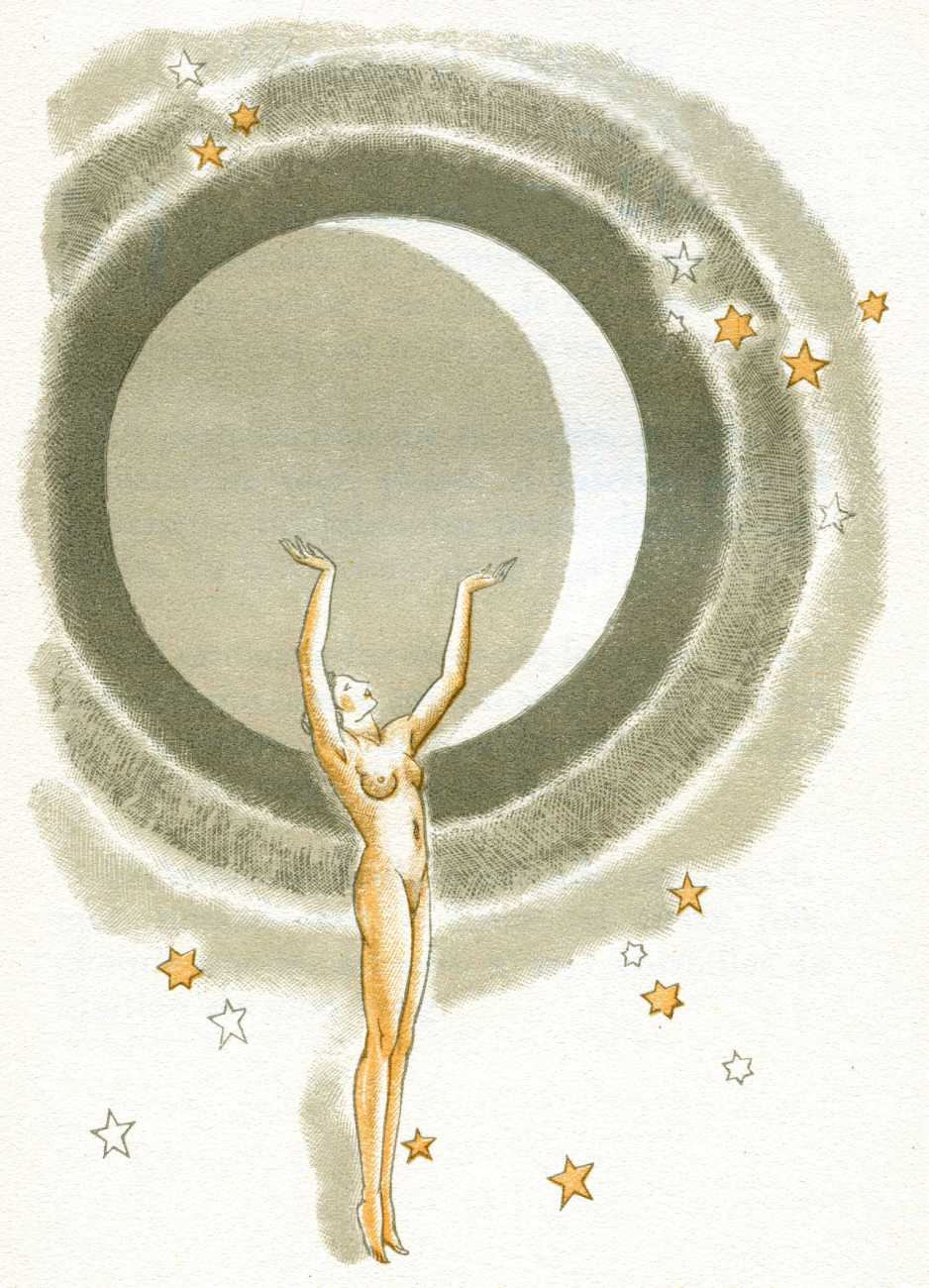
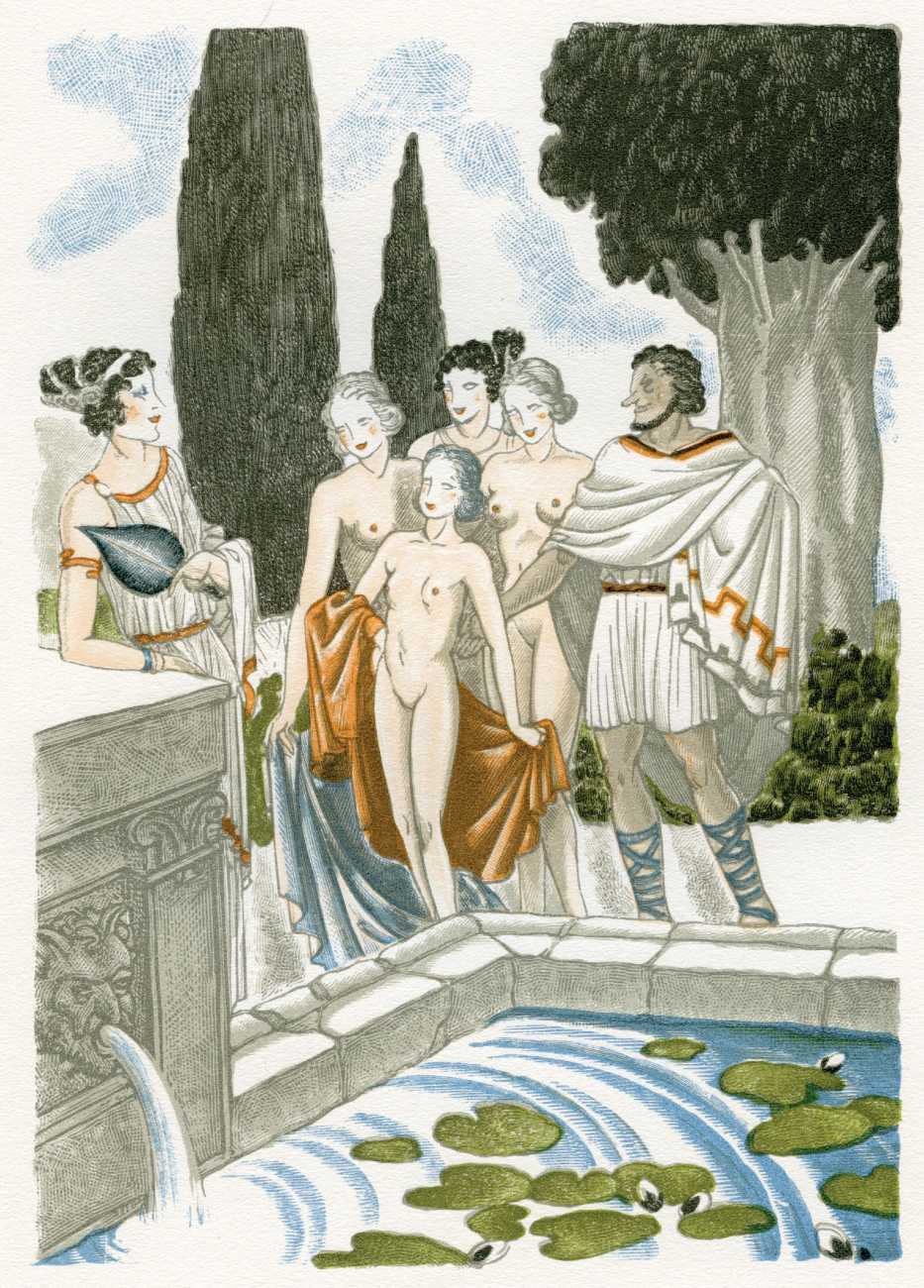
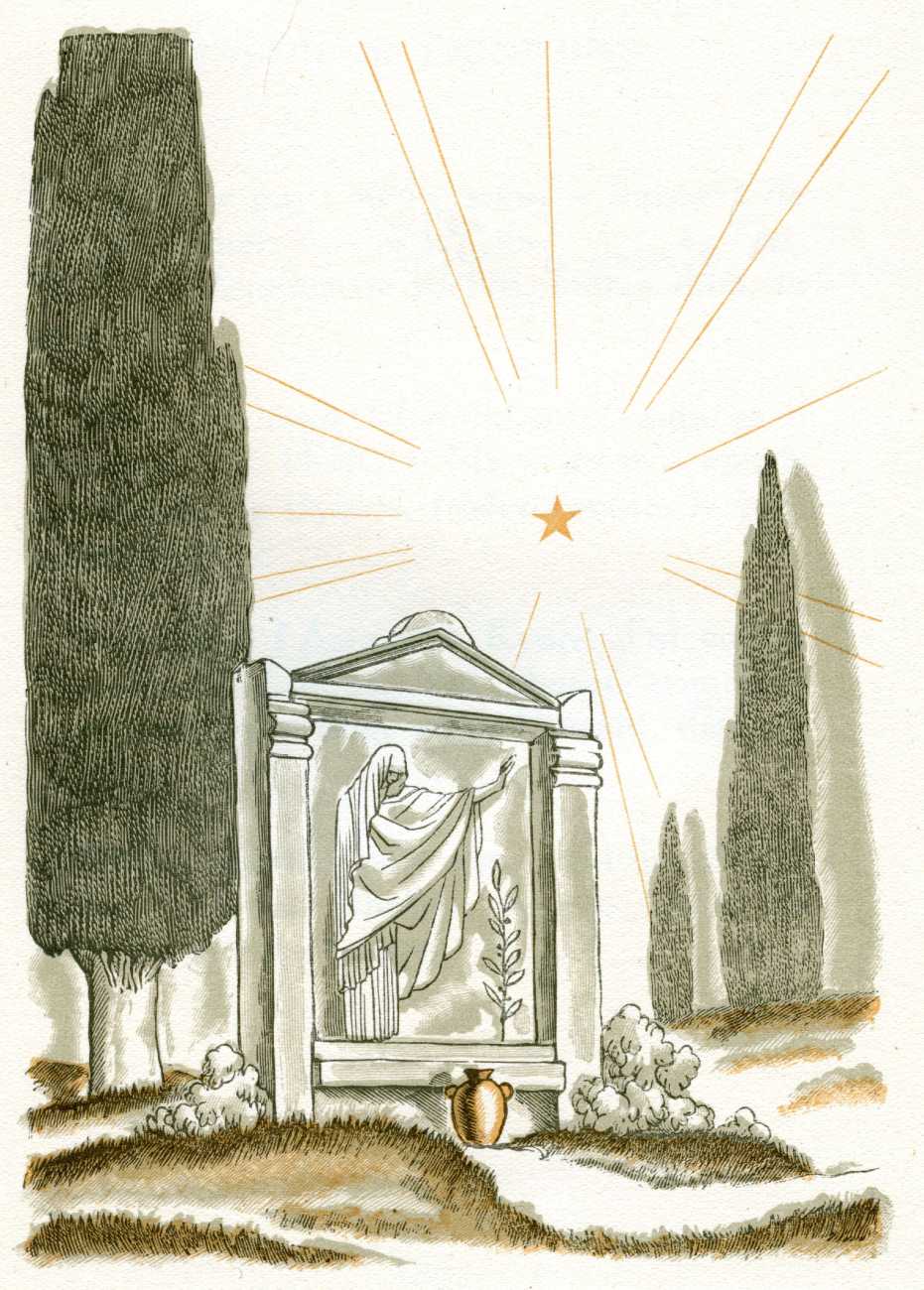
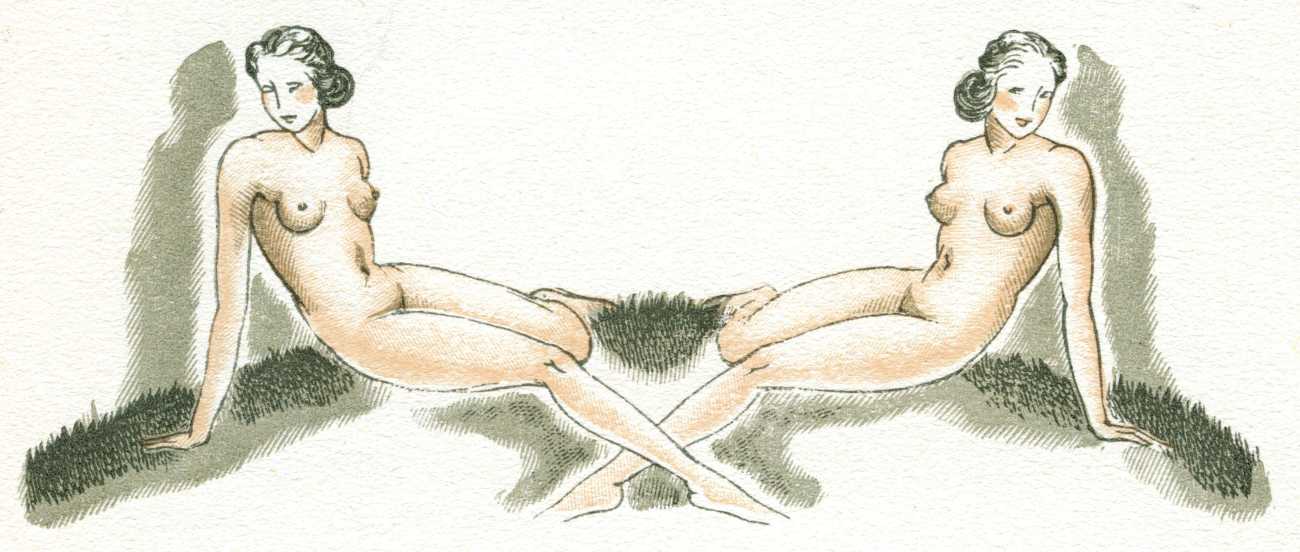
Example illustration
Le malheureux petit voyage (1942)
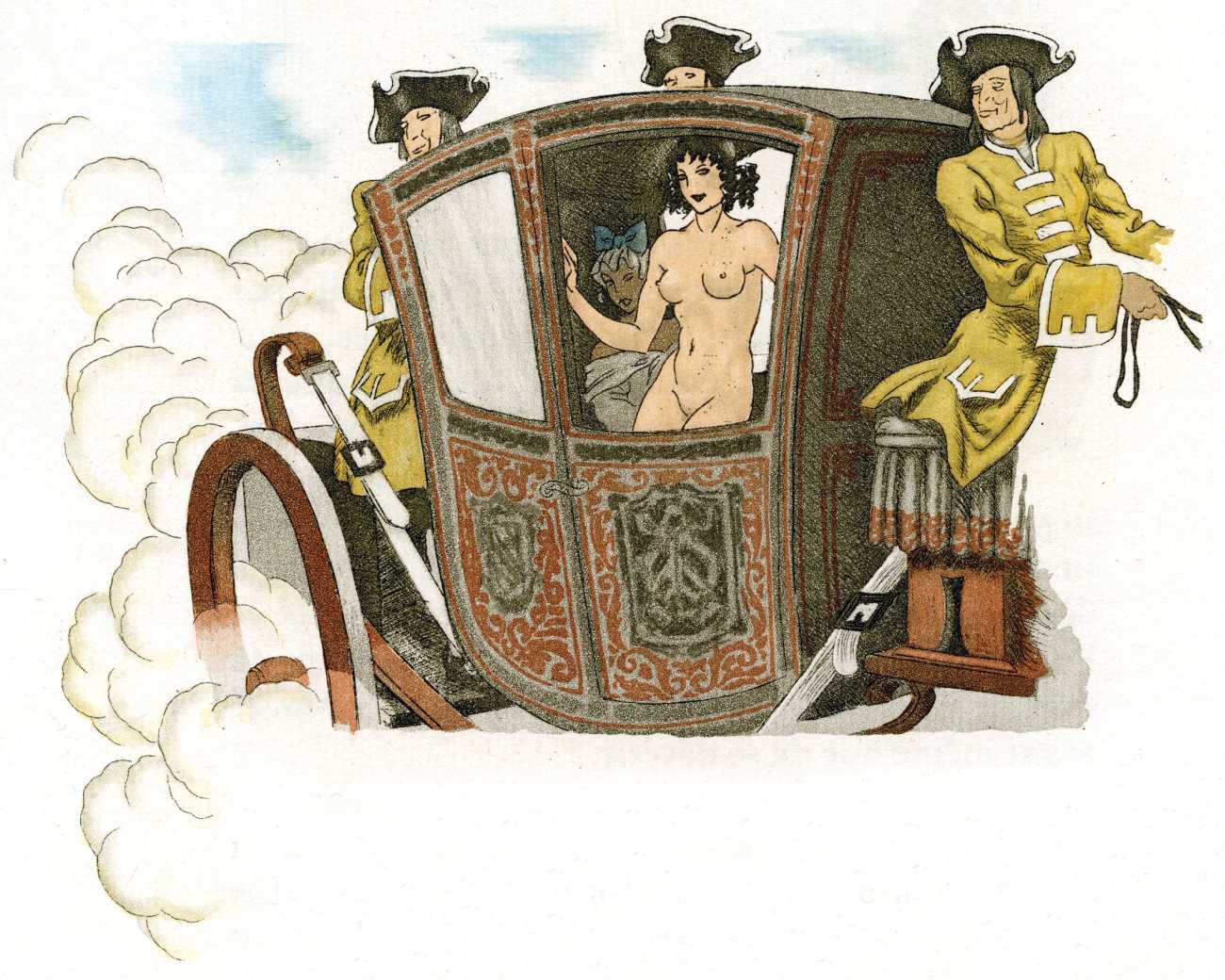
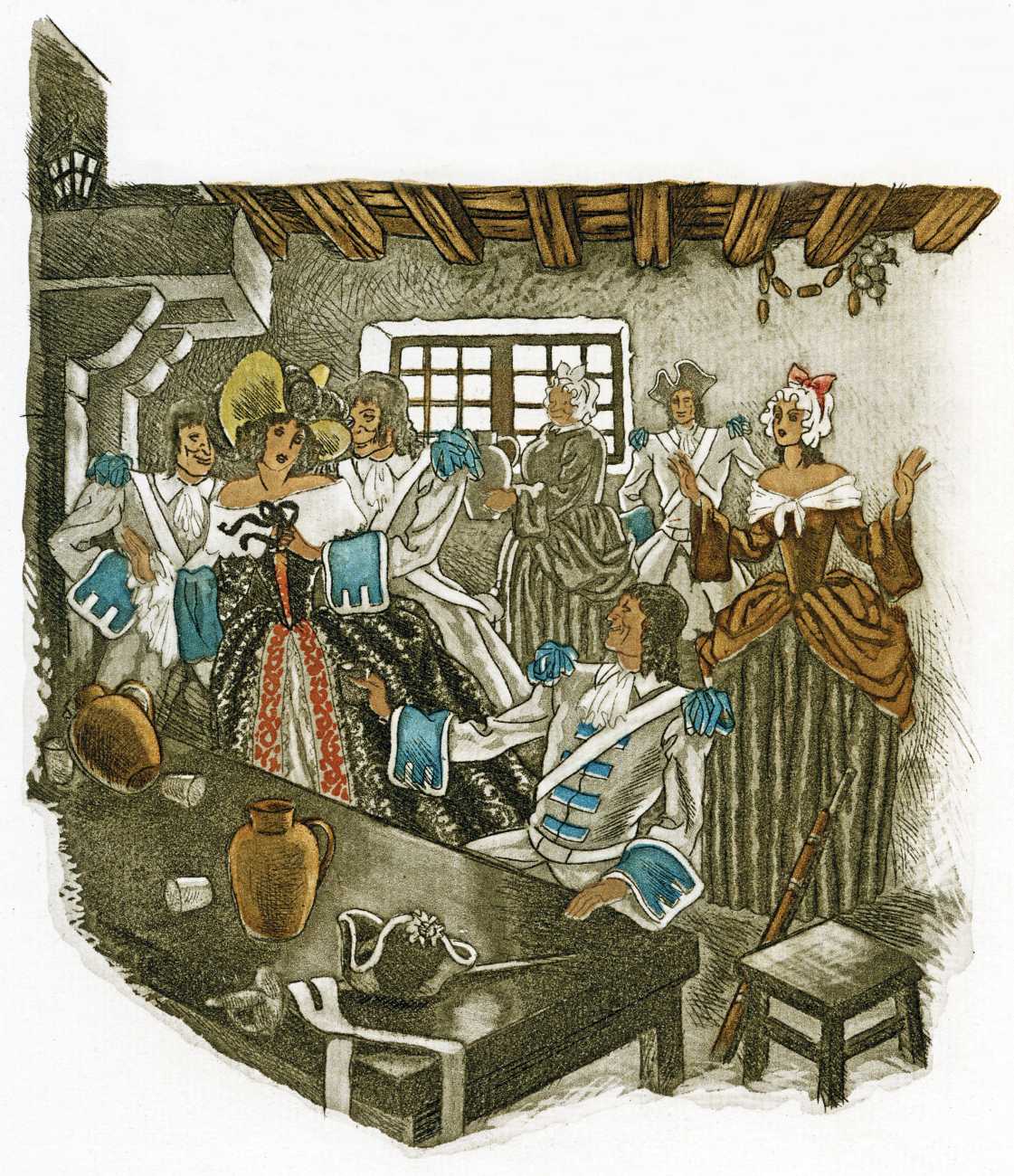
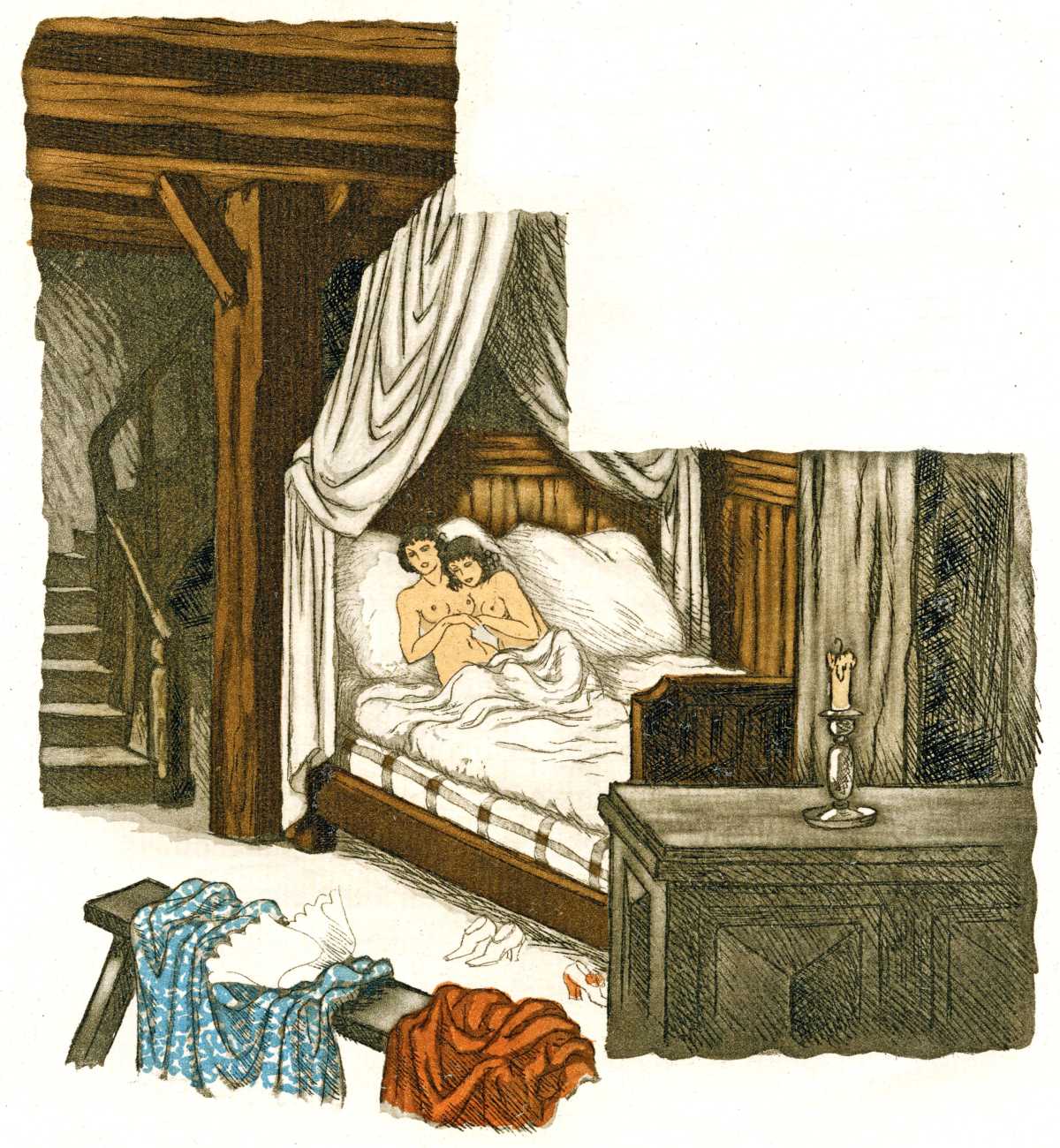
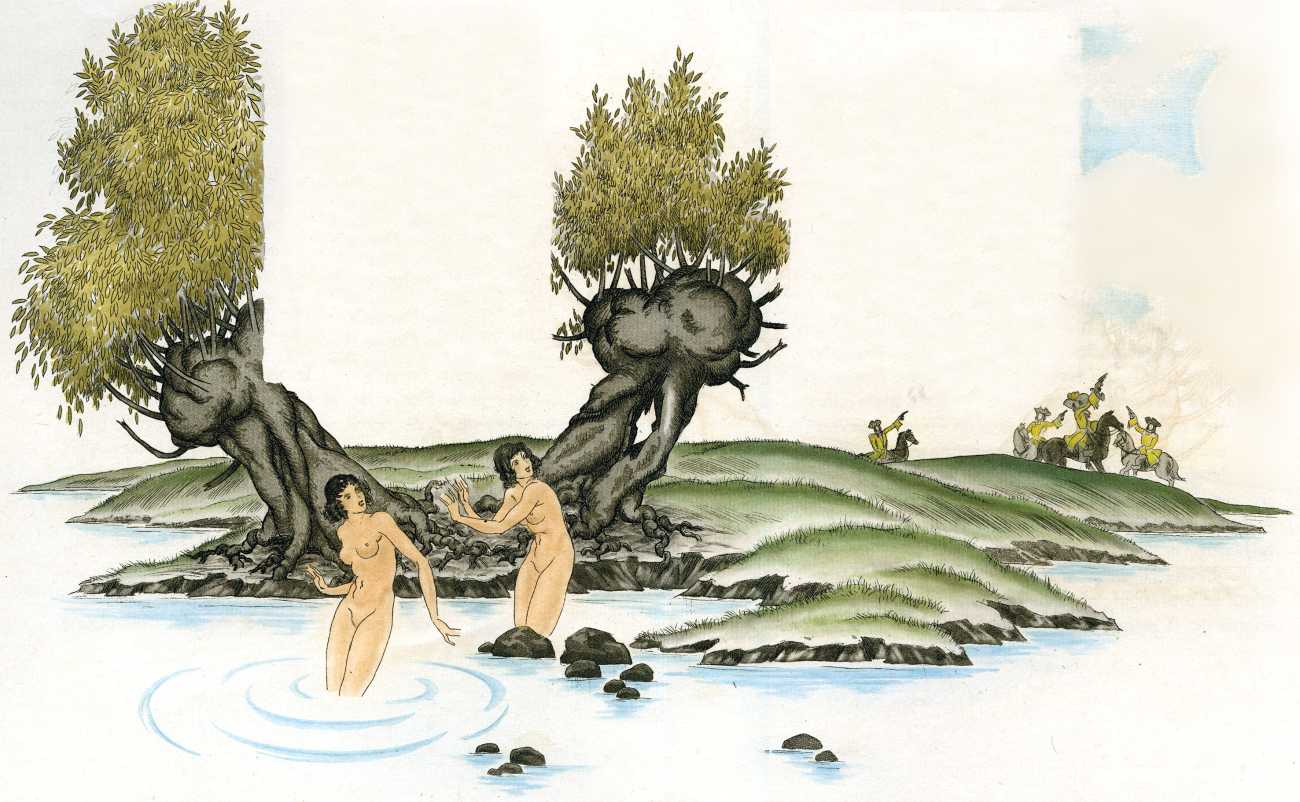
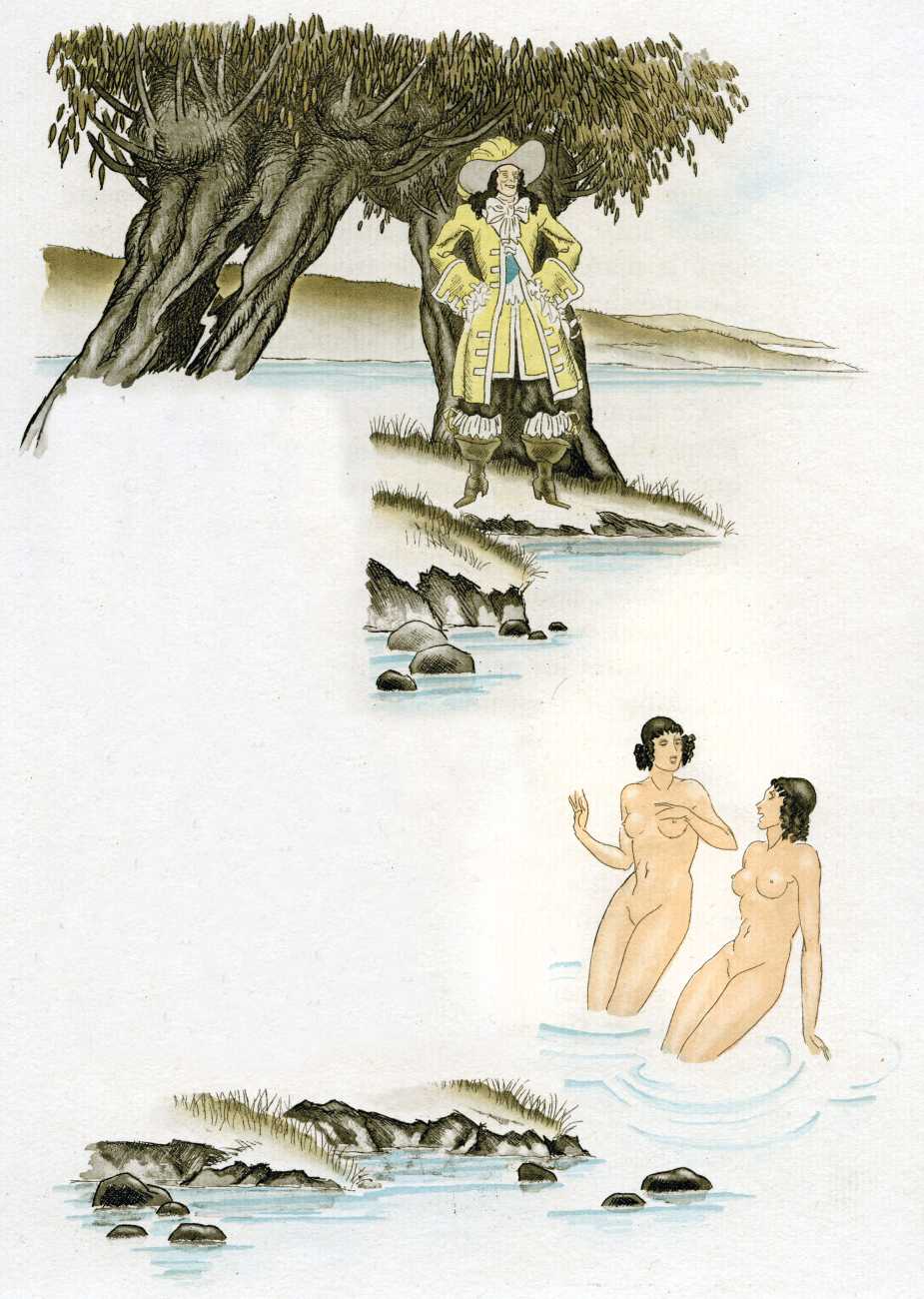
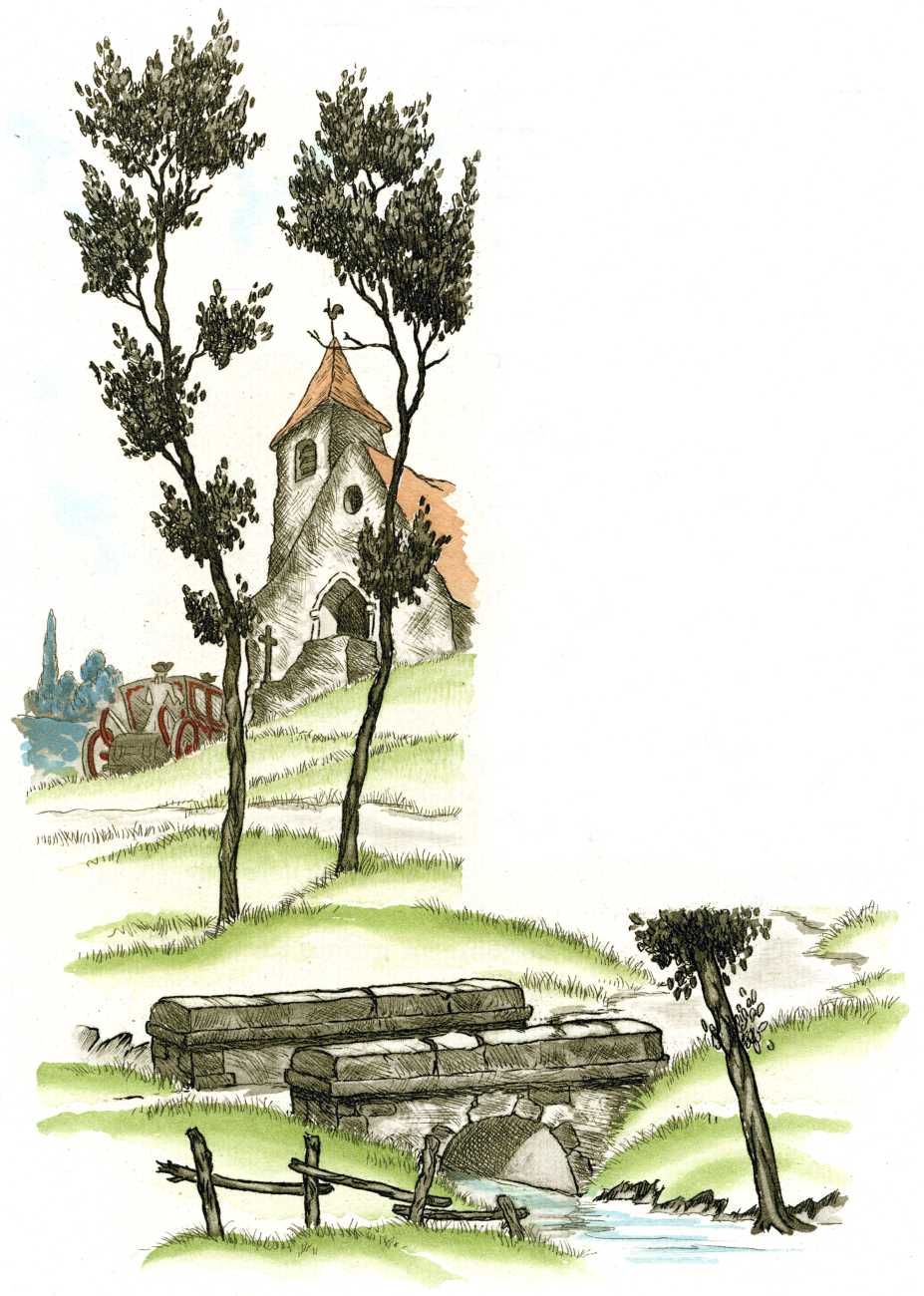
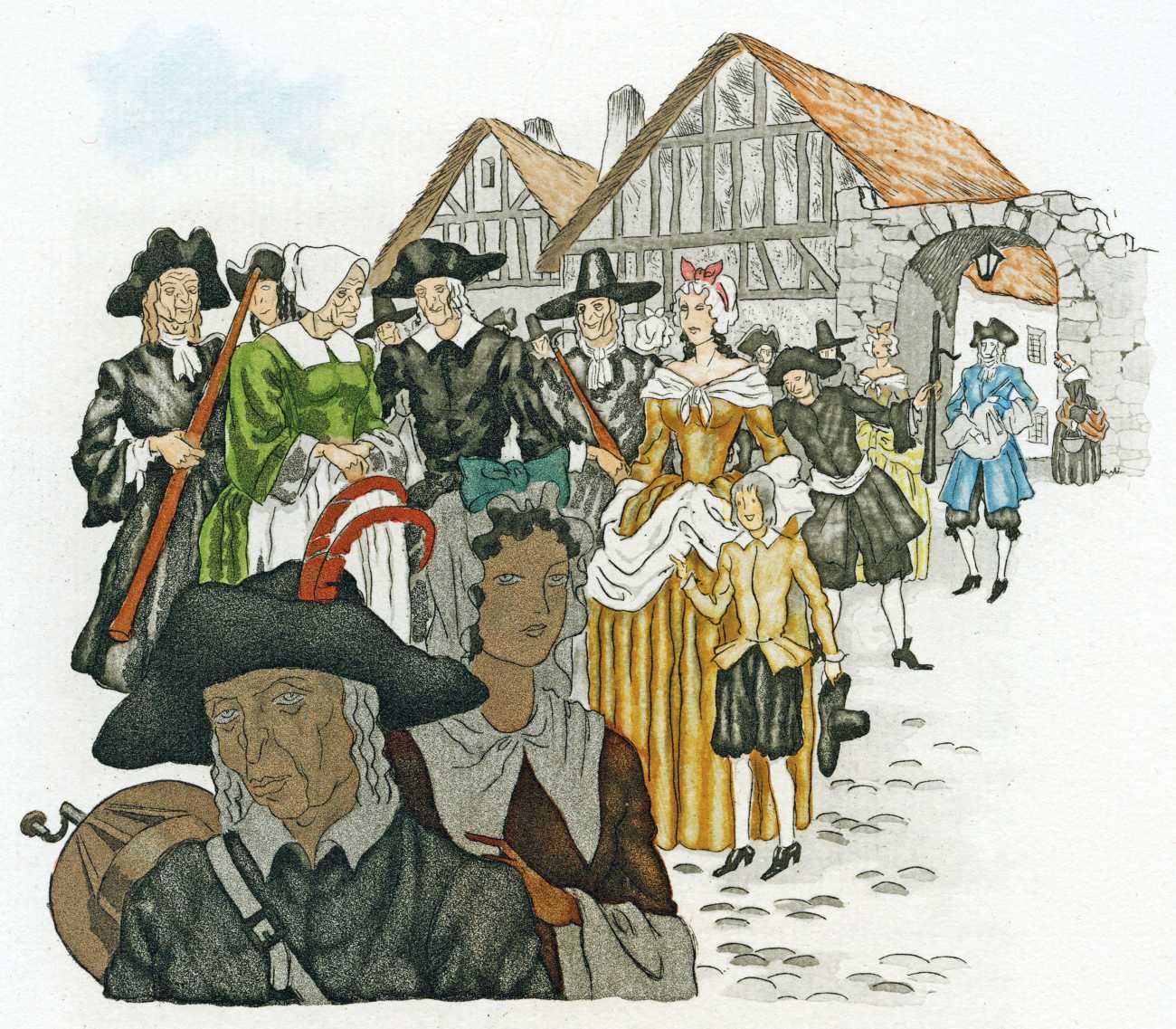
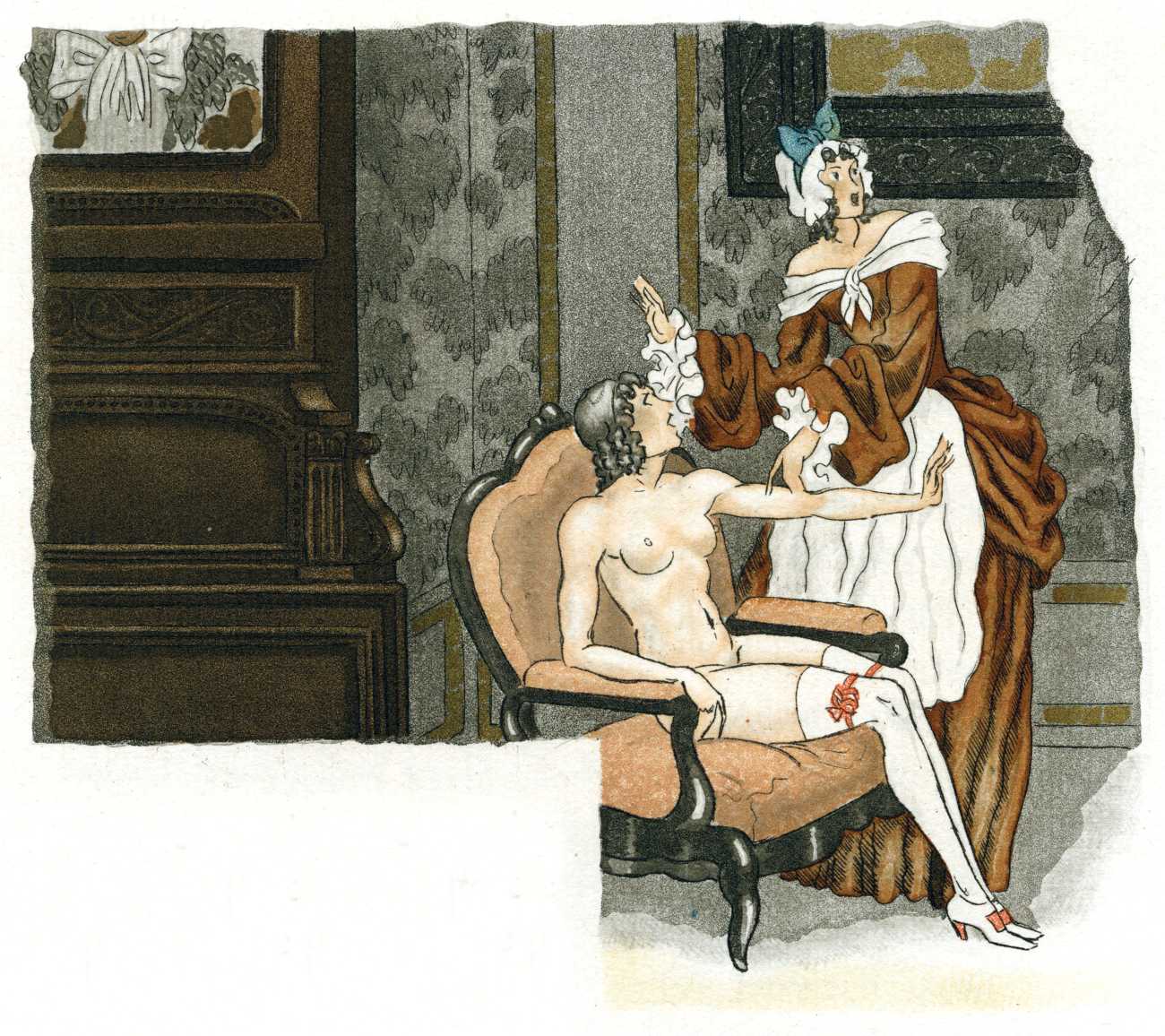
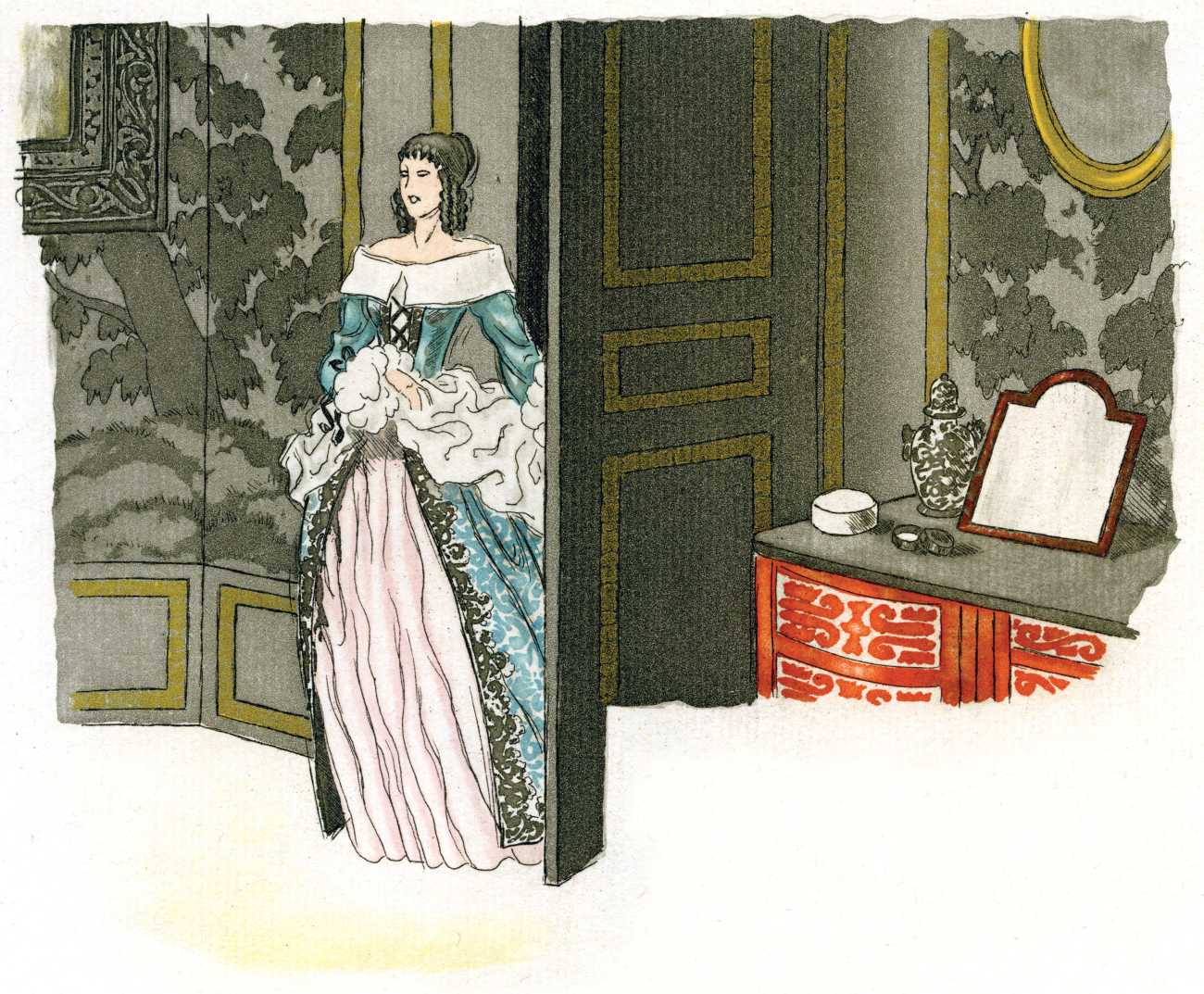
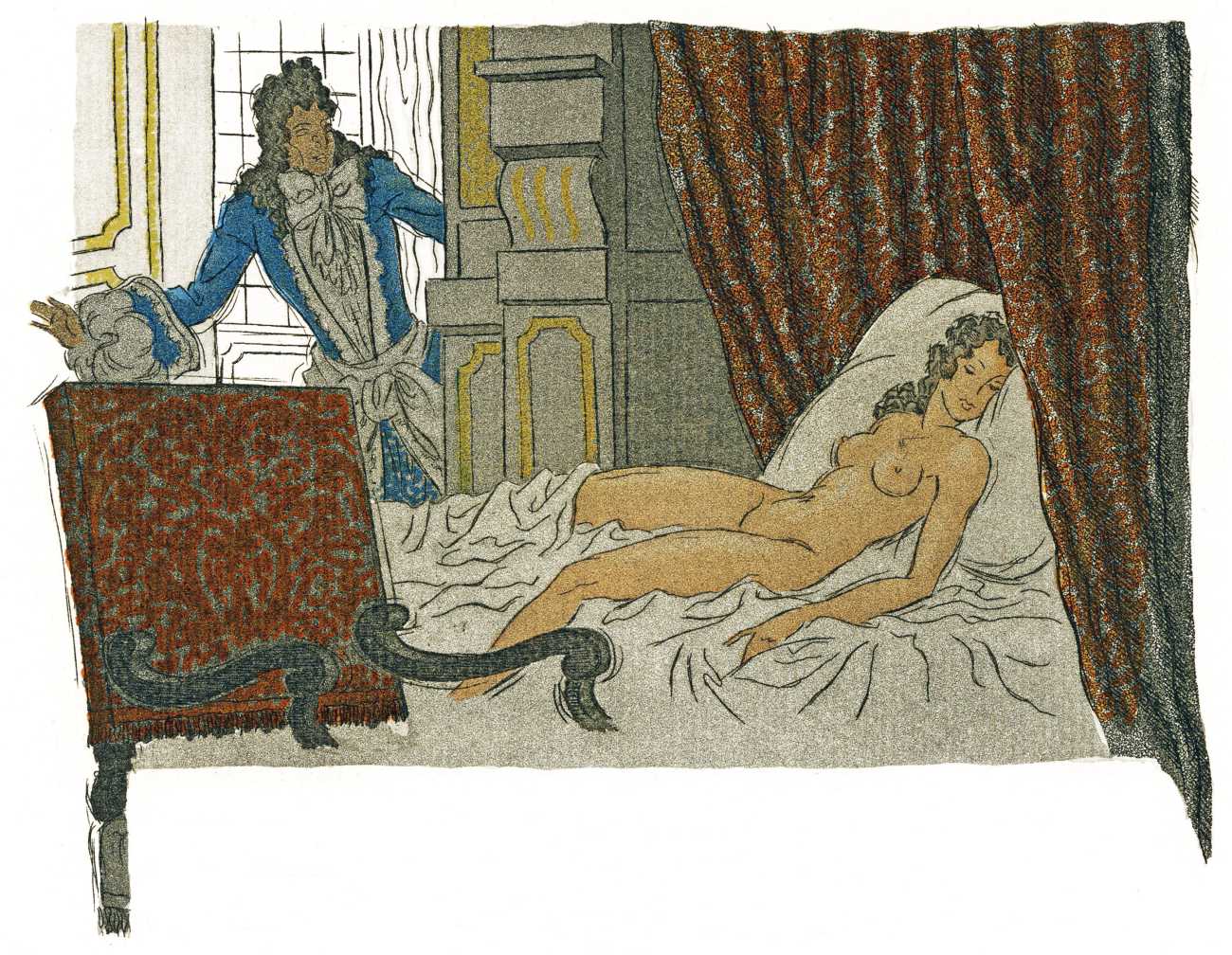
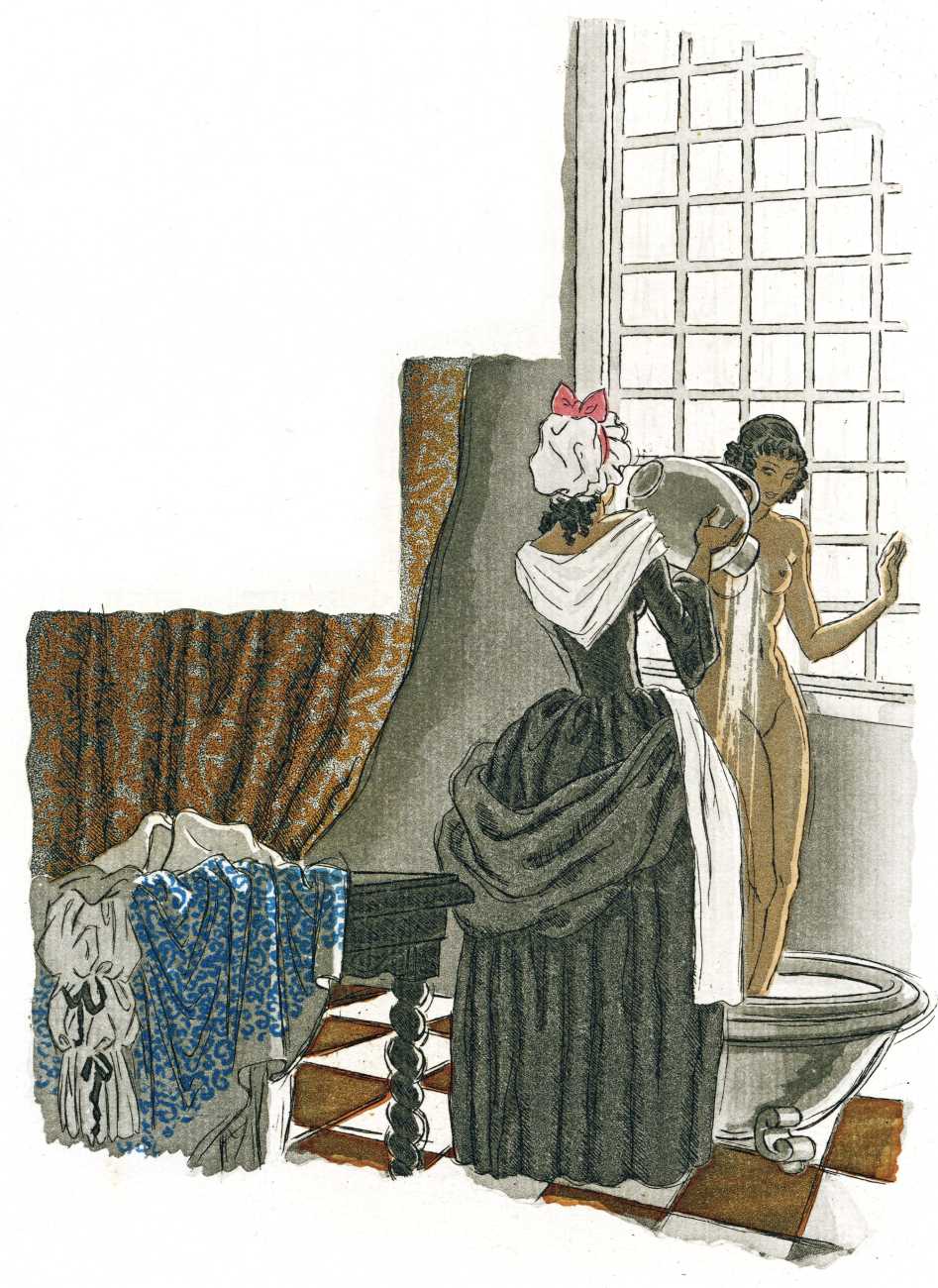
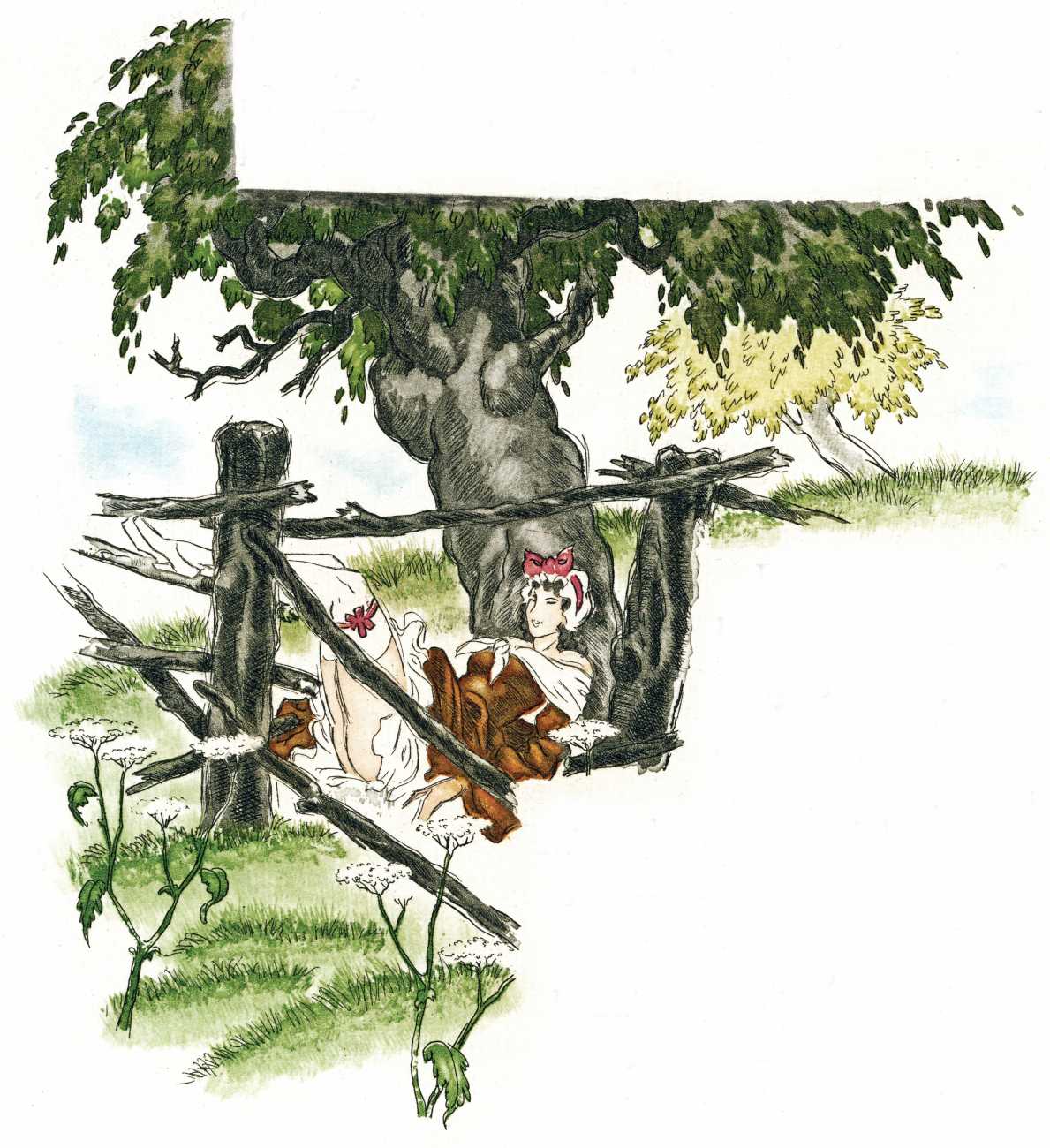
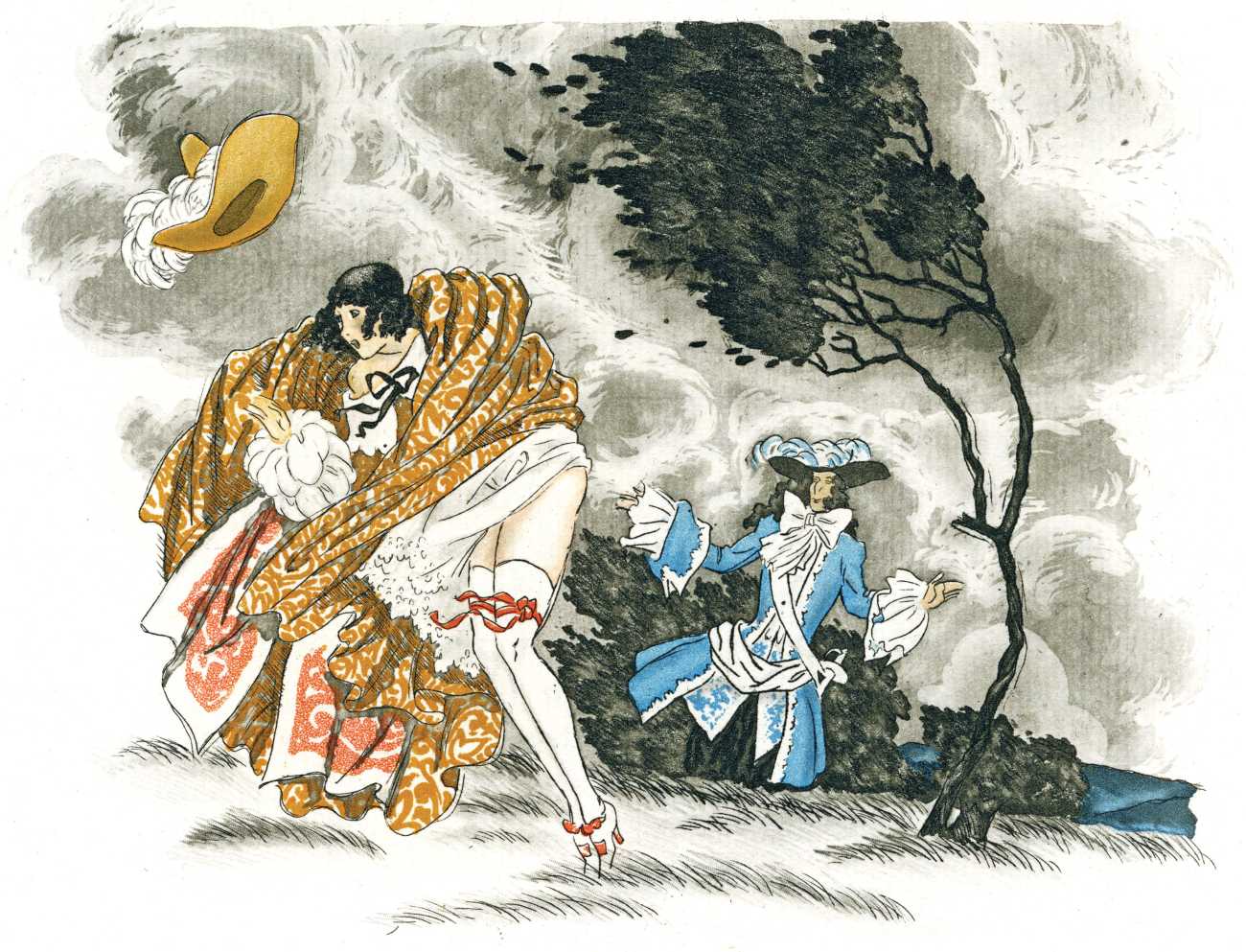
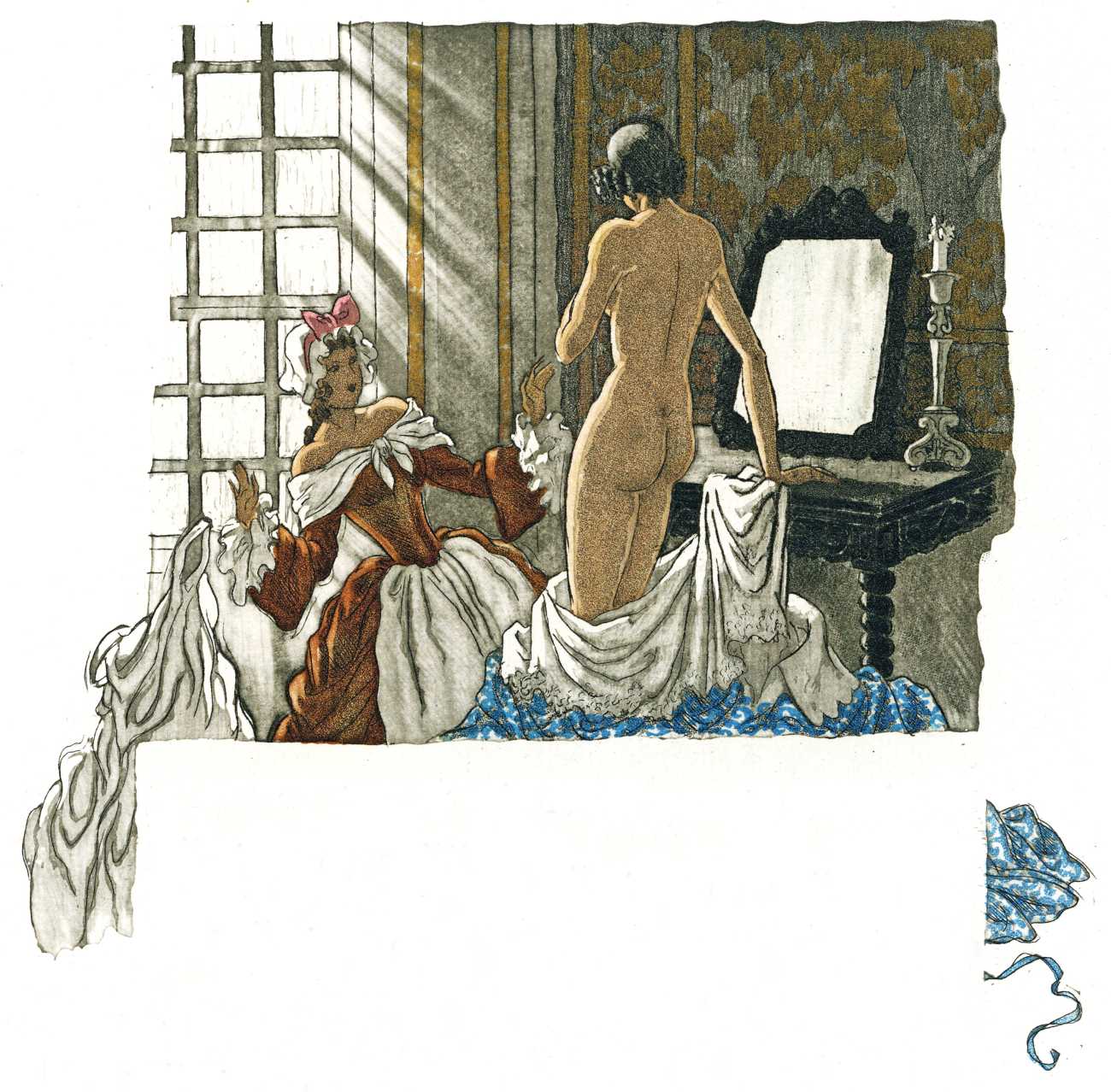
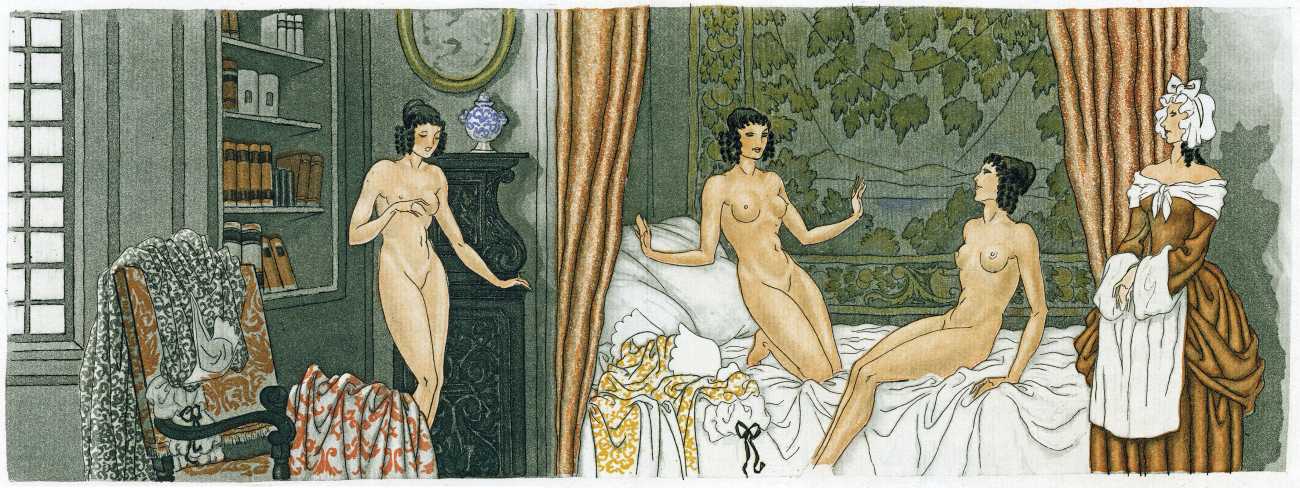
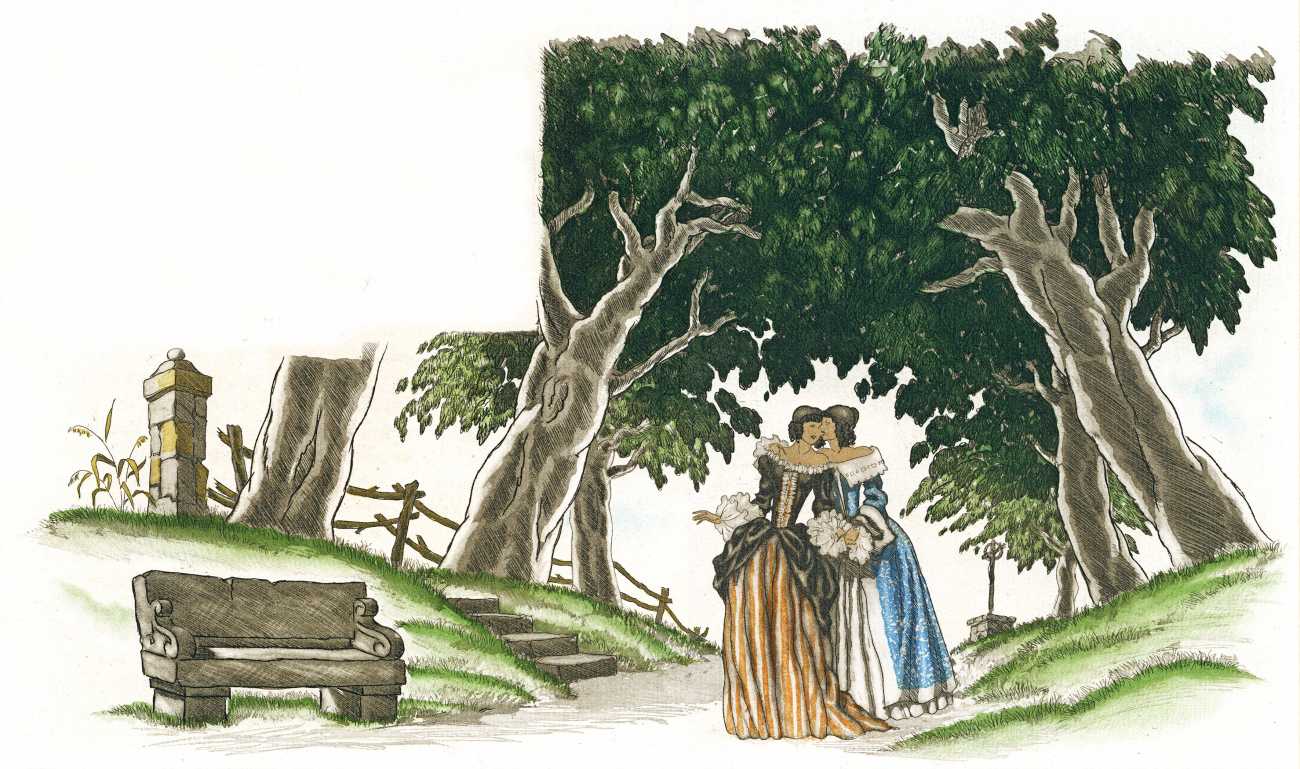
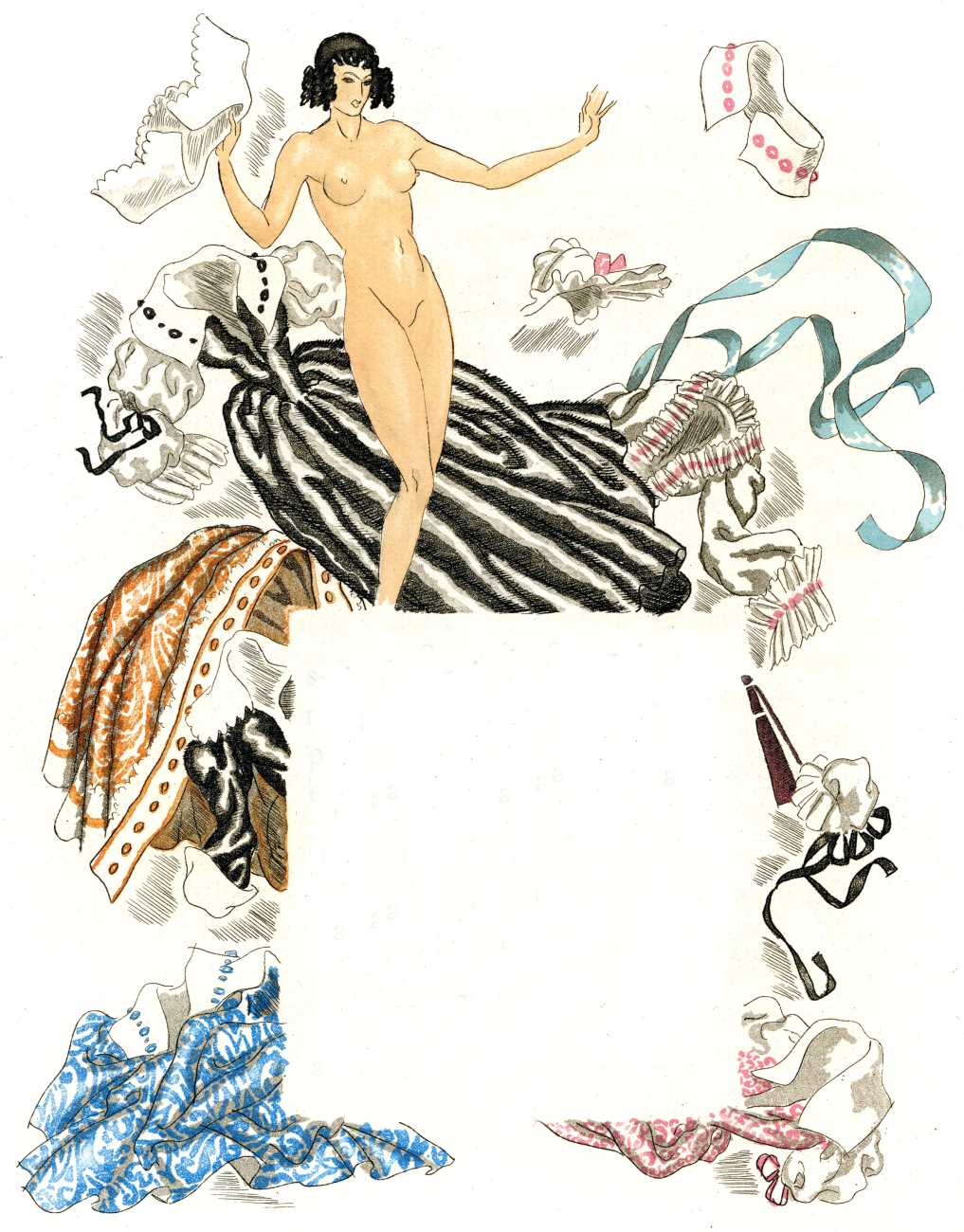
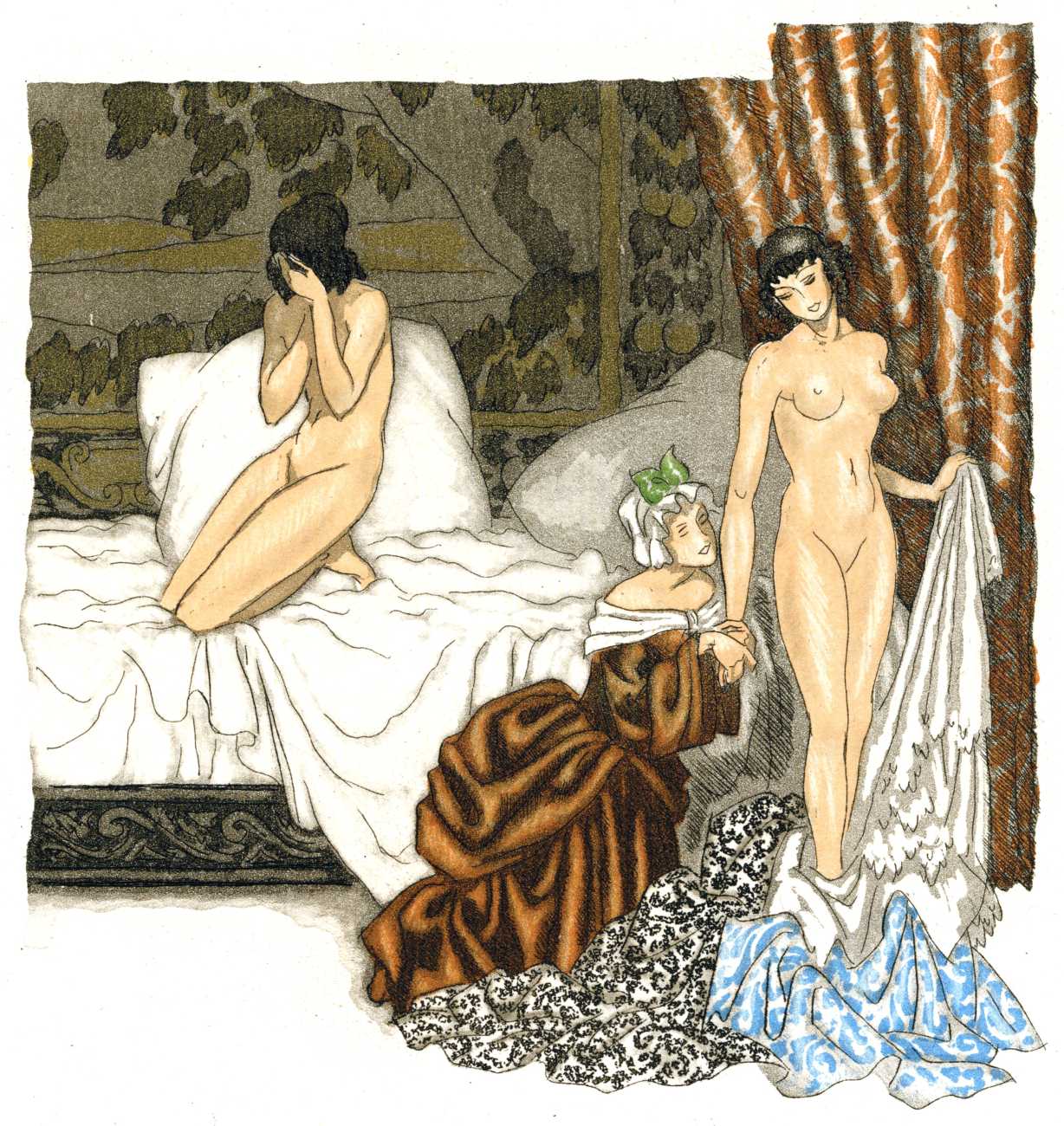
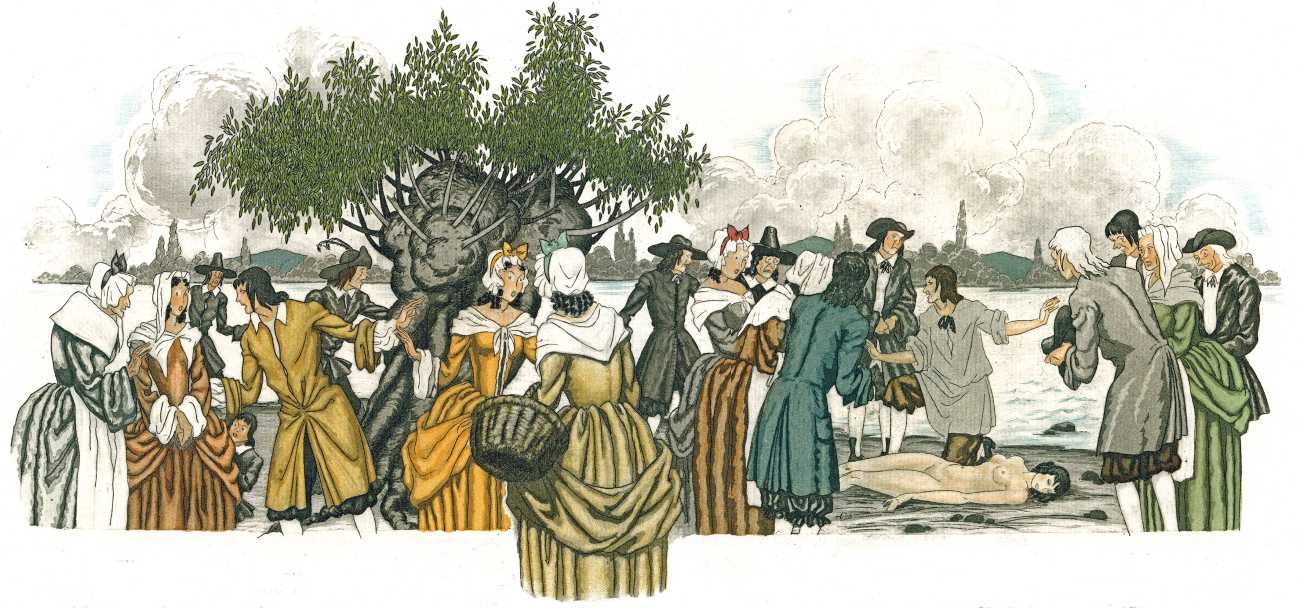
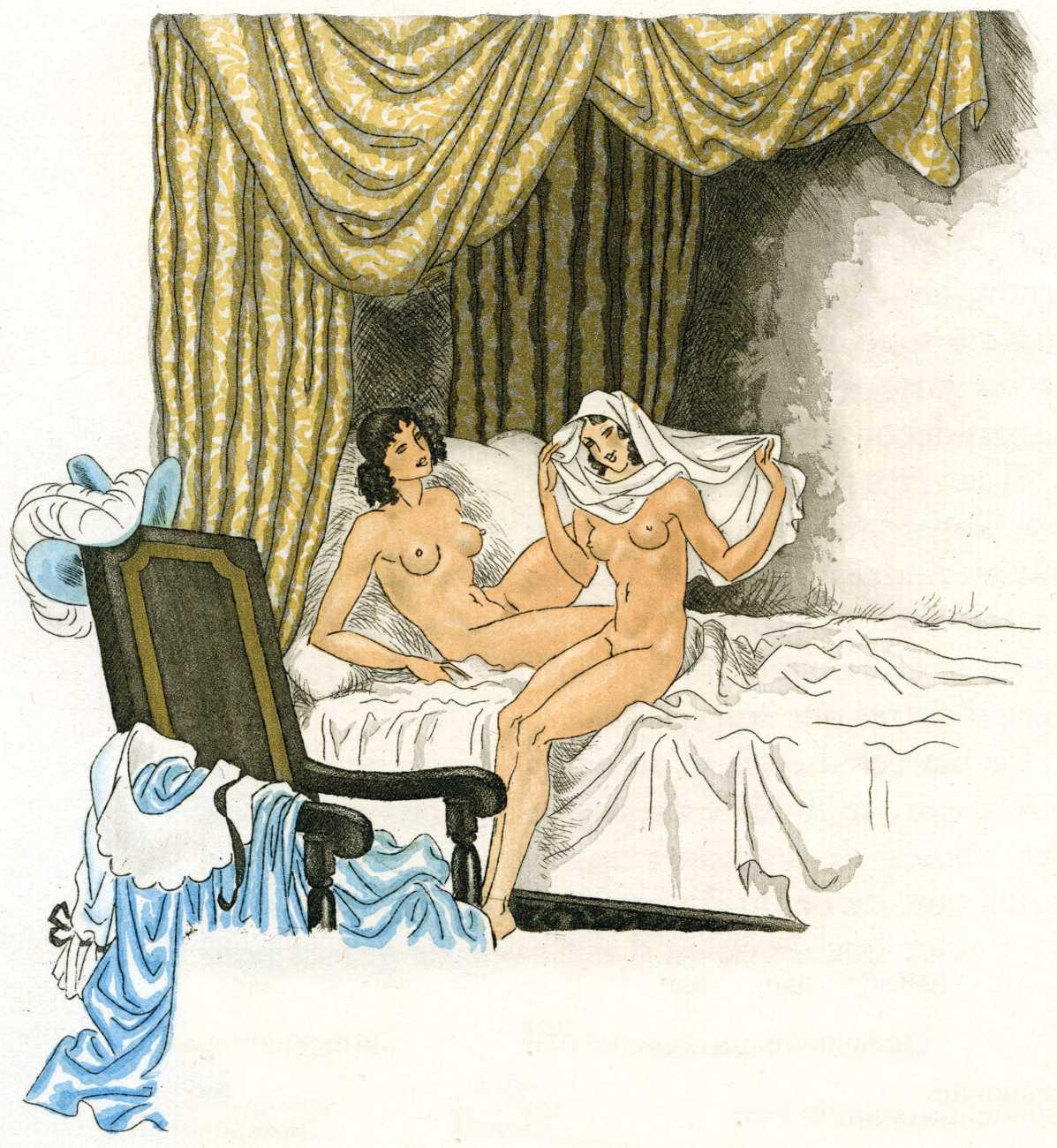
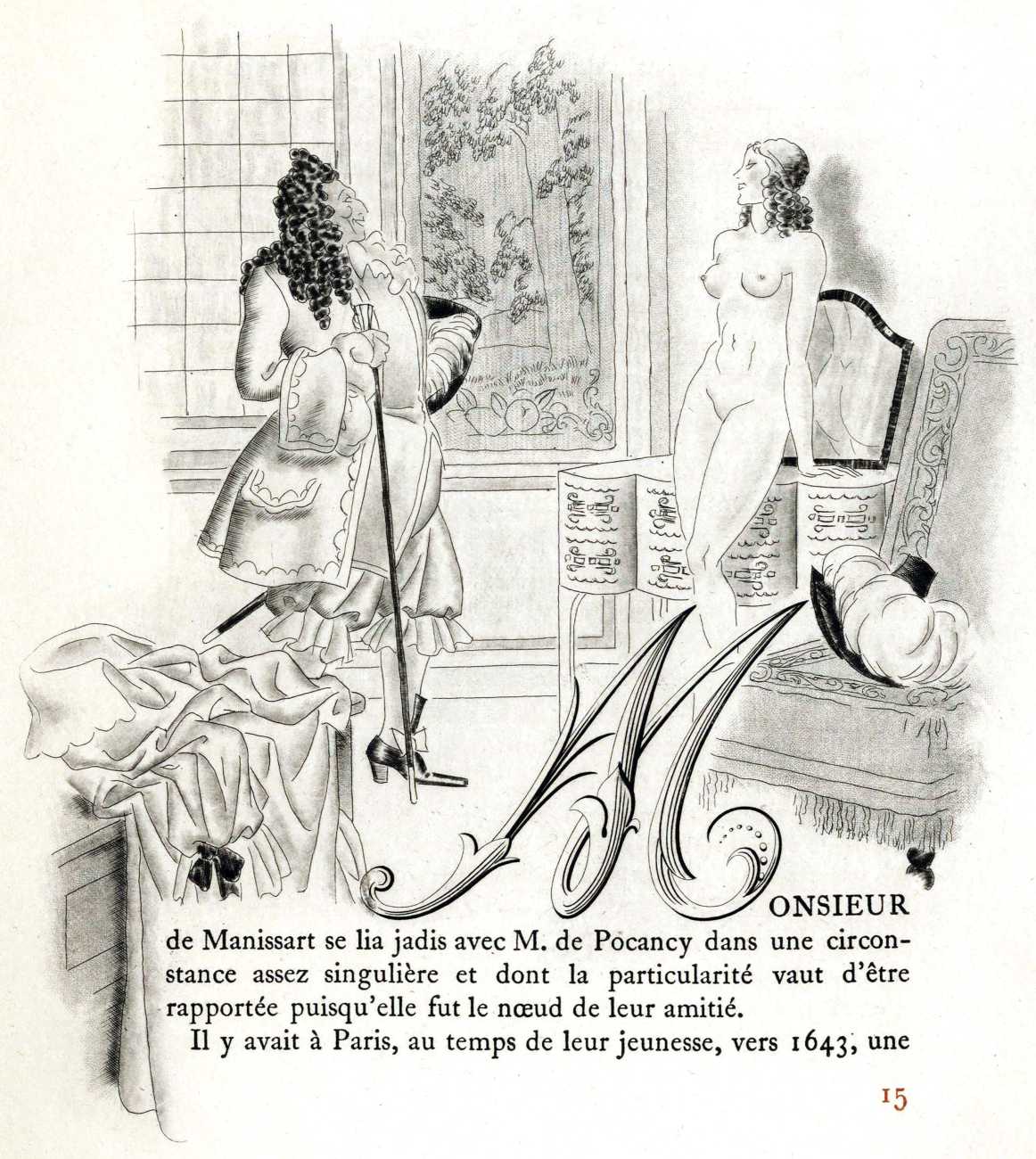
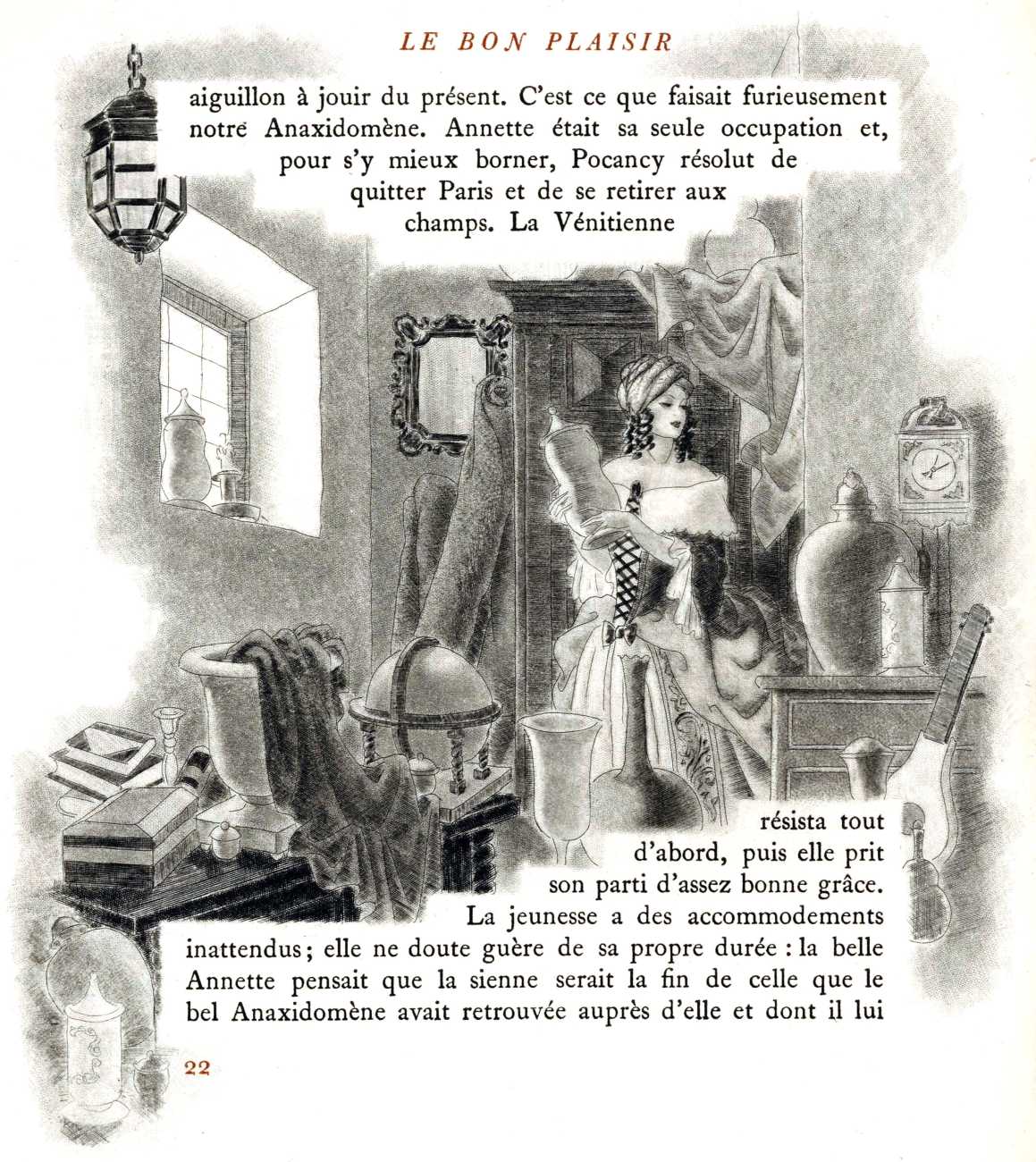
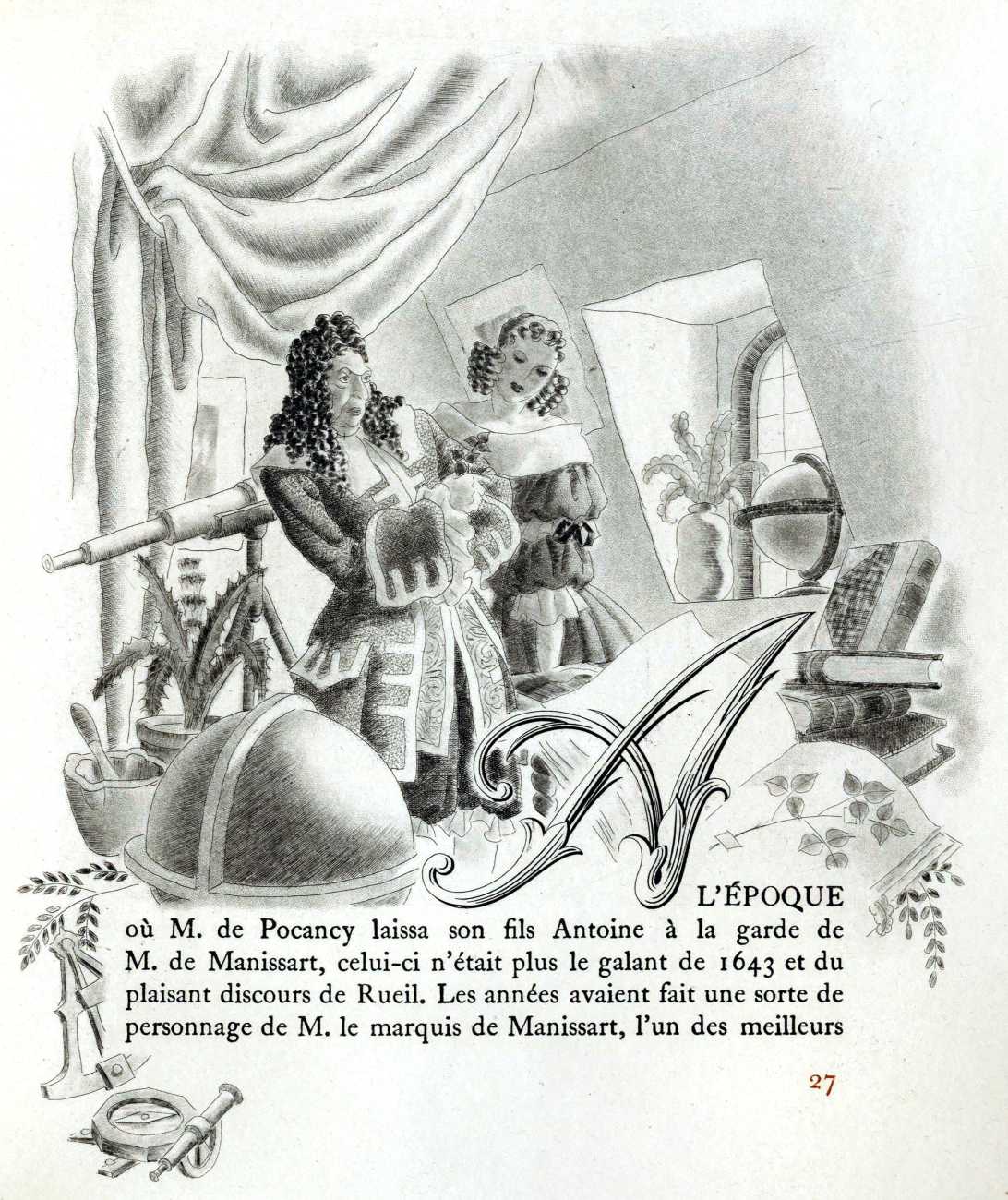
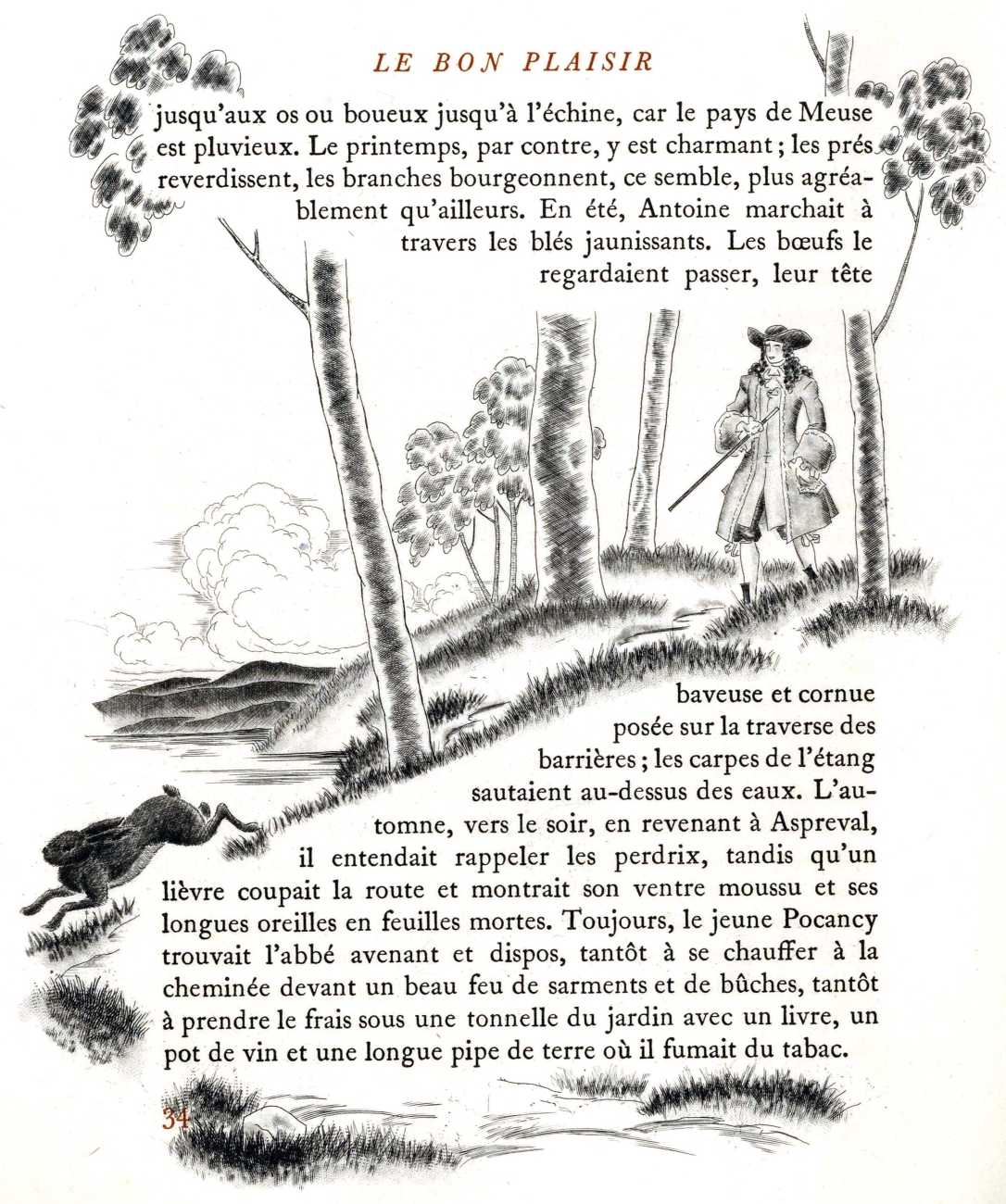
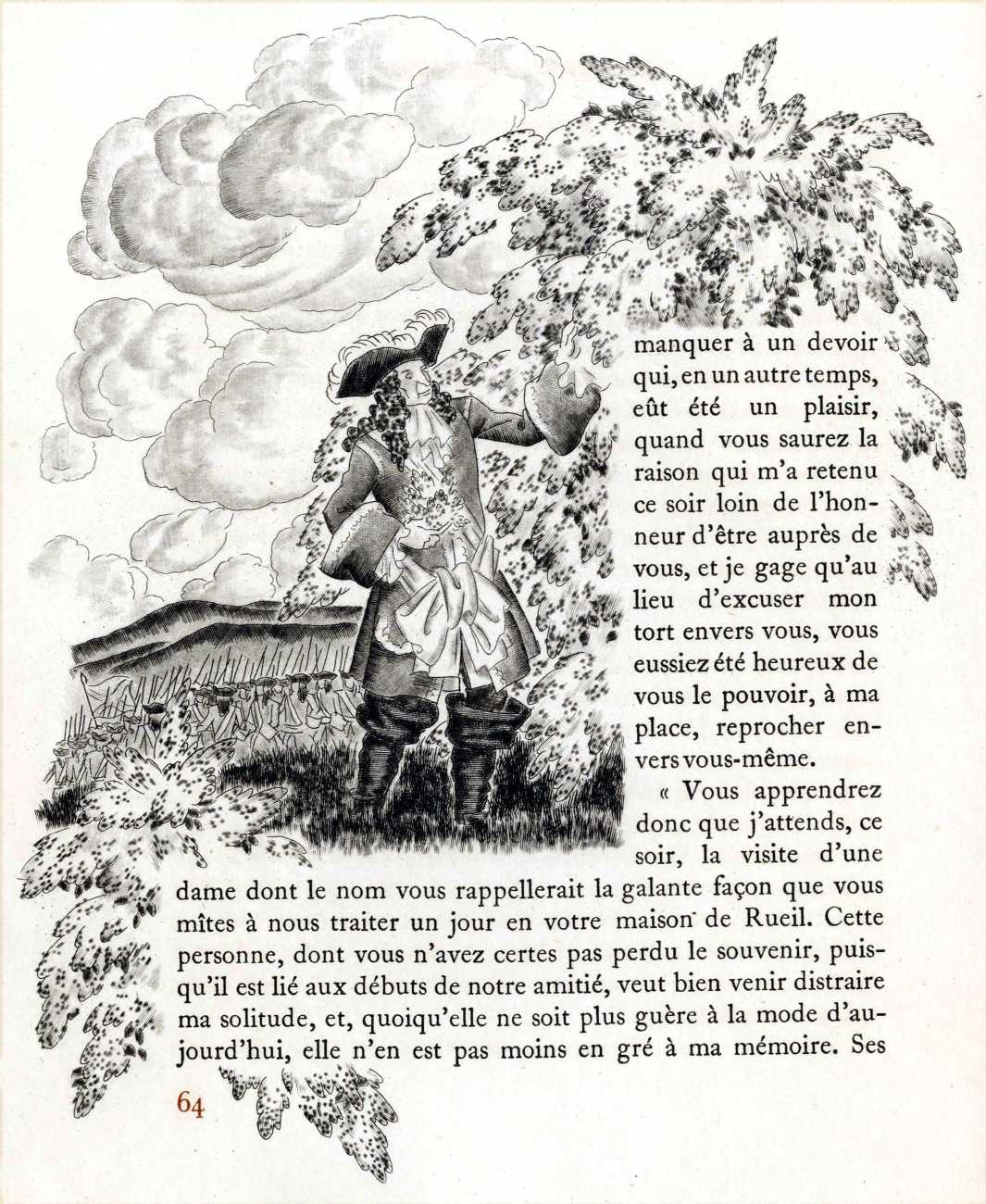
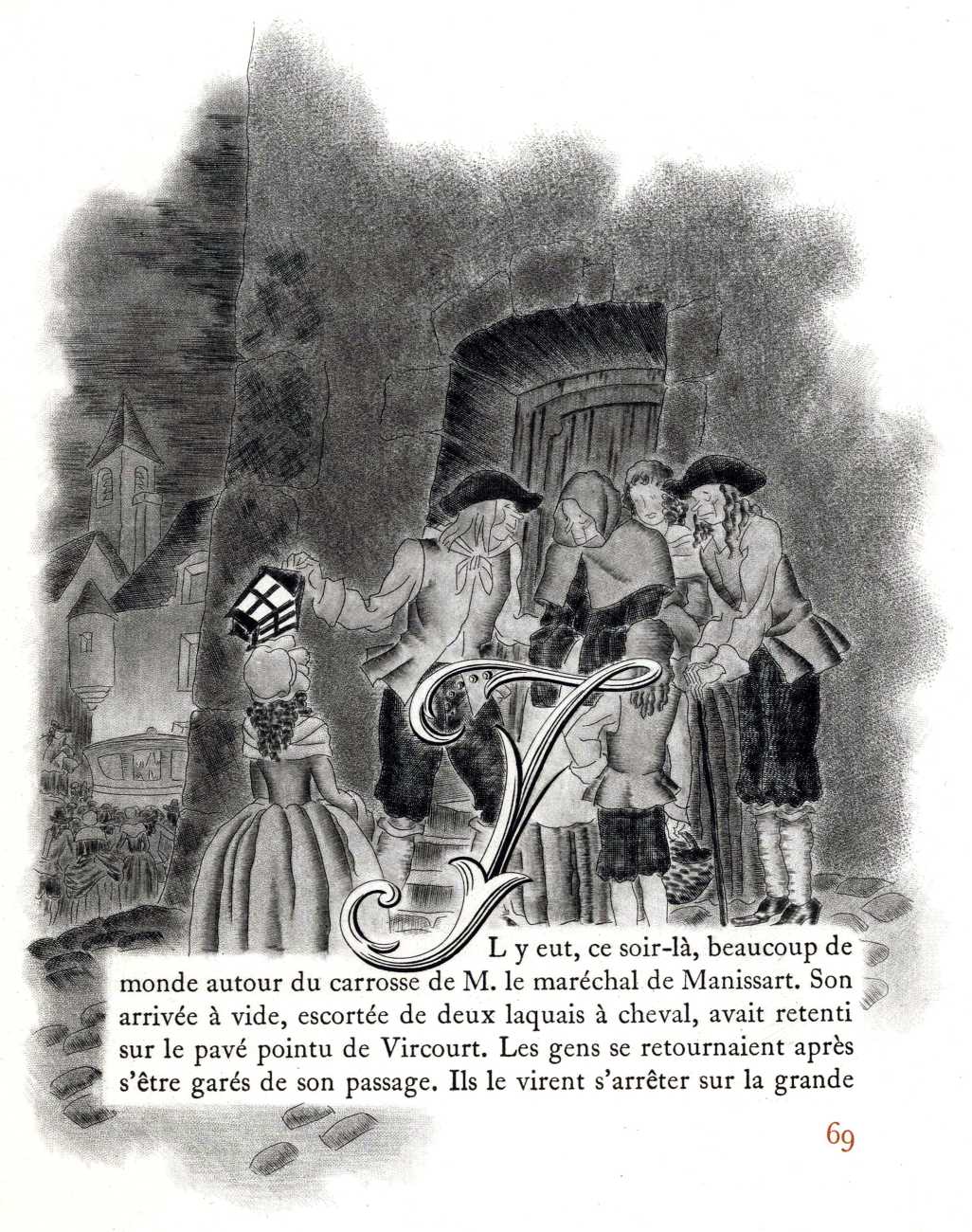
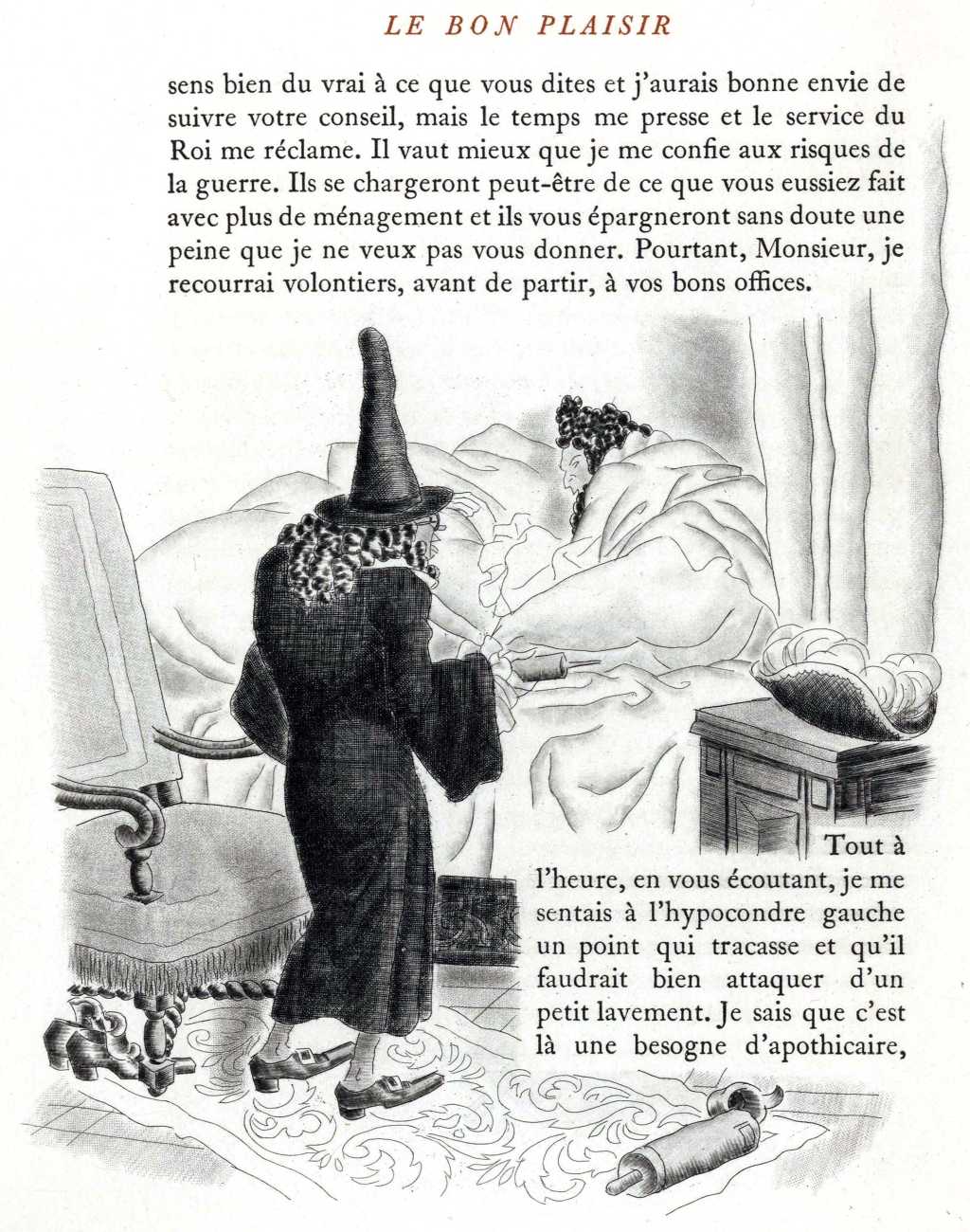
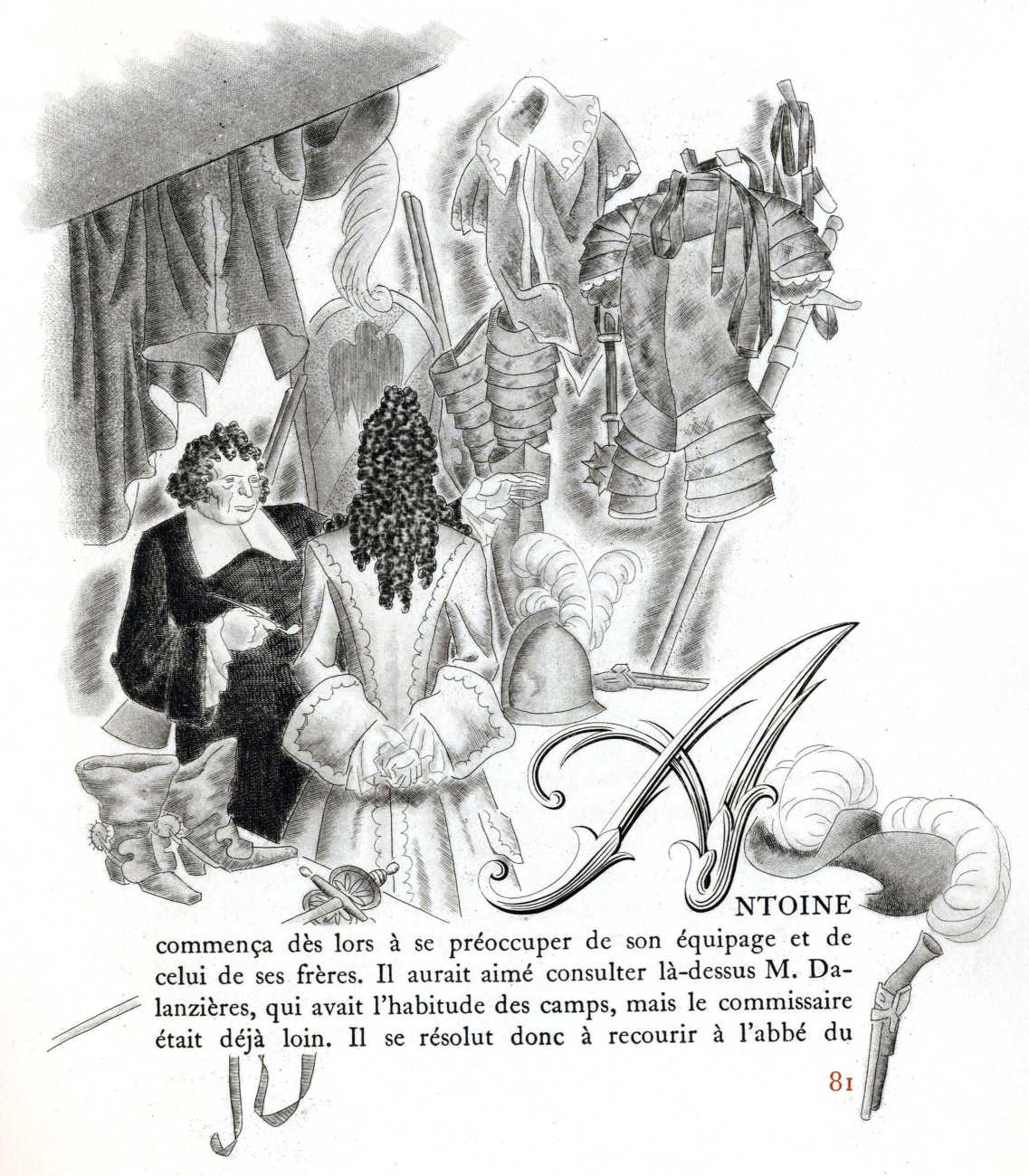
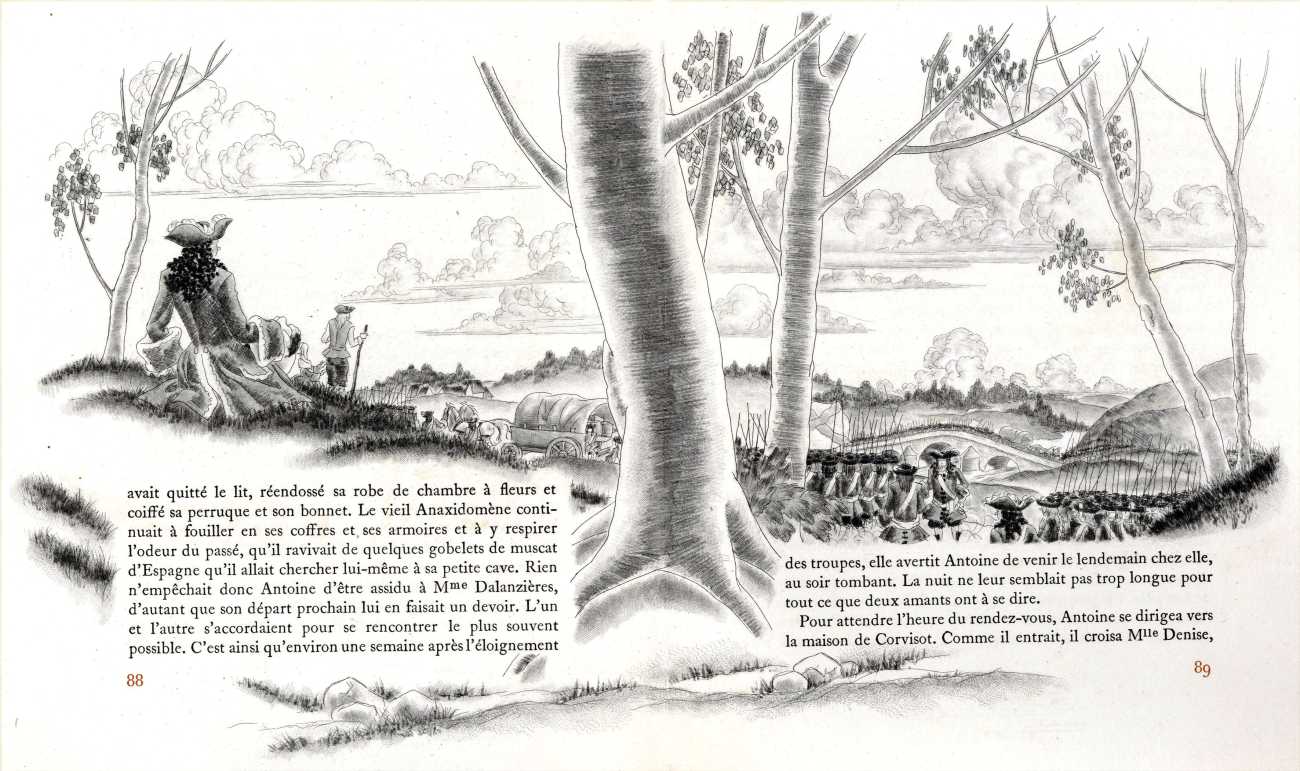
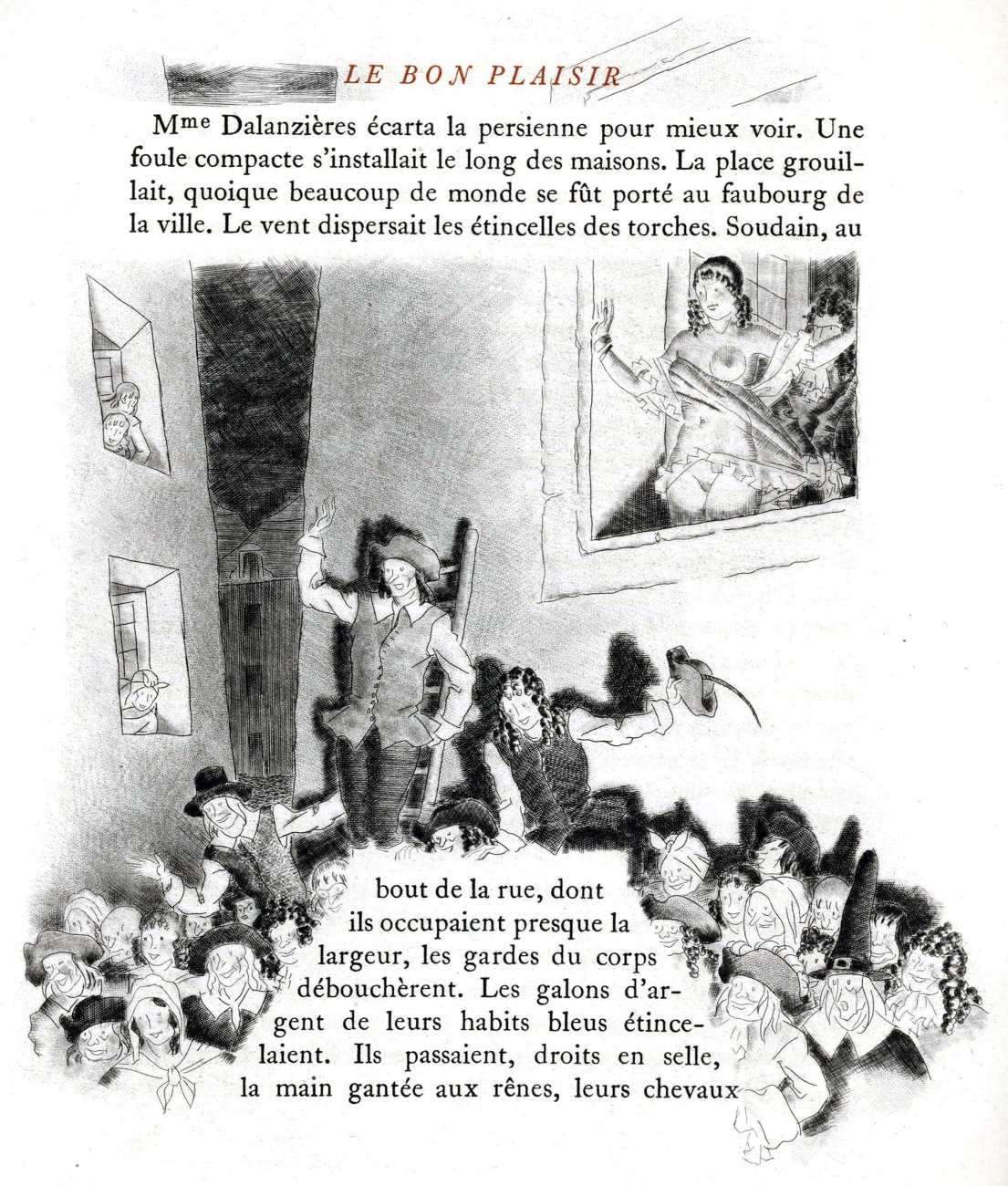
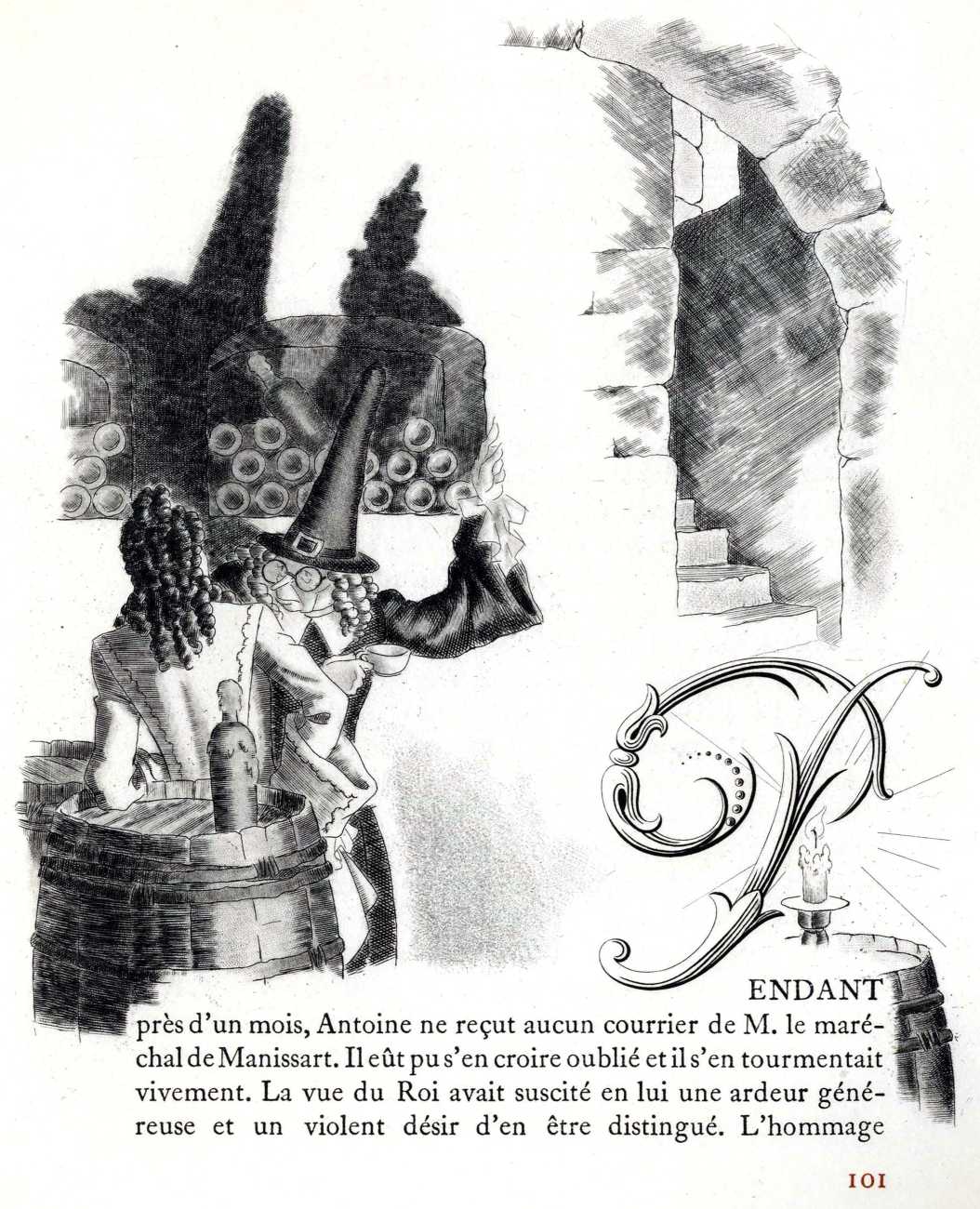
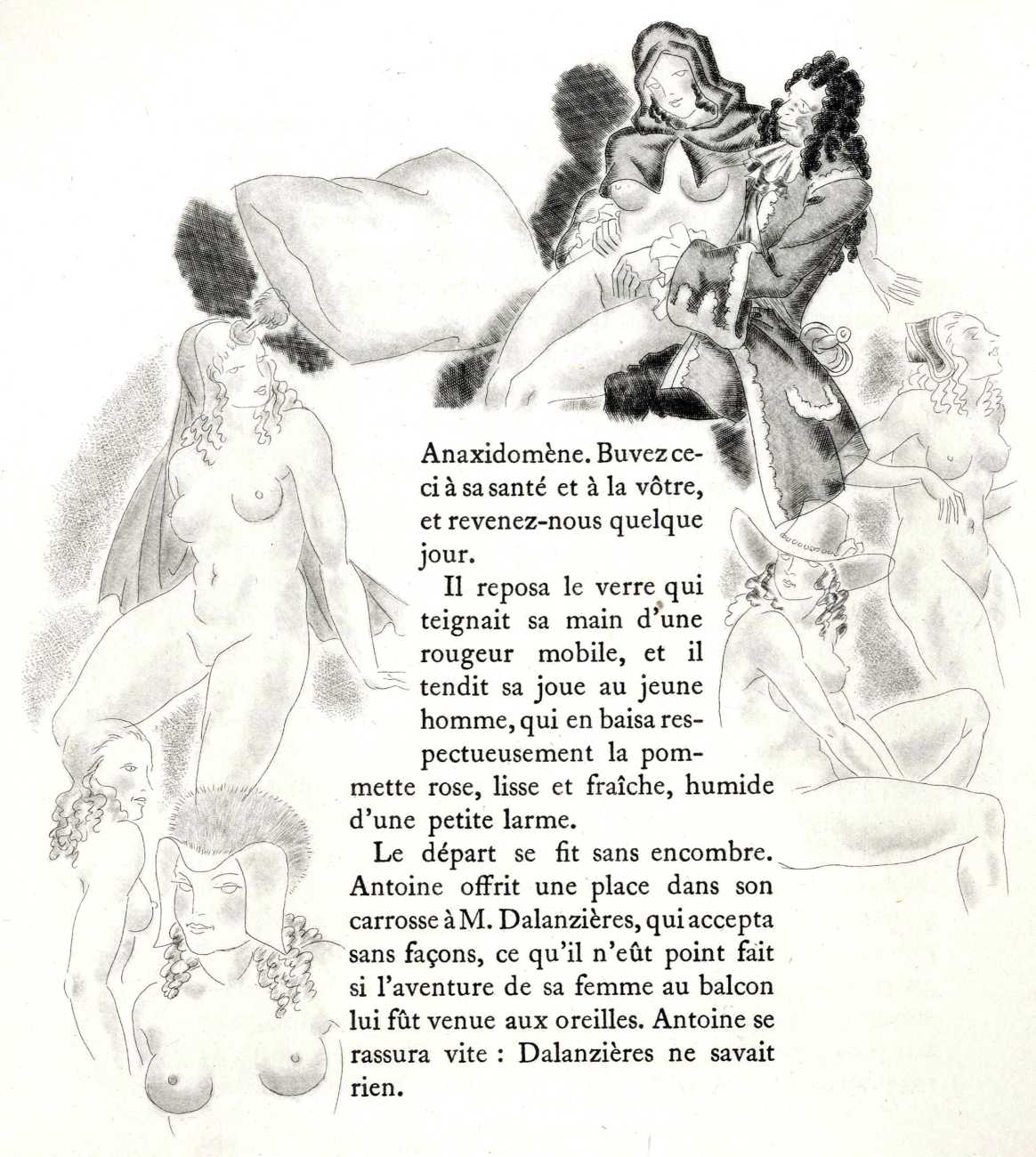
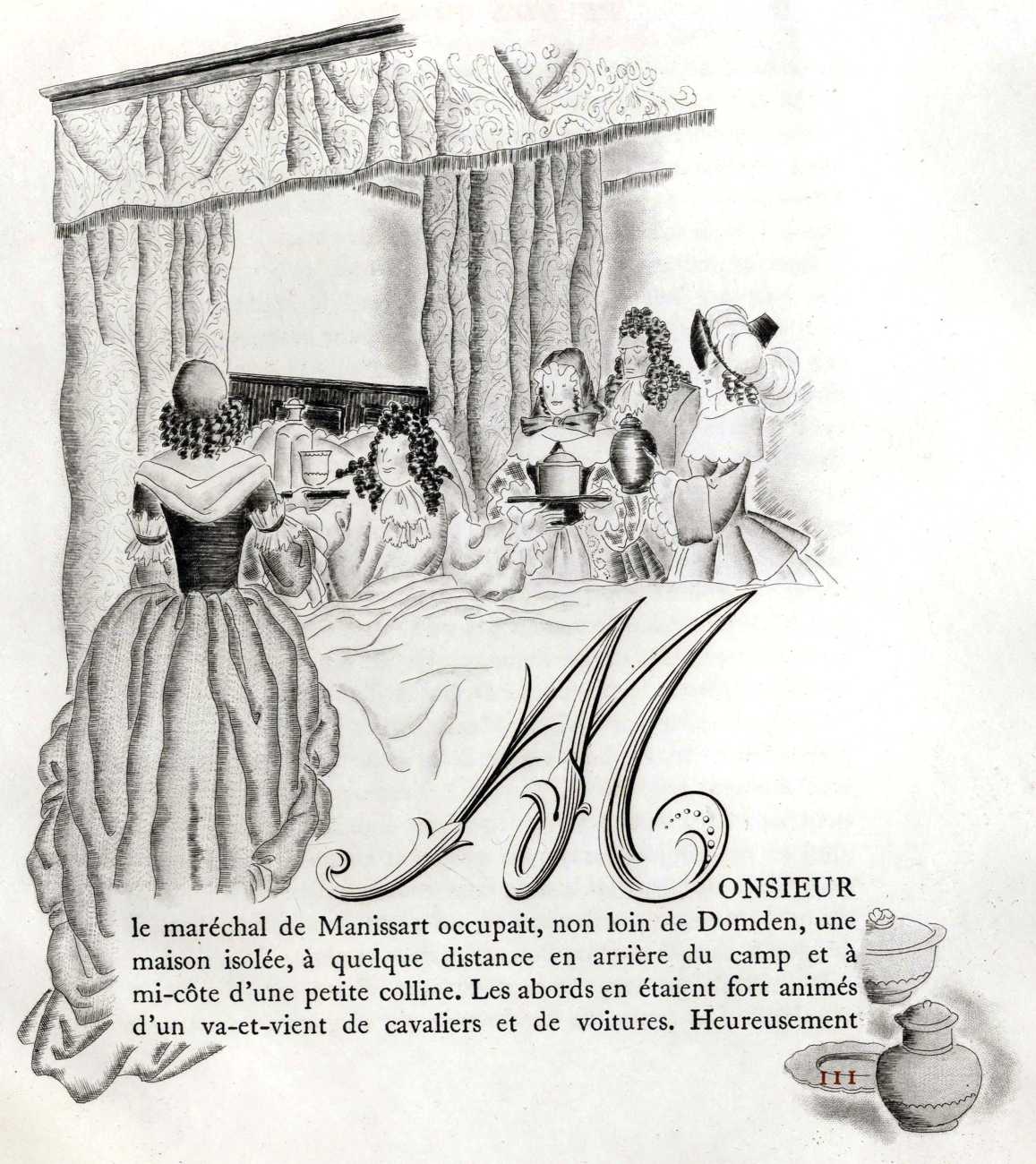
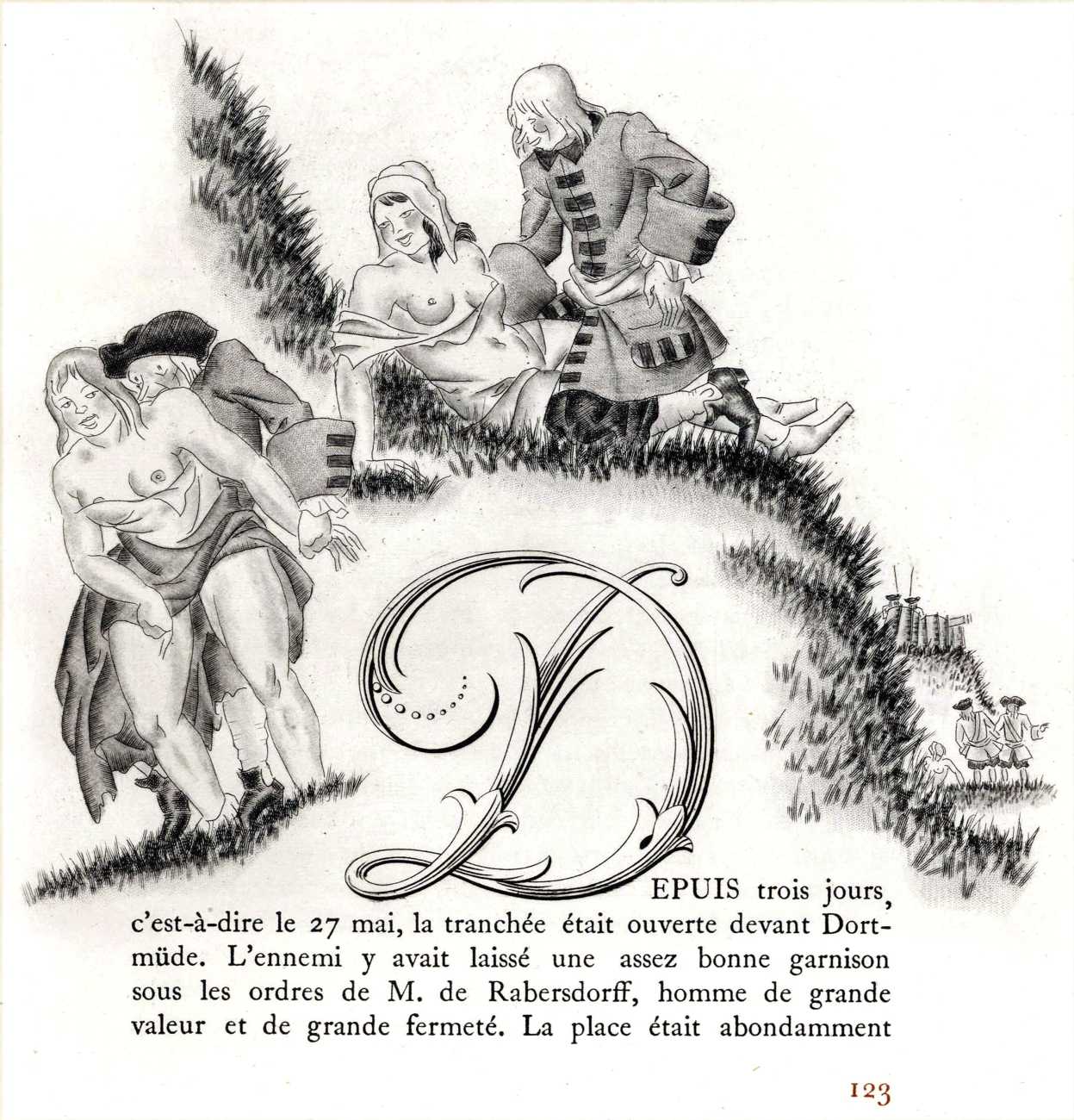
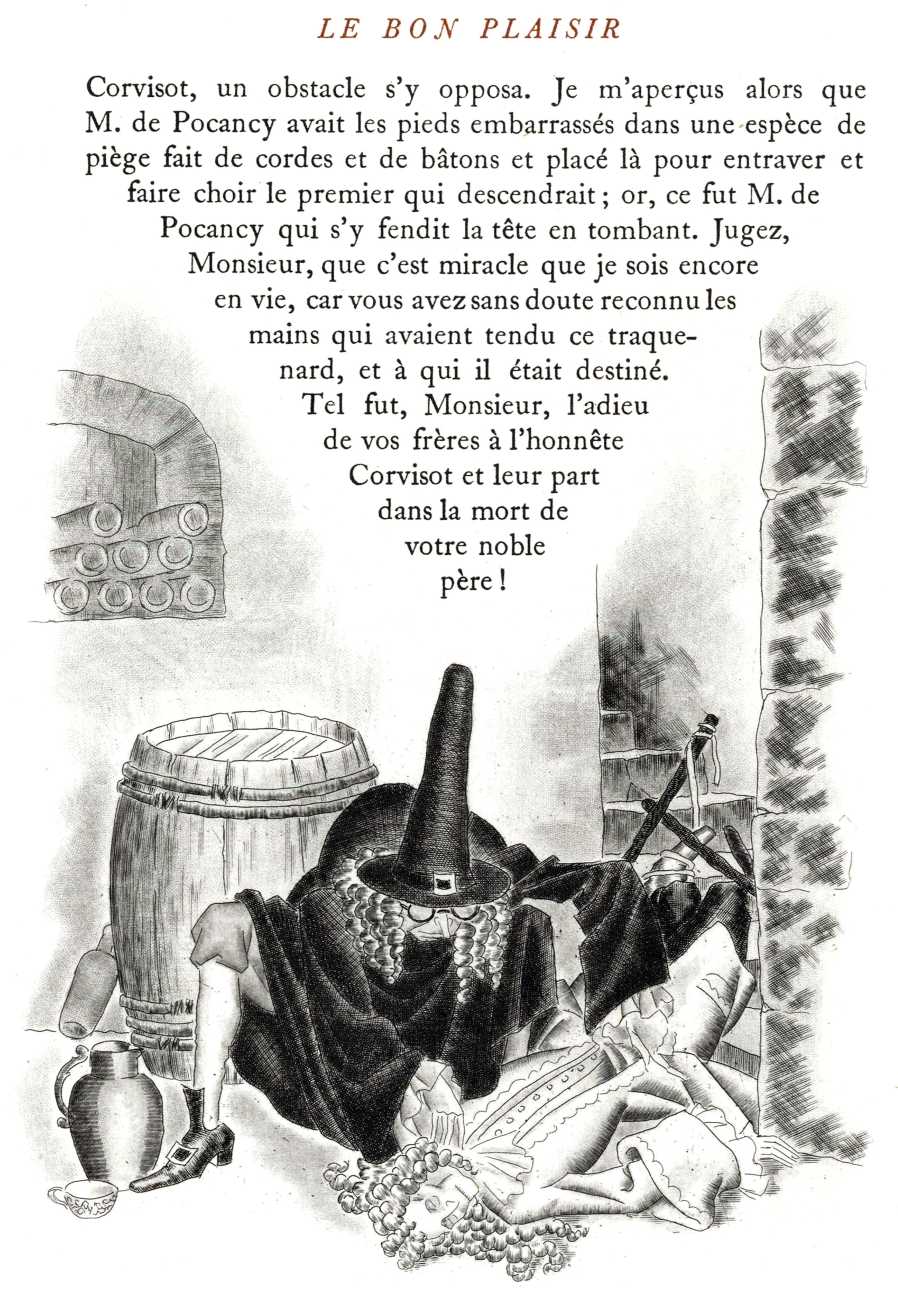
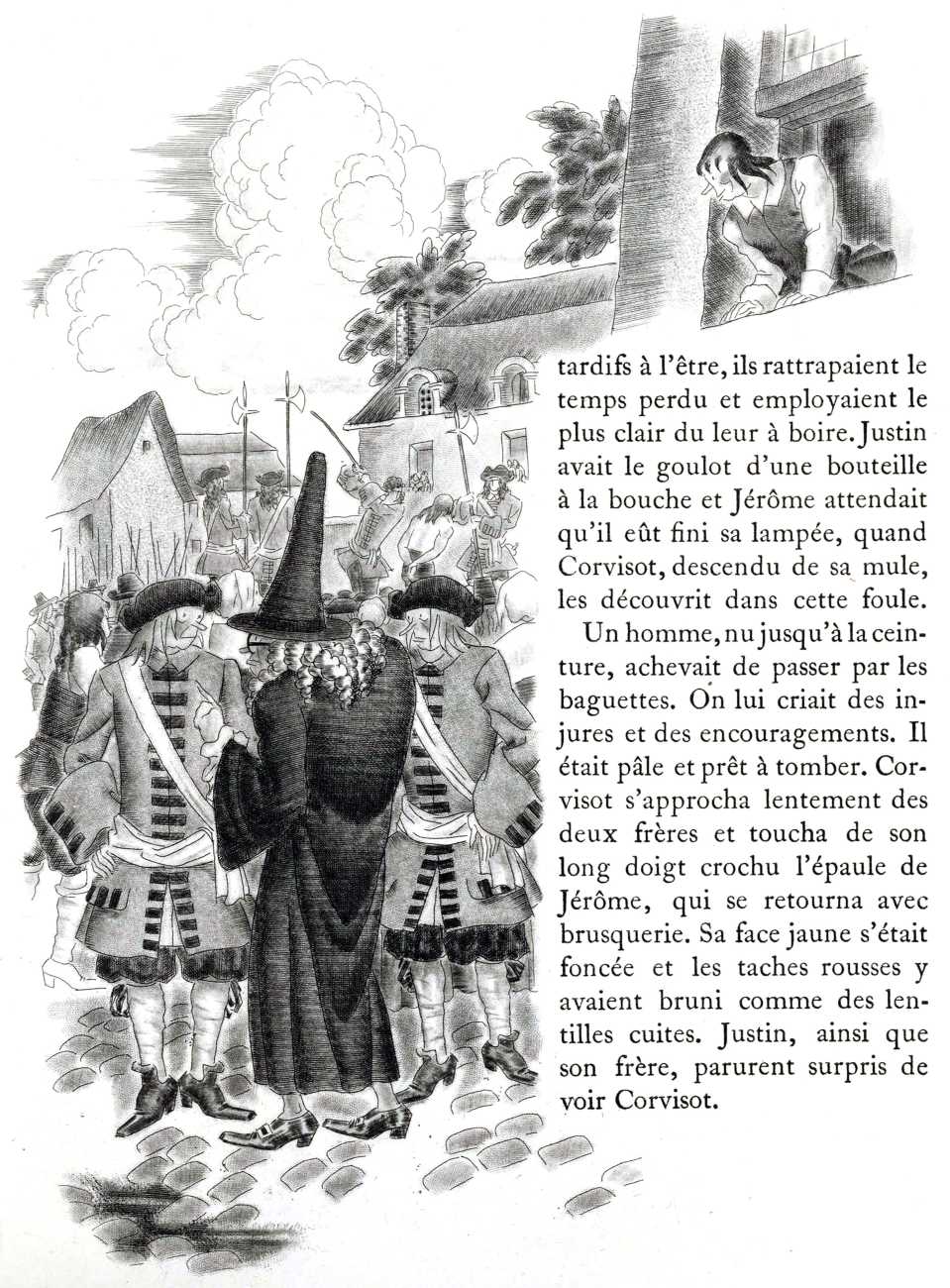
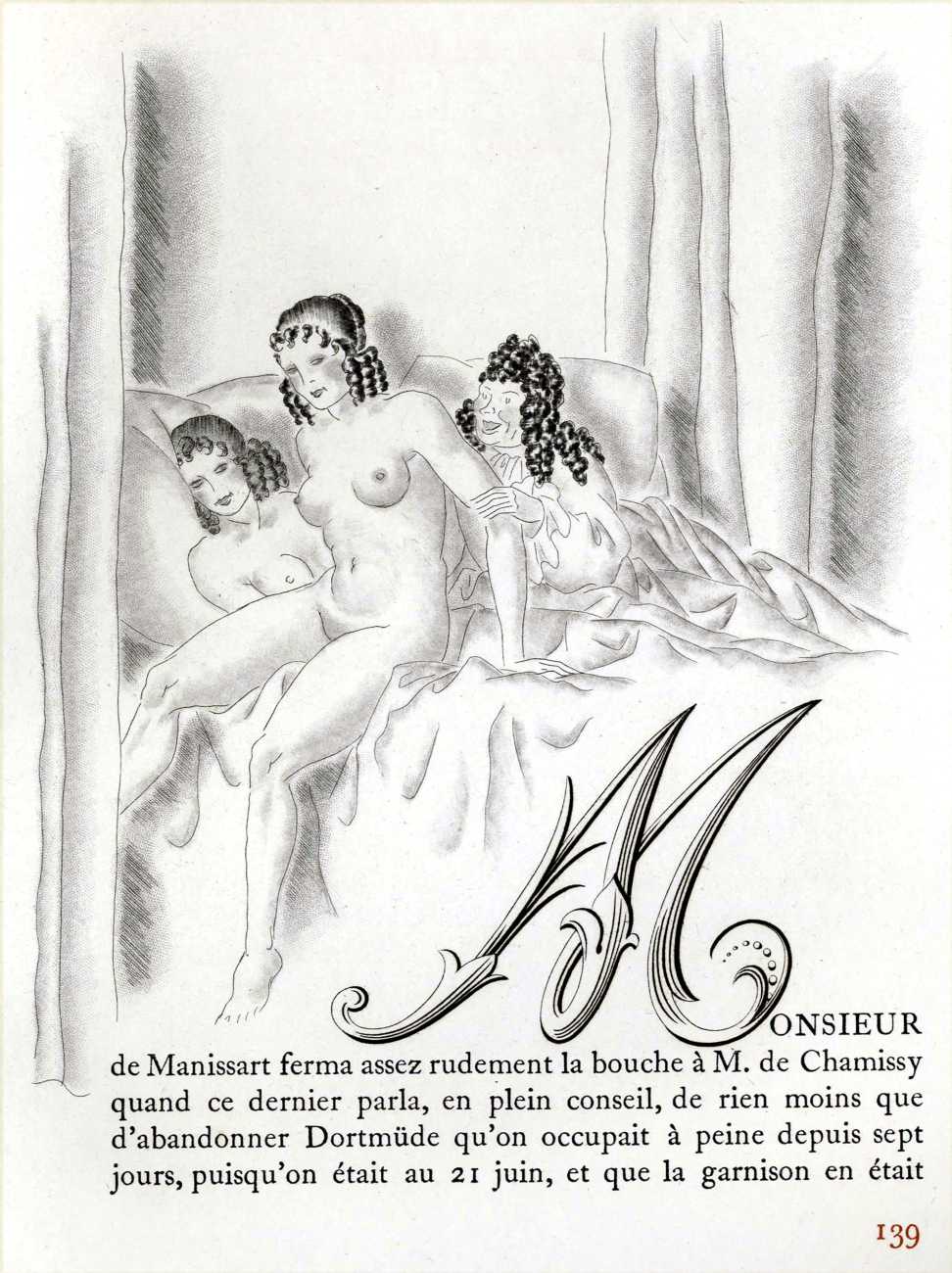
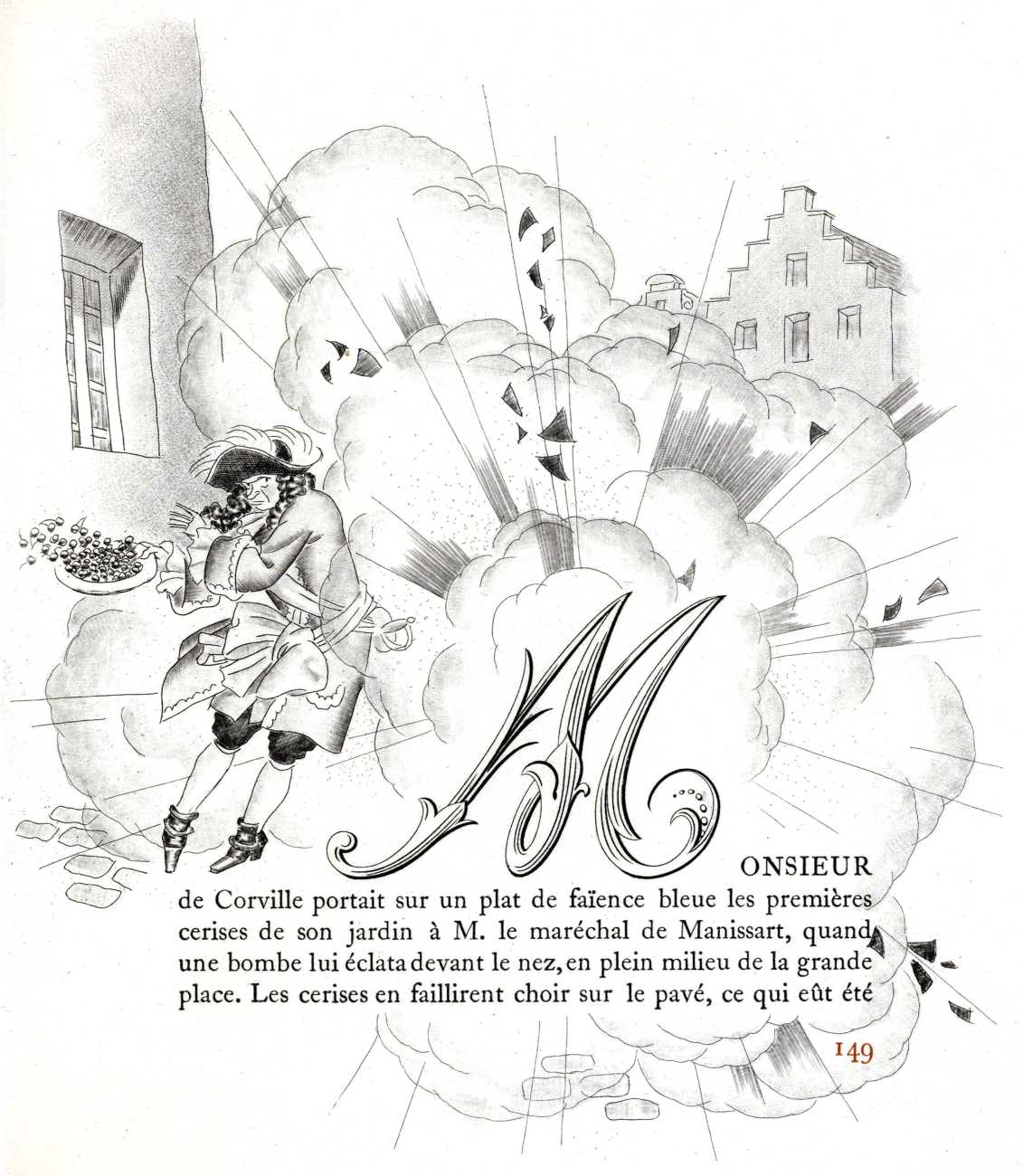
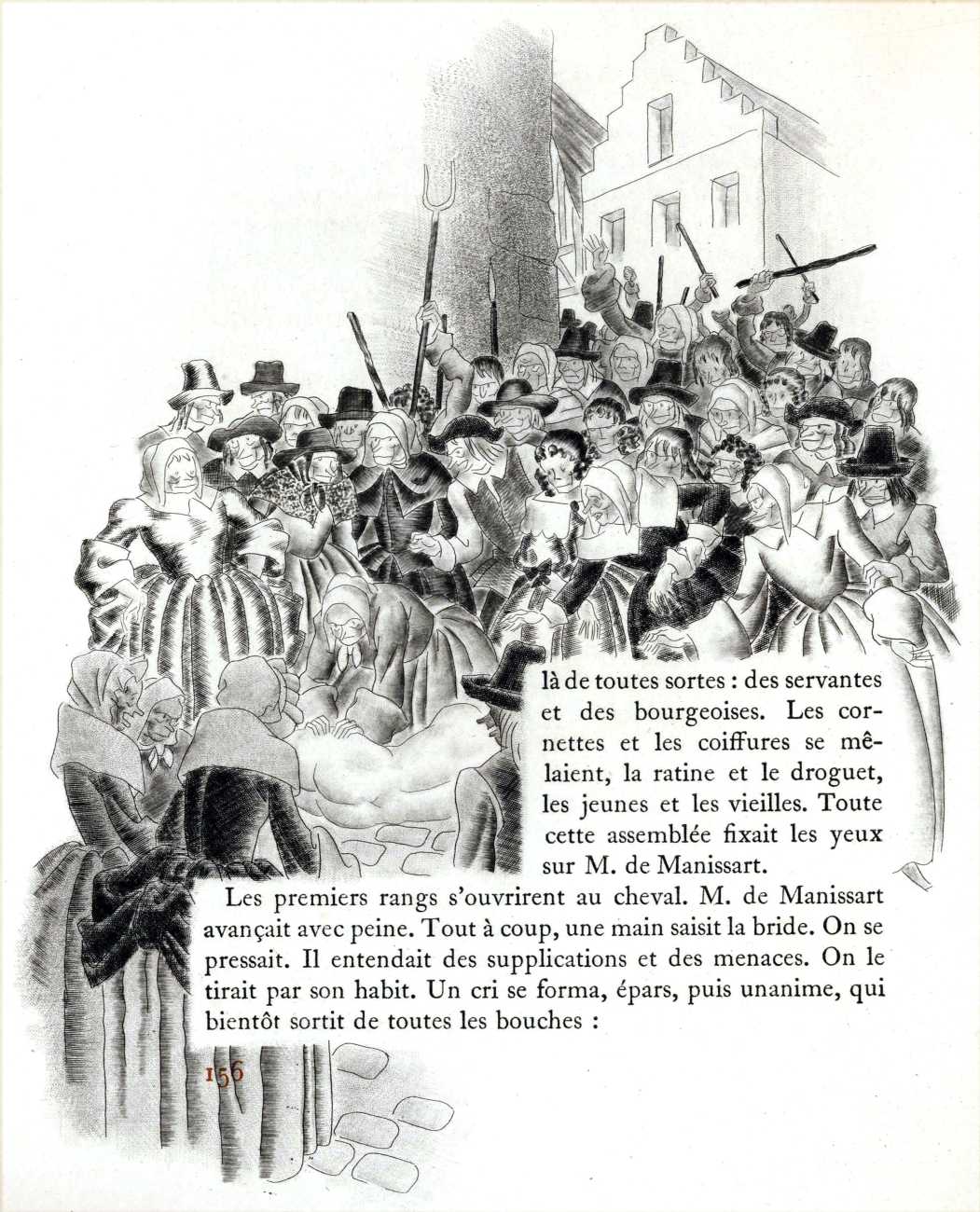
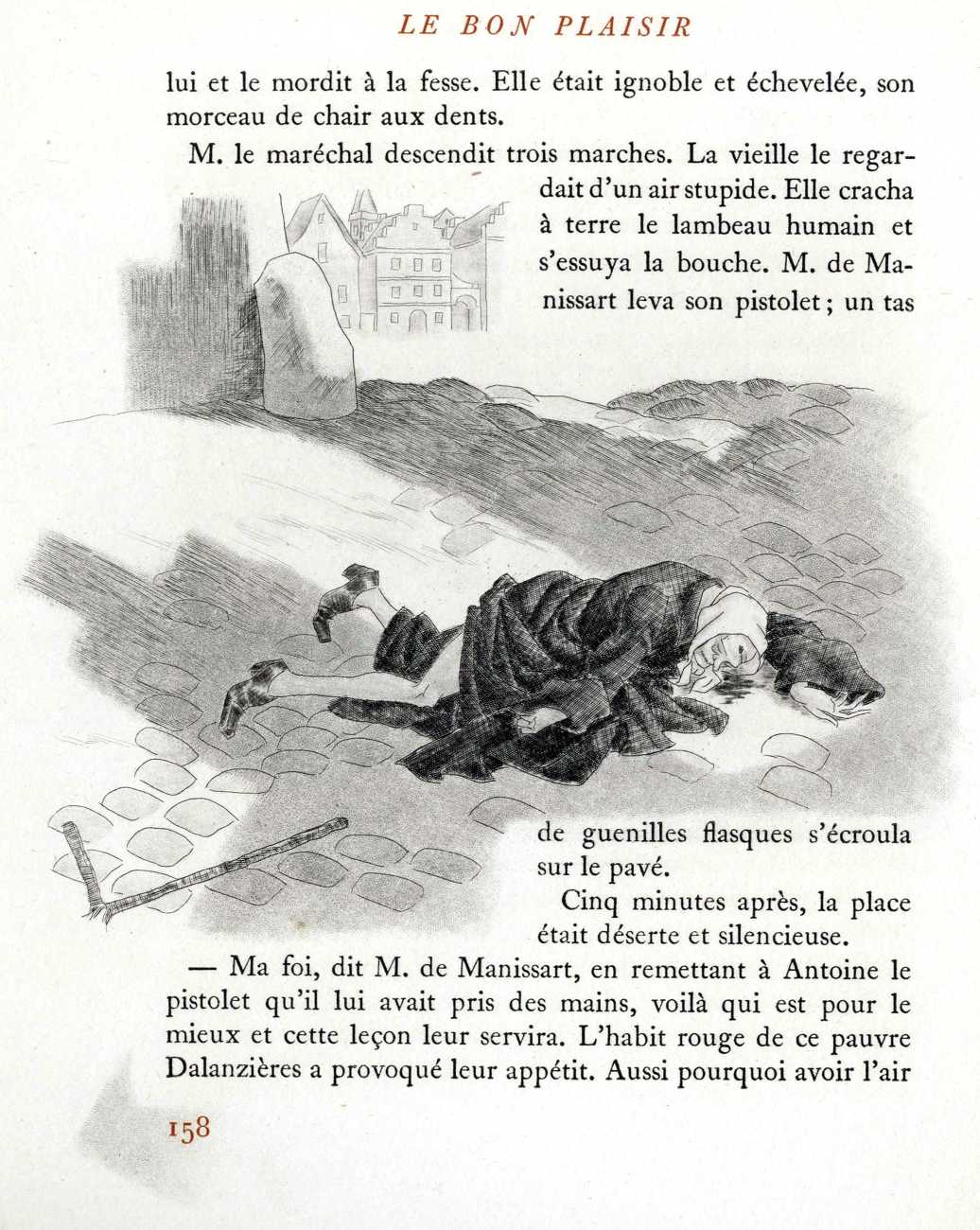
Le bon plaisir (1945)
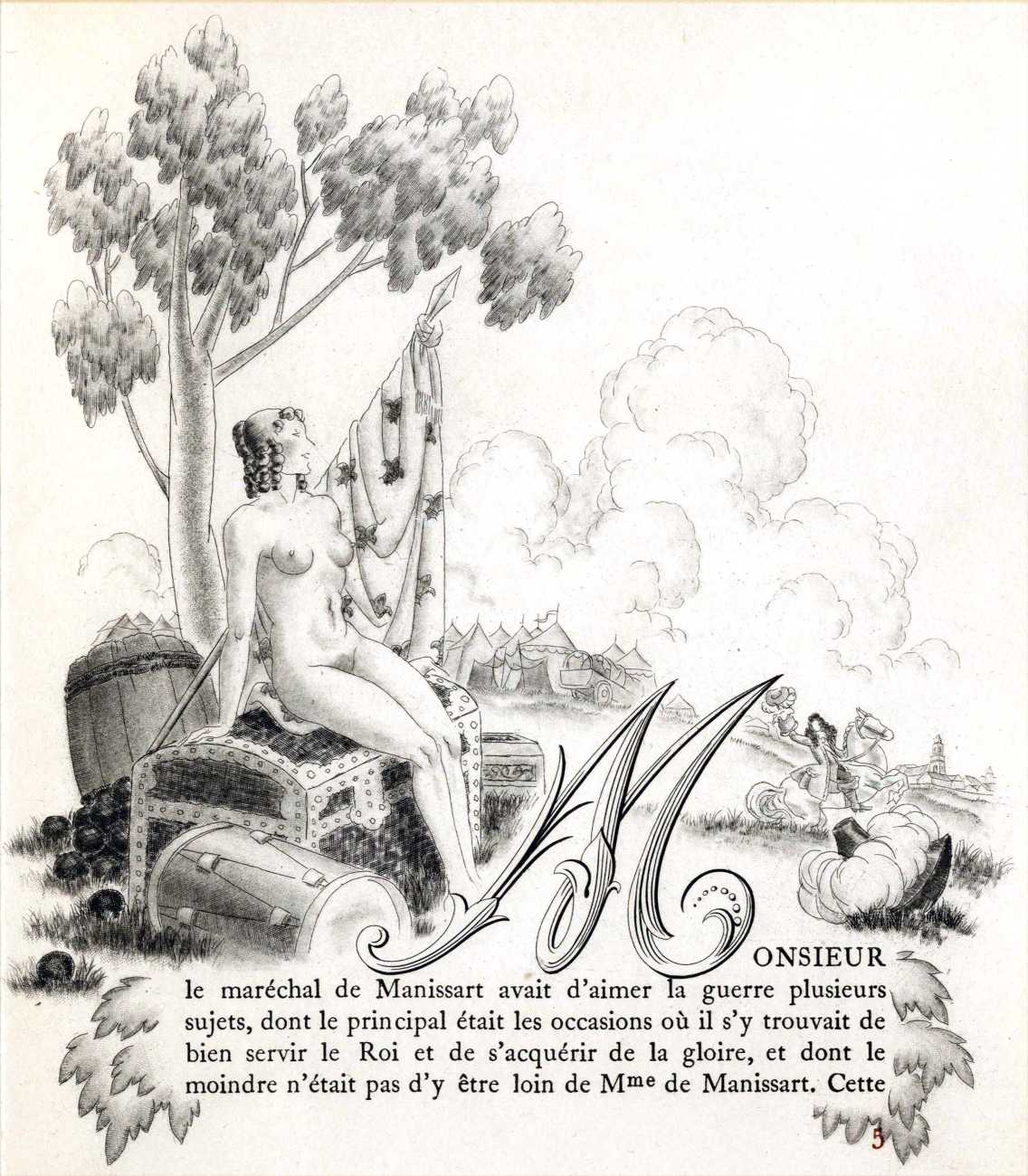
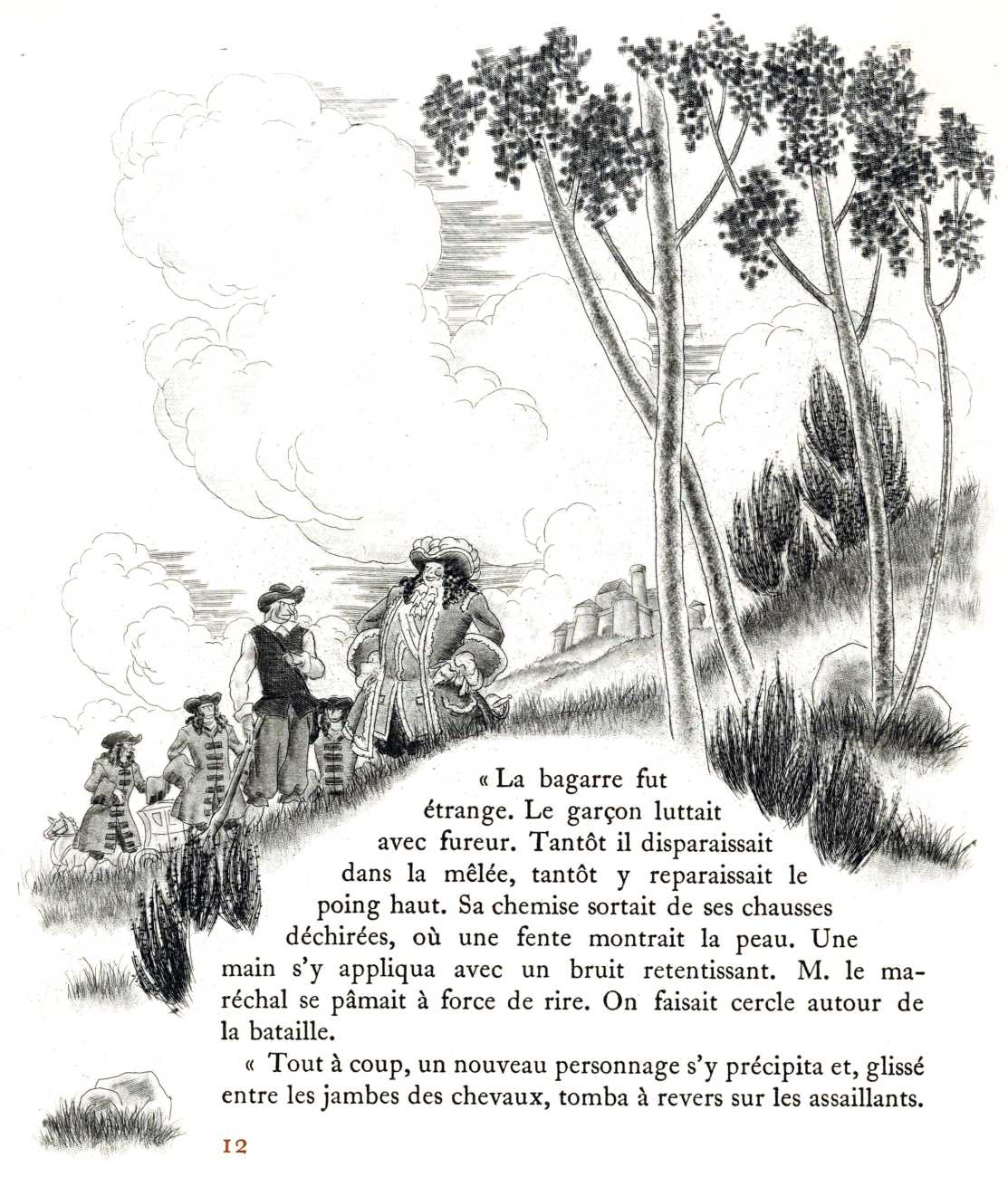
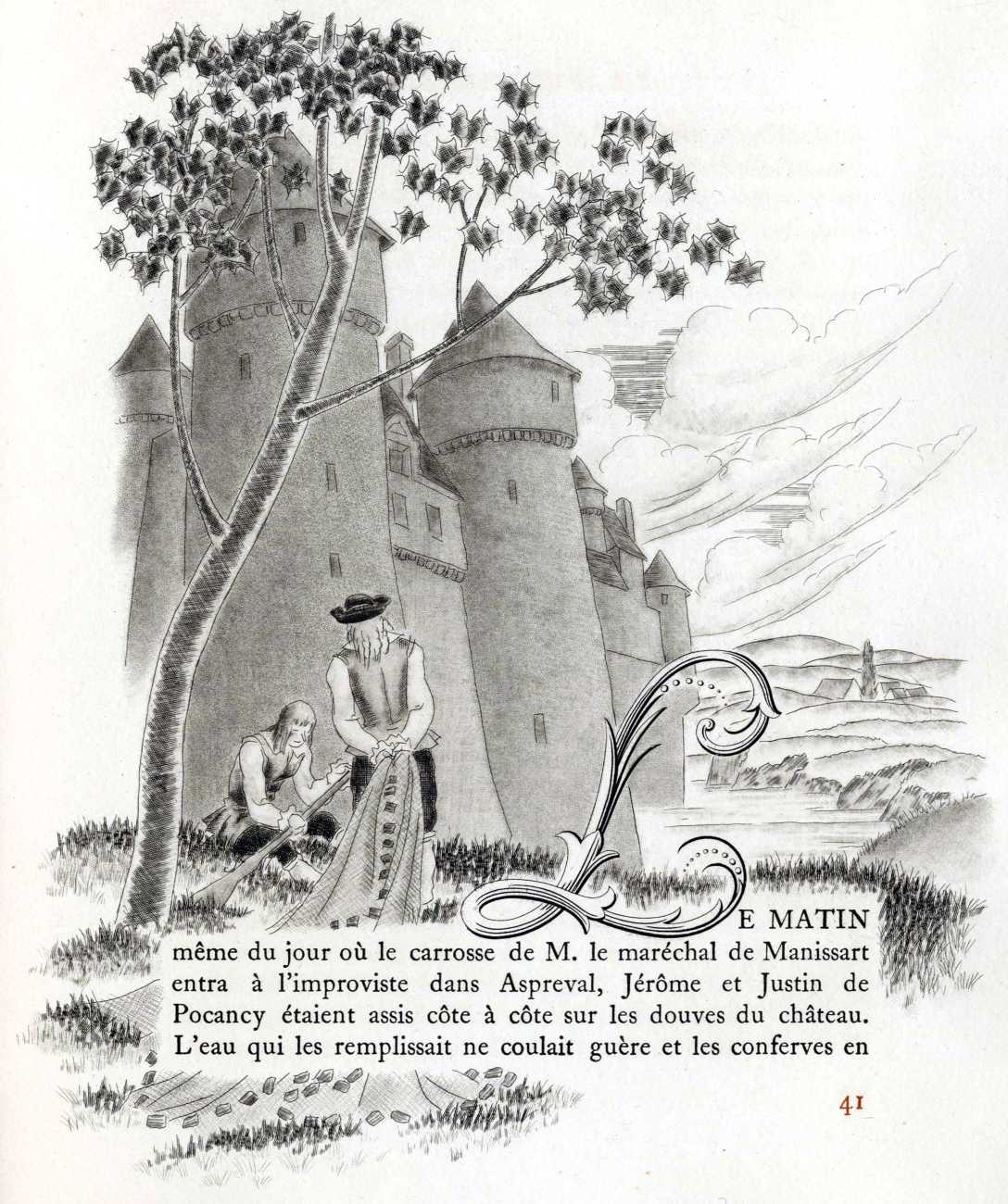
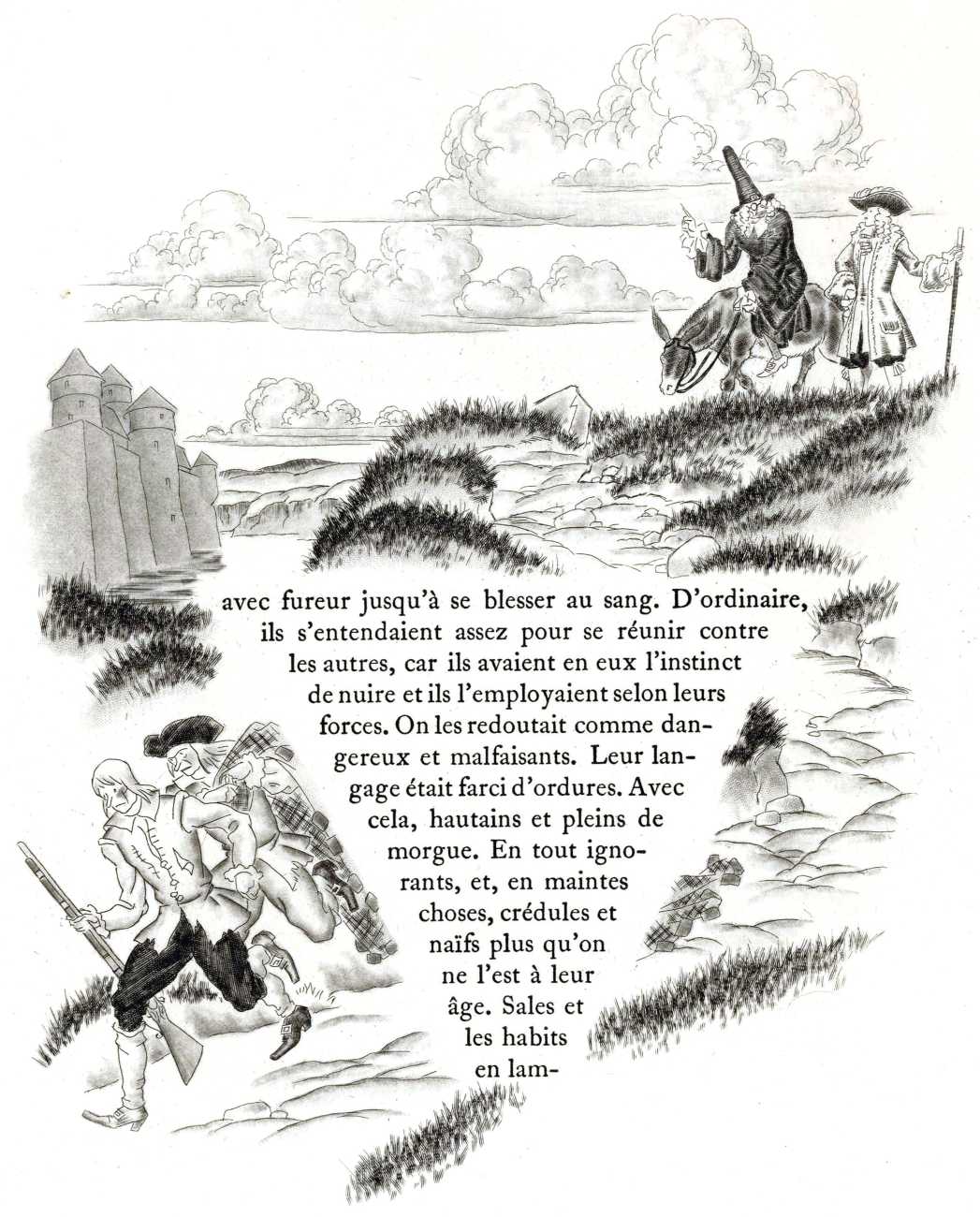
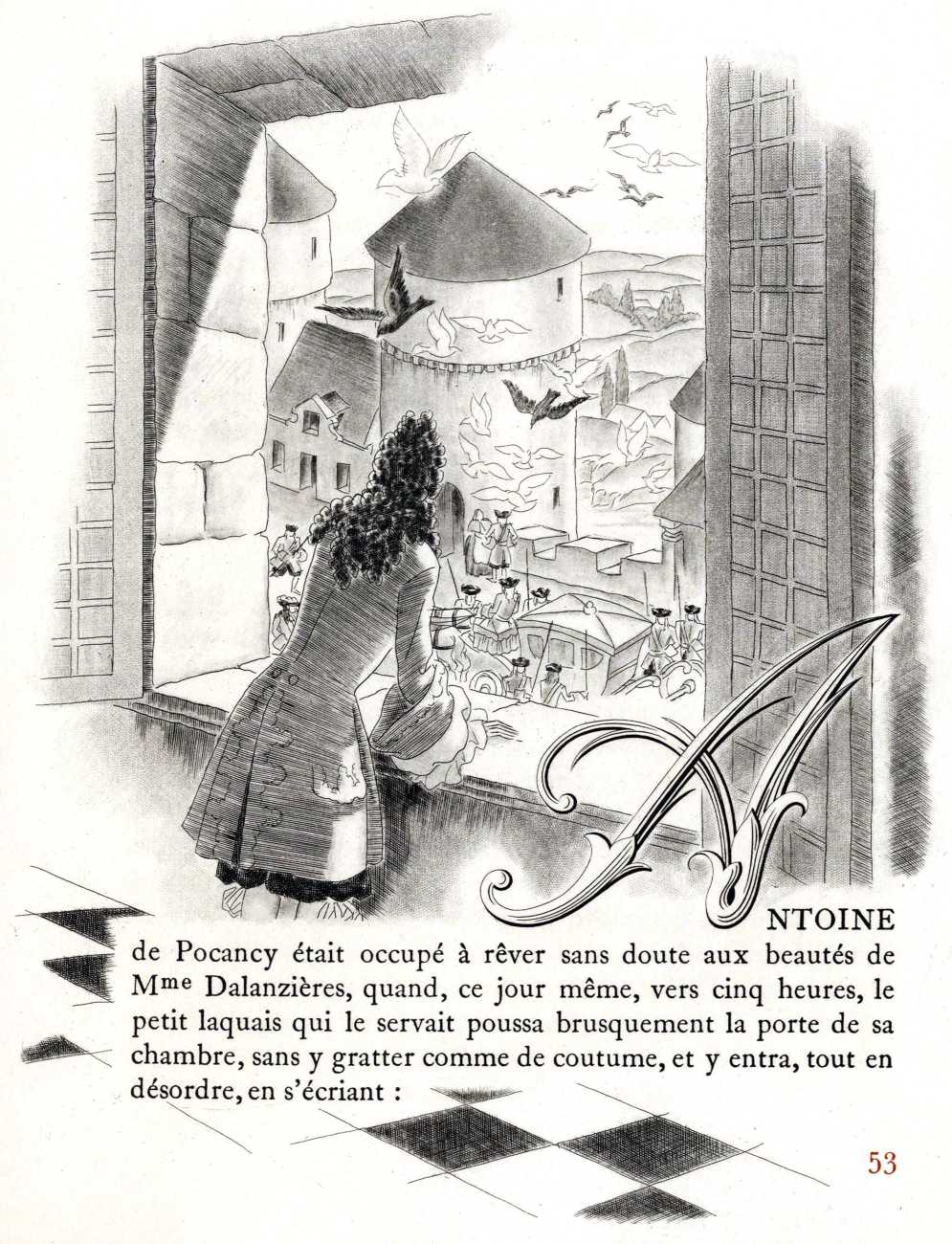
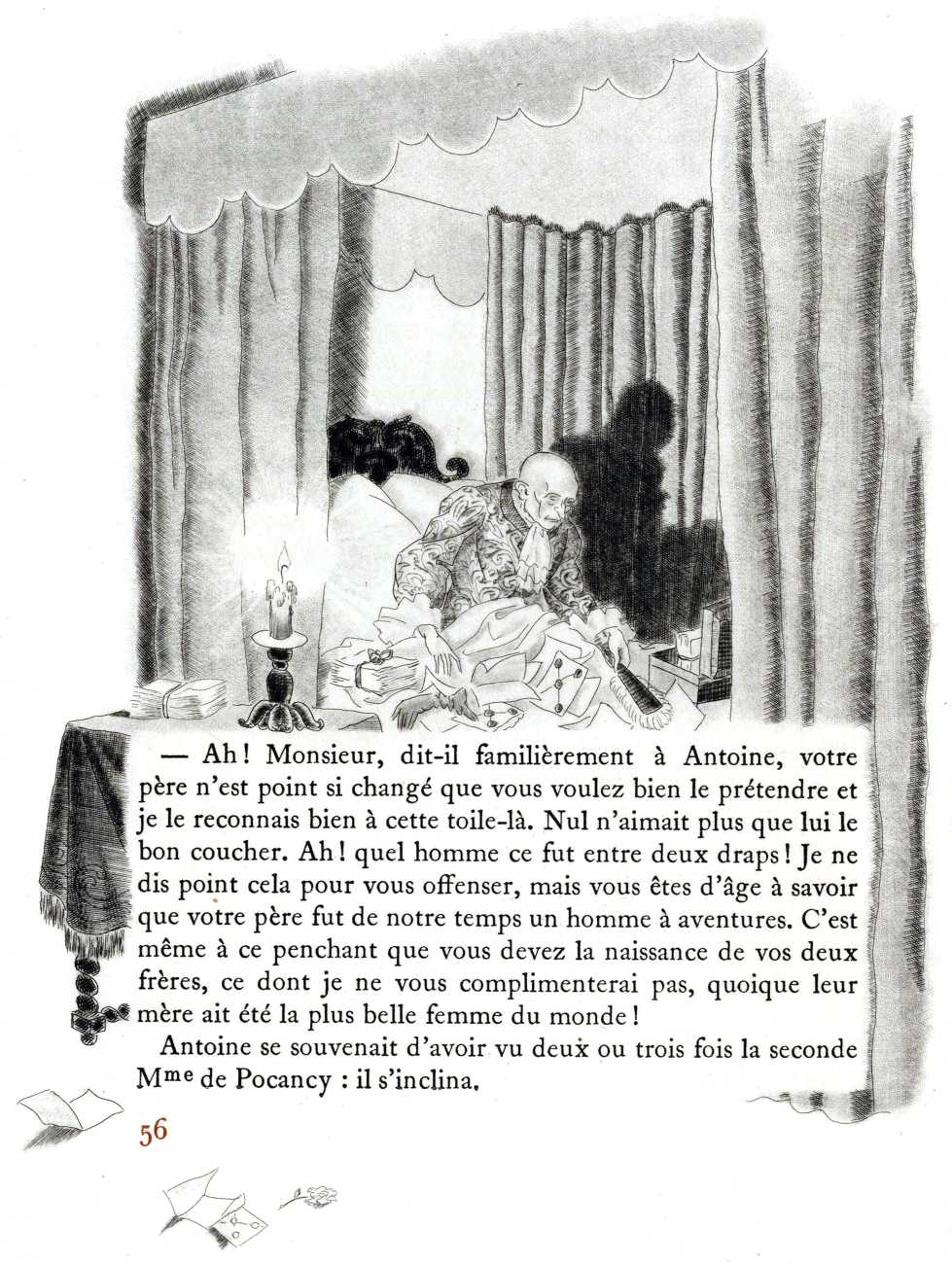
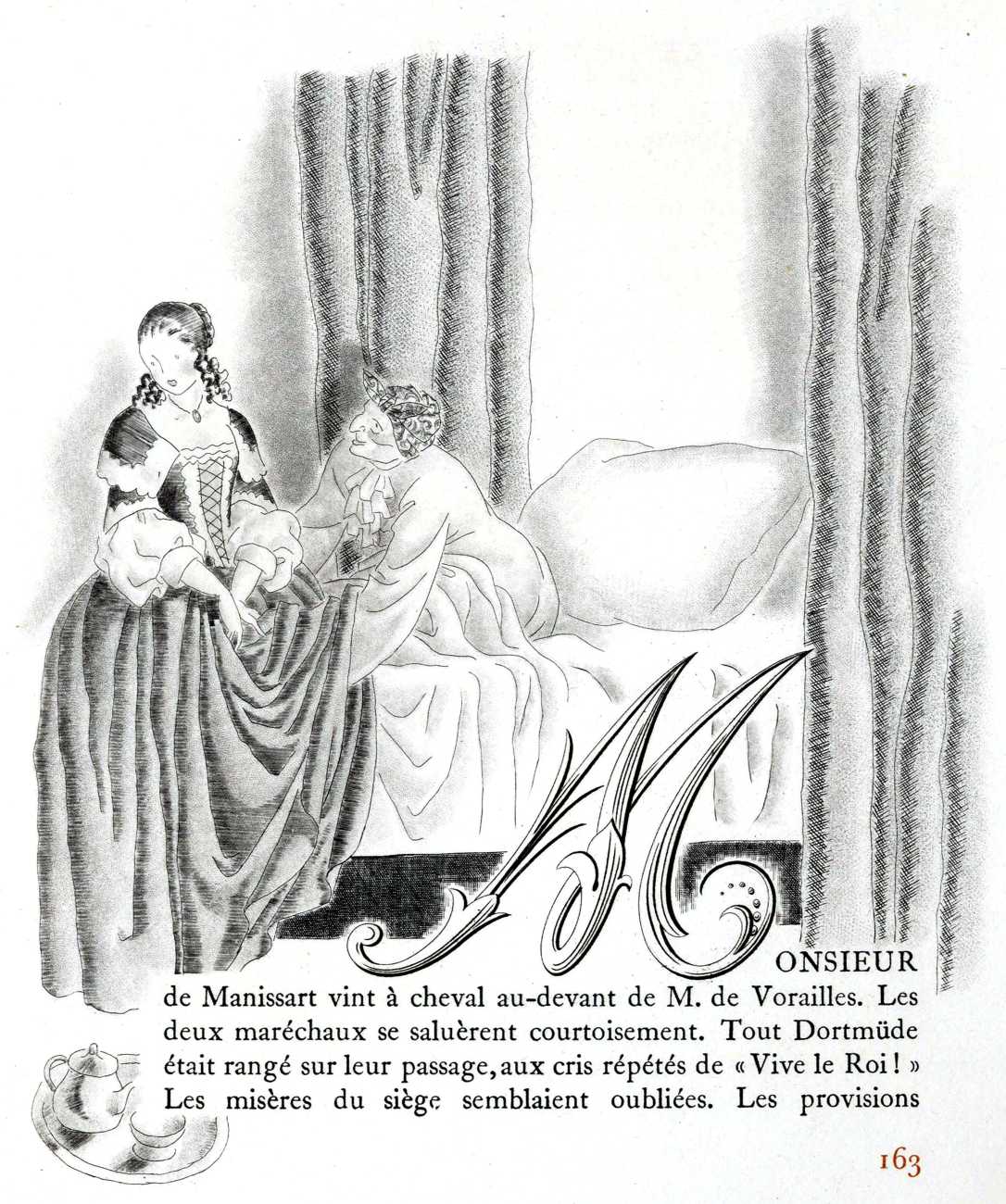
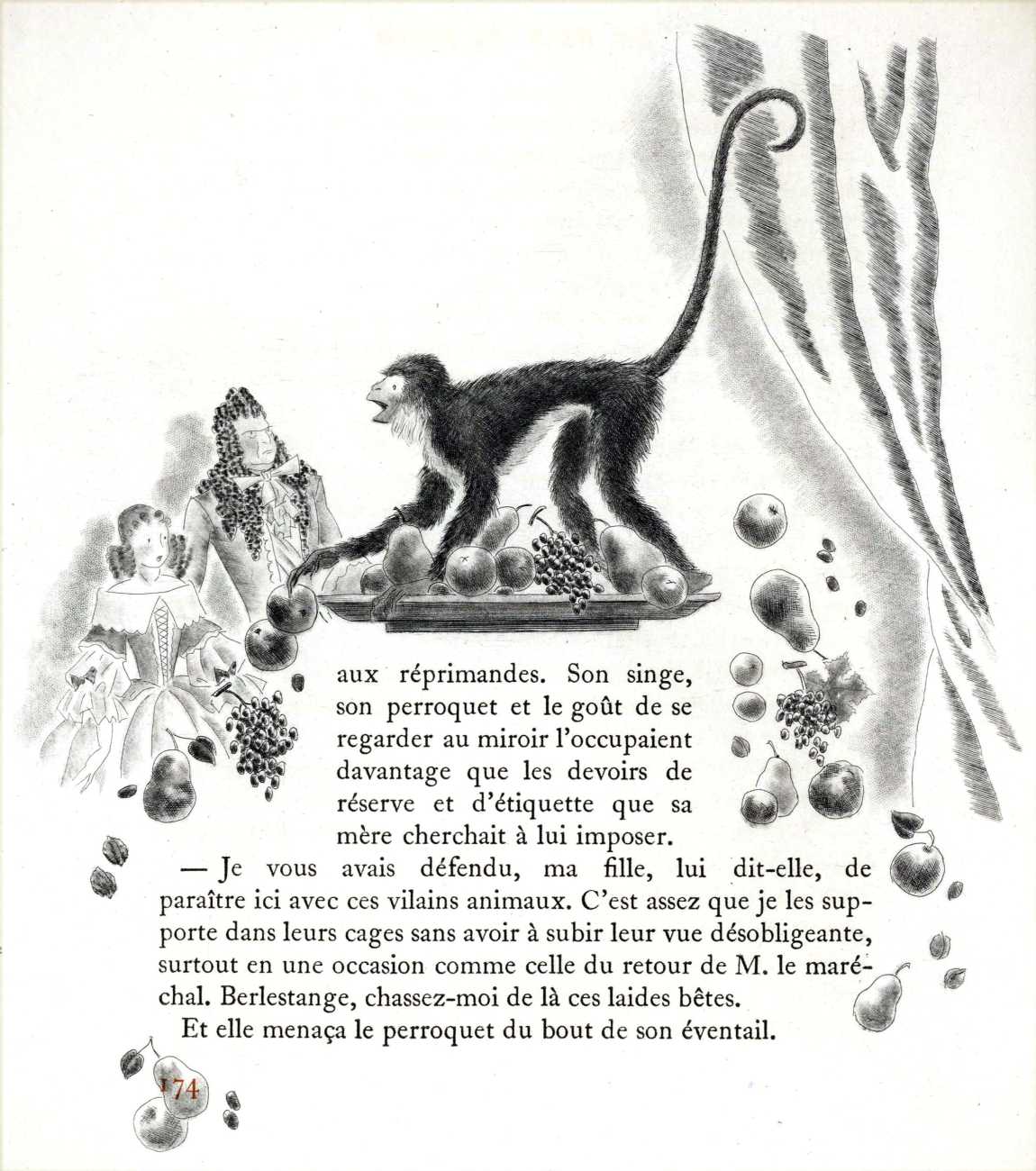
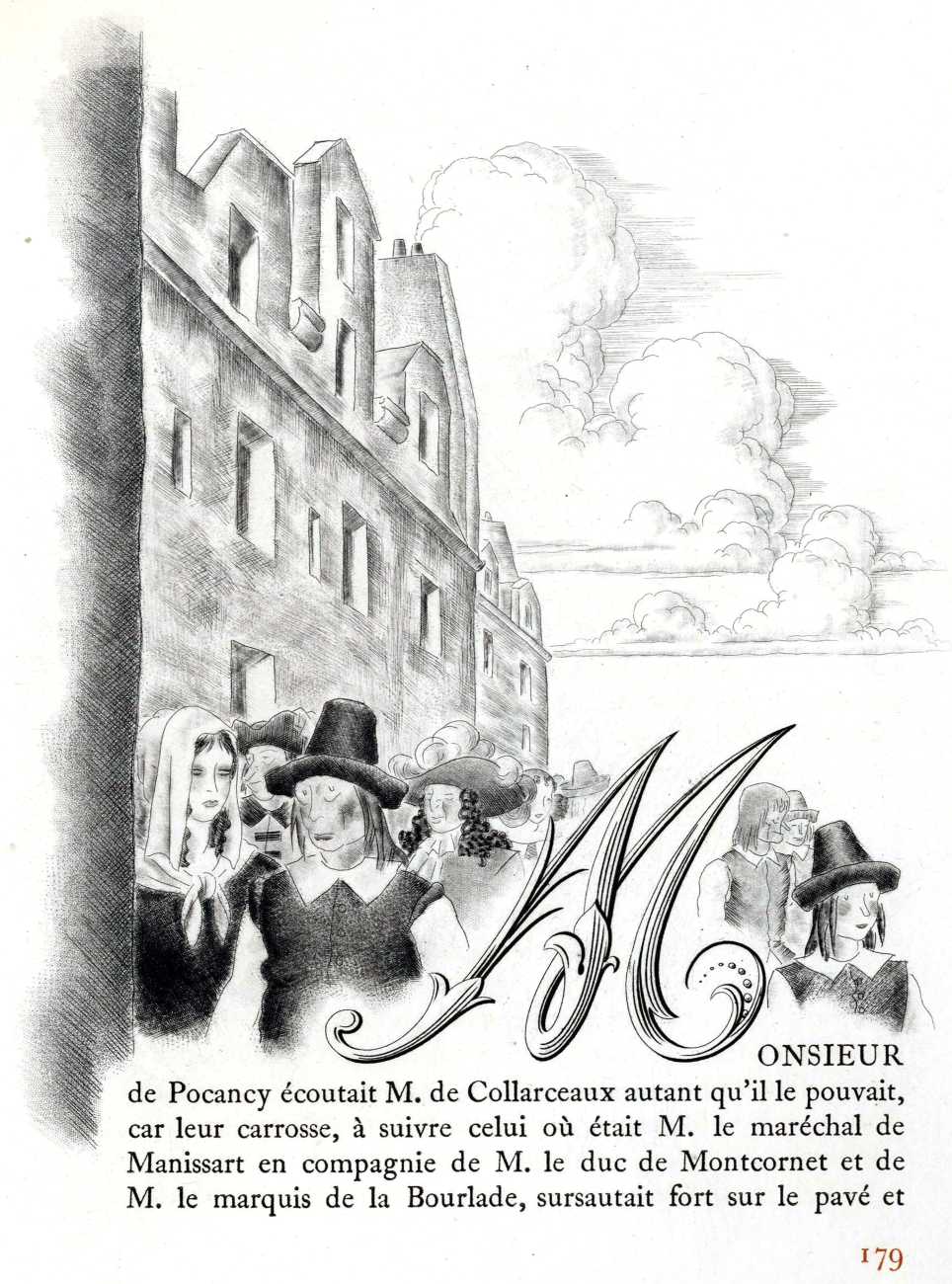
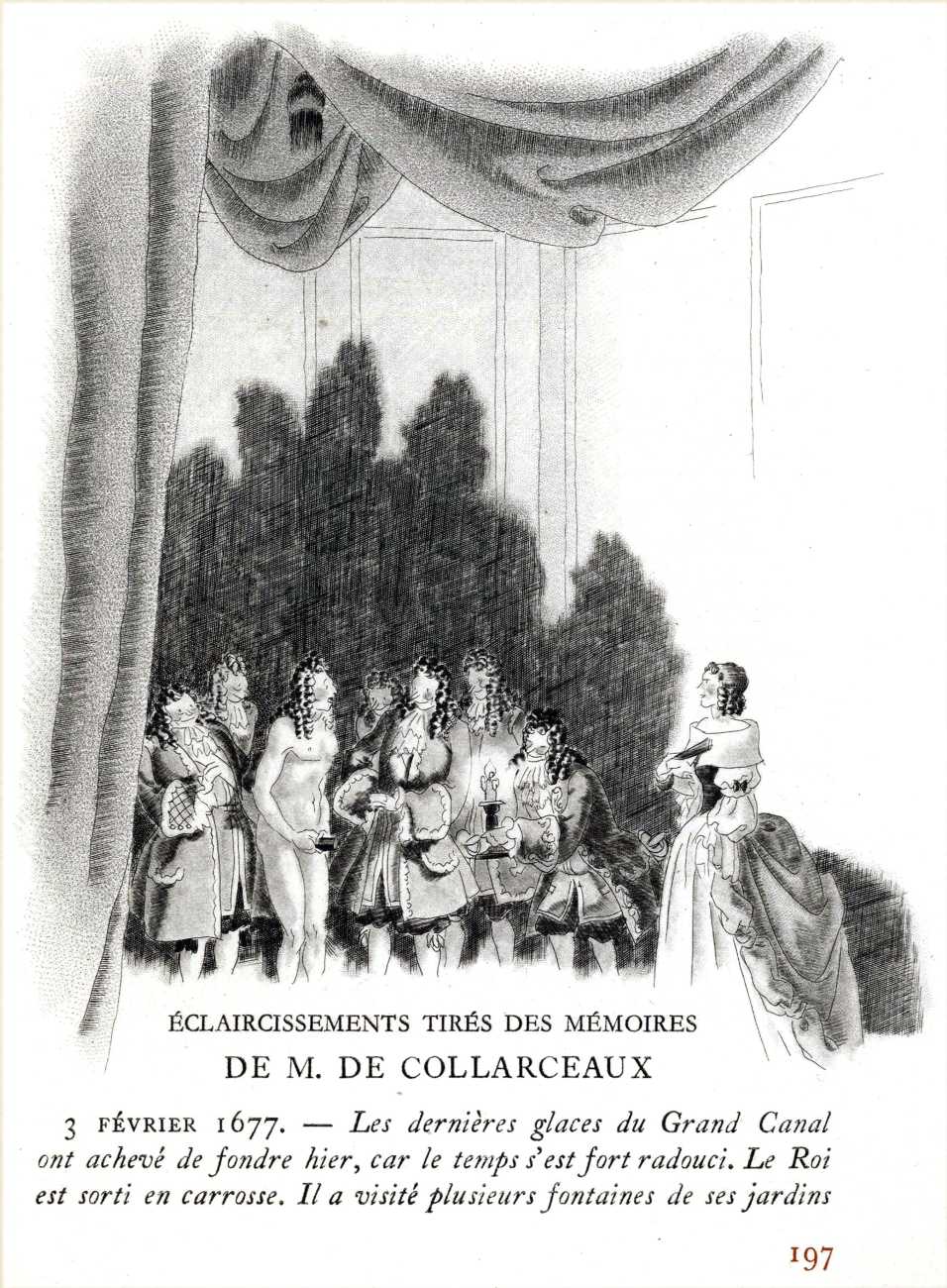
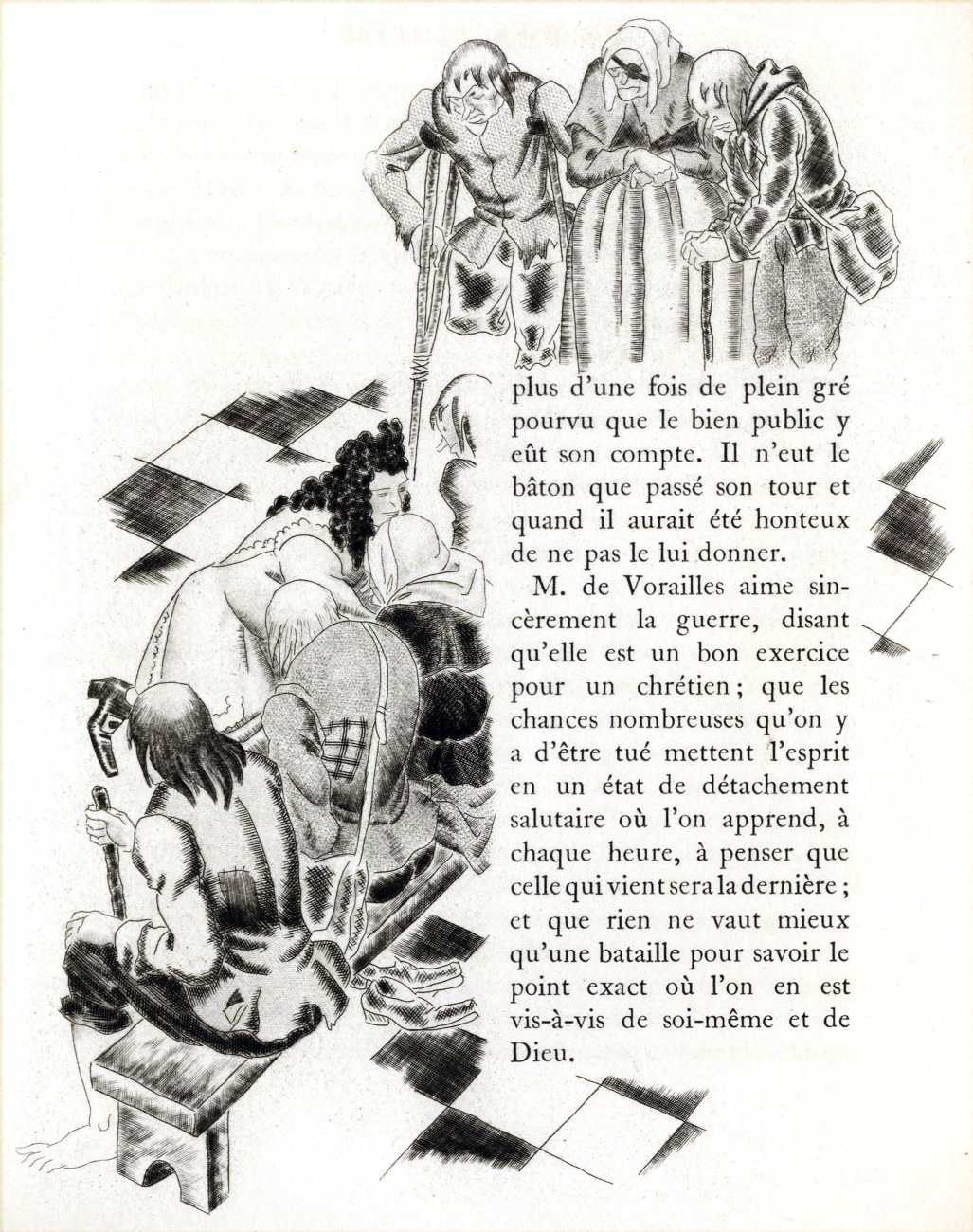
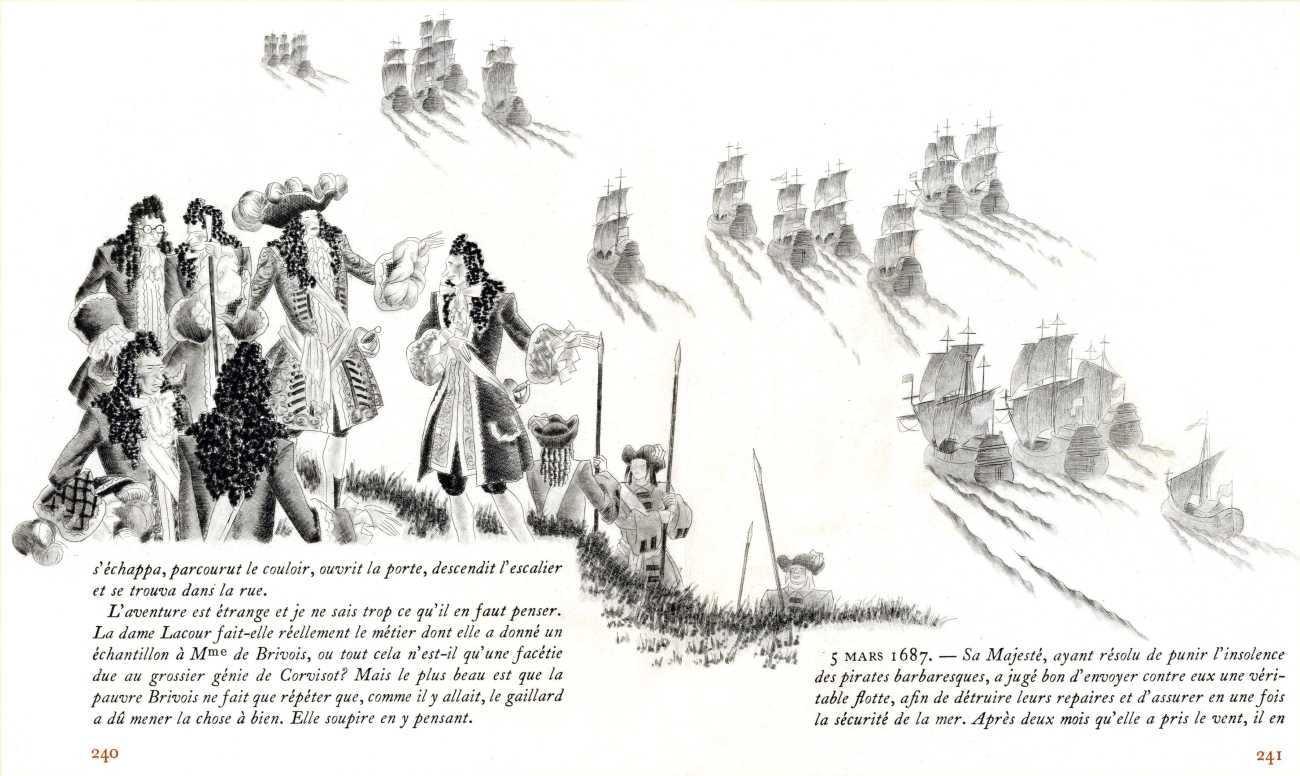
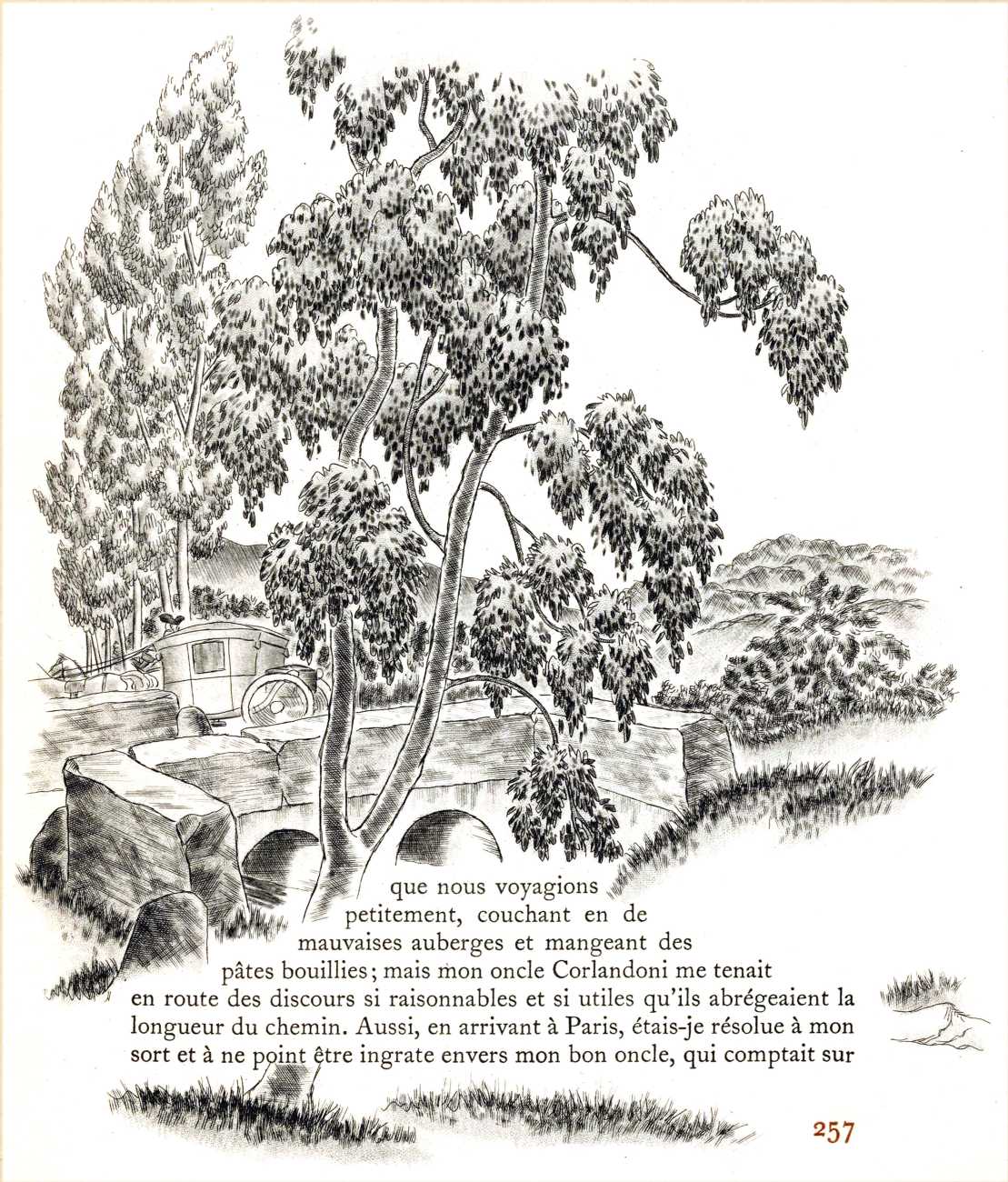
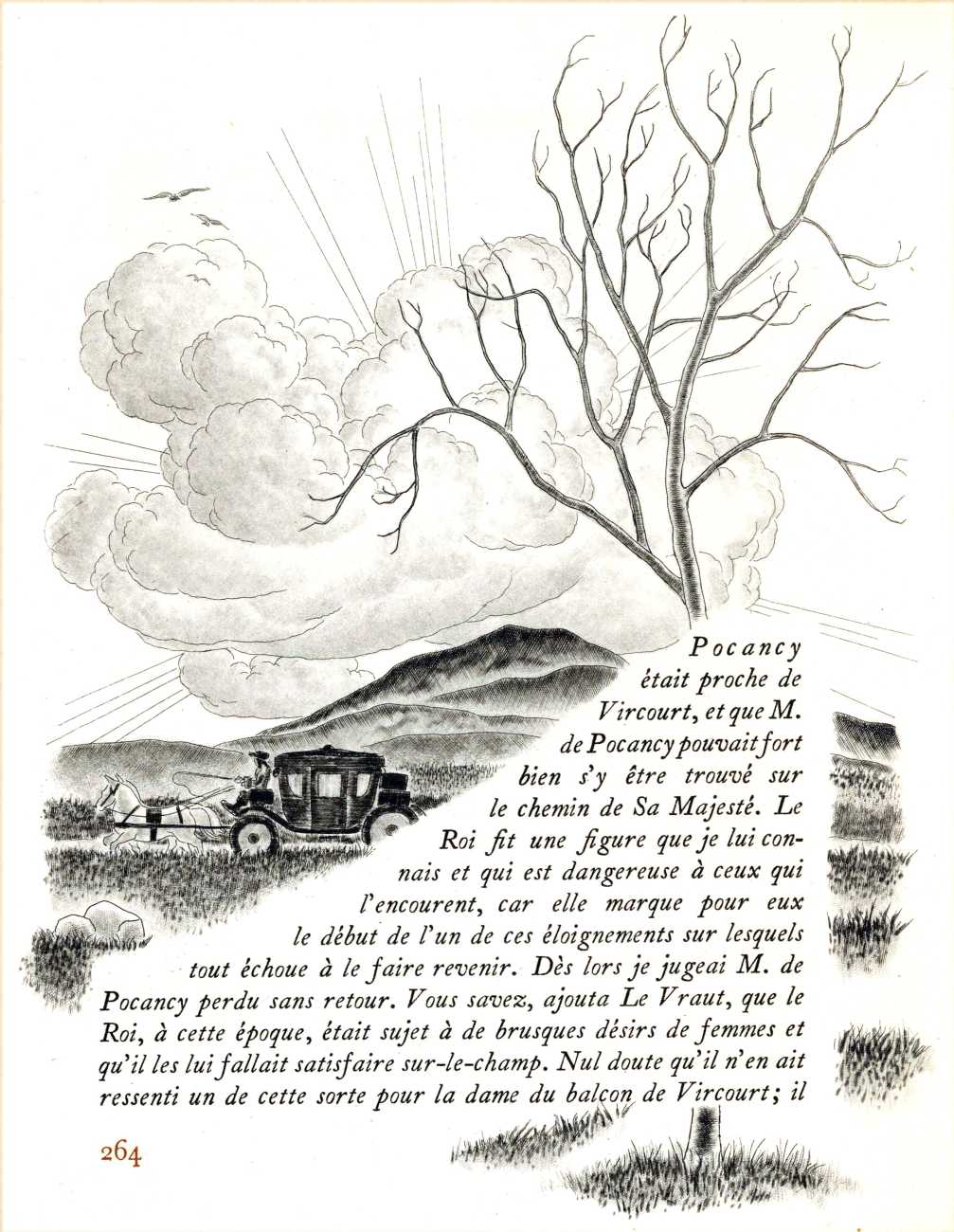
Le diable amoureux (1946)
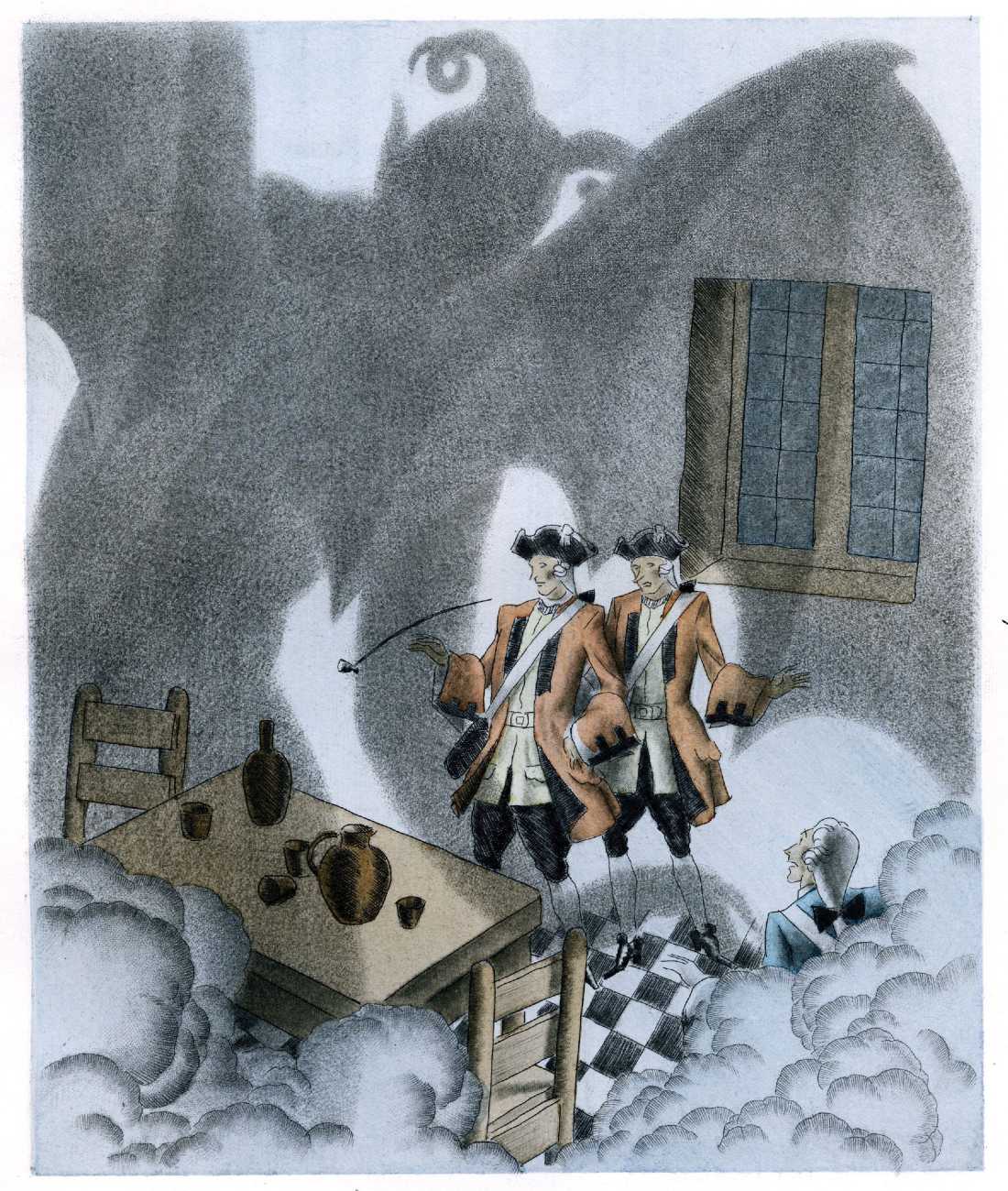
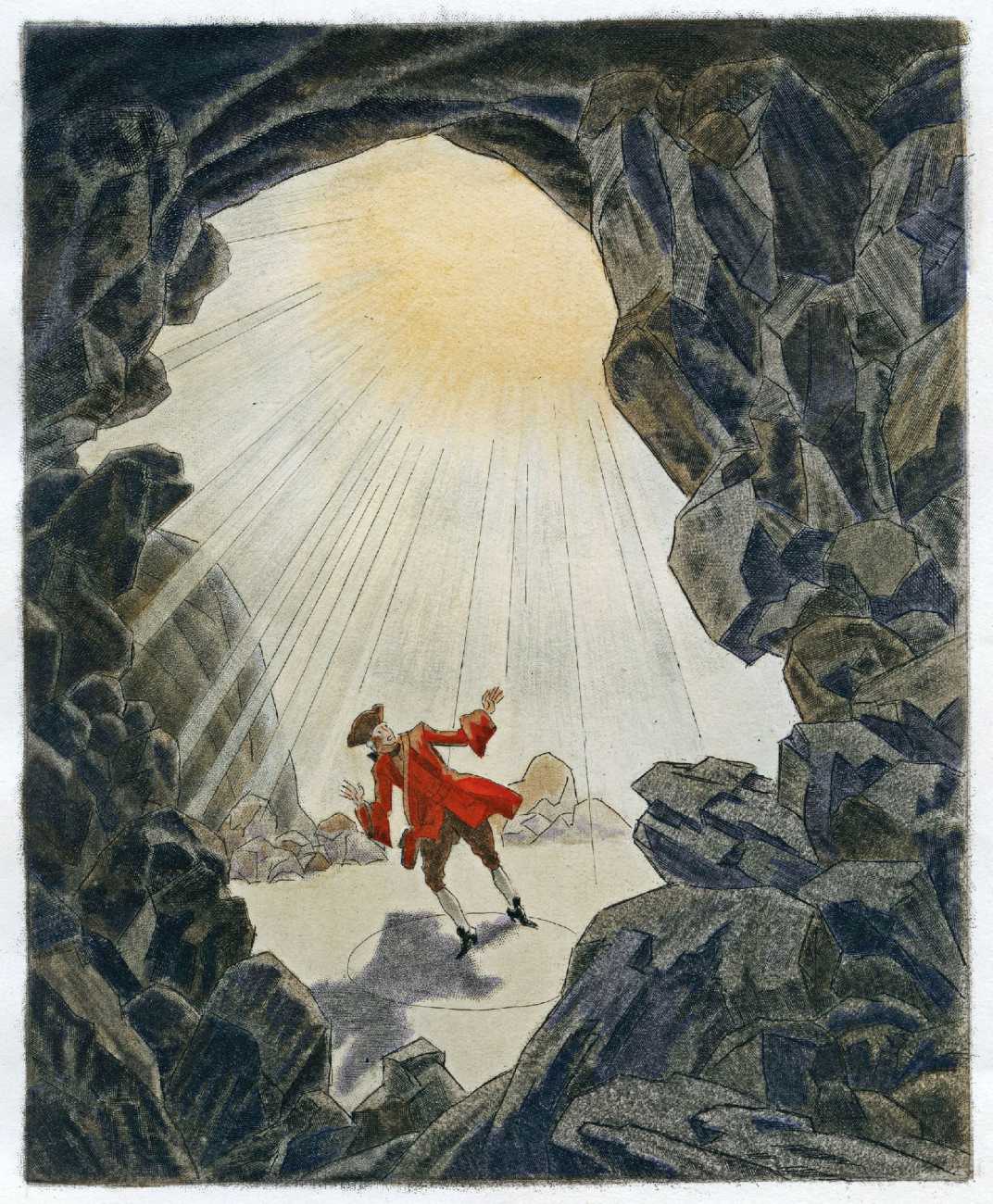
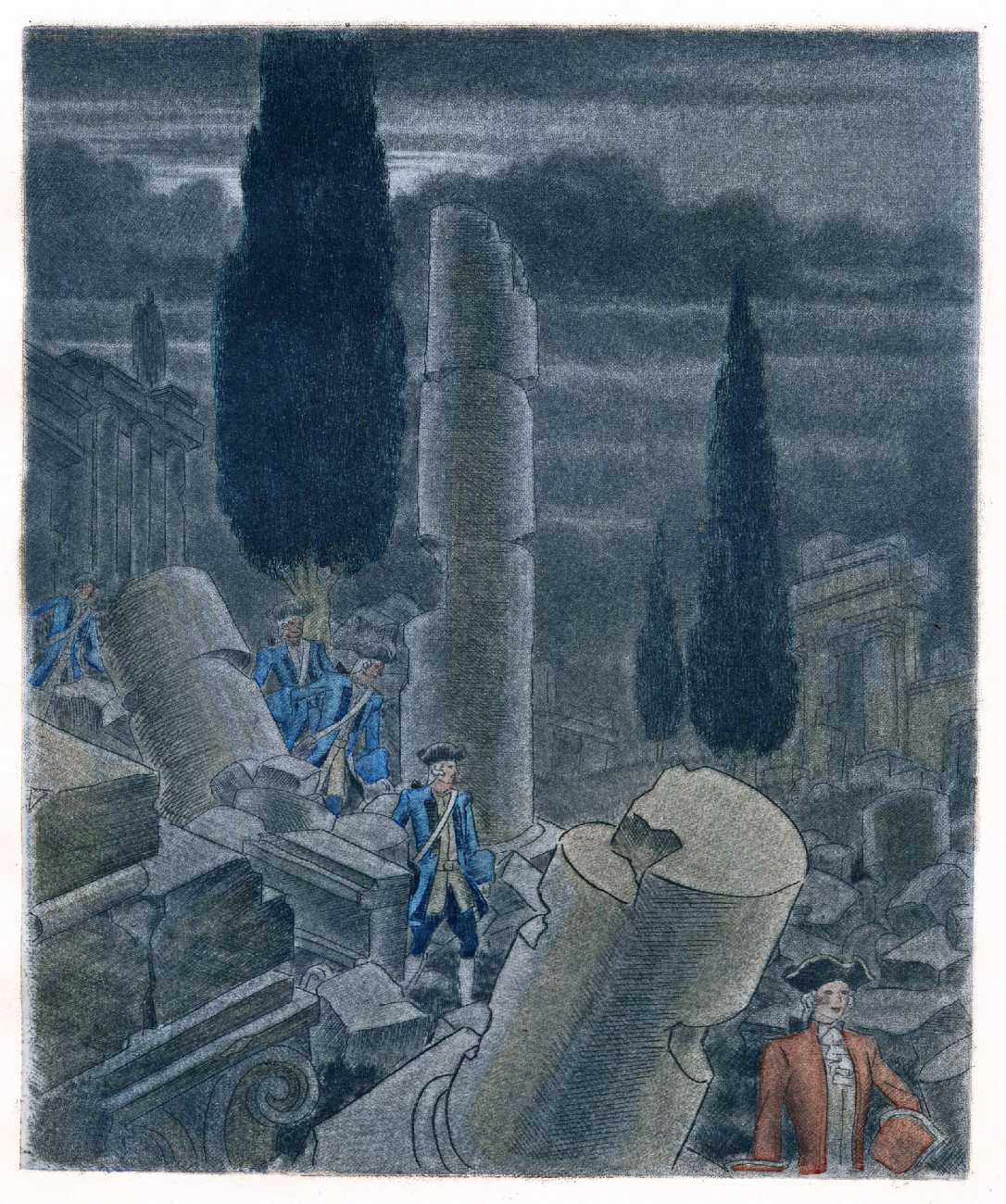
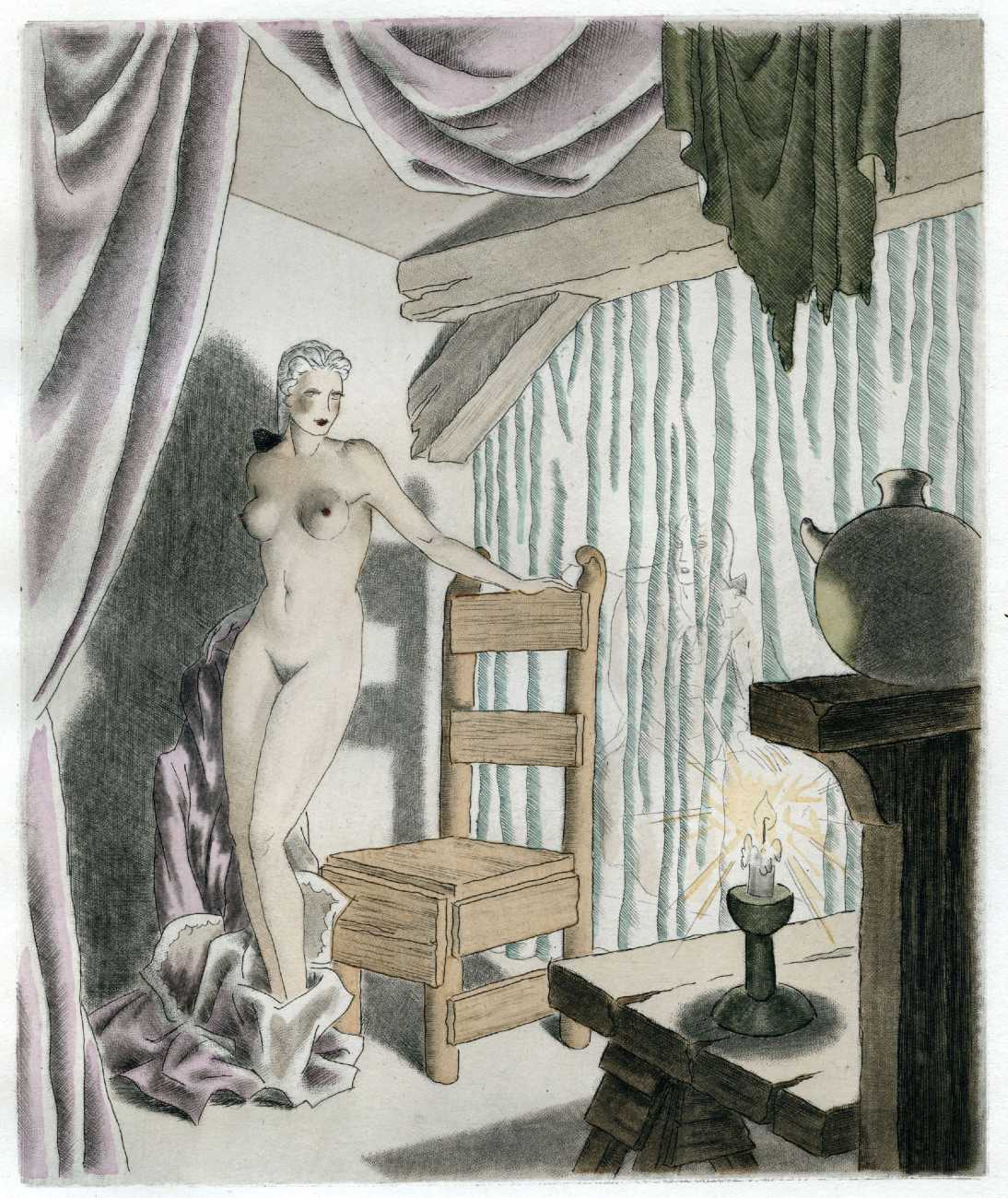
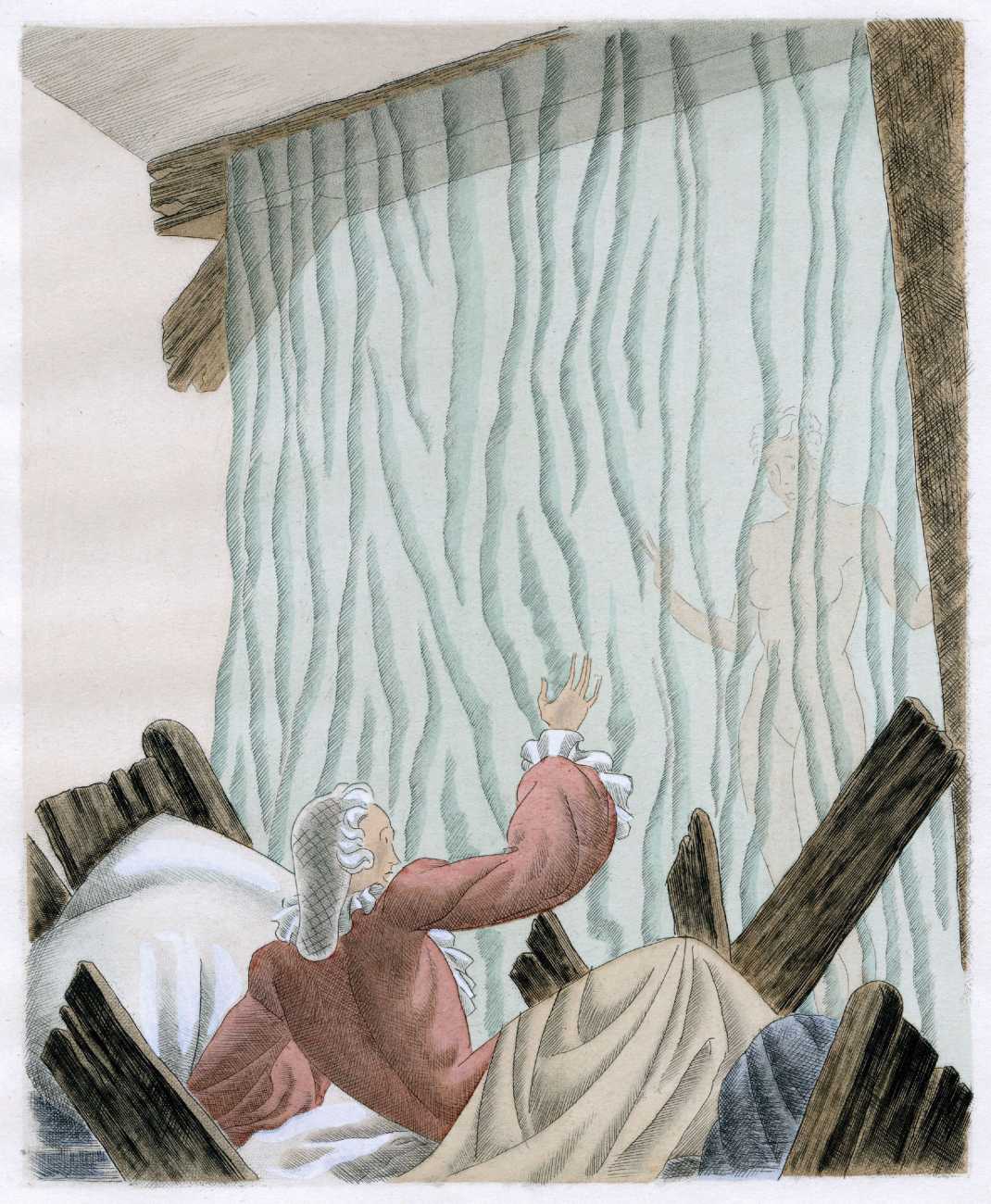
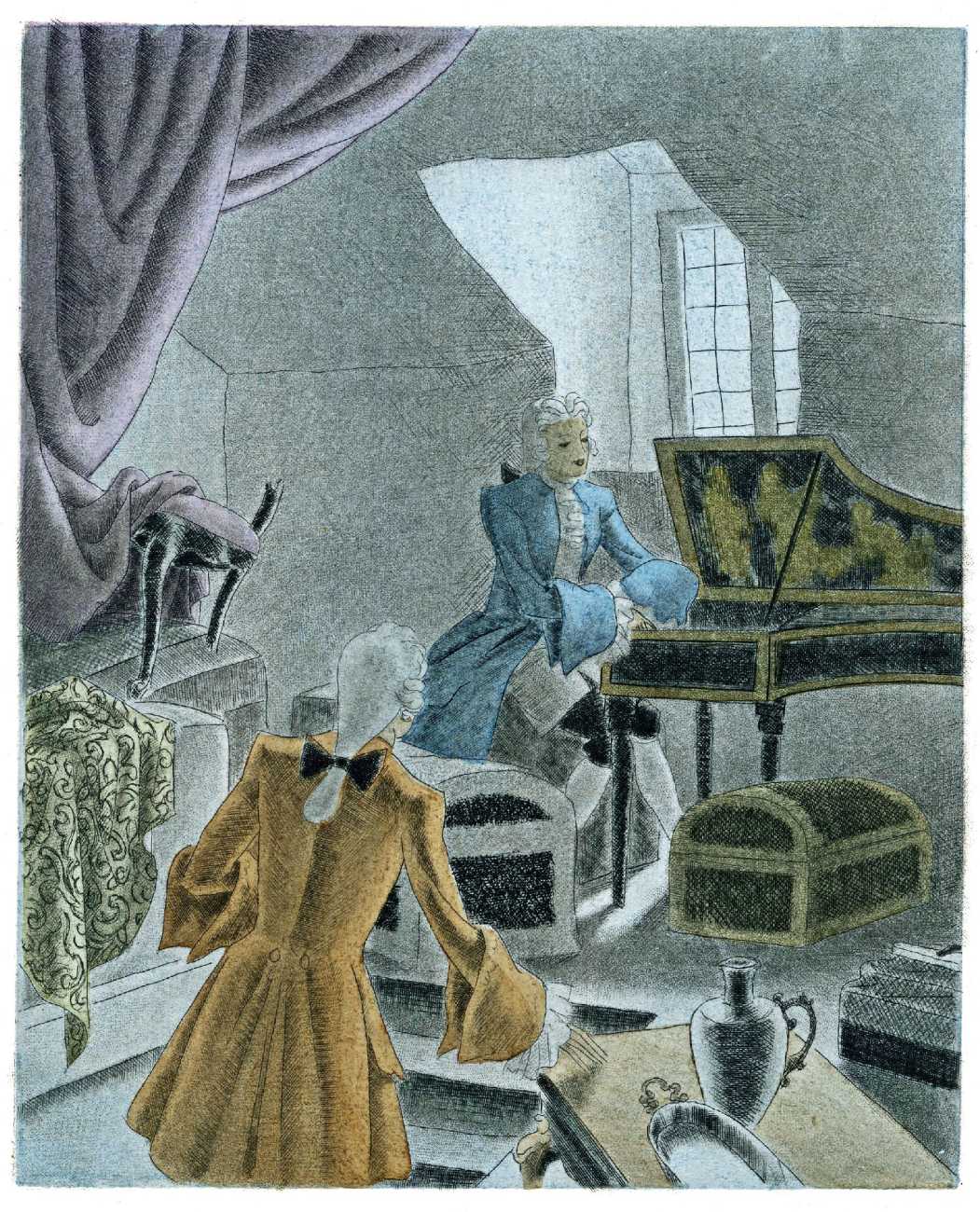
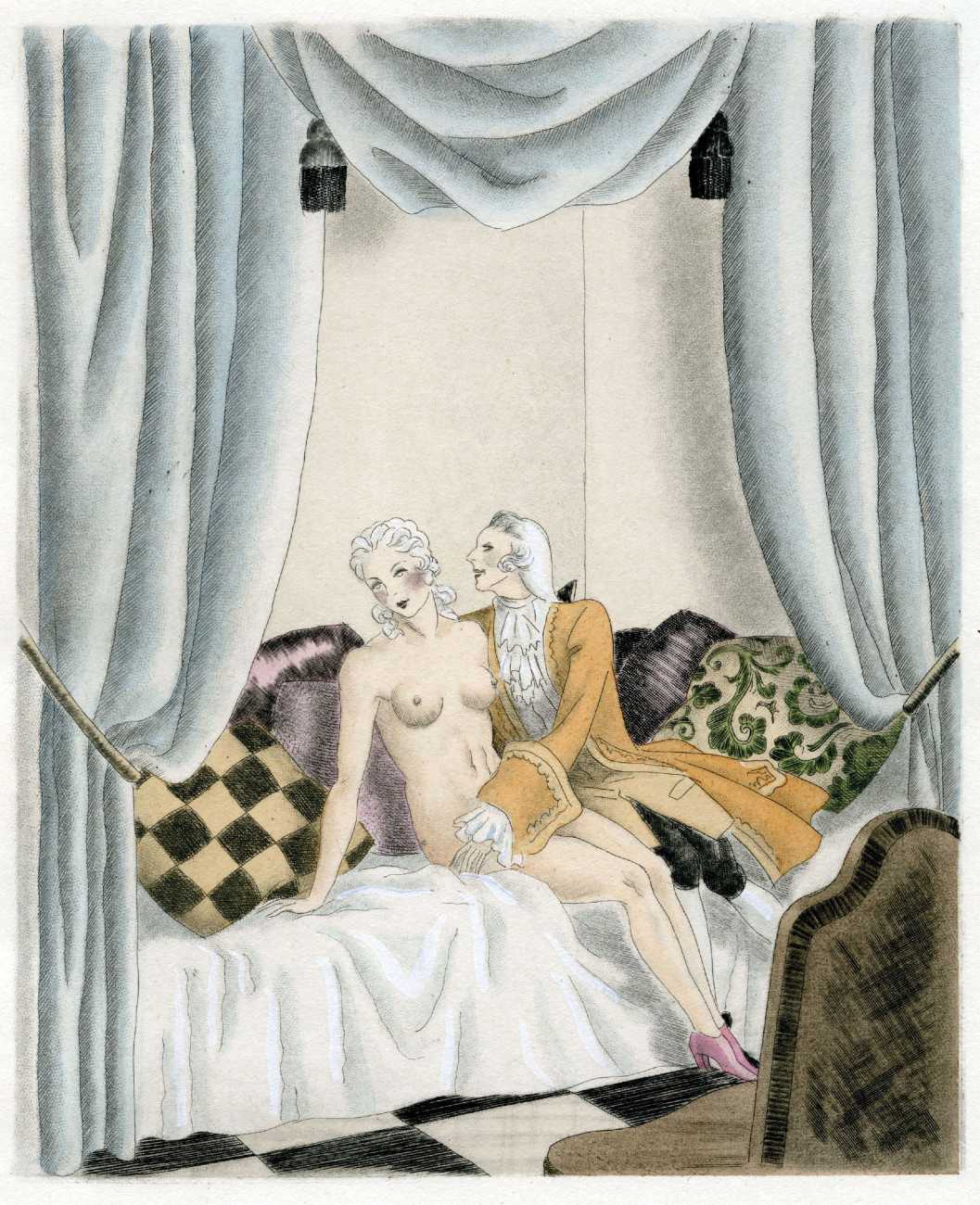
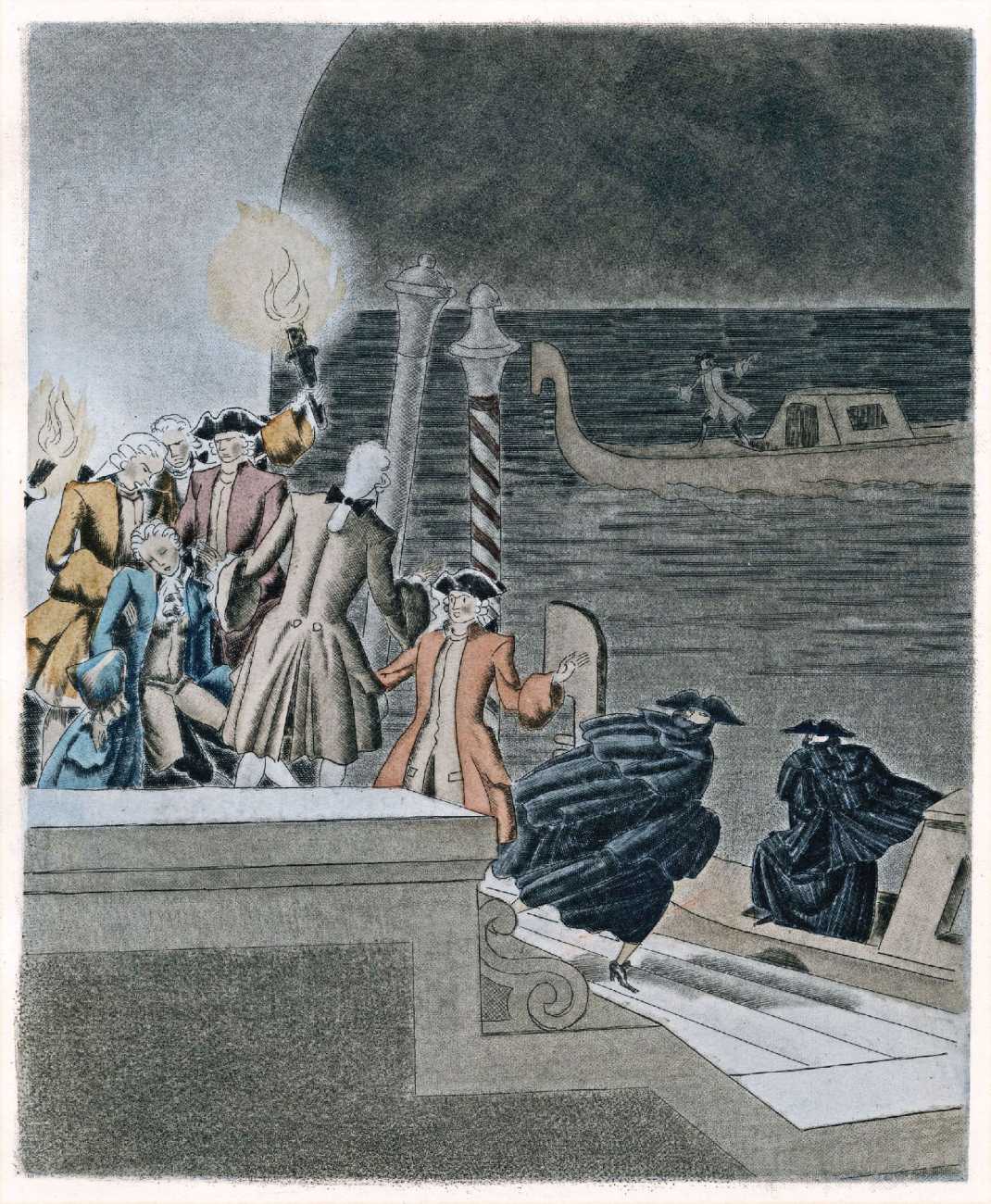
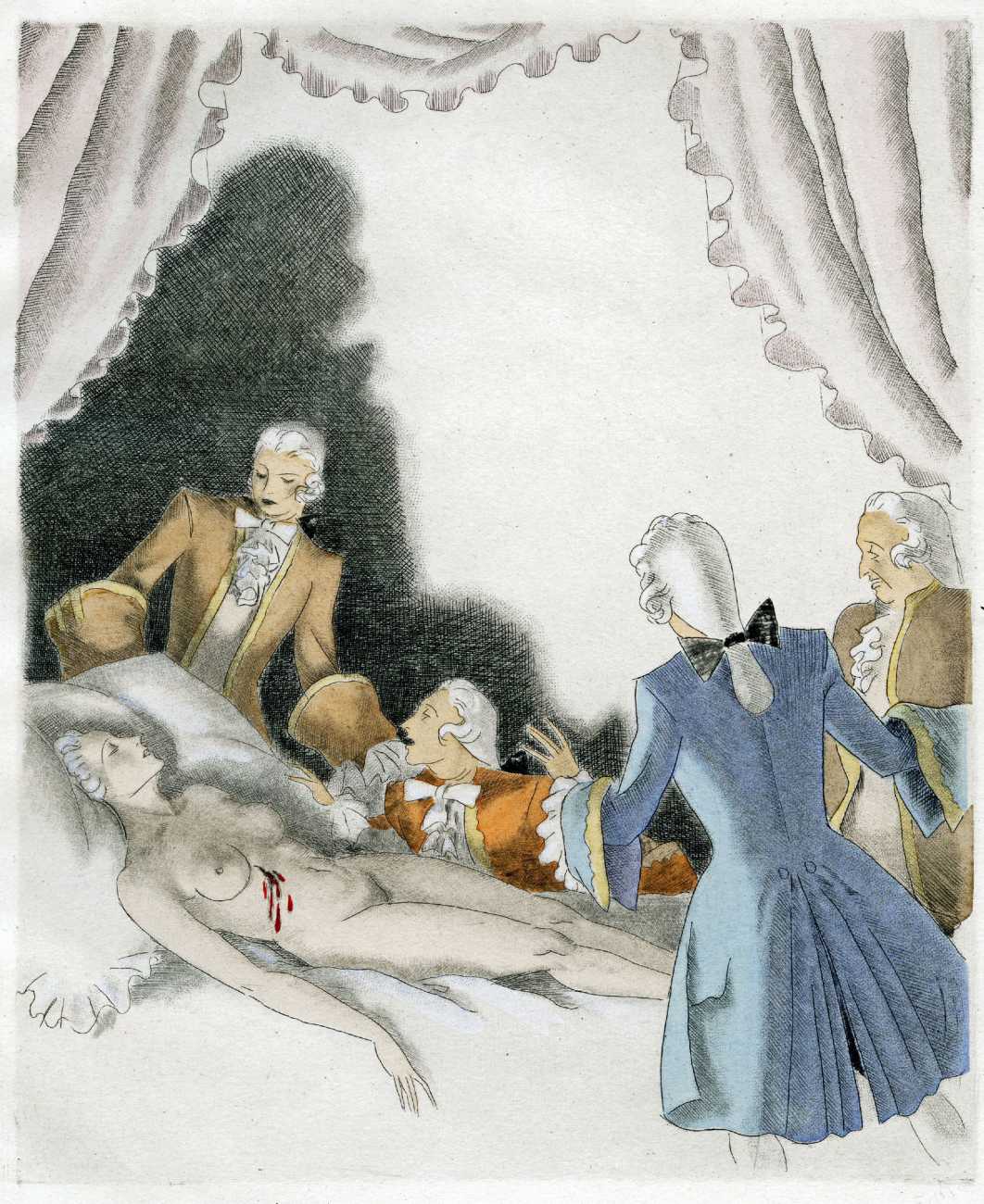
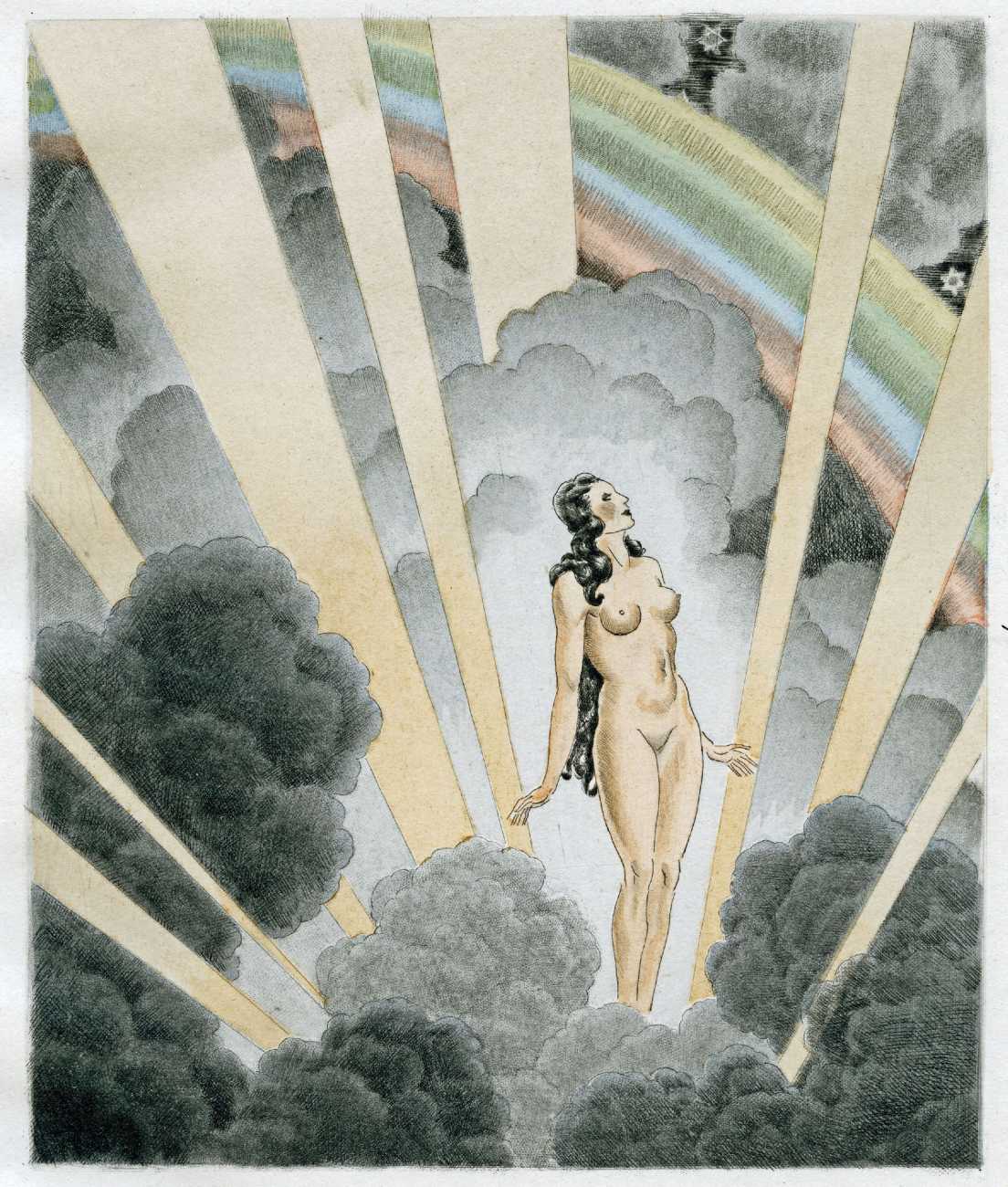
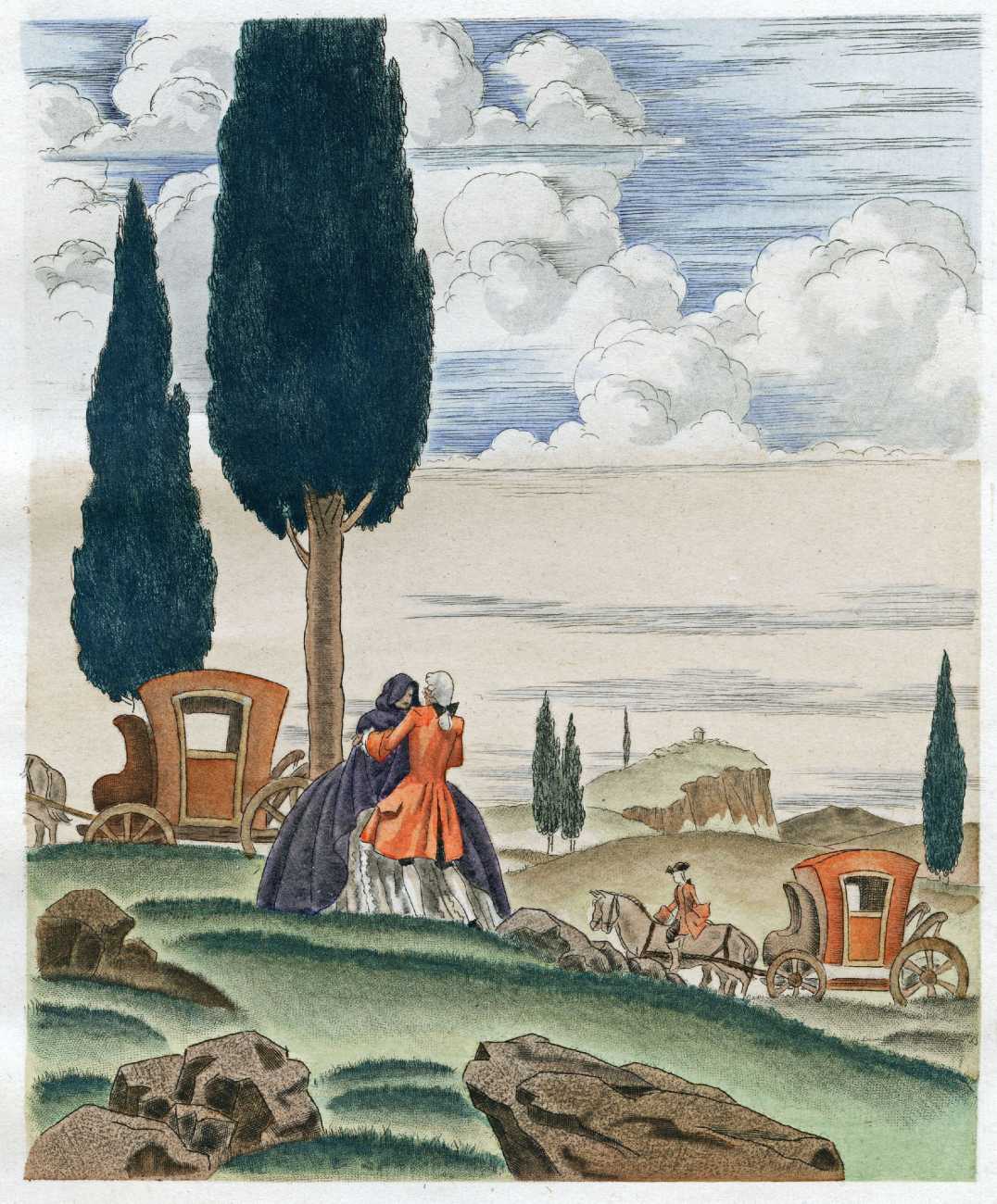
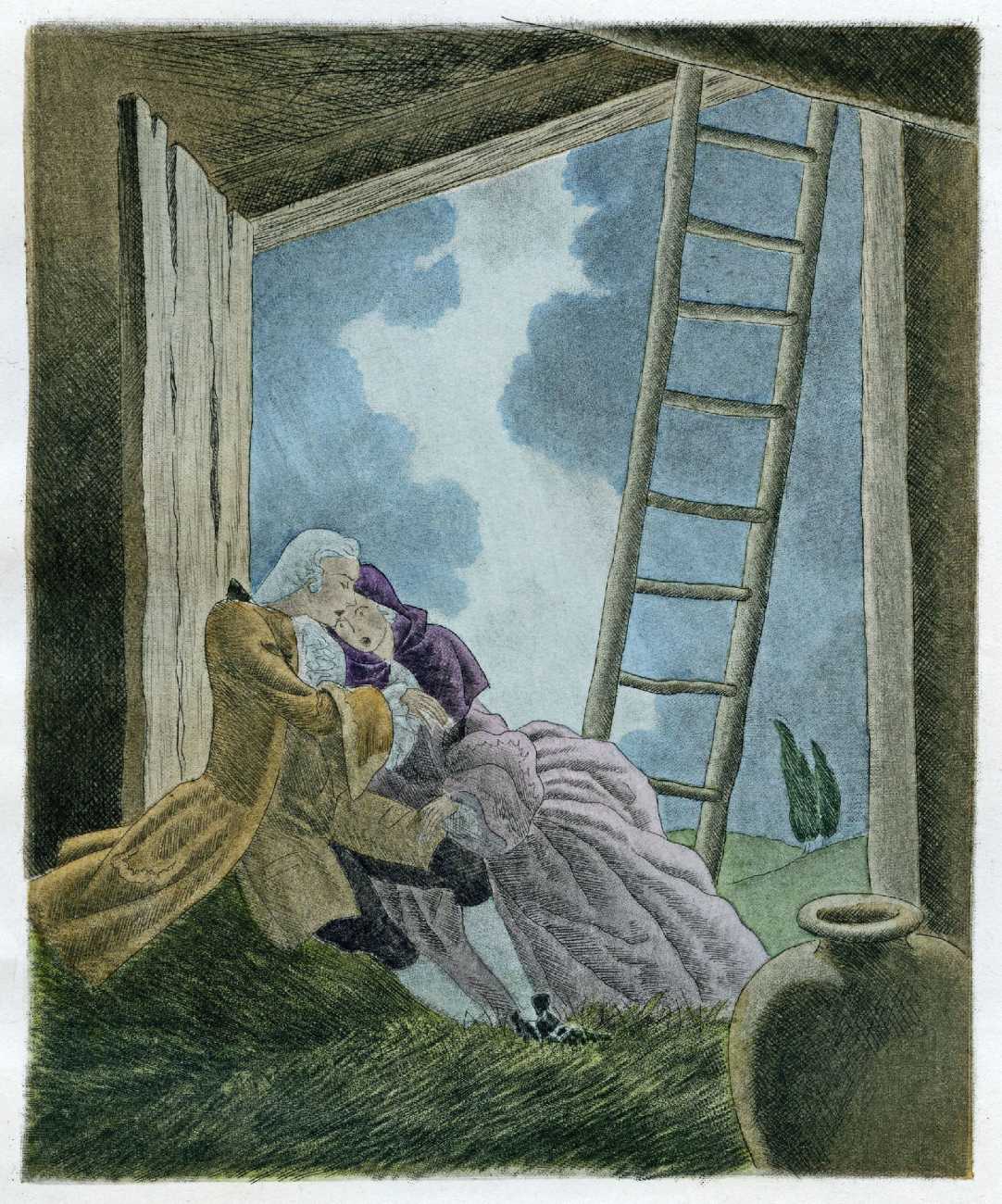
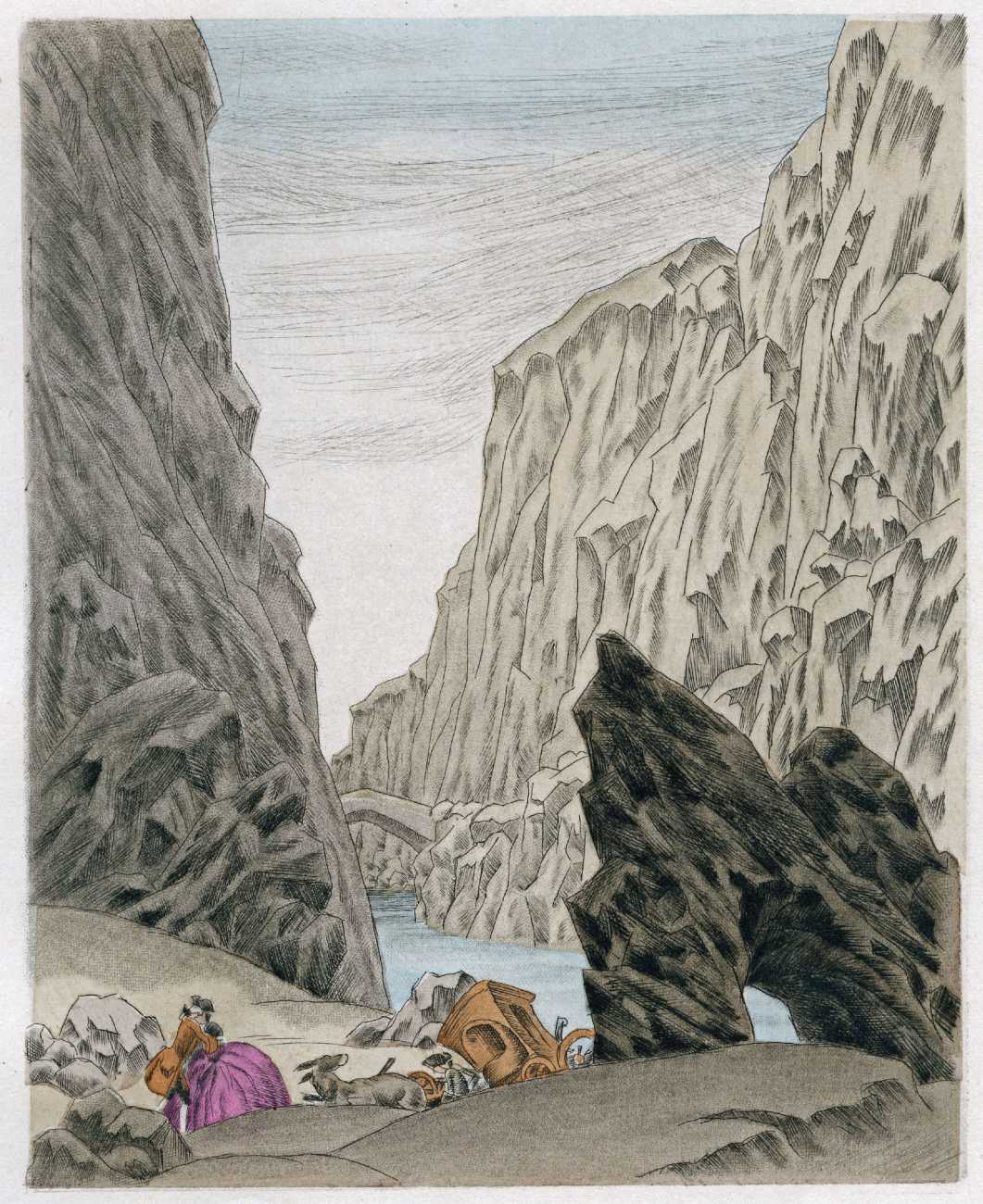
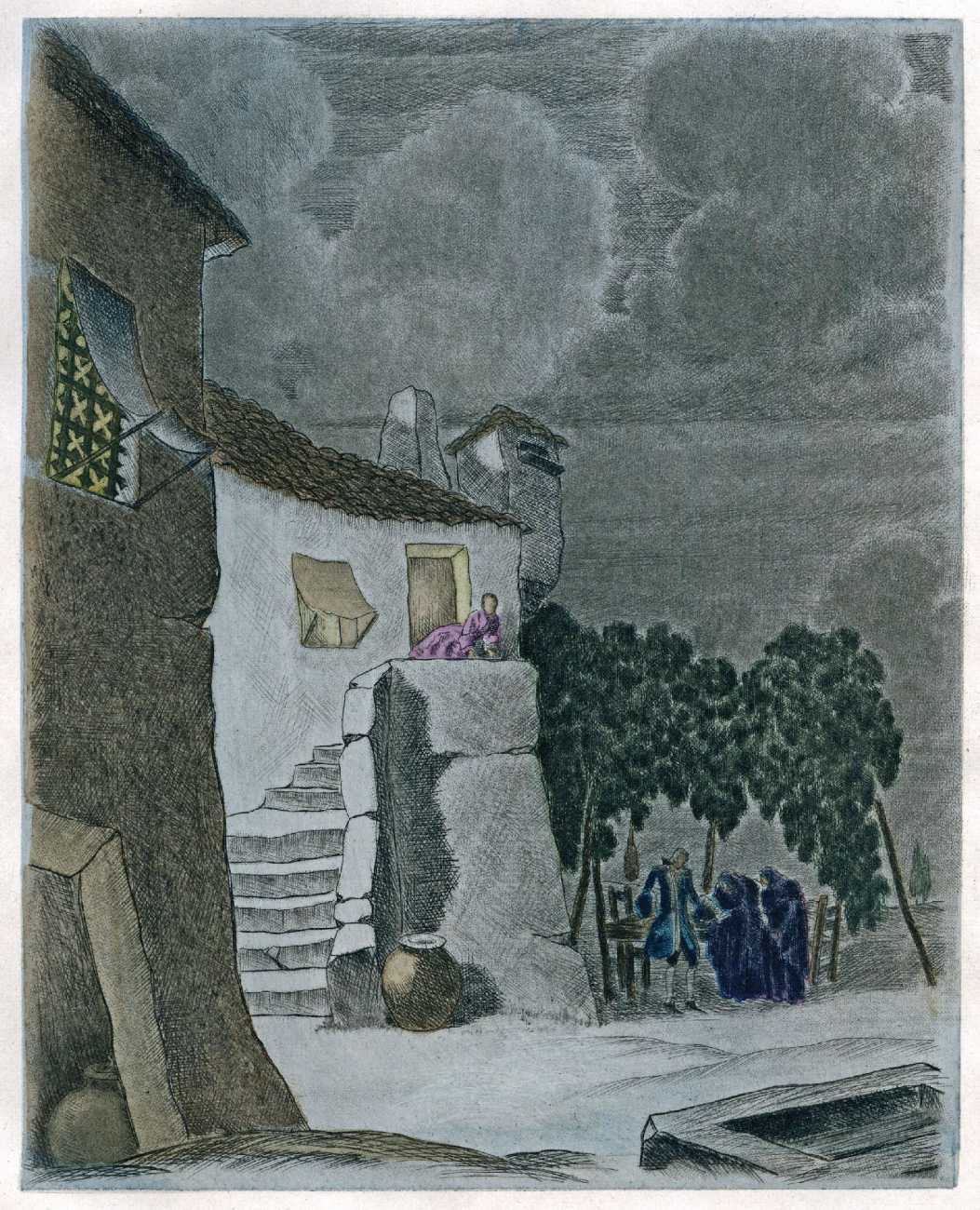
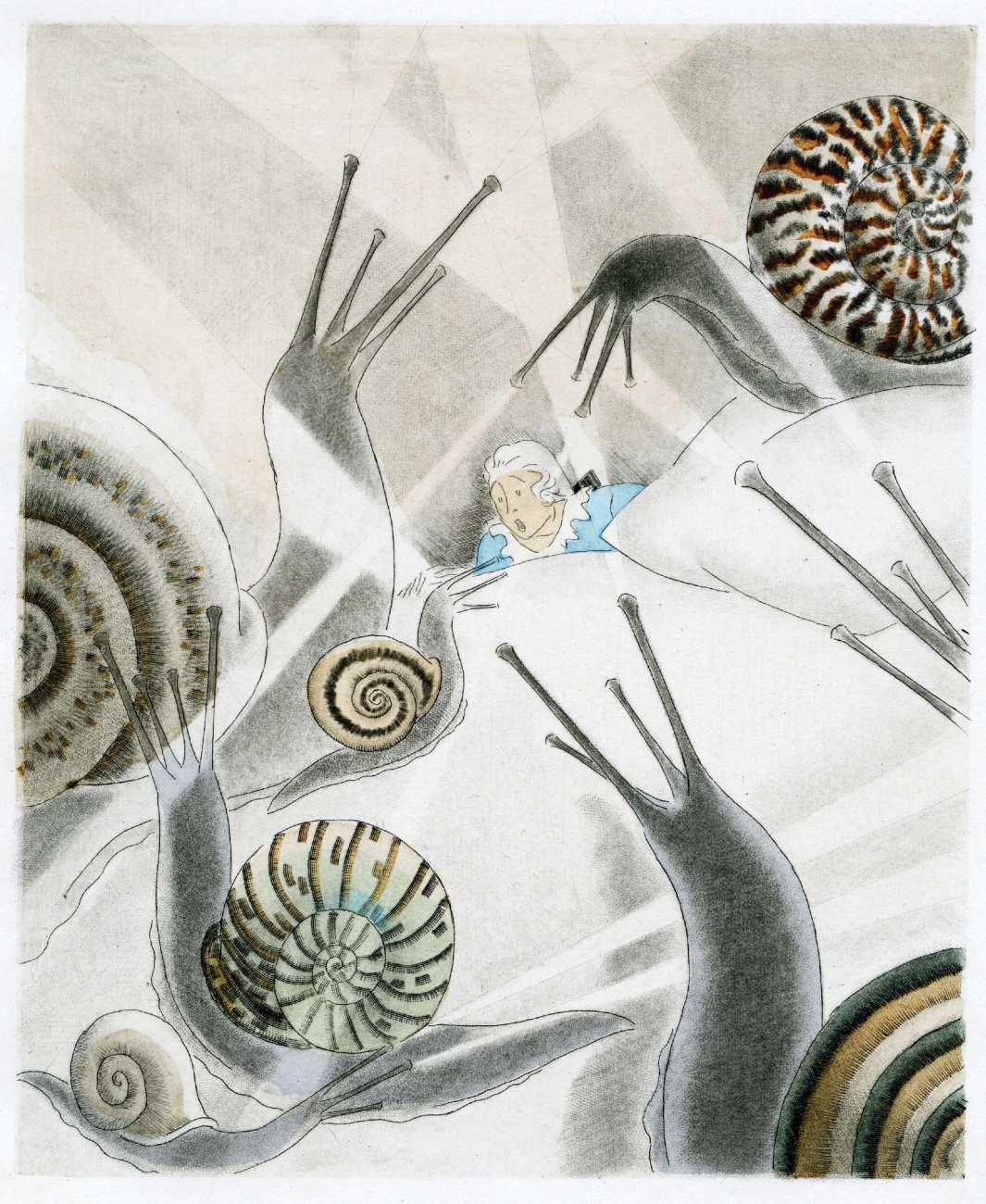
La Belle sans chemise (1947)


Les chansons de Bilitis (1948)