 Le bon plaisir is set at a royal court governed by absolute authority. A courtier is suddenly and inexplicably favoured by the sovereign. No reason is given; the favour itself is the reason. His elevation is immediately noticed by the court. Other courtiers, including Pocancy and Manissart, begin to watch him closely, recalculating their own positions. Pocancy warns, obliquely, of the instability of favour; Manissart treats the favouritism as something that can be managed and exploited.
The favoured courtier’s new status alters his private life. Annette, a young woman emotionally attached to him, begins to hope for security, perhaps even a future legitimised by his elevation. Their relationship takes on a new intensity, shadowed by unease. The courtier himself oscillates between confidence and anxiety, sensing that his good fortune is insecure.
Then, without explanation or visible provocation, the sovereign’s pleasure changes. A word is spoken, an order given, a sign withdrawn. The courtier is dismissed from favour as arbitrarily as he was raised. No accusation is made; no defence is possible. The court absorbs the shift. Pocancy survives by distance; Manissart redirects his attentions elsewhere.
The once-favoured courtier loses both position and significance; Annette’s hopes collapse, and with them any illusion that affection or merit has weight at court. The story closes not with punishment or drama, but with quiet erasure.
Henri de Régnier (1864–1936) was a central figure of French literary symbolism, his career bridging fin-de-siècle decadence and a more classical, reflective prose style. Born in Honfleur, he was associated early on with Stéphane Mallarmé’s circle and married Mallarmé’s daughter, Marie. Régnier wrote poetry, novels, essays and short prose pieces, often marked by elegant restraint, irony, and a fascination with memory, desire, and the moral fragility of cultivated lives. Elected to the Académie française in 1911, he became a guardian of literary tradition while retaining a subtle modern scepticism.
He wrote Le bon plaisir in 1902, when then as now the challenges of absolute authoritarian rule require careful navigation. Régnier’s point is stark: at a court ruled by le bon plaisir, both rise and ruin are seemingly random gestures, neither requiring a reason.
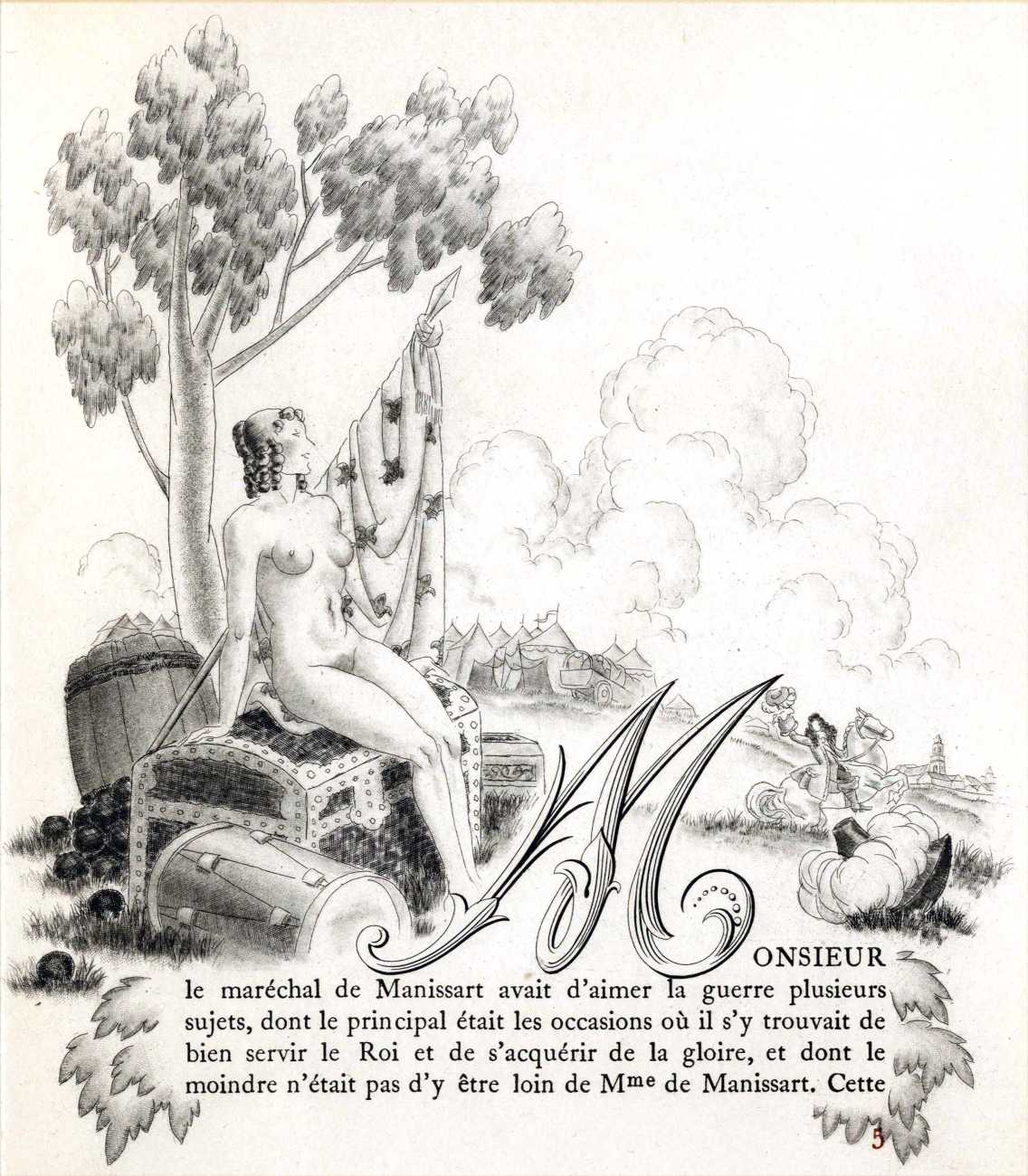
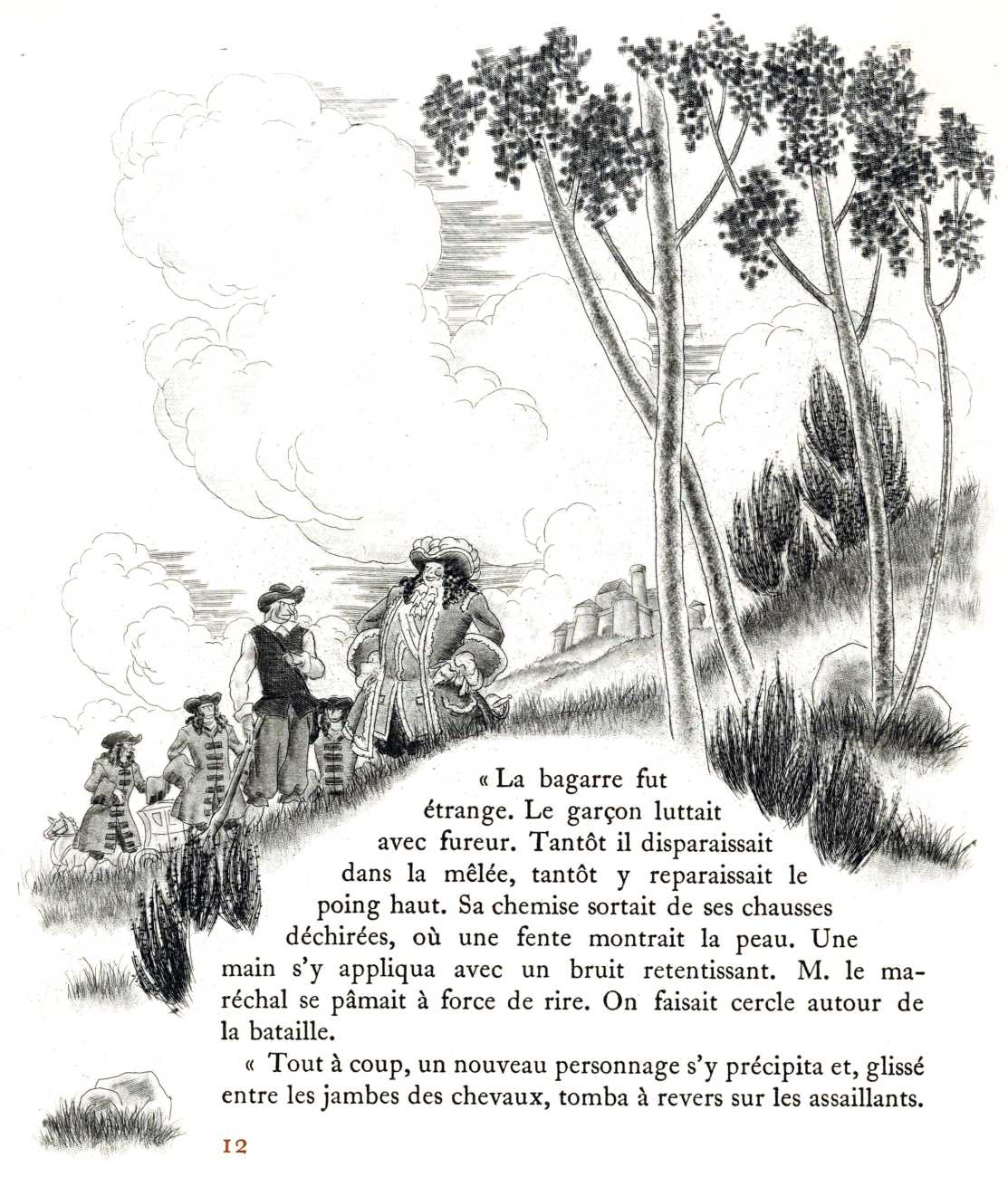
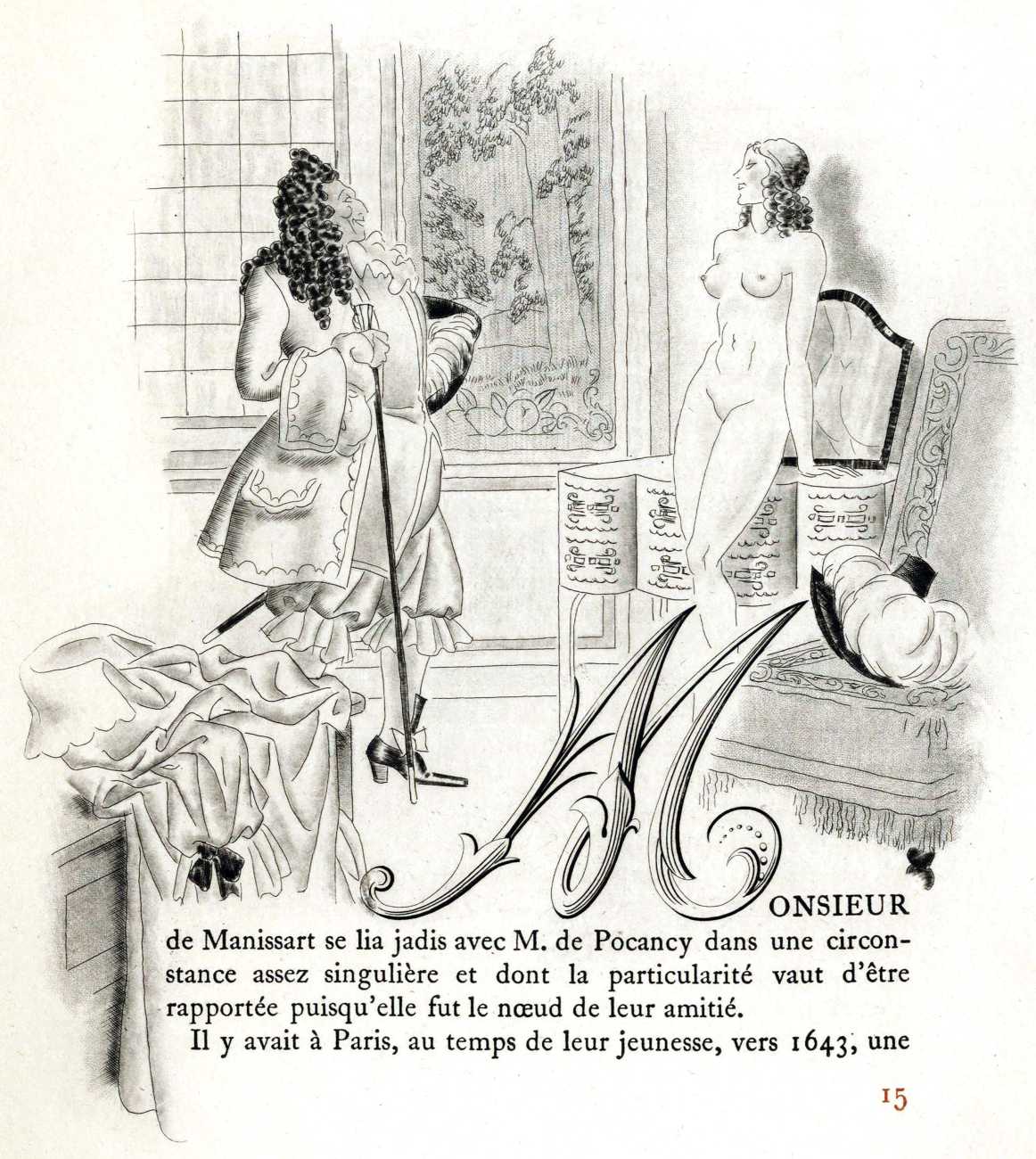
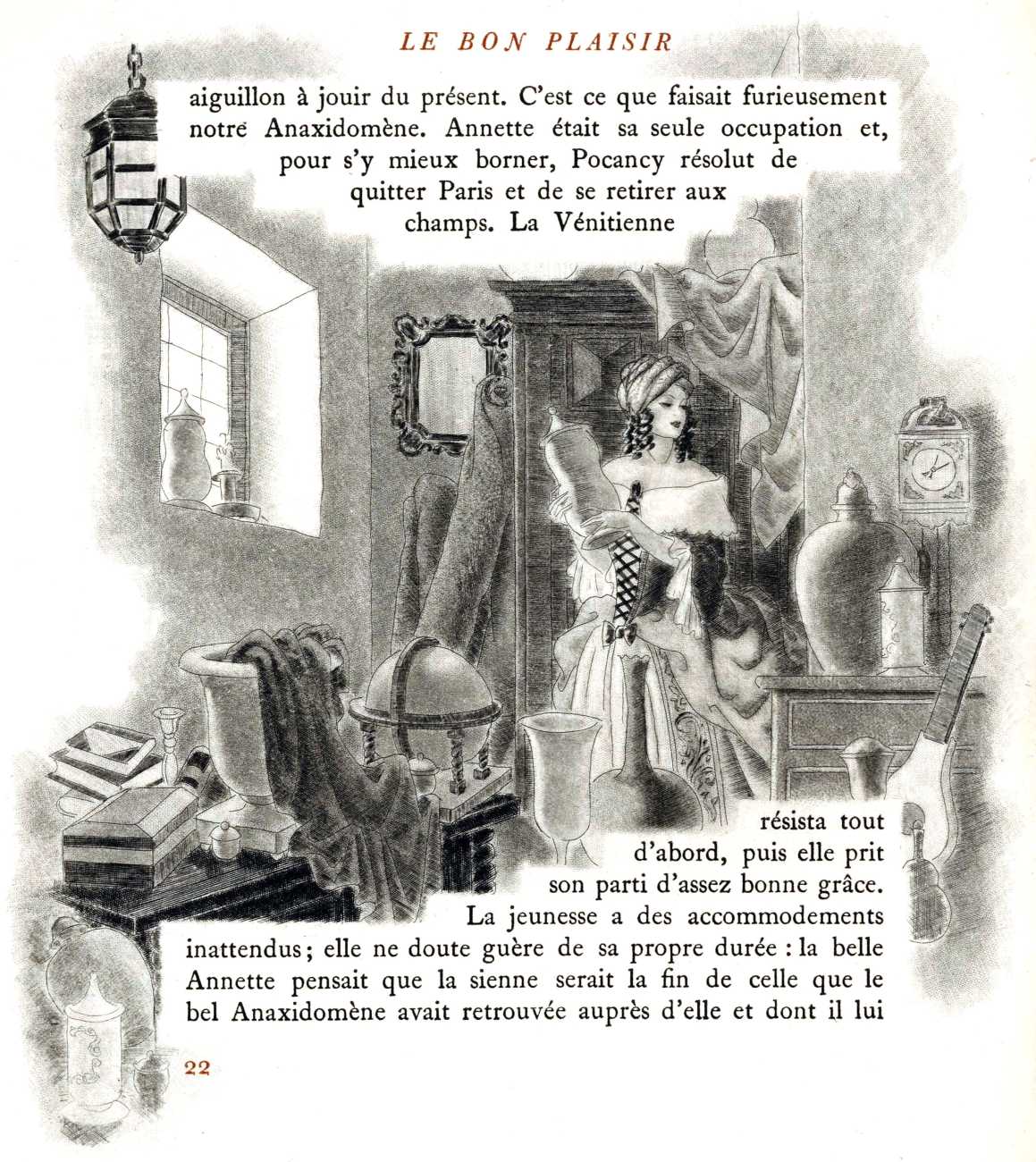
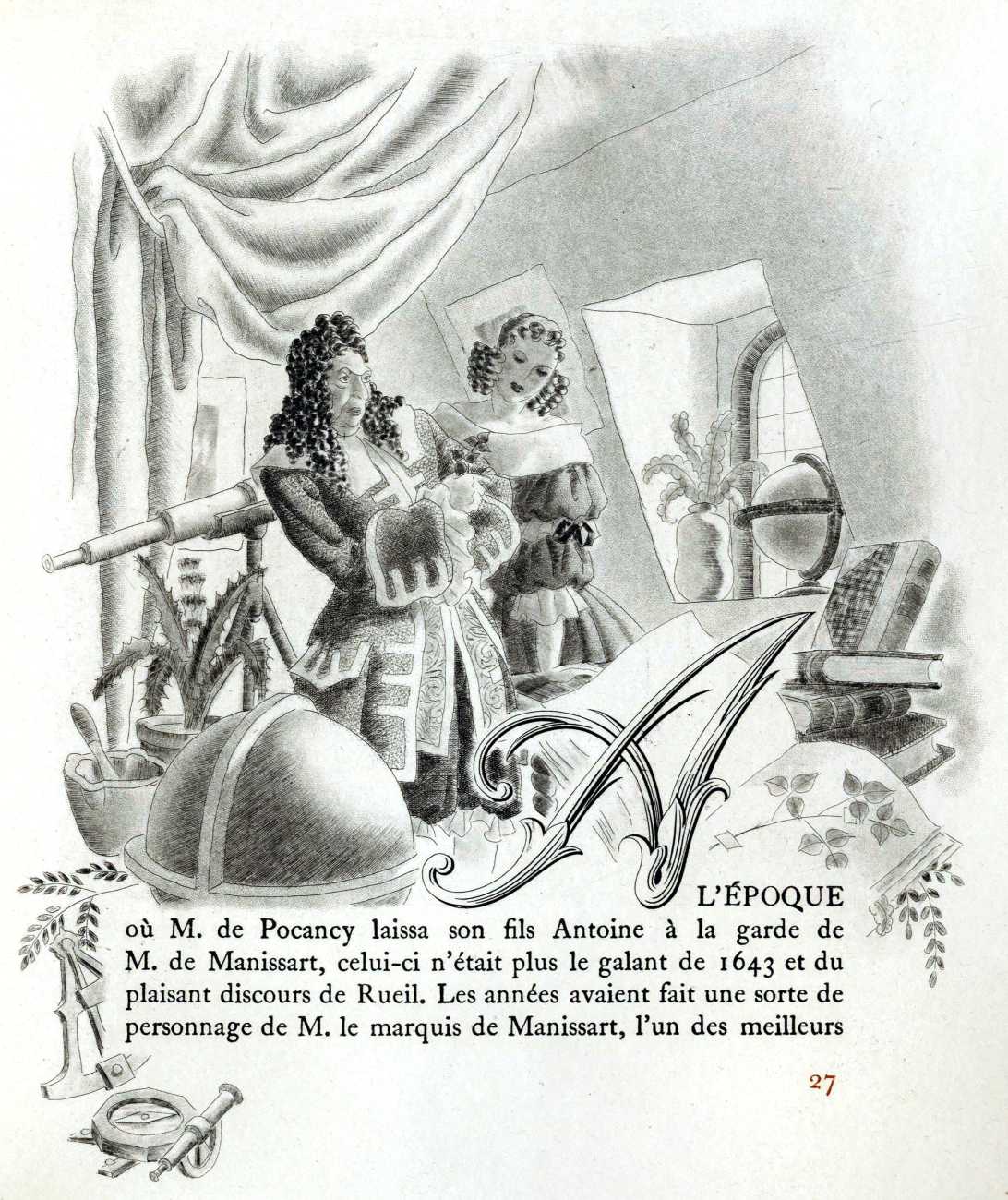
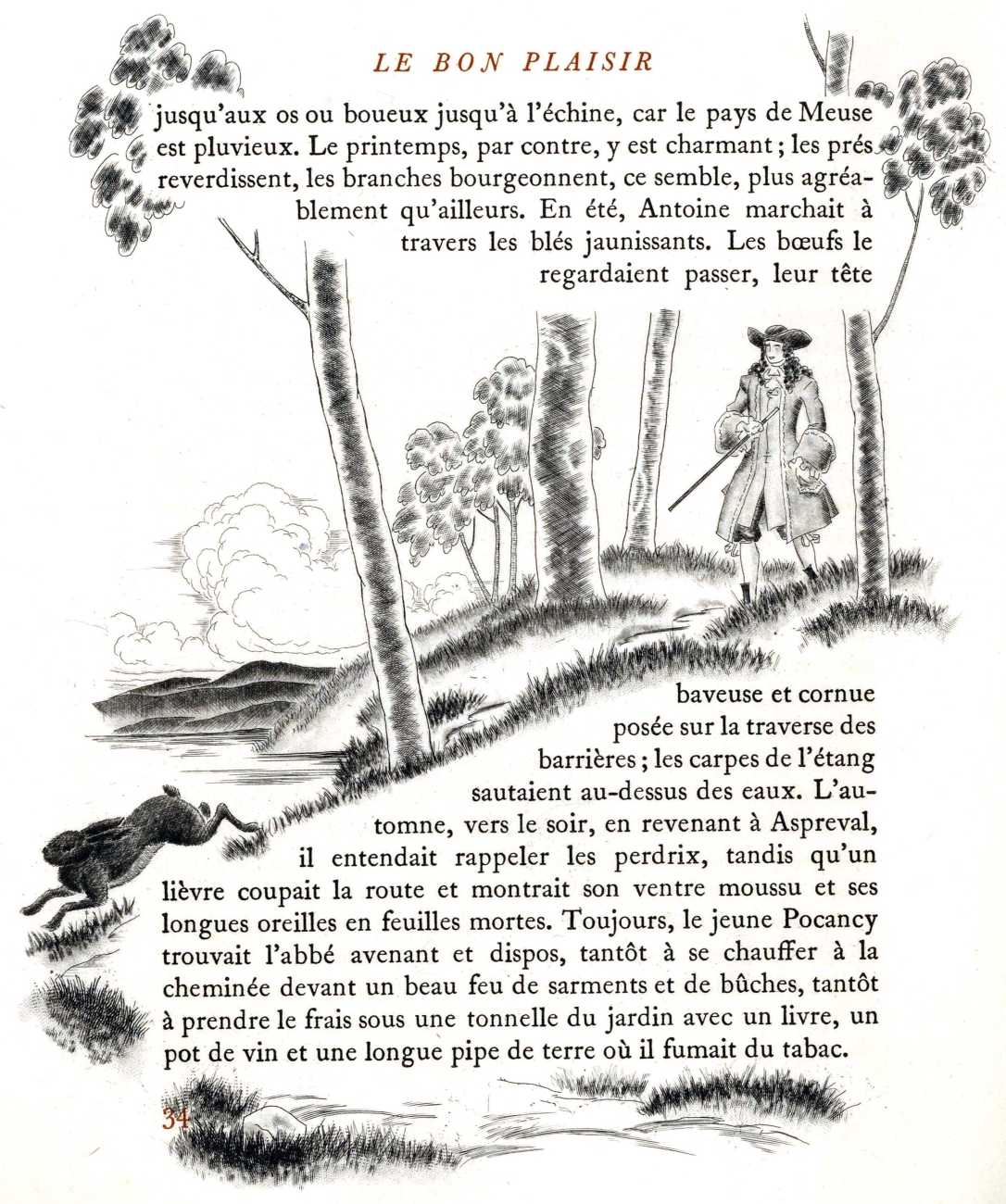
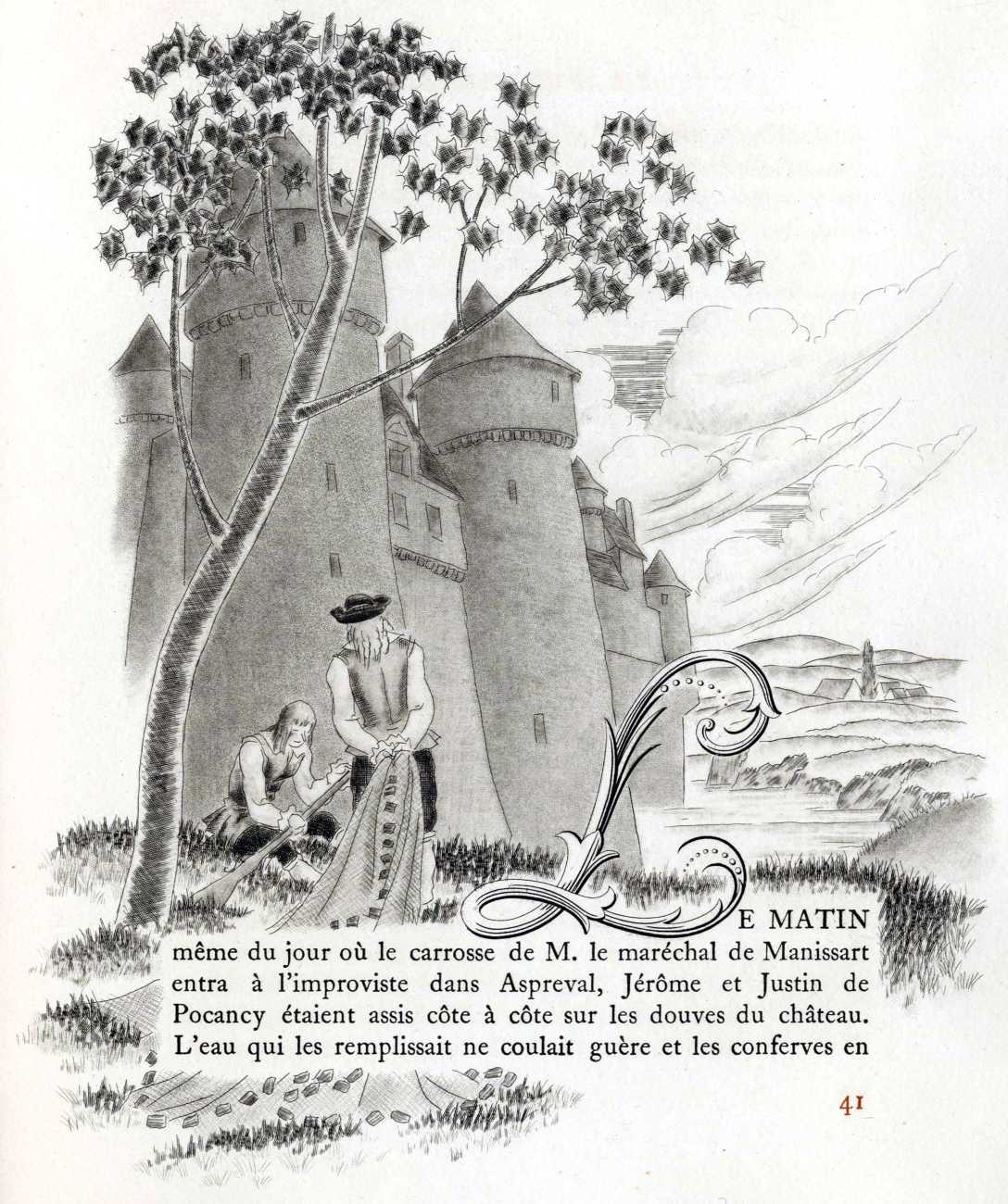
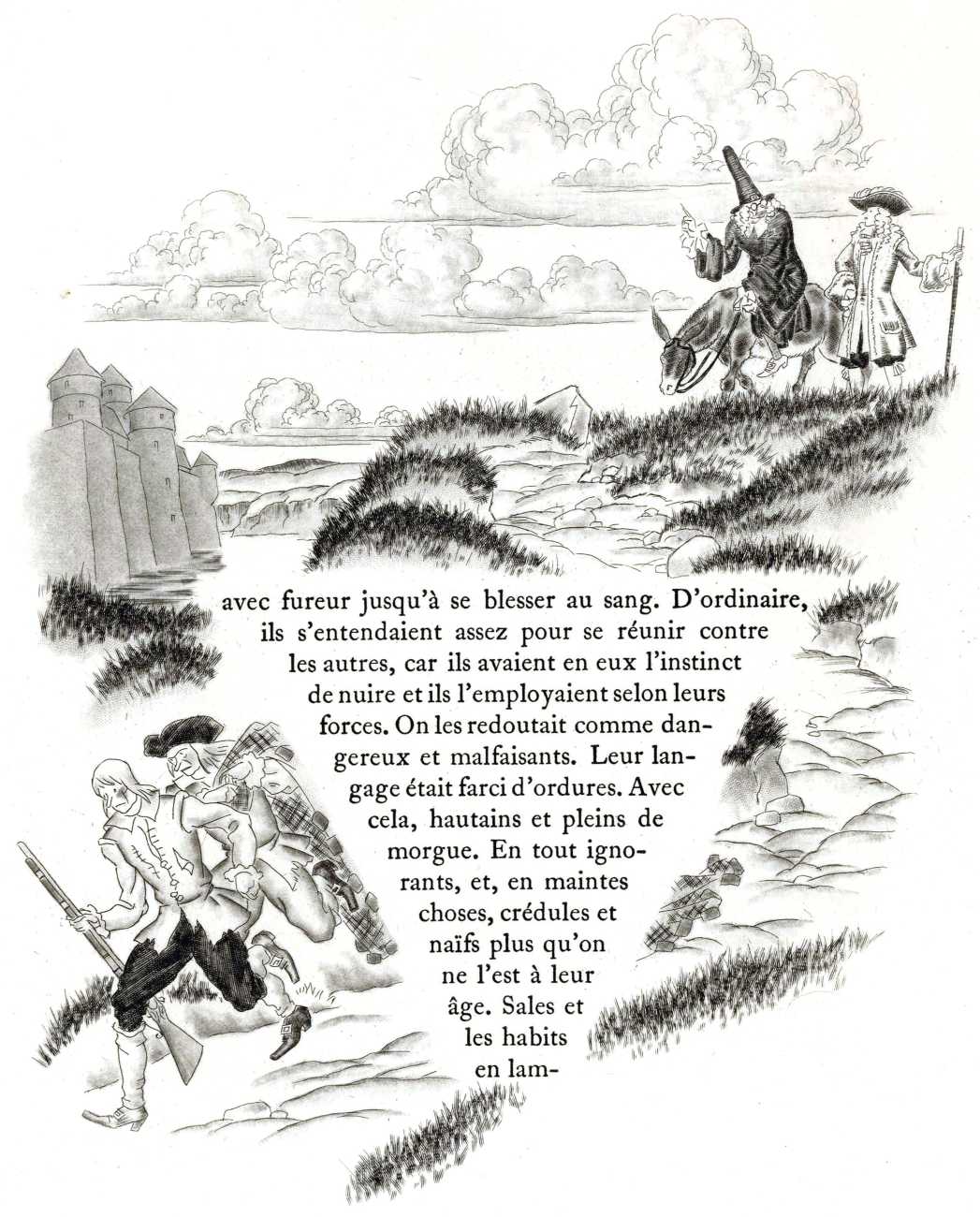
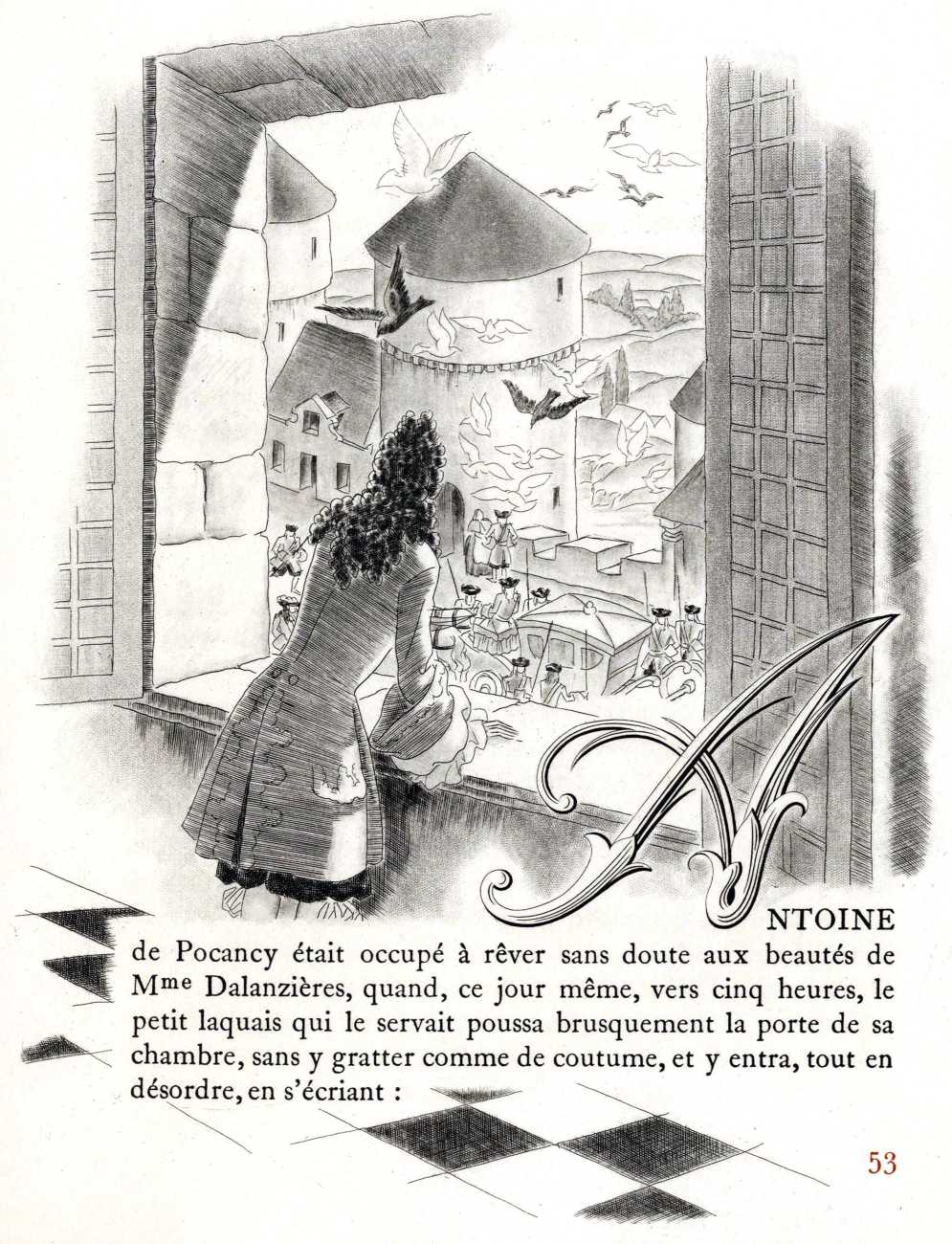
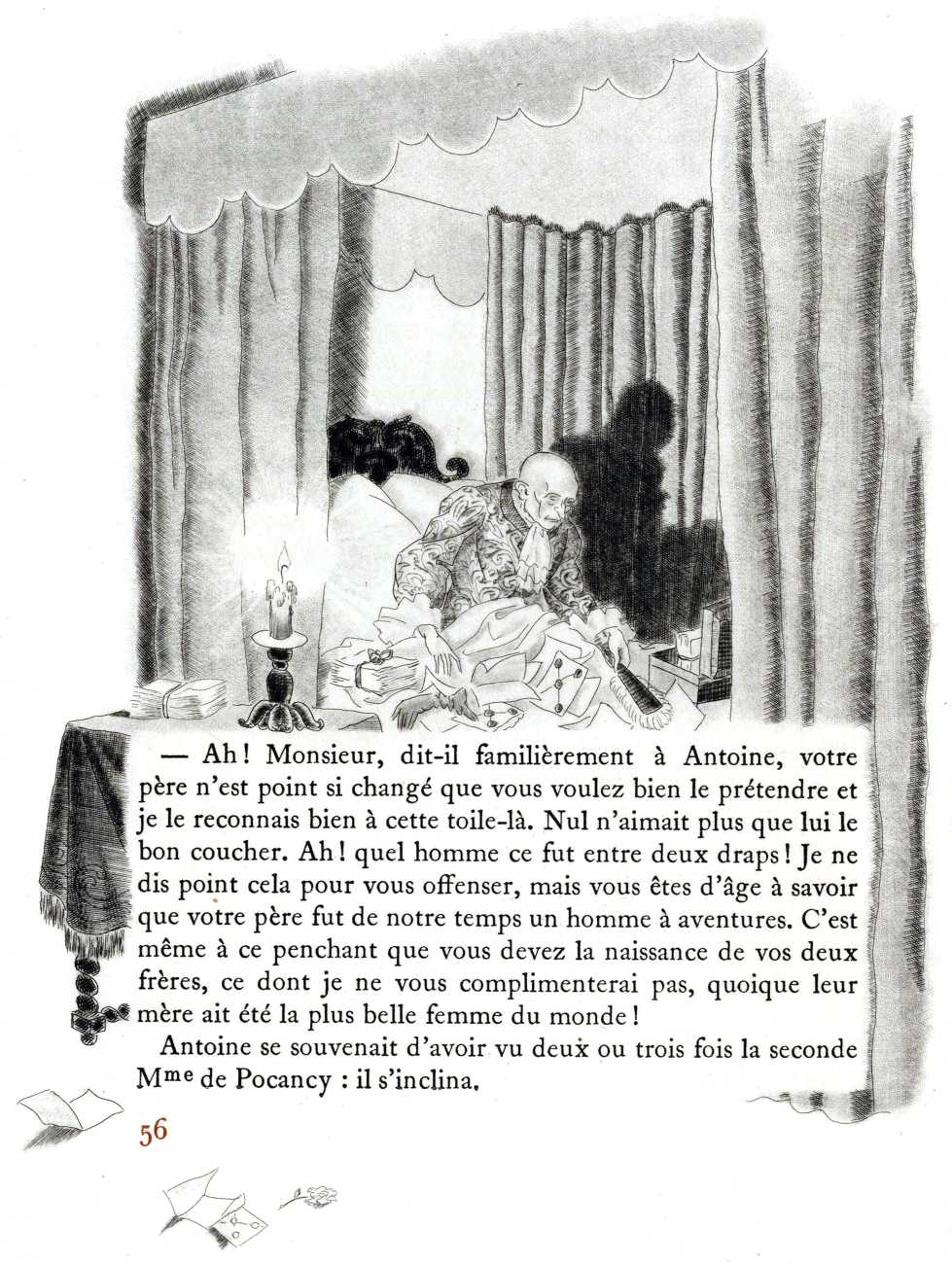
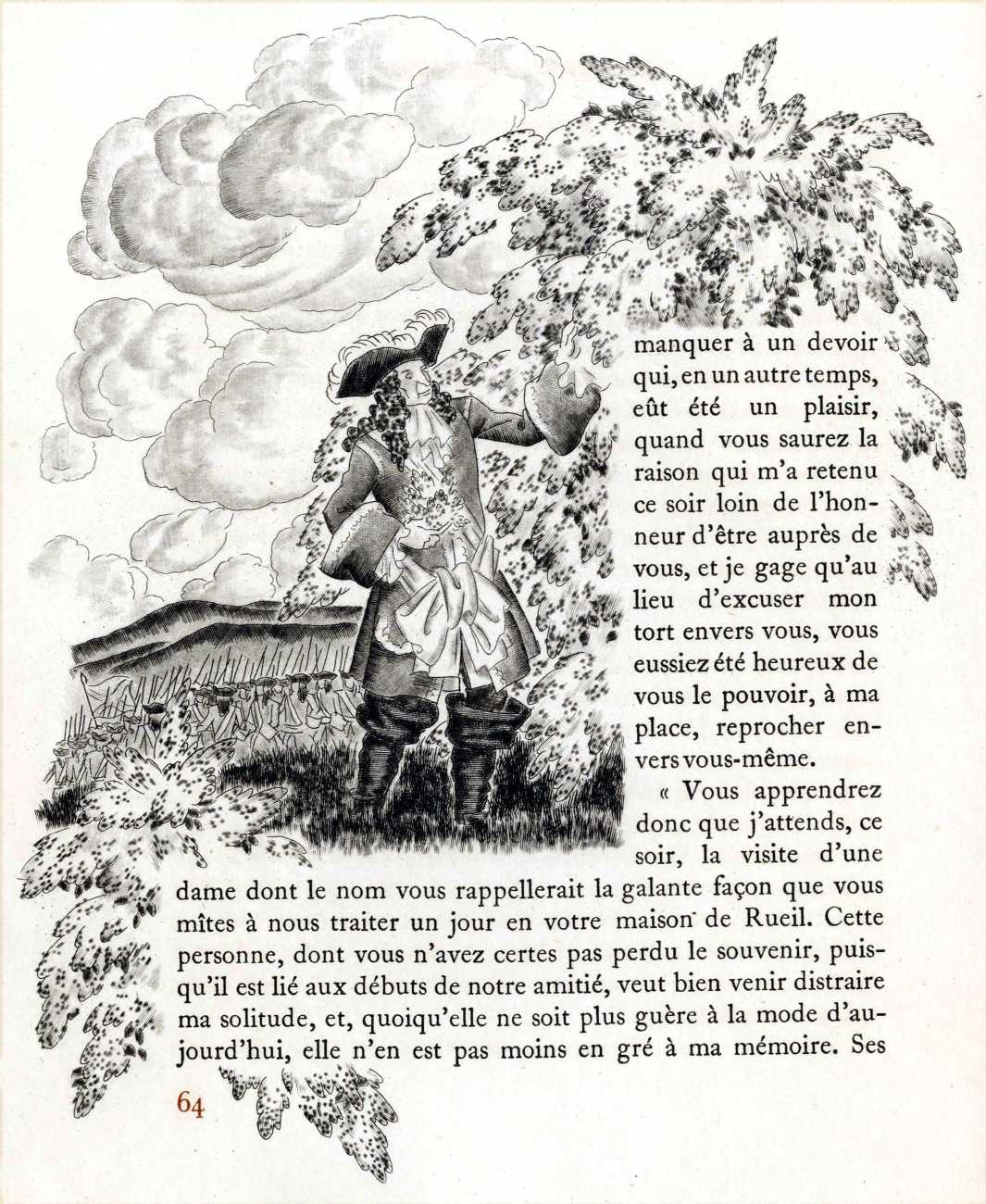
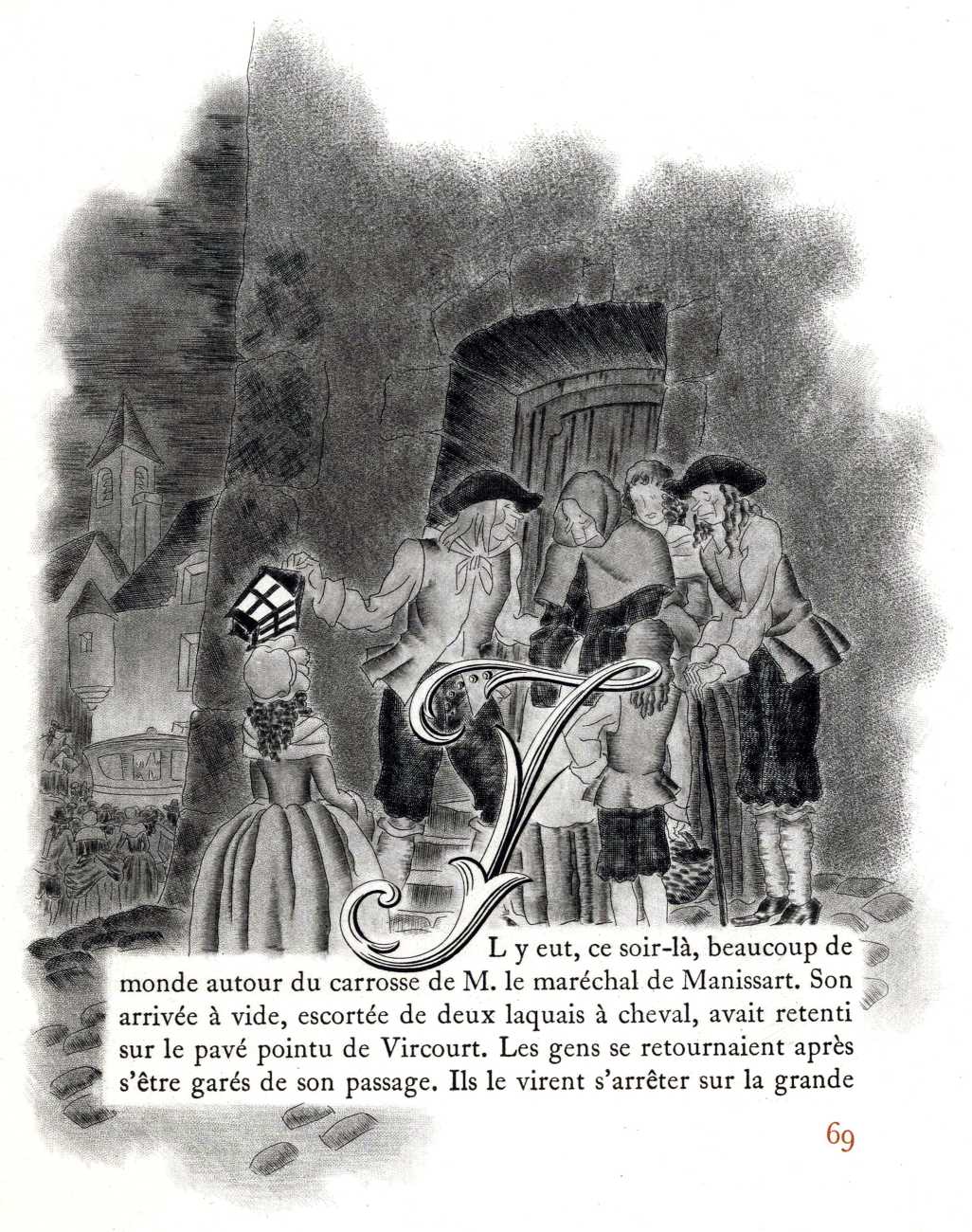
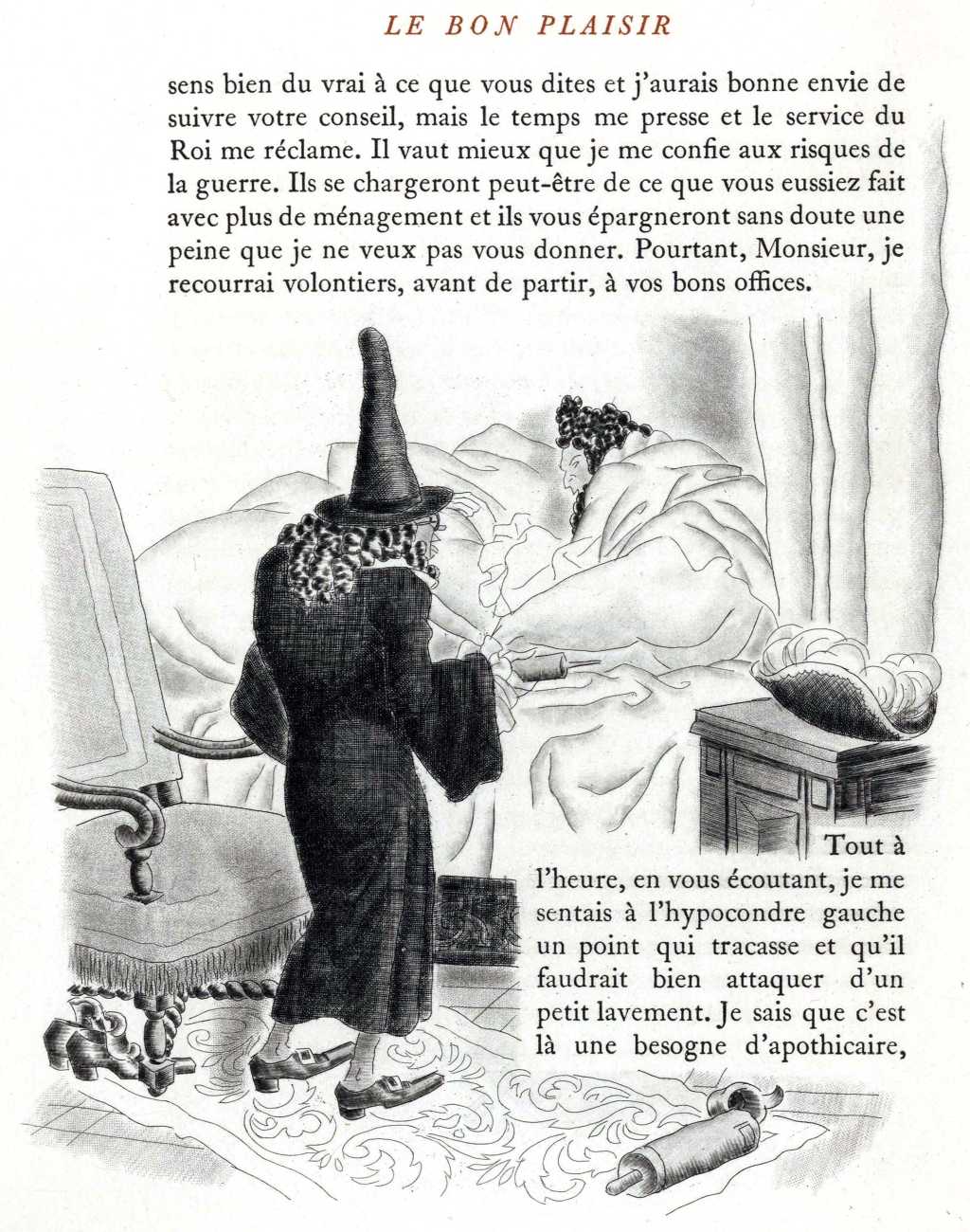
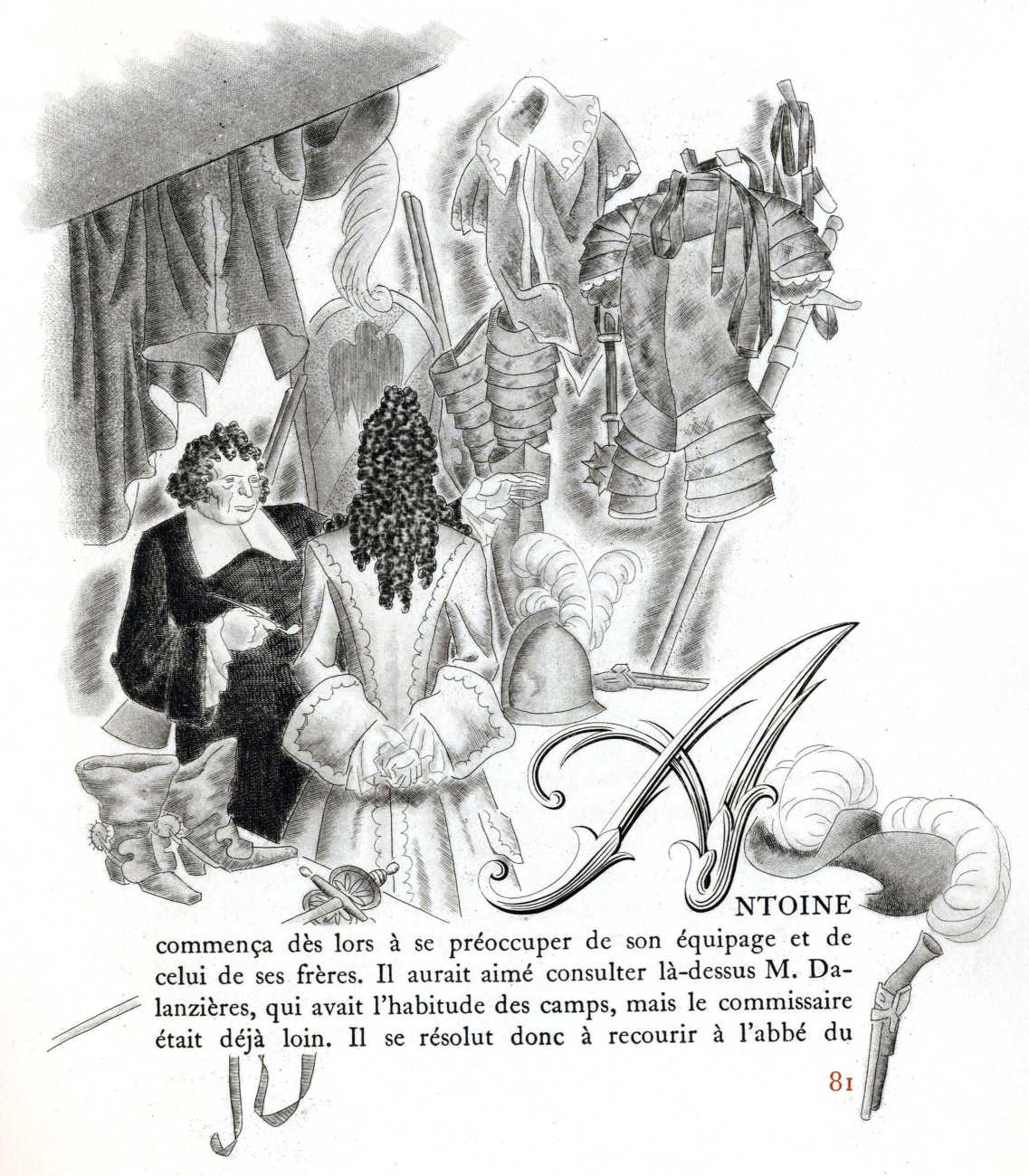
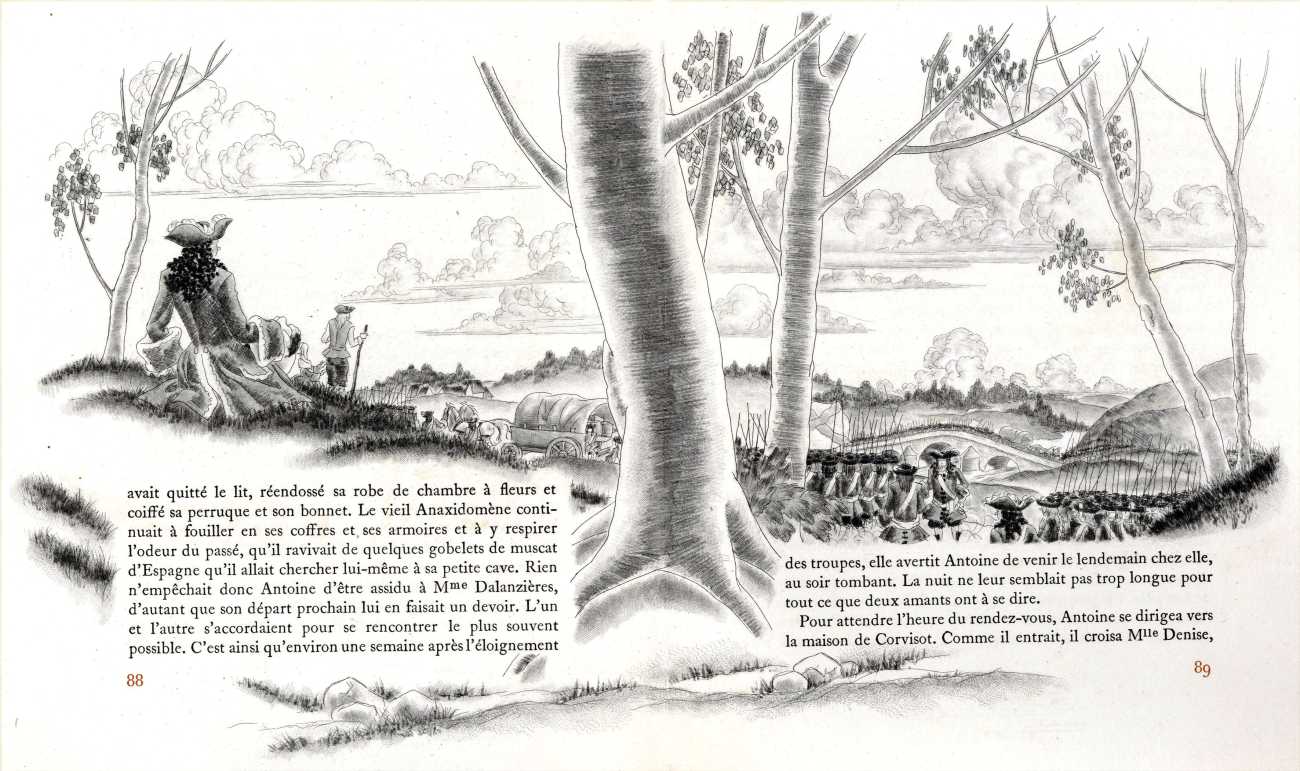
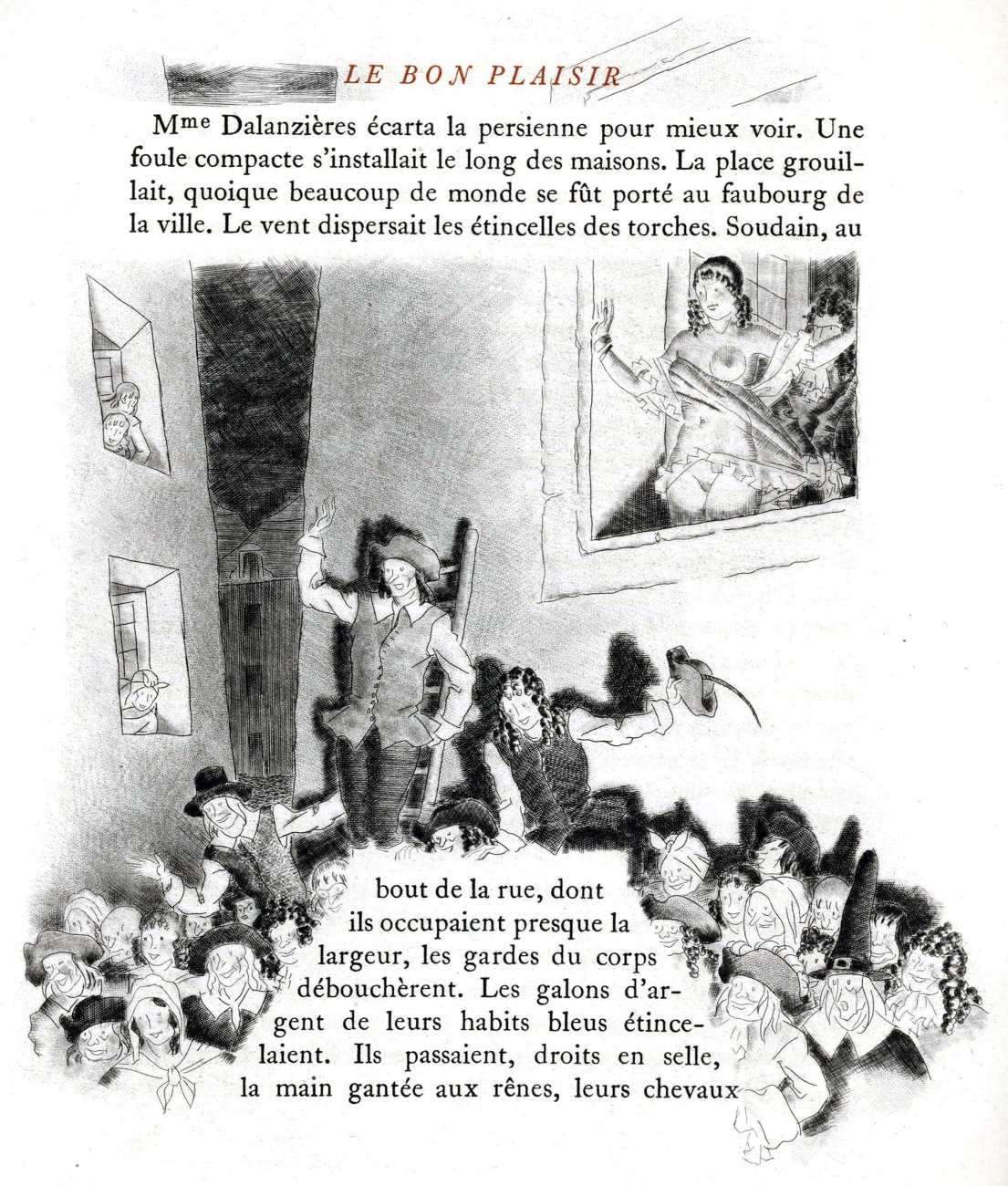
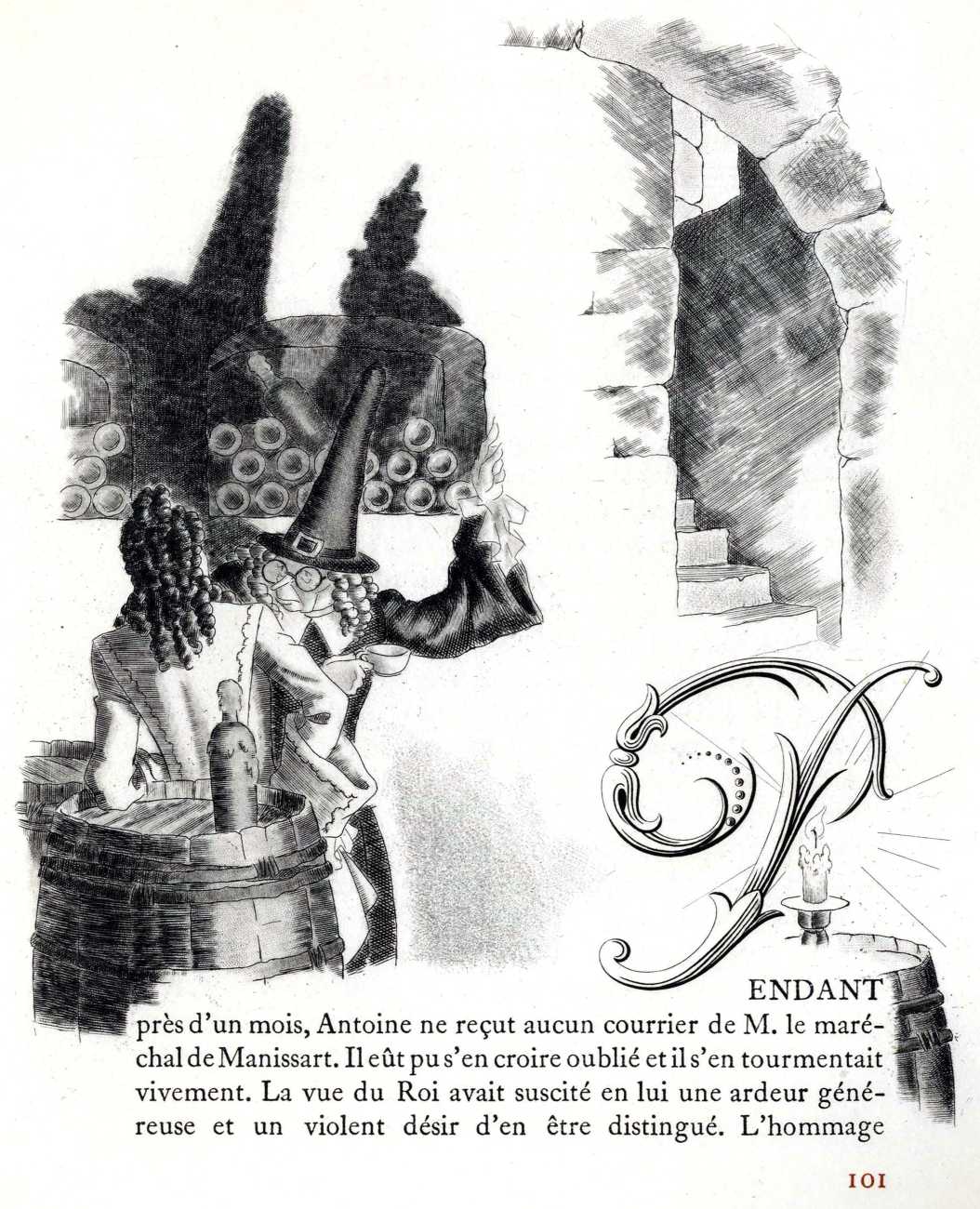
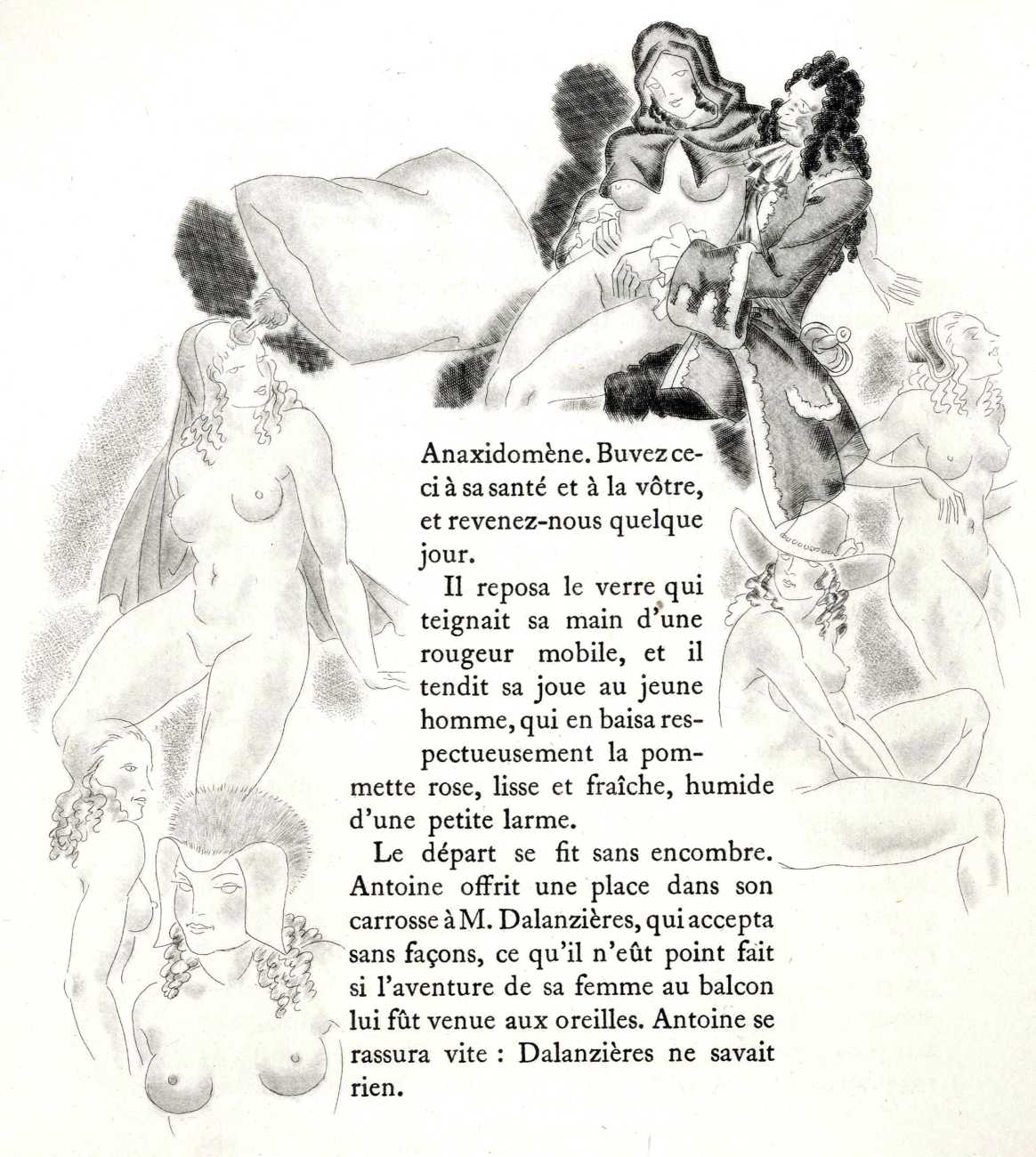
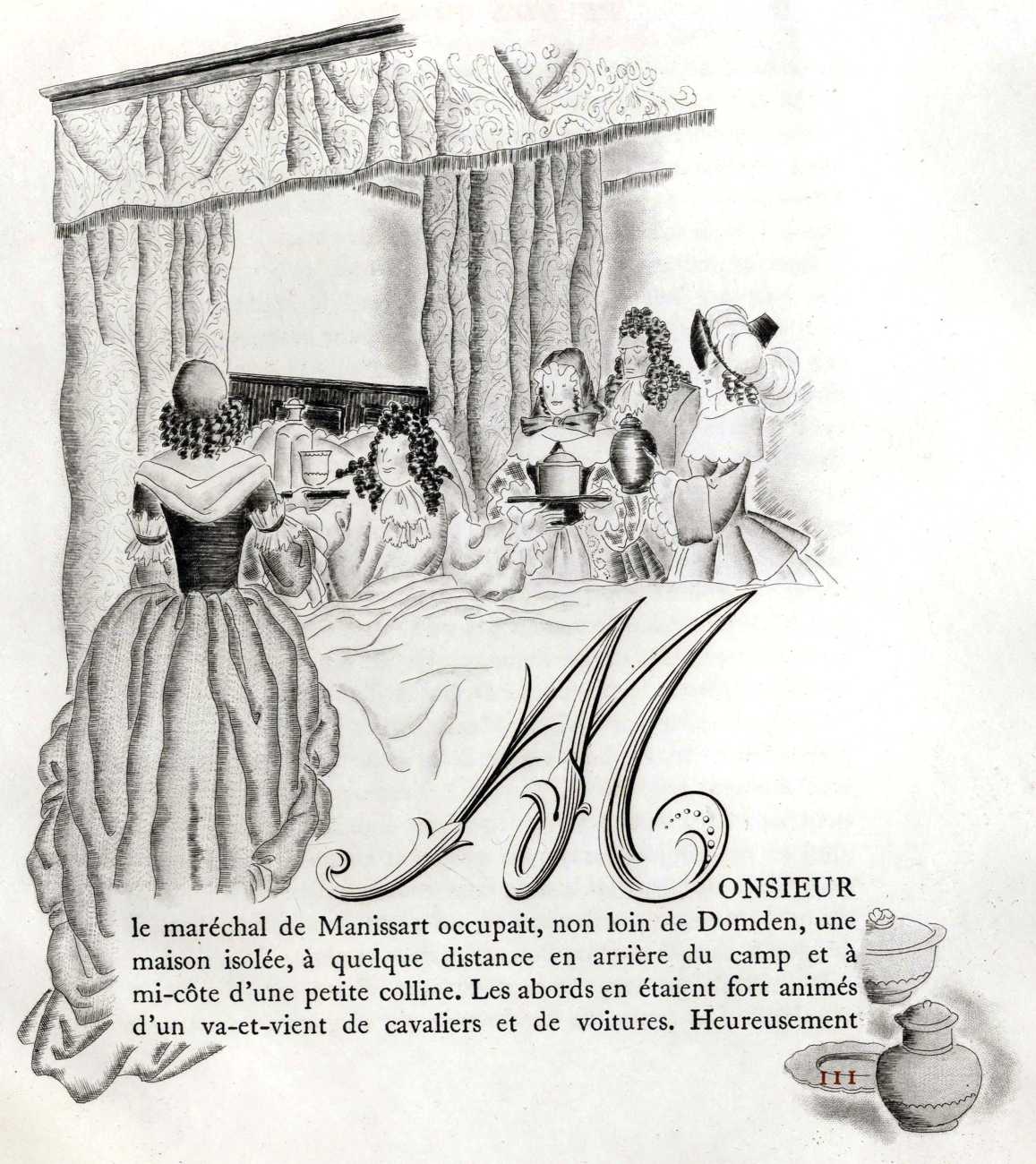
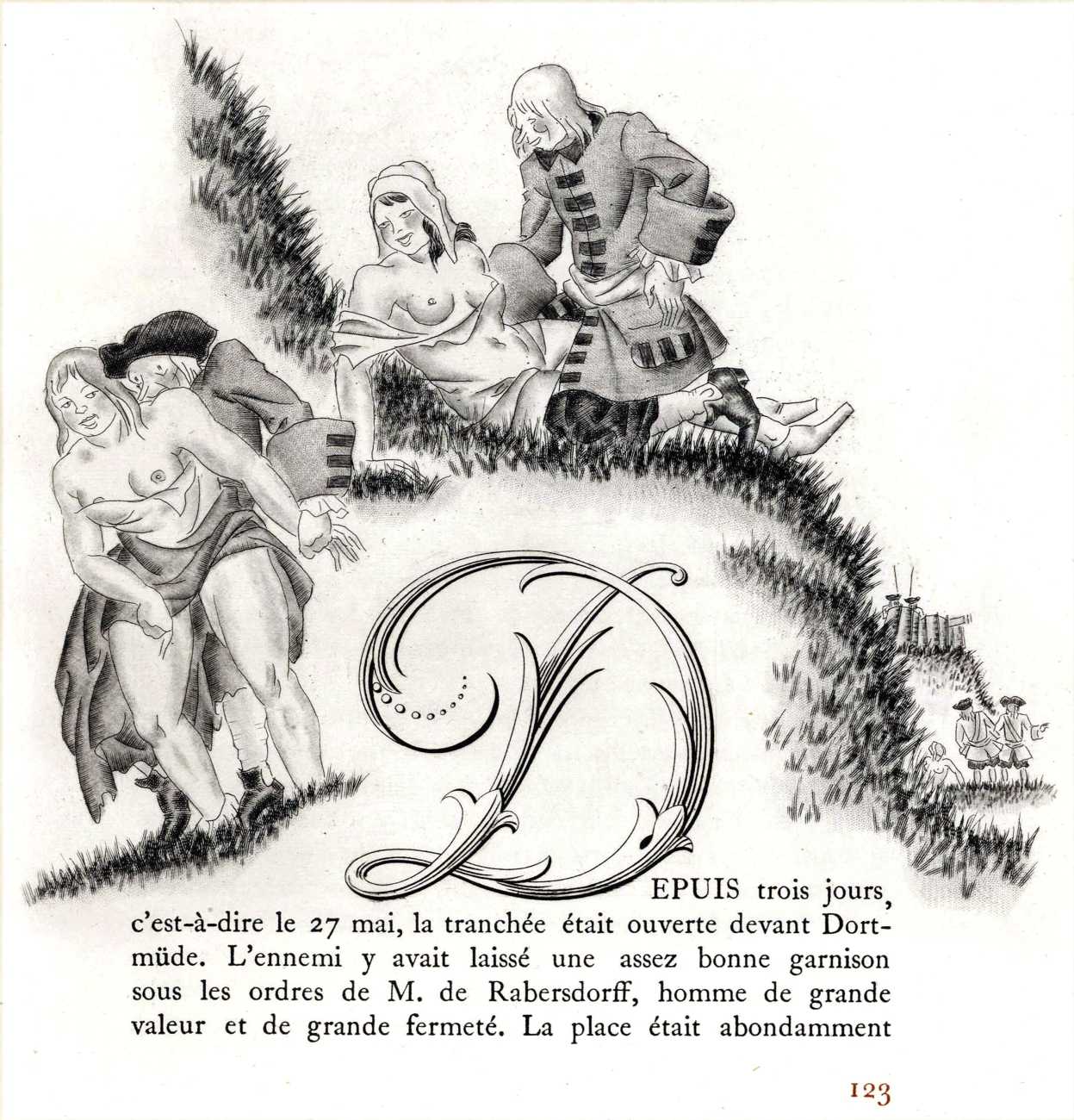
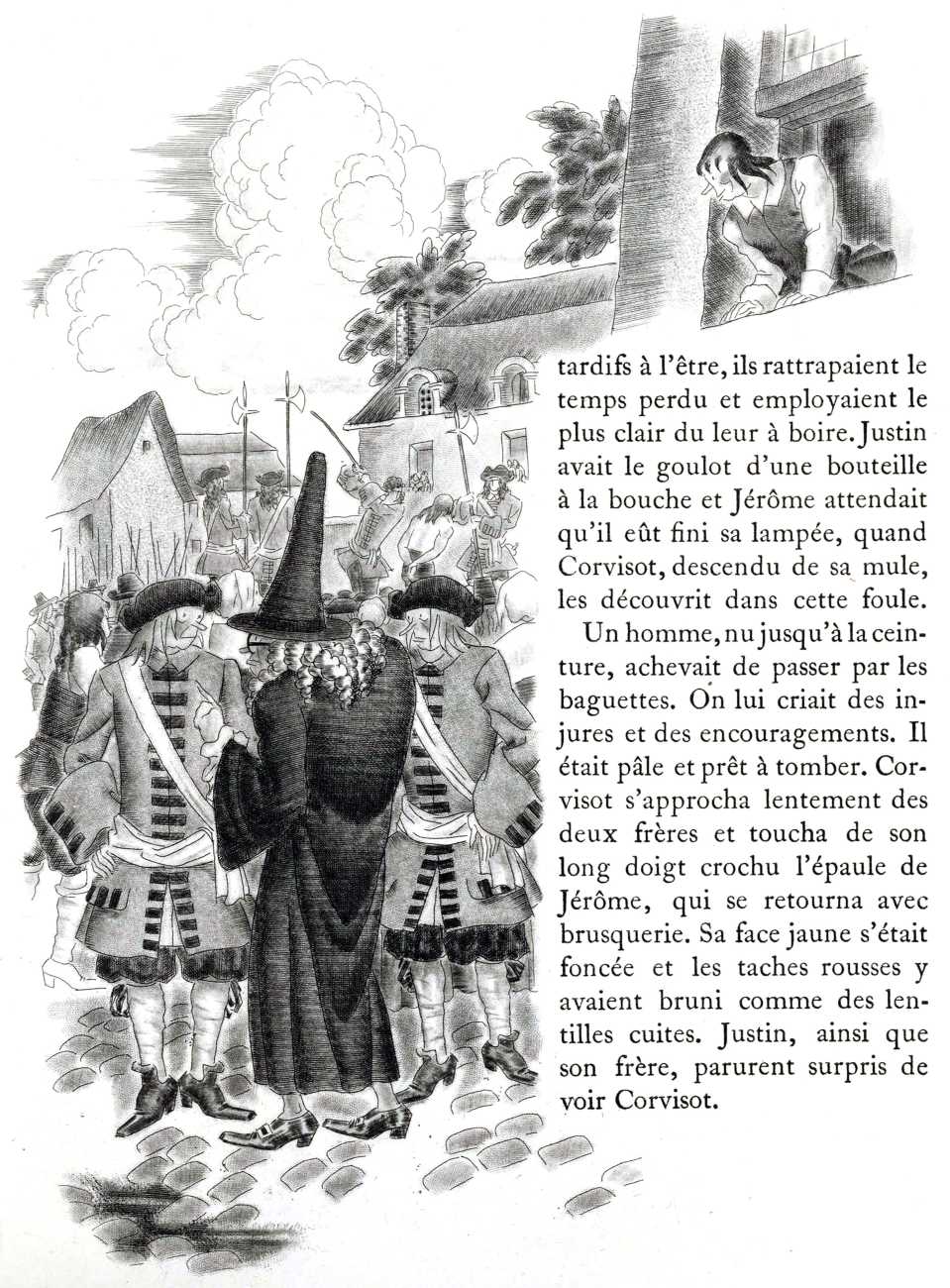
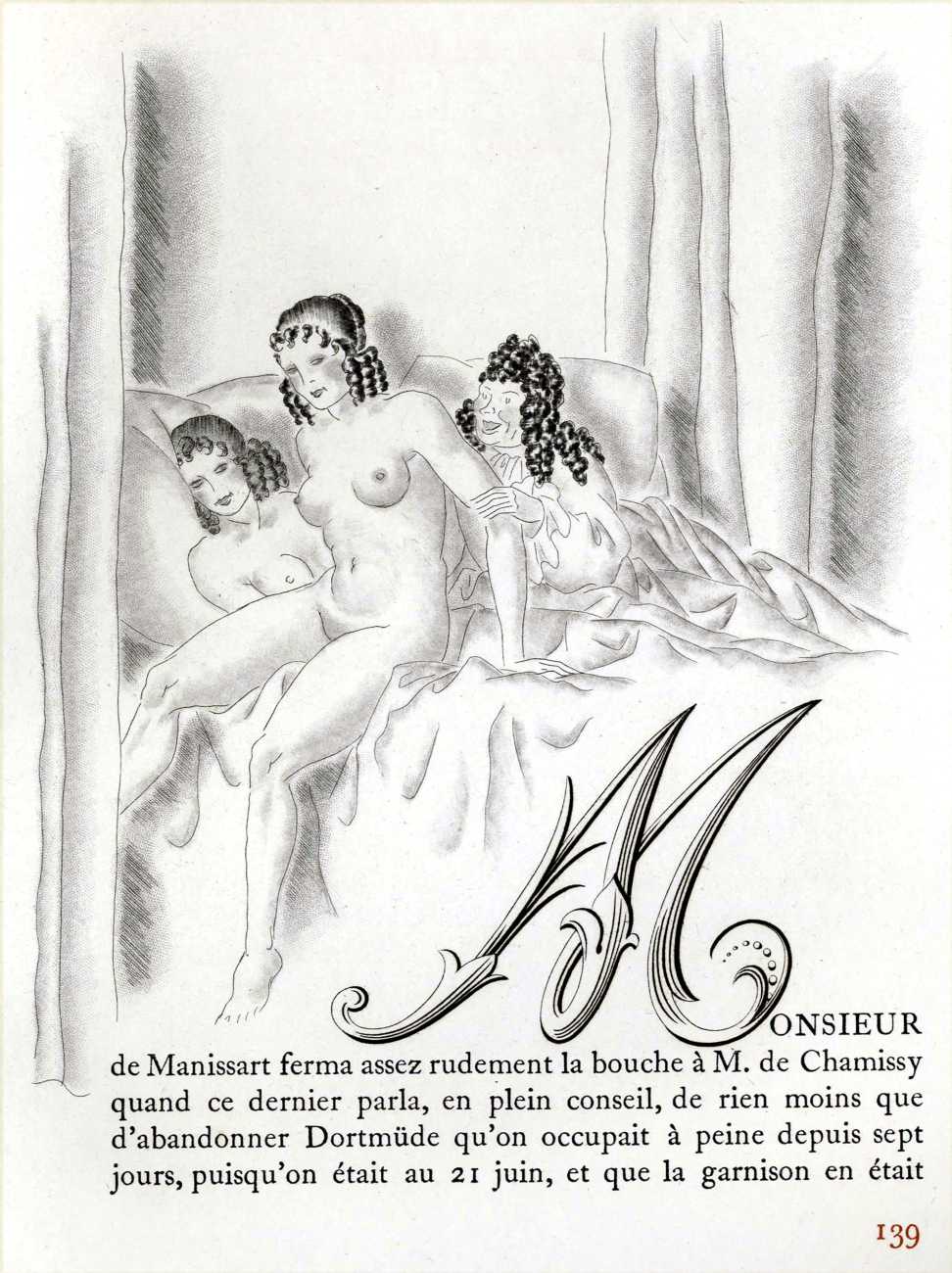
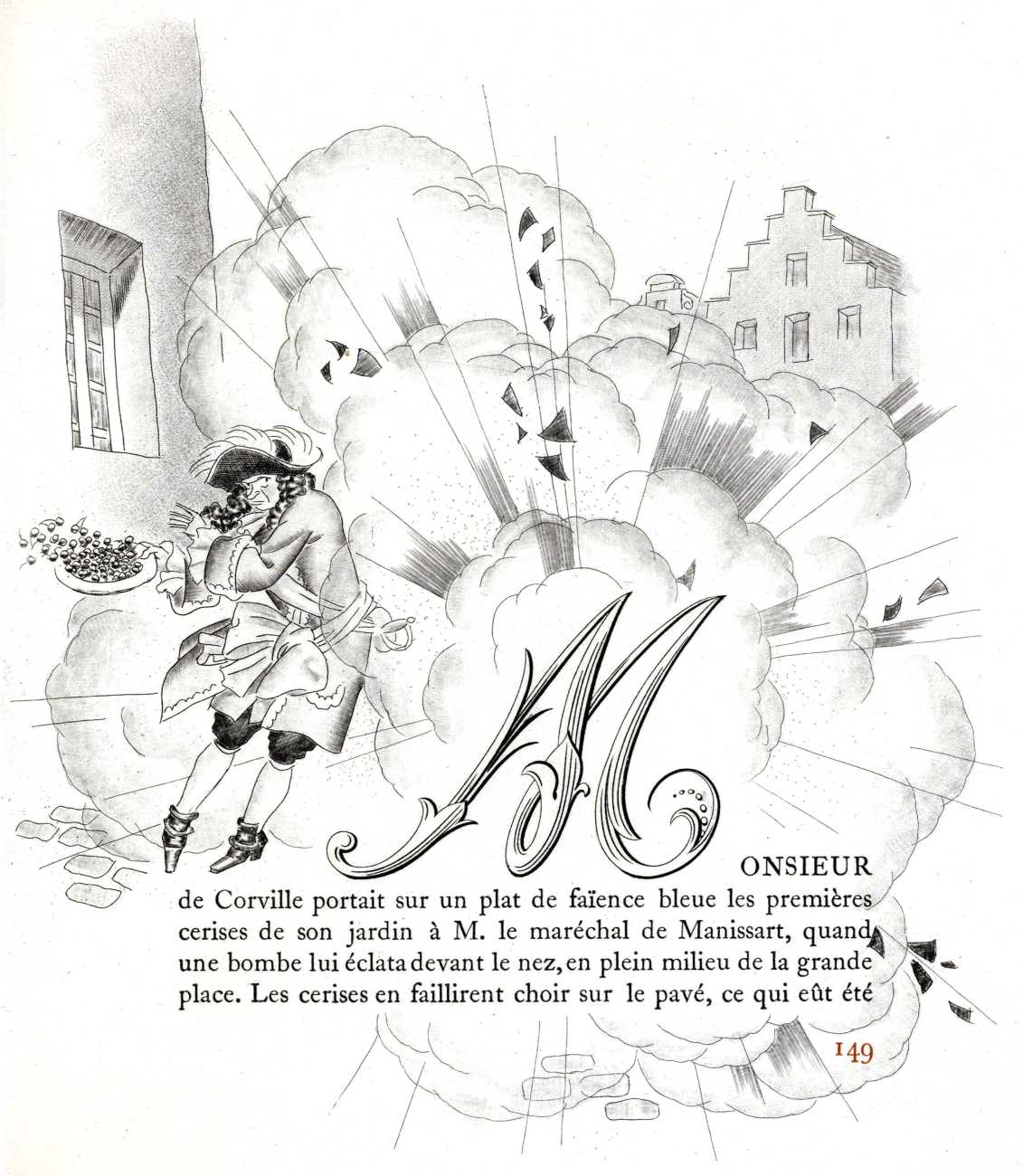
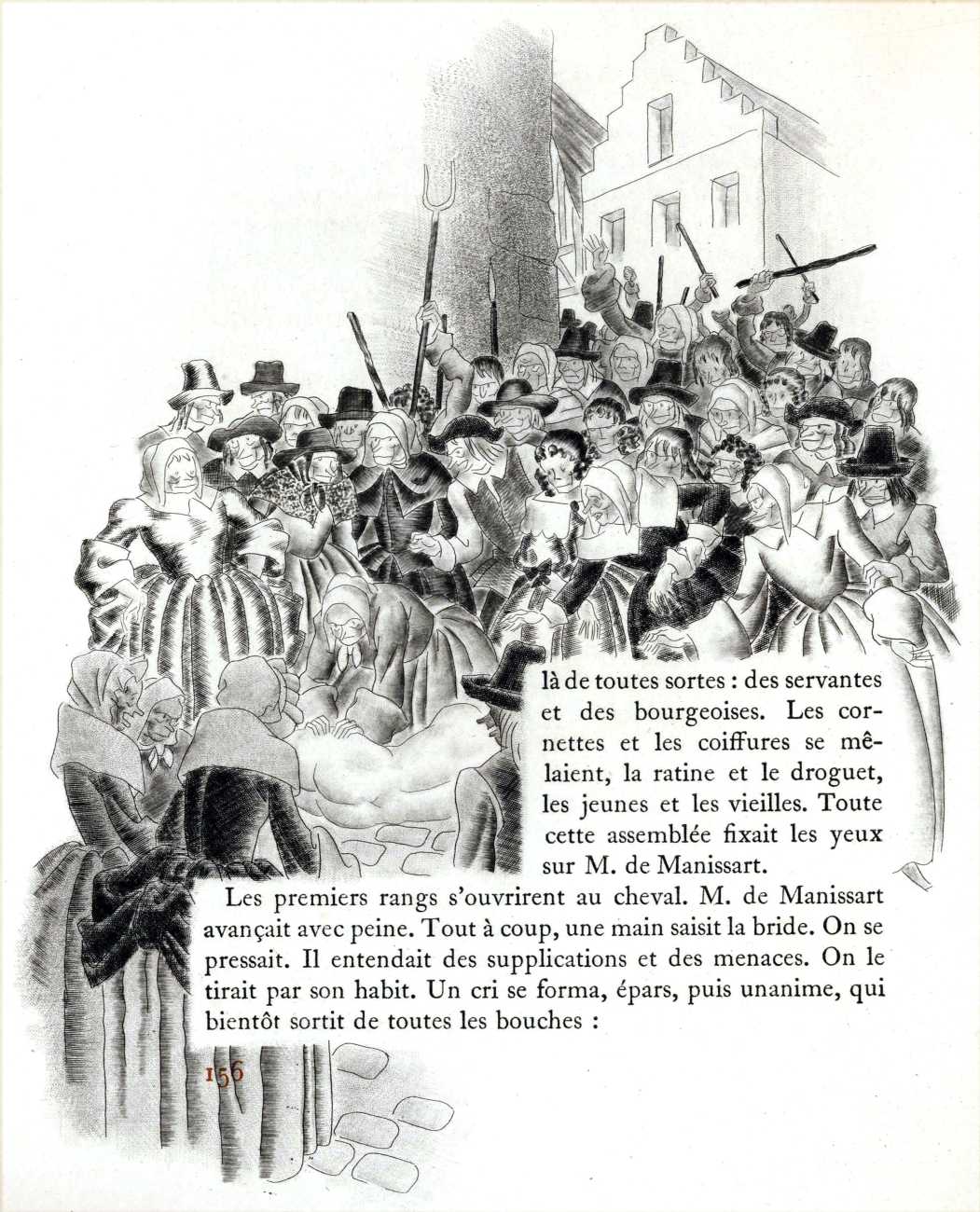
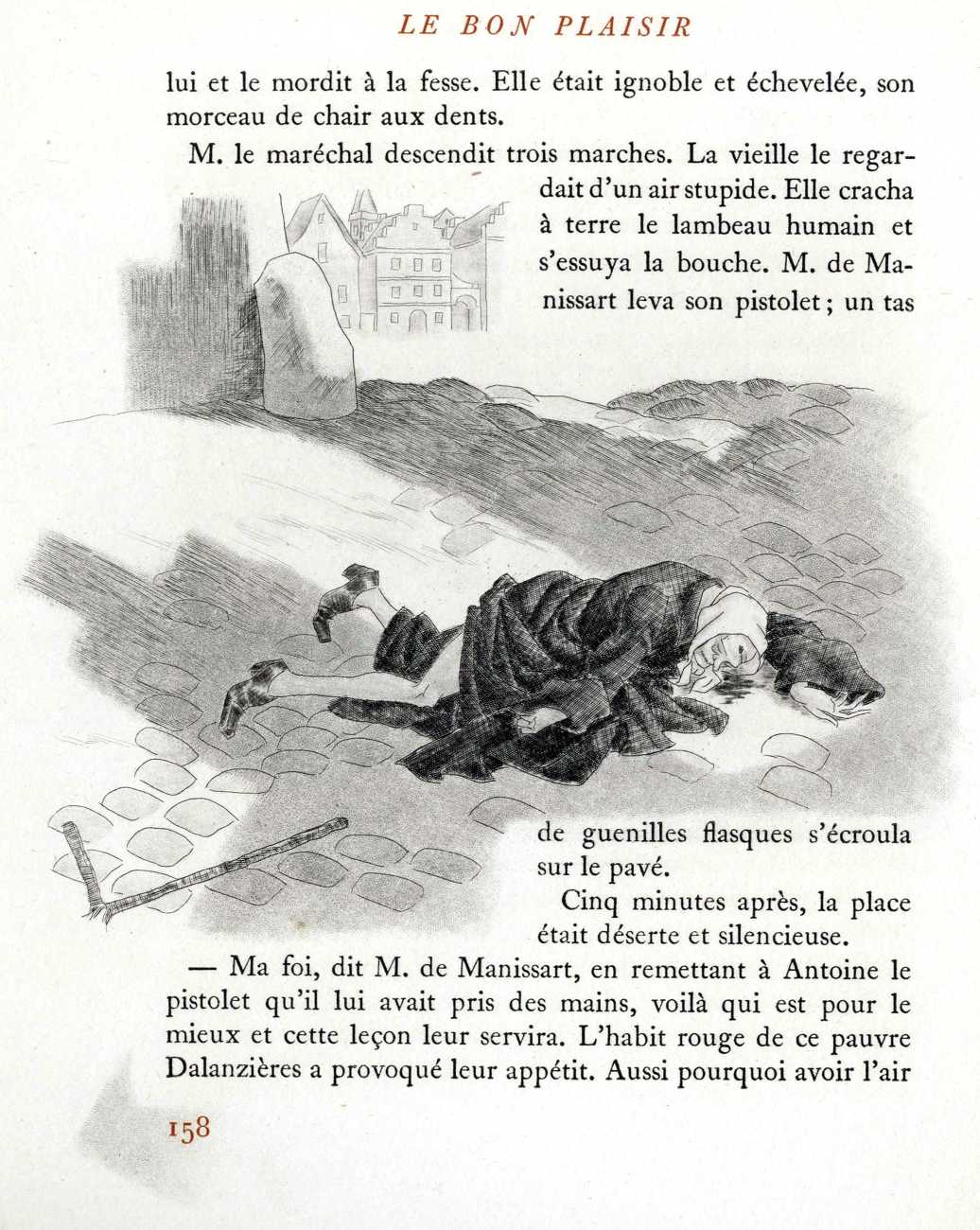
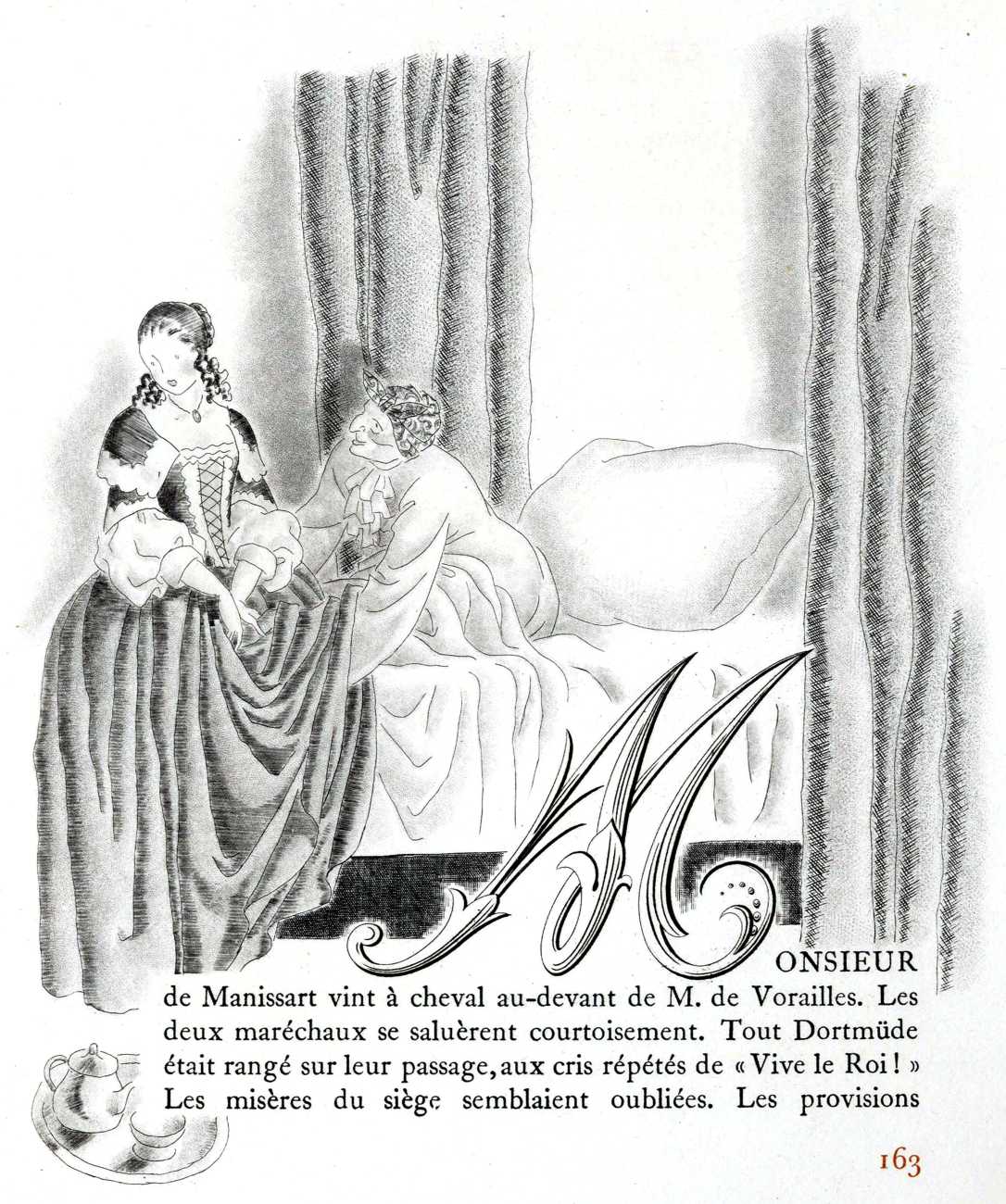
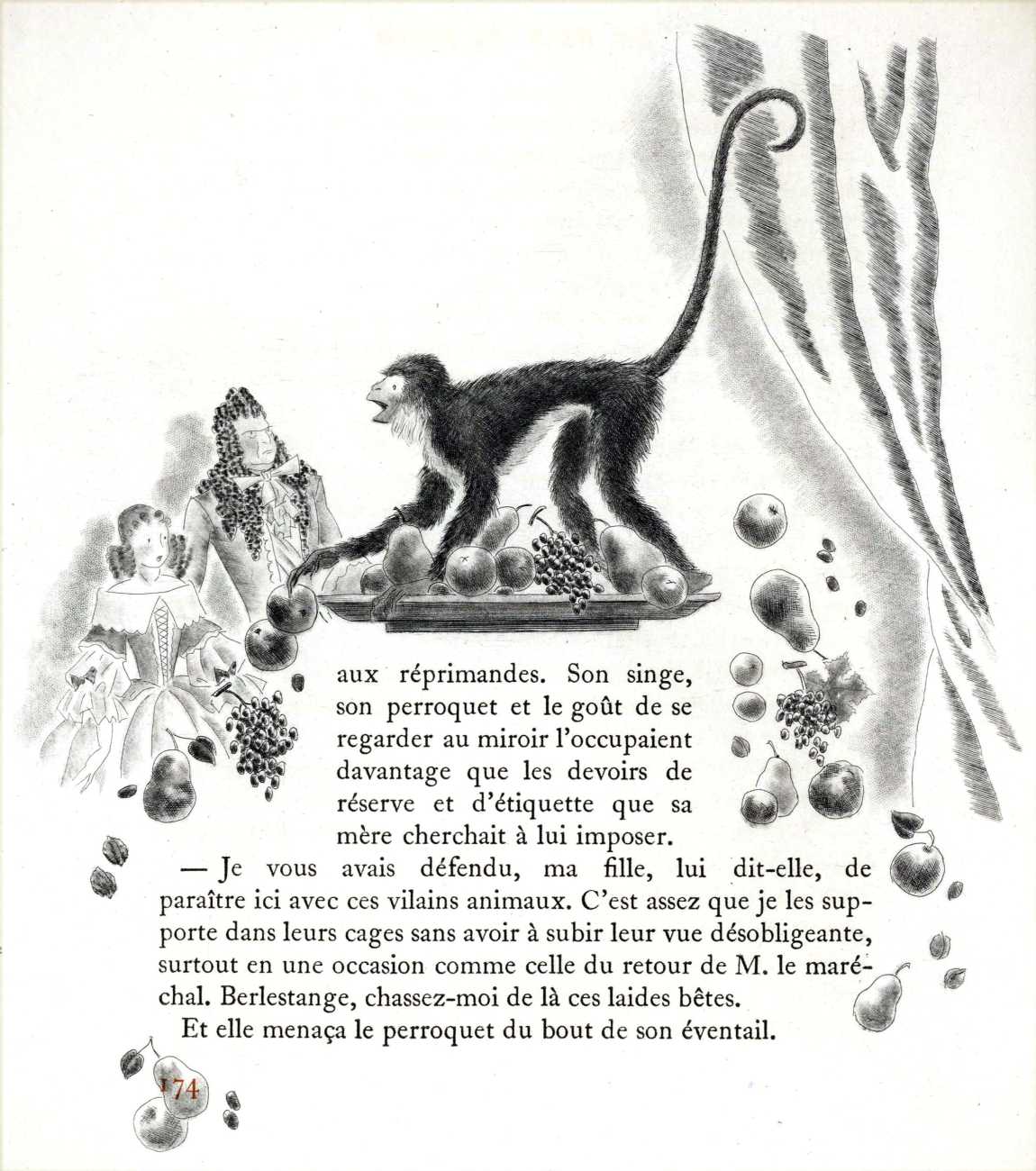
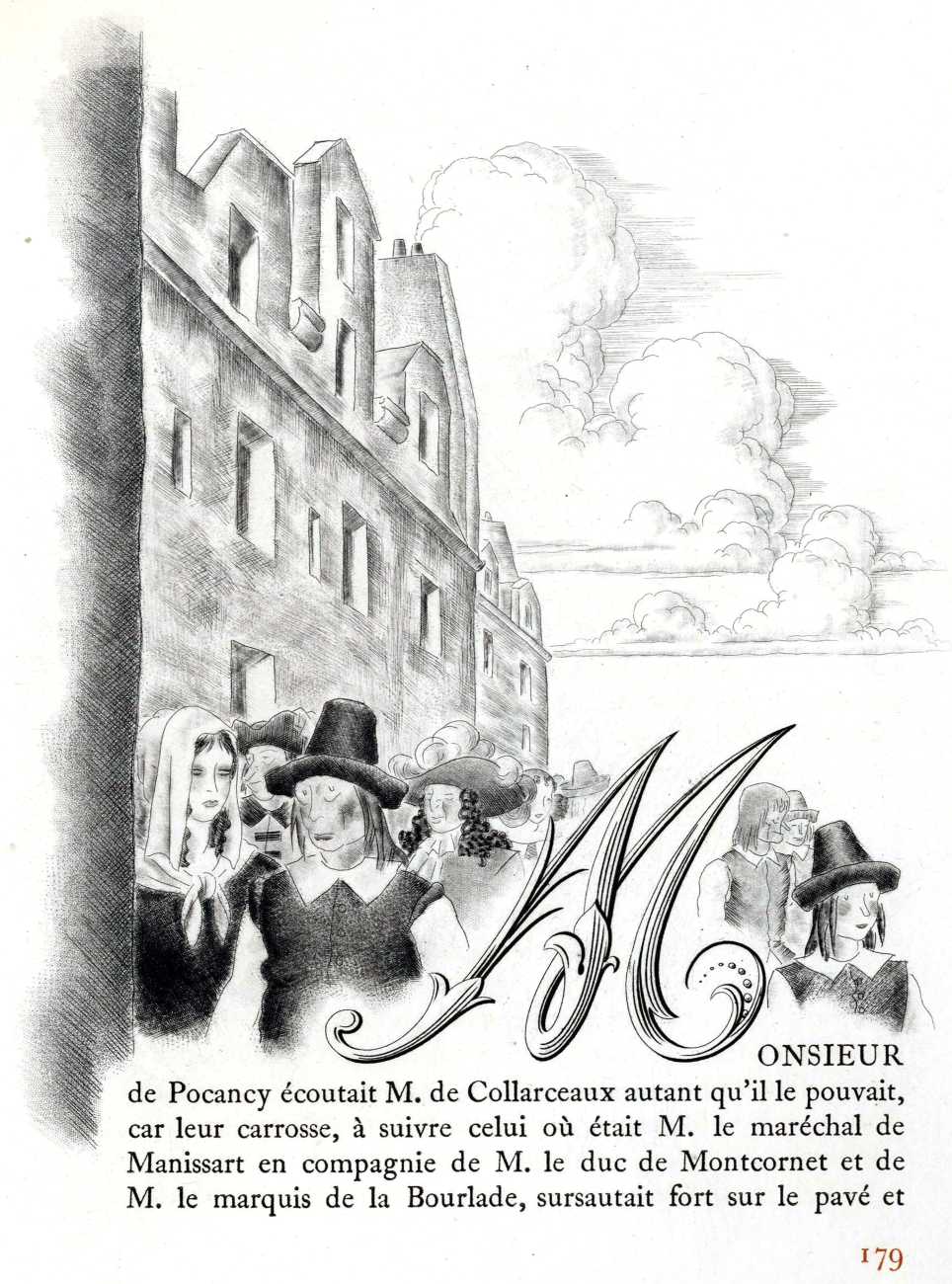
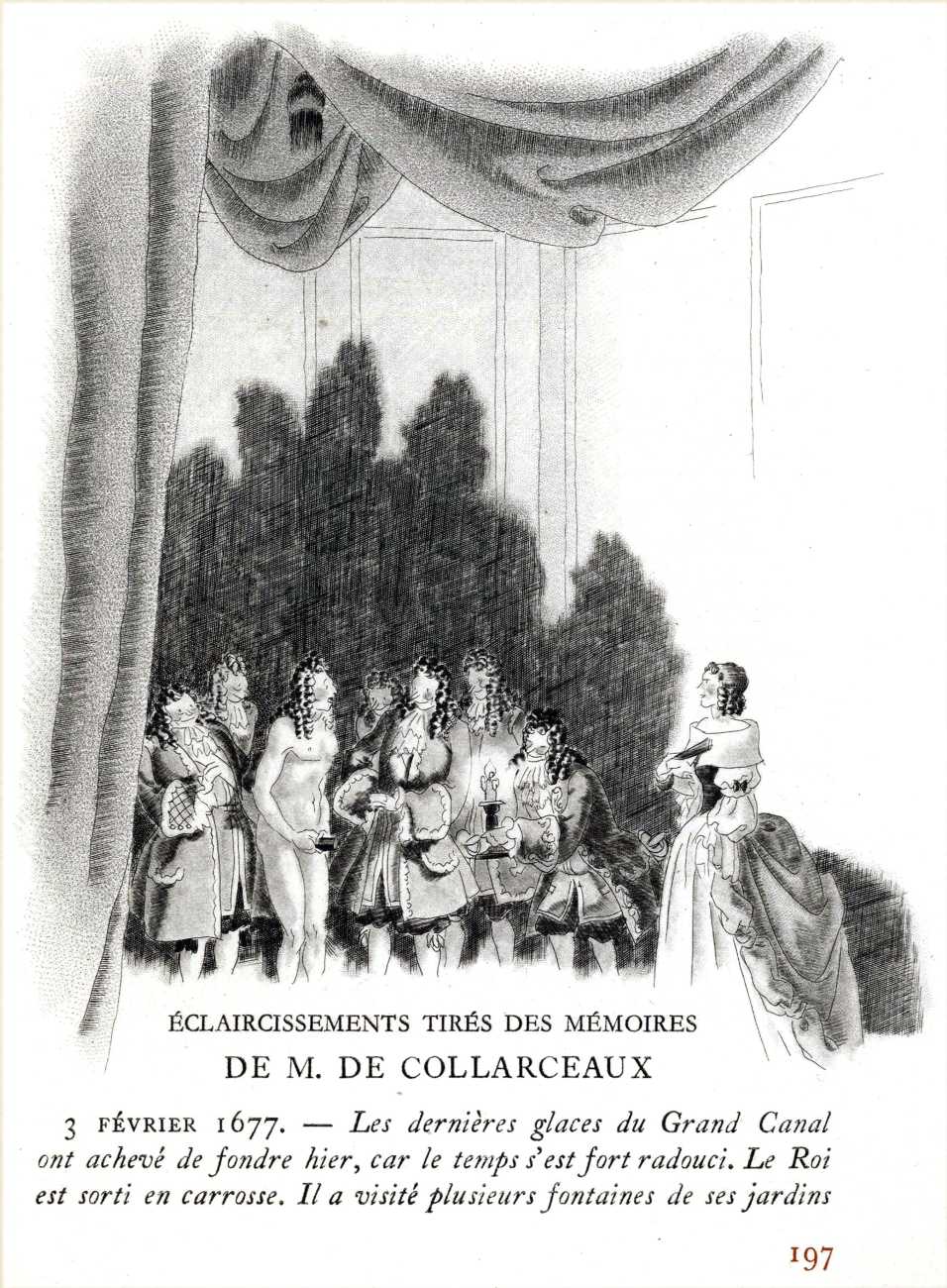
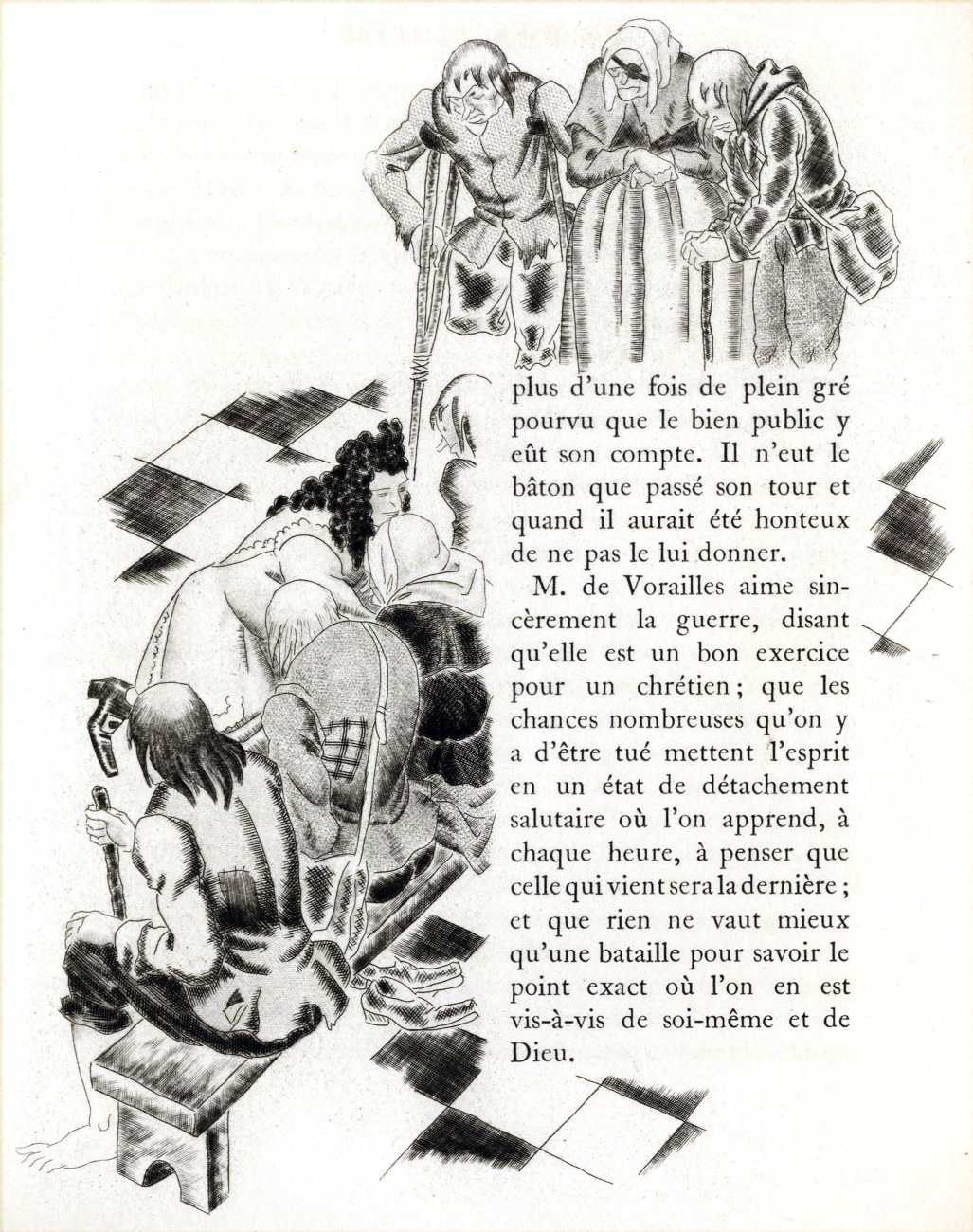
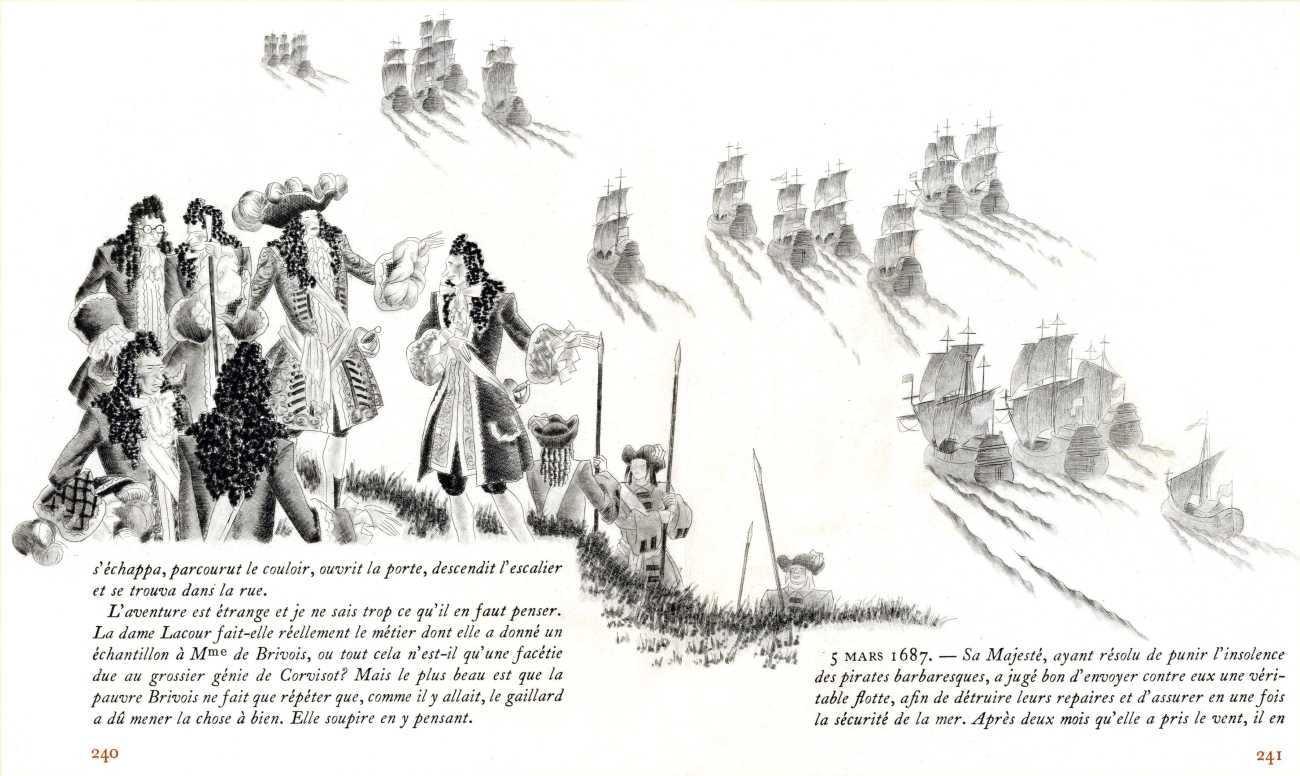
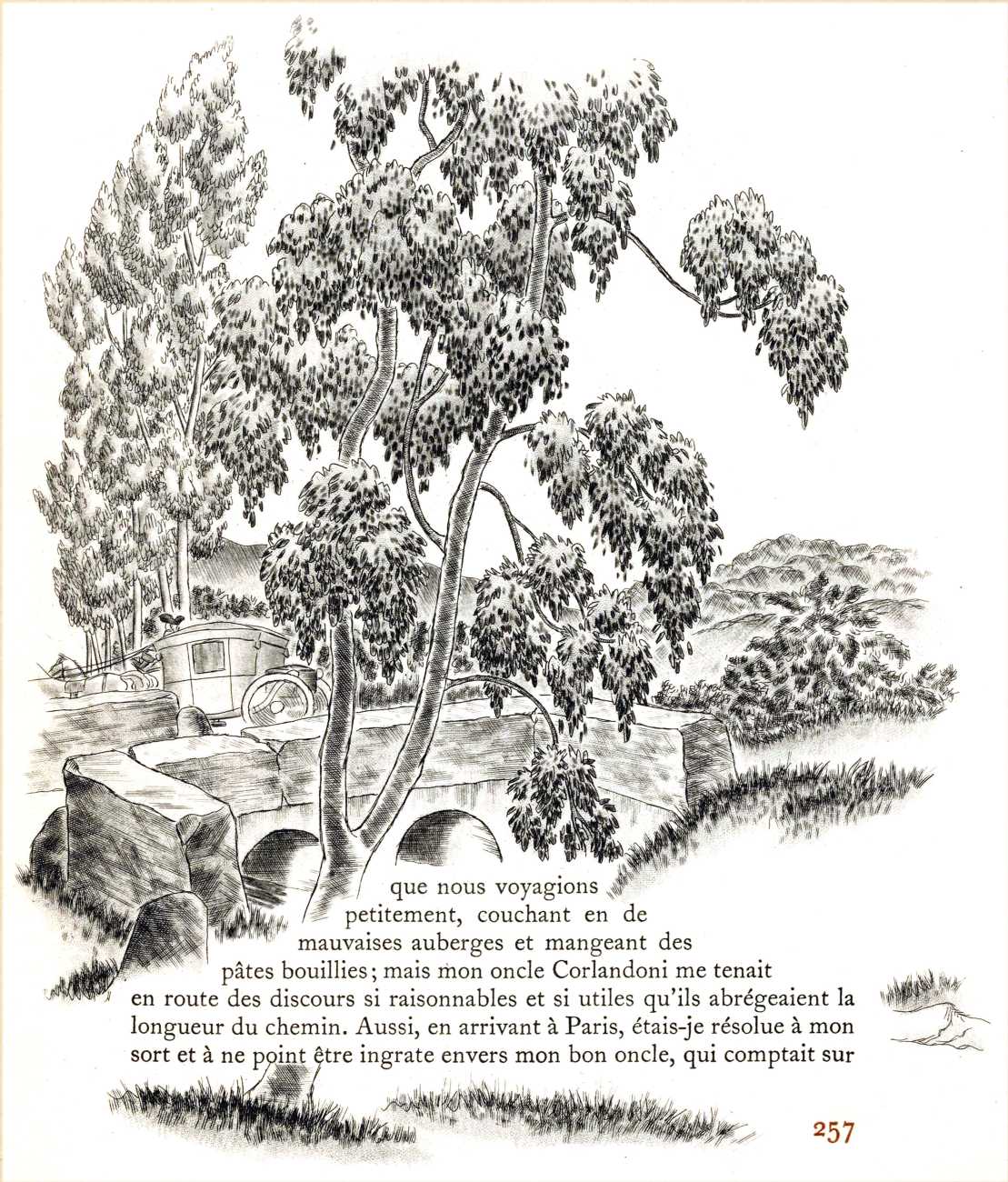
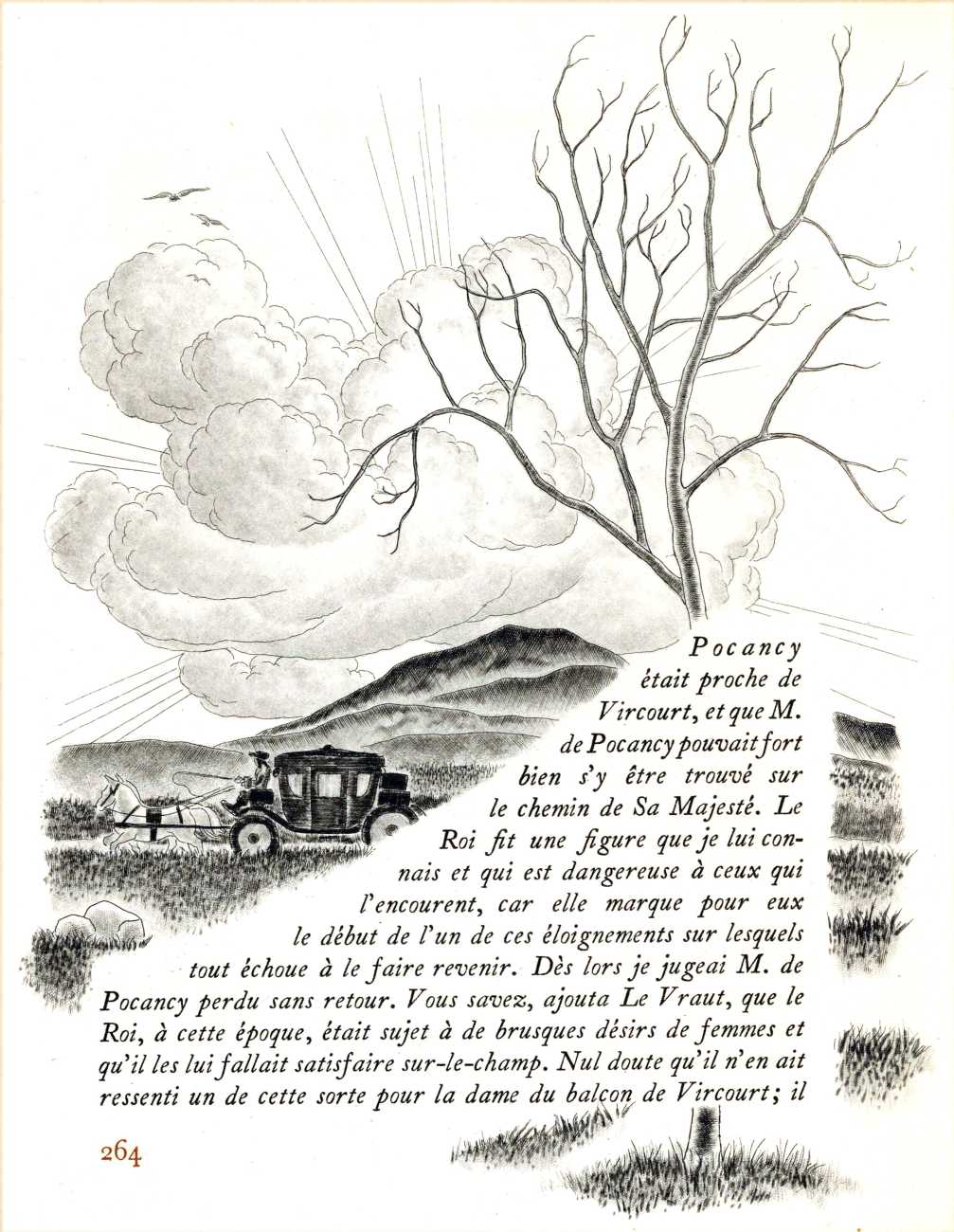
The Leroy illustrations for this 1945 edition, published appropriately shortly after the fall of Nazism in Germany, complement Regnier’s narrative perfectly. As they are so carefully integrated into the text design, we have chosen to reproduce the illustration pages complete with their accompanying text. As you will see, Annette is the main erotic element, almost always appearing as naked as possible.
Le bon plaisir was published by Presses de la Cité in a limited, numbered and boxed edition of 500 copies.