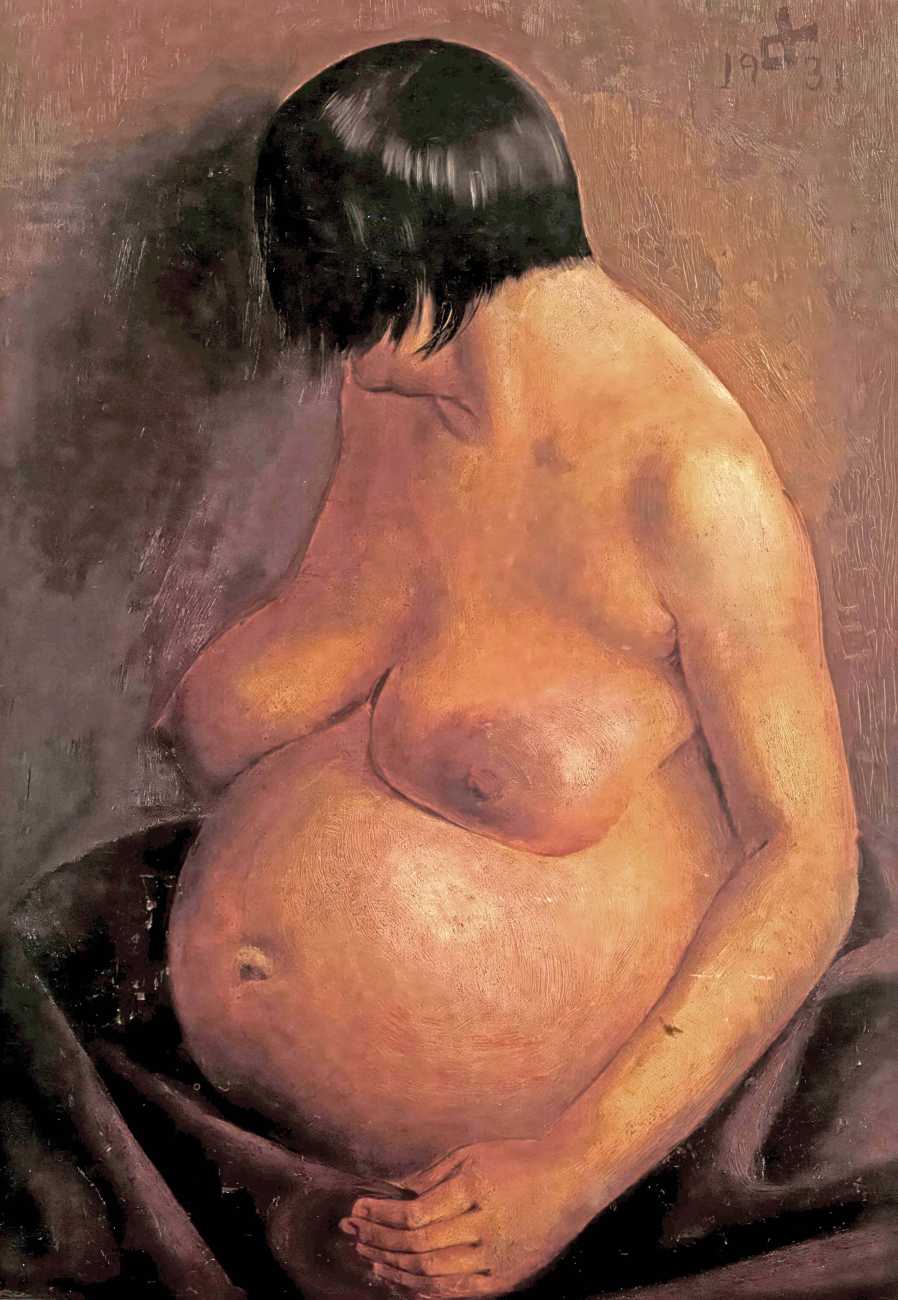
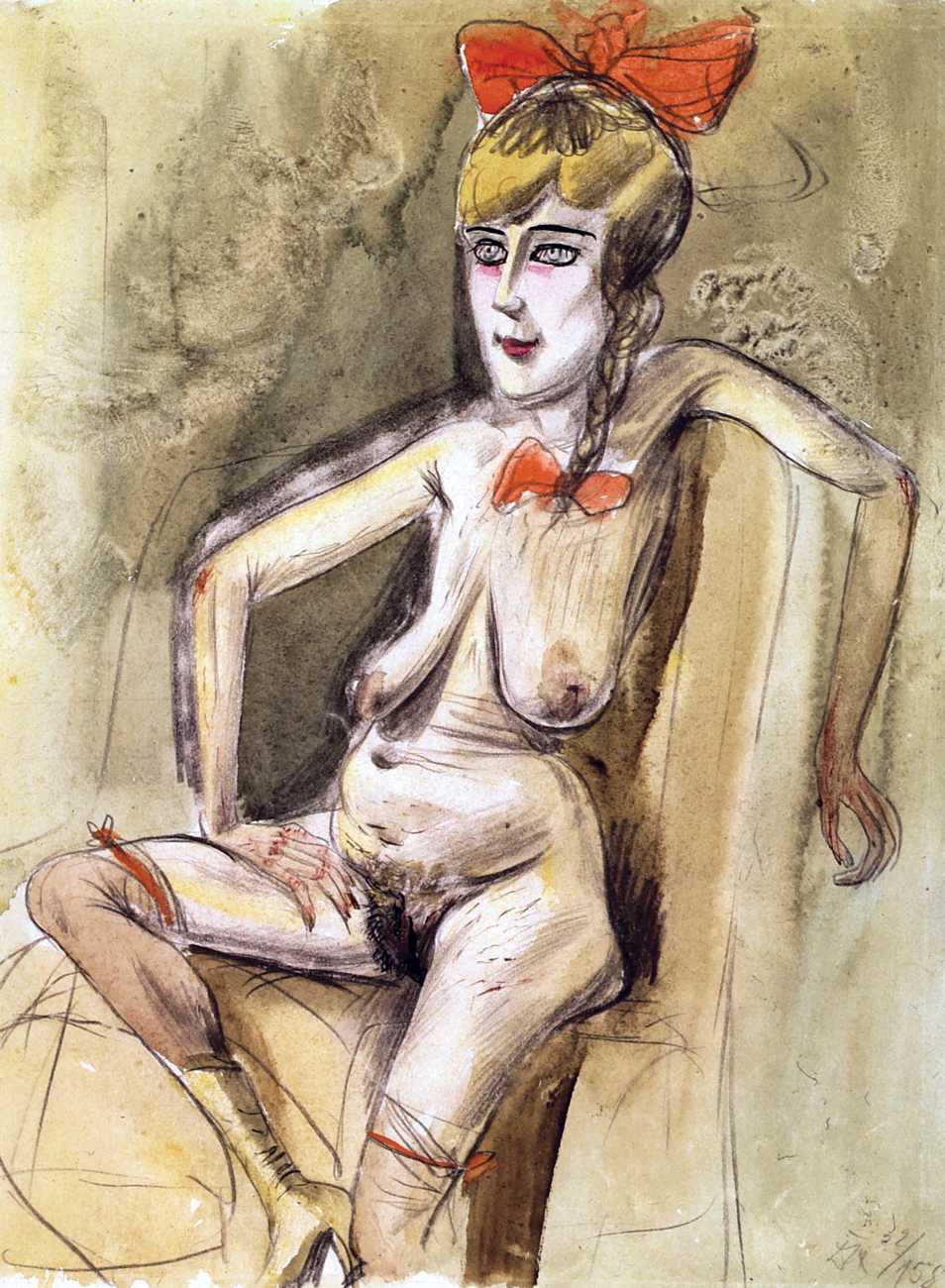
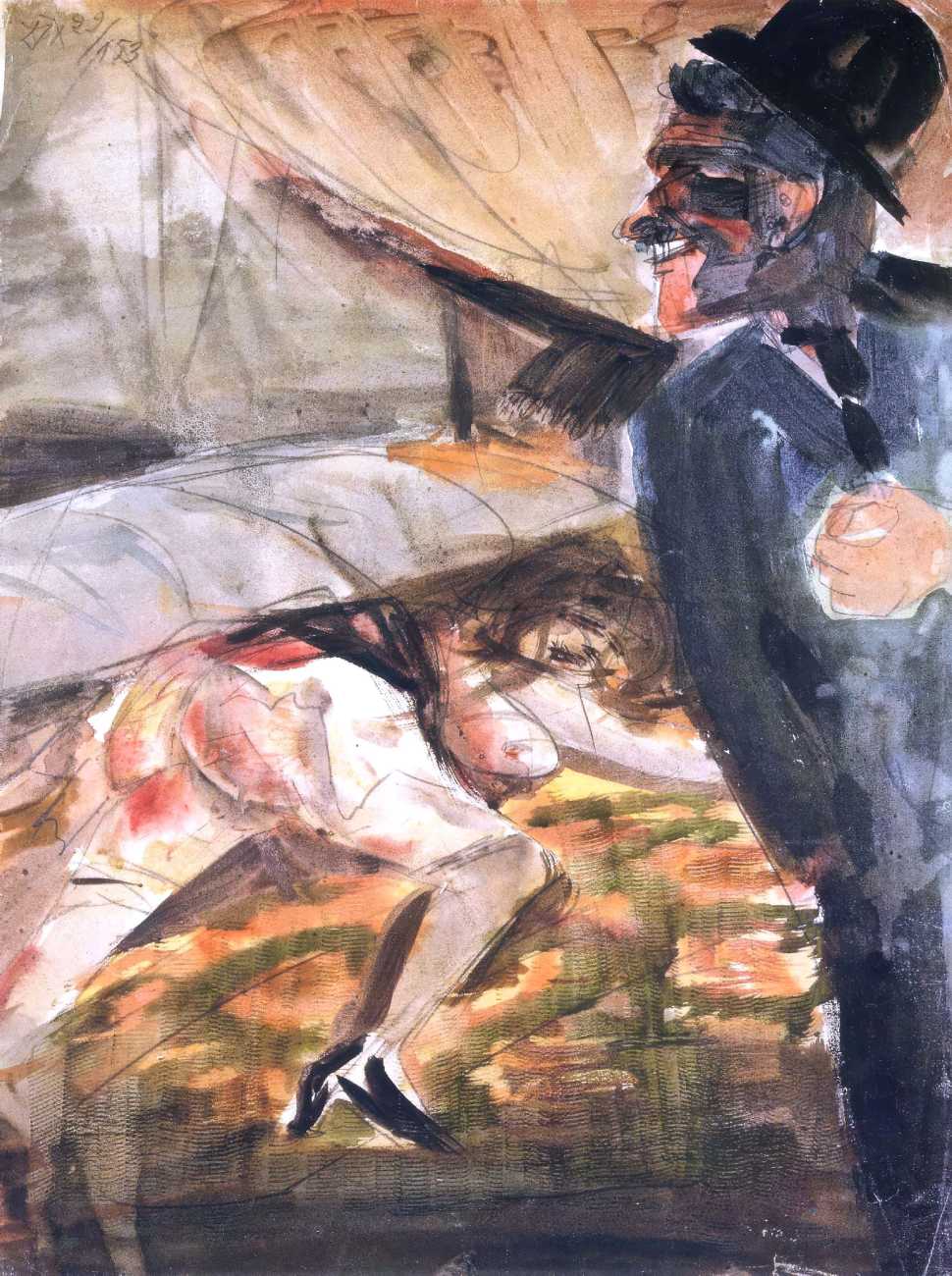
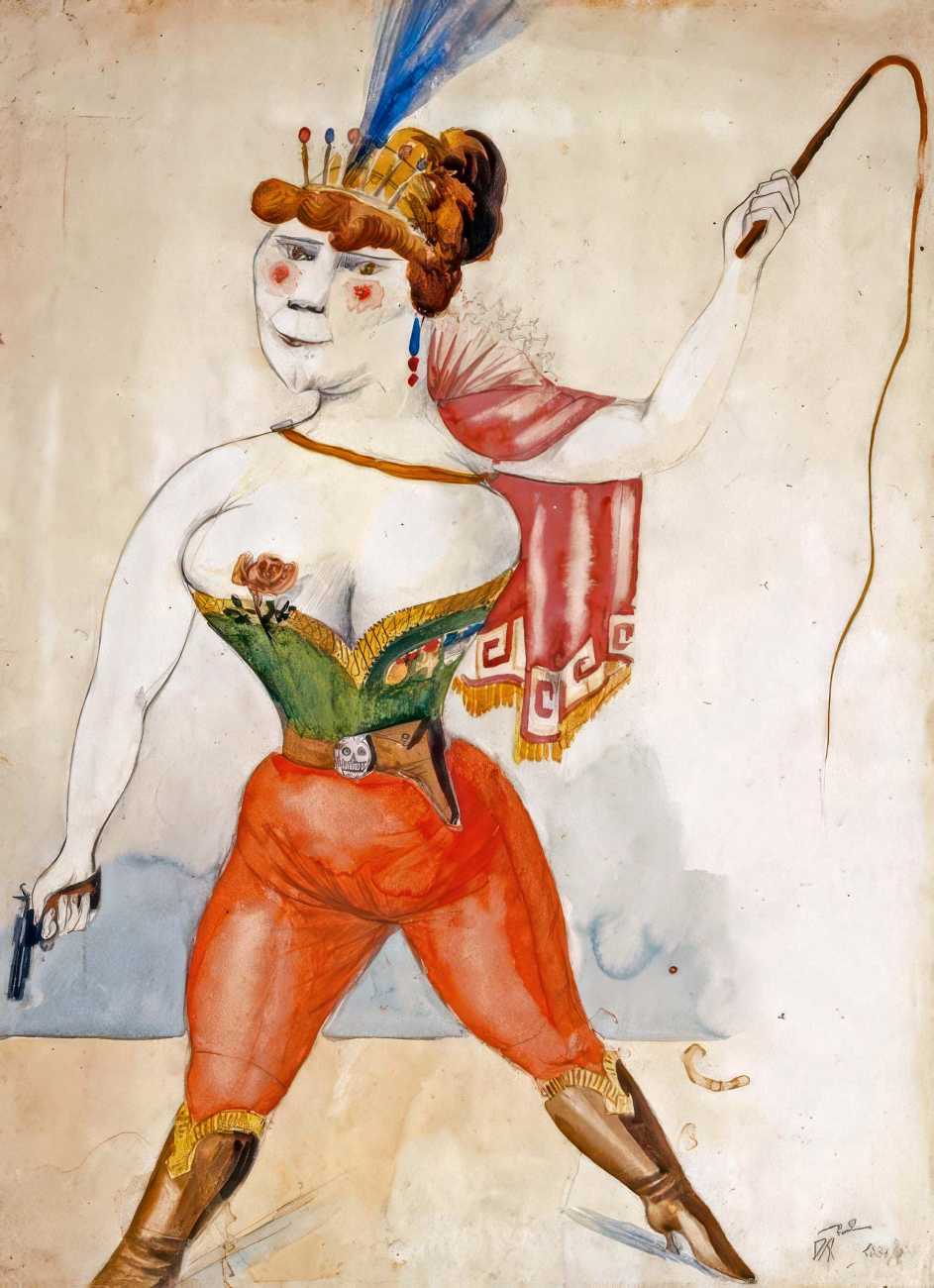
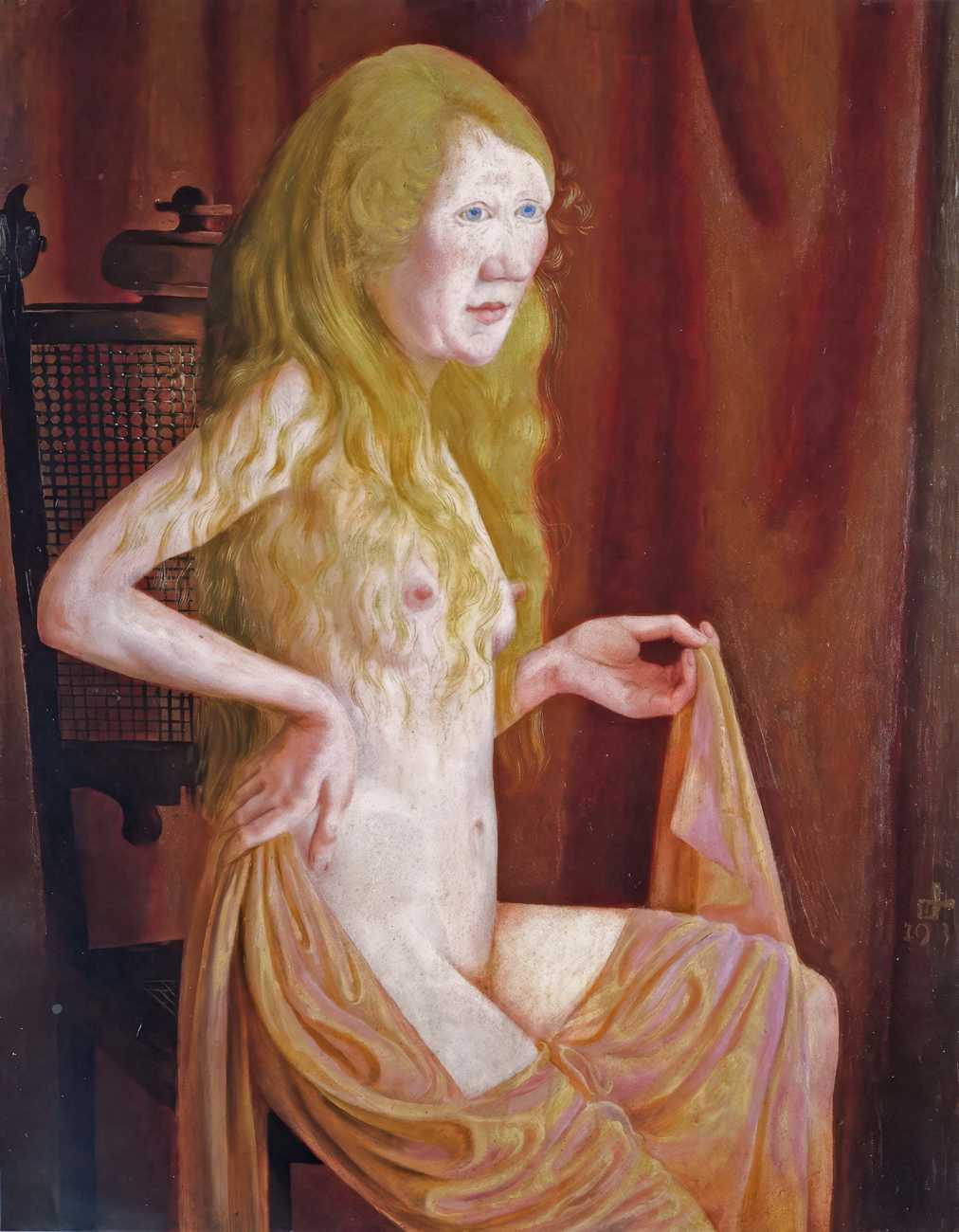
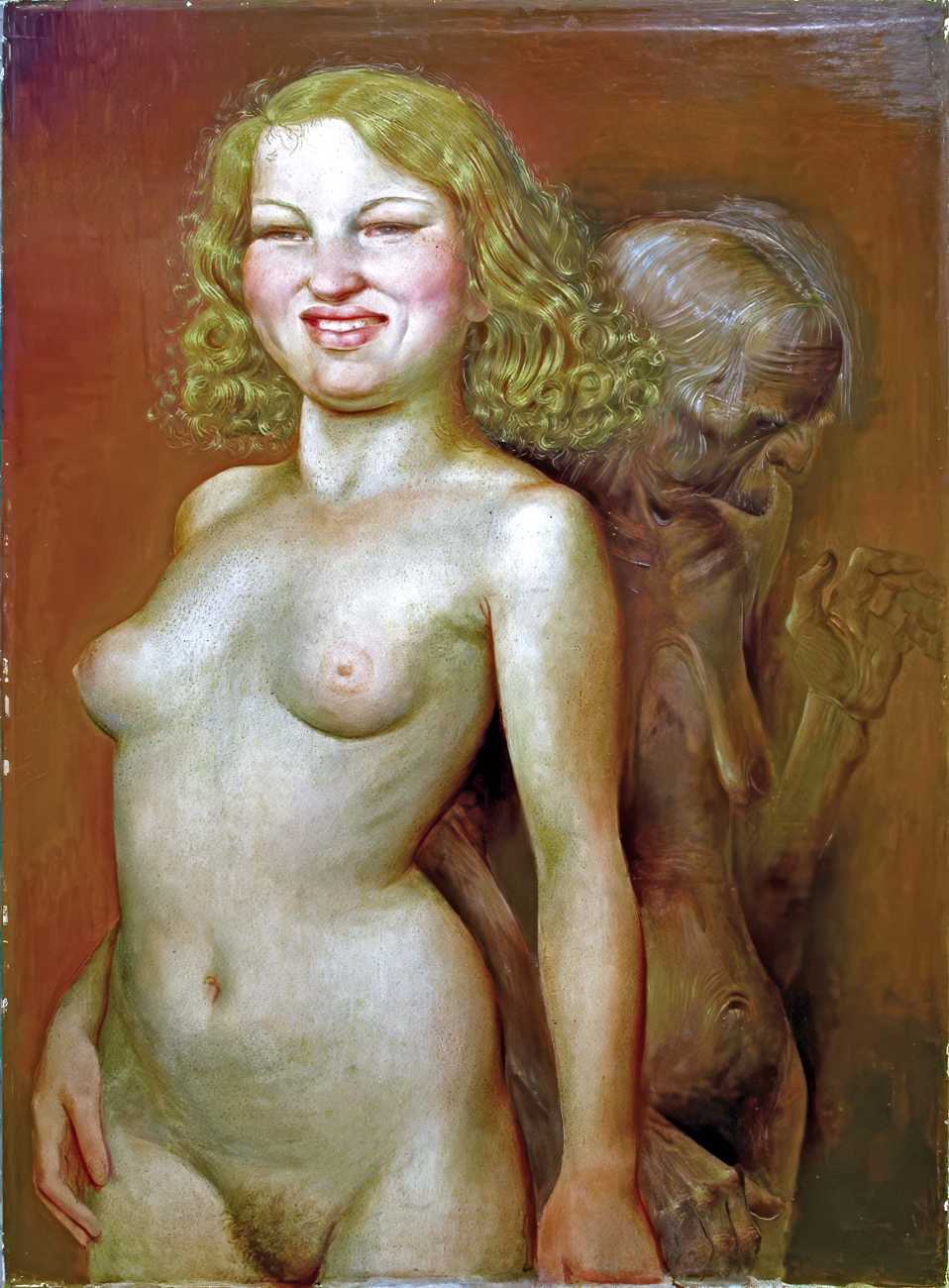
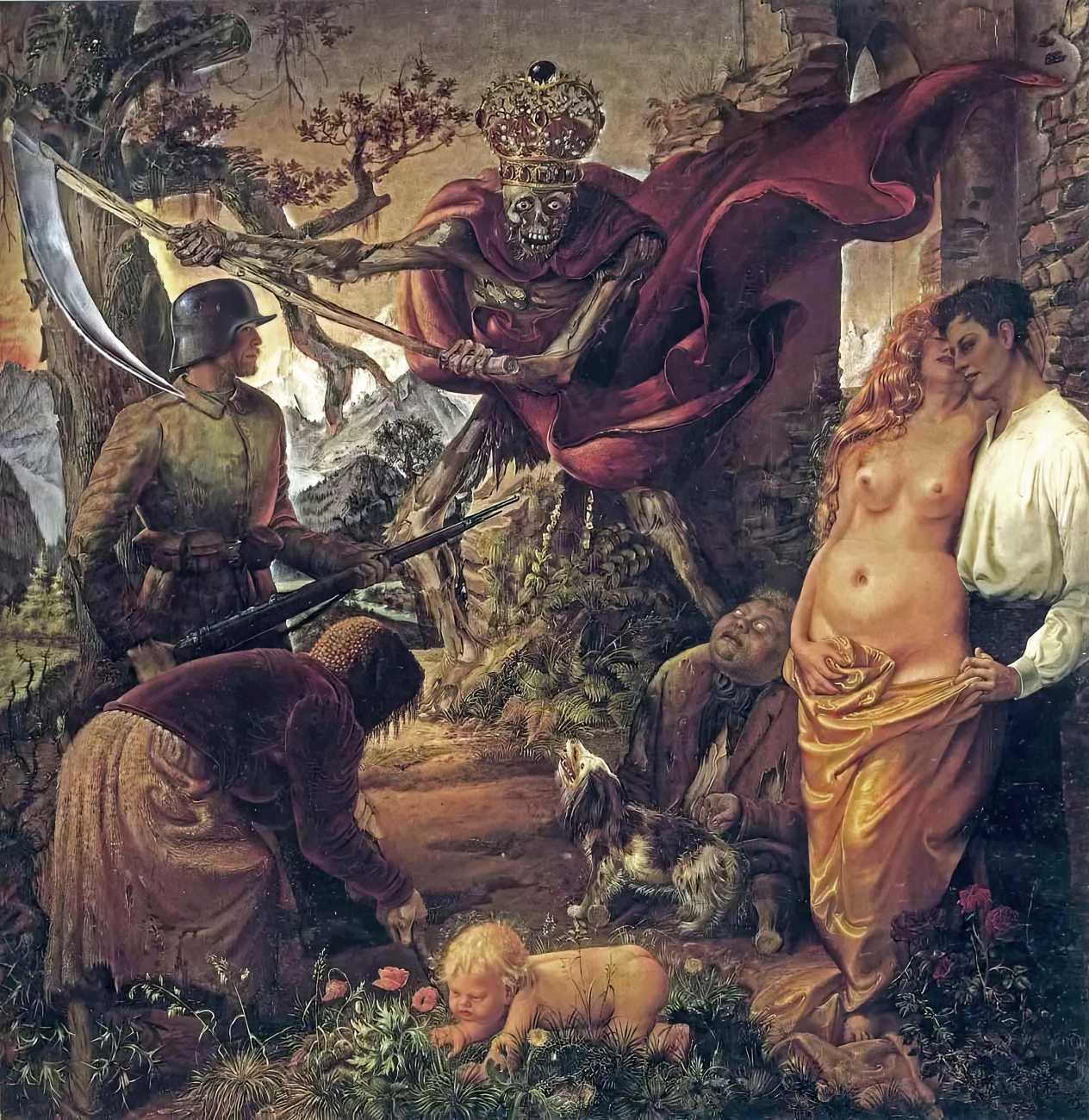
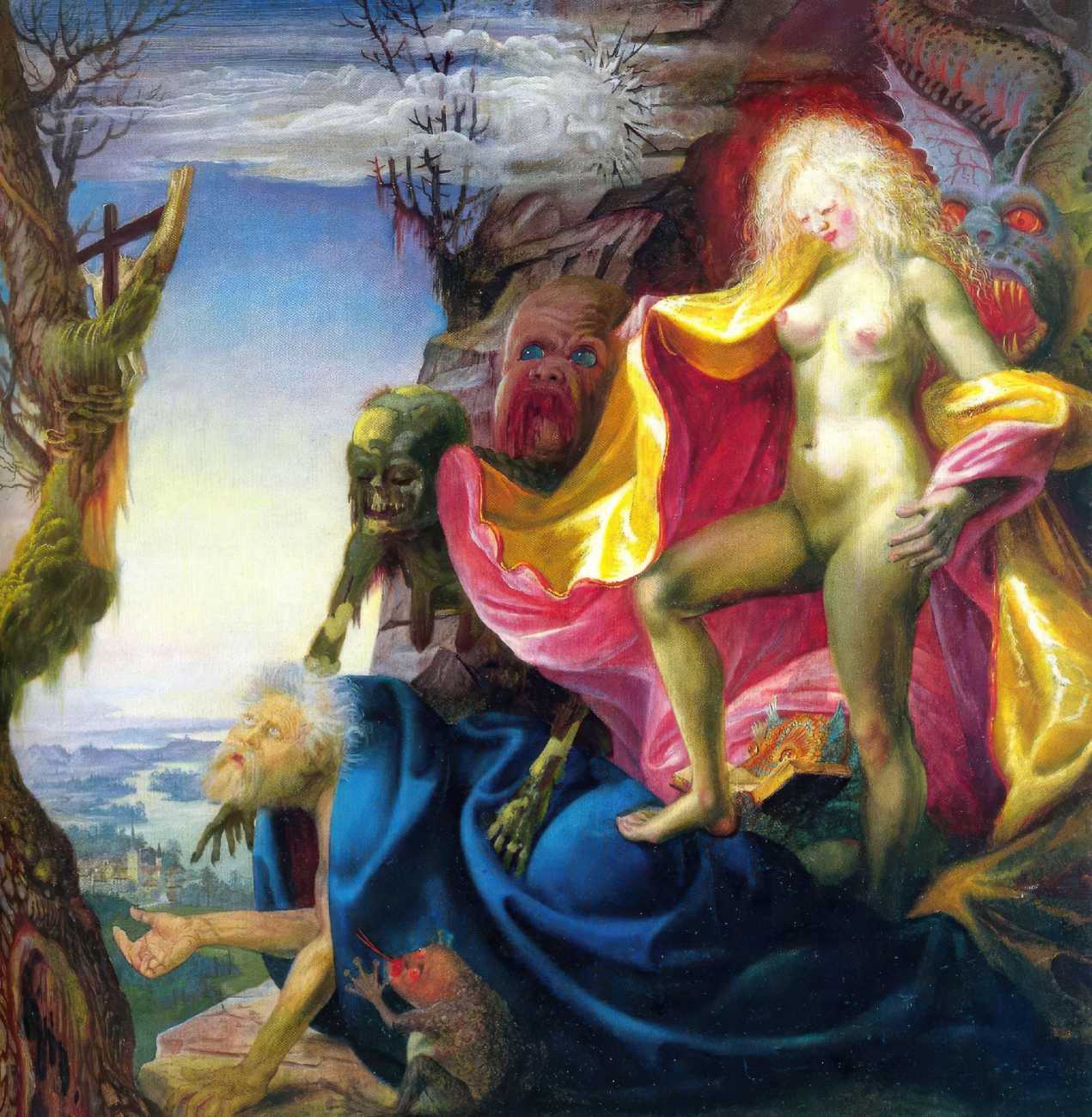
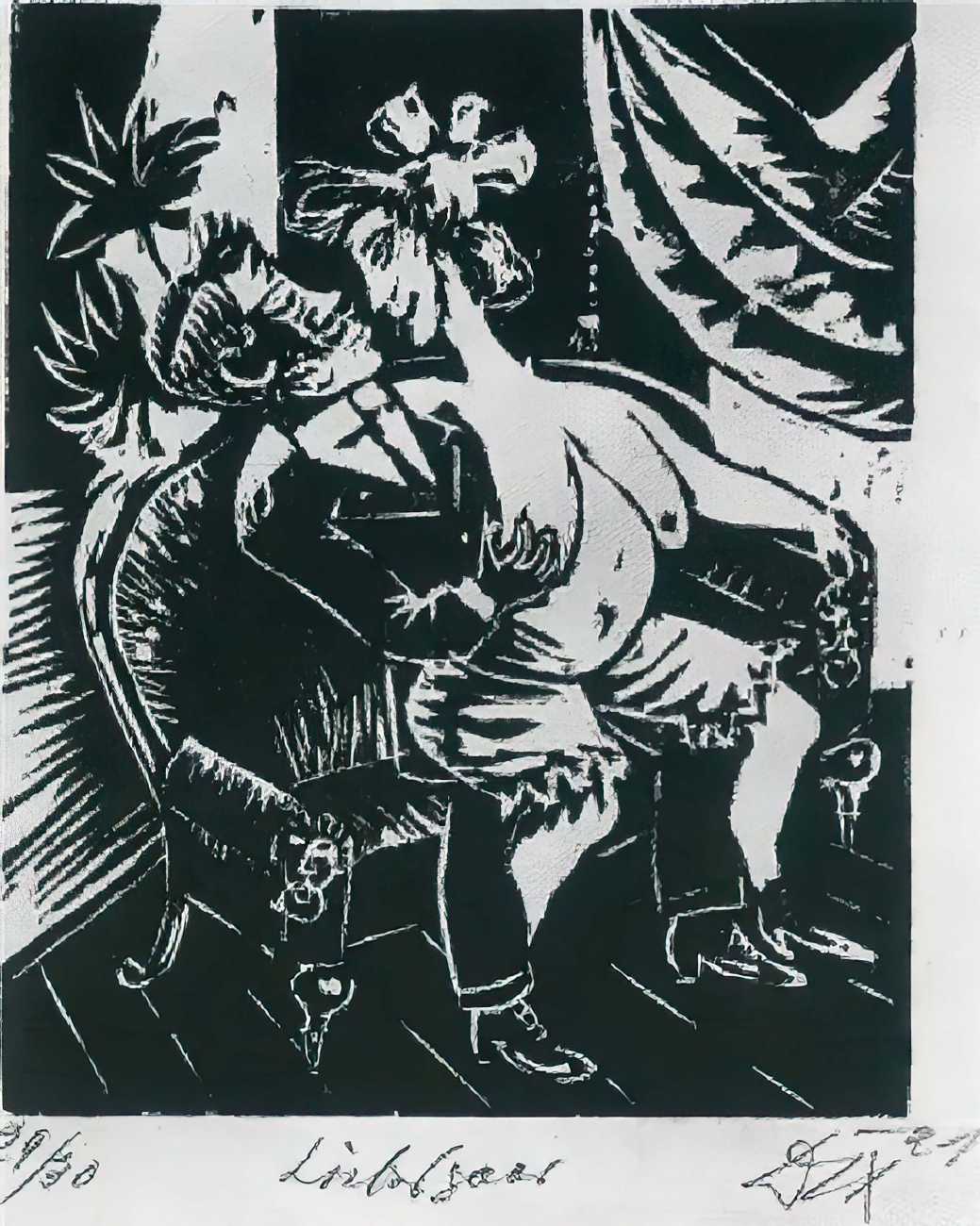
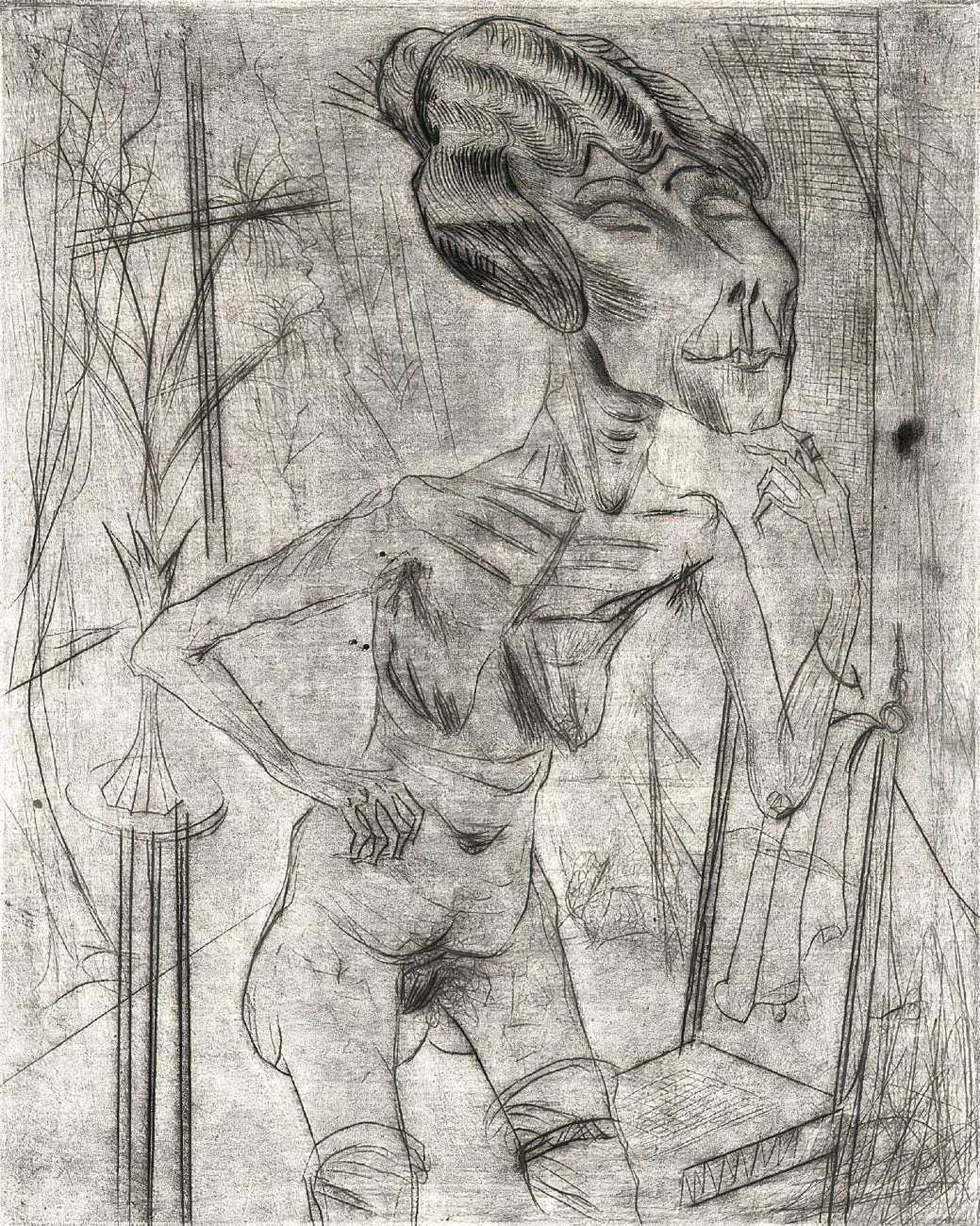
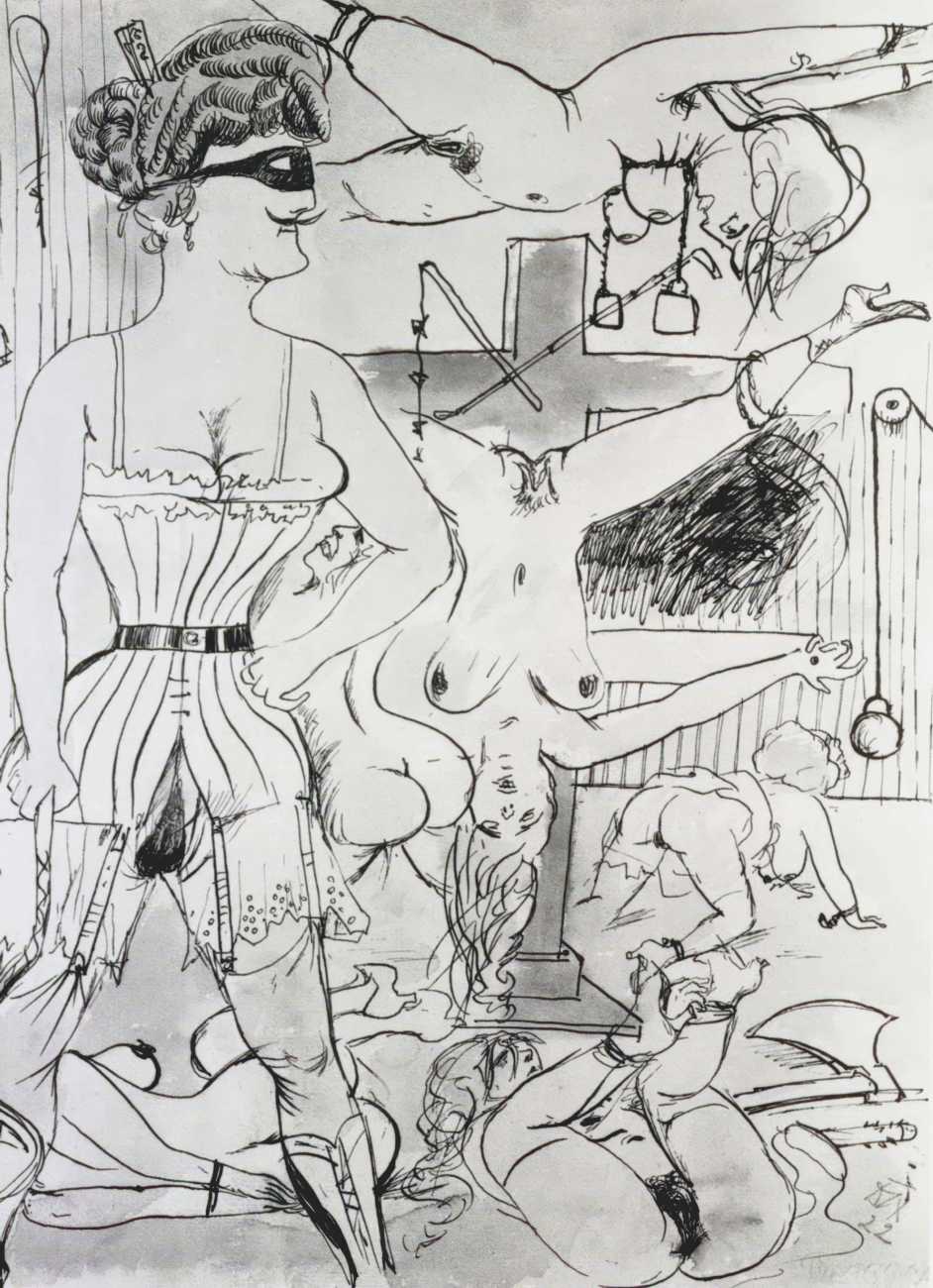
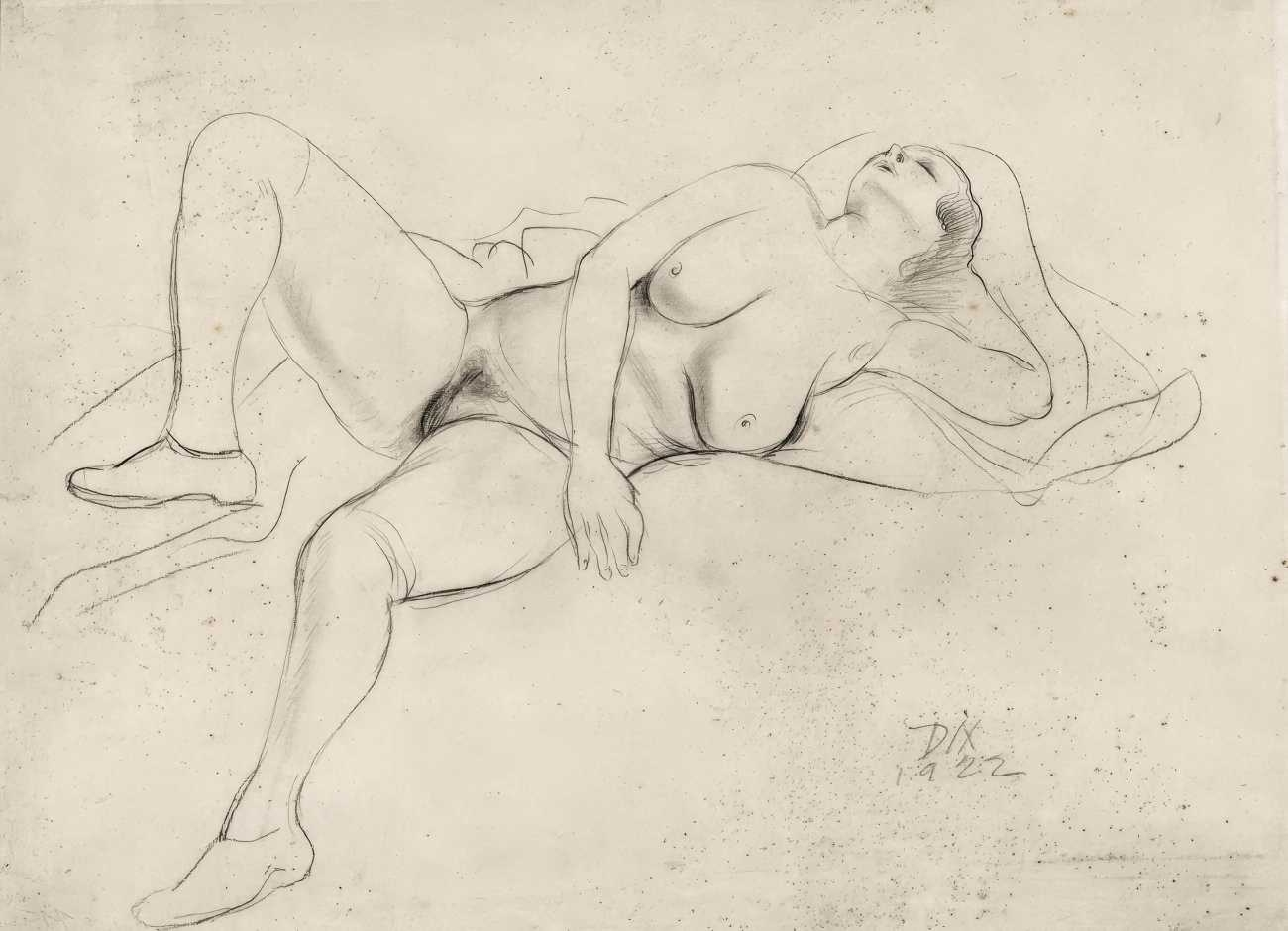
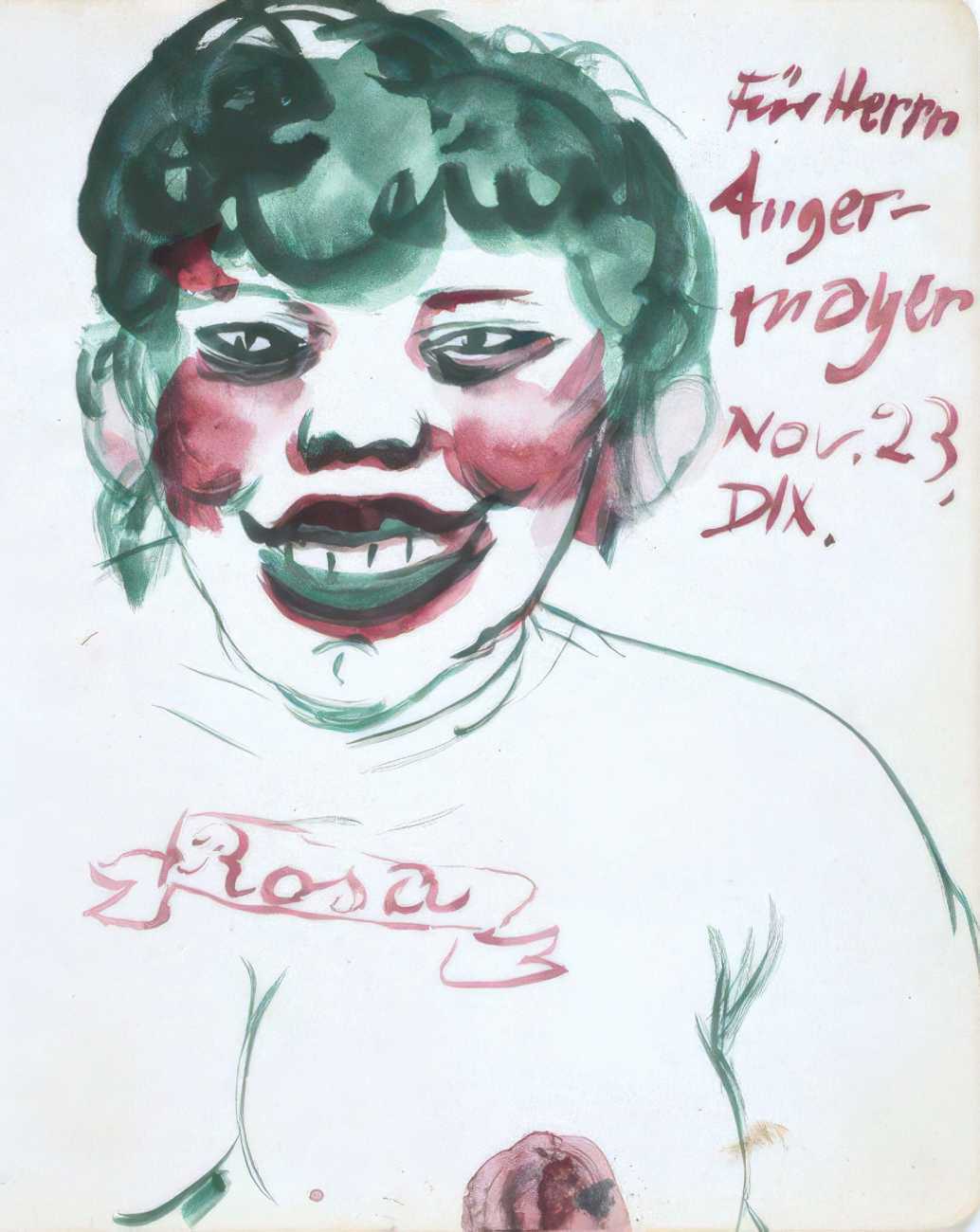
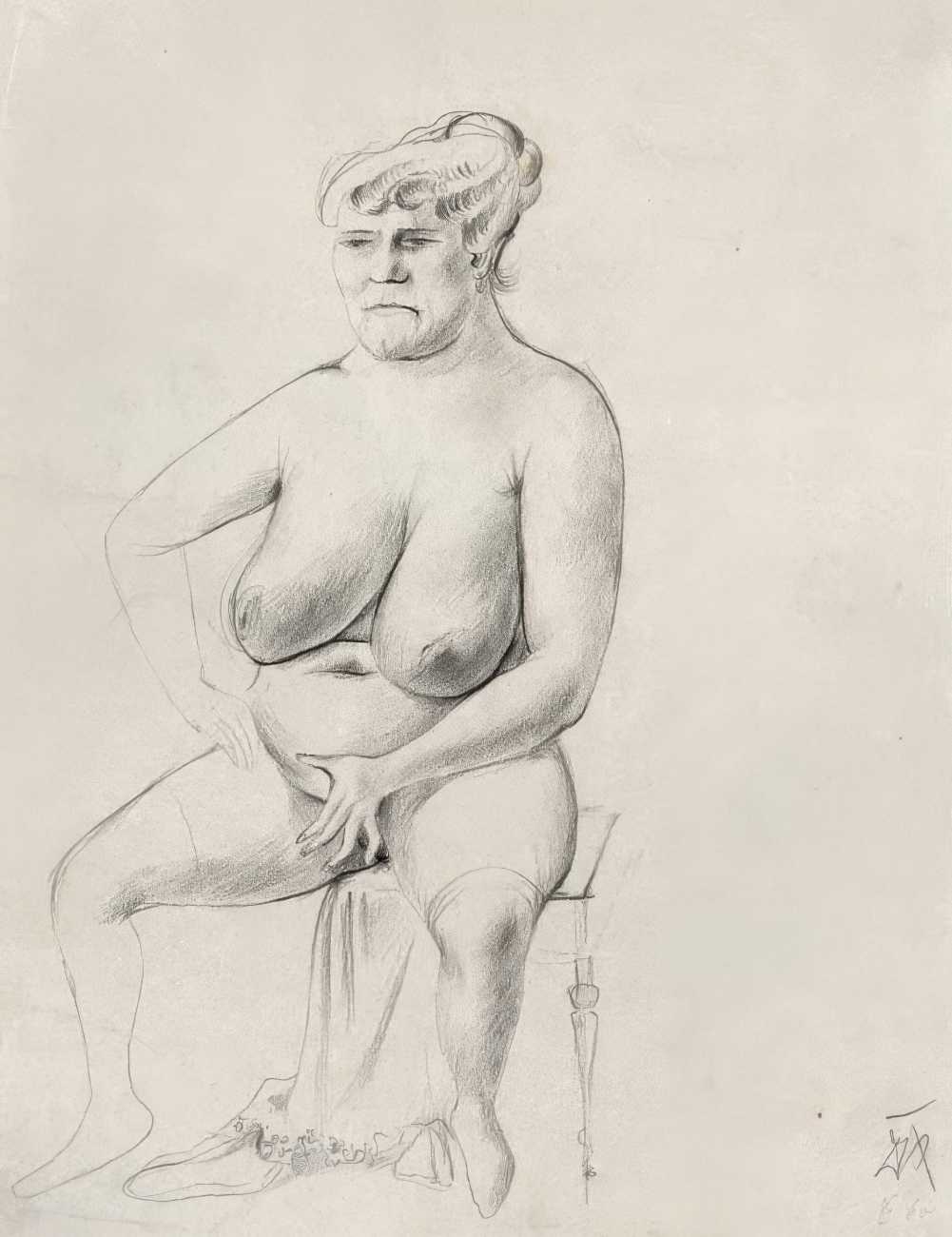
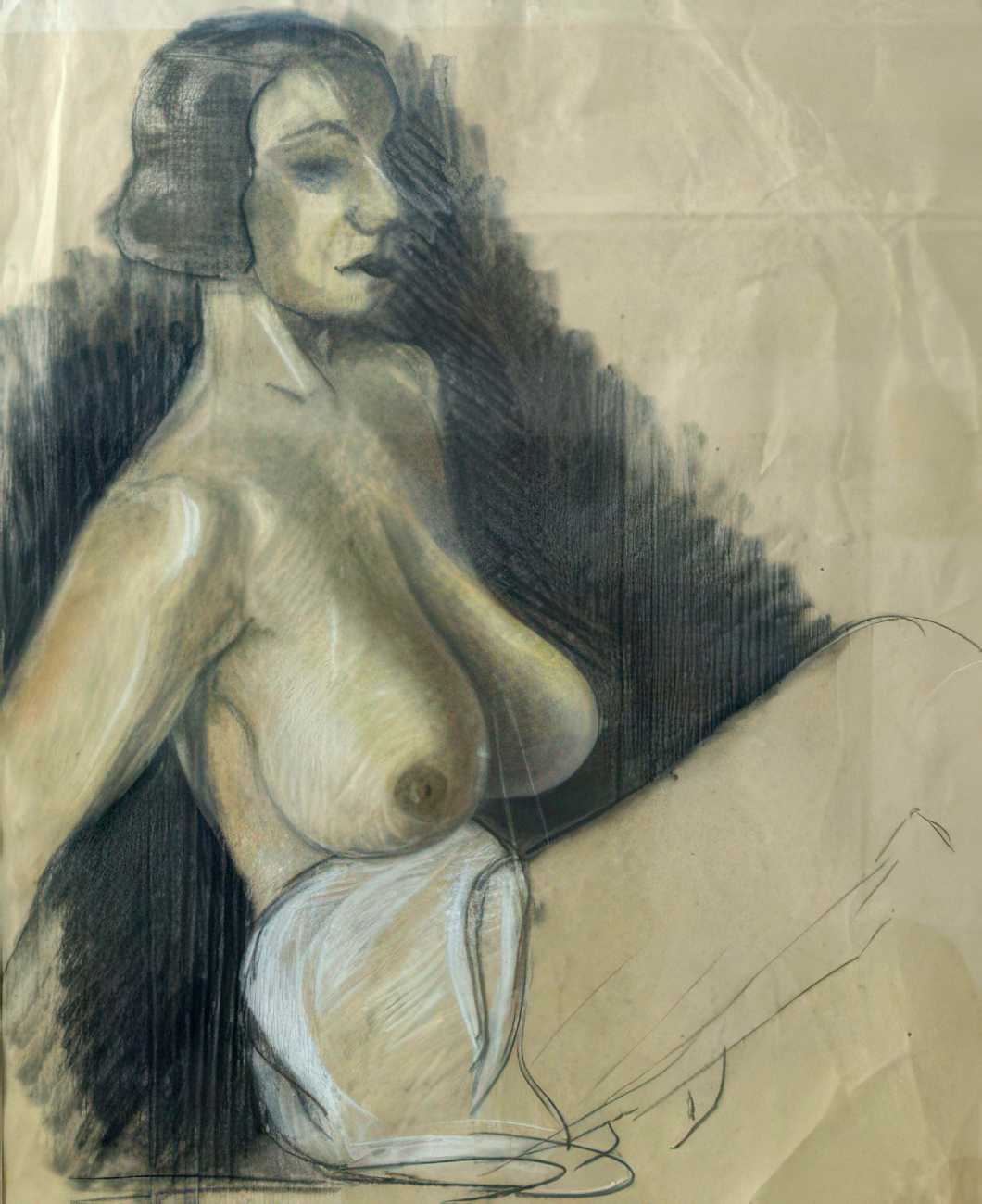
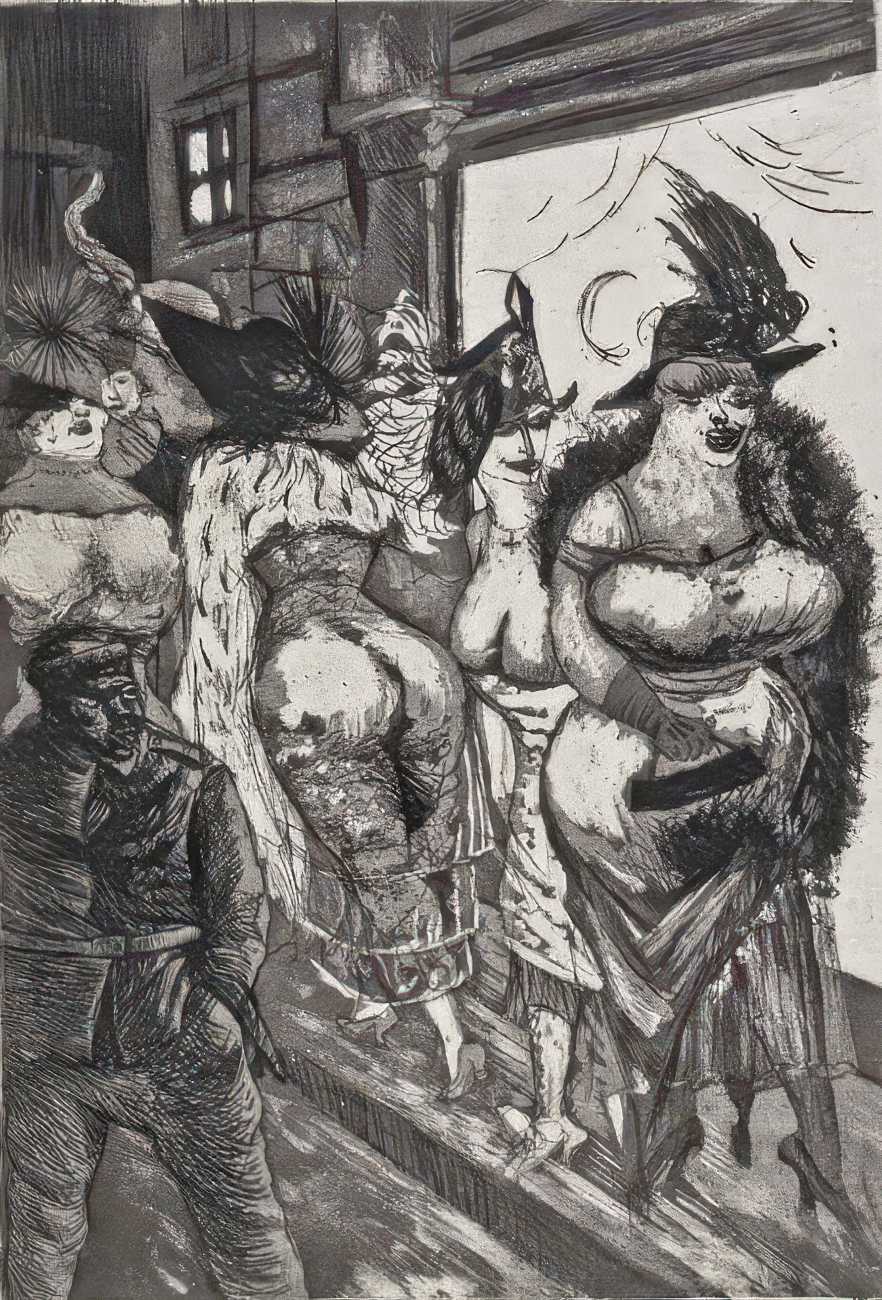
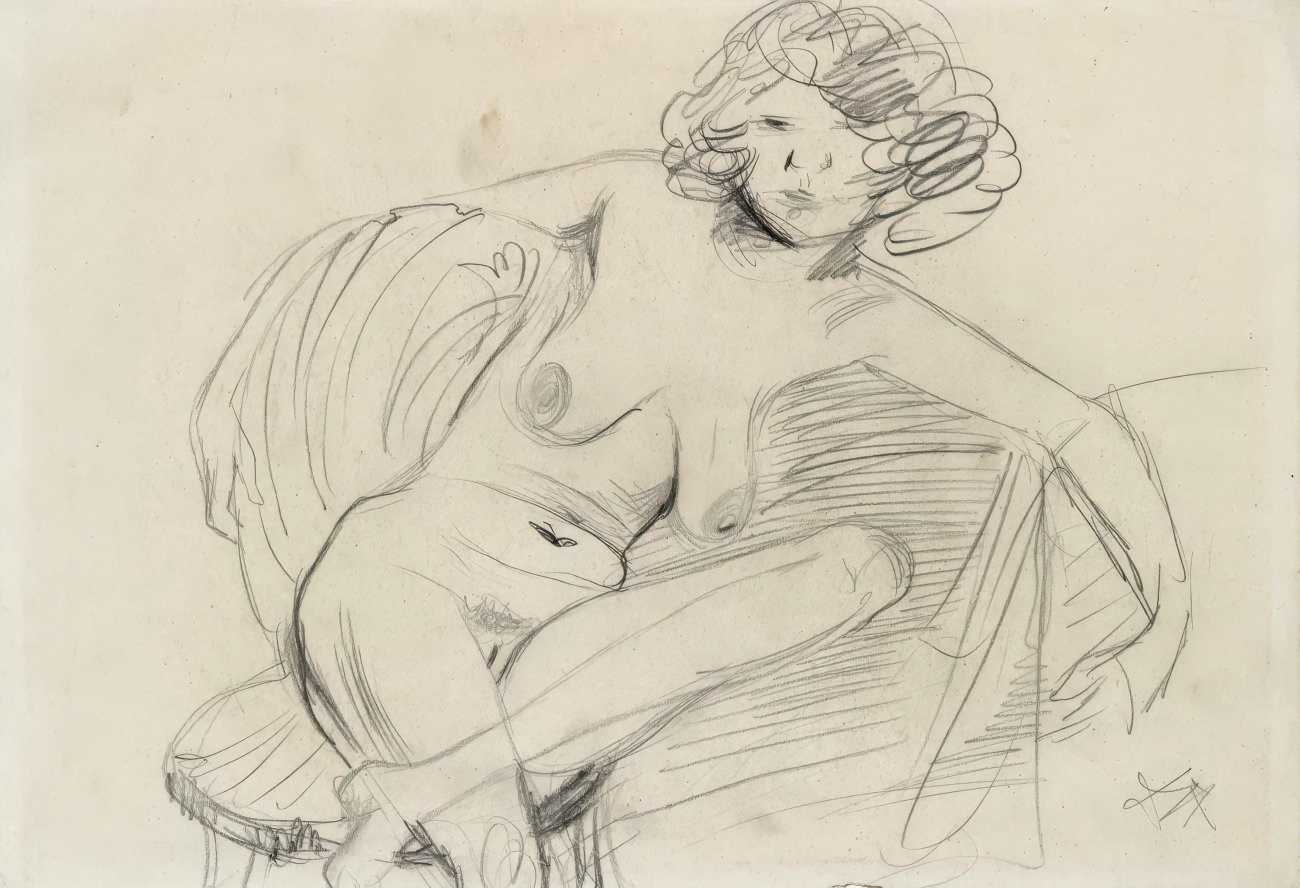
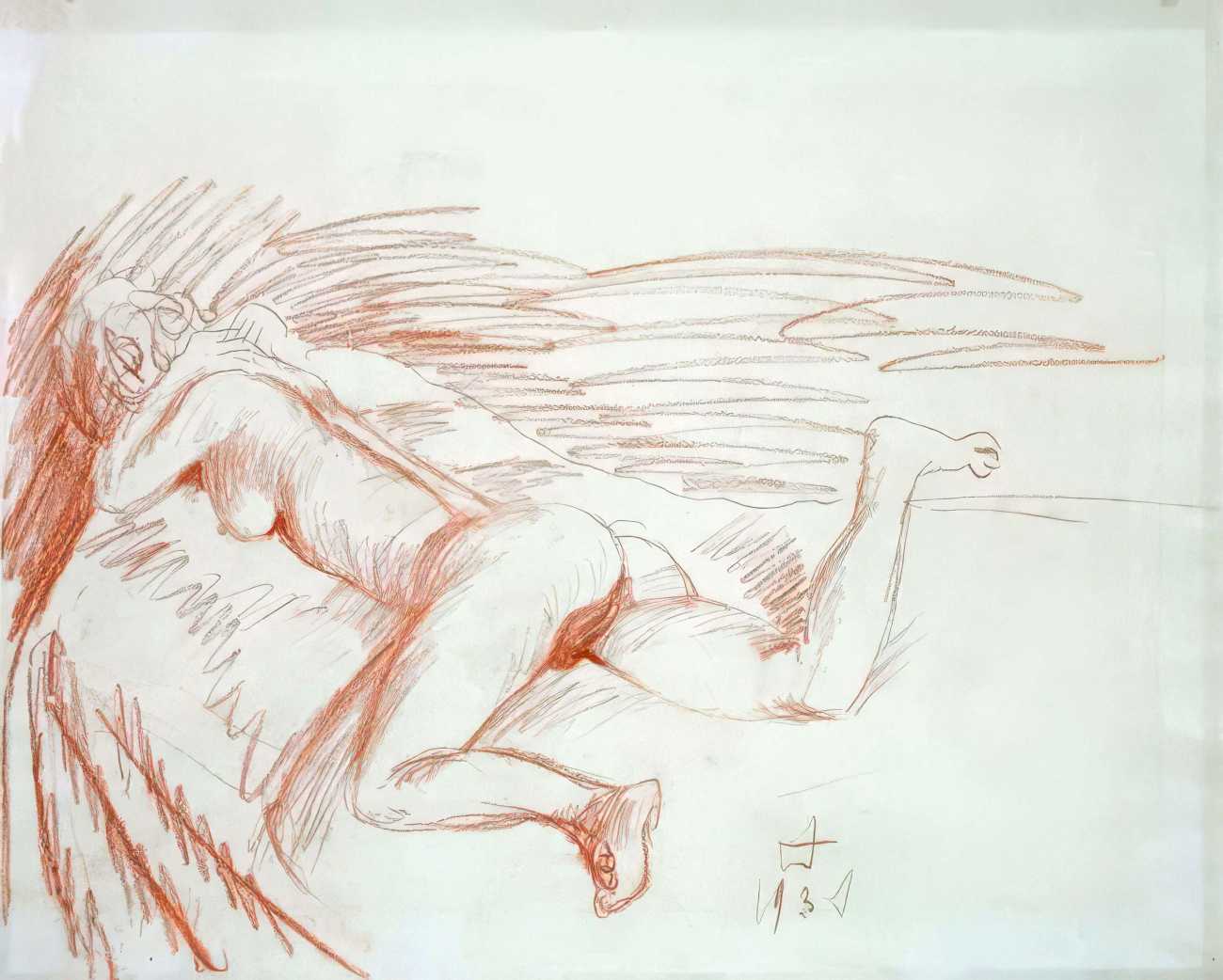
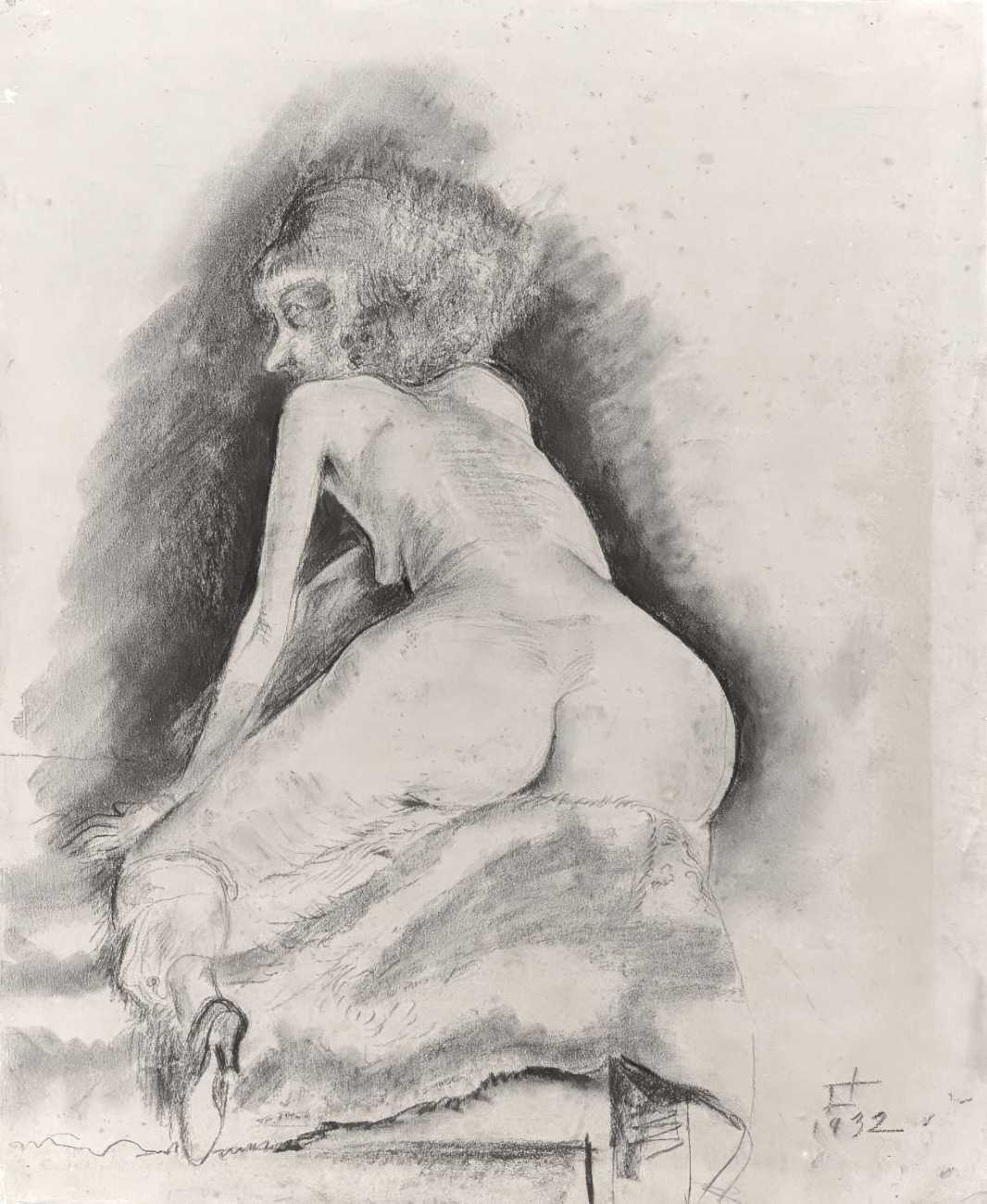
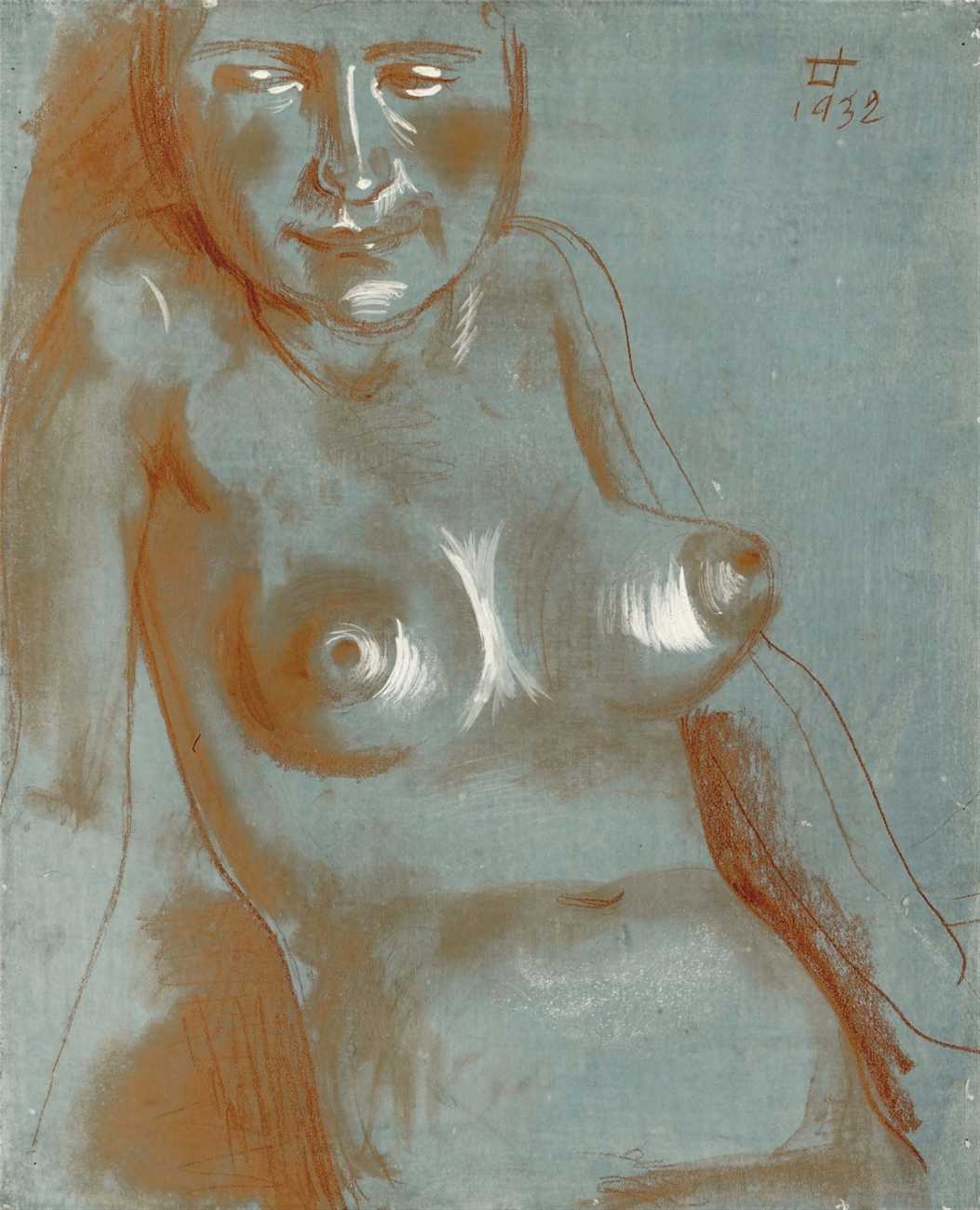
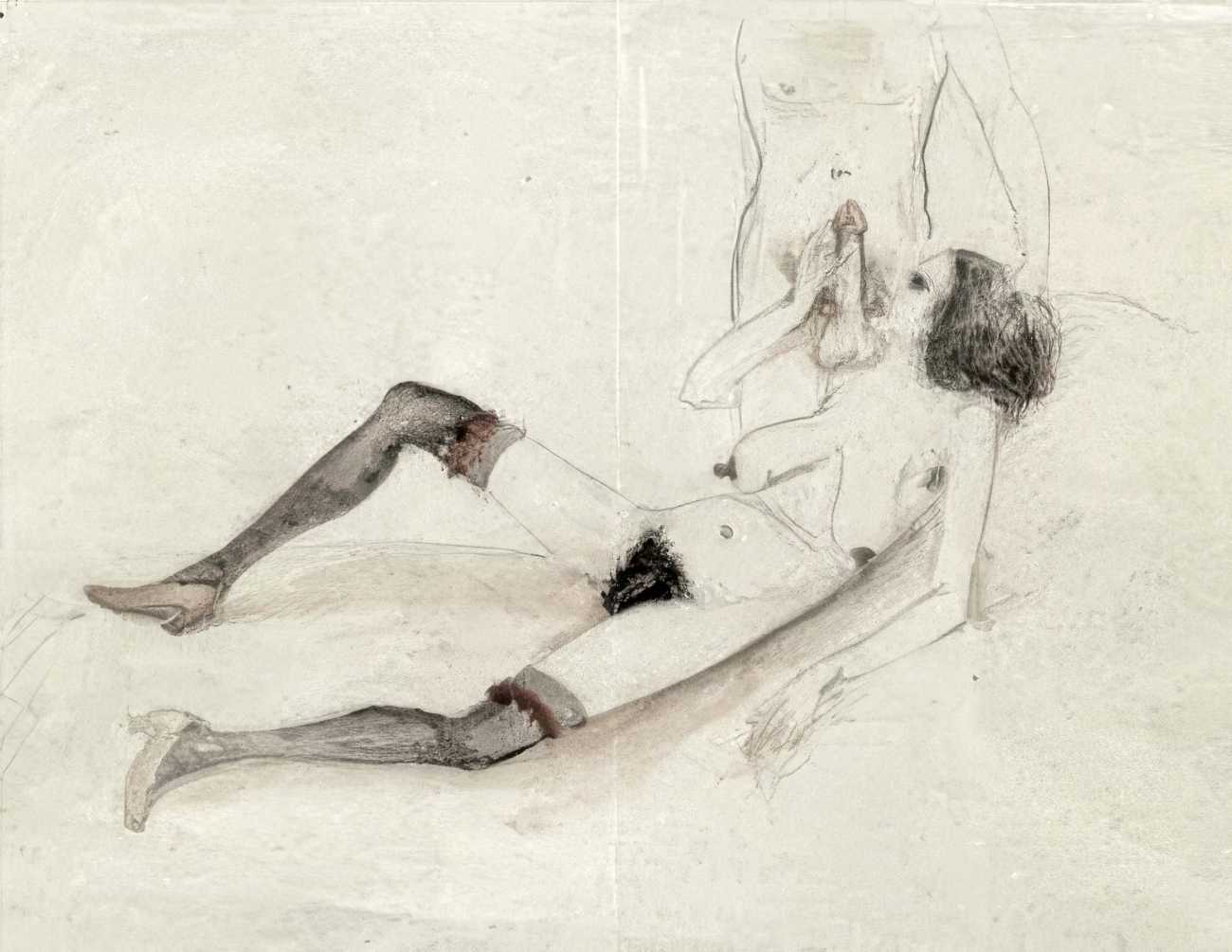
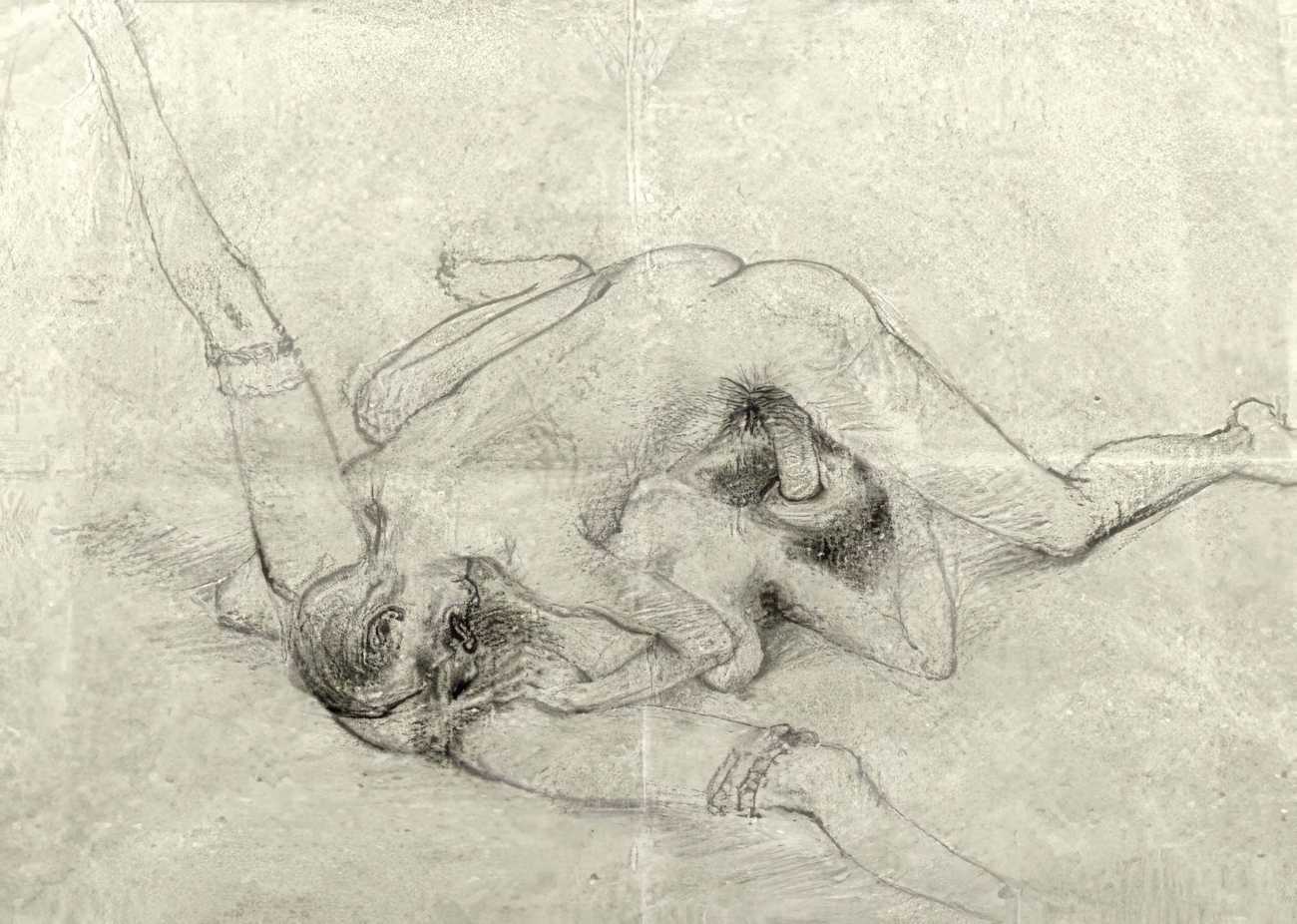
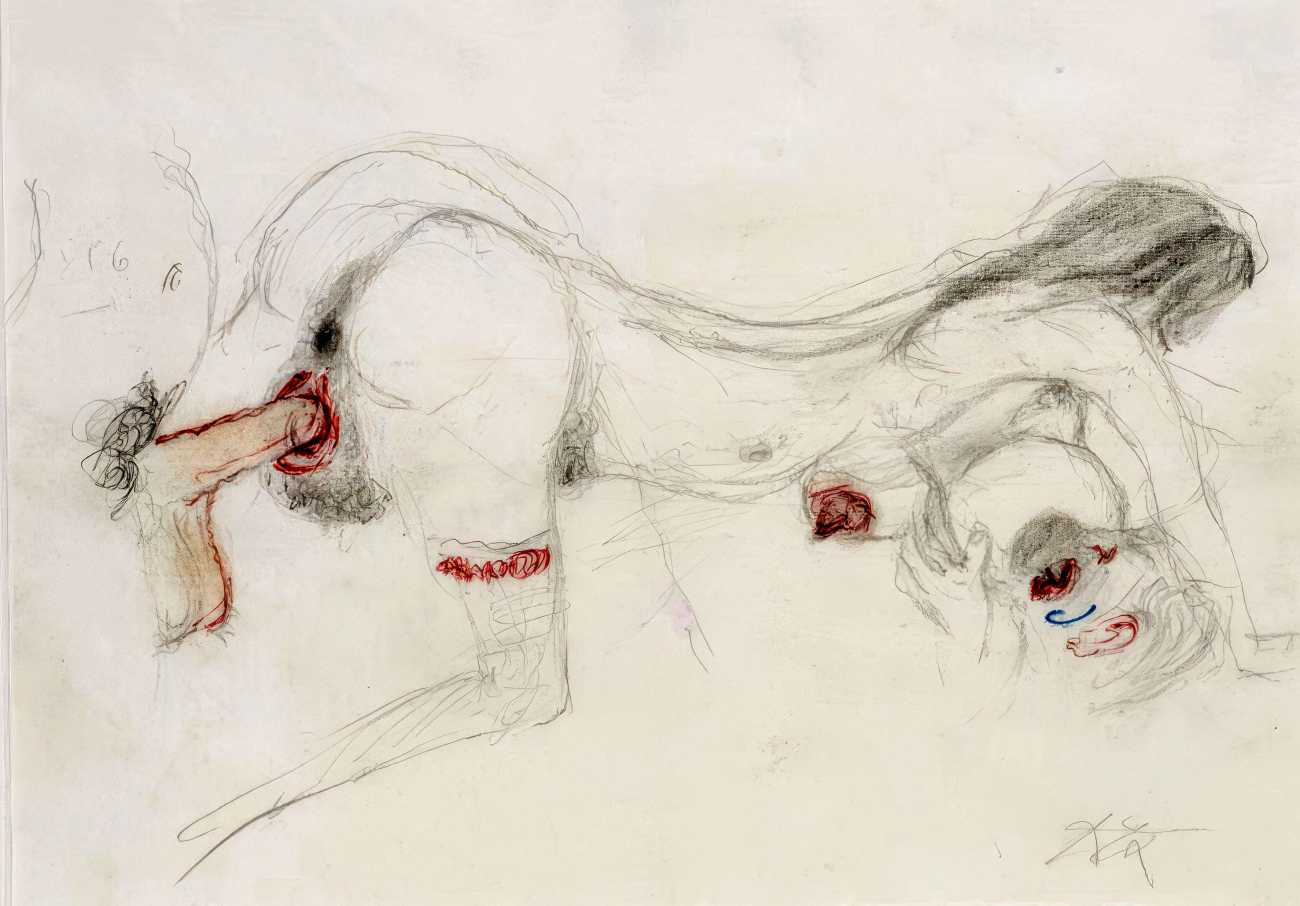
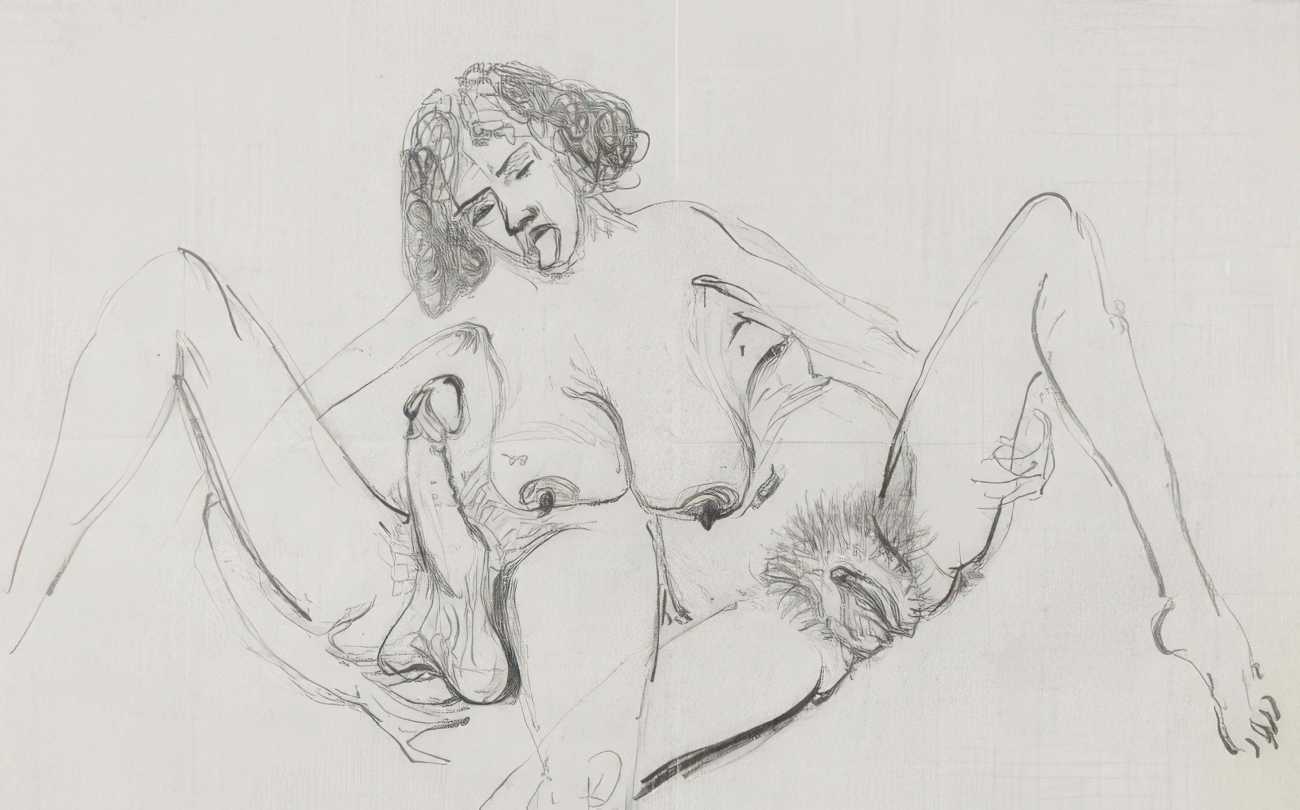
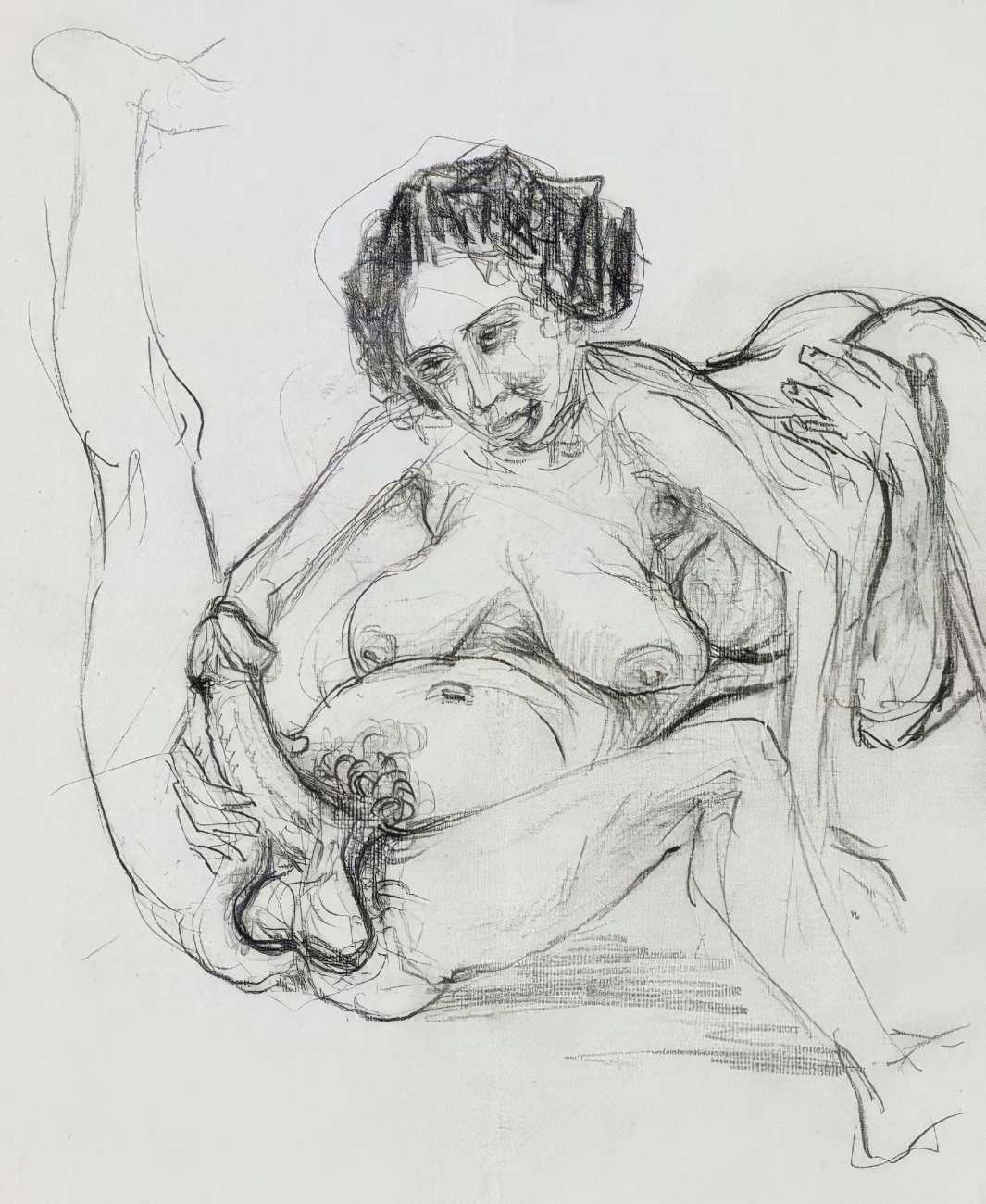
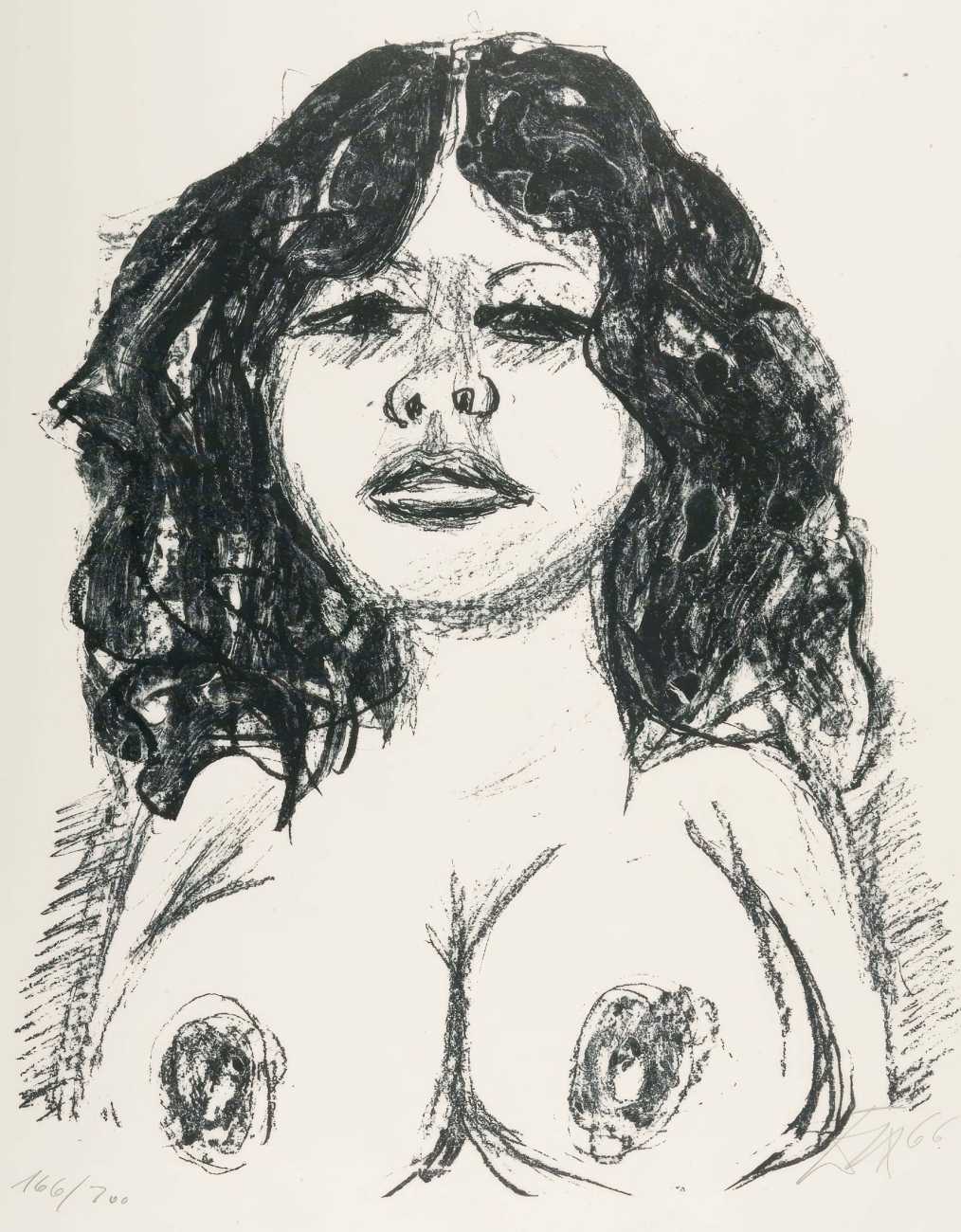
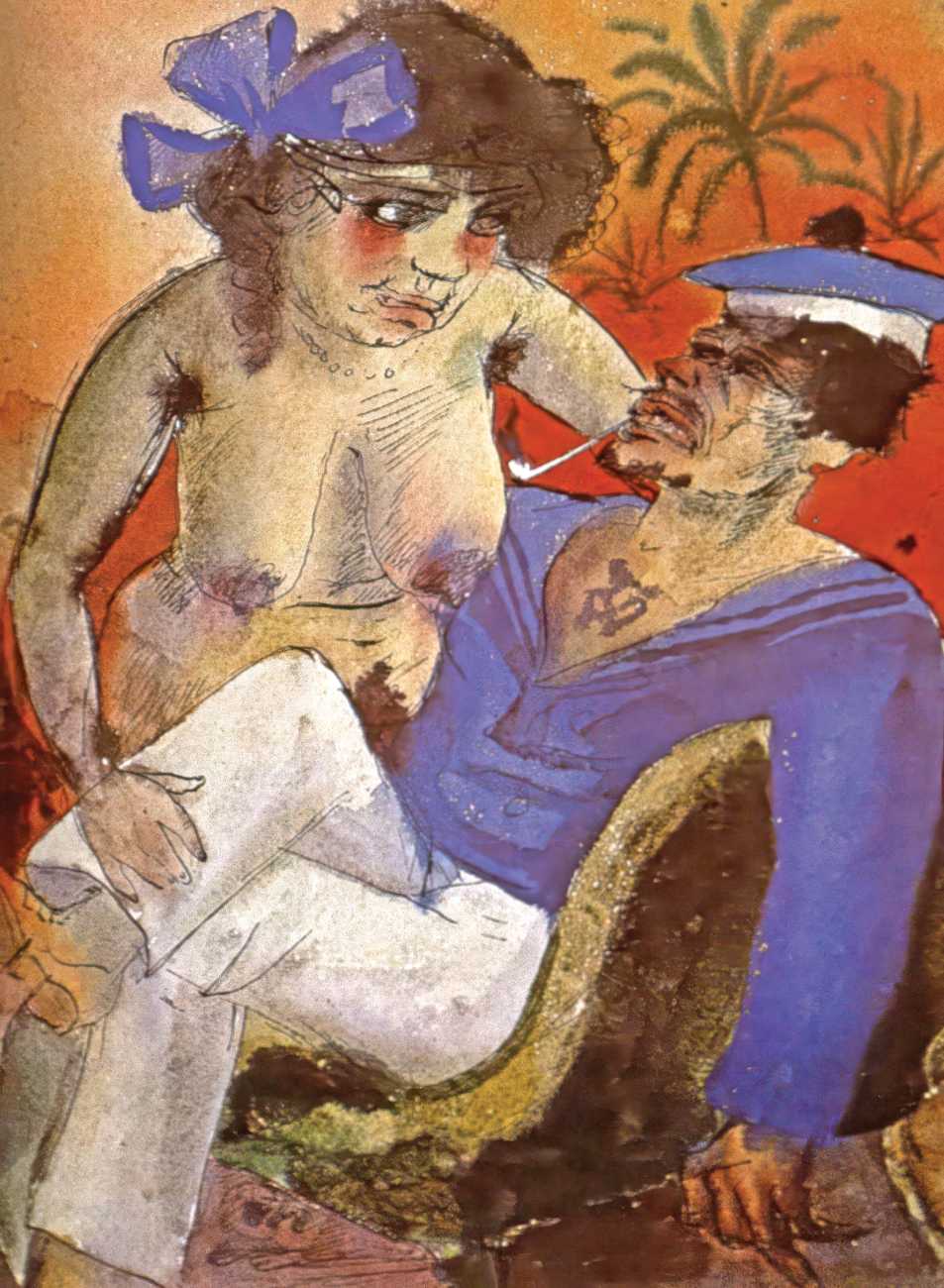
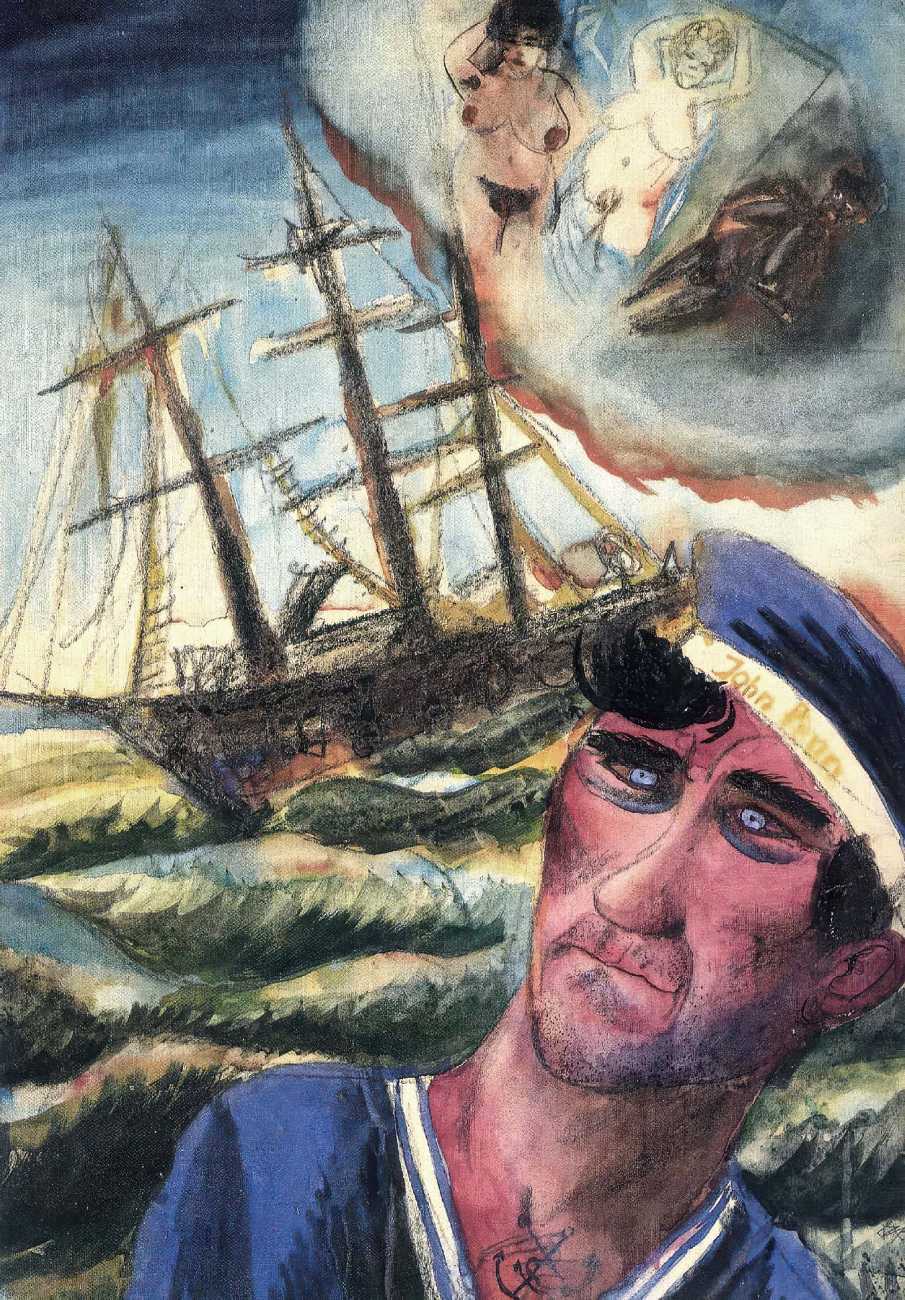
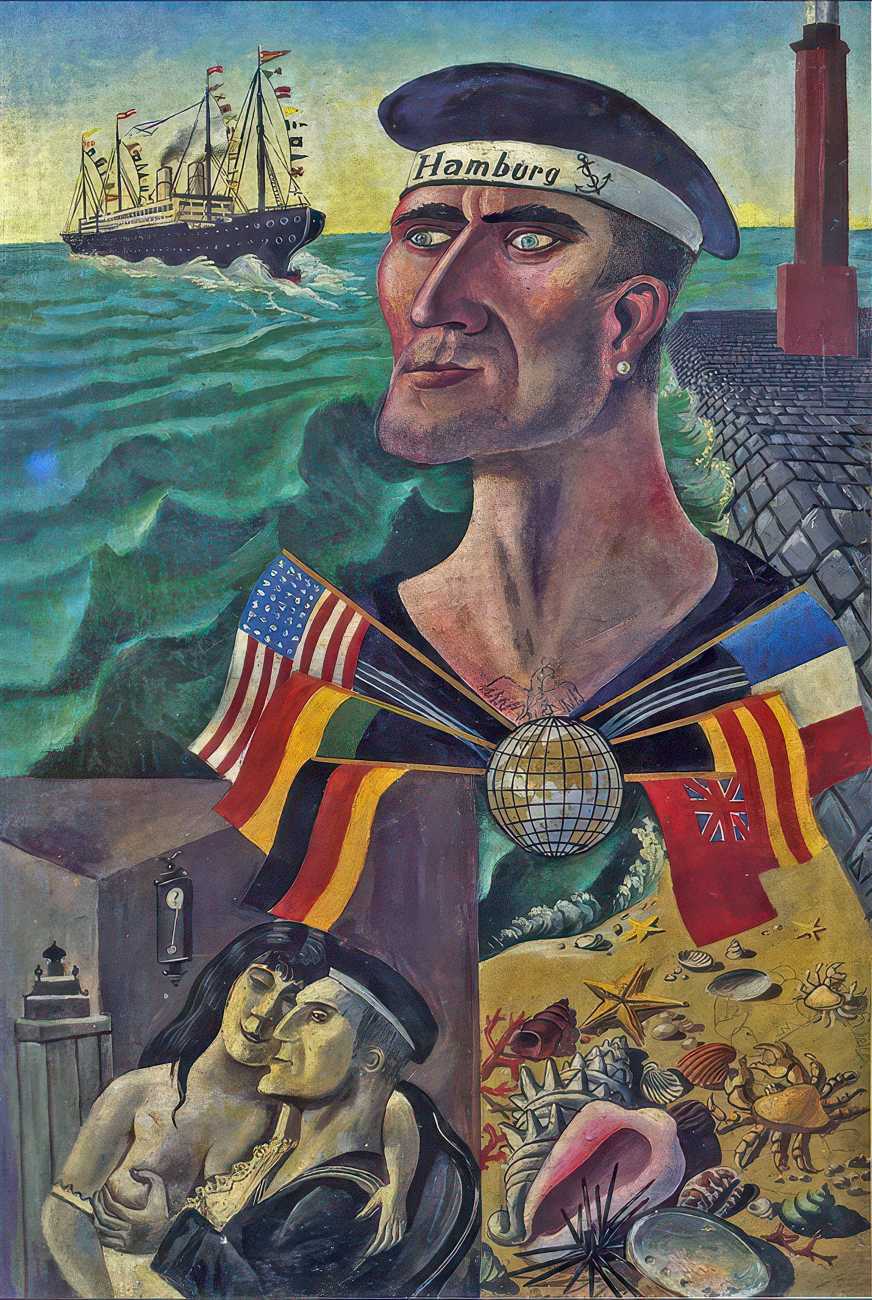
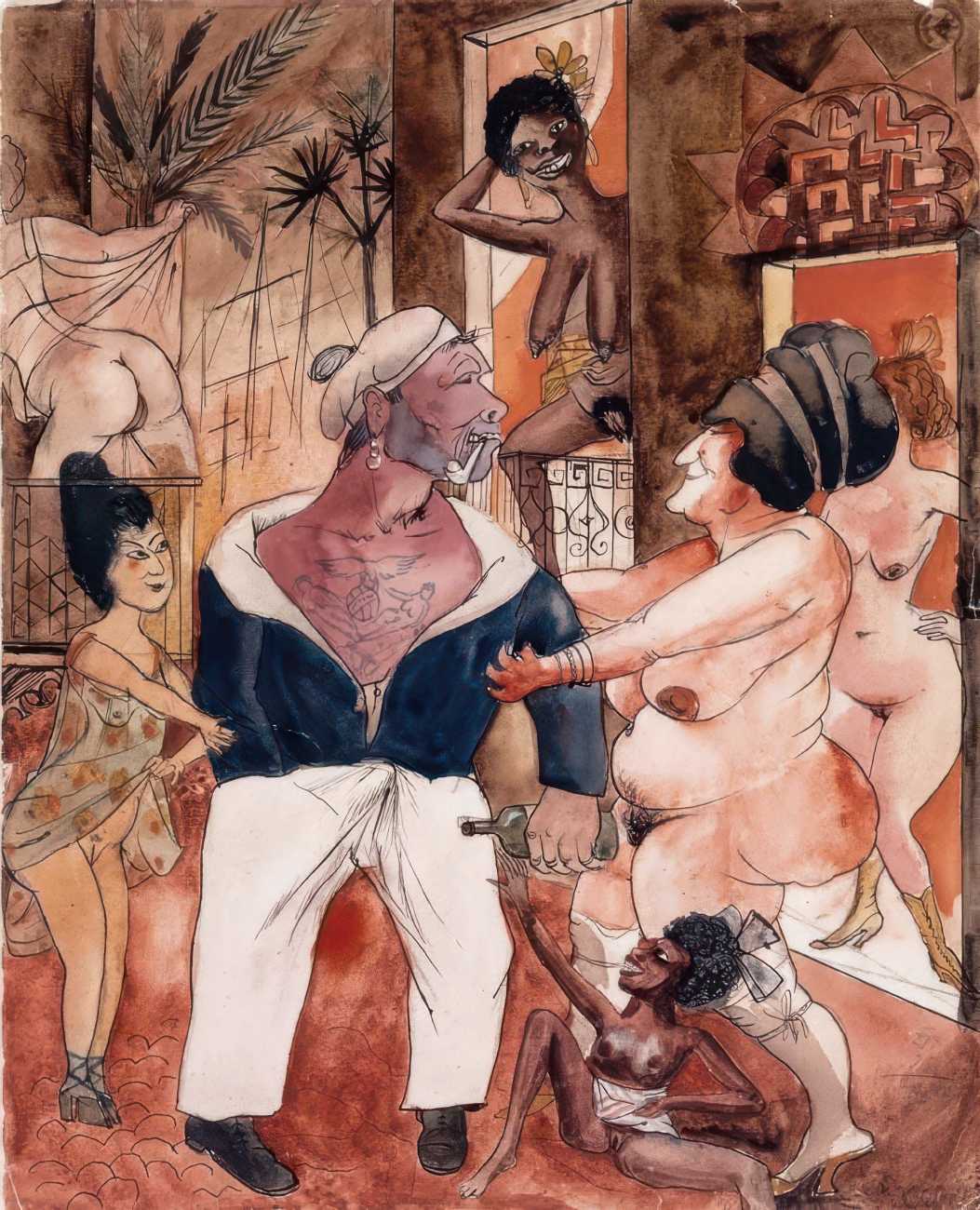
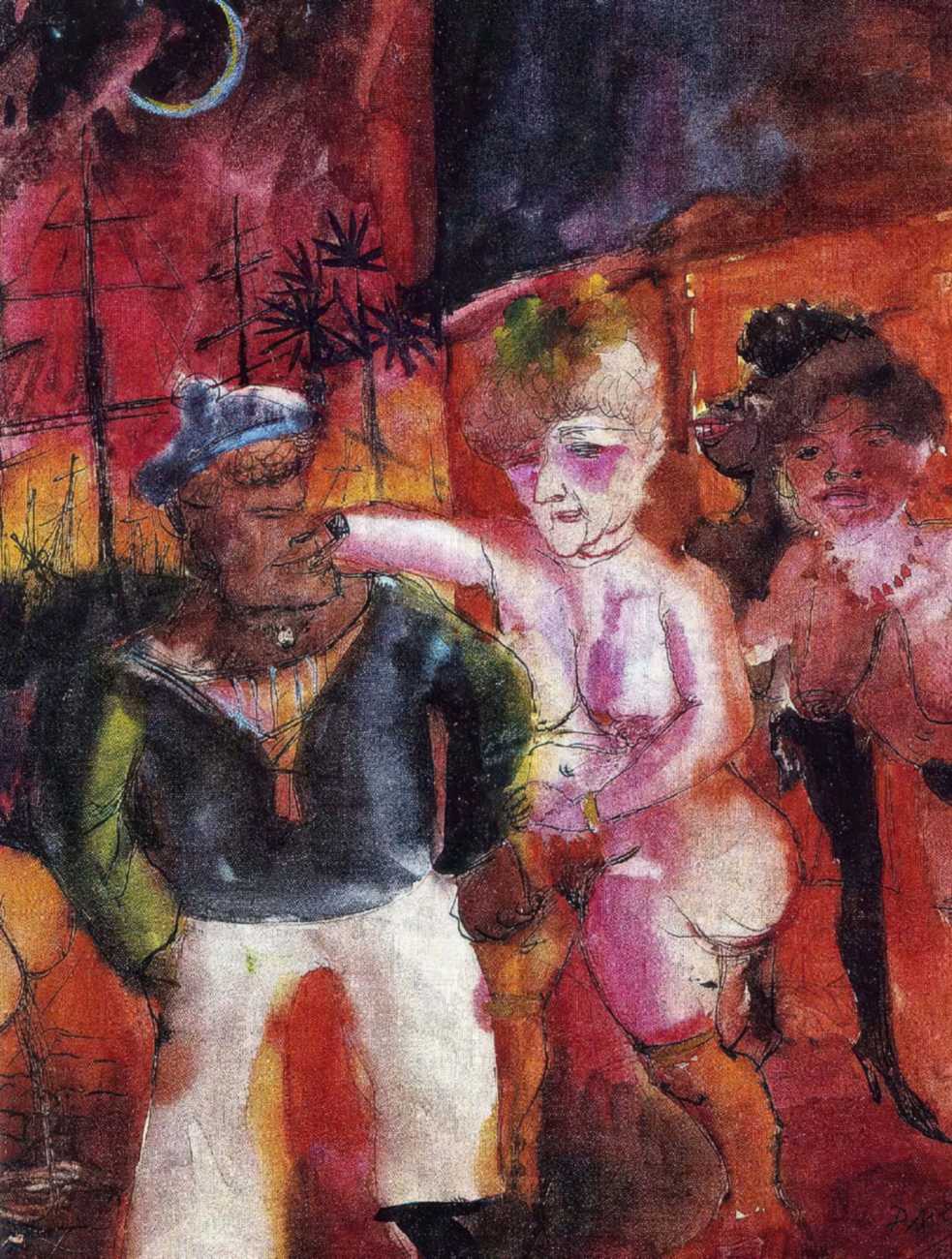
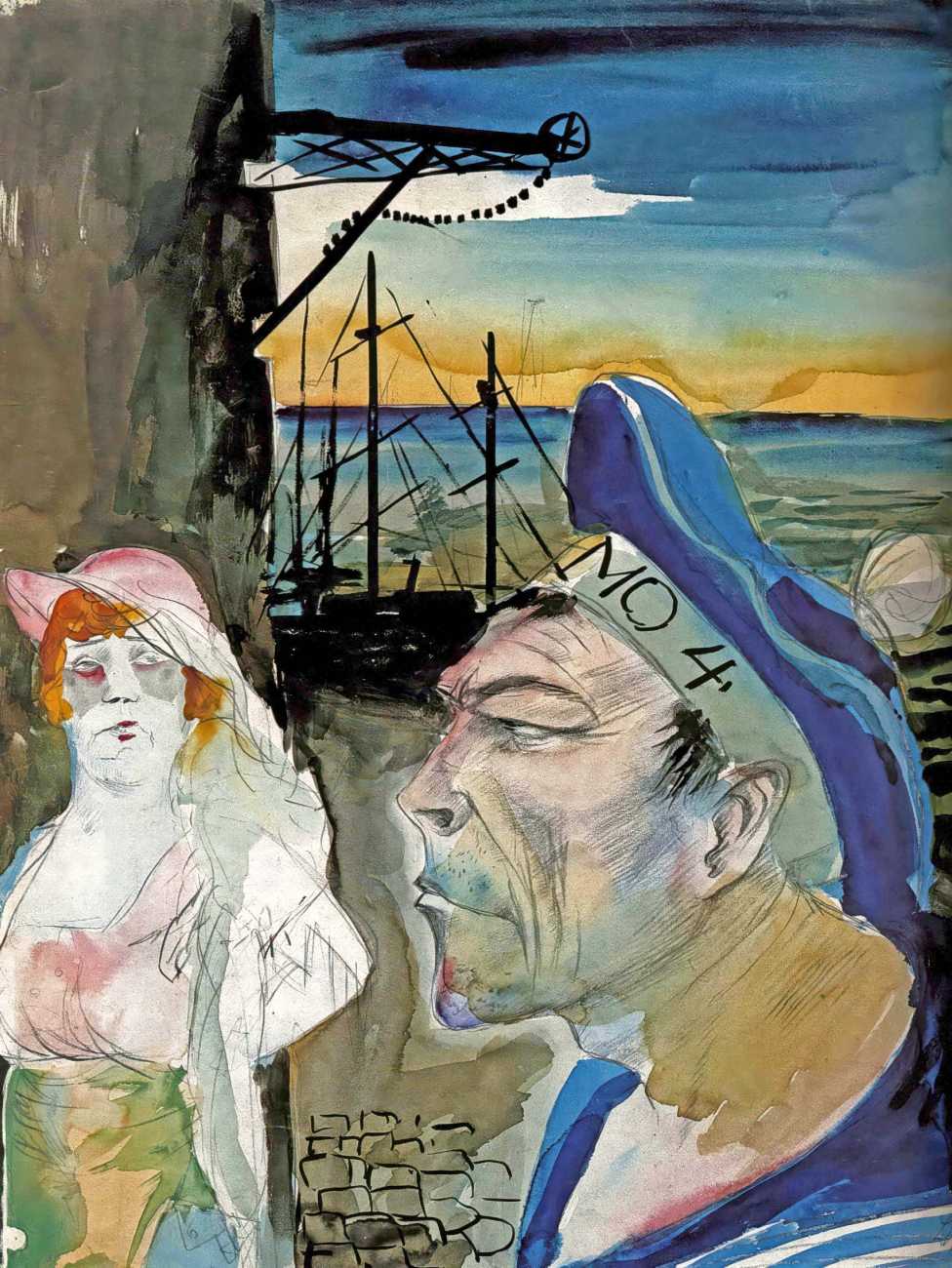
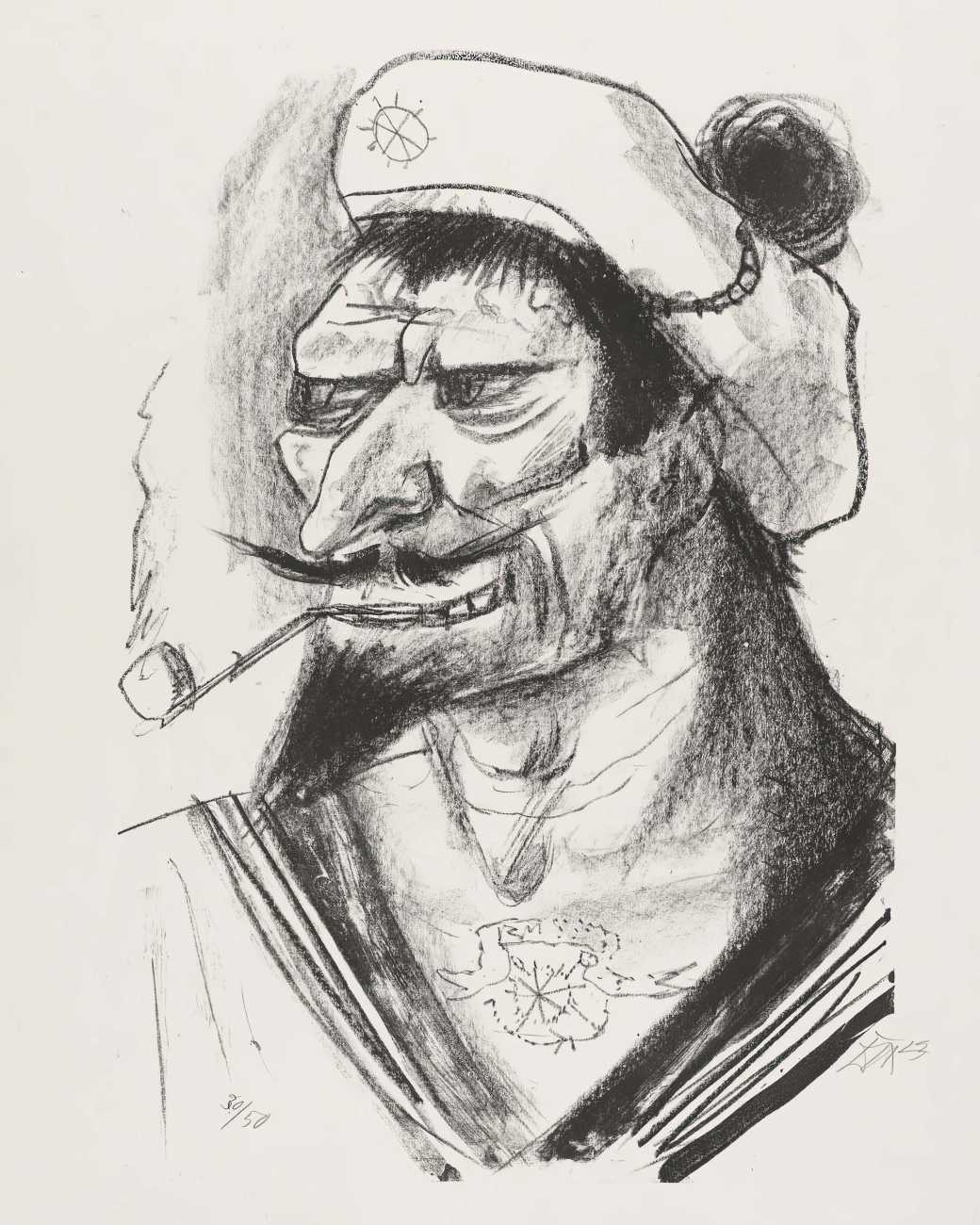
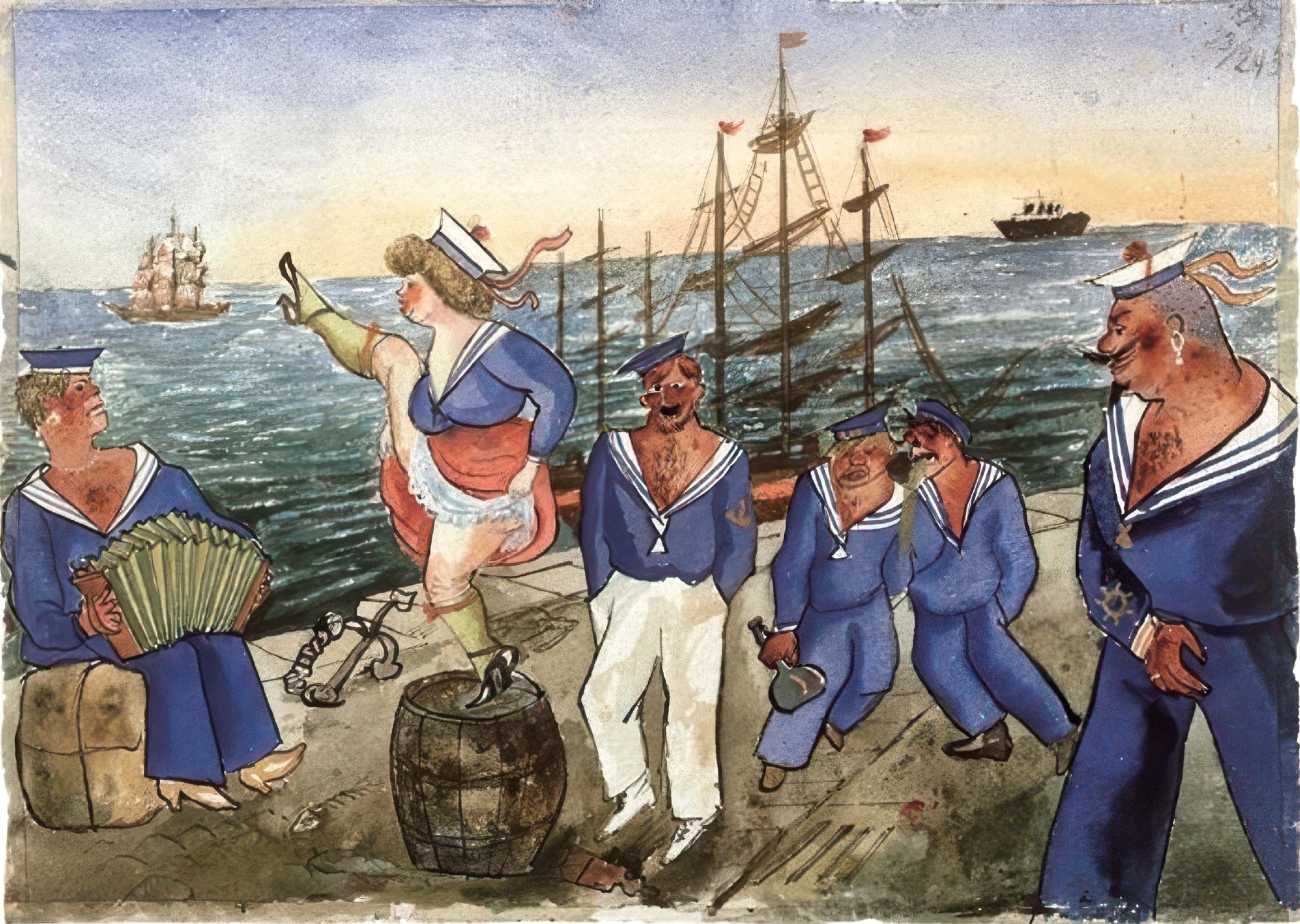
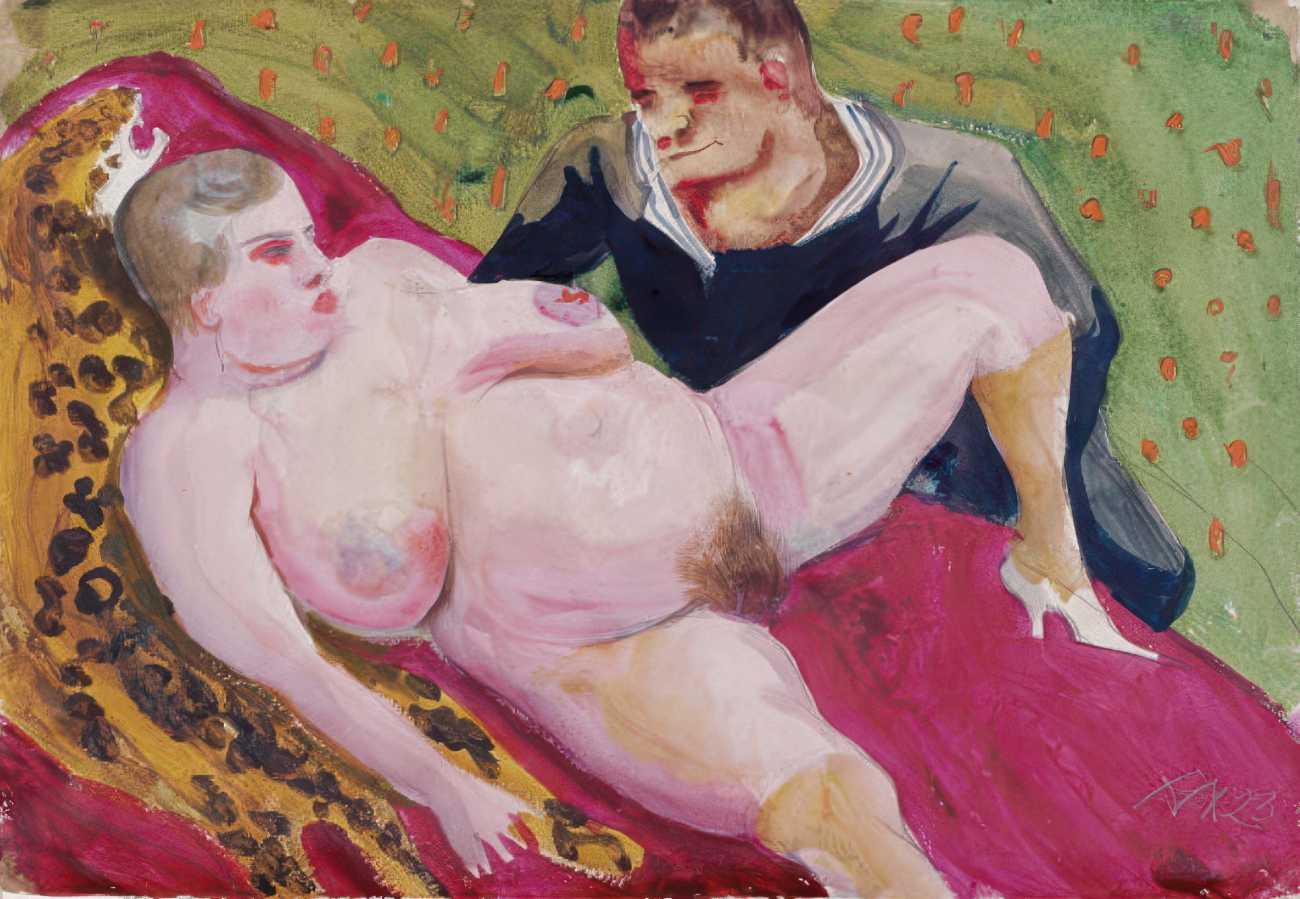
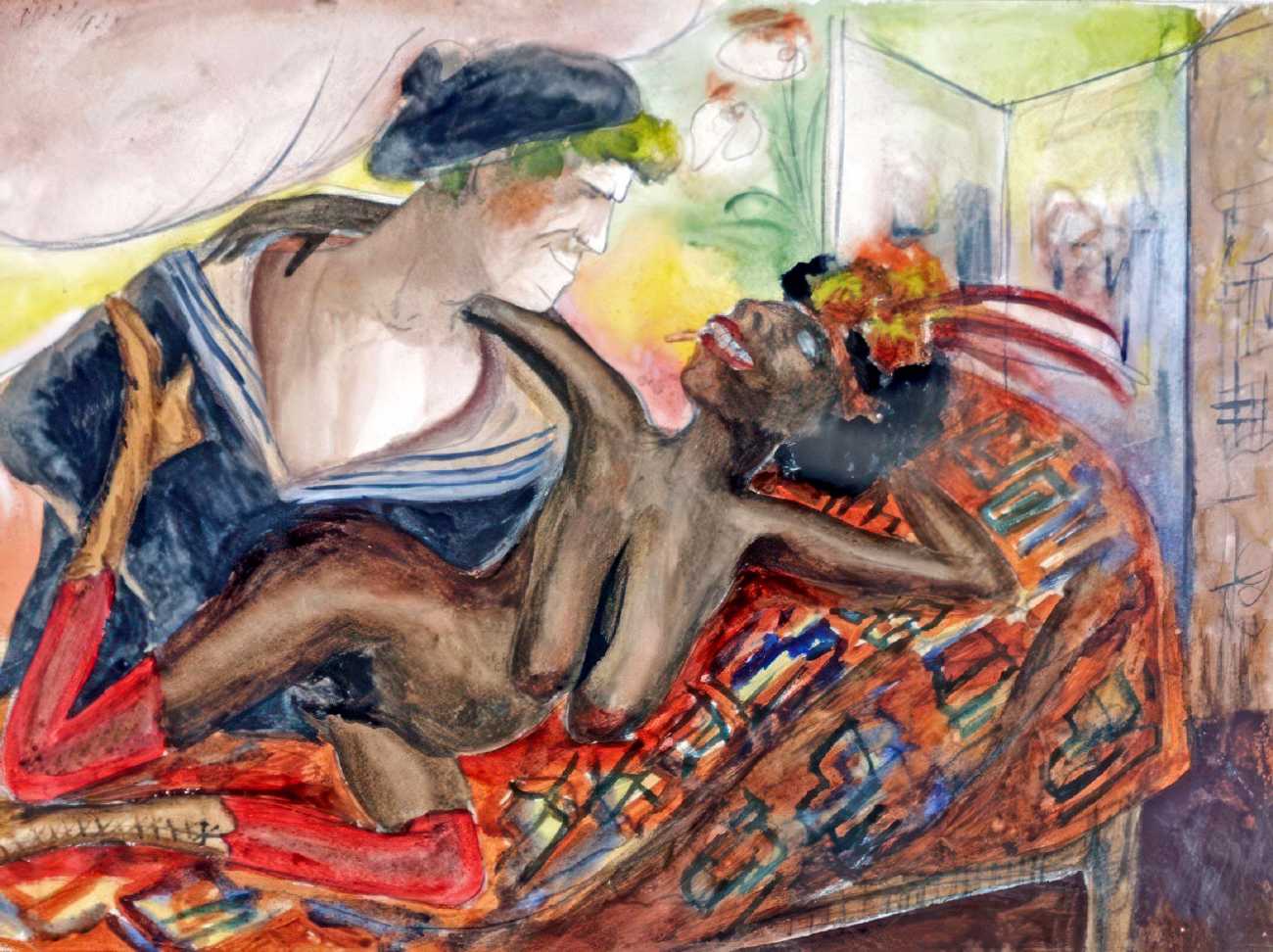
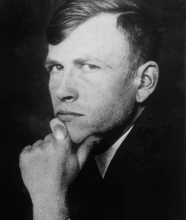
 The German artist Wilhelm Heinrich Otto Dix grew up in Gera, an industrial town south of Leipzig, the son of Ernst Franz Dix, a moulder in an iron foundry, and Pauline Louise Amann, a seamstress with a strong interest in music and art. Dix always regarded himself as a working-class child, although his upbringing was in fact neither poor nor uneducated. His mother was a cousin of the painter Fritz Amann, and Dix later recalled that posing for Amann as a child helped inspire his ambition to become an artist. Encouraged by his school drawing teacher, he trained as a decorative painter before winning a scholarship to the School of Applied Arts in Dresden, where he studied from 1910 to 1914.
His studies were interrupted by the first world war, in which Dix served first as an artilleryman and later as a machine-gunner on both the western and eastern fronts. The experience resulted in a large body of drawings, and the war remained one of his lifelong preoccupations. After returning to Dresden in 1918 he threw himself into the city’s avant-garde world, becoming involved with dada and the Dresden Secession, though he was equally interested in the techniques of the old masters, particularly the German renaissance painters.
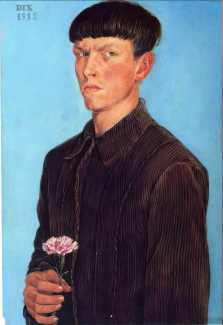
In 1921, while still based in Dresden, Dix travelled to Düsseldorf to paint the portrait of Dr Hans Koch, a urologist, art collector and patron. Dix fell in love with Koch’s wife, Martha, and moved to Düsseldorf in 1922. Martha was divorced from Koch in 1922 and married Dix in February 1923. Martha had two children from her marriage to Koch, Martin and Hana, who were raised by Koch and his second wife, Martha’s sister Maria. She and Dix subsequently had three children of their own. The unconventional arrangement did not unduly affect Dix’s friendship with Koch, who remained an important supporter of the artist’s work.
Dix’s domestic life did not end there. From 1927 he was involved with Käthe König, a Dresden court usher and model. Their daughter Katharina was born in 1939, and Dix maintained a second family in Dresden alongside his wife and children in Hemmenhofen.
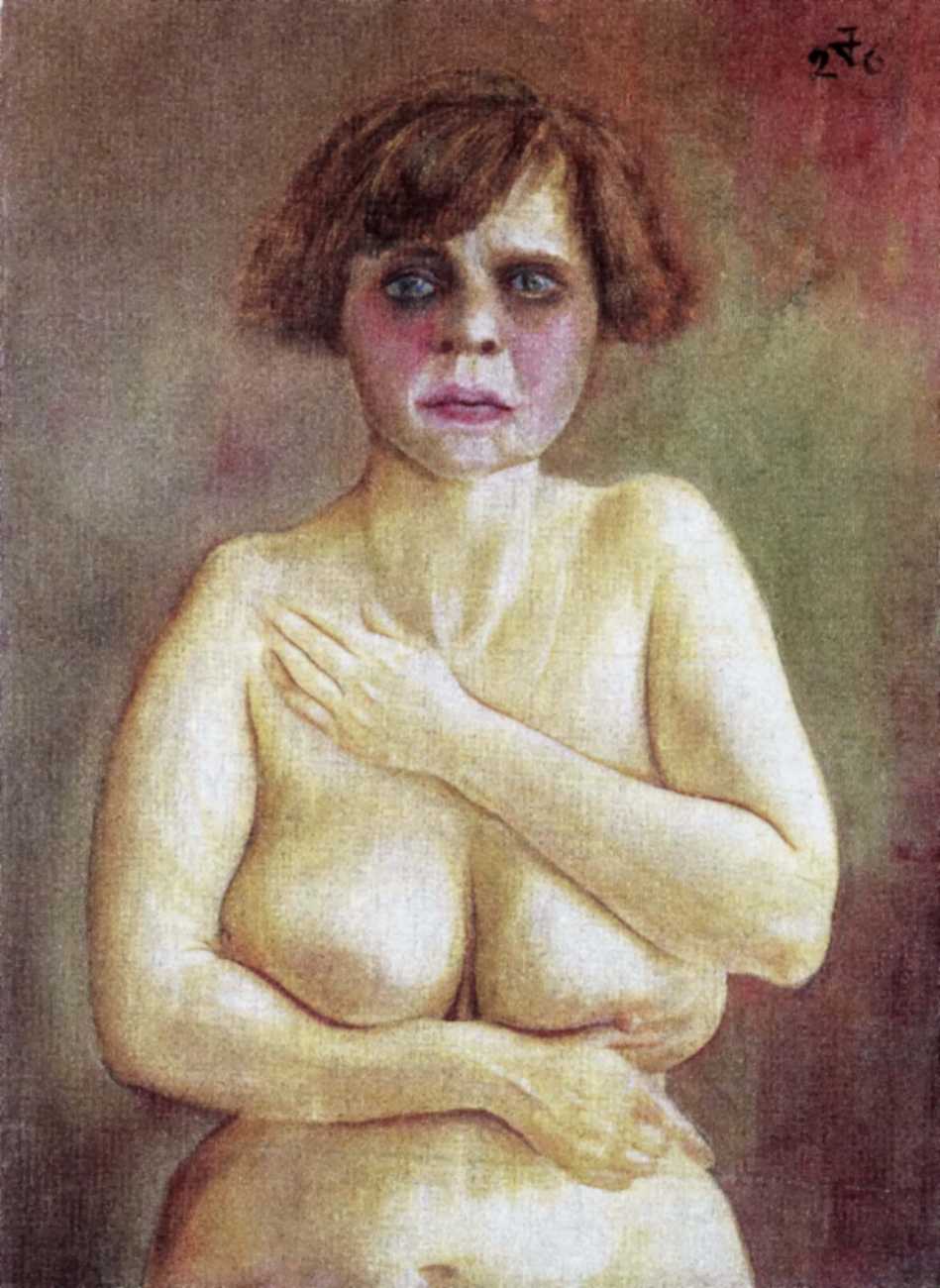
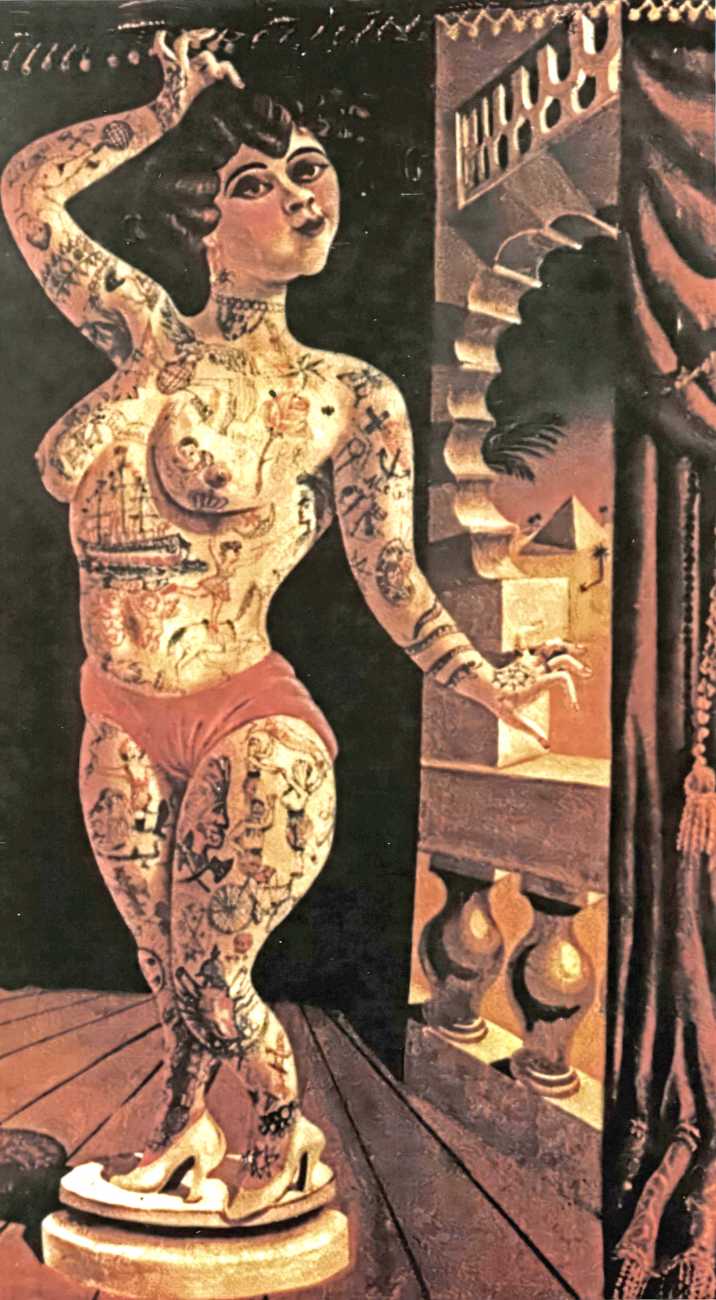
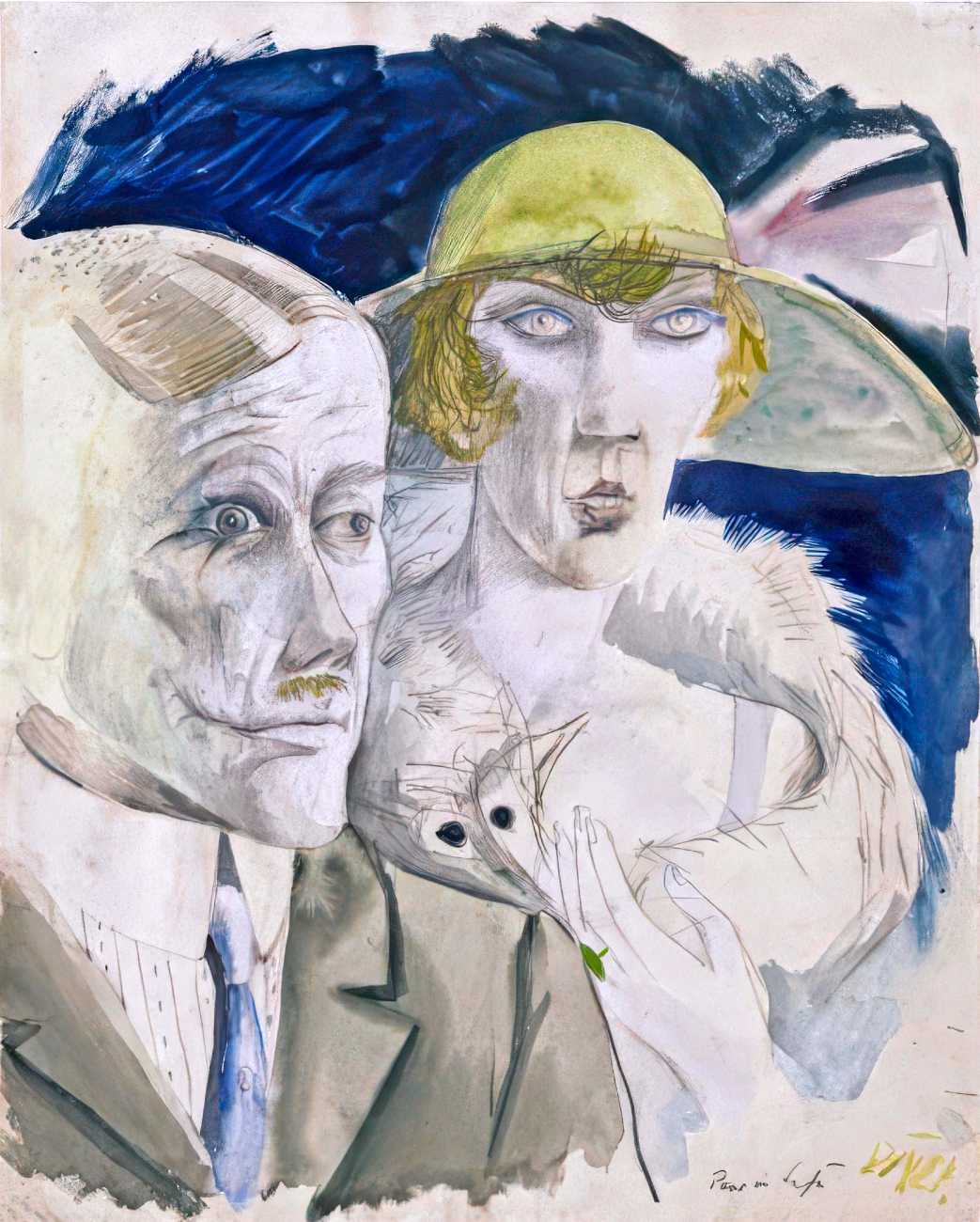
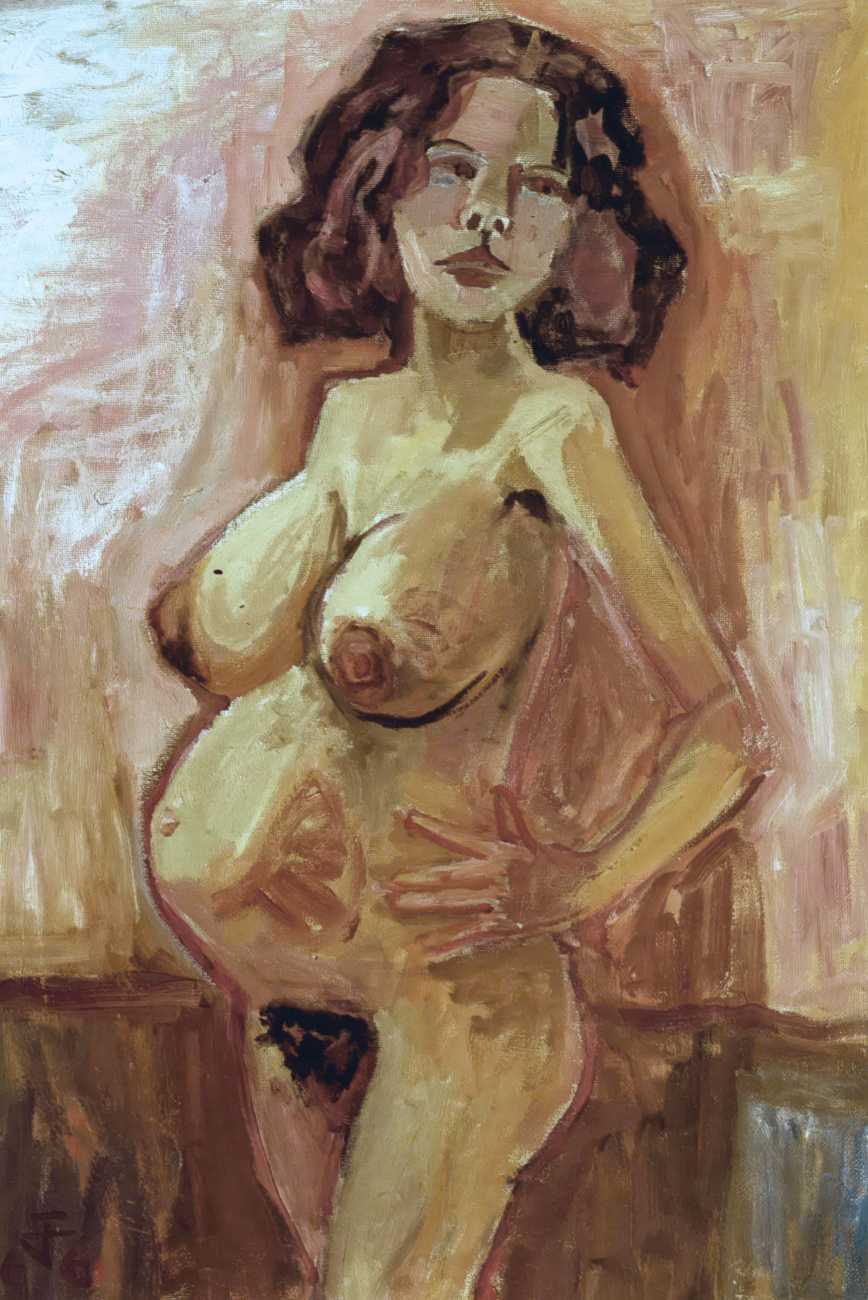
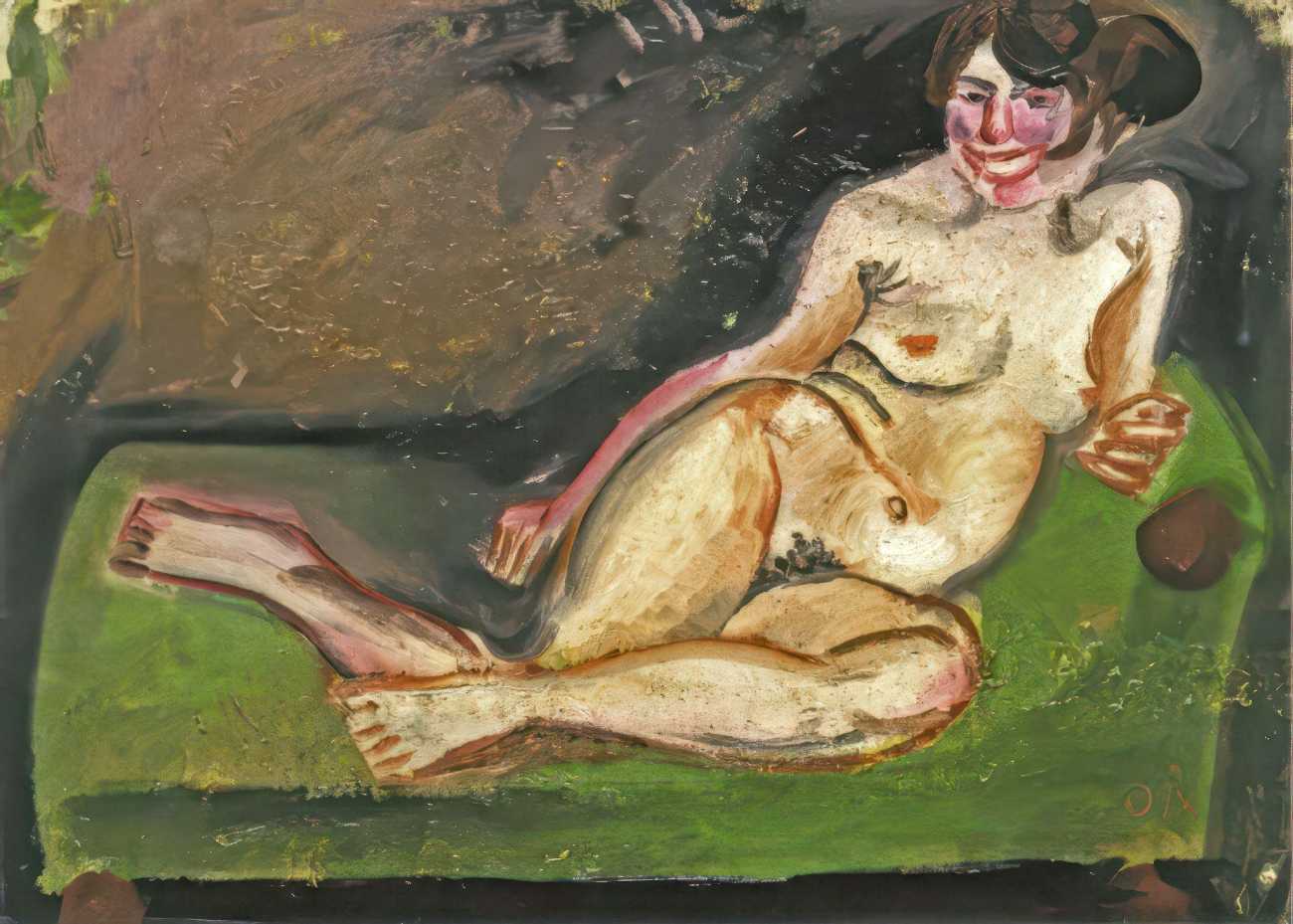
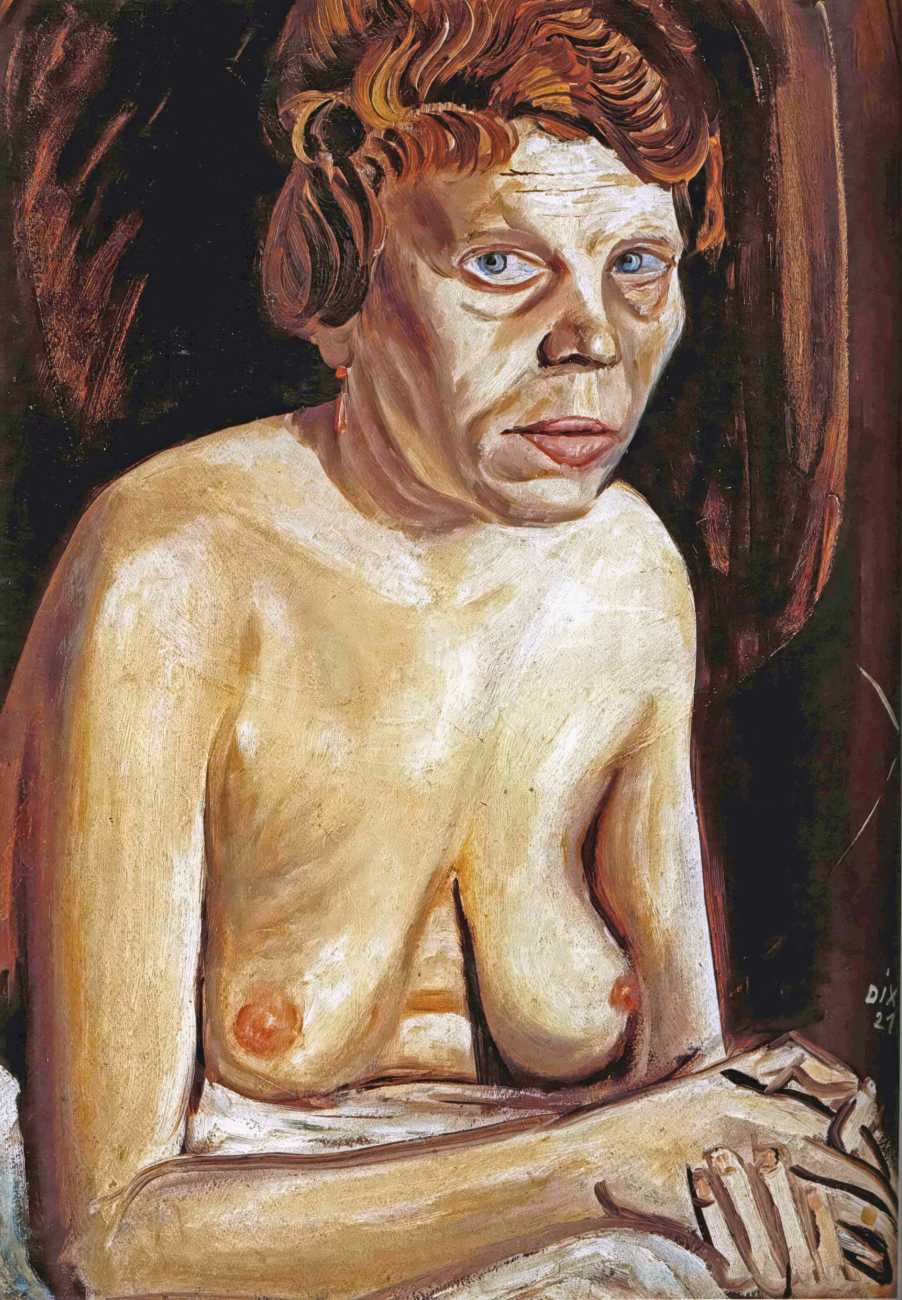
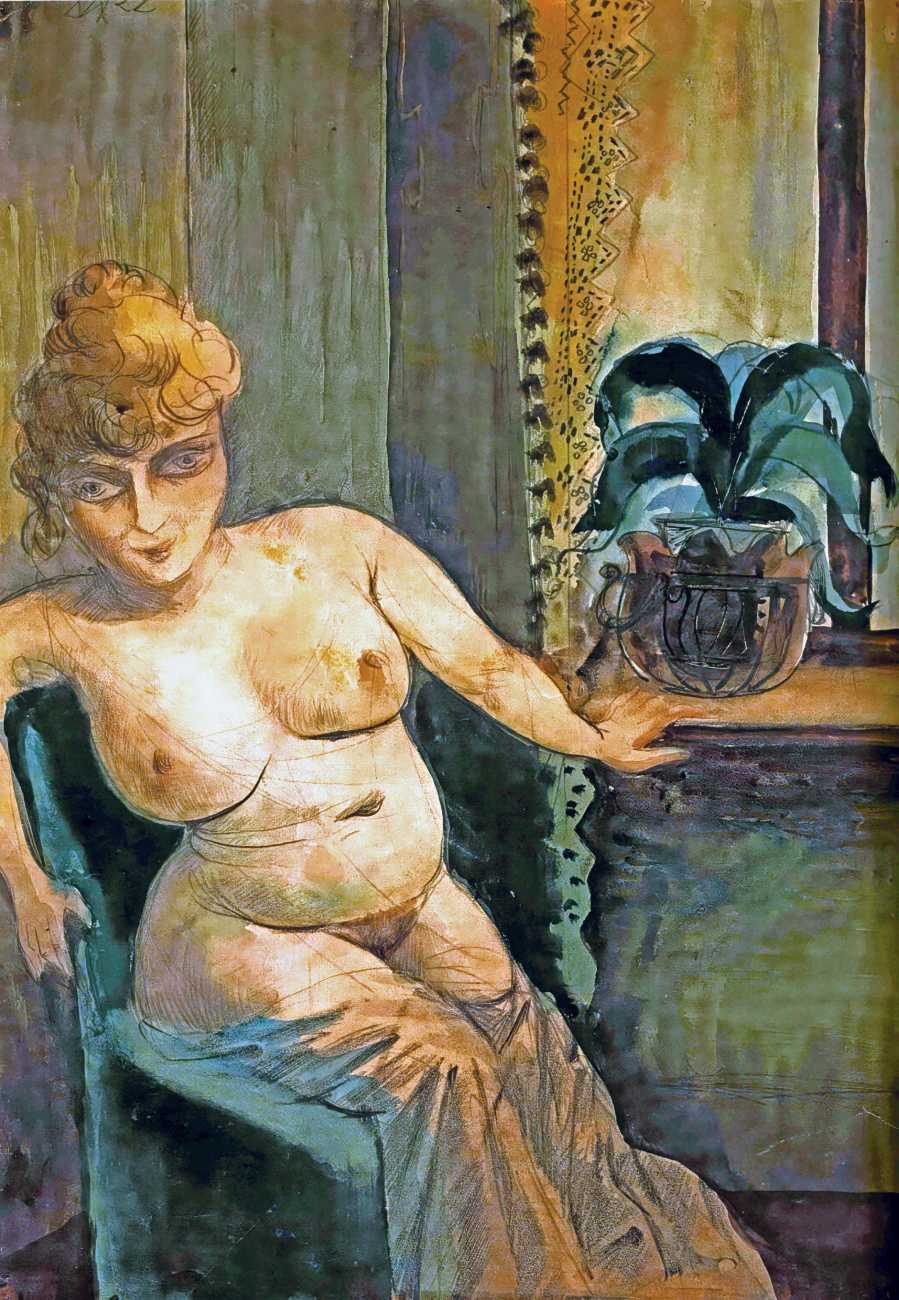
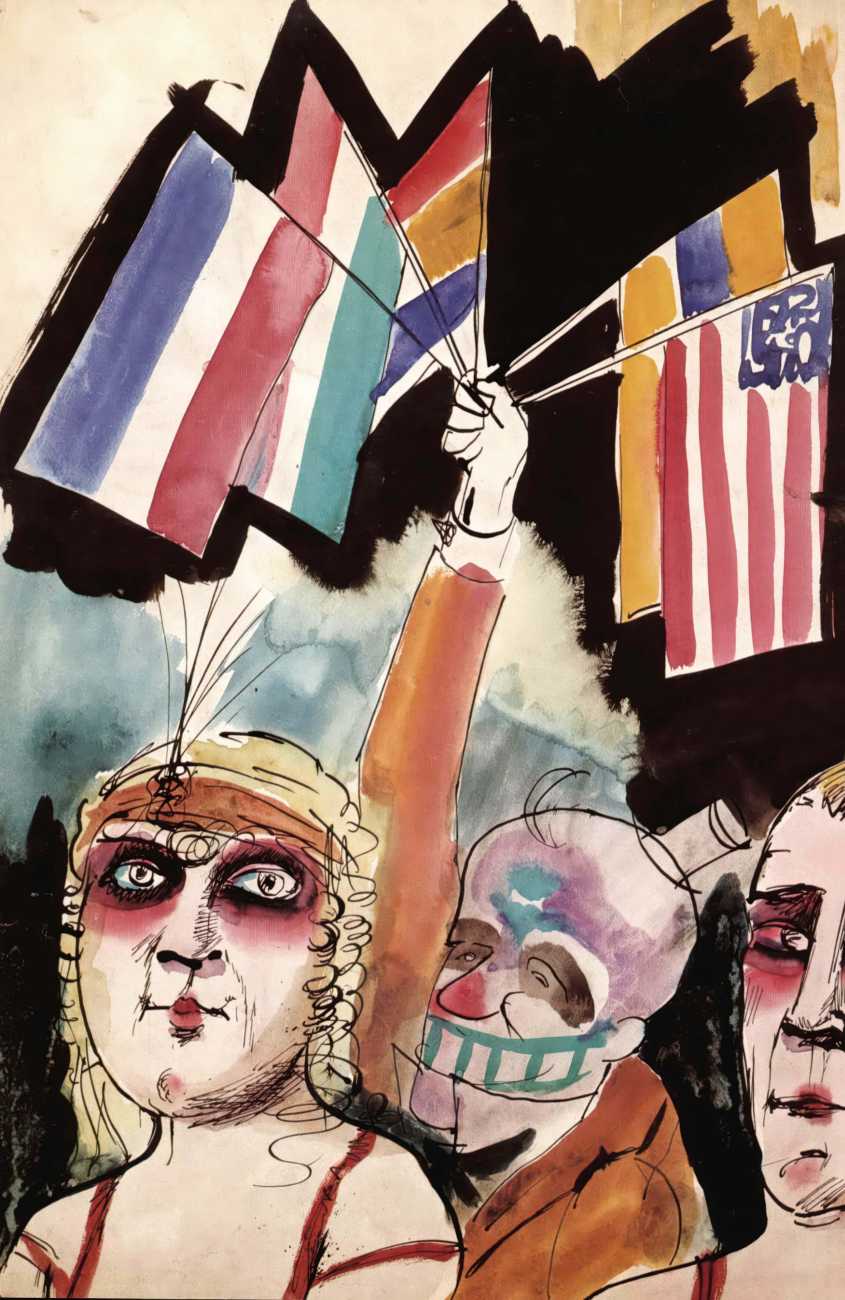
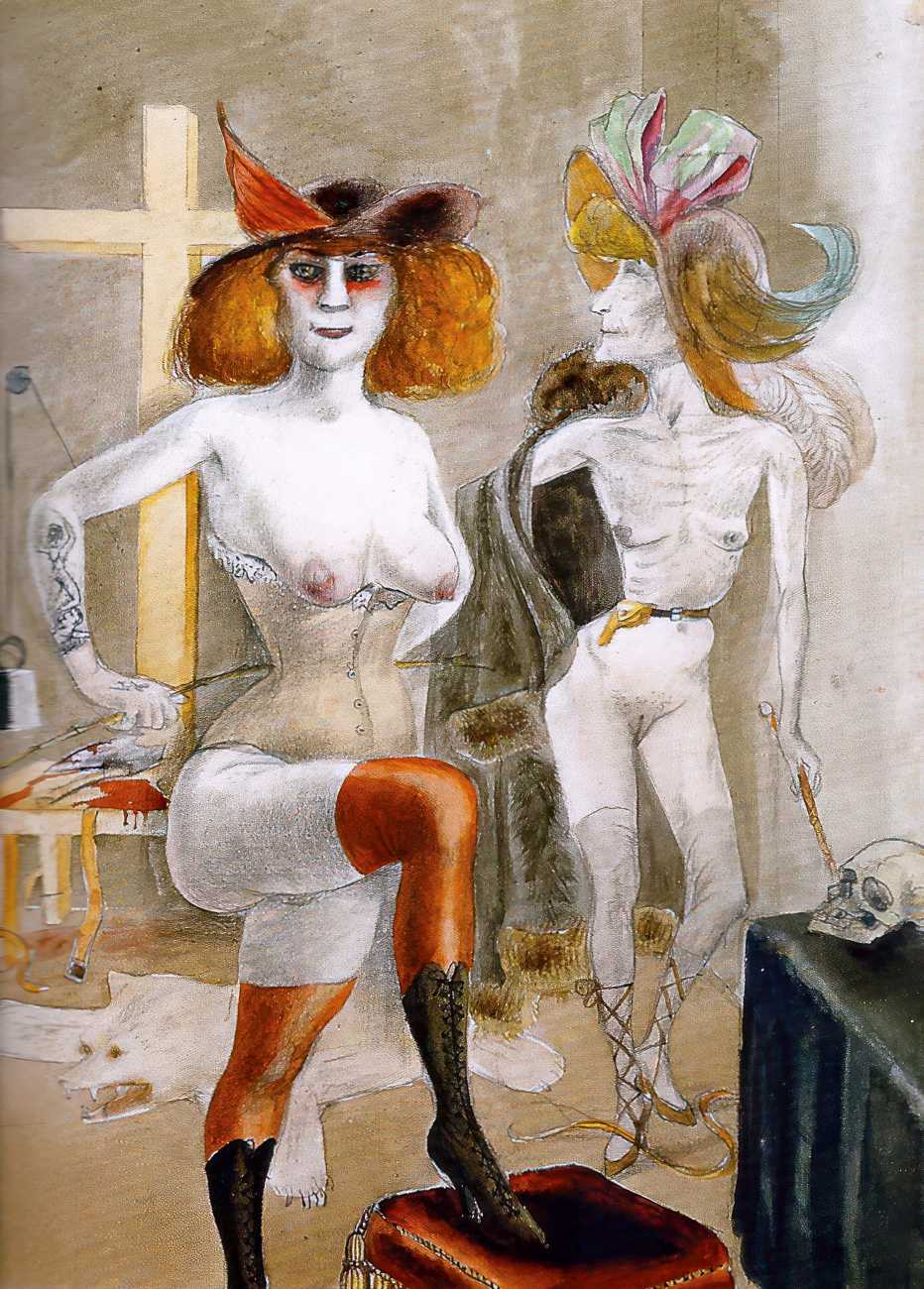
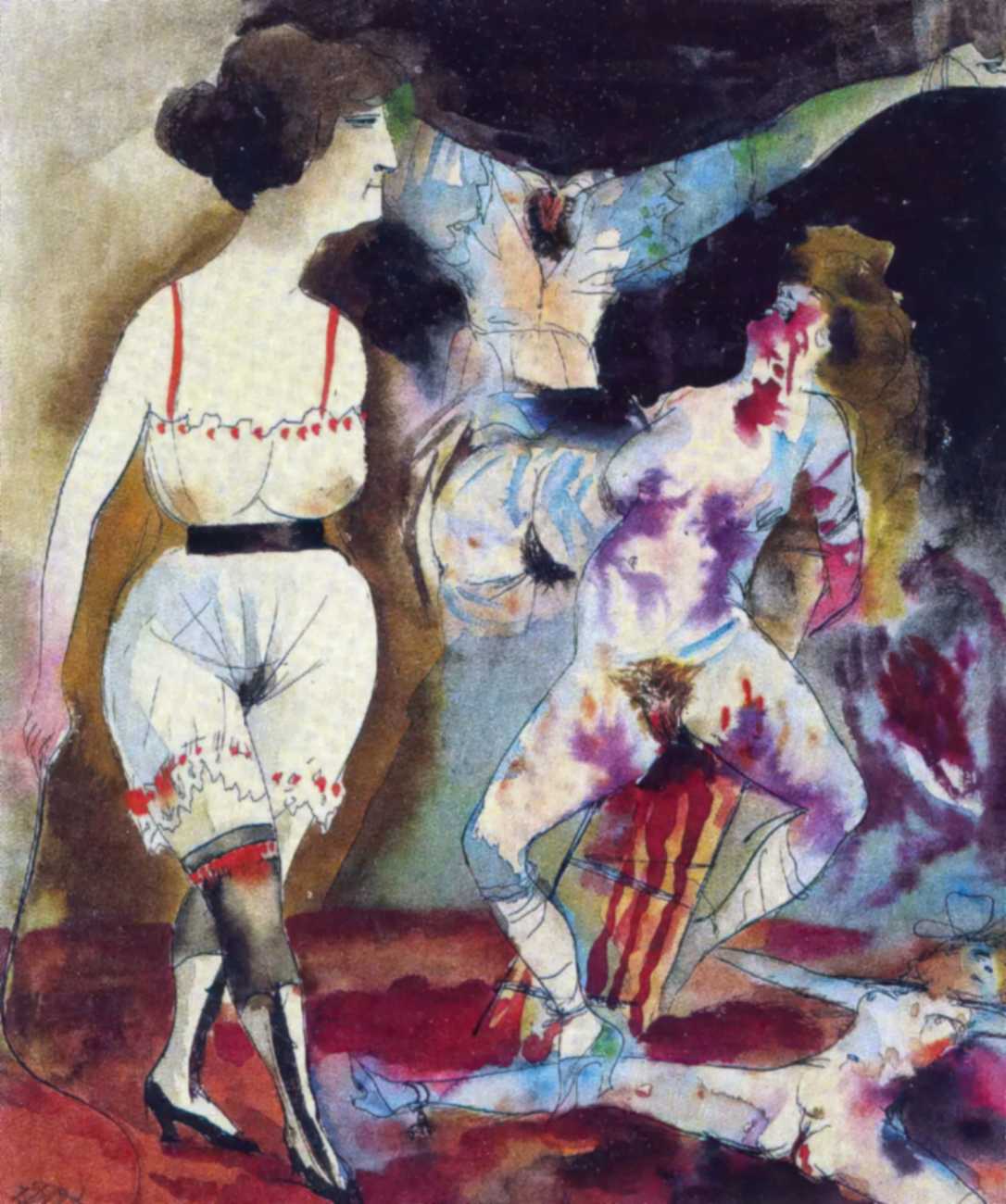
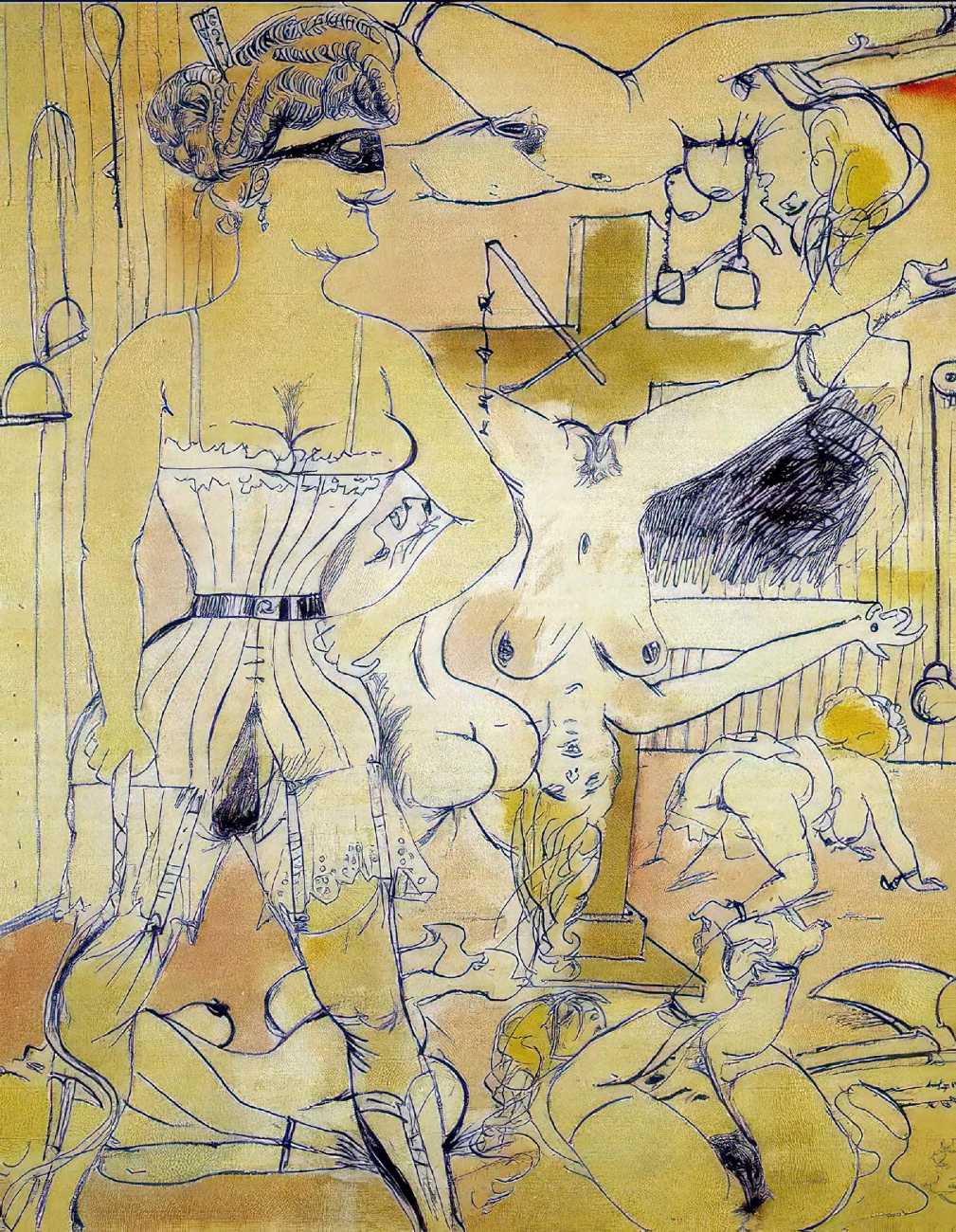
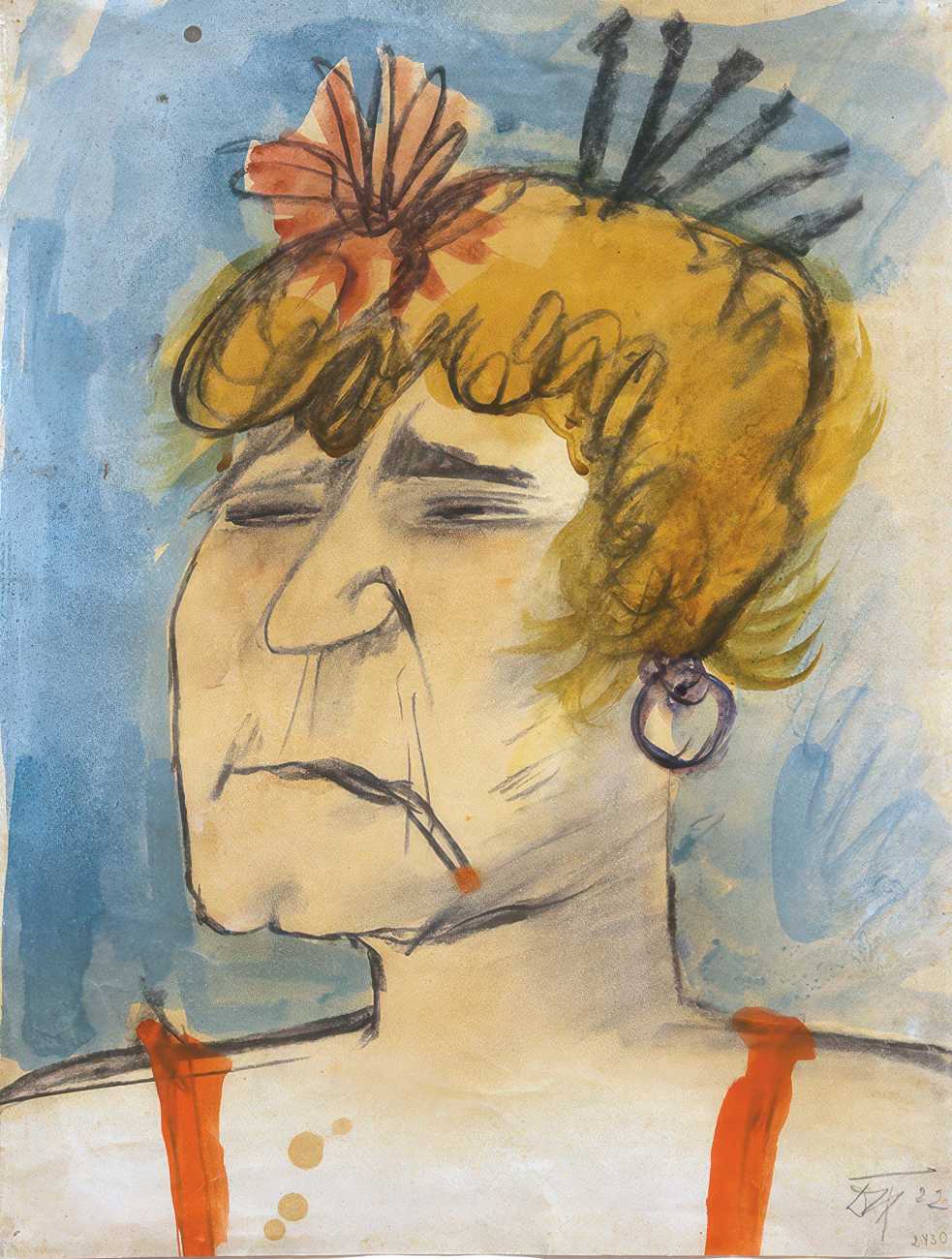
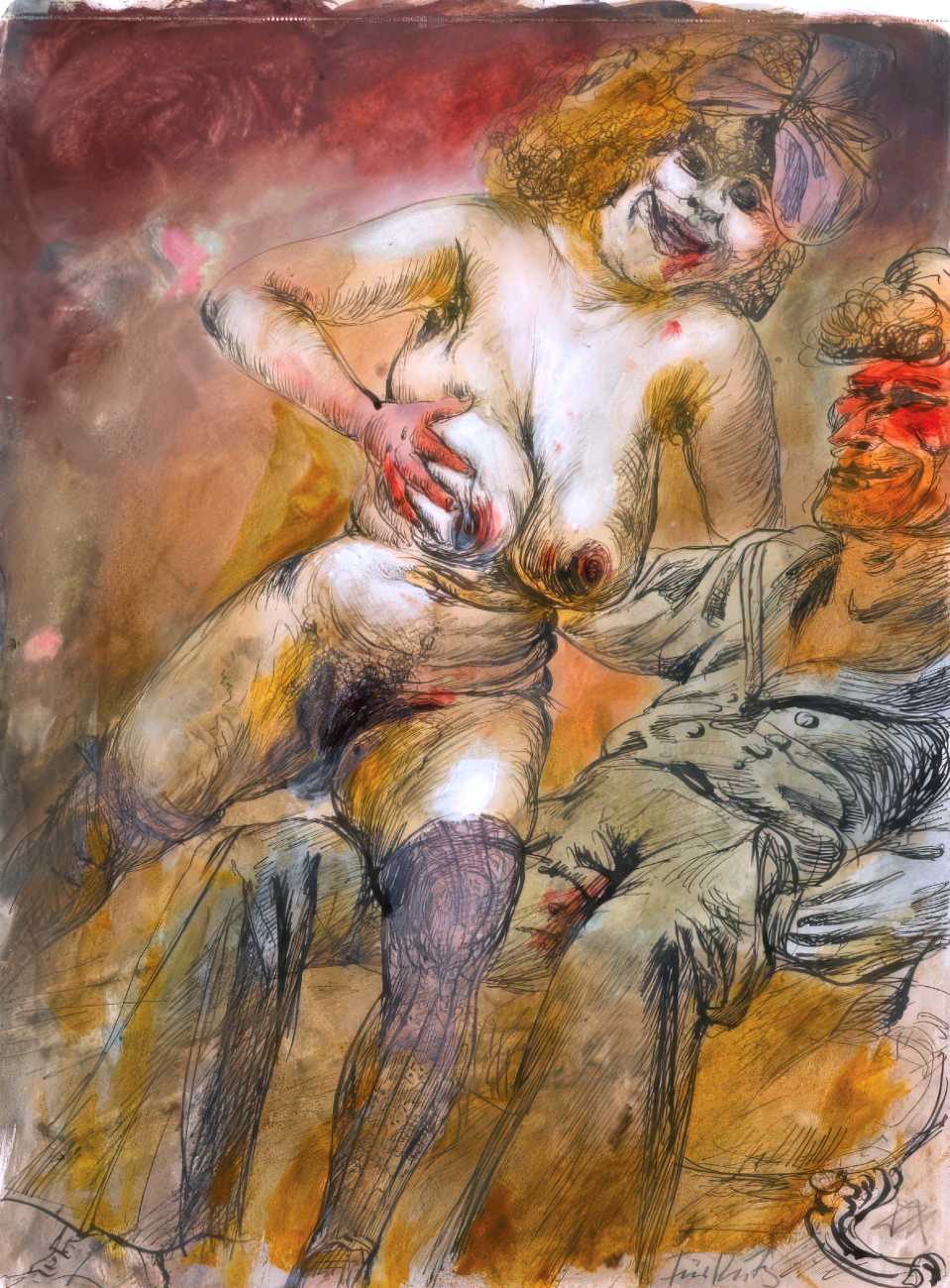
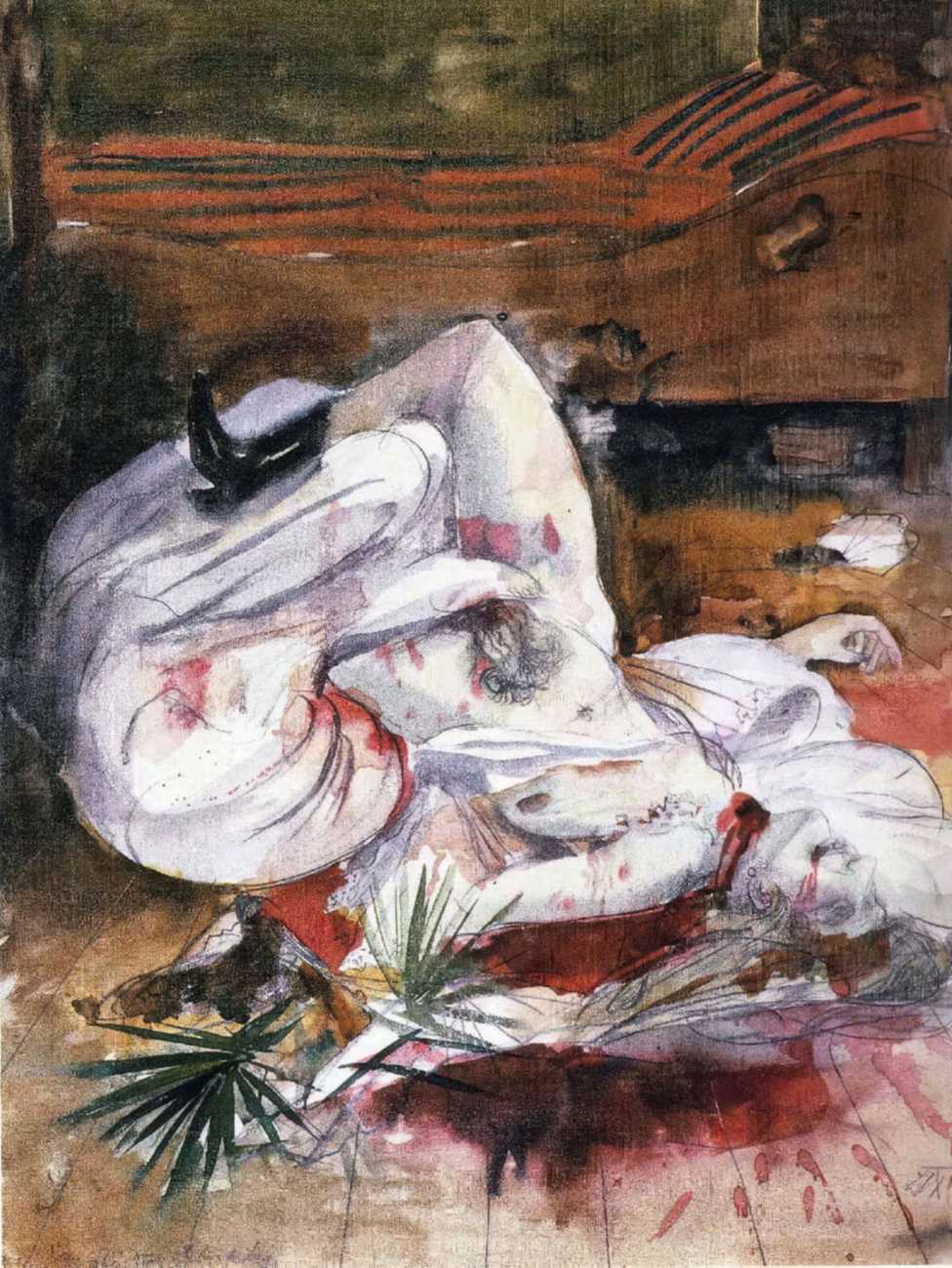
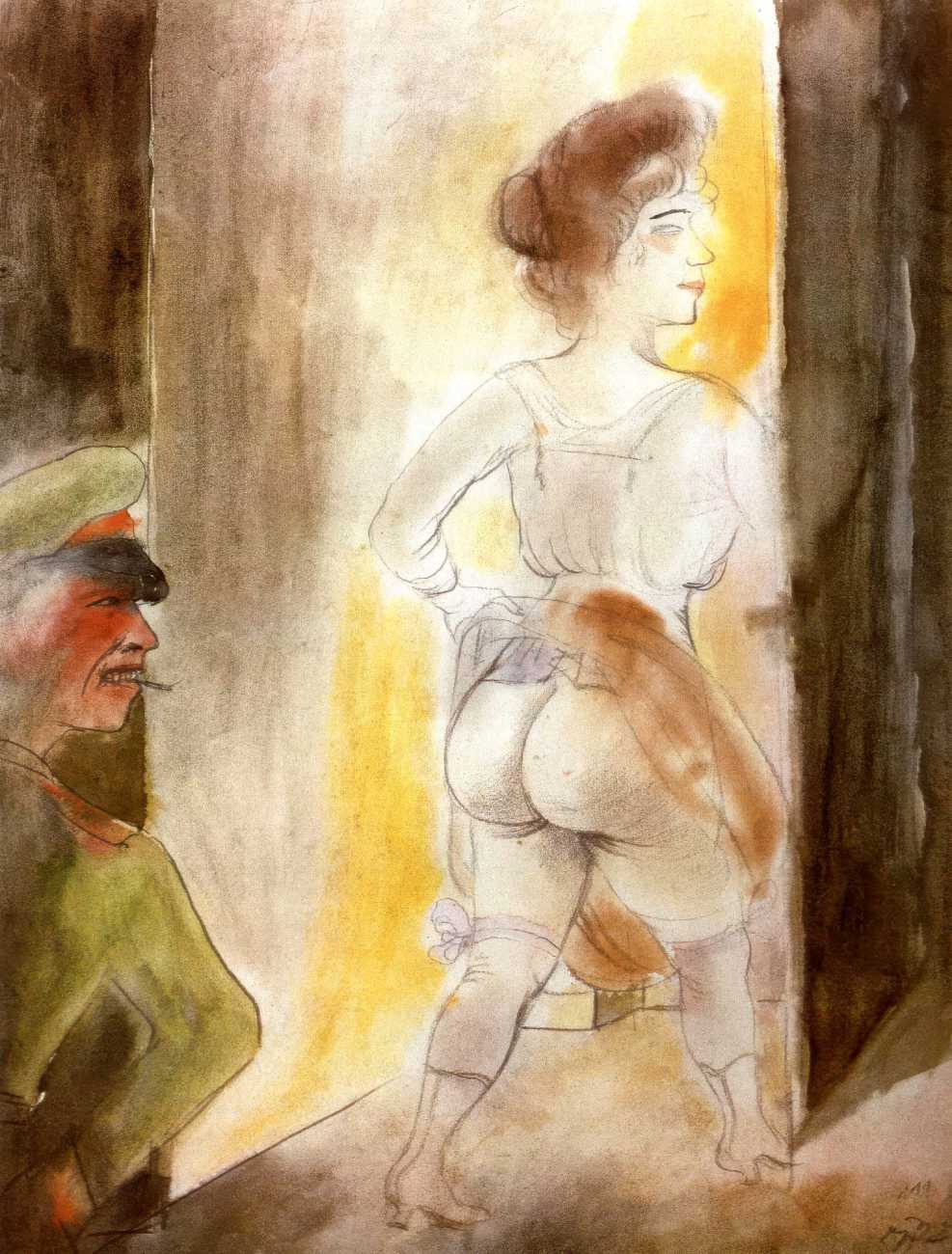
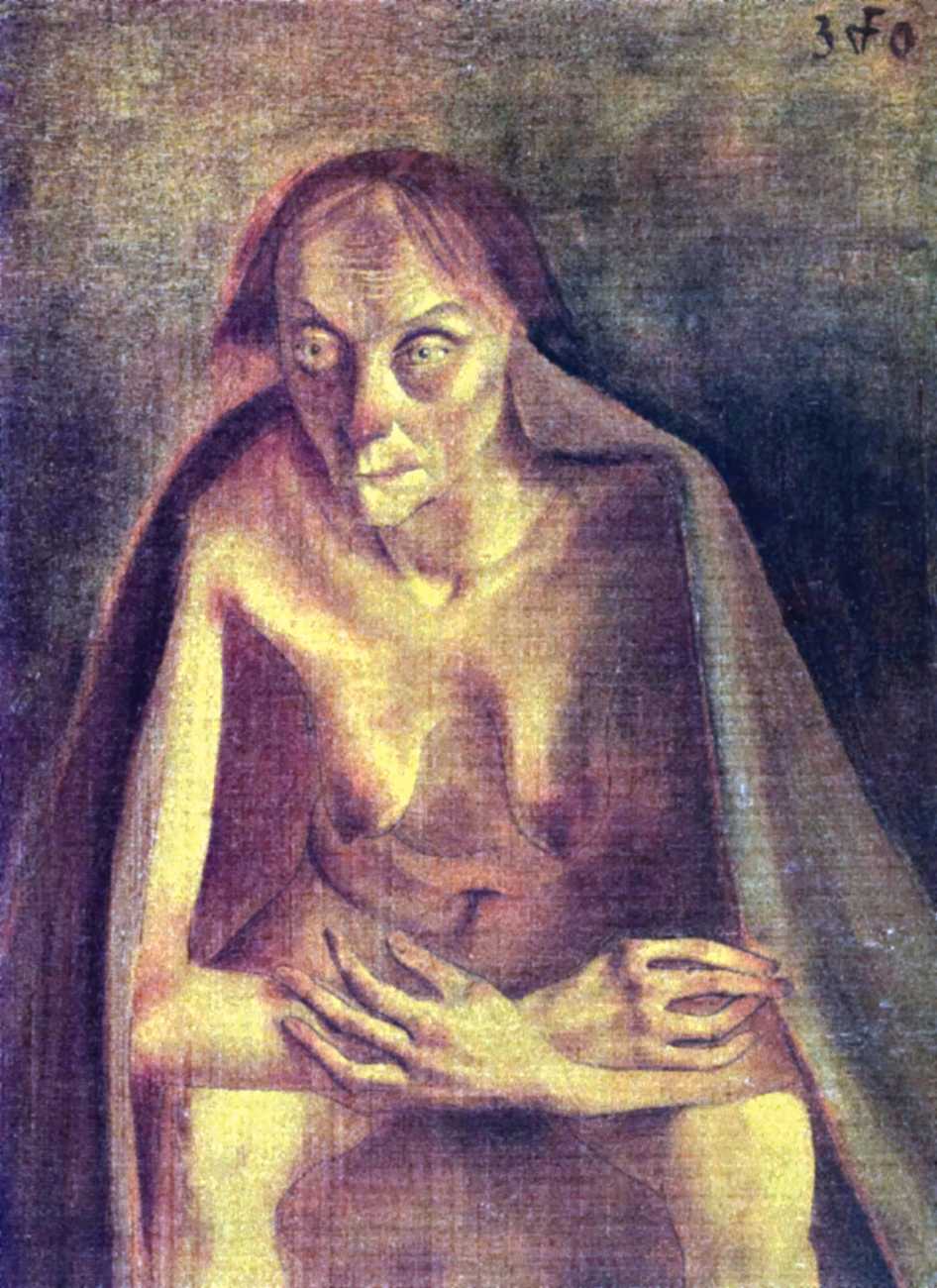
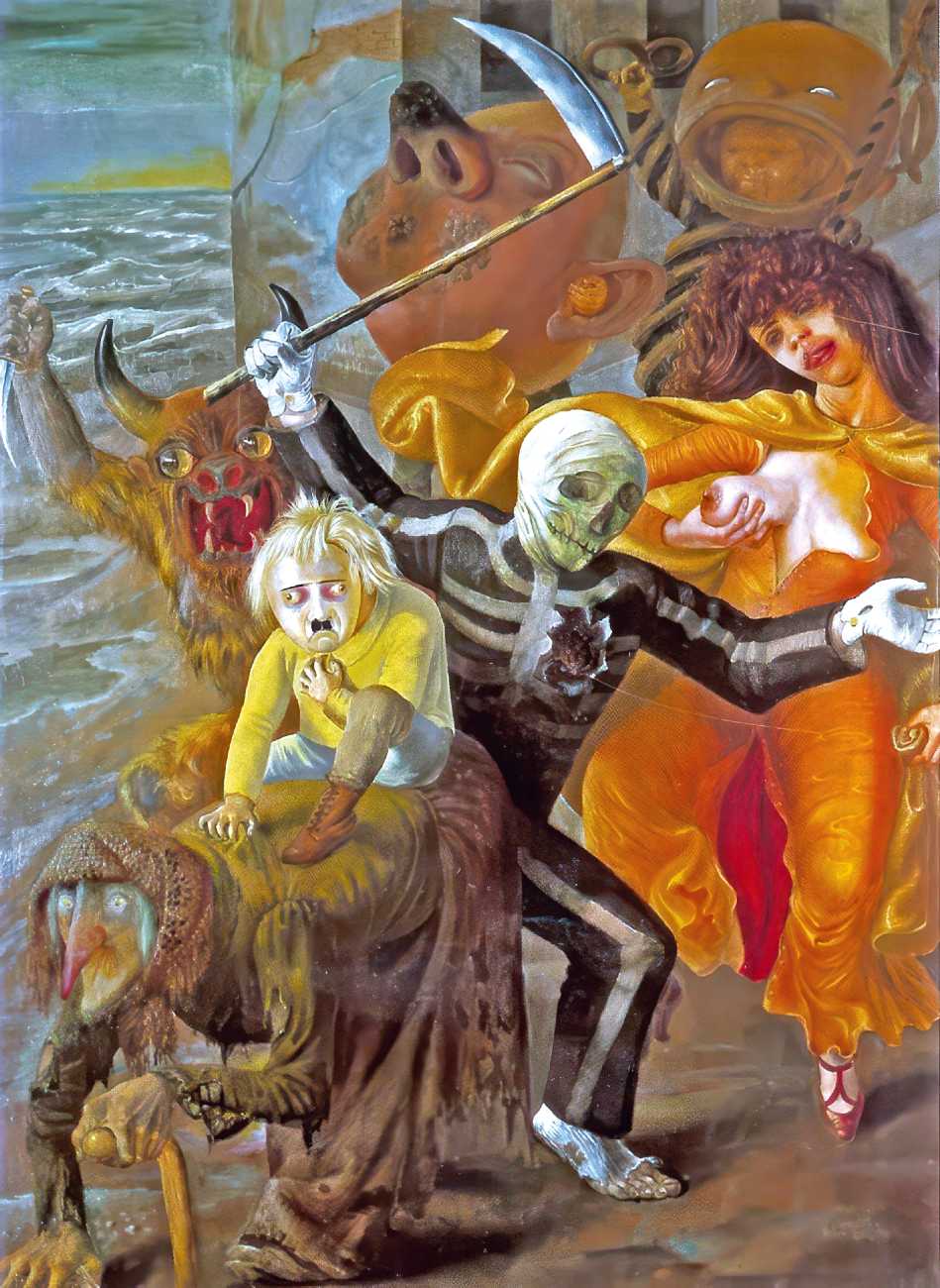
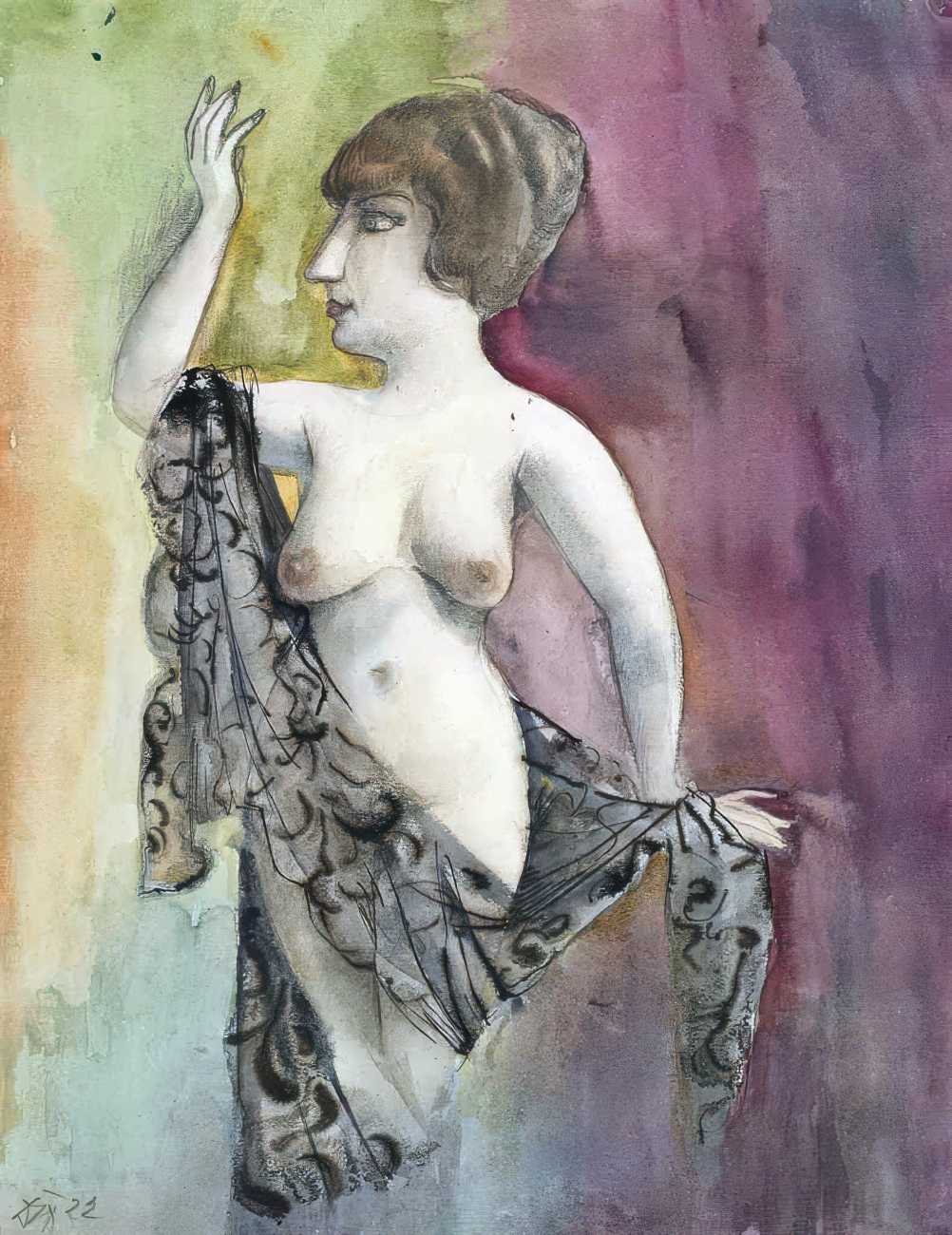
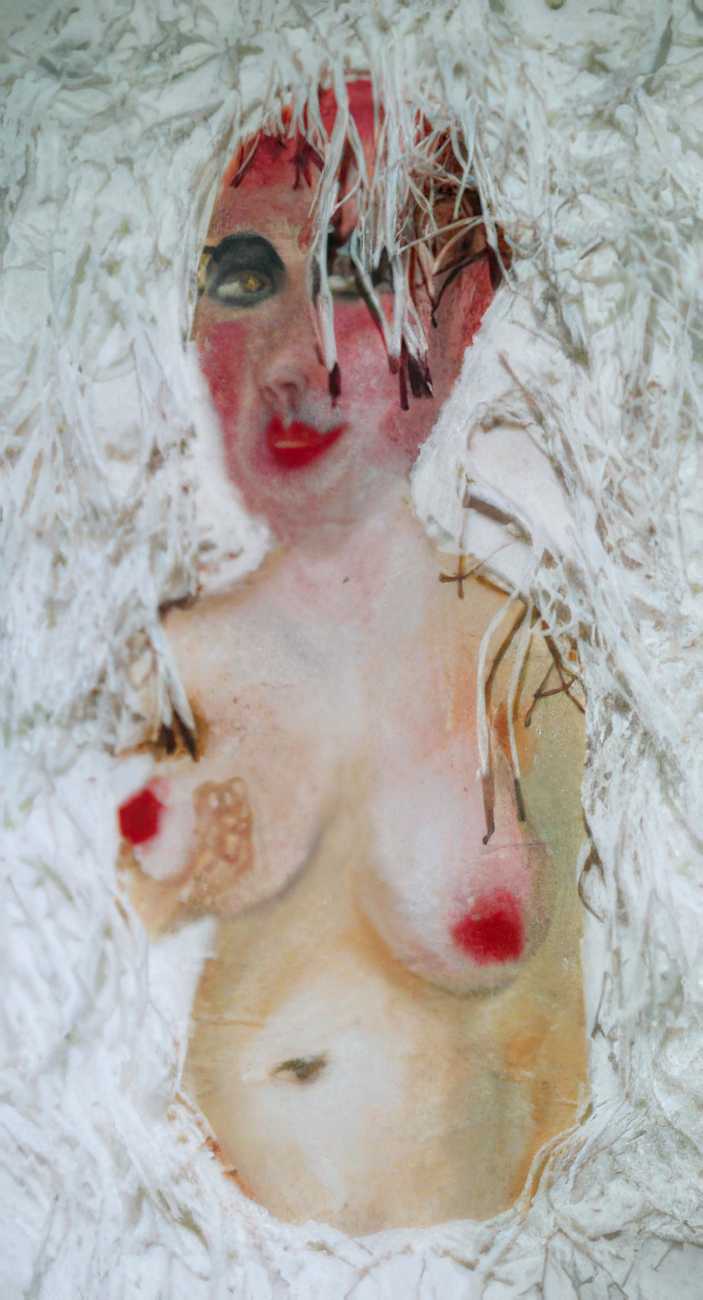
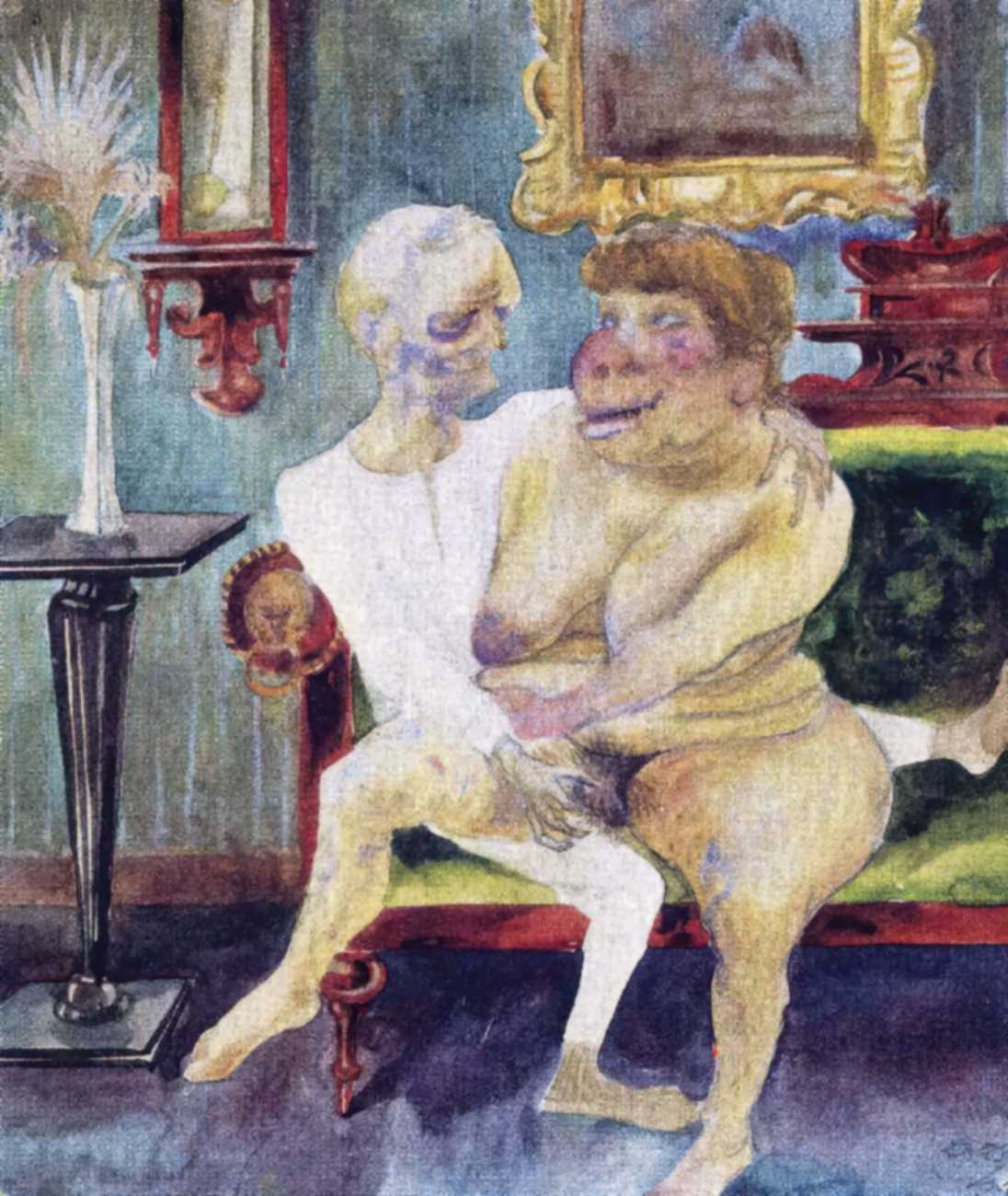
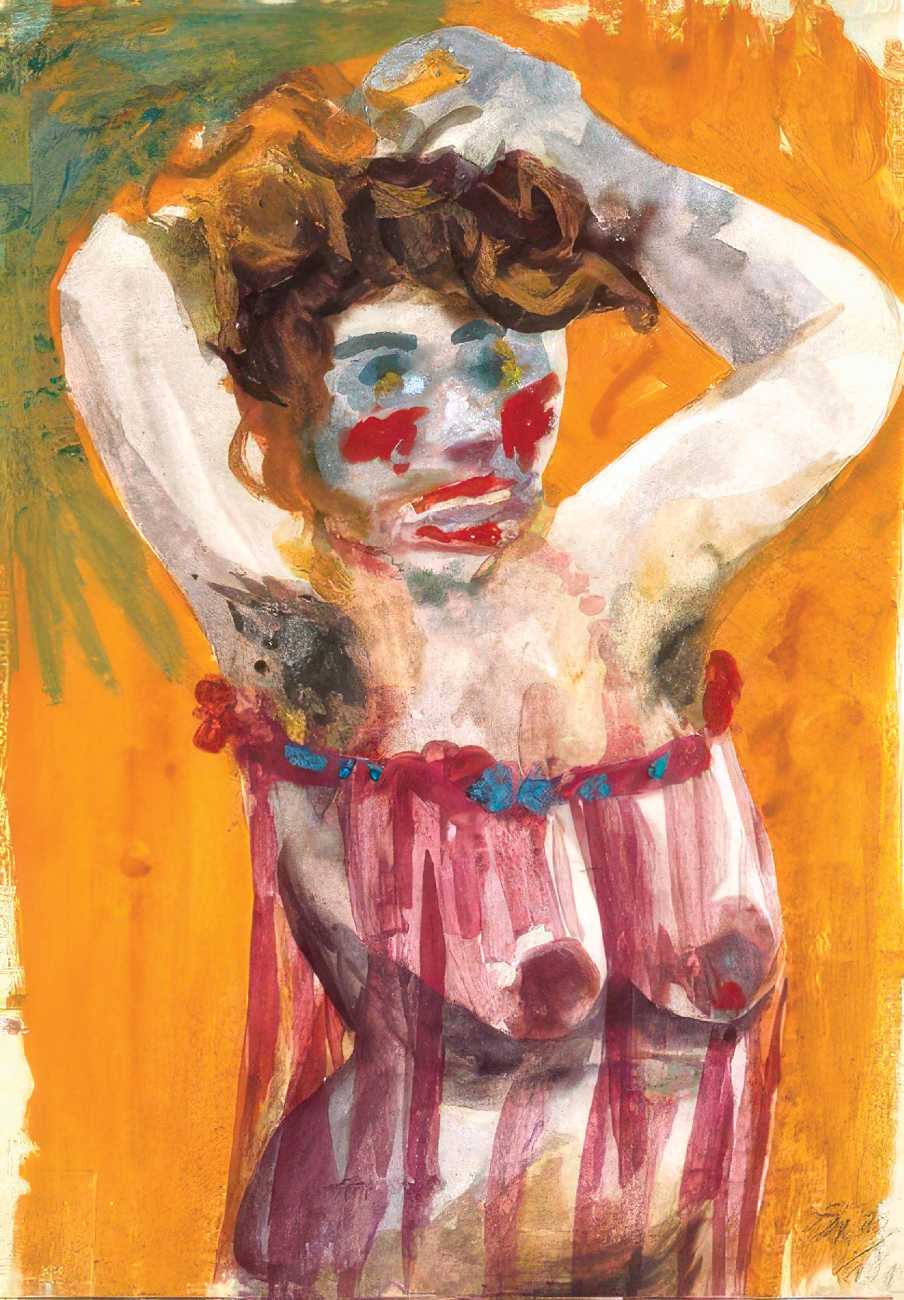
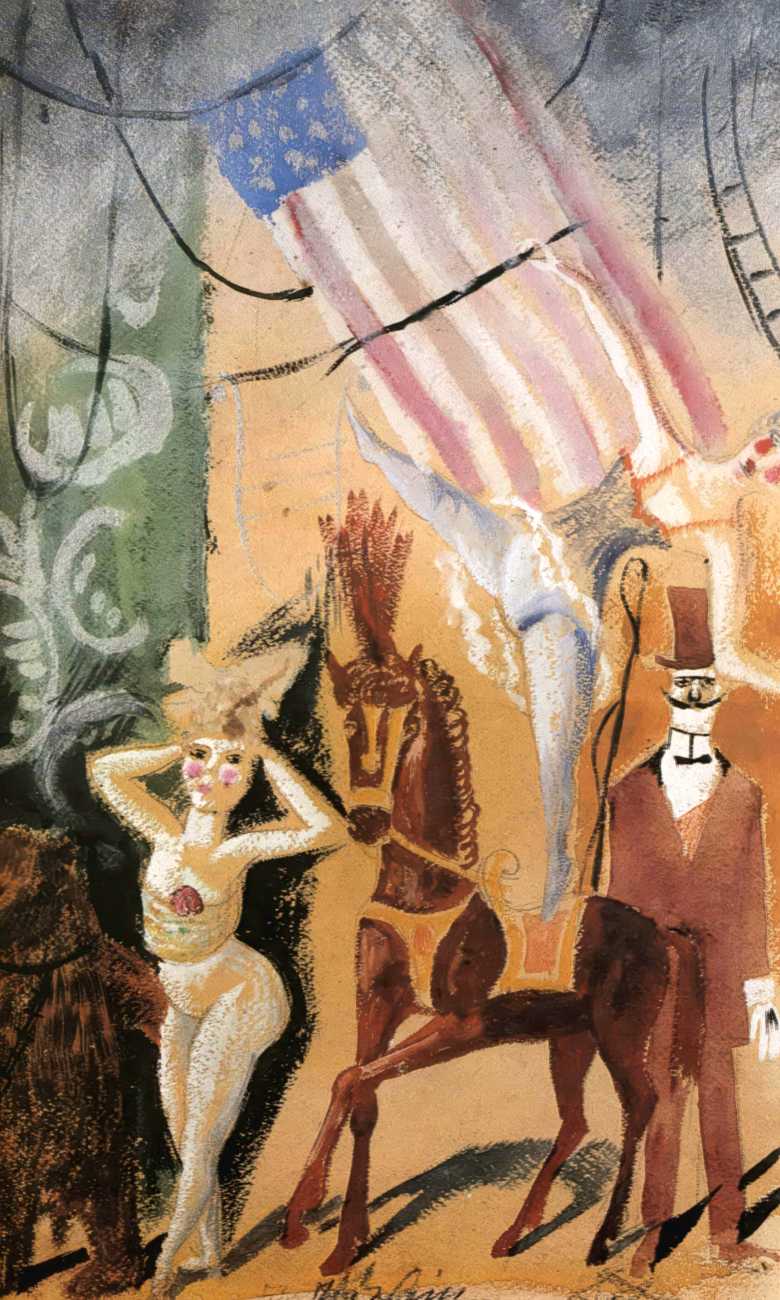
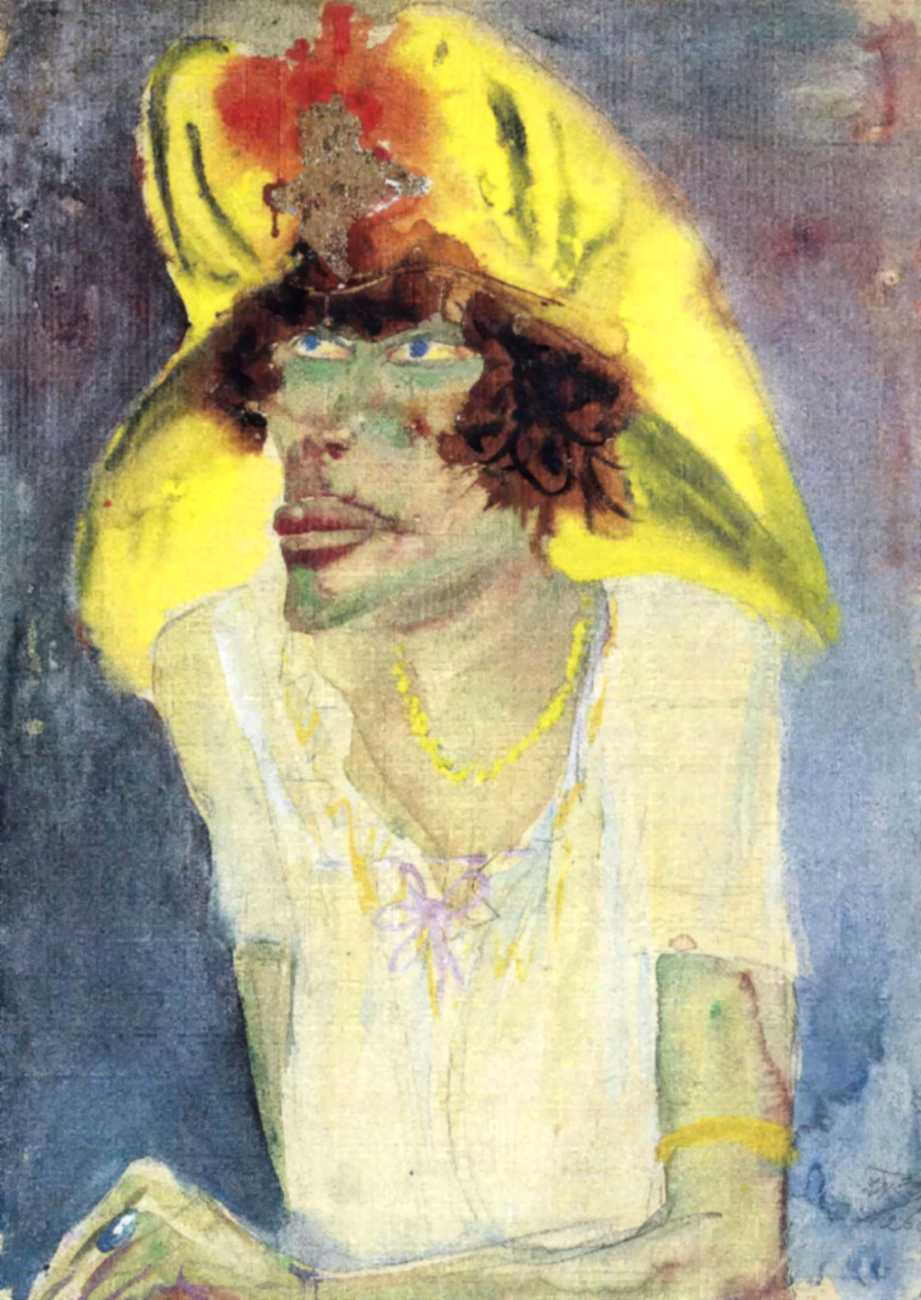
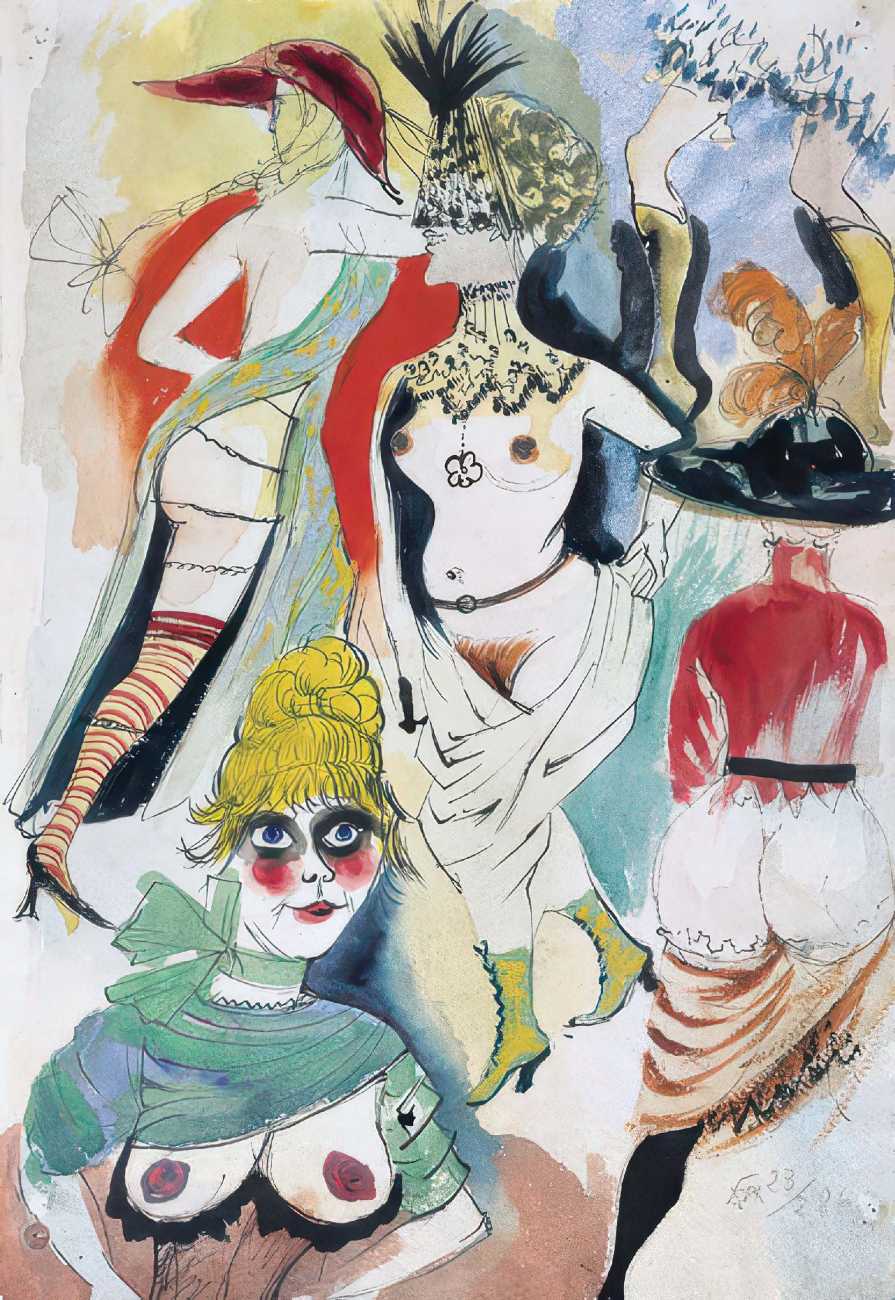
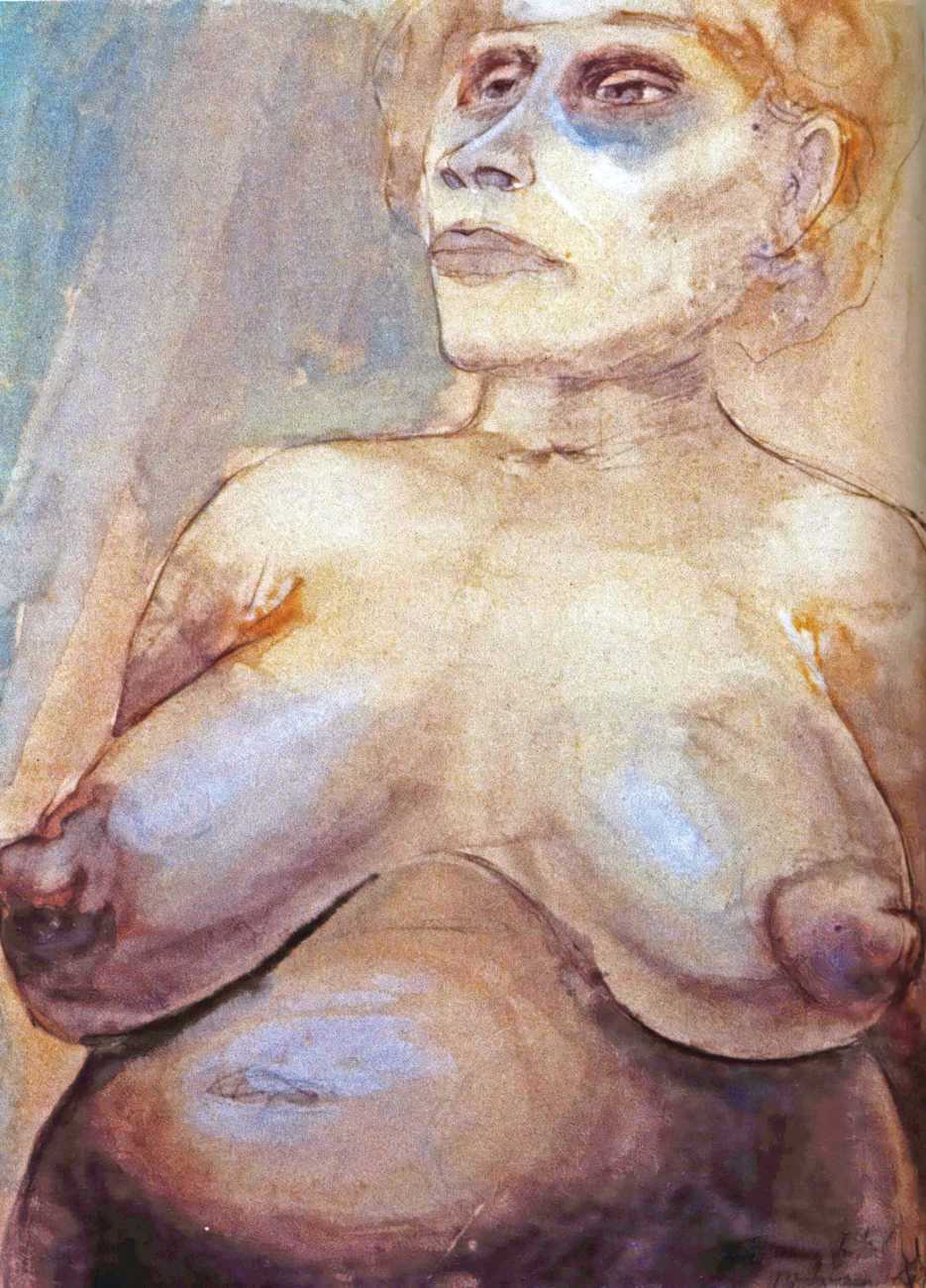
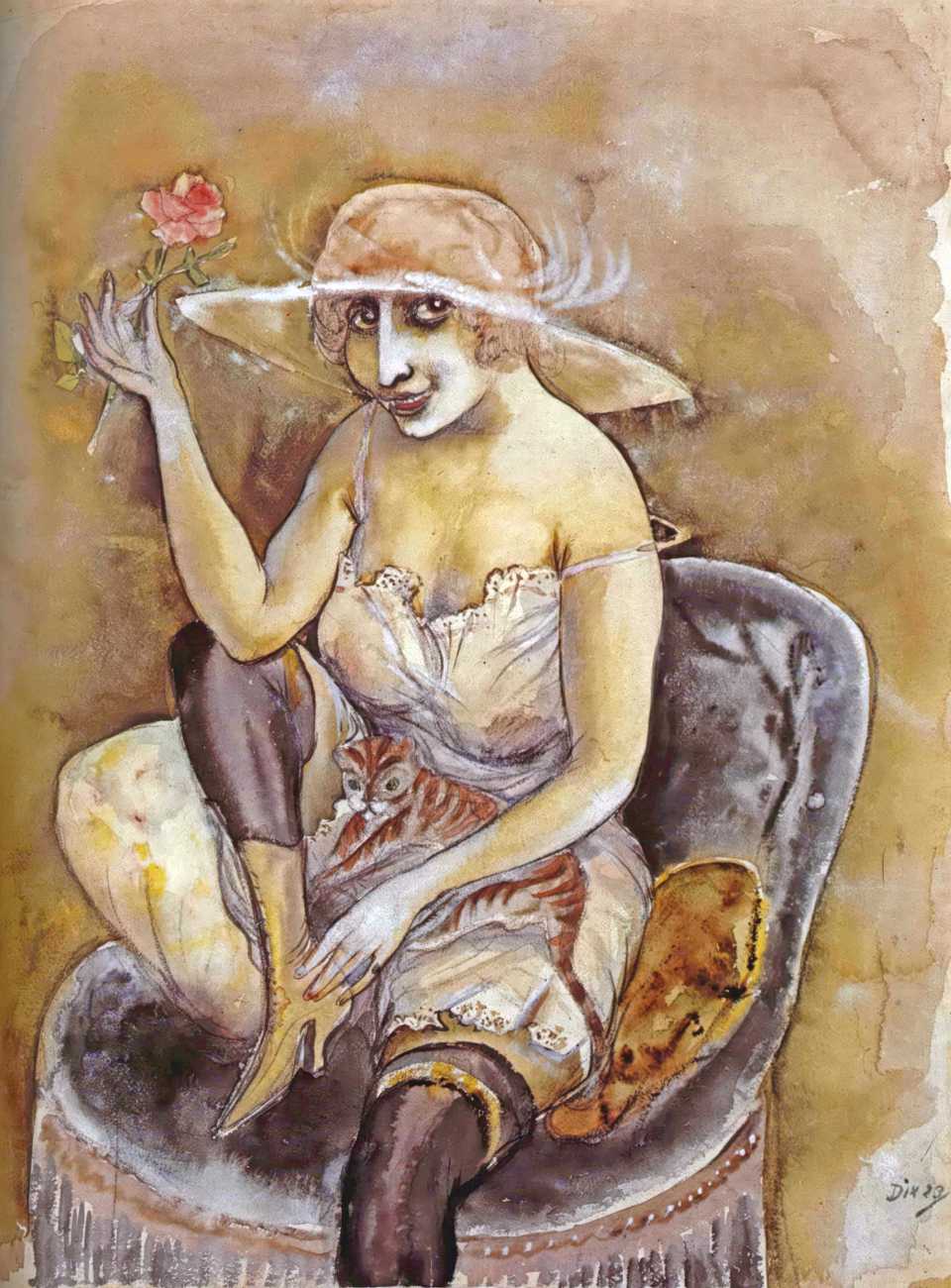
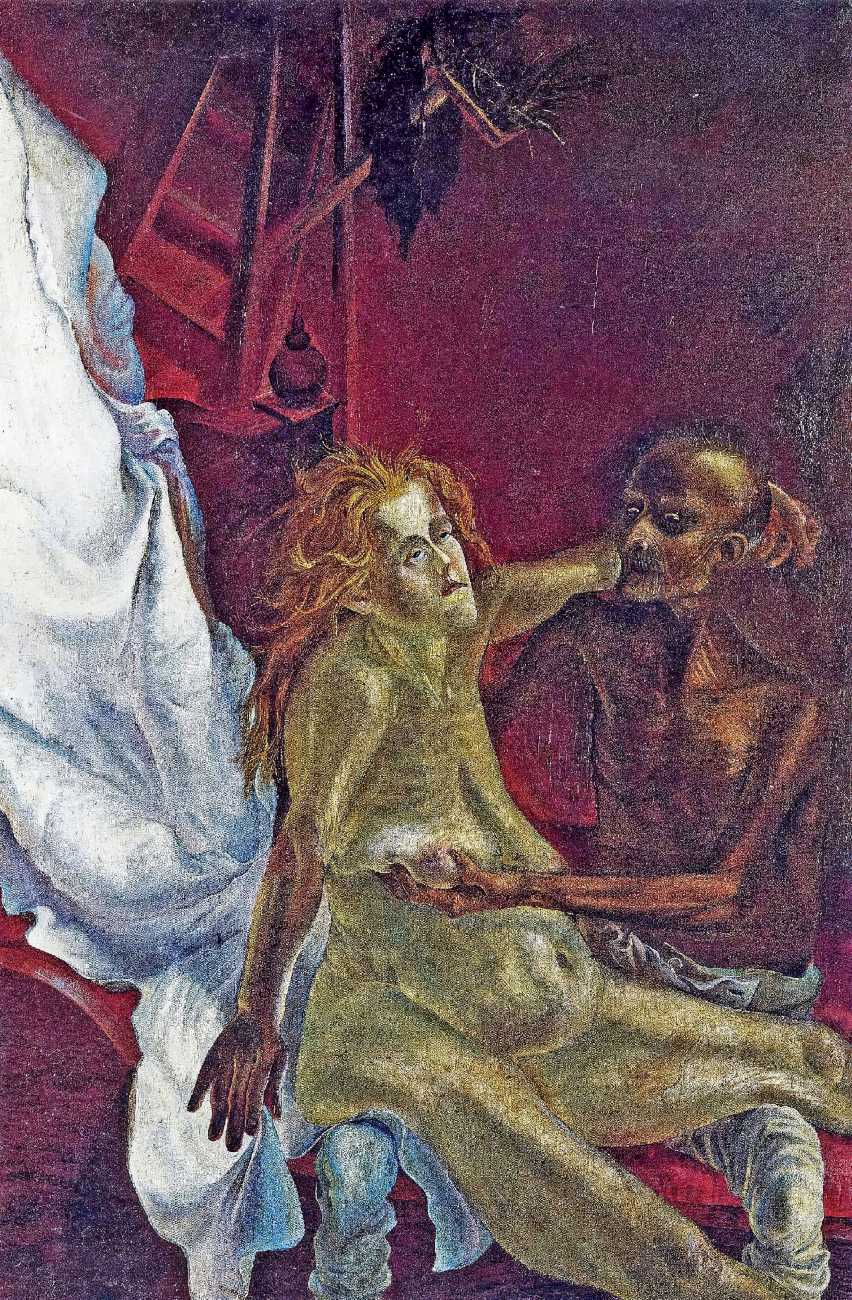
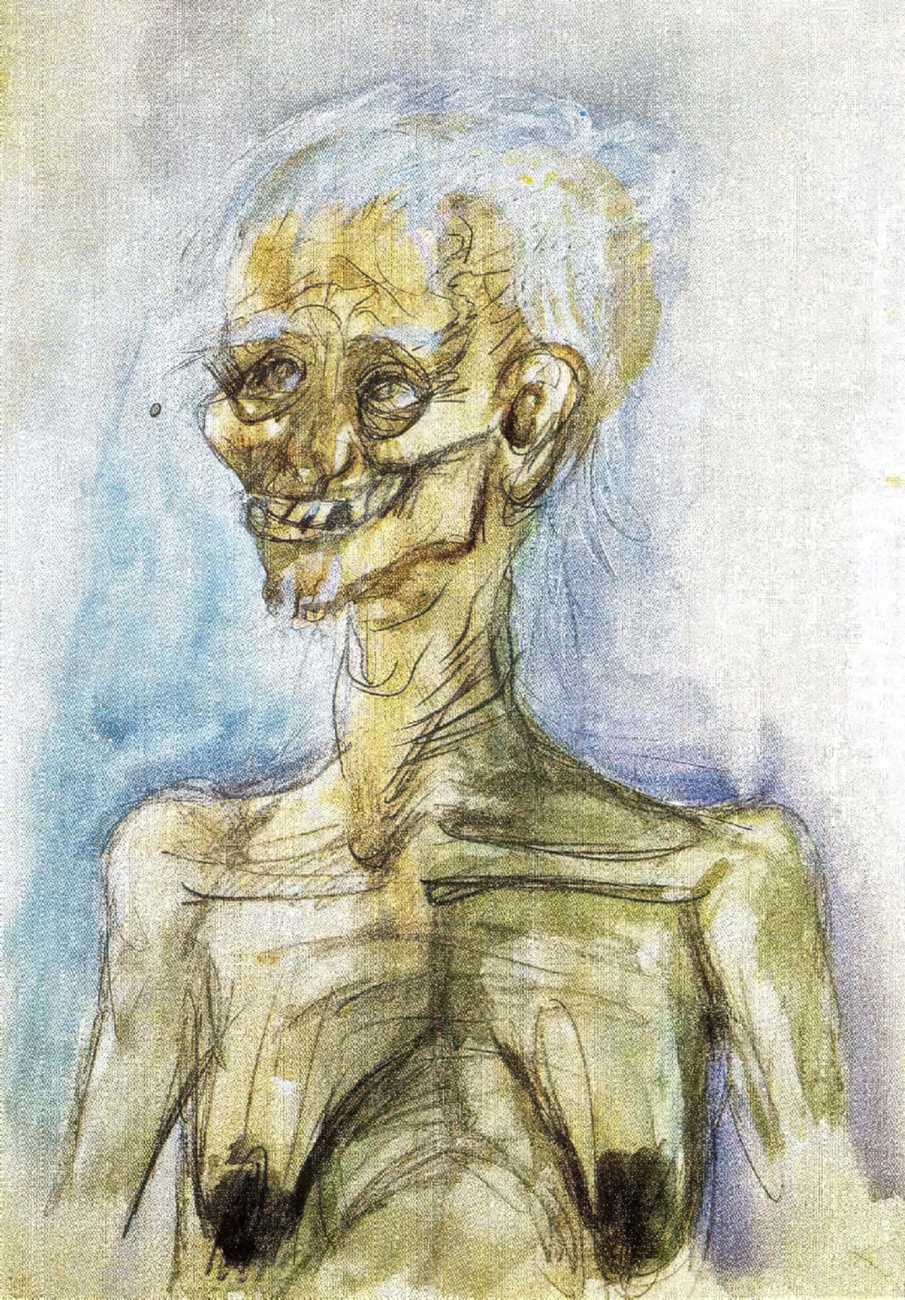
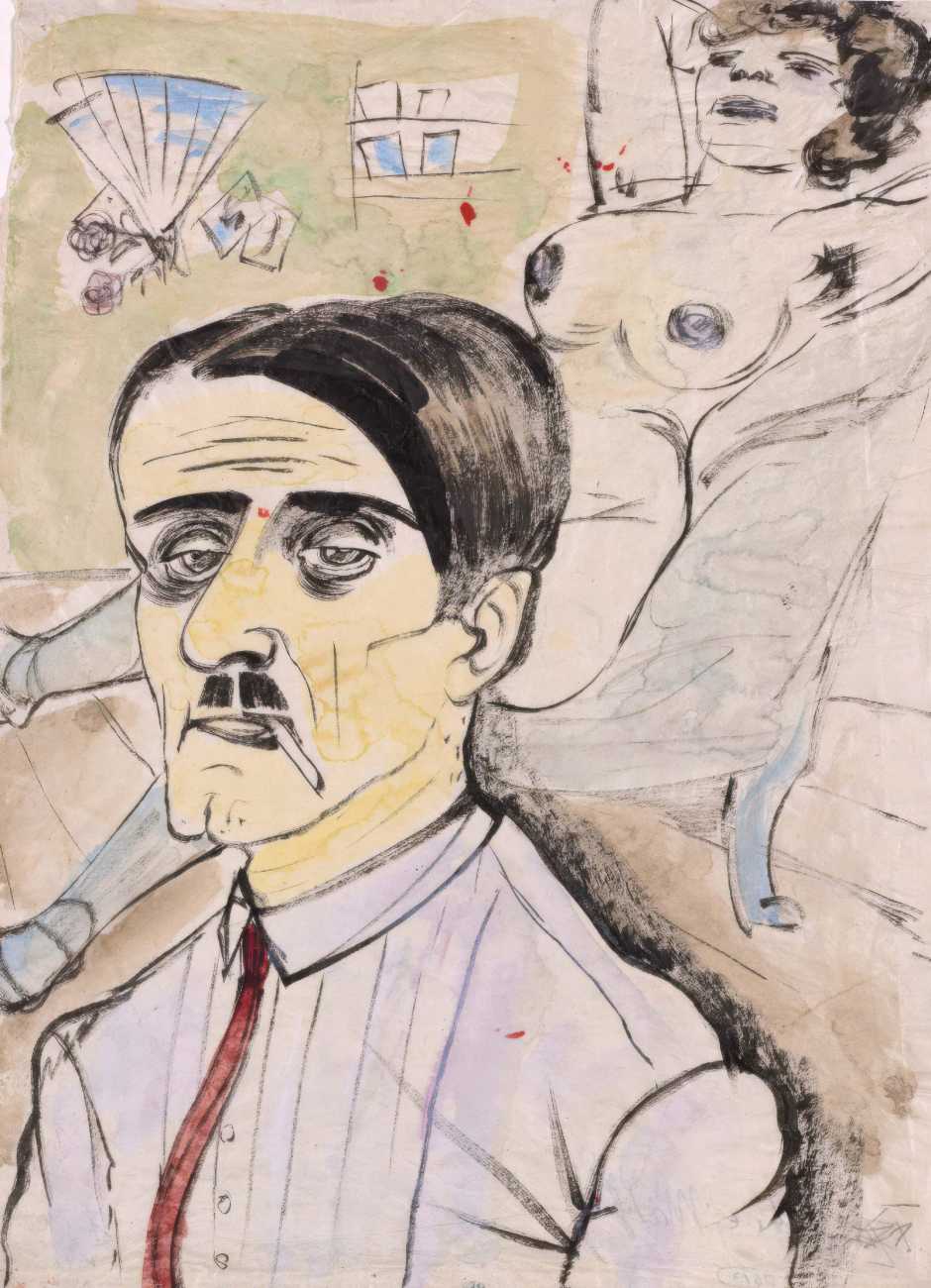
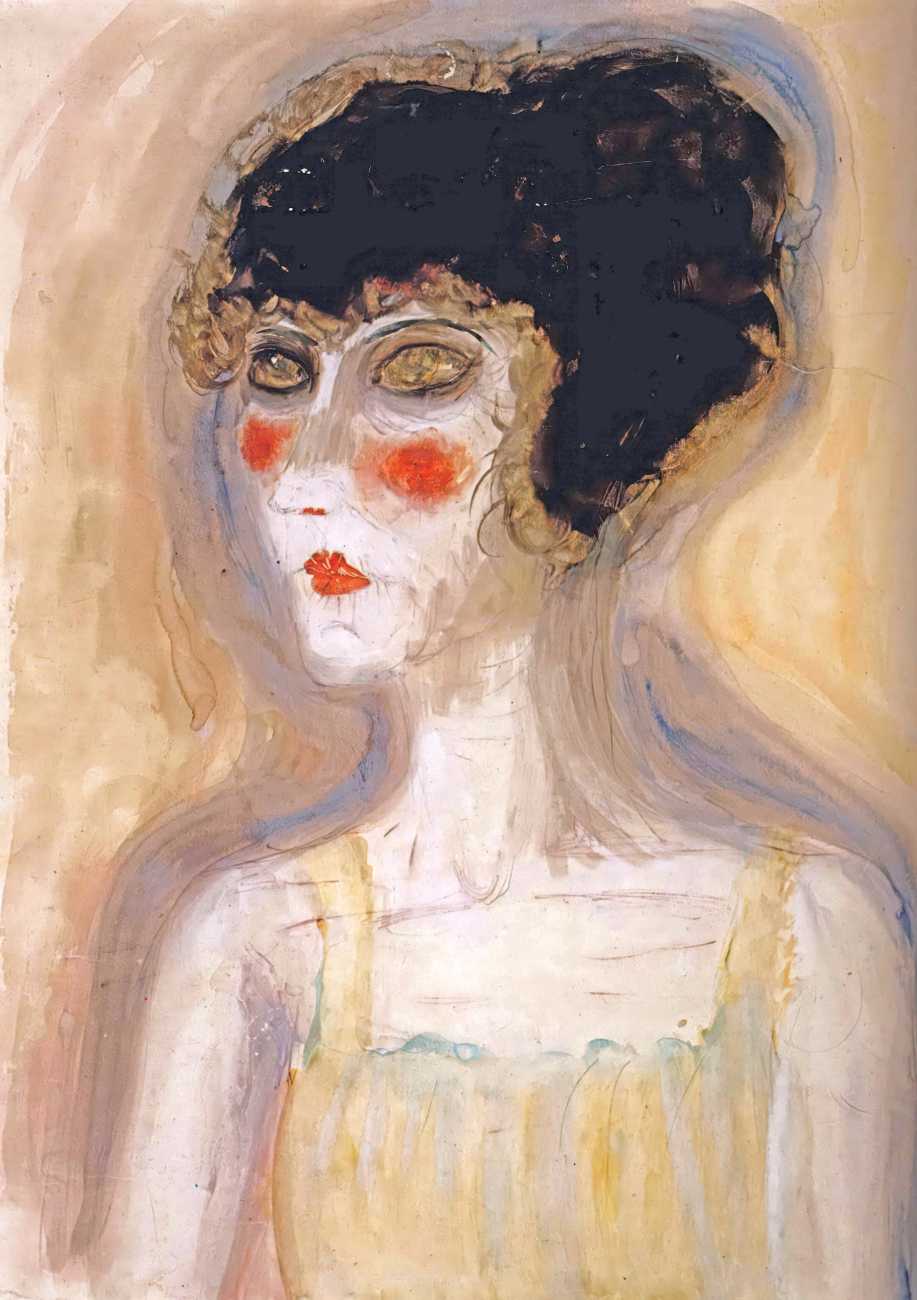
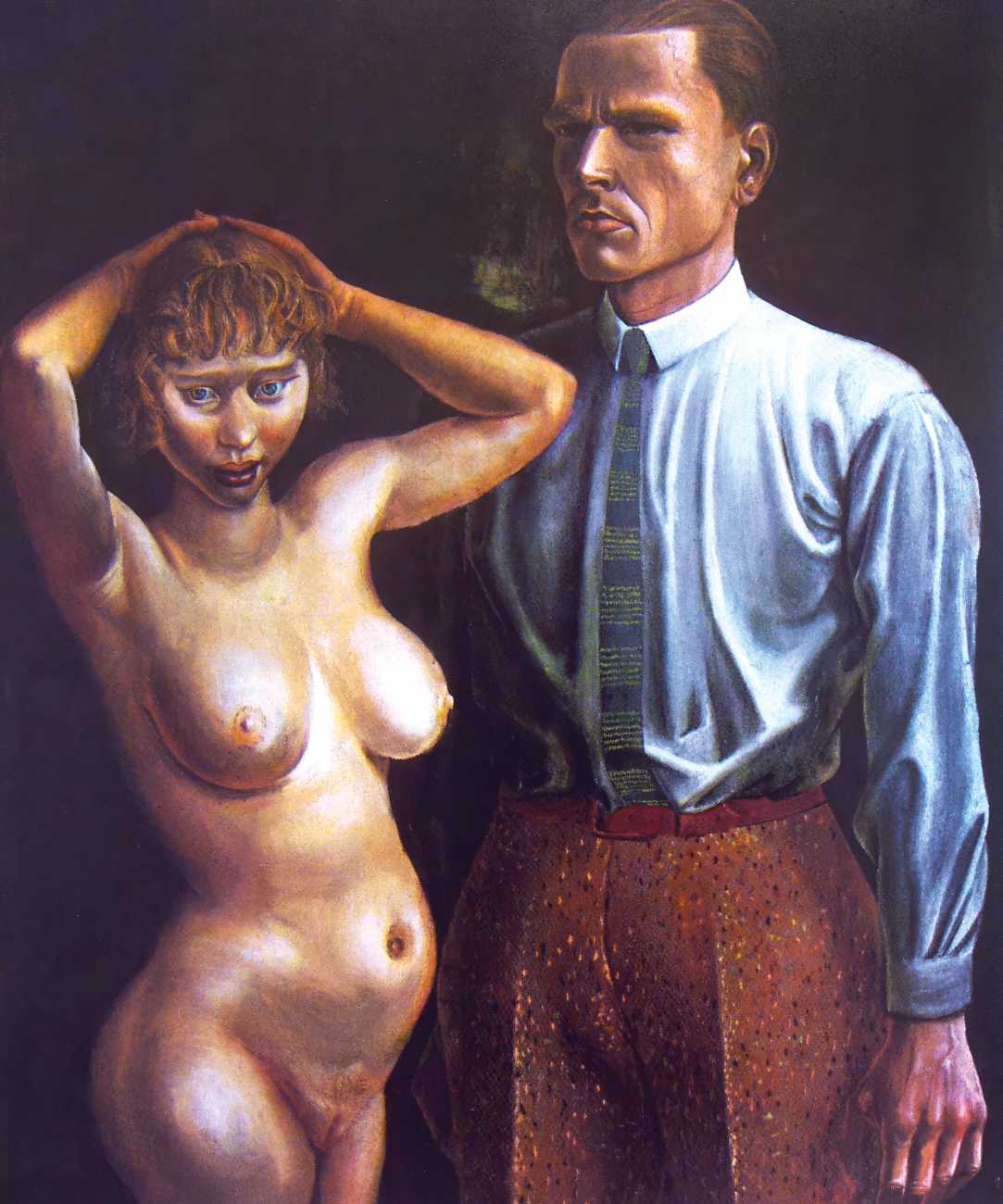
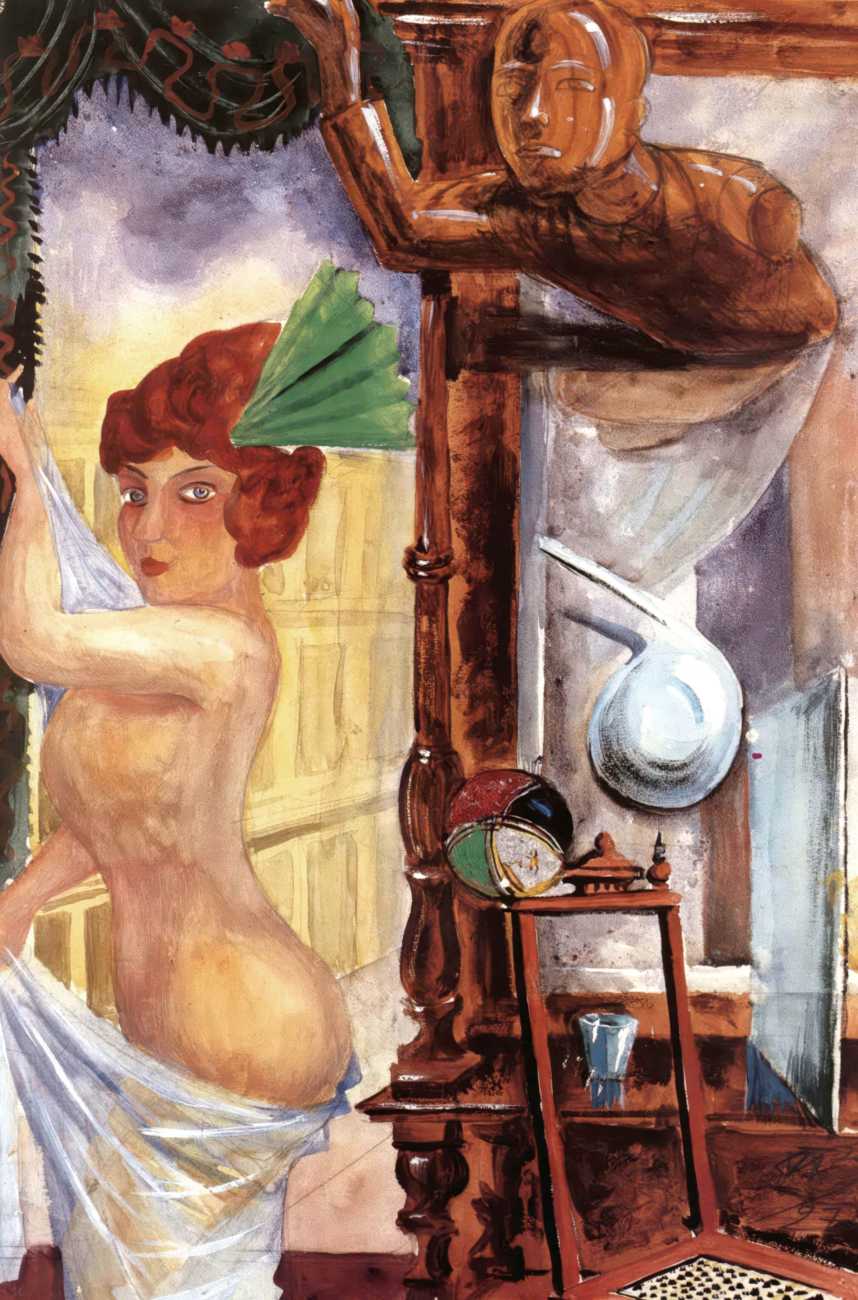
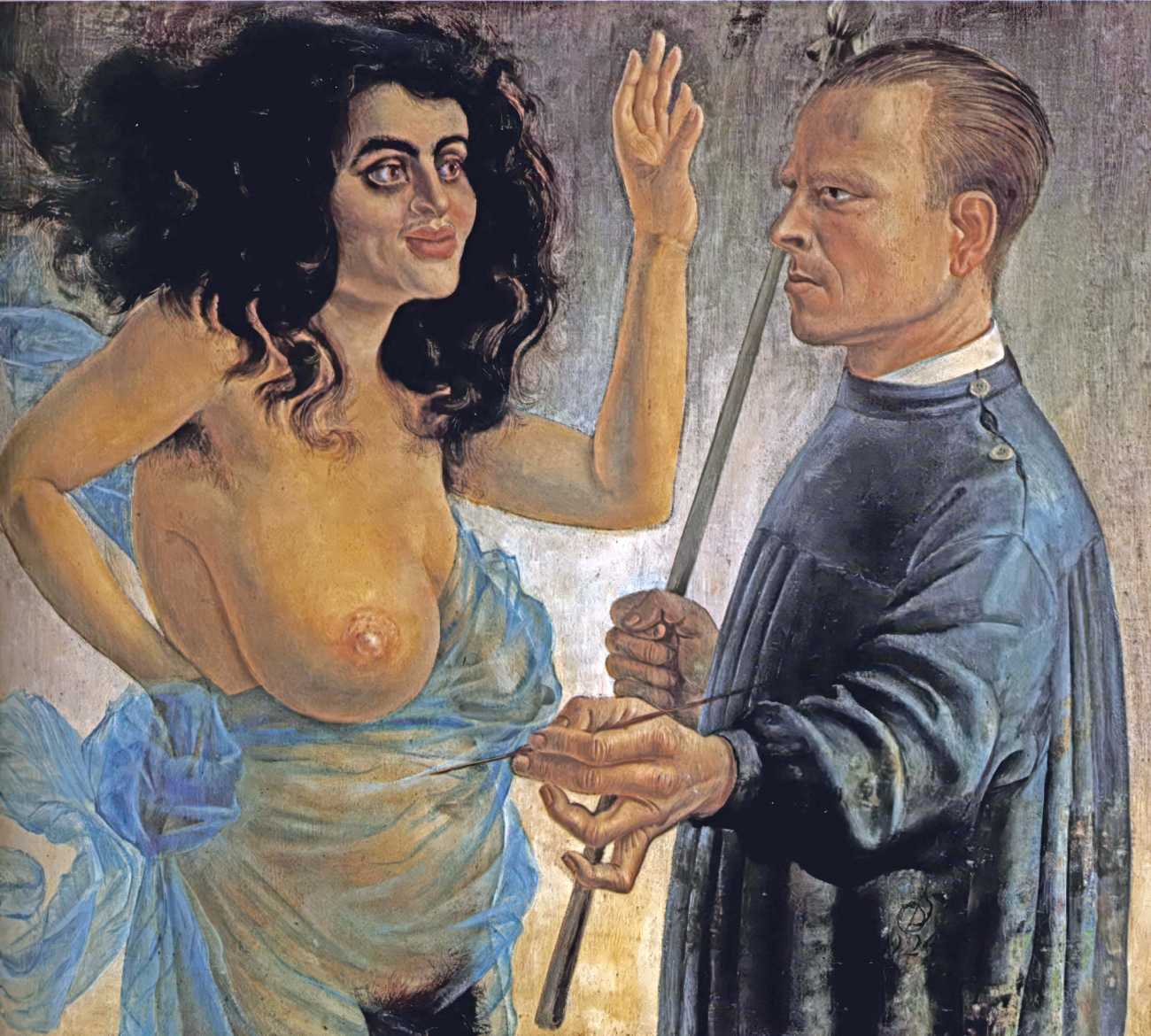
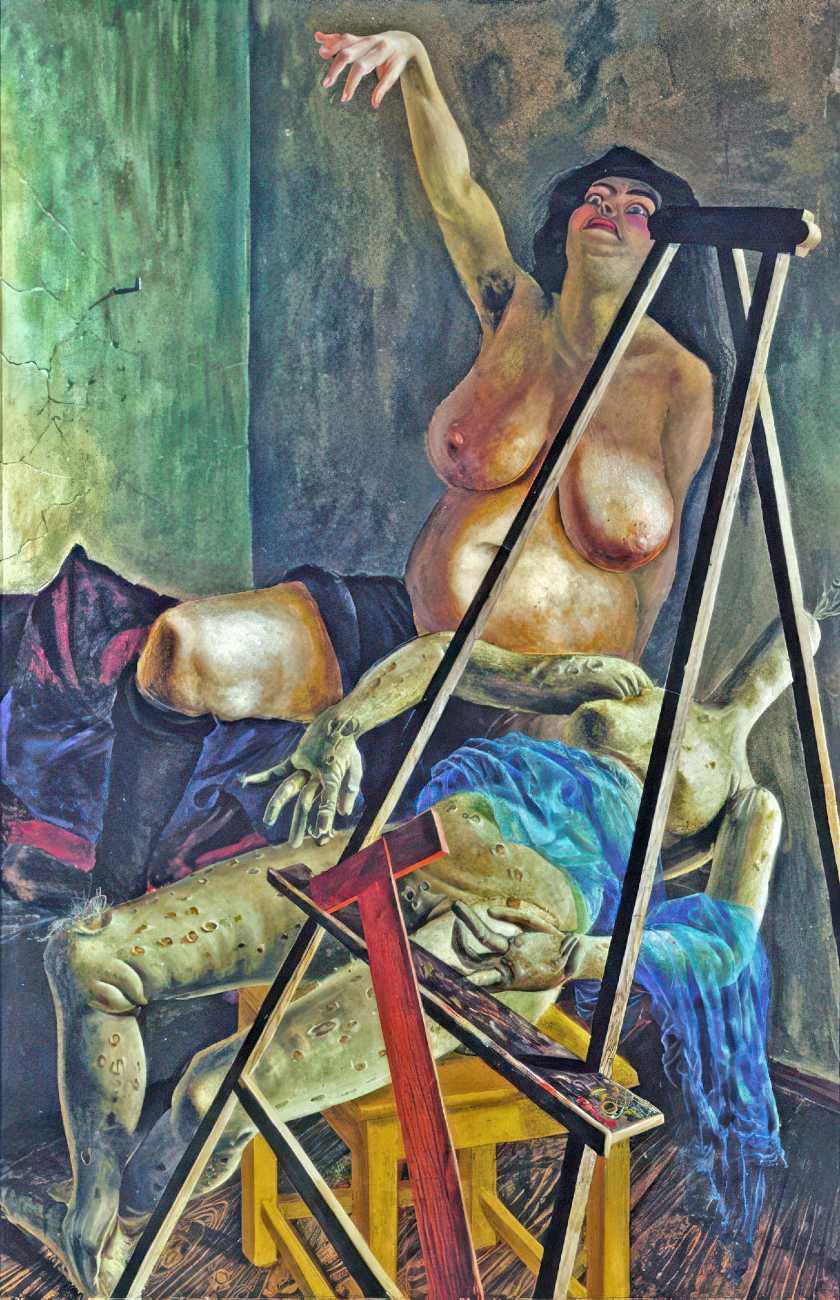
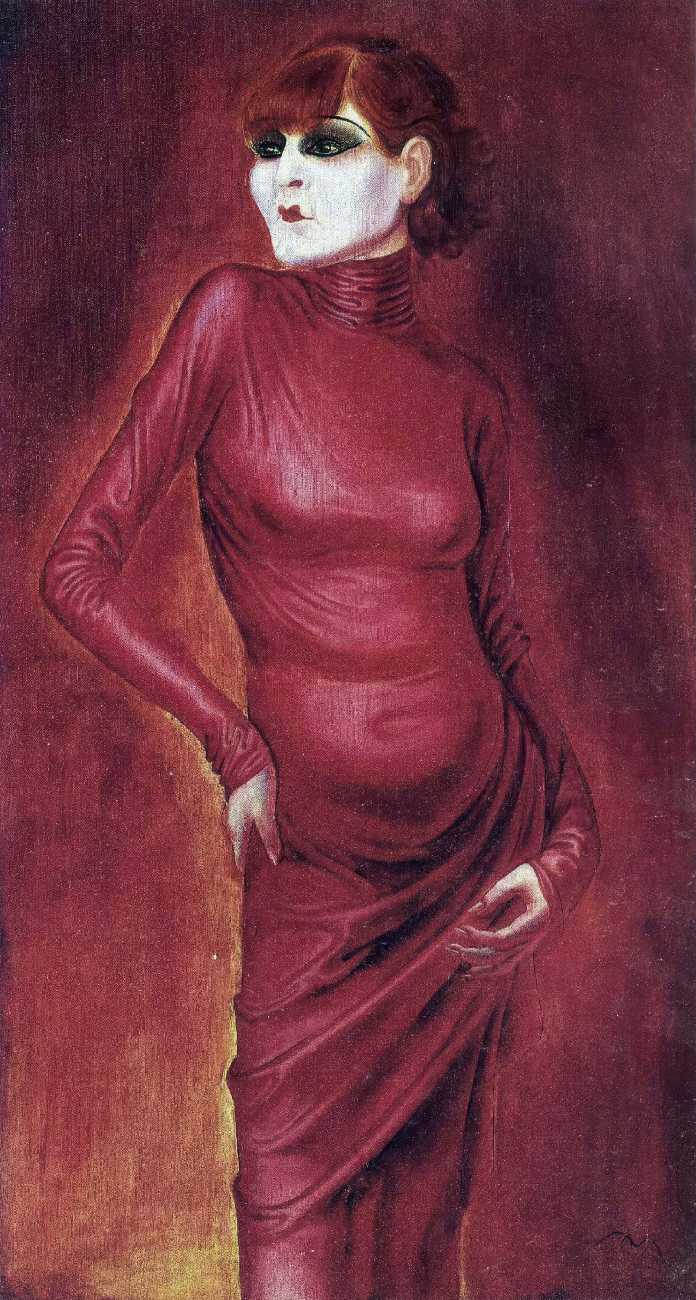
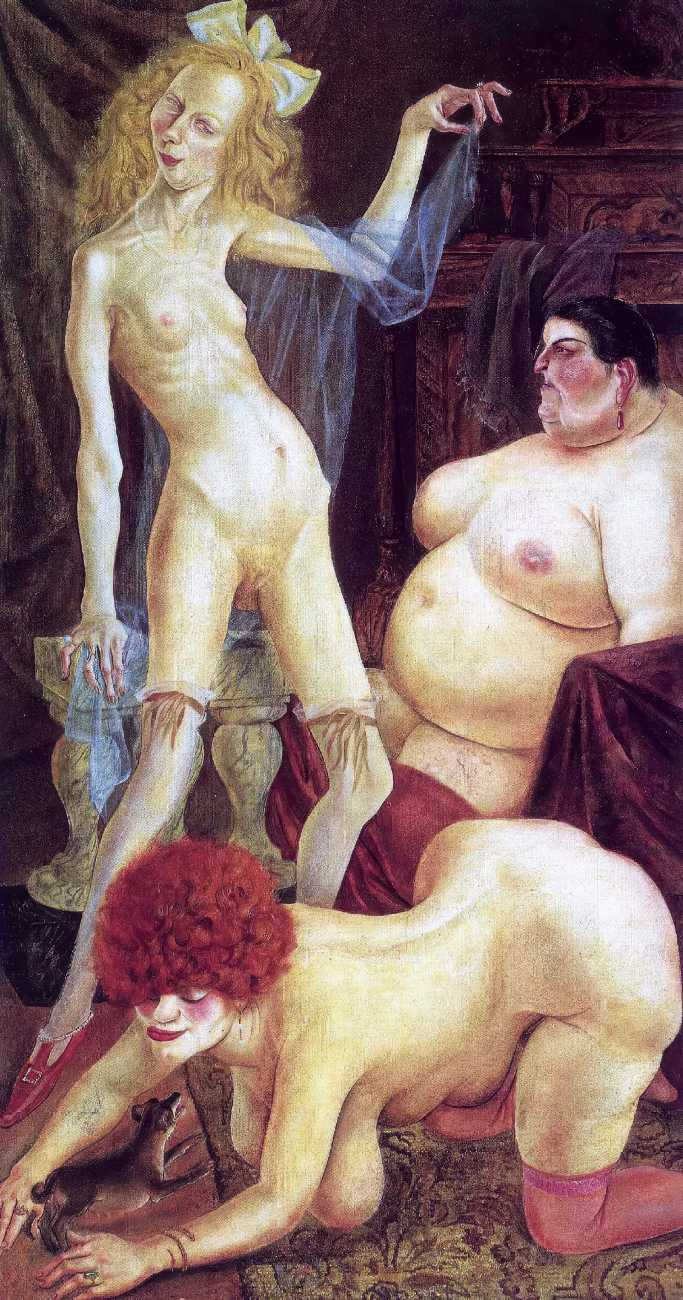
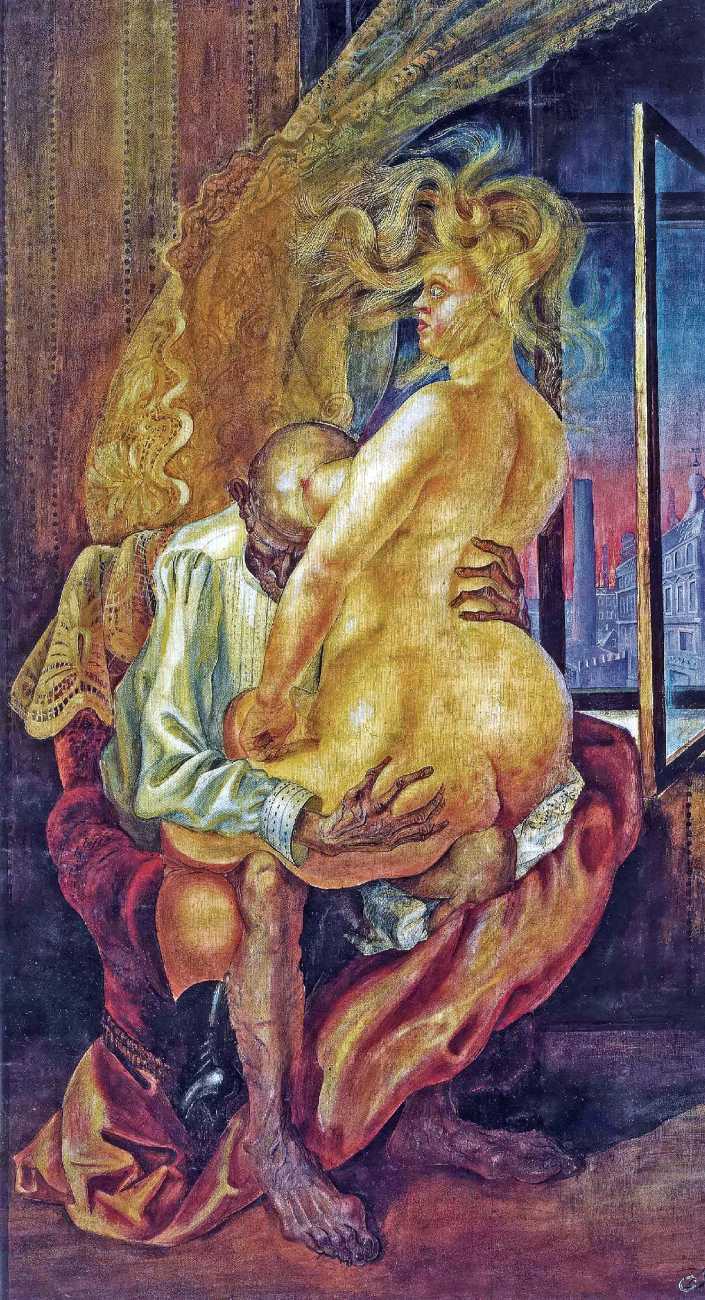
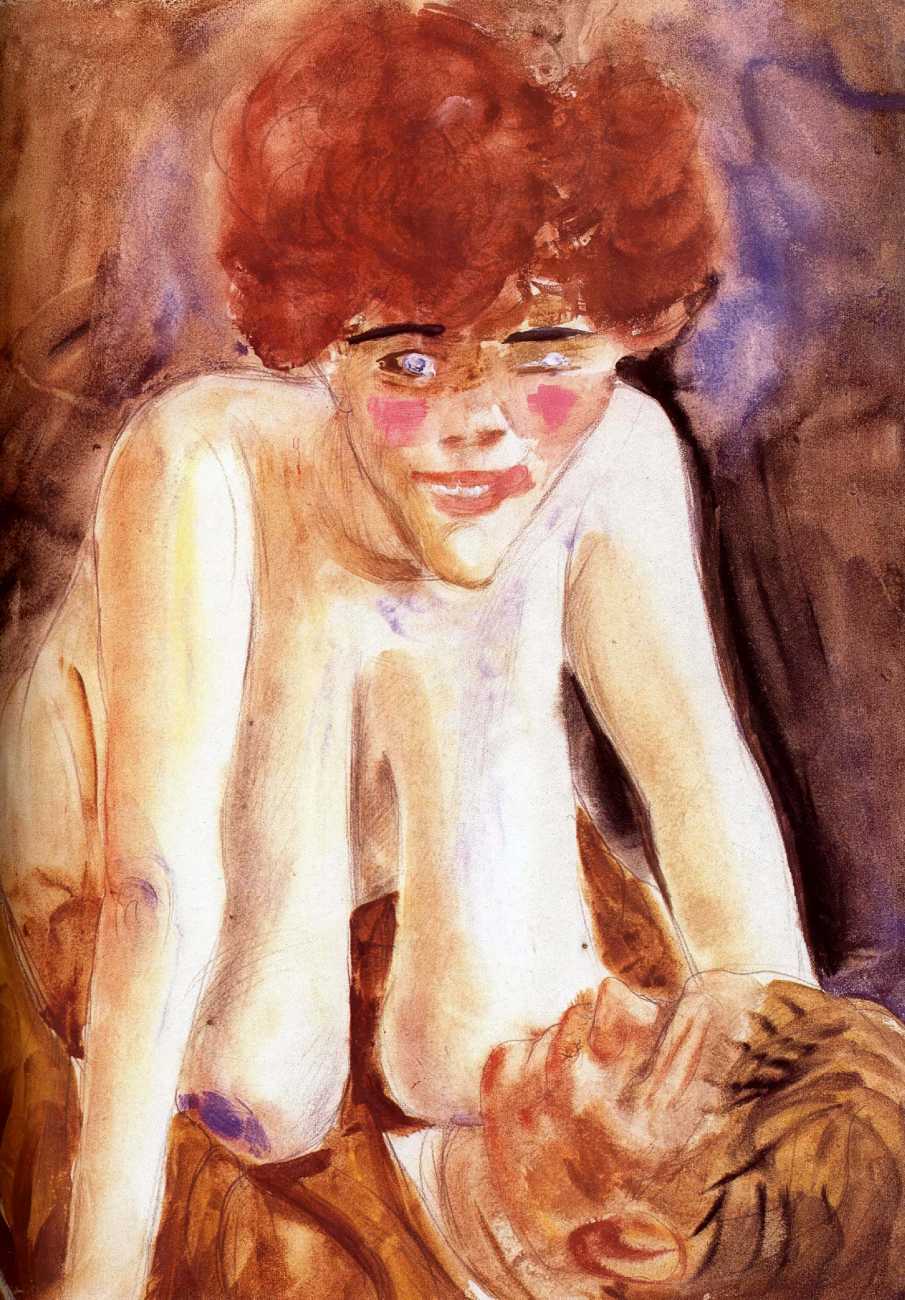
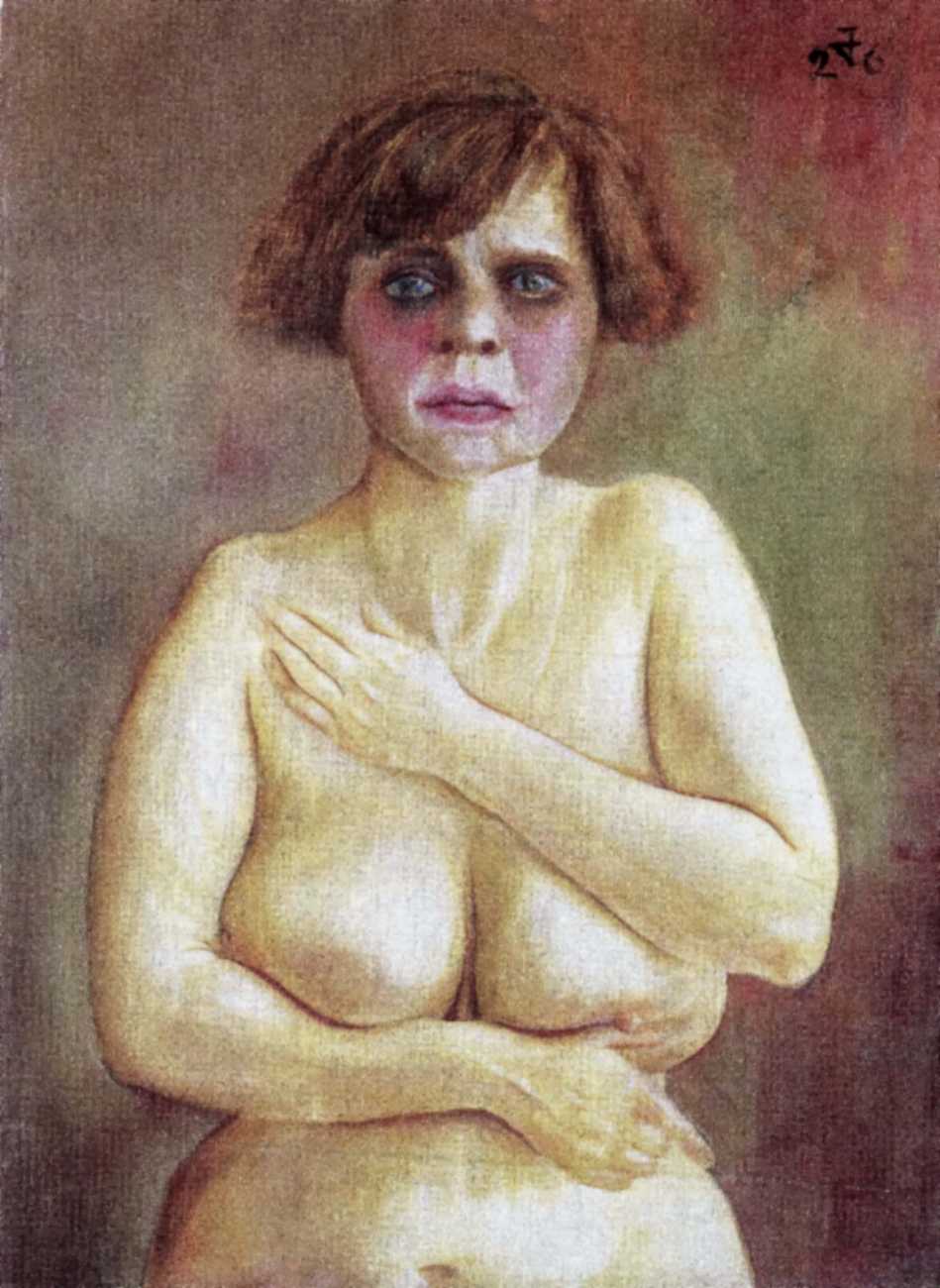
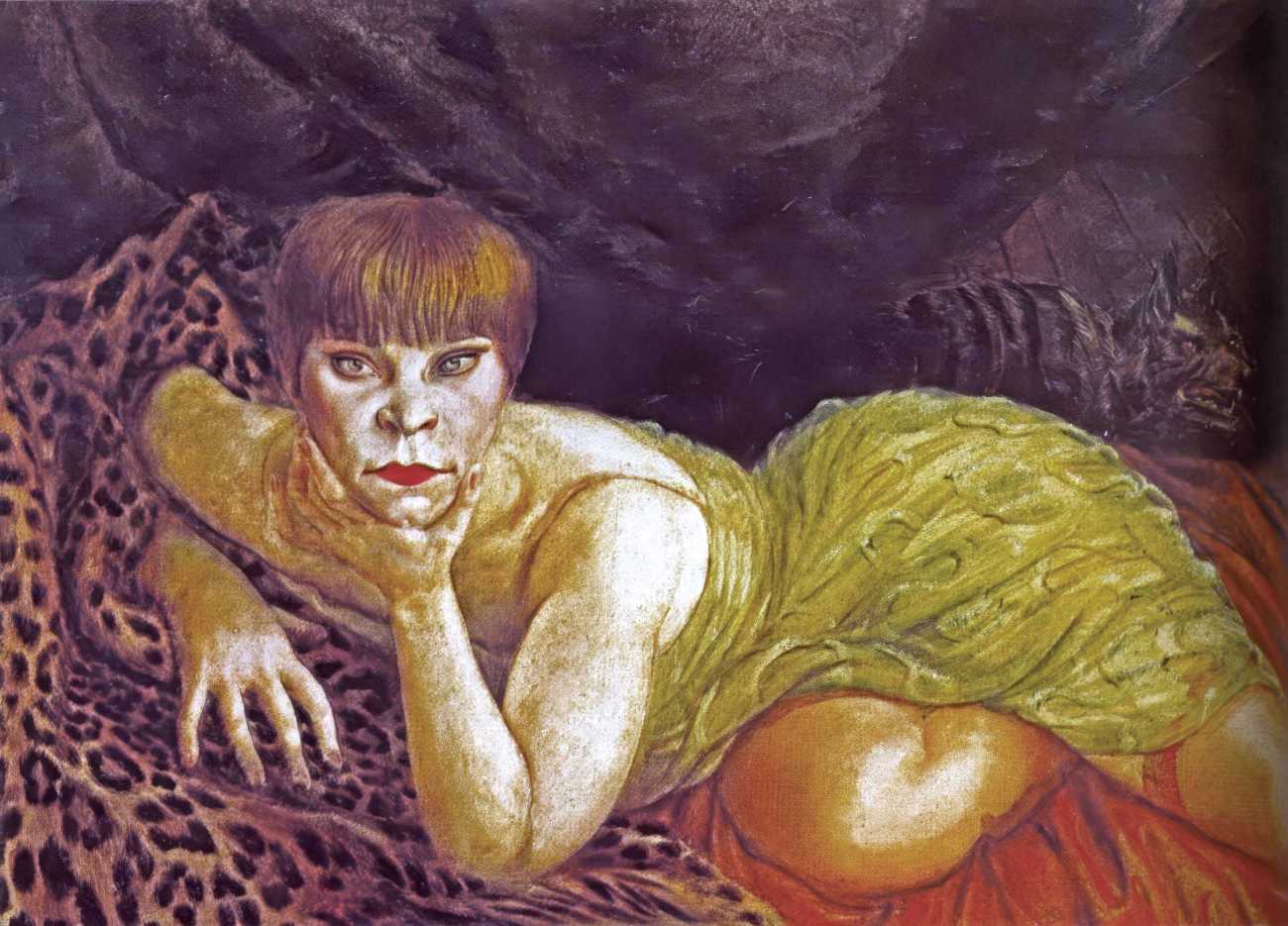
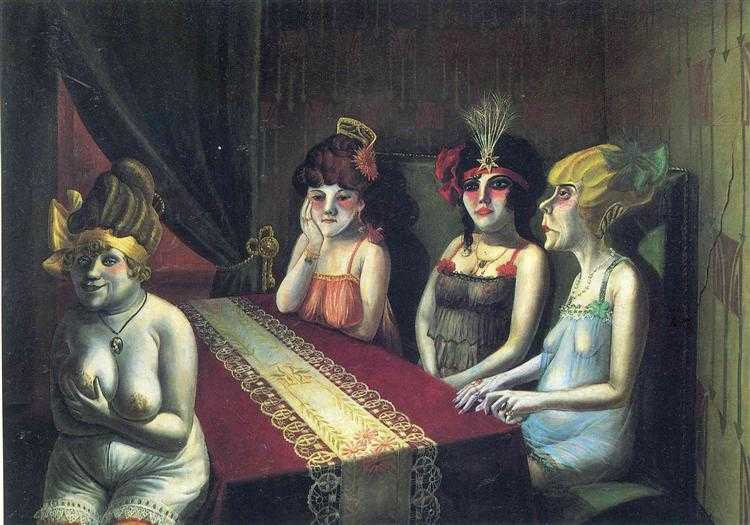
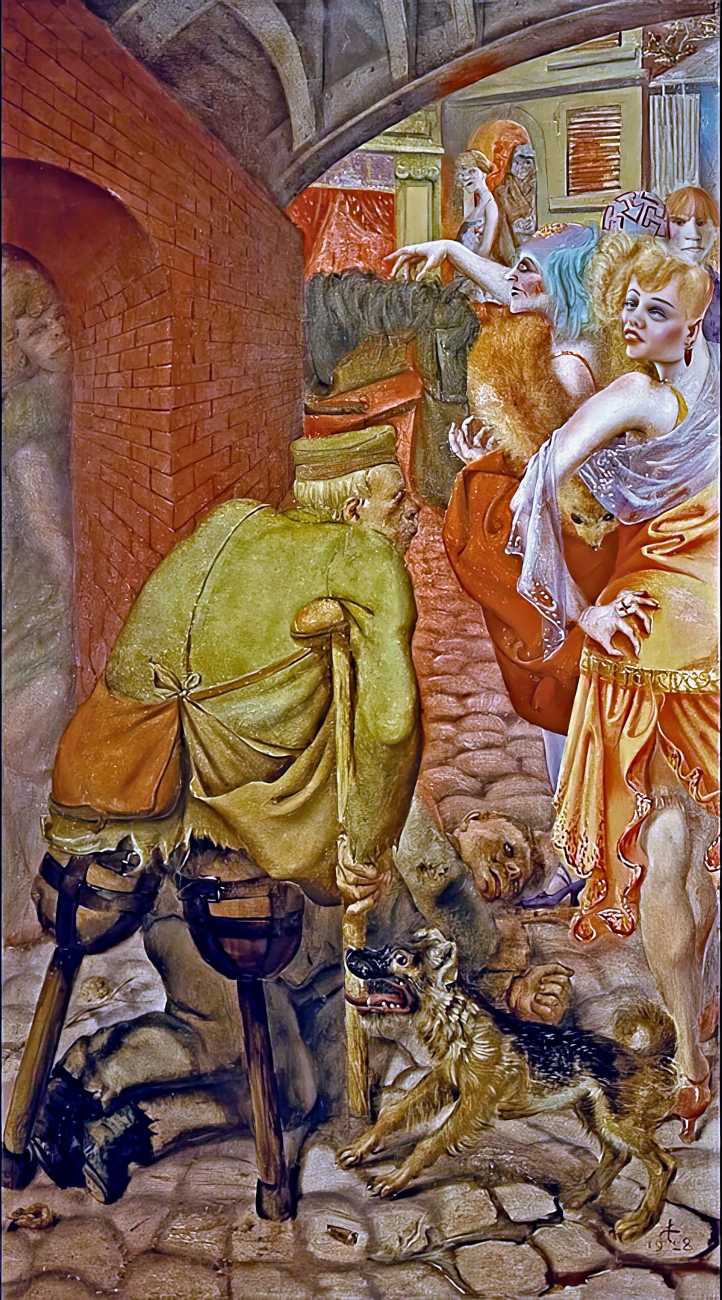
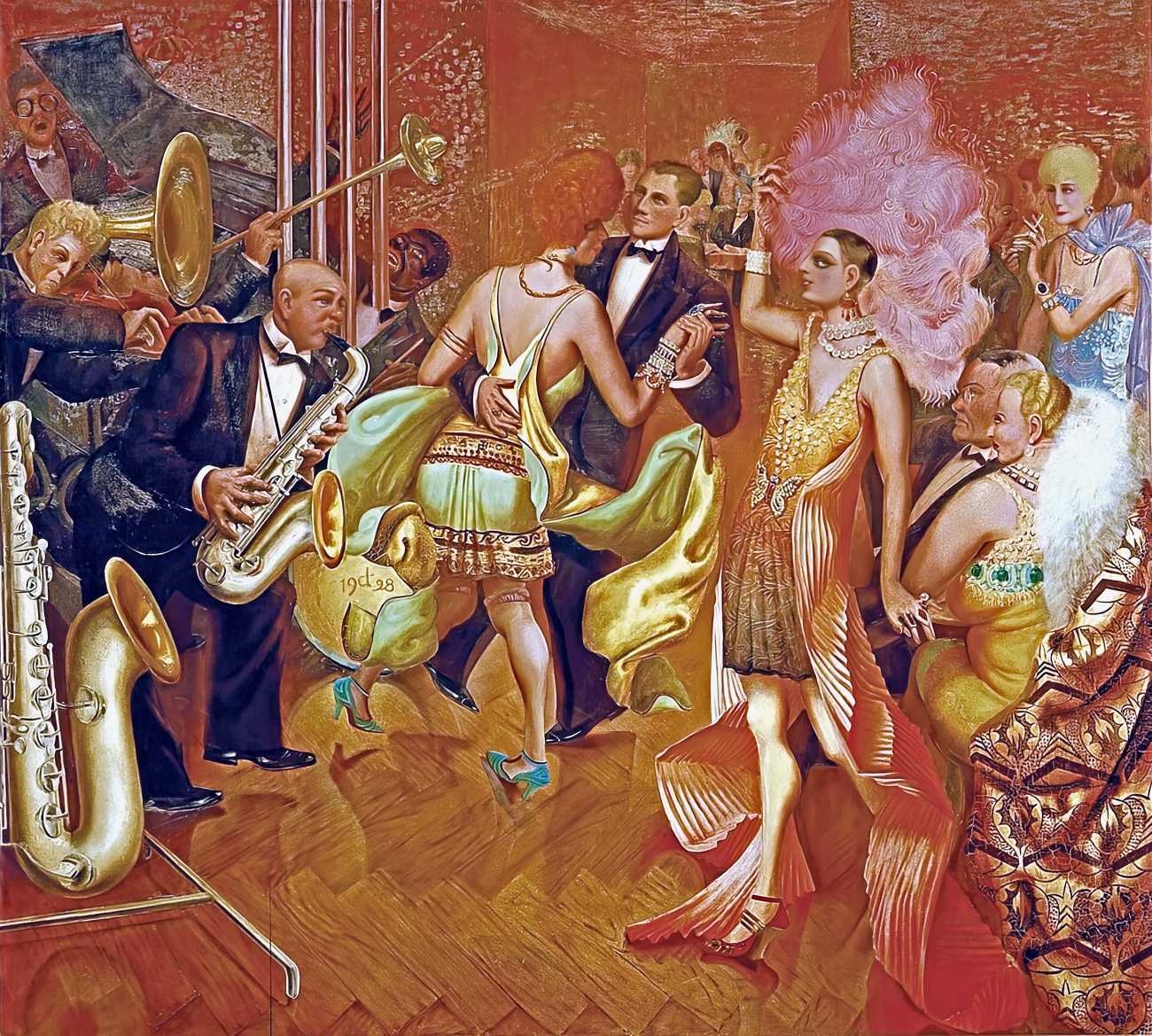
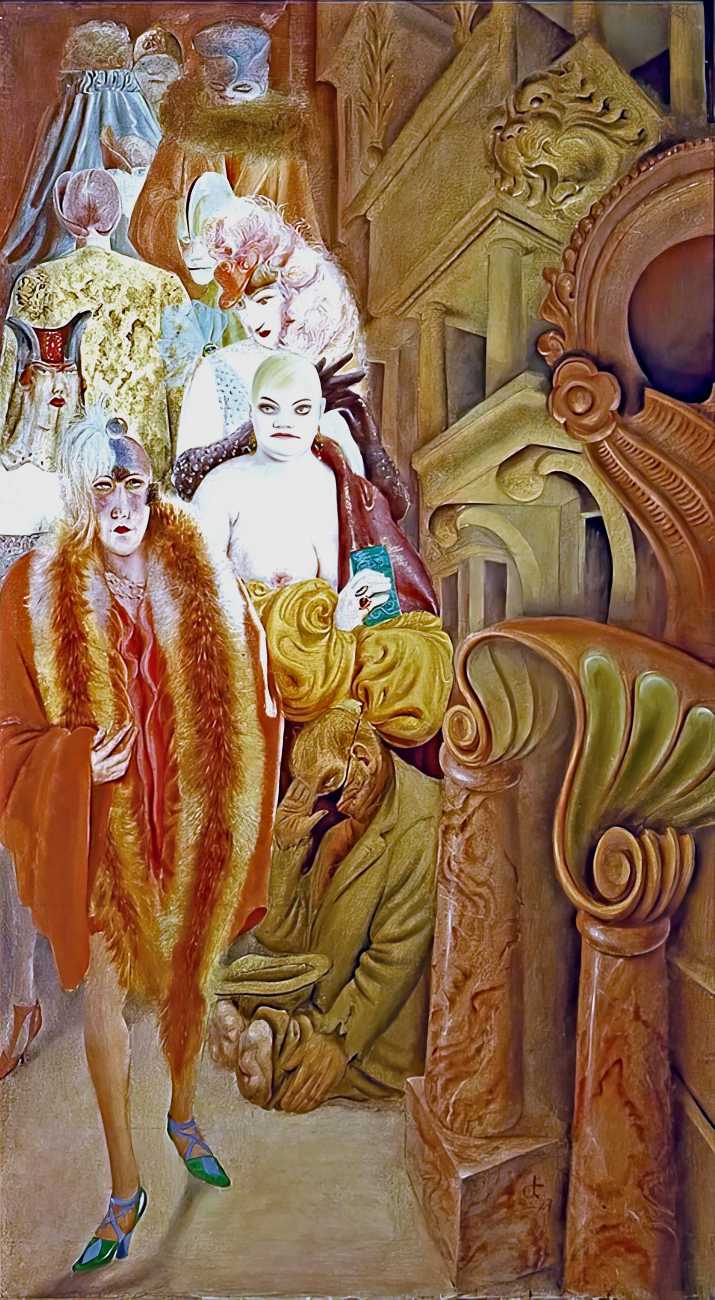
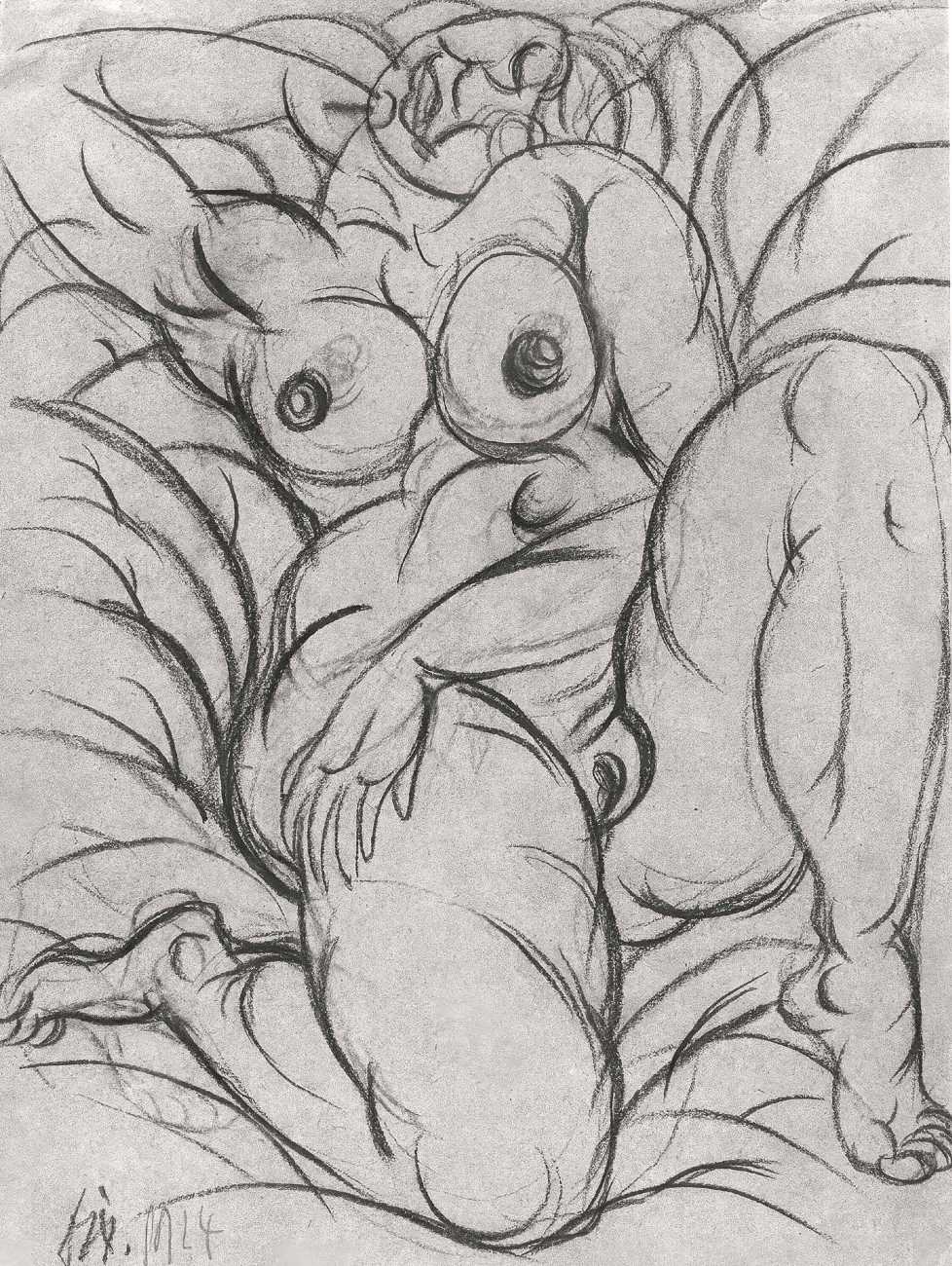
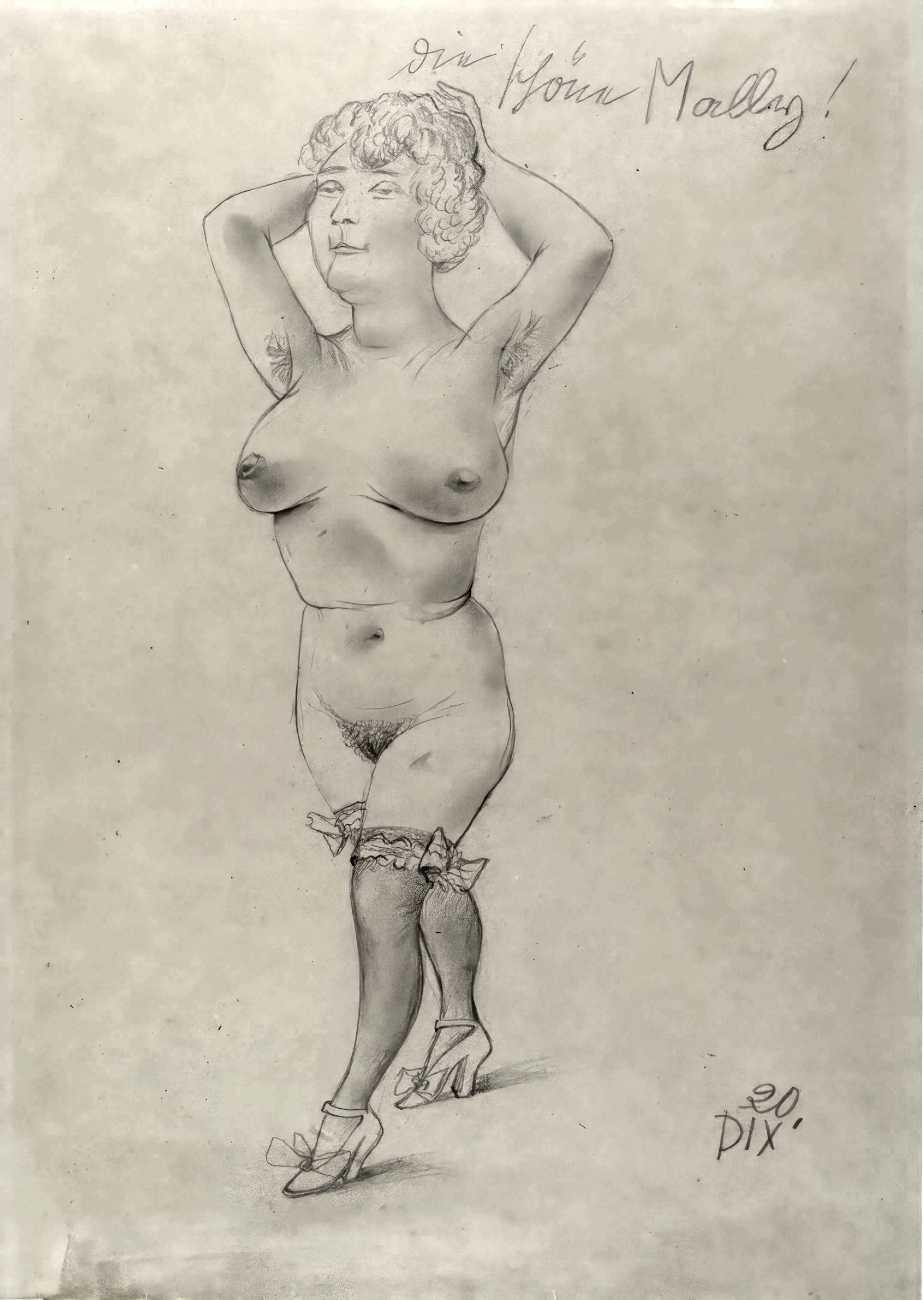
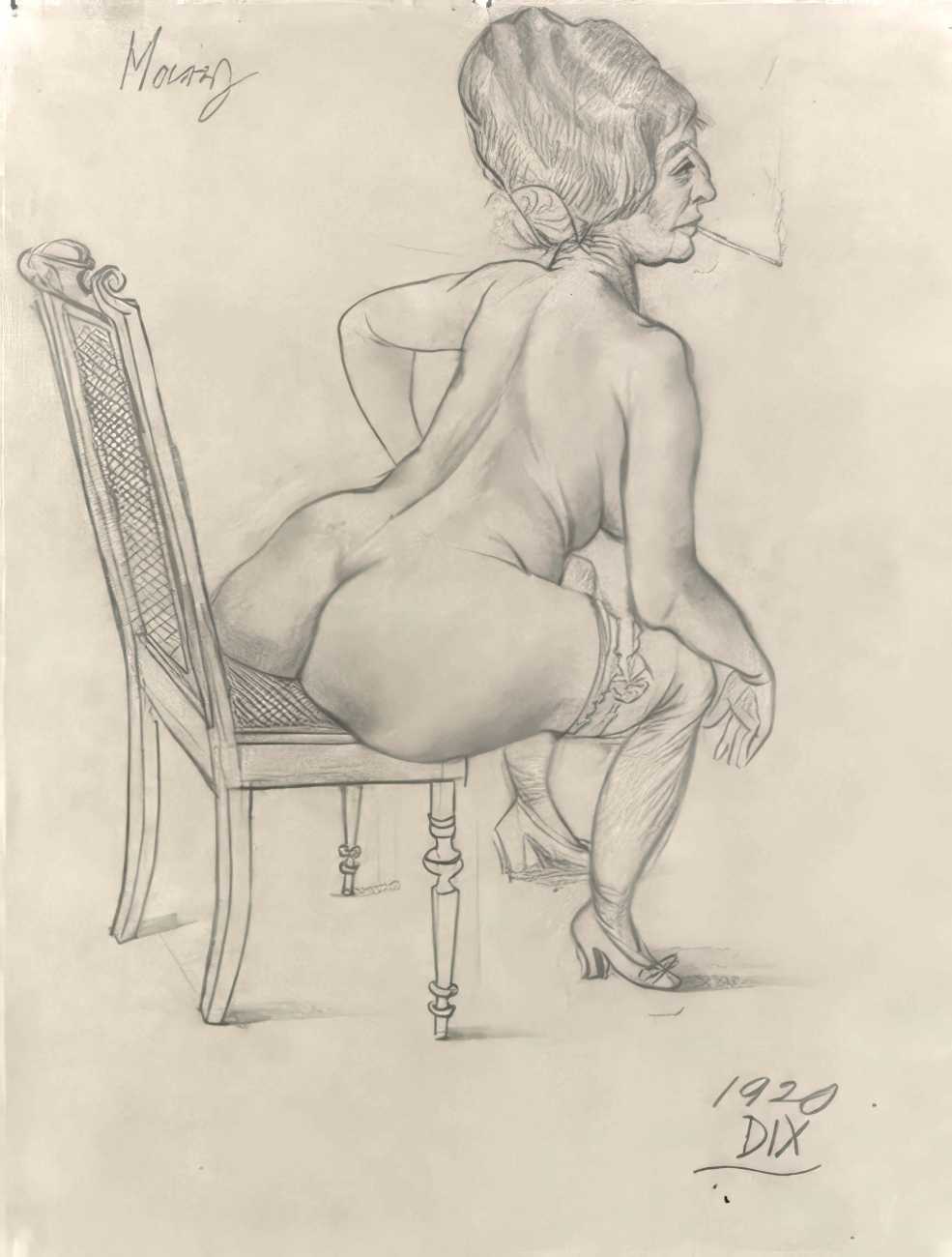
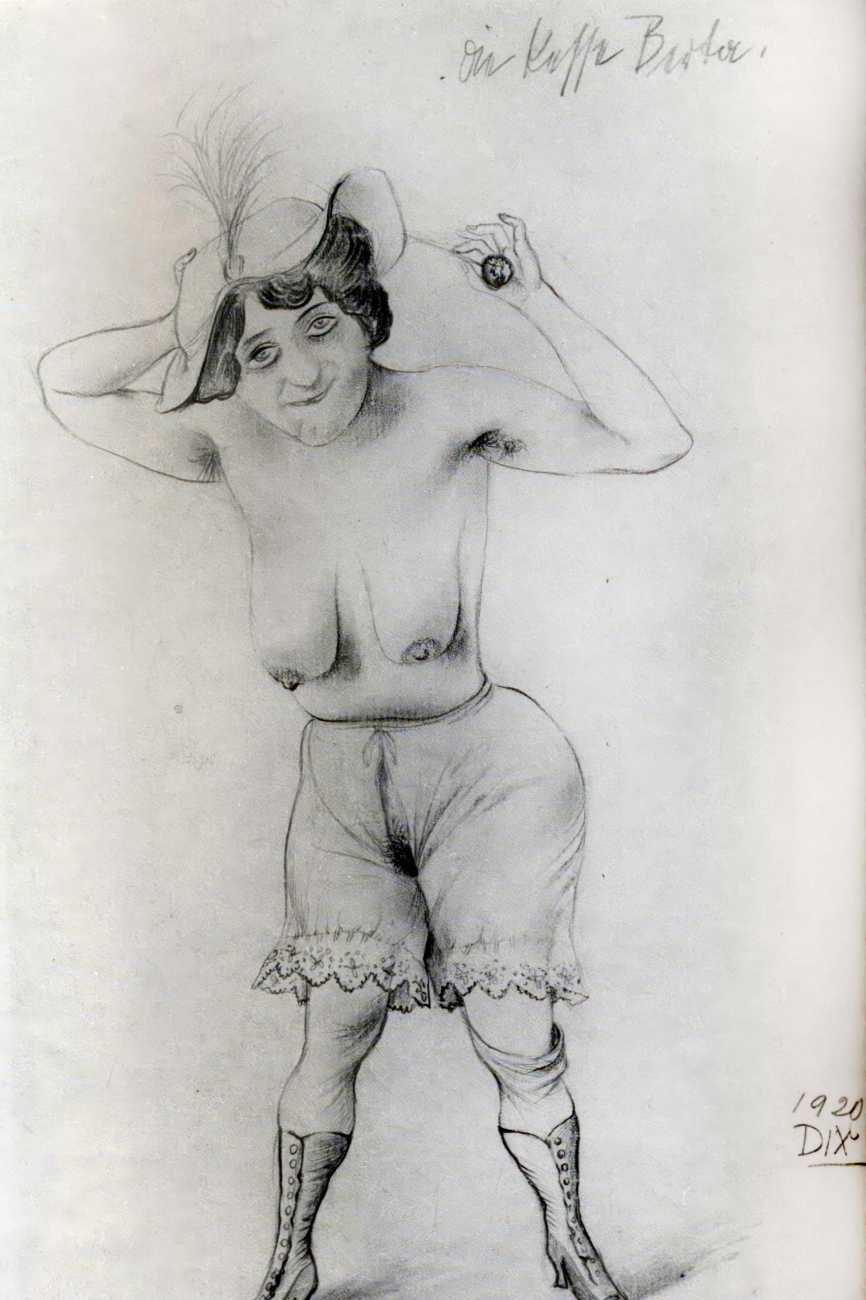
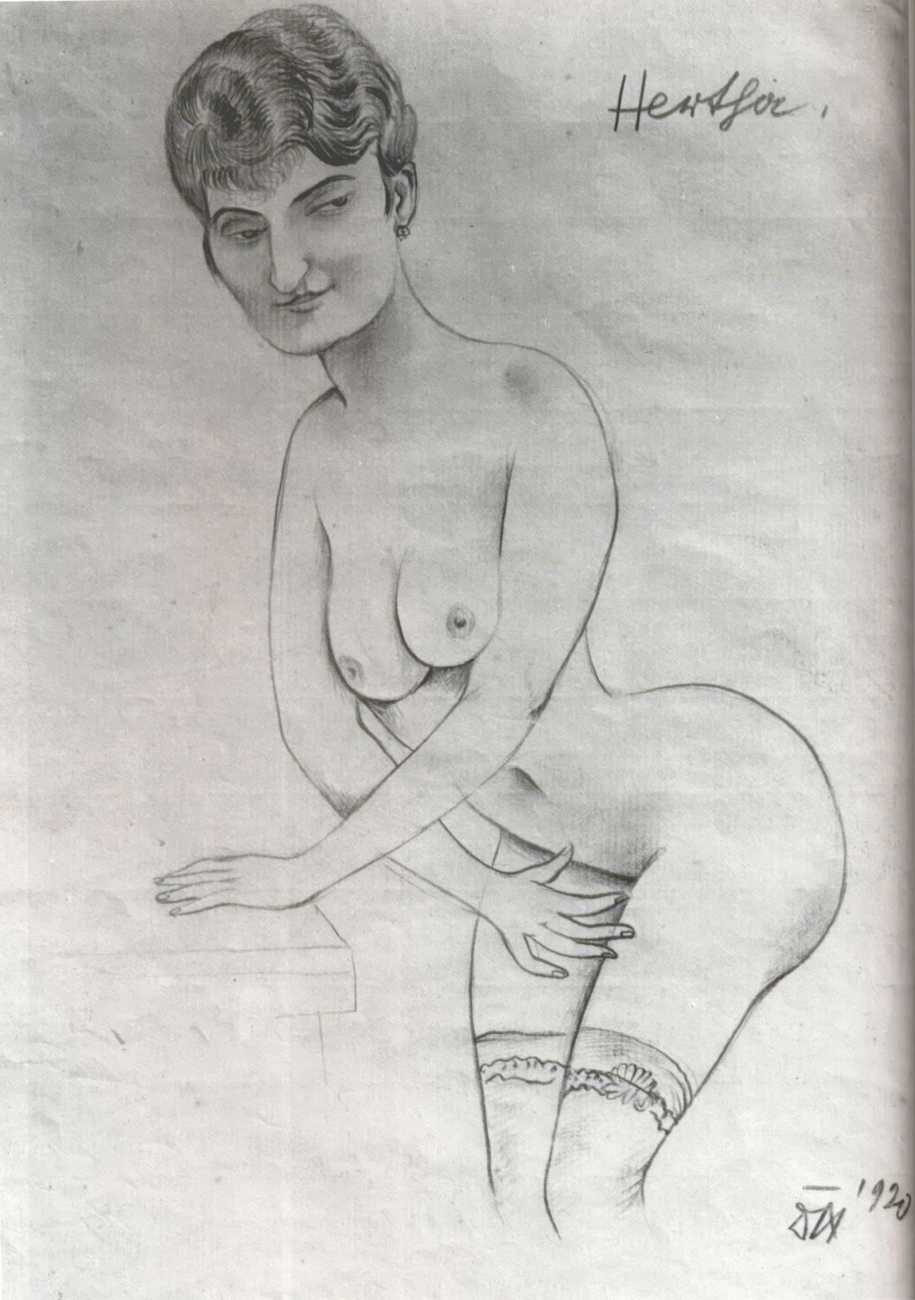
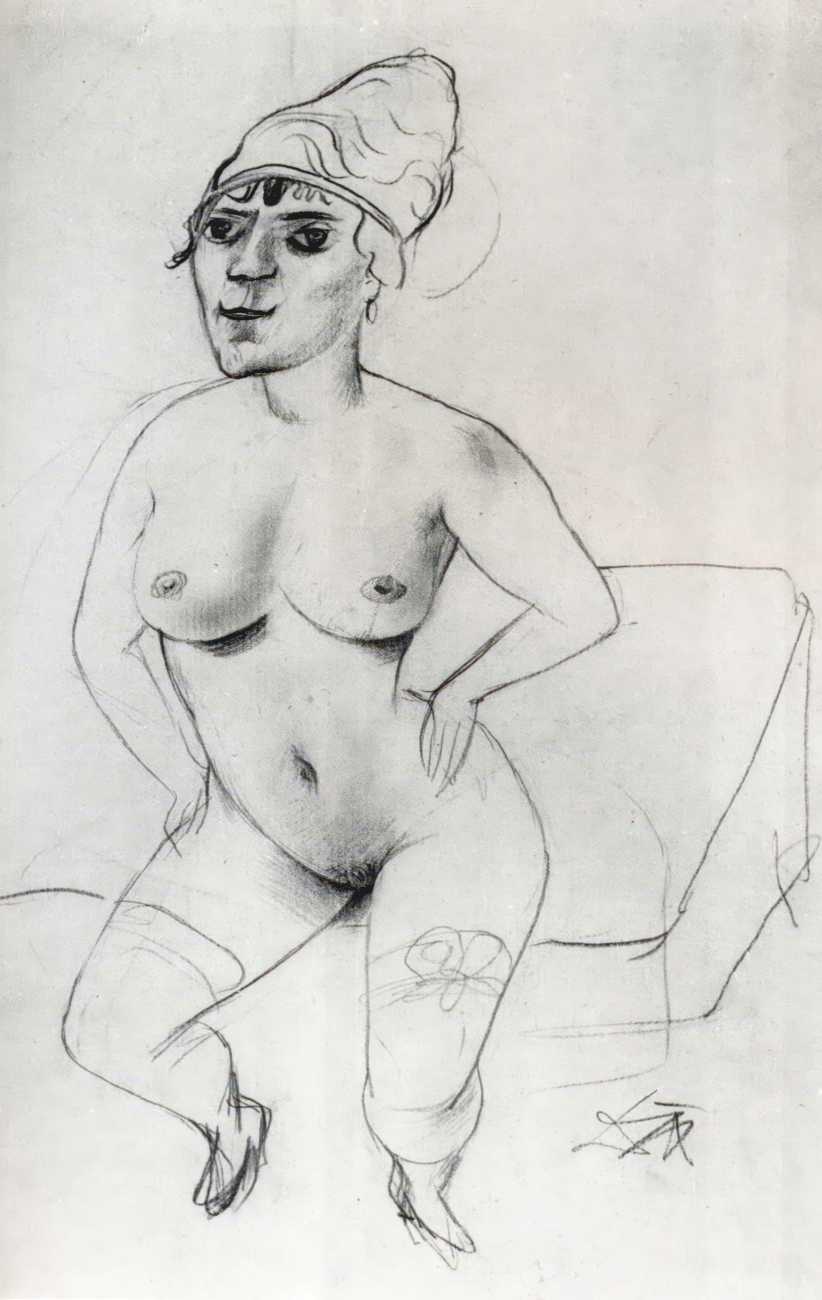
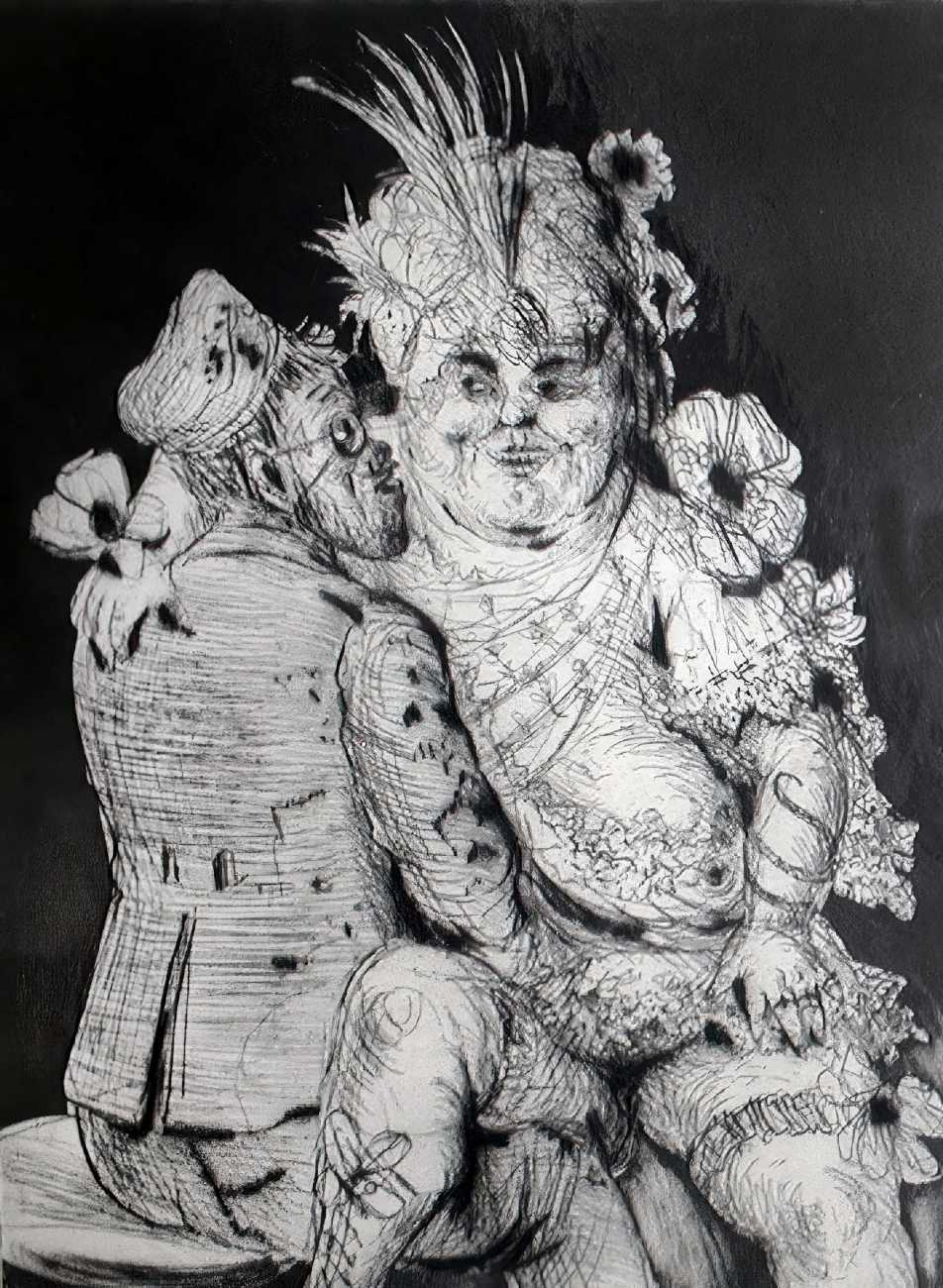
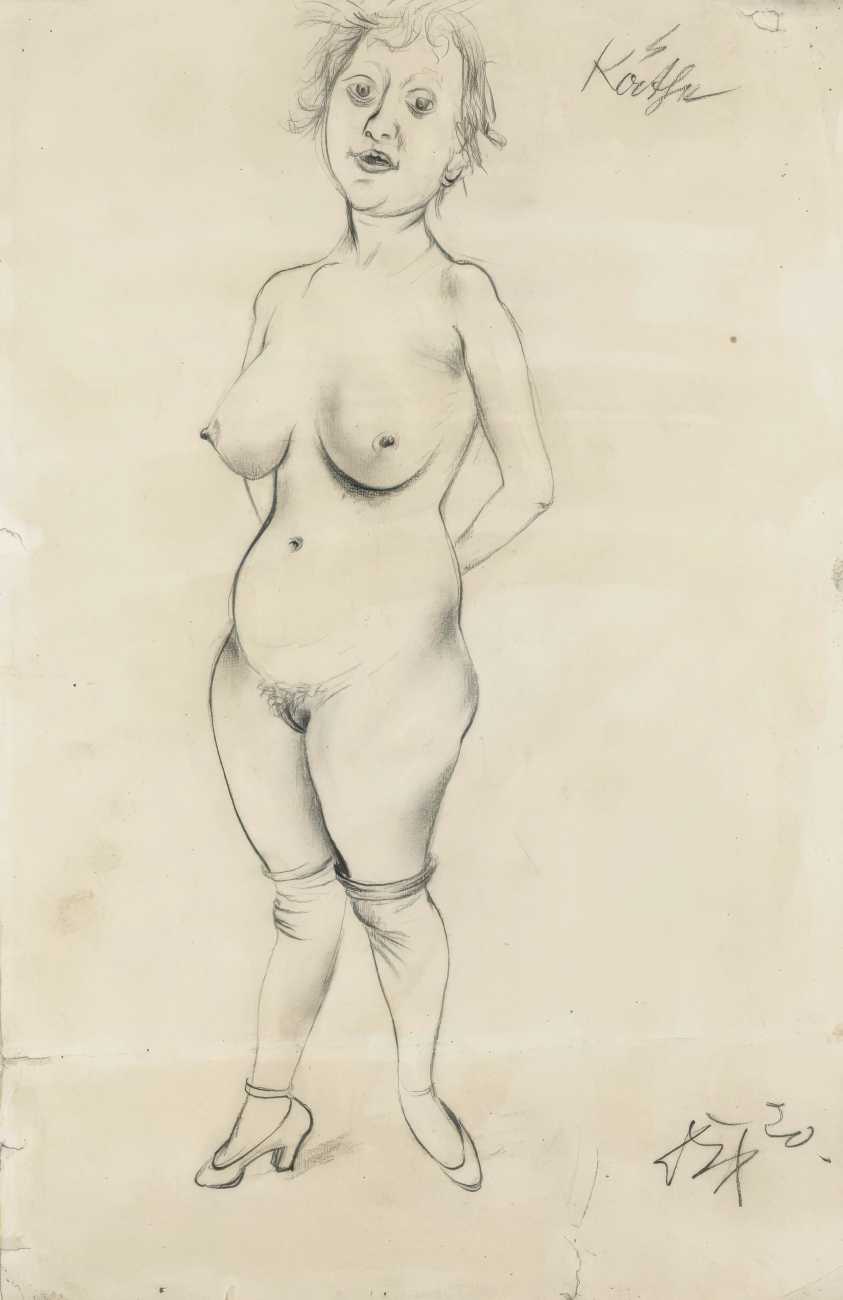
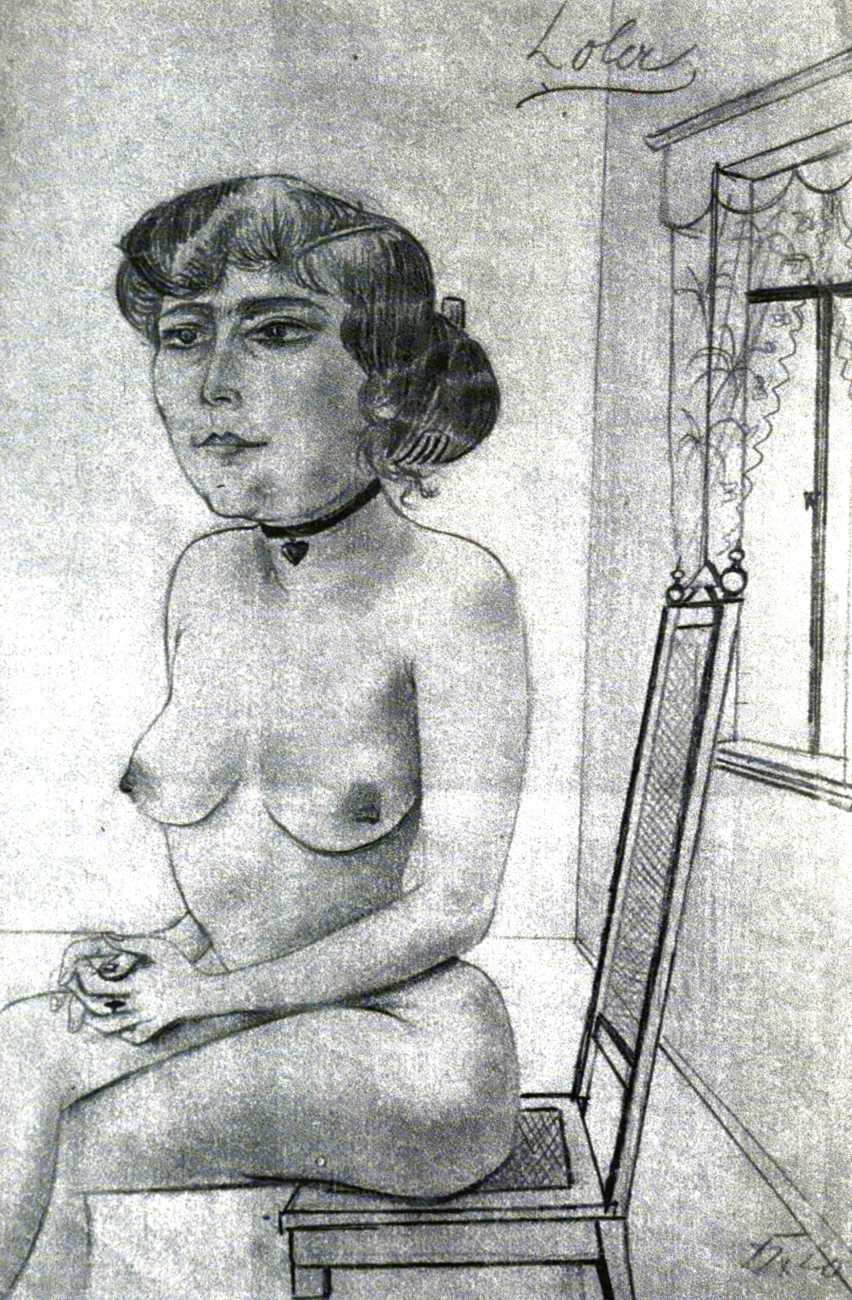
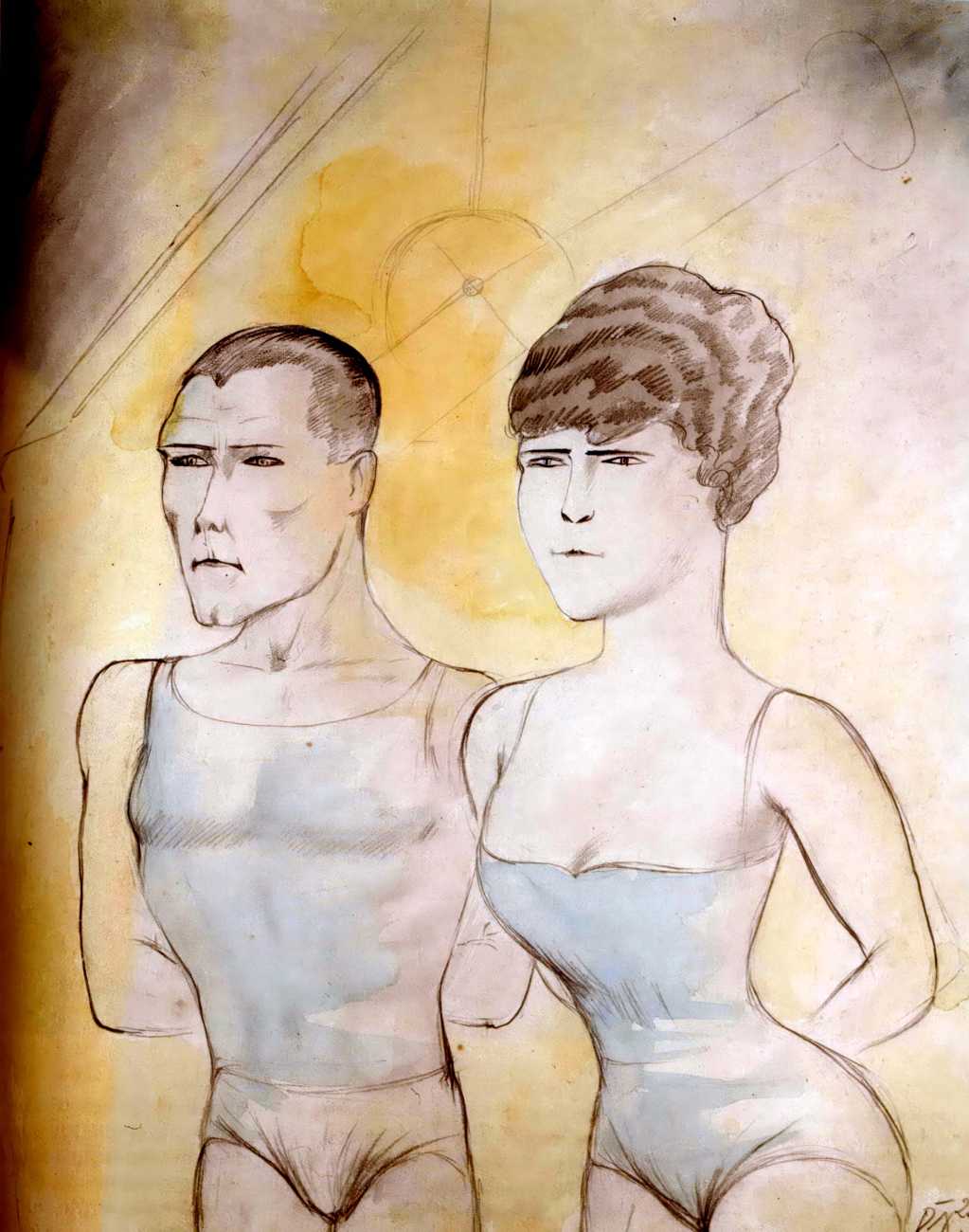
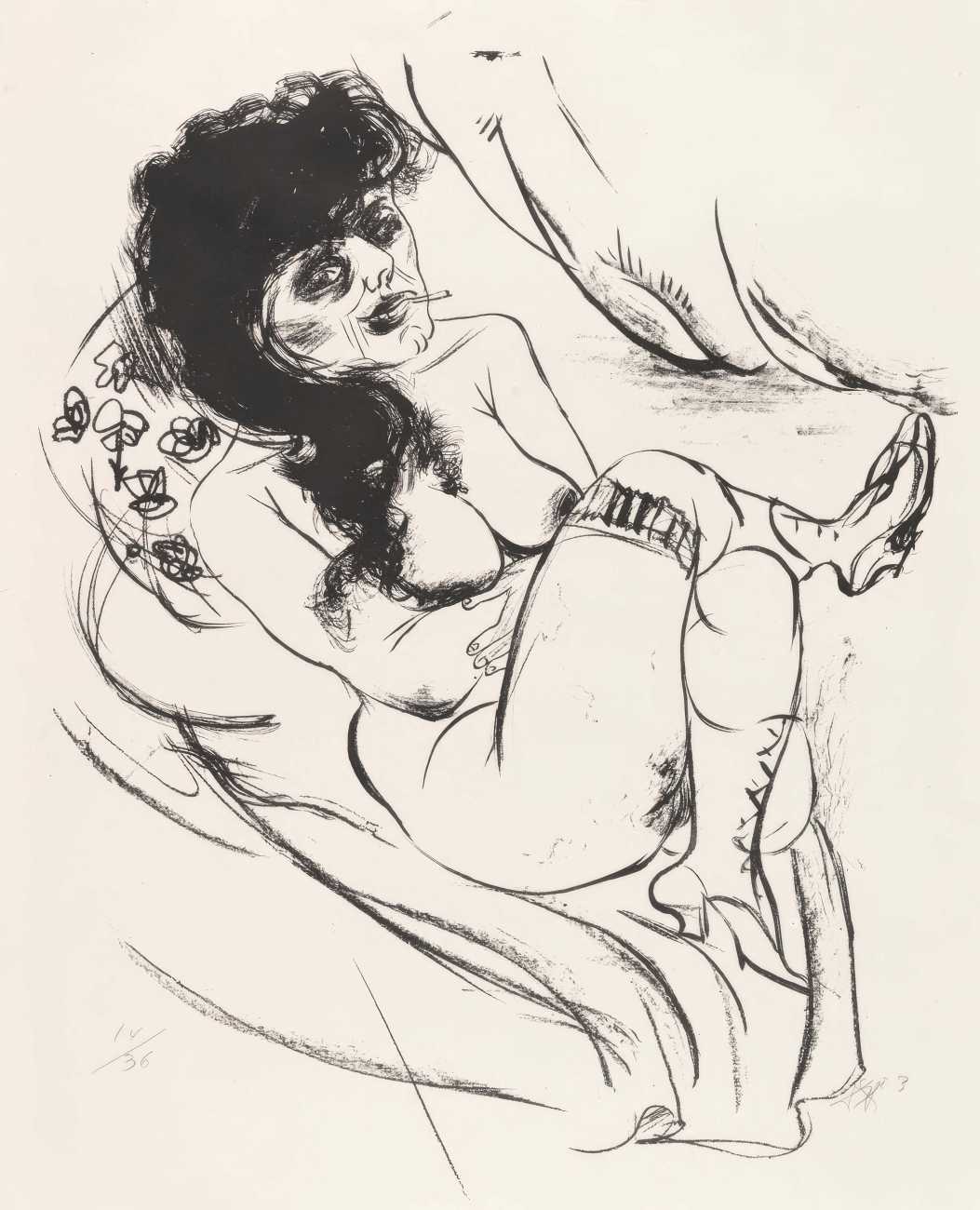
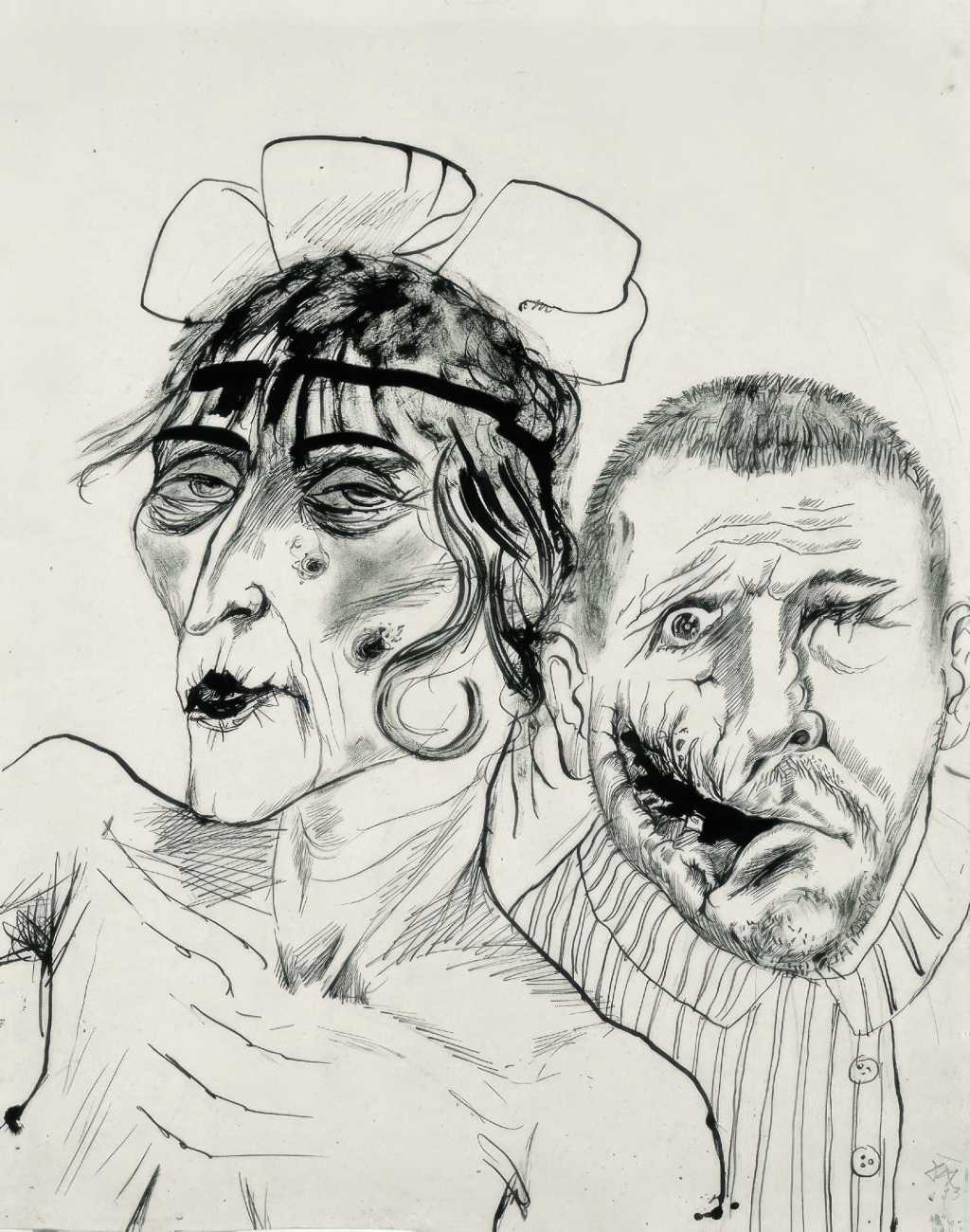
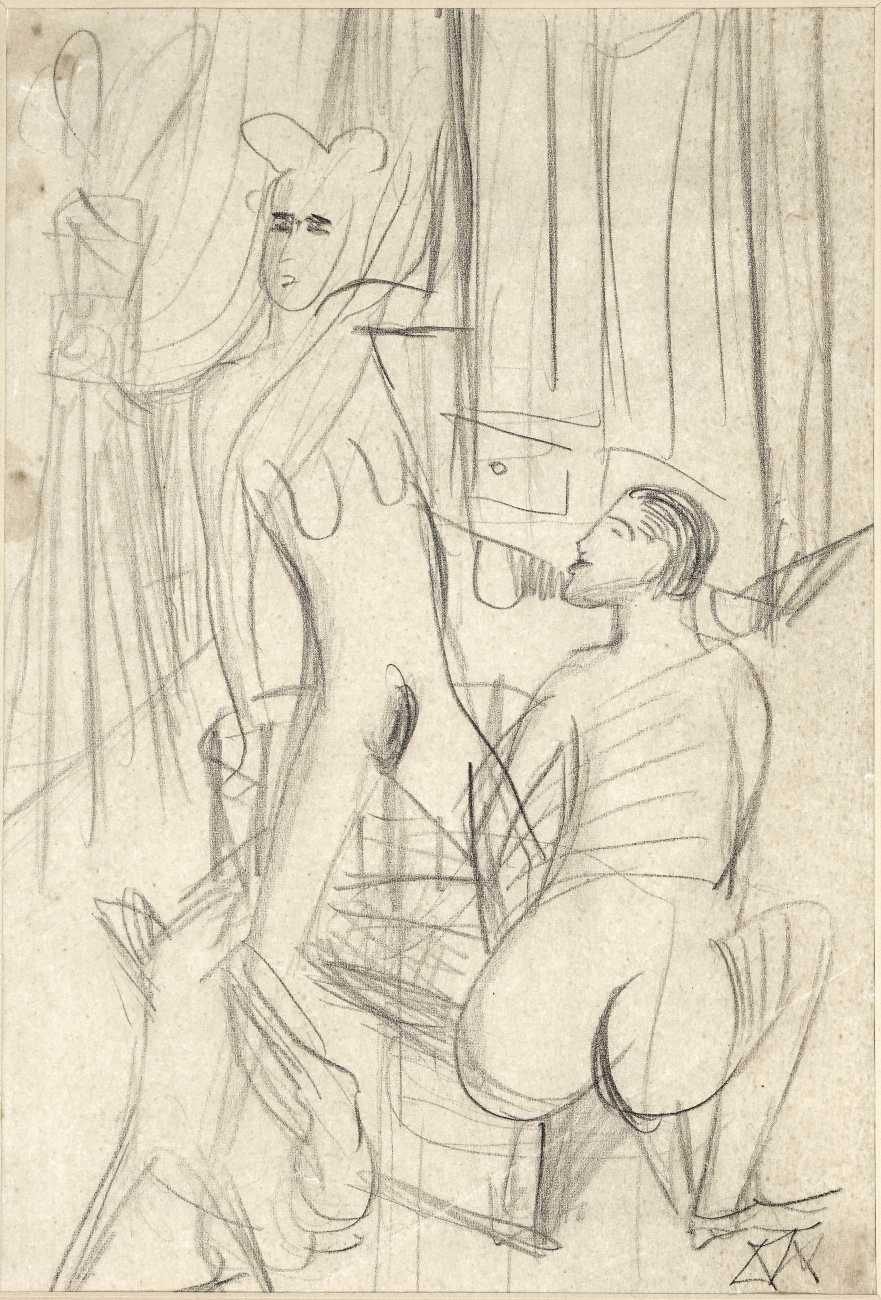
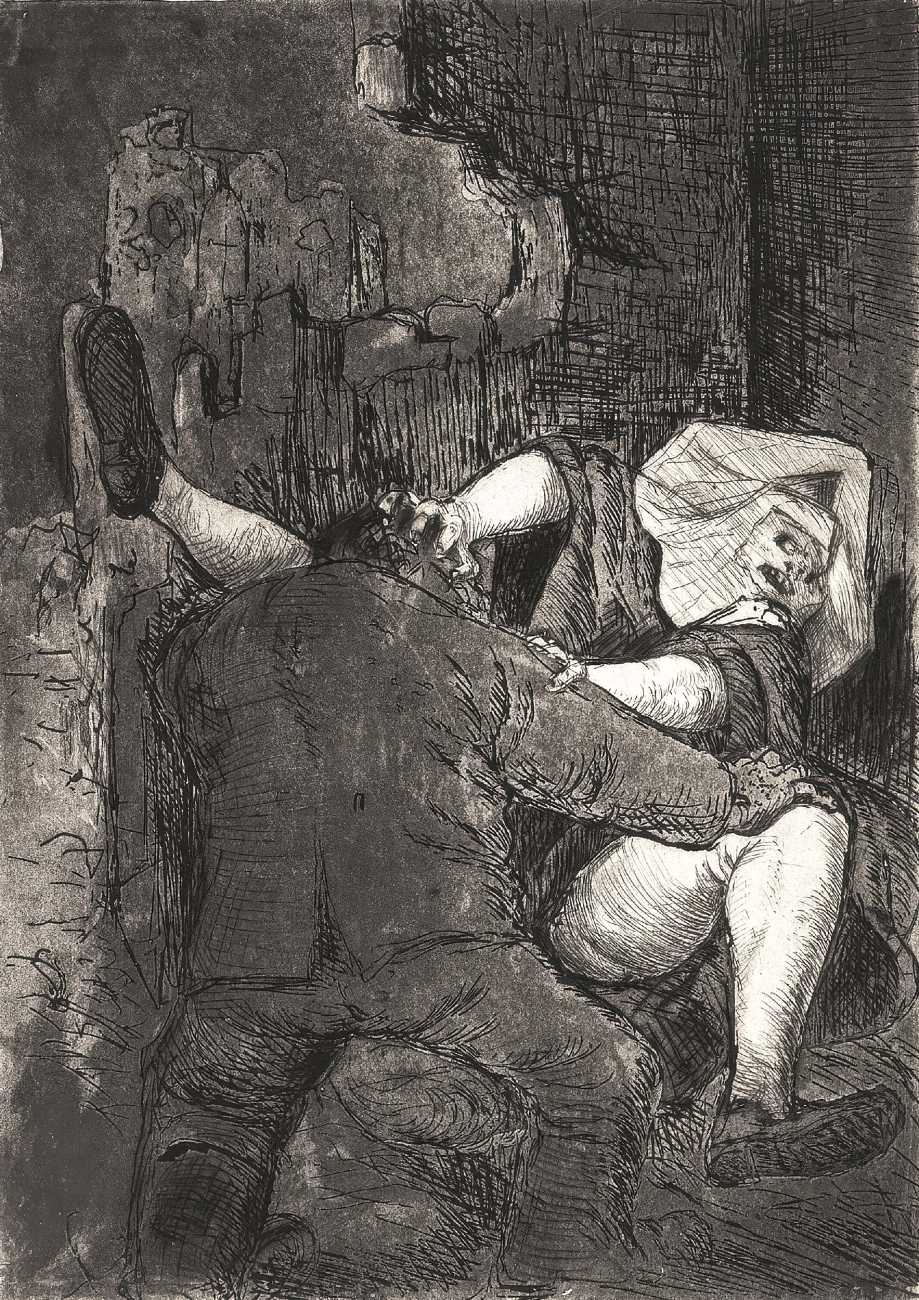
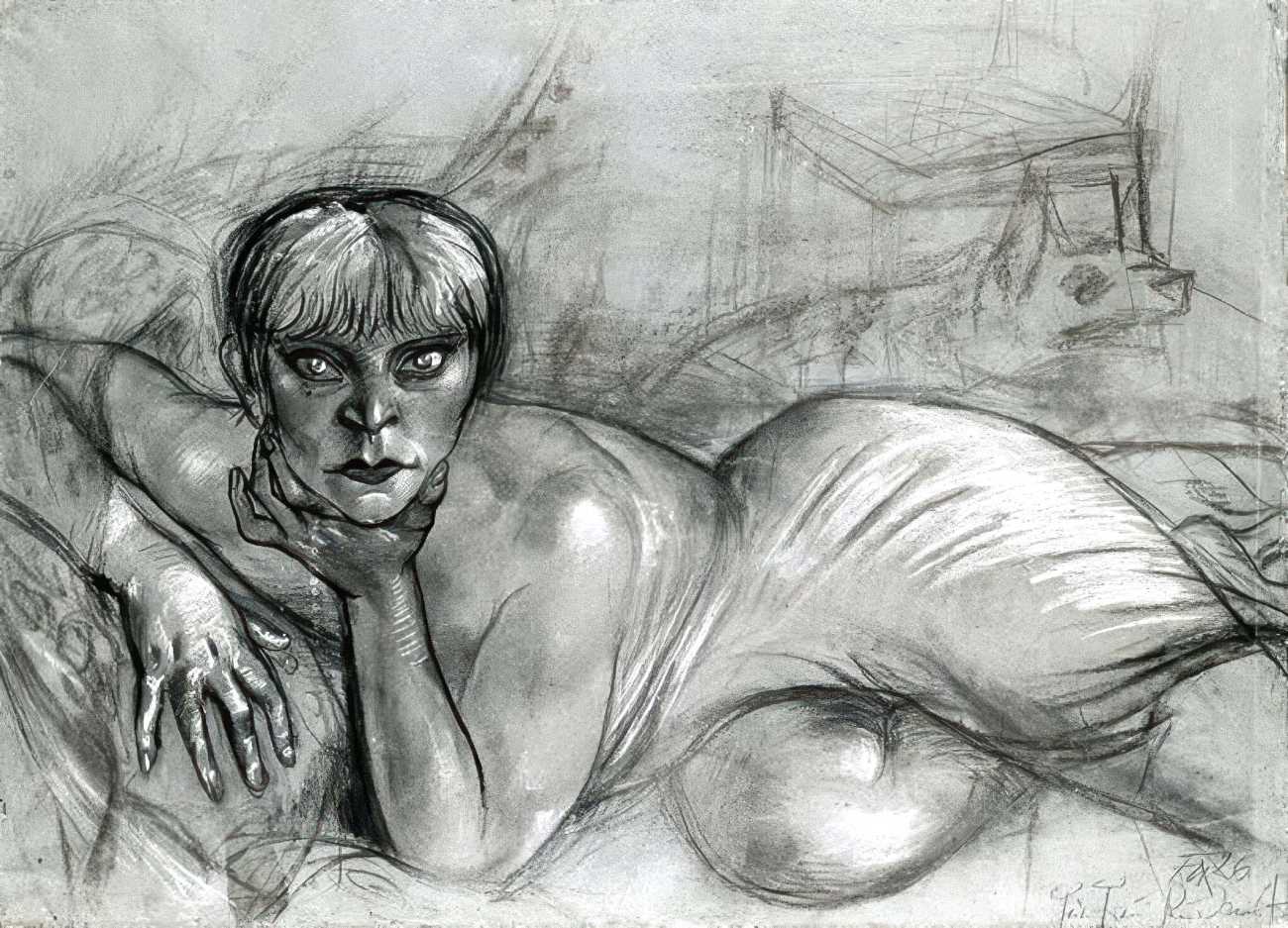
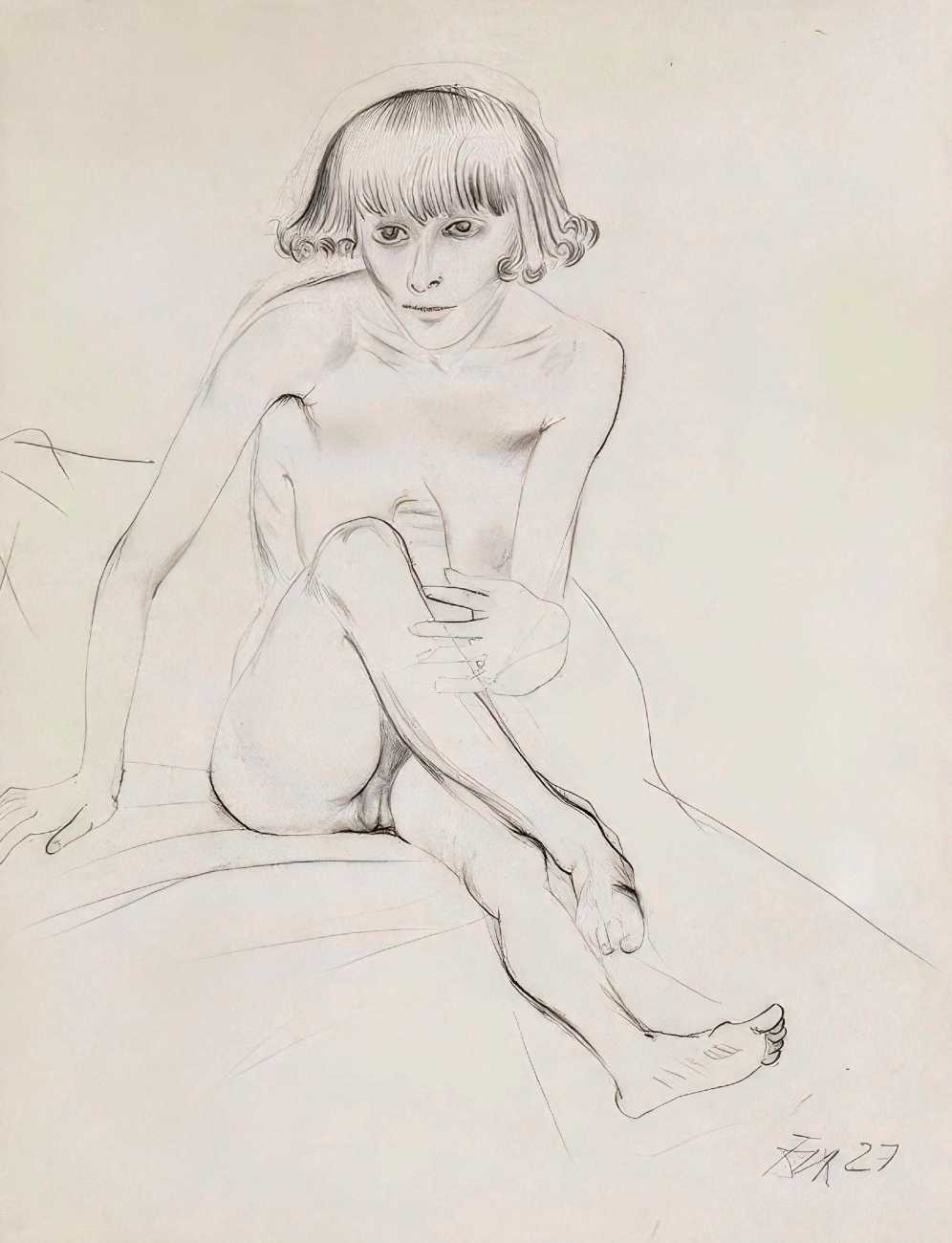
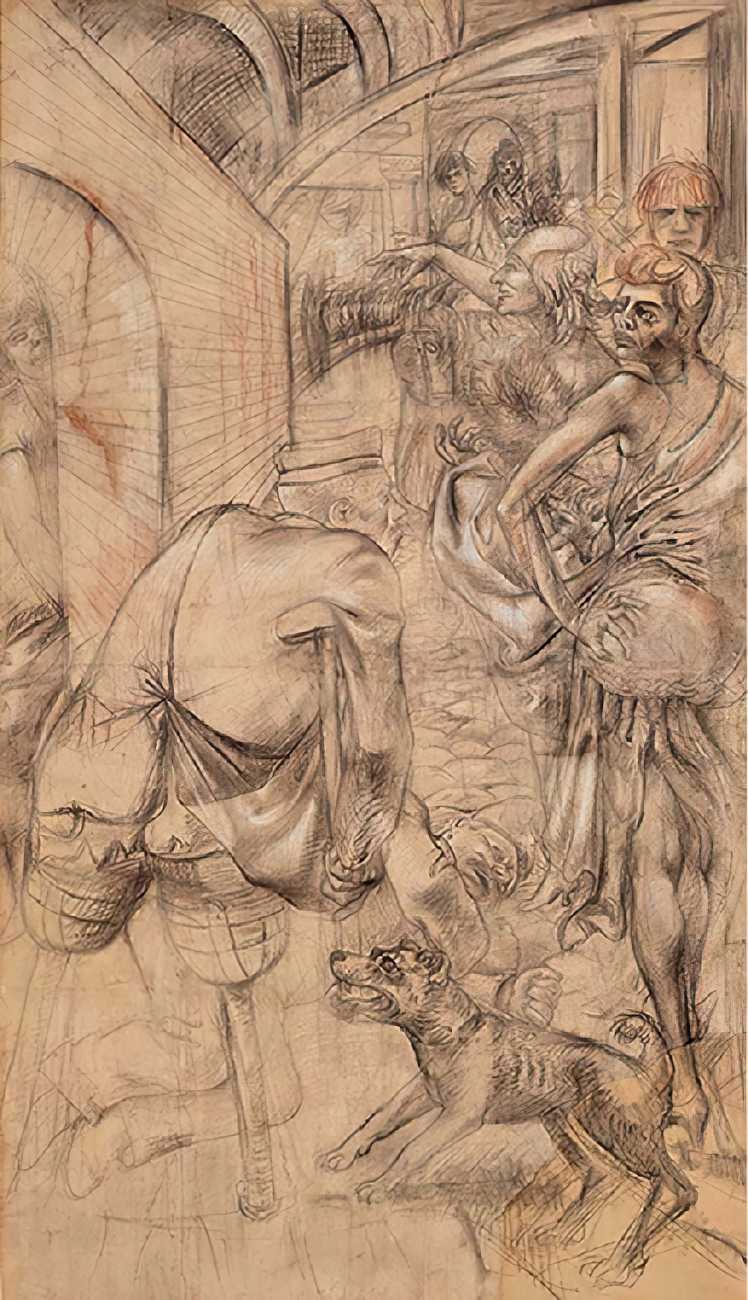
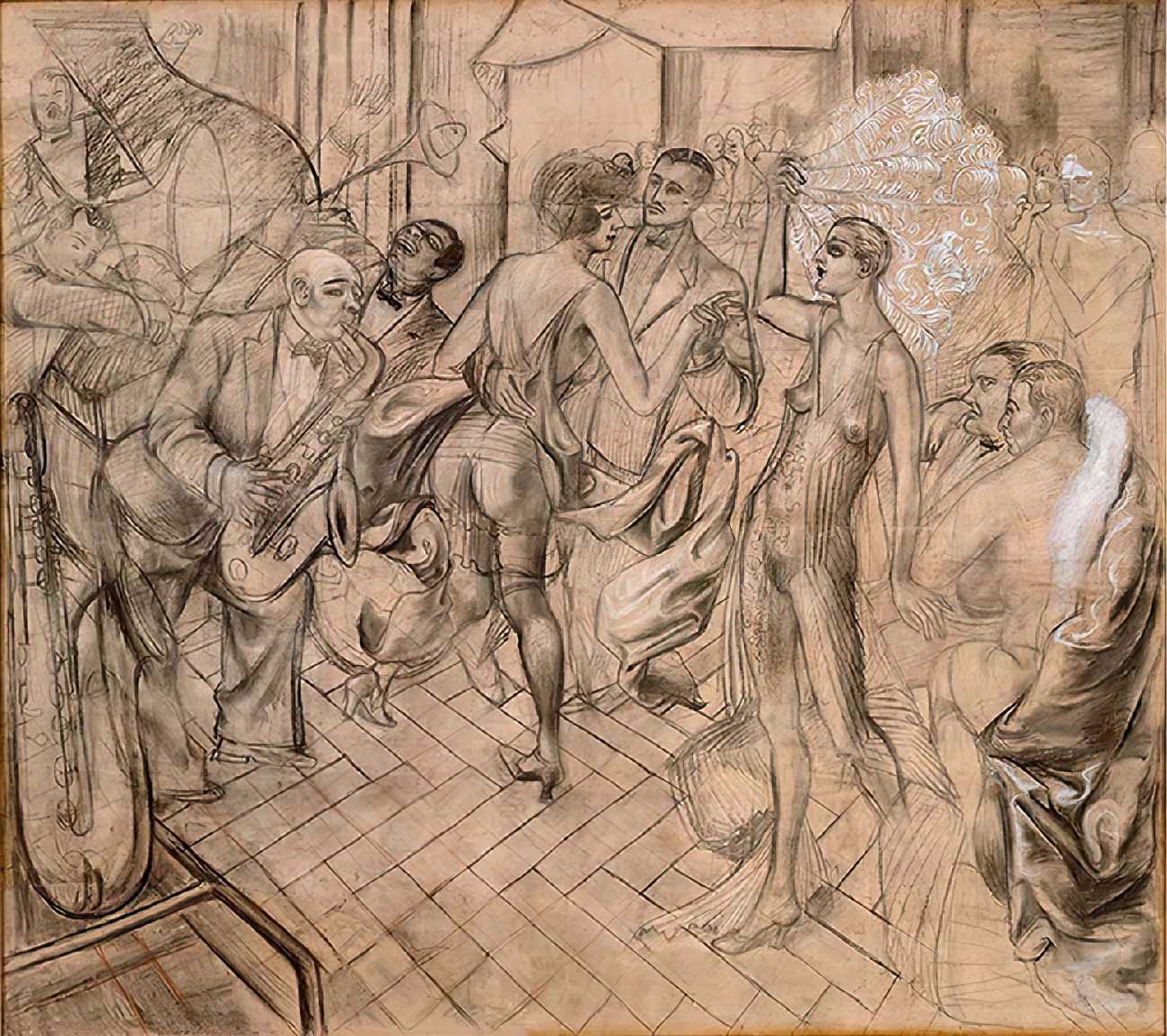
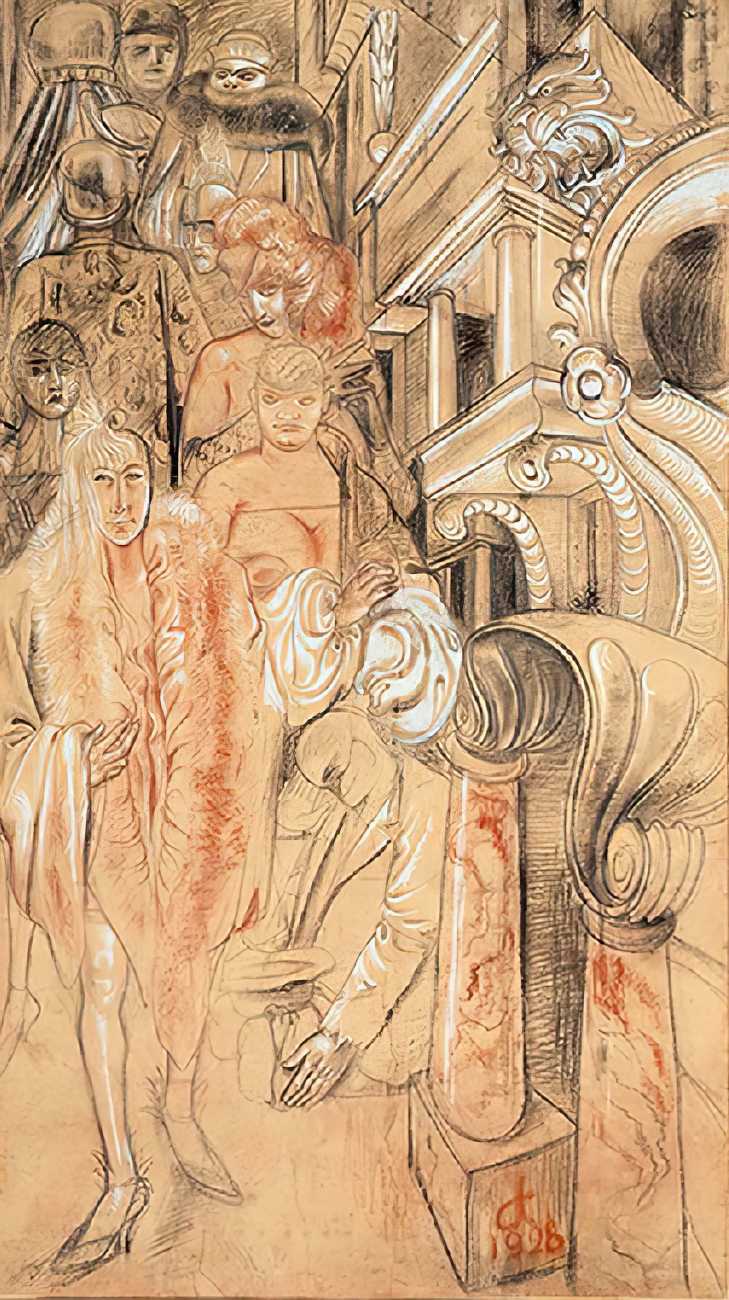
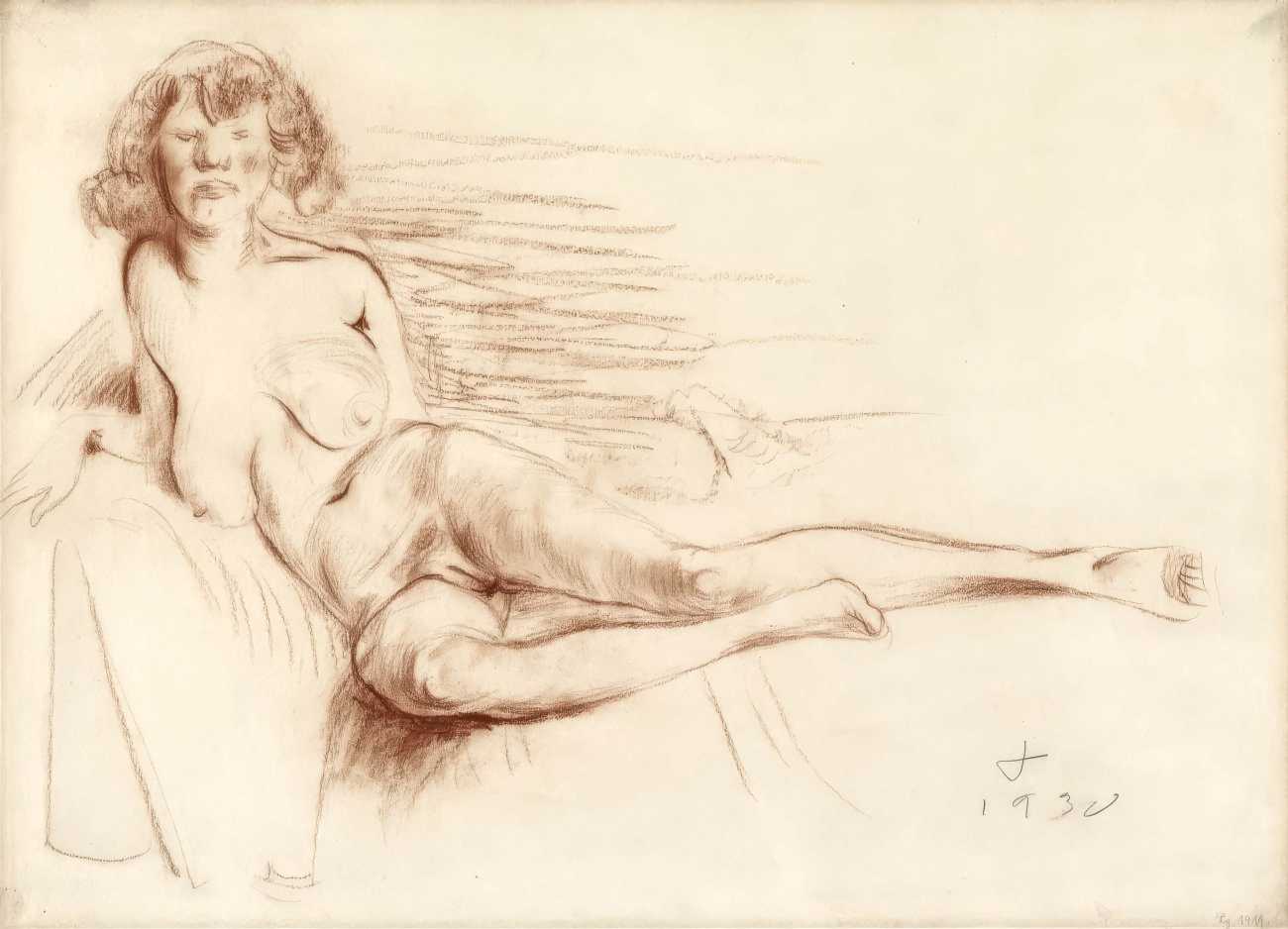
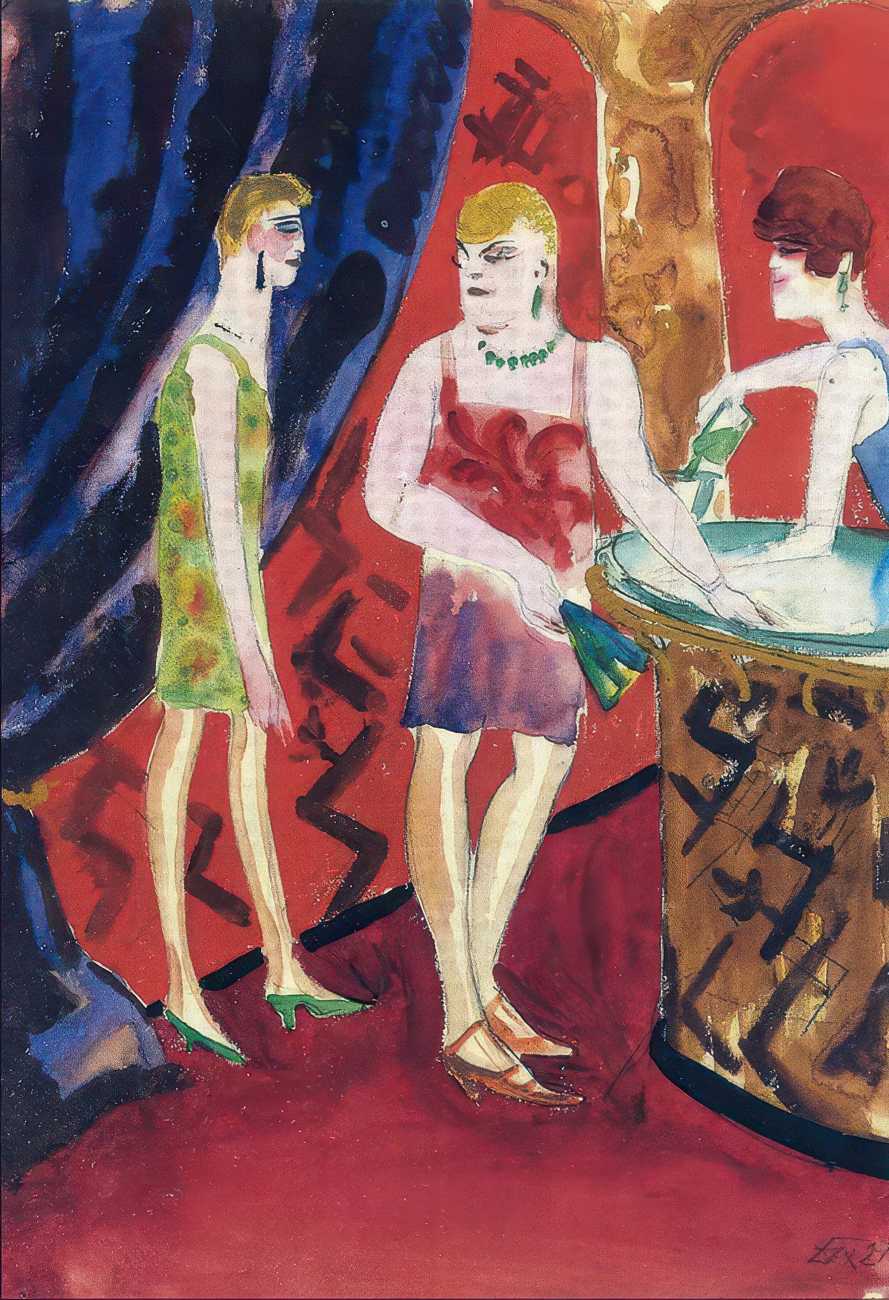
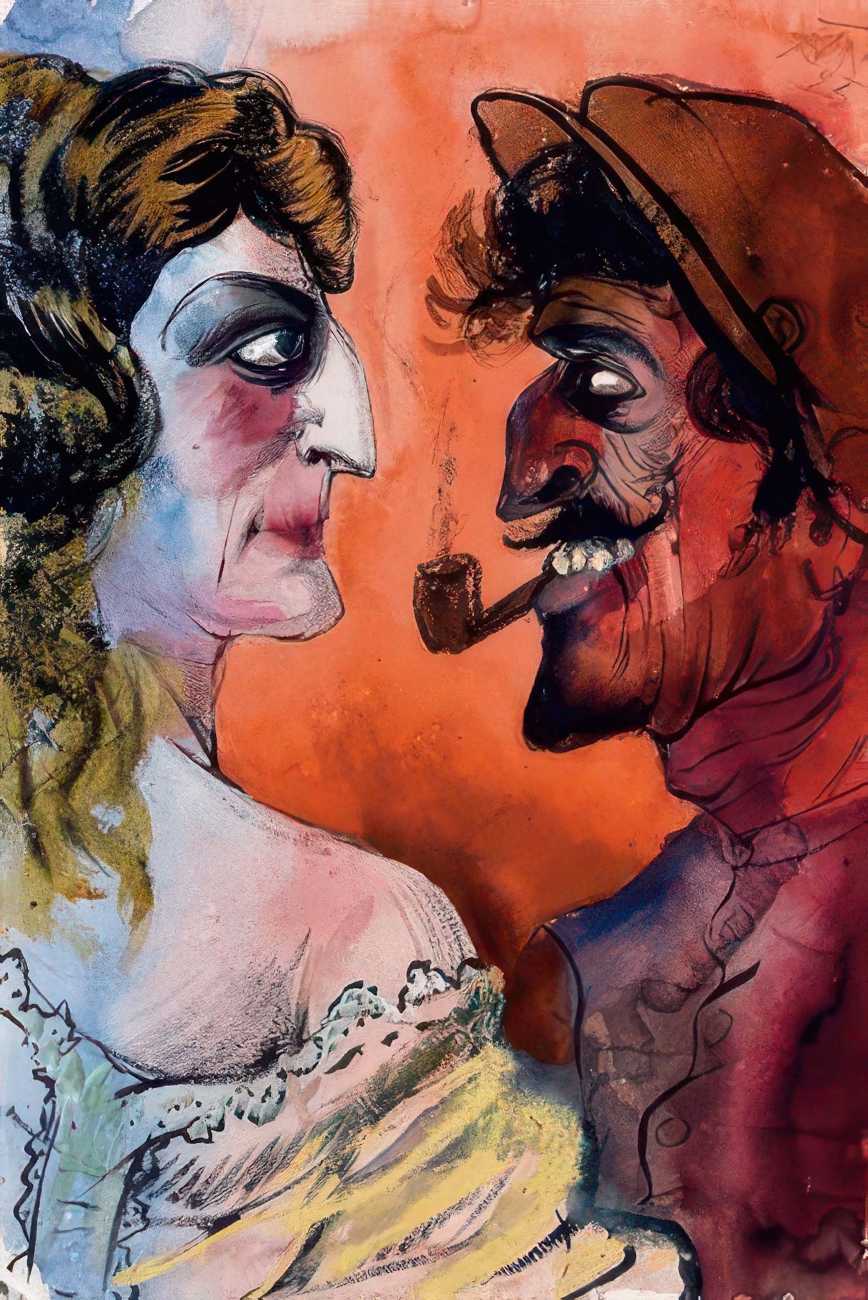
Dix was fascinated by people and situations outside conventional respectability – prostitutes, performers, cabaret artists, war veterans, criminals, sexual outsiders and the extravagant personalities of Weimar Berlin. He became friendly with the dancer Anita Berber, while Sylvia von Harden, a journalist and poet with whom he became close, became the sitter for one of his best-known portraits. His own explanation of his fascination with uncomfortable subjects was characteristically blunt: ‘I had the feeling that there was a dimension of reality that had not been dealt with in art – the dimension of ugliness.’
In 1927 Dix returned to Dresden as Professor of Painting at the Academy, succeeding Otto Gussmann and taking charge of a master studio. His appointment was a striking indication of how far he had travelled from the radical Dada circles of only a few years earlier. In 1931 he was elected to the Prussian Academy of Arts in Berlin, while his work was being shown internationally, including at the Venice Biennale and in exhibitions in Zurich and New York. He had lived in Berlin from 1925 to 1927, and maintained his network network of dealers, artists and collectors there. By the early 1930s was one of the German art establishment’s most prominent and controversial figures.
The Nazis dismissed Dix from his Dresden professorship in 1933, and he withdrew to southern Germany, where he continued working. Some 260 of his works were confiscated from German museums and some were displayed in the 1937 Degenerate Art exhibition. Dix was briefly arrested by the Gestapo in 1939, and after being conscripted into the Volkssturm in 1945 he was captured by the French and spent time as a prisoner of war before returning to Hemmenhofen in 1946.
Dix resumed his career, but found himself in an awkward position in the newly divided Germany. He rejected both the socialist realism of East Germany and the growing dominance of abstraction in the West, and several attempts to bring him back into an academic post came to nothing. He nevertheless remained closely connected with Dresden, visiting almost every year to work and to see Käthe König and their daughter. He exhibited widely in both East and West Germany, and received honours from both sides of the political divide. He received the Grand Cross of Merit of the Federal Republic in 1959, was made an honorary citizen of Gera in 1966, and received several major prizes in 1967–8.
Similar artists
Max Beckmann – German painter and printmaker of Weimar-era urban life and war.
Curt Grosspietsch – Dresden painter and satirical draughtsman, close to Dix.
George Grosz – German Weimar draughtsman and painter, satirist of Berlin society.
Ernst Ludwig Kirchner – German Brücke expressionist painter of Berlin street scenes.
Jeanne Mammen – German Weimar-era artist of Berlin nightlife and its women.
Rudolf Schlichter – German Weimar painter of fetishistic and erotic subjects.
Georg Scholz – German Neue Sachlichkeit painter of satirical social realism.
Example illustration