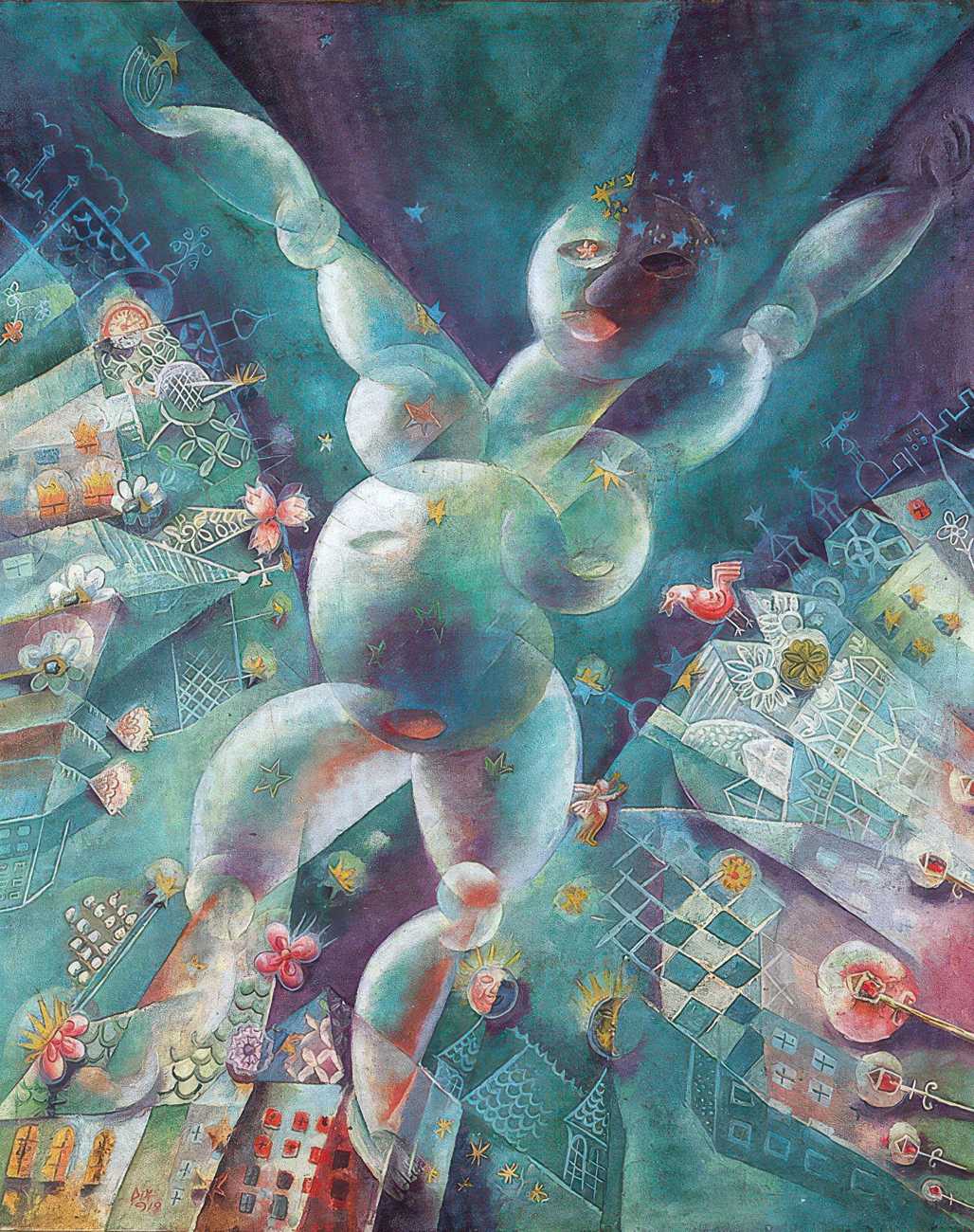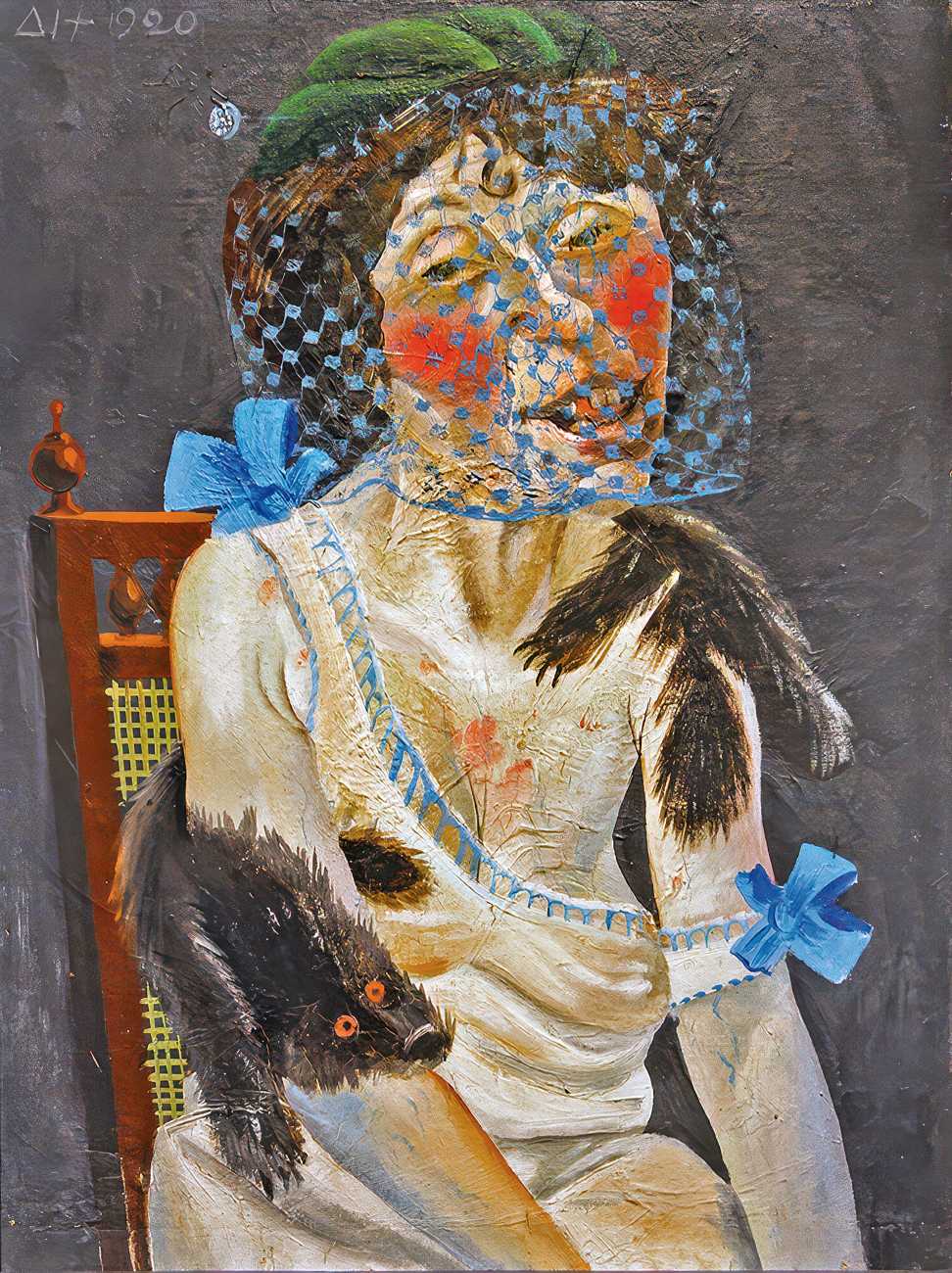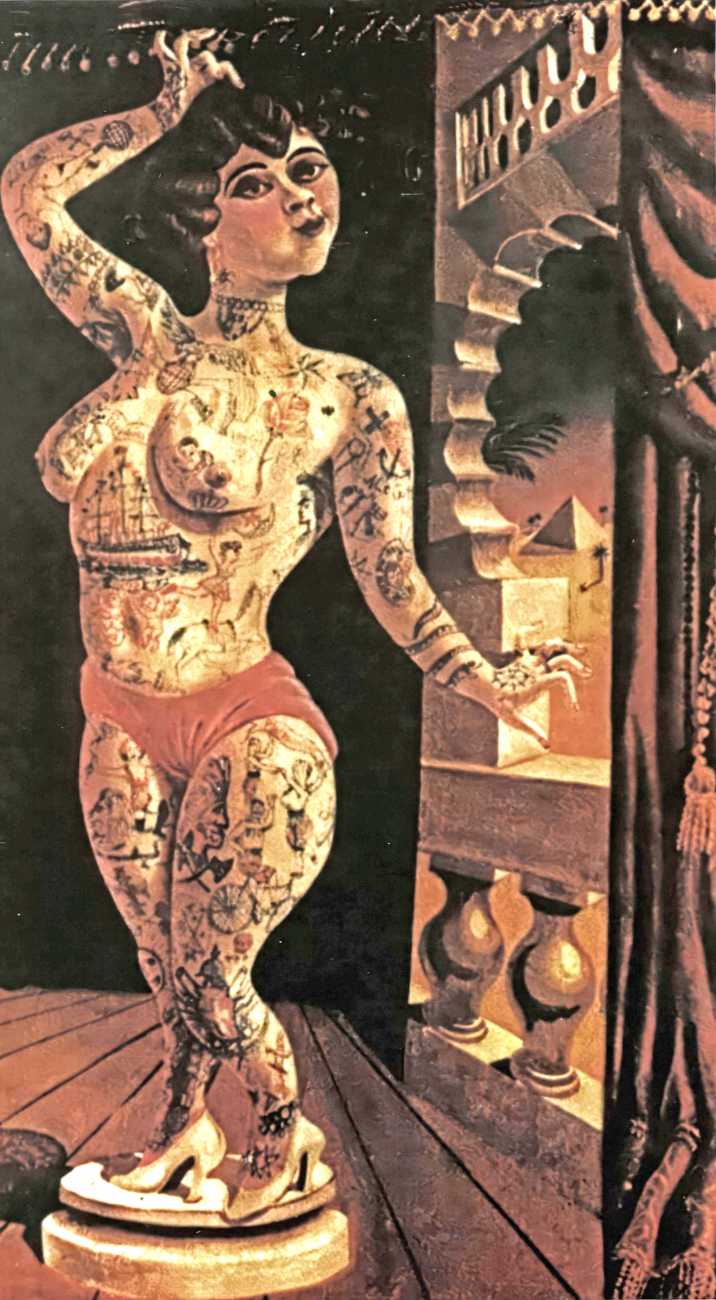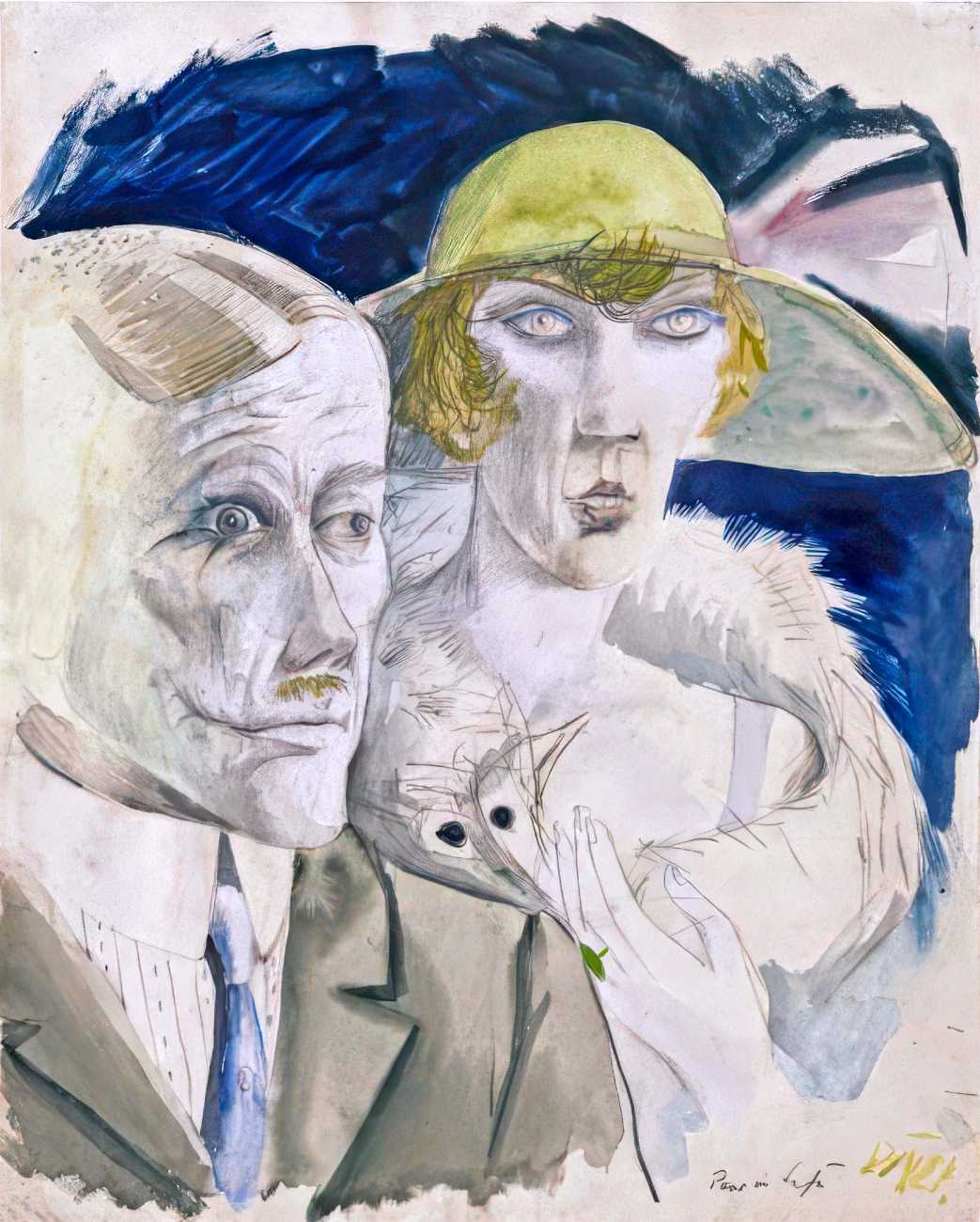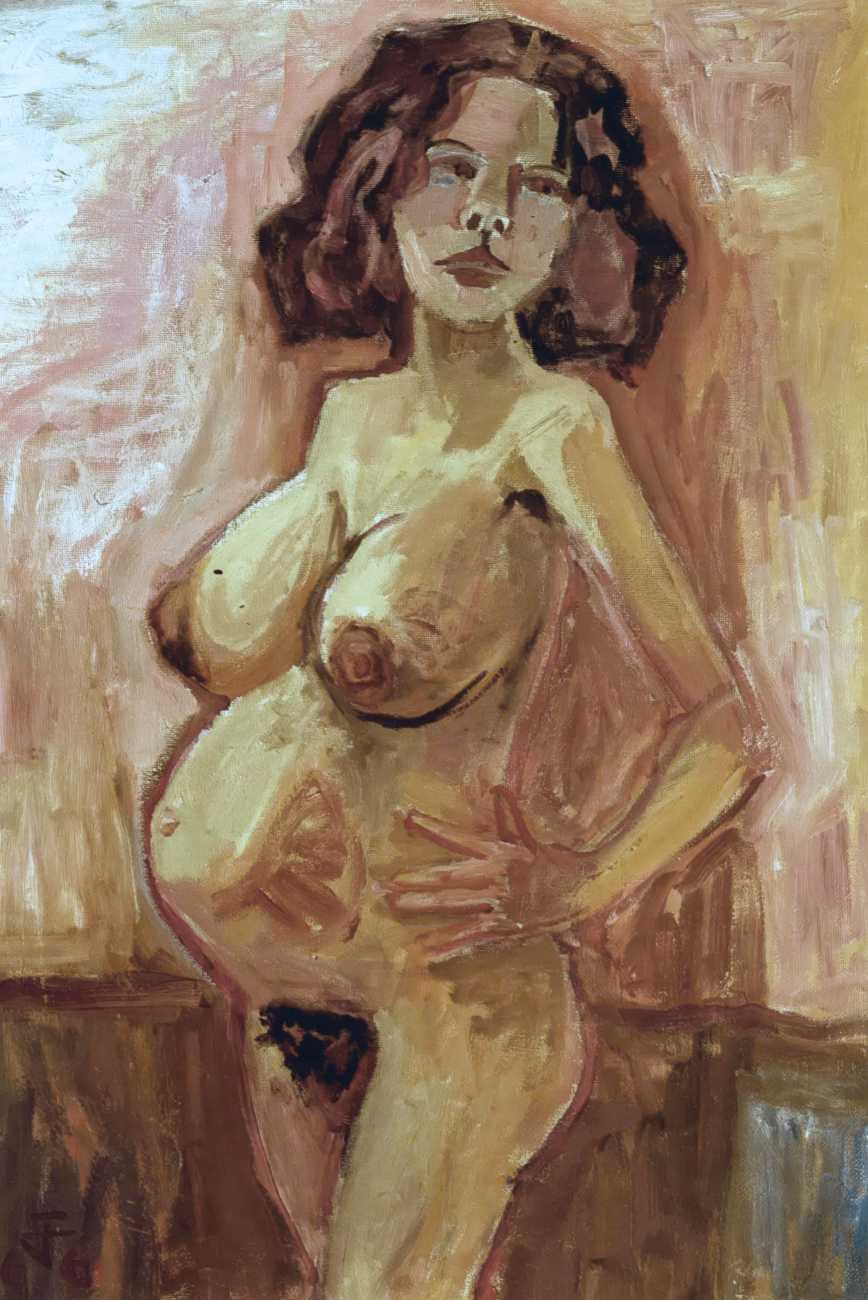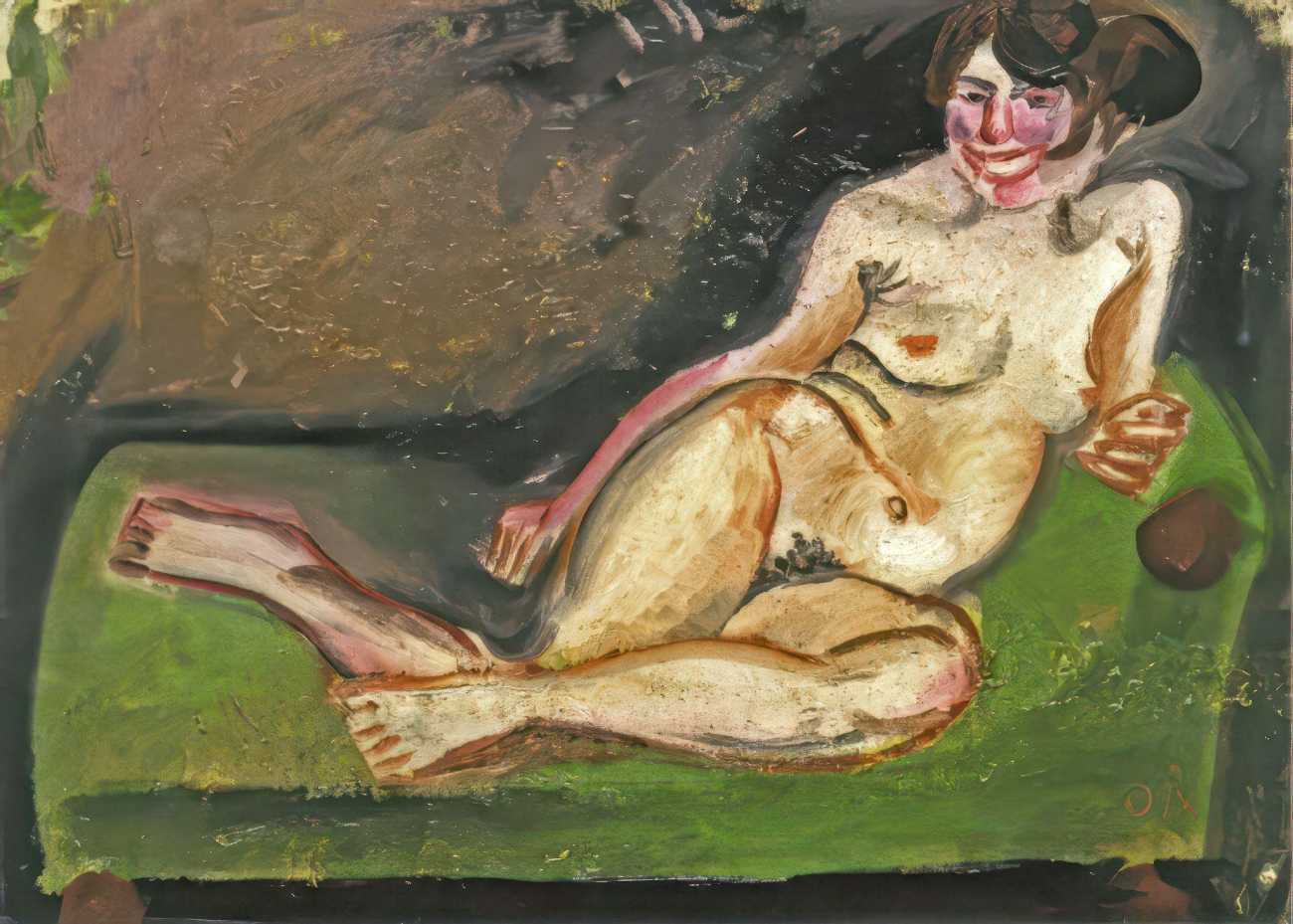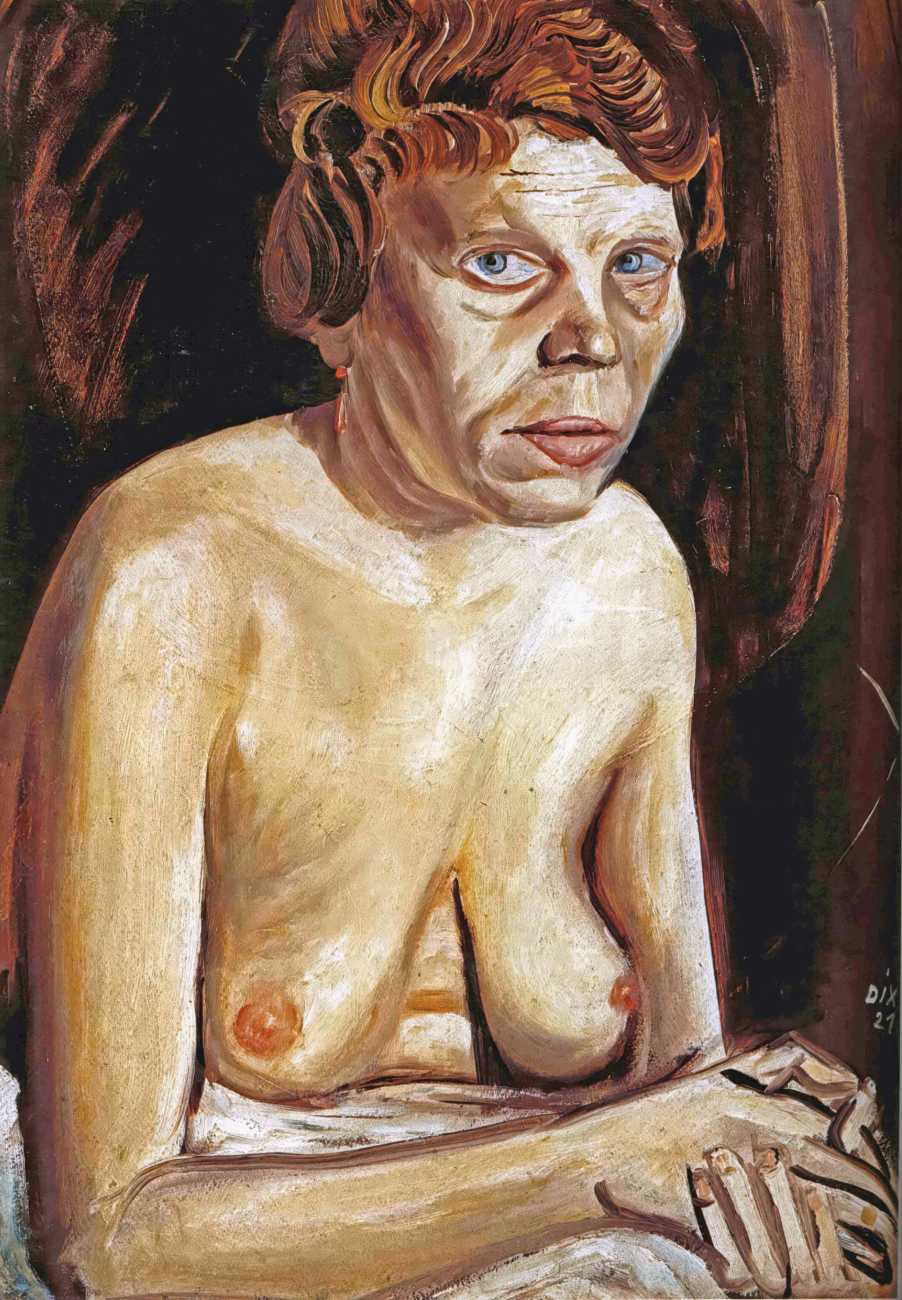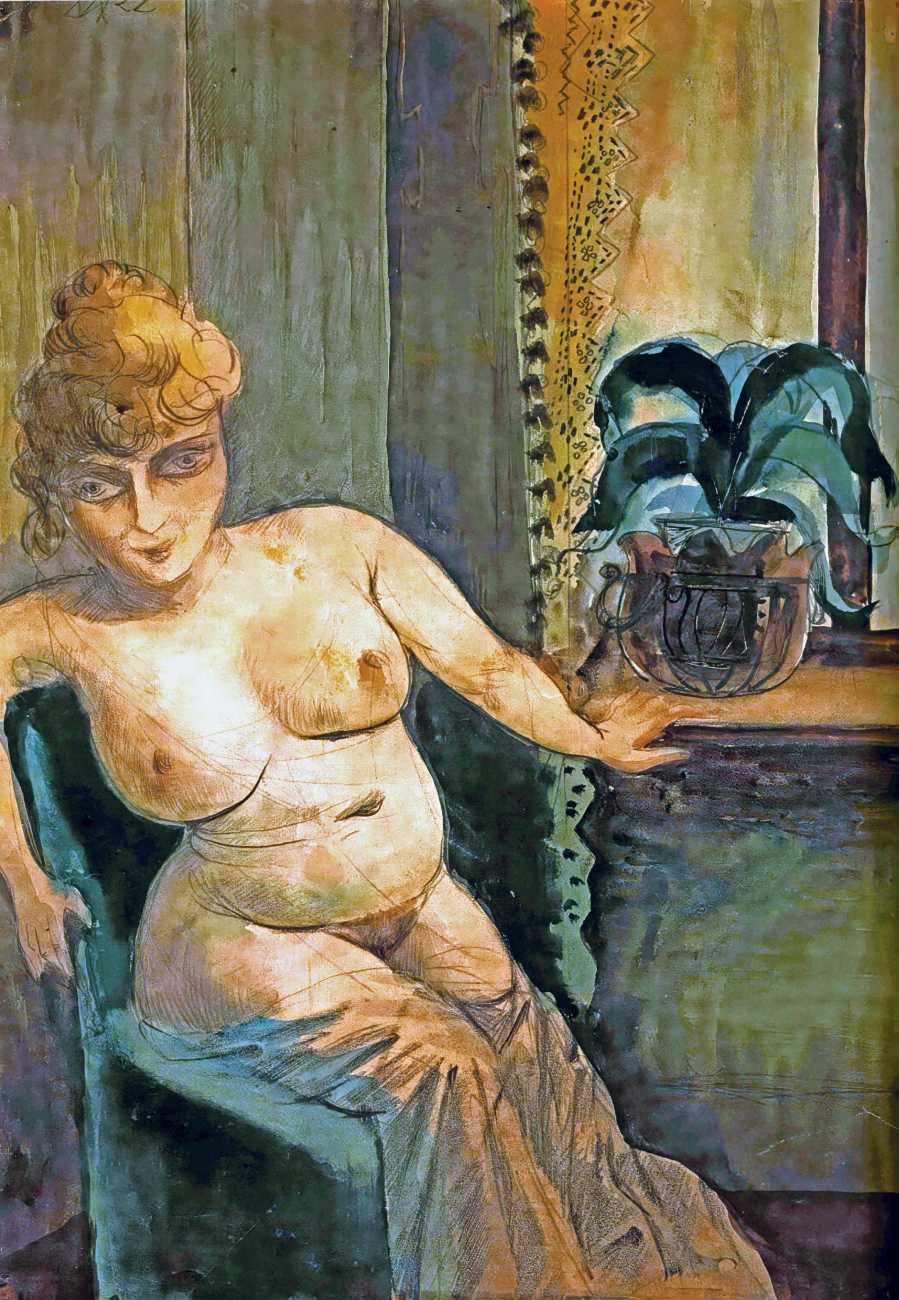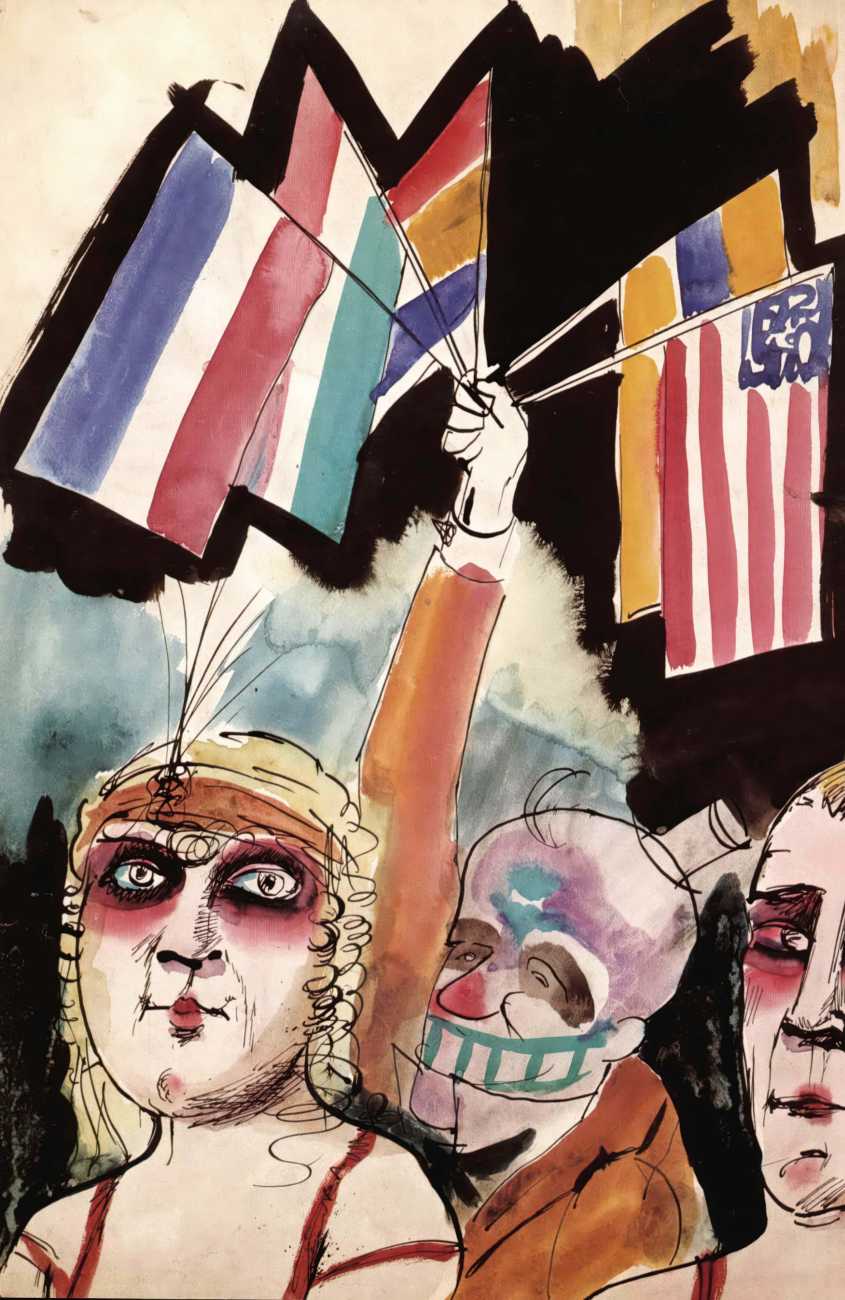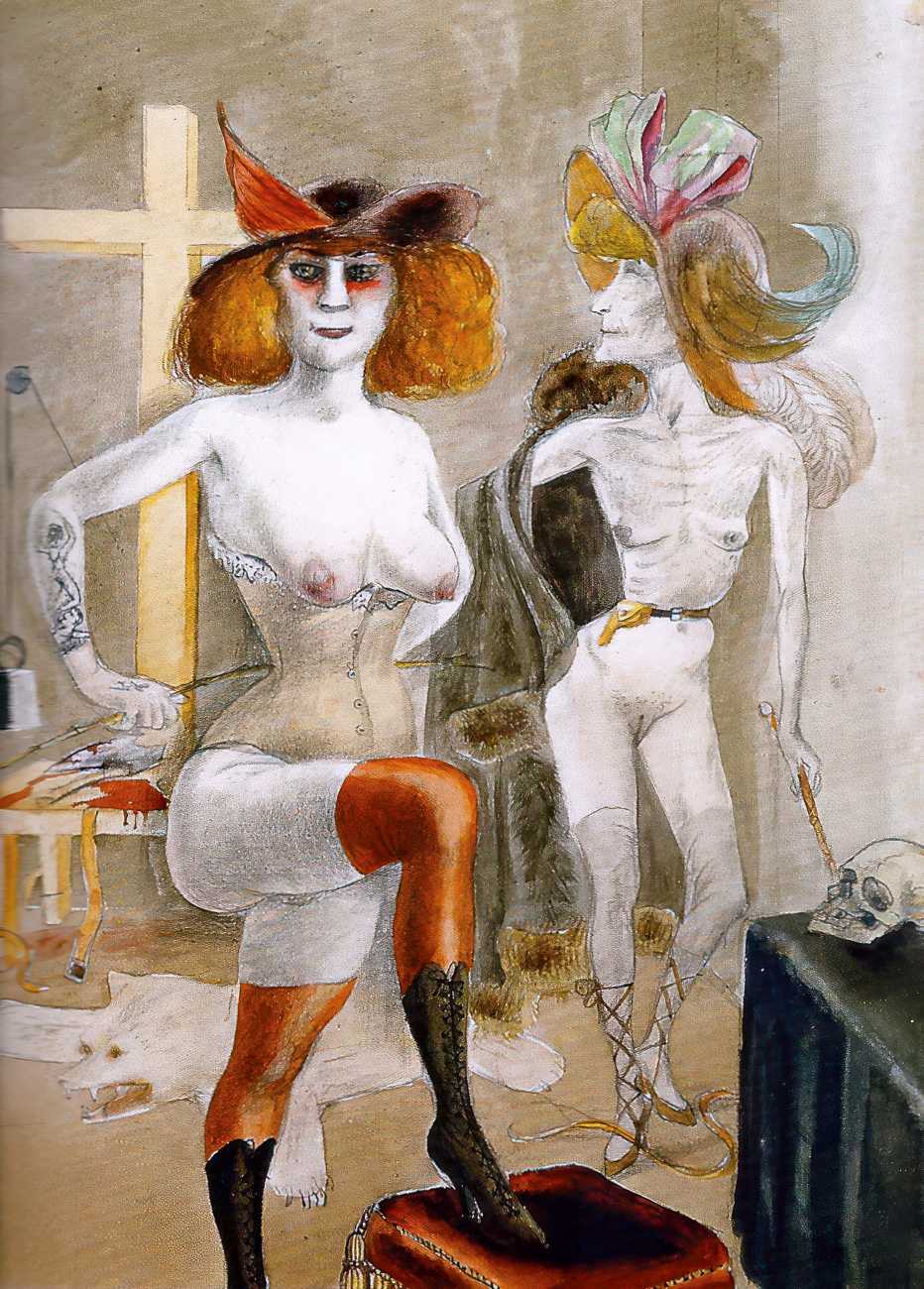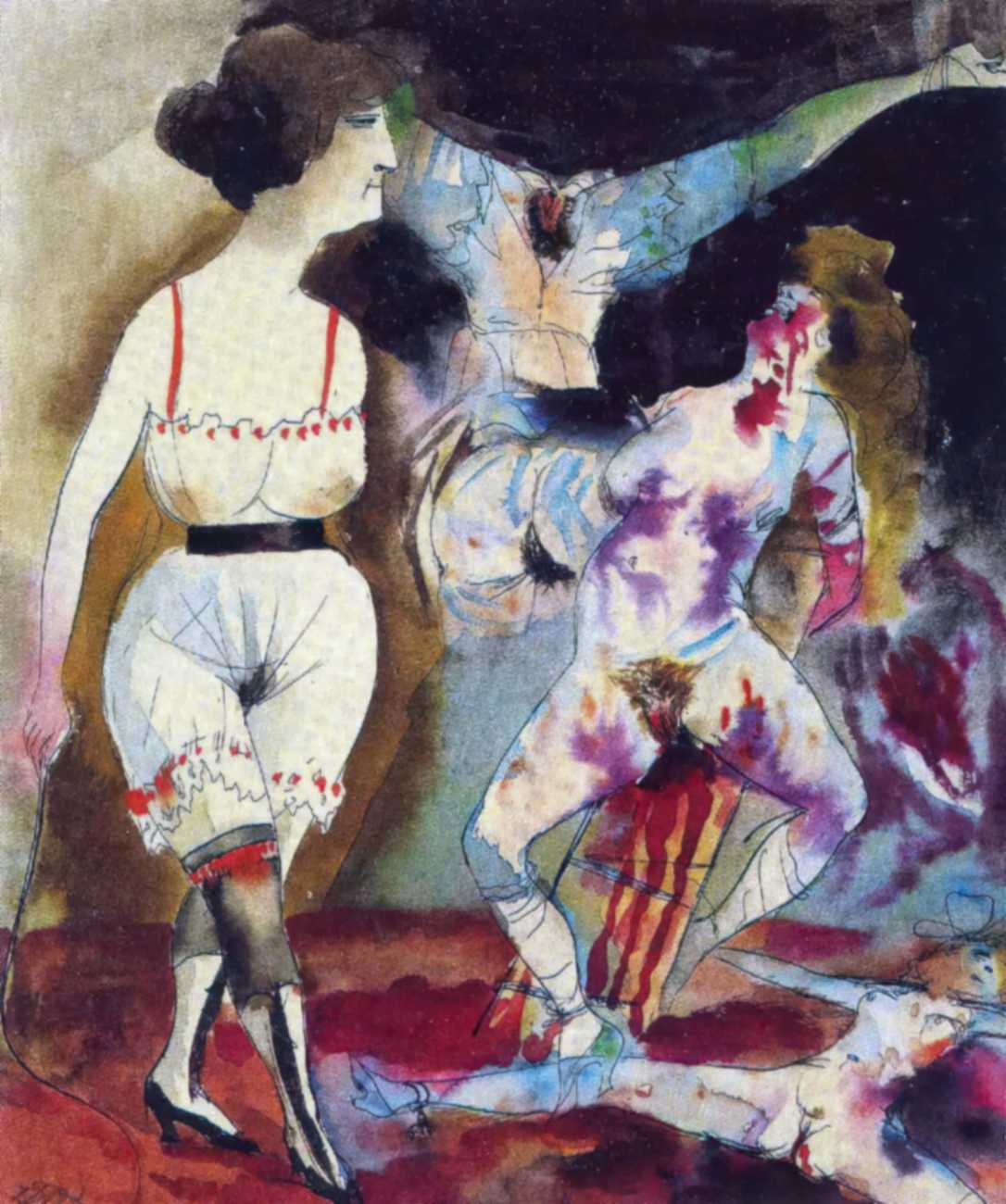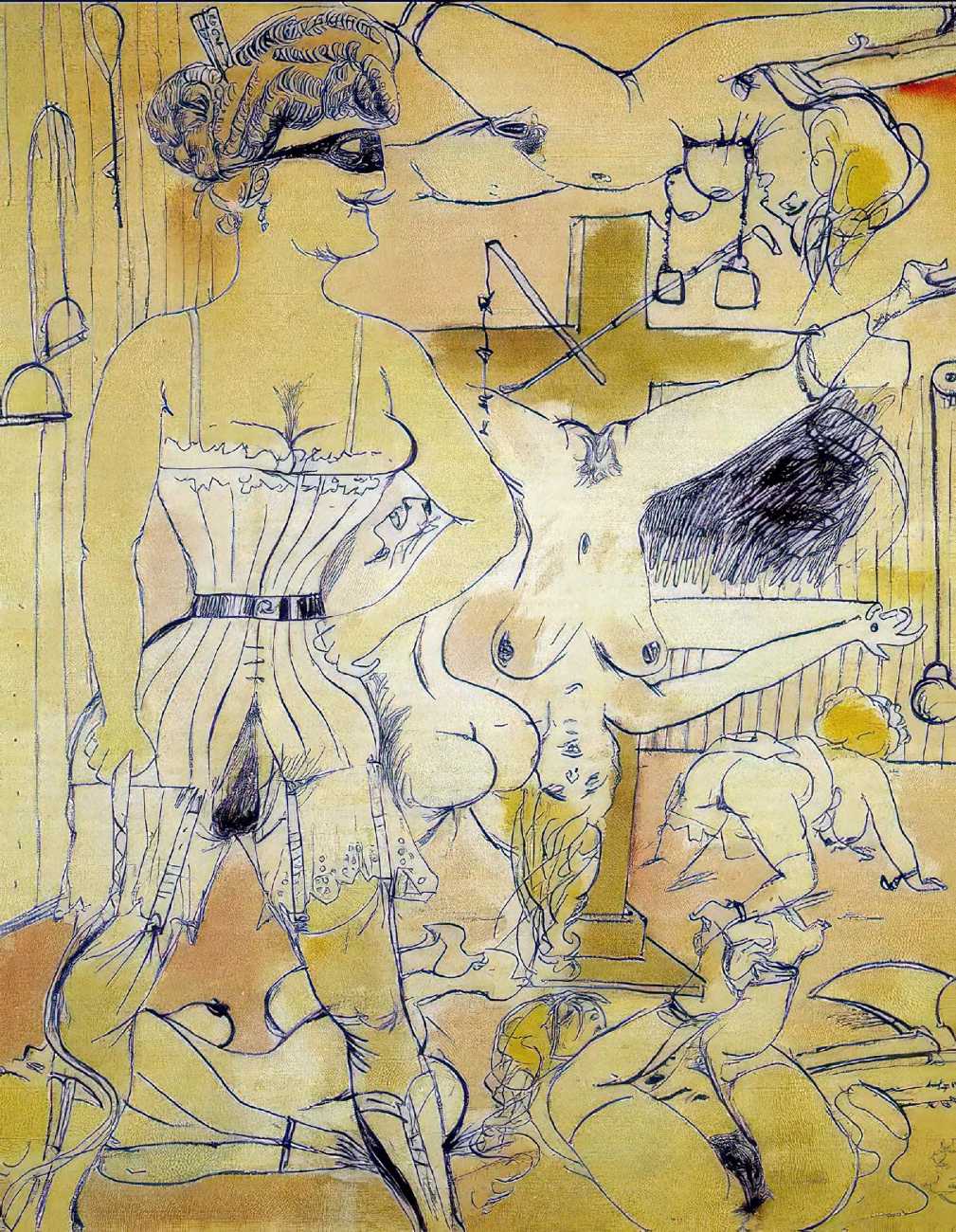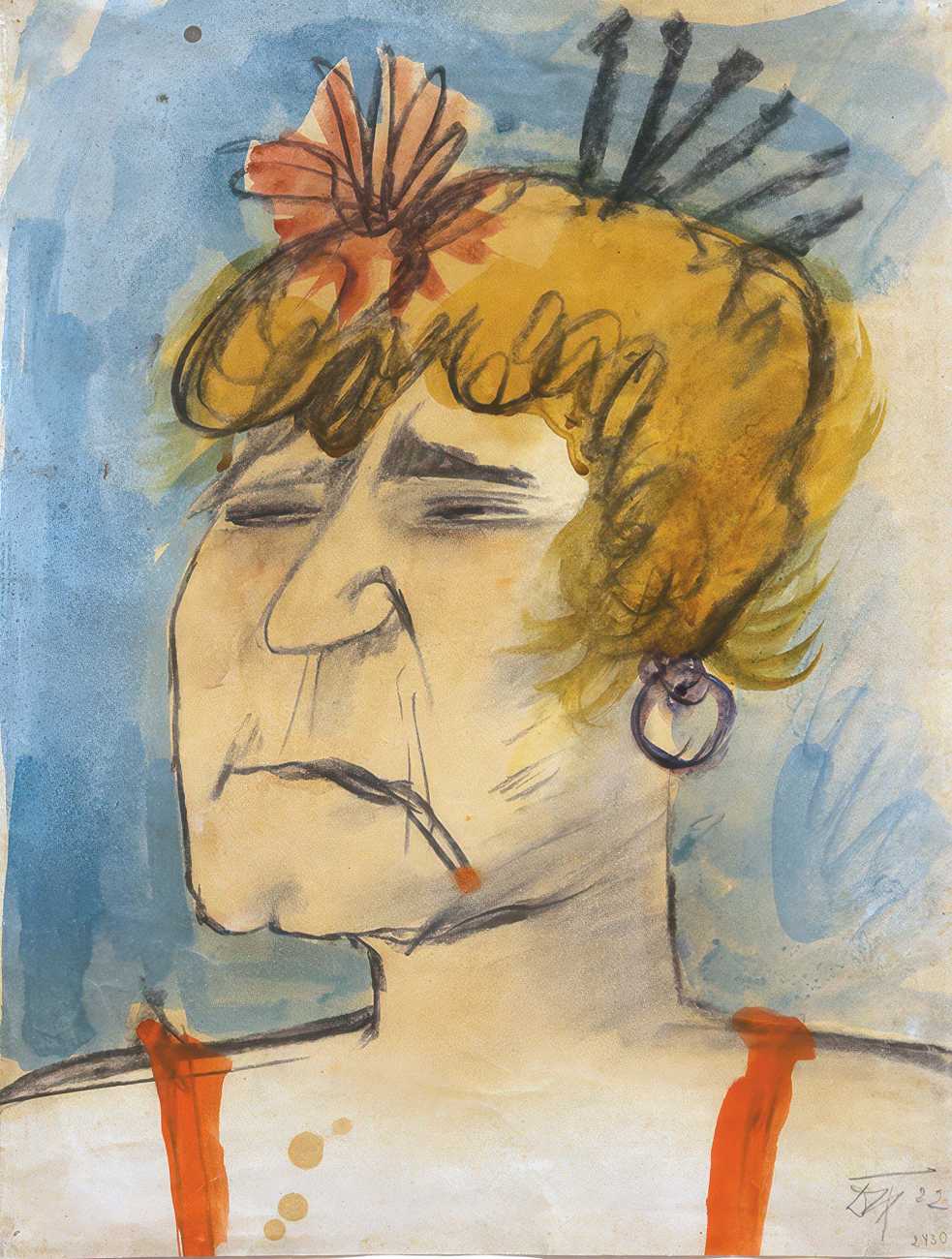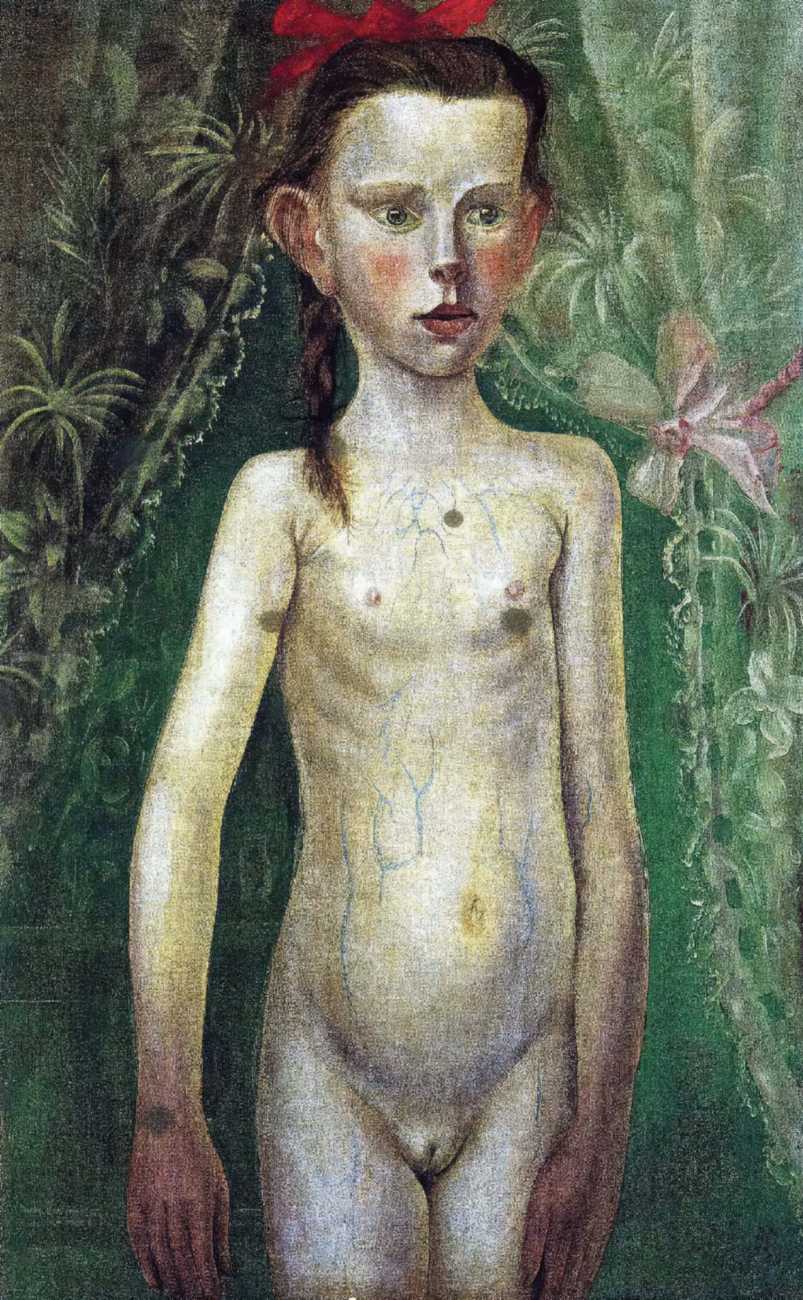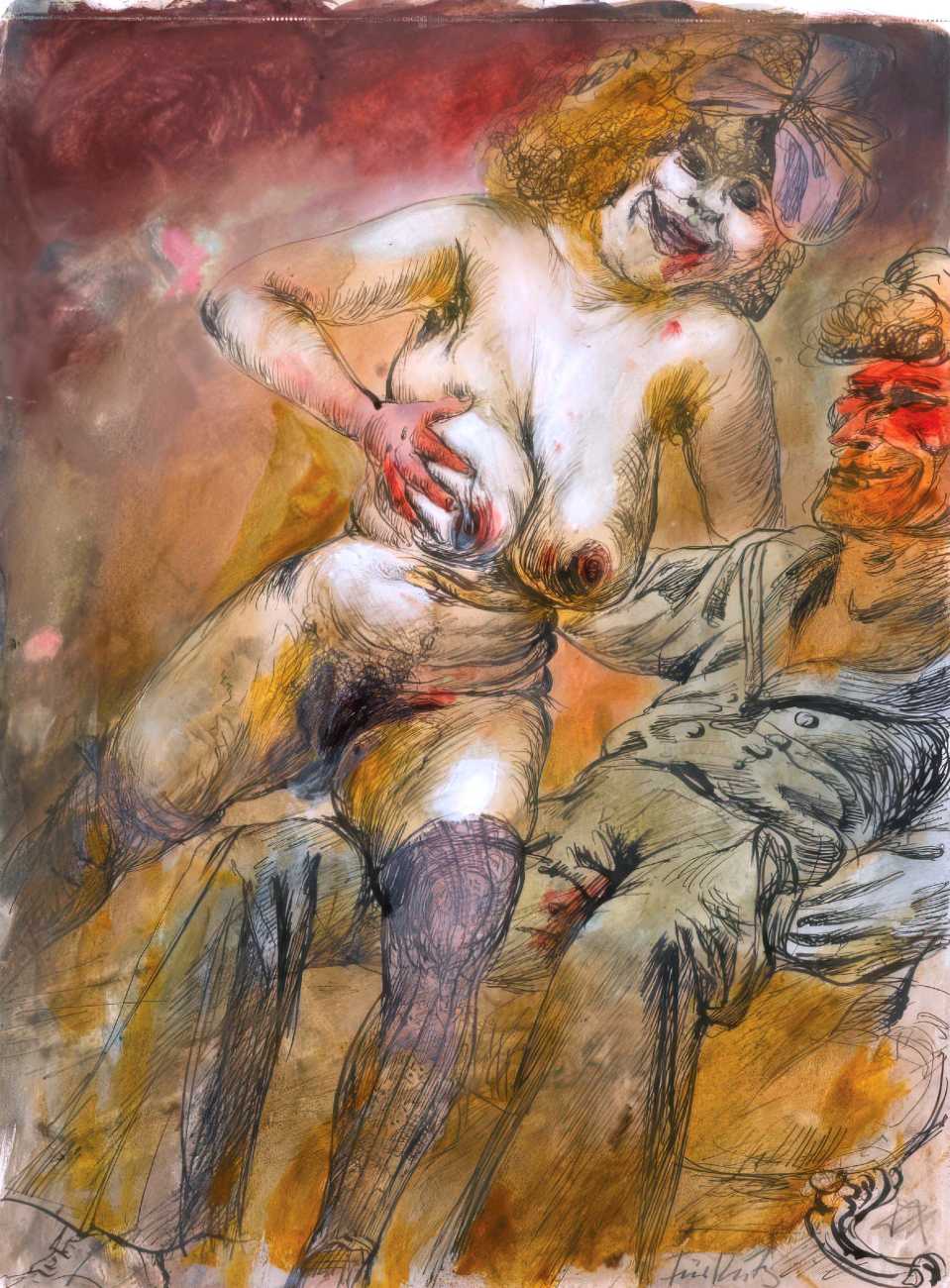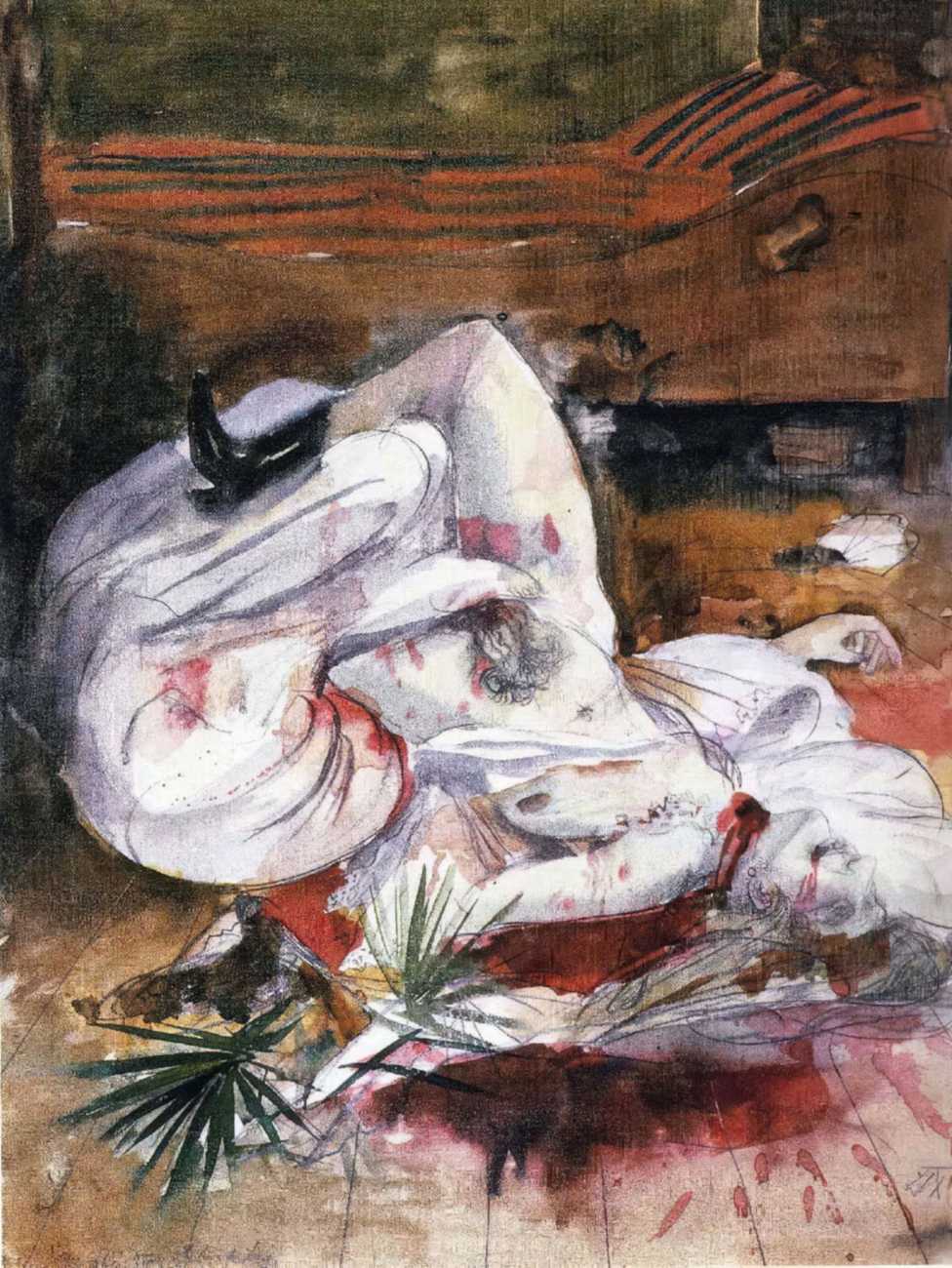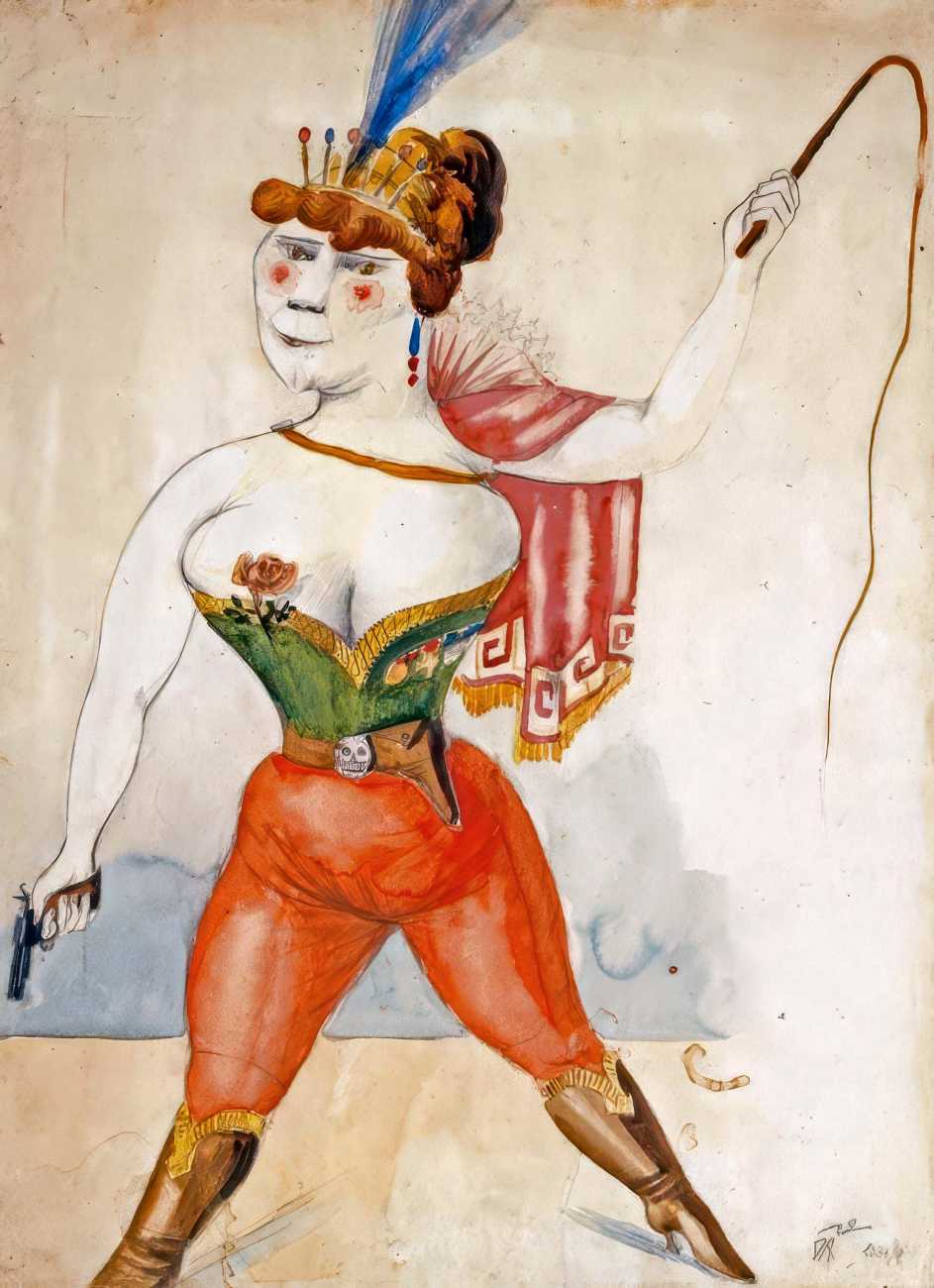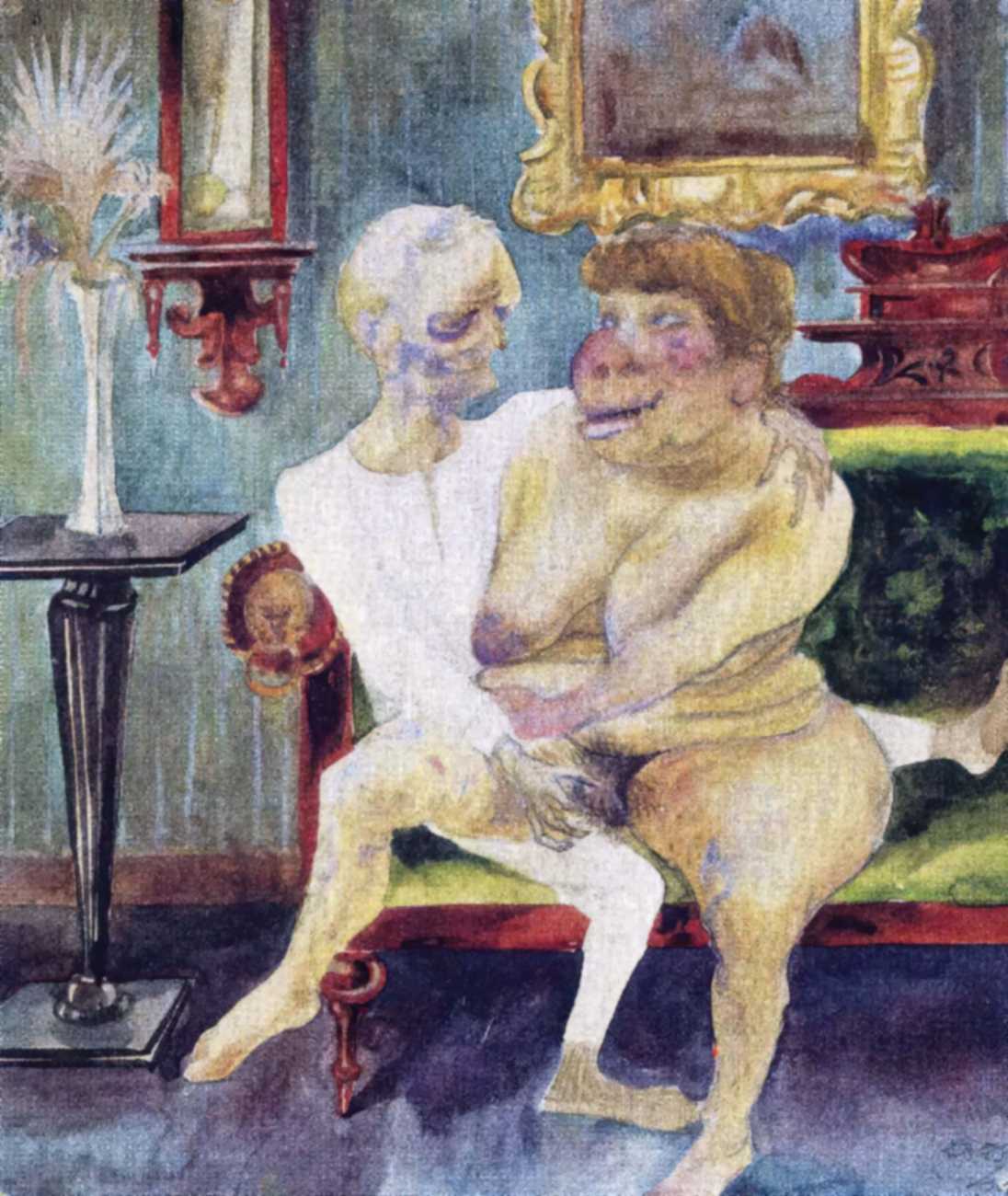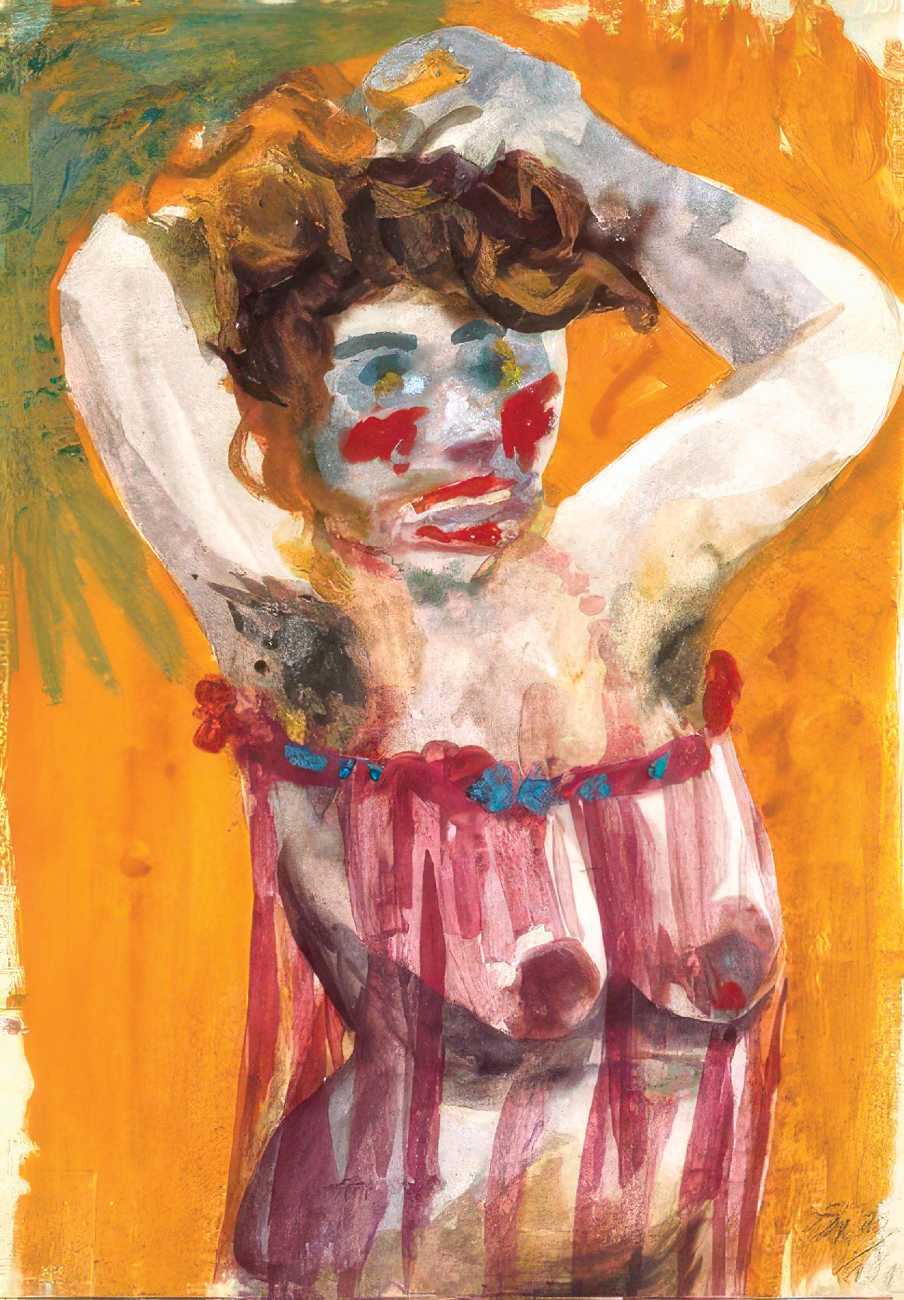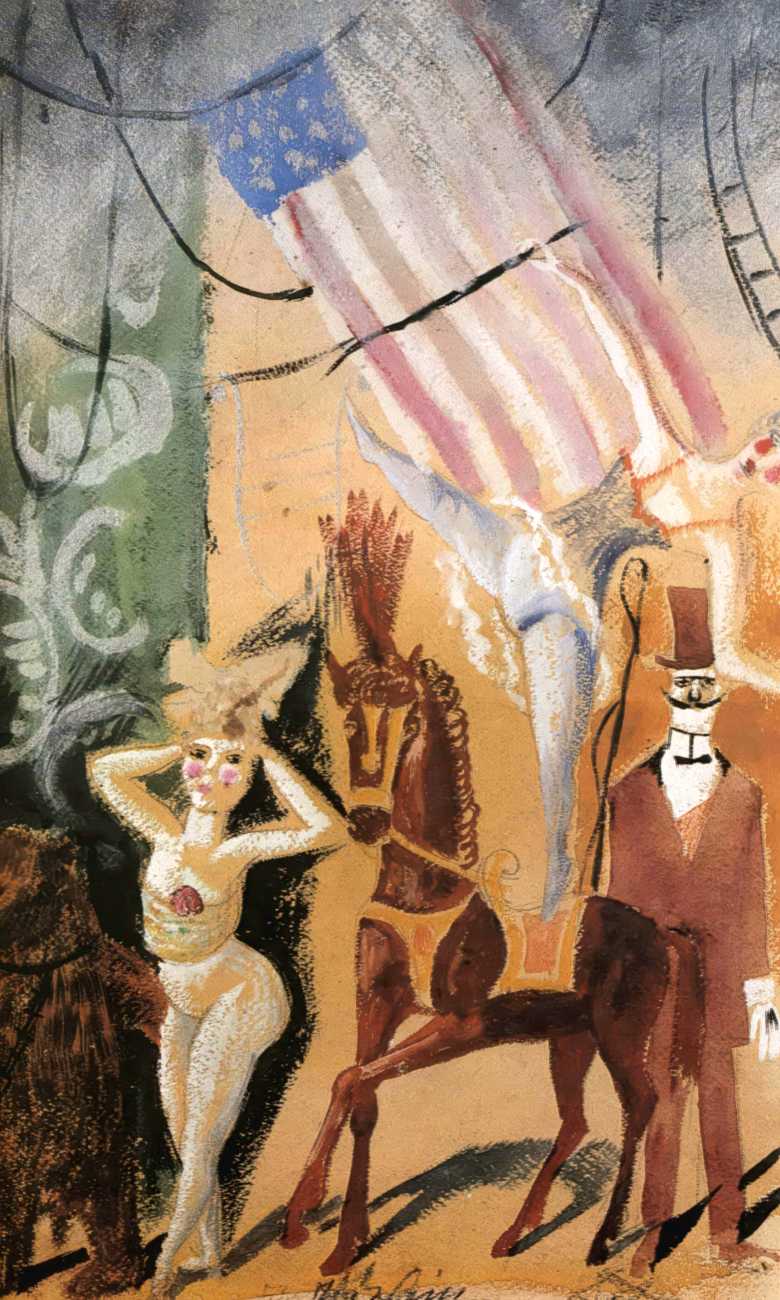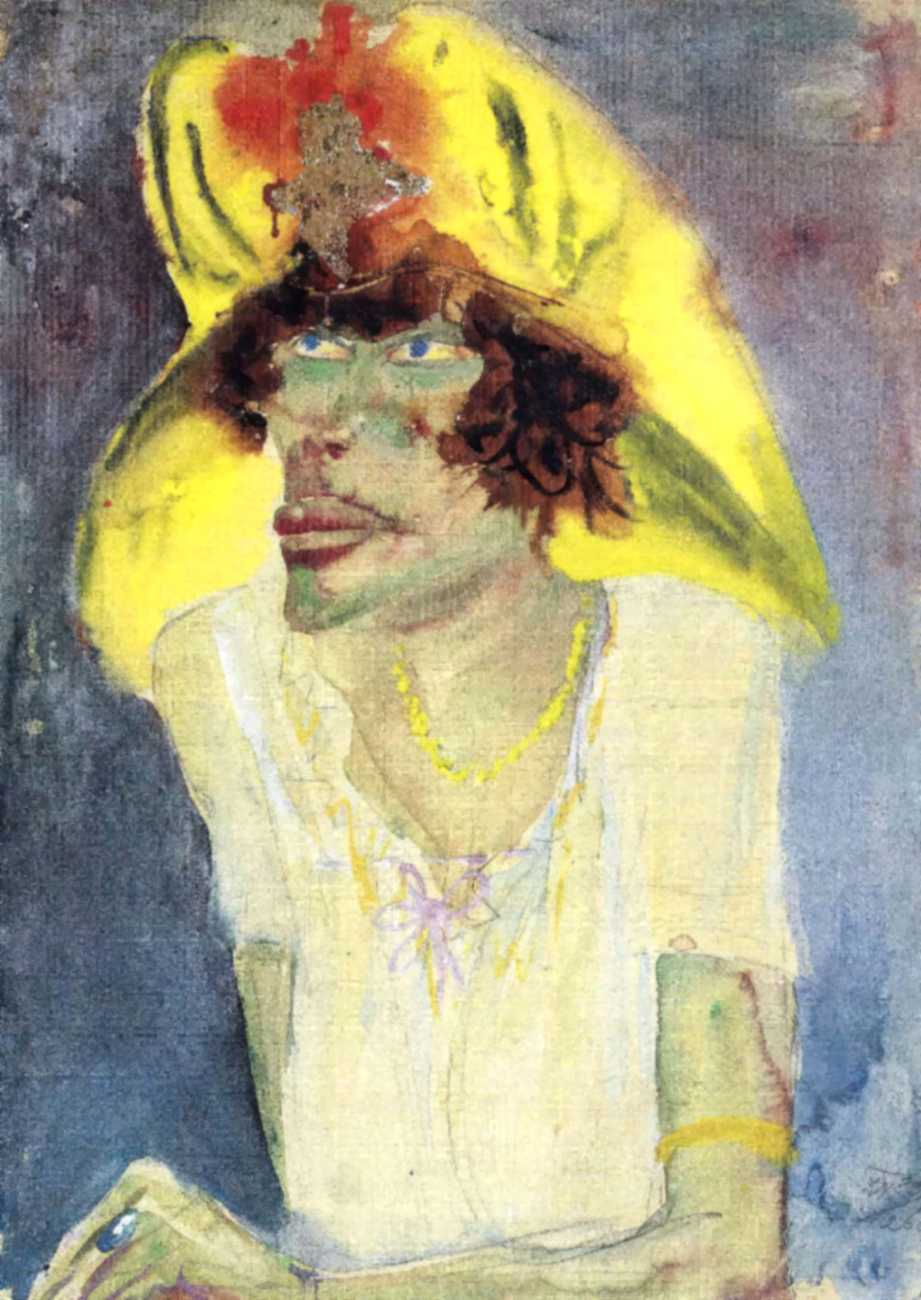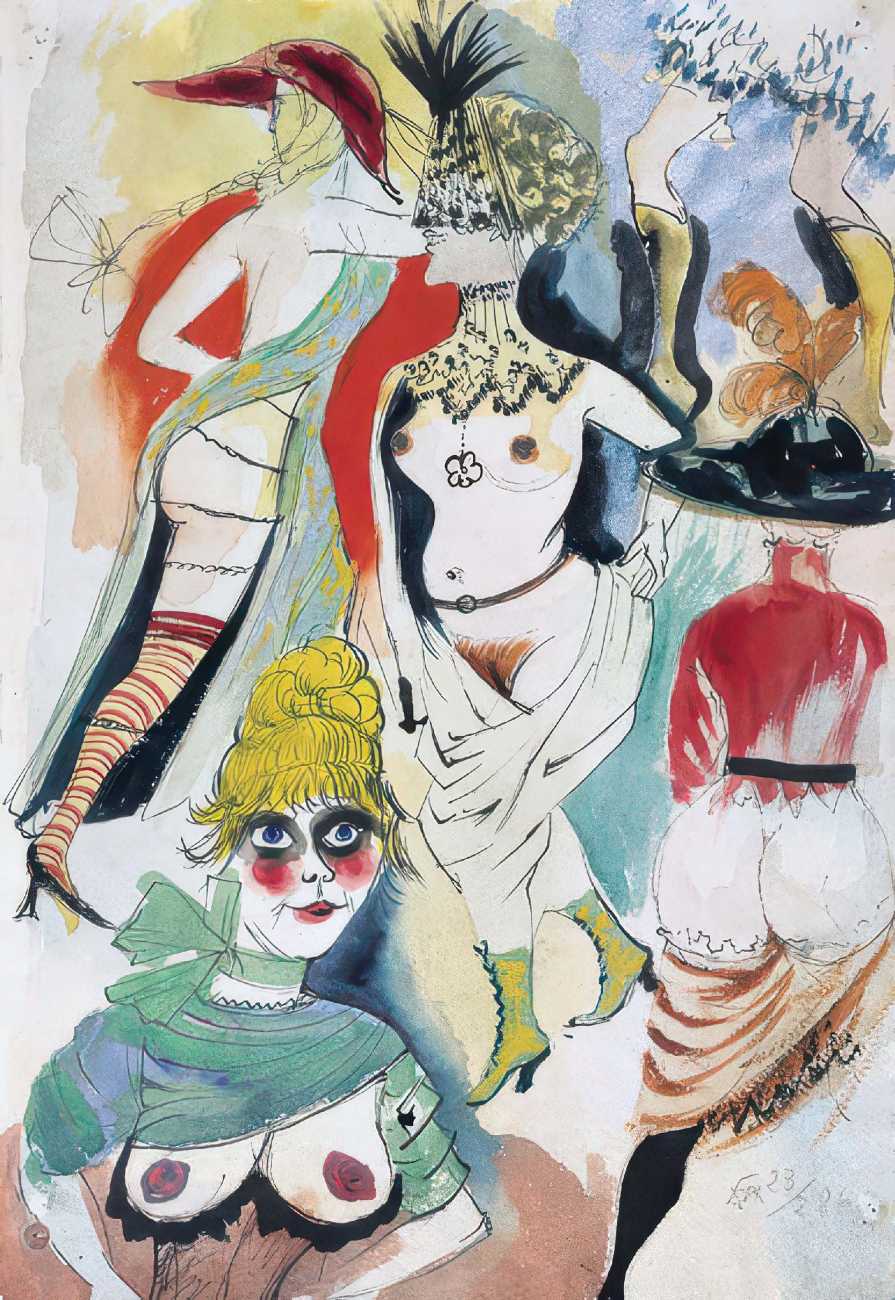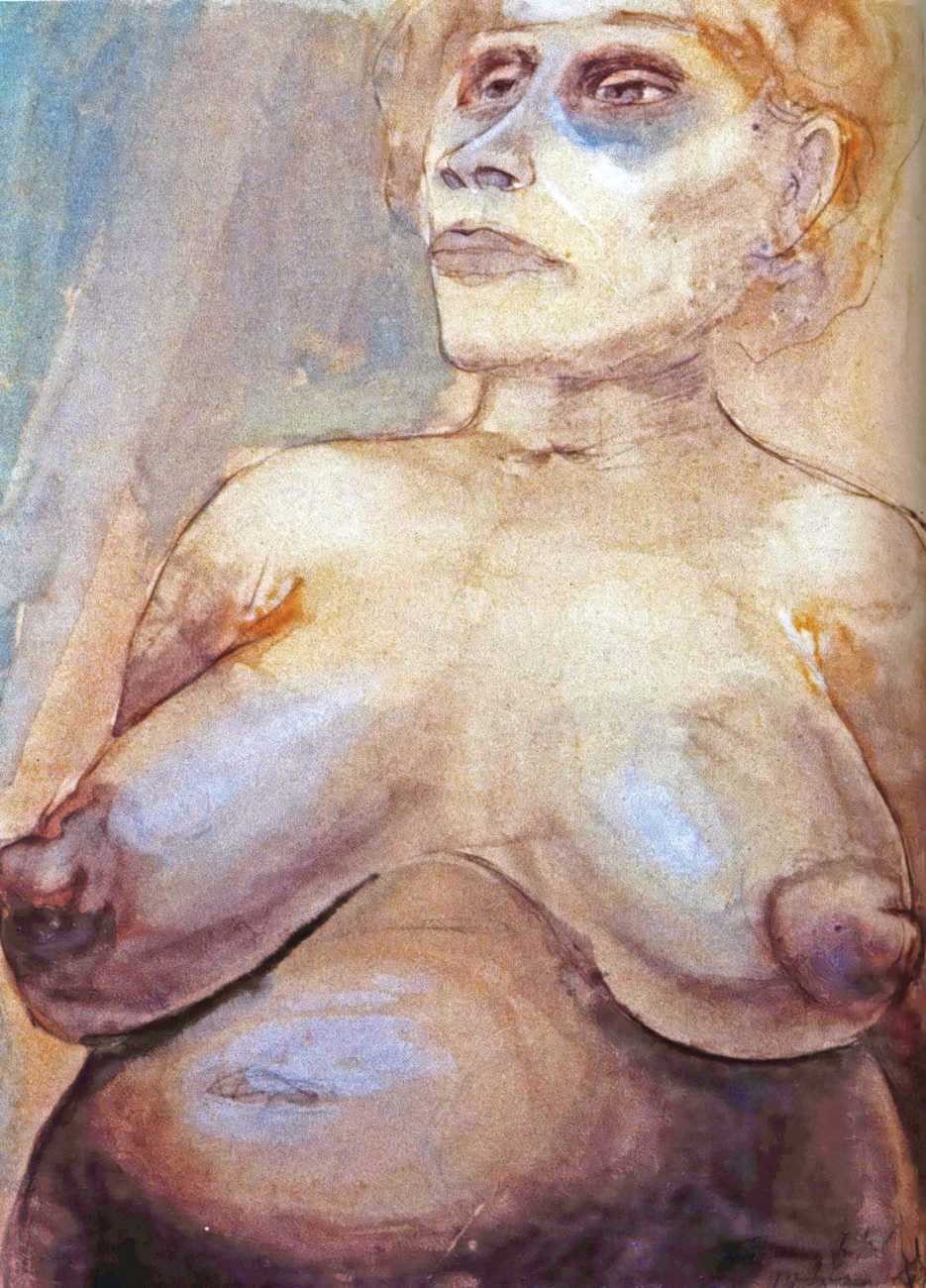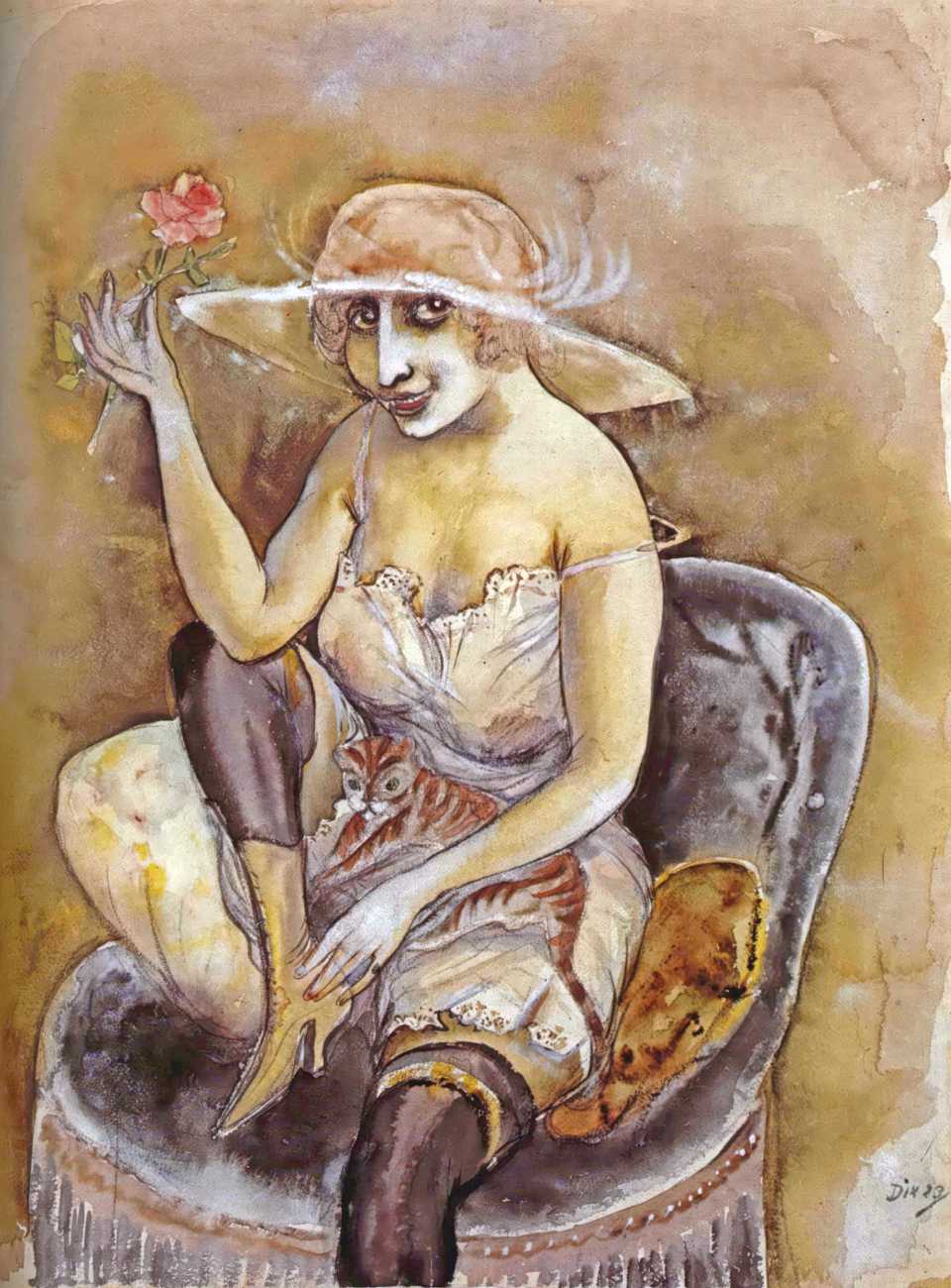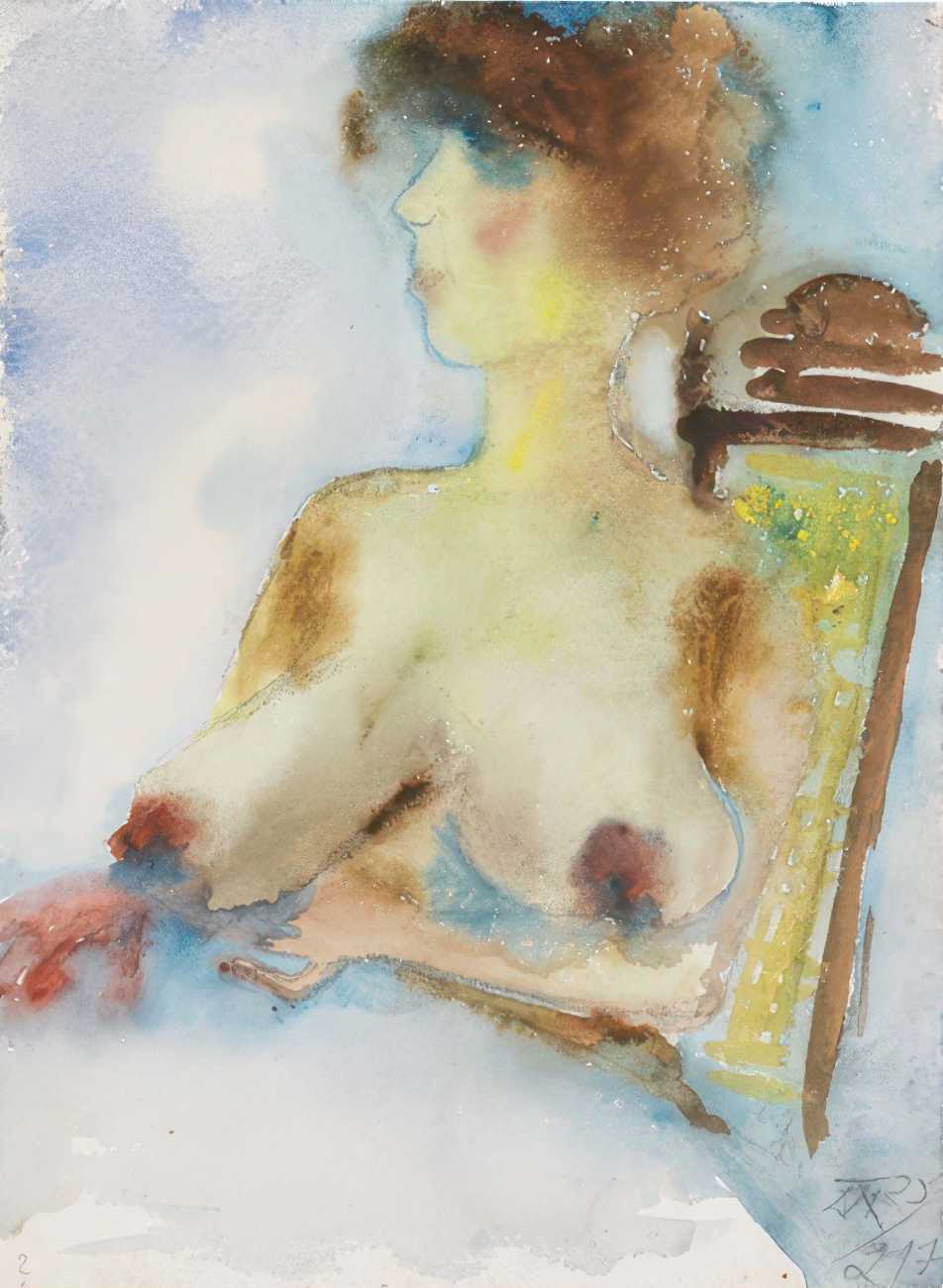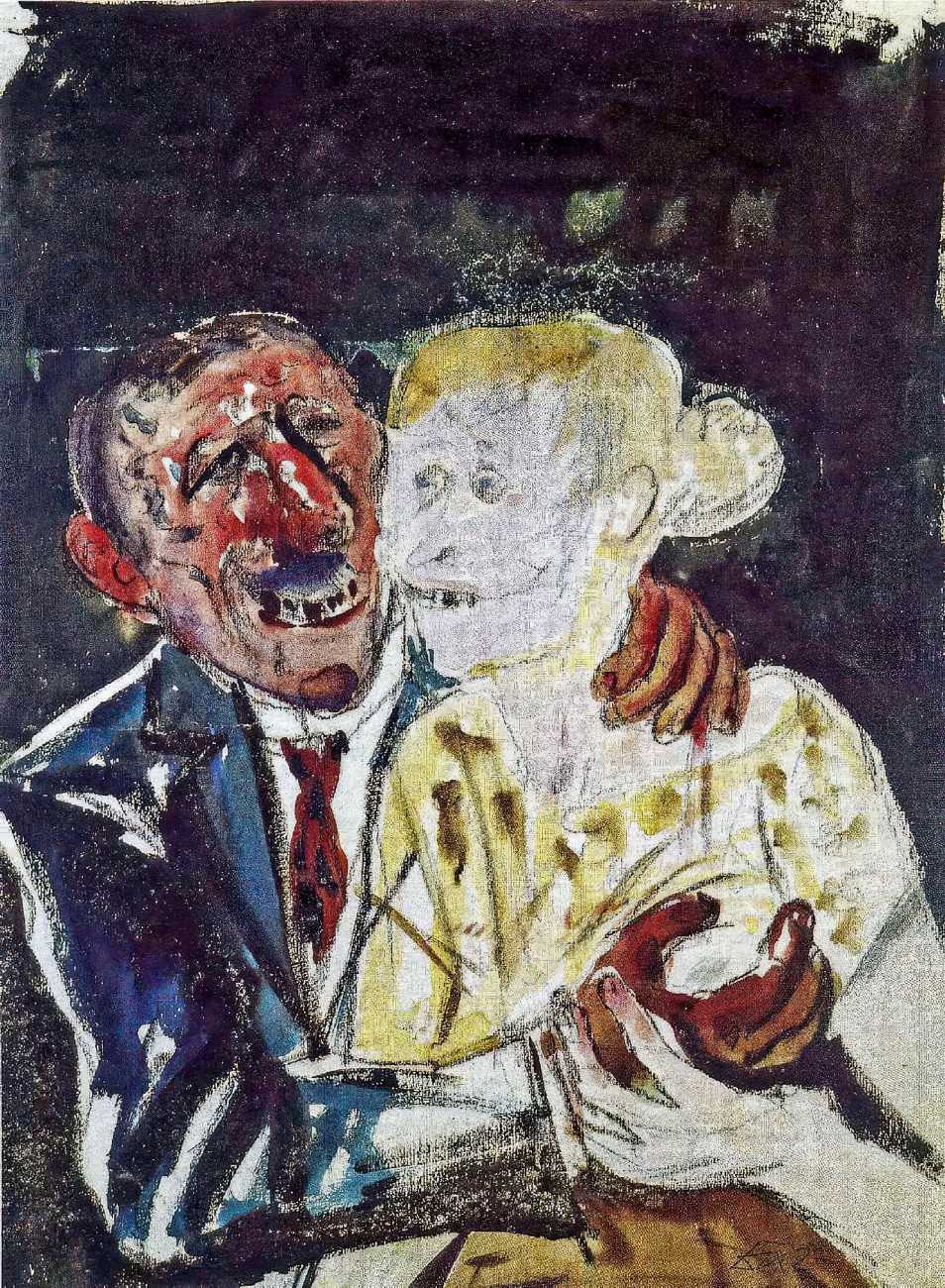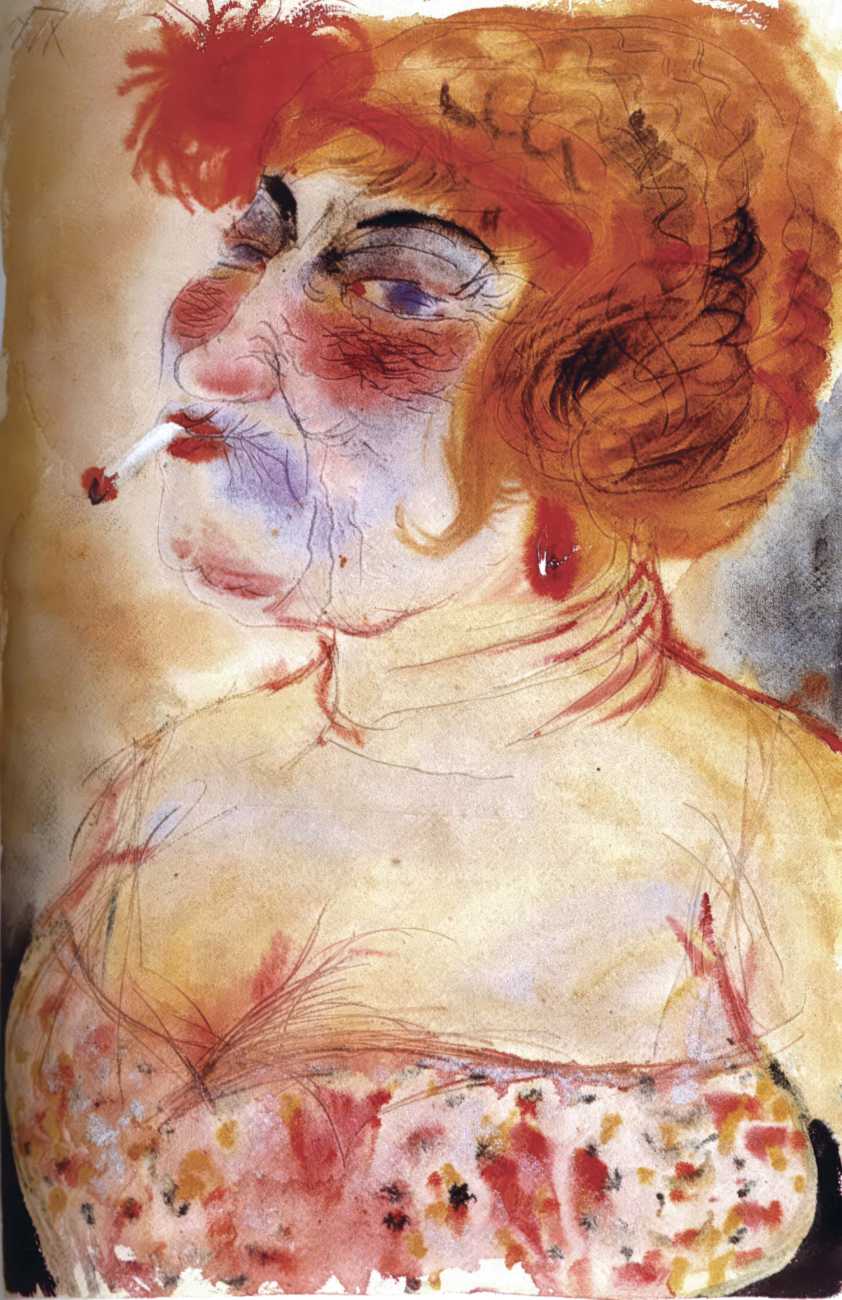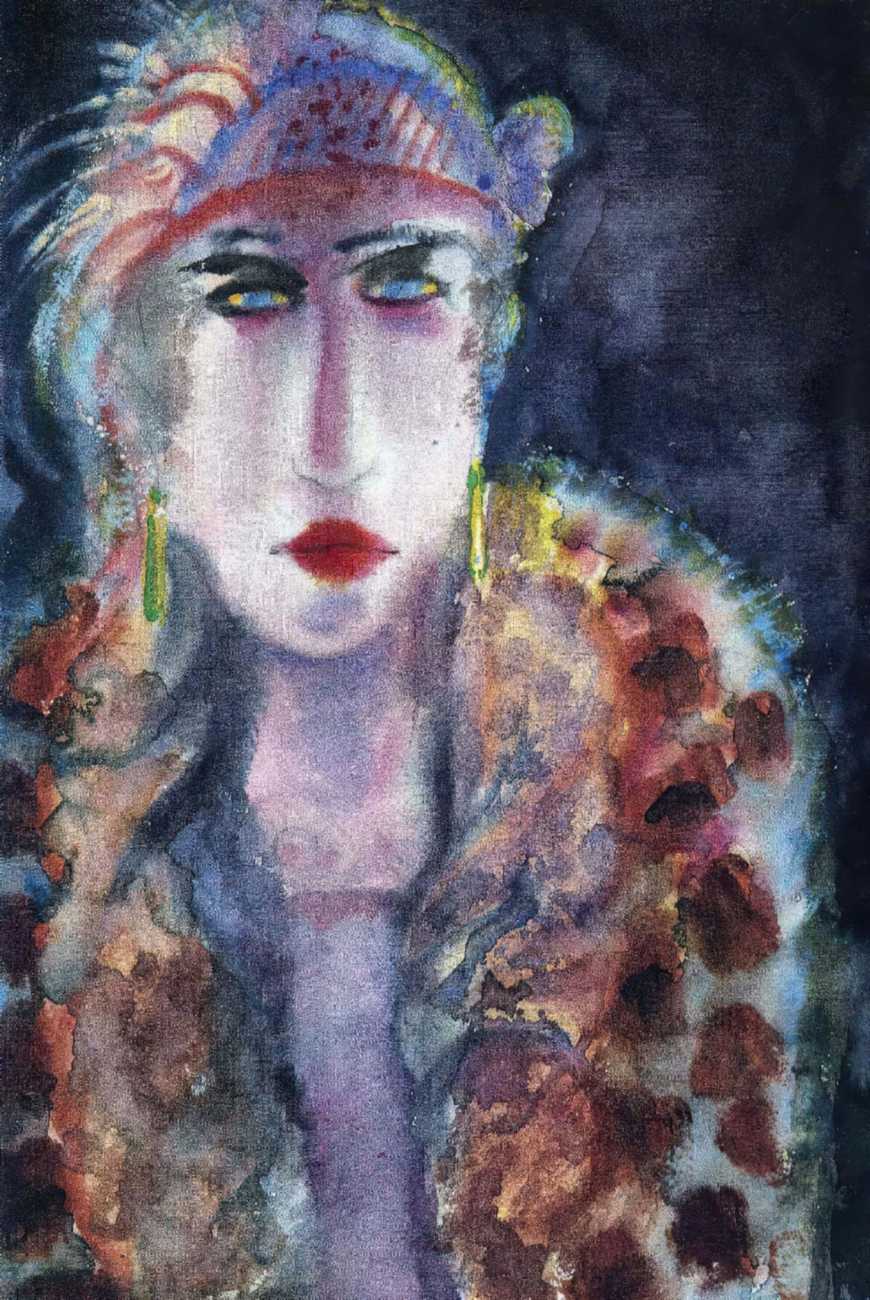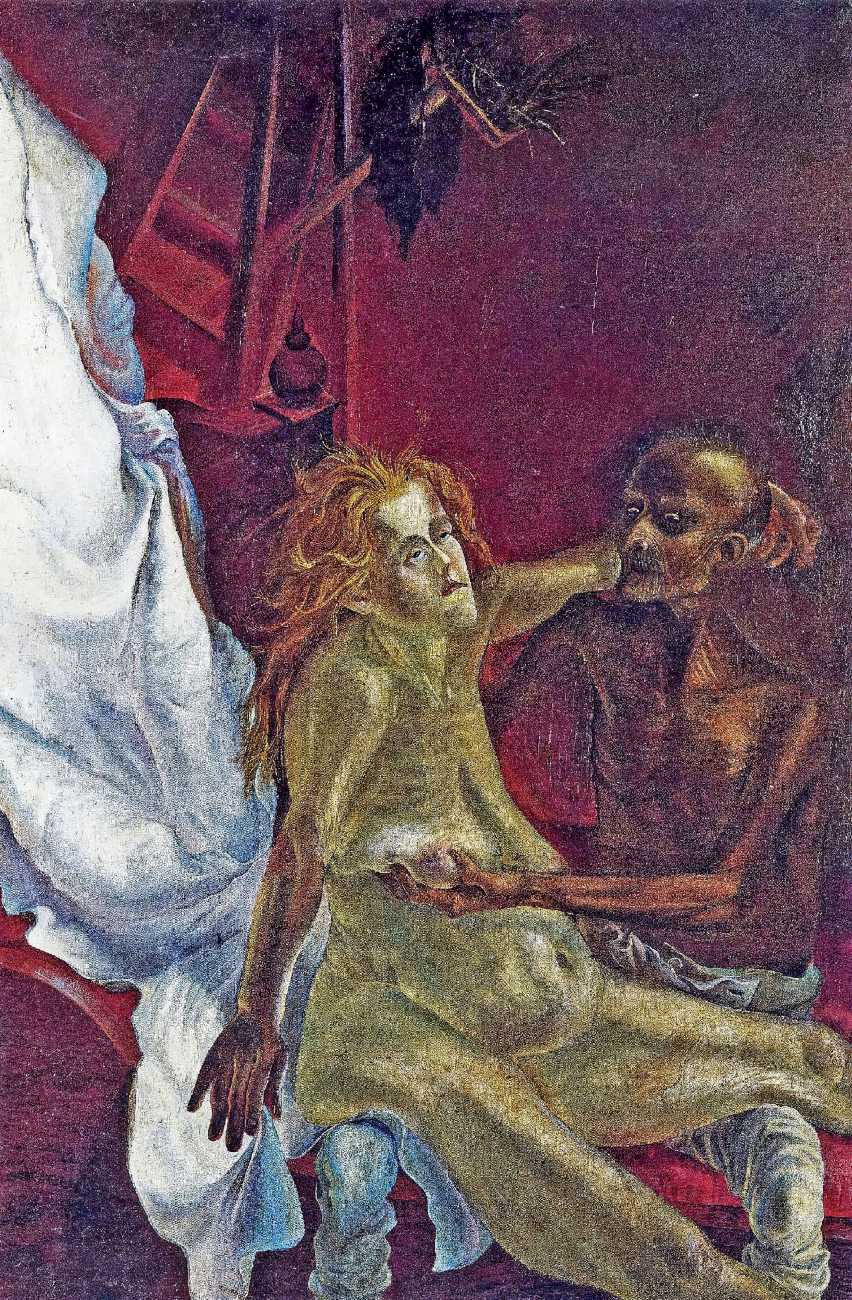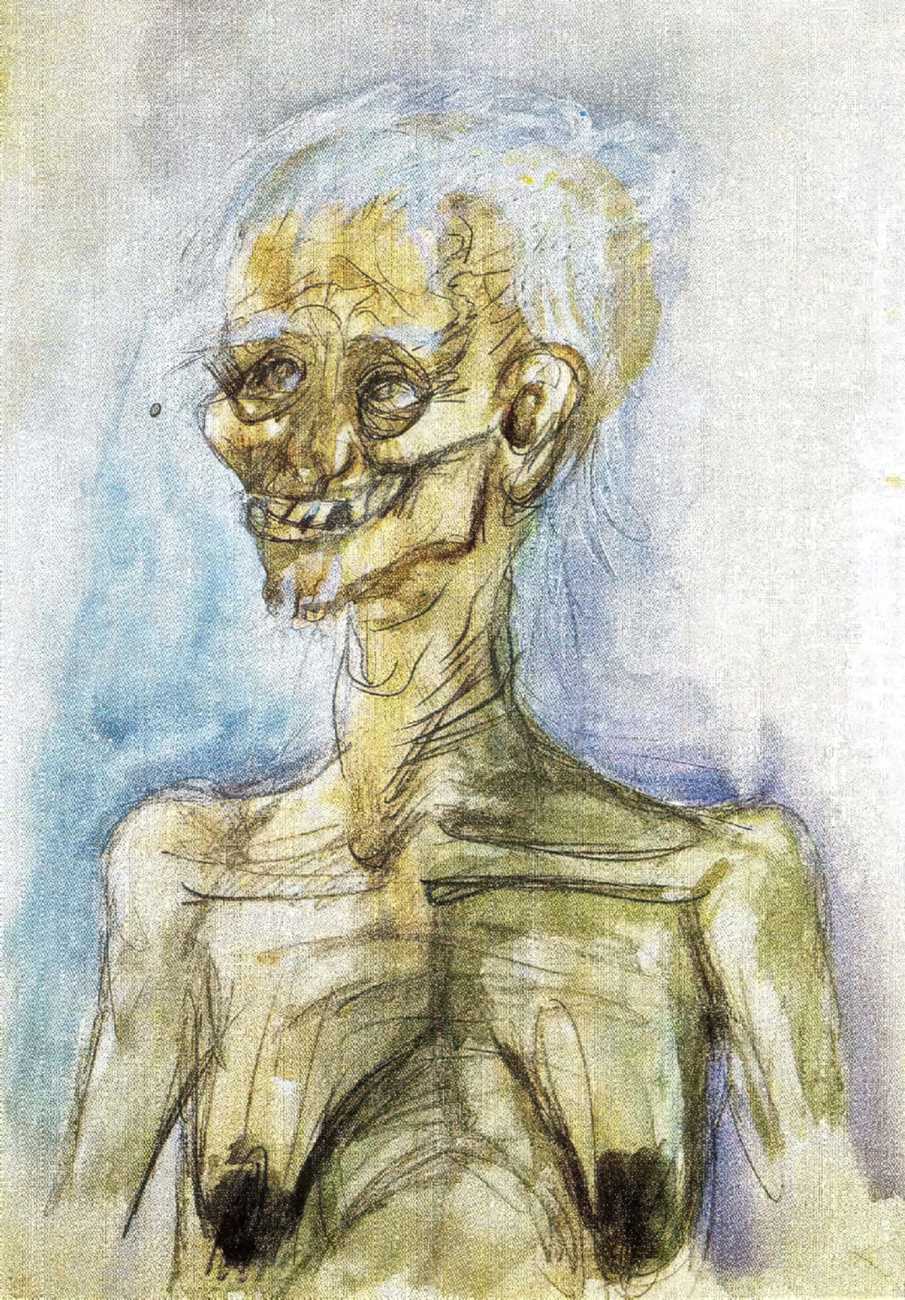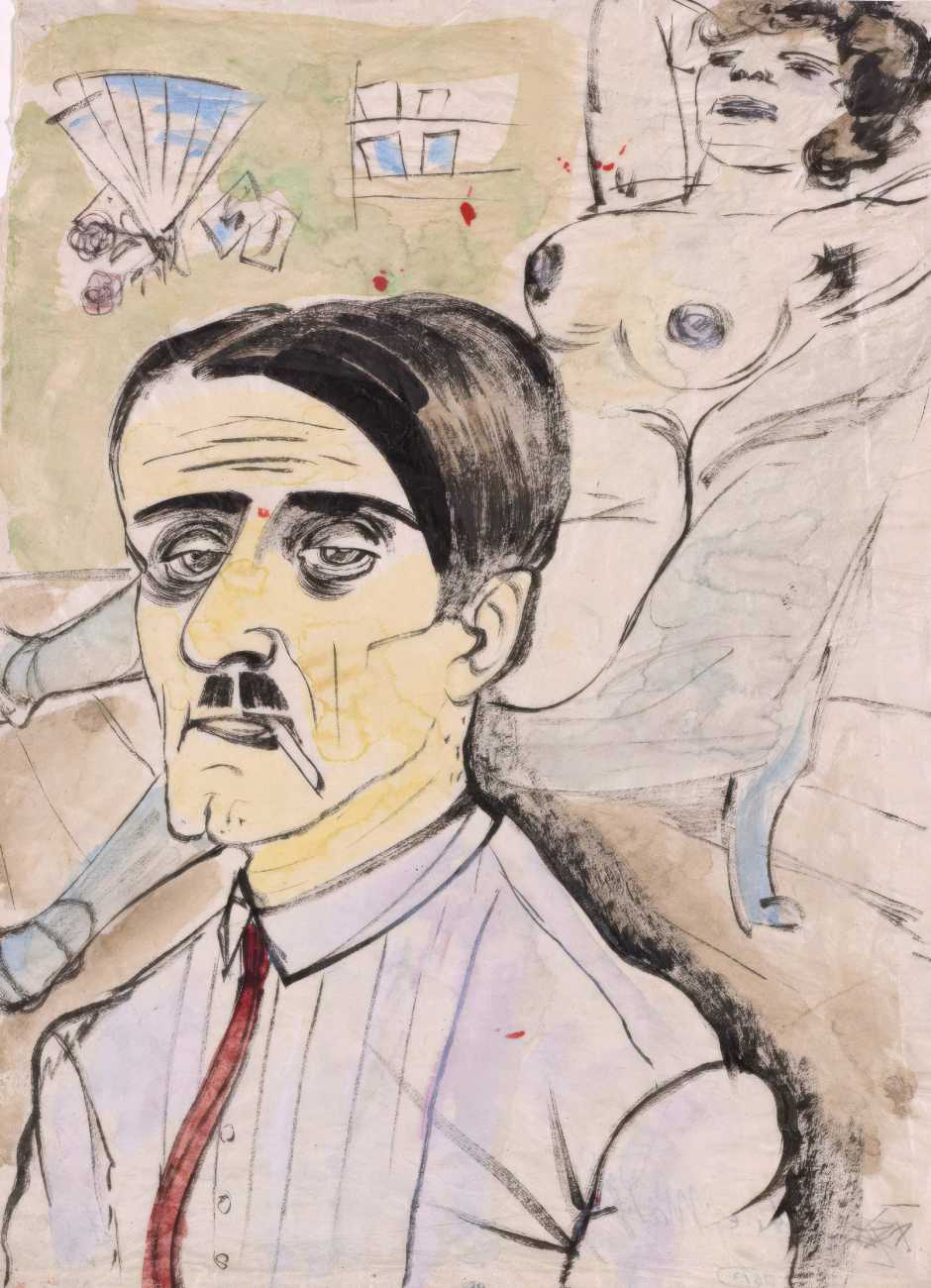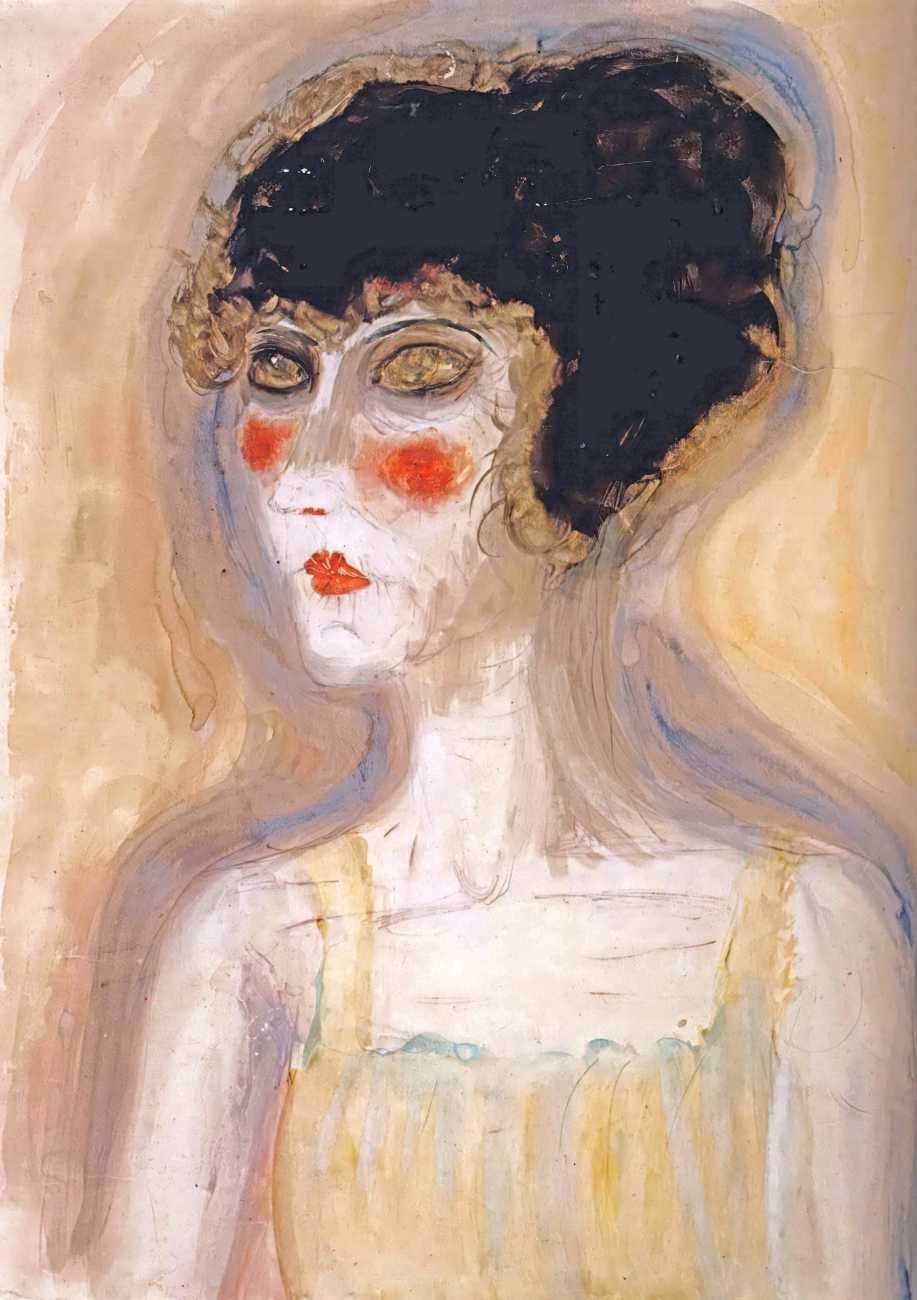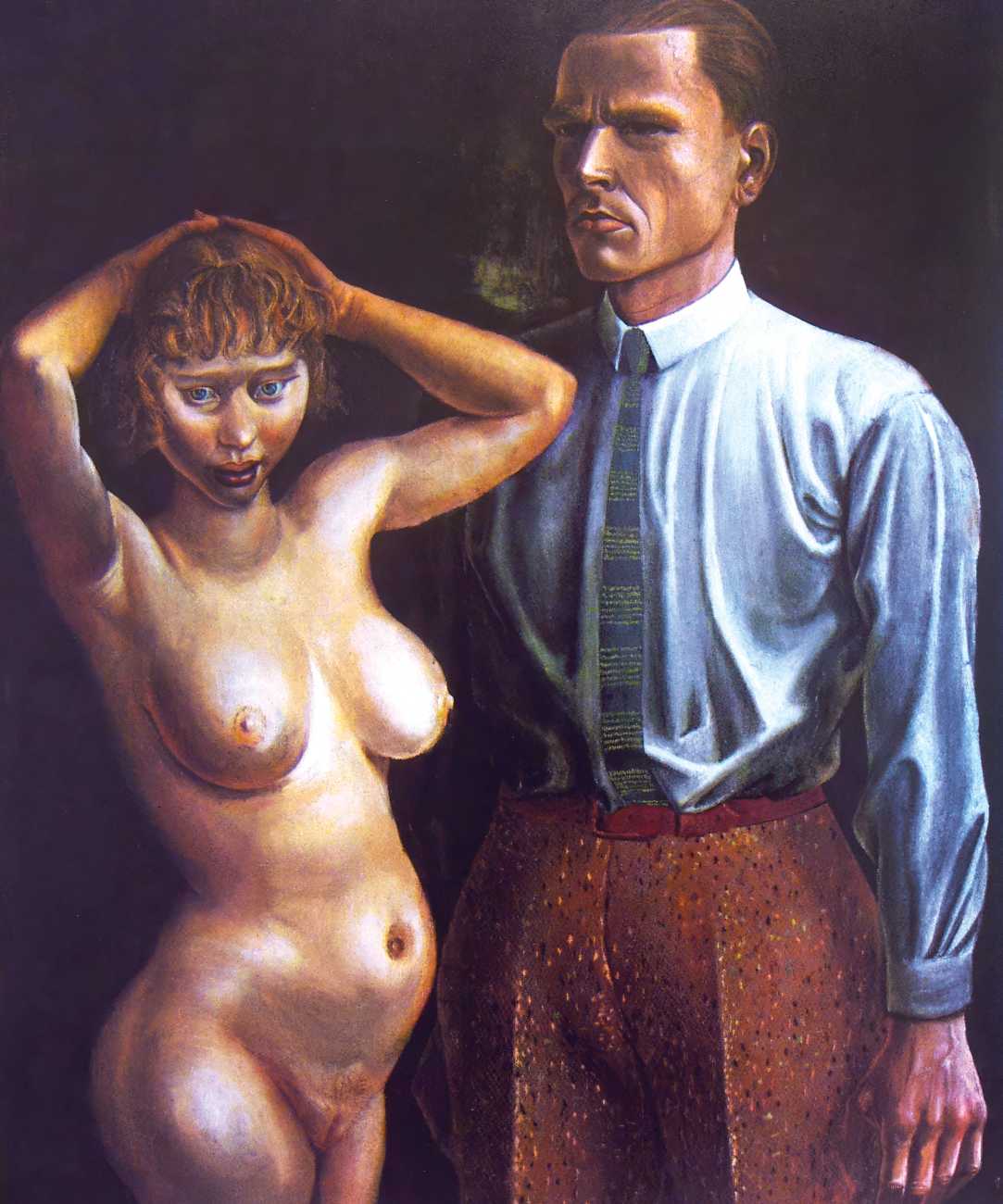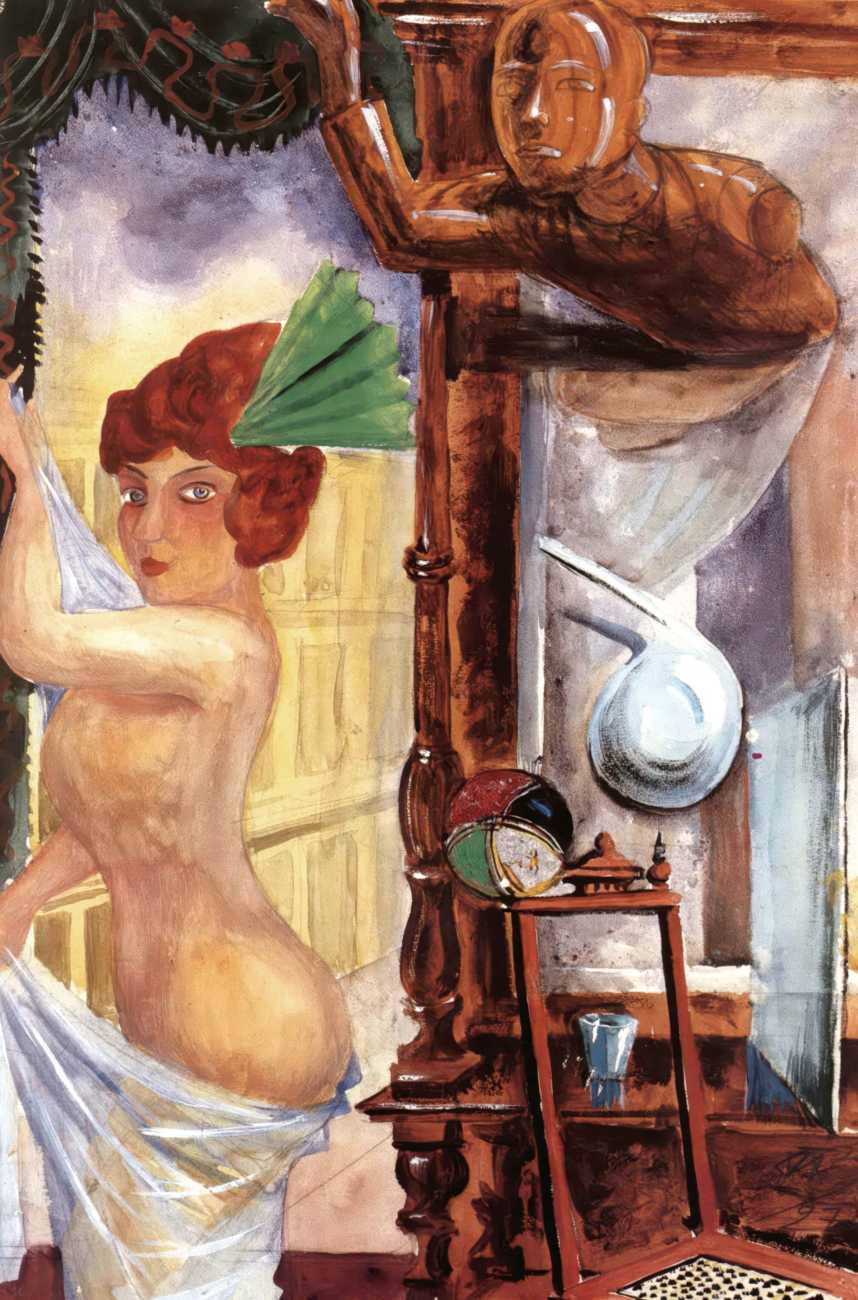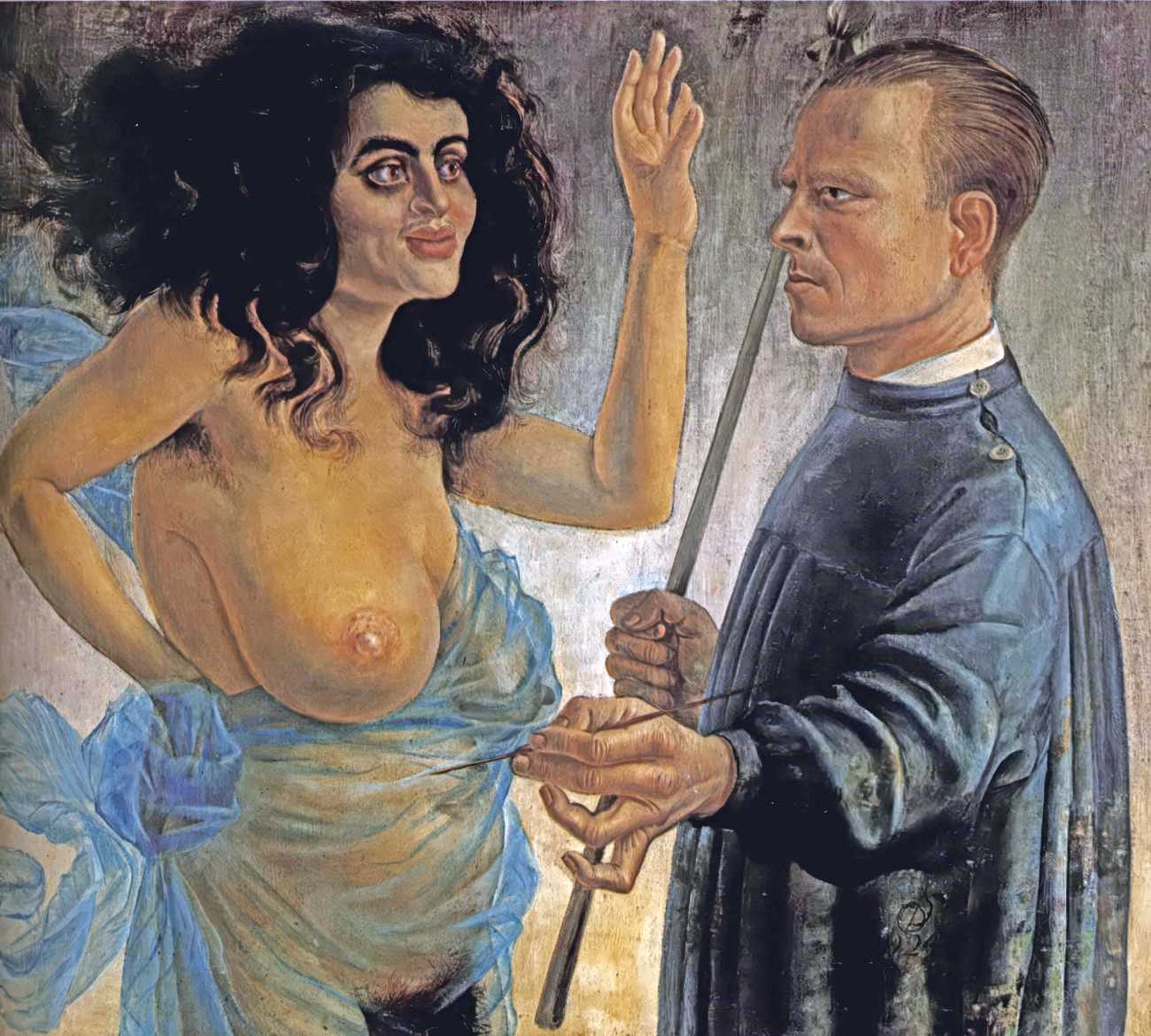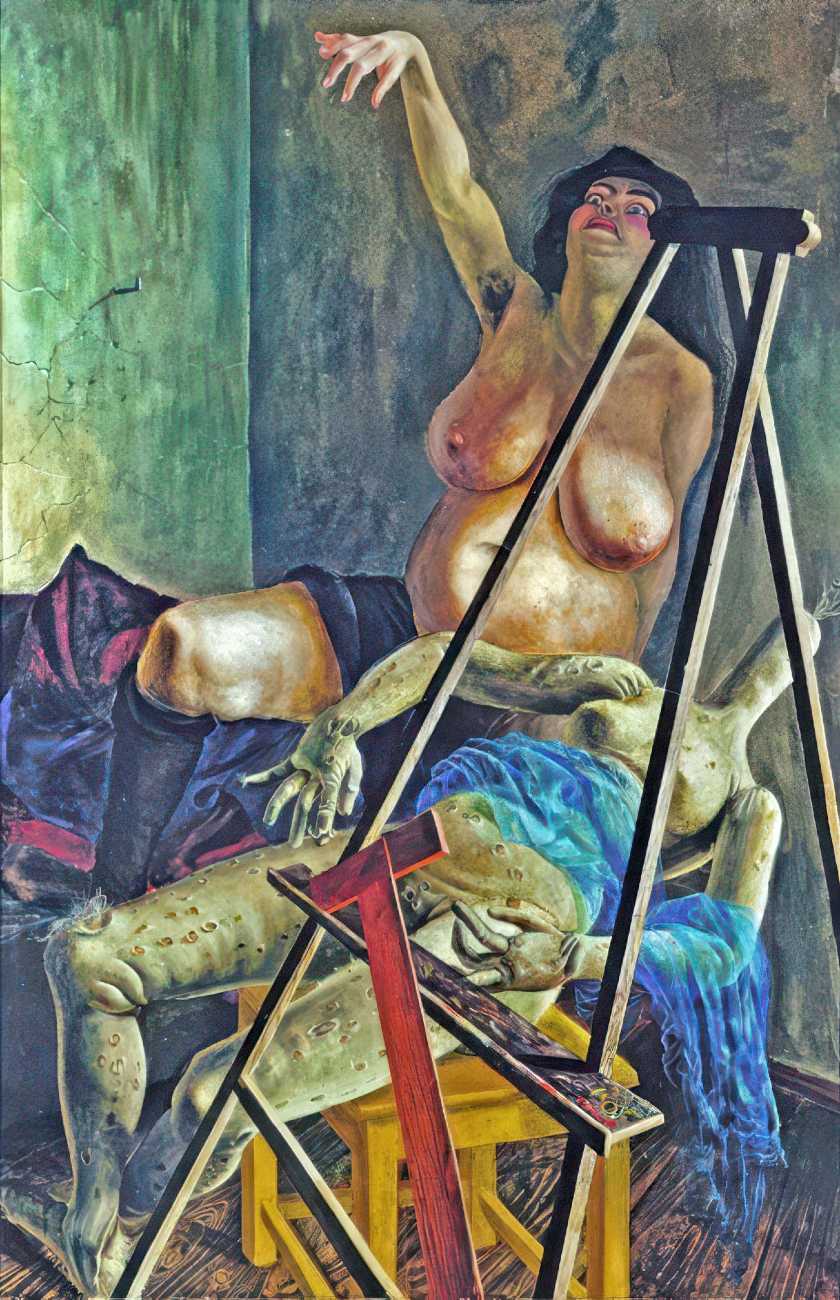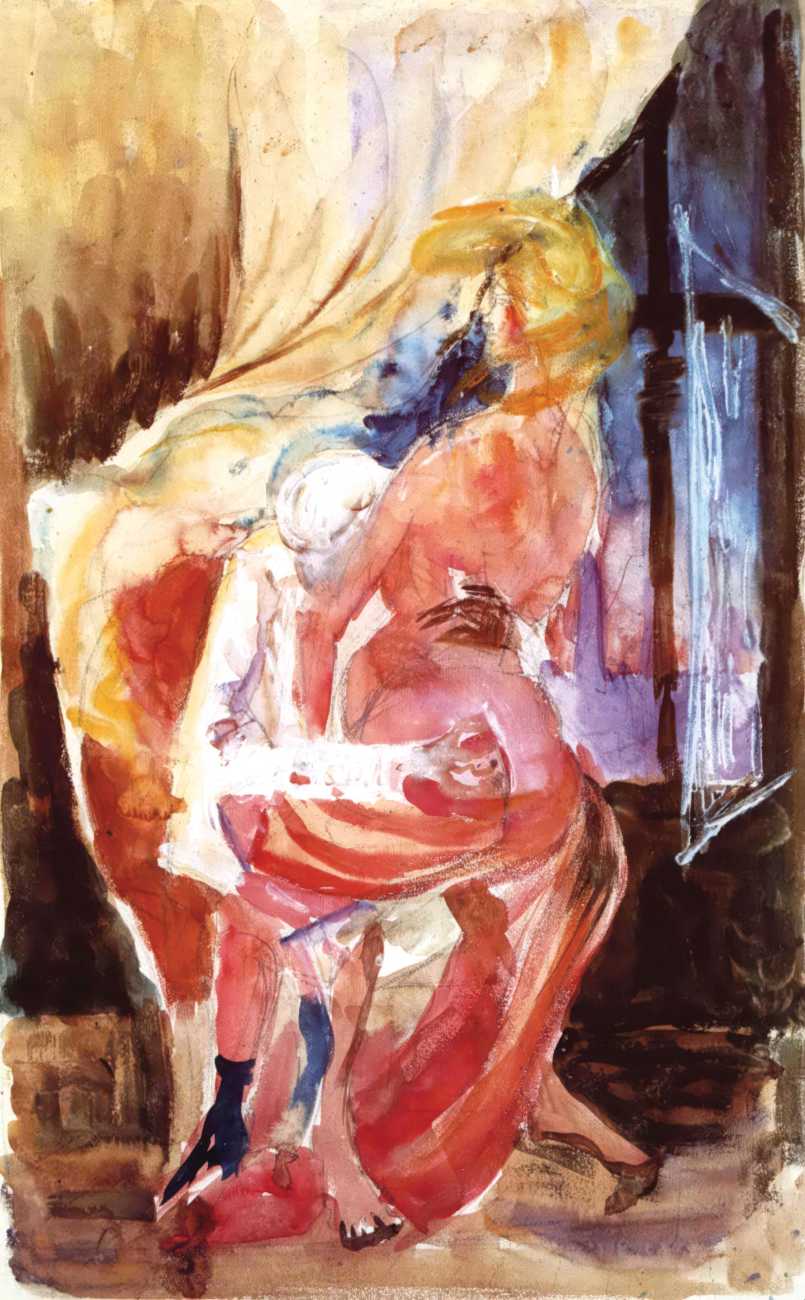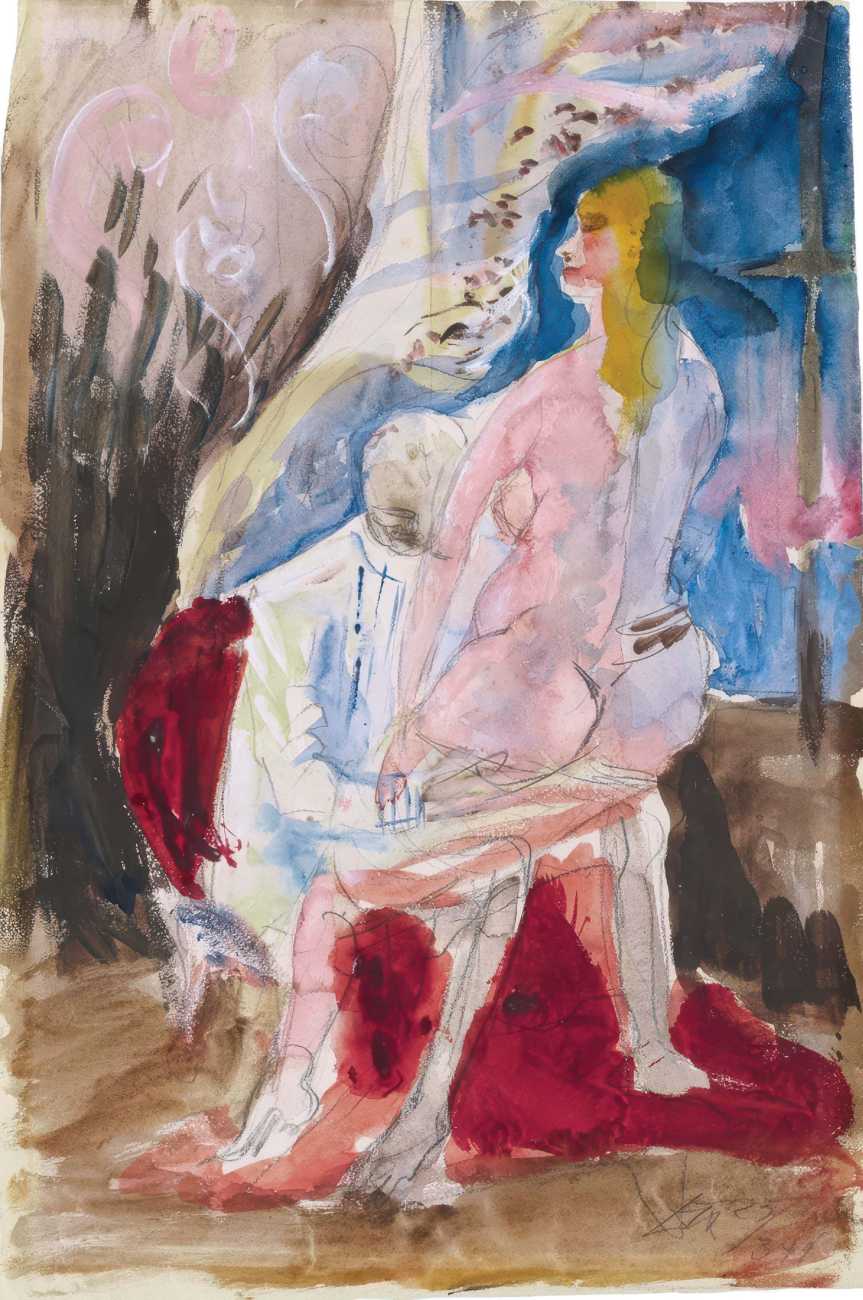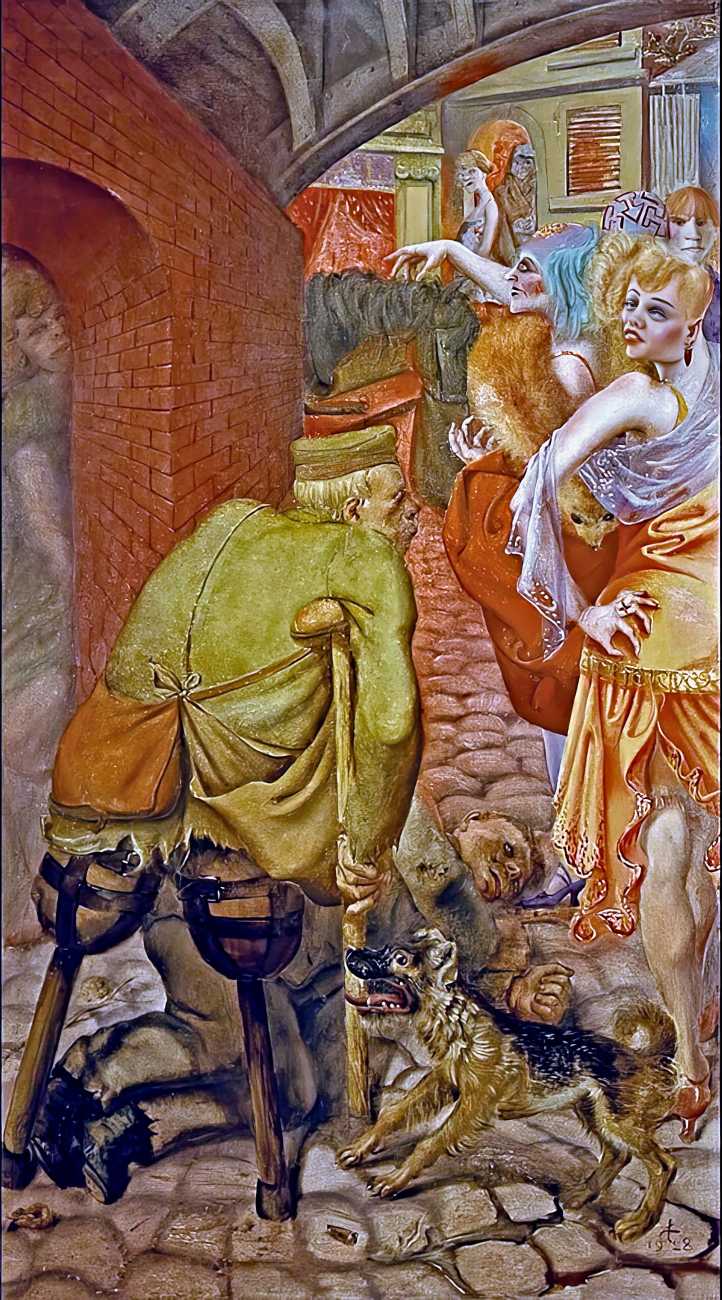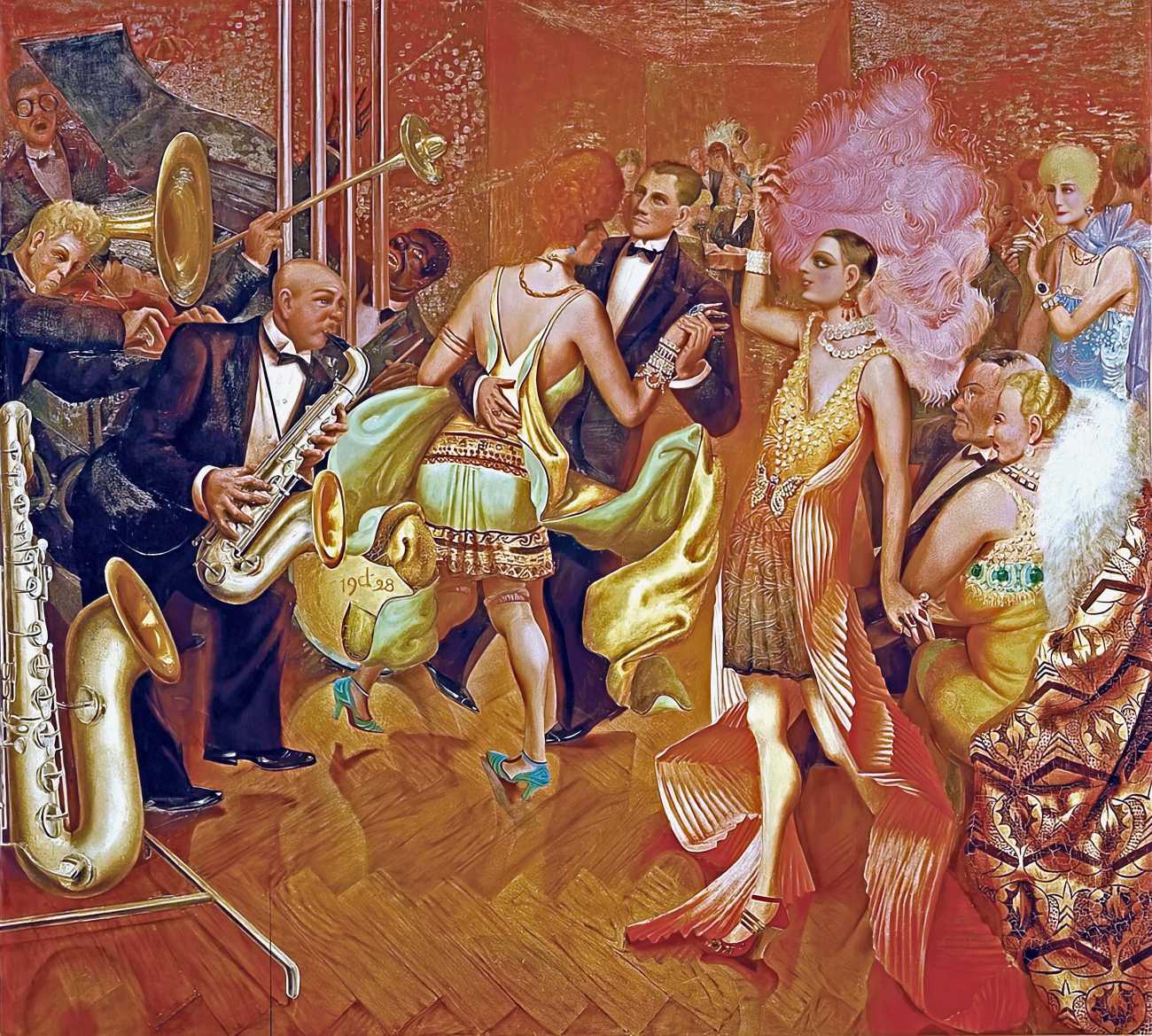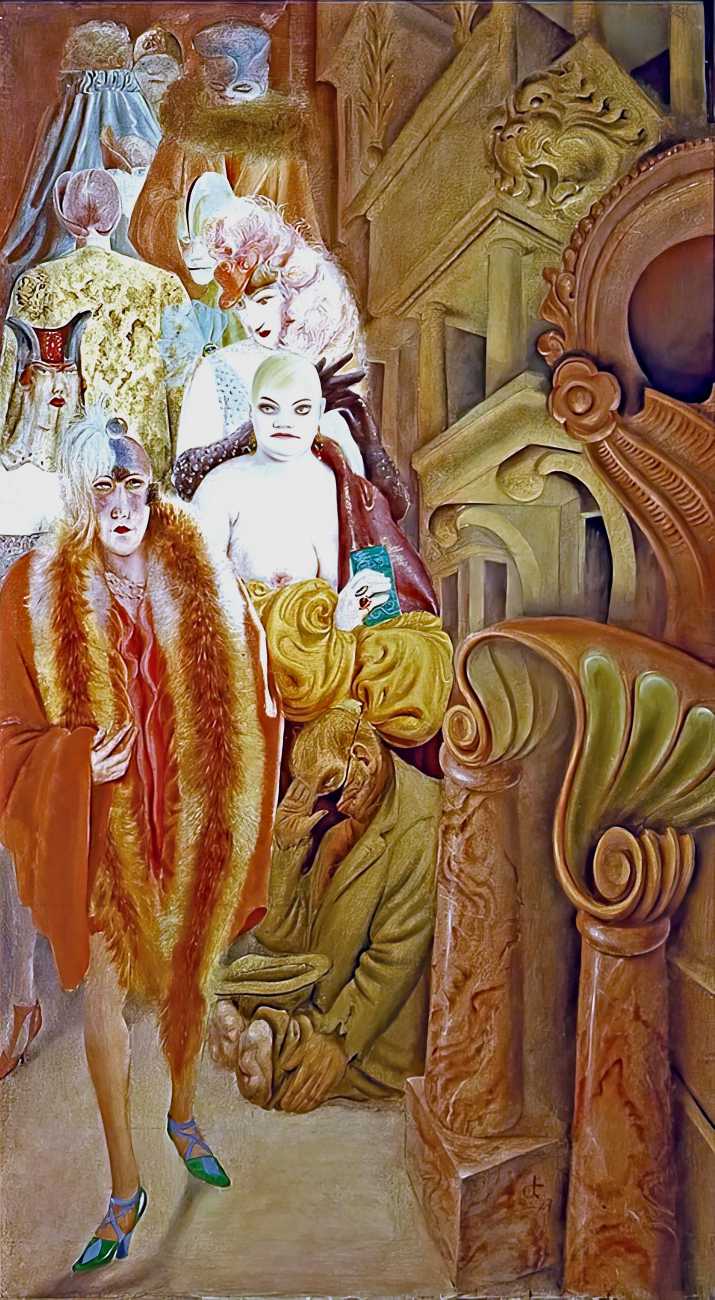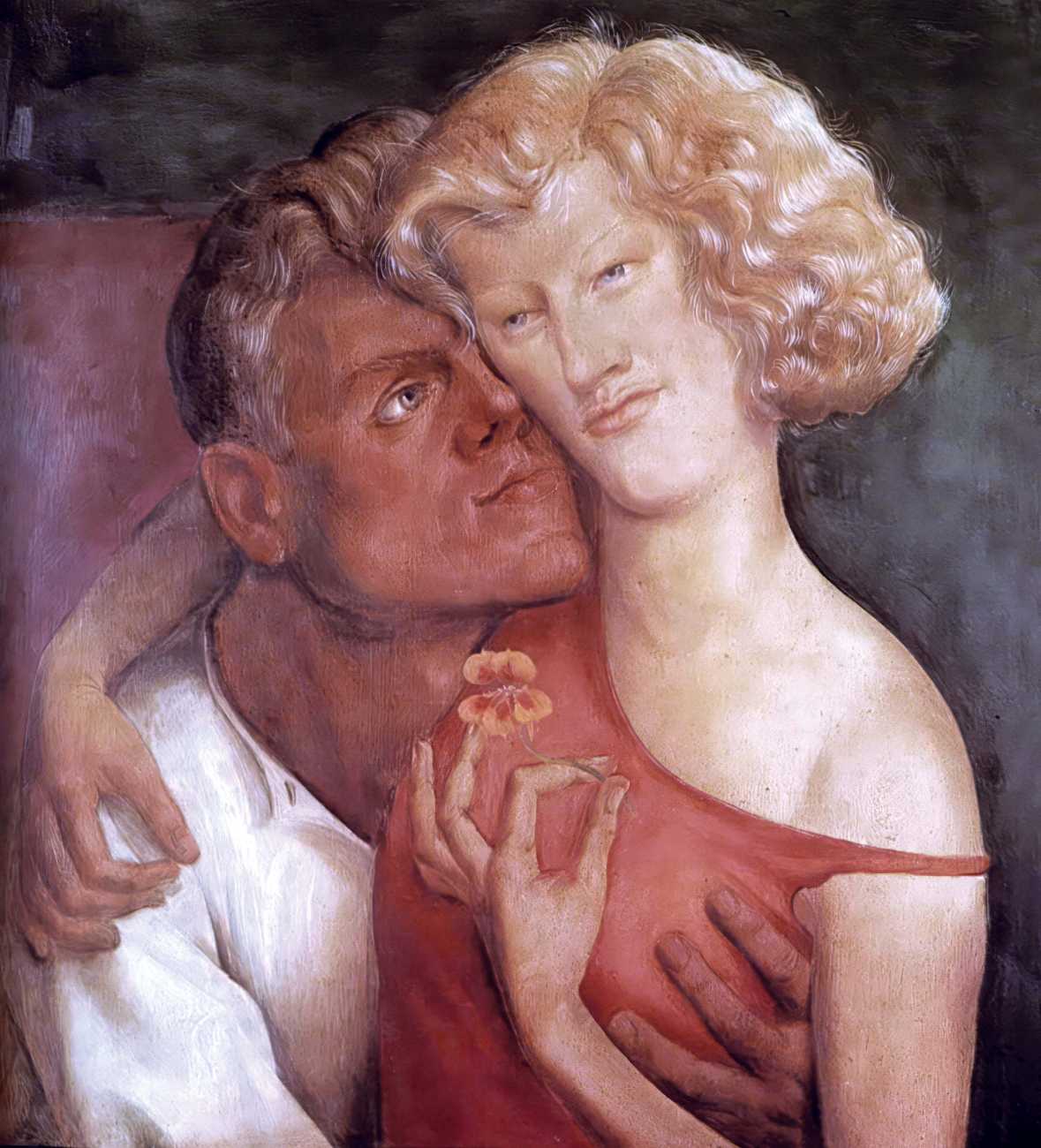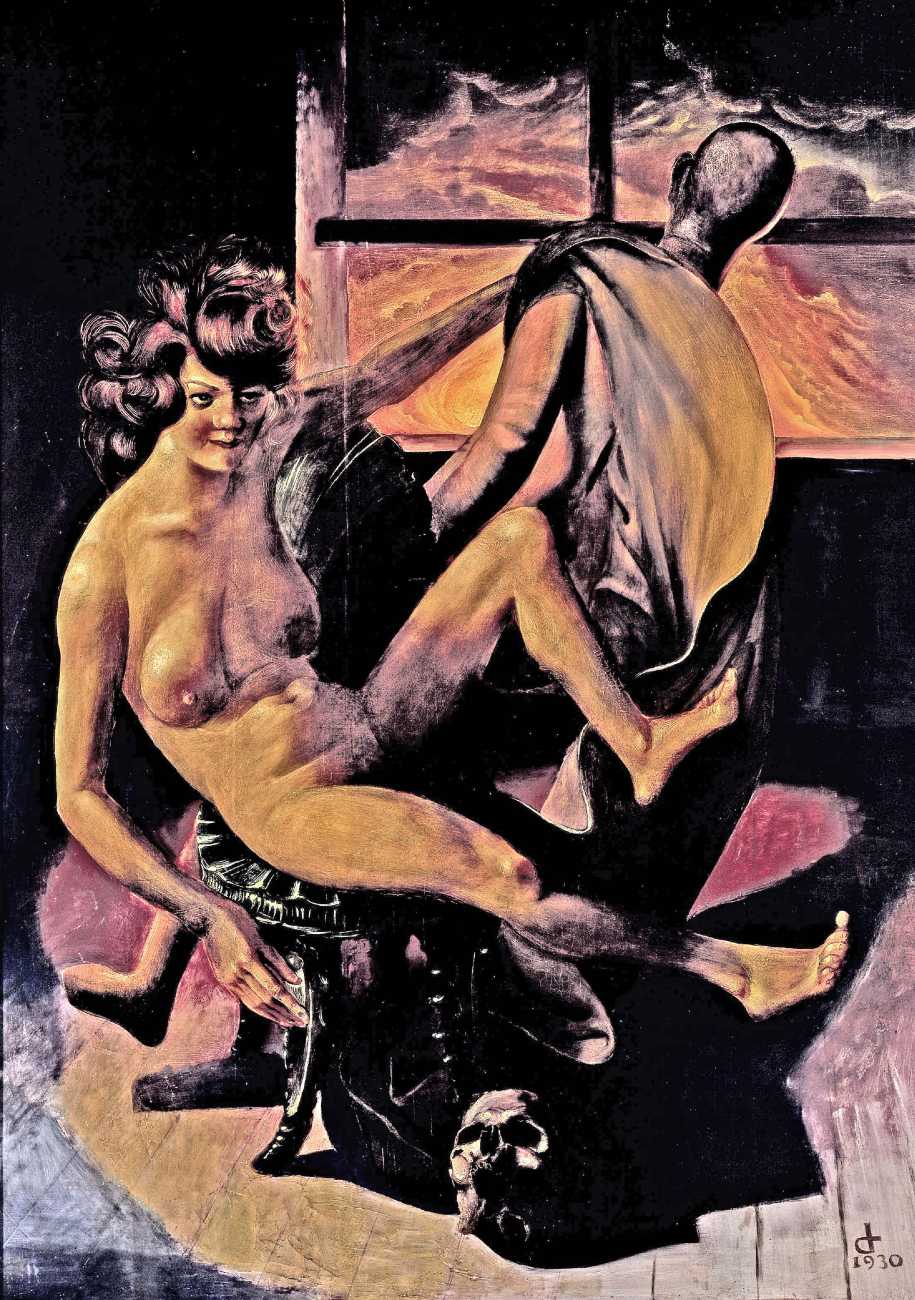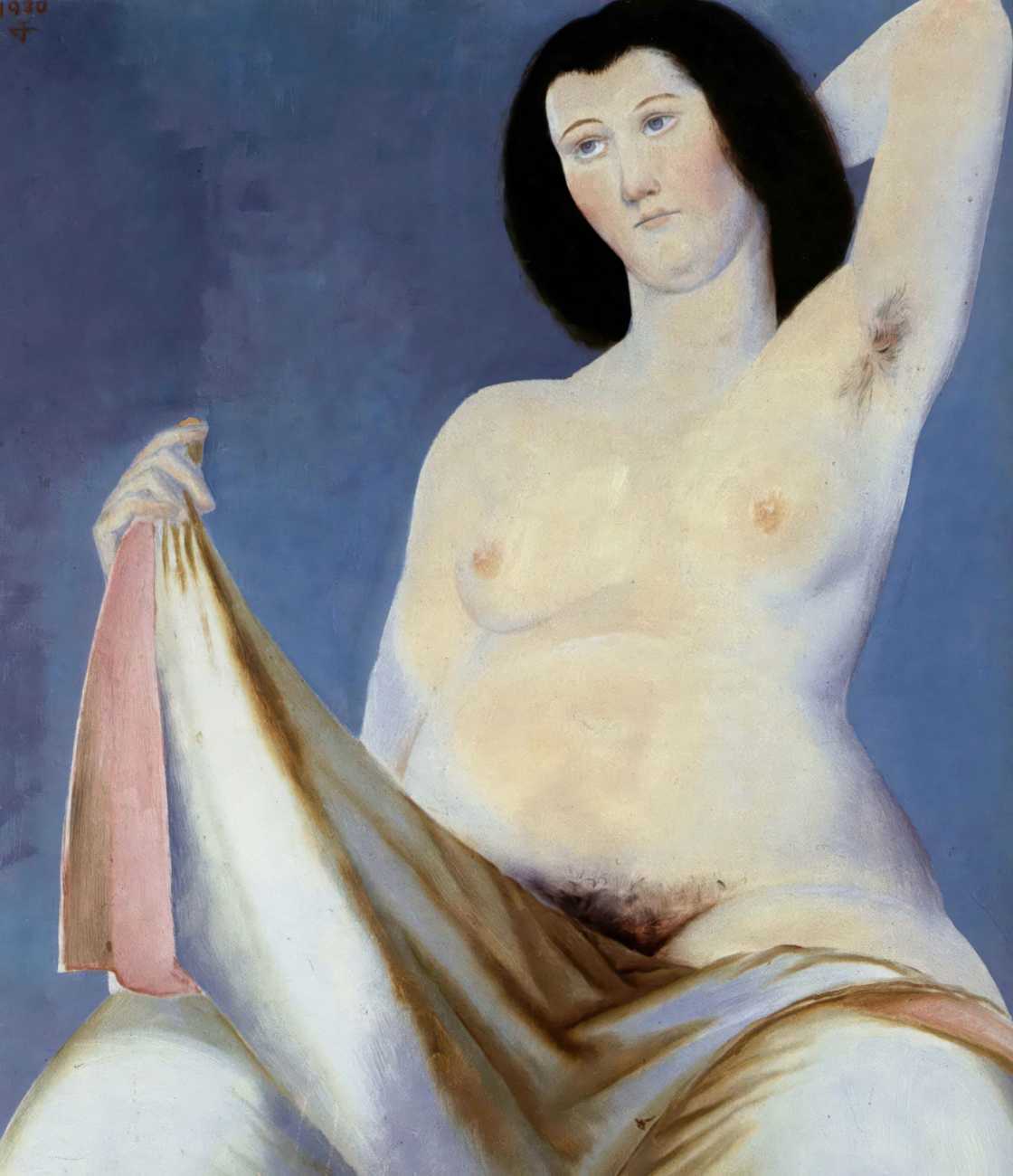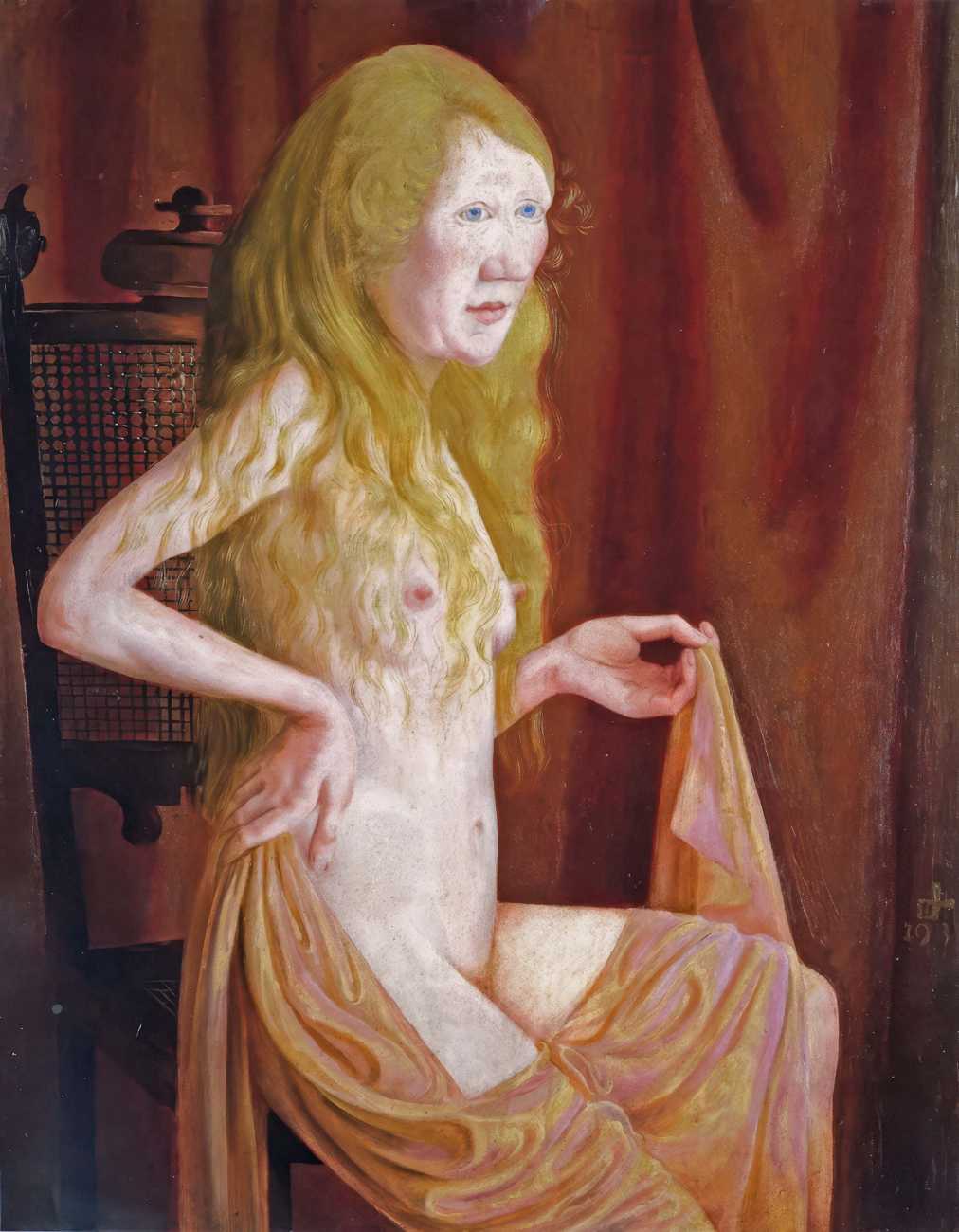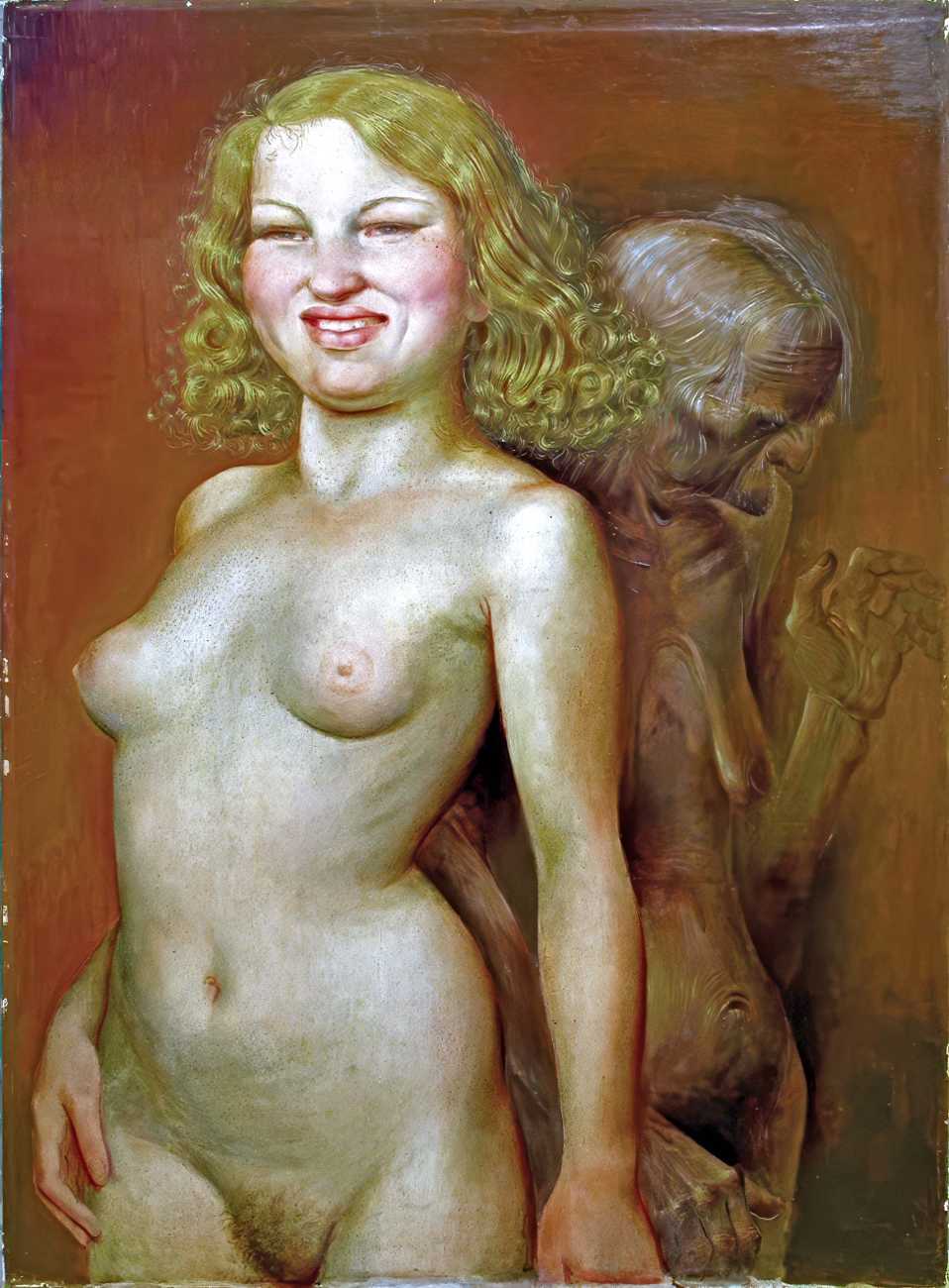
Otto Dix’s paintings of the years following the first world war are among the most uncompromising records of German society in the Weimar Republic. His subjects include wounded veterans, prostitutes, sailors, performers, criminals, artists, businessmen, lovers and members of his own family. He also became an exceptionally perceptive portraitist, recording people with an attention to physical detail that could be affectionate, satirical or frankly hostile. His paintings combine the influences of Dada and expressionism with the hard-edged realism that became associated with the Neue Sachlichkeit (New Objectivity) movement.
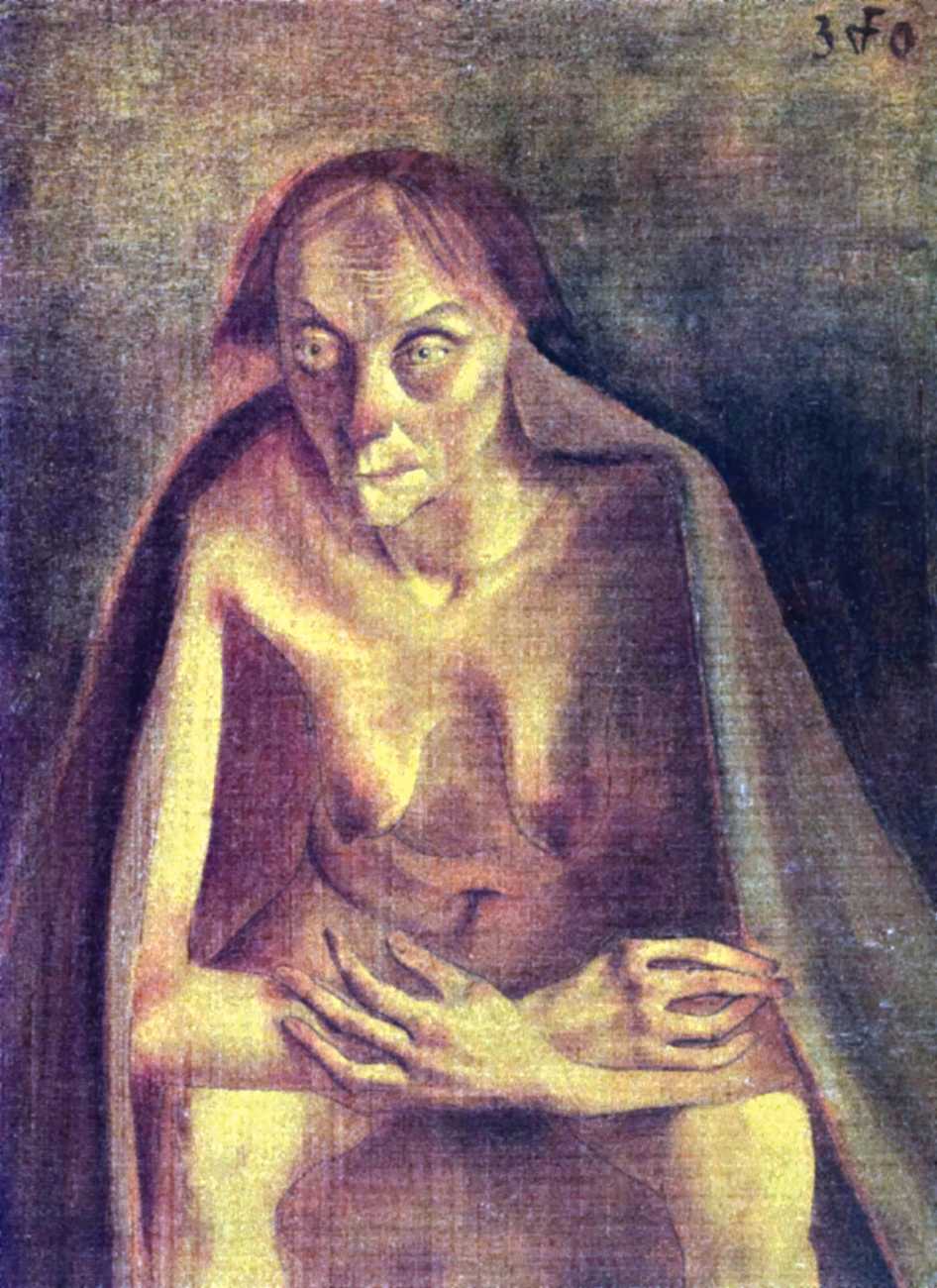
The war remained an inescapable presence. Dix had spent almost four years in service, and his experience provided the subject for some of his most important paintings. The damaged bodies of veterans reappear throughout his work, alongside the prostitutes, beggars and other people whose lives were shaped by the economic and social consequences of the conflict.
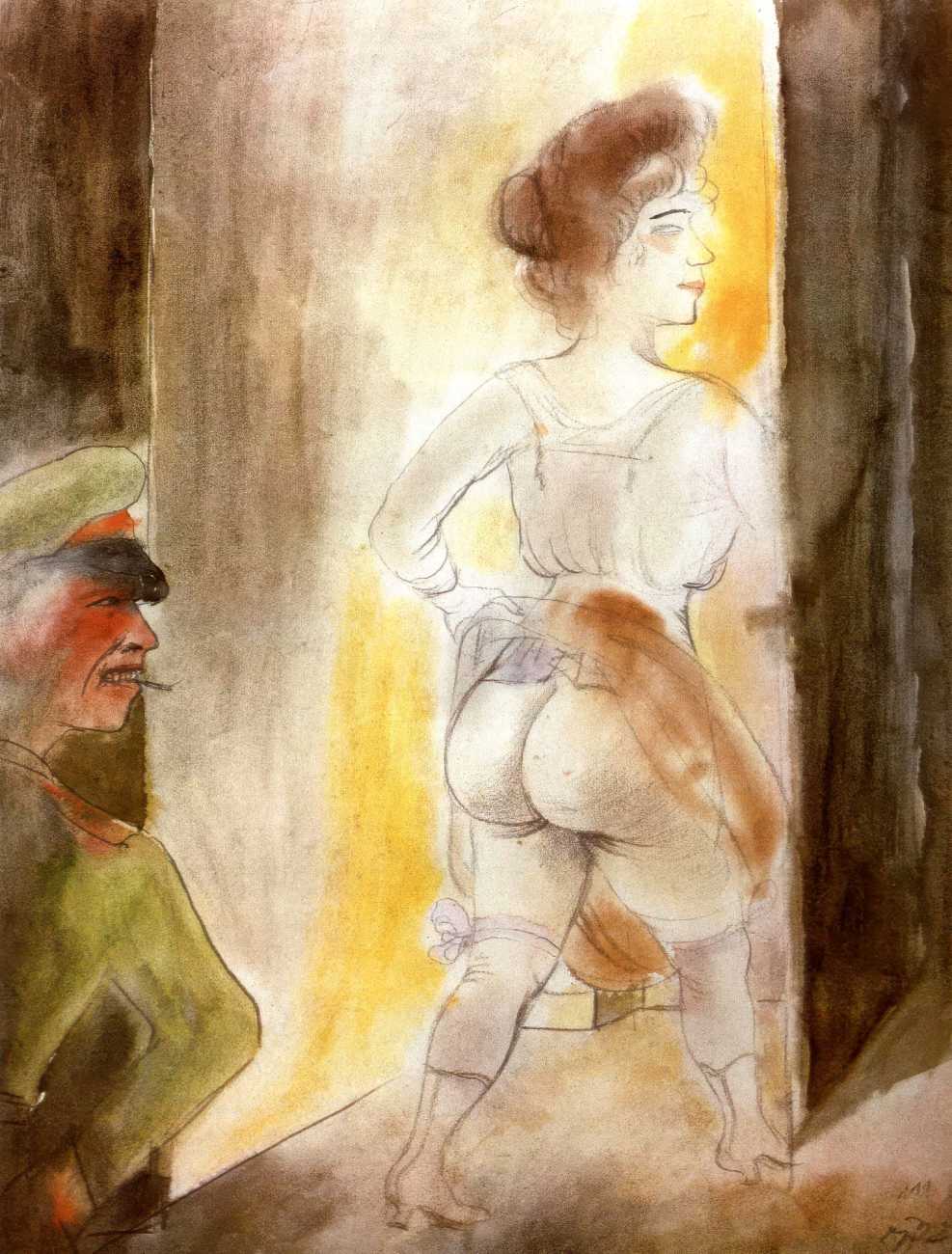
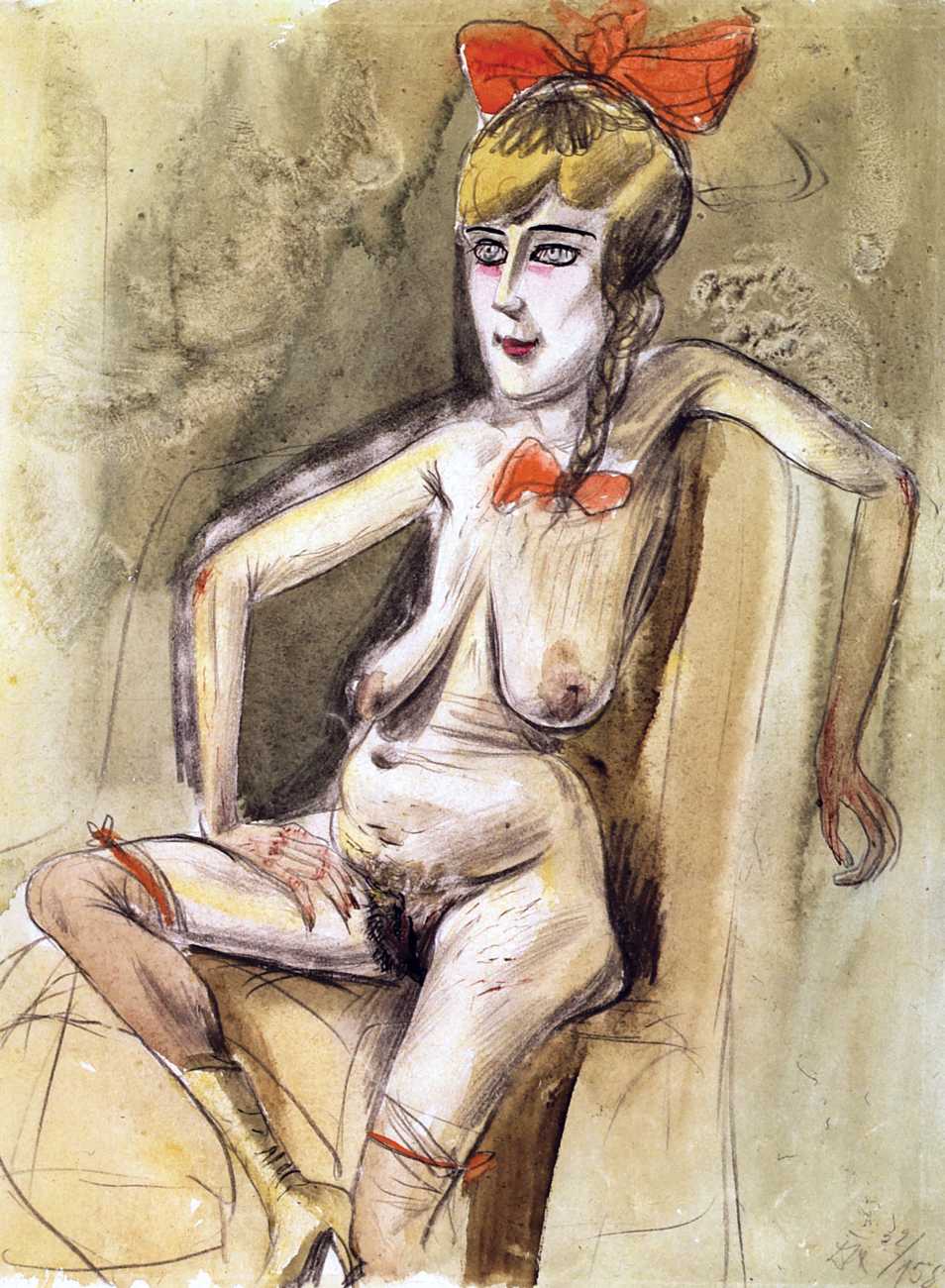
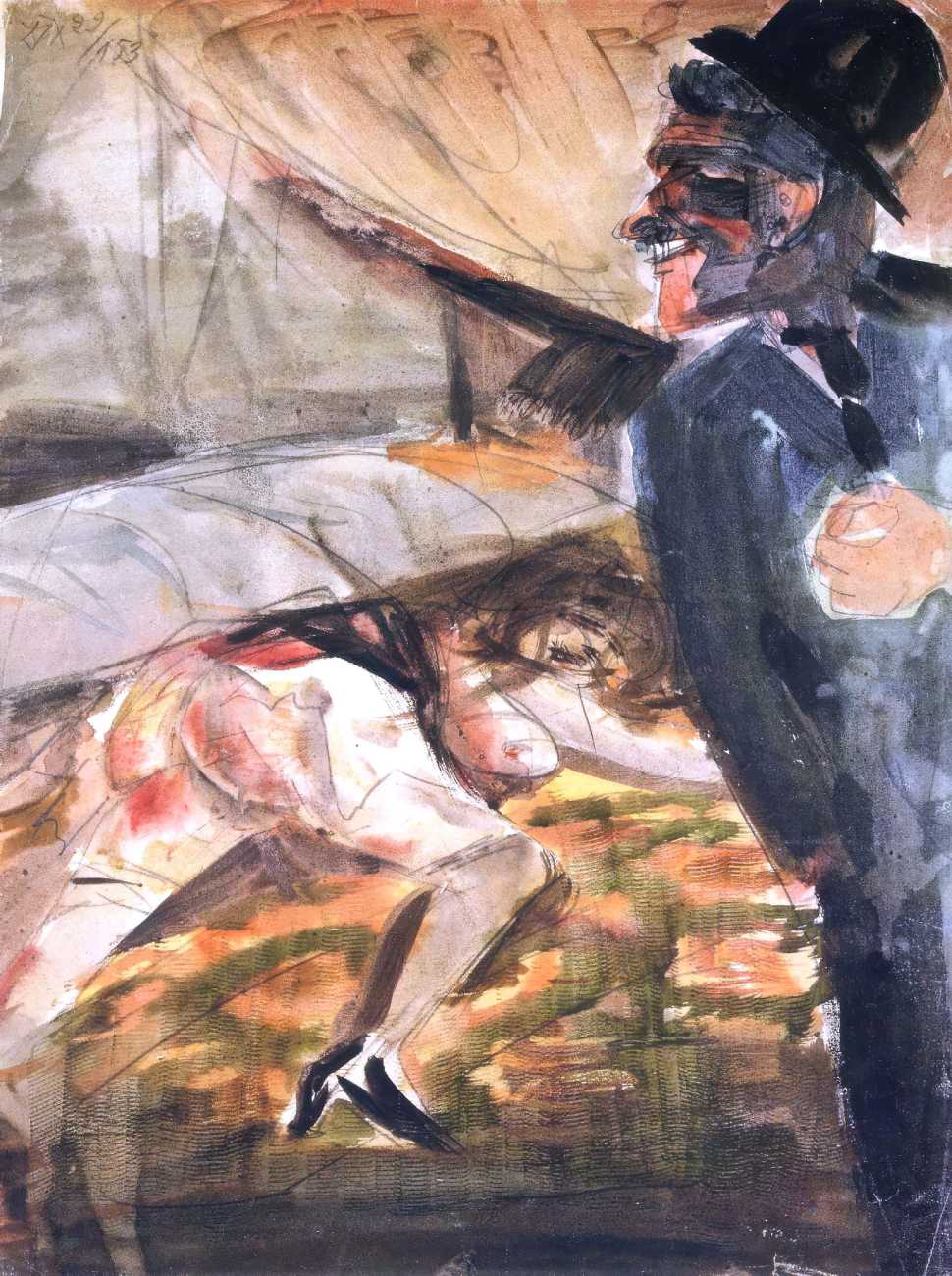
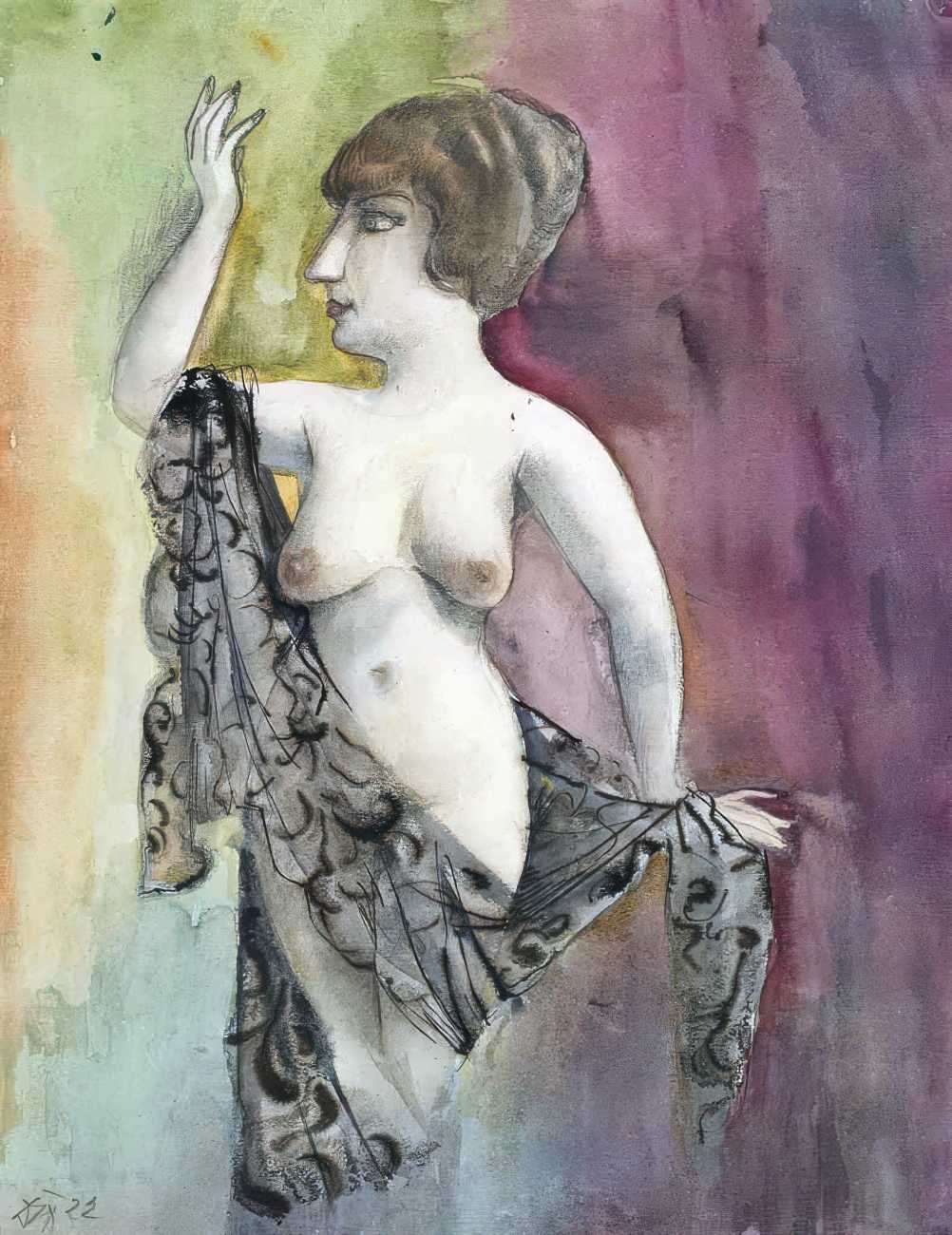
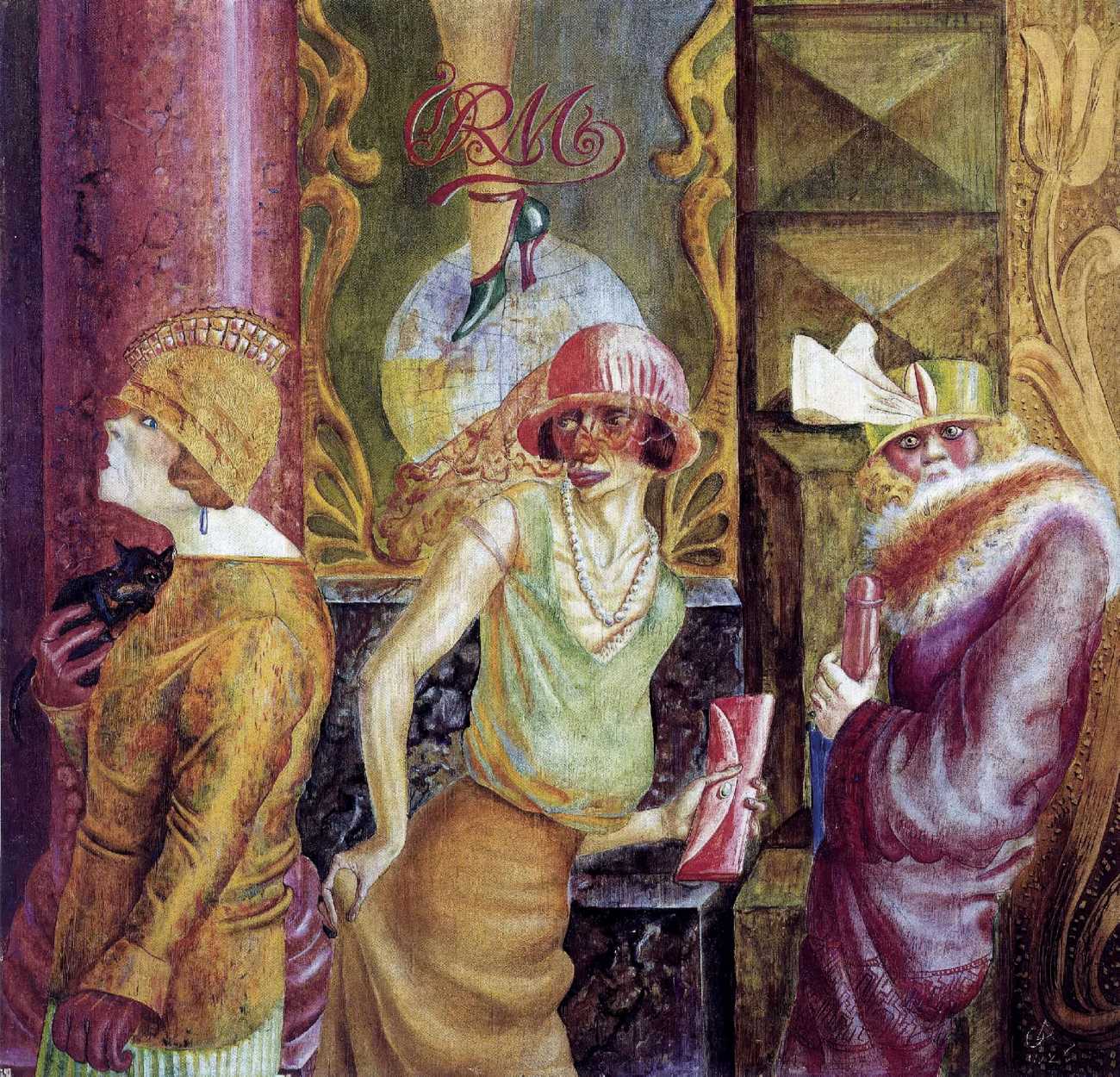
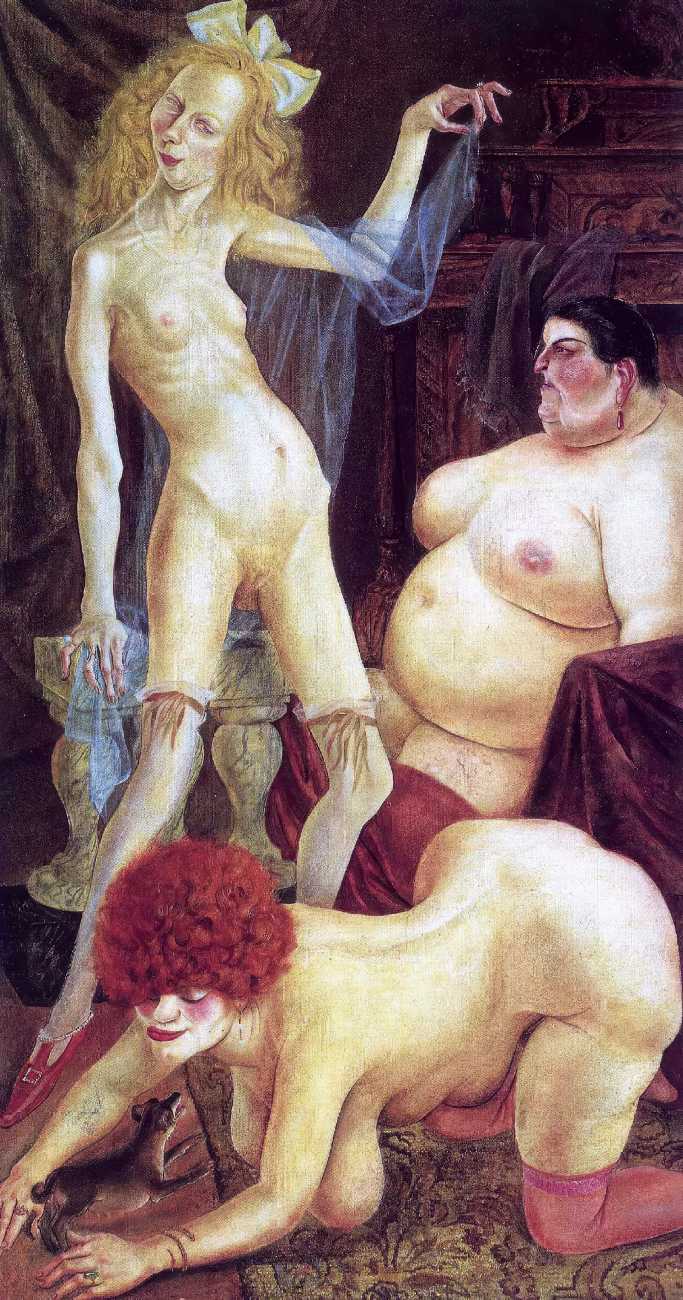
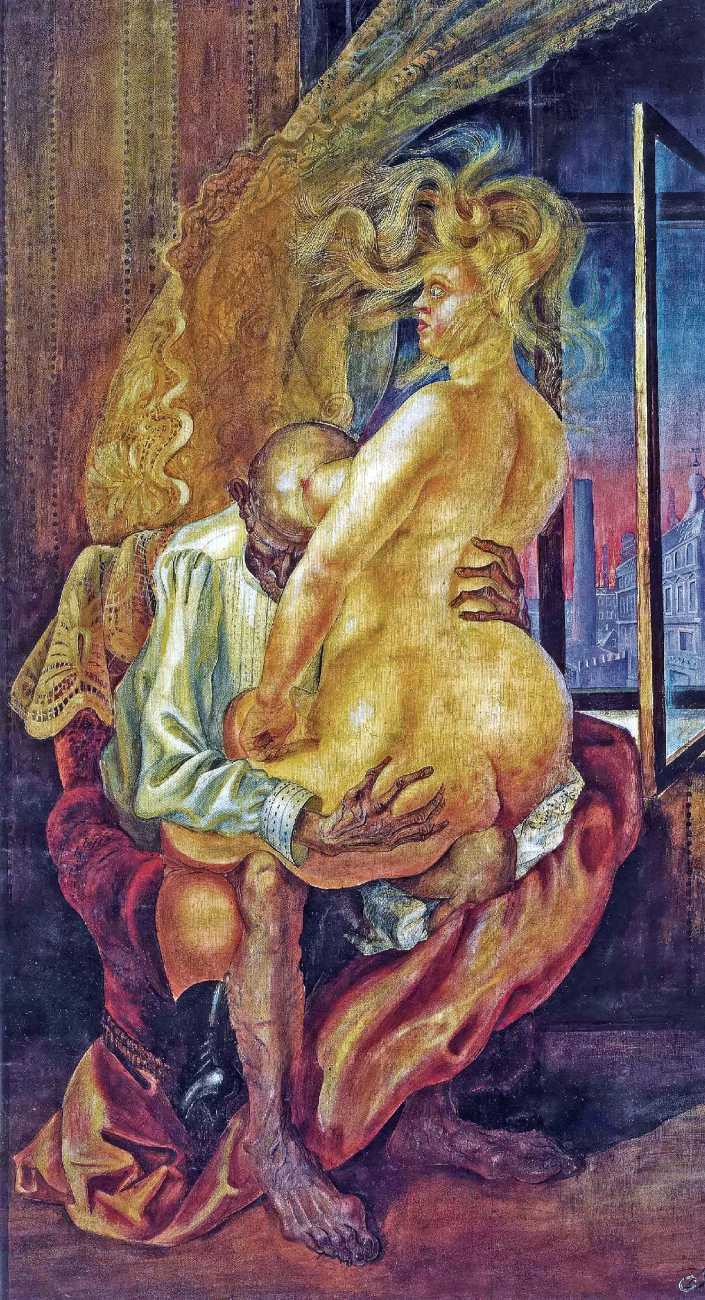
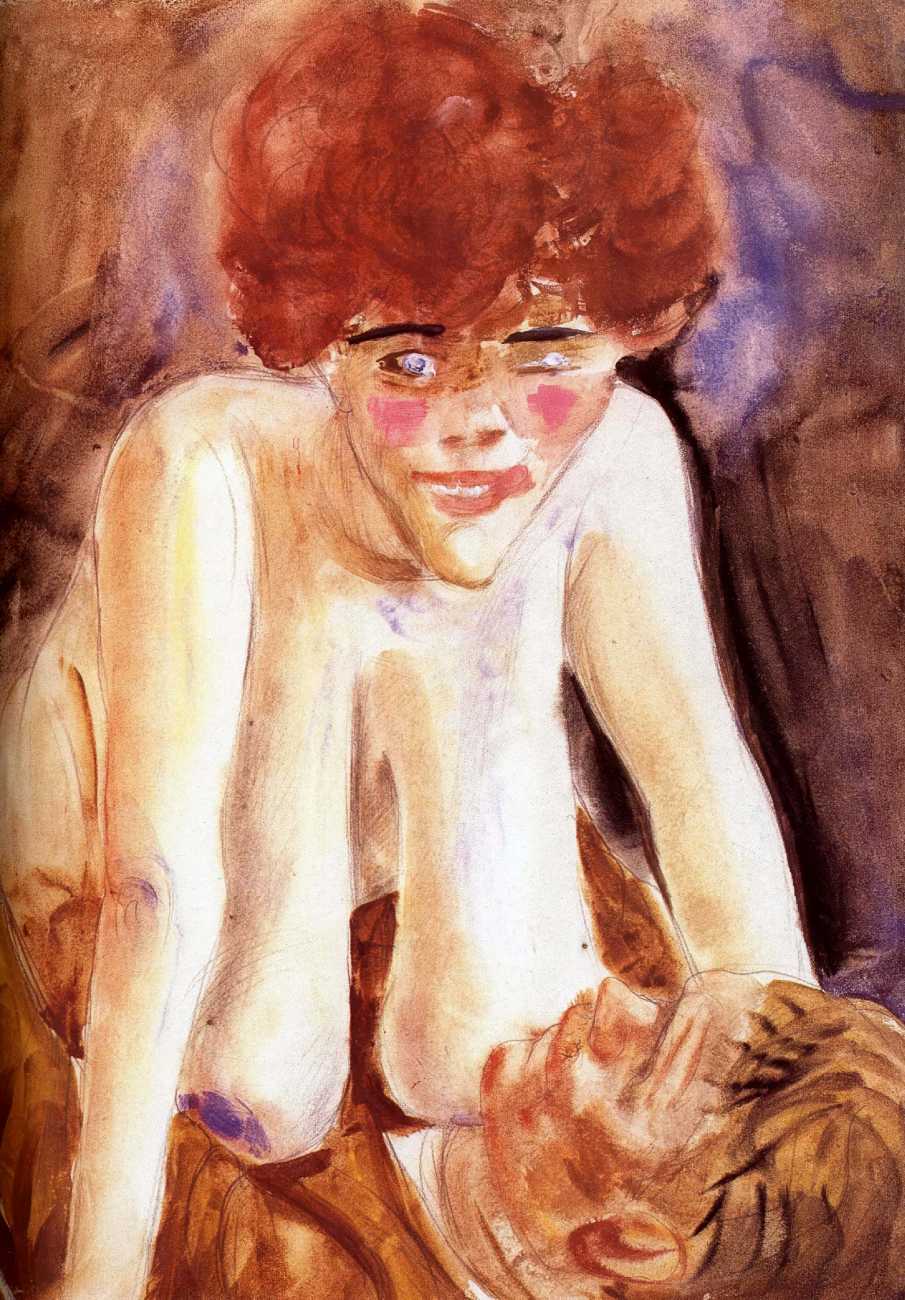
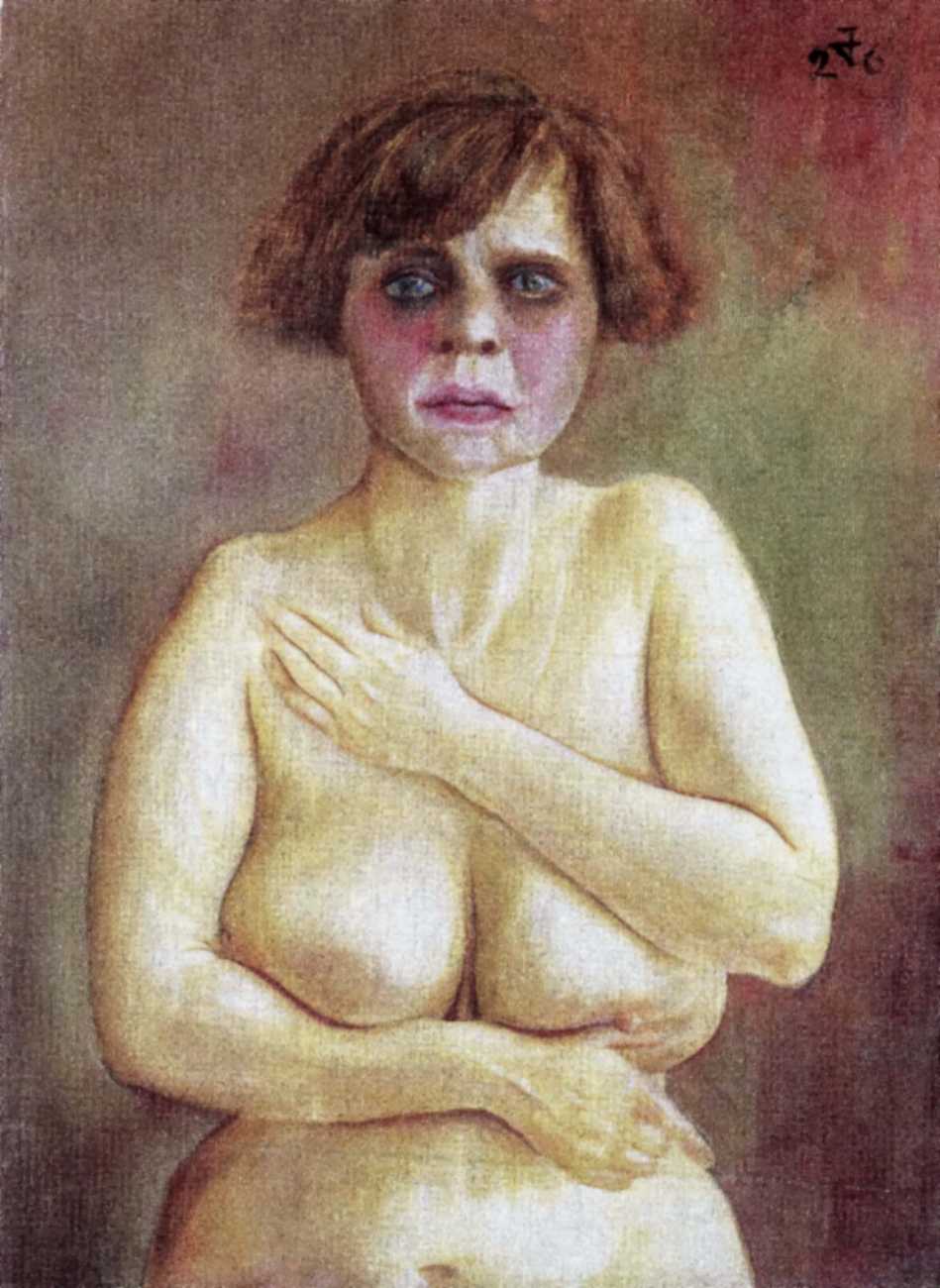
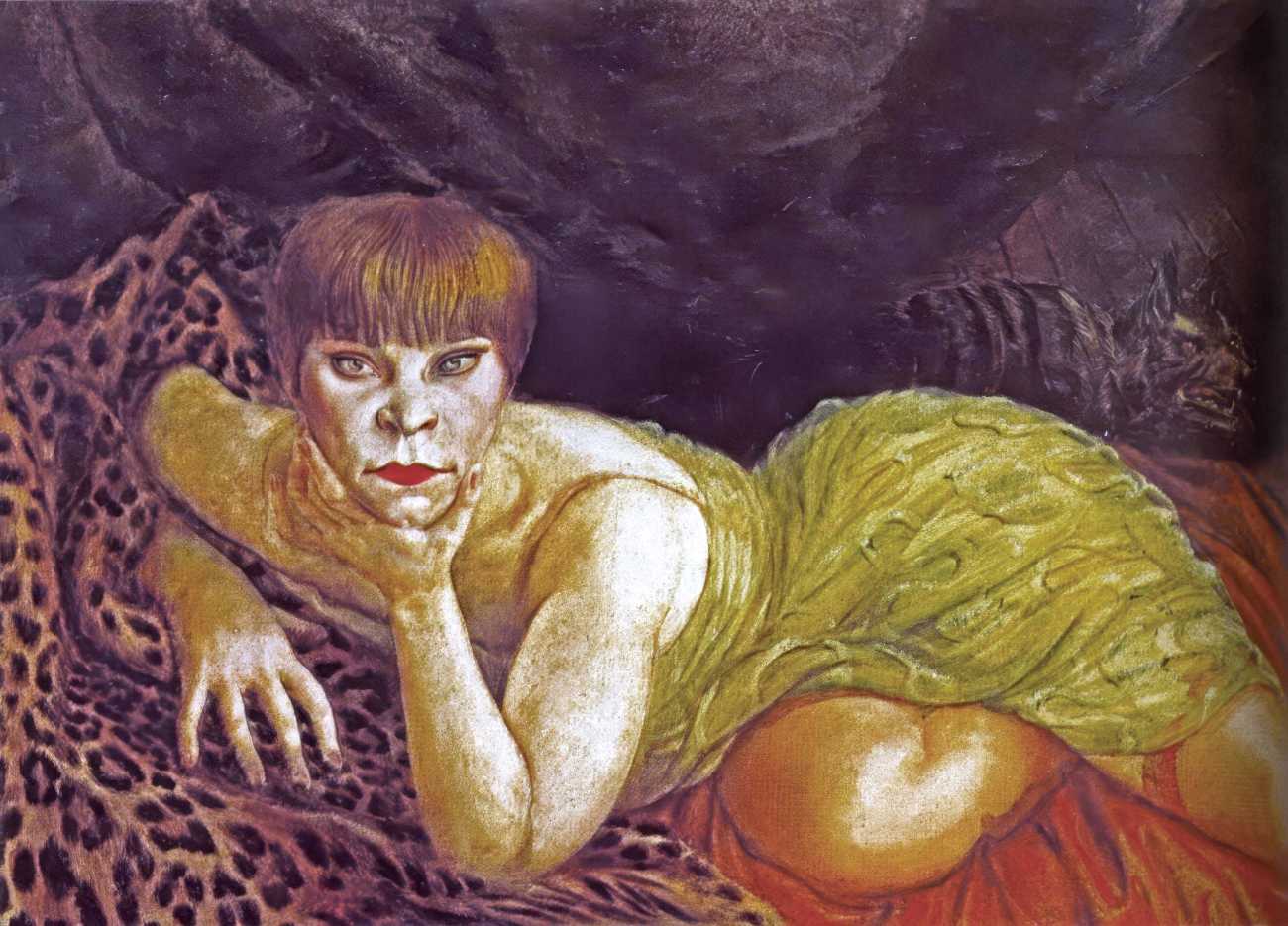
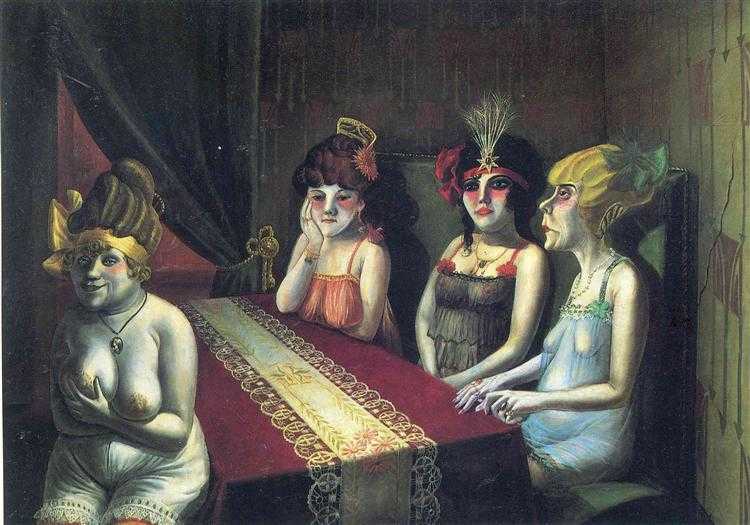
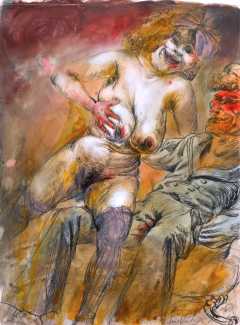
Sexuality is equally prominent. Dix painted prostitutes in brothels and on the streets, couples in cafés and bedrooms, and women whose elaborate clothes and make-up place them solidly within the nightlife of Weimar Germany. His treatment of these subjects is rarely conventionally erotic. Bodies are exaggerated, scrutinised and sometimes deliberately made uncomfortable to look at. Salon I (1921), To Beauty (1922), and the numerous sailor and prostitute paintings demonstrate his determination to depict sexual life as part of the social world around him rather than as an idealised fantasy.
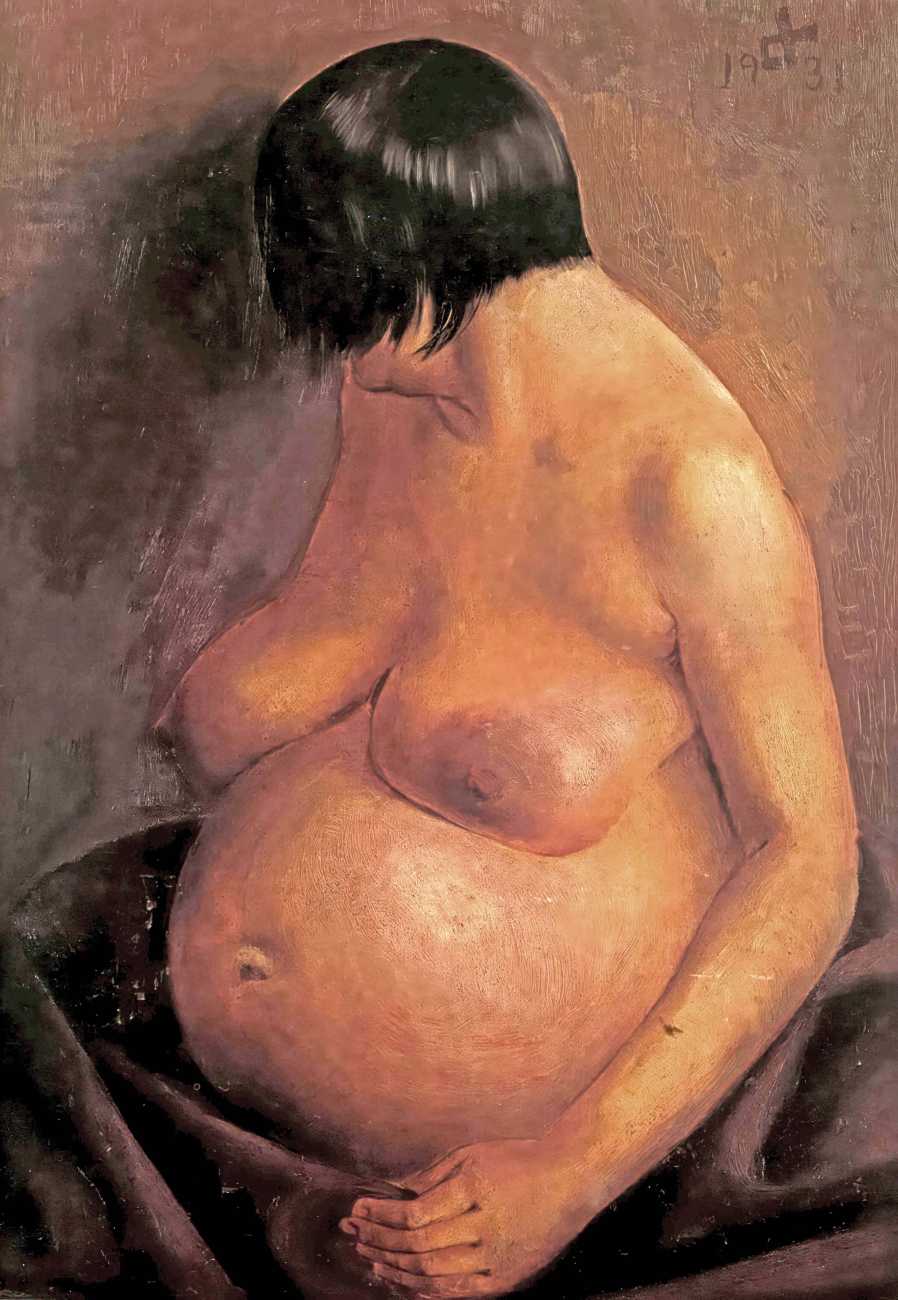
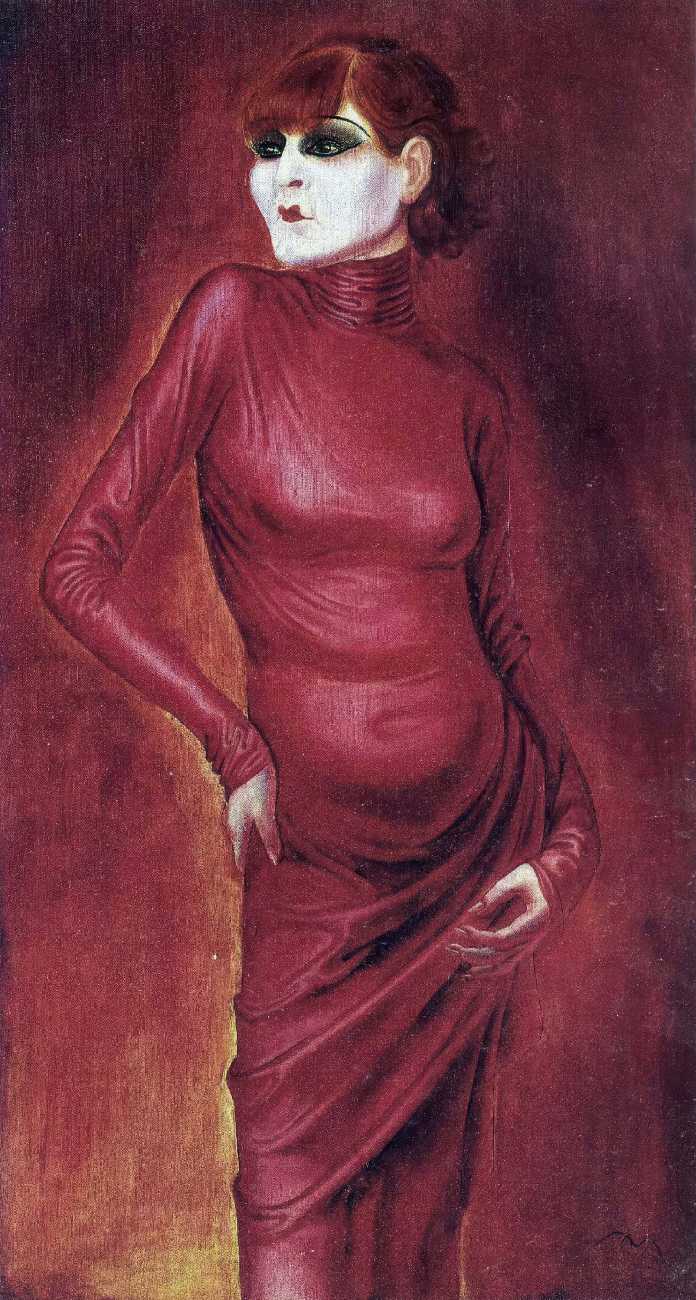
His portraits extend the same fascination with individual appearance. Dix recorded the faces and bodies of artists, musicians, doctors, businessmen and members of the Berlin and Düsseldorf cultural scenes with extraordinary precision. He was interested not simply in conventional beauty but in character, personality and physical individuality, often pushing a sitter’s distinguishing features to the point of caricature.
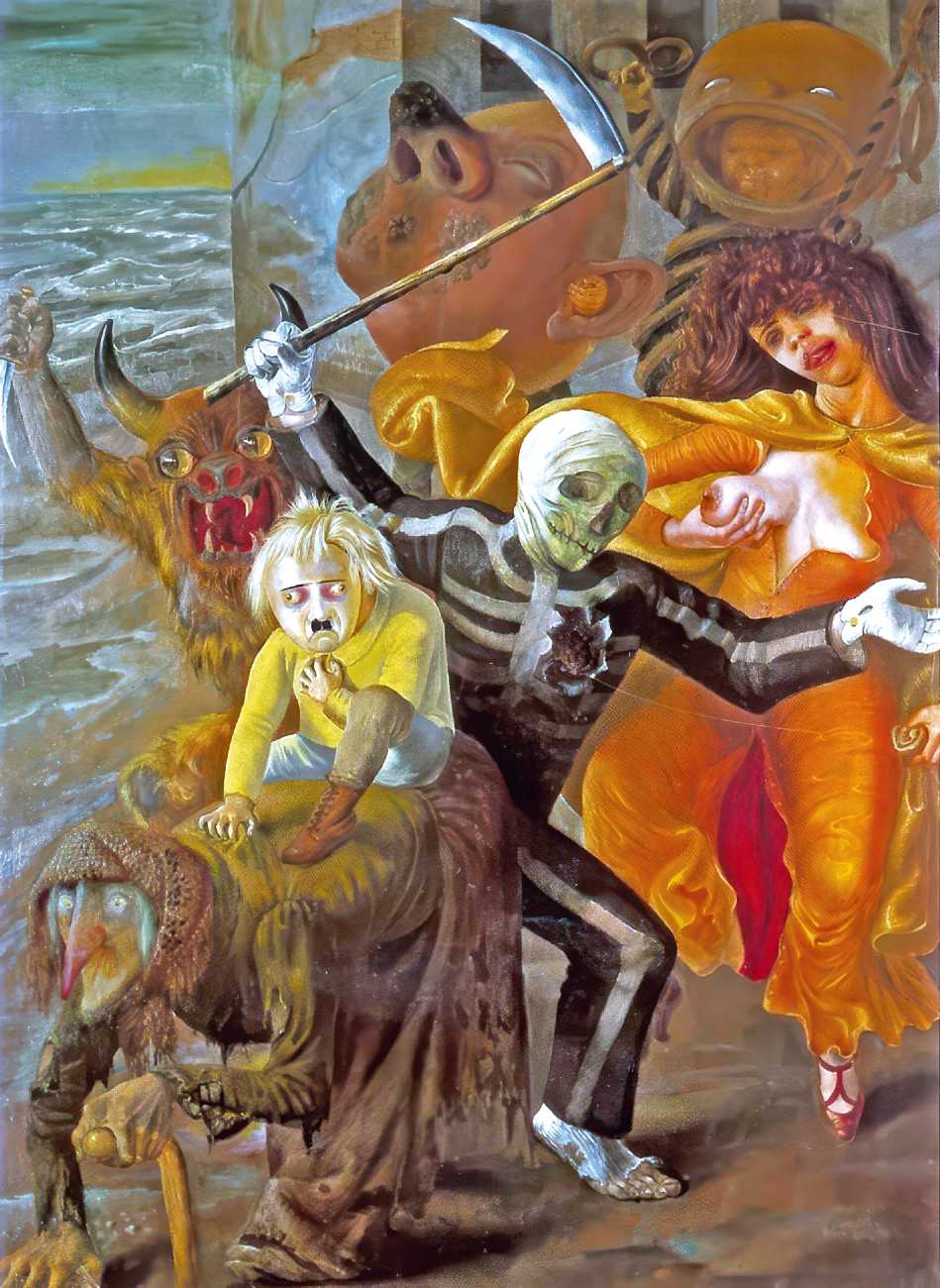
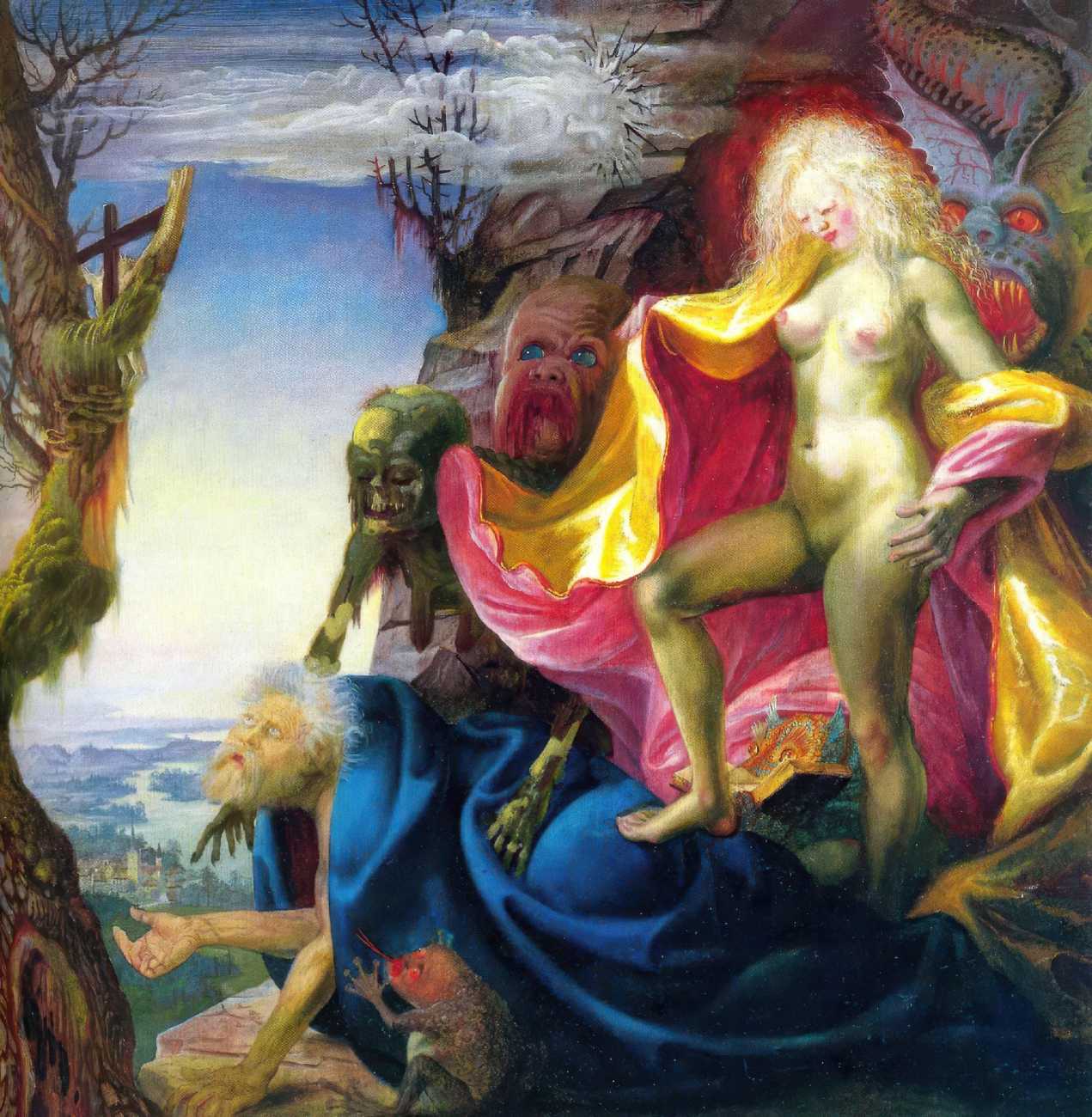
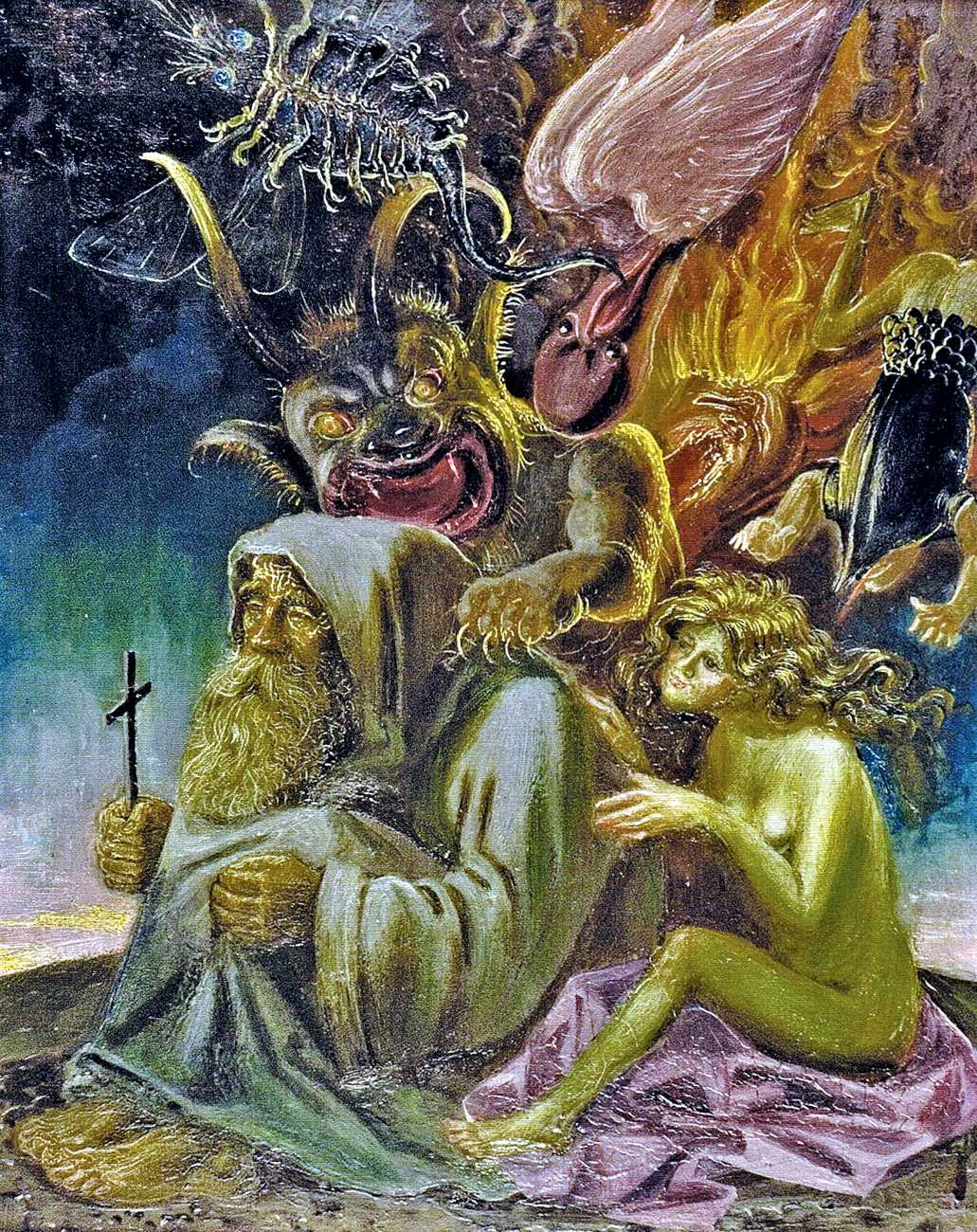
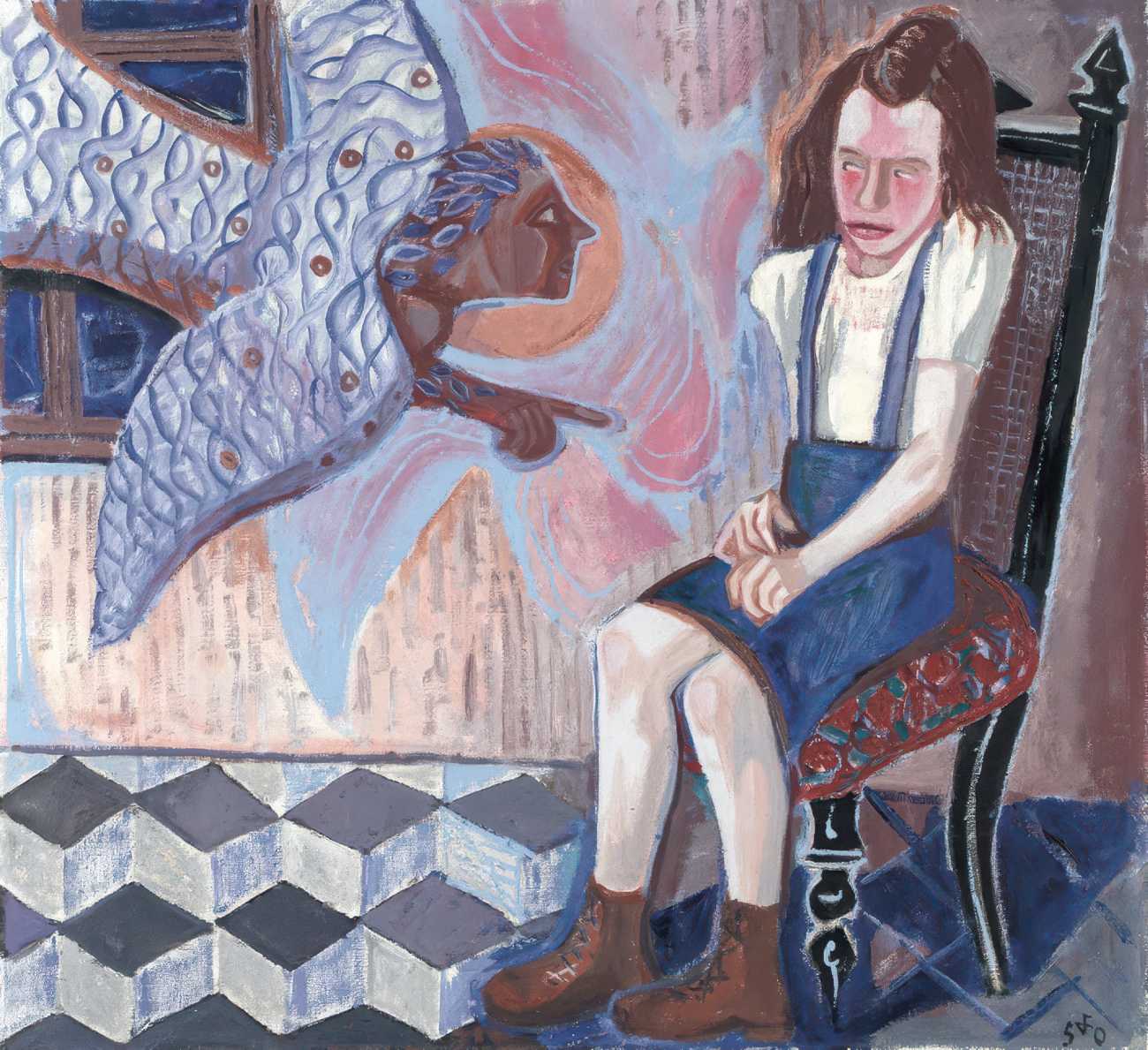
After 1925 his technique became increasingly controlled. Having experimented with Dada collage, violent brushwork and deliberately abrasive imagery, he turned to the techniques of the old masters, including tempera painting, while retaining his interest in contemporary subjects. The Nazi dismissal of Dix from his professorship in 1933 and the confiscation of many of his works changed the circumstances in which he worked. His later paintings included landscapes, portraits, religious subjects and allegories, although the human figure remained central. Even after the second world war he continued to paint until shortly before his death.
The paintings are shown here in chronological order, from his Moon Woman of 1919 to The Annunciation of 1950.