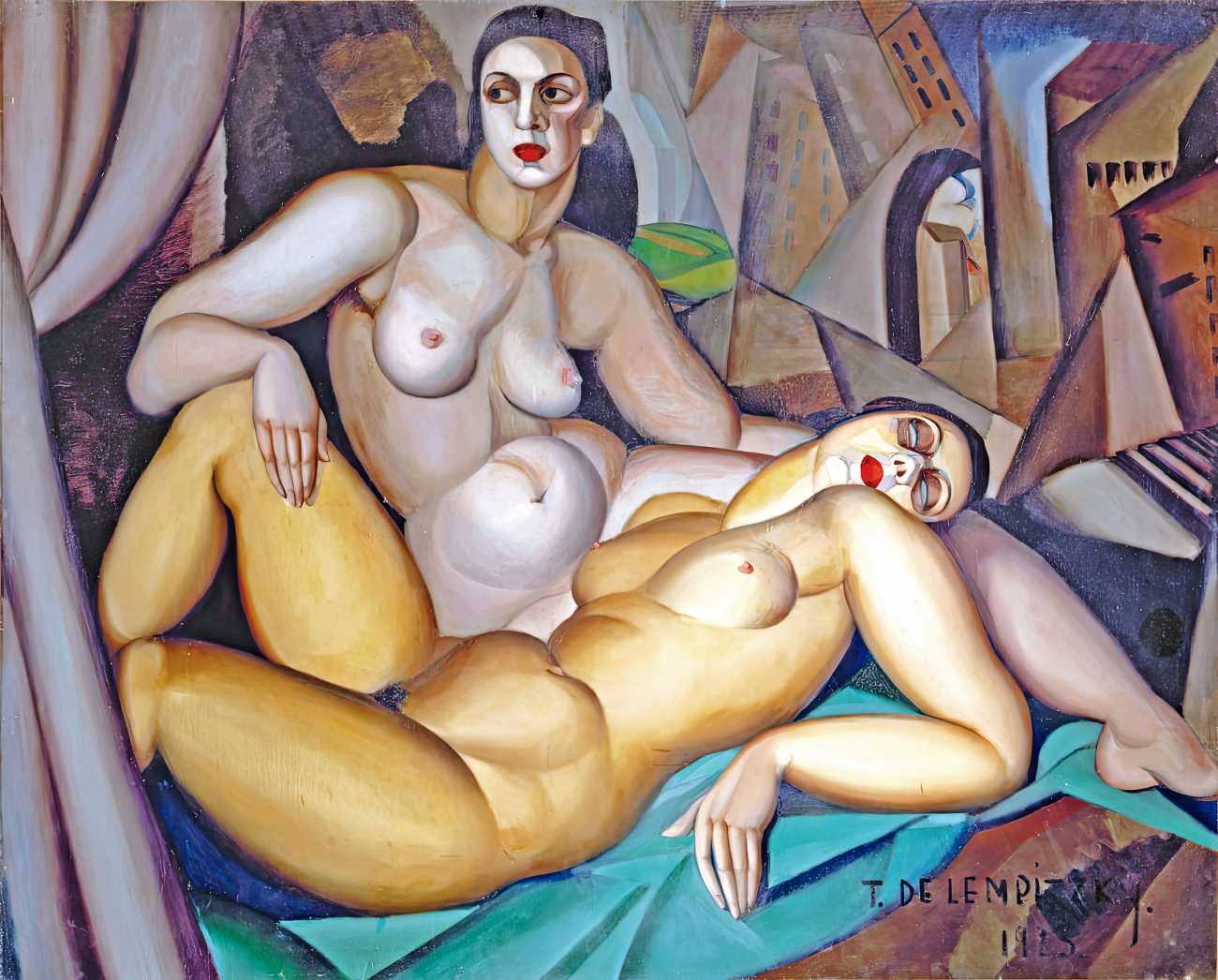
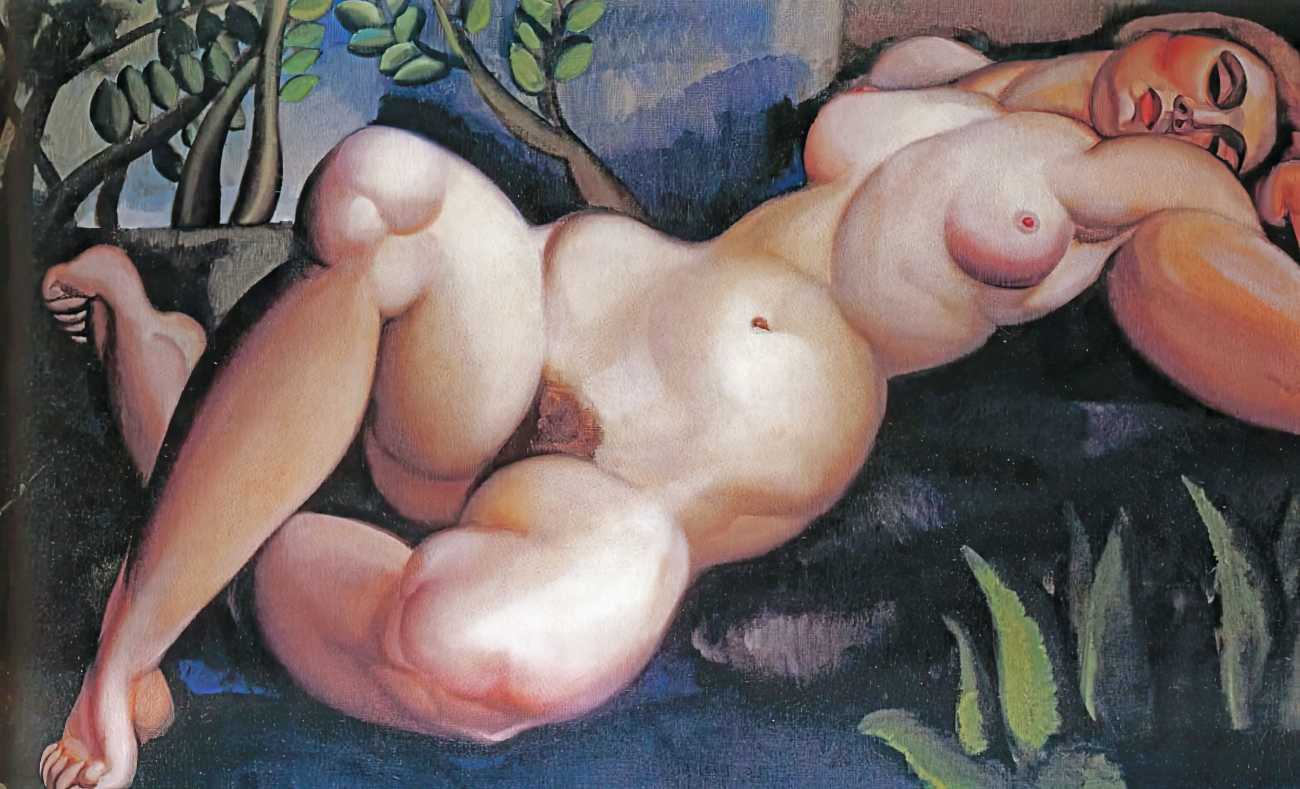
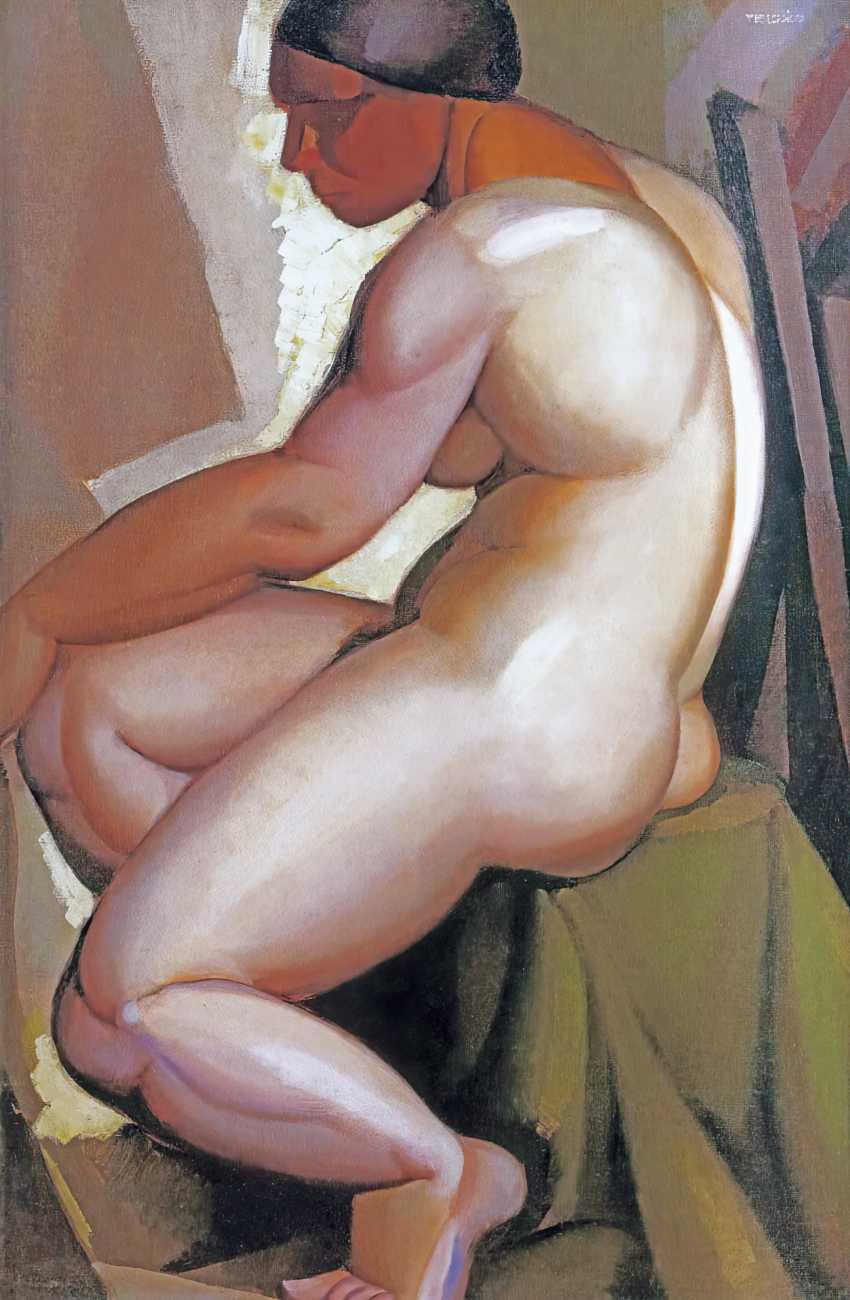
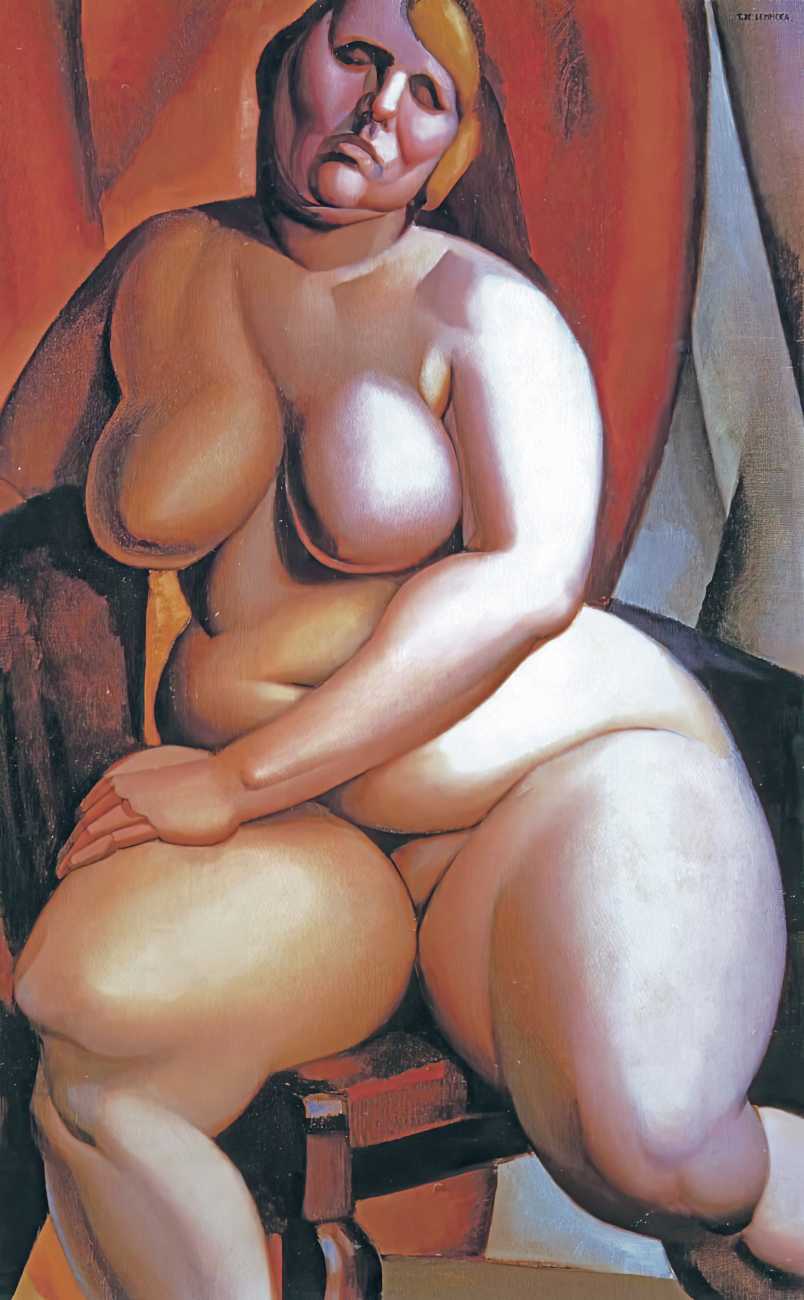
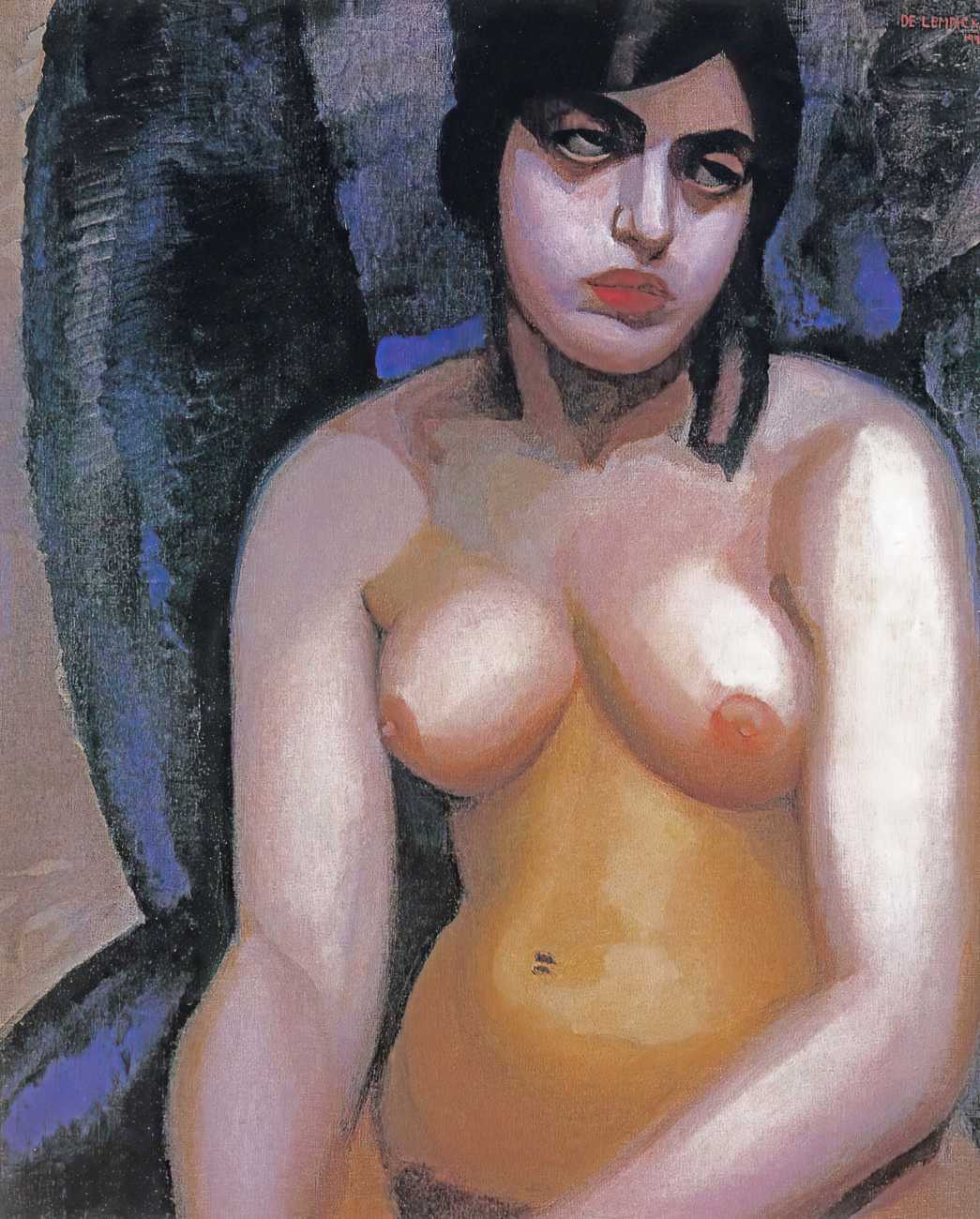
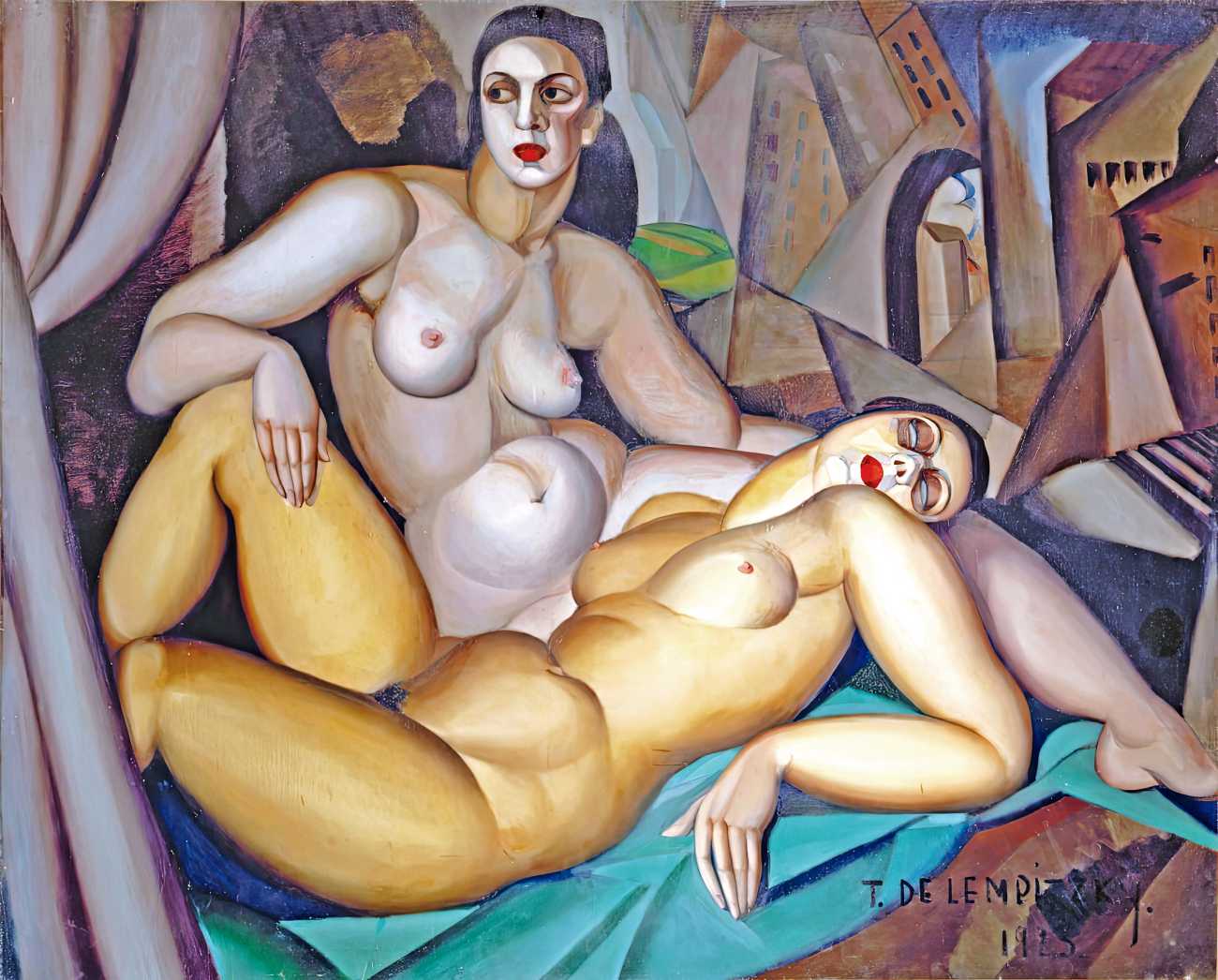
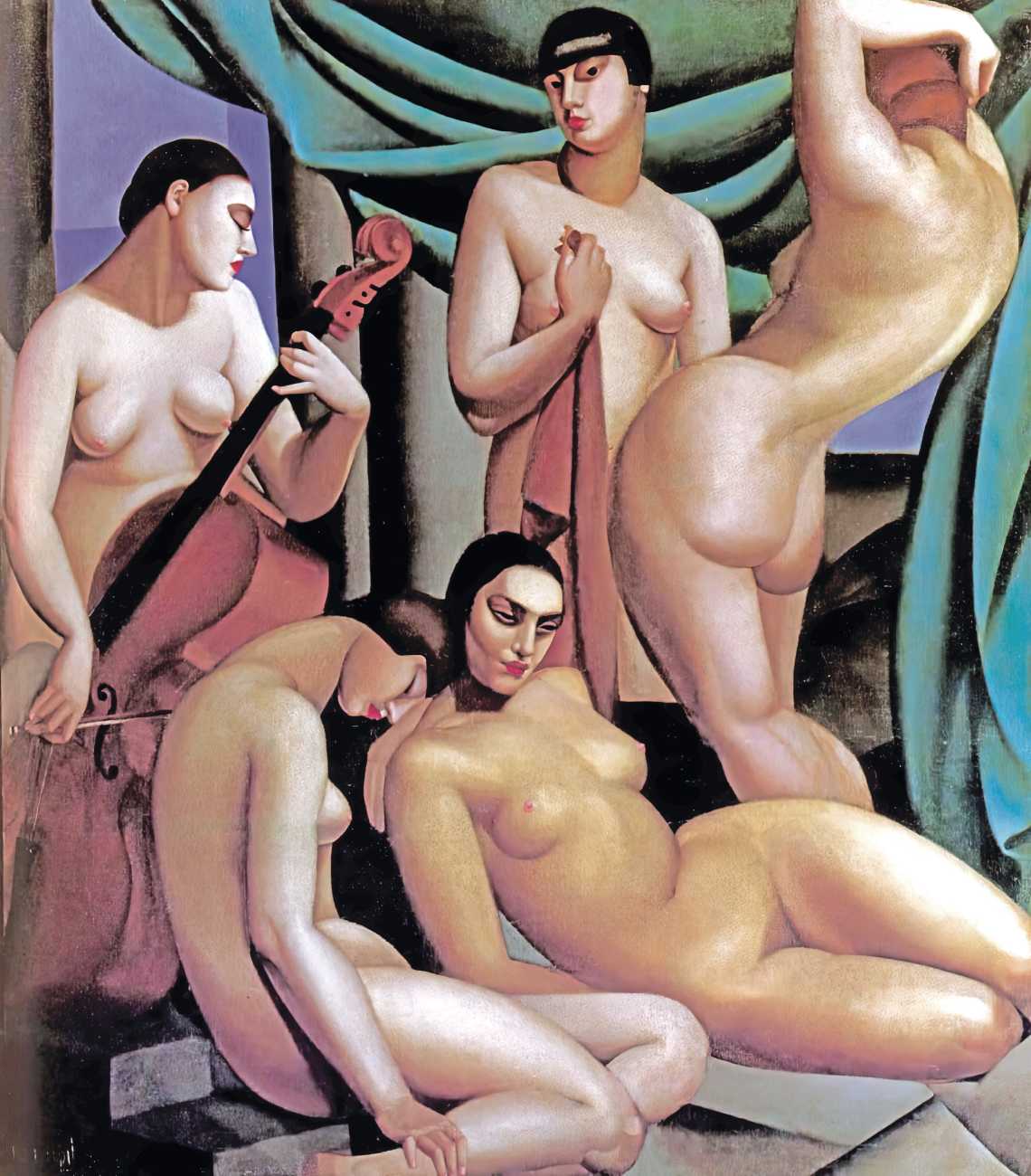
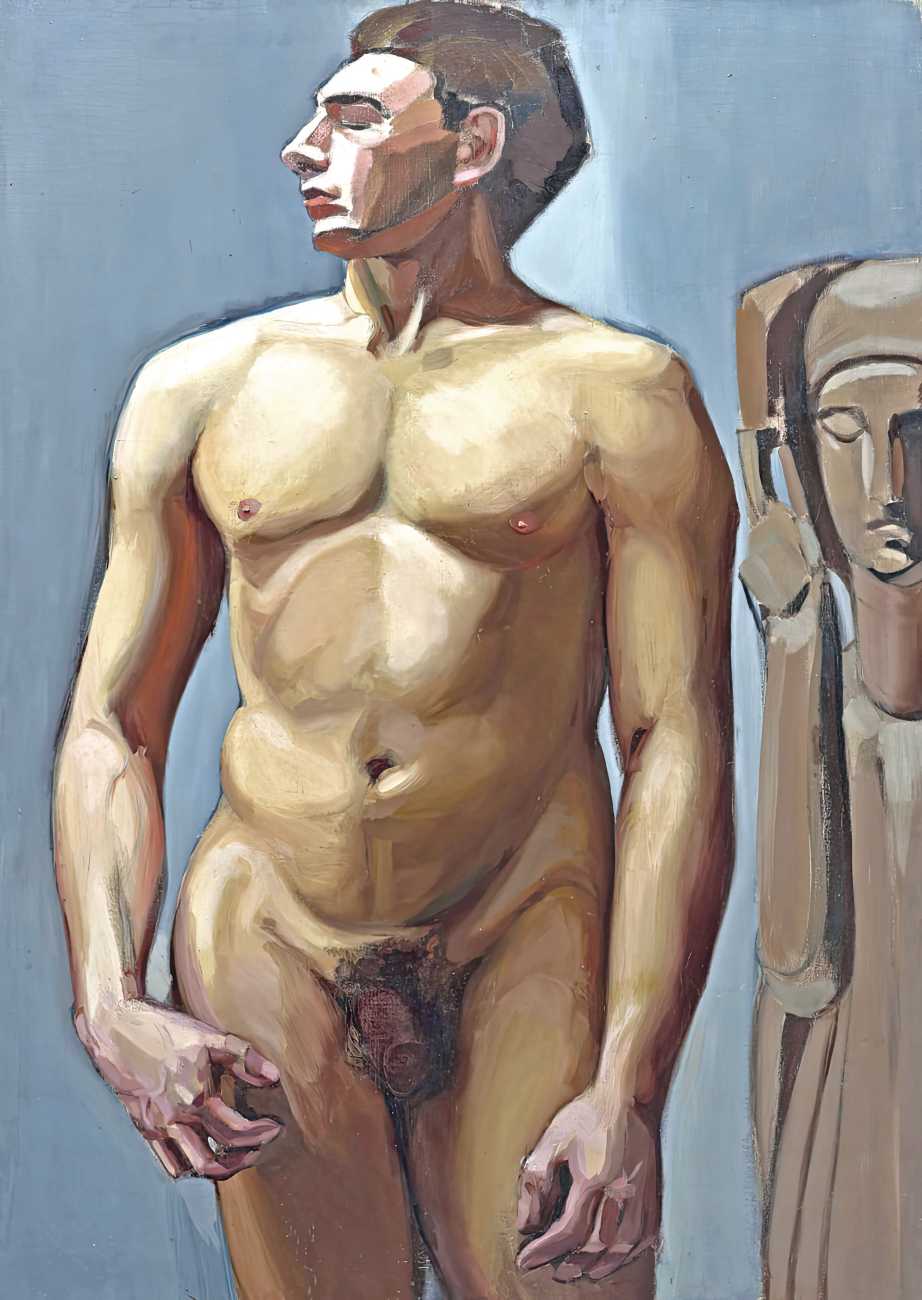
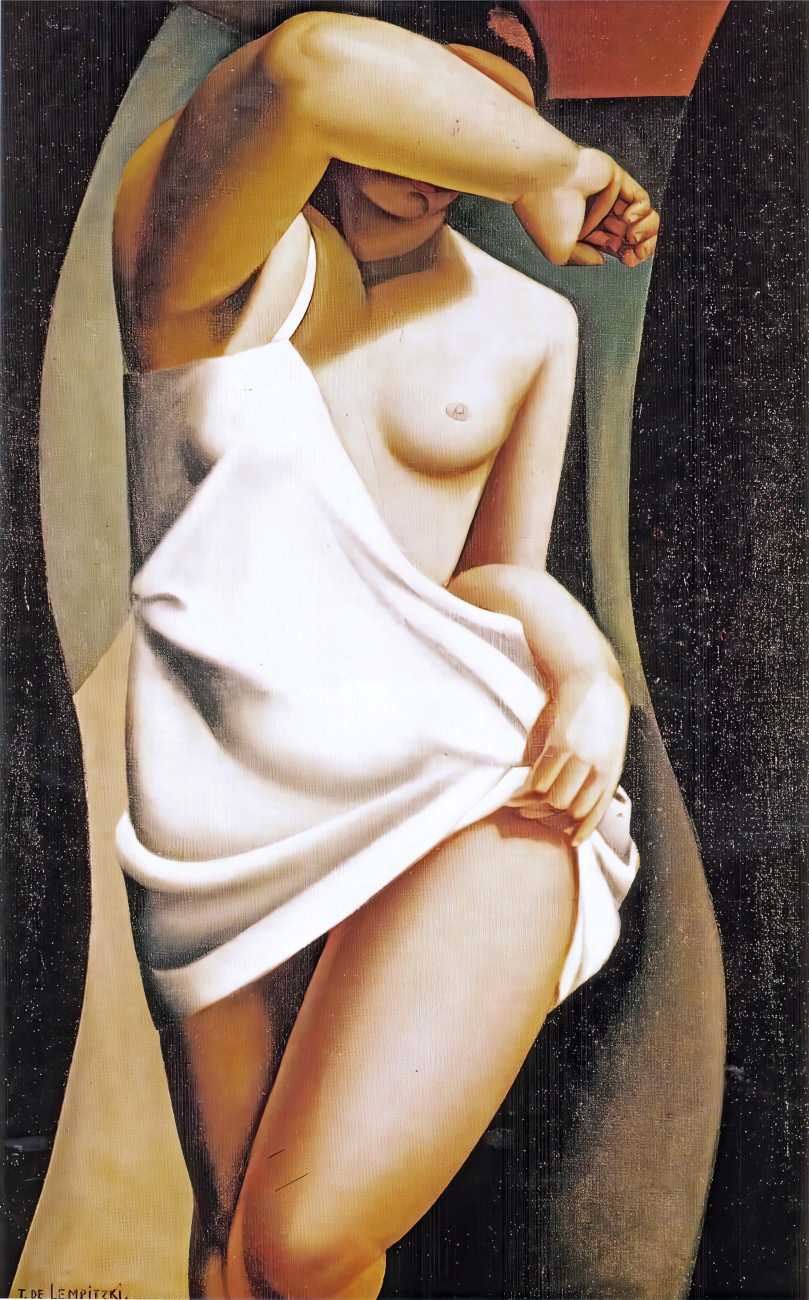
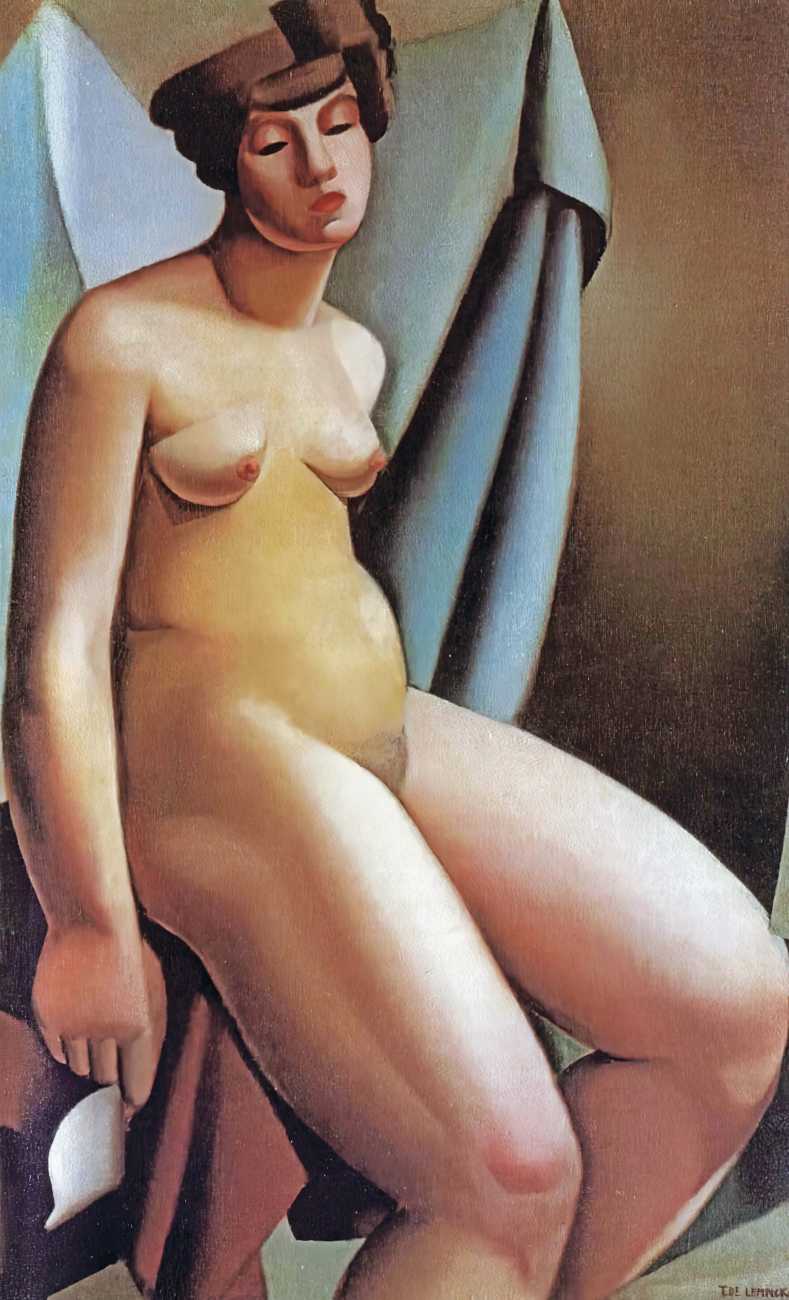
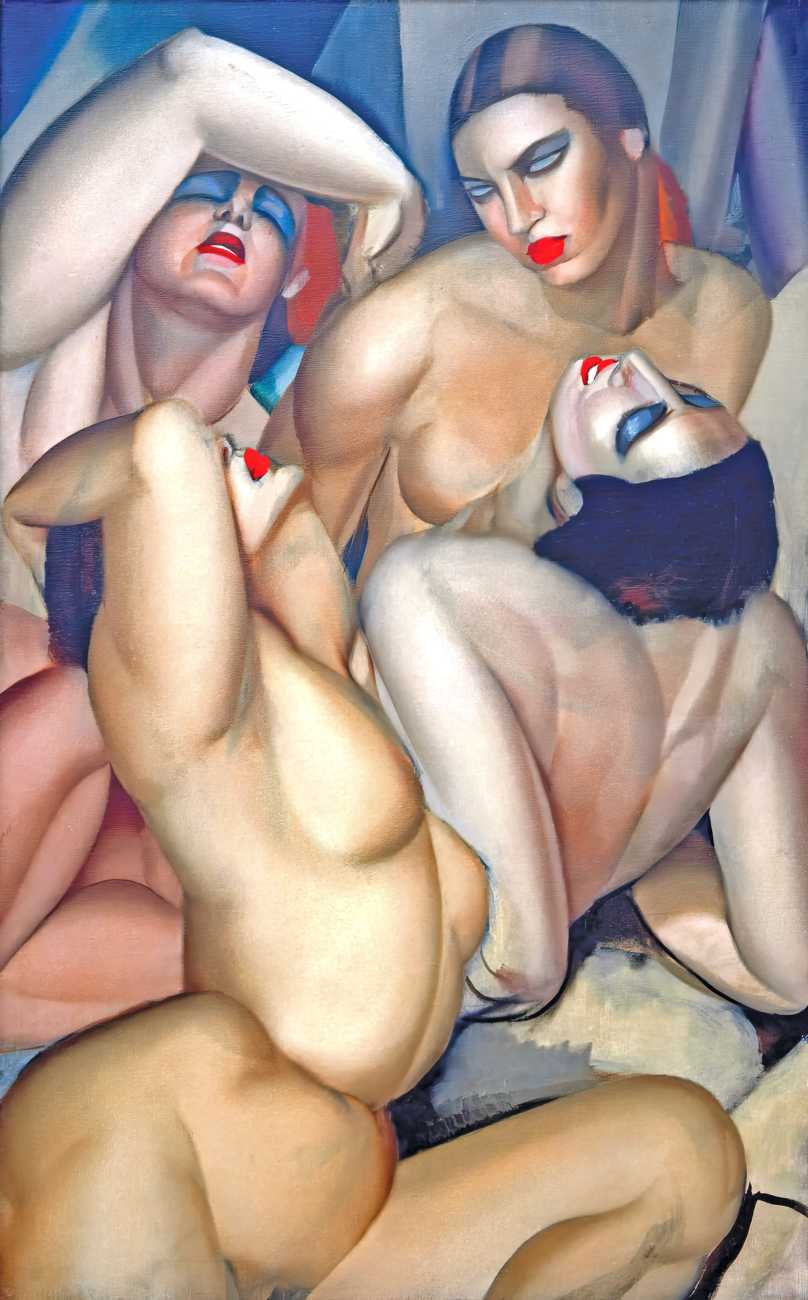
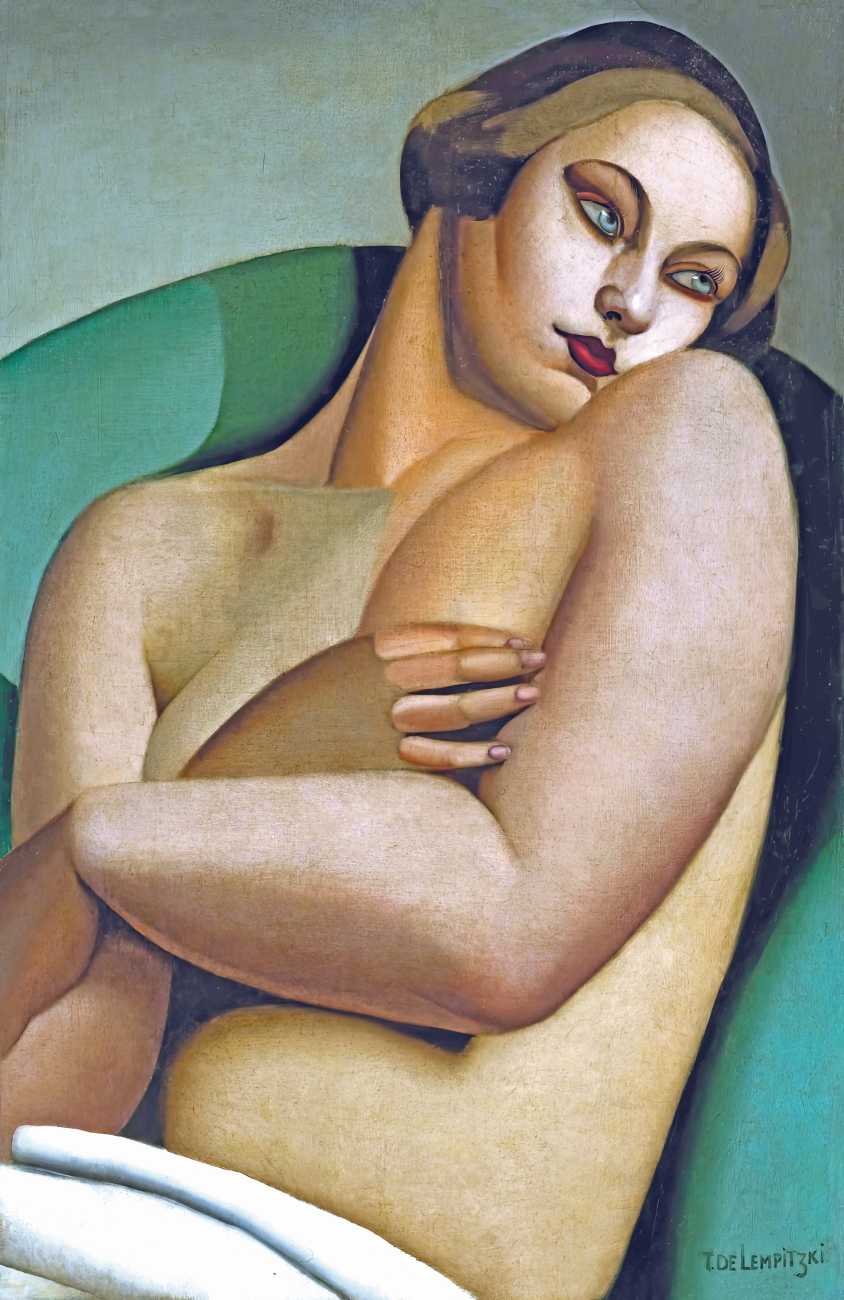
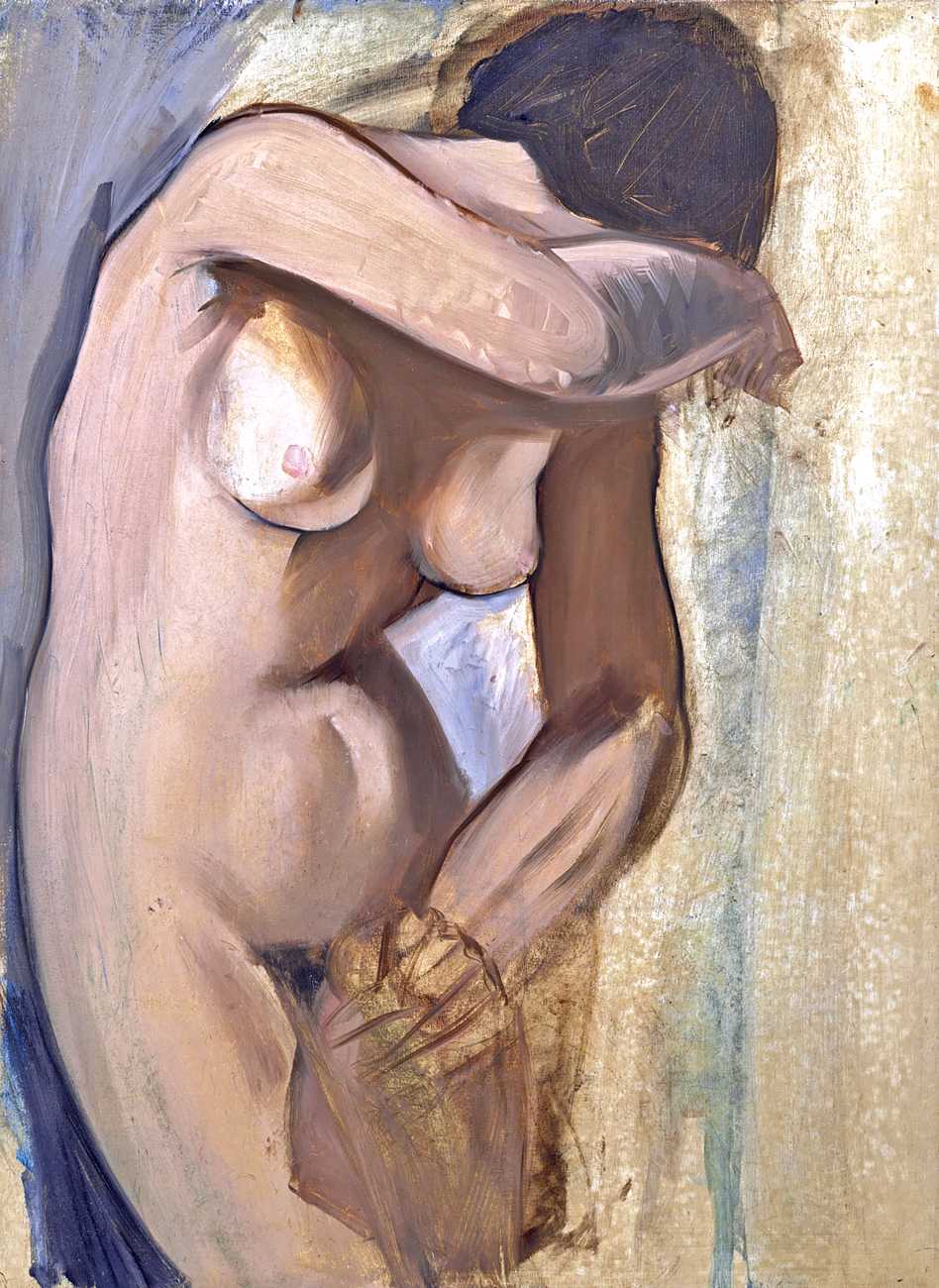
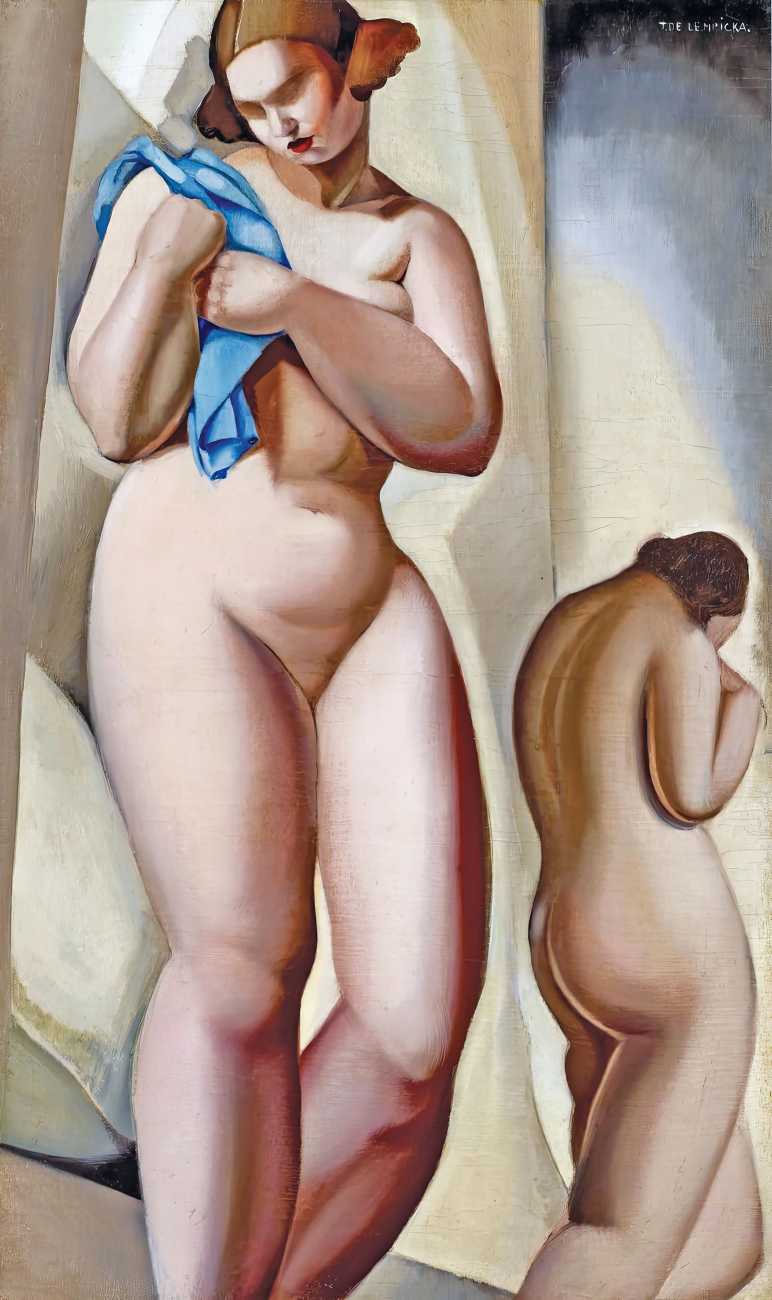
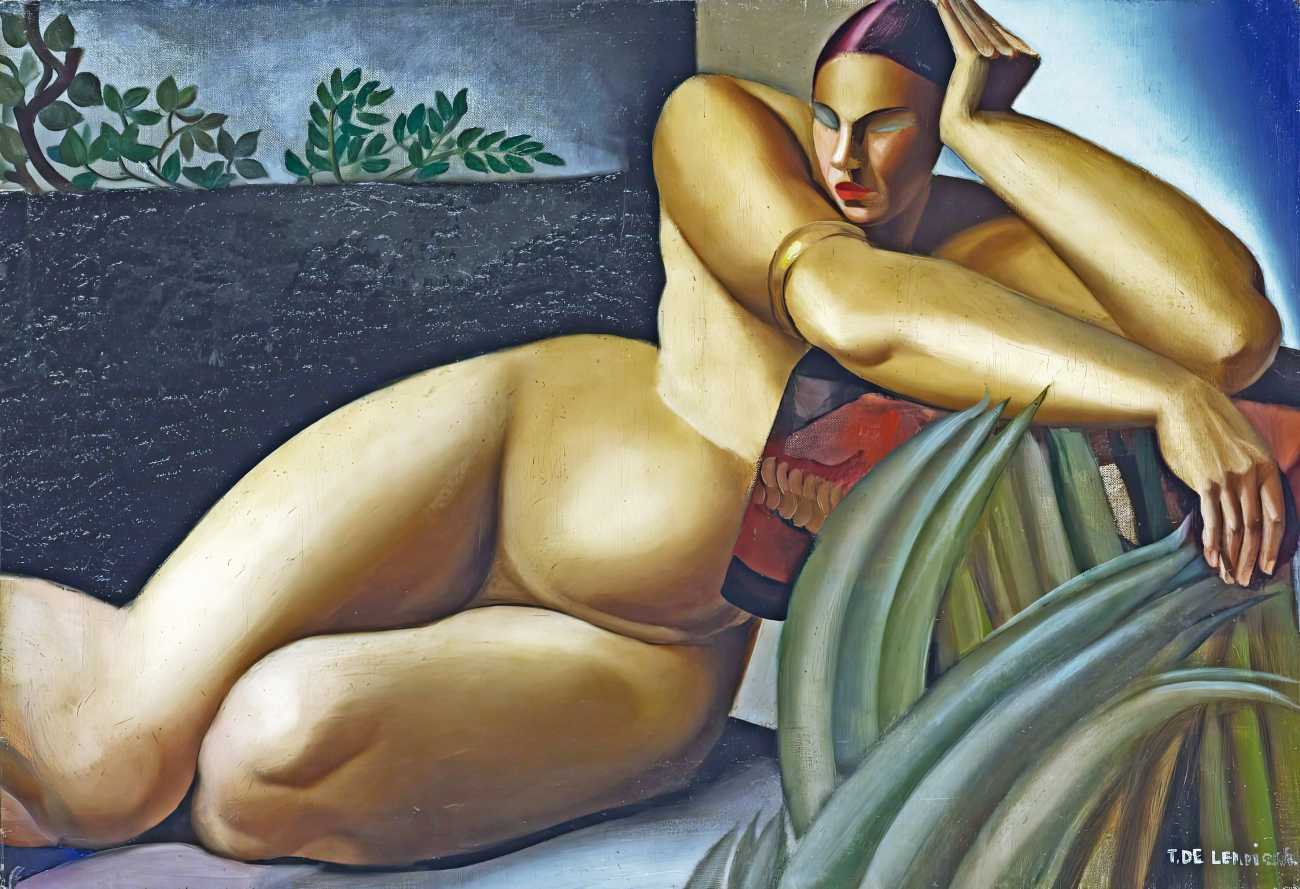
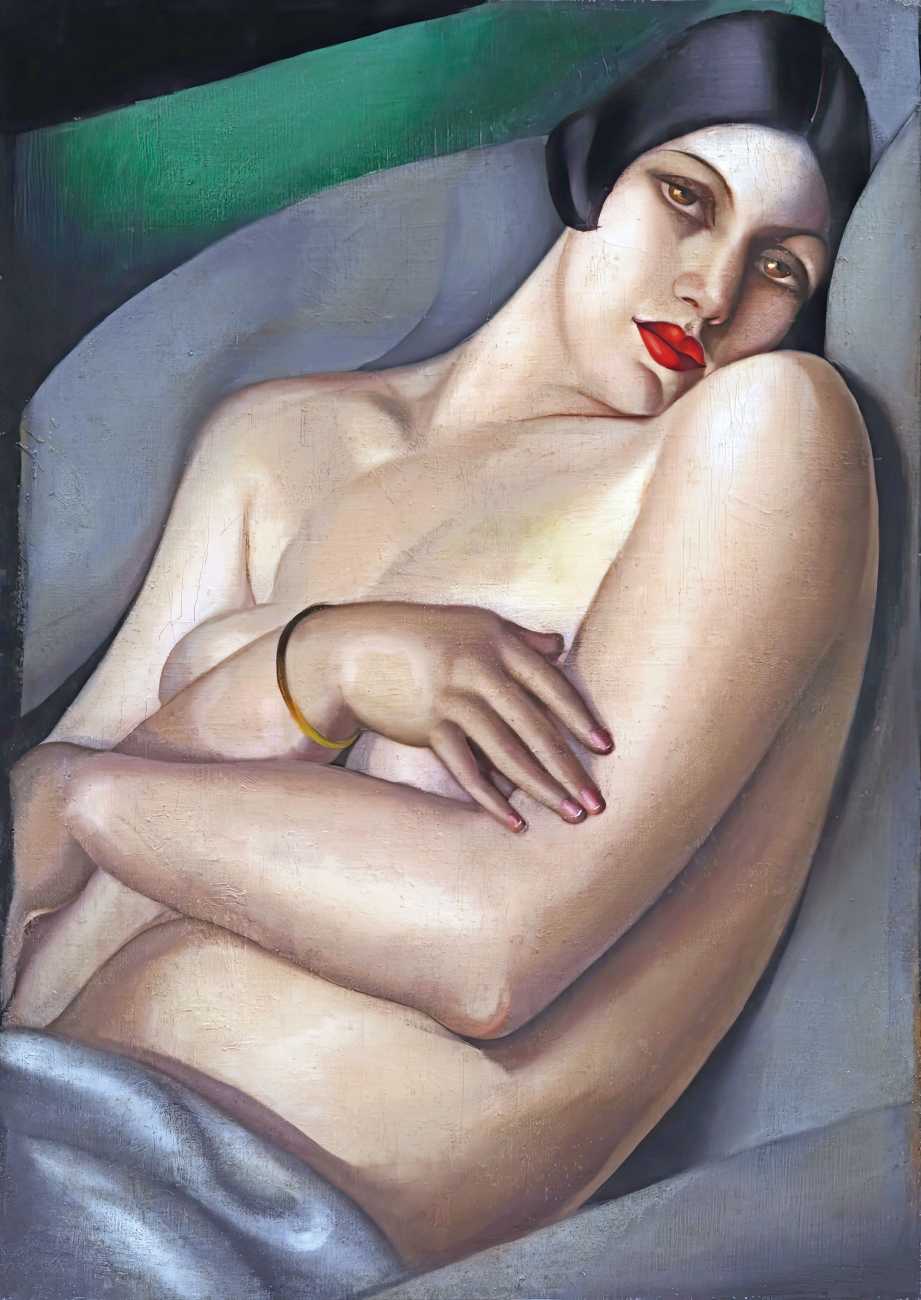
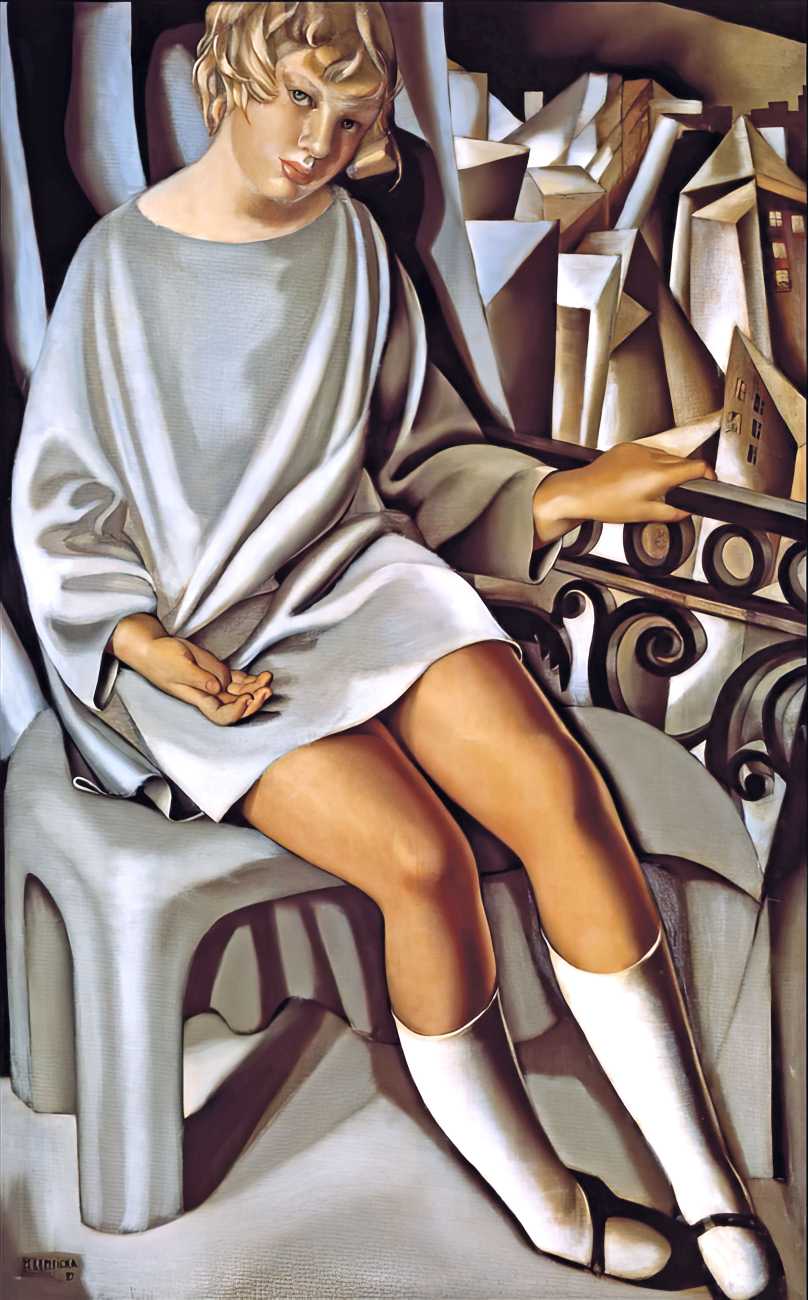
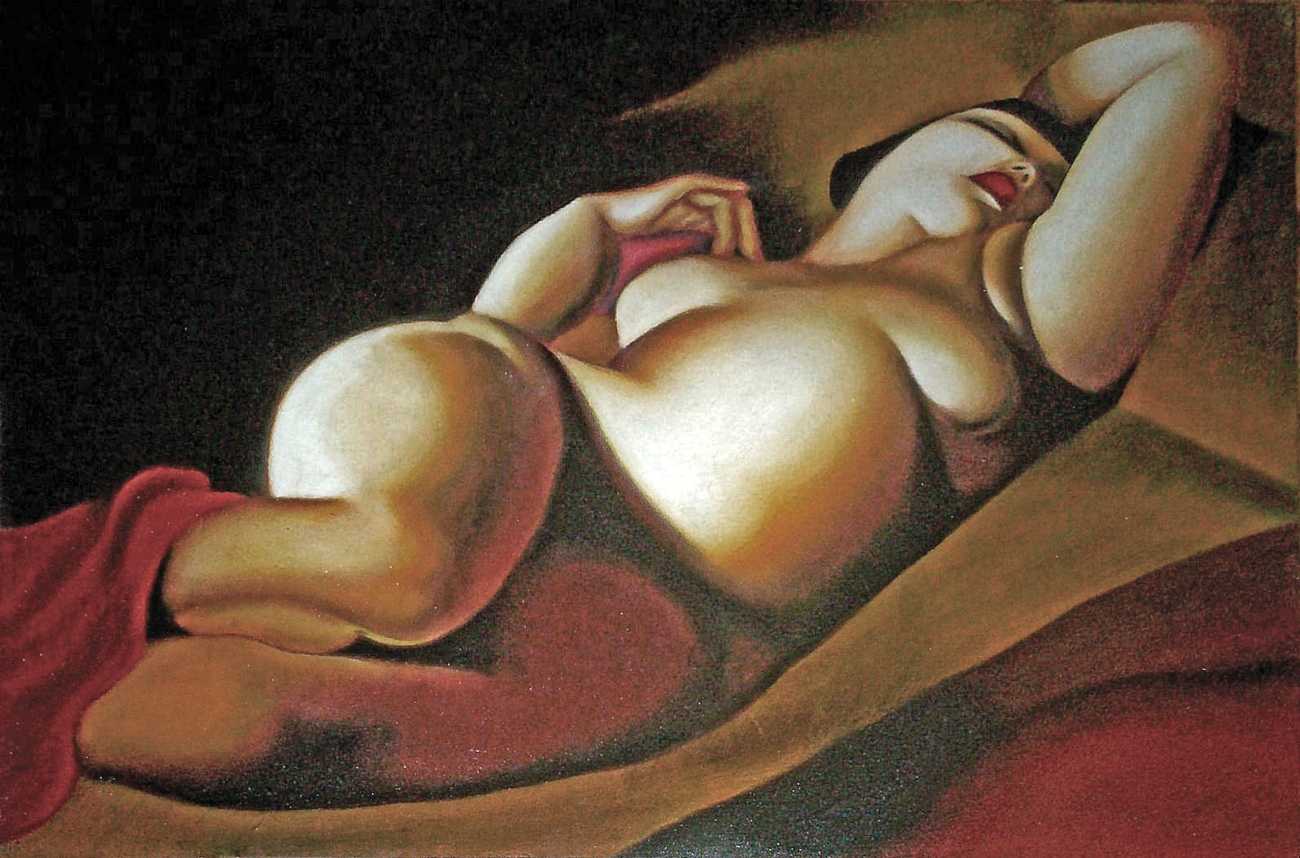
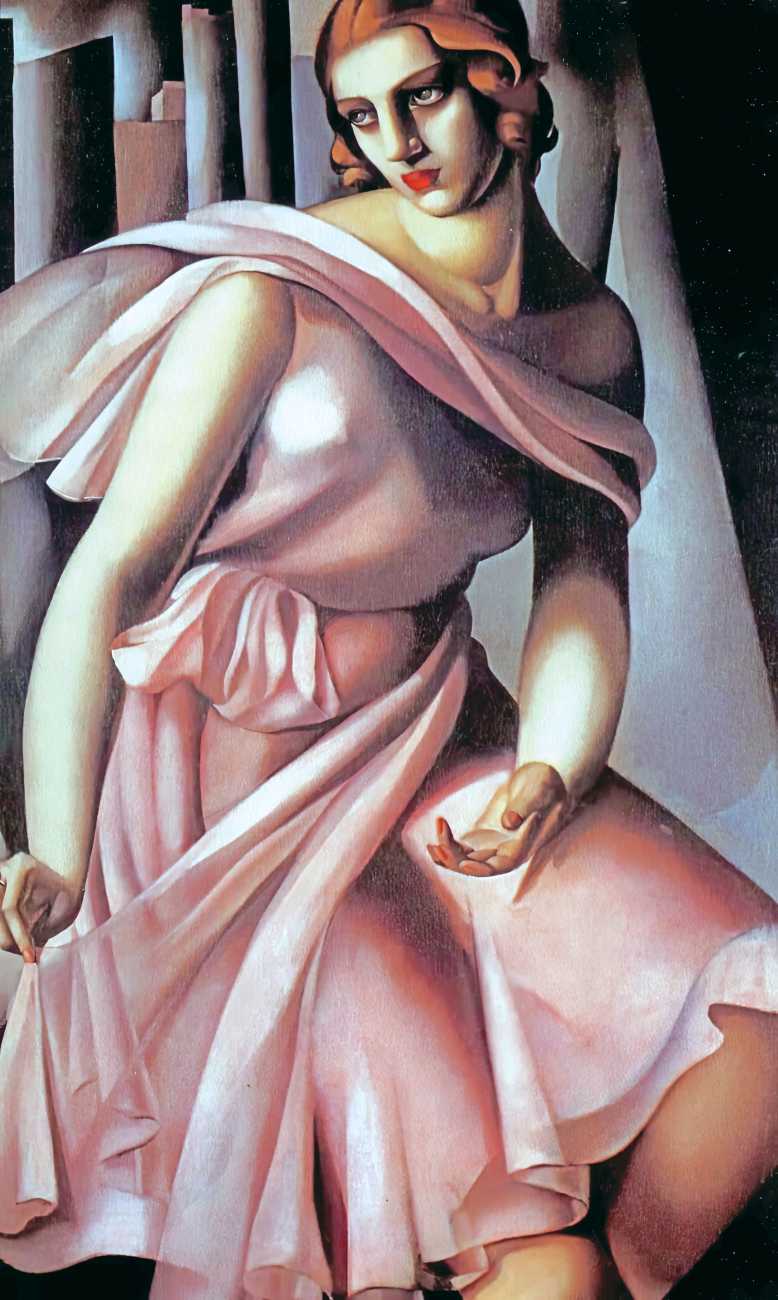
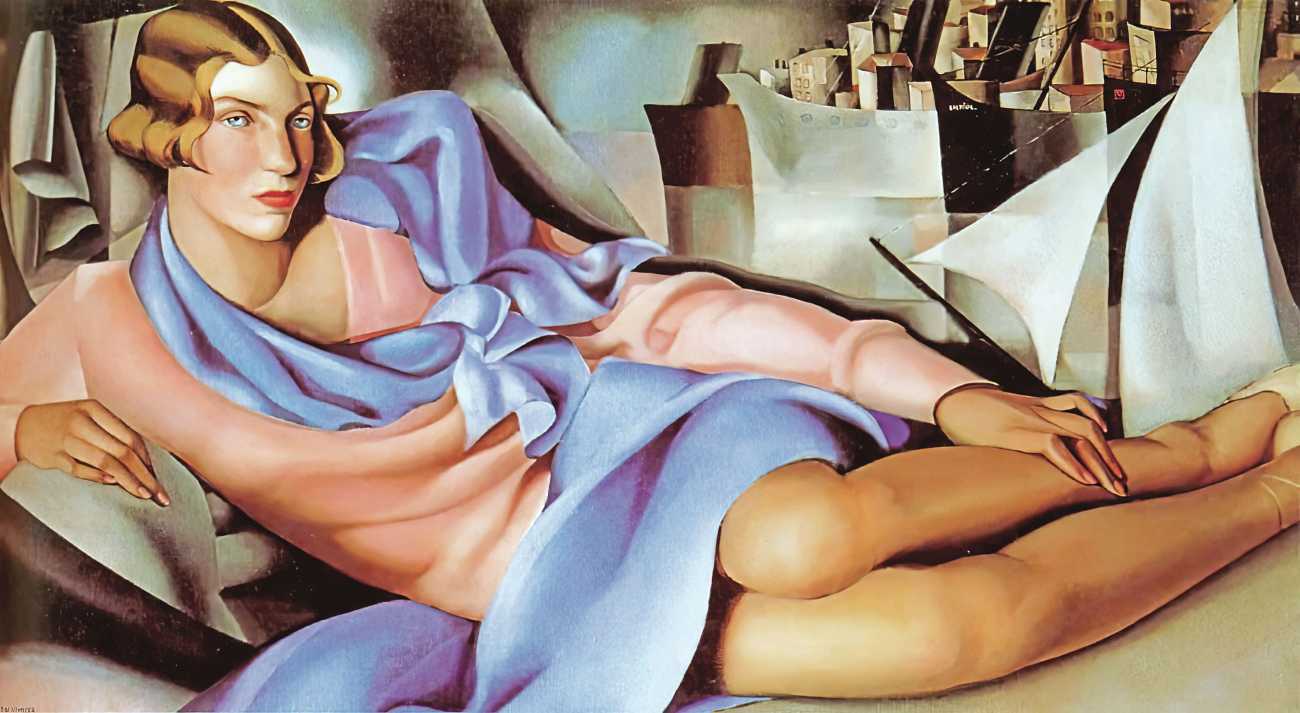
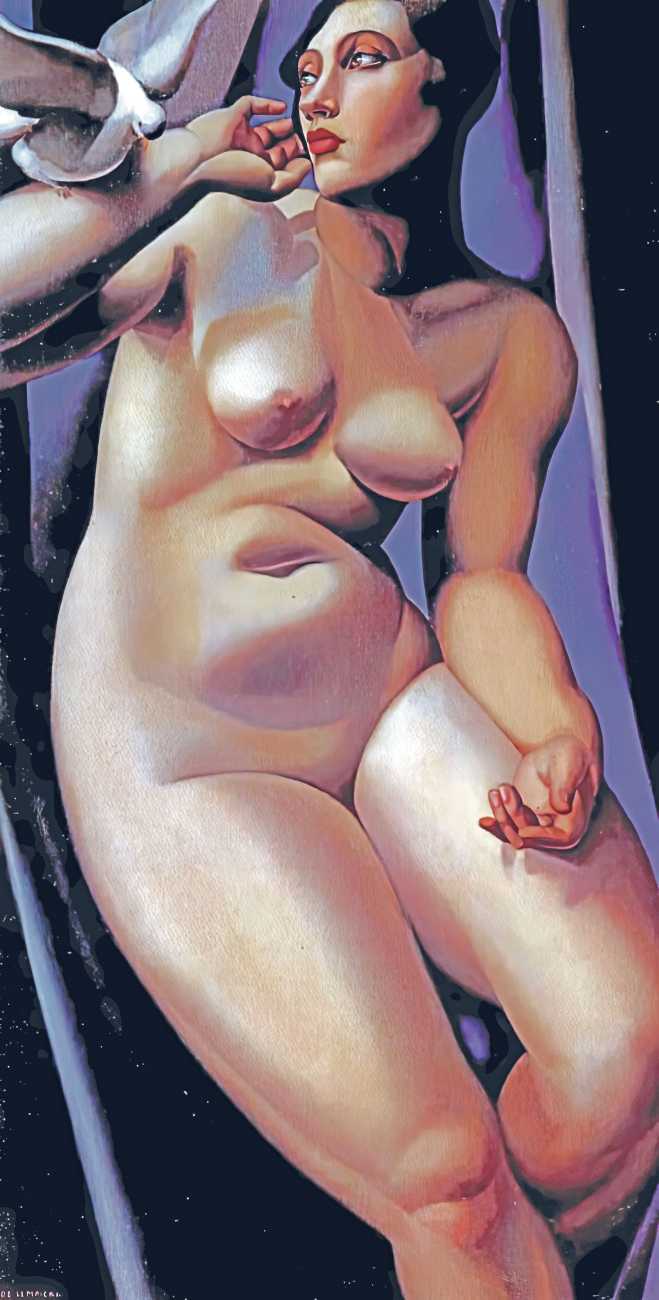
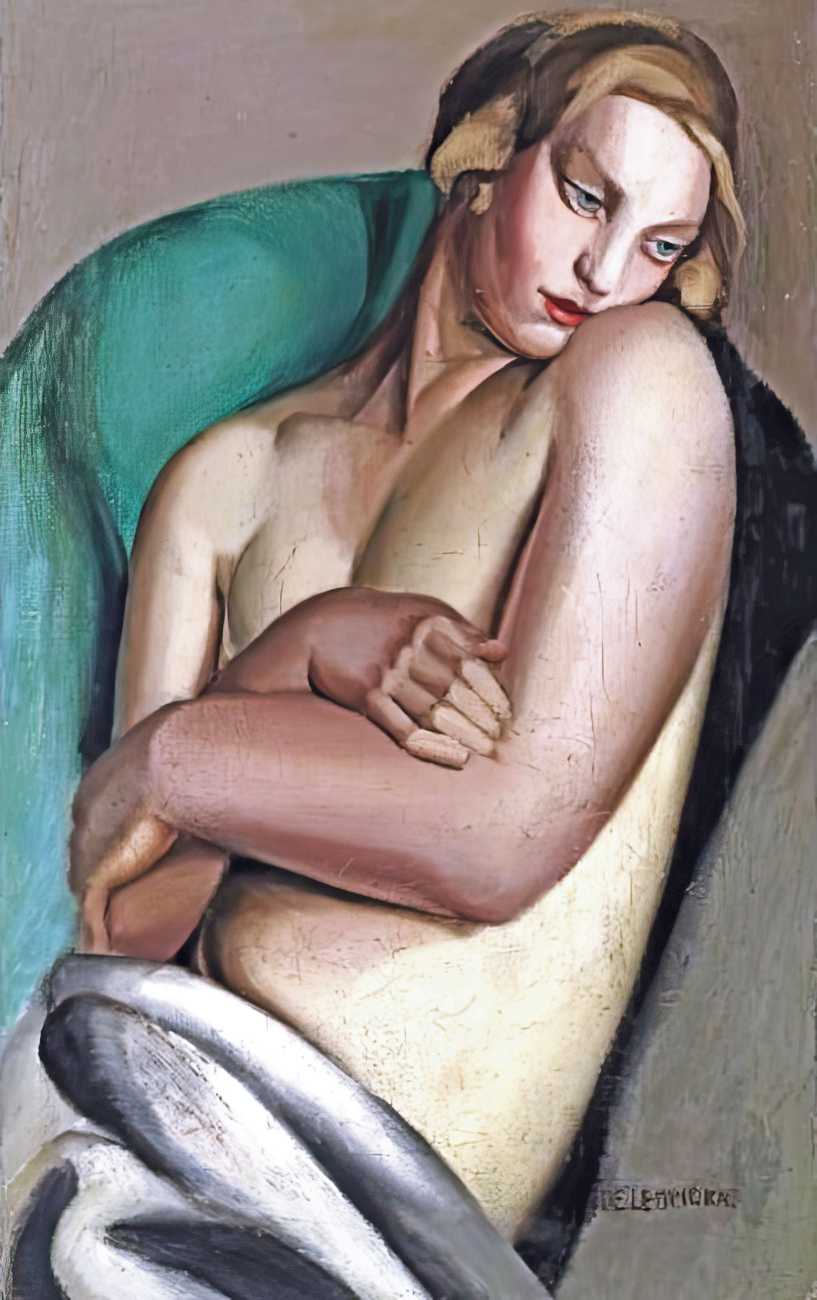
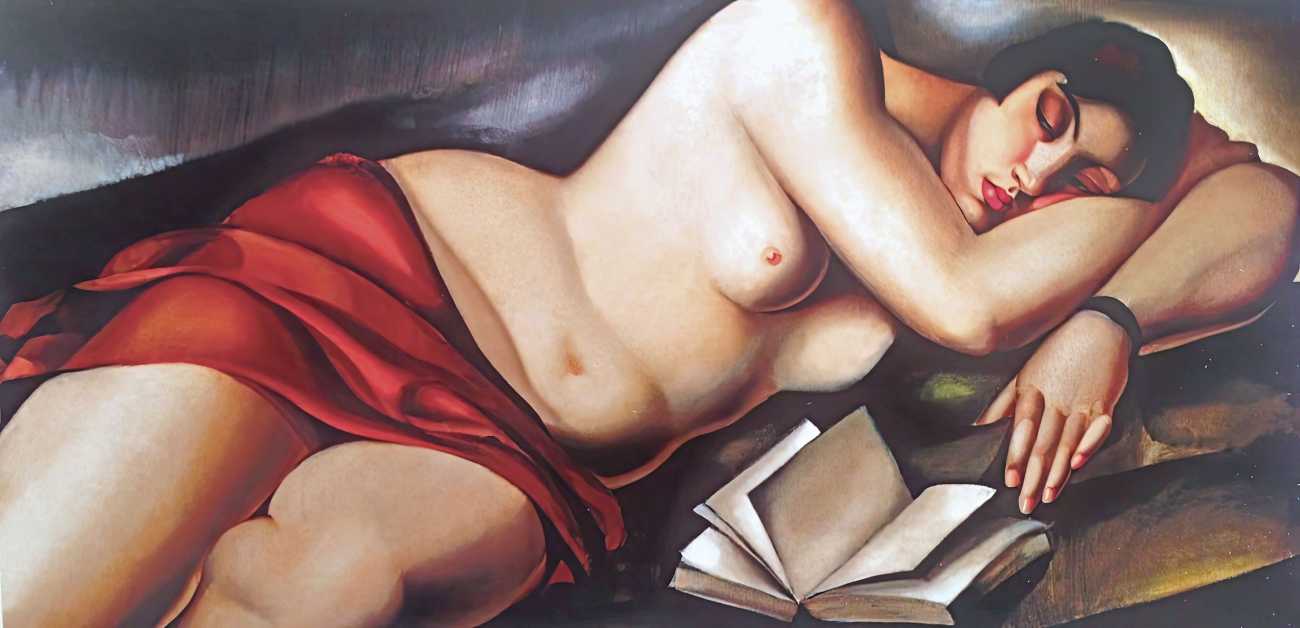
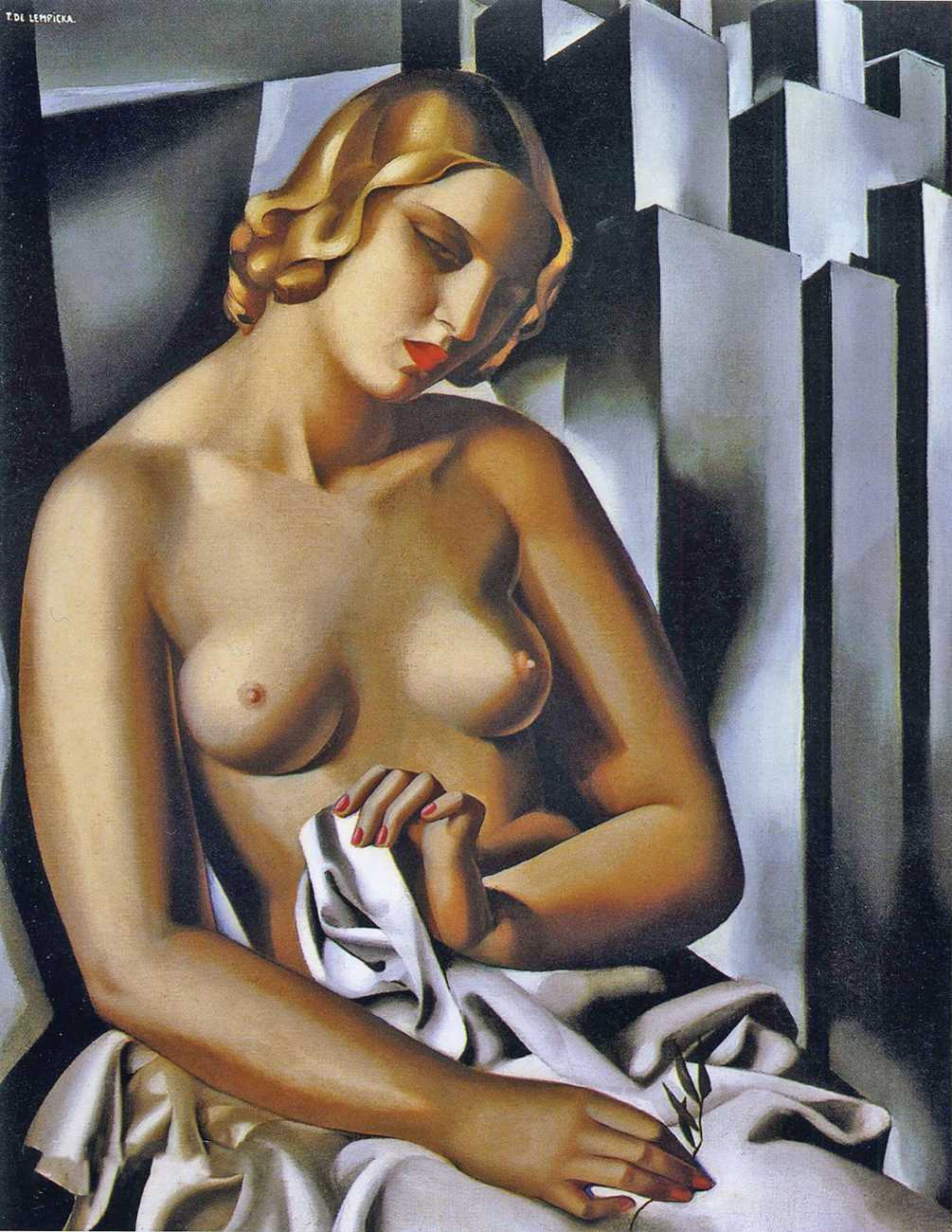
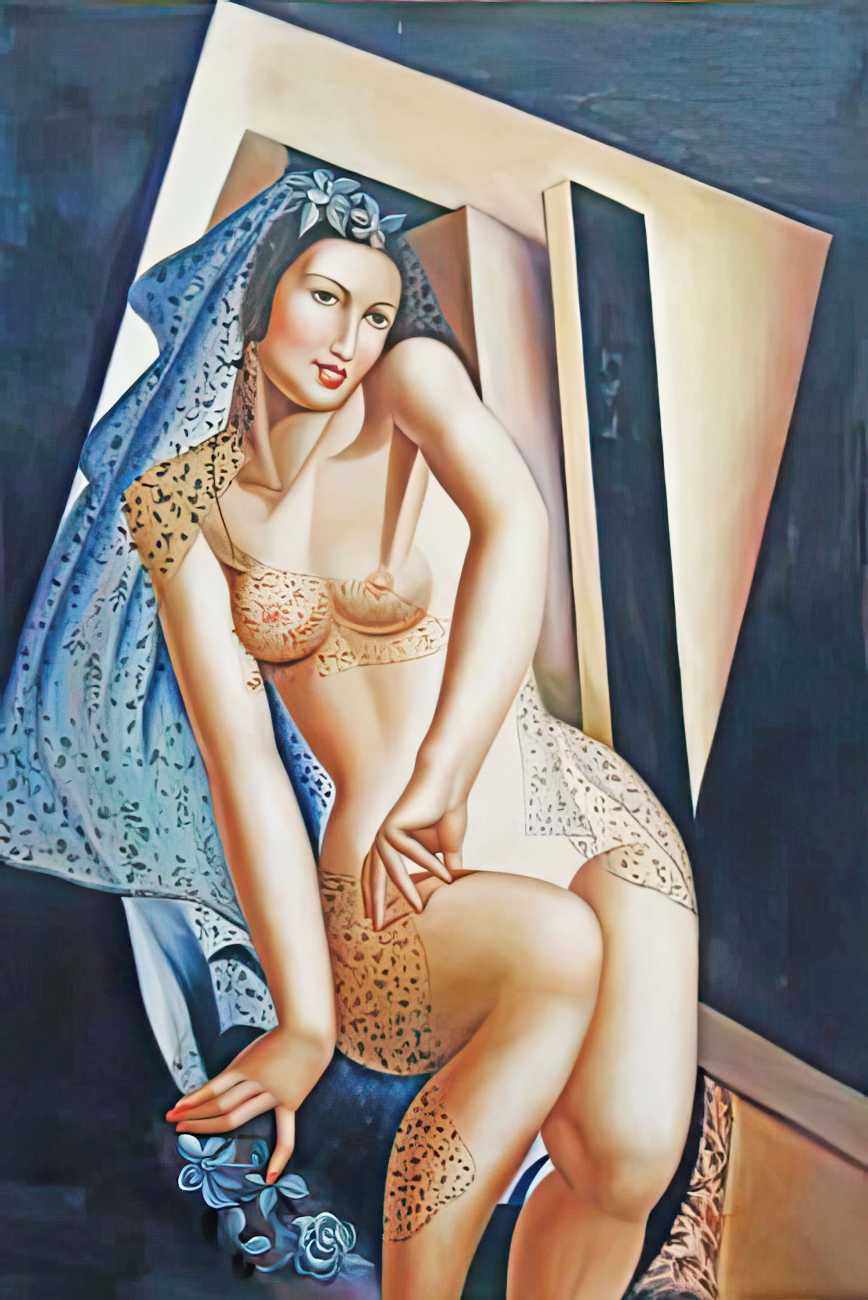
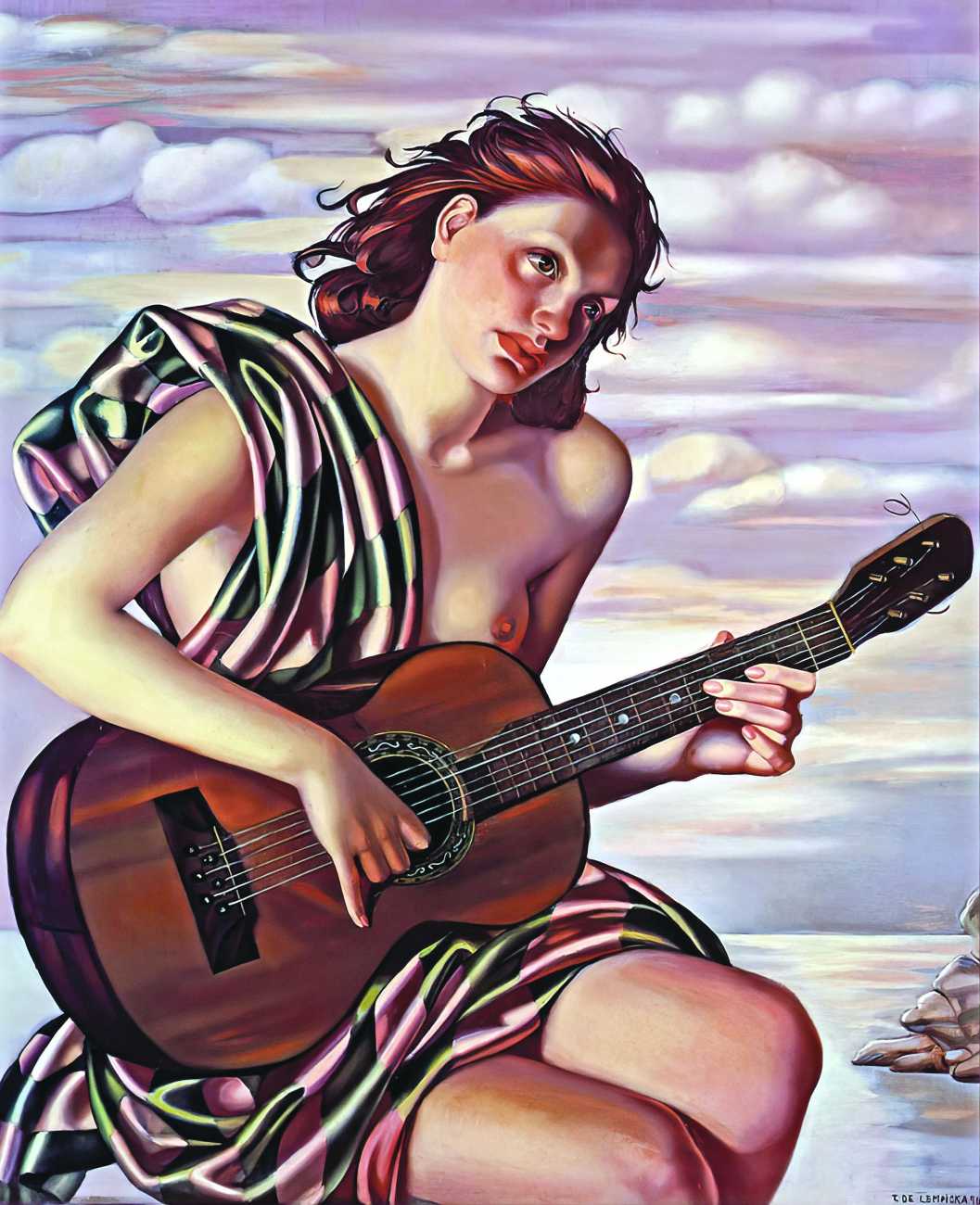
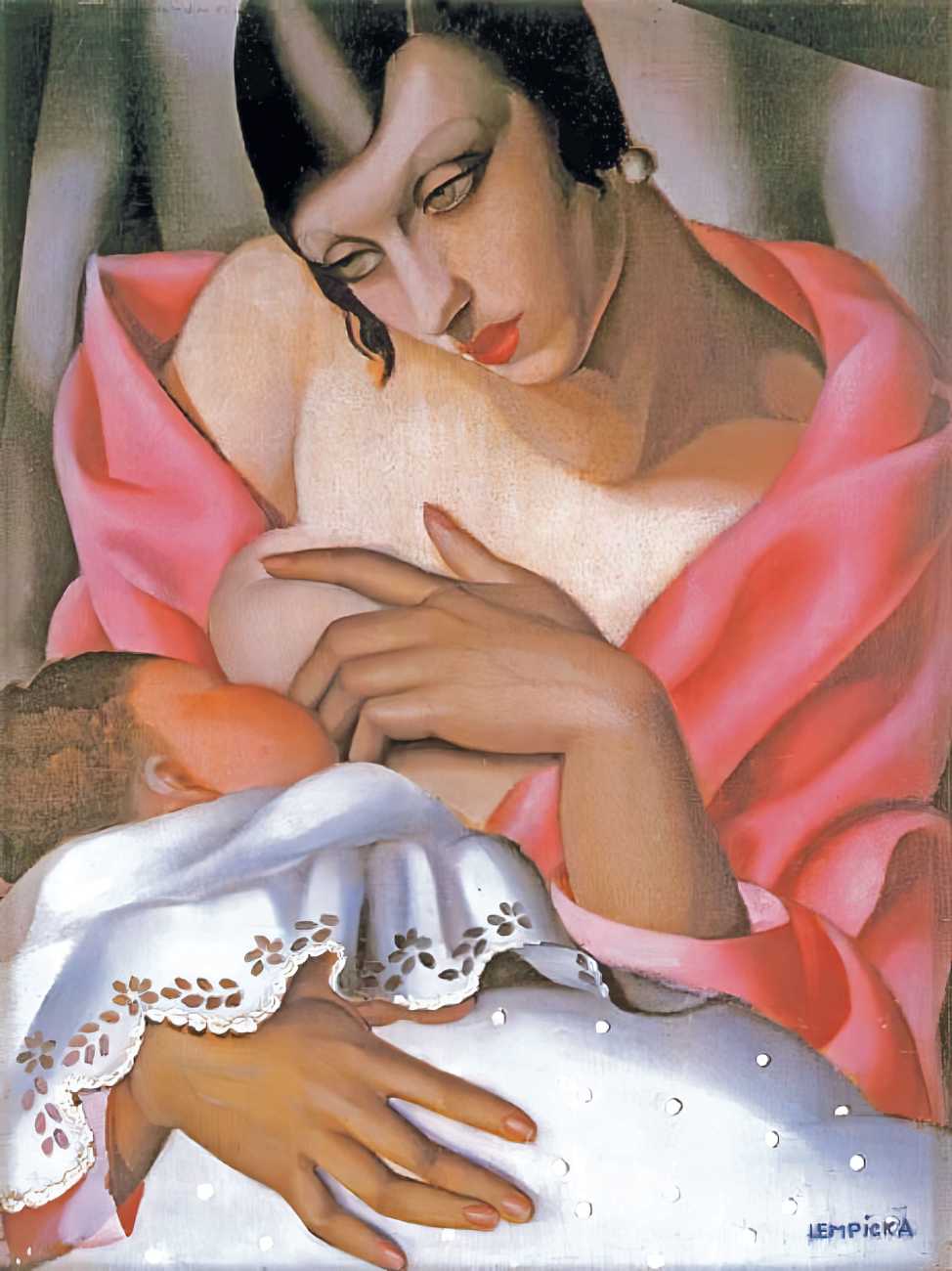
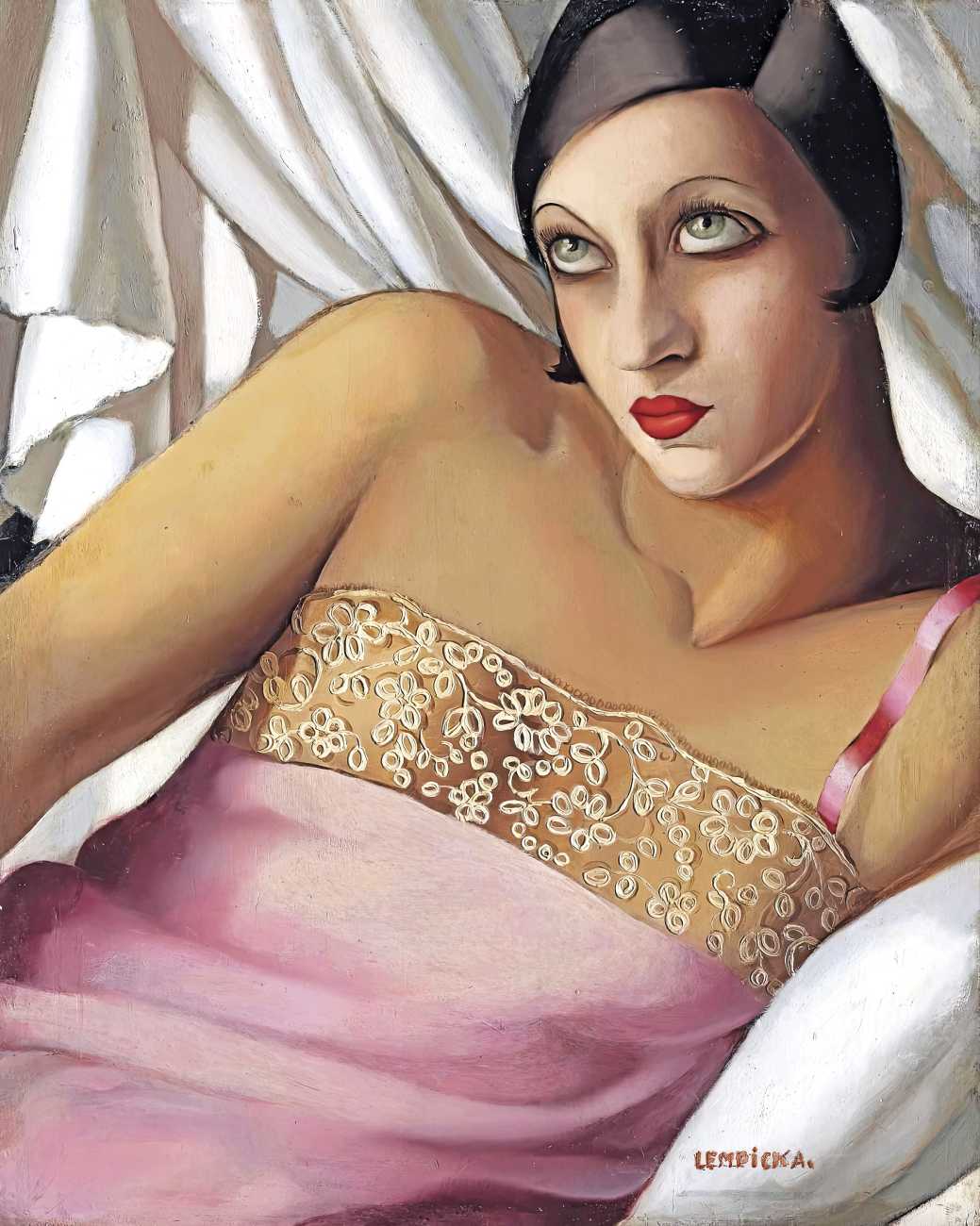
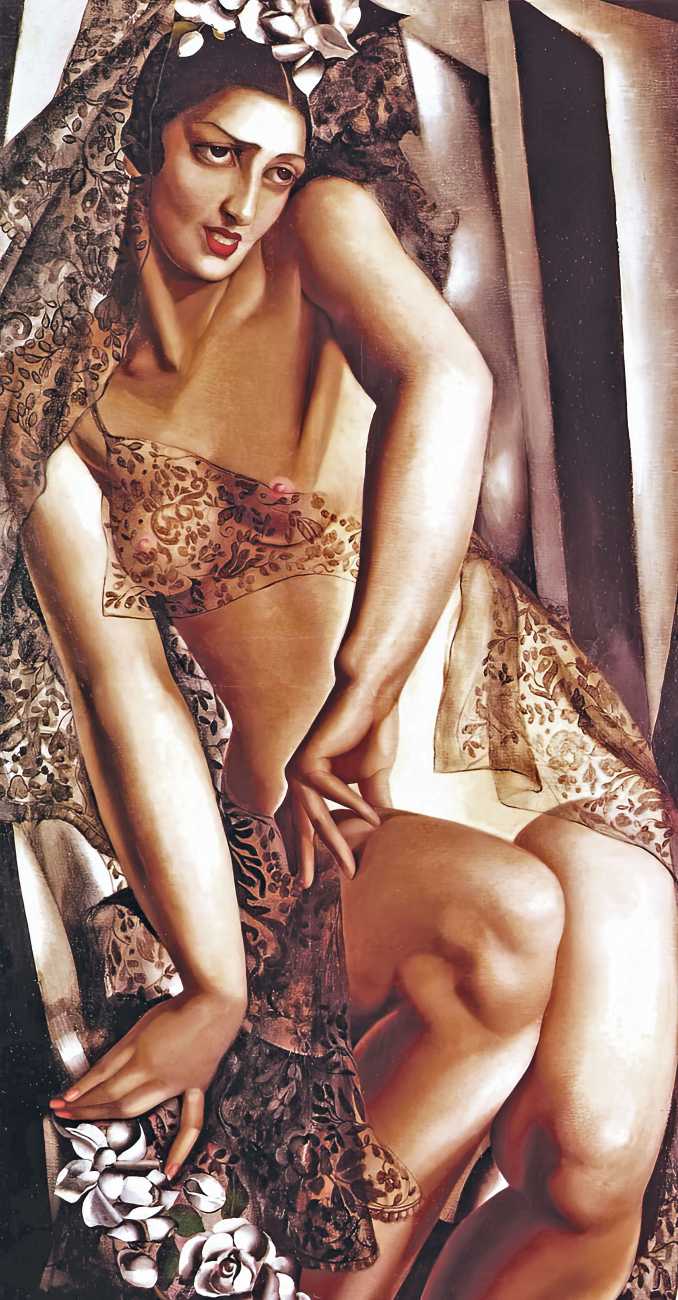
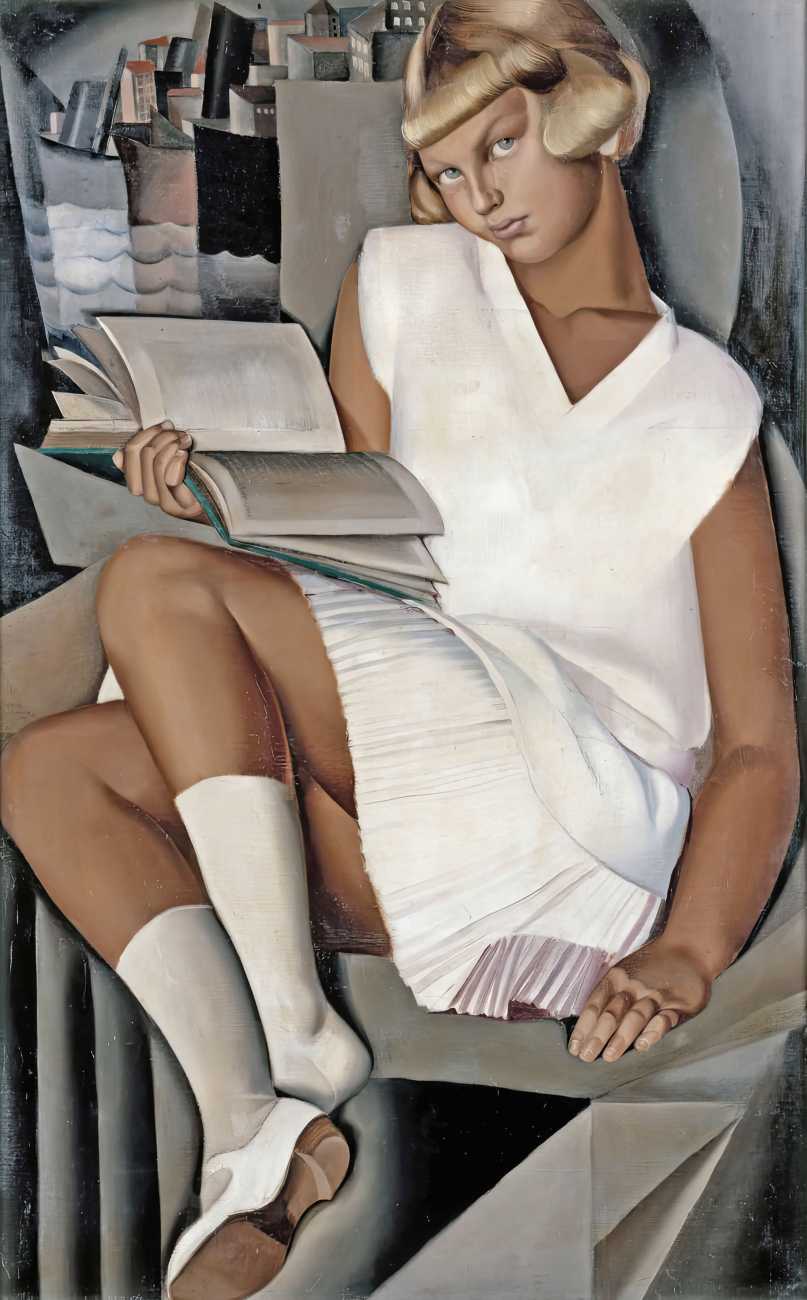
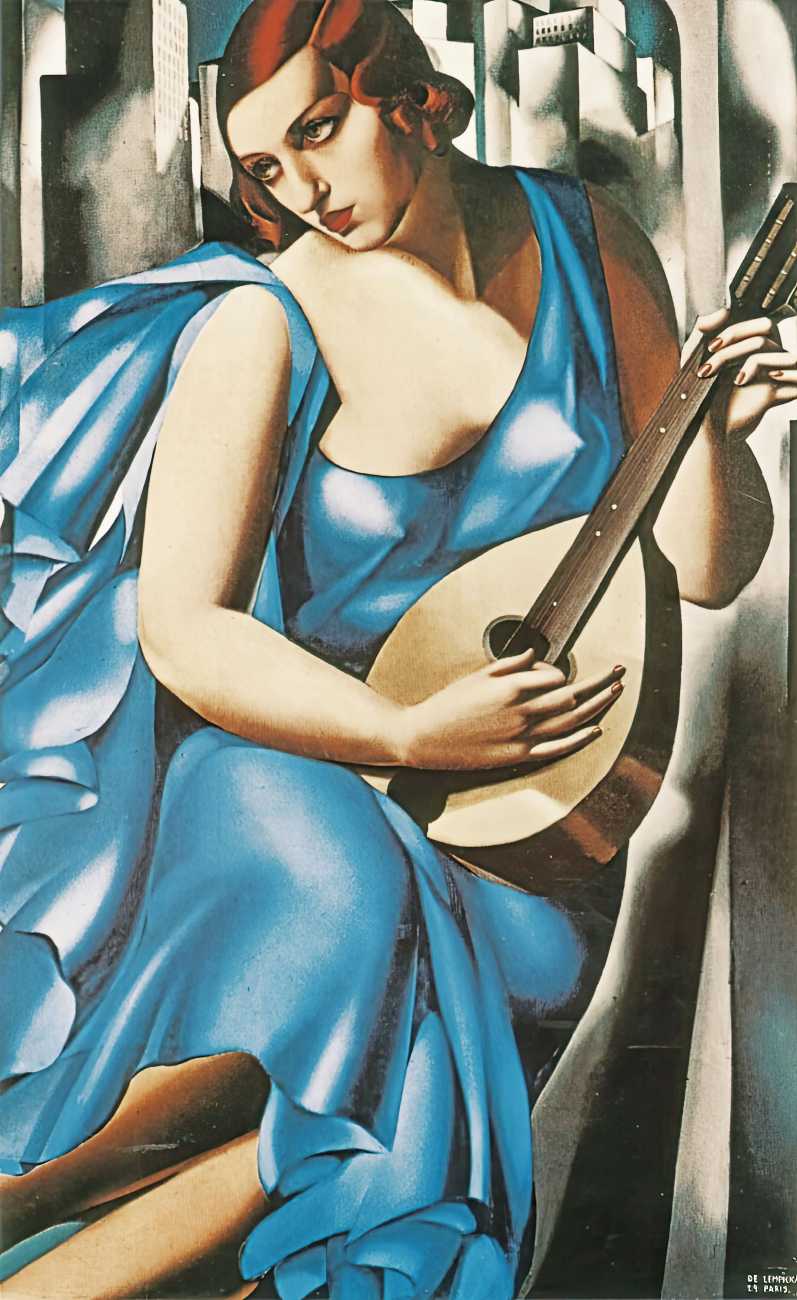
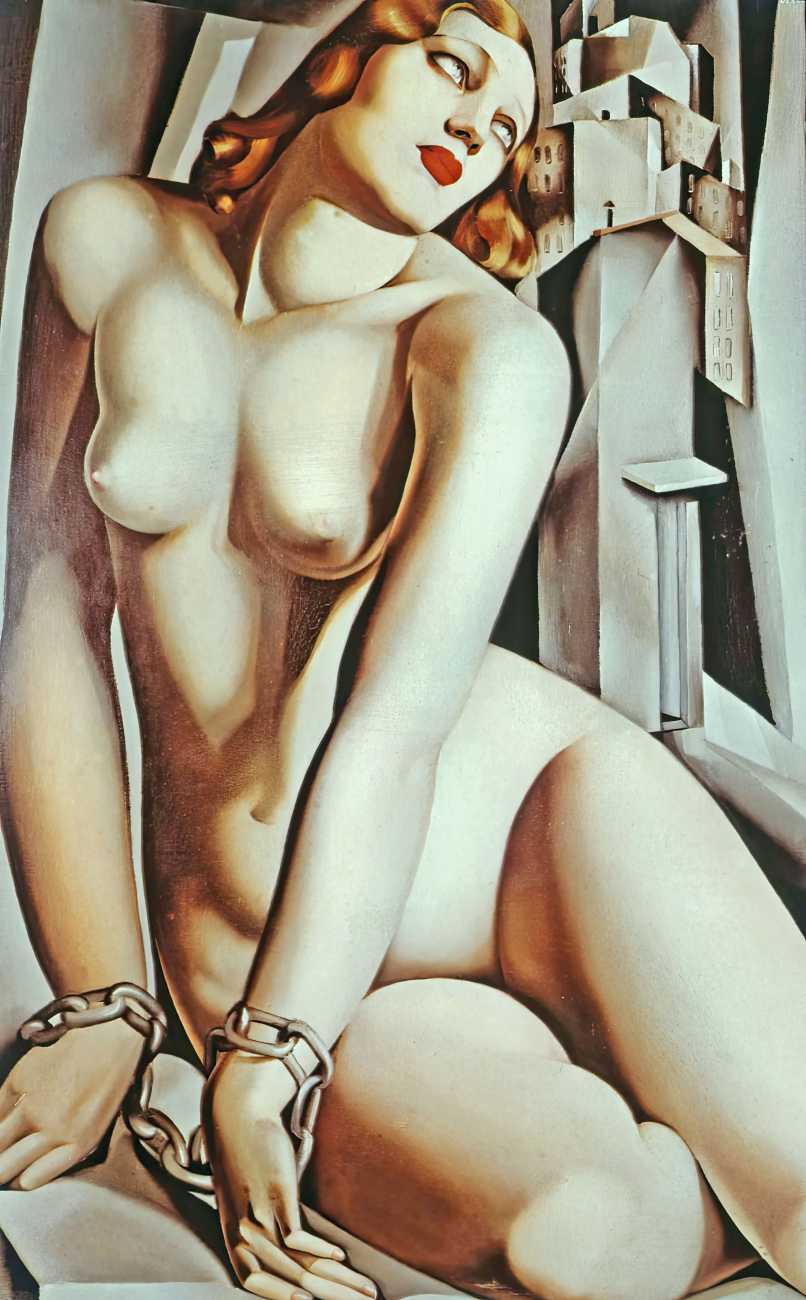
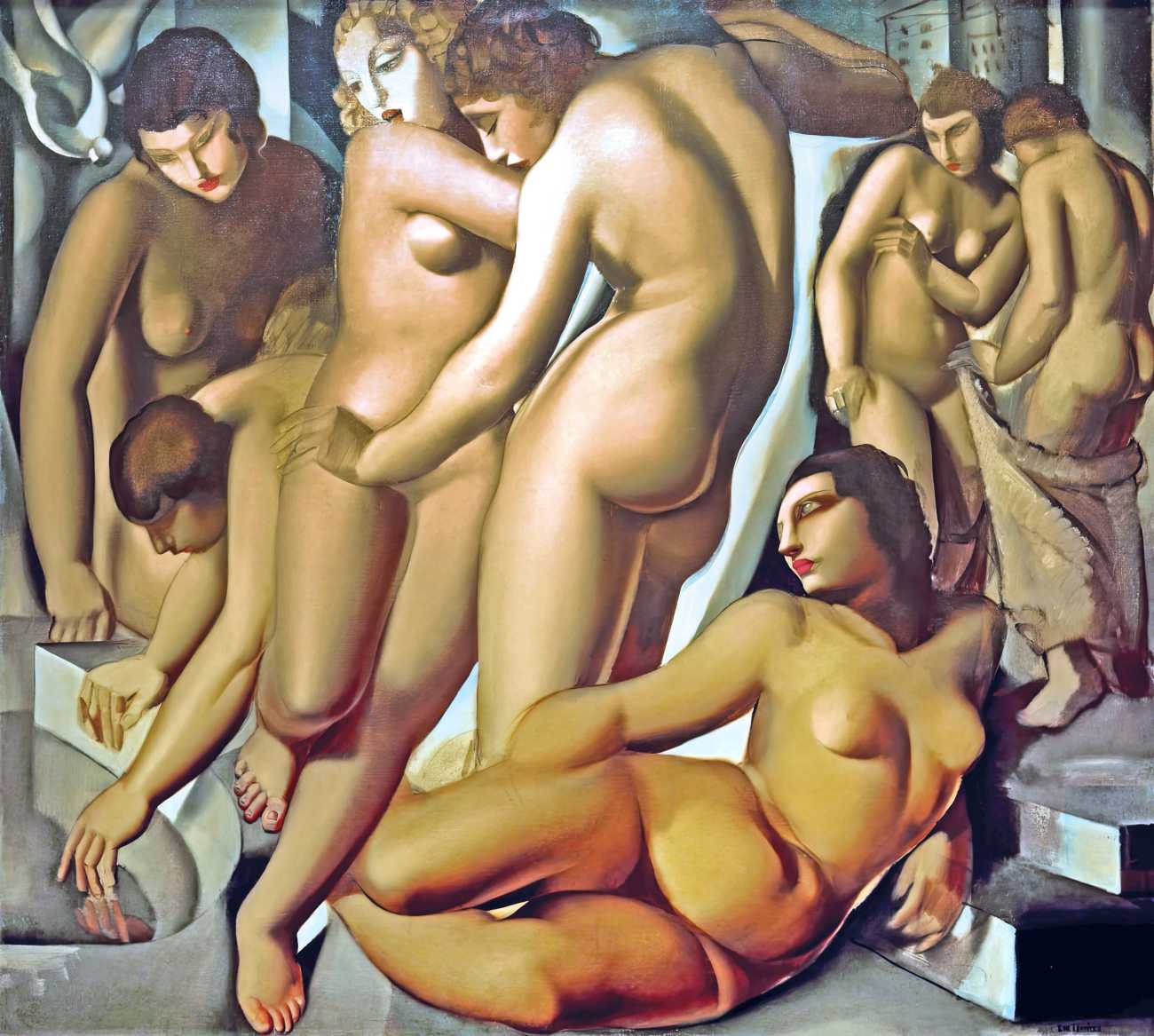
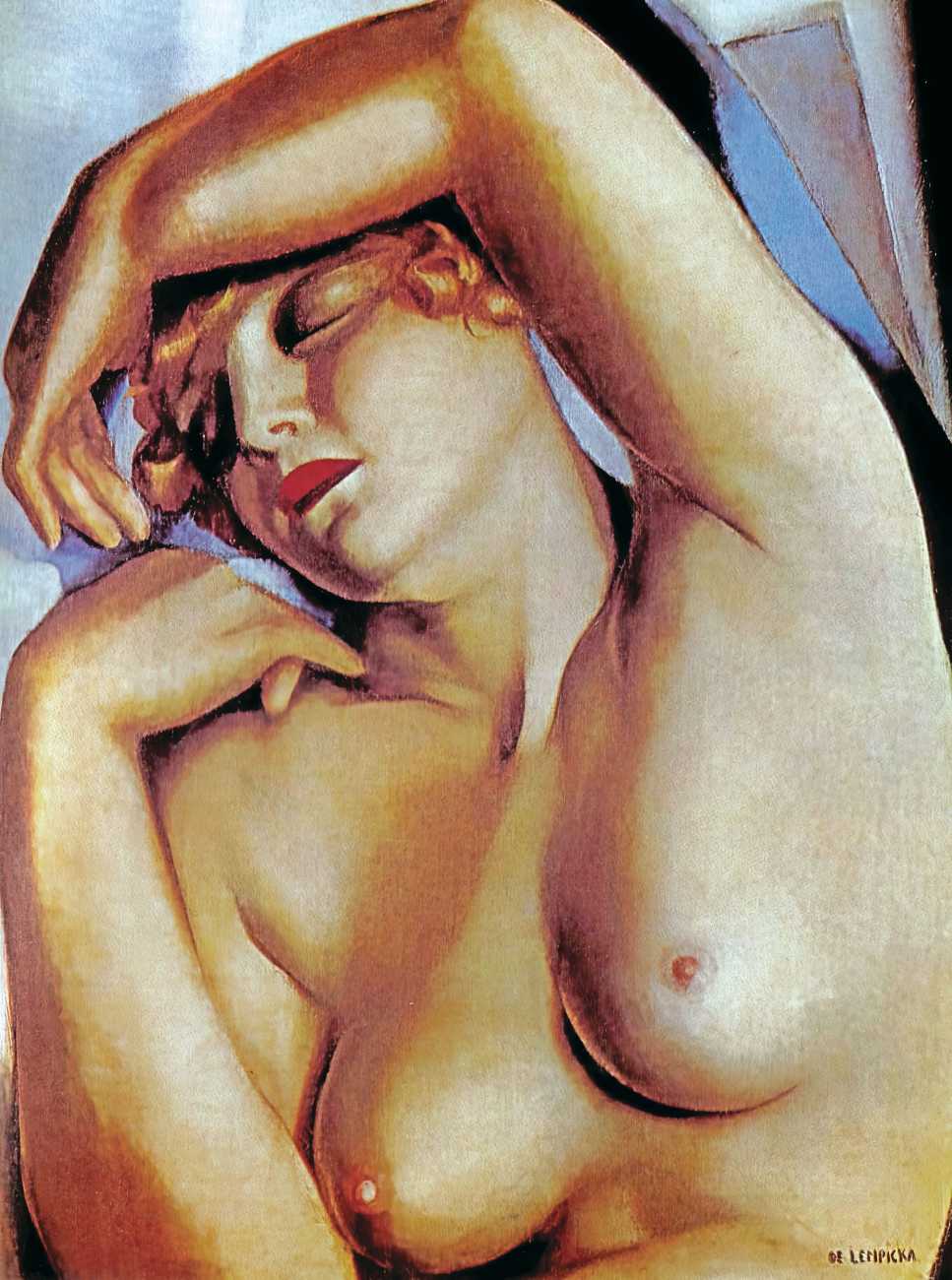
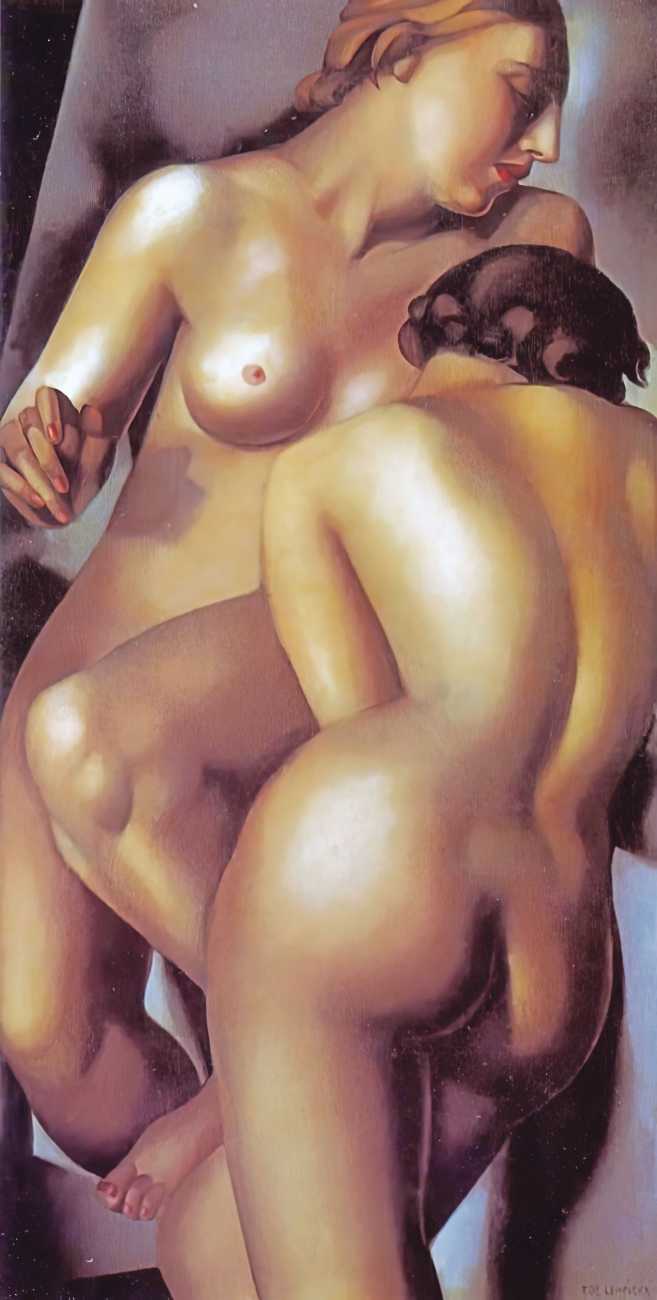
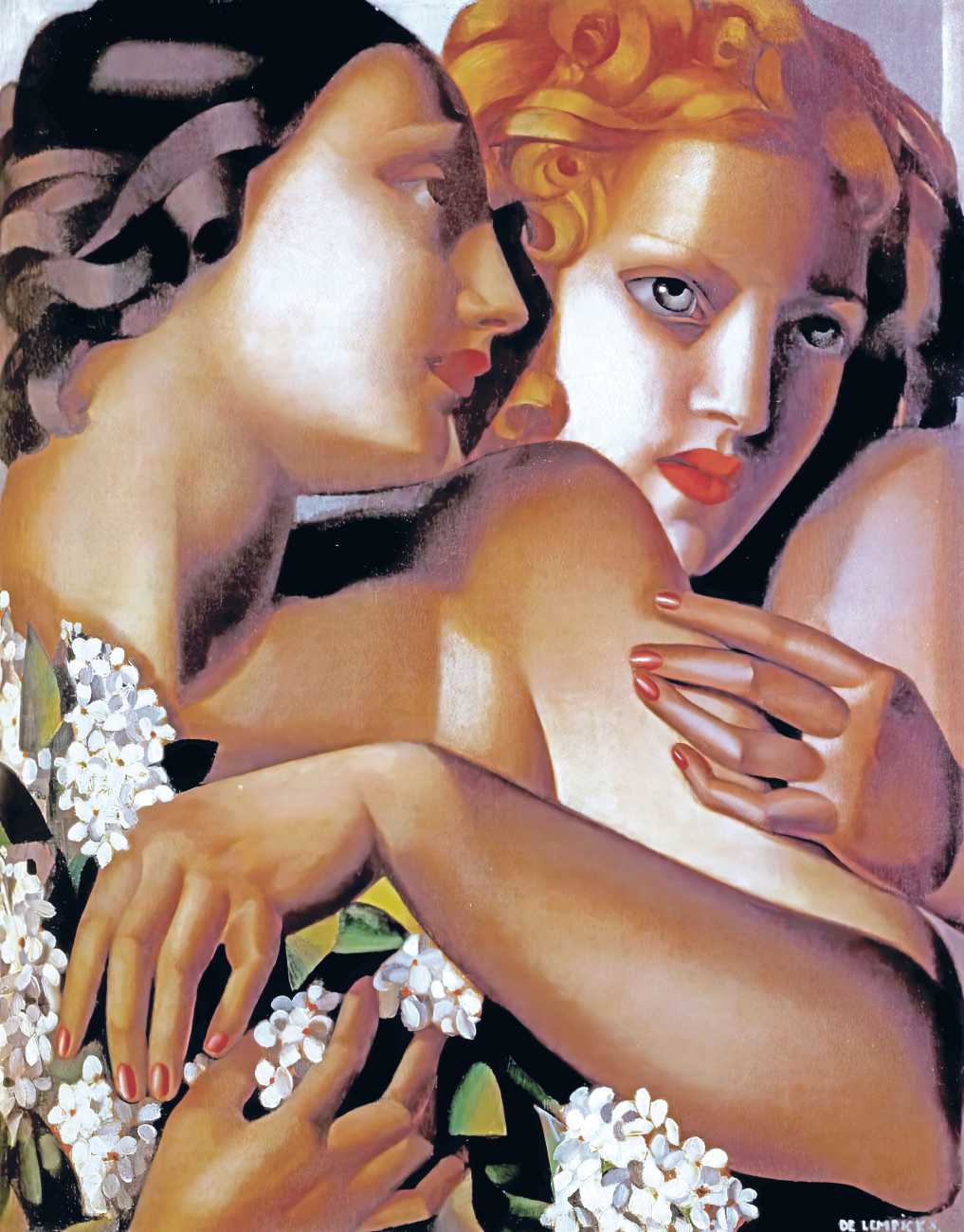
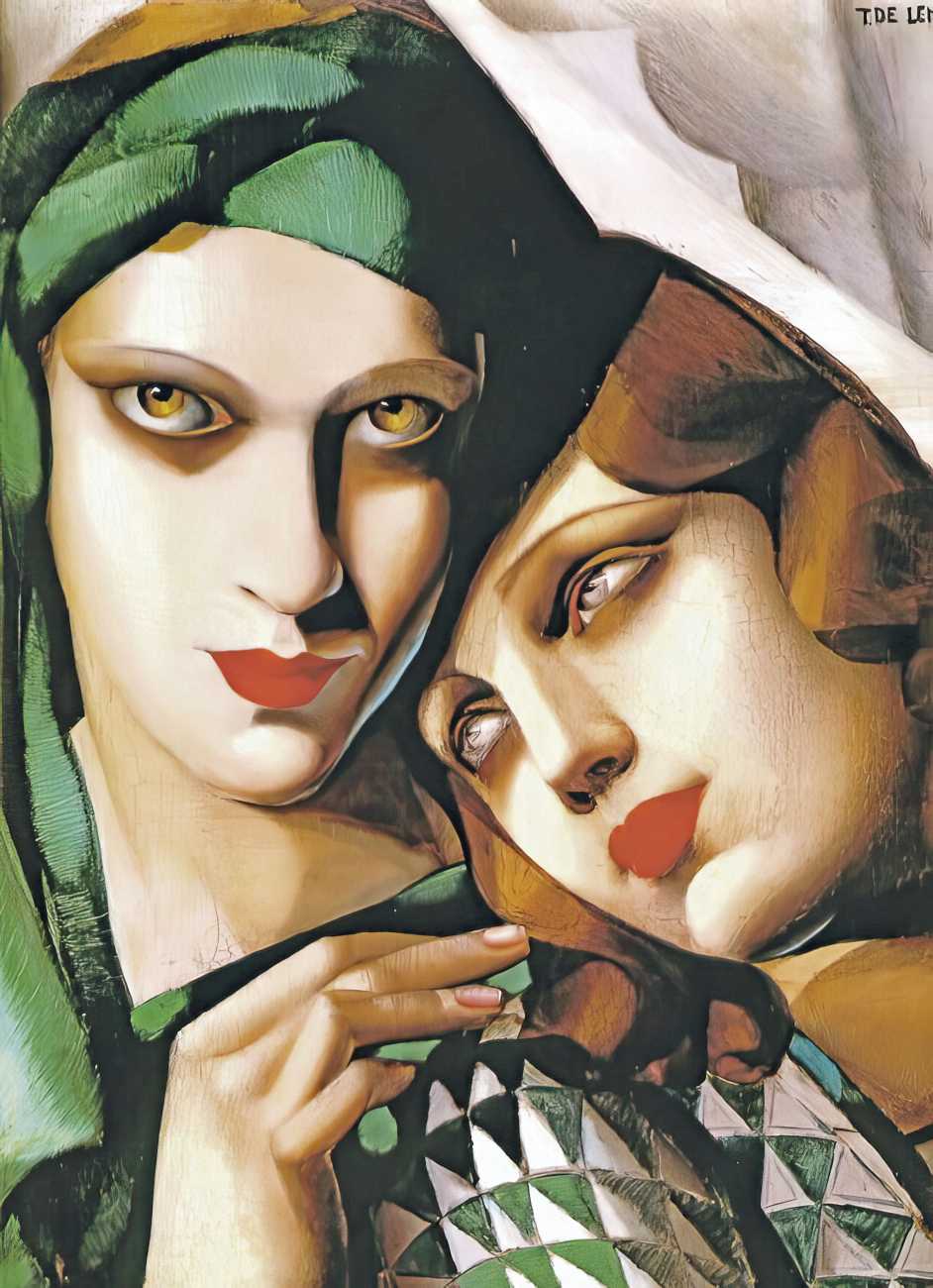
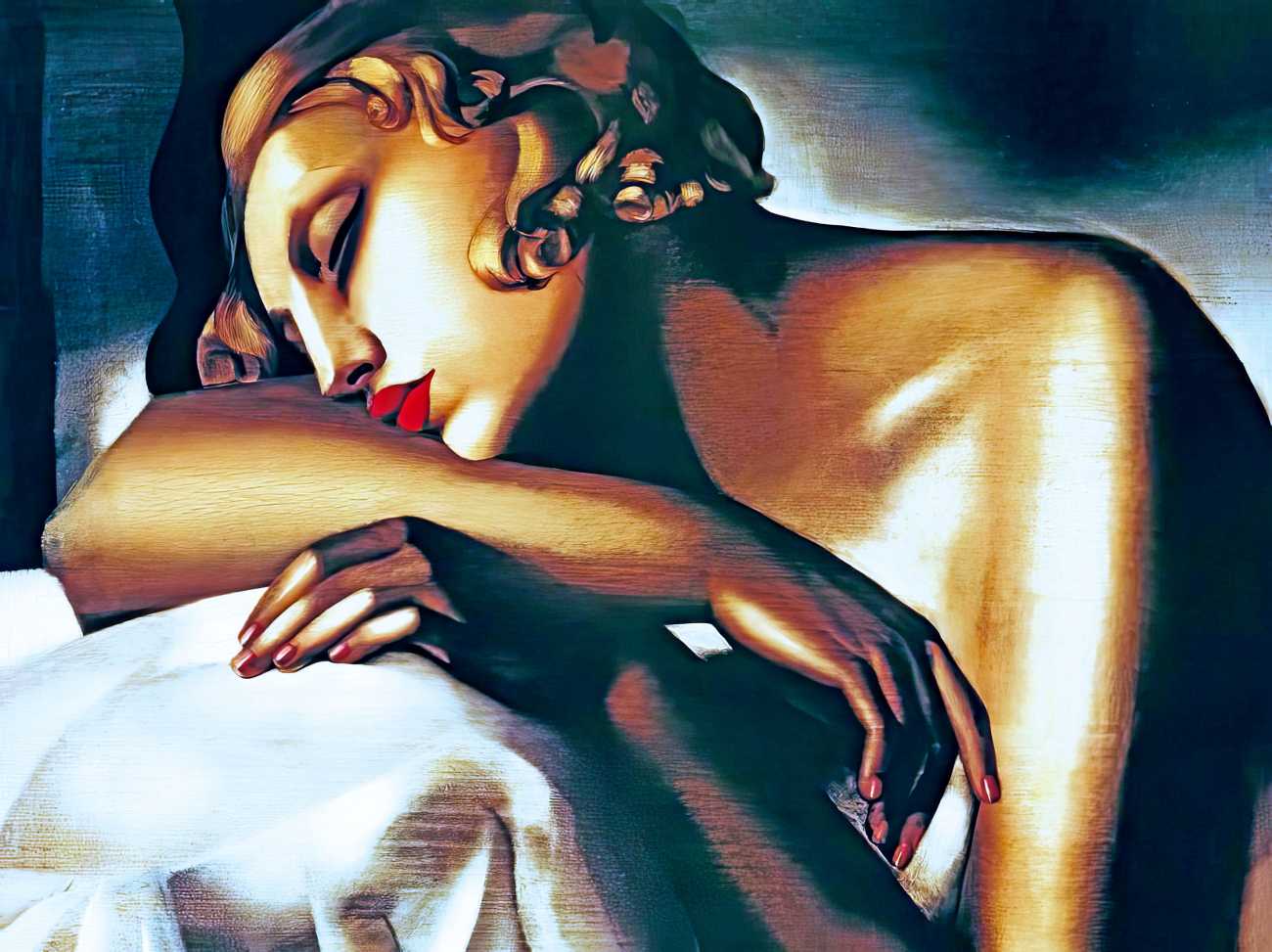
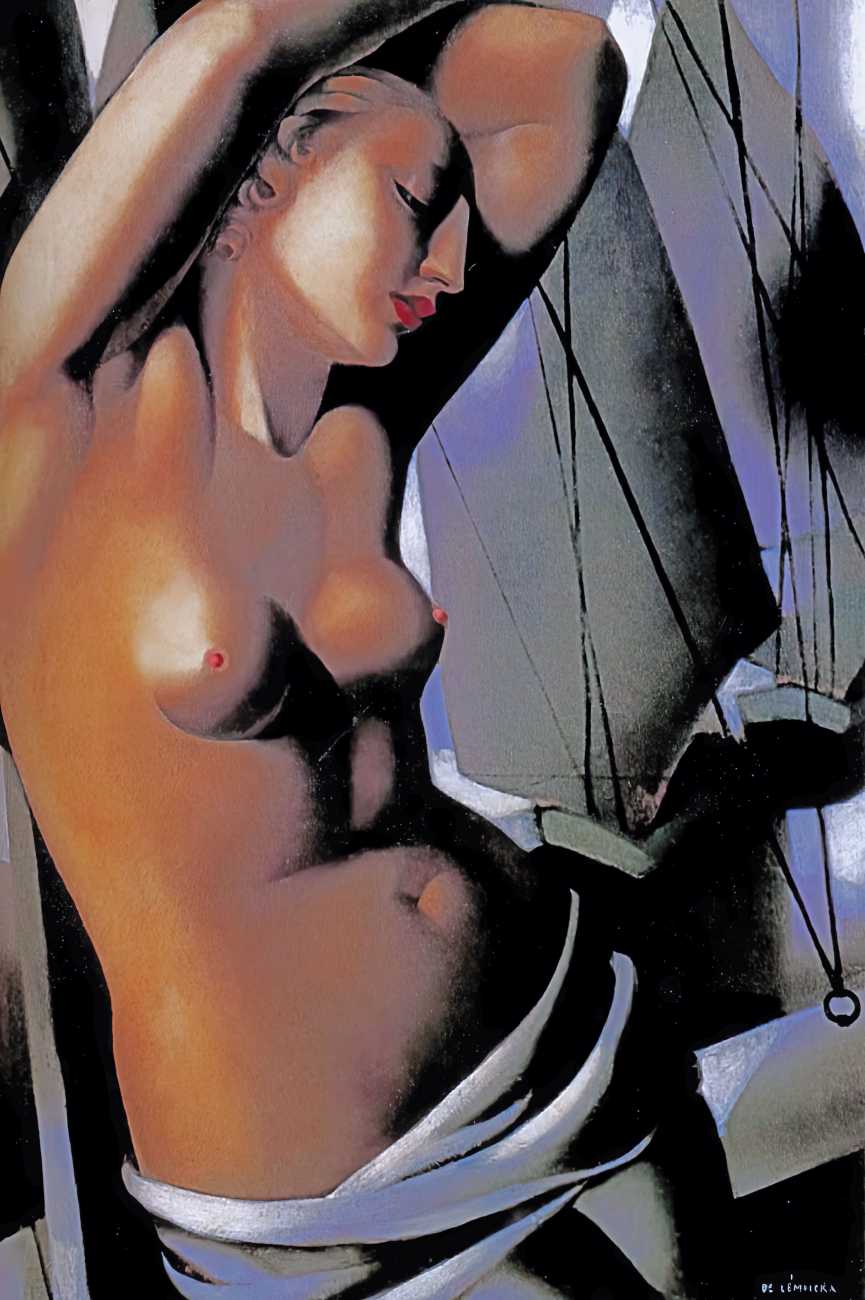
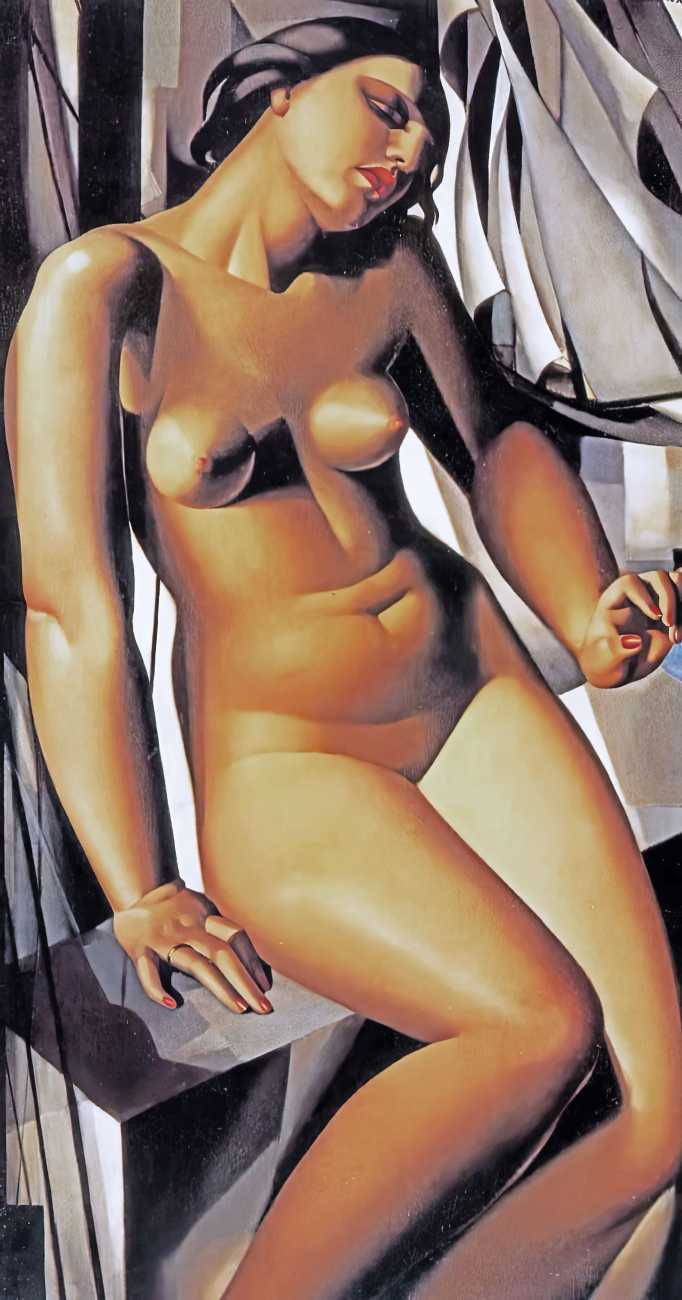
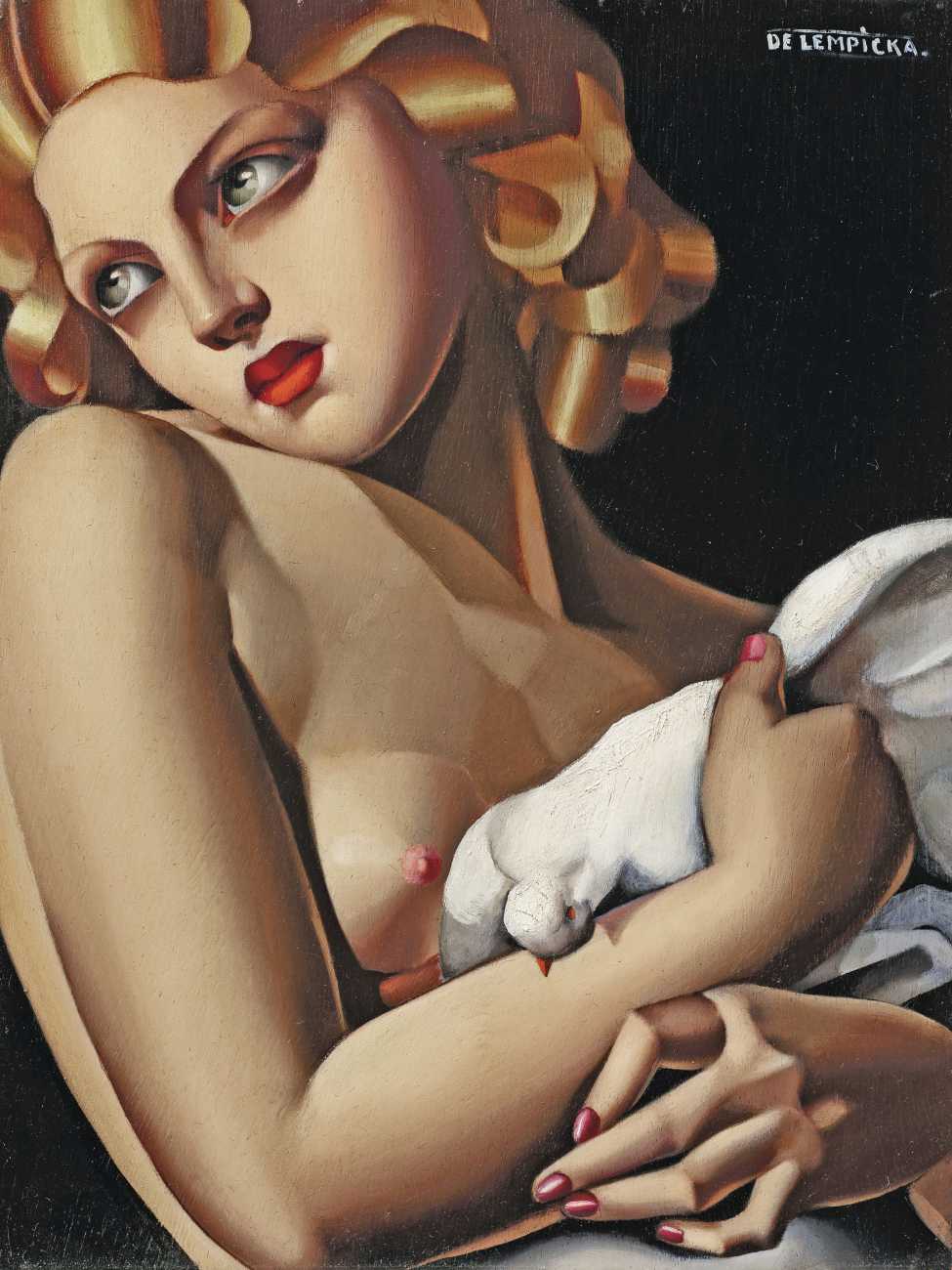
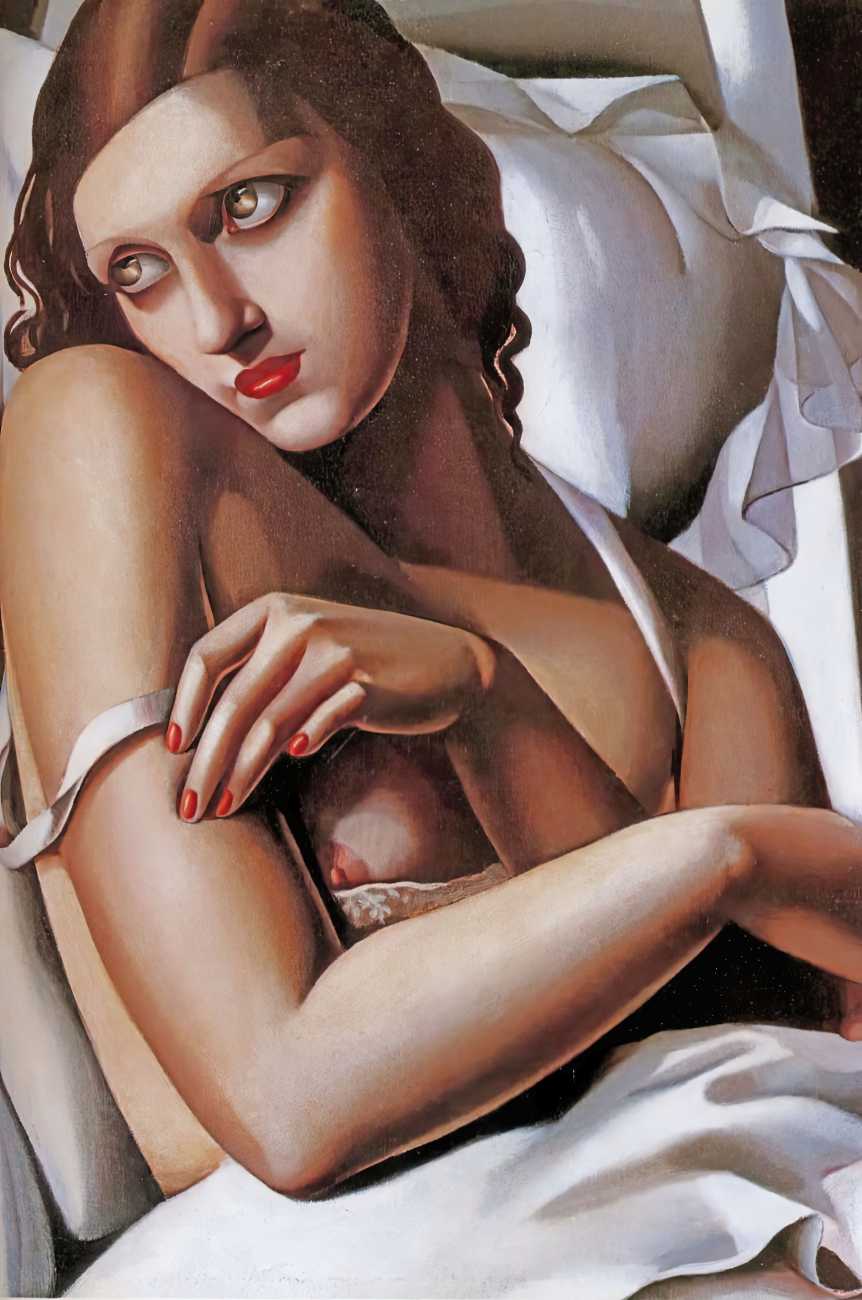
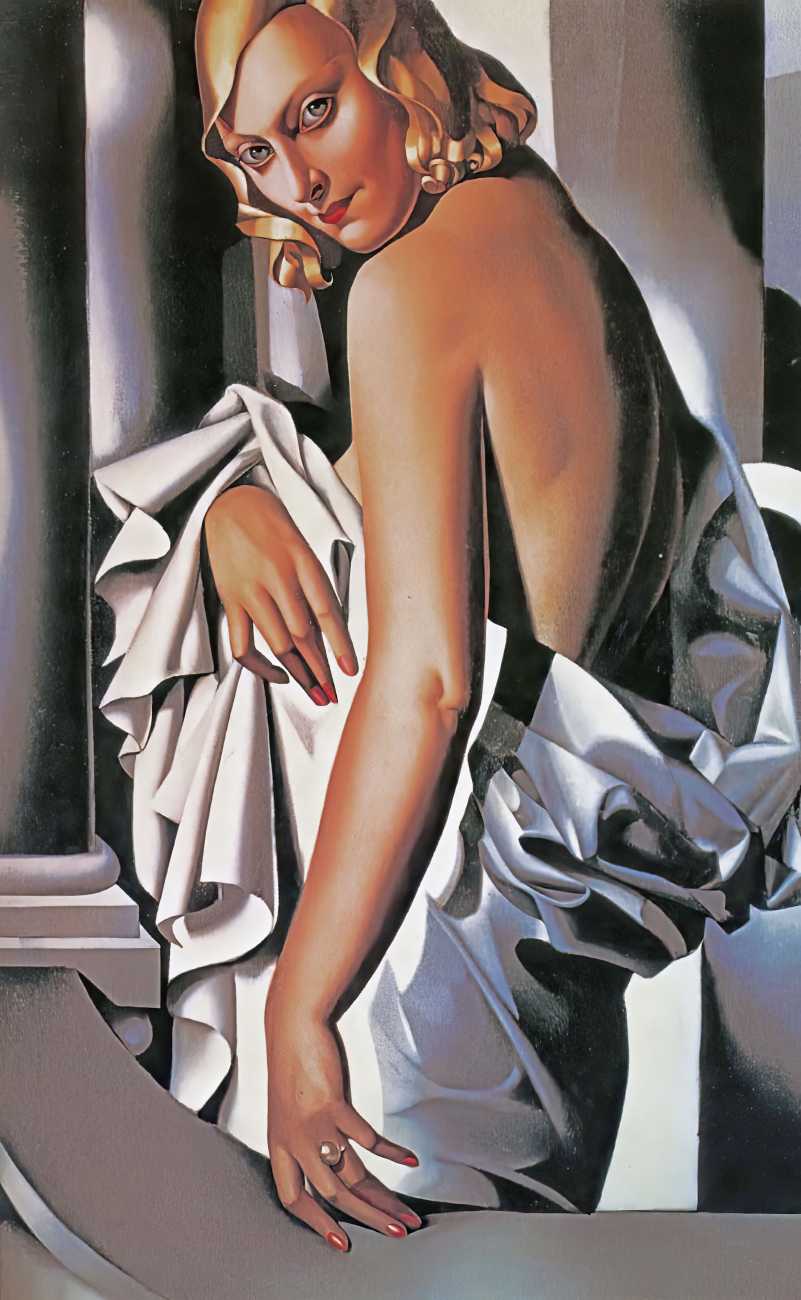
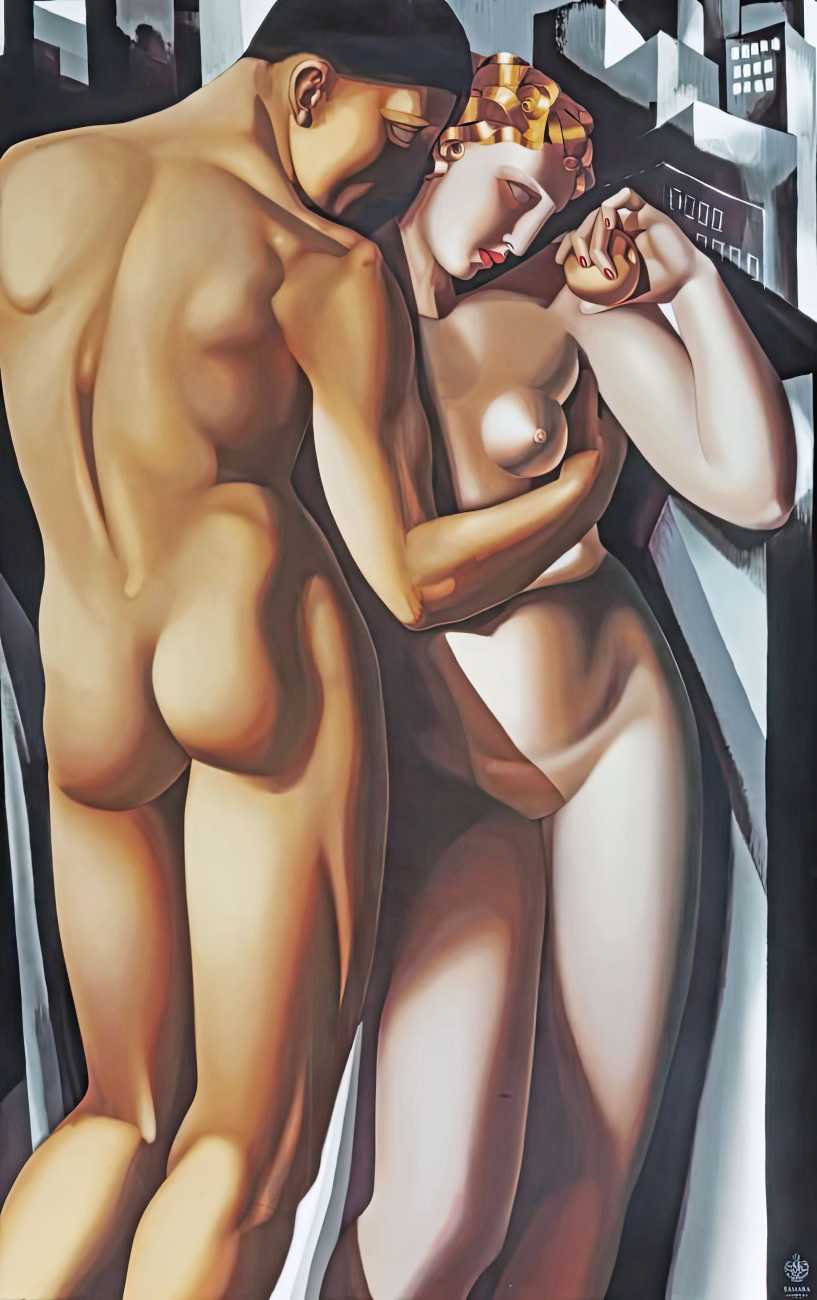
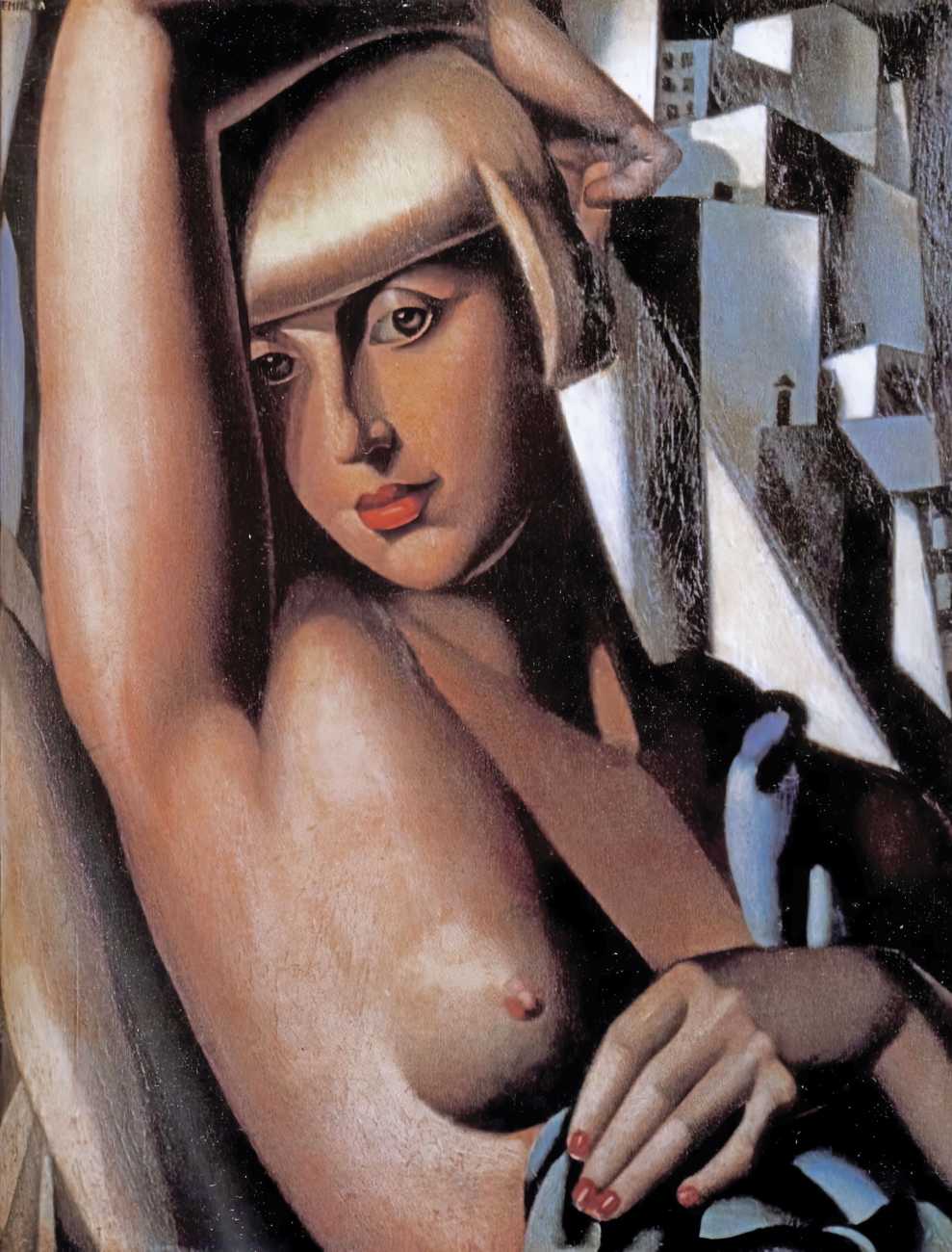
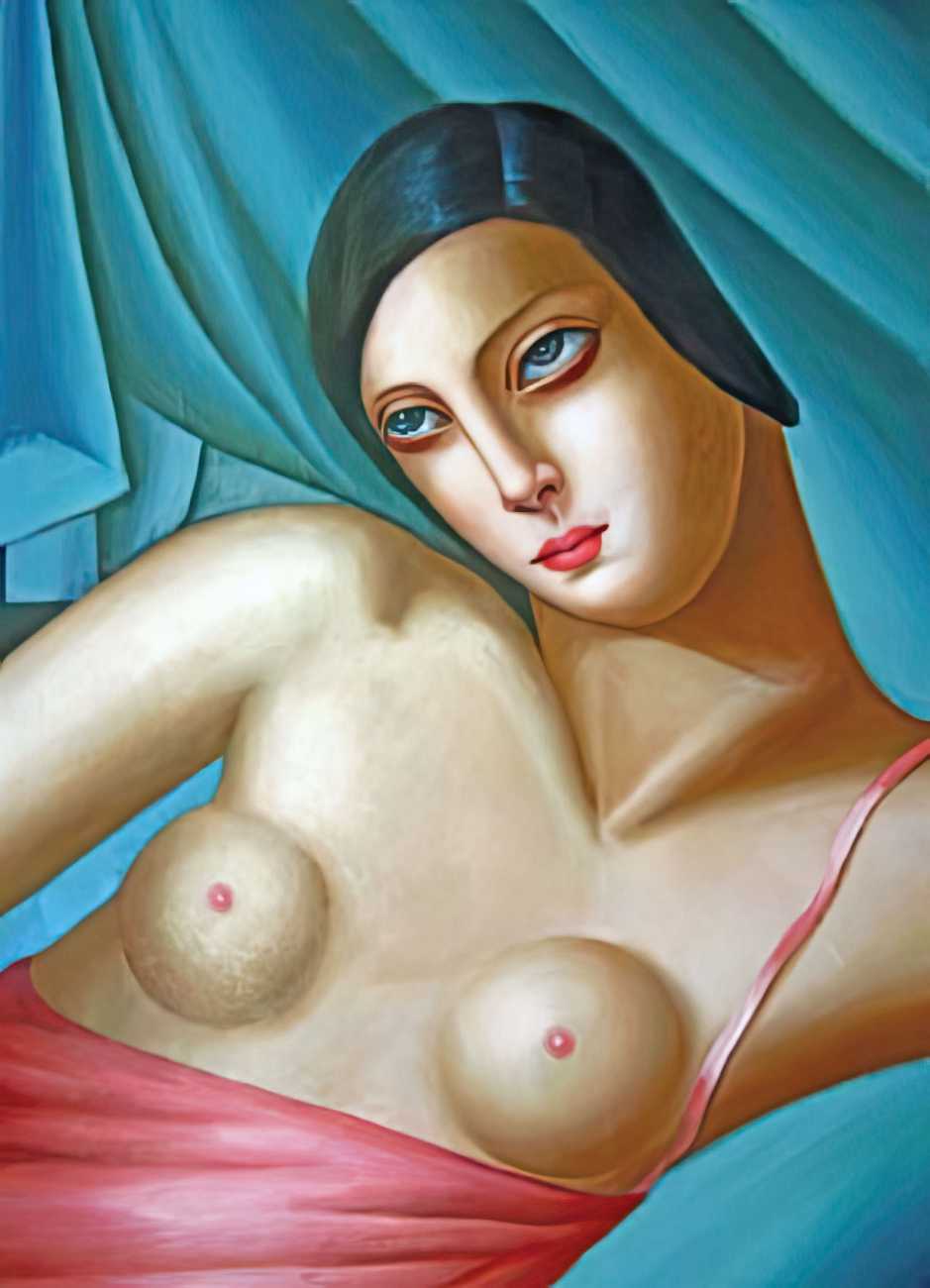
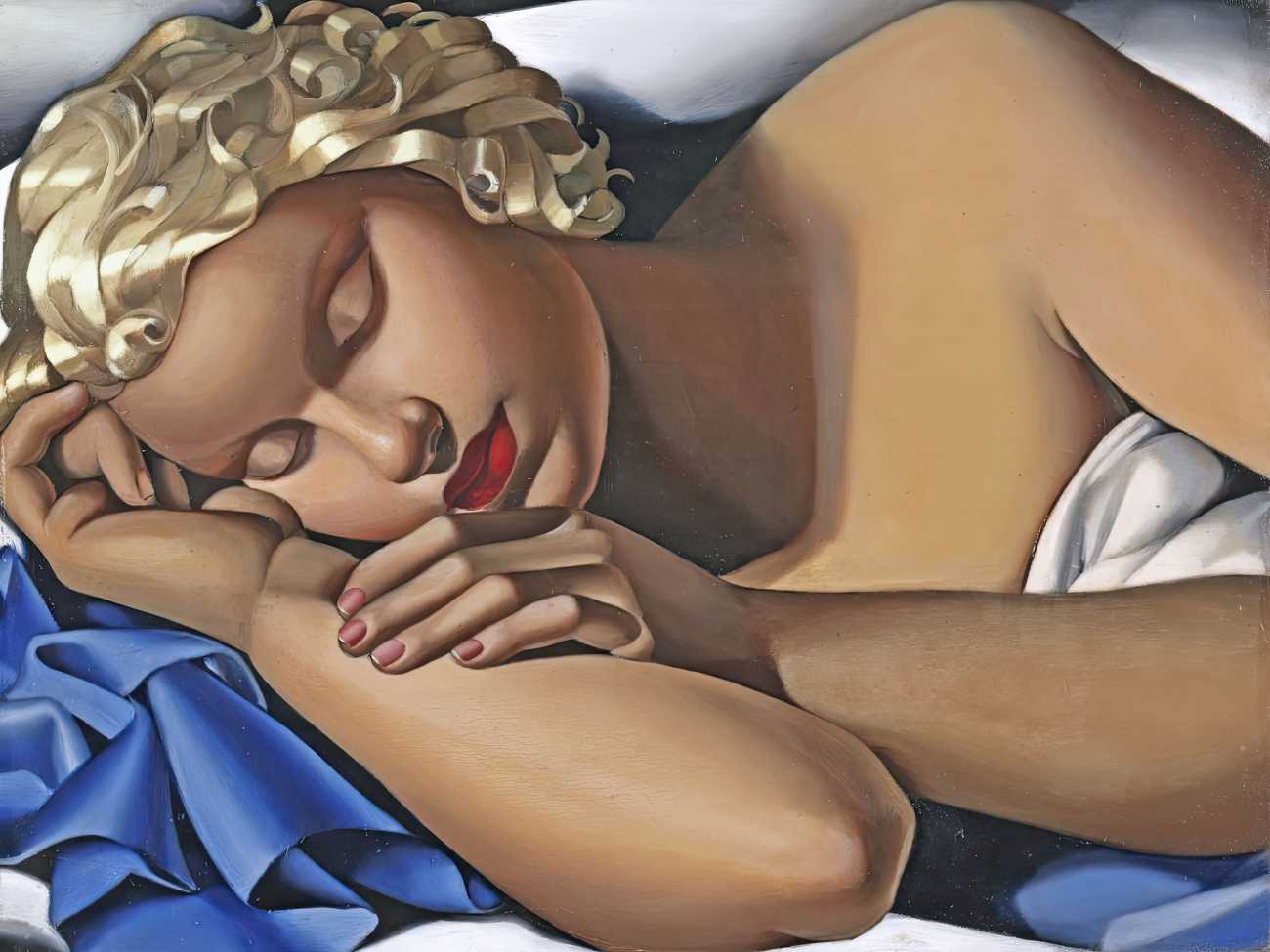
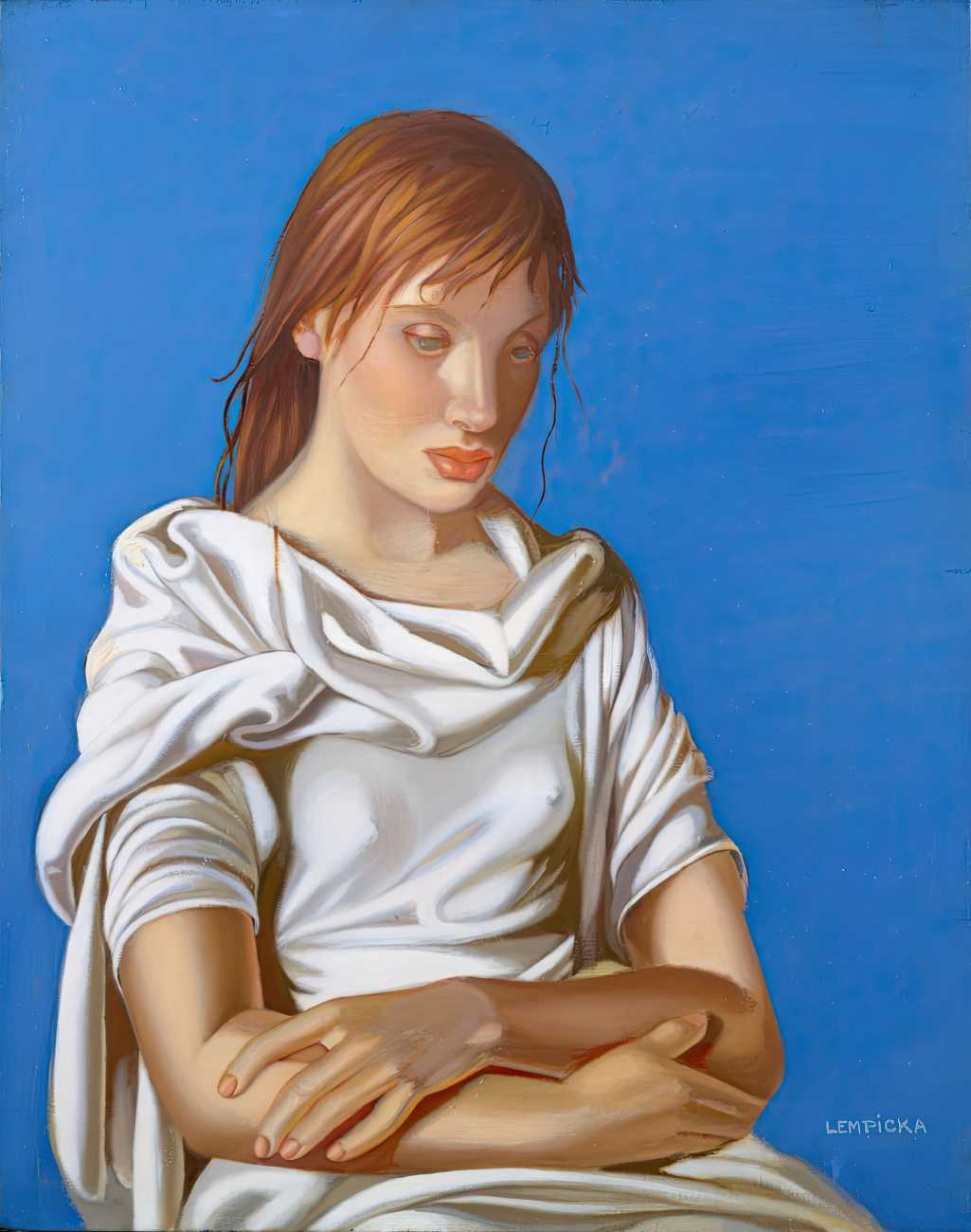
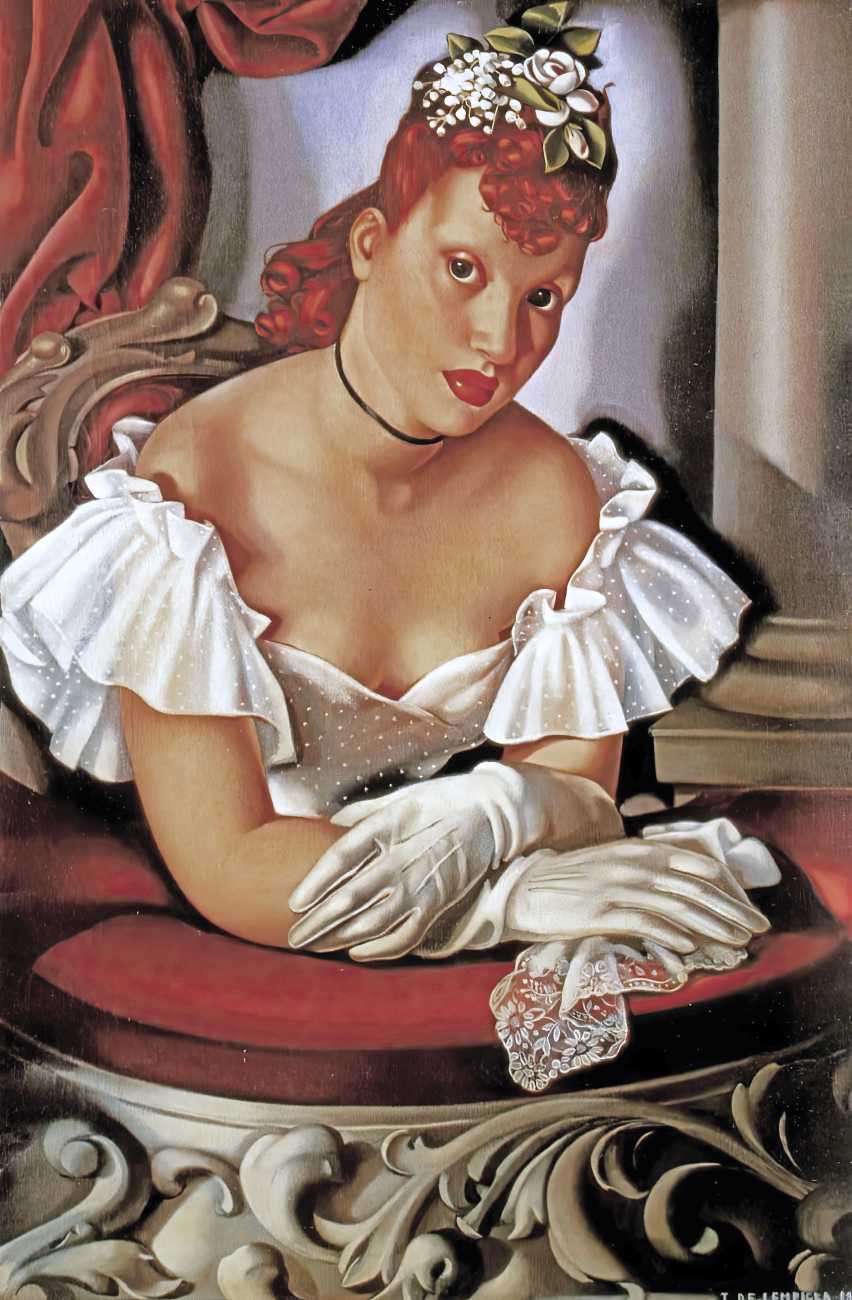
 Tamara de Lempicka, born Tamara Rosalia Gurwik-Górska in Warsaw, was one of the most glamorous and distinctive artists of the twentieth century, best known for her sleek, stylised paintings that came to define the art deco era. Born into a wealthy, cultured family, her early life was marked by travel, elite schooling, and emotional upheaval: her father disappeared when she was young – possibly by suicide or separation – leaving her to be raised by her mother and grandparents, a background that fed her later penchant for reinvention and self-mythologising.
In 1916 she married Polish lawyer Tadeusz Łempicki, whom she met in St Petersburg, and that same year gave birth to their daughter, Maria Krystyna (Kizette). The upheaval of the Russian Revolution soon followed: her husband was briefly imprisoned by Bolsheviks, and the family fled to Paris in 1918, where Tamara adopted the sophisticated name de Lempicka to fashion a more aristocratic persona.
In Paris she threw herself into art training, studying at the Académie de la Grande Chaumière and with Maurice Denis, but her most influential teacher was Cubist painter André Lhote. This mix of classical discipline and modernist structure underpinned her signature style: a polished blend of neoclassicism, cubism, and the glossy luxury of contemporary fashion imagery.
De Lempicka’s personal life was intensely intertwined with her artistic development. In the early 1920s she explored various styles and subjects, experimenting with form and abstraction. Her work from this period includes a portrait of her close friend – and likely lover – French poet Ira Perrot, showcasing how her intimate connections directly inspired her subjects.
By the mid-1920s de Lempicka had perfected the style she is most remembered for, cool strong figures with smooth, metallic surfaces that embodied the modern new woman – independent, sensual and self-possessed. Her glamorous, powerful women in luxurious clothing and dynamic poses reflected not only the aesthetics of the Jazz Age, but her own liberated, hedonistic lifestyle. De Lempicka was bisexual, and cultivated a wide circle of lovers and friends in Parisian high society. These relationships frequently supplied both inspiration and models for her art. During this period she became known for portraying elite clients but also for celebrating unconventional female beauty and sexuality. Figures drawn from her social and romantic life, including the sex worker and muse Rafaëla, brought raw sensuality and emotional immediacy to her portraits, challenging traditional artistic norms.
Her marriage to Tadeusz gradually dissolved amid her vibrant social life and artistic ambitions, and by 1929 they had divorced. That same year de Lempicka’s career took her to New York where commissions poured in, and she produced some of her most iconic works, including her self-portrait at the wheel of a green Bugatti, exemplifying her embodiment of modernity and self-assertion.
In 1934 she married Baron Raoul Kuffner, a wealthy patron who had initially commissioned her to paint his mistress. Though the marriage brought financial comfort and the title of baroness, de Lempicka’s artistic energy waned in the mid-1930s, partly due to depression and changing tastes in art. World War II prompted the couple to relocate to the United States in 1939, where she still found work but never recaptured her Parisian fame. Her later years were marked by experimentation with still lifes and abstract work – efforts that met with limited success – and by her complex relationship with her daughter Kizette, whom she often painted but rarely saw. After Kuffner’s death in the early 1960s de Lempicka lived with Kizette in Texas before settling in Cuernavaca, Mexico, where she died in 1980, her ashes being scattered on the volcano Popocatépetl as she had wished.
Similar artists
George Barbier – French art-deco illustrator of refined and theatrical erotic subjects.
Umberto Brunelleschi – Italian art-deco illustrator of refined erotic subjects.
Erté – Russian-French art-deco fashion and decorative illustrator.
Sylvain Sauvage – French art-deco illustrator of refined livre d’artiste editions.
Kees van Dongen – Dutch-French fauvist painter of demimonde subjects.
Marcel Vertès – Hungarian-French art-deco illustrator of fashionable amorous subjects.
Example illustration