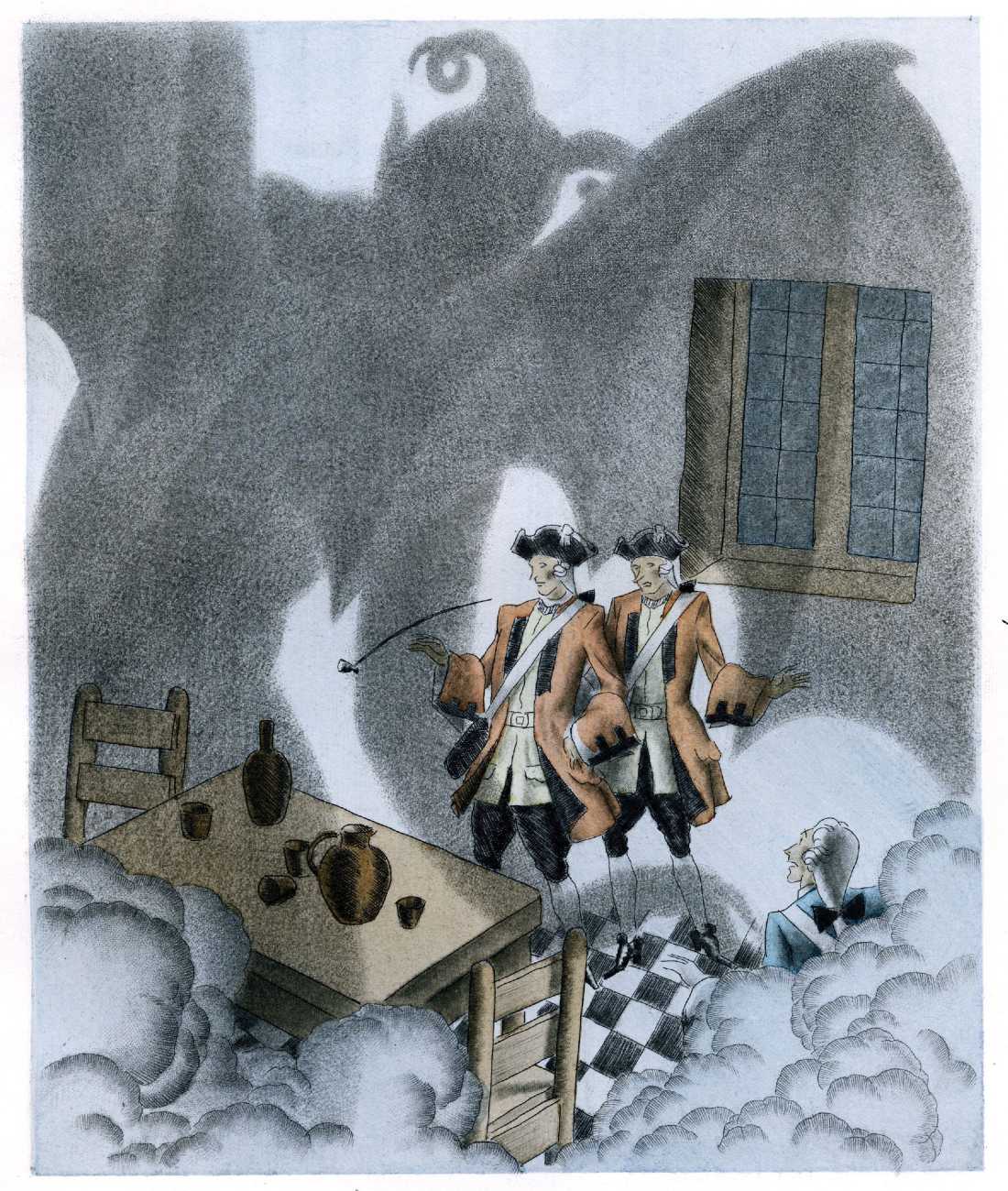
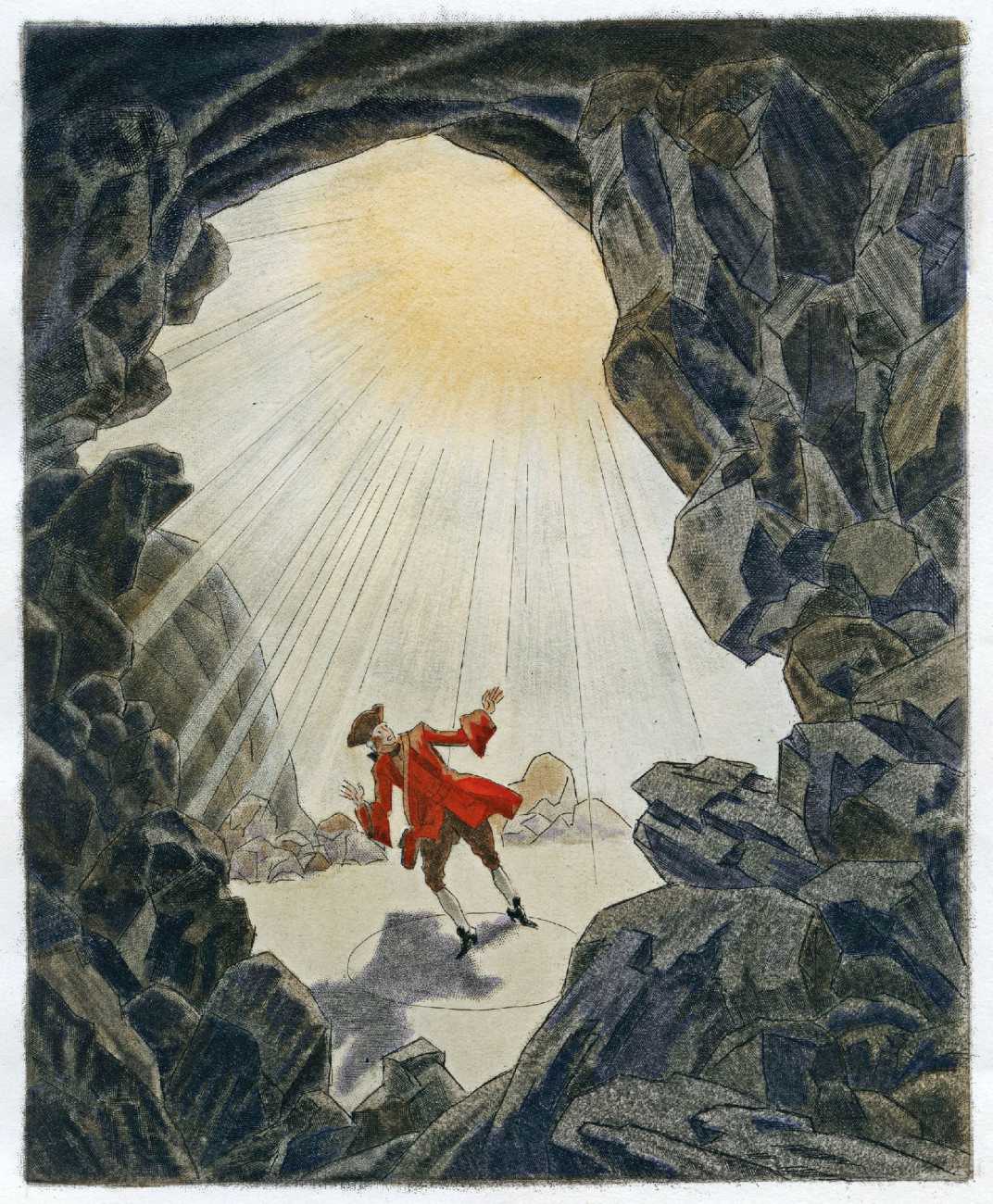
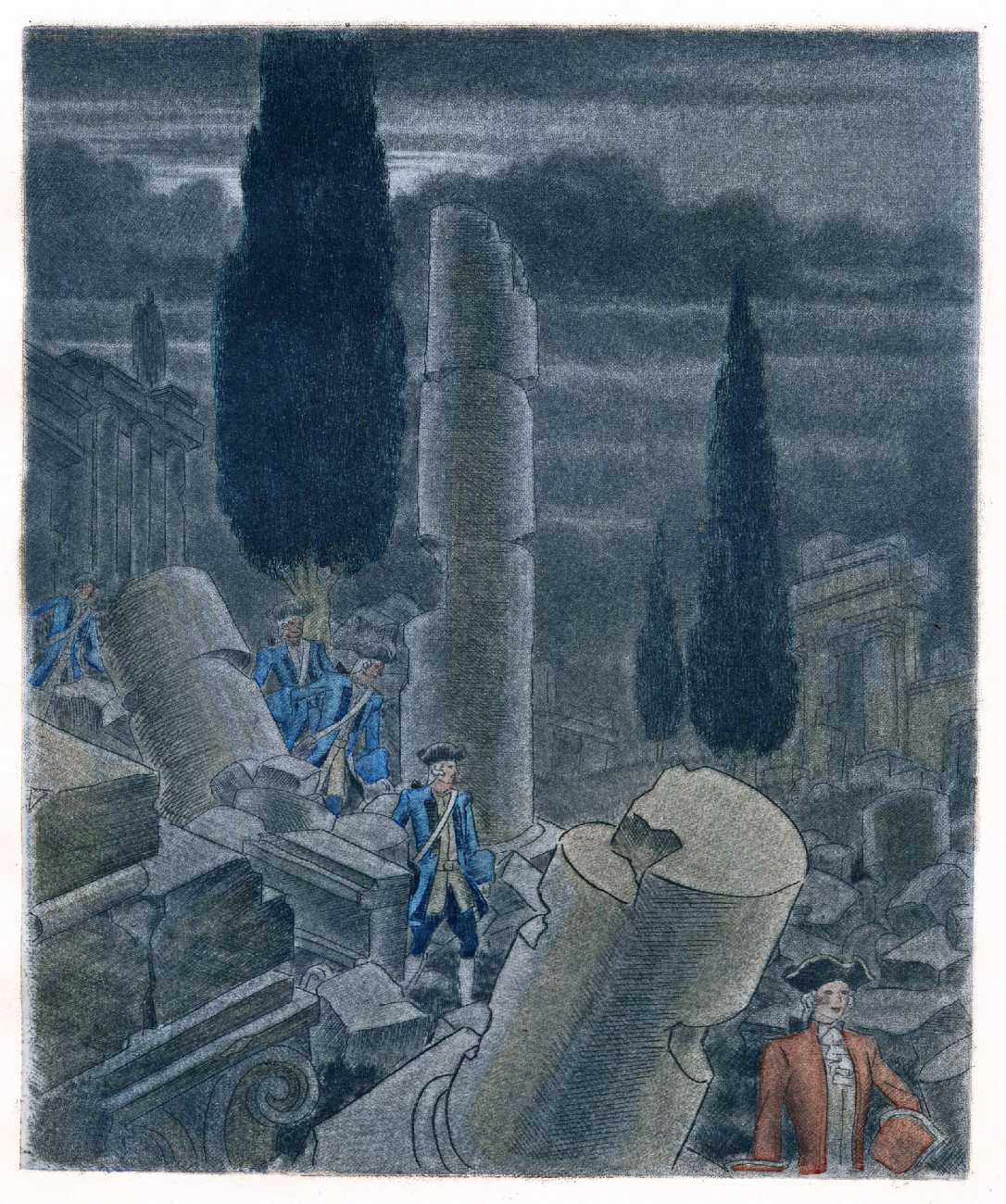
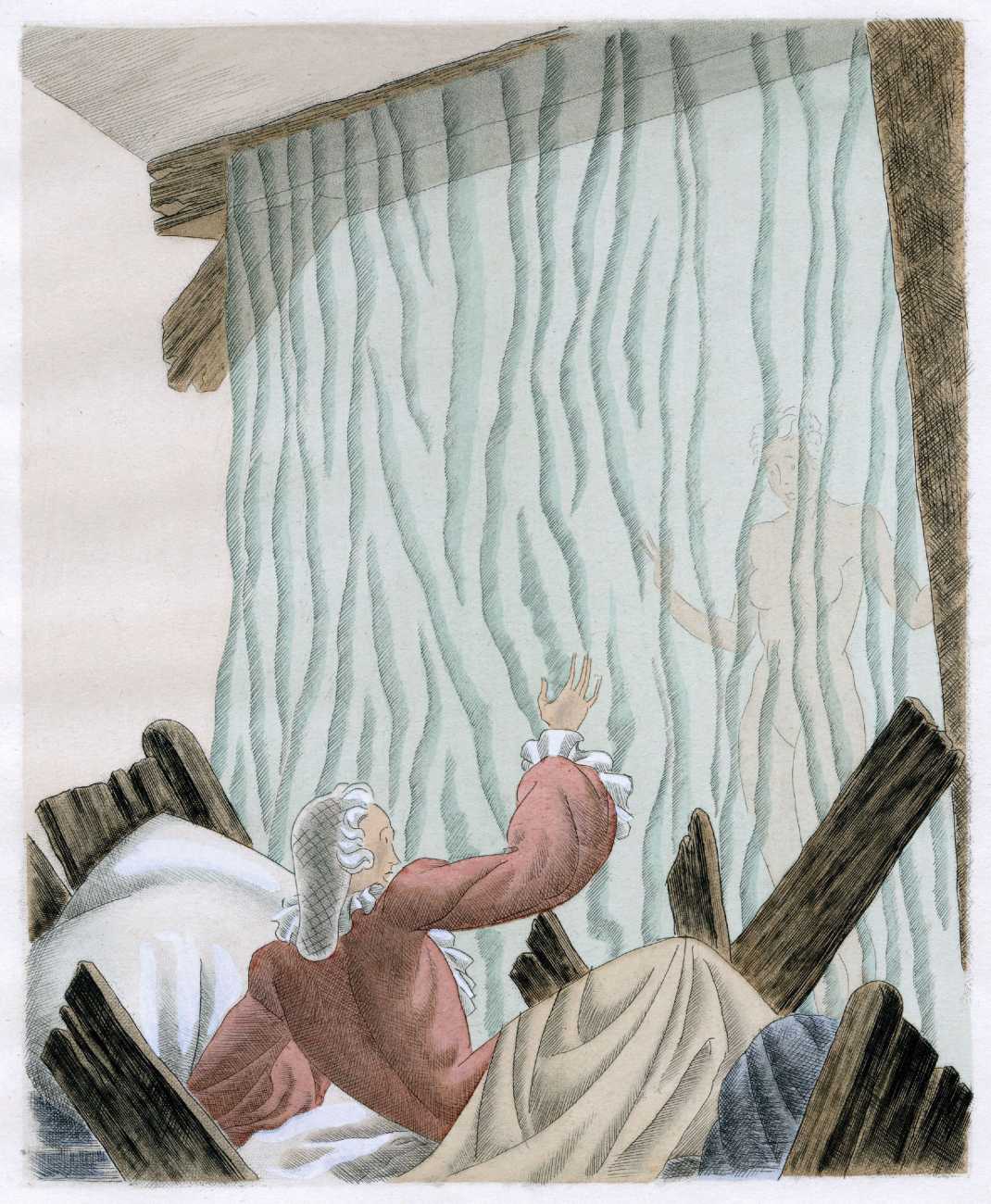
 Jacques Cazotte’s novel Le diable amoureux, first published in 1772, is the narrative of Don Alvare, a young Spanish officer whose rational confidence is undone by a supernatural seduction. While stationed in Naples, Alvare and a companion, half in bravado, attempt a necromantic experiment. In a ruined subterranean chamber they summon the devil, who appears in a series of grotesque forms before finally stabilising as a severed camel’s head. Terrified, Alvare orders the apparition to serve him rather than harm him. The command succeeds, but with consequences he scarcely understands.
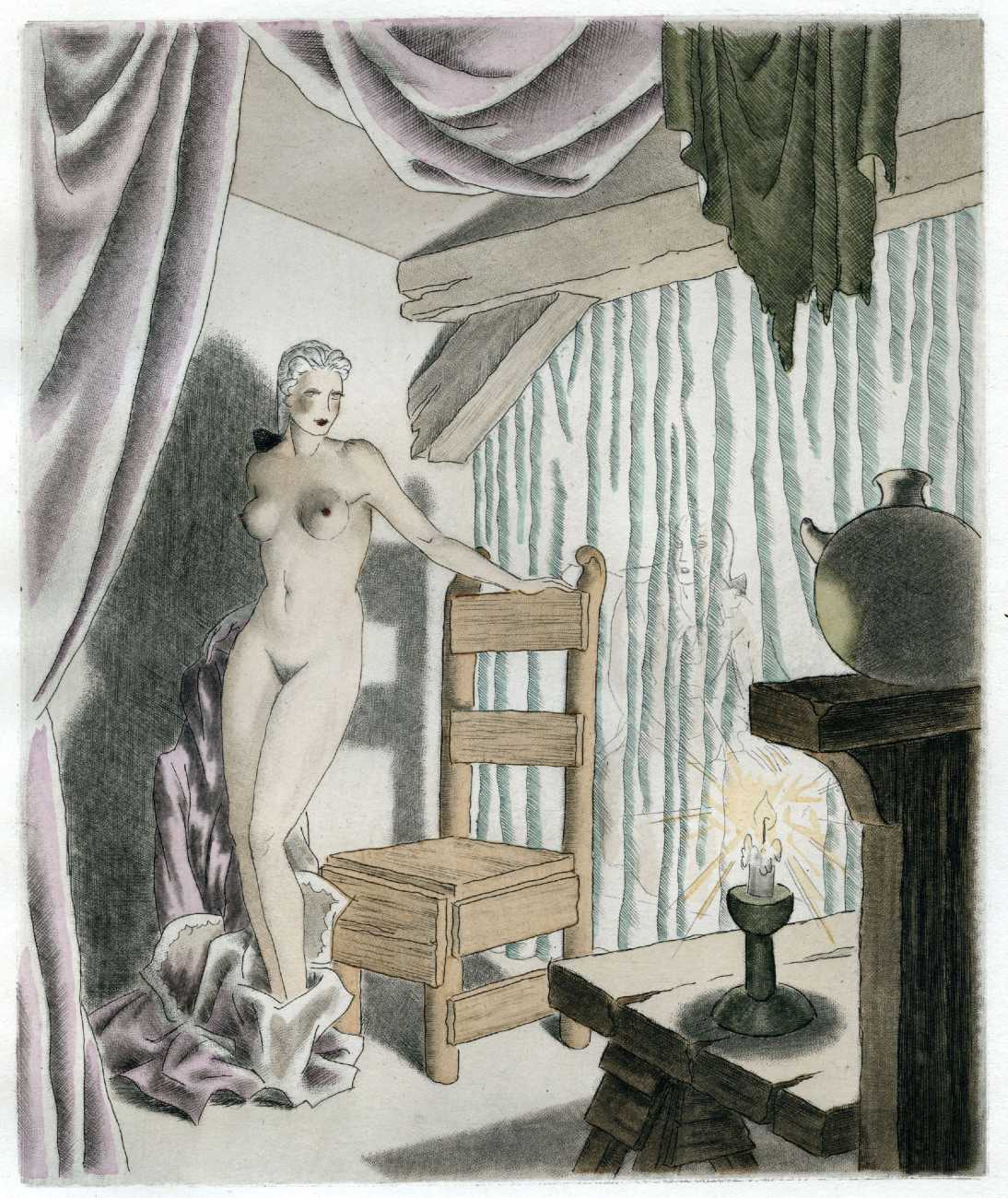
Soon afterward, Alvare encounters Biondetta, a beautiful, intelligent young woman who seems devoted to him with perfect attentiveness. She follows him from Naples to Venice, anticipating his wishes, nursing him through illness, and gently flattering his pride and sensibility. Alvare is increasingly torn between desire and suspicion. He senses something uncanny in her absolute submission and in the way chance and circumstance always bend to her presence. At moments of weakness he glimpses disturbing signs – her eyes flashing unnaturally, her voice slipping into inhuman tones – yet these are quickly masked by her charm and apparent virtue.
The tension of the novella lies in Alvare’s internal struggle. He wishes to believe in Biondetta’s humanity and in his own power to dominate the situation, even as he fears that he is being slowly possessed. When he seeks counsel, a wise confessor warns him that the devil’s greatest triumph is not terror but love, and that seduction is more dangerous than open evil. The climax arrives when Biondetta presses Alvare to consummate their relationship. At the decisive moment, he forces himself to pray and rejects her. The illusion collapses: Biondetta reveals herself as the devil, confessing that love – genuine love – was required to complete his conquest of Alvare’s soul. Having failed, the demon vanishes.
The tale ends ambiguously. Alvare survives, marries respectably, and claims to have learned prudence, yet he admits that the memory of Biondetta still troubles him. Cazotte leaves readers unsure whether the true danger lay in the devil, or in the human desire to be adored.
Le diable amoureux was a pioneering work that helped shape later gothic and romantic fantastic literature. Its author, Jacques Cazotte (1719–1792) grew up in Dijon, trained as a civil servant, and spent many years working for the French colonial administration on Martinique before returning to France. Initially associated with enlightenment circles, Cazotte later embraced mysticism and became a fervent Catholic royalist. During the French Revolution his outspoken opposition to revolutionary violence led to his arrest, and he was guillotined in 1792. His literary reputation rests largely on his subtle blend of reason, seduction, and supernatural ambiguity.
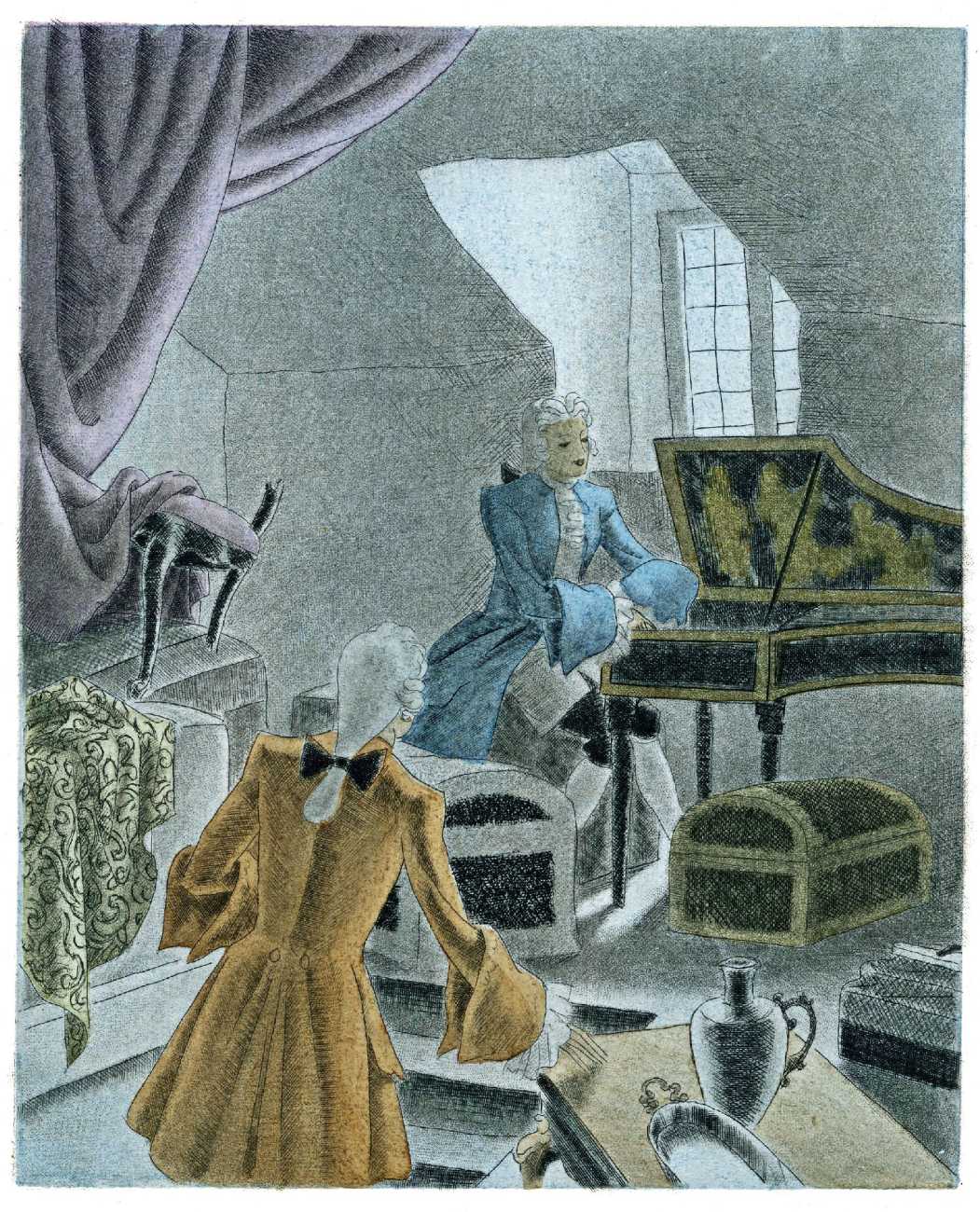
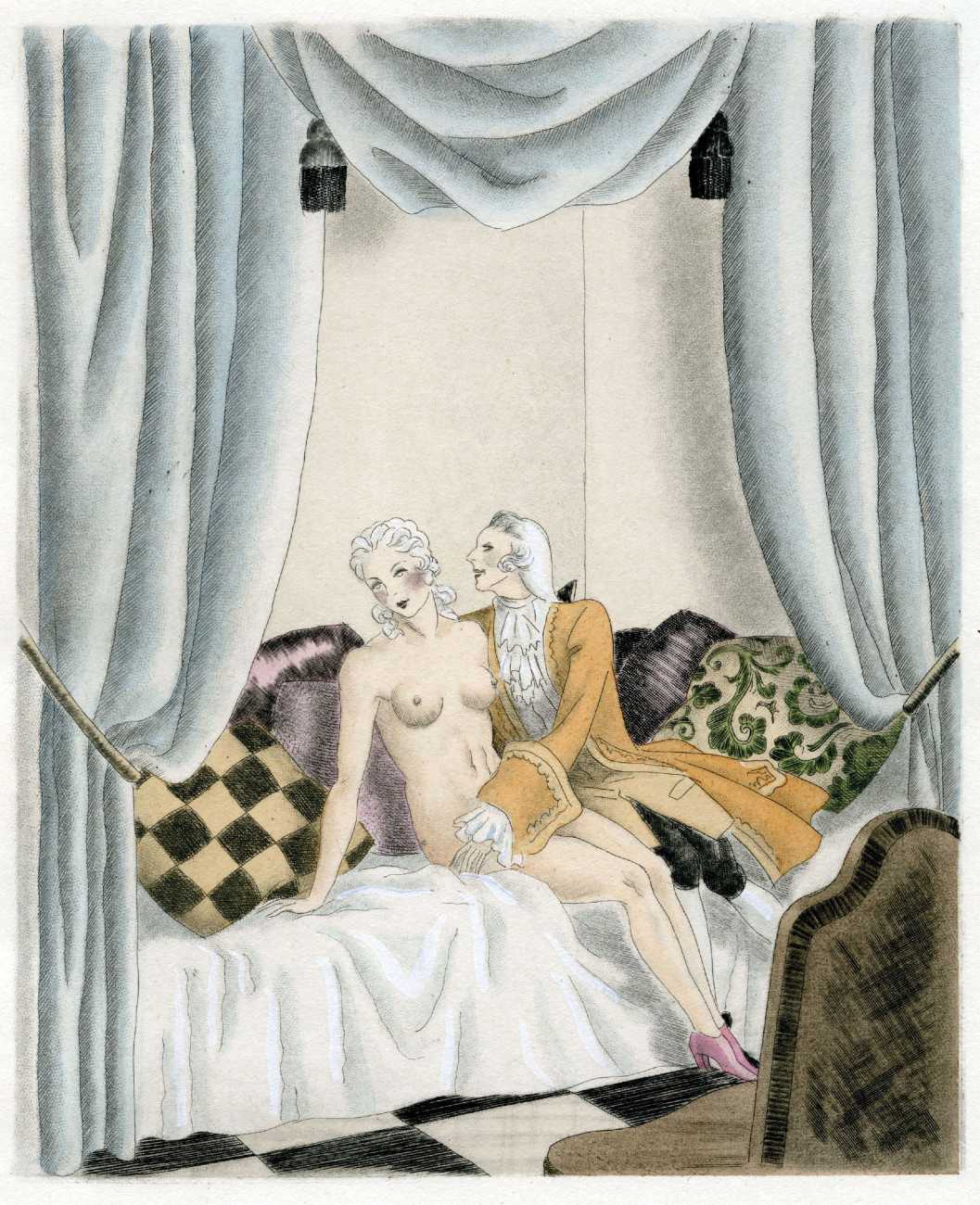
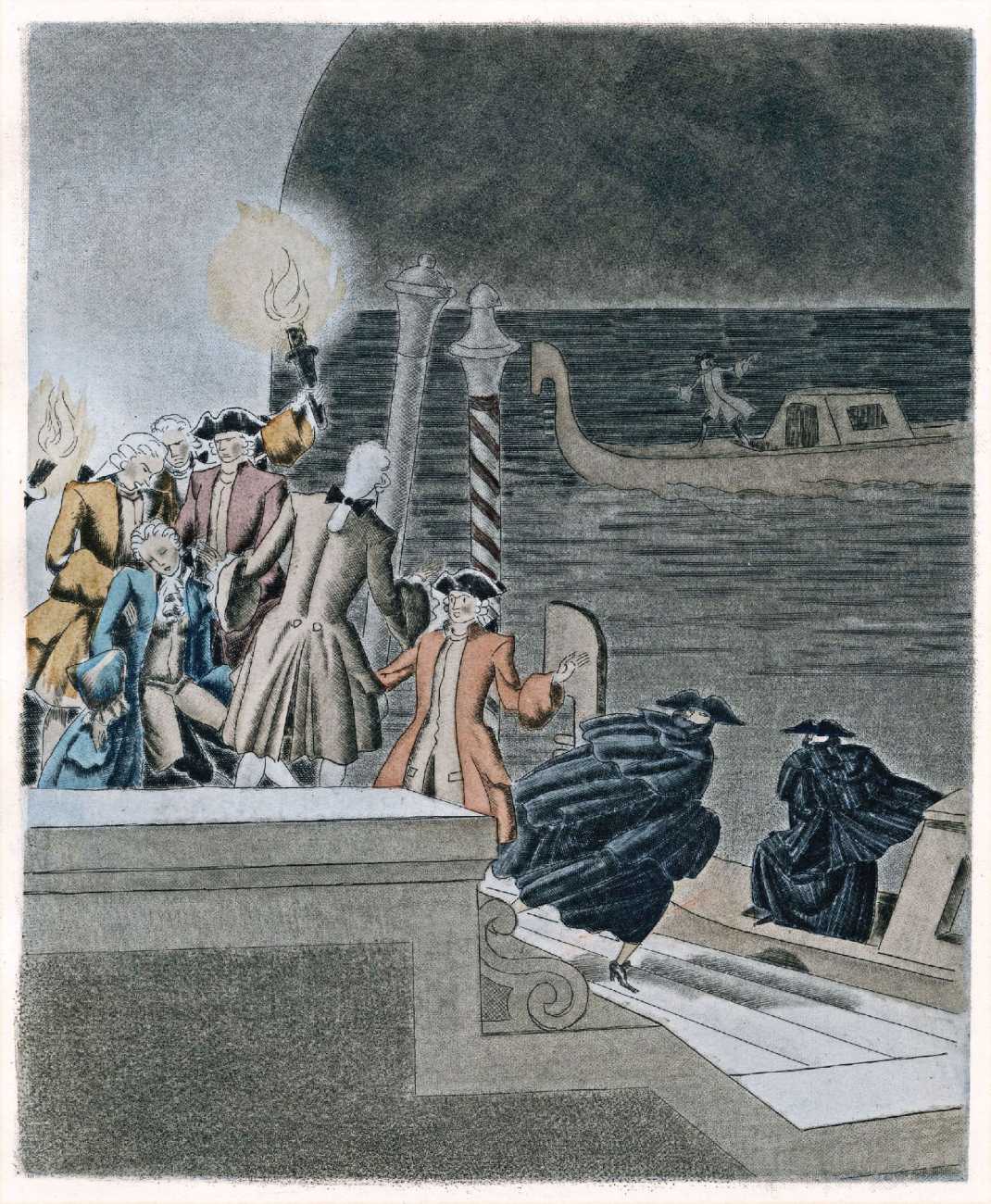
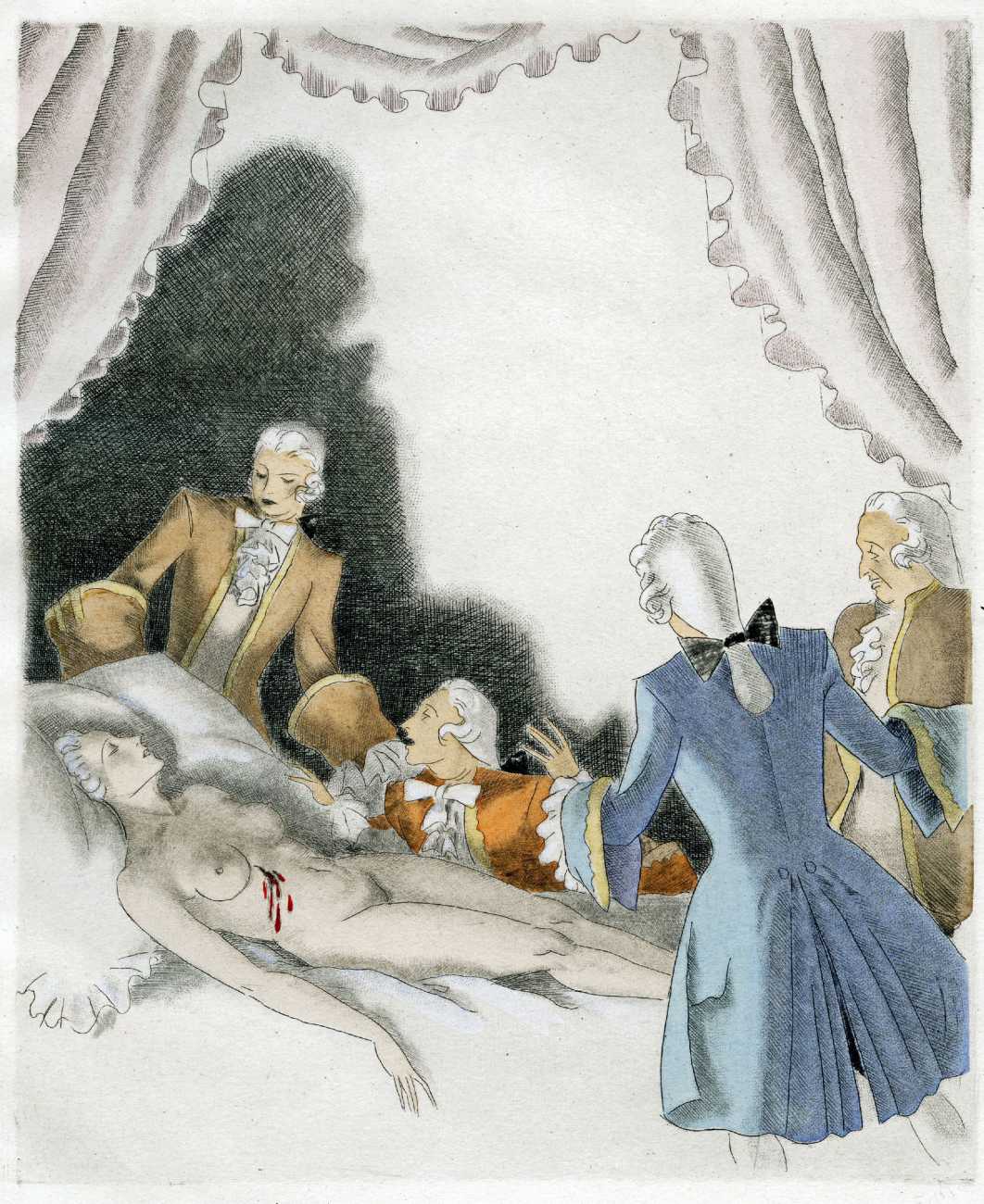
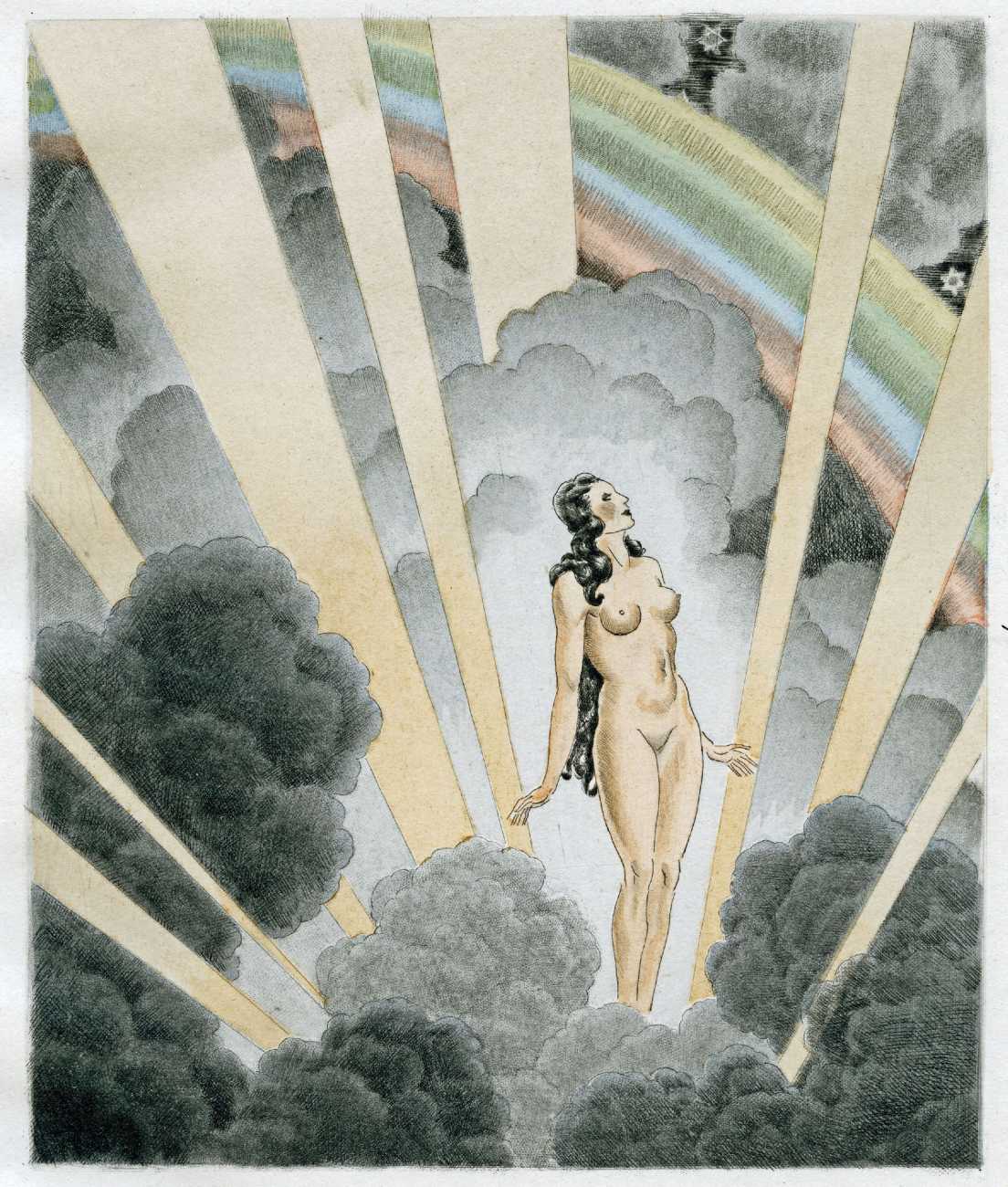
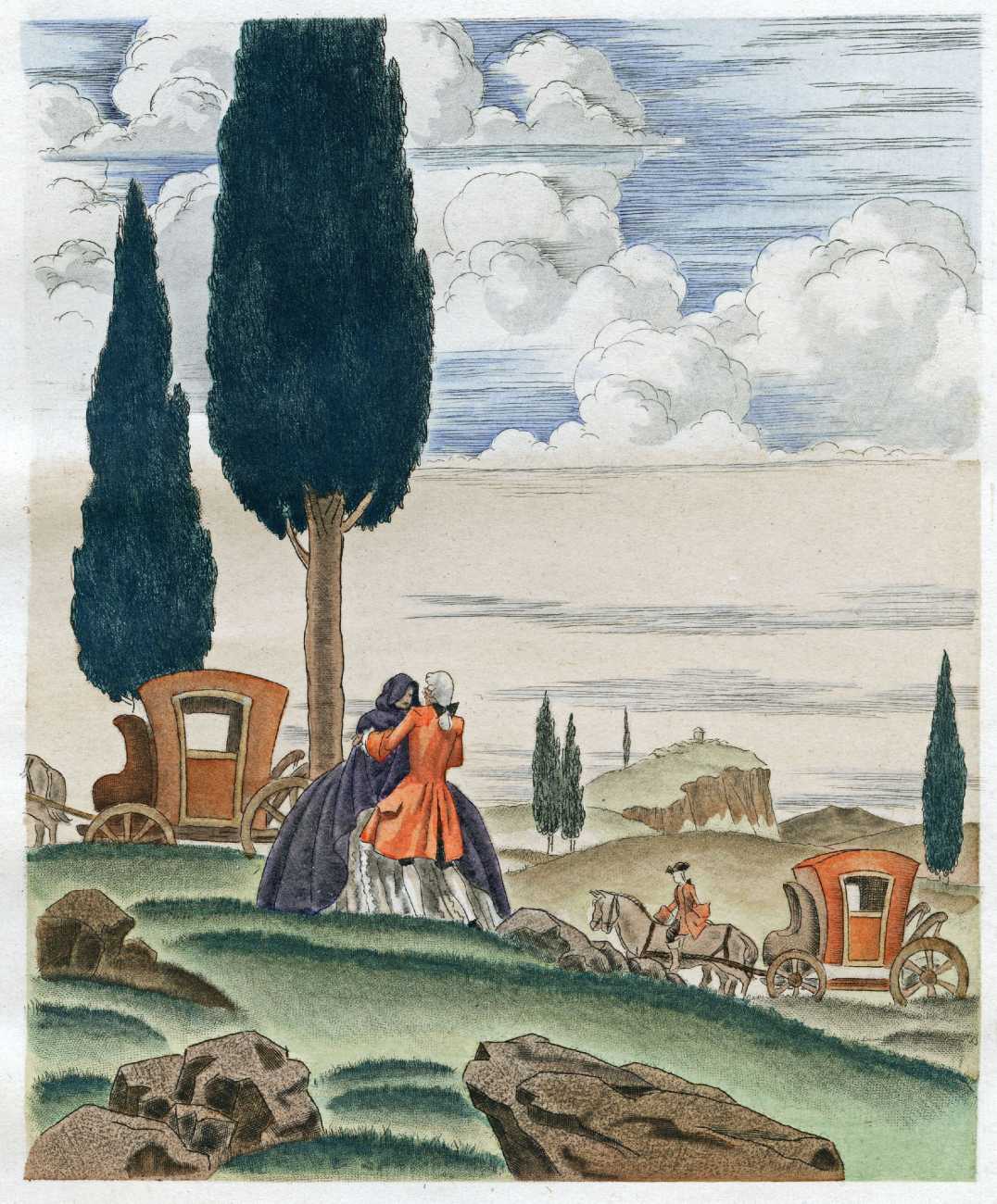
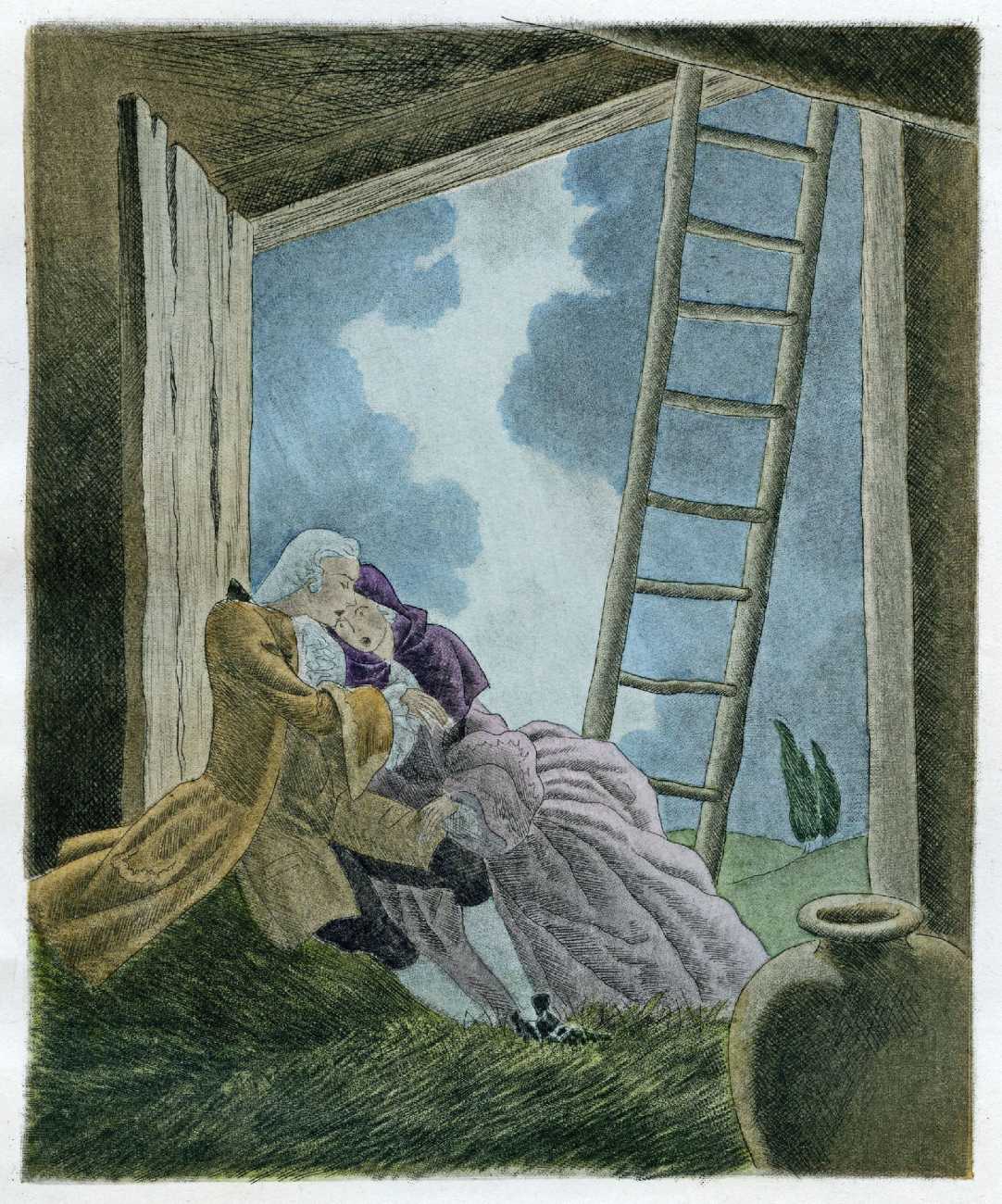
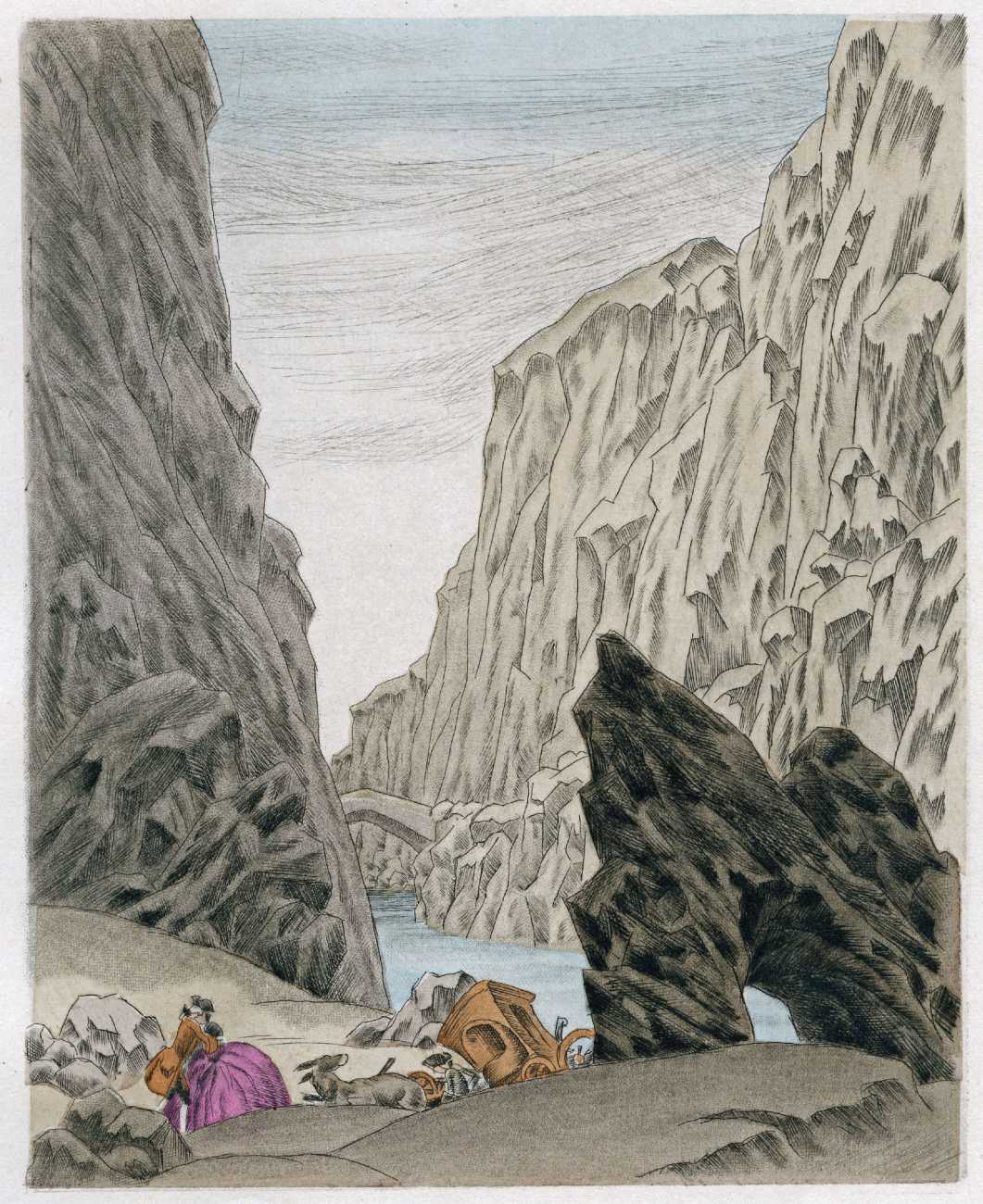
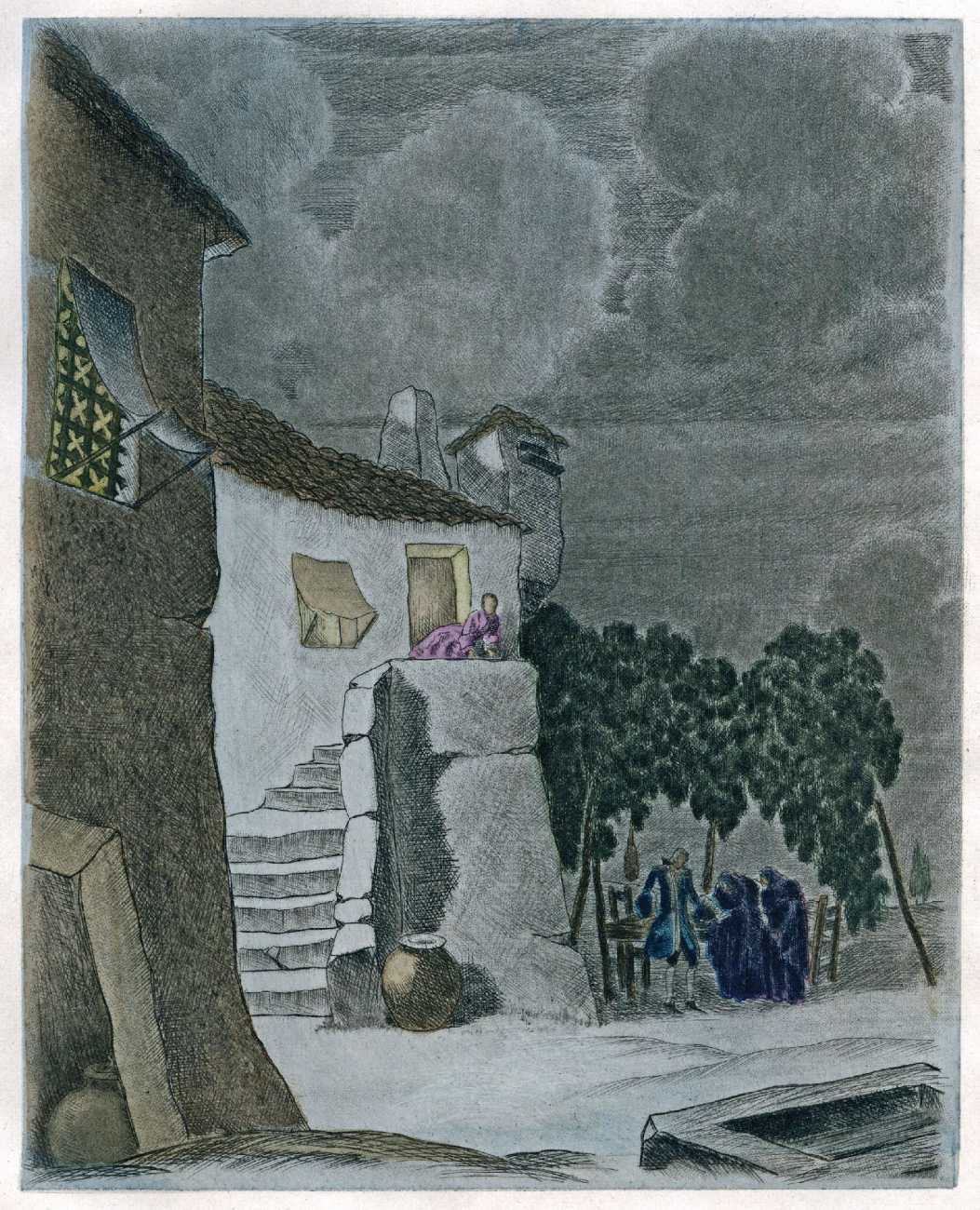
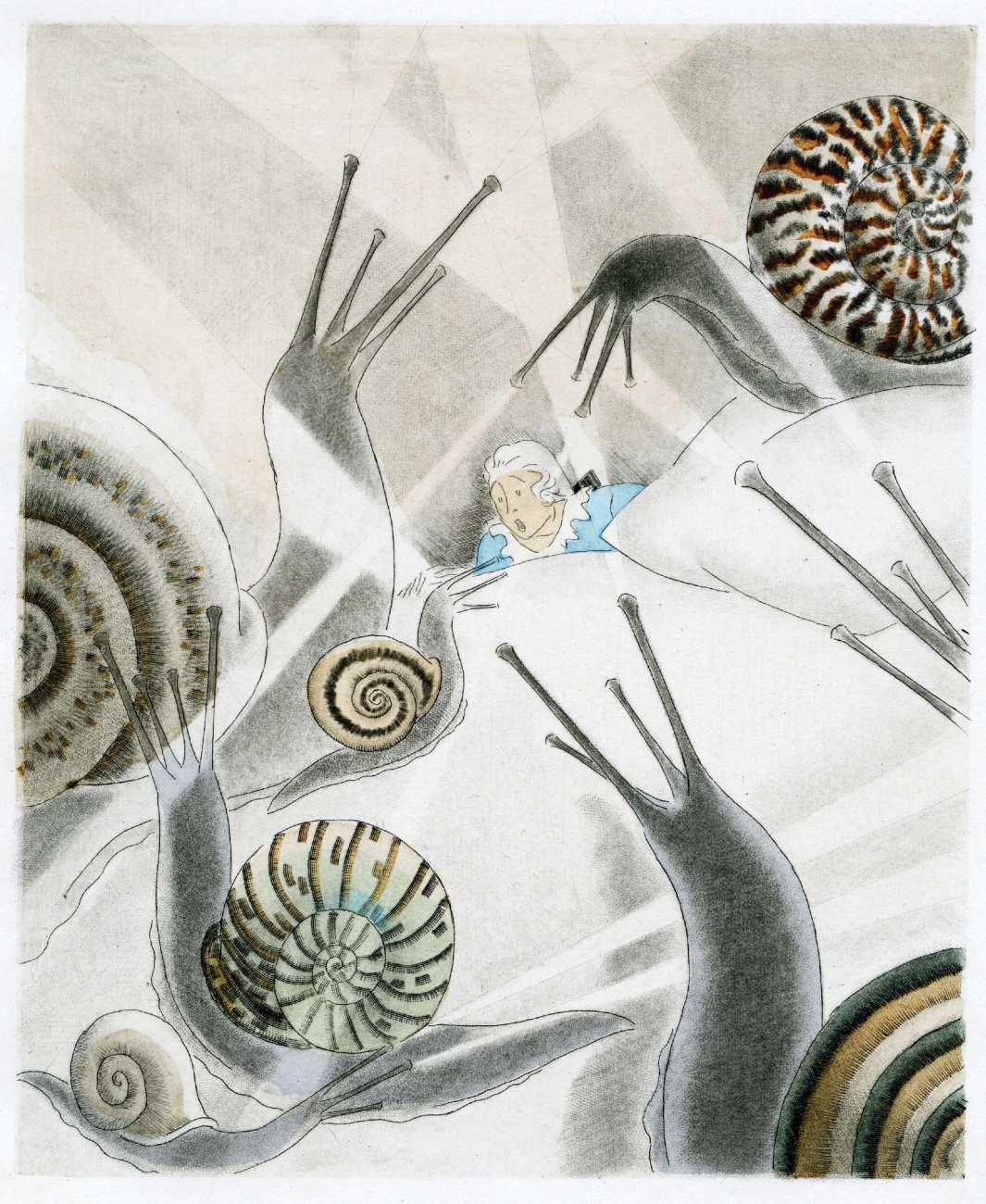
Leroy’s colour illustrations for Le diable amoureux are considered some of his best work, detailed, atmospheric, and taking advantage of the best available colour printing techniques. Biondetta almost invariably appears naked, which justifies the erotic attribution of this portfolio.
The Leroy-illustrated Le diable amoureux was published by Éditions Janick in a limited, numbered and boxed edition of 475 copies.
The best English translation of Le diable amoureux is by Stephen Sartarelli; titled The Devil in Love, this Marsilio edition published in 1994 also includes Sartarelli’s translation of the biography Jacques Cazotte : His Life, Trial, Prophecies, and Revelations by Gerard Nerval.