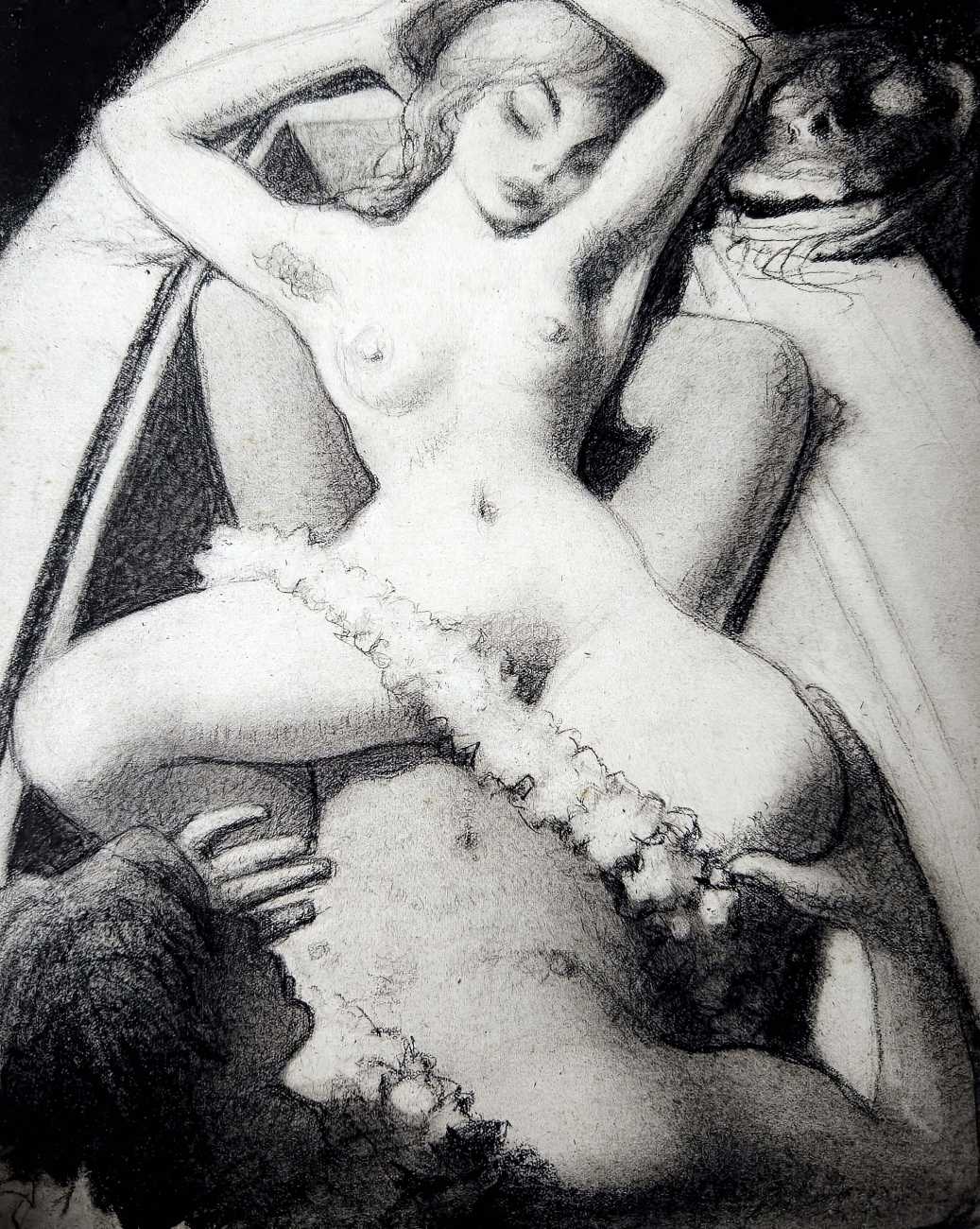
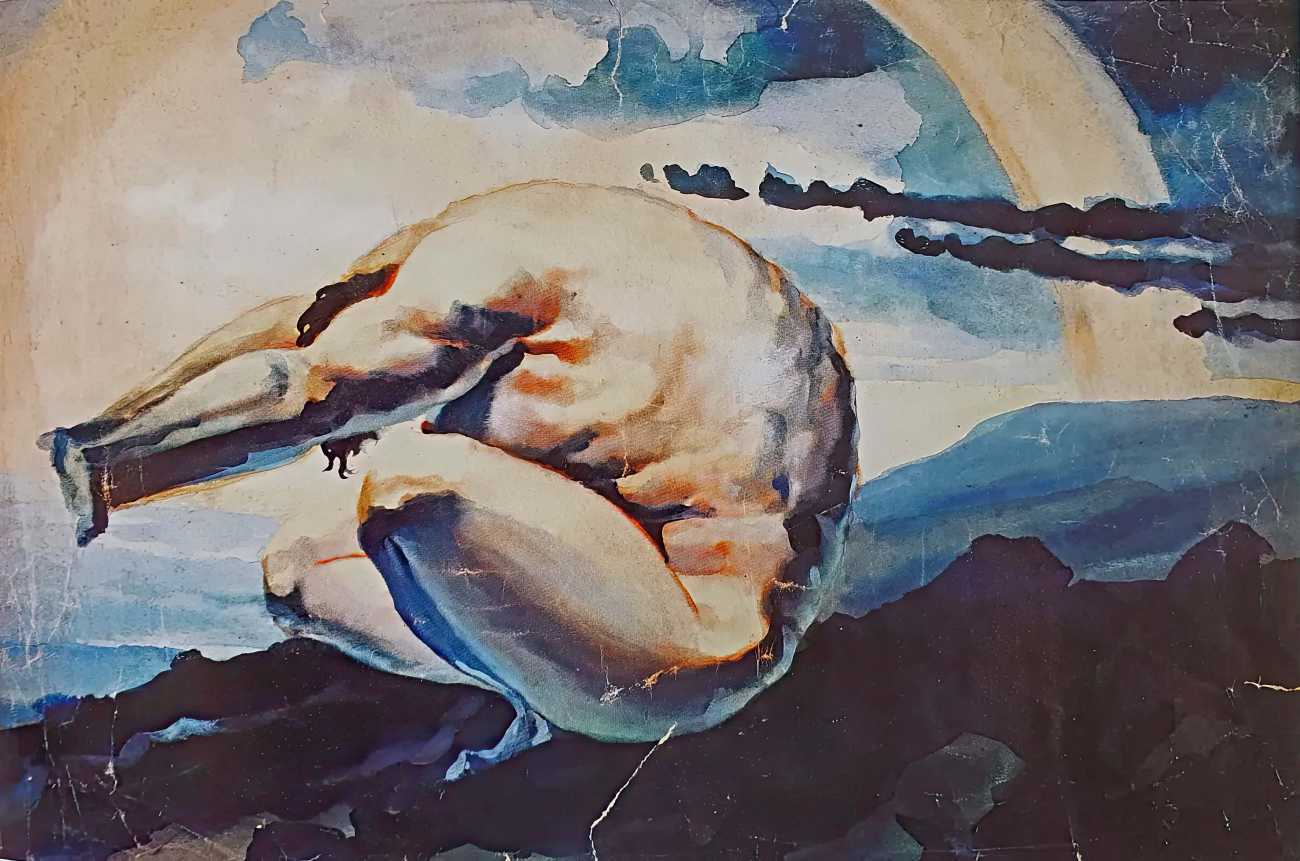
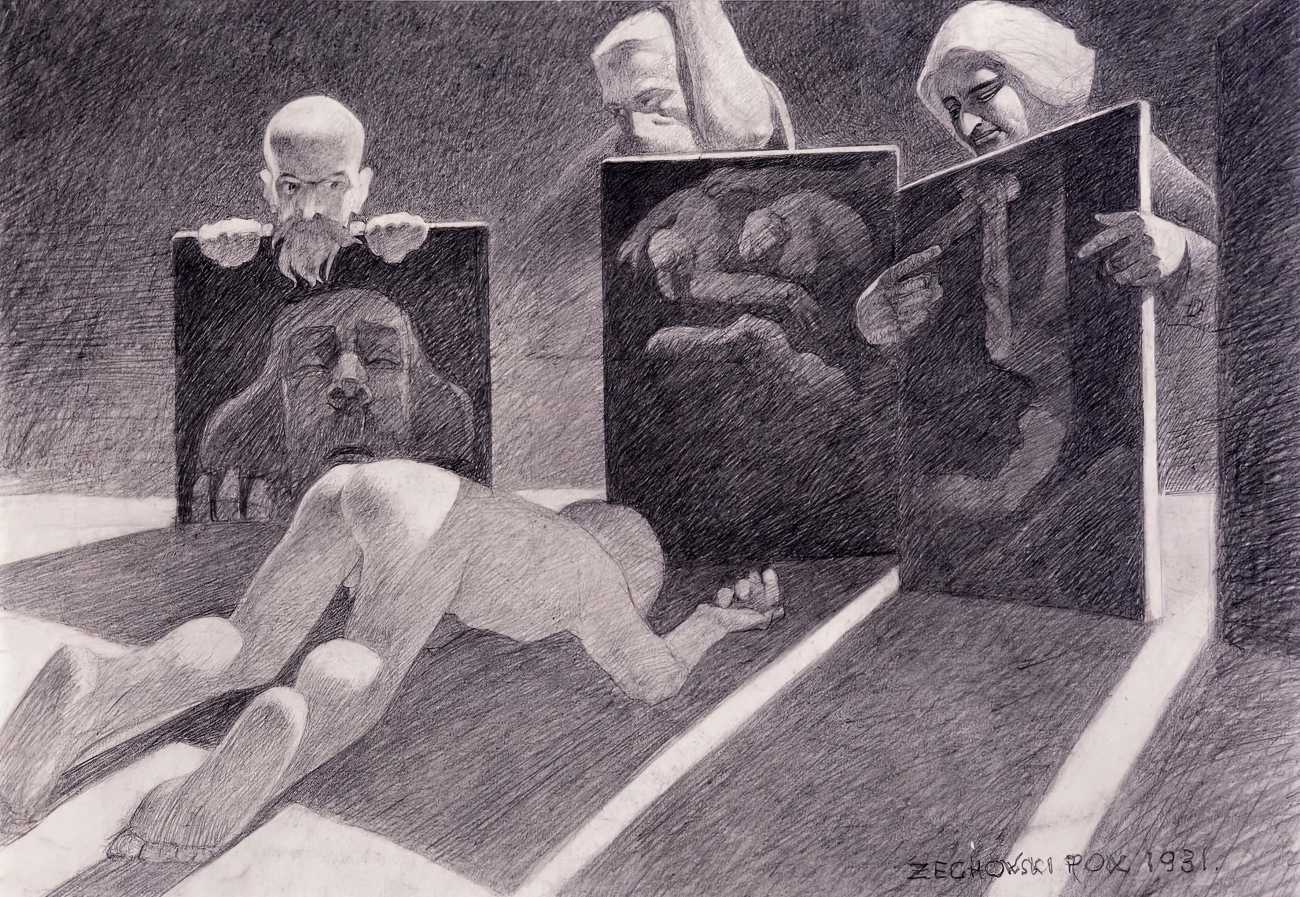
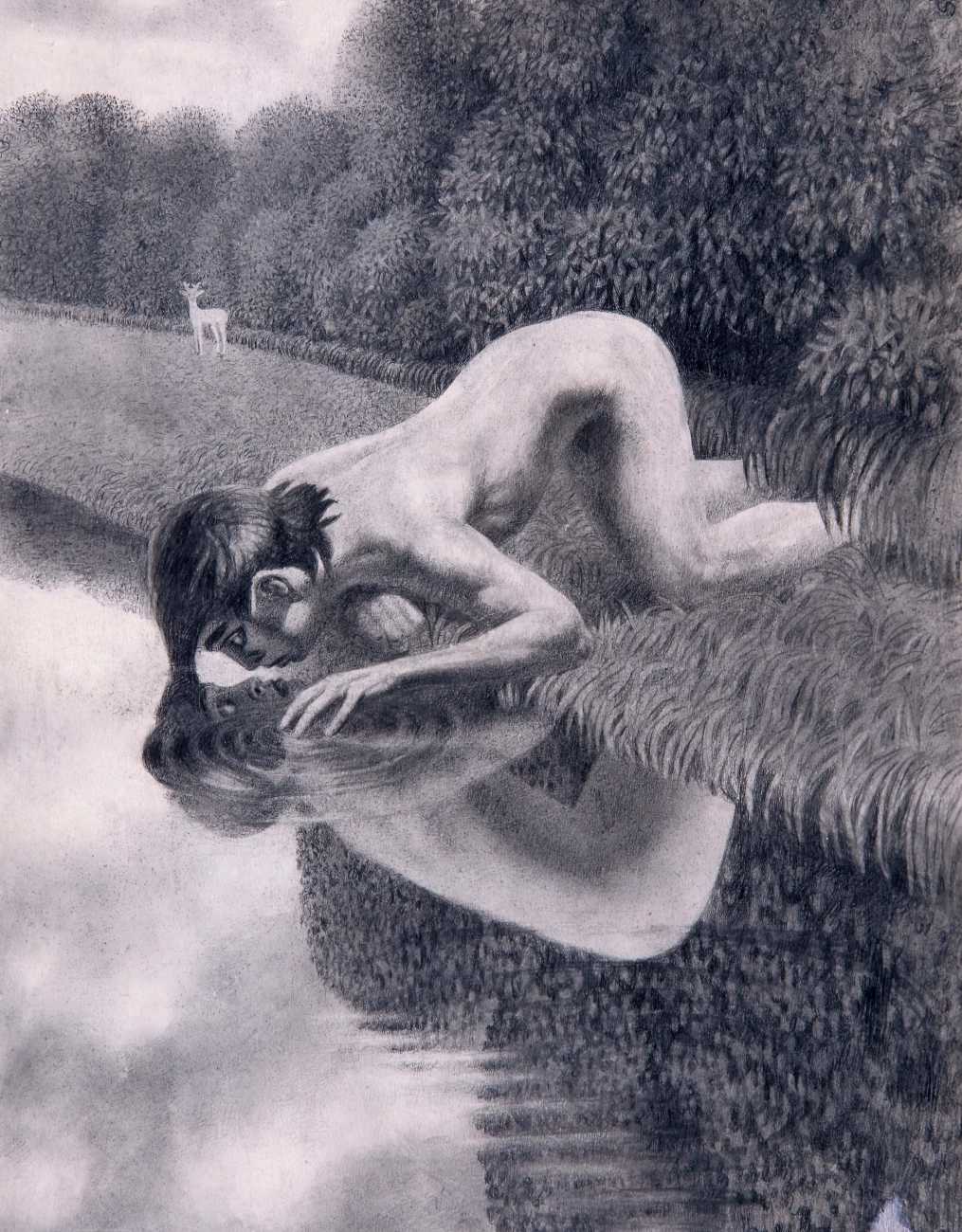
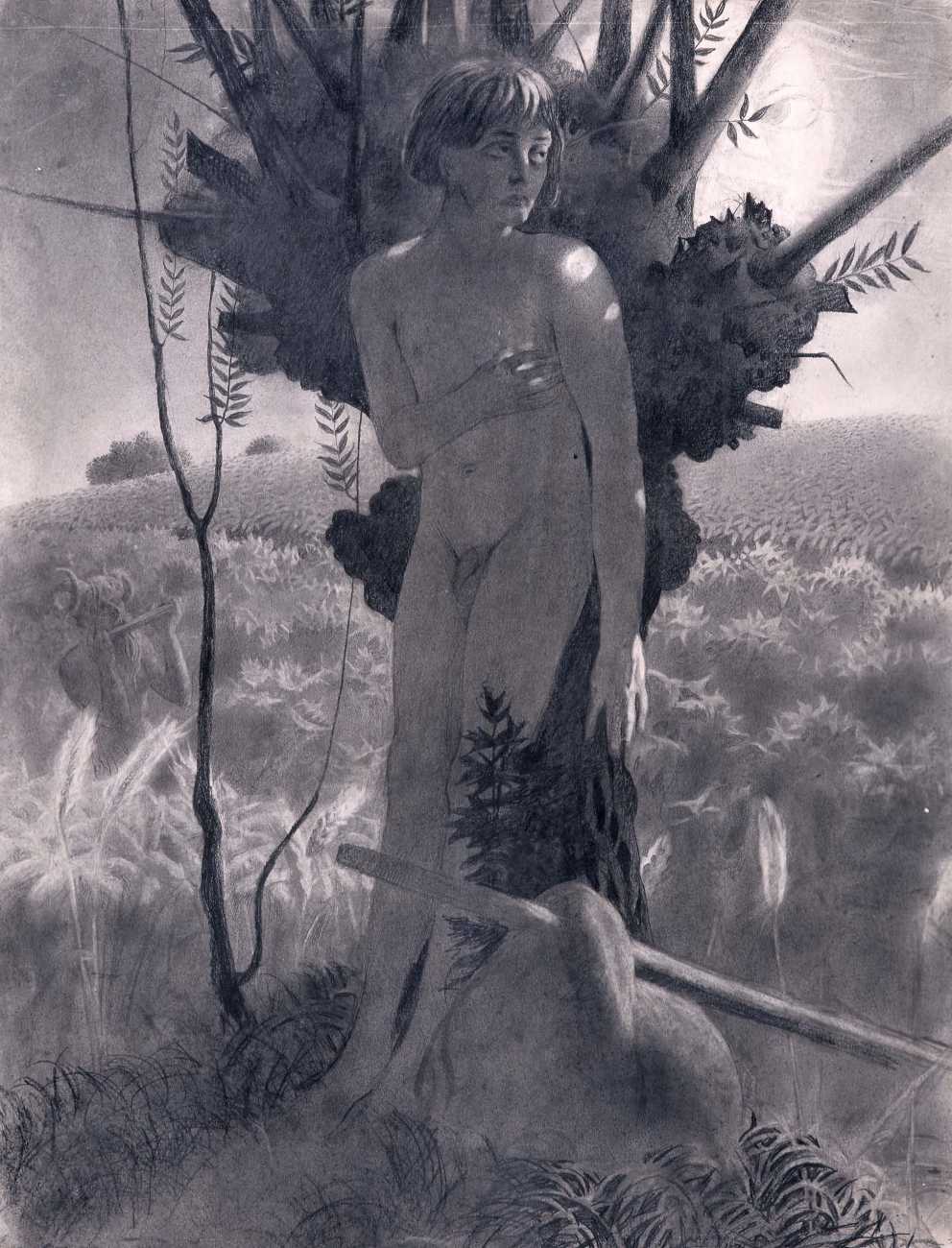
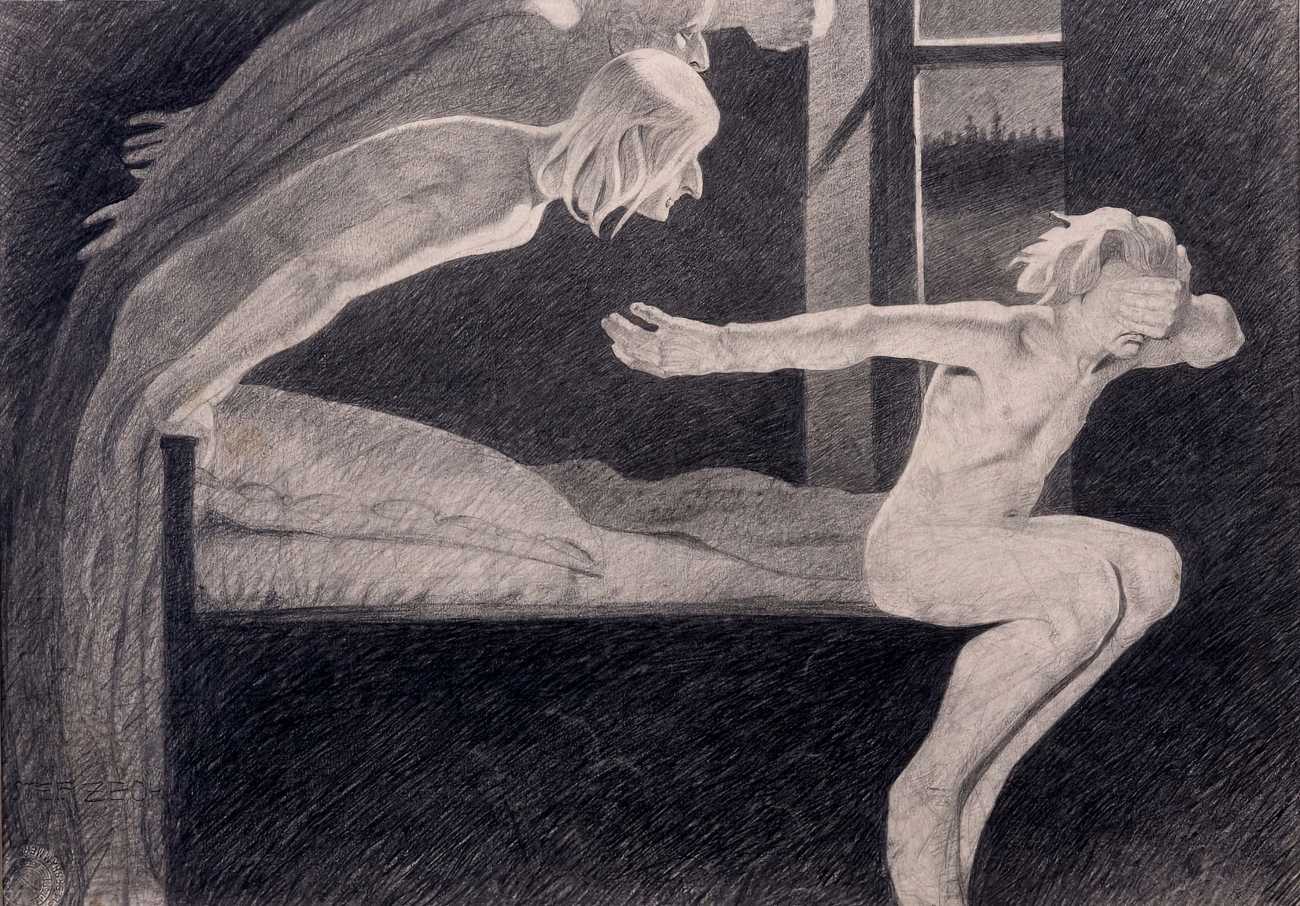
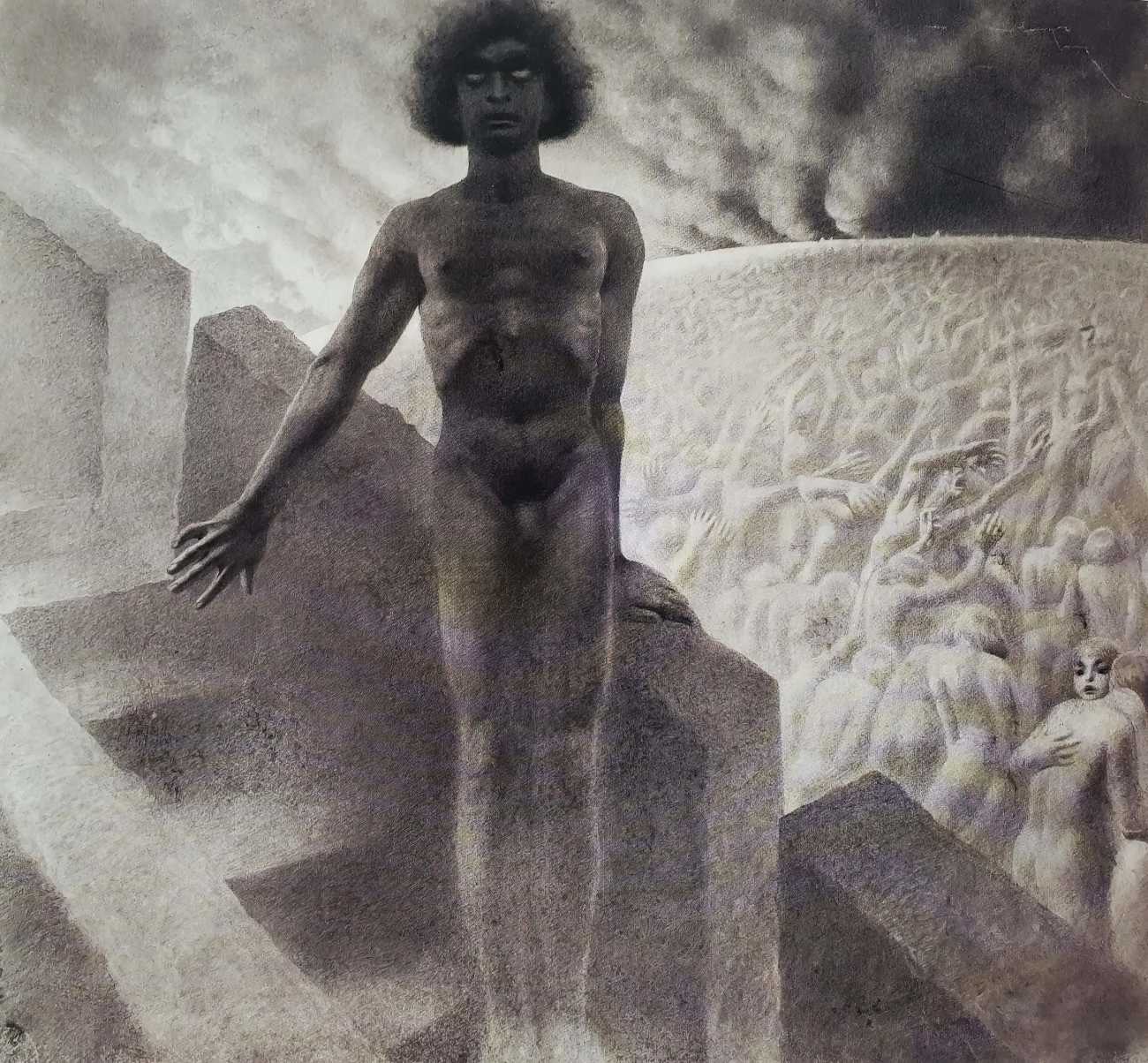
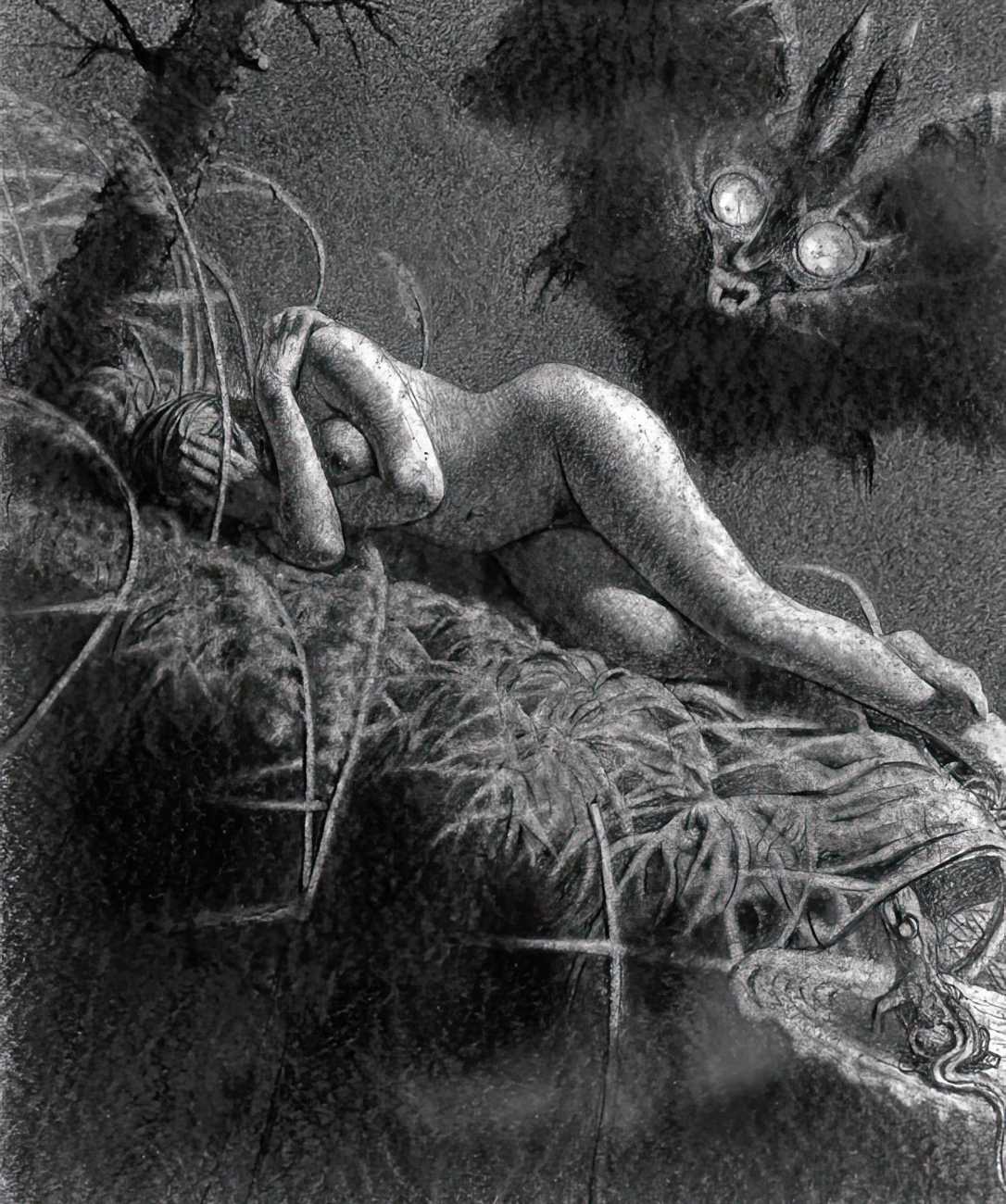
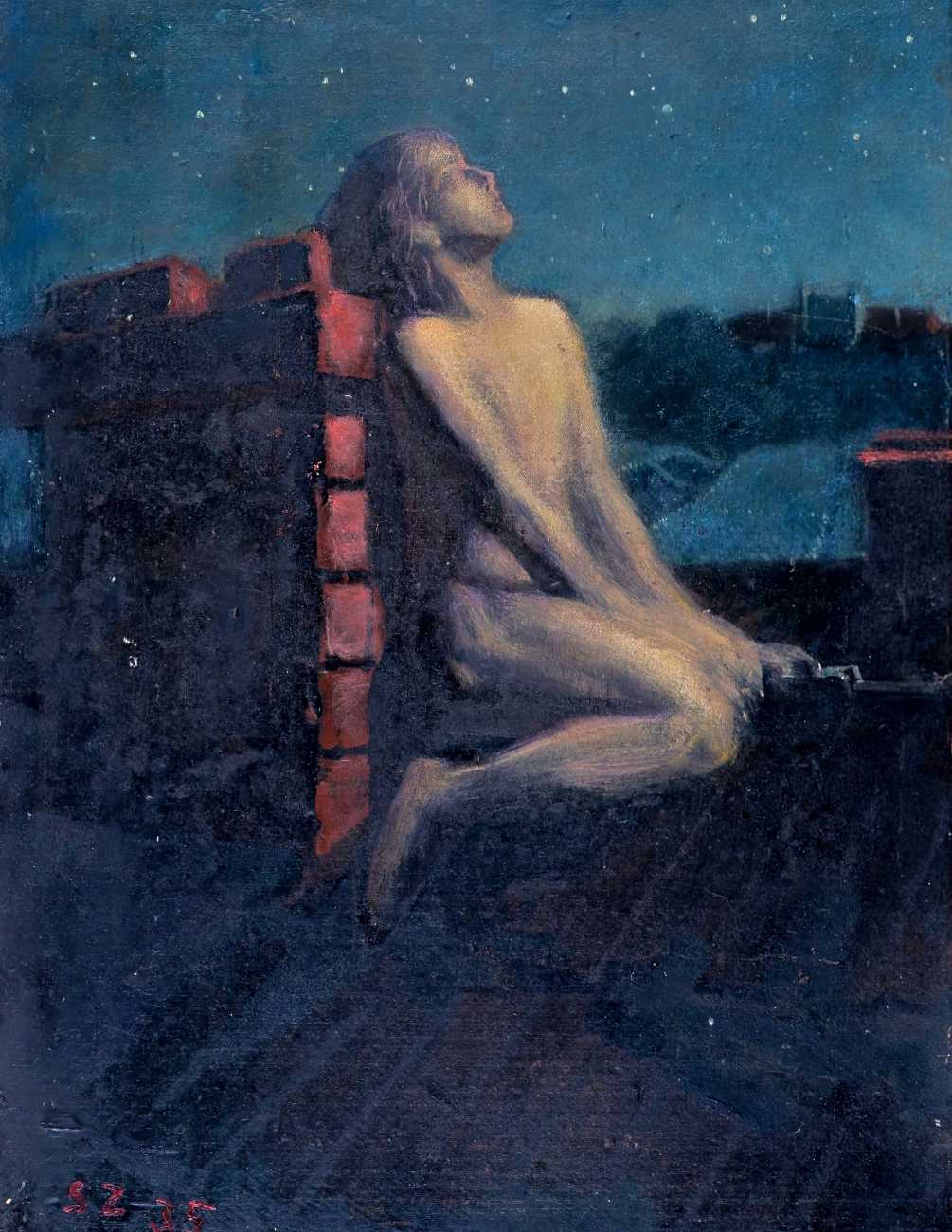
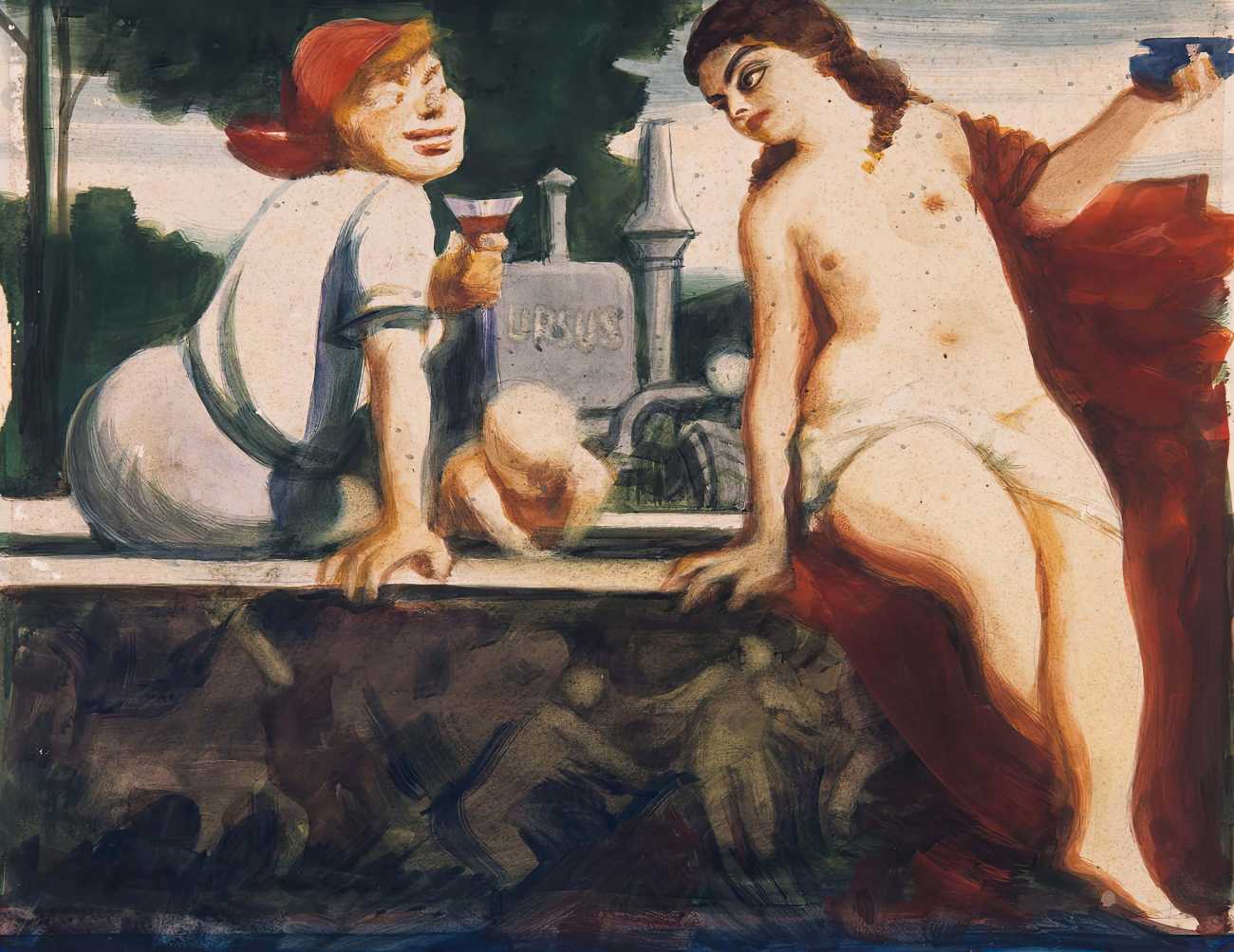
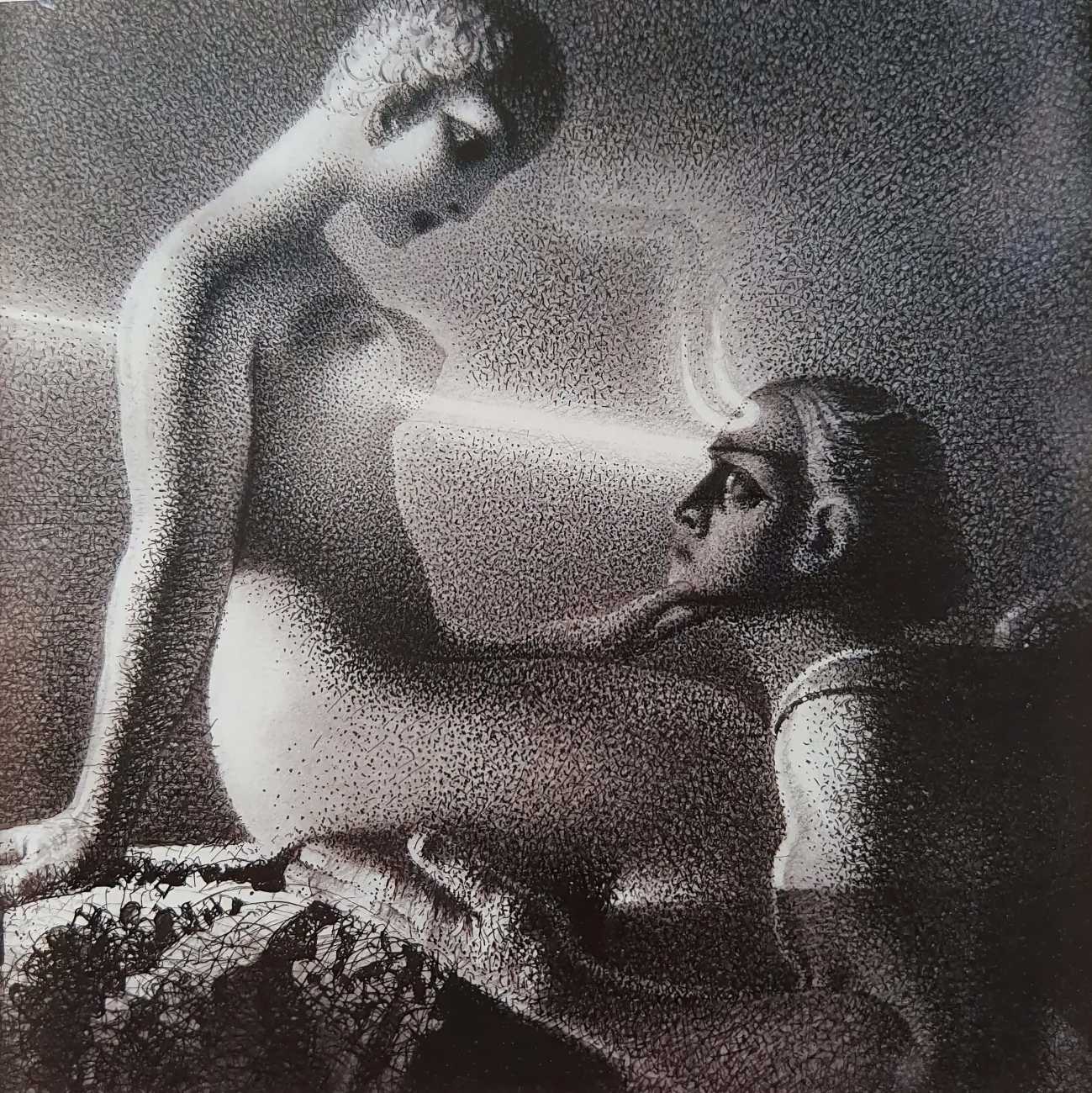
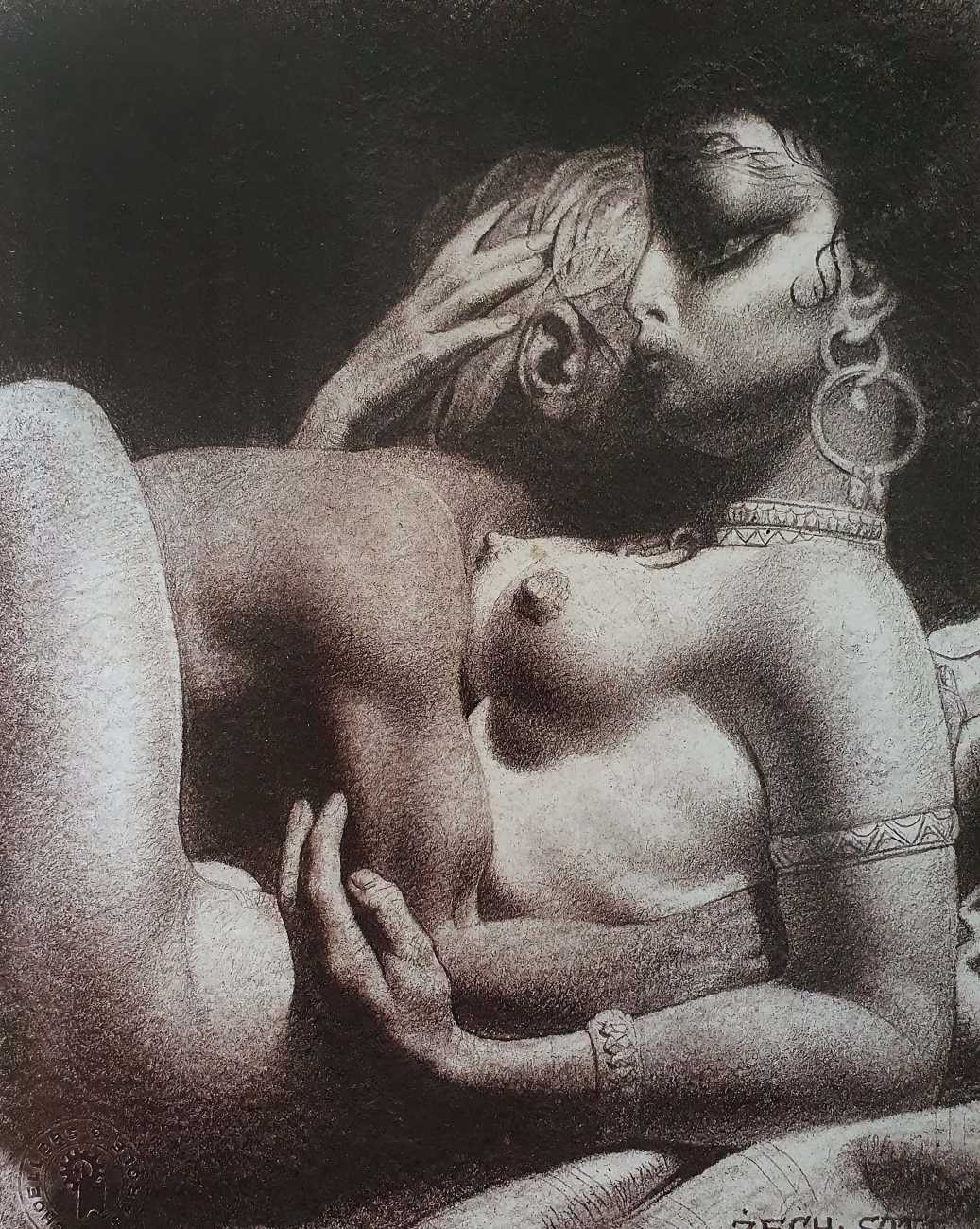
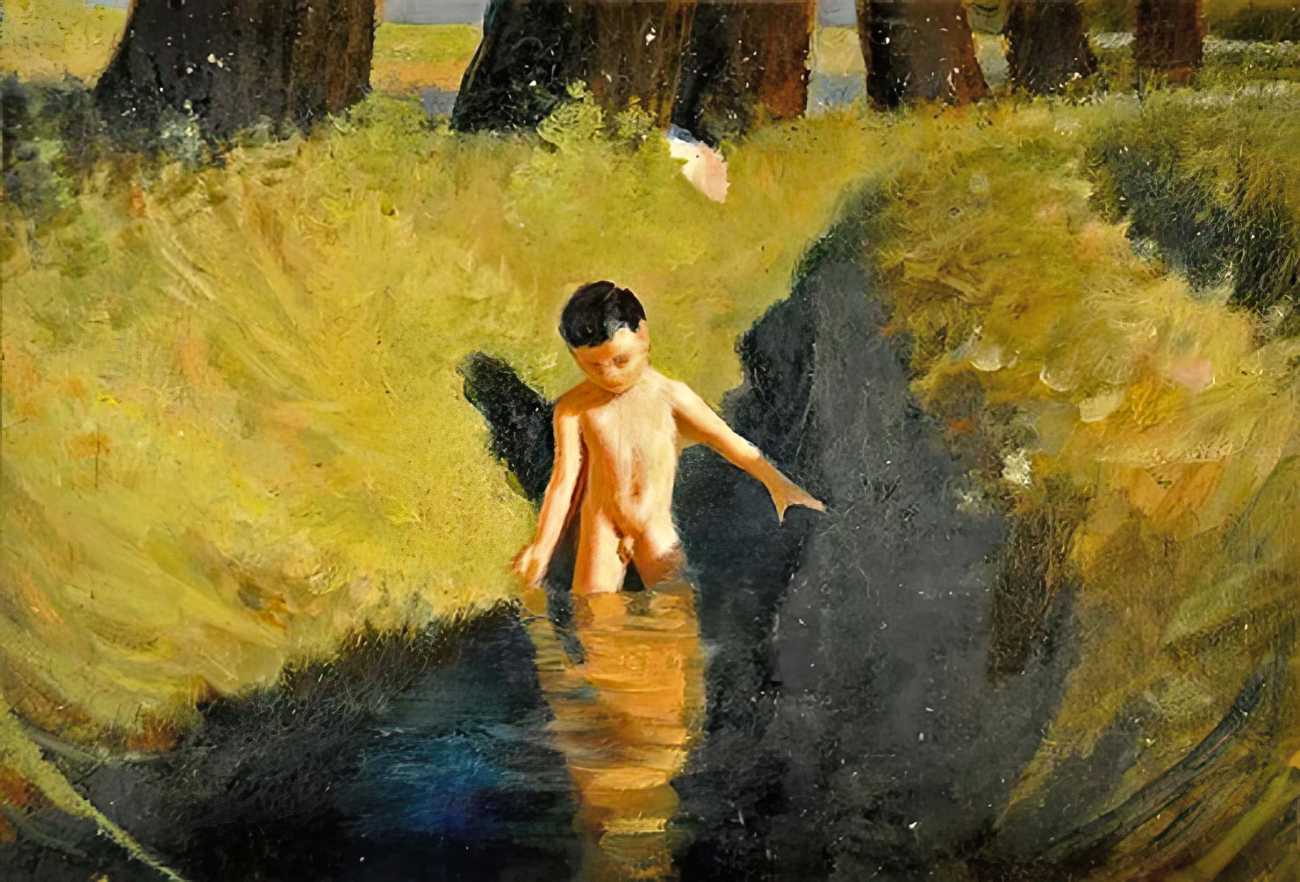
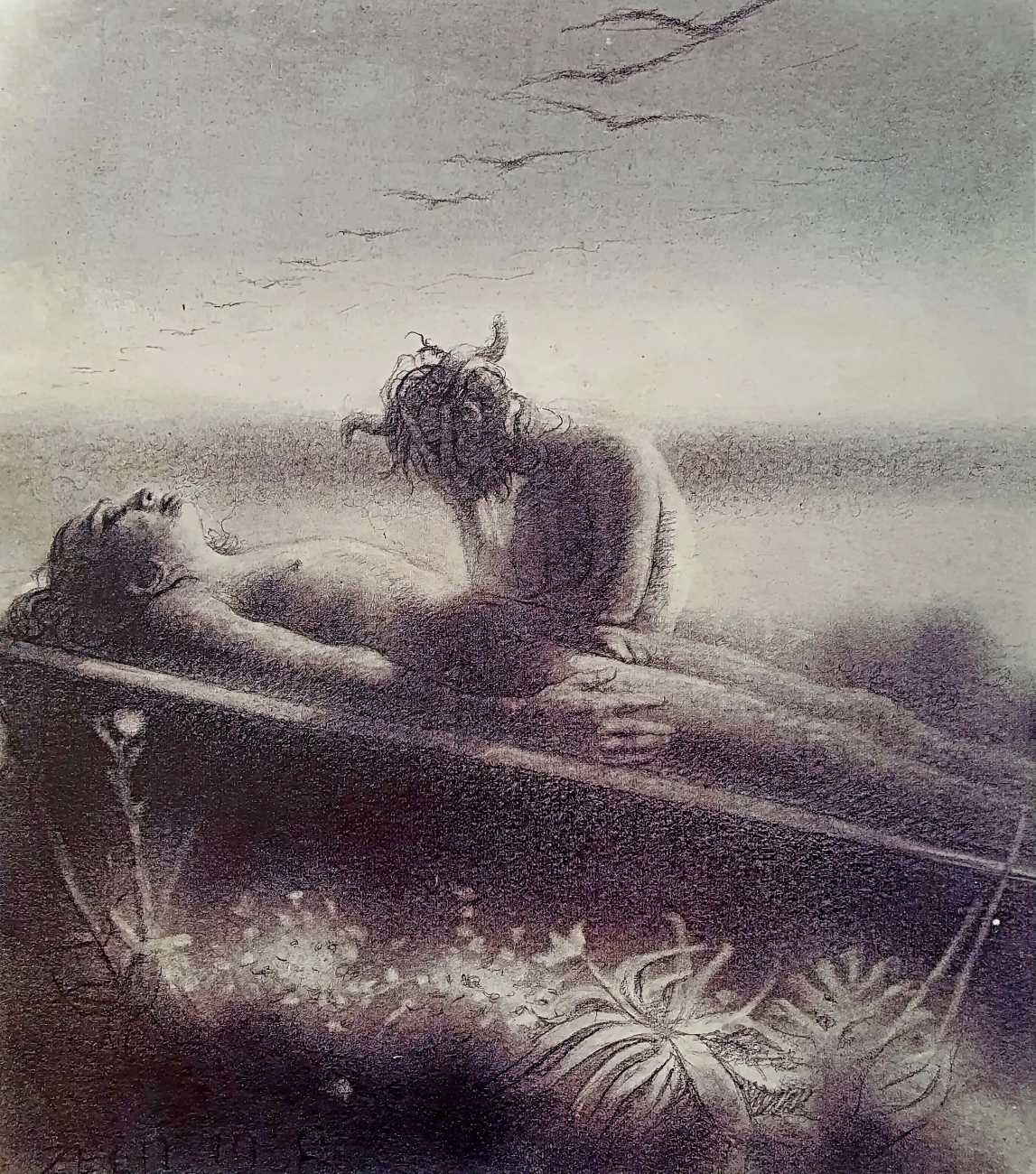
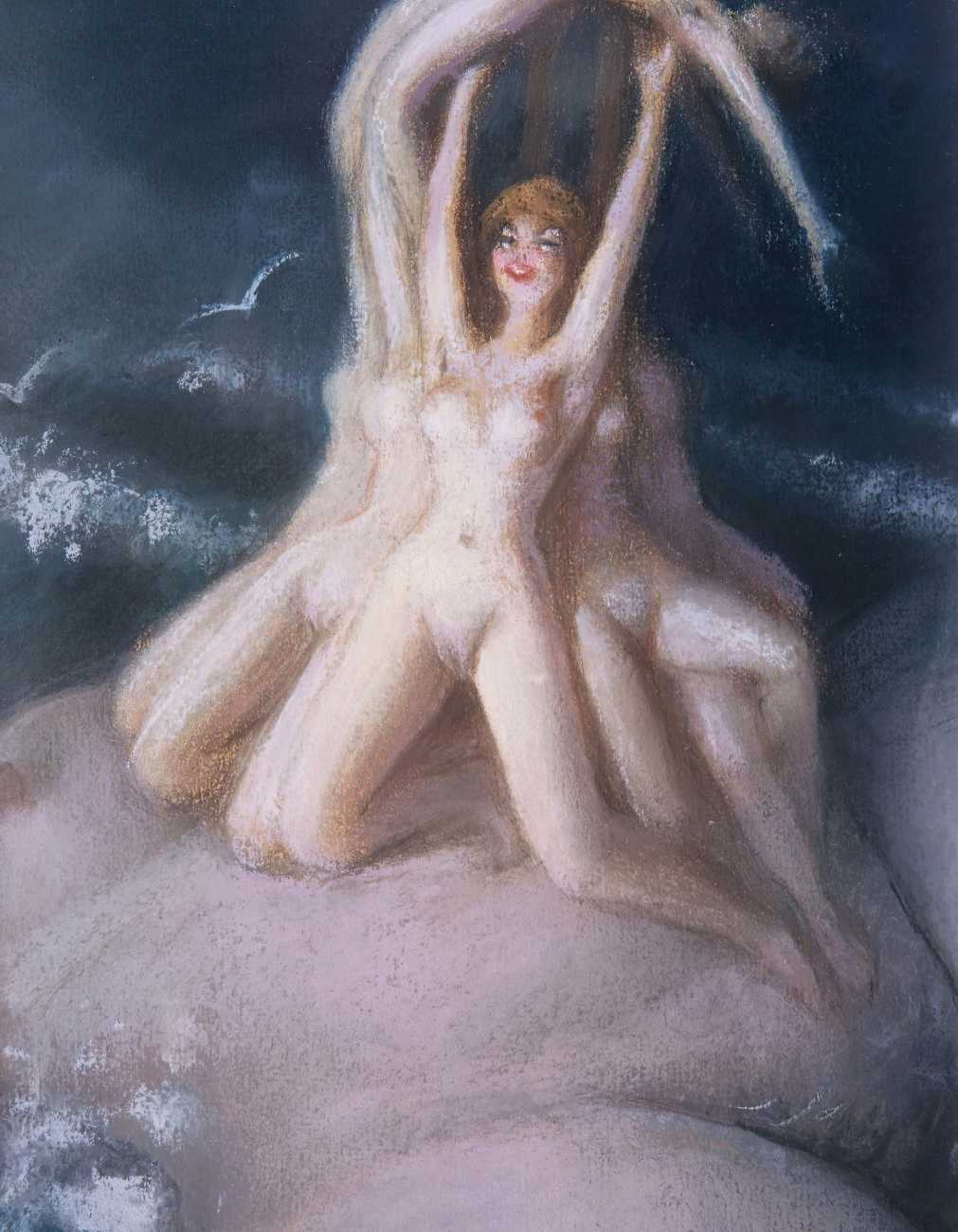
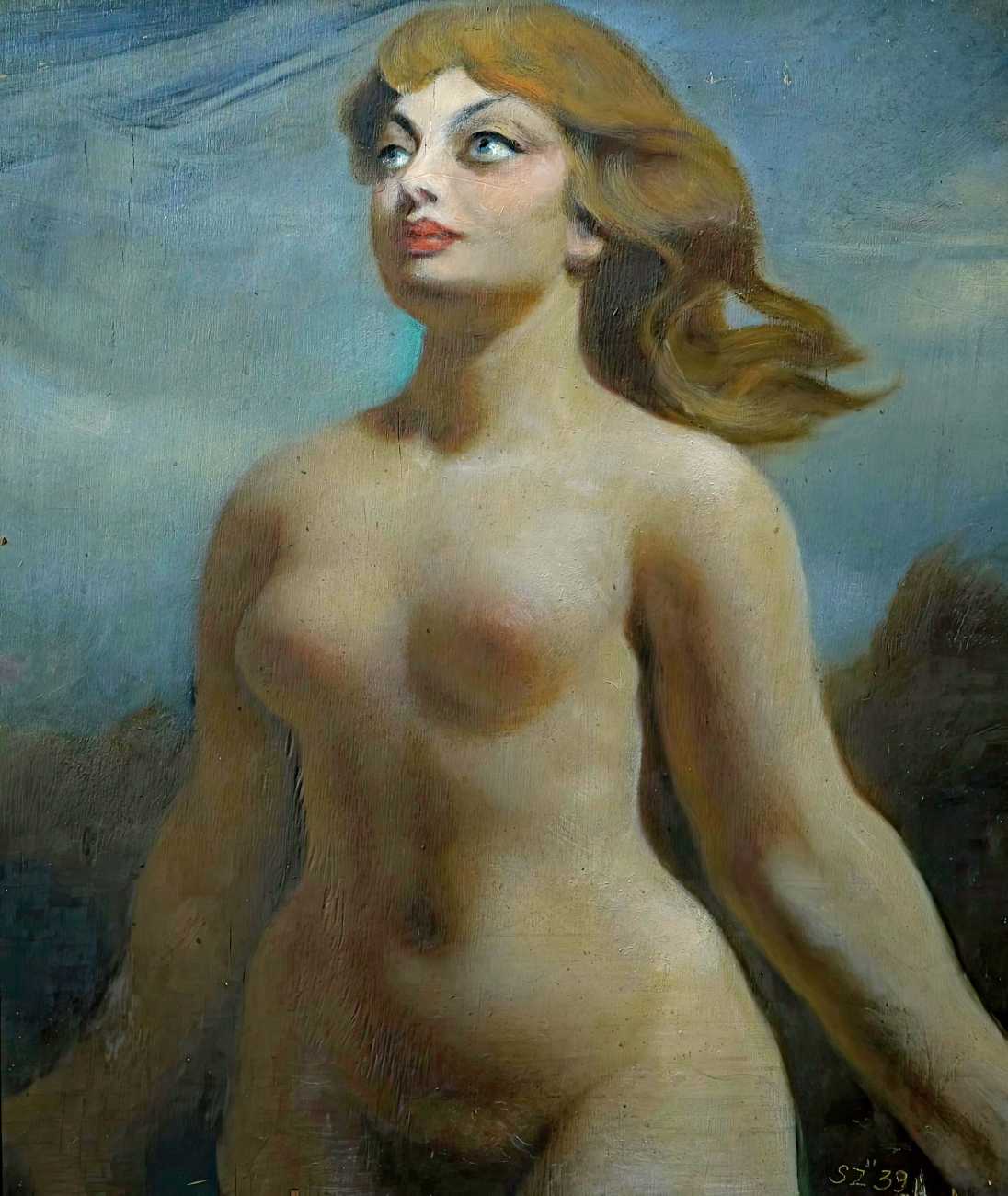
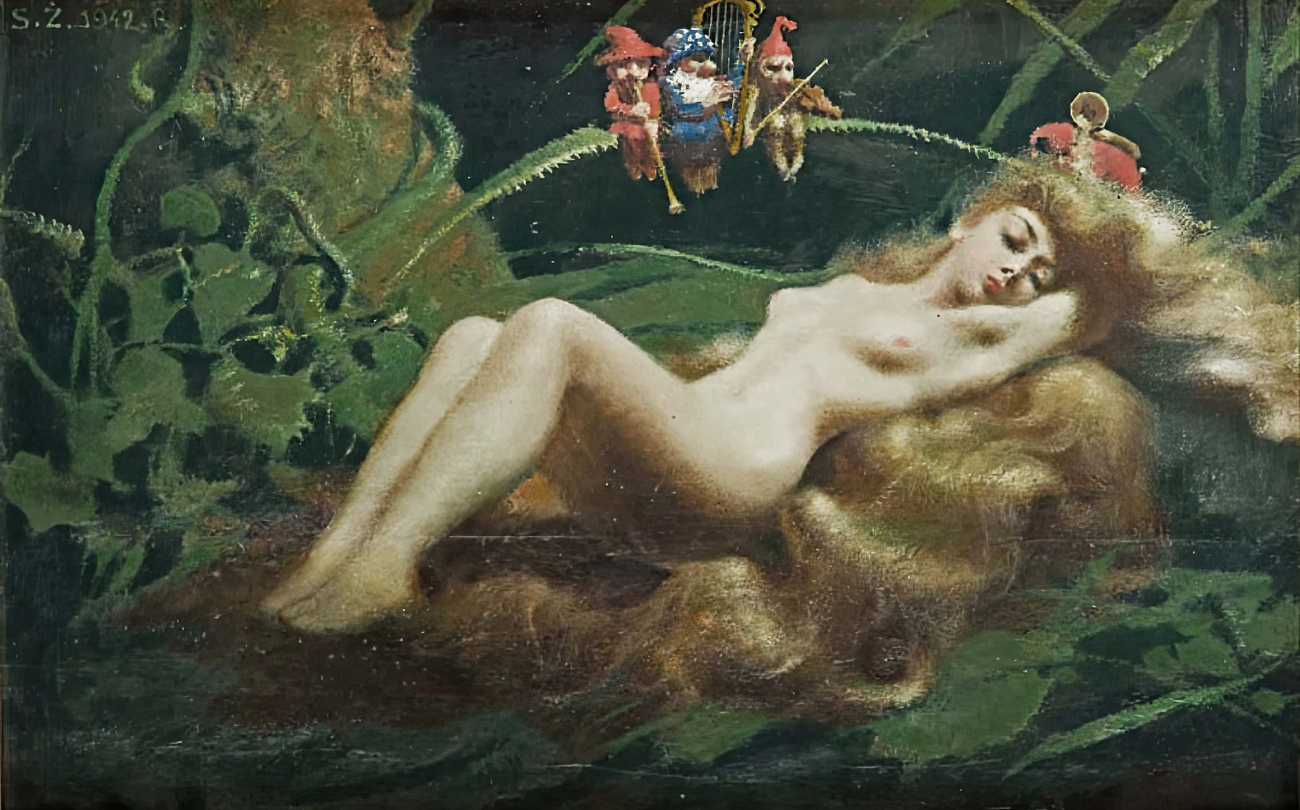
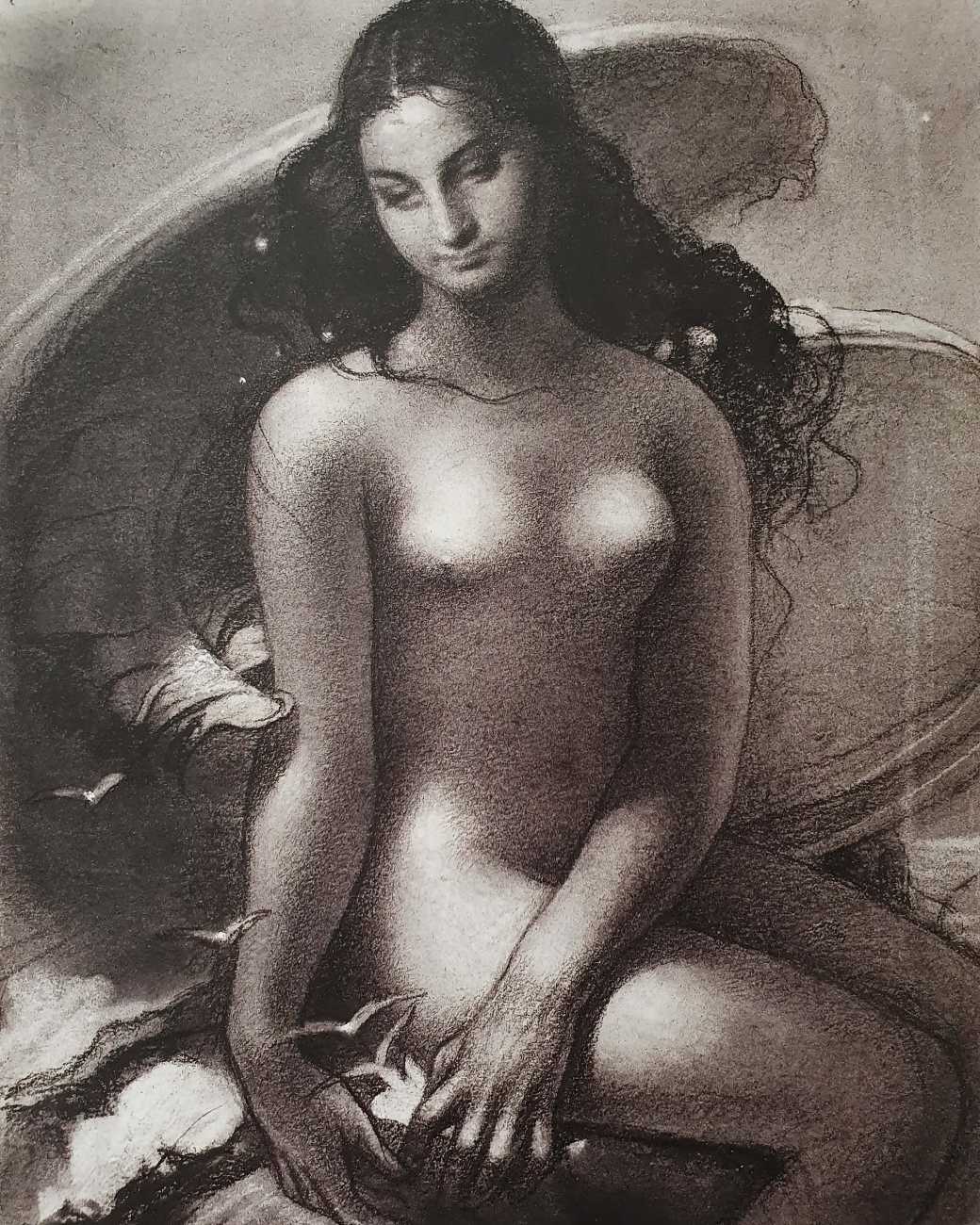
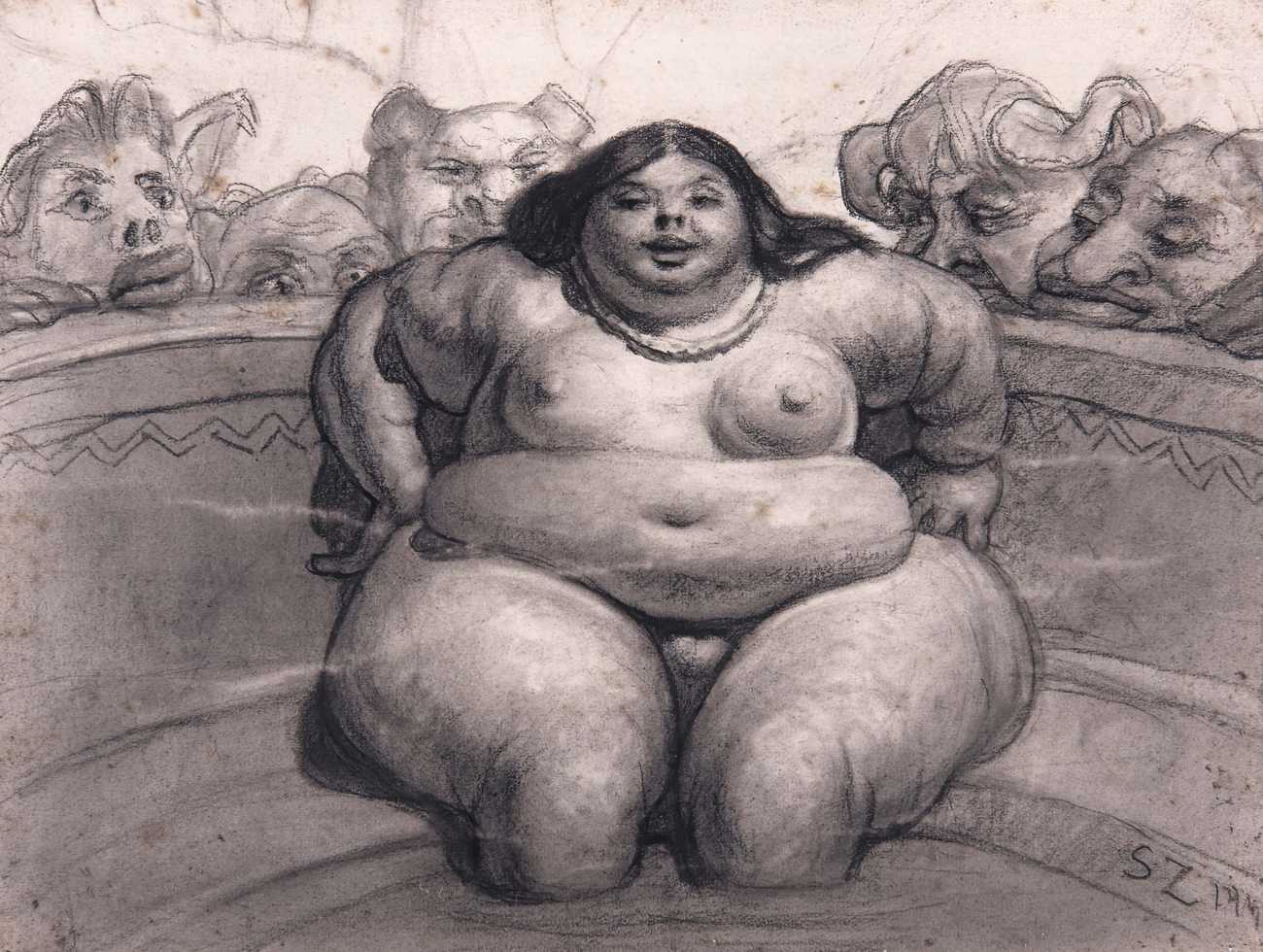
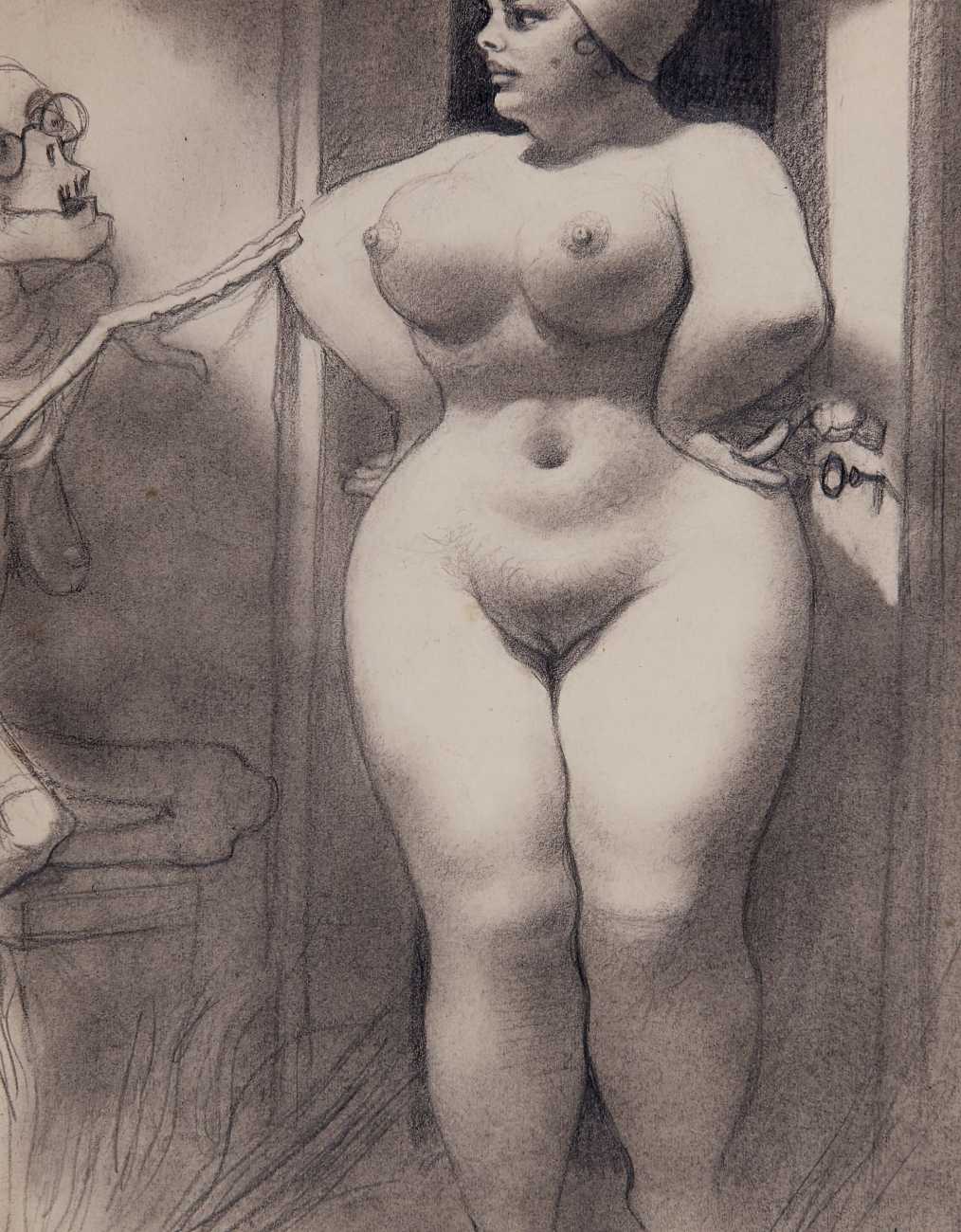
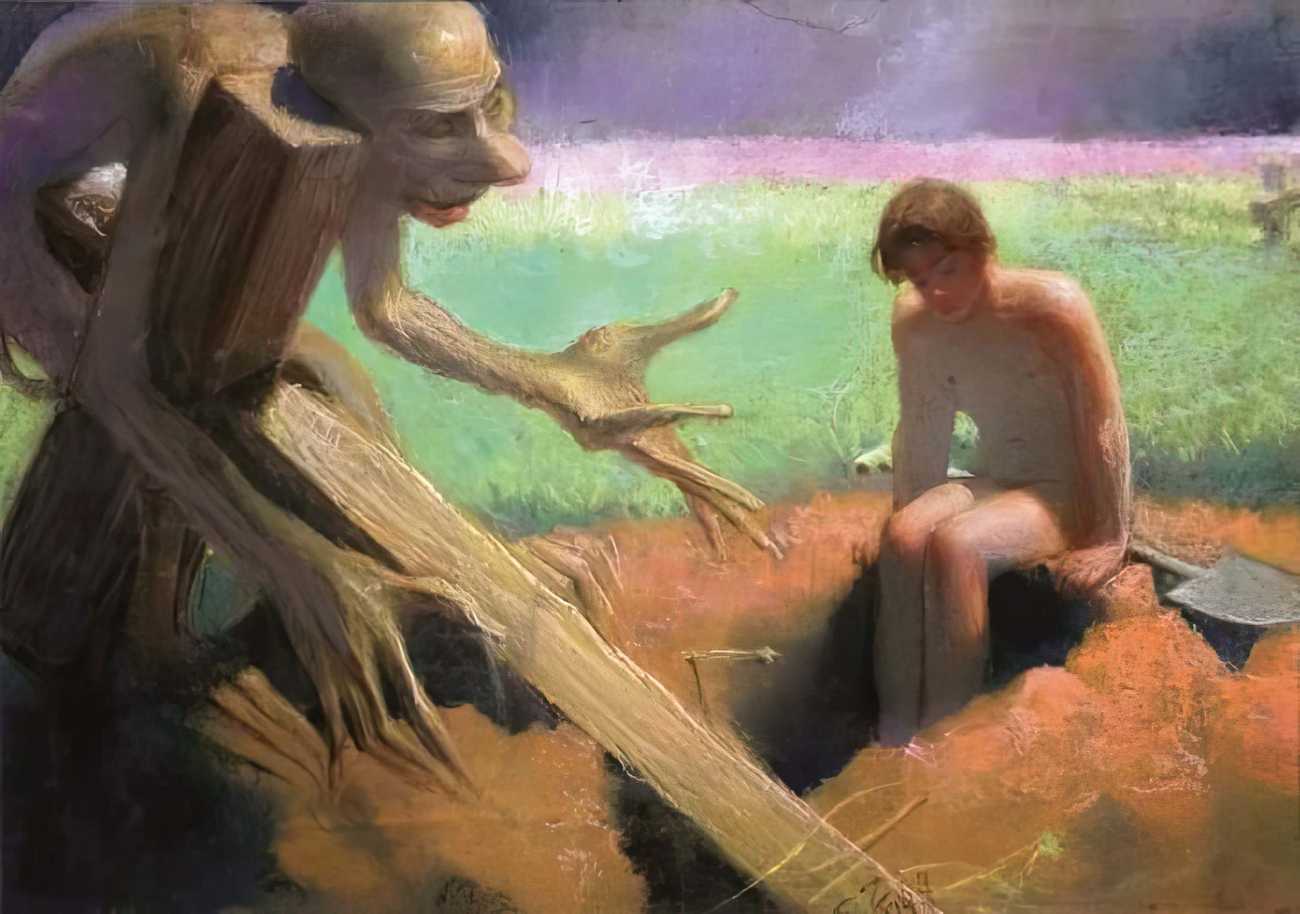
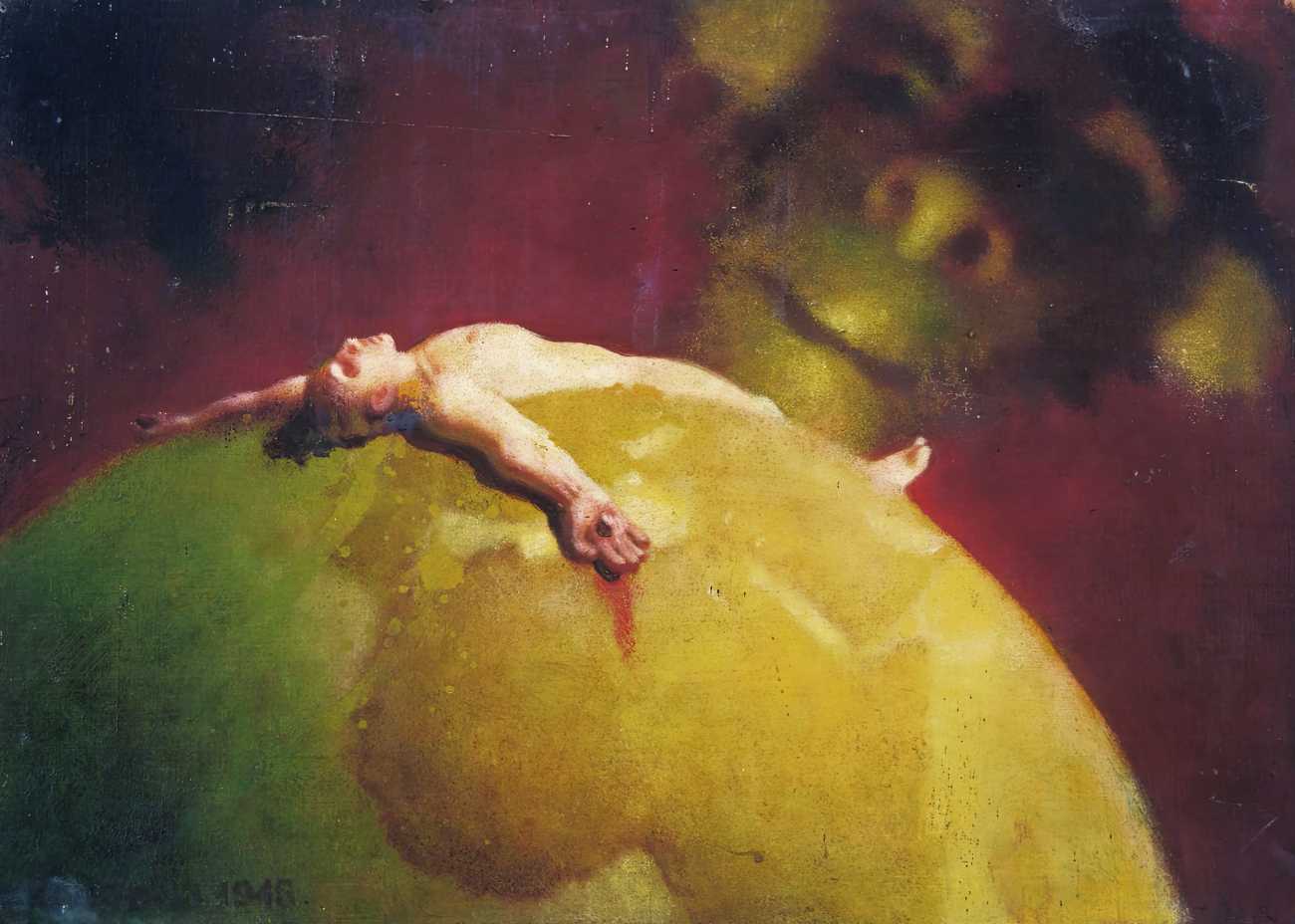
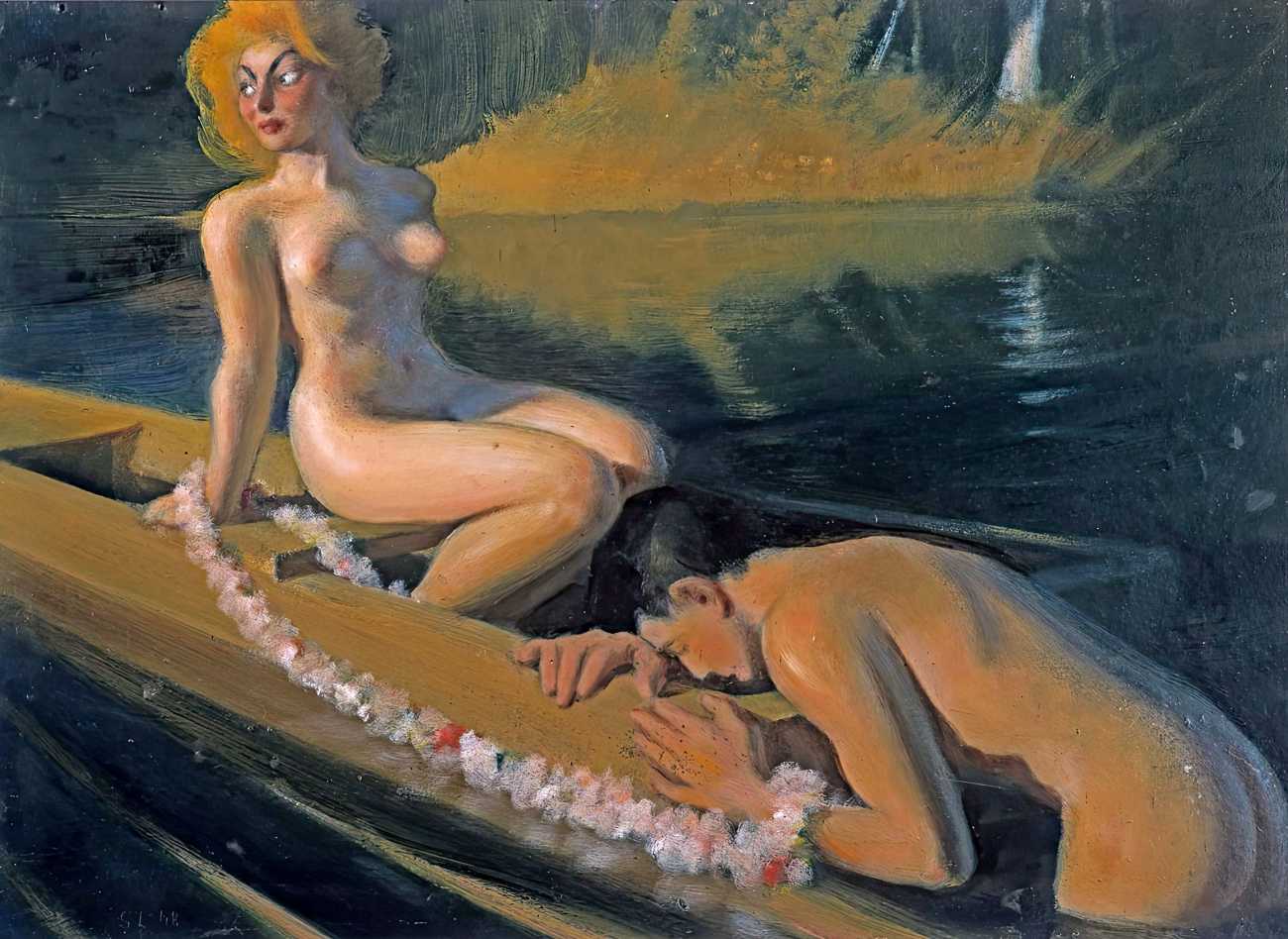
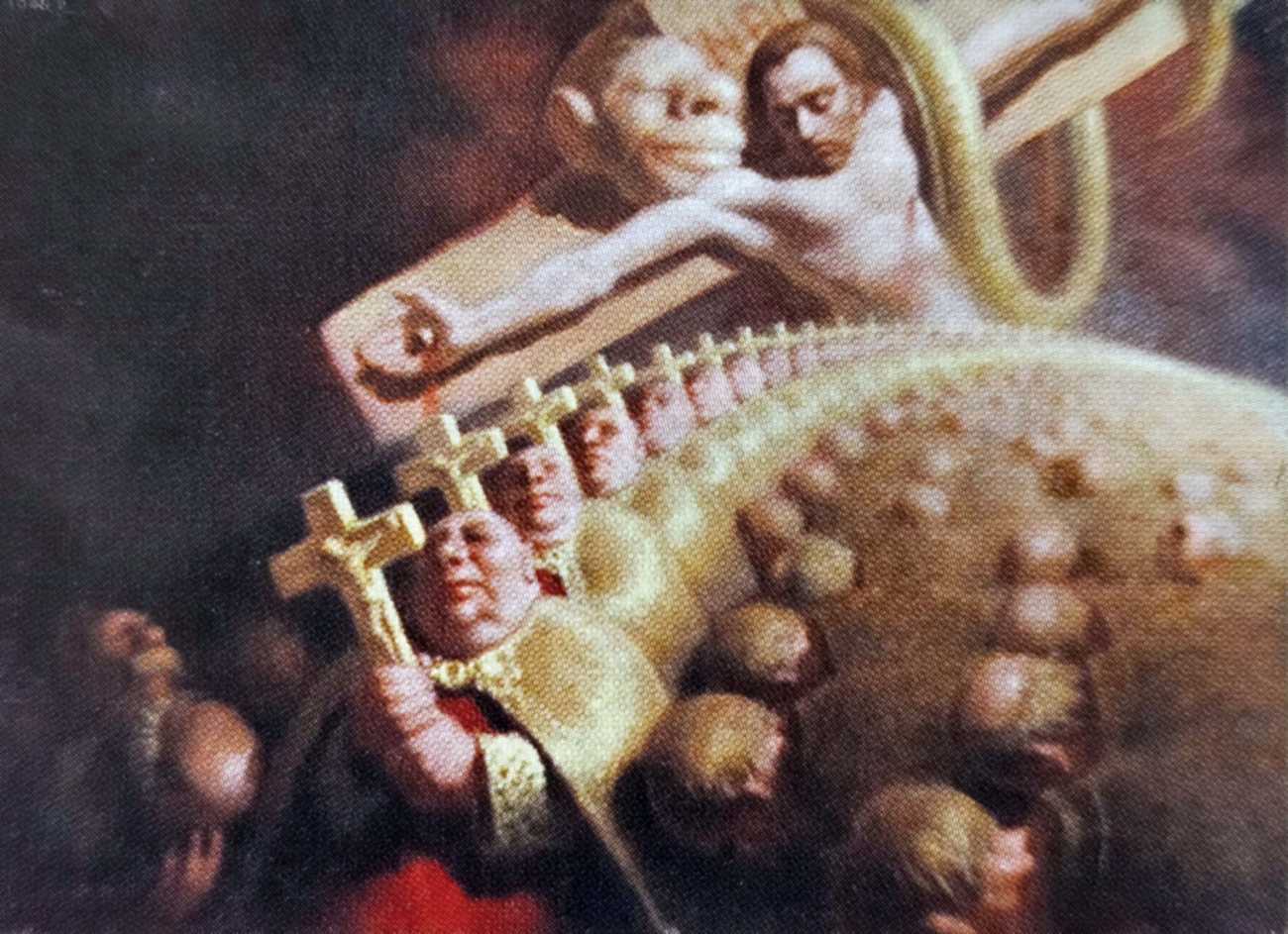
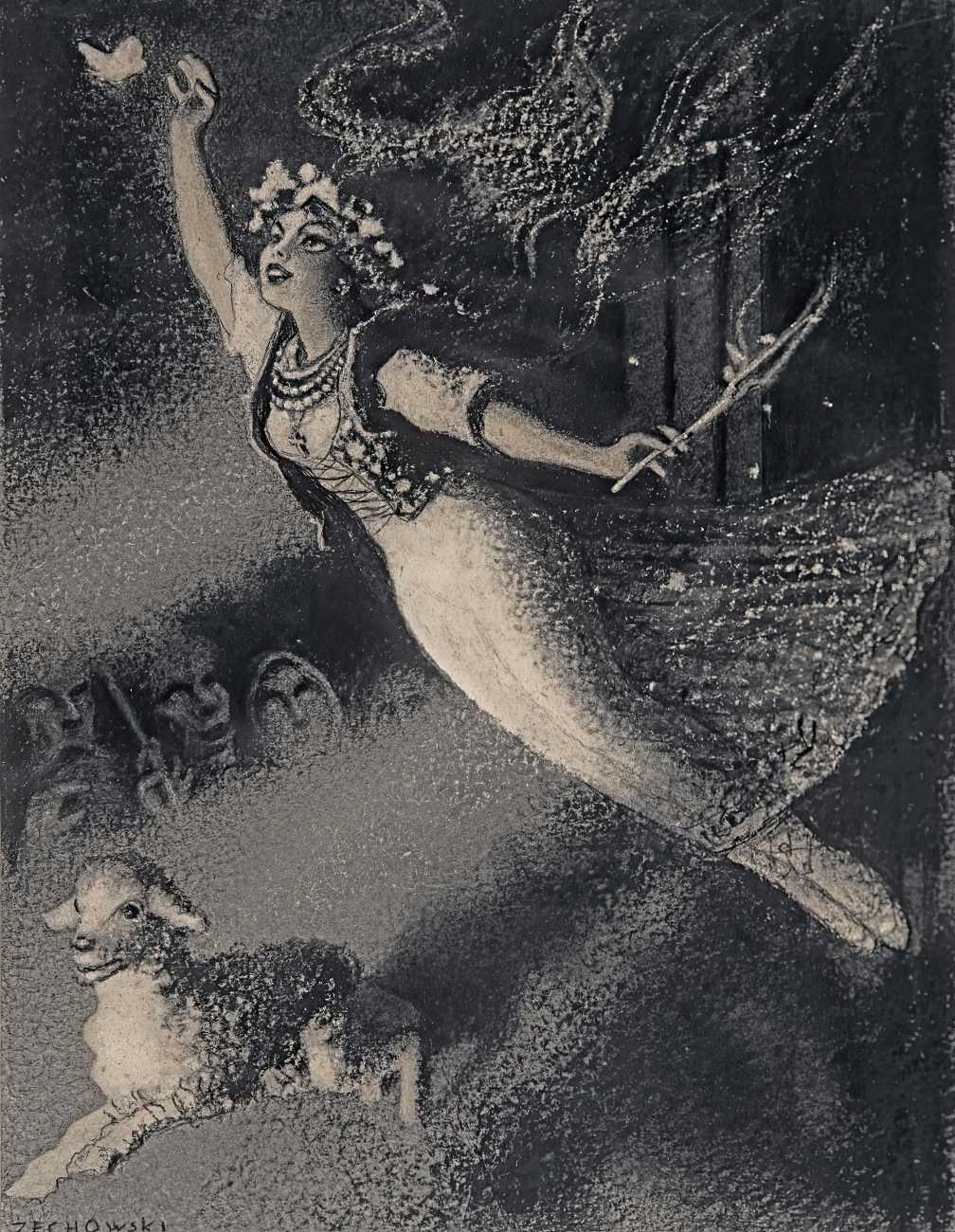
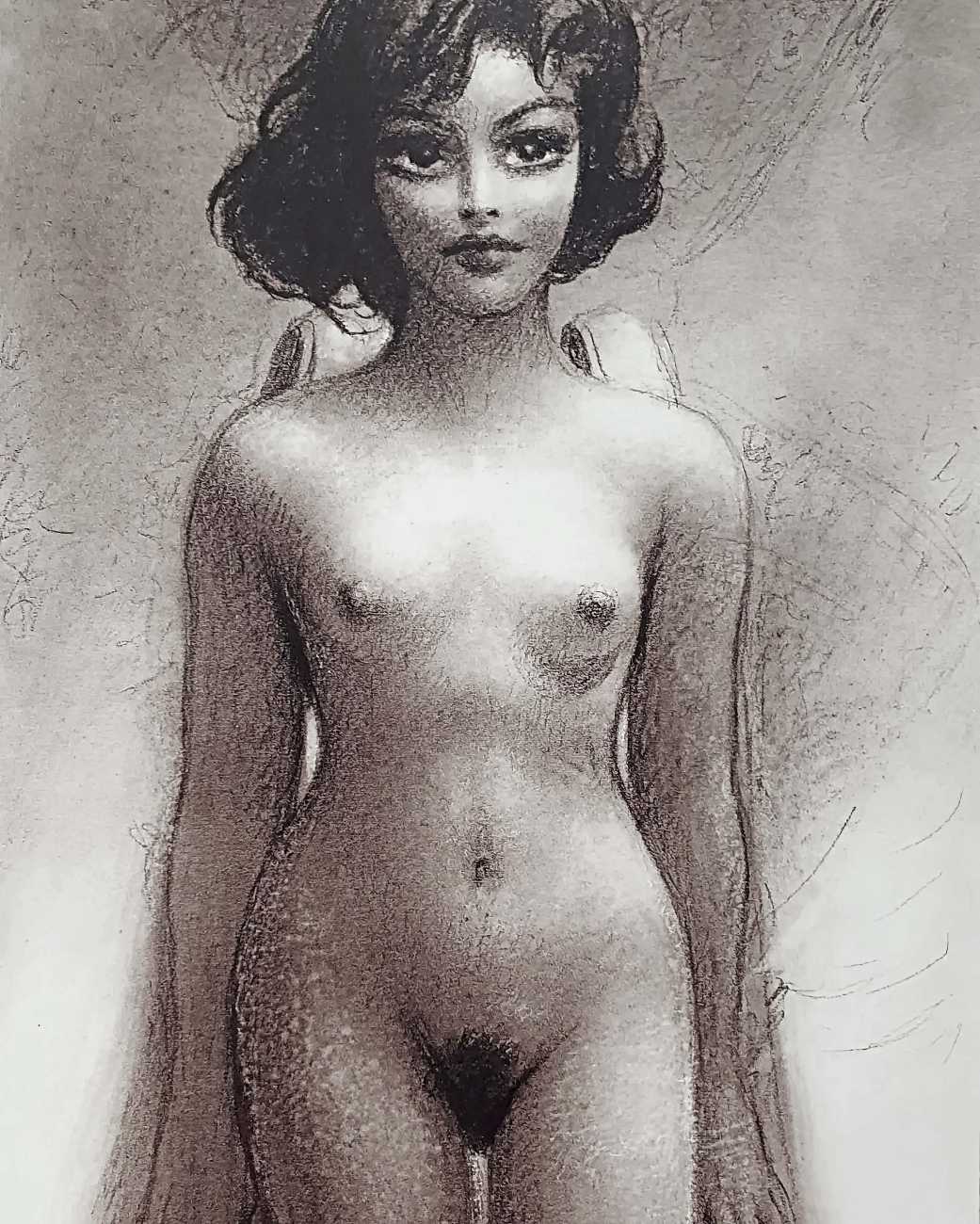
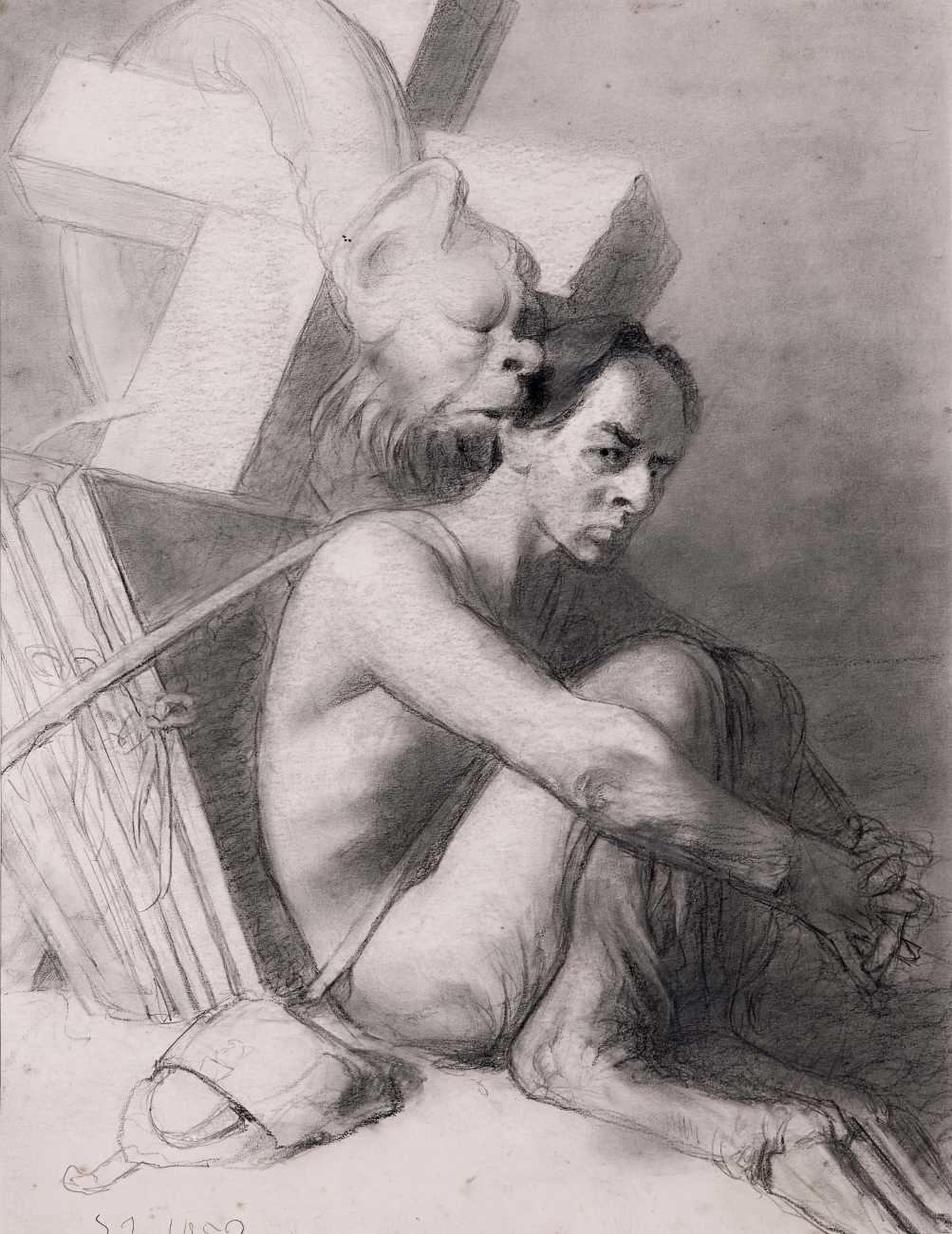
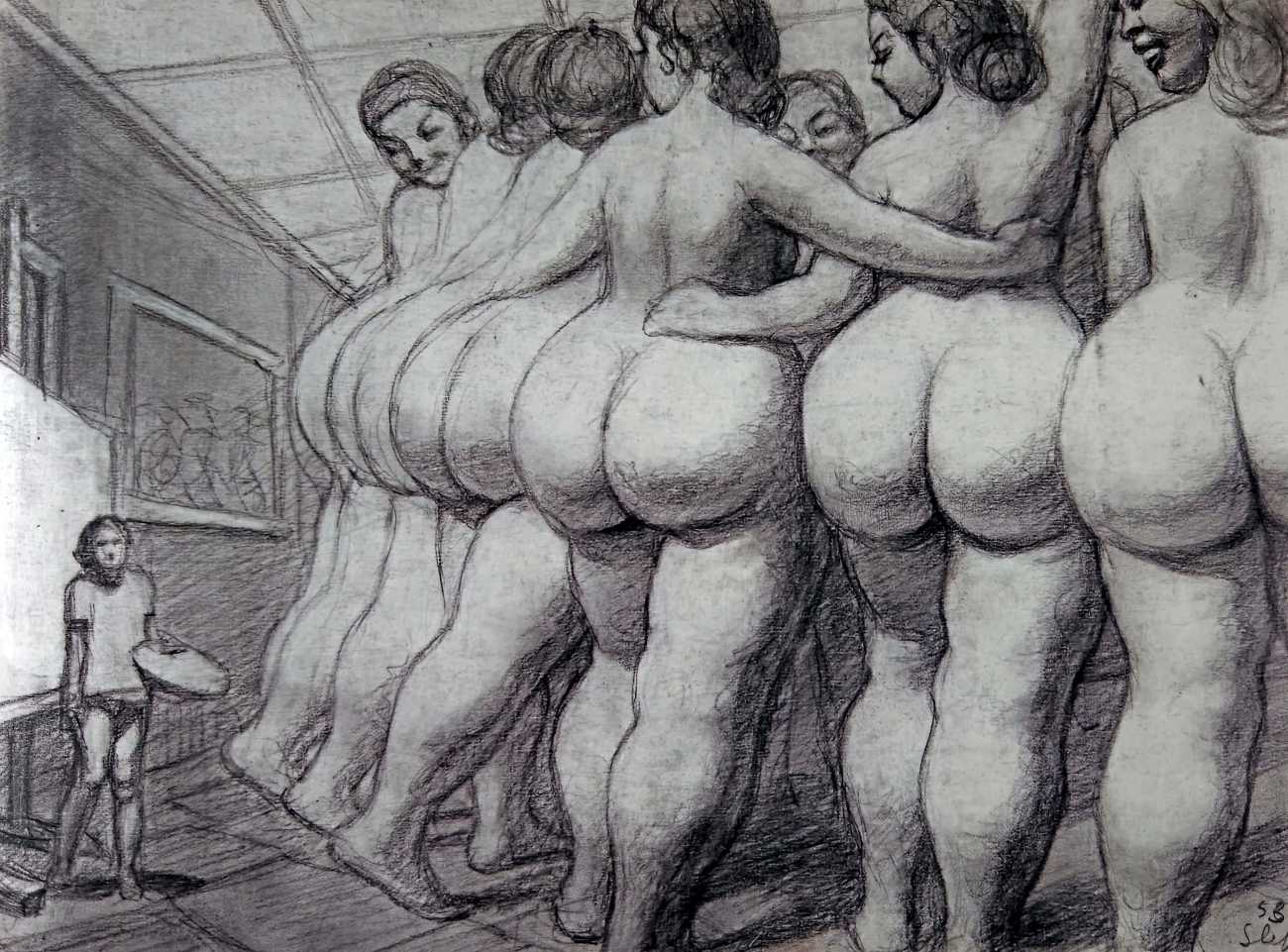
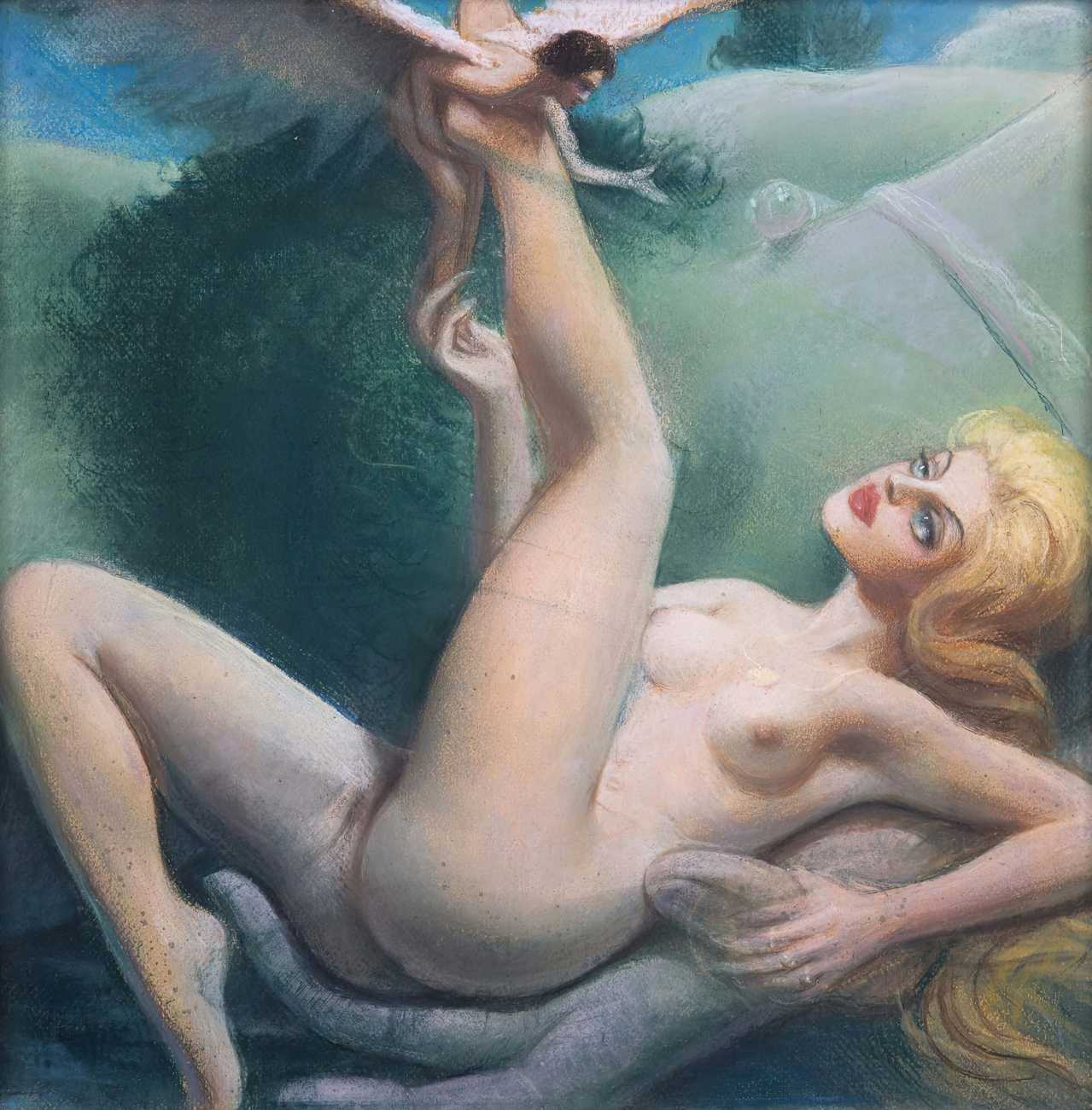
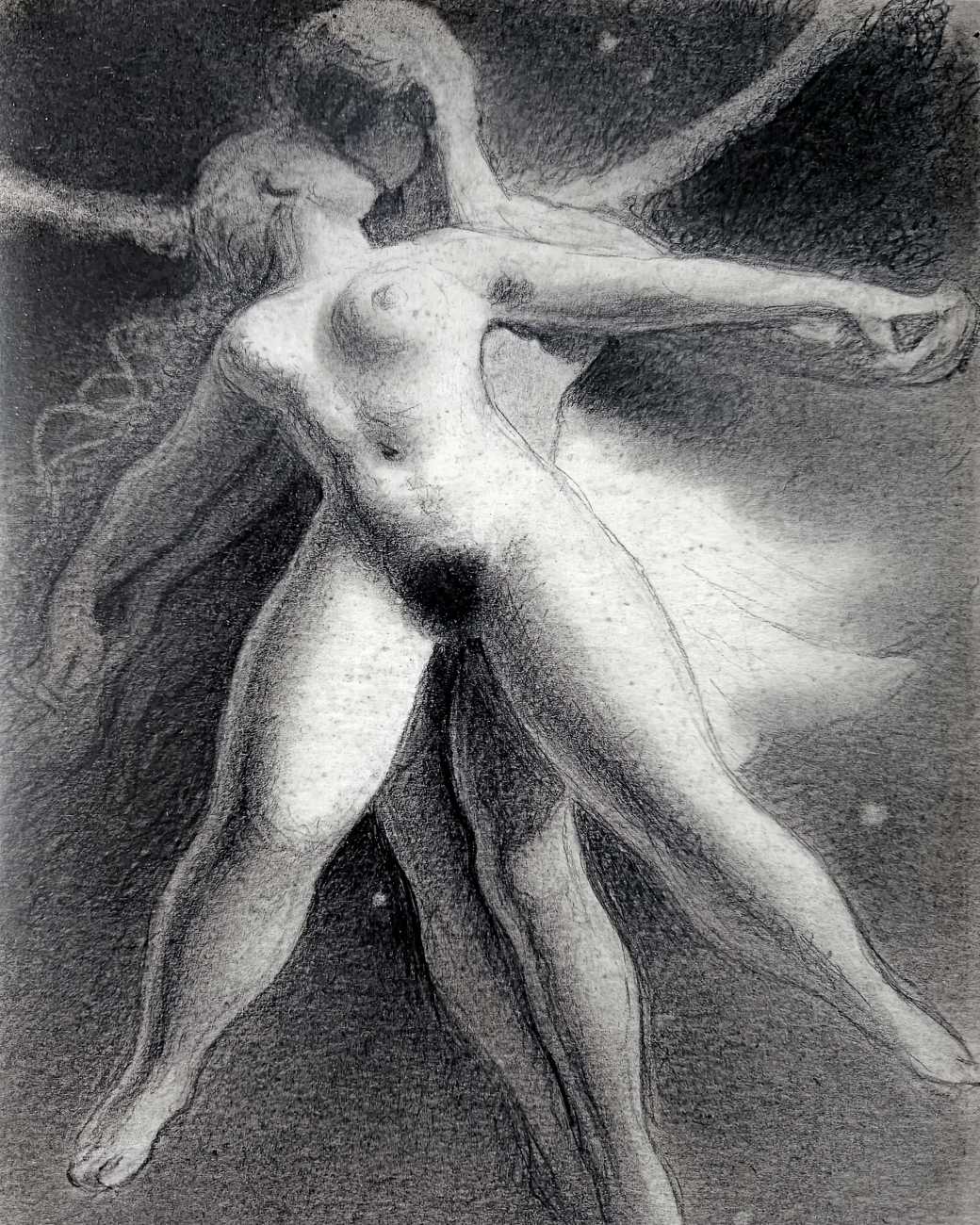
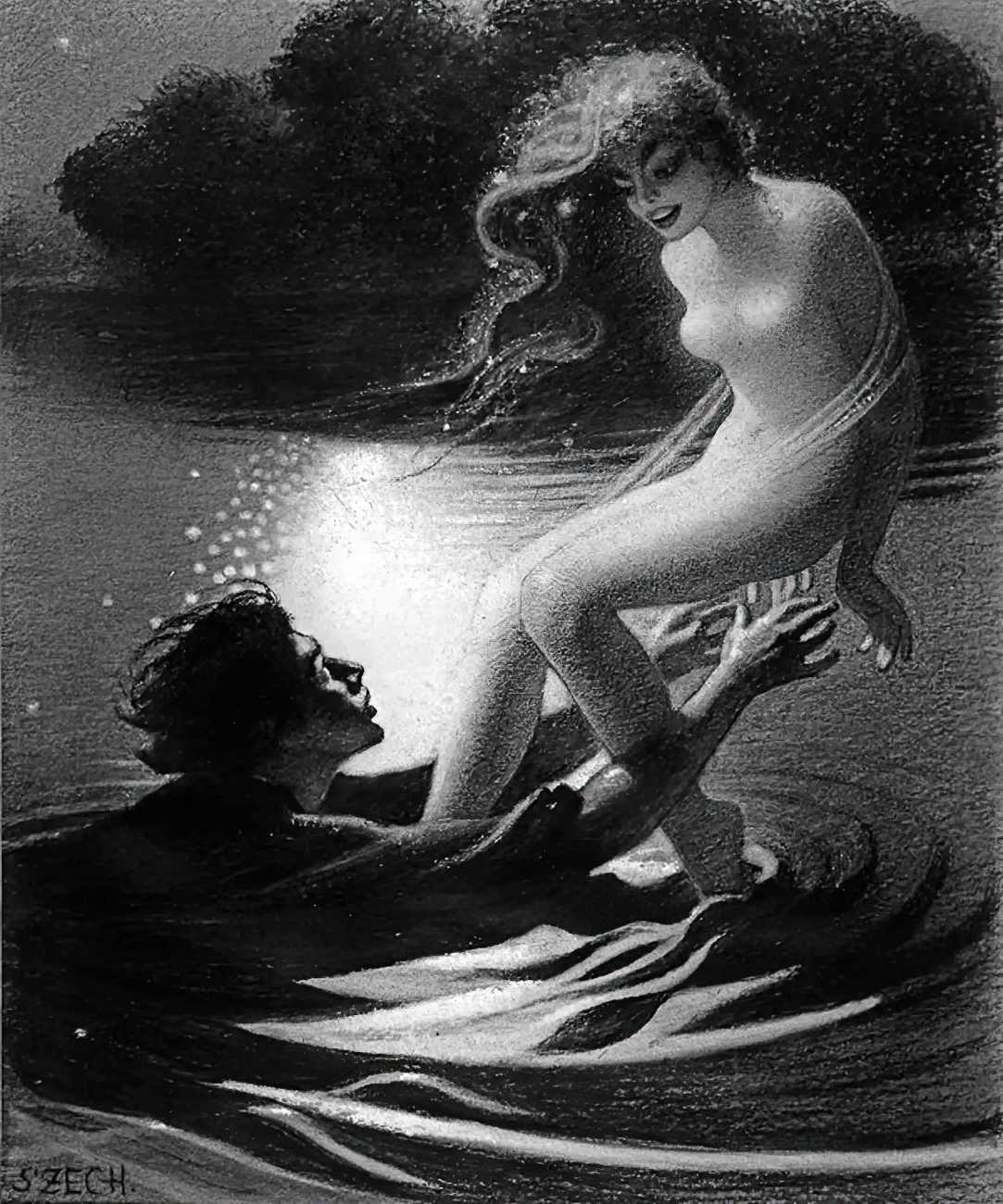
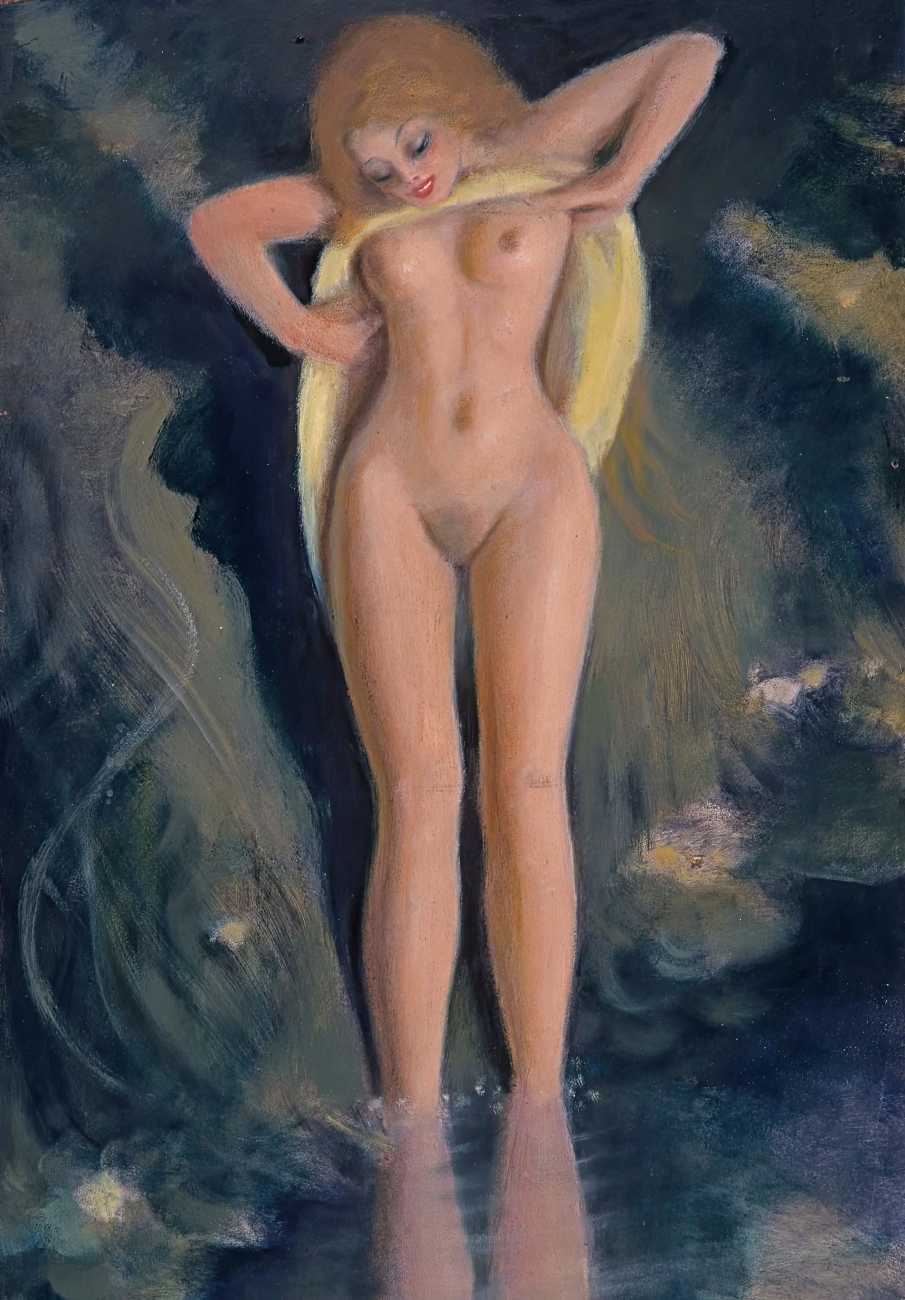
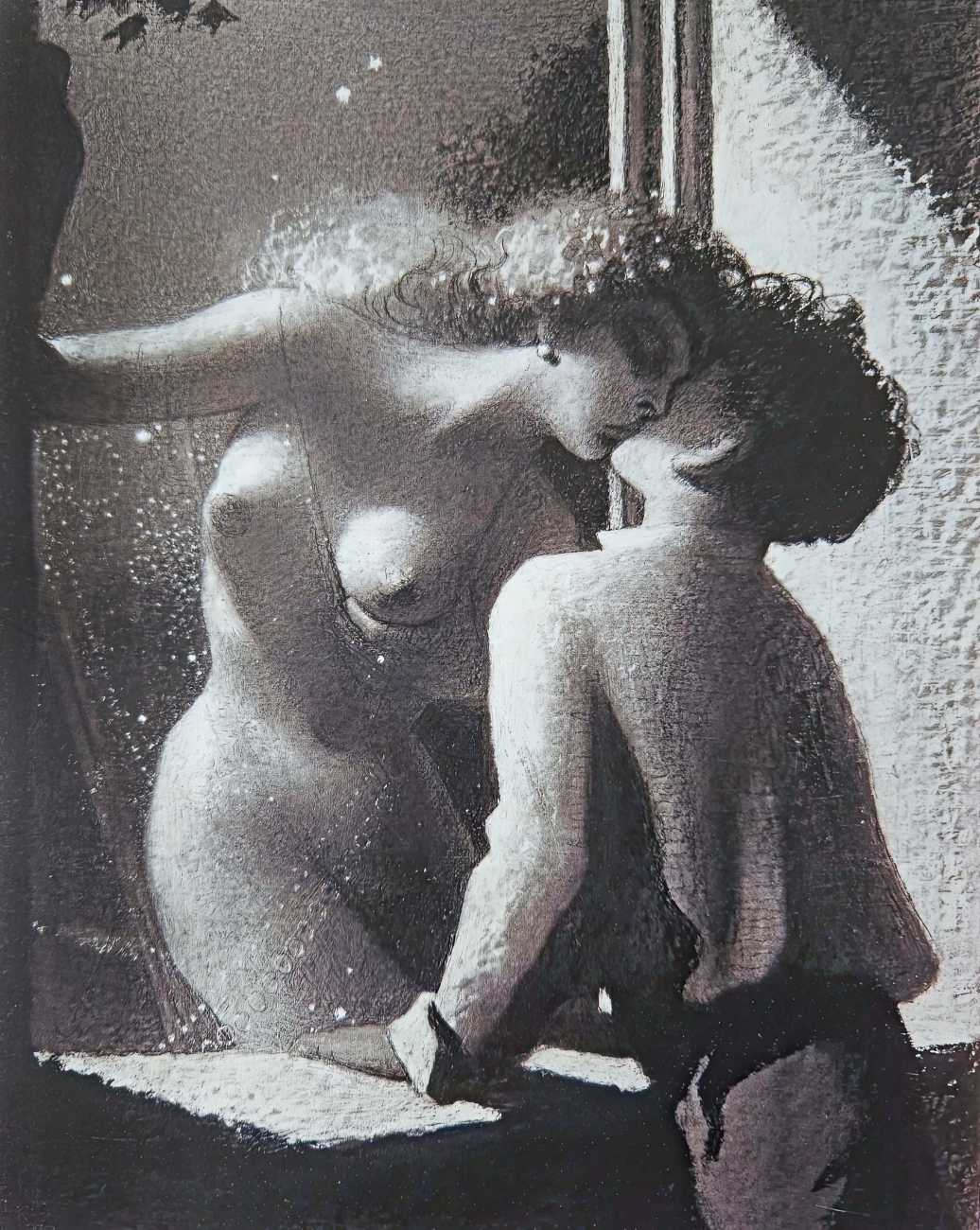
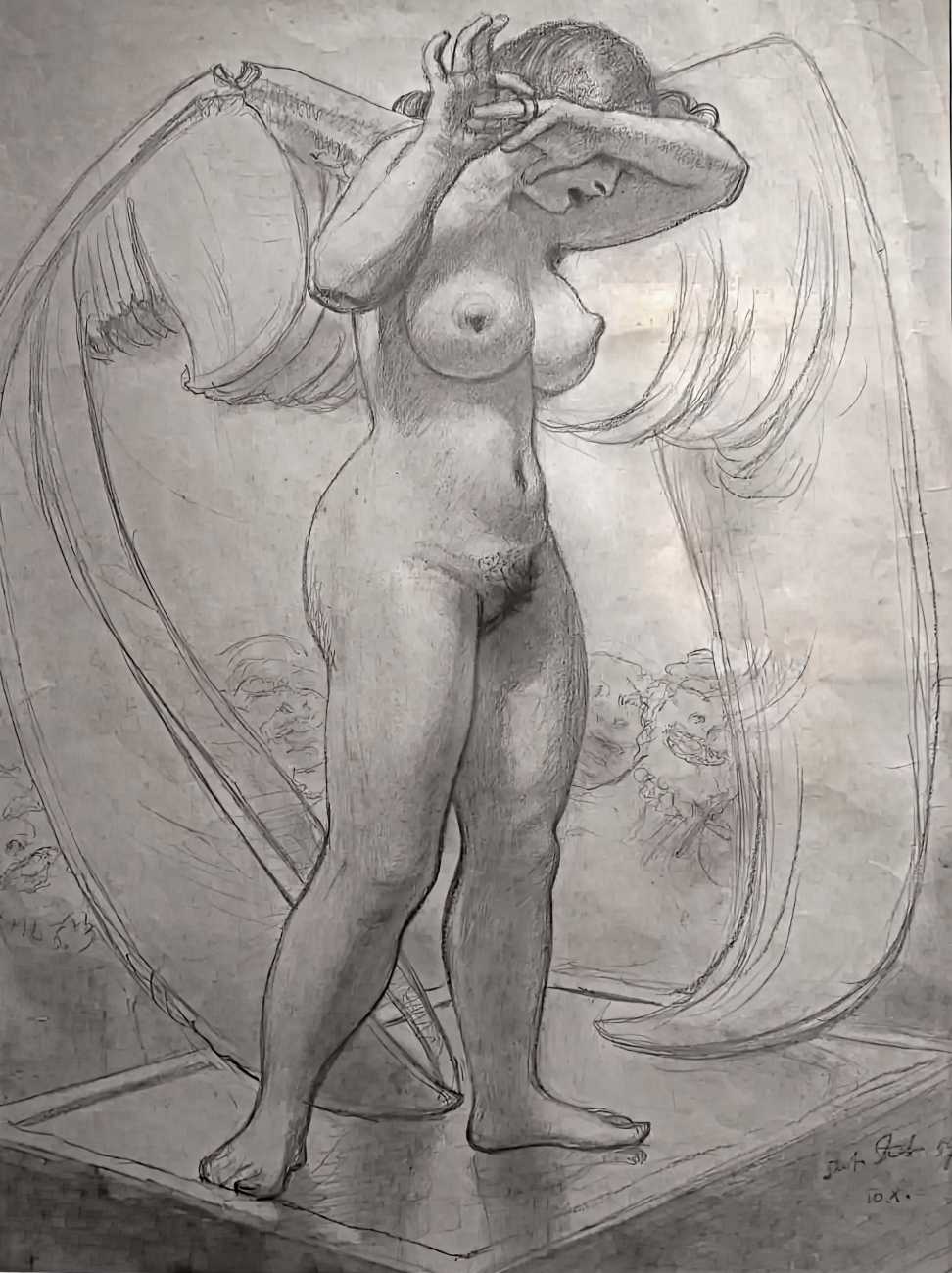
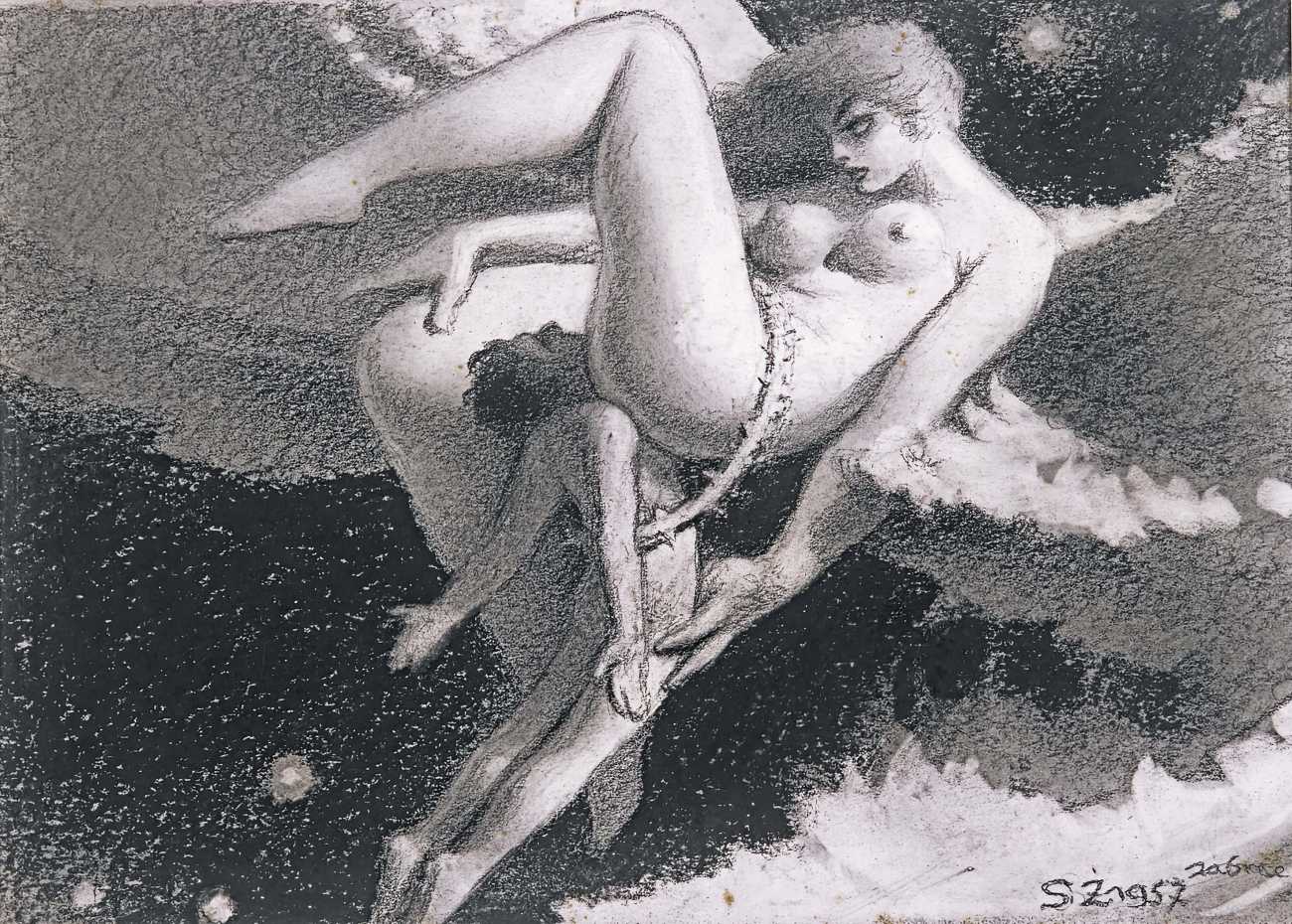
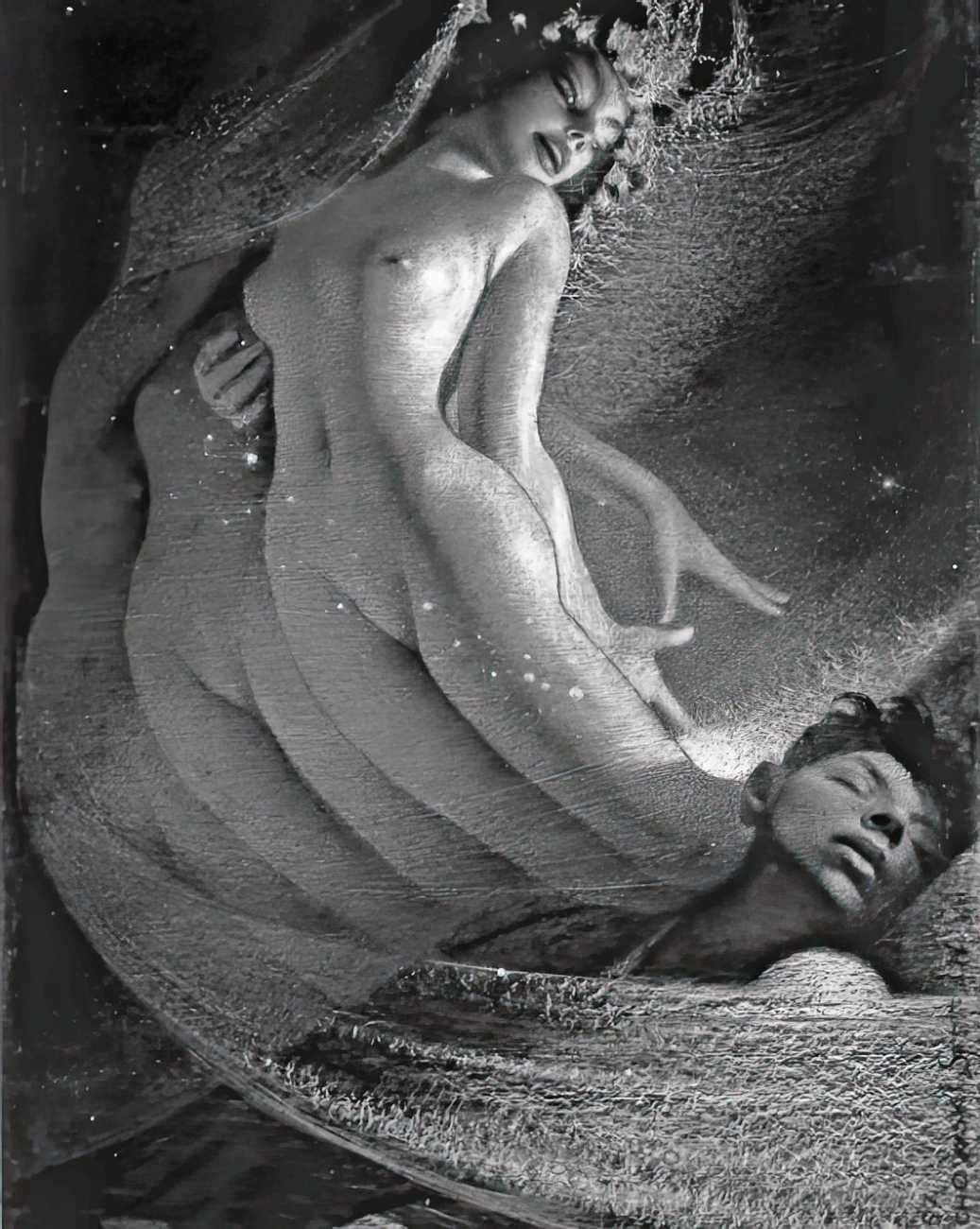
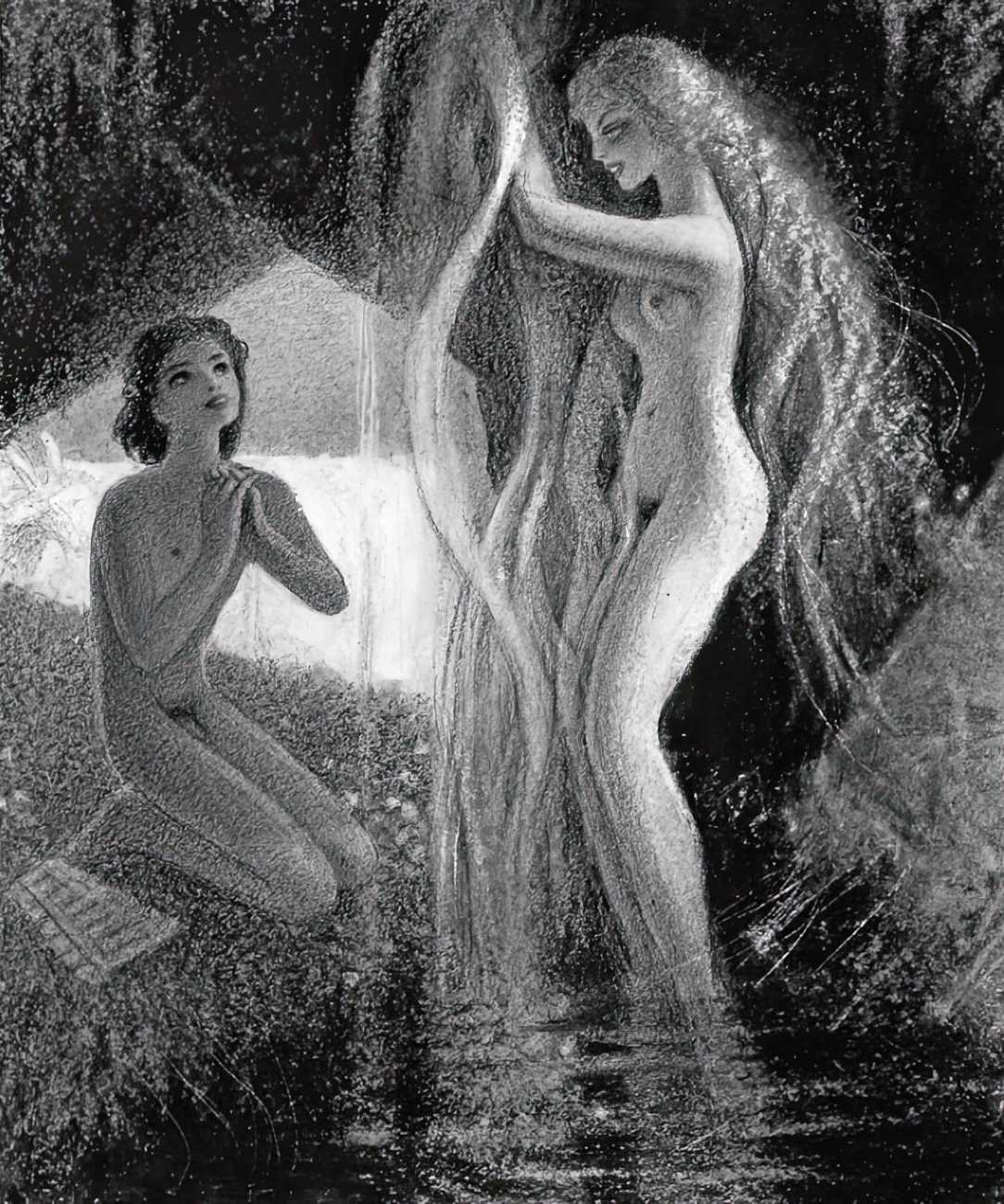
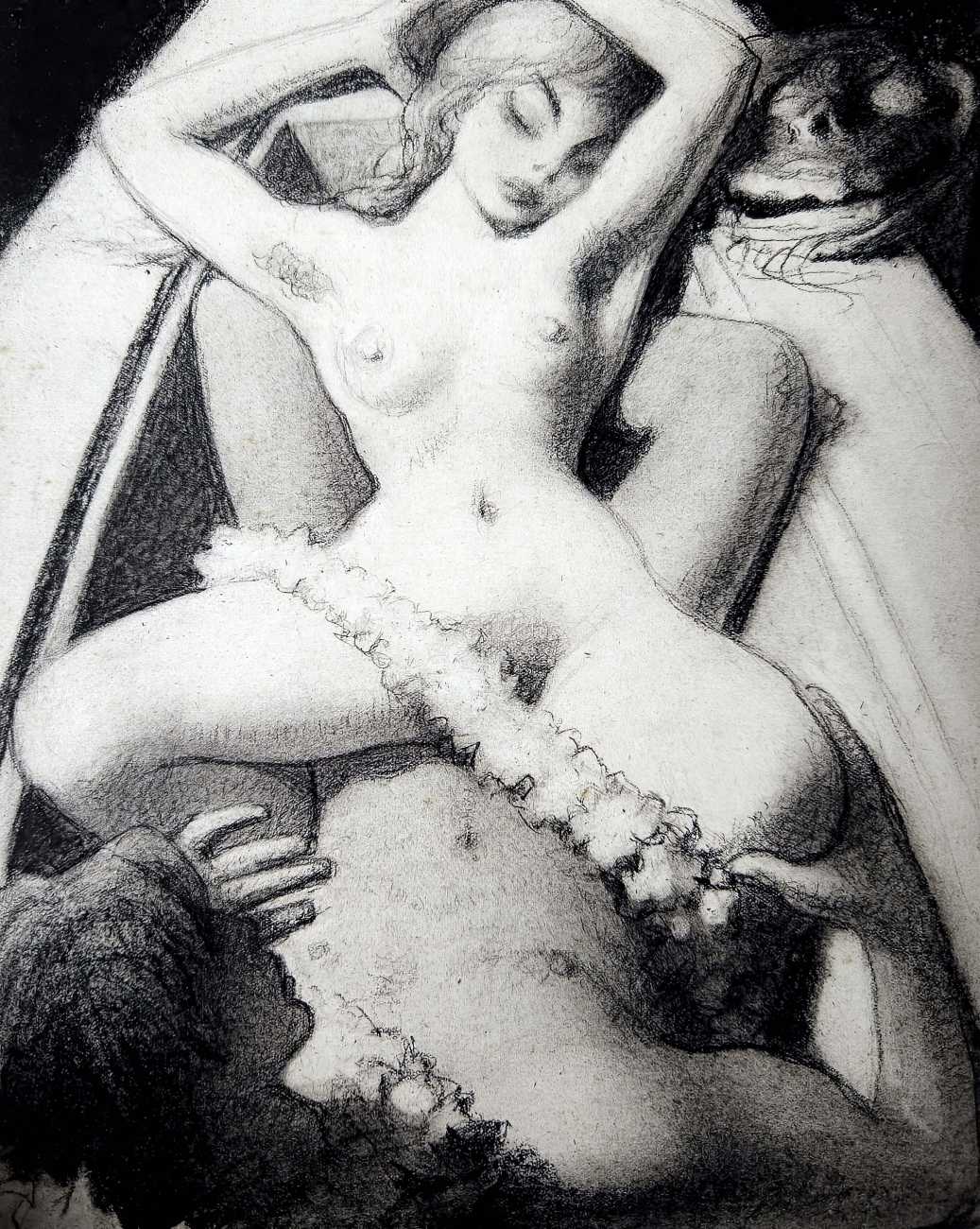
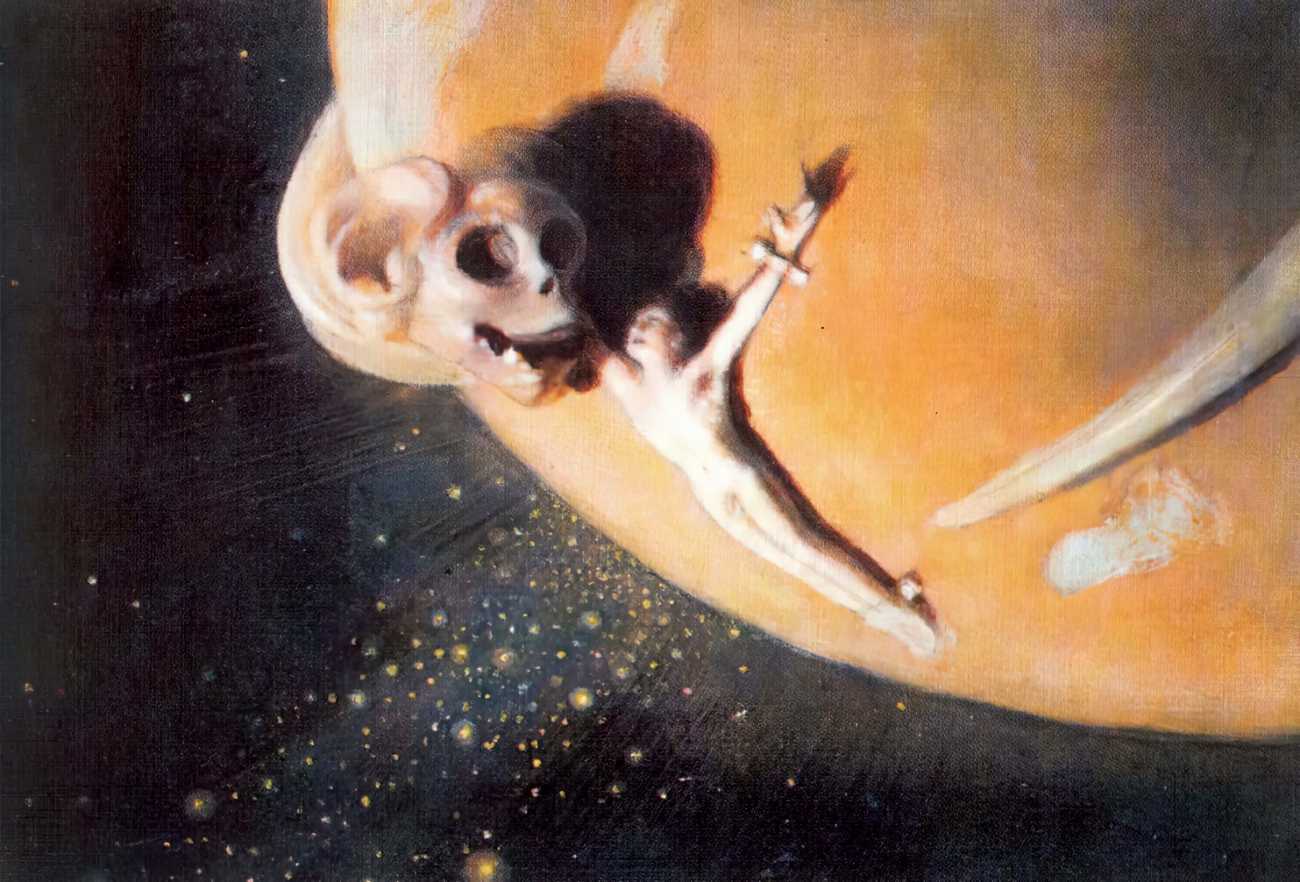
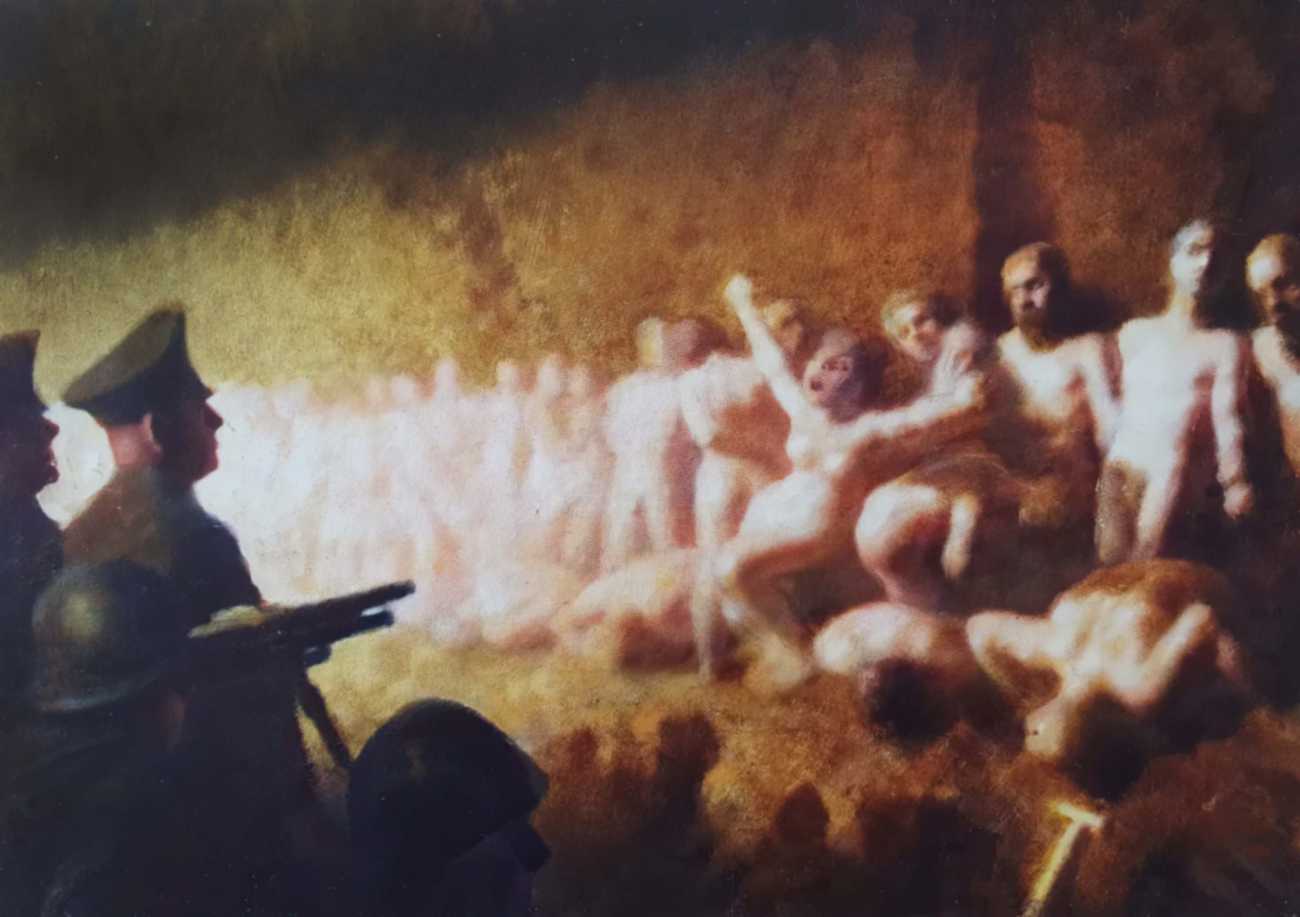
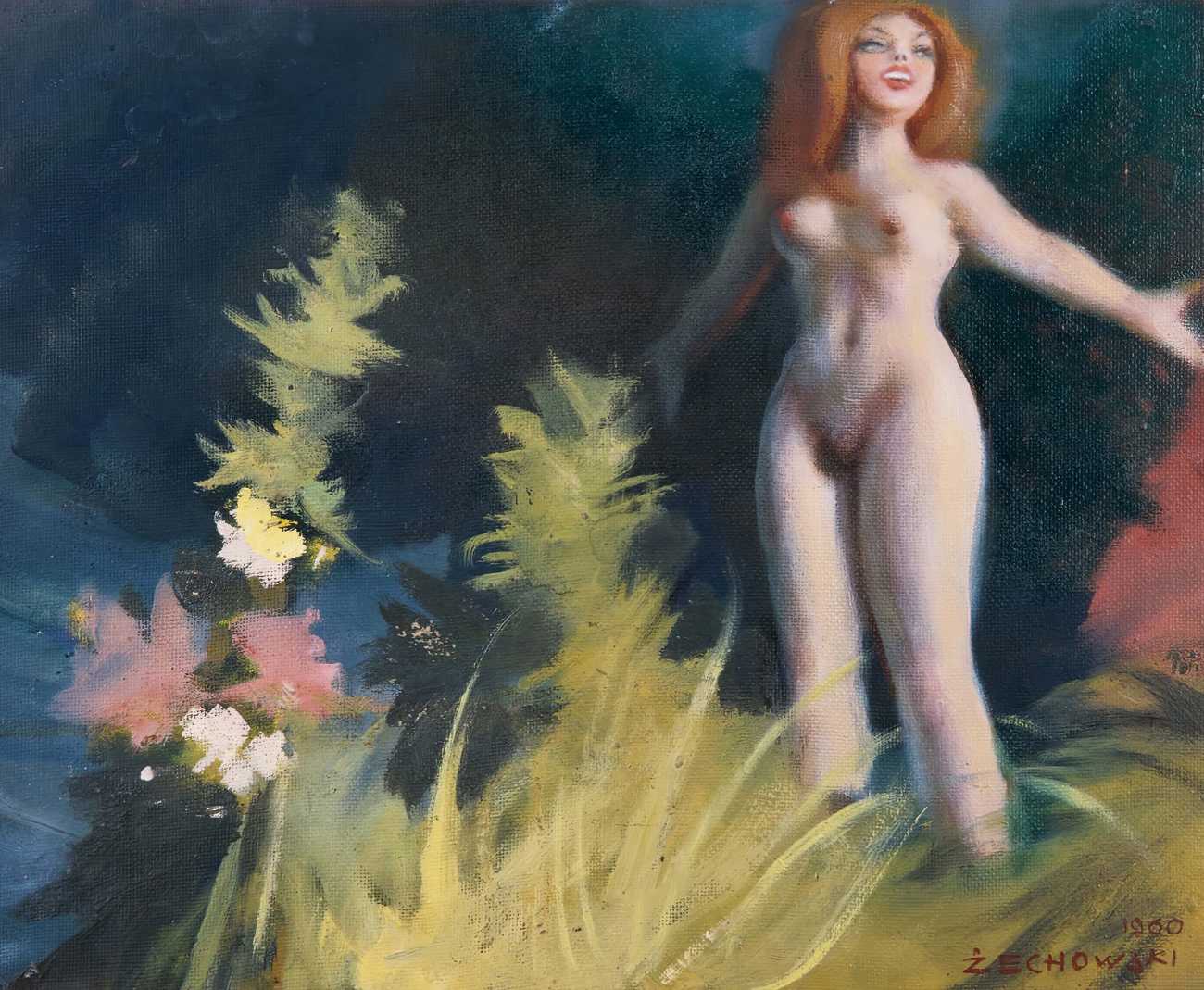
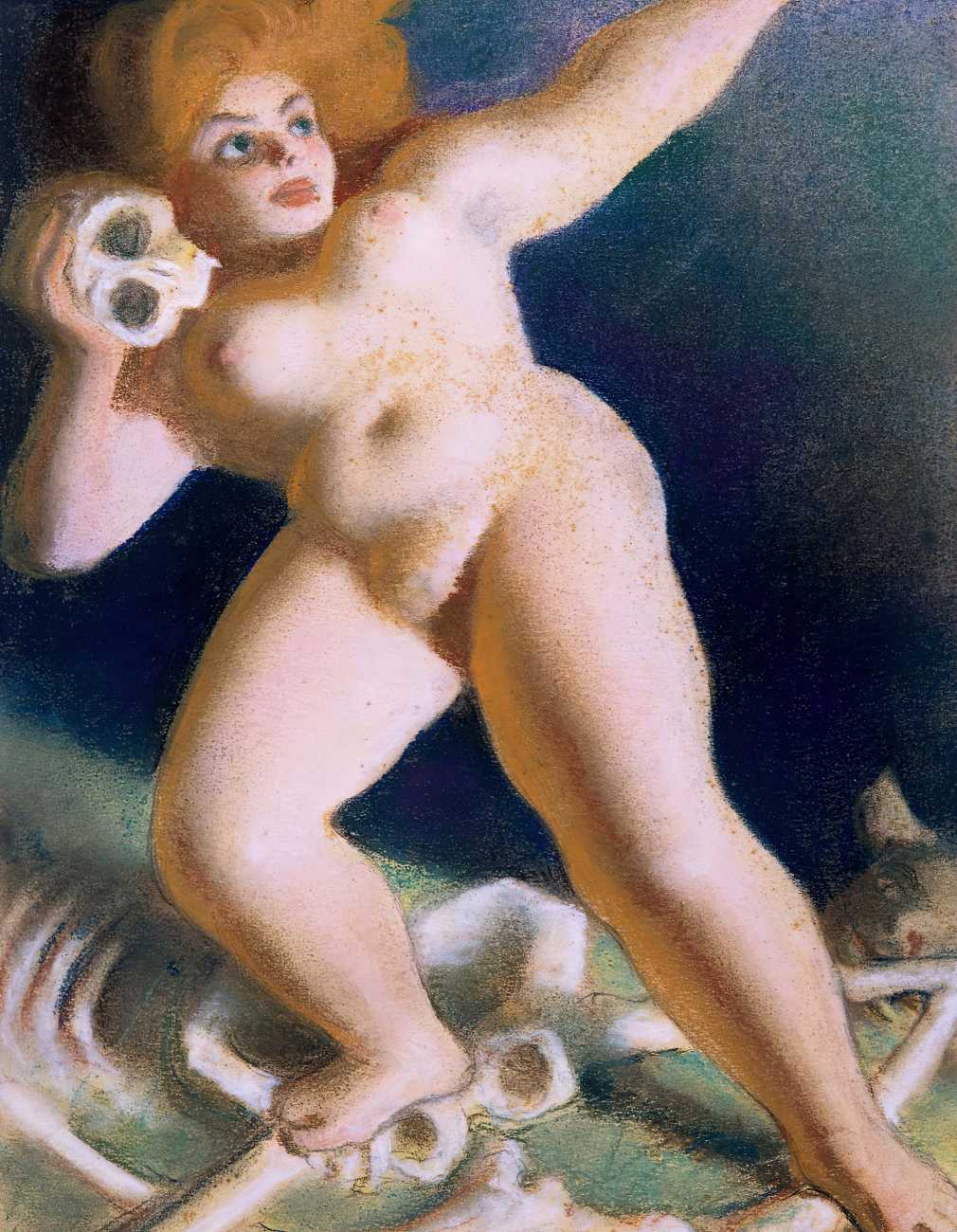
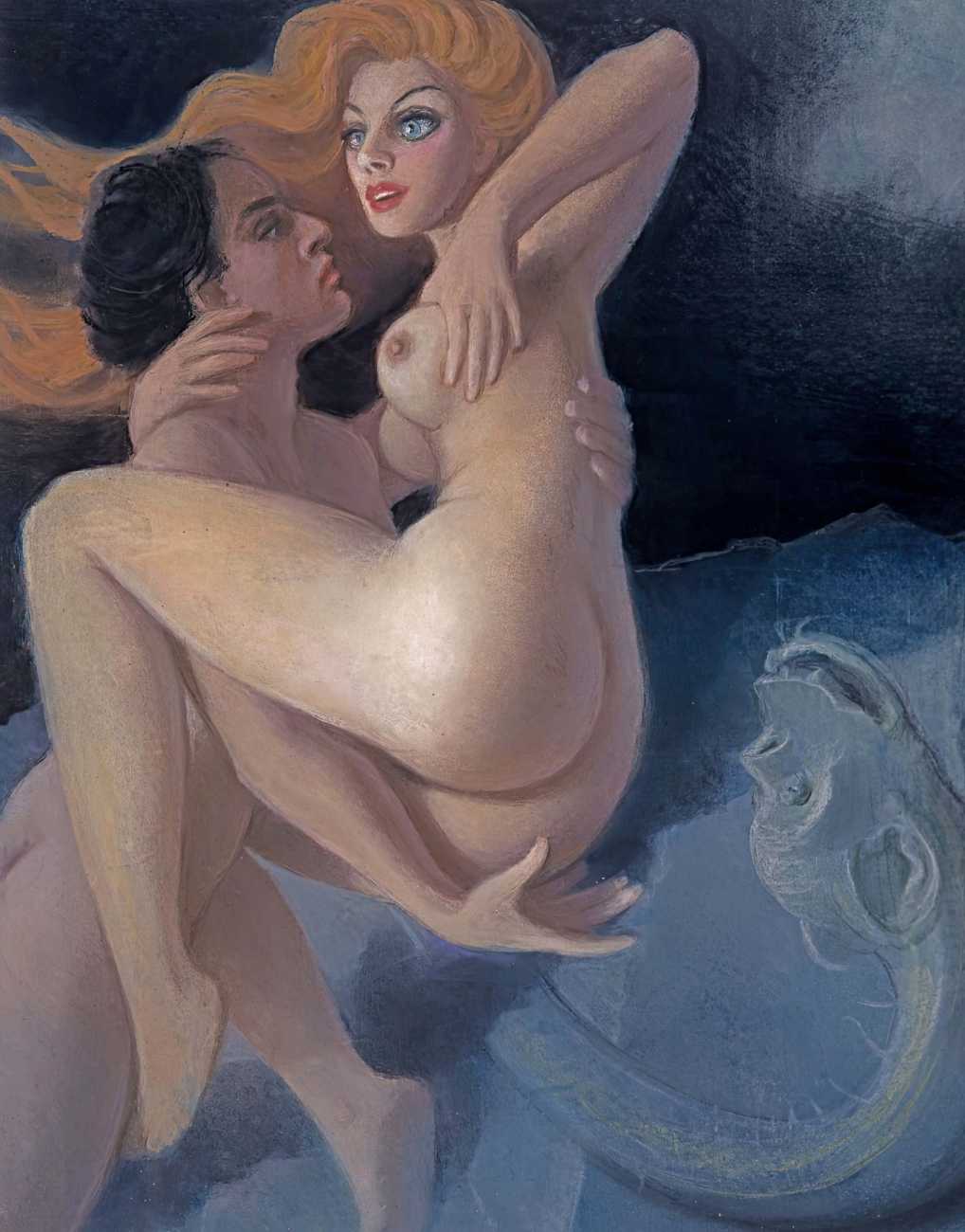
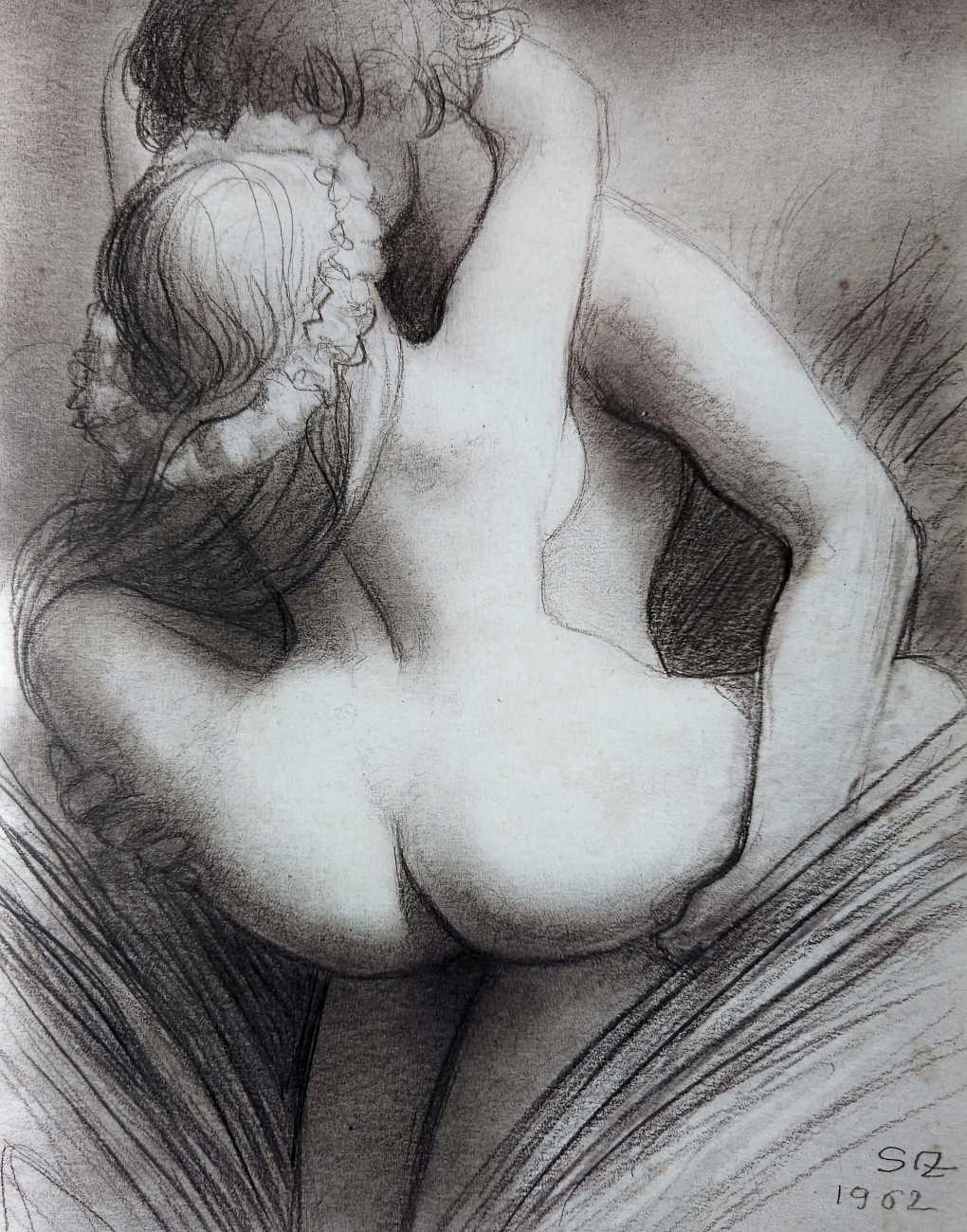
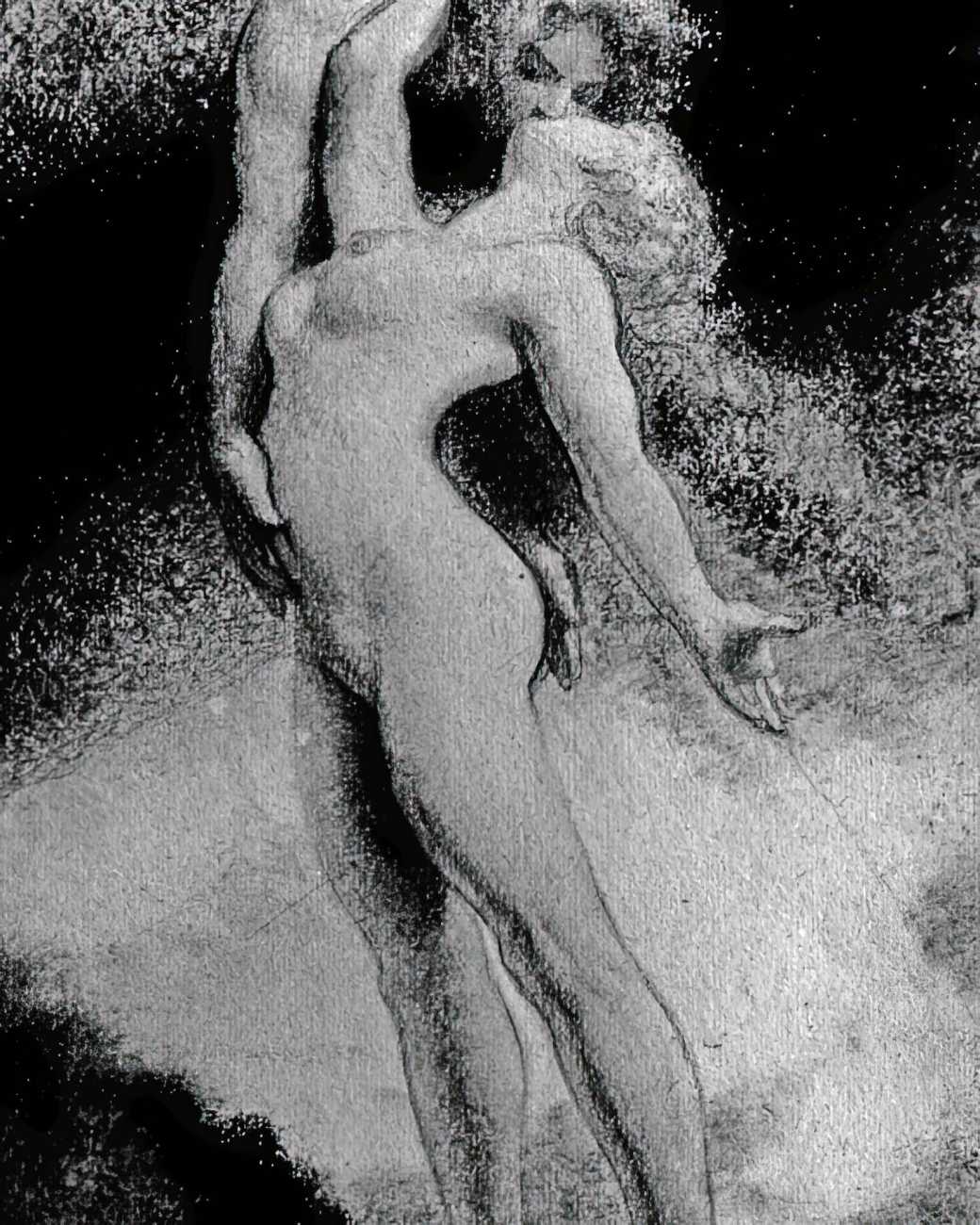
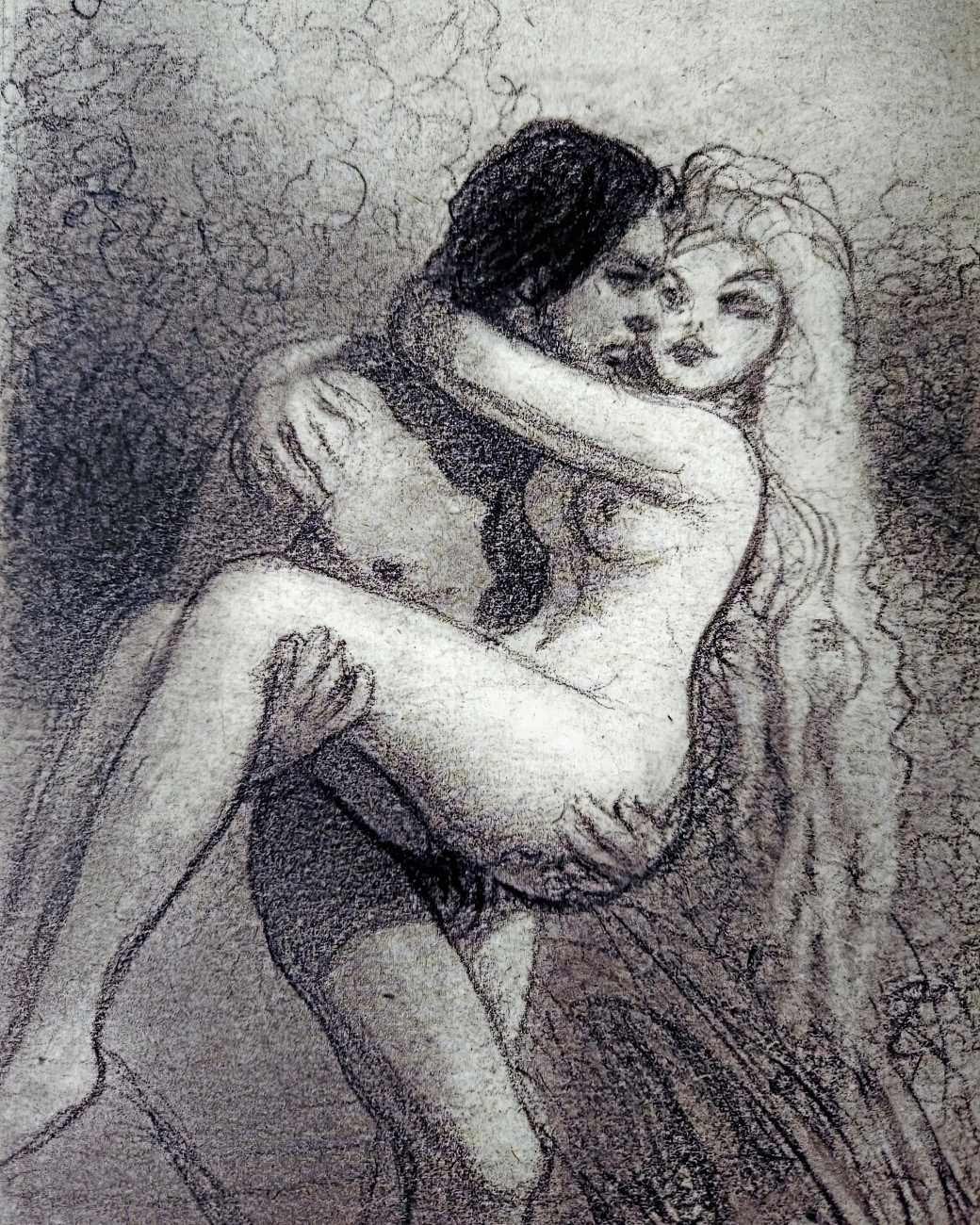
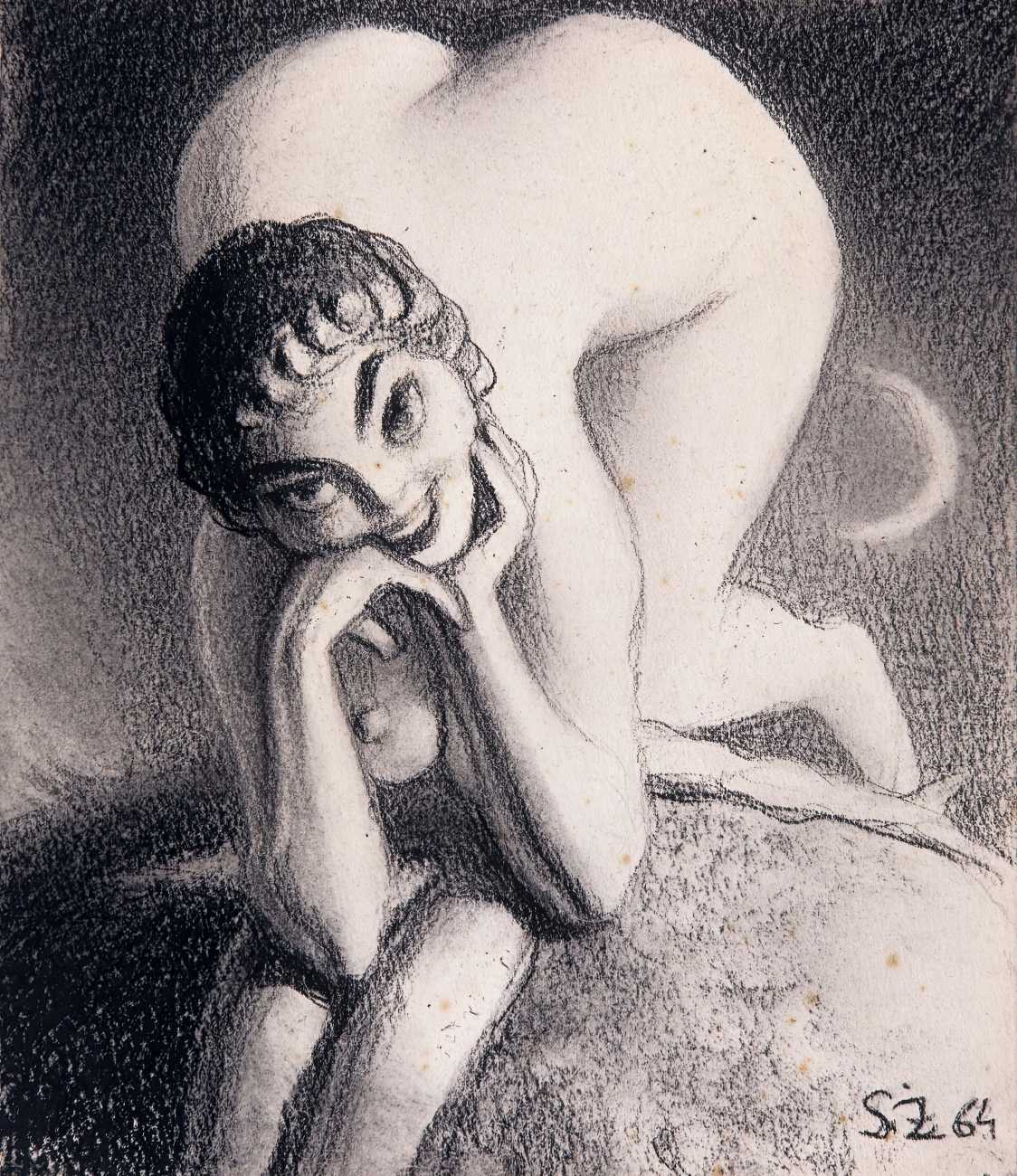
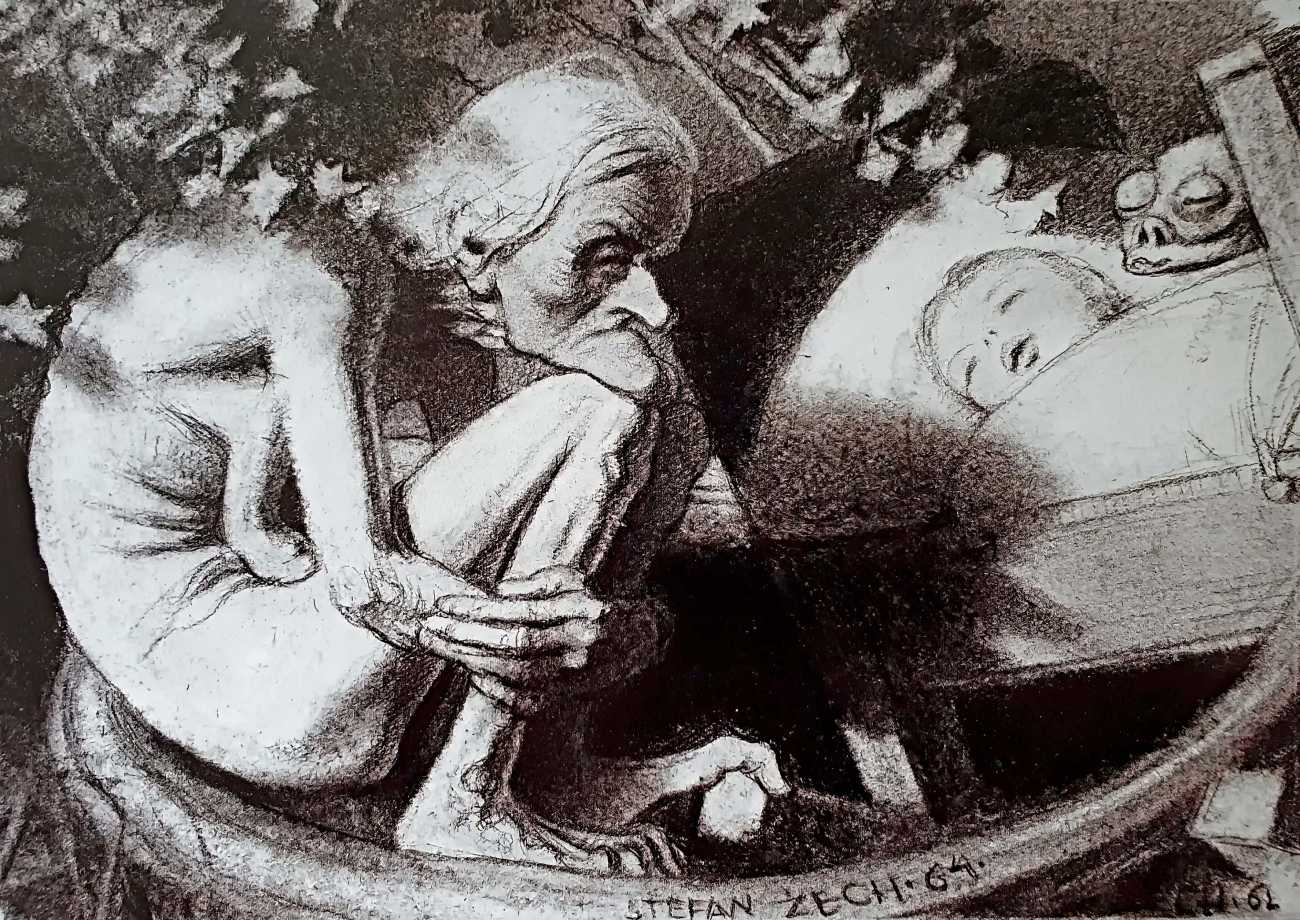
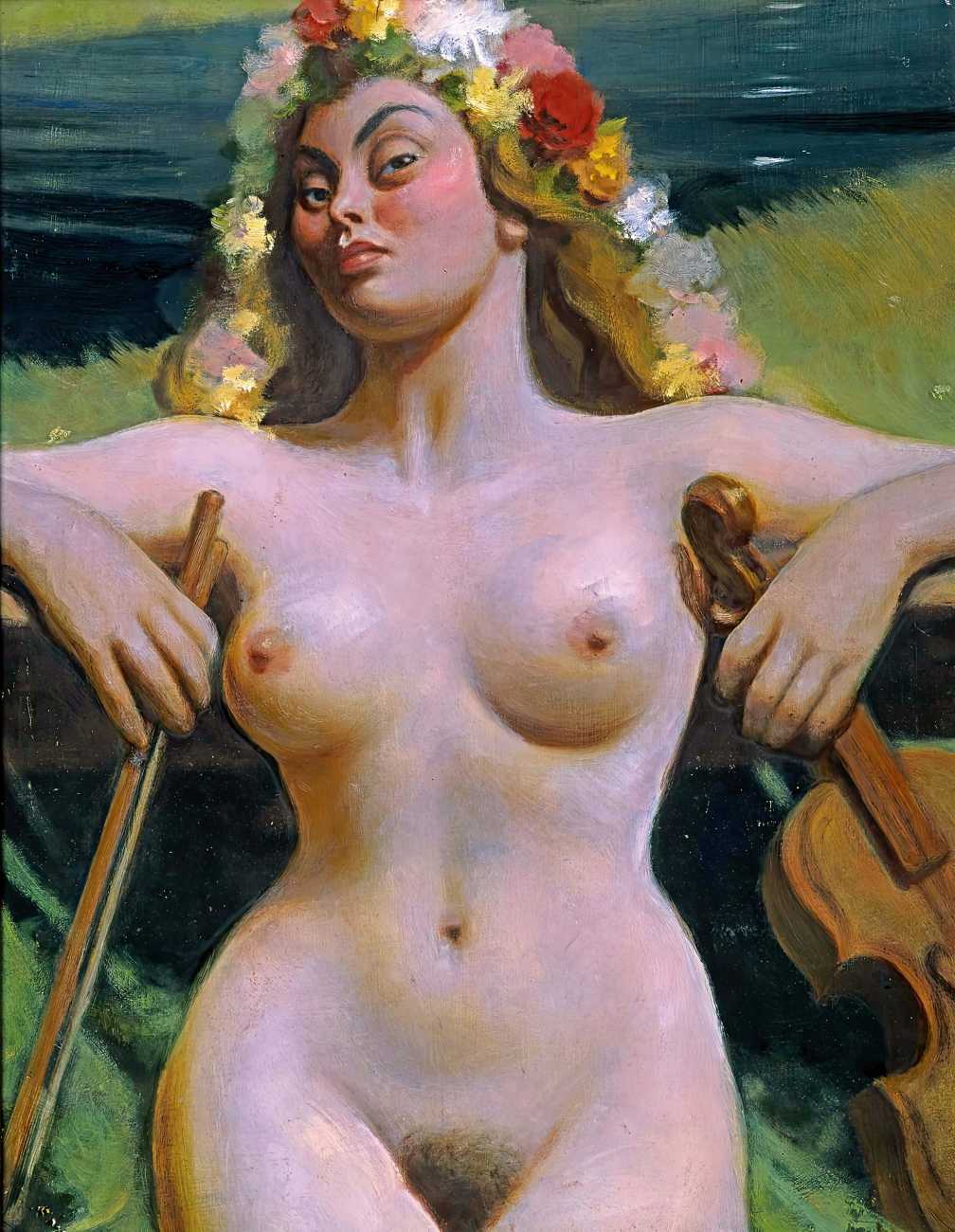
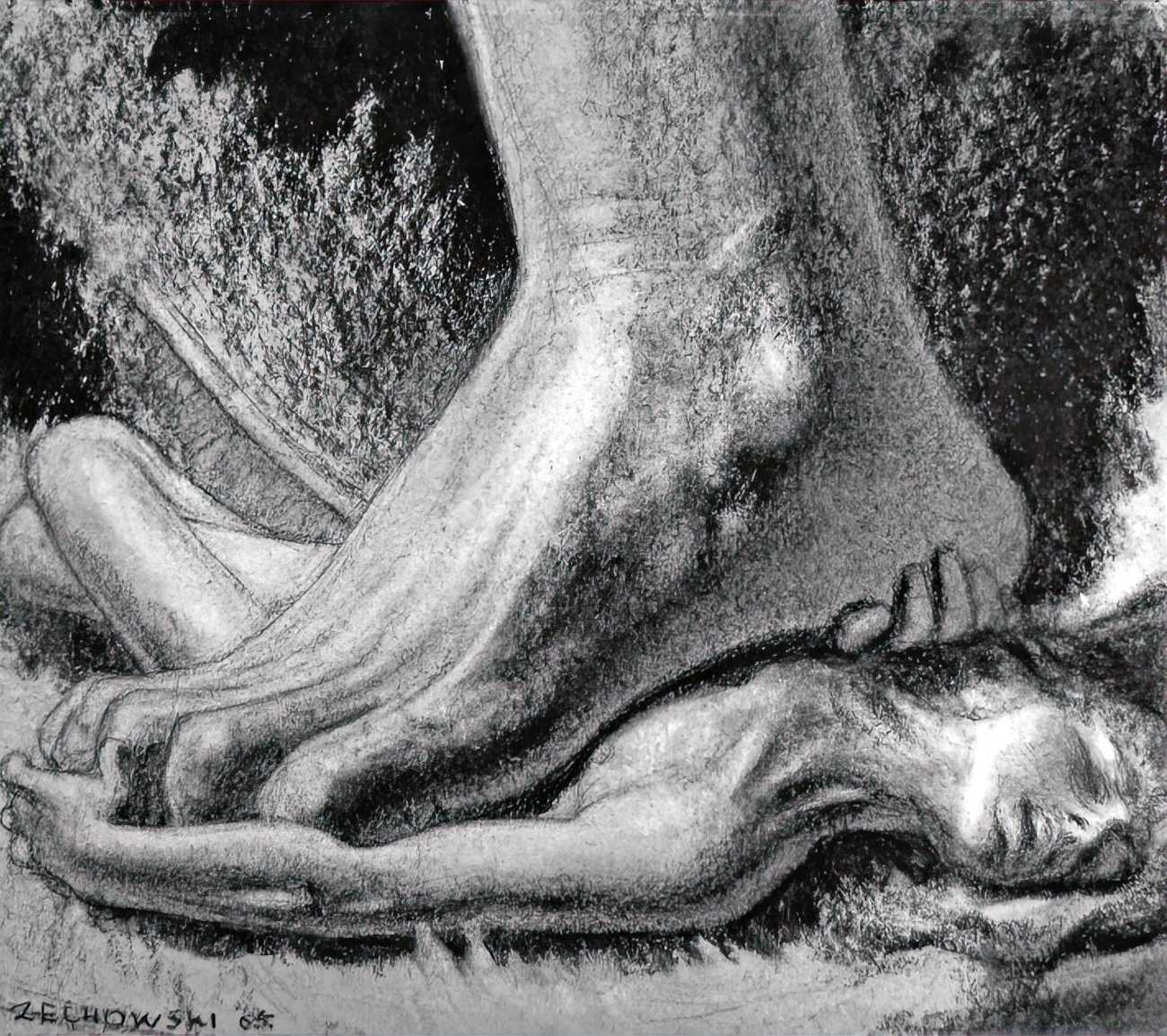
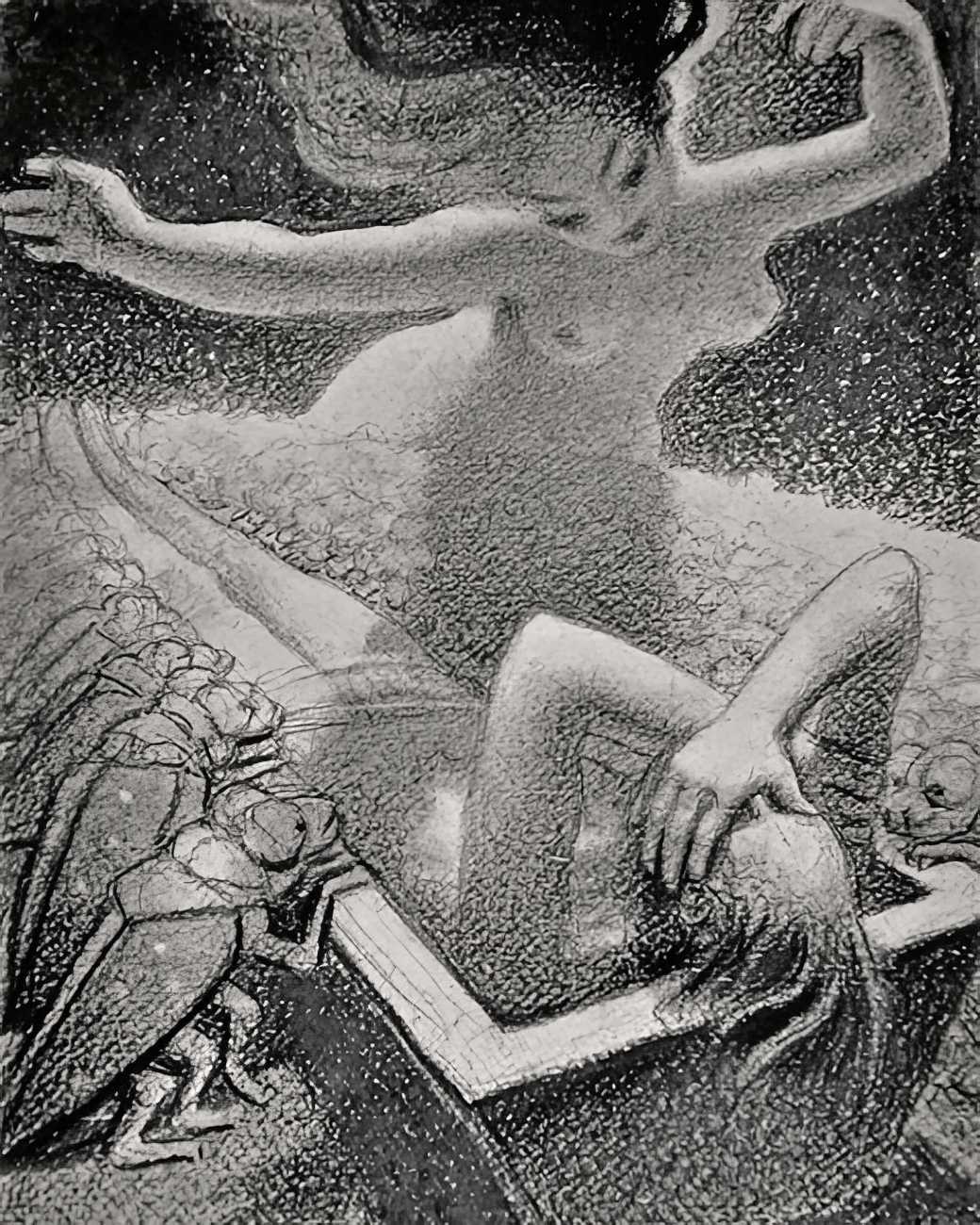
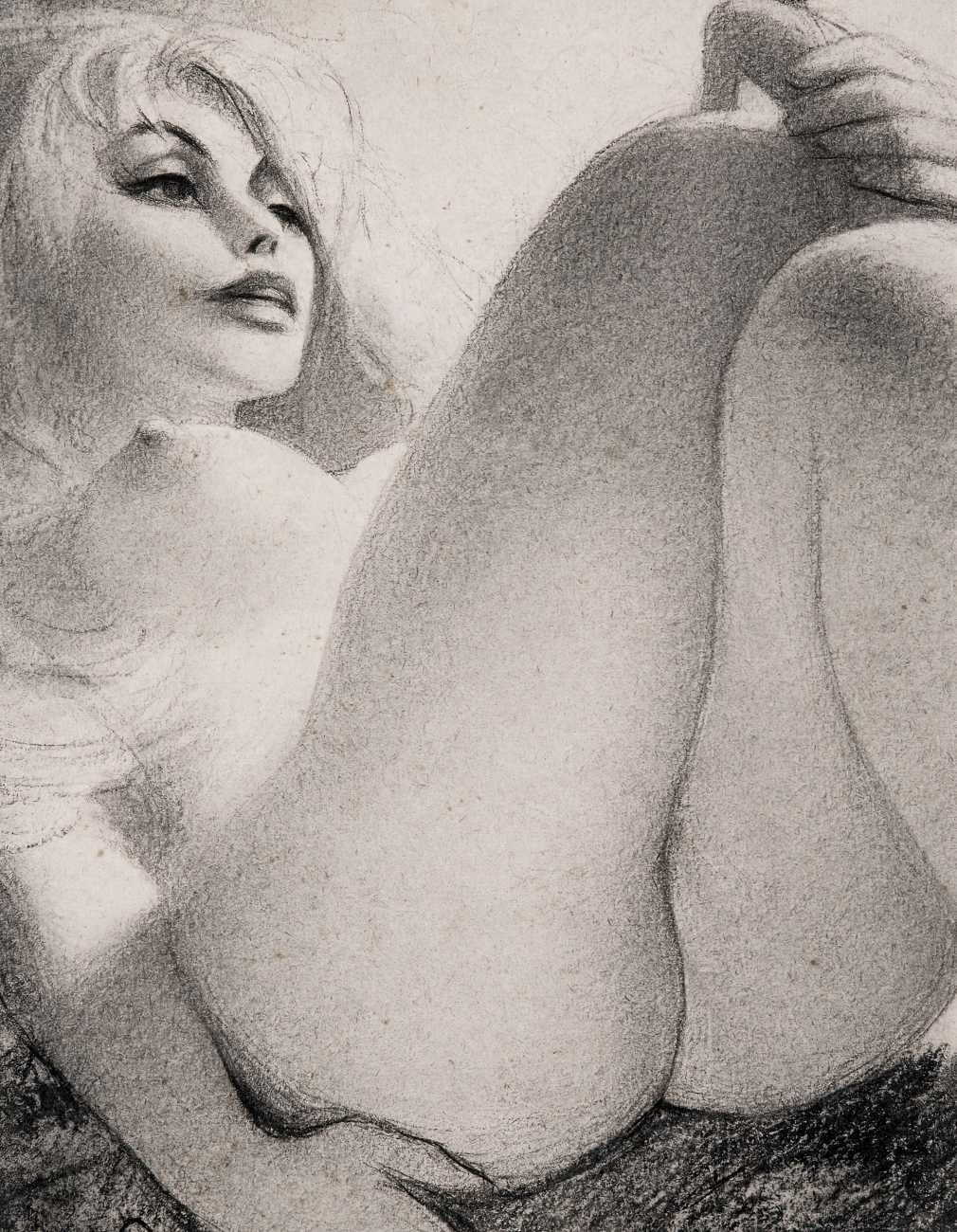
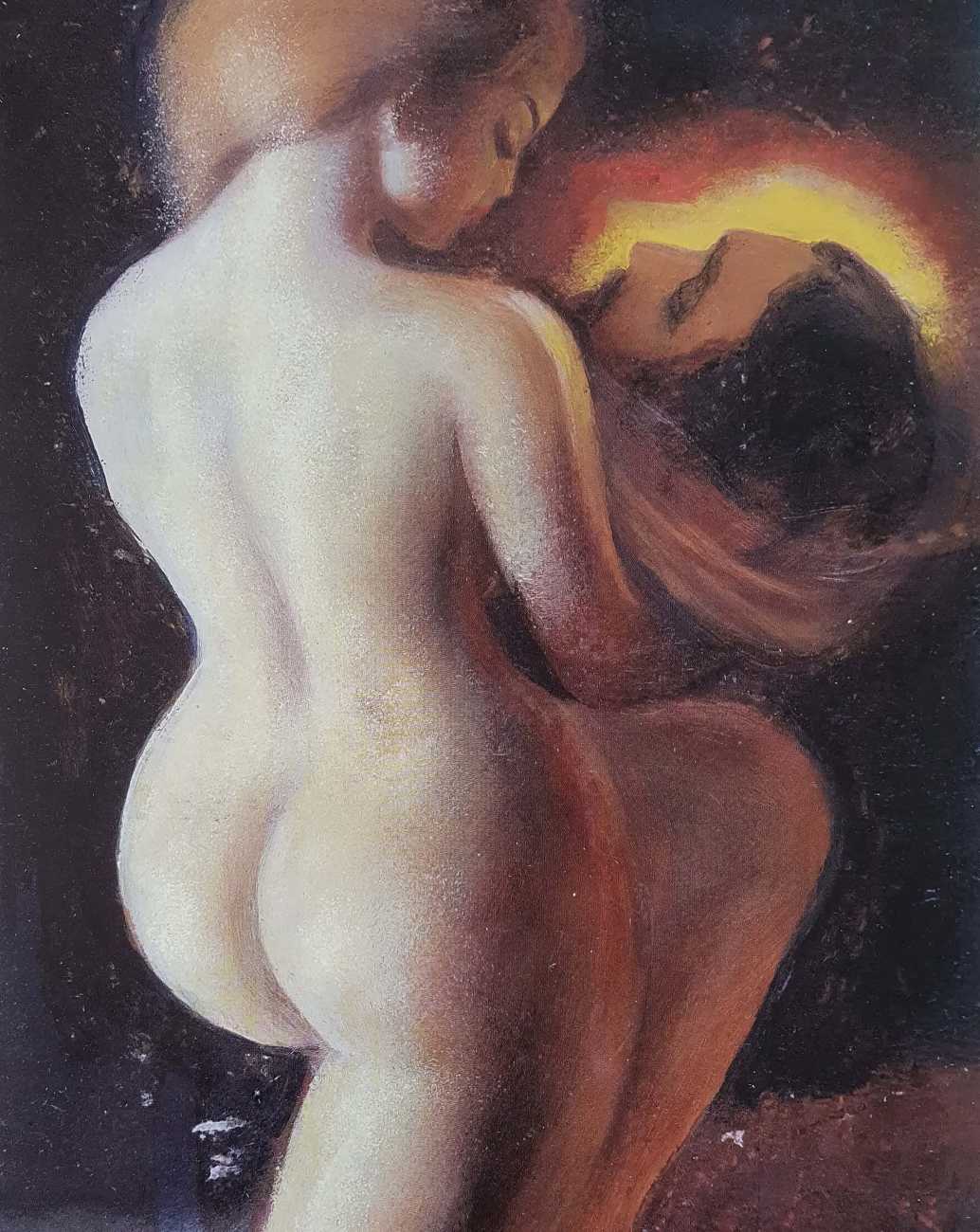
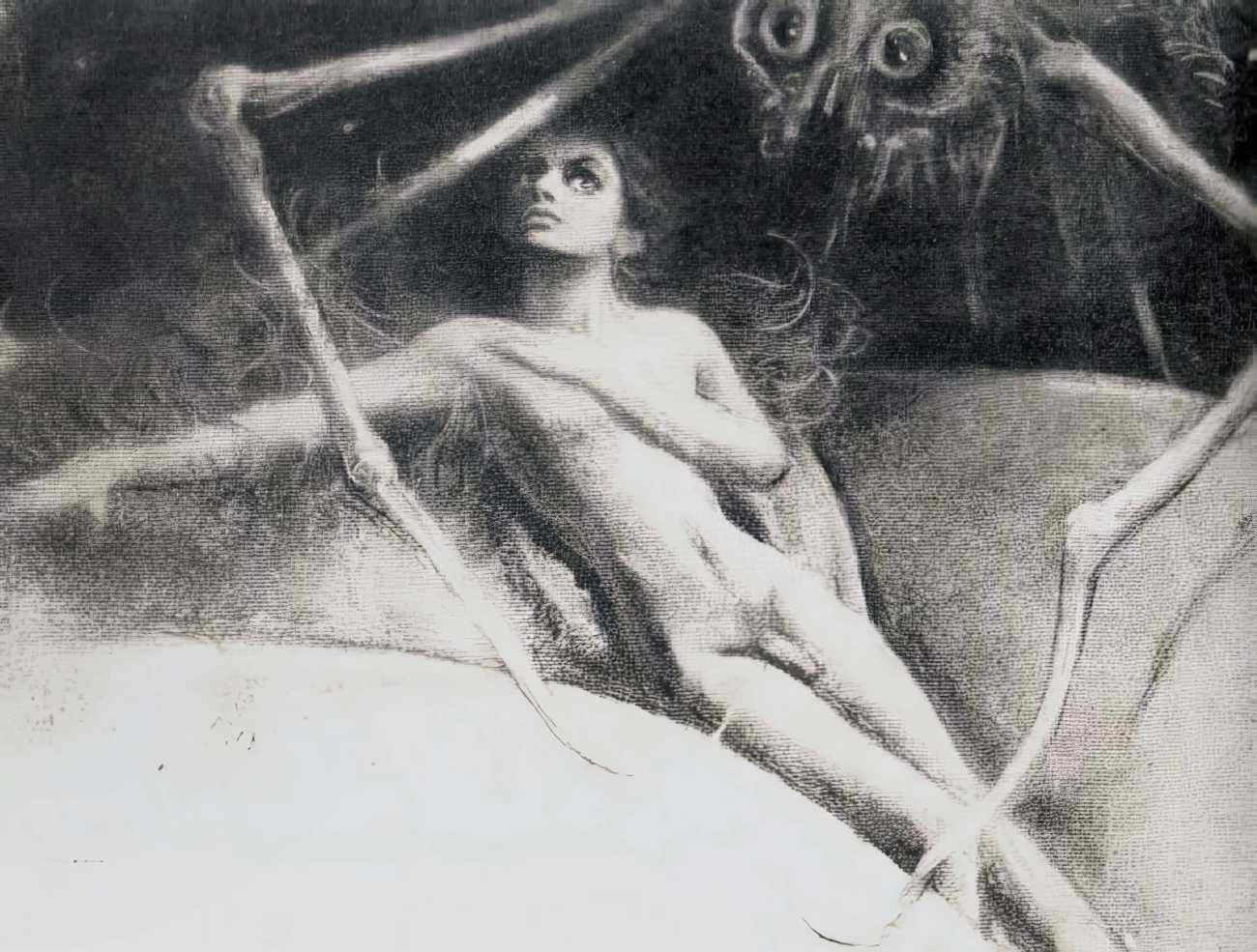
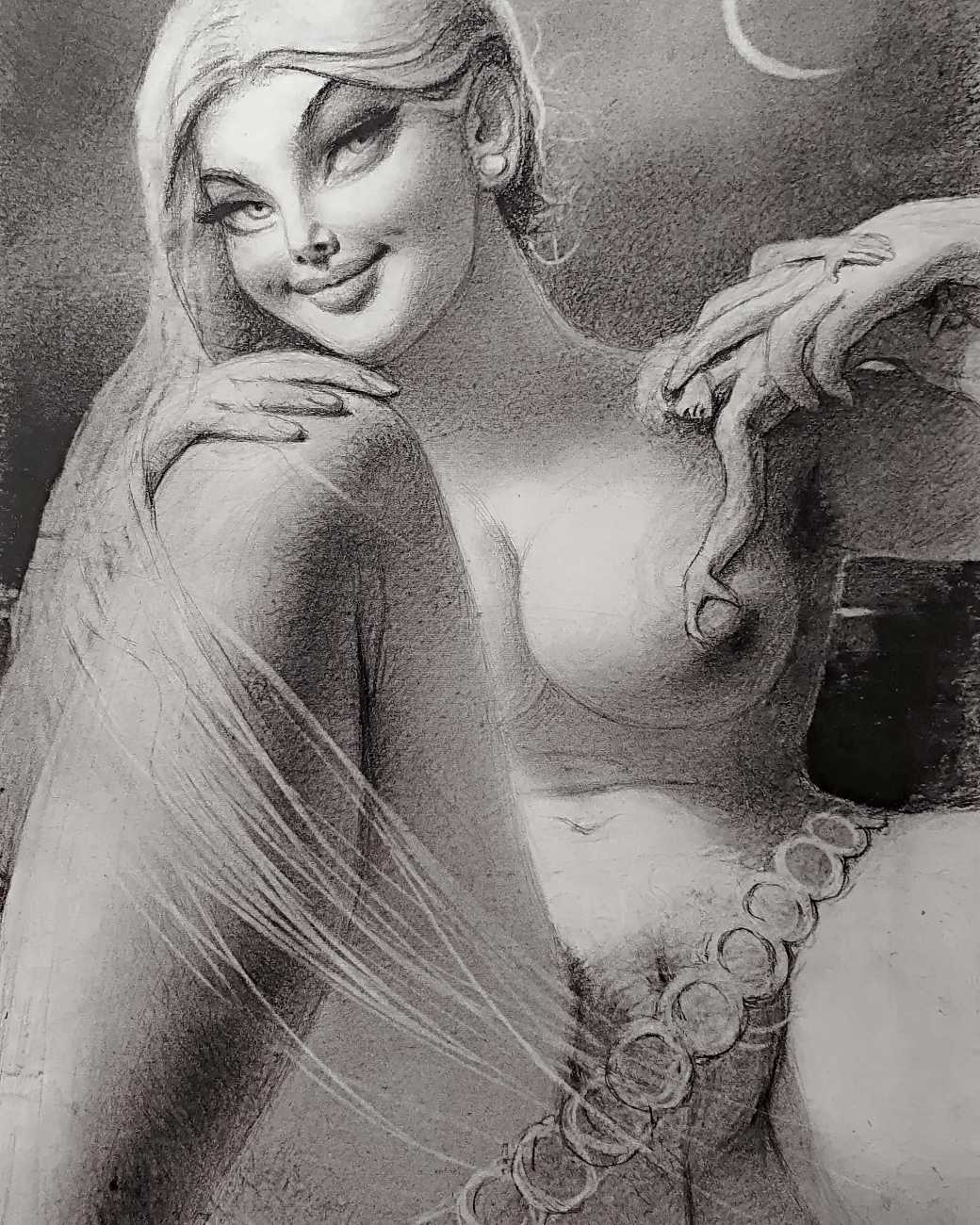
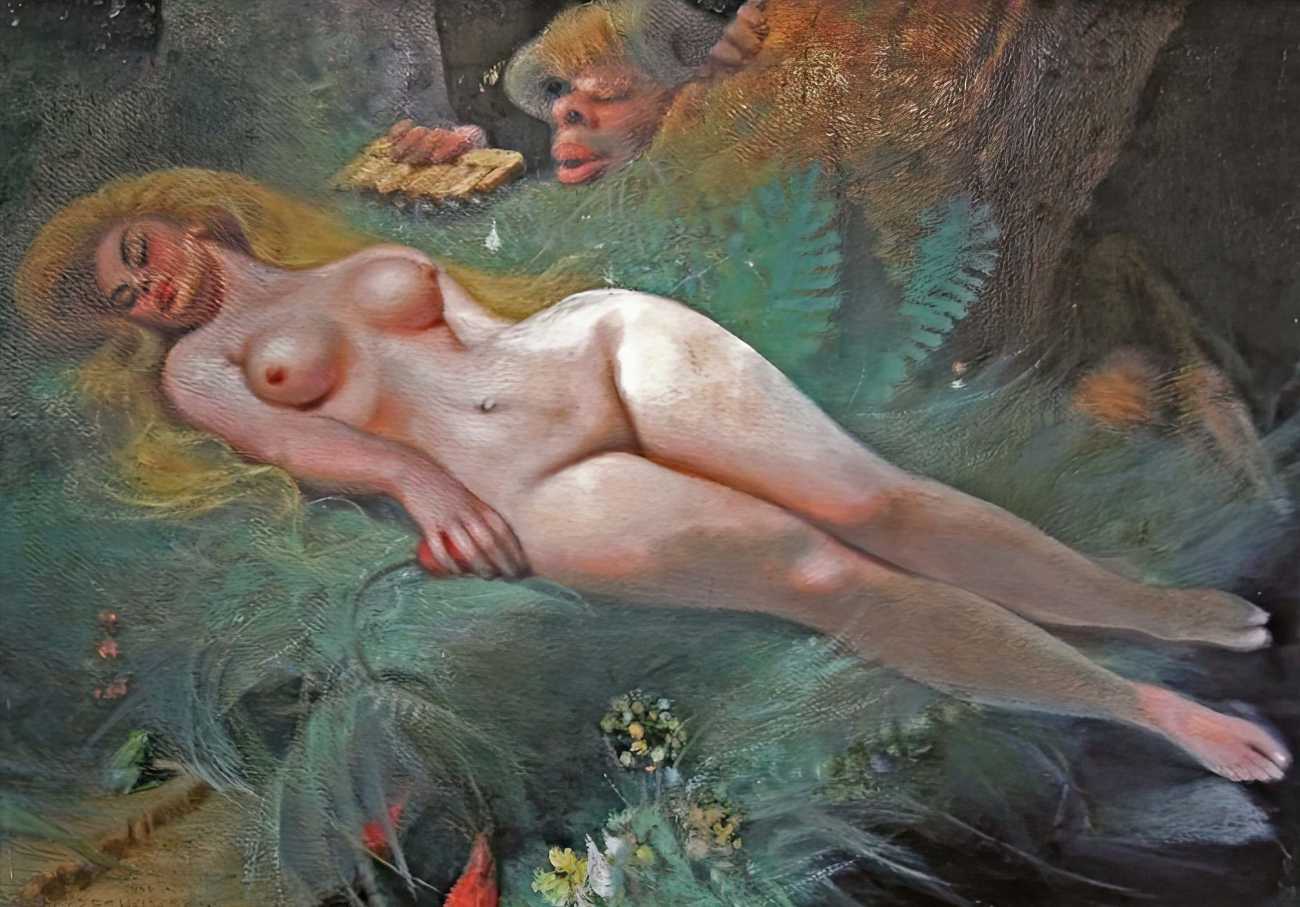
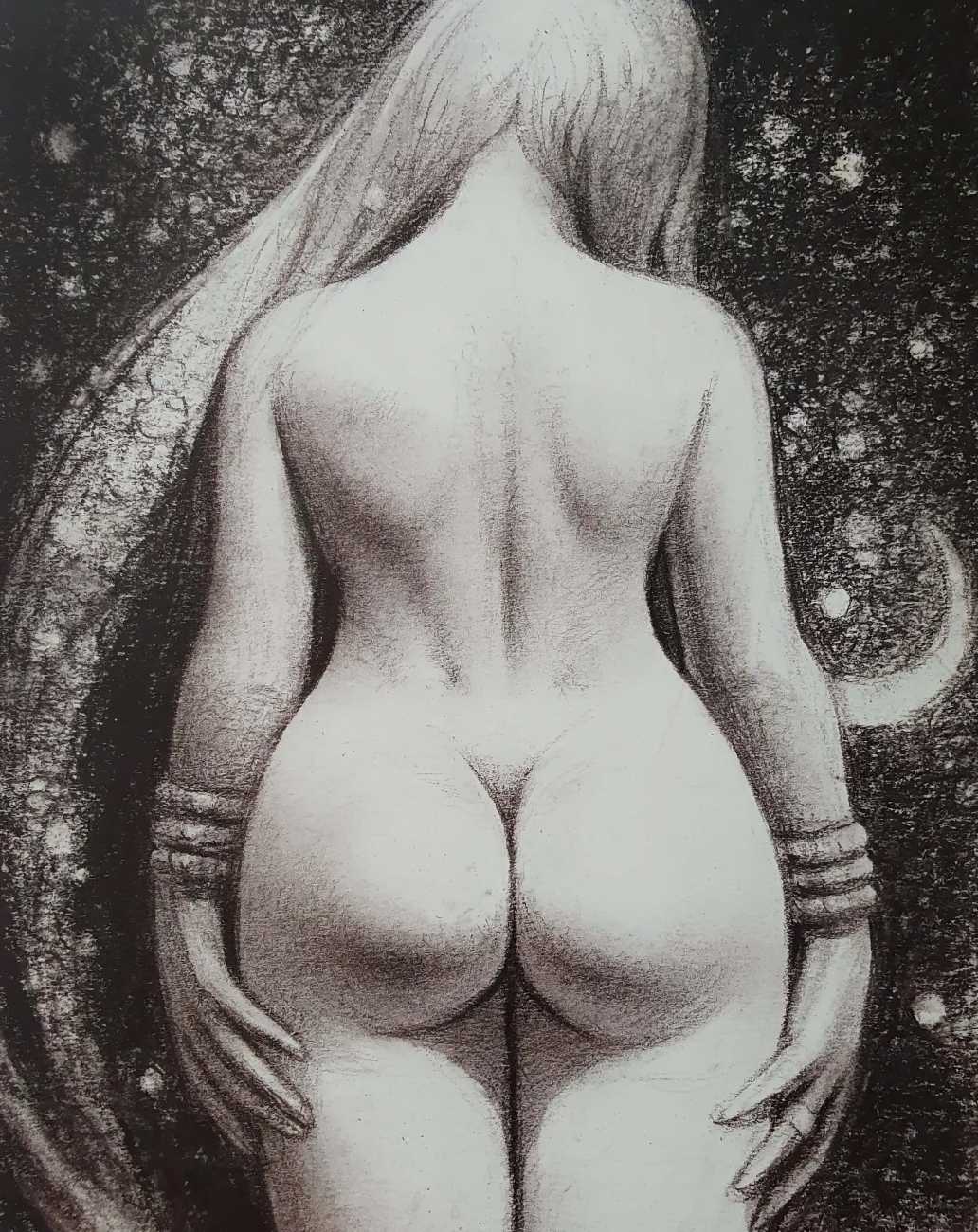
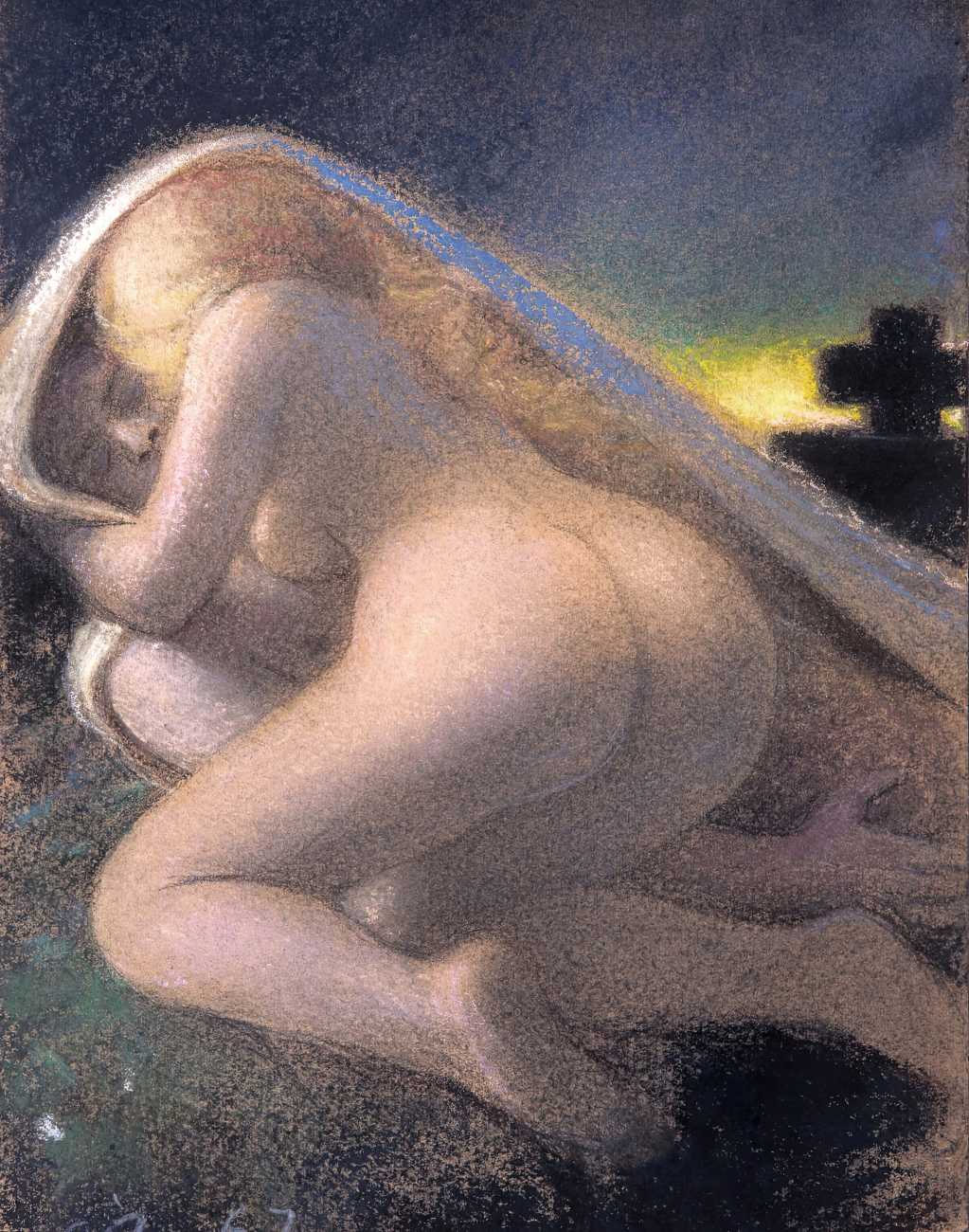
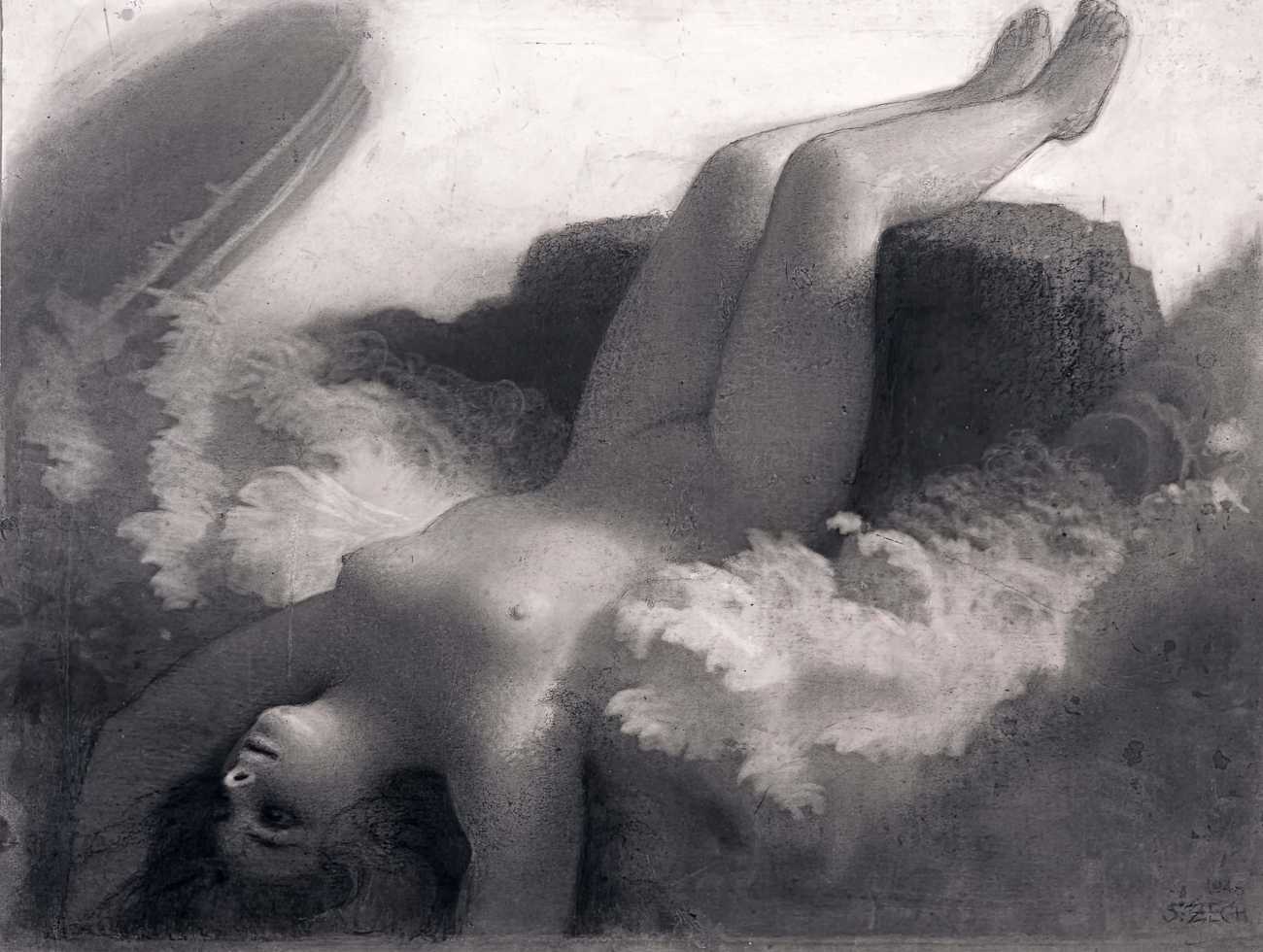
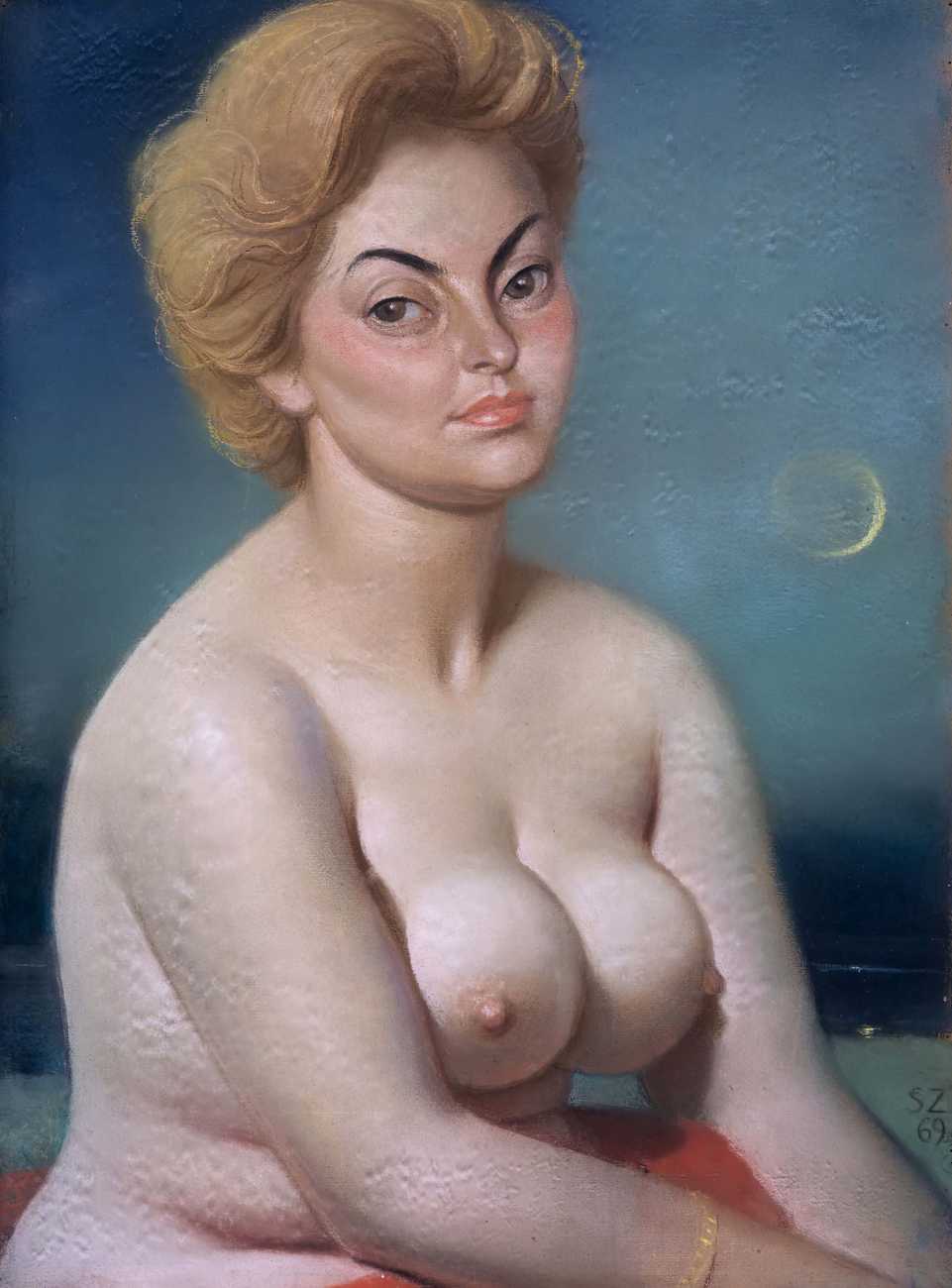
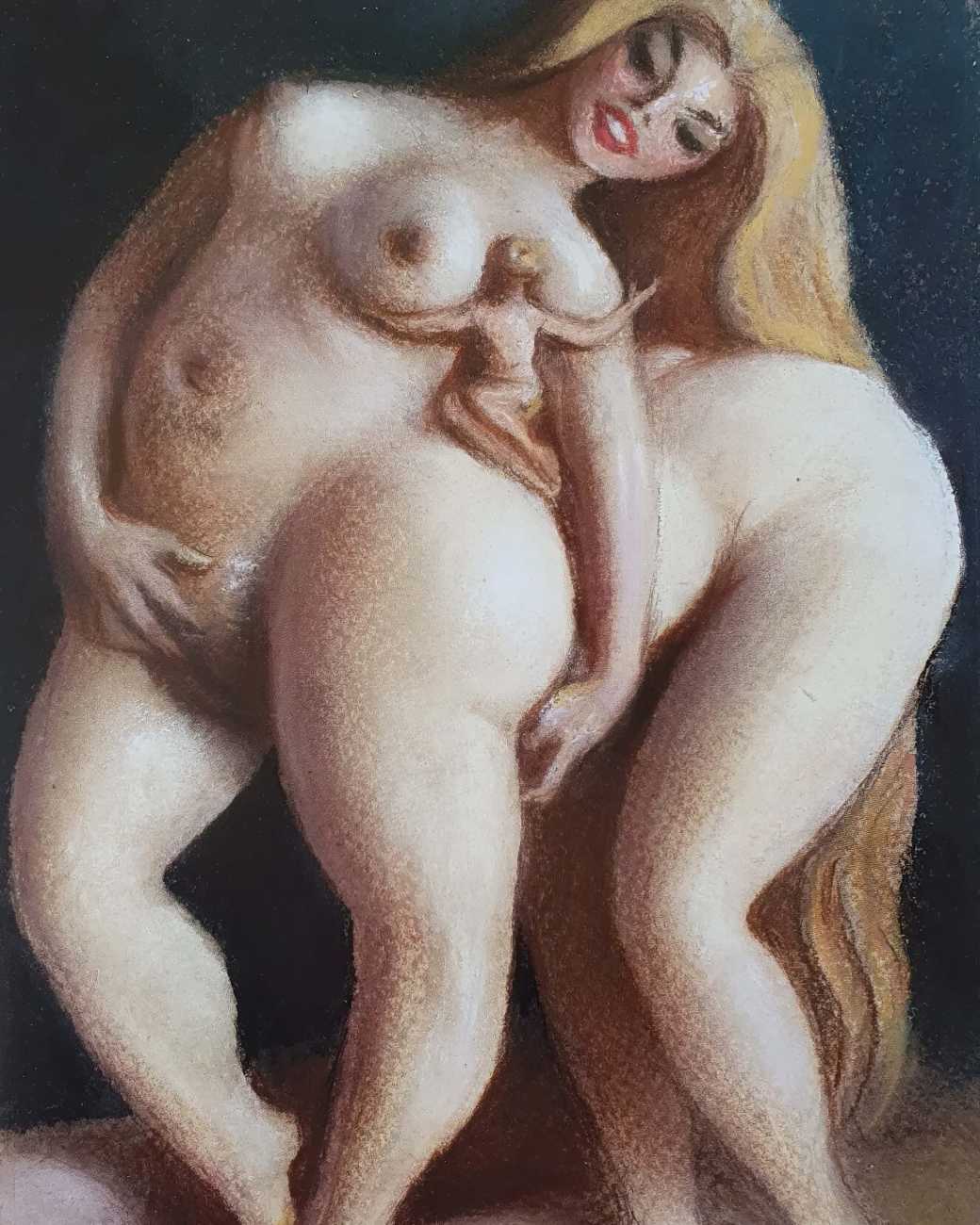
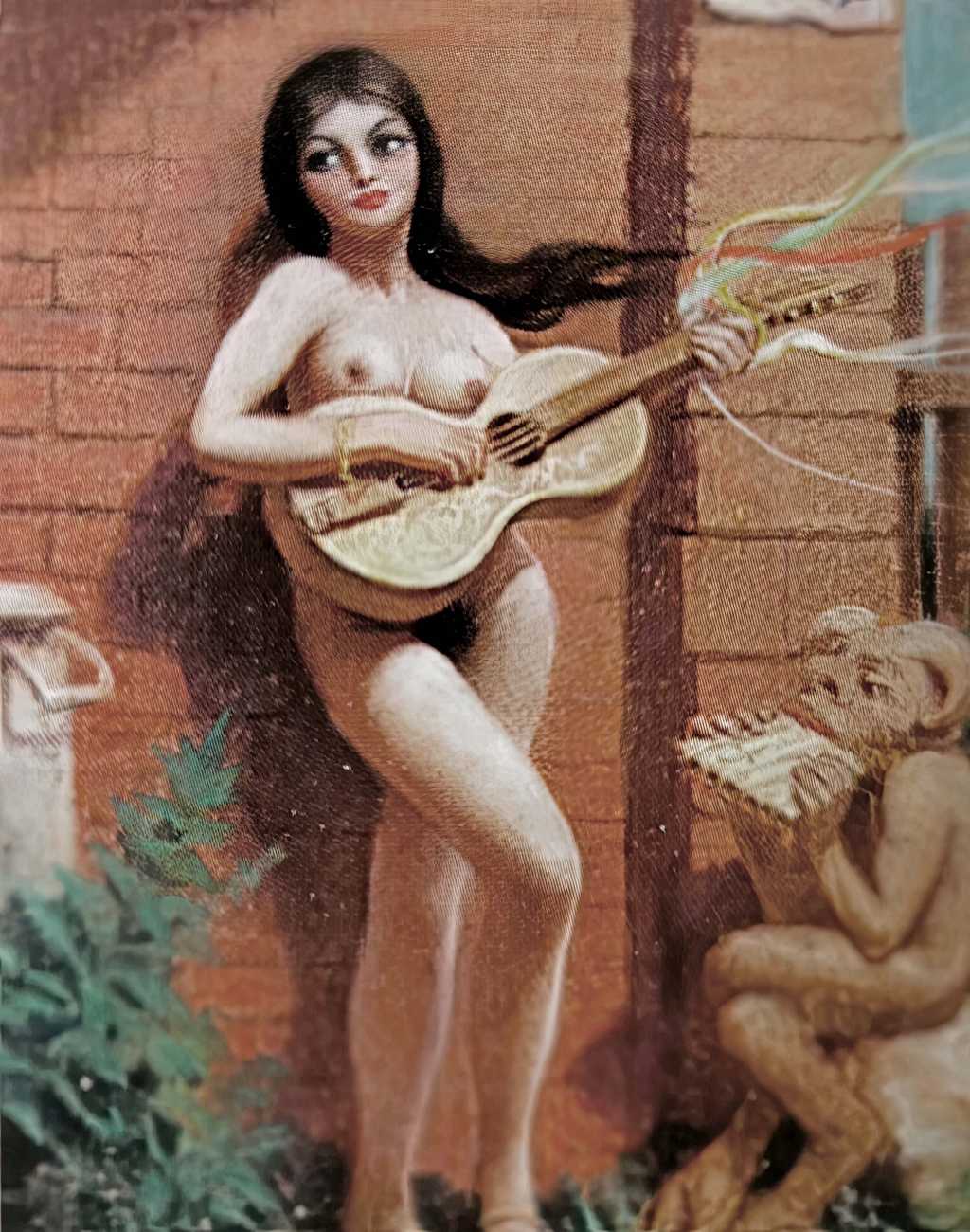
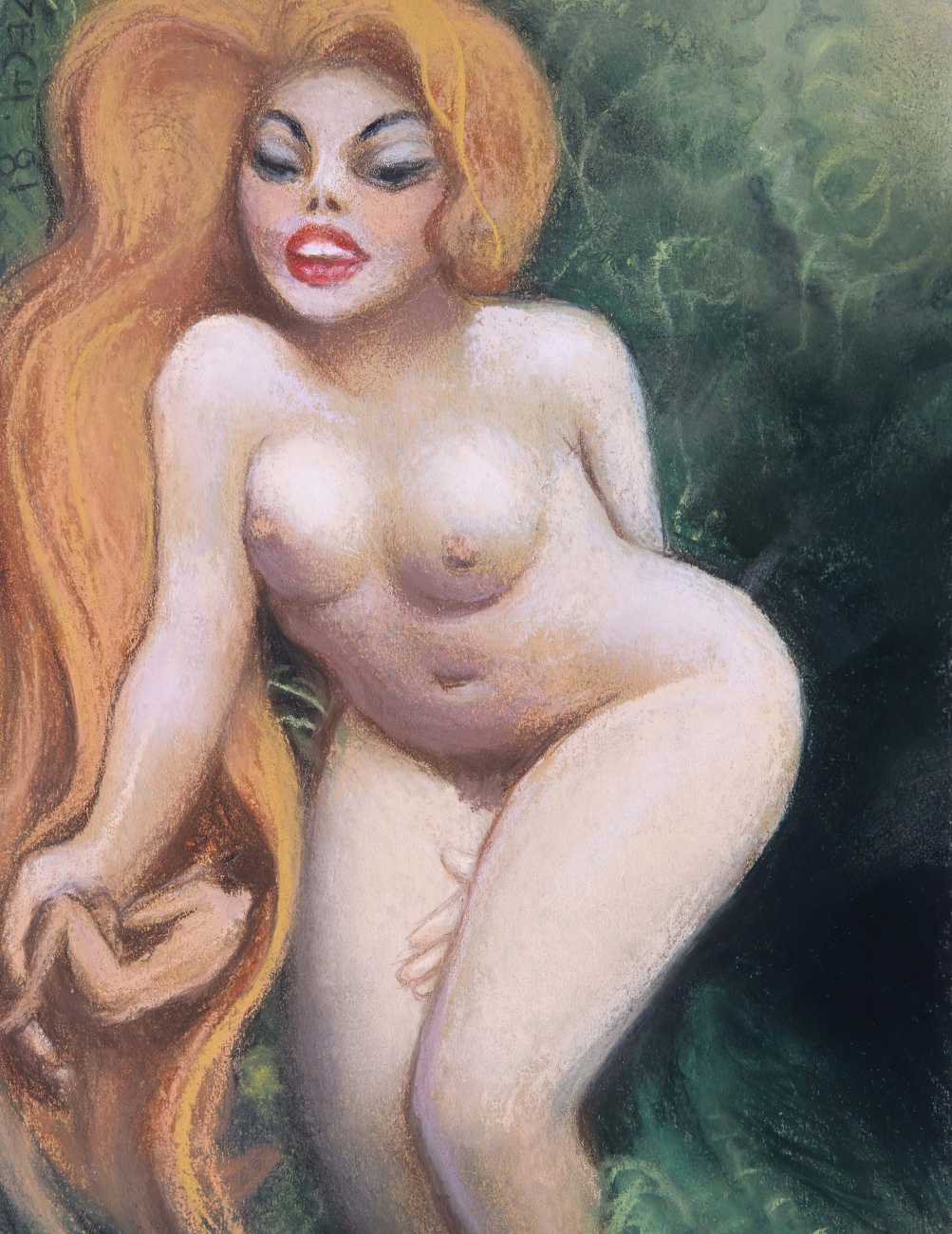
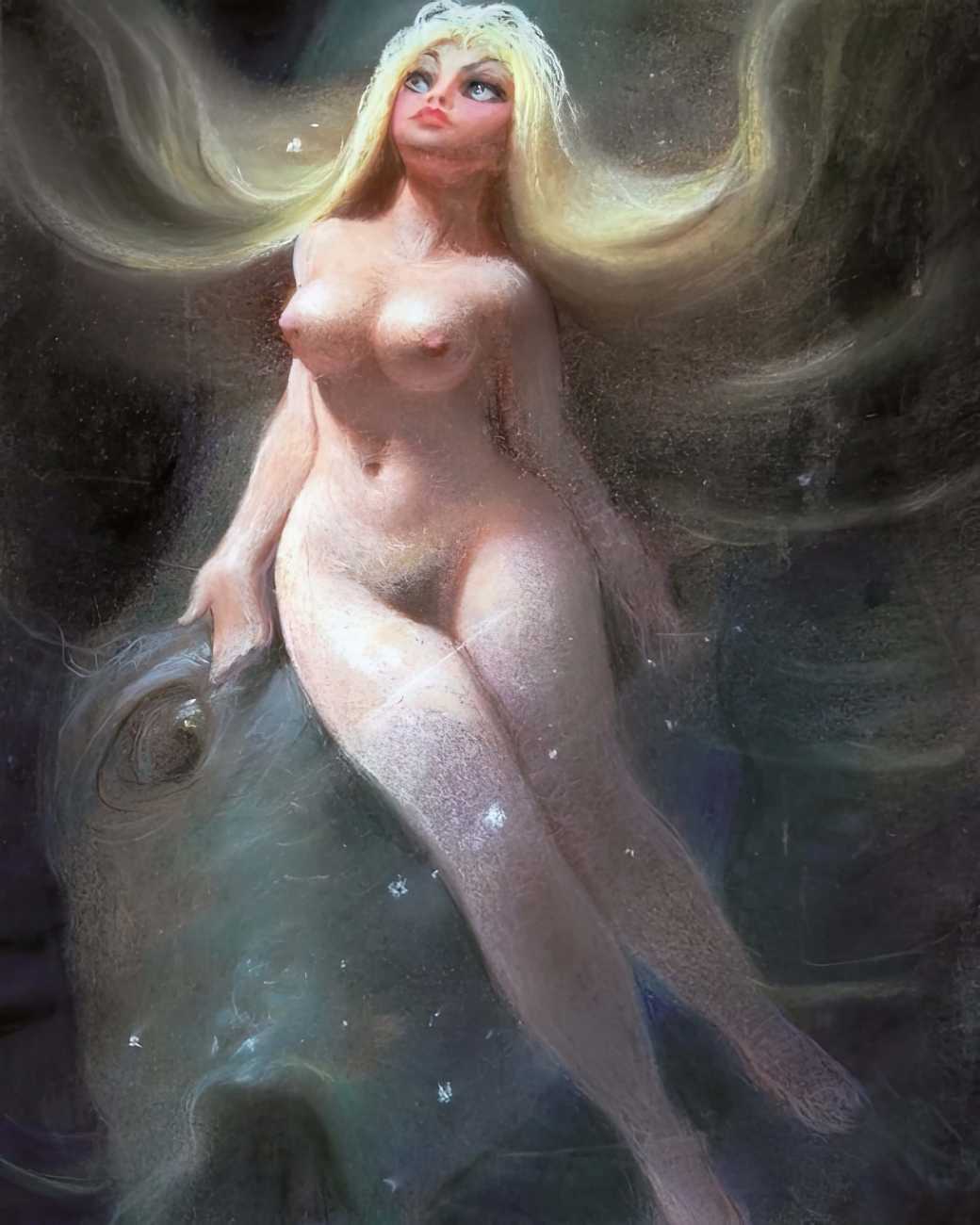
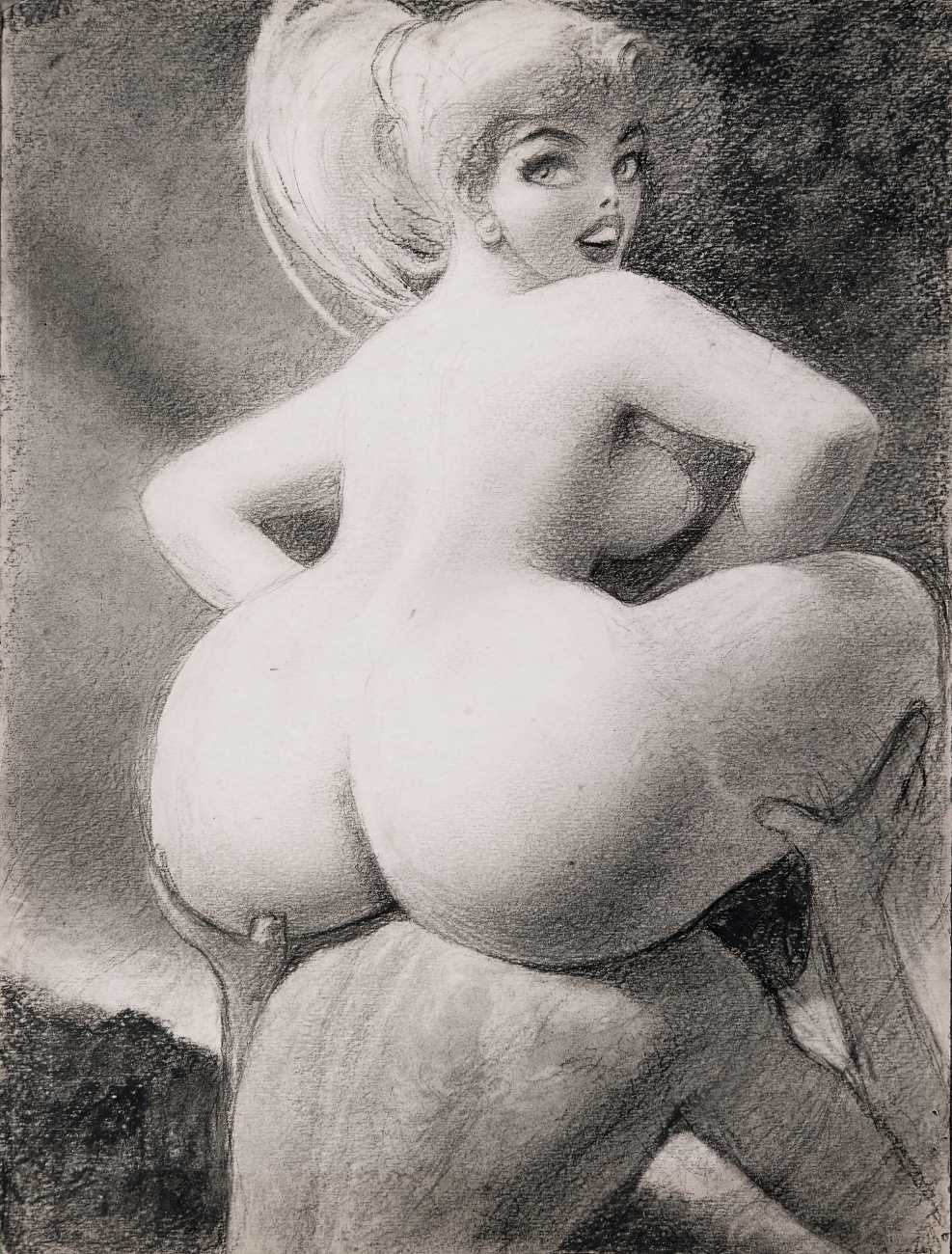
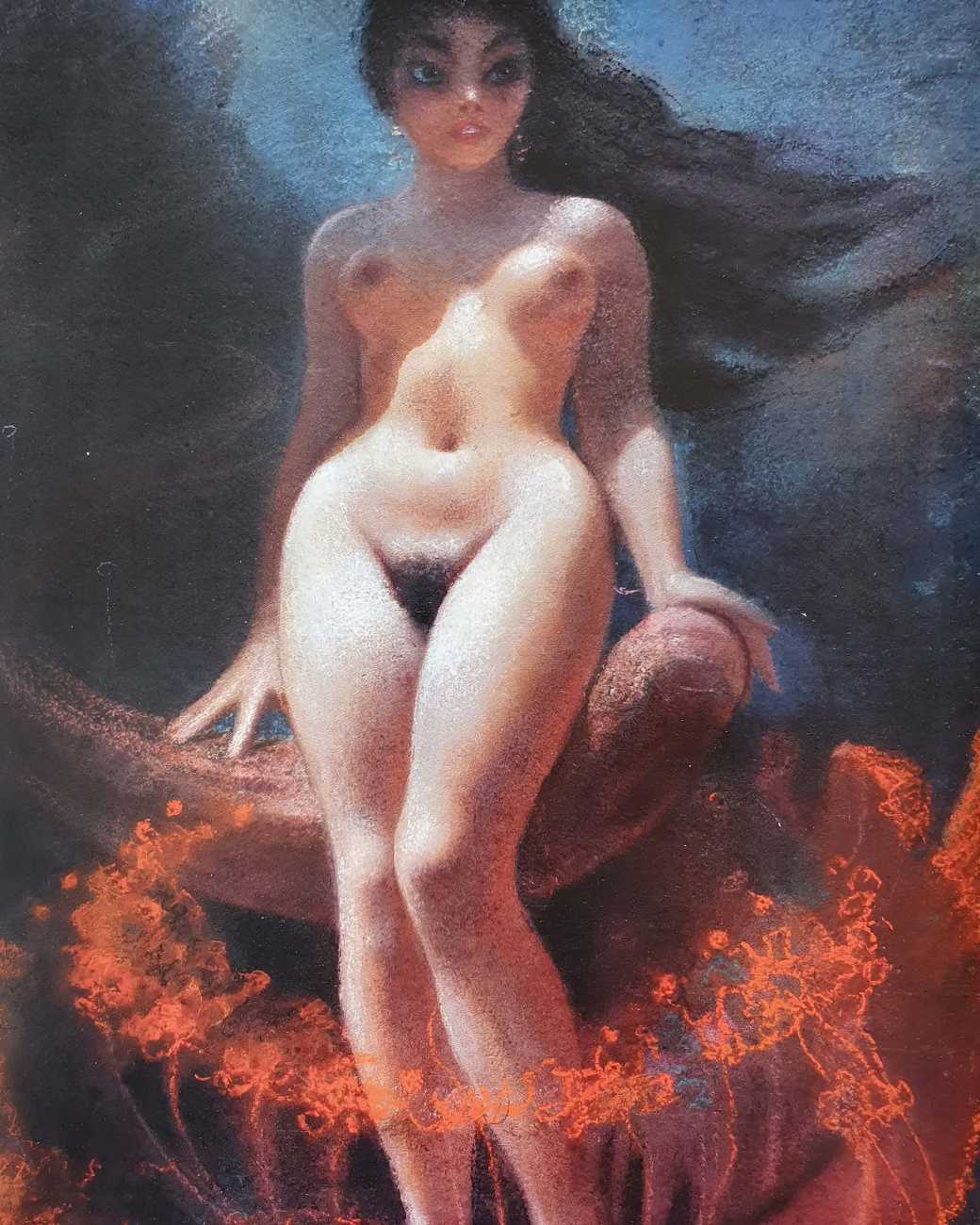
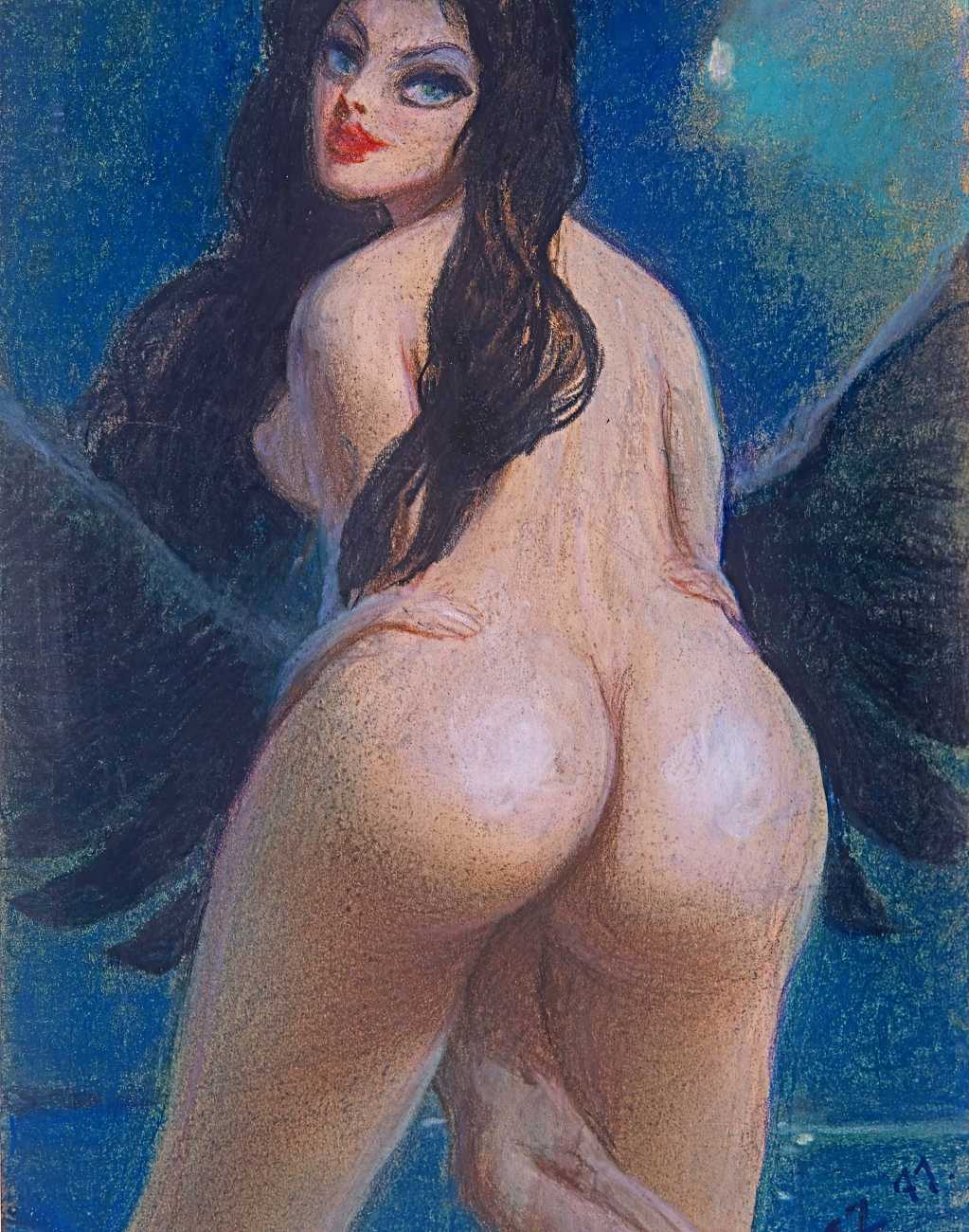
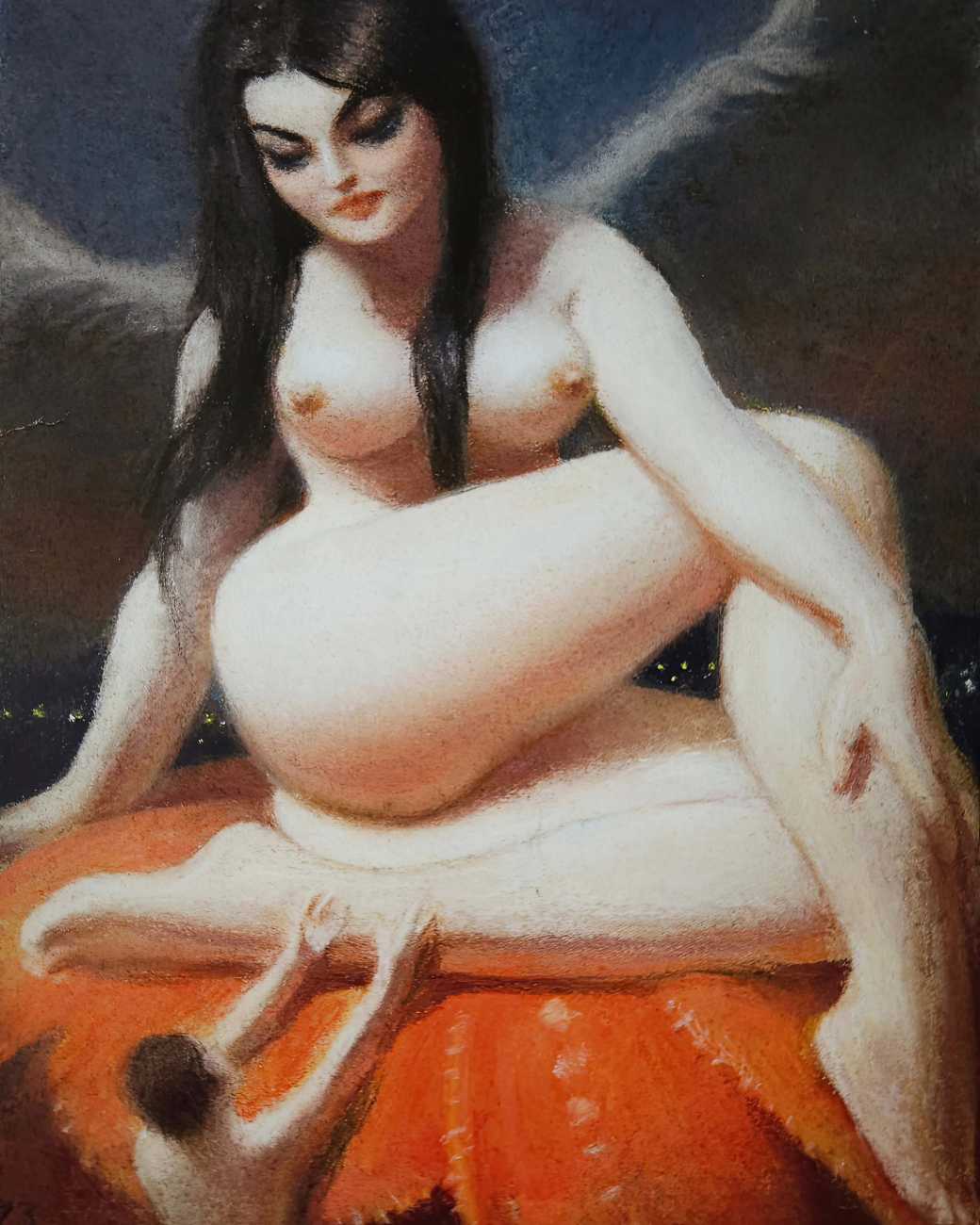
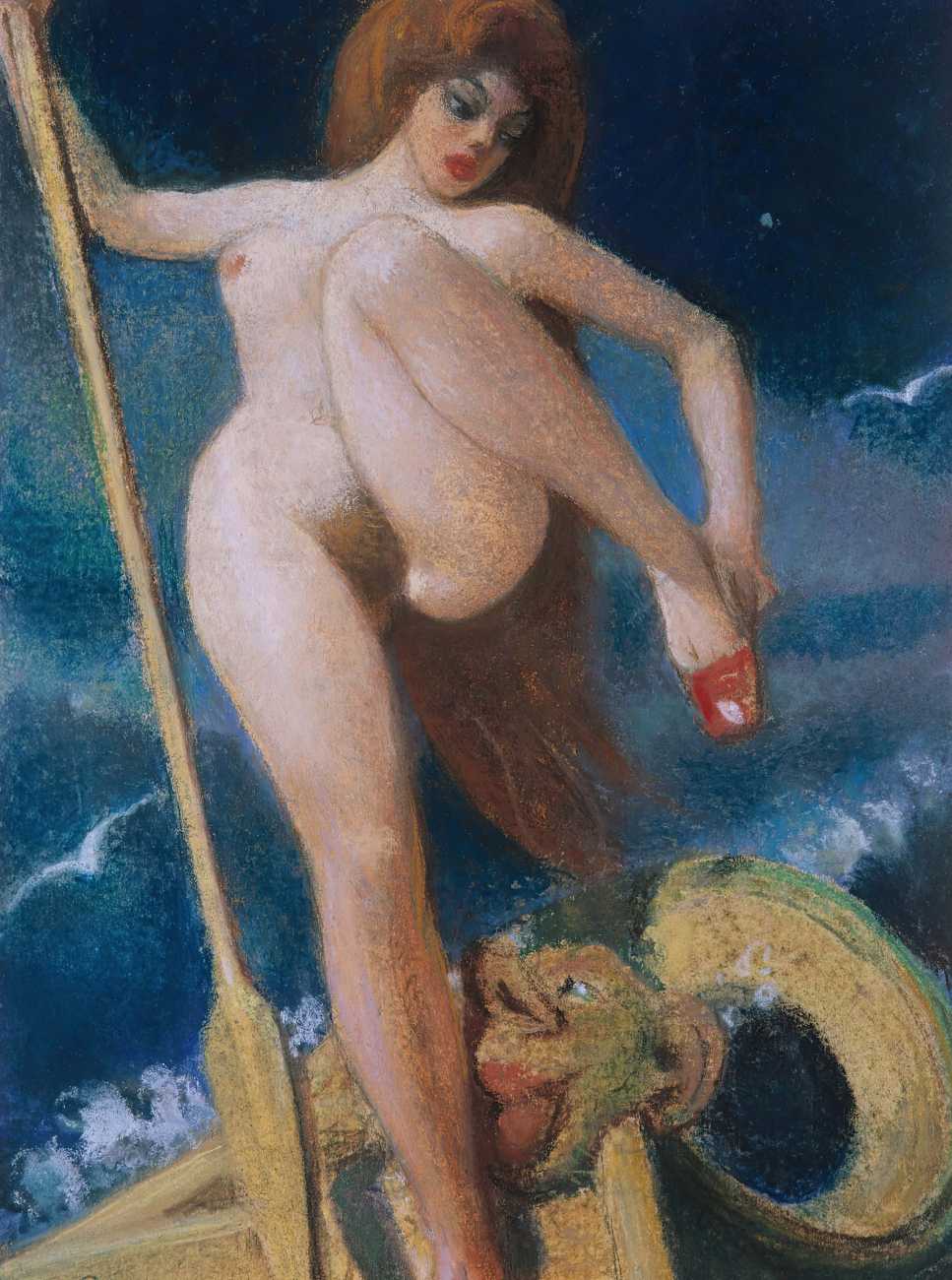
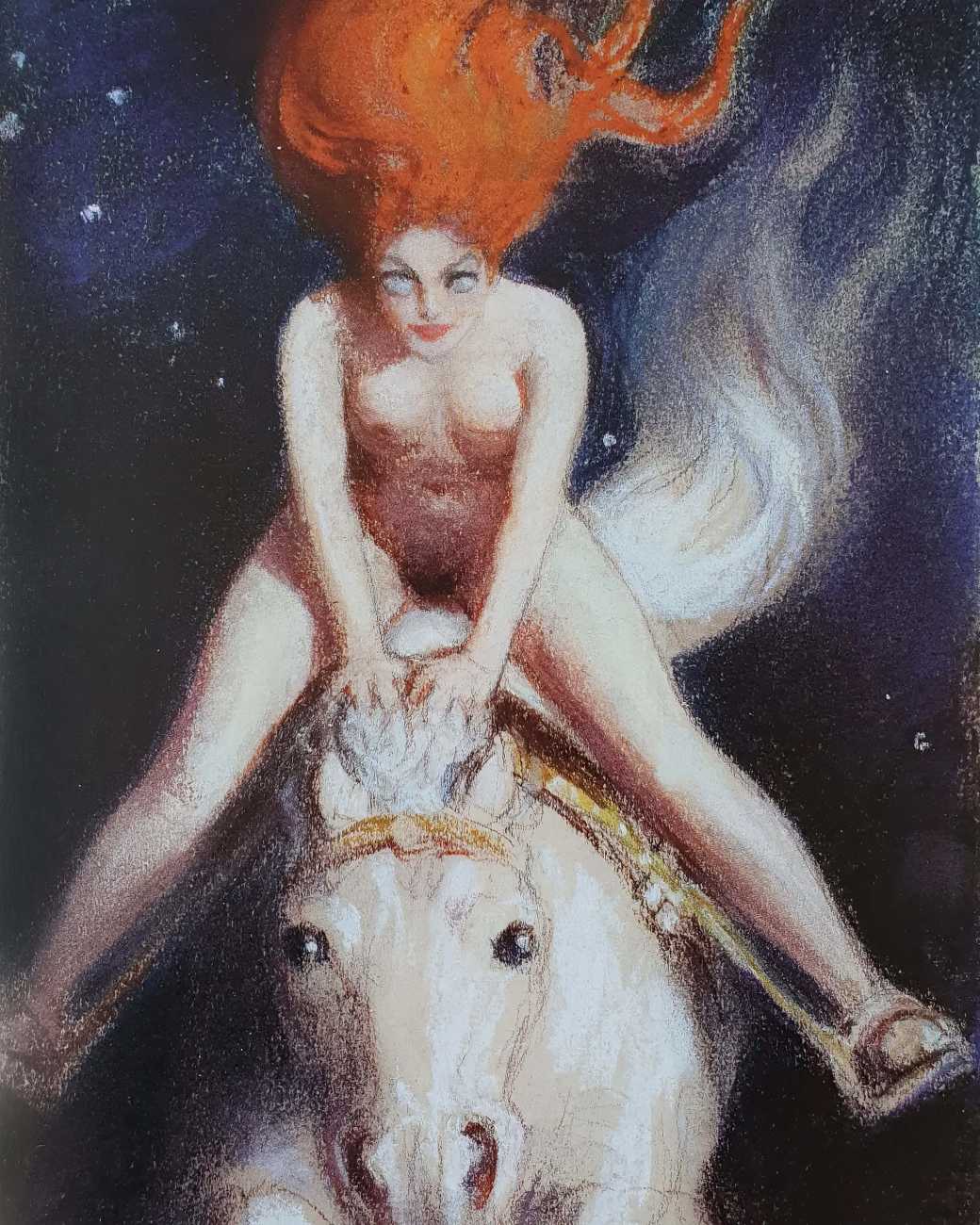
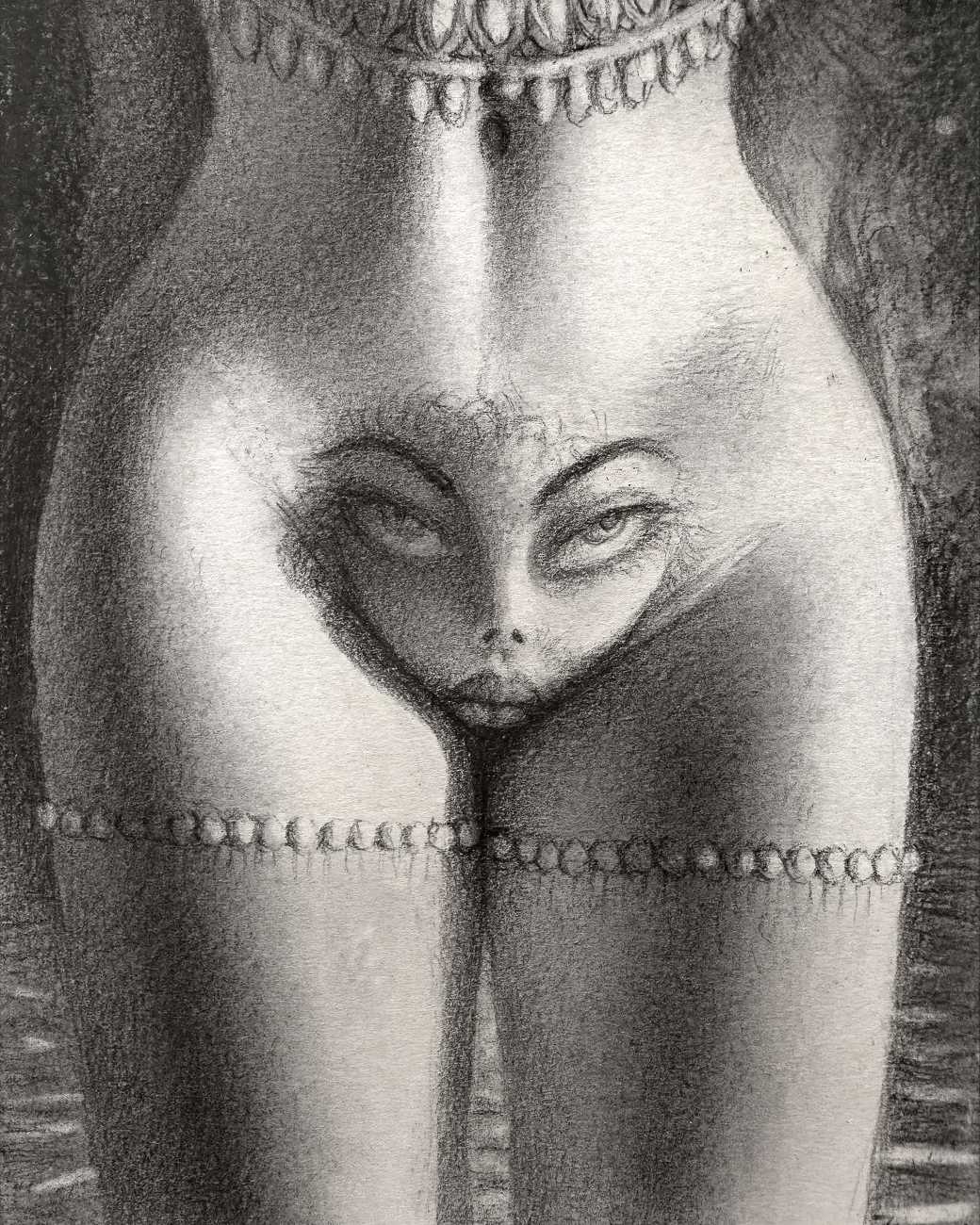
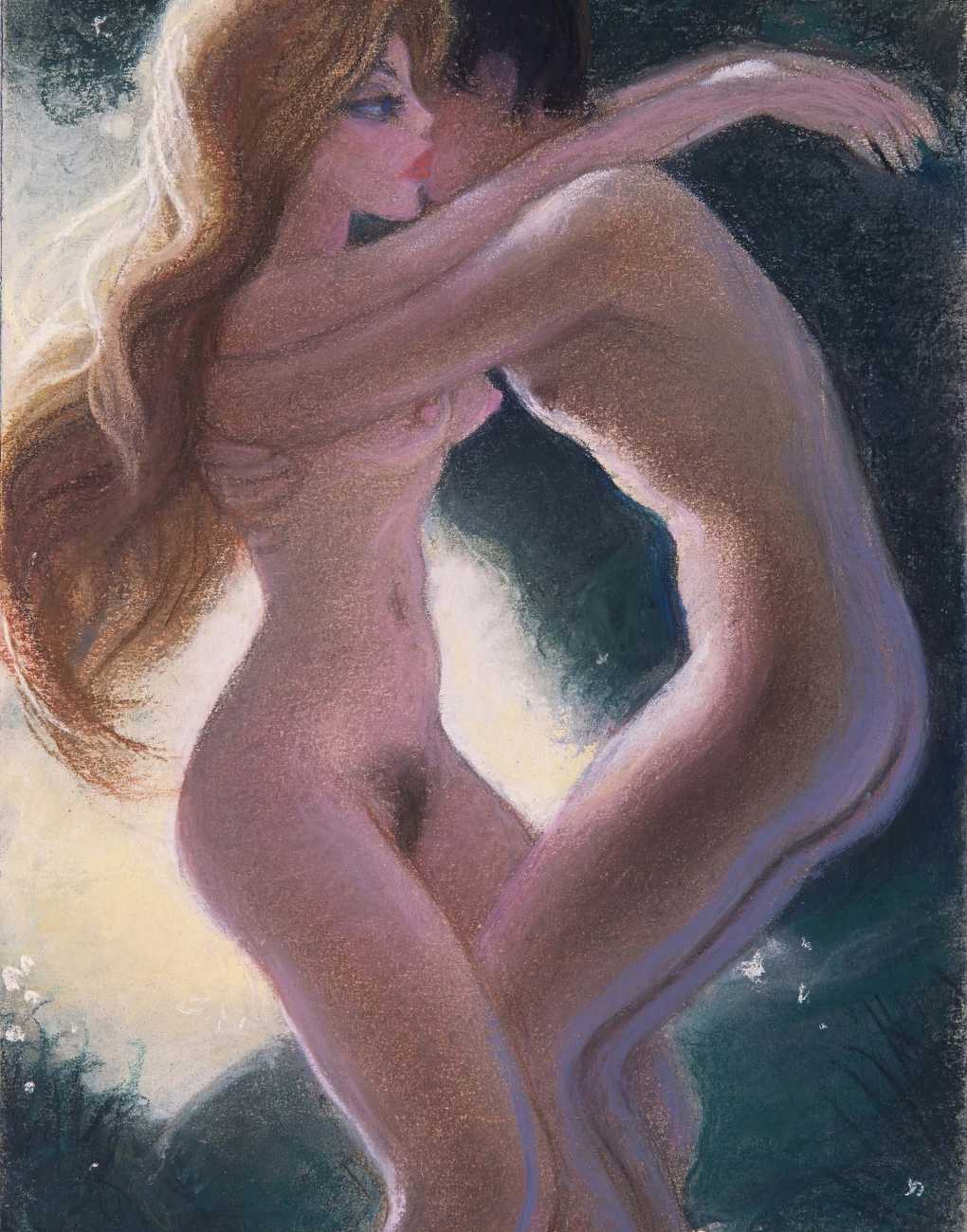
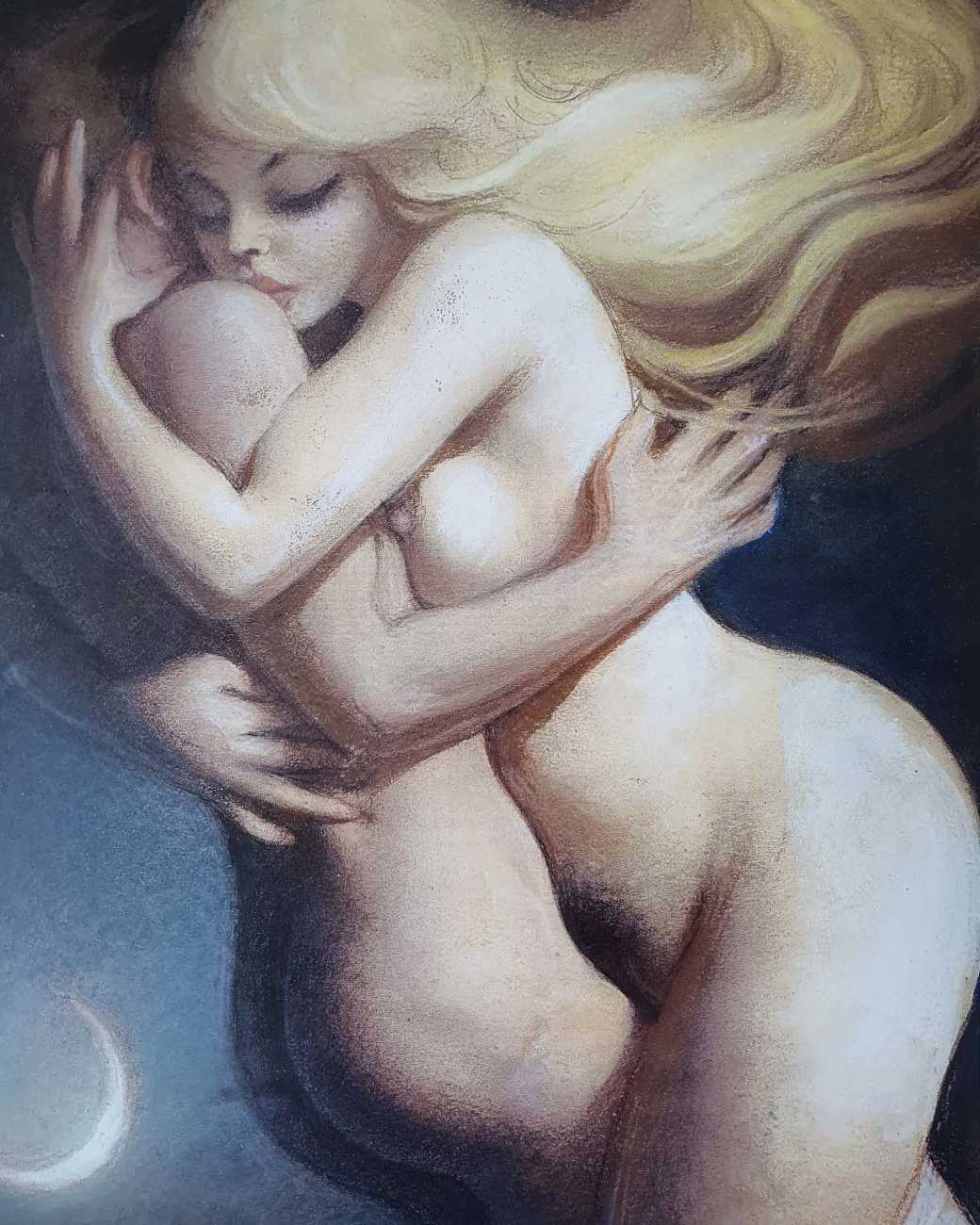
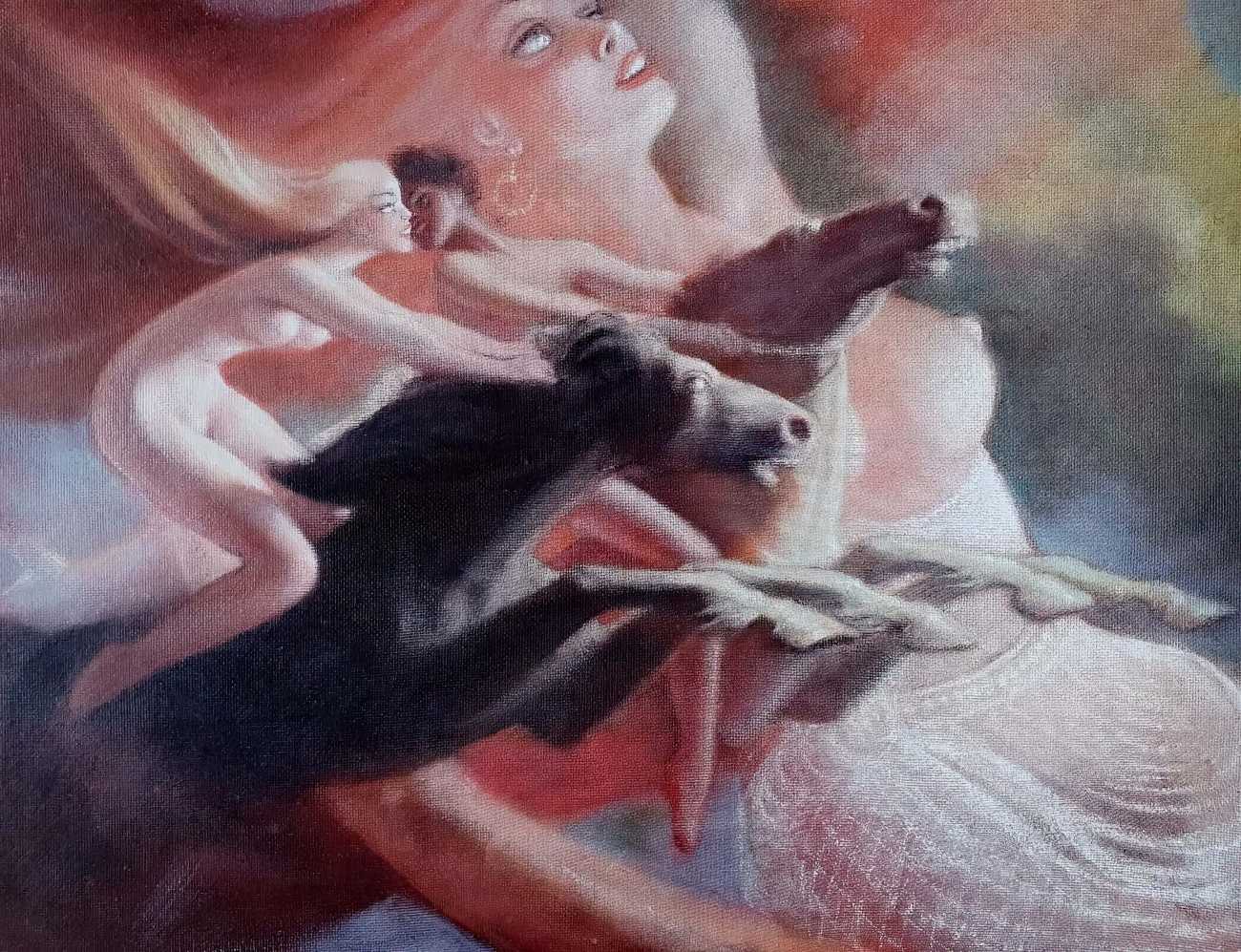
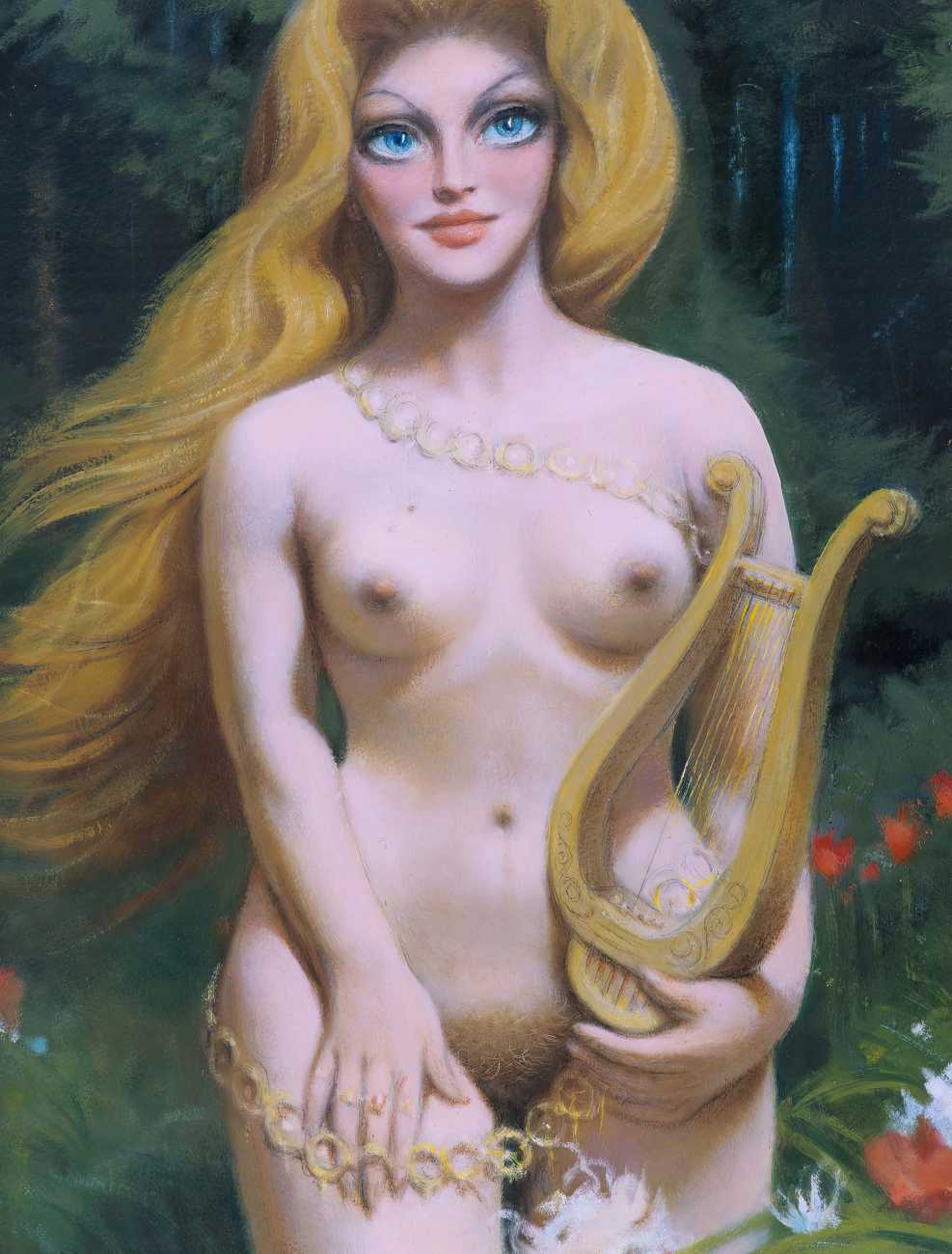
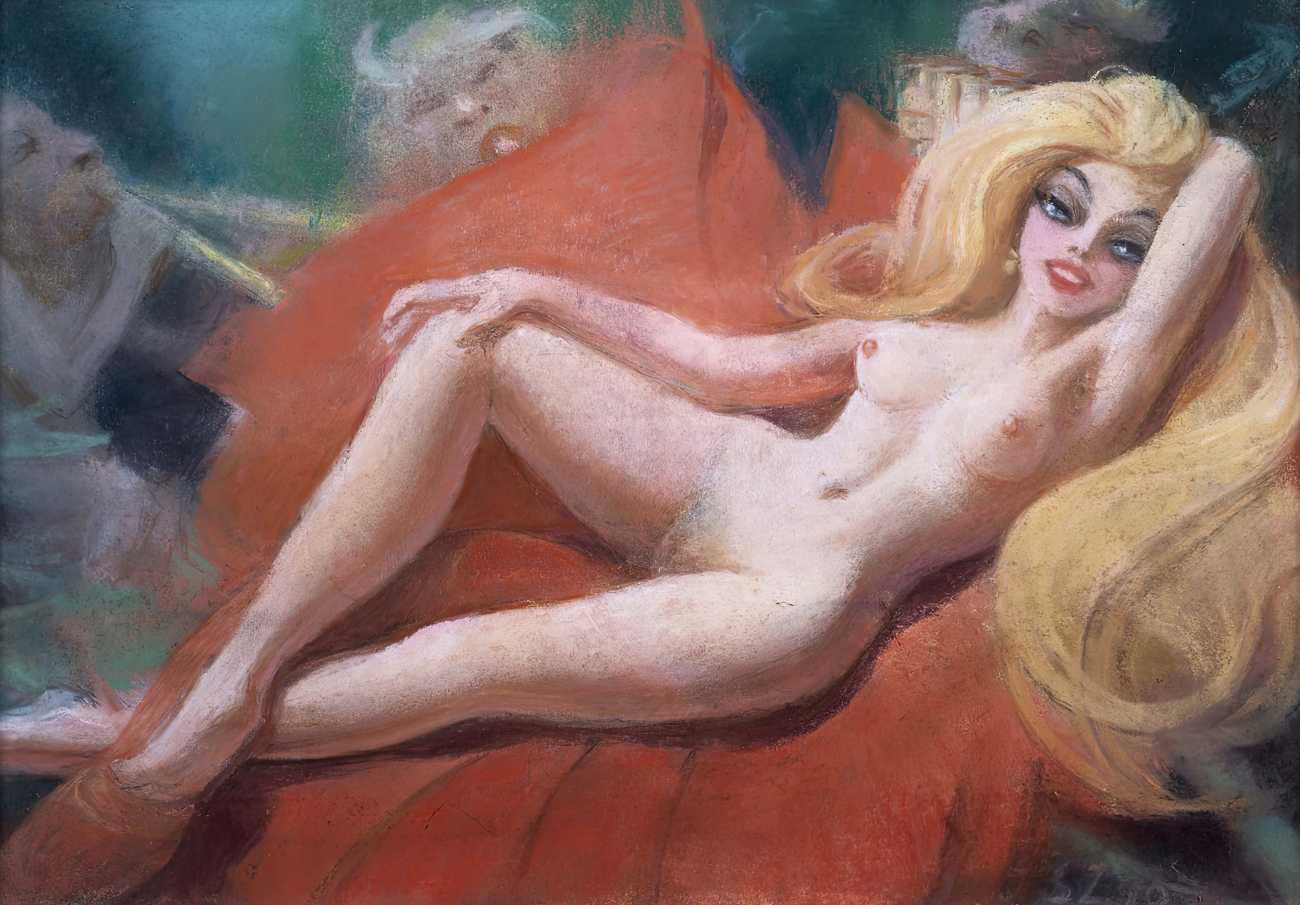
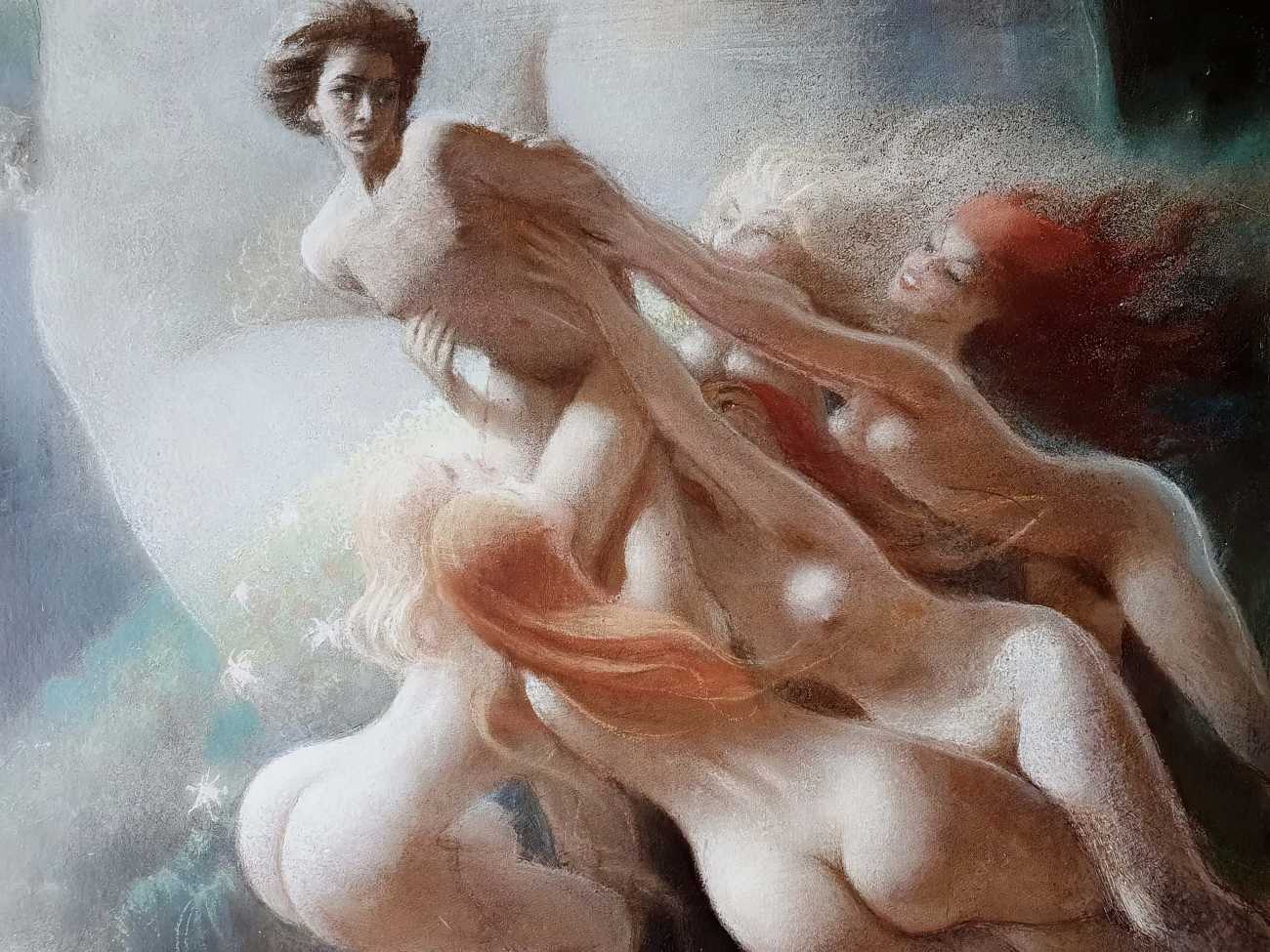
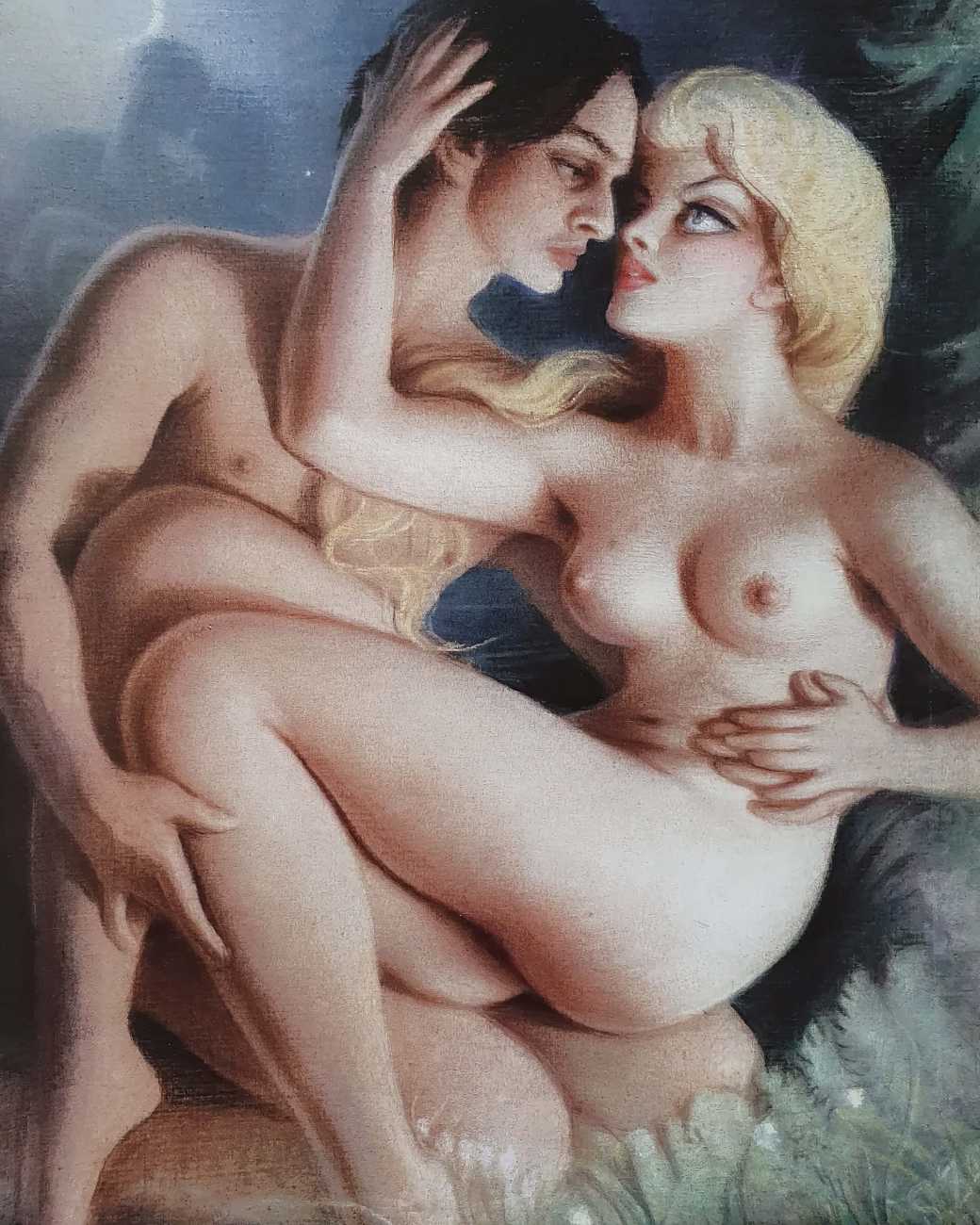
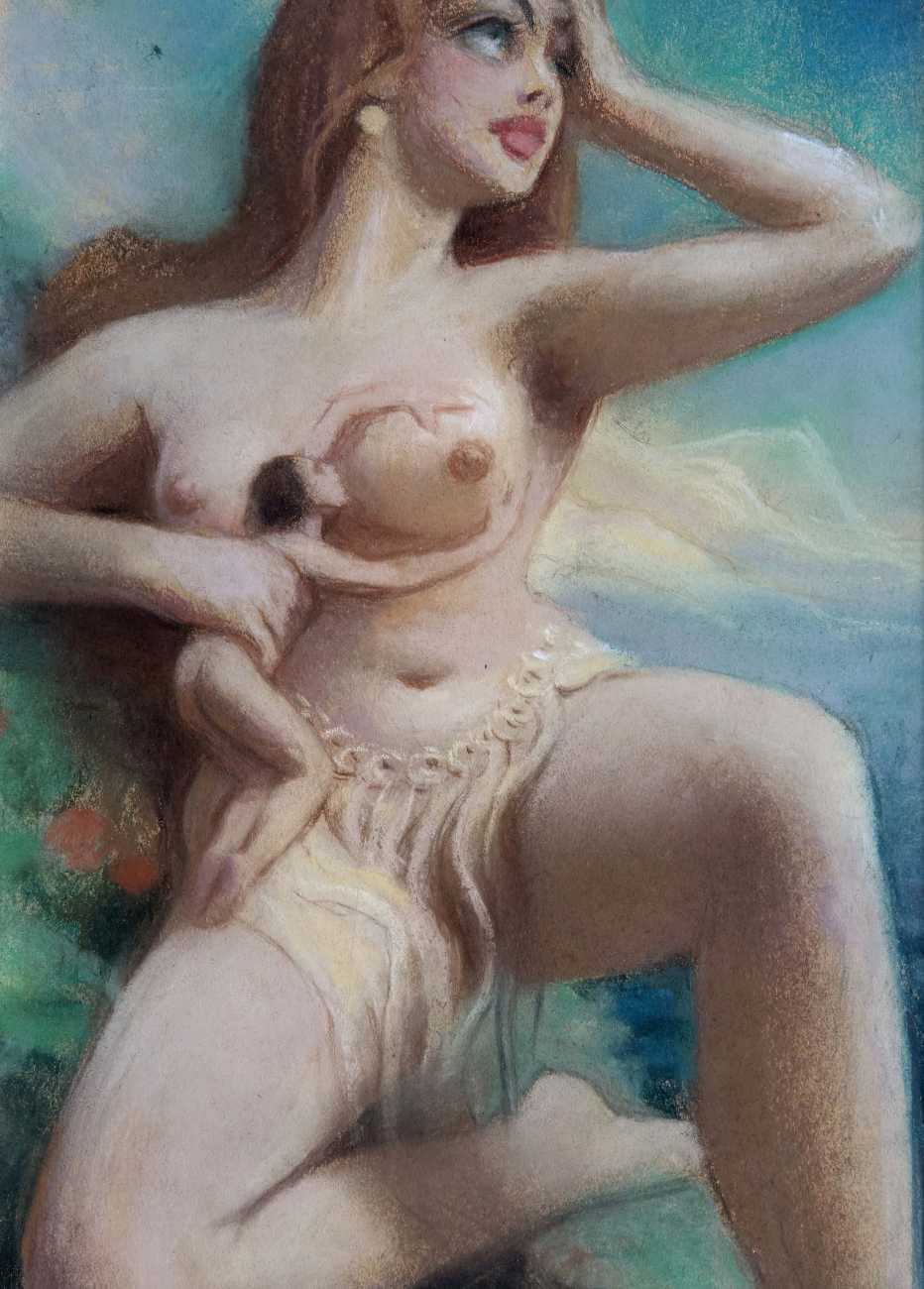
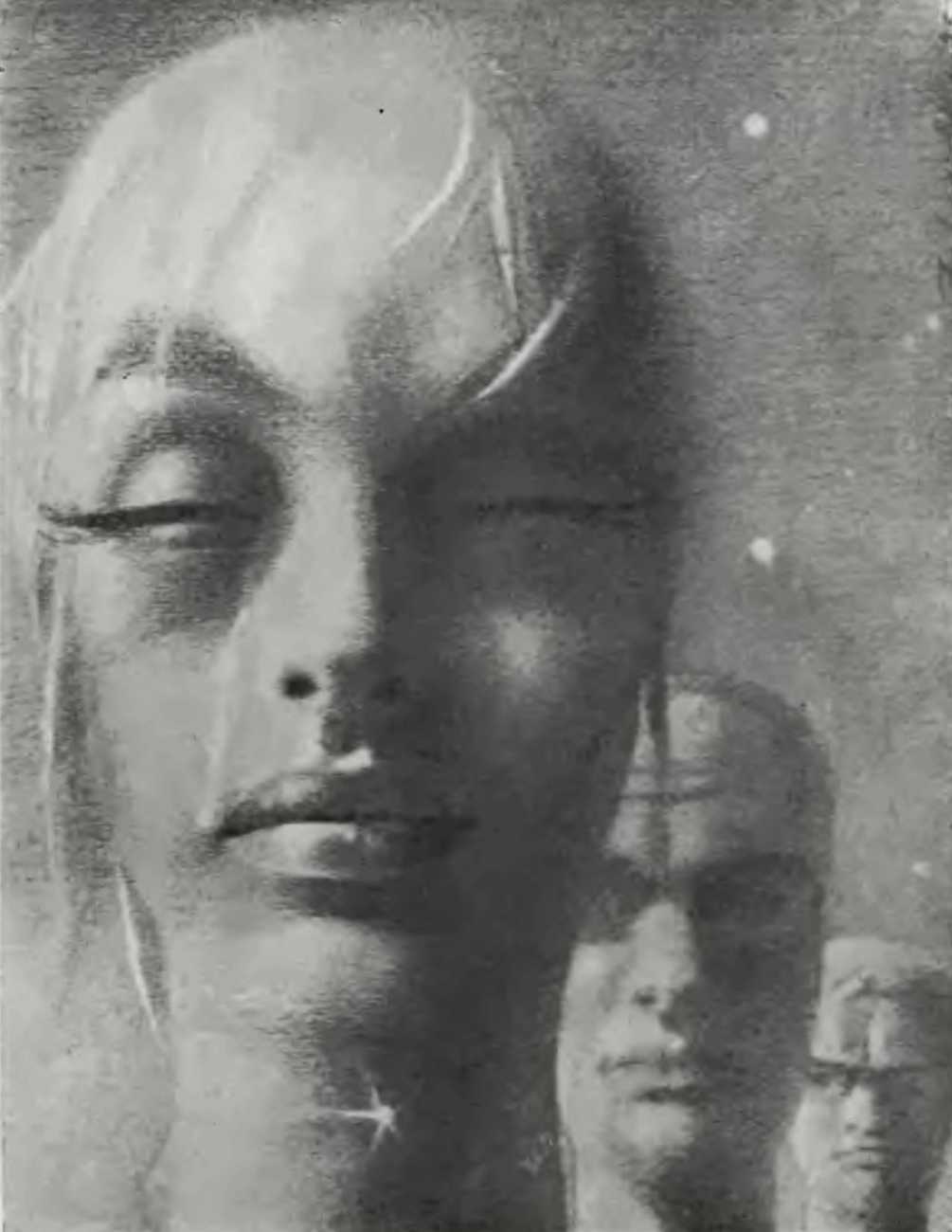
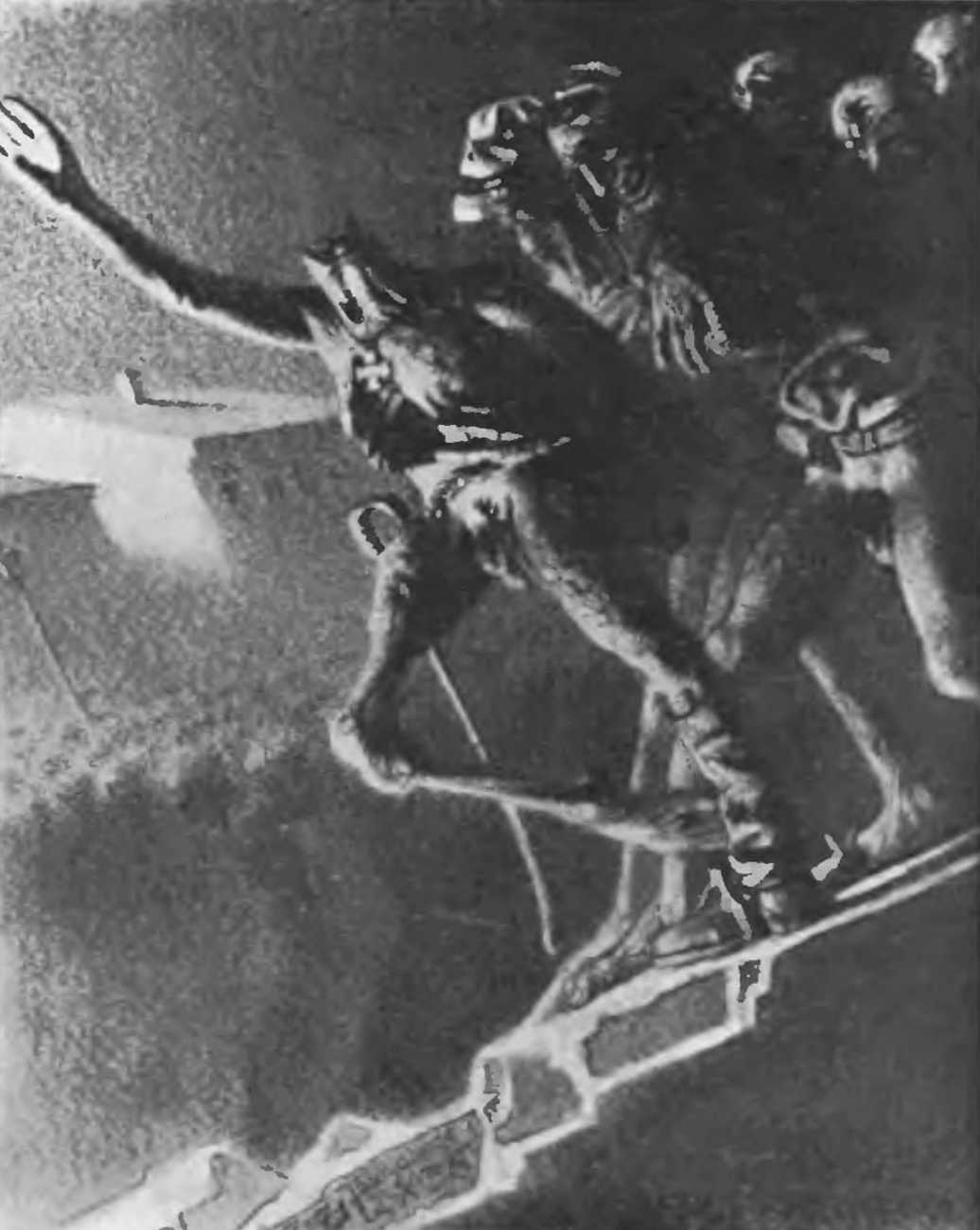
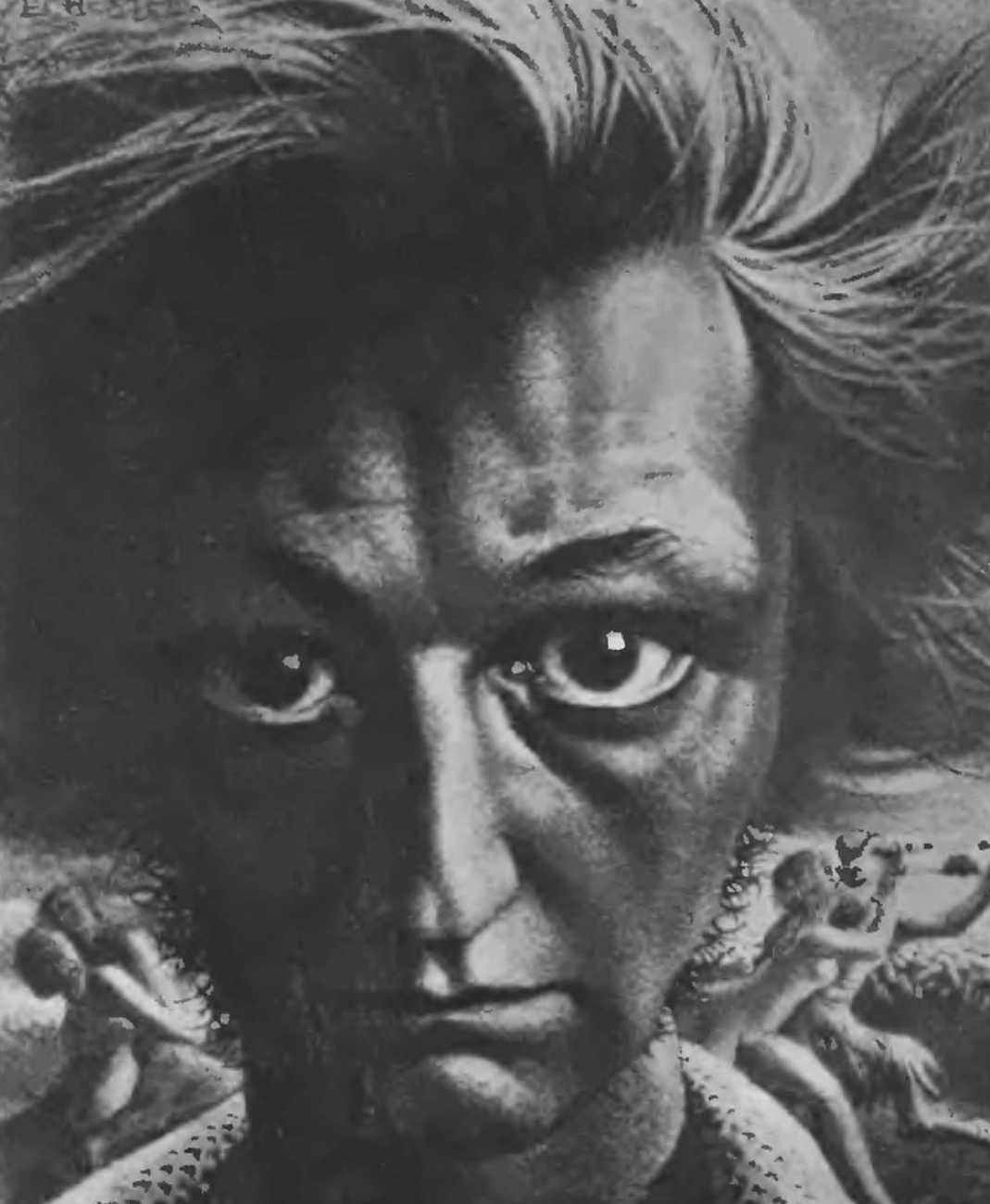
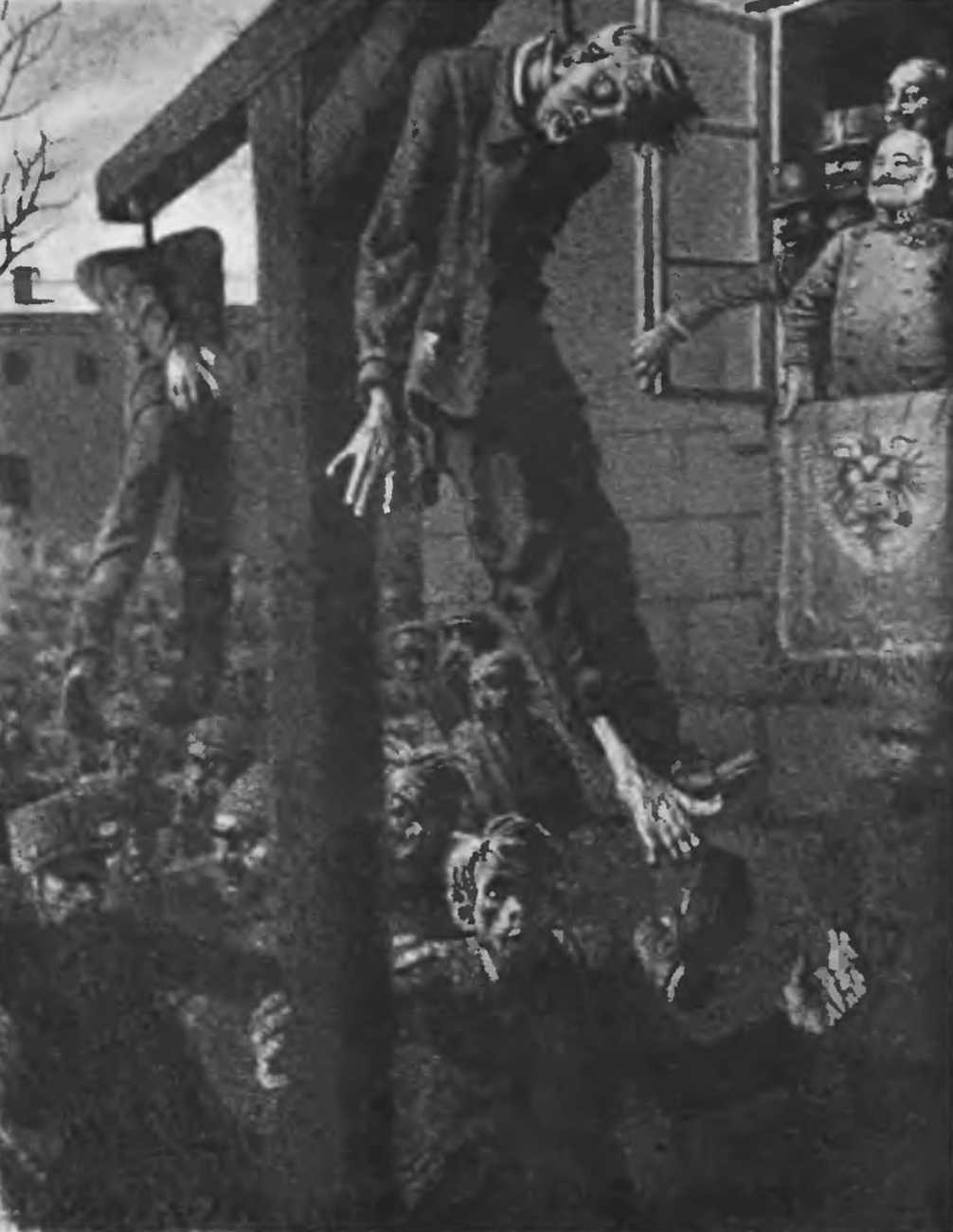
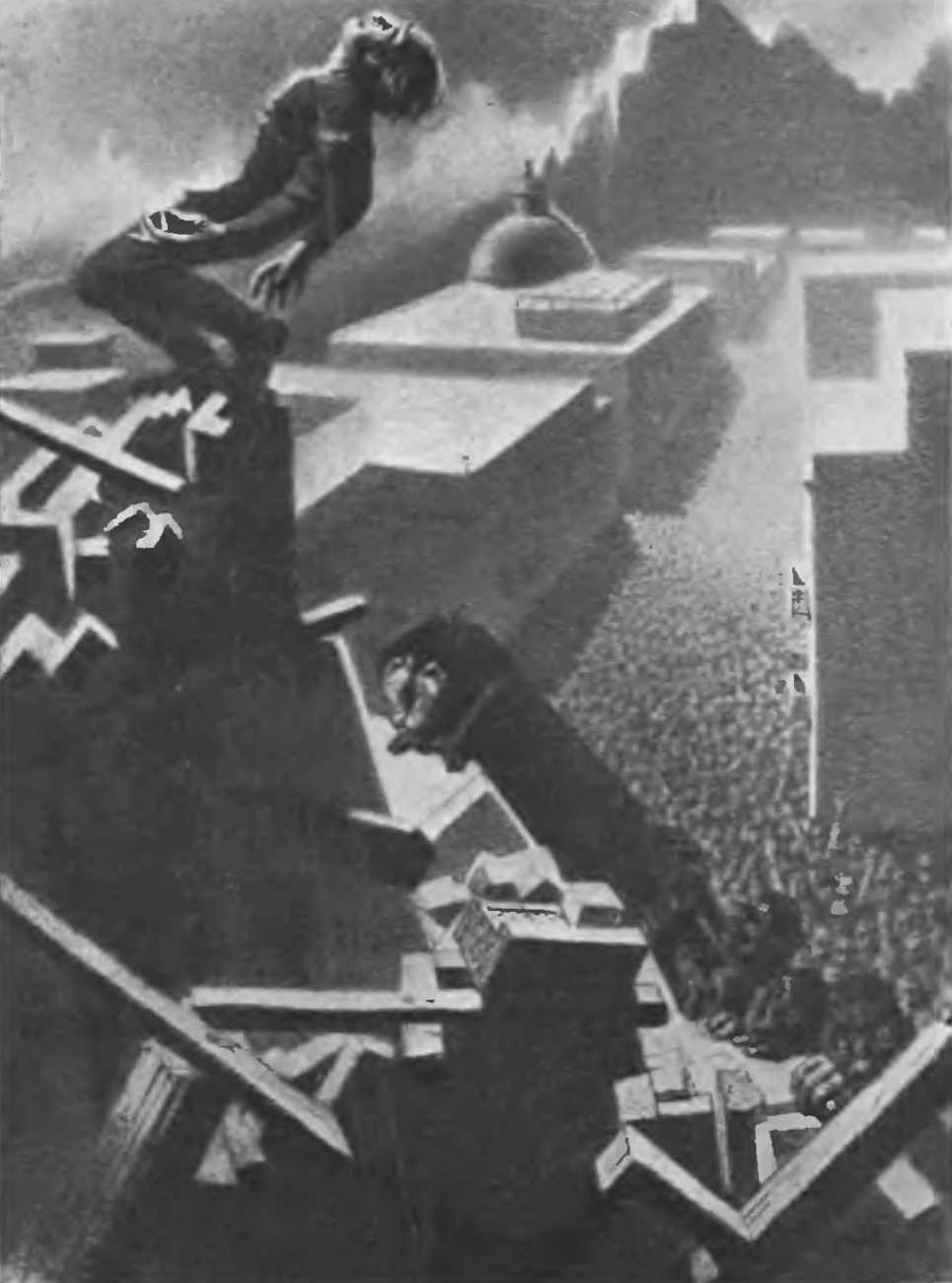
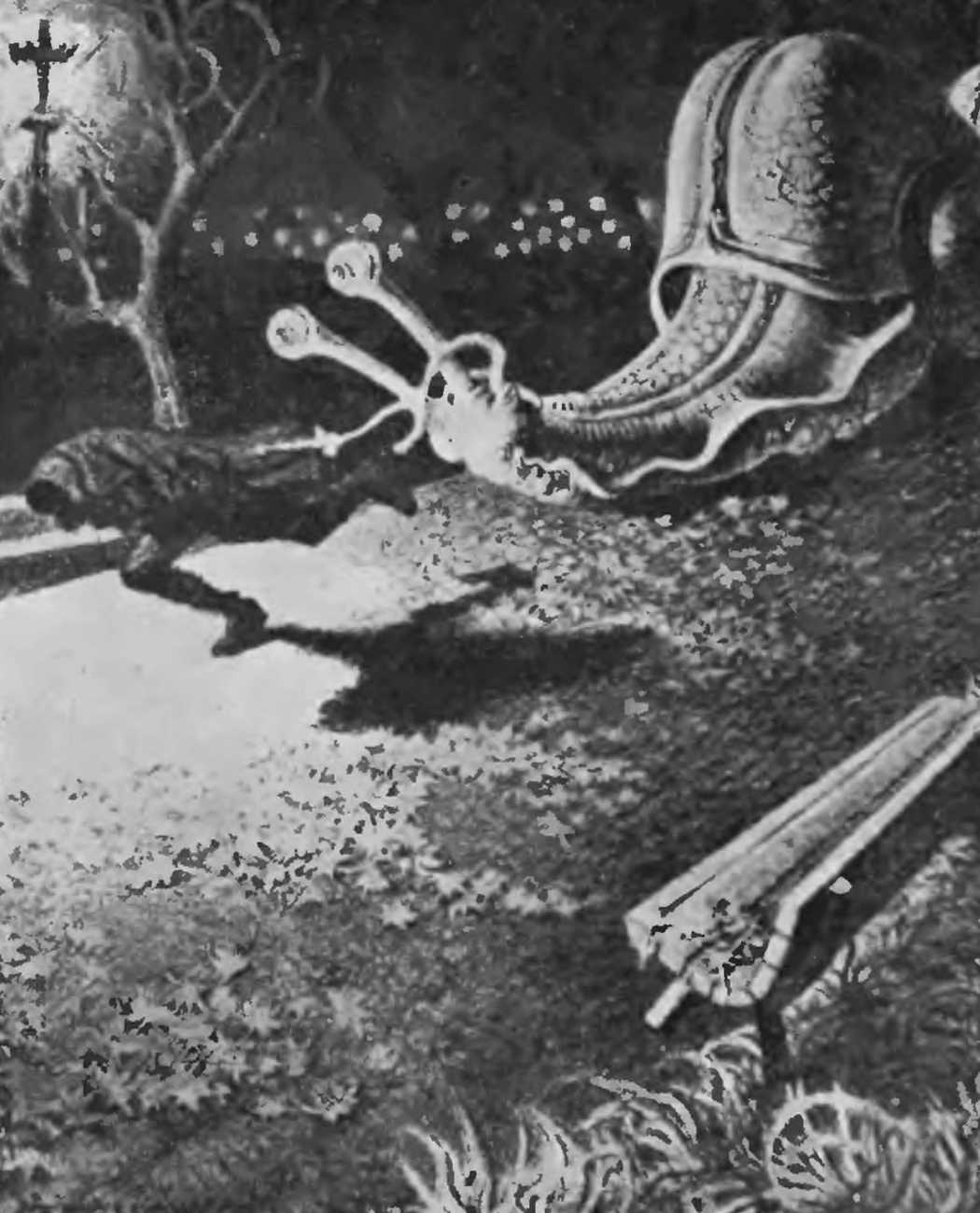
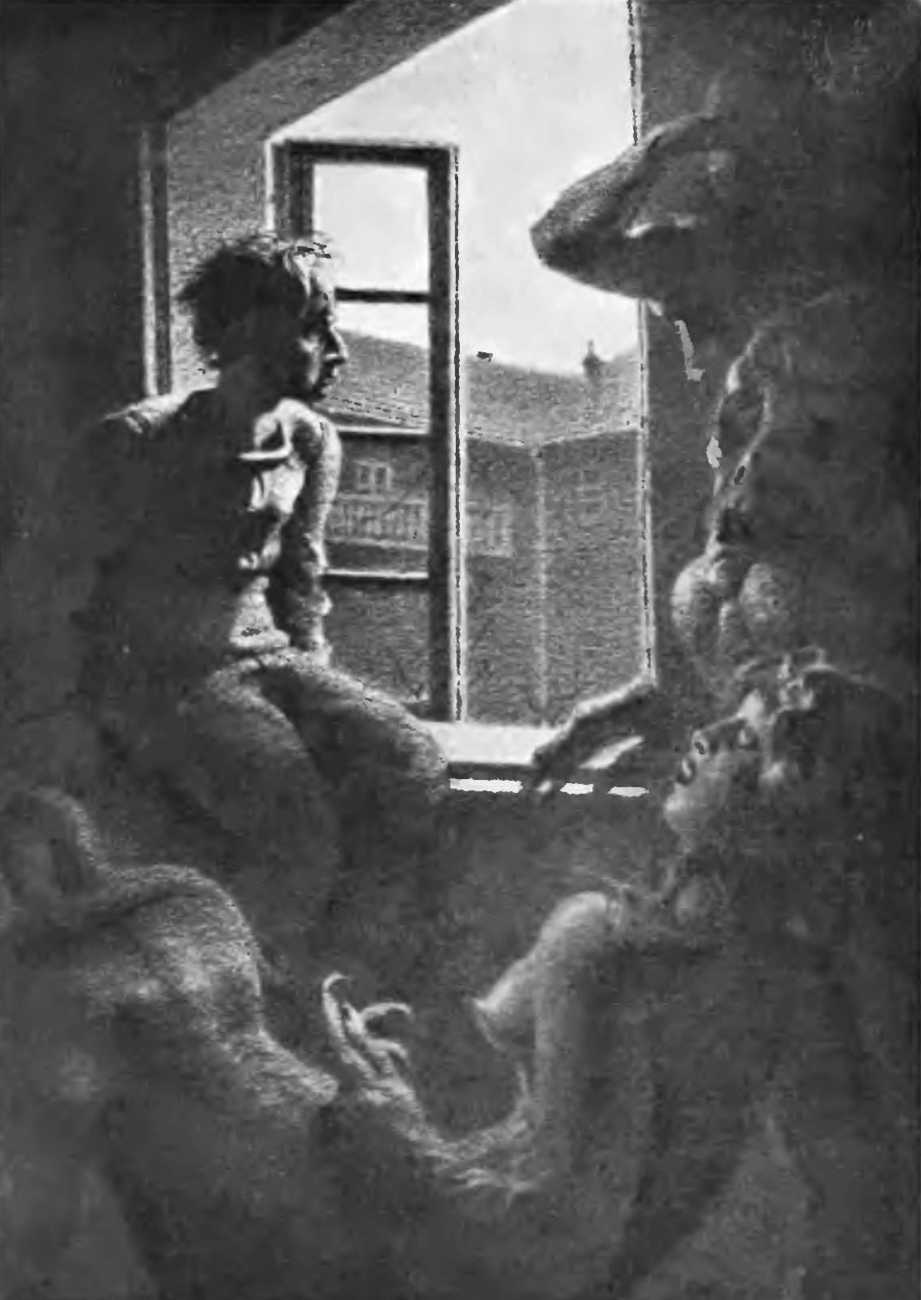
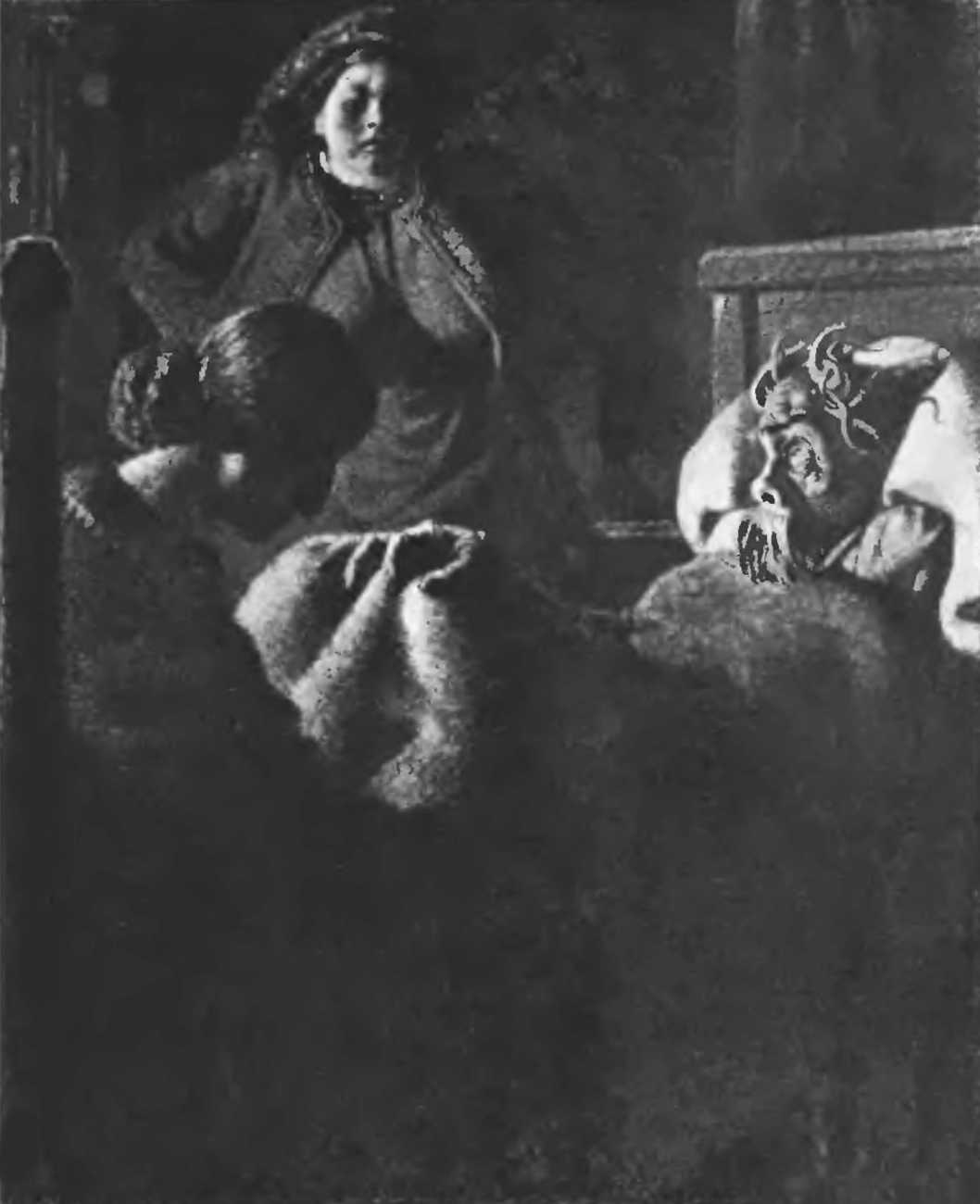
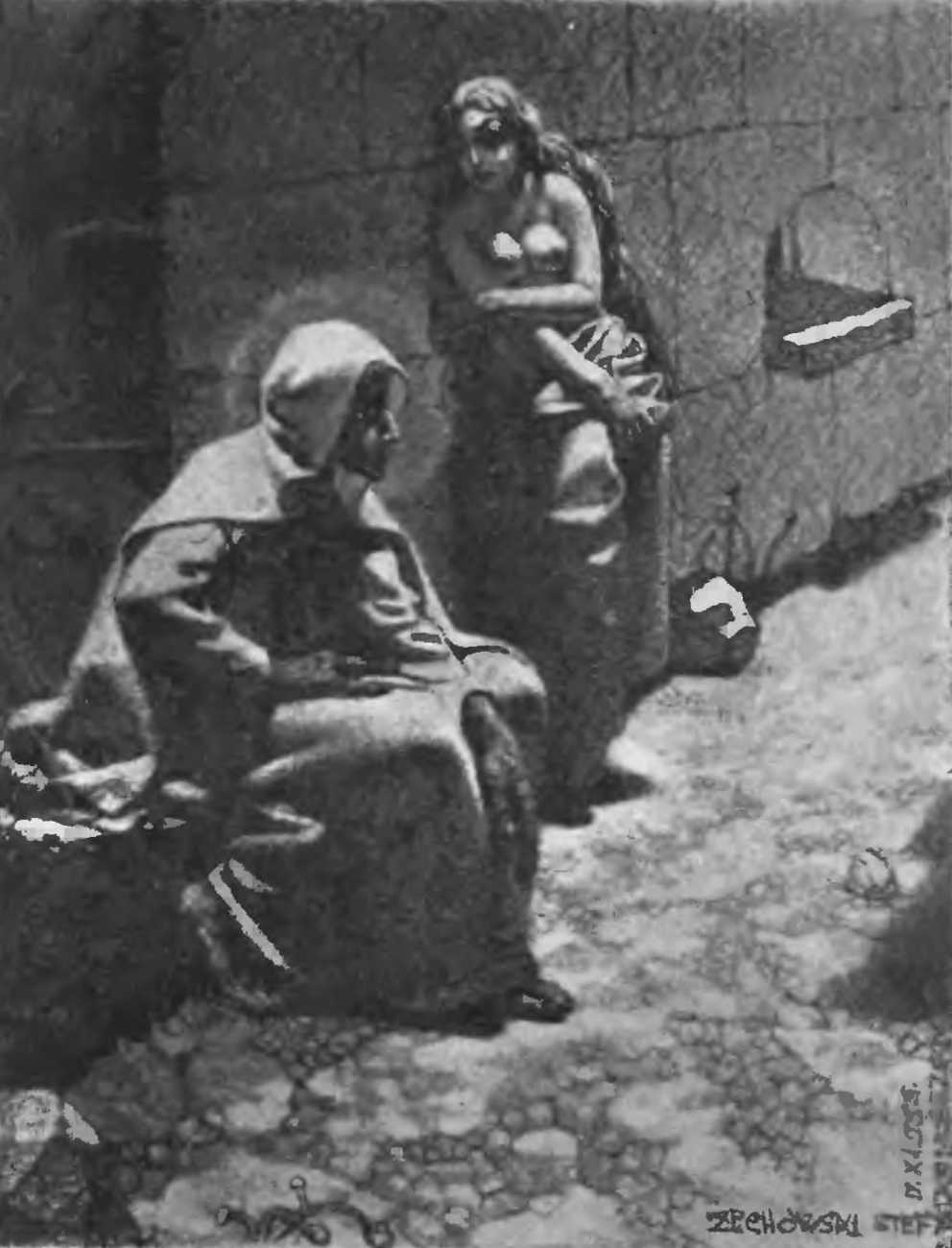
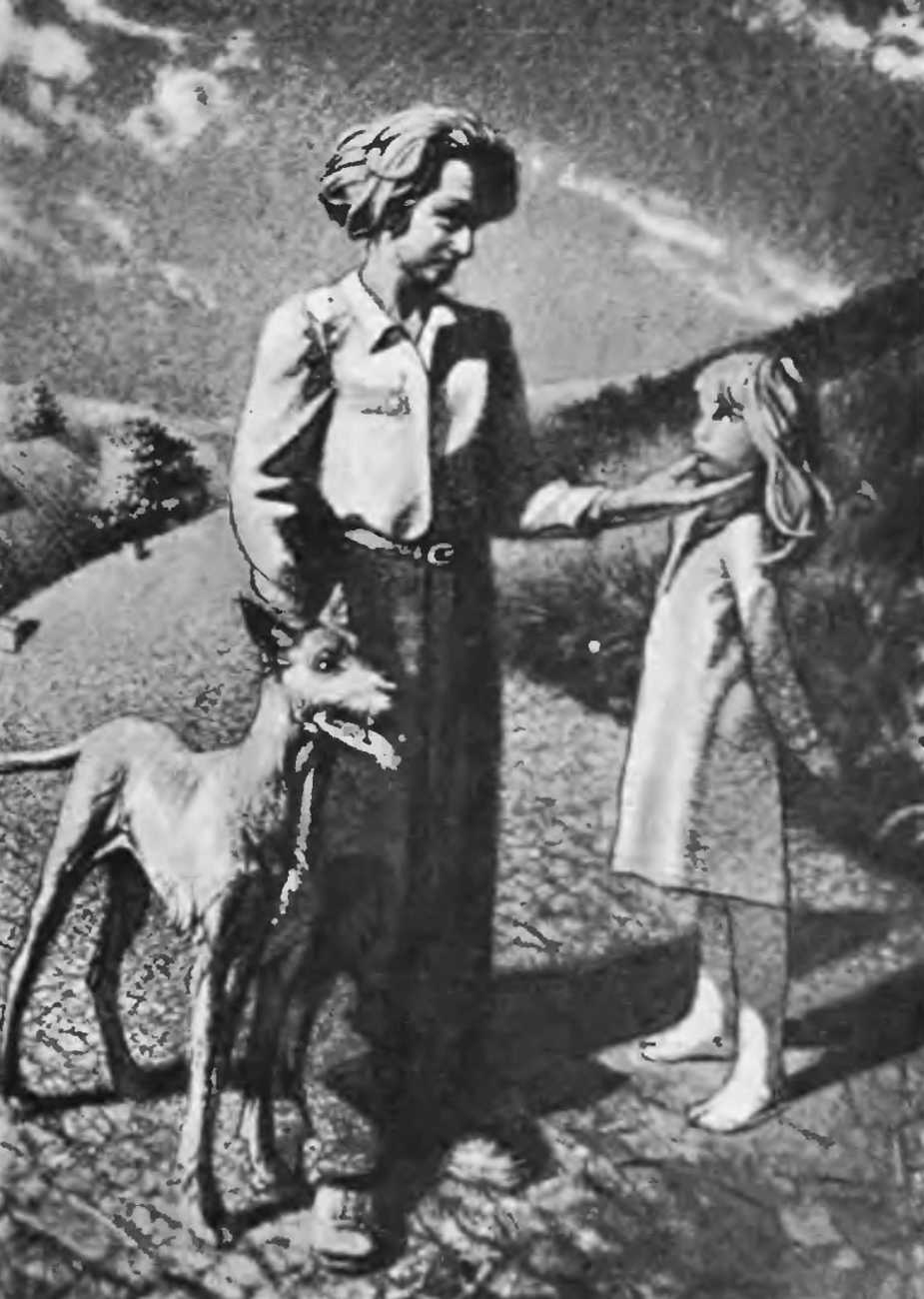
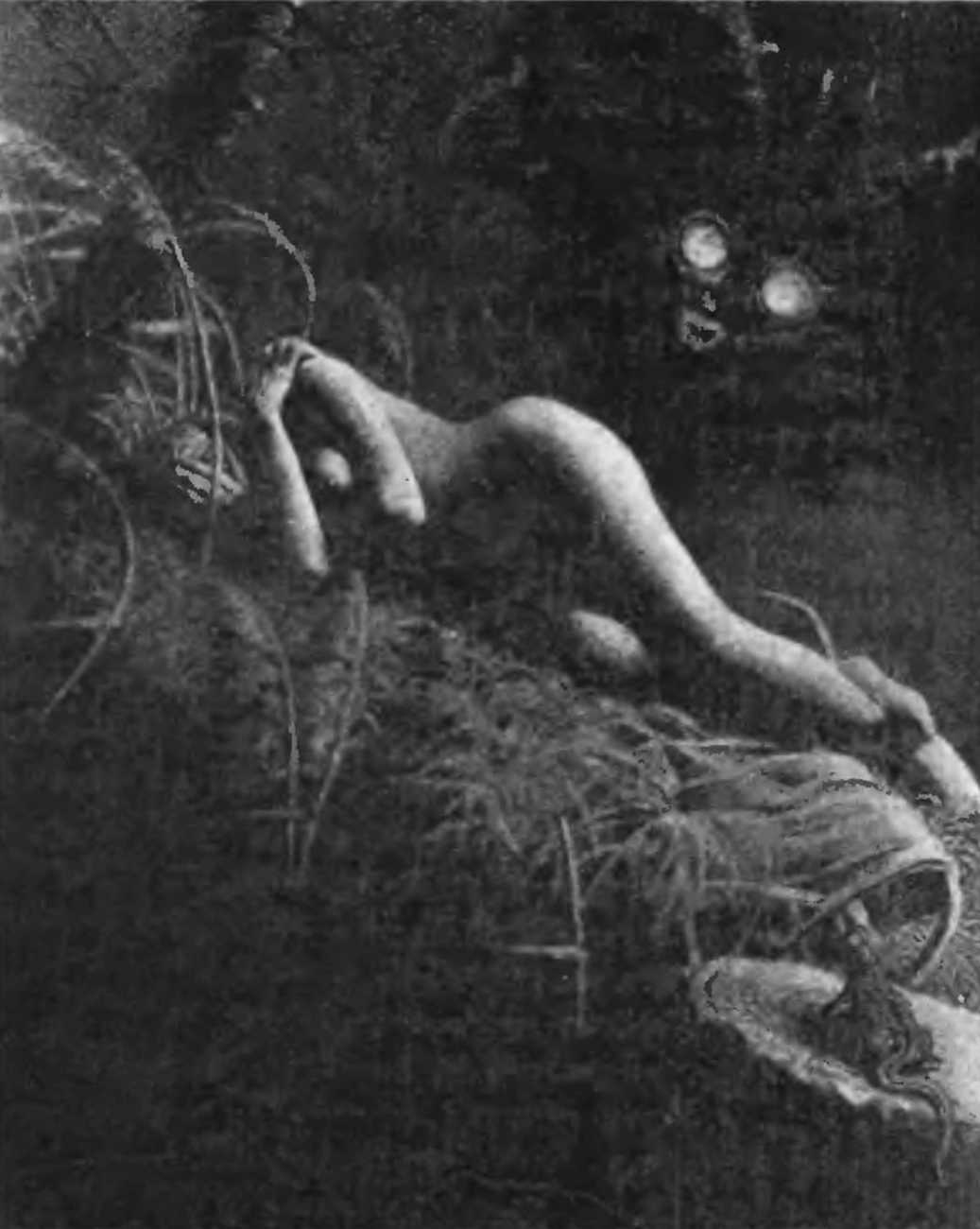
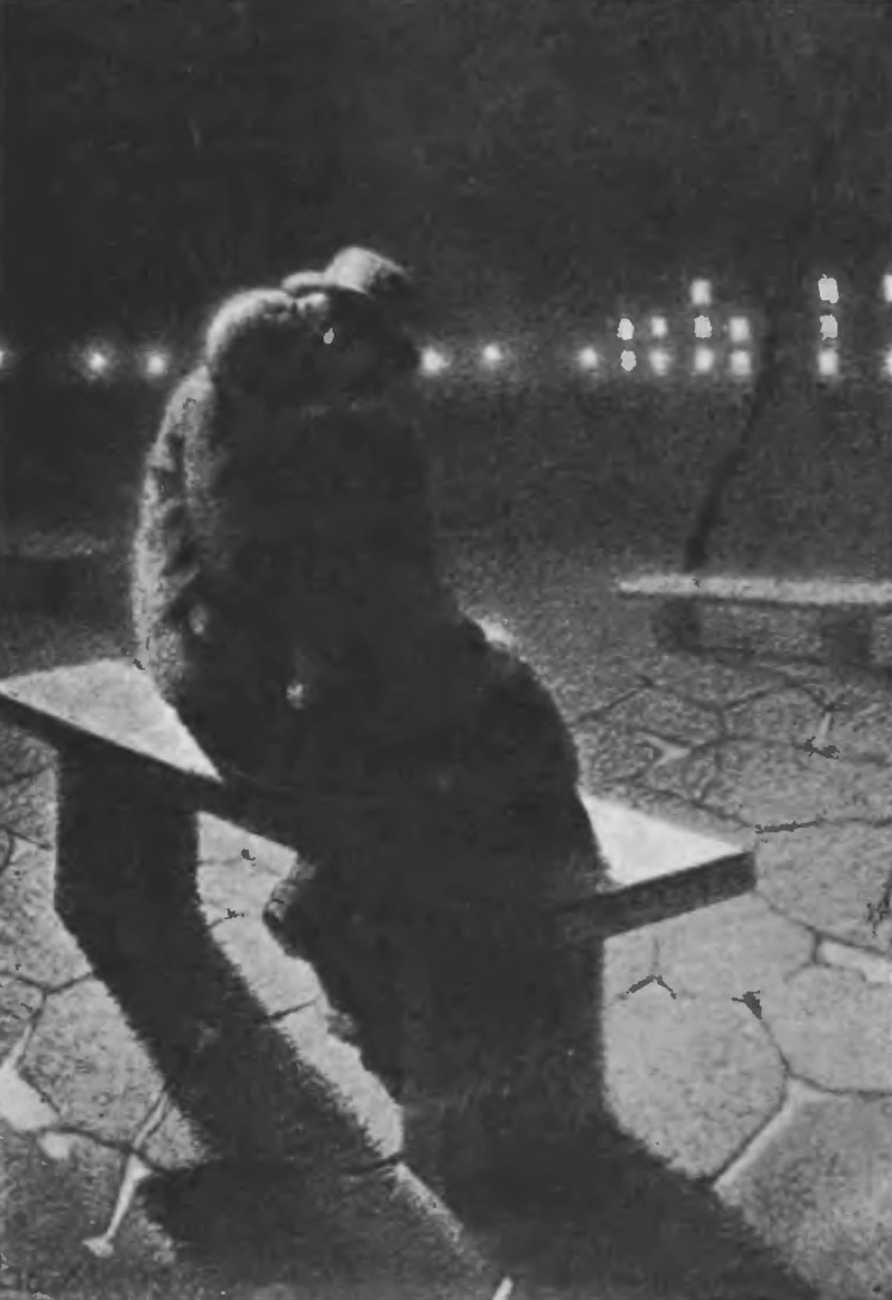
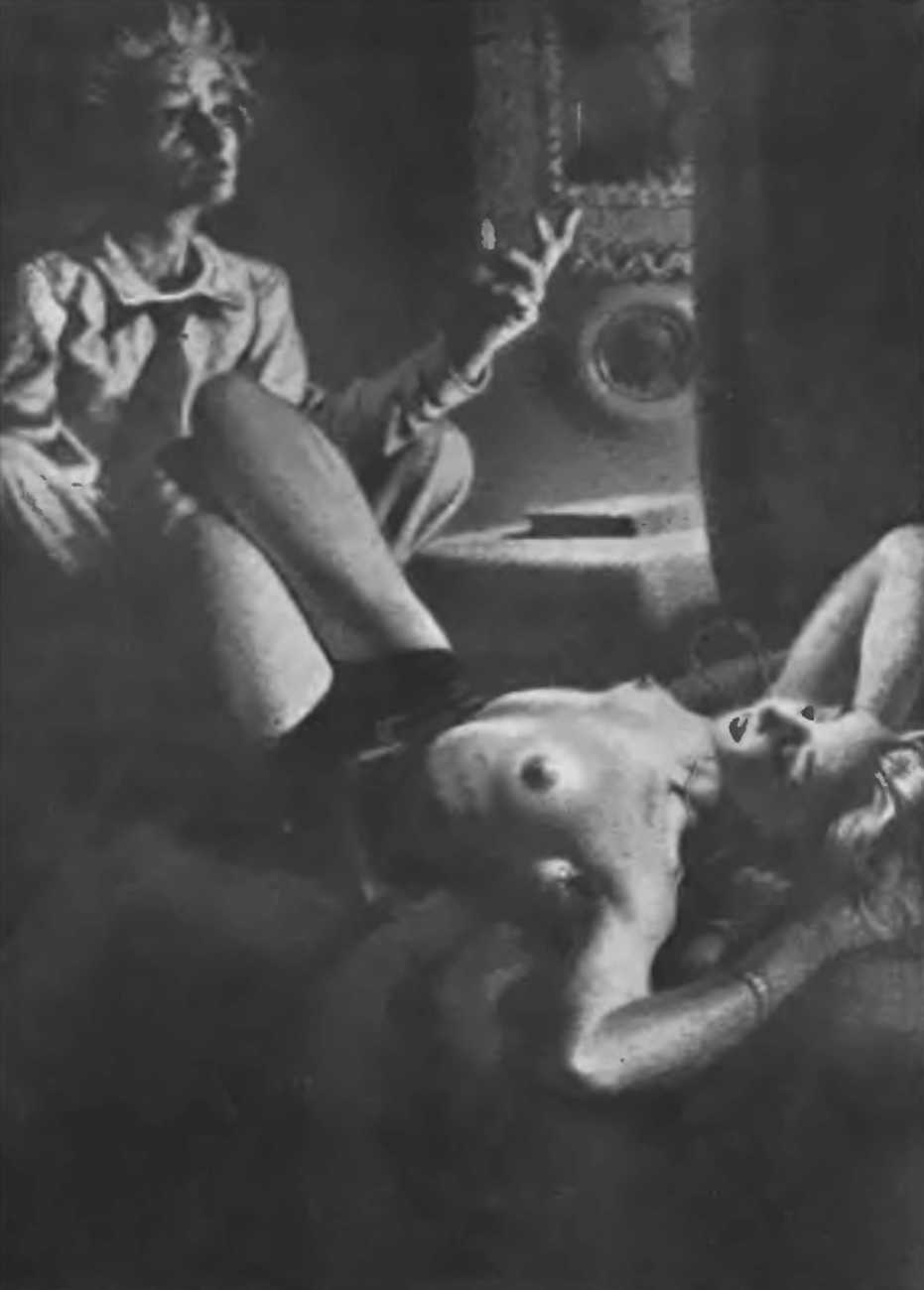
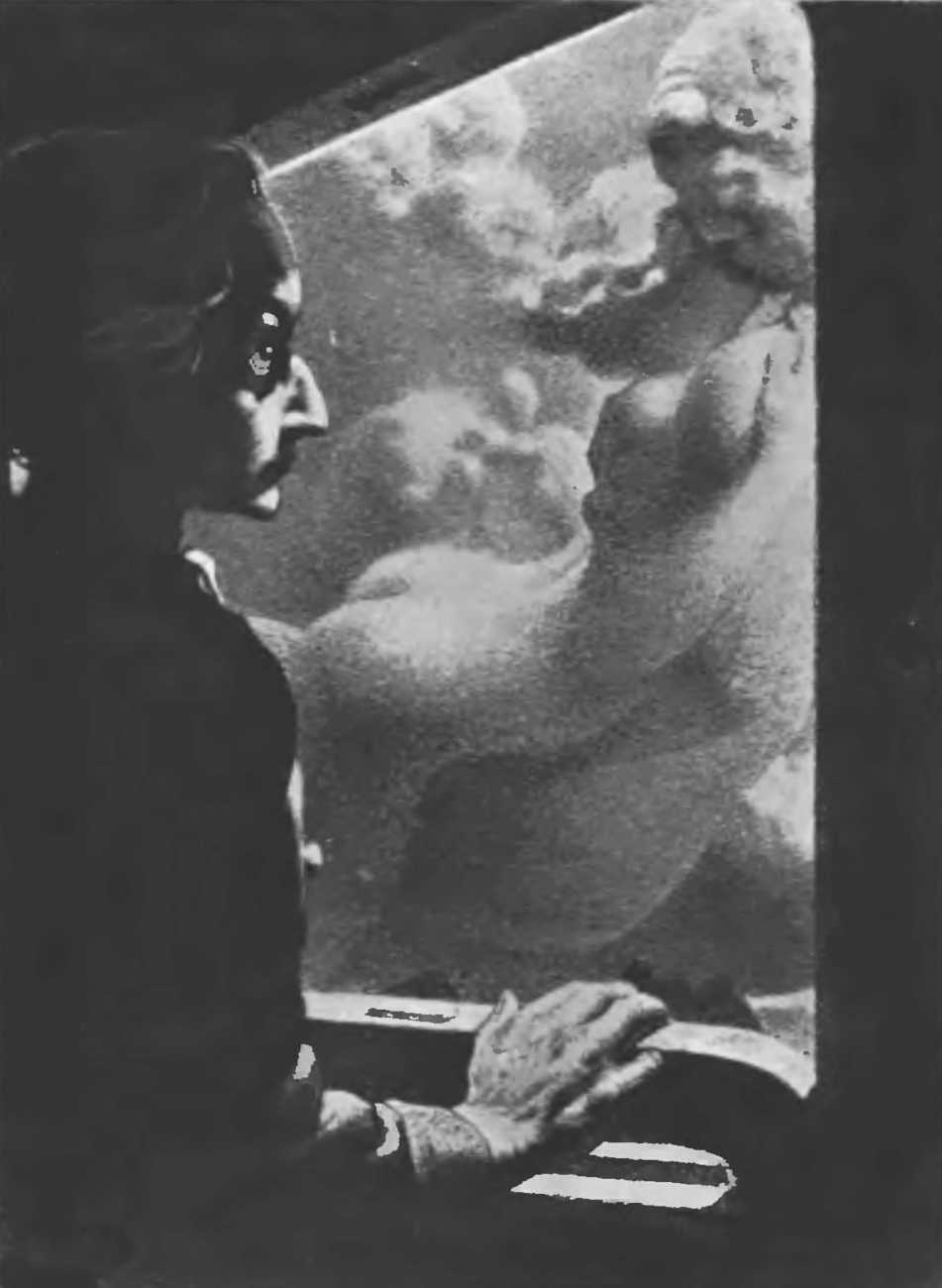
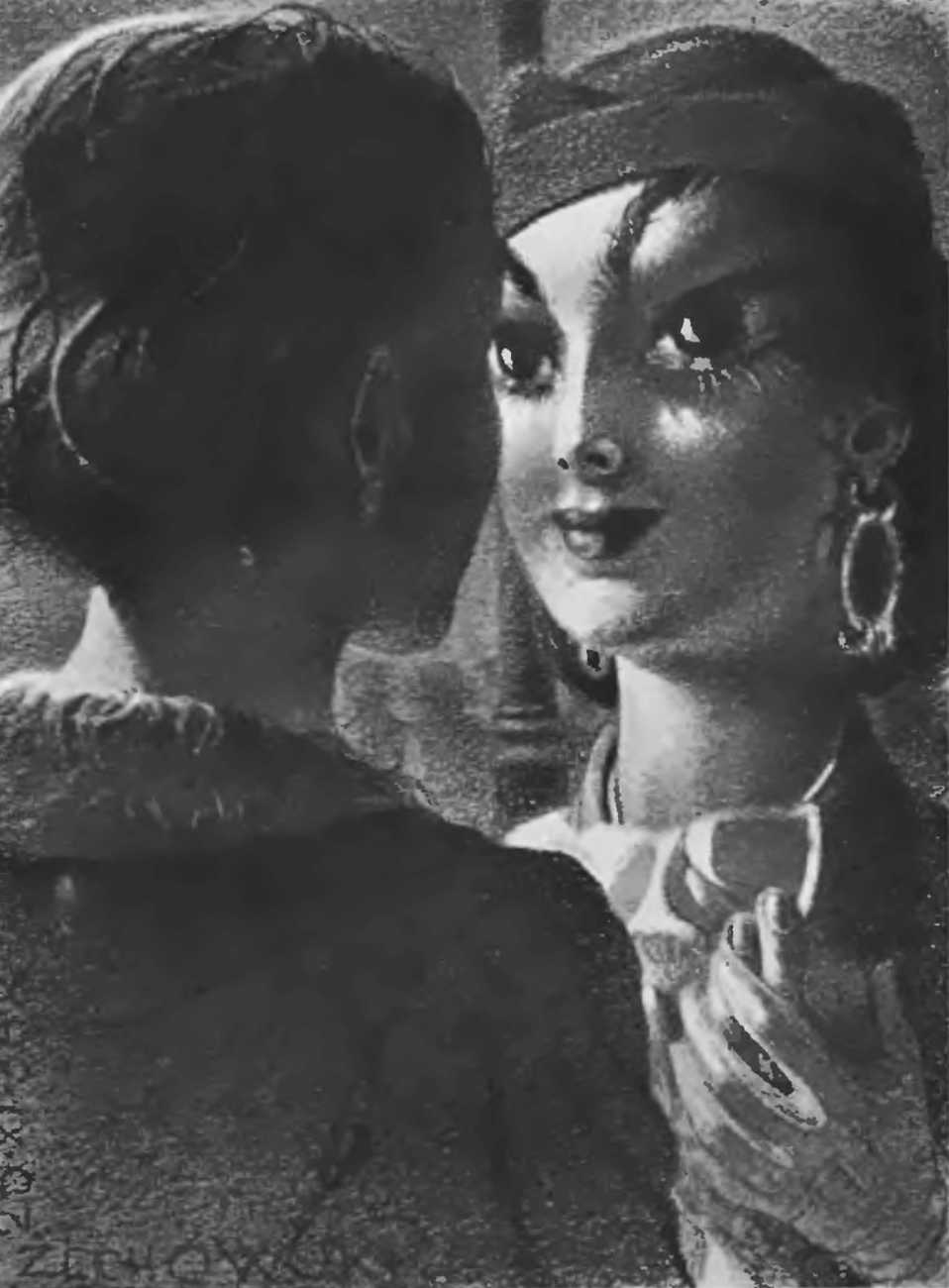
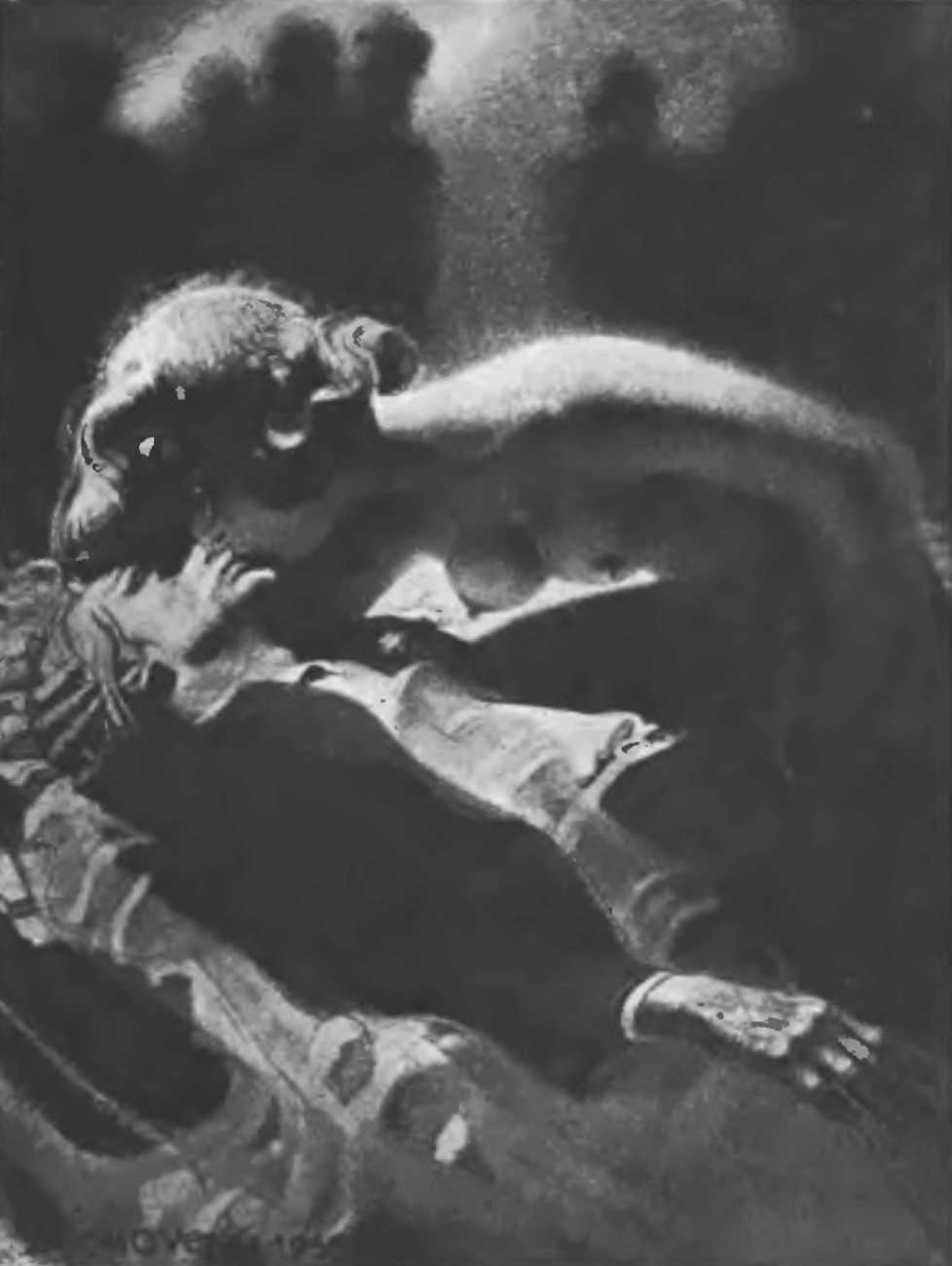
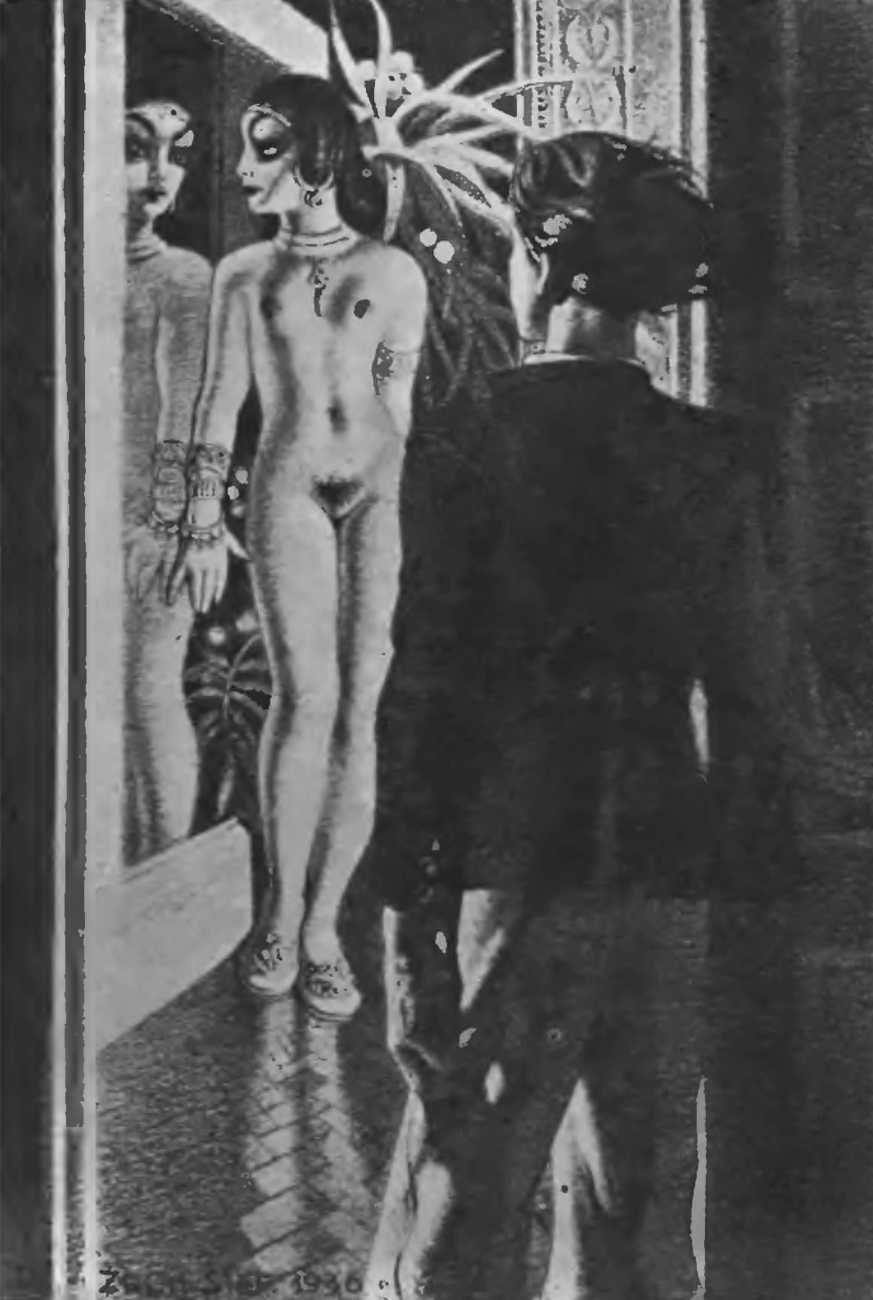
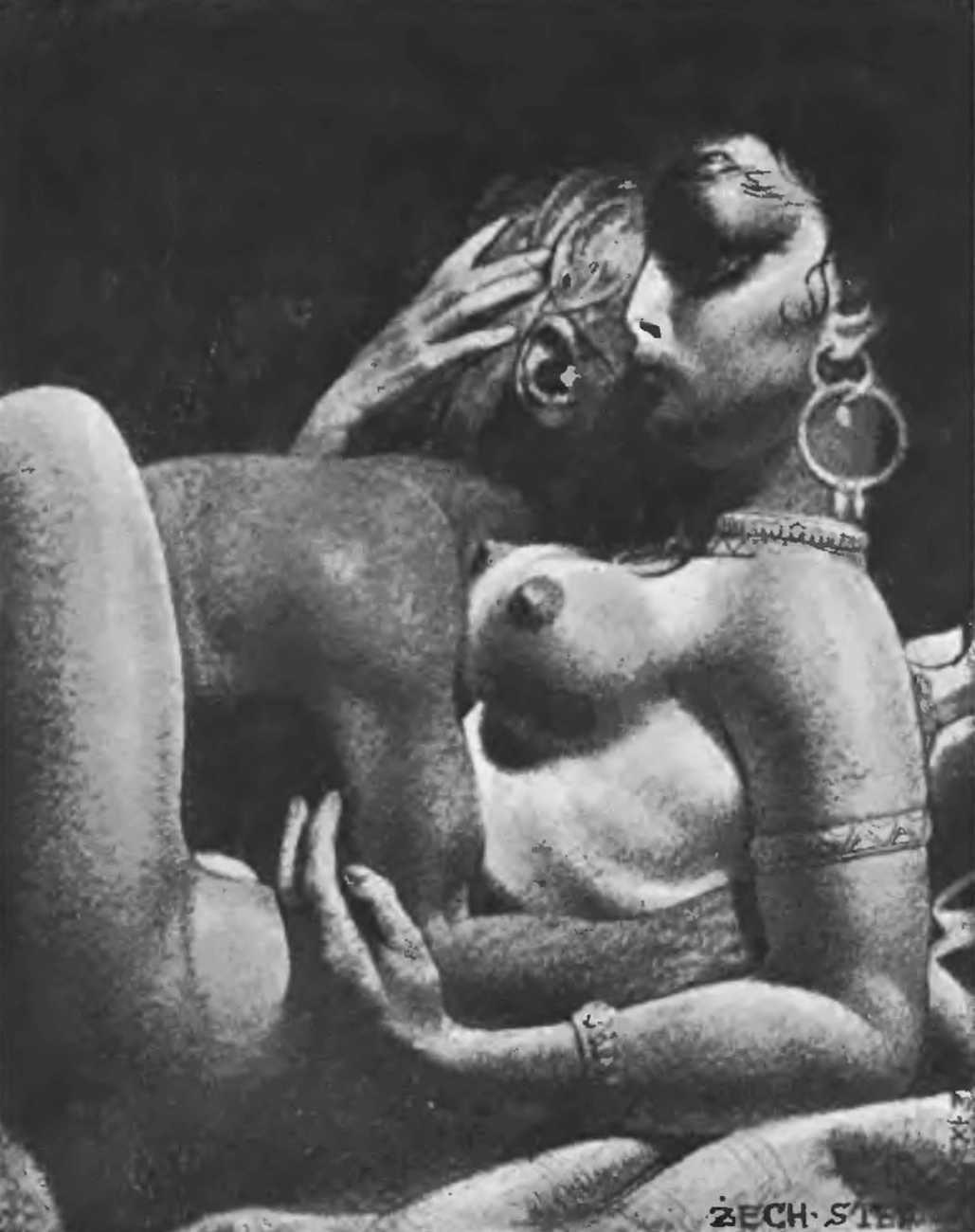
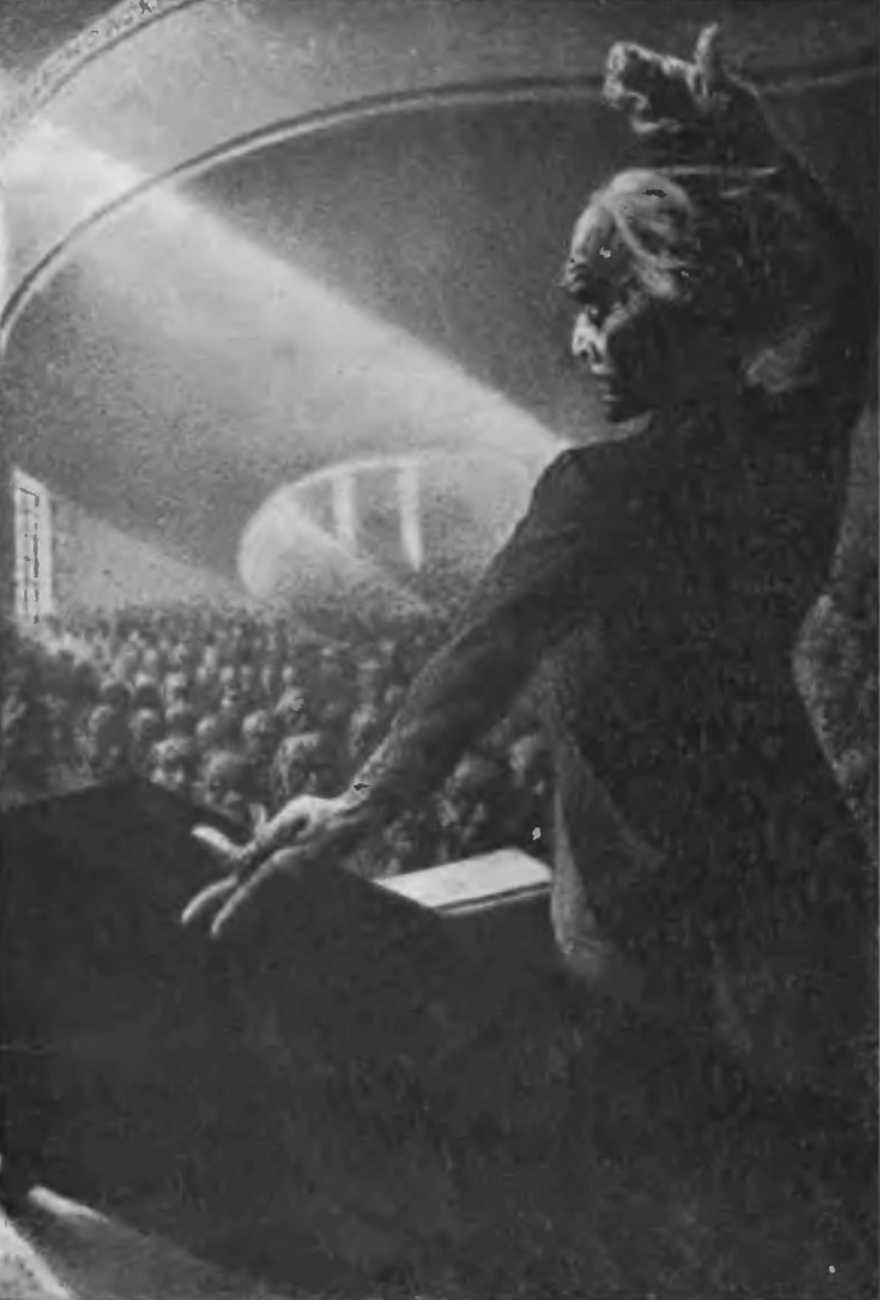
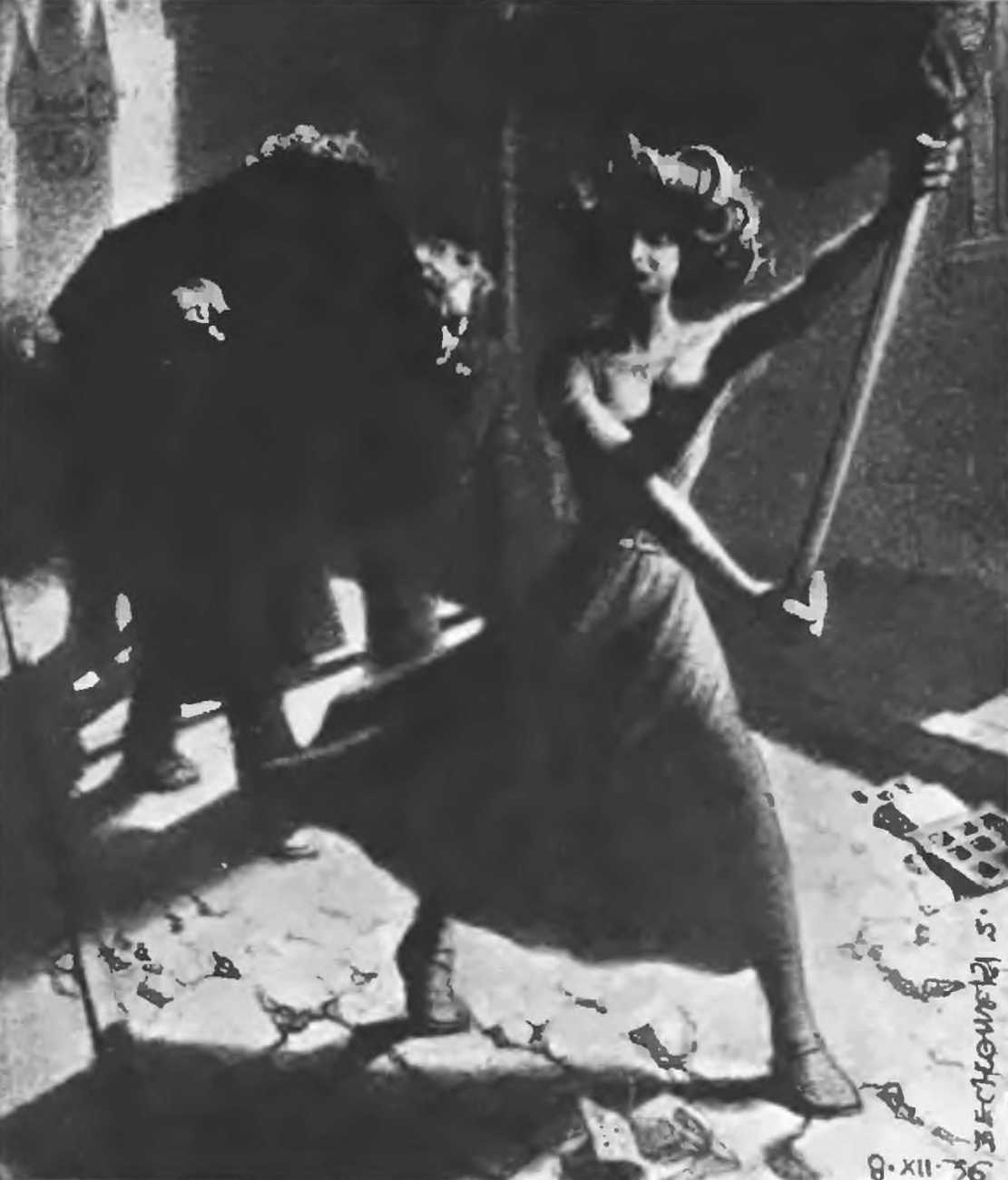
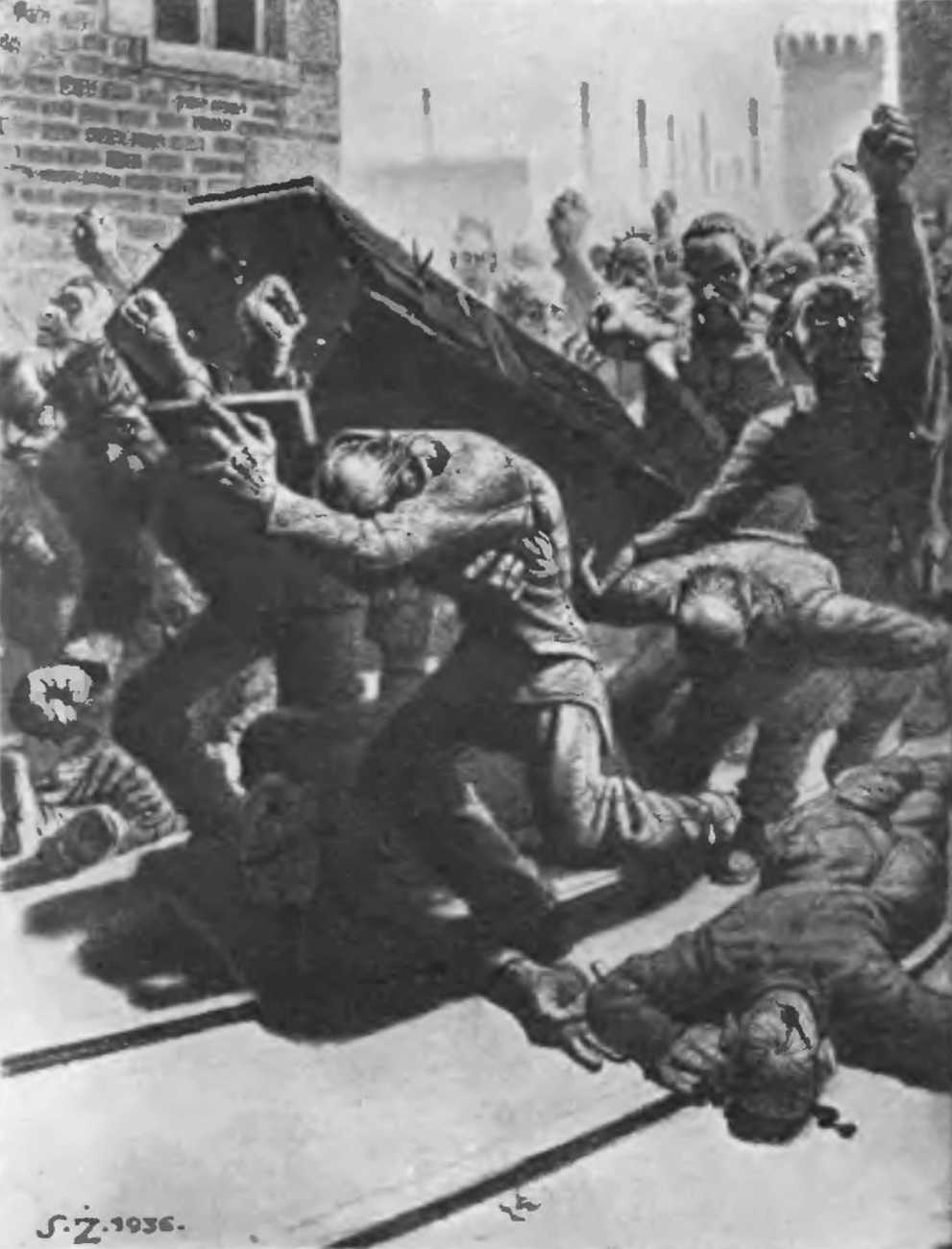
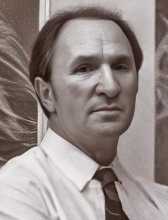
 Stefan Żechowski was a remarkably original Polish draughtsman, painter and illustrator whose intensely personal imagery moved between erotic fantasy, religious symbolism, romantic literature, dreams, and visions of death. Born in the small village of Książ Wielki near Kielce in central Poland, he spent much of his life there, developing the intensely inward and solitary character that would remain central to his art. As a schoolboy he preferred reading and drawing to games, and by 1926 his talent had been recognised by his headmaster, who allowed him to draw portraits during lessons.
In 1929, aged seventeen, Żechowski travelled to Kraków to study at the Ornamental Arts and Crafts School. His entrance portfolio so impressed the examining board that he was exempted from the theoretical examination. The same year he joined the Szczep Rogate Serce (Tribe of the Horned Heart), the unconventional artistic group led by Stanisław Szukalski, whose interest in pagan mythology, symbolism and an idealised national art left a strong impression on the young artist. Żechowski remained a member until 1936 and exhibited with the group throughout the 1930s. Żechowski's own imagination was already turning towards the mysterious and allegorical, while the human figure – and increasingly the female figure – became one of its recurring obsessions.
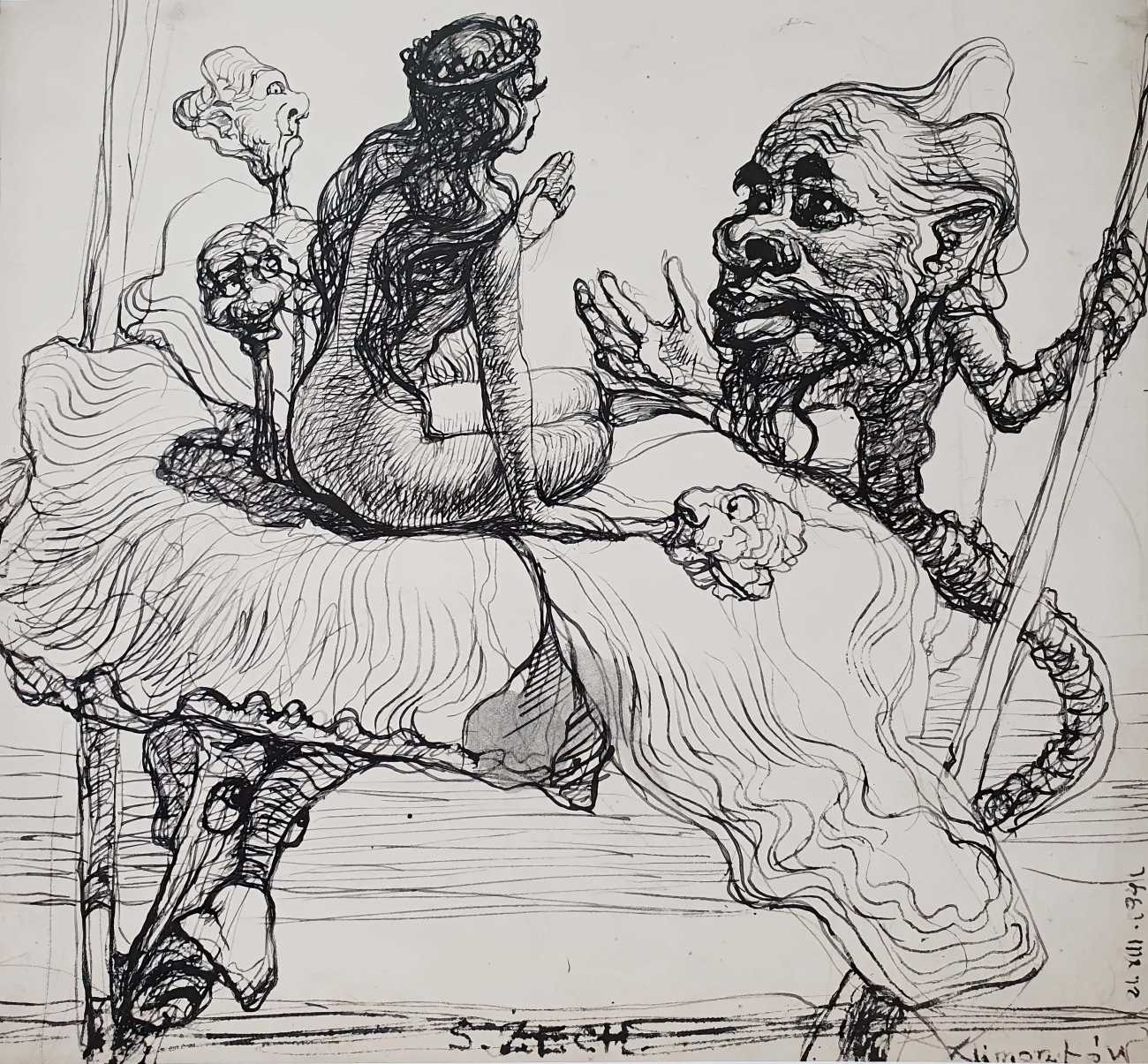
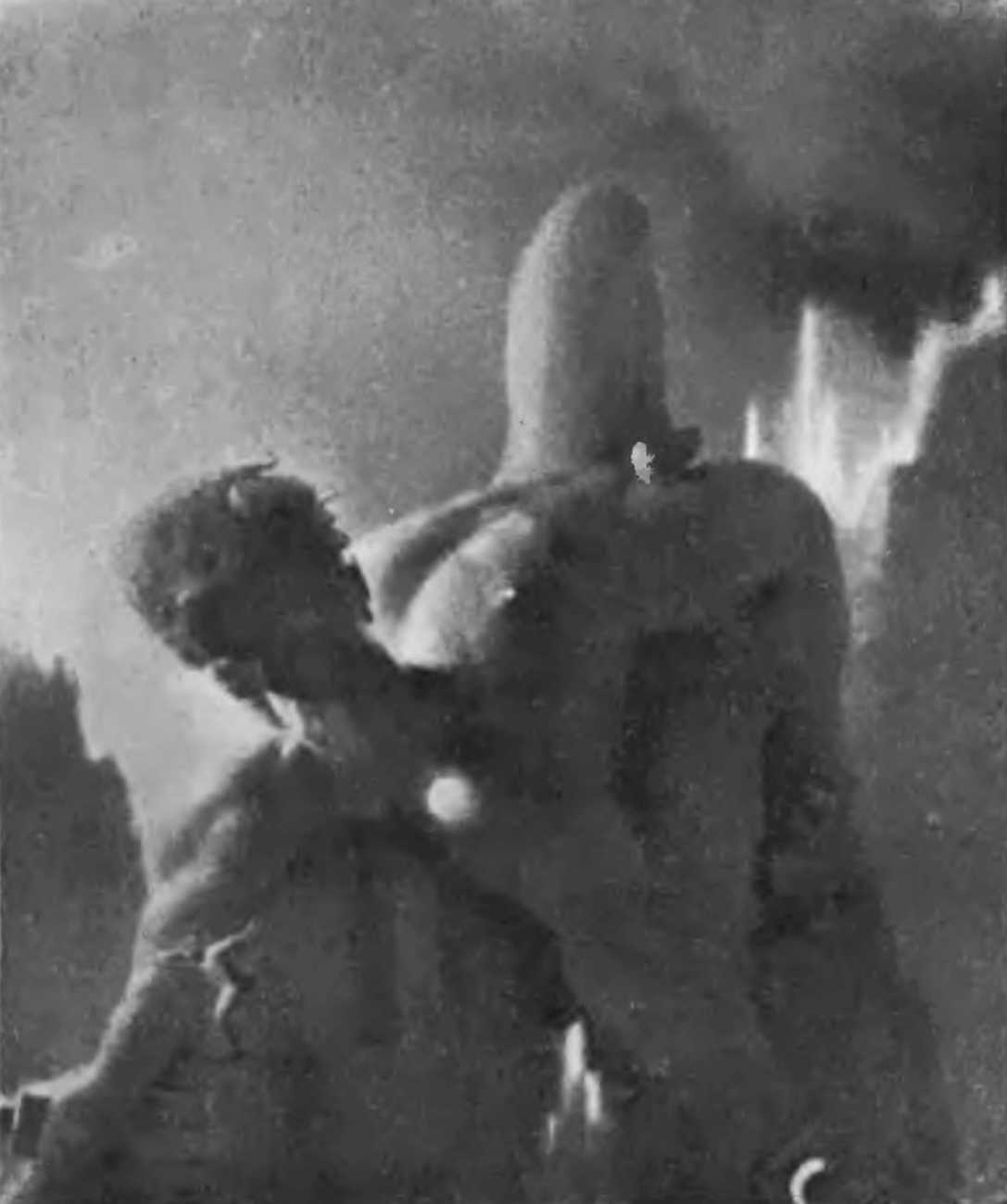
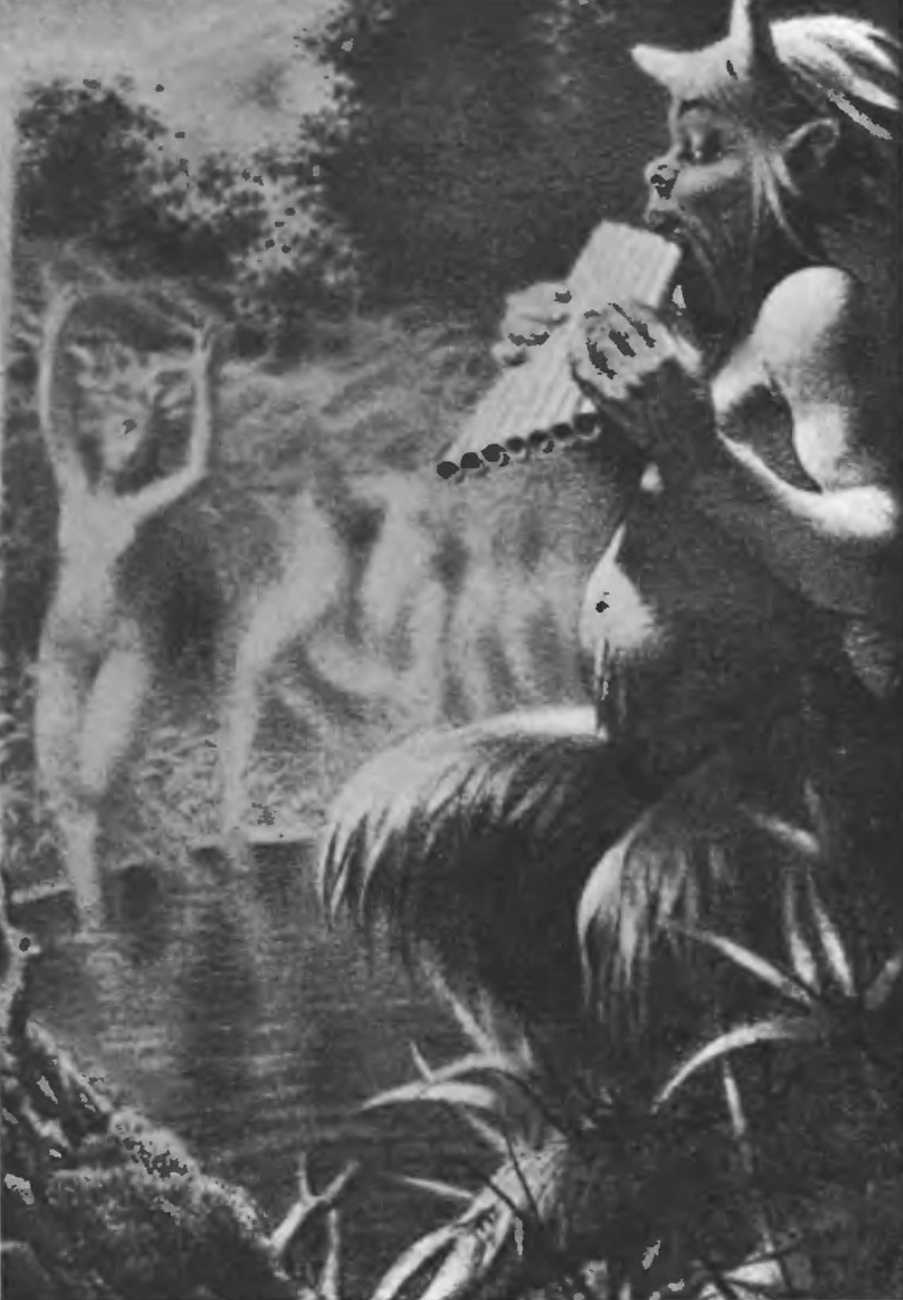
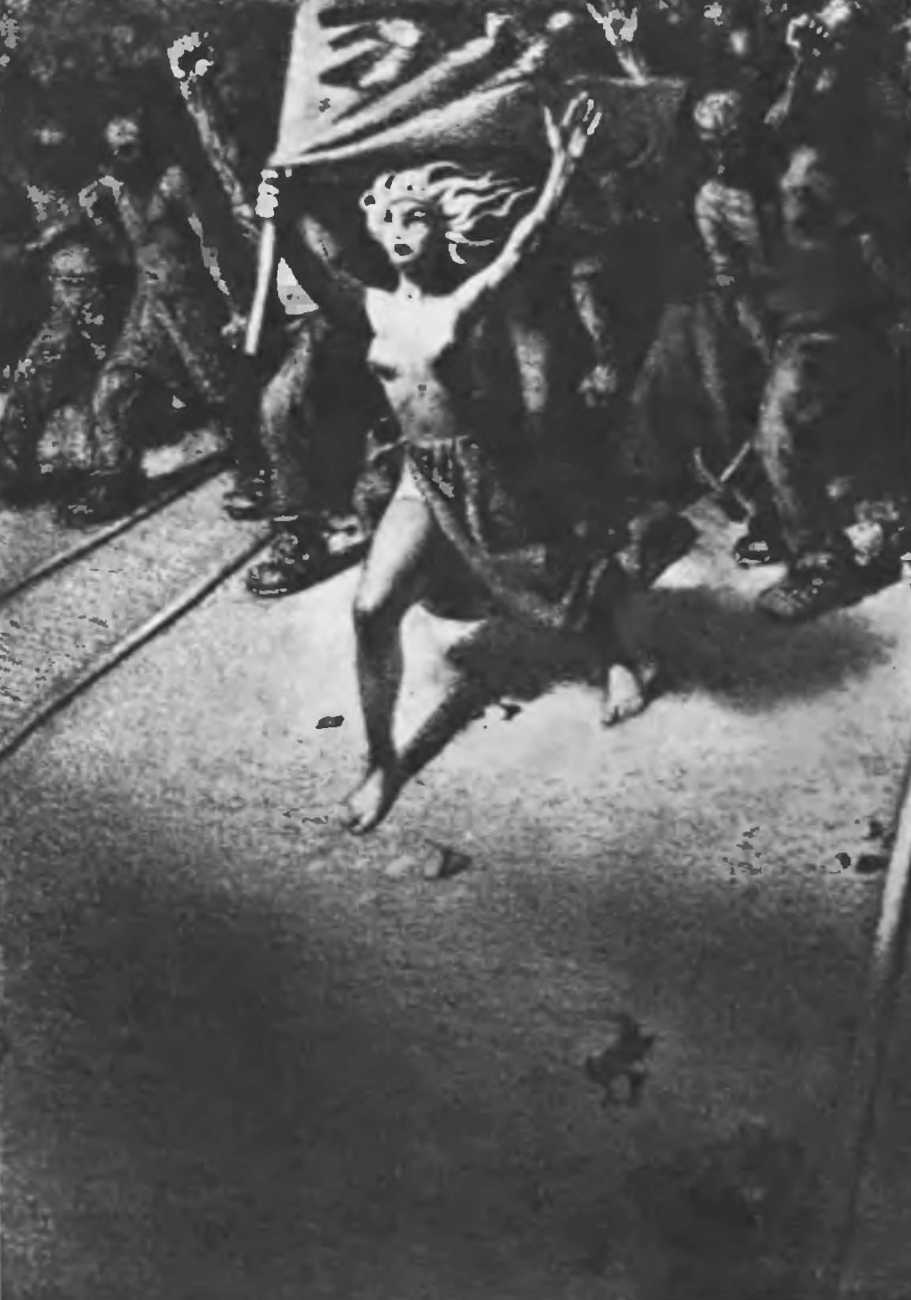
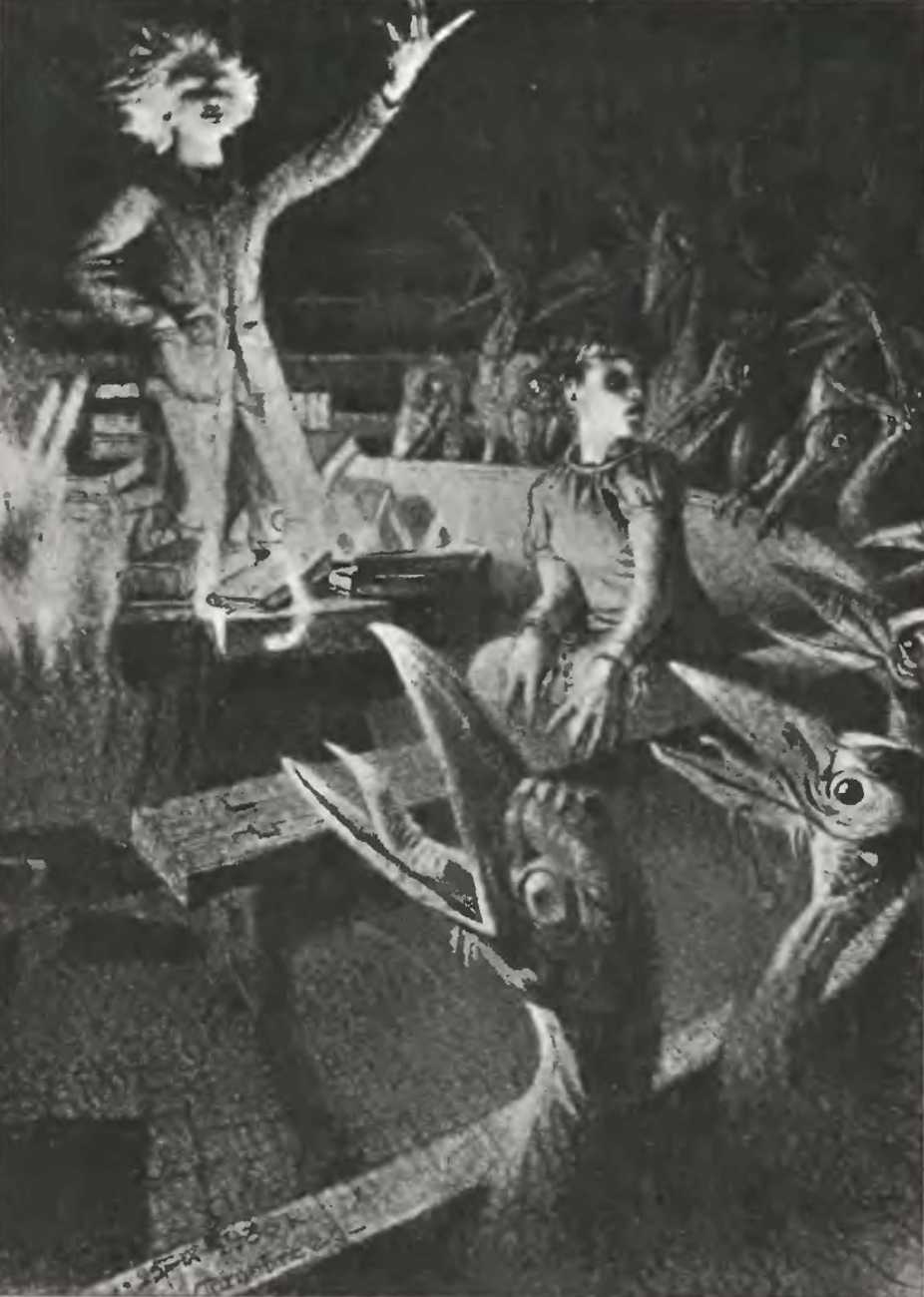
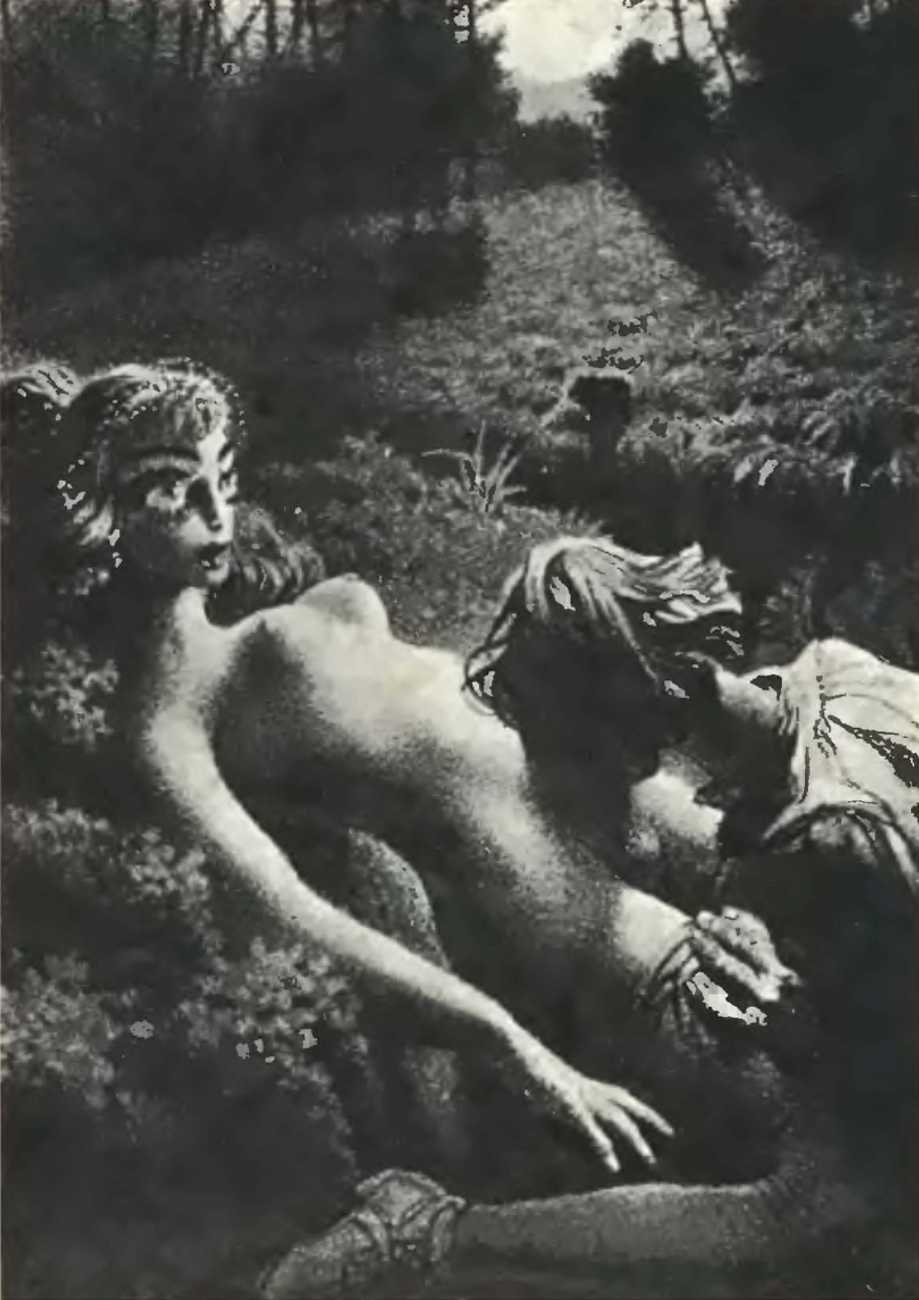
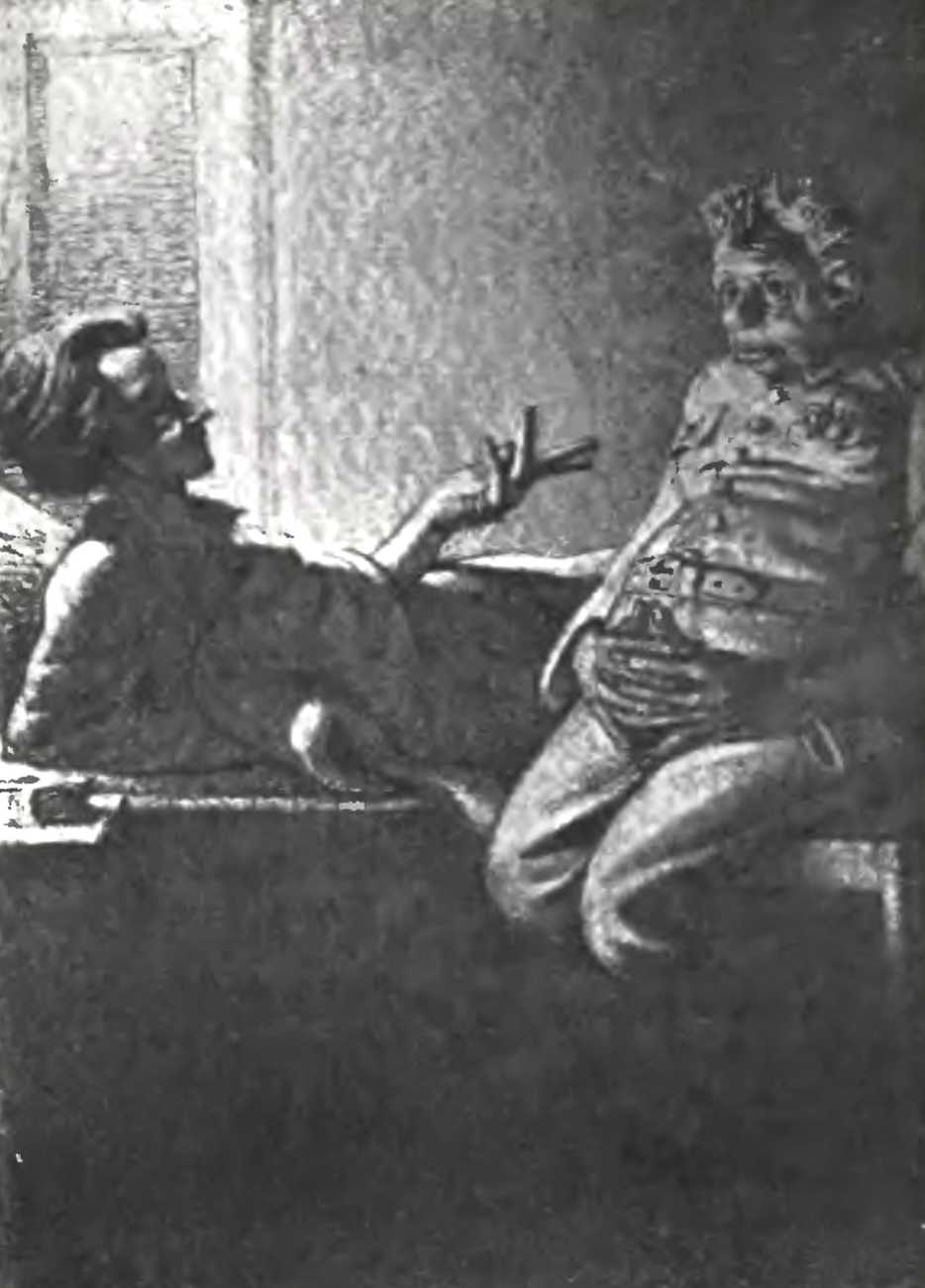
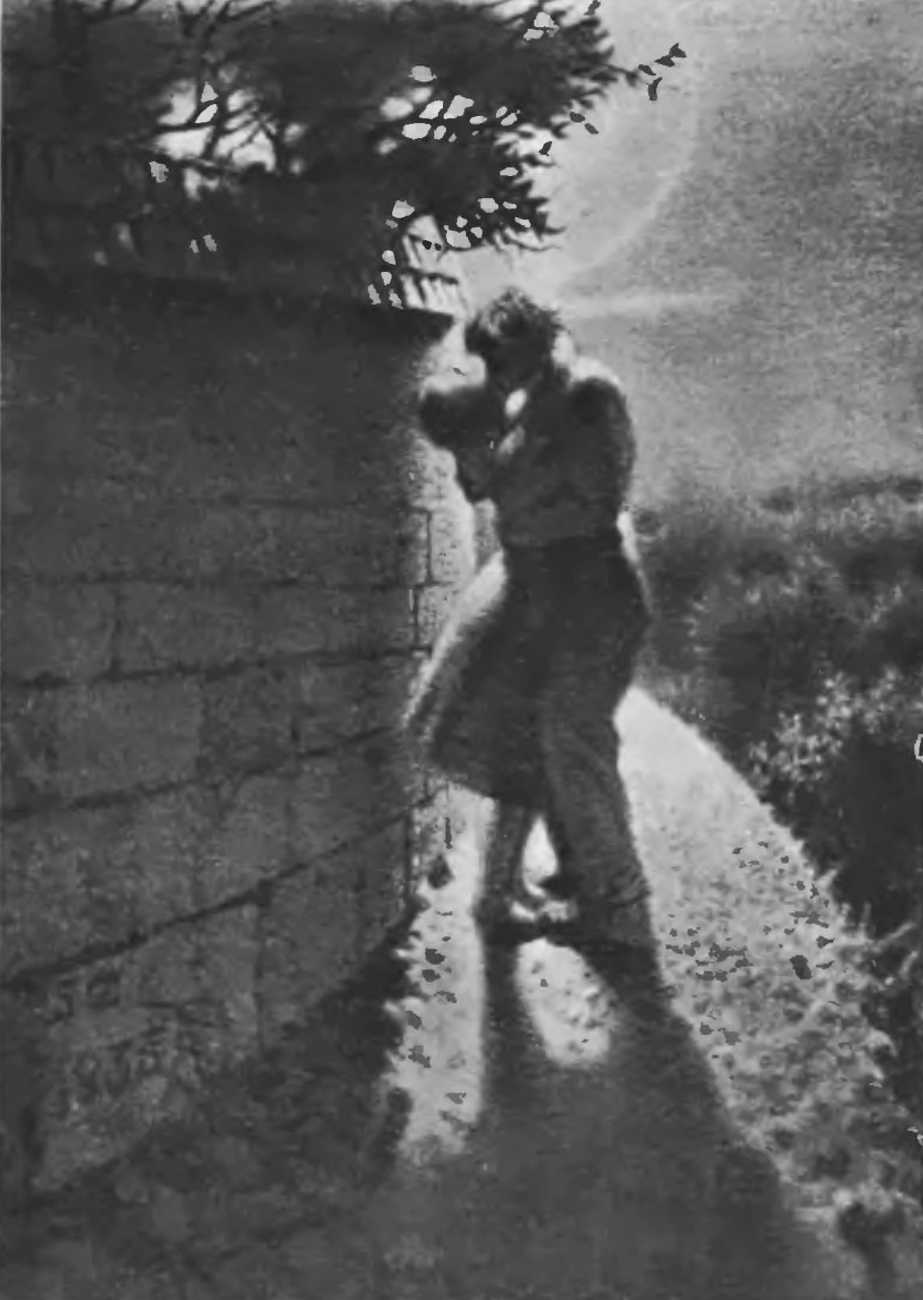
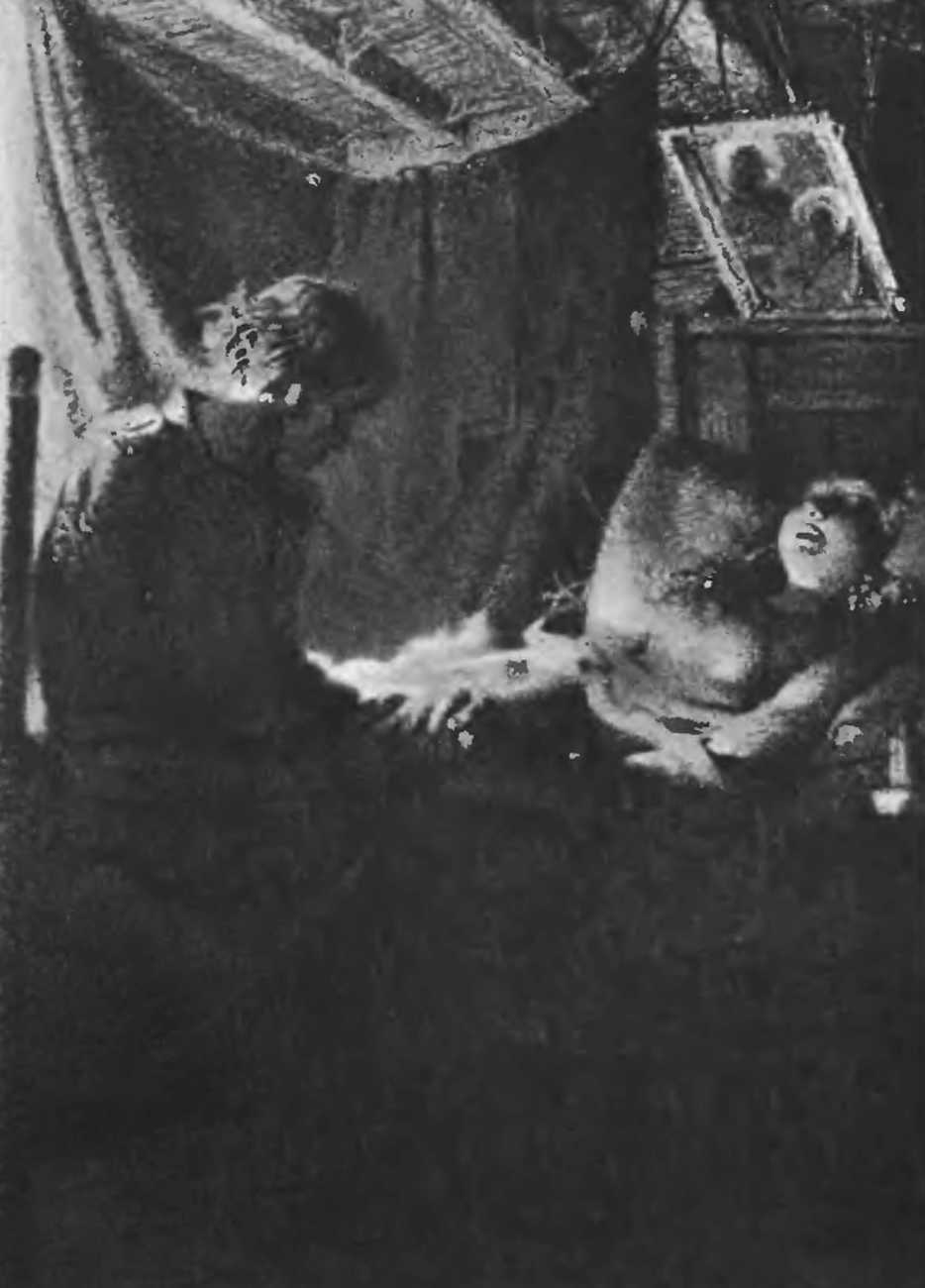
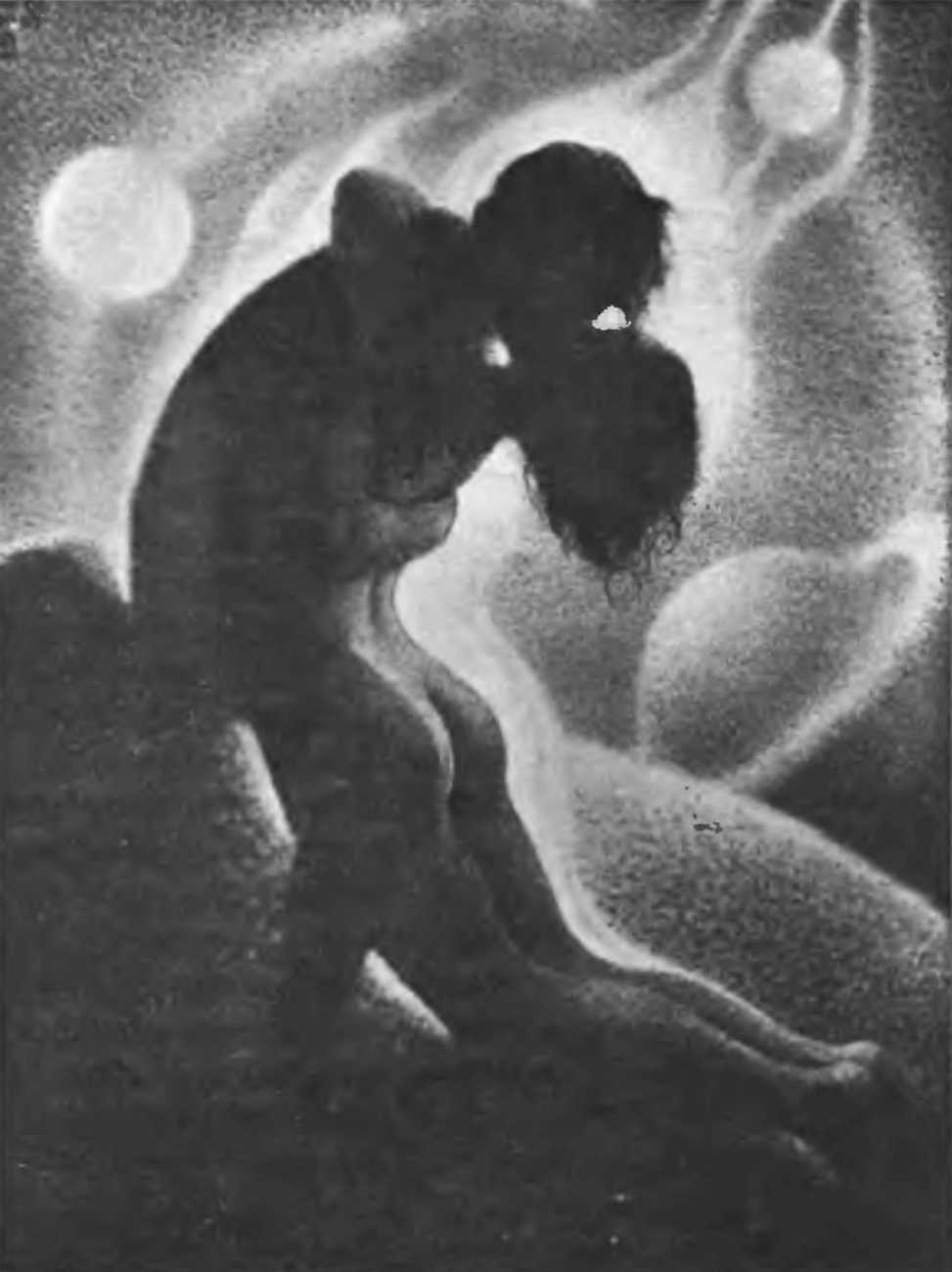
His breakthrough came through his friendship with the writer Emil Zegadłowicz. In 1936 he began work on the illustrations for Zegadłowicz’s controversial novel Motory (The Motors), producing monochrome illustrations of extraordinary intensity, selecting passages that corresponded most closely to his own romantic and visionary conception of love. The book was subsequently confiscated and Żechowski was accused of anti-government rebellion and immorality.
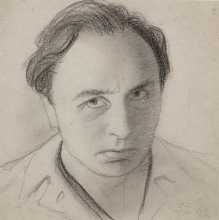
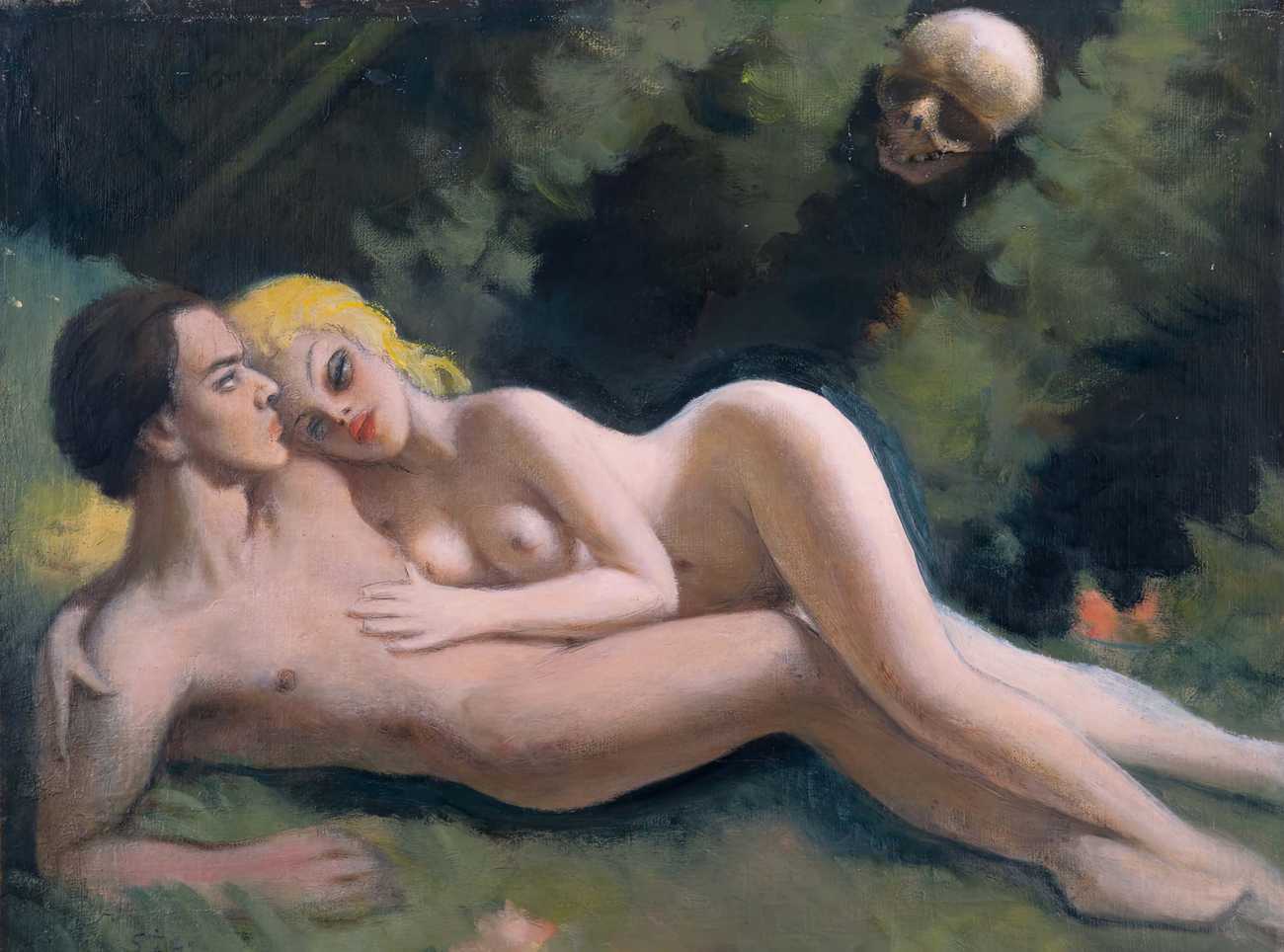
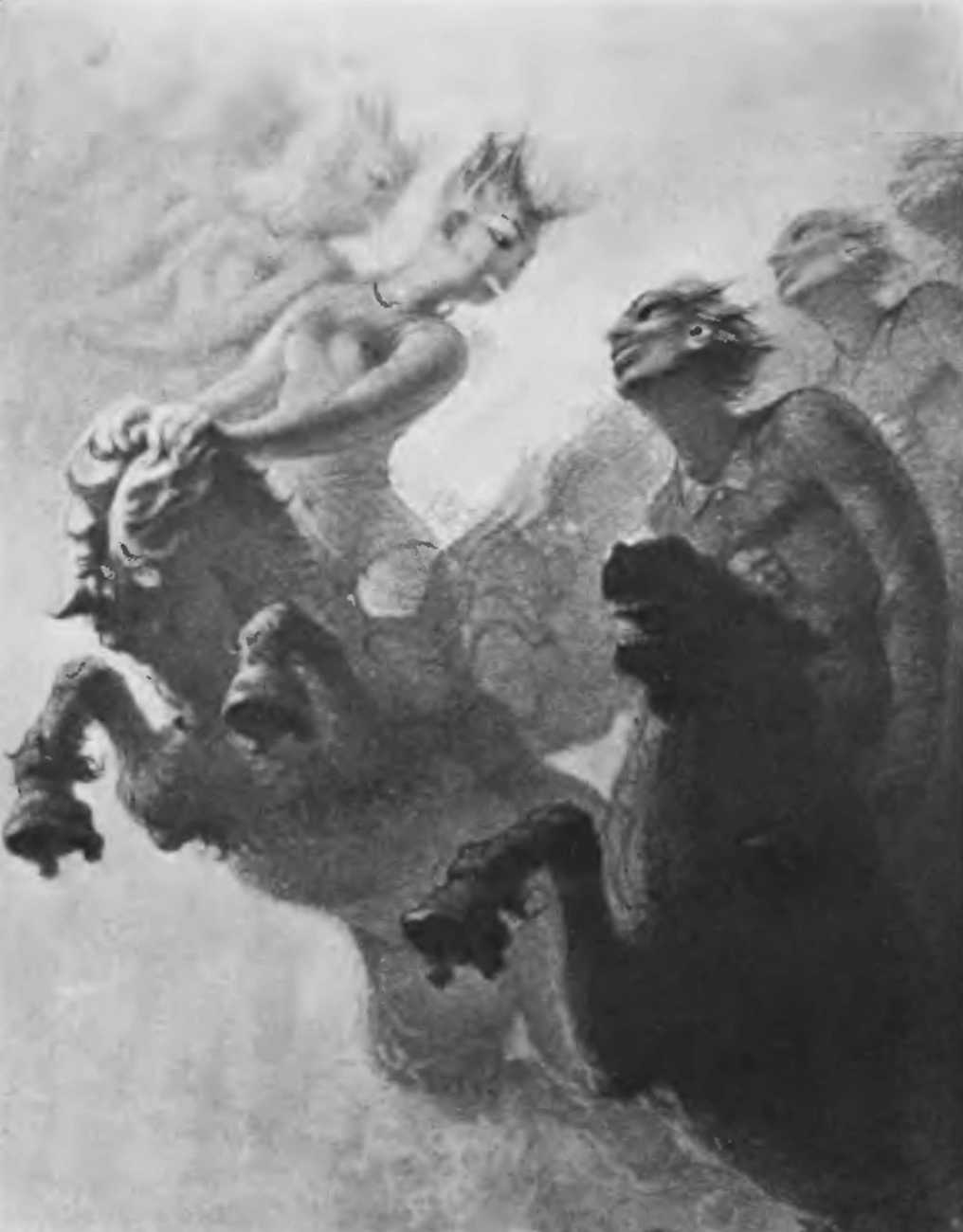
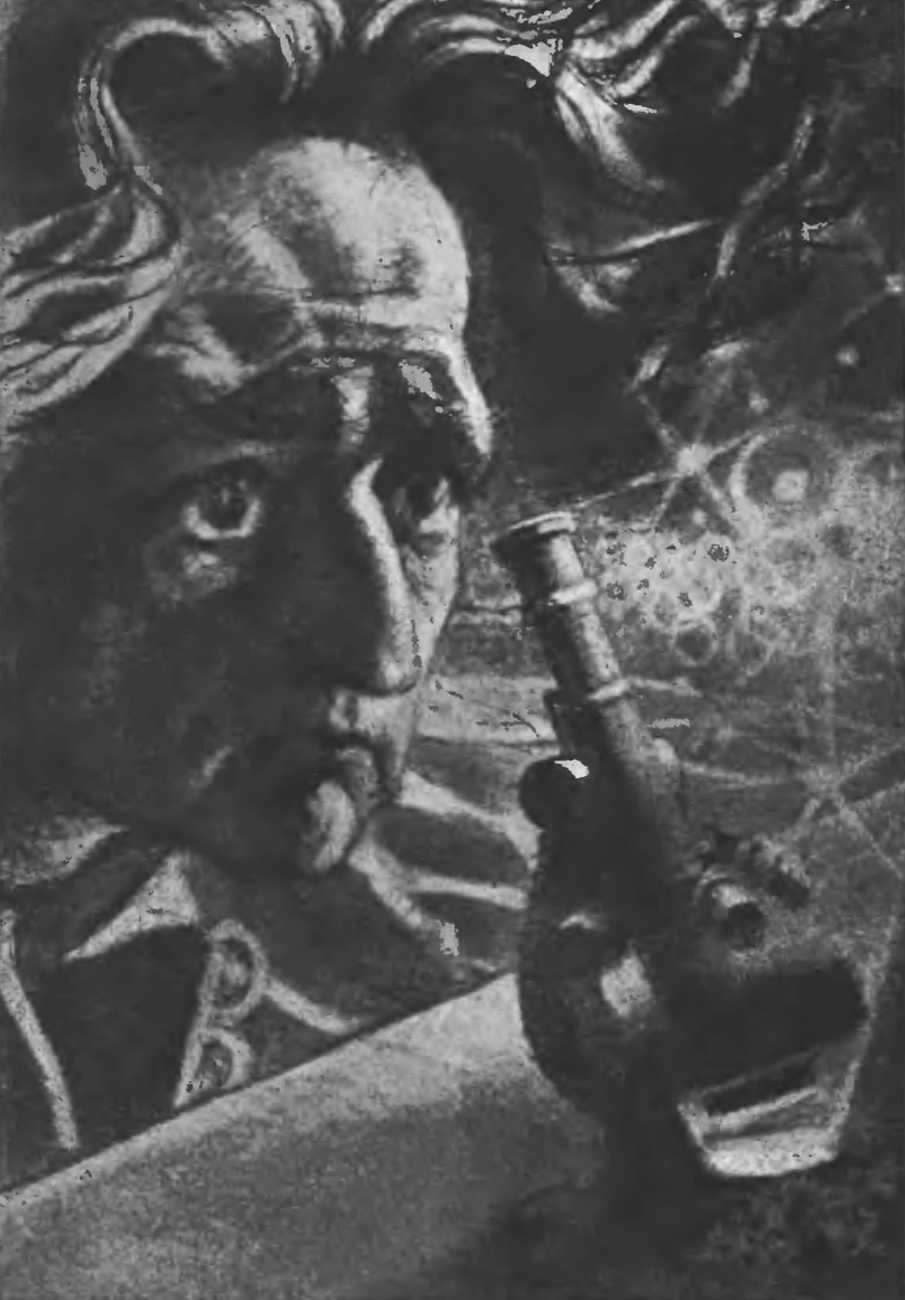
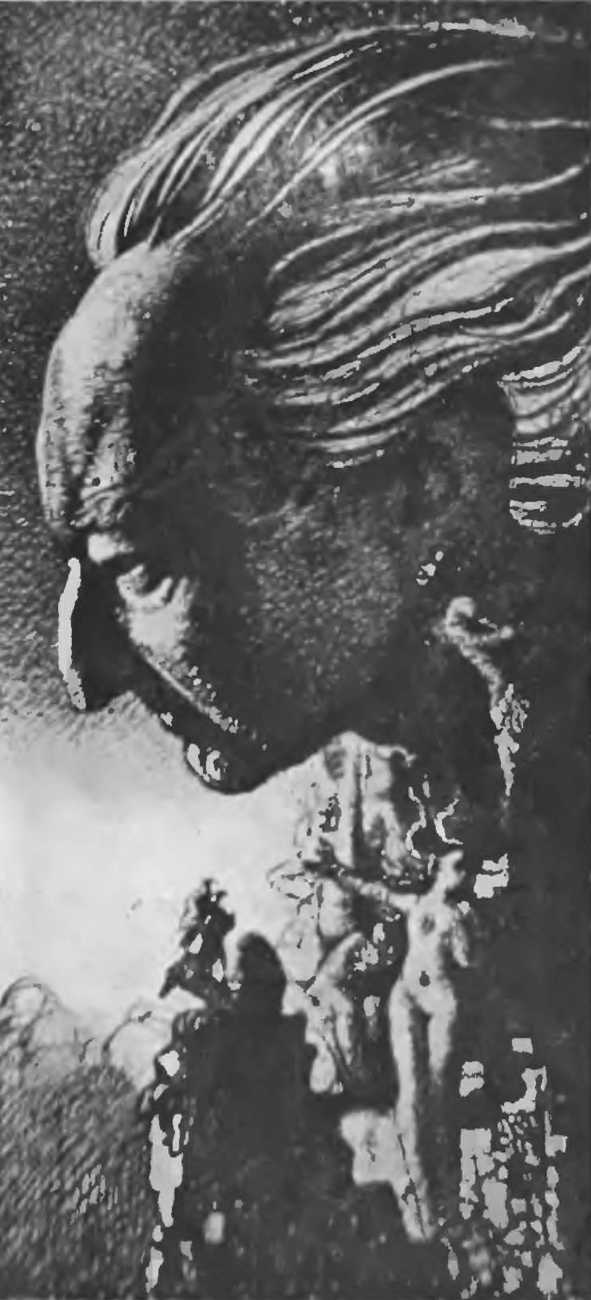
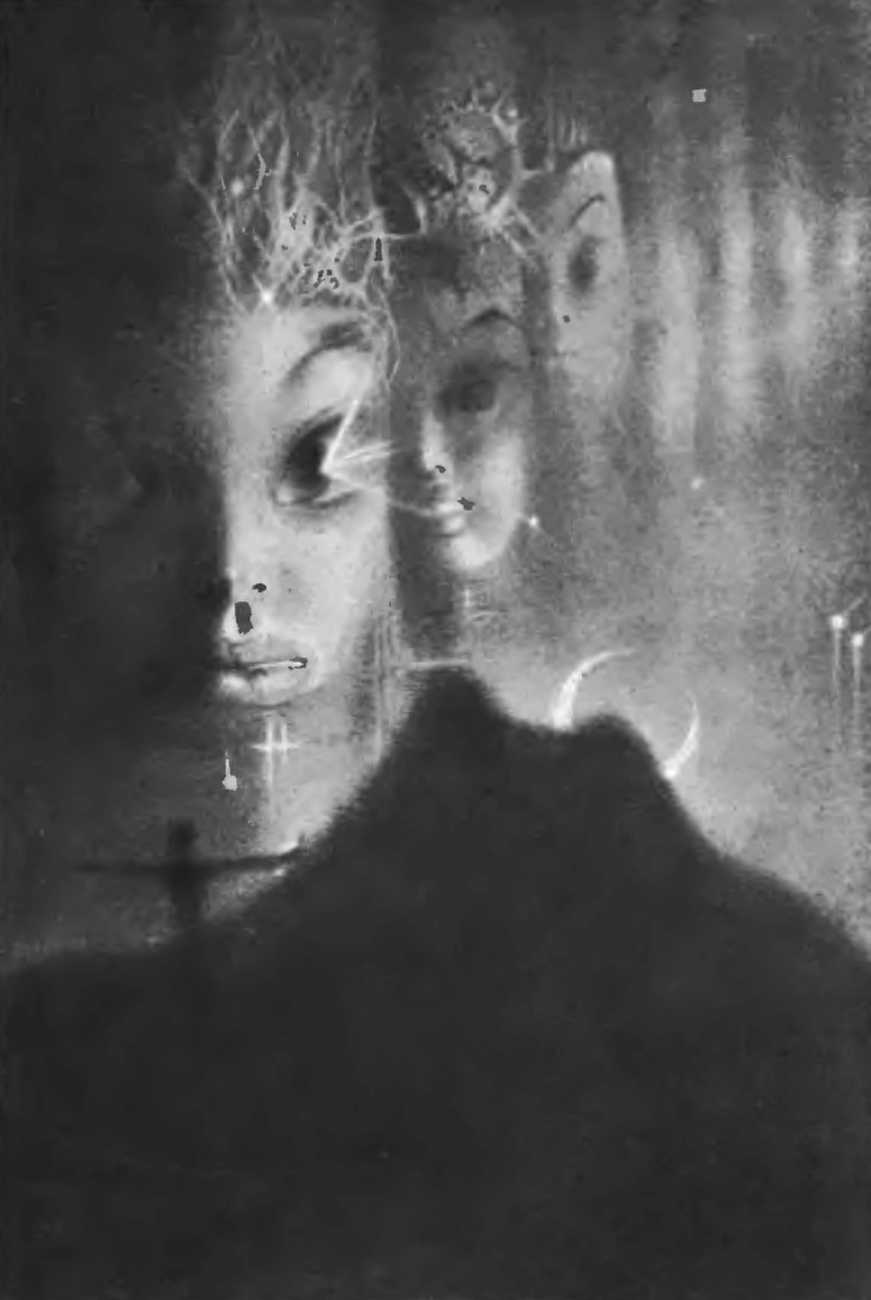
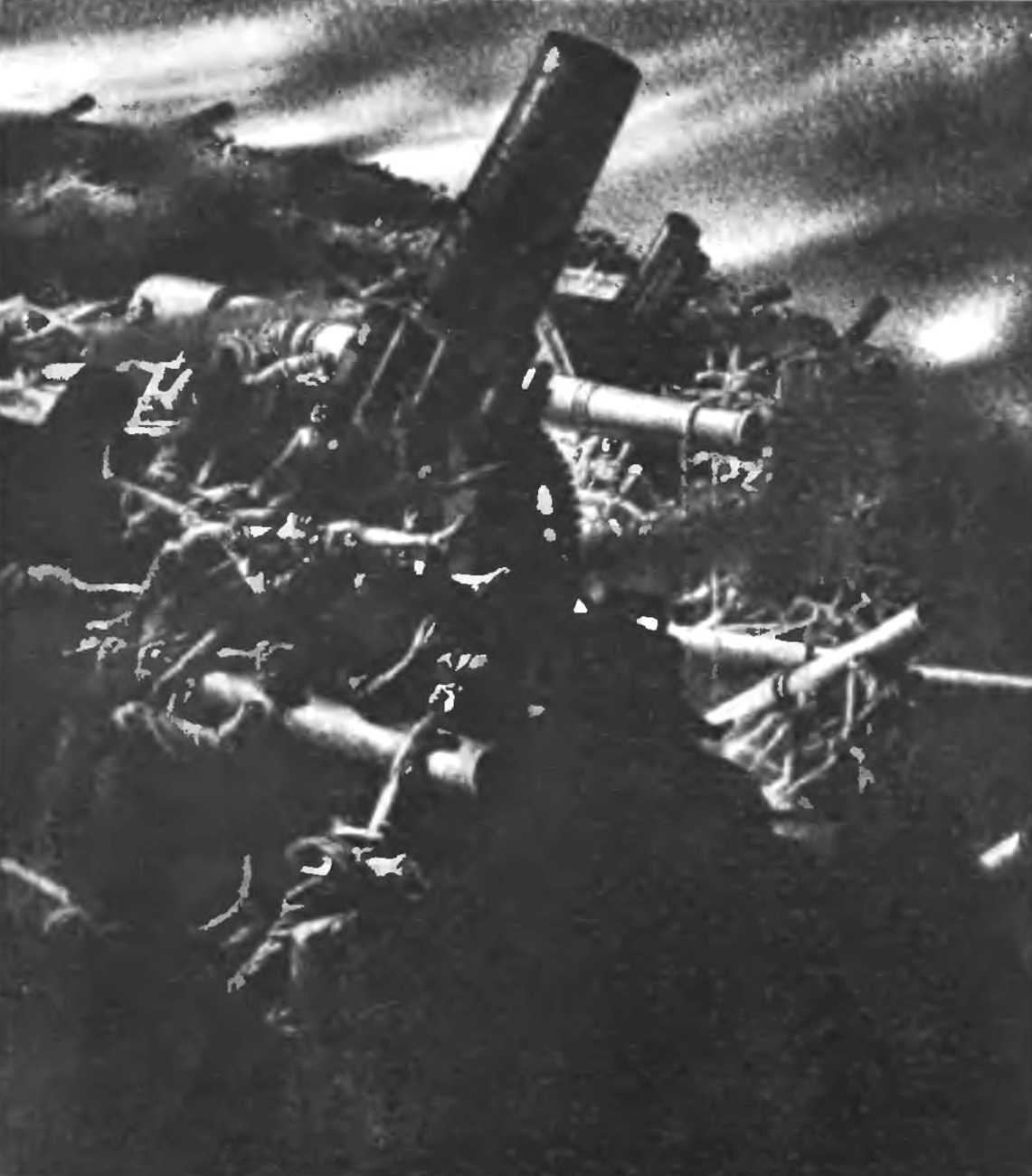
Literature remained a fundamental source of inspiration. Żechowski was particularly drawn to Adam Mickiewicz, Juliusz Słowacki, Fyodor Dostoevsky, Edgar Allan Poe and Friedrich Nietzsche, while his admiration for artists ranging from Leonardo da Vinci and Rembrandt to Arnold Böcklin and Jacek Malczewski helped nourish his highly symbolic visual language. During the second world war he produced cycles concerned with childhood, dreams, war, nature, and the struggle between Christ and Satan, themes in which eroticism, mortality and spirituality overlapped.
In 1943 Żechowski met Marianna Trąbska, whom he married in 1946. She became his lifelong companion and an important presence in his art, appearing repeatedly as a model and muse. Their marriage also provided a counterpoint to Żechowski’s otherwise intensely solitary existence: Marianna accompanied and supported him through the difficult postwar years and his later retreat from public life.
The period after the war brought a marked change in Żechowski’s public and artistic life. He became involved in the new political order, designing postage stamps and portraits and producing work in the spirit of socialist realism, before increasingly withdrawing from public artistic life. A devastating fire at his family home in 1953 destroyed his diary, correspondence and many drawings.
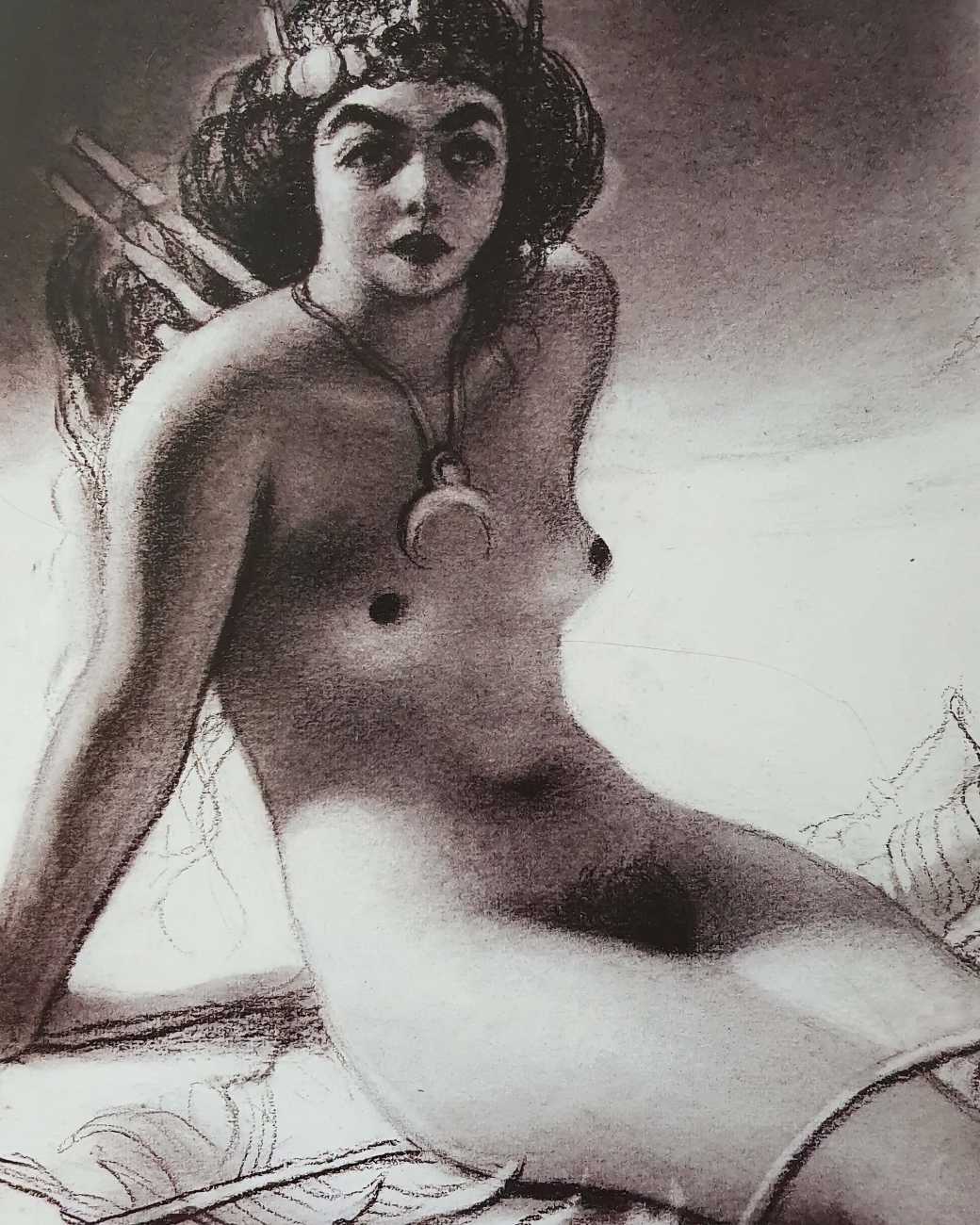
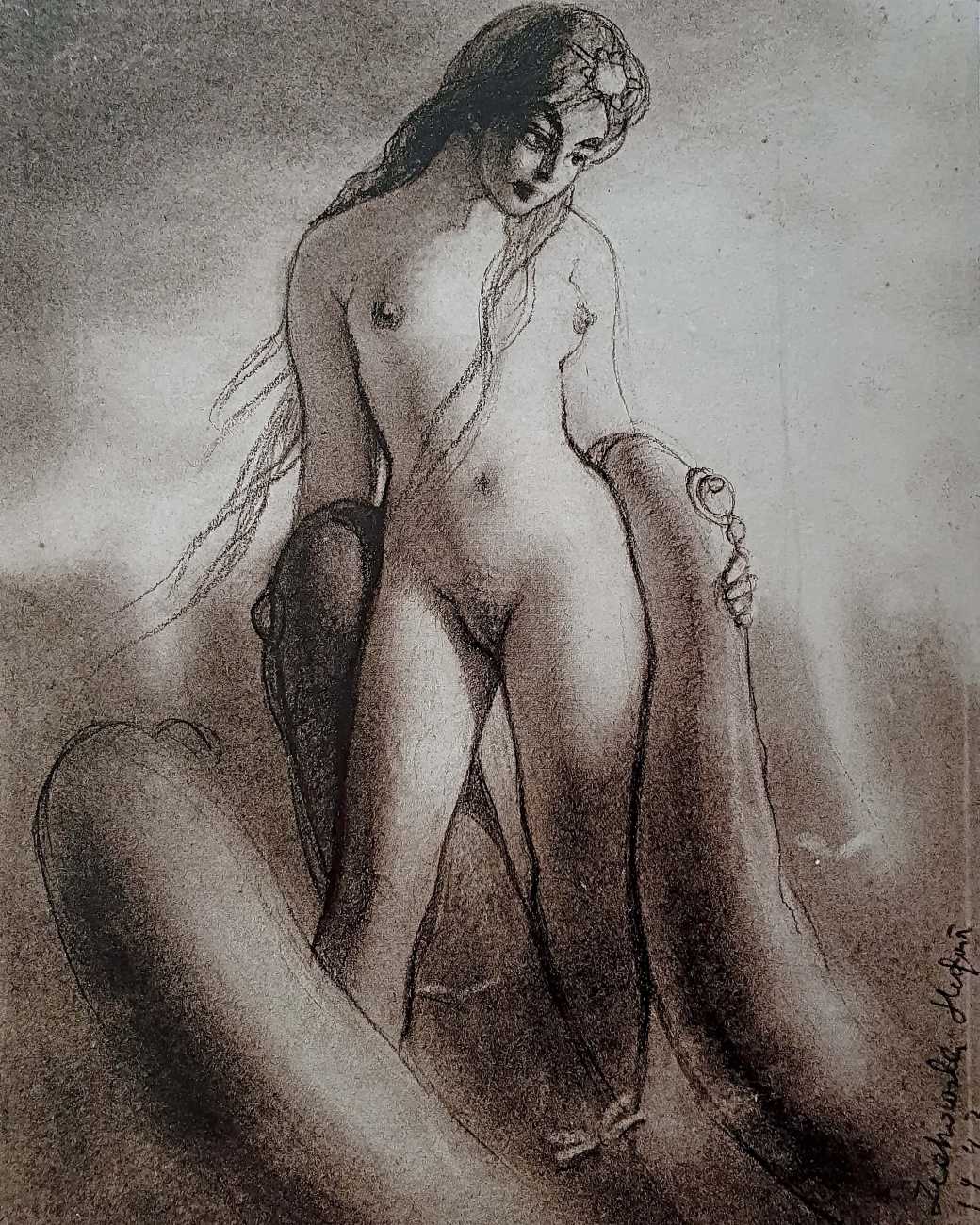
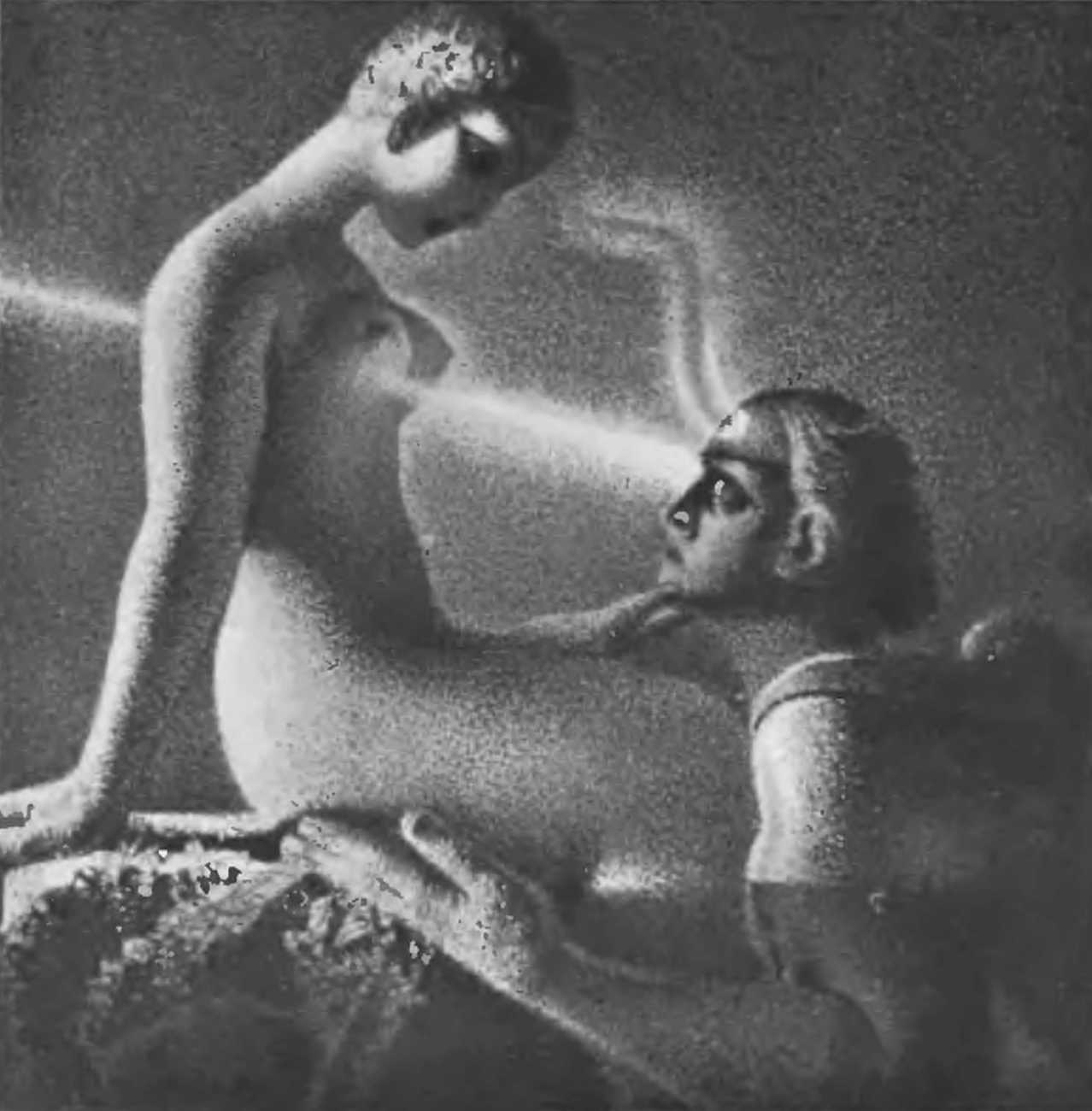
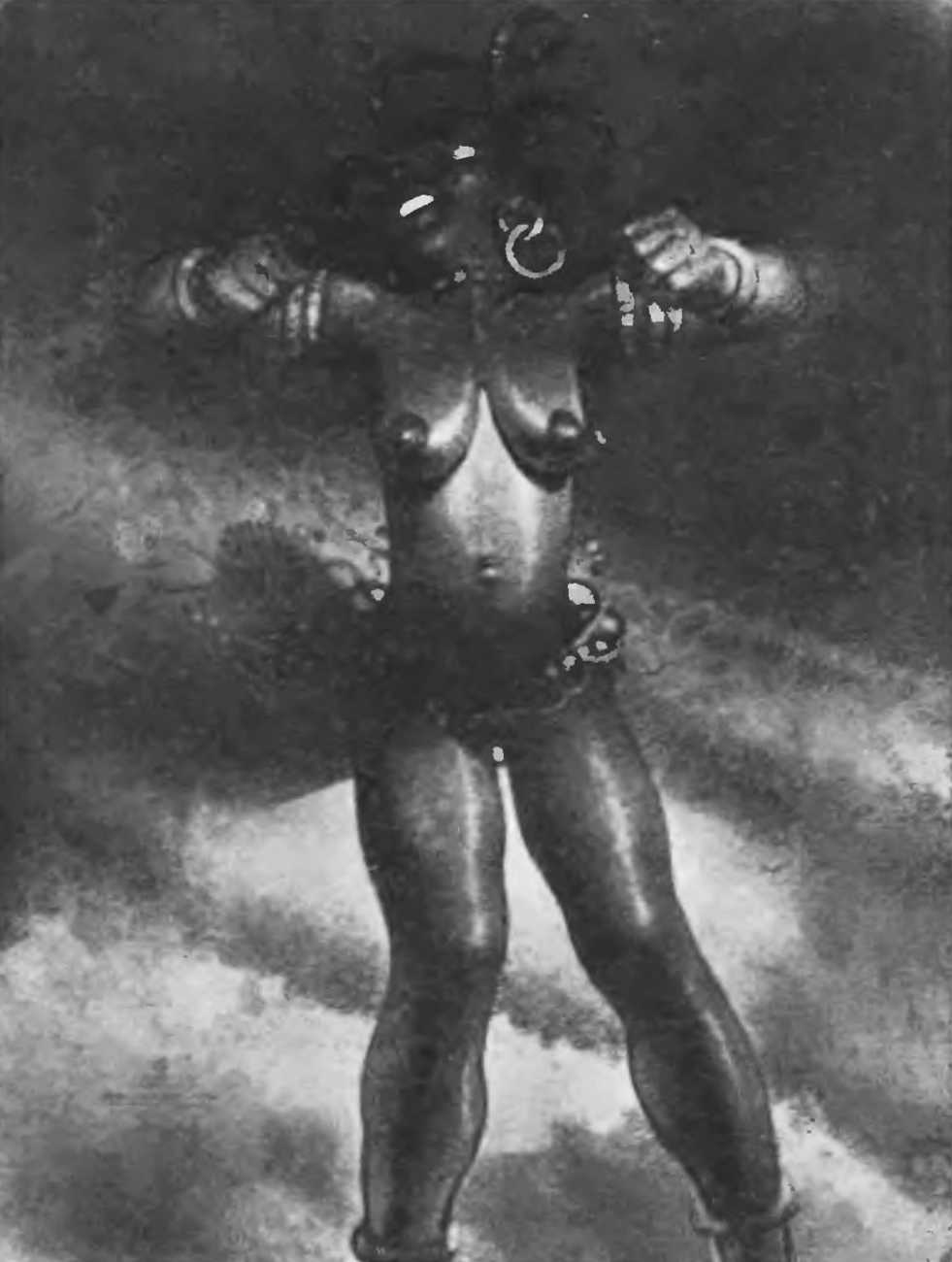
From the 1960s onwards his private imaginative world increasingly came to dominate his art. Women, lovers, muses, demons and mythological figures inhabited a dreamlike universe of sensuality and symbolism. His later erotic paintings and pastels are idealised, doll-like and unattainable in their polished beauty.
After Żechowski’s death, his widow Marianna devoted herself to preserving and promoting his work, donating substantial parts of his collection to the National Museum in Kielce and helping to make his remarkable legacy accessible to later generations.
Much of Żechowski’s surviving work is now documented by the Stefan Żechowski Estate, whose website is here (in Polish), continuing the painstaking preservation and promotion of his legacy undertaken by his widow Marianna.
Similar artists
Félicien Rops – Belgian symbolist etcher of death and desire.
Jindřich Štyrský – Czech surrealist of dreamlike erotic imagery.
Clovis Trouille – French painter blending macabre fantasy with eroticism.
Pavel Tchelitchev – Russian neo-romantic visionary of metamorphic figures.
Ludwig von Hofmann – German symbolist of idealised mythological figures.
Toyen – Czech surrealist of dreamlike, unsettling erotic scenes.
Example illustration