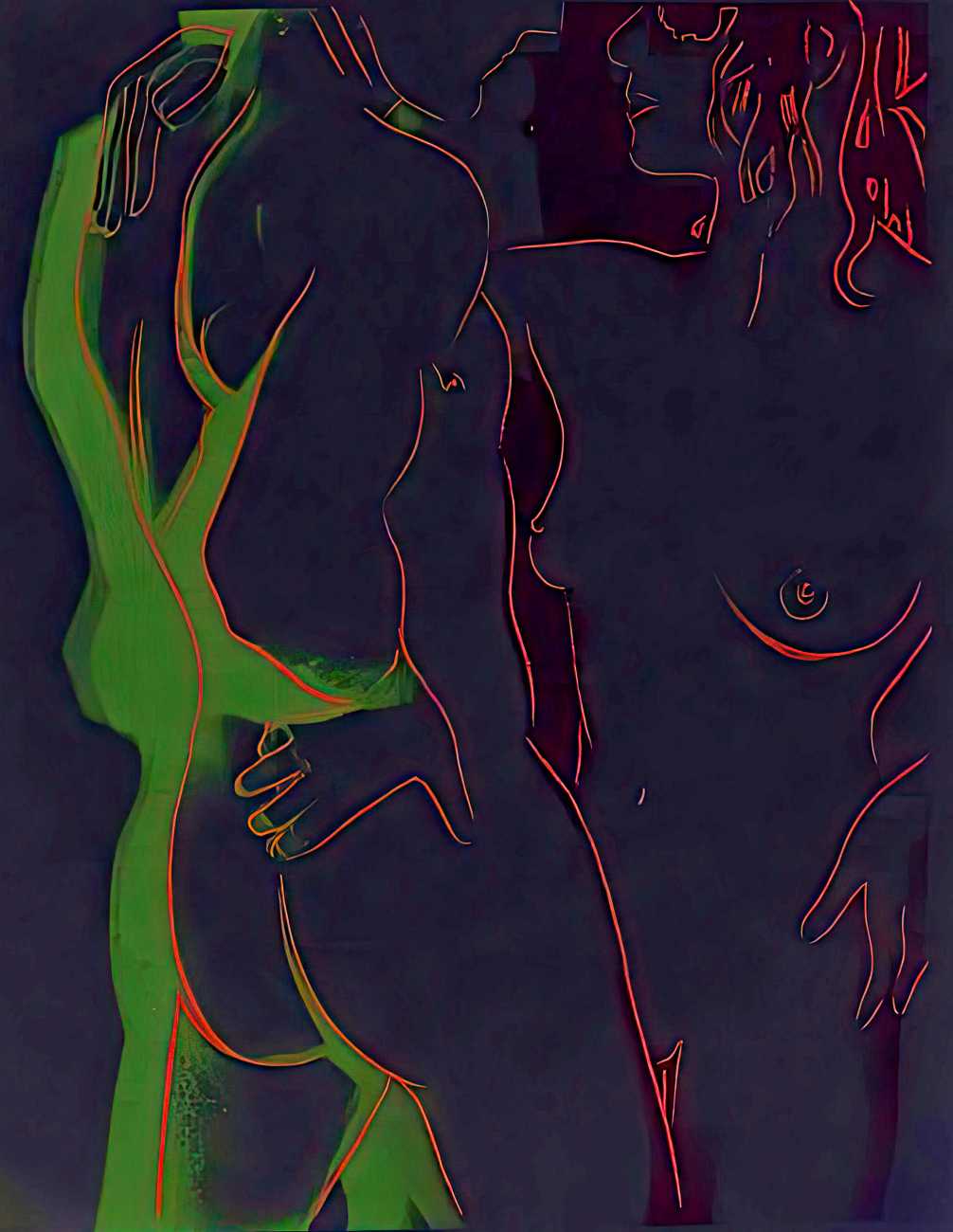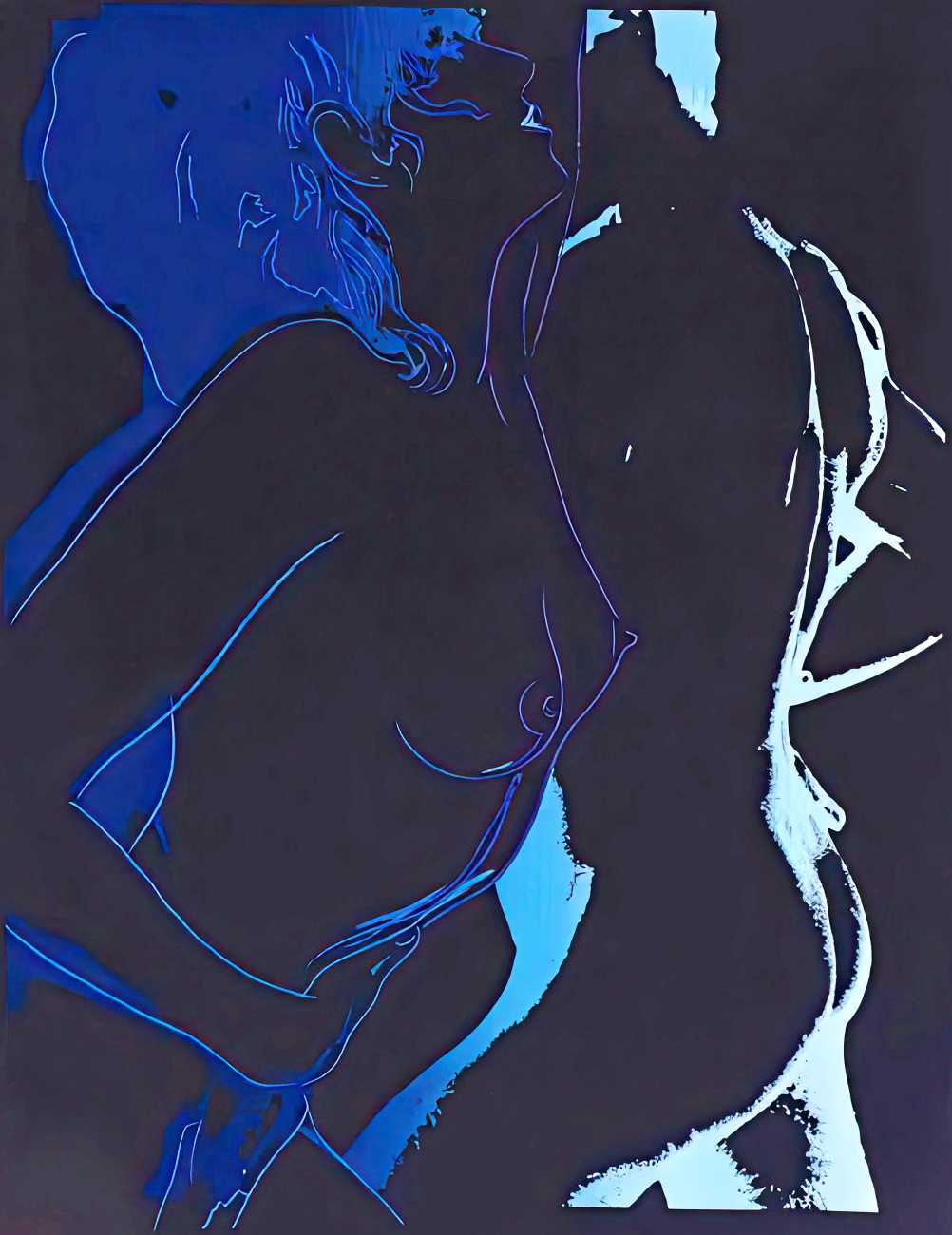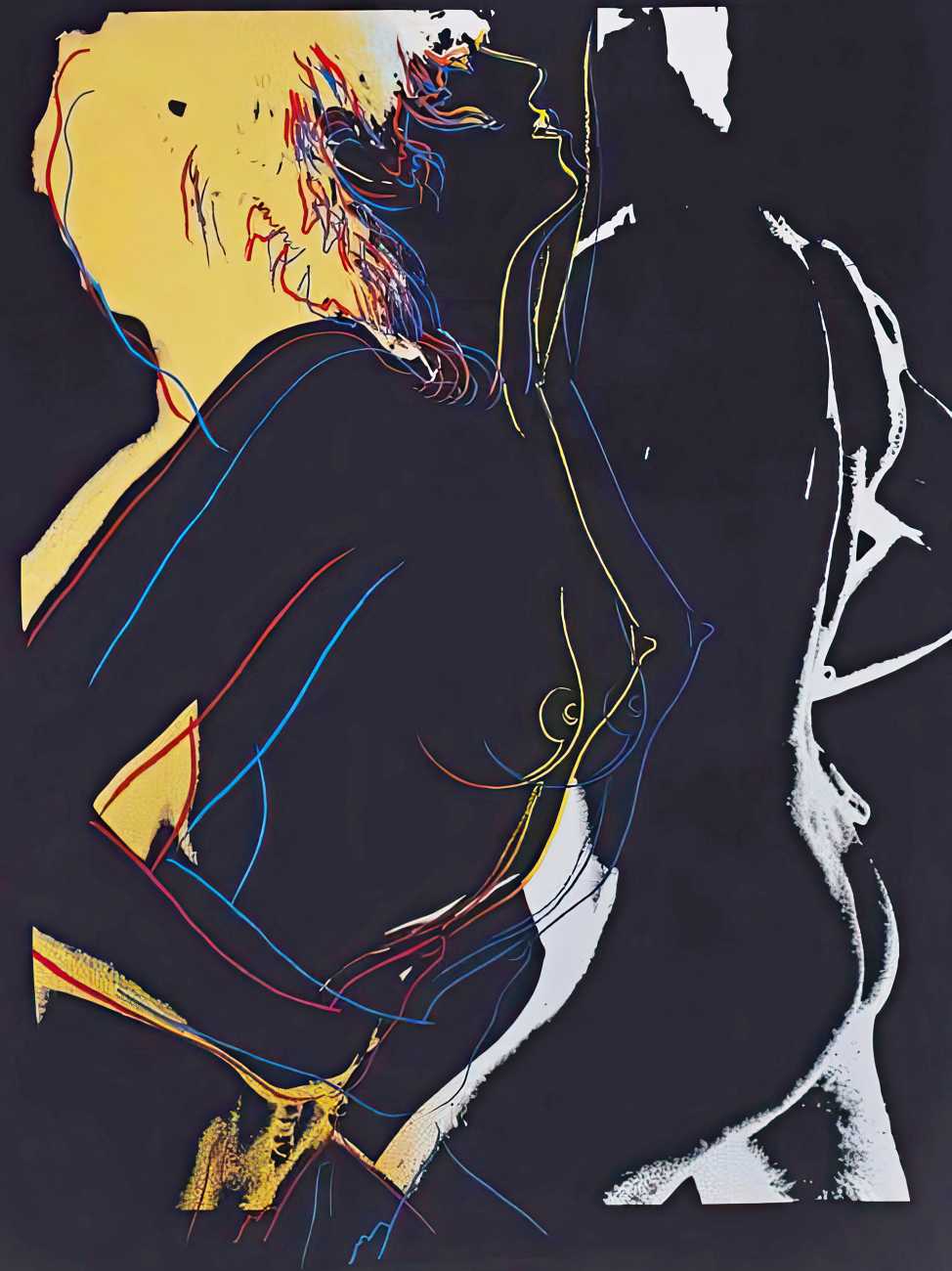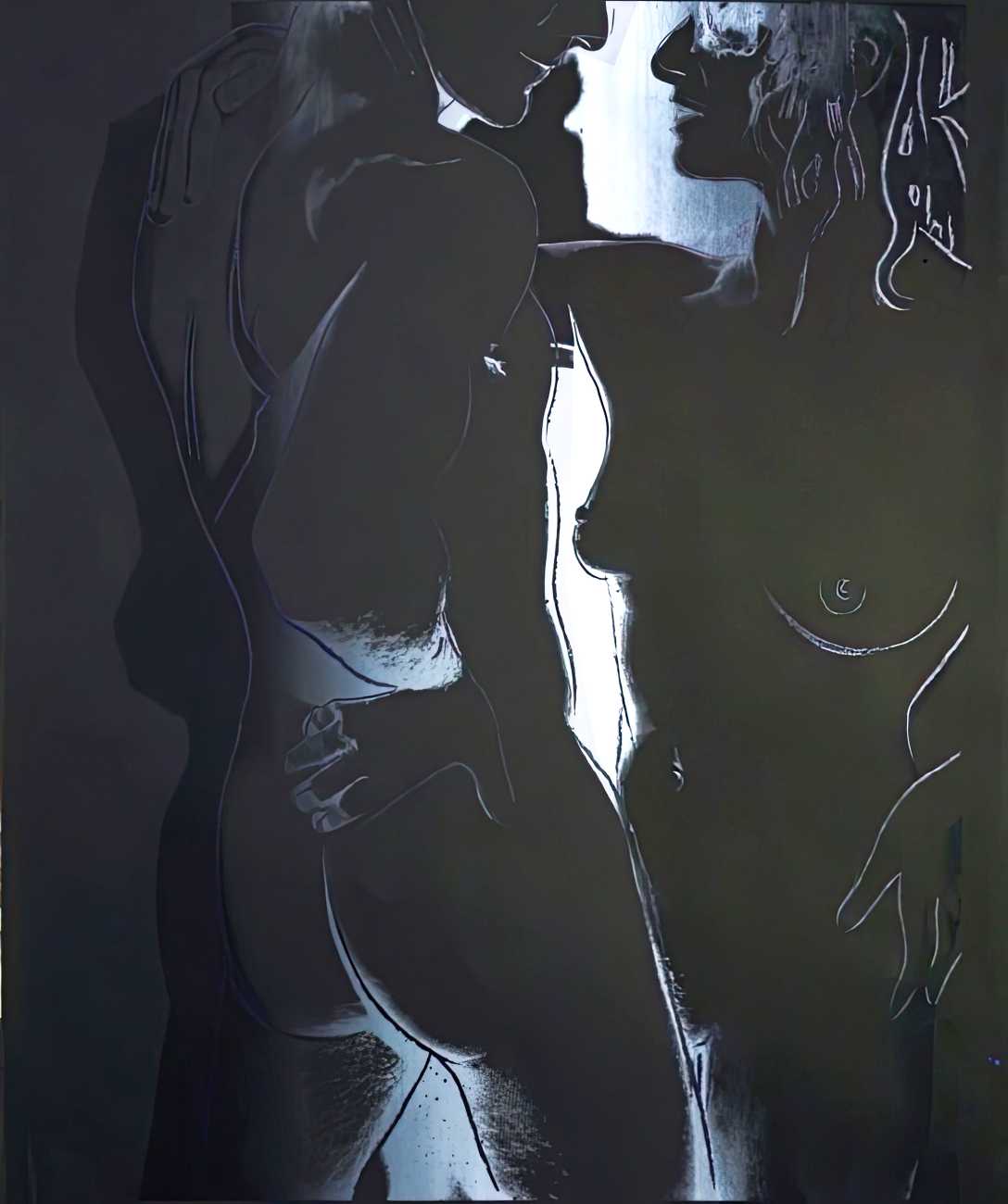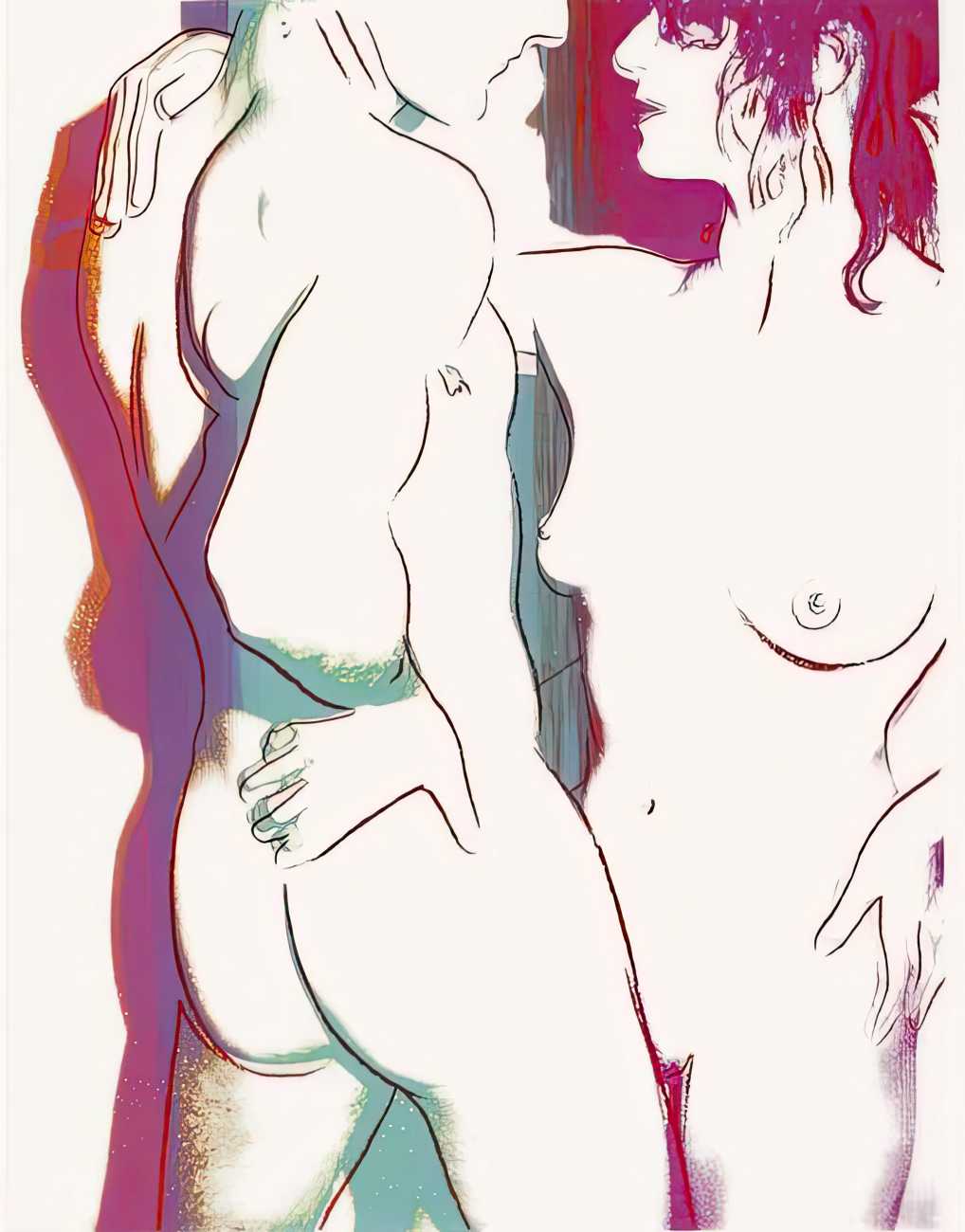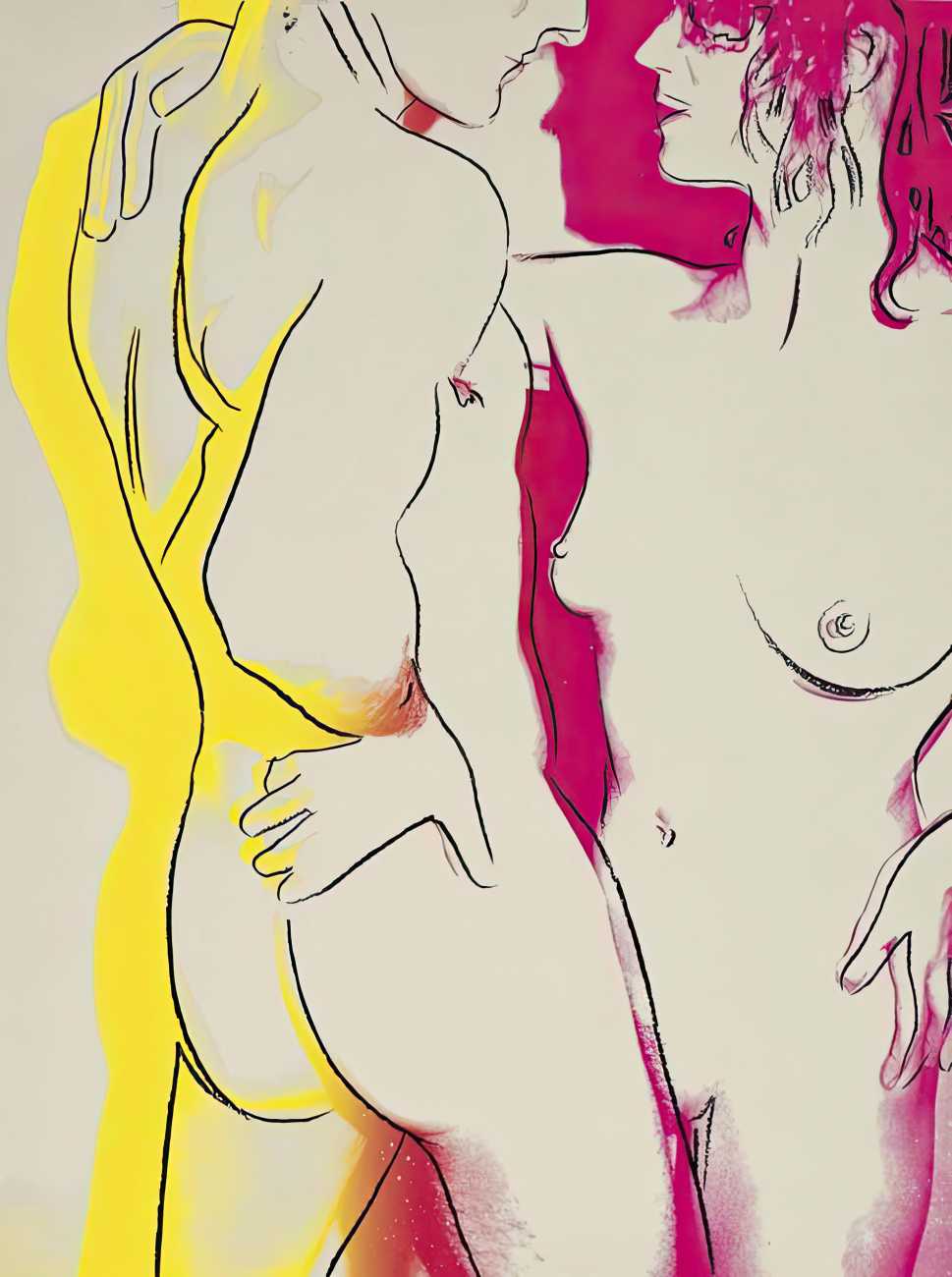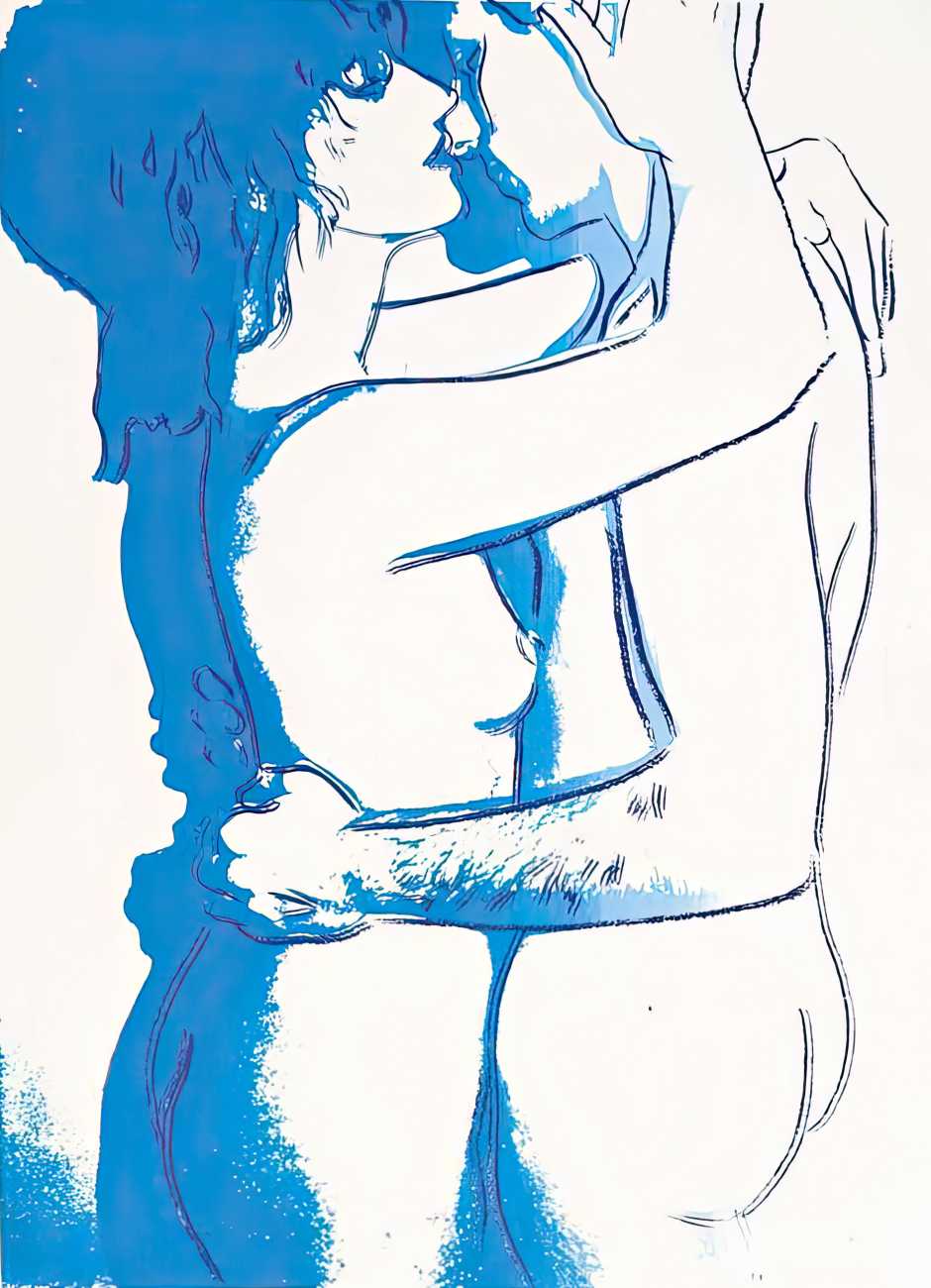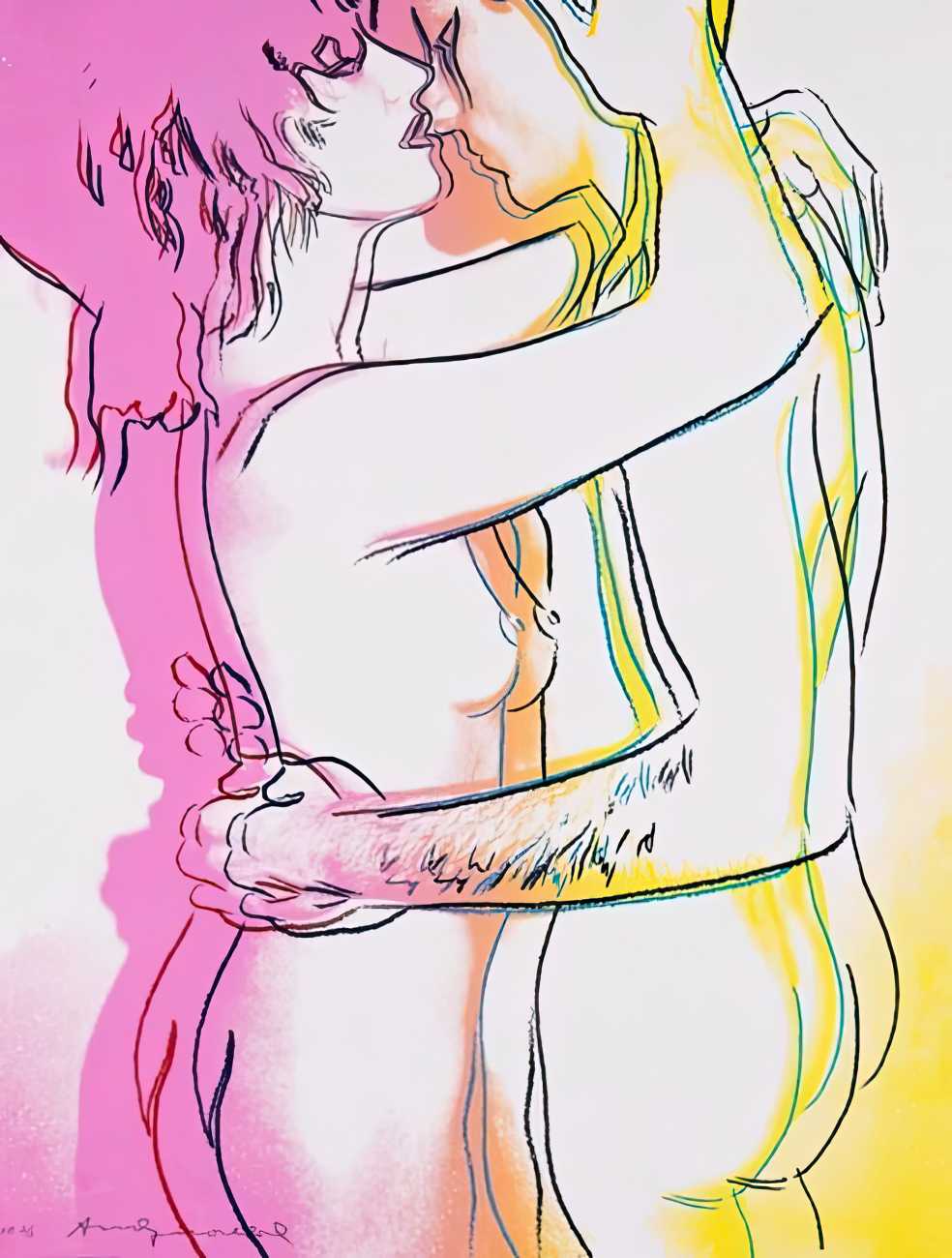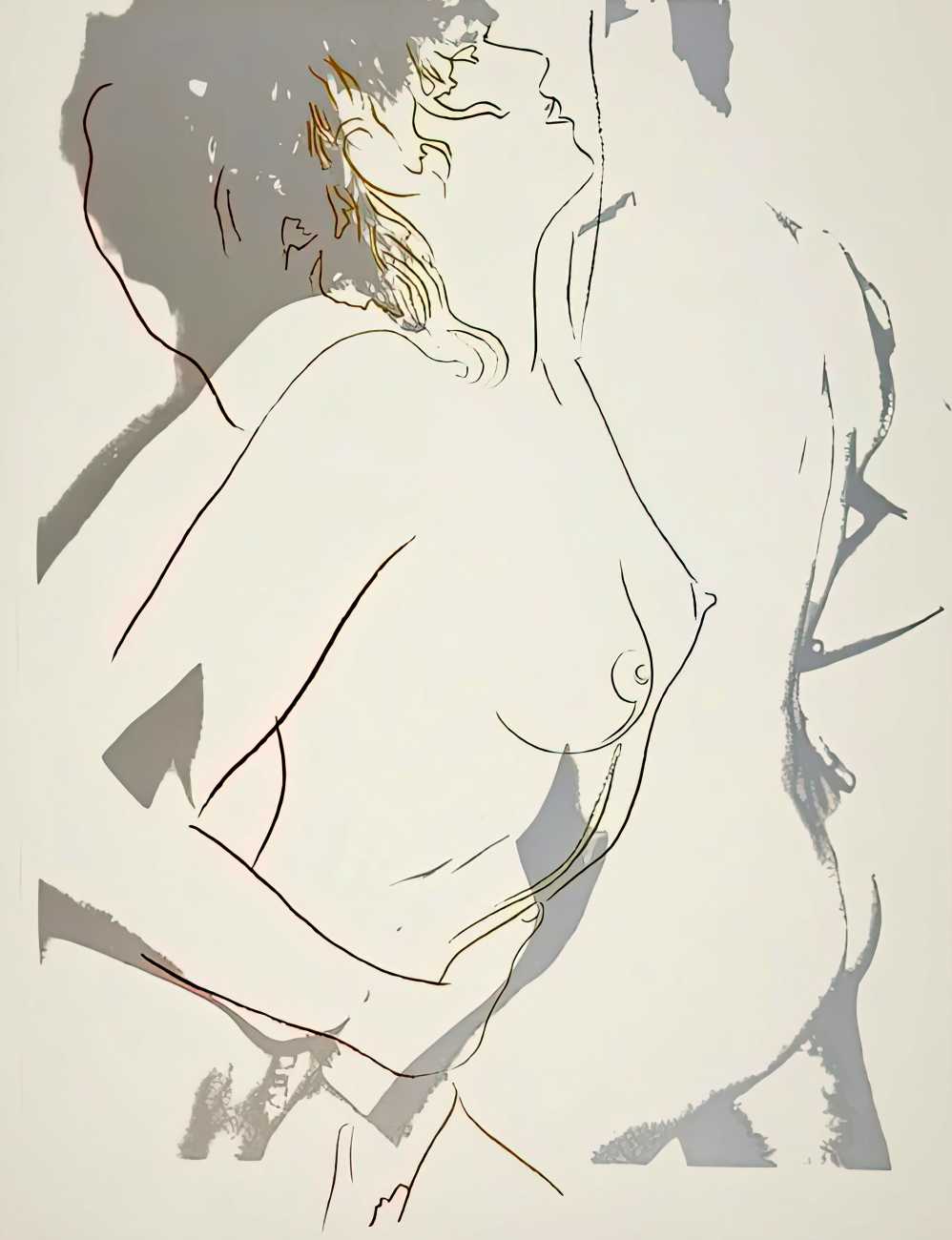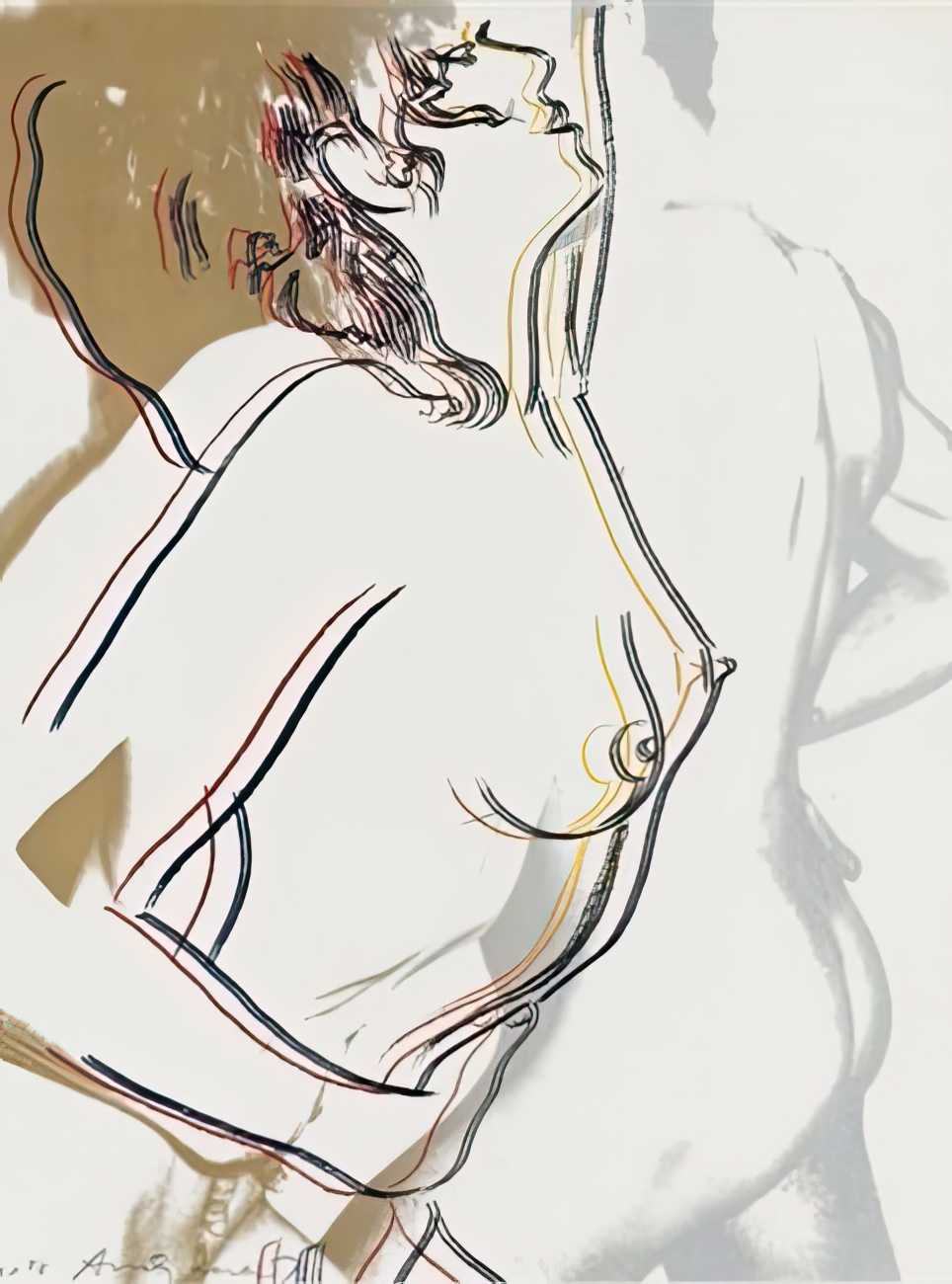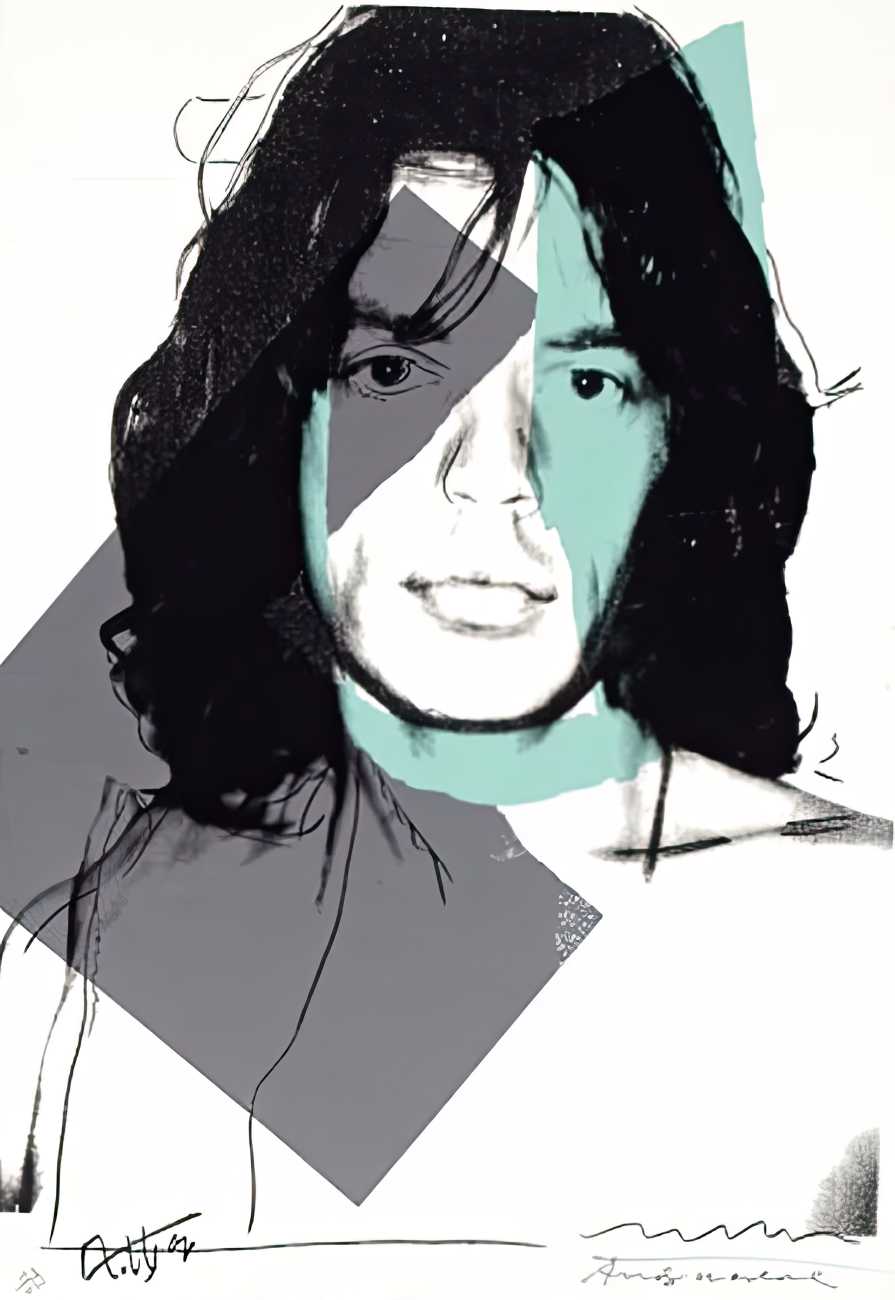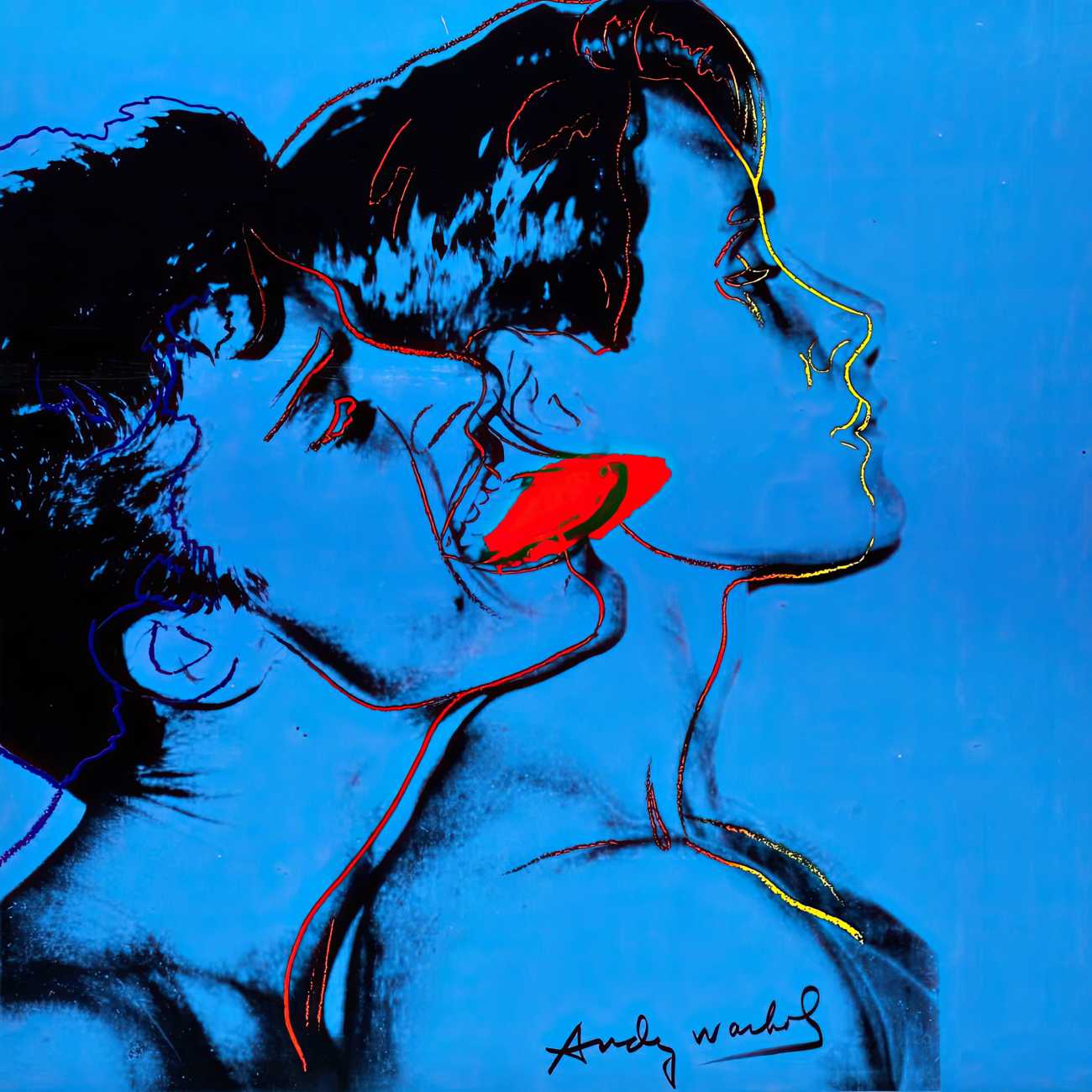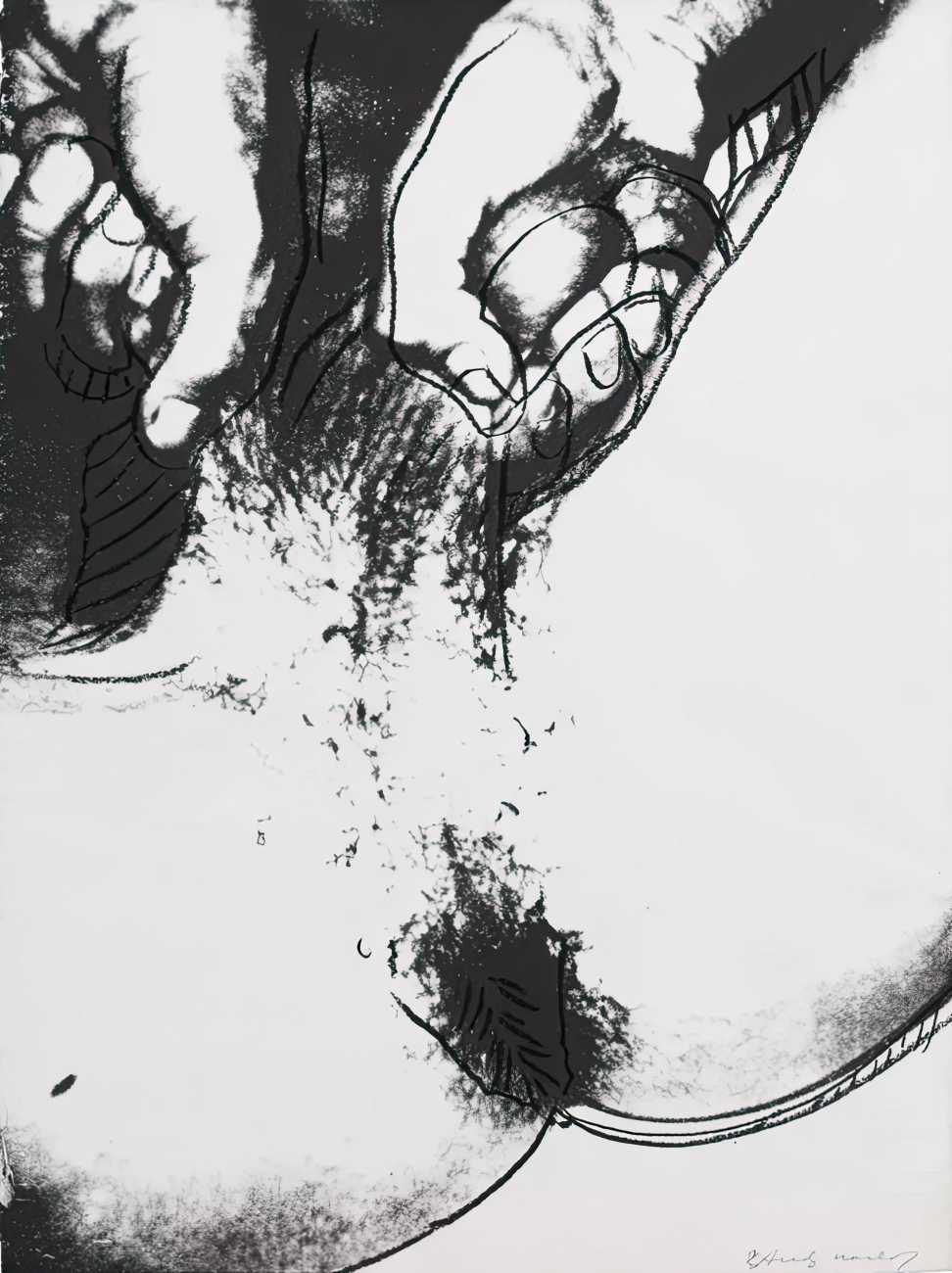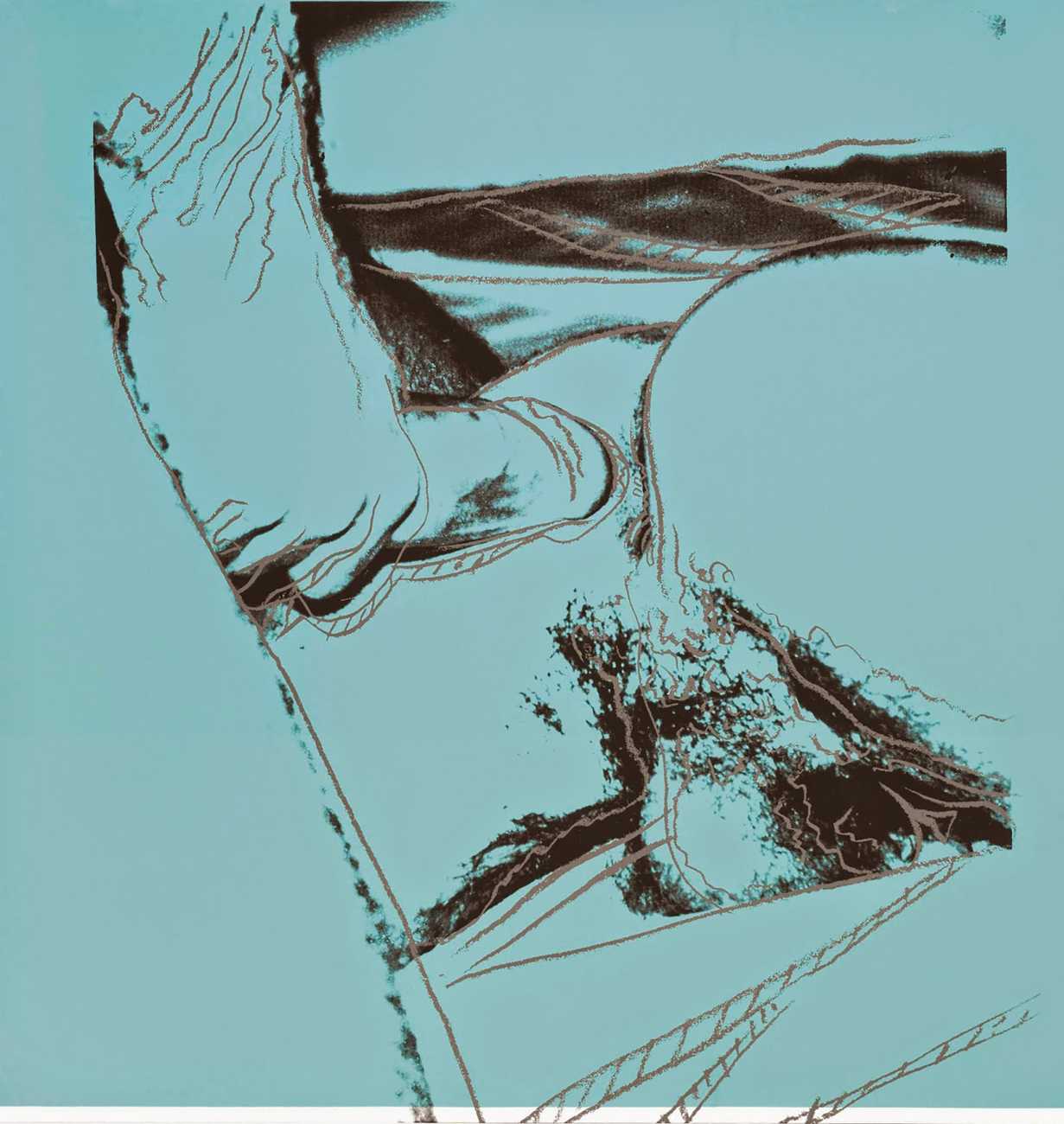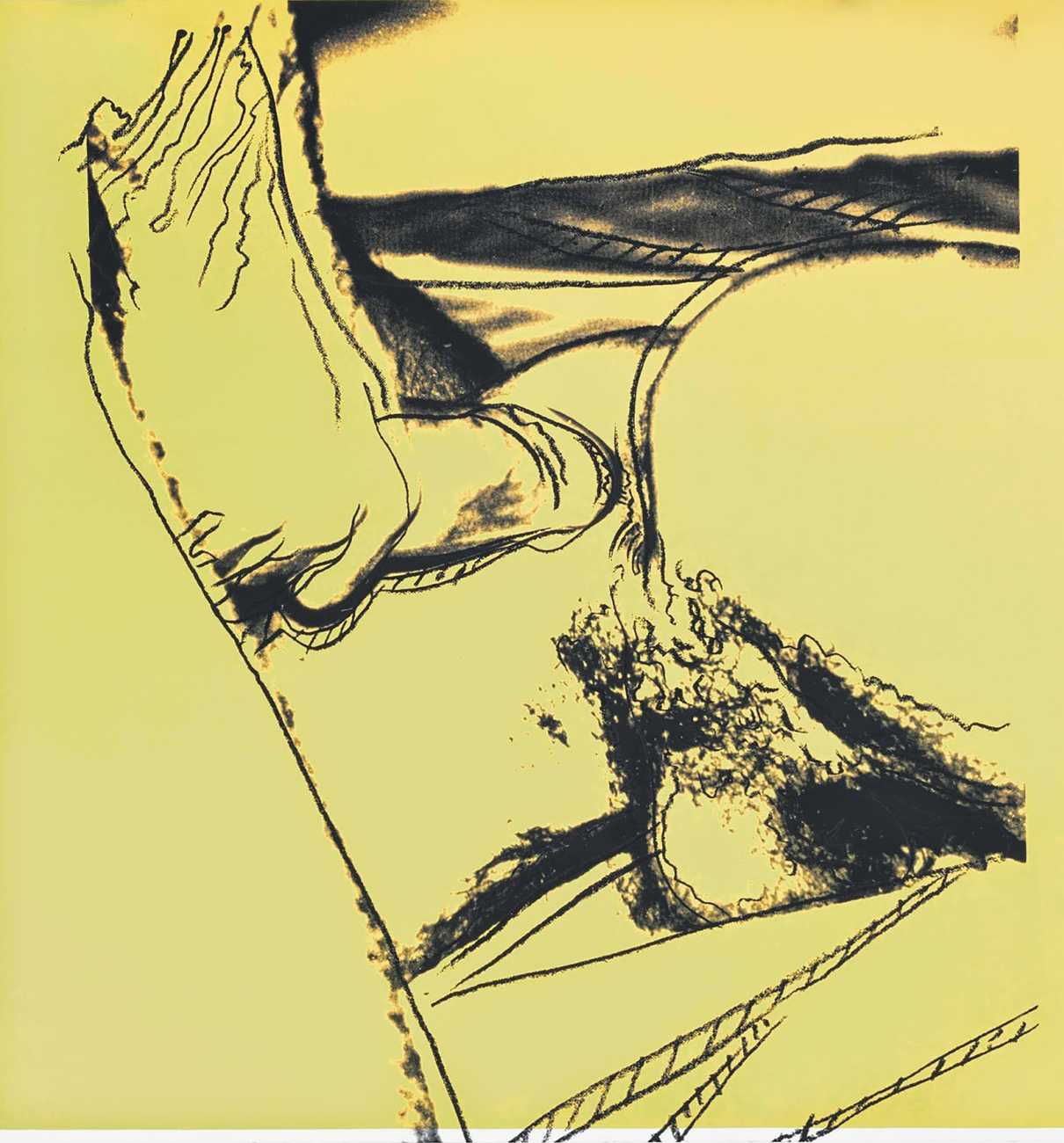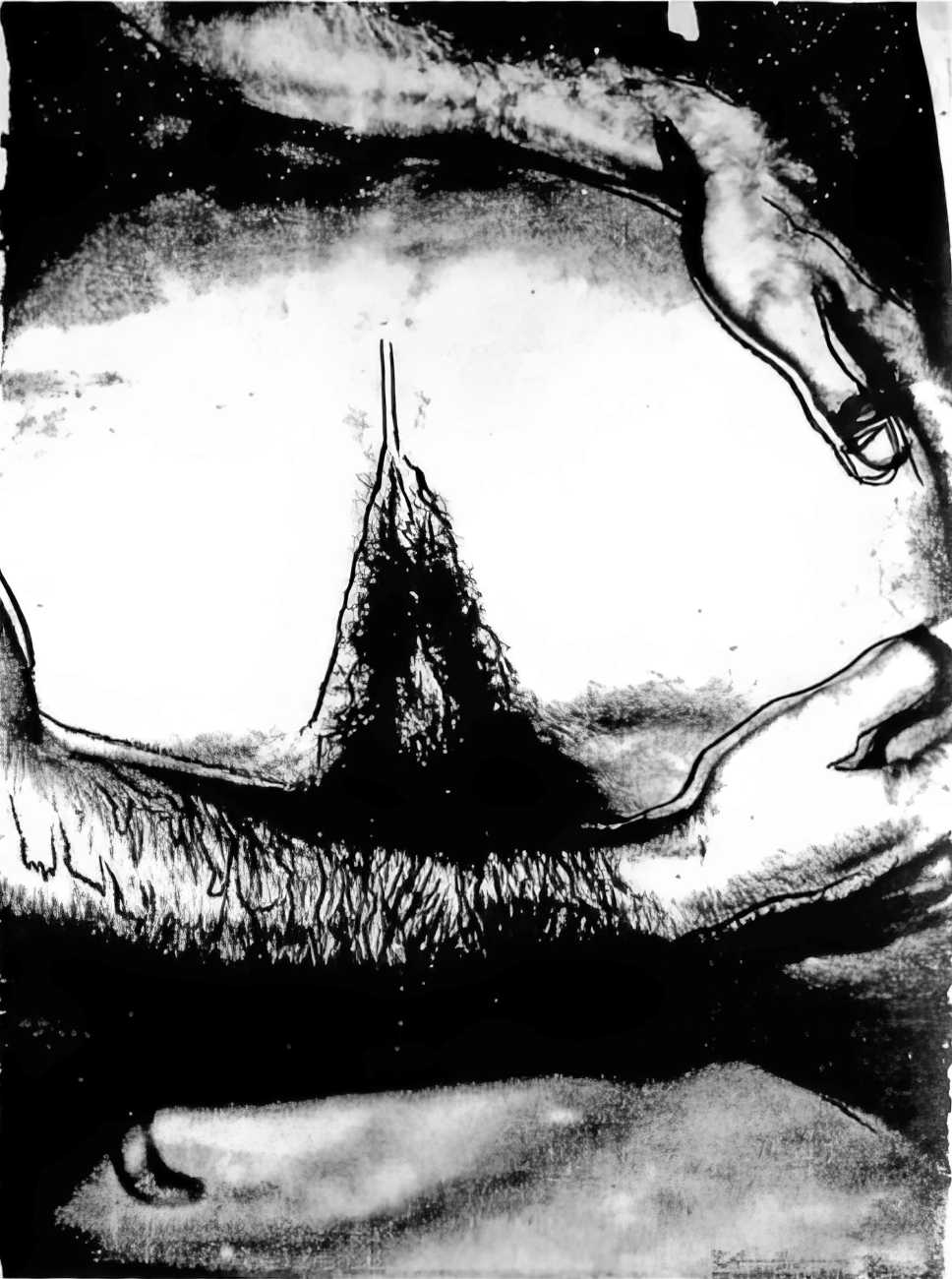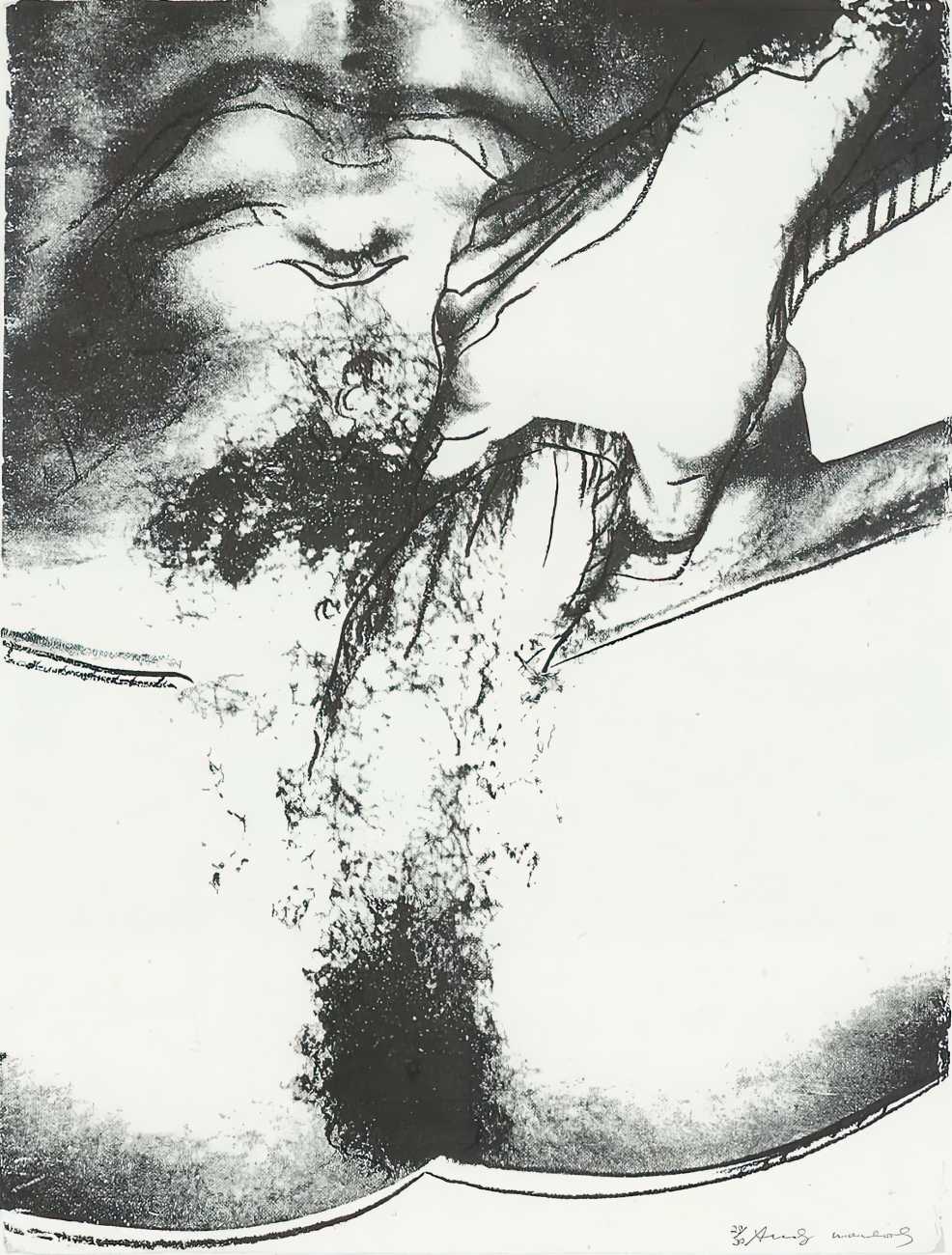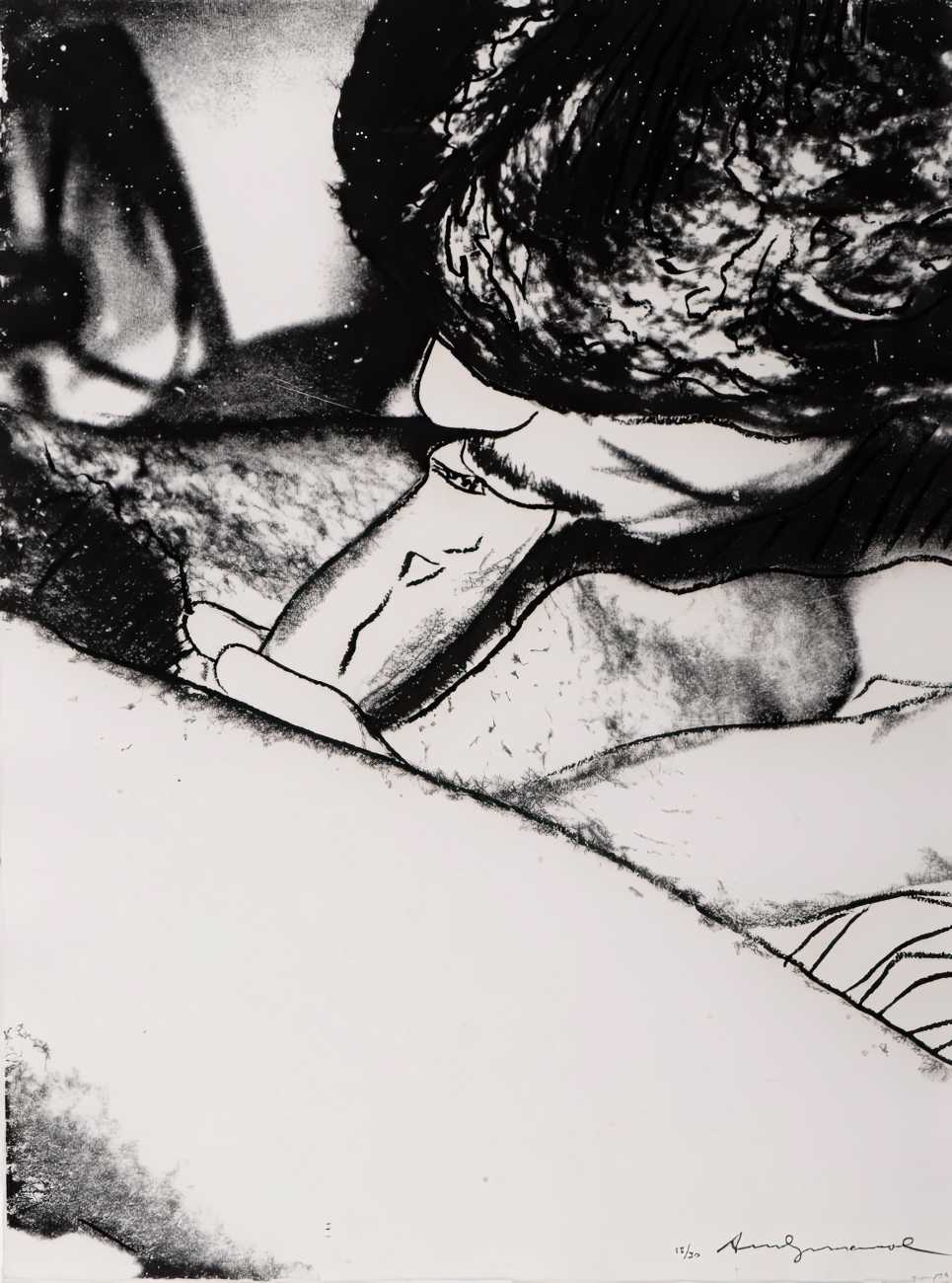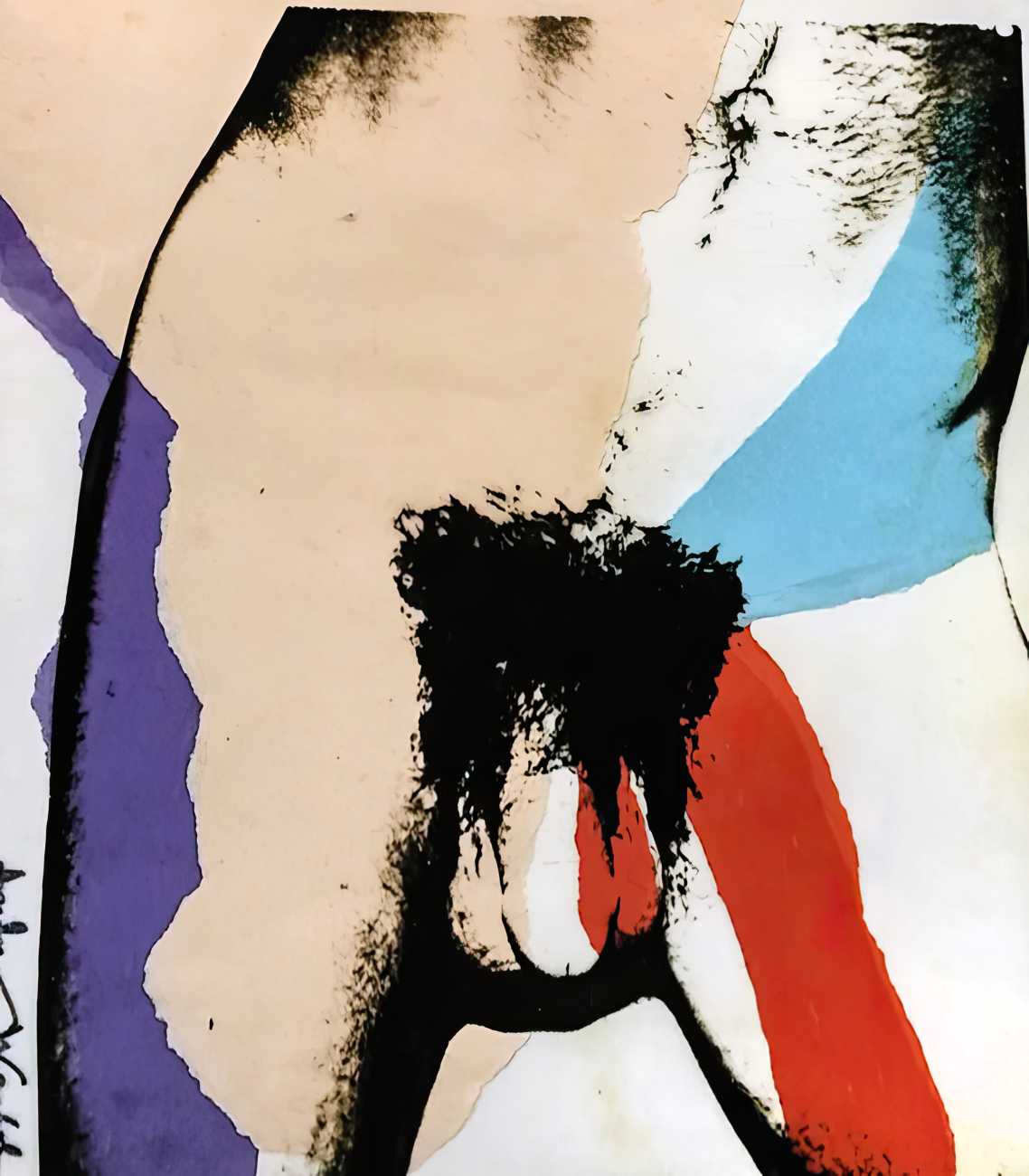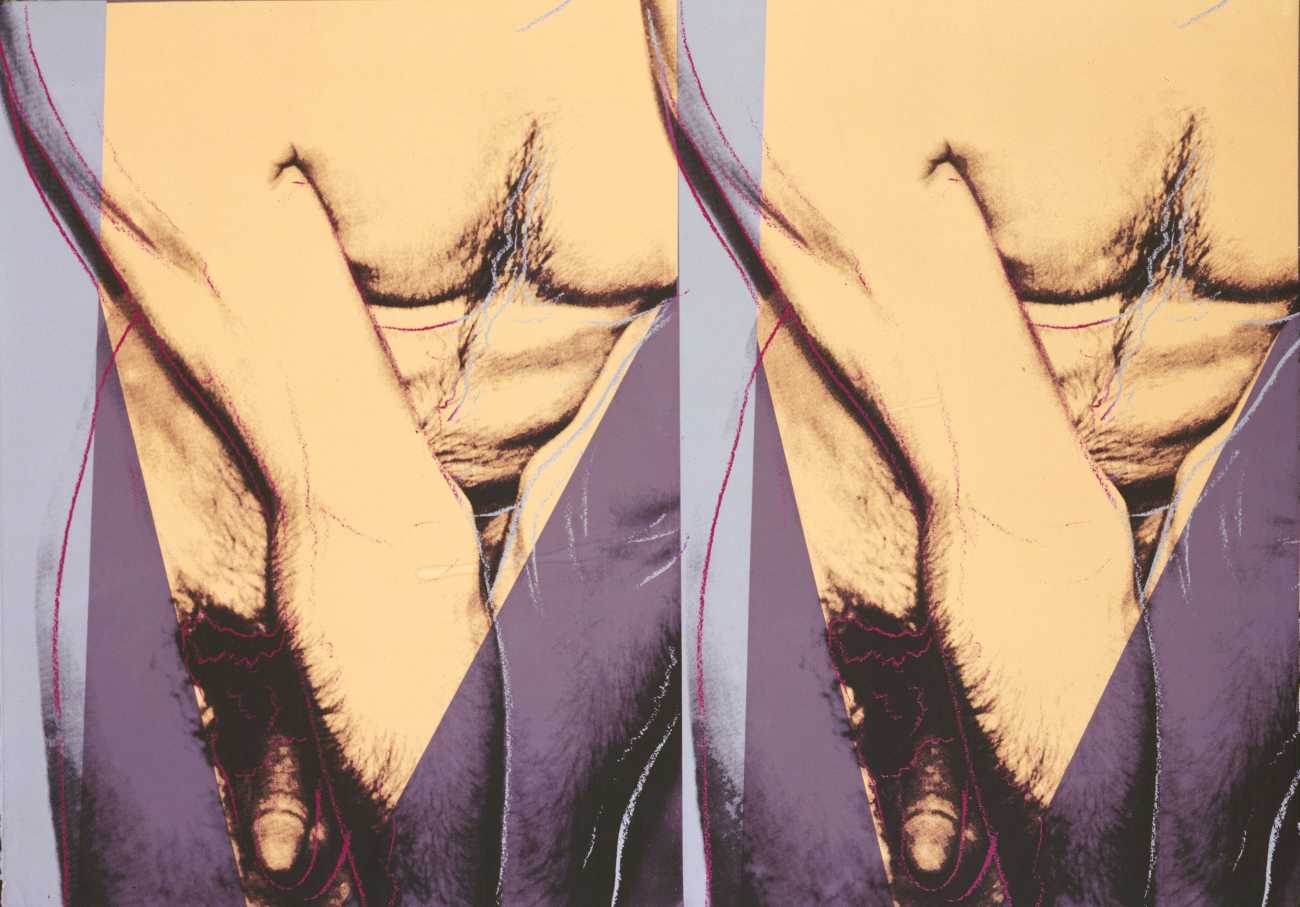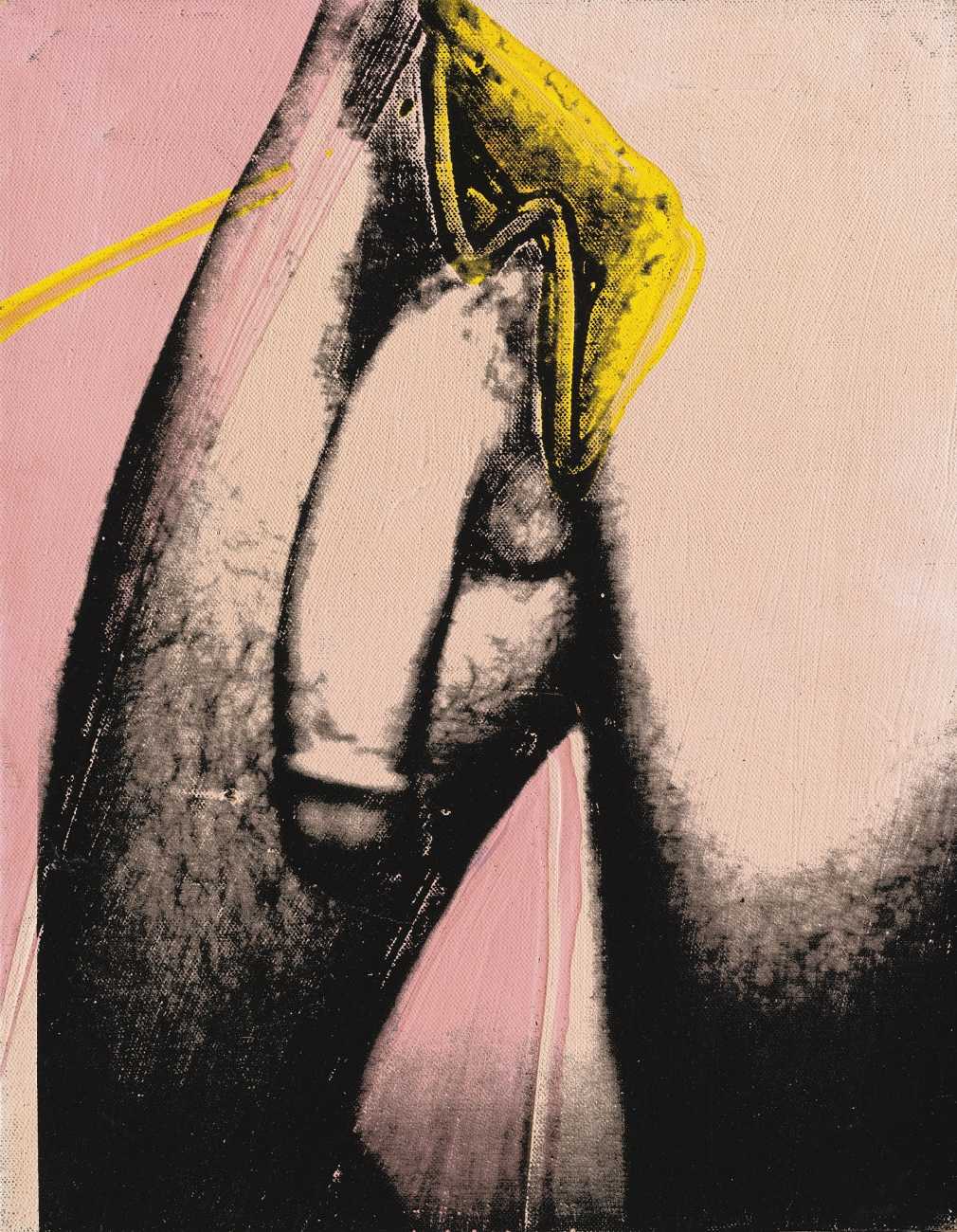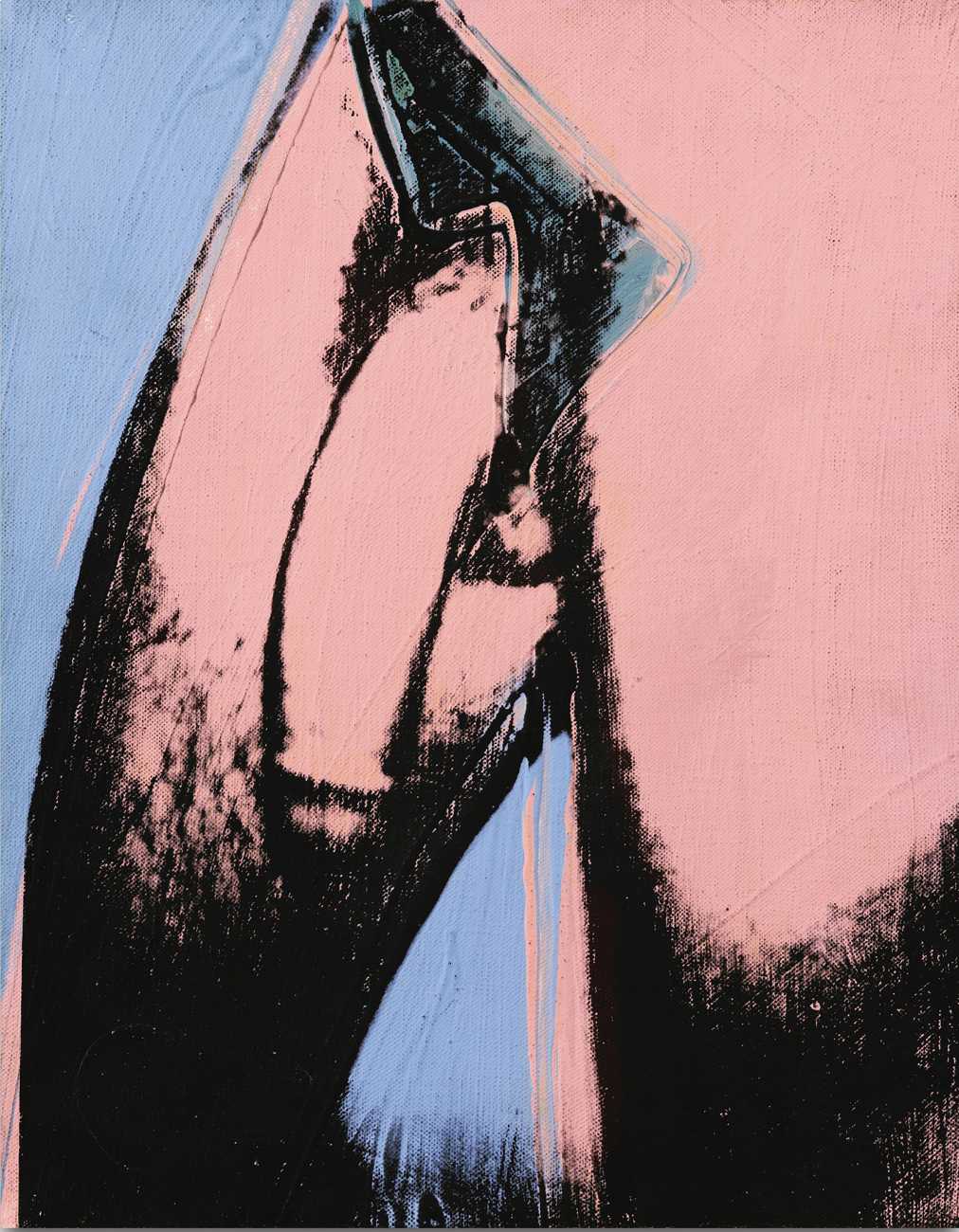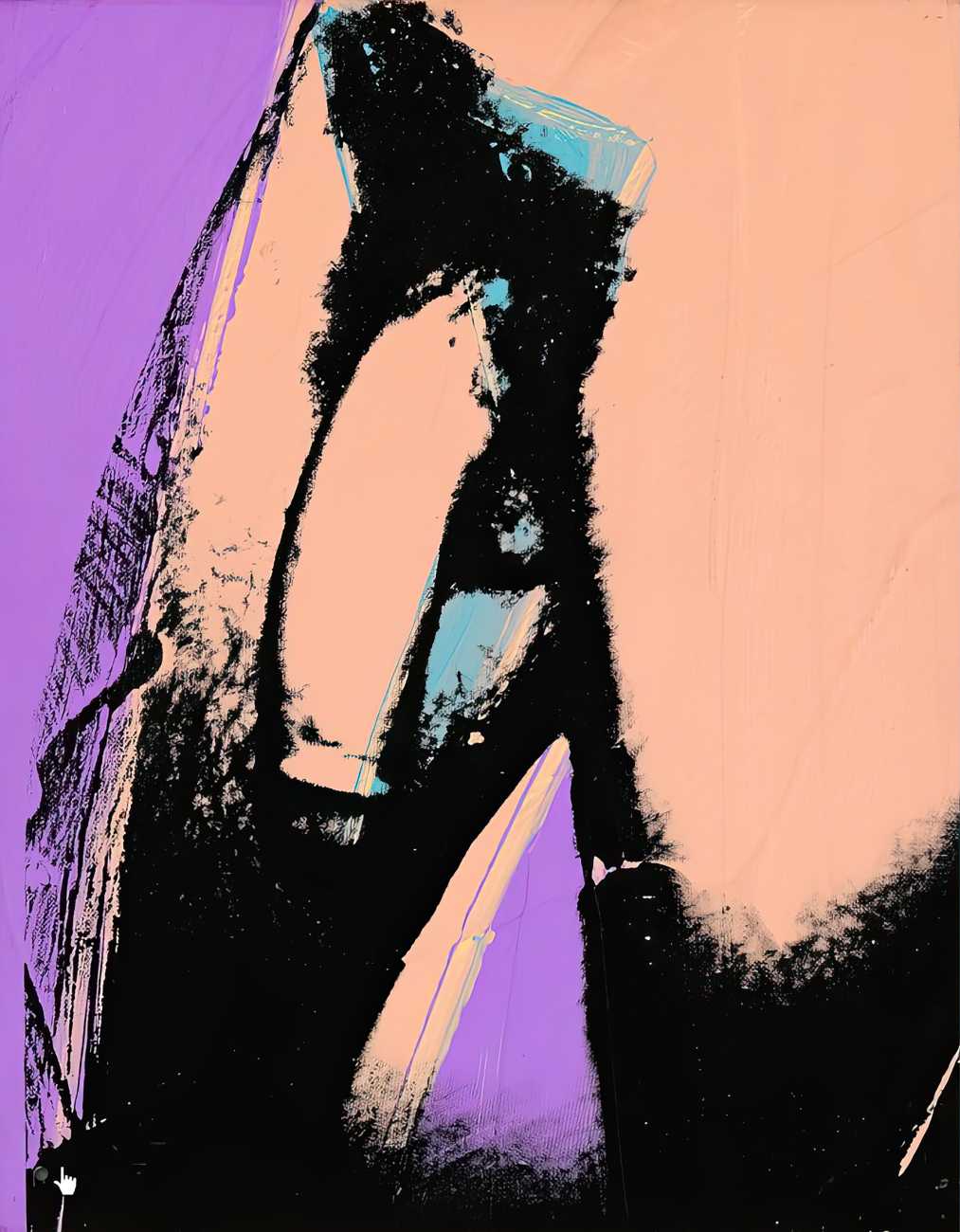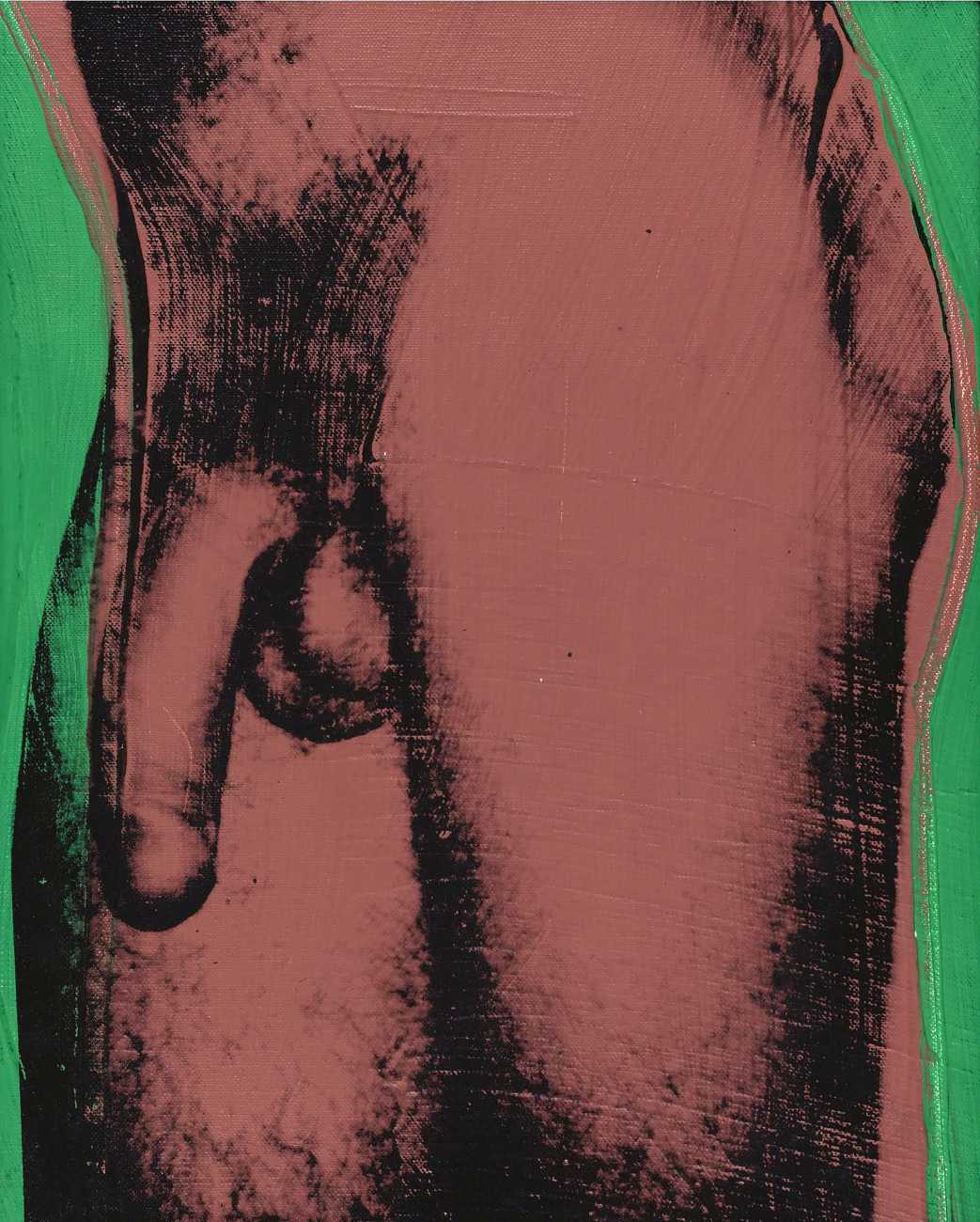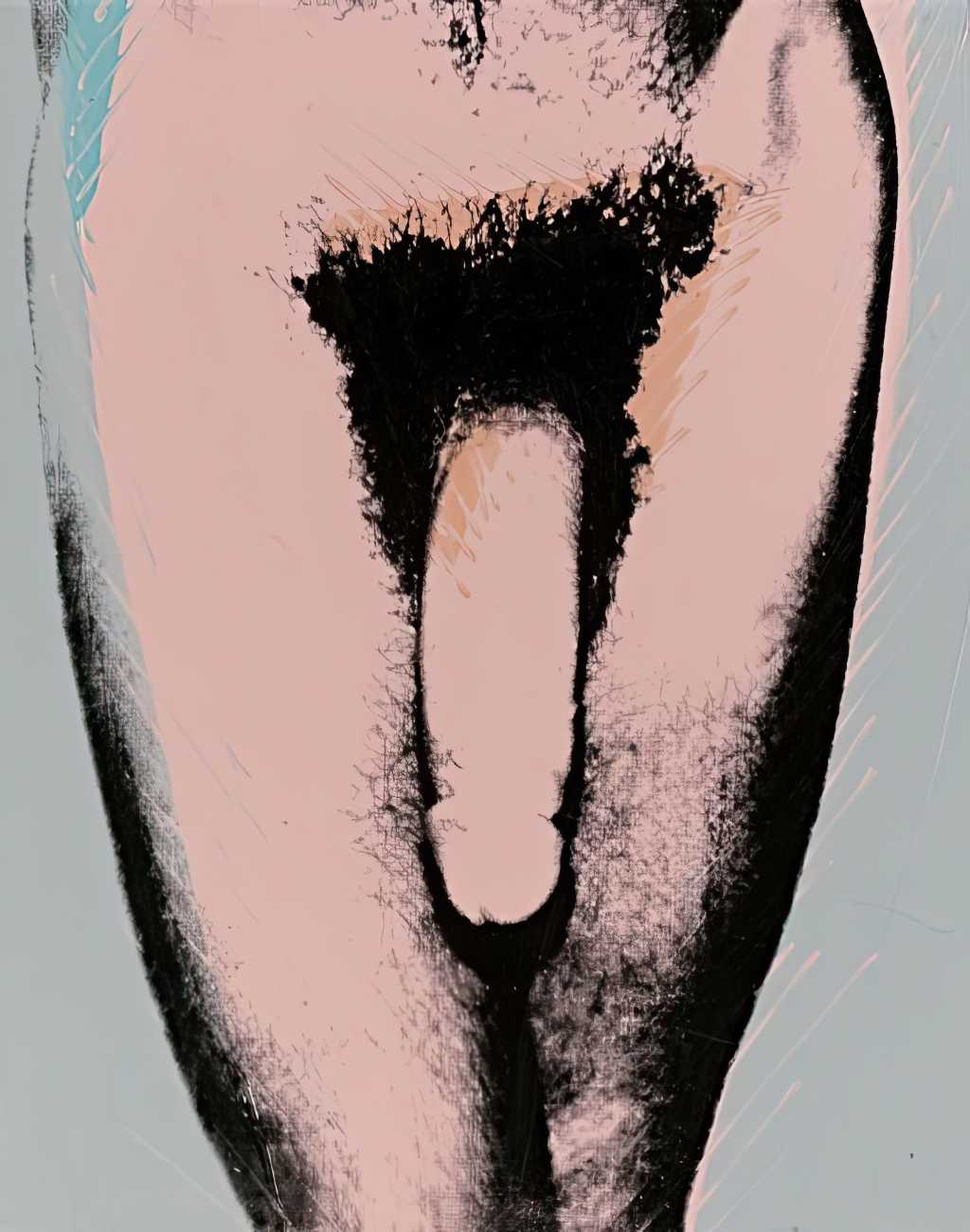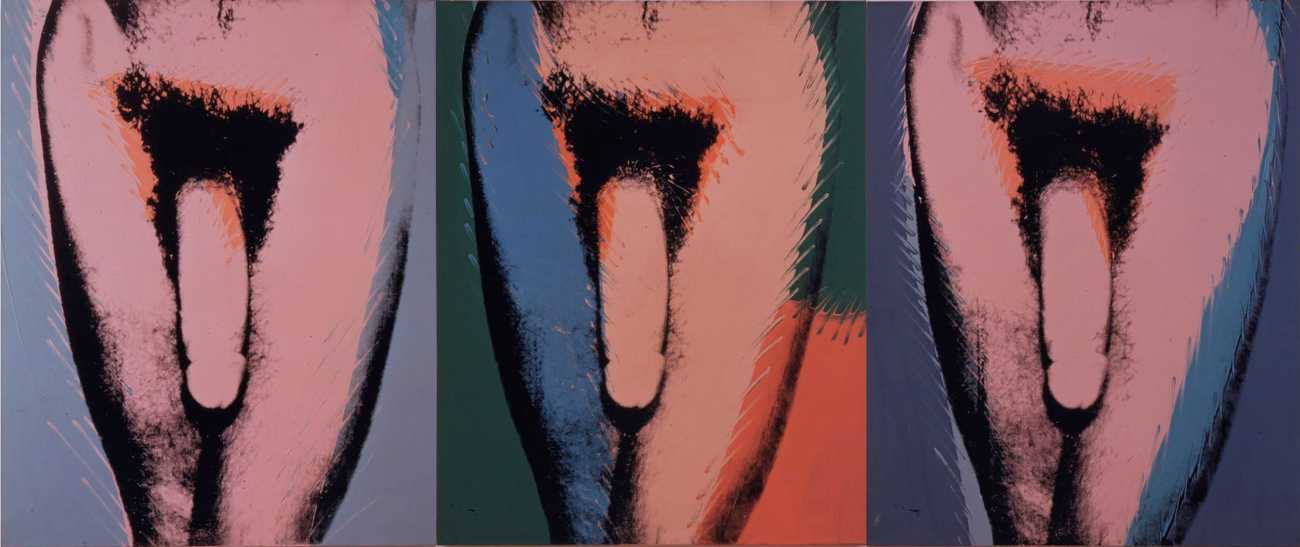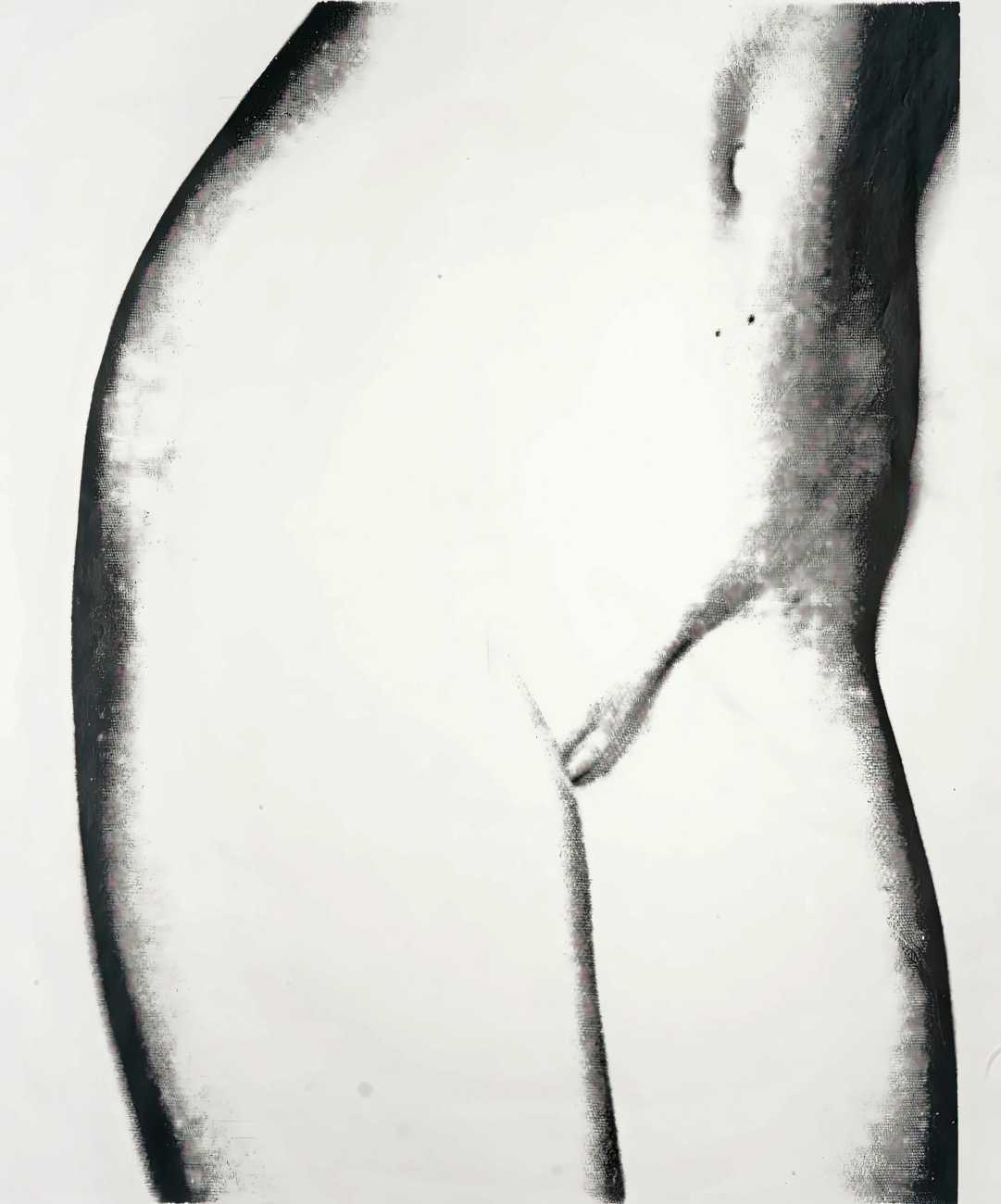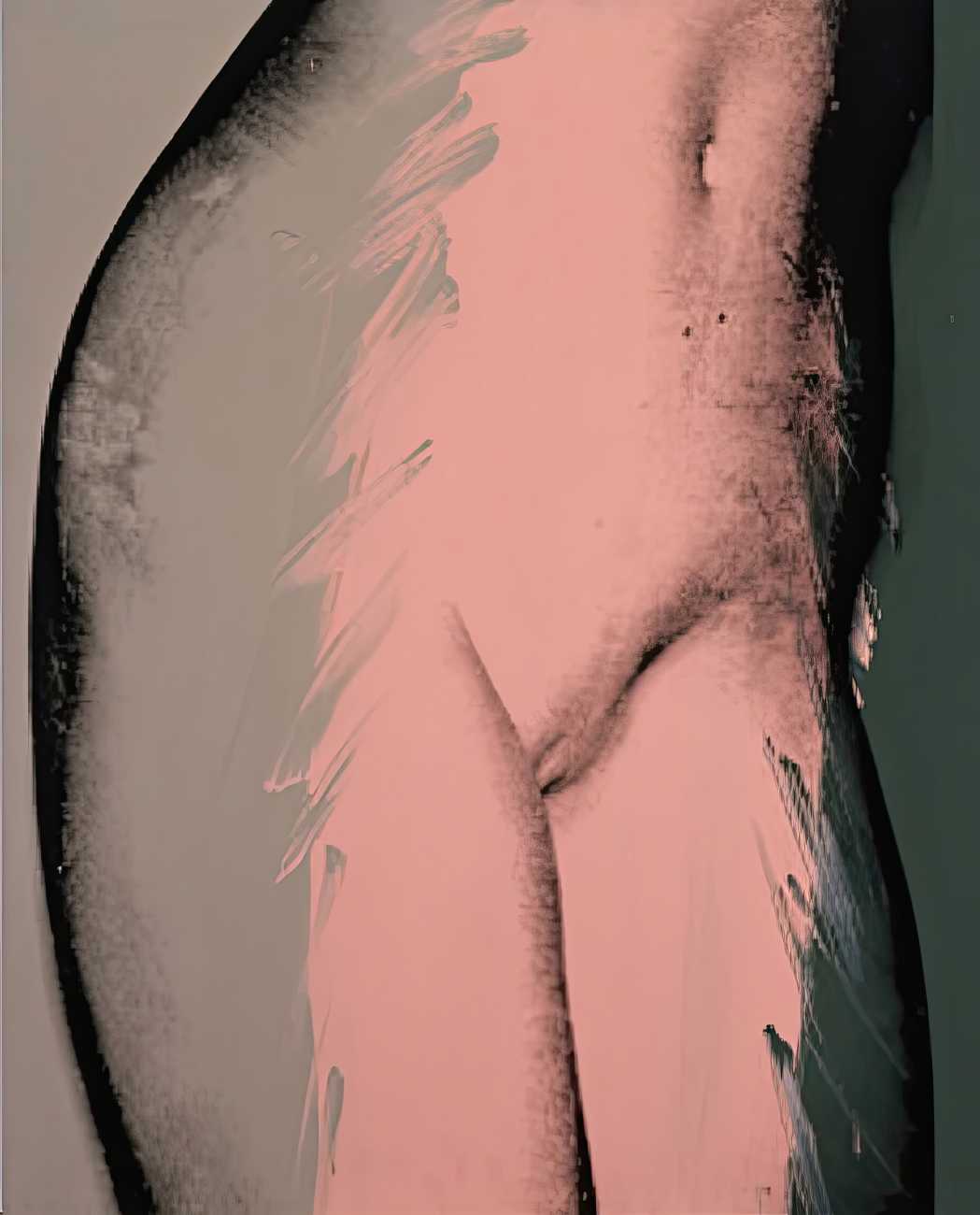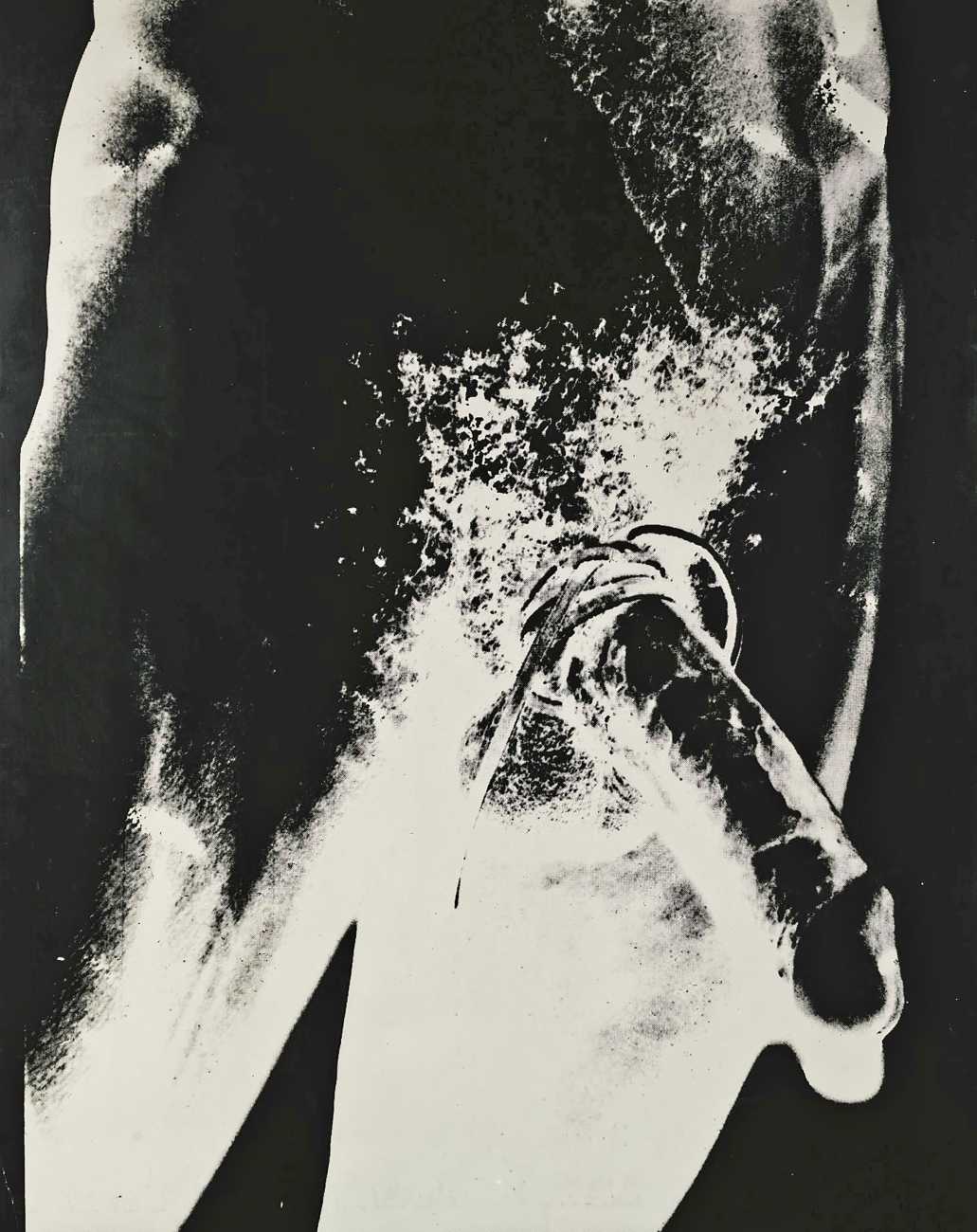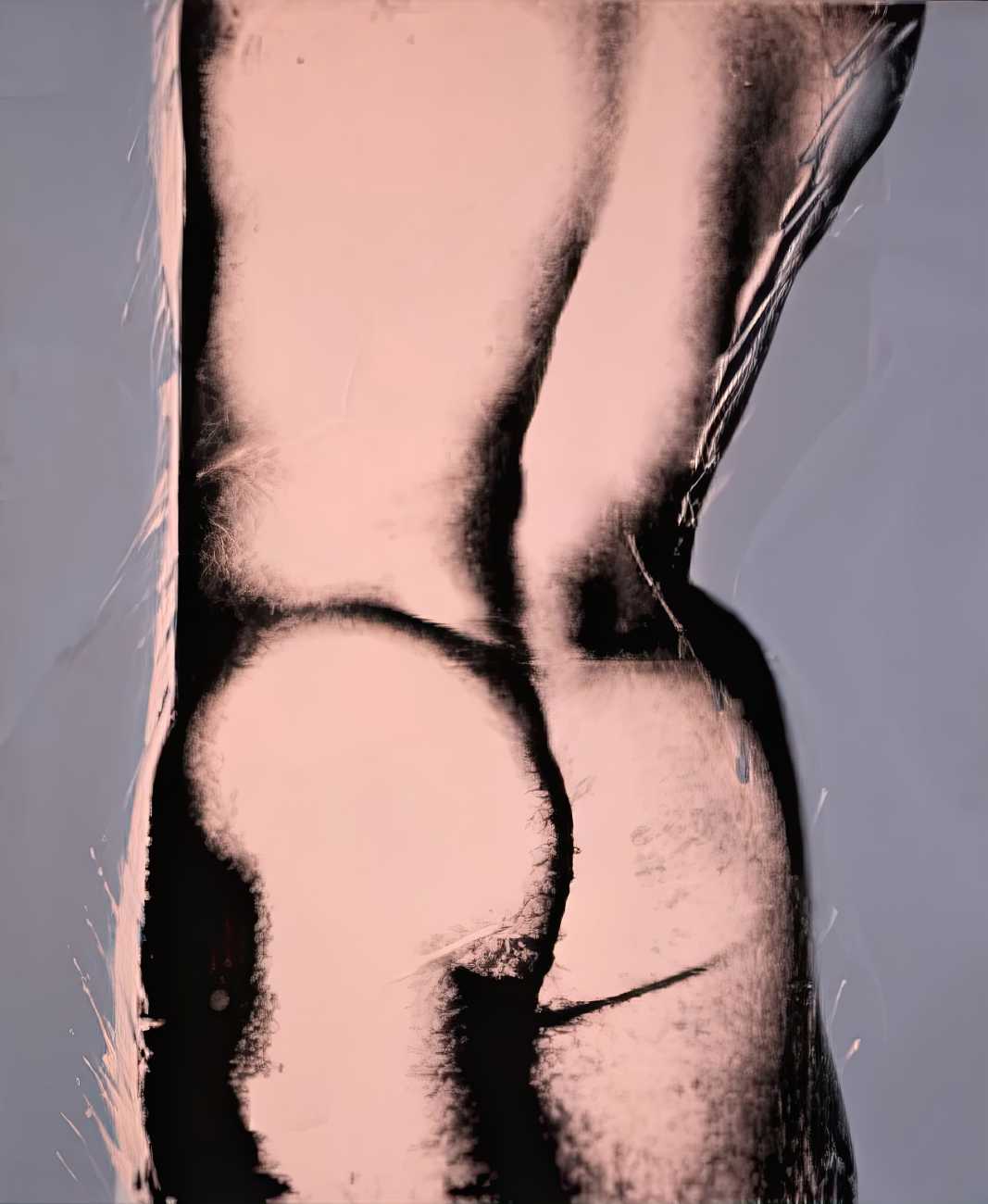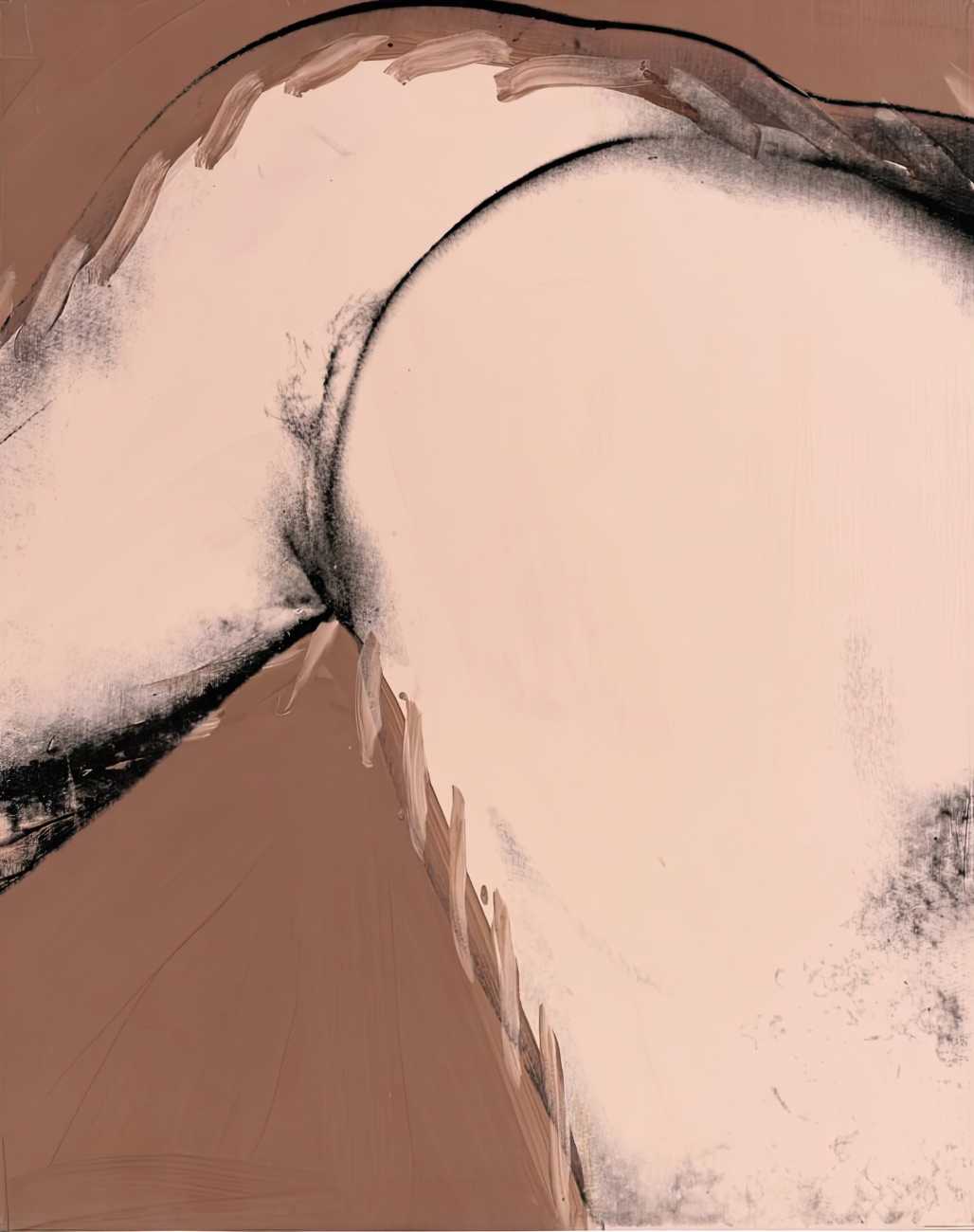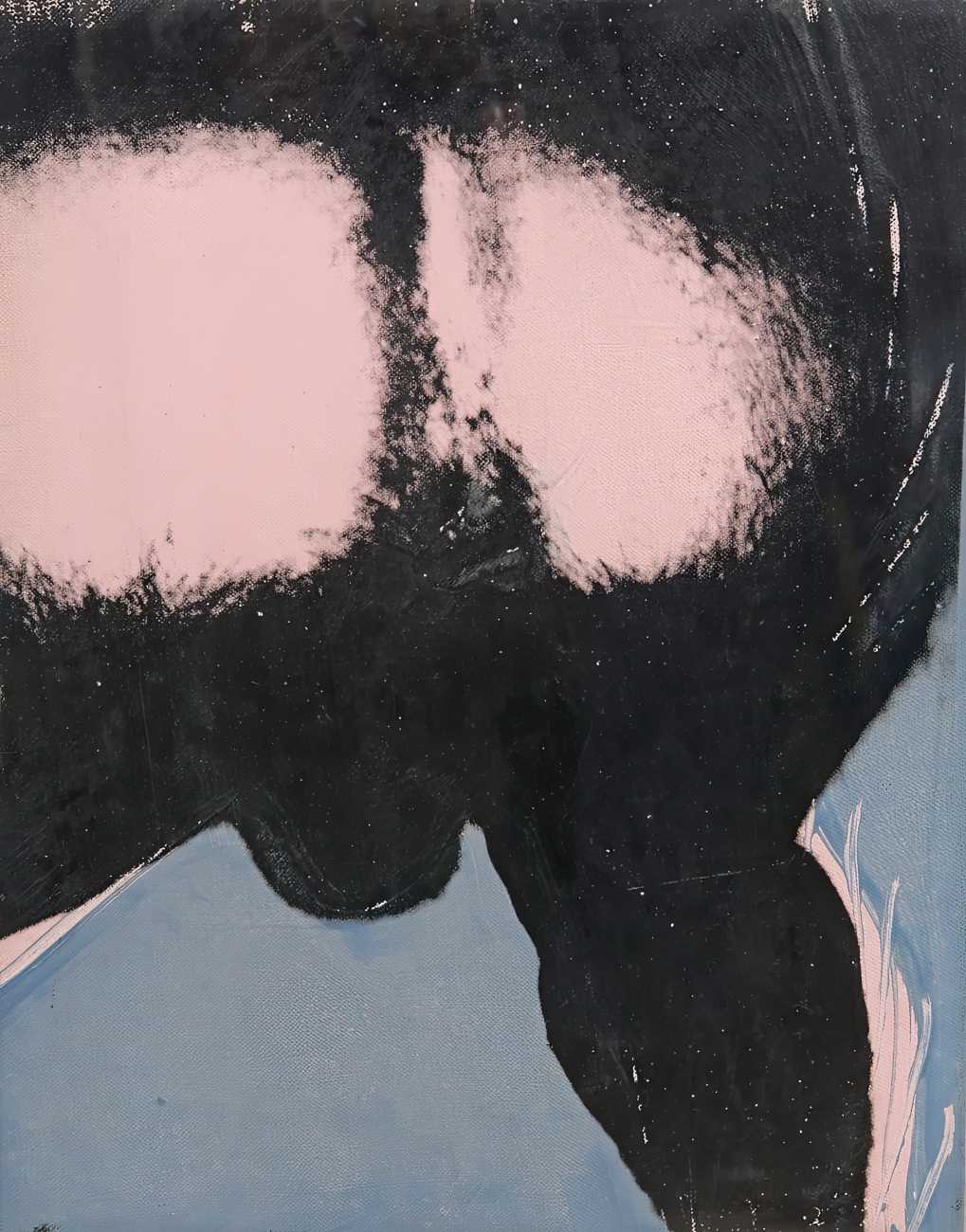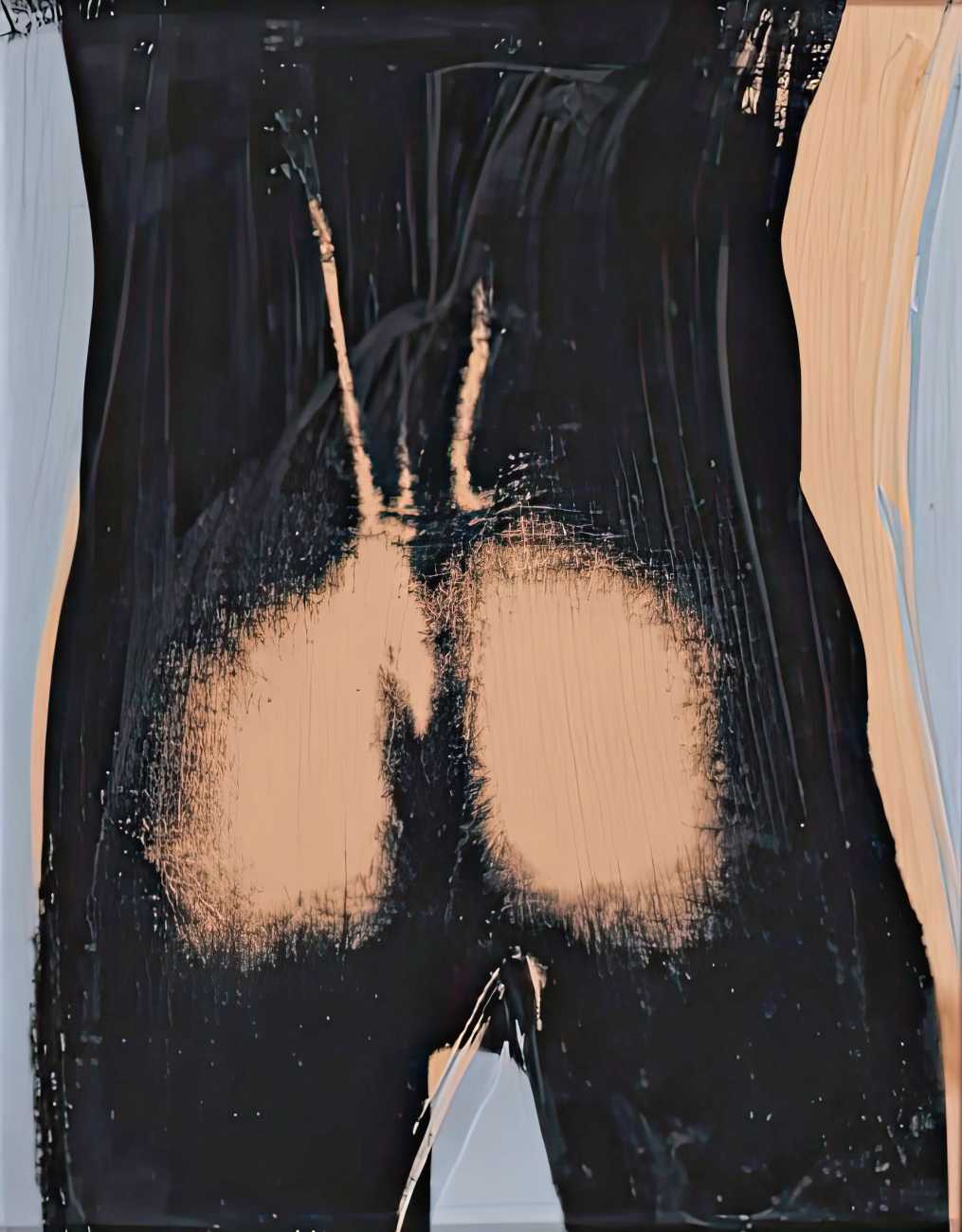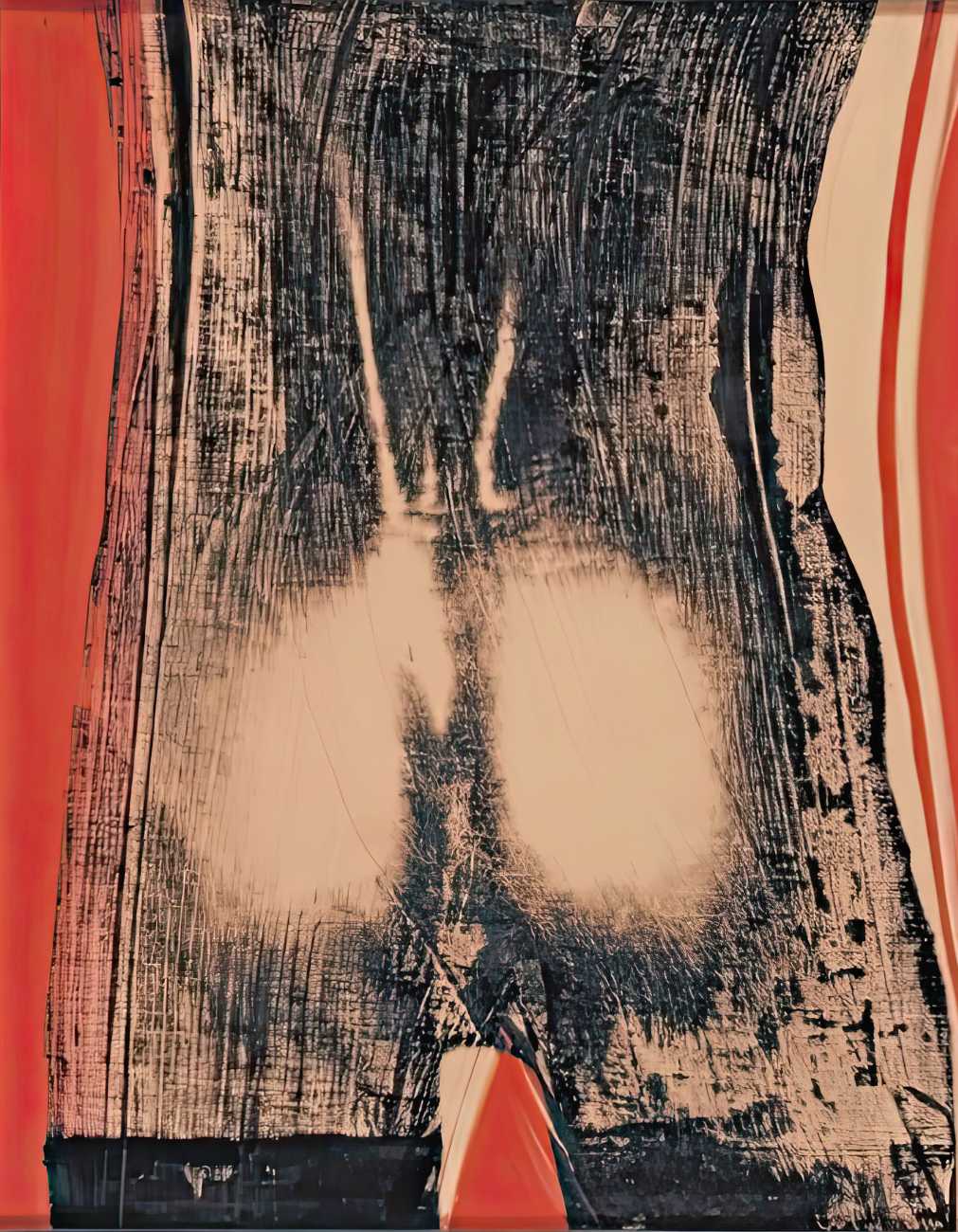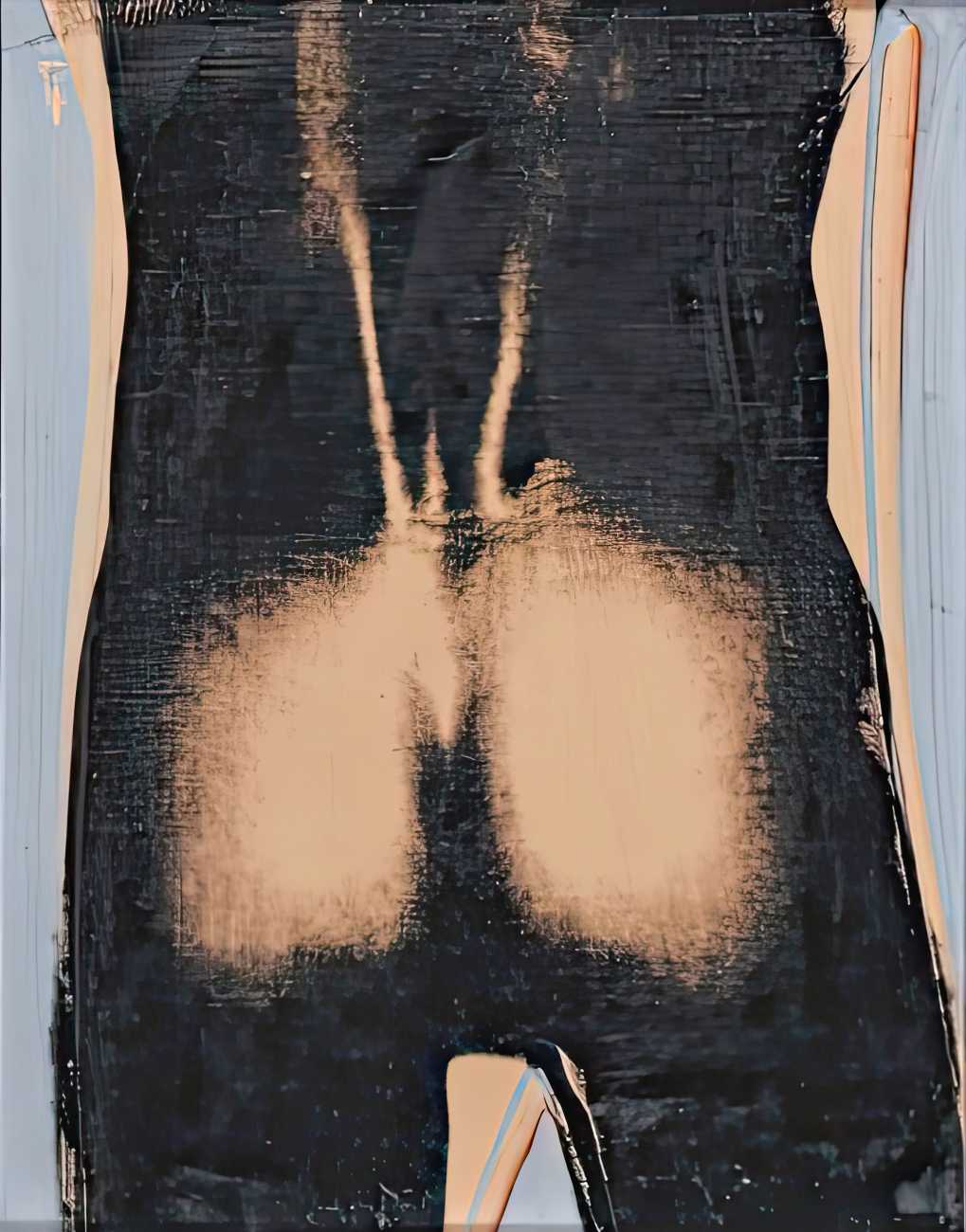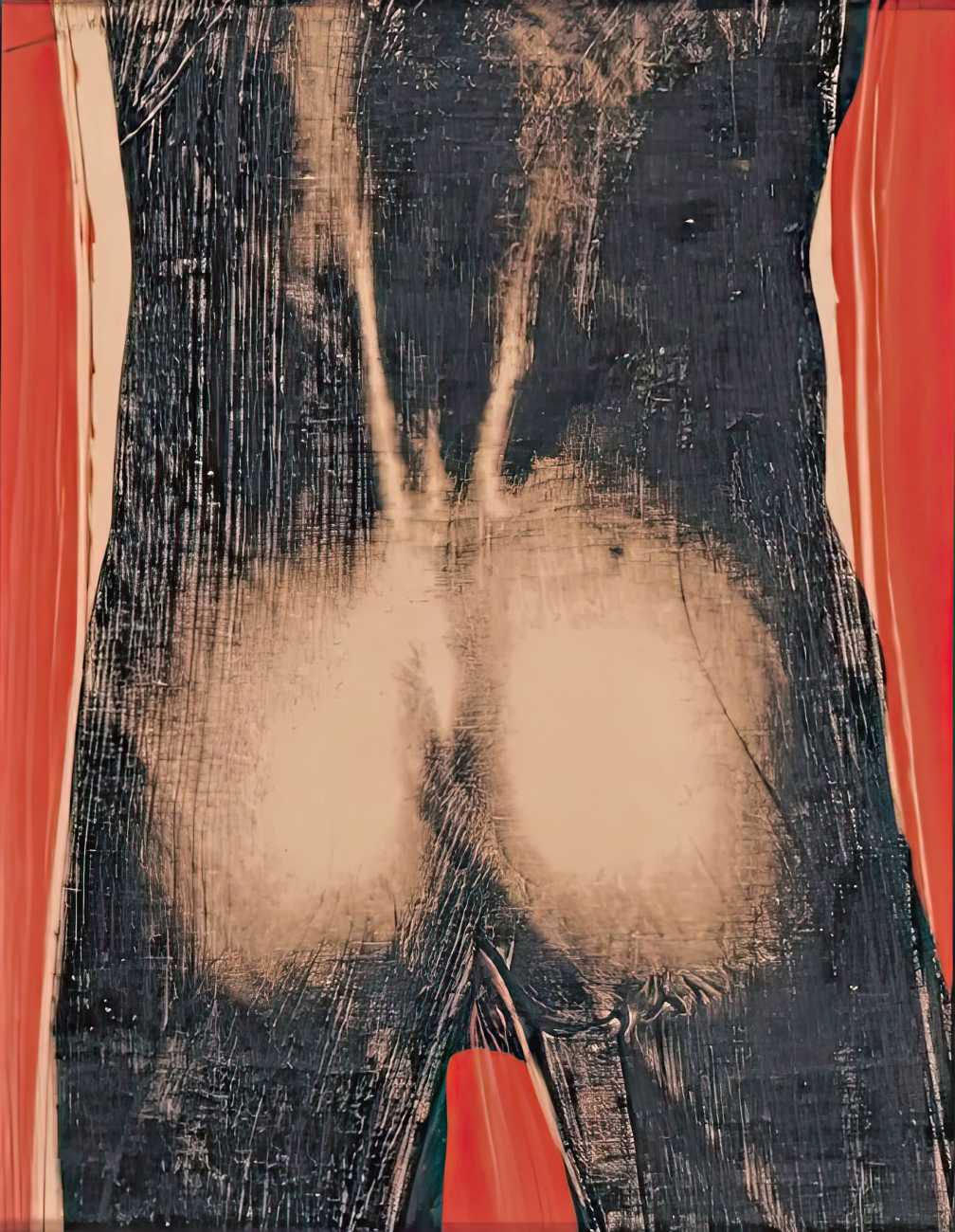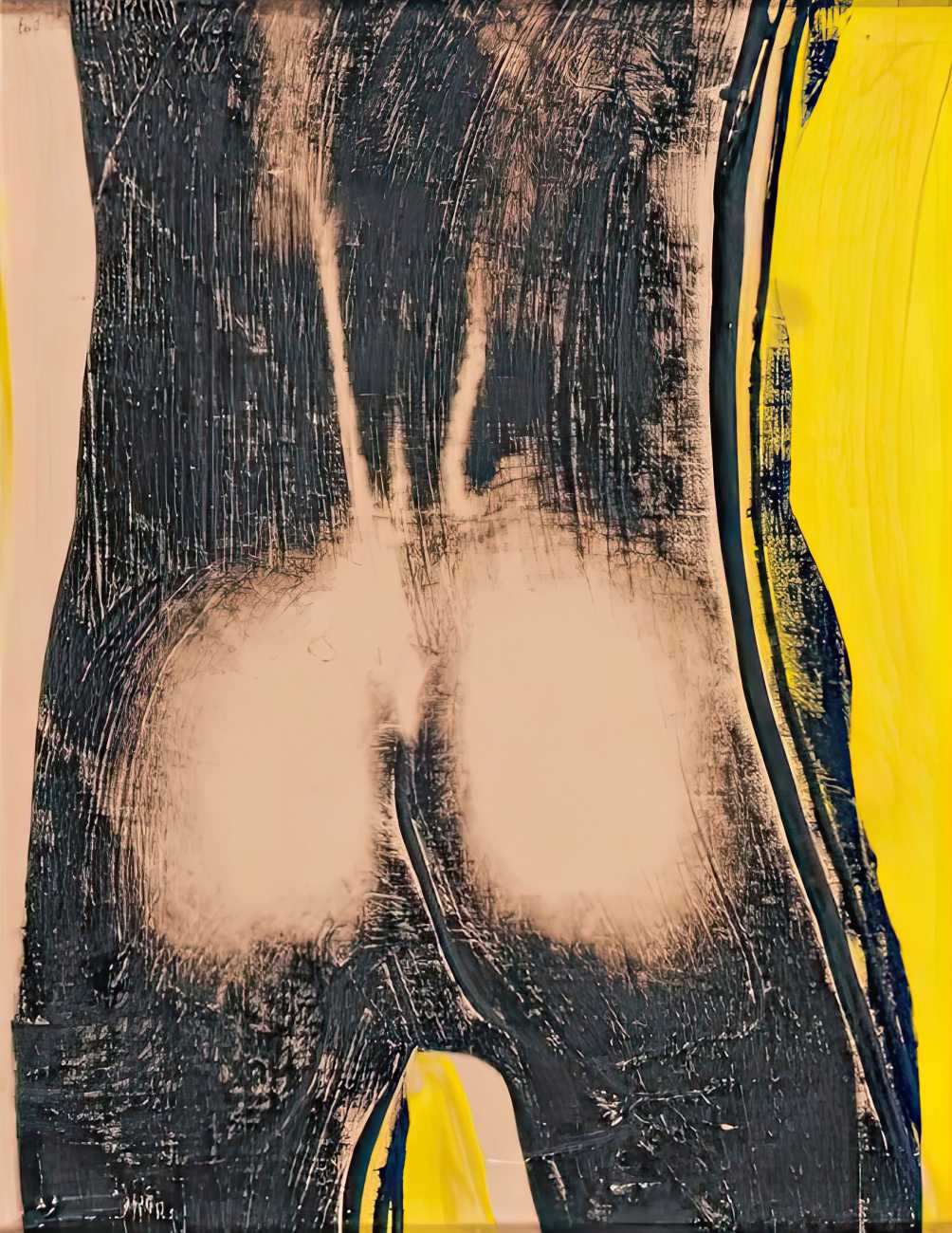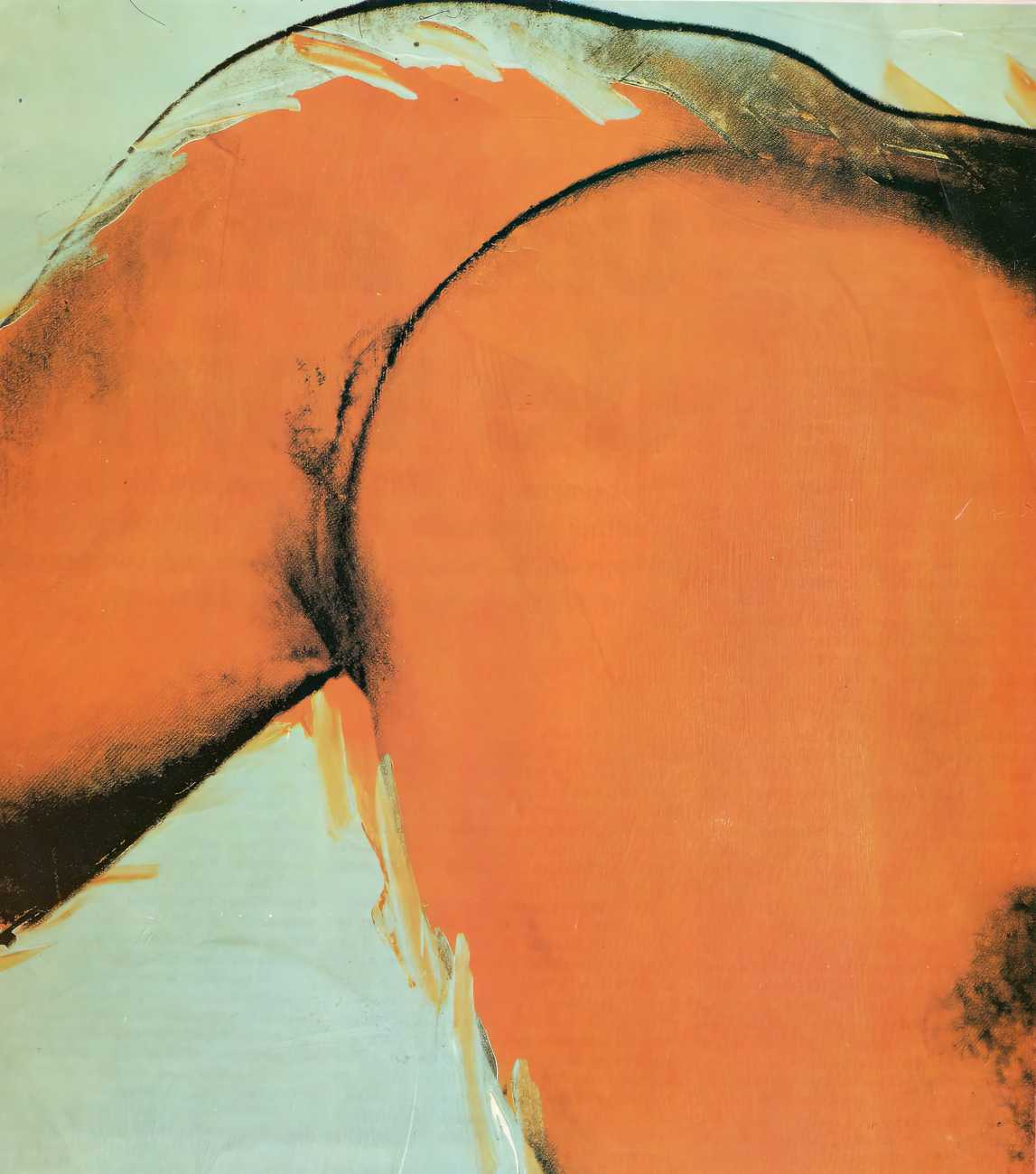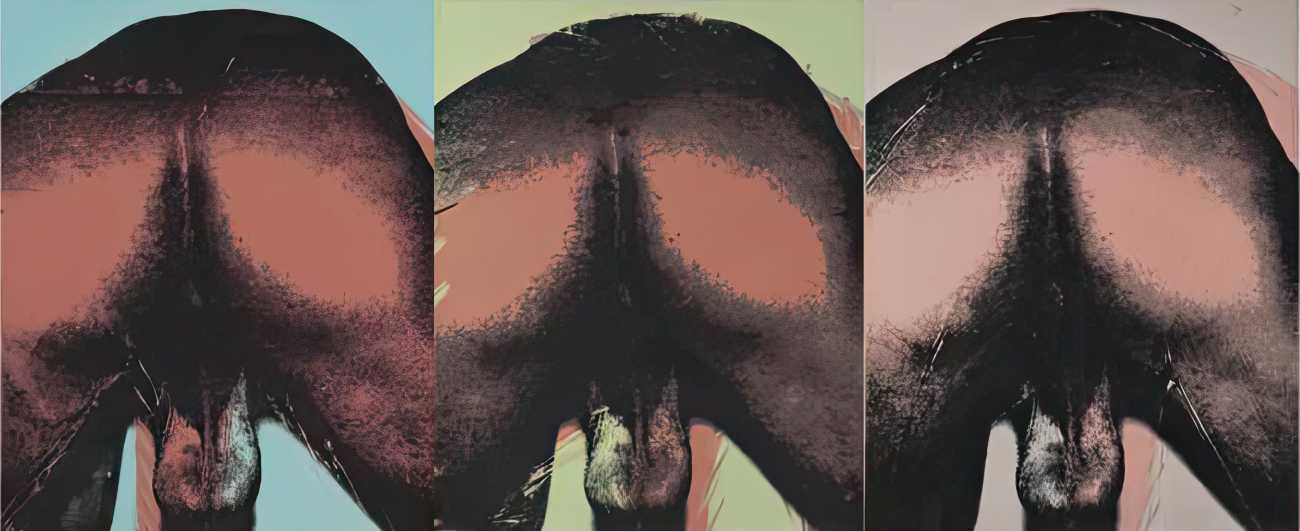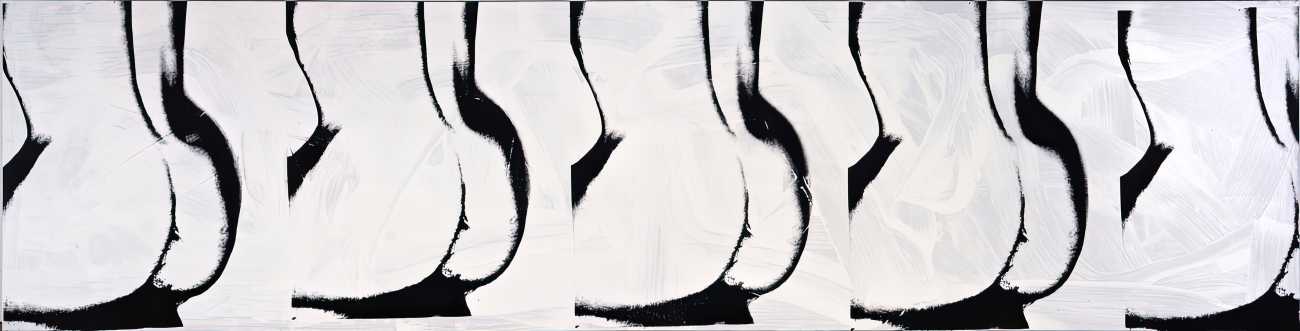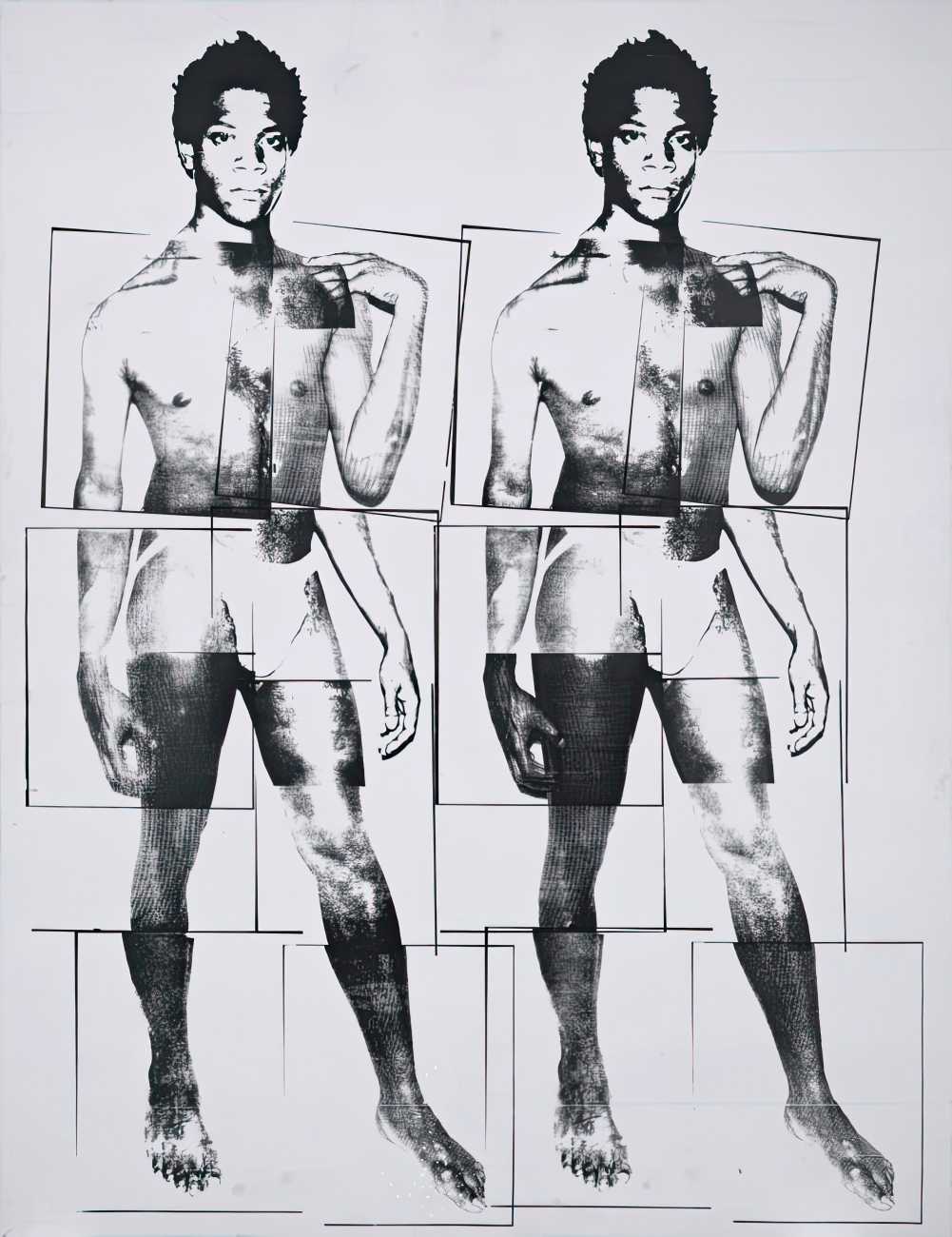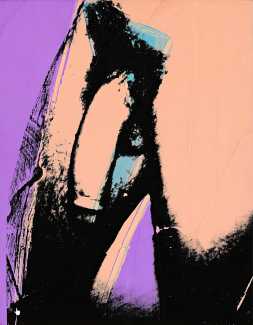
From the mid-1970s Warhol turned to silkscreen printing as a way of creating strong, colourful images of bodies pared down to minimal shapes. Many of these works, usually created in linked series with a variety of colour treatments, were controversial, raw, and overt in their eroticism. He often used polaroid photographs and film as references, blurring the line between voyeurism, documentation and art.
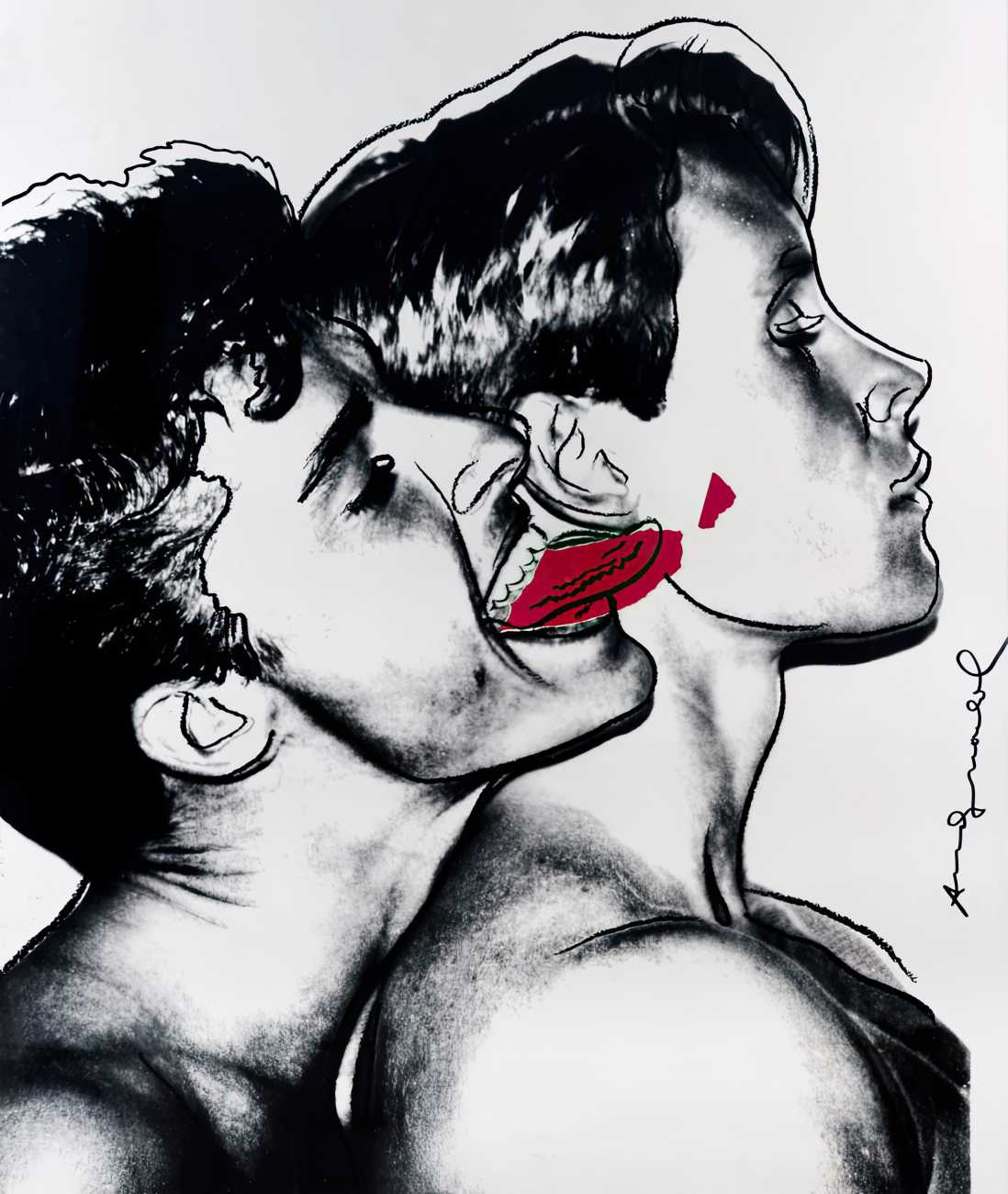
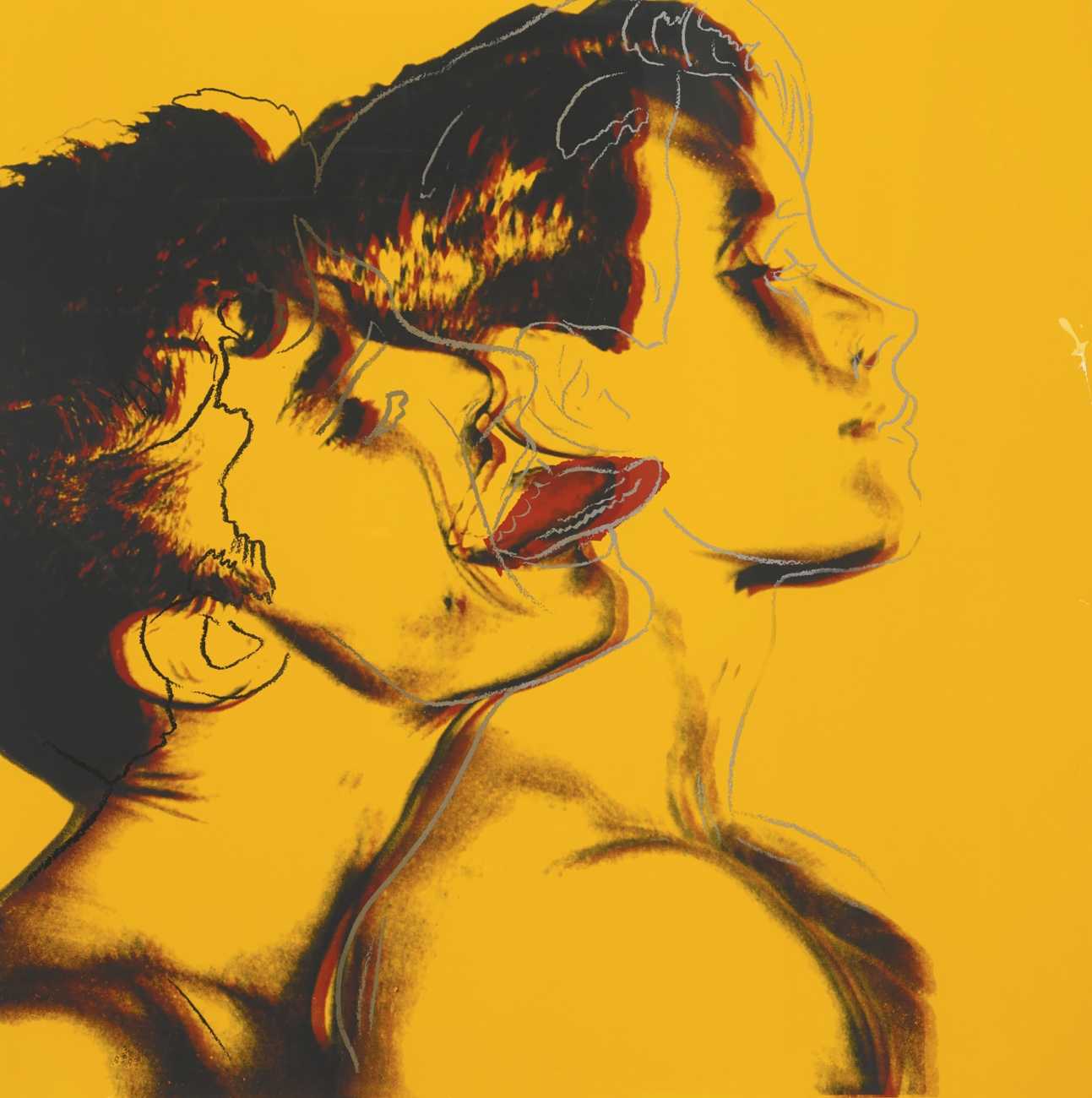
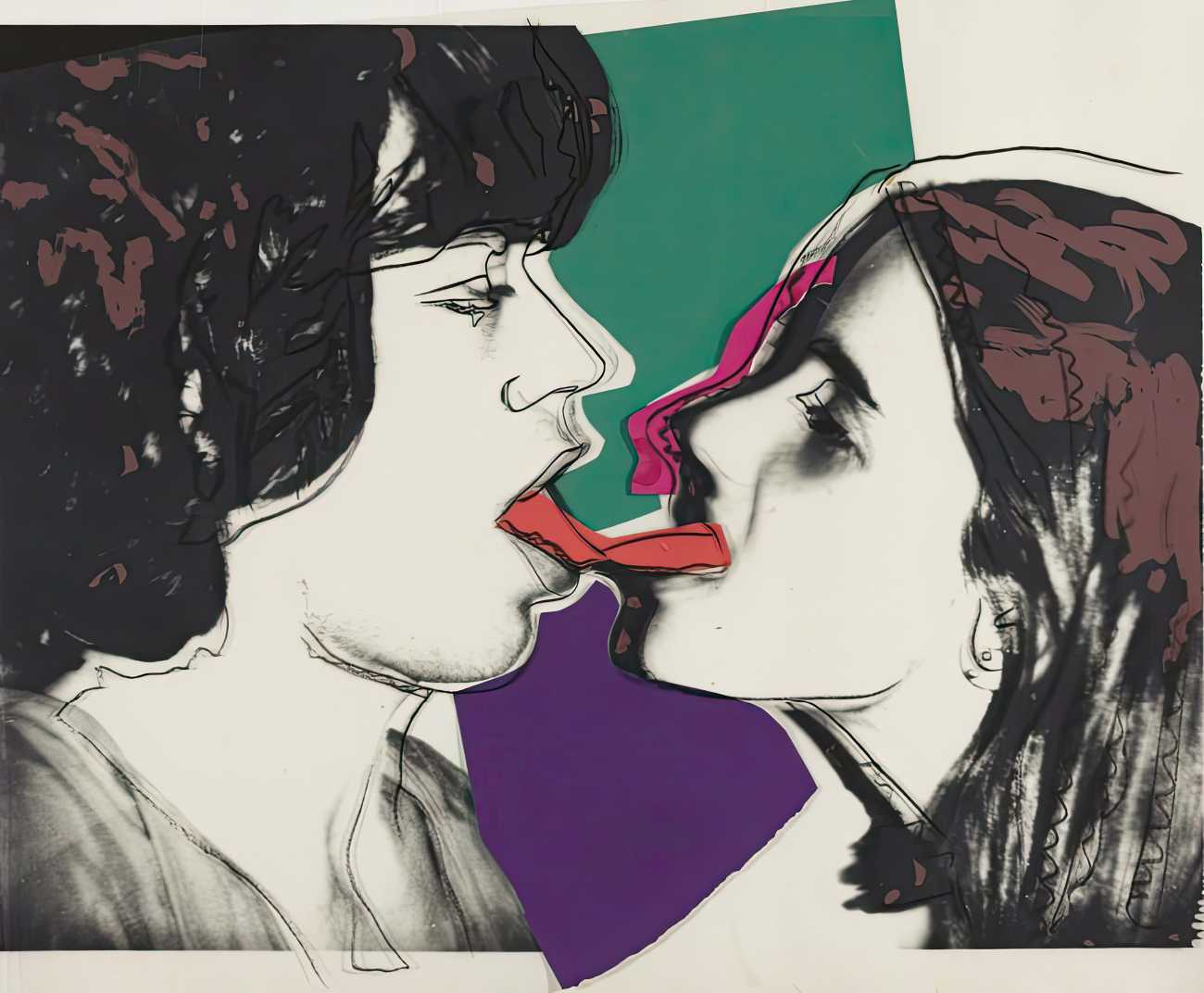
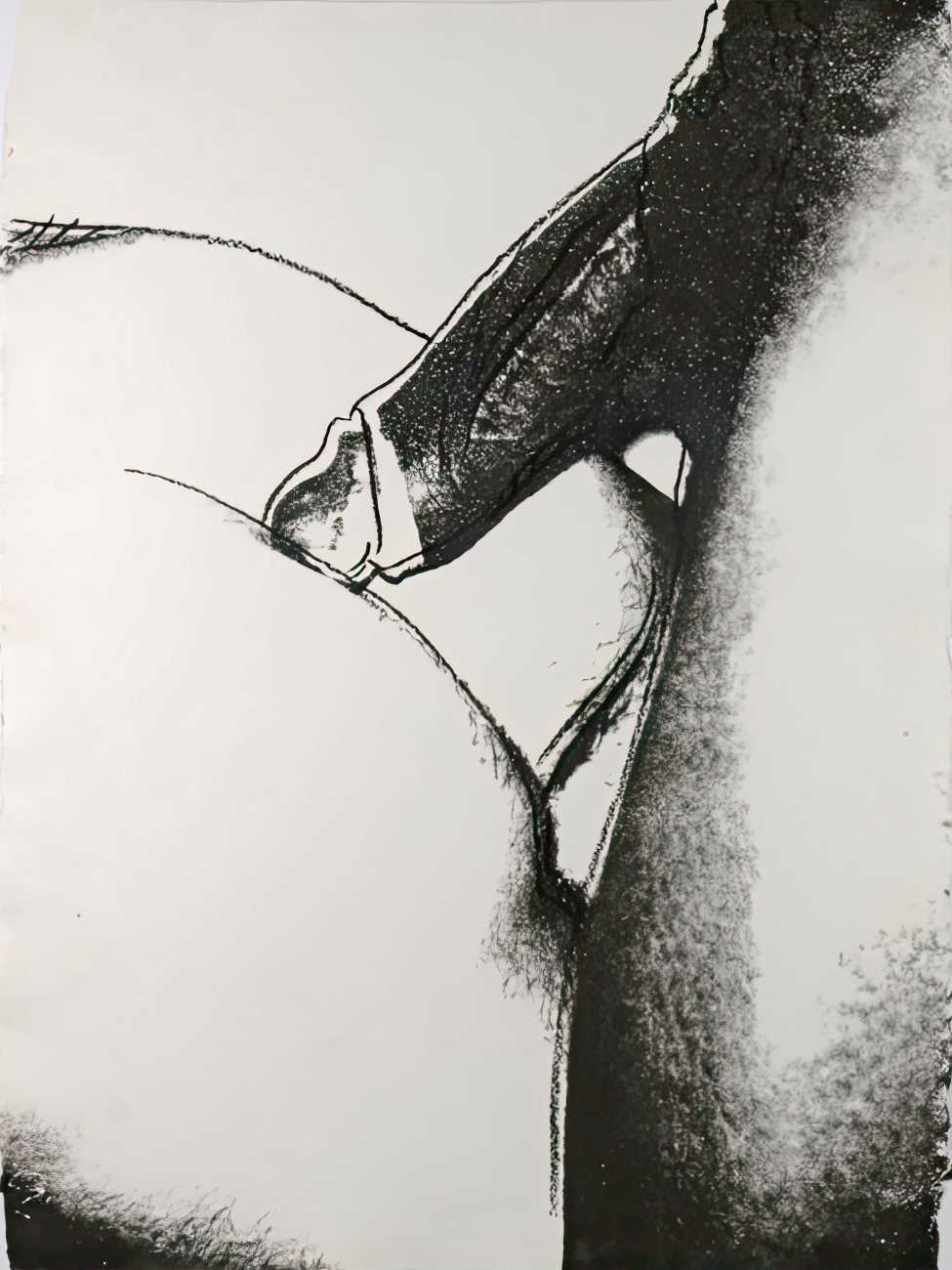
Shown here are examples from three such series – Love (1982–3), Querelle (1982), and Body Parts (1977–80). The Love series translates intimacy into line and surface. Using silkscreened imagery the works treat love less as personal experience than as a sign to be repeated, stylised and consumed. Hearts, couples, and simplified figures appear flattened and iconic: love is present everywhere, yet nowhere embodied. Its brightness and polish mask vulnerability, suggesting affection as something circulated socially rather than lived privately.
The Querelle series, based on Rainer Werner Fassbinder’s film adaptation of Jean Genet’s novel, is one of Warhol’s most overtly homoerotic bodies of work. Sailors’ faces and torsos, heavy with makeup and saturated colour, are eroticised yet immobilised by repetition. Desire is intense but strangely theatrical, filtered through cinema, literature and Warhol’s screenprints. Querelle frames gay desire as bold, beautiful and fatalistic.
Body Parts covers a much wider and longer series, starting with closeups of silkscreened torsos, some female but predominantly male, and culminating in a number of controversial series of polaroid photographs entitled Ladies and Gentlemen, Sex Parts, and Torsos. Here we have included representative selections from the silkscreened versions of Torsos.