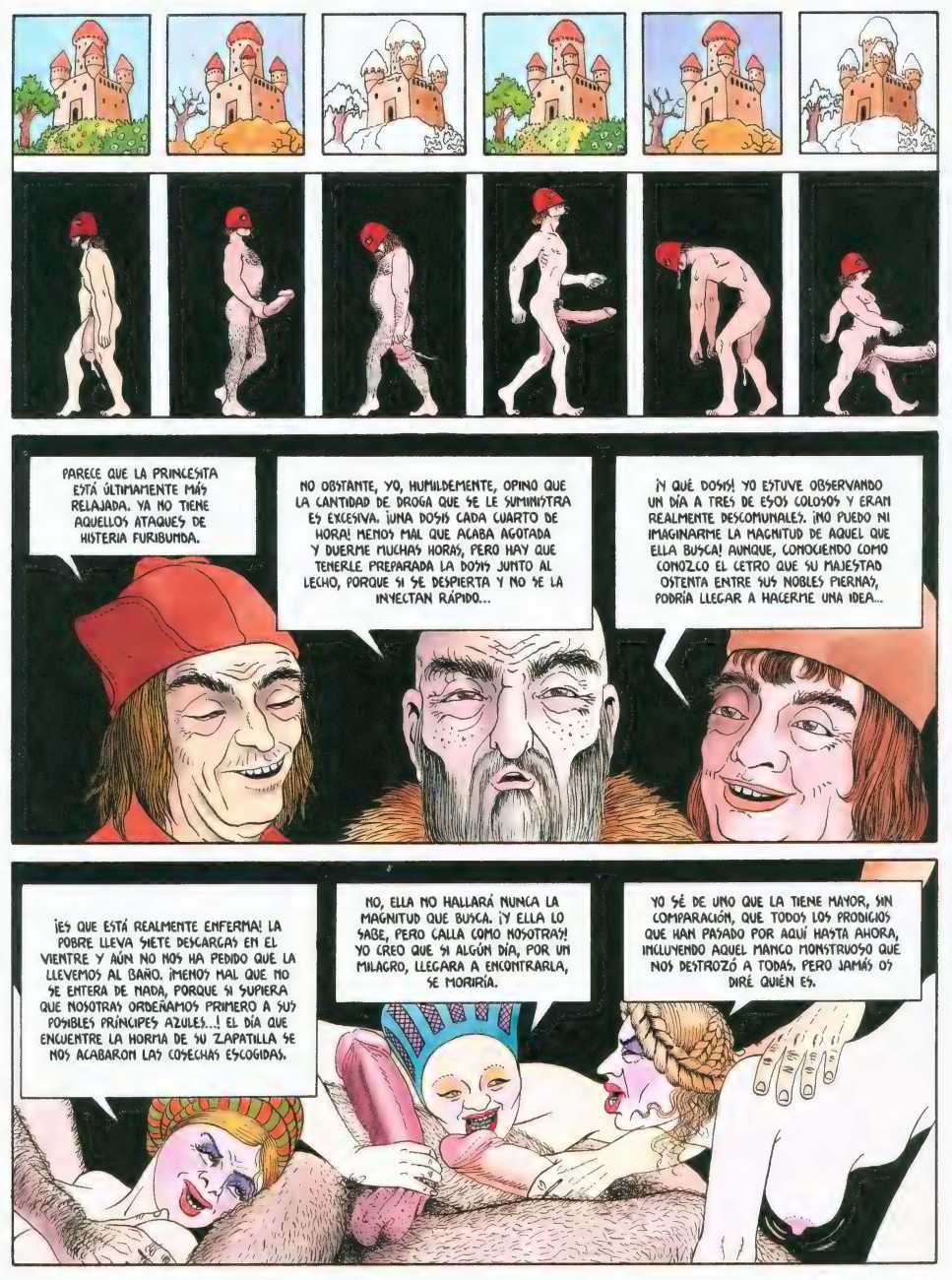
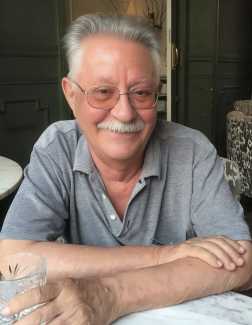
 The Spanish artist Nazario Luque Vera, usually known simply as Nazario, grew up in Castilleja del Campo, west of Seville. He studied philosophy and literature in Seville and subsequently worked as a teacher. While teaching in Morón de la Frontera he became fascinated by flamenco, learning from the guitarist Diego del Gastor and encountering both the older generation of Andalusian singers and a community of American hippies drawn to the area. ‘It was a very rich culture that I absorbed,’ he recalled, describing the mixture of gypsy and American influences that surrounded him.
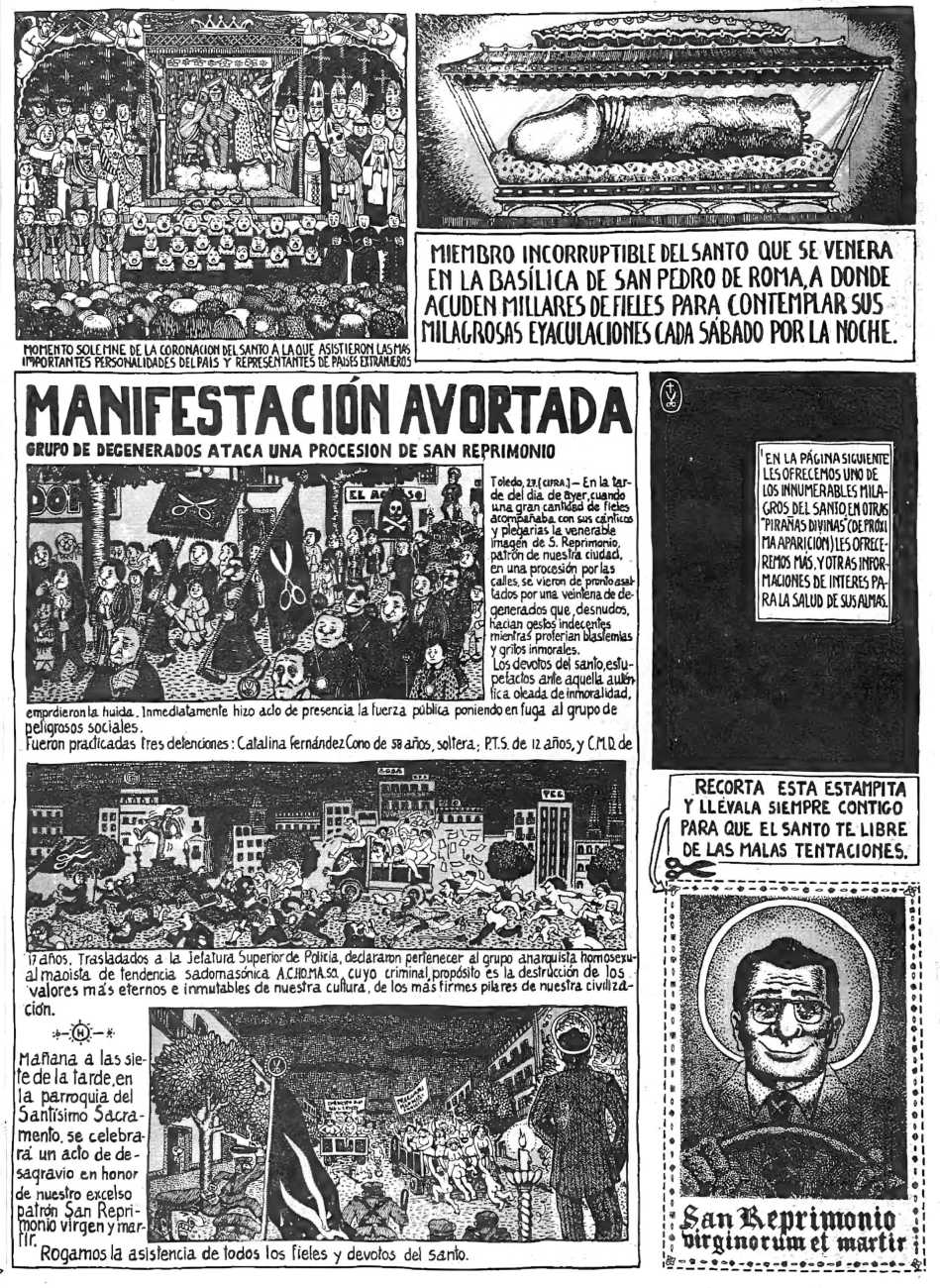
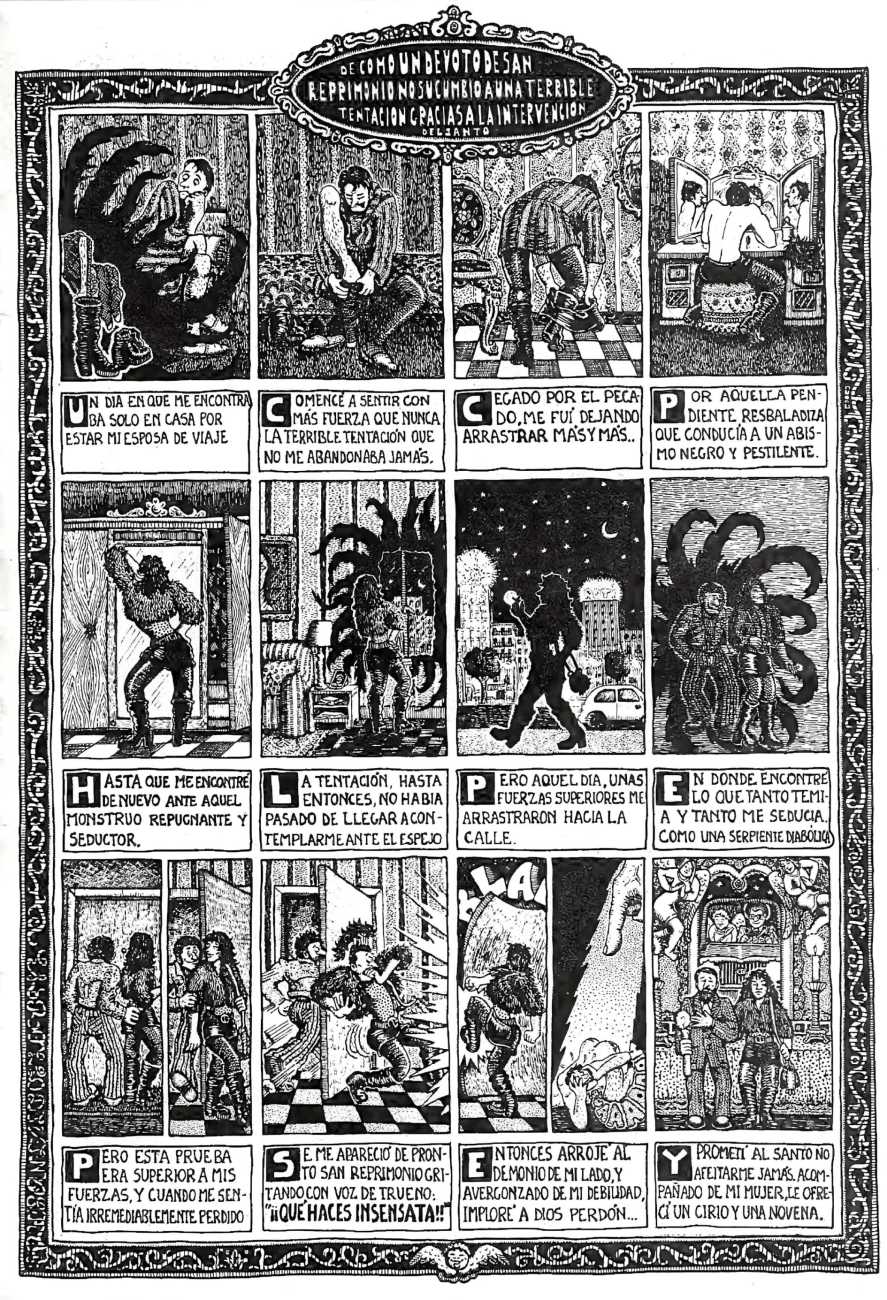
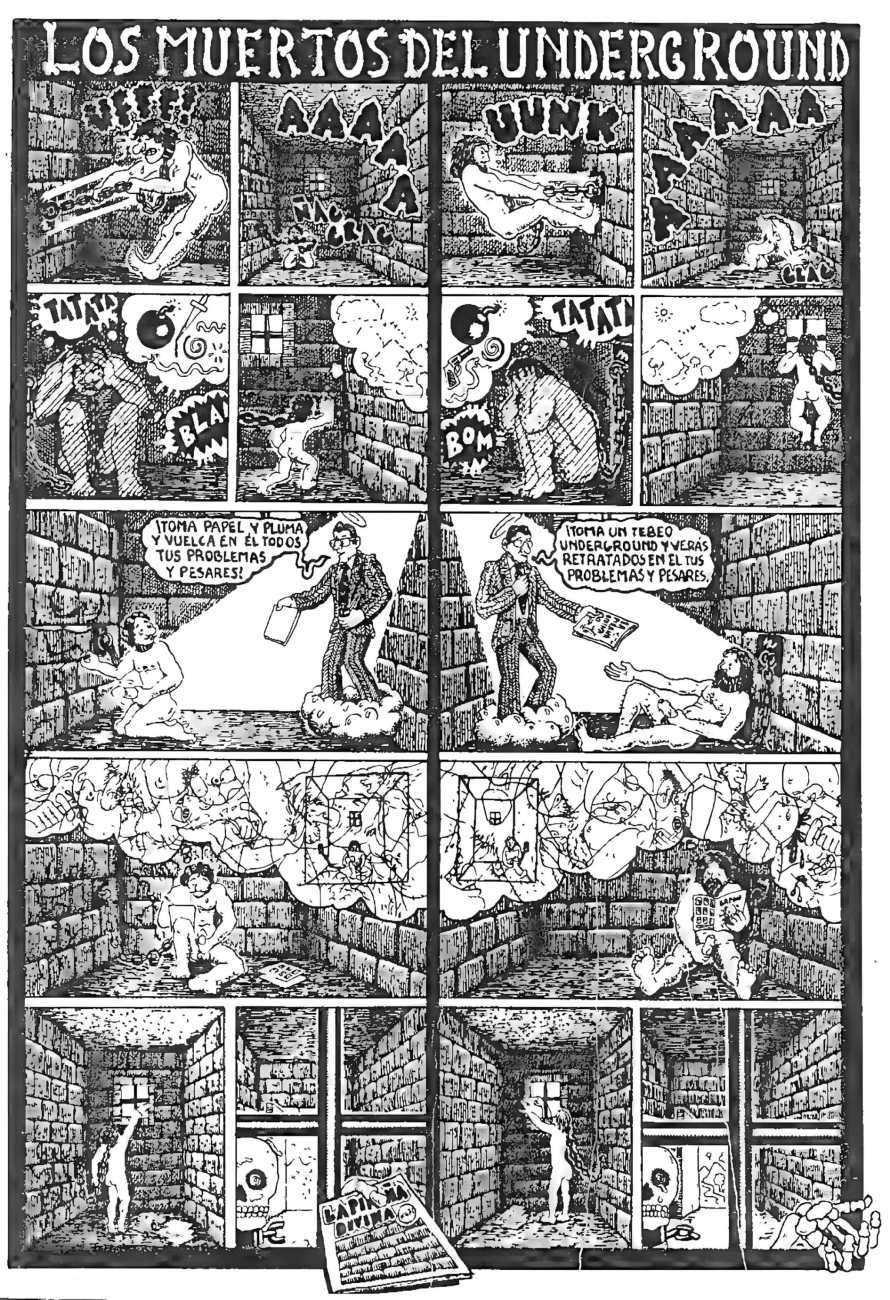
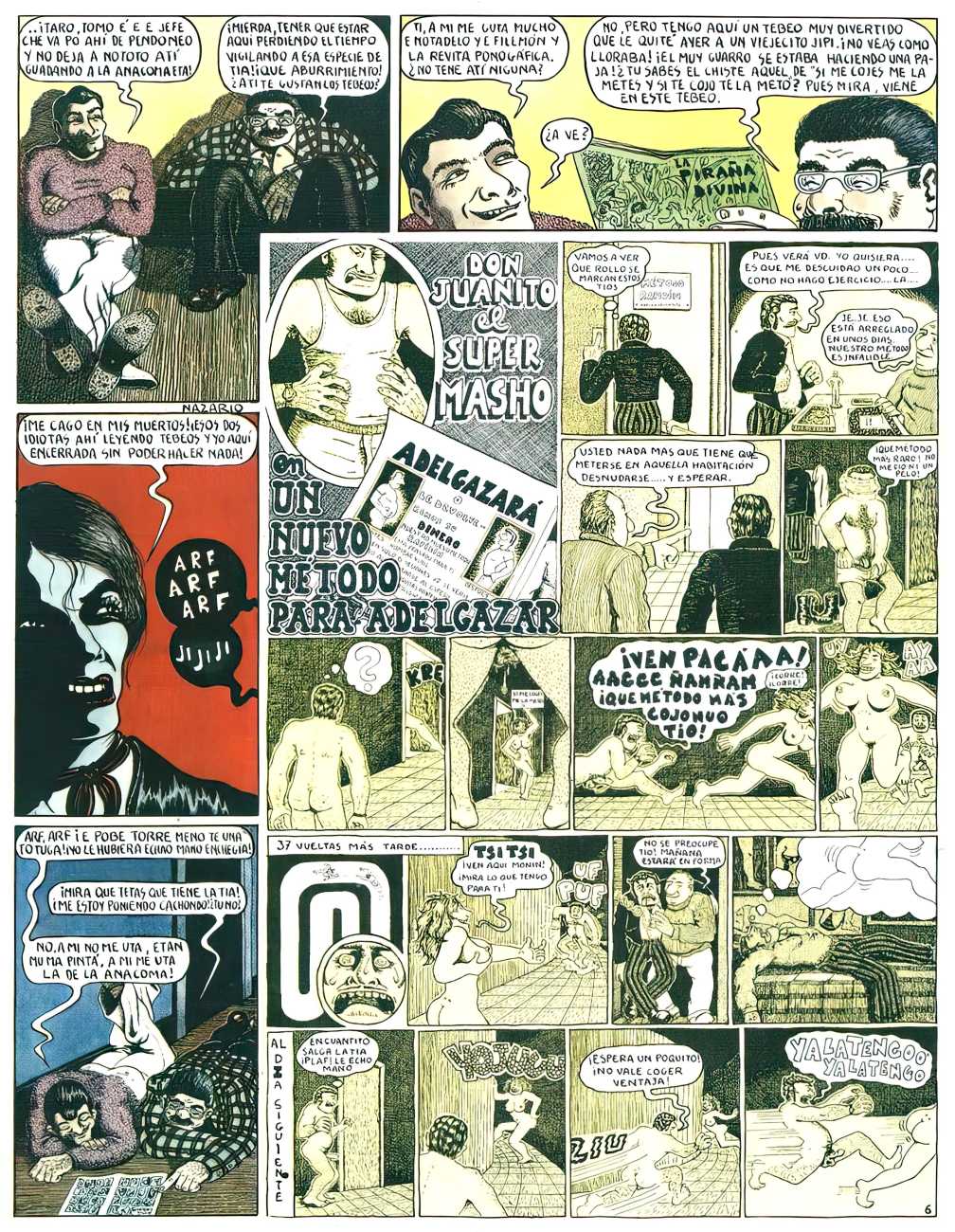
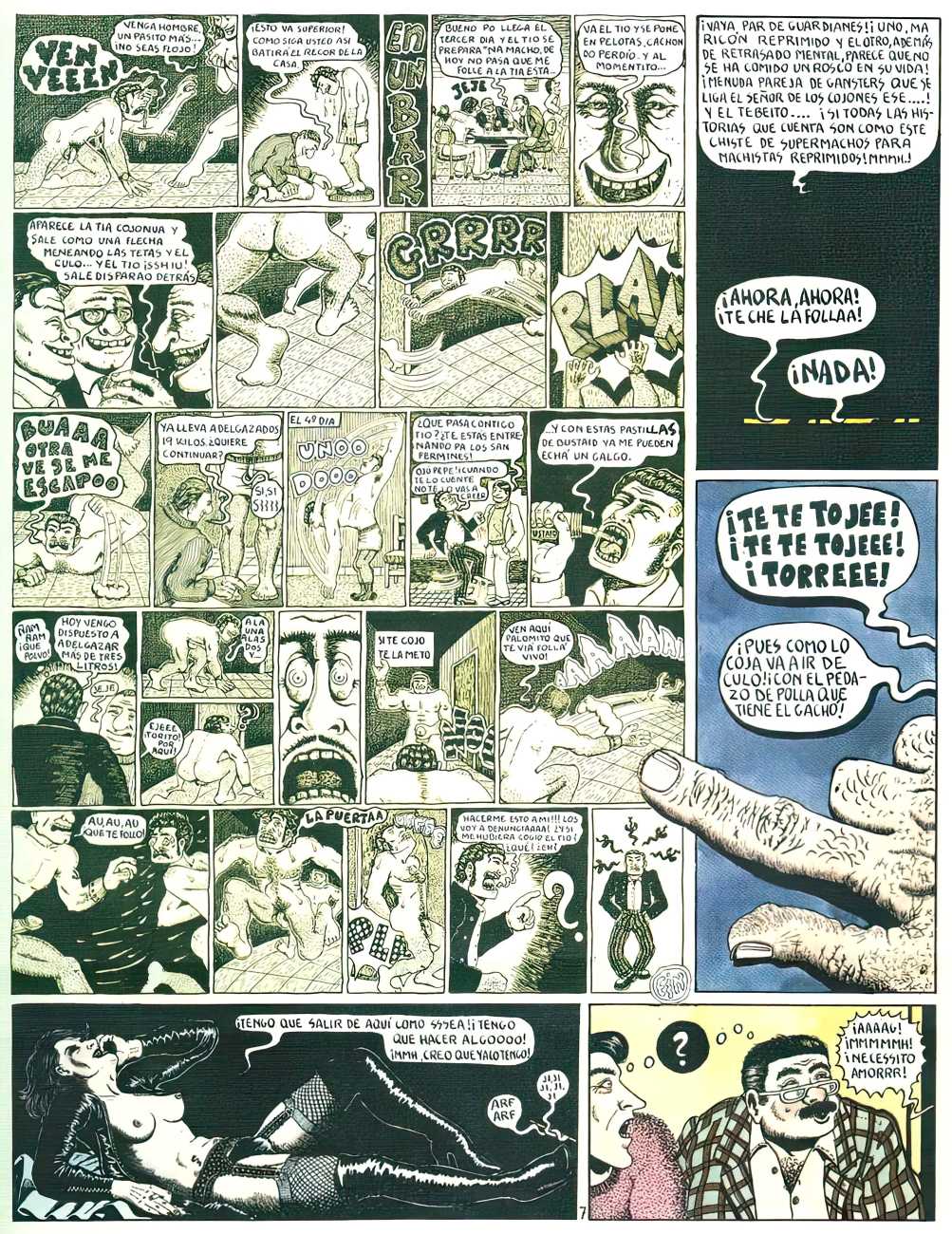
Nazario began drawing comics after discovering Mad magazine, and in 1972 moved to Barcelona, where he became one of the central figures of the city’s emerging underground scene. In 1973 he helped establish the underground publisher El Rrollo with Josep Farriol, Miguel Farriol and Javier Mariscal, producing and distributing their own comics. Among the group’s publications were El Rrollo Enmascarado, Catalina, Paupérrimus, Purita and Nasti de Plasti. The police seizure of a copy of Nazario’s La Piraña Divina, published clandestinely in 1975, contributed to the group’s eventual dissolution.
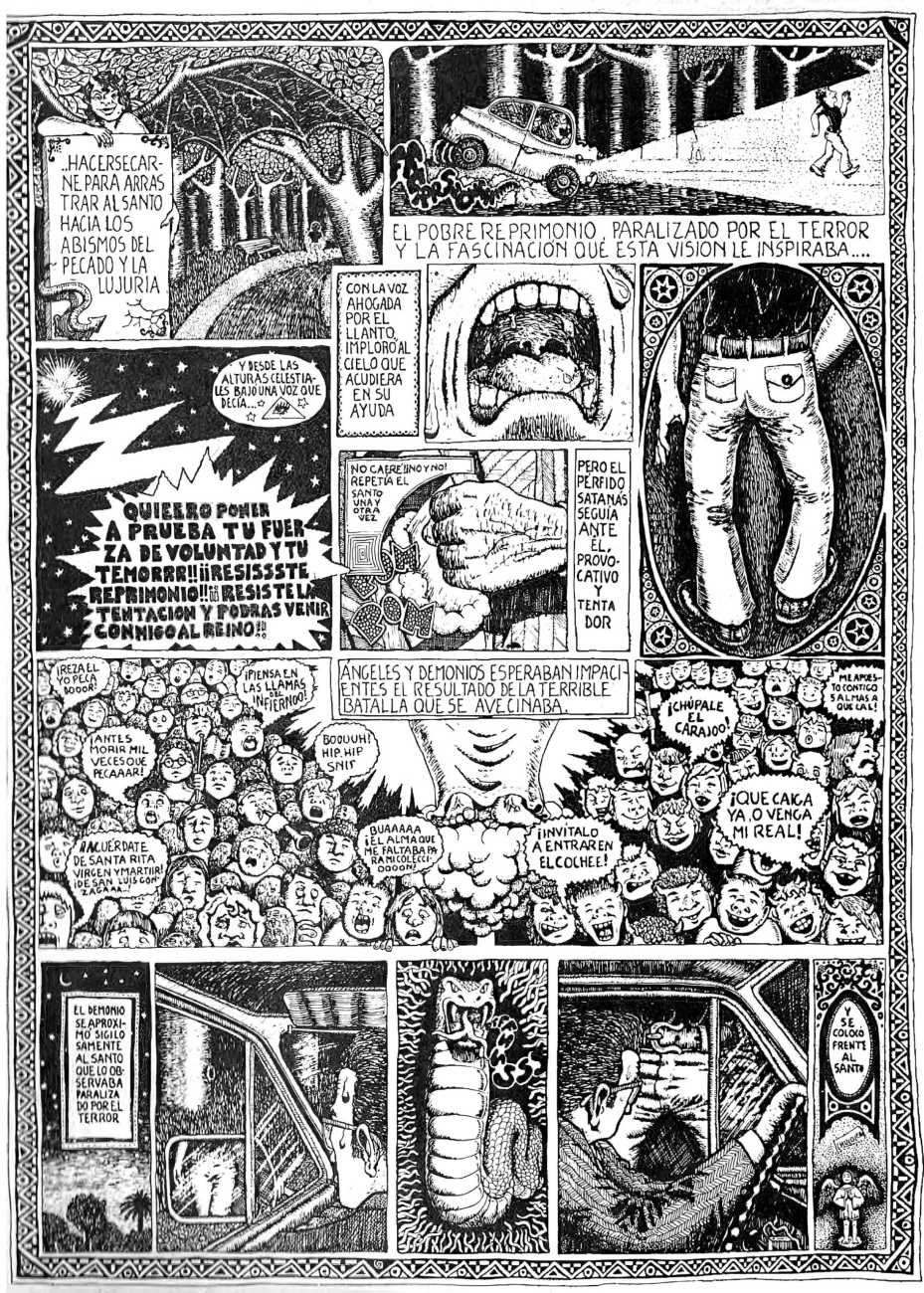
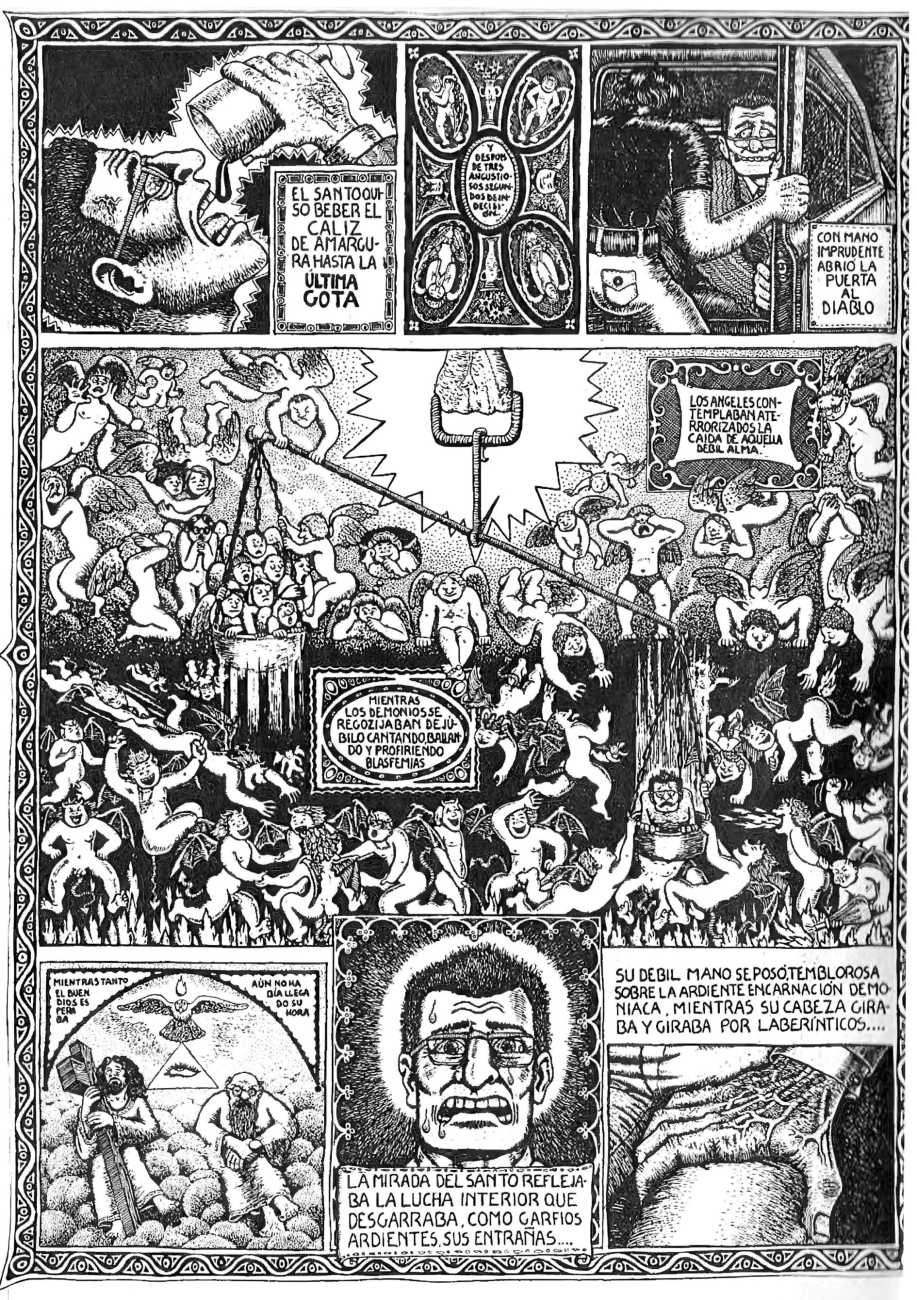
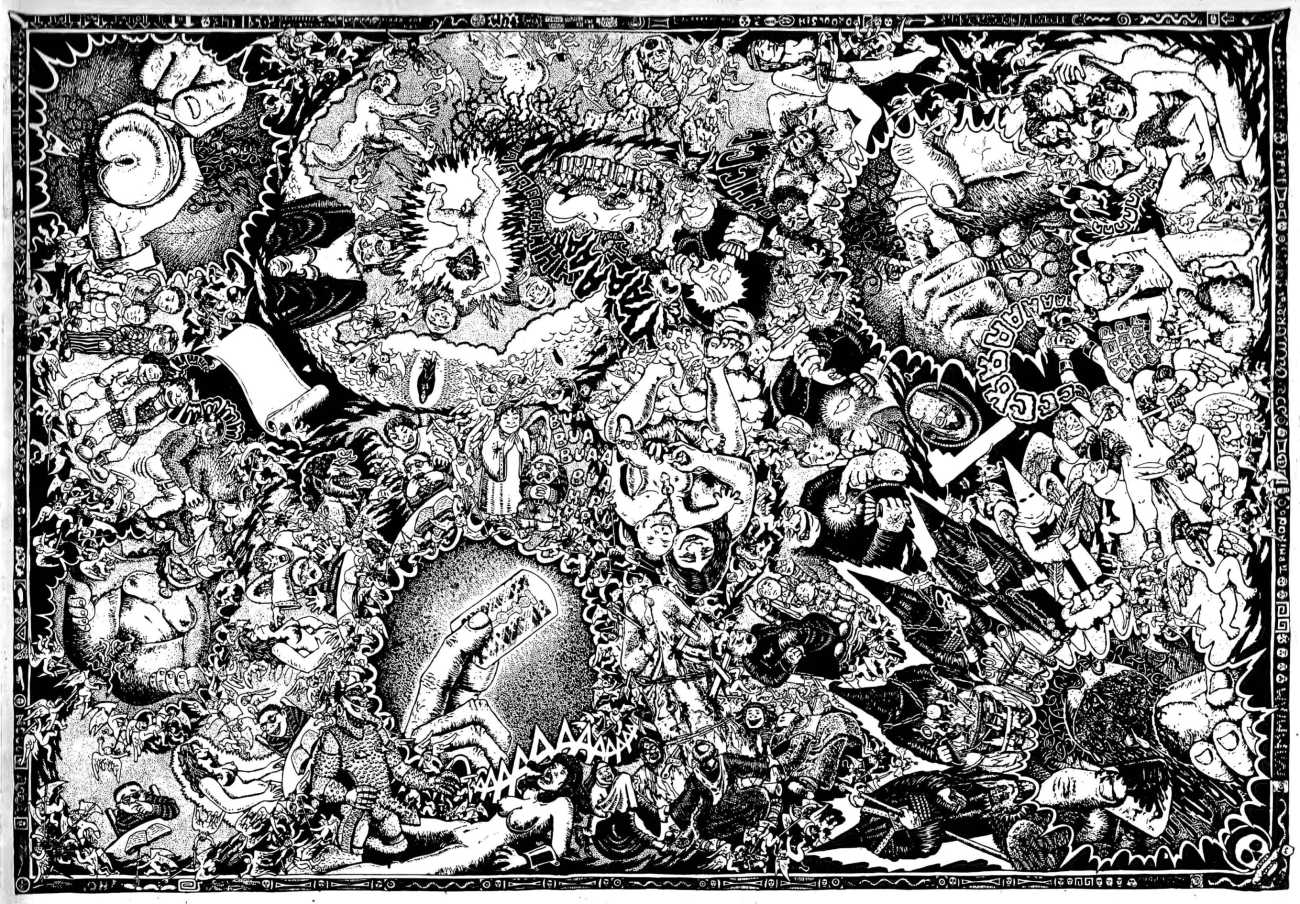
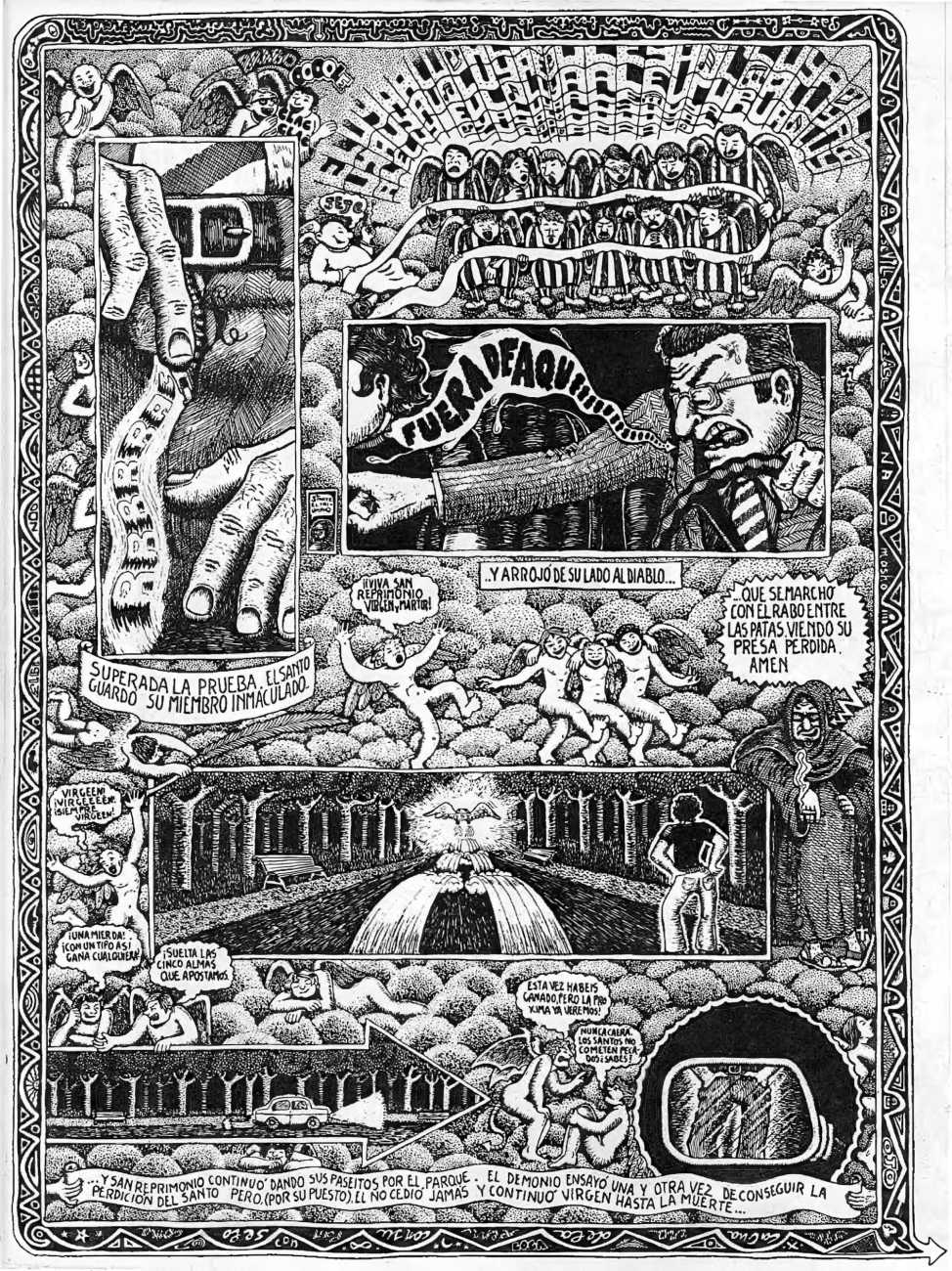
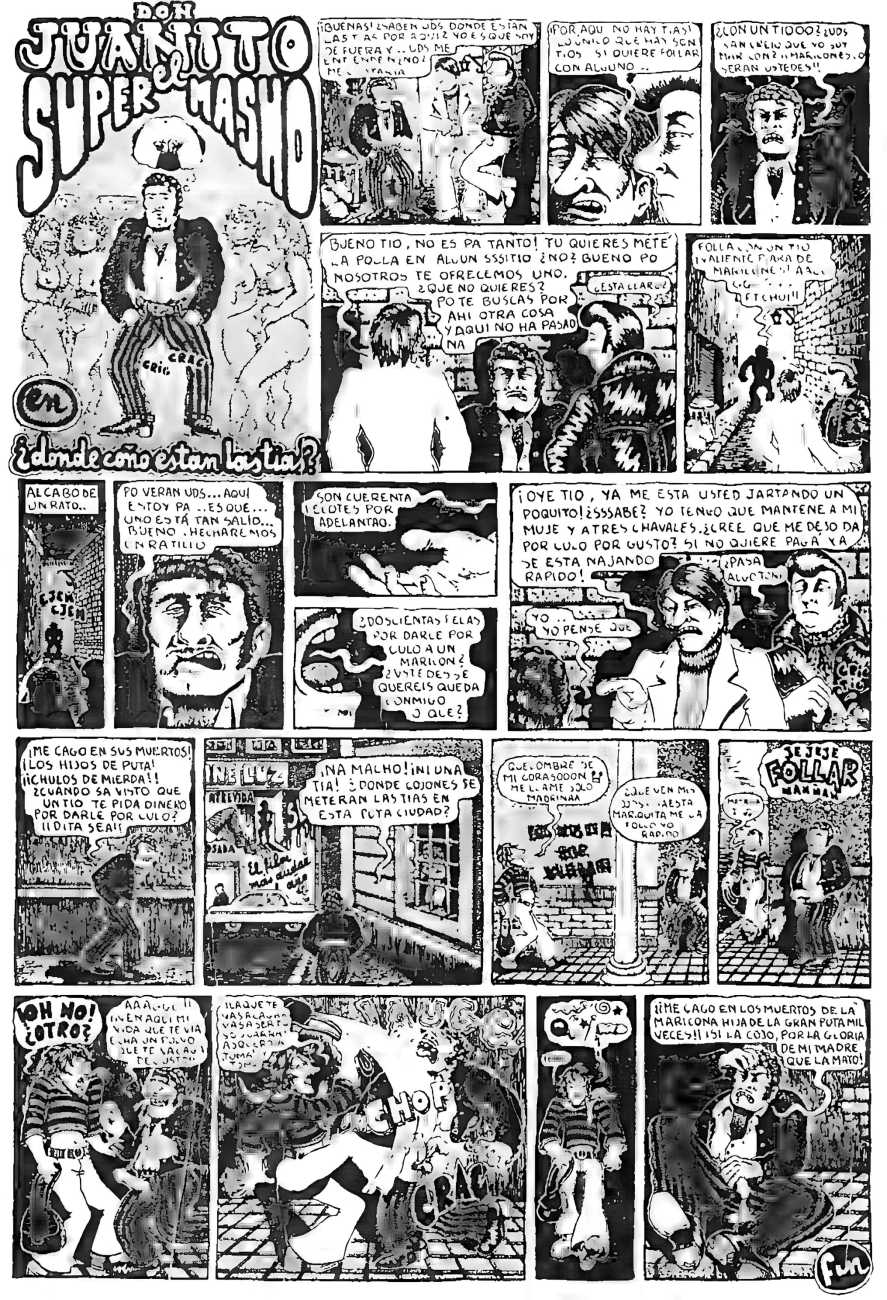
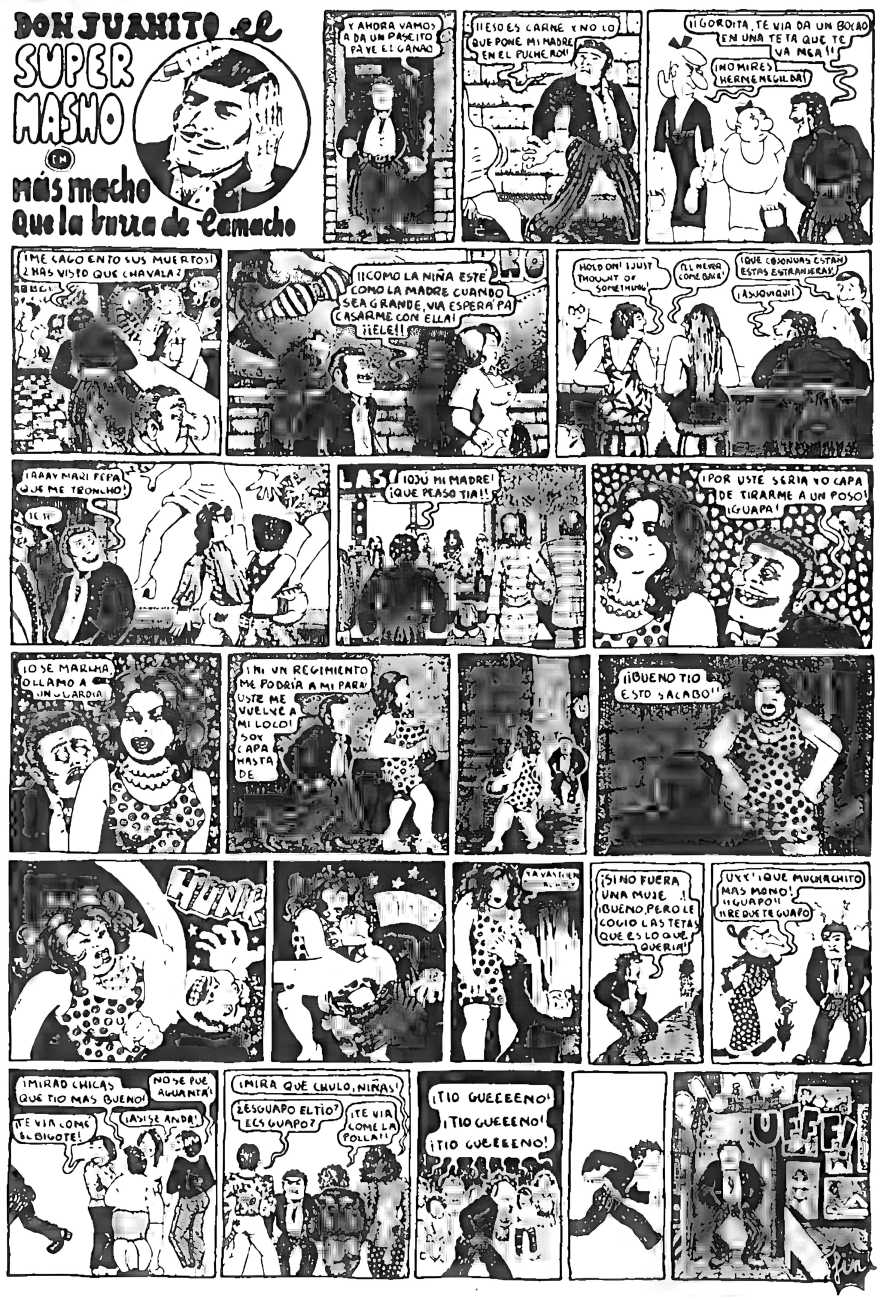
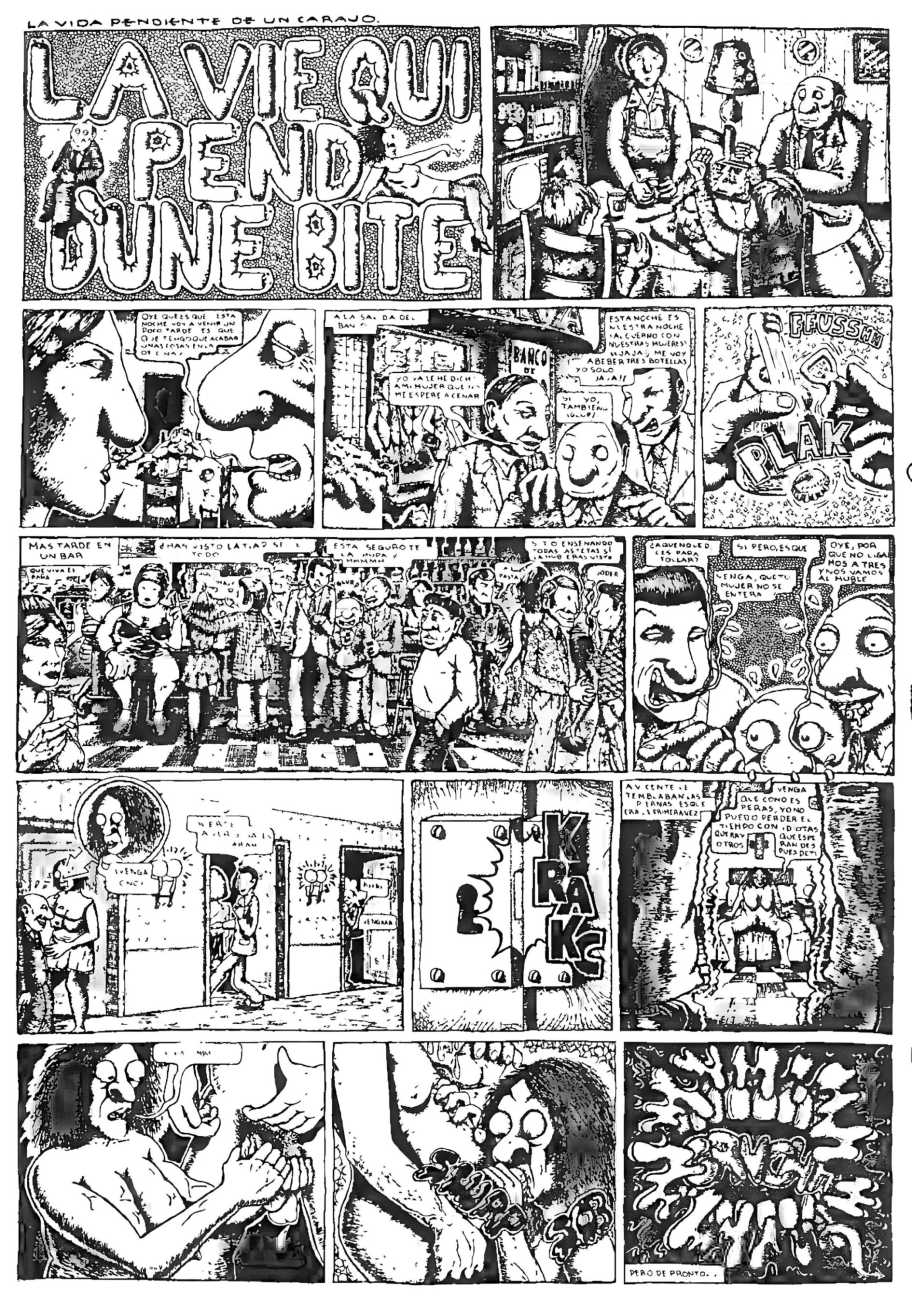
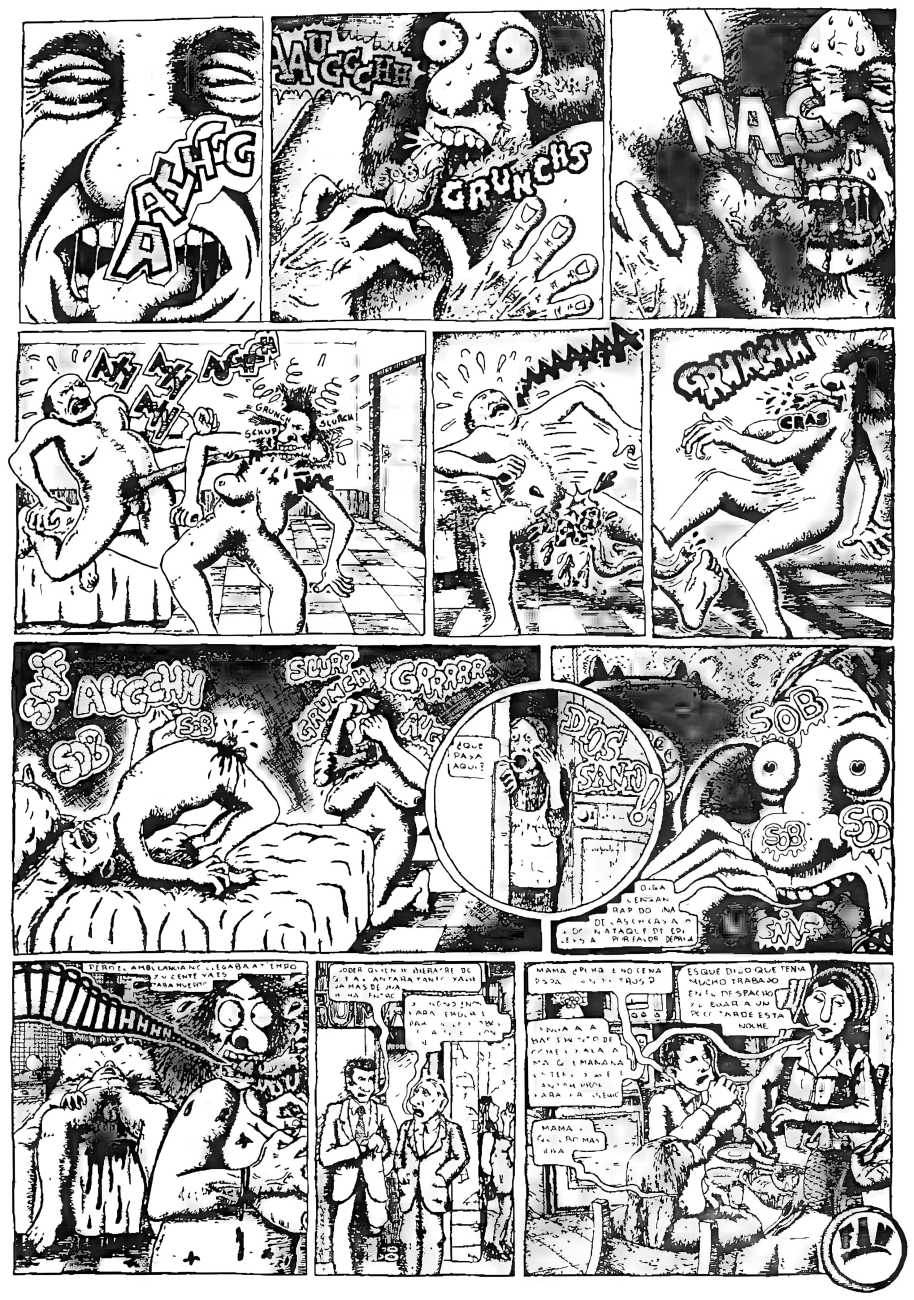
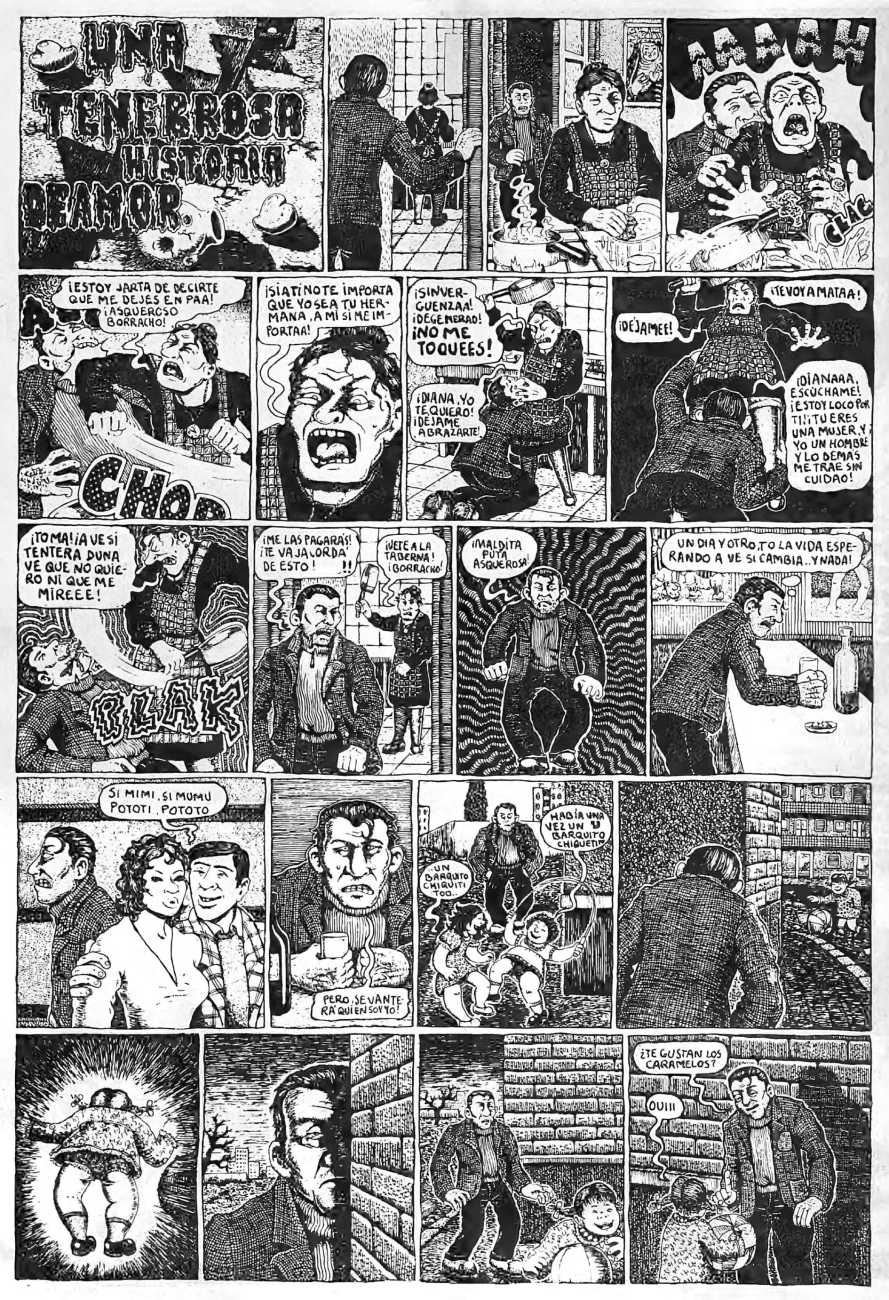
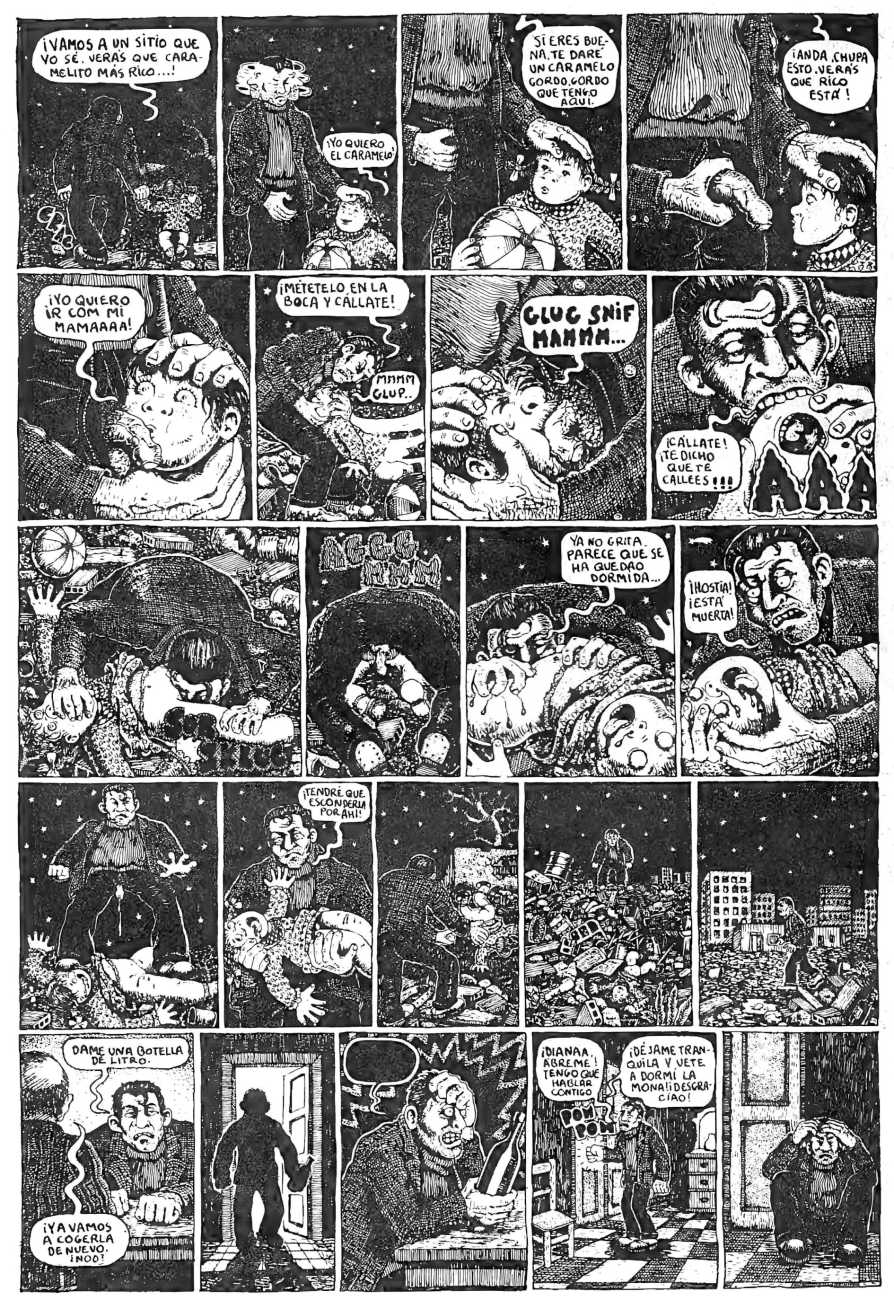
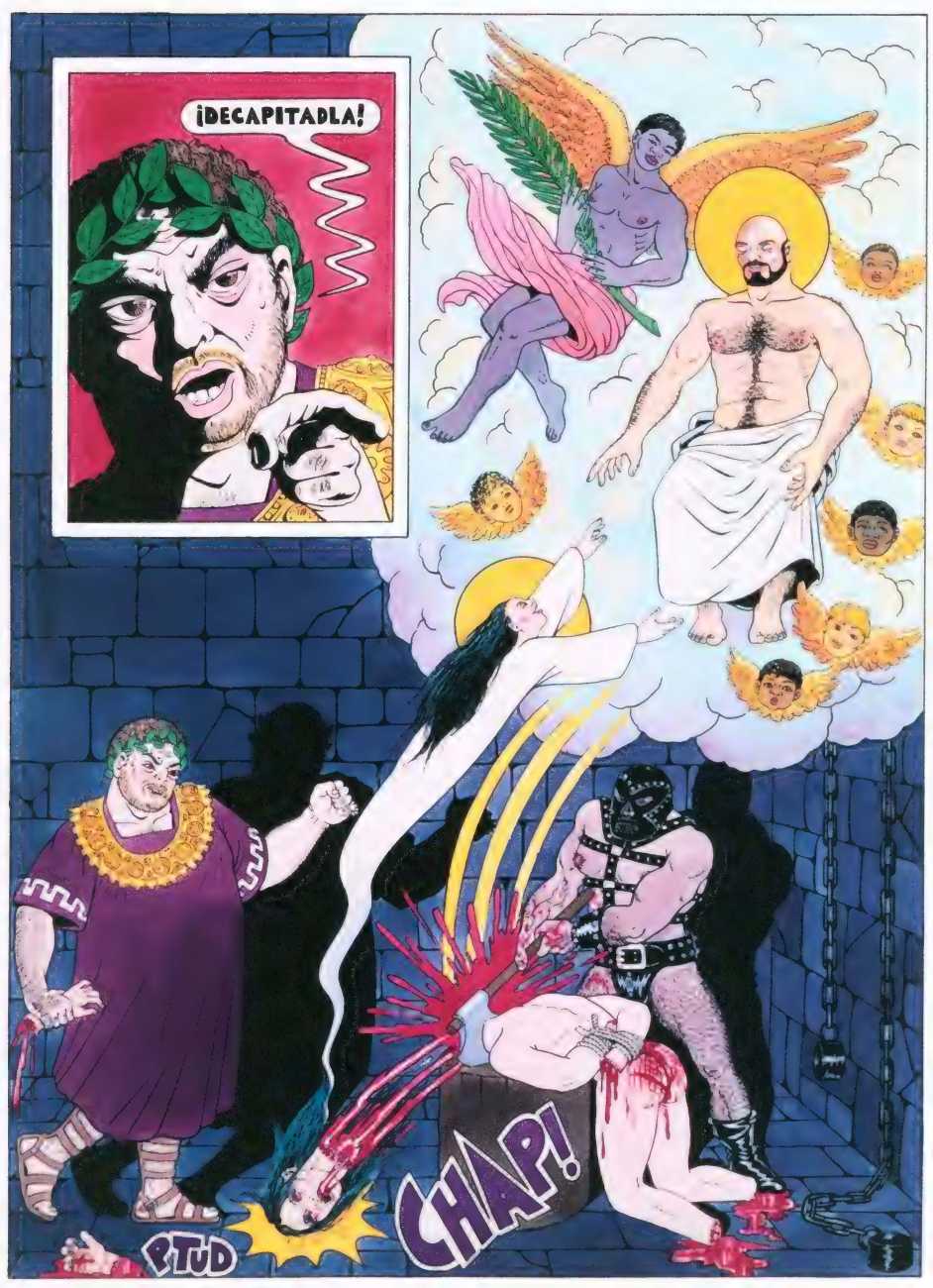
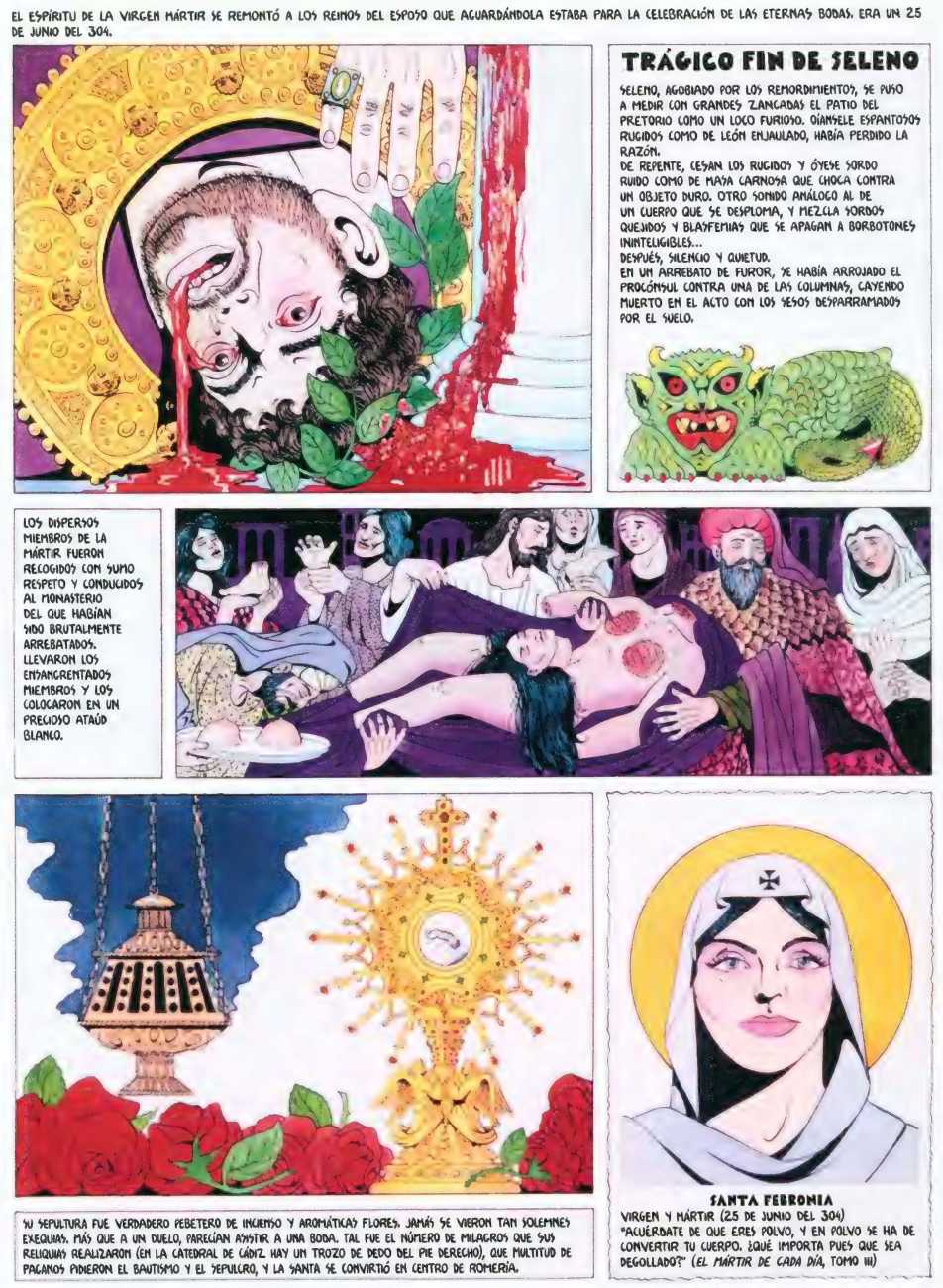
His early comics confronted the religious, sexual and social conventions of Francoist Spain with an exuberant mixture of humour, obscenity, violence and fantasy. Nazario’s homosexuality was not something he intended to hide. ‘My first comics were a lot about denouncing religious education and the repression of homosexuals,’ he explained in a later interview.
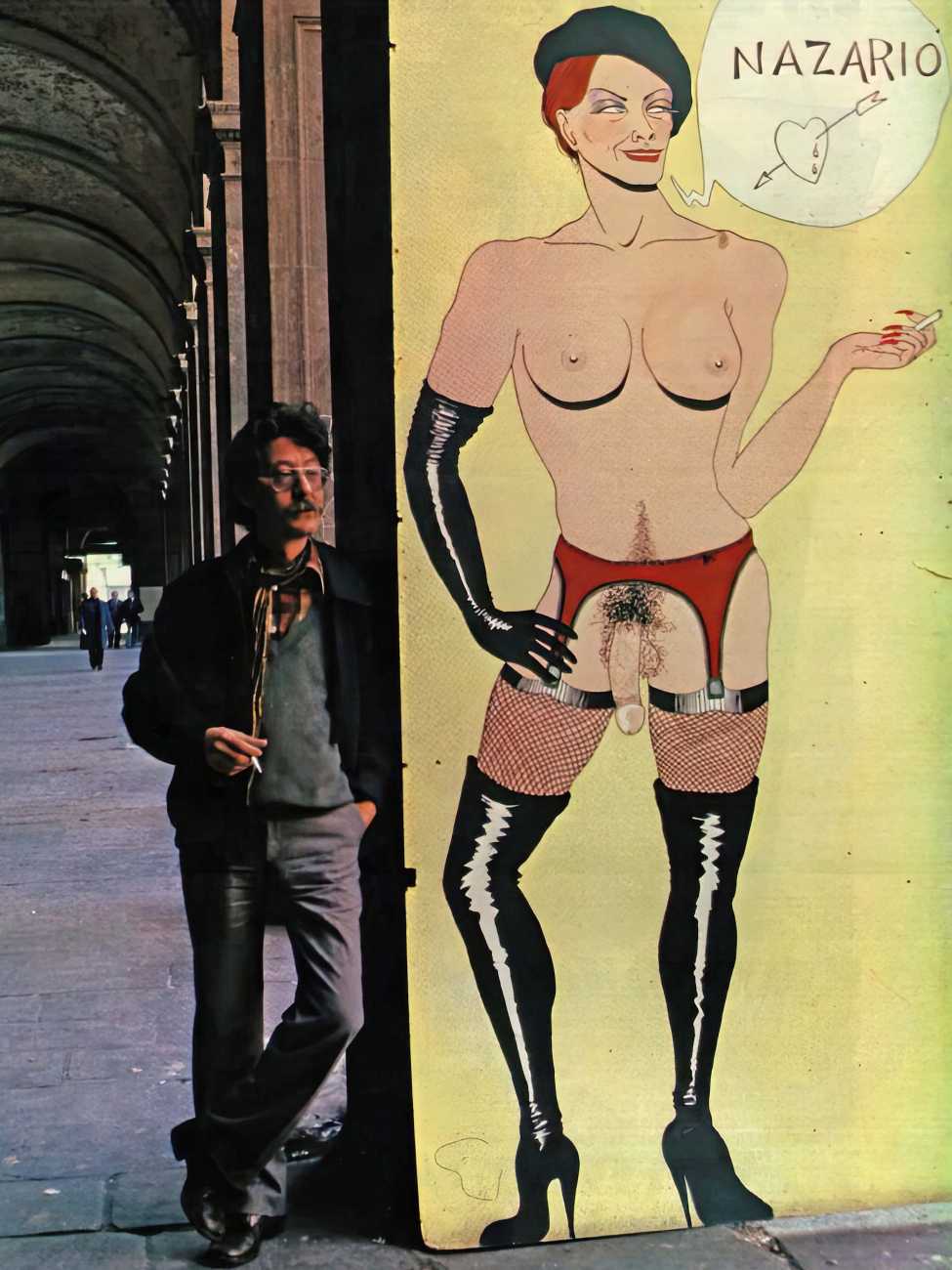
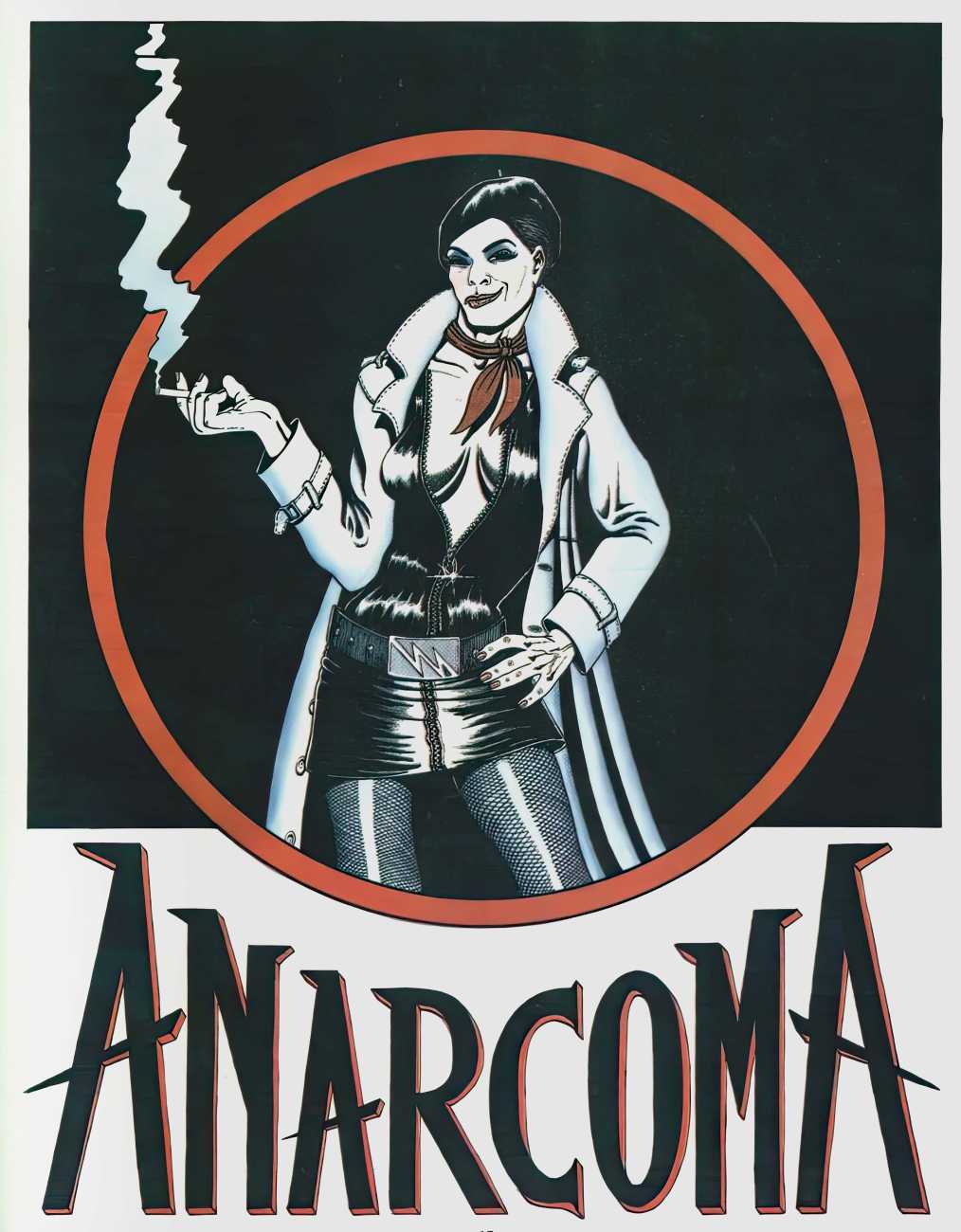
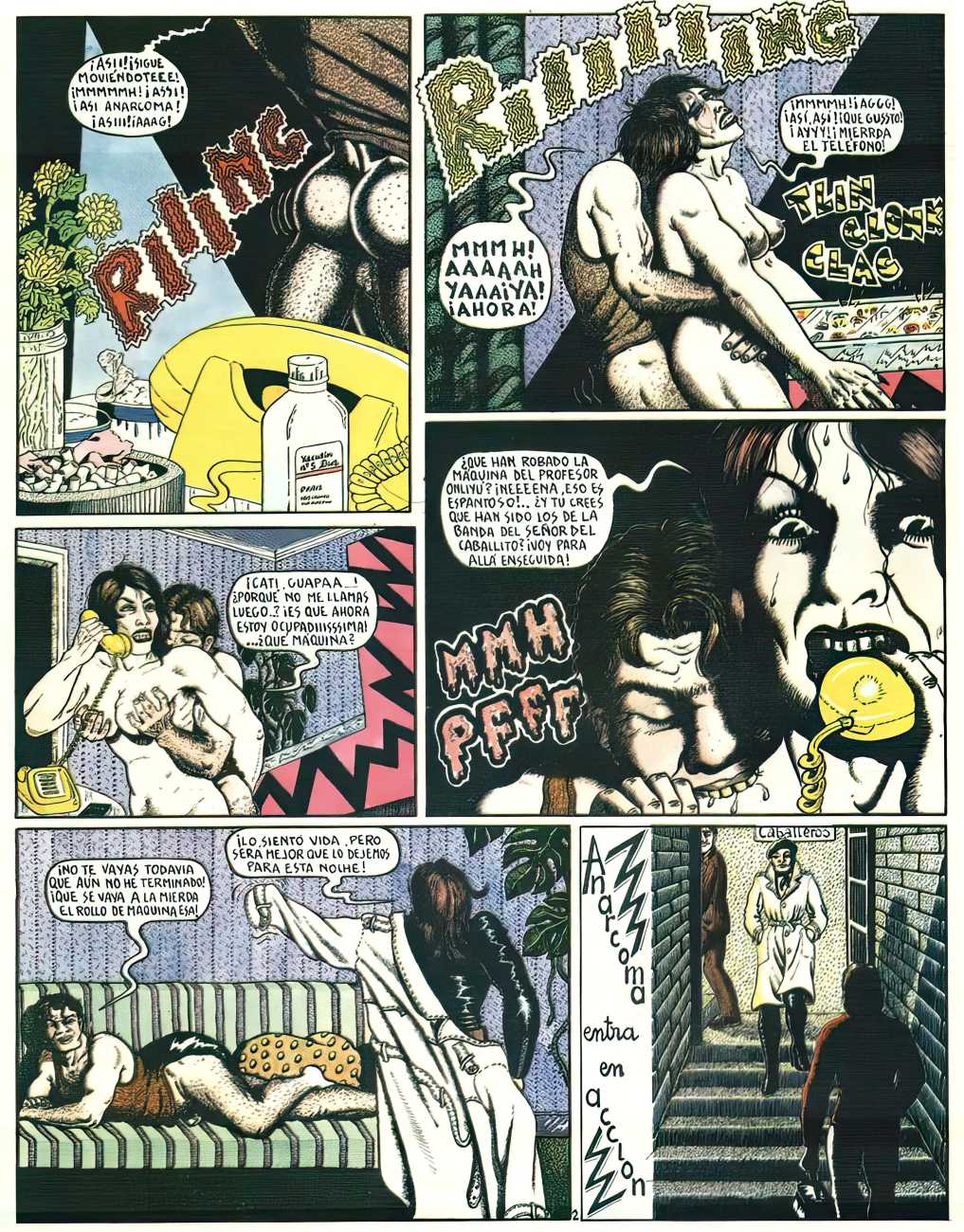
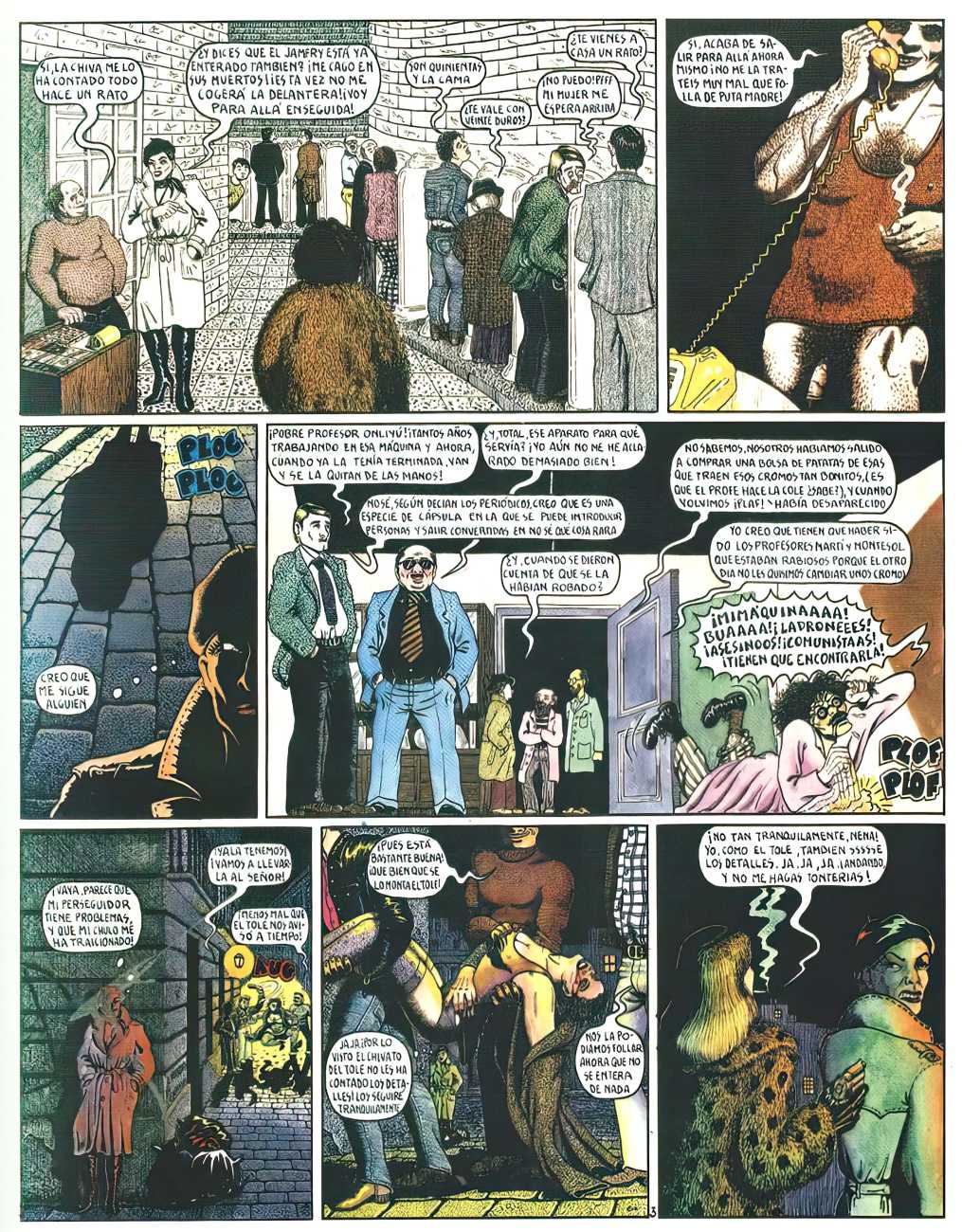
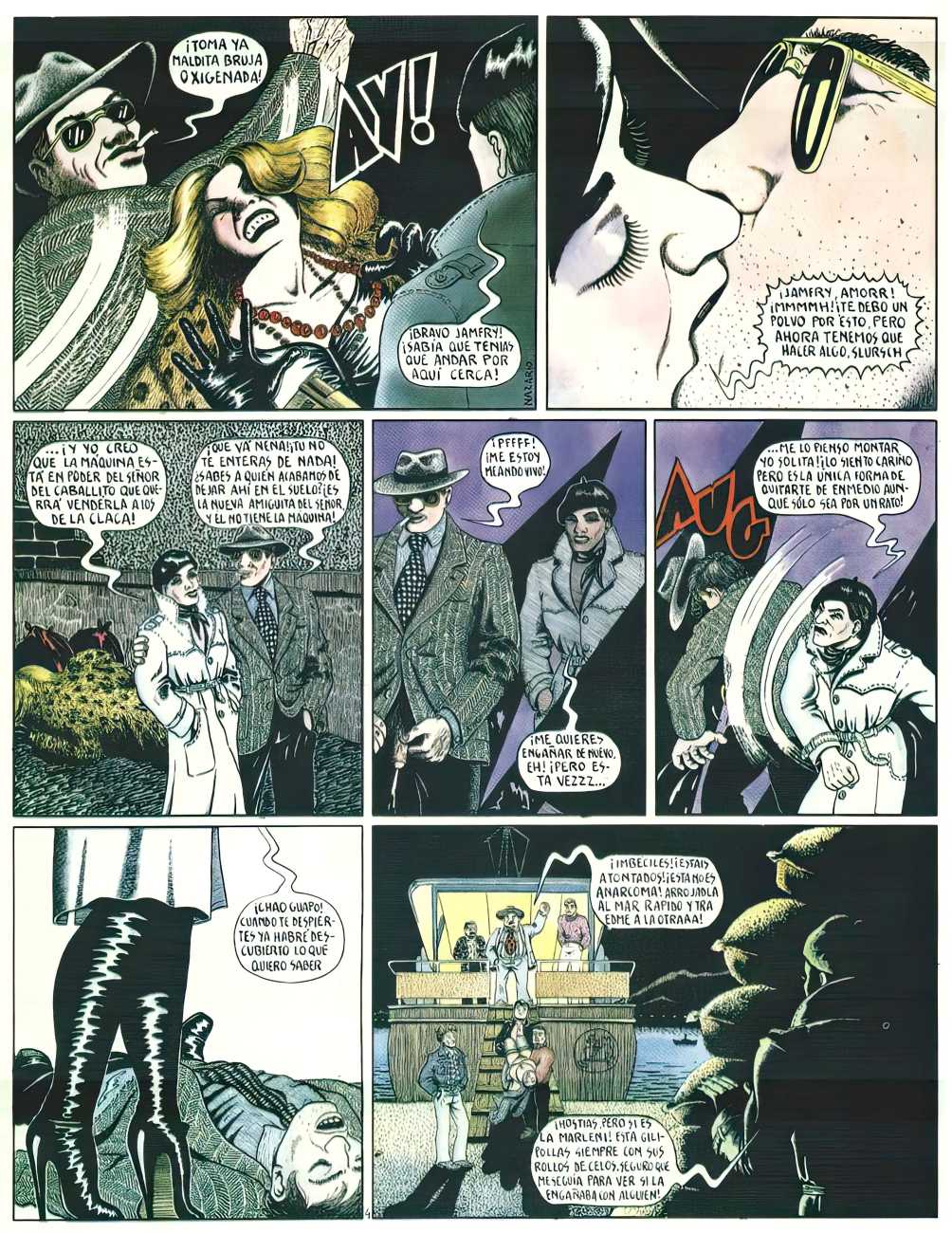
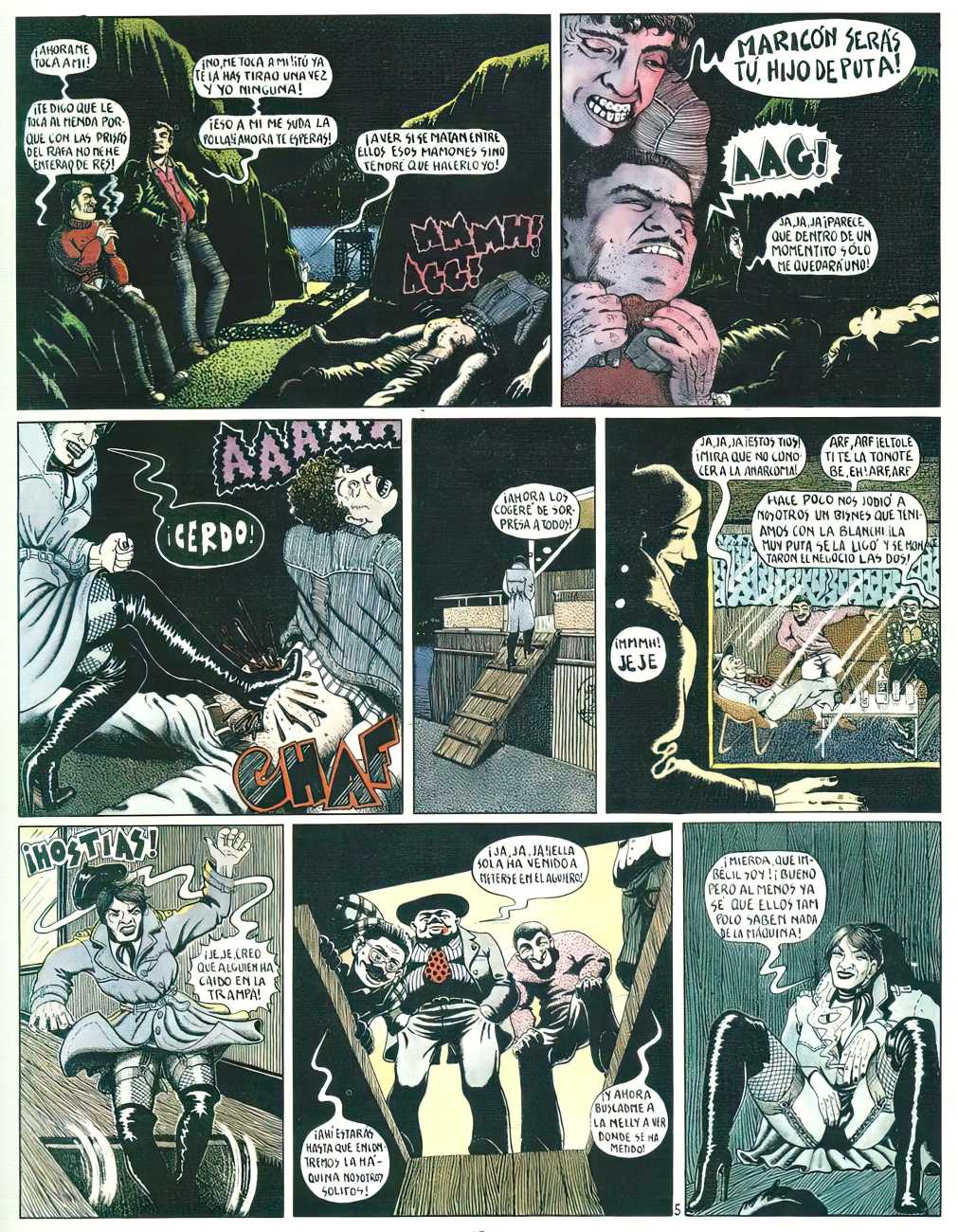
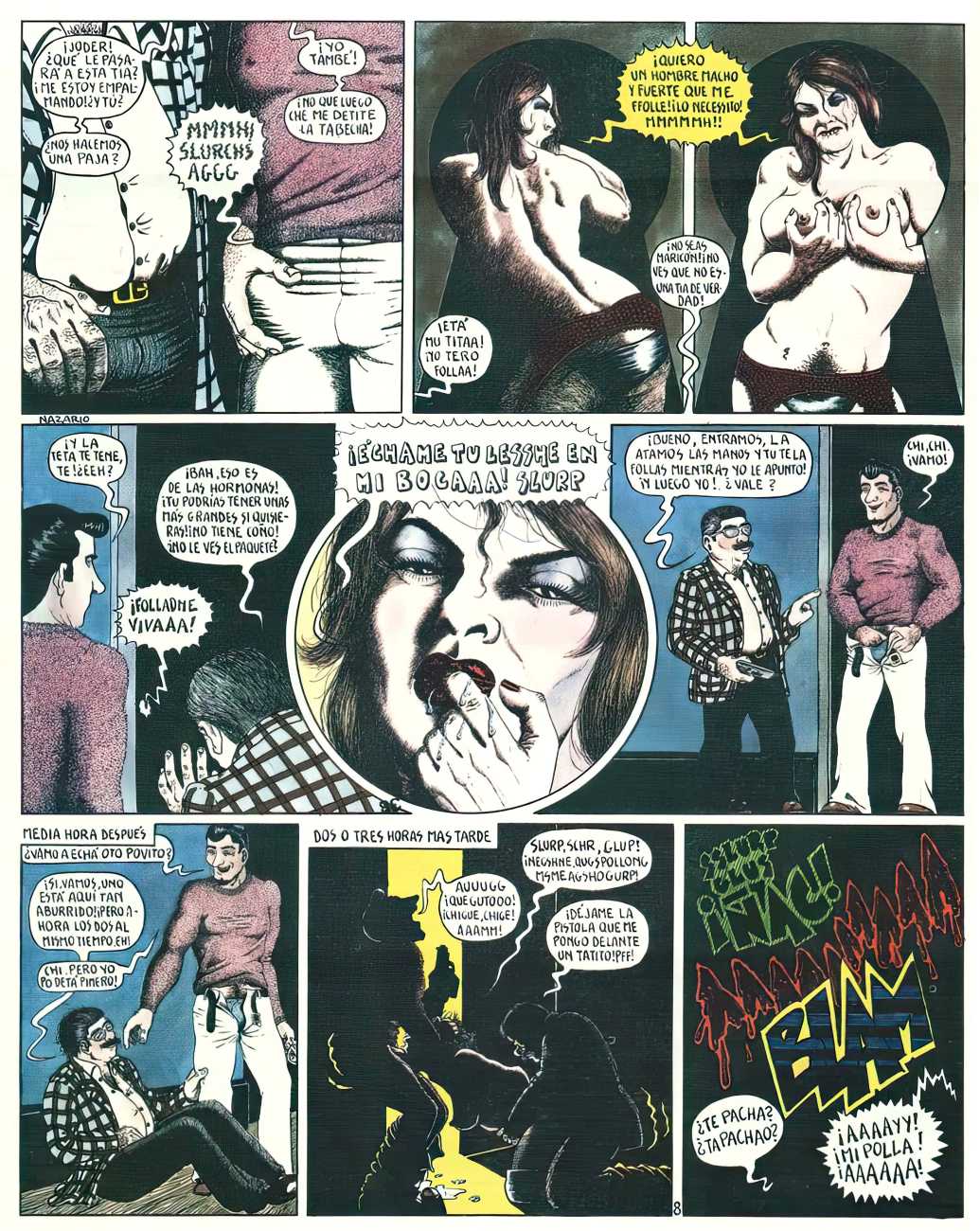
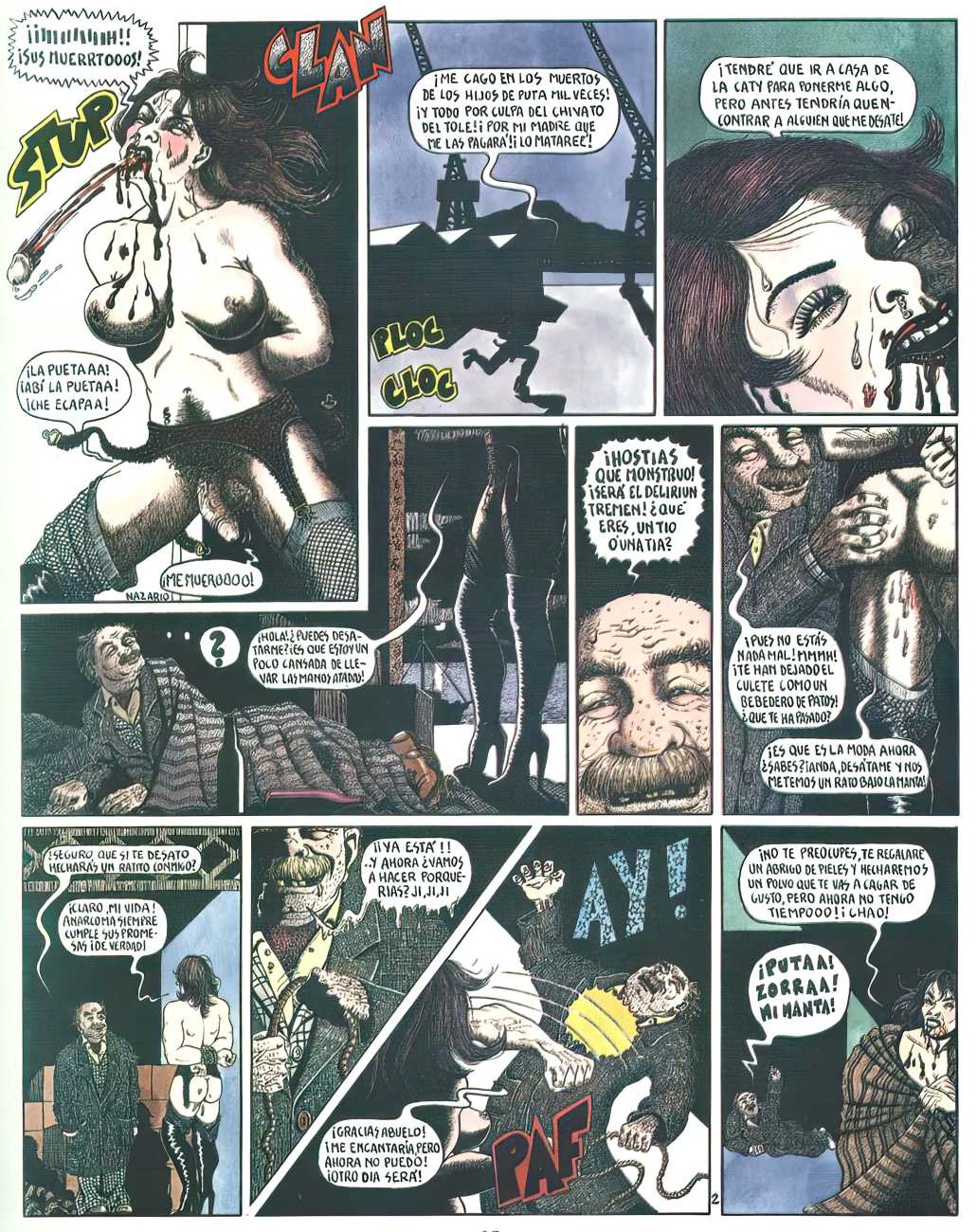
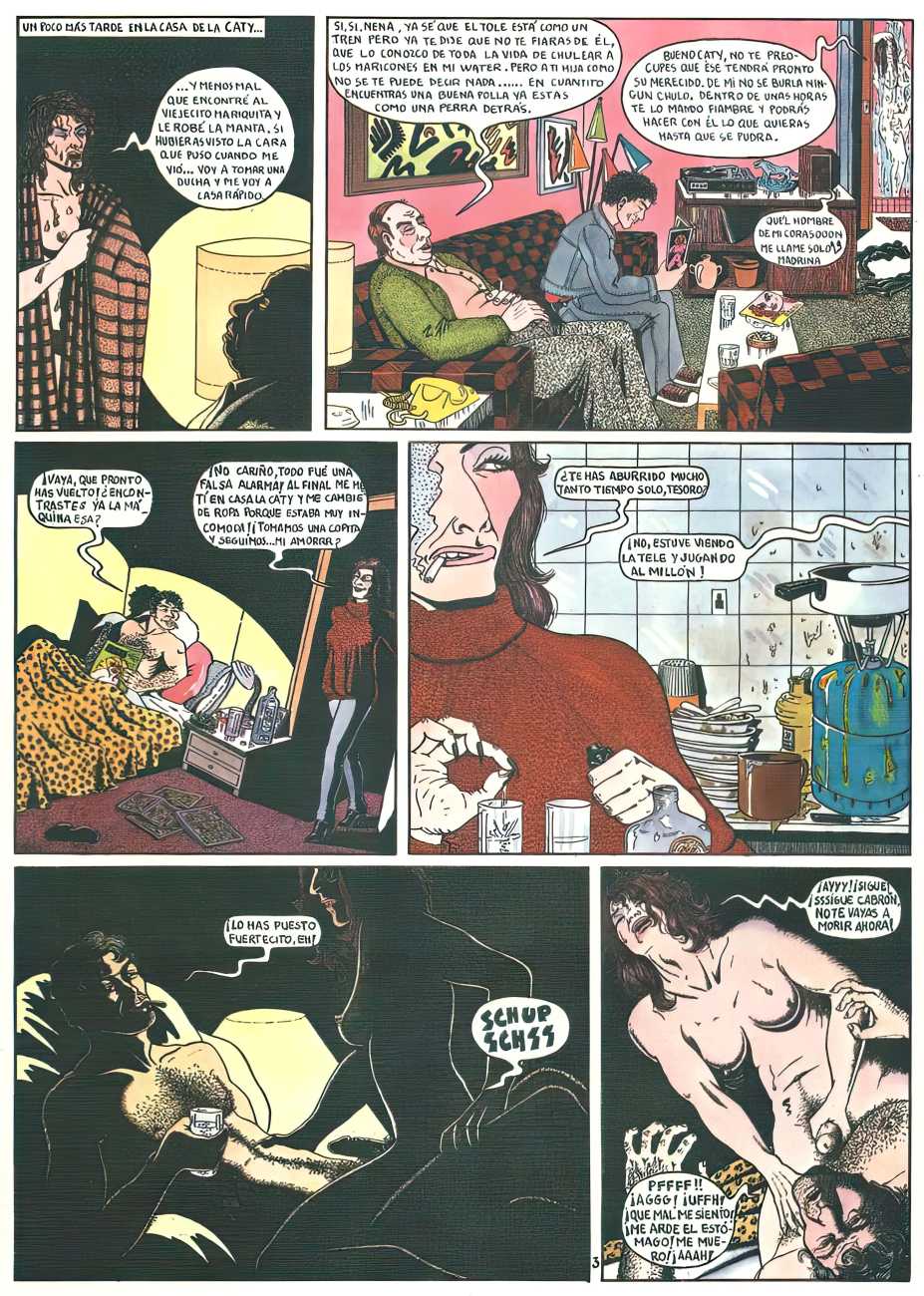
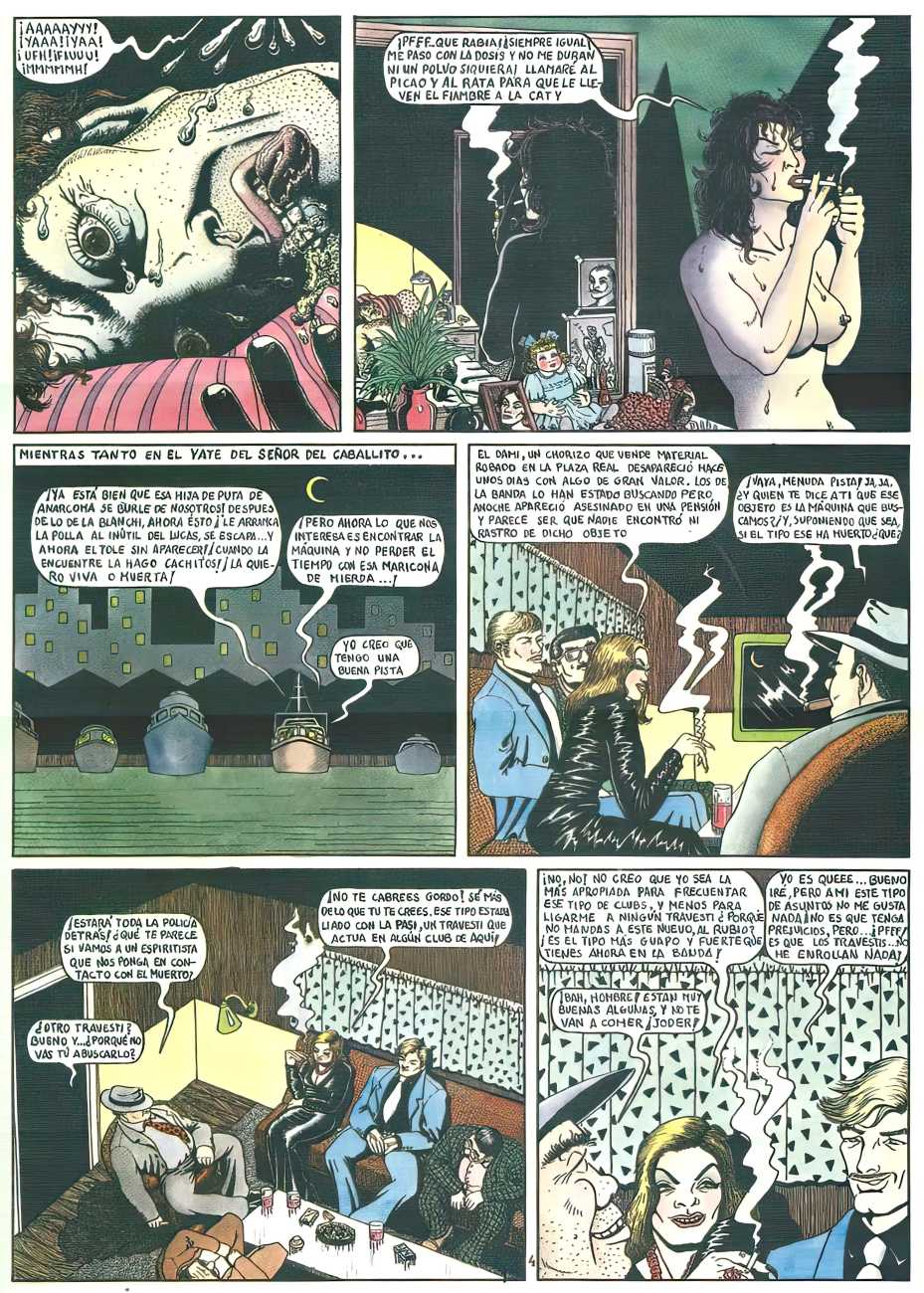
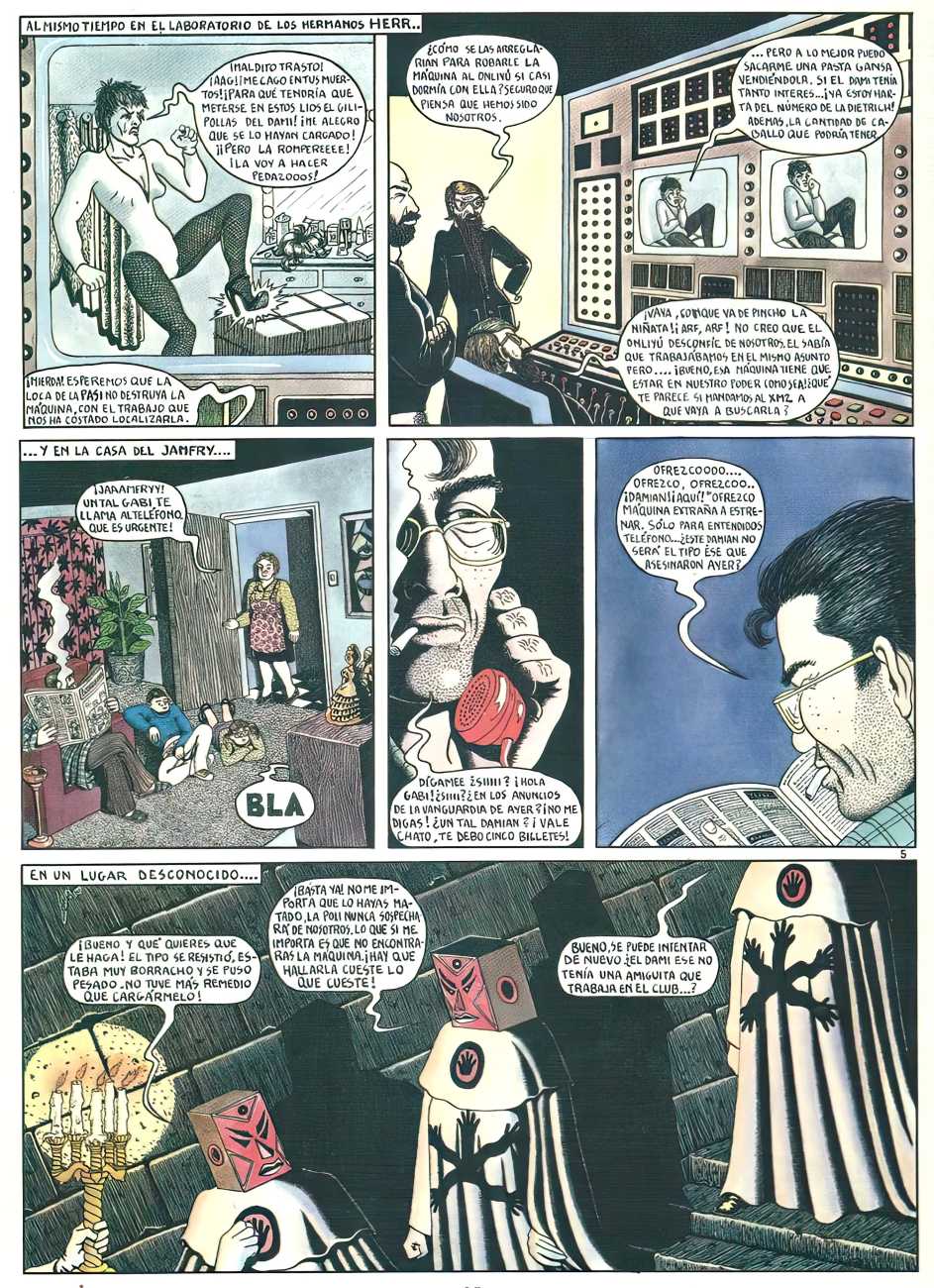
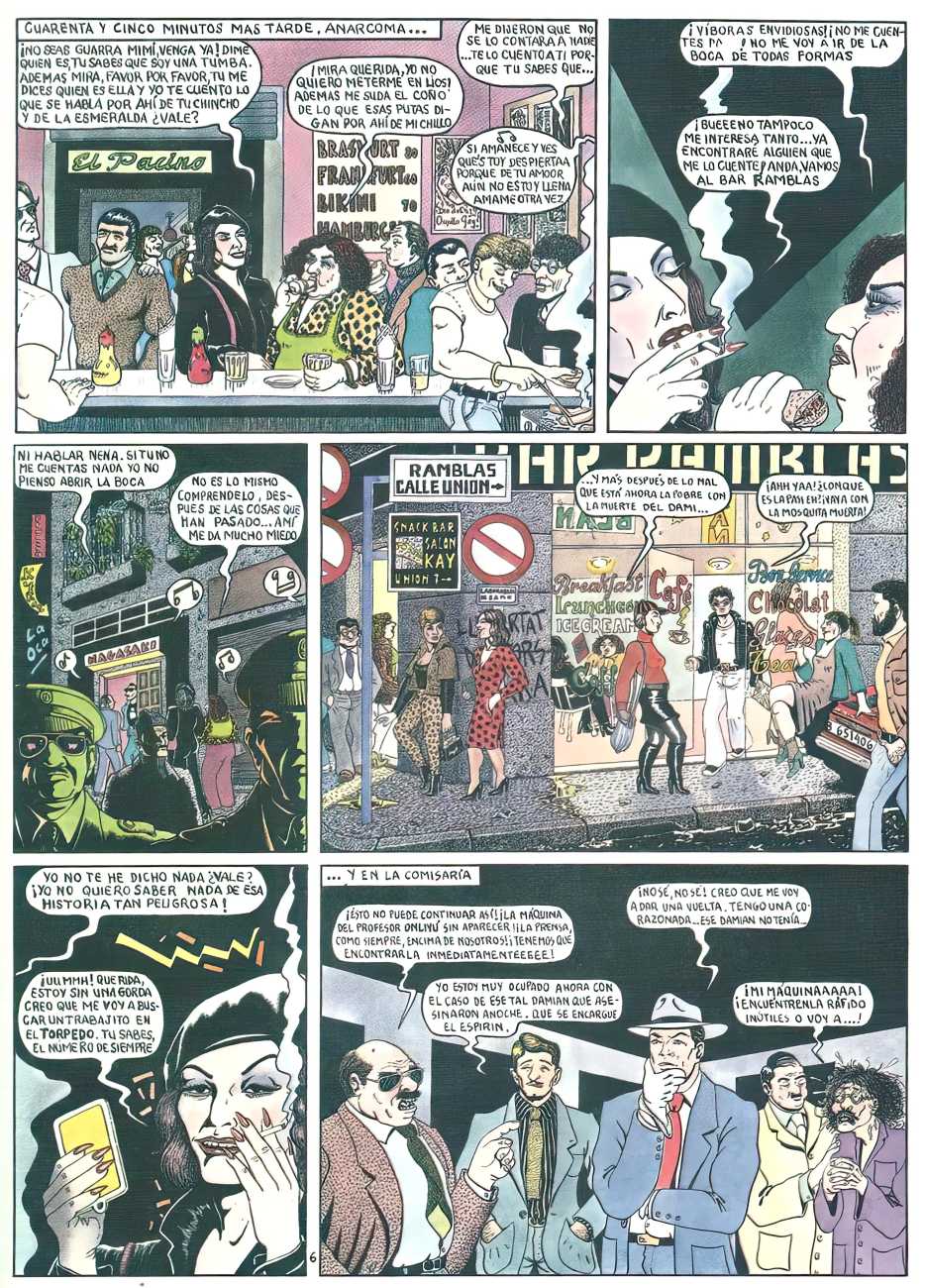
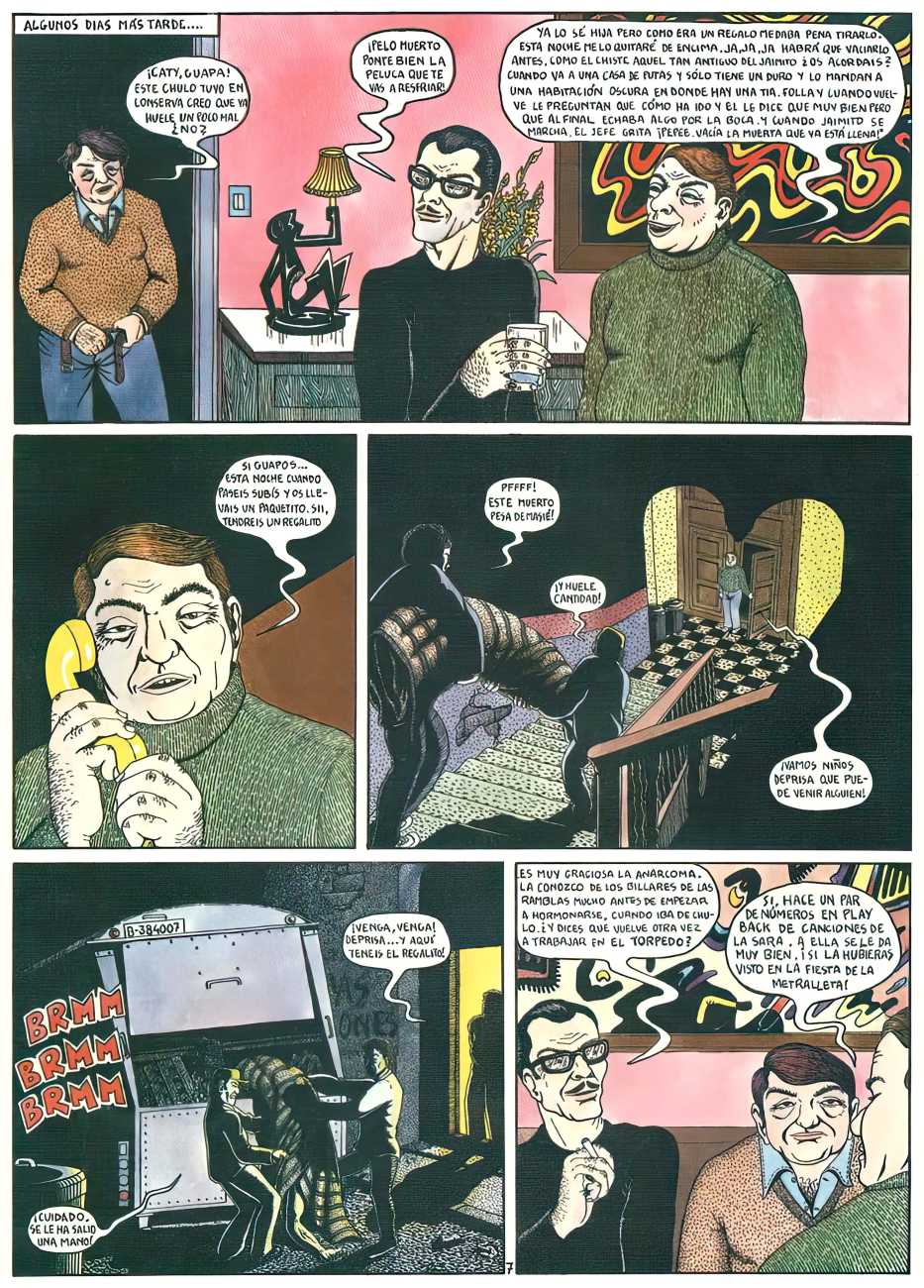
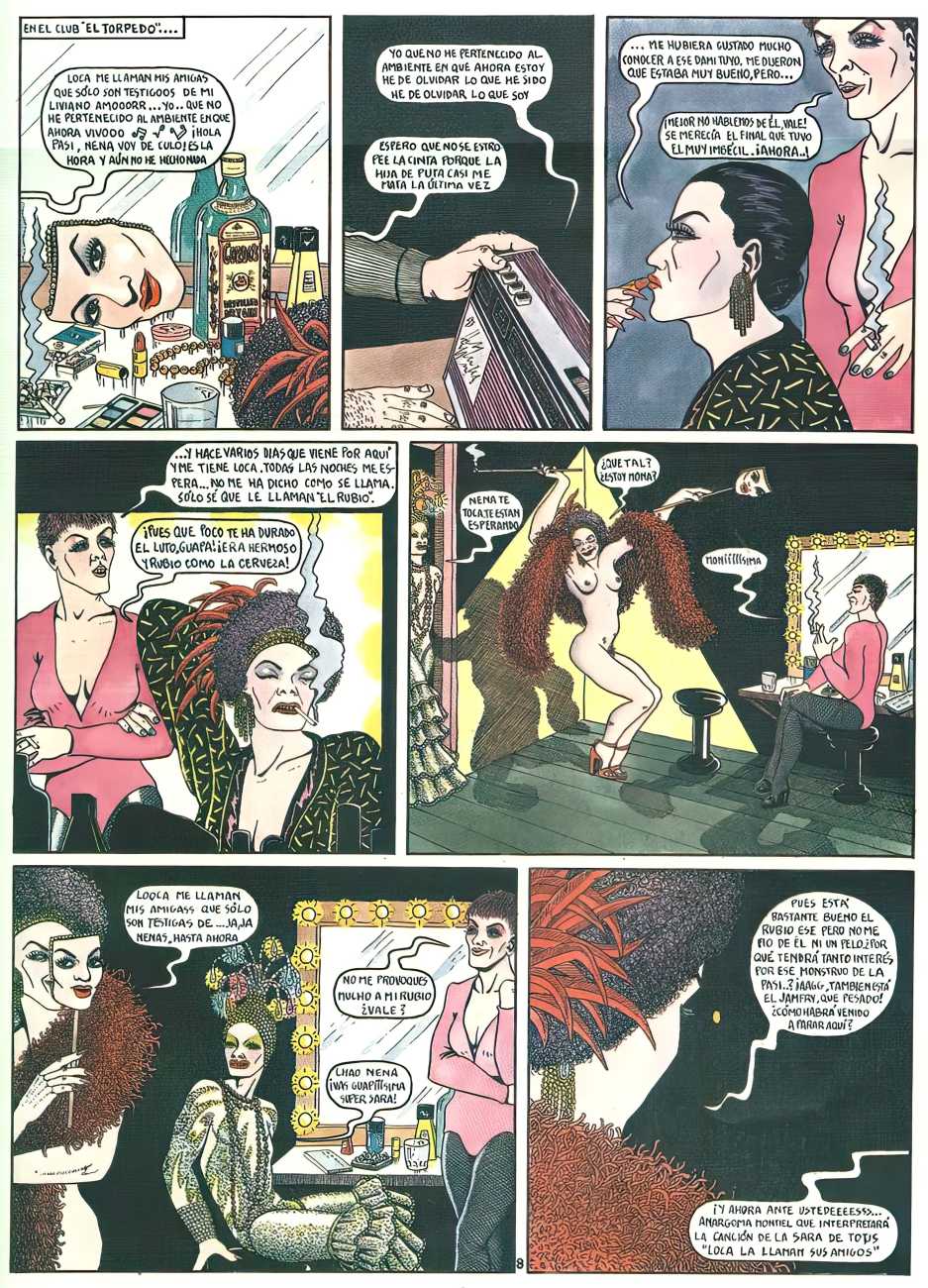
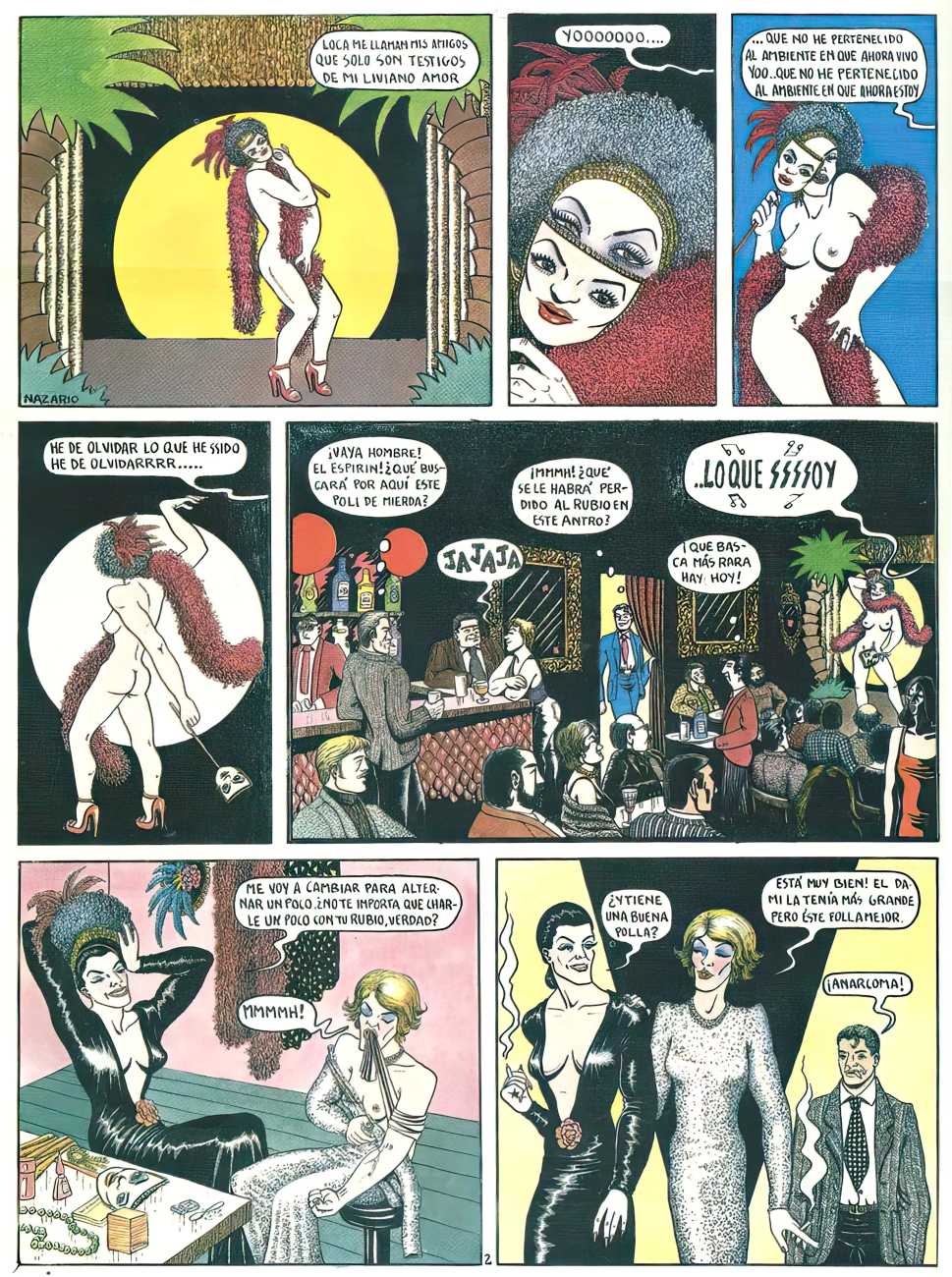
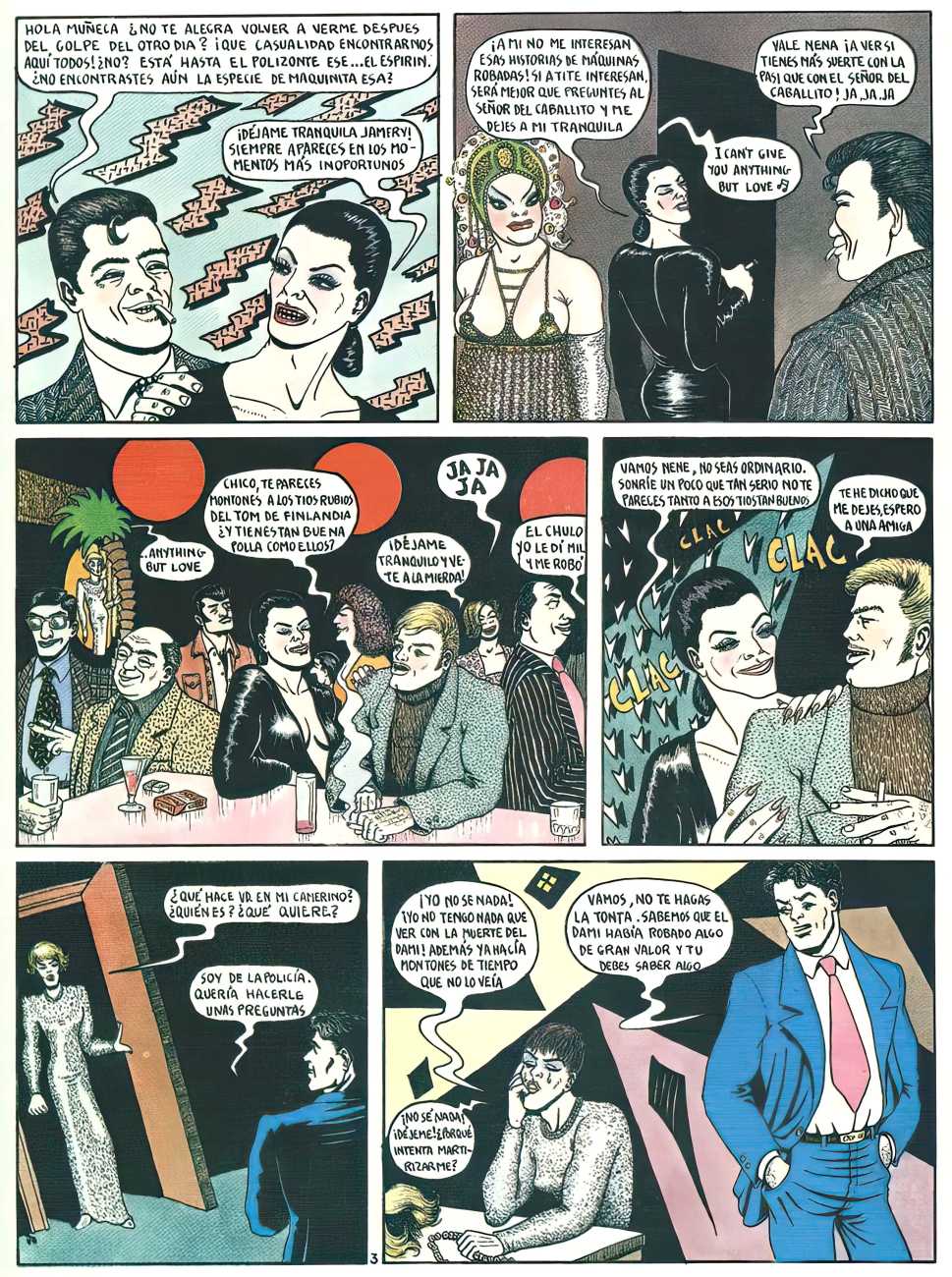
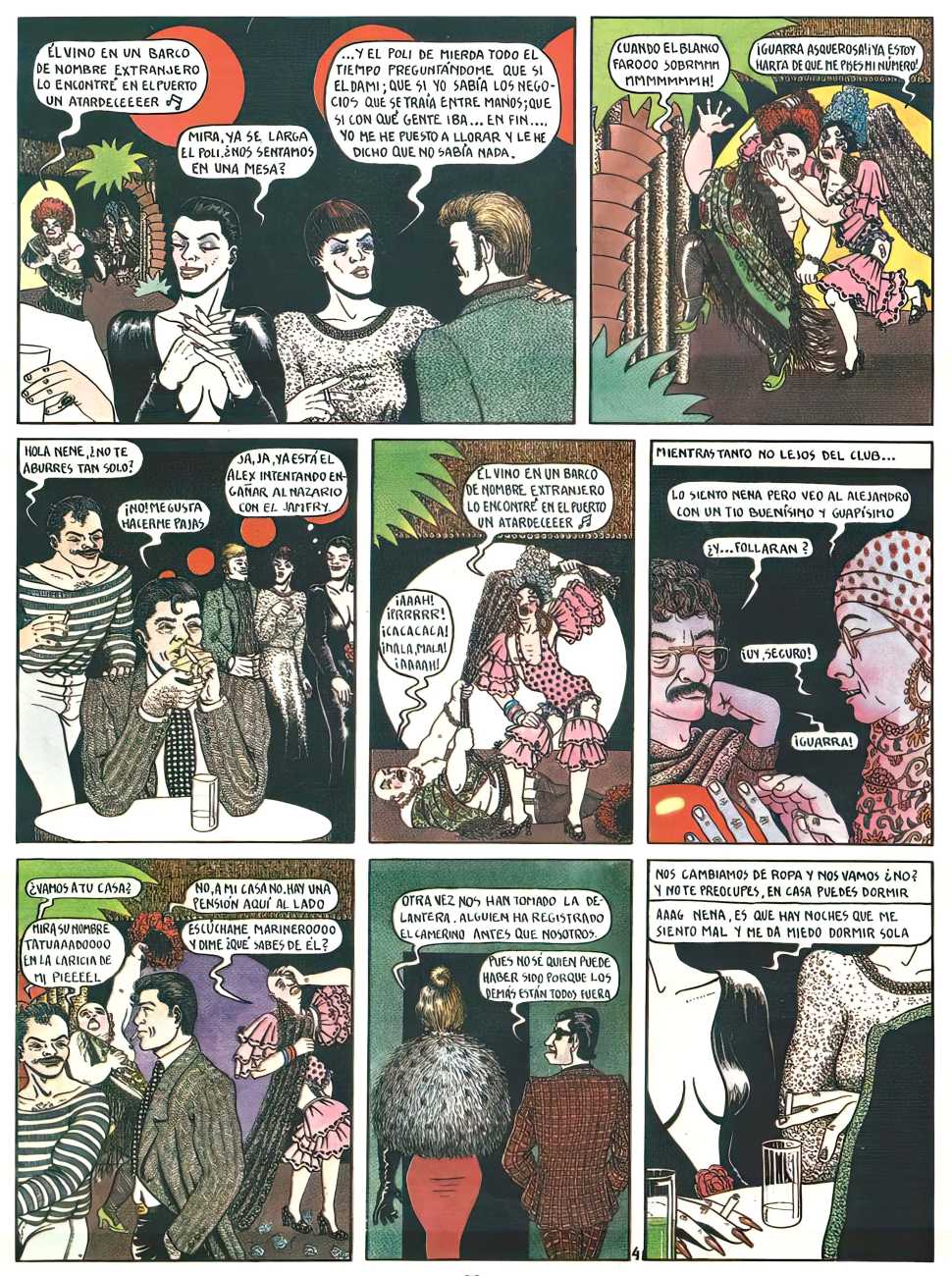
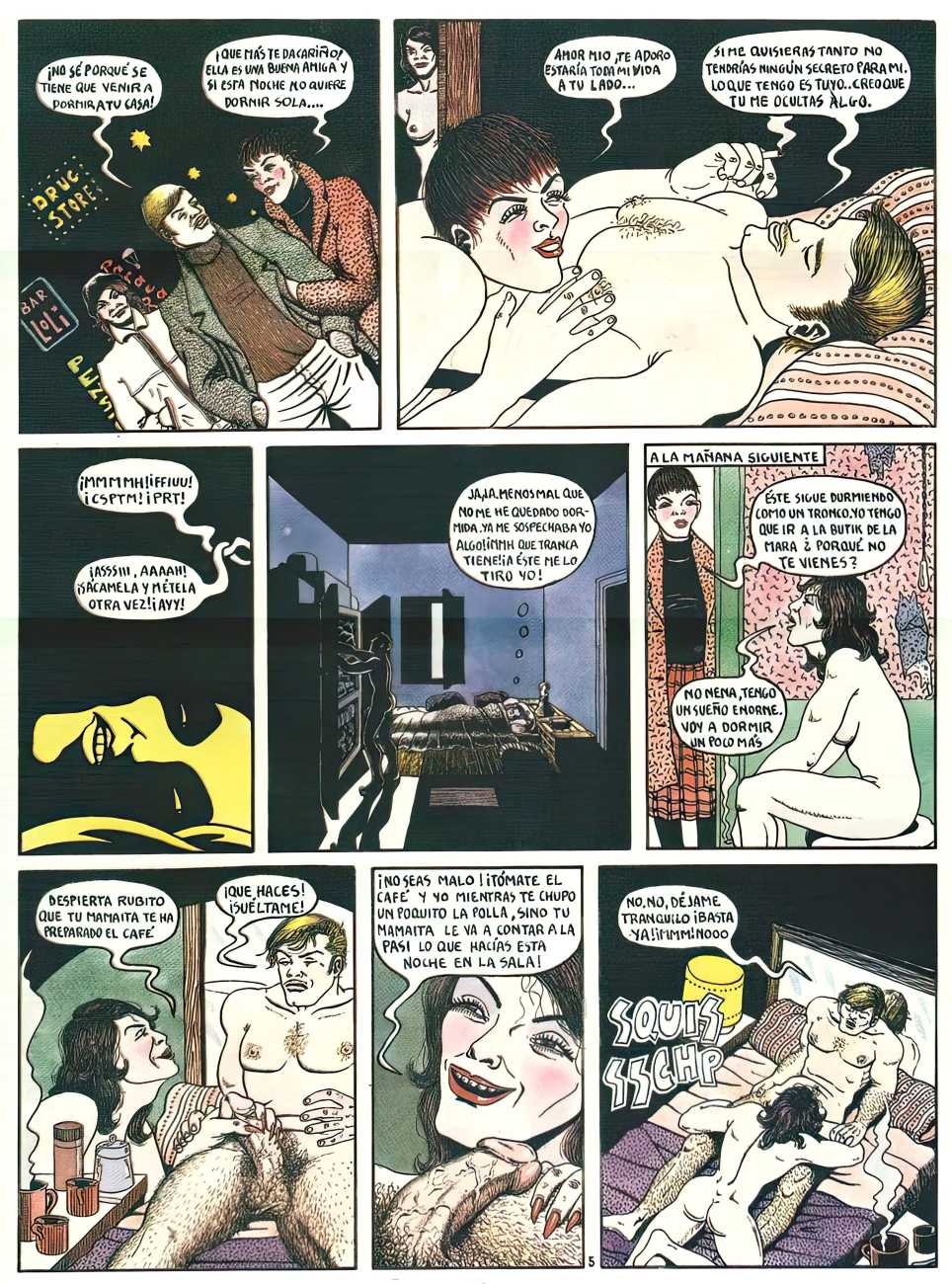
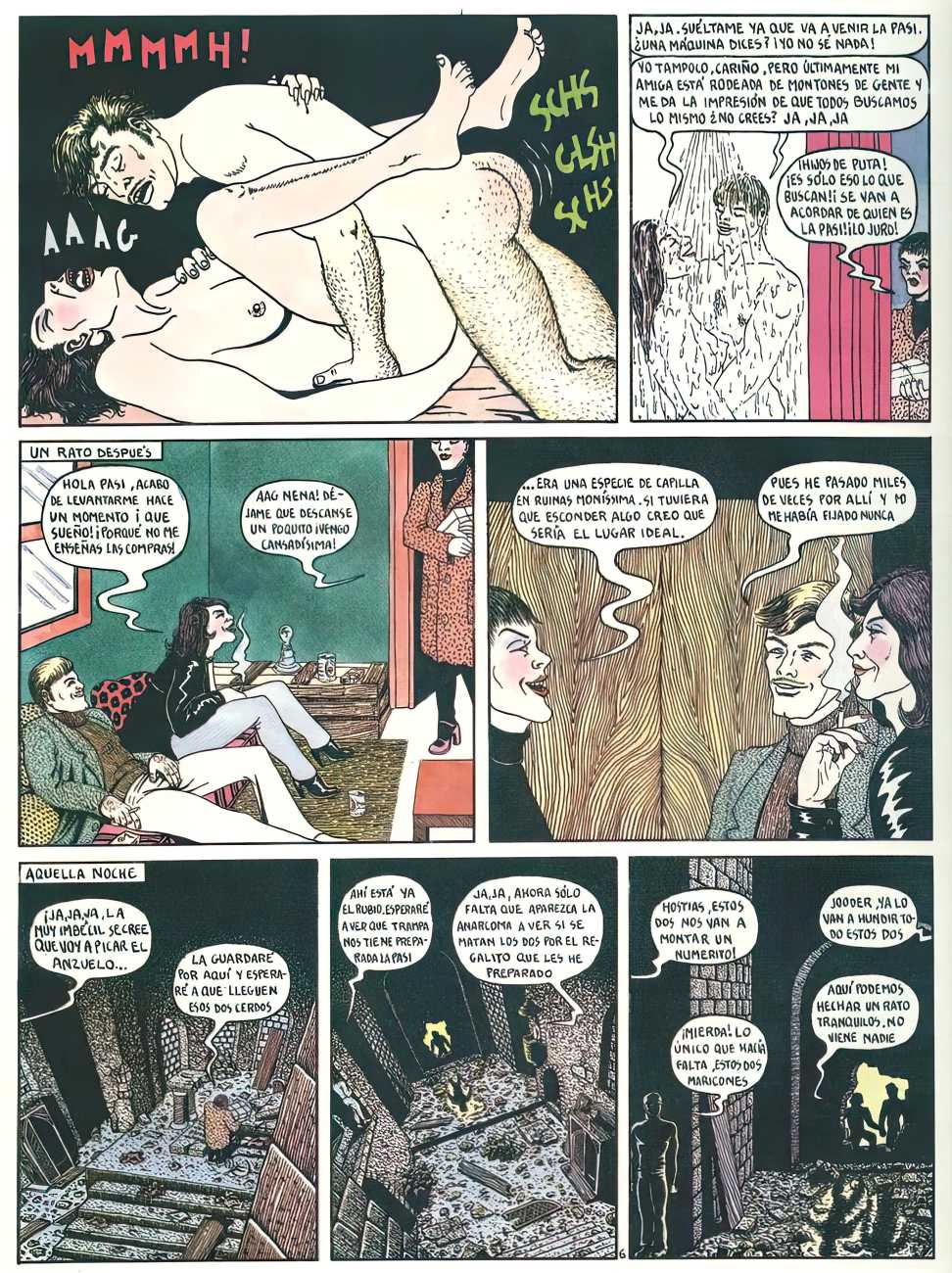
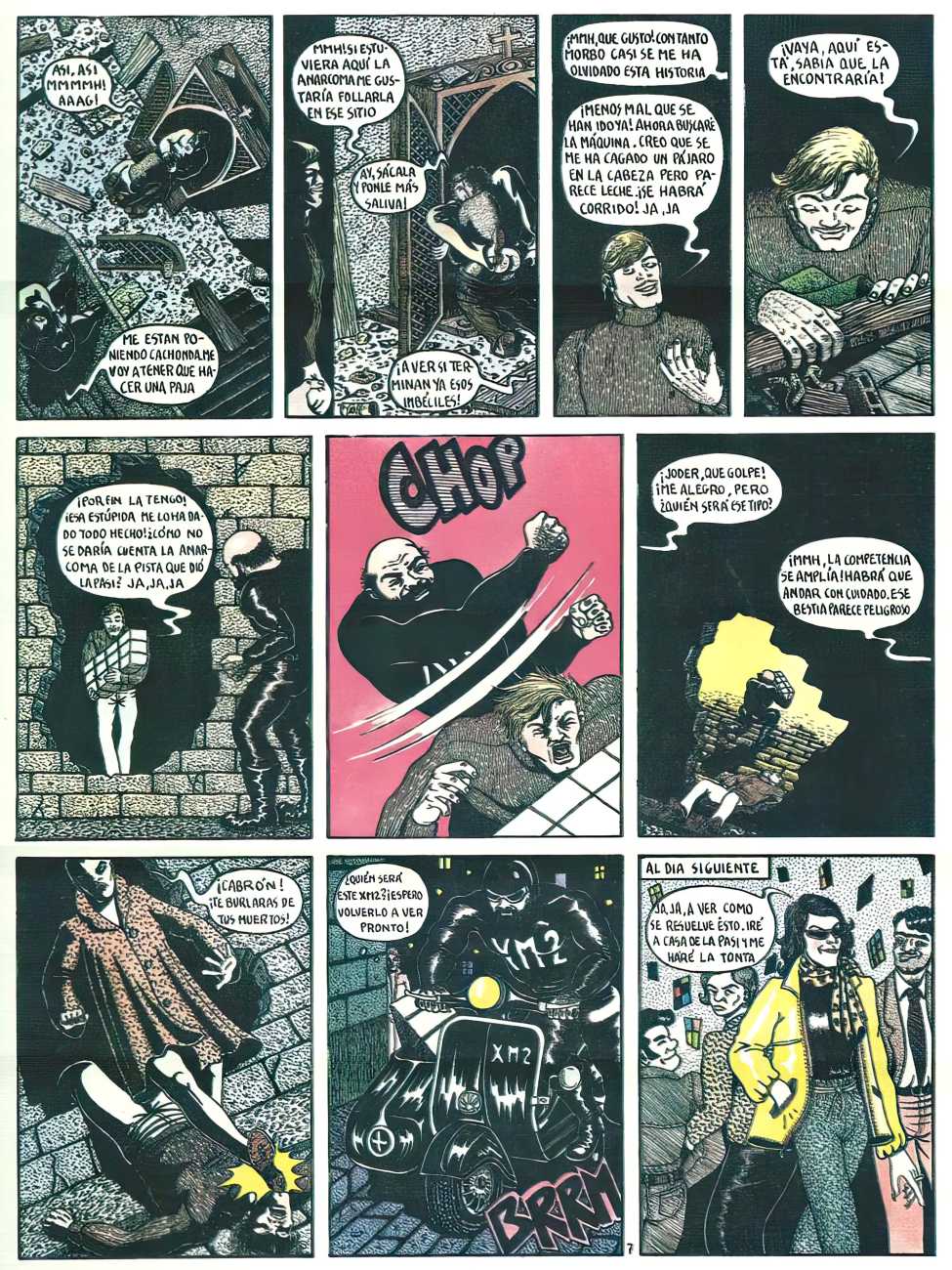
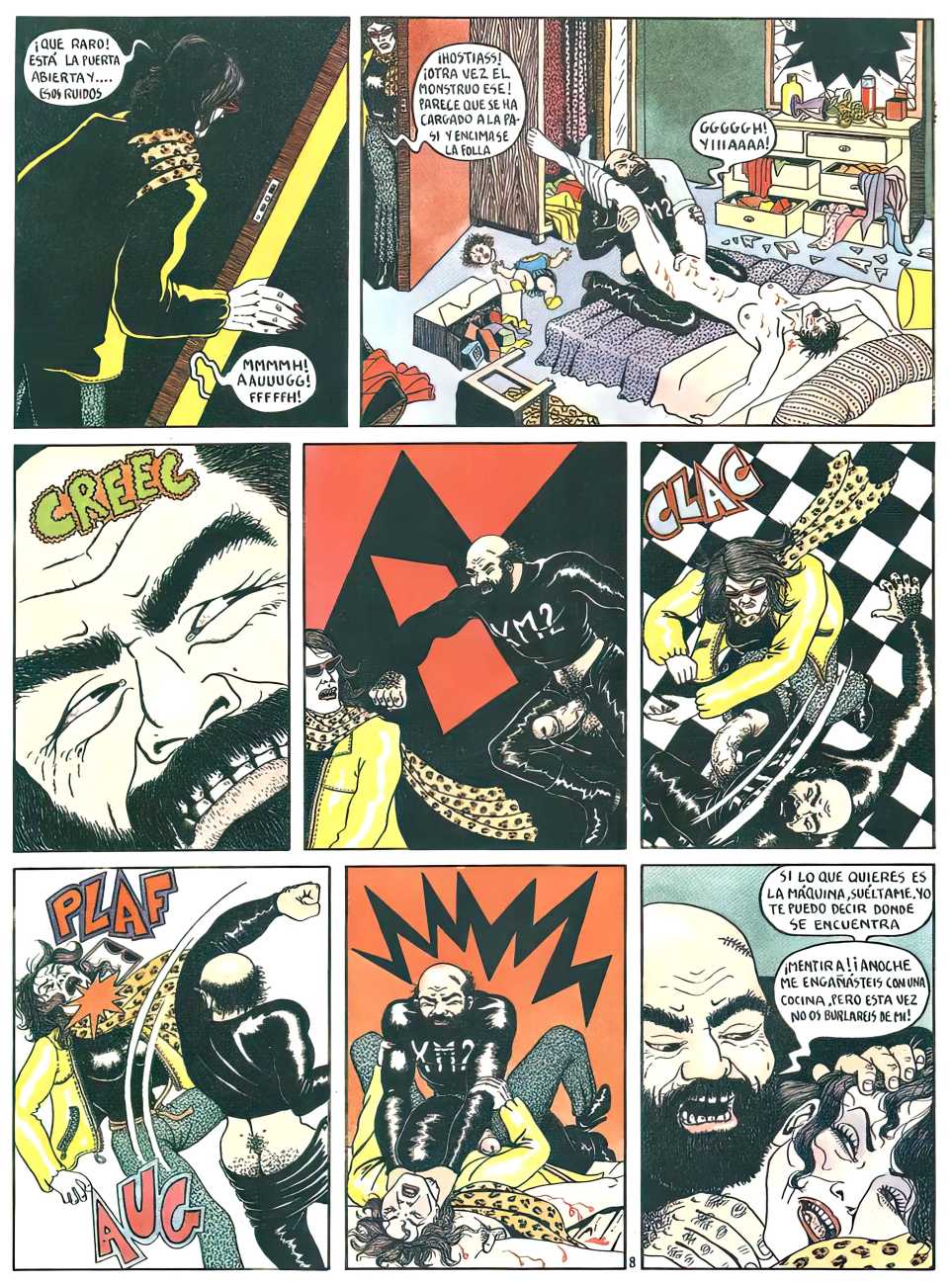
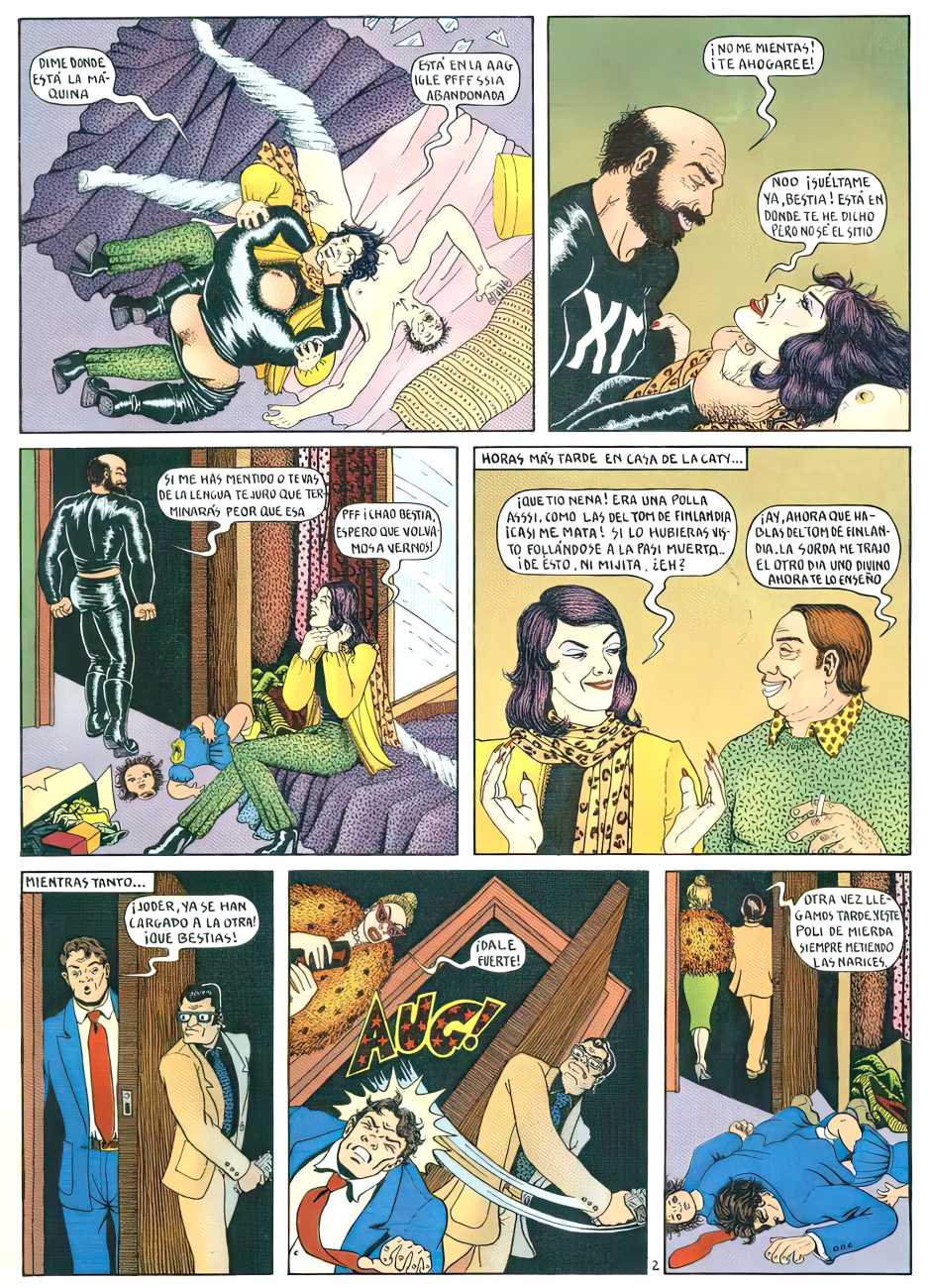
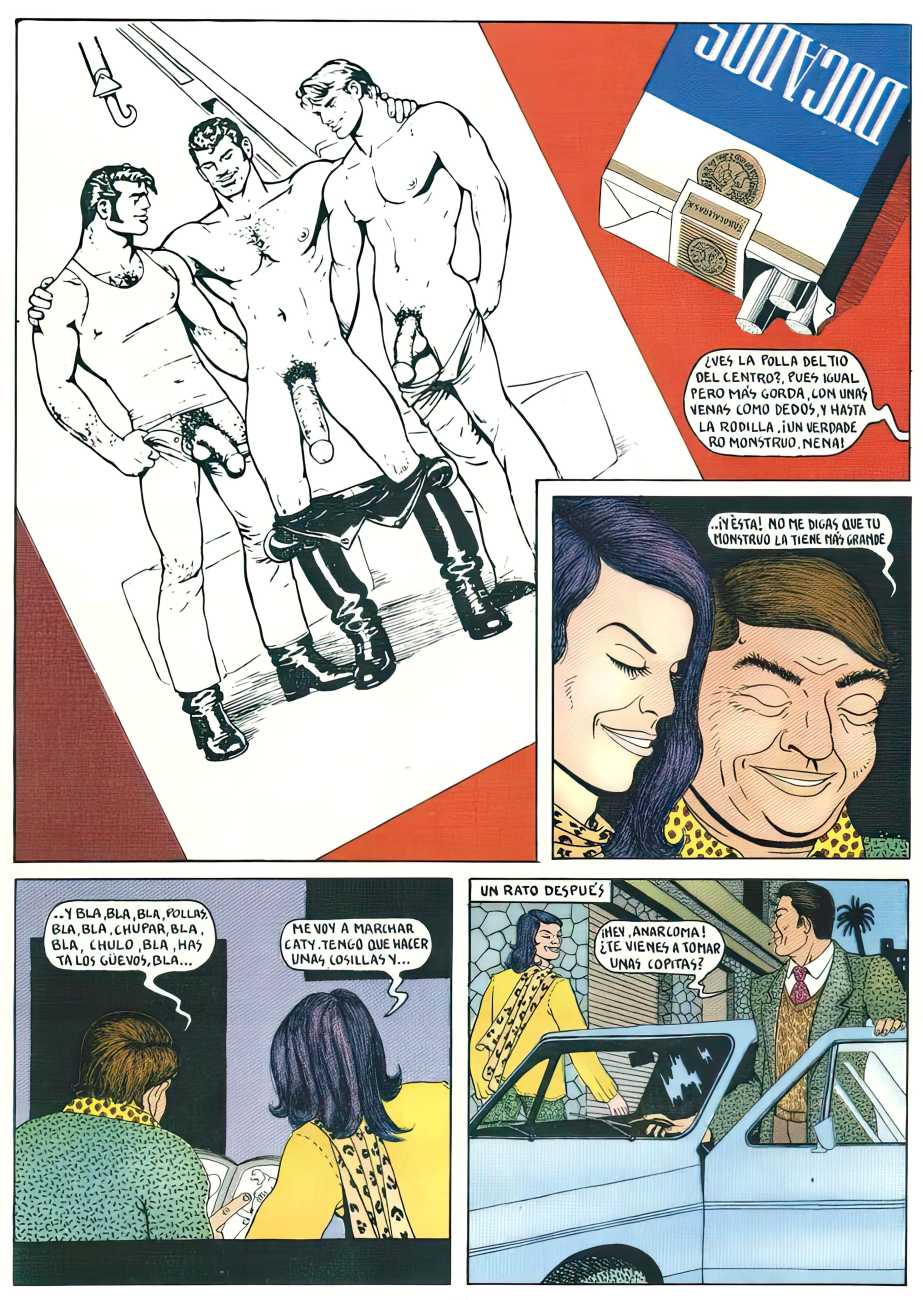
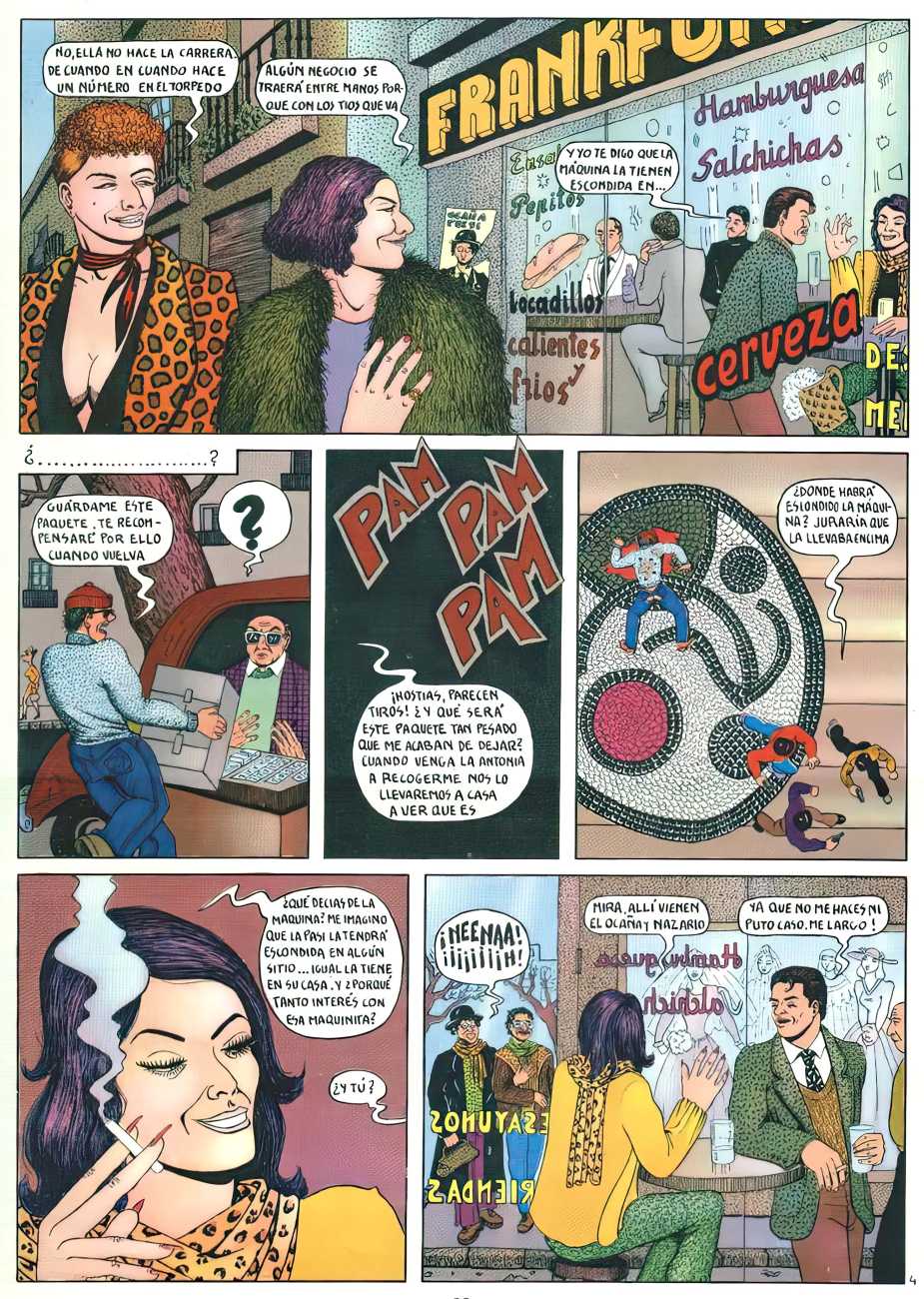
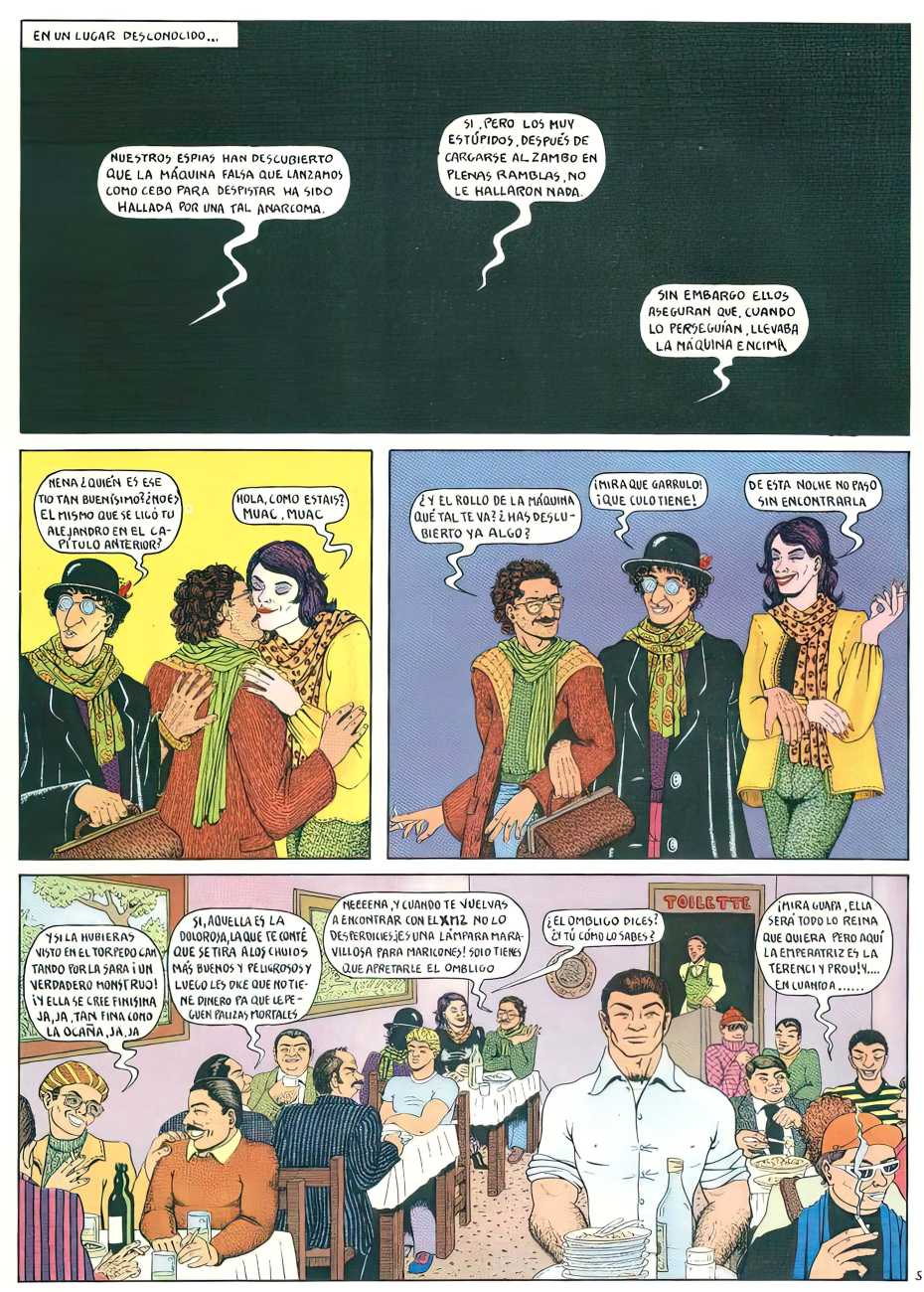
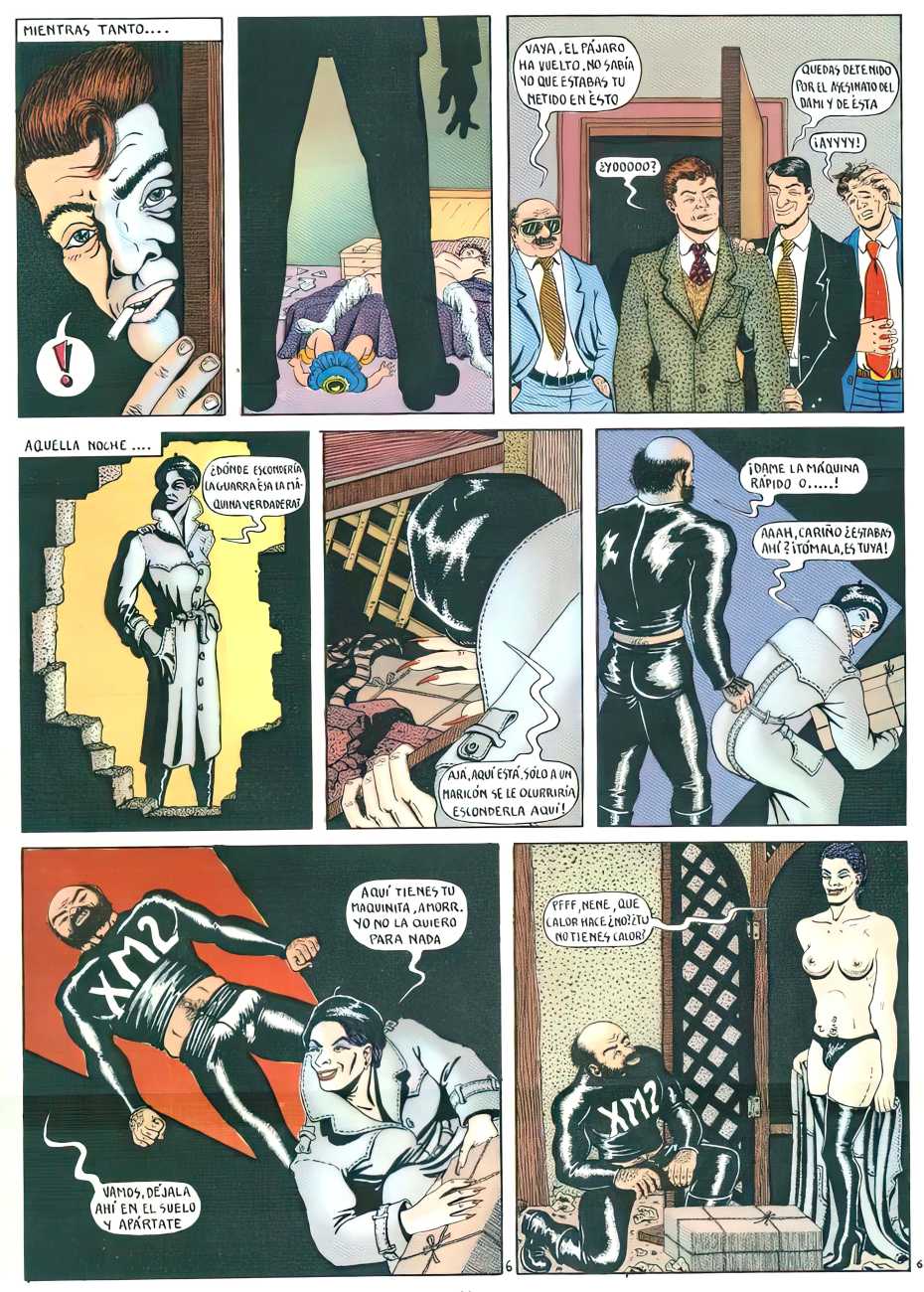
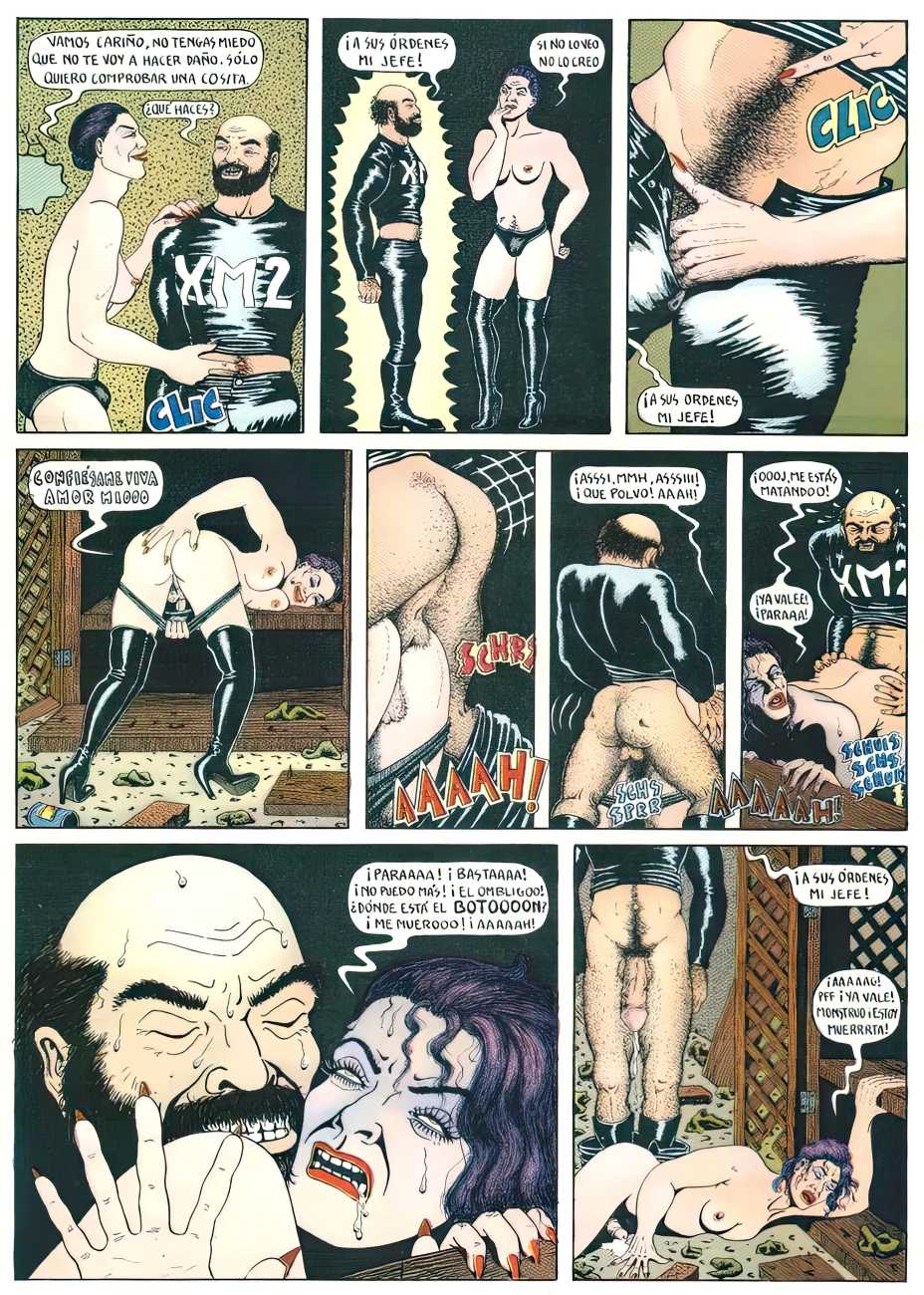
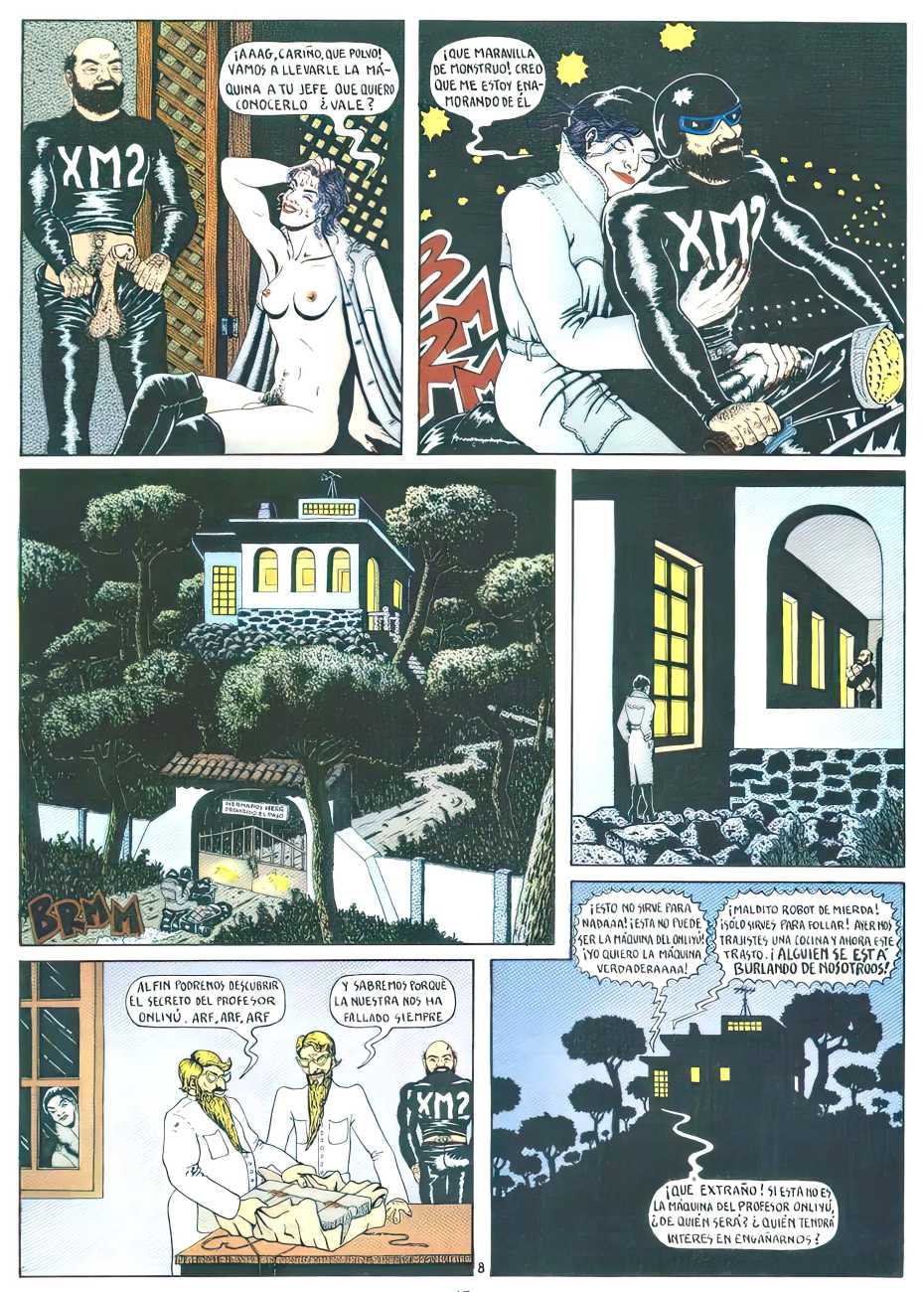
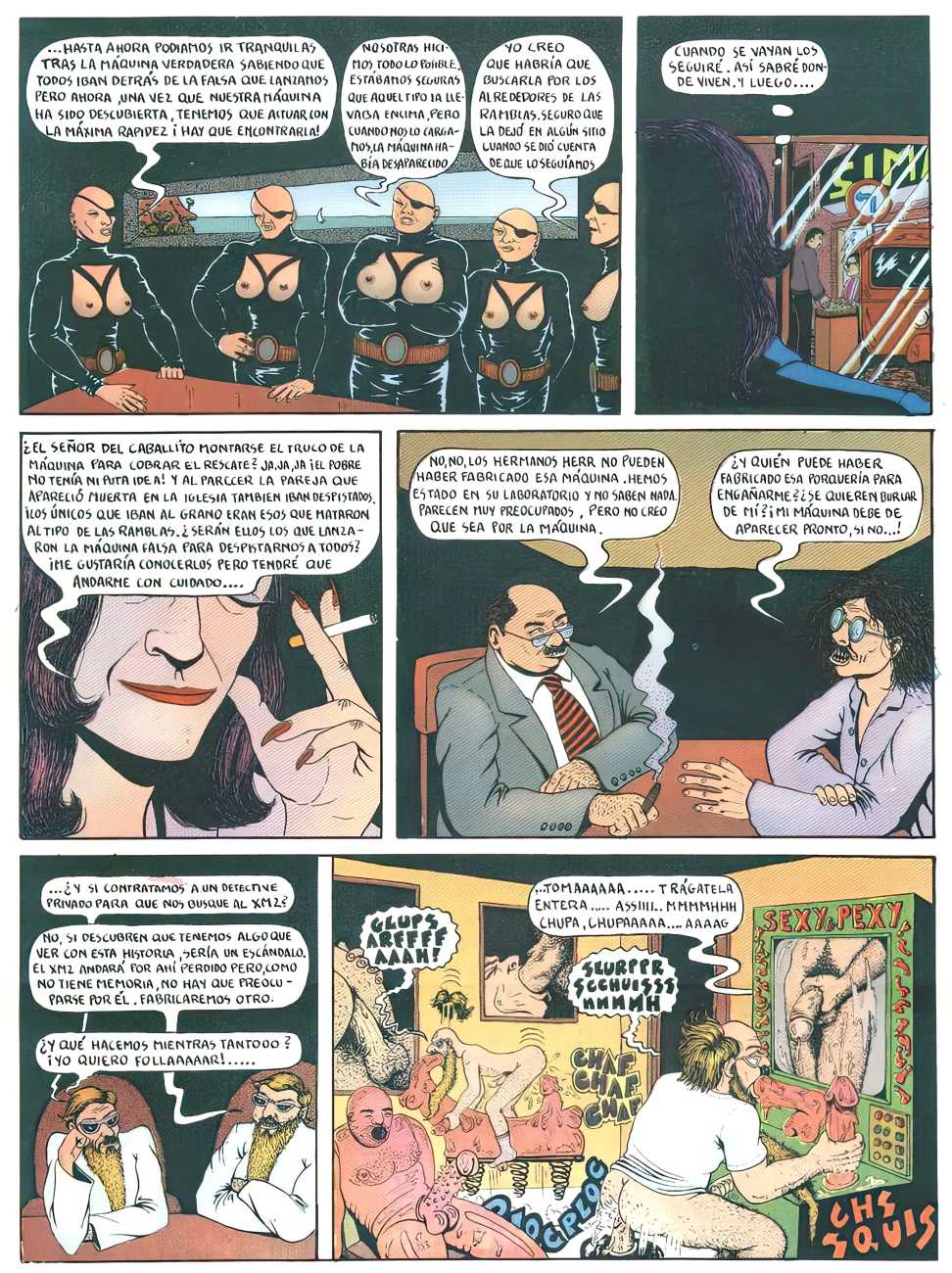
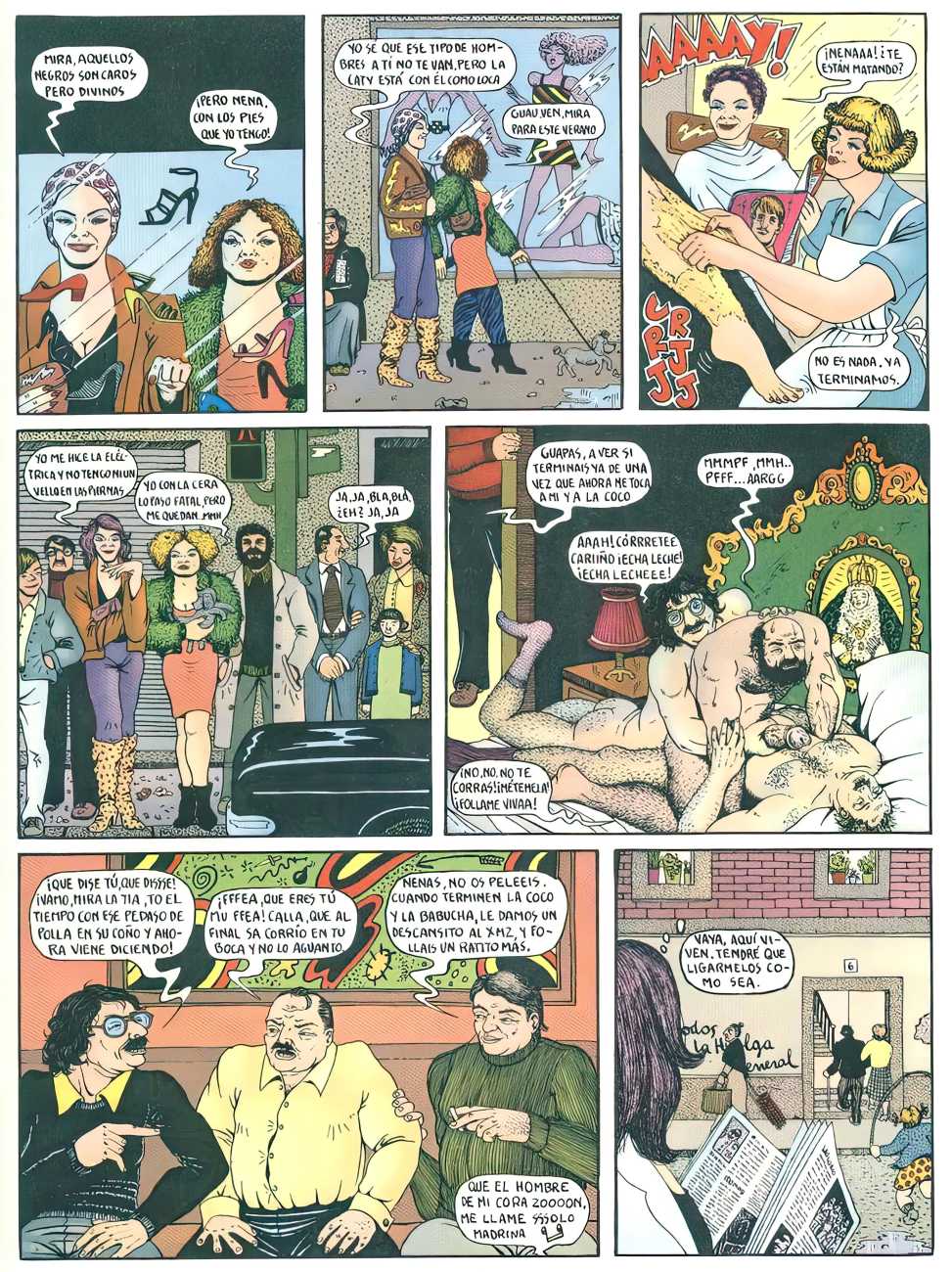
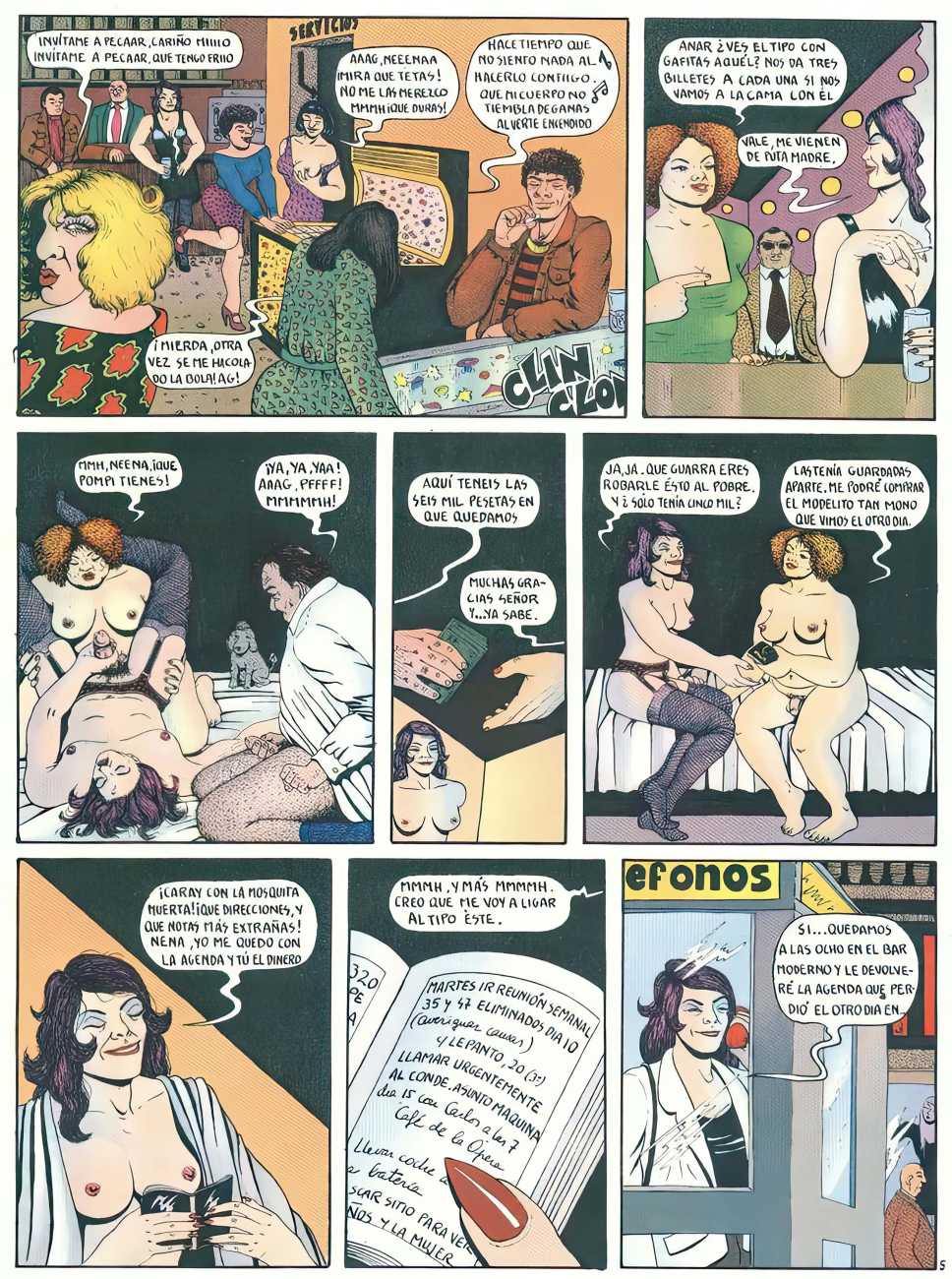
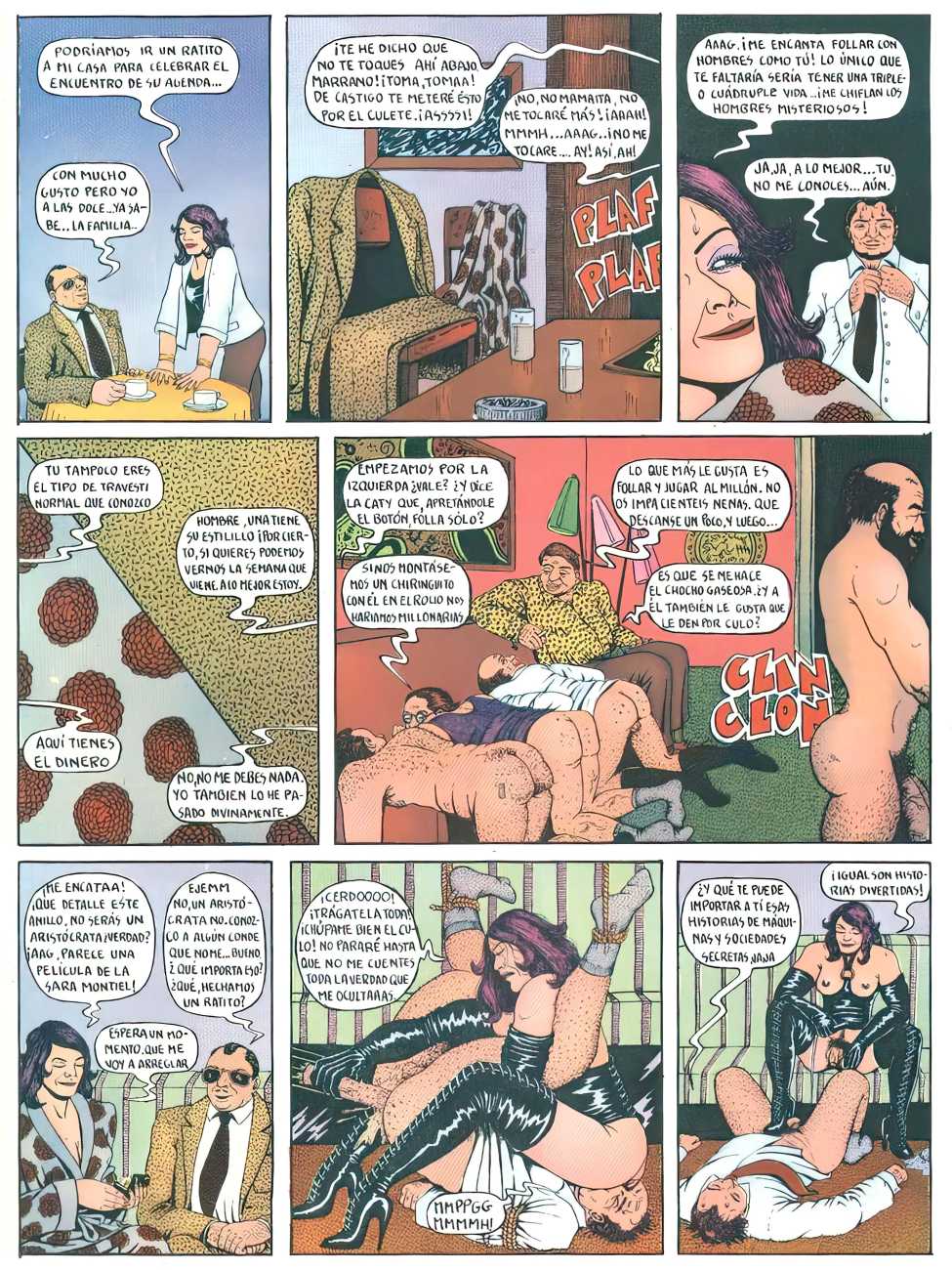
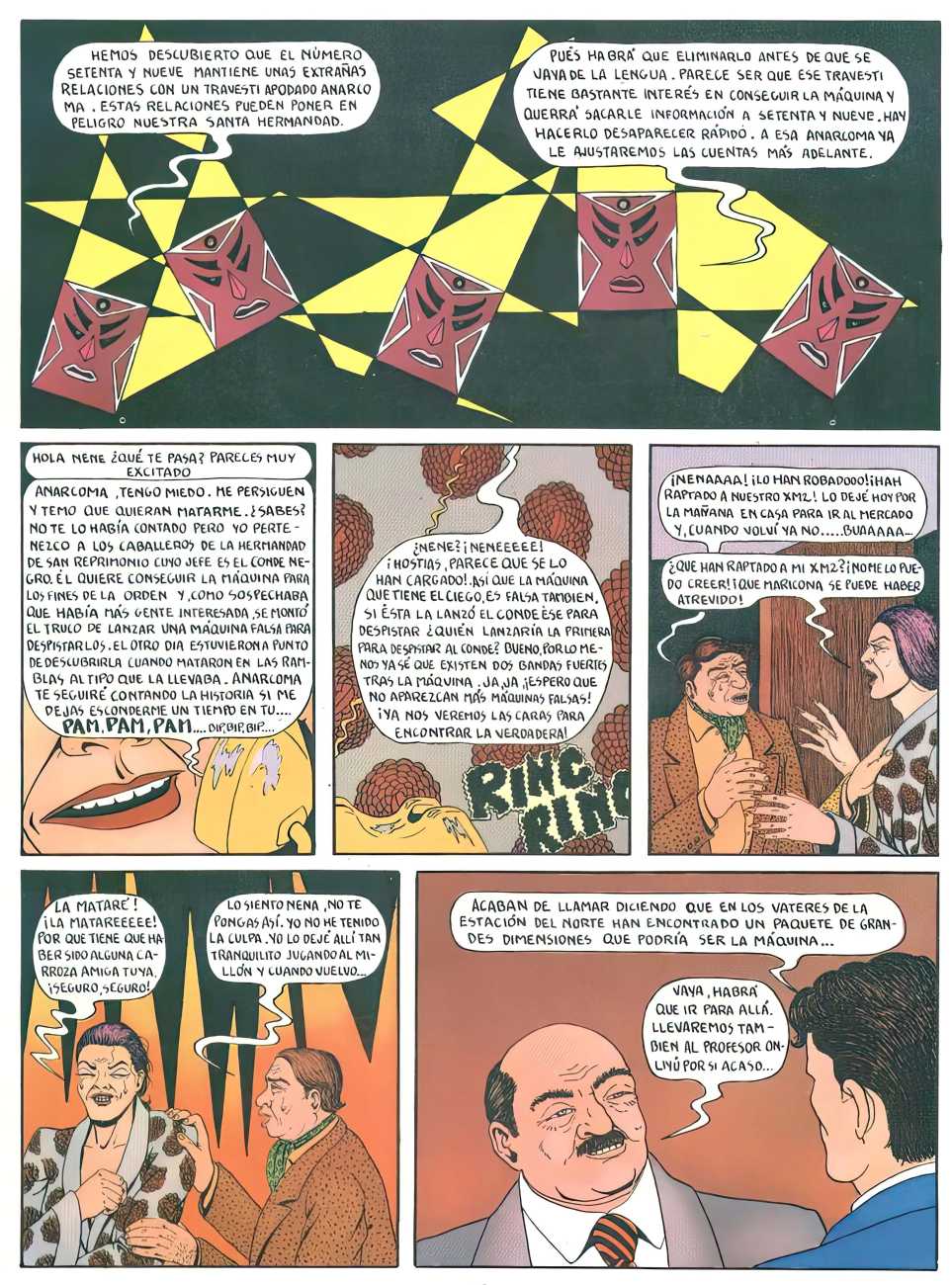
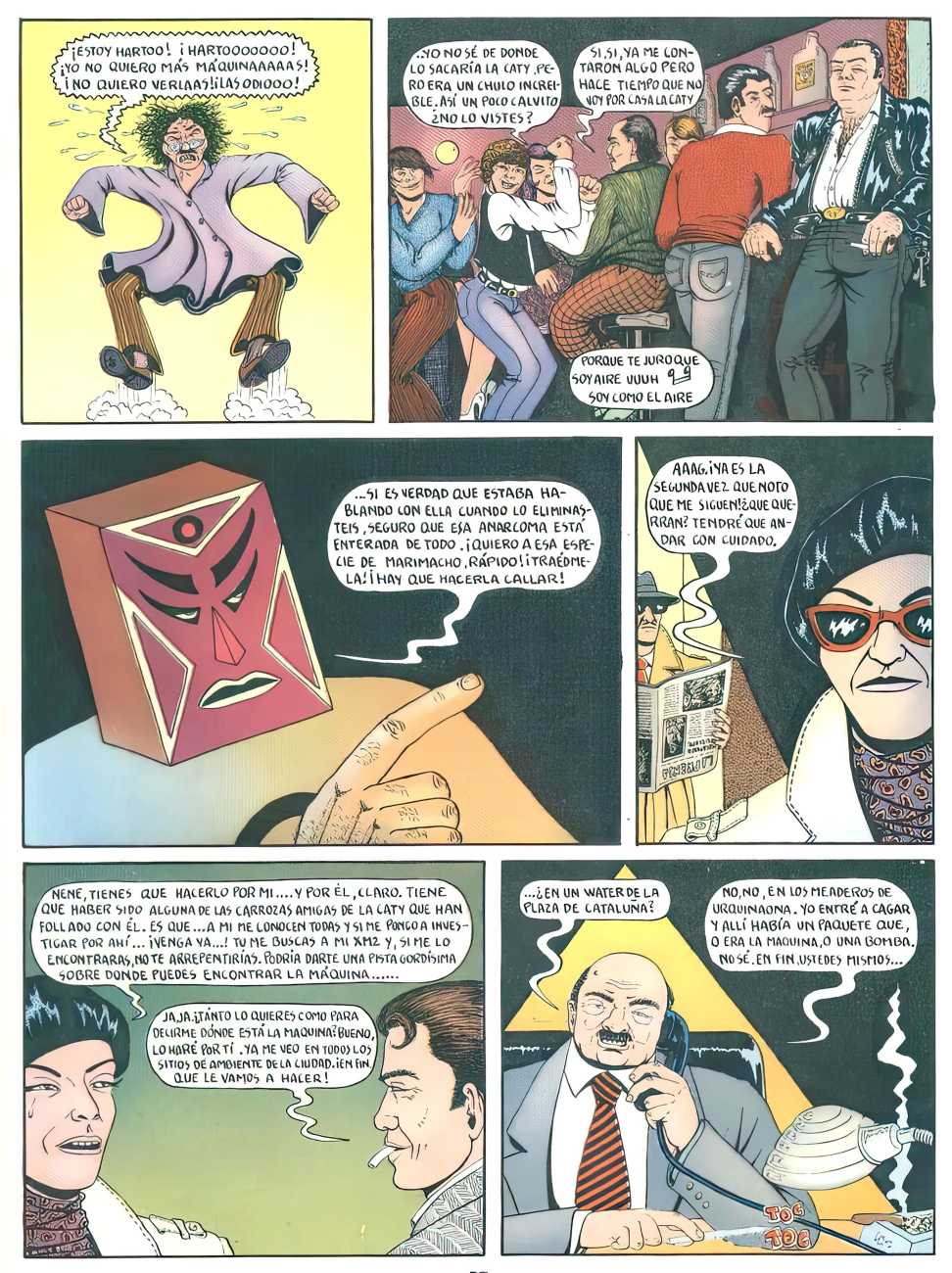
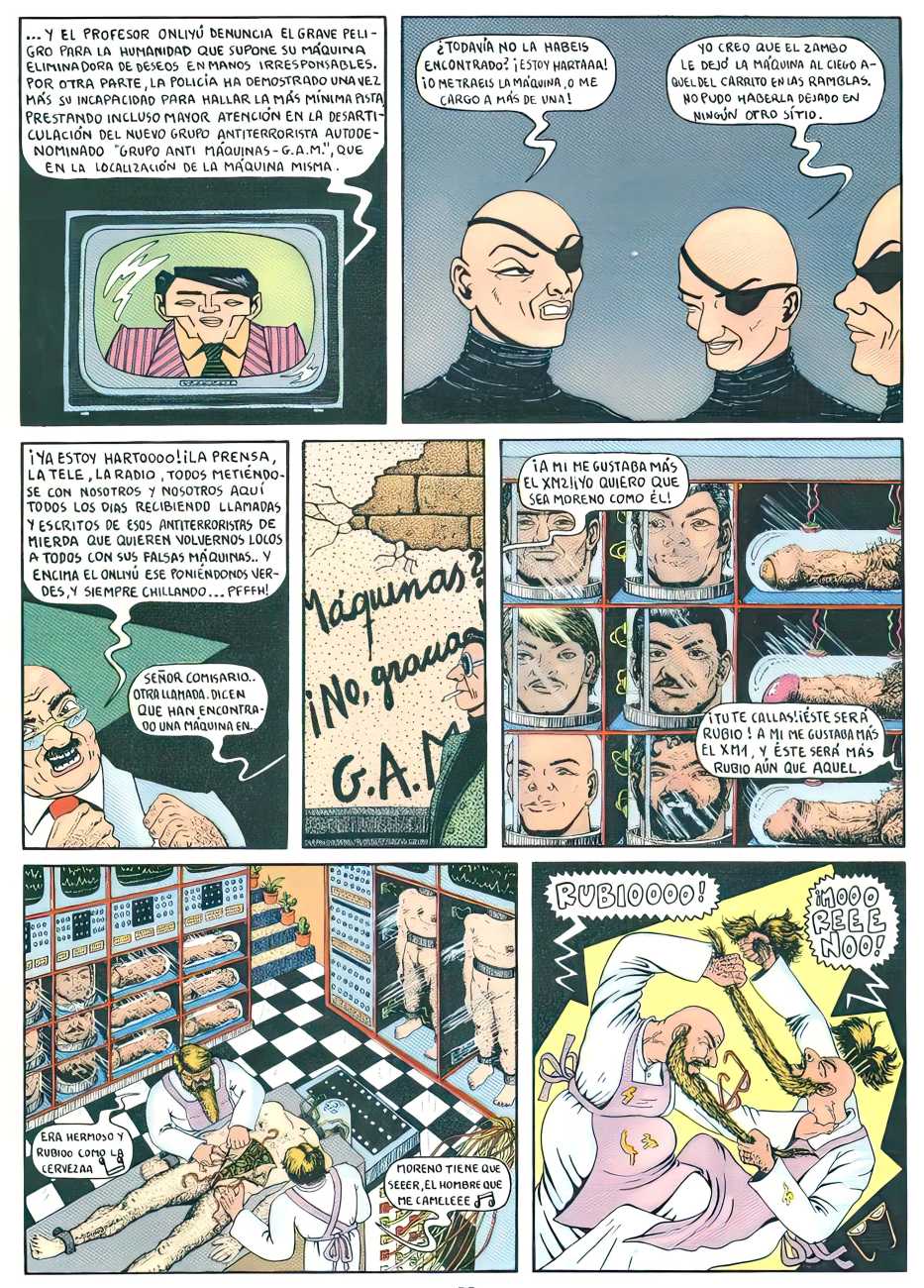
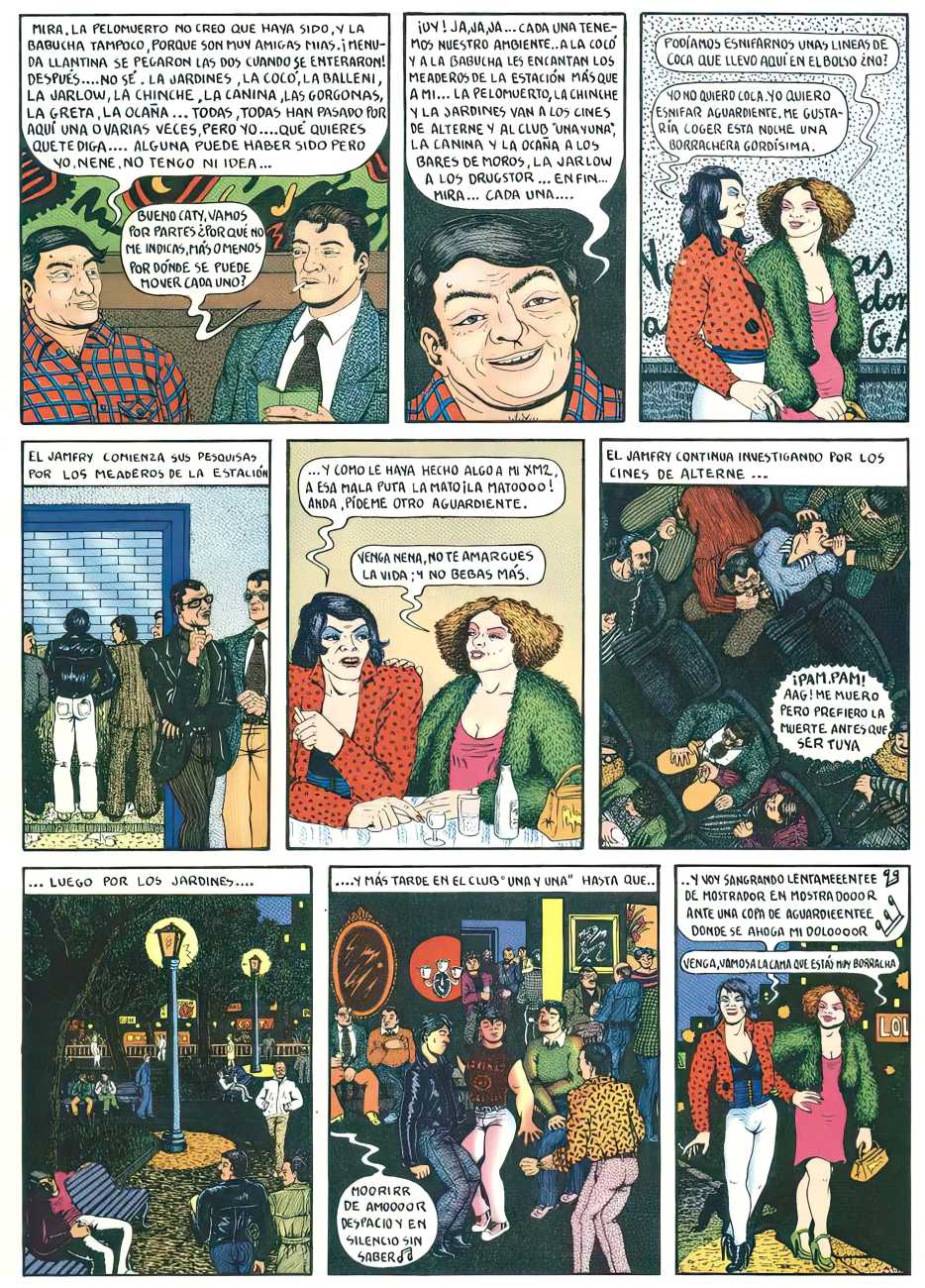
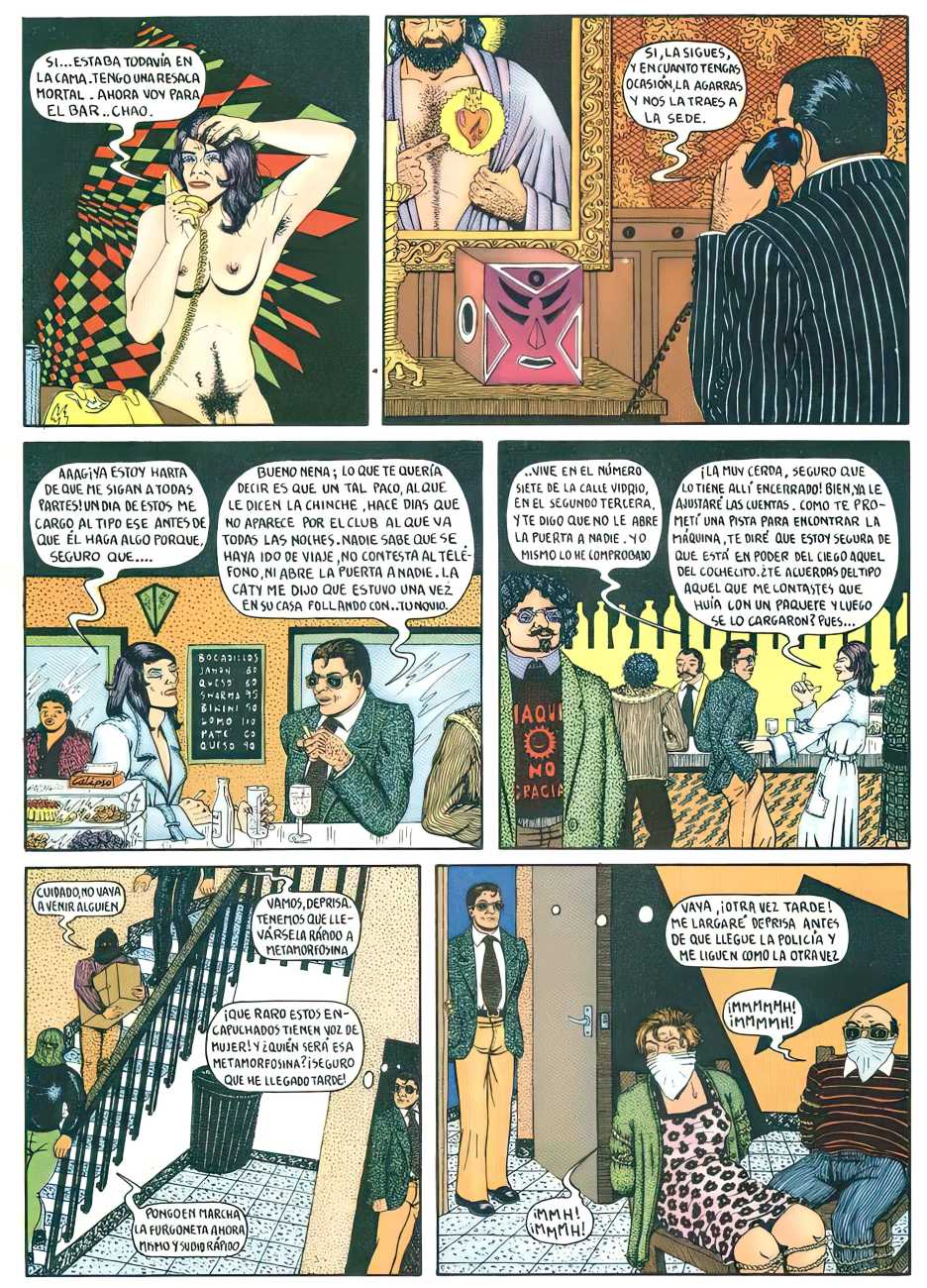
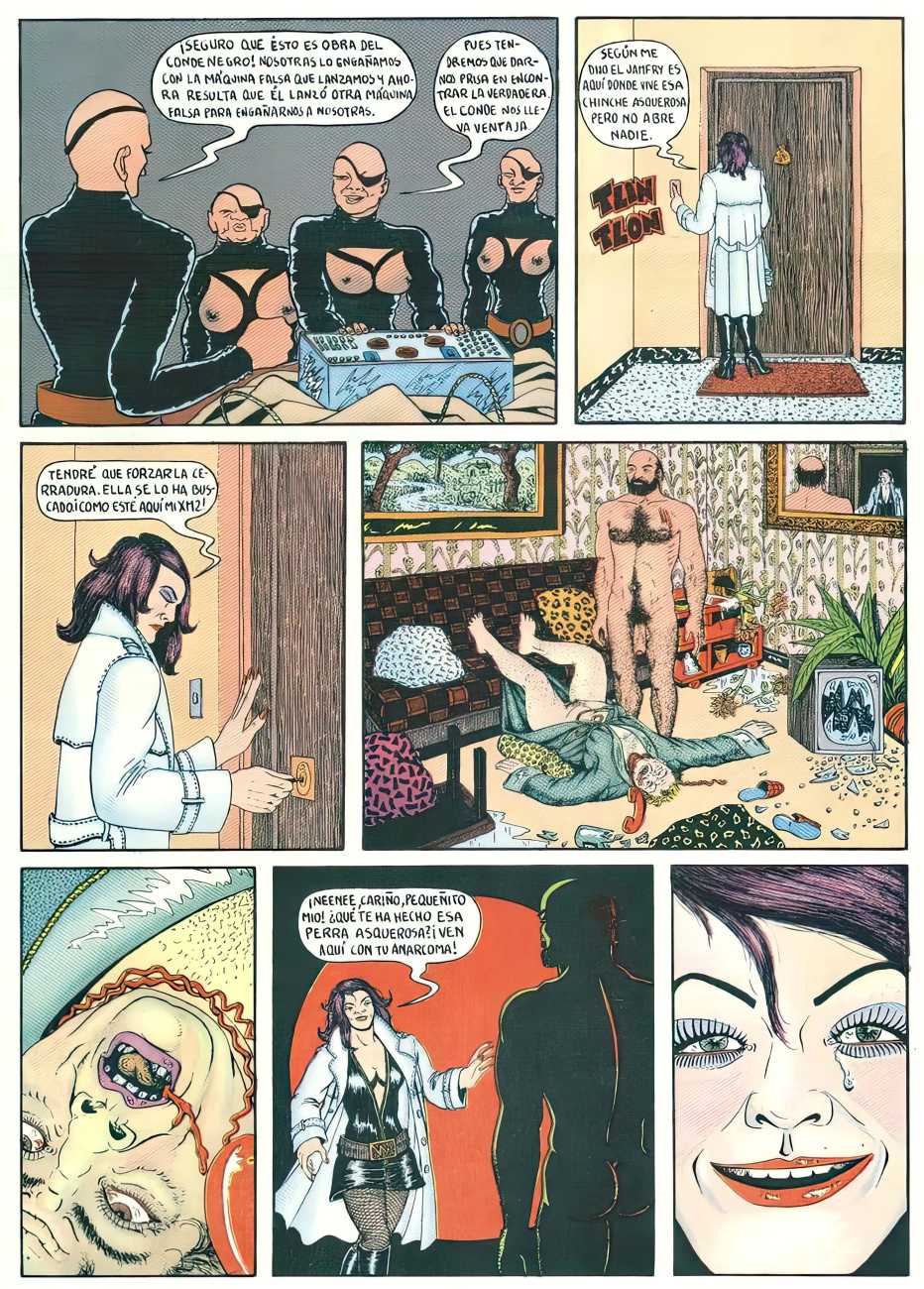
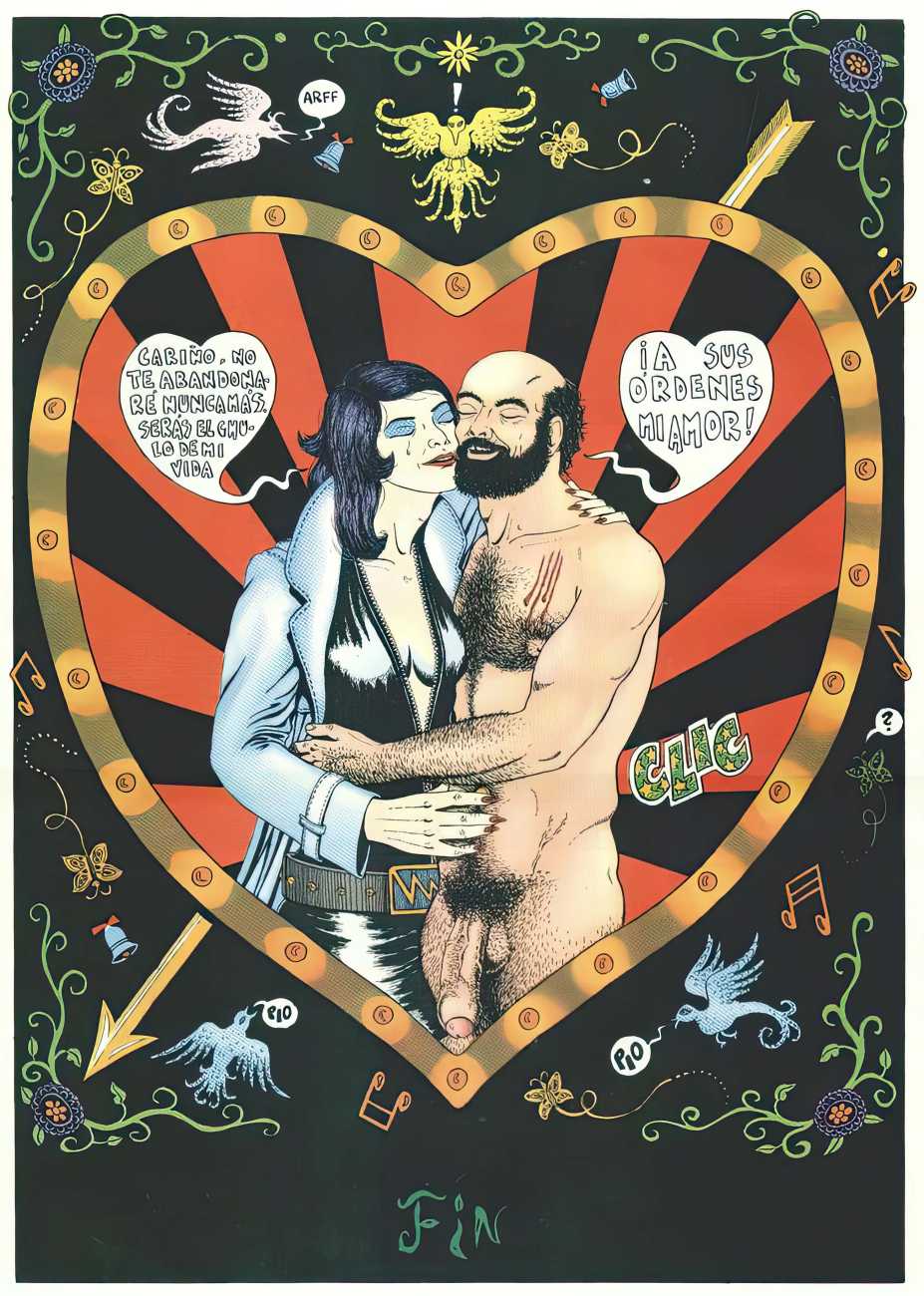
His most celebrated creation, Anarcoma, first appeared in Rampa in 1978 before moving to El Víbora. Its protagonist is a flamboyant transvestite detective who moves through the bars, clubs, cruising grounds and criminal underworld of Barcelona. Nazario deliberately avoided creating another conventional male detective, explaining that ‘I thought a transvestite would be perfect in the role of the detective.’ The comic’s combination of explicit sexuality, black humour, film noir and extravagant characters made Anarcoma an enduring icon of Spanish underground comics. The series was translated into several European languages and English, although its explicit content caused censorship problems in the United States and elsewhere.
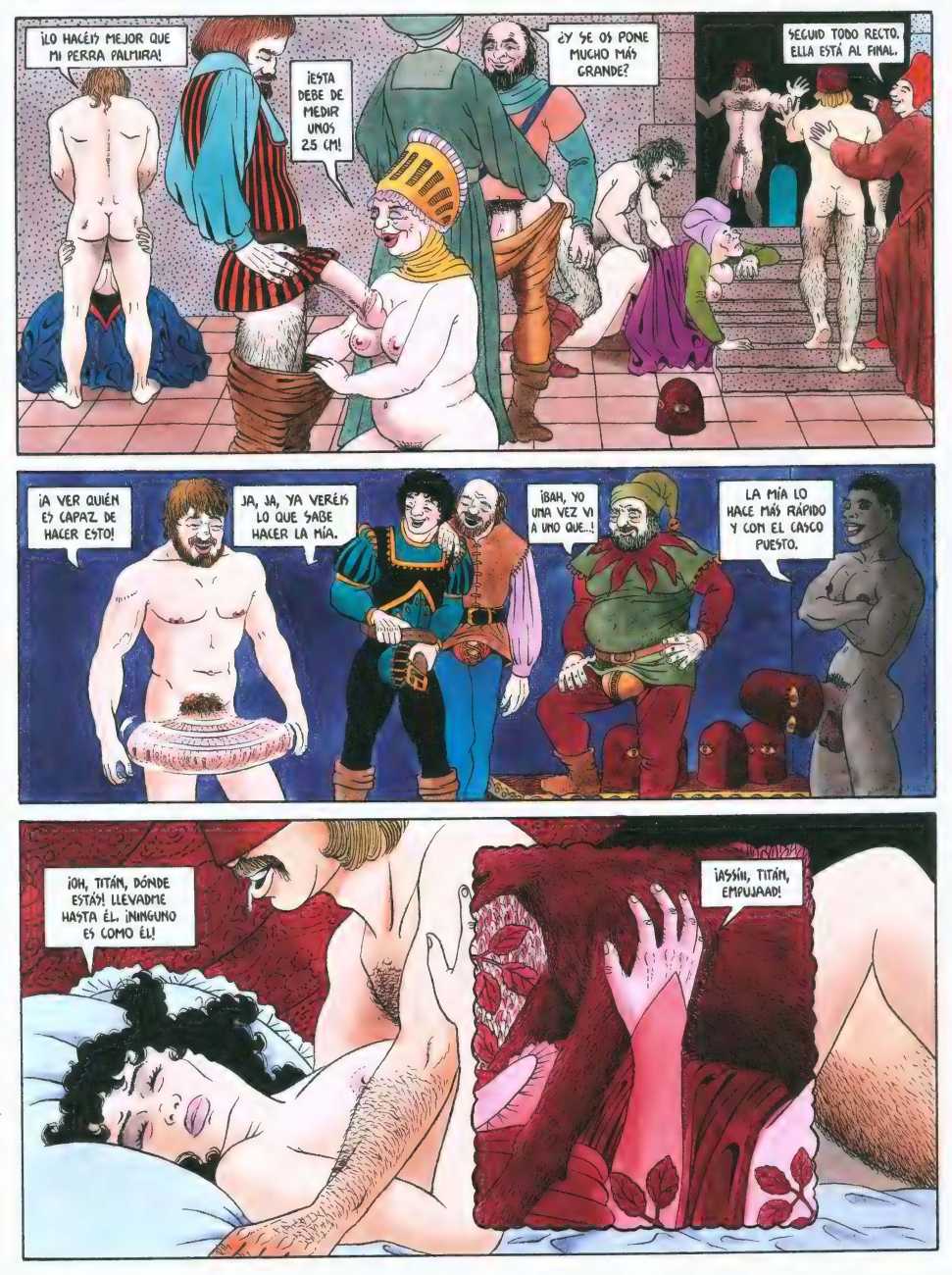
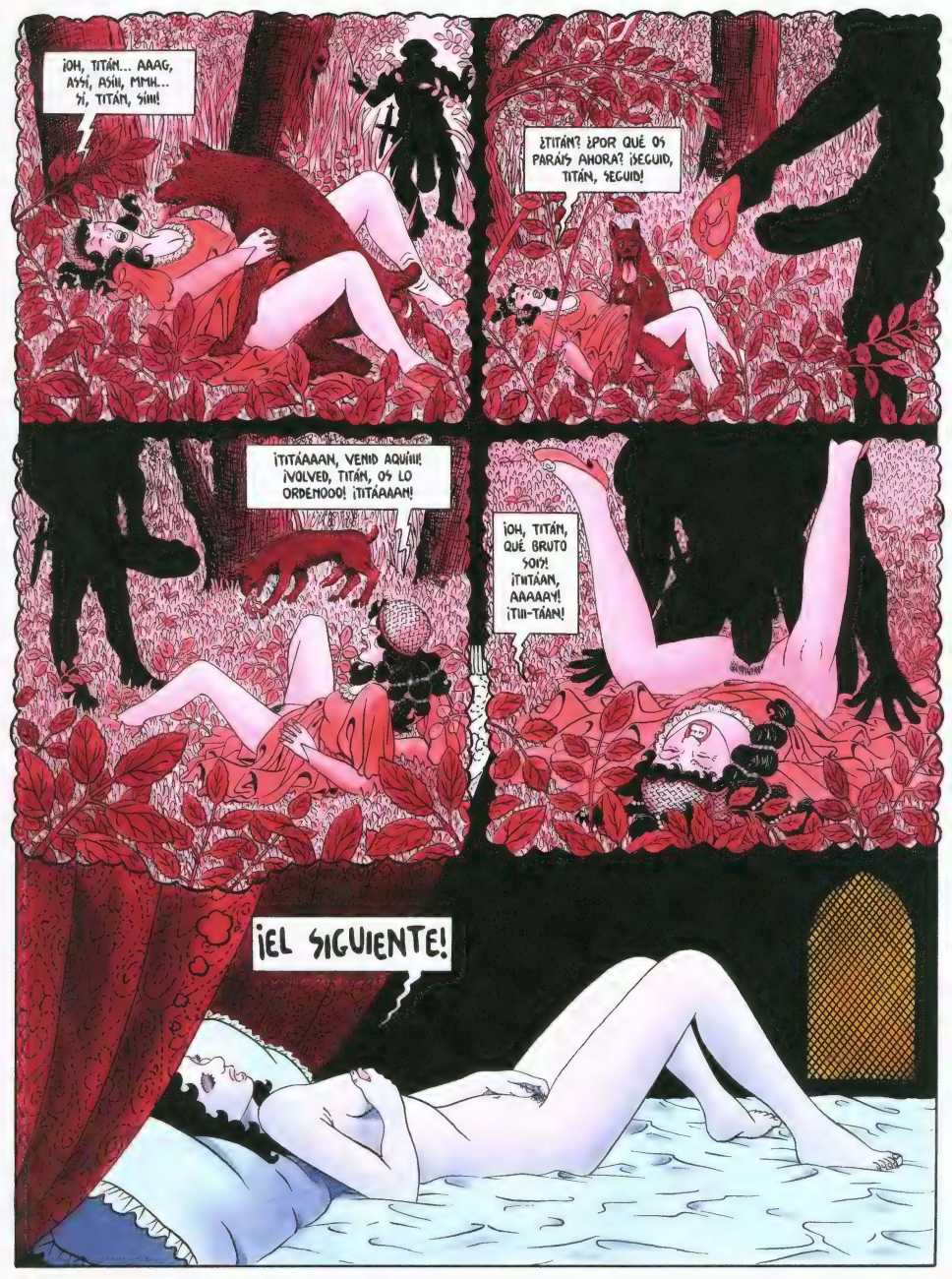
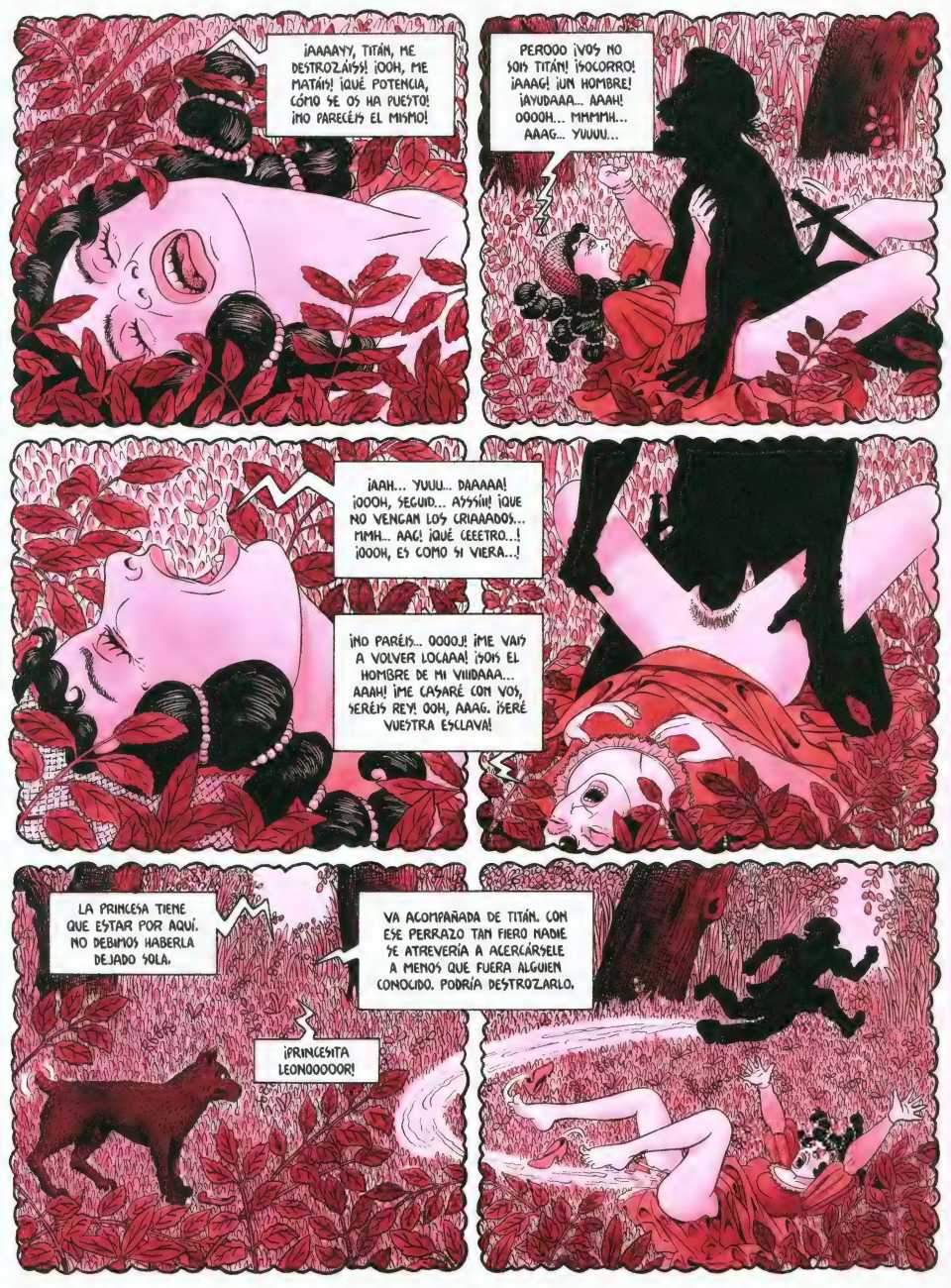
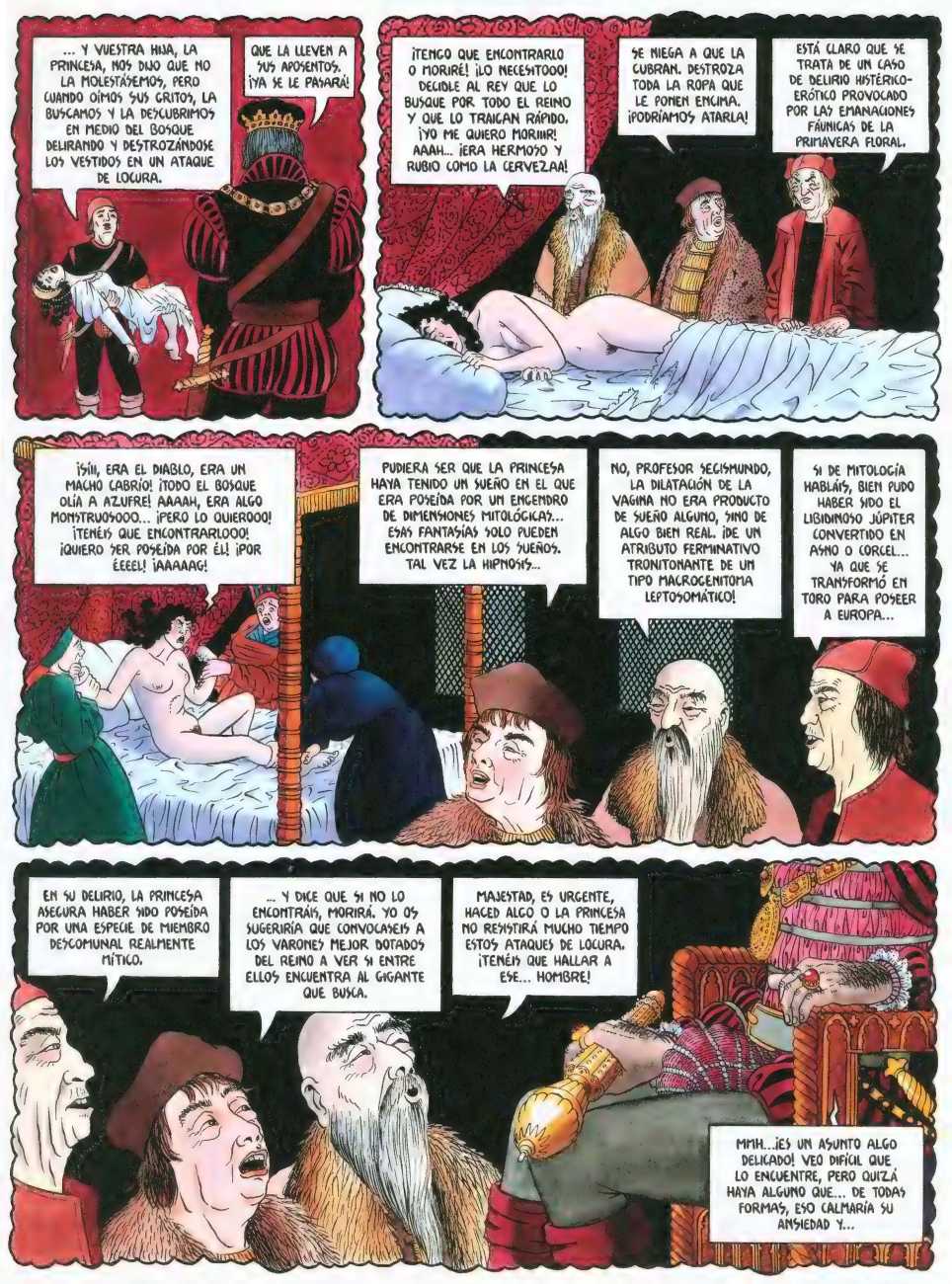
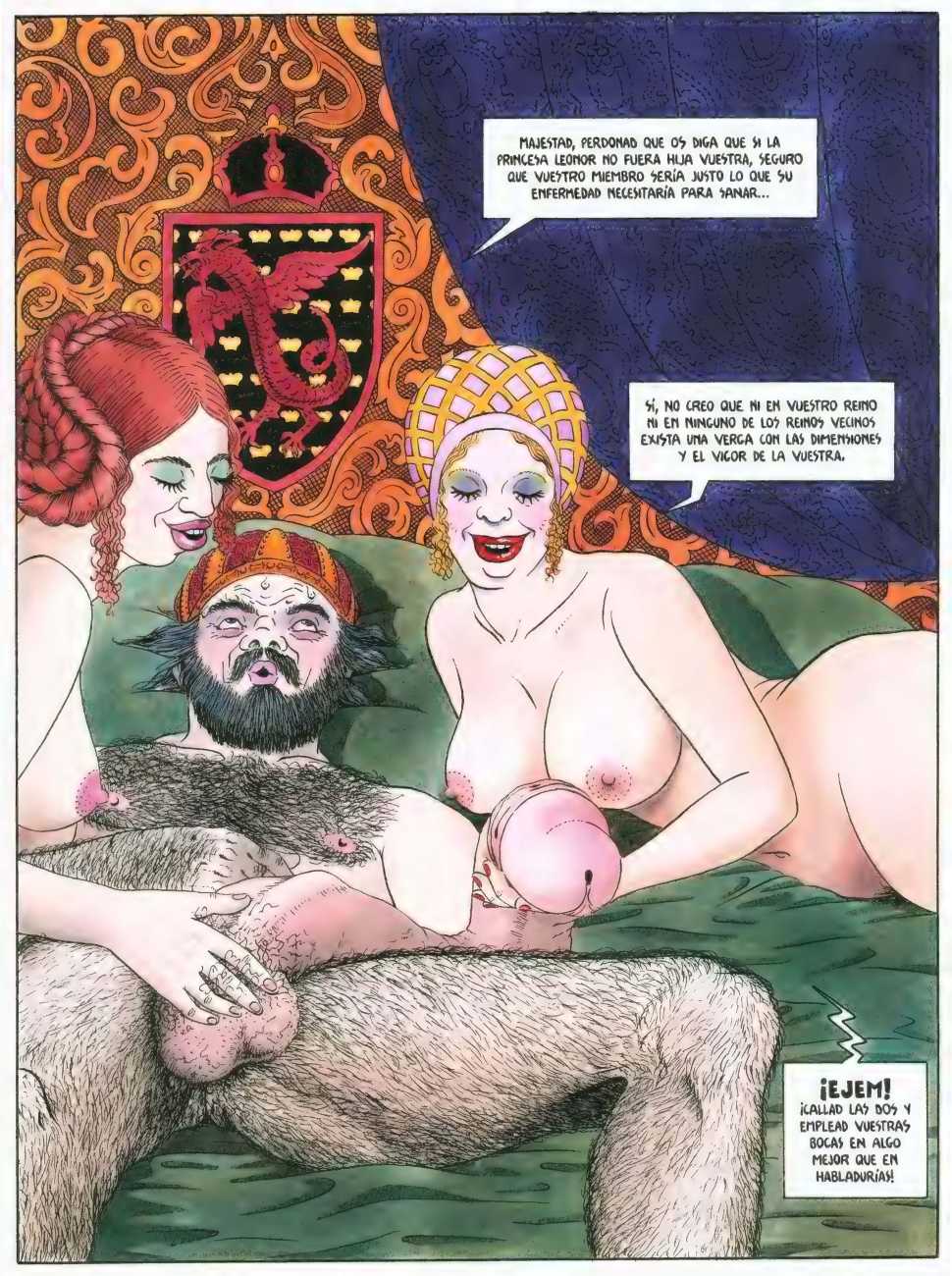
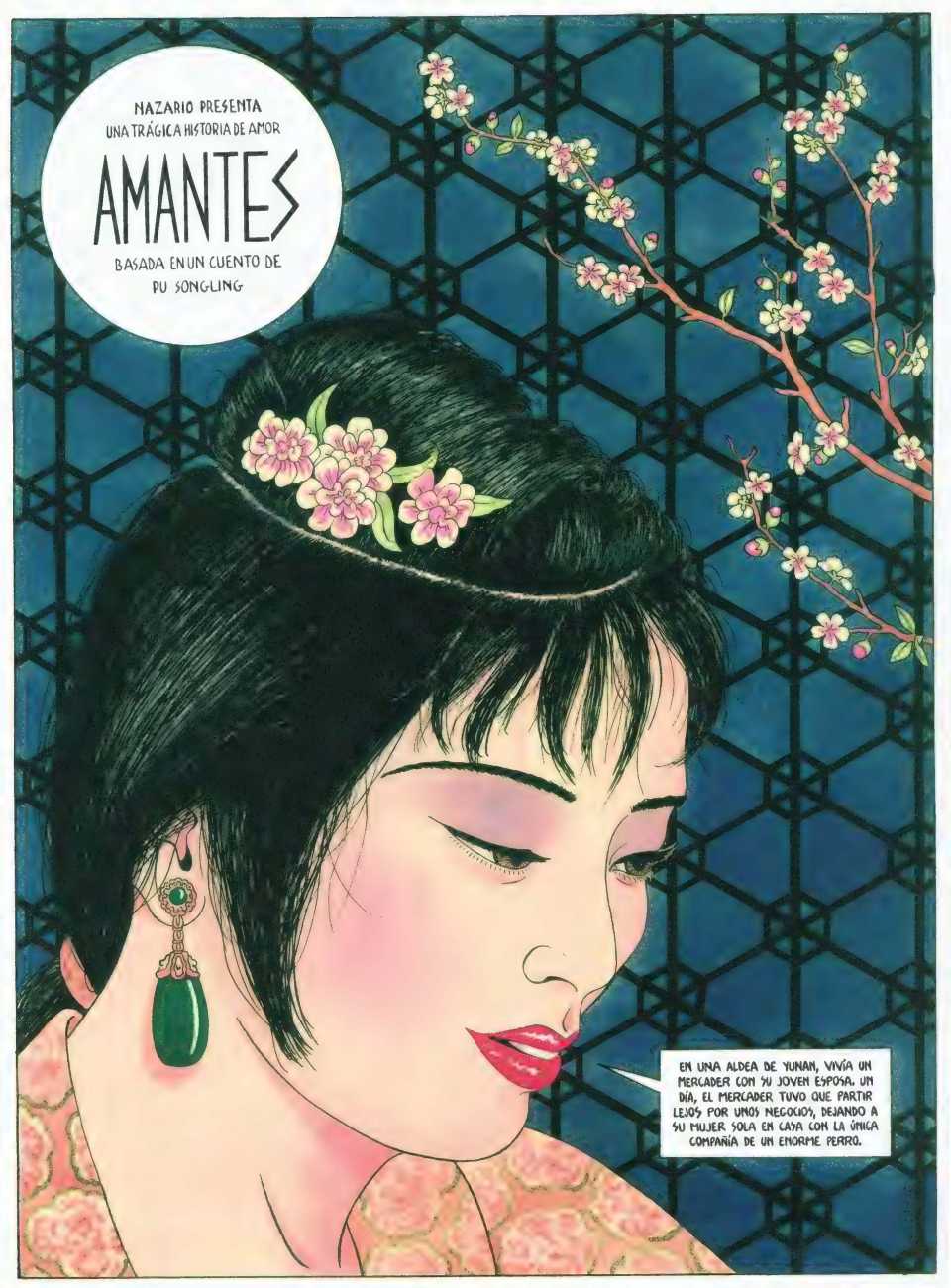
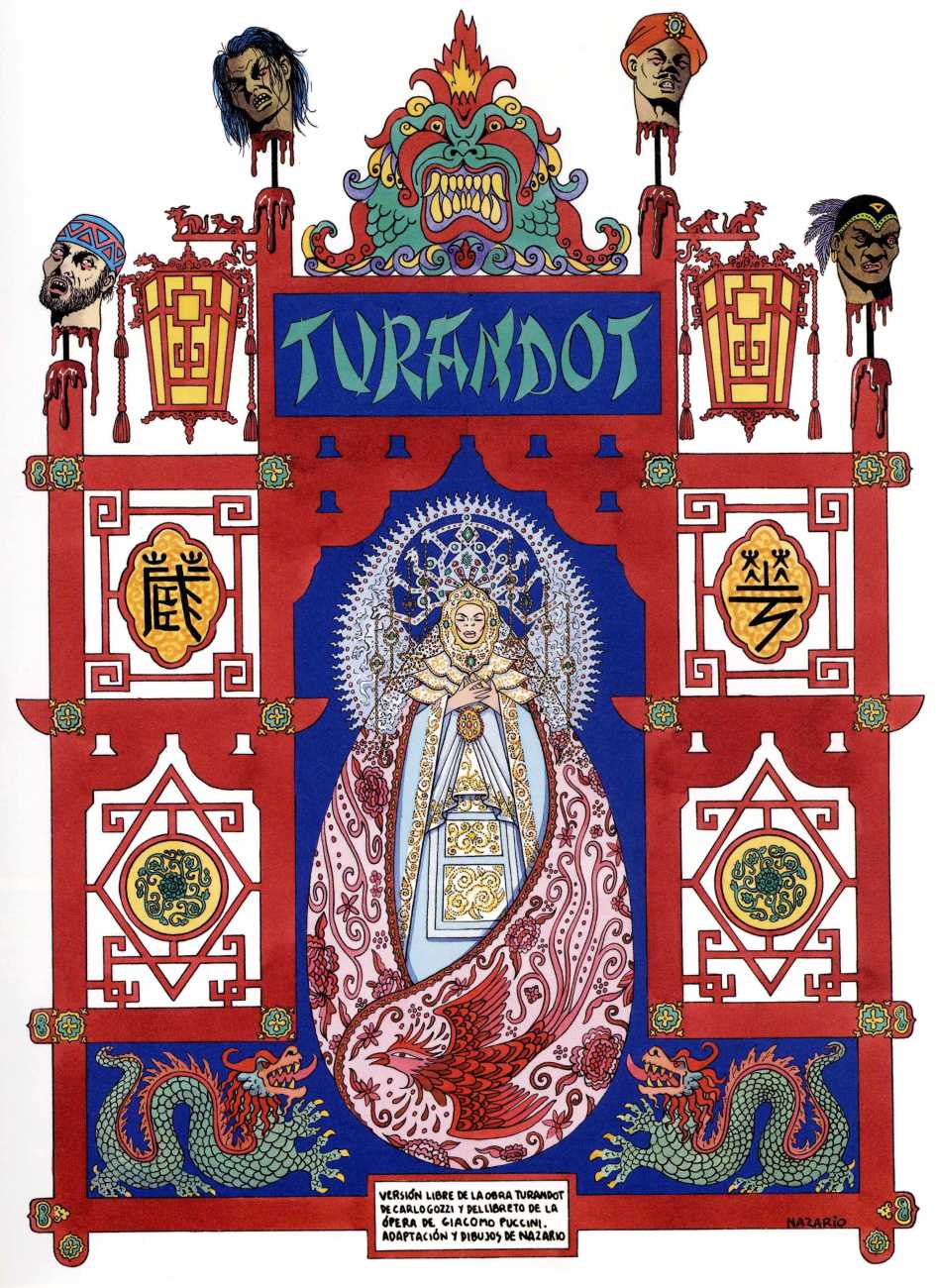
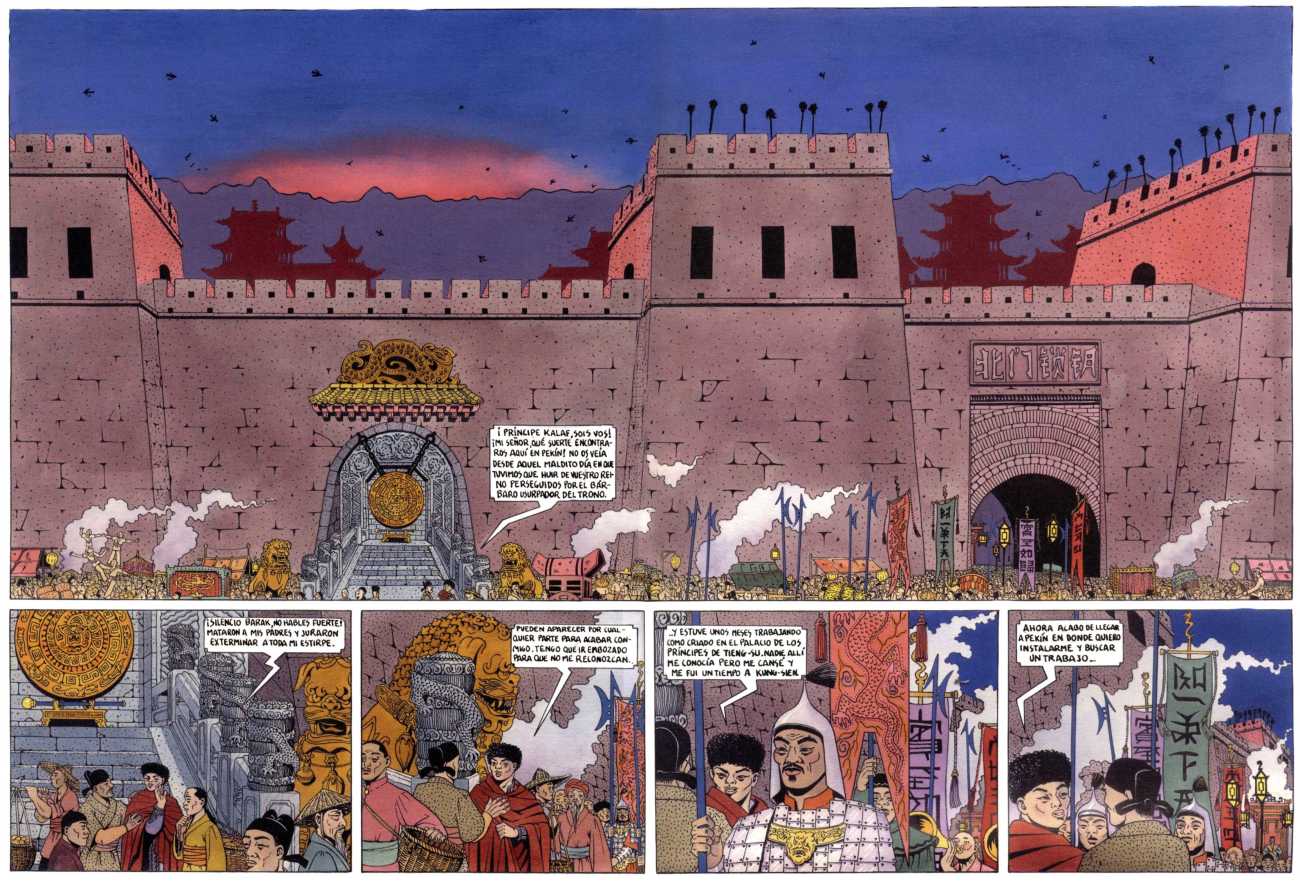
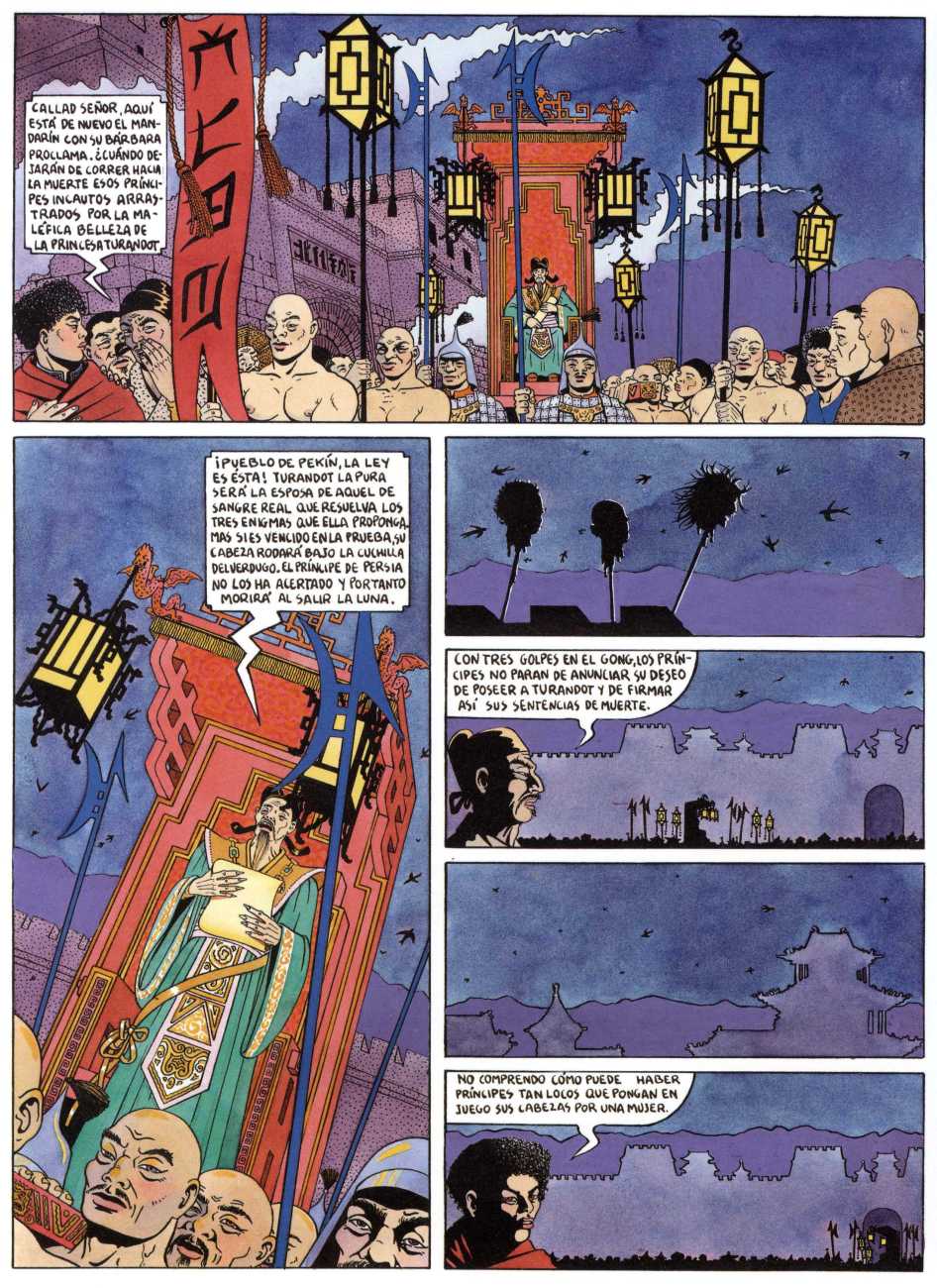
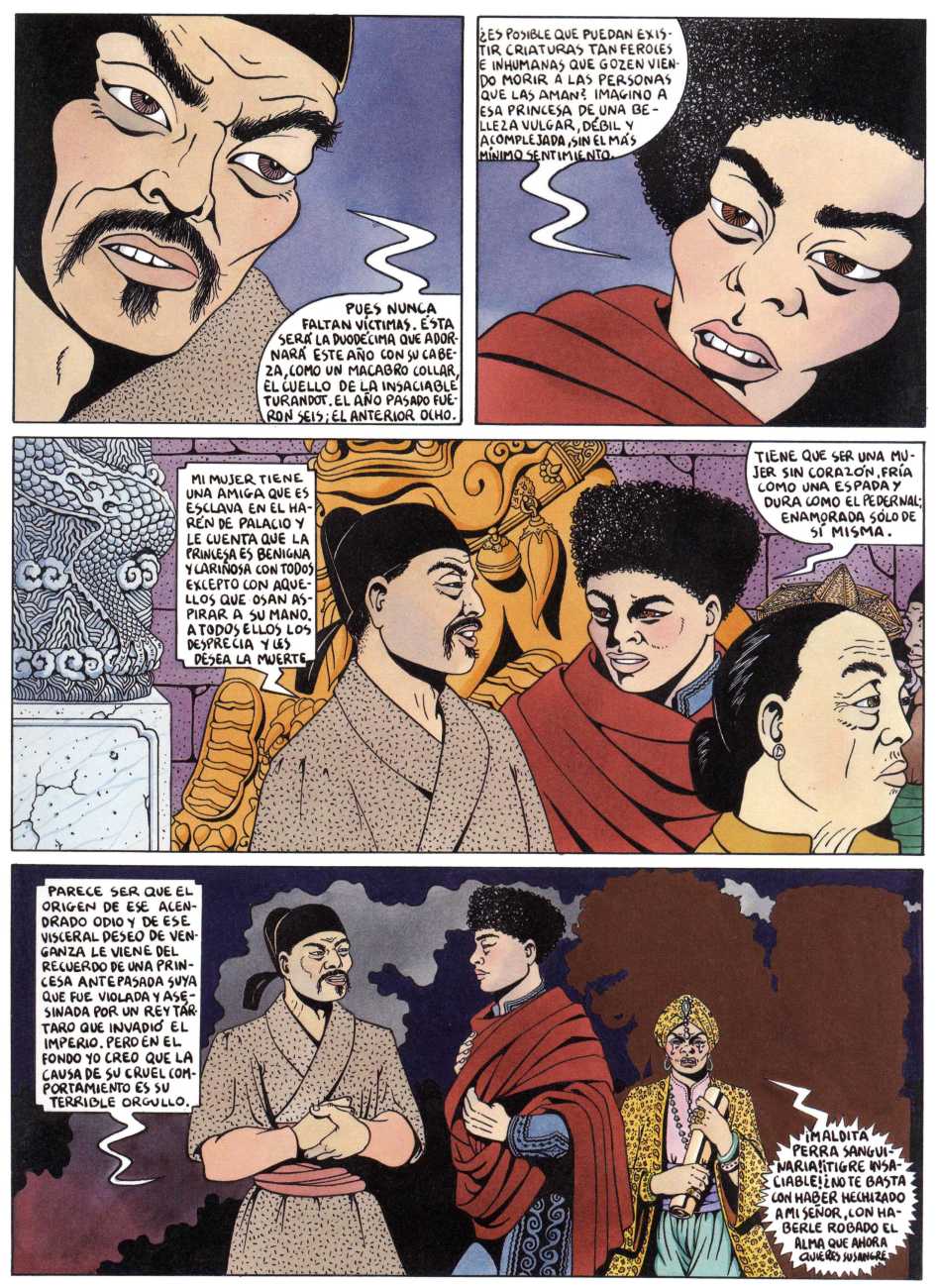
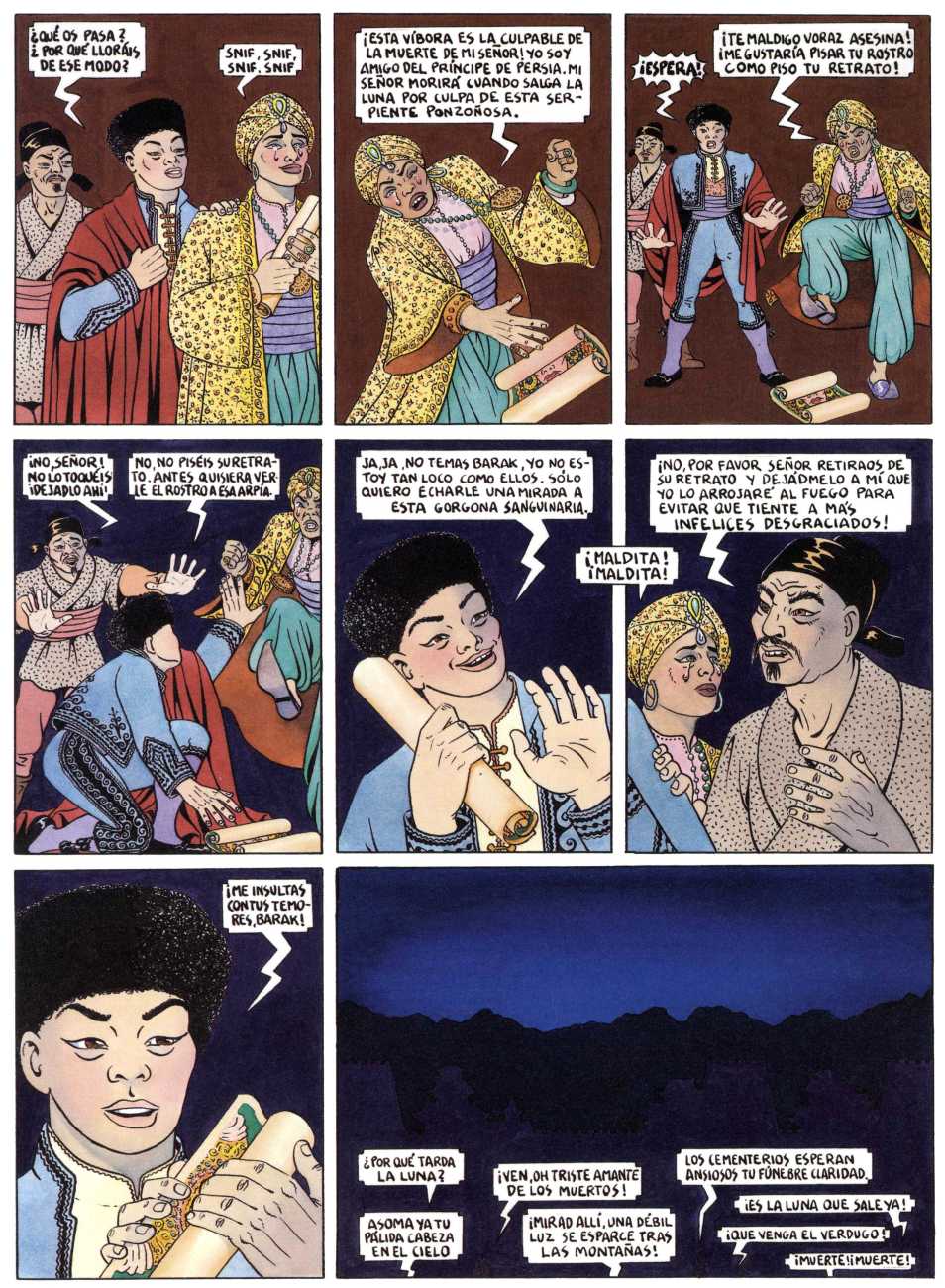
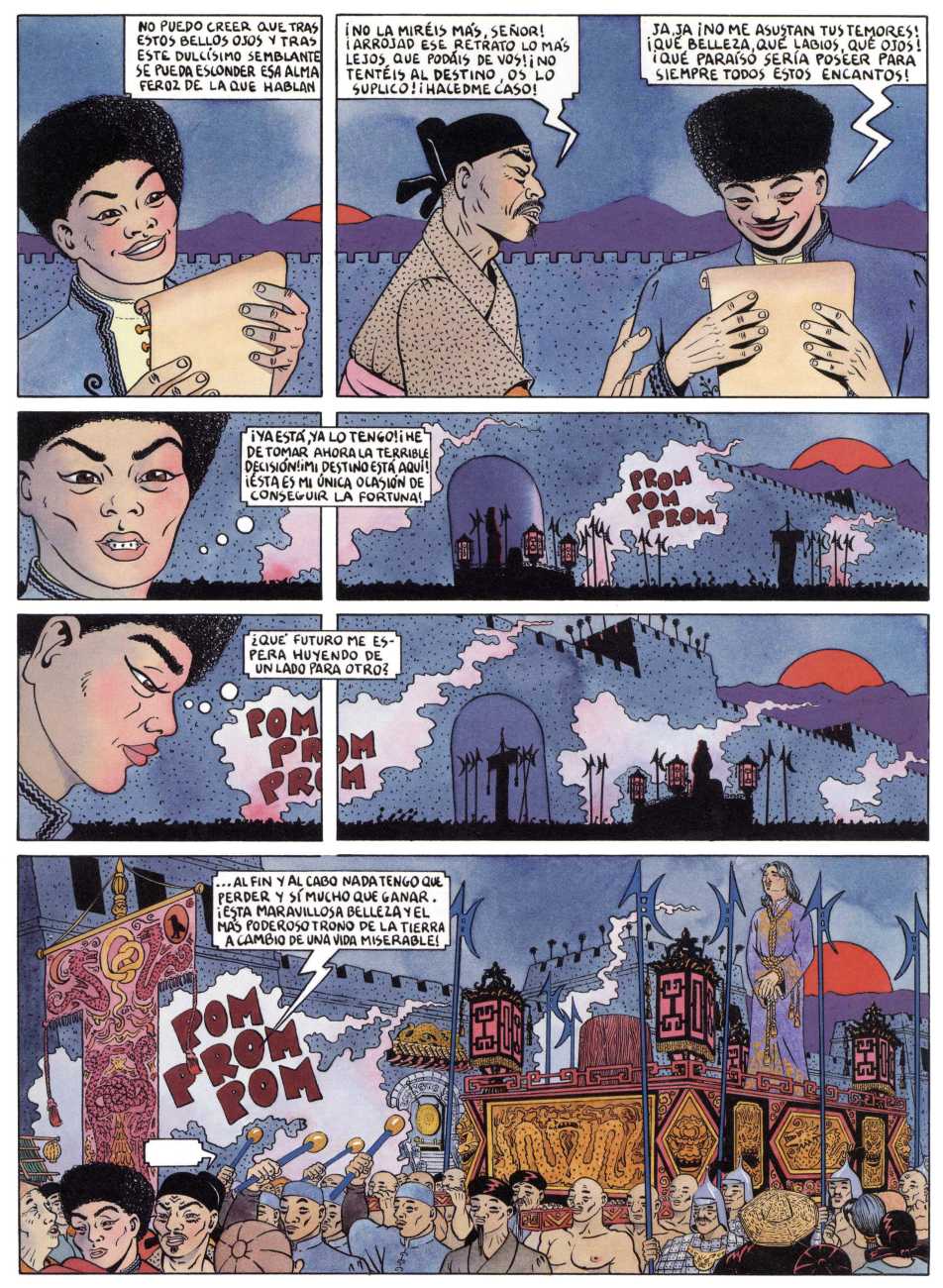
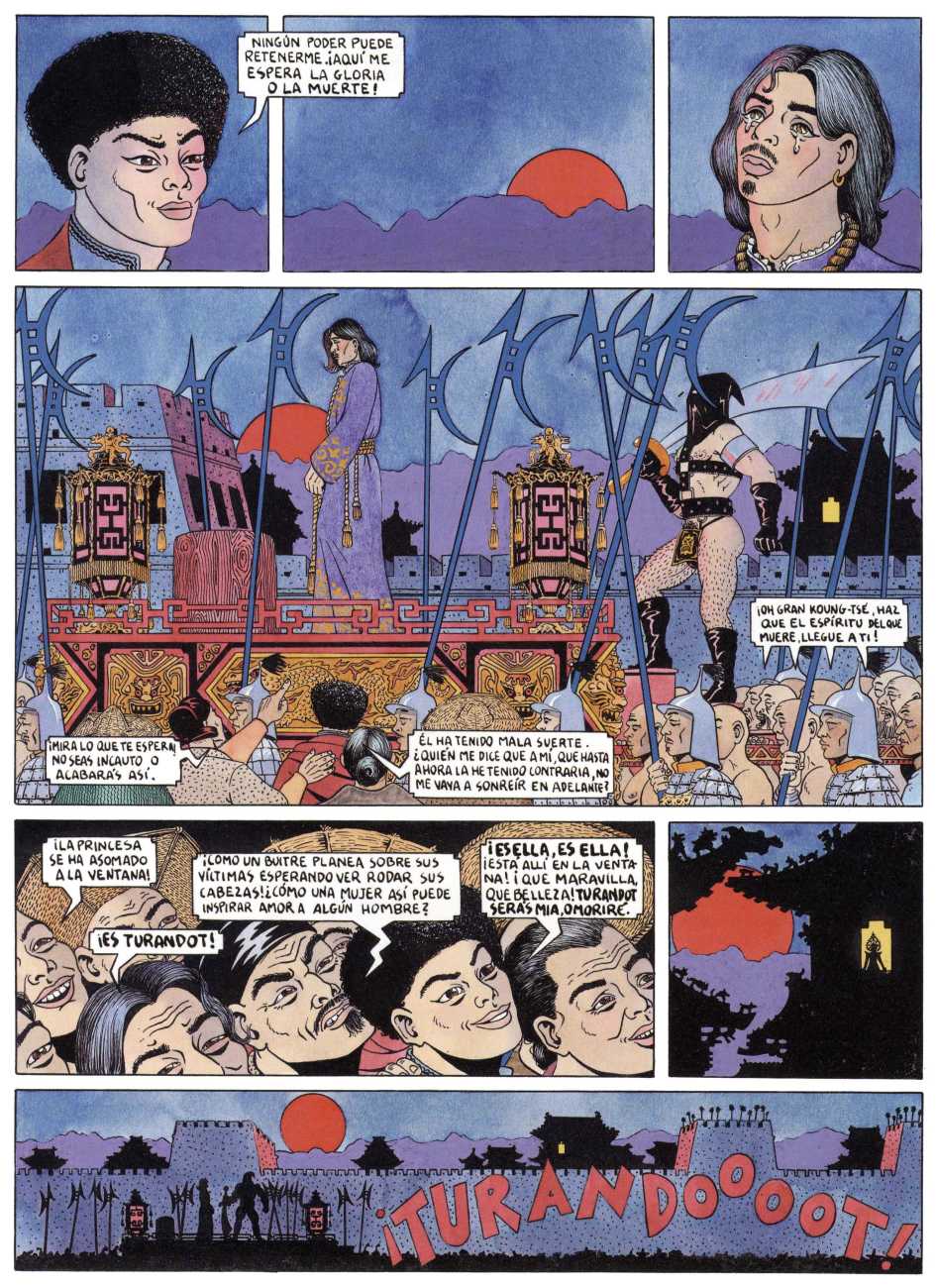
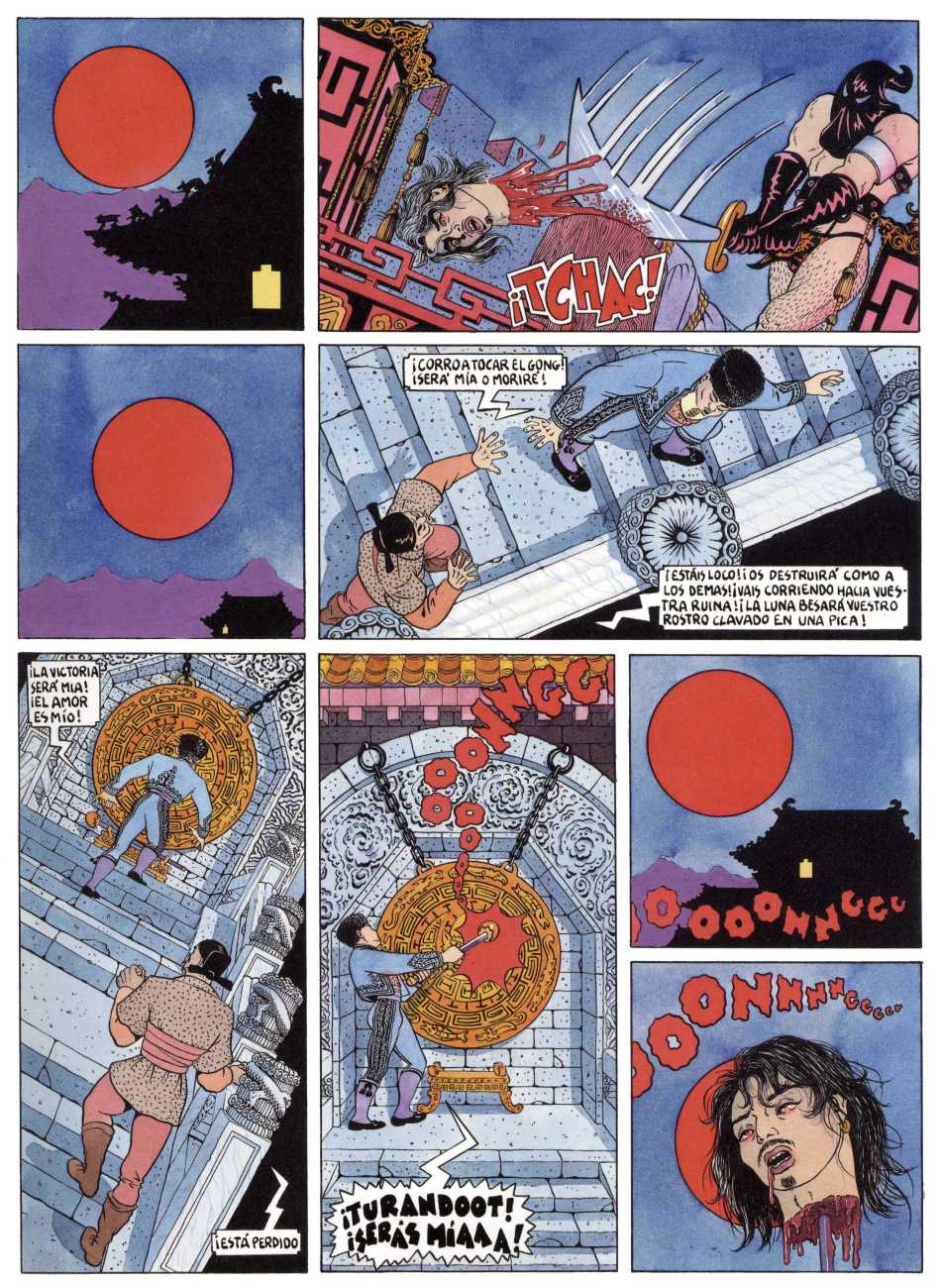
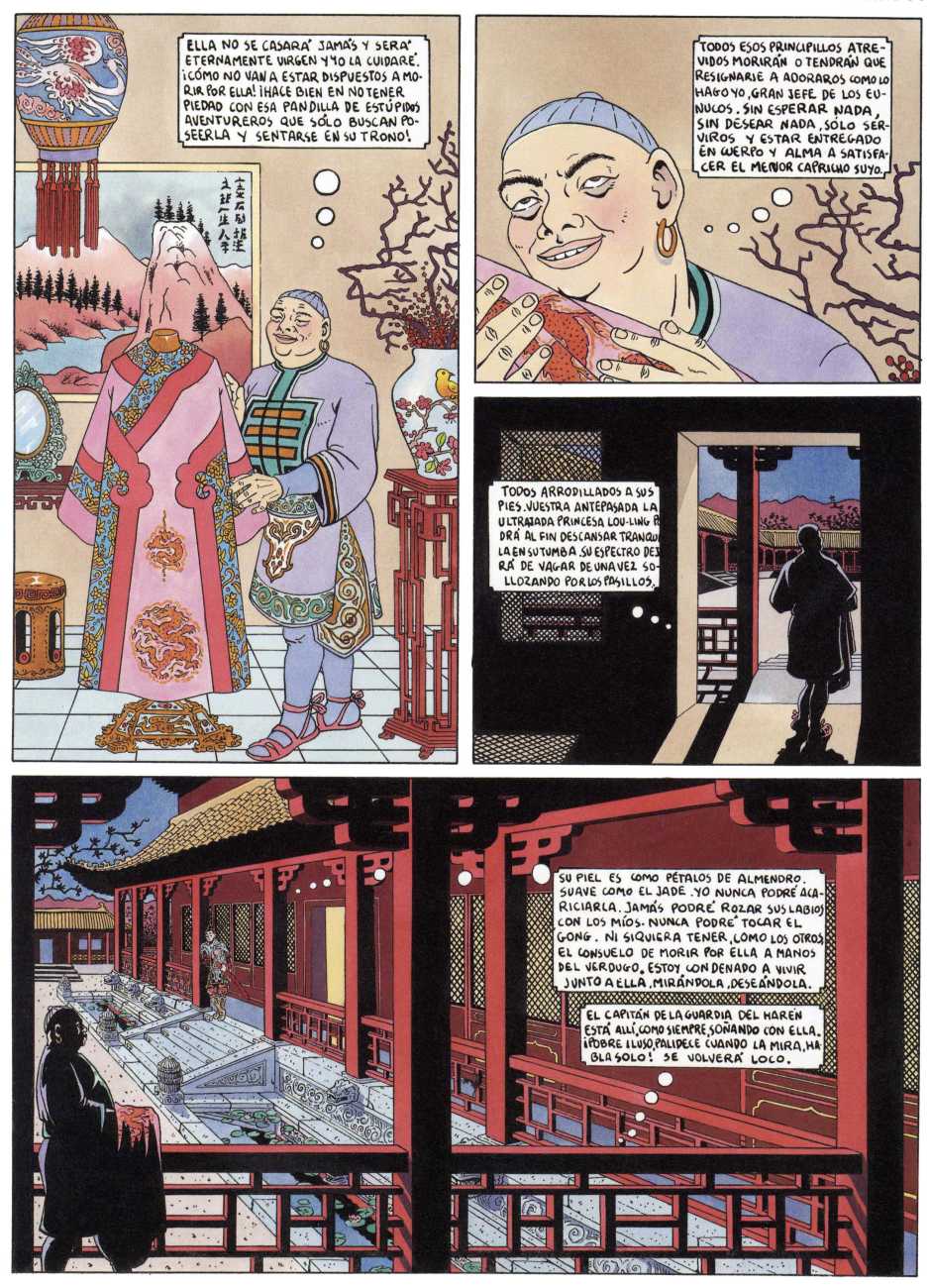
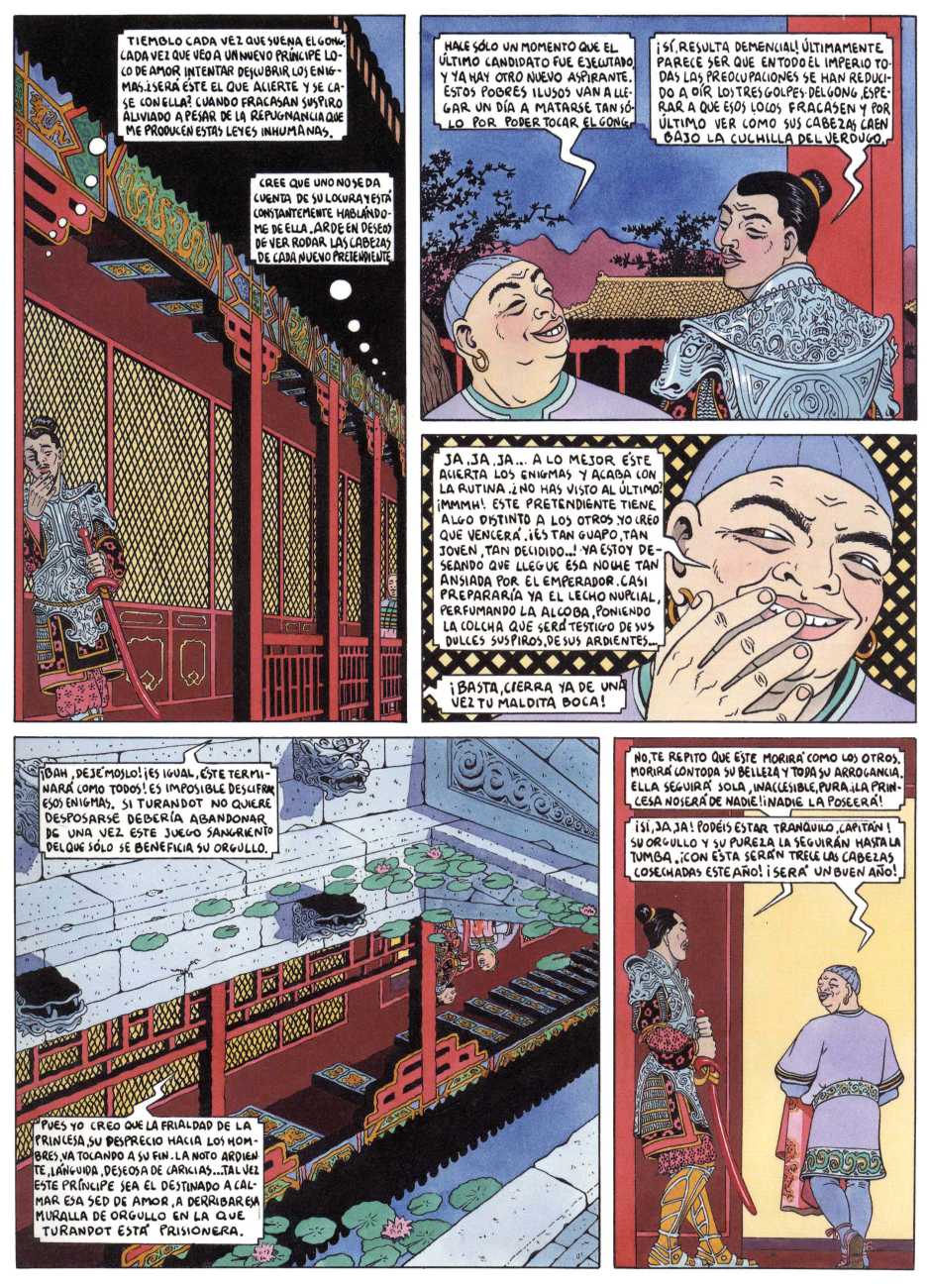
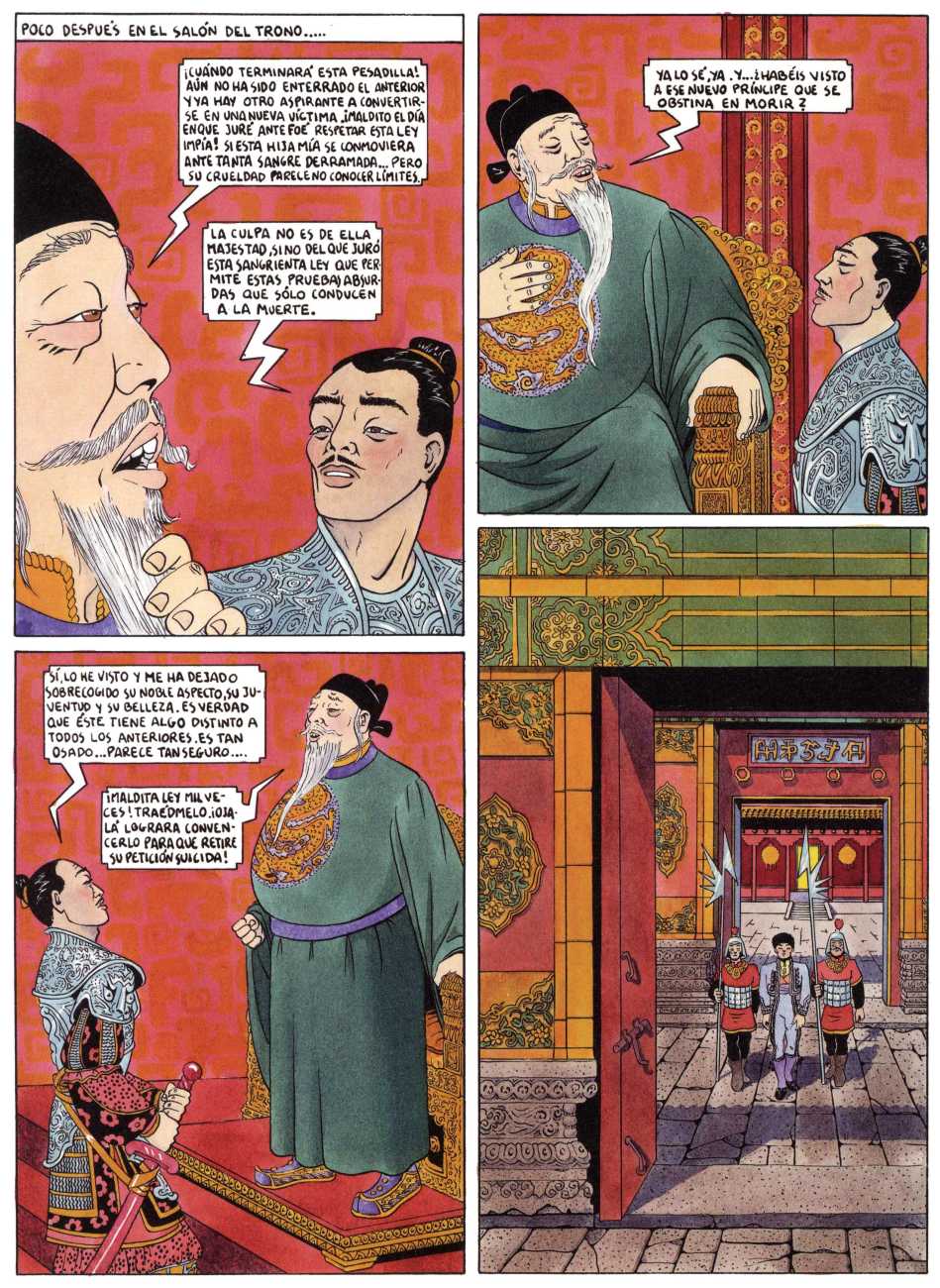
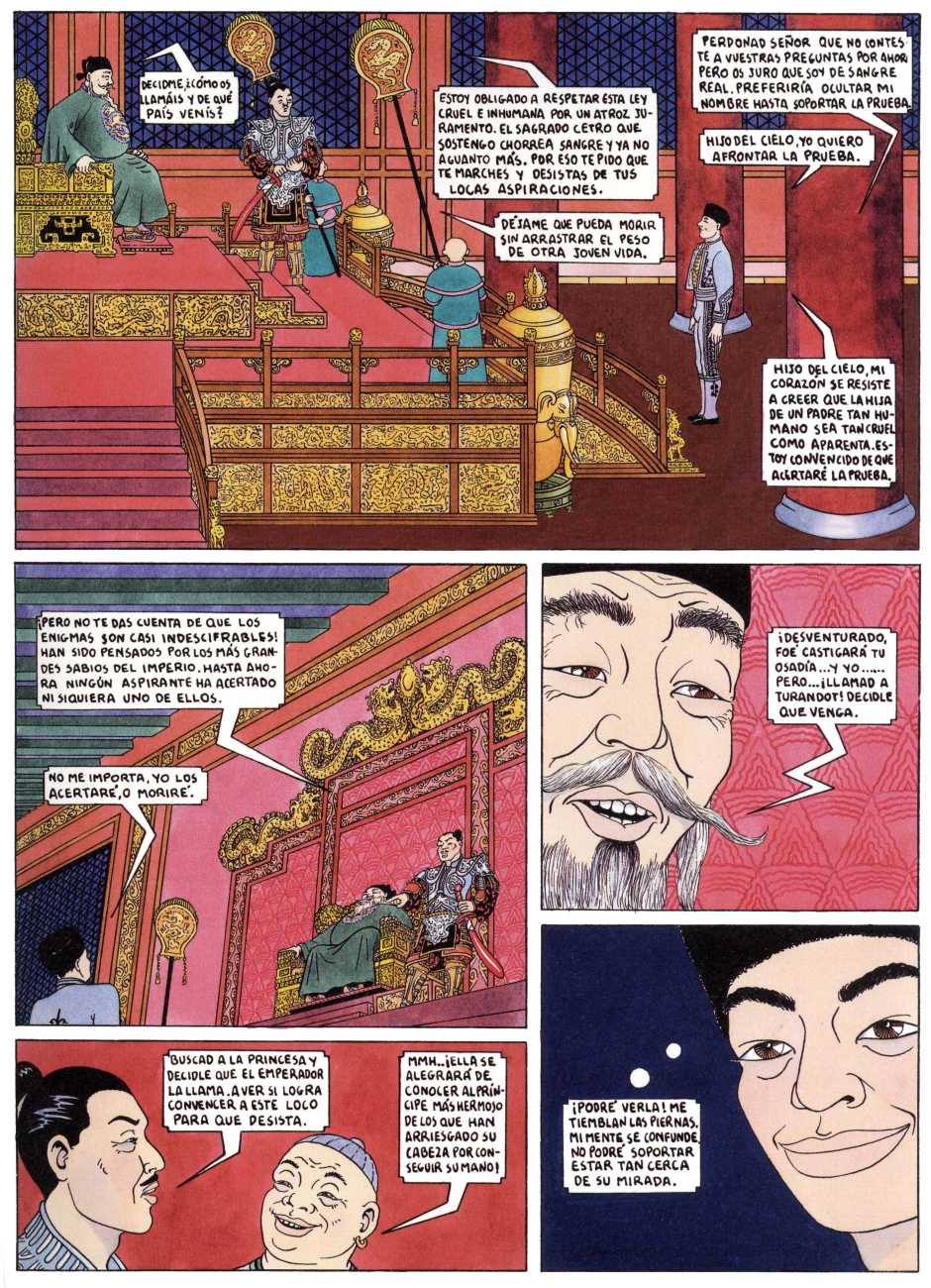
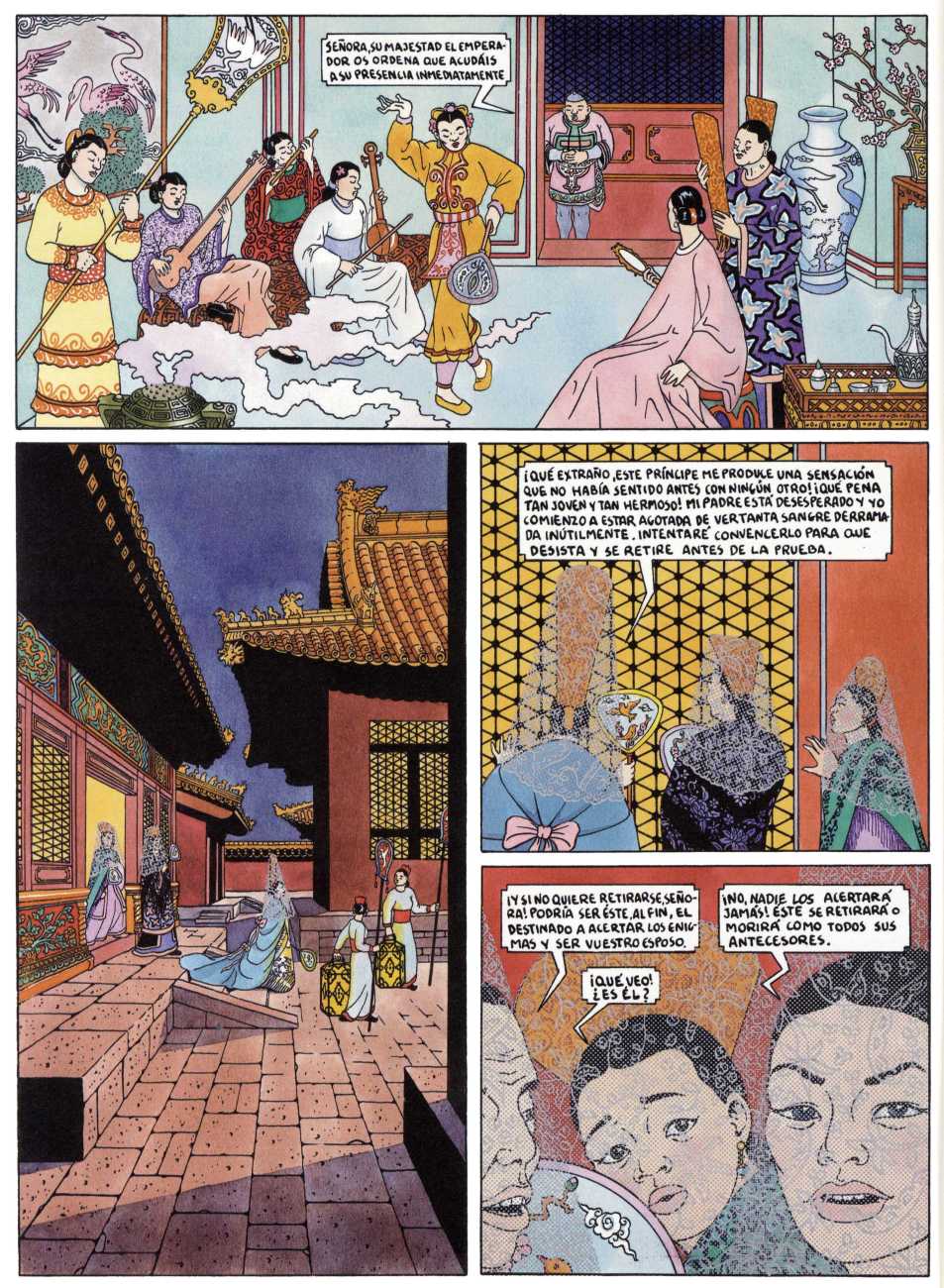
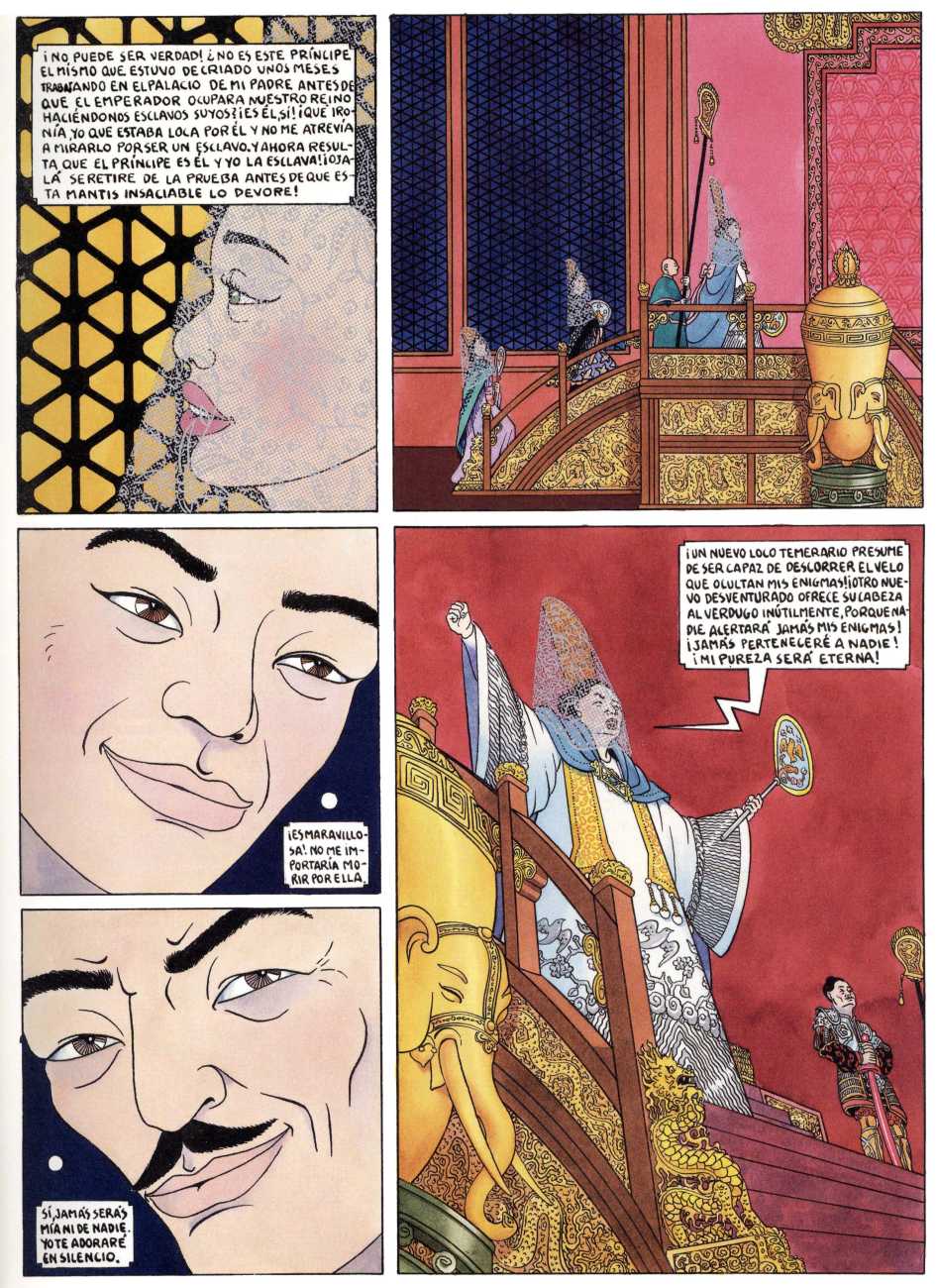
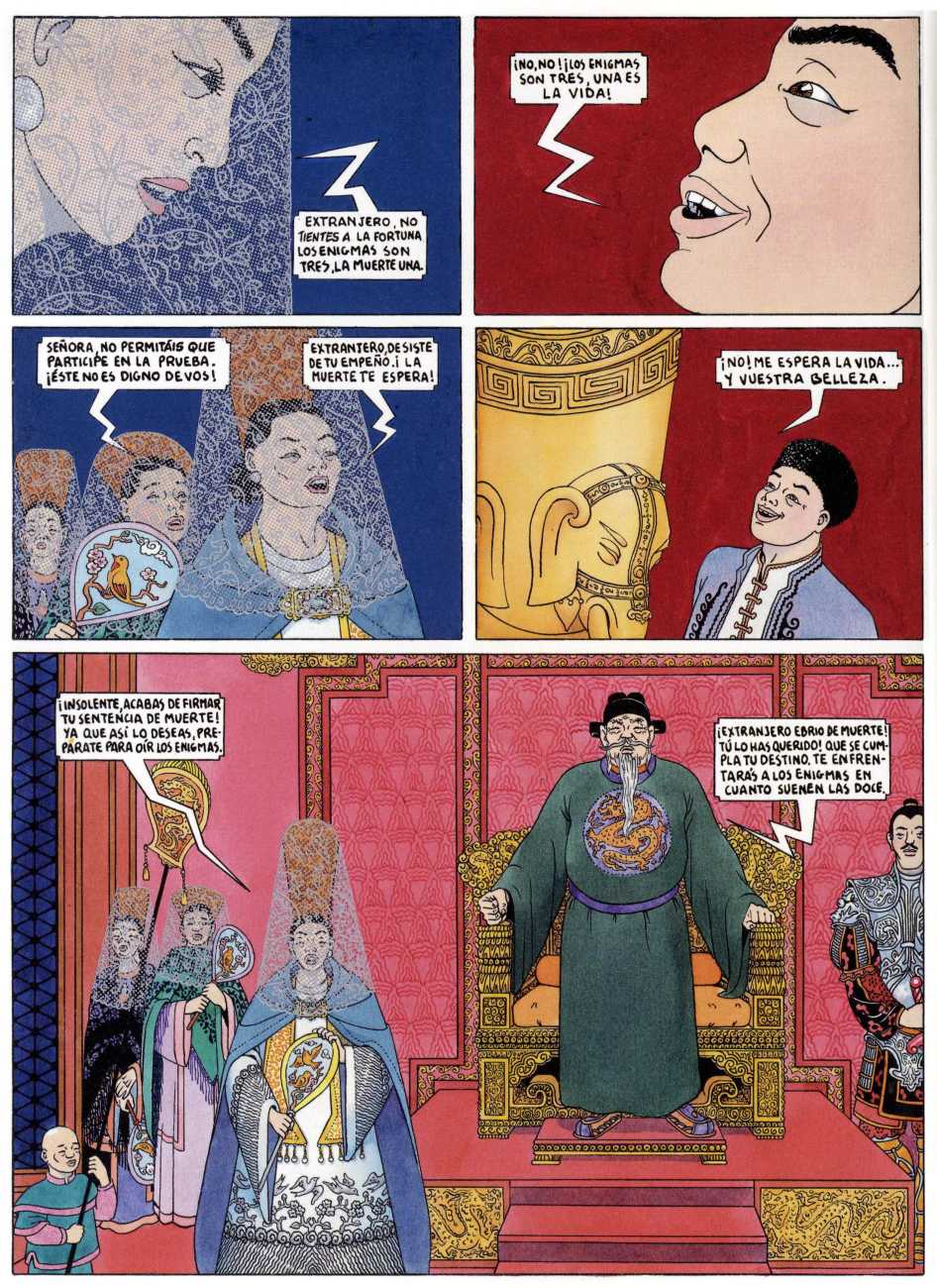
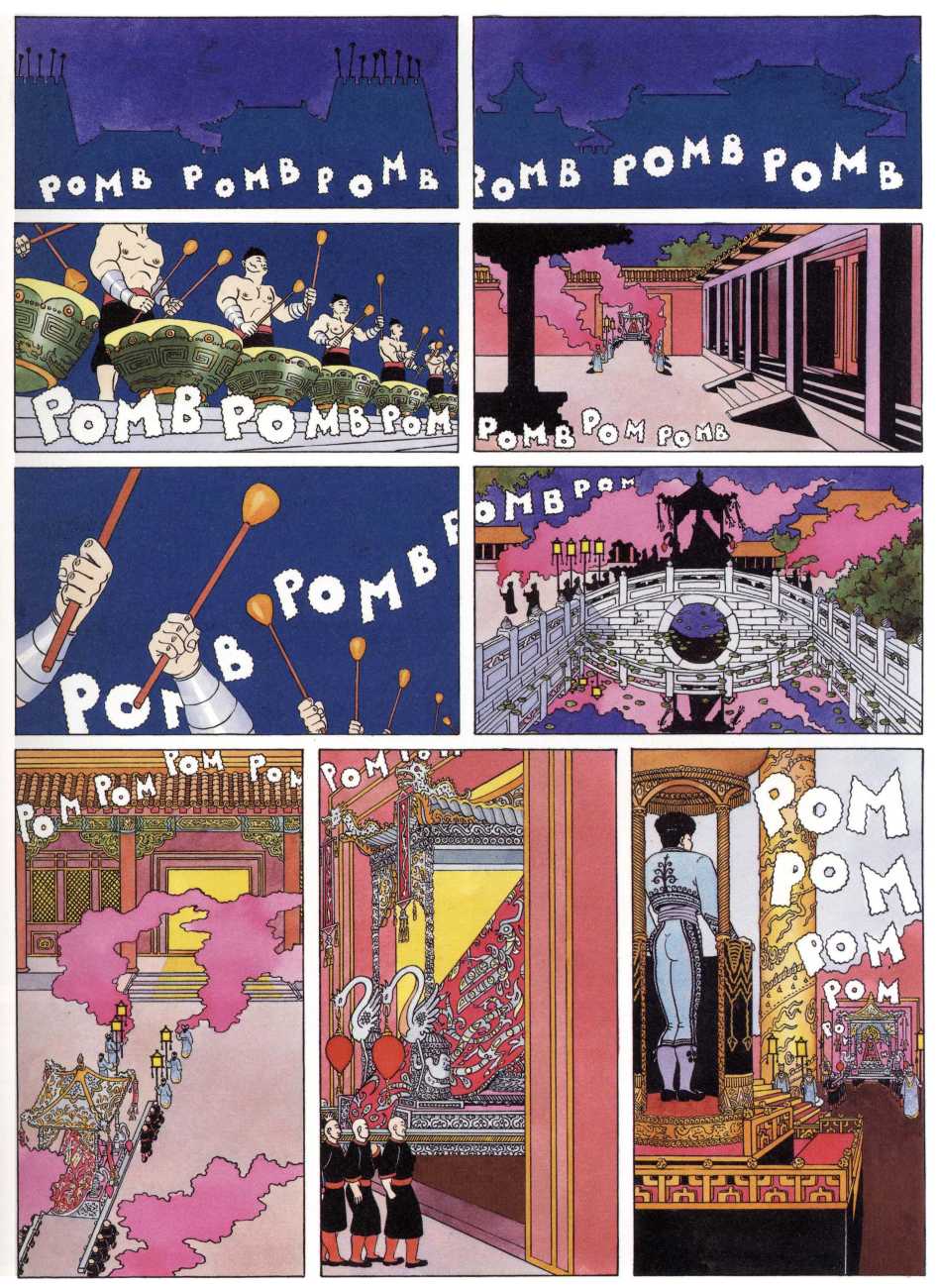
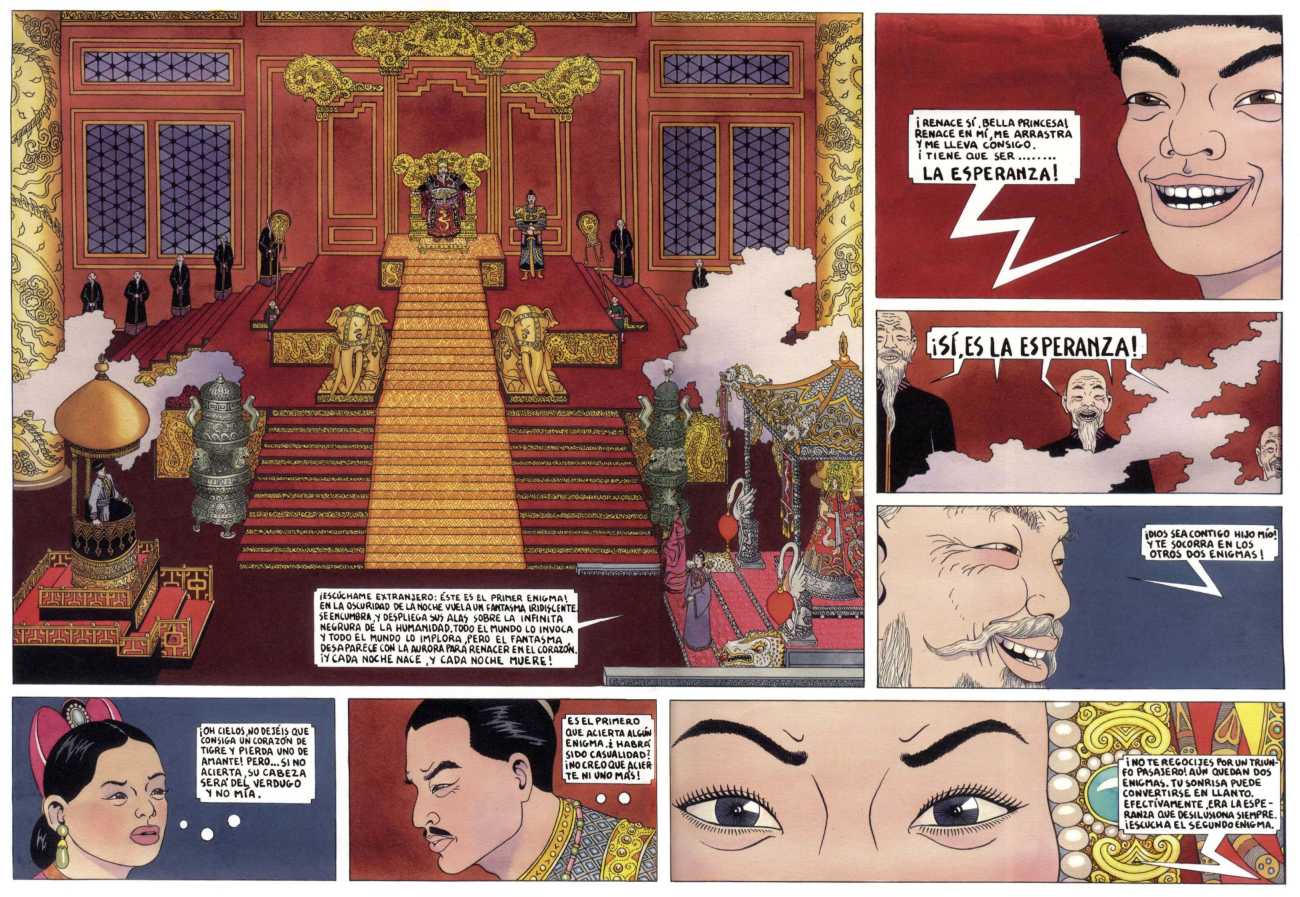
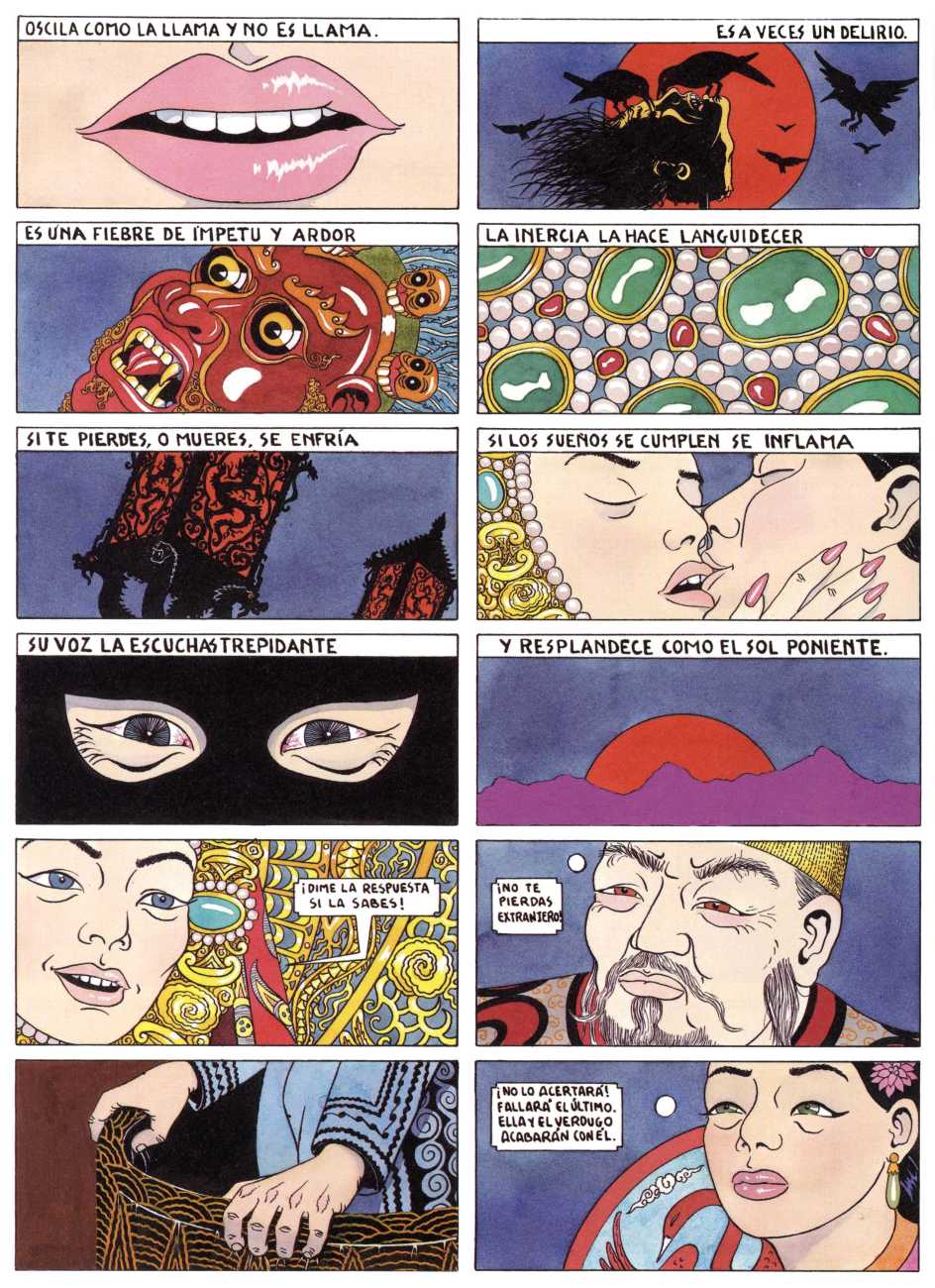
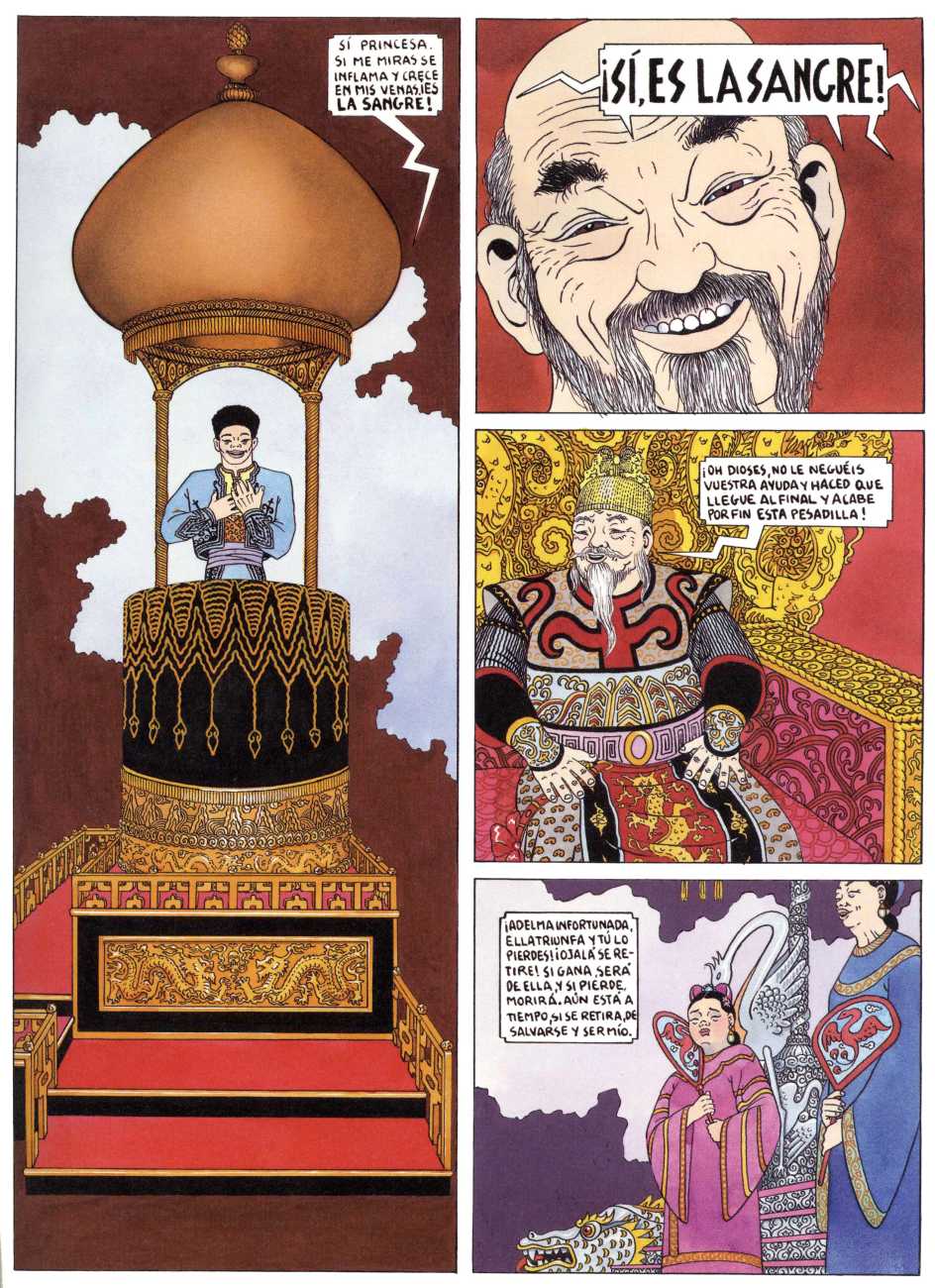
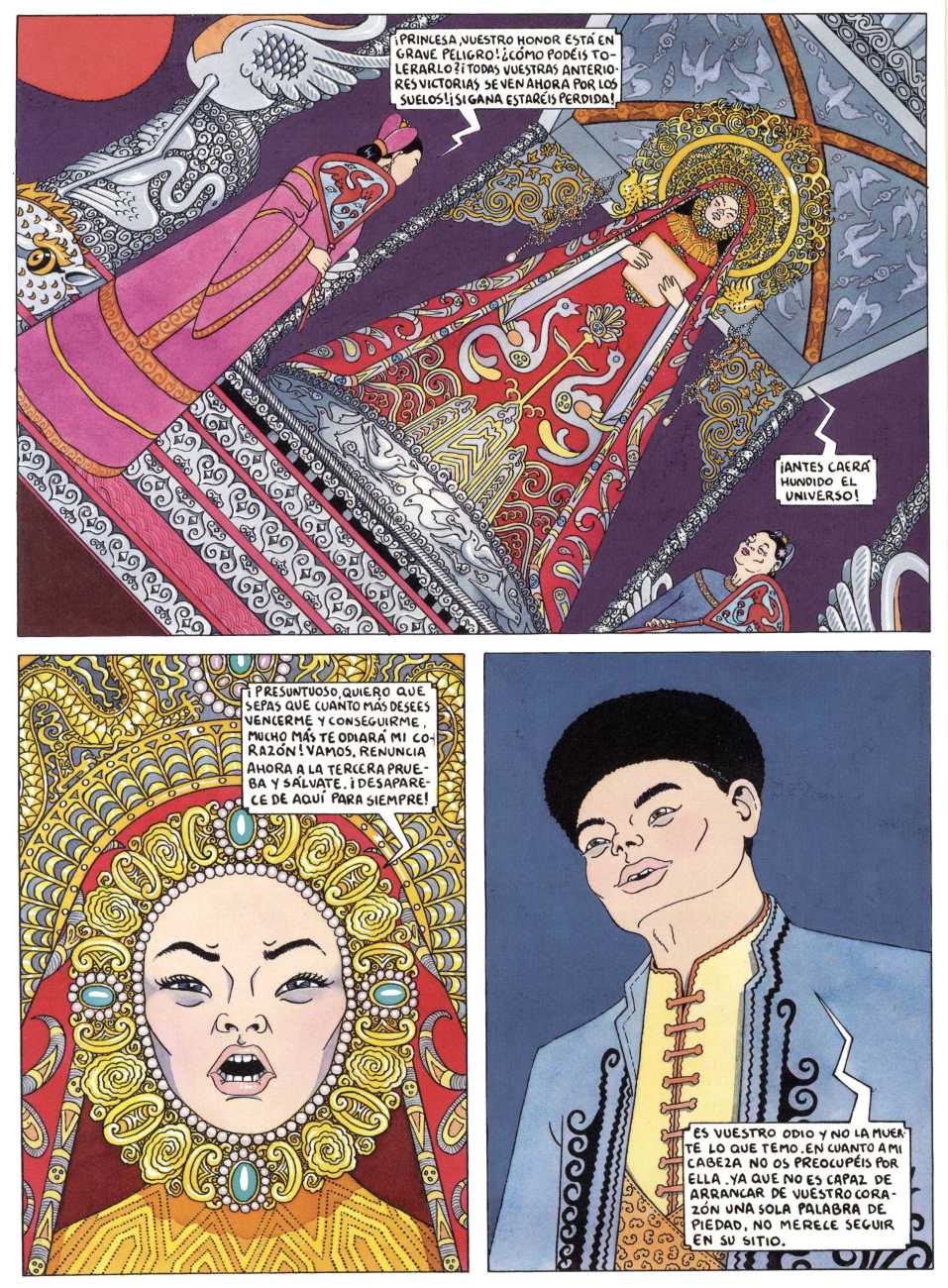
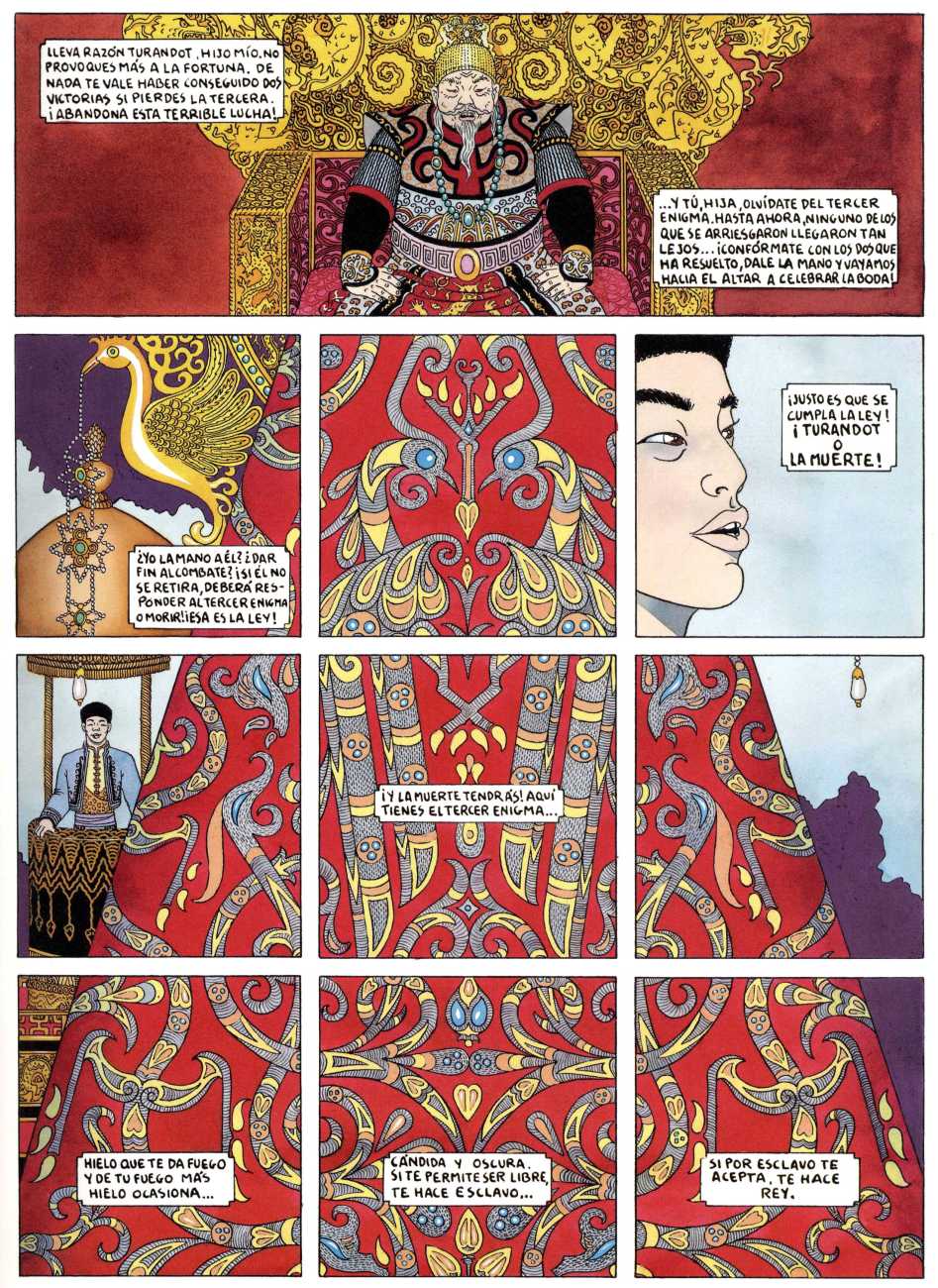
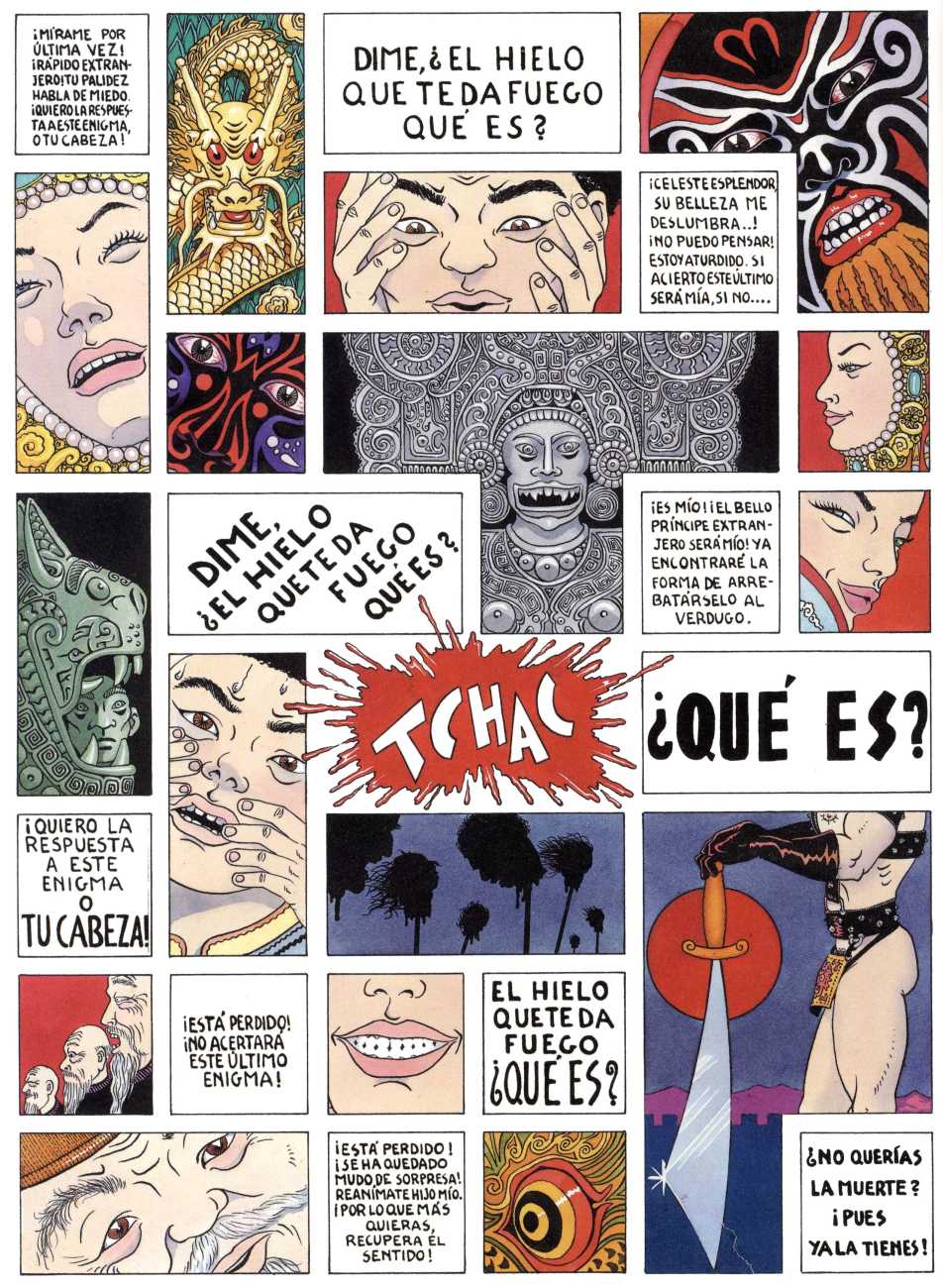
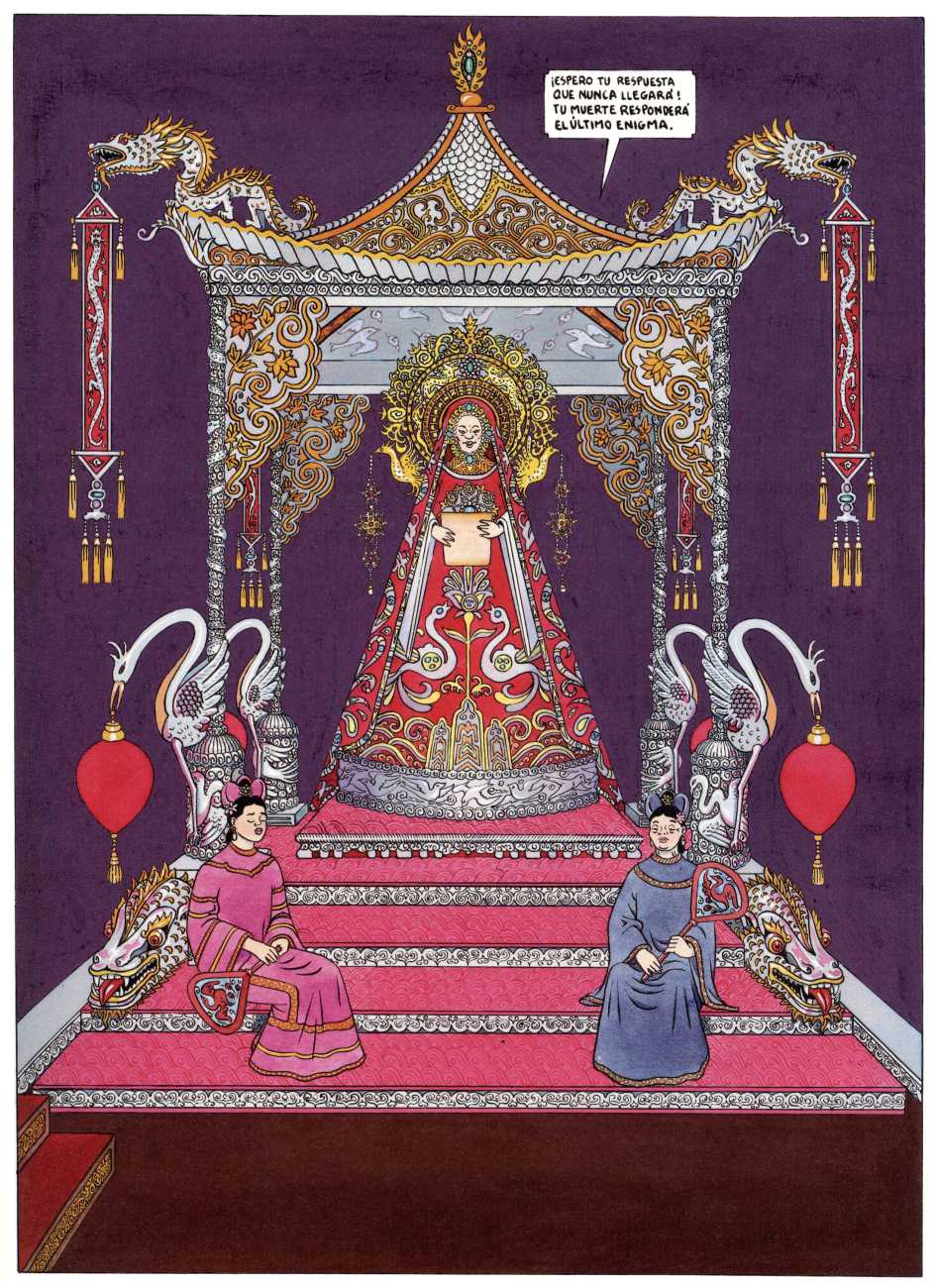
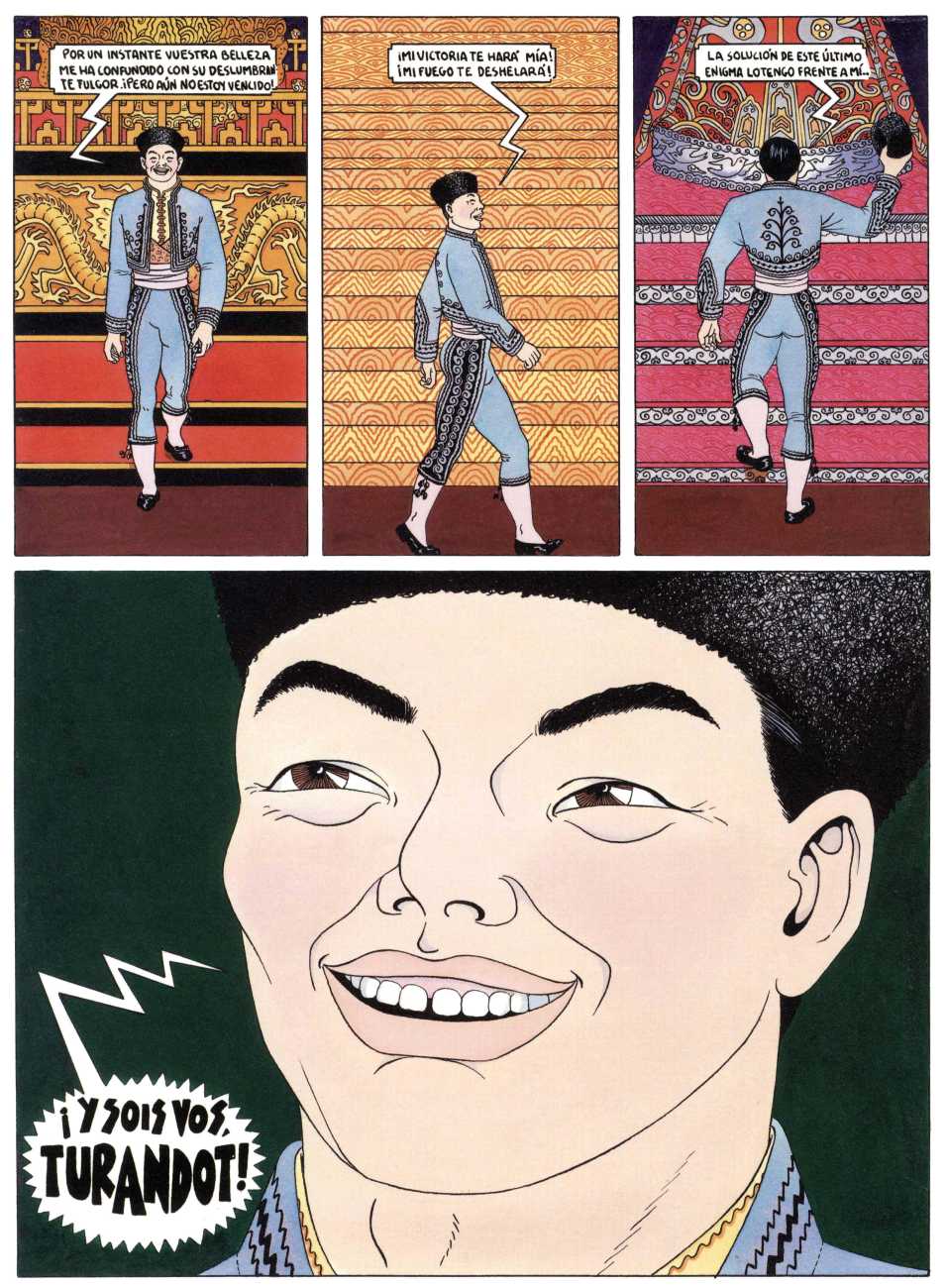
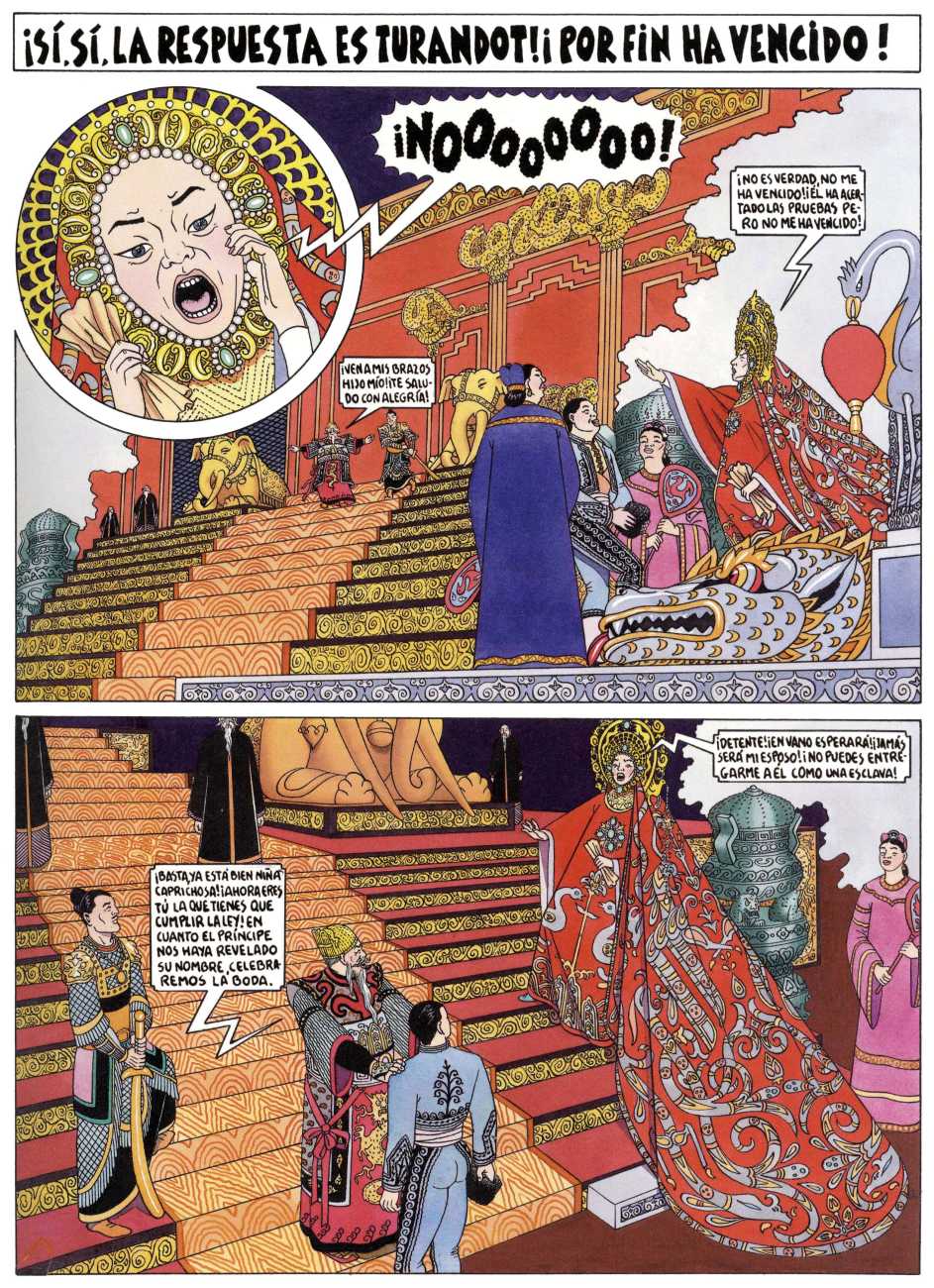
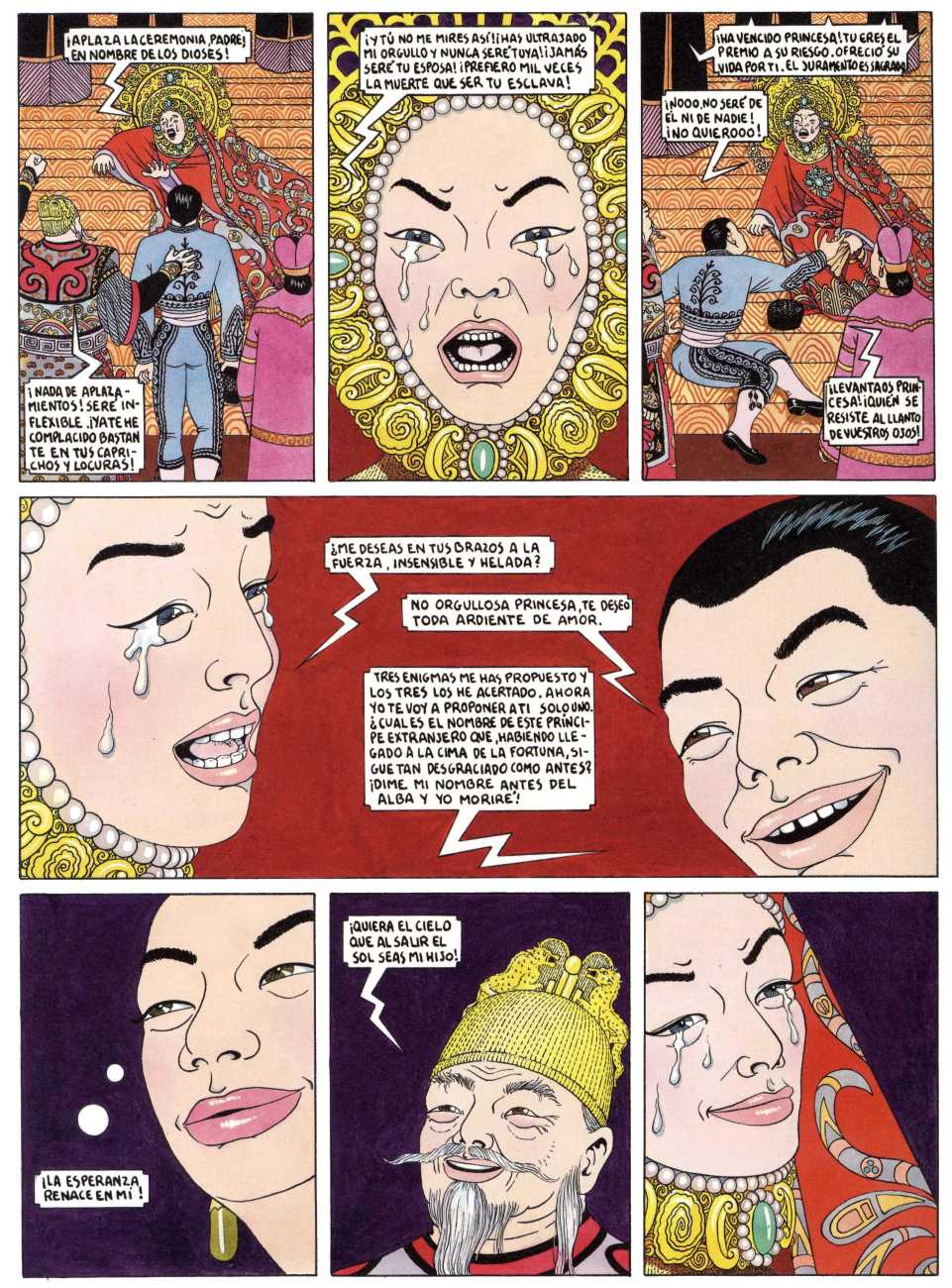
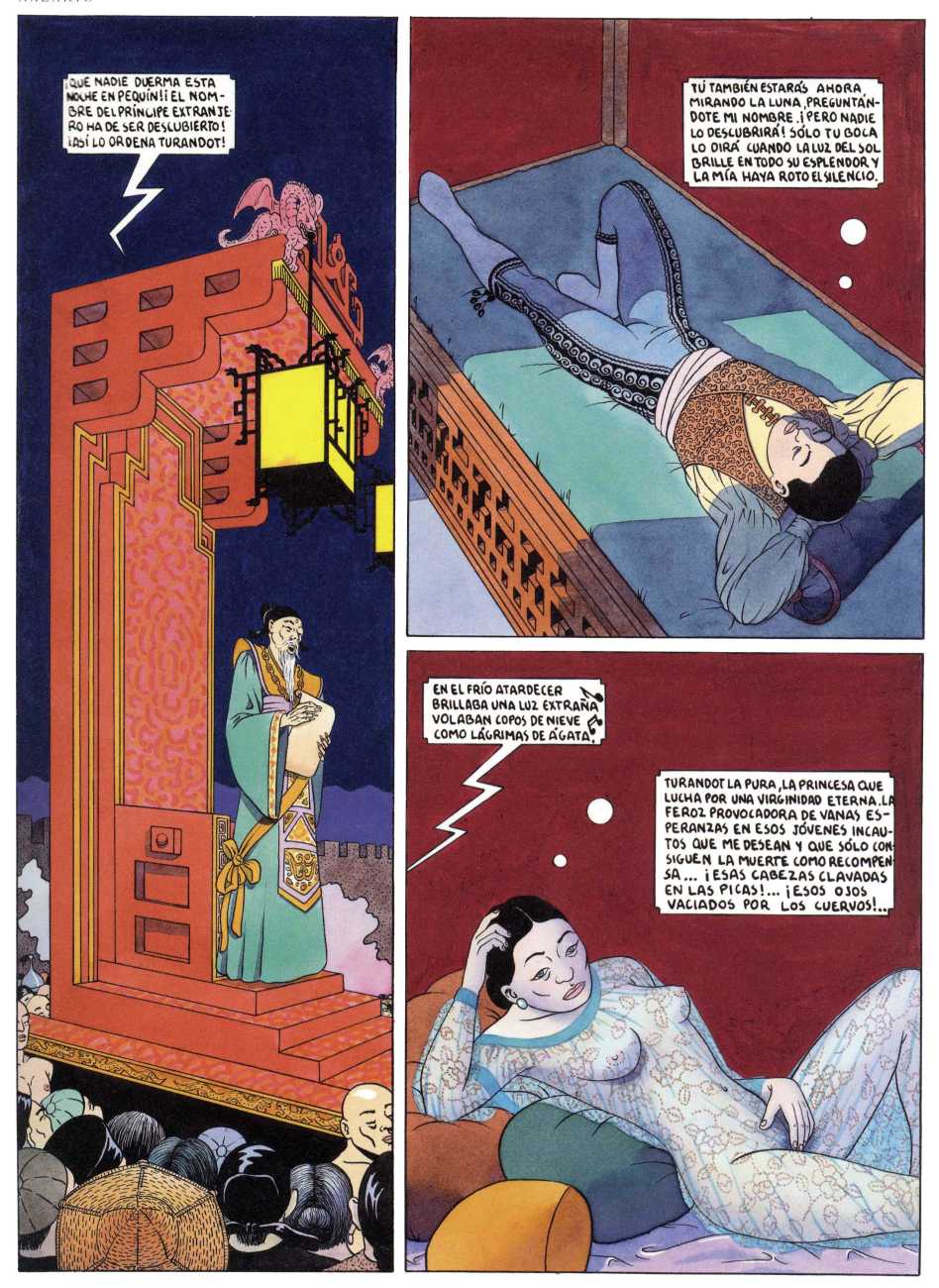
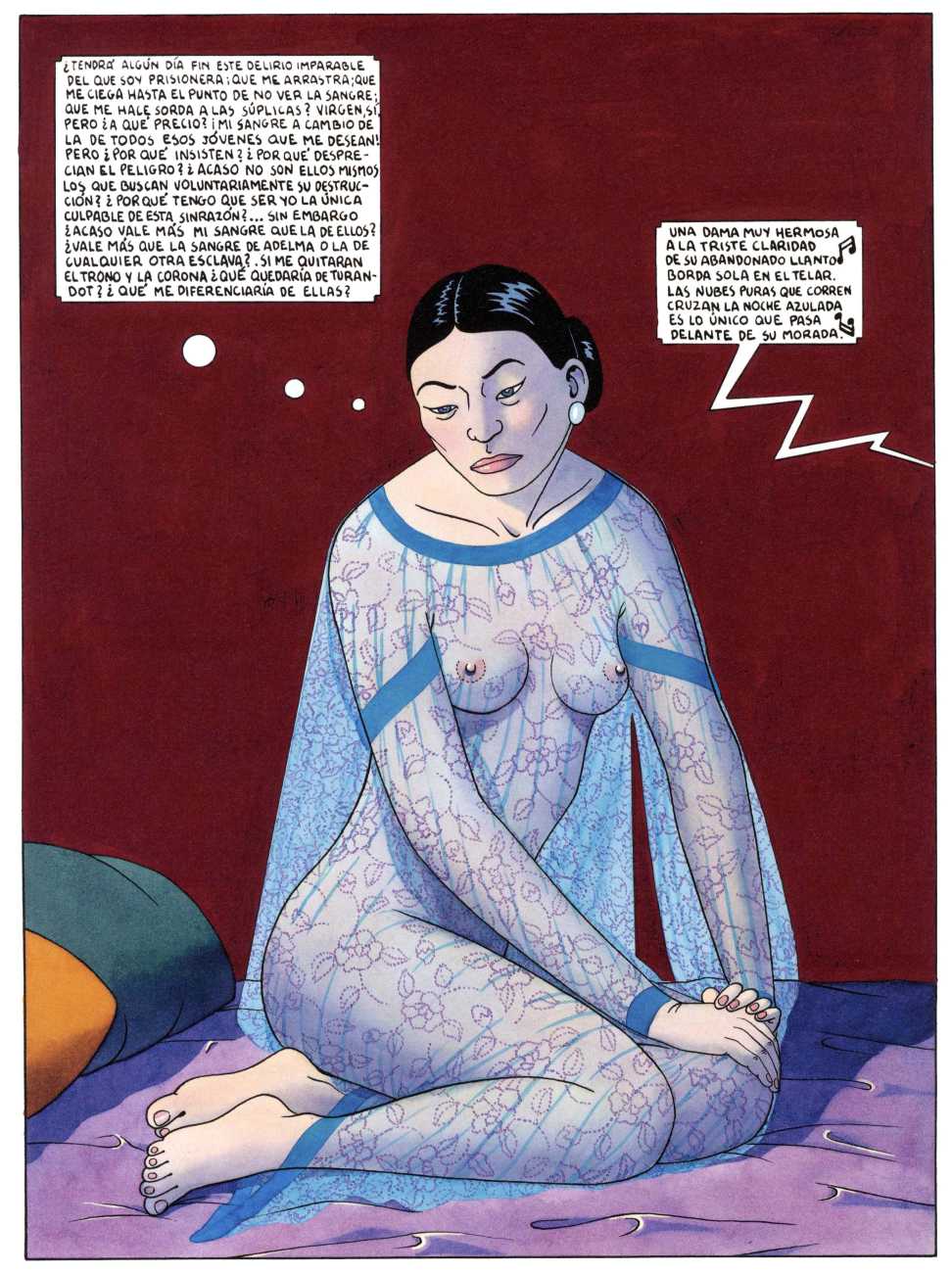
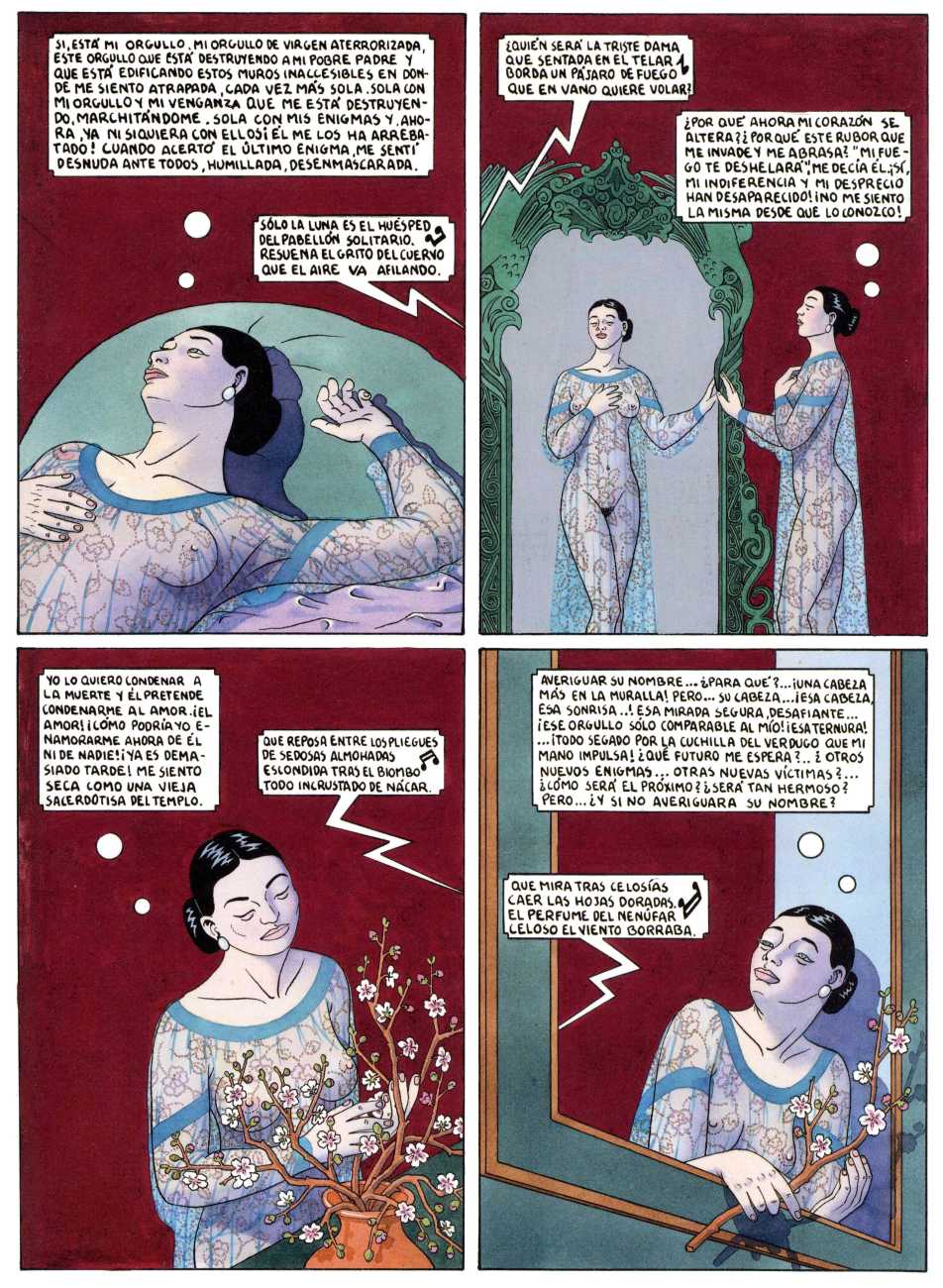
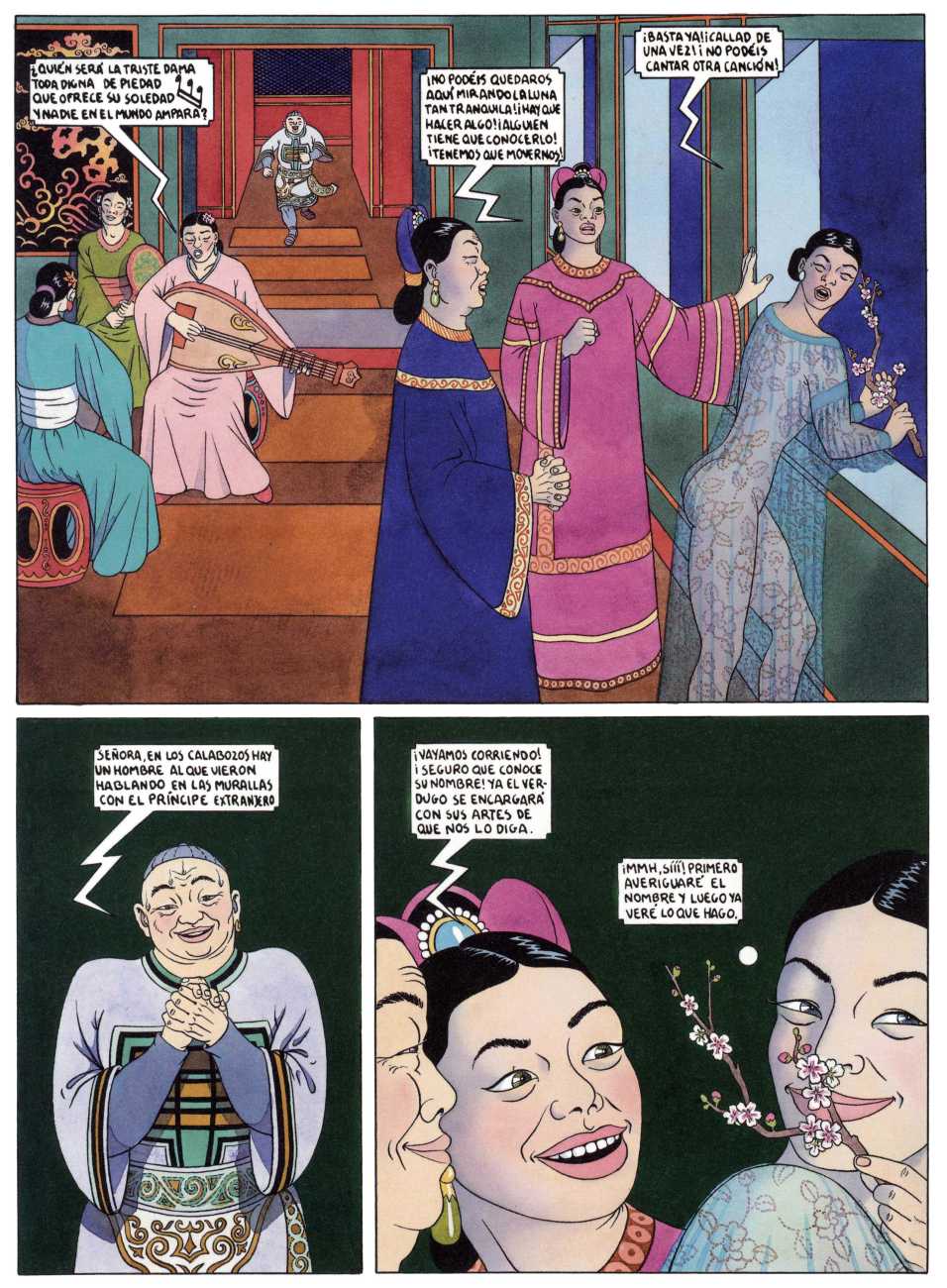
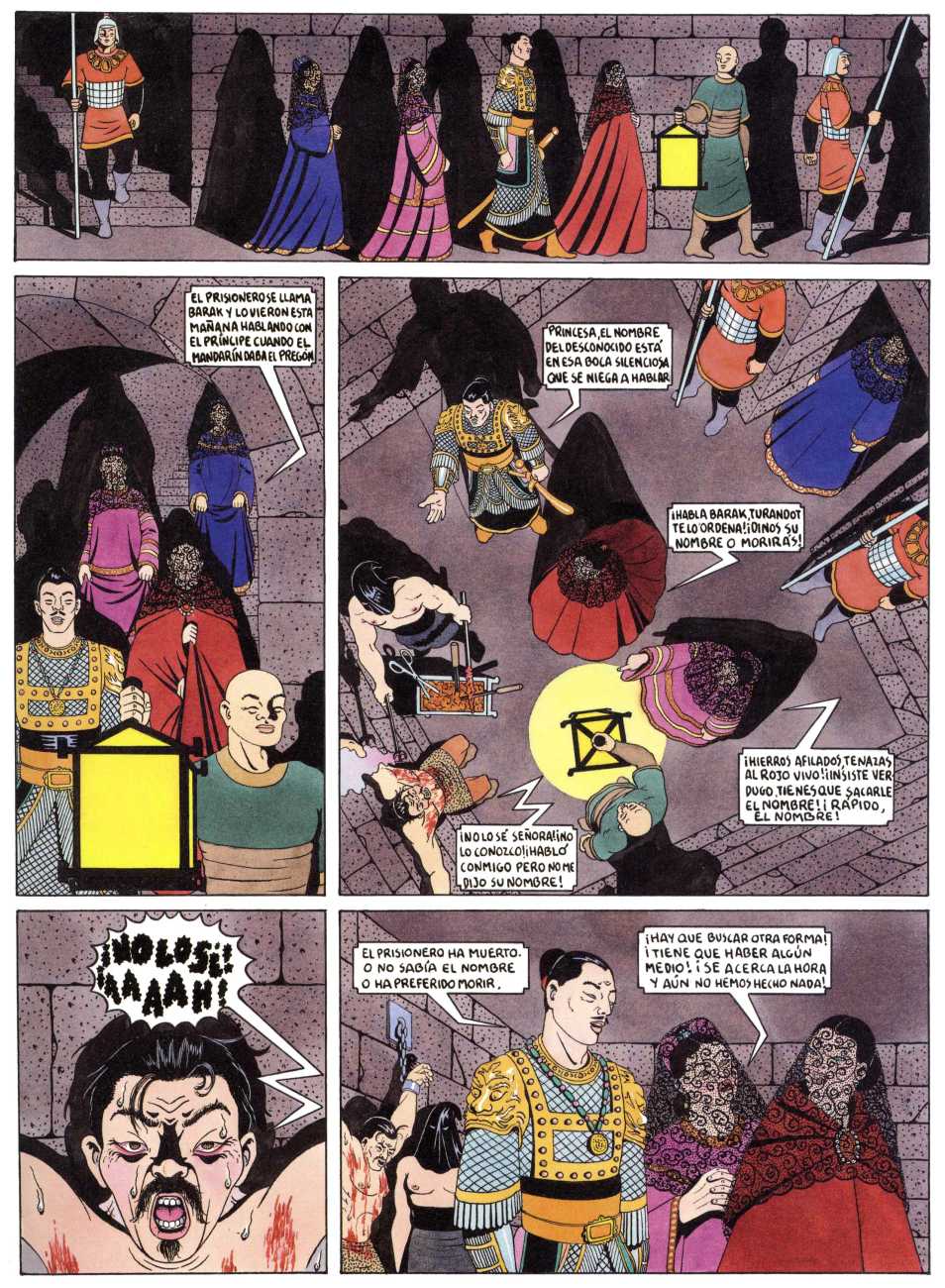
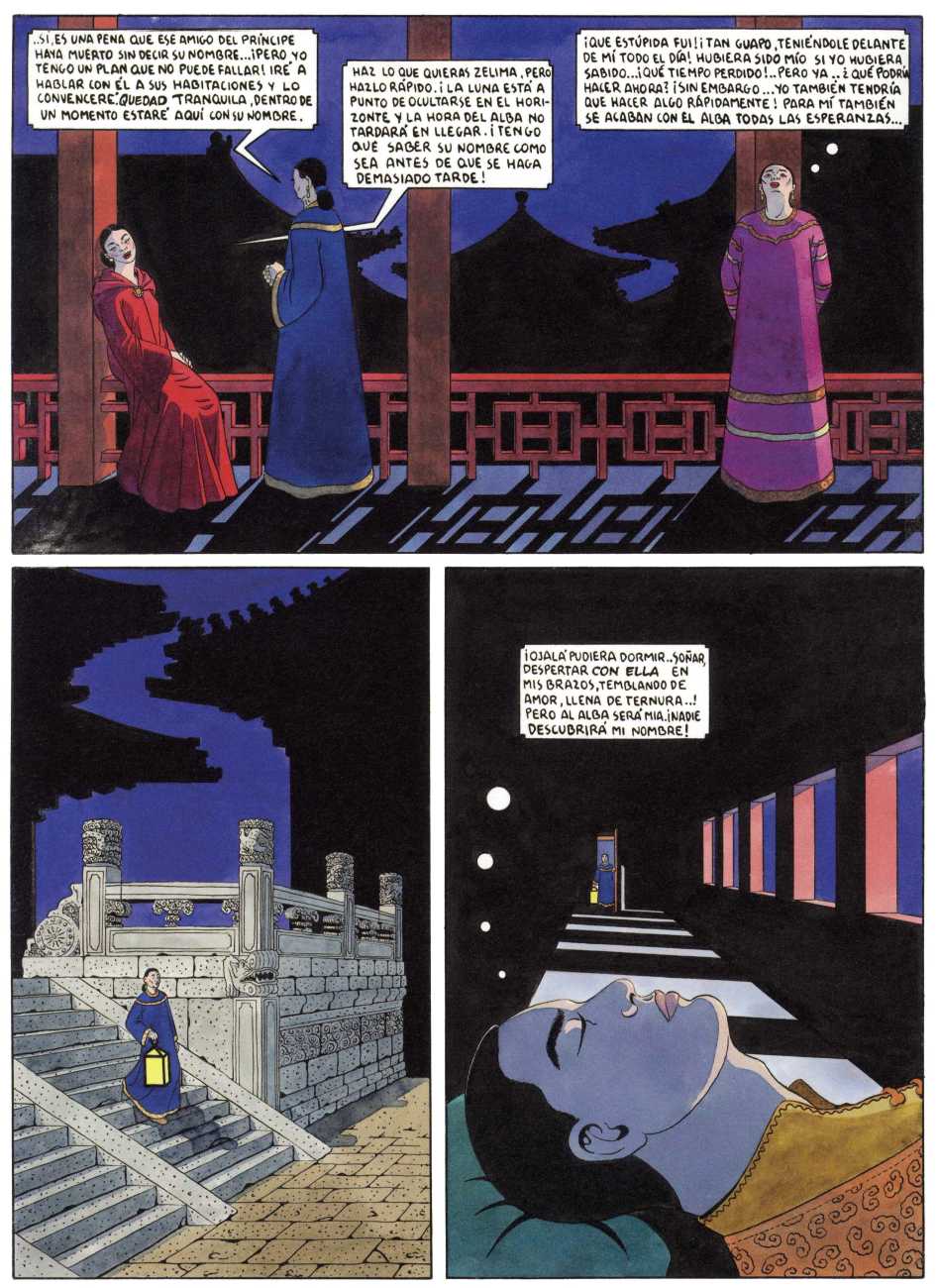
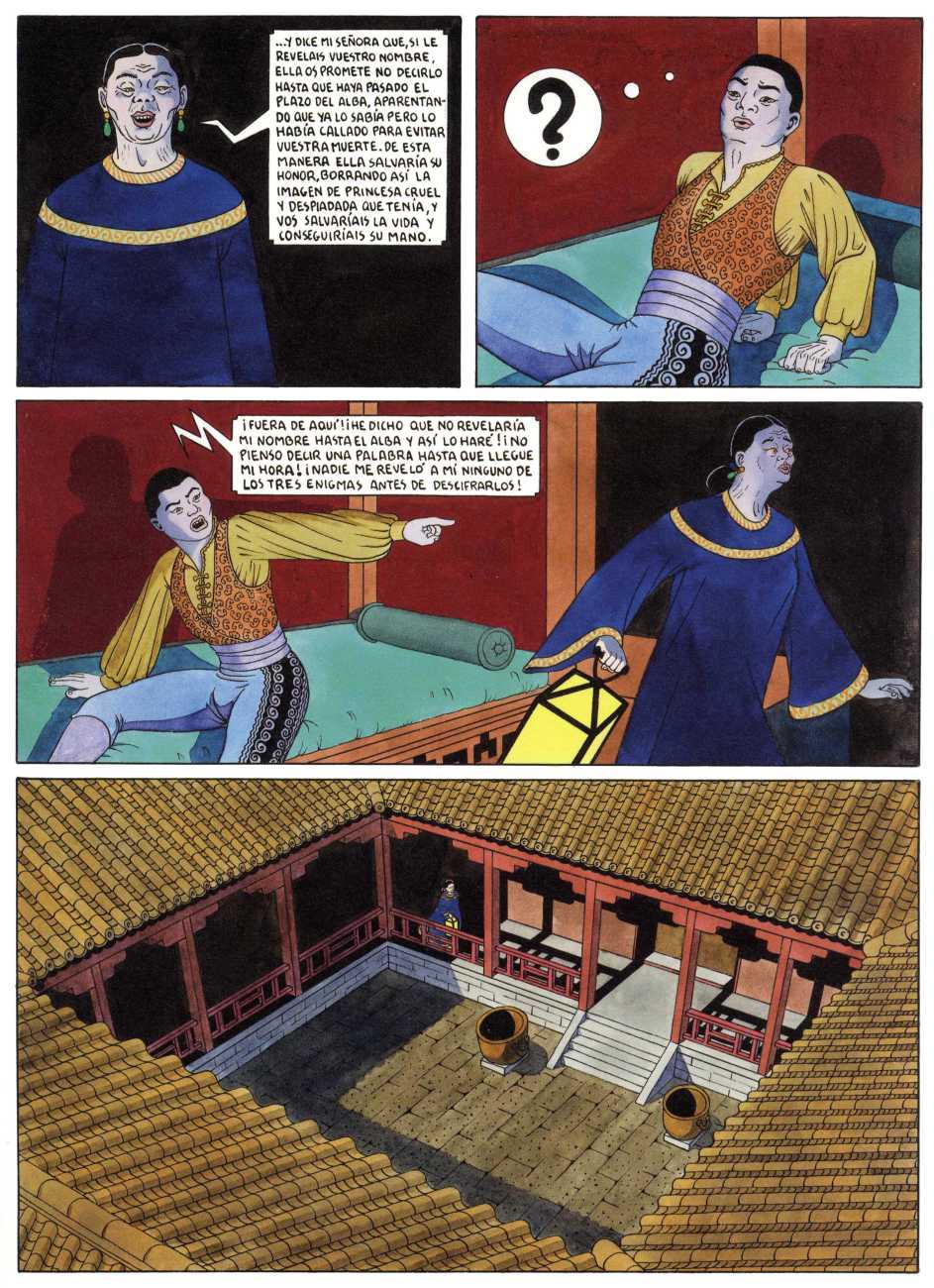
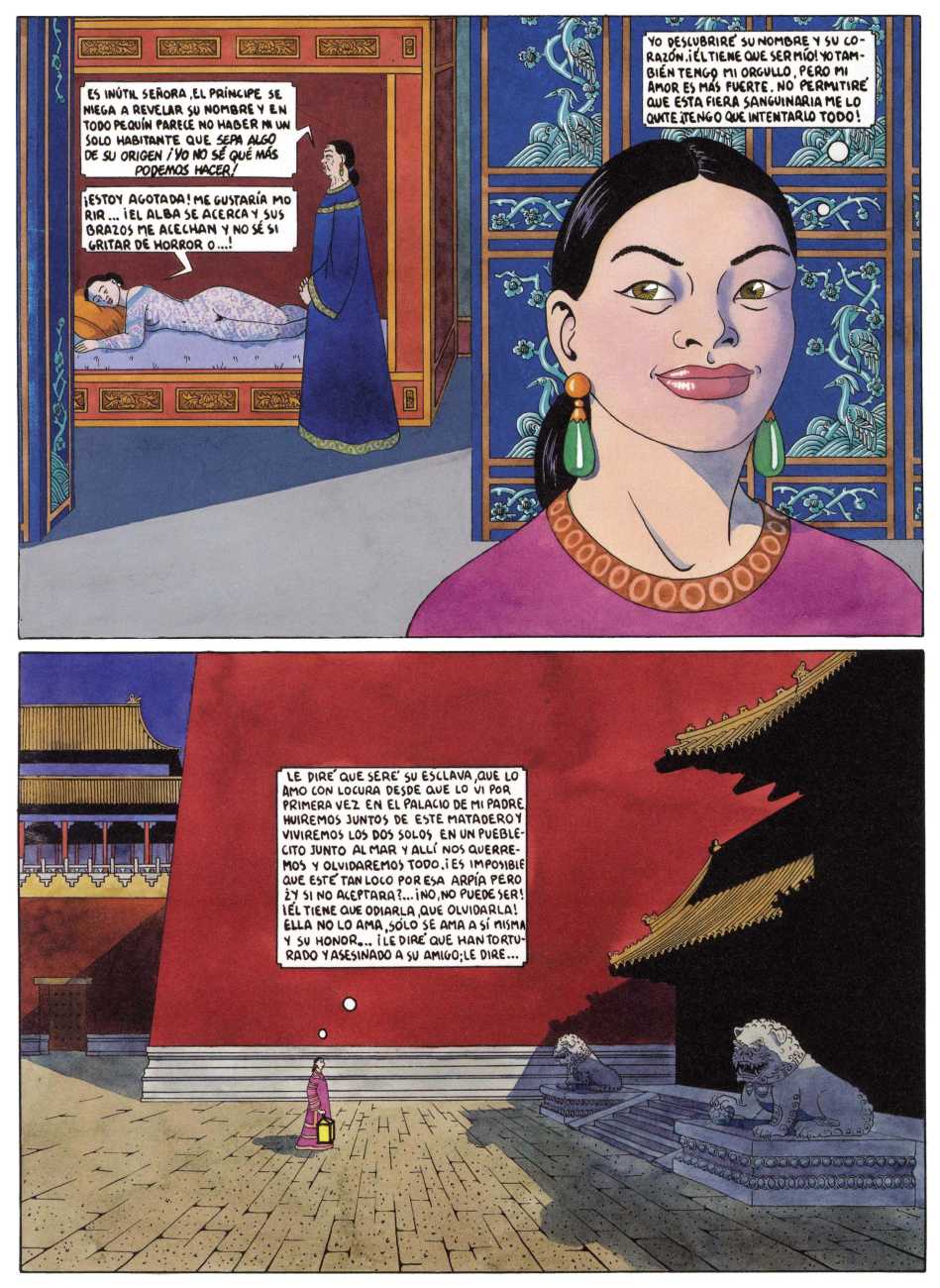
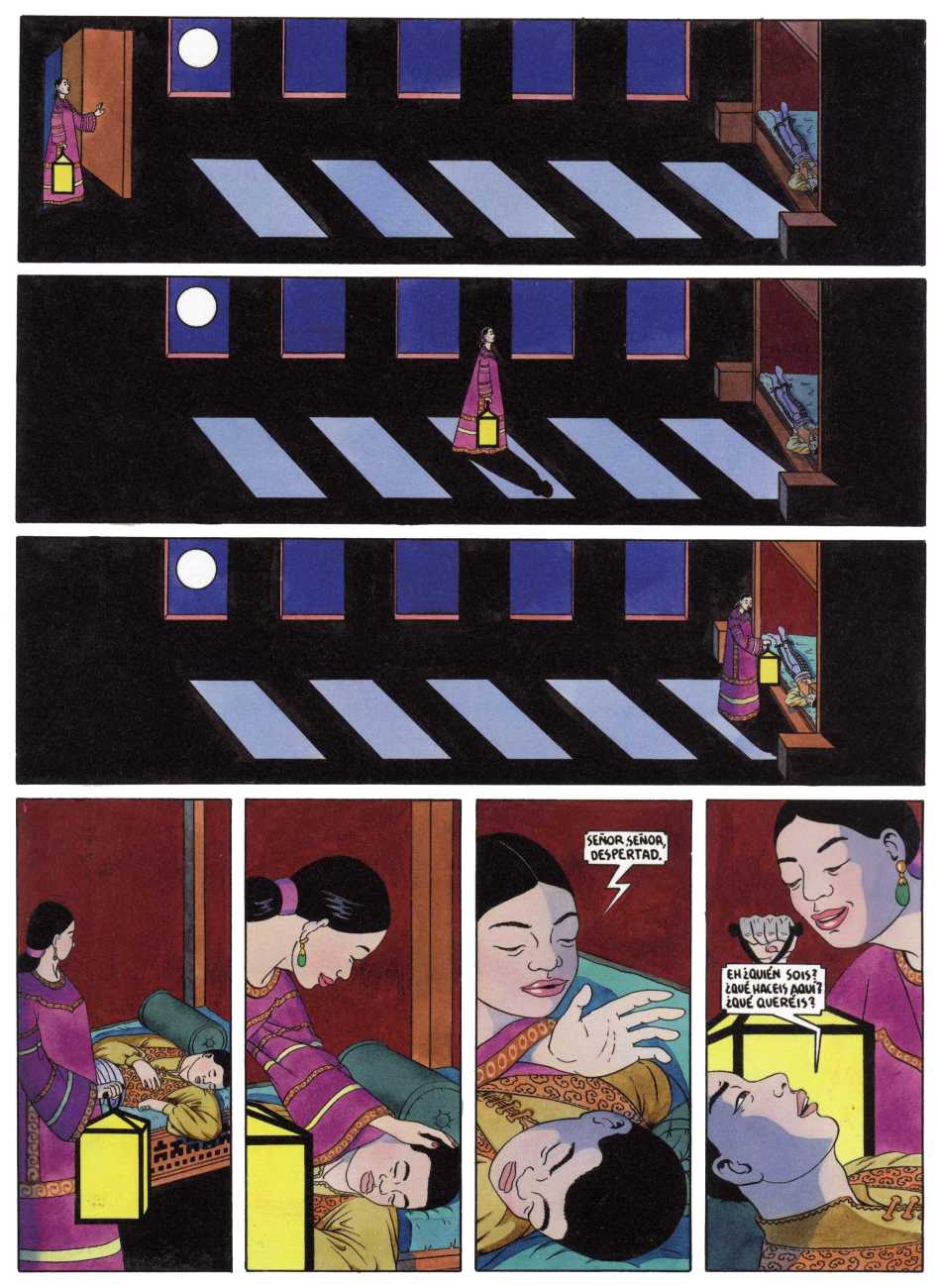
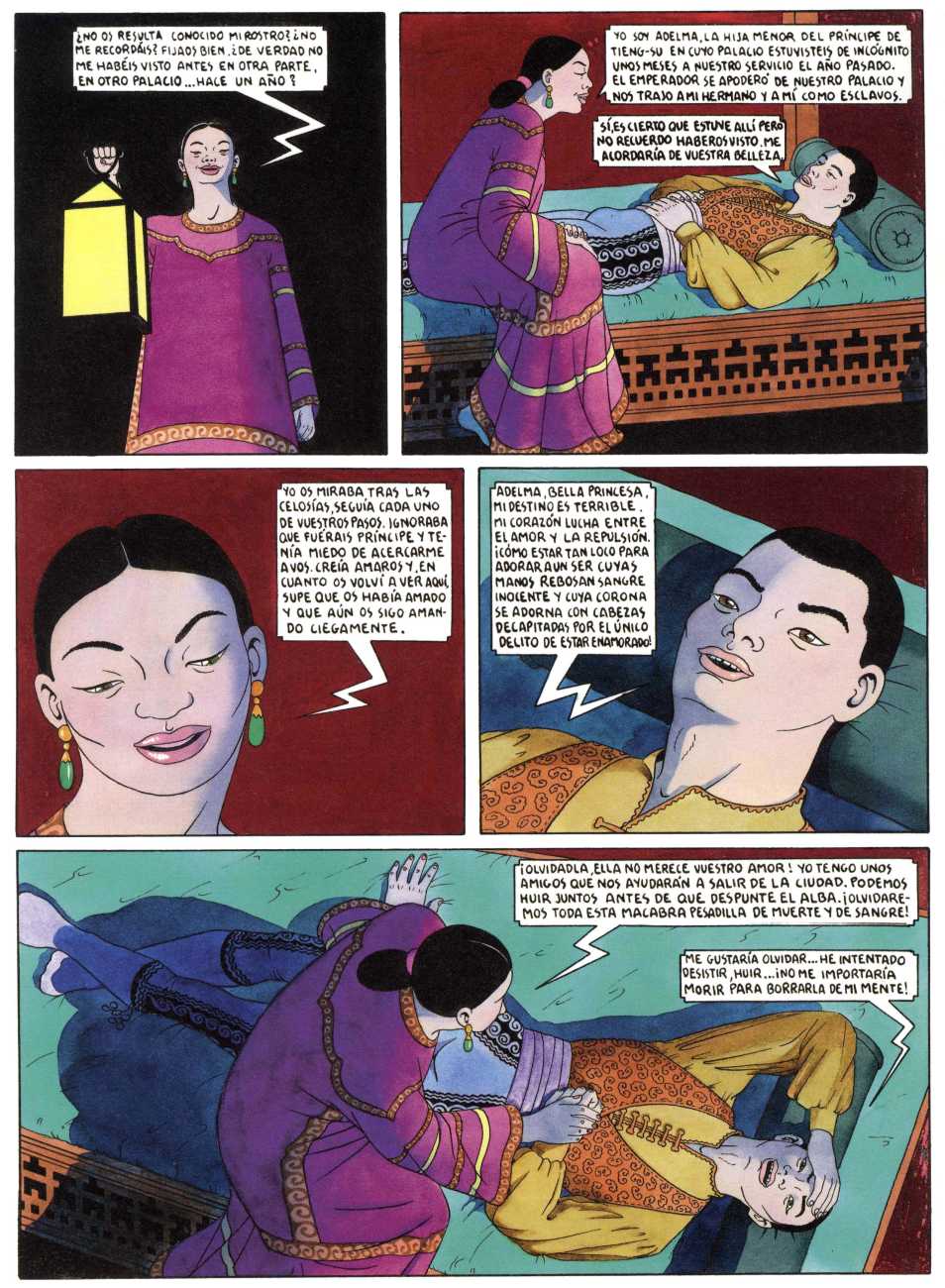
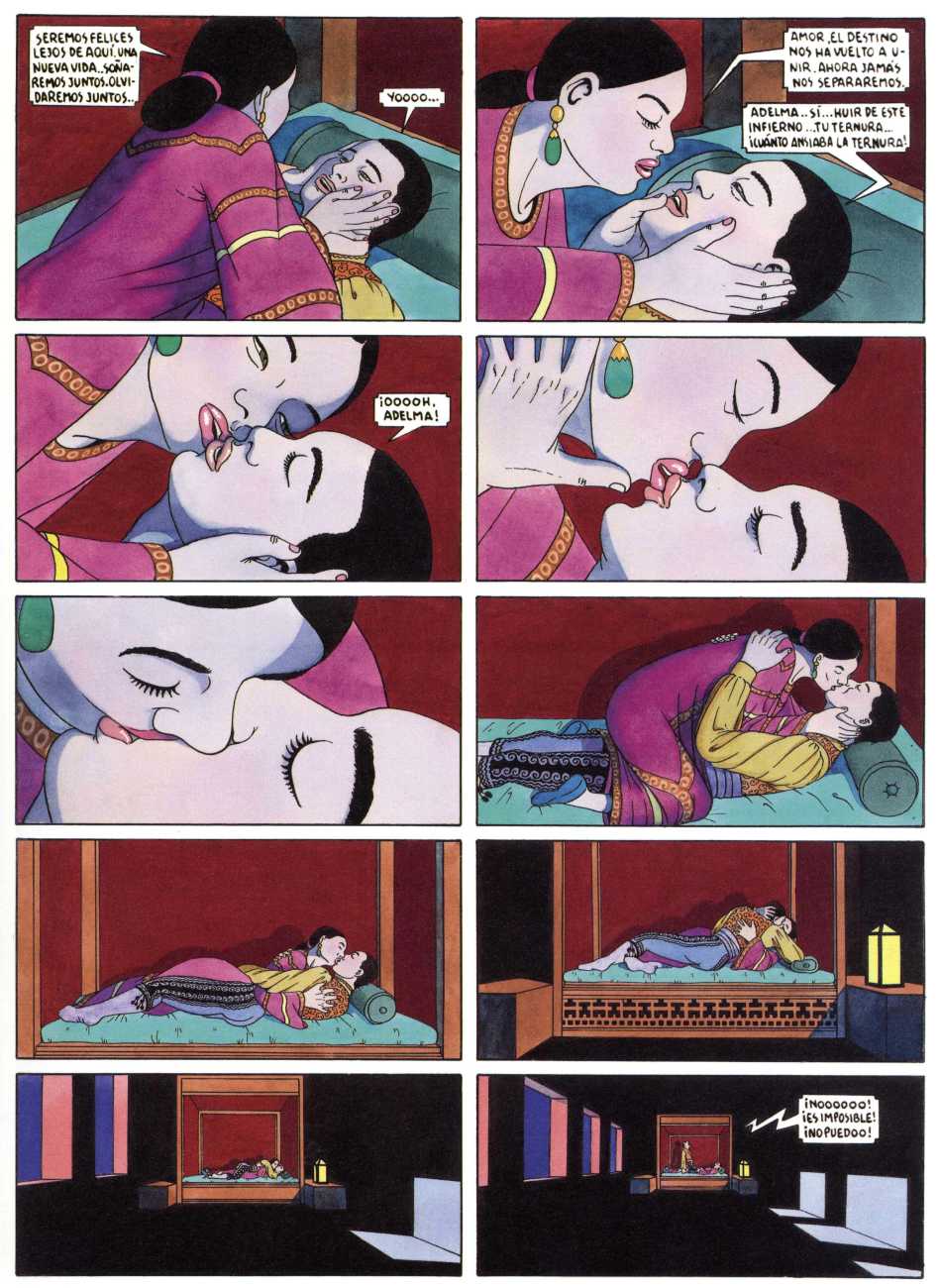
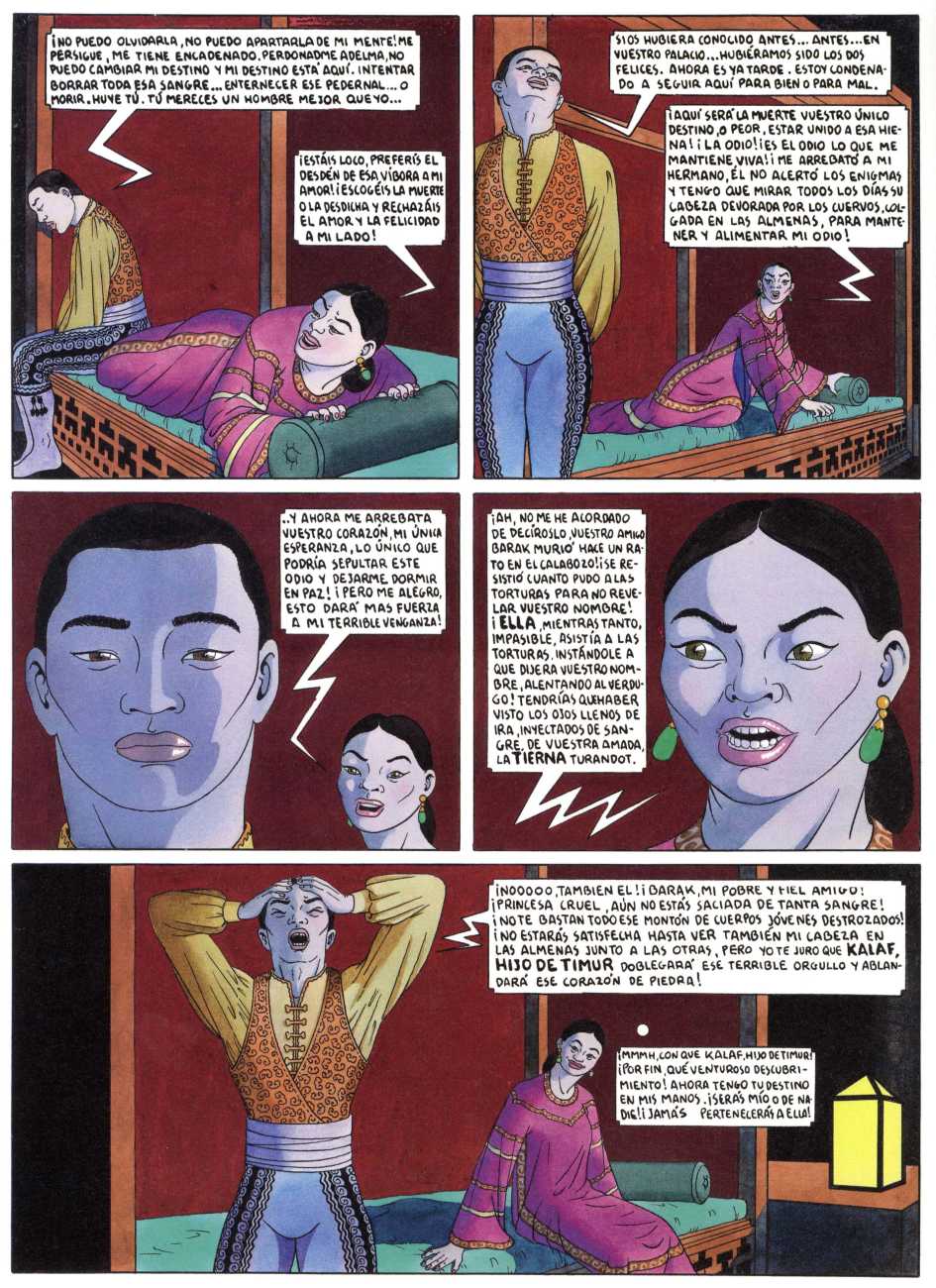
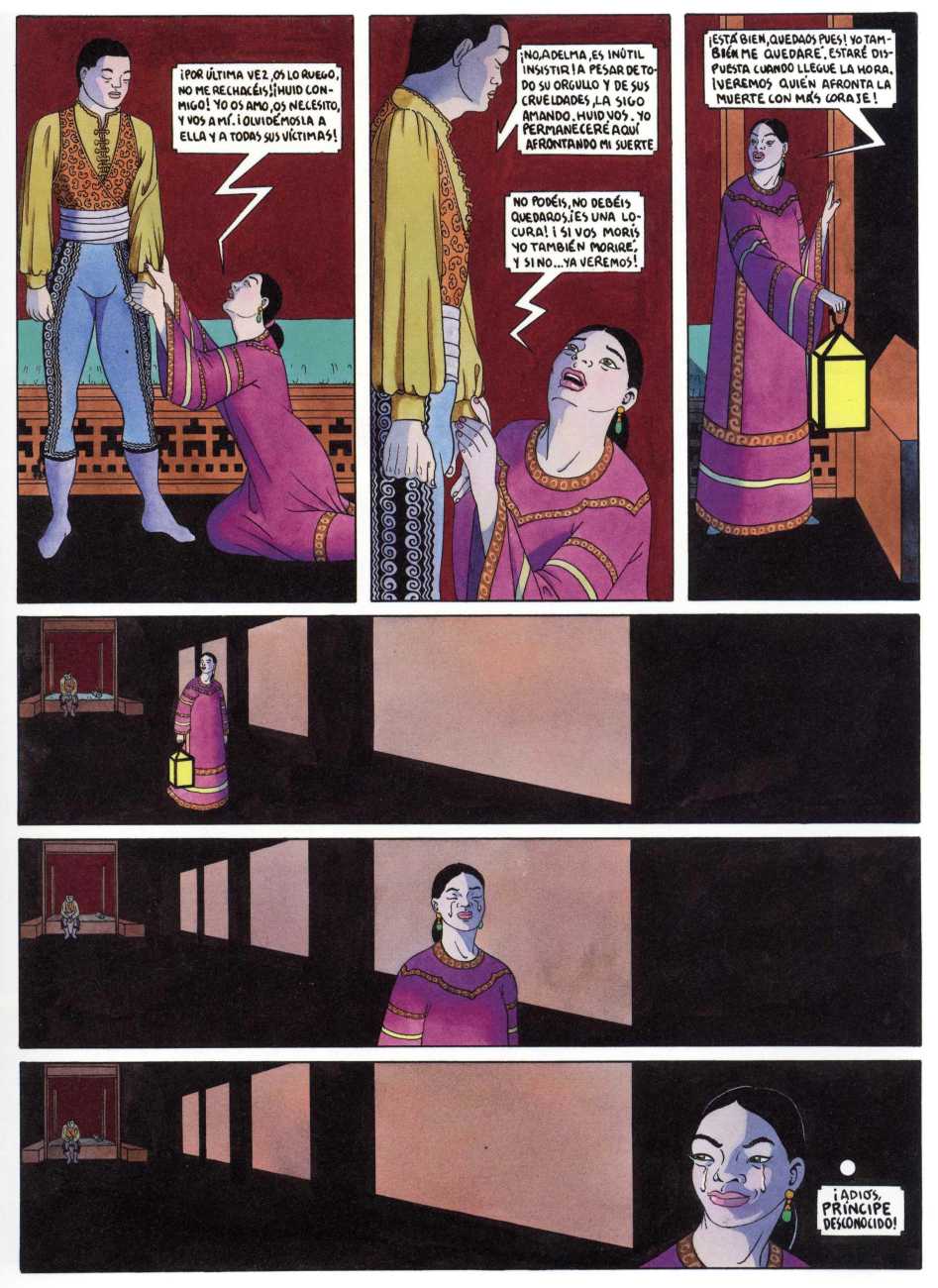
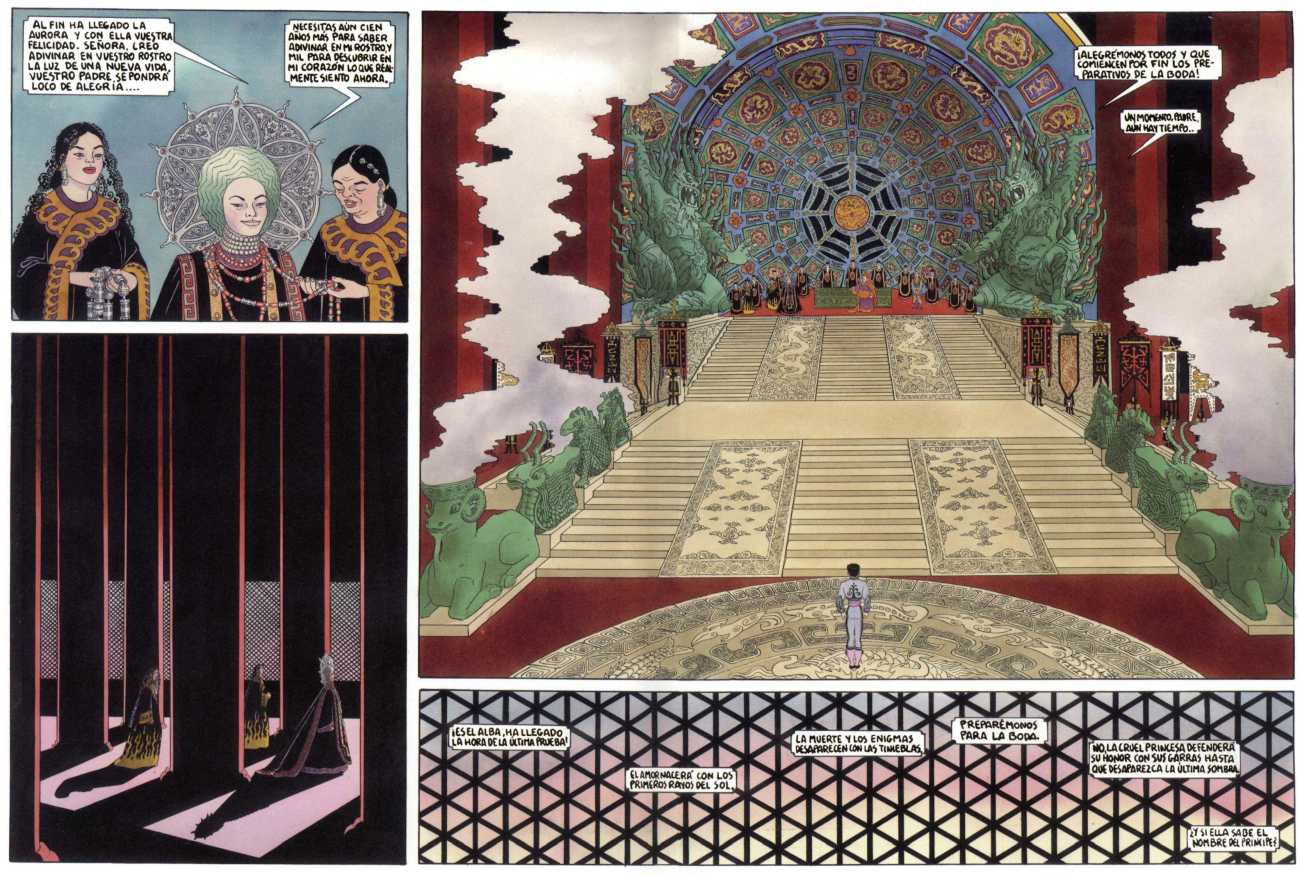
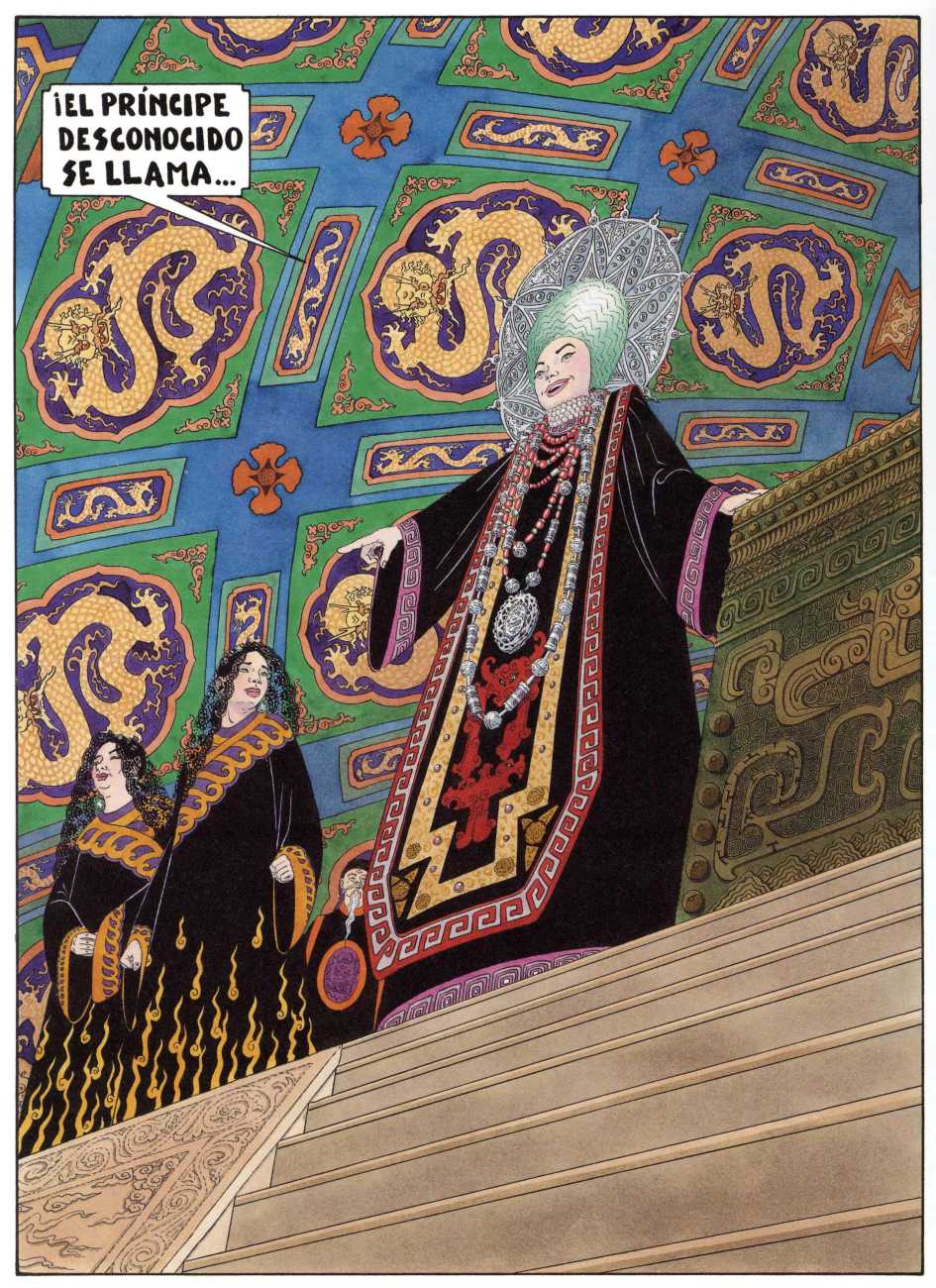
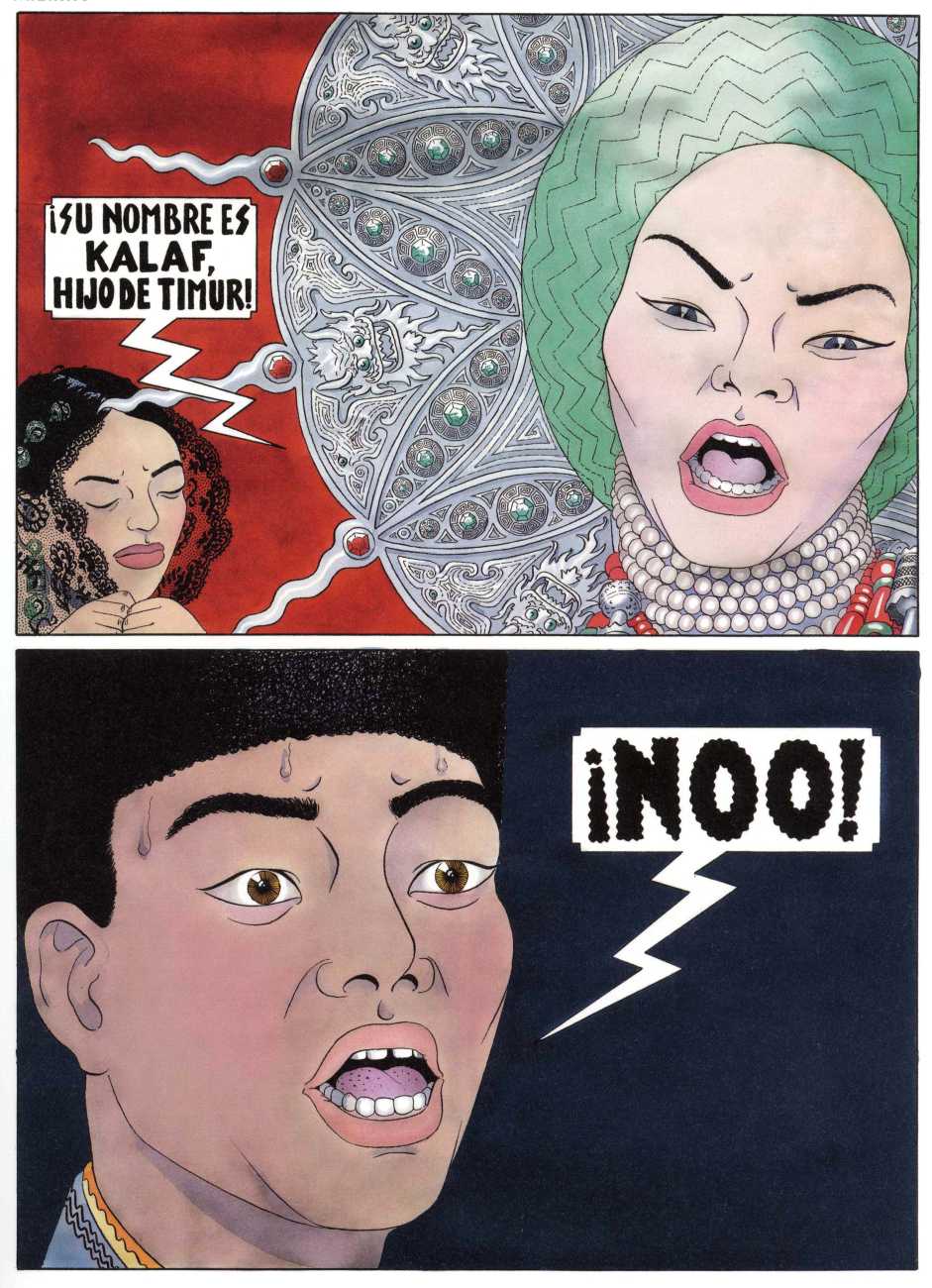
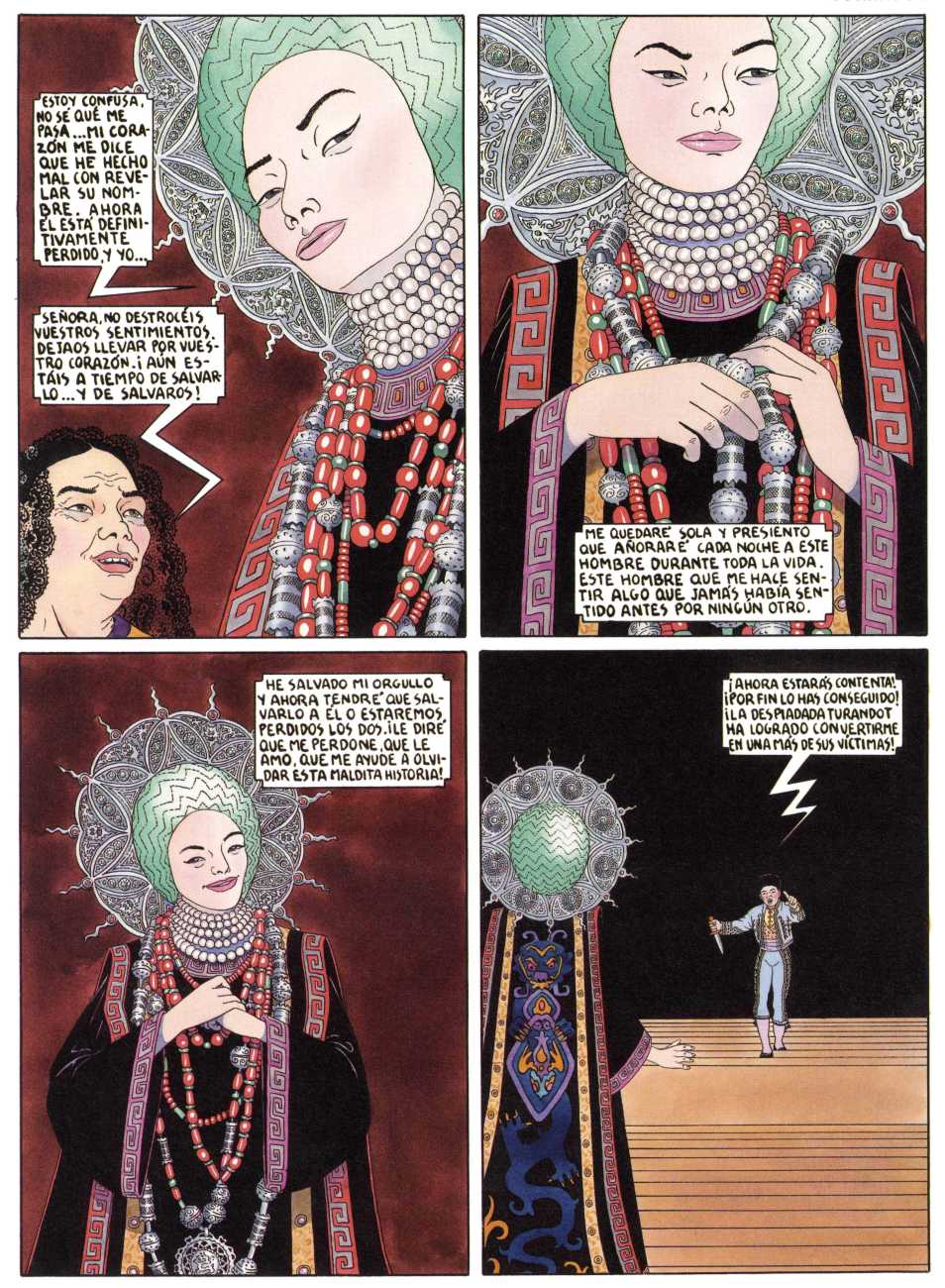
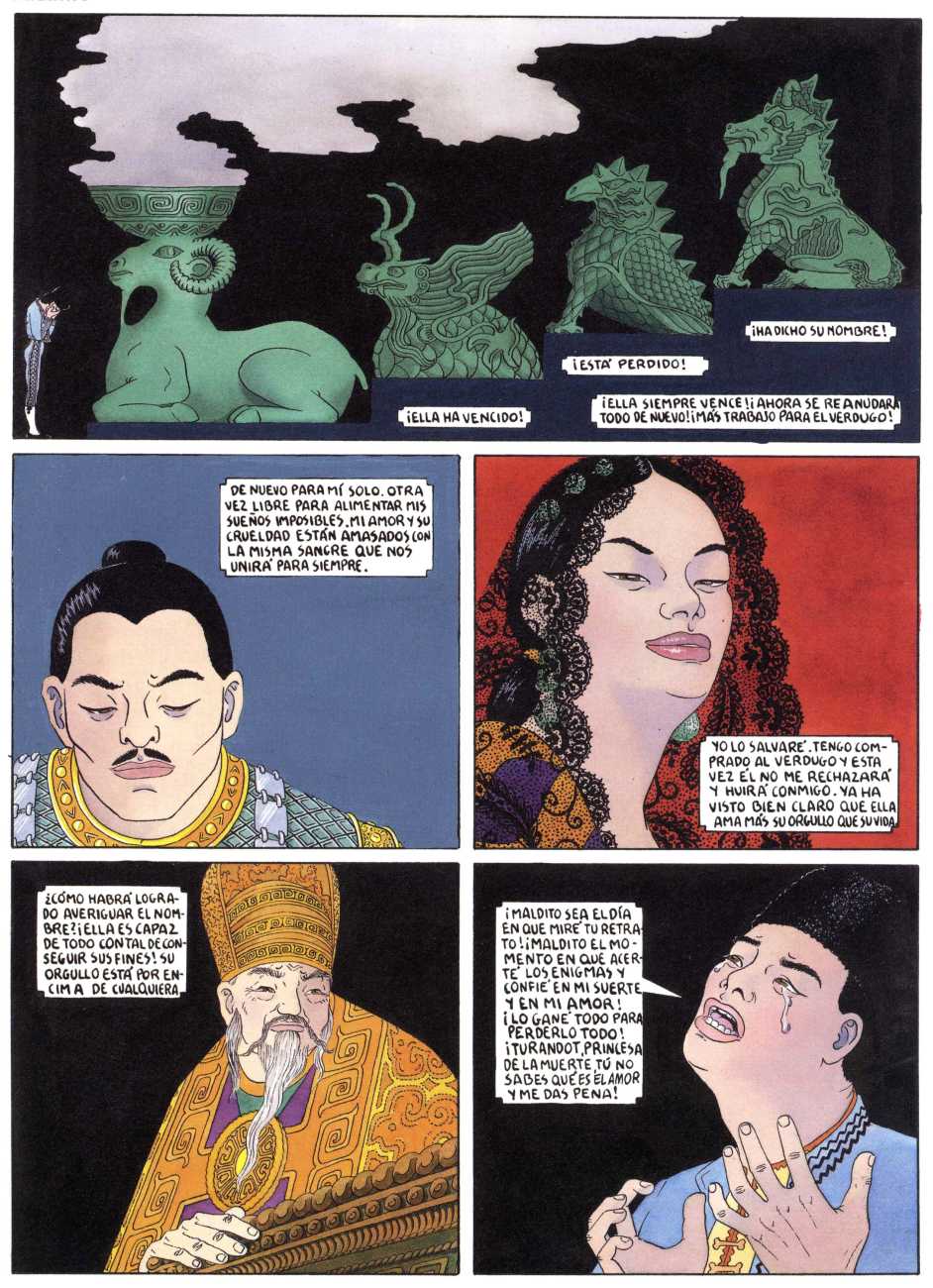
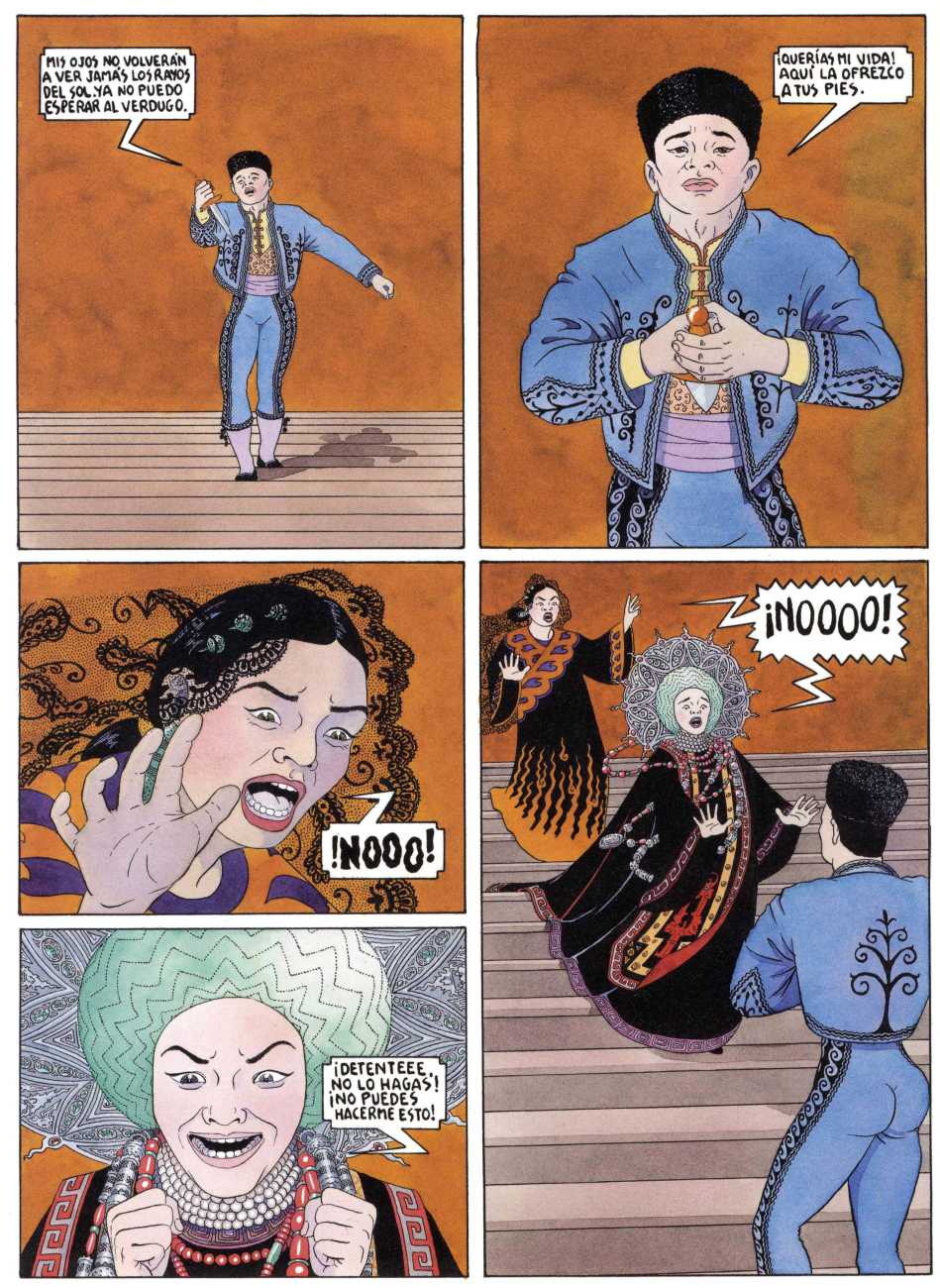
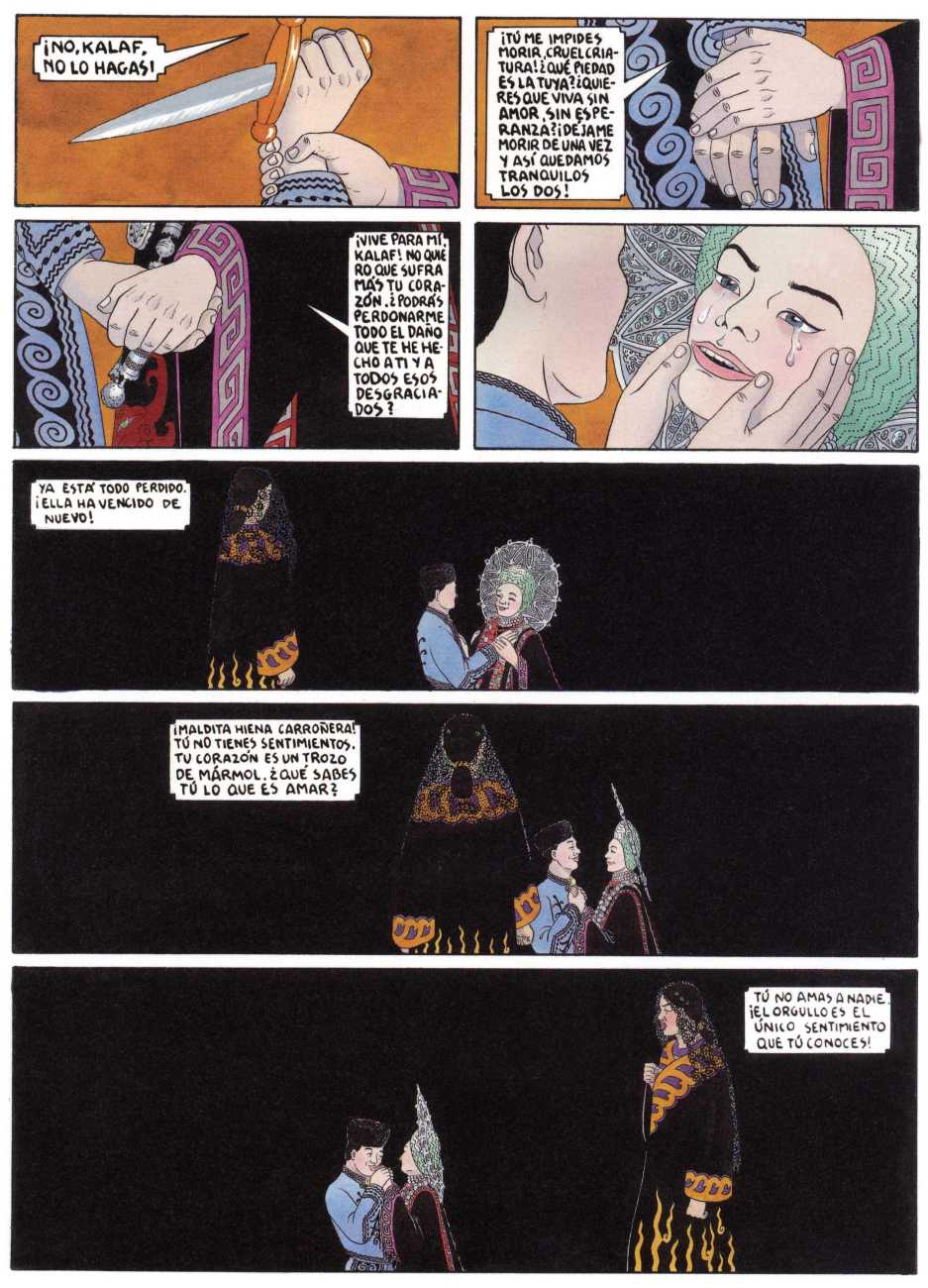
During the 1980s and early 90s Nazario increasingly explored colour, fantasy and theatricality in works including Mujeres Raras and Turandot. With Turandot, he deliberately moved away from the world of Anarcoma towards what he described as ‘a more baroque, theatrical world’, drawing on his interest in scenography and costume and on the connections between Chinese and Andalusian baroque.
By the 1990s he had largely abandoned comics for painting, particularly watercolour, before eventually concentrating on writing. His later work has included painting, photography, film and a series of autobiographical books. He remains closely associated with Barcelona, where he has lived since 1972, and is now recognised as one of the pioneers of Spanish underground comics and a major figure in the history of queer comics.
Similar artists
Horacio Altuna – Argentine comics artist who relocated to Catalonia for erotic work.
Remy Boydell – British comics artist of the queer graphic novel The Pervert.
Robert Crumb – American underground-comix artist of explicit and satirical content.
Hunt Emerson – British underground comix cartoonist of anarchic comic strips.
Jean-Claude Forest – French comics artist, creator of Barbarella.
Mike Kuchar – American underground gay illustrator of homoerotic subjects.
Wallace Wood – American Mad magazine artist of satirical and erotic comics.
Example illustration
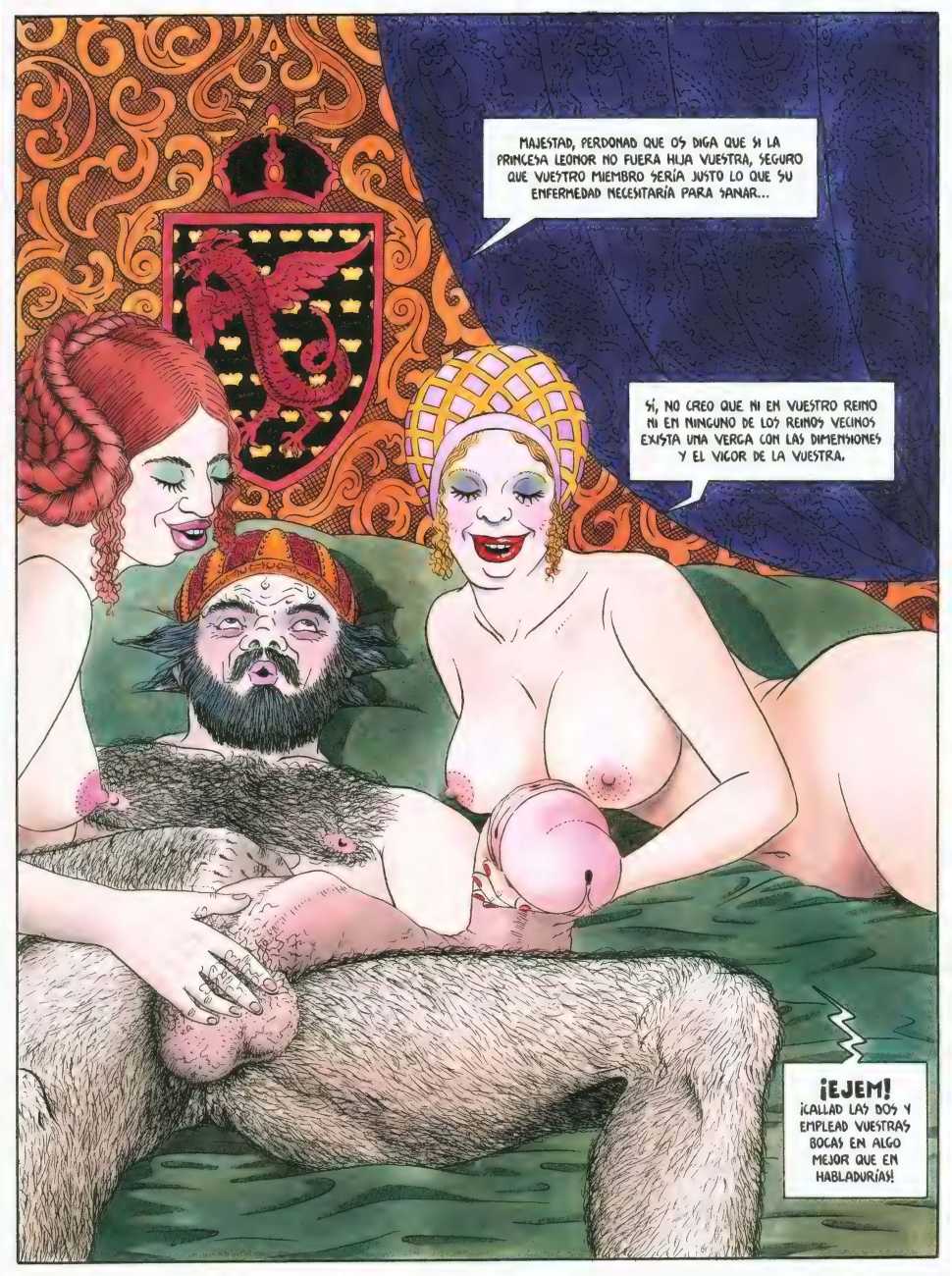
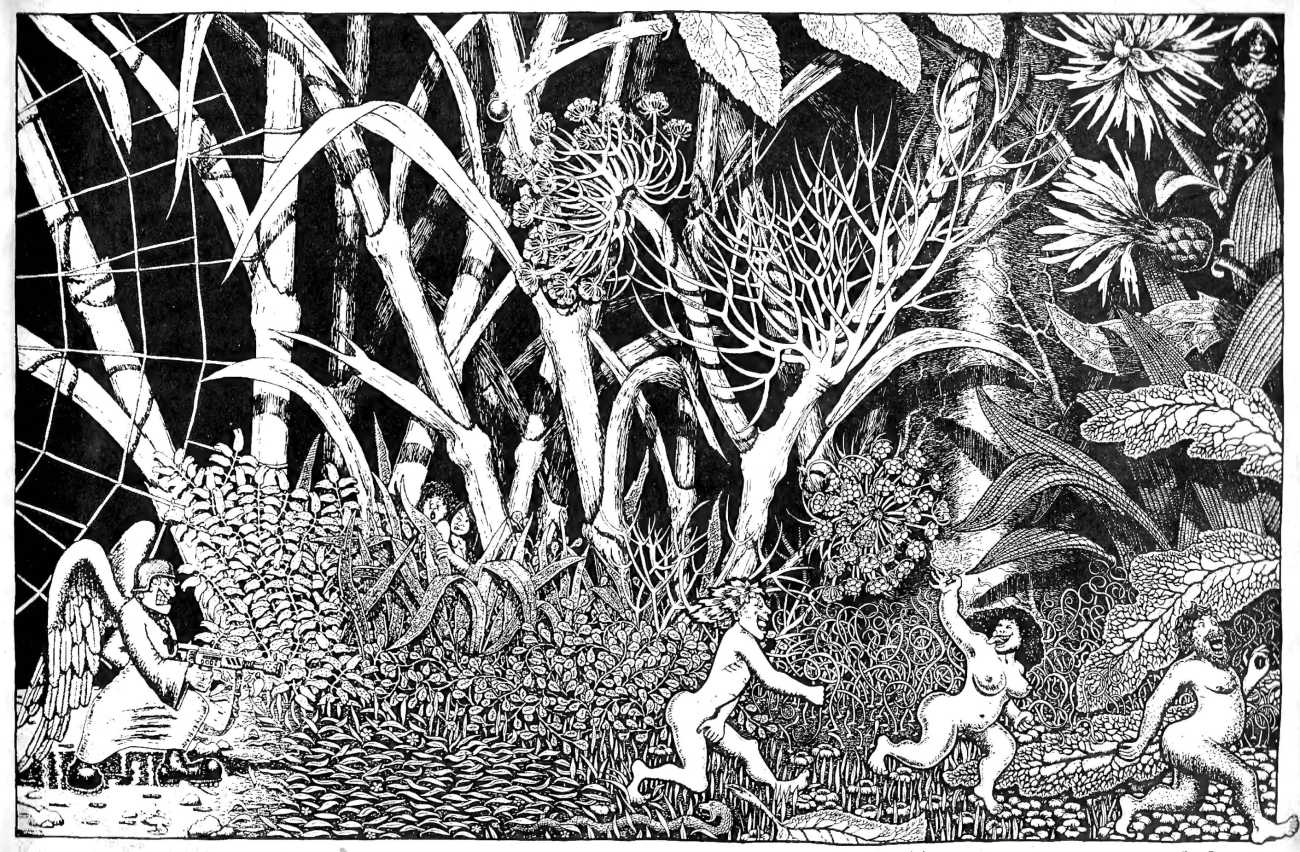
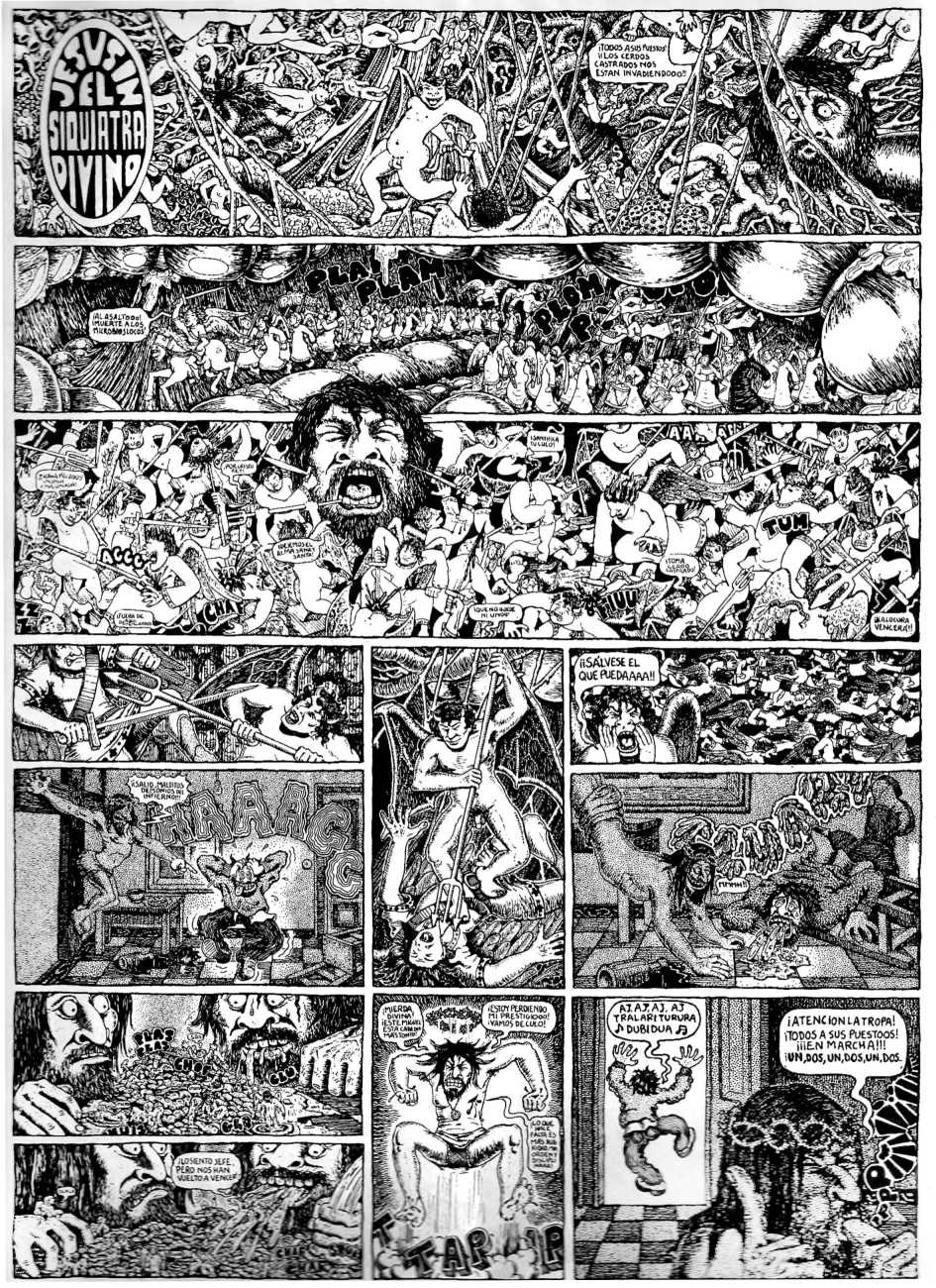
La Piraña Divina (1975)
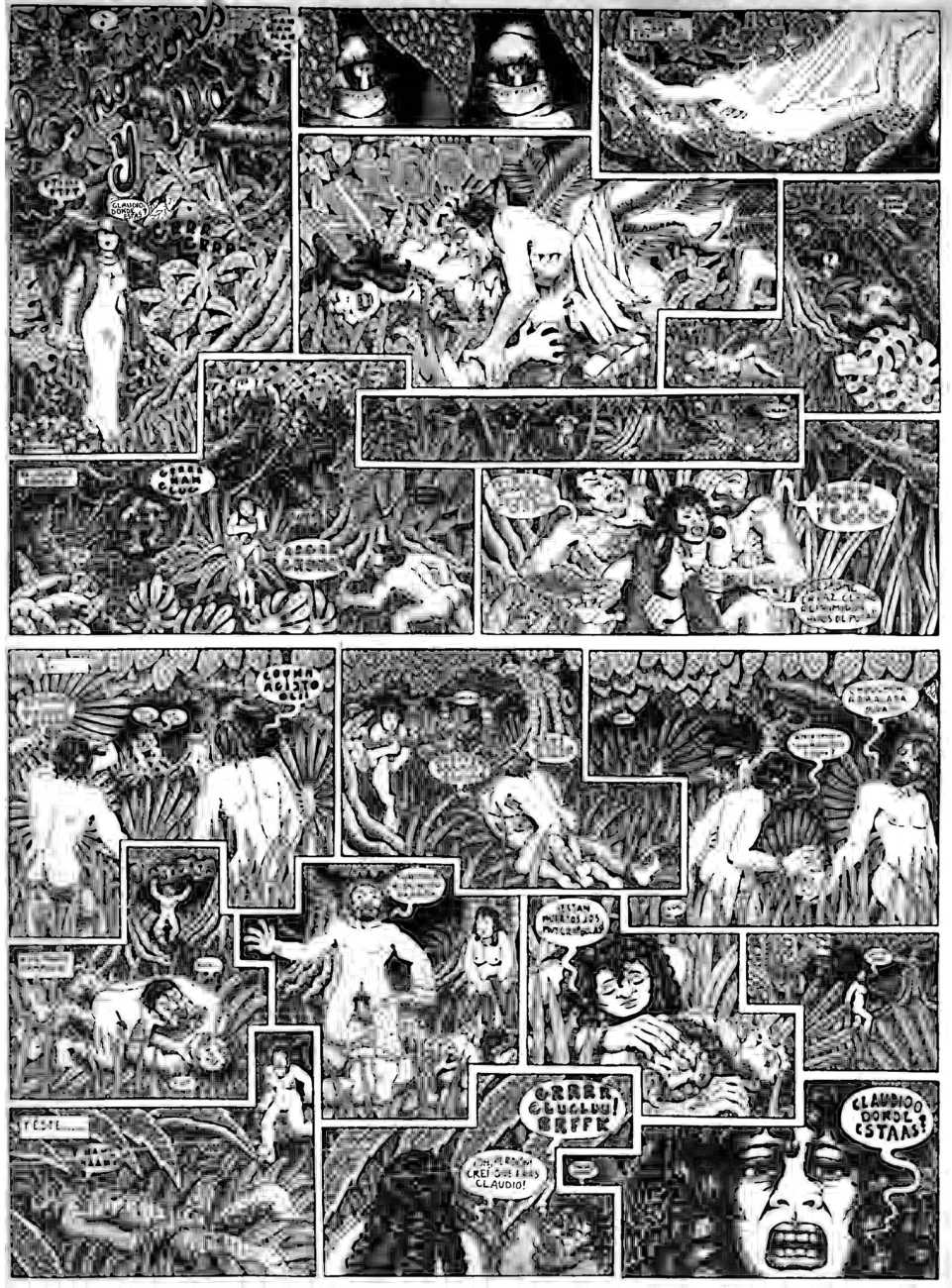
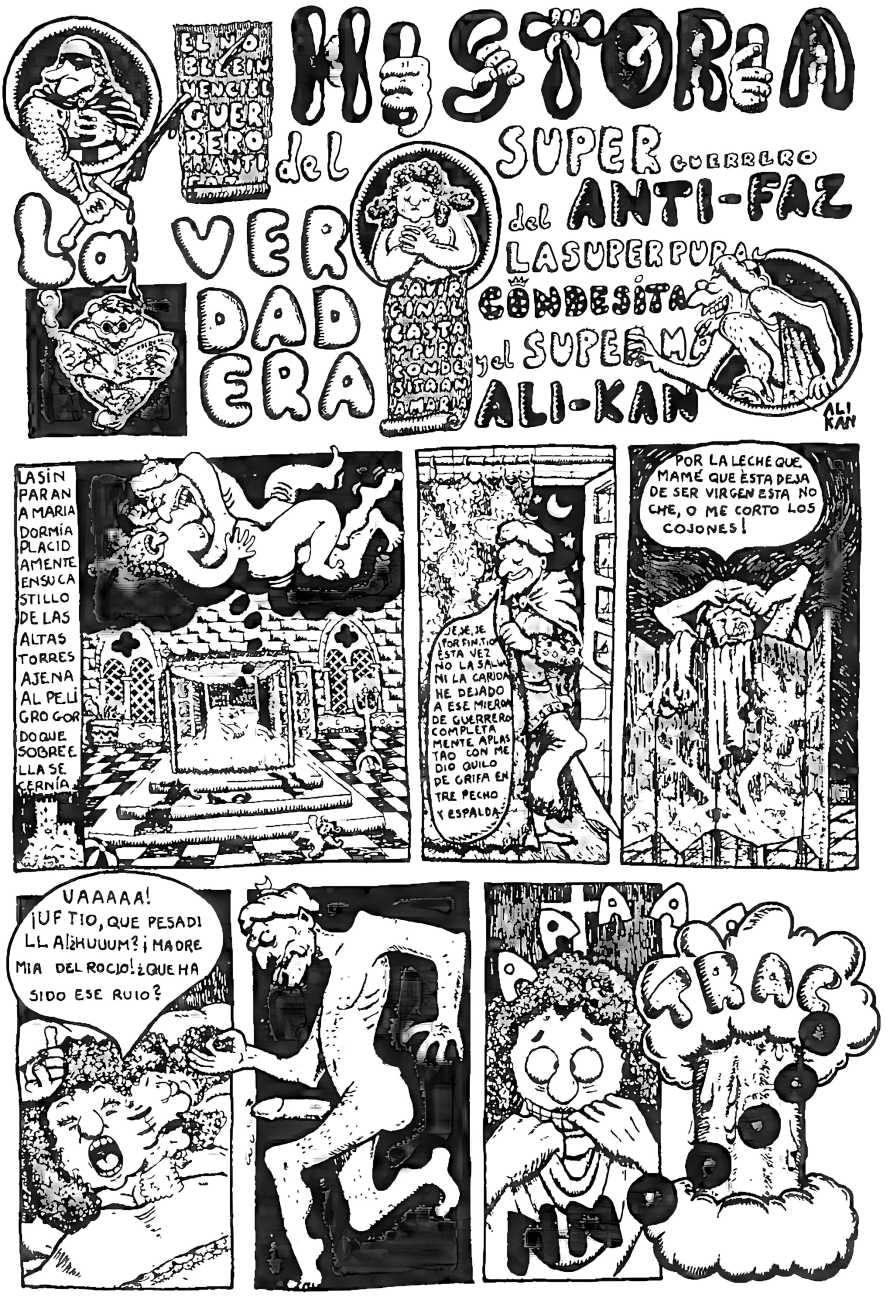
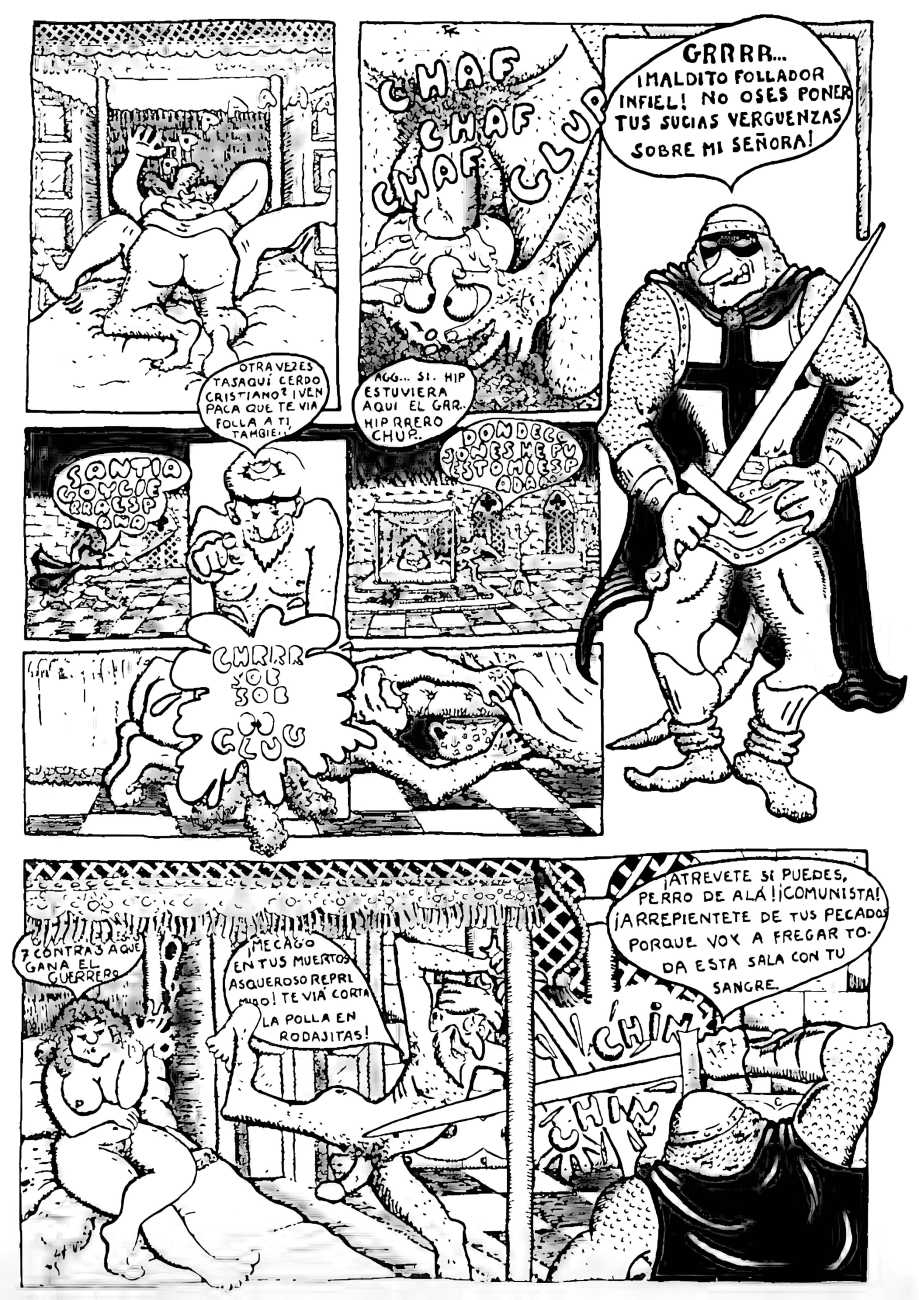
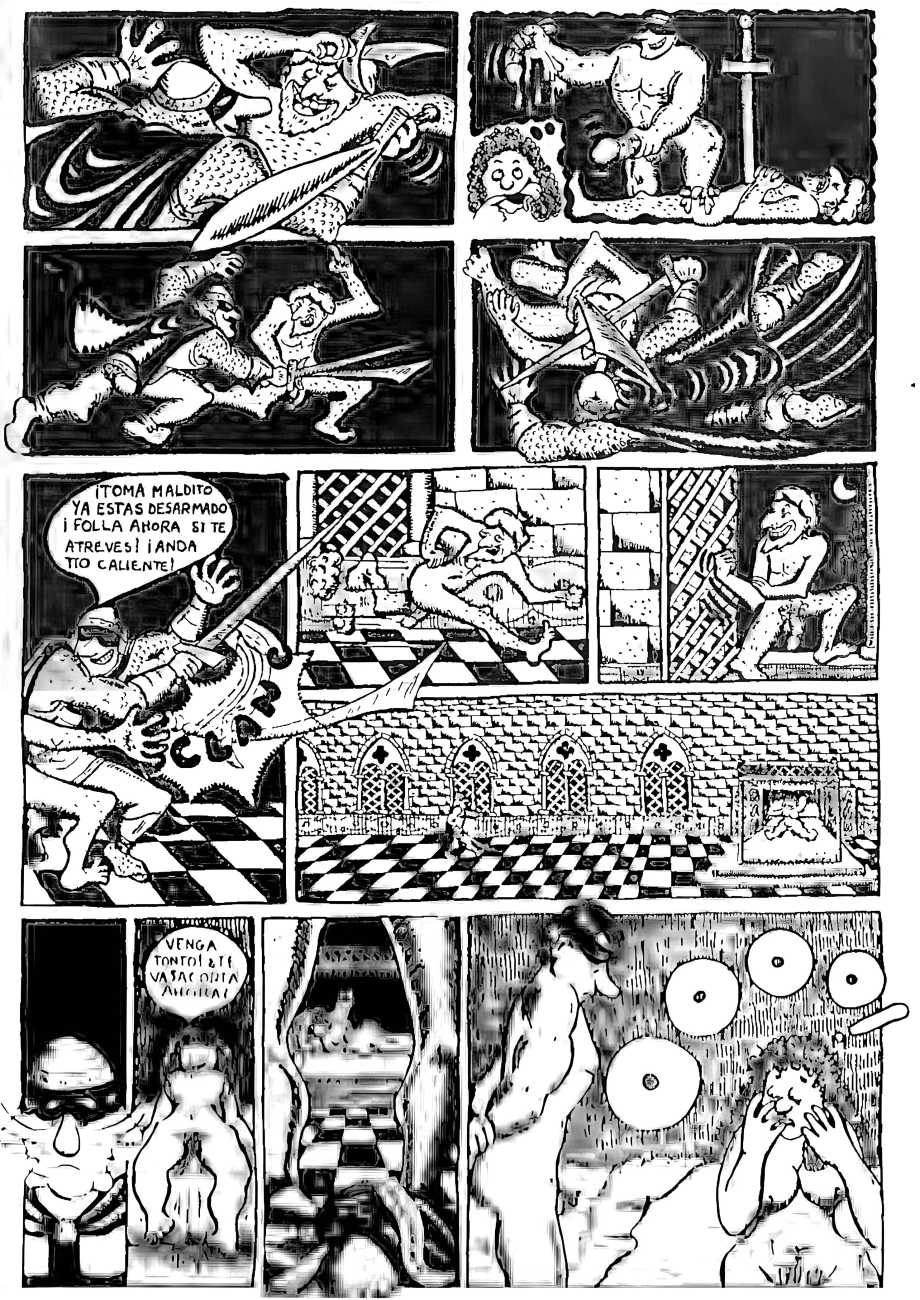
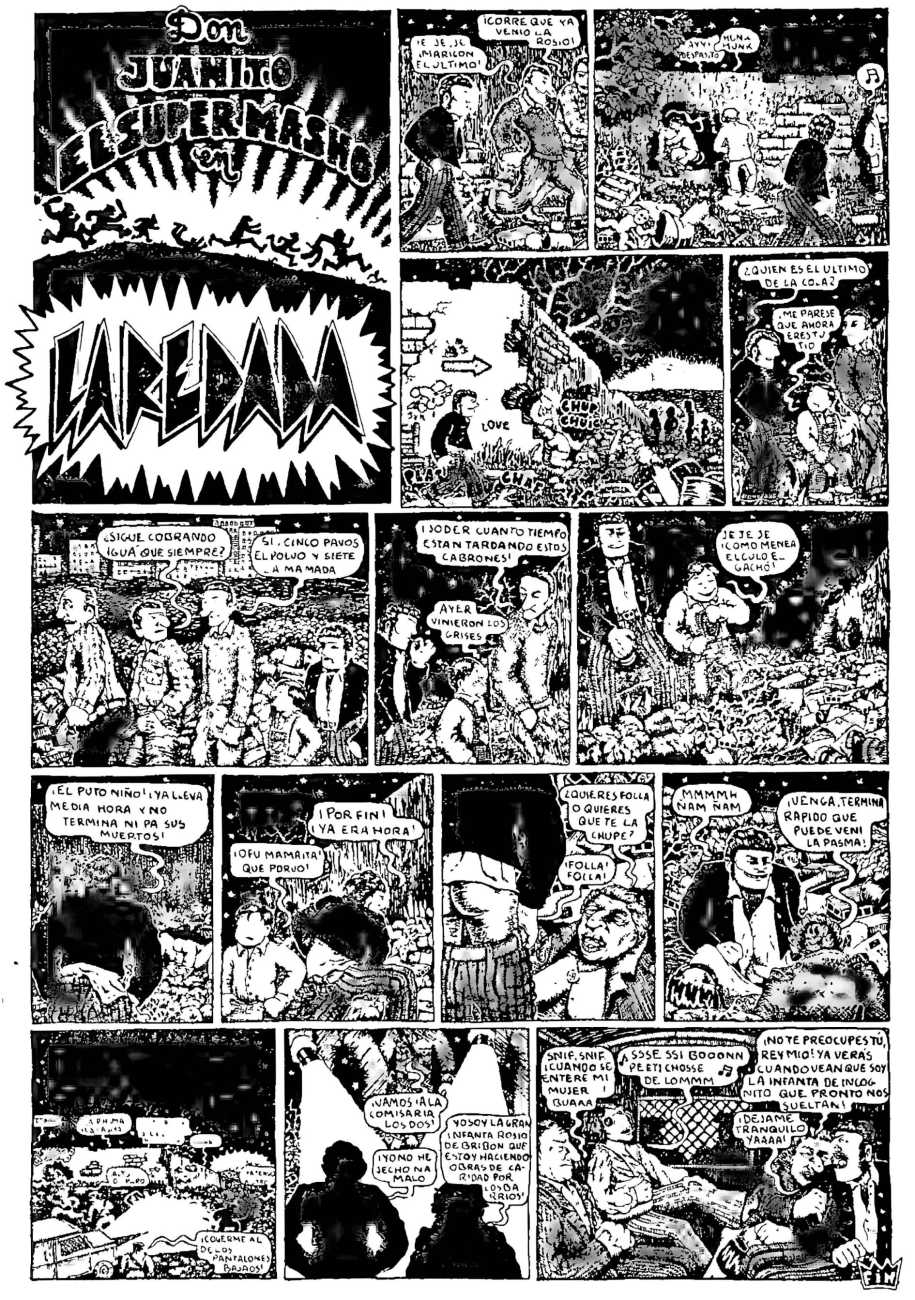
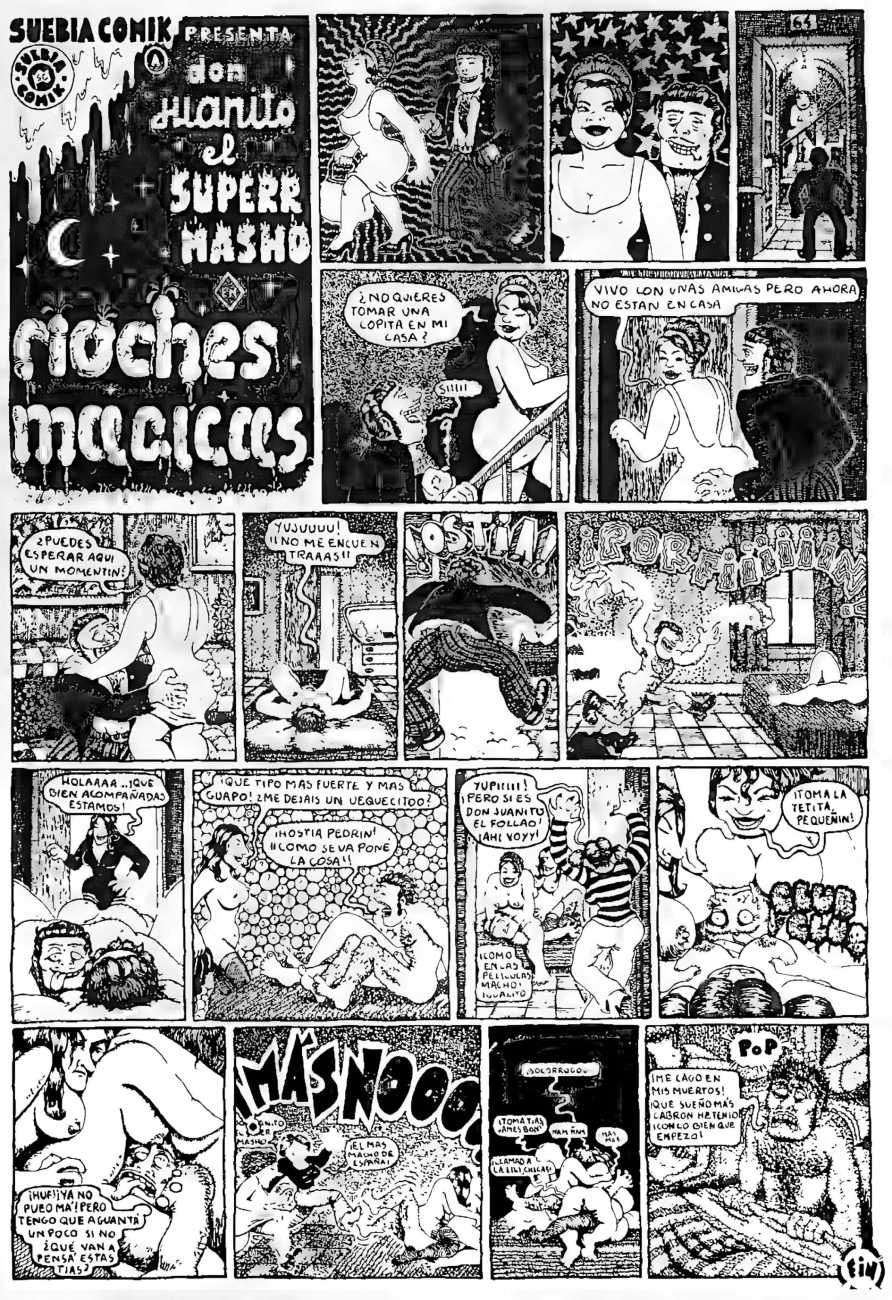
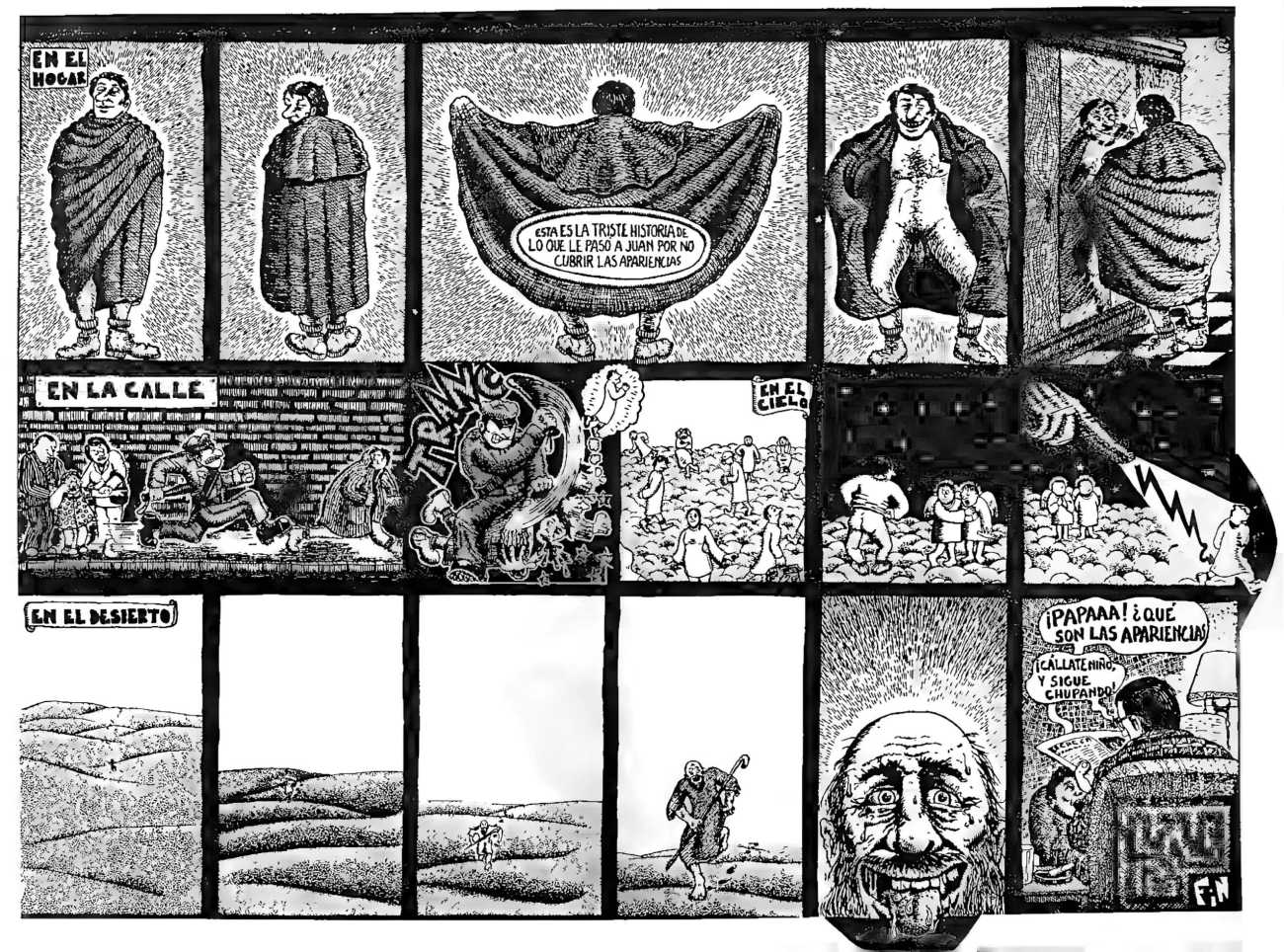
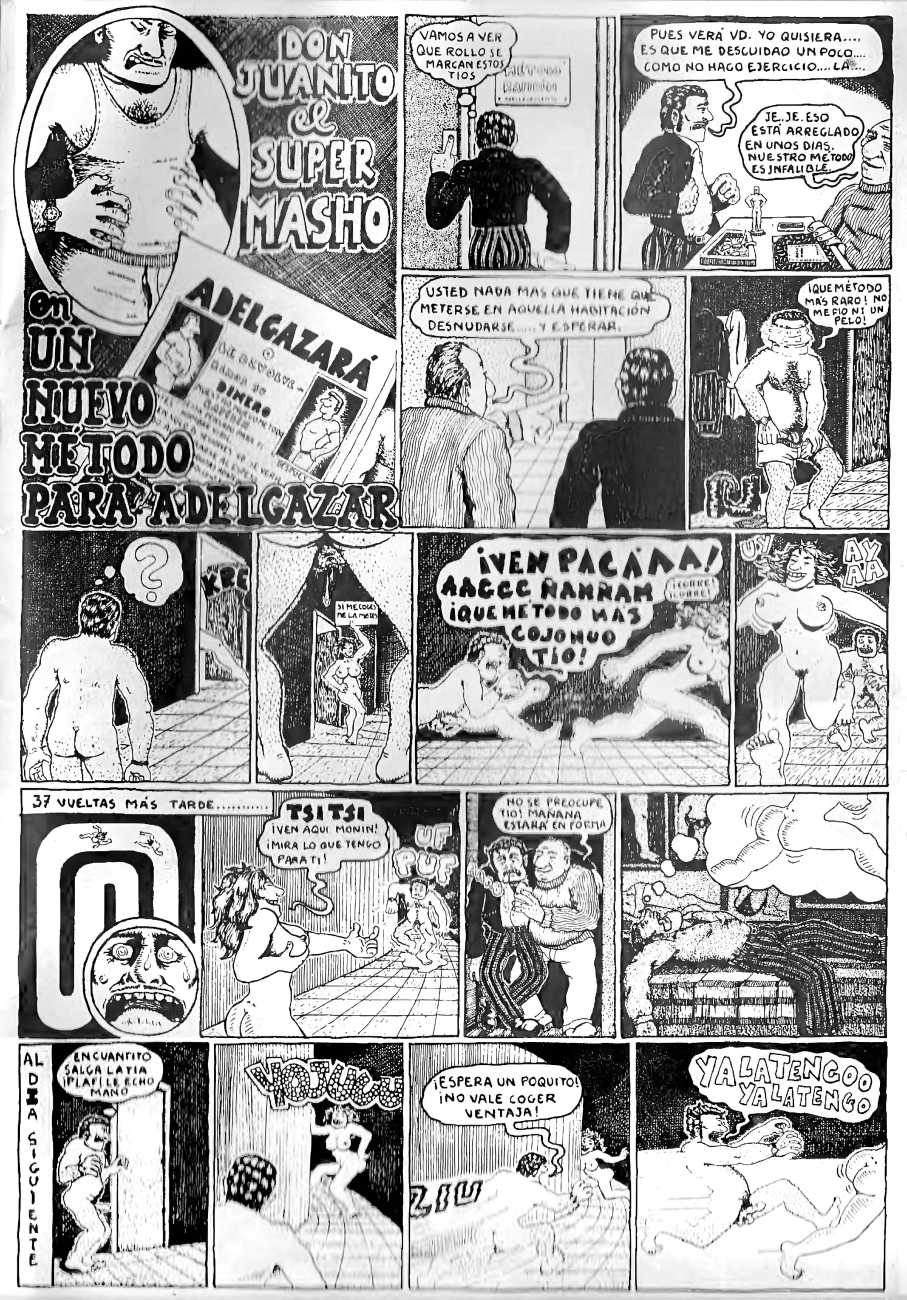
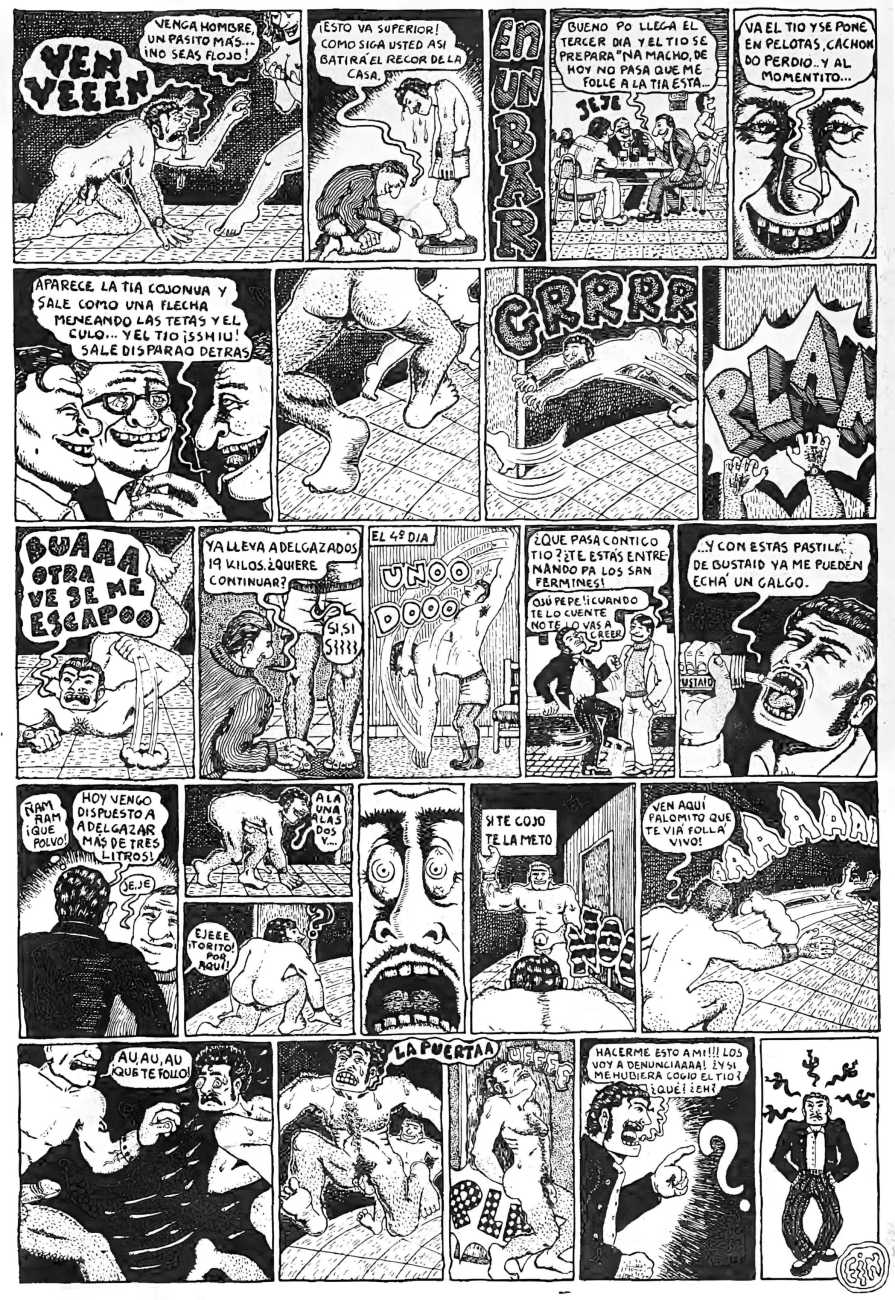
Anarcoma (1983)
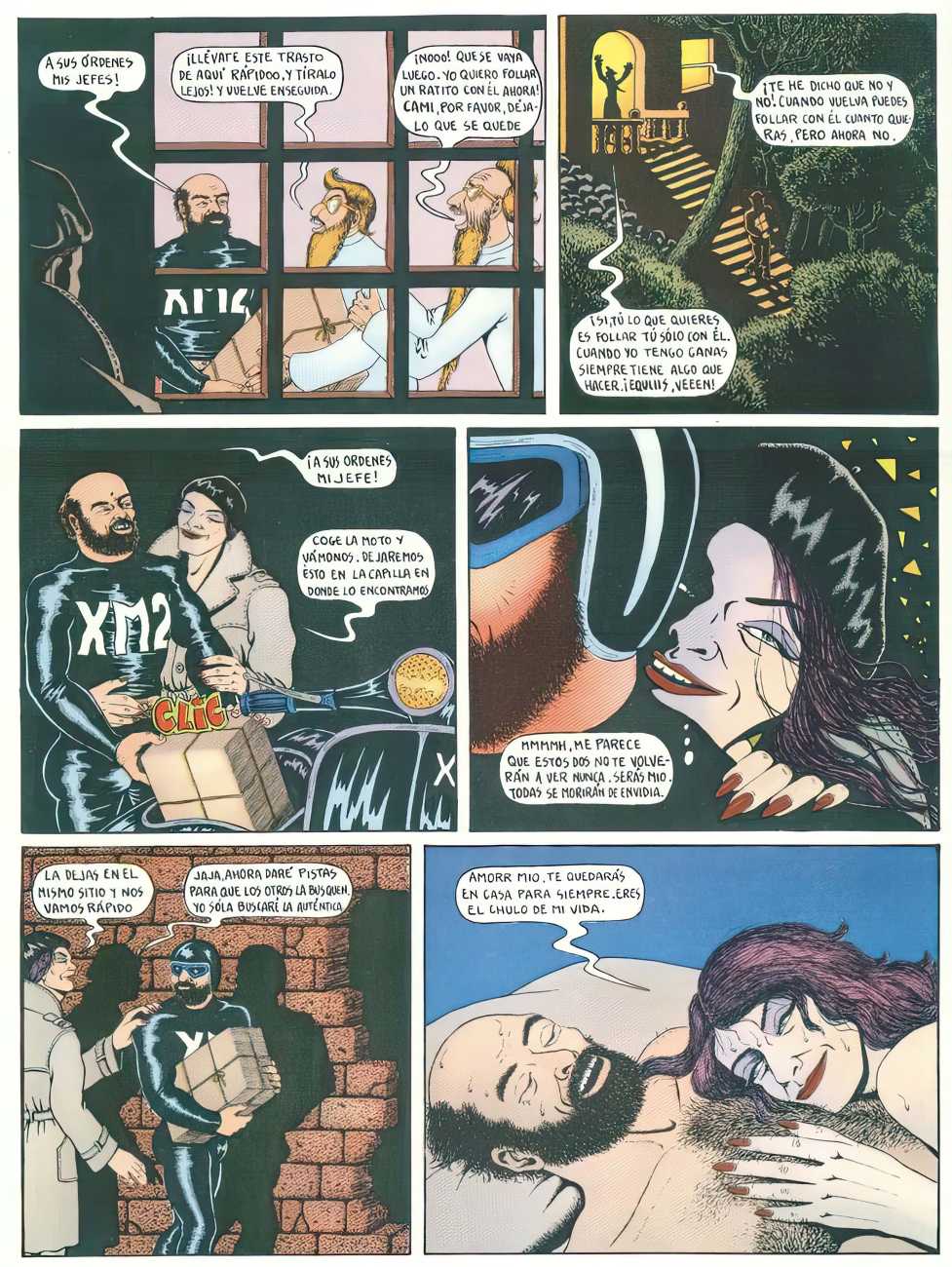
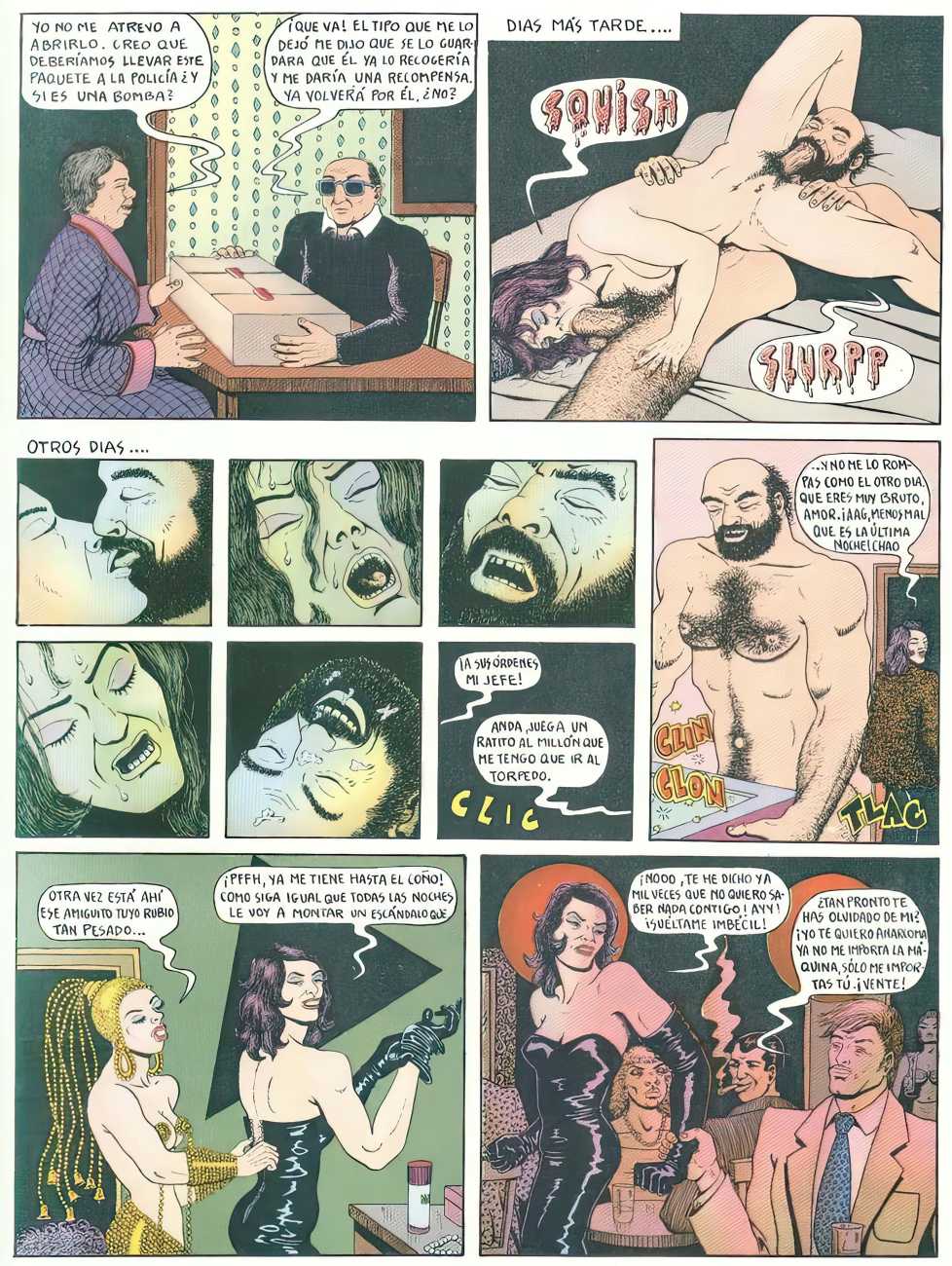
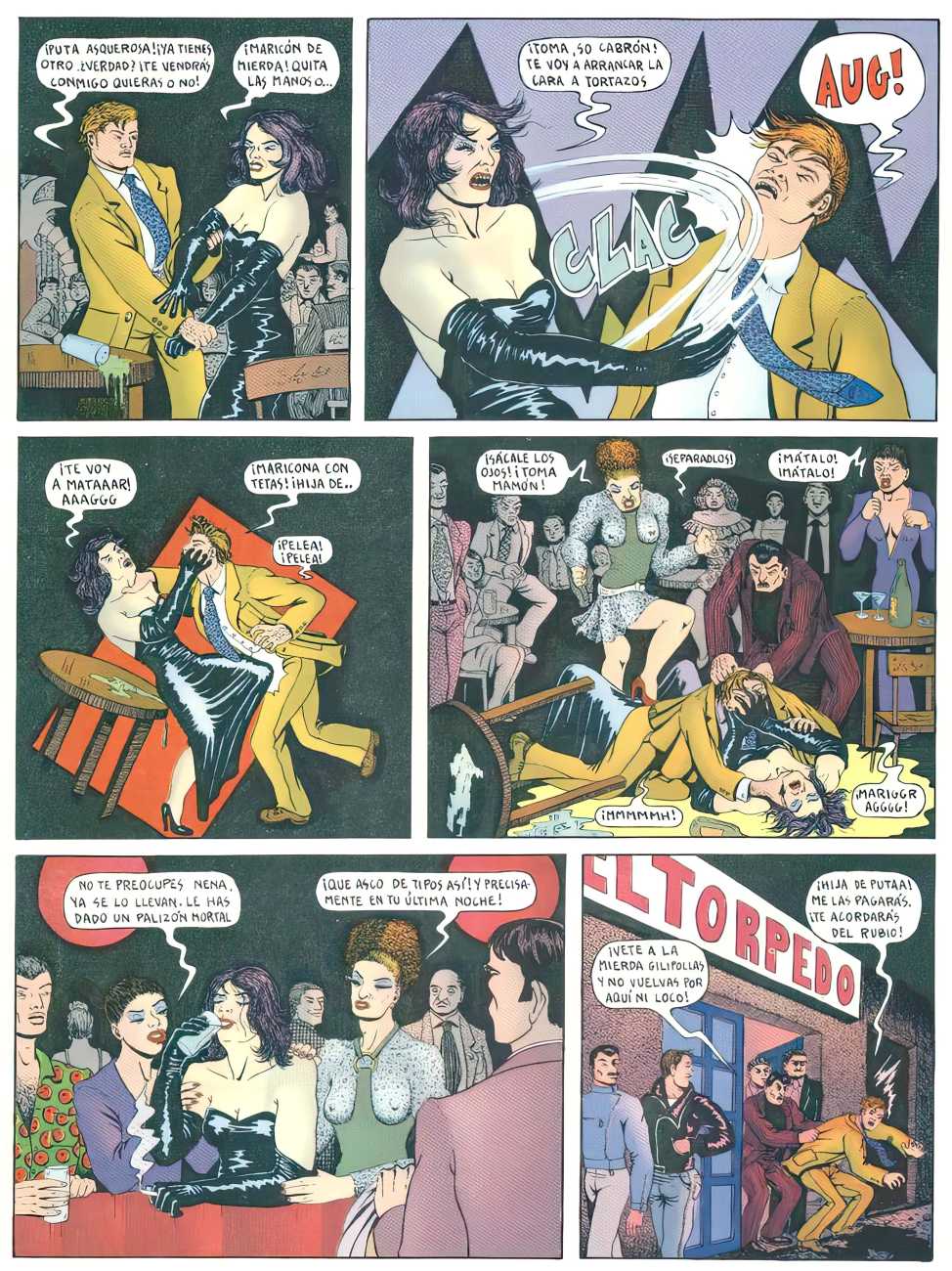
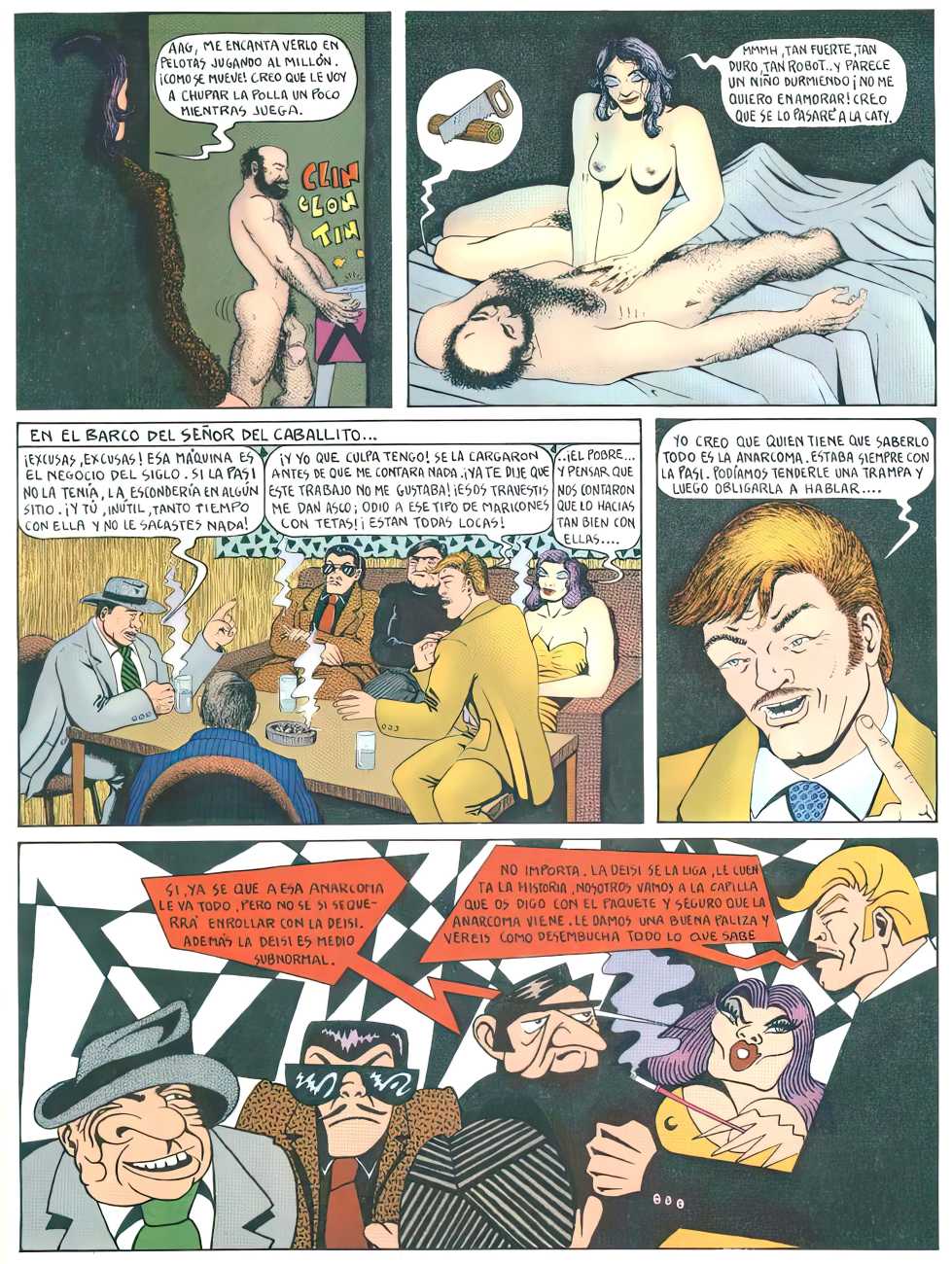
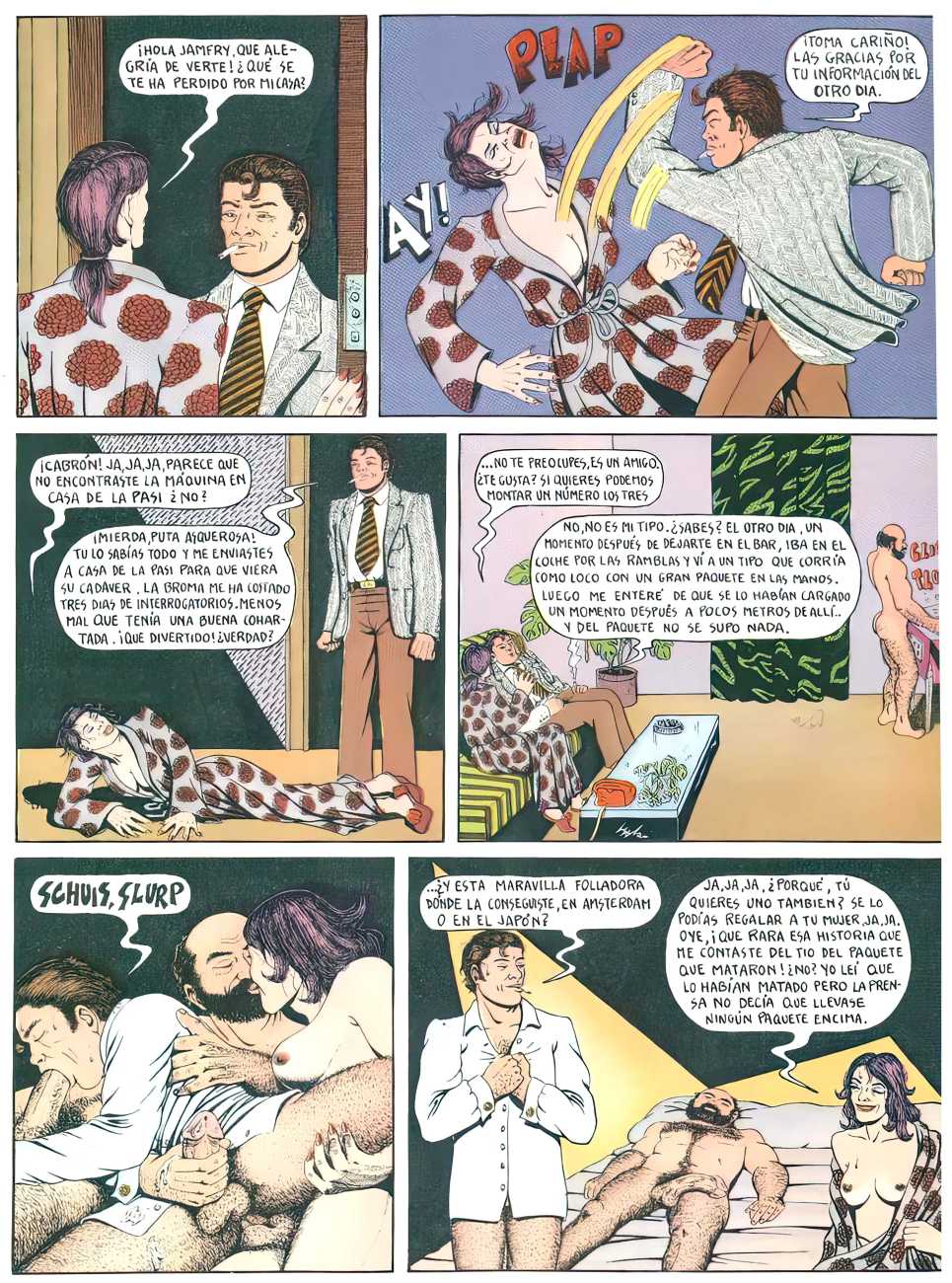
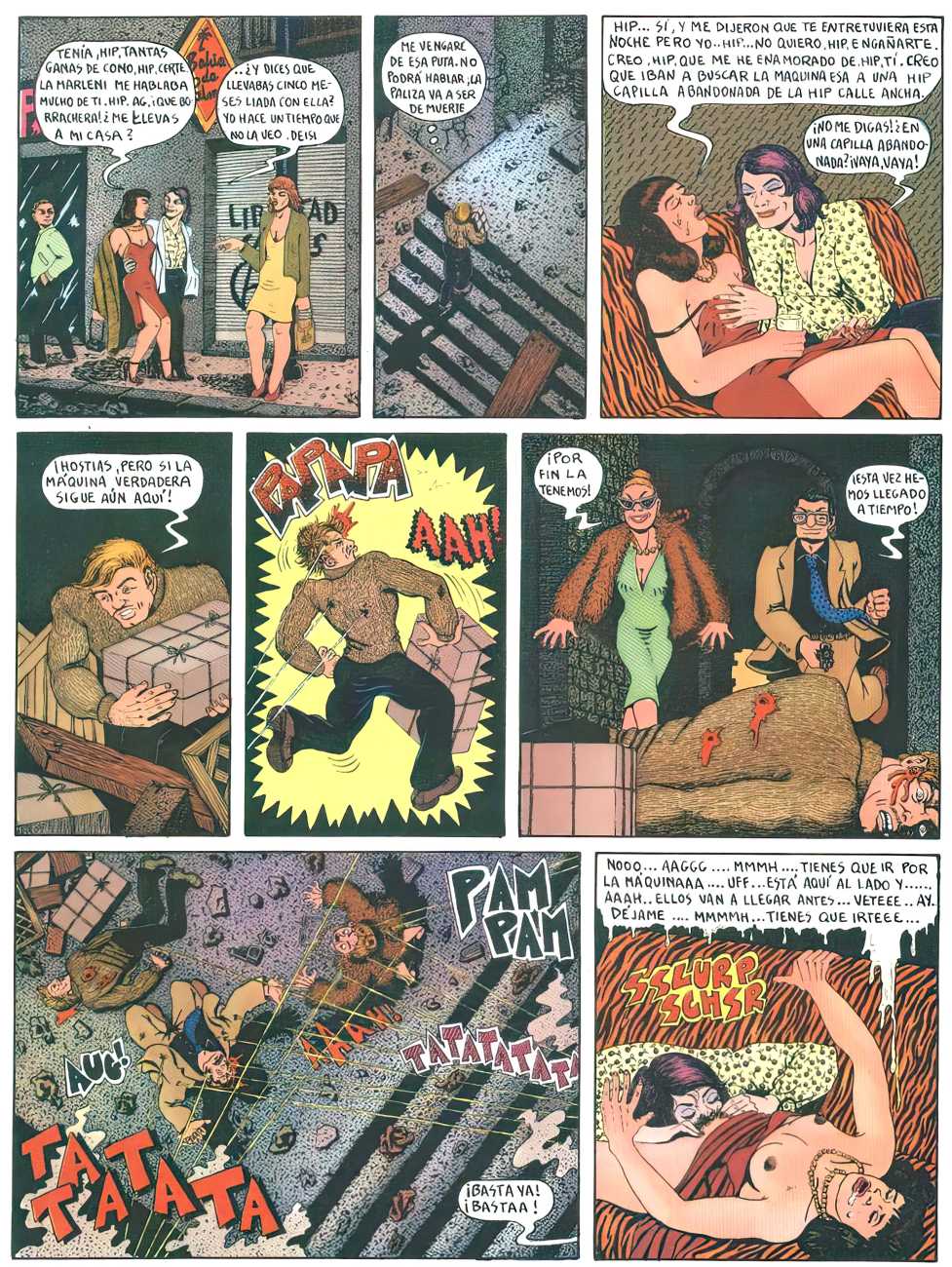
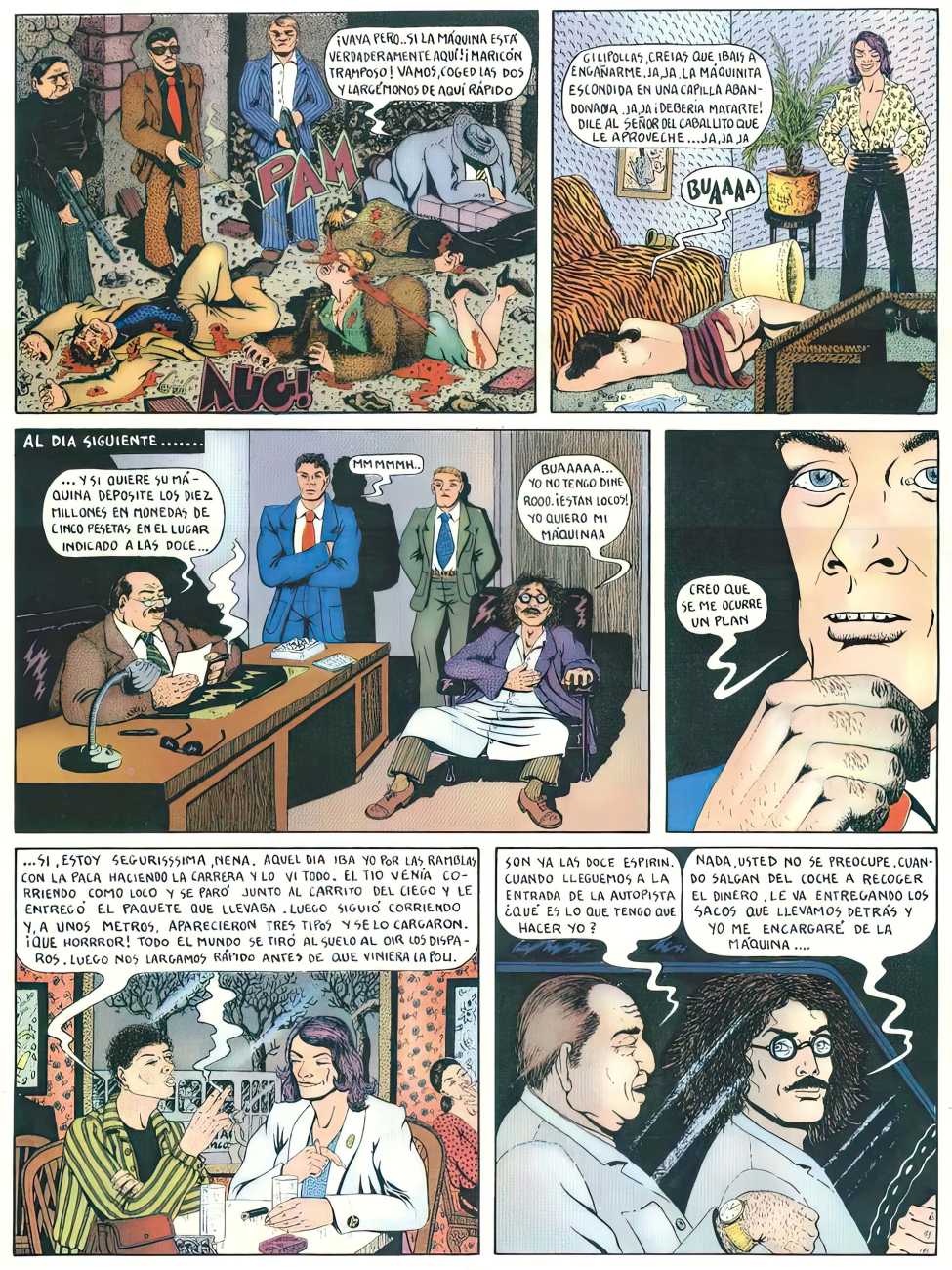
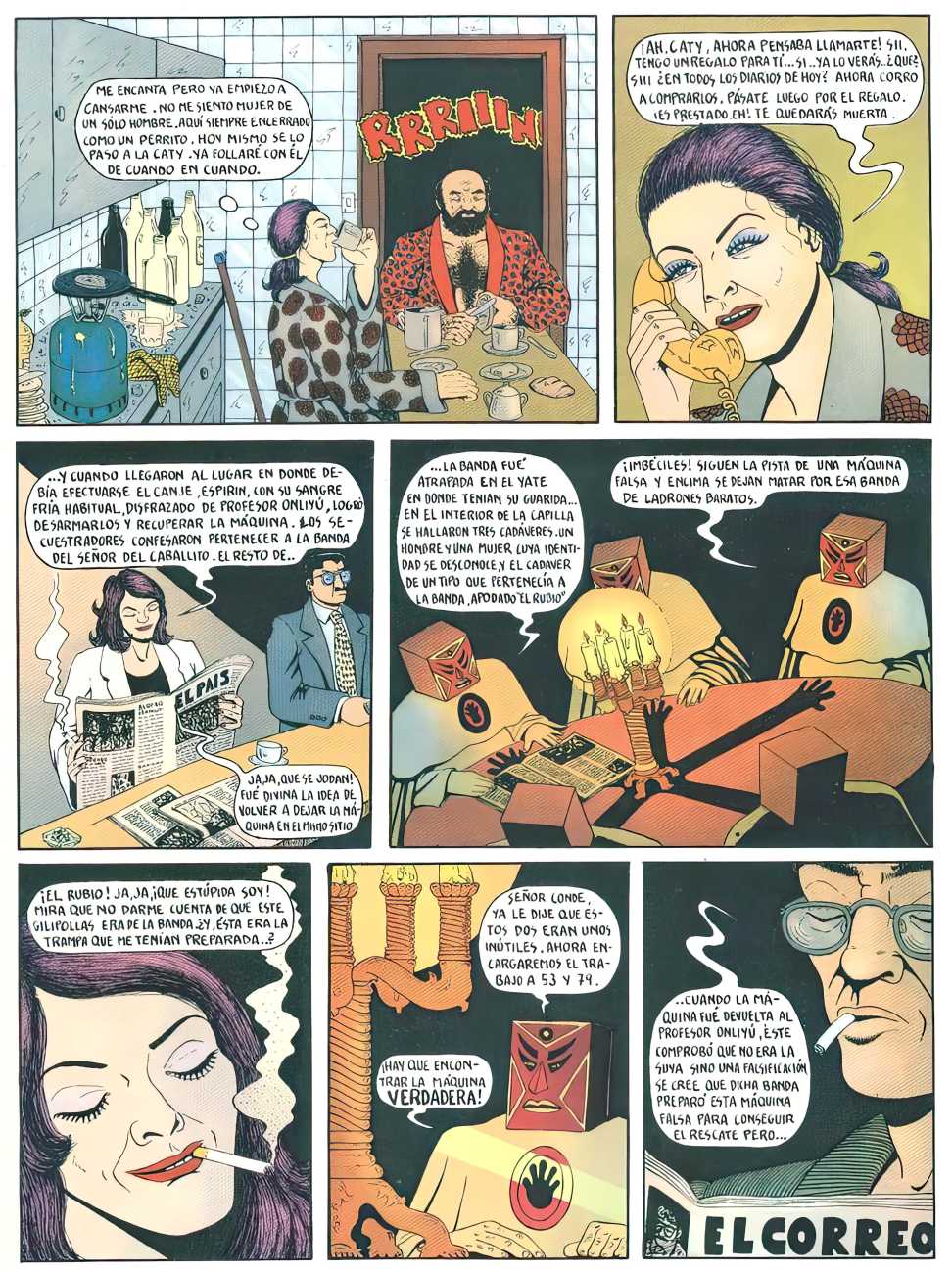
Amantes (1984)
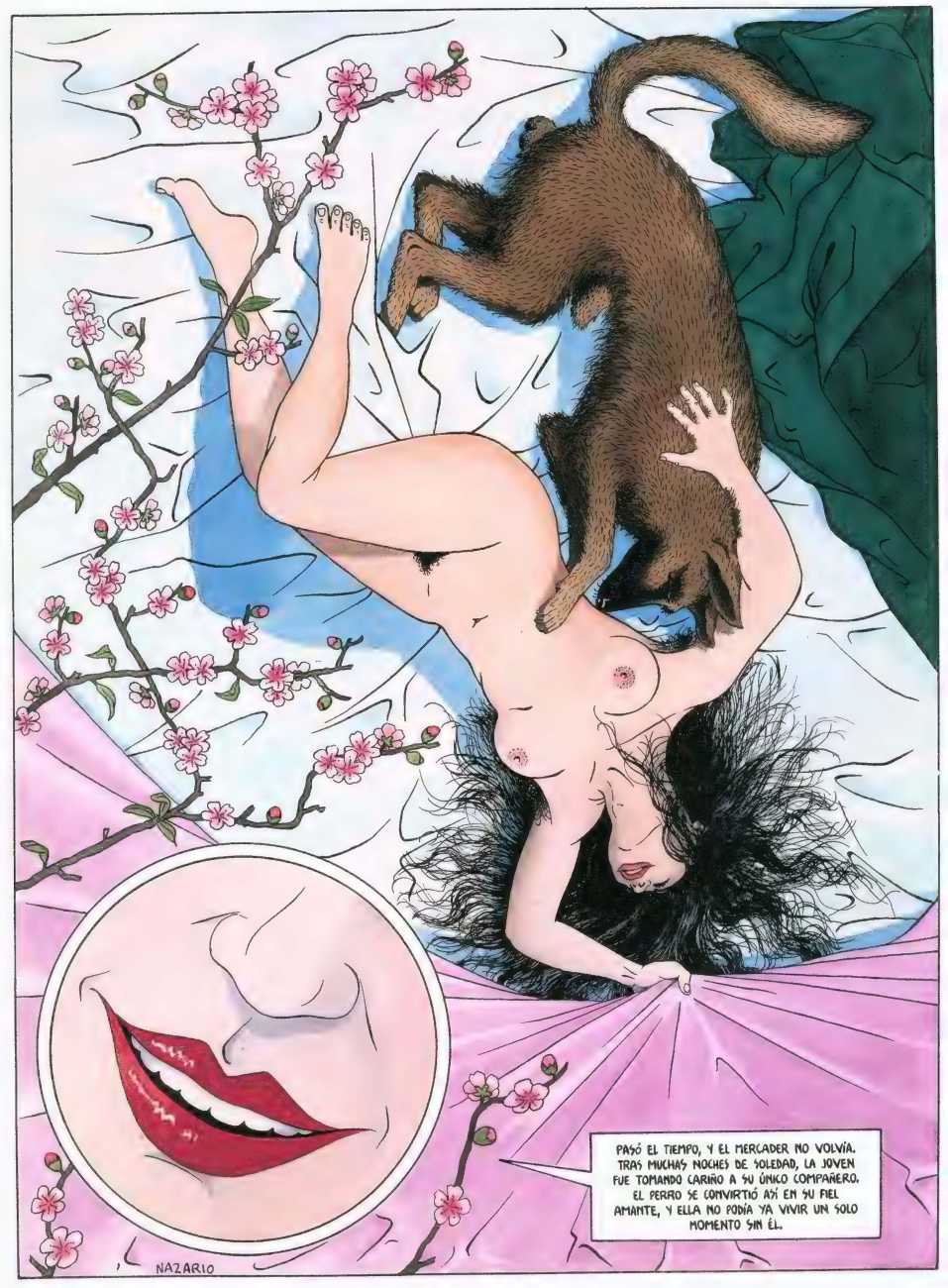
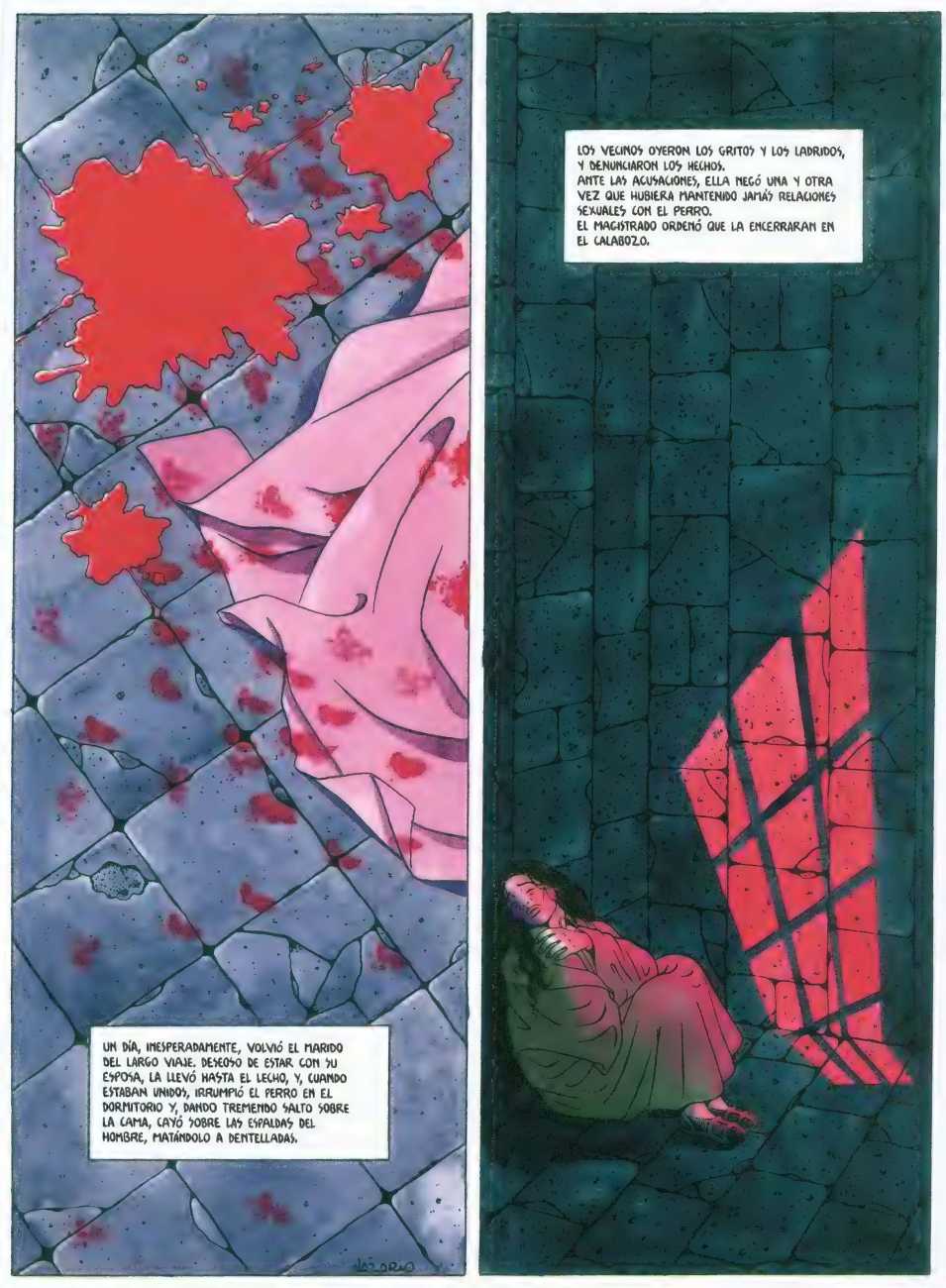
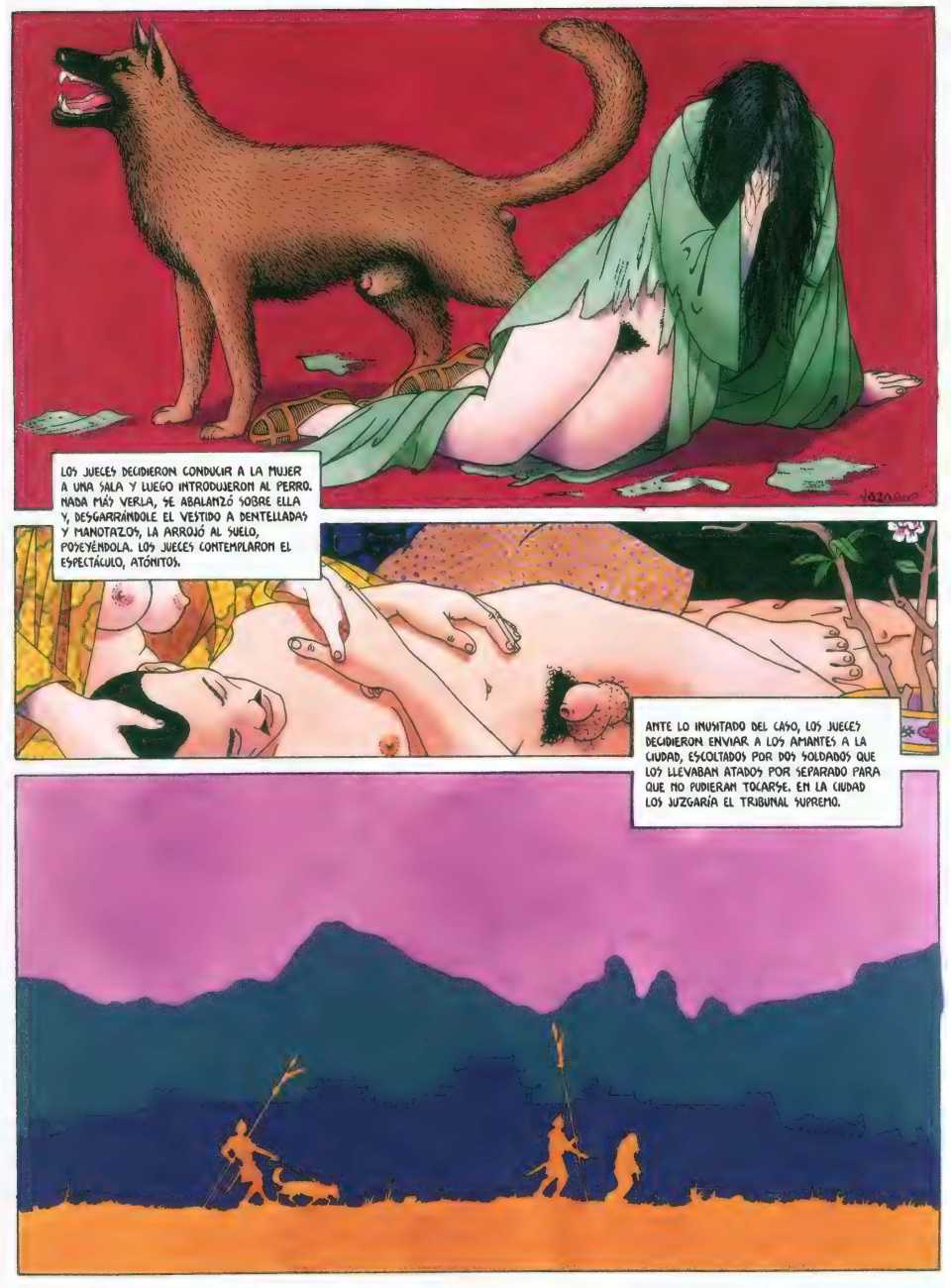
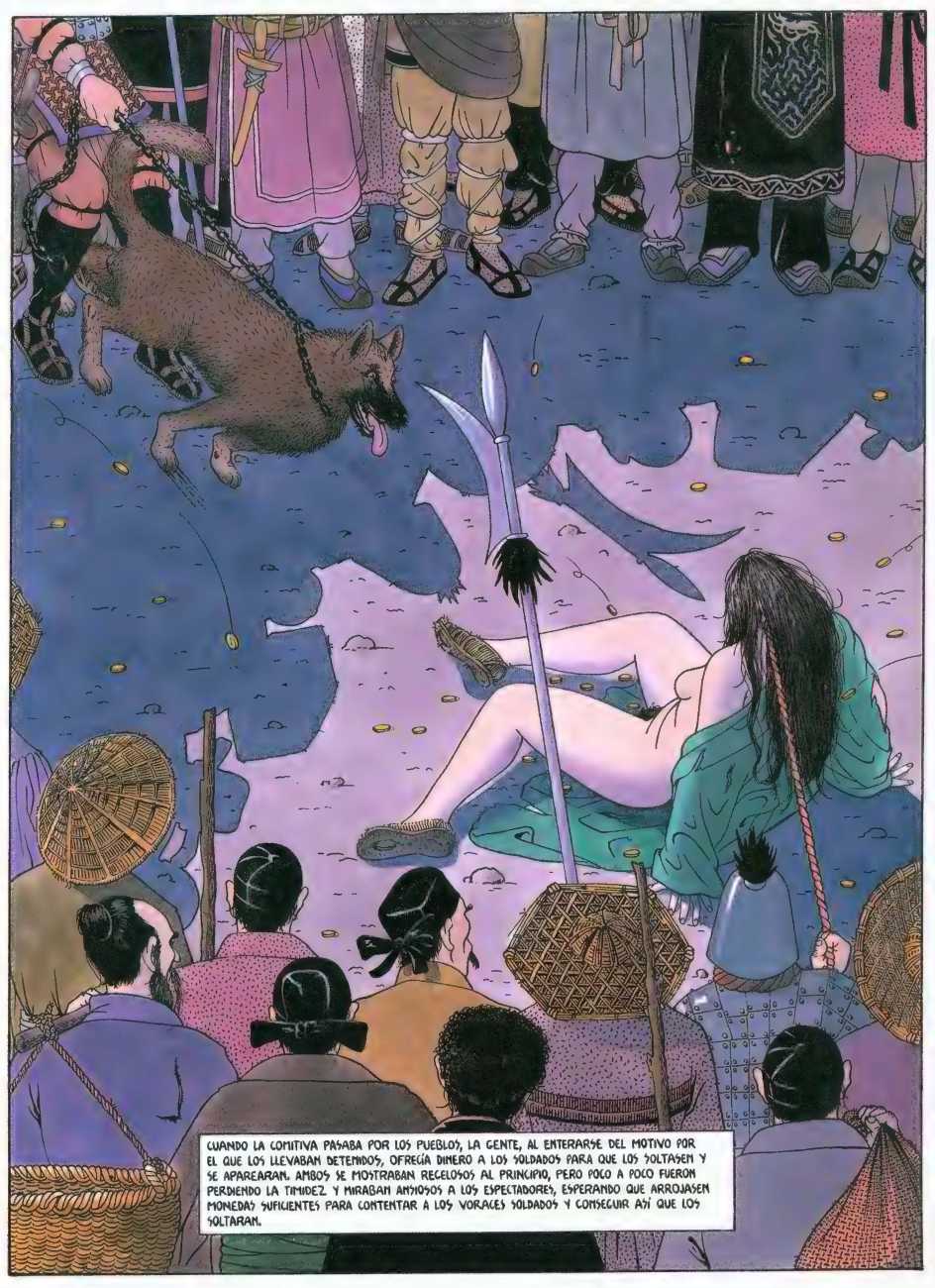
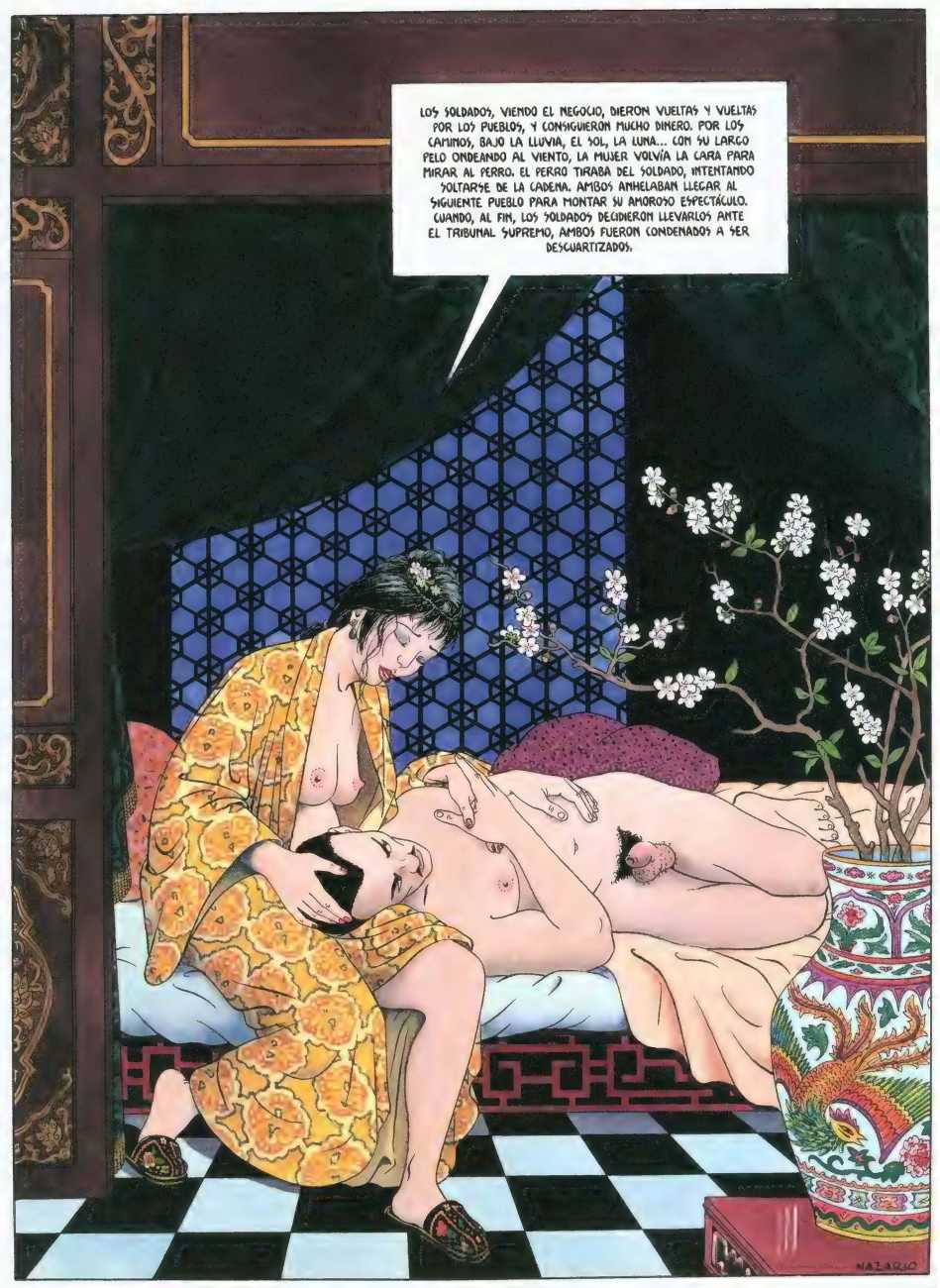
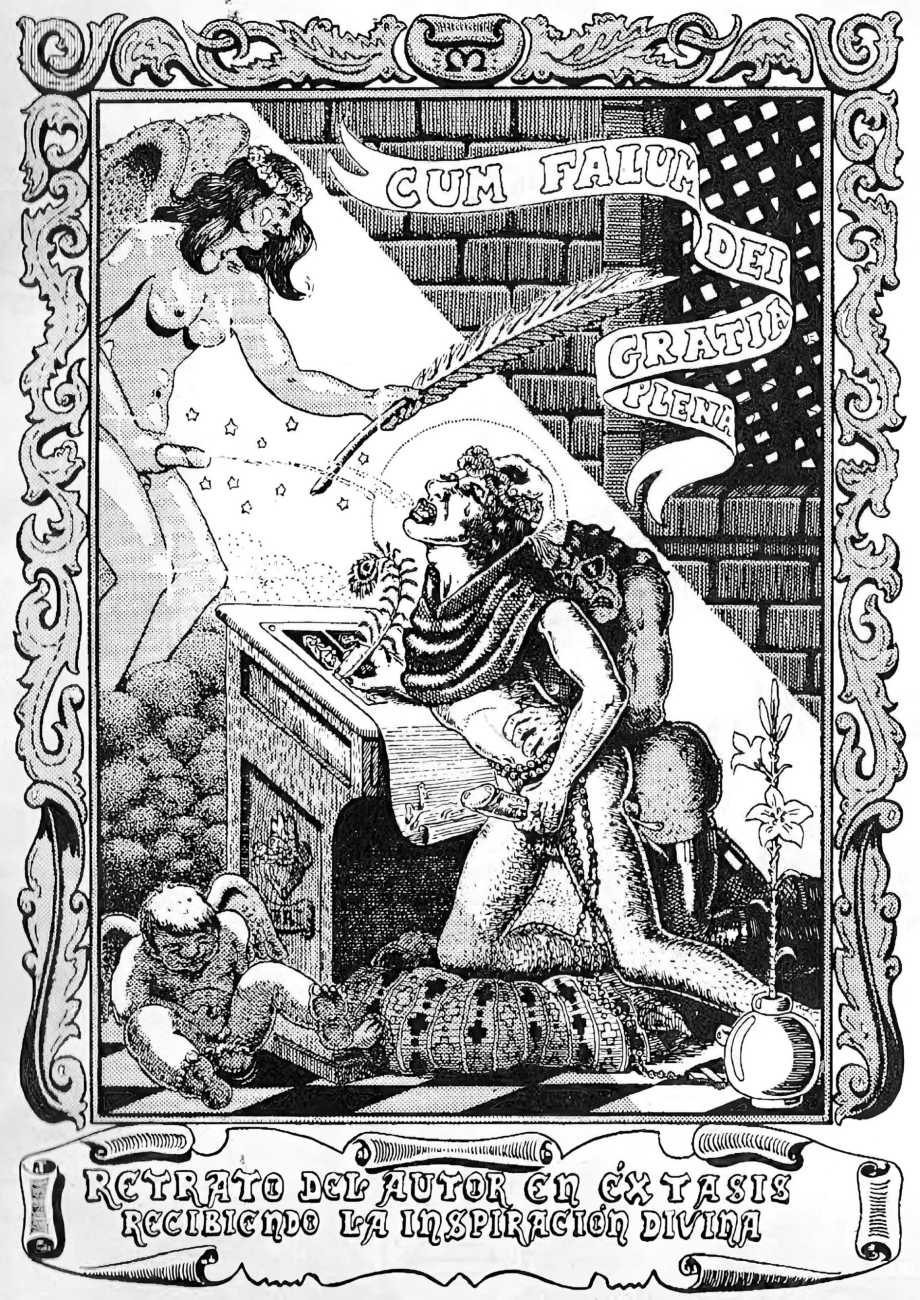
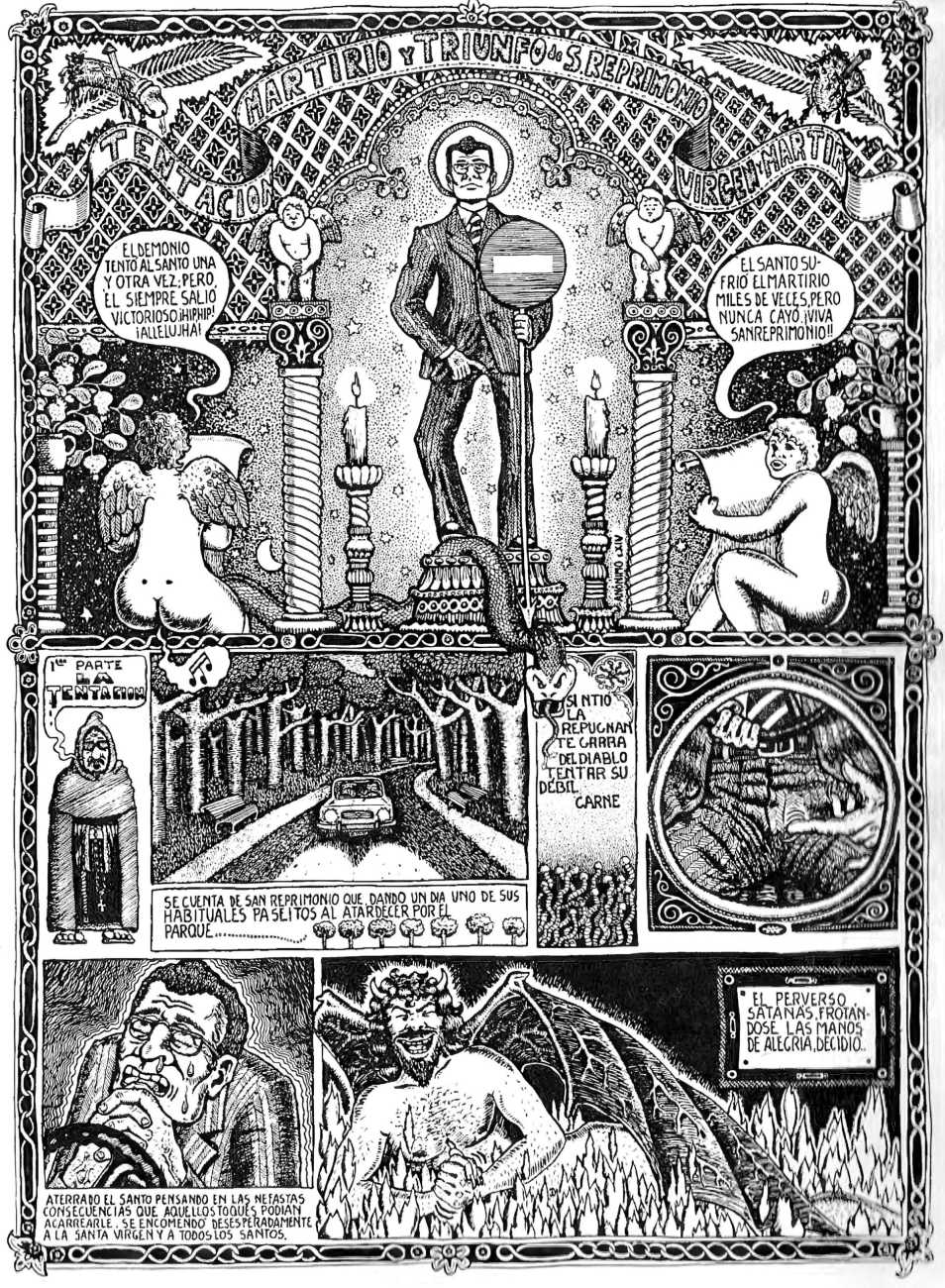
Vírgenes y Mártires (1986)
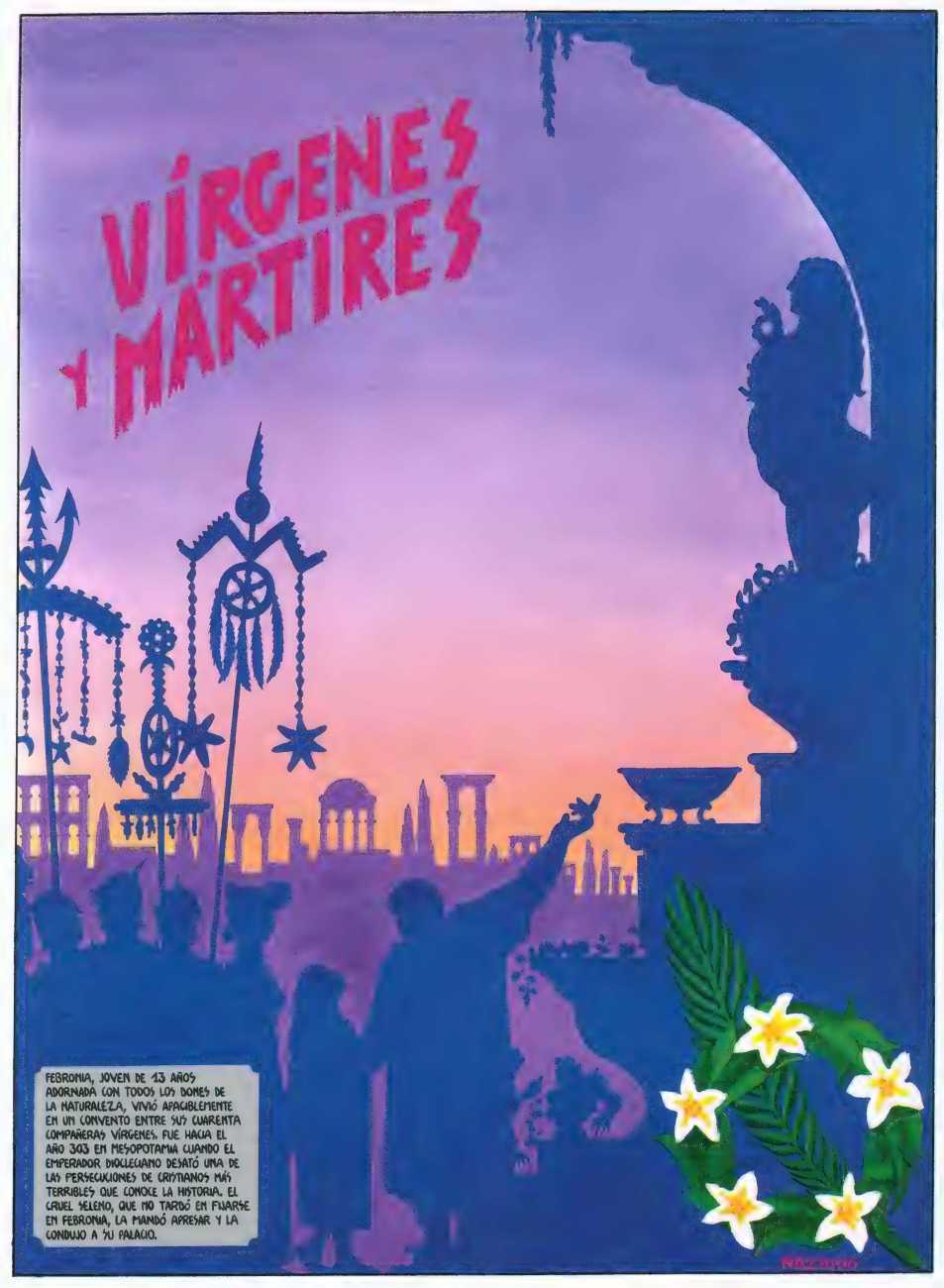
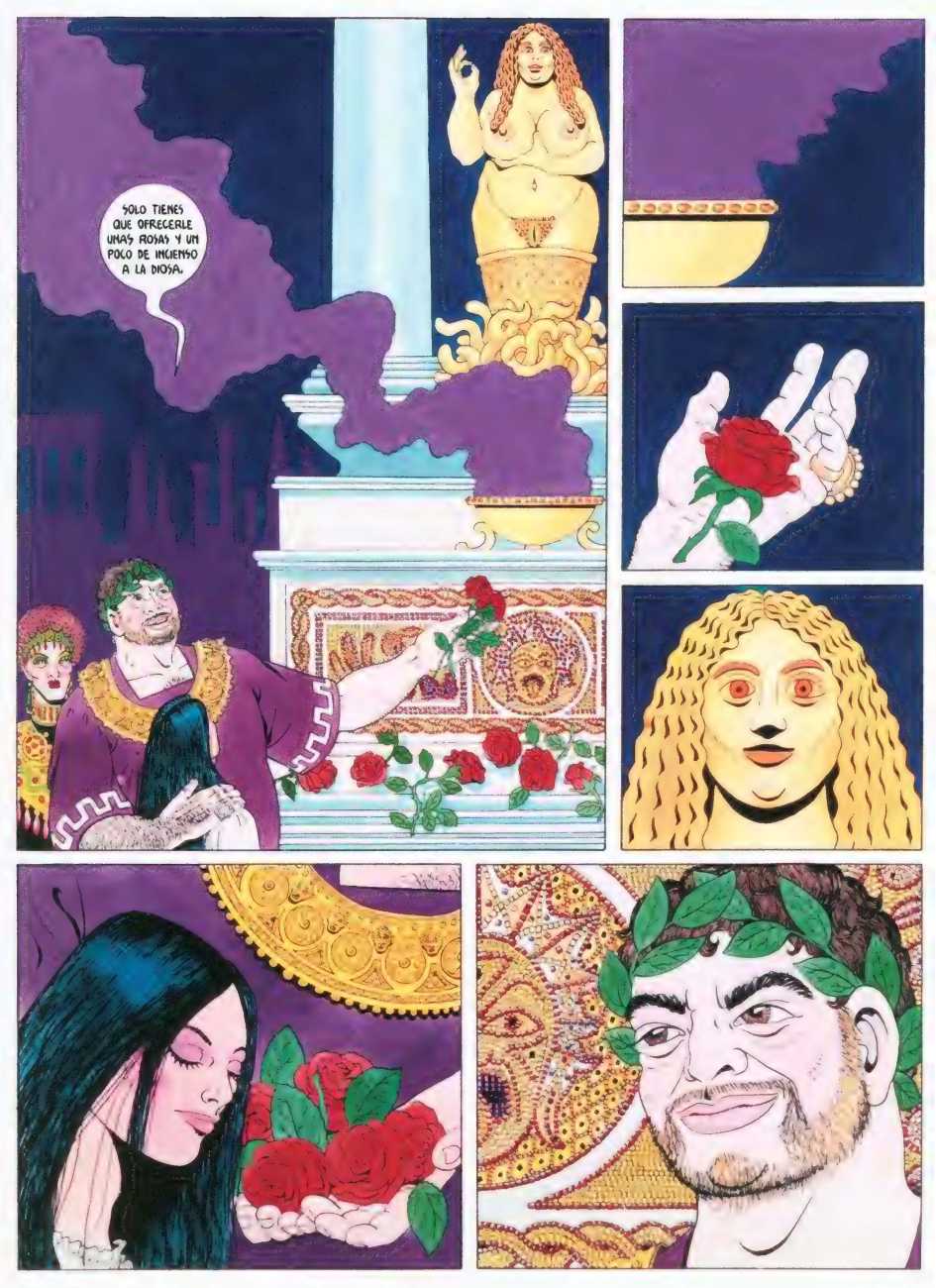
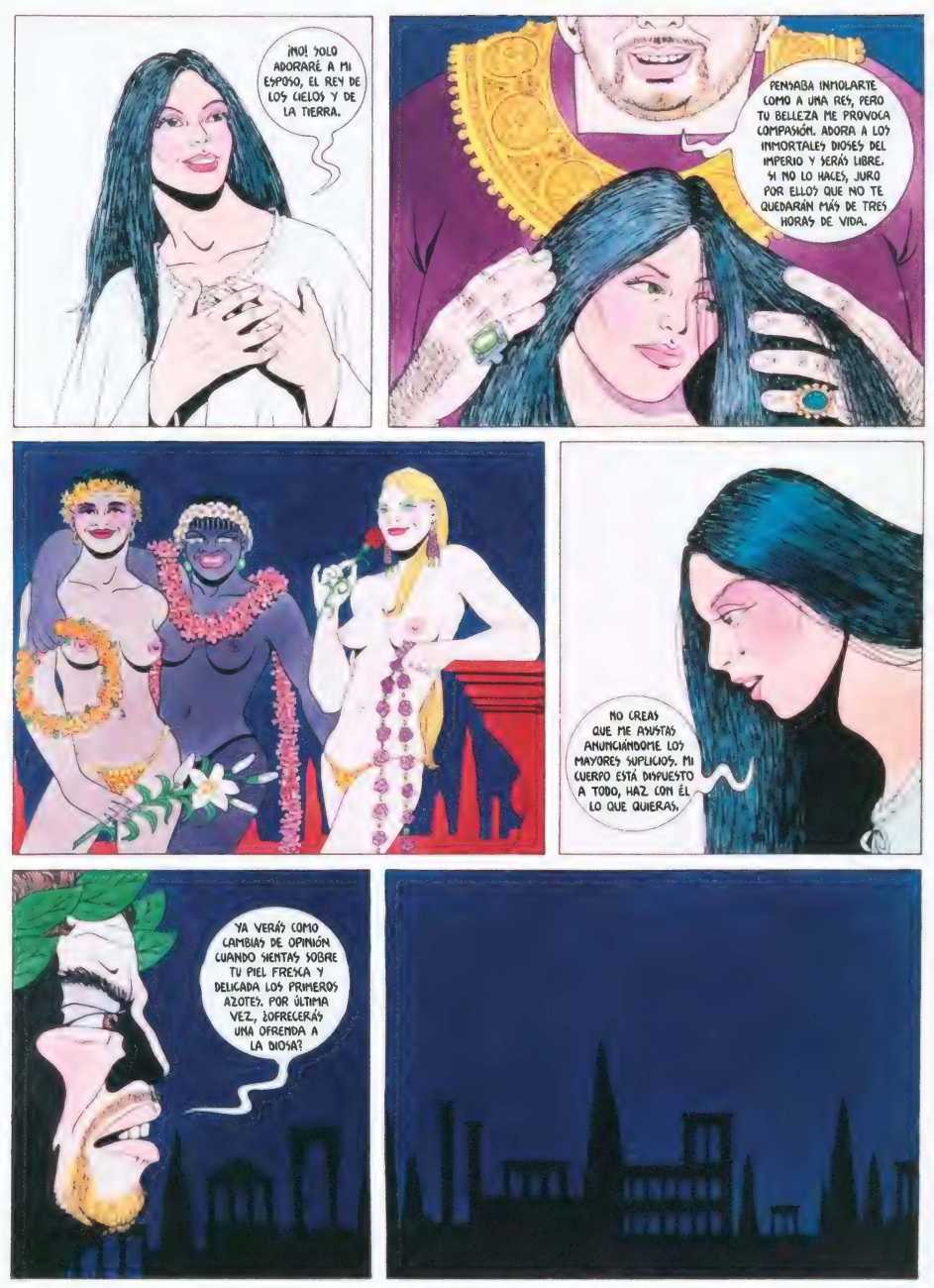
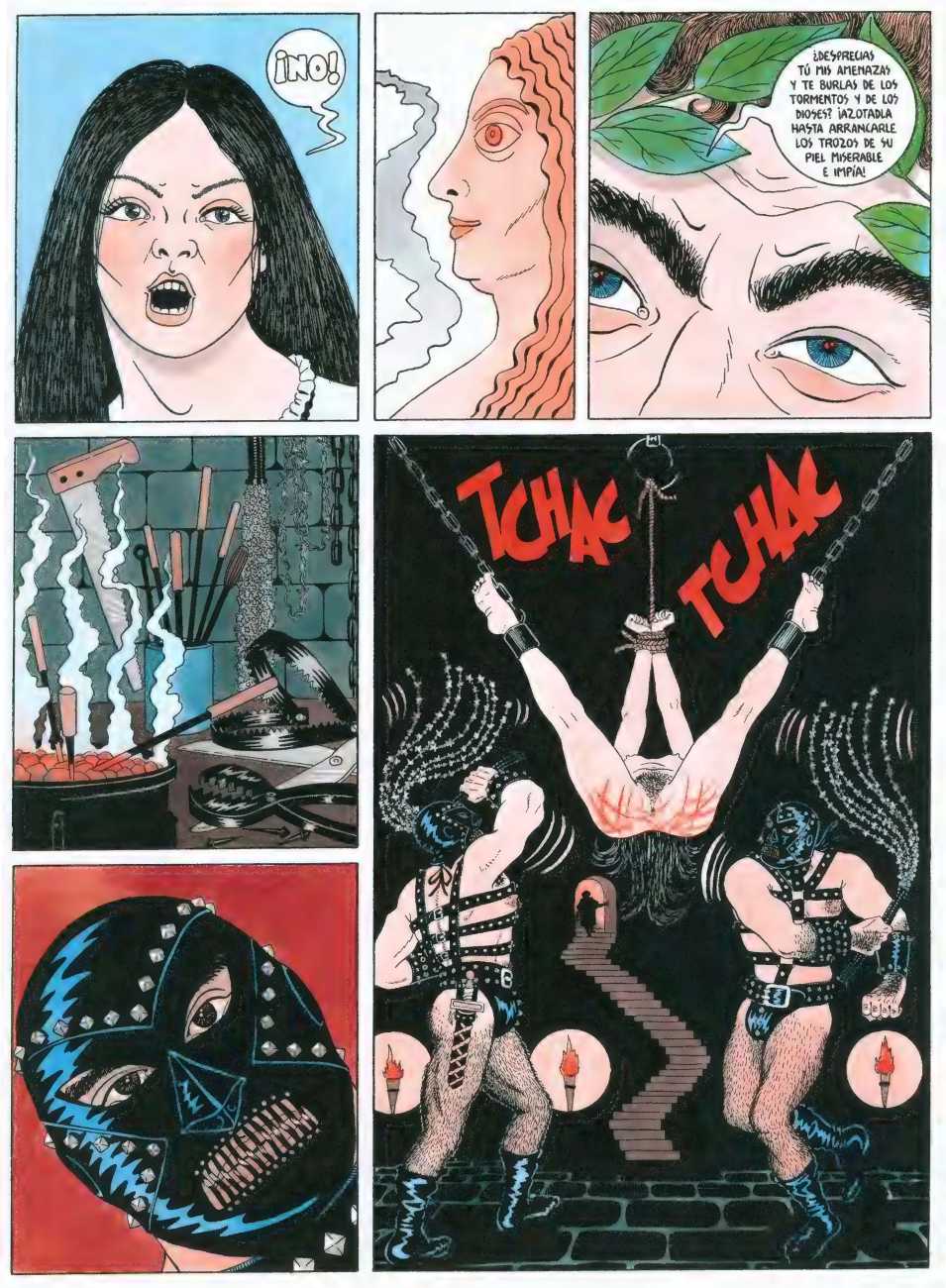
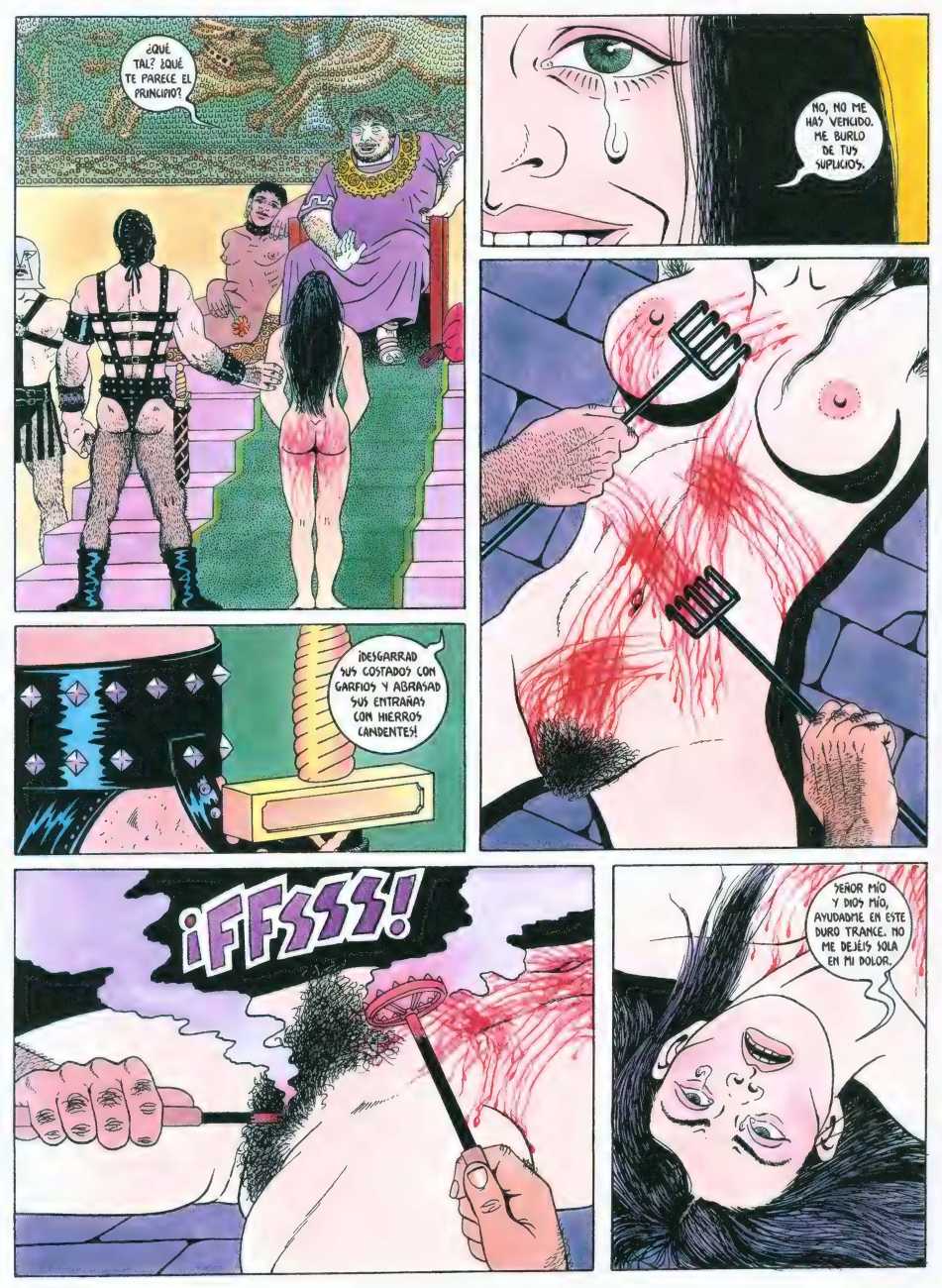
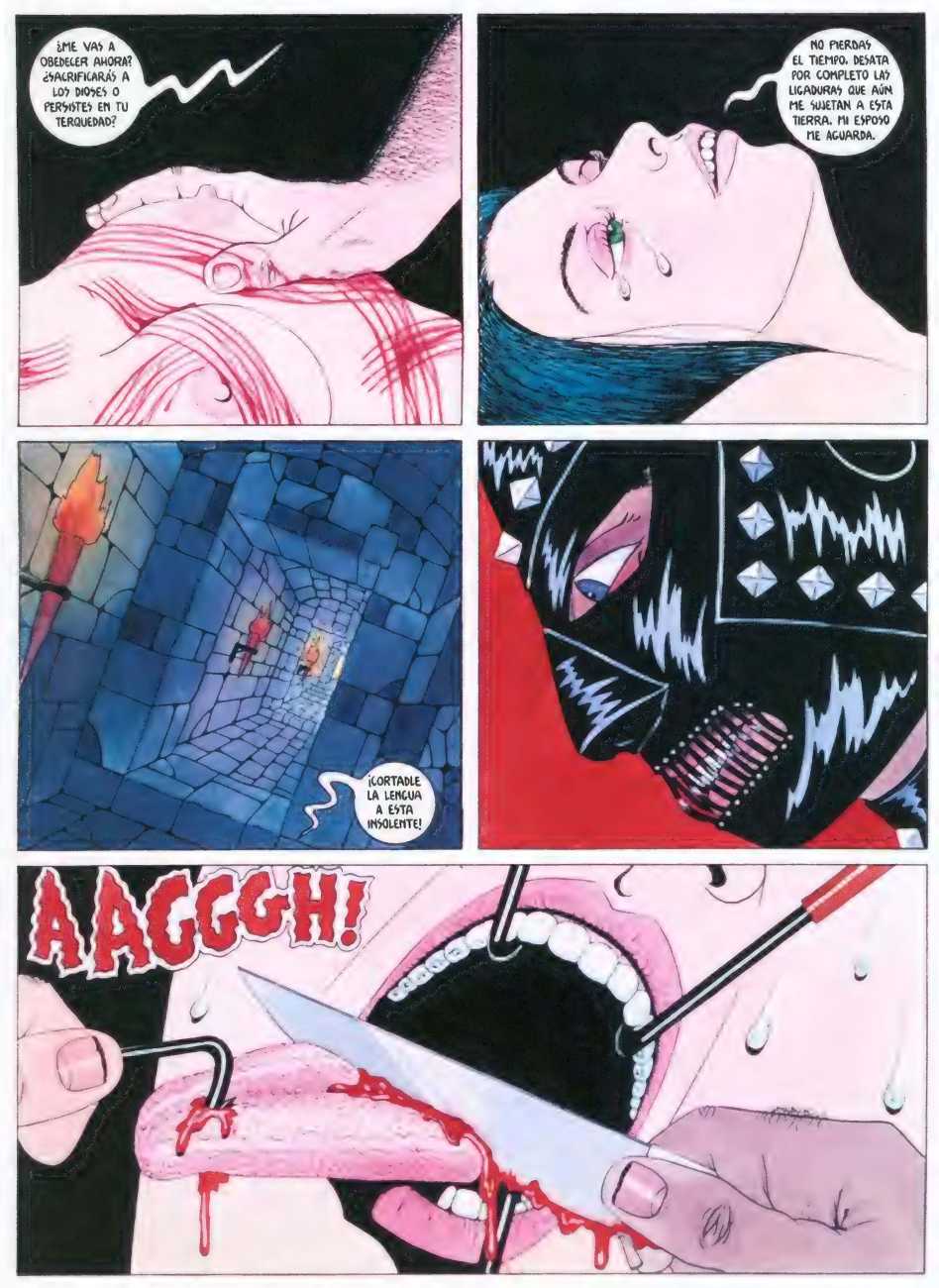
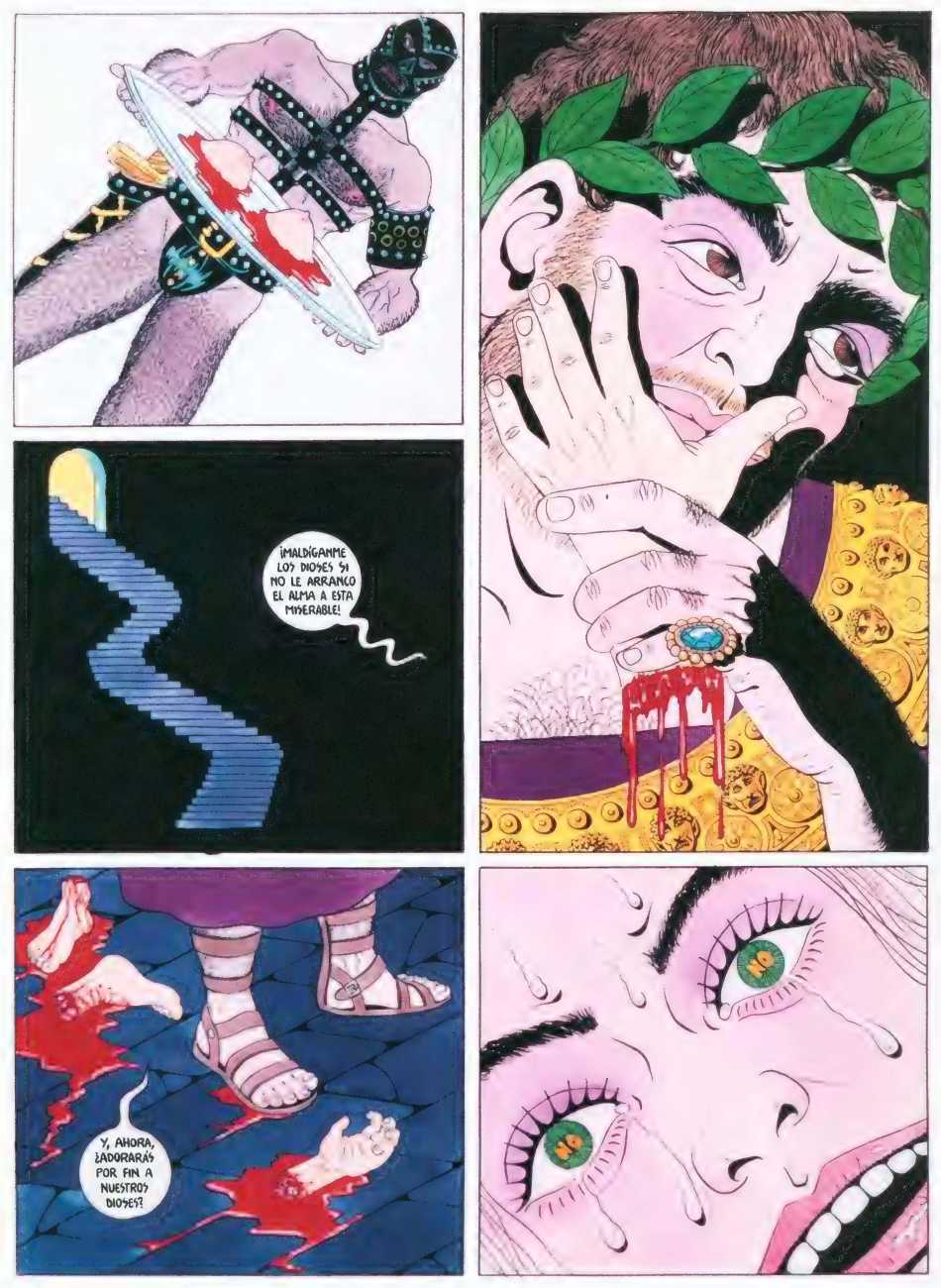
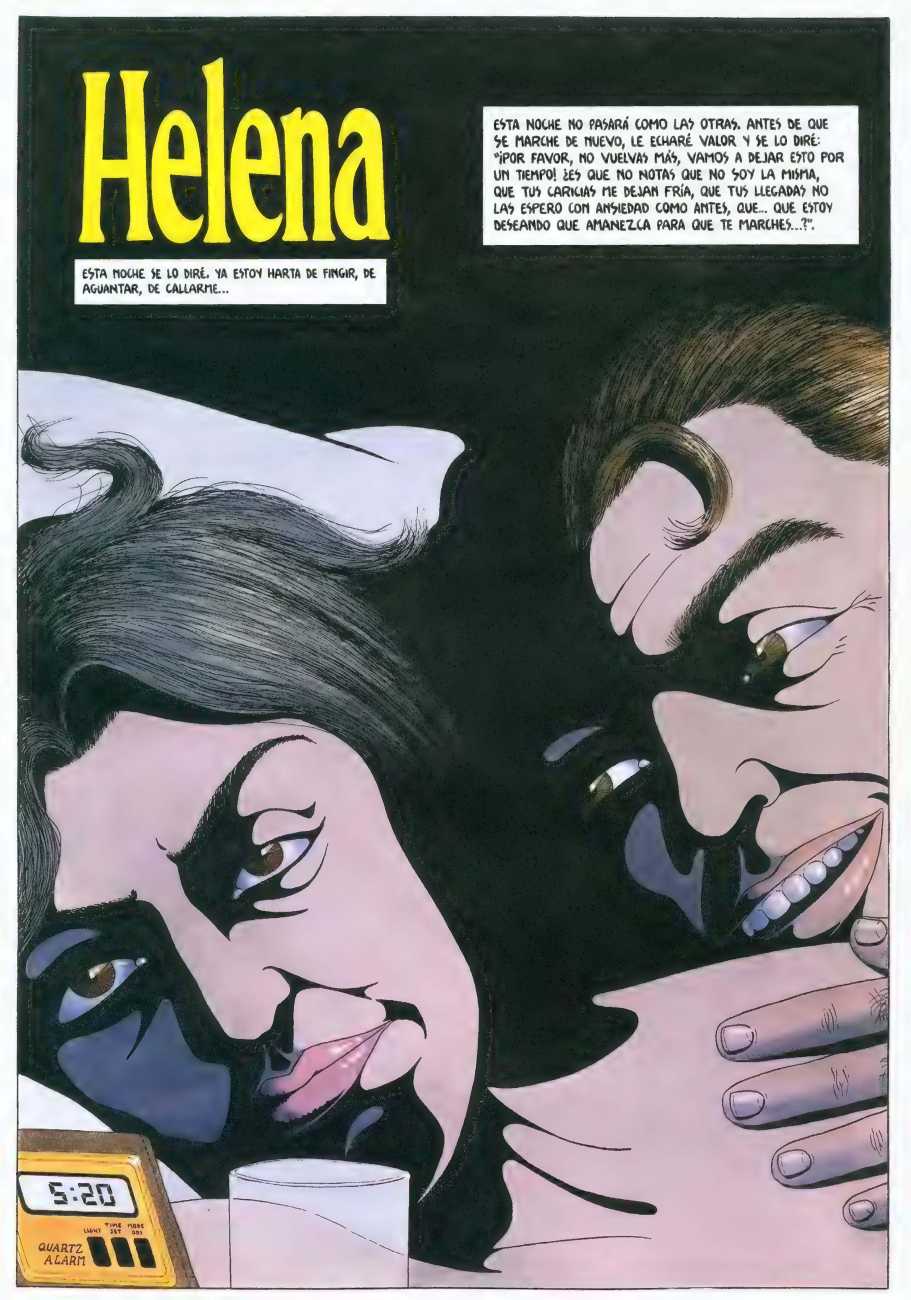
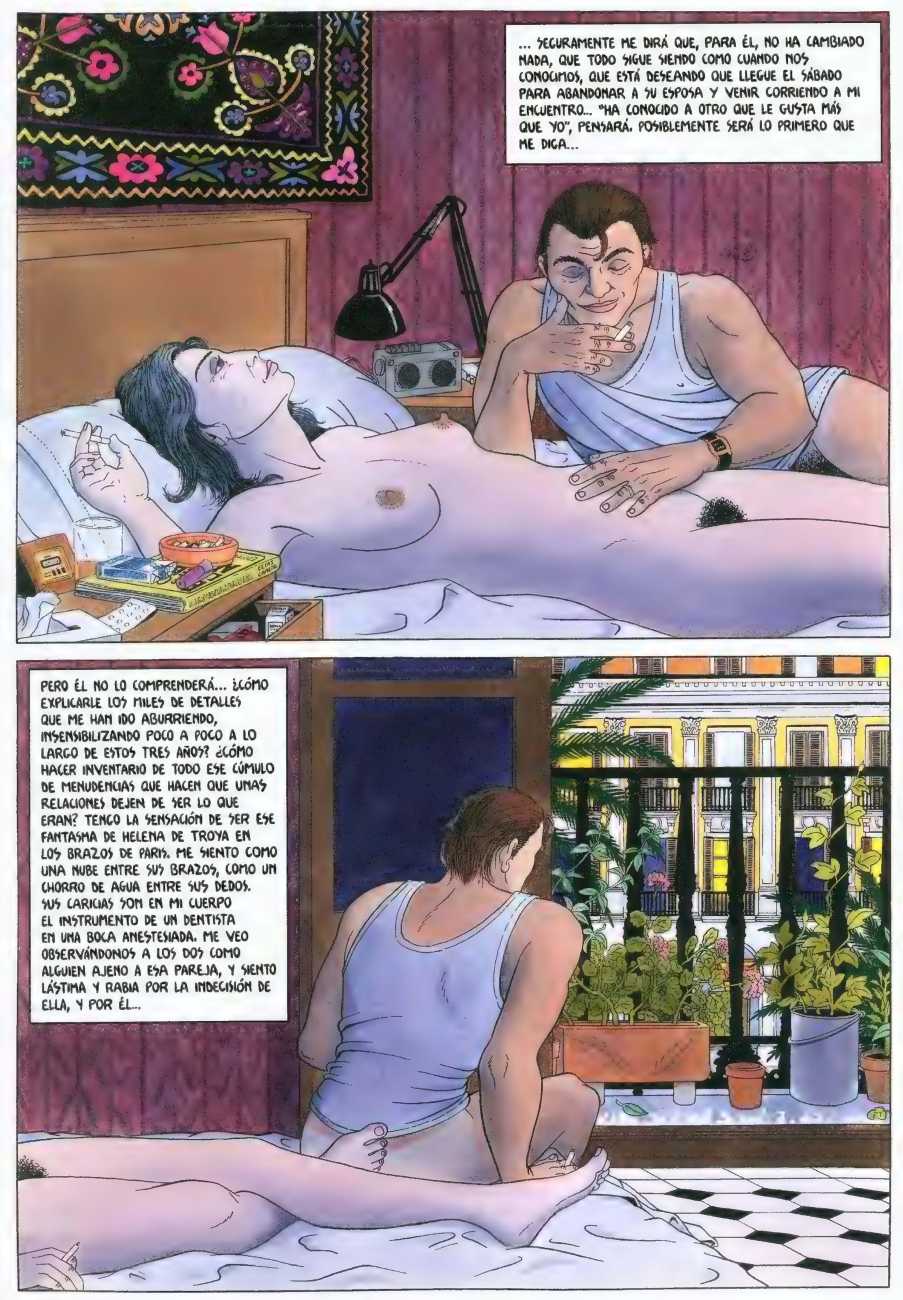
Helena (1990)
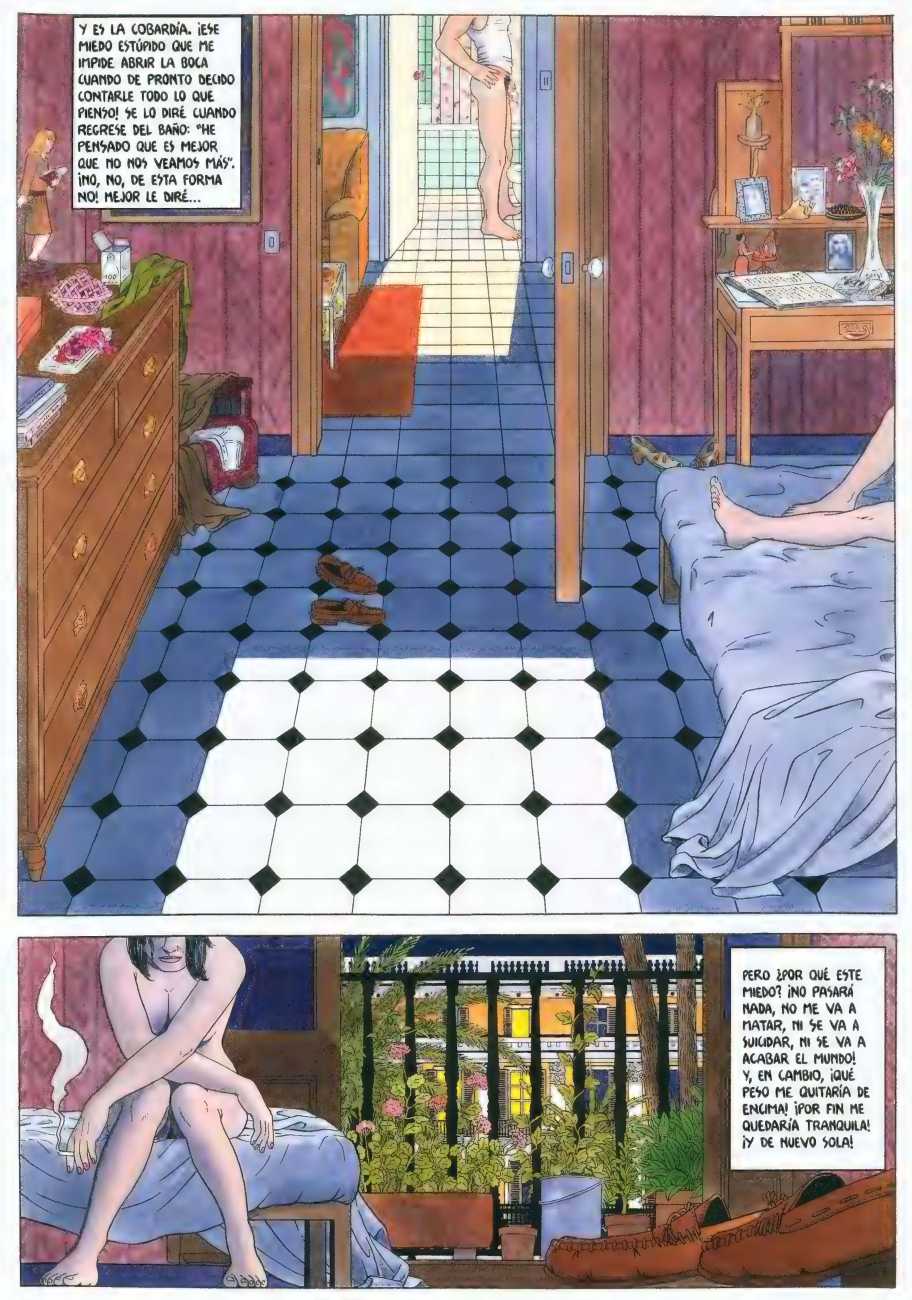
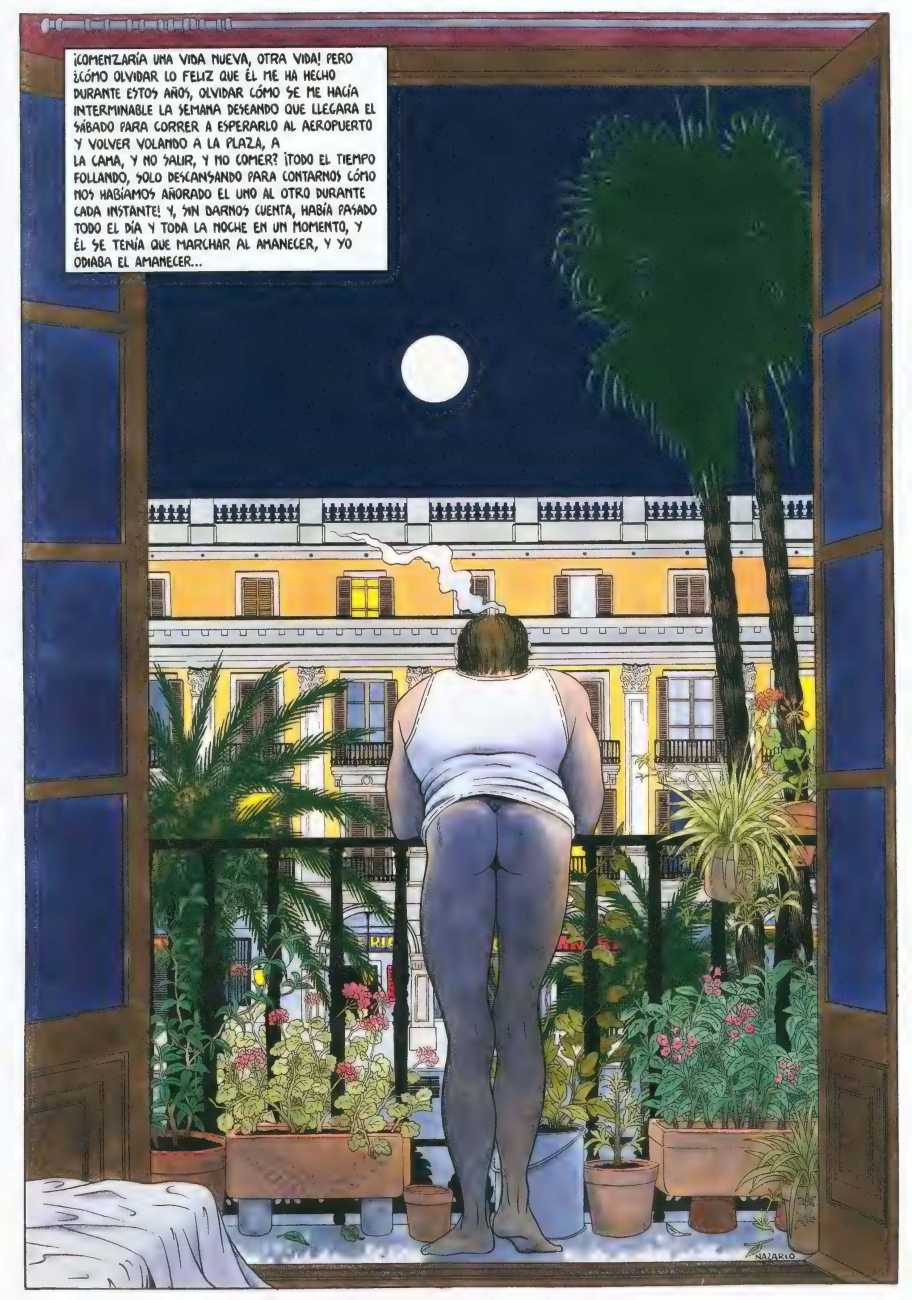
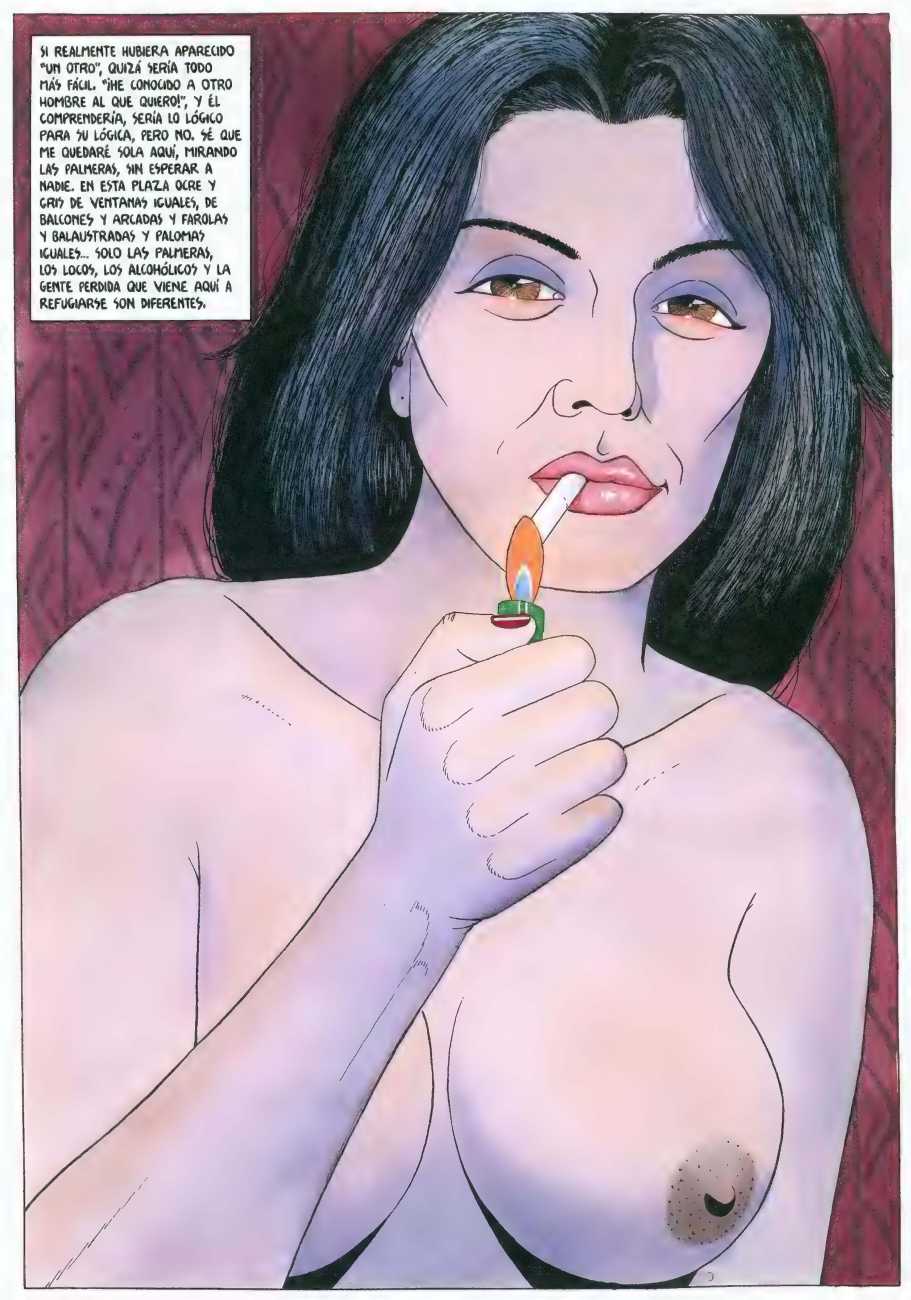
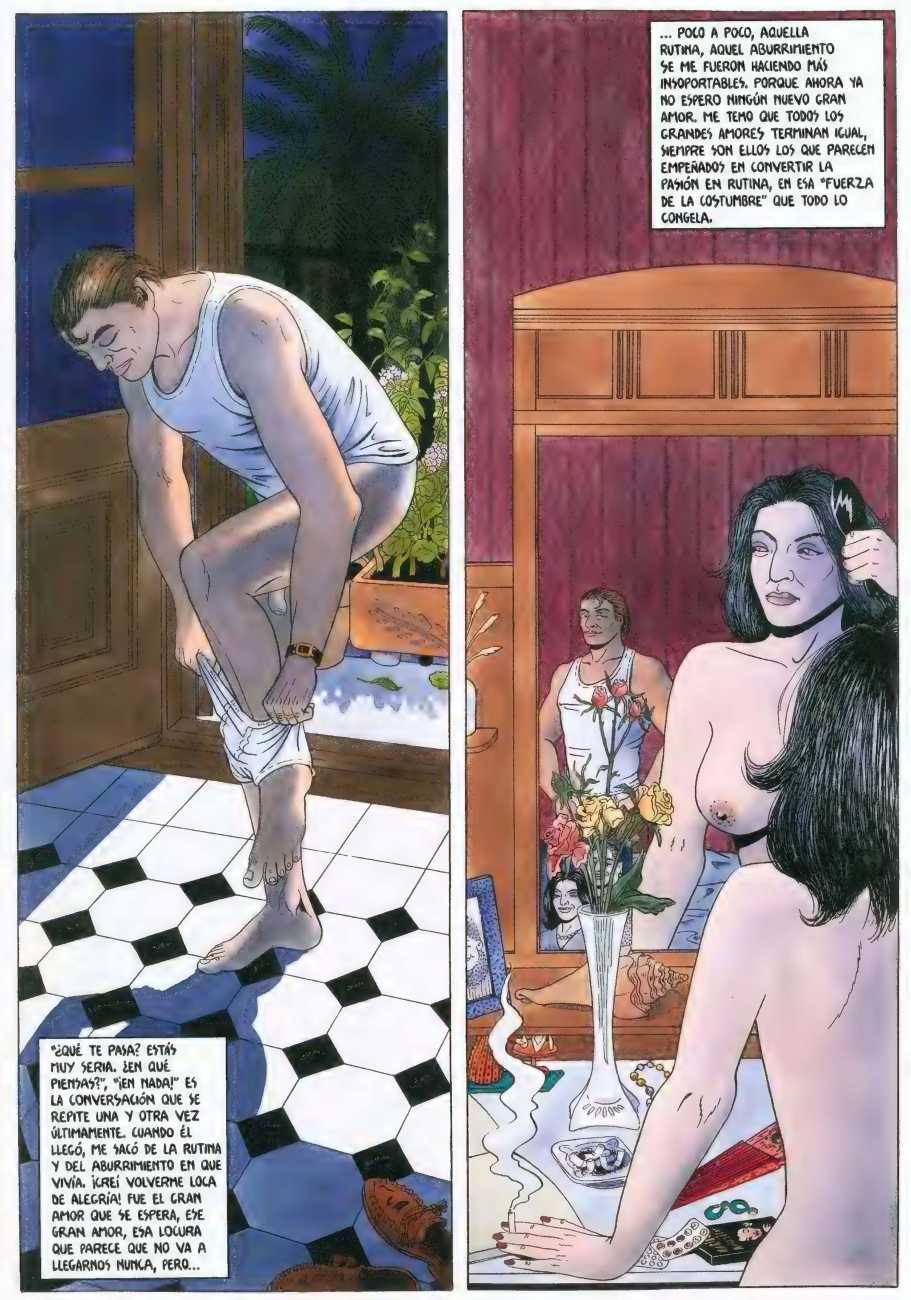
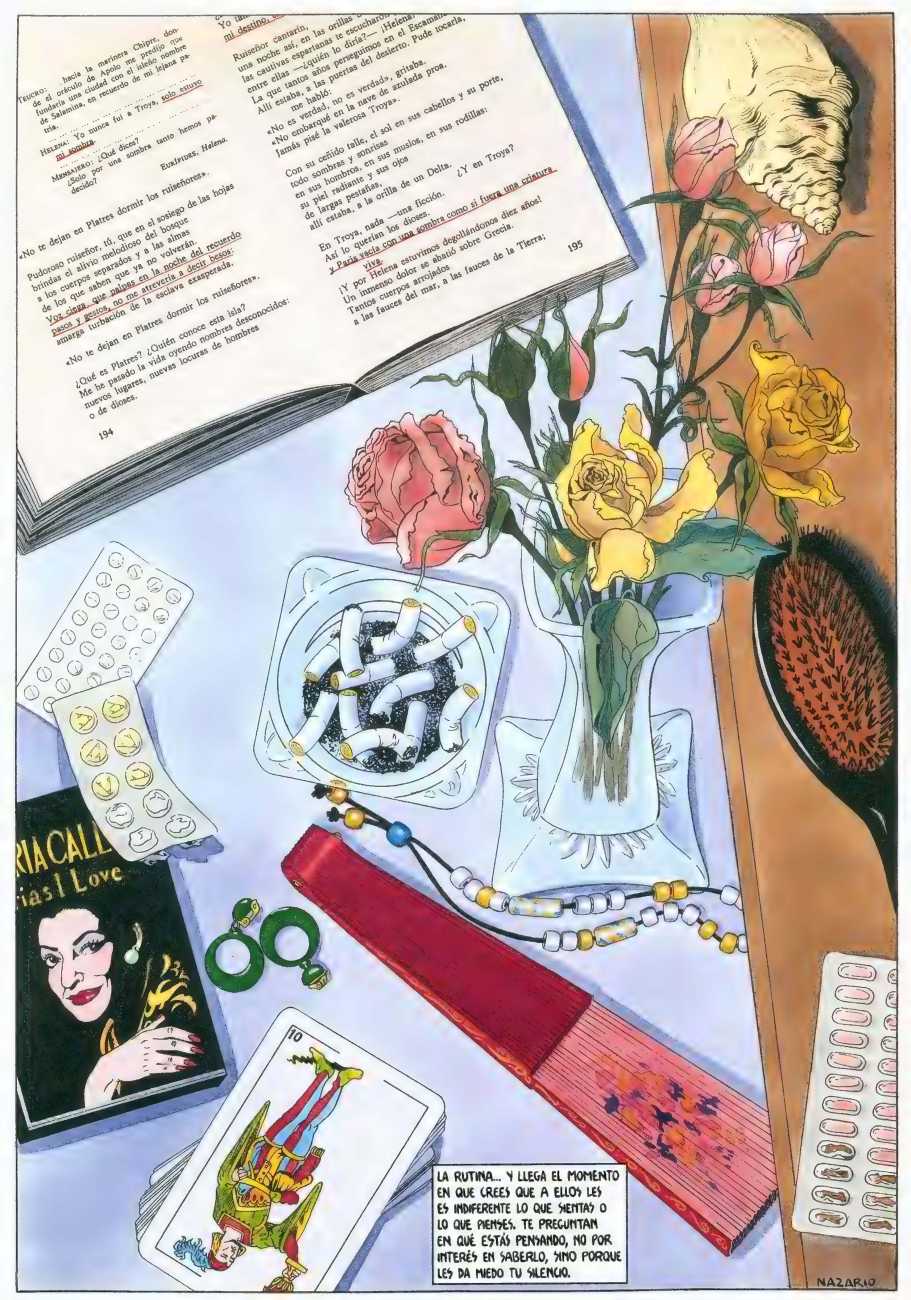
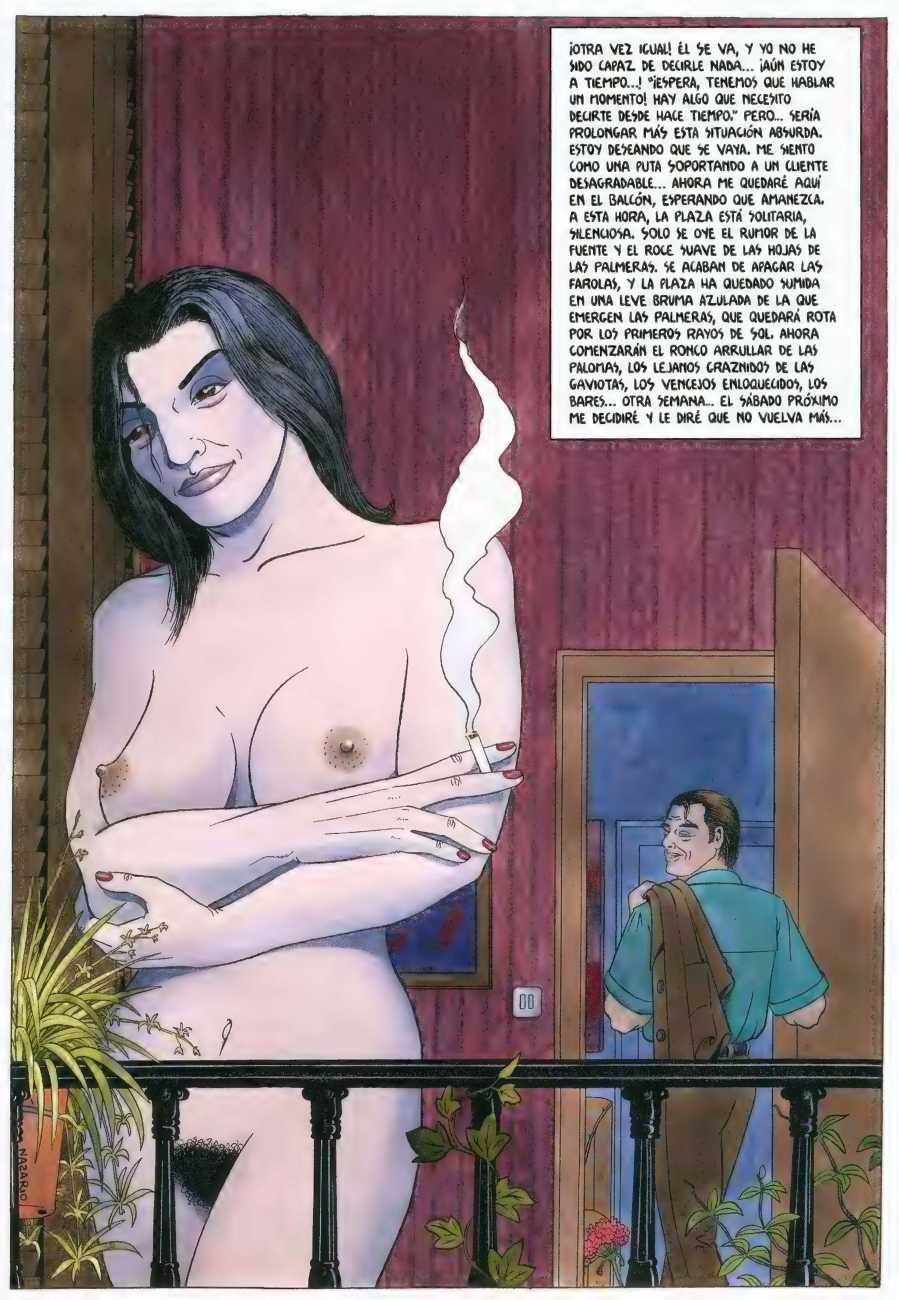
Turandot (1993)
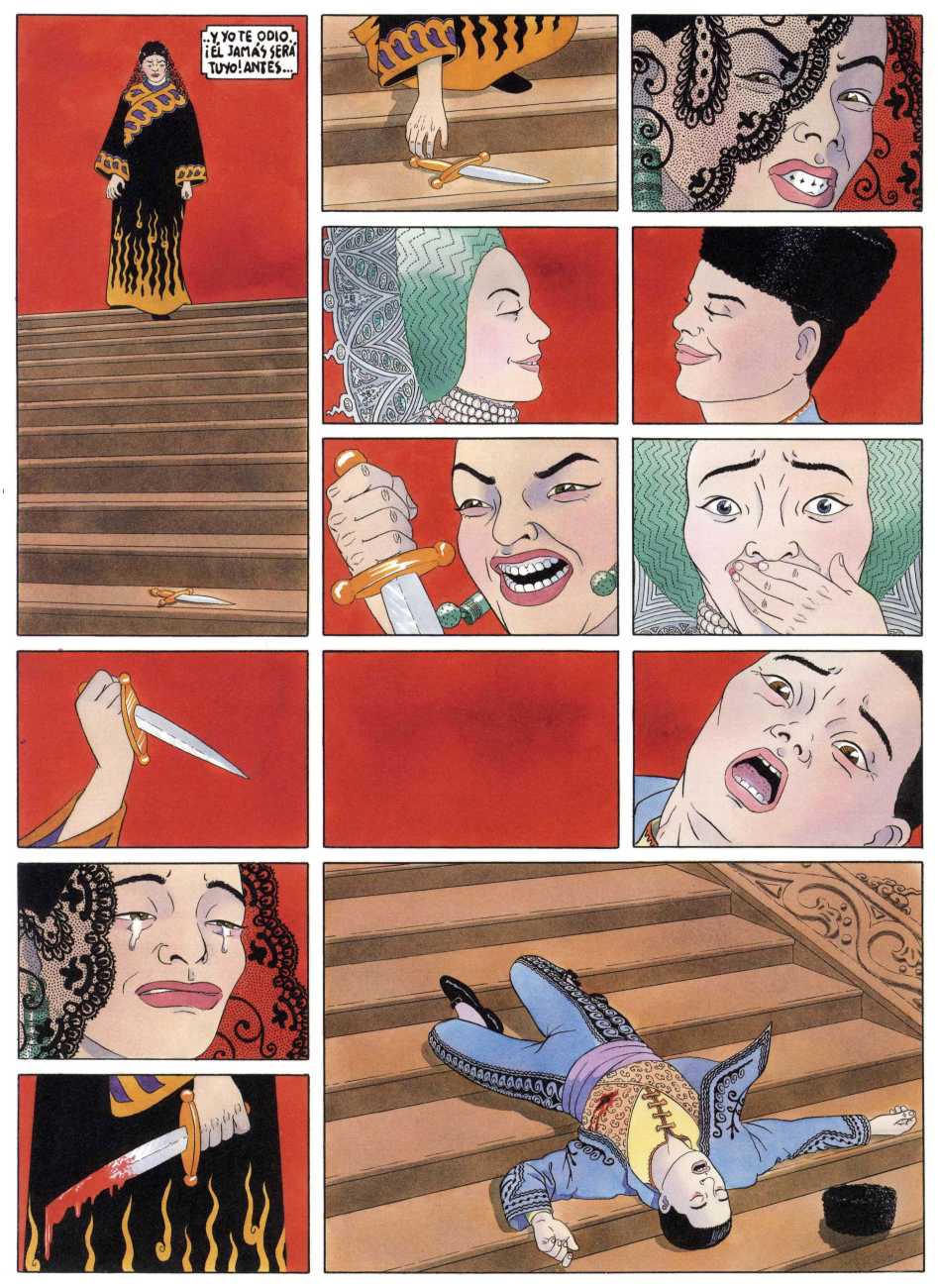
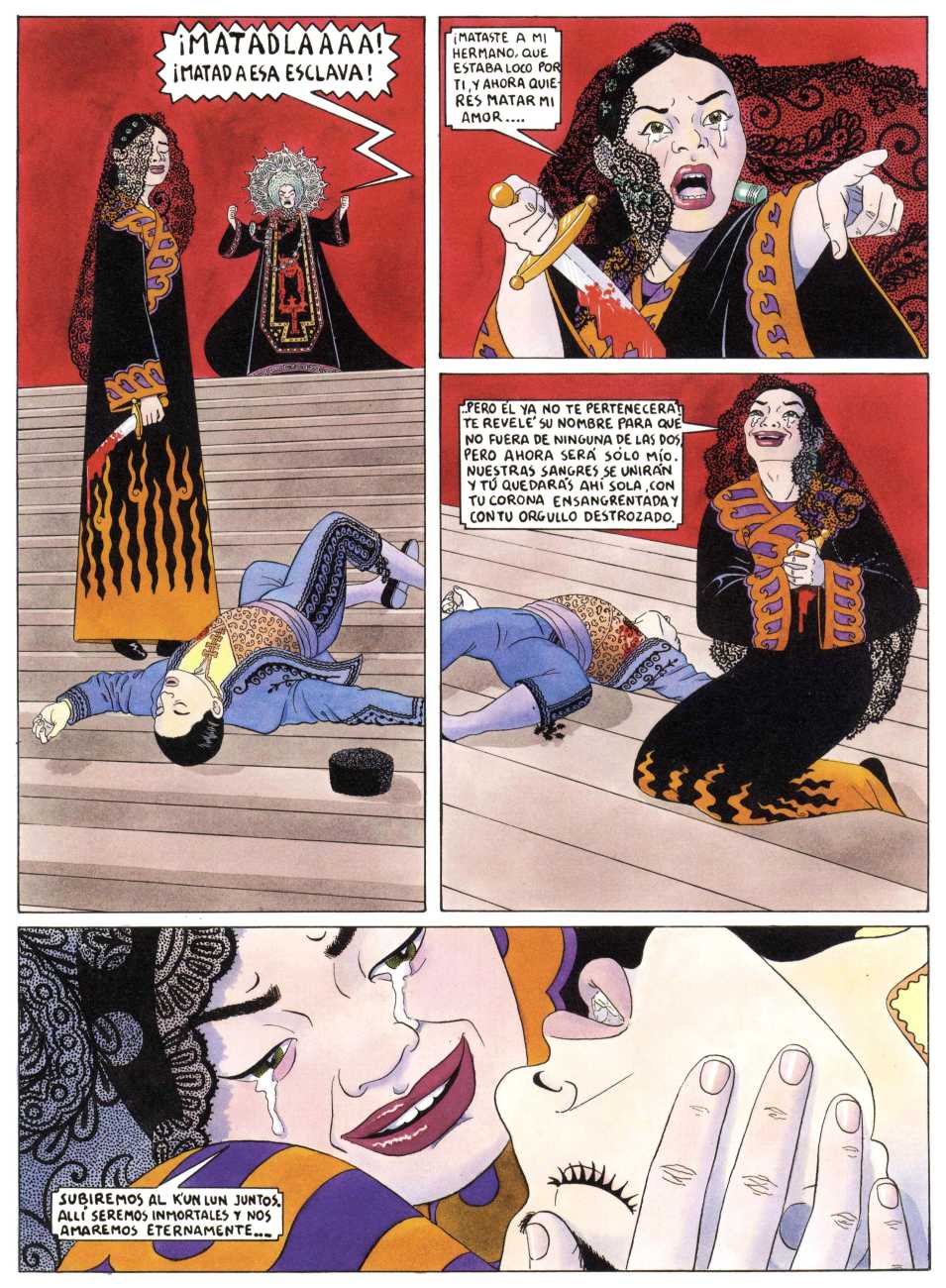
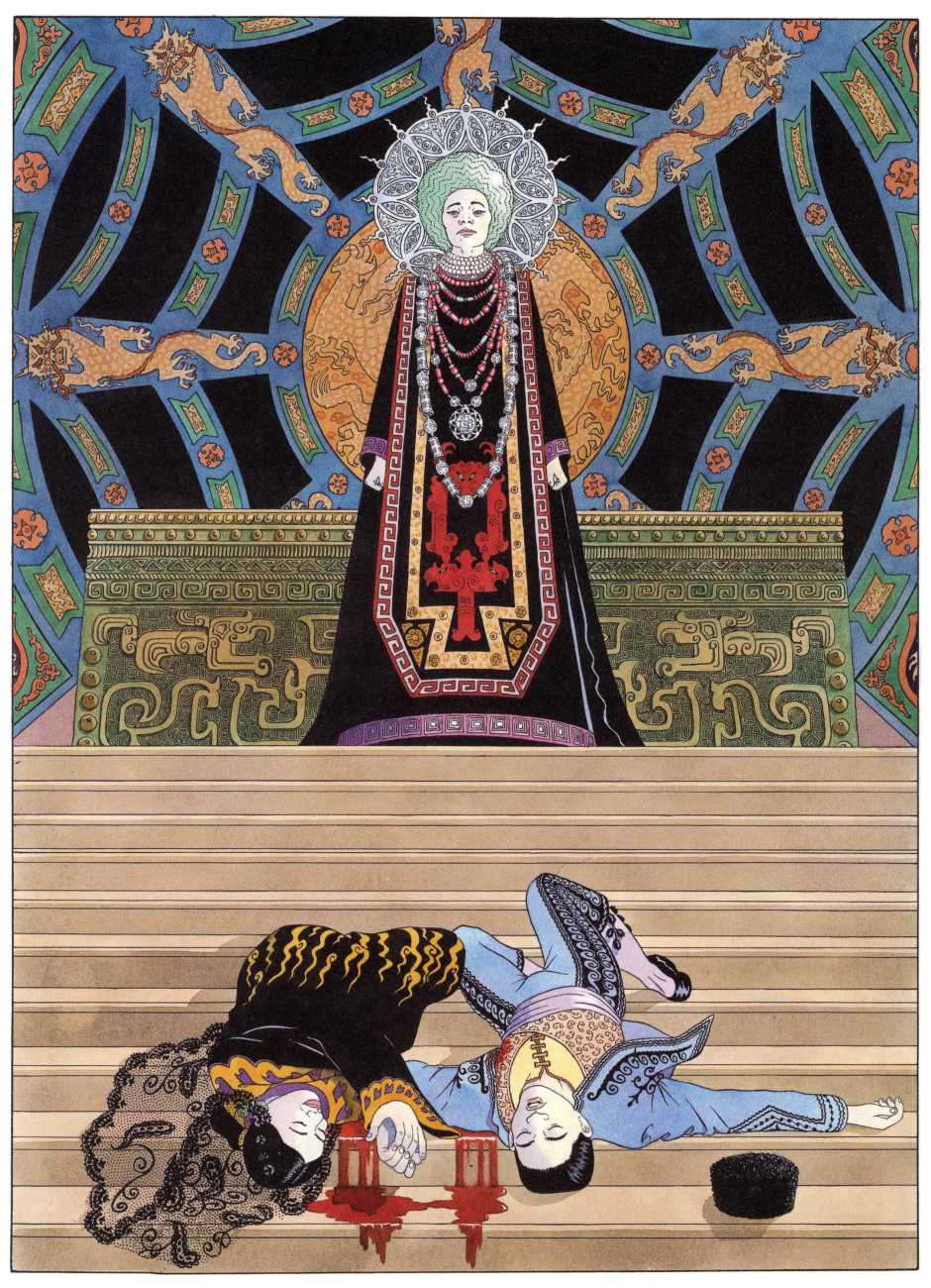
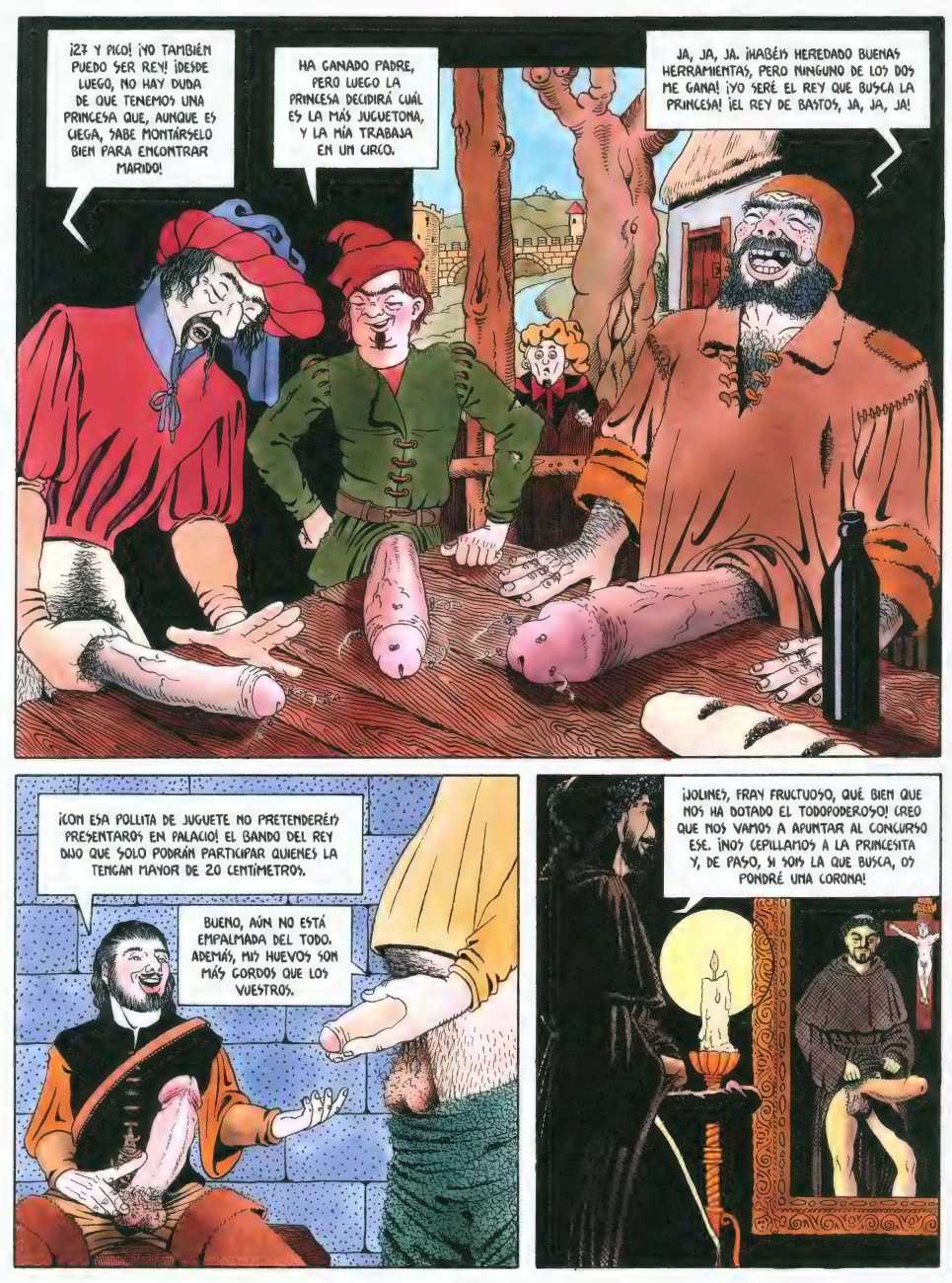
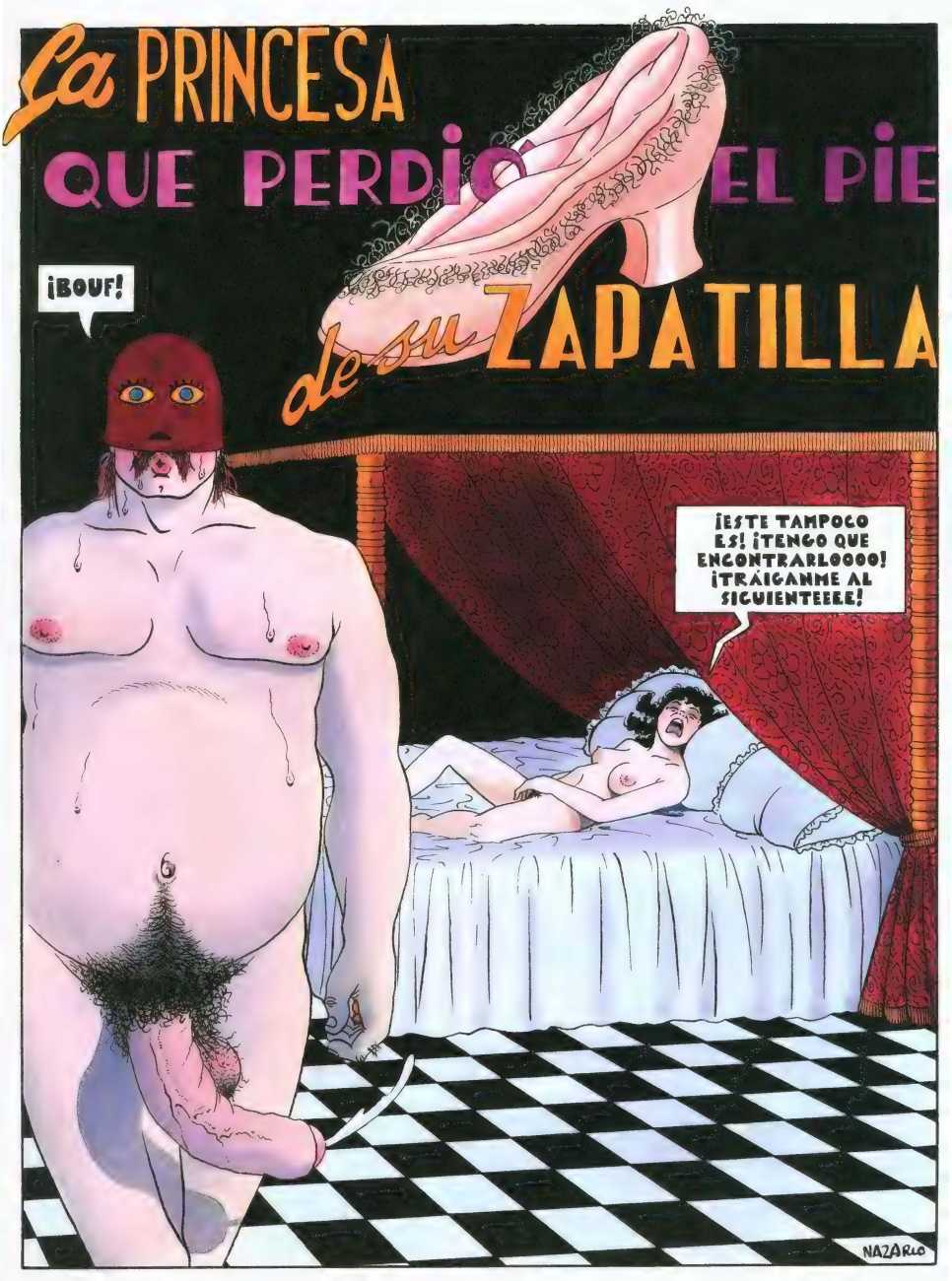
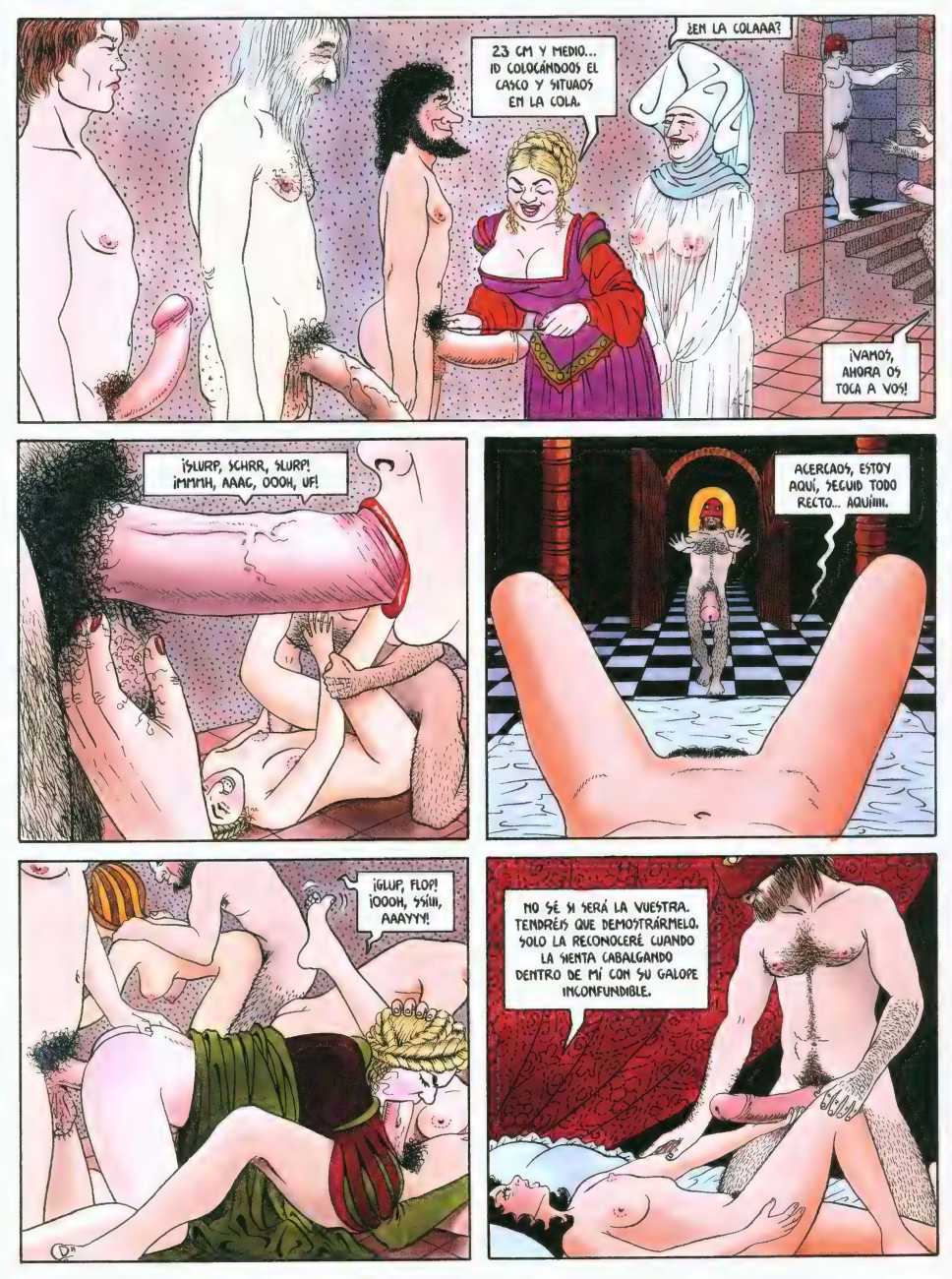
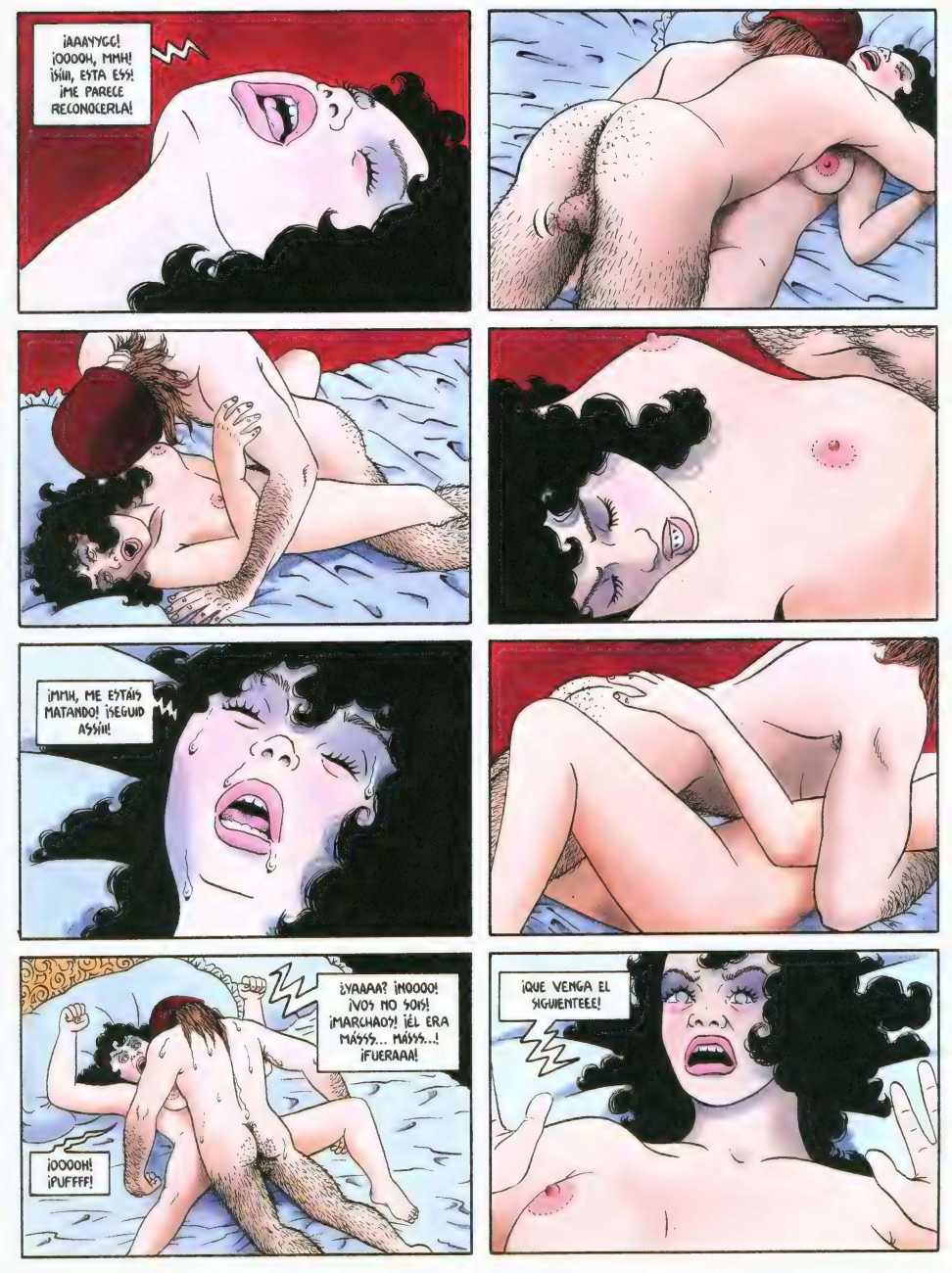
La Princesa que Perdió el Pie de su Zapatilla (1998)